1/8
7 outdated rules to ignore when designing a small patio – experts say ditching them will transform your space
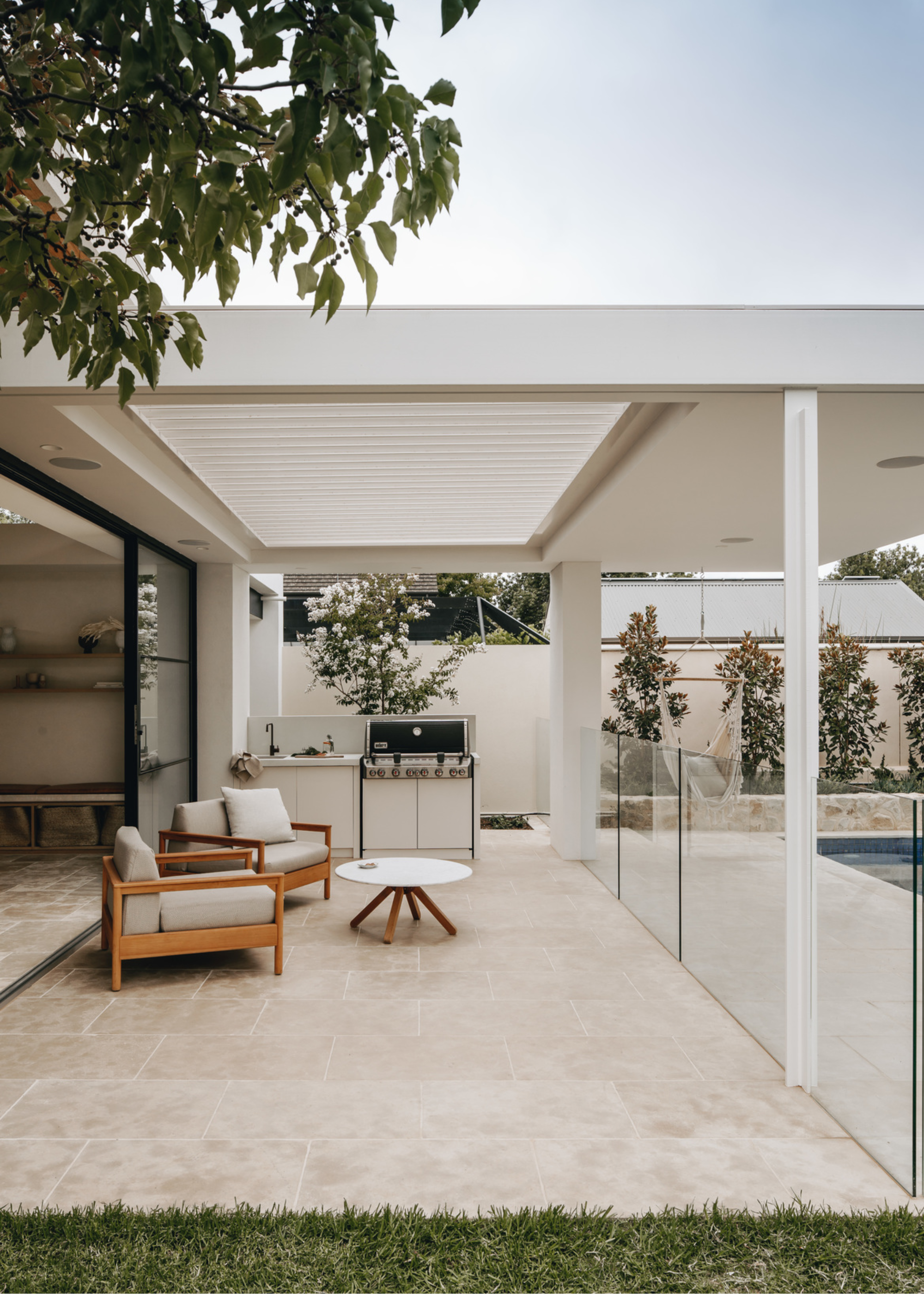
The article addresses common misconceptions and outdated rules that often constrain individuals when designing small patios. It features insights from industry experts who advocate for a more flexible and personalized approach to maximize the potential of compact outdoor spaces.
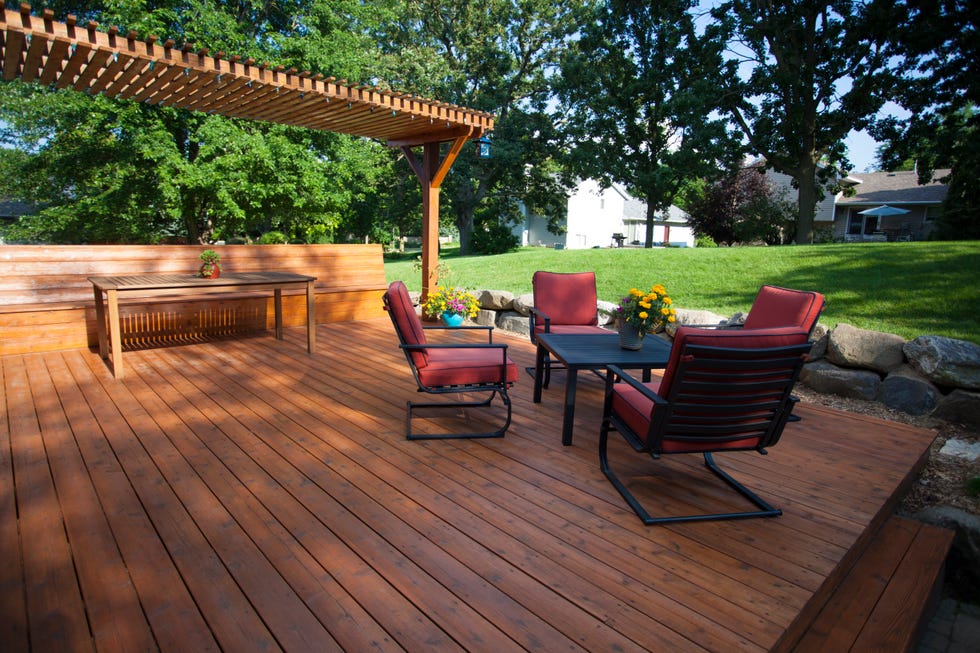
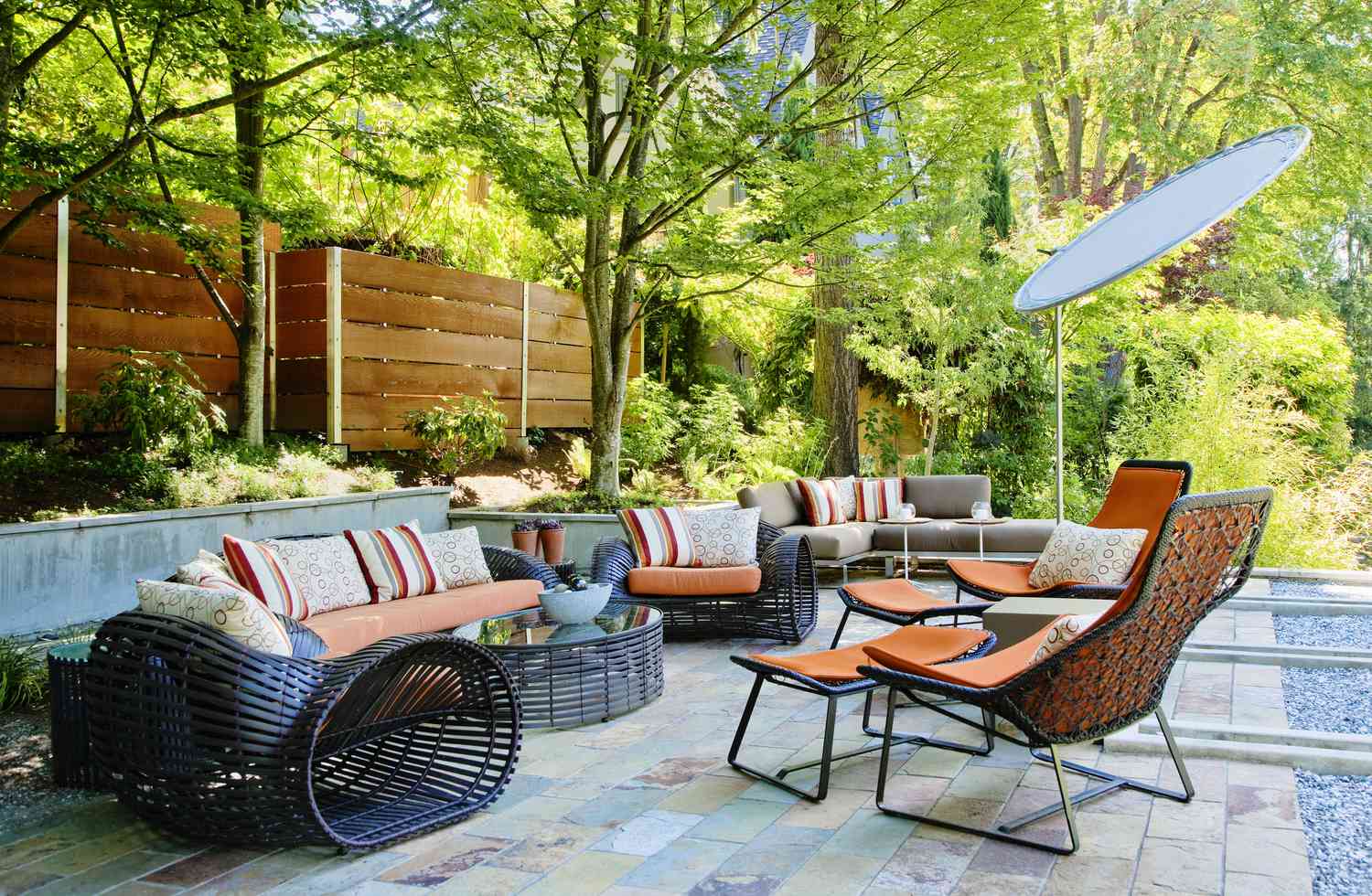
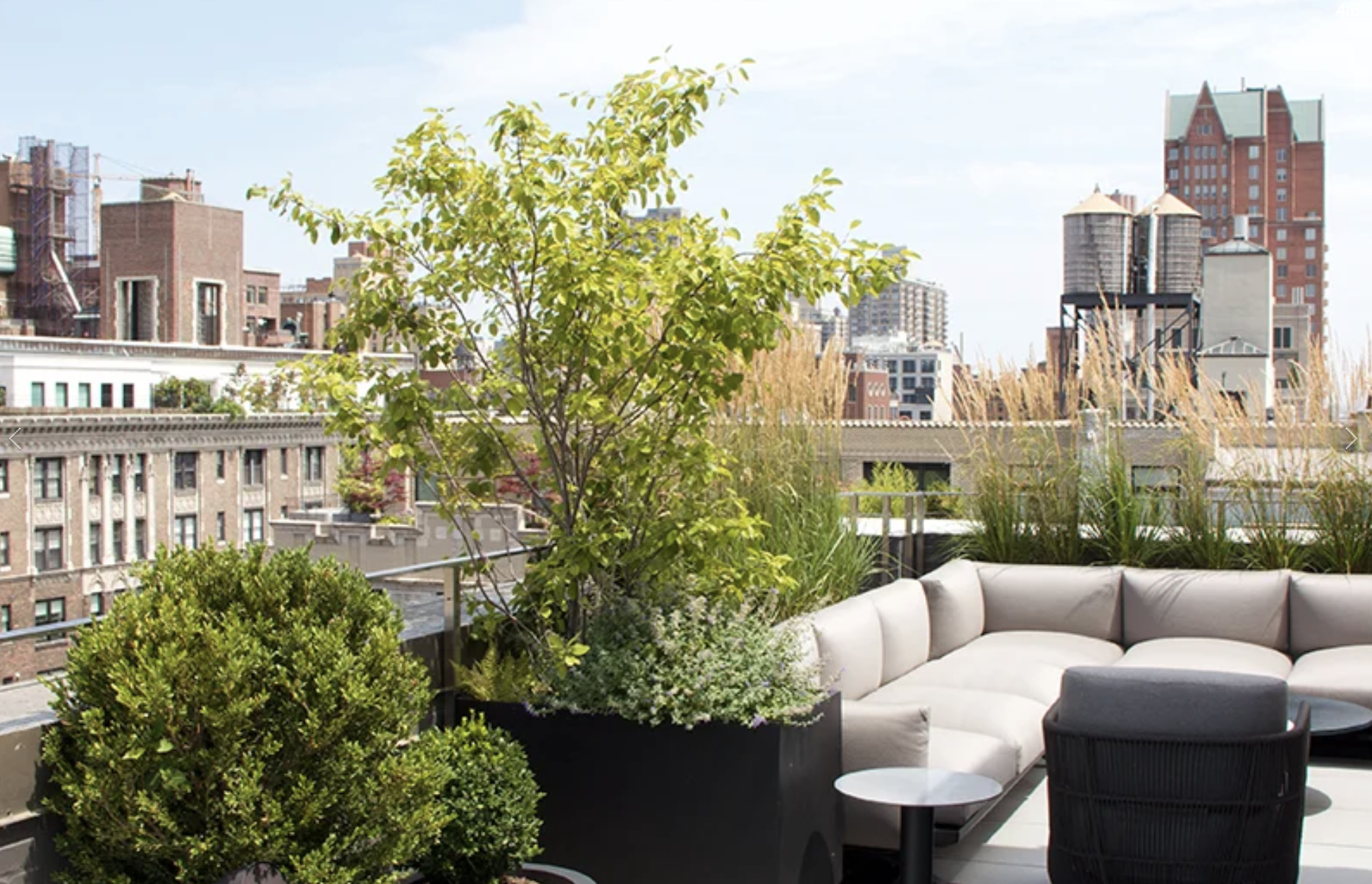
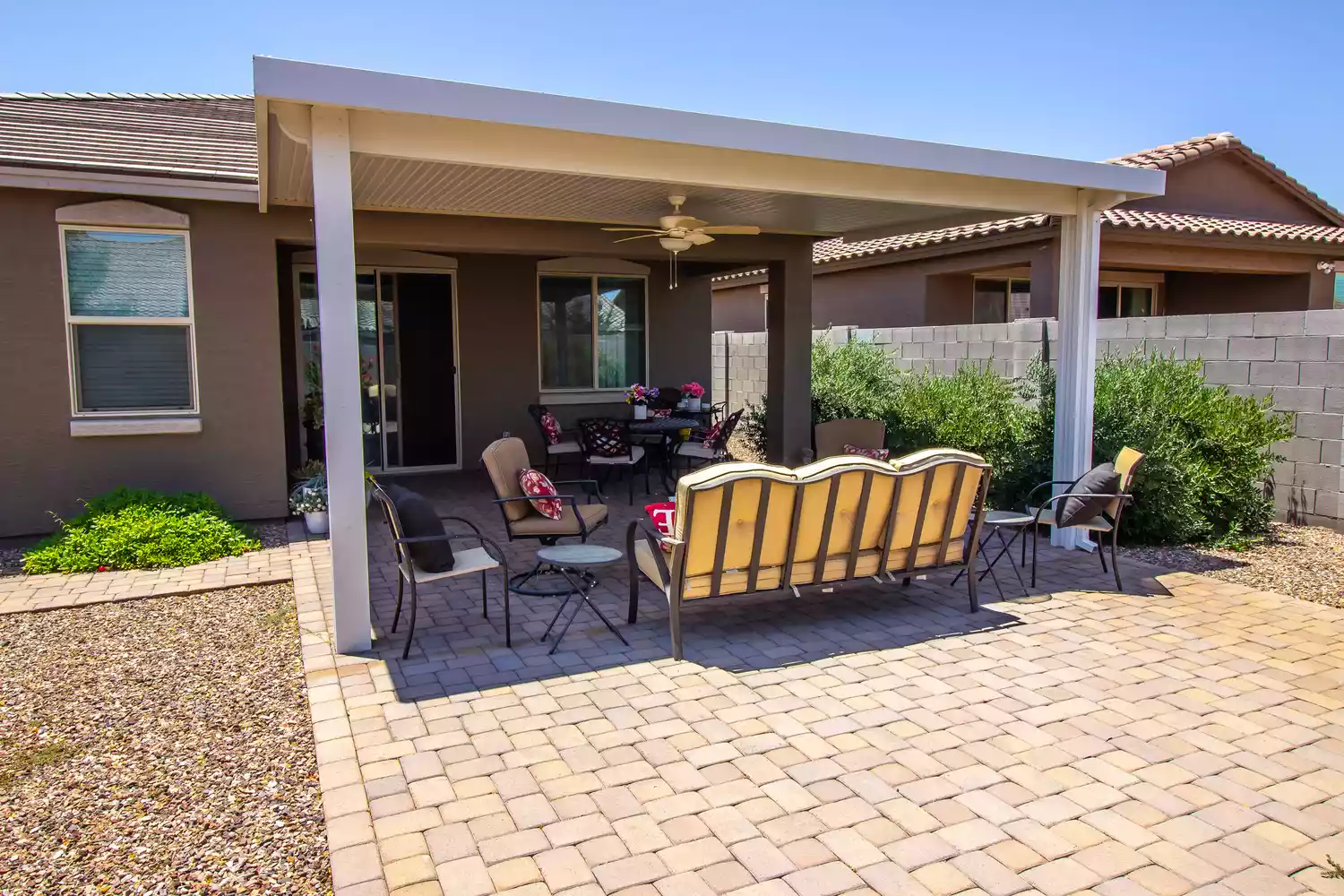
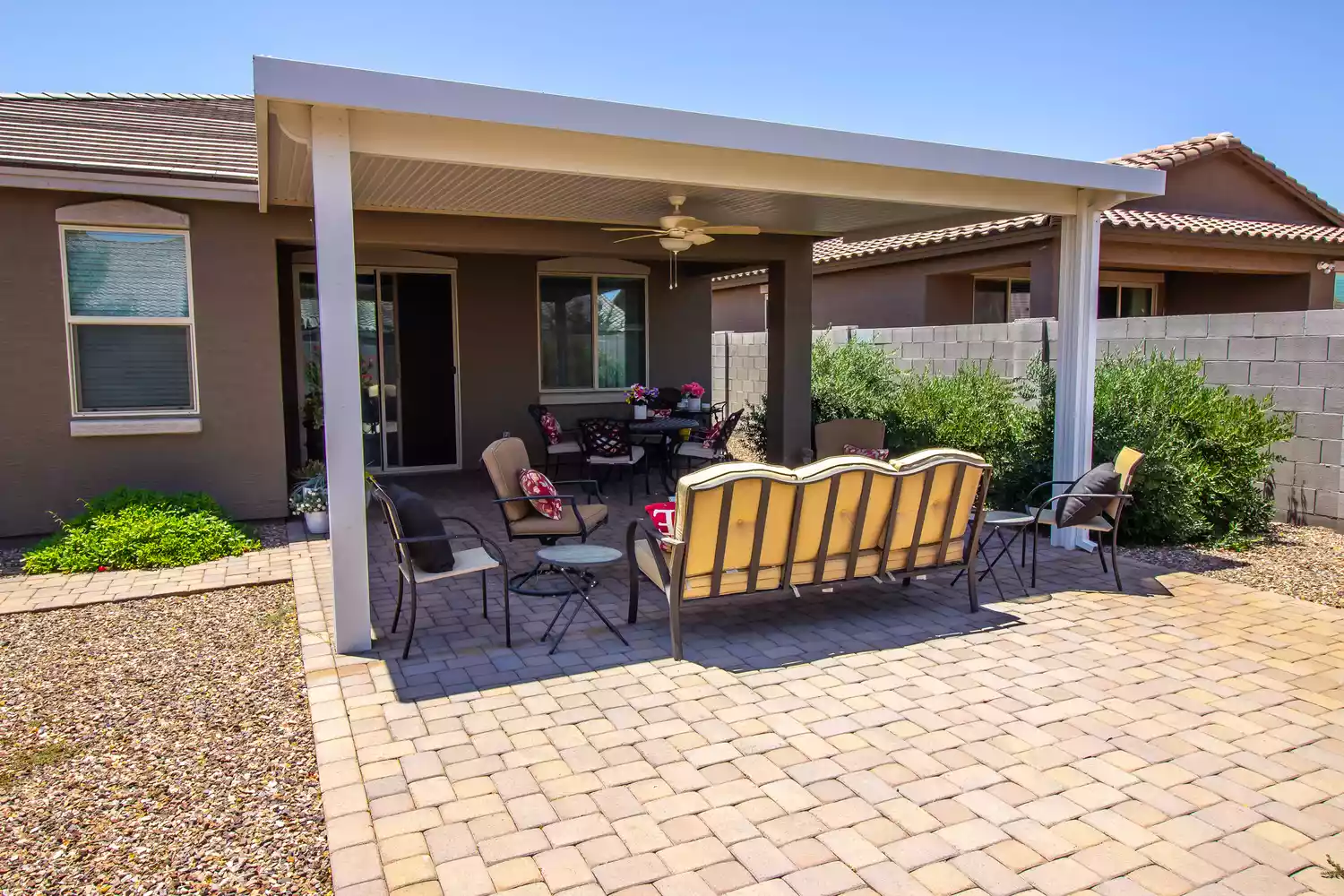
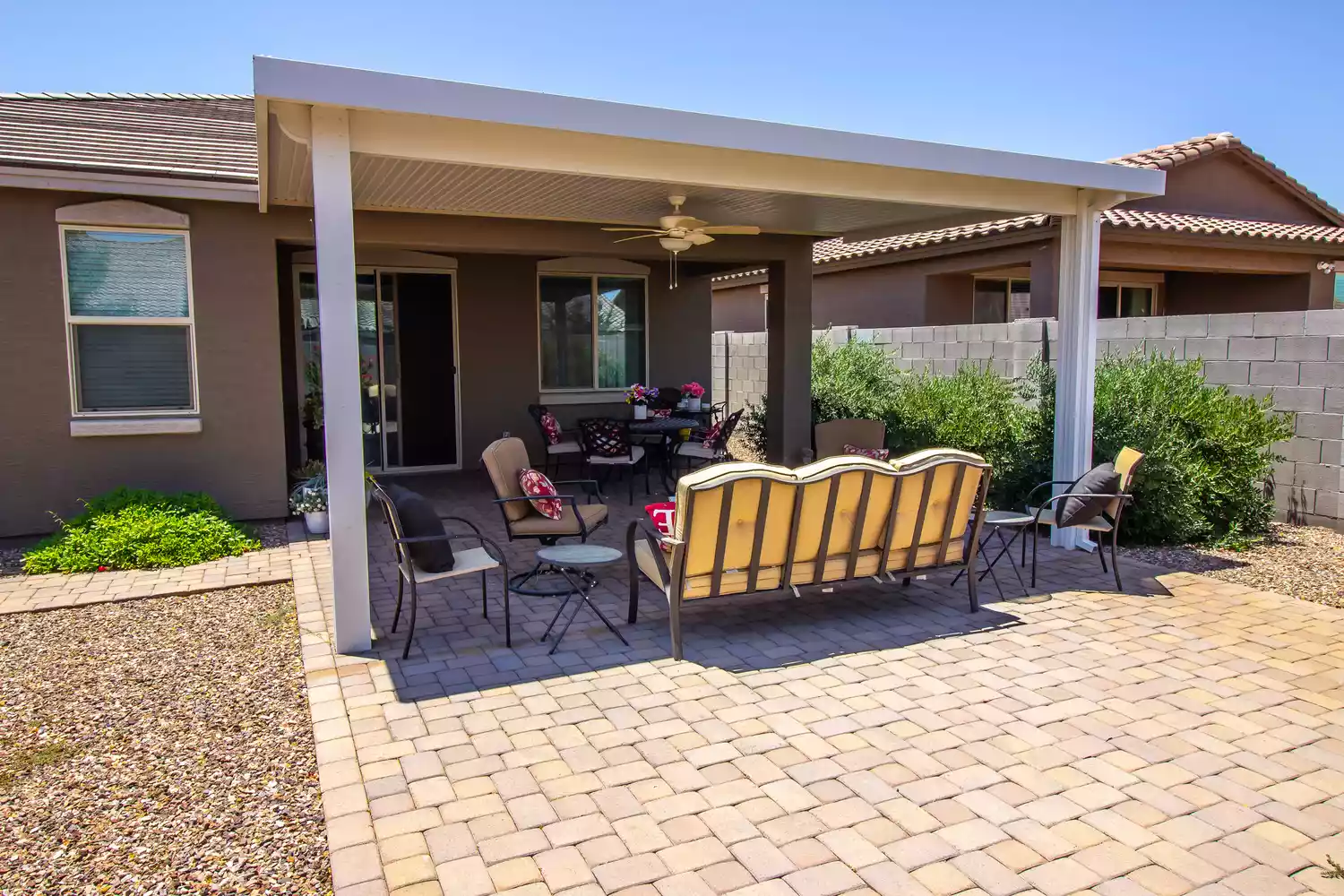
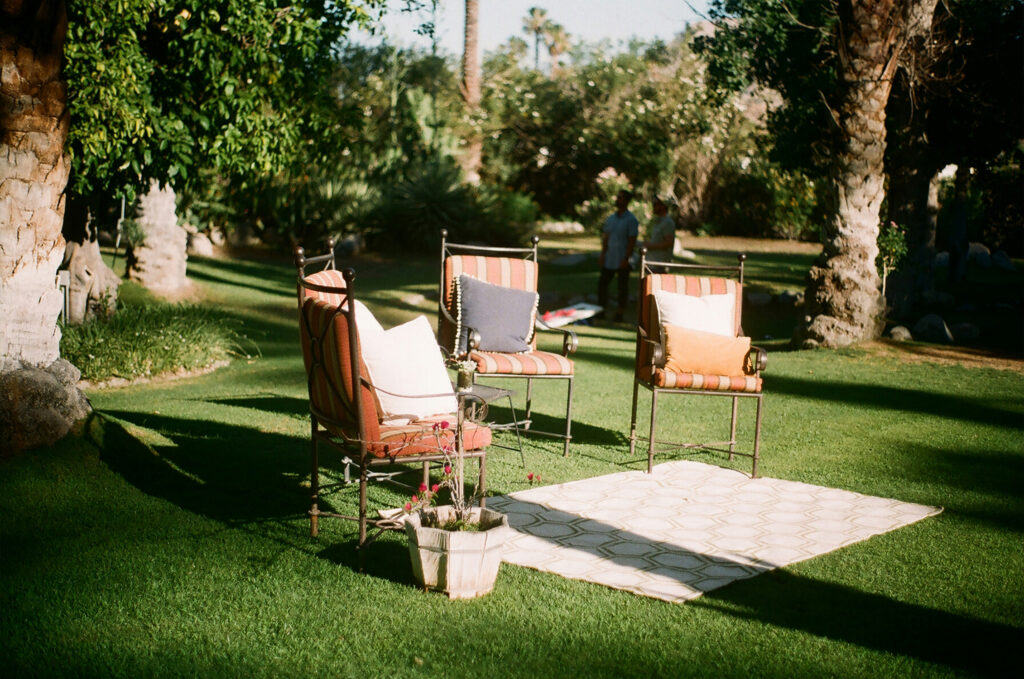
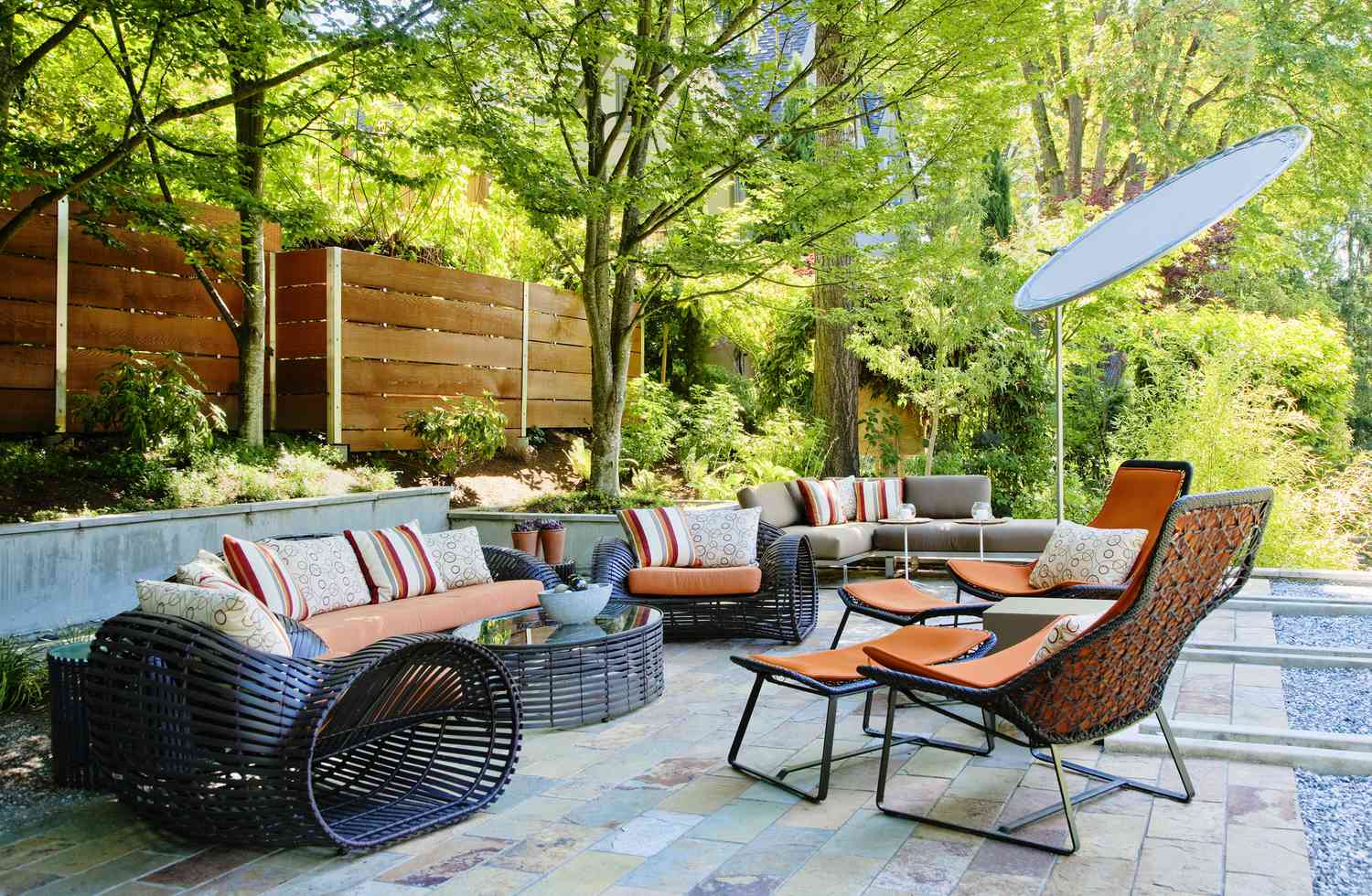
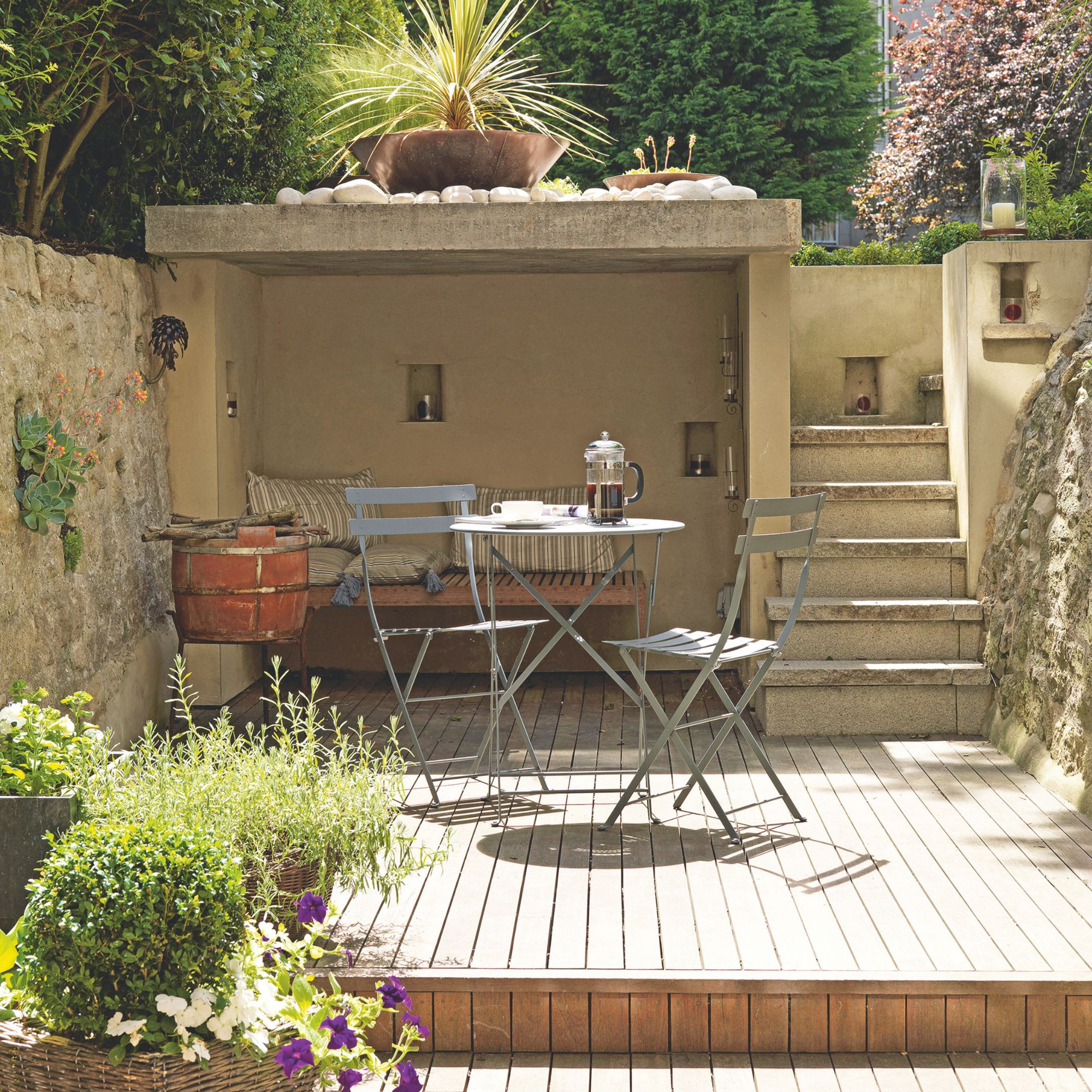
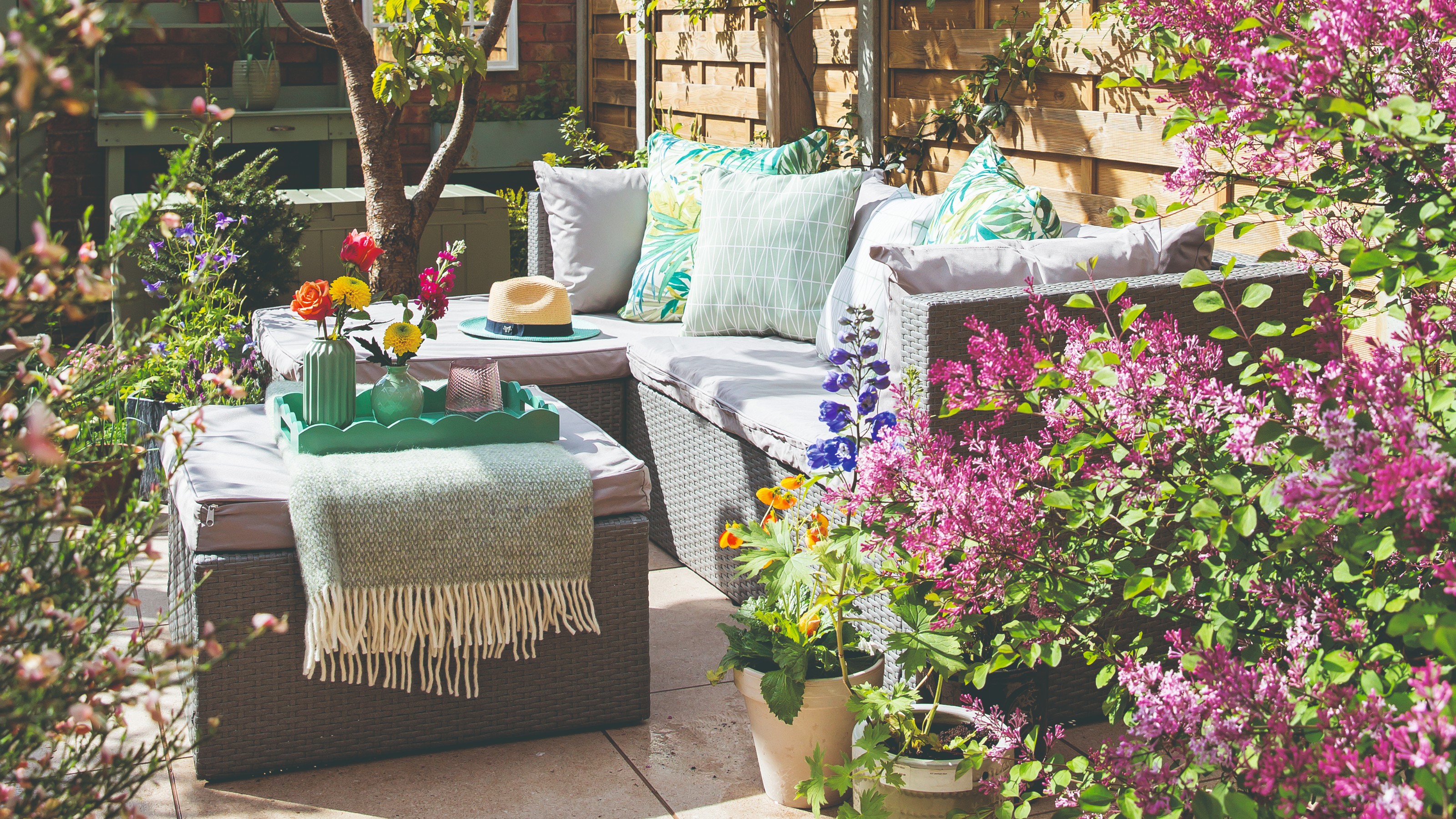
One prevalent outdated rule is the belief that small patios necessitate small furniture. Mark Irving from Build & Plumb argues that larger, more comfortable furniture can actually create an illusion of greater space by fostering a cohesive and less cluttered appearance. Lee Trethewey from Sustainable Furniture further supports this, suggesting that well-chosen, appropriately sized pieces, such as an L-shaped sofa, can make a space feel more inviting without overcrowding it. The key is strategic use of space rather than simply miniaturizing everything.
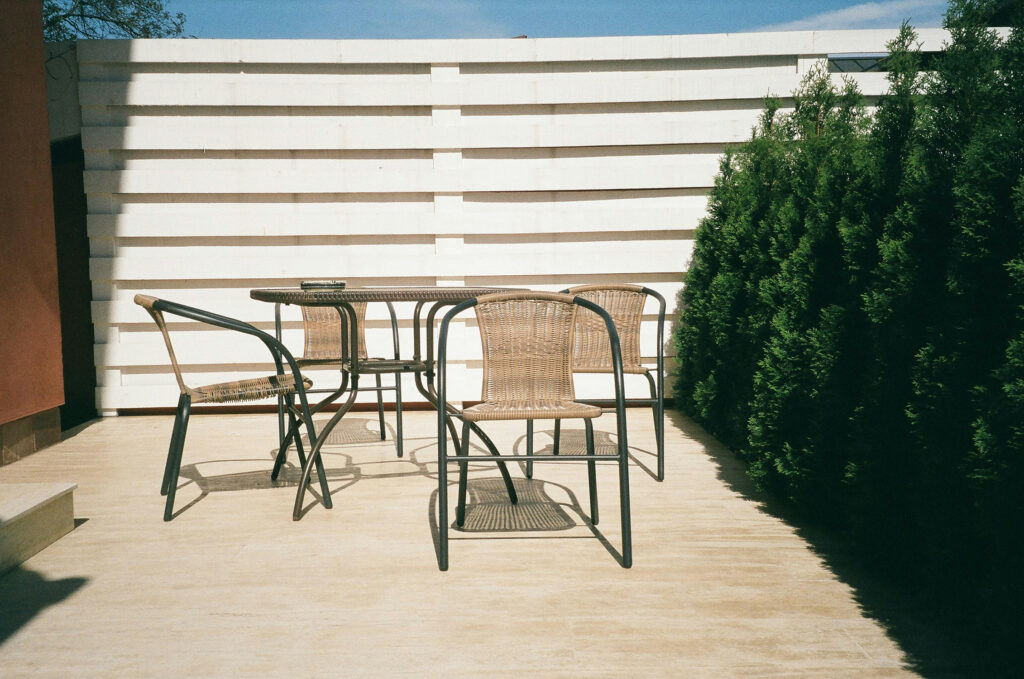
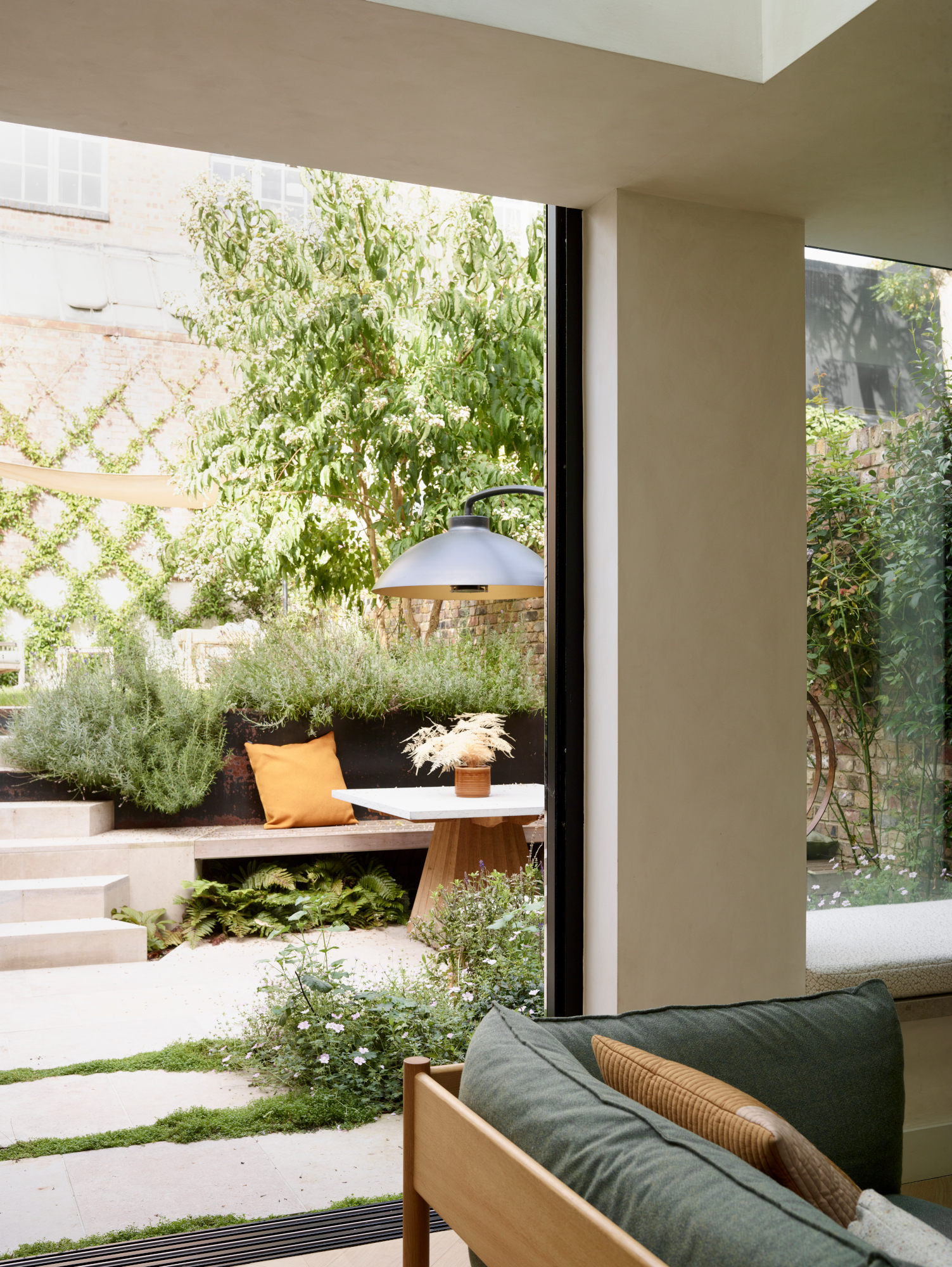
Another debunked rule is the avoidance of dark colors in small patio designs. While light shades can make a space feel expansive, Danielle Le Vaillant, Head of Photography & Film at Cox & Cox, highlights that darker-toned wood and metal furniture can introduce intimacy and sophistication. Mark Irving adds a practical benefit, noting that dark colors can mask dirt and debris, reducing the frequency of cleaning. Therefore, embracing darker hues can contribute to both aesthetics and maintenance efficiency.
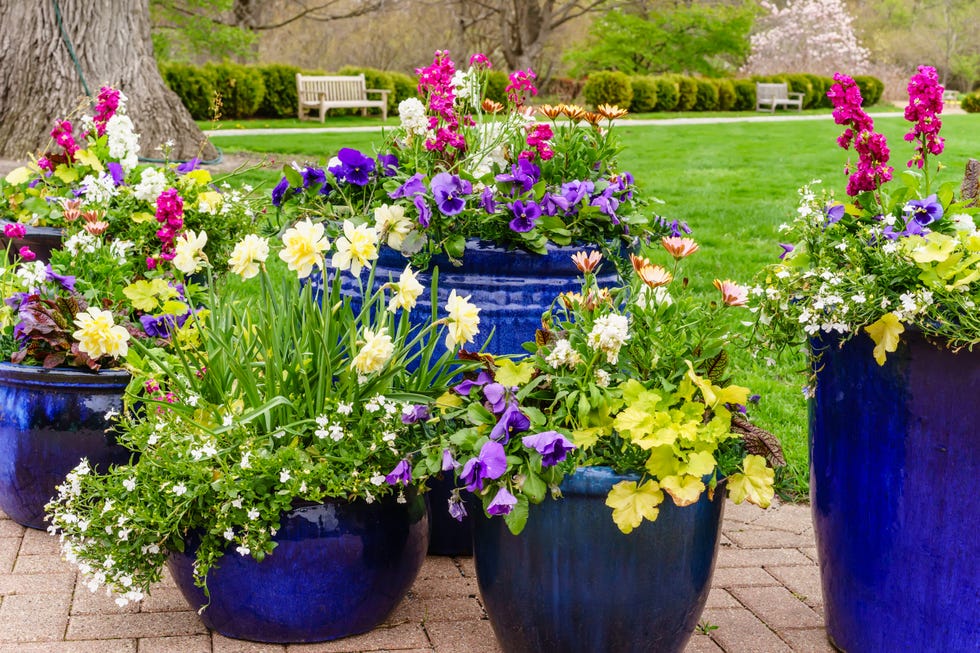
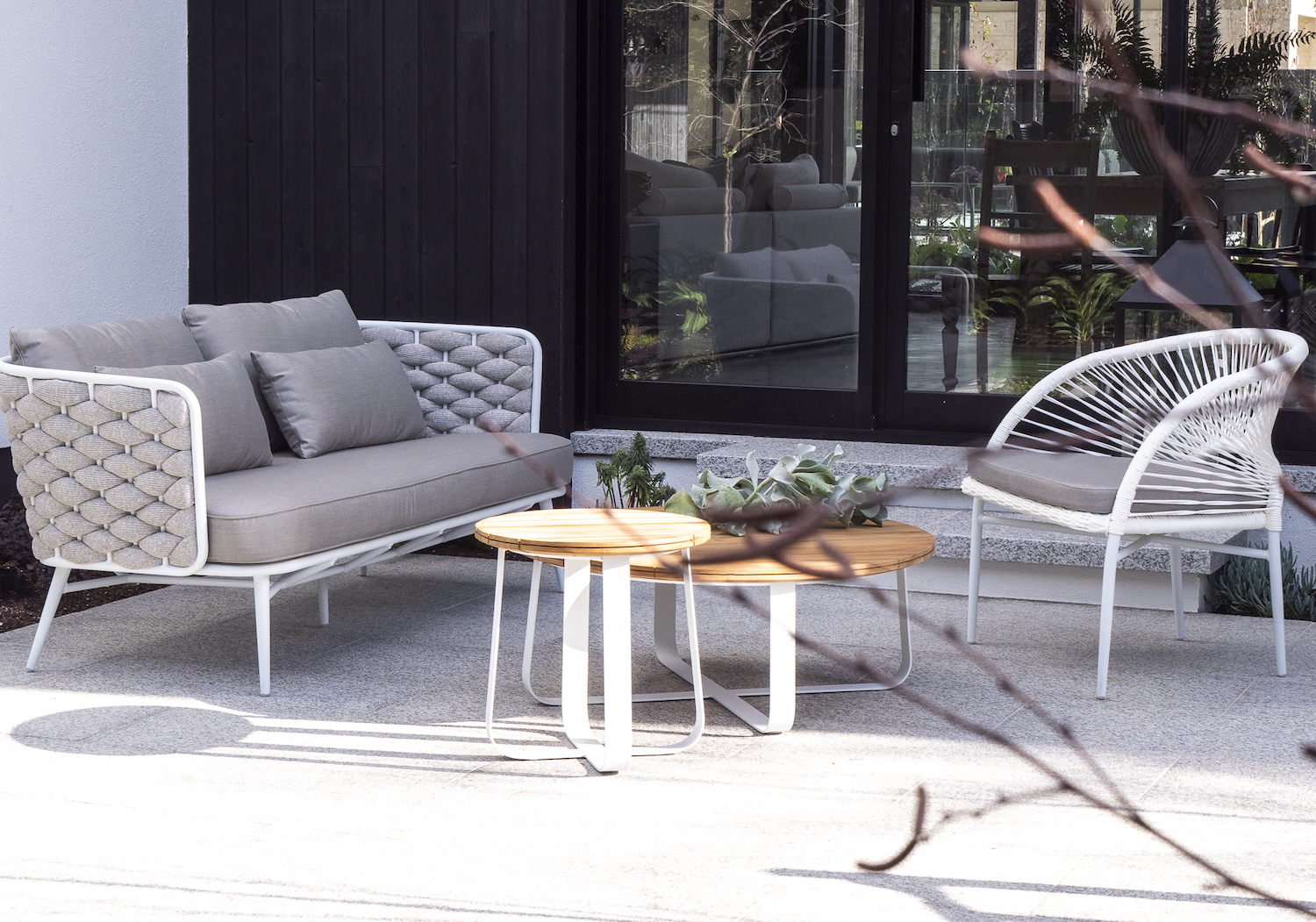
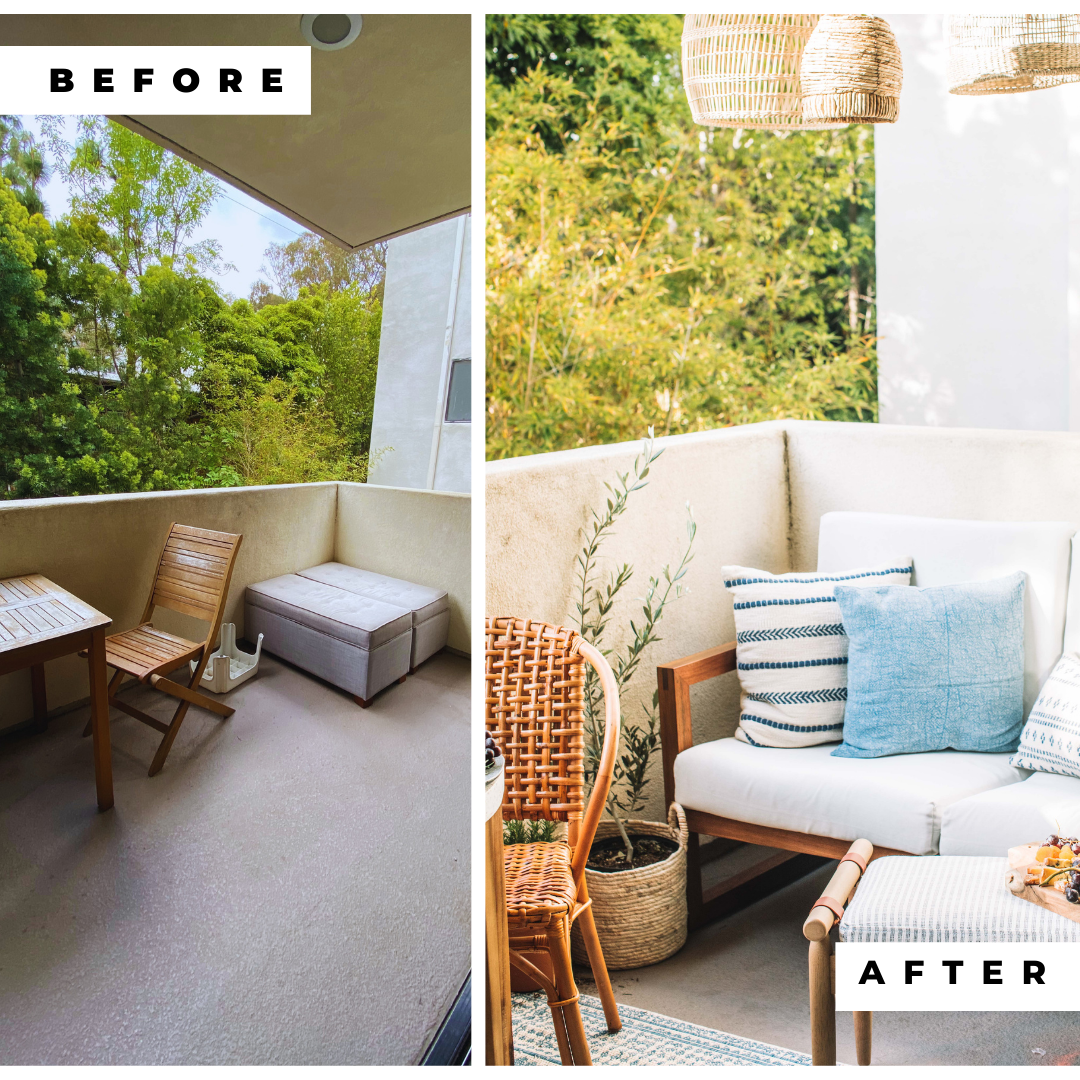
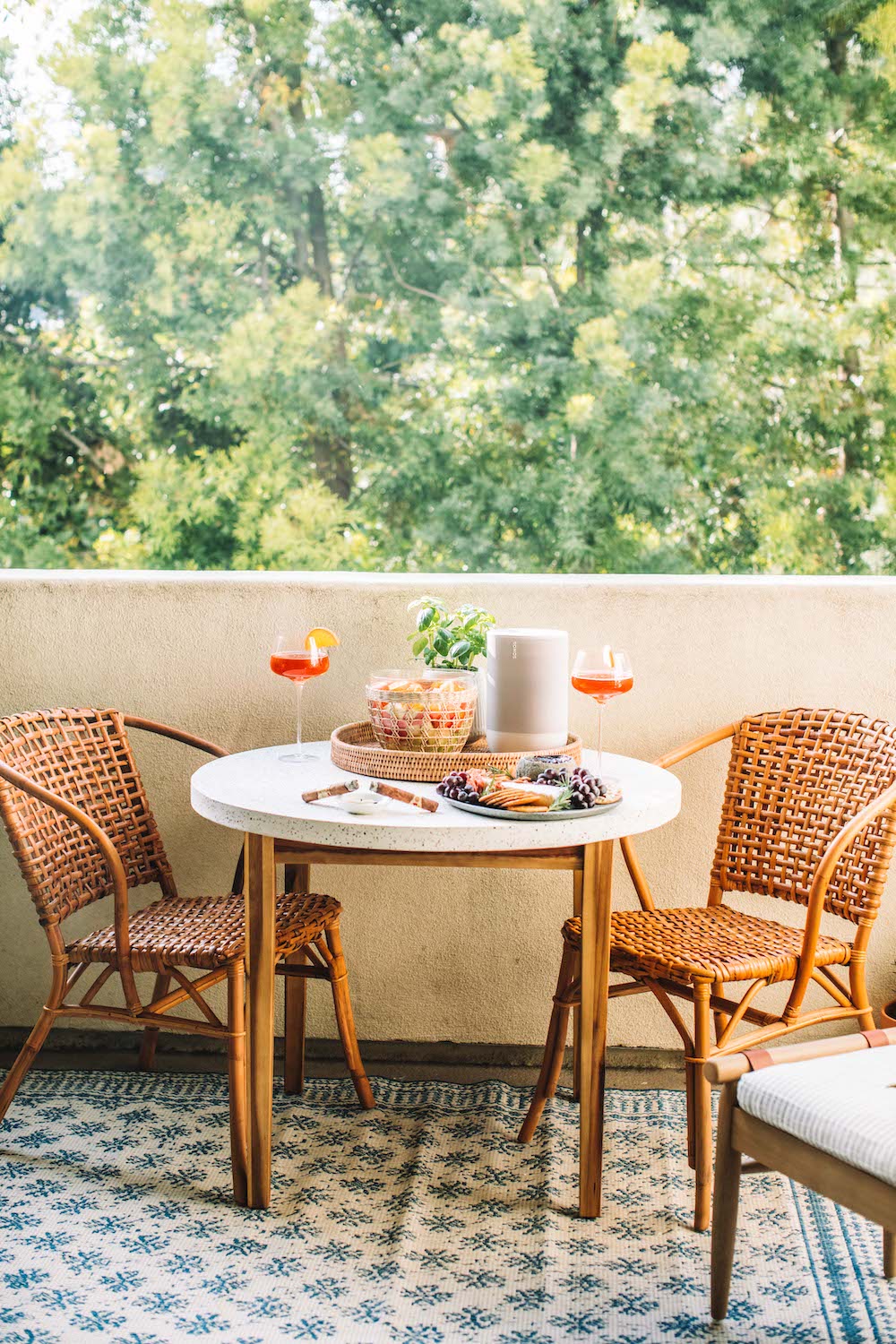
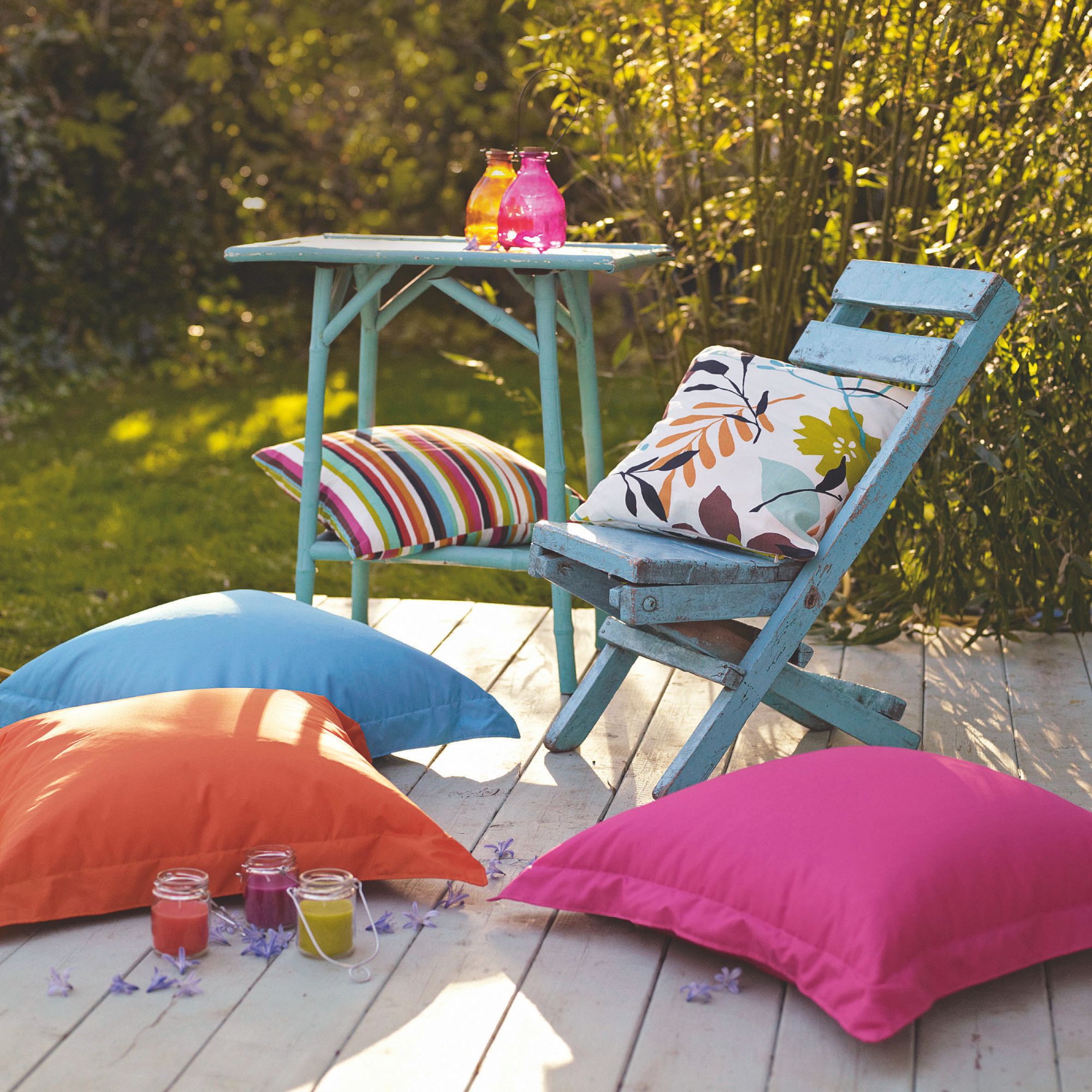
The article also challenges the notion that all garden furniture must match. Lee Trethewey encourages mixing and matching old and new pieces, diverse styles, and various colors and materials to infuse charm and individuality into a patio. Mark Irving agrees, emphasizing that mismatched items can create an eclectic and unique space, preventing it from appearing lifeless or flat.
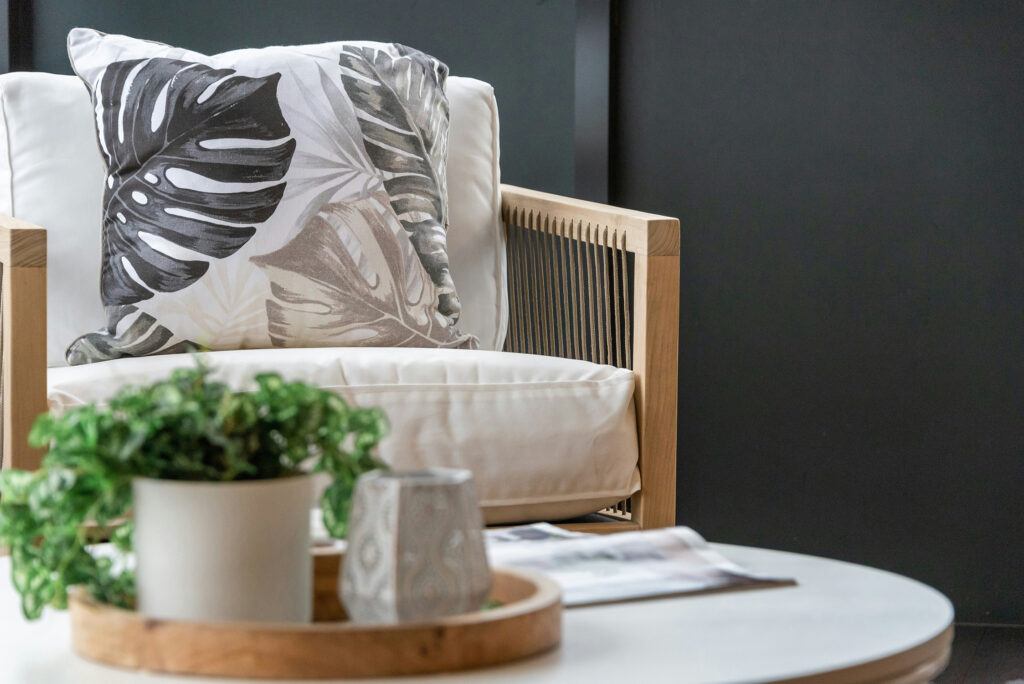
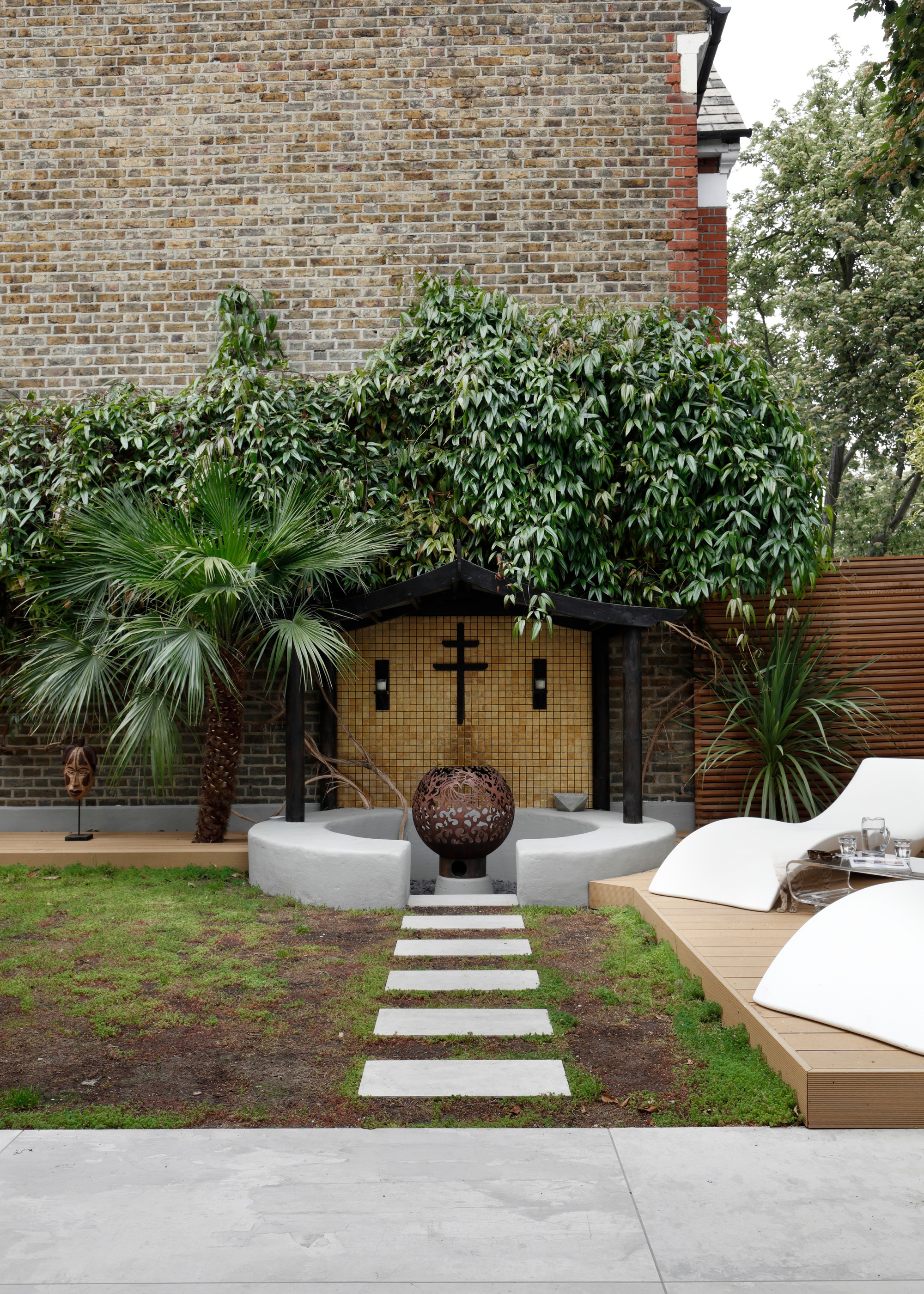
Minimalism in design and accessories for small patios is another rule that experts advise ignoring. Danielle Le Vaillant suggests that oversized decorative items, like orbs and spheres, can make a significant impact in smaller areas. Lee Trethewey advocates for thoughtful accessorizing with items such as lanterns, outdoor LED string lights, small sculptures, or outdoor rugs to personalize the space and make it feel homely, rather than starkly minimal.
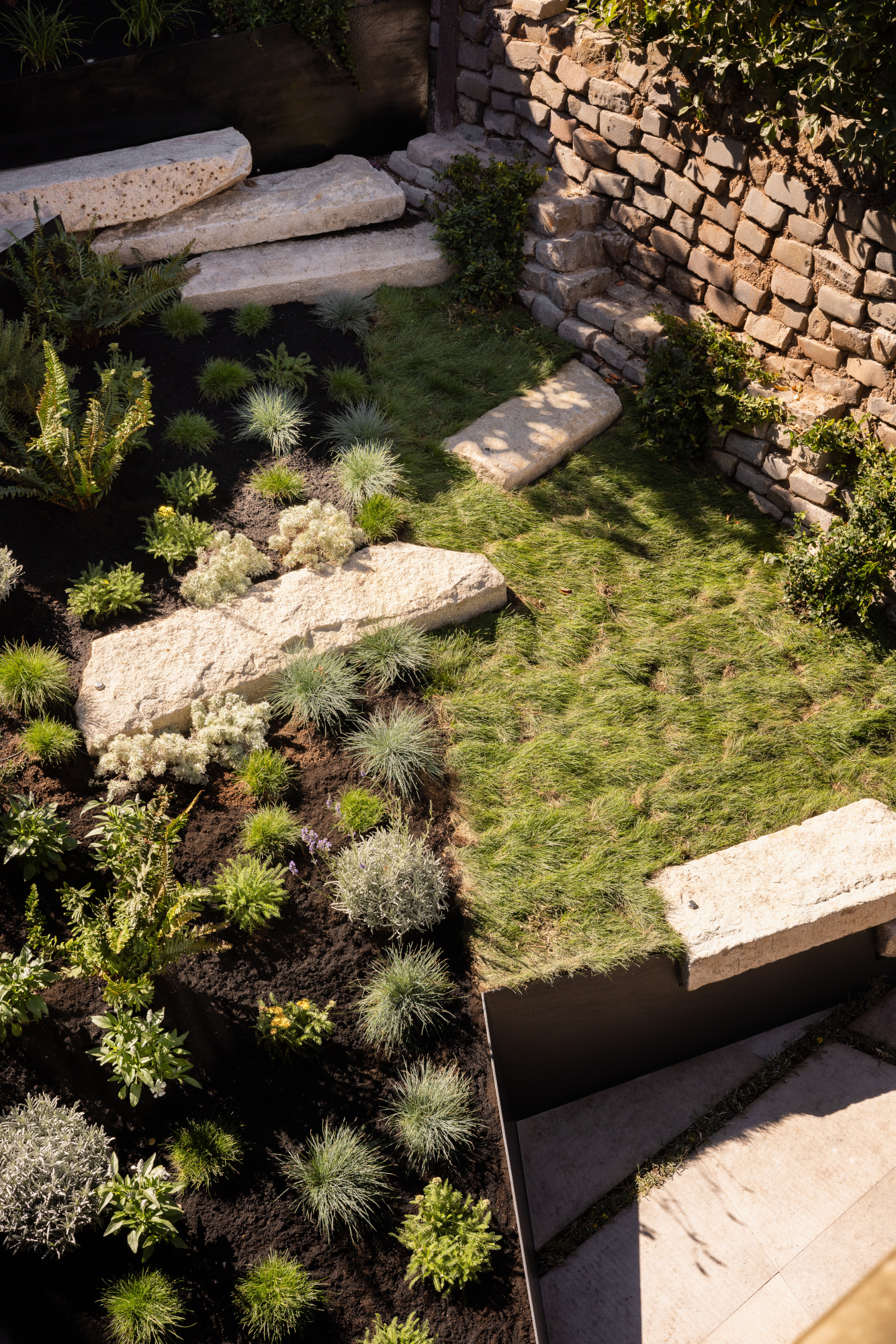
The fifth outdated rule concerns the exclusive use of a single material for paving. Ben Bryden, Sales and Marketing Director at RAK Ceramics UK, explains that combining different materials, such as porcelain tiles with gravel inserts, can add depth, visual interest, and paradoxically, make the area appear larger by breaking up its expanse.
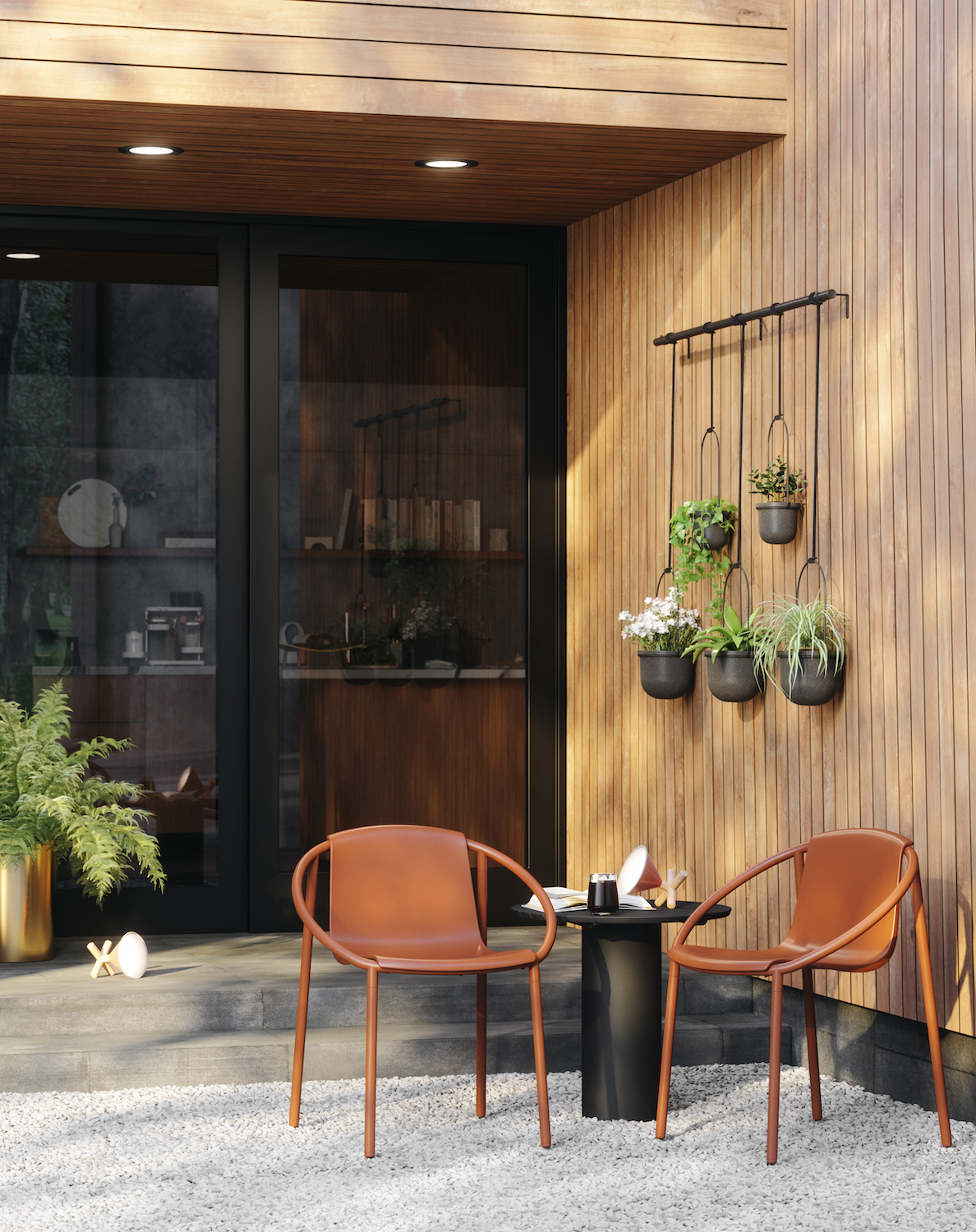
Avoiding vertical designs is another conventional wisdom challenged by the experts. Danielle Le Vaillant points out that walls offer a blank canvas for focal points like outdoor mirrors or wall clocks, which draw the eye upwards and create an illusion of height and space. Mark Irving reinforces this, stating that vertical elements like trellises, hanging baskets, and mounted plant pots can introduce greenery without consuming valuable floor space, making the patio feel cozier and more inviting.
Finally, the article confronts the idea that patios are solely for summer use. Lee Trethewey argues that in unpredictable climates, designing a patio for year-round enjoyment is crucial. Suggestions include installing retractable awnings or waterproof covers, investing in patio heating, and incorporating blankets to extend usability into spring and autumn. This approach maximizes the patio's potential beyond just a seasonal function.
For optimal patio design, the experts advise prioritizing functionality and personal needs over rigid aesthetic rules. Before commencing any design, consider the intended use of the space to avoid creating a visually appealing but impractical area. Additionally, building regulations for patios are generally minimal for ground-level installations, though precautions regarding drainage and height must be observed. For listed buildings or conservation areas, local council consultation is recommended. Ultimately, the most effective patio design is one that truly serves the user's requirements and preferences.
#SmallPatioDesign #OutdoorLiving #GardenFurniture #PatioDecor #HomeImprovement #DesignTips #SpaceMaximization #OutdoorSpace #GardenDesign #SmallPatioDesign #OutdoorLiving #GardenFurniture #PatioDecor #HomeImprovement #DesignTips #SpaceMaximization #OutdoorSpace #GardenDesign
0 comment in total
 No comments yet
You may also like
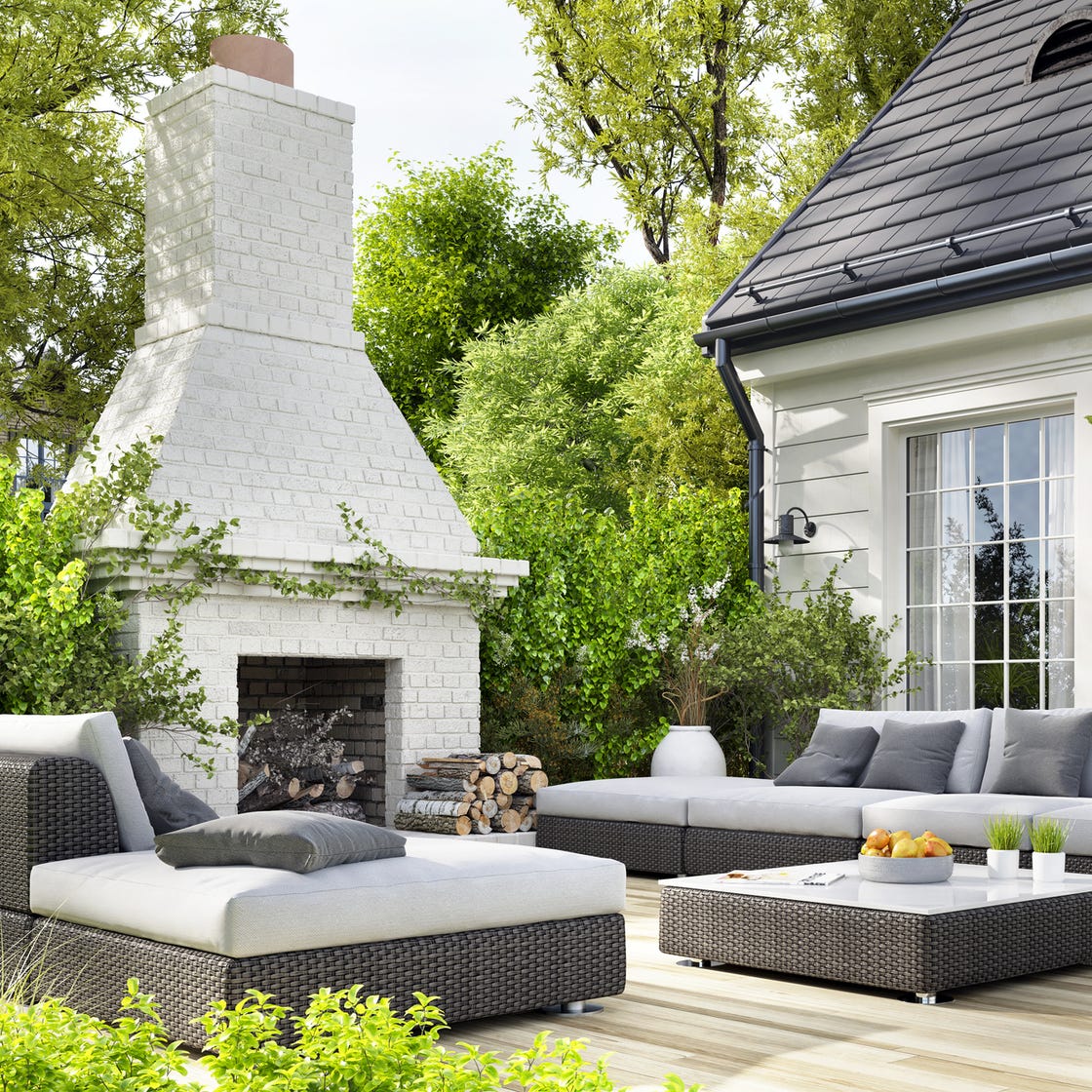
9 Patio Design Mistakes You're Probably Making—And How to Avoid Them

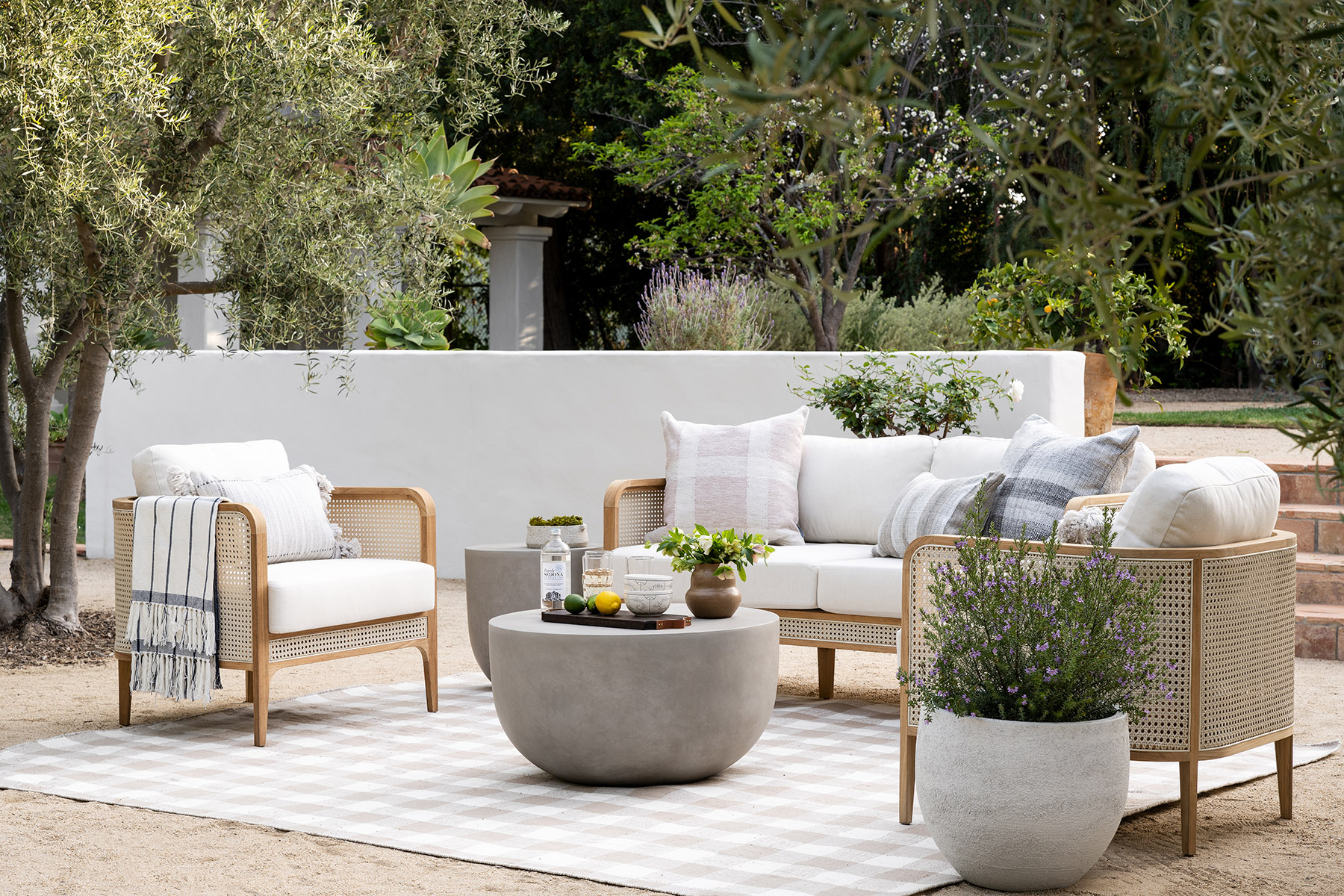
Outdoor Furniture Layout Plans for a Small Patio — 5 Ideas Landscape Designers Say You Should Try

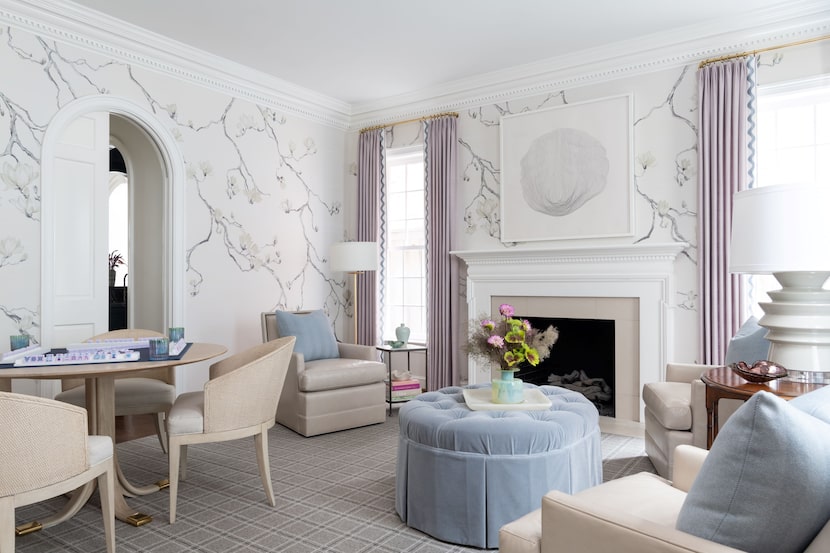
7 home design trends to skip (and what to do instead)

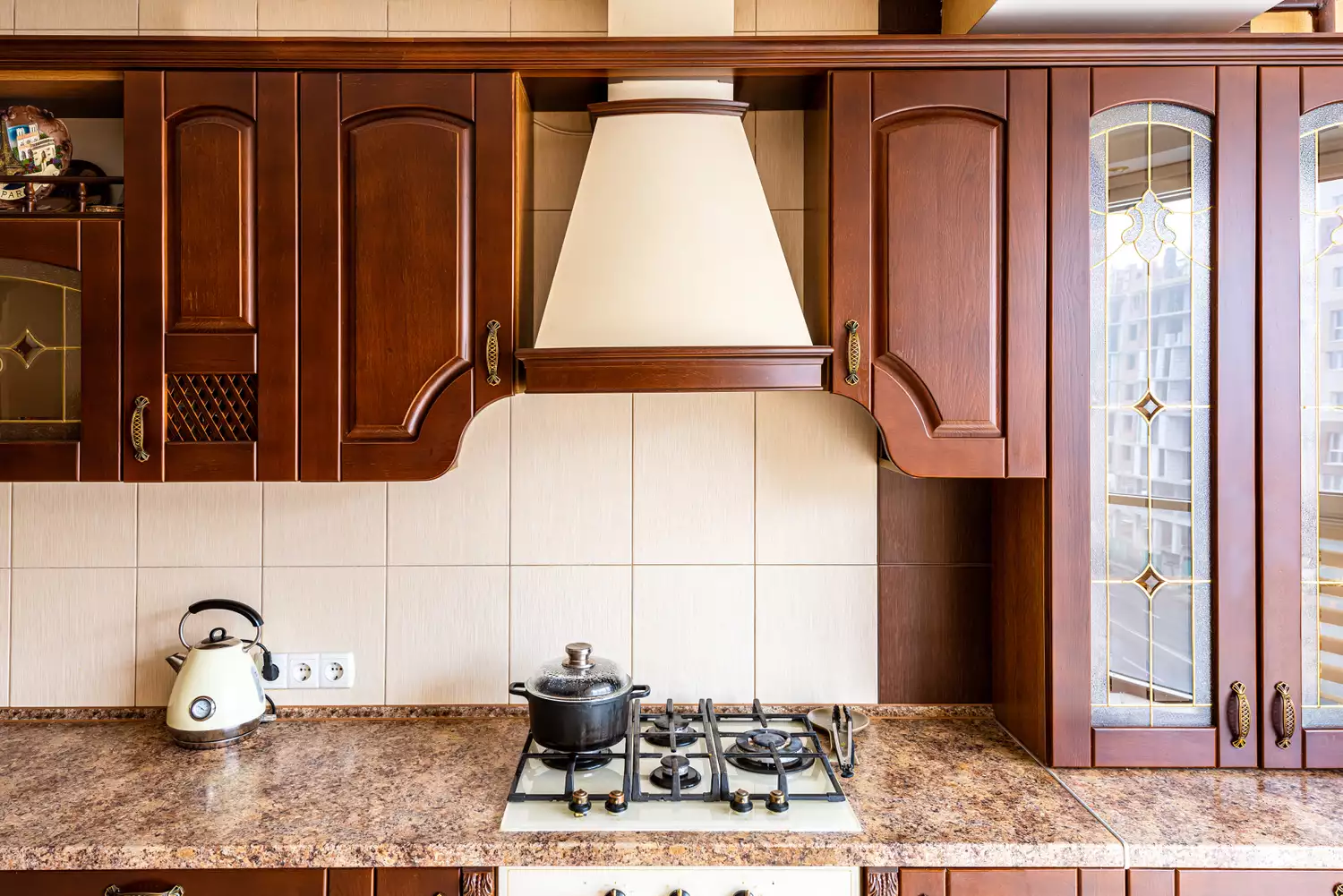
5 Outdated Kitchen Rules You Should Definitely Ignore, According to Designers

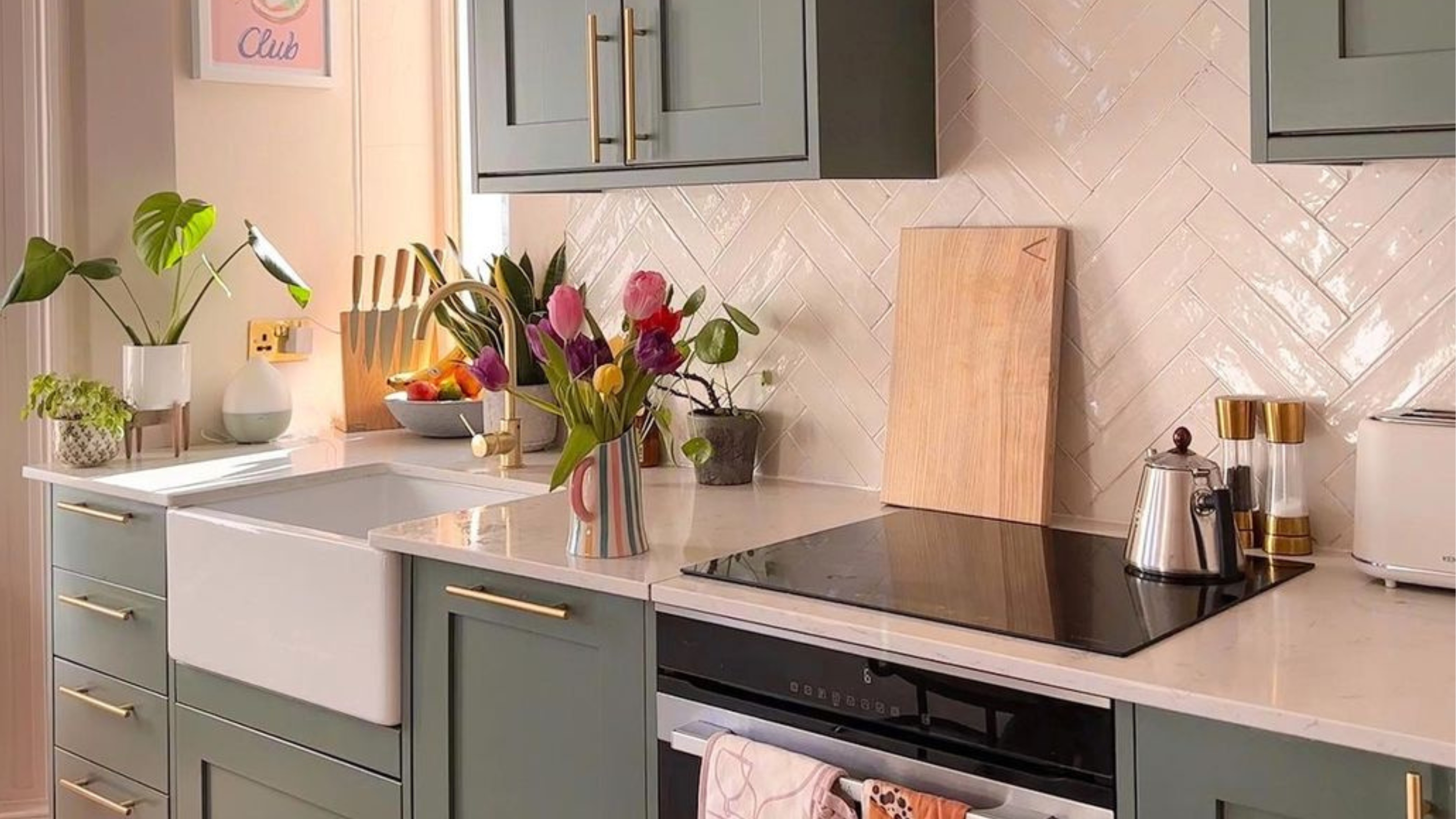
Outdated rules to ignore when decorating a small kitchen

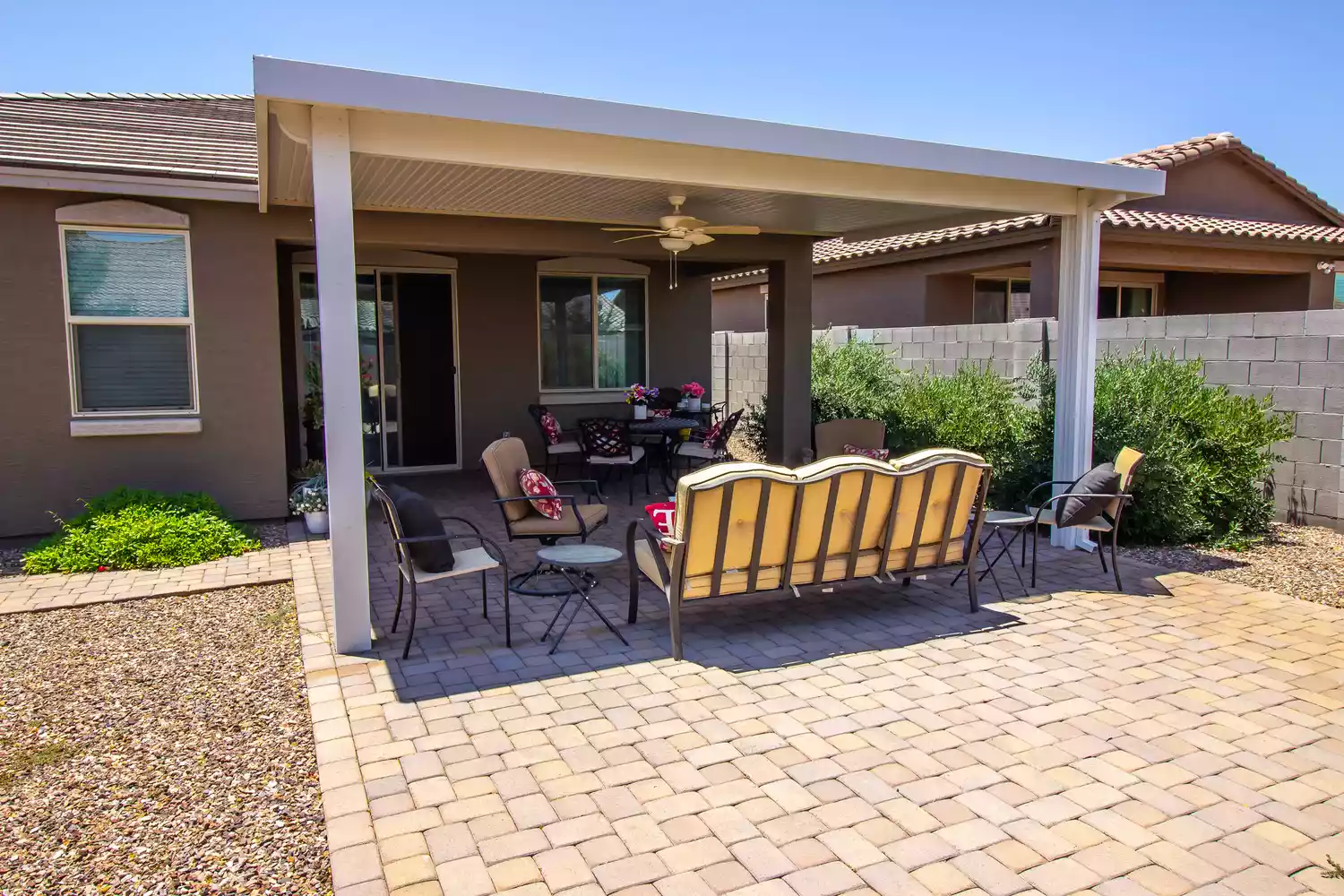
5 Things That Always Make Your Patio Look Empty, According to Designers
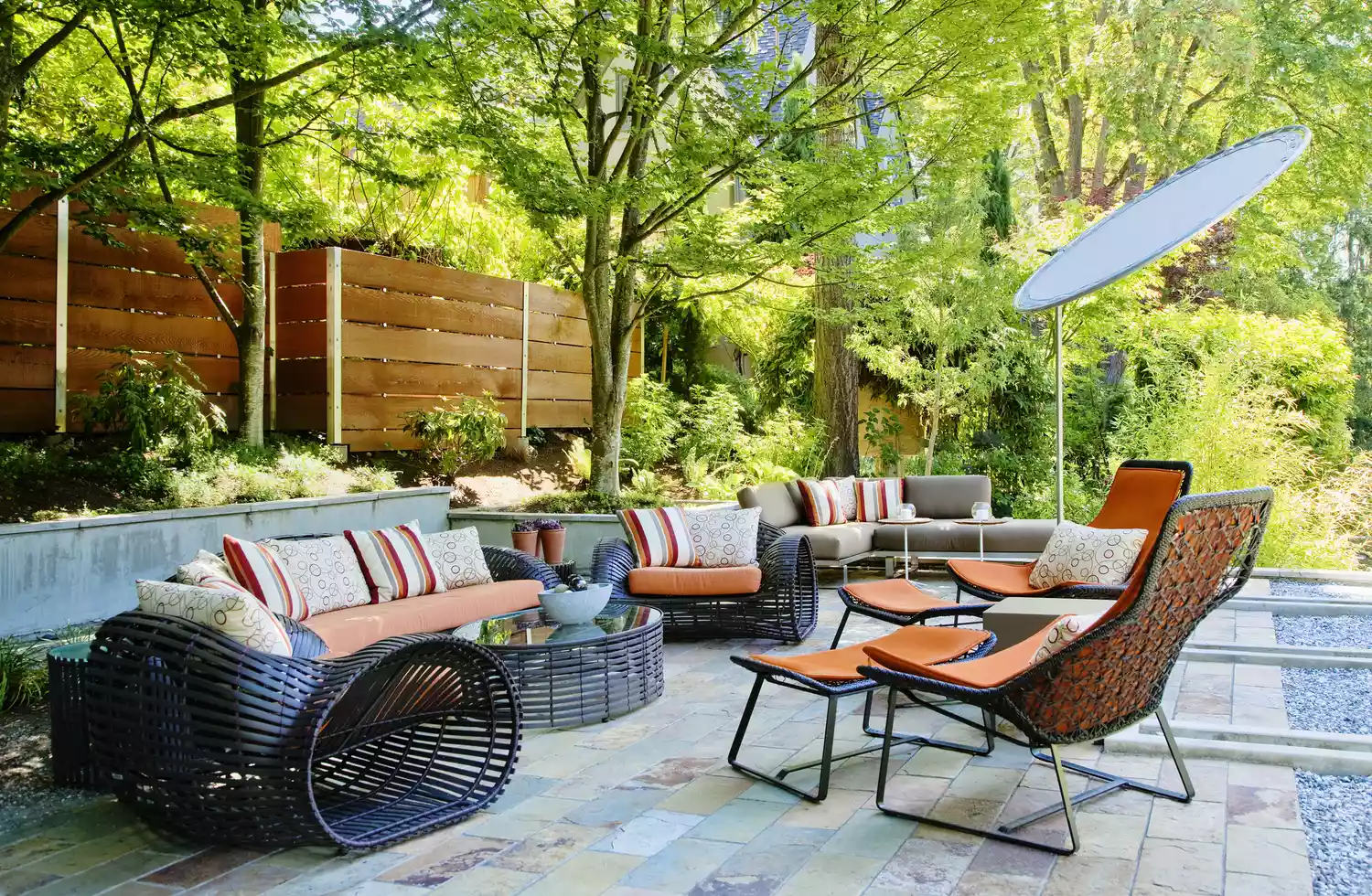
6 Things That Immediately Make Your Patio Look Bad, According to Designers
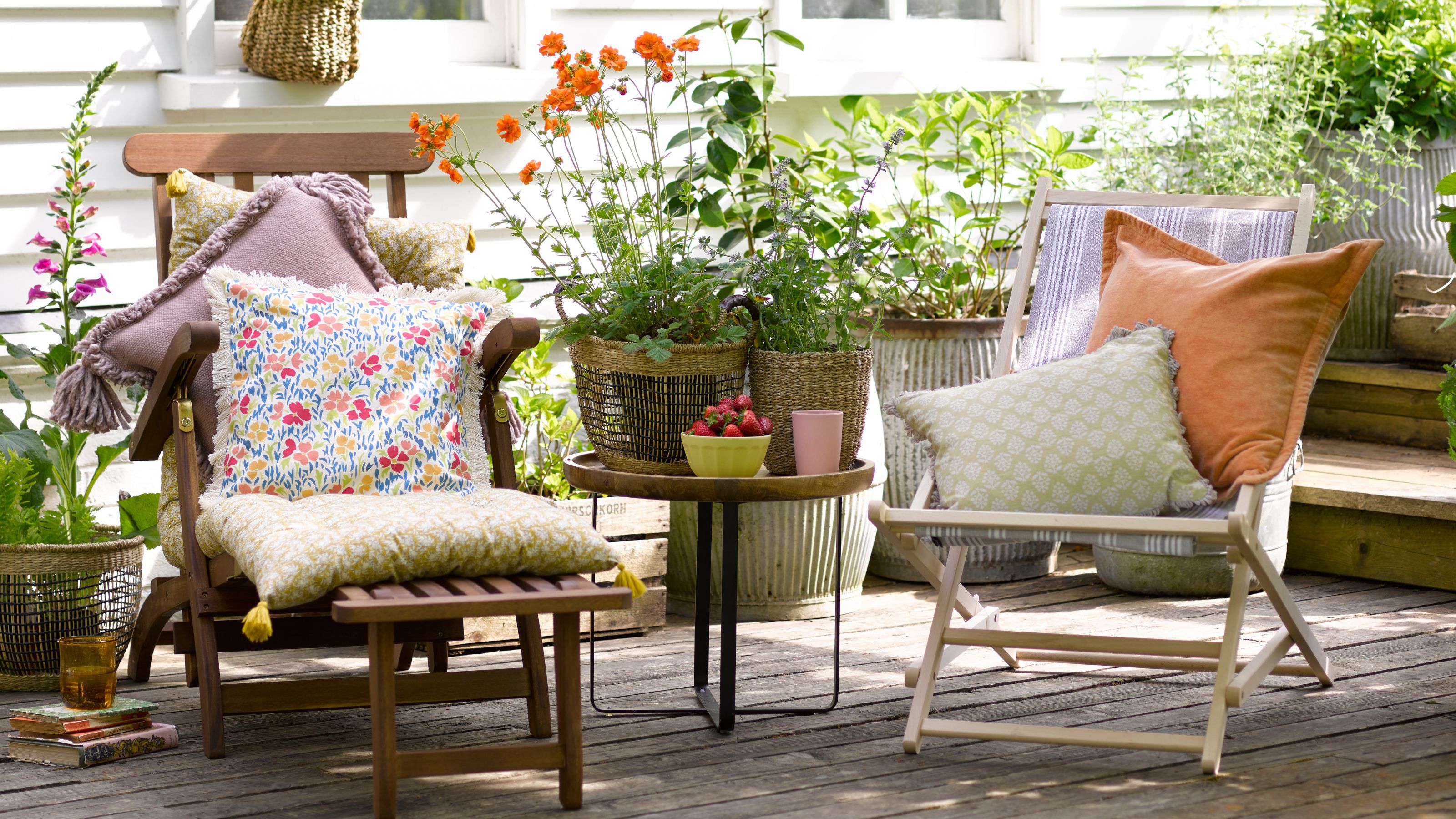
Small garden decking ideas — 7 clever ways to deck a petite space for the ideal outdoor retreat
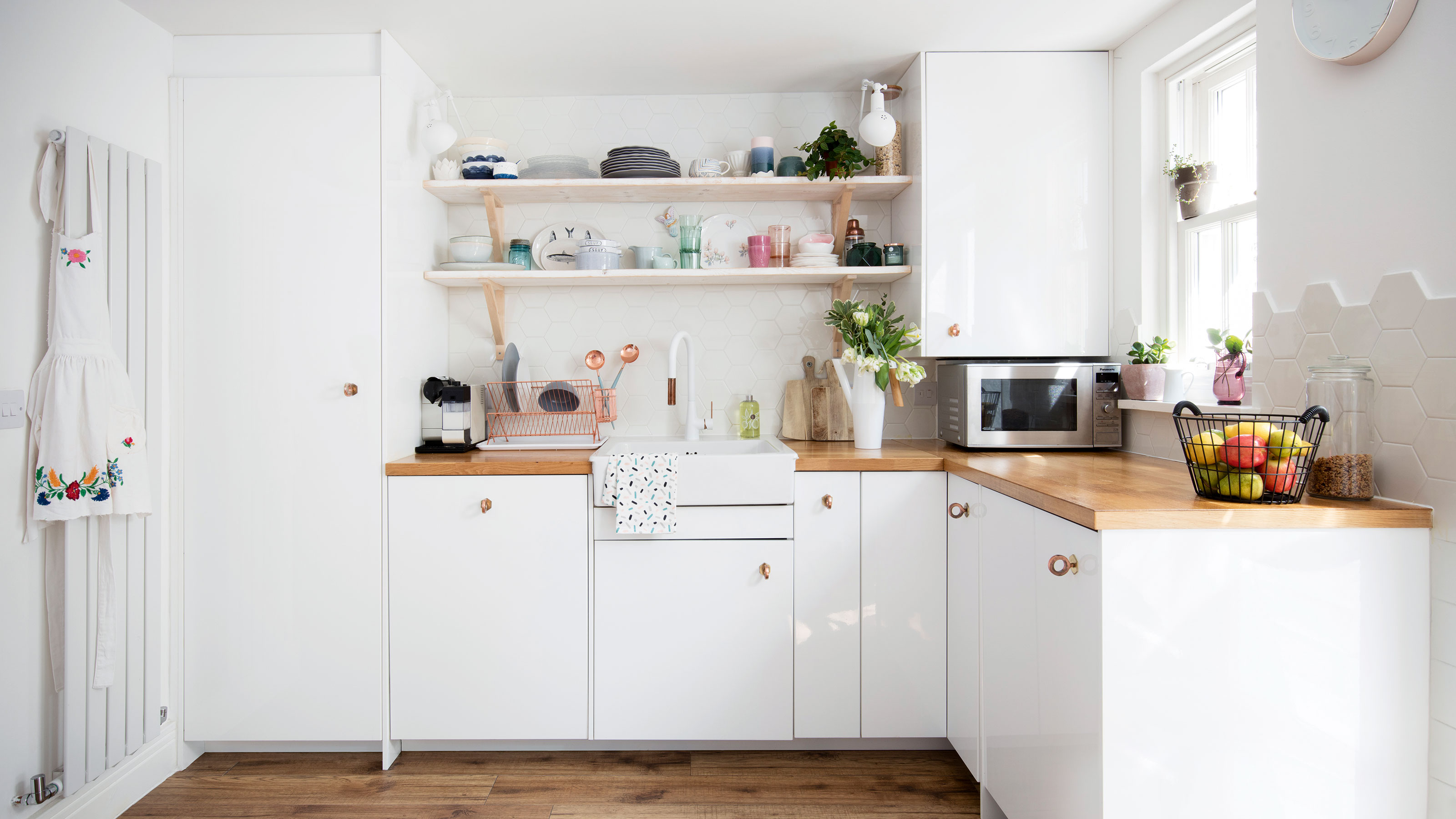
5 outdated rules to ignore when designing a small kitchen – for a realistic yet organised space
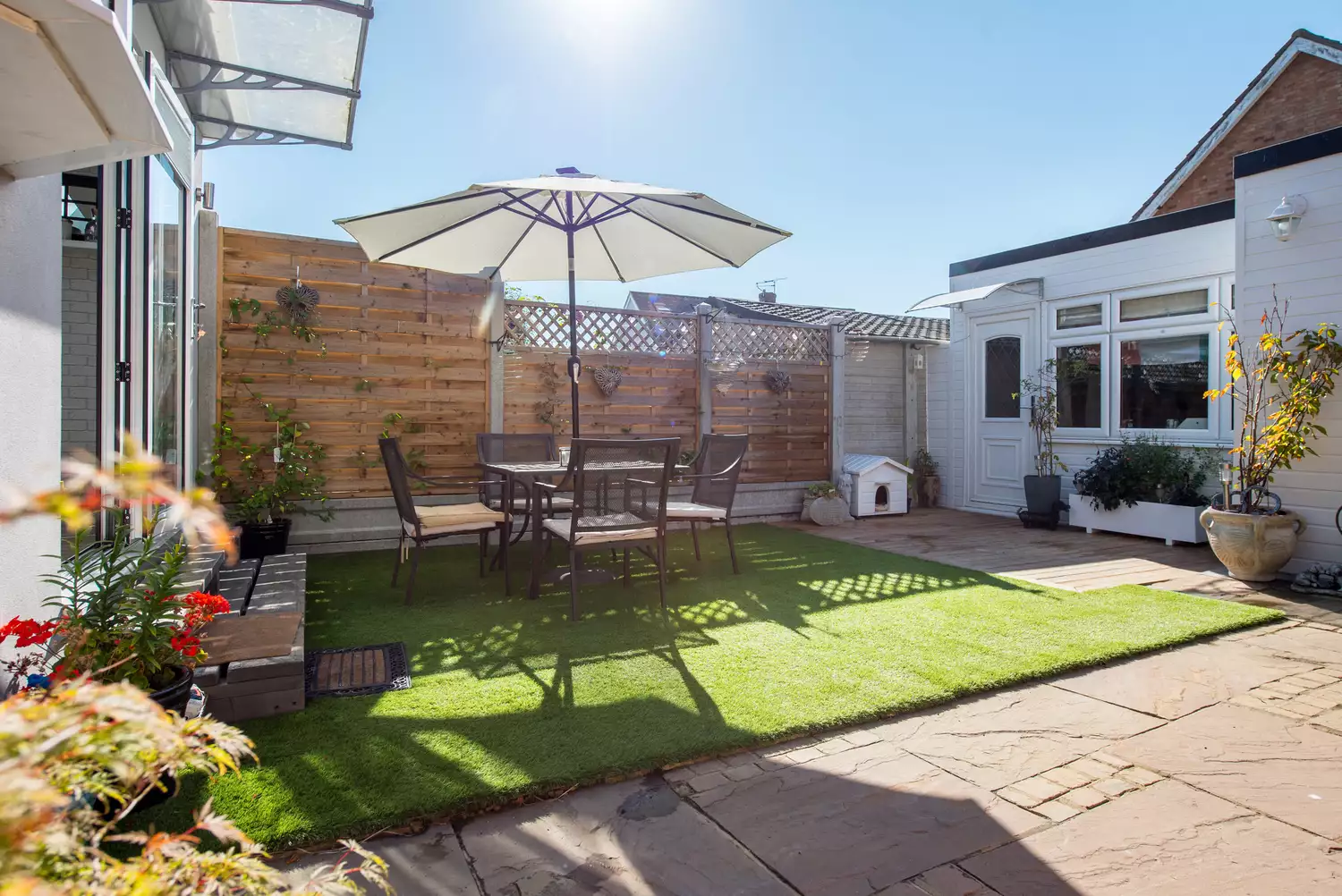
6 Small Backyard Layout Mistakes You Should Avoid This Summer, According to Designers
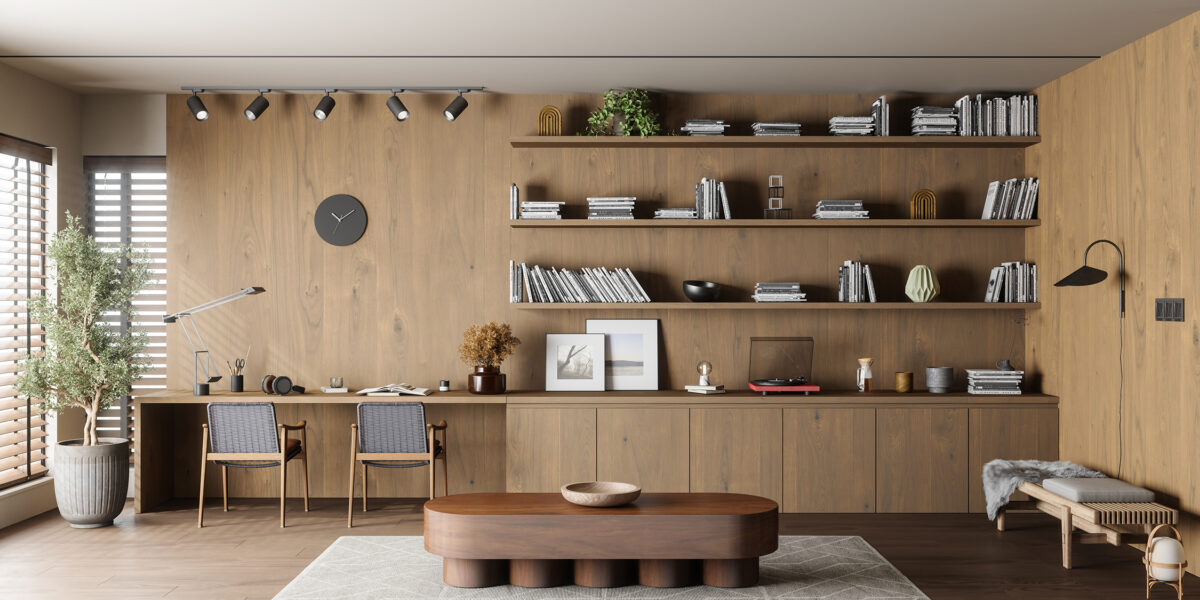
The 5 Design Rules That Are Meant to Be Broken—and What to Do Instead
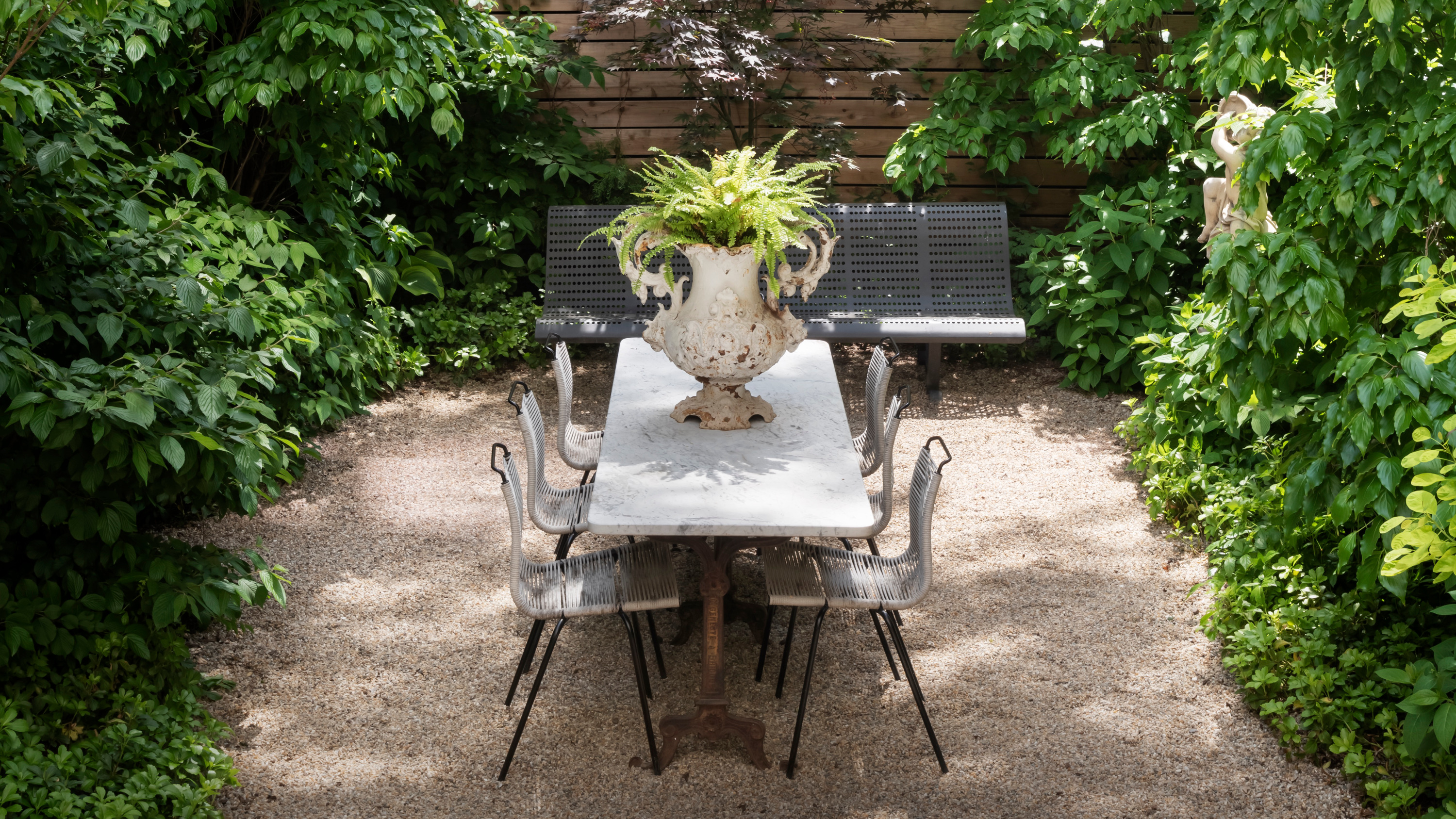
5 Outdated Backyard Designs That Landscape Designers Have Left Behind – And What They're Doing Now Instead
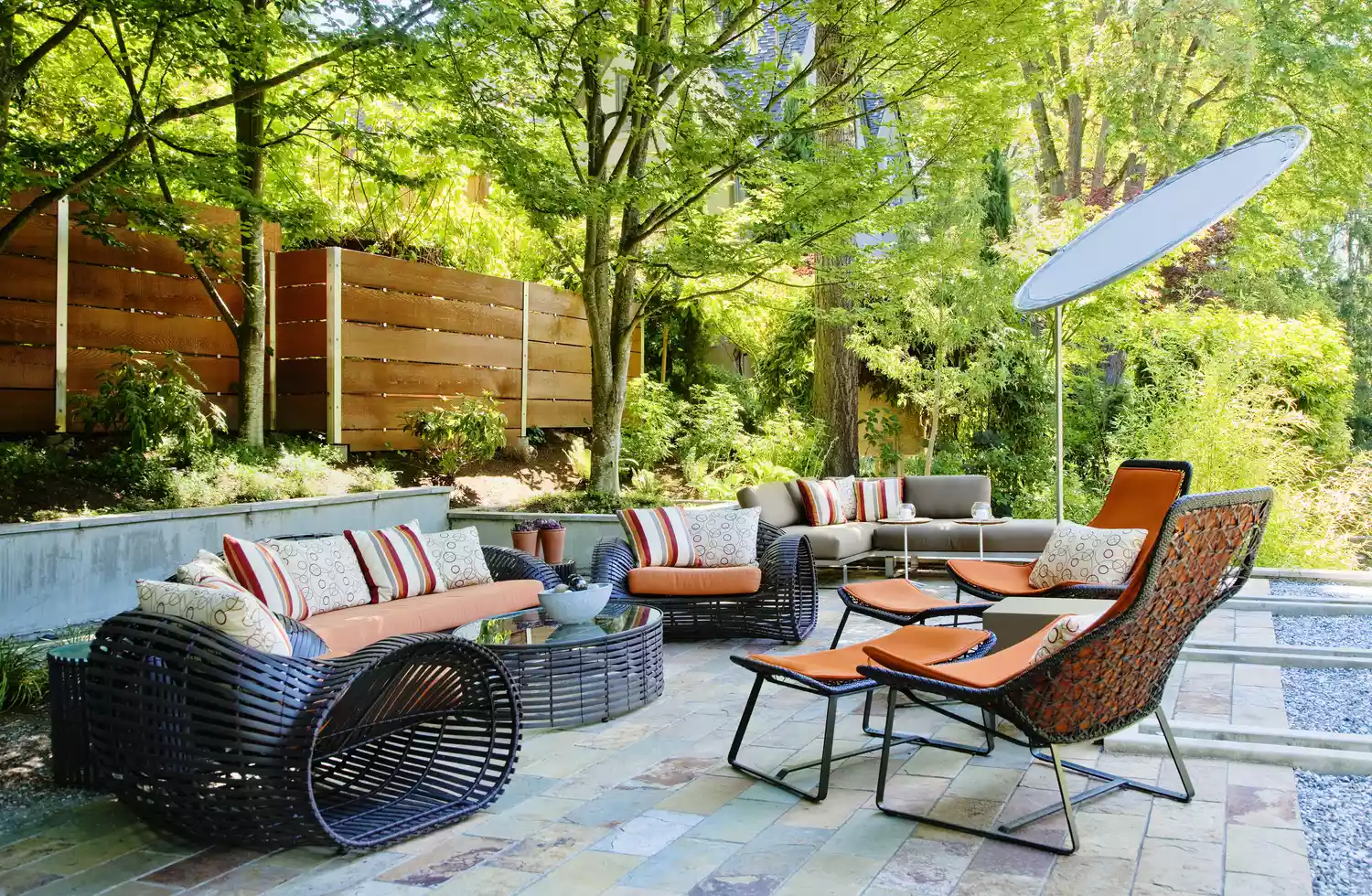
7 Outdated Patio Décor Trends You Should Skip—and What to Try Instead
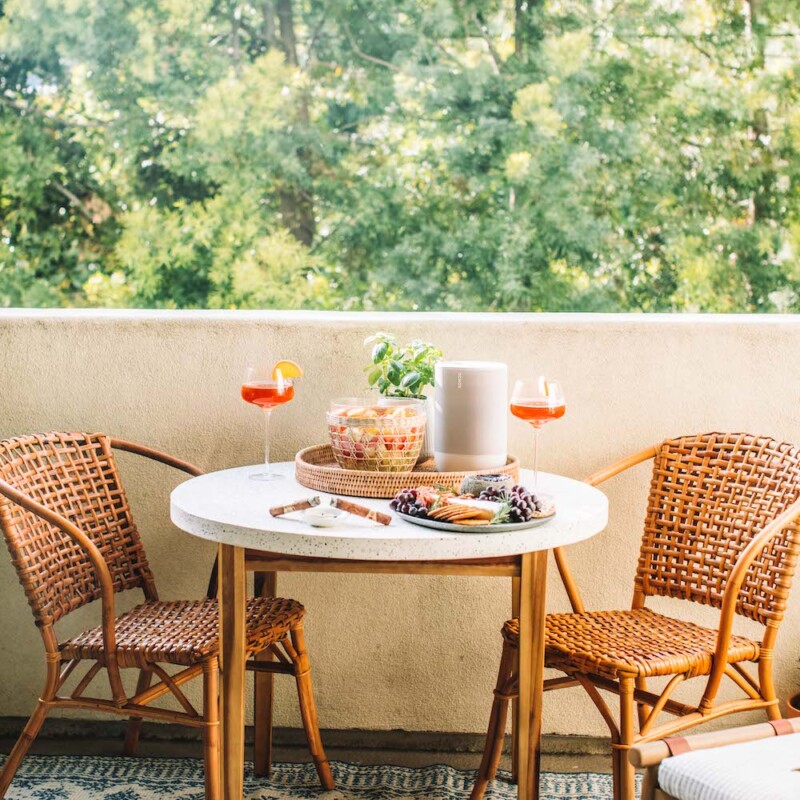
6 Small Patio Design Ideas to Make the Most of Your Space

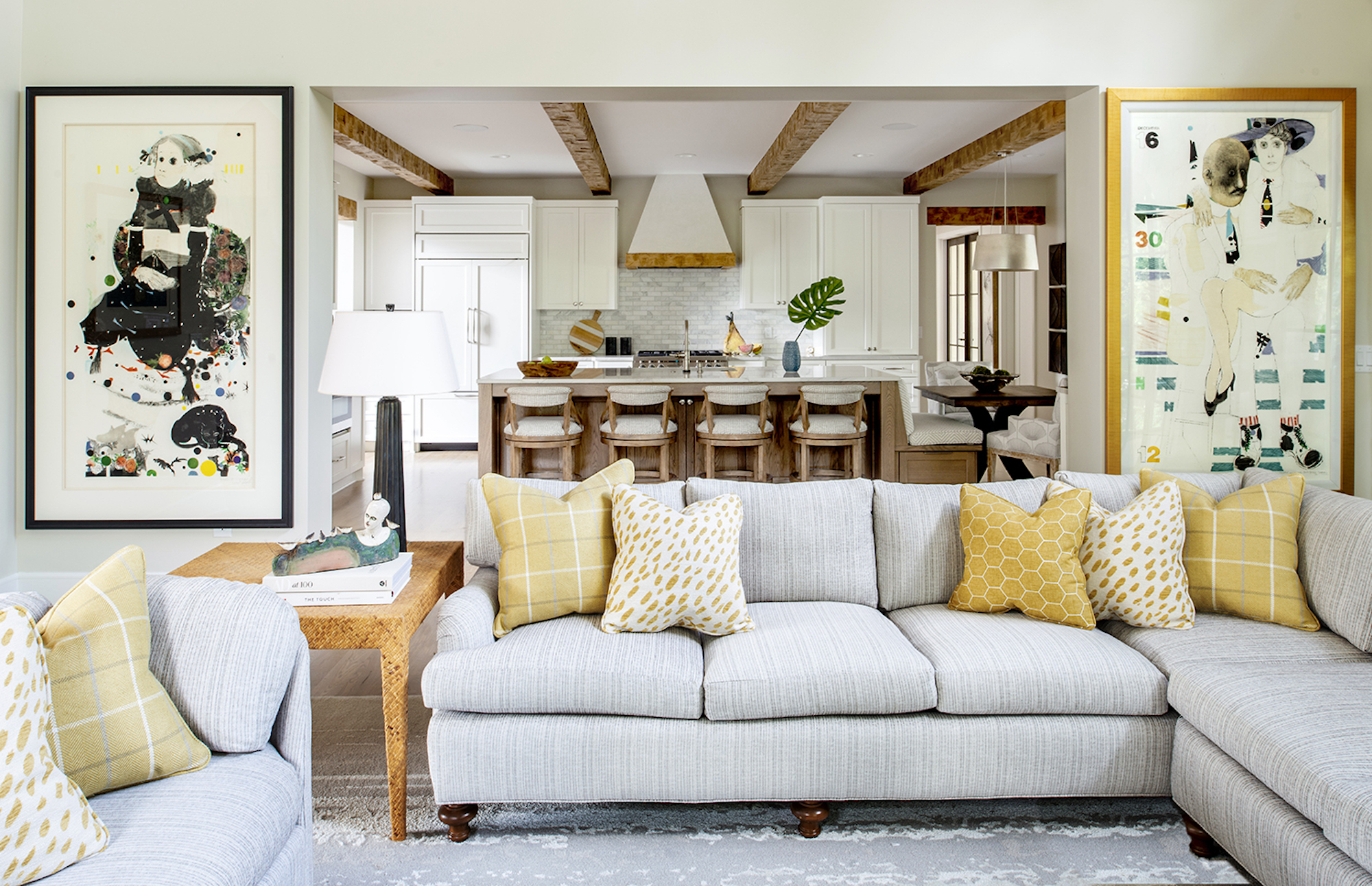
7 small living room layout mistakes design experts want you to avoid – and what to do instead

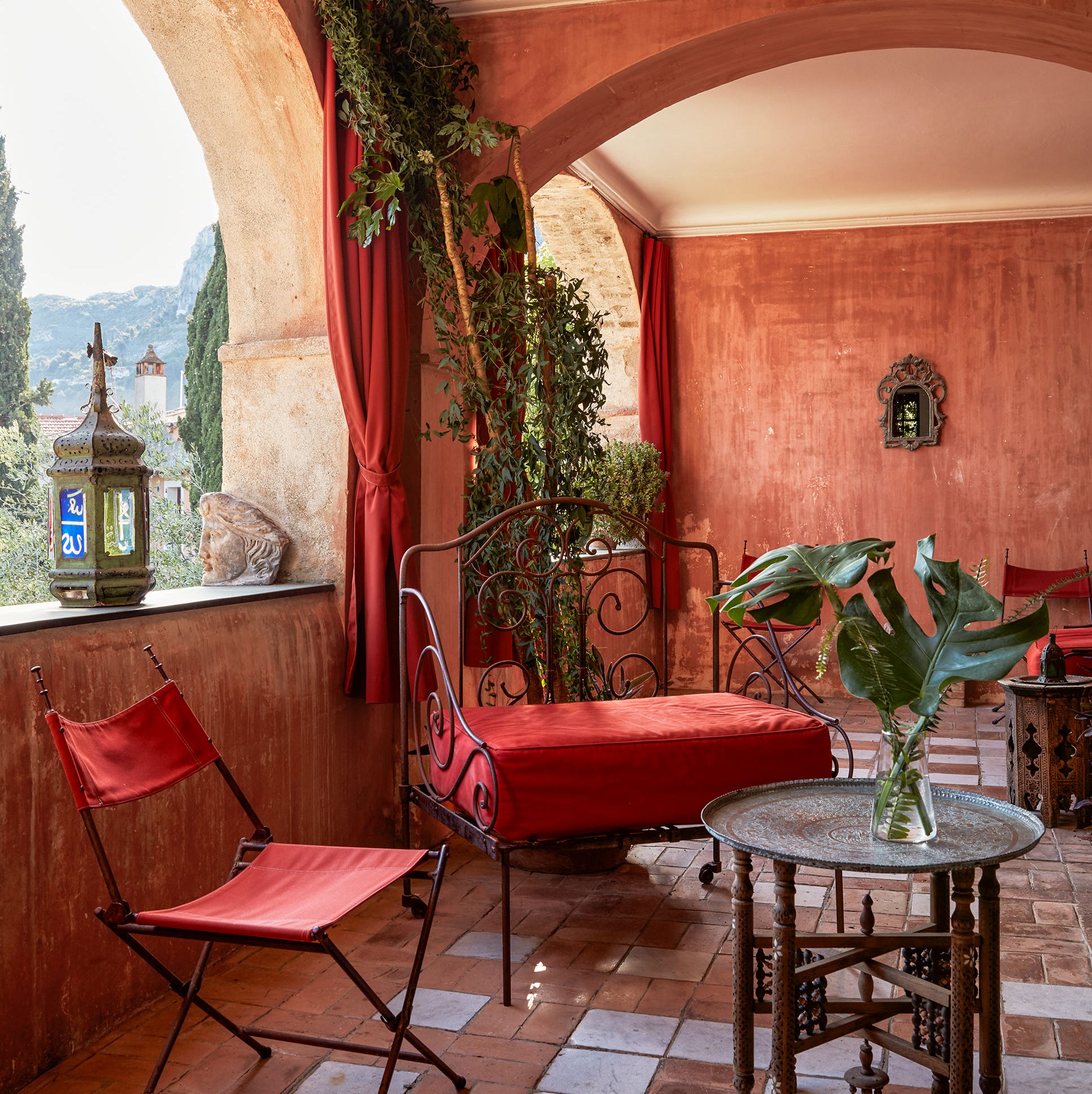
50 Small Patio Ideas That Are Big on Style
10 Outdated Kitchen Rules You Can Ignore When Designing a Small Kitchen
5 Mistakes Designers Want You to Stop Making with Your Outdoor Furniture
5 Mistakes in Your Garden's Design You'll Only Notice When Temperatures Soar in the Summer
6 Patio Decor Trends Designers Are Begging You to Skip This Season