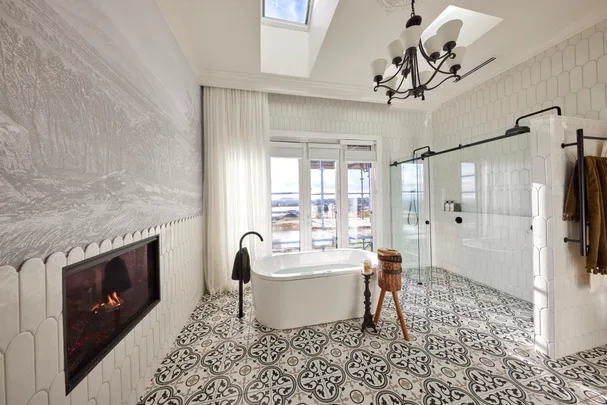
1/6
Are spa baths making a comeback?
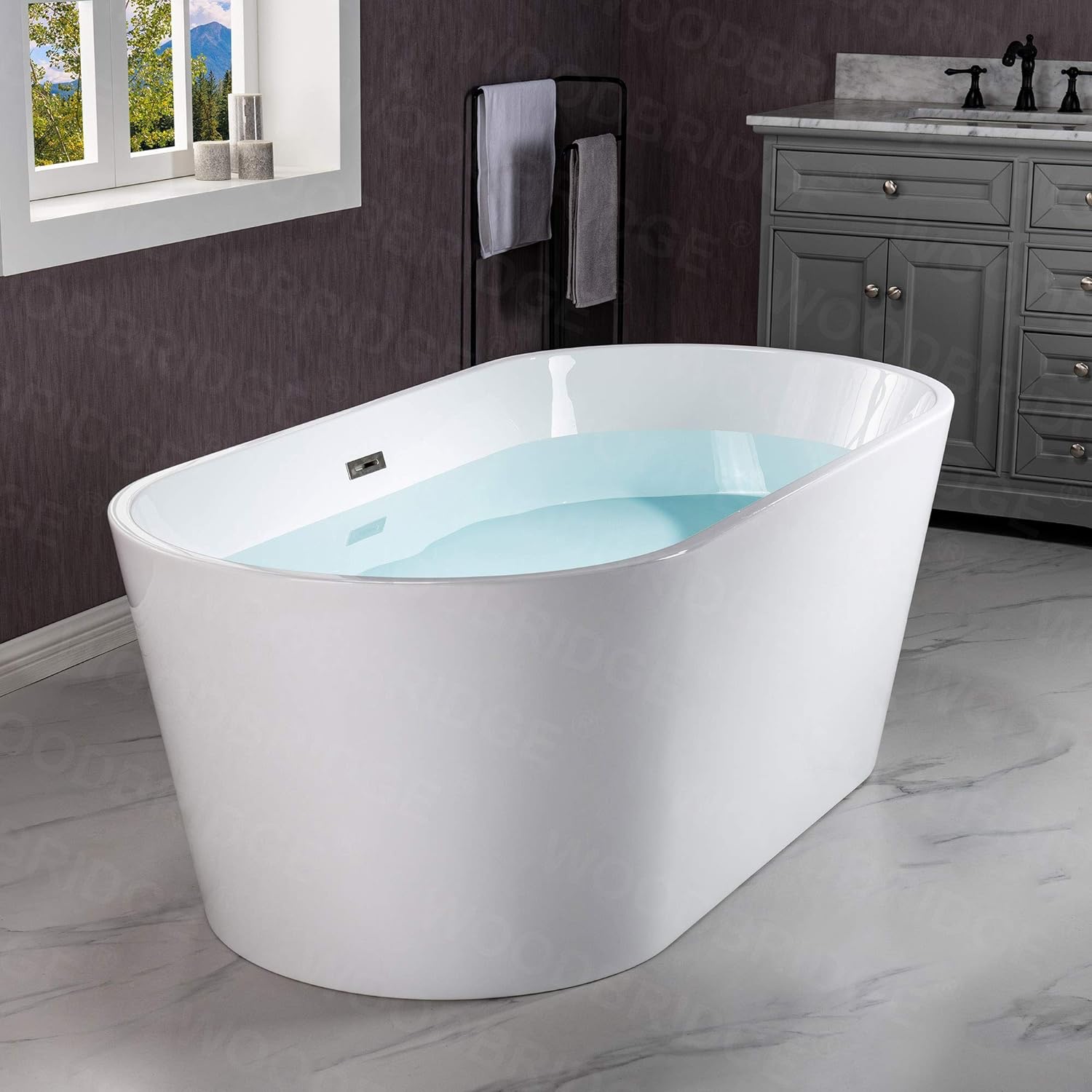
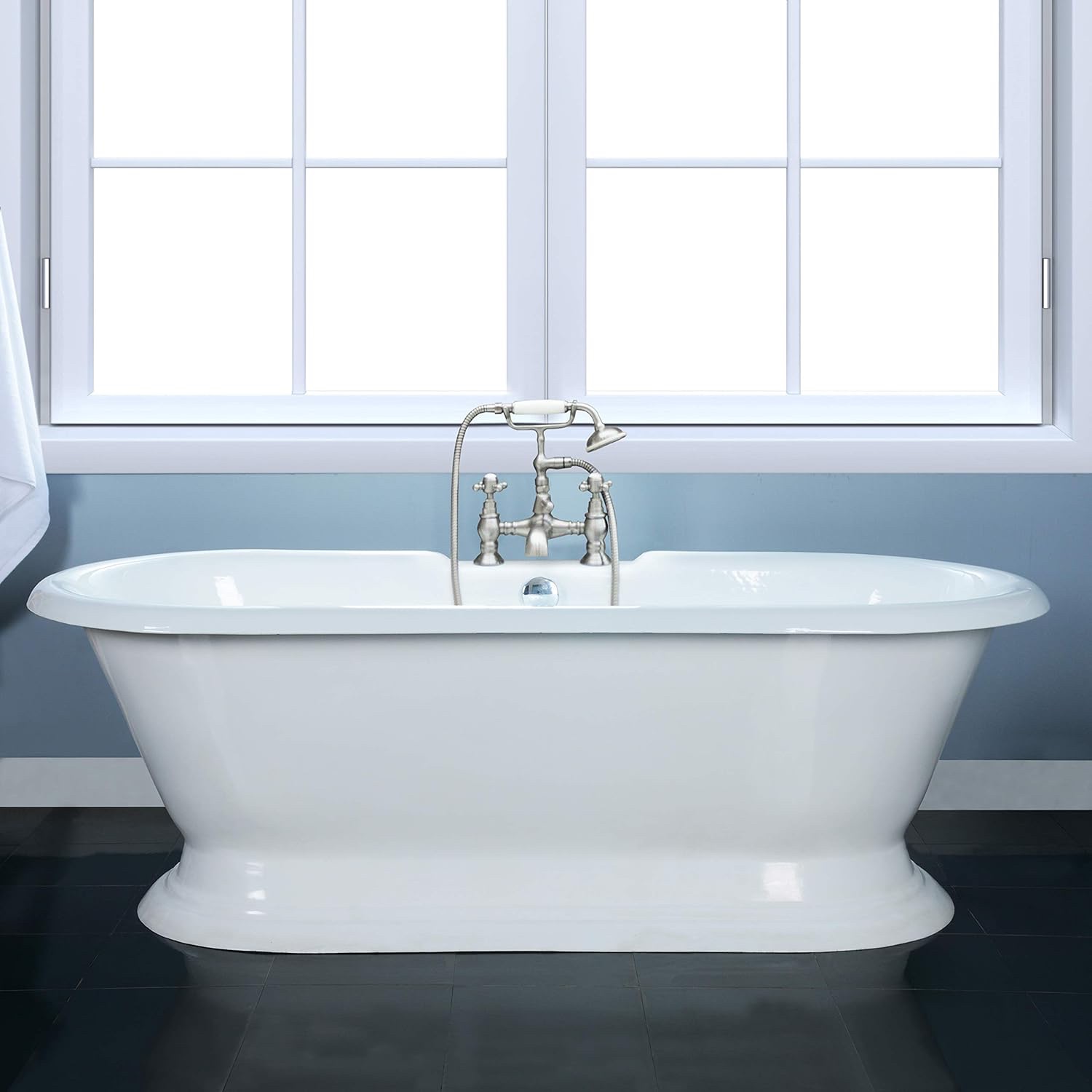
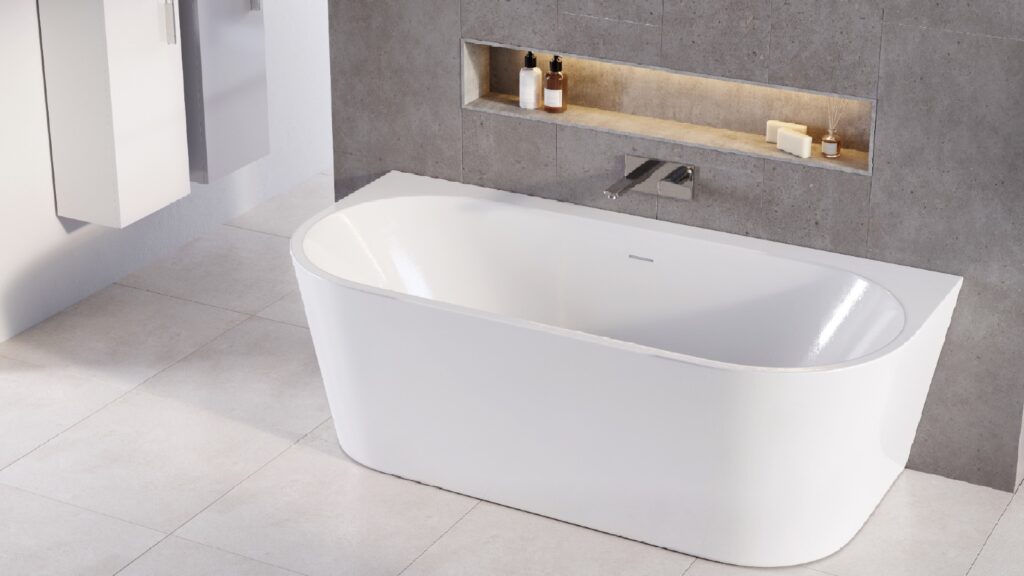
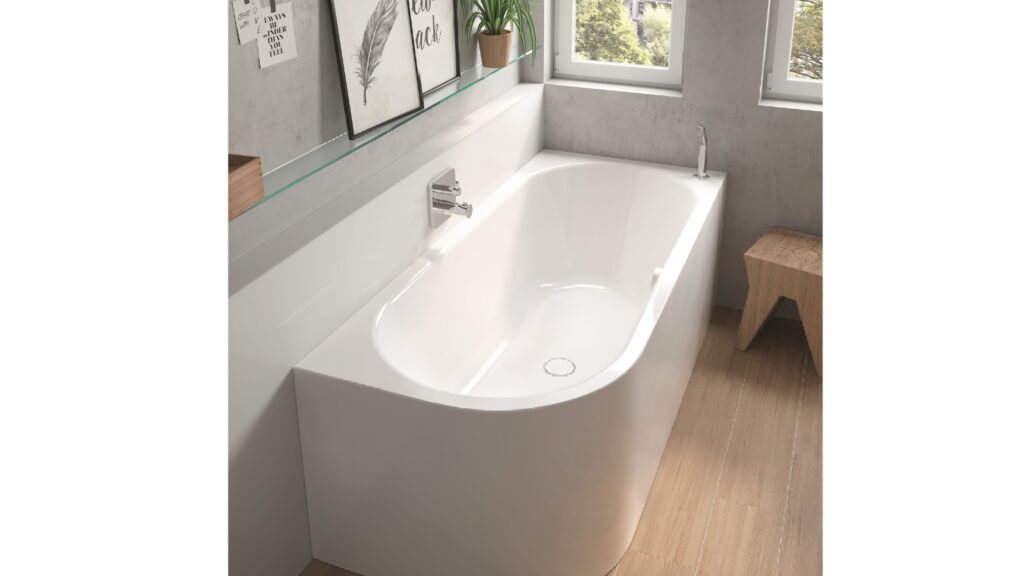
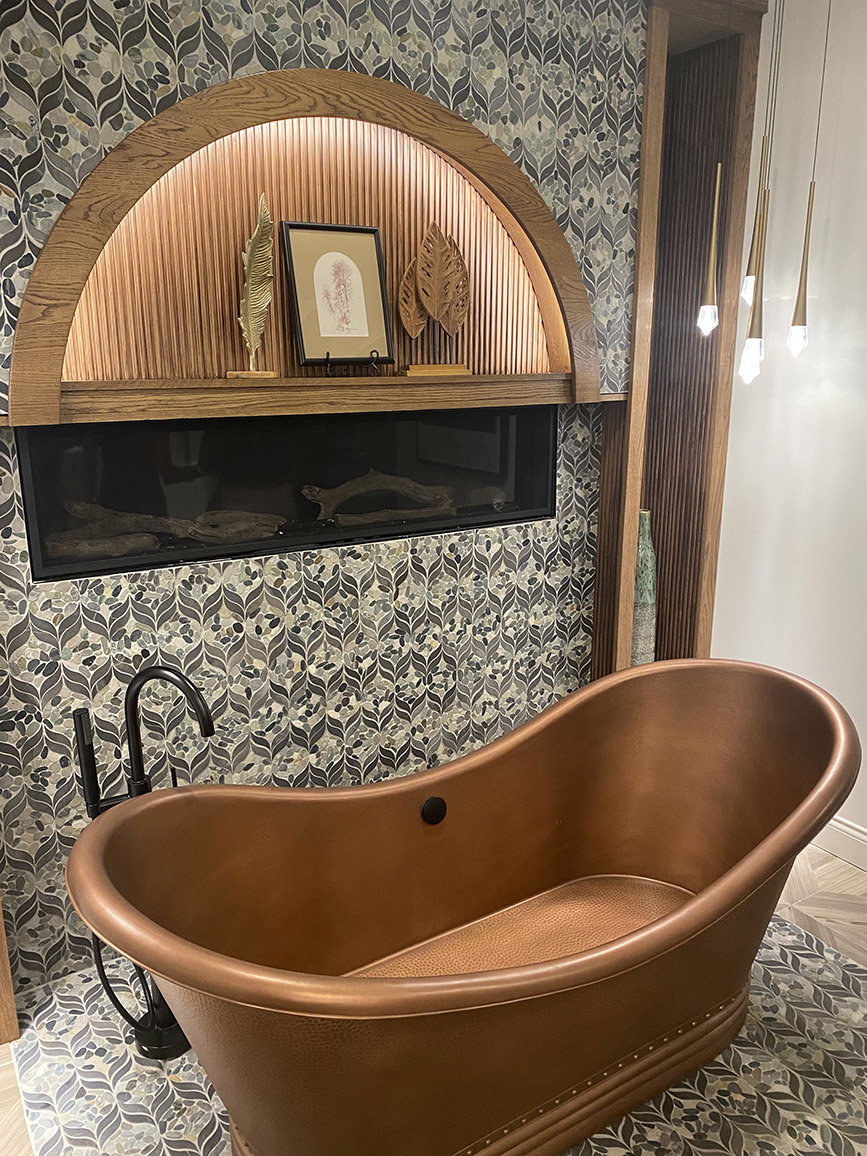
Spa baths, once considered a luxurious but dated bathroom feature, are experiencing a potential revival in modern home design. This discussion delves into the arguments for and against installing a spa bath, moving beyond the traditional image of 1970s-era triangular monstrosities to consider contemporary, elegant, and compact models.
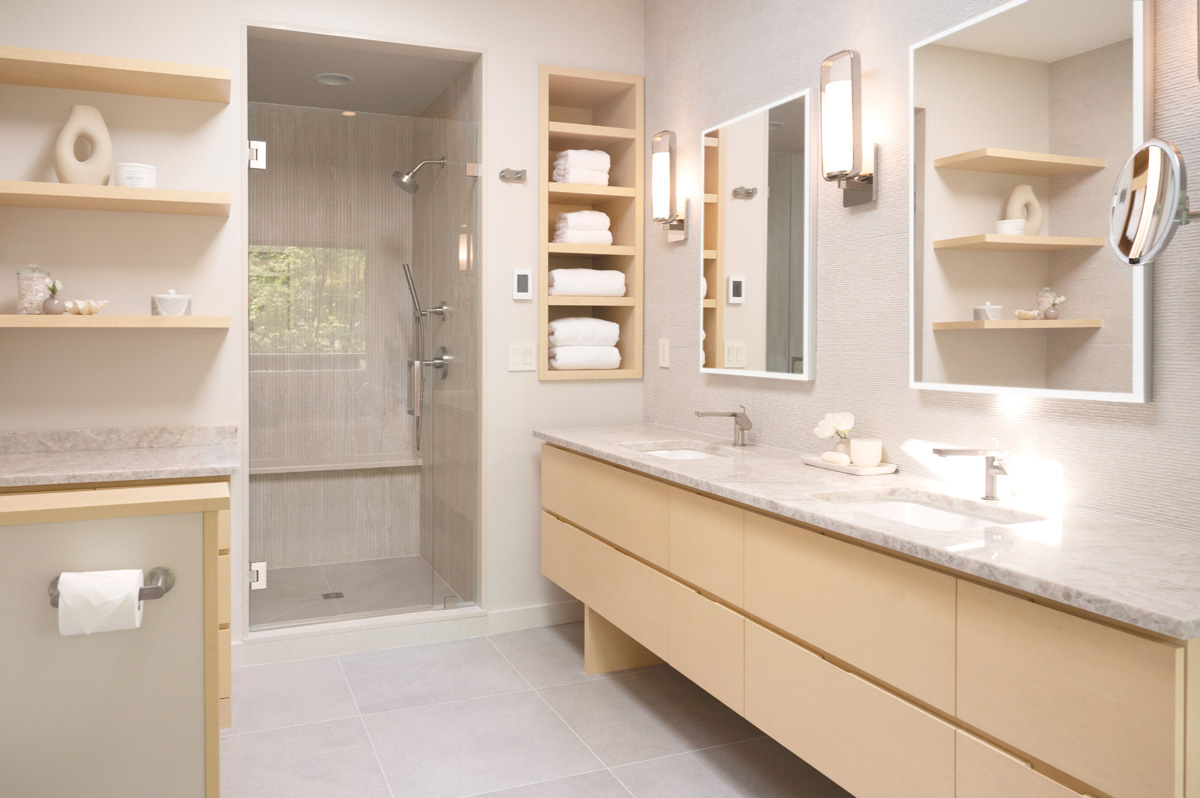
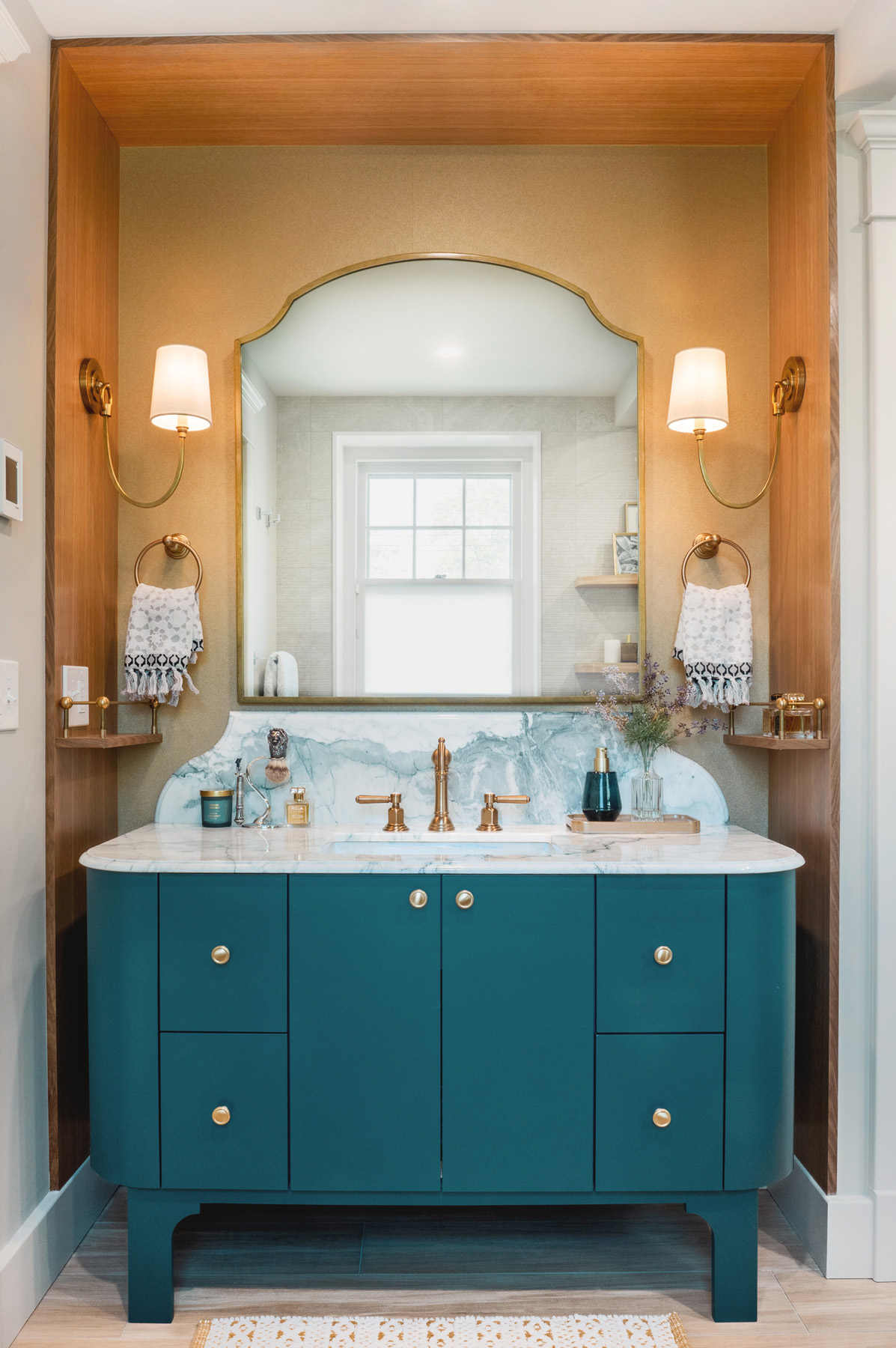
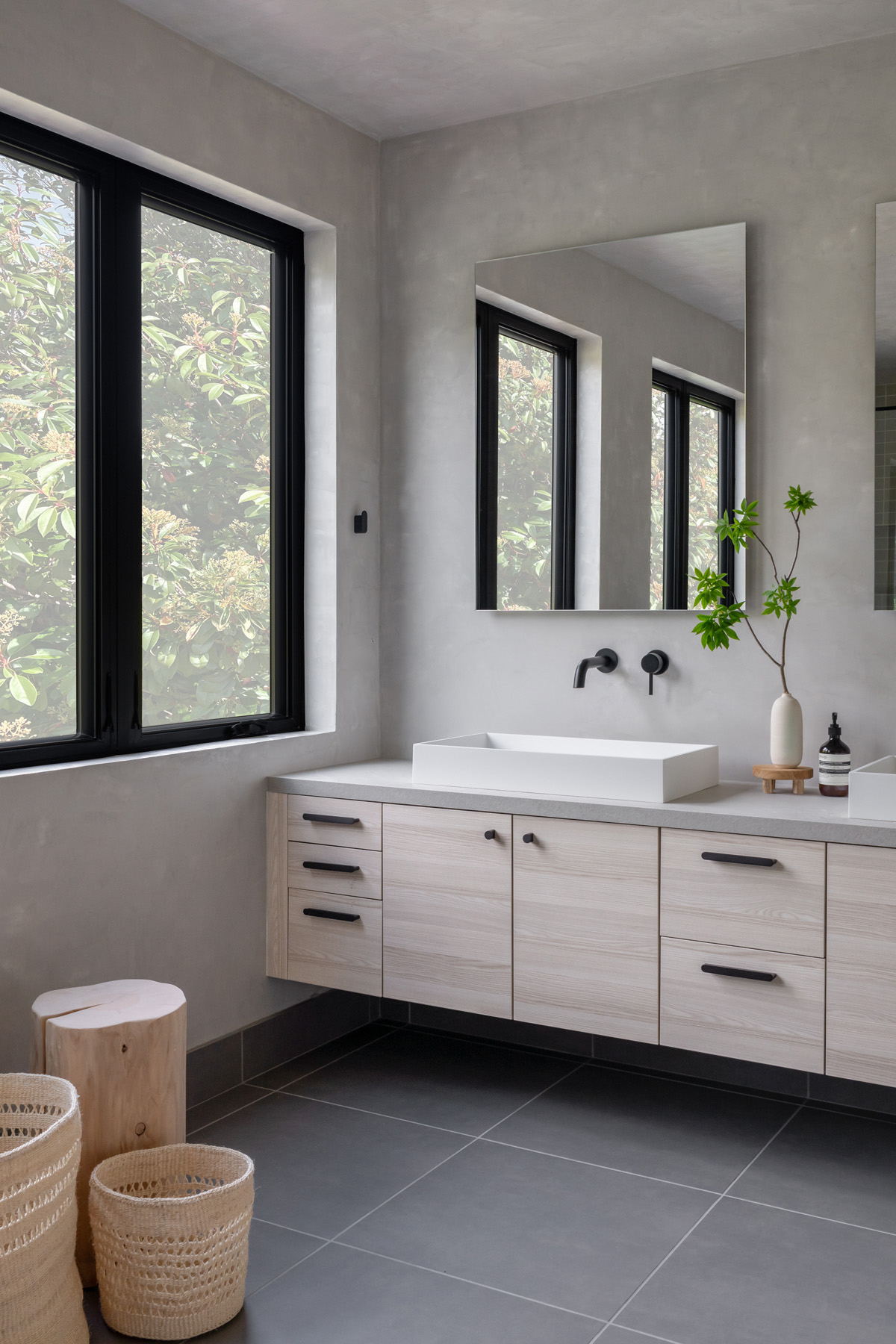
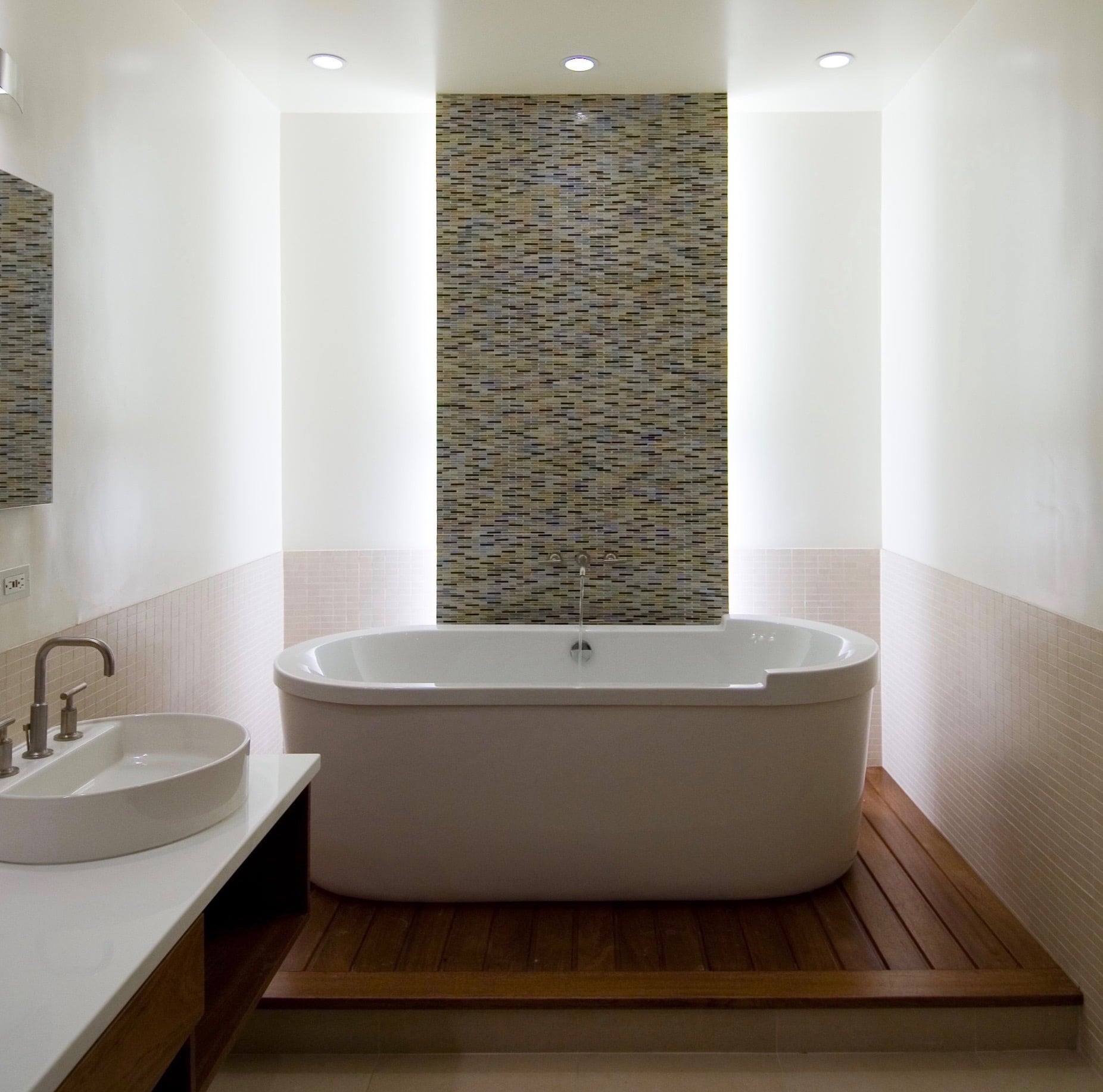
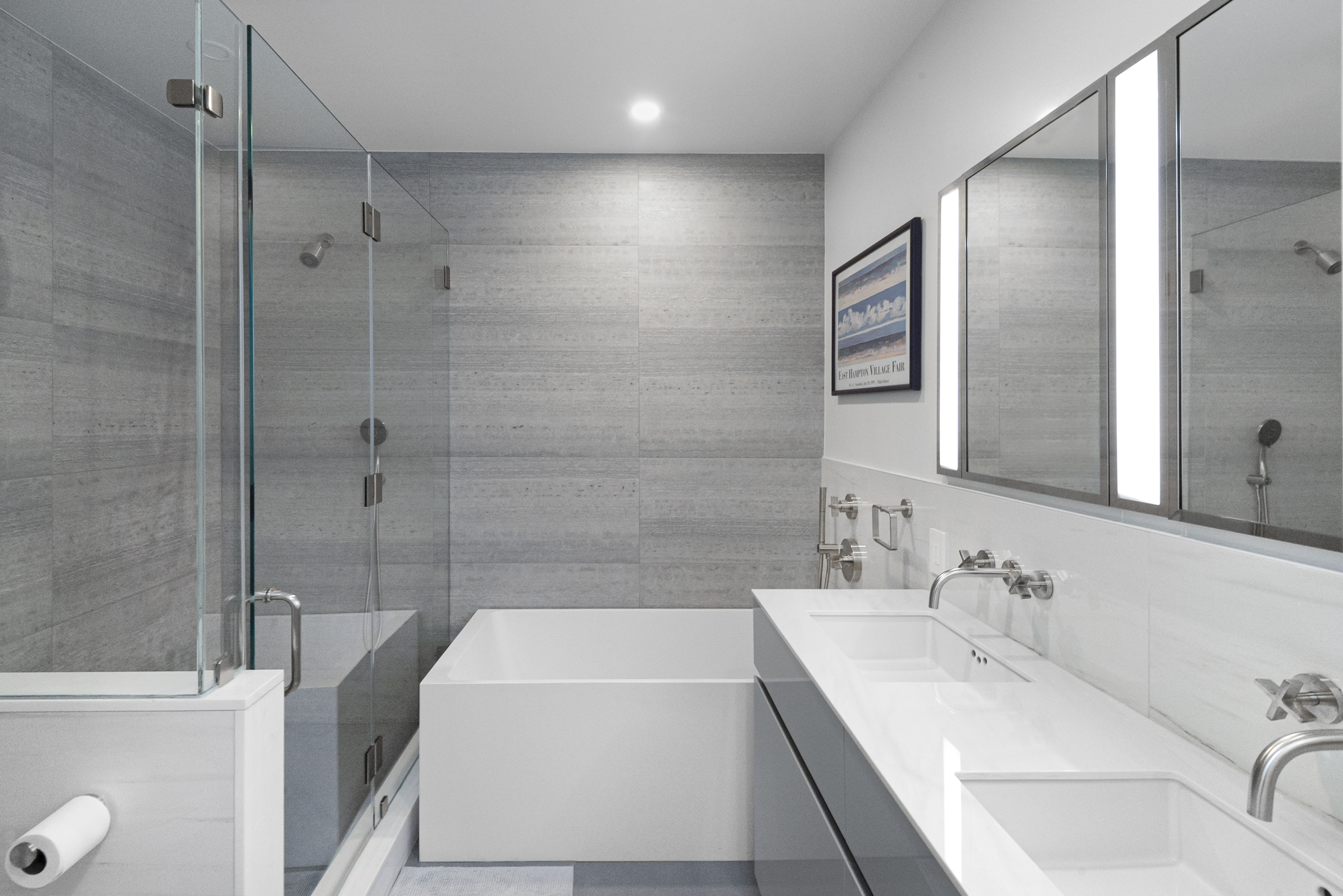
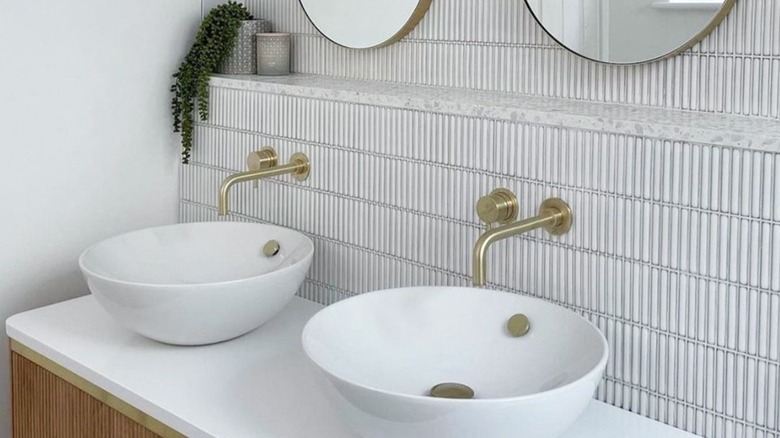
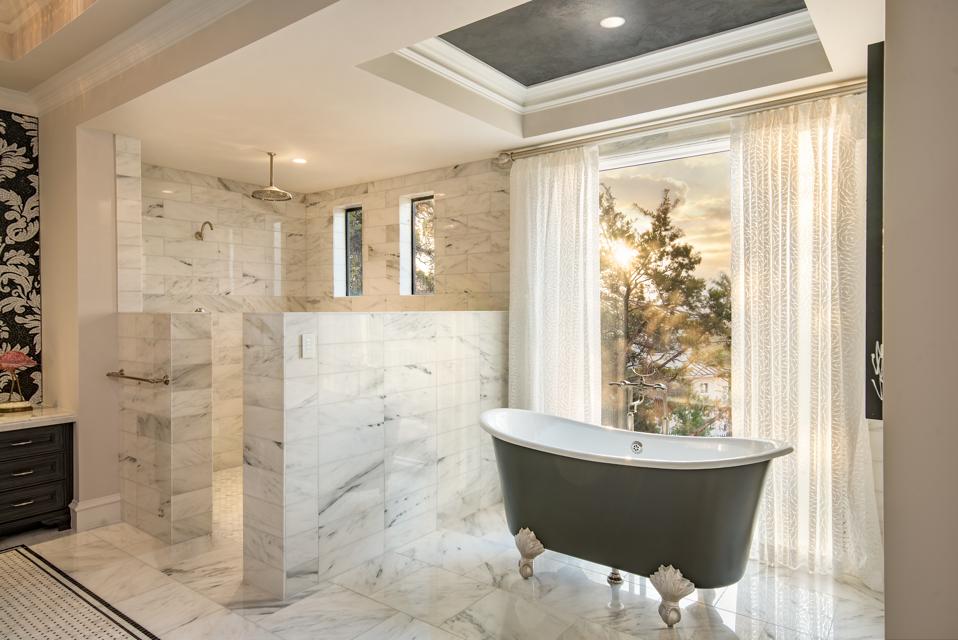
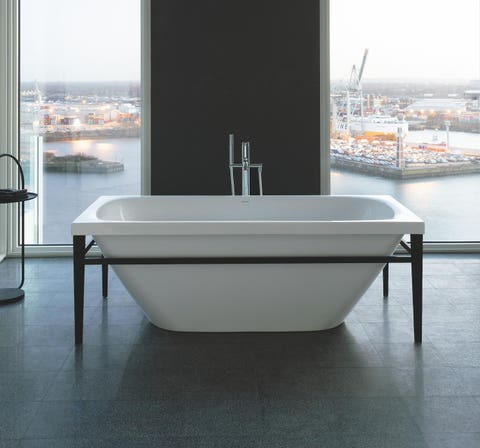
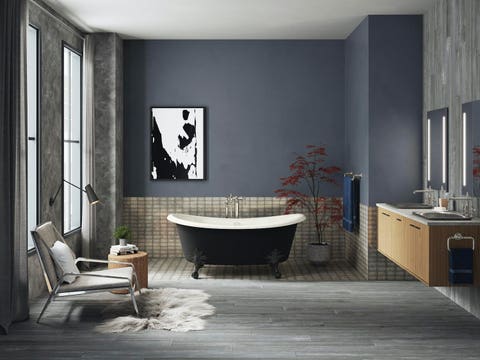
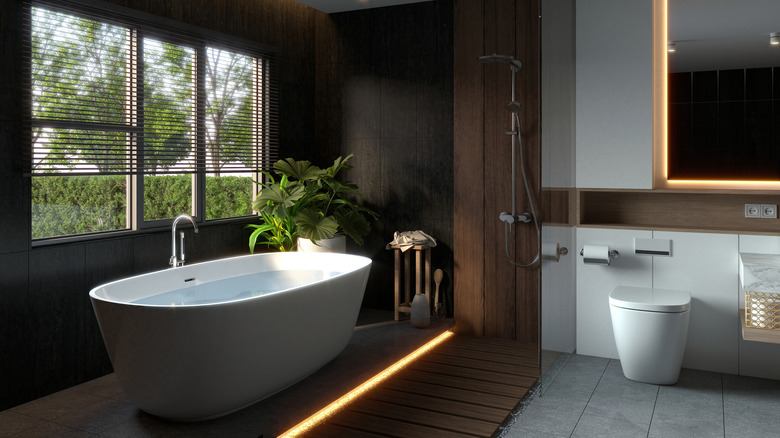
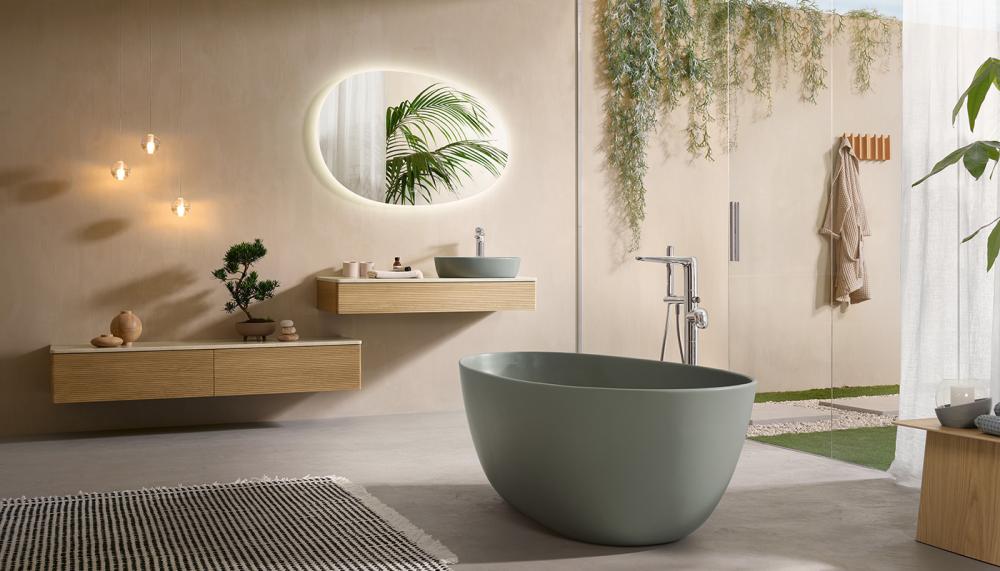
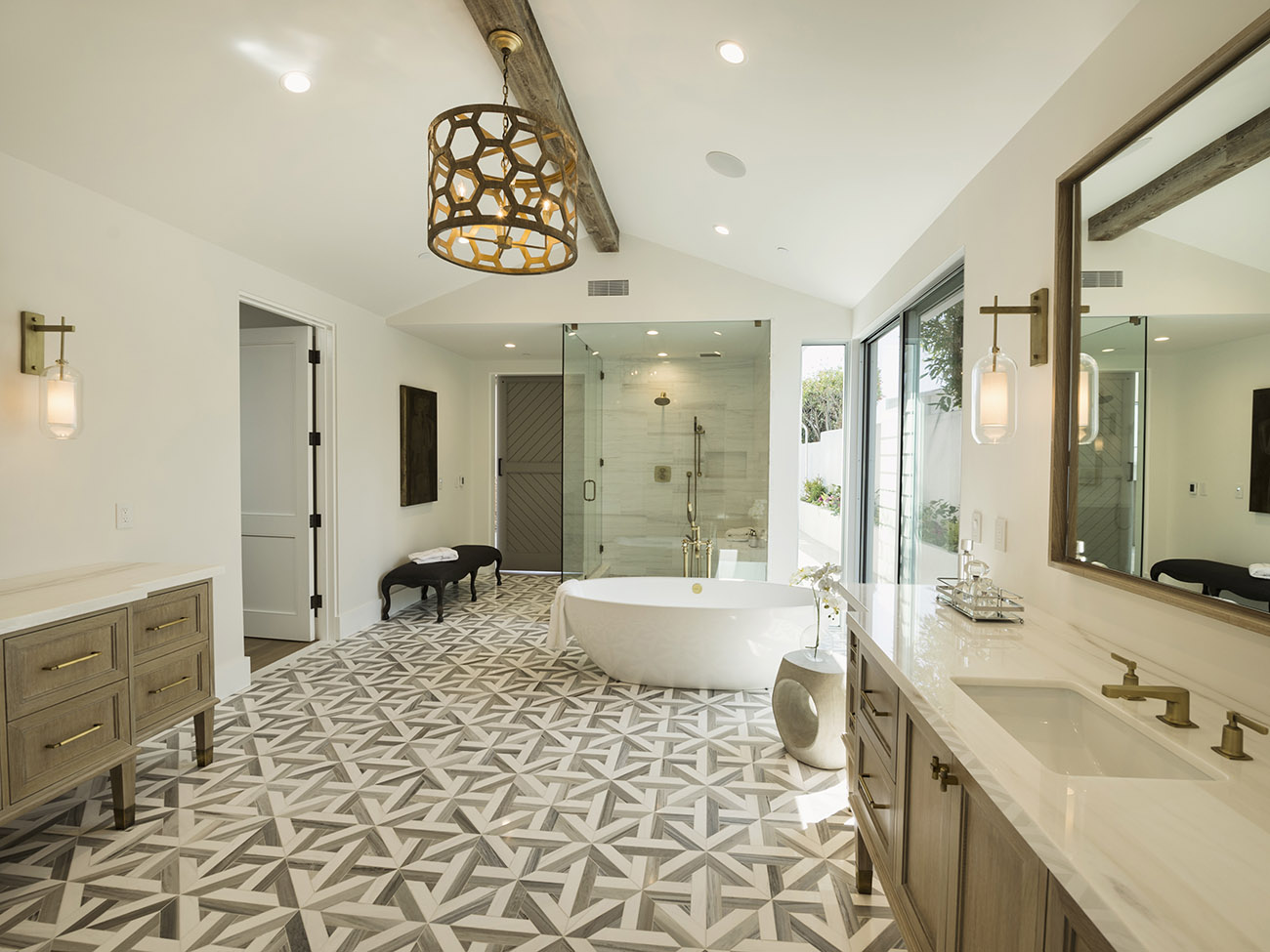
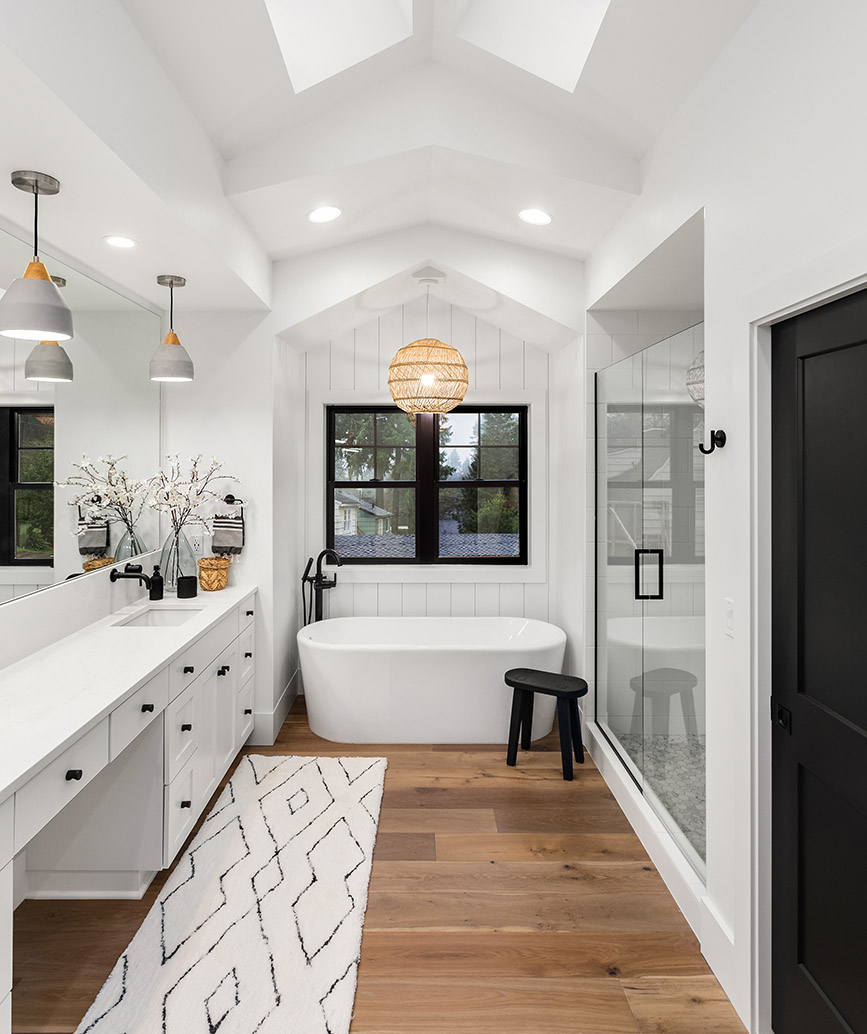
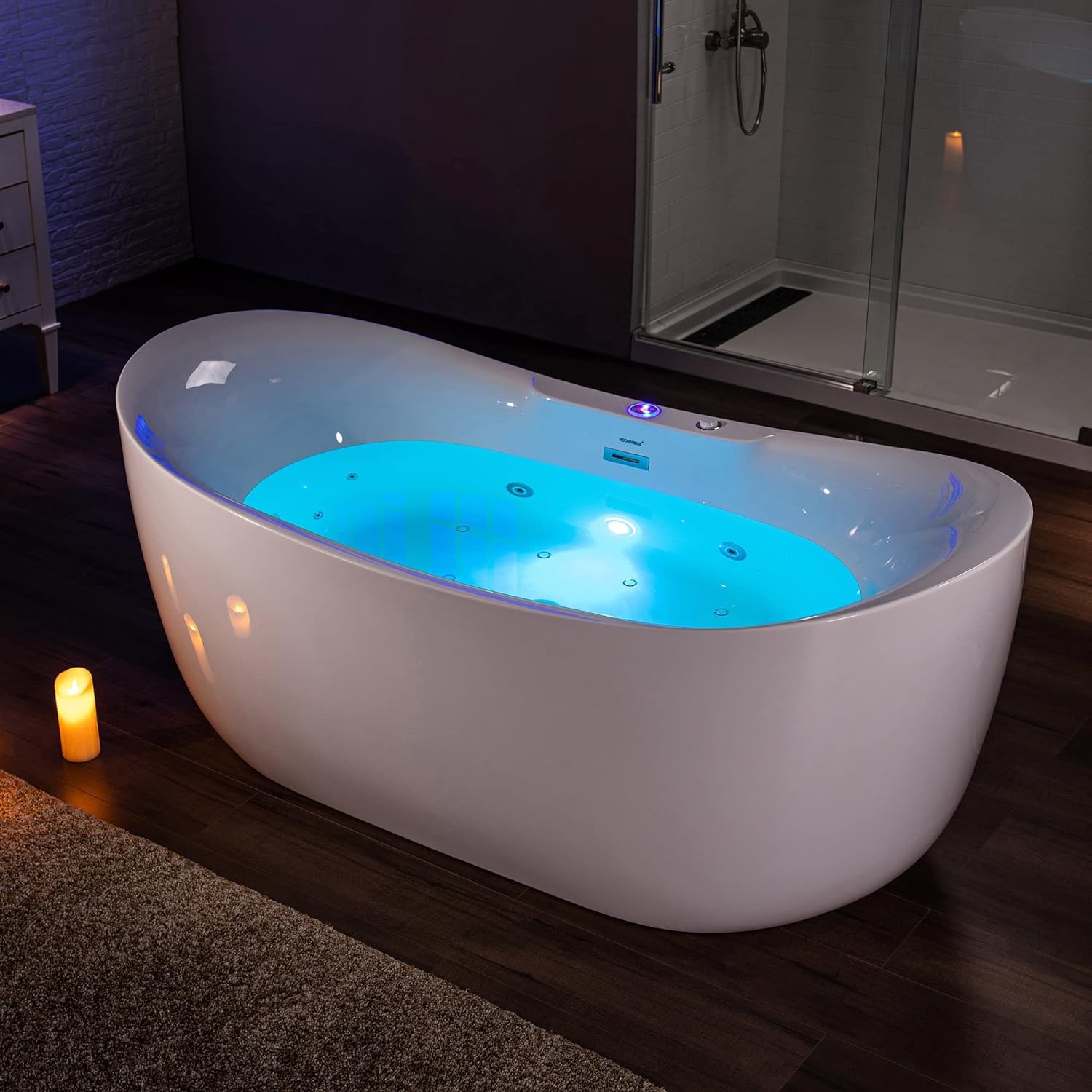
The article highlights that modern spa baths are no longer the garish fixtures of the past. Their sleek designs and improved functionality mean they can integrate seamlessly into contemporary bathroom aesthetics, occupying a similar footprint to conventional freestanding bathtubs. The rising popularity of self-care and spa-like amenities in home bathrooms, such as double showers and twin basins, suggests that spa baths could be the next logical step in creating a personal sanctuary.
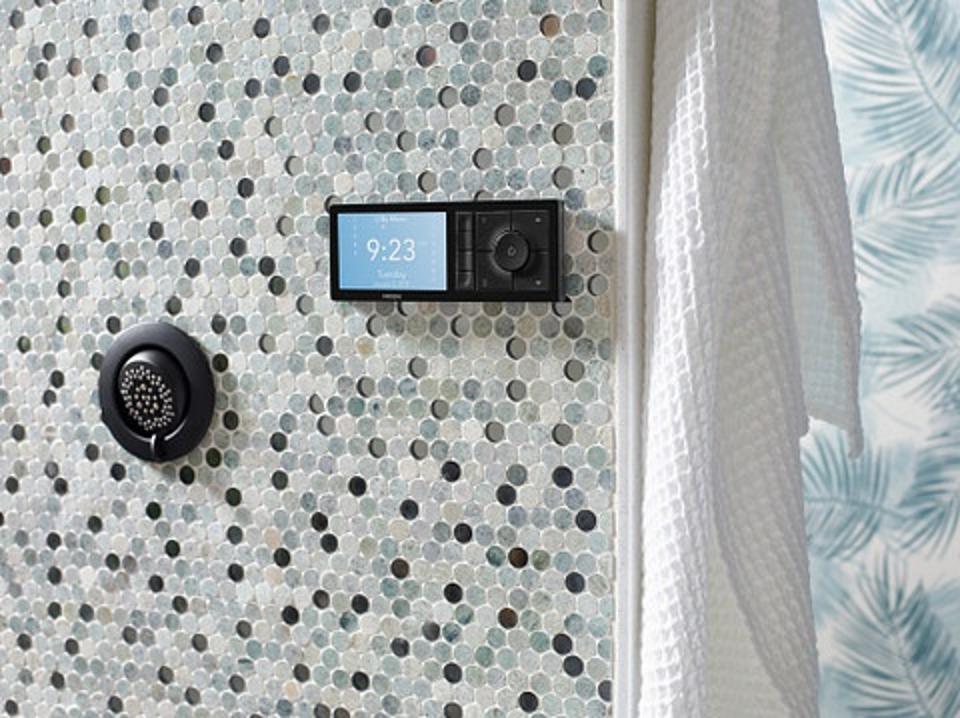
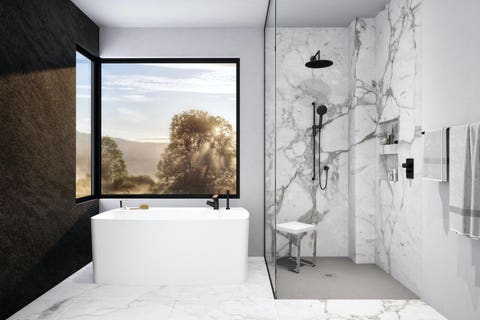
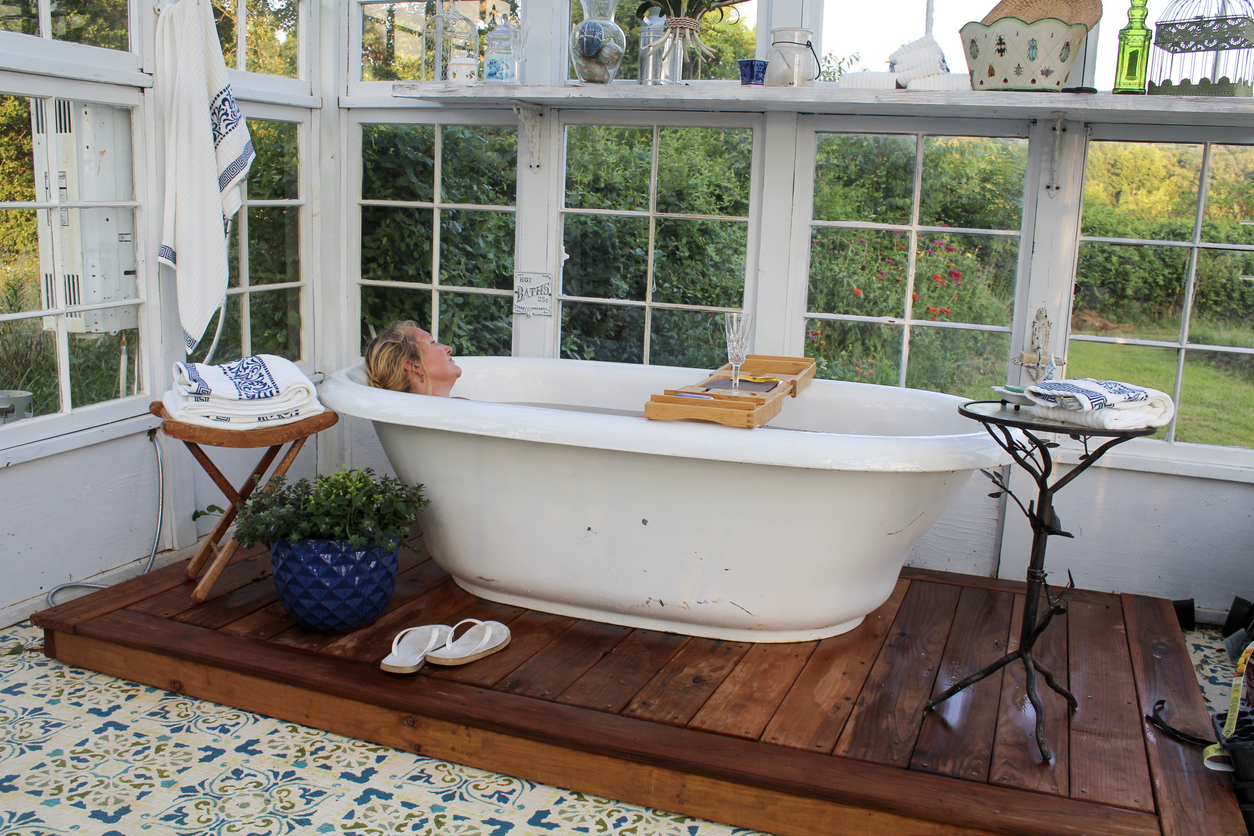
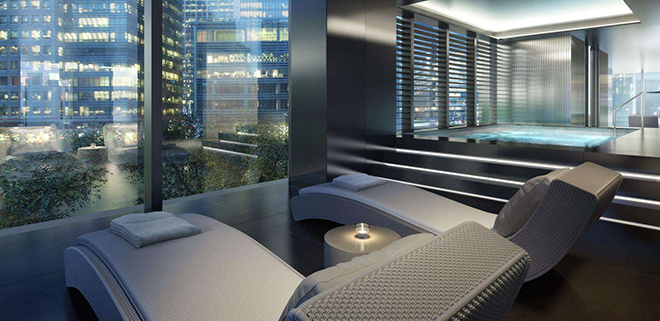
Proponents of spa baths emphasize their therapeutic benefits, drawing parallels to the long-standing tradition of thermal bathing globally. Scientific studies indicate that regular hot baths can improve sleep quality, reduce stress and anxiety, and even lower blood pressure, in addition to skin benefits. Modern spa baths offer enhanced features like remote control operation and are manufactured to high-quality standards, elevating the relaxation experience. Examples from recent design shows, such as "The Block," demonstrate how a well-placed spa bath can complement stunning views and significantly enhance a home's relaxation potential. The ability to create a personalized, luxurious 'me-time' experience at home, complete with bubbly jets and a convenient spot for drinks and reading, is a strong pull for many.
Conversely, arguments against spa baths primarily focus on practical concerns and past negative experiences. A significant drawback often cited is the potential for improper maintenance leading to hygiene issues, such as mold accumulation in jets, which can quickly turn a relaxing experience into a health concern. The initial investment for a modern freestanding spa bath can range significantly, from $3000 to $7000, raising questions about whether the usage frequency justifies the cost. Furthermore, the ongoing operational expenses, particularly increased electricity consumption for the pump, contribute to higher utility bills, potentially outweighing the perceived relaxation benefits. Health considerations also play a role, as the prolonged exposure to hot water may not be suitable for everyone, particularly pregnant individuals or those with heart conditions. There's also a lingering concern about the longevity of the trend, with some questioning whether the current resurgence of spa baths is a lasting design evolution or a temporary fad, reminiscent of their past popularity which eventually waned.
Ultimately, the decision to install a spa bath involves weighing these benefits against the practicalities and potential drawbacks. While the allure of a therapeutic, elegant, and compact spa bath is strong, factors such as maintenance commitment, financial investment, and individual health needs must be carefully considered.
#SpaBath #BathroomDesign #HomeDecor #Relaxation #HomeRenovation #InteriorDesignTrends #WellnessAtHome #LuxuryBathrooms #SpaBath #BathroomDesign #HomeDecor #Relaxation #HomeRenovation #InteriorDesignTrends #WellnessAtHome #LuxuryBathrooms
0 comment in total
 No comments yet
You may also like
Could the bathroom spa become the hotel bathroom of the future?

The Growing Popularity Of The Elegant And Comfortable Free Standing Bathtub

The luxurious touches to add to your bathroom for a spa-worthy experience

Spa Bathroom Trends in 2025: The New Standard of Luxury

Reimagining the Spa Bath

The Best Soaking Tubs to Transform a Bathroom Into a Spa

Here’s How You Can Turn Your Ordinary Bathroom into a Spa Getaway
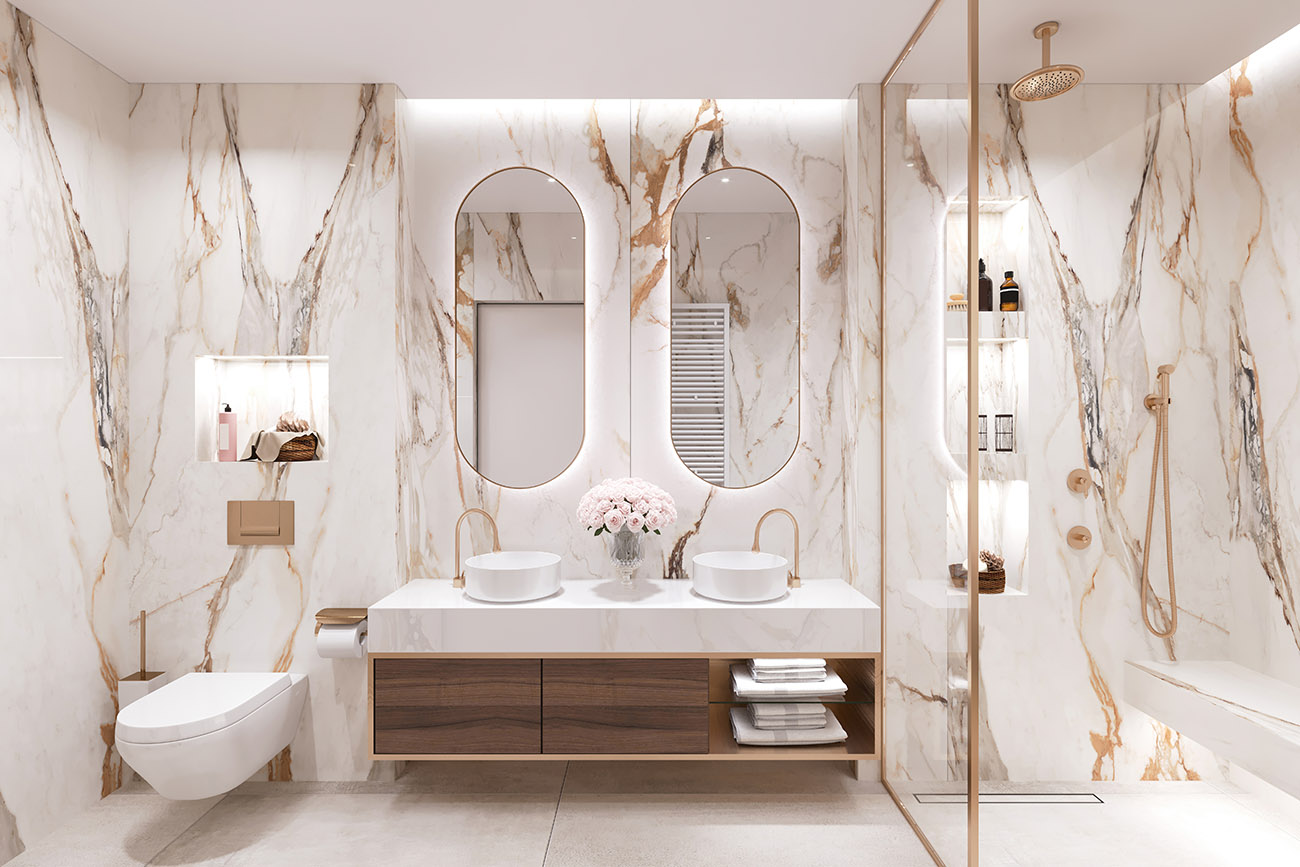
3 Hot Bathroom Trends: Spa-like With Some Organic Feels
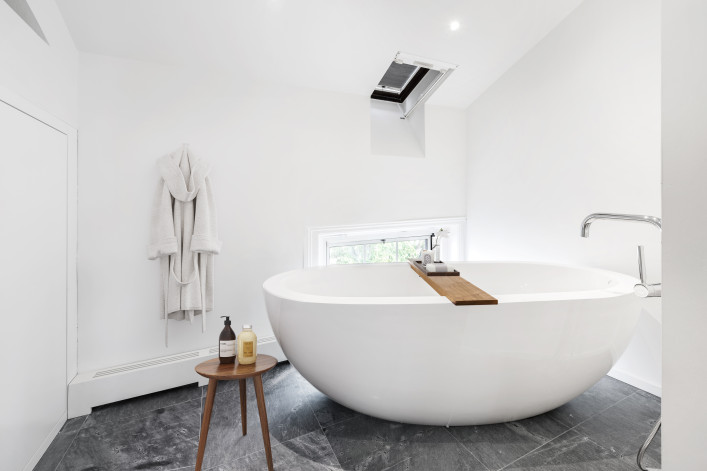
Craving some Zen? Here's how to create a spa-like bath in your NYC townhouse or apartment
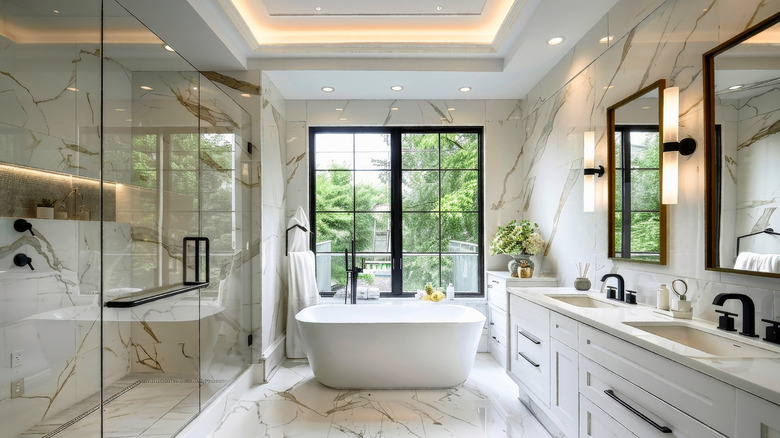
The Next Big Trend Of 2026 Will Make Your Bathroom Feel Like A Spa-Inspired Oasis
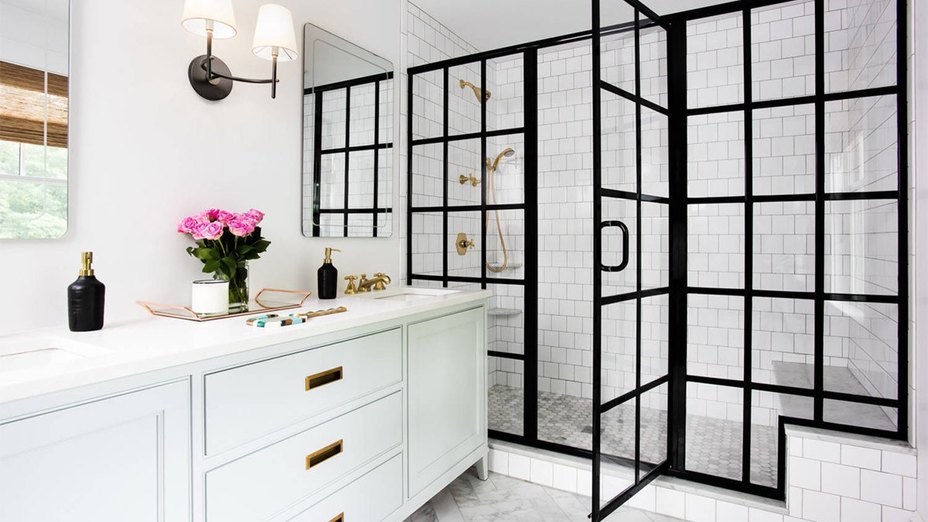
No Bath? No Problem! 4 Ways To Elevate Your Shower Regardless of Your Budget
This ’80s Bathroom Trend is Making a Comeback

The Outdated Bath Trend That's Coming Back In Style
Is the Home Sauna the Latest Luxury Must-Have?

6 ‘Wellness’ Additions Taking Priority in Bathroom Updates
New Status Symbol: Your Own Home Luxury Spa

Creating Spa Bathrooms With The Latest Wellness Design And Technology Trends
Baths | Why curves are making a comeback in bath design
How the focus on relaxation is making wellness key to bathroom design
The Bath Bubble