1/22
Kitchen splashback ideas for beautiful wall protection that is packed with style
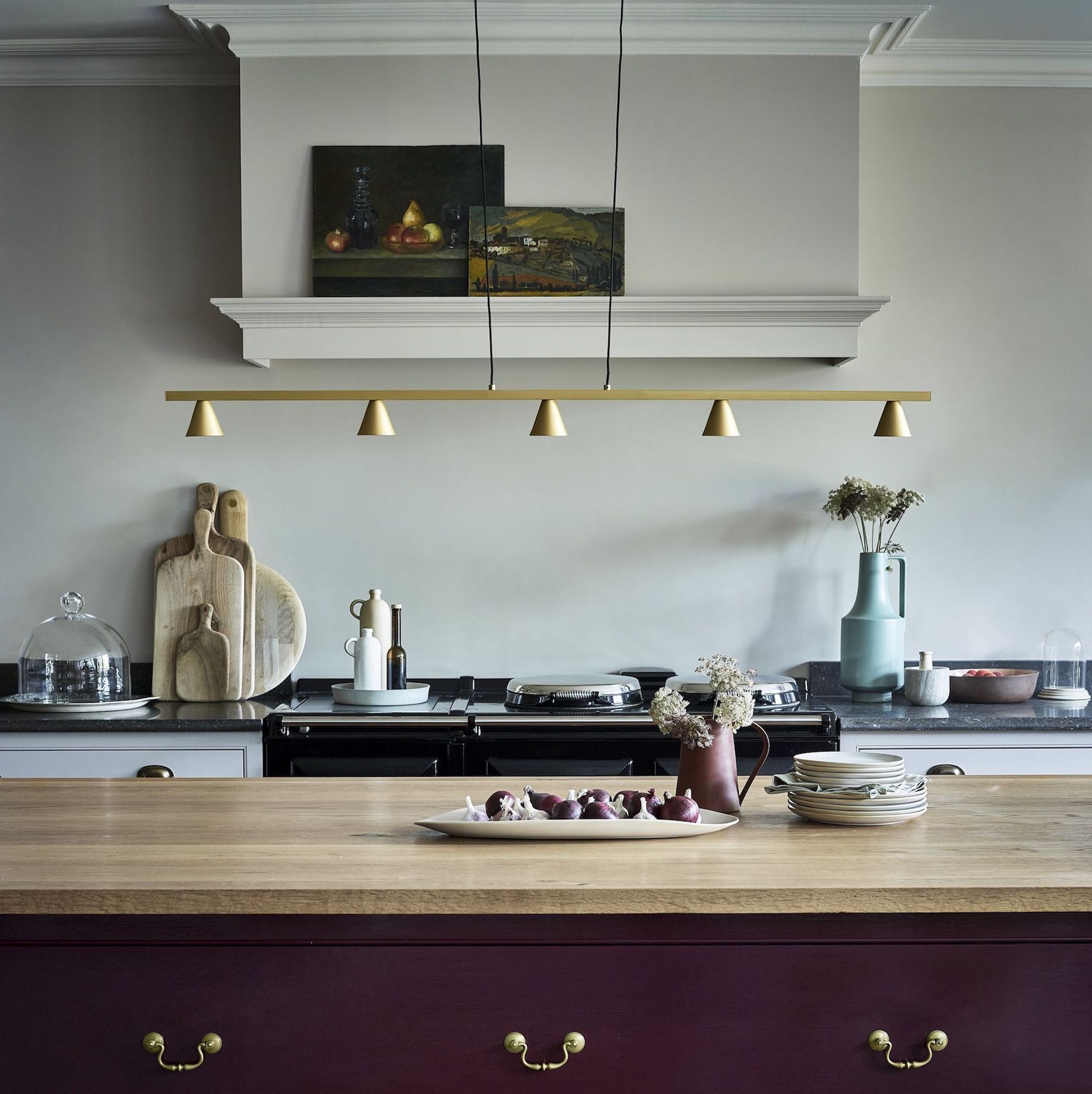
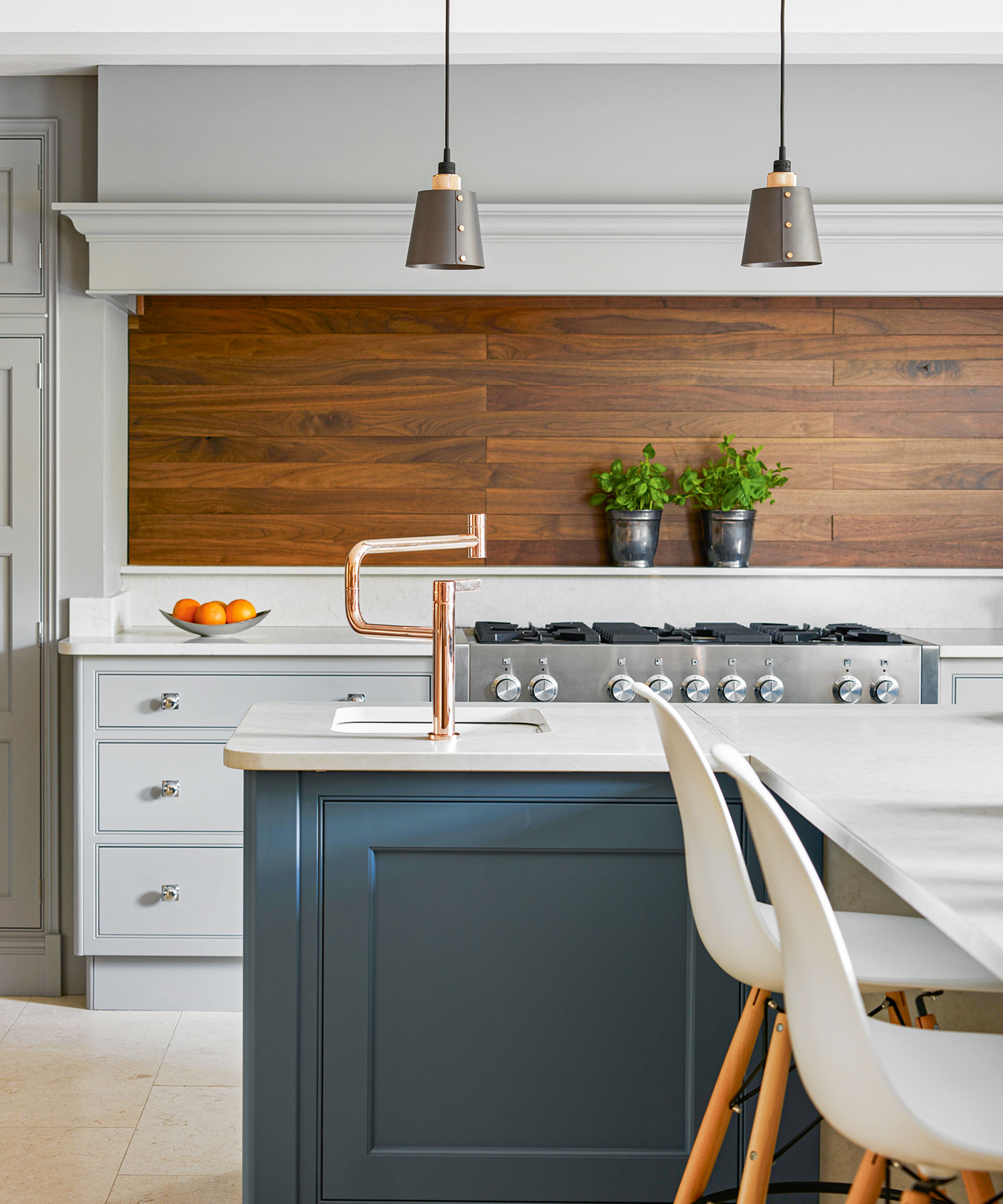
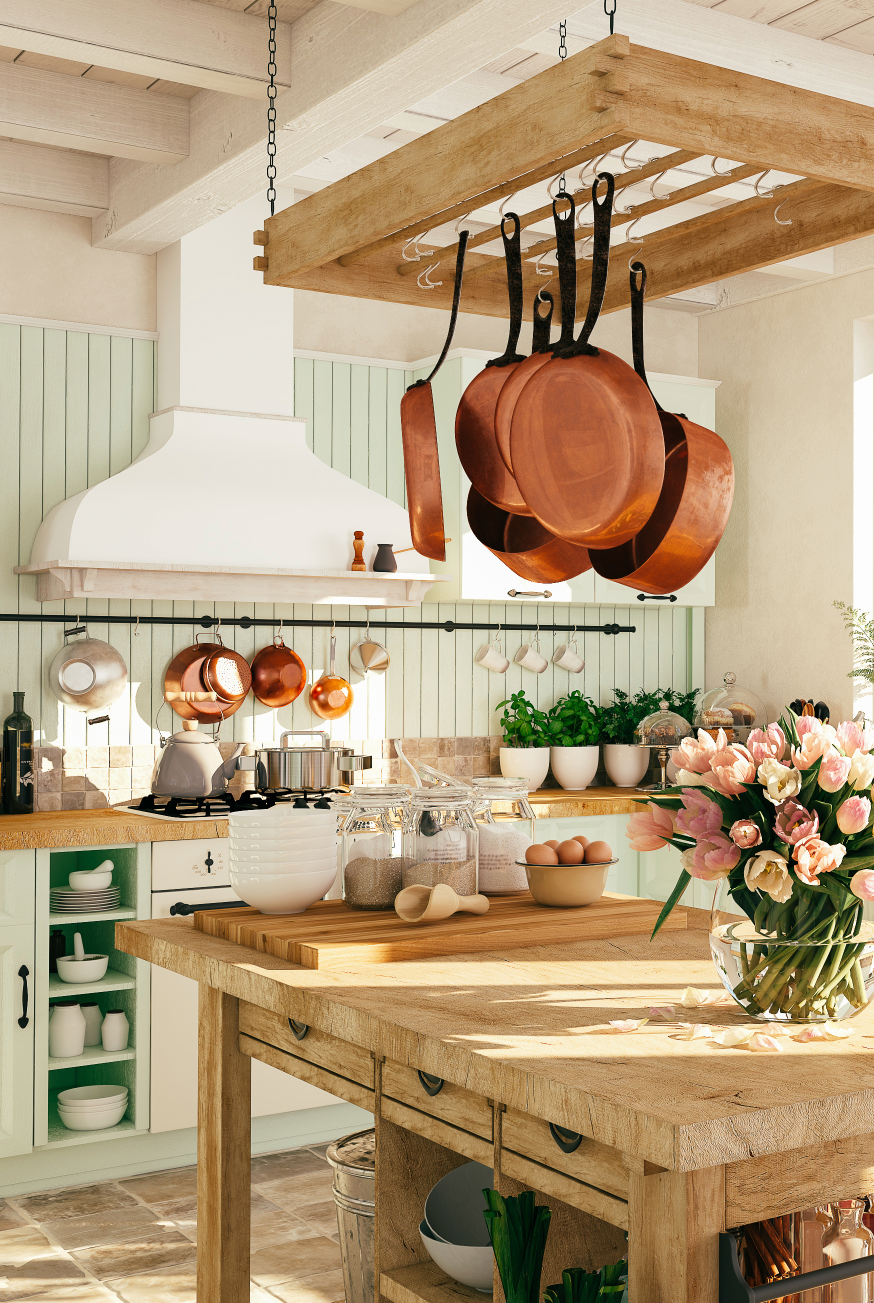
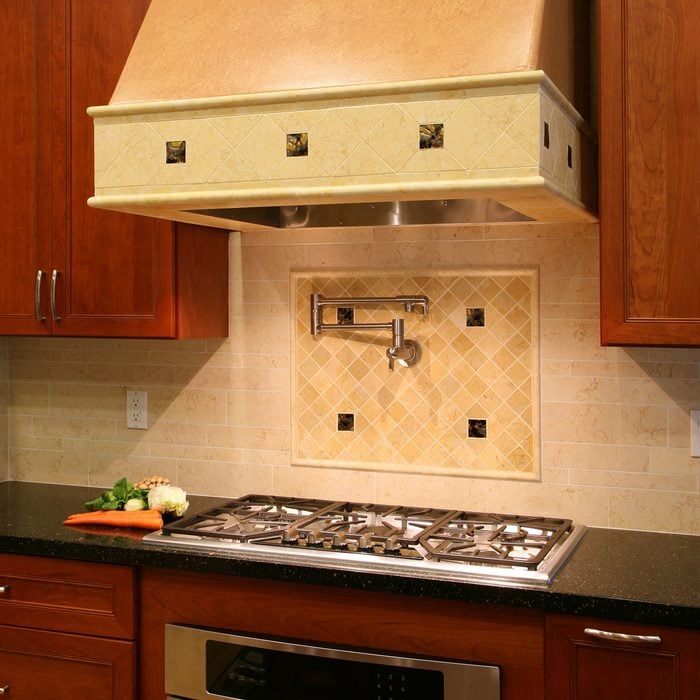
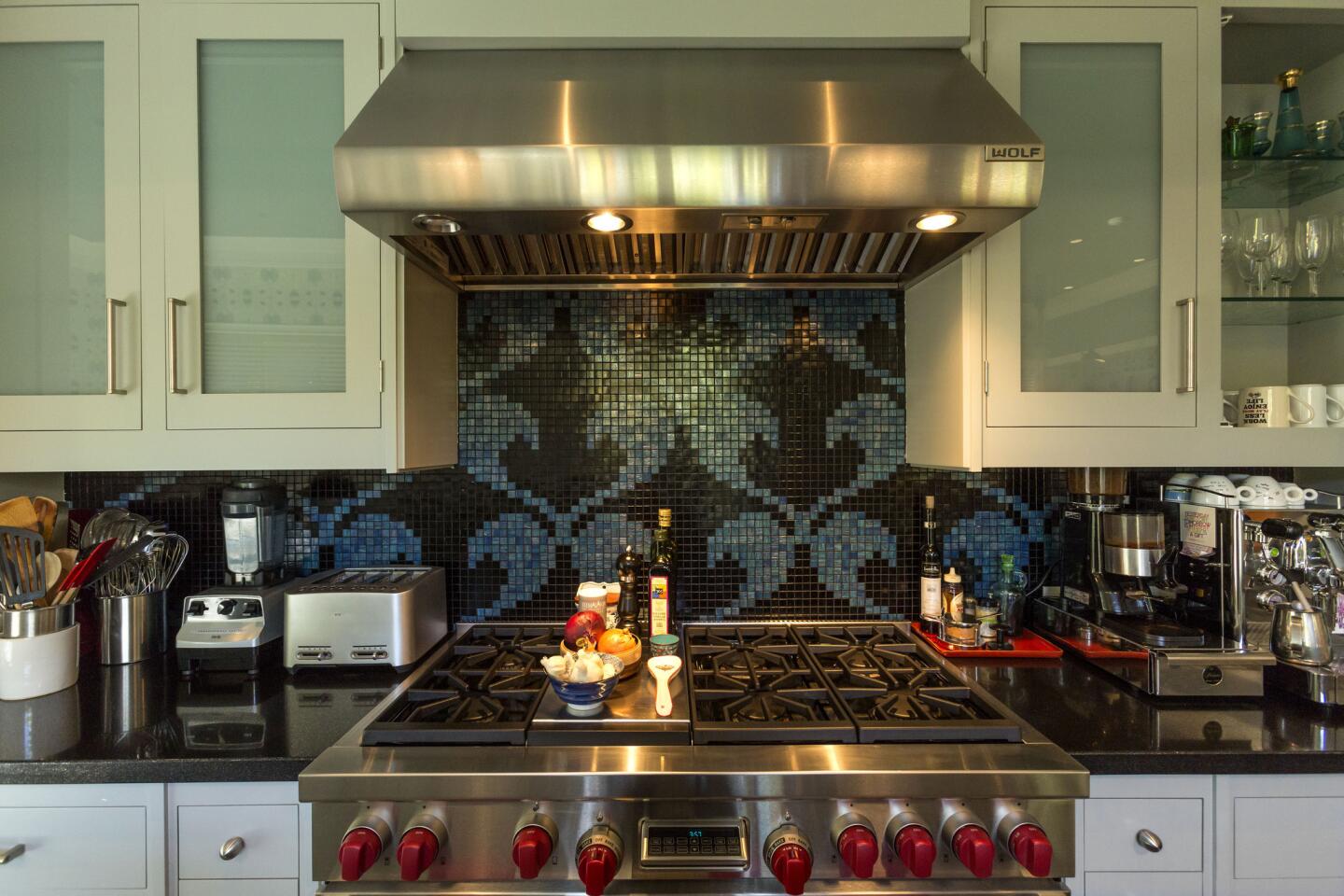
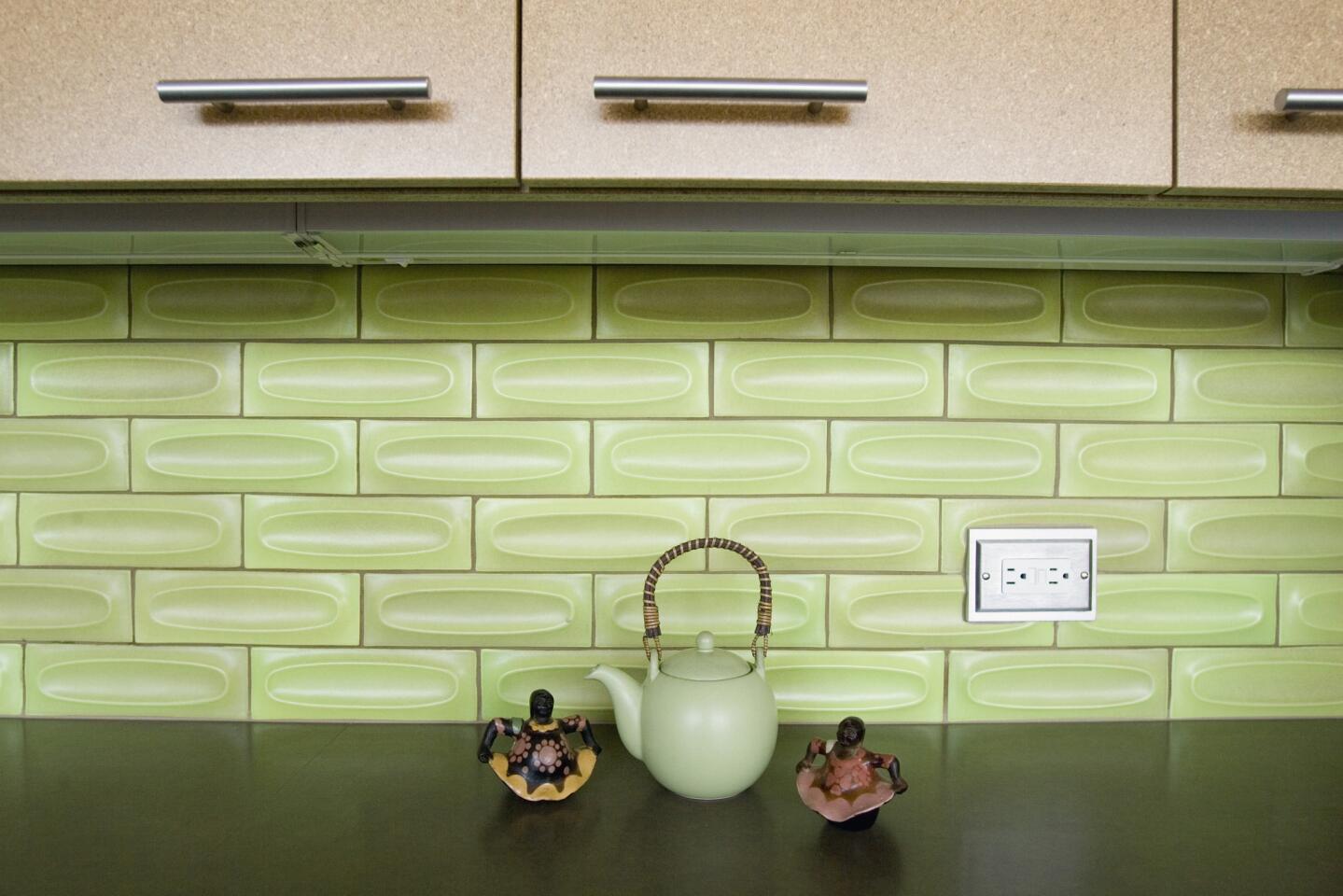
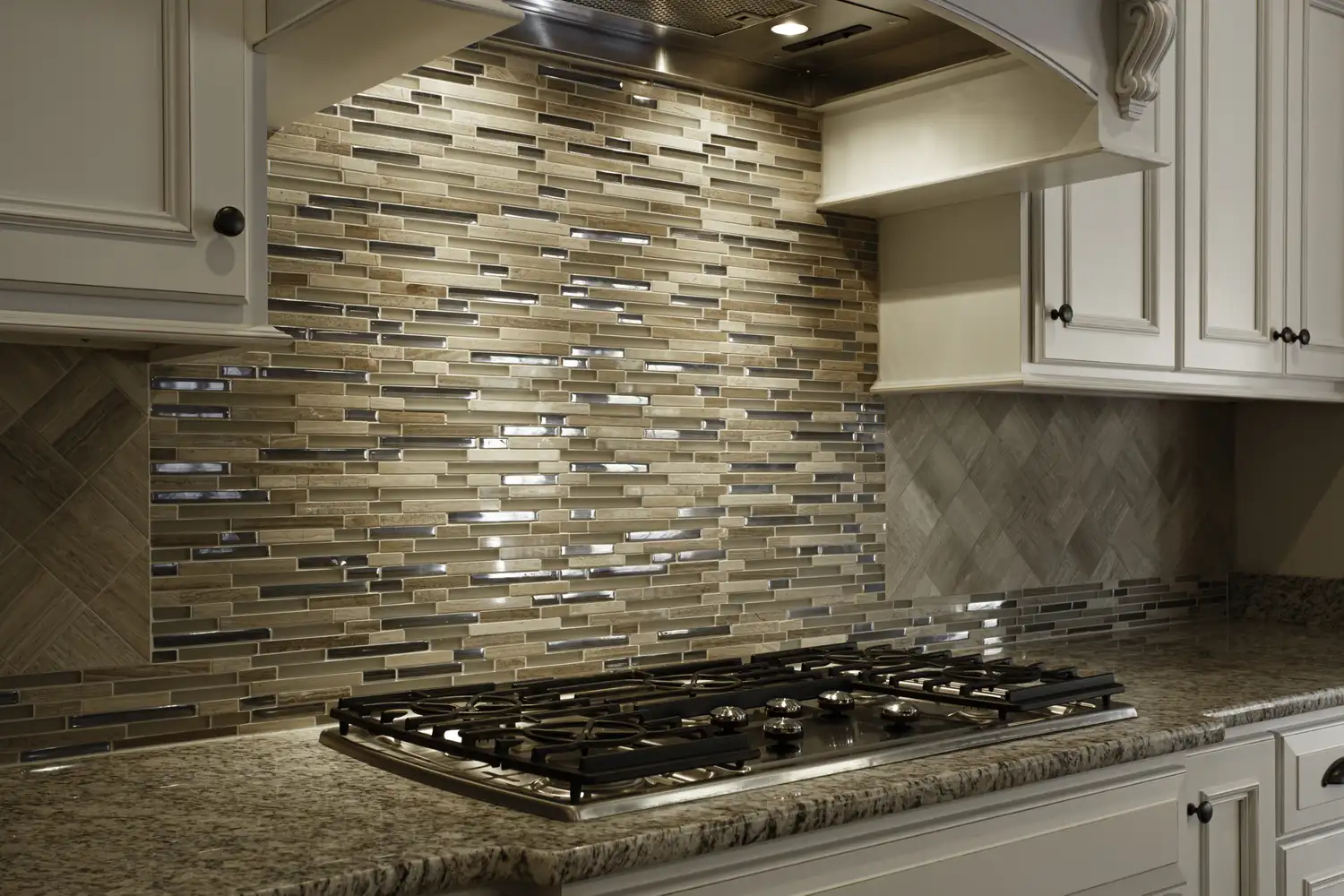
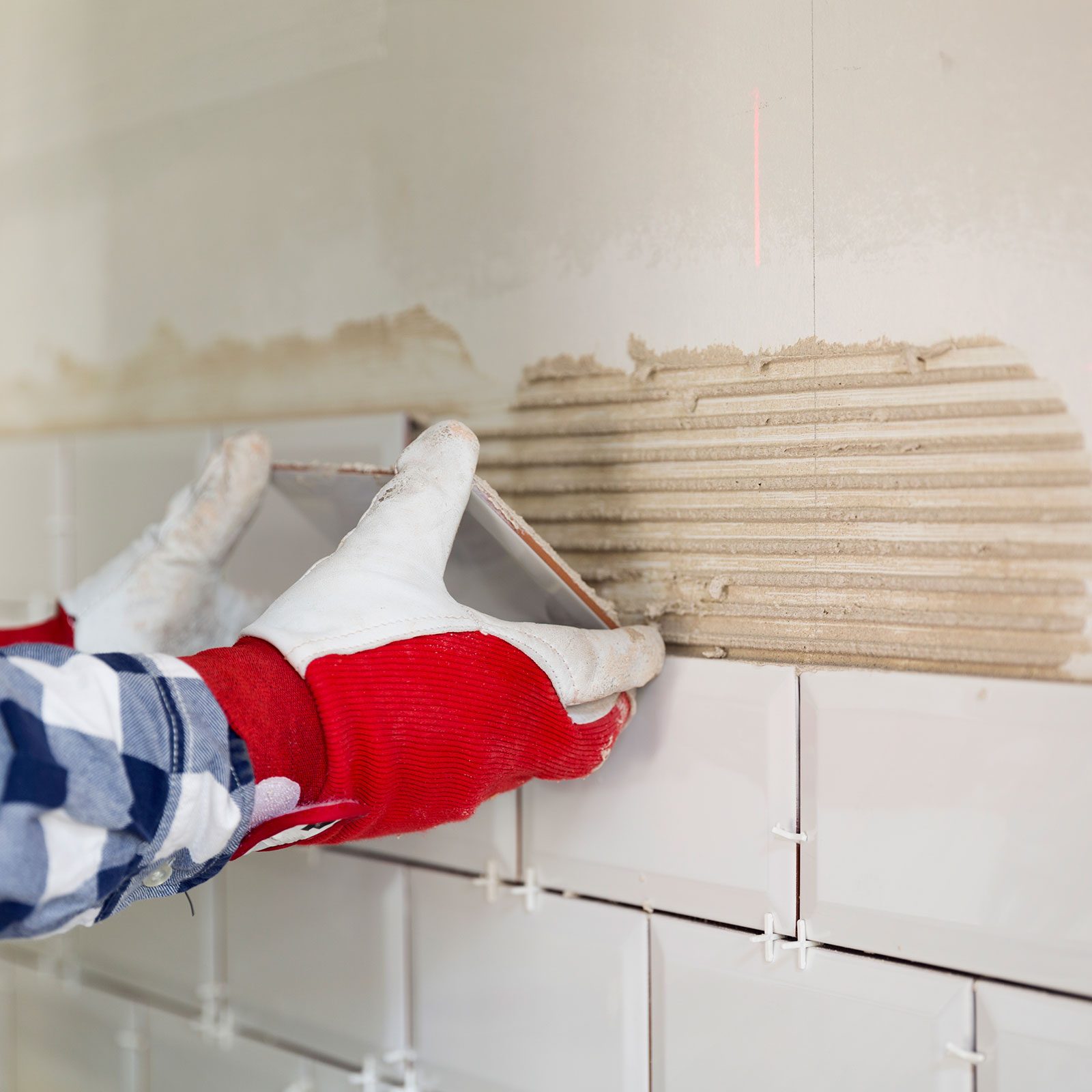
Kitchen splashbacks are no longer merely a practical element in home design but have evolved into significant aesthetic features that can define the look and feel of a kitchen. They offer an ideal opportunity to inject personality, color, pattern, and texture into the space without necessitating a complete renovation. The article emphasizes that a new splashback can be a cost-effective way to refresh a kitchen, with many DIY enthusiasts capable of installing tiles themselves using basic tools such as adhesive, spacers, a cutter, spirit level, and trowel. It is suggested to consider darker grout for areas above the hob to better manage food splatters.
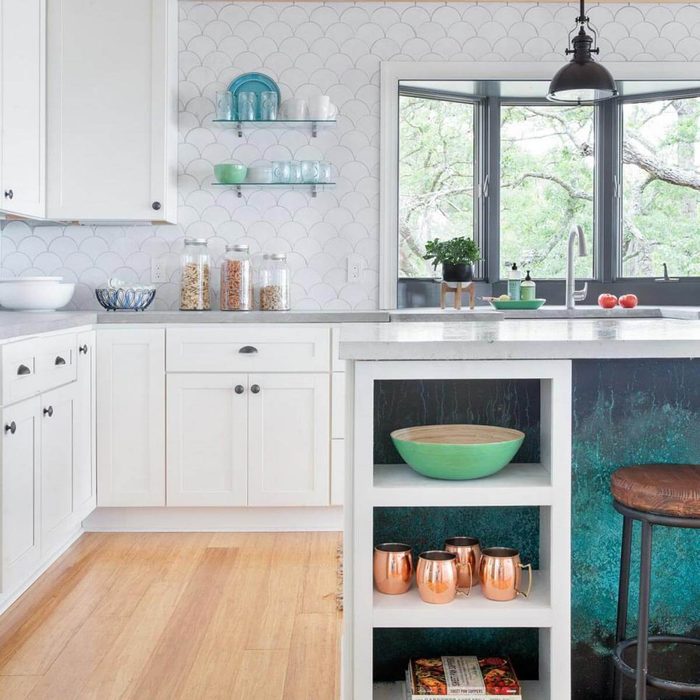
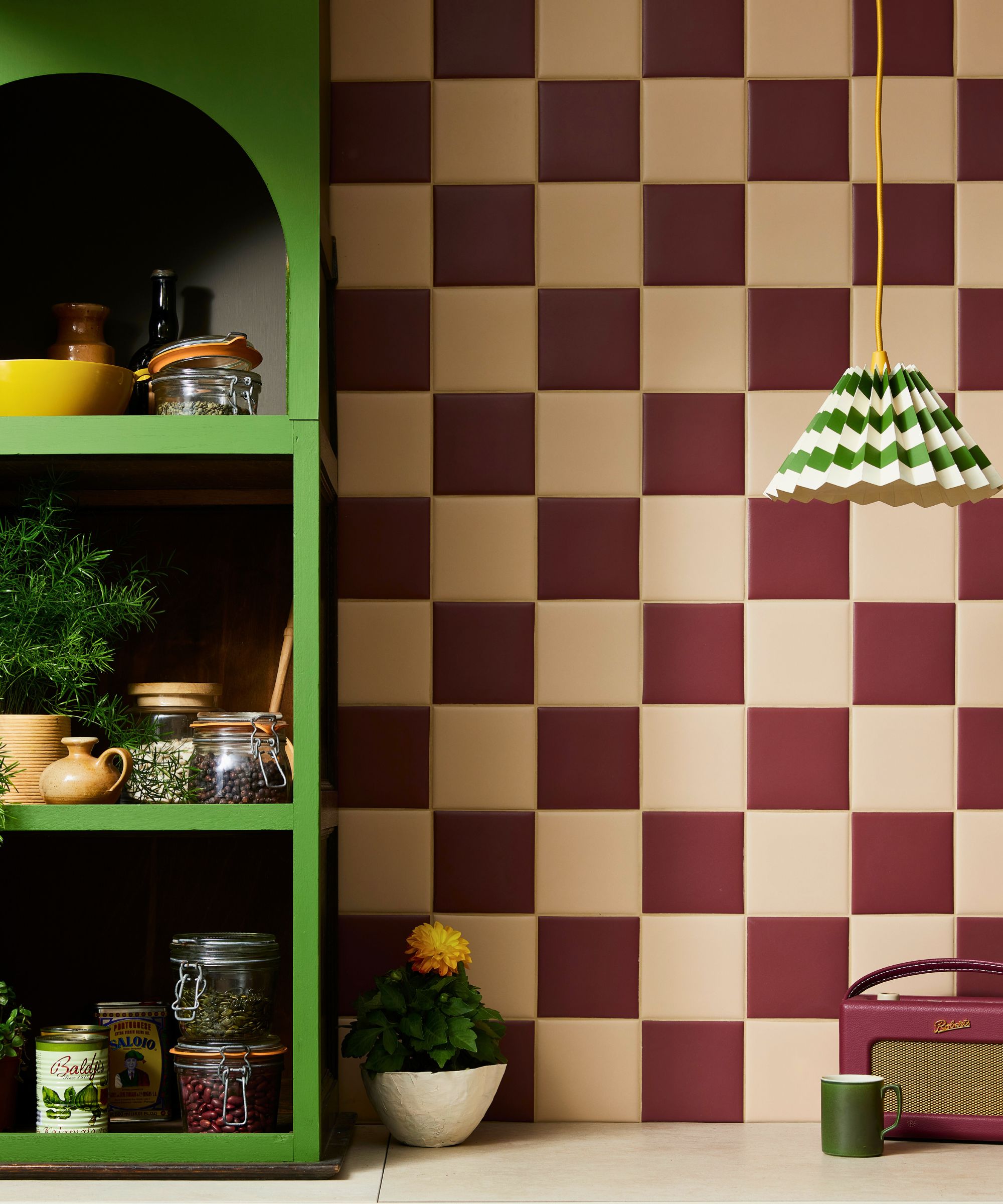
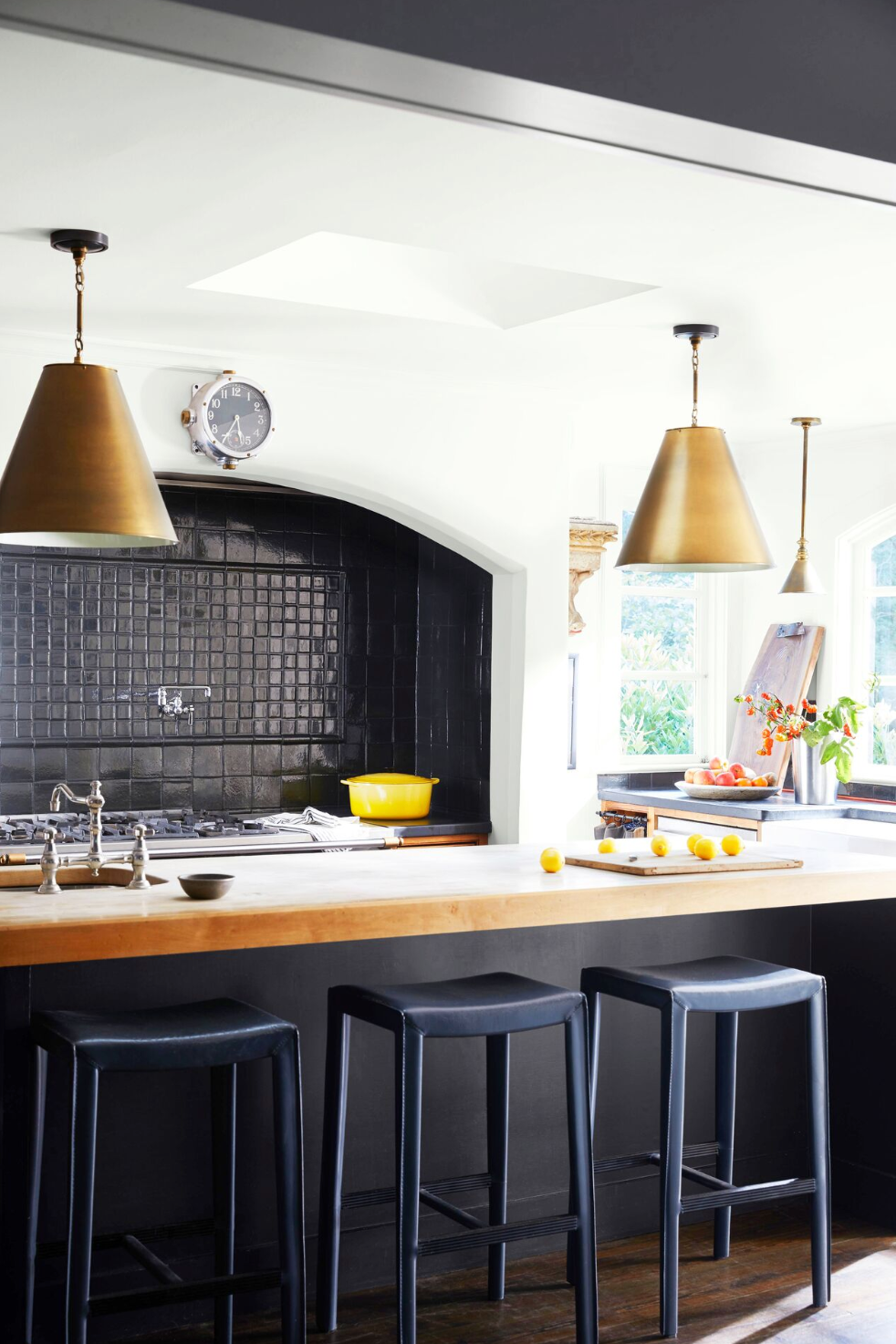
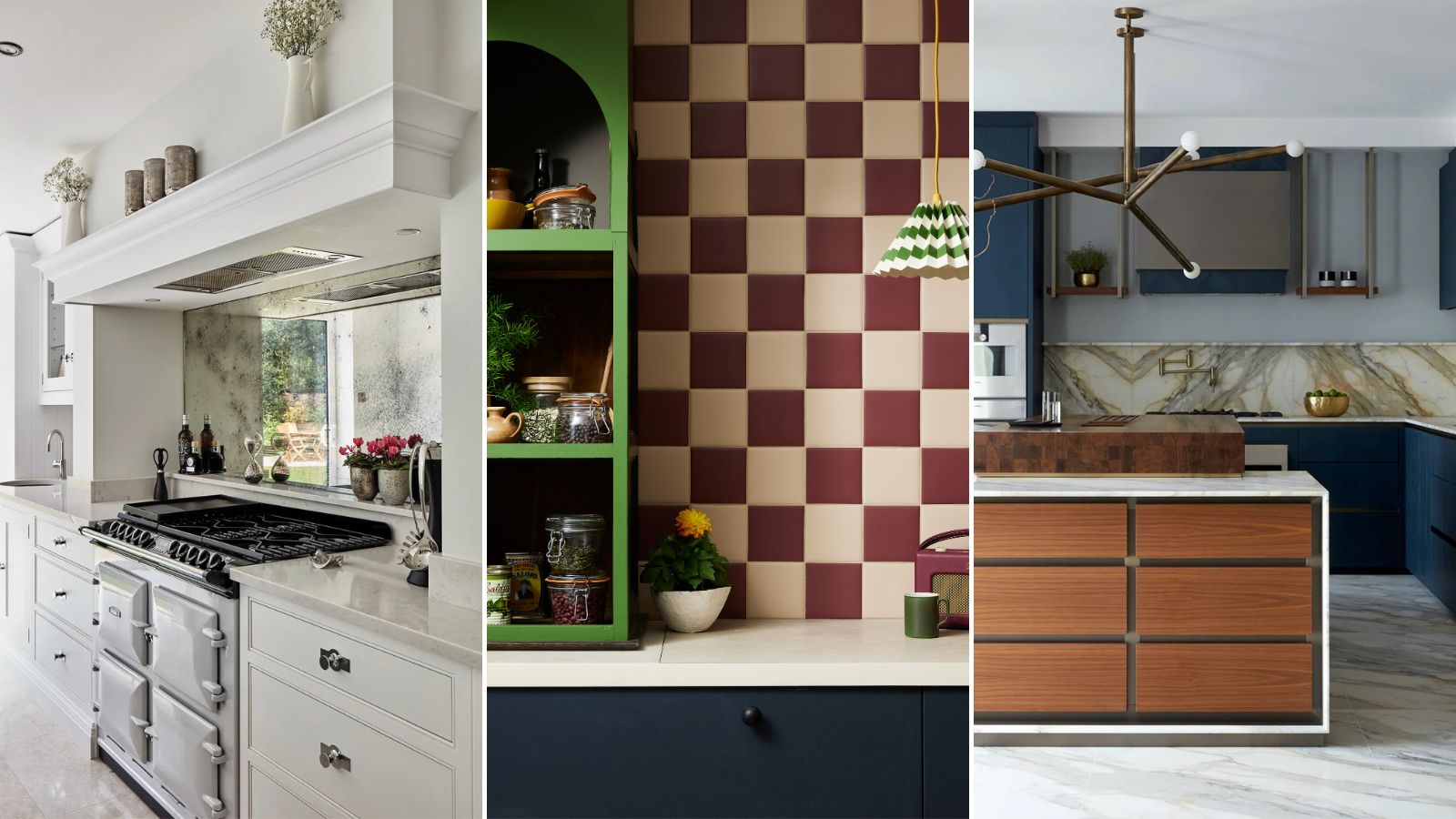
Splashbacks serve the dual purpose of protecting walls from cooking-related splashes, steam, and heat, and can be extended to dining and seating zones, as well as behind appliances like microwaves, ovens, and sinks. The article explores various design trends and material choices for kitchen splashbacks. One popular trend is the checkerboard effect, which can be achieved with affordable square tiles in classic black and white or more vibrant color combinations like pink and red for a playful and stylish look.
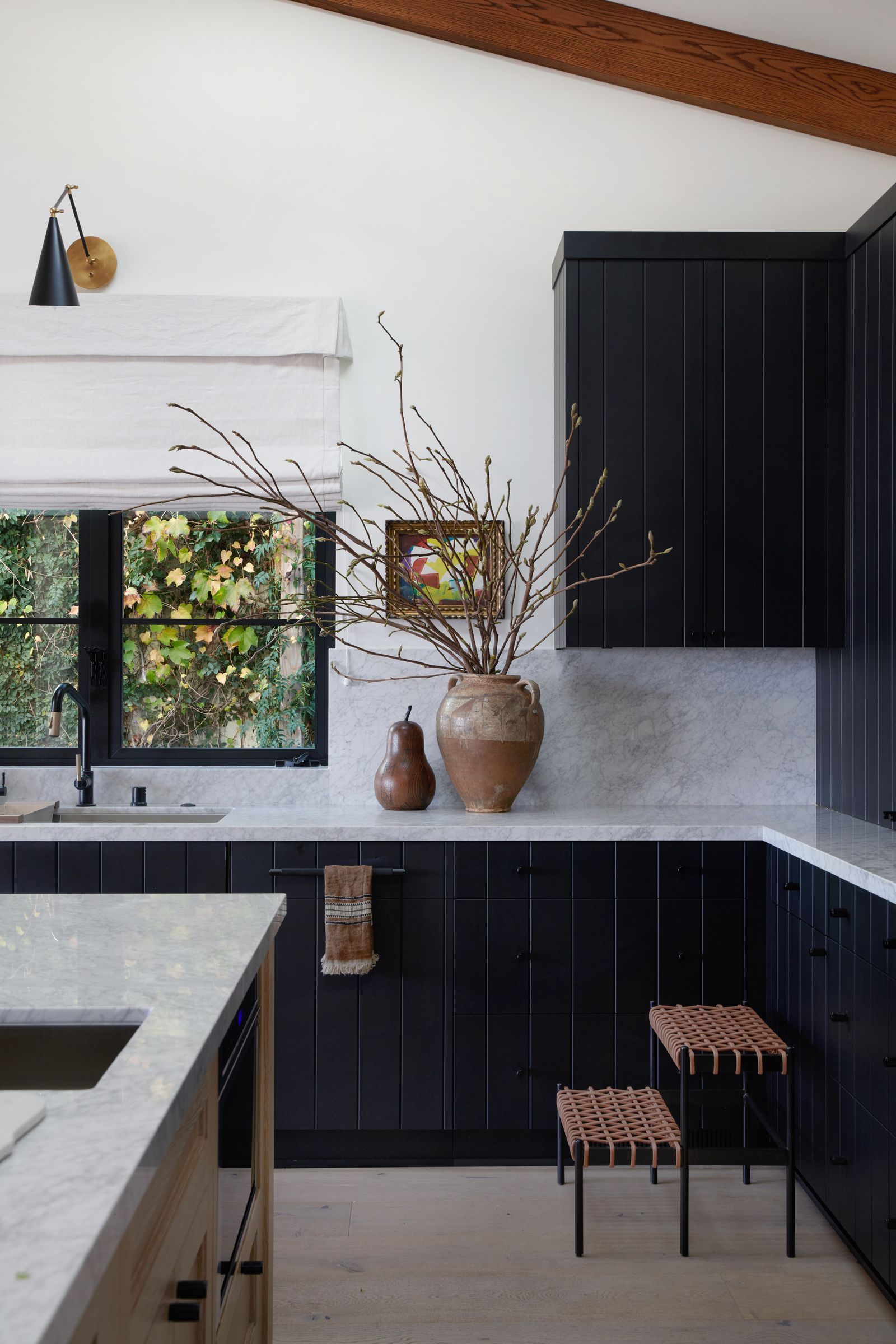
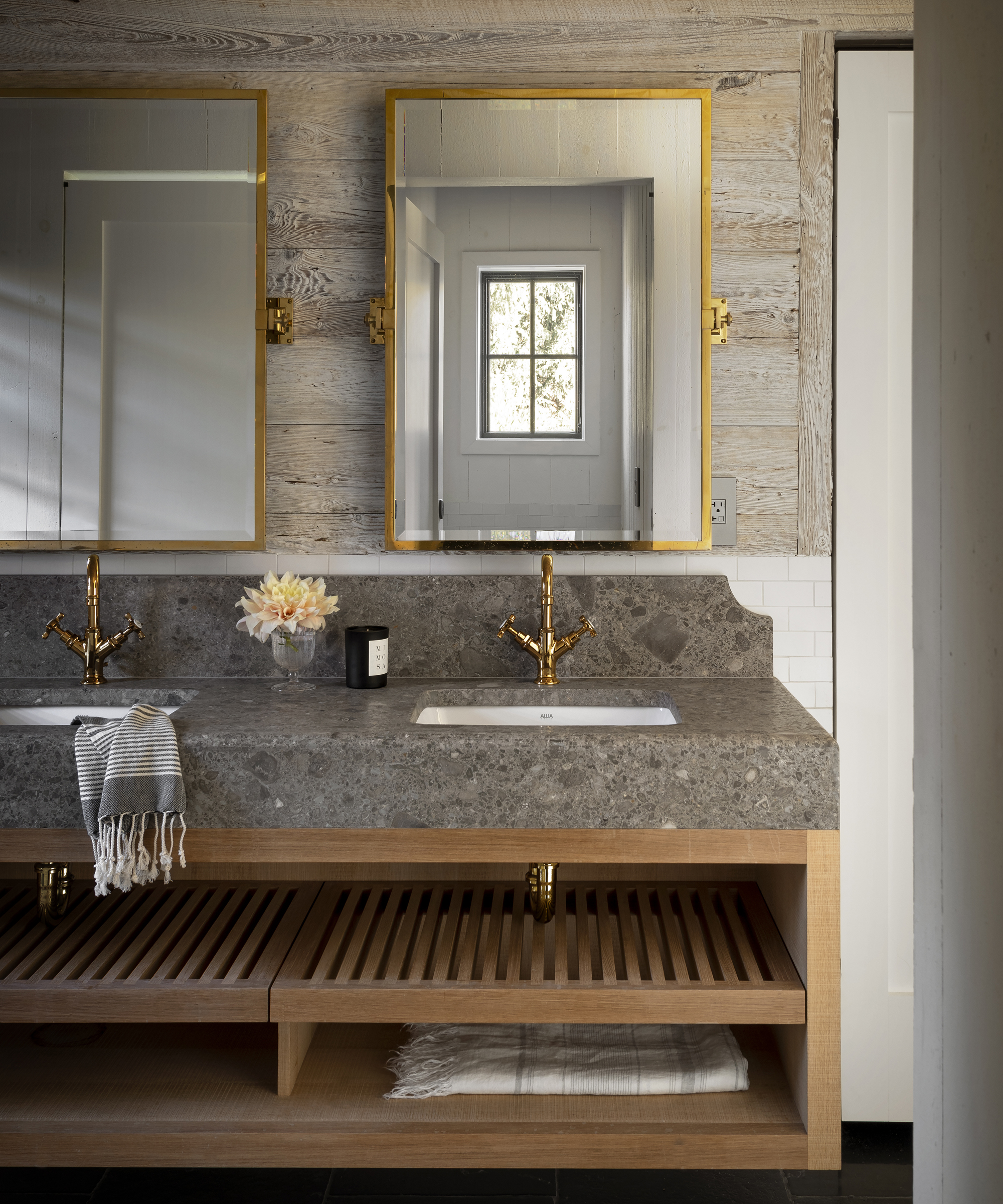
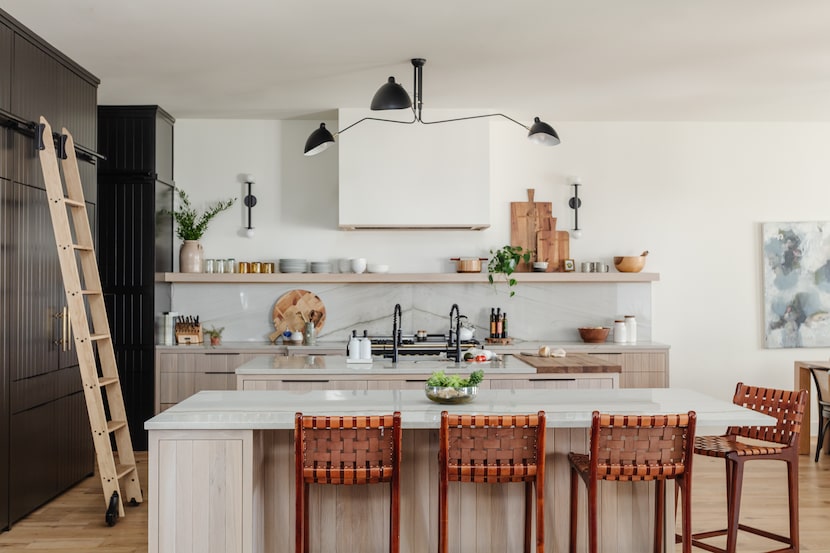
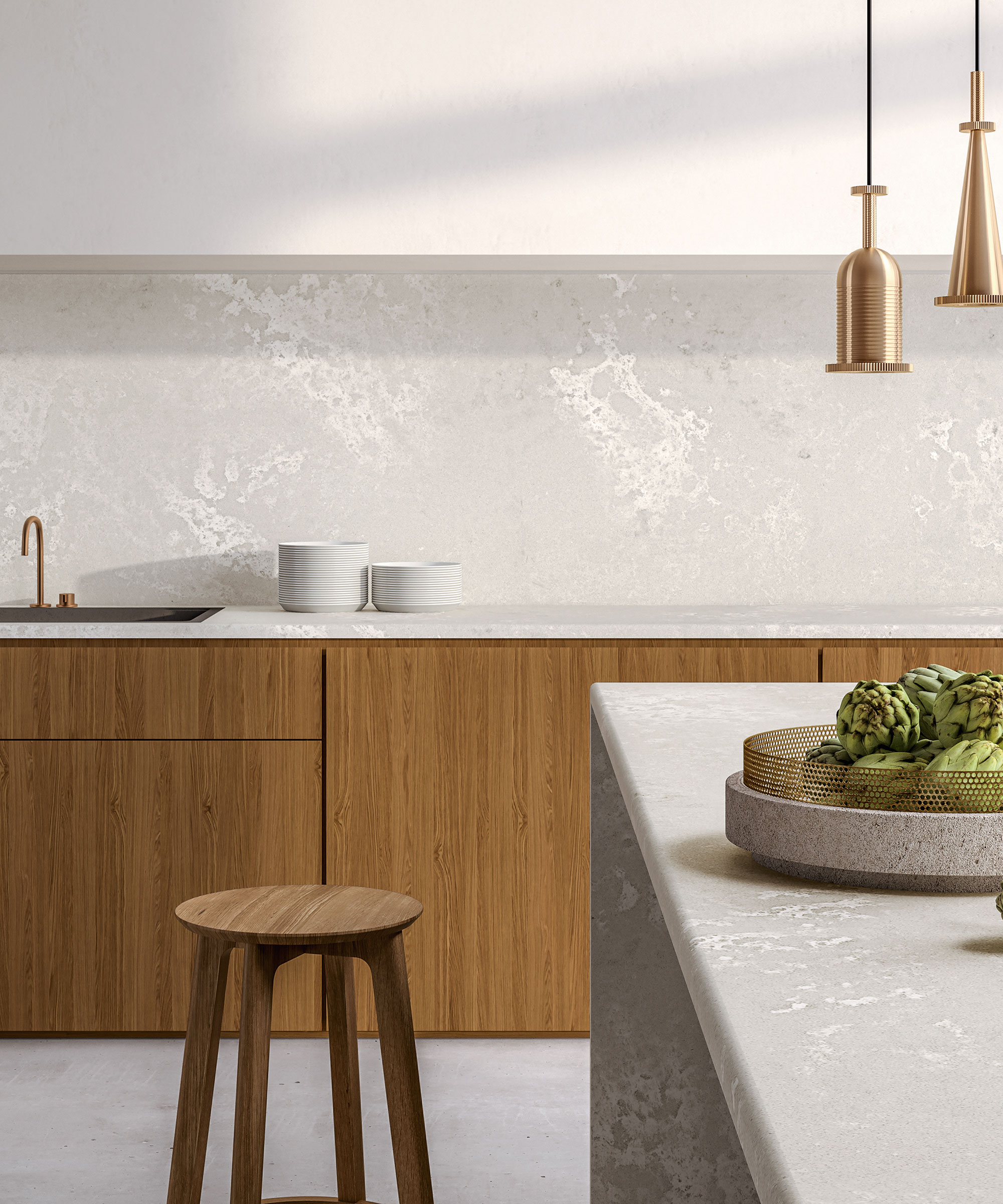
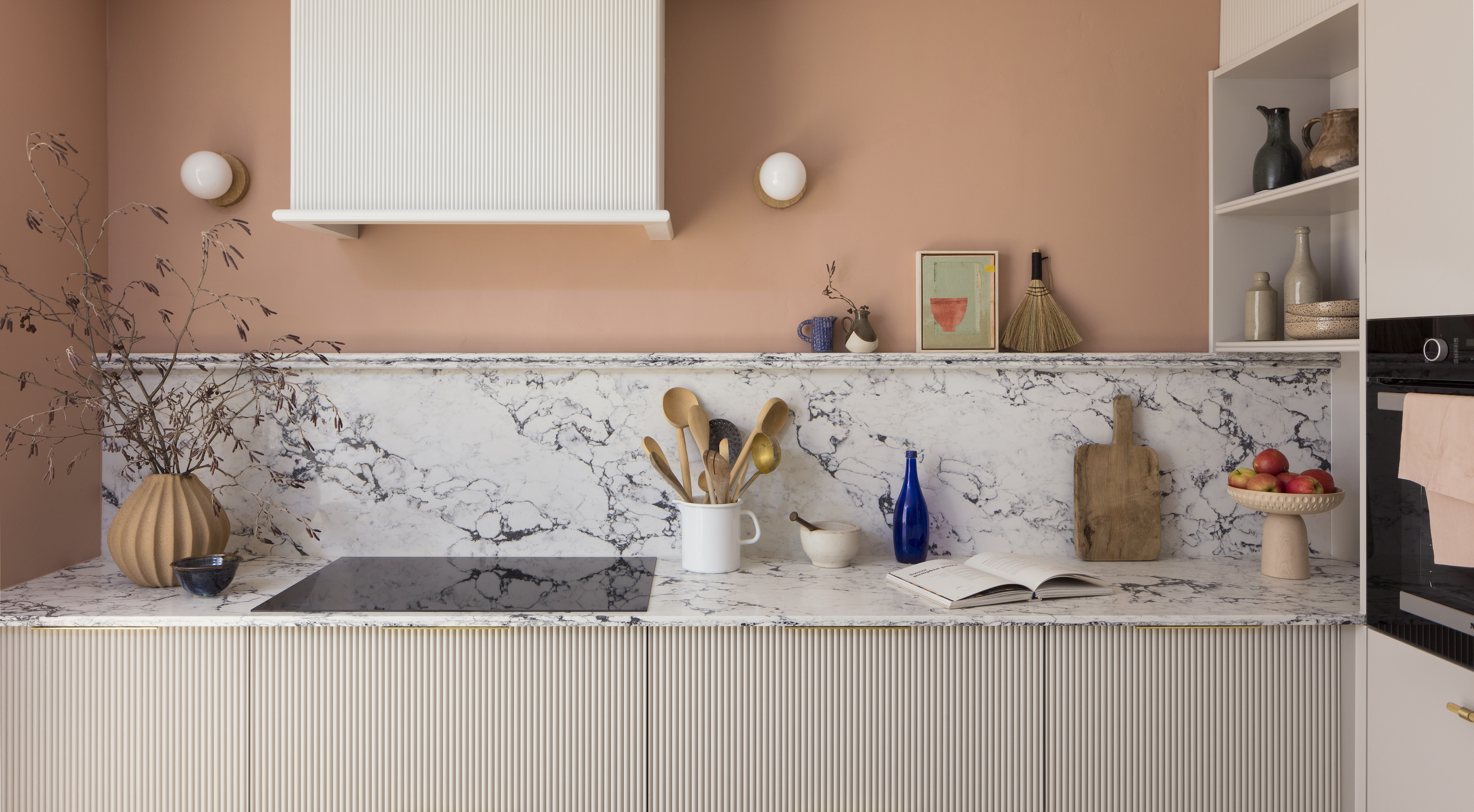
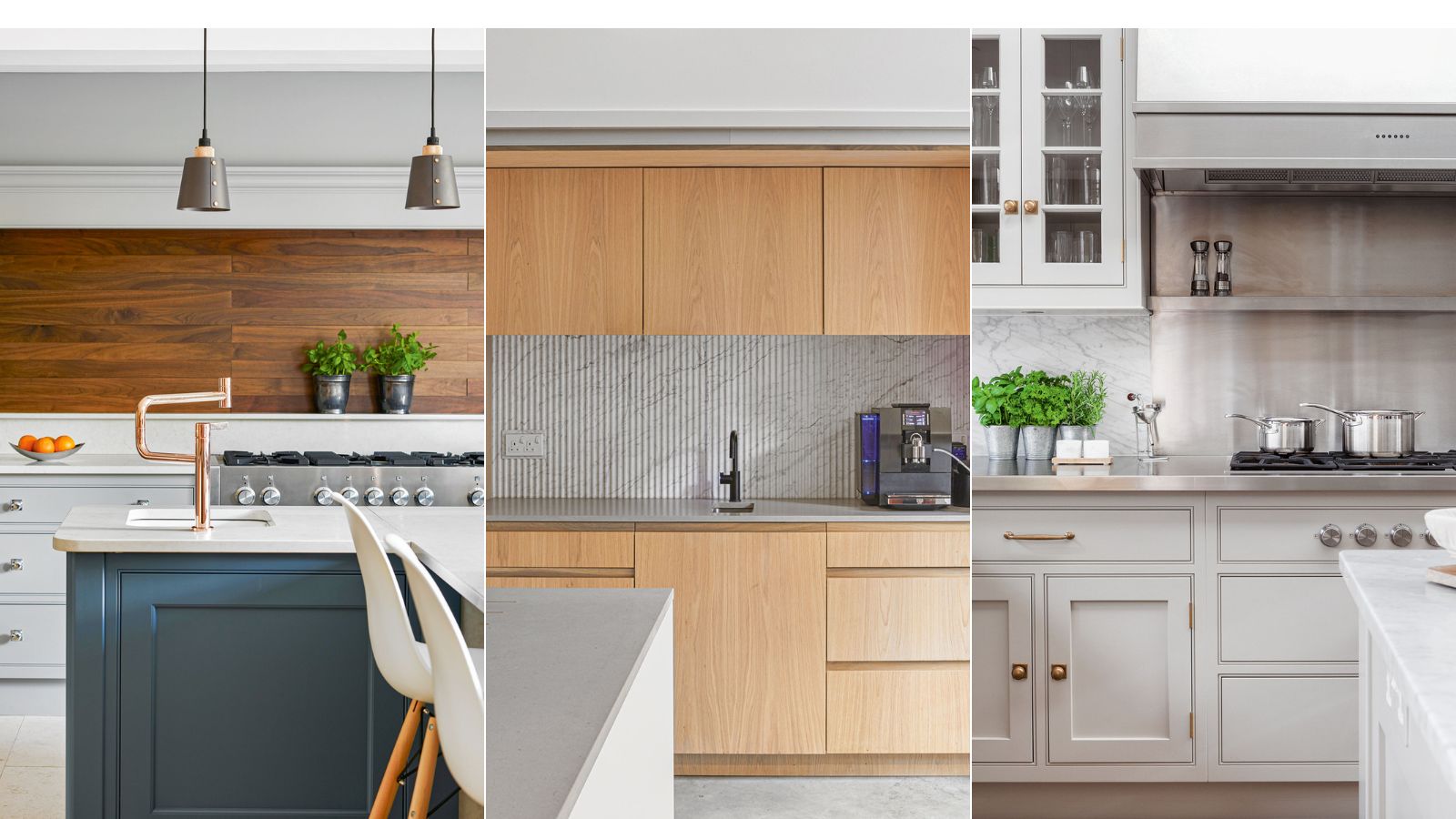
Another approach involves extending the worktop material onto the walls to create a seamless and premium design, particularly effective in small kitchens by reducing visual clutter. Pairing wall panelling with cabinet fronts introduces depth and interest; painted wood panelling, for instance, offers a contemporary take on traditional designs, provided the paint is moisture and stain-resistant and easy to clean (though not recommended near hobs due to fire safety).
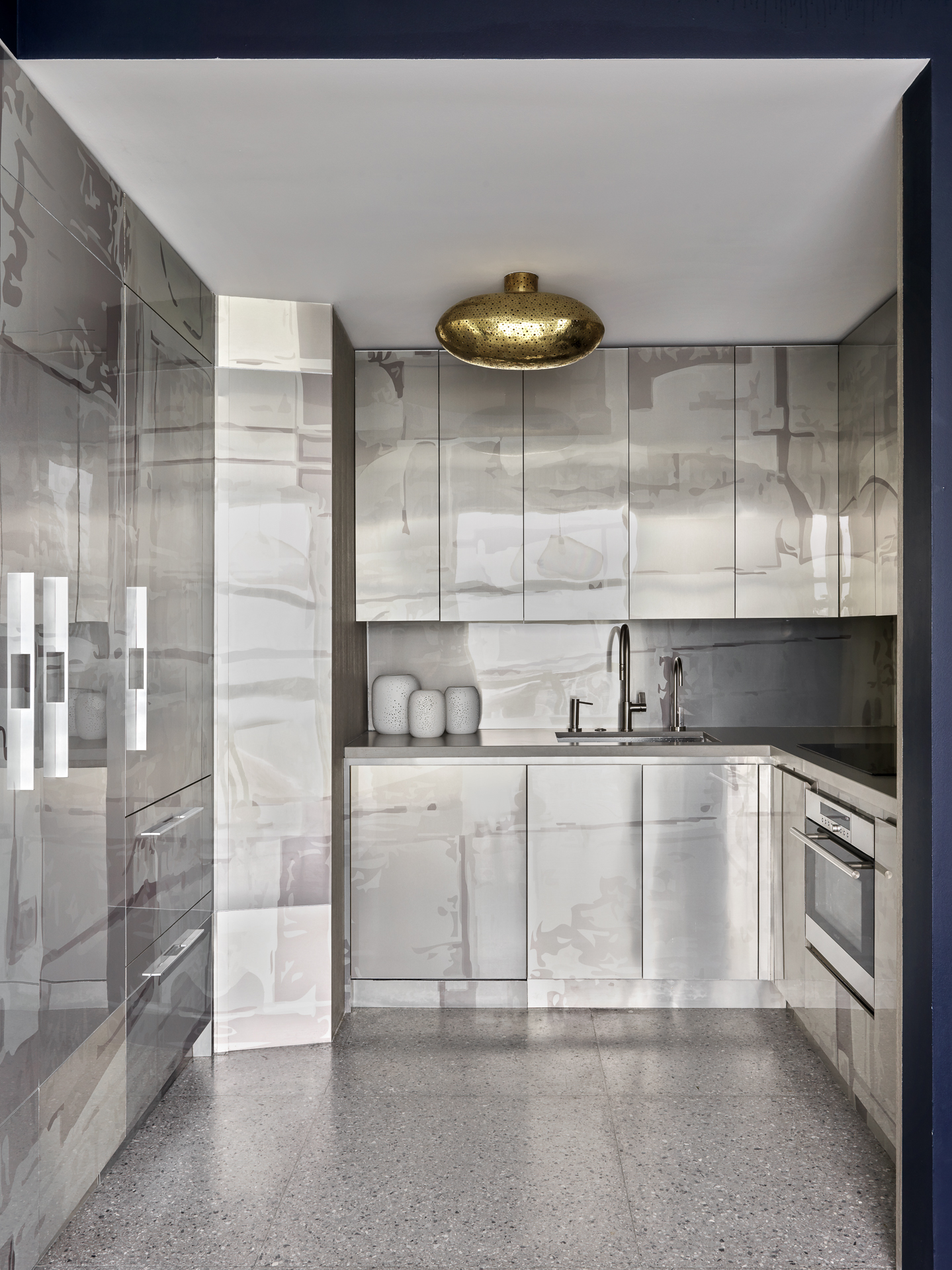
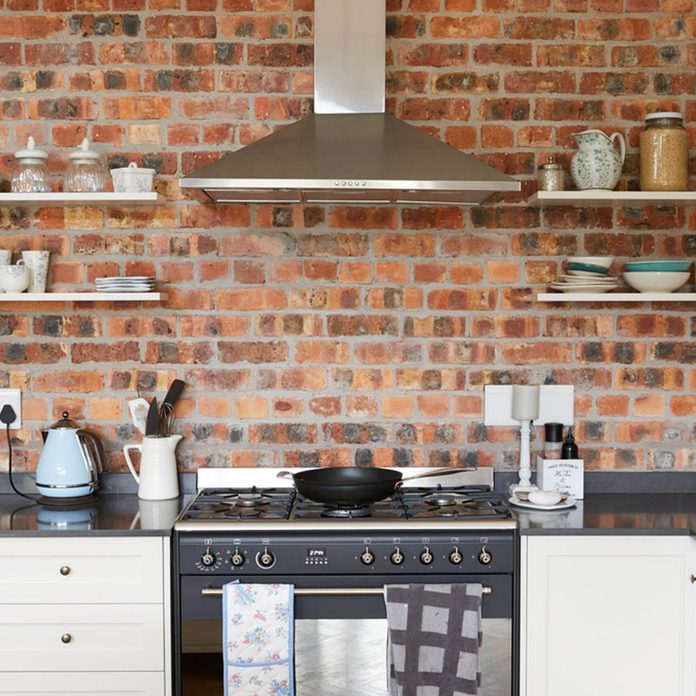
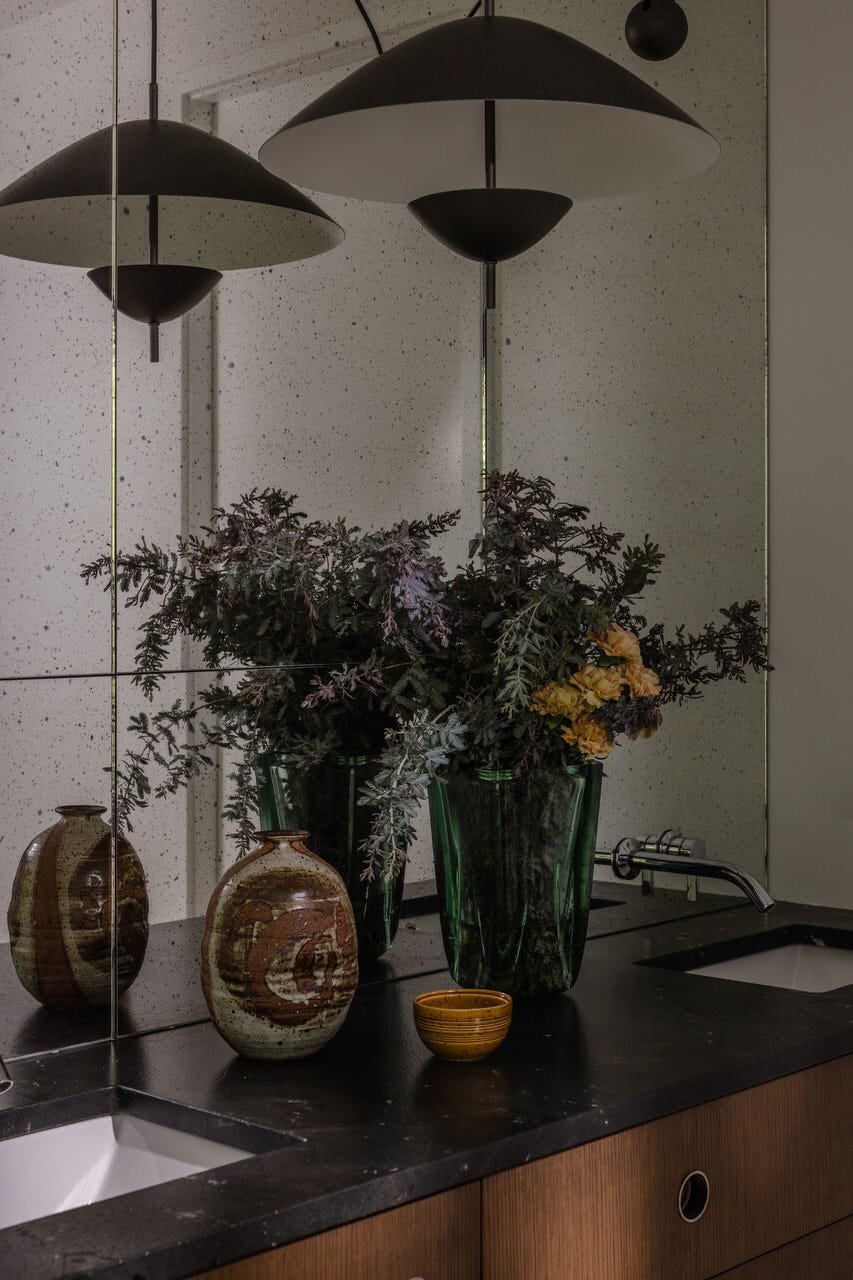
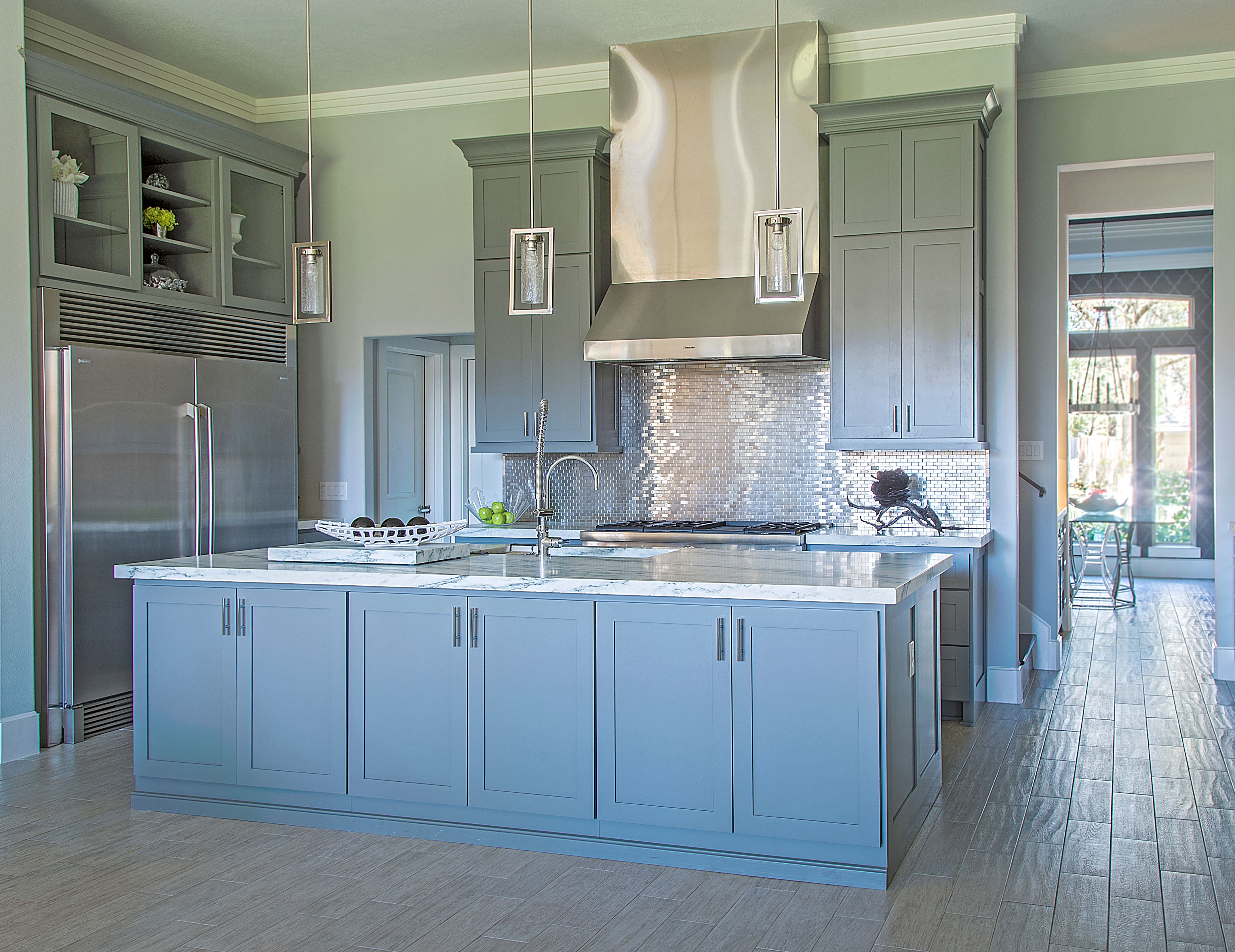
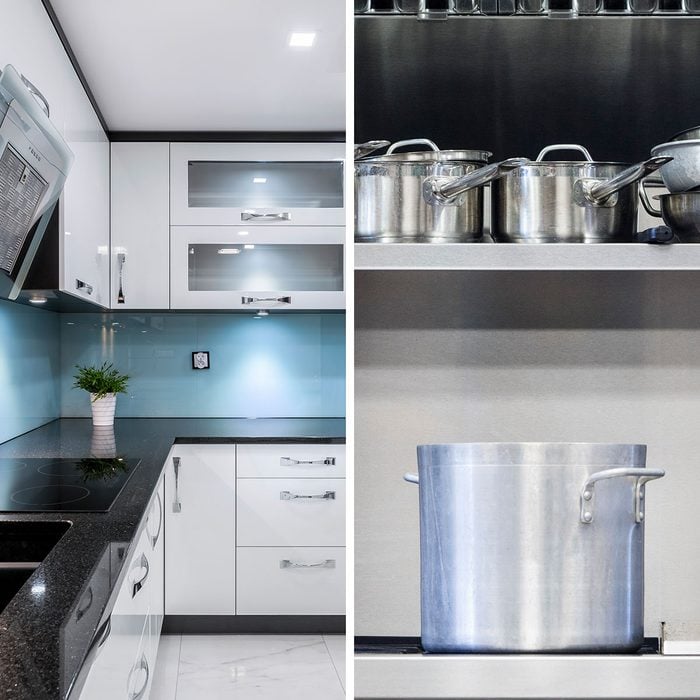
Mirrored and metallic splashbacks, such as copper, brass, or stainless steel, reflect light and expand the sense of space. Vintage-finish mirrors can soften reflections and conceal marks. Exposed brickwork provides instant character, but requires sealing for easy cleaning, especially in areas prone to splashes. Quartz surface upstands can be paired with brick for a practical solution, and their height should align with surrounding architectural elements for a cohesive look.
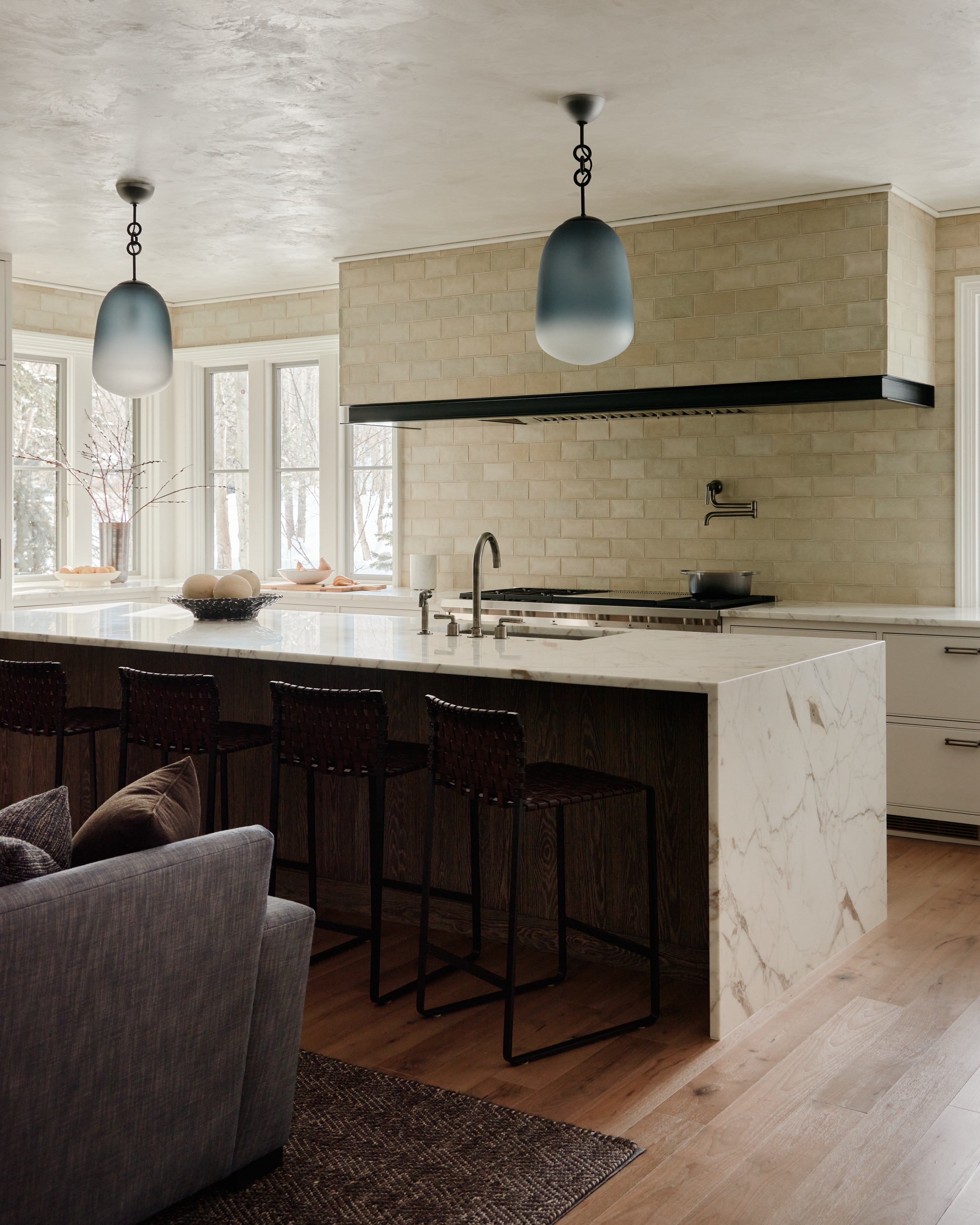
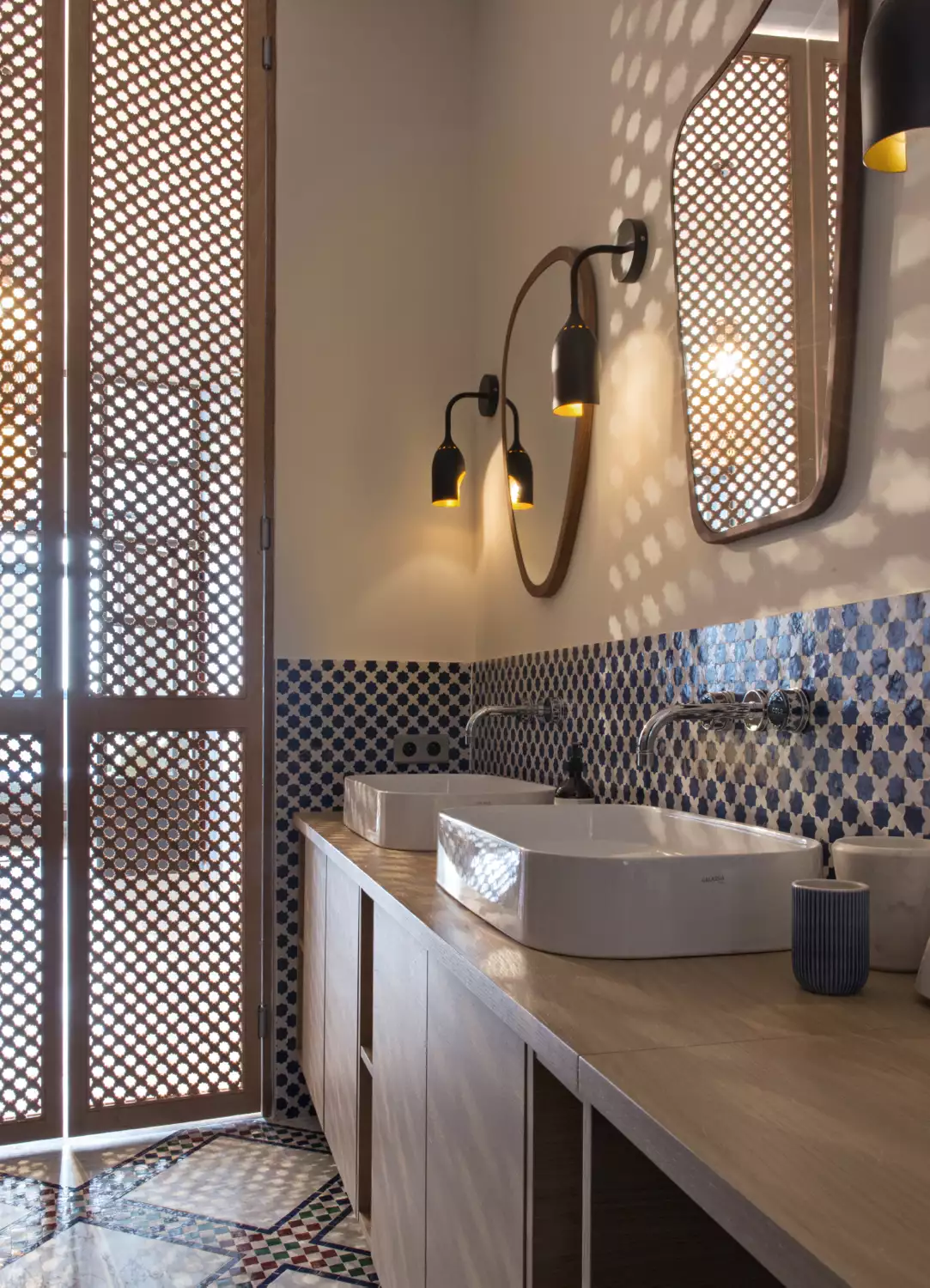
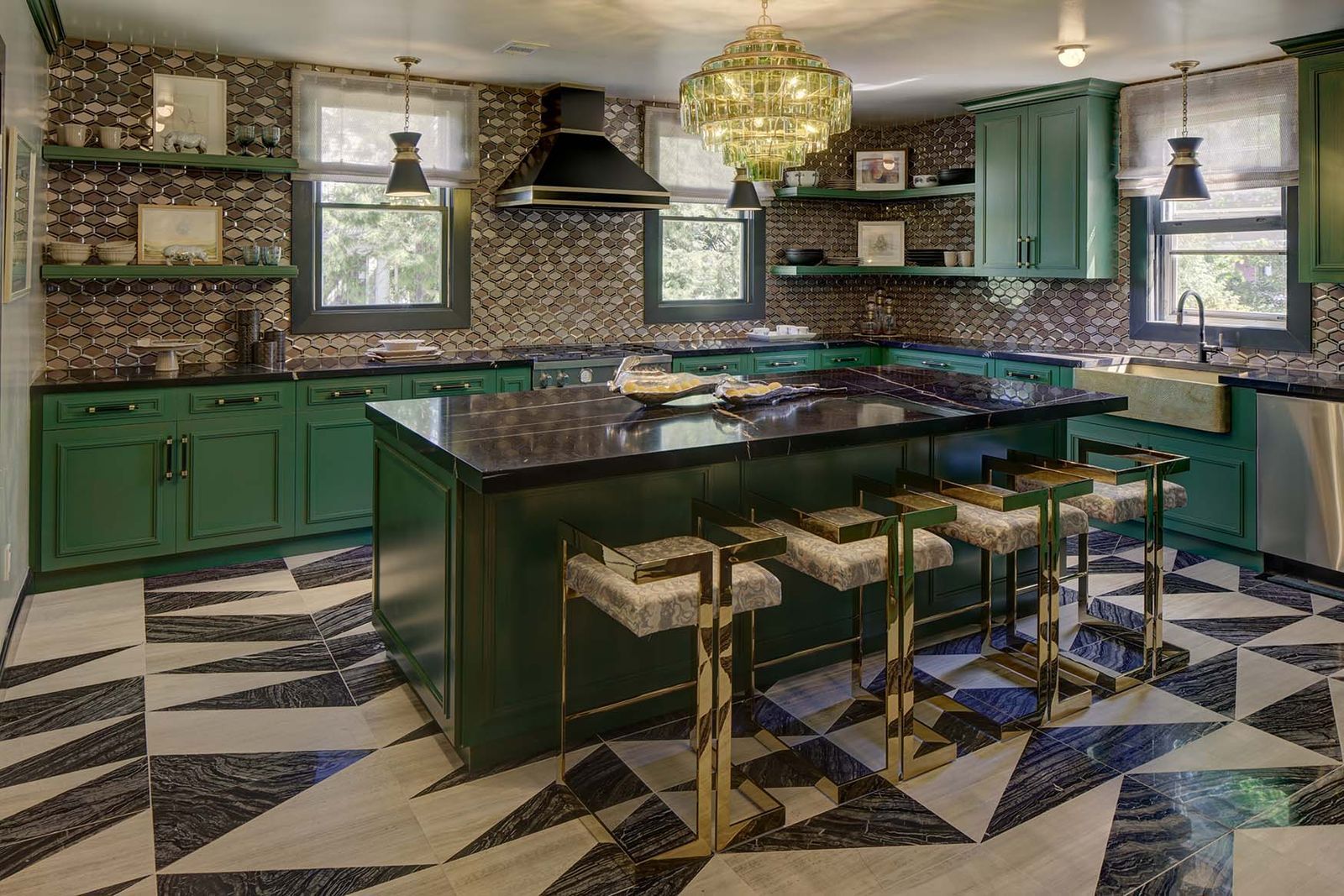
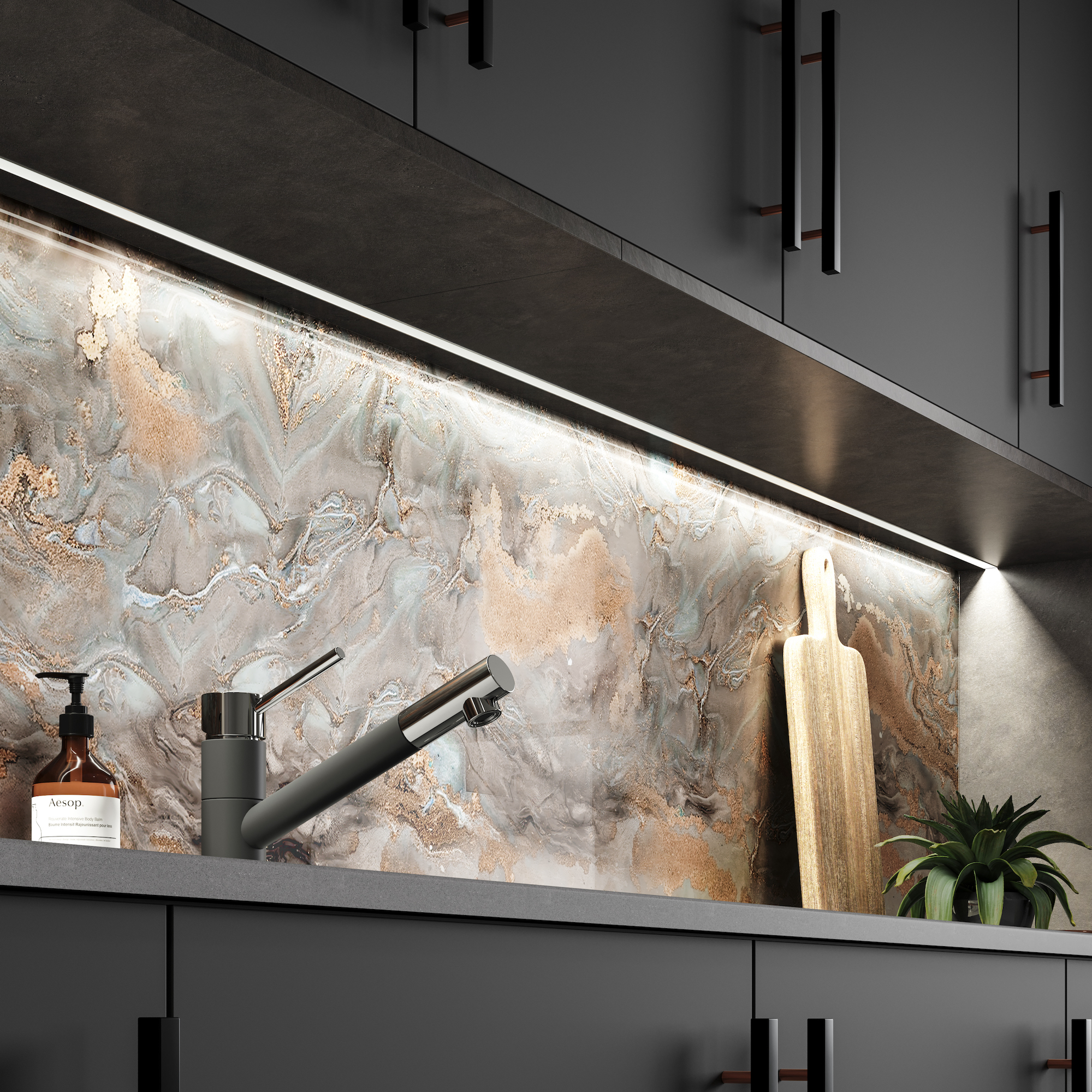
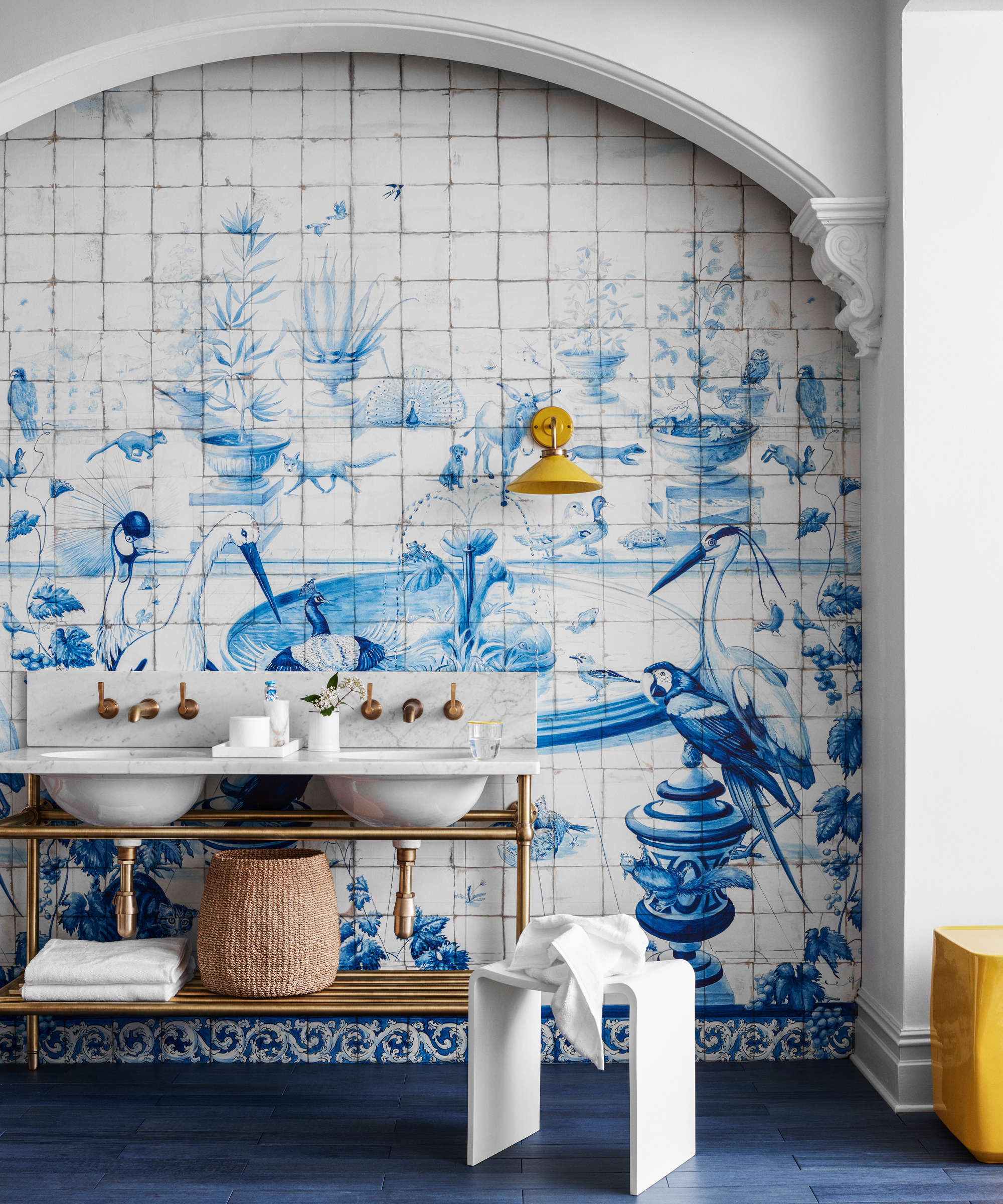
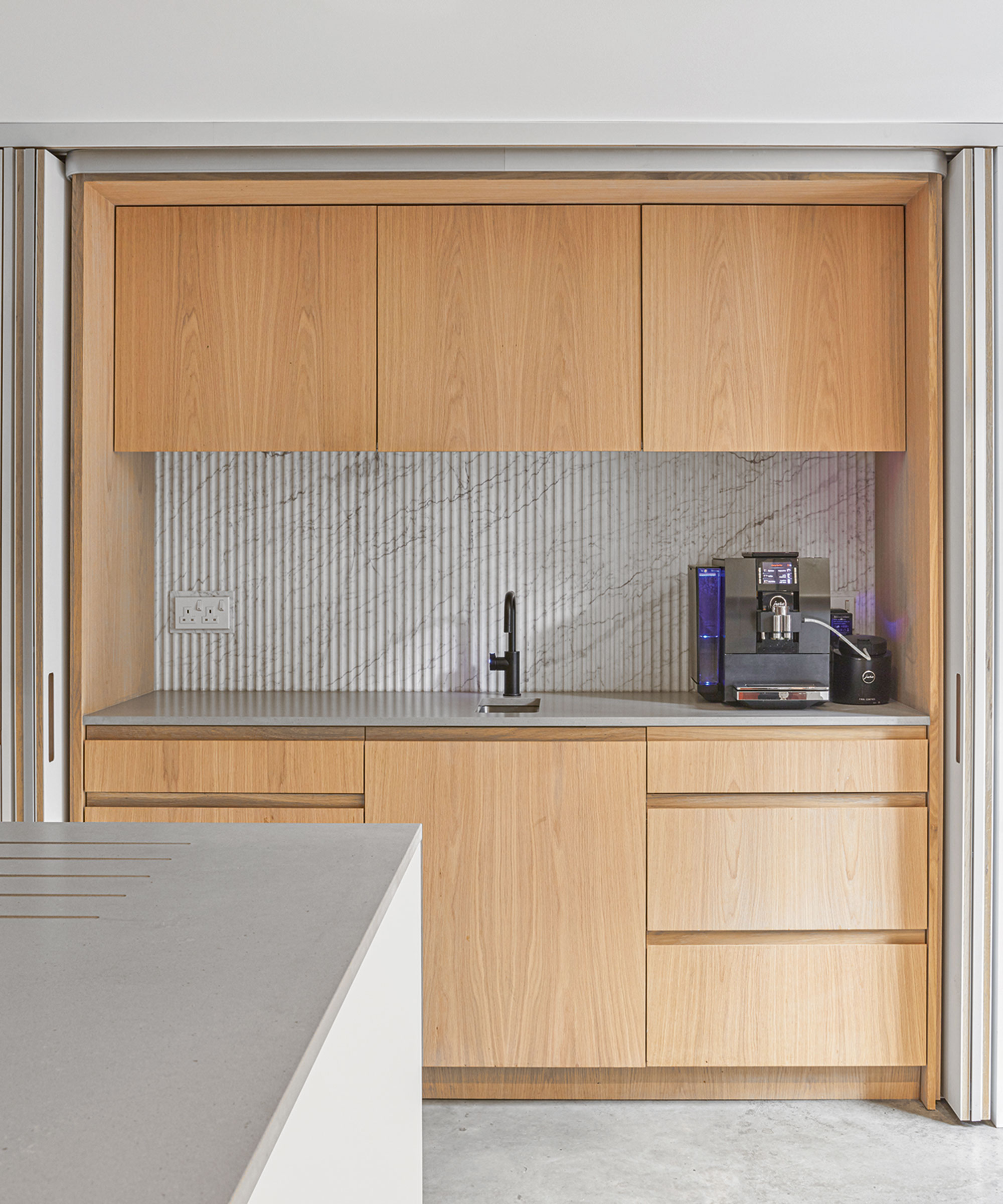
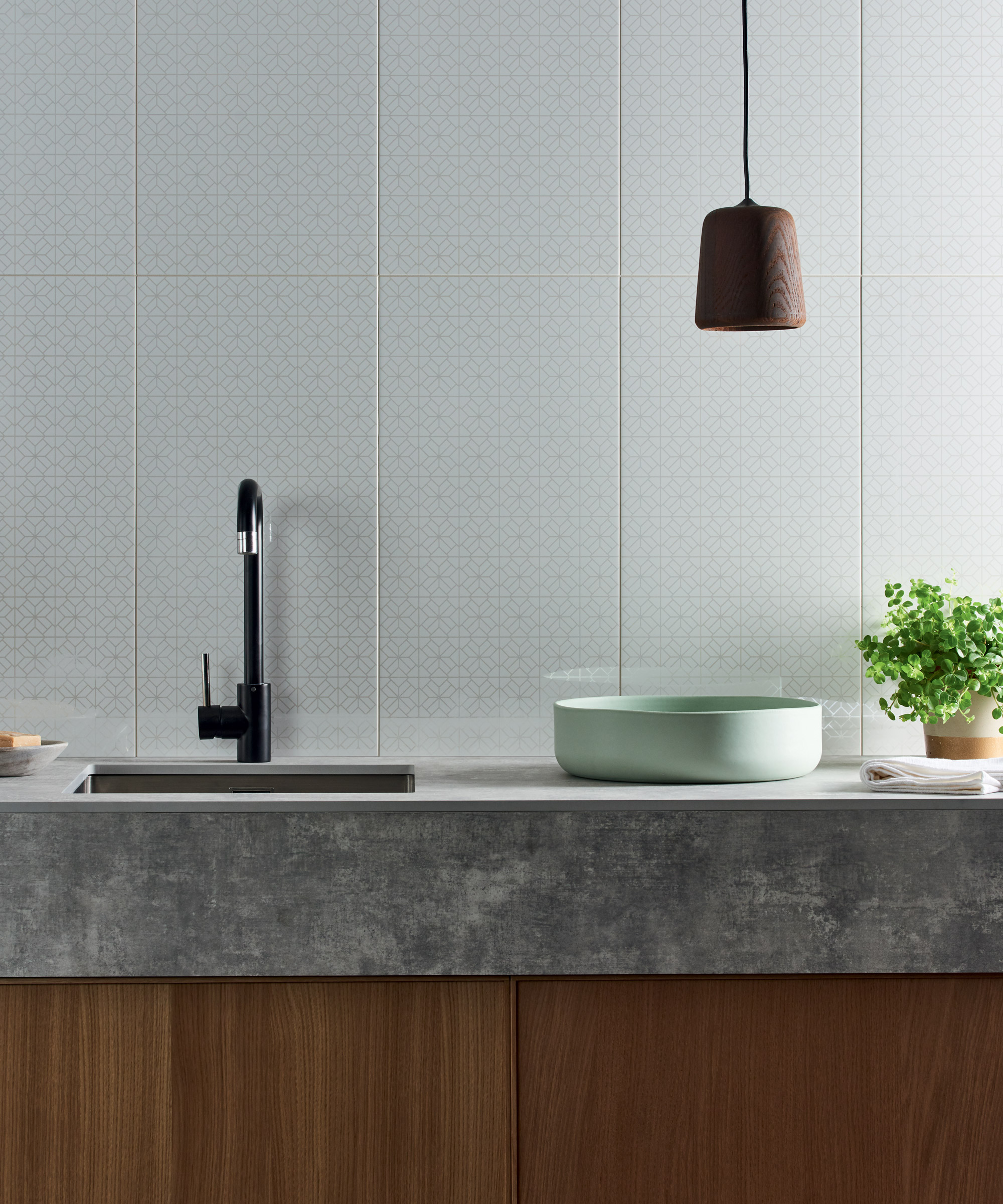
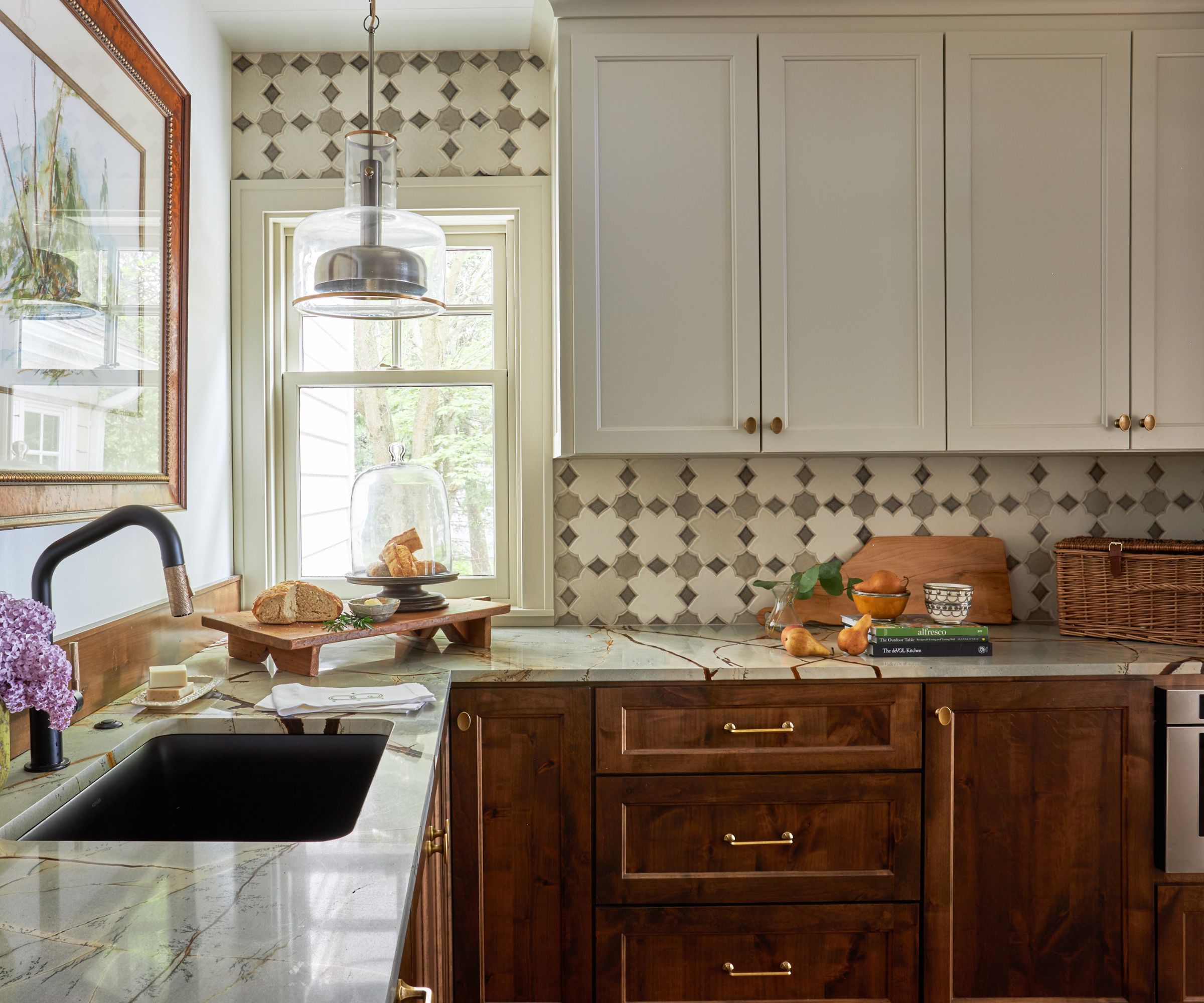
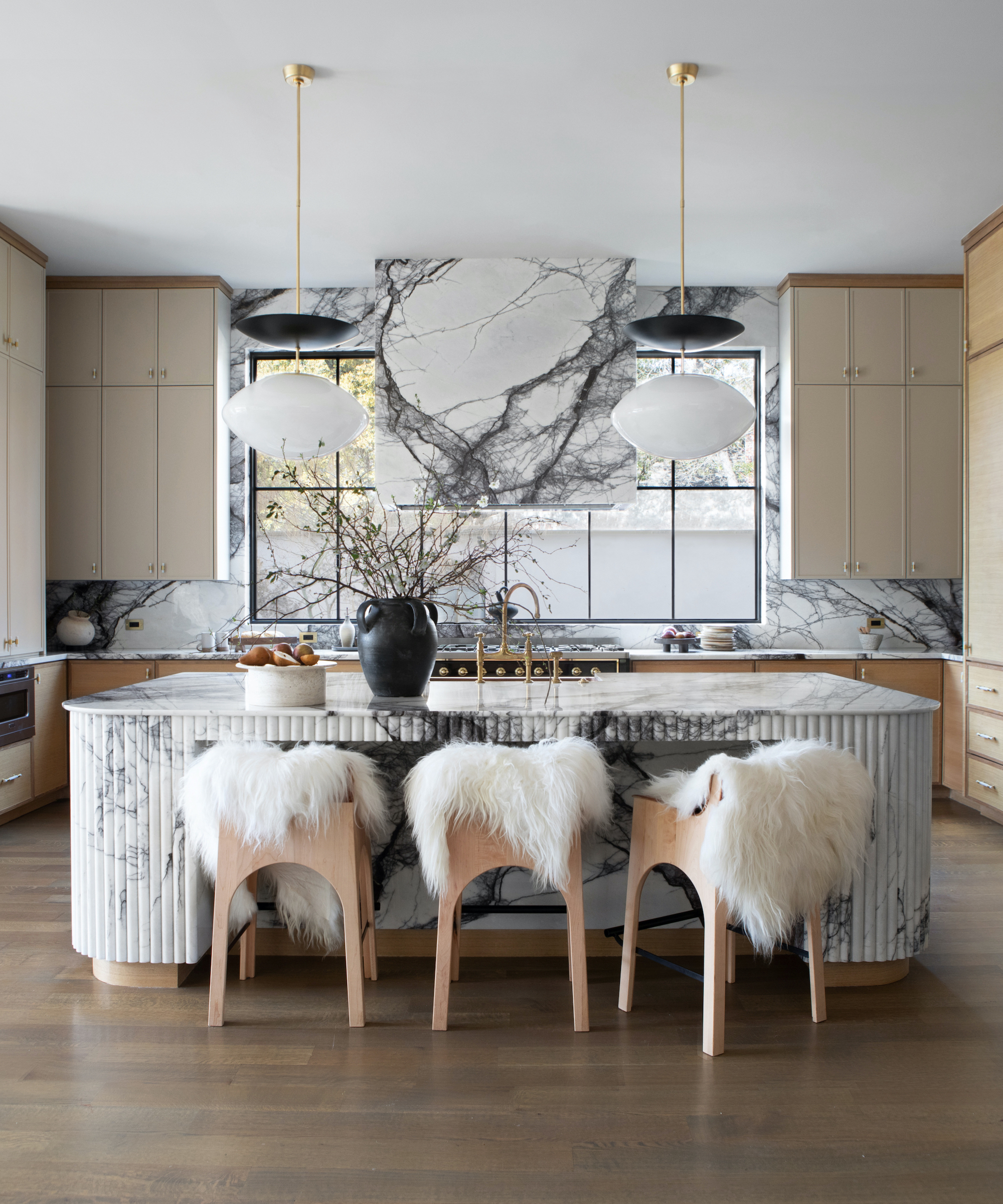
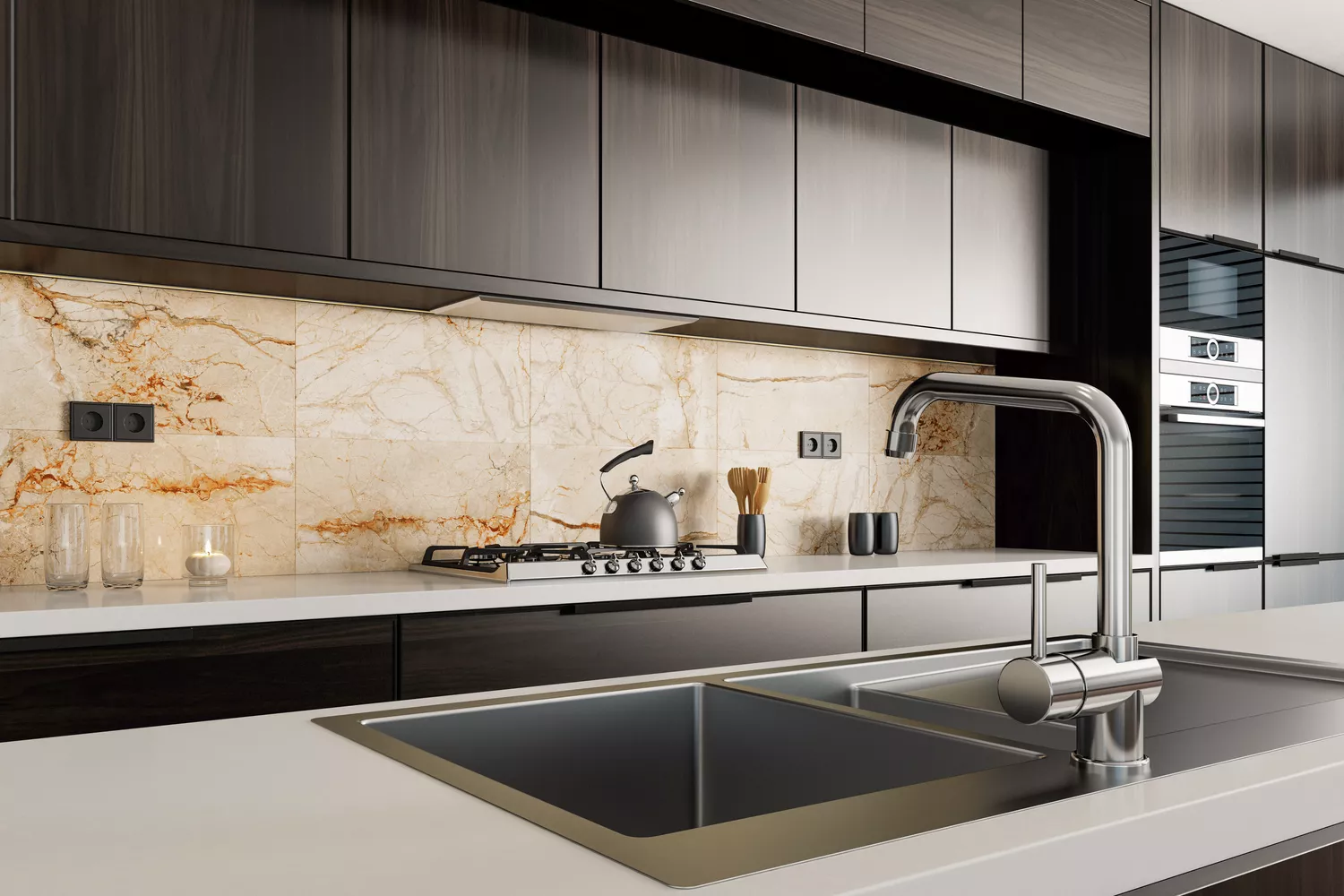
Porcelain tiles are recommended for their hygiene, ease of cleaning, and low porosity, making them stain-resistant. Available in diverse designs, they can serve as a focal point or blend subtly. Stone slabs with bold veining patterns create a visually stunning focal point, though natural stones require more maintenance than engineered options like quartz or porcelain. Creating a bold contrast between splashback and cabinetry colors or using unusually shaped tiles laid in unconventional patterns can add unique interest.
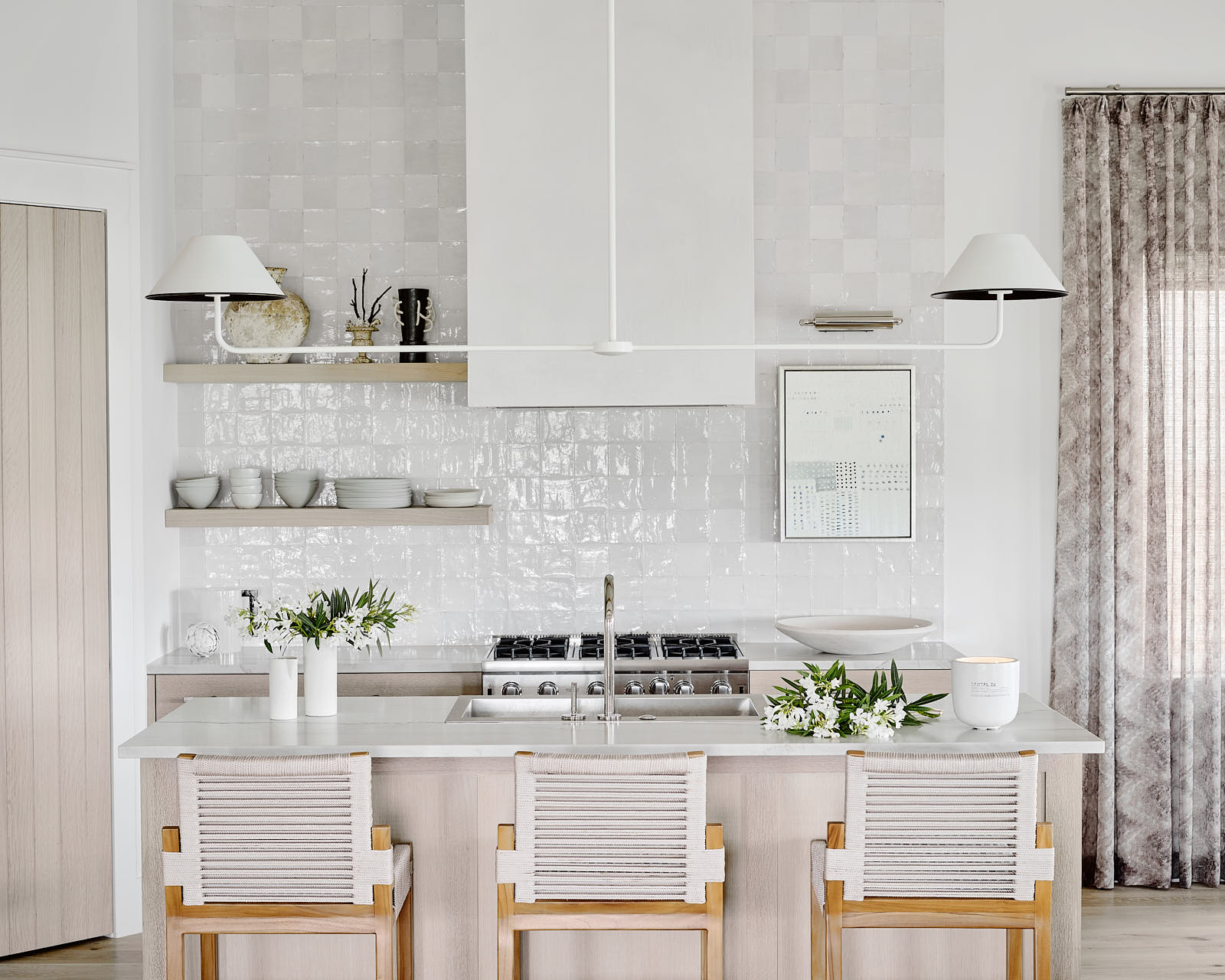
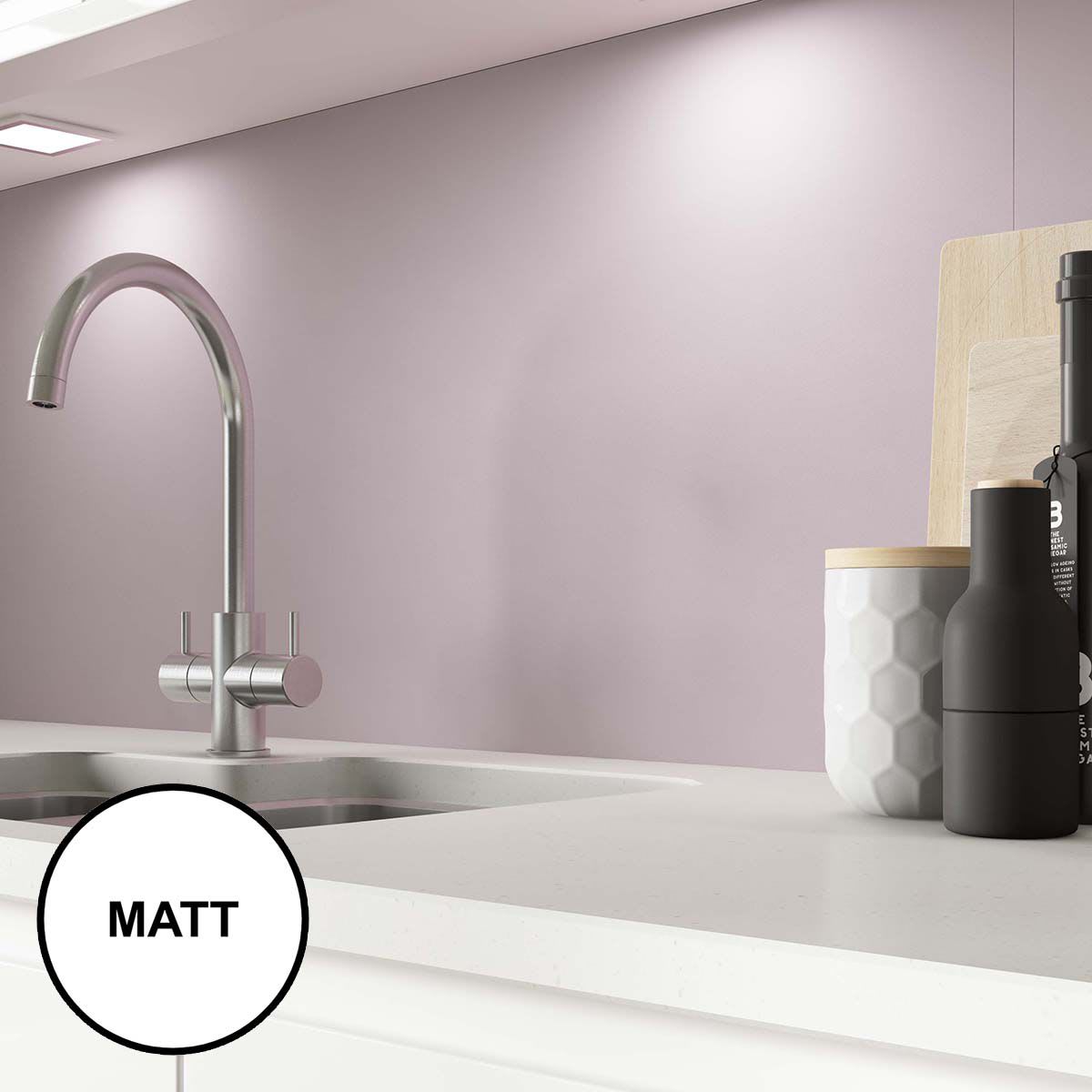
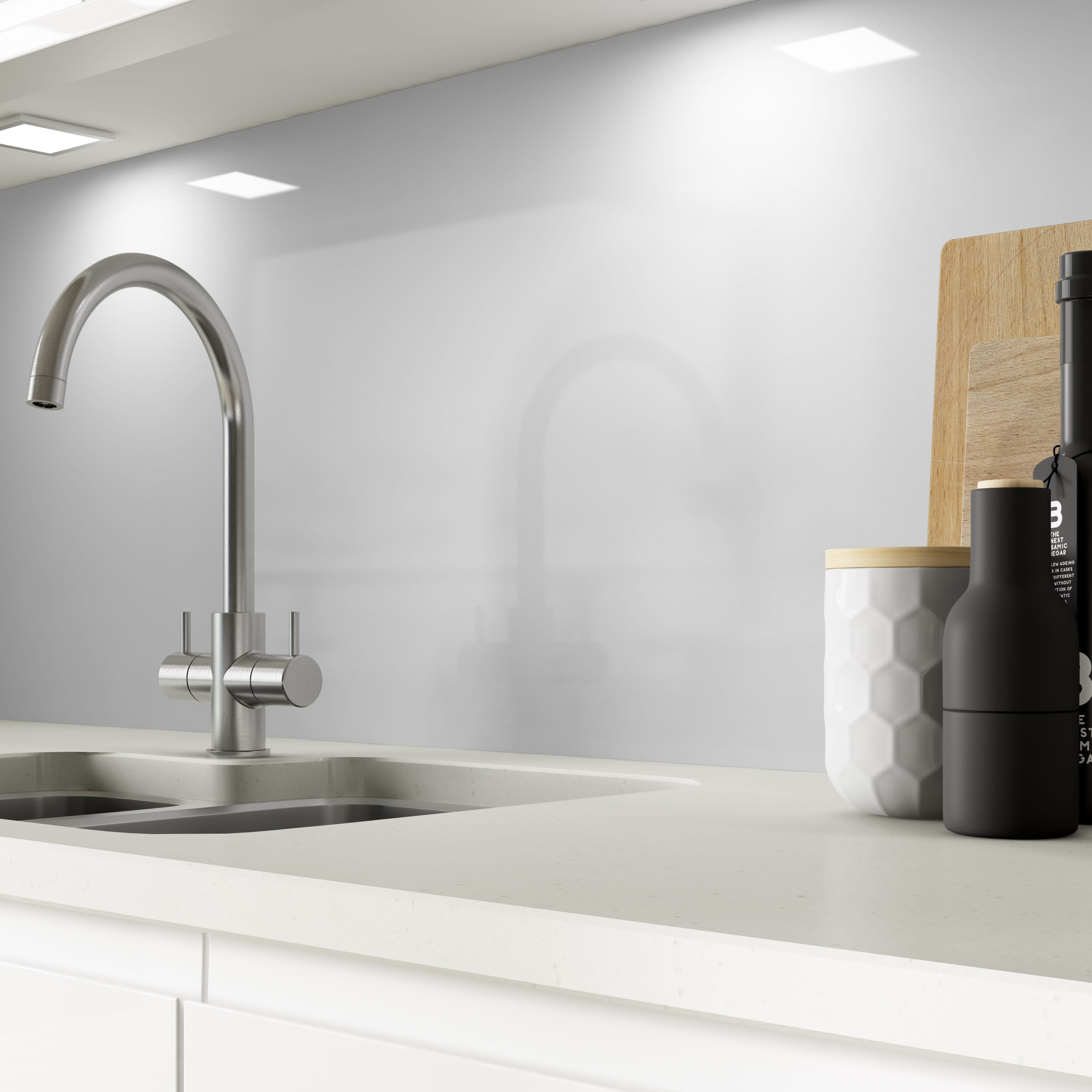
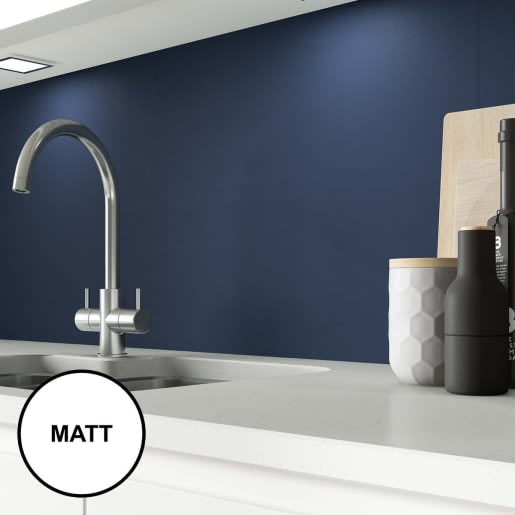
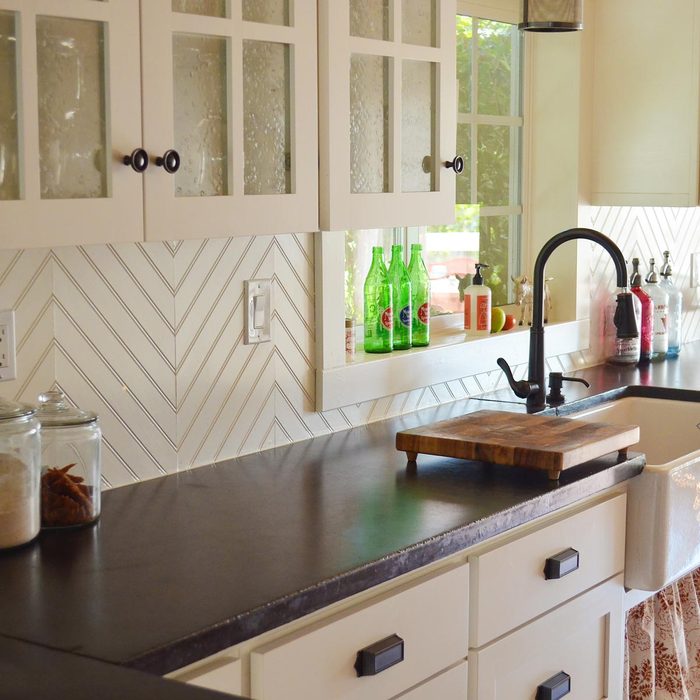
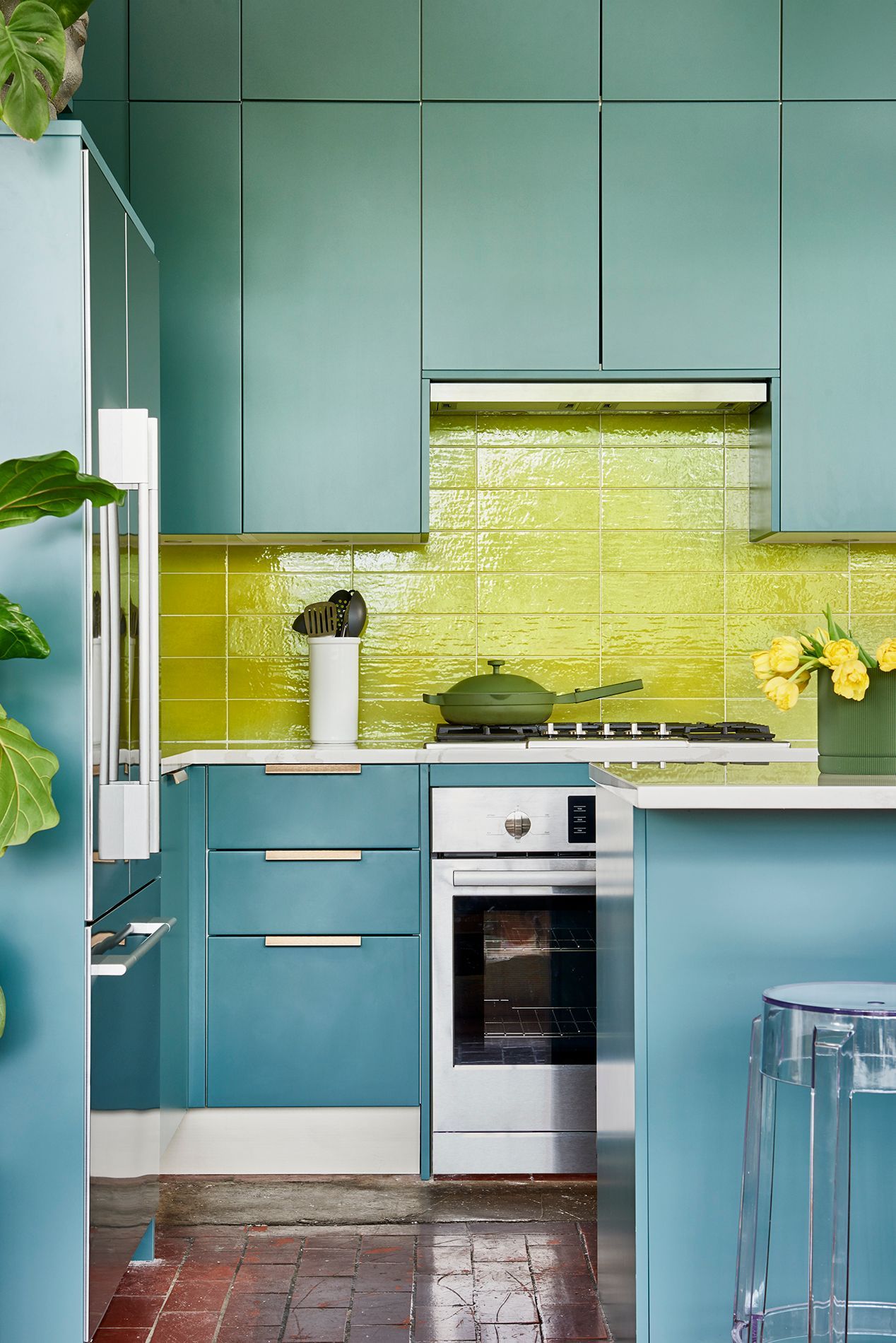
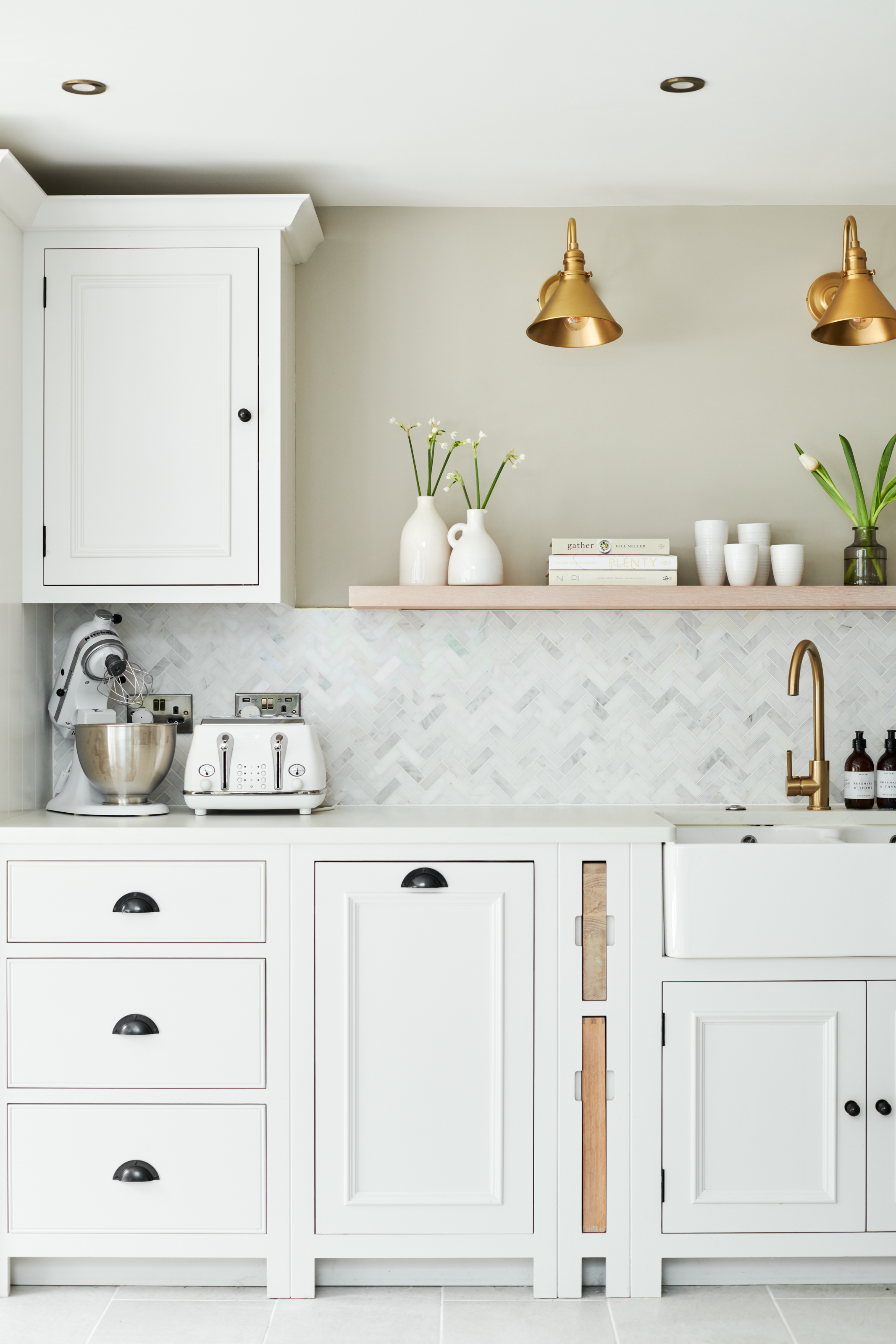
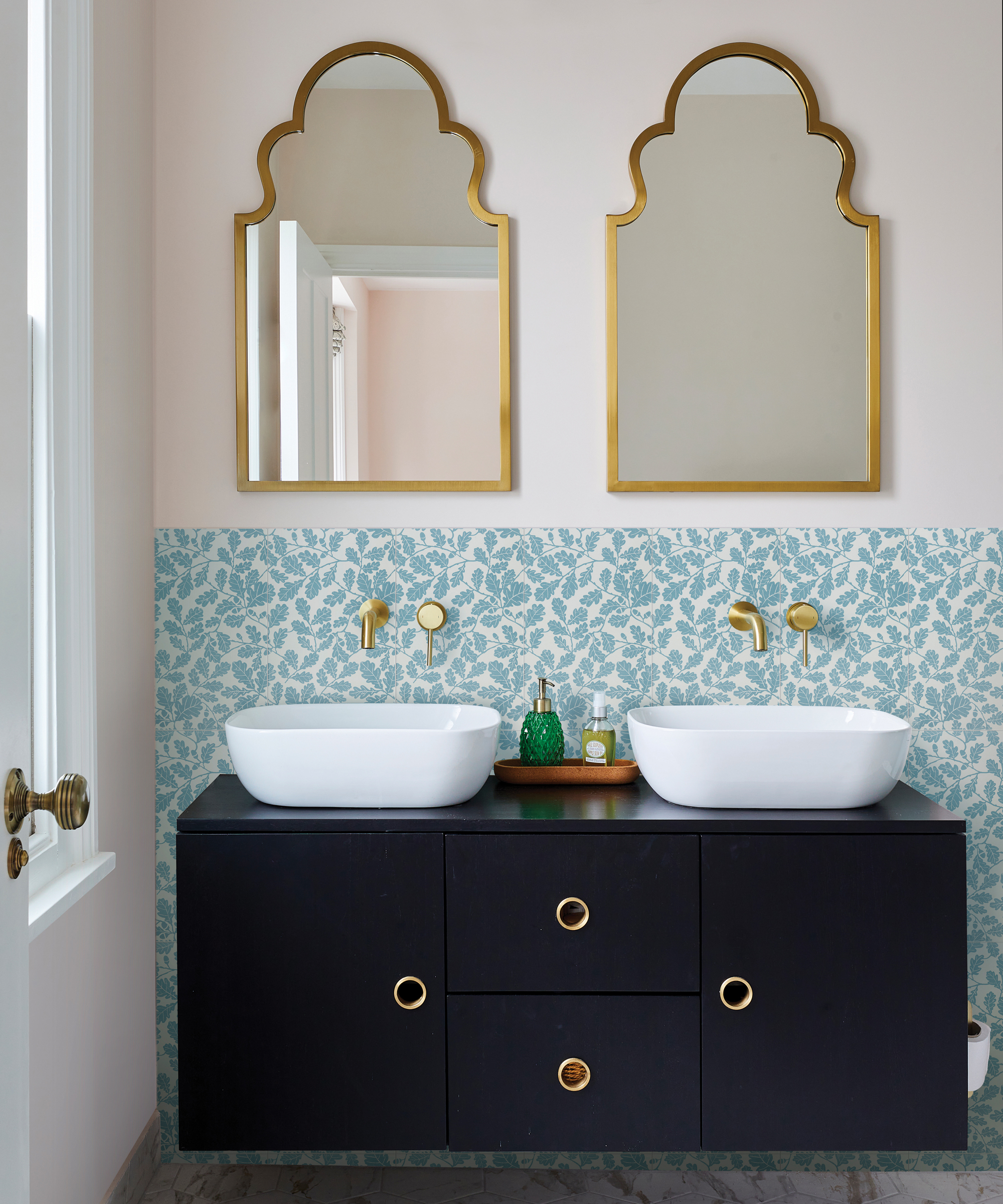
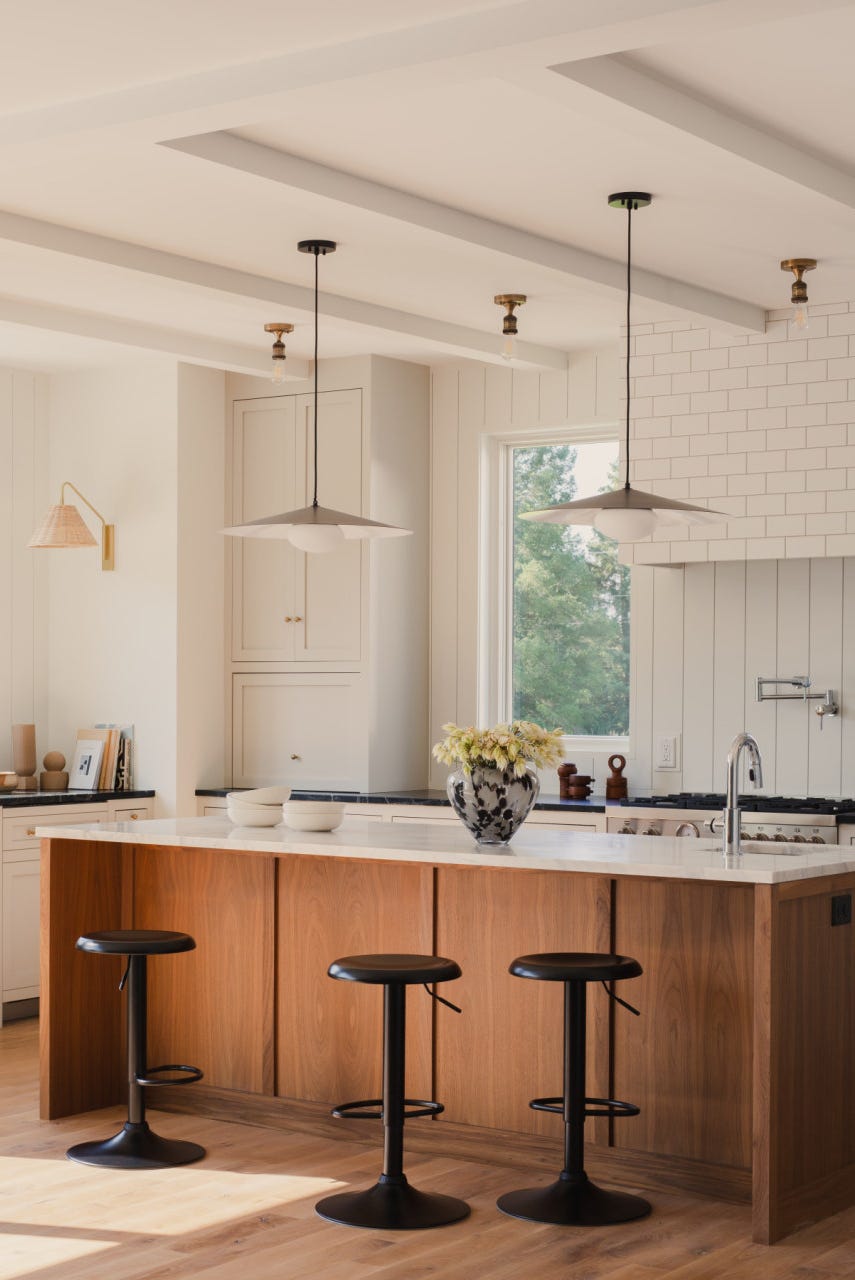
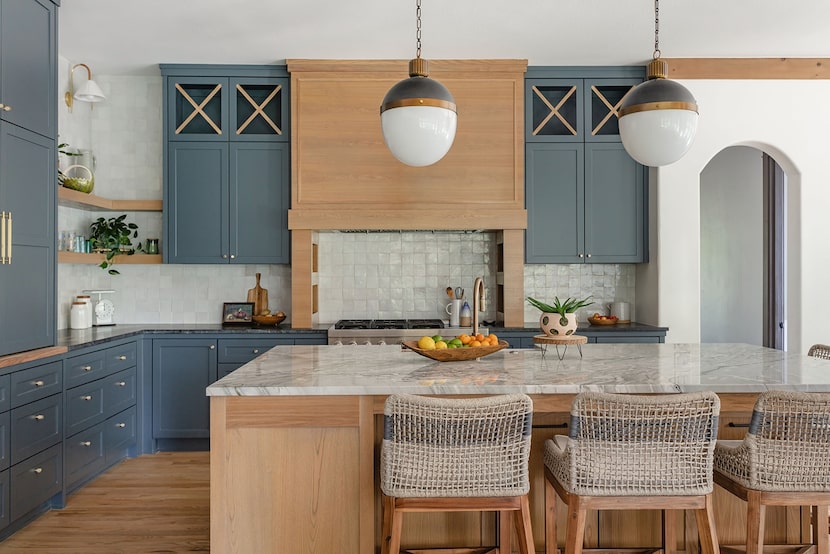
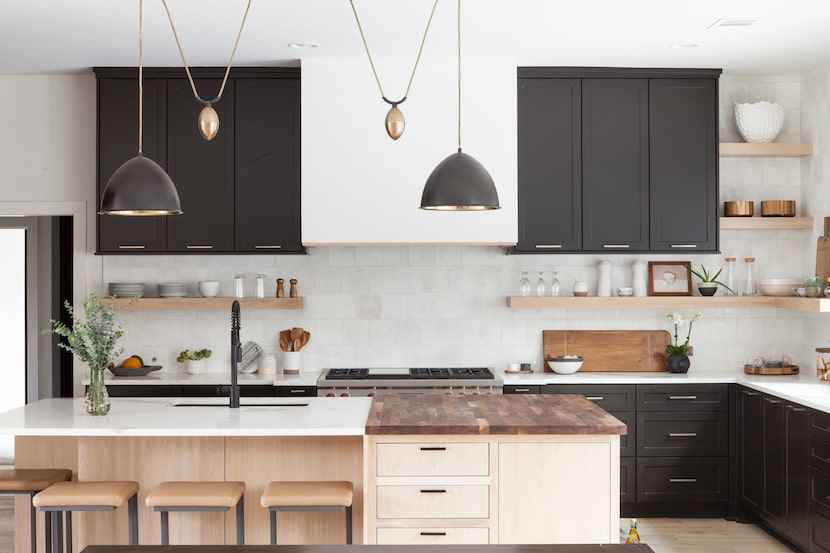
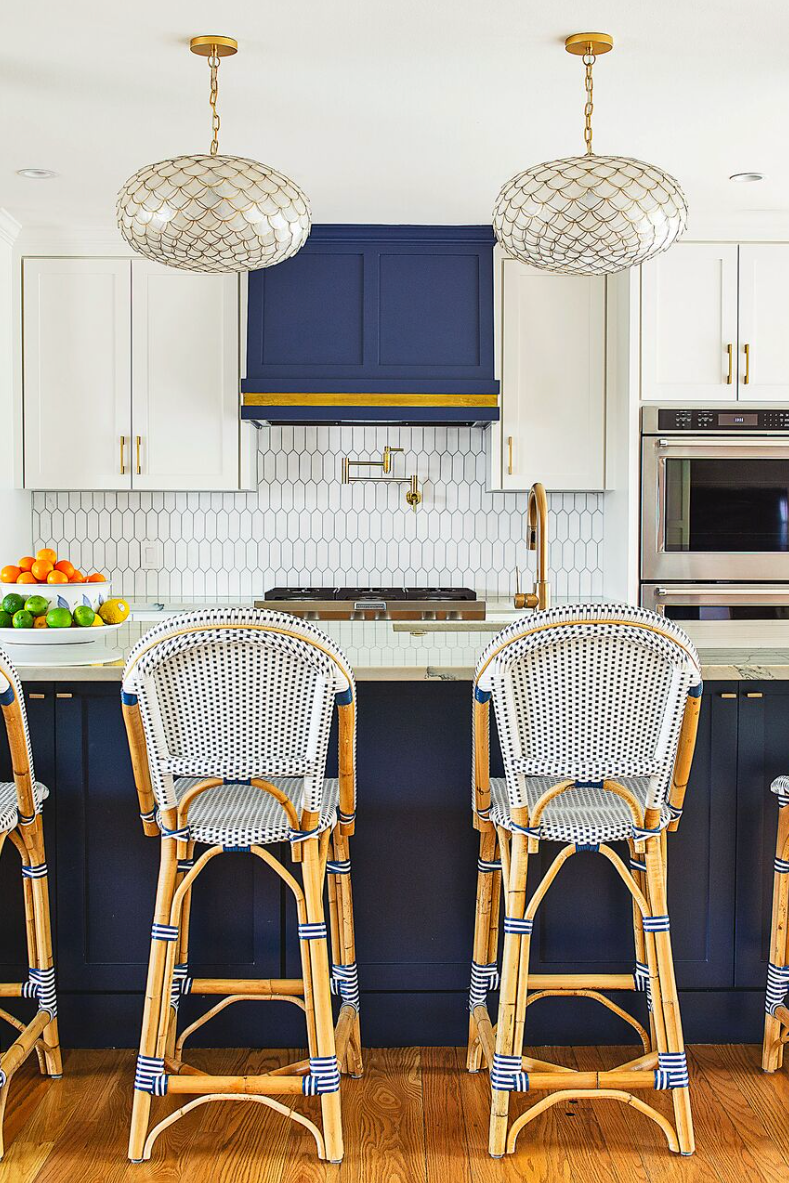
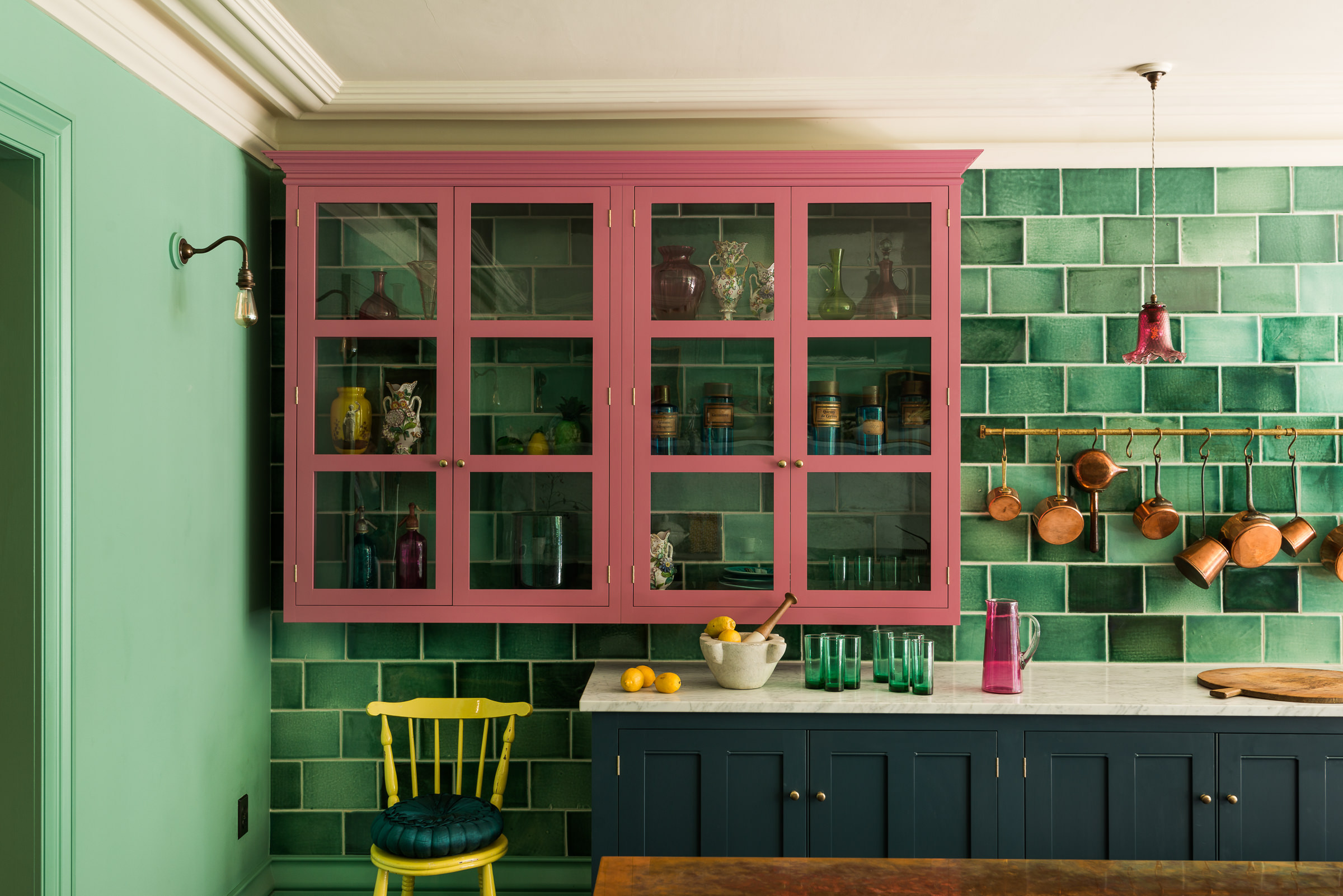
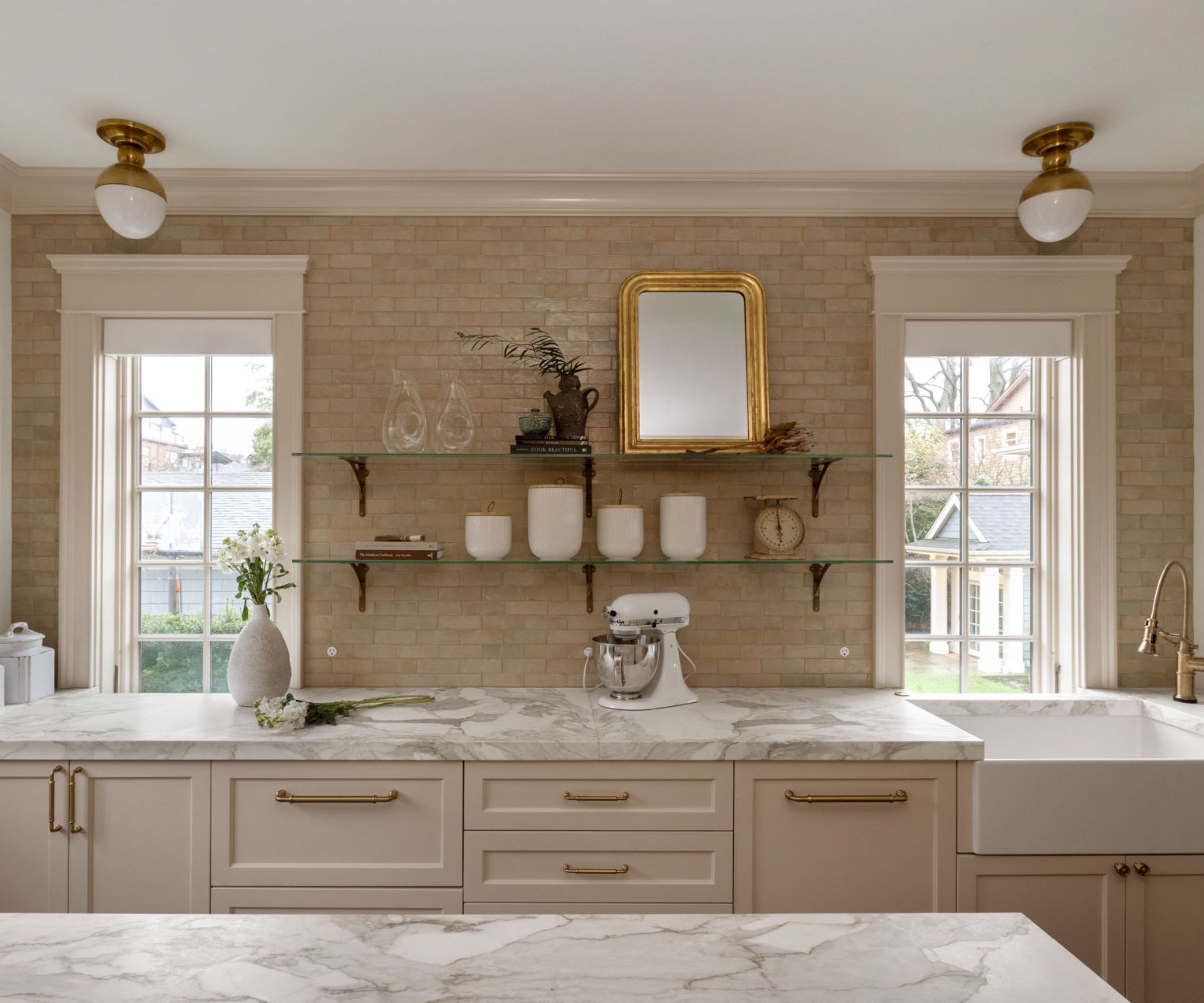
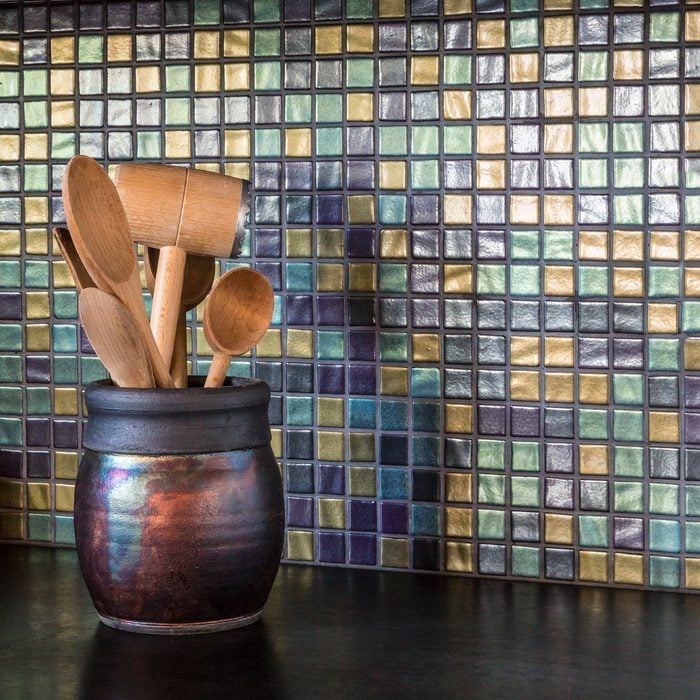
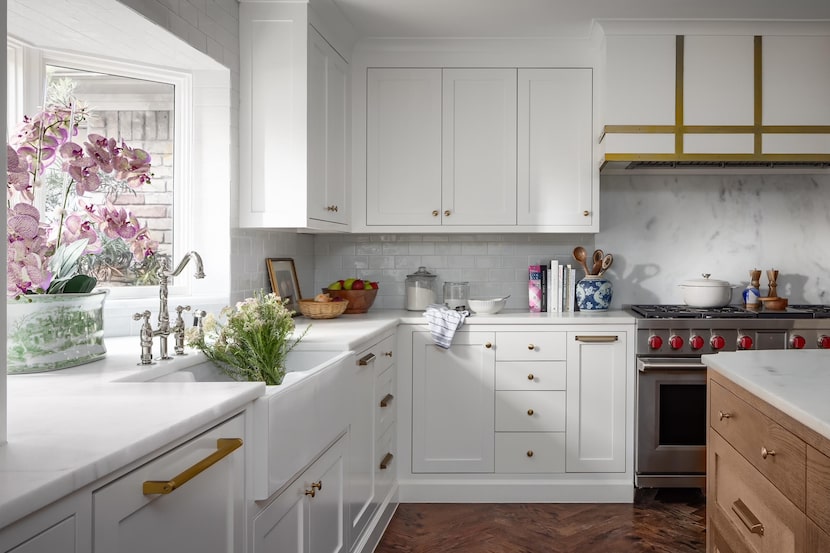
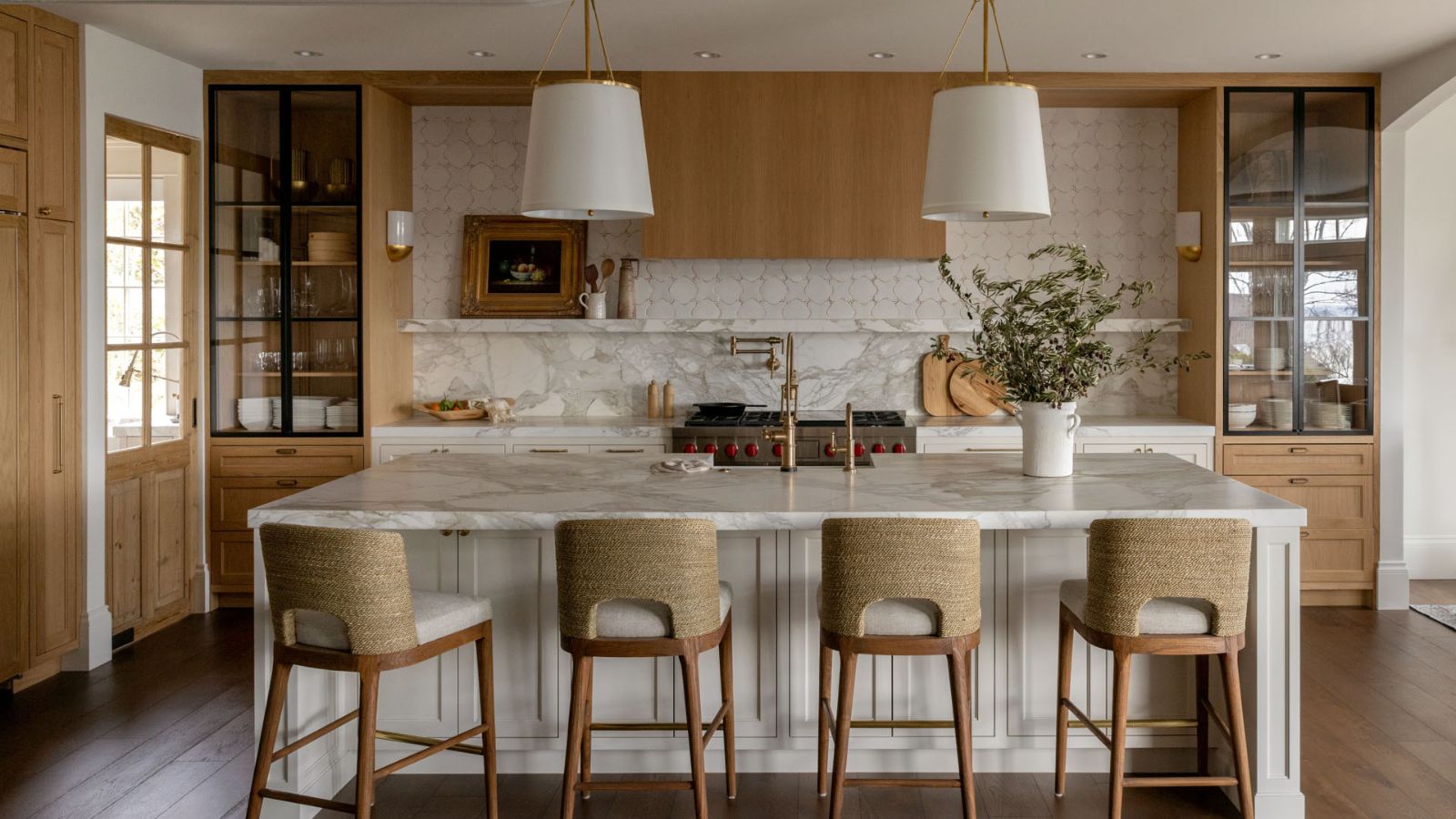
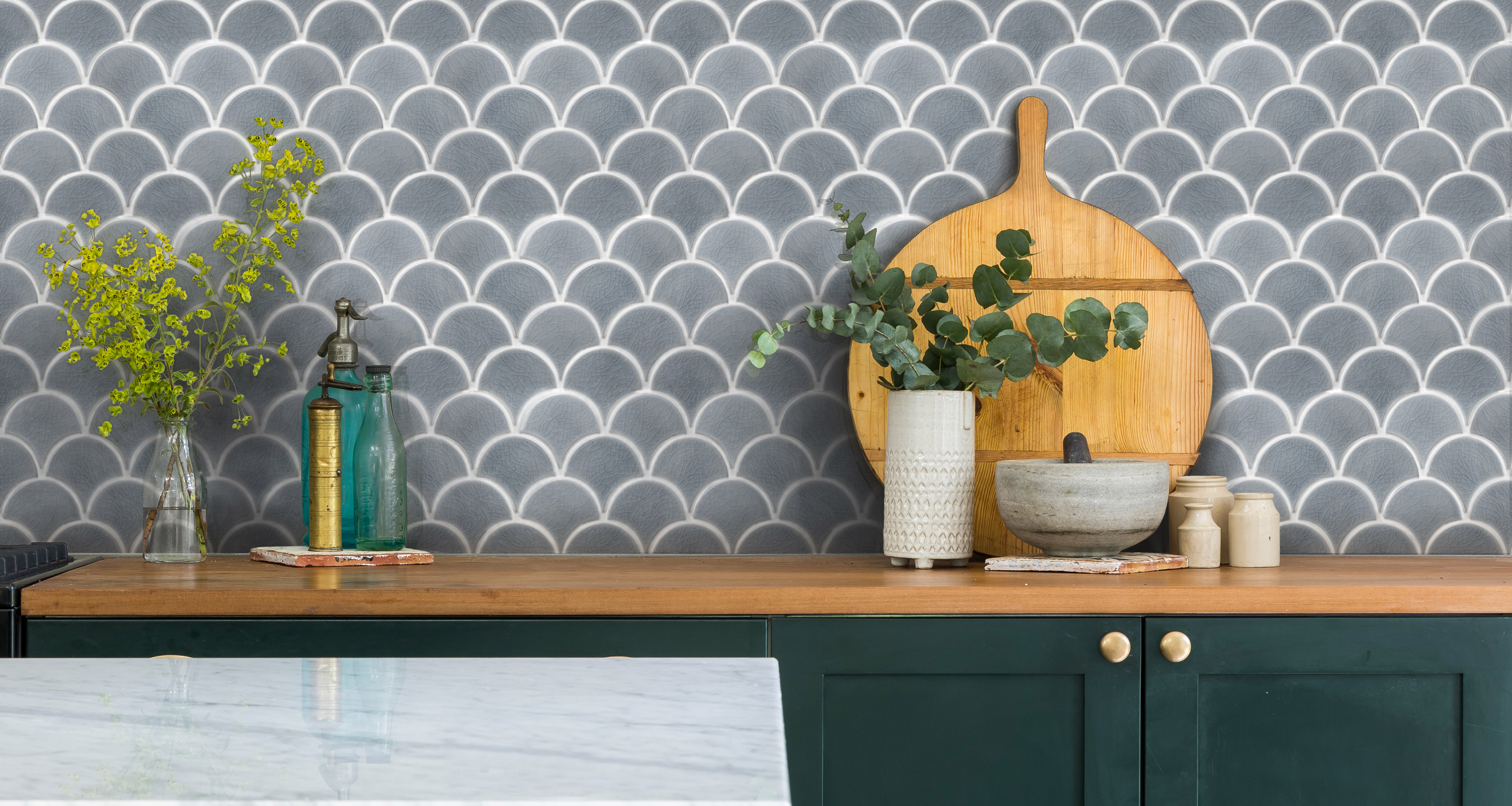
Glossy glazed tiles enhance brightness and depth without being overly reflective, while herringbone patterns elevate simple metro tiles. Matching tiles to wall paint colors allows for cohesive, color-drenched schemes. Combining luxe materials like marble, metallics, and foxed glass can add sophistication, especially in white kitchens. Matte finish tiles or laminate provide a modern, designer feel on a budget, though laminate is unsuitable behind gas cookers.
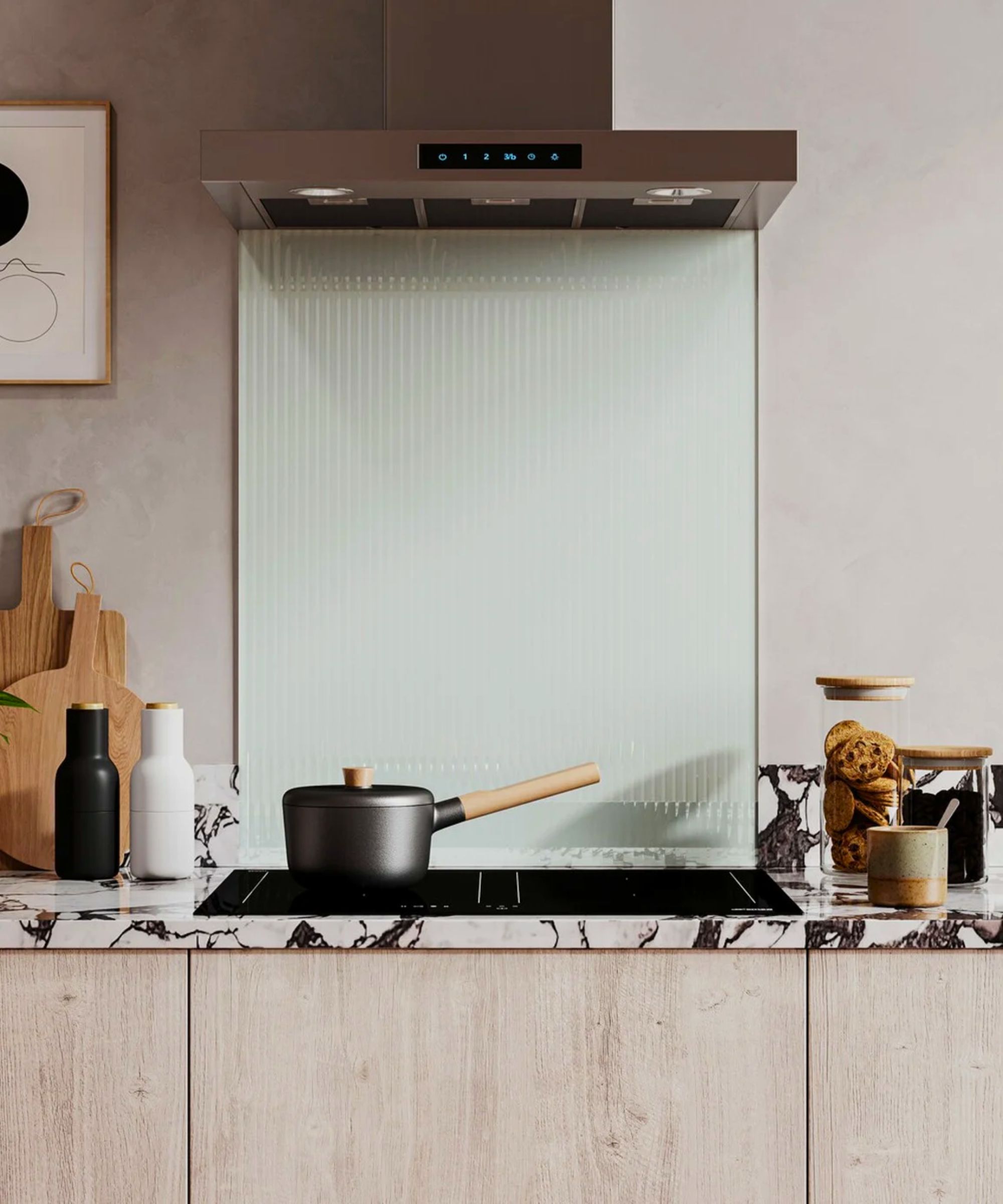
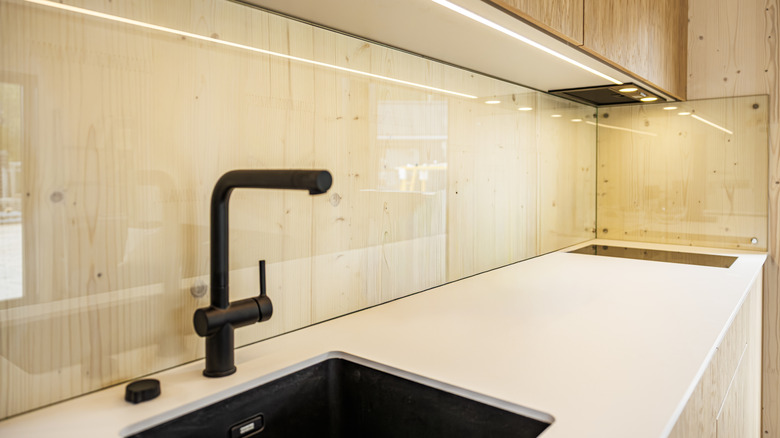
For budget-friendly options, laminate splashbacks are suggested, but their plastic qualities restrict their use behind cookers. Glass is highlighted as a strong, low-maintenance, and easy-to-clean alternative to tiles, capable of bouncing light around the room. The choice of splashback ultimately depends on individual style, practical needs, and the overall kitchen aesthetic.
#KitchenDesign #KitchenSplashback #HomeDecor #InteriorDesign #TileTrends #MaterialSelection #DIYHomeImprovement #KitchenRenovation #KitchenDesign #KitchenSplashback #HomeDecor #InteriorDesign #TileTrends #MaterialSelection #DIYHomeImprovement #KitchenRenovation
0 comment in total
 No comments yet
You may also like
Kitchens Without Backsplashes — 15 Attractive Alternatives That Throw Out the Rule Book

12 beautiful kitchen backsplash ideas that will instantly elevate your space
Freshen up the look of your kitchen with a unique backsplash

Choosing the Best Backsplash for Your Kitchen


Splashbacks

Upstand vs splashback – what you need to know before designing your kitchen
12 Gorgeous Kitchen Backsplash Trends Interior Designers Love
The Most Stylish Kitchens Right Now Feature This Striking Backsplash Trend – And Designers Swear By It For a Bold-Meets-Timeless Scheme

20 Amazing Kitchen Backsplash Ideas

8 Backsplash Styles Designers Say Are Dating Your Kitchen
The 'wallpaper' of the kitchen – why choosing the right kitchen backsplash can make or break a space
8 Backsplashes to Avoid, According to Interior Designers
25 Bathroom Backsplash Ideas to Protect Your Walls and Boost Your Style

Bathroom backsplash ideas – 10 tips for stylish splashproof surfaces
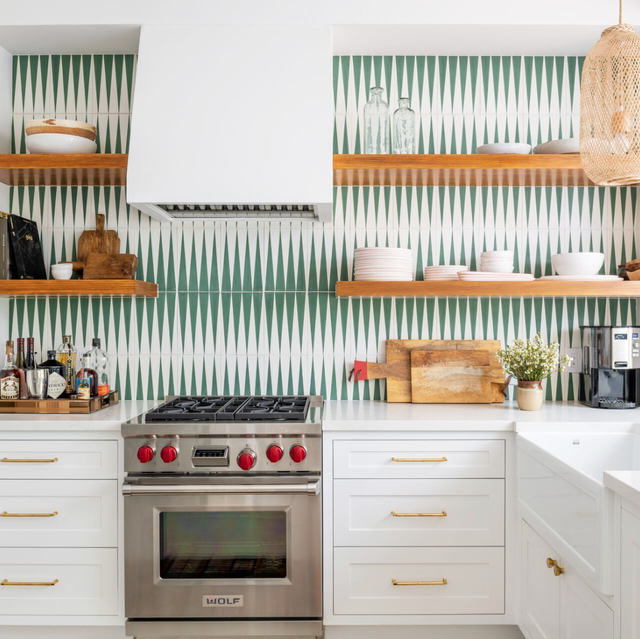
This Striking Geometric Backsplash Is Just the Thing to Upgrade Your Kitchen

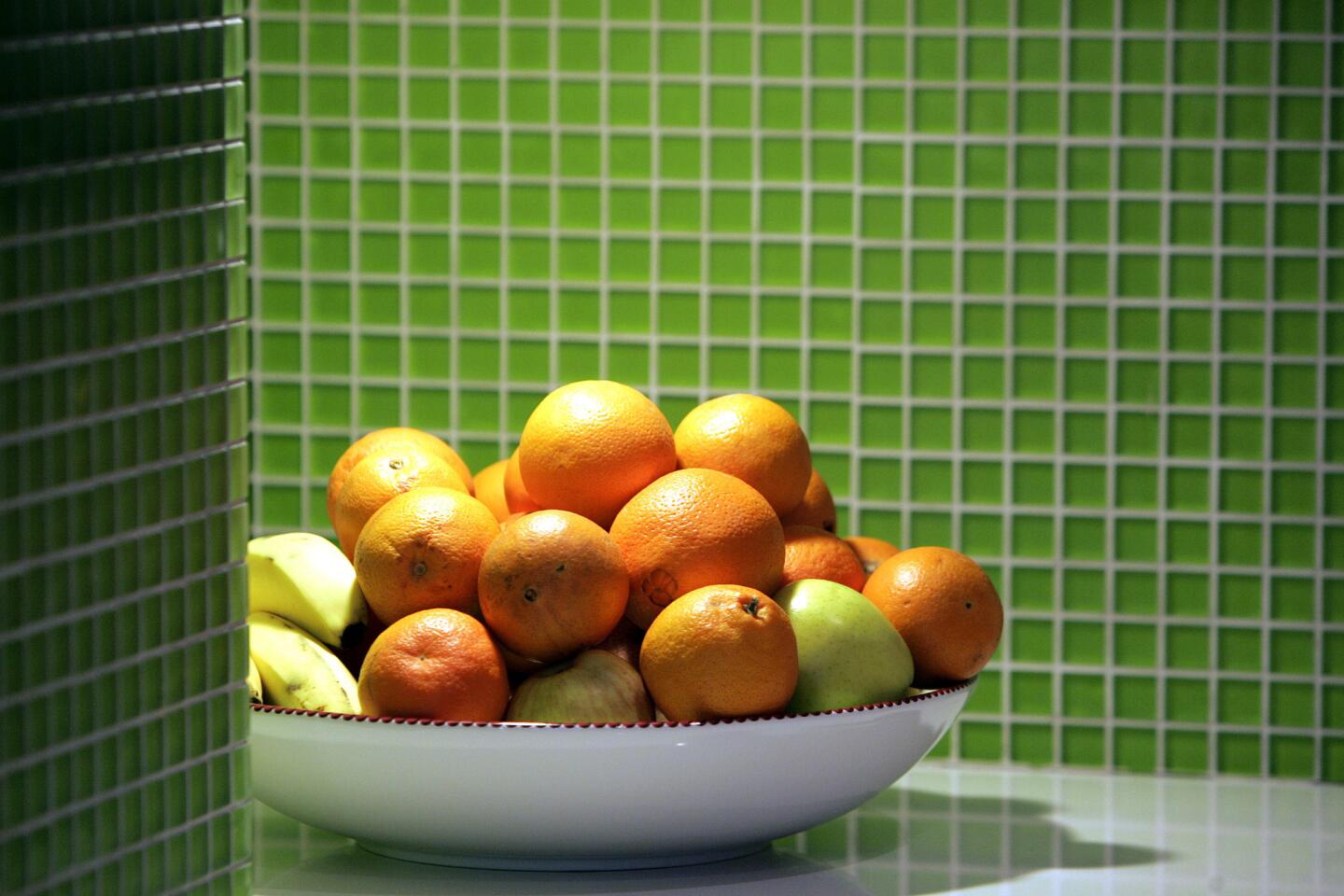
12 colorful kitchen backsplash ideas

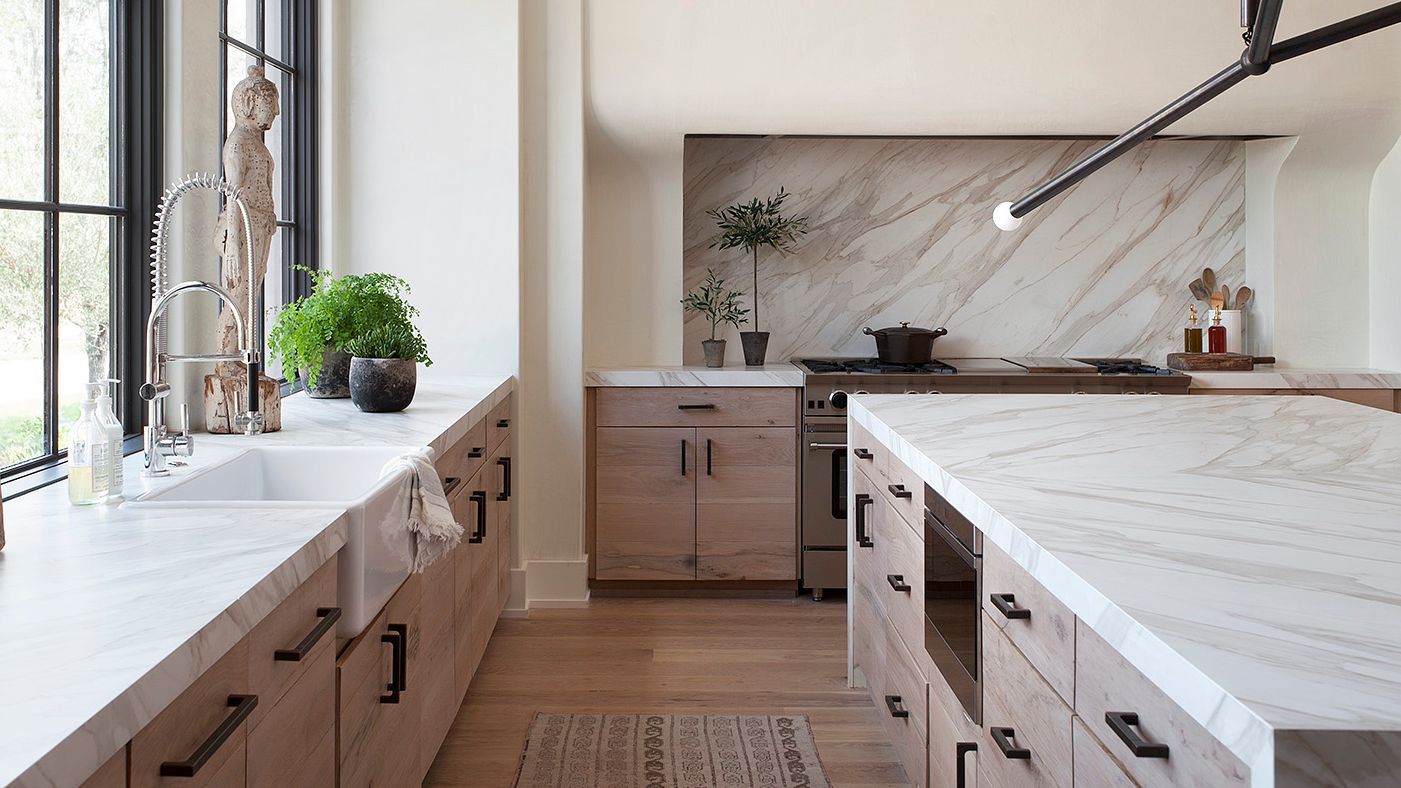
35 kitchen backsplash ideas for every kind of aesthetic

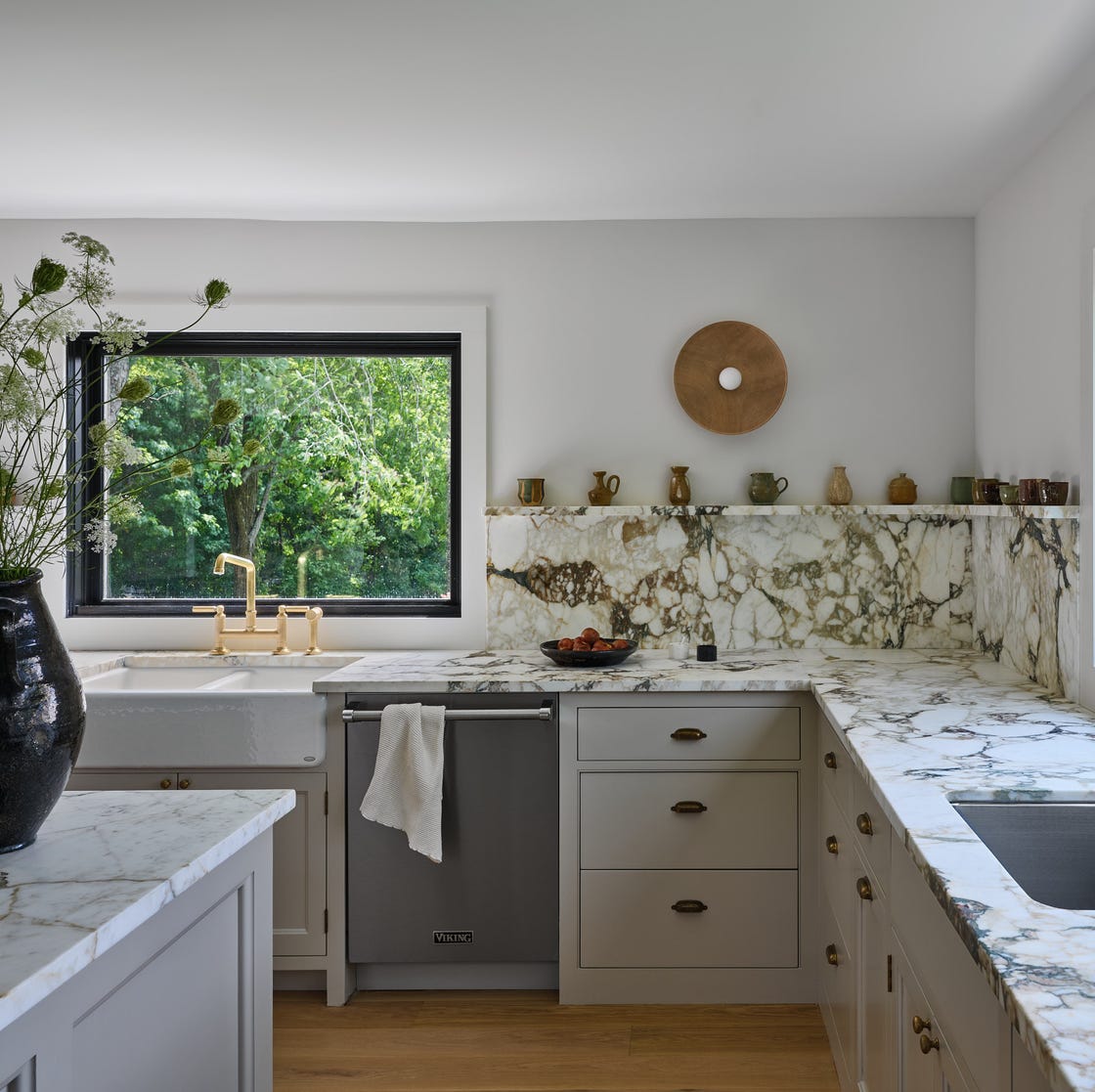
Your Backsplash Is Cheapening Your Kitchen—Here's How to Fix It, According to Designers

Kitchen wall tile ideas – bring color, pattern and style to vertical surfaces
This Modern Backsplash Alternative Makes Your Kitchen Look Bigger And Brighter