1/6
8 tricks for organizing your dishes that professional declutterers always implement in kitchen storage
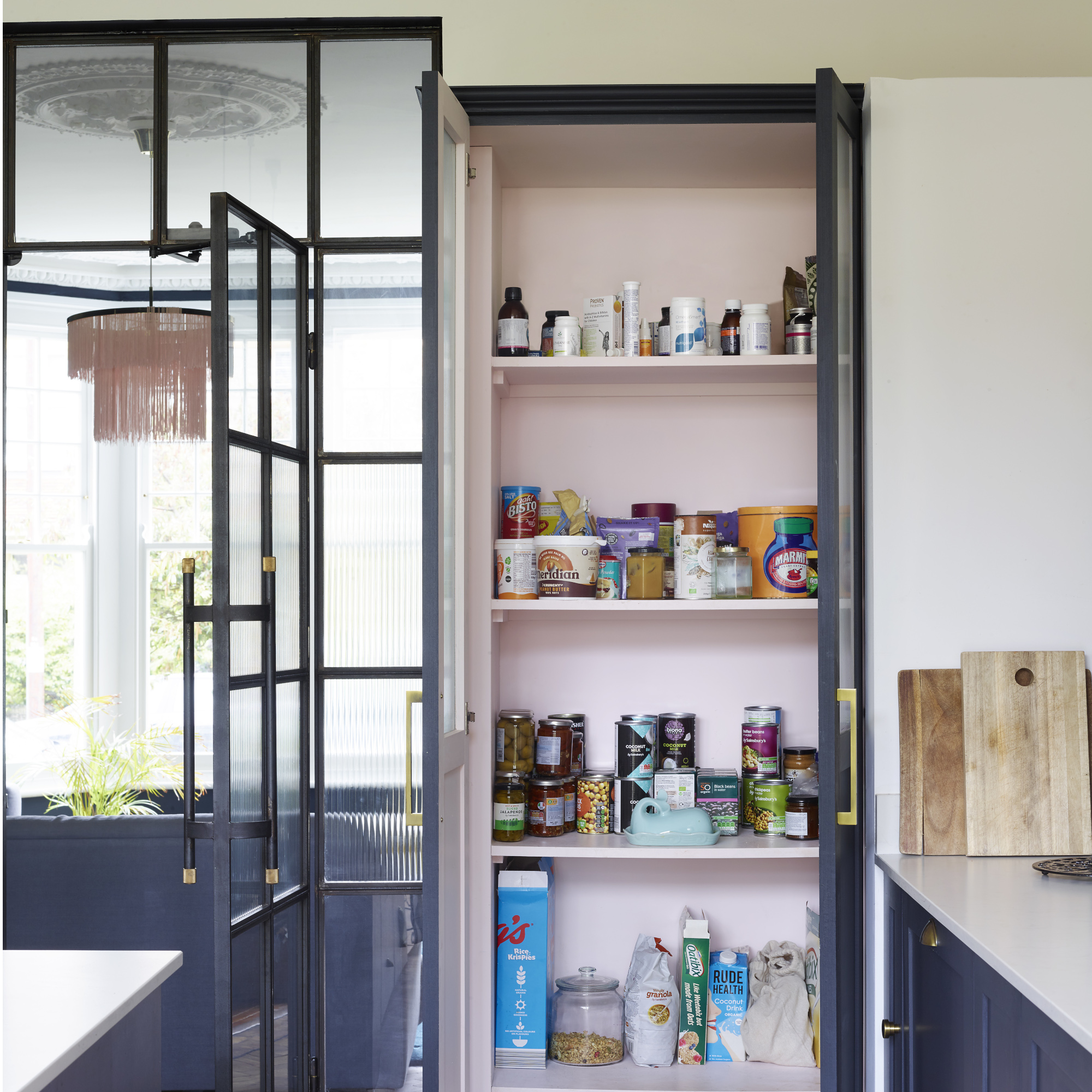
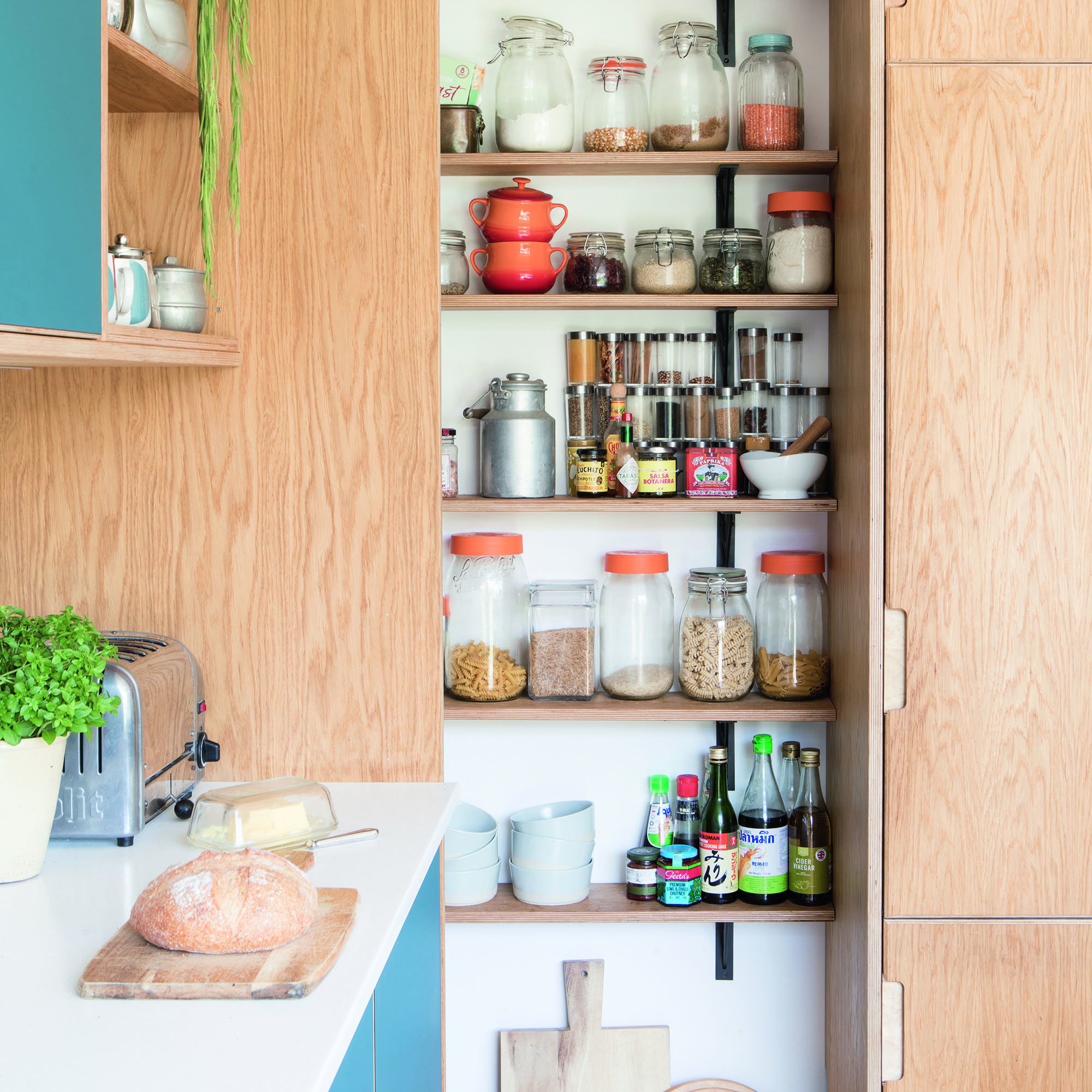
Effective dish organization is crucial for a functional kitchen, addressing challenges like limited space, mismatched sets, or simply finding the right spot for everyday items. Professional organizers and interior designers offer several strategies to optimize kitchen storage for dishes, ensuring accessibility and order. One fundamental approach is creating a 'Zone' system, which categorizes dishes based on their frequency of use.
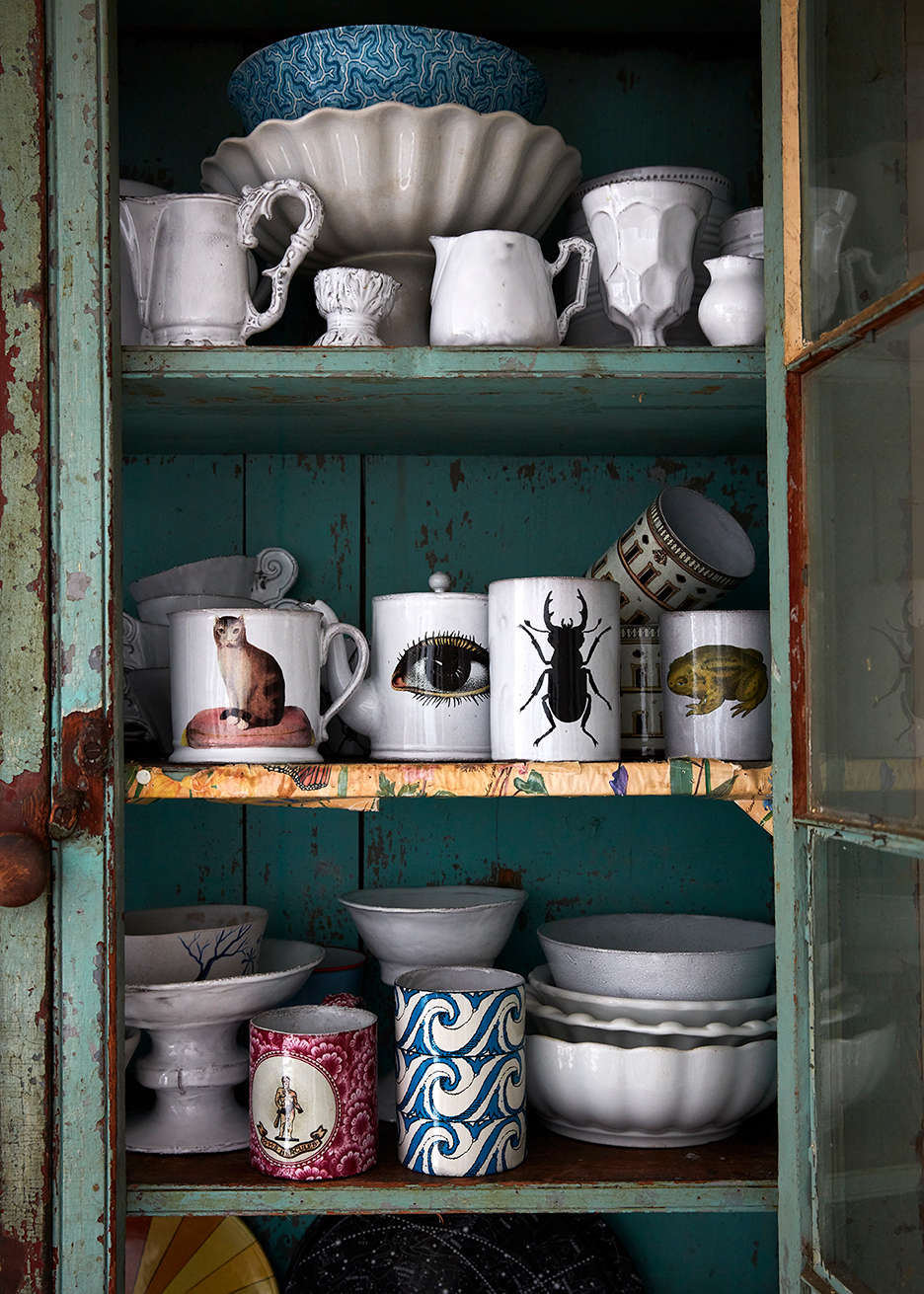
Zone 1 is designated for daily-use dishes, such as plates, bowls, and cutlery, that require immediate access. These items should be stored in locations convenient for meal preparation and serving, ideally close to the dining area or cooking zones to minimize effort. Zone 2 accommodates dishes used for entertaining or special occasions, like Friday night dinners. These items, while not daily essentials, still need to be reasonably accessible. Storing them in a secondary location that is easy to reach but doesn't occupy prime daily-use space helps maintain efficiency without cluttering the main kitchen area. Zone 3 is reserved for rarely used items, such as fine china or seasonal platters. These can be stored in less accessible areas, such as a dining room hutch or in specialized dish storage containers in out-of-the-way cupboards. The rationale is that the infrequent need for these items justifies the extra effort required to retrieve them, freeing up valuable space for more regularly used kitchenware.
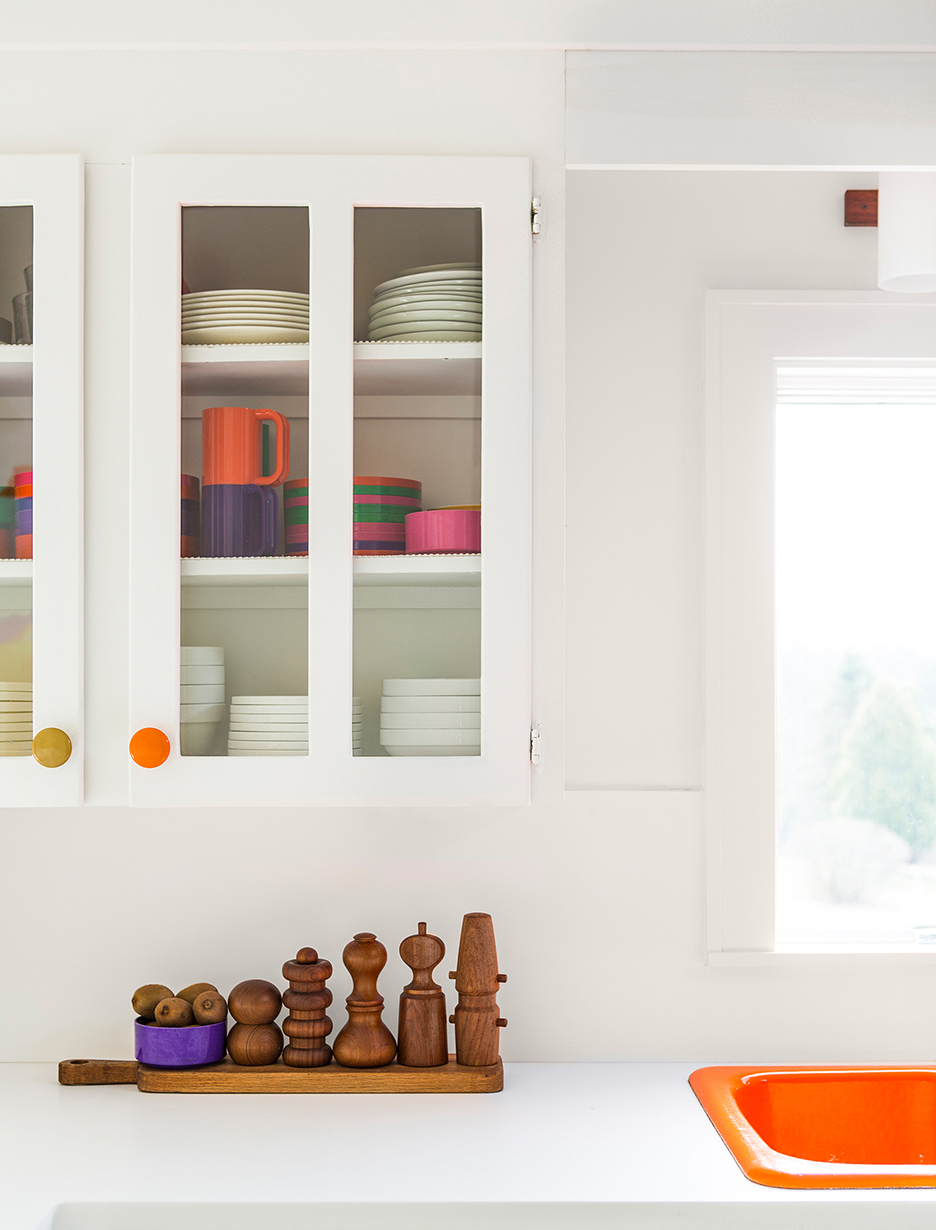
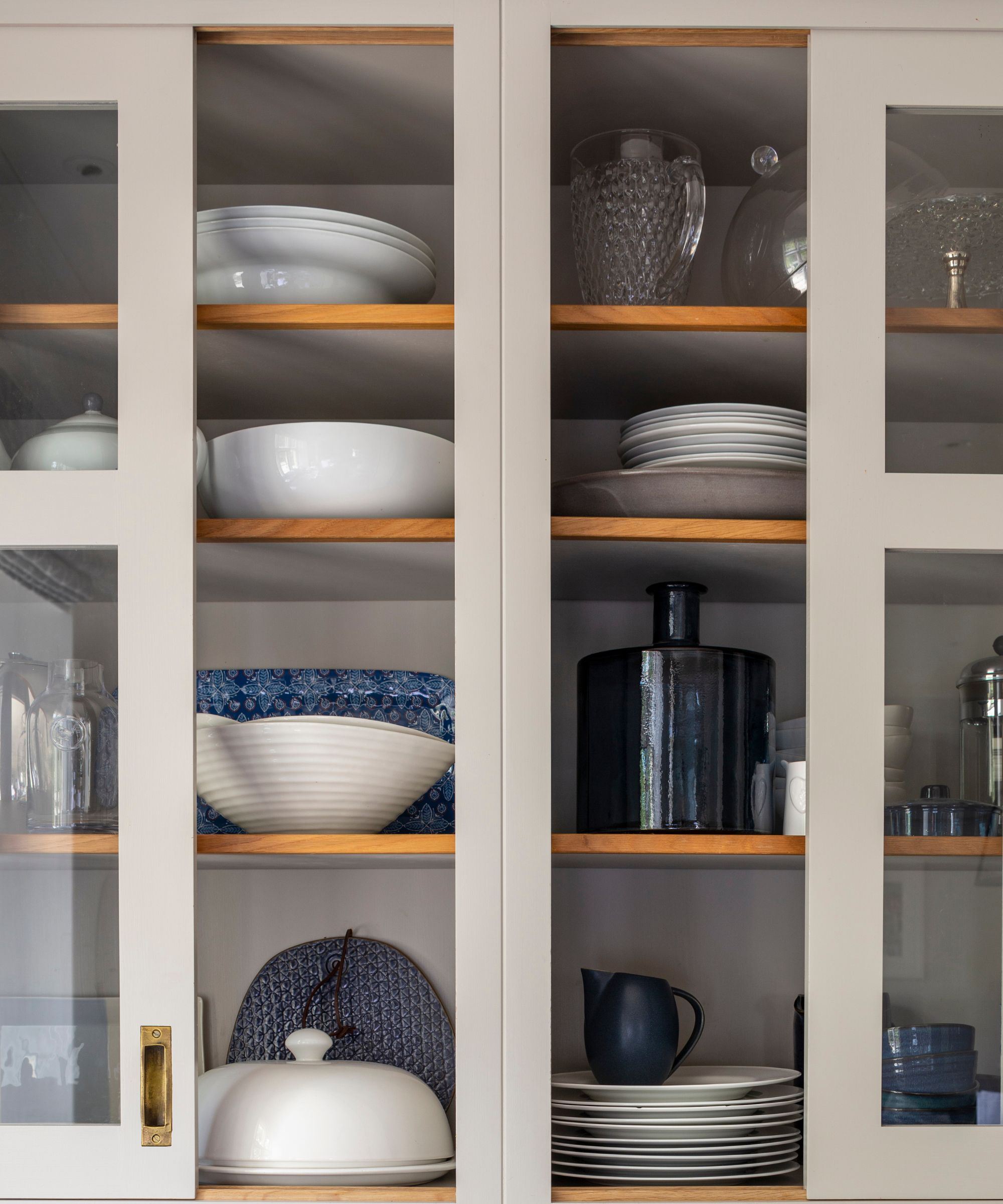
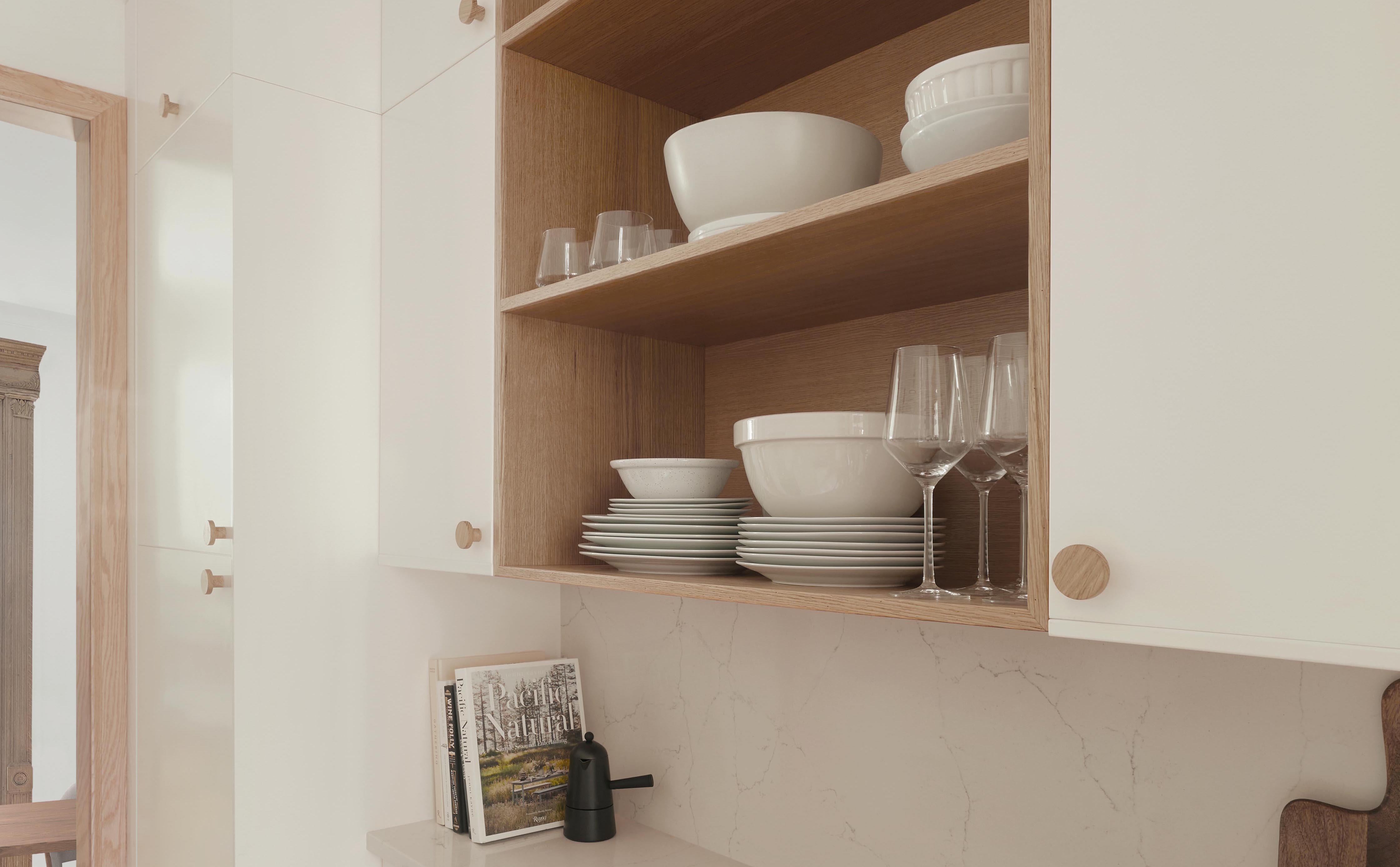
Beyond zoning, the placement of everyday dishes is a critical factor. Experts recommend storing daily dishes on lower, easily accessible shelves, ideally at eye level in kitchen cabinets. This placement prevents unnecessary bending and reaching, making daily tasks more ergonomic and efficient. This also contrasts with the placement of special occasion dishes, which can be stored higher up or in sideboards/credenzas in the dining room, as they are accessed only a few times a year.
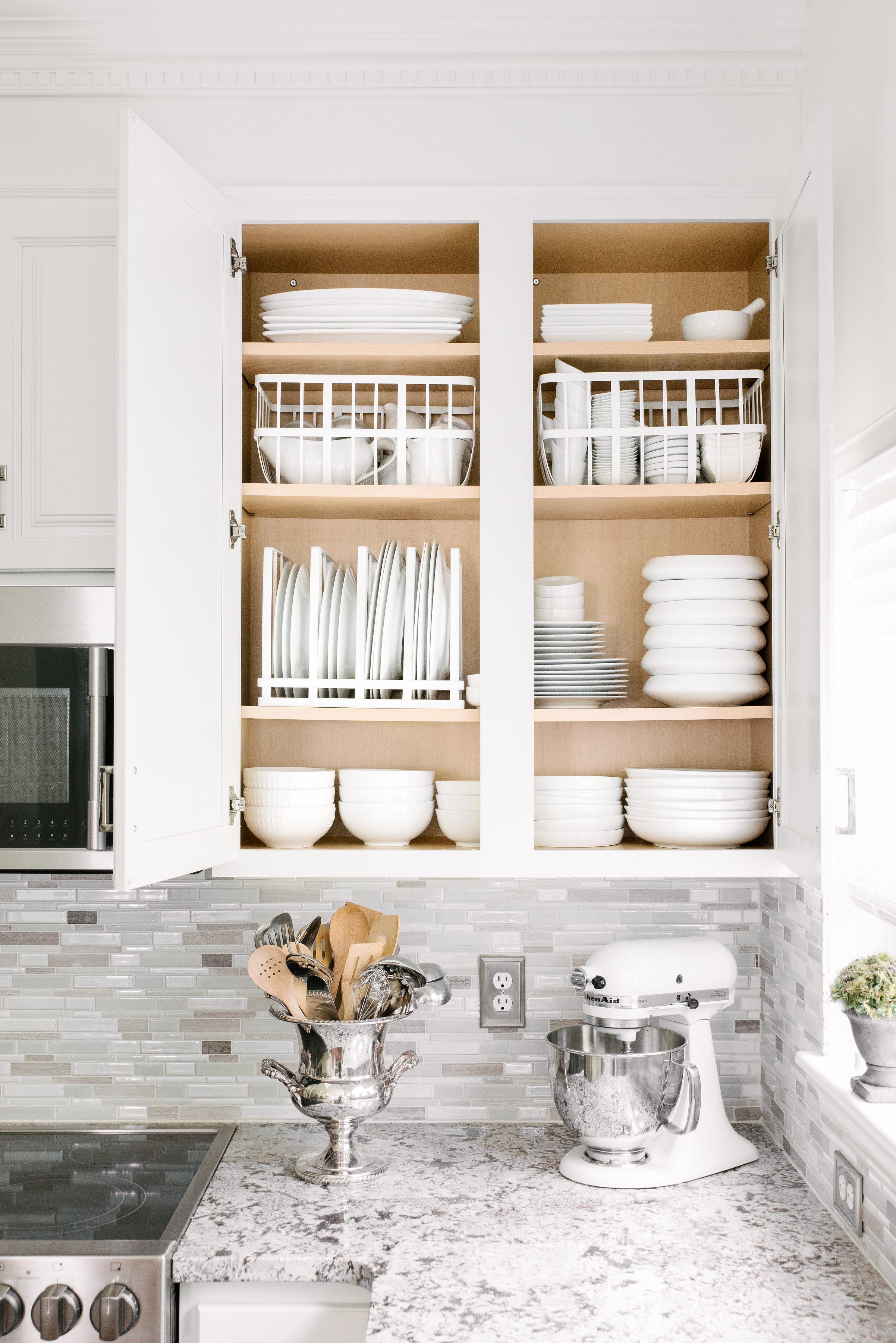
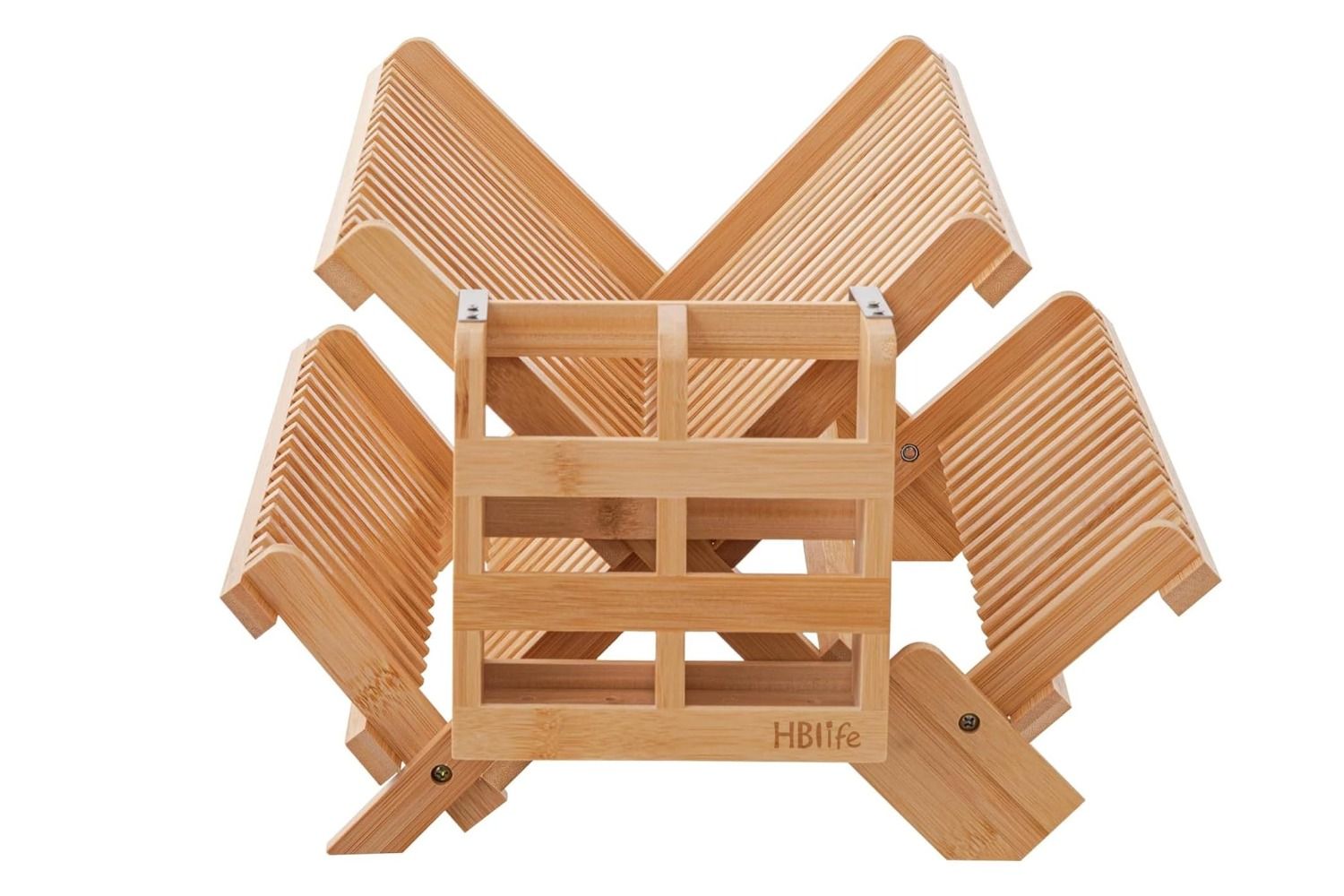
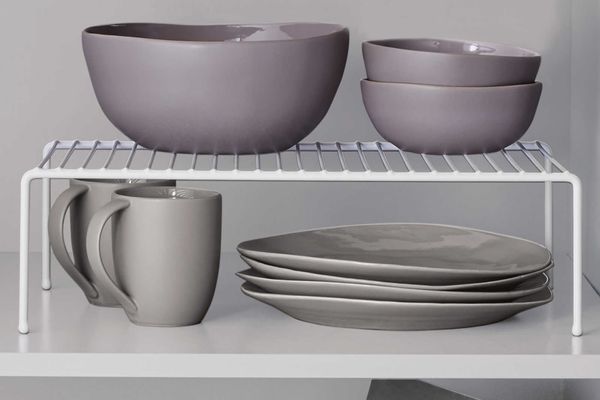
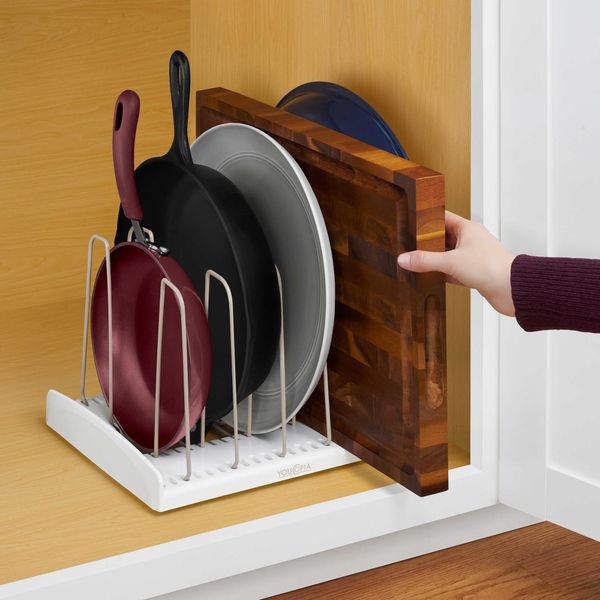
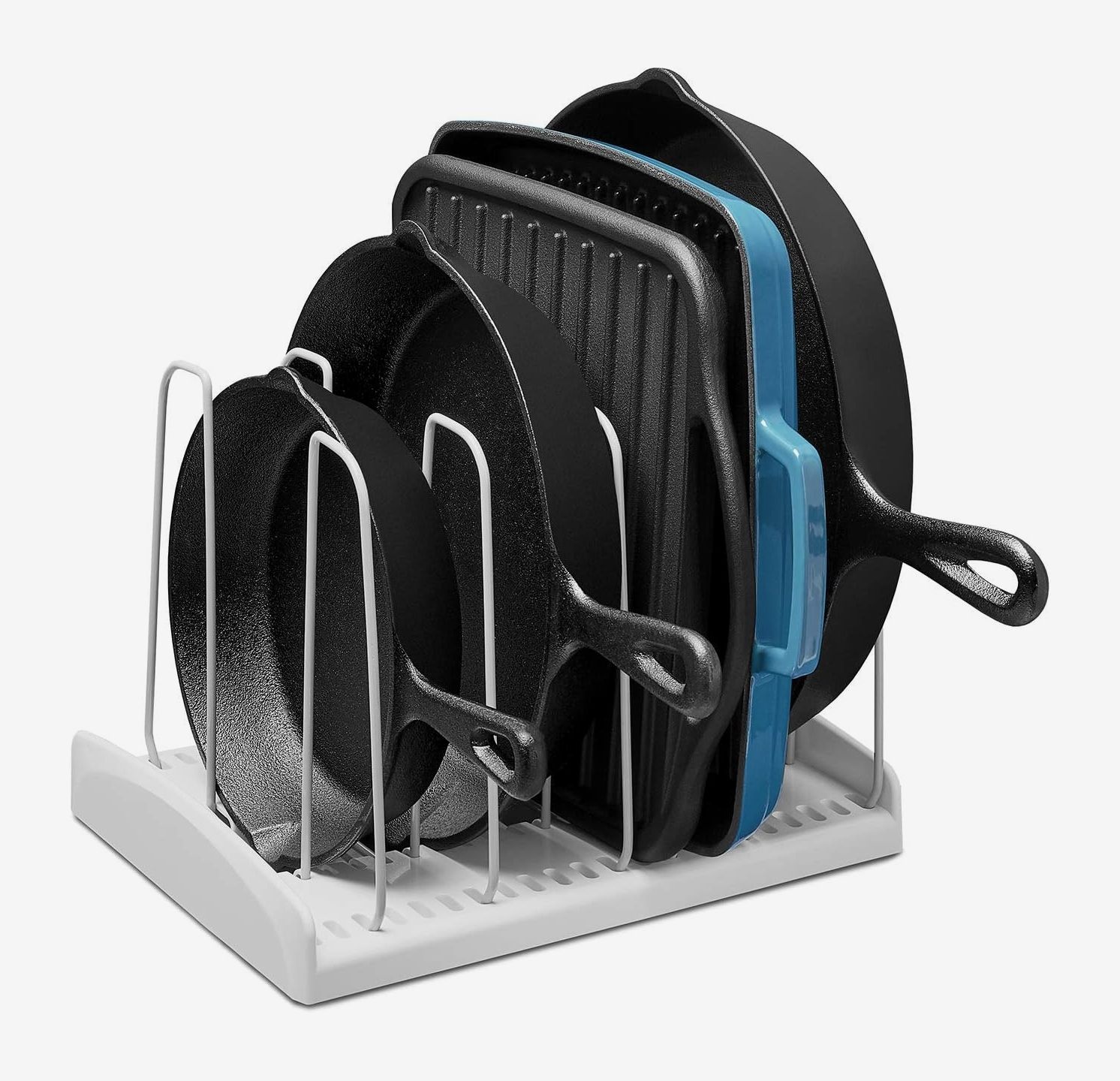
To further enhance organization and protect dishes, several tools and accessories are recommended. Plate dividers are particularly useful for holding plates in an upright position. This not only prevents sliding and collision, reducing the risk of chipping or breaking, but also makes it easier to access individual plates without disturbing a heavy stack. Similarly, cabinet risers are effective for maximizing vertical space within cabinets. By separating different dish categories and preventing tall stacks, risers make dishes more accessible and reduce the weight of individual stacks, making retrieval safer and simpler. Avoiding excessively high stacks is a general rule to prevent dishes from becoming too heavy and difficult to handle.
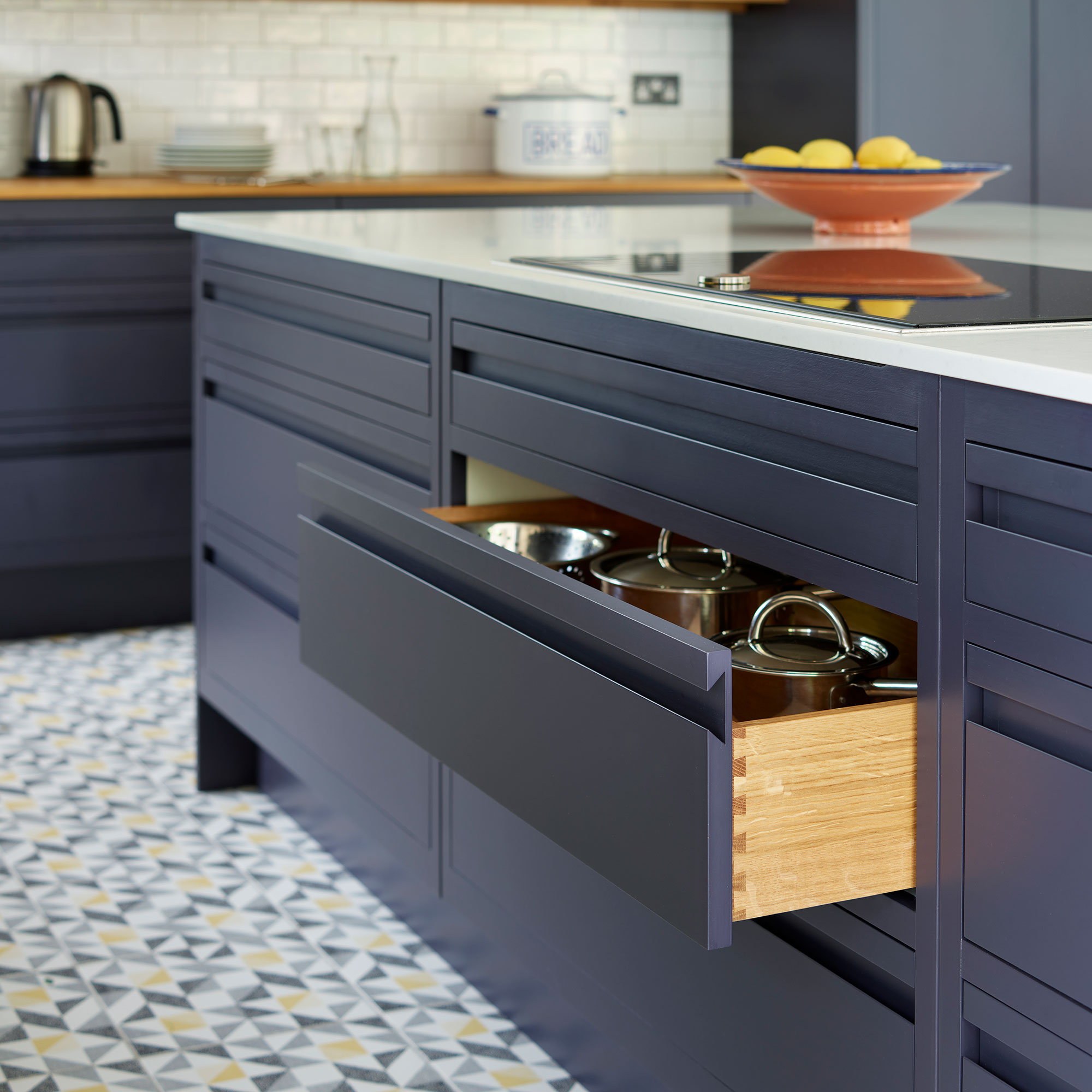
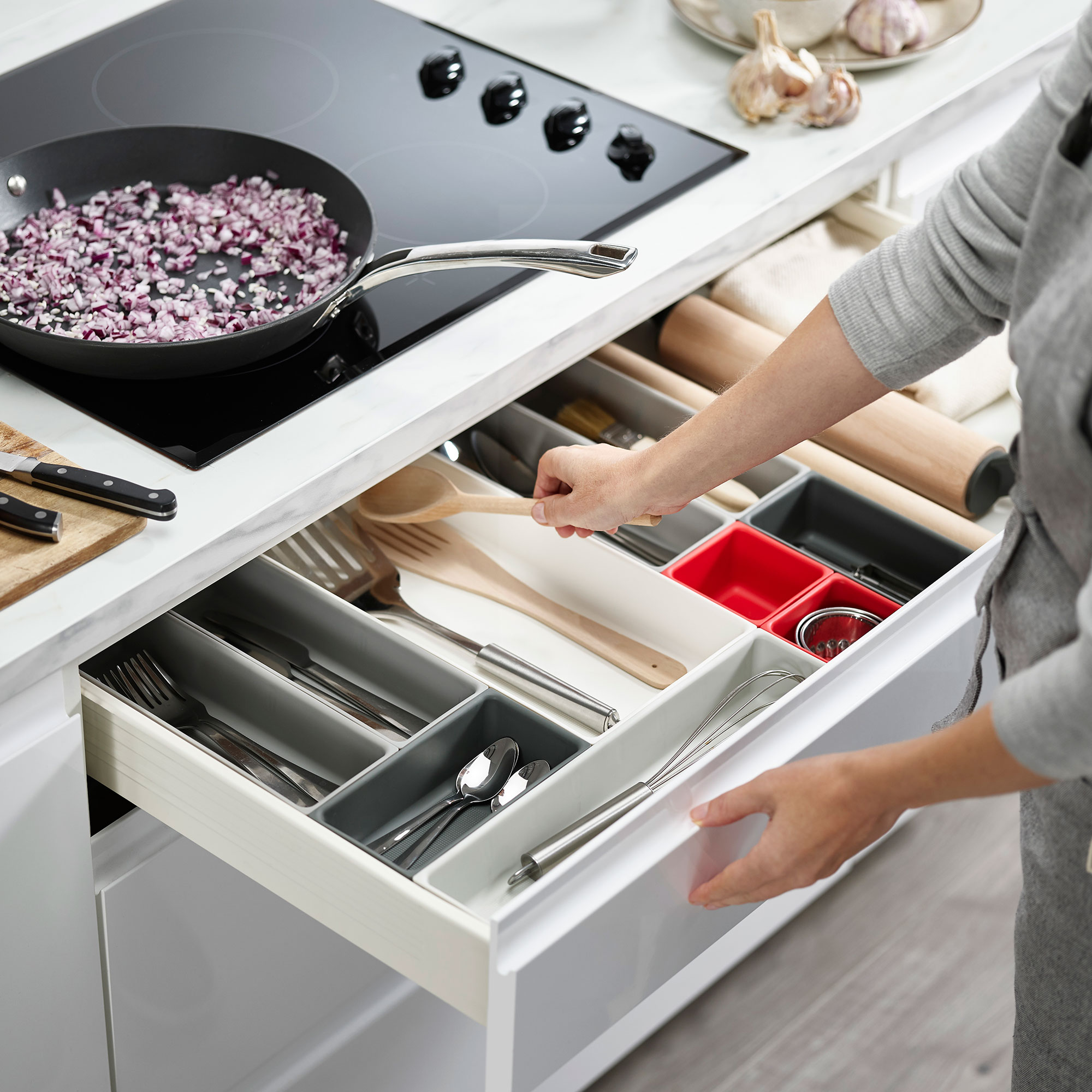
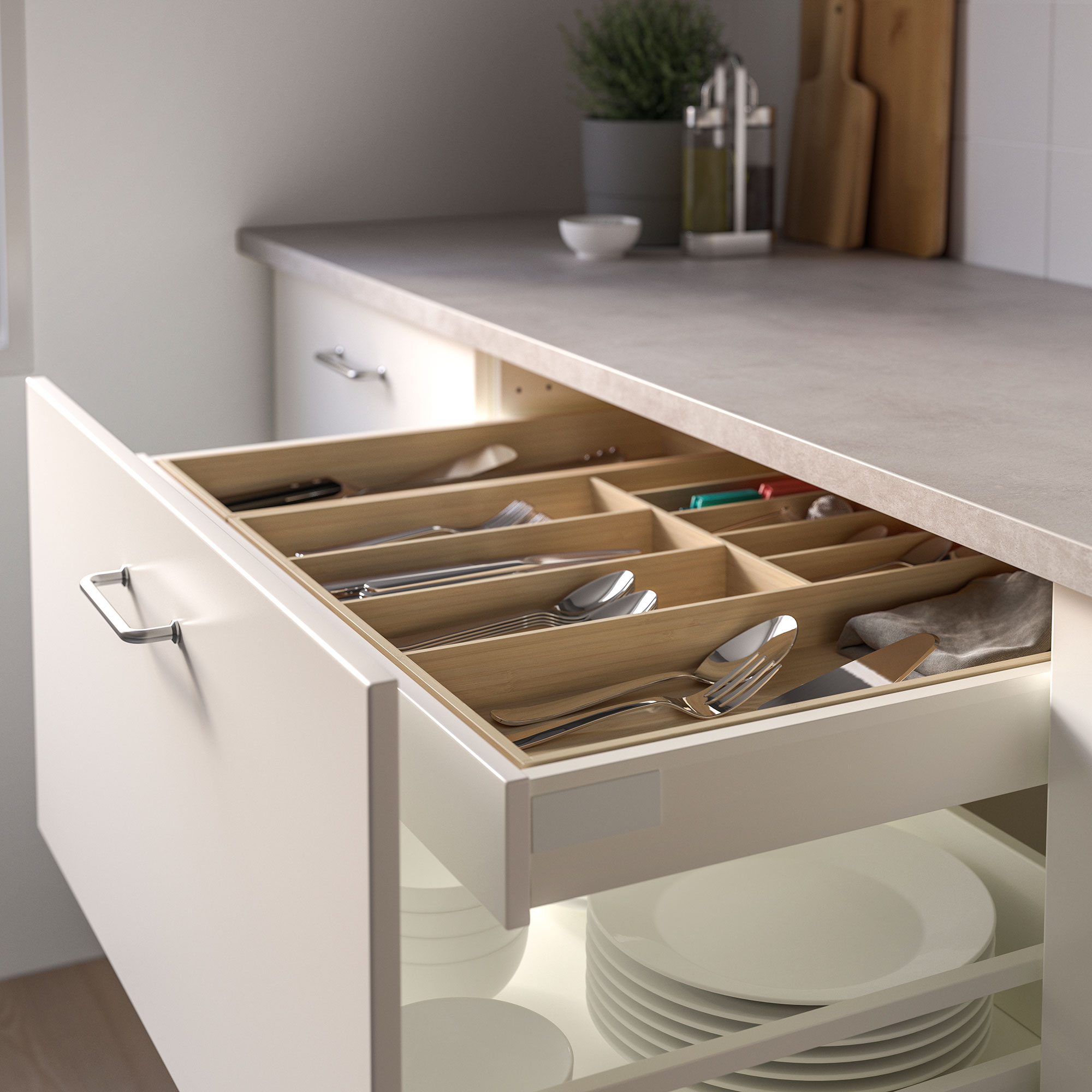
Another practical consideration is the proximity of dish storage to the dishwasher. Placing everyday dishes in cabinets closest to the dishwasher streamlines the unloading process, turning a routine chore into a more seamless activity. This ergonomic design reduces the physical effort and time spent putting away clean dishes. For smaller items like bowls, saucers, or dessert plates, drawer organizers with compartments provide an excellent solution. These organizers create separate sections for each item, keeping them in place and easily accessible, preventing a jumbled mess within drawers. Implementing these strategies can significantly improve kitchen functionality and maintain an organized environment.
#KitchenOrganization #DishStorage #HomeDecluttering #KitchenDesign #CabinetOrganization #SpaceSavingSolutions #InteriorDesignTips #HouseholdHacks #KitchenOrganization #DishStorage #HomeDecluttering #KitchenDesign #CabinetOrganization #SpaceSavingSolutions #InteriorDesignTips #HouseholdHacks
0 comment in total
 No comments yet
You may also like
Decluttering Experts Share Their Best Kitchen Cabinet Organization Ideas

These are the 7 things to get rid of first in your kitchen cabinets, according to cleaning pros


'I asked an expert to help me organise my pantry and the advice was game-changing.'
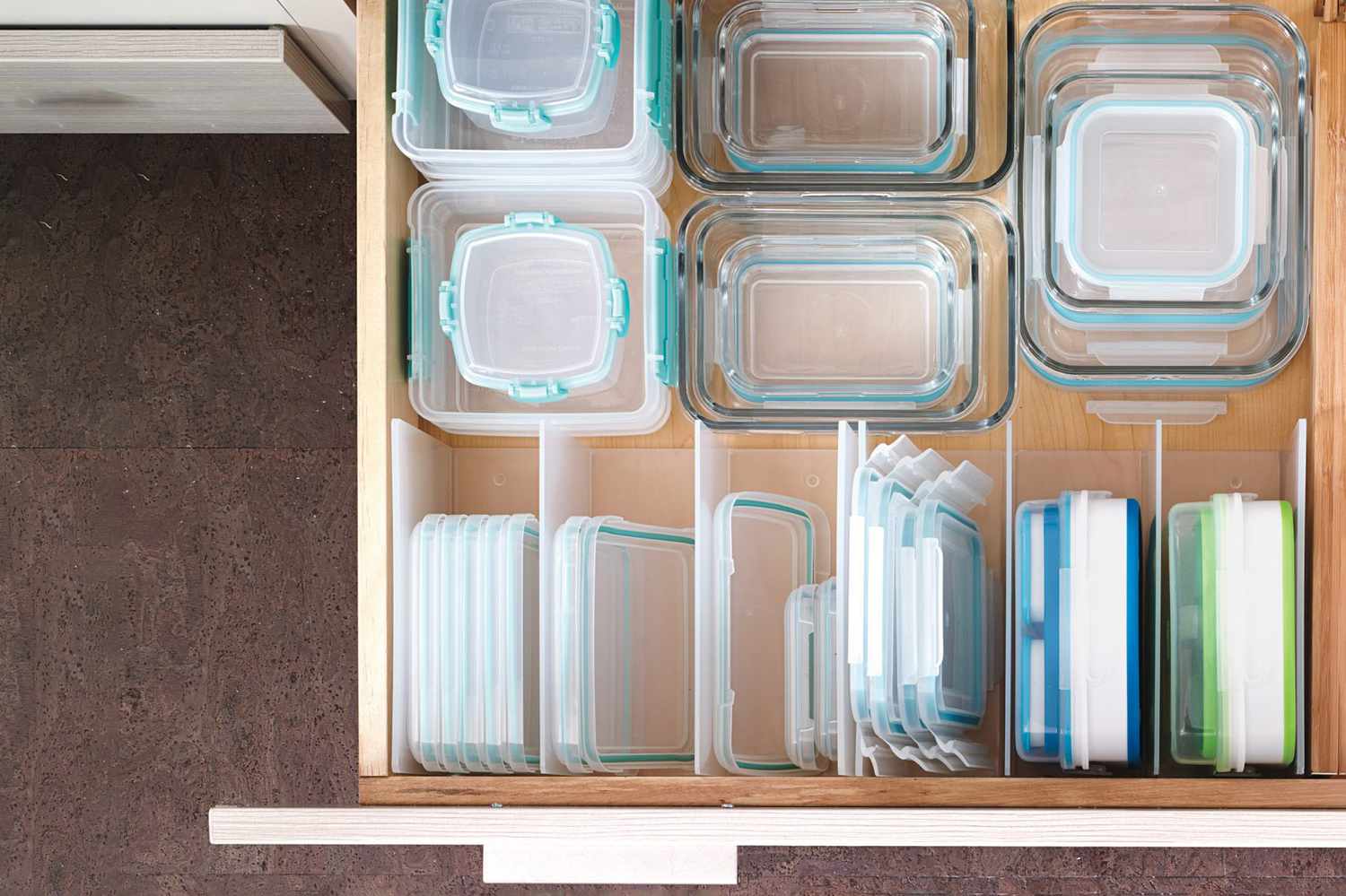
How to Organize Your Food Storage Containers the Right Way
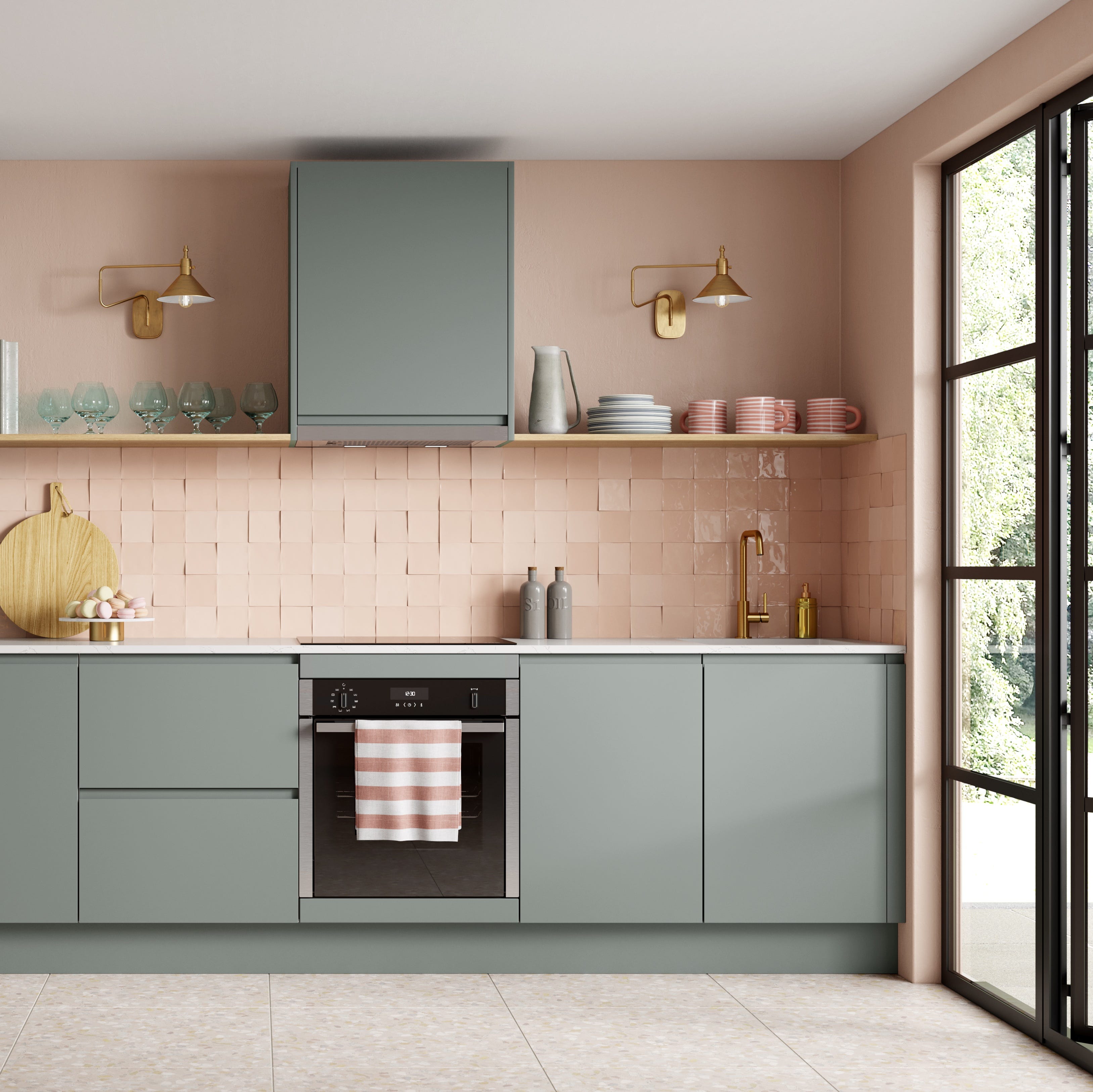
10 things decluttering experts won't keep in their kitchen cupboards


6 cooking experts on how to organise your kitchen

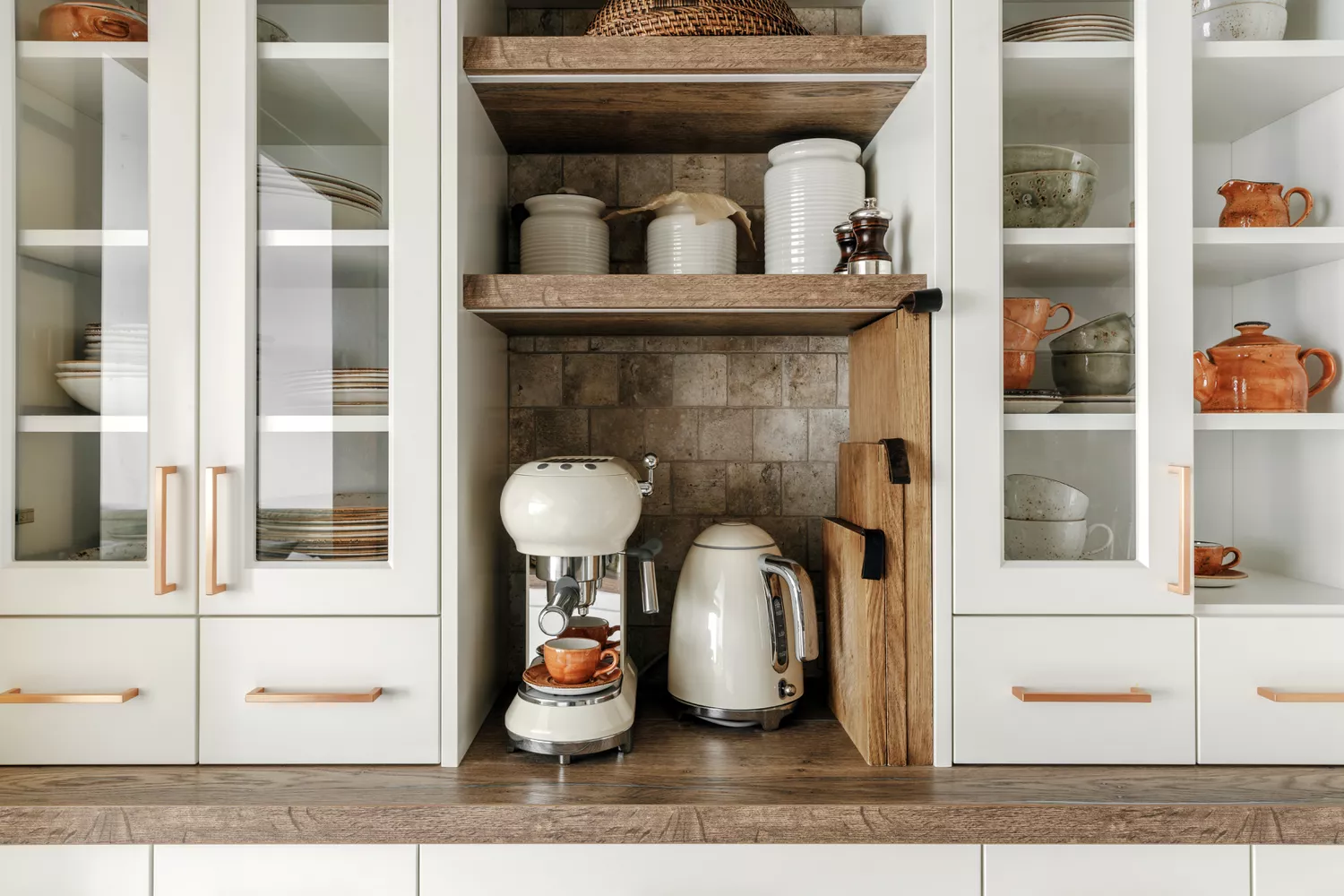
How to Organize Your Kitchen Cabinets—and Keep Them Organized—According to Pros

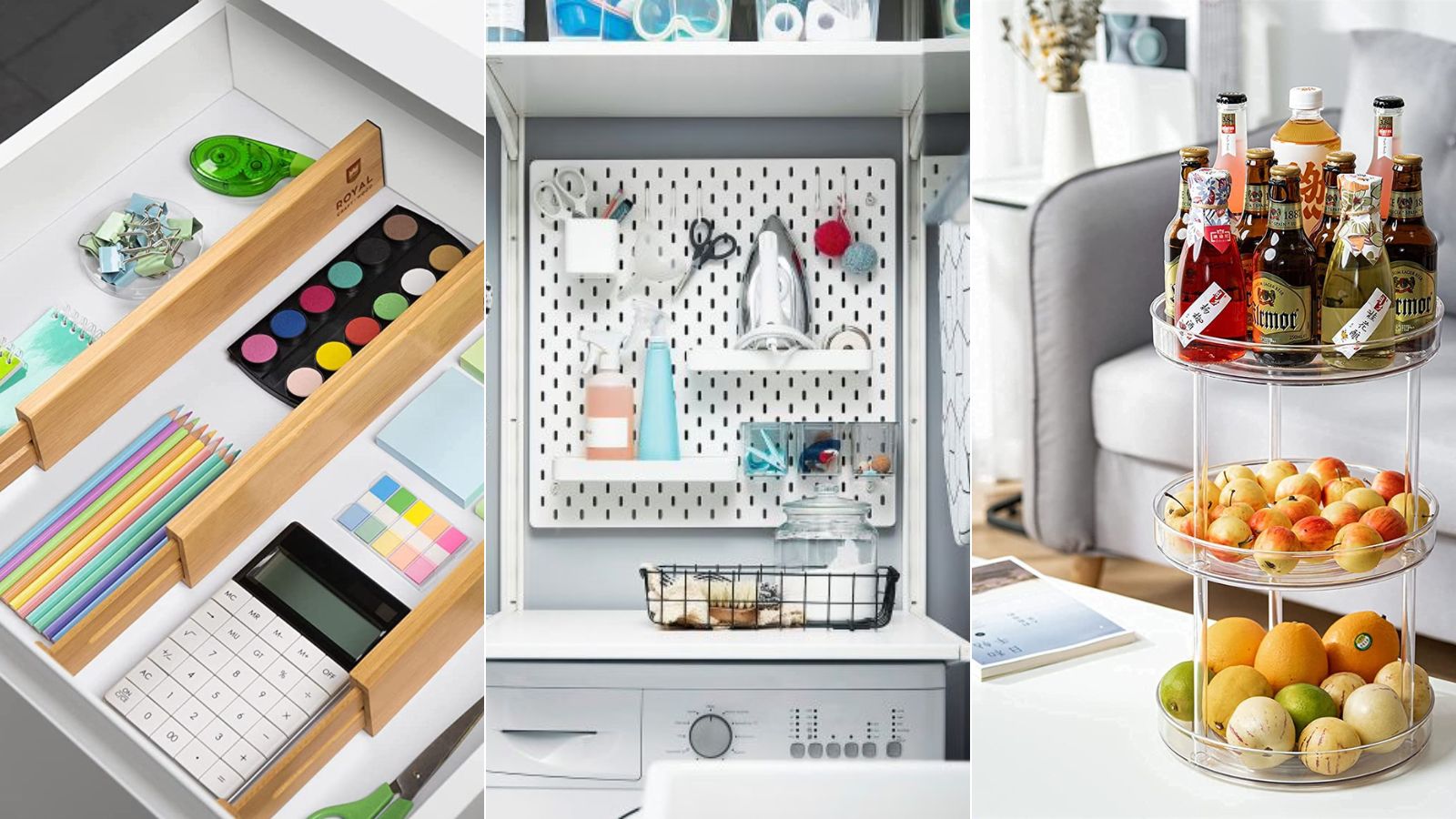
10 storage products professional organizers say they can't live without

4 things to get rid of in your kitchen cabinets — experts say ditch these items right now
Pro Organizers Cringe When They See These 7 Things in a Kitchen
Top-to-Bottom Kitchen Cabinet Storage Ideas Straight From an Expert Organizer
Tips for organising kitchen drawers - 12 ways to banish clutter for good
10 Smart Kitchen Storage Solutions Professional Organizers Use in Their Own Homes
How to Organize Your Kitchen and Pantry, According to Professional Organizers
9 Genius Pantry Hacks Professional Organizers ALWAYS Recommend
10 tricks for organizing bathroom cabinets that the best declutterers always use
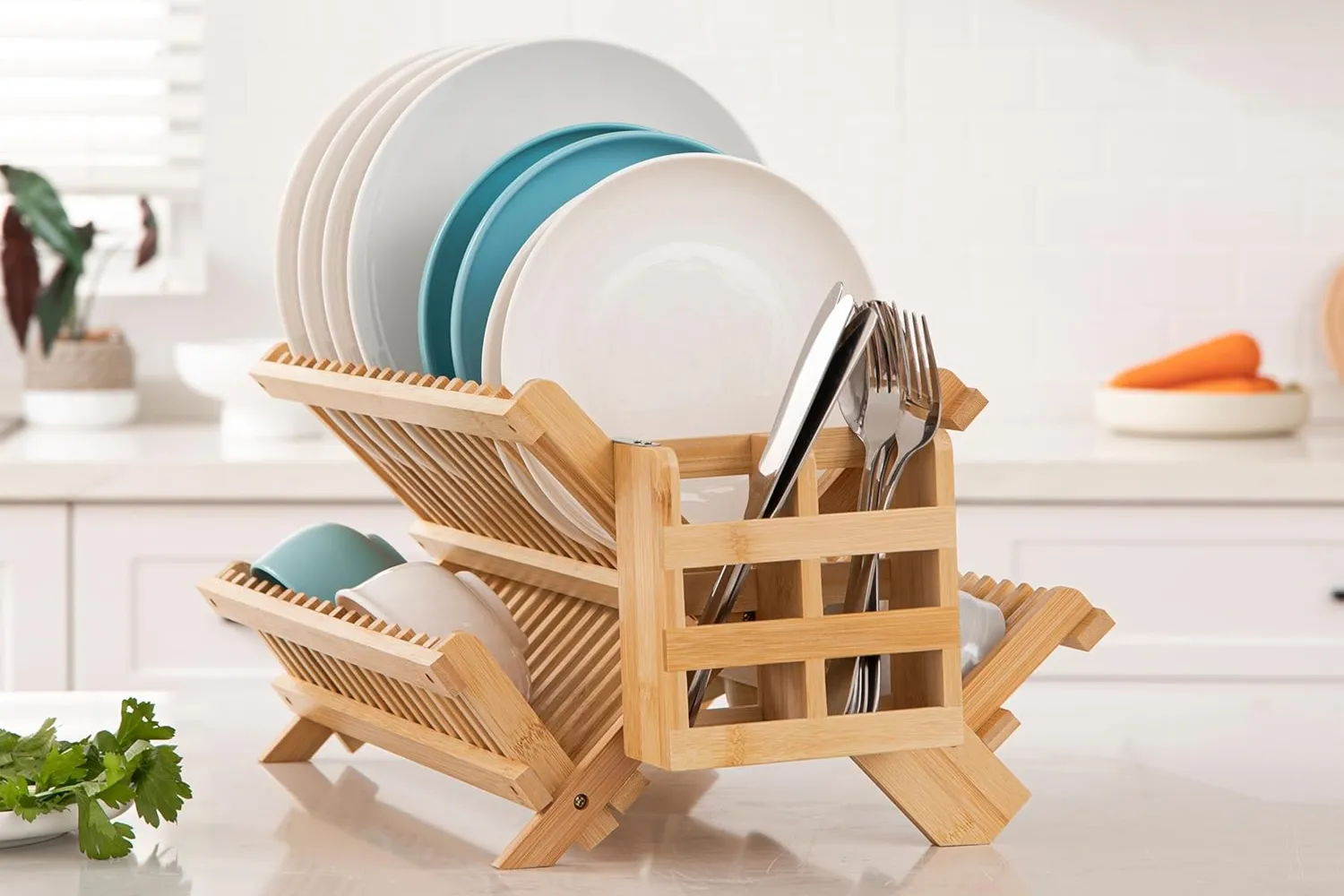
Your Kitchen Called, It Wants These 10 Space-Wasters Gone—Try These Pro-Loved Organizers Instead
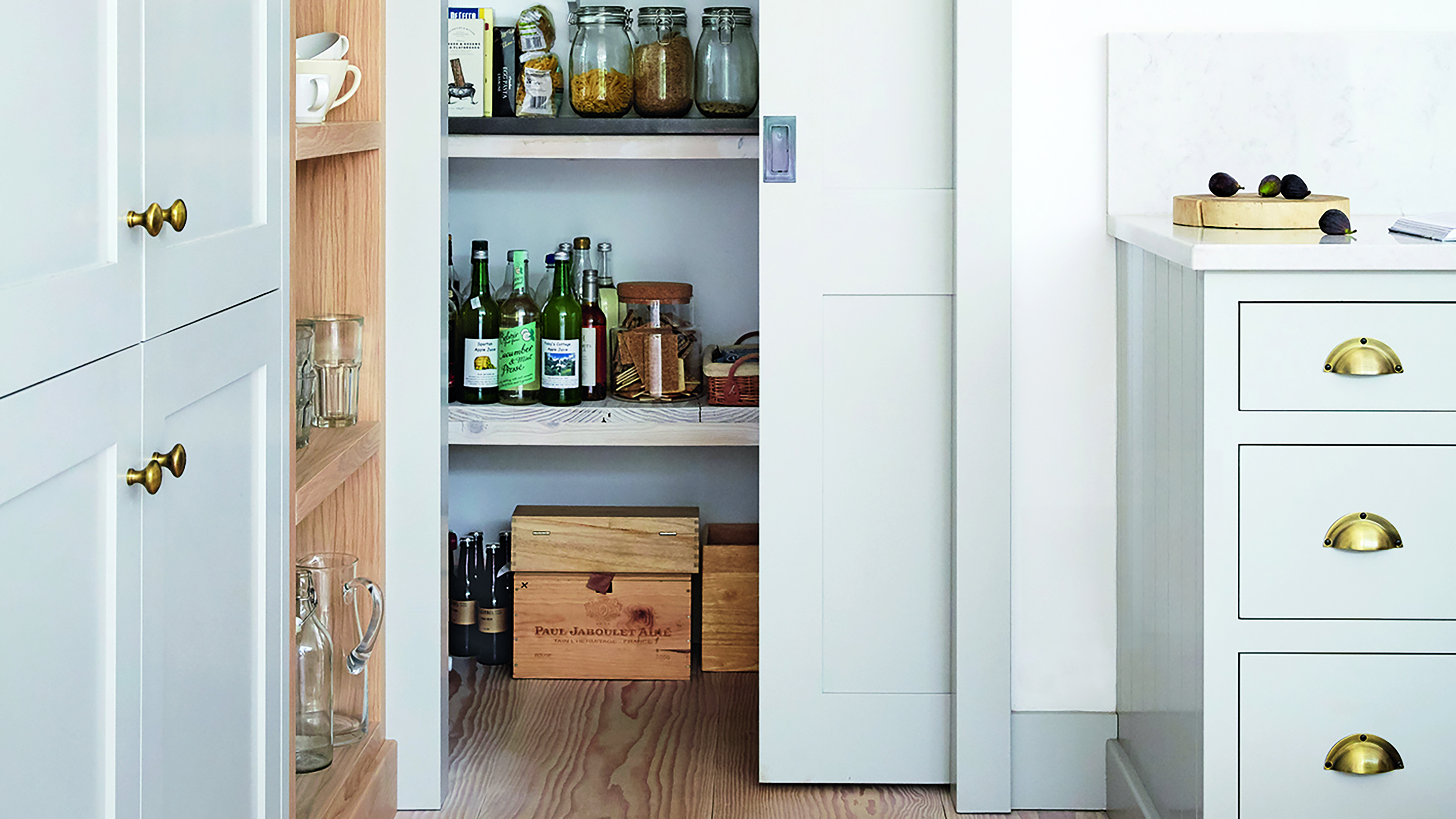
9 pantry storage solutions organising experts swear by for a perfectly tidy store cupboard
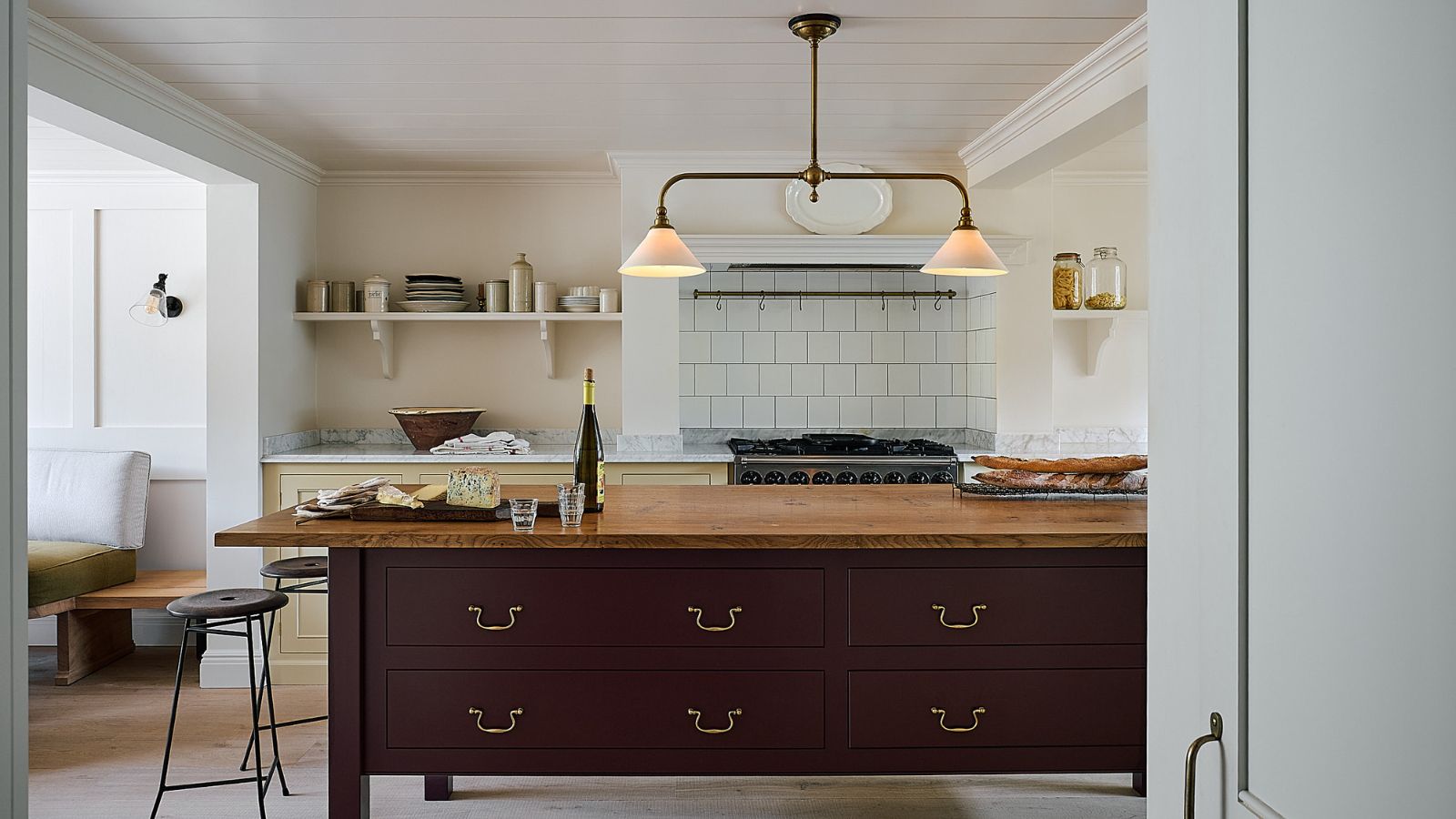
'Most kitchens don't suffer from a lack of storage, just inefficient use of it' – 7 things people with tidy kitchen cabinets never do
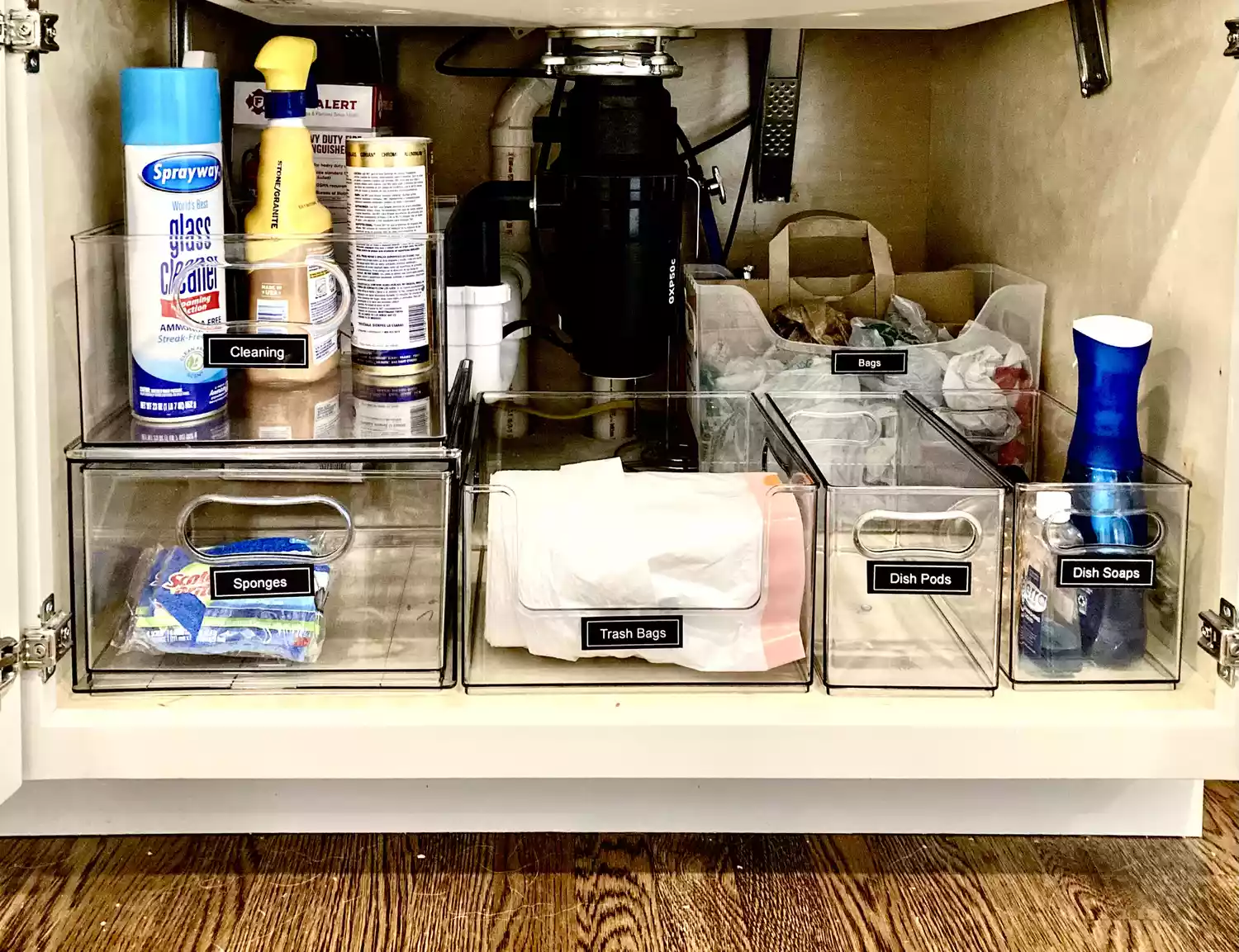
7 Things All Organized Kitchens Have in Common, According to Professional Organizers