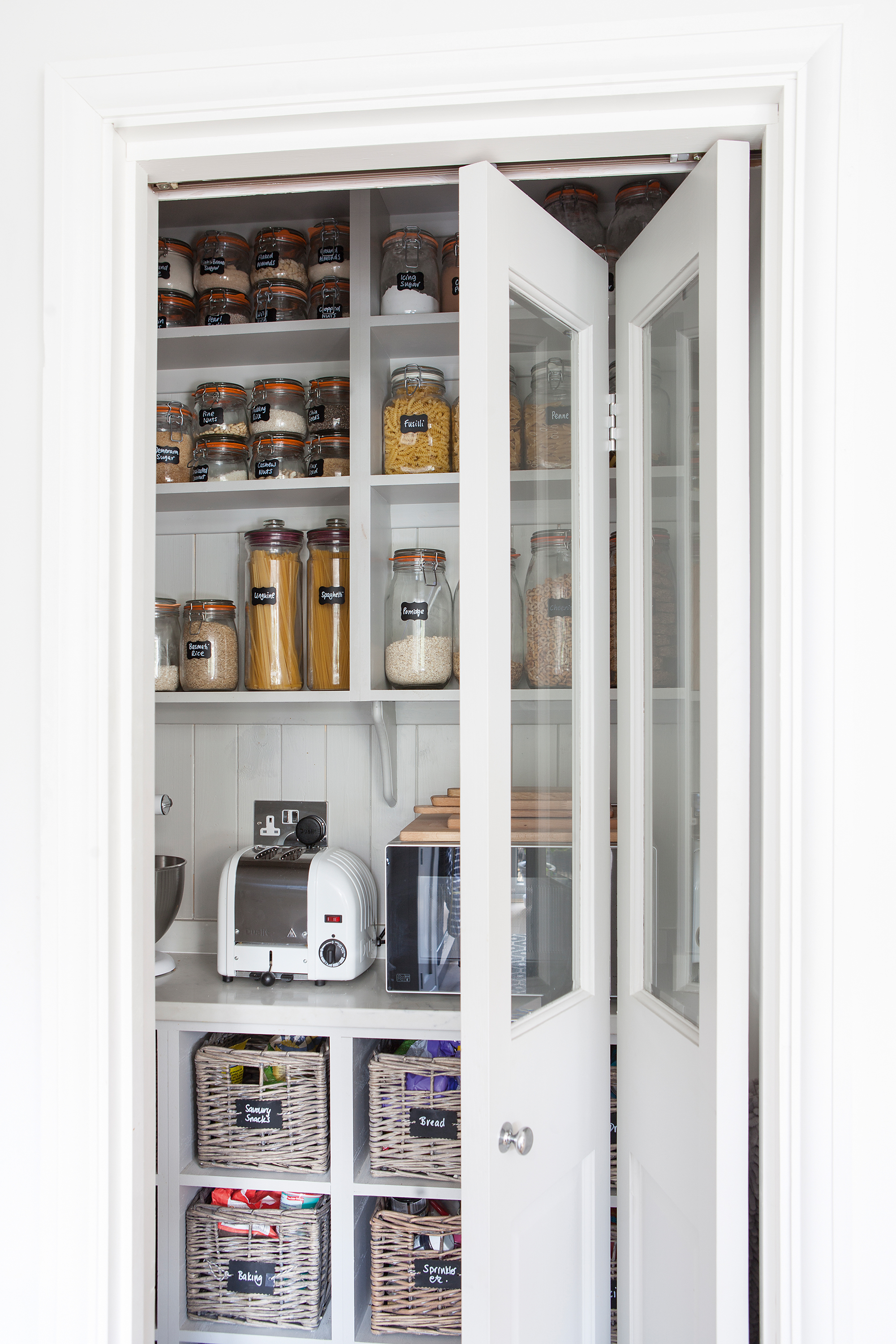
How to Organize Your Food Storage Containers the Right Way
The article addresses the common household challenge of organizing food storage containers, a task that often becomes chaotic due to the constant influx of new containers from takeout and leftovers, and the frequent mismatching of lids and bases. According to Lisa Zaslow of Gotham Organizers, this issue is a universal challenge given the dynamic nature of container usage. The first step to effective organization involves taking a comprehensive inventory of all existing food storage items, including those in cabinets, the refrigerator, and the dishwasher. This process helps identify what is available, what is missing, and what is damaged.
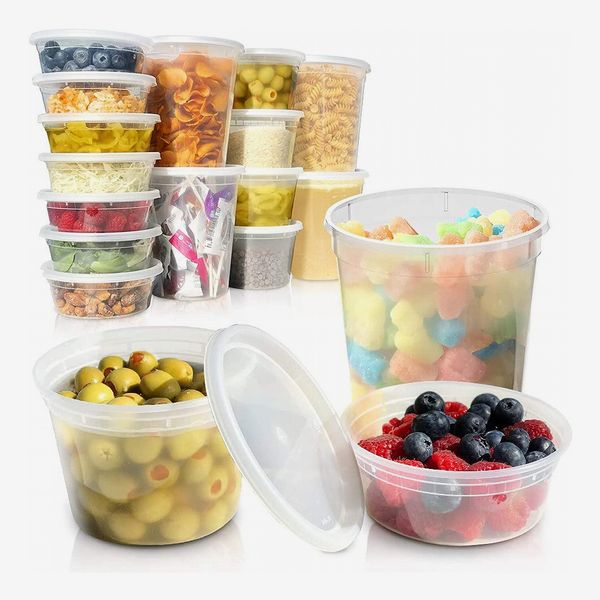
Once an inventory is complete, the next crucial step is to pair containers with their corresponding lids. Any unmatched or damaged pieces, along with excess takeout containers, should be discarded. Experts like Zaslow advise against keeping numerous takeout containers as they are designed for temporary use and lack the sealing quality of purchased storage solutions. Following this decluttering phase, households should assess their specific needs for food storage. This involves considering daily leftover storage, the number of family members using containers for packed lunches, and the necessity of specialized items like glass containers for reheating. Neitra Rose of Organizing Lifestyles suggests that most households only require one or two sets of containers, depending on family size. A practical method to track usage involves placing a small piece of masking tape on each container; any container still bearing tape after a couple of weeks can likely be eliminated.
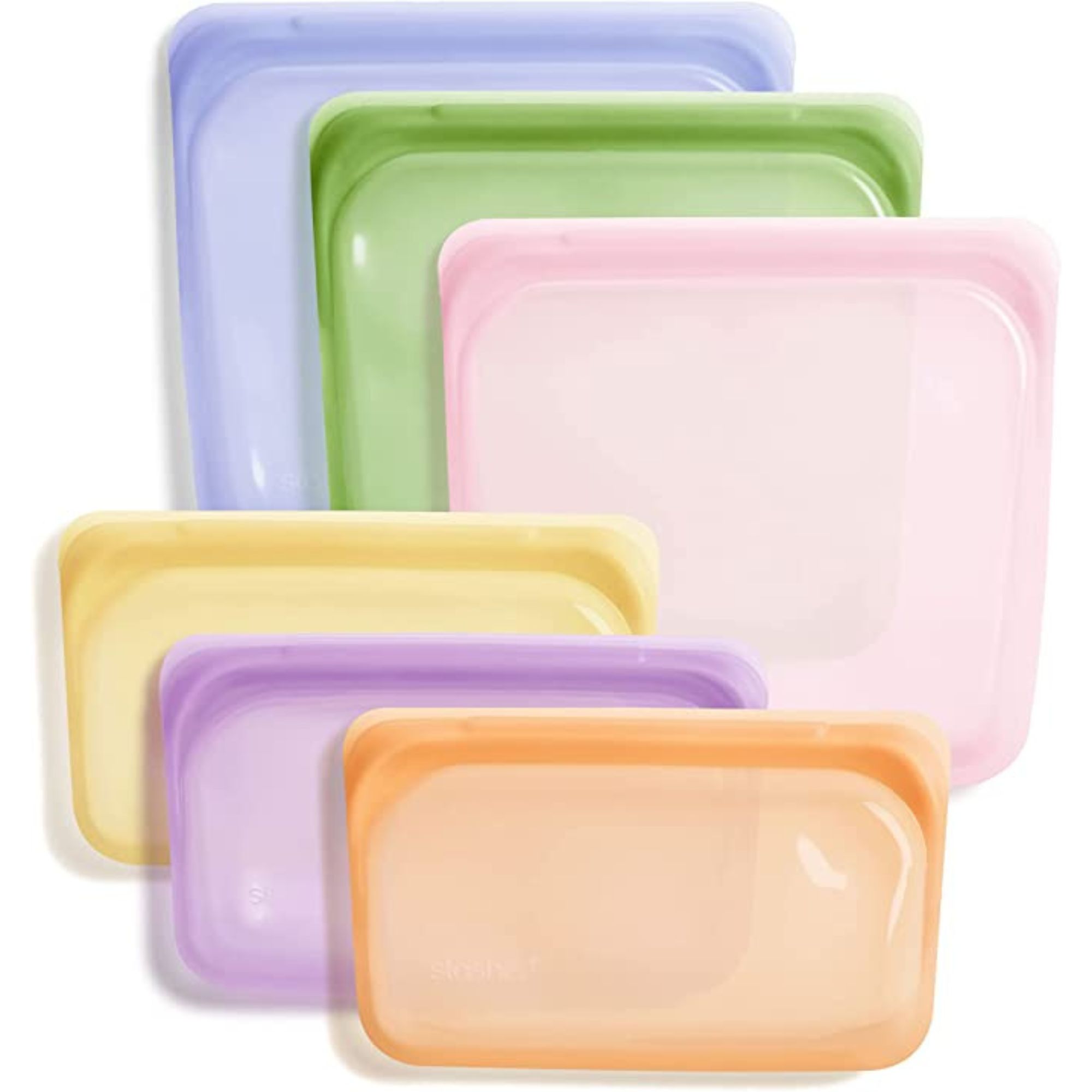
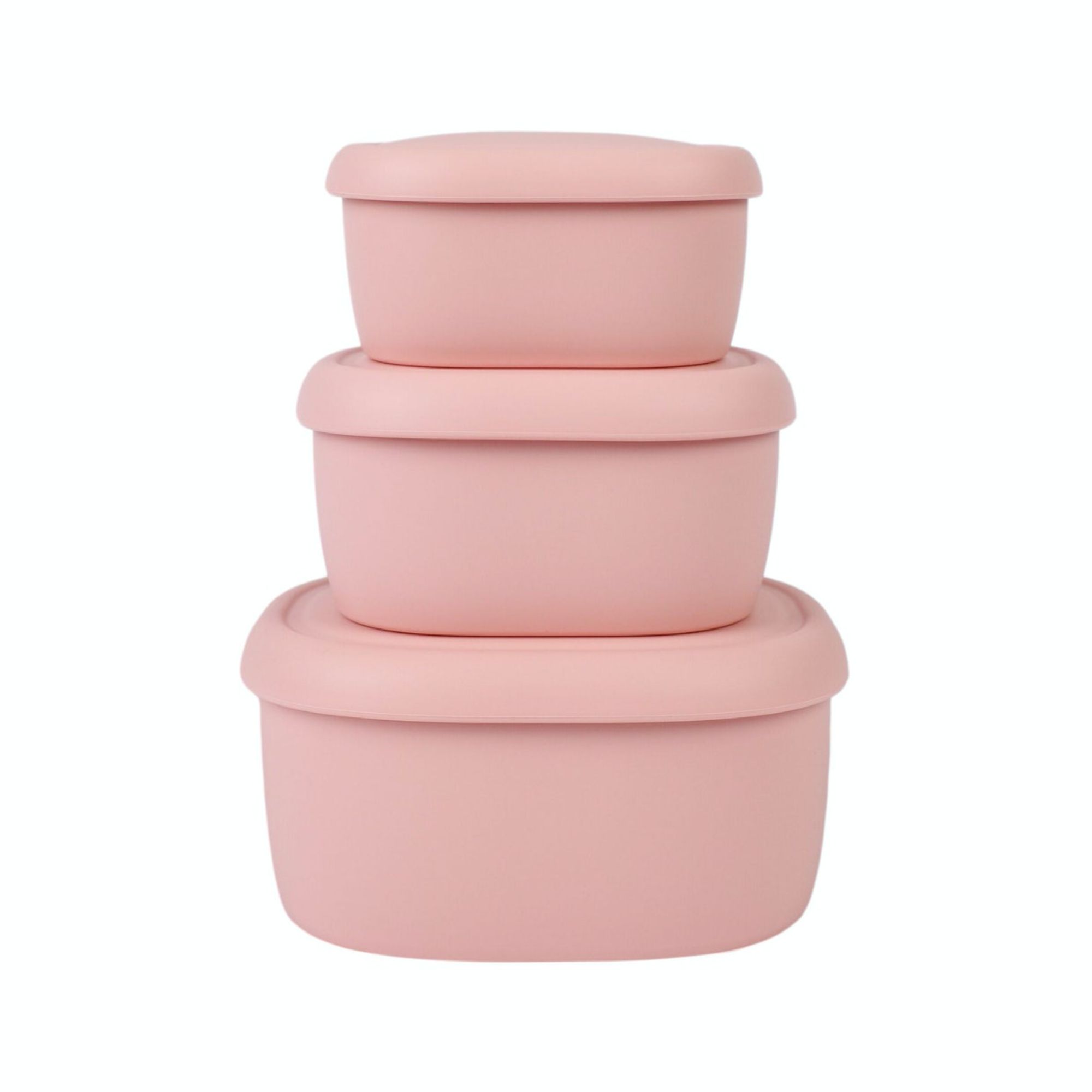
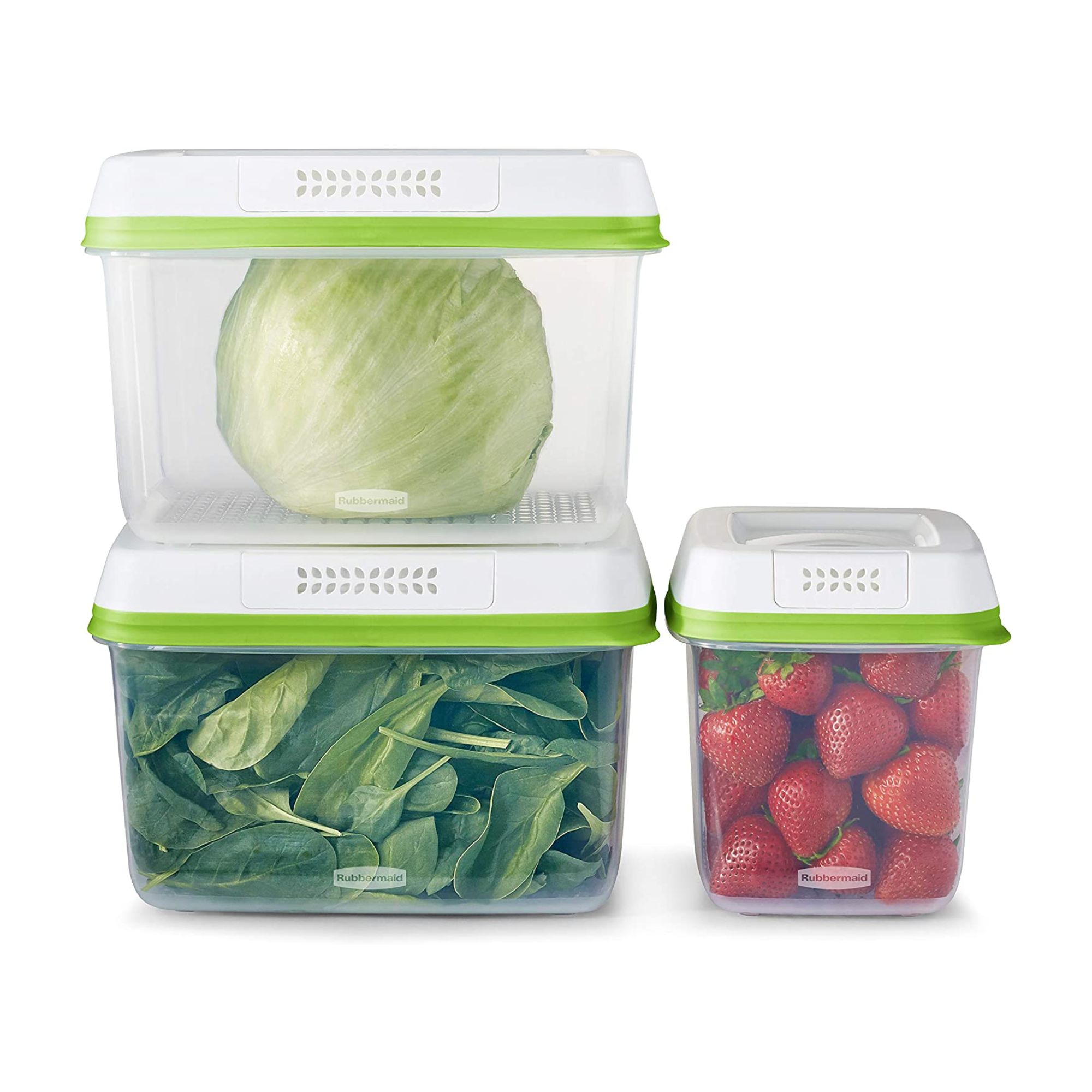
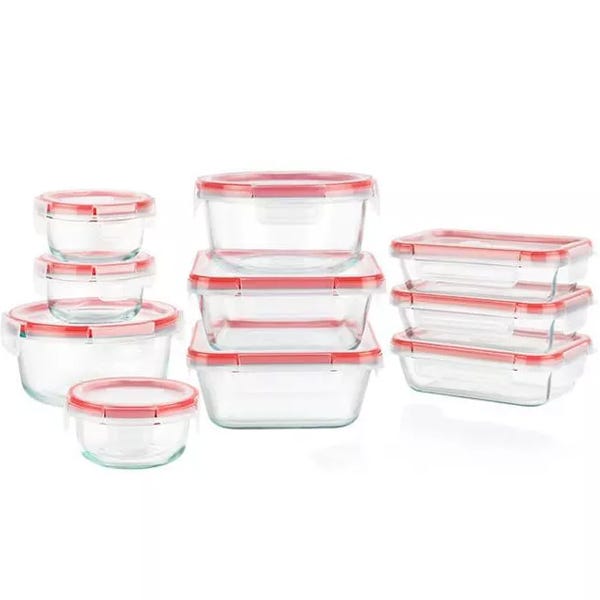
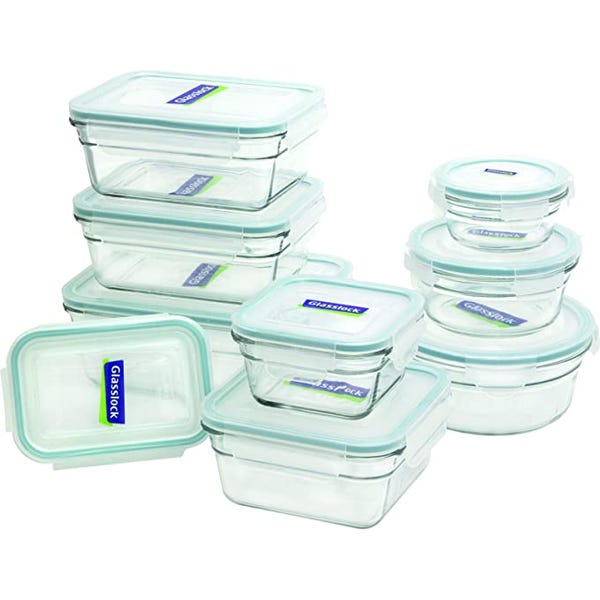
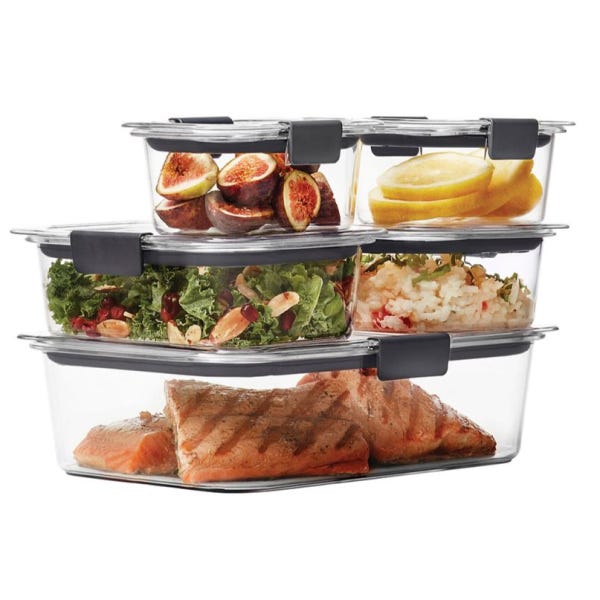
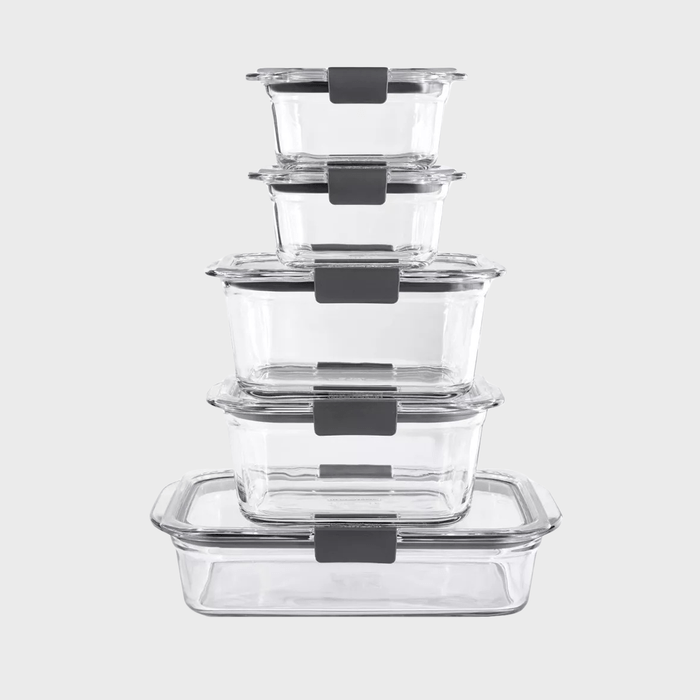
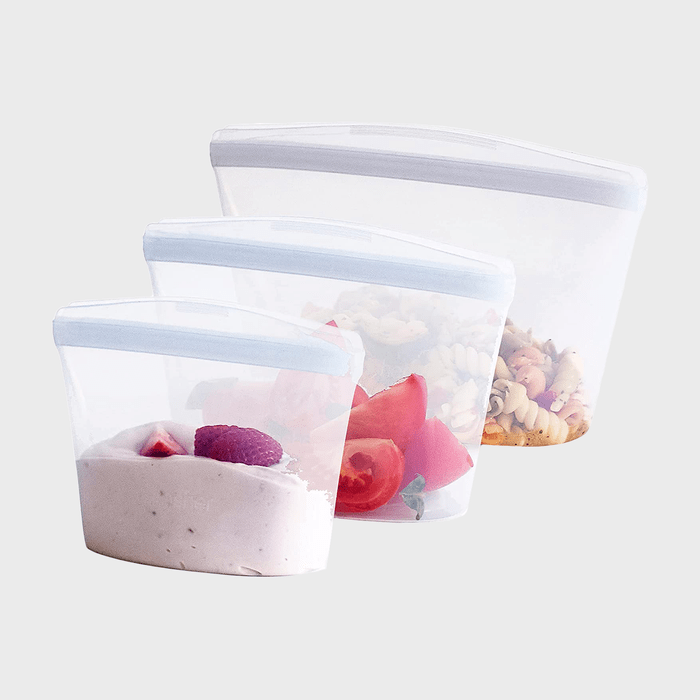
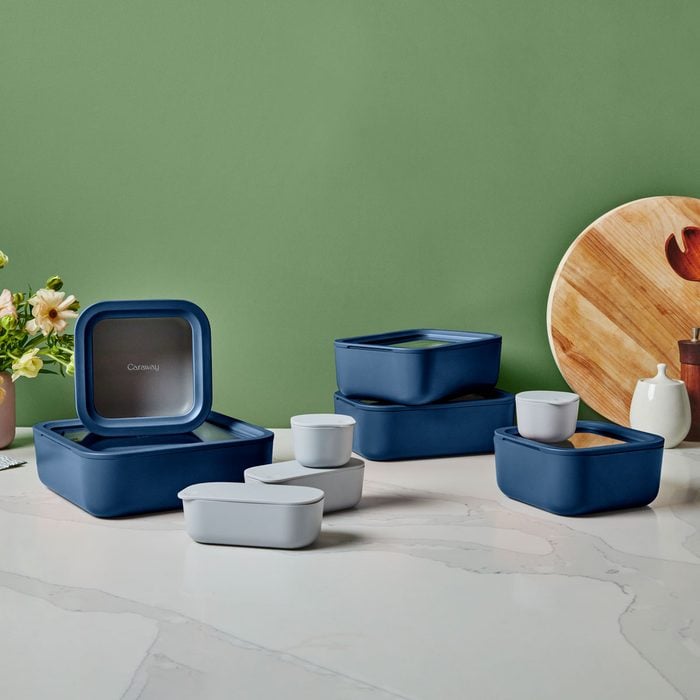
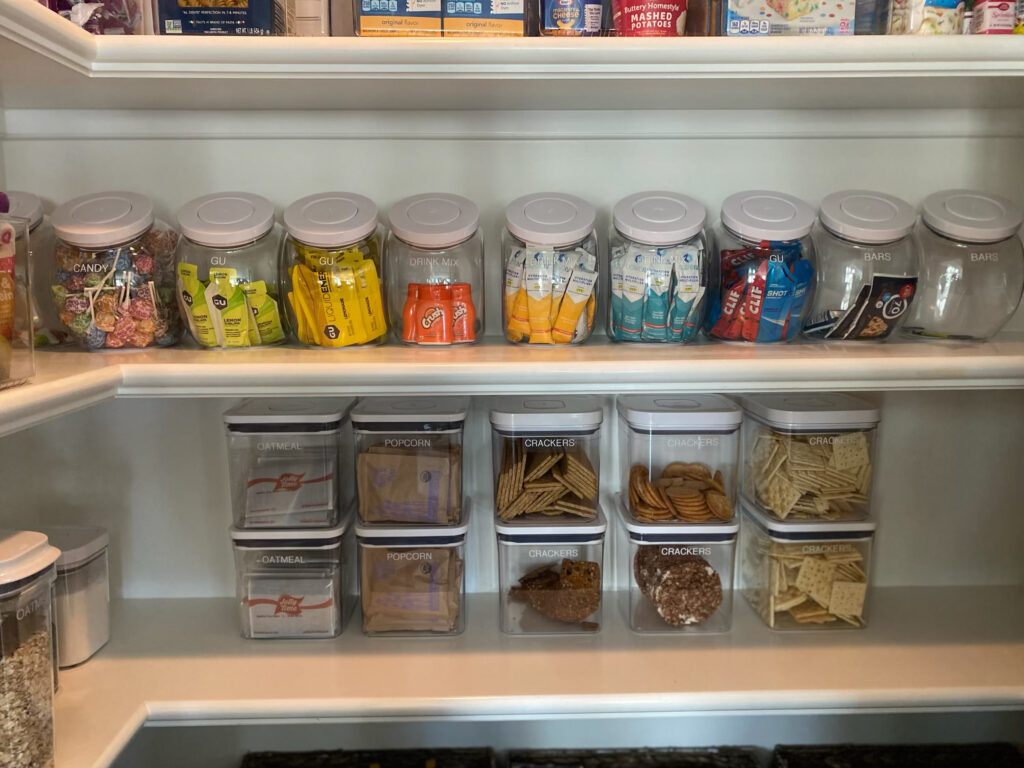
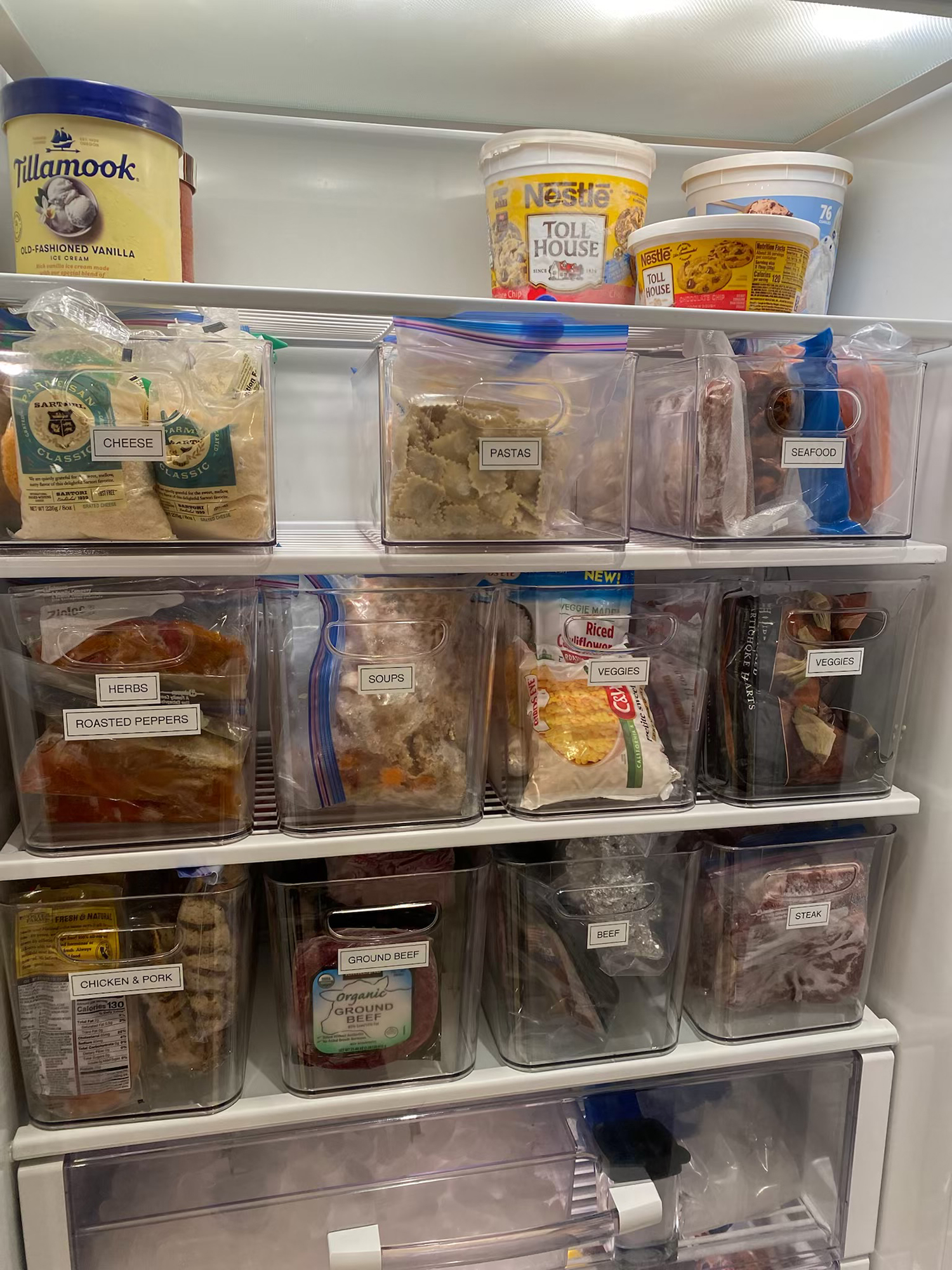
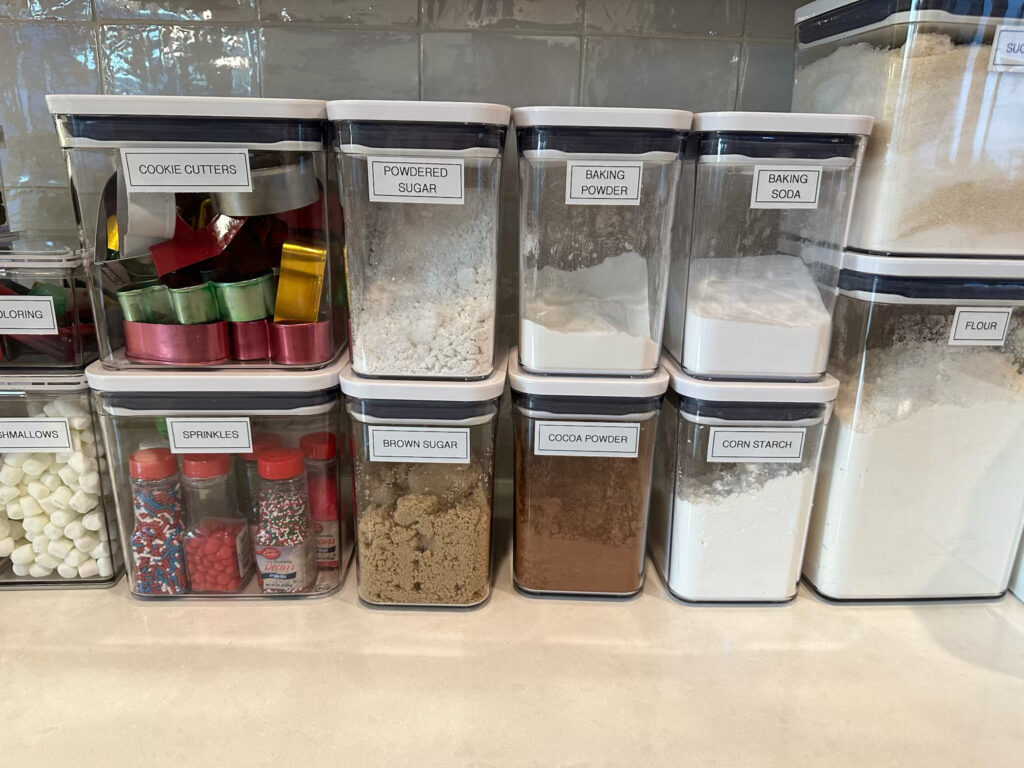
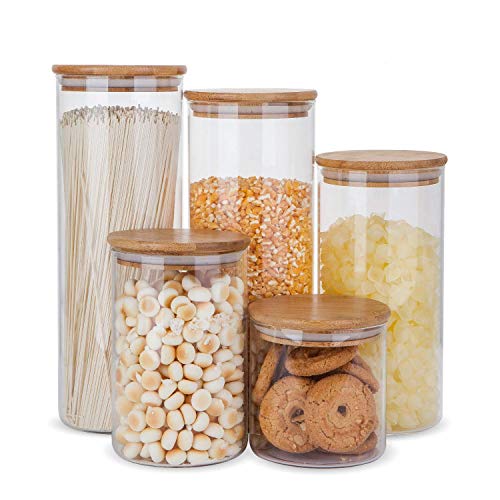
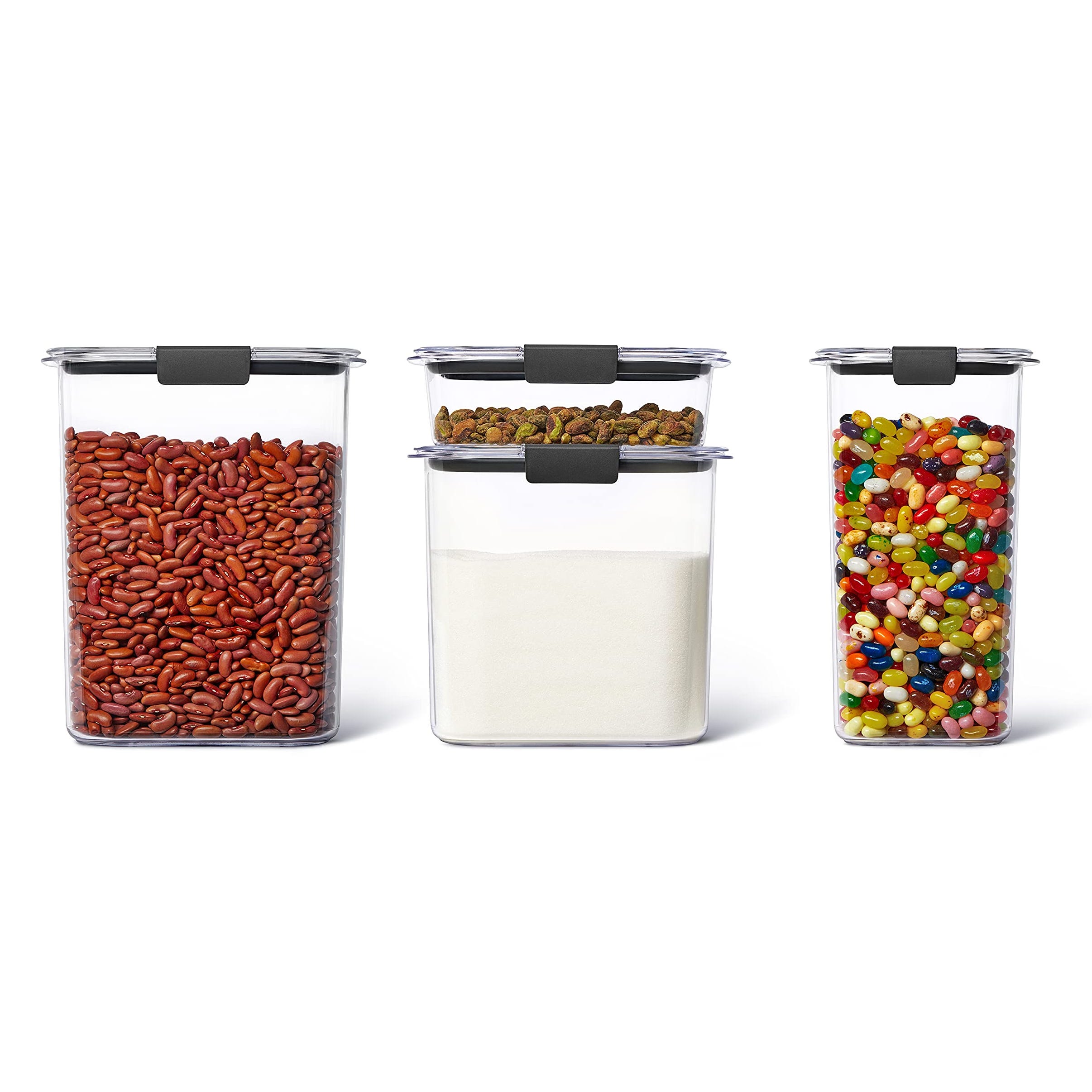
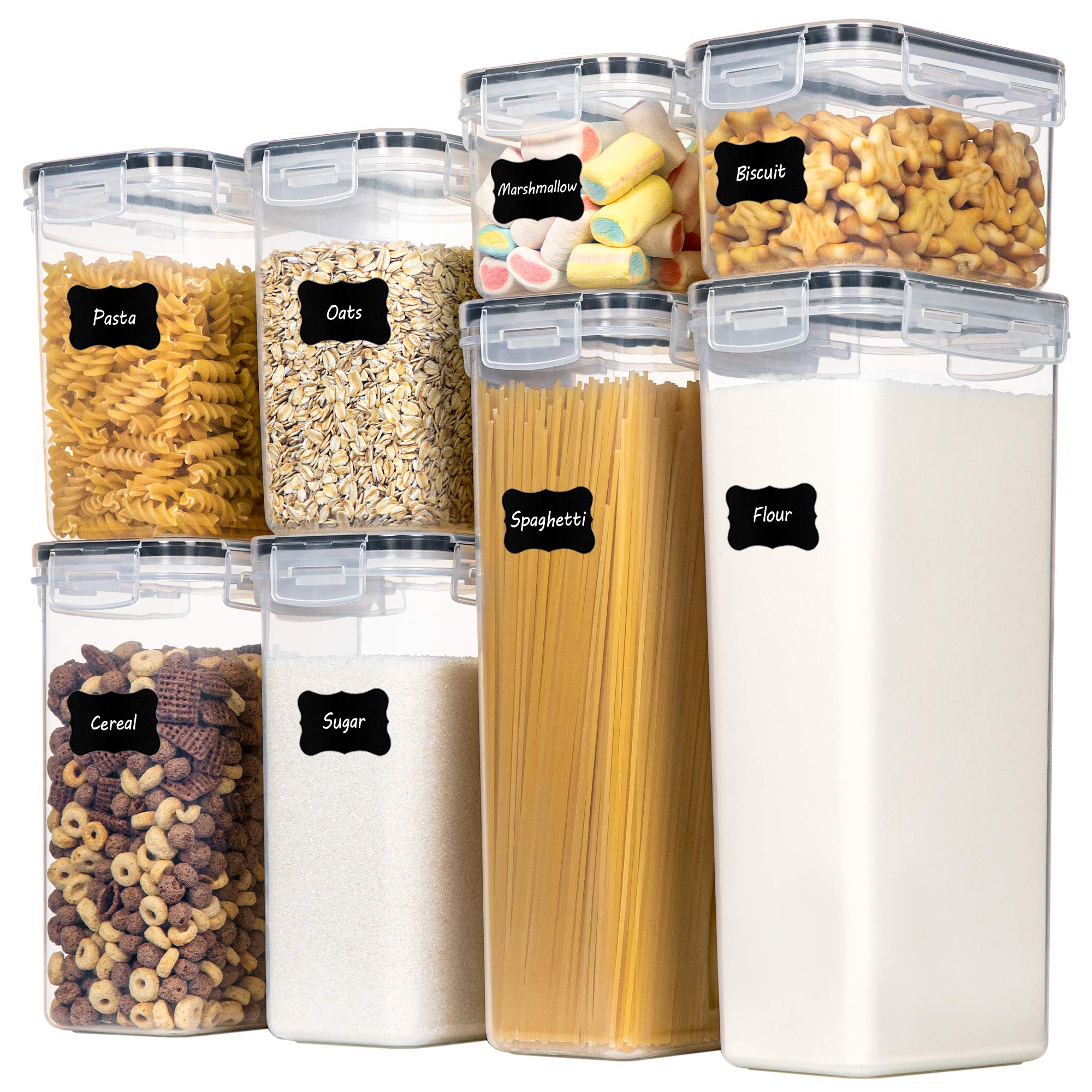
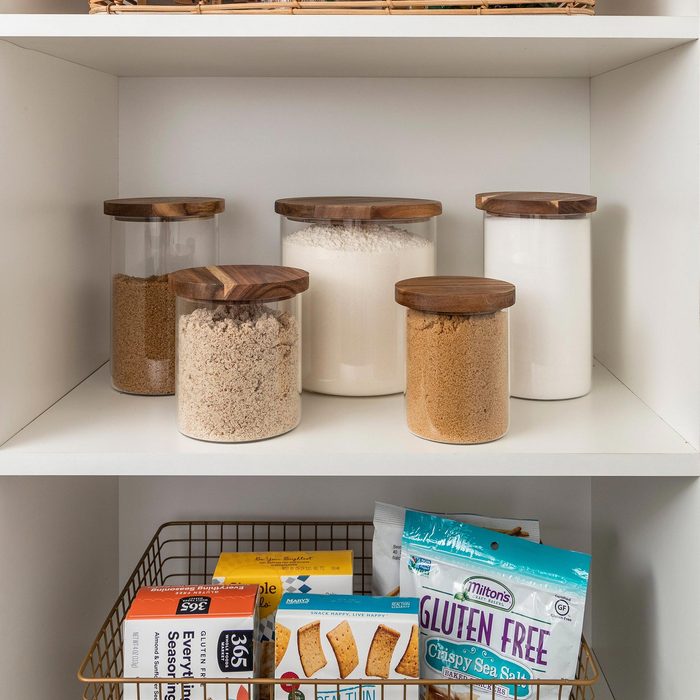
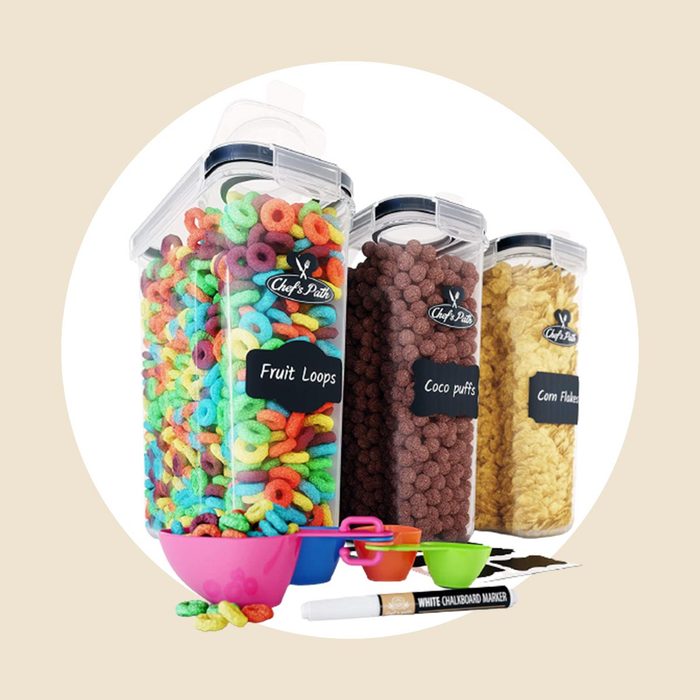
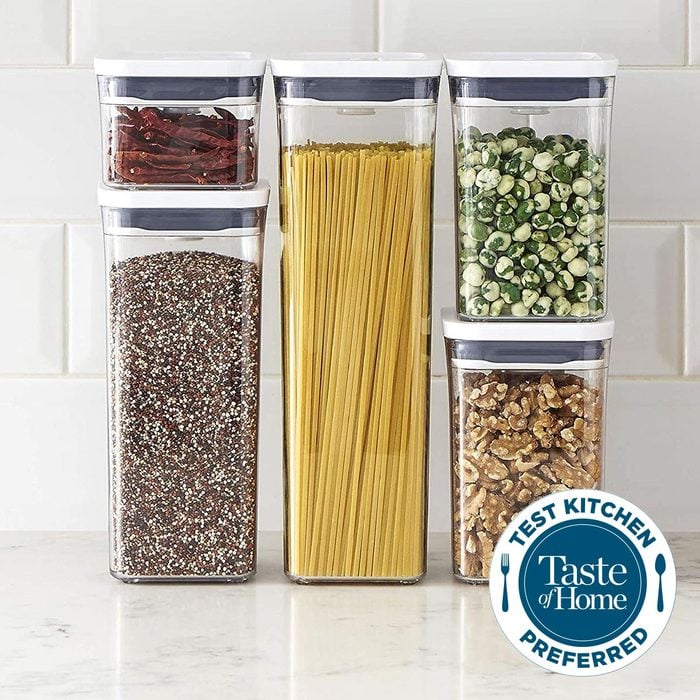
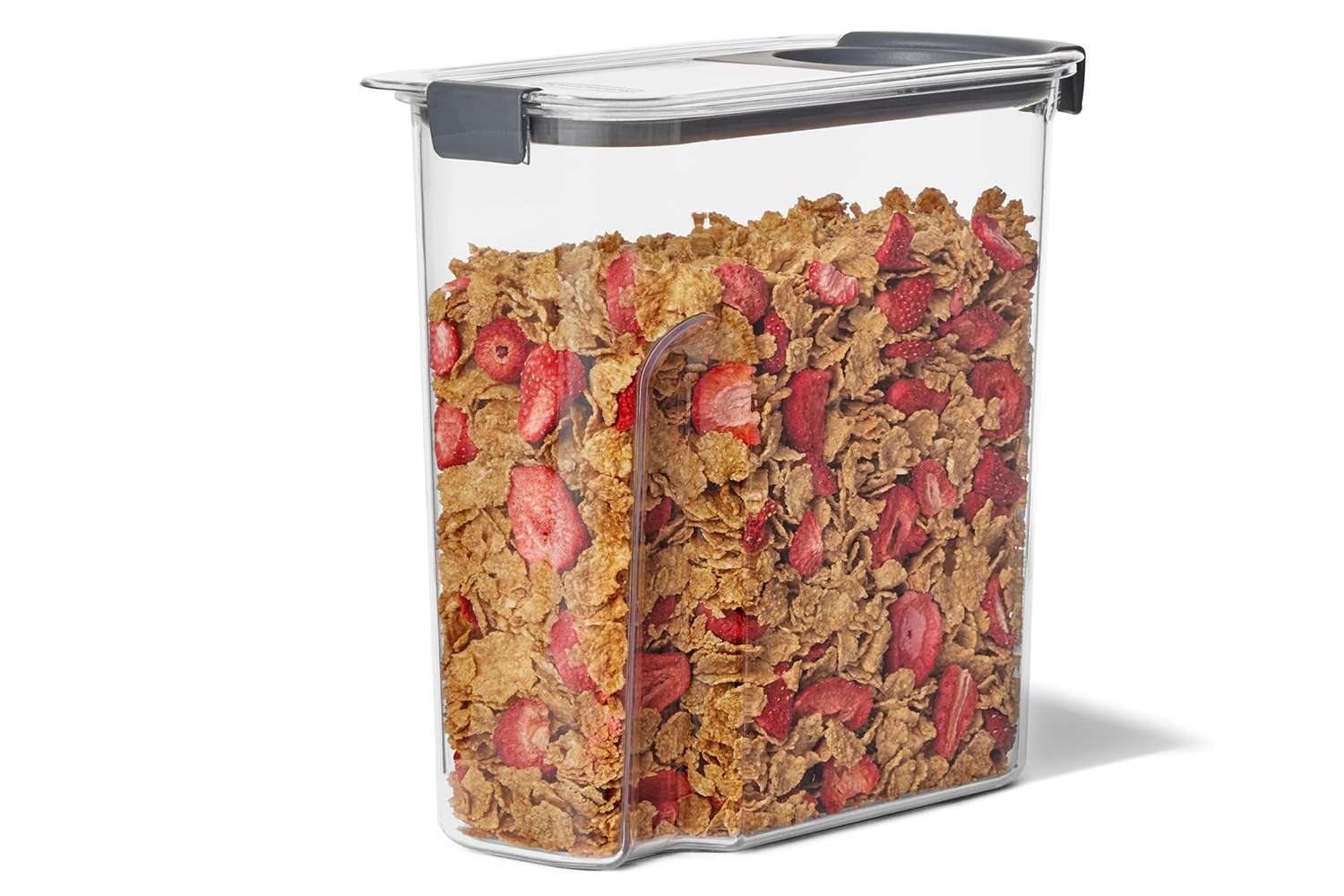
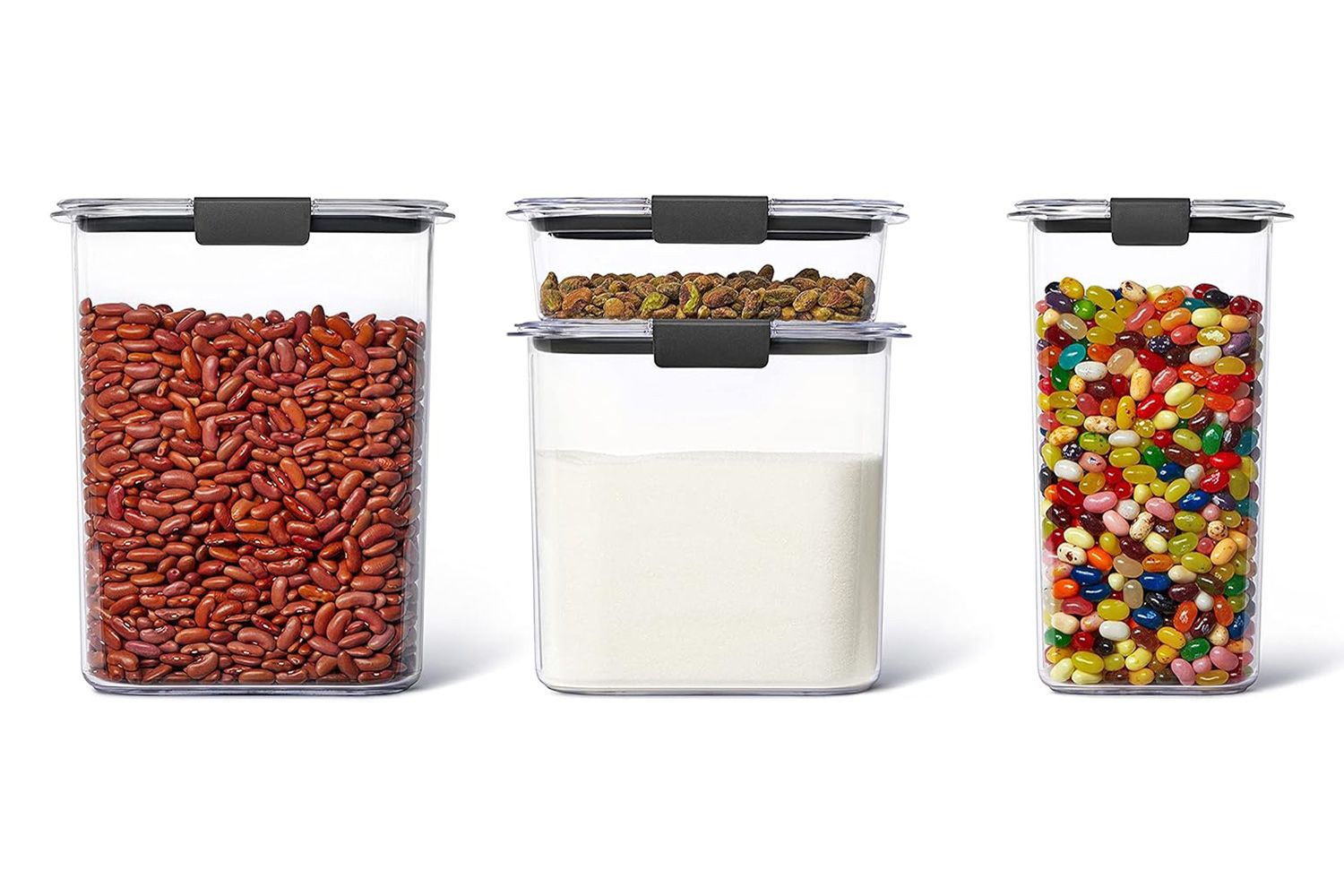
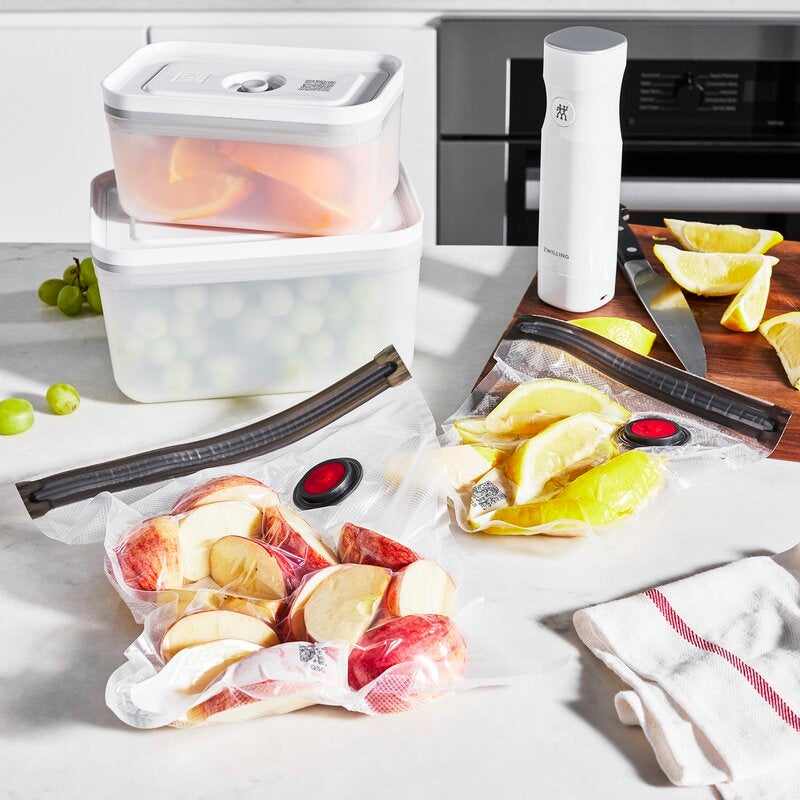
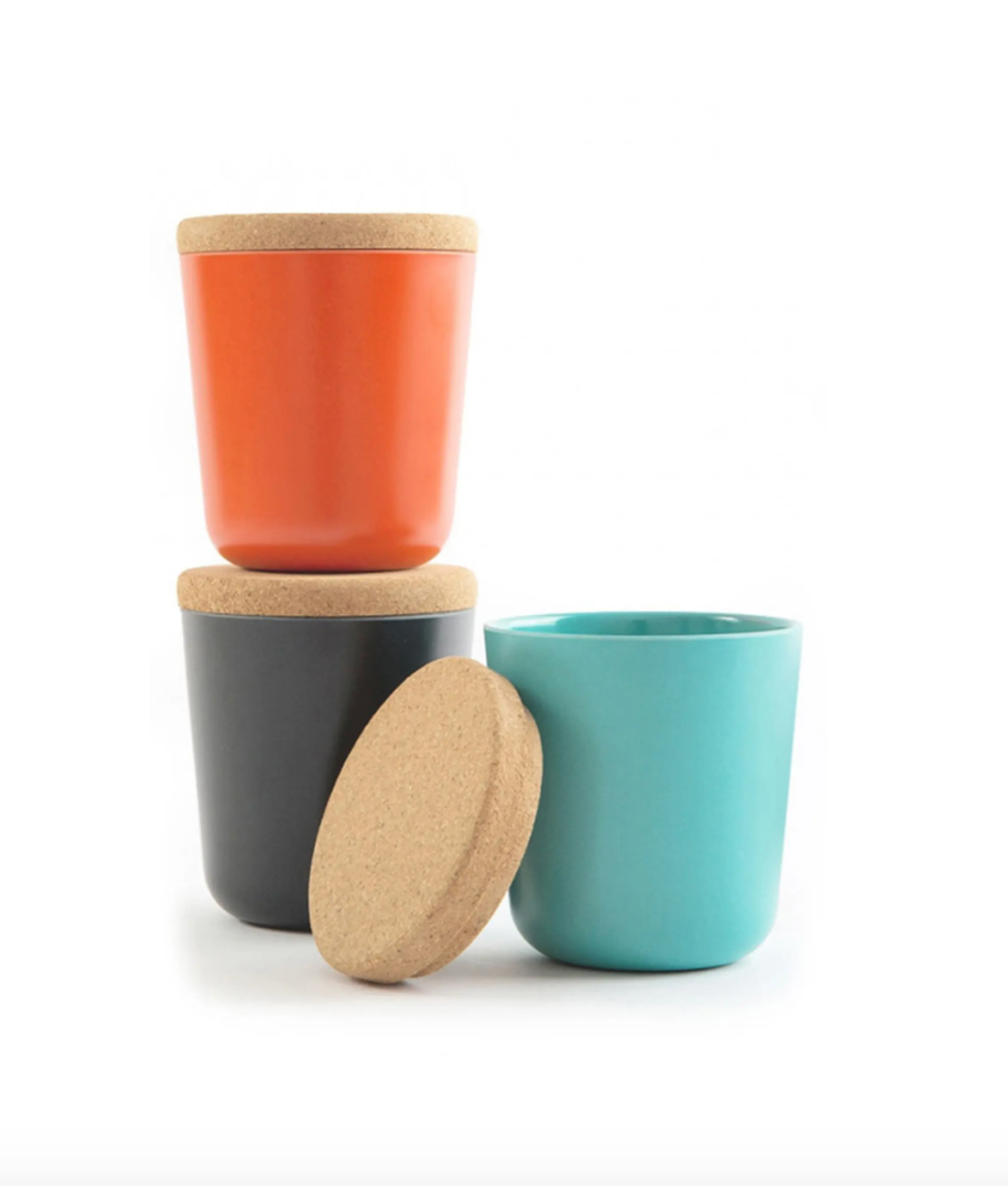
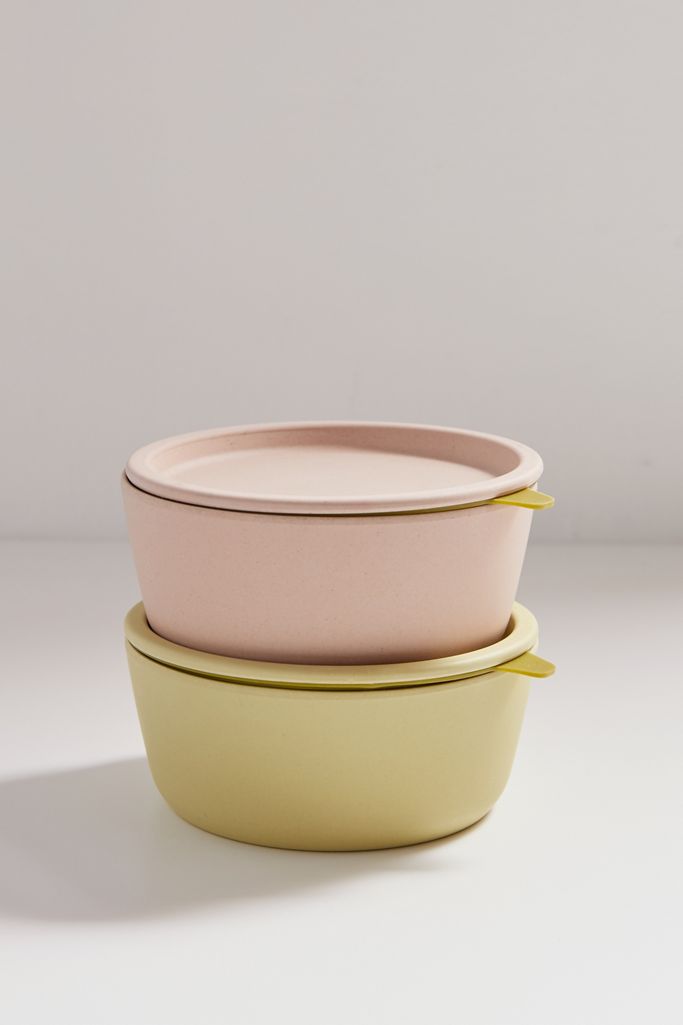
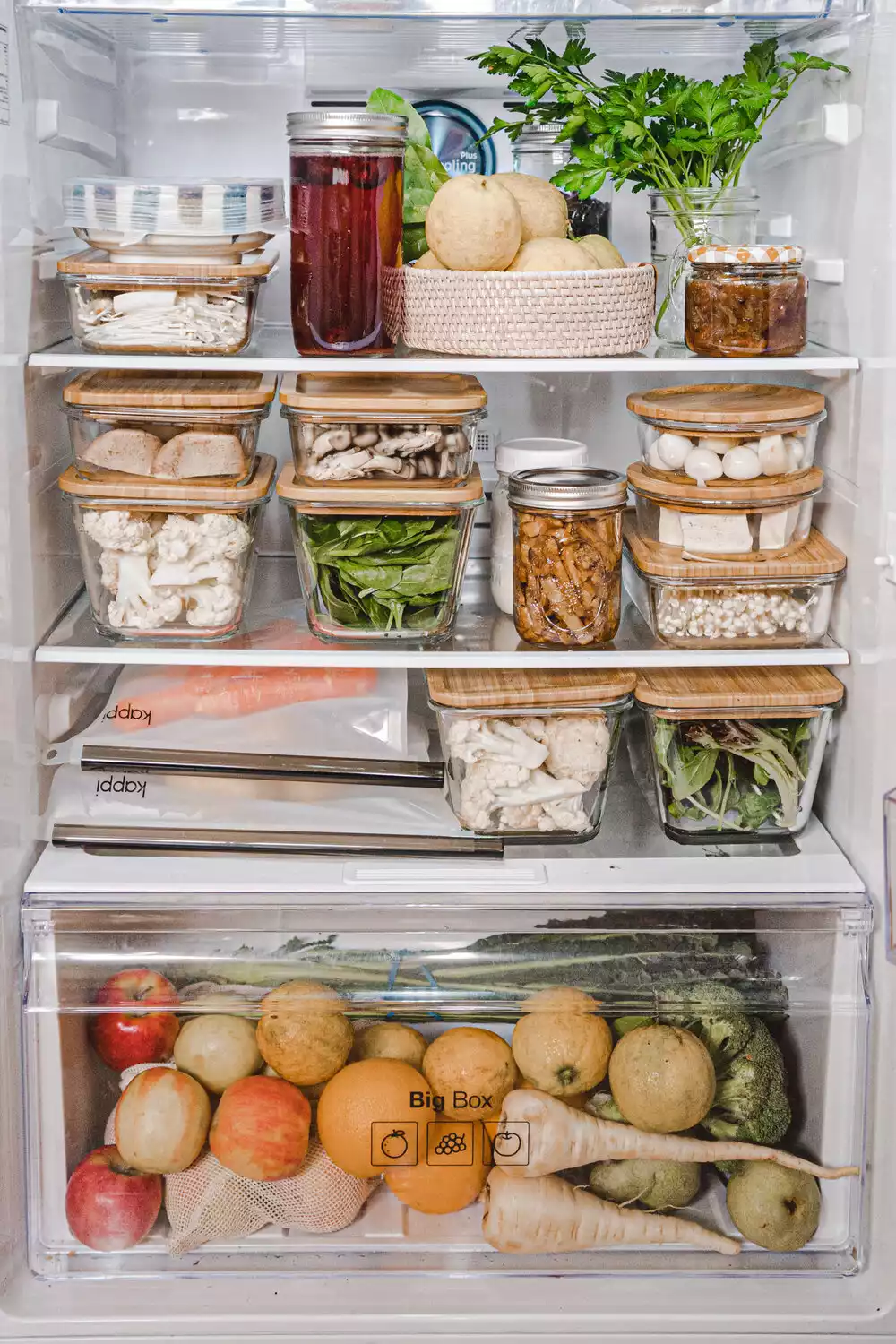
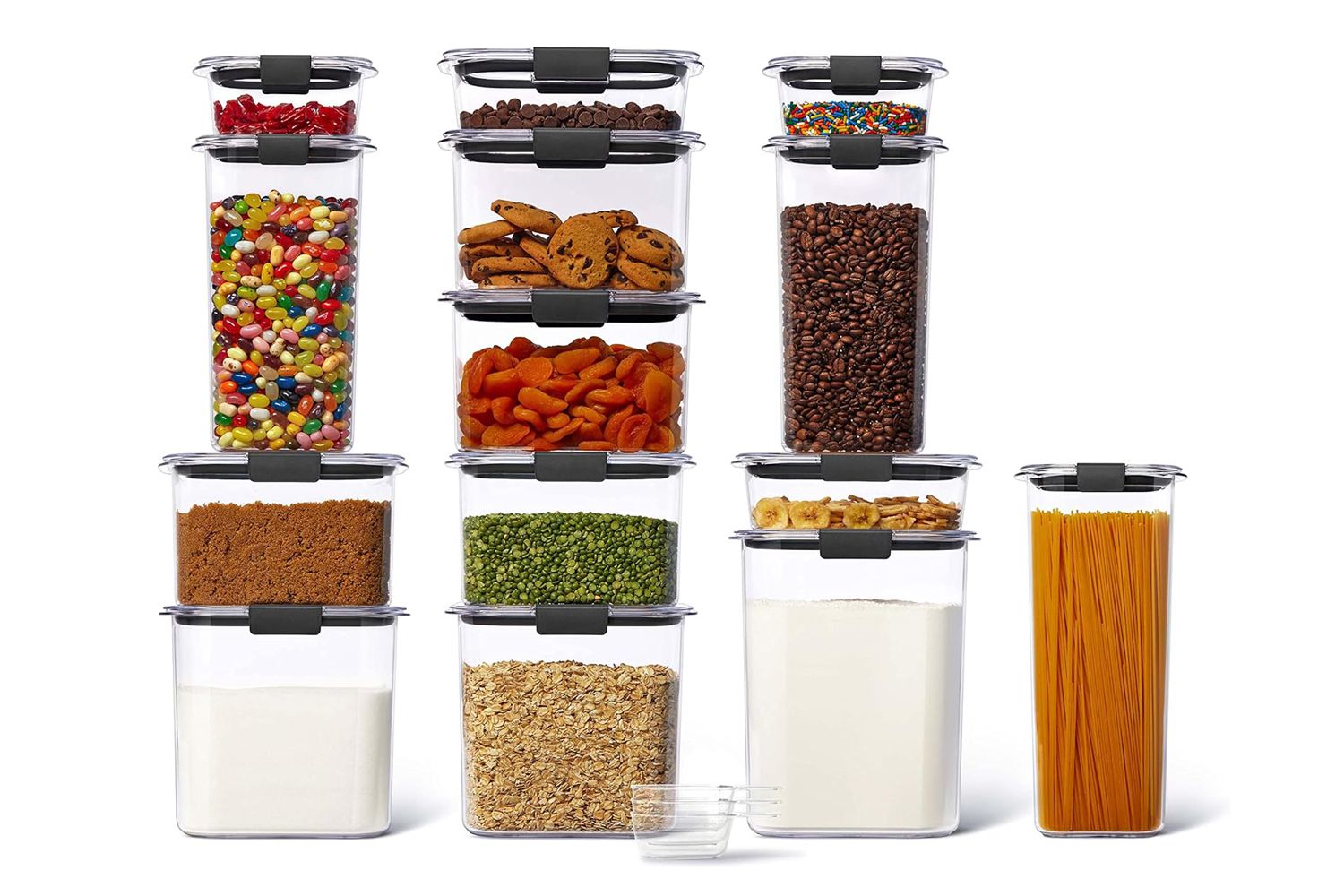
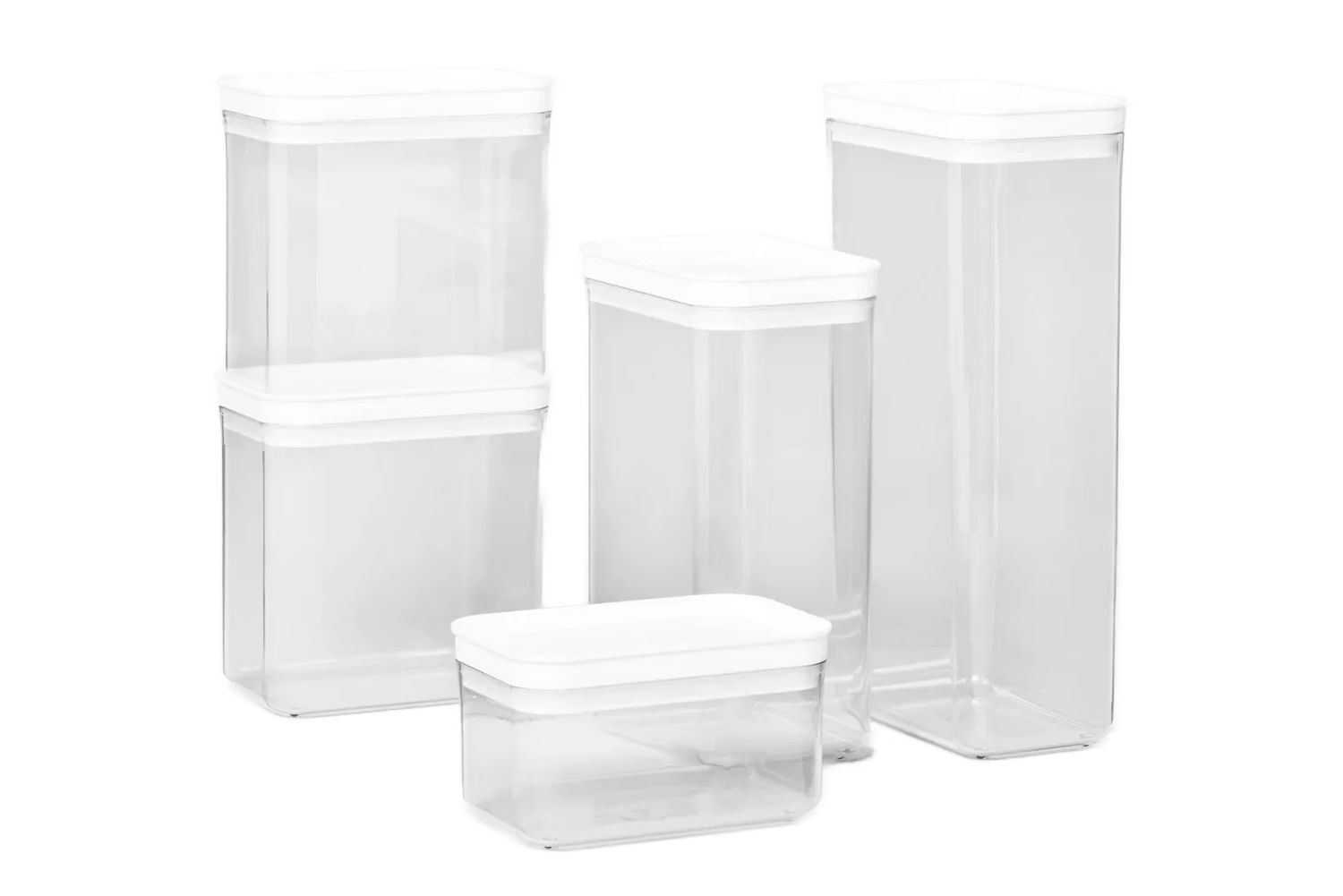
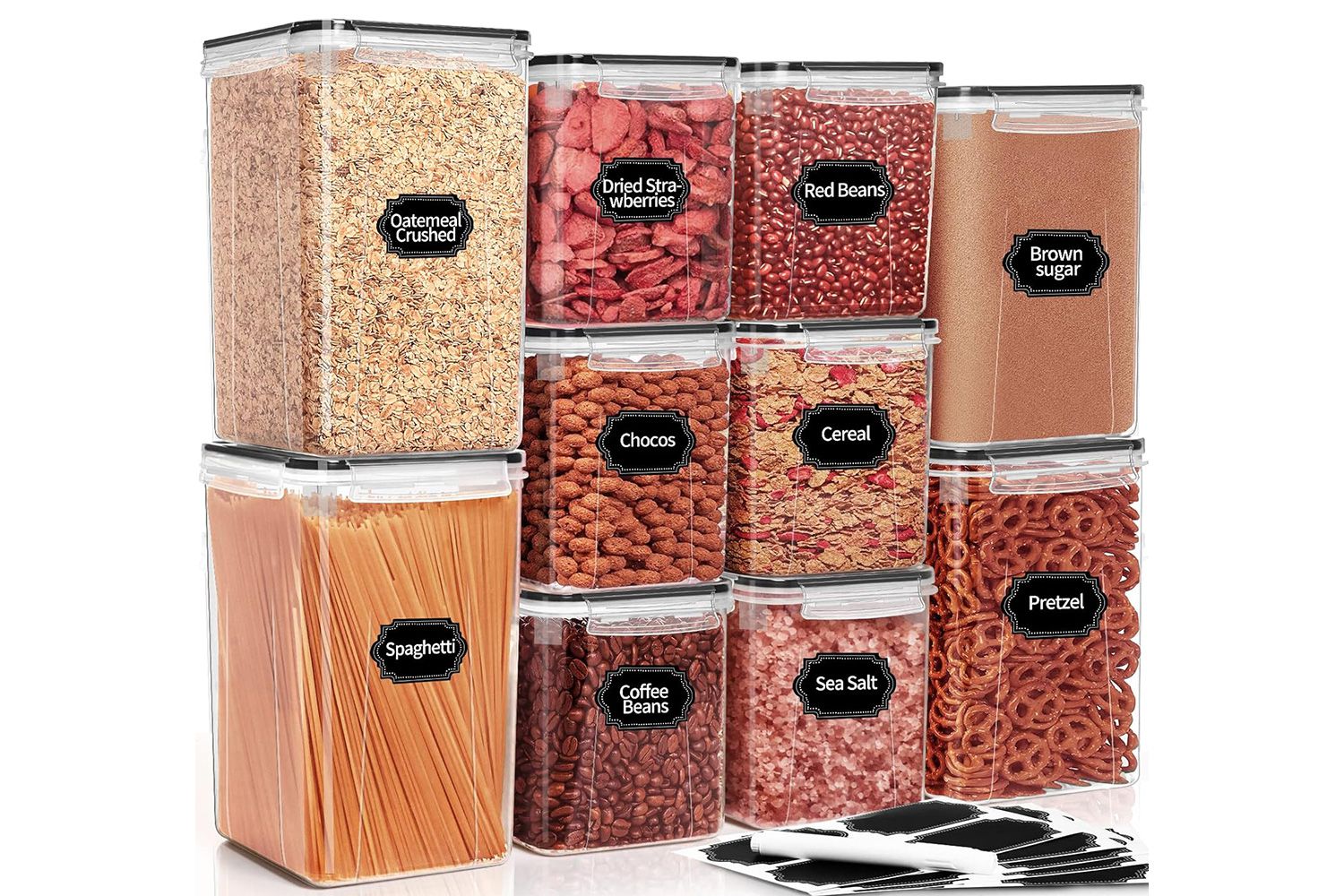
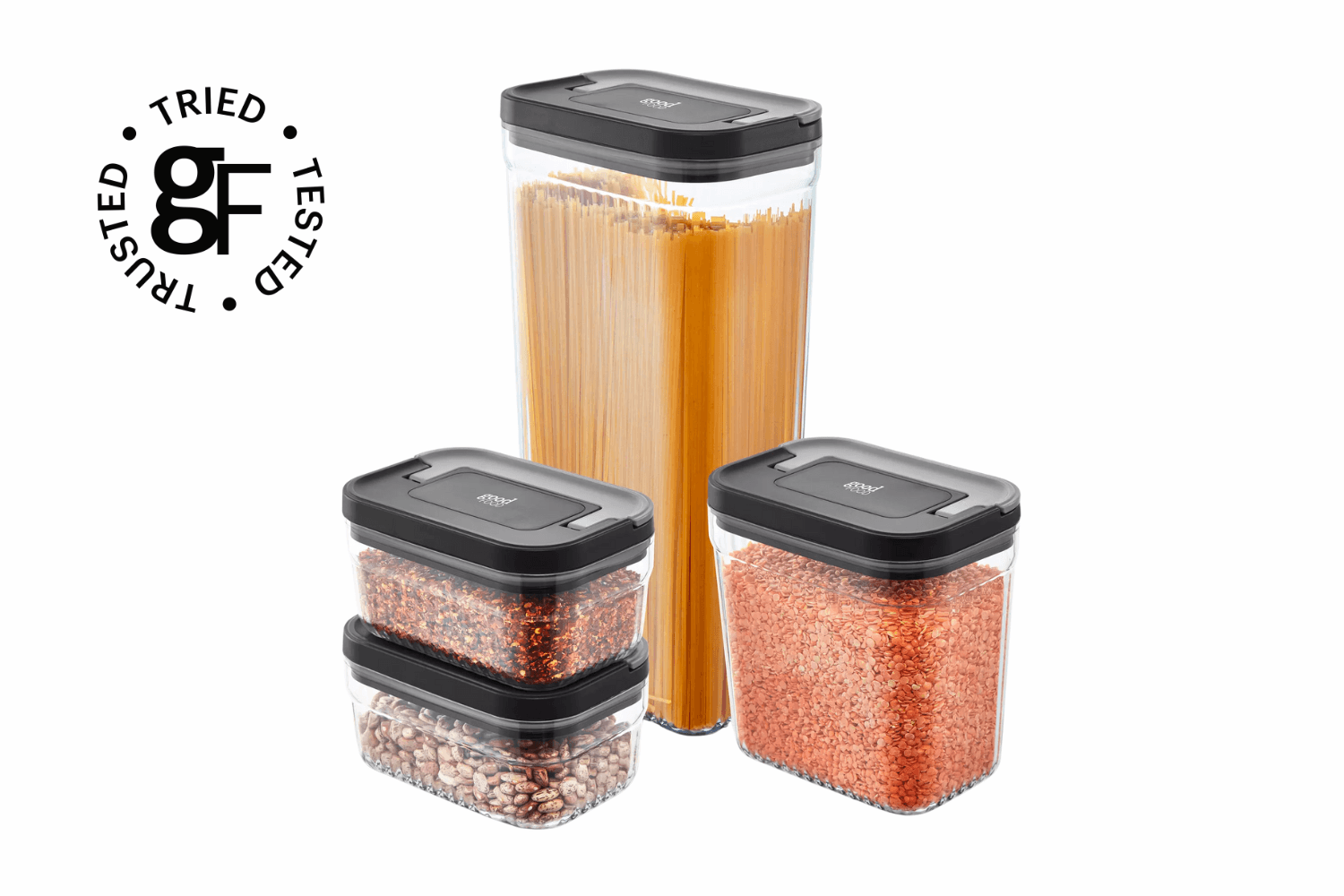
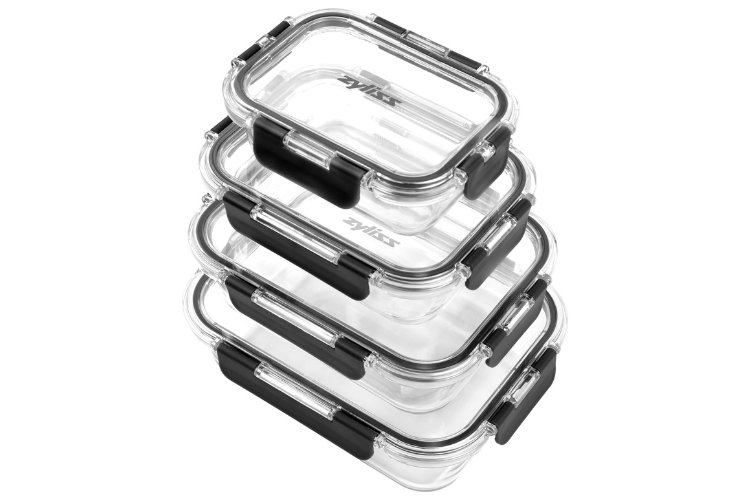
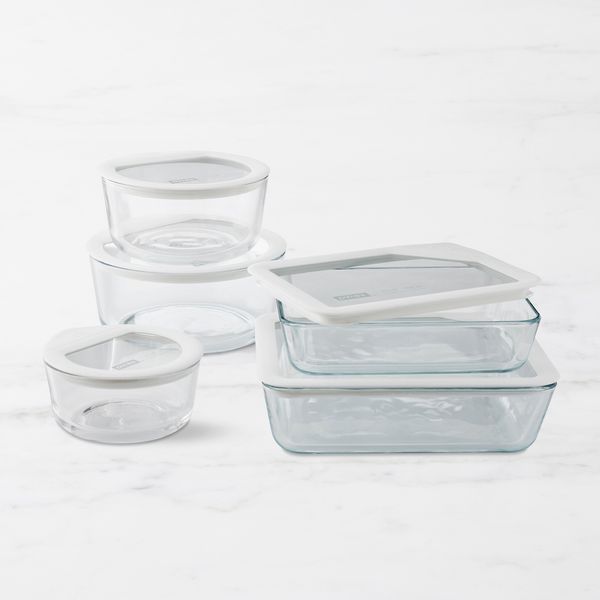
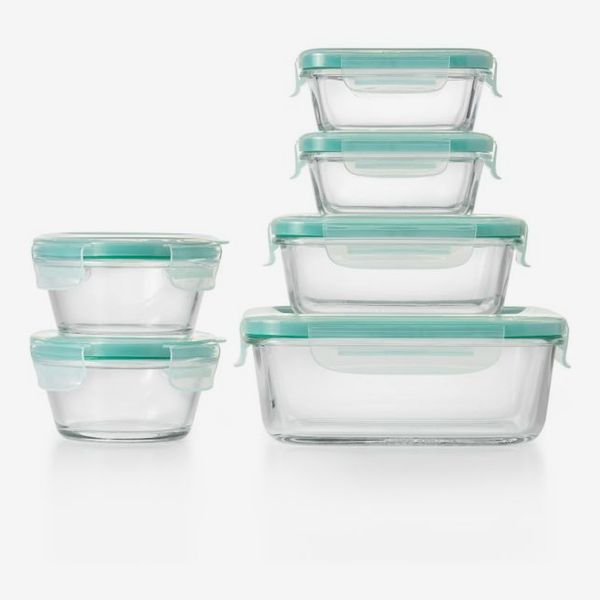
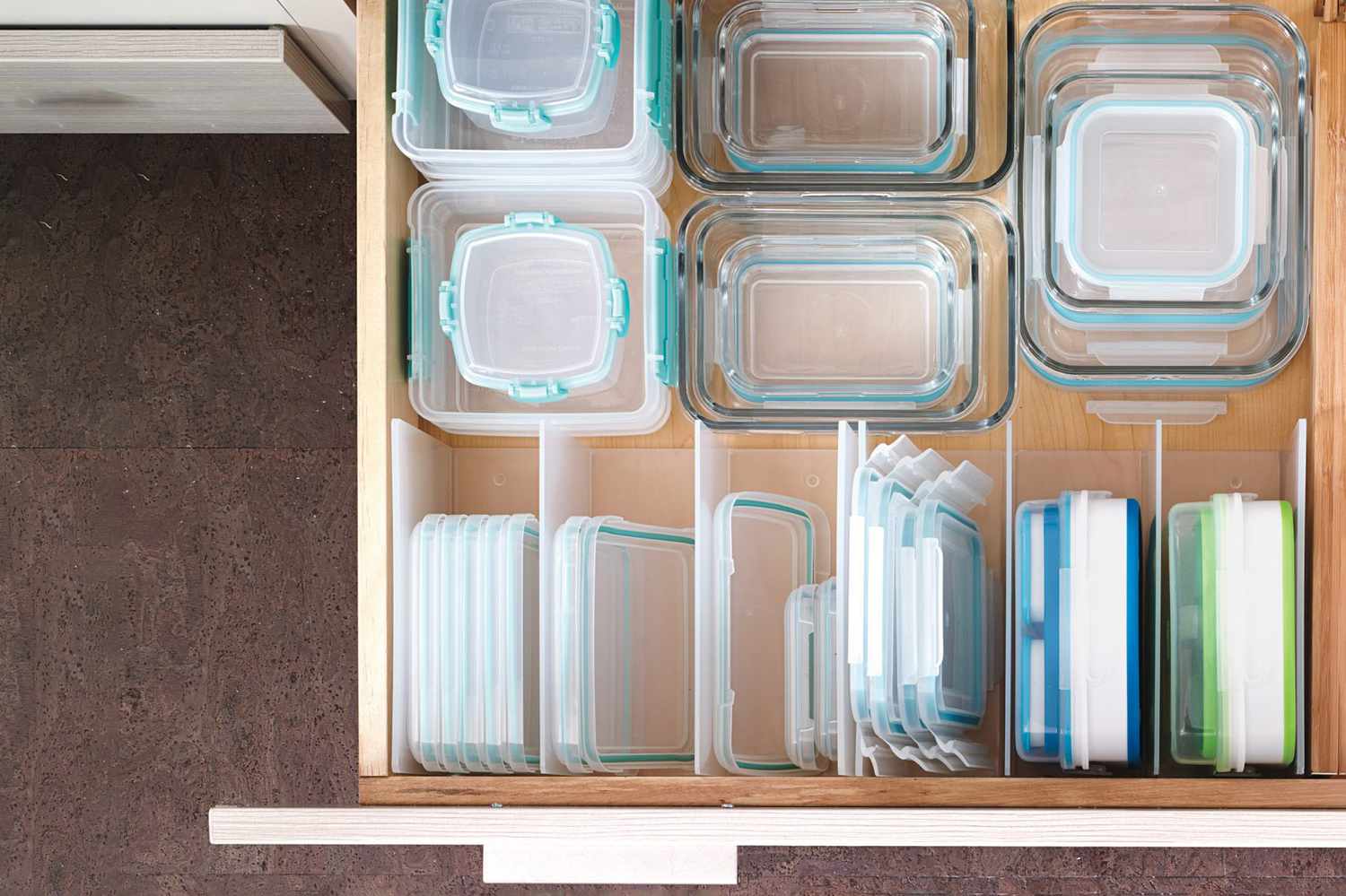
If the existing collection primarily consists of worn-out or mismatched items, investing in new, organized sets is recommended. Zaslow highlights that fewer types and sizes of containers simplify organization and maximize space. Products that stack, nest, feature mix-and-match lids, or are designed to store flat are particularly efficient. For families, Rose suggests color-coding containers for each member to prevent mix-ups. The final stage involves creating a defined organizing system by assigning specific locations for different categories of containers. If containers are used interchangeably for various purposes like snacks, lunches, and general food storage, they should be stored together. However, if containers are designated for specific activities, separate storage is advisable. The general rule is to keep lids with their respective containers. Organizing larger containers first and then fitting smaller ones around them, or utilizing nesting and stacking sets, helps optimize space. Small cabinet shelves can enhance vertical storage, and baskets are useful for corralling containers and lids, especially for accessibility by children.
#KitchenOrganization #FoodStorage #HomeOrganization #ContainerManagement #DeclutteringTips #KitchenEssentials #StorageSolutions #HomeDecor #DIYHomeProjects #KitchenOrganization #FoodStorage #HomeOrganization #ContainerManagement #DeclutteringTips #KitchenEssentials #StorageSolutions #HomeDecor #DIYHomeProjects
0 comment in total
 No comments yet
You may also like
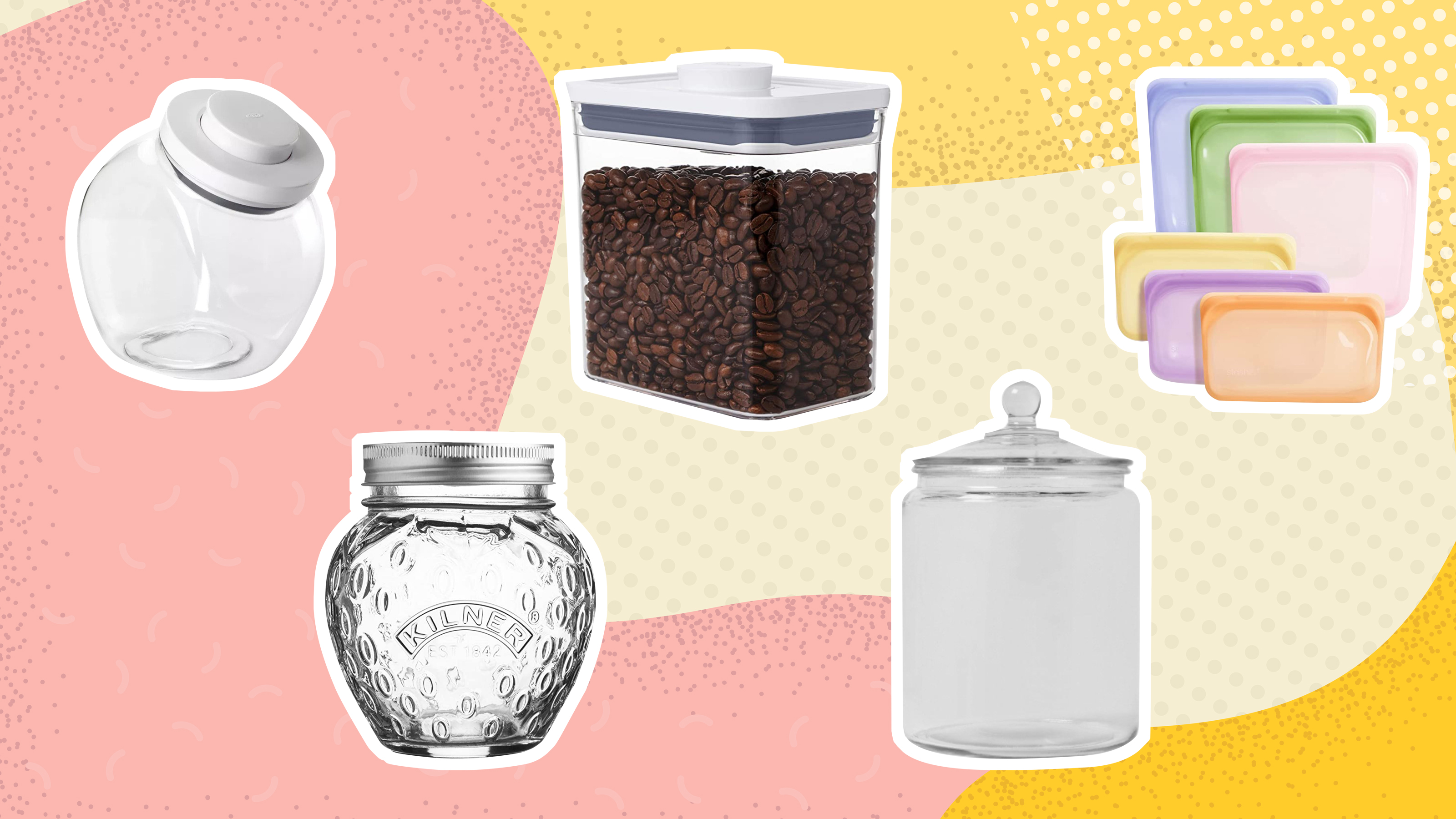
9 pantry storage containers to make your snack organization look TikTokable

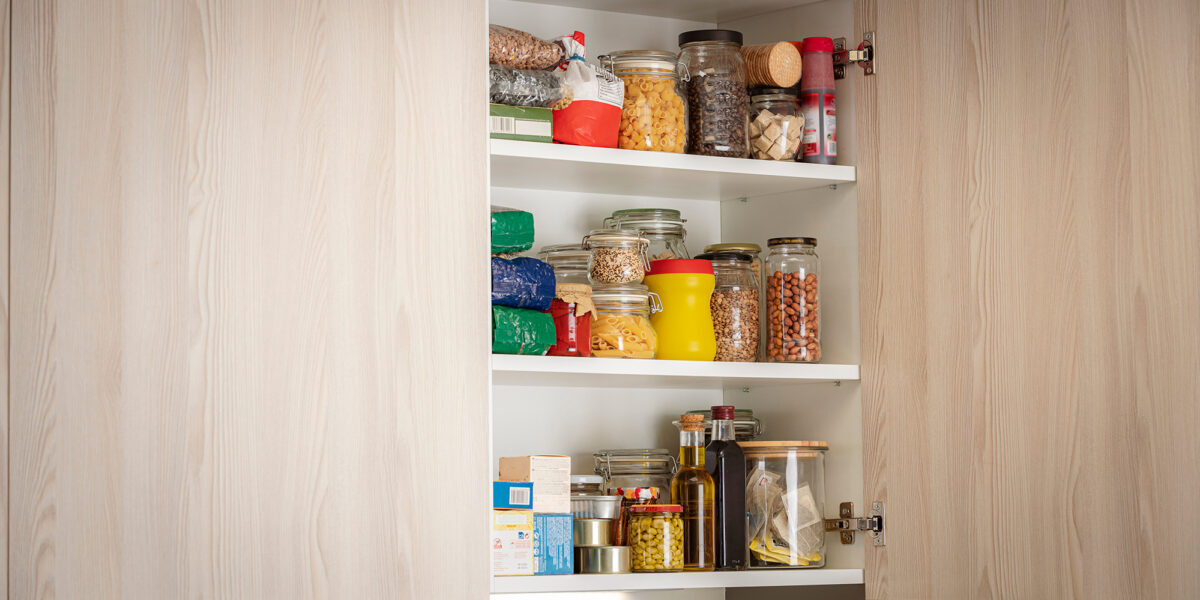
How to (Finally) Manage All of the Expiration Dates in Your Kitchen
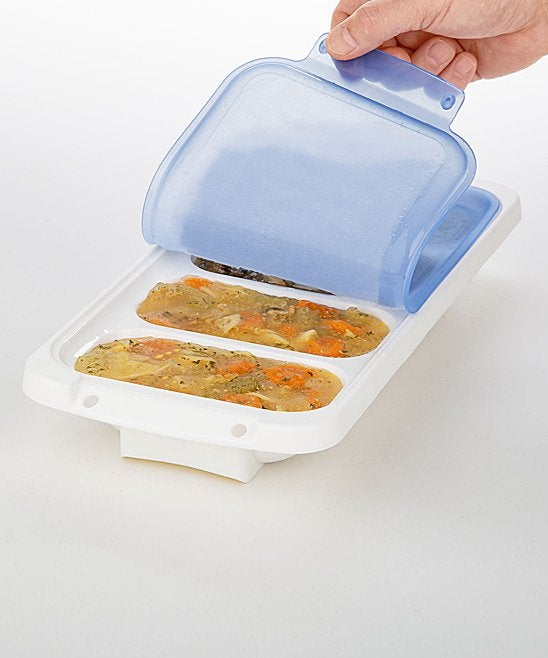
This Sparks Joy: The Food Storage Containers That Really Get Me Goin'

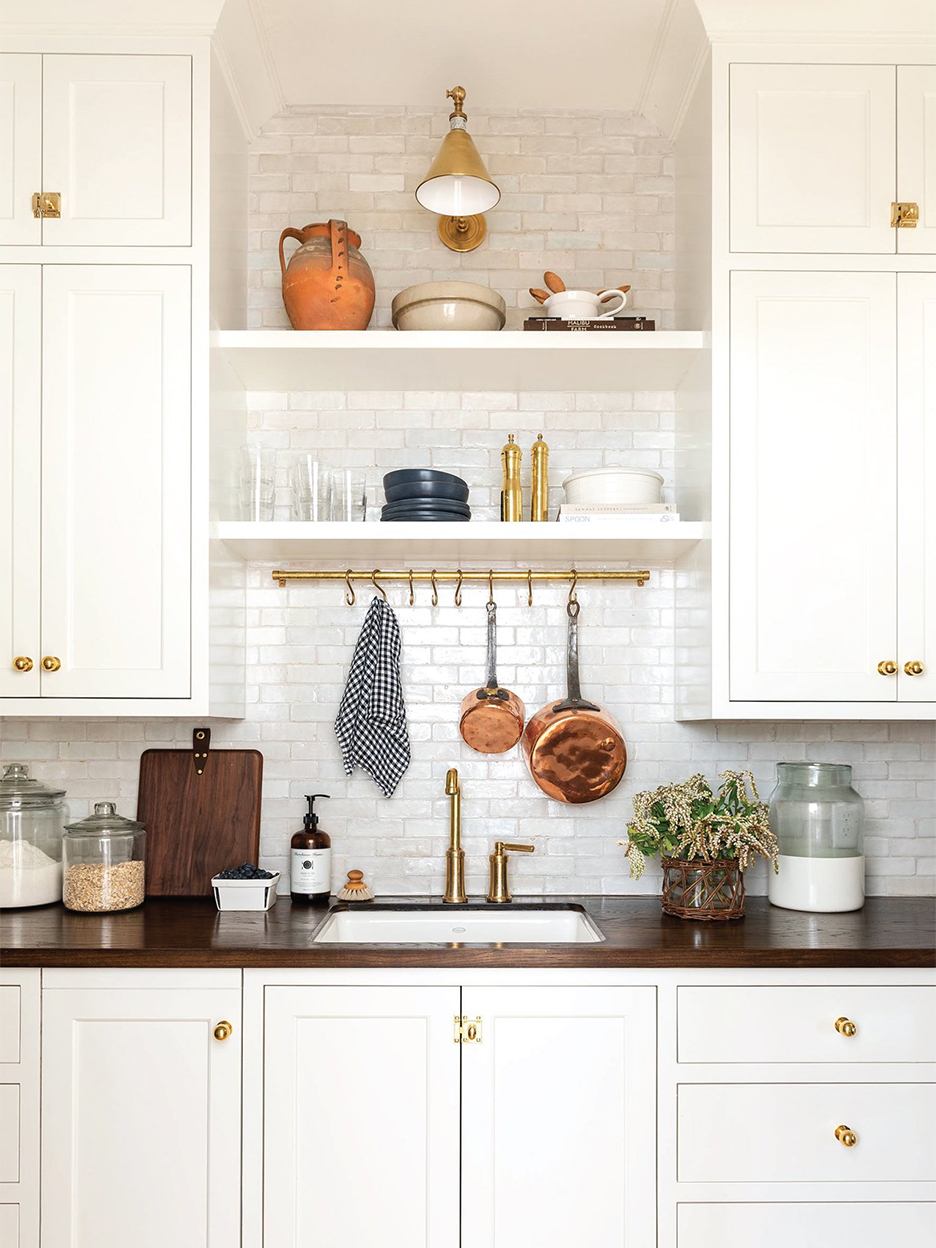
10 Pro Organizers Share Their Hero Products for Tidy Pantries

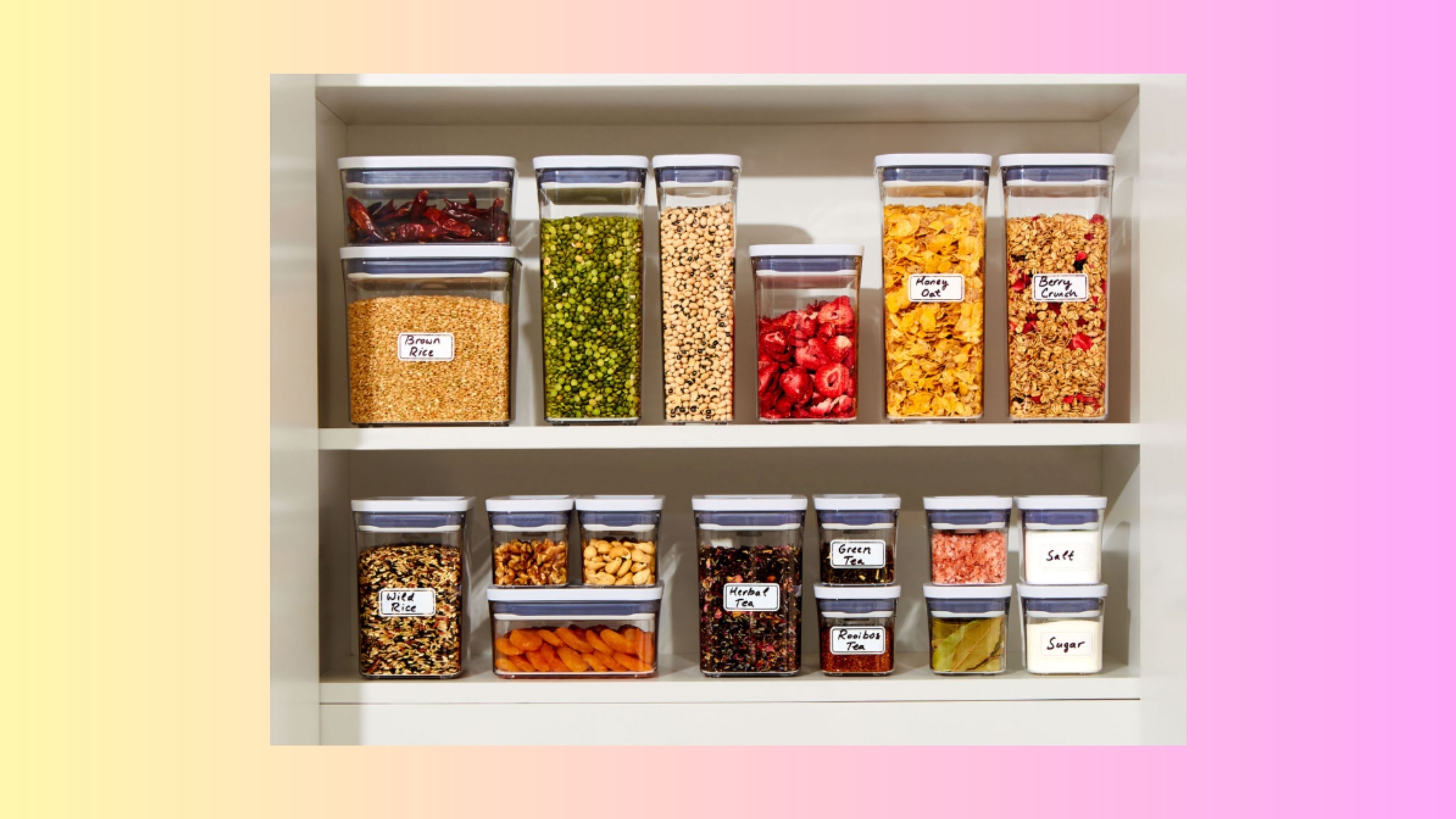
Kickstart your kitchen decluttering with the kitchen storage containers reviewers are raving about
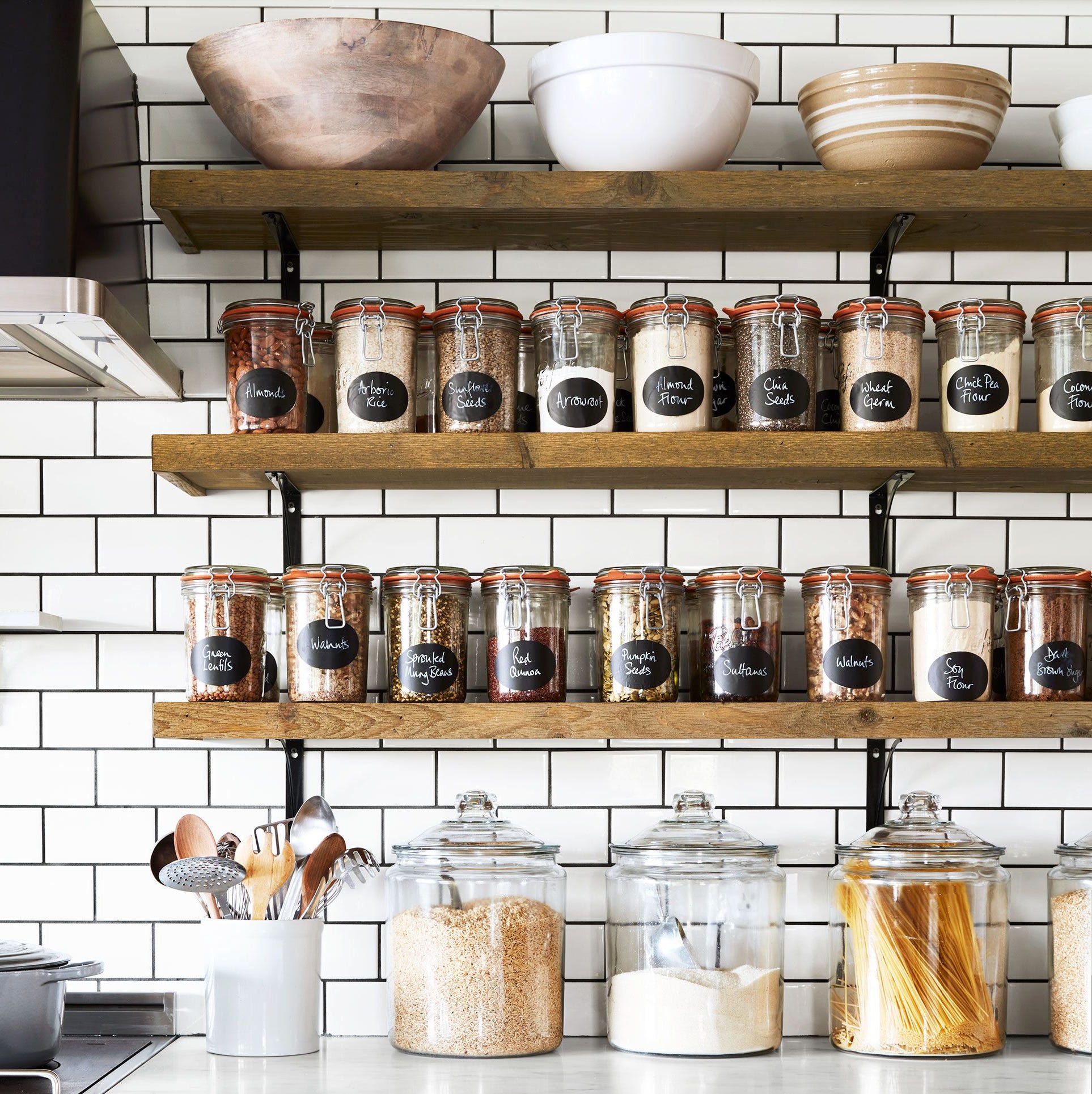
These Storage Containers Will Give Your Pantry the Organized Aesthetic You Crave

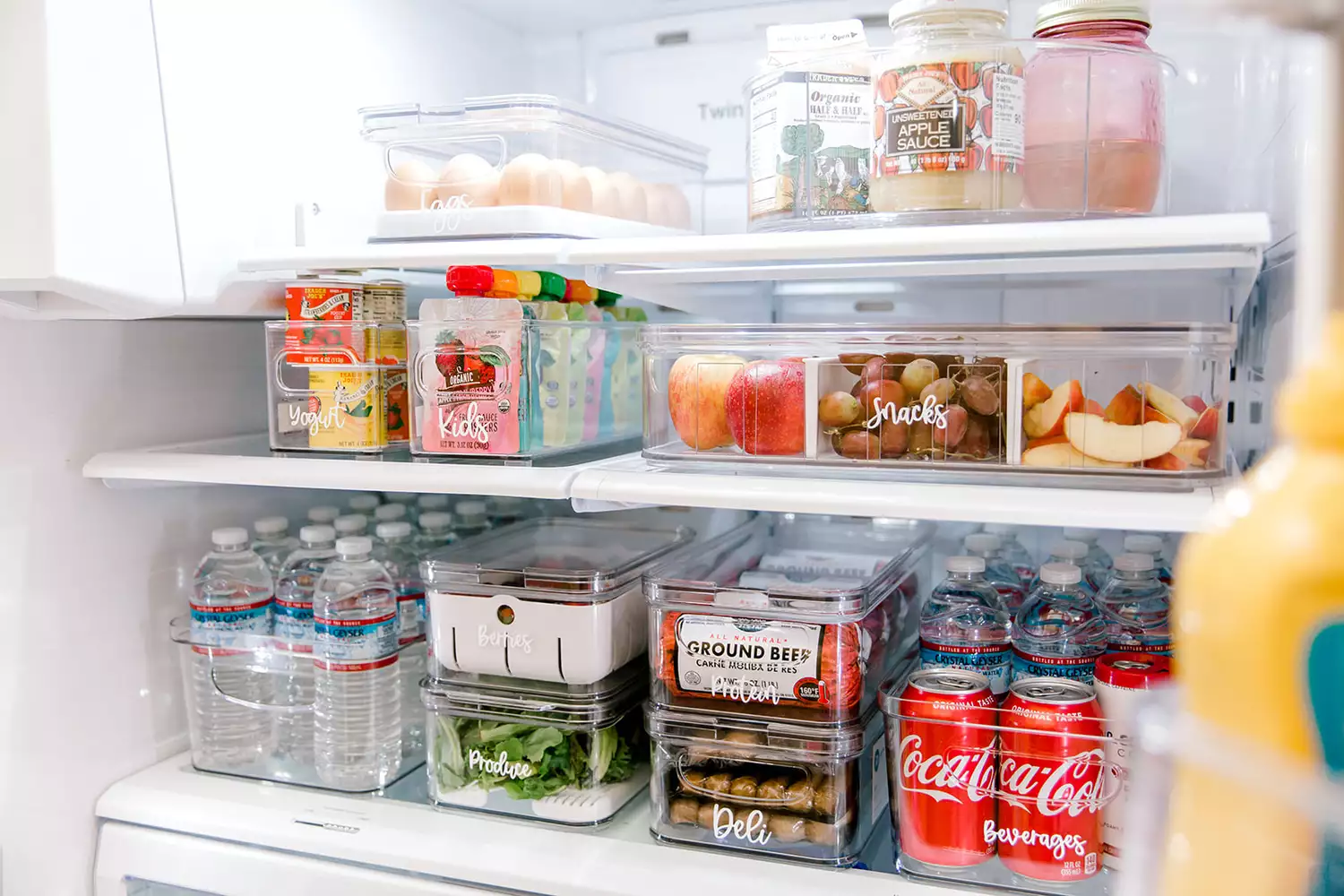
18 Refrigerator Organization Ideas You Have to Try

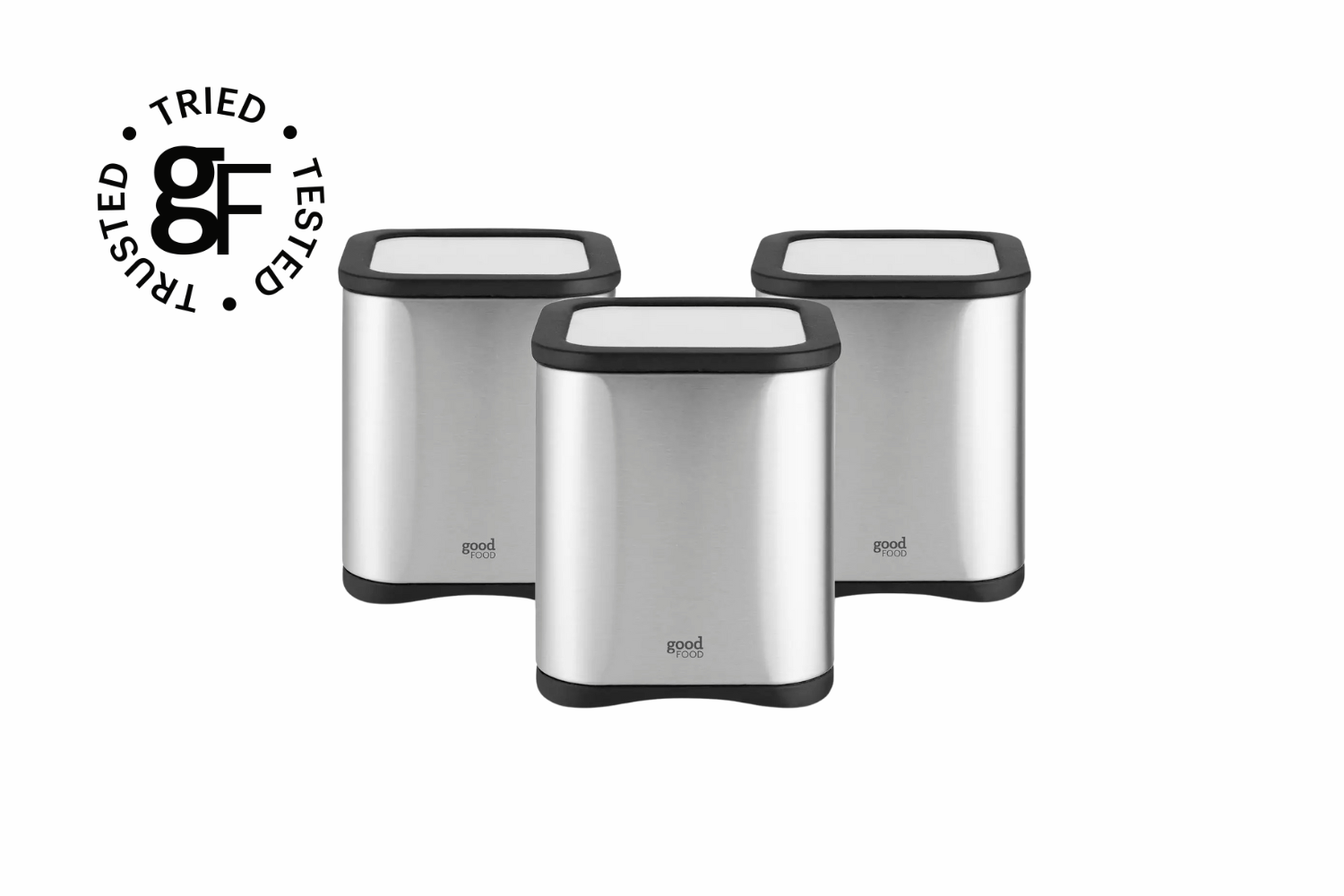
Best food storage containers for your kitchen 2025

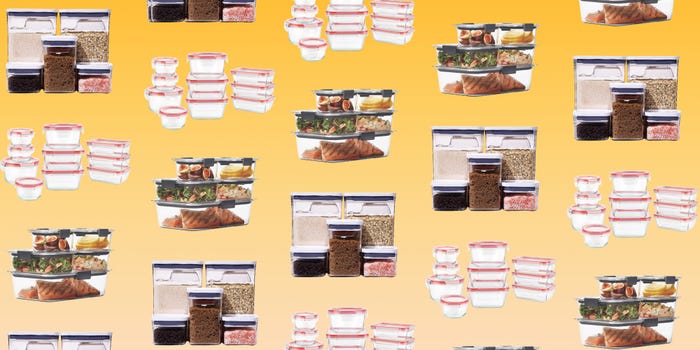
The 6 Best Food Storage Containers
13 Items You Should Remove from Your Pantry Right Now

6 Things You Should NEVER Keep In Your Pantry, According To Pro Organizers & Chefs
The 14 Very Best Food-Storage Containers
How to Organize Canned Goods in Cabinets, Pantries, and More
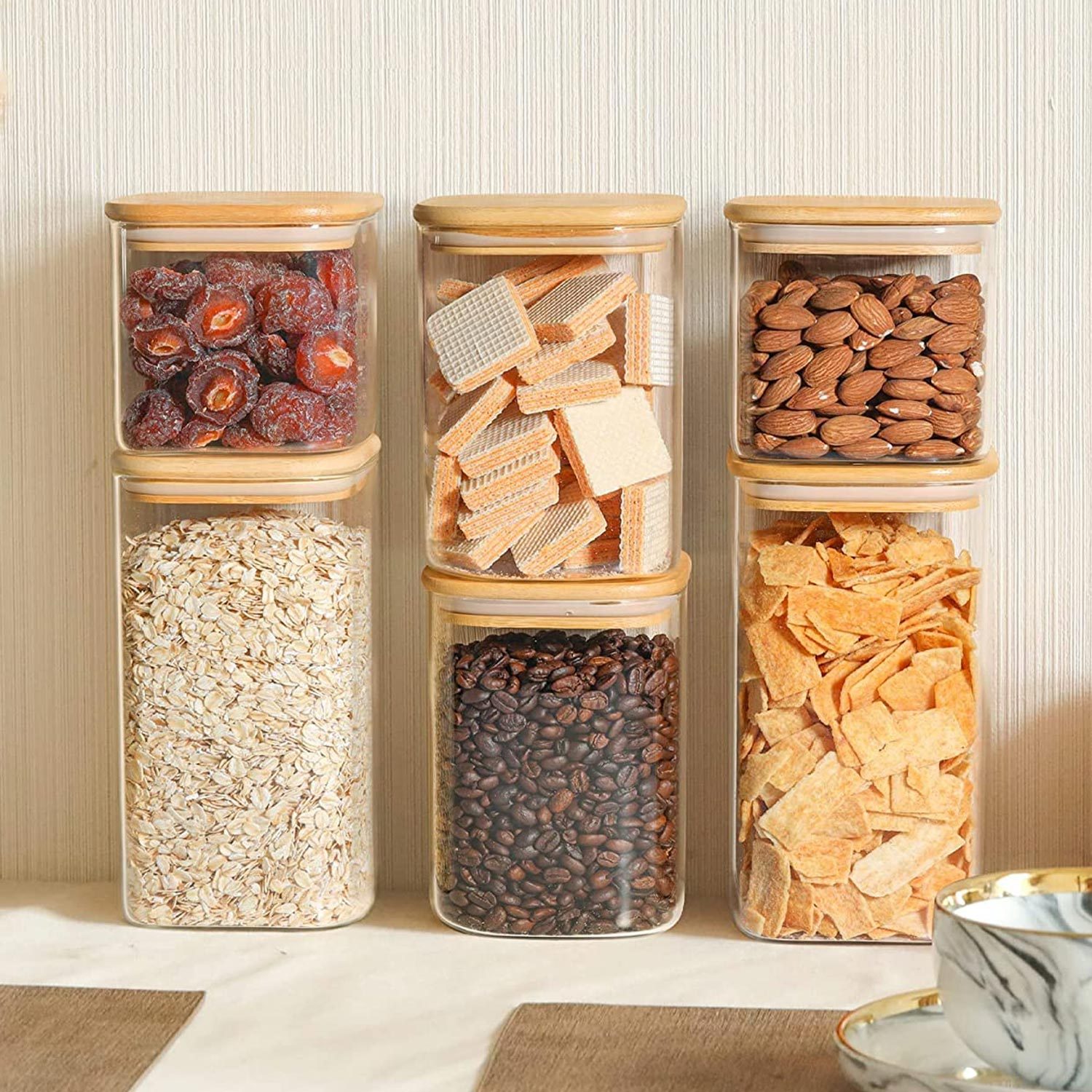
The 8 Best Pantry Storage Containers of 2025


6 cooking experts on how to organise your kitchen

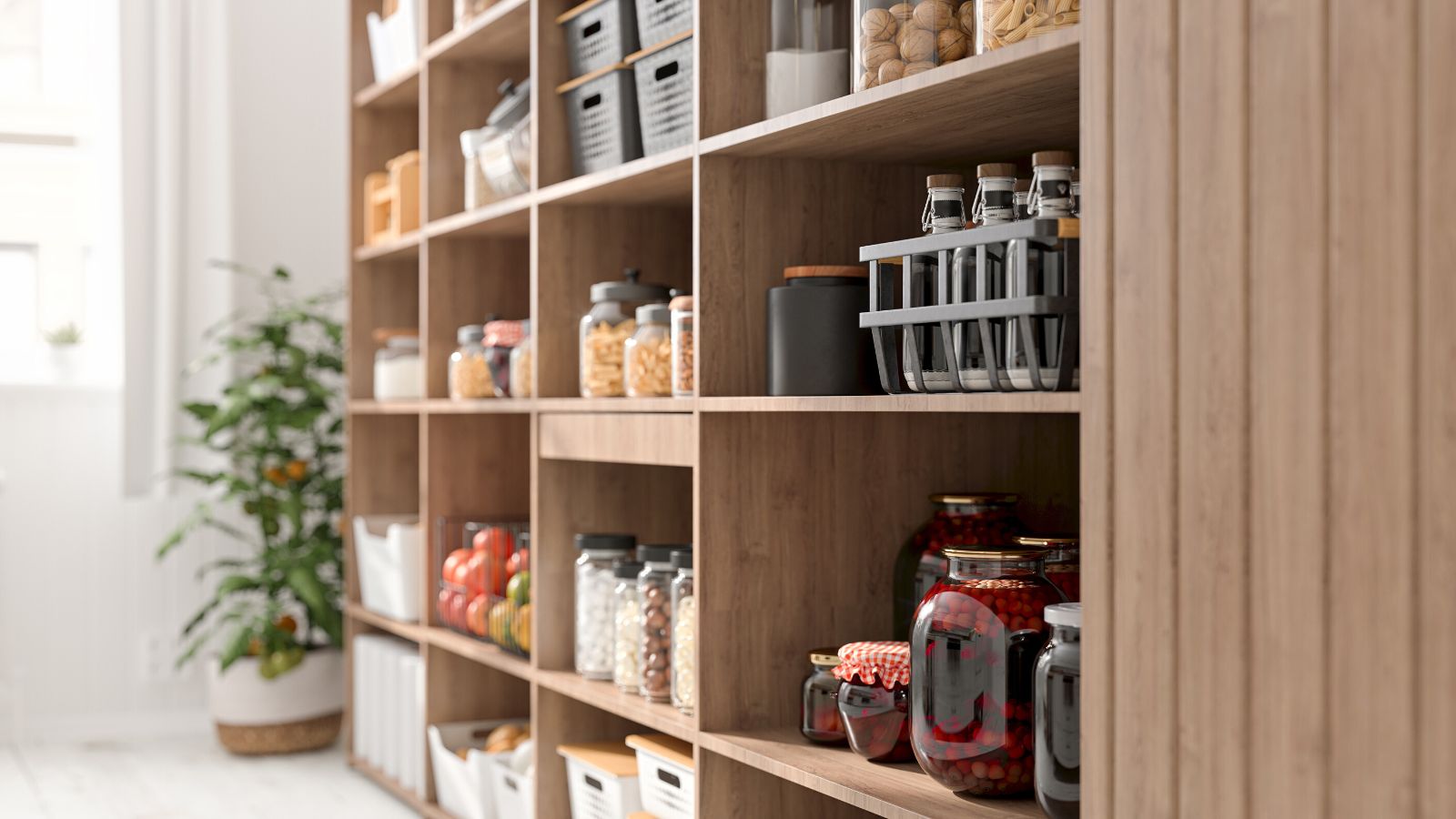
11 things you should never store in a pantry, according to experts

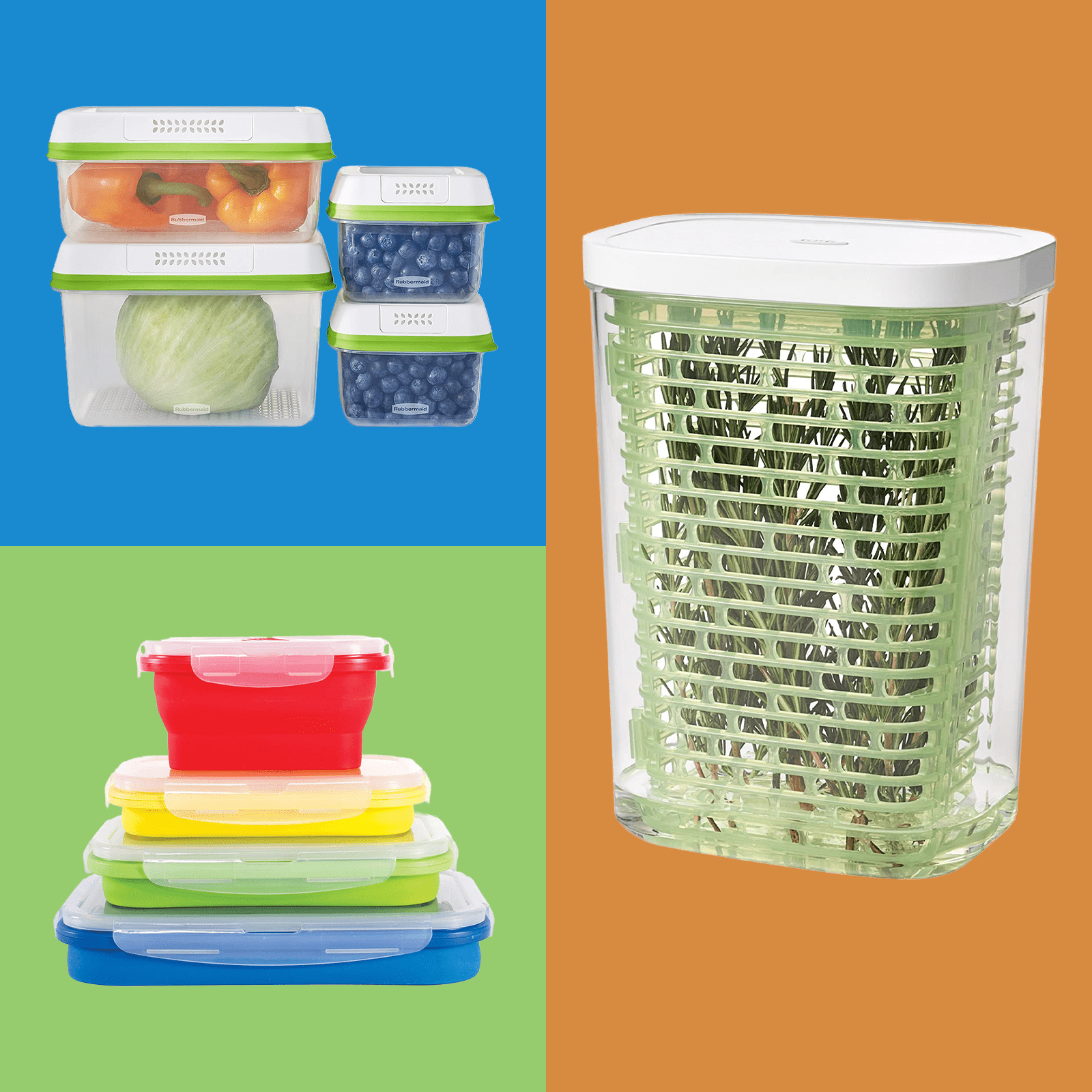
11 Best Food Storage Containers That Help Keep Your Food Fresh

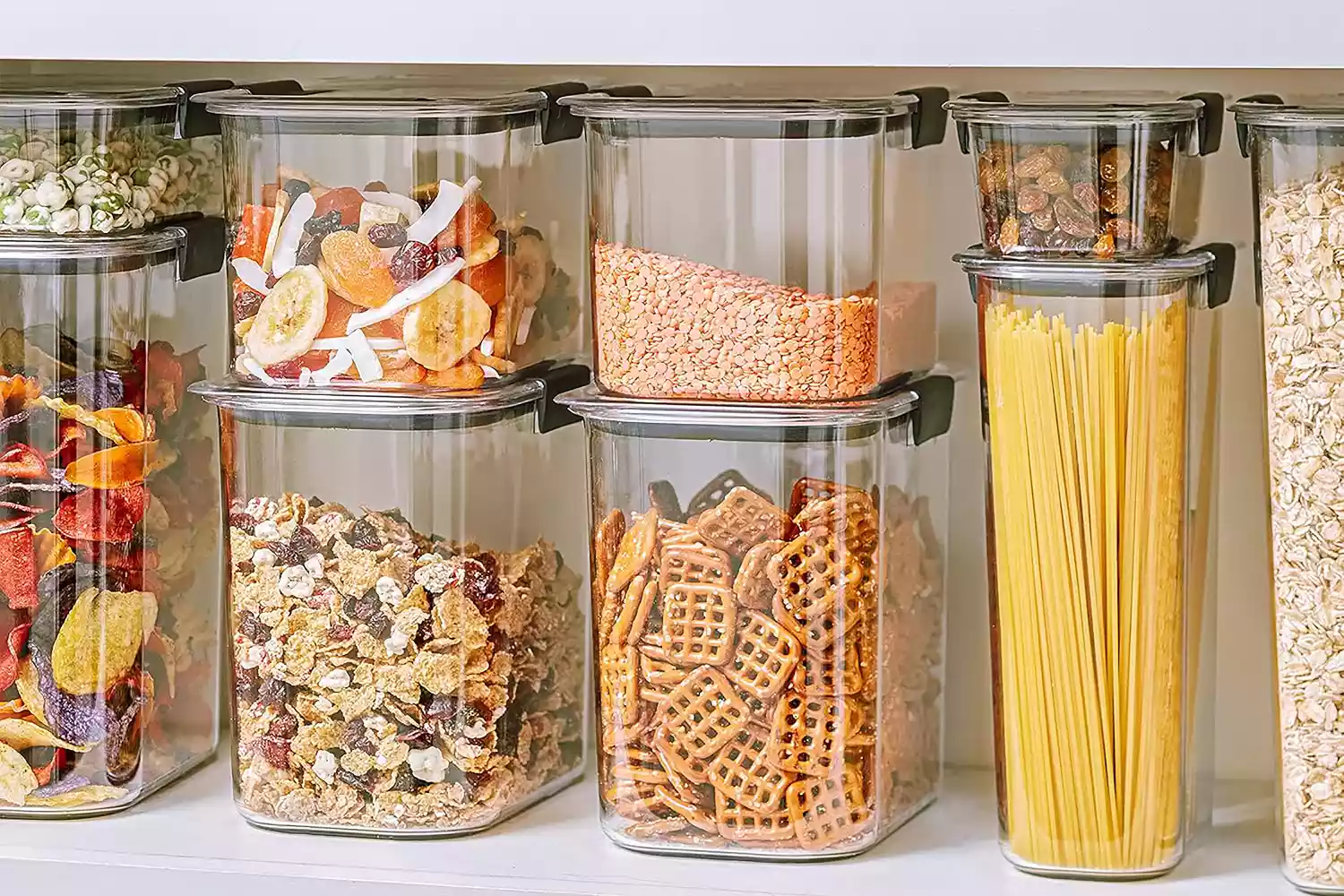
5 Items in Your Pantry to Throw Away Right Now, and What to Buy Instead

Organize Your Kitchen With These 6 Best Pantry Storage Containers
My Mom’s a Food Storage Pro — Here’s the First Thing She Got to Keep Ingredients Fresh in My New Apartment