1/8
How to (Finally) Manage All of the Expiration Dates in Your Kitchen
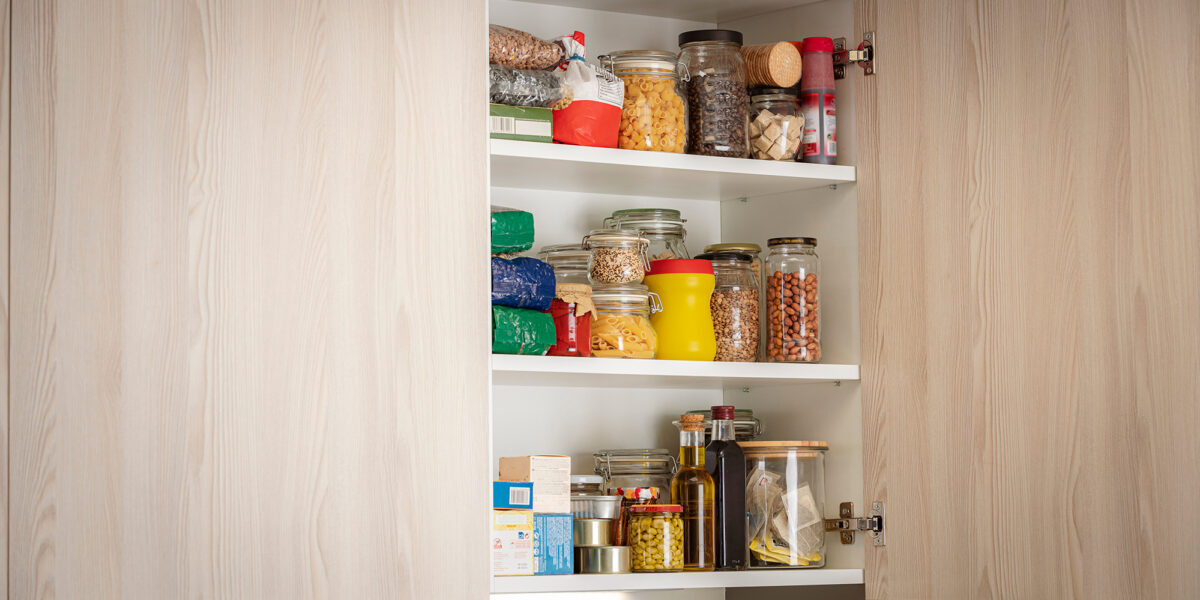
Keeping track of expiration dates on food items in the kitchen can be a challenging task, but it is essential for ensuring food safety and quality. Organizing expert Amanda Titchenal provides practical tips for managing expiration dates for both shelf-stable and perishable foods in the pantry, fridge, and freezer. Her recommendations aim to simplify the process and minimize food waste.
Titchenal emphasizes the importance of regularly reviewing food items. For dry goods such as grains, pastas, flour, and sugar, which have a shorter shelf life than canned or jarred items, a monthly review of expiration dates is advised. Canned and jarred foods, on the other hand, can be checked less frequently, perhaps every six months. More perishable items, including dairy products, require weekly checks due to their rapid spoilage rate.
The article also clarifies the meaning of various date labels found on food products, as defined by the U.S. Department of Agriculture (USDA). These labels, such as "Best if Used by/Before," "Sell-By," "Use-By," and "Freeze-By," are primarily indicators of peak quality, not absolute safety dates. The USDA’s Food Safety Basics should be consulted for definitive guidance on food safety. The "Best if Used by/Before" label indicates optimal flavor and quality. "Sell-By" is intended for retailers to manage inventory. "Use-By" signifies the period of peak quality for consumers, with infant formula being the only item that should be discarded after this date. "Freeze-By" suggests the ideal time to freeze a product to maintain its highest quality.
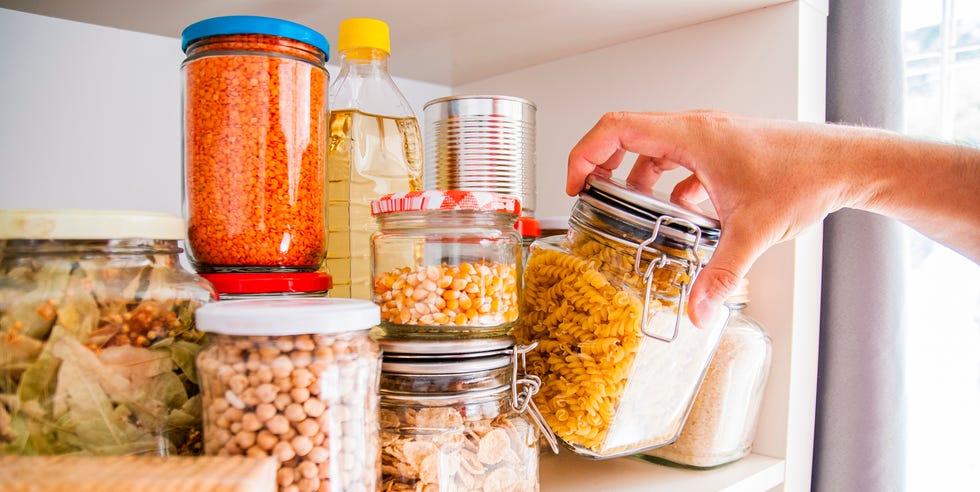
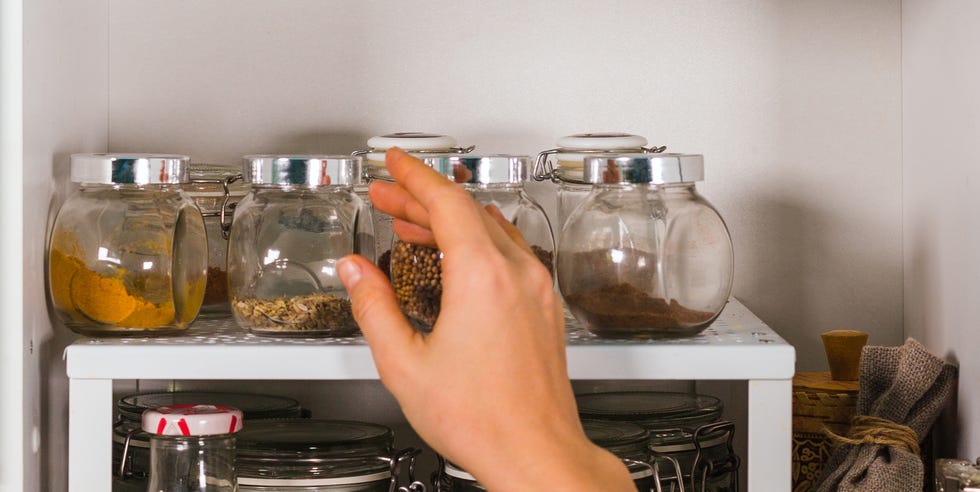
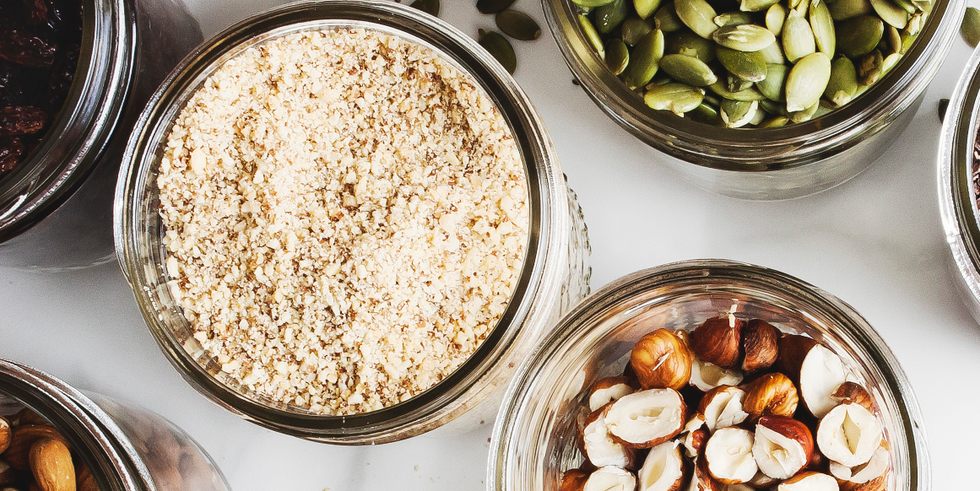
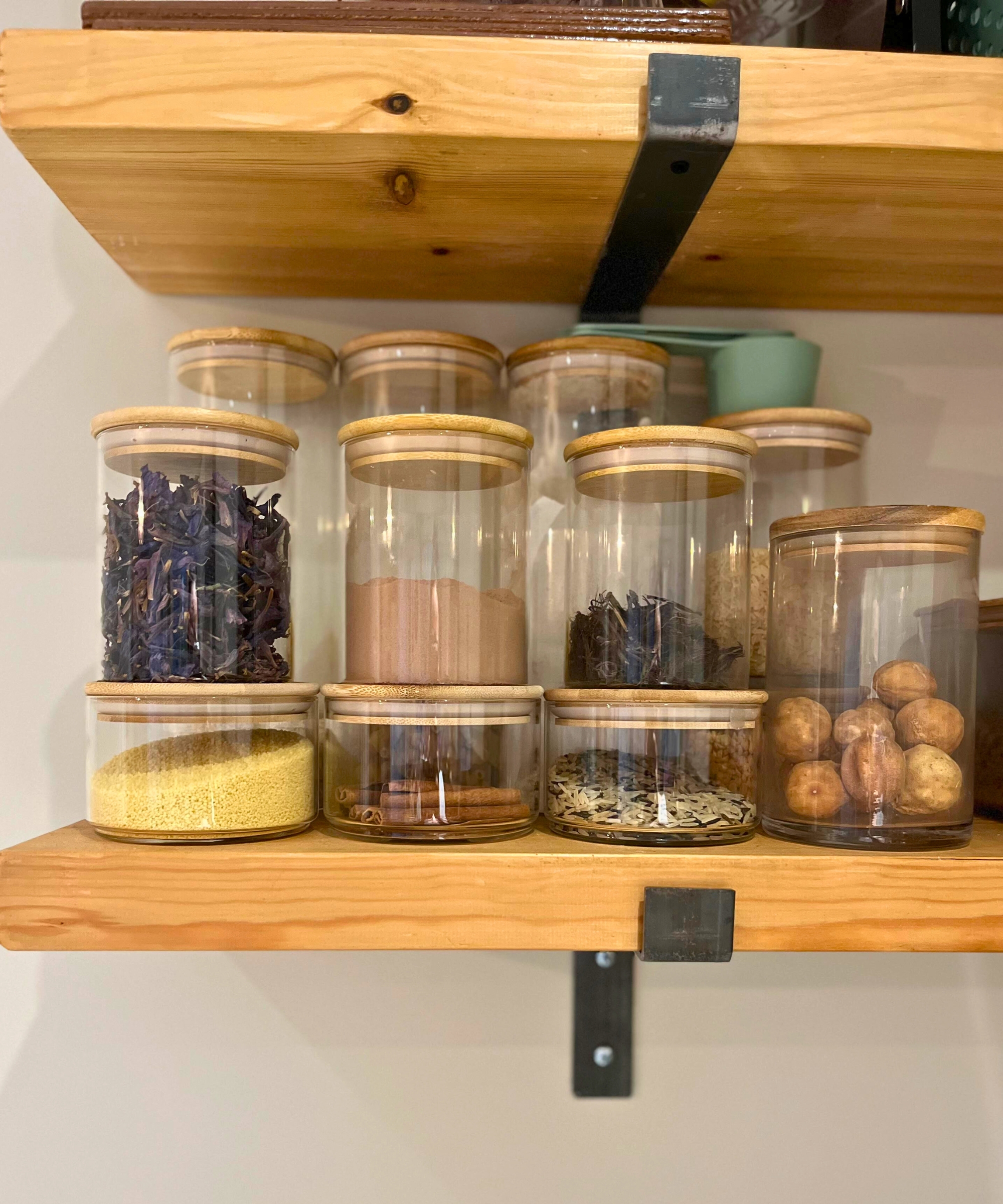
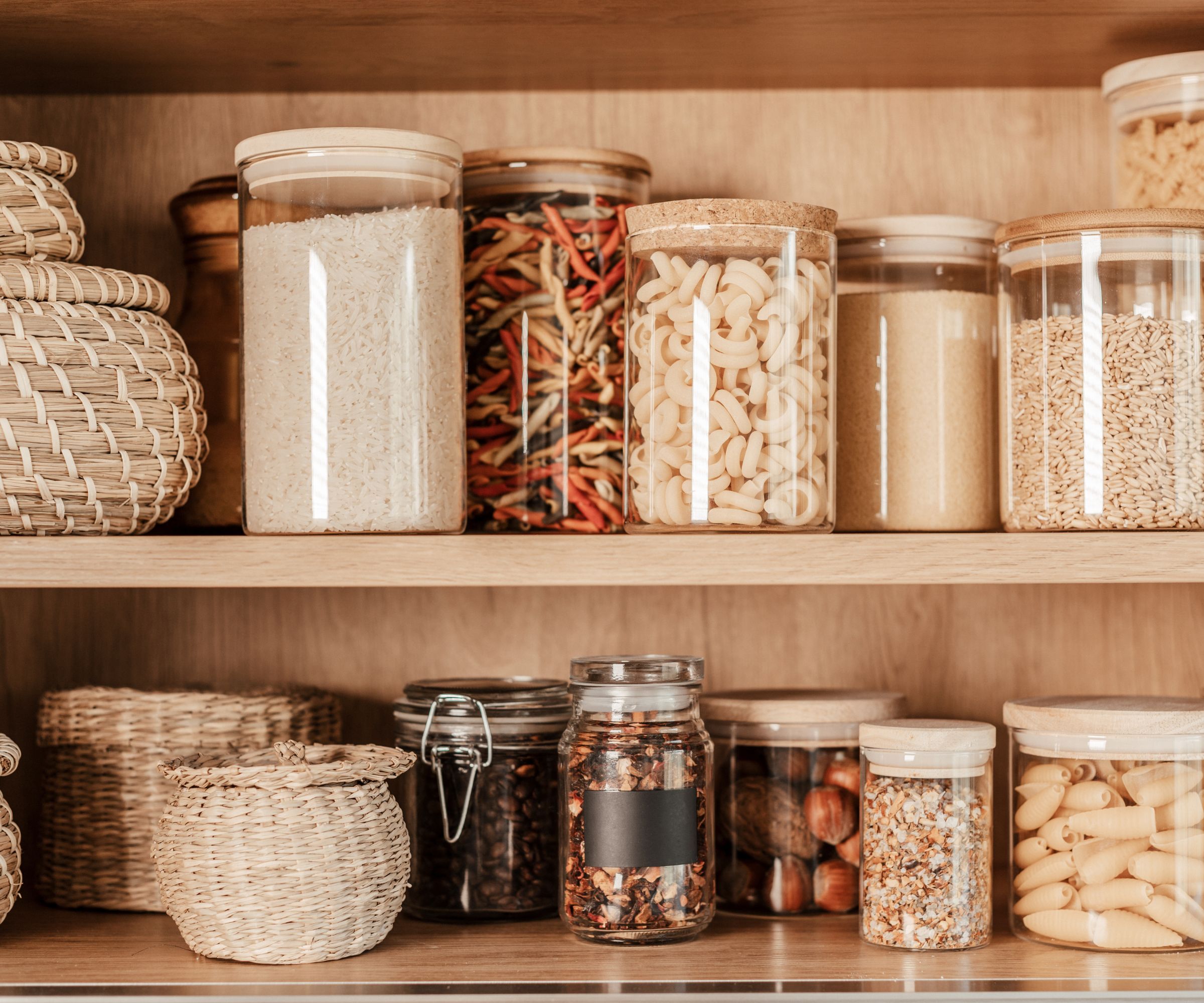
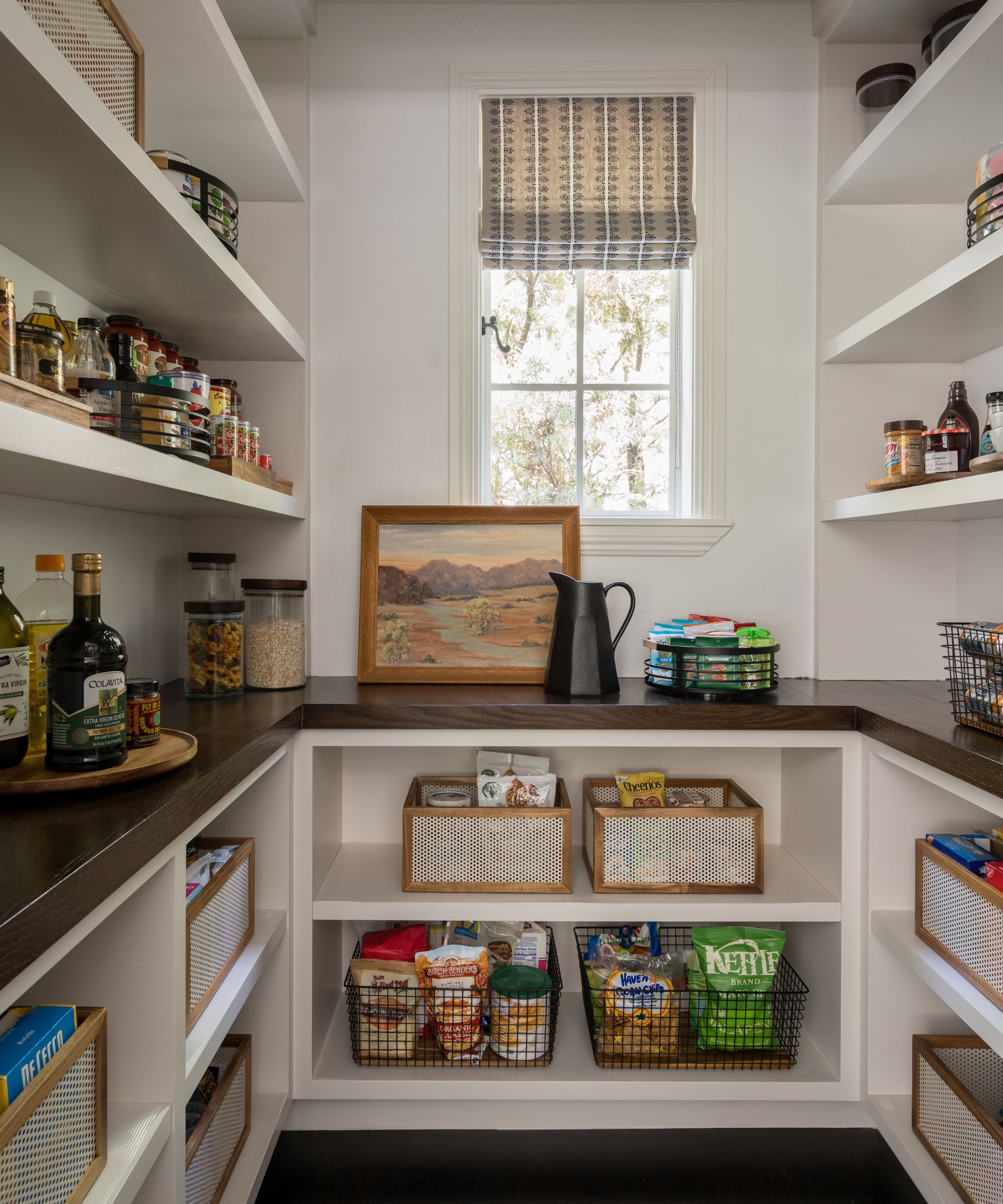
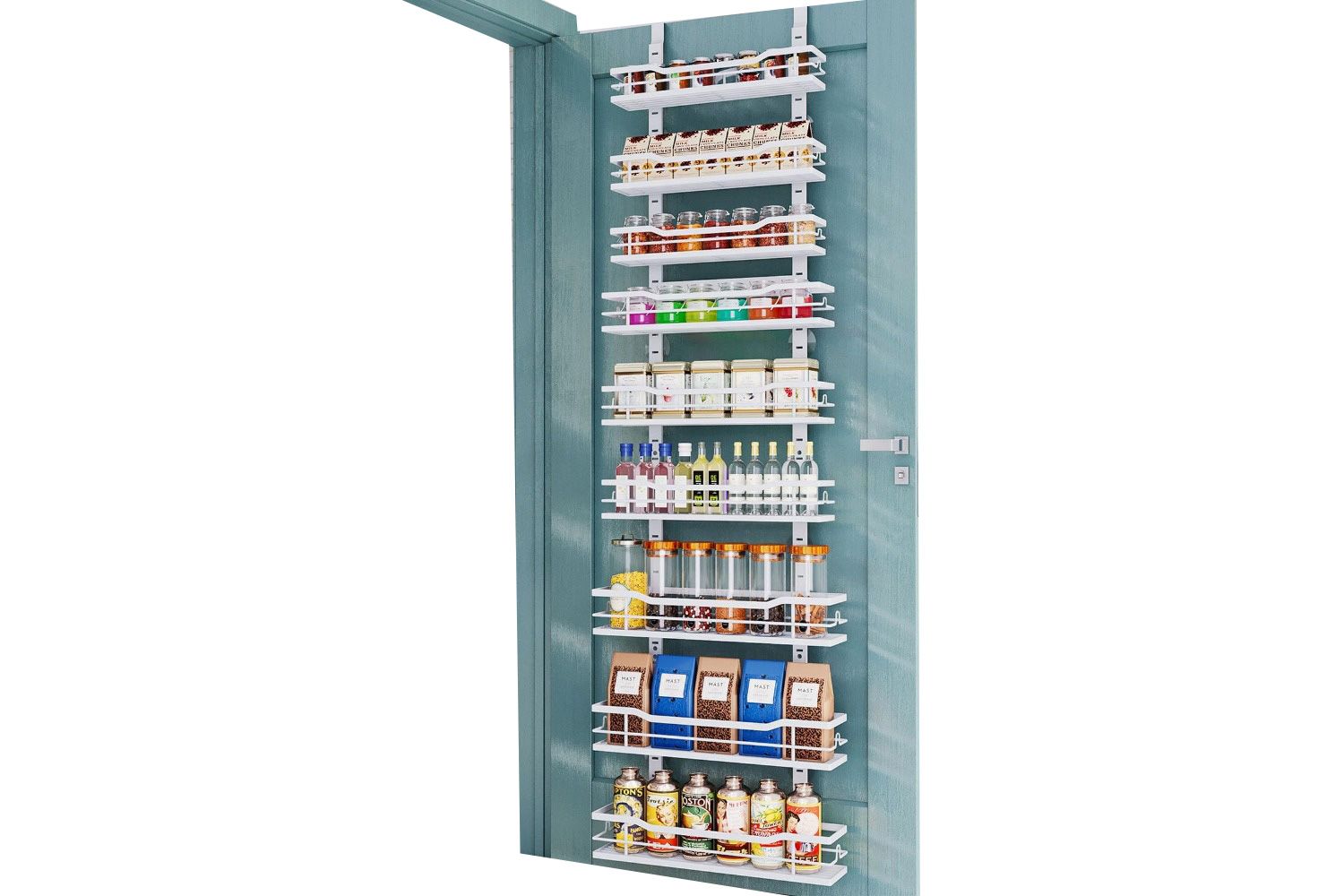
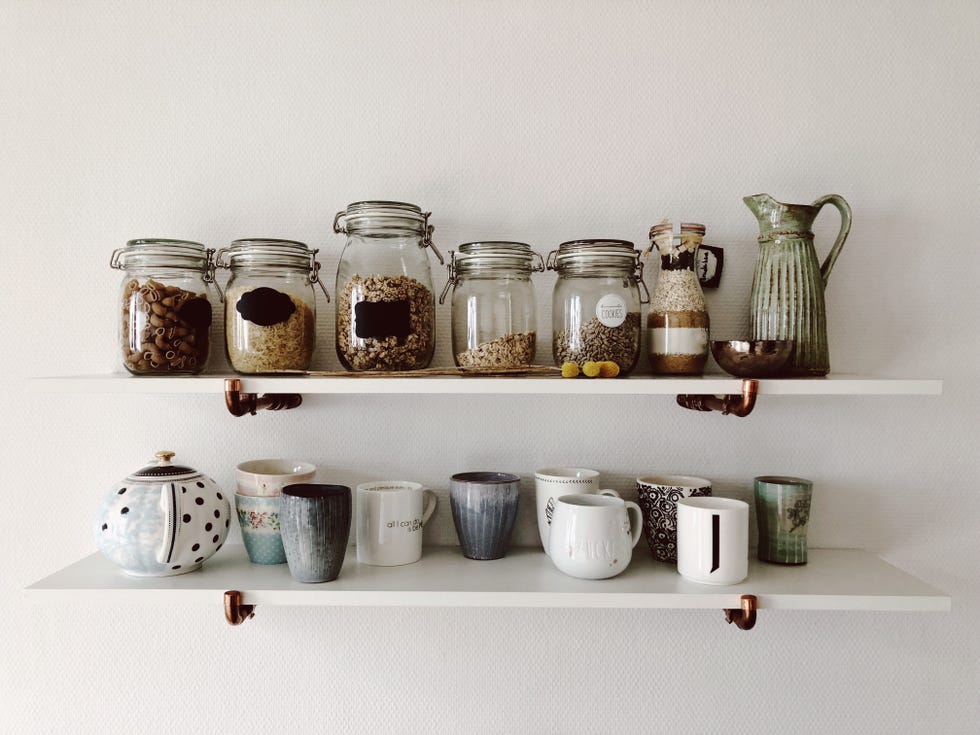
To enhance organization and food longevity, Titchenal recommends transferring specific food items into appropriate containers. Baking supplies like flour and sugar, typically sold in bags, benefit greatly from being stored in airtight, sealed containers to prevent spoilage and pest infestation. While plastic baggies can be used, dedicated containers offer a more organized and effective solution. Fruit snacks and granola bars, despite being in original boxes, can be removed and placed into containers to improve accessibility and make it easier to monitor quantities, thus preventing unexpected shortages before grocery trips. Similarly, yogurts and string cheeses can be moved into clear containers in the fridge for convenient access. Eggs are best stored in specialized egg drawers, which help in keeping track of inventory. For frozen foods, using divided freezer bins can maintain a more orderly freezer space, although these items do not require as frequent checking as others.
Not all items need to be transferred from their original packaging. For instance, pasta can remain in its original box or pouch because it typically has a long shelf life, and most families consume an entire box at once. Once food items are transferred to new containers, remembering their expiration dates becomes crucial. Titchenal suggests using a label maker to clearly label containers with the item's name. For expiration dates, simple methods such as attaching a small sticker, using a Post-it note, or writing directly on the container with a washable marker can be effective. These labels should ideally be placed on the bottom of the container after discarding the original packaging, ensuring that vital information is not lost. These practices collectively contribute to a well-managed kitchen, reducing food waste and promoting safer food consumption habits.
#KitchenOrganization #FoodStorage #ExpirationDates #PantryManagement #FridgeOrganization #FoodSafety #OrganizingTips #HomeManagement #ContainerStorage #KitchenOrganization #FoodStorage #ExpirationDates #PantryManagement #FridgeOrganization #FoodSafety #OrganizingTips #HomeManagement #ContainerStorage
0 comment in total
 No comments yet
You may also like
8 Things In Your Pantry You Should Toss ASAP, According To Pro Organizers
10 Organizers That'll Get Your Pantry In Top Shape Before Your Holiday Cooking Marathons

4 things to get rid of in your kitchen cabinets — experts say ditch these items right now


6 cooking experts on how to organise your kitchen

Pros warn never to keep these 8 things in your pantry

Throw Away These 12 Kitchen Items Immediately (and Be Glad You Did)

9 Things To Toss From Your Pantry Right Now
7 Items You Should Never Store In Kitchen Cabinets

All The Secrets To Organize Your Kitchen

7 Pantry Items You Should Toss Immediately To Refresh Your Kitchen