13 Items You Should Remove from Your Pantry Right Now
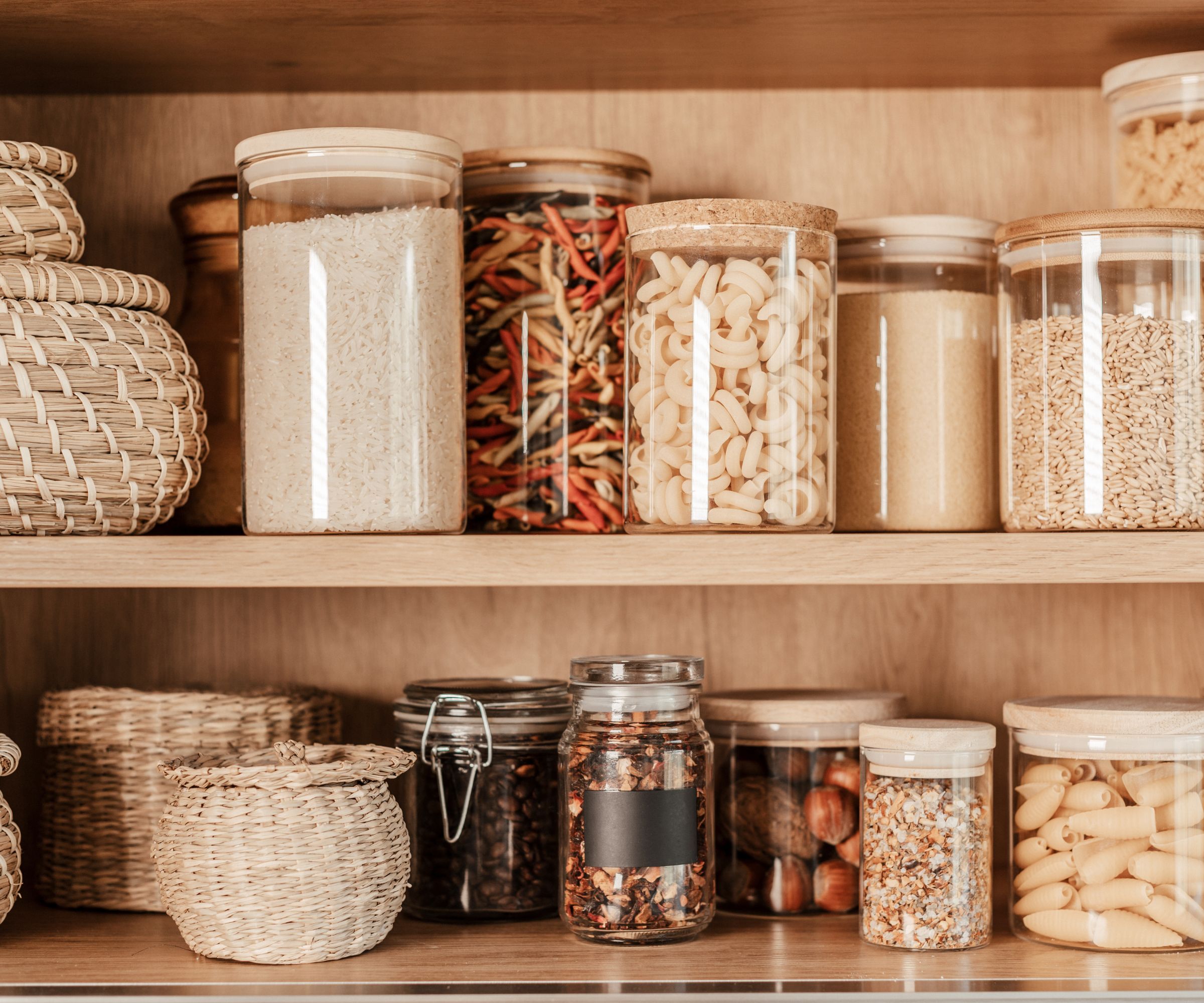
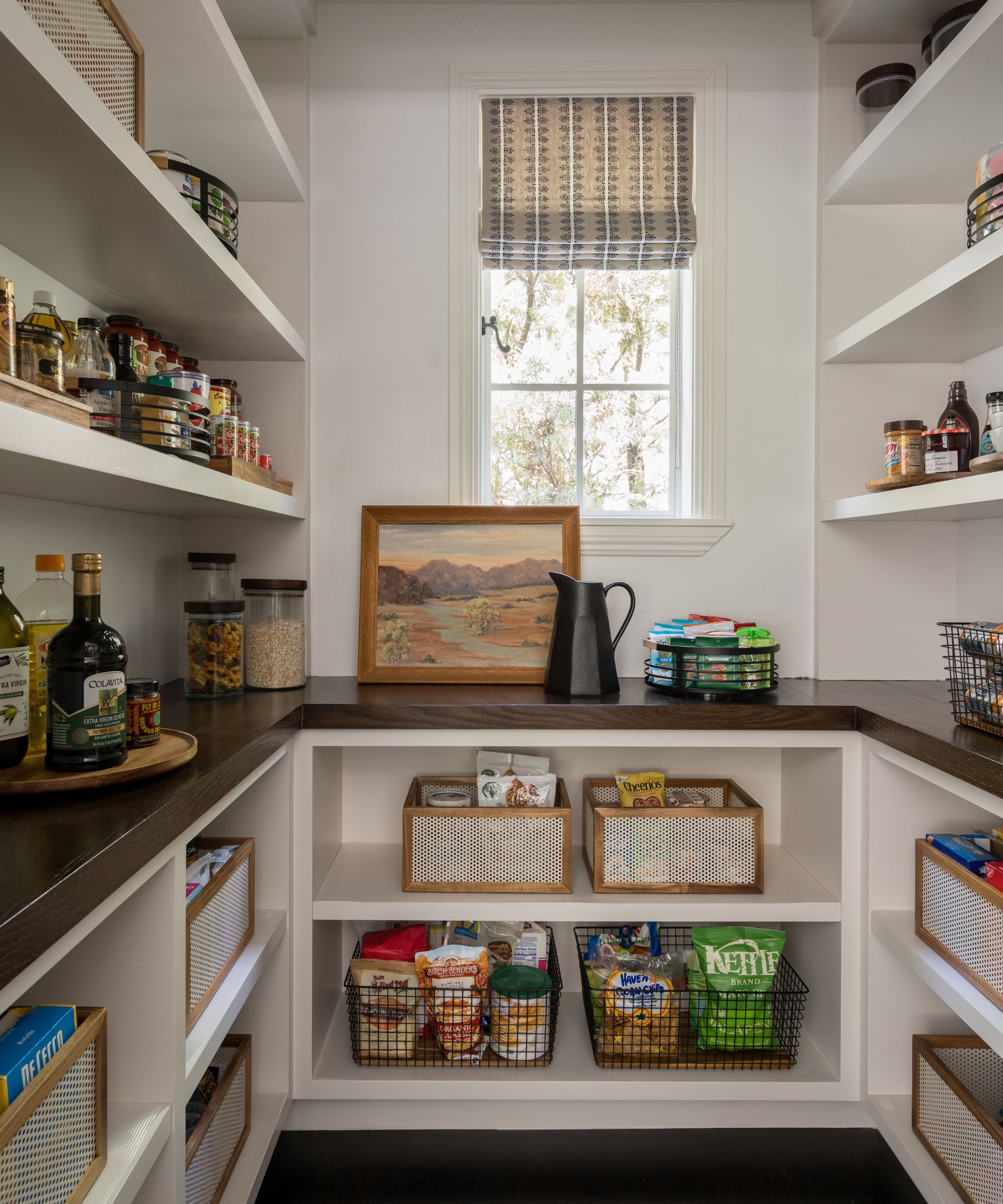
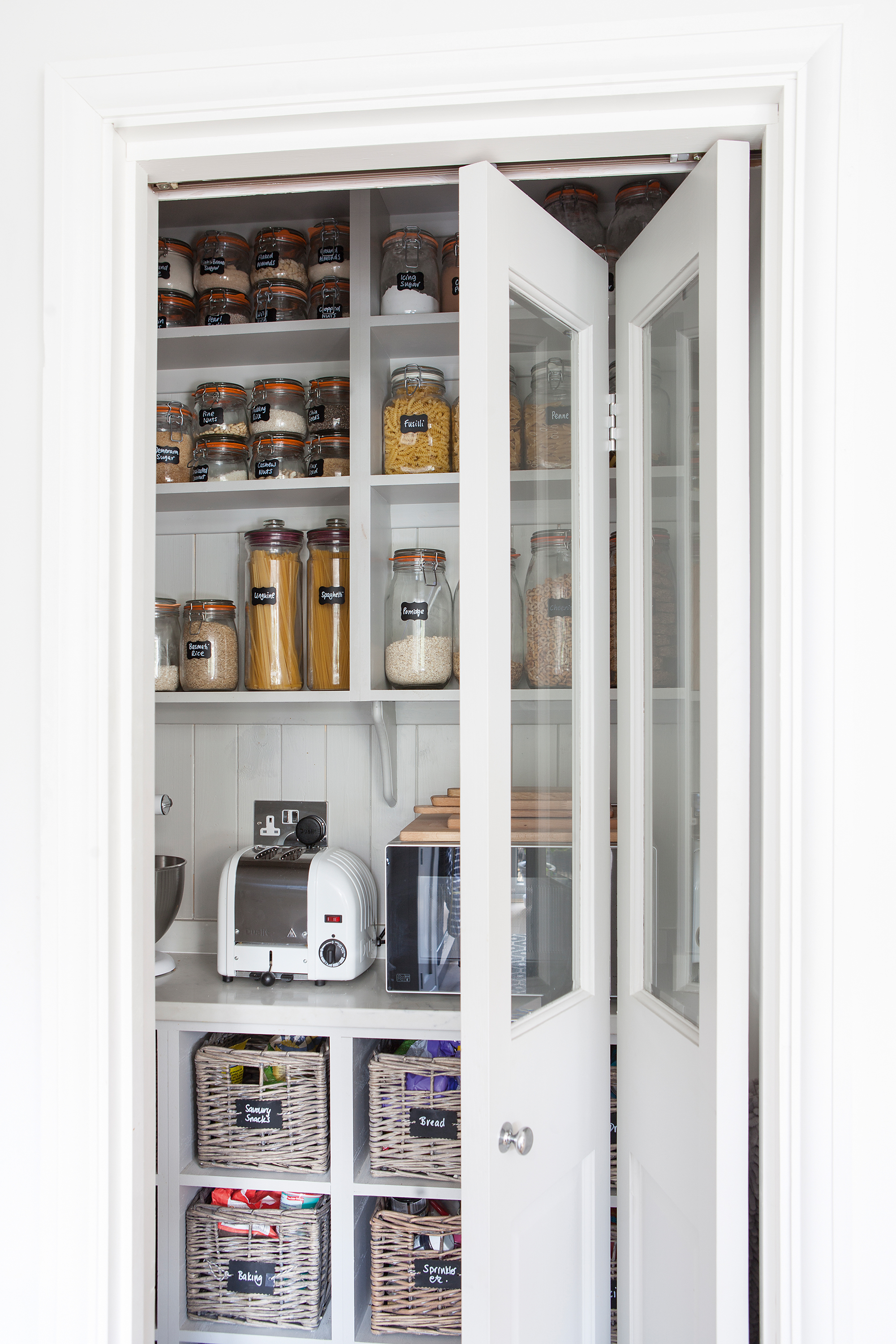
The article provides comprehensive guidance on items that should not be stored in a pantry to ensure food freshness, safety, and efficient organization. It emphasizes that while pantry size and configuration vary, certain items are universally unsuitable for pantry storage due to their perishable nature, potential for spoilage, or safety risks.
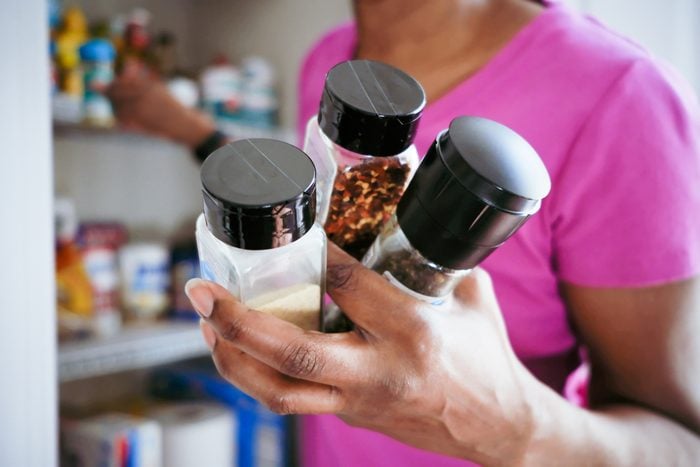
First, the article highlights the importance of regularly decluttering the pantry to remove expired items. It recommends weekly or bi-monthly checks of expiration dates to prevent food waste and maintain a tidy pantry. This proactive approach ensures that only usable and fresh products remain, making subsequent organization tasks quicker and easier. The author suggests this practice helps to keep the pantry efficient and reduces the likelihood of overlooking old items.
Next, the discussion moves to pantry-safe produce, such as onions, potatoes, and garlic. While these root vegetables benefit from cool, dark, and well-ventilated spaces, the article warns against storing them in a pantry if there's a risk of forgetting about them, leading to spoilage. For fruits like bananas, while they can be kept at room temperature initially, refrigeration is recommended once ripened to extend their shelf life. The article advises keeping fruit baskets on kitchen counters to encourage consumption and suggests building a root cellar for garden produce as an alternative storage solution.
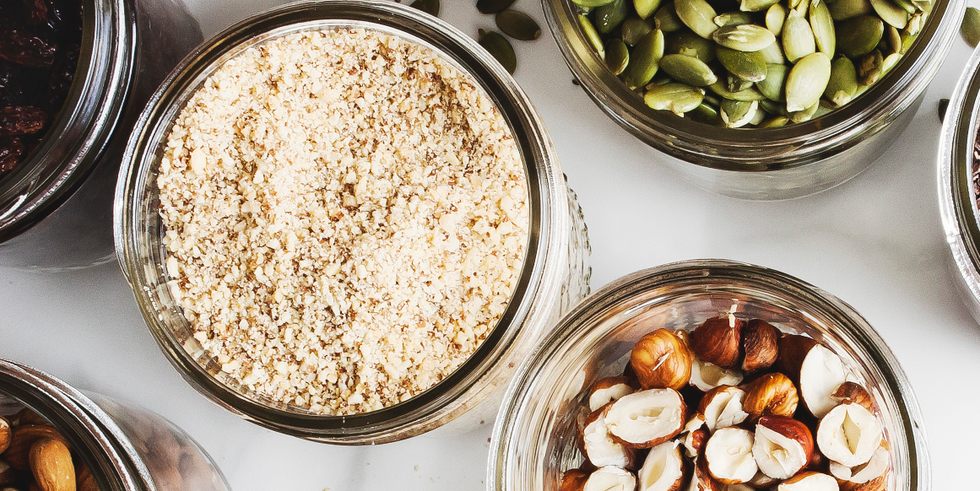
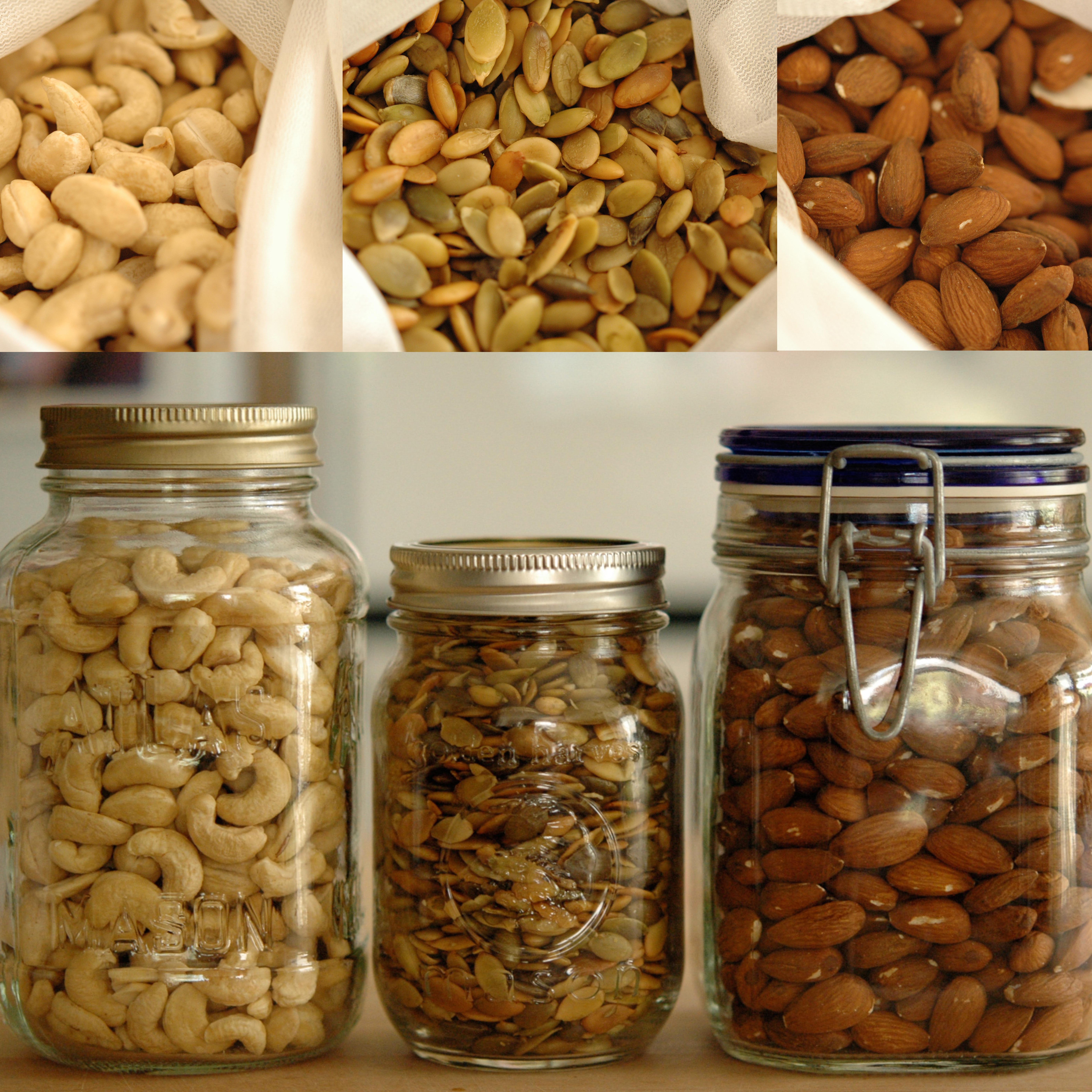
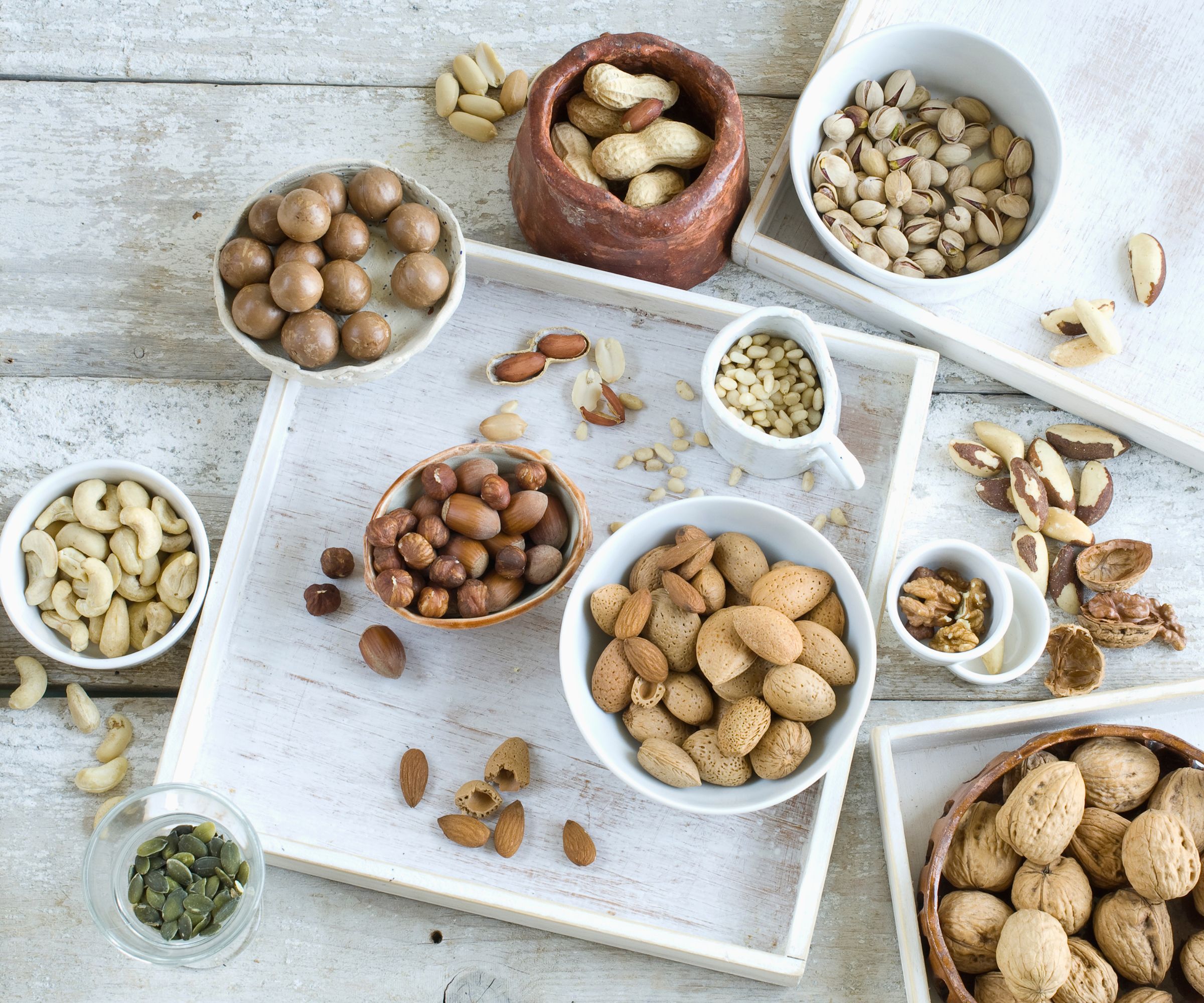
Nuts are another category of items that, despite being commonly found in pantries, benefit significantly from refrigeration or freezing after opening due to their healthy fat content, which can cause them to go rancid quickly. The article suggests checking for rancid smells or softer textures as indicators of spoilage. This recommendation extends to seeds and dried fruits, which also maintain freshness longer when refrigerated.
Certain oils, especially those infused with fresh ingredients like garlic and herbs, require refrigeration to prevent bacterial growth. Nut- or seed-based oils, such as walnut and sesame oil, and truffle oil, should also be refrigerated. Coconut oil, while stable at room temperature, can have its shelf life prolonged by refrigeration, according to the article.
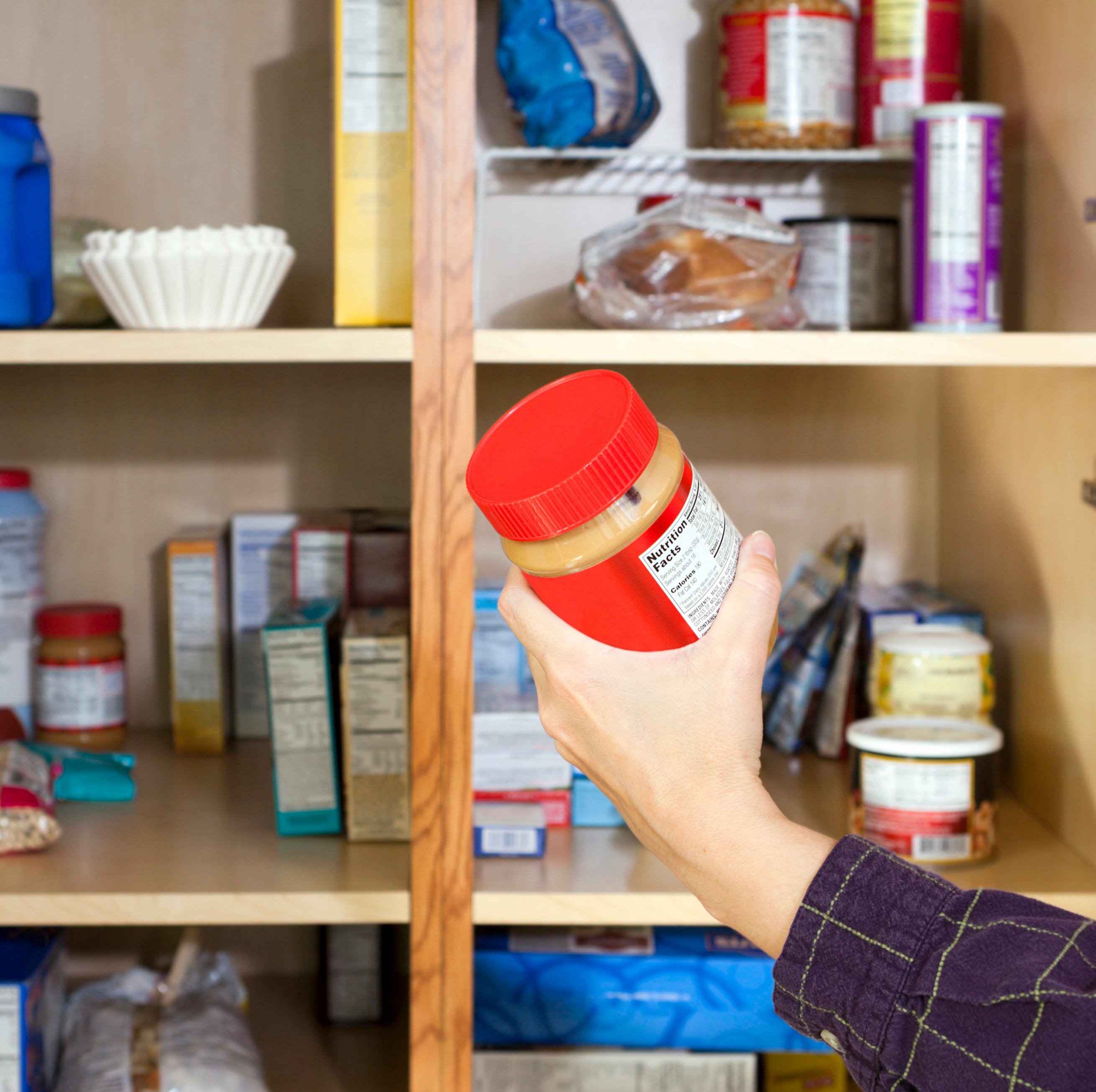
Maple syrup and organic peanut butter are also flagged as items that shouldn't always reside in the pantry. Maple syrup can develop mold or yeast if left unrefrigerated after opening. Processed peanut butter is generally safe in the pantry due to stabilizers, but organic or natural versions will experience oil separation and spoil at room temperature, necessitating refrigeration.
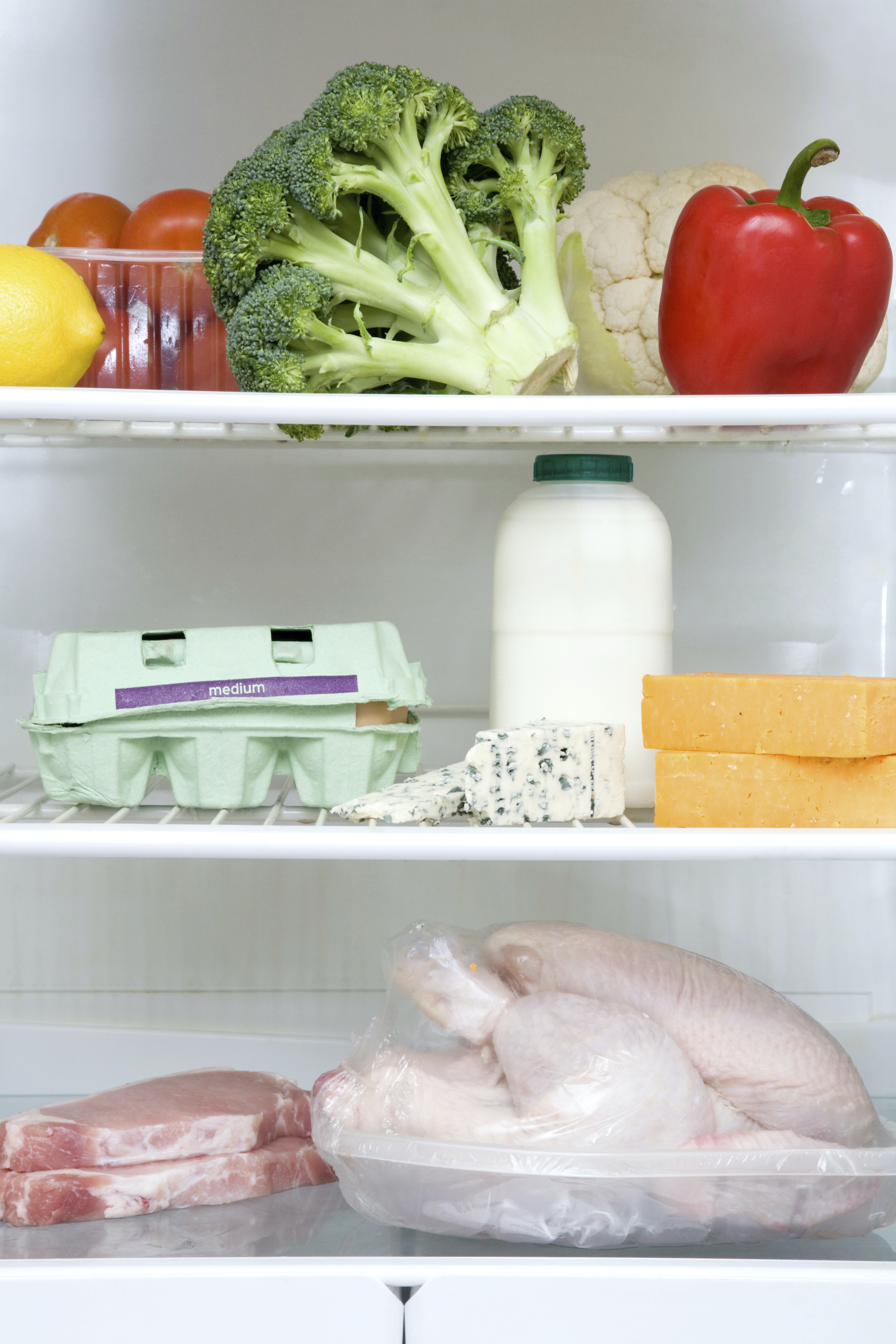
Opened cans, jars, or bottles, including black beans, diced tomatoes, pickled vegetables, jams, and condiments like mustard, ketchup, mayo, and ranch, must be refrigerated immediately after opening to prevent bacterial contamination and maintain freshness.
Cured meats, often displayed unrefrigerated in stores, require refrigeration once opened to prevent bacterial spread. While harder cured meats like salami may last longer, thinner meats like prosciutto still need proper cold storage.
Bread, including tortillas, is prone to molding if left in the pantry. The article recommends using a bread box on the countertop to keep bread fresher longer and to encourage its consumption.
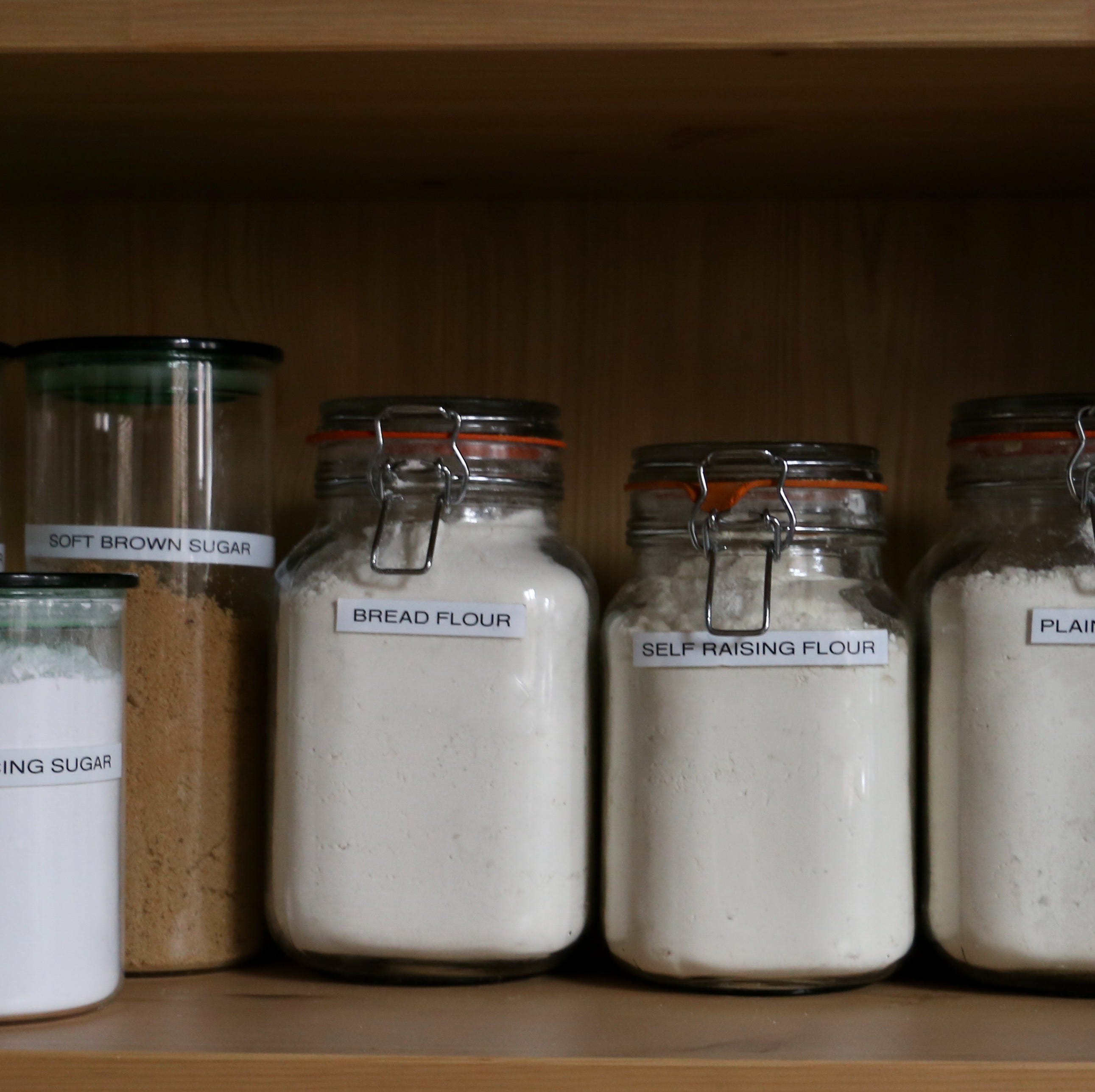
Whole-grain flour, particularly whole-wheat flour, should be stored in the refrigerator due to its oil content, which can lead to spoilage at room temperature. Decanting other baking supplies into airtight containers is also suggested for freshness.
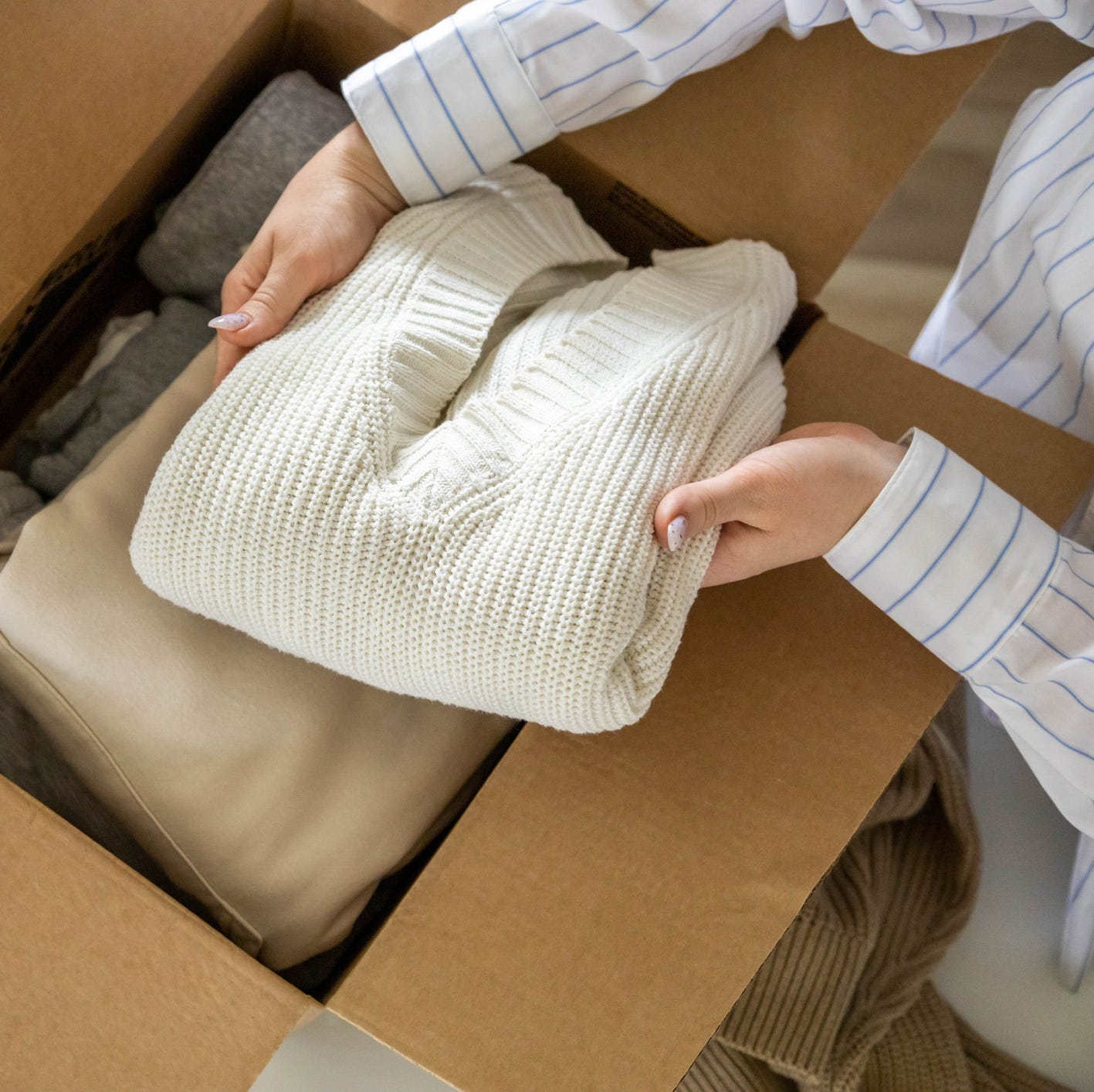
Non-food items such as pet food, dish towels and linens, cleaning products, and medication should also be excluded from the pantry. Pet food can attract pests and its smell can permeate human food, making alternative storage locations like mudrooms preferable. Dish towels and other fabric items can attract moths, so they should be stored in drawers or other dedicated areas. Cleaning products pose a hygiene risk due to potential spills, fumes, and contamination of food, necessitating storage in utility or cleaning closets away from food and children. Finally, medication, both prescription and over-the-counter, should be stored in a secure location like a bedroom or a high shelf in a linen closet to prevent accidental access by children or guests.
By adhering to these guidelines, individuals can ensure their pantry remains a safe, organized, and efficient space for food storage, prolonging the freshness of various items and preventing potential hazards within the home. The author advocates for a more thoughtful approach to pantry organization that extends beyond mere shelf arrangement to encompass food safety and household well-being. This detailed inventory of unsuitable pantry items covers a broad spectrum, from common food products to household essentials, offering practical advice for a well-maintained home. The article stresses the importance of understanding the specific storage requirements of different items to prevent spoilage, contamination, and safety risks, contributing to a healthier and more organized living environment.
#PantryOrganization #FoodStorage #HomeOrganization #KitchenSafety #FoodFreshness #HomeKeeping #StorageSolutions #MealPrep #HouseholdTips #PantryOrganization #FoodStorage #HomeOrganization #KitchenSafety #FoodFreshness #HomeKeeping #StorageSolutions #MealPrep #HouseholdTips
0 comment in total
 No comments yet
You may also like
8 Things In Your Pantry You Should Toss ASAP, According To Pro Organizers
6 Things You Should NEVER Keep In Your Pantry, According To Pro Organizers & Chefs
11 things you should never store in a pantry, according to experts

Throw Away These 12 Kitchen Items Immediately (and Be Glad You Did)
5 Items in Your Pantry to Throw Away Right Now, and What to Buy Instead

Pros warn never to keep these 8 things in your pantry

9 Things You Should Get Rid of in Your Kitchen Cabinets Right Now — An Expert Explains Why

Your Kitchen Called, It Wants These 10 Space-Wasters Gone—Try These Pro-Loved Organizers Instead

4 things to get rid of in your kitchen cabinets — experts say ditch these items right now


12 Items You Should Toss From Your Closet Right Now, According to Pro Organizers

Clothes You Need to Get Rid of ASAP

8 Things You Should NEVER Keep On Your Kitchen Counter
9 Things To Toss From Your Pantry Right Now
15 Items in Your Kitchen That Professional Organizers Would Throw Out


5 Pieces of Decor You Need to Remove From Your Kitchen Today — "They're Bulky and Eyesores," Say Designers

6 Things You Should Never Keep on Your Kitchen Counter


9 things to get rid of from your medicine cabinet right now – according to experts
These are the 7 things to get rid of first in your kitchen cabinets, according to cleaning pros

Pre-holiday feng shui purge: 5 items you need to throw away today

15 Things To Toss From Your Closet Immediately