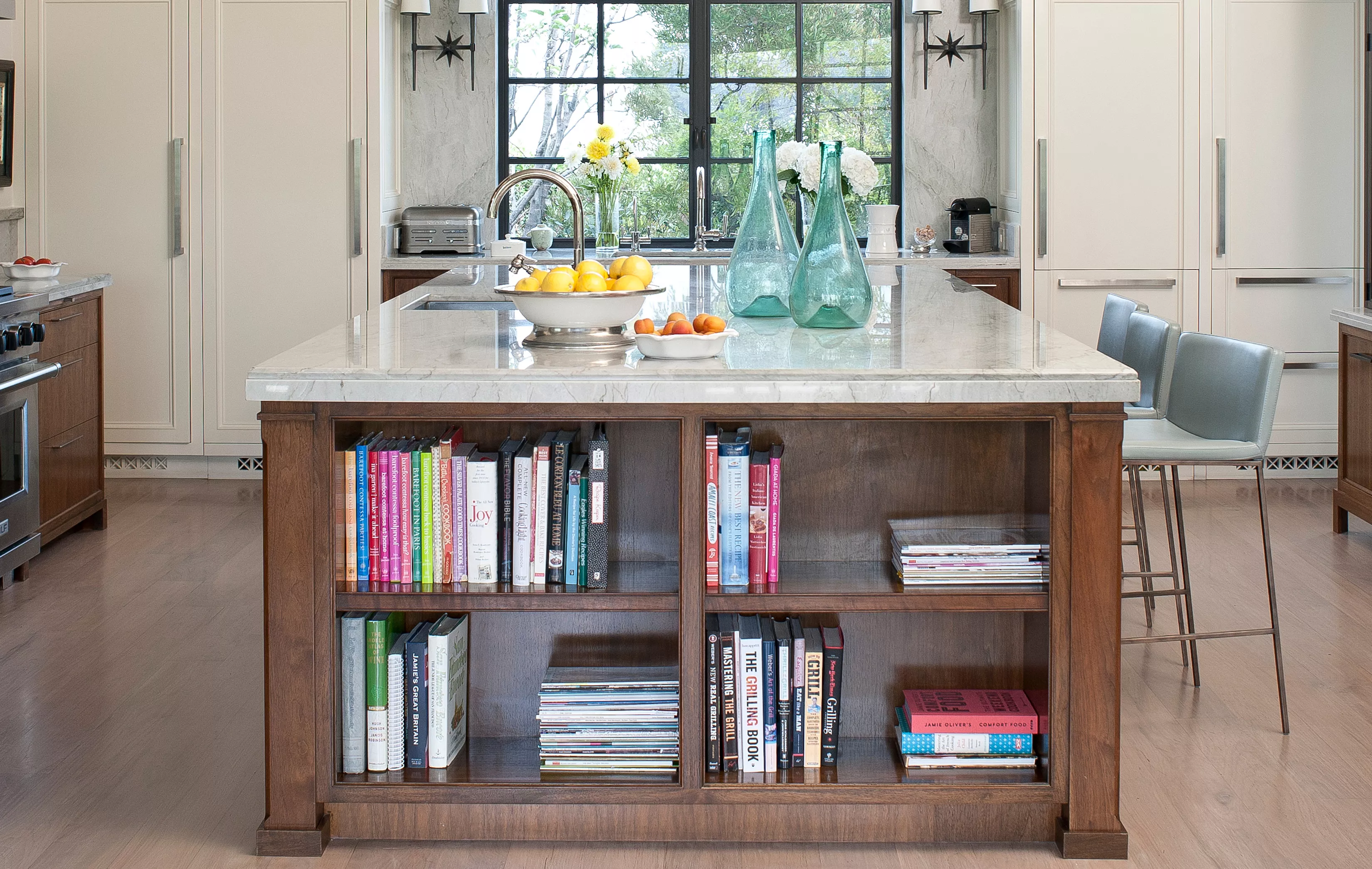
The 9 Best Places to Store Cookbooks (Plus How to Organize Them!)
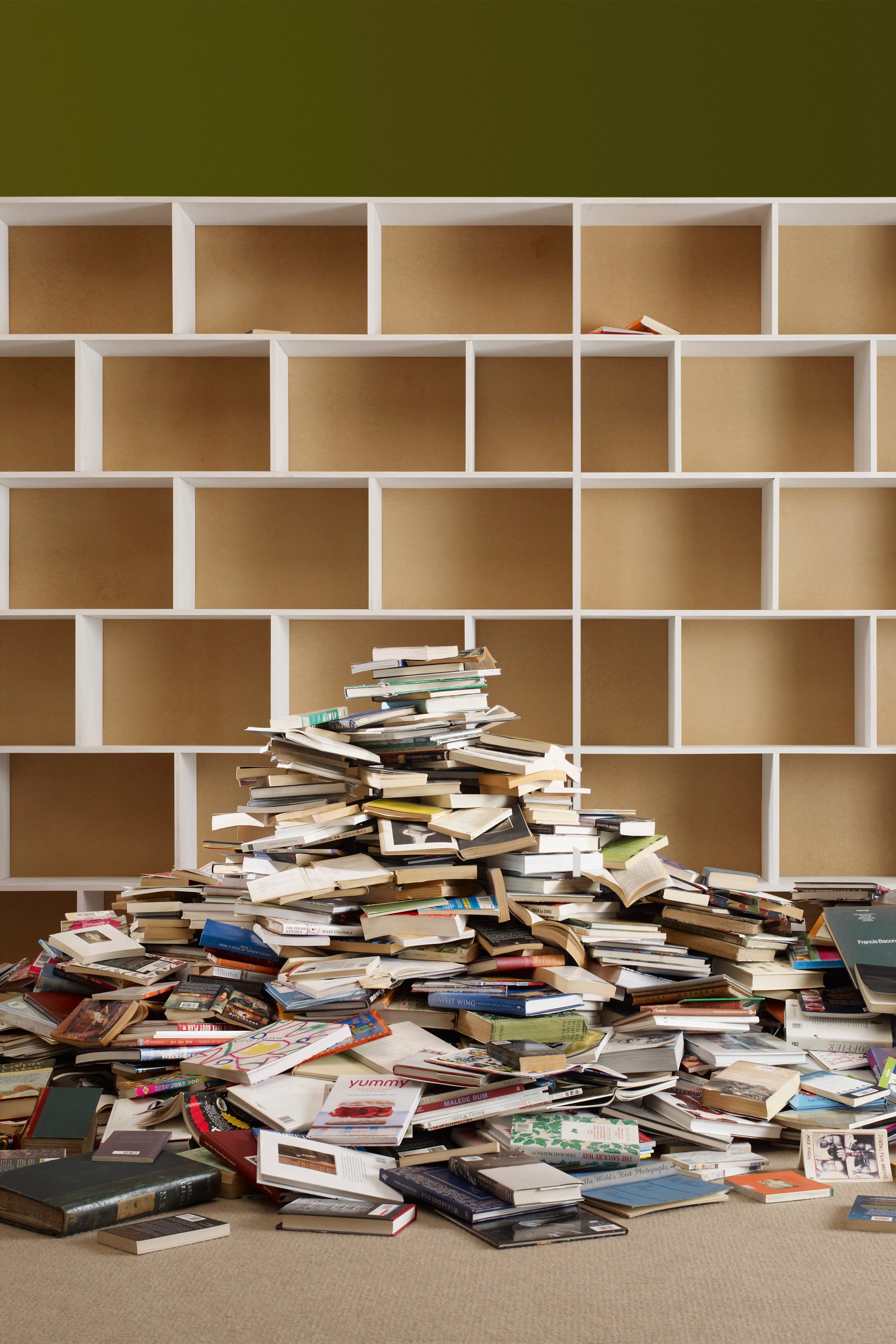
Cookbooks are cherished resources for meal inspiration, family history, and decorative accents in a home. Given their importance, it's crucial to maintain an organized and accessible cookbook collection, ensuring a clutter-free and efficient kitchen. This article provides various creative and practical storage solutions for physical cookbooks, catering to kitchens of all sizes, eliminating the need to transition entirely to digital recipes. The primary goal is to integrate cookbooks seamlessly into the kitchen environment, which is where they are most frequently used.
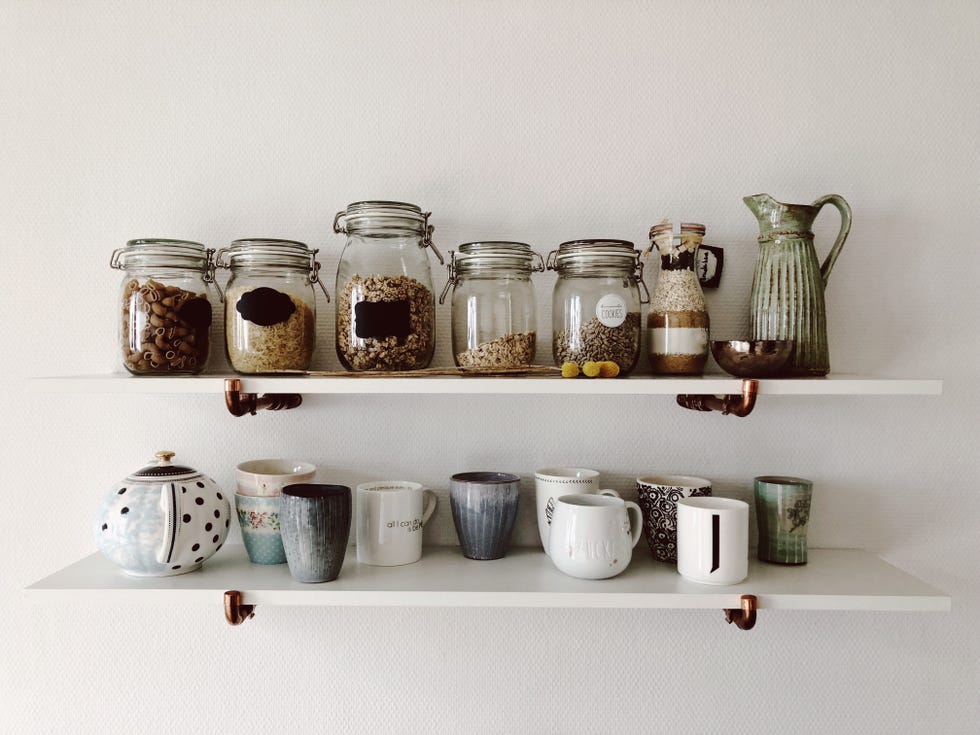
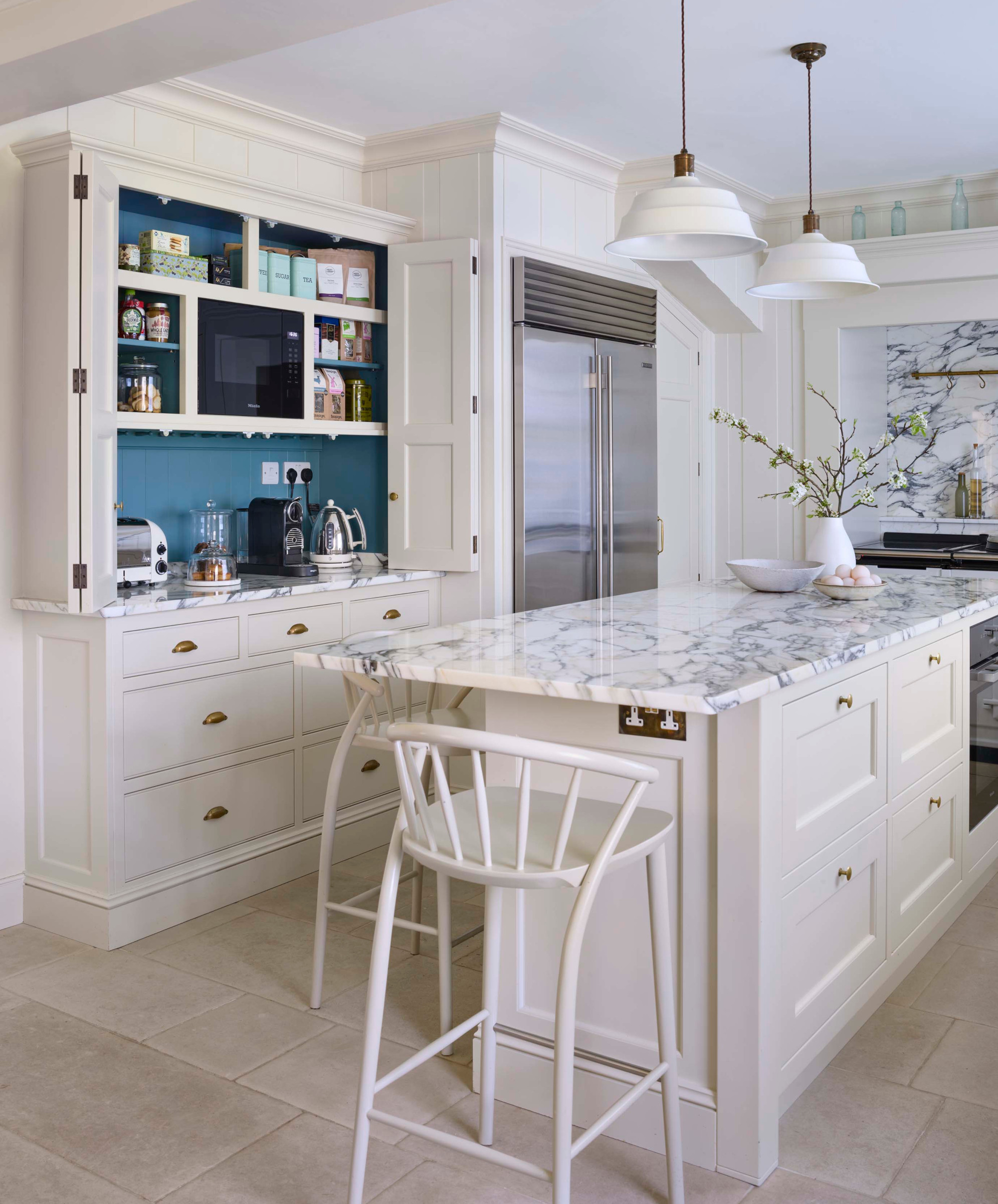
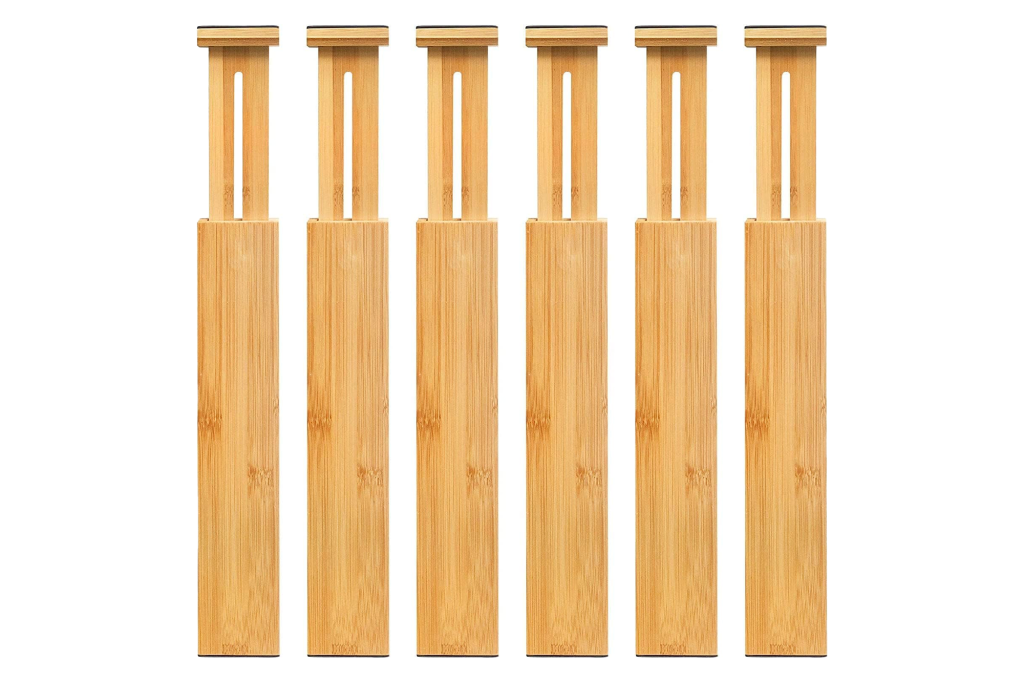
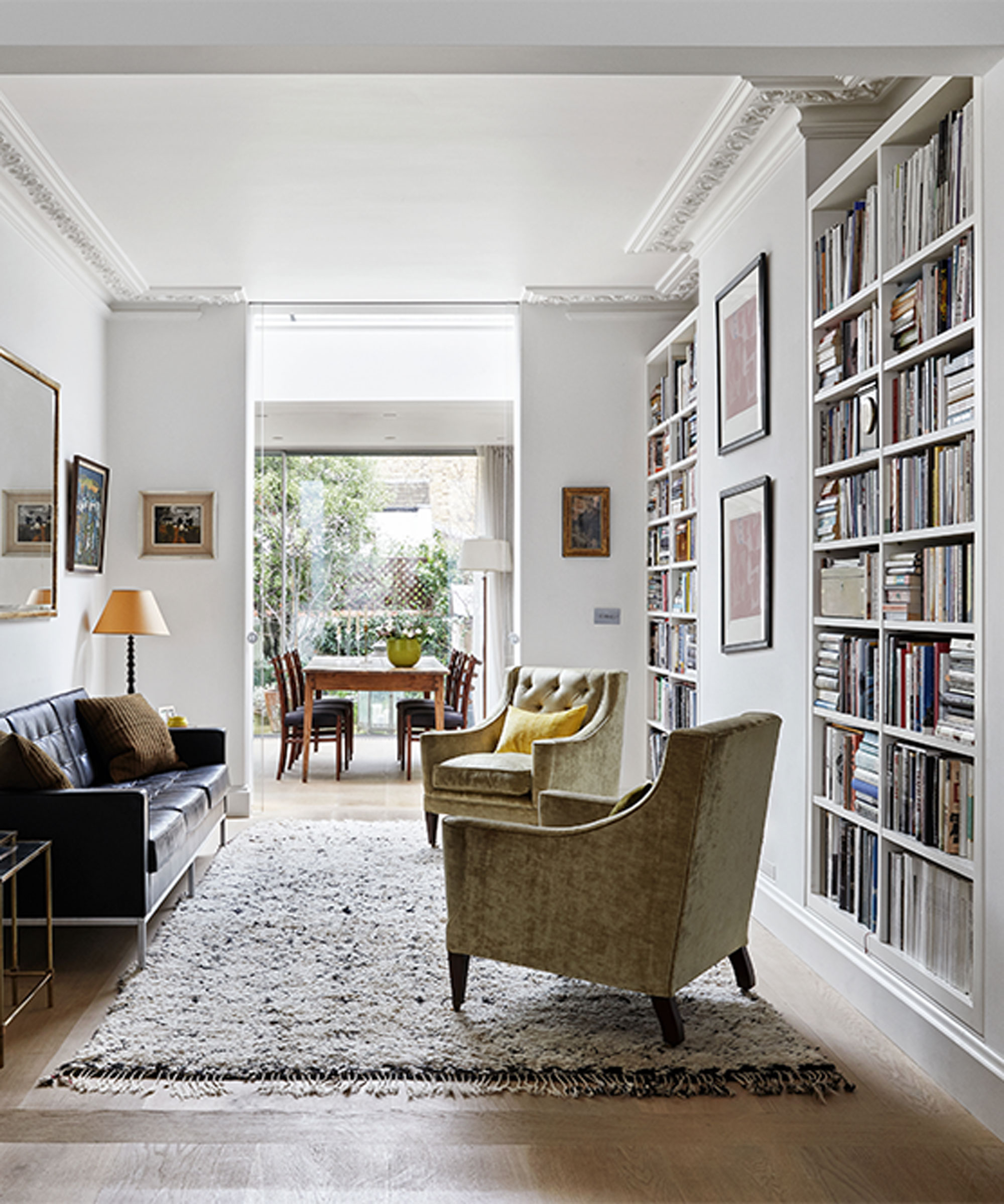
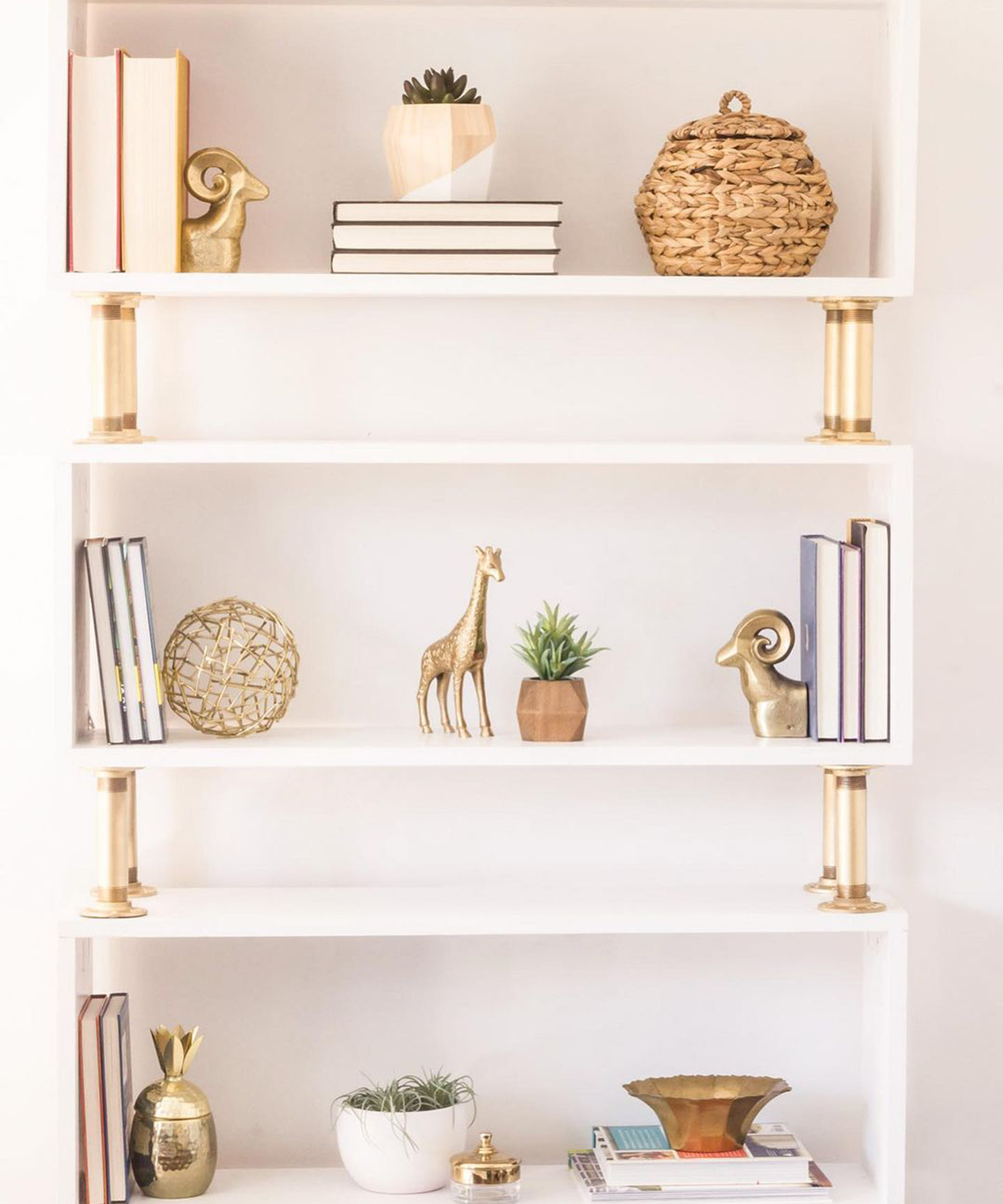
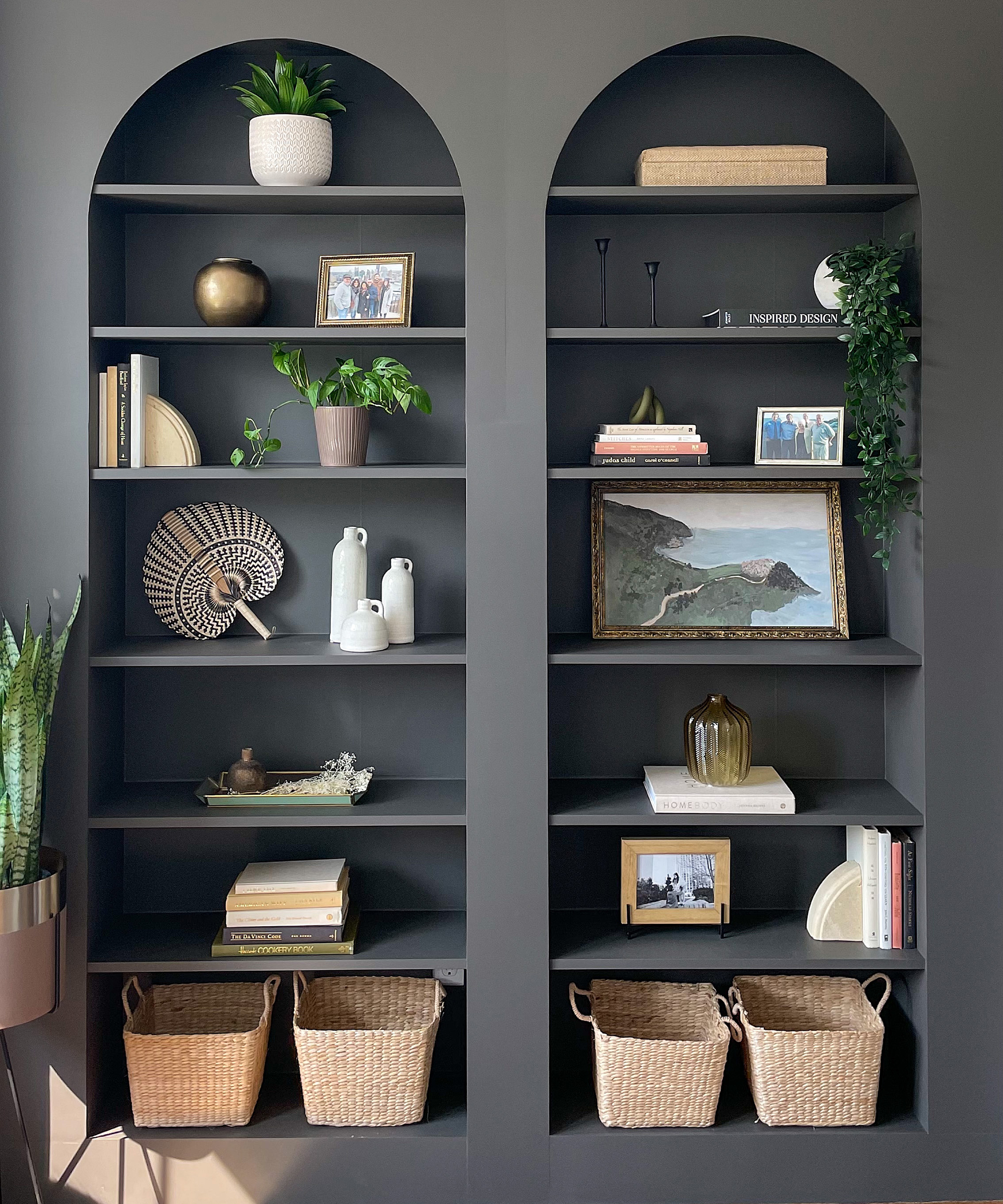
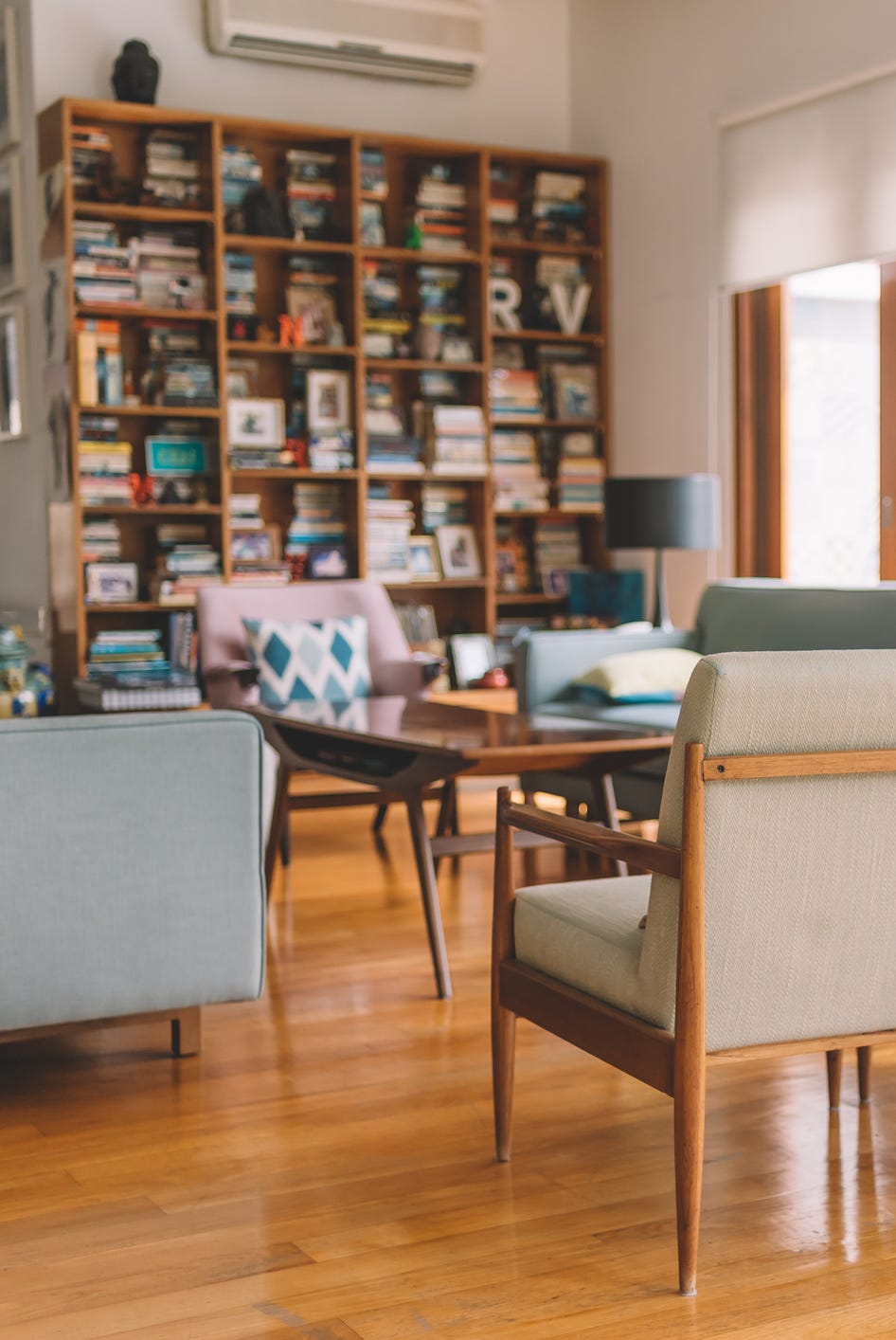
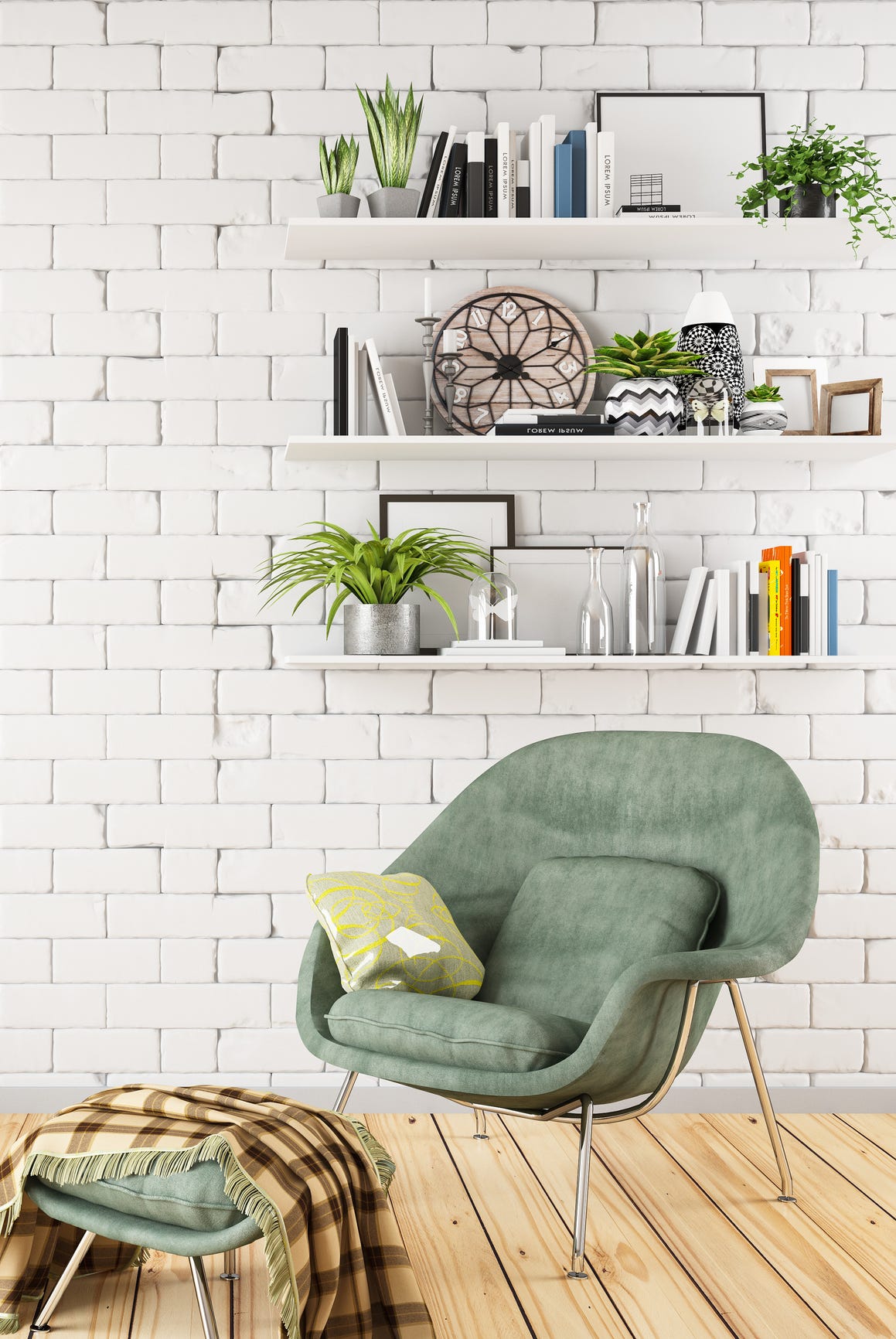
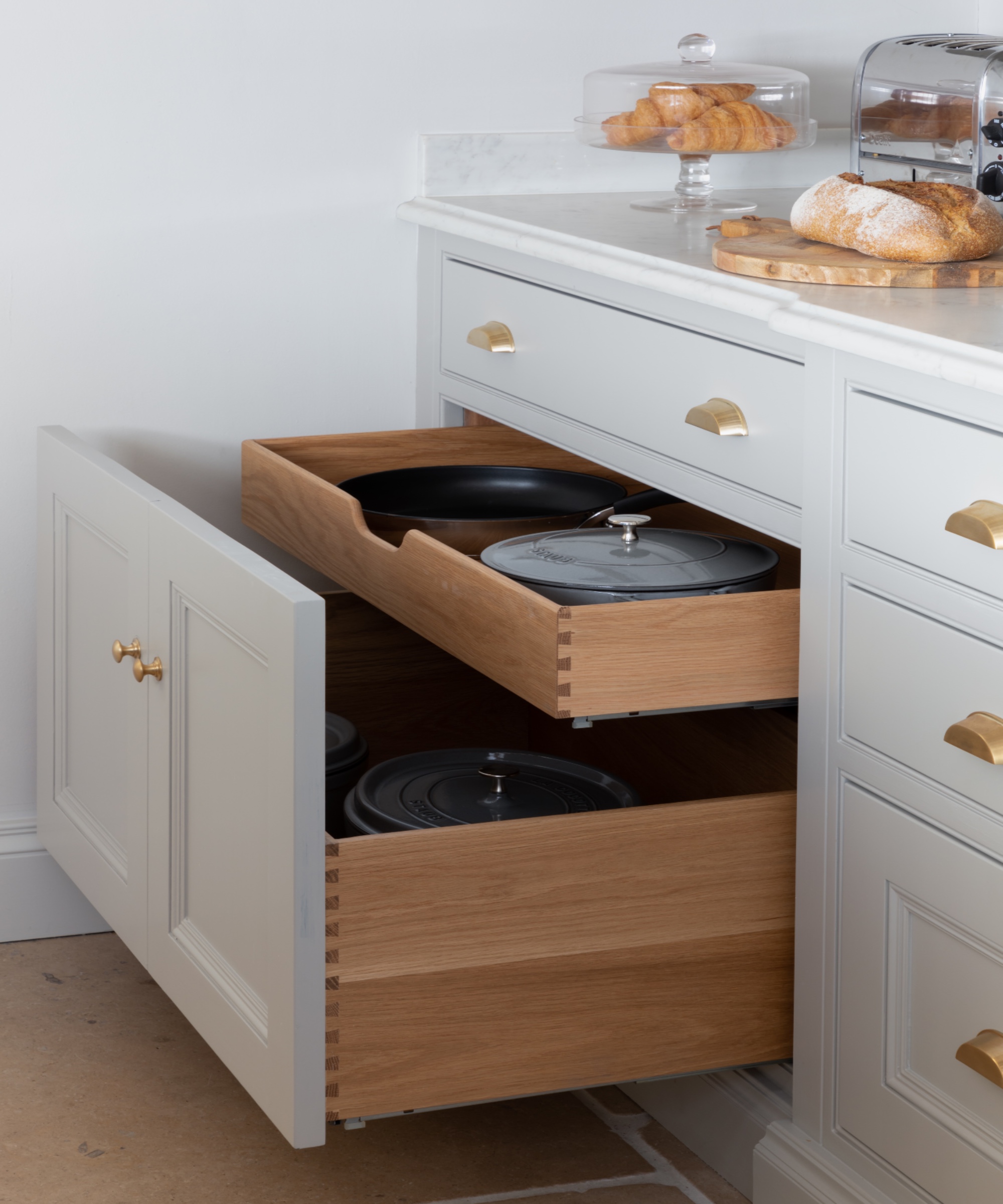
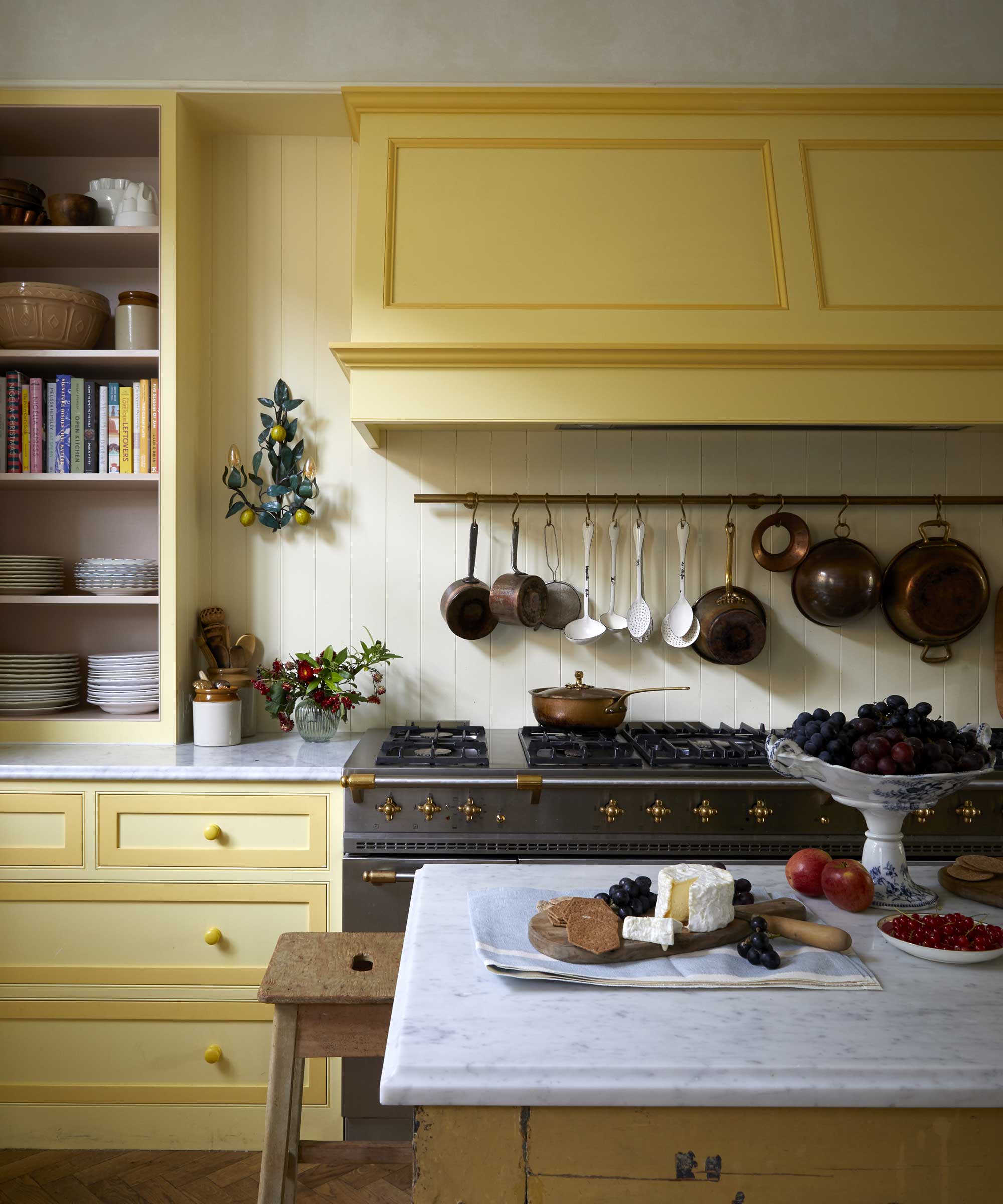
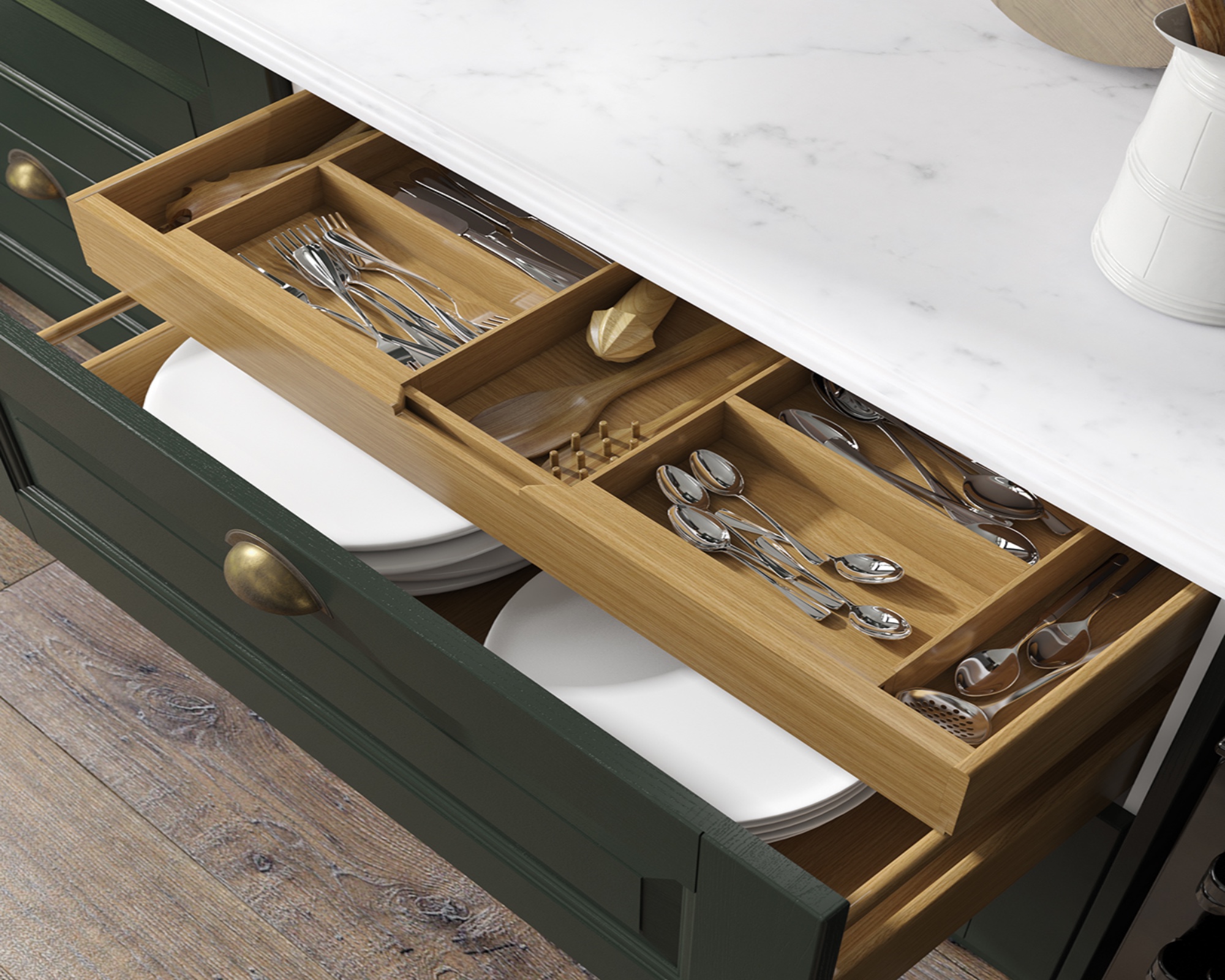
Effective cookbook storage begins with utilizing existing kitchen space. If space permits, dedicating an open shelf or a cabinet shelf specifically for cookbooks is a straightforward approach. For extensive collections, it is advisable to keep frequently used books in the kitchen and store the rest with other household books. When kitchen space is limited, creative solutions are necessary. This might involve reallocating space typically used for less-frequent kitchen appliances or serving ware, moving these items to areas like a dining room hutch, a closet, or even a basement. Within the kitchen, open shelves are ideal for display, provided they are situated away from direct heat and steam to protect the books. Cabinet shelves, especially those with glass doors, can offer a dust-free and decorative storage option for less-frequently accessed cookbooks. Additionally, deep drawers can be repurposed for cookbook storage by adding dividers to keep books upright and organized.
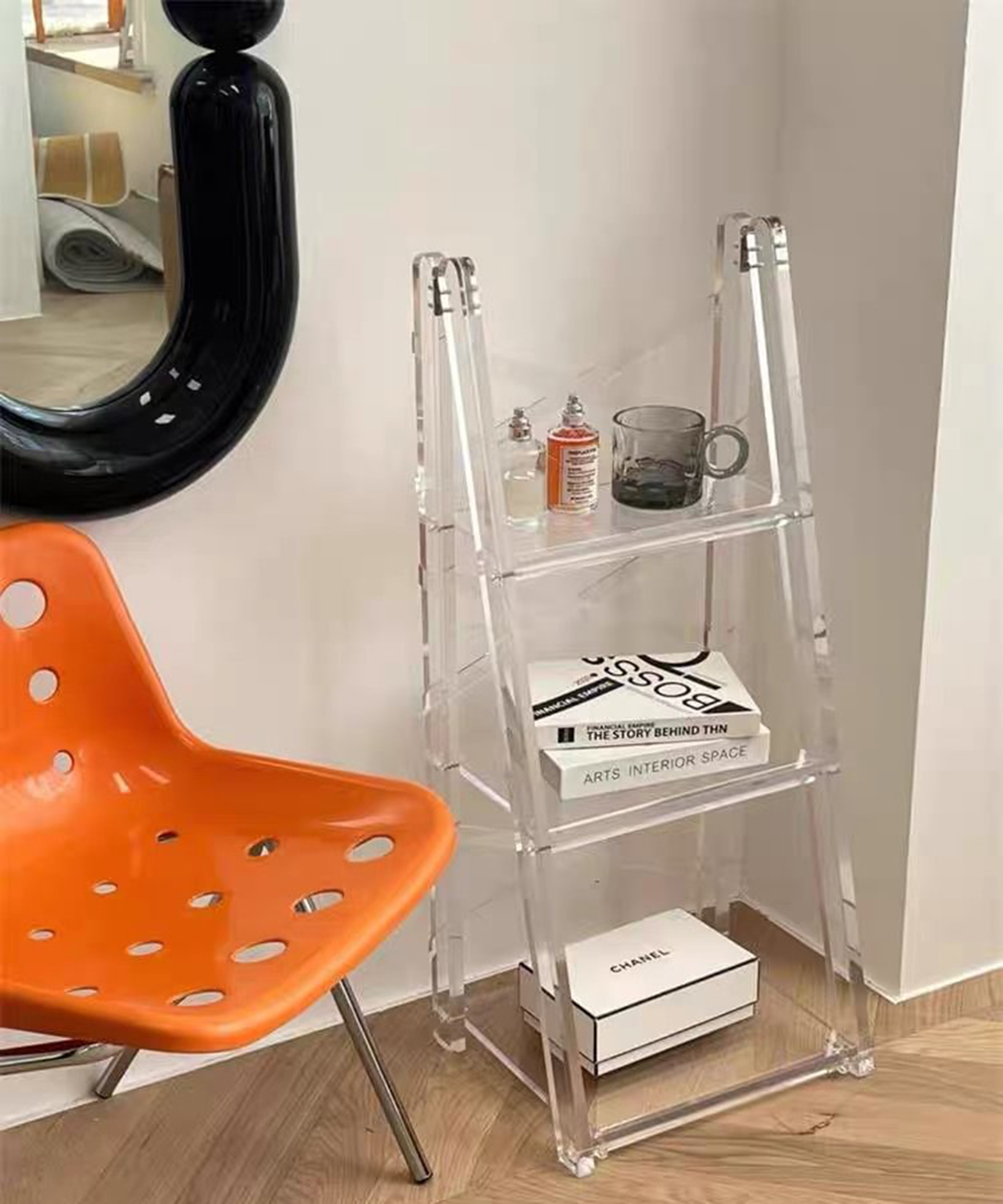
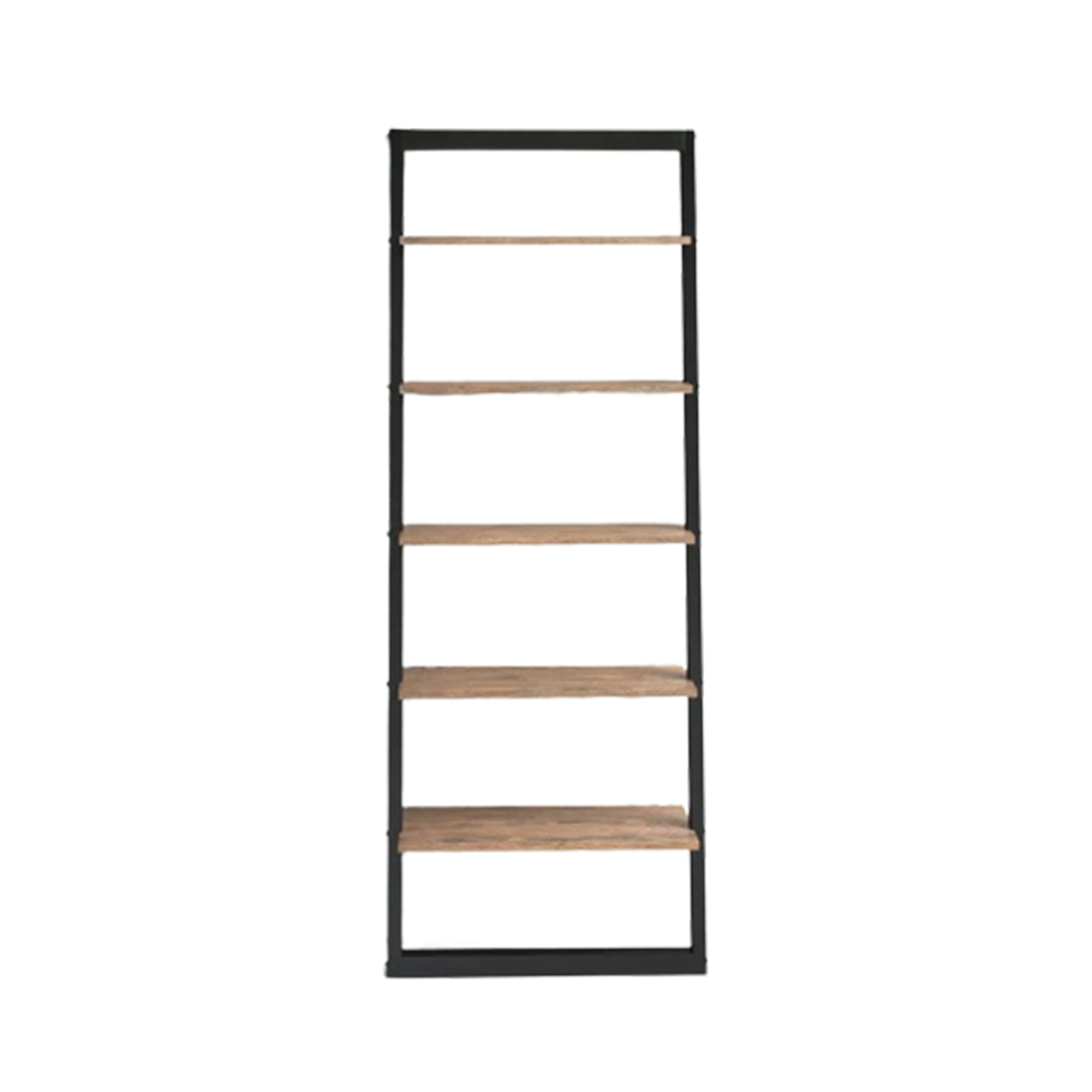
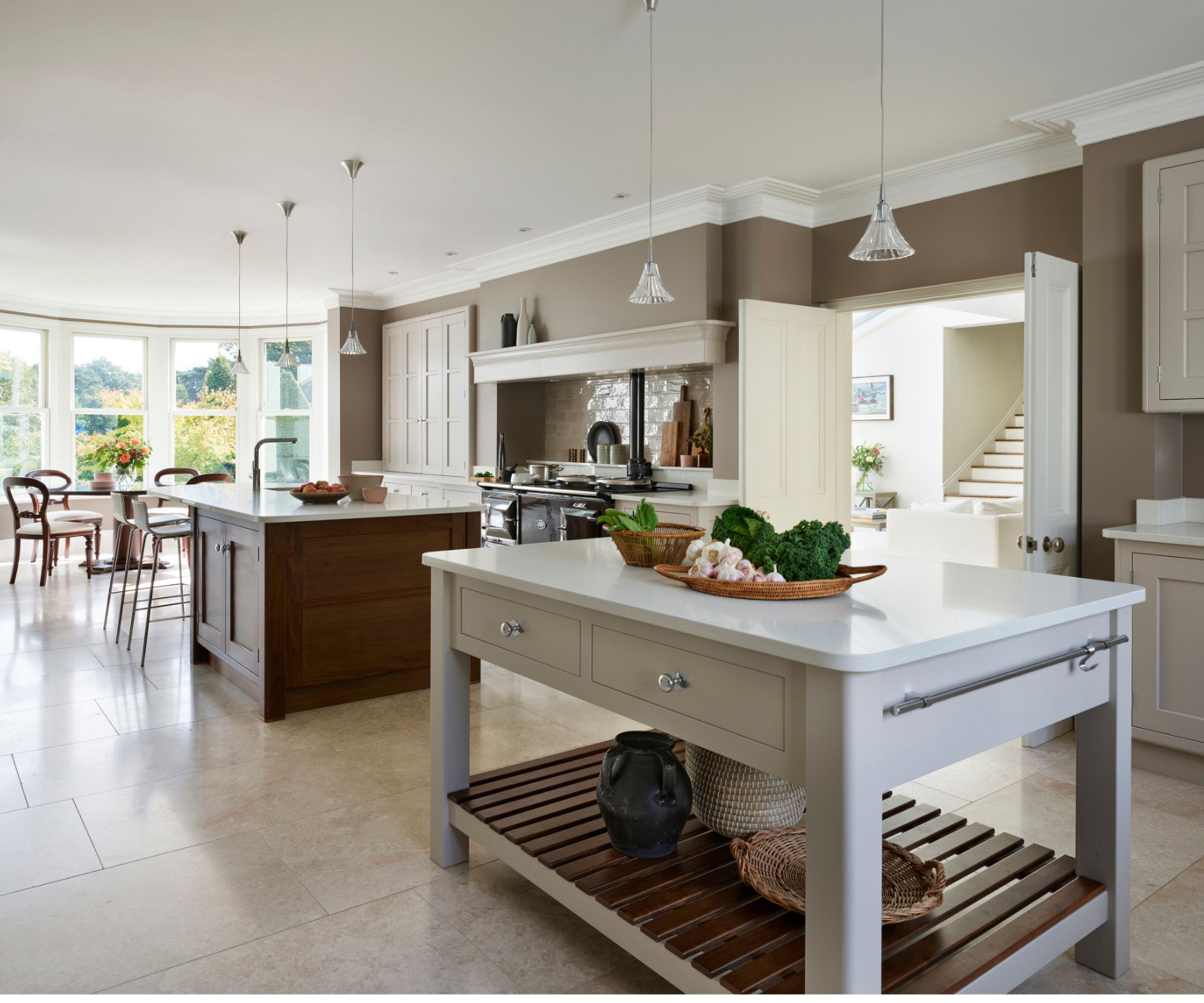
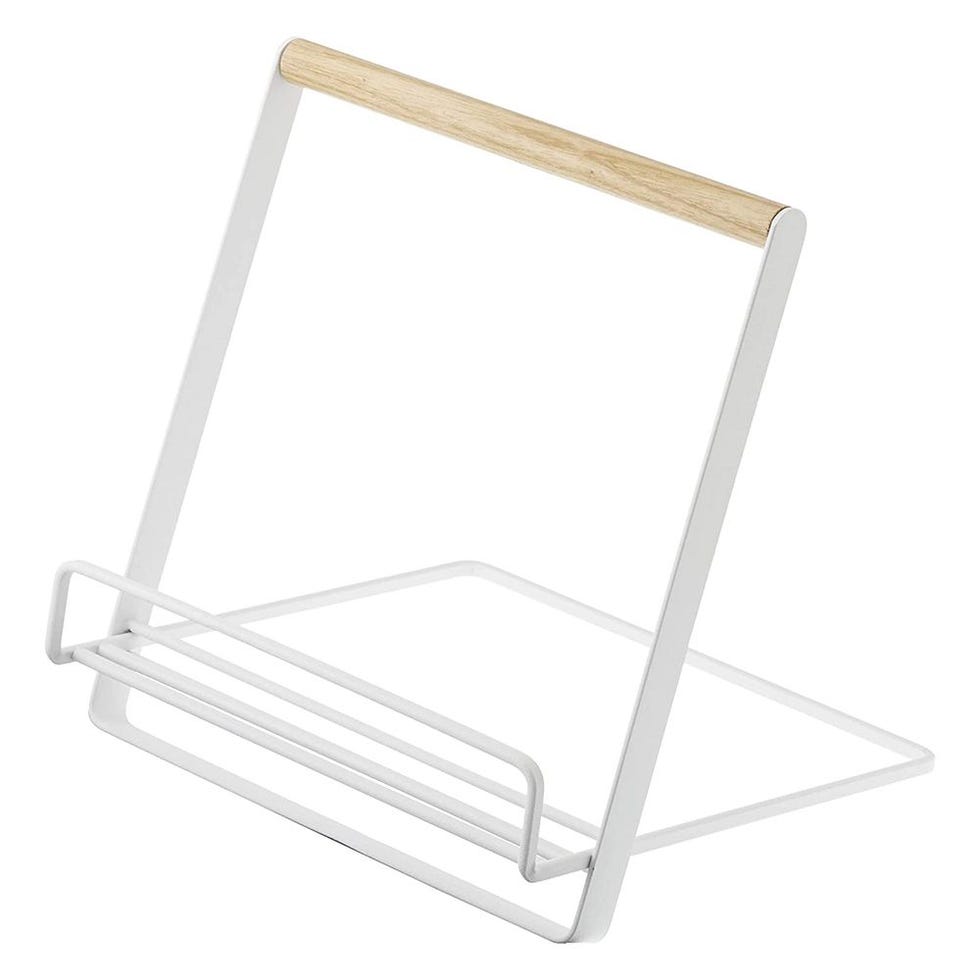
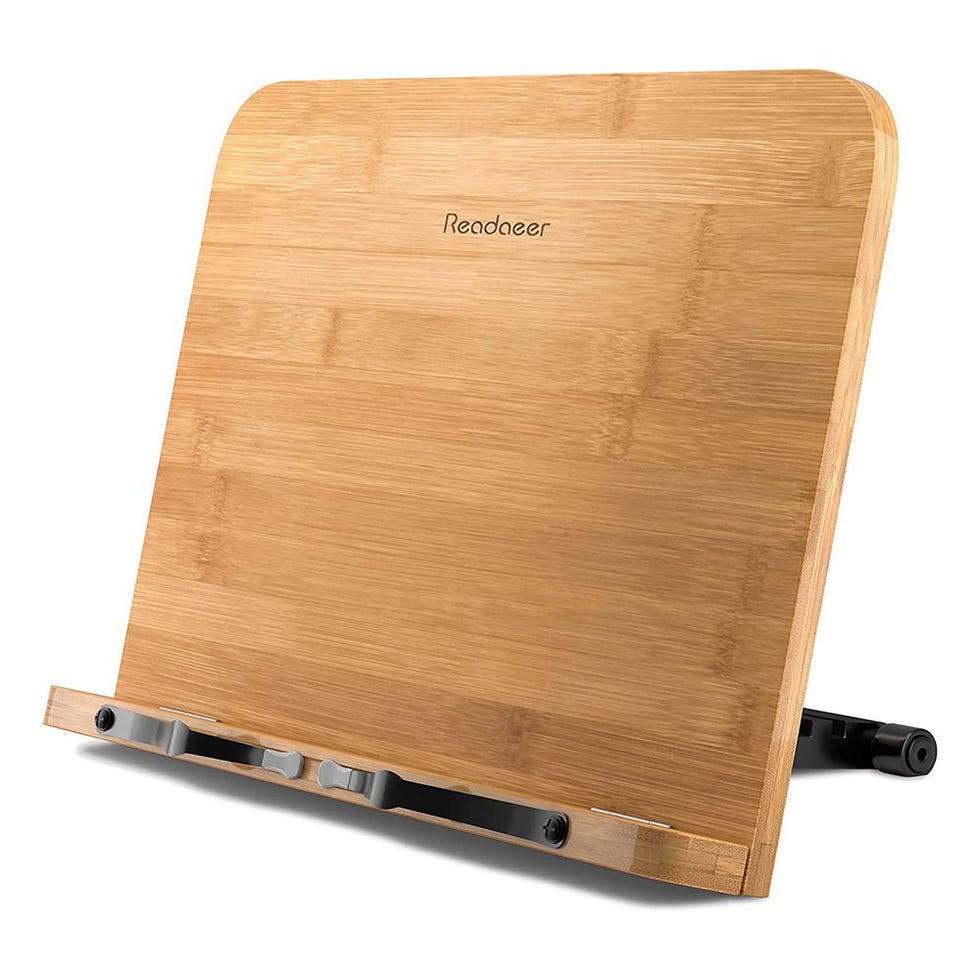
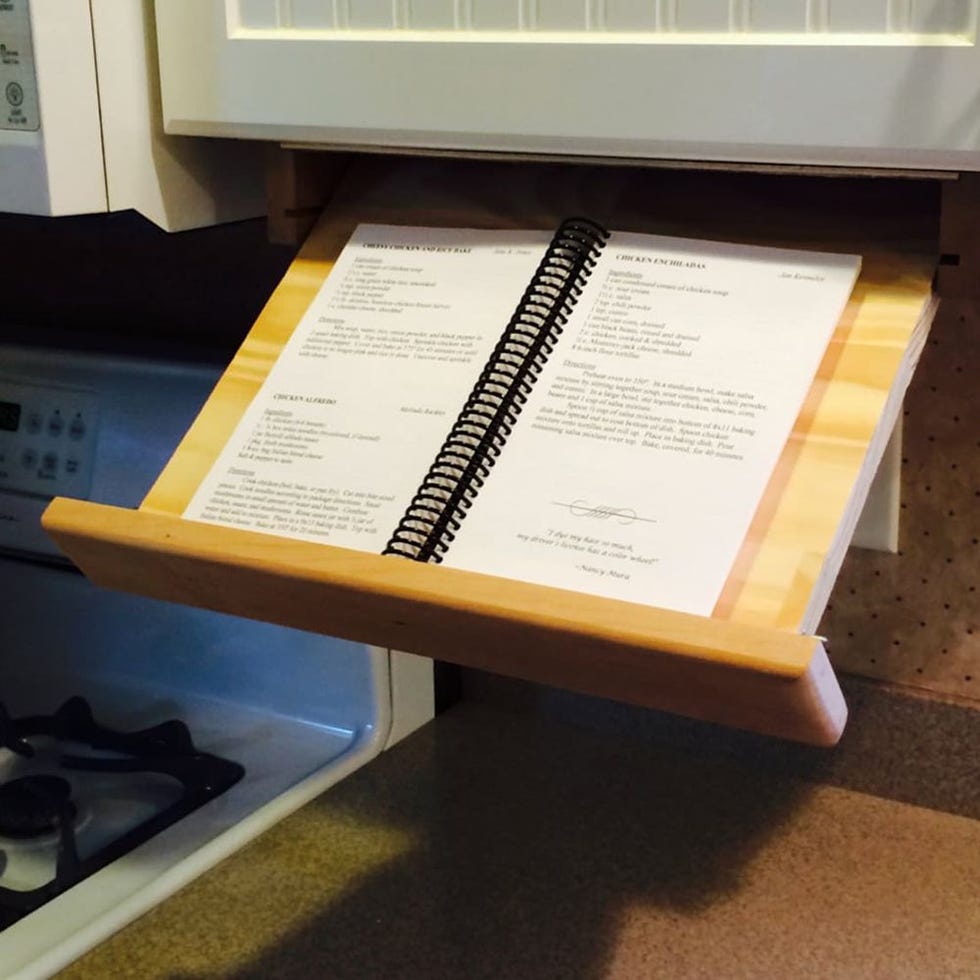
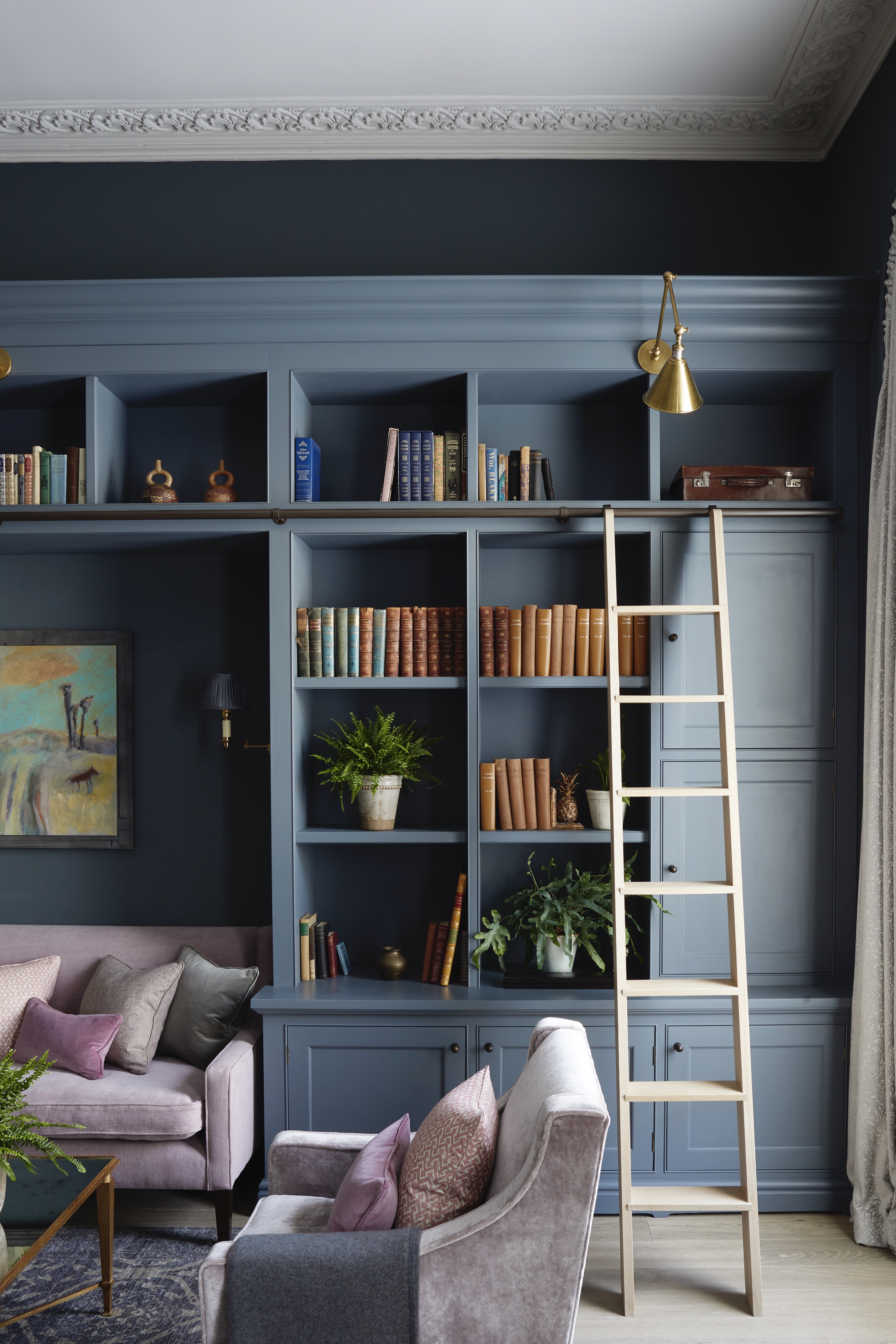
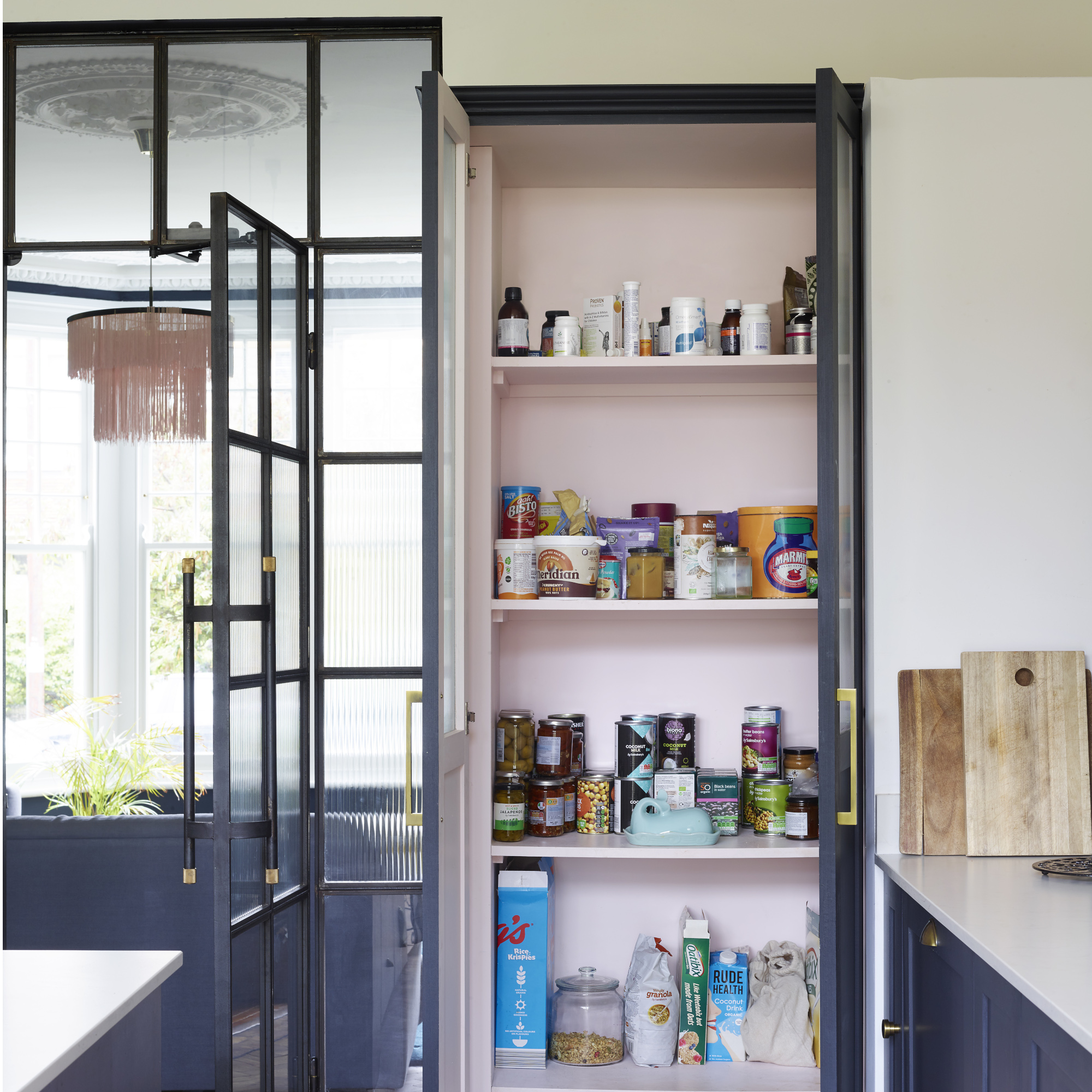
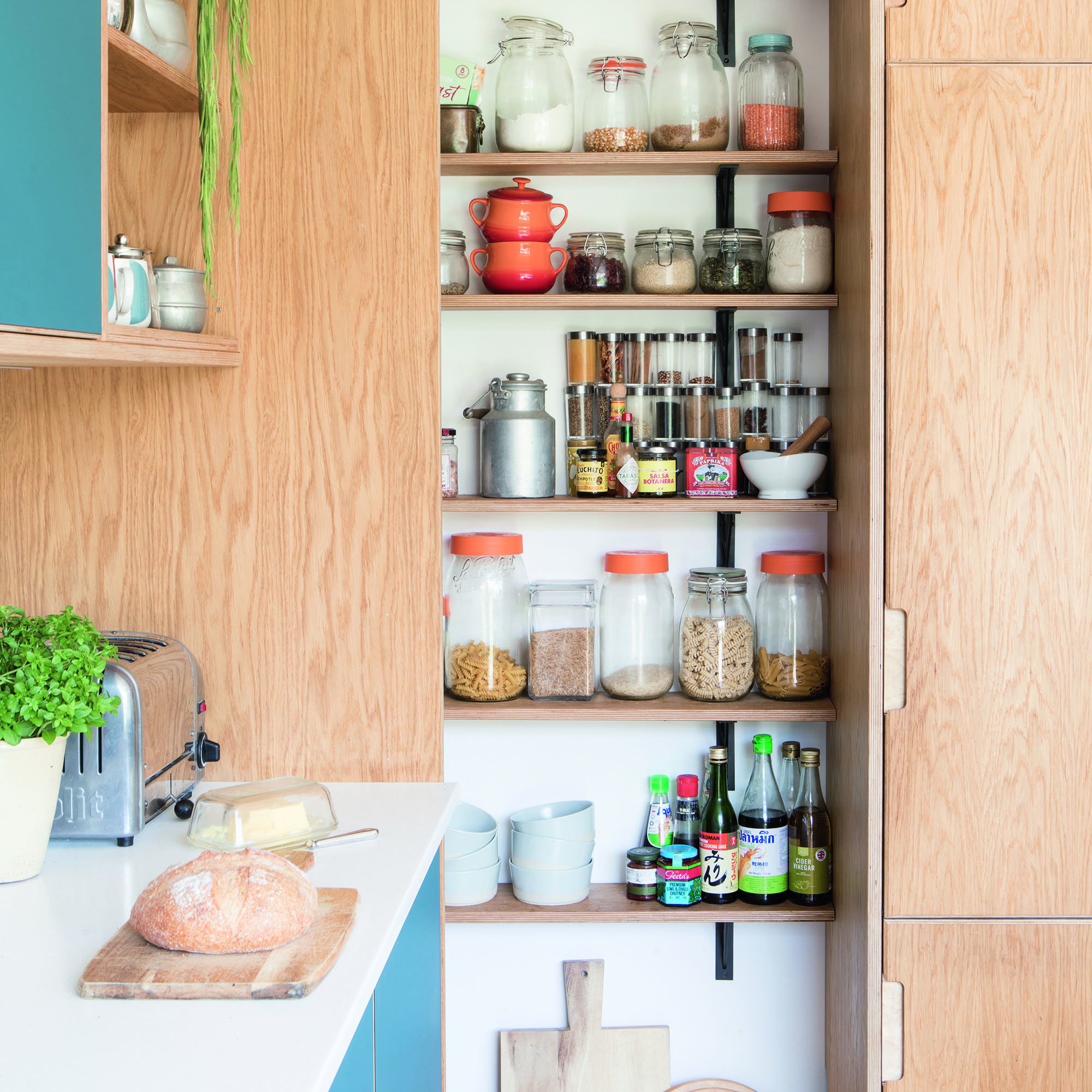
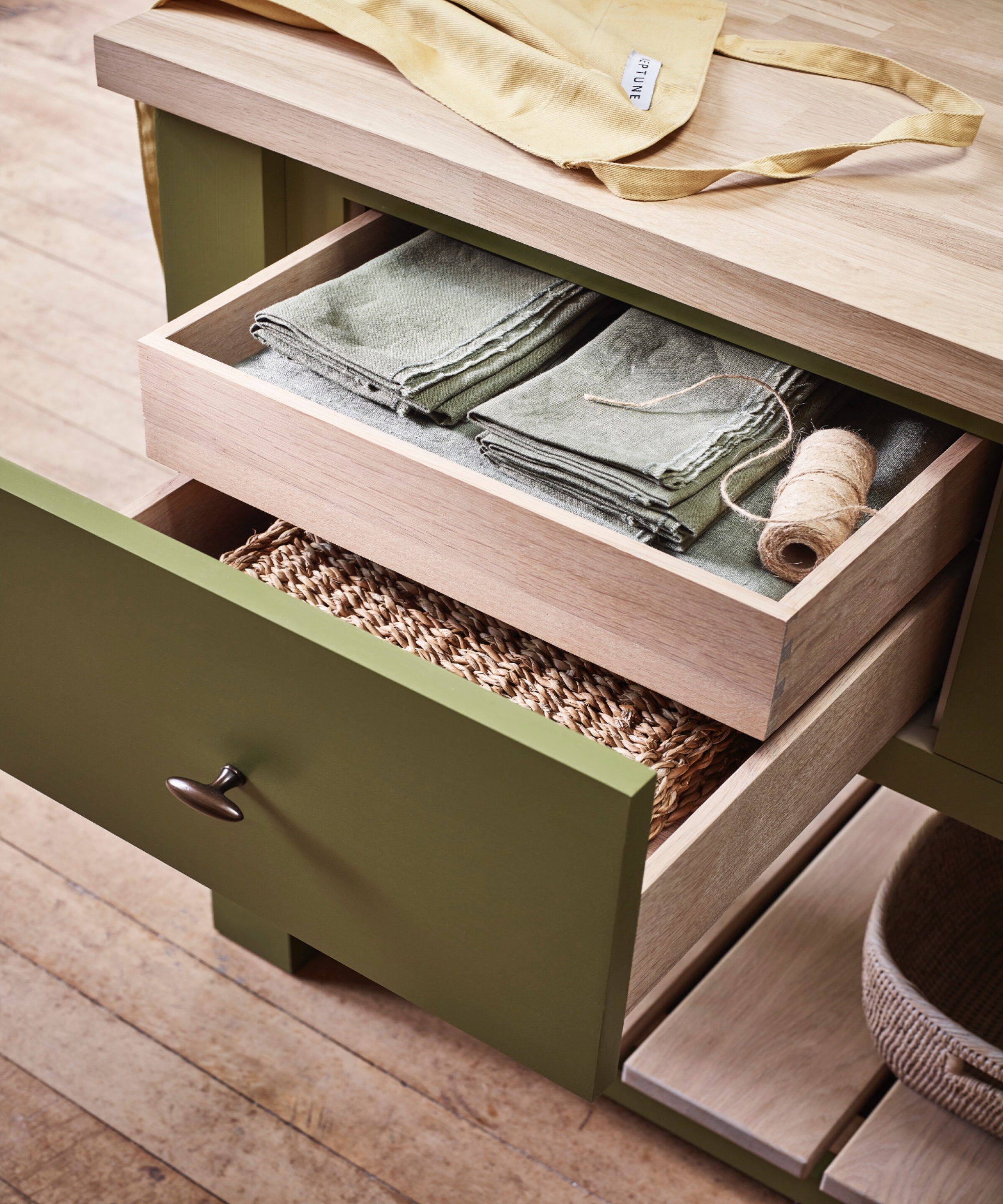
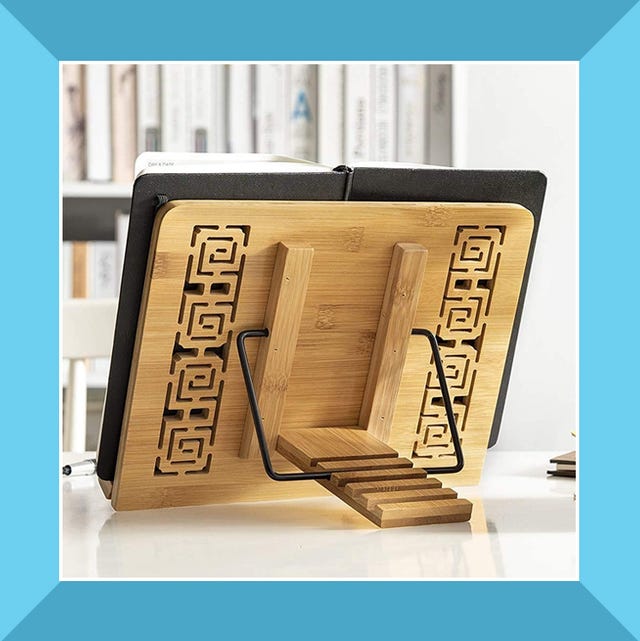
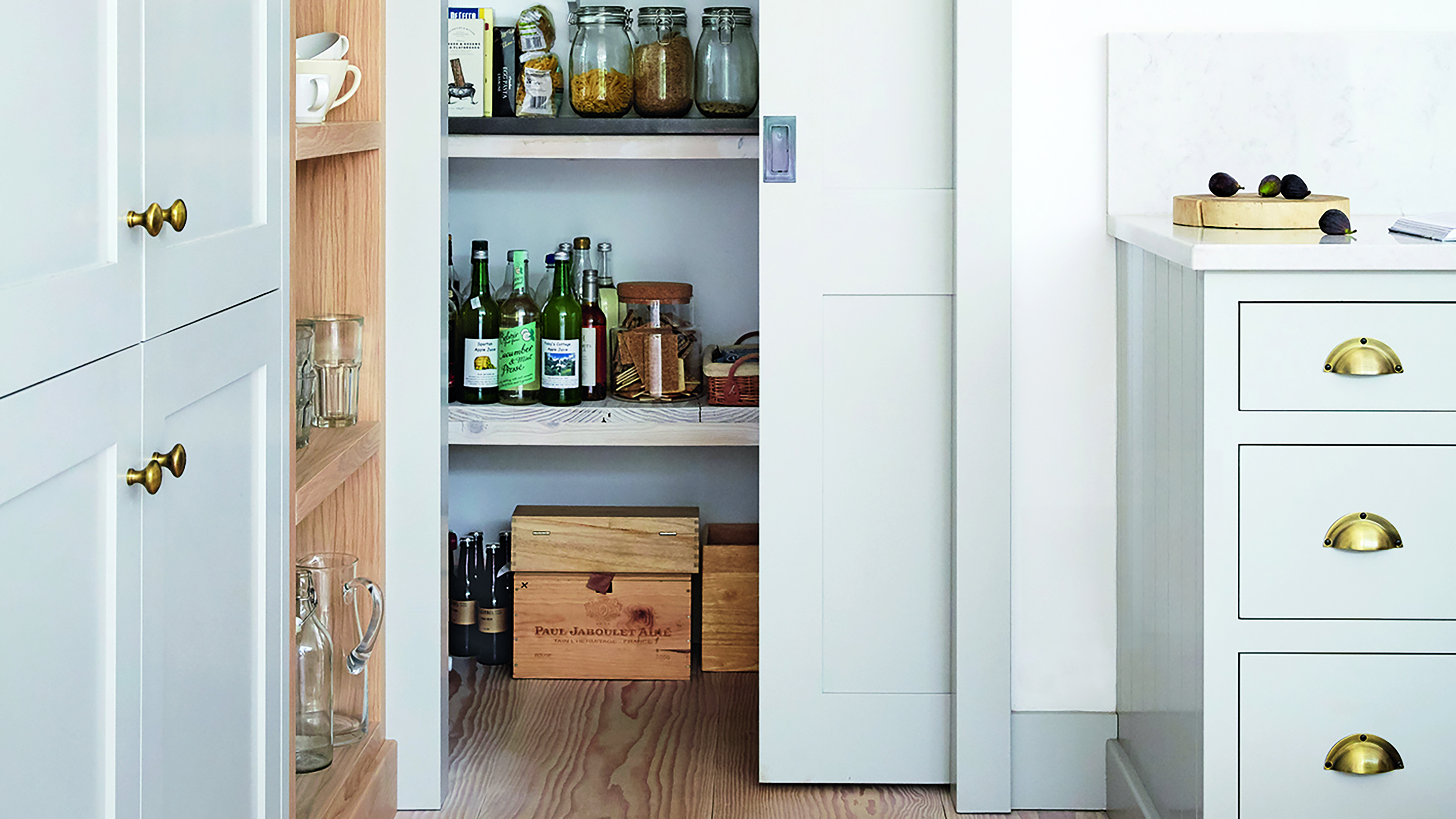
Beyond conventional shelving, the article explores 'sneaky' storage spots. For instance, banquette seating with integrated storage provides an excellent hidden space for cookbooks, which can be further organized using labeled bins or baskets. The often-overlooked space above upper kitchen cabinets can serve as storage for books that are not needed daily, though dust accumulation and the need for a ladder for access are considerations. A walk-in pantry offers another prime location, allowing for easy access to both recipes and ingredients simultaneously. For those still struggling to find space, creating new storage solutions is an option. Installing floating shelves on available wall space ensures cookbooks are always within reach. A freestanding kitchen cart, ranging from a full-sized island with built-in storage to a simple rolling unit, can also provide additional, mobile storage. A dedicated cookbook stand is a practical and stylish accessory for holding open a single, frequently used cookbook on the countertop, again, with the caveat of keeping it away from heat and steam.
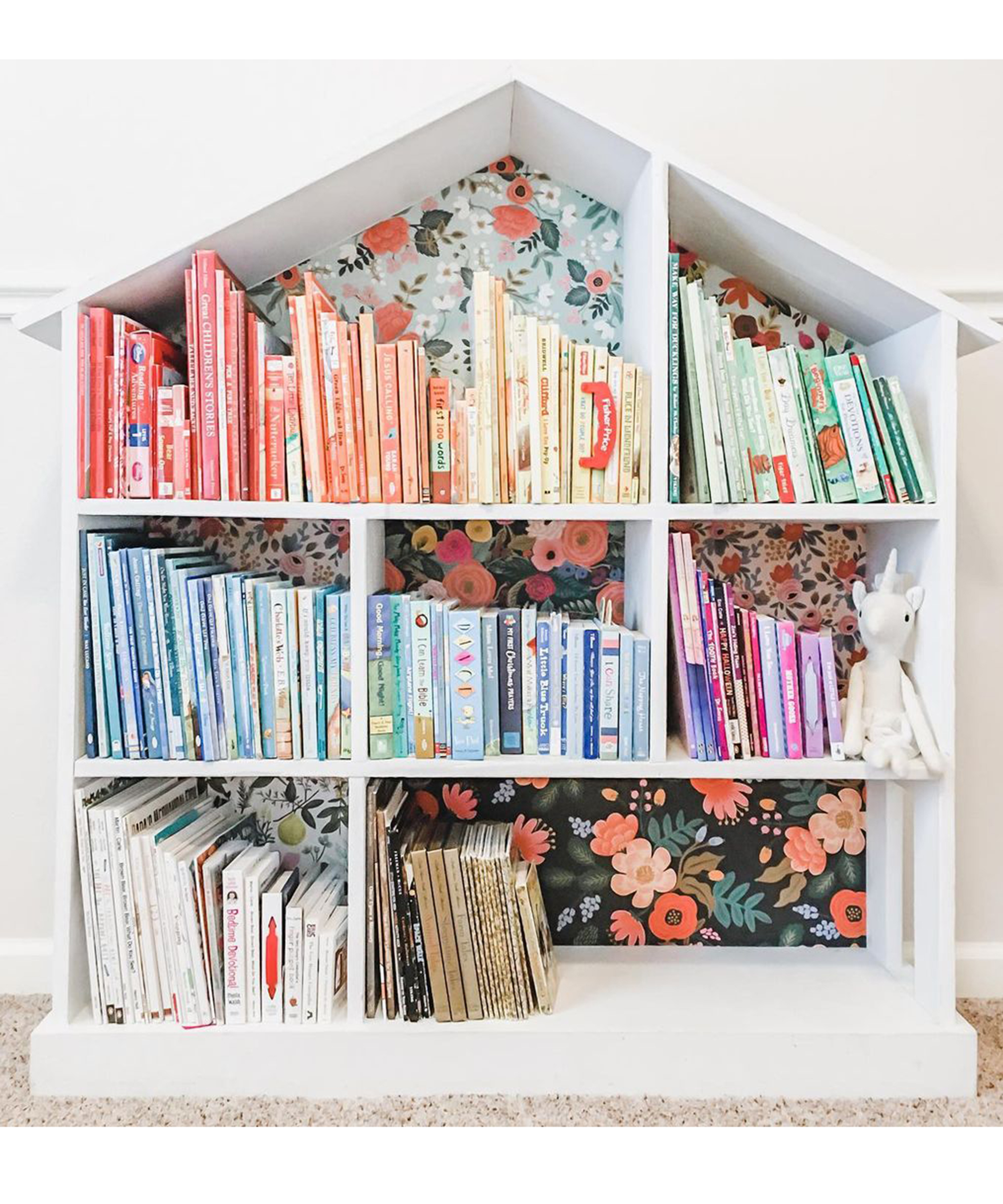
Once storage locations are established, organizing the cookbooks efficiently is the next step. Organization methods are largely based on personal preference. Cookbooks can be arranged alphabetically by title or author, allowing for easy retrieval. Grouping books by a particular chef is beneficial for fans of specific culinary personalities. Sorting by meal type (breakfast, dinner, dessert) or cuisine (Italian, Asian) helps in quickly finding recipes suited to specific occasions or tastes. Seasonal organization, where cookbooks are grouped by winter, summer, or holiday themes, minimizes sifting through irrelevant titles. Lastly, for an aesthetically pleasing arrangement, cookbooks can be organized by color, adding a subtle styling element to the kitchen décor. These diverse storage and organization strategies aim to make a cookbook collection both functional and an integral part of the home's design.
#CookbookStorage #KitchenOrganization #HomeDecor #StorageSolutions #KitchenDesign #DeclutterYourHome #EfficientKitchen #InteriorDesign #HouseholdTips #CookbookStorage #KitchenOrganization #HomeDecor #StorageSolutions #KitchenDesign #DeclutterYourHome #EfficientKitchen #InteriorDesign #HouseholdTips
0 comment in total
 No comments yet
You may also like
6 cooking experts on how to organise your kitchen

These 10 Cookbook Stands Track Your Recipe Progress Like a Pro
9 pantry storage solutions organising experts swear by for a perfectly tidy store cupboard
3 Common Storage Mistakes That Are Ruining Your Pots And Pans
17 brilliant book storage ideas

The 21 best kitchen storage ideas, per a professional organizer
19 Creative Storage Solutions For The Book-Obsessed

Organizing pots and pans – 10 ways to keep cookware tidy

9 expert tips from a top kitchen designer on getting storage spot on
7 Items You Should Never Store In Kitchen Cabinets
DIY bookshelves — 11 creative ways to store books and literature you love

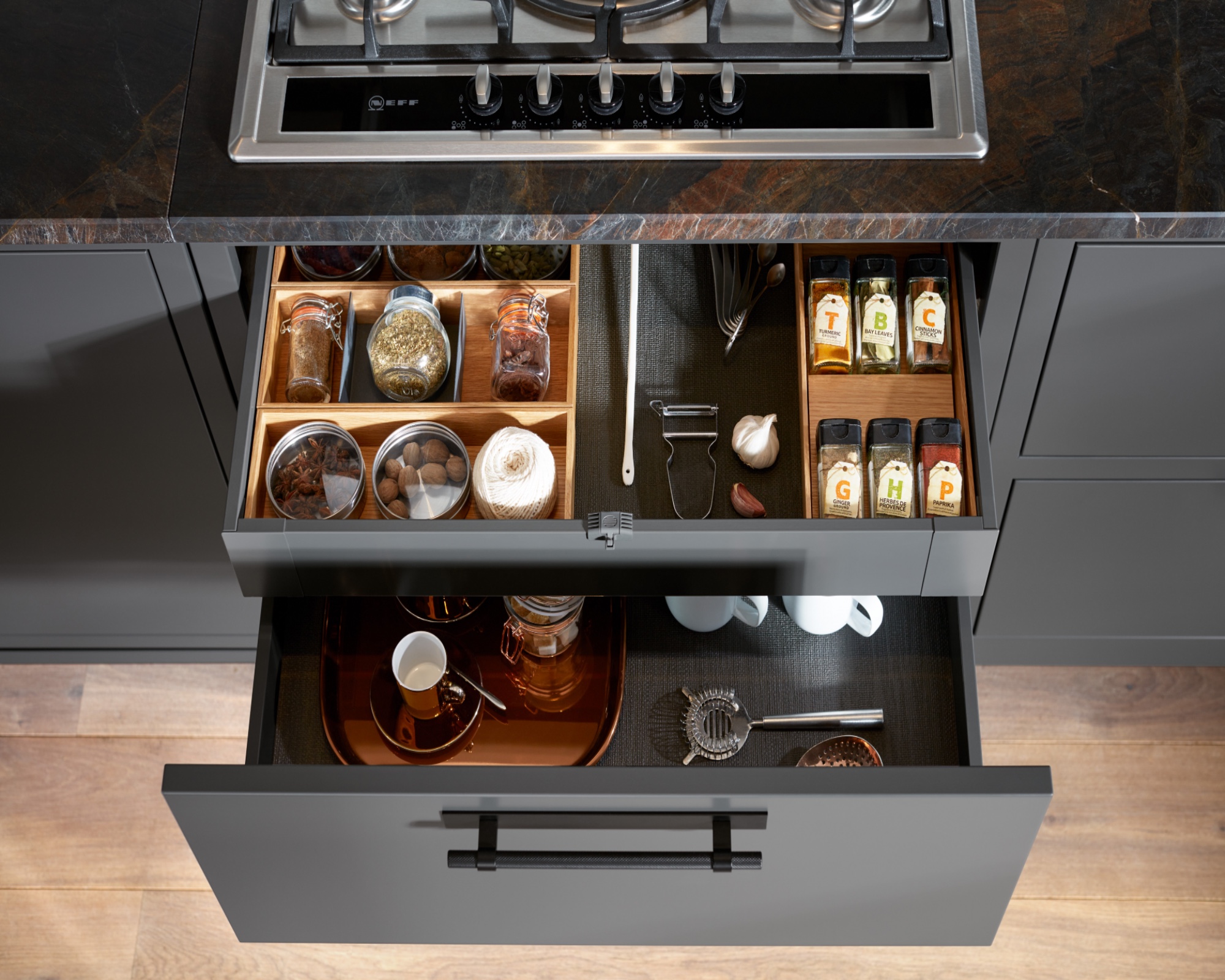
How to organize kitchen drawers – 12 ways to keep cooking essentials orderly
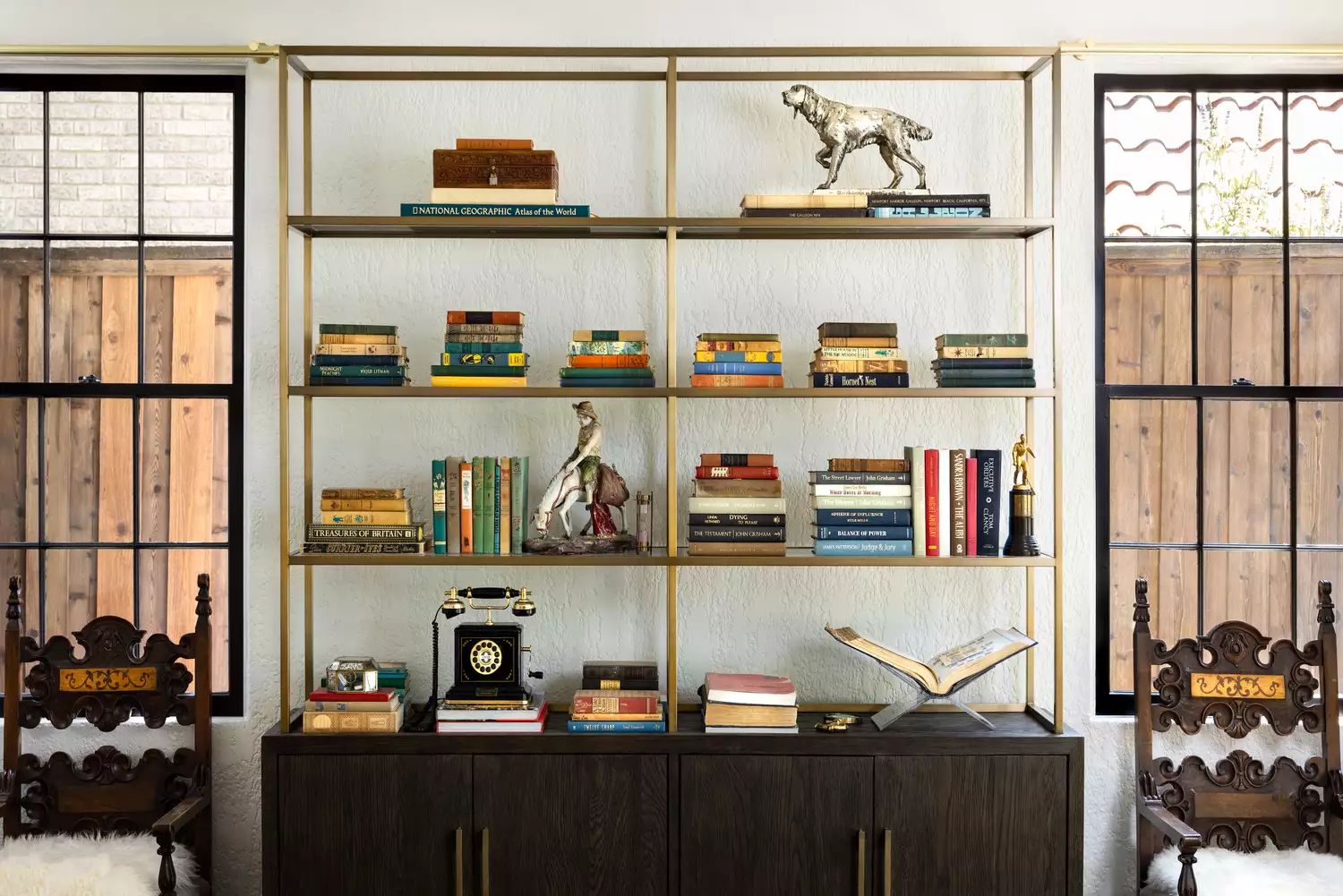
16 Beautiful Book Storage Ideas to Display and Organize Your Collection

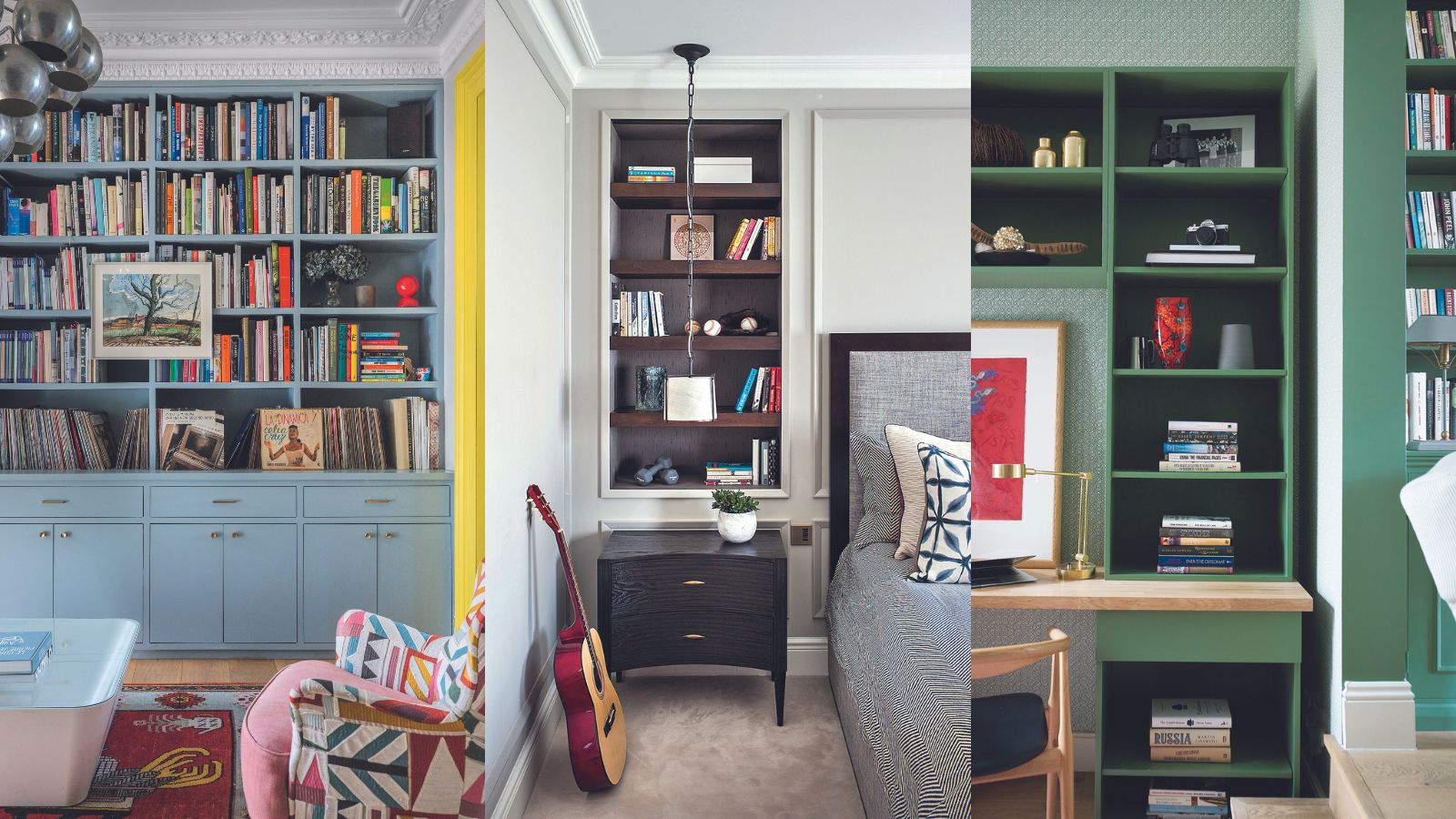
Organizing a bookshelf – 15 ways to keep on top of your tomes
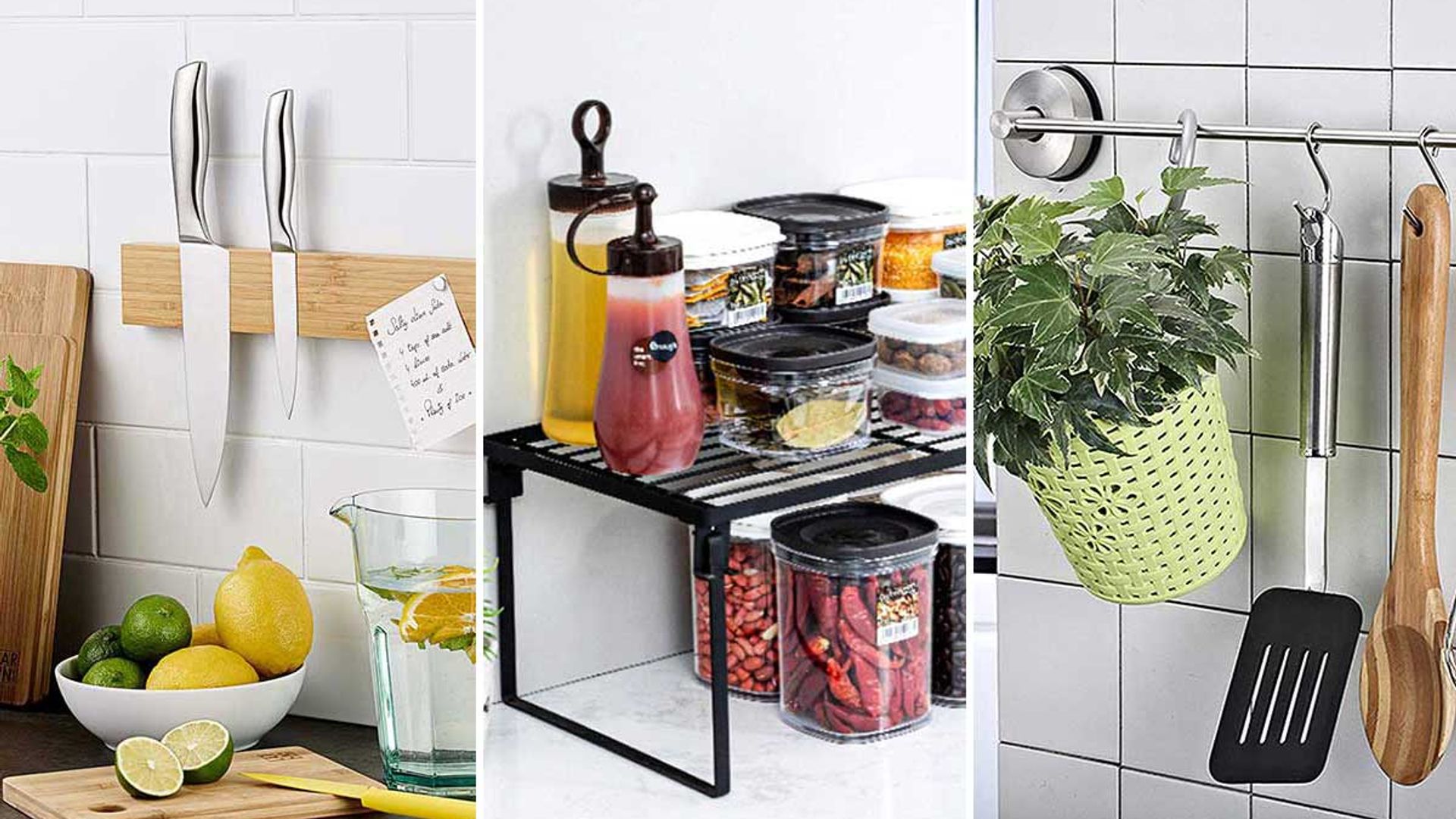
10 genius kitchen storage and organisation ideas that will make life easier

10 clever outdoor kitchen storage ideas to keep your space organised
The 15 Best Kitchen Storage Ideas for an Organized Space

16 Kitchen Organization Tricks I Learned Working In Restaurants

The Most Clever Bookshelf Organizing Tips
The Spice Rack Hack For Actually Convenient Cutting Board Storage