1/9
Organizing pots and pans – 10 ways to keep cookware tidy
The article offers a comprehensive guide to organizing pots and pans effectively, emphasizing its importance for a practical and smooth-running kitchen. It acknowledges the common challenge of storing bulky cookware and highlights that proper organization ensures items are accessible, easy to put away, and contribute to a neat, tidy, and functional kitchen space.
The first step in organizing is to assess the current collection. This involves taking all pots and pans out and laying them on a surface to get a clear overview, as advised by professional organizer Lucy Mansey. Following this, it is crucial to declutter and determine what items are truly needed. The article suggests being 'brutal' in this process, as having too many rarely used items only creates clutter. Kitchen designer Emma Cowburn from Harvey Jones emphasizes that a smaller, more manageable cookware collection is easier to store and organize. Additionally, considering multi-purpose items, such as cast-iron pots that can go from oven to table or Pyrex dishes for oven to fridge, can further simplify the collection.
For cookware not used daily but still important, such as oversized casserole dishes or baking trays for entertaining, the article recommends storing them separately outside the primary cooking zone. This strategy is particularly useful for small kitchens or when organizing a pantry, freeing up valuable kitchen cabinet space. Alexandra from Clairrow illustrates this by storing her bulky crockpot in a dining room sideboard.
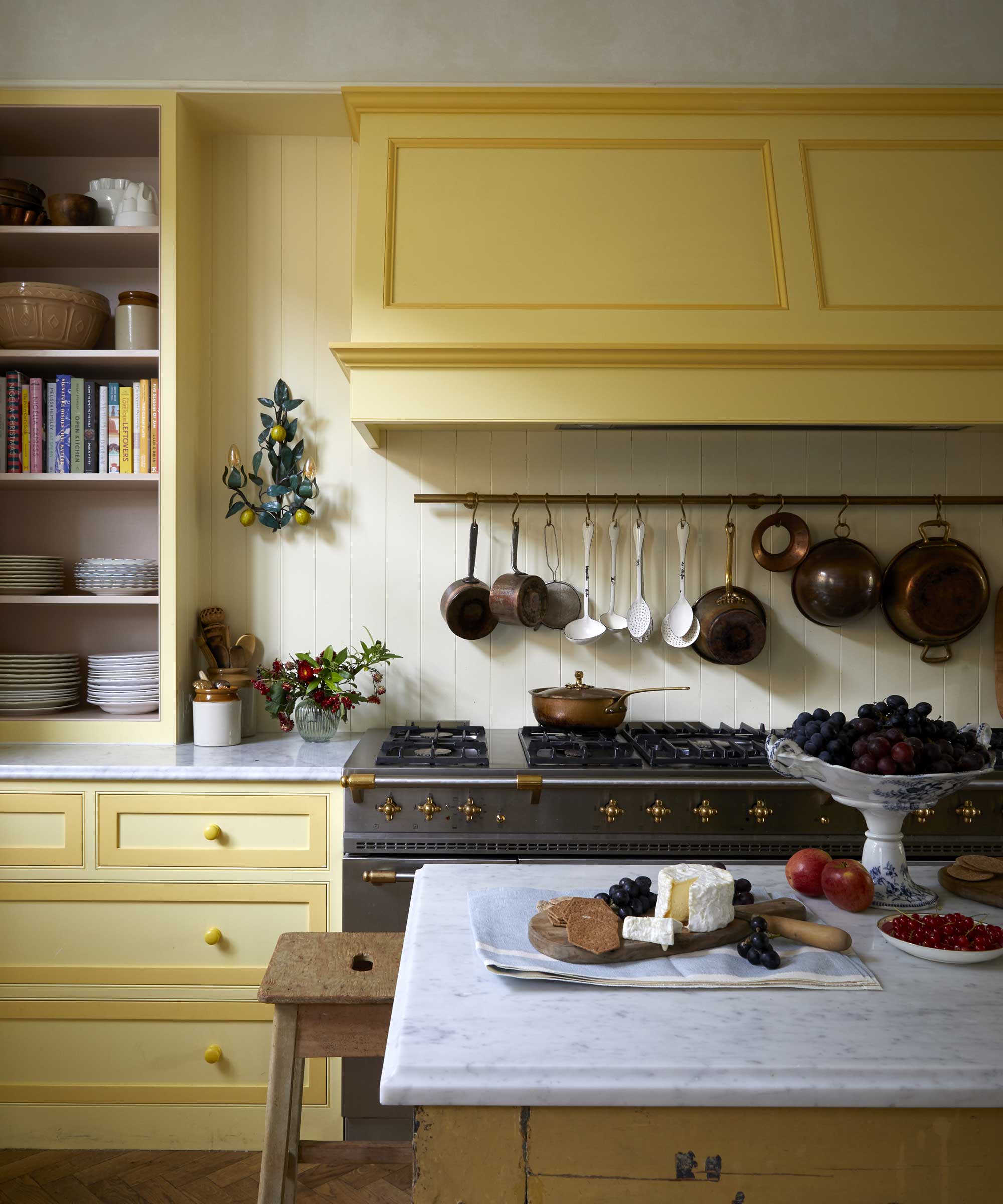
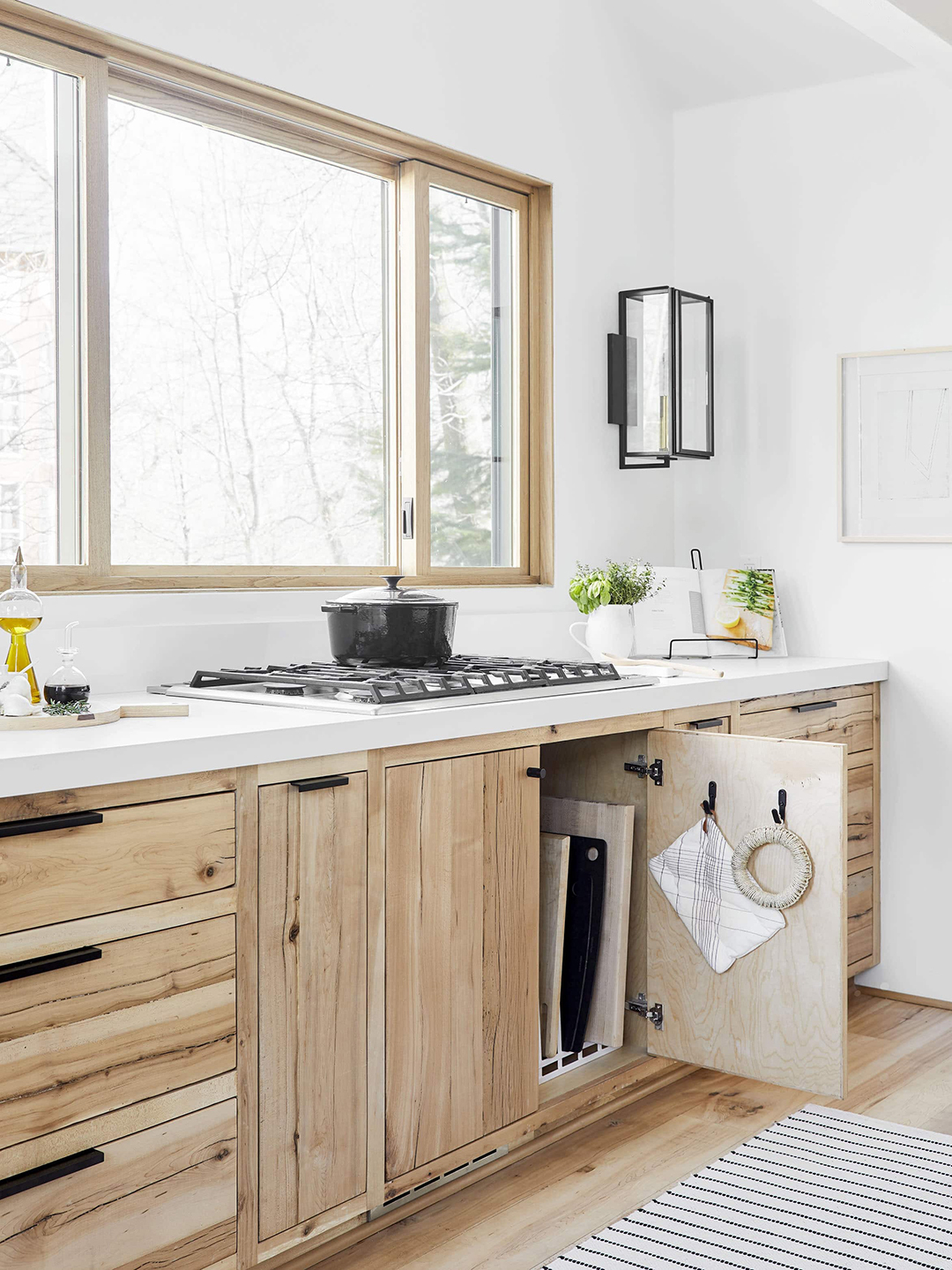
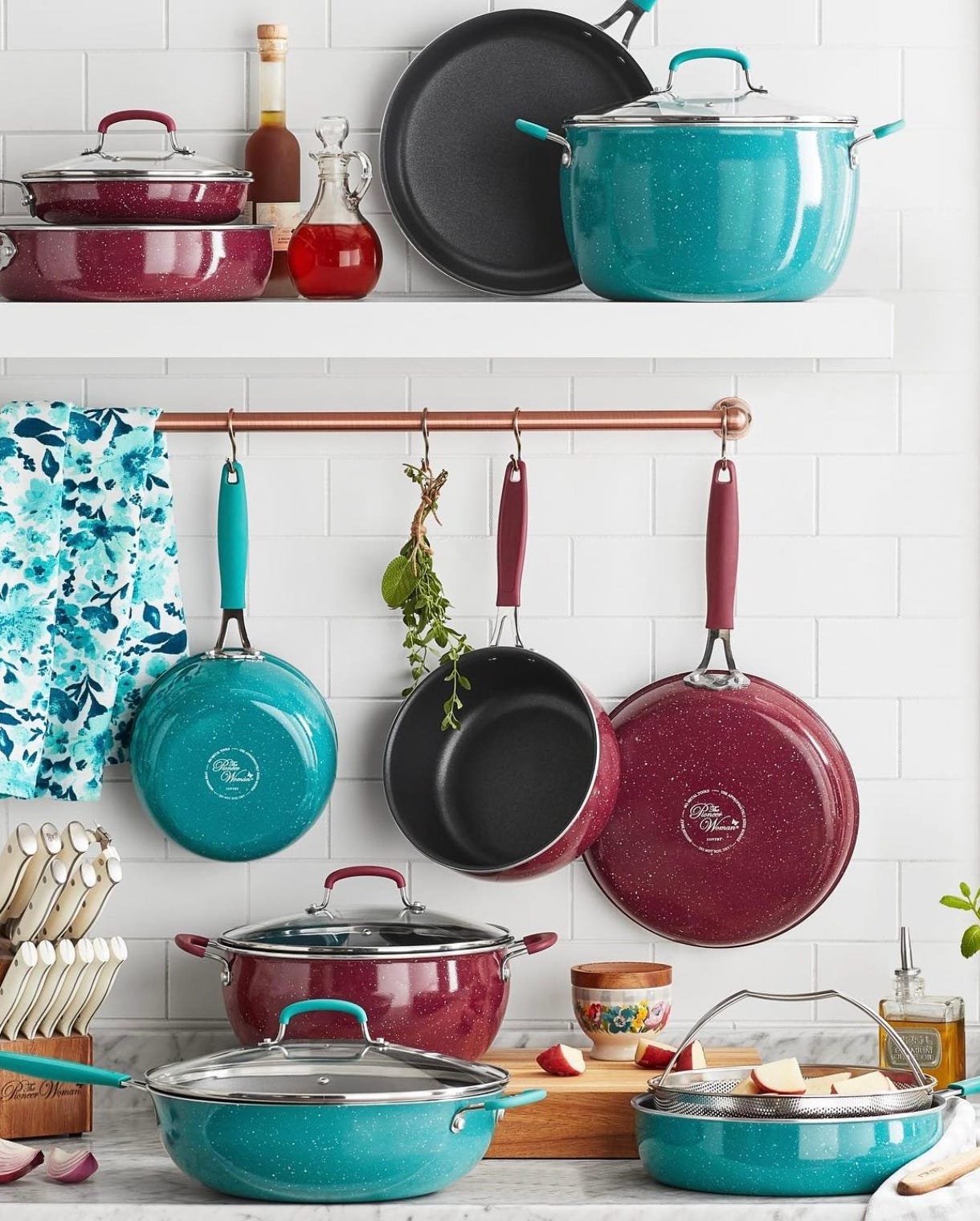
Strategic positioning of frequently used pots and pans is highlighted as key. They should be stored near the stove or cooktop for easy access, minimizing wasted movement and enhancing kitchen continuity. While some items can be hung or placed on shelves for quick grabbing, anything previously kept on countertops should be moved to these designated storage areas to maintain organized kitchen countertops. The article also advises against storing non-cooking related items like crockery or cutlery with pots and pans to prevent congestion, especially when multiple people are in the kitchen.
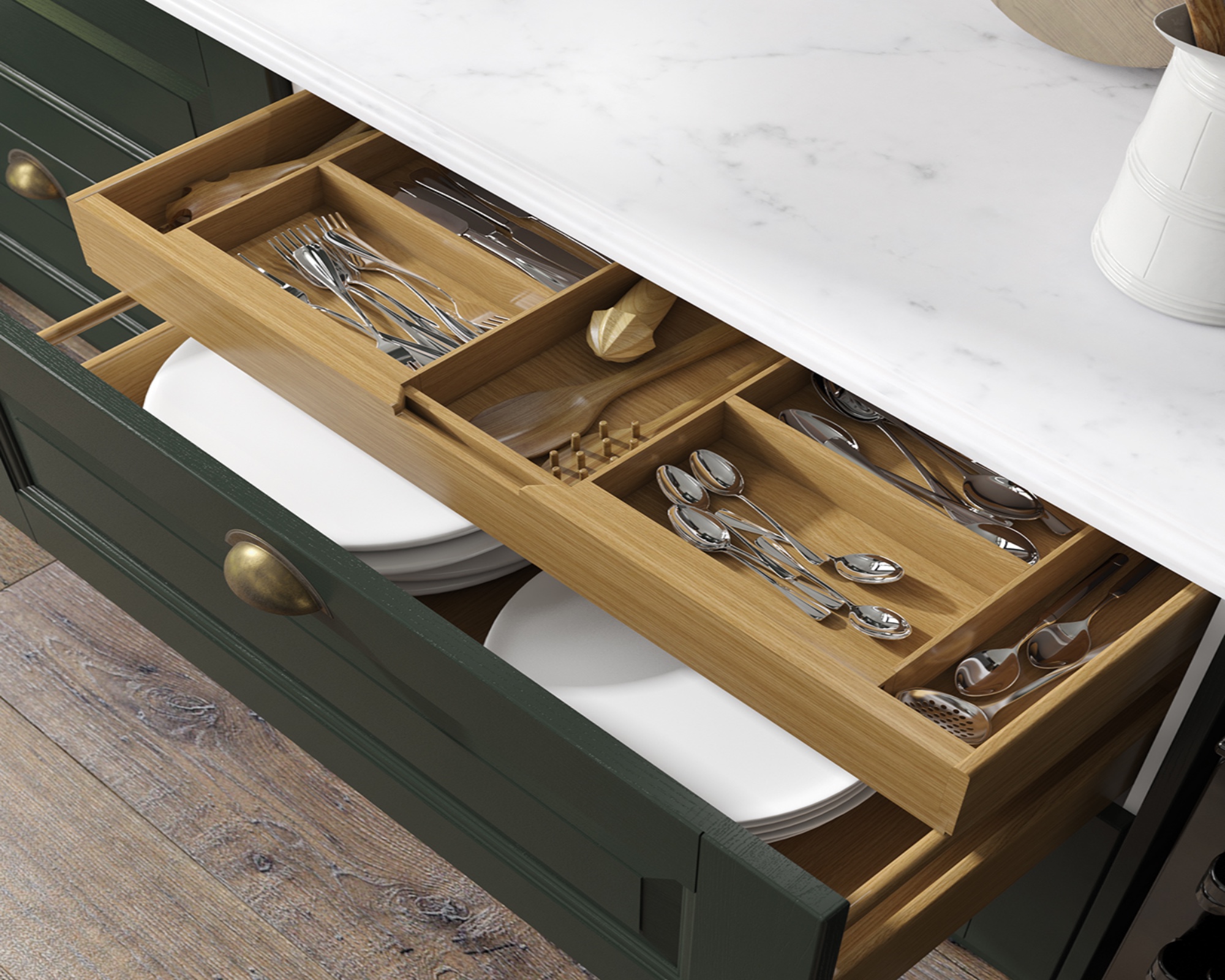
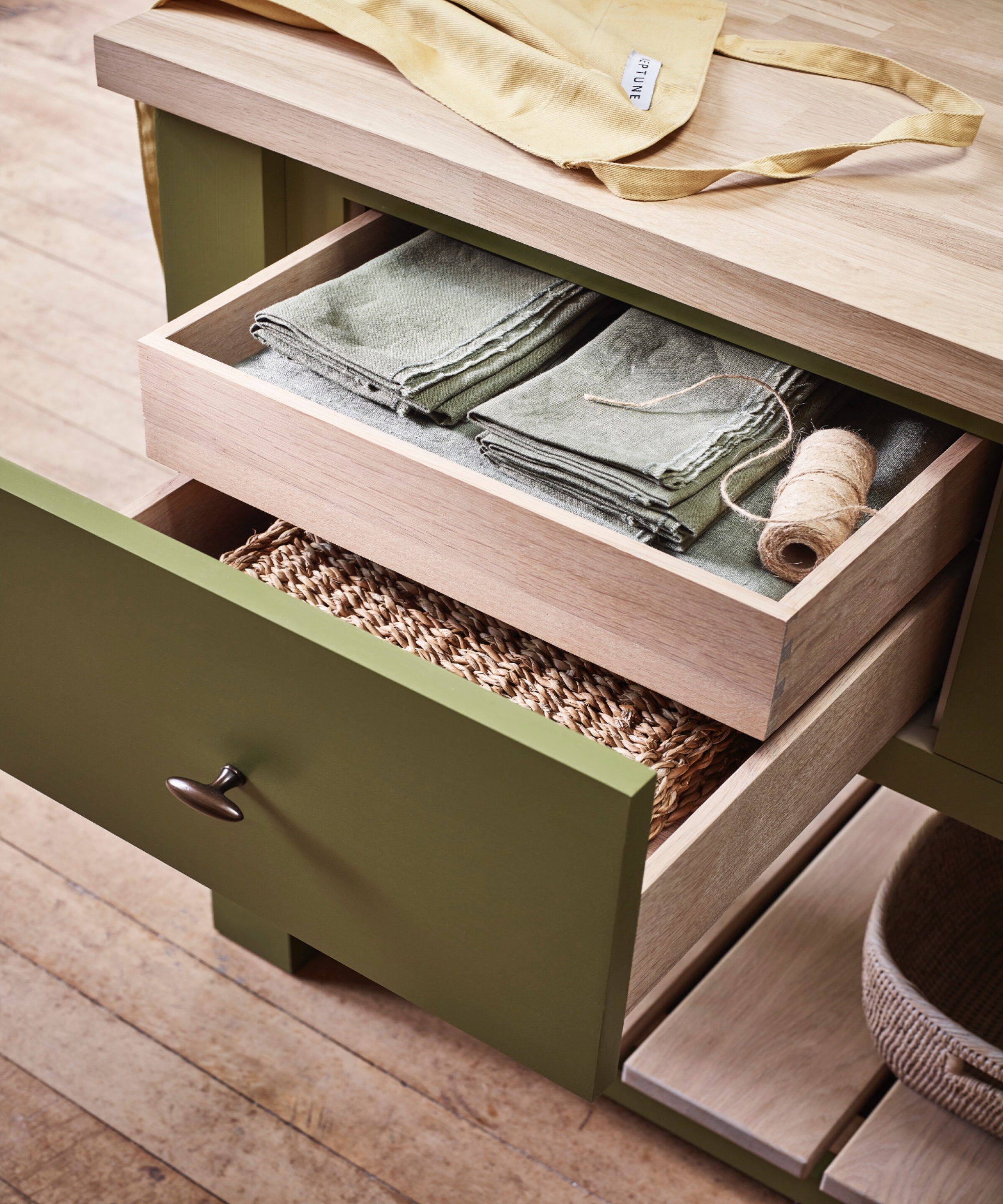
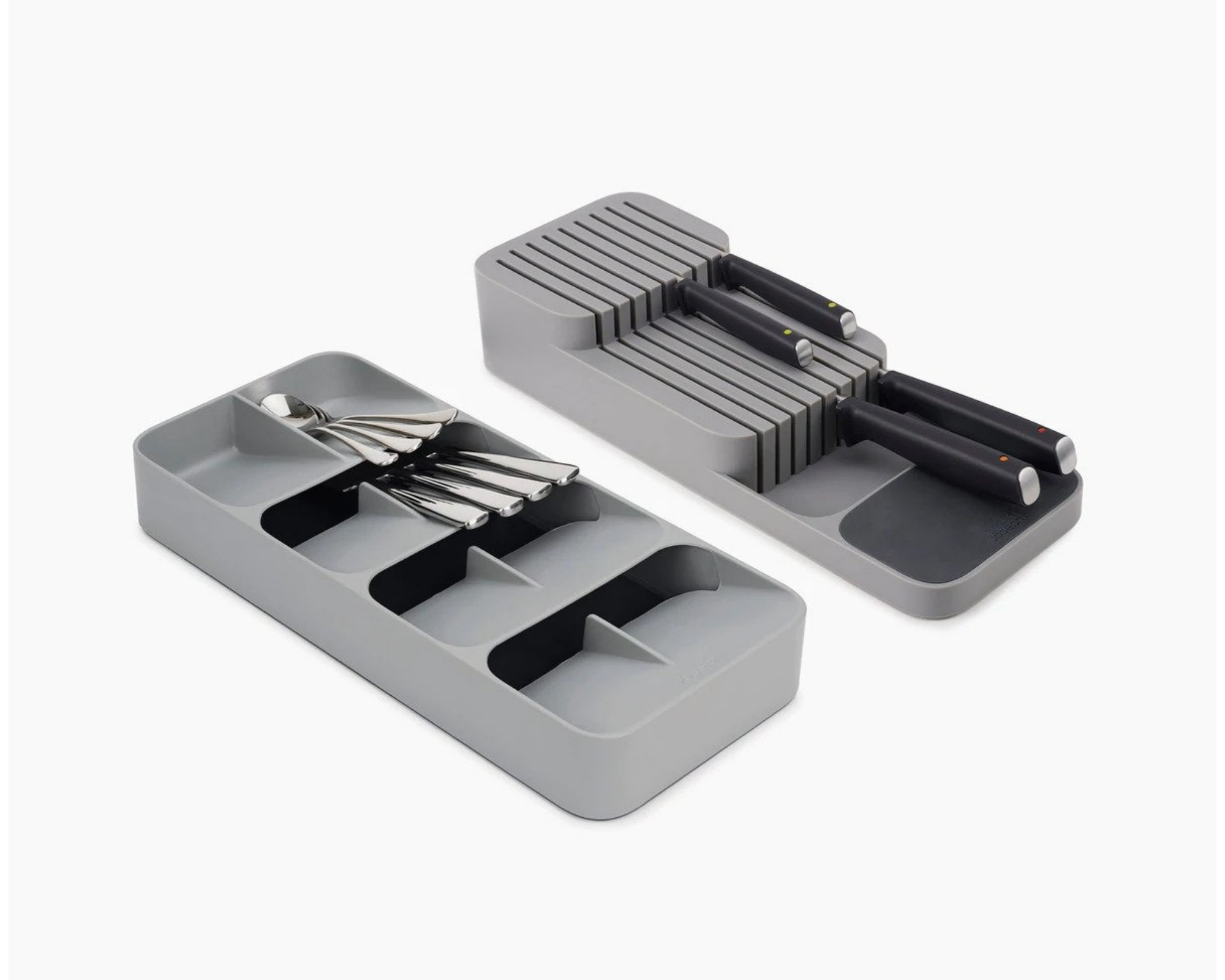
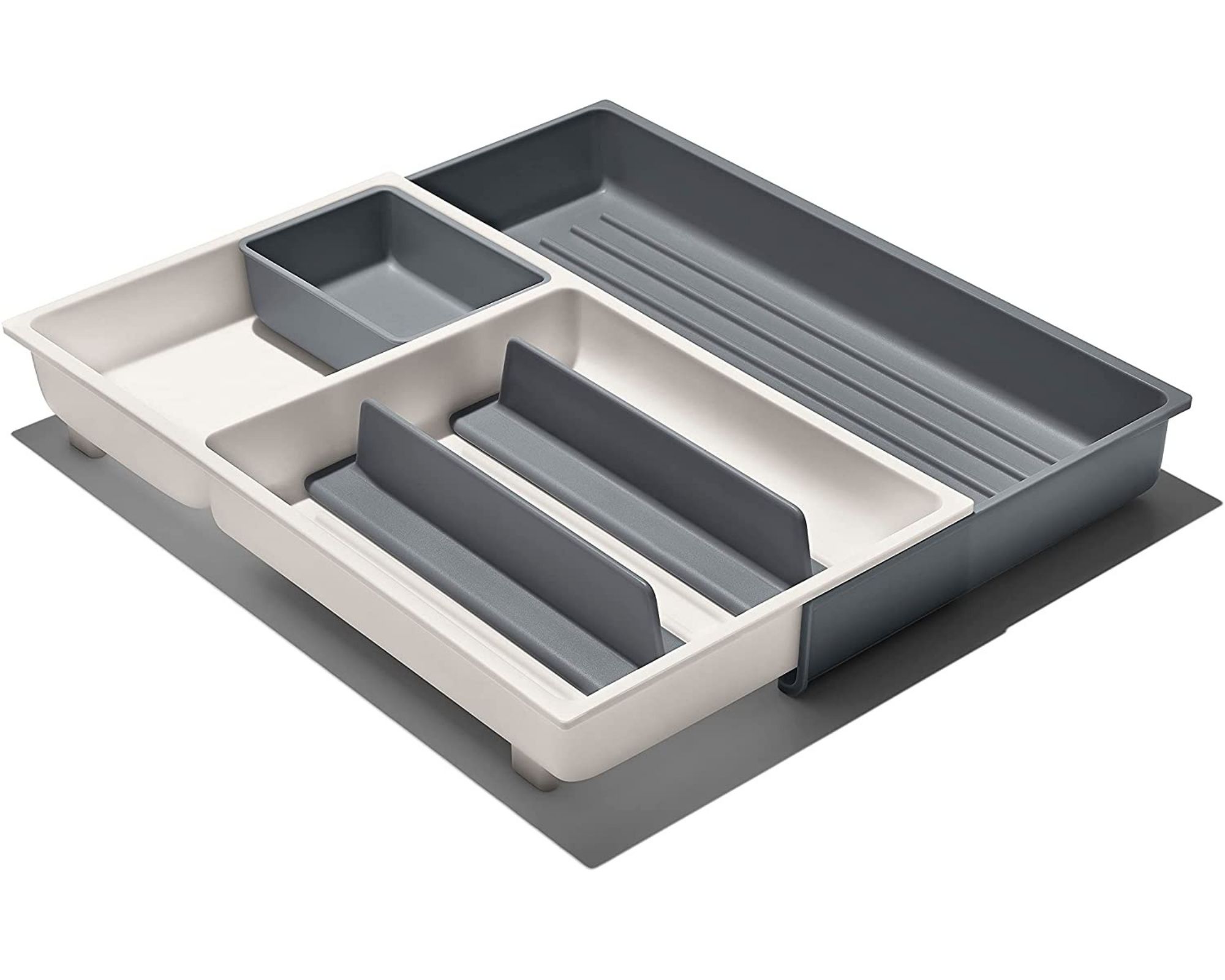
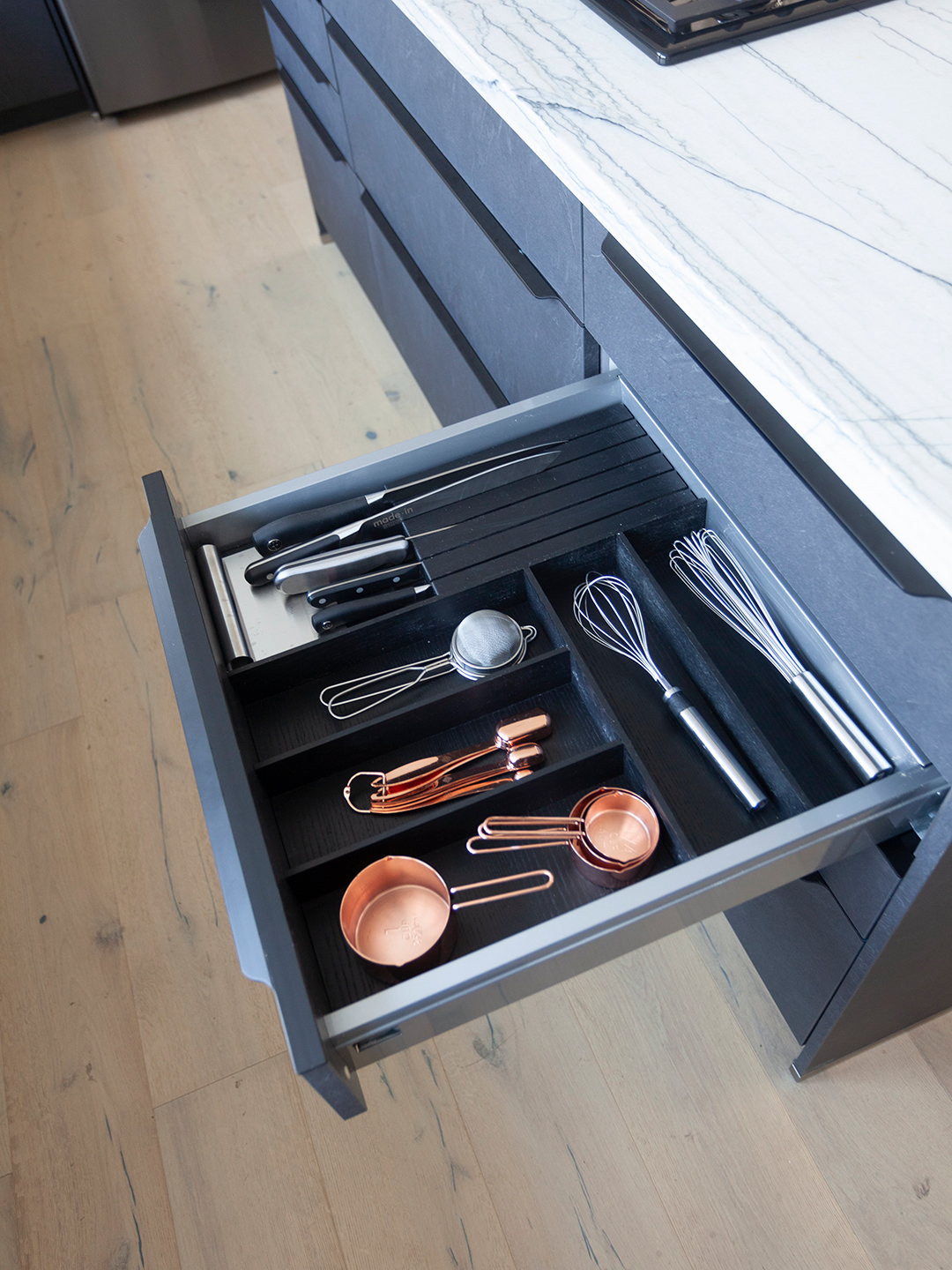
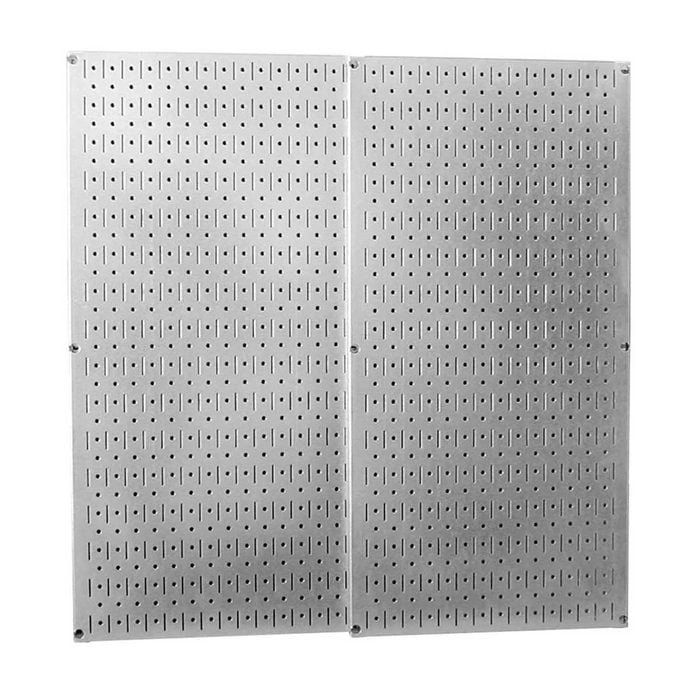
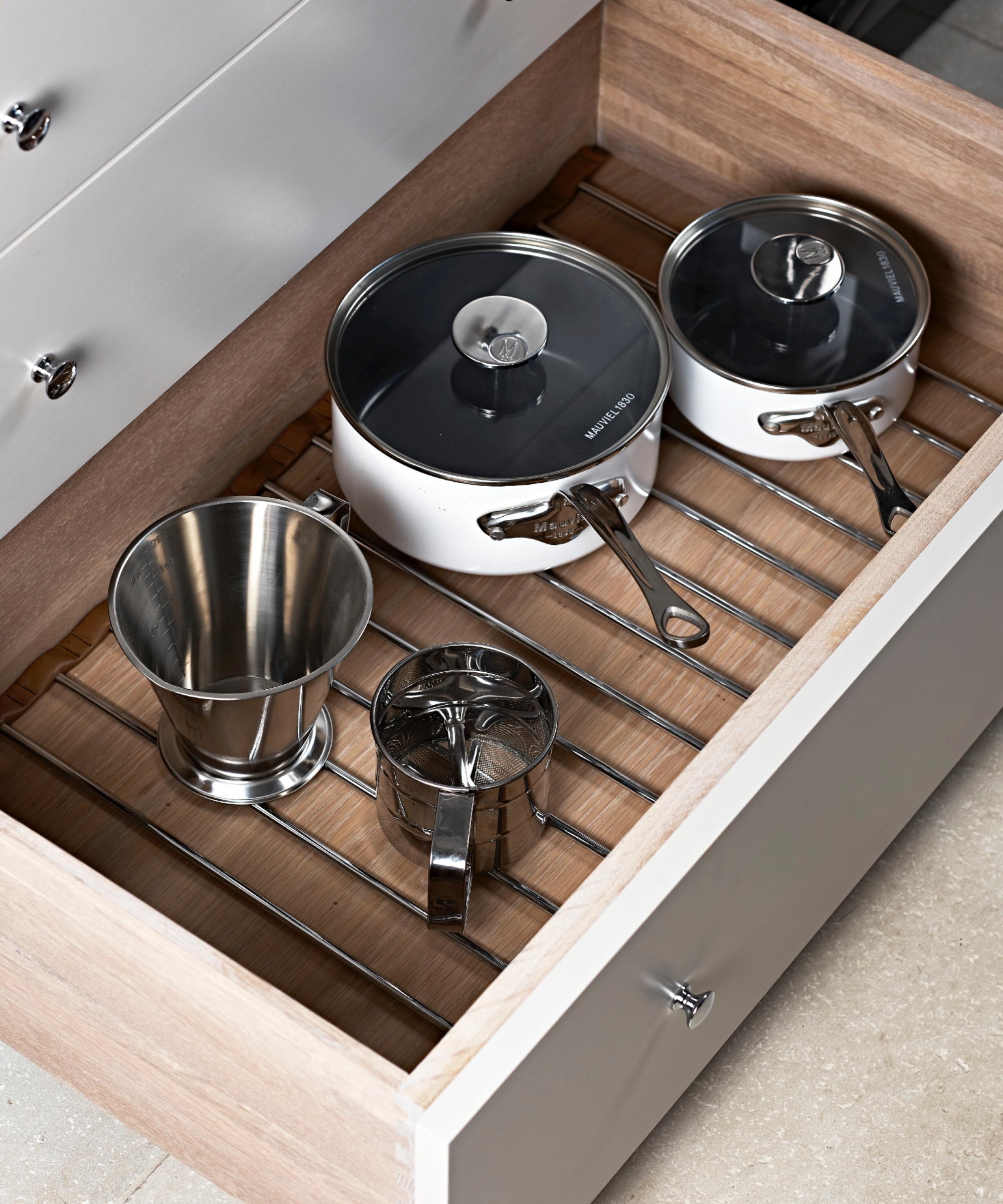
Deep drawers are presented as an excellent storage solution, capable of holding an entire collection of pots and pans in one accessible location. Stephanie Nix from Neptune suggests graduated drawer units, with shallower drawers for lids and deeper ones for pots. To prevent rattling and protect cookware, internal pan racks can be installed, and pegboard liners can be used at the bottom of drawers to customize separation. For less frequently used items, organizing deep pantry shelves is a viable alternative.
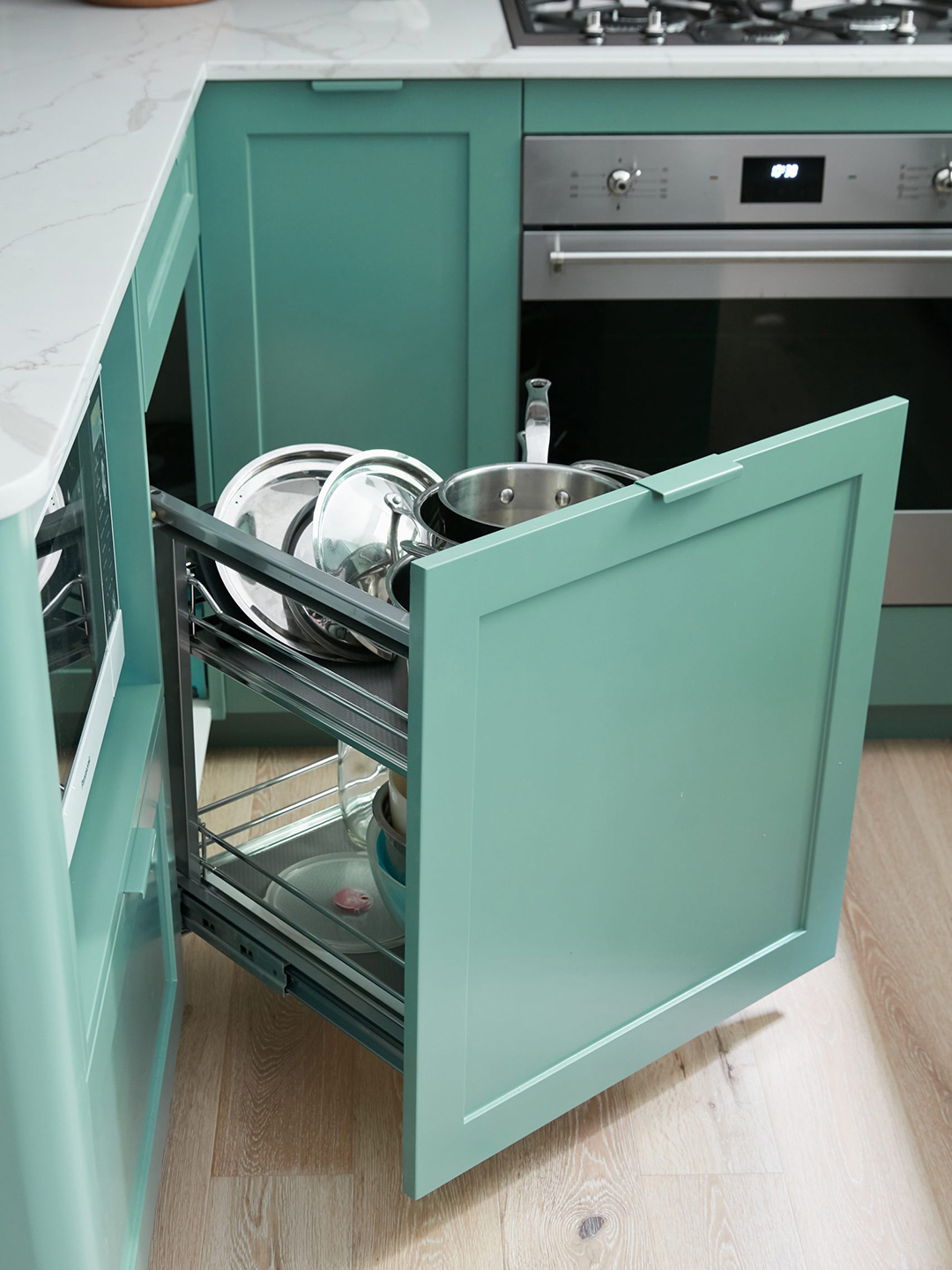
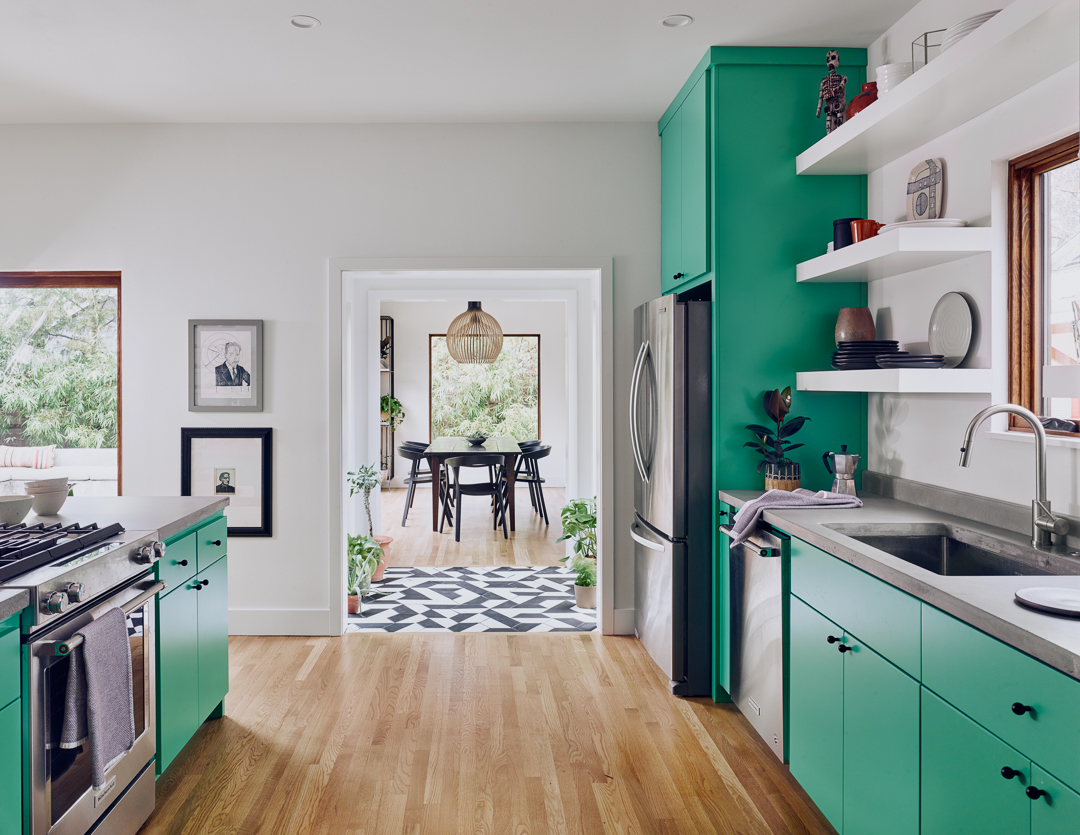
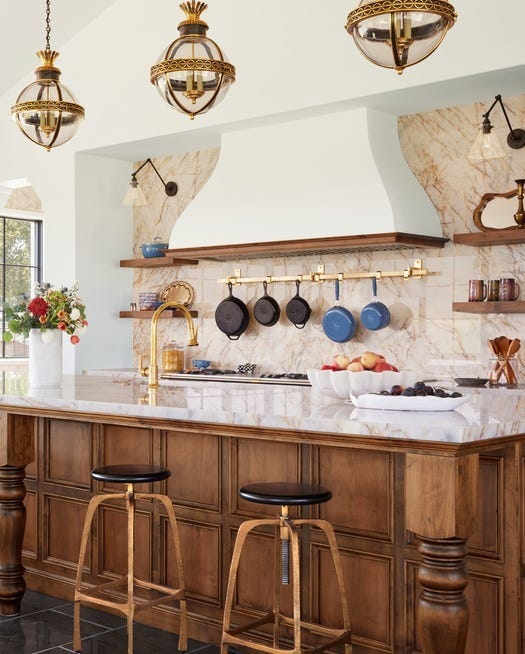
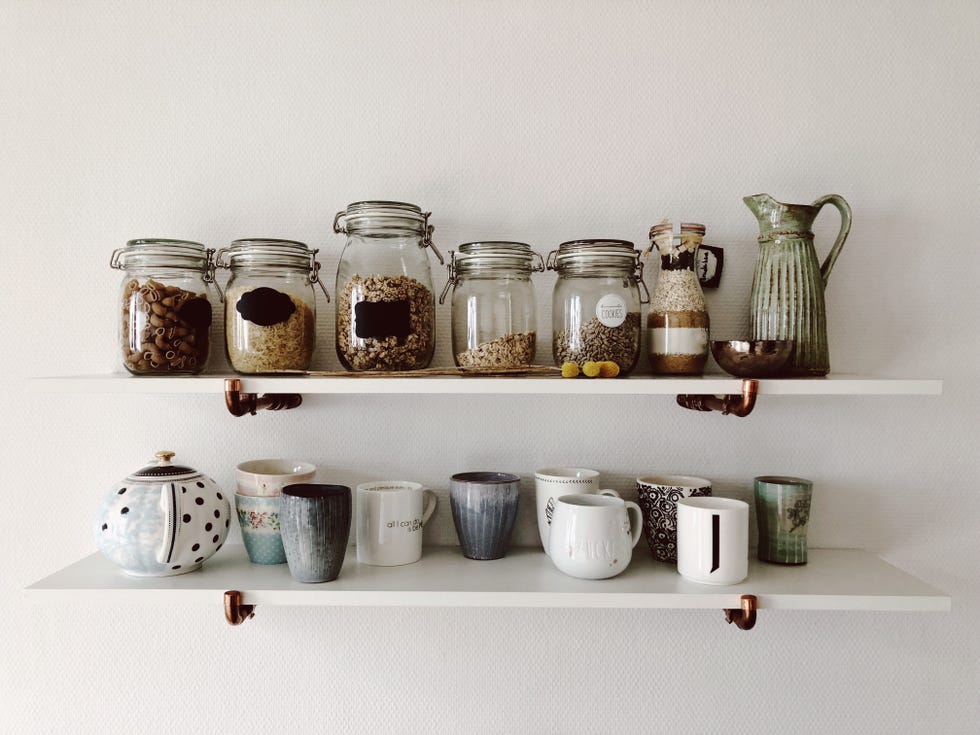
Corner cabinets, often challenging, can be optimized with clever kitchen cabinet ideas such as pull-out racks that slide out, making heavy lifting easier and neatly displaying larger pieces. Graeme Smith from Life Kitchens points out that these solutions utilize all available space efficiently. Open shelving is another option for attractive pots and pans, offering speed and accessibility, but requires consistent organization to avoid a cluttered appearance. Heather Hoerzen from Havenly notes the styling opportunity in displaying good-looking cookware like Le Creuset on the stovetop.
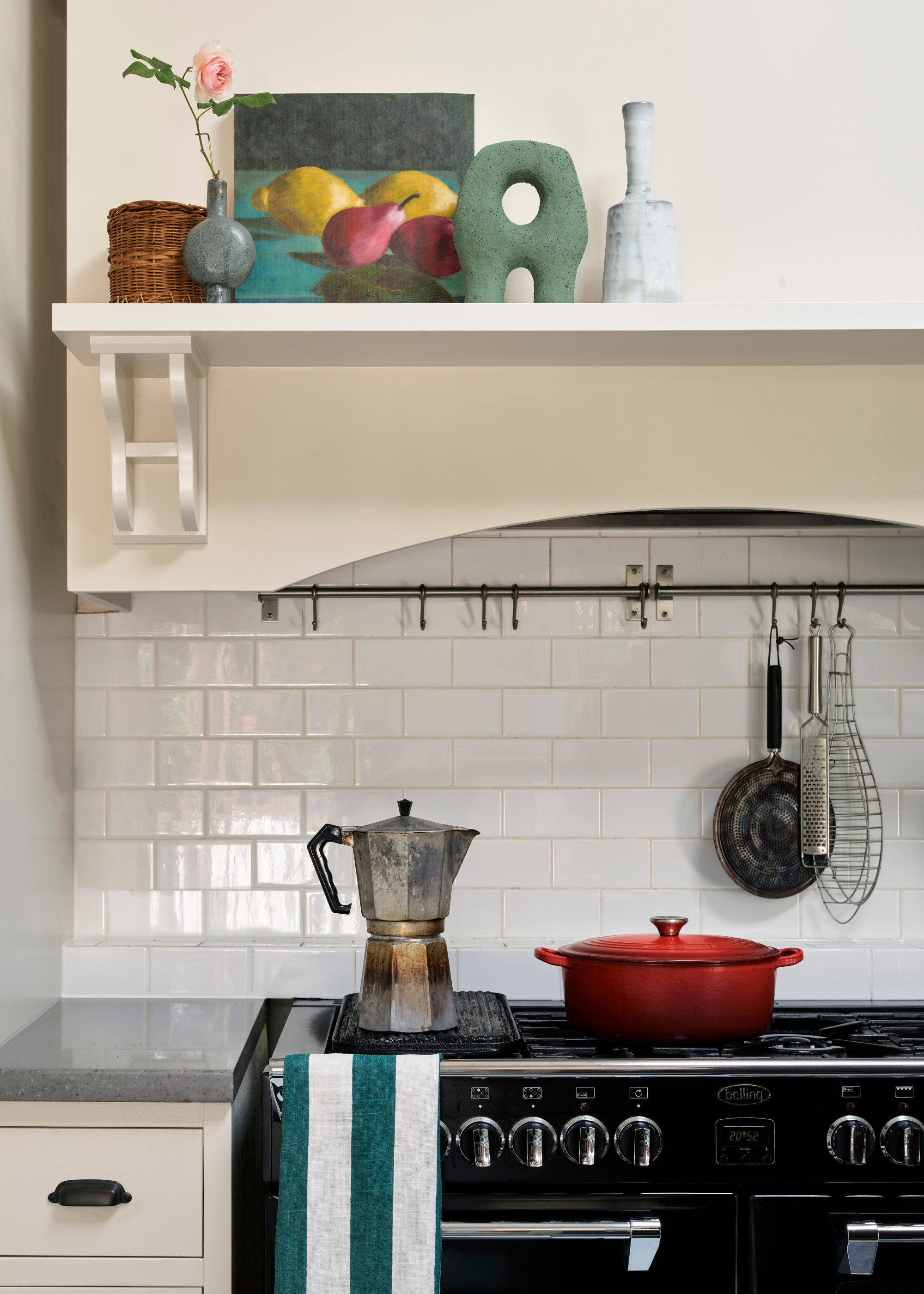
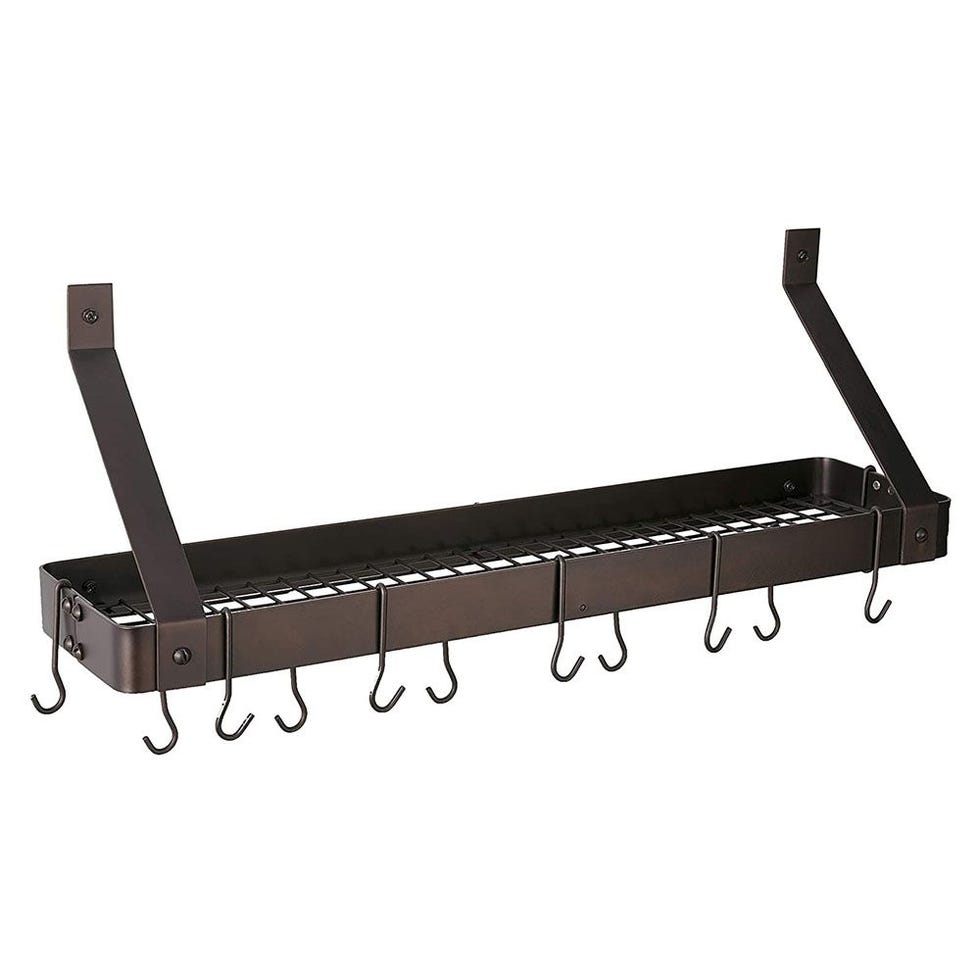
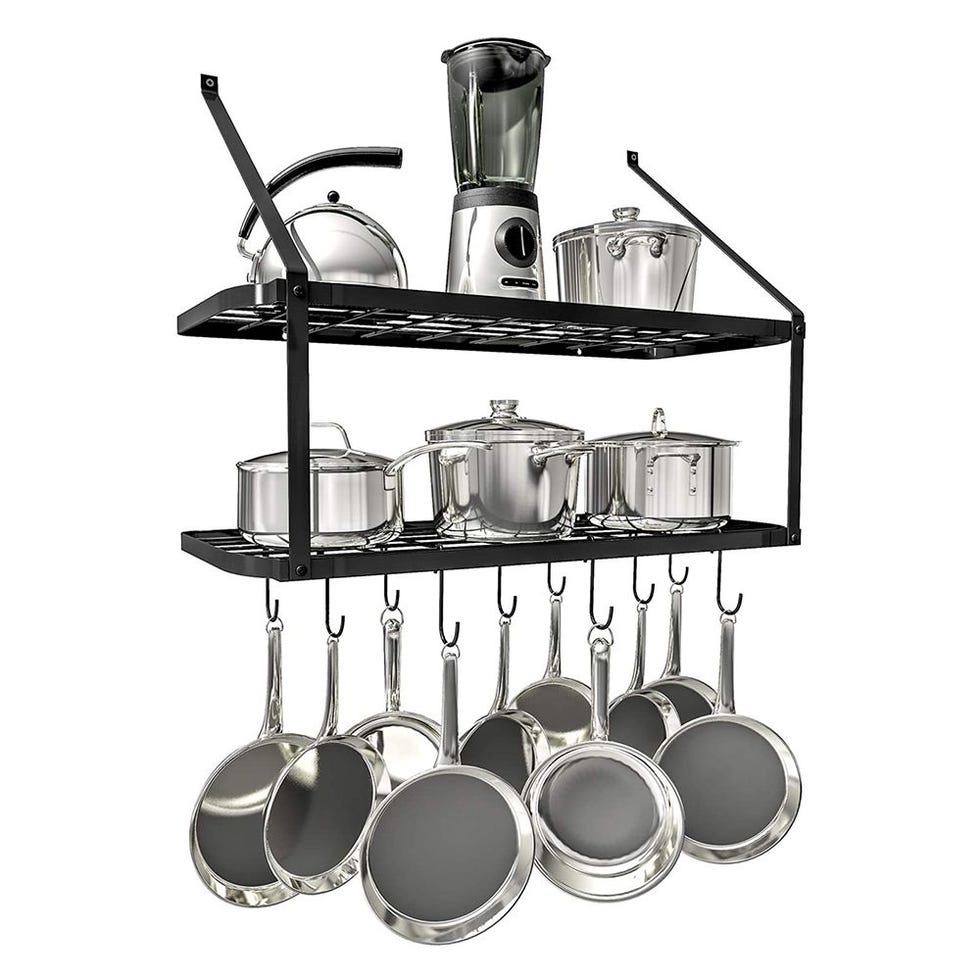
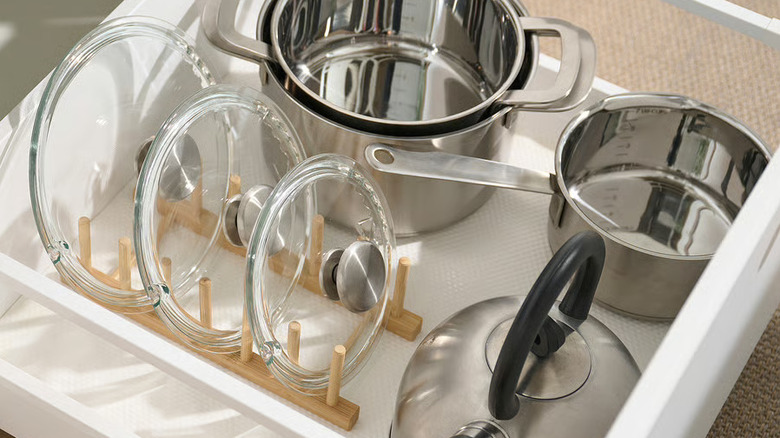
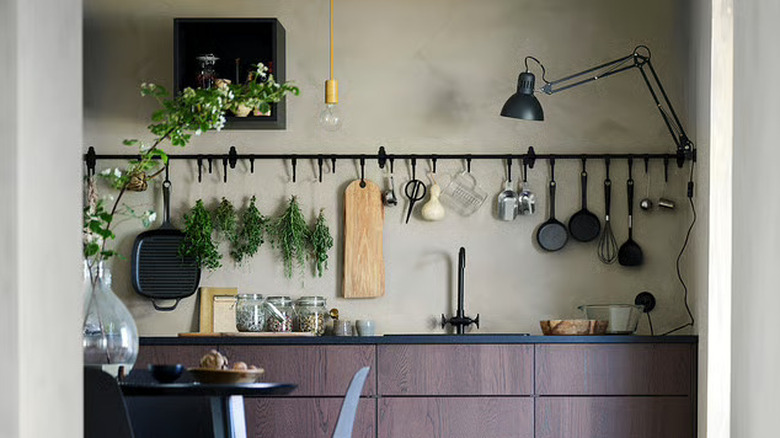
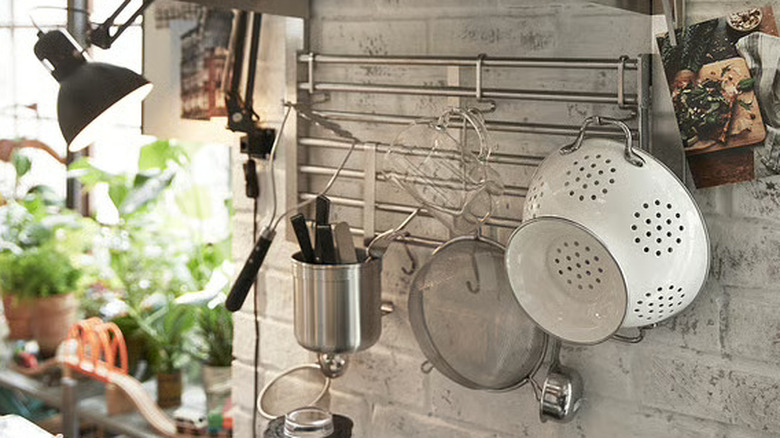
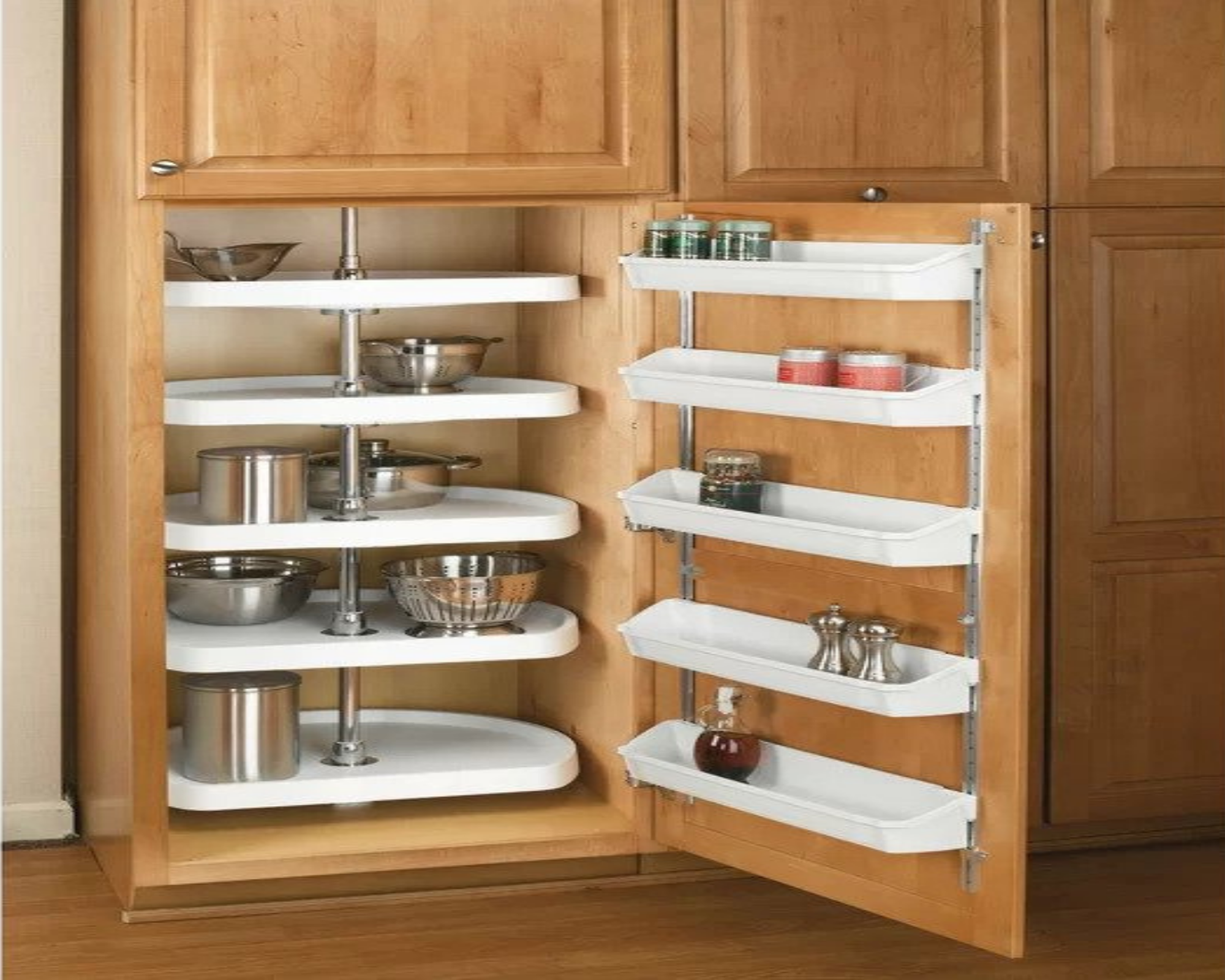
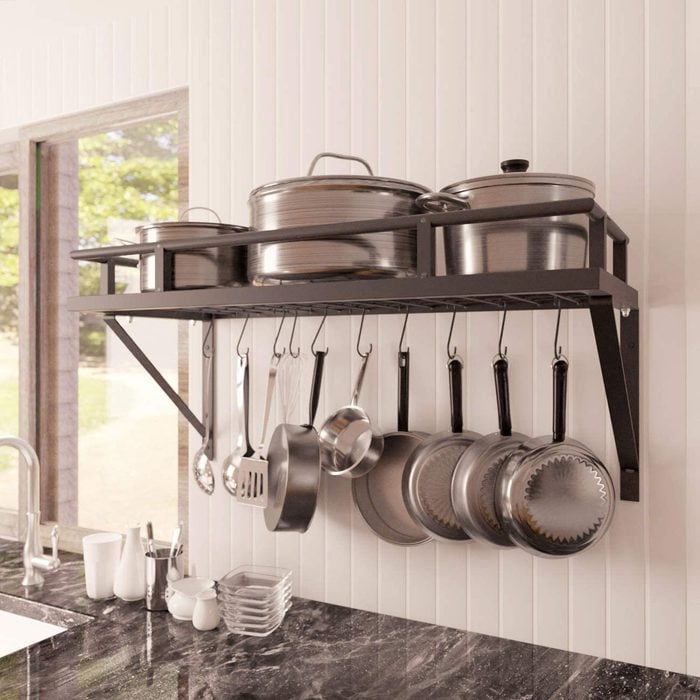
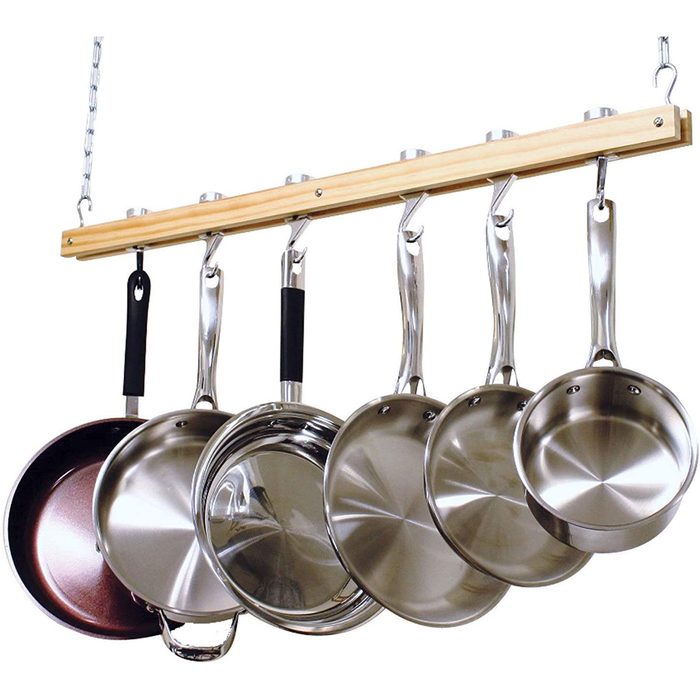
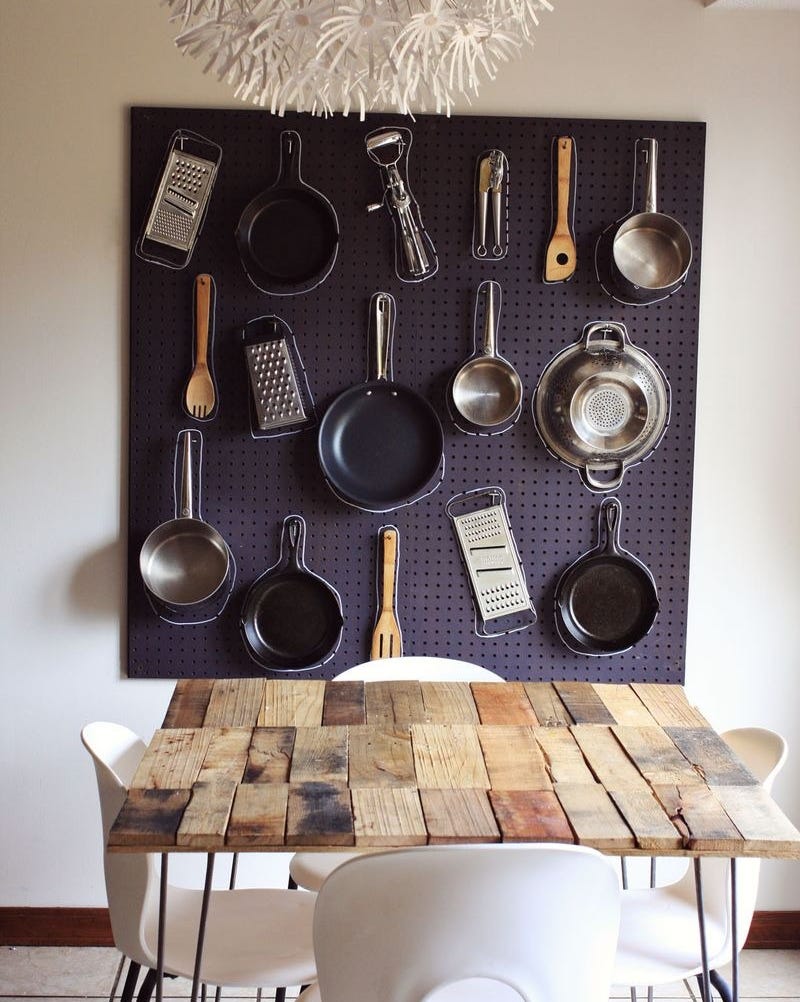
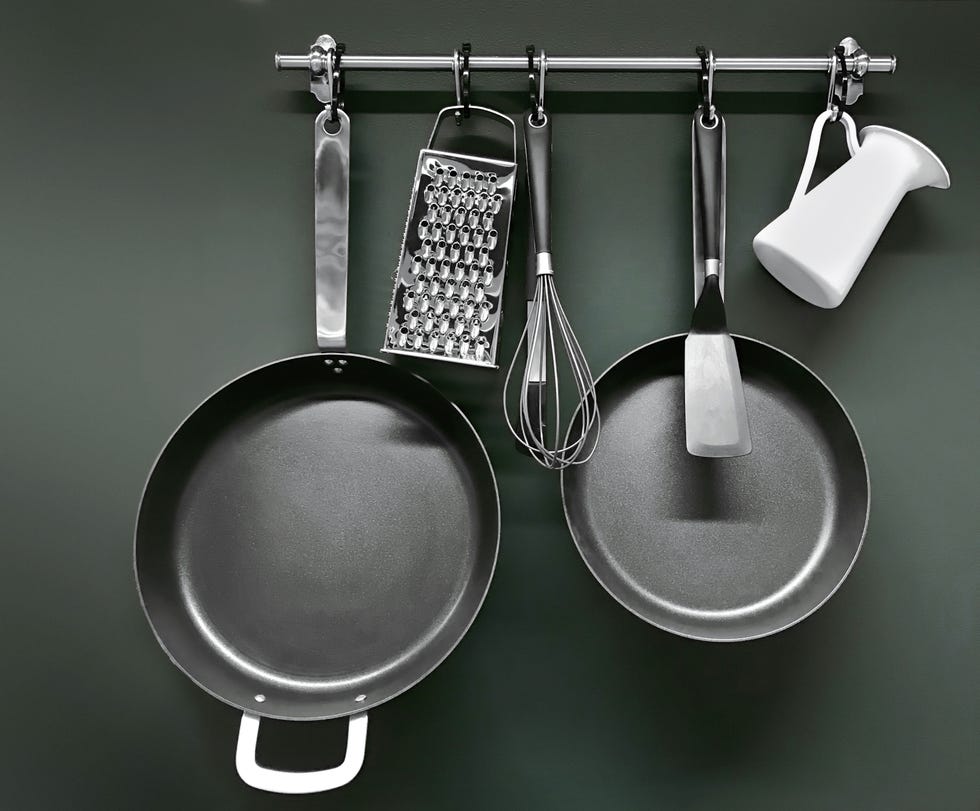
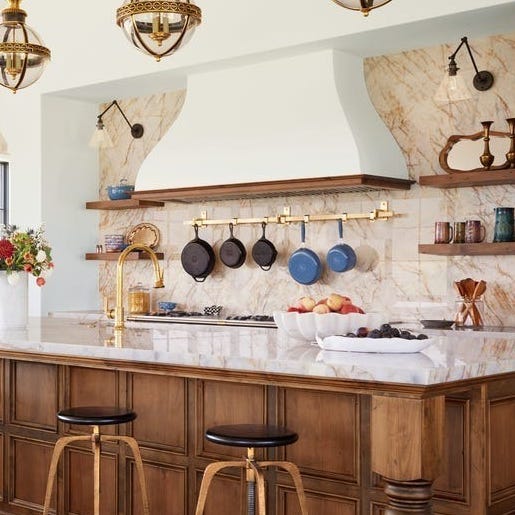
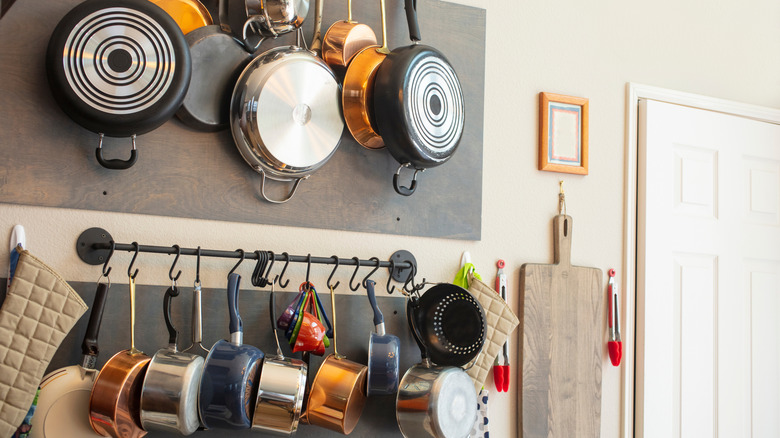
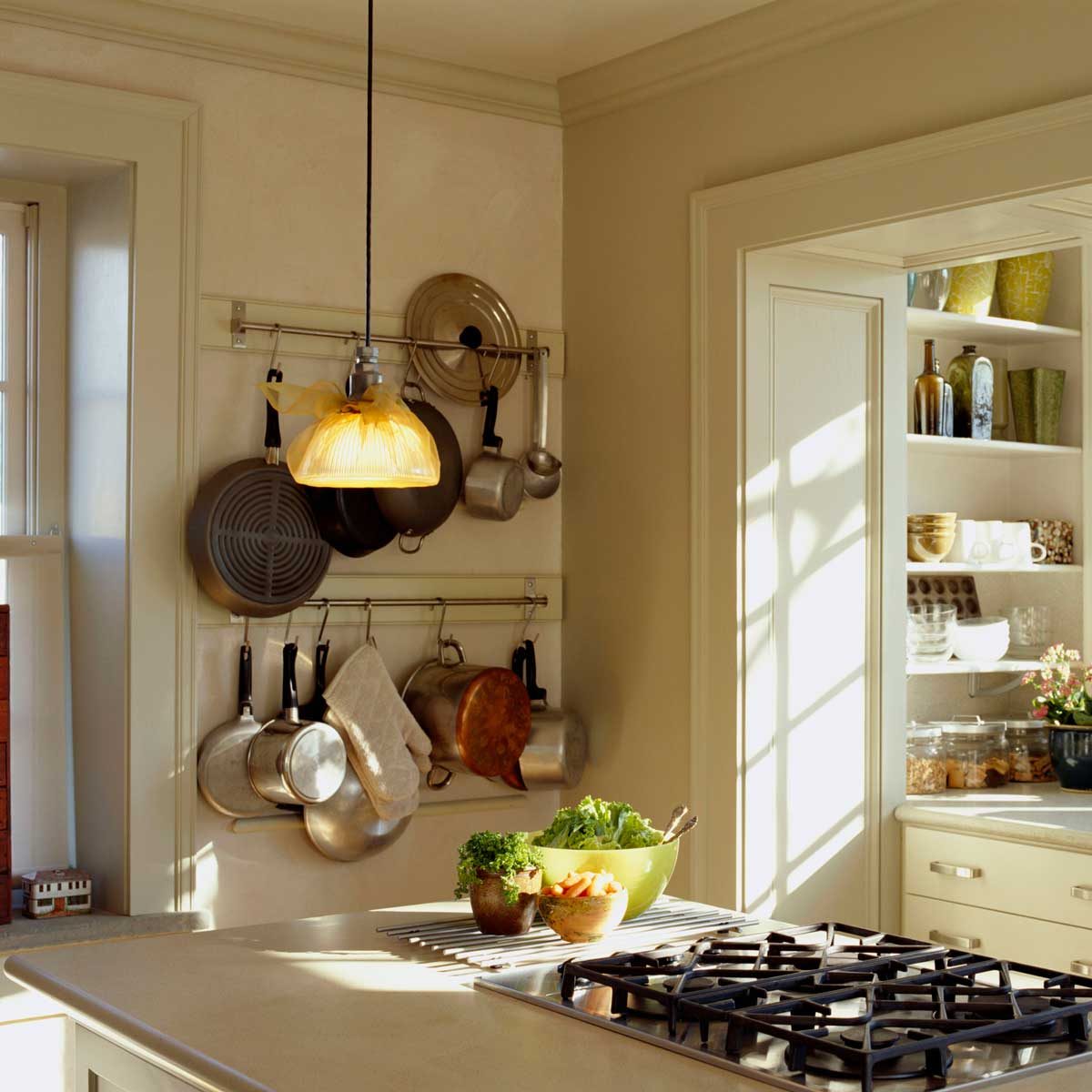
Drawing inspiration from professional kitchens, hanging pots and pans from the ceiling is presented as an effective space-saving method. Pot rails can be installed on walls, cabinets, or islands, while pot racks are suitable for high-up storage. This approach requires arranging by size and use, but also necessitates frequent use to prevent dust accumulation. The article strongly recommends storing lids separately for efficient space utilization, as keeping them on prevents stacking and can lead to rattling or loss. Bespoke organizer inserts, inner drawers, or mounting a rack on the back of a cabinet door are suggested solutions for lid storage. Vertical stacking with tension rods in drawers is also an option.
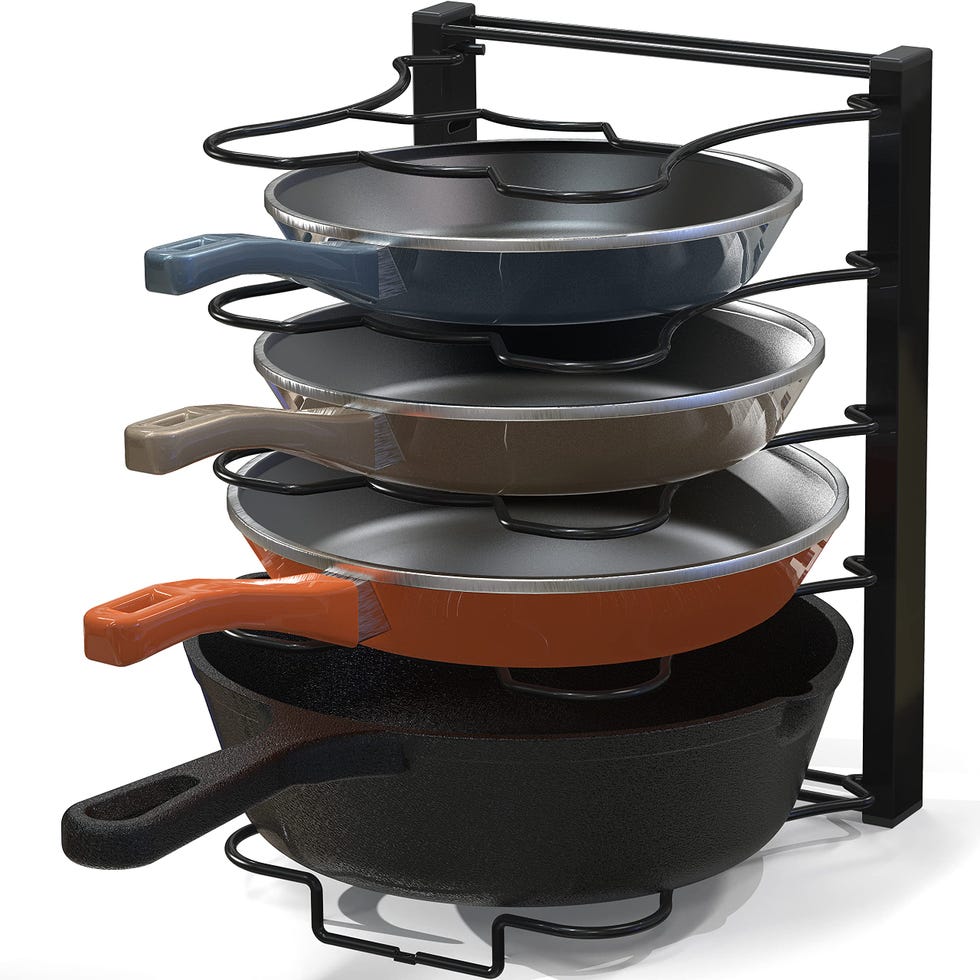
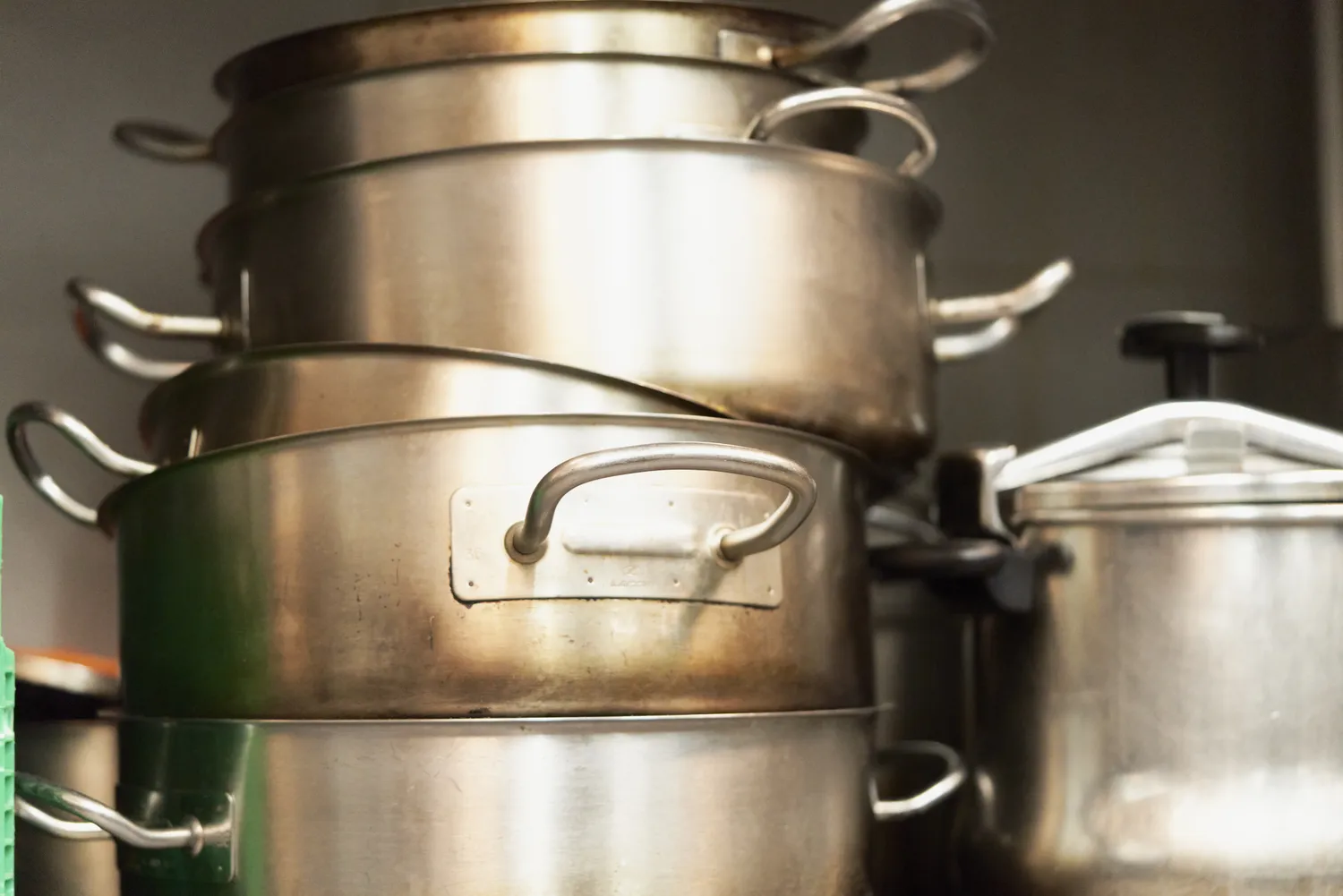
Finally, for stacking, the article advises an efficient system: grouping by type (frying pans, saucepans, etc.) and then stacking by size, with the largest at the bottom. Protectors should be used between items to prevent scratches. If height allows, flipping lids upside down on pots creates a flatter surface for stacking. Joanna Thornhill suggests investing in multi-use or stackable sets to save significant space and ensure items fit together cohesively.
#KitchenOrganization #CookwareStorage #HomeDecluttering #KitchenStorageIdeas #InteriorDesignTips #KitchenEfficiency #SmallKitchenSolutions #KitchenCabinetry #PantryOrganization #HomeImprovement #KitchenOrganization #CookwareStorage #HomeDecluttering #KitchenStorageIdeas #InteriorDesignTips #KitchenEfficiency #SmallKitchenSolutions #KitchenCabinetry #PantryOrganization #HomeImprovement
0 comment in total
 No comments yet
You may also like
How to Store Pots and Pans in a Small Kitchen — 5 Ways to Avoid Clutter and Keep Your Cookware Neat and Tidy

8 tricks for organizing your dishes that professional declutterers always implement in kitchen storage
Best kitchen organizers: 15 buys to tidy your culinary space
7 NYC Chefs Share Their Pantry Organization Secrets
Keep Your Cookware Looking Its Best With These Pot Racks and Pan Organizers

22 Best Pantry Organization Ideas to Maintain a Tidy Kitchen

I Deep Cleaned My Sister's Kitchen for the First Time in Ages and I Threw Out These 9 Things Immediately

Ree Drummond Has a Handy Pot Rack Idea to Keep Your Cookware Organized

9 Top-Rated IKEA Products That Are Perfect For Organizing Pots And Pans
3 Common Storage Mistakes That Are Ruining Your Pots And Pans
This Organization Solution Is on the Way Out (And It’s Not Open Shelving)

10 Organizers That'll Get Your Pantry In Top Shape Before Your Holiday Cooking Marathons
10 Pot Lid Organization Tips That Will Streamline Your Kitchen

These are the 7 things to get rid of first in your kitchen cabinets, according to cleaning pros

Best Hanging and Wall-Mounted Pot Rack Options to Save Kitchen Space

6 cooking experts on how to organise your kitchen

How to organize kitchen drawers – 12 ways to keep cooking essentials orderly
10 Kitchen Hutches That’ll Help Keep Your Space Stylishly Organized

How to Organize a Kitchen — 11 Simple Ways to Best Maximize Space and Clear Clutter
Throw Away These 12 Kitchen Items Immediately (and Be Glad You Did)