1/5
Yankatu Design Combines Traditional and Modern Methods for New Furniture Collection
The Xingu collection by Brazilian designer Maria Fernanda Paes de Barros for Yankatu Design represents a collaborative effort with Mehinako artisans from Alto Xingu in Brazil’s Mato Grosso state. This collection uniquely merges traditional craftsmanship and materials with contemporary technological applications, such as CNC carving, to create modern furniture interpretations. The design process emphasizes the utilization of locally sourced materials, including cabreuva wood, straw yarn, woven stems from the buriti palm tree, and natural dyes and pigments, highlighting a commitment to sustainability and cultural preservation. The collaboration ensures that indigenous knowledge and techniques are central to the creation of each piece, while also introducing innovative methods for precision and efficiency in production.
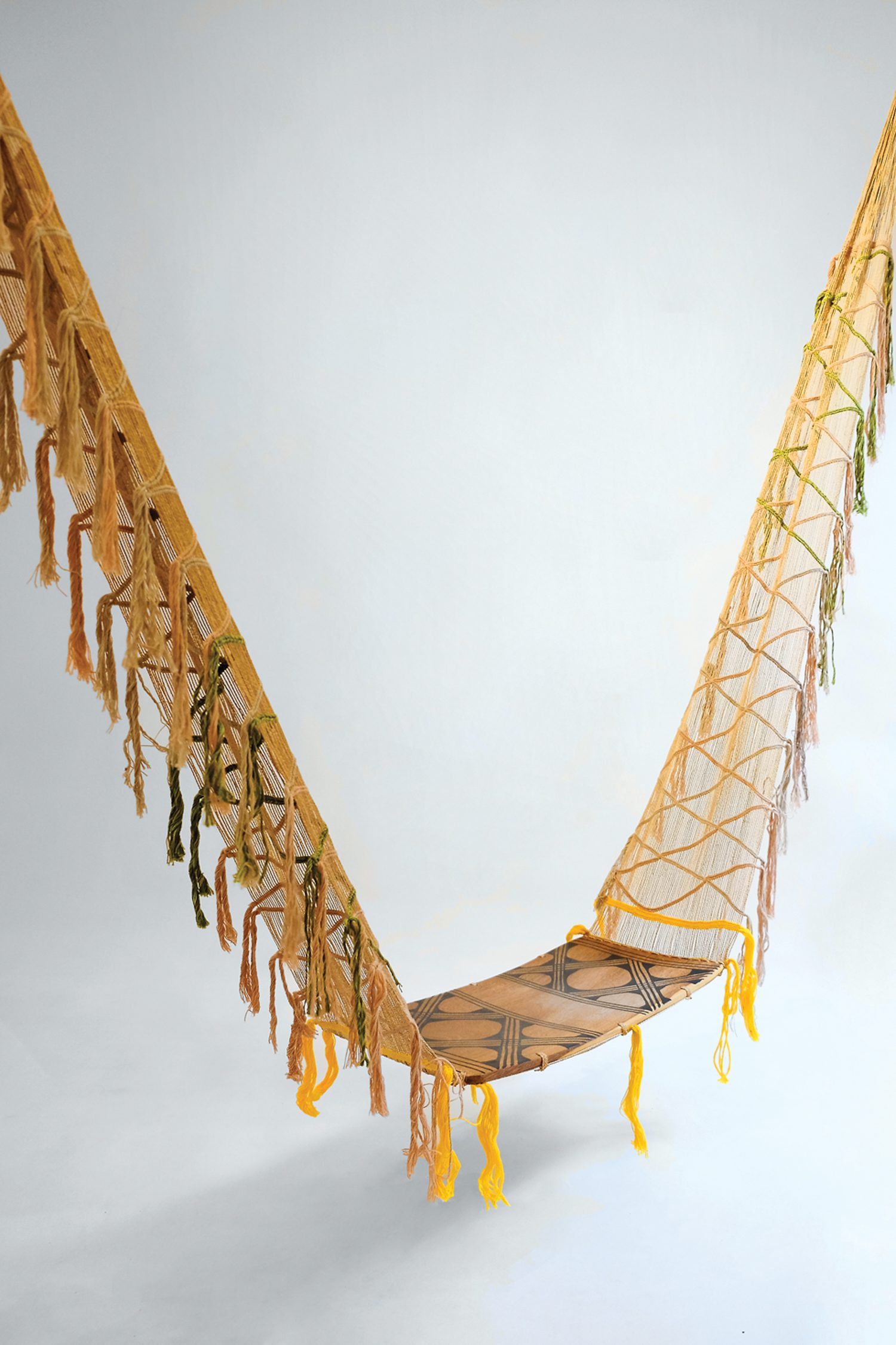
Key pieces within the Xingu collection exemplify this fusion. The Kaüpuna swing, for instance, features buriti yarn meticulously harvested, cleaned, and dried by Mehinako women. This natural material is intricately woven and combined with a bench seat crafted from wood by Mehinako men, which is then adorned with traditional graphics derived from charcoal and annatto-based pigments. This particular piece showcases a direct application of both male and female artisanal contributions within the Mehinako community, preserving their distinct roles in craft. Similarly, the Embira bench draws inspiration from the construction of traditional houses. It is made from cabreuva wood, known for its durability and aesthetic appeal, and employs moorings fashioned from strips of embira tree bark, a method deeply rooted in traditional building practices.
The Oca closet, another significant item in the collection, reimagines traditional buriti and cotton woven rugs by transforming them into the sheathing for a tall, étagère-like cabinet supported by slender legs. This application not only gives new life to traditional textiles but also demonstrates their versatility in contemporary furniture design. The Shelter credenza features two tambour-style sliding doors composed of exceptionally narrow (6 mm) turned cabreuva slats. These slats are intricately woven with cotton threads, naturally dyed using raw materials collected around the Kaüpuna village in Upper Xingu. This piece highlights precision craftsmanship and the aesthetic value of natural dyes. The collection's centerpiece, the Beiju table, is carved from solid cabreuva wood and stands on brick-shaped wooden legs. A distinctive element of the table is the incorporation of draped beaded necklaces, traditionally used in Mehinako rituals, which are integrated into the design, adding cultural depth and symbolic meaning to the furniture piece. This collection ultimately serves as a bridge between rich cultural heritage and modern design sensibilities.
#YankatuDesign #MariaFernandaPaesDeBarros #XinguCollection #MehinakoArtisans #BrazilianDesign #SustainableMaterials #TraditionalCraftsmanship #ModernFurniture #CulturalHeritage #YankatuDesign #MariaFernandaPaesDeBarros #XinguCollection #MehinakoArtisans #BrazilianDesign #SustainableMaterials #TraditionalCraftsmanship #ModernFurniture #CulturalHeritage
0 comment in total
 No comments yet
You may also like
Furniture joints can make or break an entire design project

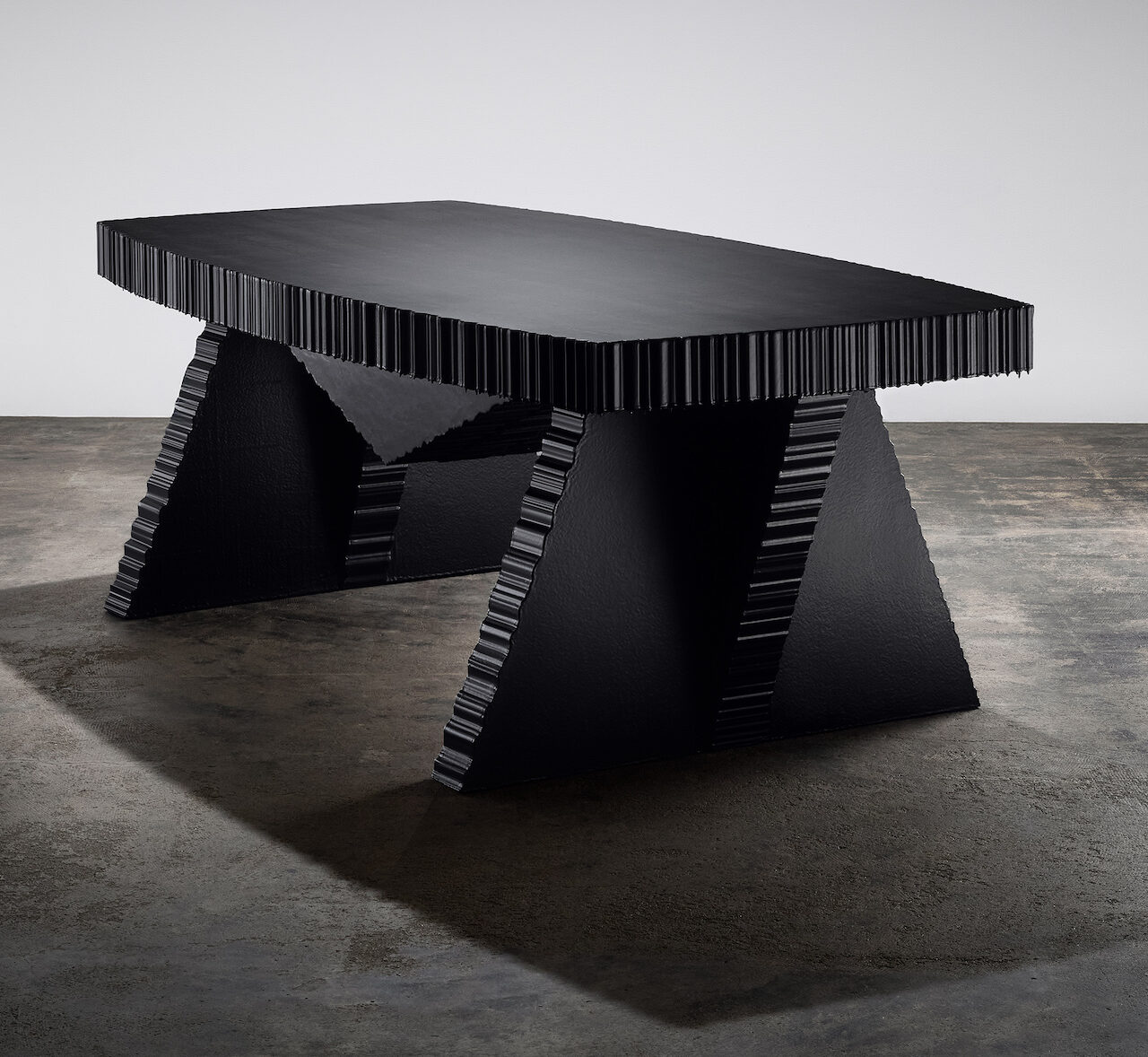
Yuta Takahashi Sculpts Styrofoam Into a Statement Table
Outdated Furniture Pieces That Are Having A Comeback

Amy King Pope of AKP Furnish & Design
A floating dialogue in space: Pod by B&T Design and Jin Kuramoto
This stool’s beauty lies in its fascinating sheer simplicity
Eclectic Interior Design: Understanding the Key Elements

Stillmade Debuts the Collaborative Series With Four Artists + Designers
Traditional Meets Modern Interior Design

interview: naoto fukasawa handcarves tactile wooden furniture for milan design week
This Plus Sign-Shaped Home in Central Indiana Knows All Its Angles

Dunya Home Design Redefines Interiors With Innovative Materials
The Nyala combines traditional African furniture with modern lines
We’re Calling It: These Are the Best Online Home Decor Brands Around

See How Designer Joan Enger Brought a Fresh, Modern Vibe to a Neoclassical Townhouse

Ten furniture and lighting designs by Japanese brands and designers
10 Questions With… Jomo Tariku
Rattan backrest curves around Hiroomi Tahara's Wrap sofa

Modern Furnishing Selections by Katonah Museum of Art Executive Director Neil Watson

Japanese-inspired furniture line is made from recyclable, colorful fabric