1/2
What is Roman Clay paint? How to use the limewash alternative interior designers love
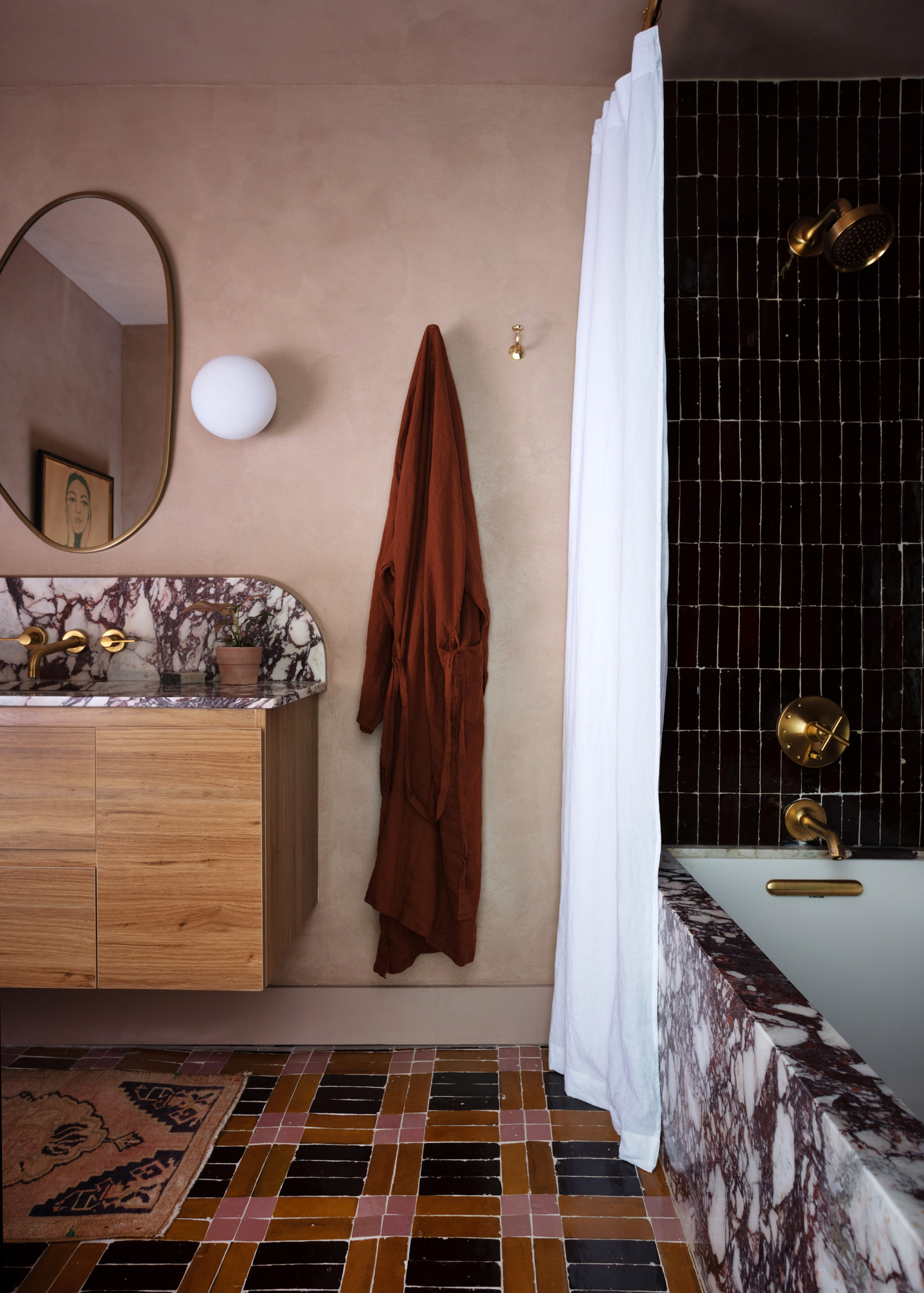
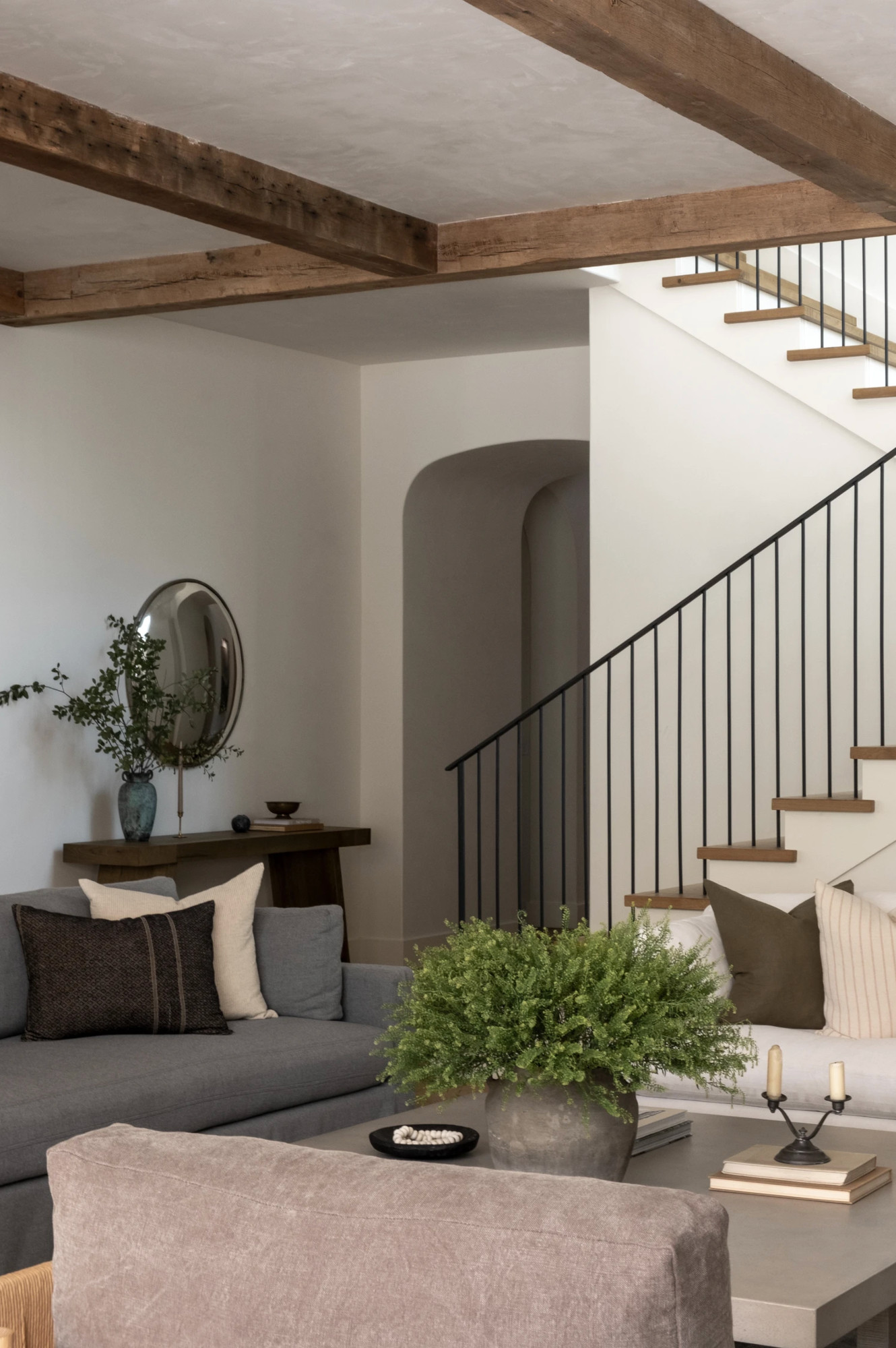
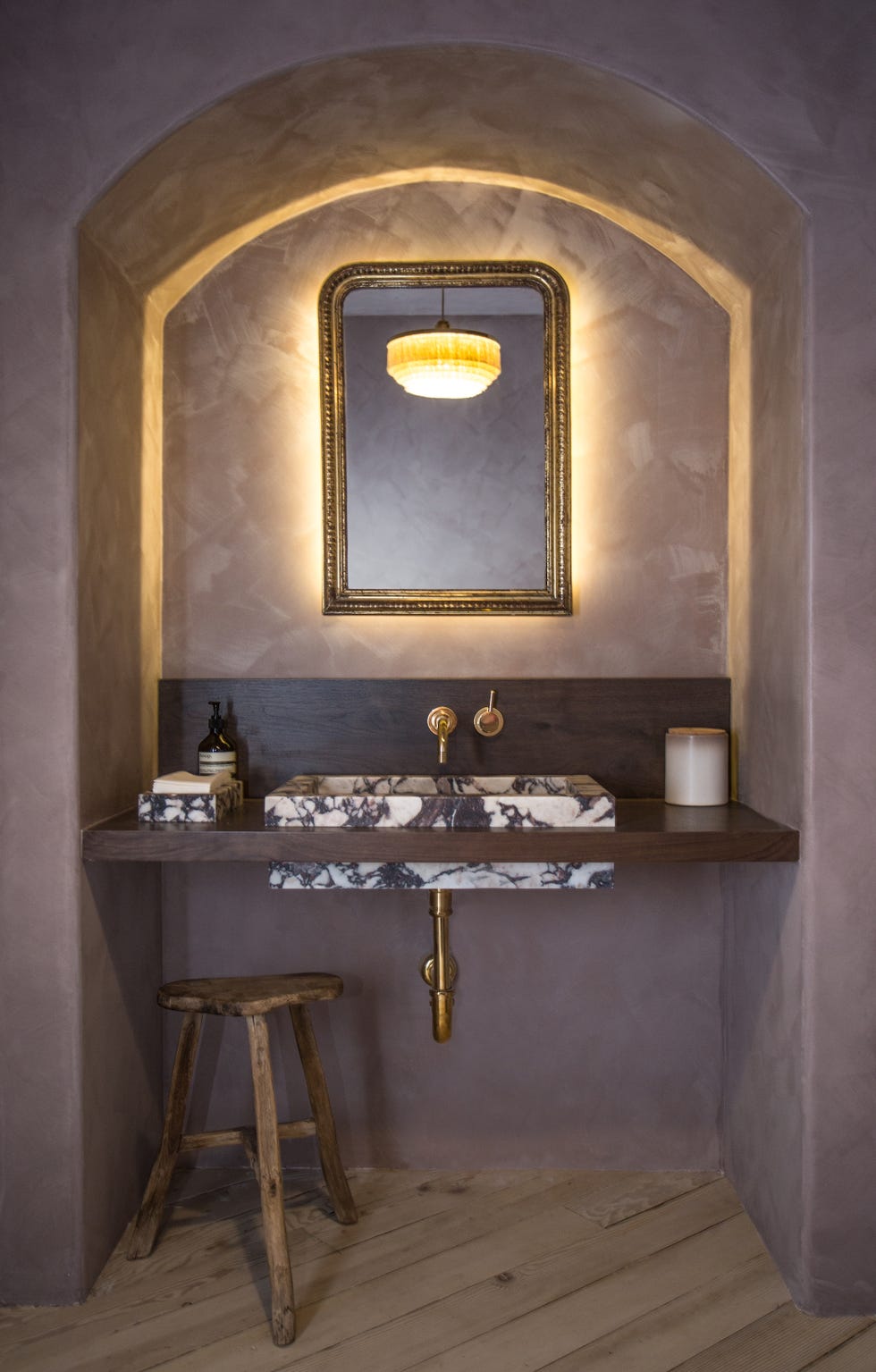
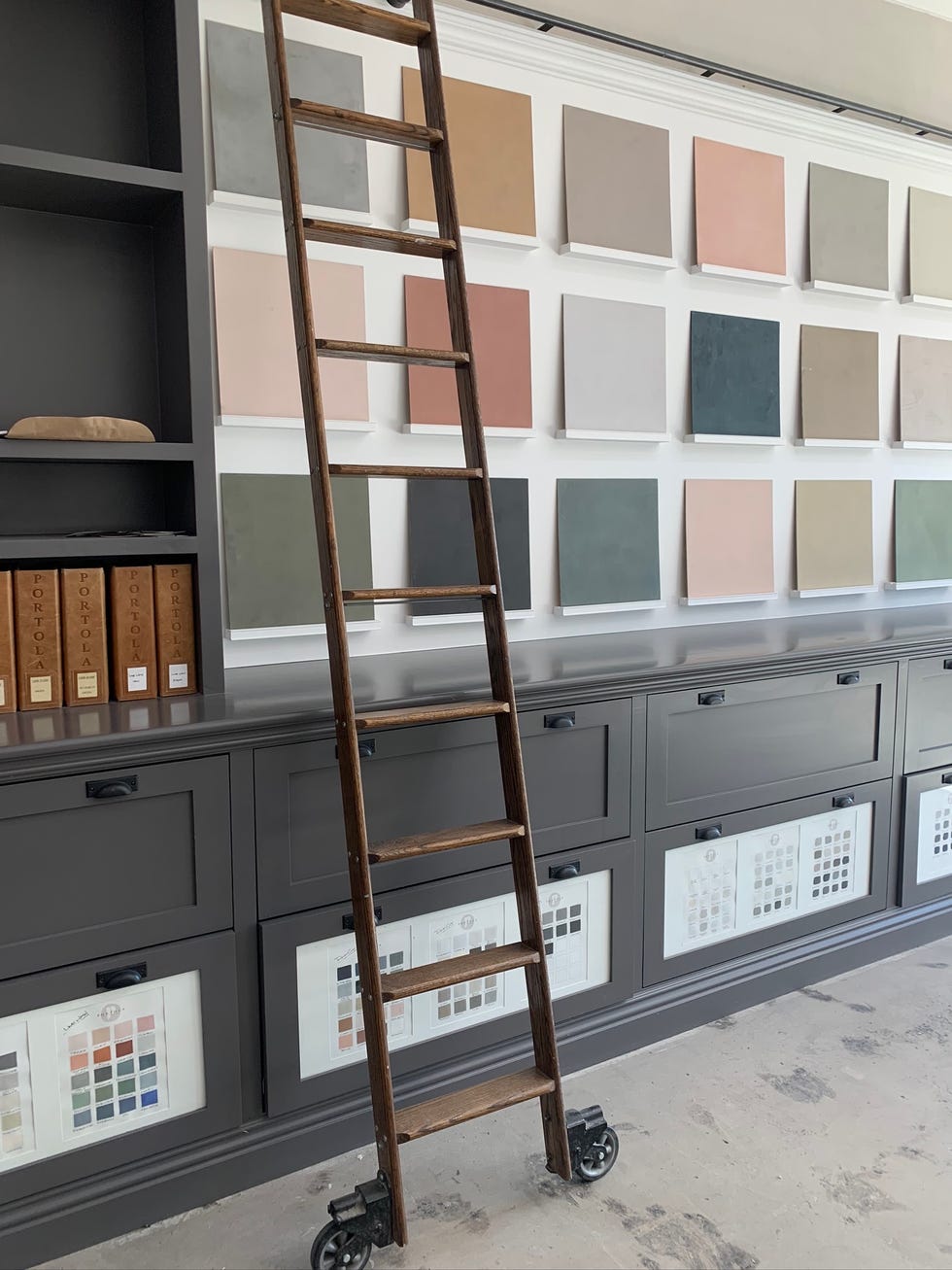
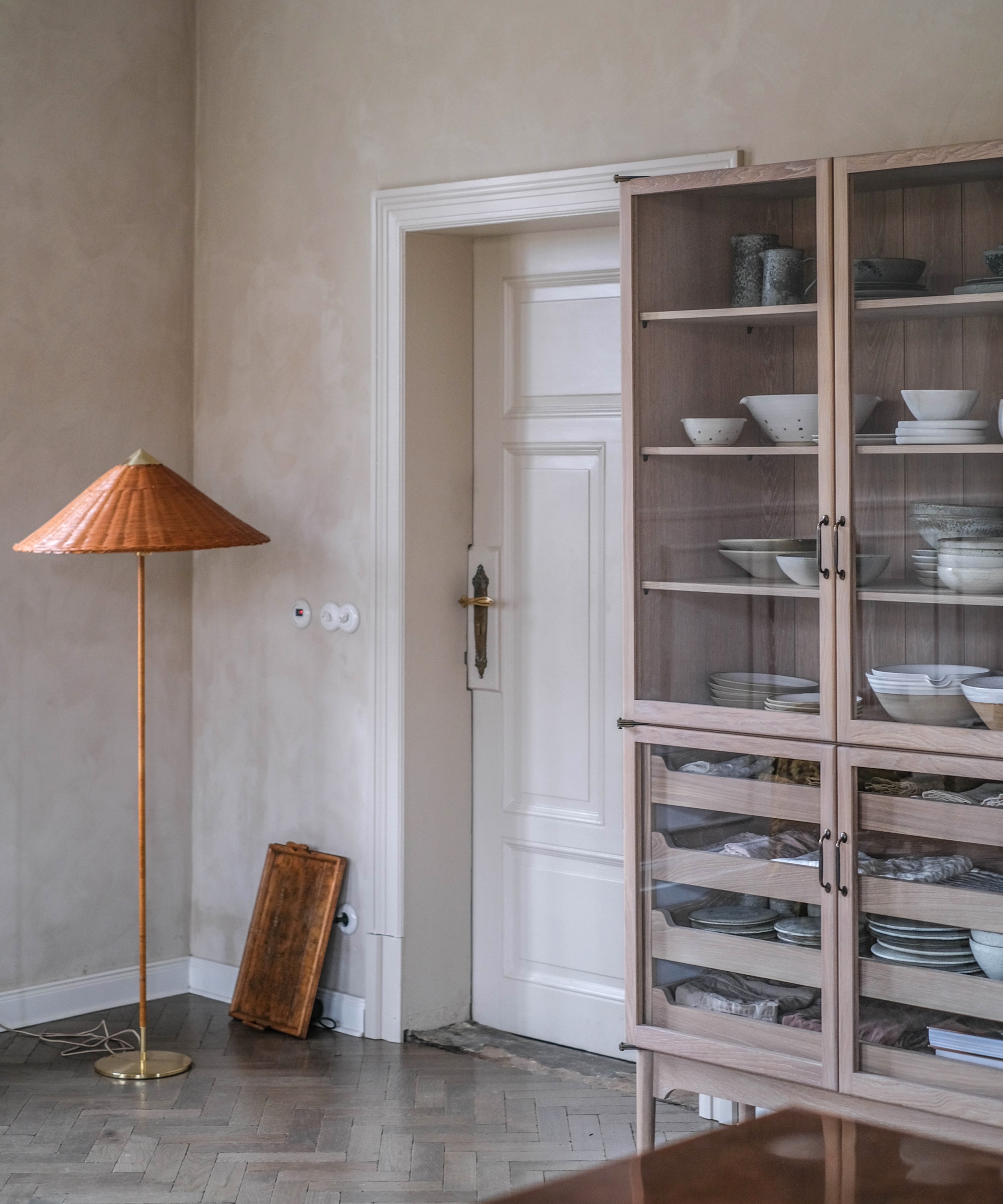
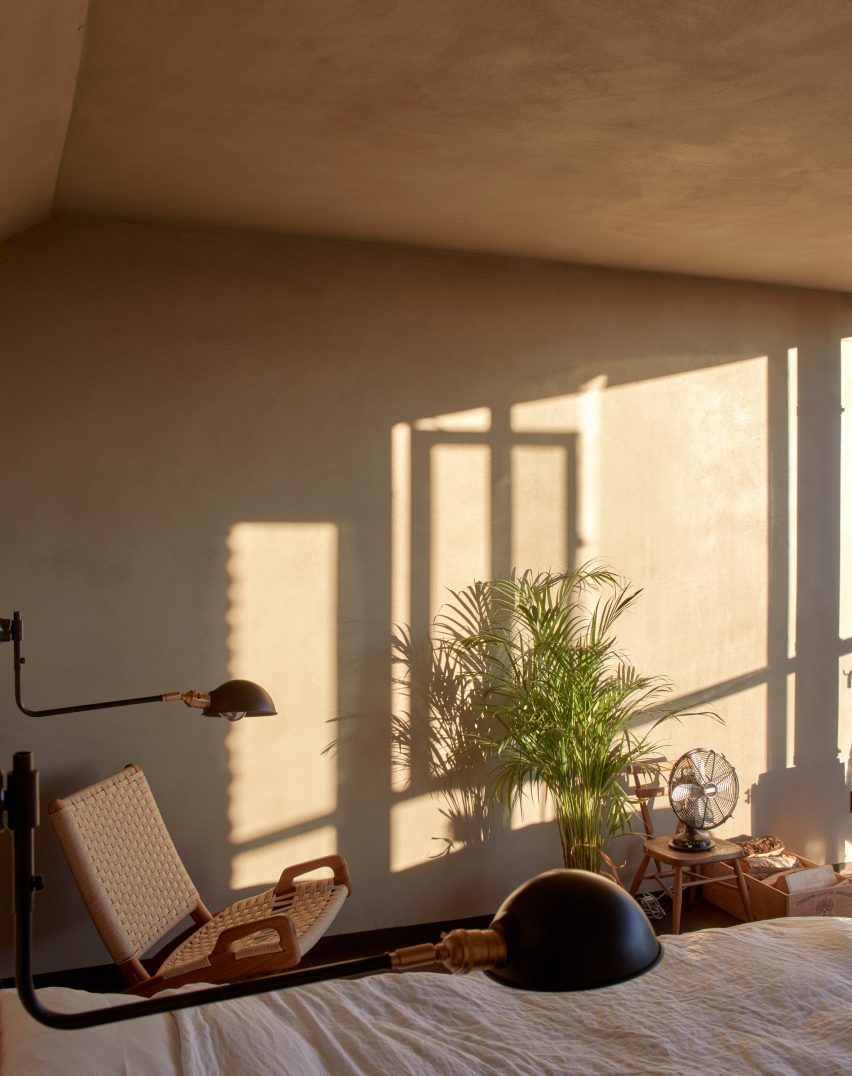
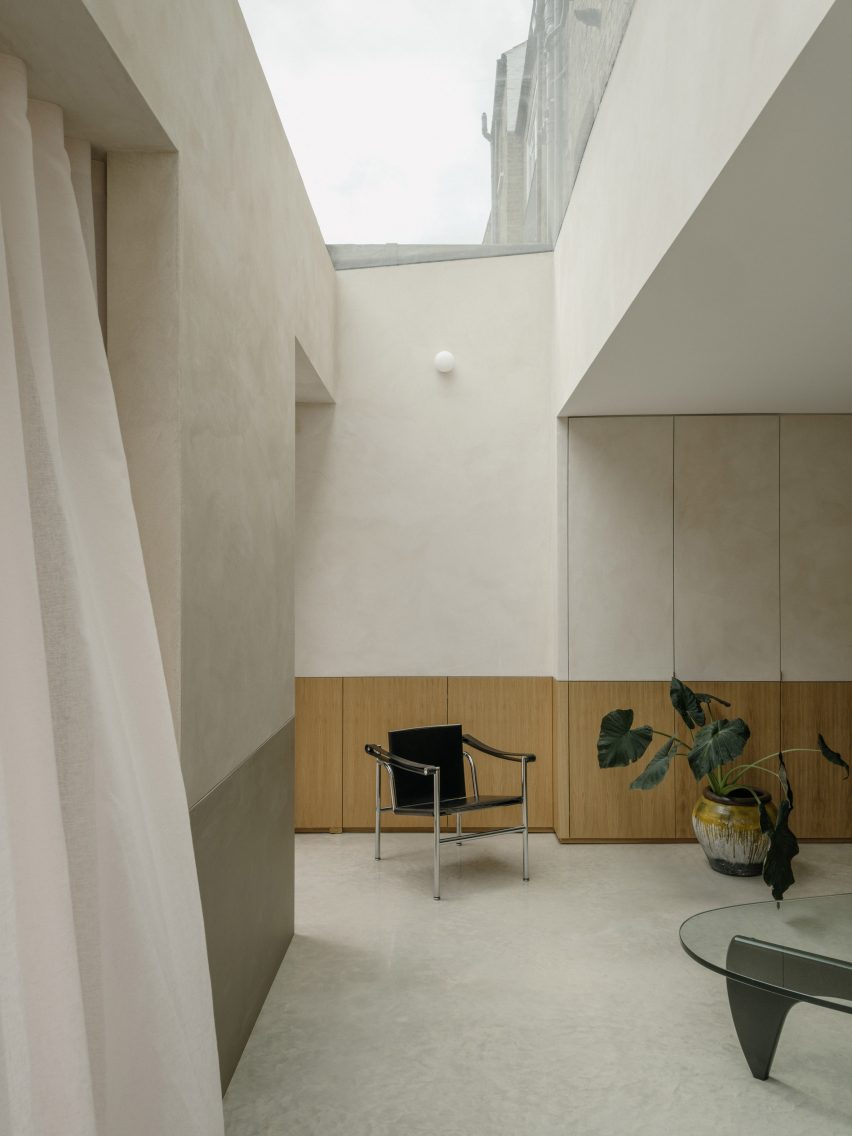
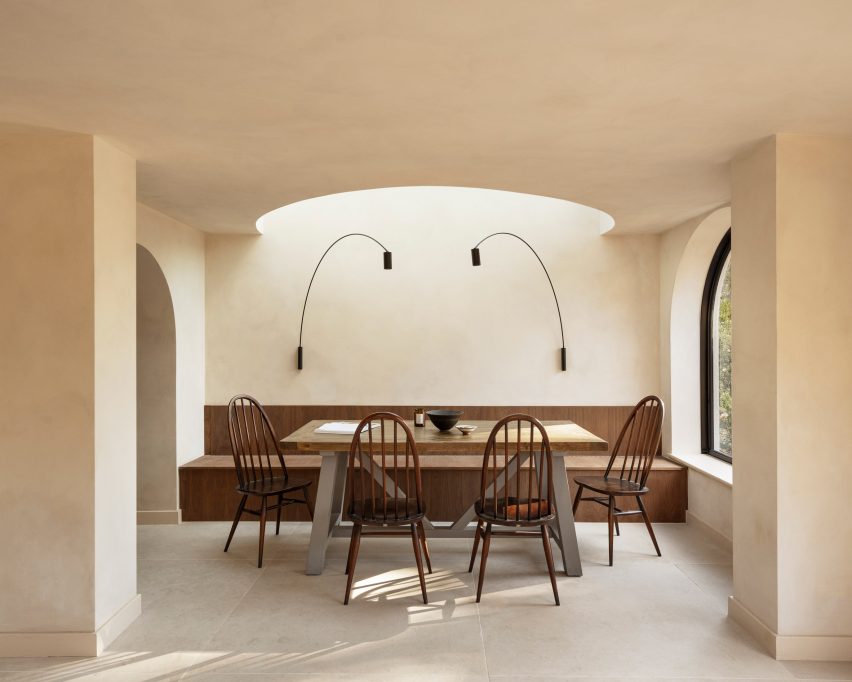
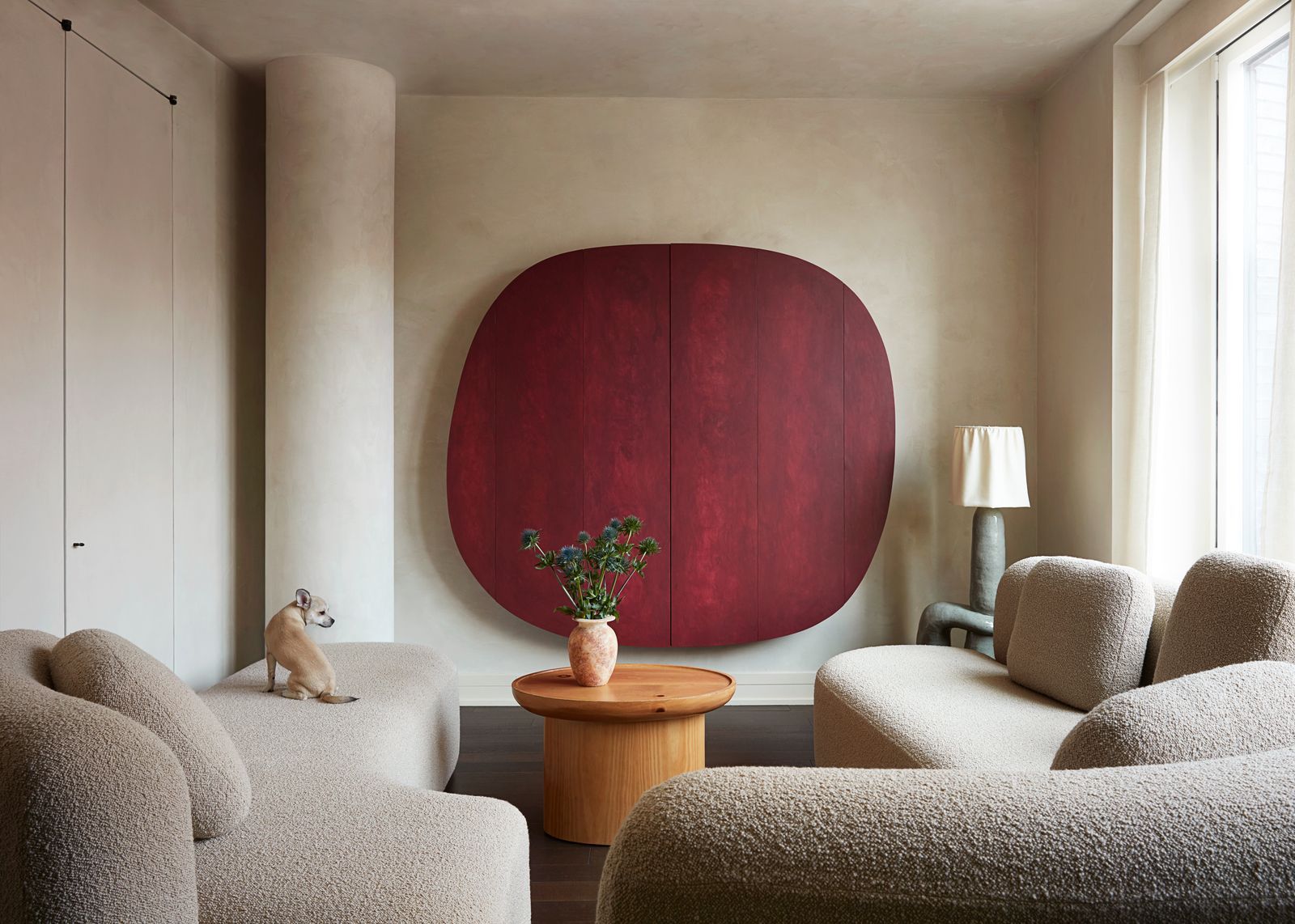
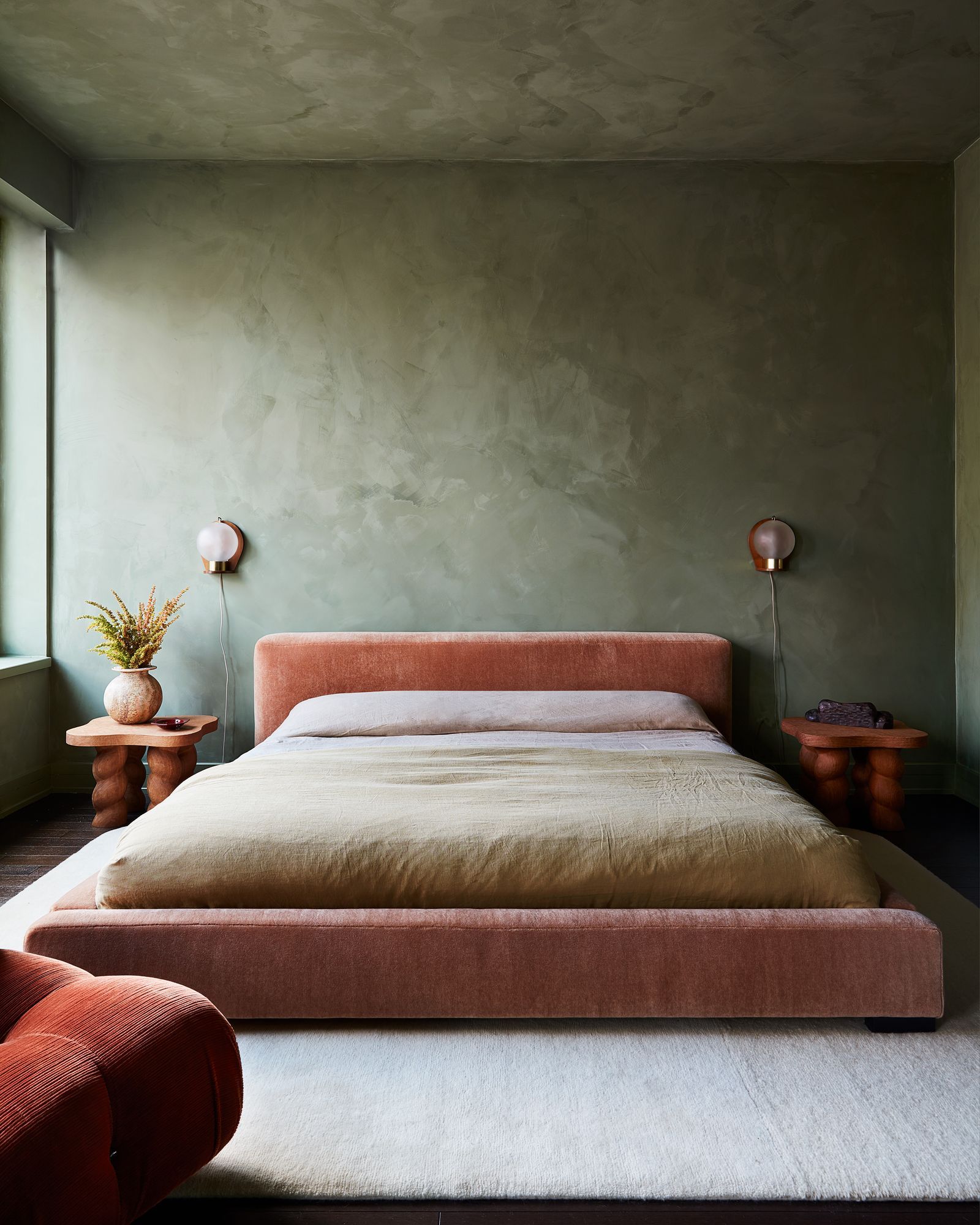
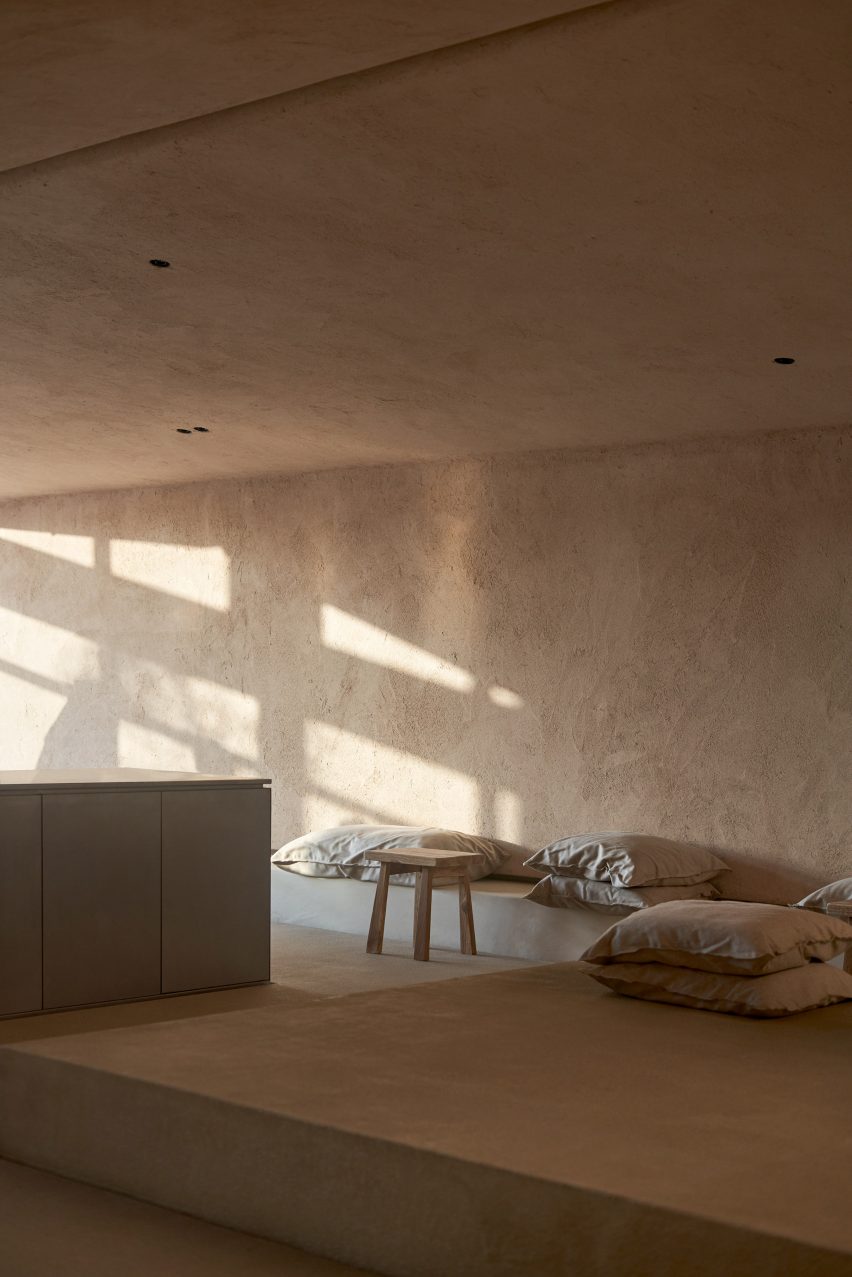
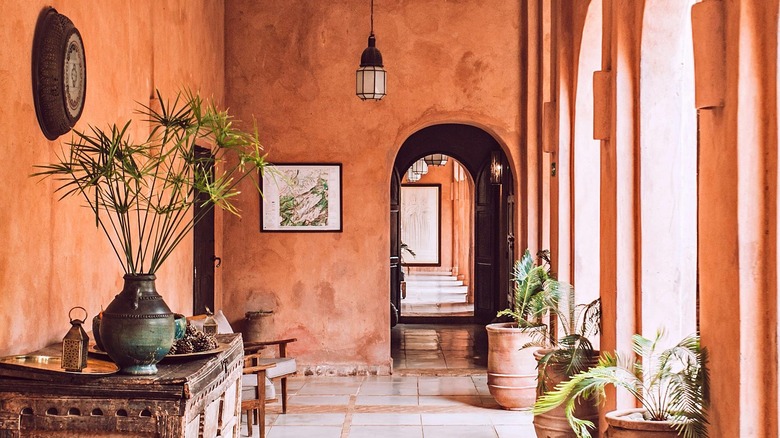
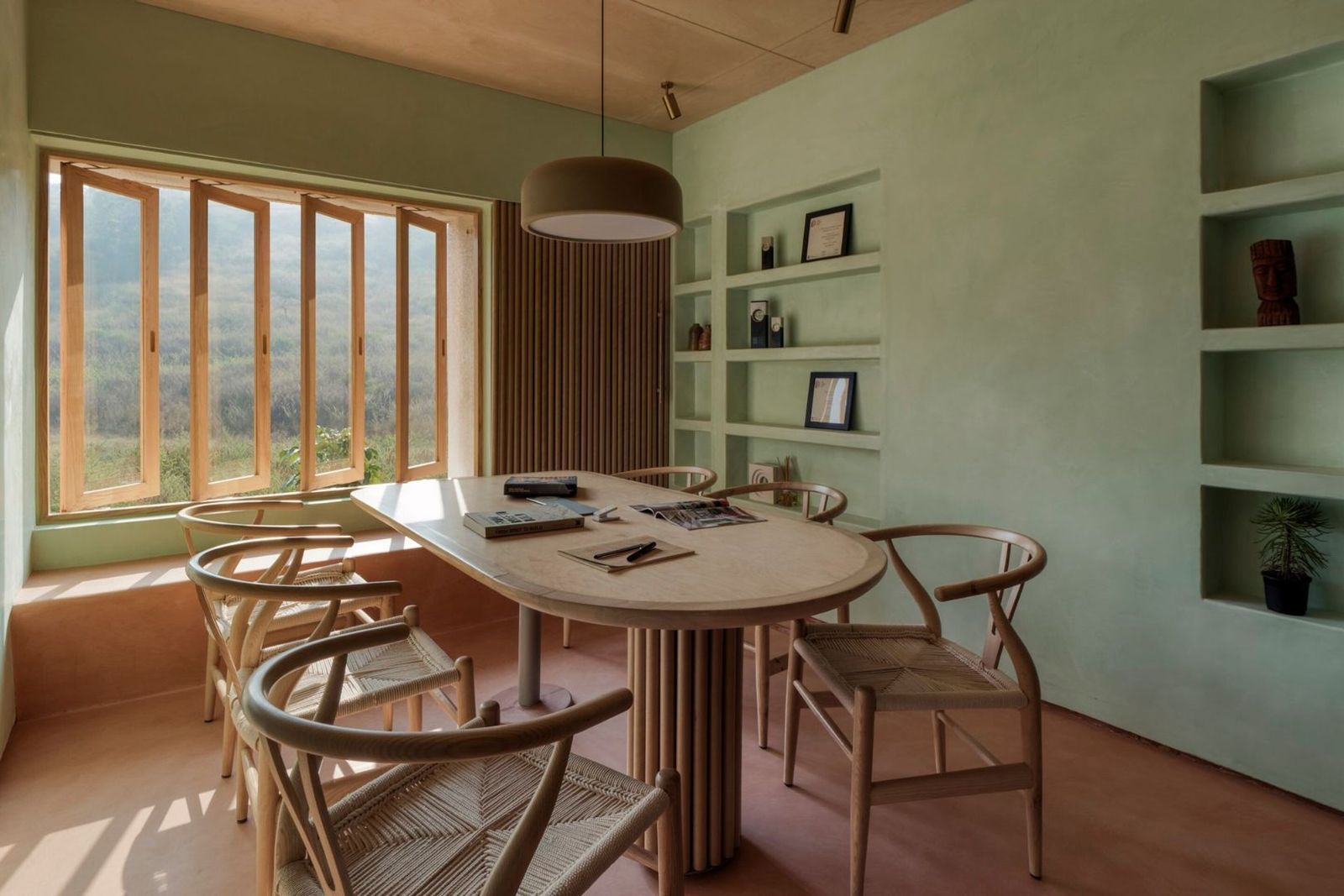
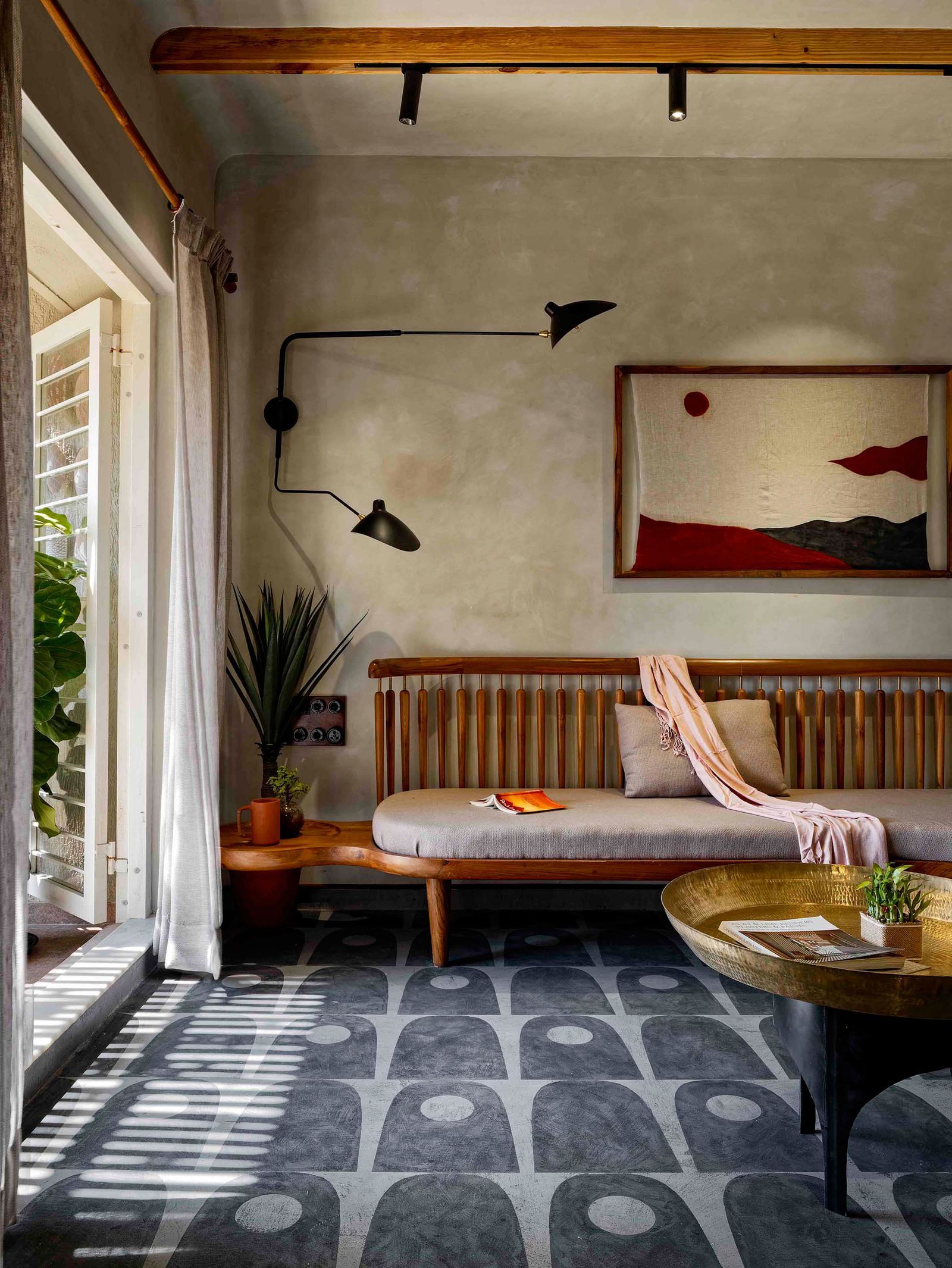
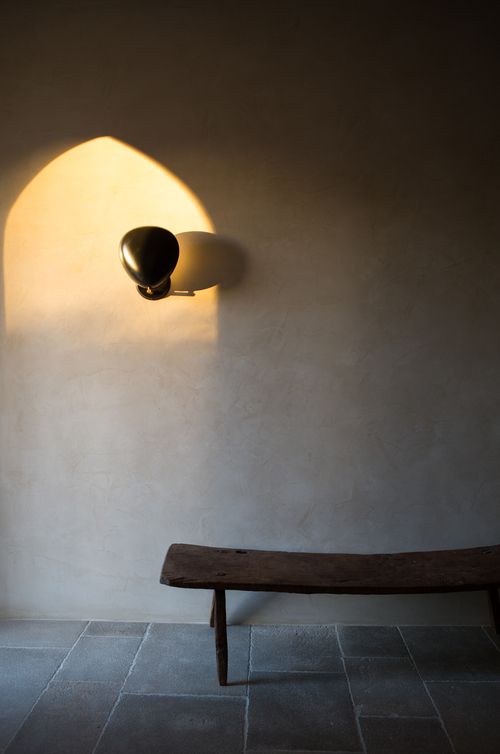
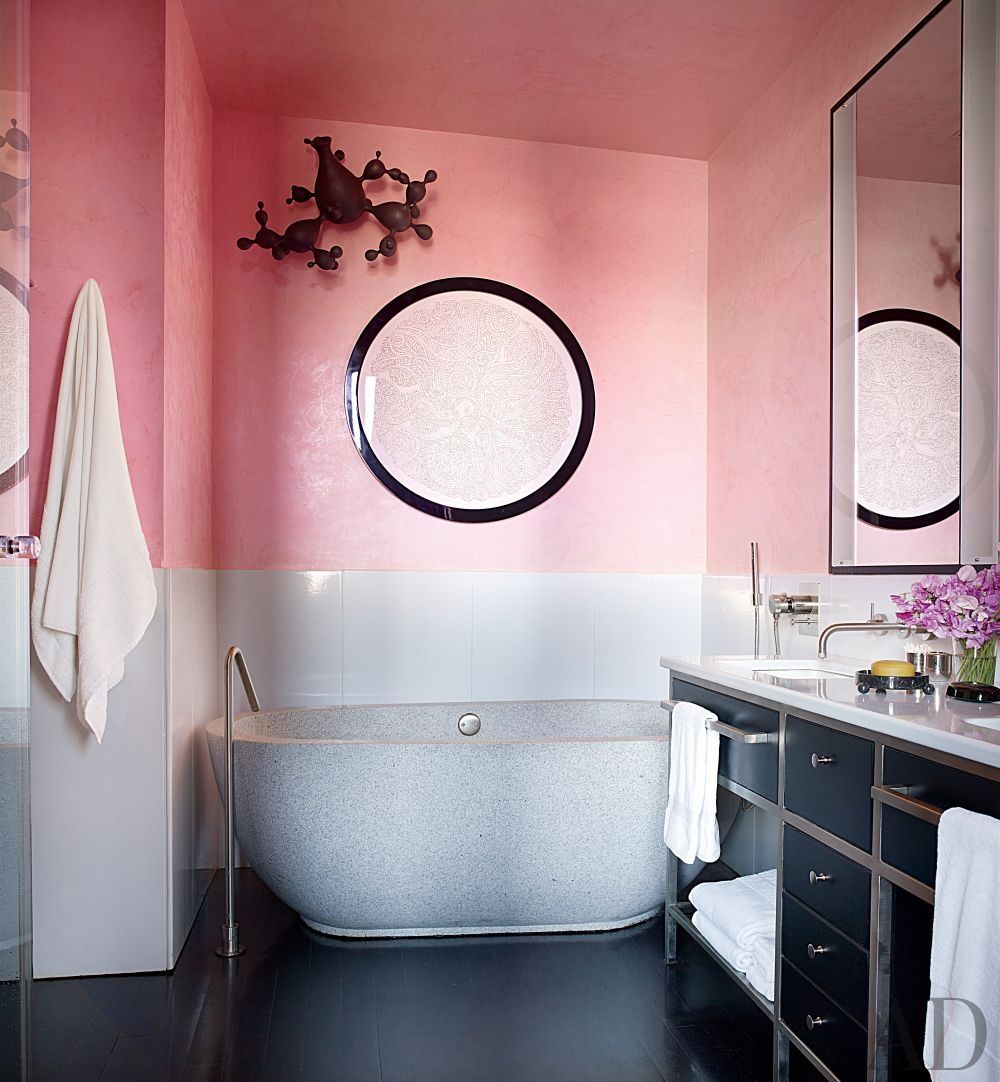
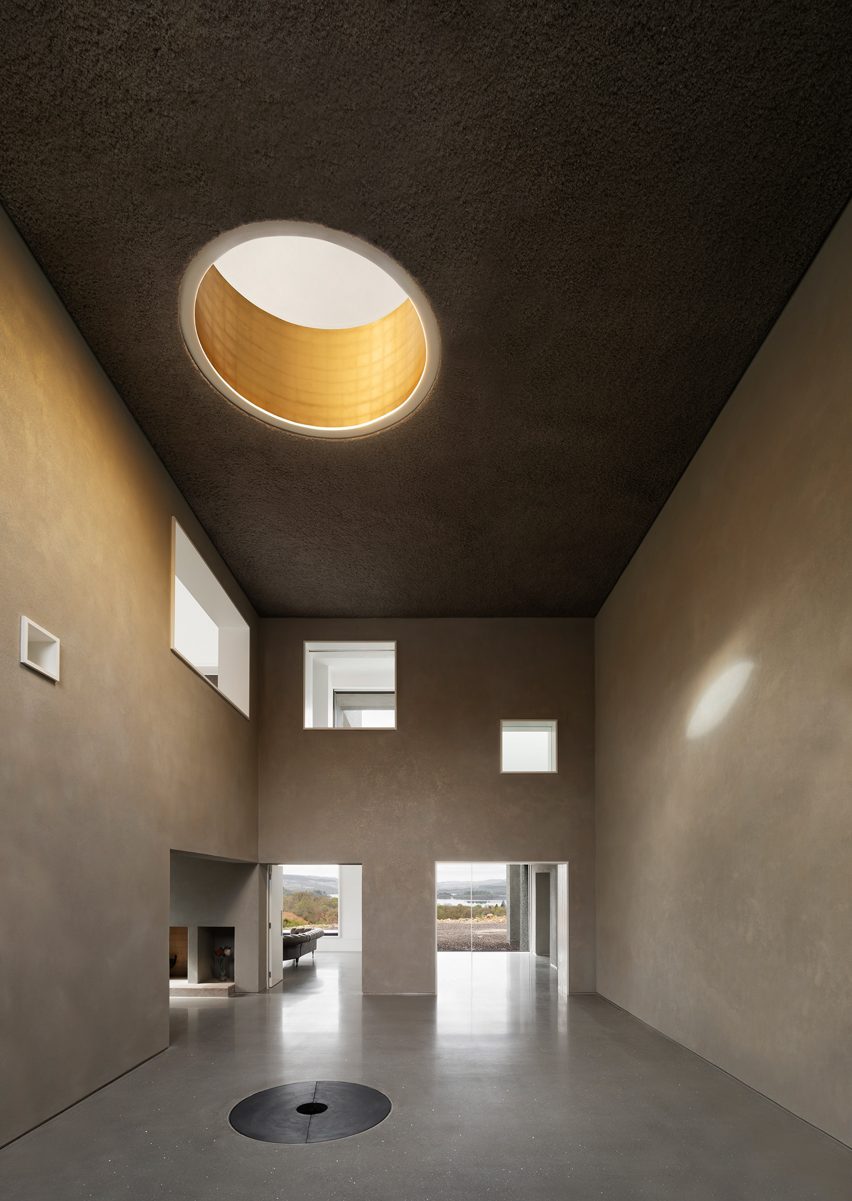
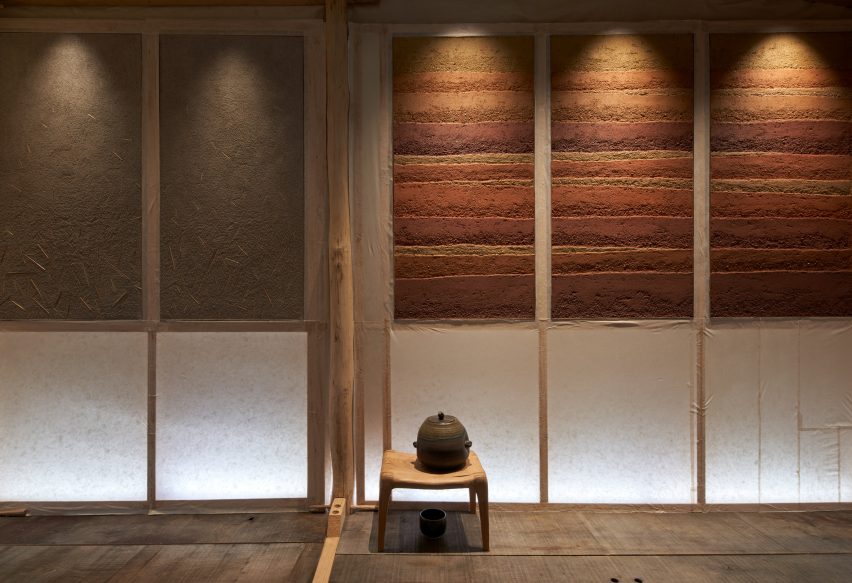
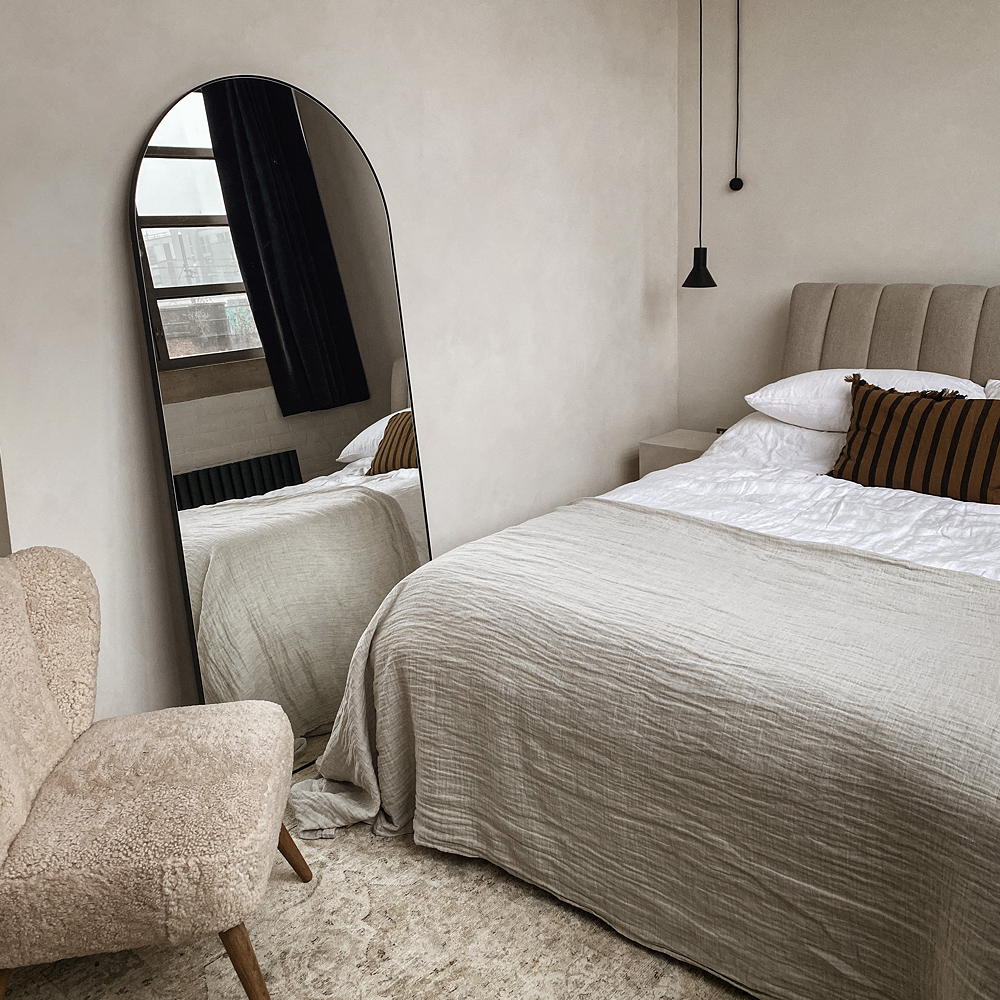
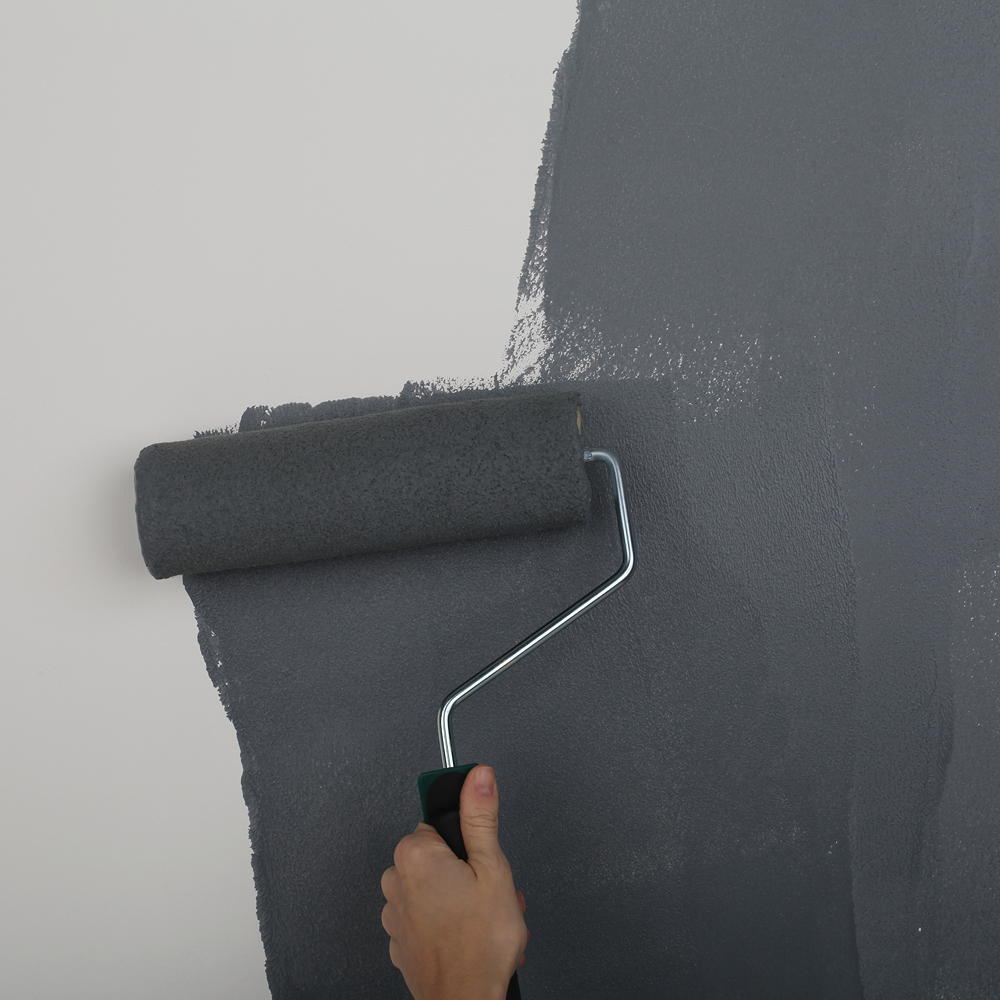
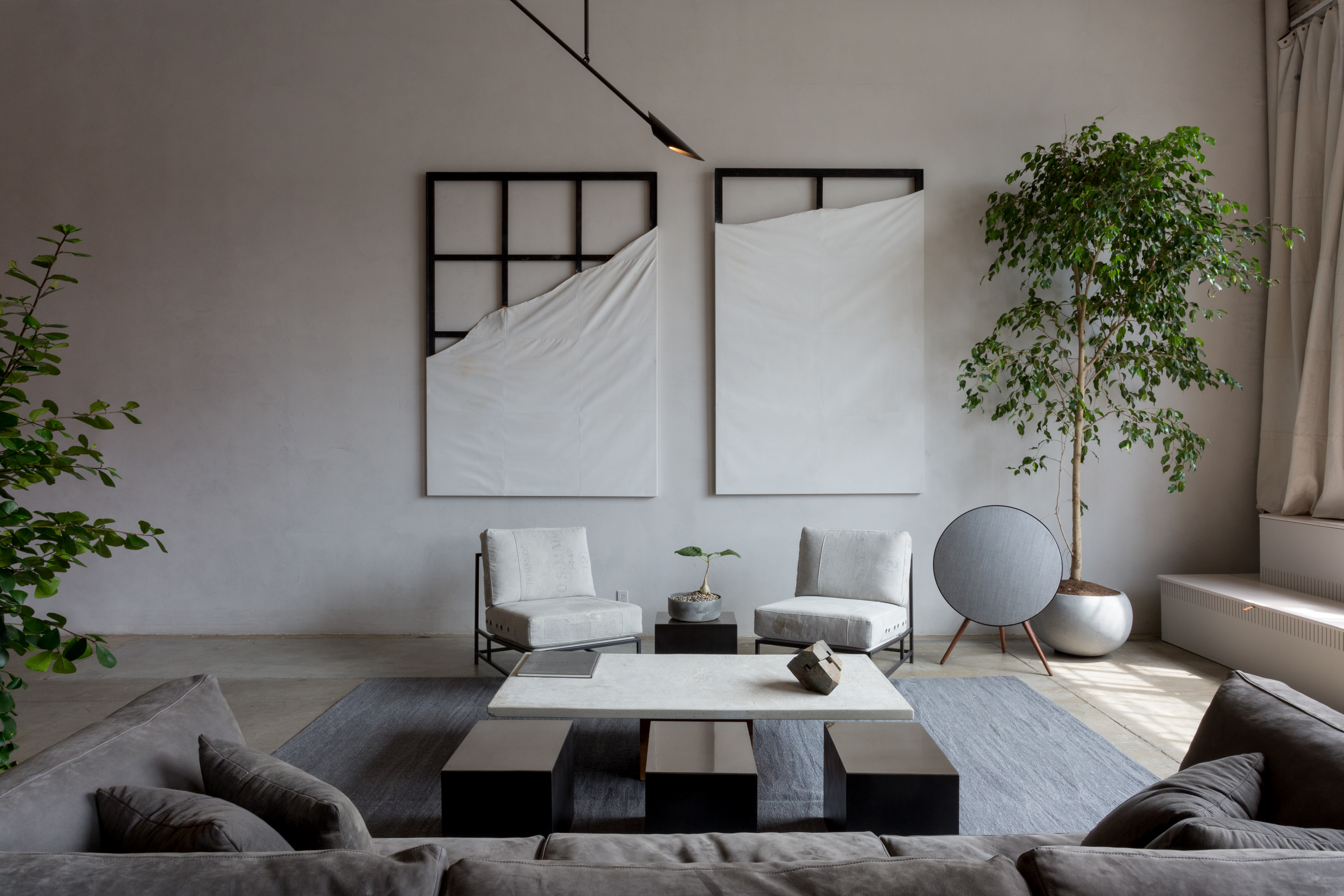
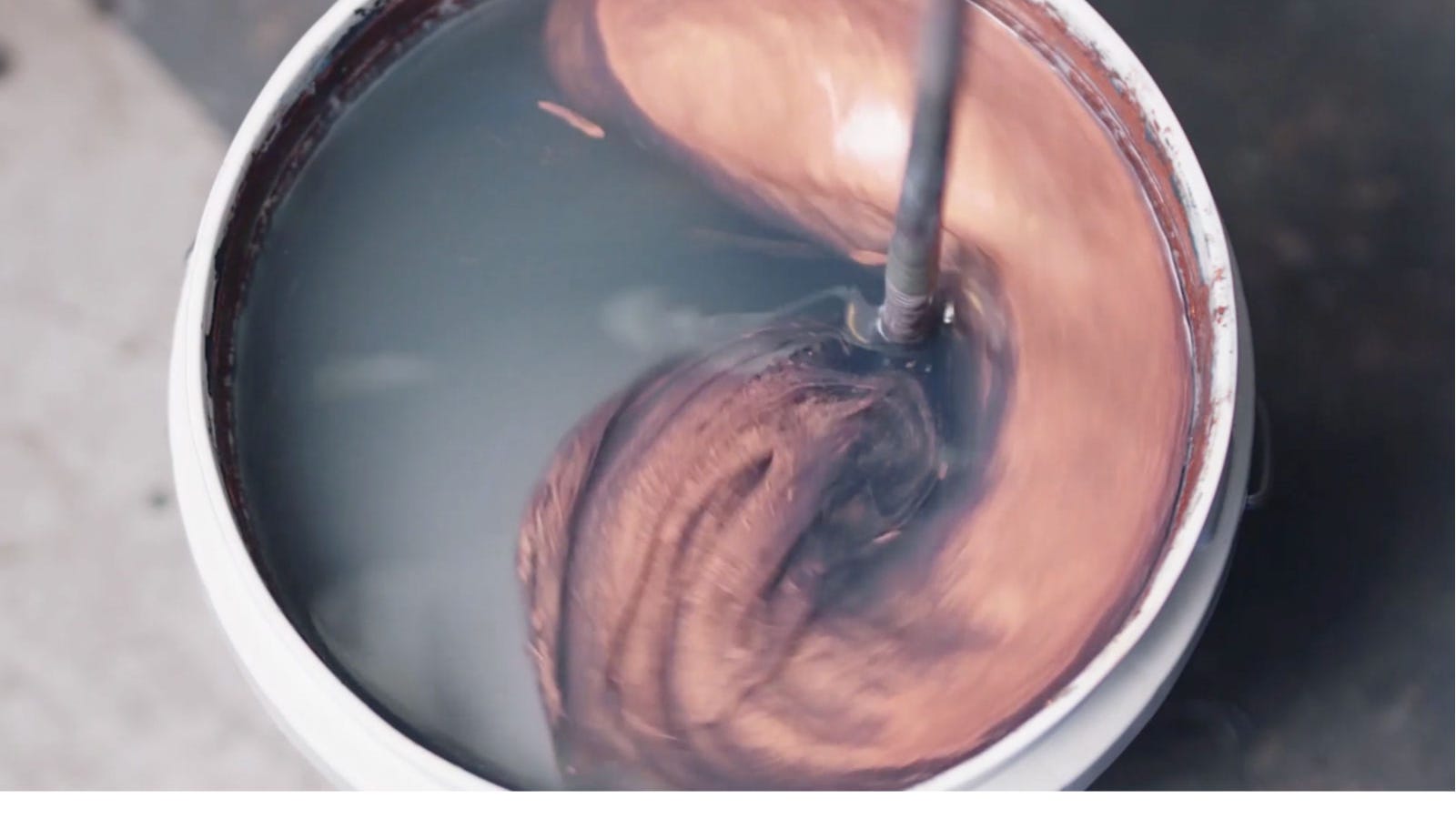
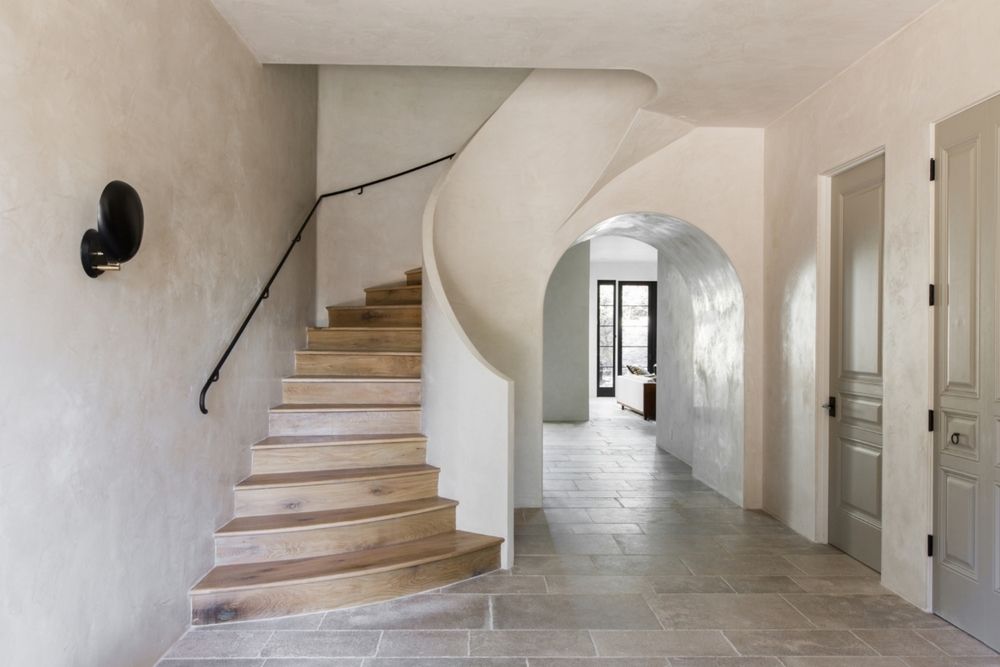
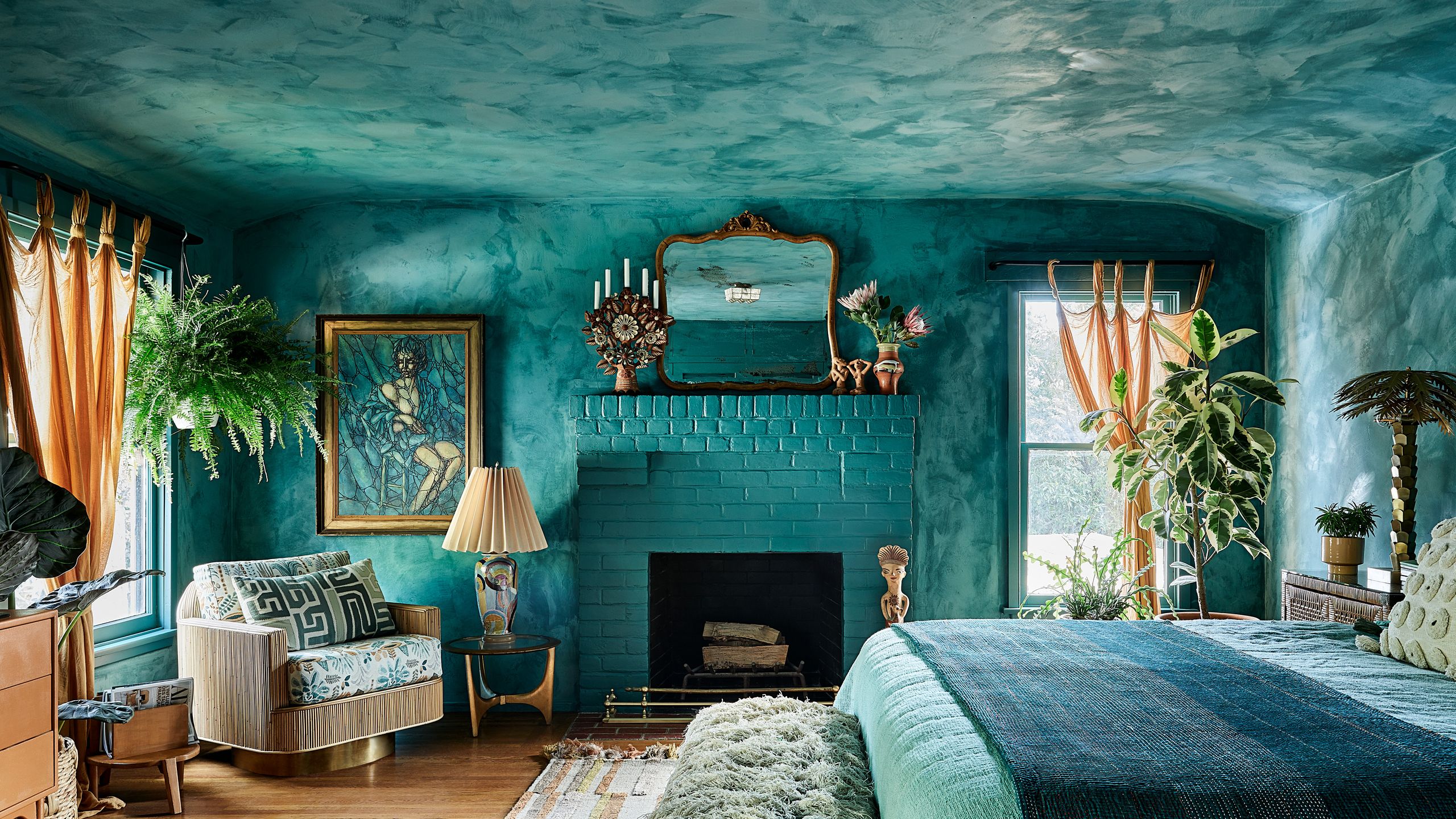
Roman Clay paint, a specialty finish with a thick consistency, is gaining recognition among interior designers as an alternative to traditional paint, limewash, or Venetian plaster. It creates a beautiful mottled, matte finish that resembles natural stone with a soft, chalky texture. Unlike conventional paint found in hardware stores, Roman Clay is a lime-based plaster applied with a knife or trowel to interior walls. Jamie Davis, co-founder of Portola Paints, a leading manufacturer, highlights its cost-effectiveness and ease of application compared to stucco or concrete.
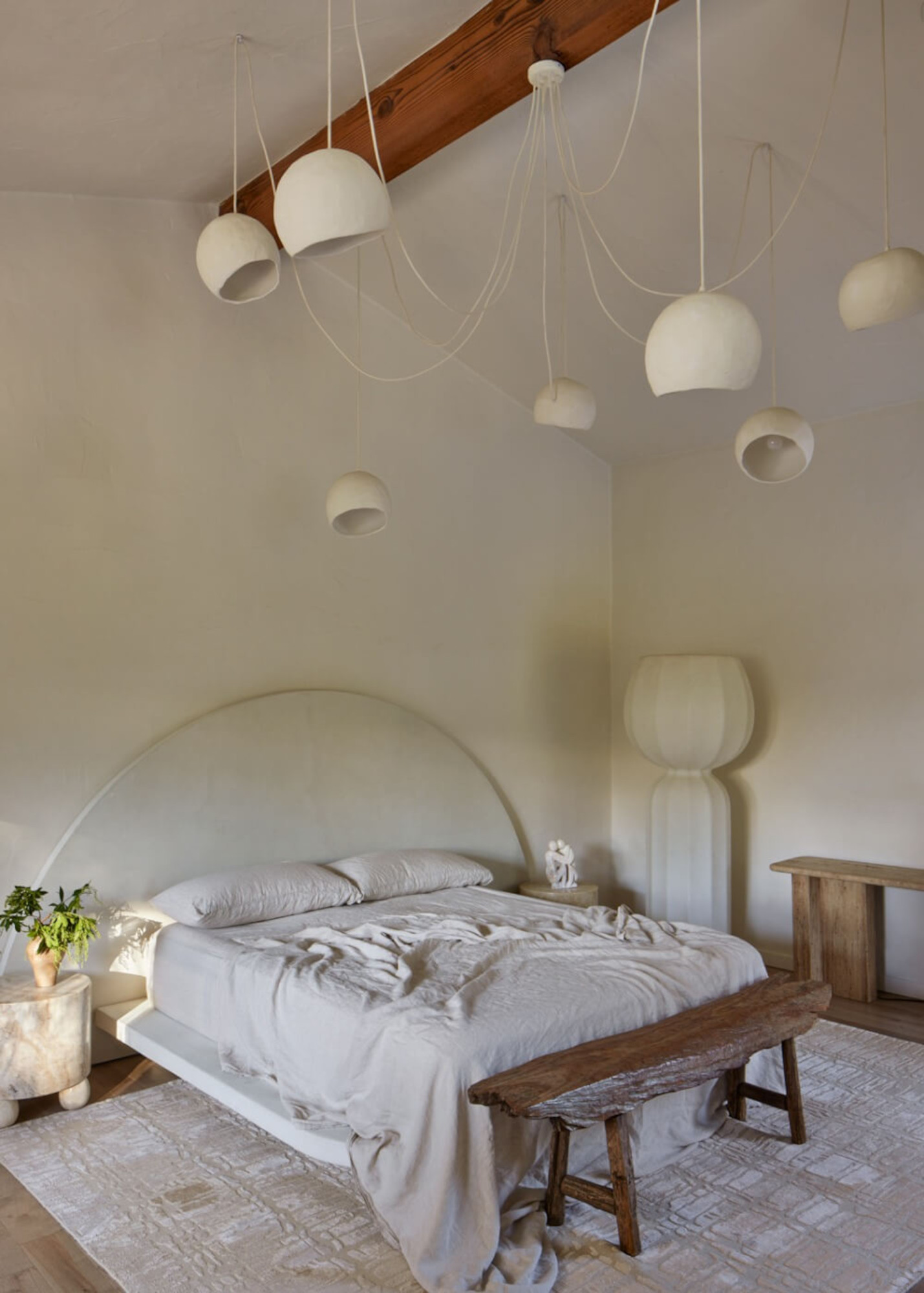
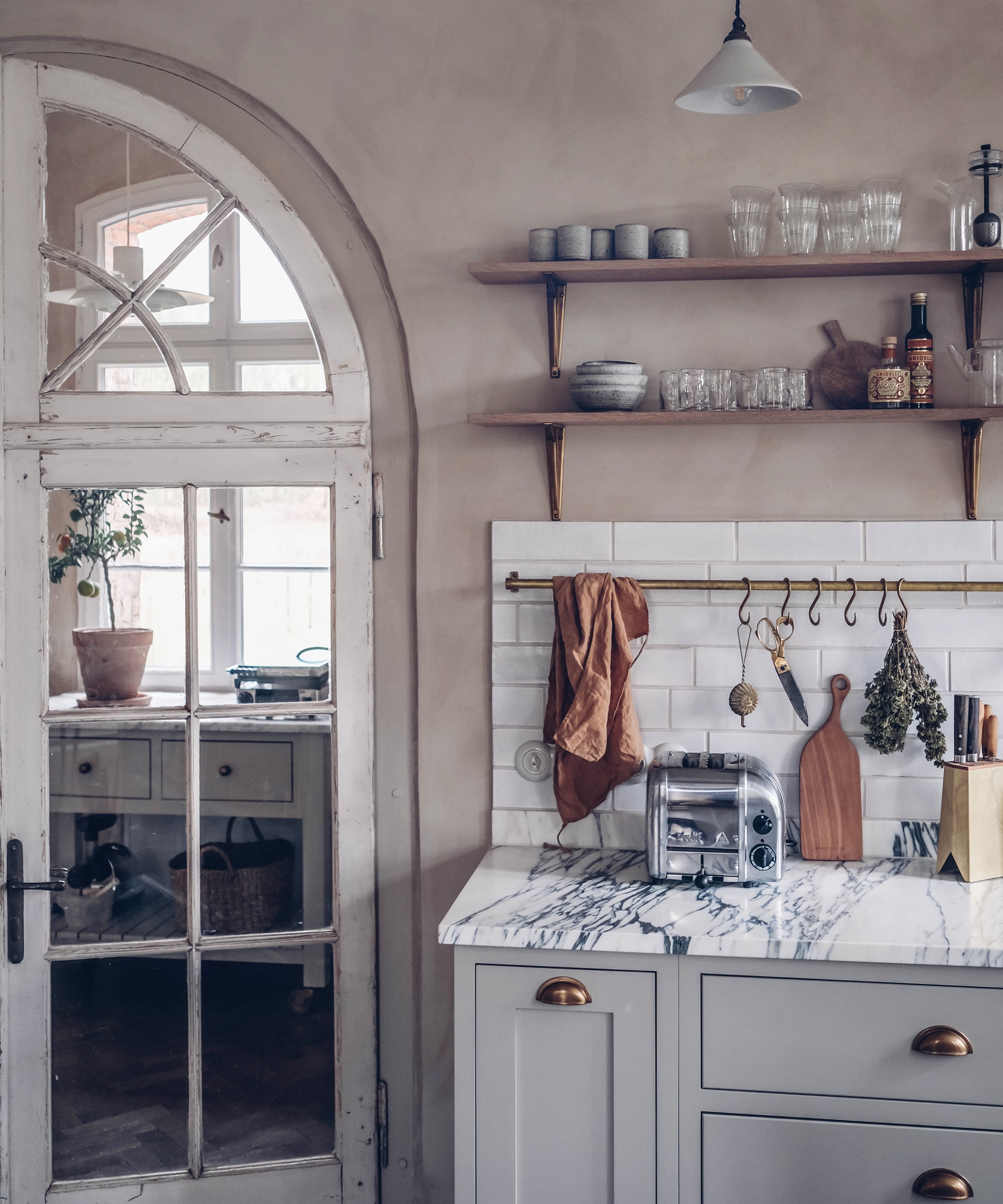
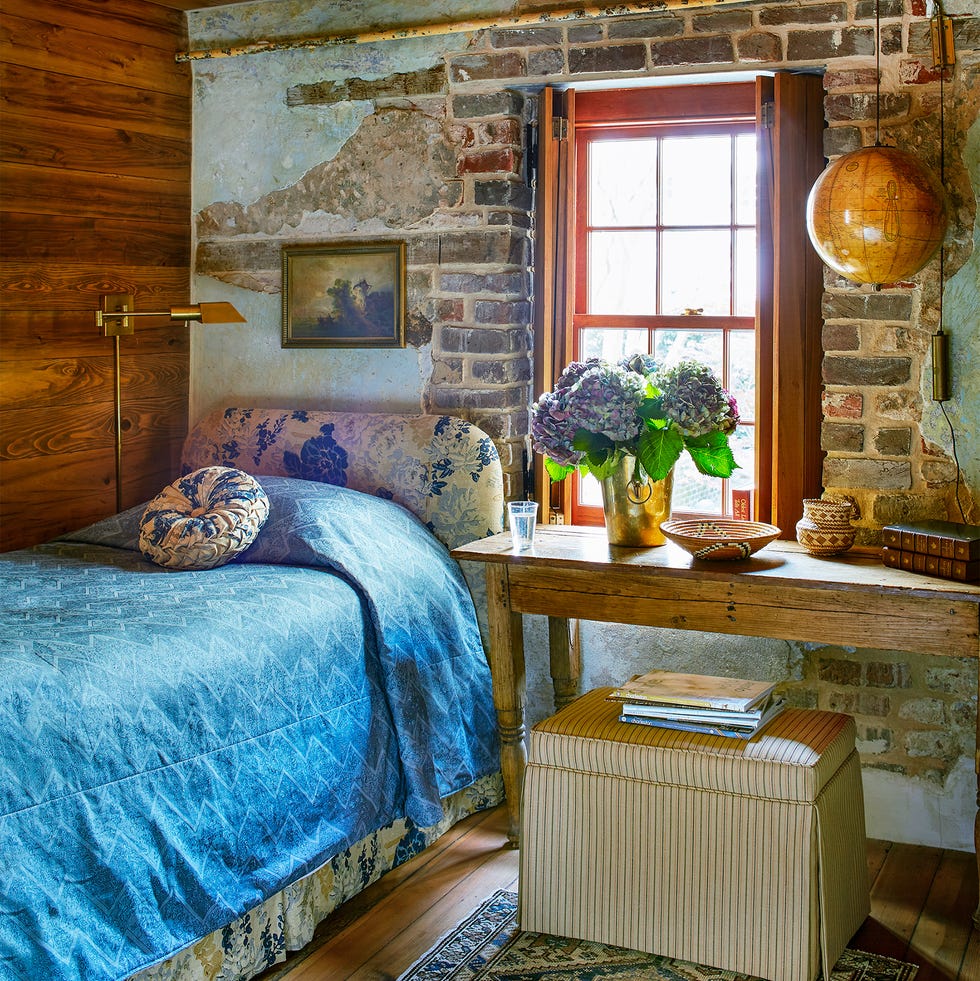
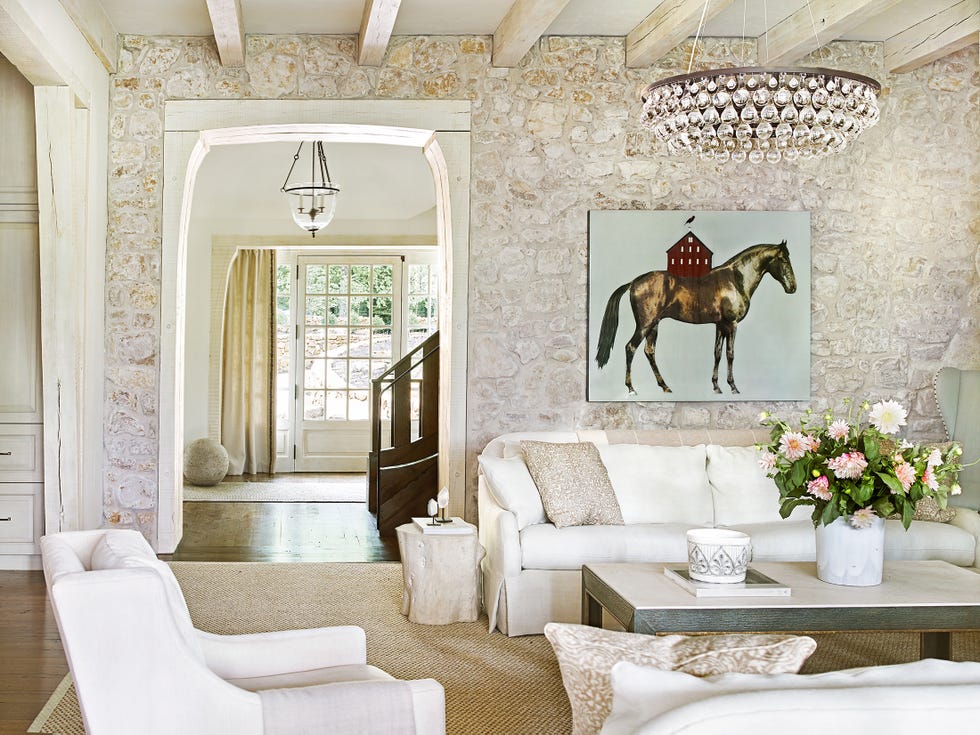
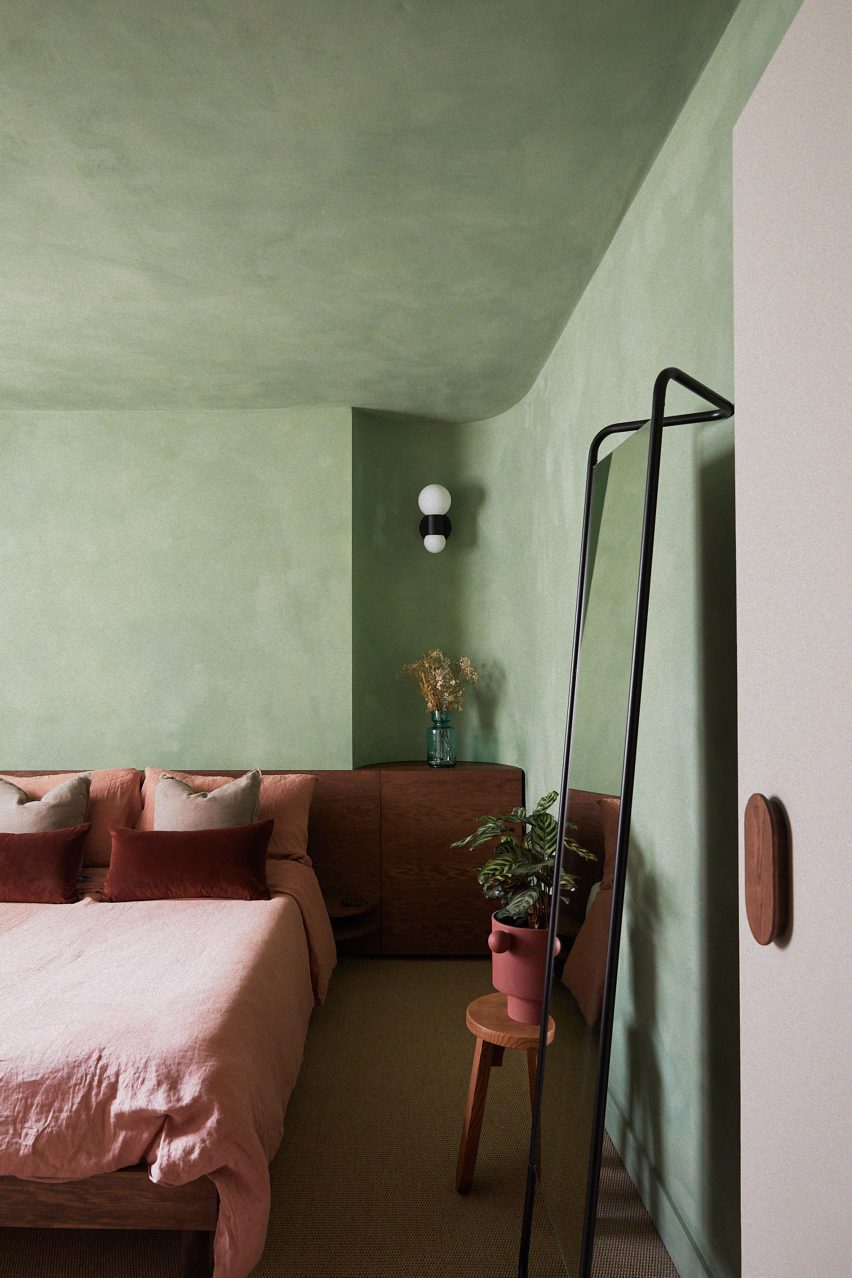
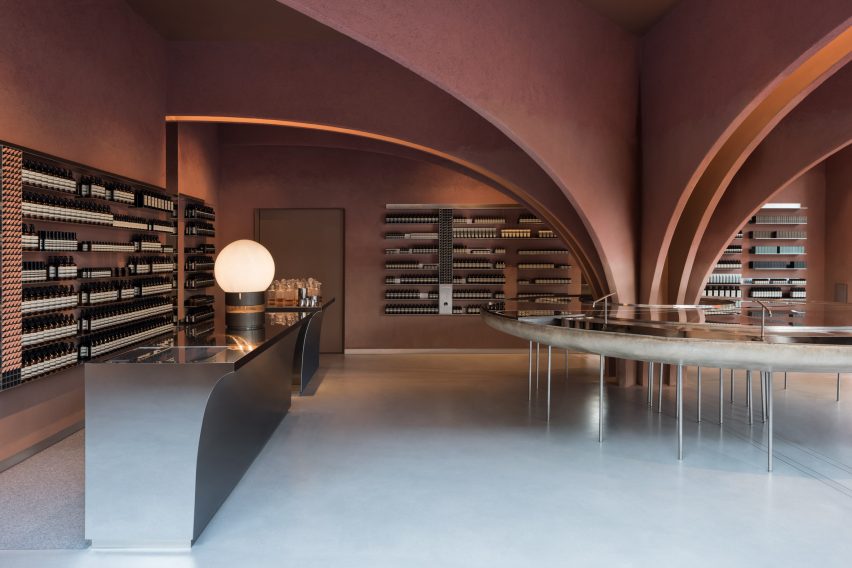
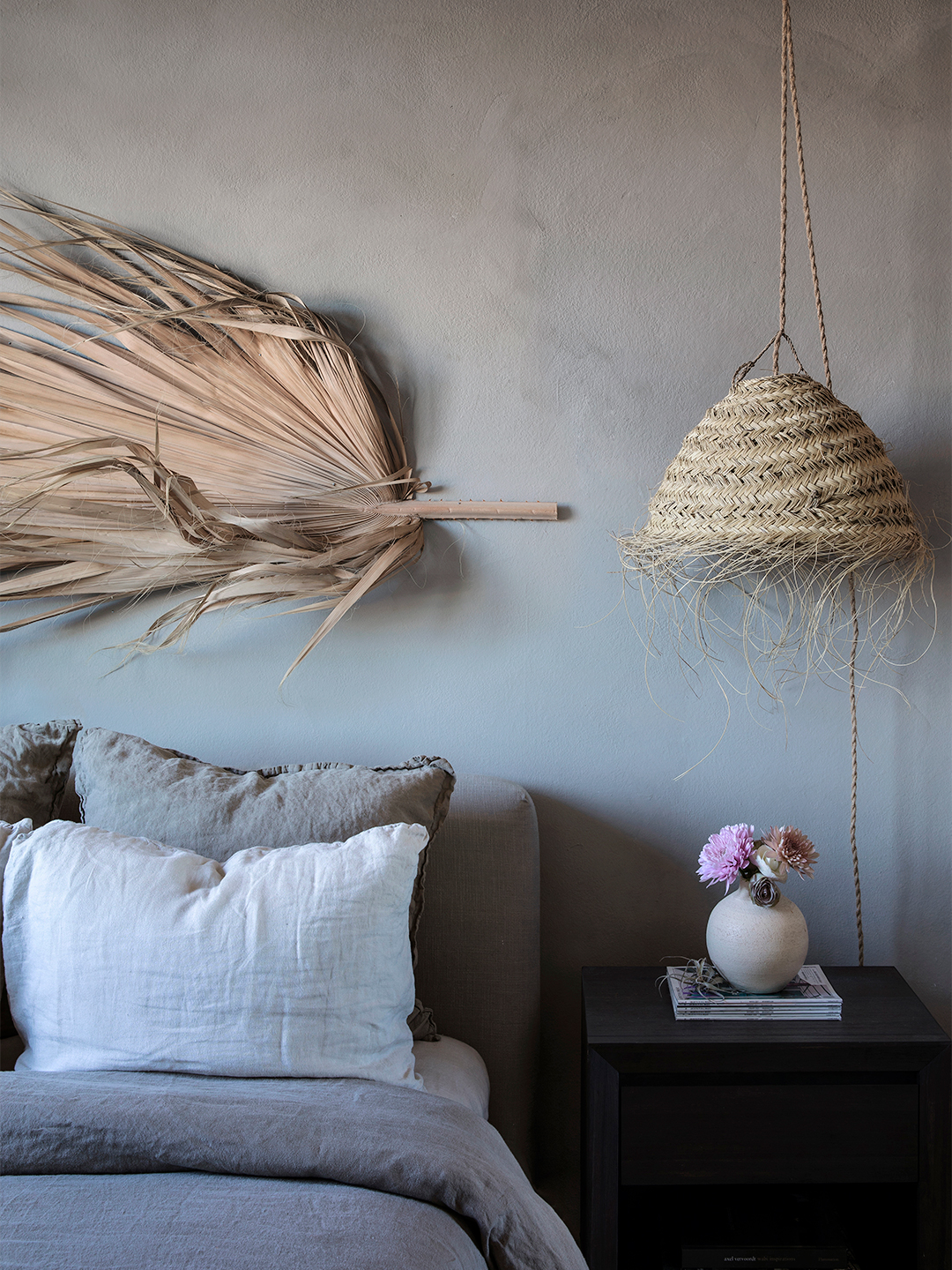
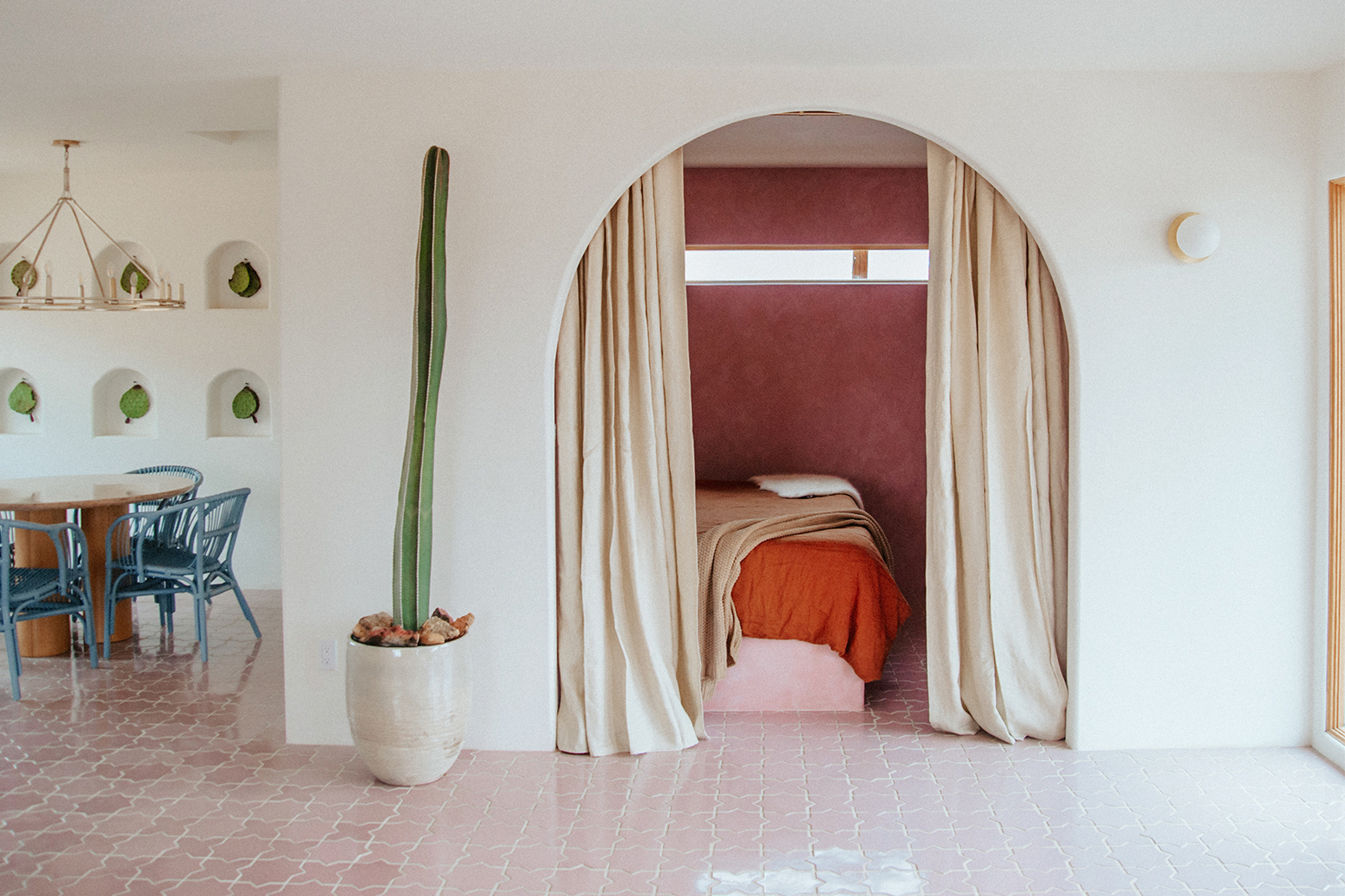
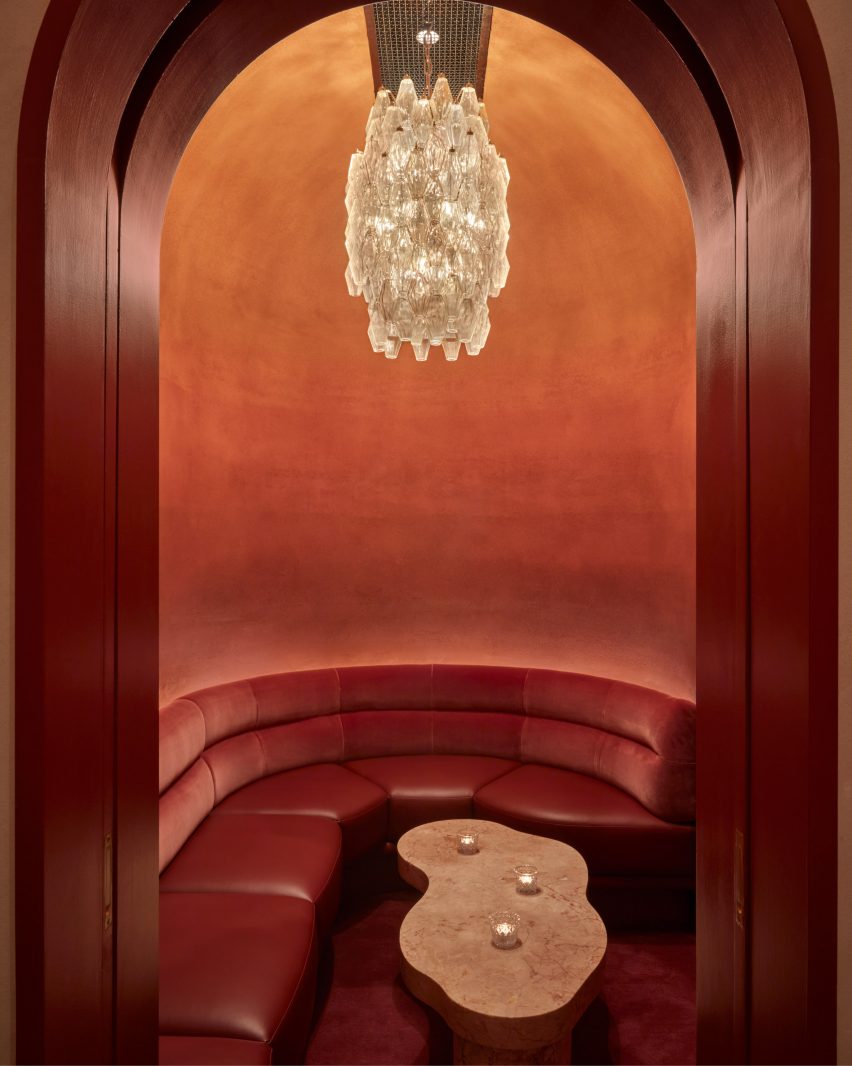
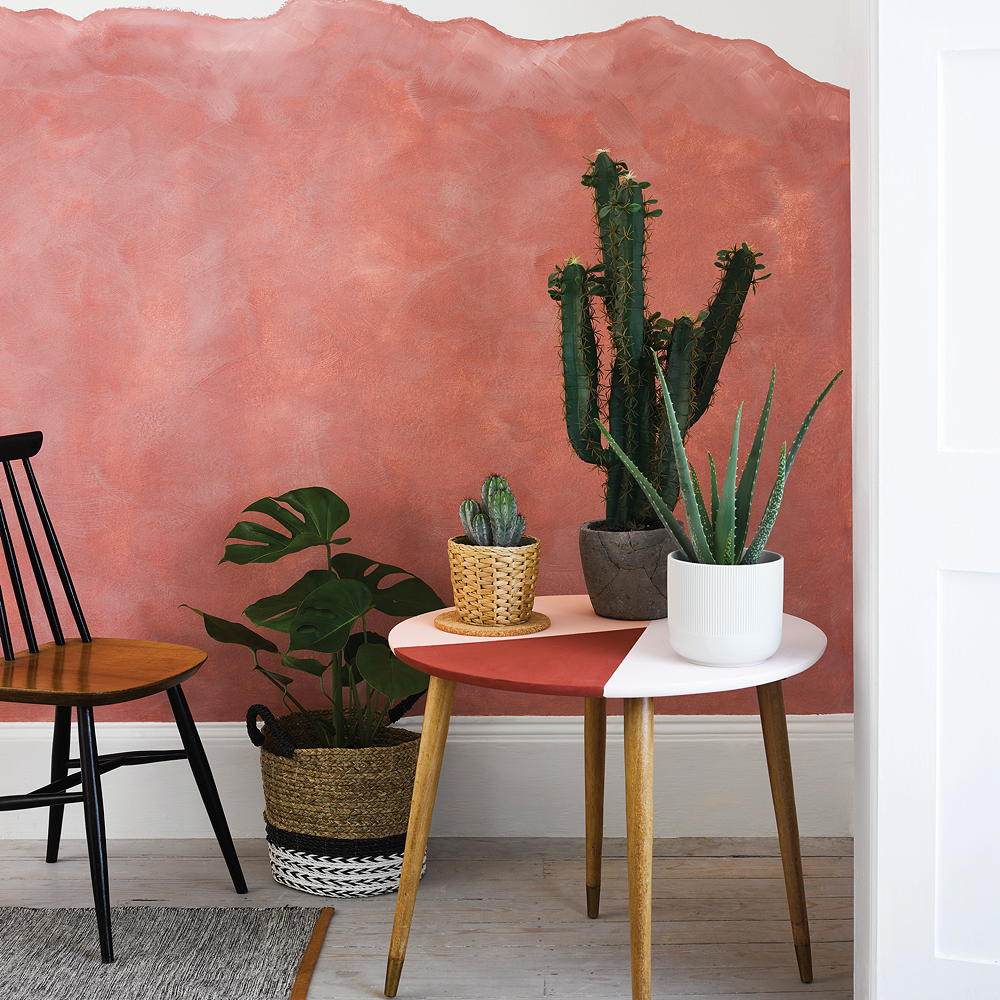
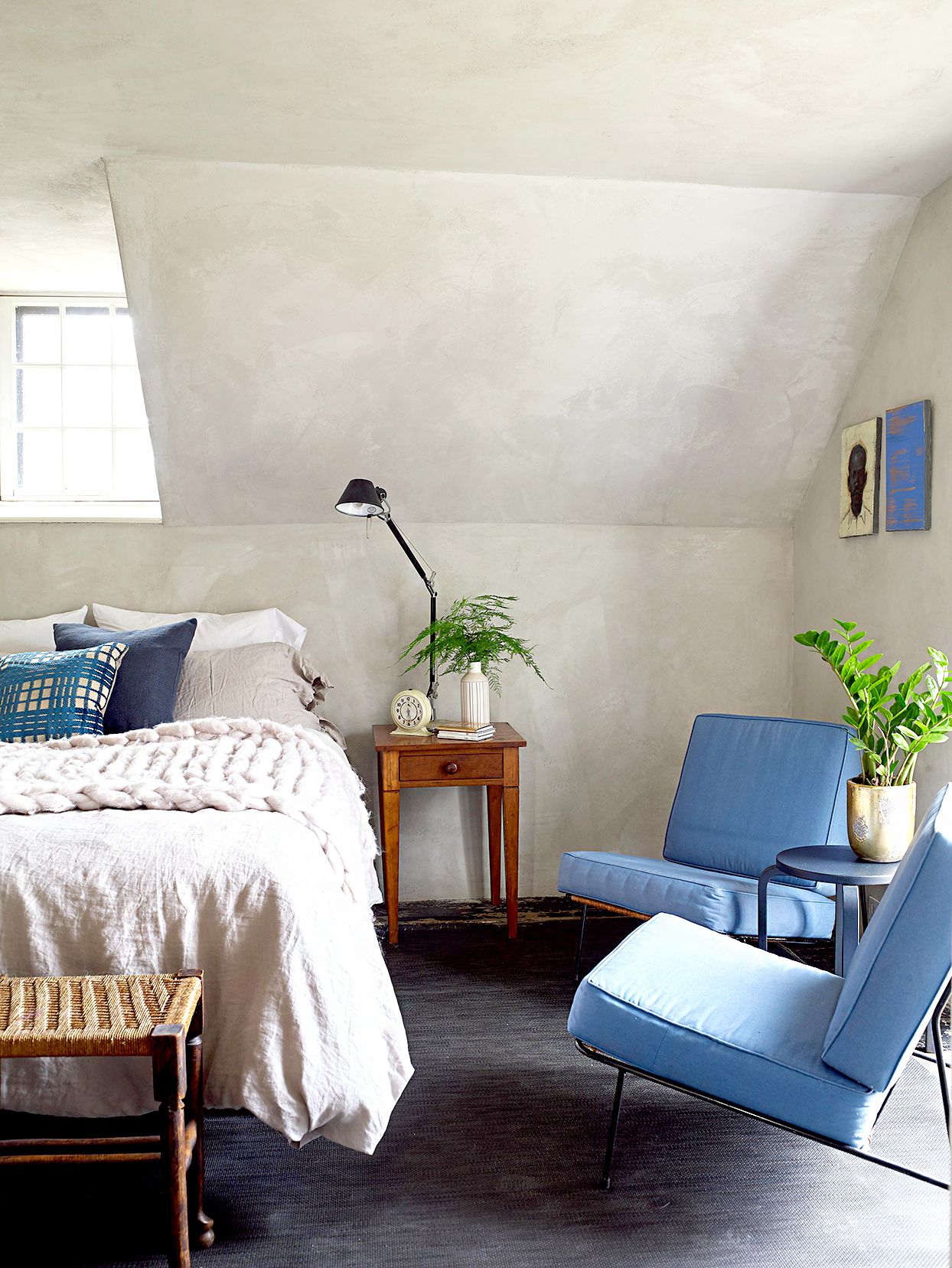
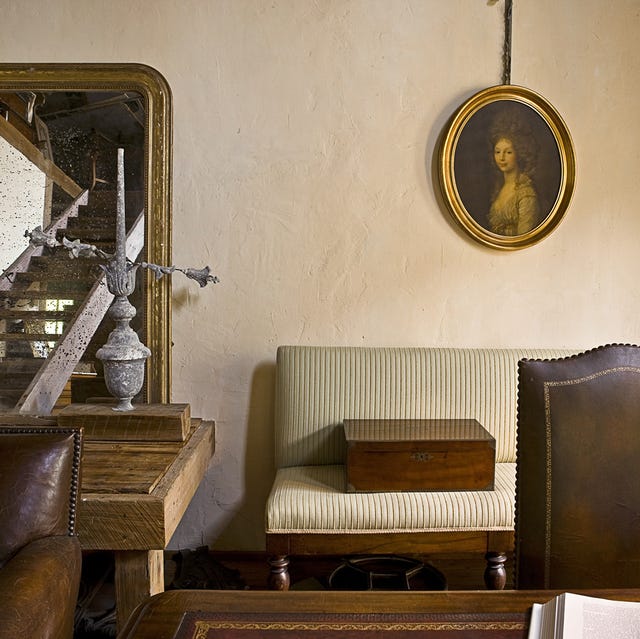
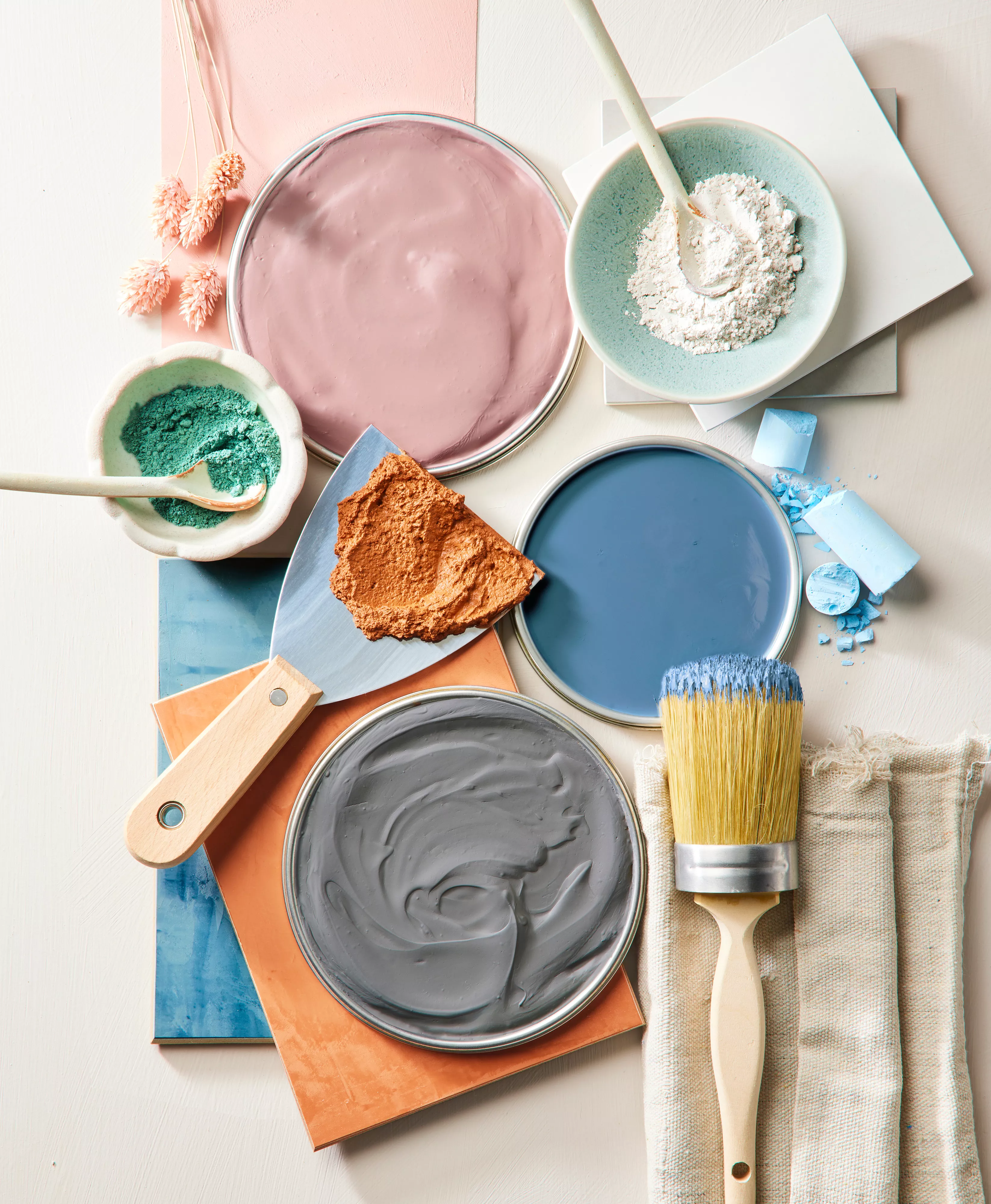
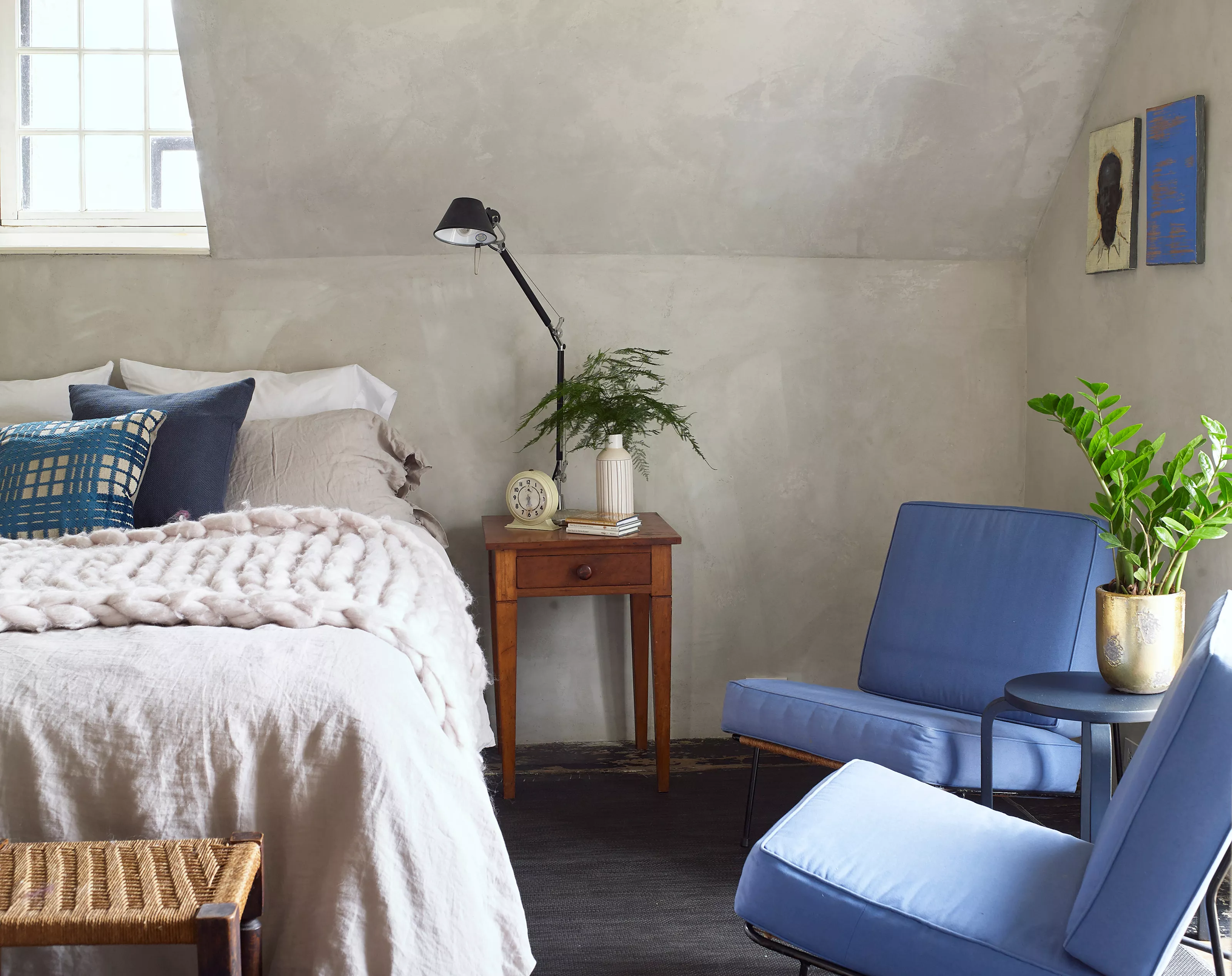
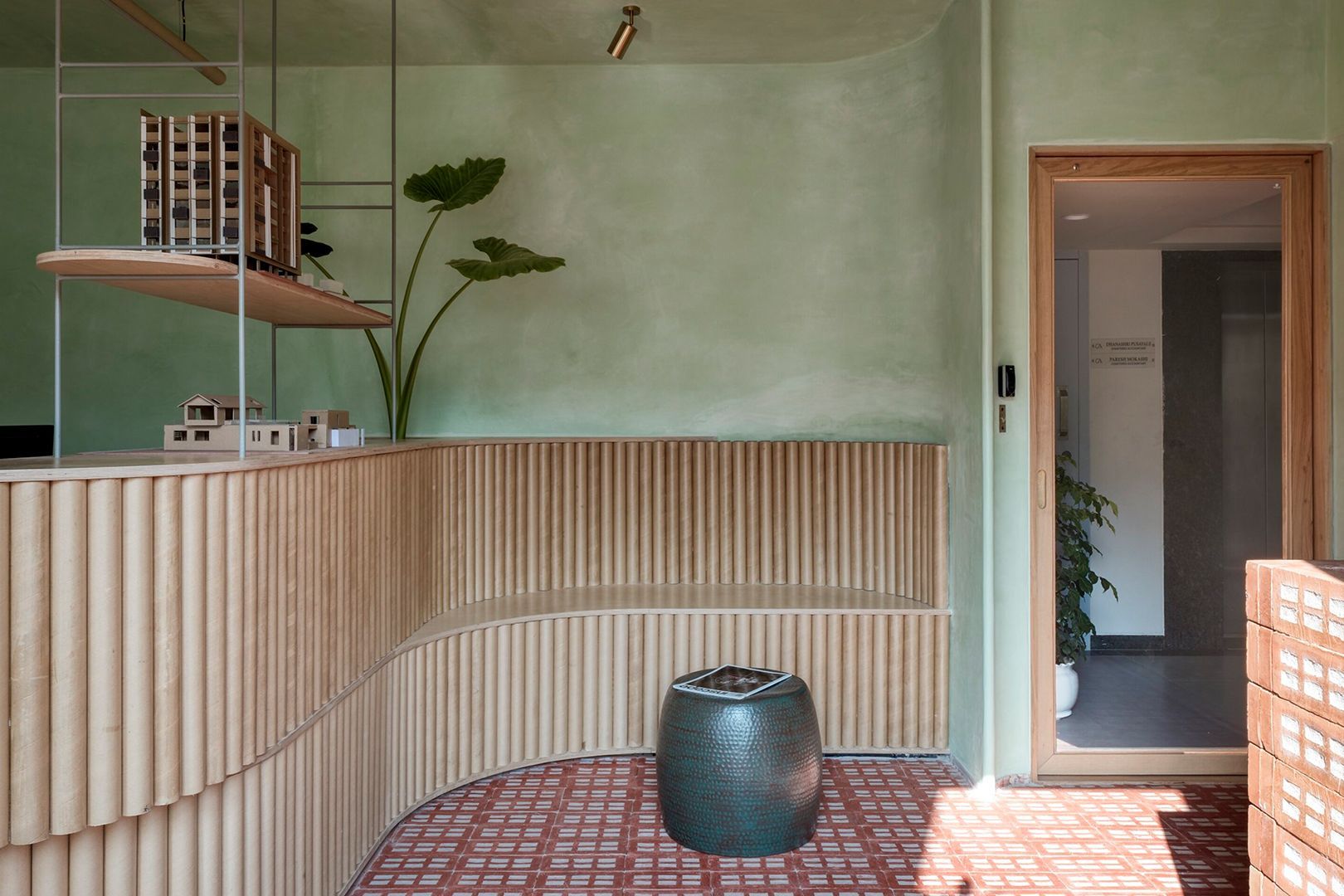
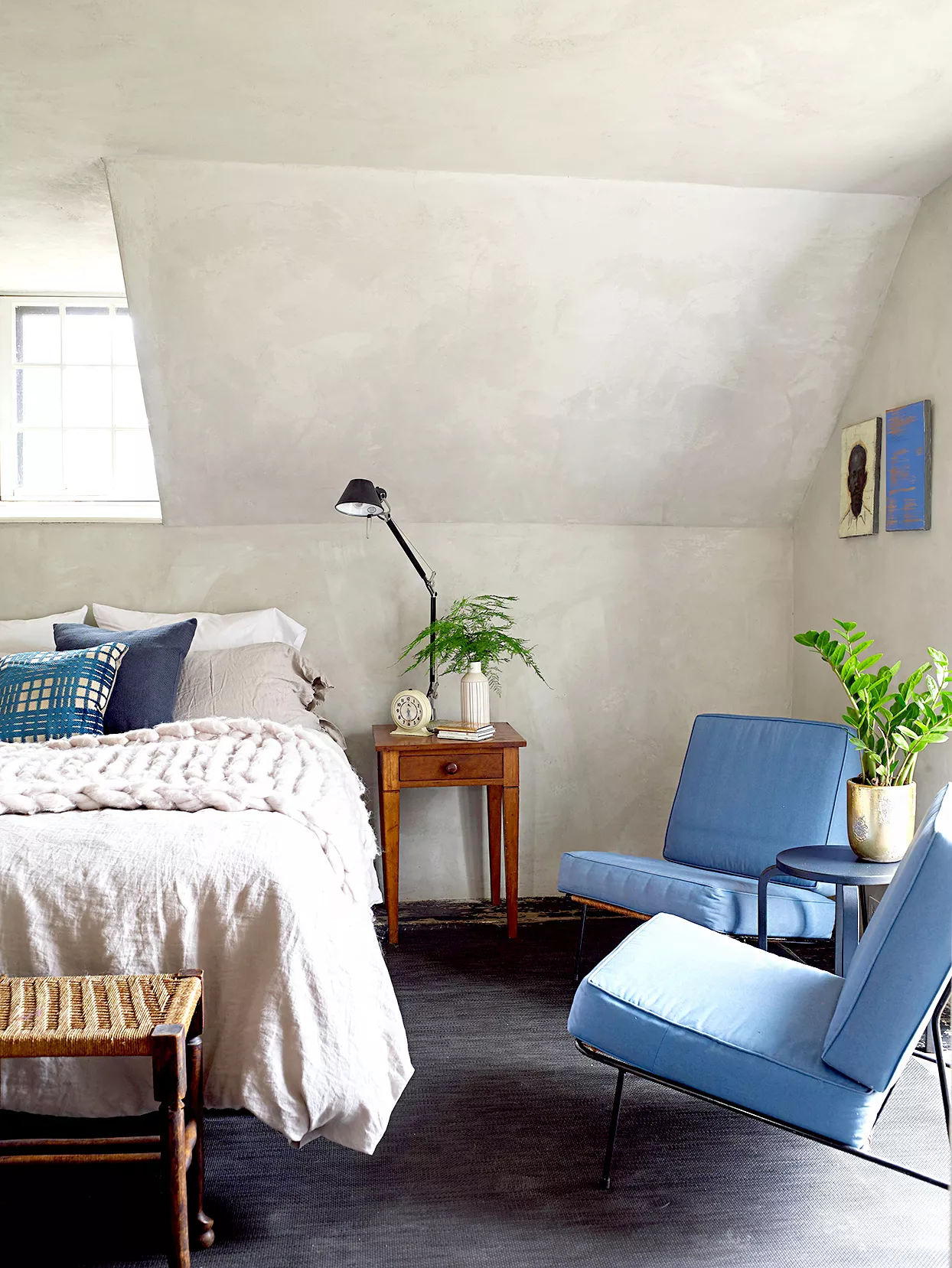
Roman Clay offers a unique aesthetic, providing texture and depth to a space through its cloudy, varied coloring. While visually similar to limewash paints, a key distinction is the wider range of colors available for Roman Clay, allowing for bolder design choices. The finish boasts visible movement and dimension, yet feels smooth and velvety to the touch. It is particularly well-suited for homes with a Mediterranean or modern rustic design theme, though its practical application is versatile enough for any interior space. Unlike limewash, Roman Clay does not require a porous wall surface, making it more adaptable.
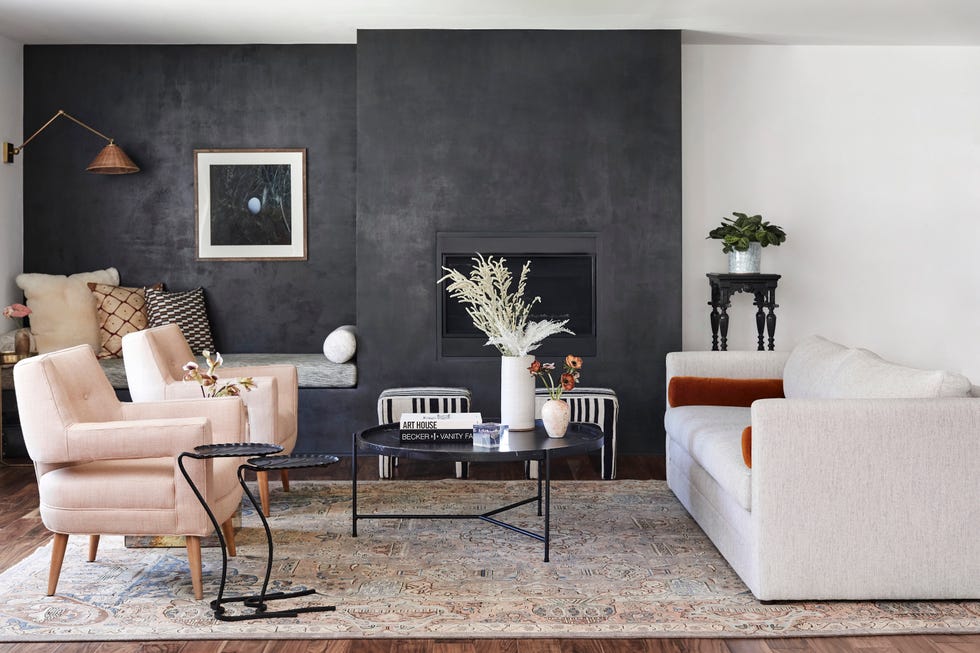
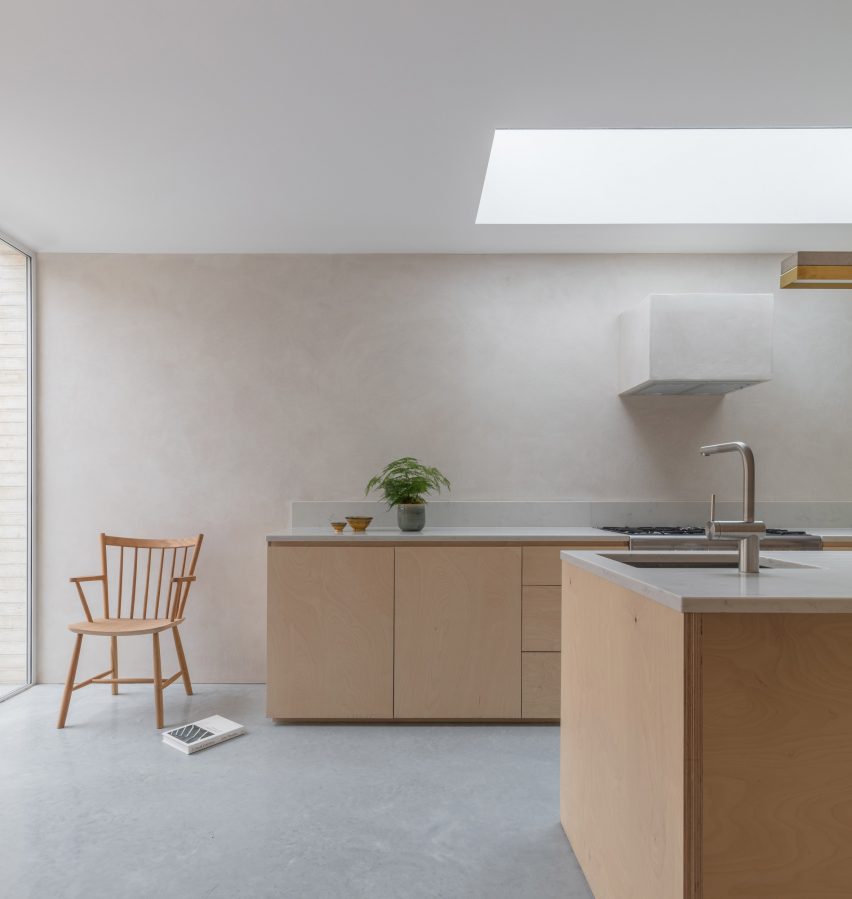
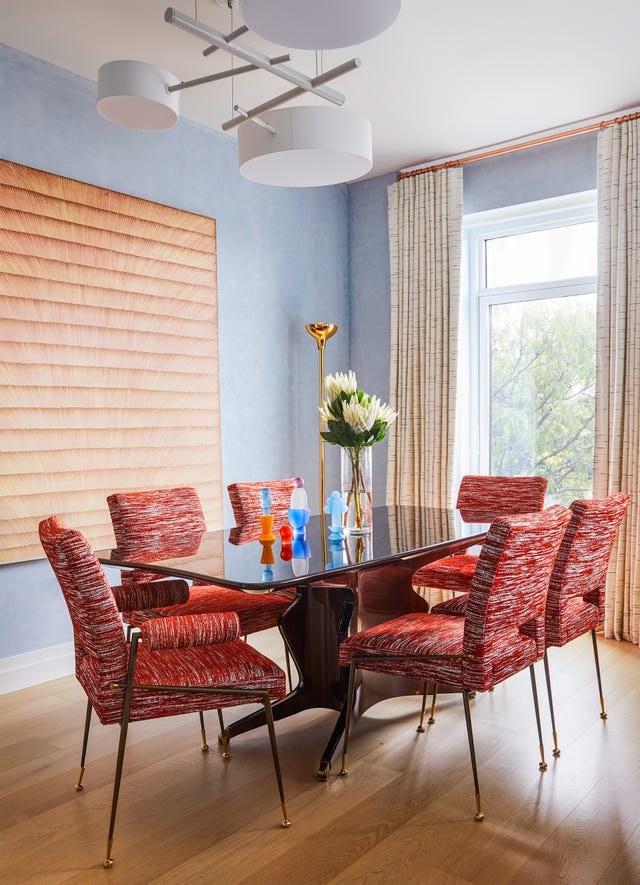
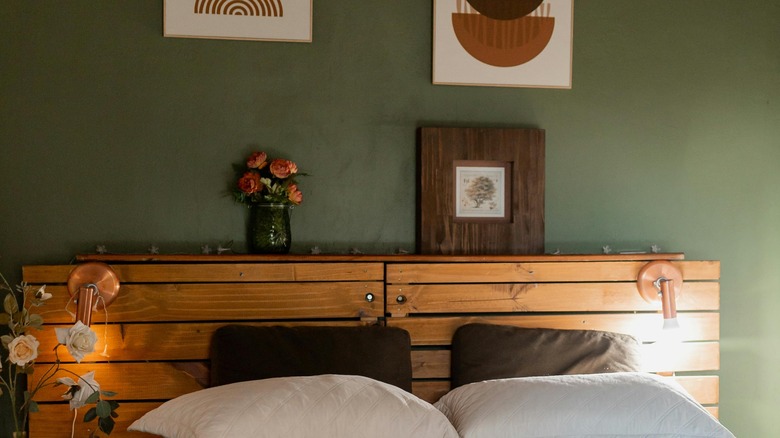
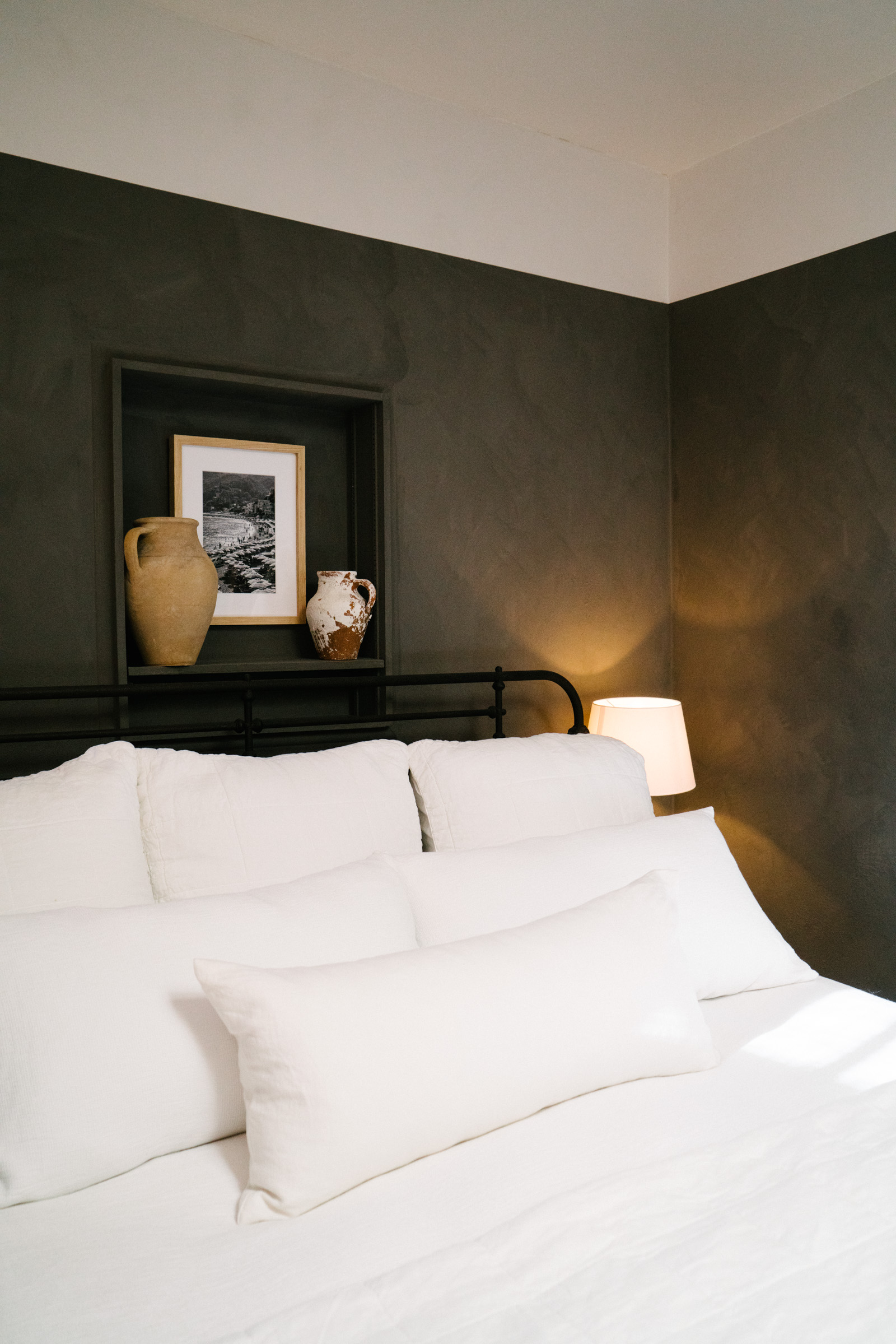
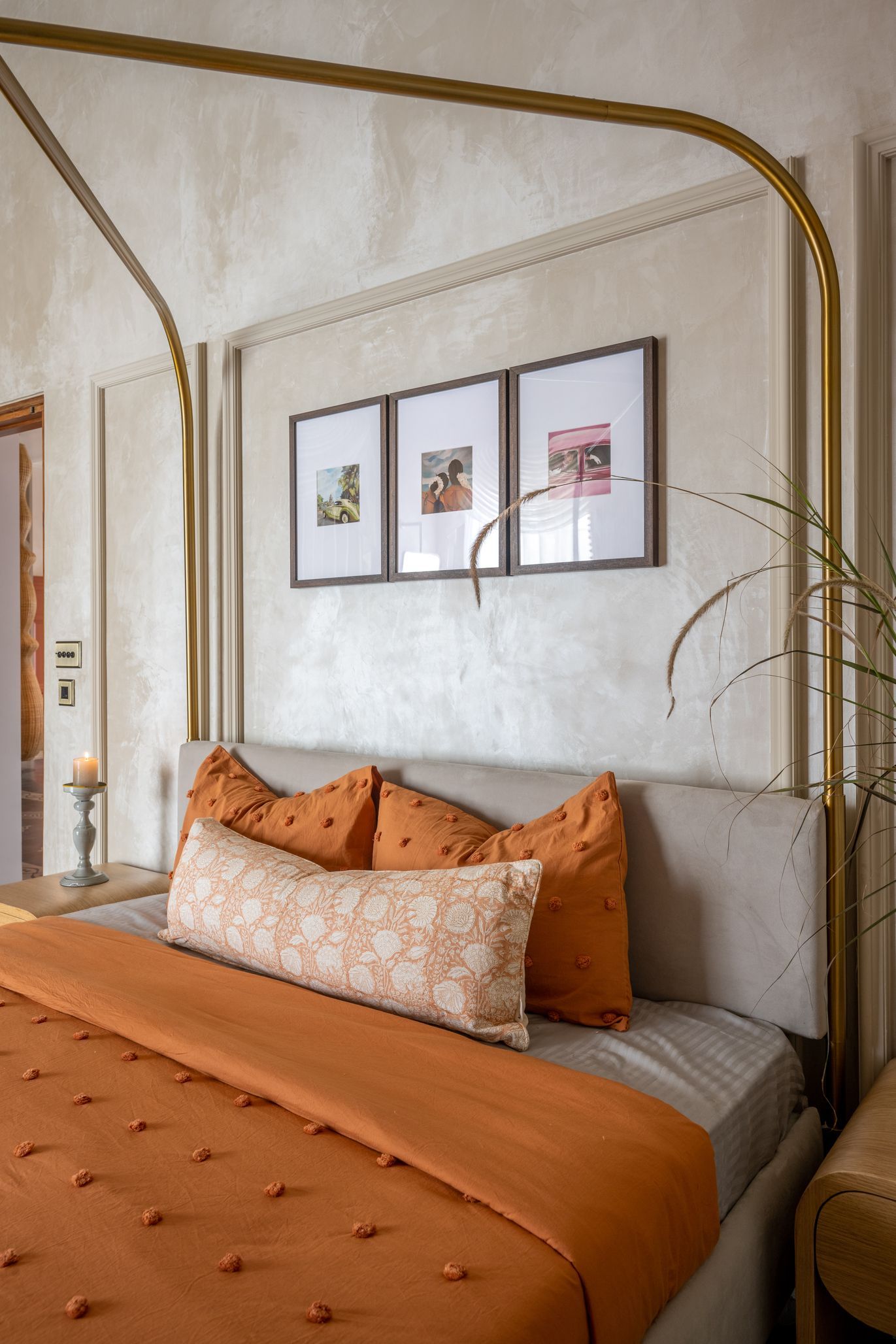
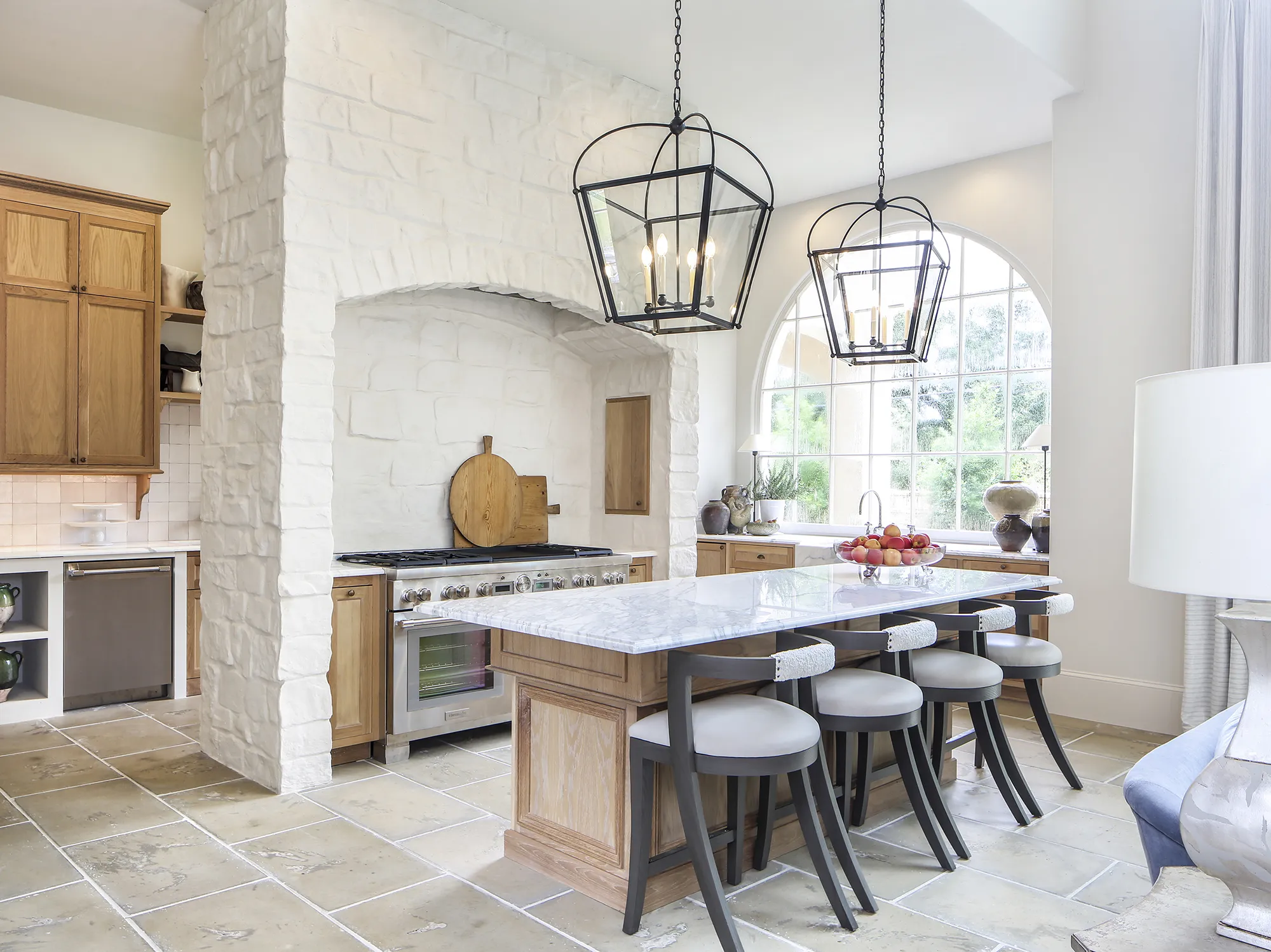
From a design perspective, Roman Clay can function as a striking accent wall, with its slight sheen helping to reflect light within a room. Many users begin by applying it to smaller areas such as powder rooms, fireplaces, kitchen range hoods, or a wall behind the bed to introduce texture. The primary difference between Roman Clay and limewash lies in their application methods and consistency. Limewash is typically brush-applied in a cross-hatch pattern and has a more watered-down base, creating a patina finish. In contrast, Roman Clay is significantly thicker and applied with a joint knife, resulting in a softer, more suede-like feel. Its thicker consistency limits its use to interiors, whereas limewash is also a popular choice for exterior surfaces.
Due to its chalky, stone-like texture, Roman Clay requires sealing, especially in high-traffic areas or environments with elevated humidity, such as bathrooms. Sealing not only prolongs the life of the paint but also offers a visual benefit. A Roman Clay Topcoat, for instance, adds a slight eggshell sheen, producing an effect similar to polished plaster. This specialized paint offers a distinctive way to introduce sophisticated texture and a natural, artisanal look to interior spaces, distinguishing itself from other decorative finishes through its application, consistency, and visual outcome.
#RomanClayPaint #InteriorDesign #PaintFinishes #HomeDecor #TexturedWalls #LimewashAlternative #SpecialtyPaint #WallTreatment #RomanClayPaint #InteriorDesign #PaintFinishes #HomeDecor #TexturedWalls #LimewashAlternative #SpecialtyPaint #WallTreatment
0 comment in total
 No comments yet
You may also like
What Paint Finish is Replacing Limewash? This is the Richly Textured Alternative Designers Are Using on Walls Now
Clayworks natural clay plasters offer a variety of interior finishes
Clay Plasters Rustic Range by Clayworks
This painting technique has been trending for thousands of years

This Paint Brand Will Transform Your Room In A Day

This Texture-Rich Finish Is Designers' Go-To for Instant Patina

6 Eco-Friendly Wall Finishes and Why Designers Love Them

Everything You Need to Know About Venetian Plaster


8 Minimalist Paint Ideas That Add Interest to Pared-Back Spaces, But Never Feel Fussy
Why Plaster Finishes Are Trending Right Now (Plus 5 Types to Know)
10 Limewash Wall Color Ideas That Add Old-World Elegance To Your Space

Ten interiors with textured wall finishes by Clayworks that create visual interest
What To Know About Textured Paint

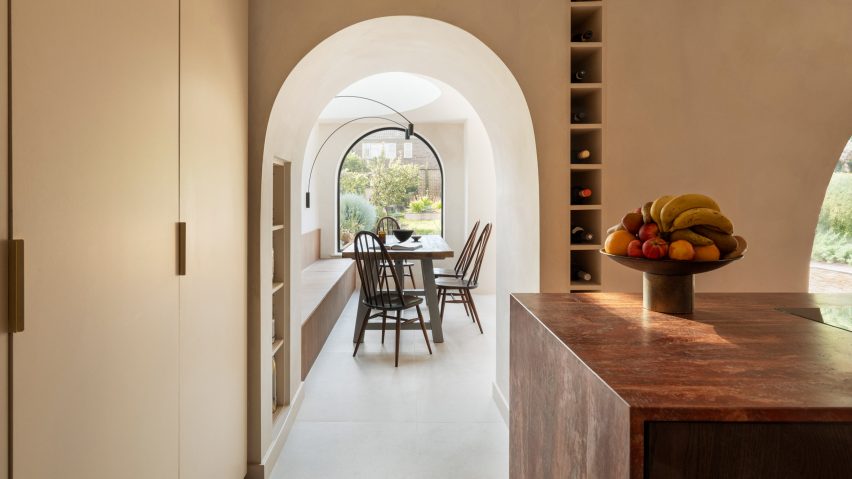
Eight calming home interiors with earthy finishes
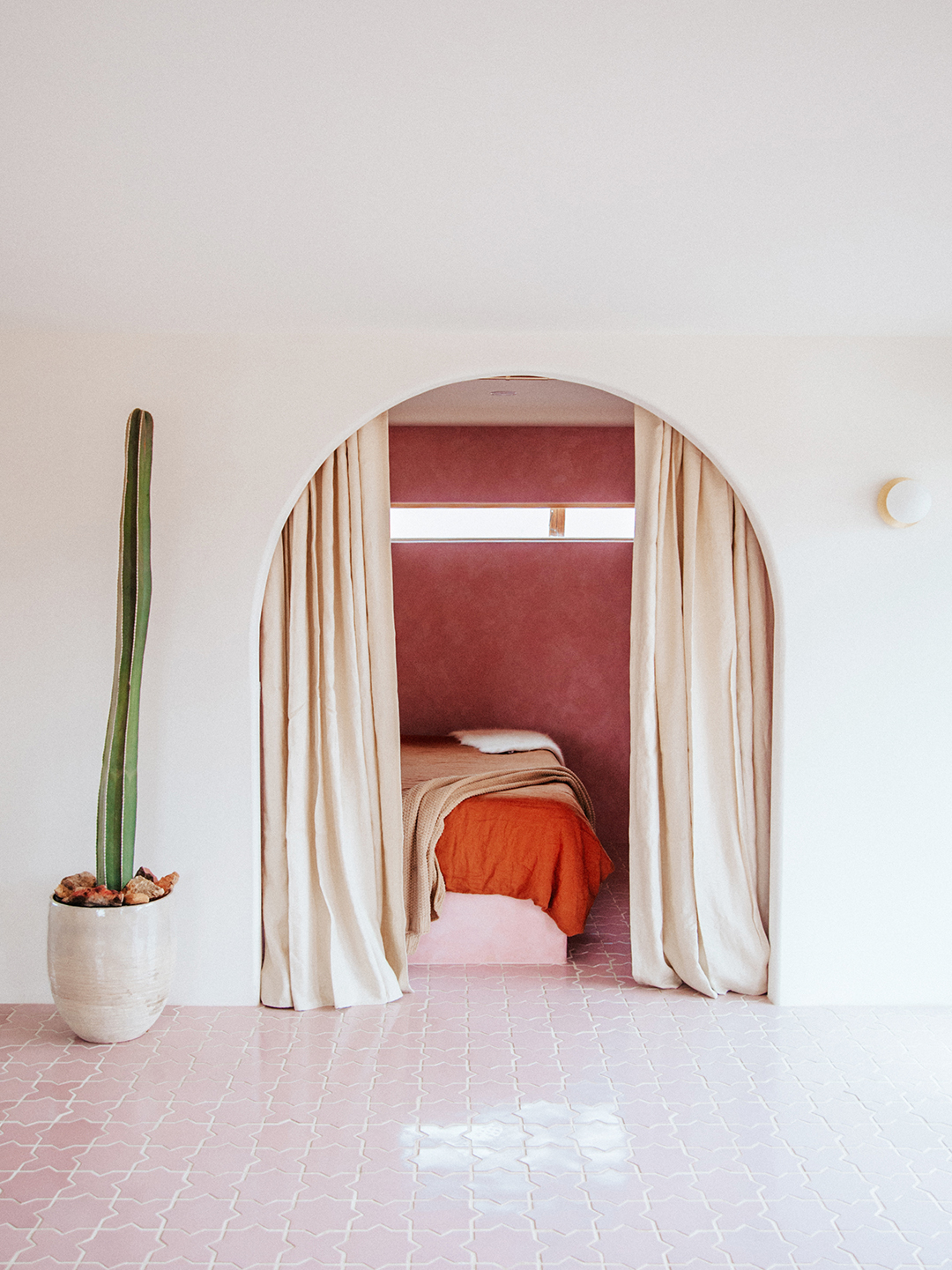
If You Want Your Home to Look Like a Charming Tuscan Villa, Try This

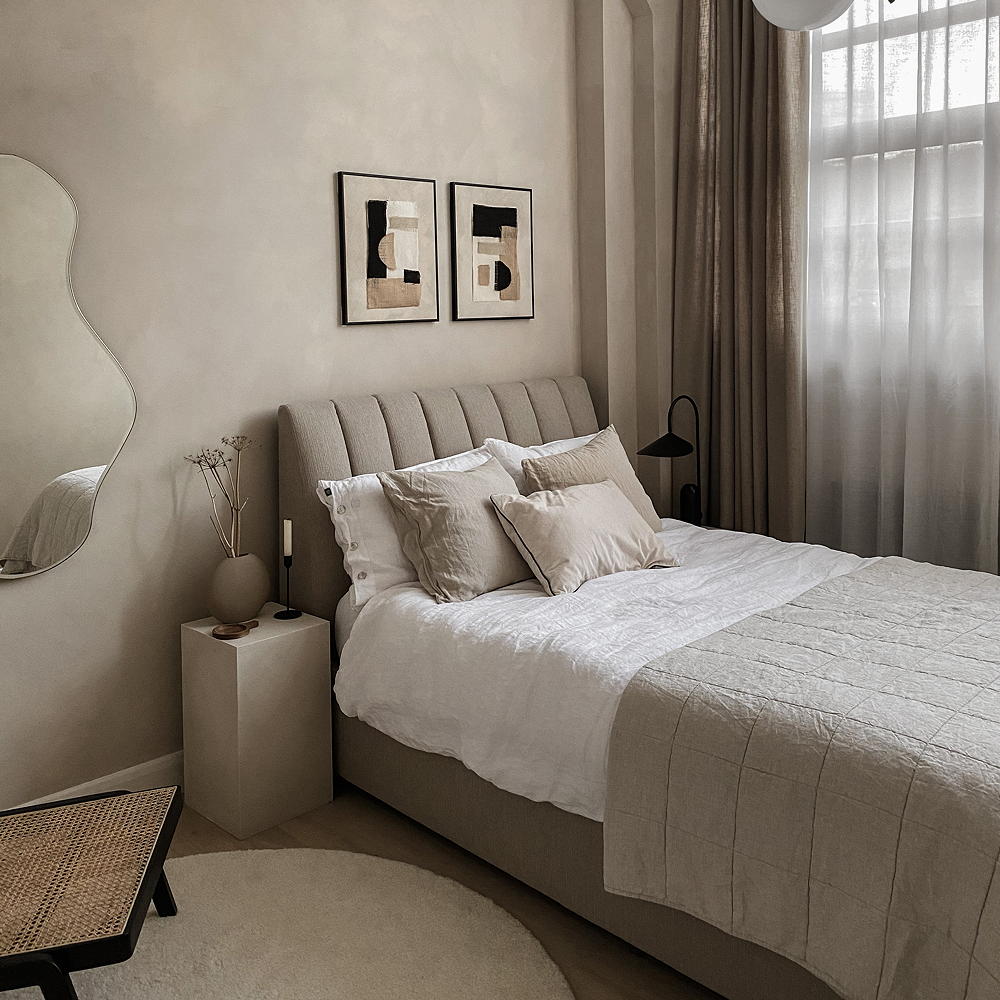
Instagram can't get enough of this new textured paint craze - here's how to get the look
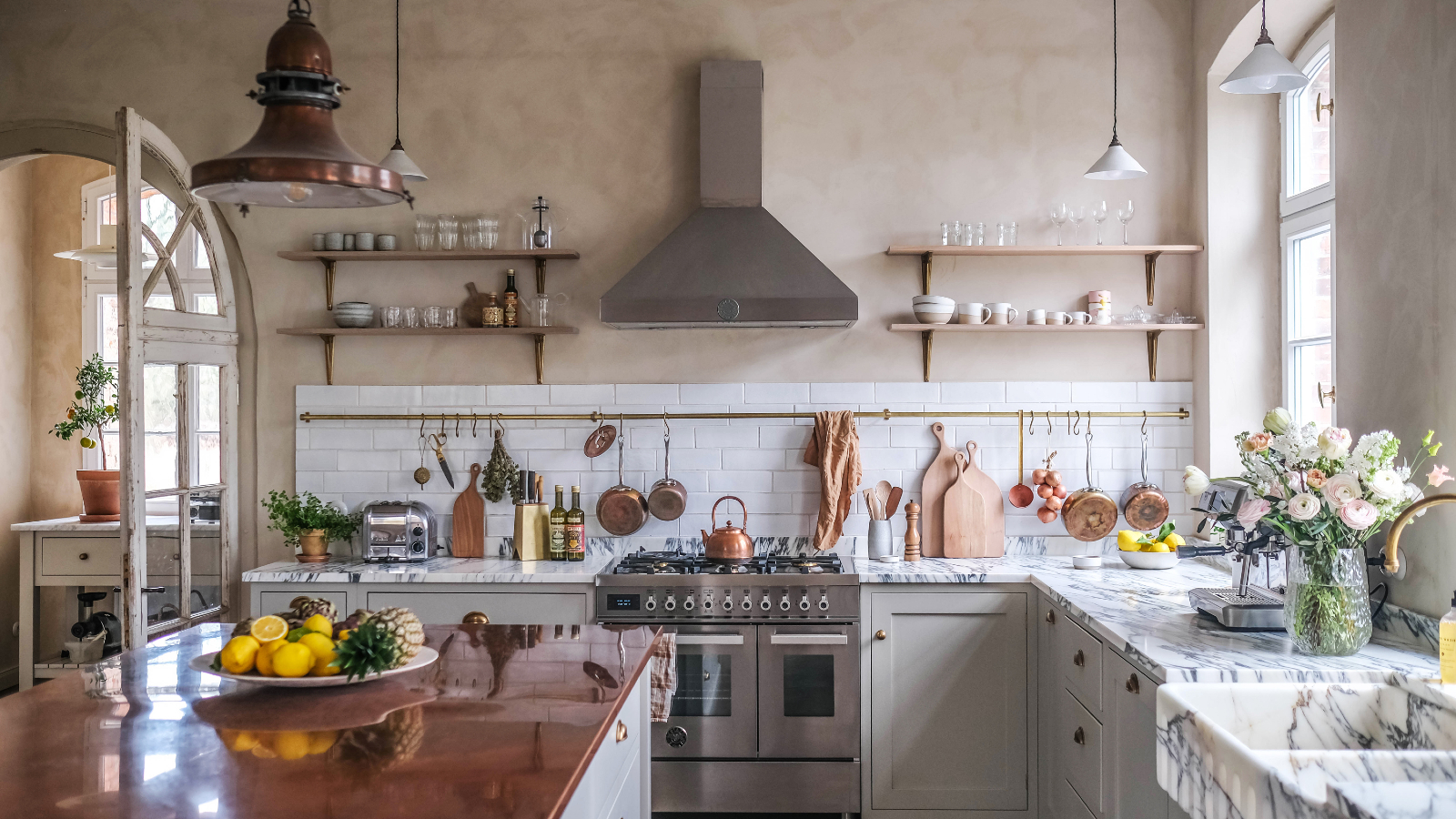
Limewashing trend: why this European paint trend is perfect for your kitchen

What Is Limewash Paint: Four Places to Use It in Your Home
What is limewash paint: Four places to use it in your home

What Is Limewash Paint? Plus, How to Use It In Your Home