1/9
How to design a home office for neurodiversity, according to a therapist
Working from home has become increasingly common, but for neurodivergent individuals, the typical home office environment can present significant challenges, impacting focus, productivity, and causing anxiety. Neurodivergence is a broad term encompassing conditions such as ADHD, autism, OCD, PTSD, and dyslexia. Individuals within this spectrum often experience heightened sensitivity to environmental factors, making thoughtful office design crucial for their well-being and efficiency. Psychotherapist Ban Hass emphasizes the necessity of a dedicated space with specific adaptations, cautioning that a one-size-fits-all approach is ineffective due to the diverse needs and preferences within the neurodivergent community.
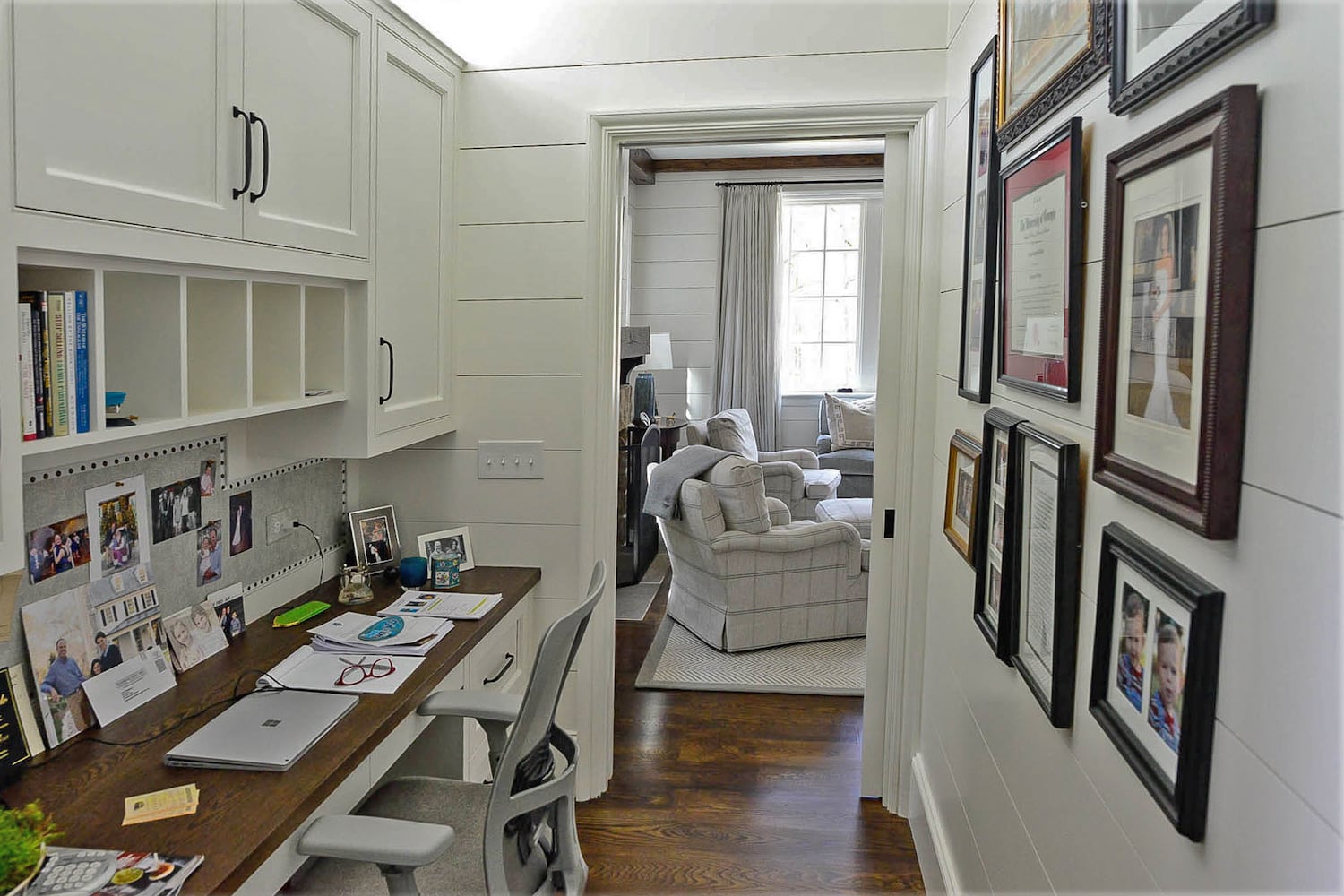
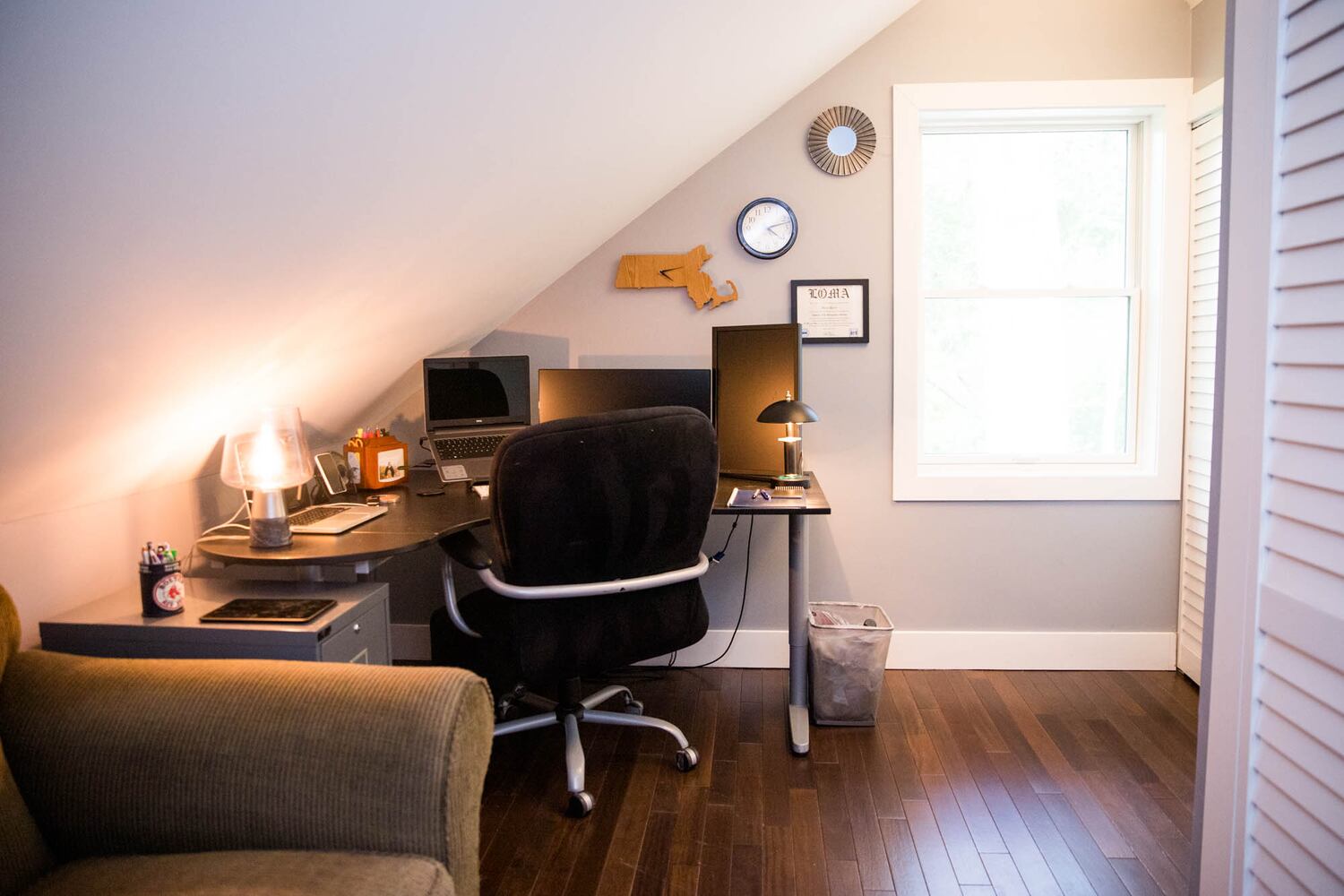
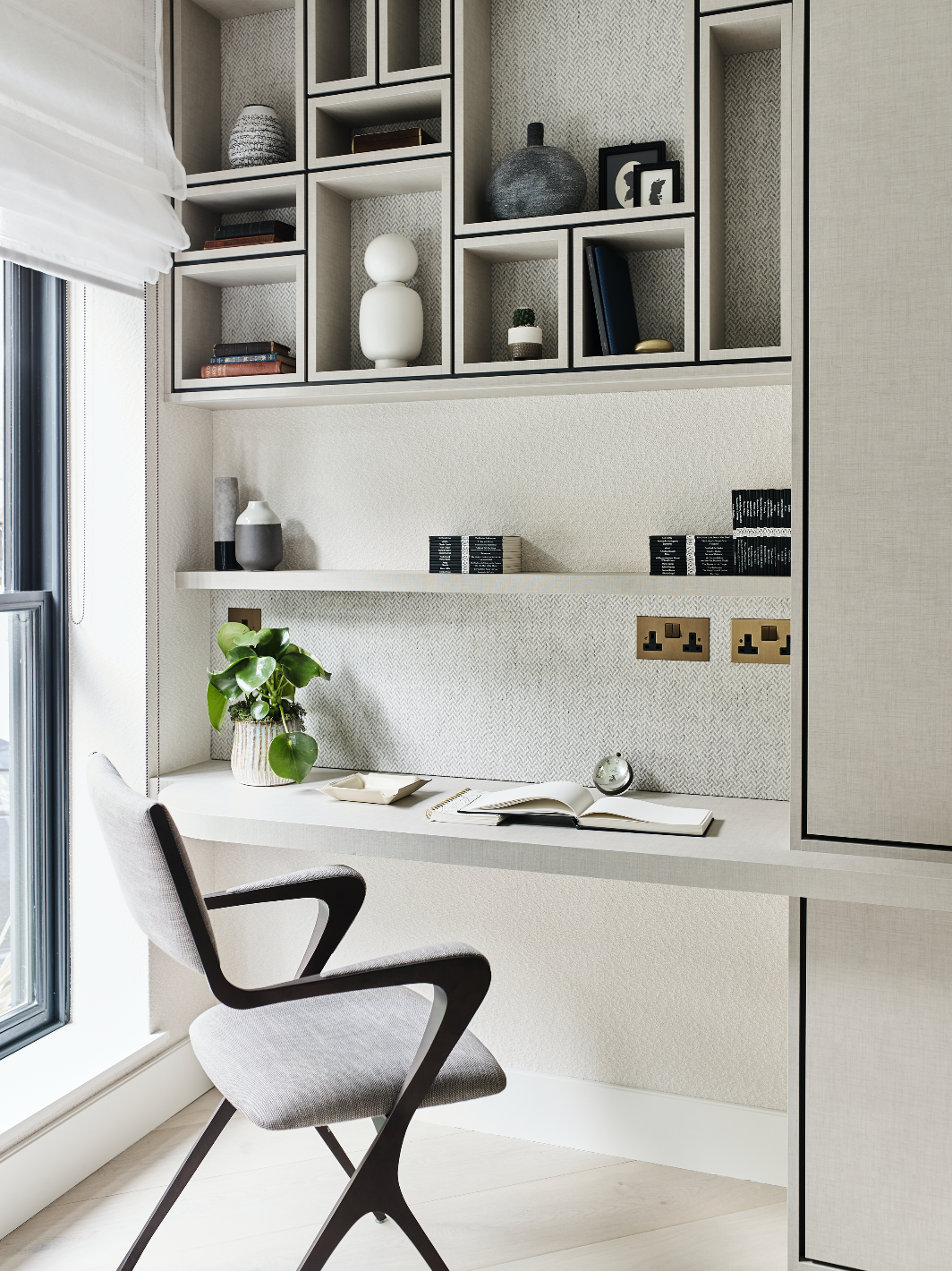
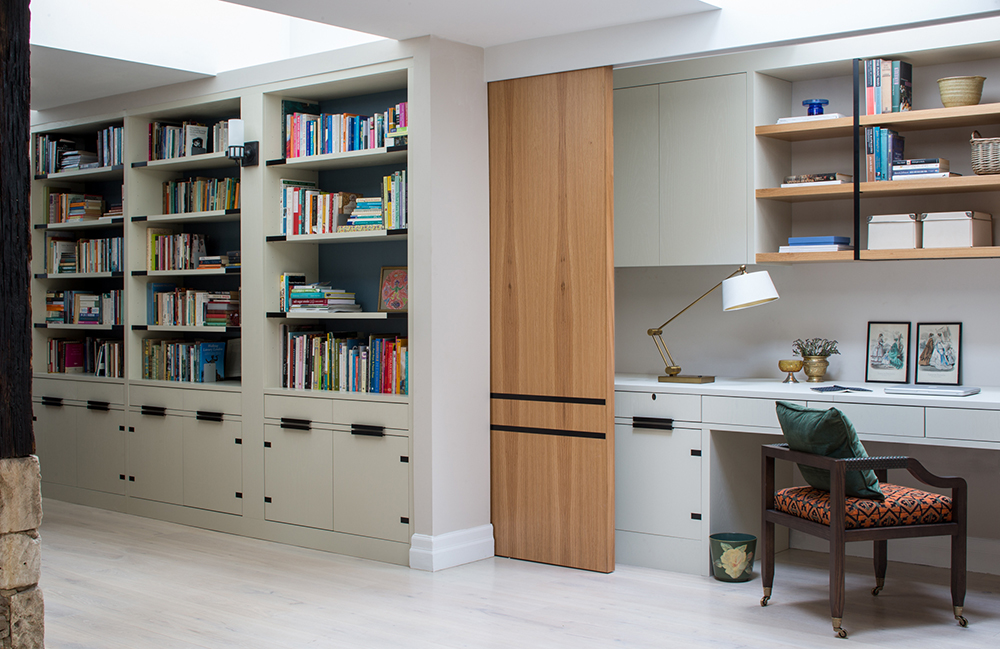
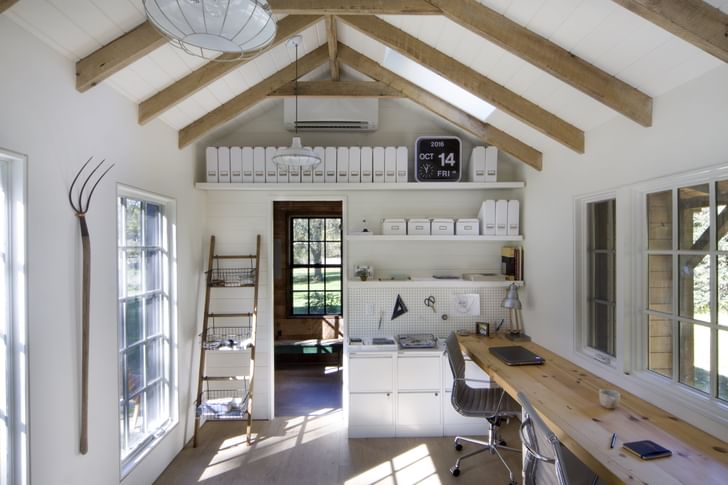
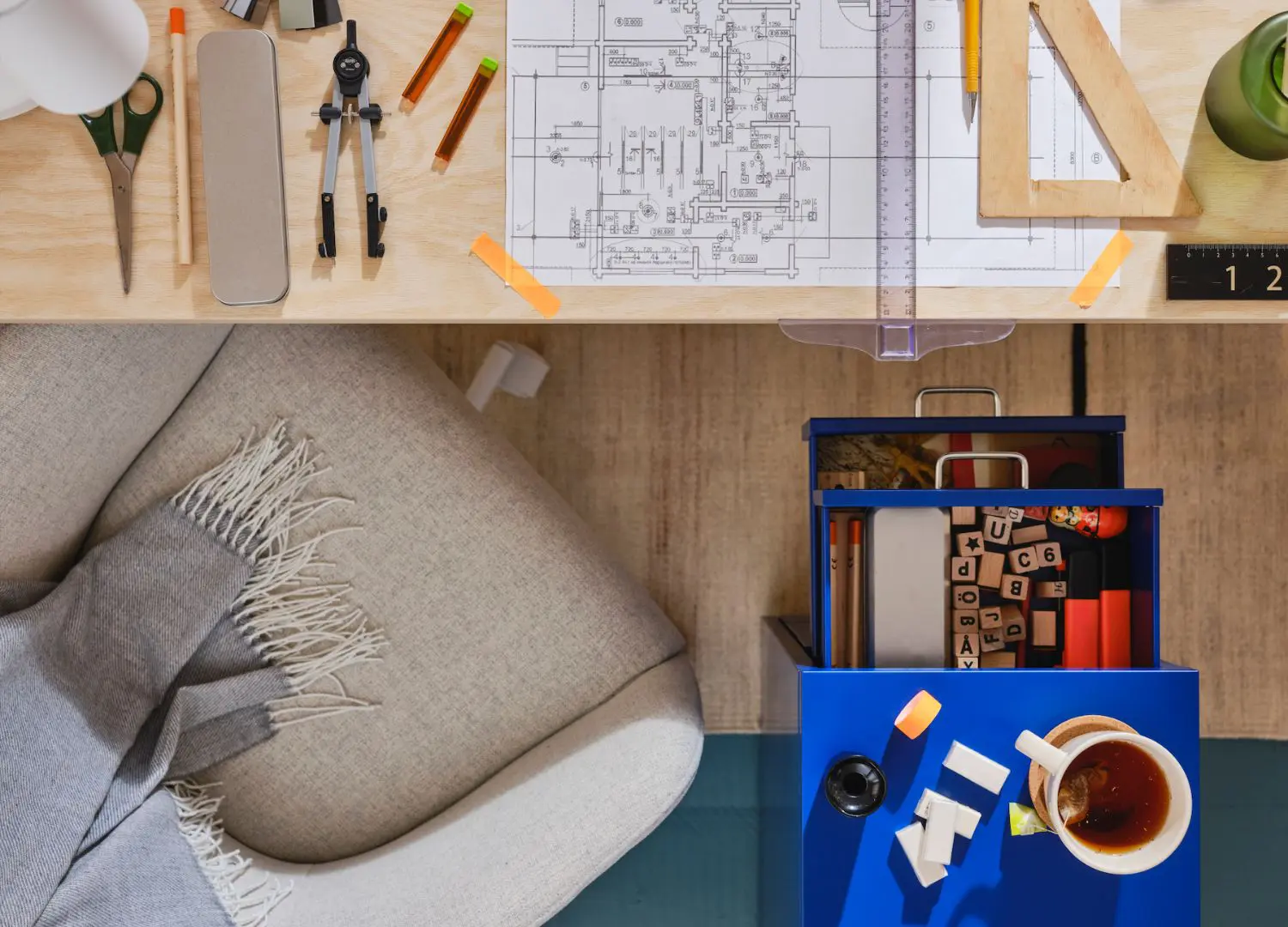
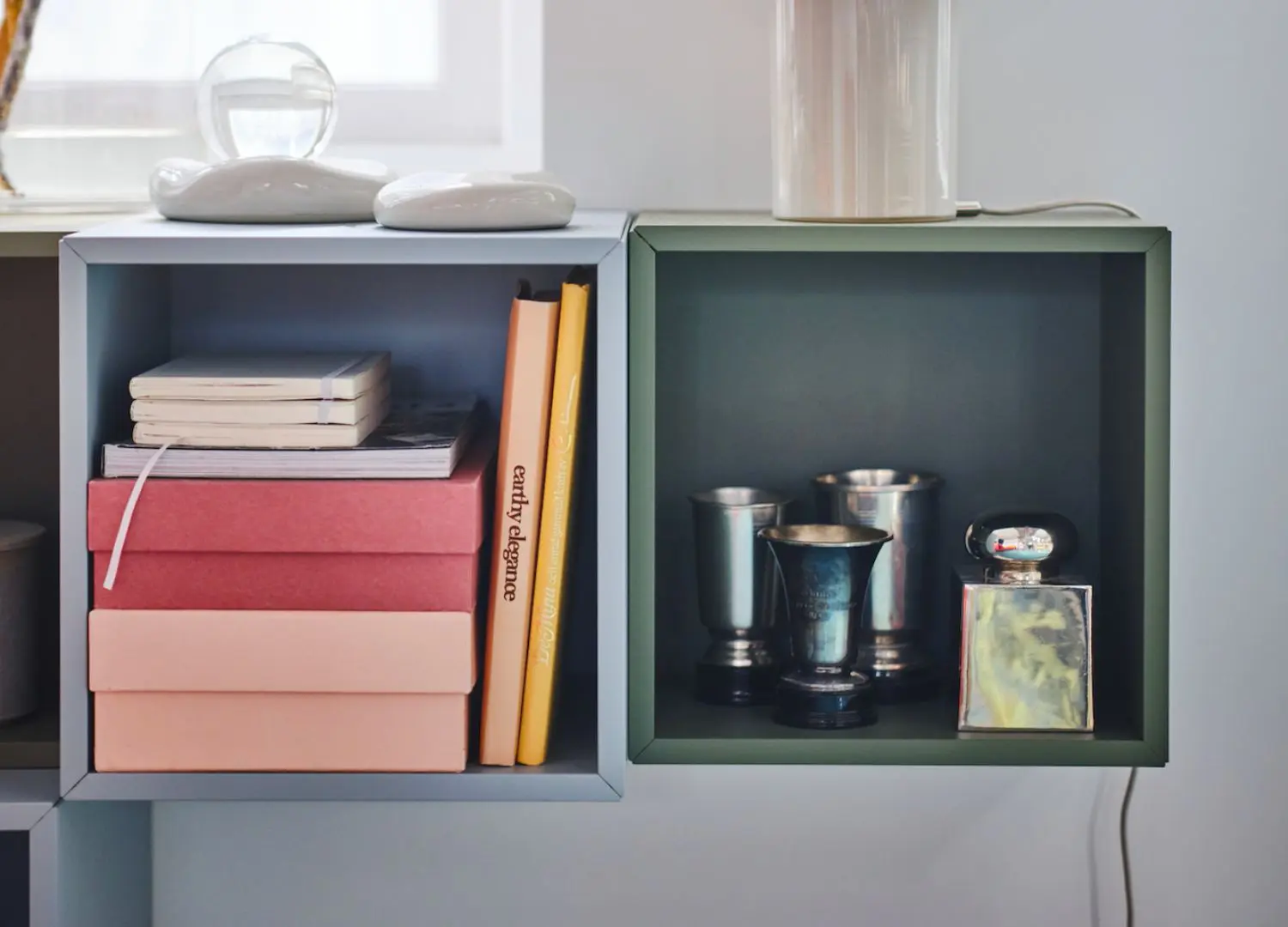
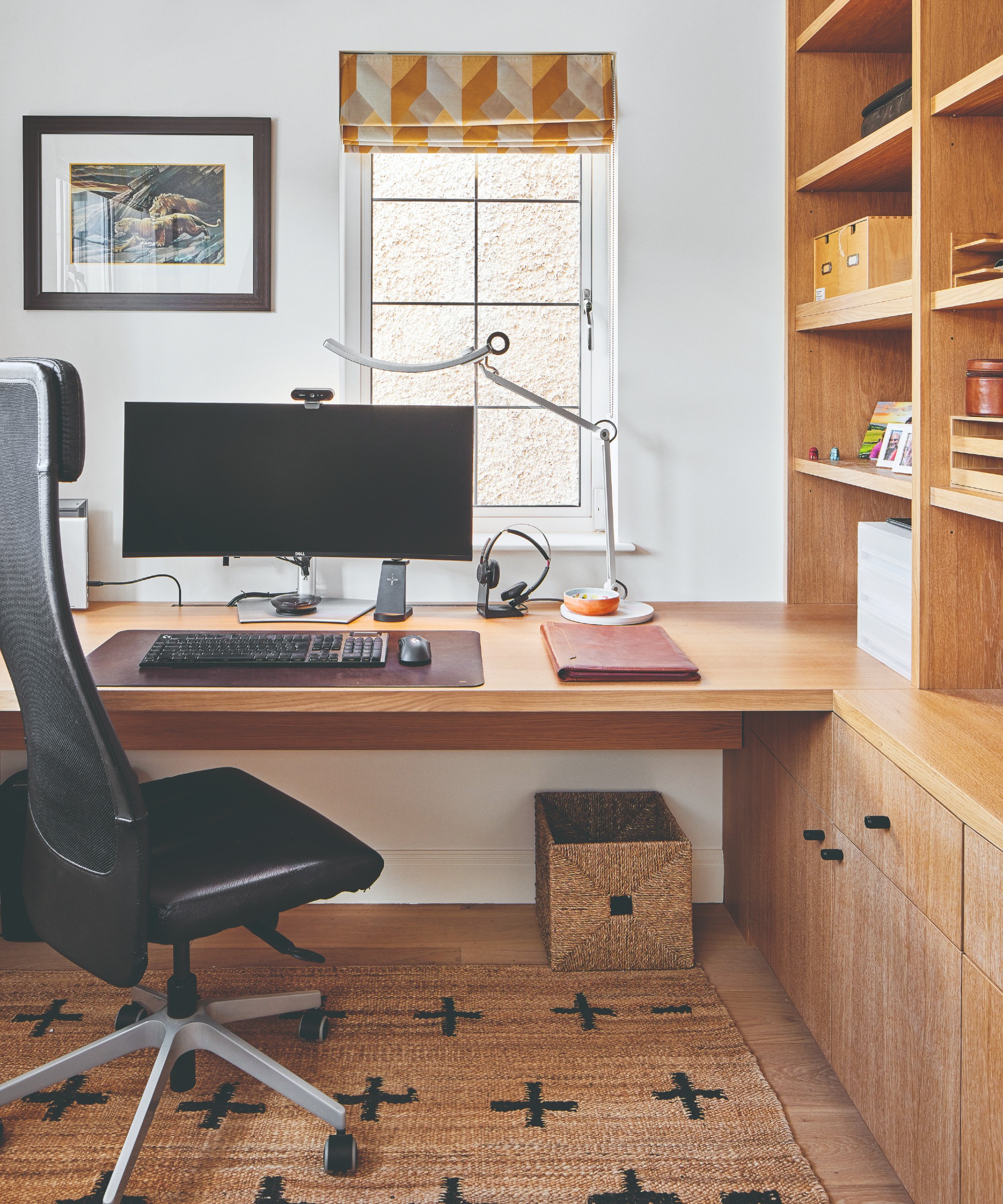
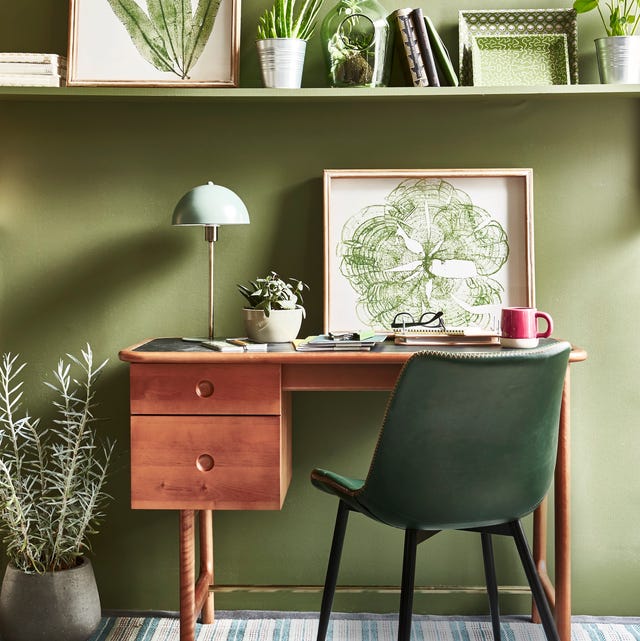
Optimizing the desk area involves addressing restlessness and potential disorganization. Hass suggests incorporating varied desk options, such as standing desks or walking pads, to support individuals who struggle with prolonged stillness. For those prone to disorganization, which can be a characteristic of conditions like ADHD, streamlining desktop items and implementing effective storage solutions are vital. This includes assigning specific places for stationery and utilizing desk trays and drawer organizers to minimize clutter, thereby reducing time spent searching for misplaced items.
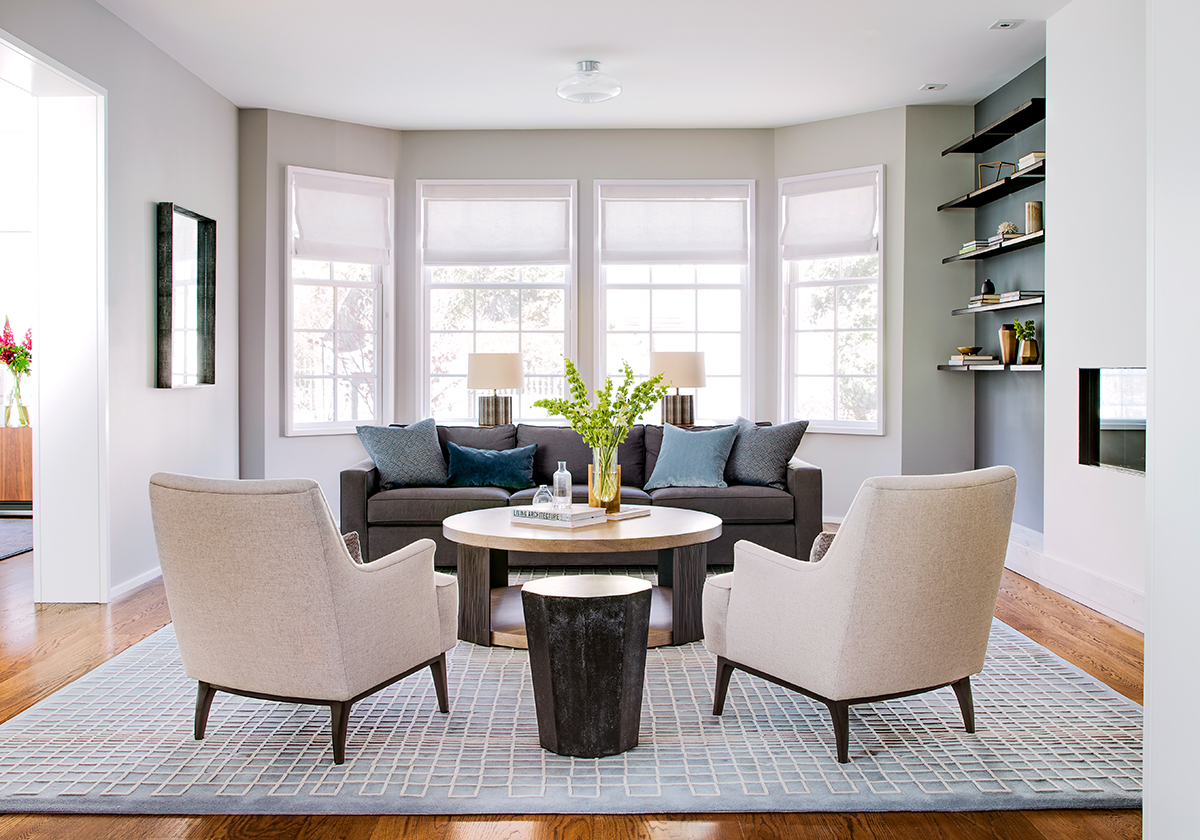
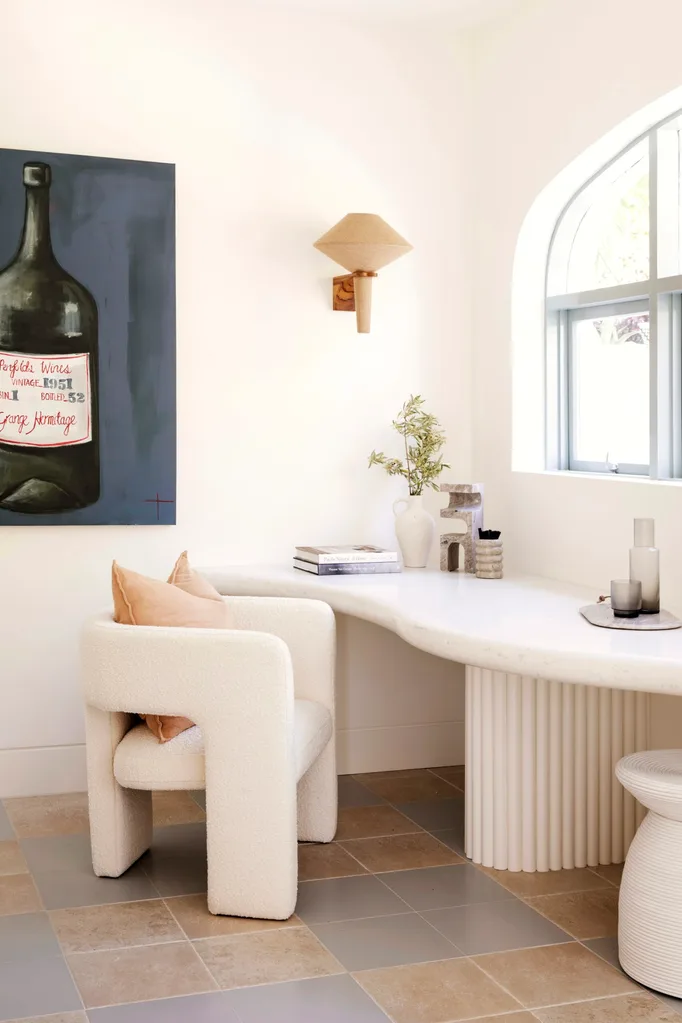
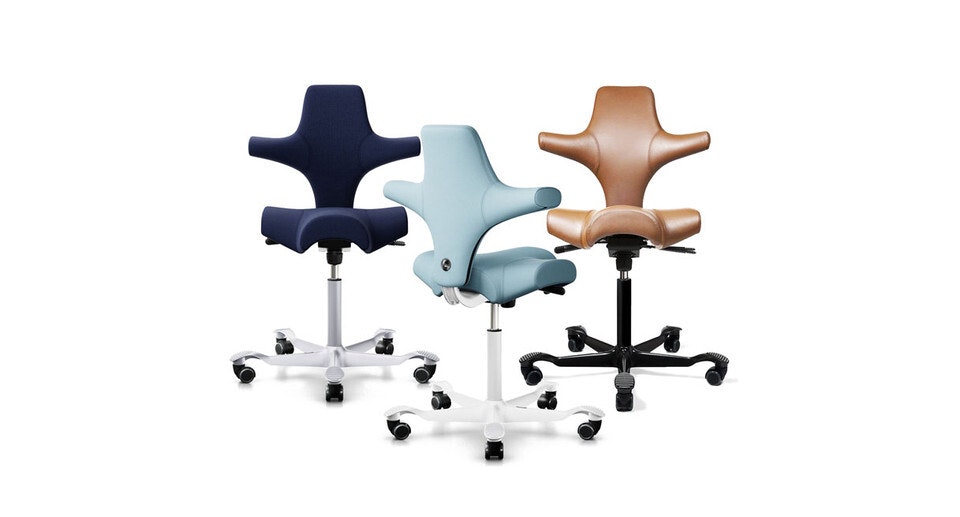
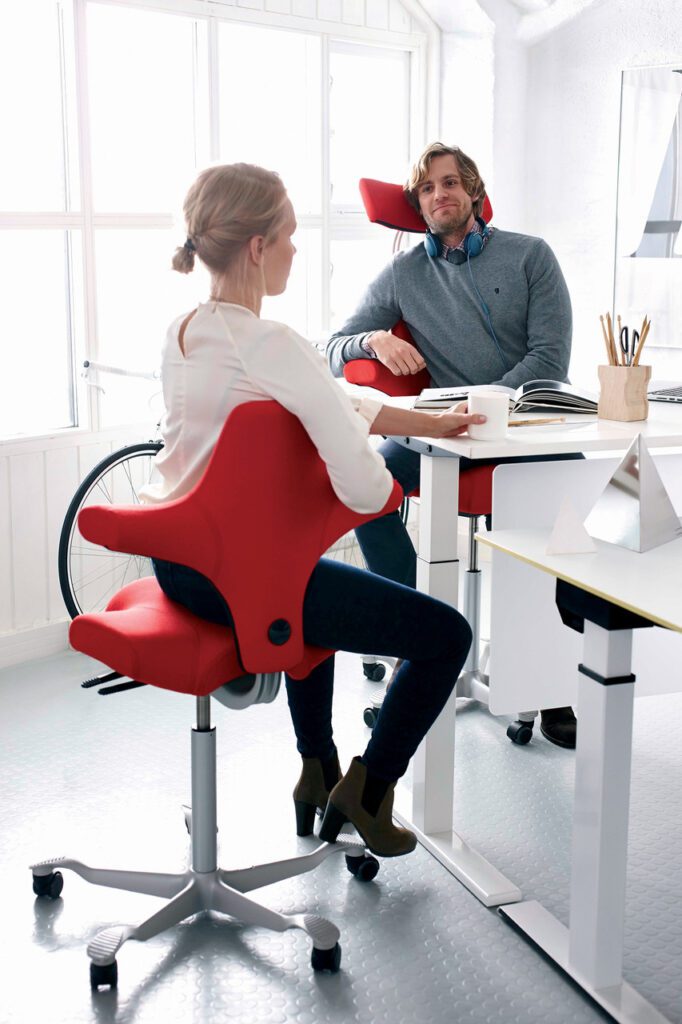
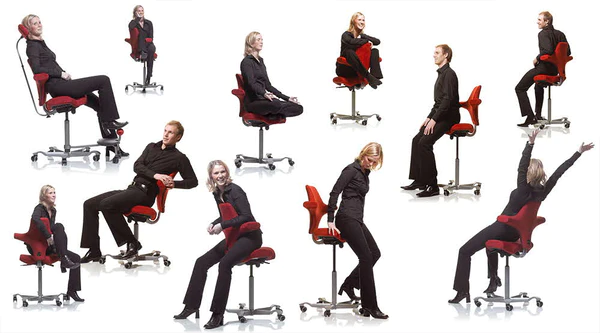
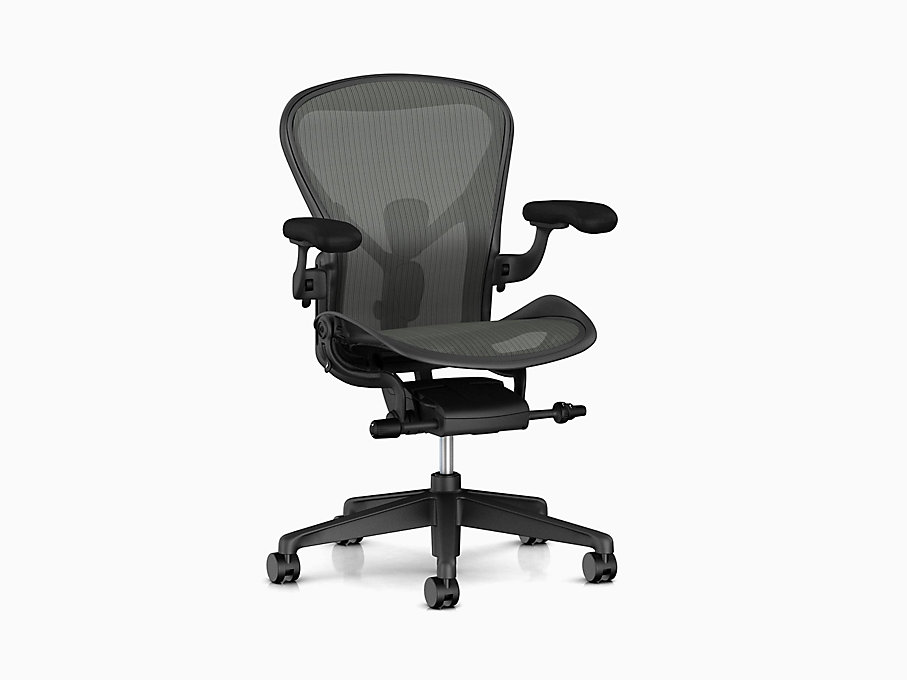
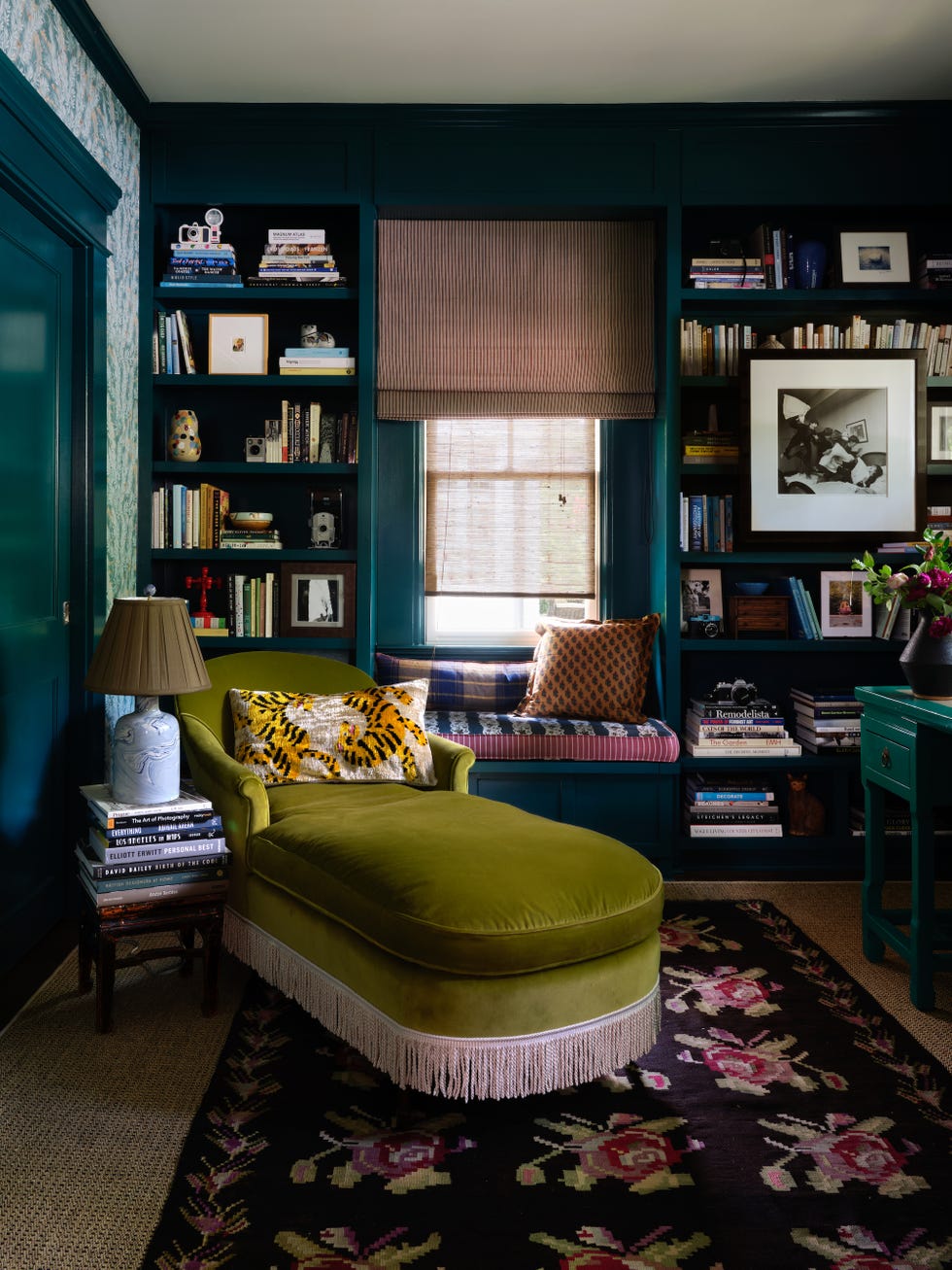
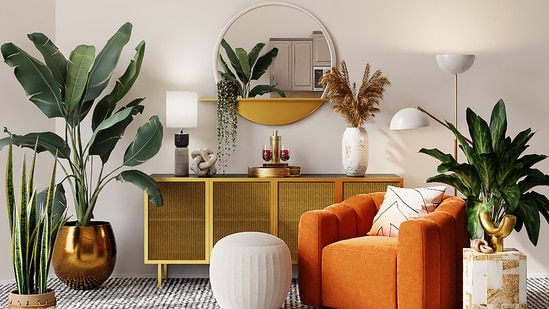
Seating arrangements also play a significant role in creating a supportive home office. While a comfortable, inviting chair is essential, not all neurodivergent individuals prefer to remain seated at a desk throughout the day. Providing alternative seating, such as a cozy armchair or a bean bag chair with structured back support, can offer a change of scenery and promote comfort. Ergonomics expert Romilly Newbound highlights the importance of movement, noting that certain ergonomic chairs, like the Aeris Swopper, encourage gentle motion, which can boost productivity and aid concentration by providing low-level physiological stimulation.
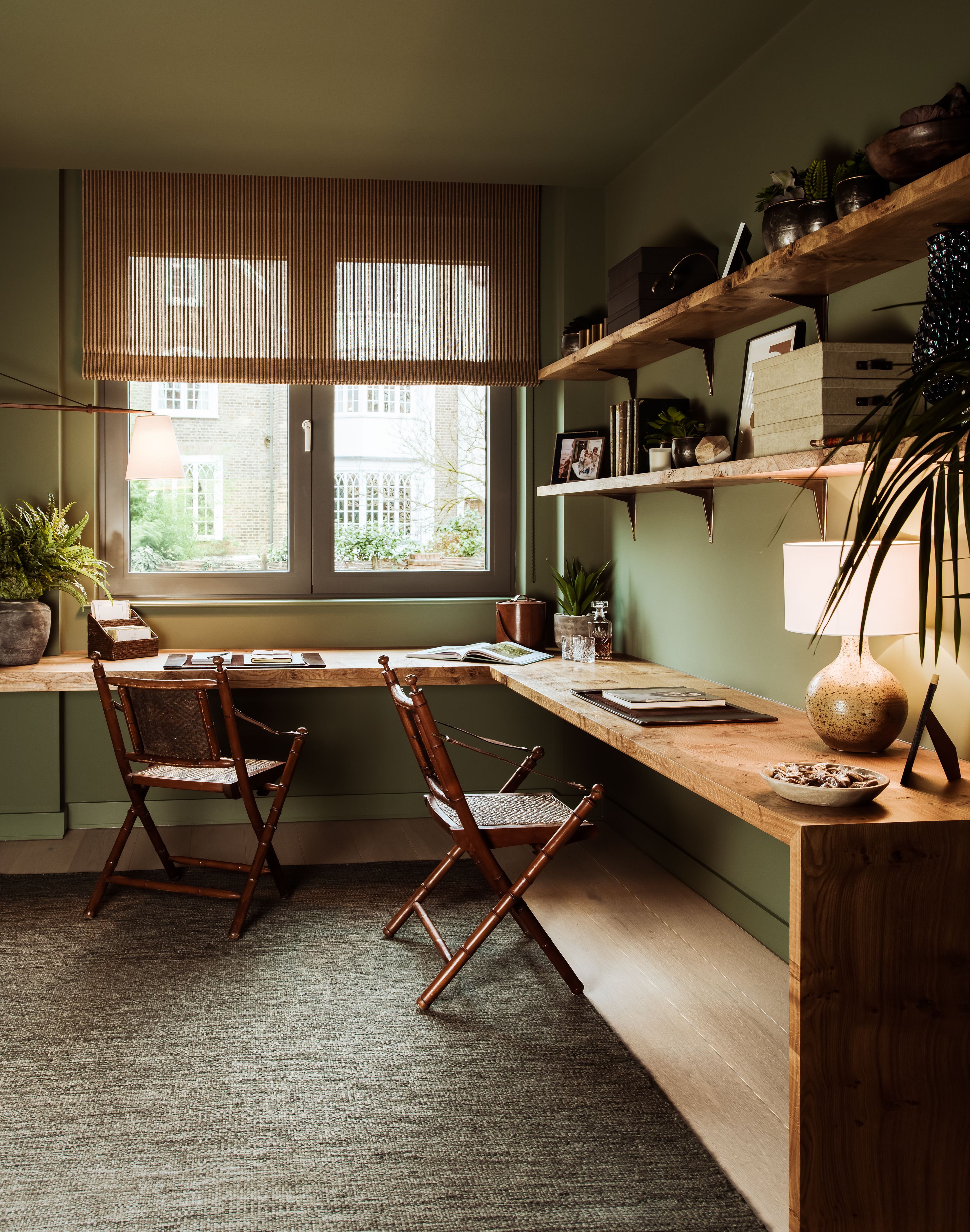
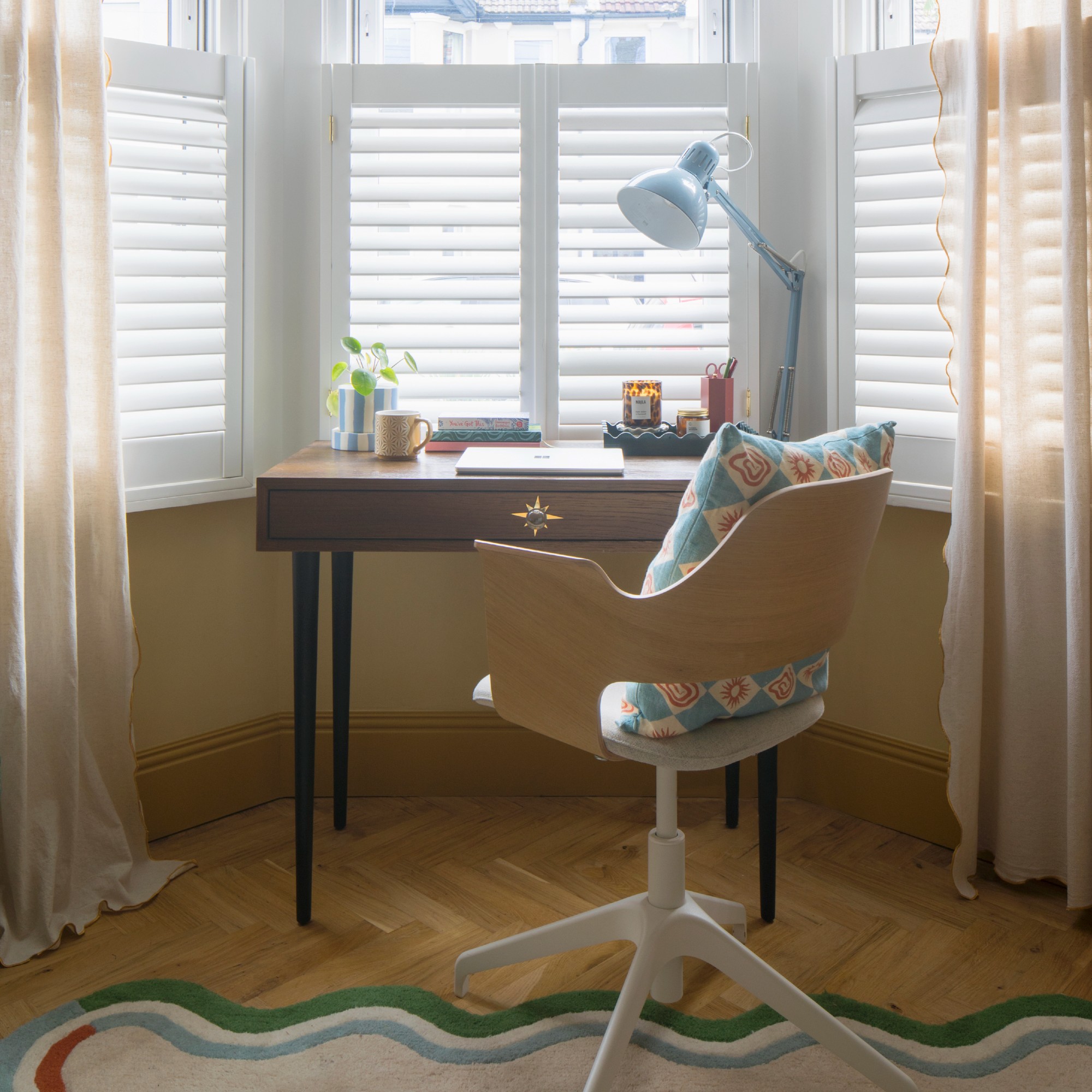
Lighting, both artificial and natural, is a critical element in preventing overstimulation. Harsh overhead lights can be particularly distressing for neurodivergent individuals. Adjustable lighting, including dimmable lamps with various settings, is recommended to create a more soothing environment. While natural light can be beneficial for focus, windows can also be a source of distraction for some. Therefore, installing adjustable blinds allows for precise control over sunlight, mitigating glare and shadows on computer screens.
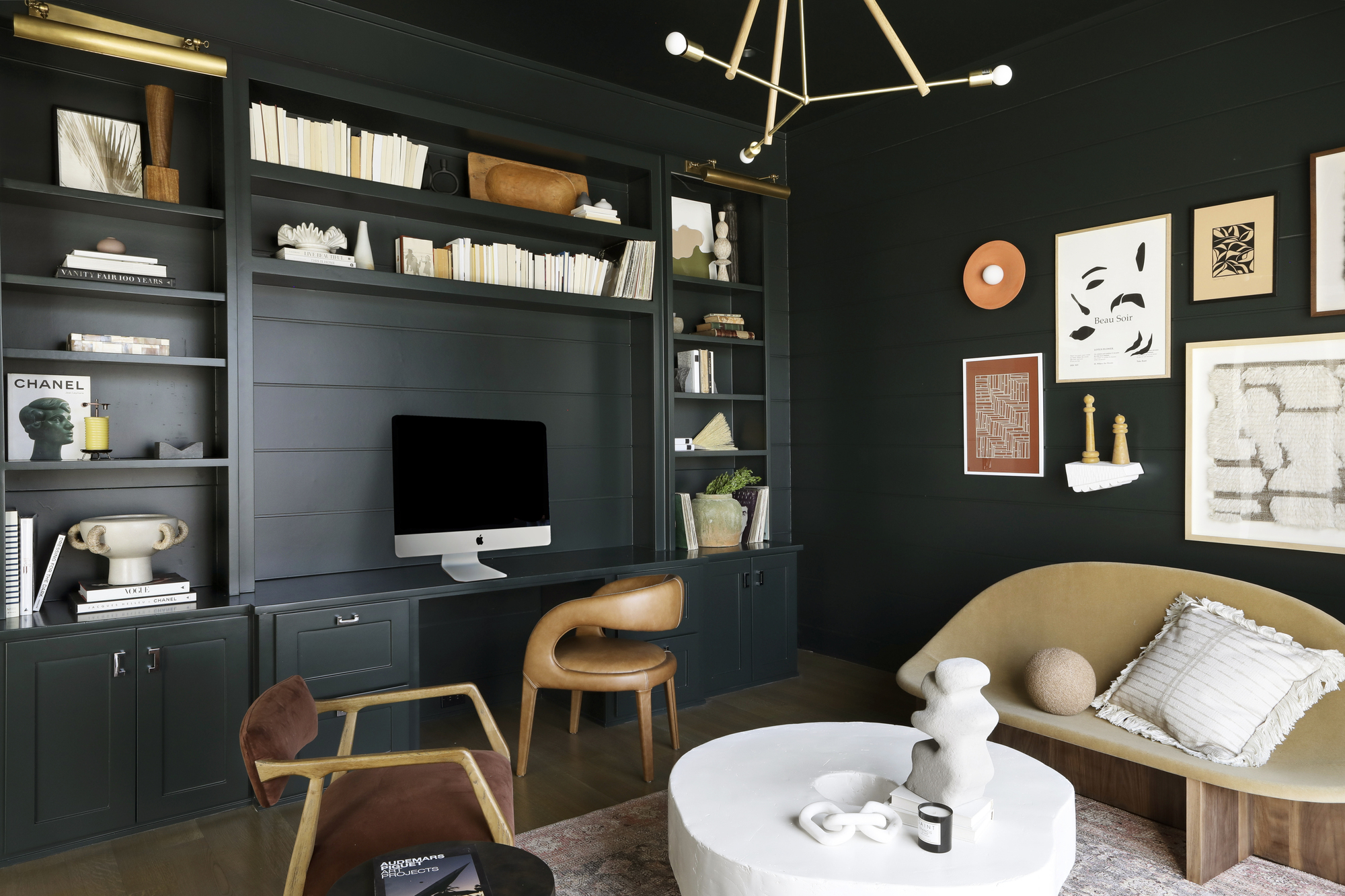
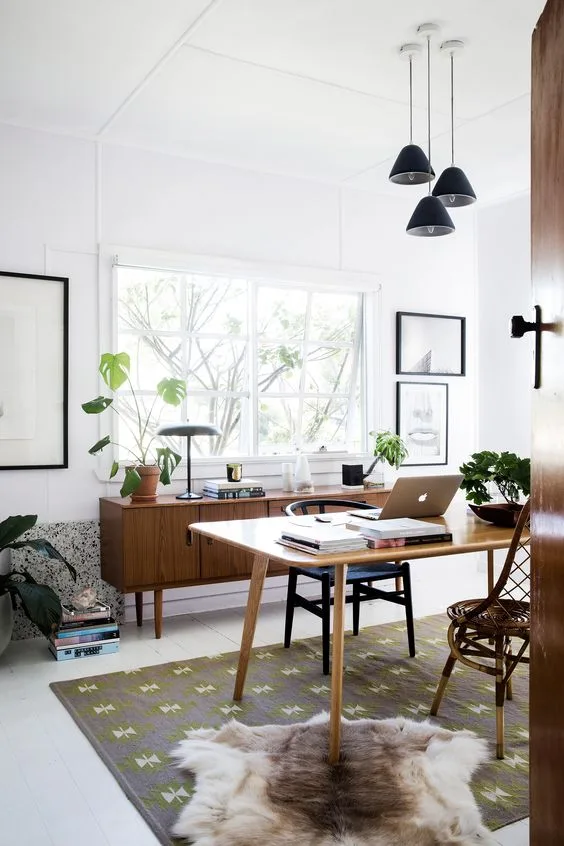
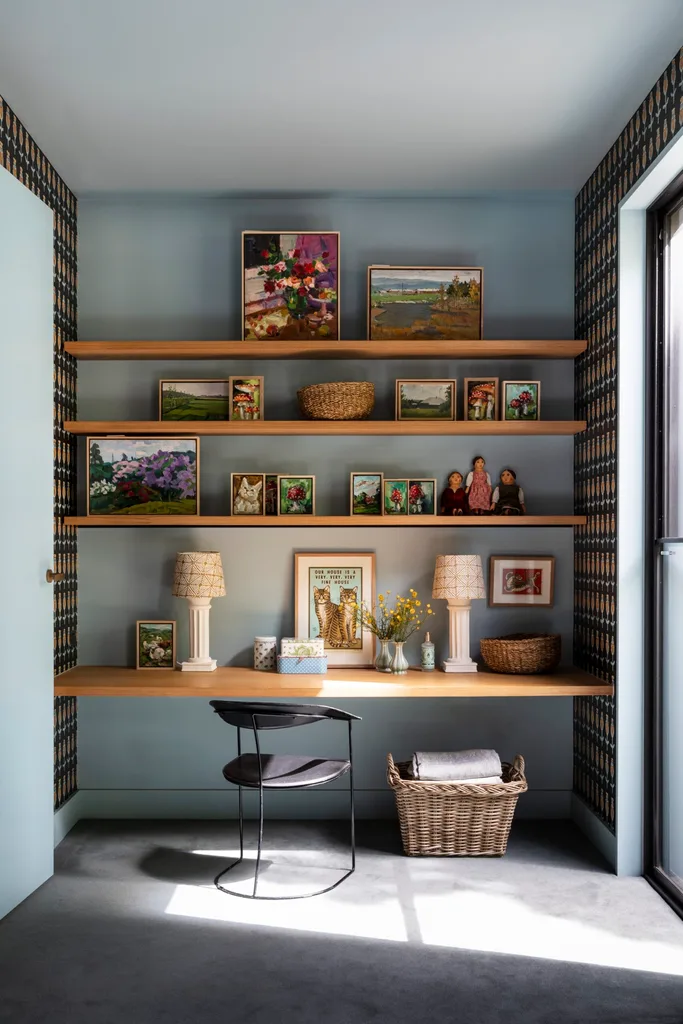
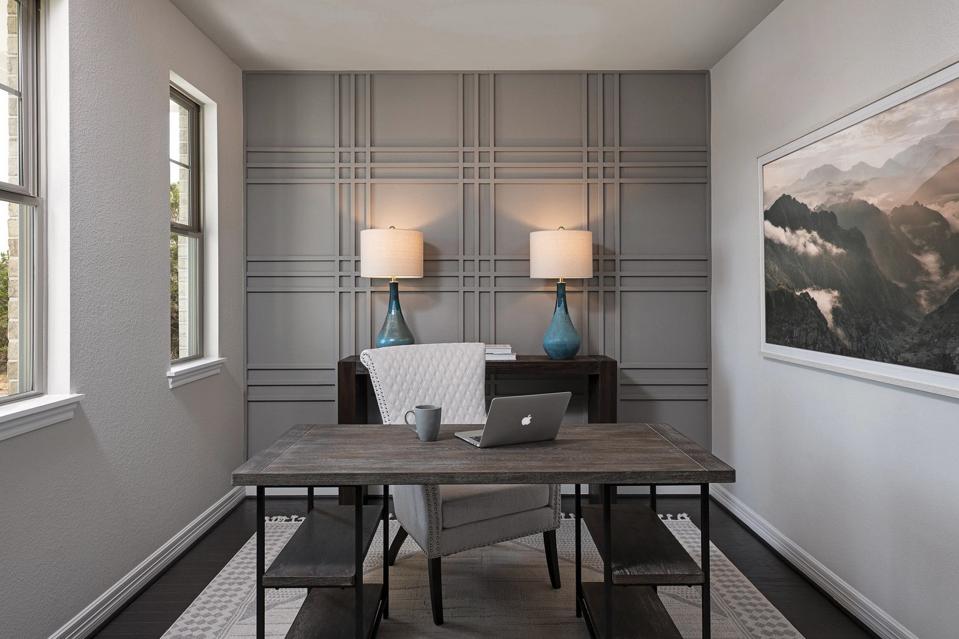
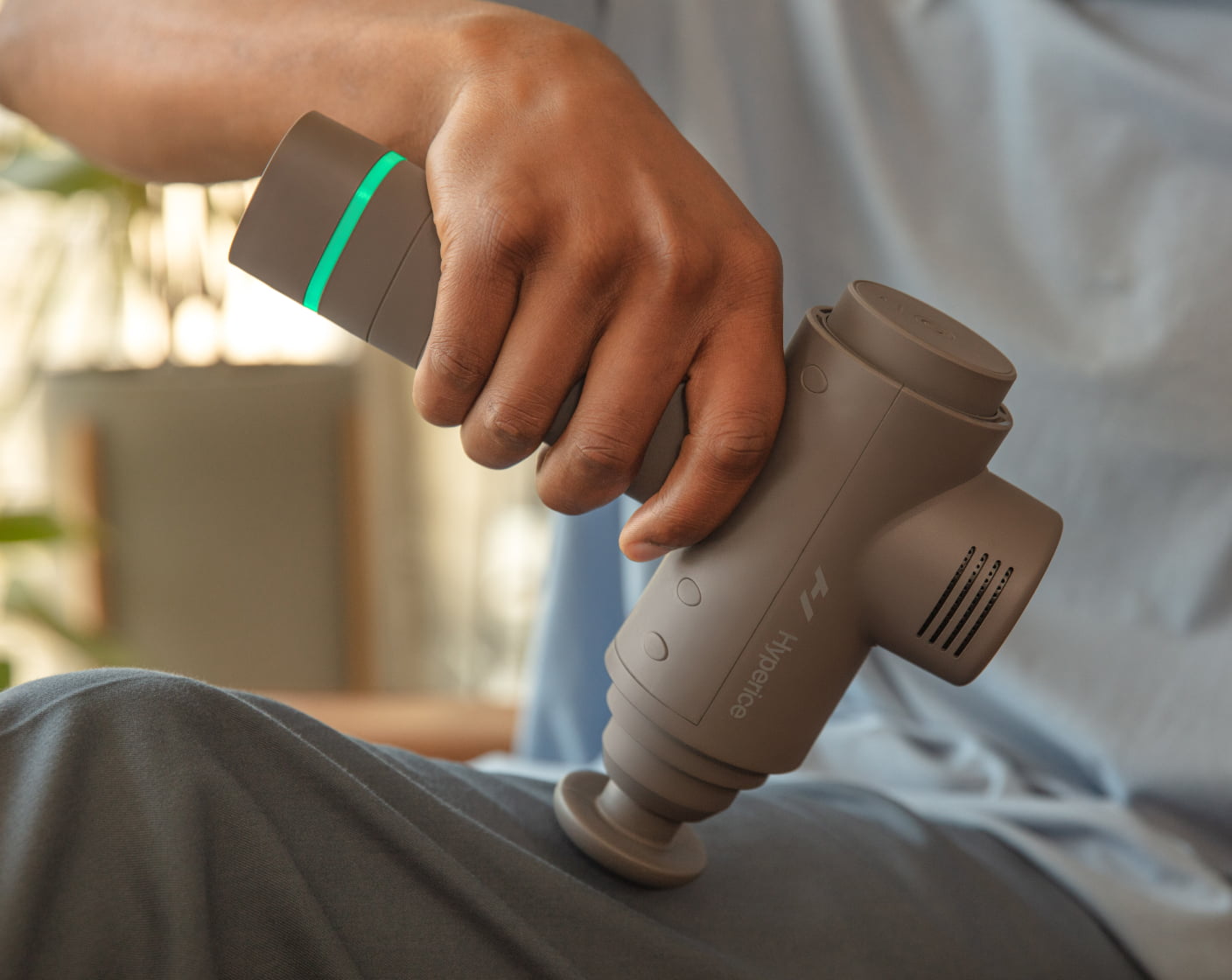
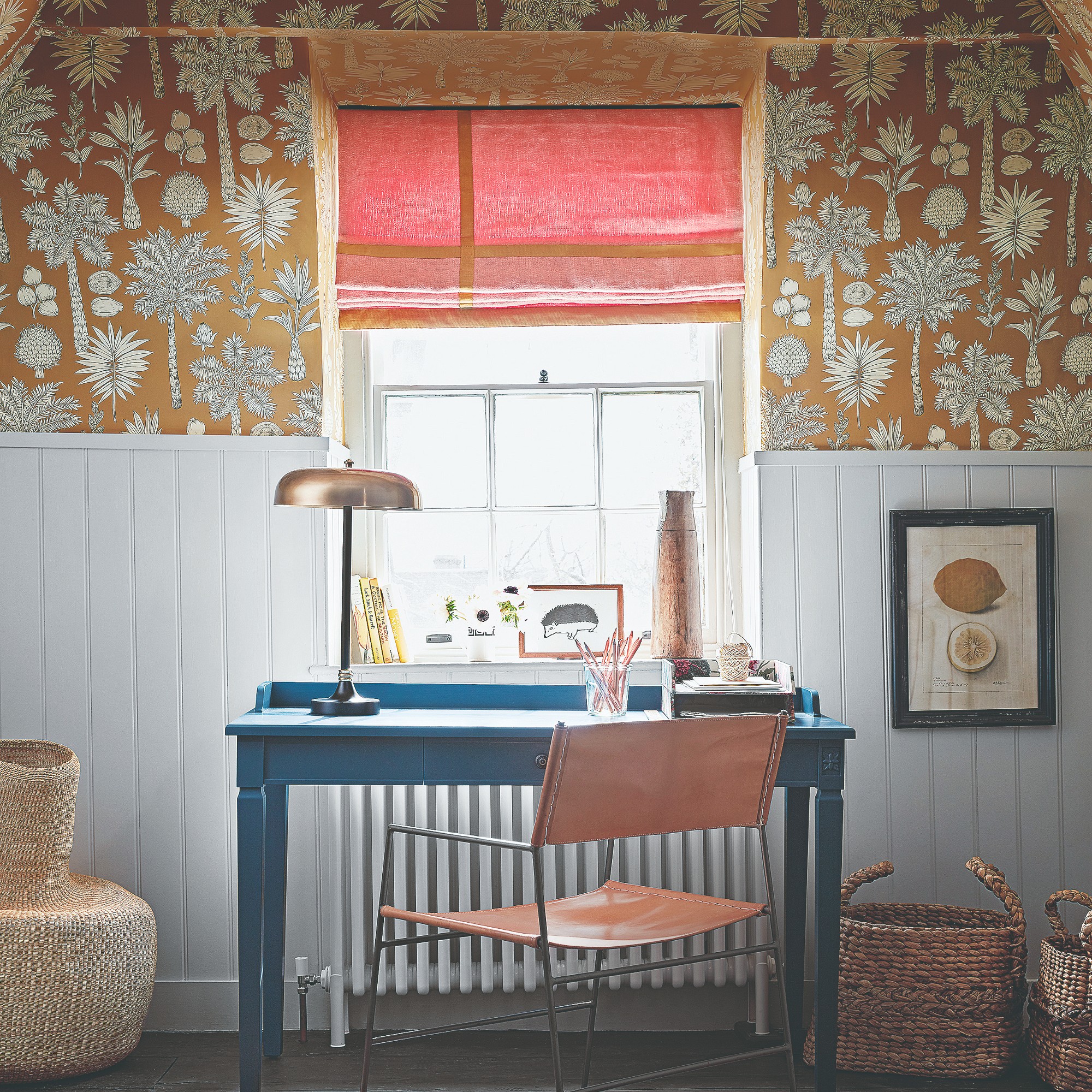
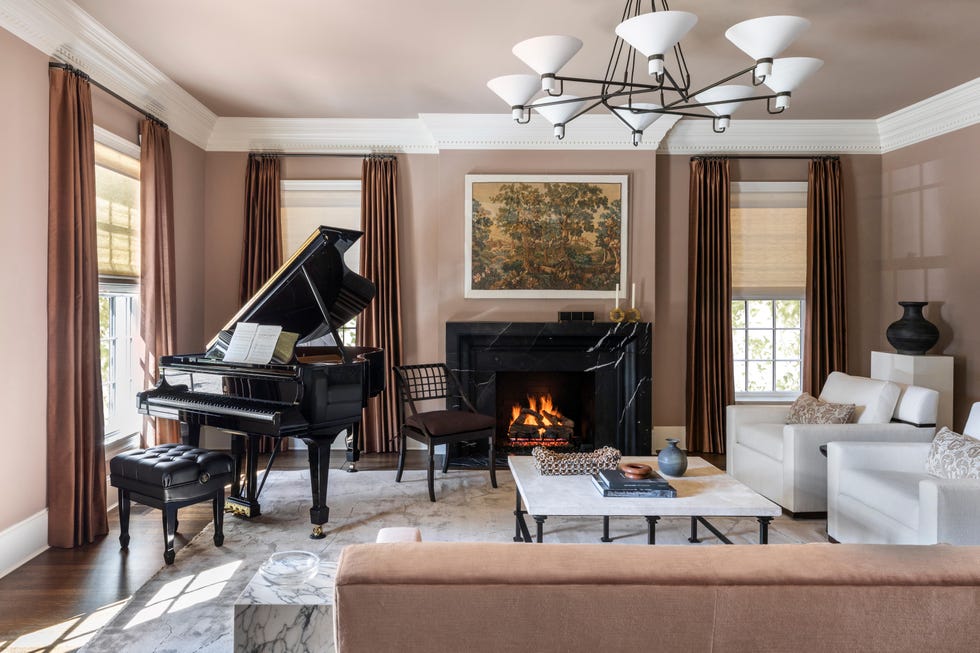
Colour and pattern choices should also be carefully considered. Highly stimulating colours and busy patterns can lead to sensory overload in neurodivergent individuals. A muted, tranquil, and minimalist design aesthetic is generally preferred, as it creates a calmer environment conducive to sustained focus. While personal preferences vary, a simpler decor approach tends to be more universally beneficial. Additionally, practical tips for a neurodivergent-friendly office include using a charging tower to keep devices organized, having a mini-fridge for snacks and meals, keeping large water bottles visible as a hydration reminder, placing a 'do not disturb' sign on the door, utilizing fidget toys during calls, and employing a digital clock or timer to manage time and tasks effectively. Noise-cancelling headphones or a white noise machine can also help minimize external distractions, tailoring the auditory environment to individual needs.
#HomeOfficeDesign #Neurodiversity #WorkFromHome #ErgonomicDesign #SensoryFriendly #InteriorDesign #ProductivityTips #MentalWellbeing #HomeOfficeDesign #Neurodiversity #WorkFromHome #ErgonomicDesign #SensoryFriendly #InteriorDesign #ProductivityTips #MentalWellbeing
0 comment in total
 No comments yet
You may also like

When My Mom Had a Stroke, My Goal Was to Make Her Assisted Living Apartment Calm and Cozy

10 ways to design a home office into your living room (and still switch off at the end of the day)


Four Years Into WFH Life, Here’s What You Need for an Aesthetically Pleasing Home Office

Is Your Open-Concept Floor Plan Wrecking Your Mental Health?

Residential design through a lens of care
Desk ideas for the home office - how to make sure your space works hard in the style stakes
Can a Bad Floor Plan Affect Your Mental Health?


How to make your home office a more pleasant place to work
I'm a reporter who's going to be working from my Brooklyn apartment for at least the next 6 months. Here's exactly how I rearranged my bedroom to make it work as an office.
Jeff DaPra talks about Designing Dreams: Crafting the Perfect Home Office
If You Work From Home, Here Are 6 Tips To Create The Perfect WFH Office

16 home office layout ideas to boost productivity and create a comfortable work space
3 Tips for Building a Sensory Gym for Neurodivergent Kids, From the Experts

How to design the ultimate home office, according to the experts


The environment in which we live and our mental health are intricately connected

Should You Have a Kid-Free Space at Home? Designers Weigh In
Open floor plans and home offices: How to make it work
The Psychology of High Ceilings and Creative Work Spaces
From clutter-free zen to cosy comfort: The mental health benefits of home decor | Hindustan Times

How These Interior Designers Are Staying Cozy (and Sane) at Home