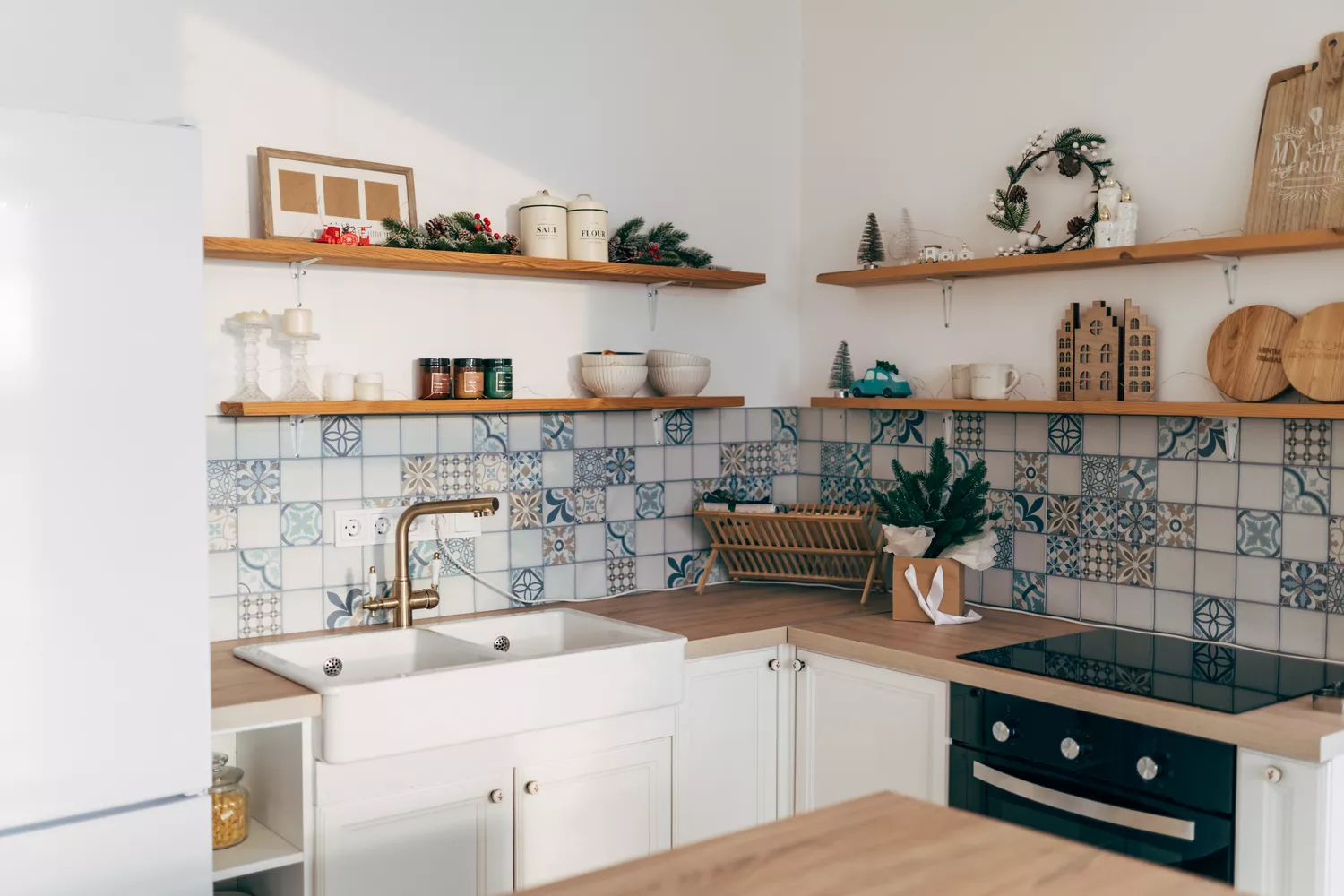
5 Places You Should Never Use Peel and Stick Tile—And Where to Put It Instead
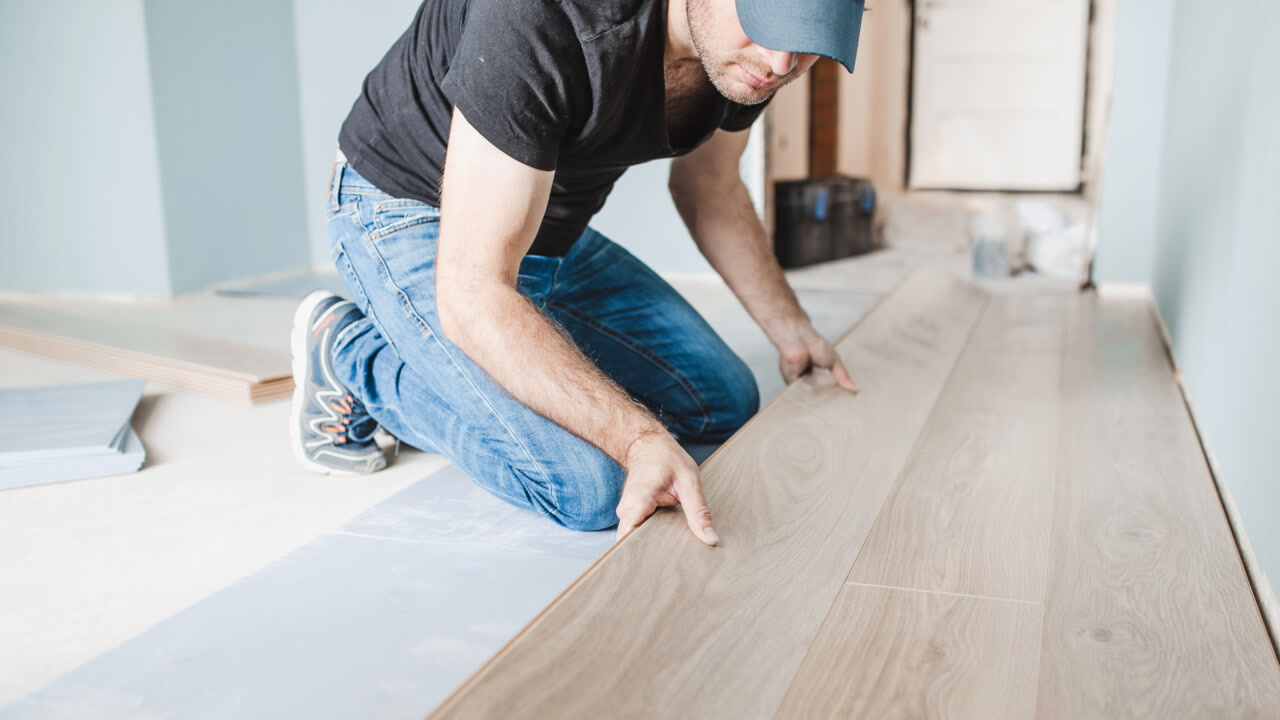
Peel and stick tiles offer a convenient, budget-friendly, and less messy alternative to traditional tiling for home renovations, appealing especially to renters or those seeking temporary aesthetic upgrades. Unlike conventional tiles that demand extensive preparation, expert cutting, laying, and grouting, peel and stick options simplify the installation process. Myles Robinson, a professional home renovator and founder of UK Composite Doors, defines peel and stick tiles as adhesive-backed tiles that can be applied directly to surfaces without the need for grout or mortar, making them an accessible DIY choice.
While high-quality peel and stick tiles are a viable solution, their effectiveness and longevity depend significantly on the product's quality and the installation area. They are generally considered superior for short-term updates or for individuals in temporary living situations, such as renters, due to their ease of removal and minimal damage to underlying surfaces. Timothy Wood, founder and CEO of Fix It Today, emphasizes their suitability for refreshing a space without permanent alteration.
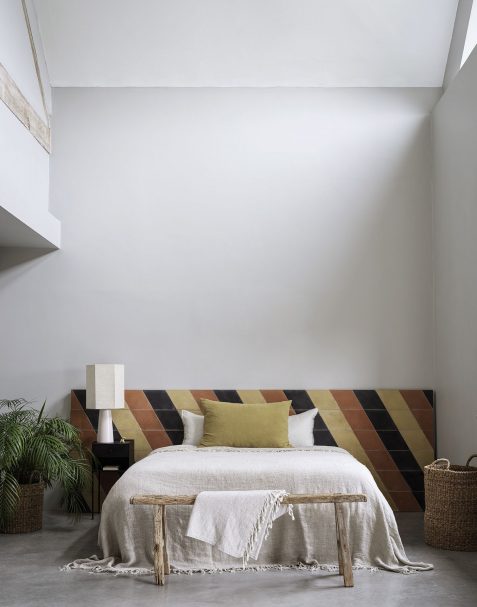
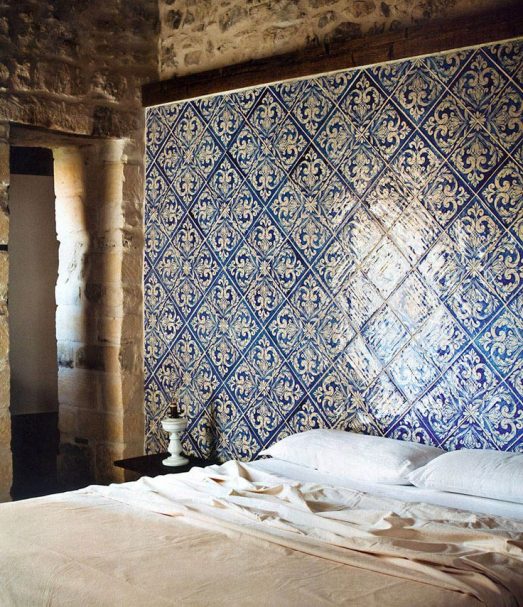
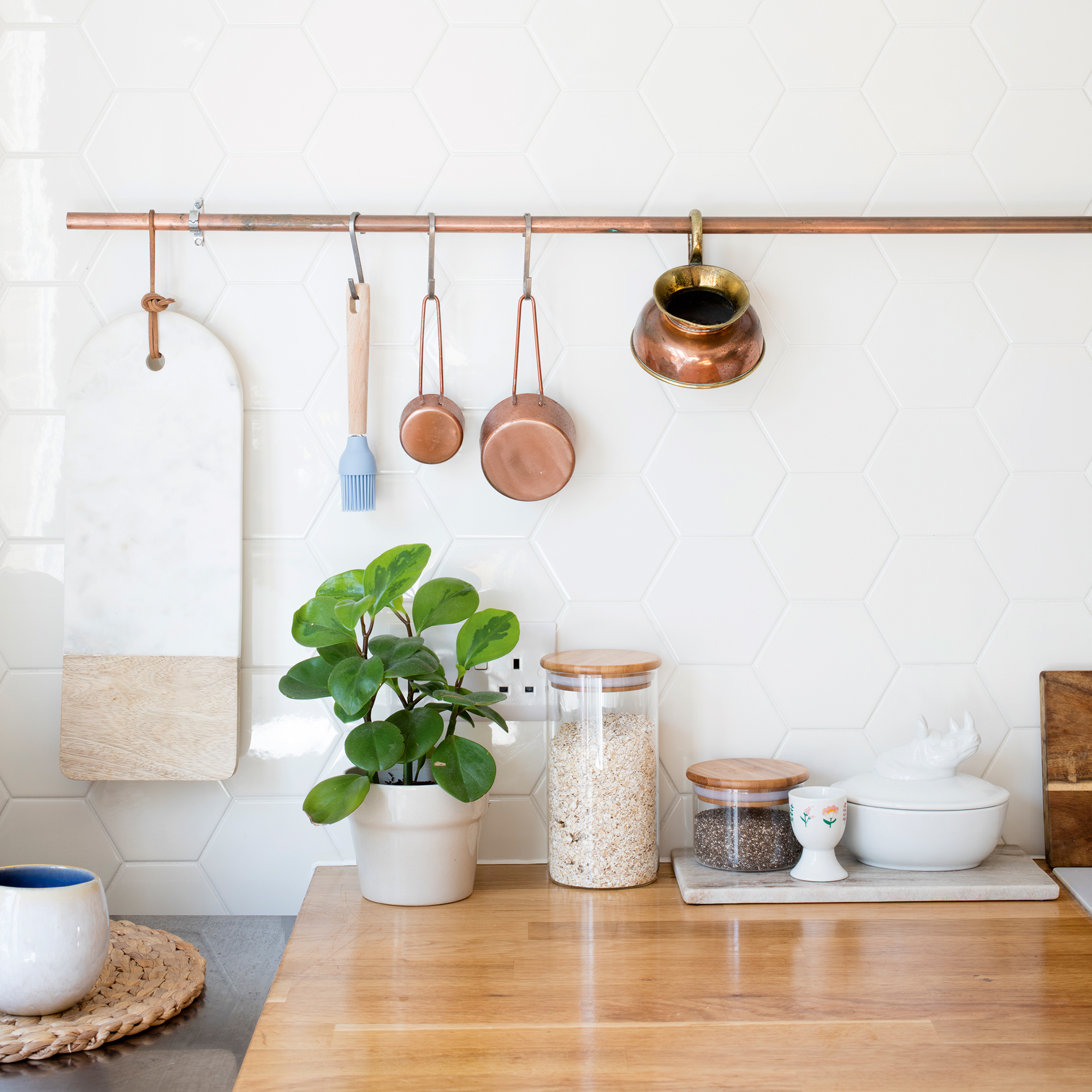
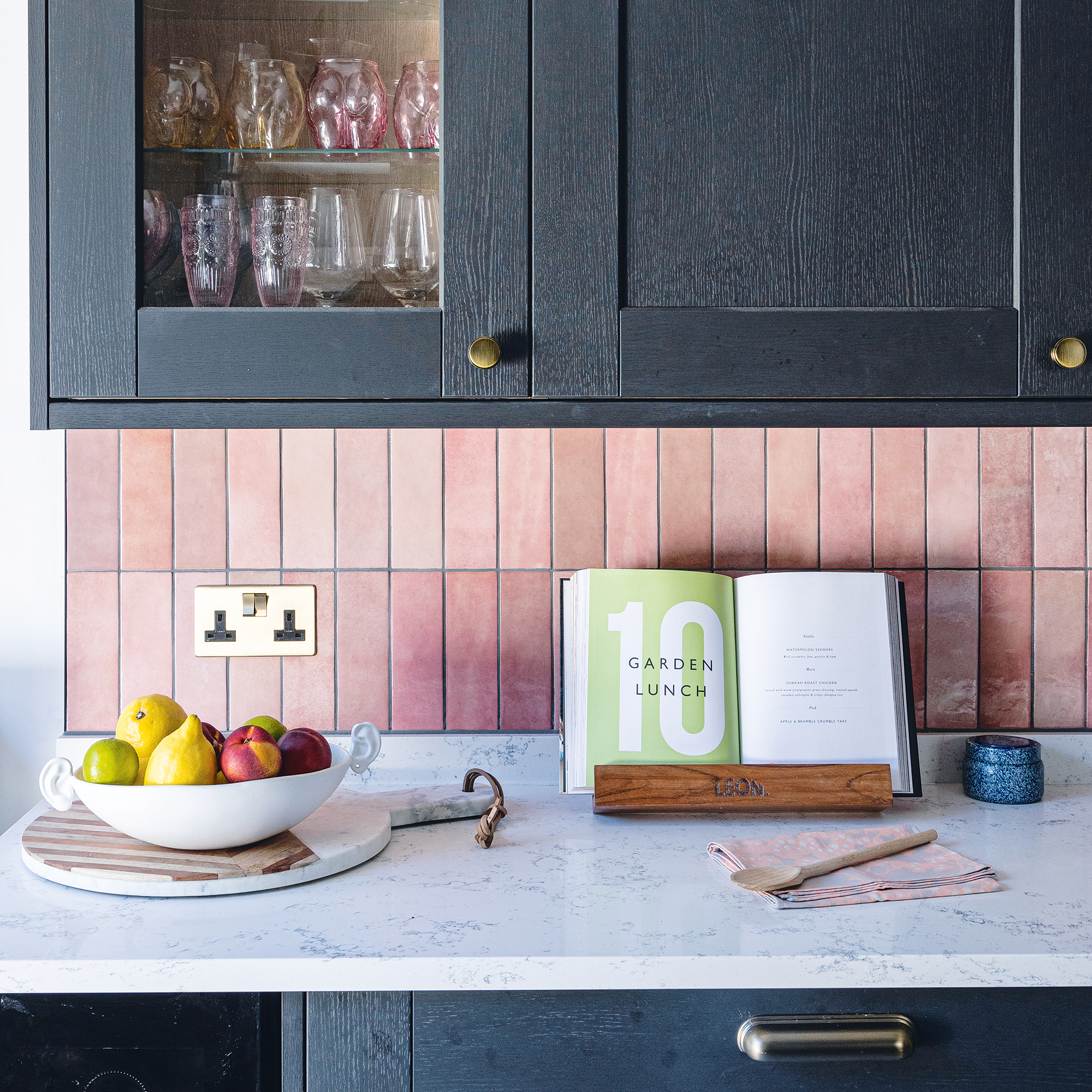
Experts recommend specific areas for using peel and stick tiles to maximize their benefits. Laundry rooms are suitable due to moderate humidity and less wear and tear, with water-resistant vinyl or laminate options being ideal, though placement near utility sinks should be avoided. Accent walls are another excellent application, adding texture, color, and depth to a room without painting or elaborate decor, especially on smooth, clean surfaces. Lightweight options with varied patterns can create engaging designs. Kitchen and bathroom cabinets can also be refreshed with these tiles, providing a new look without the need for painting or replacing entire units. Bathrooms, particularly powder rooms with limited moisture exposure, can benefit from quick updates. In bathrooms with showers, it's advisable to avoid placing tiles directly in splash zones or to use bath mats for protection. Generally, these tiles are effective in small spaces where extensive, costly renovations are not desired.
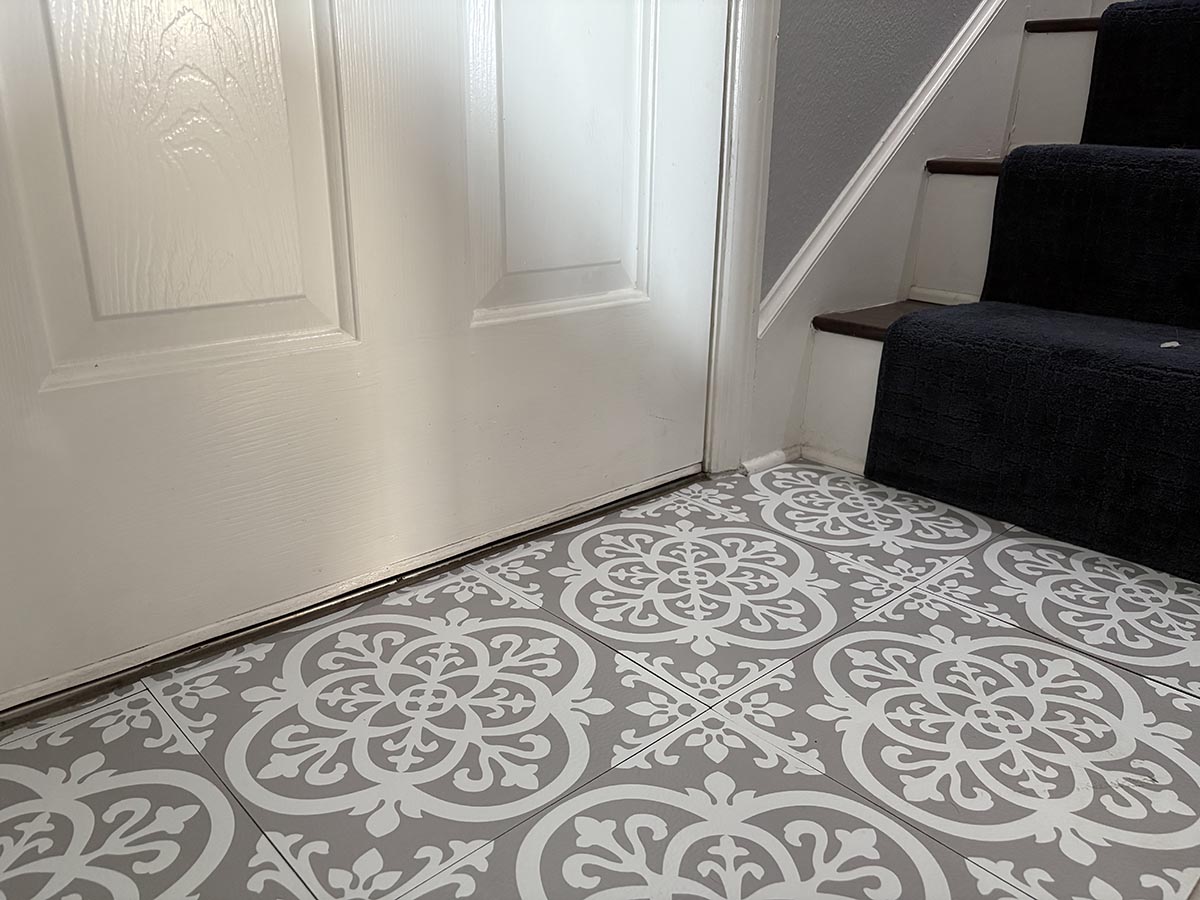
Conversely, there are critical areas where peel and stick tiles are not recommended. High-moisture environments like inside showers or on floors are unsuitable due to the adhesive's susceptibility to water damage. Entryways, which experience high foot traffic, are also poor choices as the tiles may not withstand constant wear. Kitchen floors are another area to avoid because of frequent spills, messes, and heavy foot traffic that can compromise the tiles' integrity. Any space requiring a durable, long-term structural solution should not utilize peel and stick tiles. Furthermore, uneven walls or flooring surfaces are problematic, as the adhesive will not bond properly, leading to premature lifting and an unsatisfactory finish.
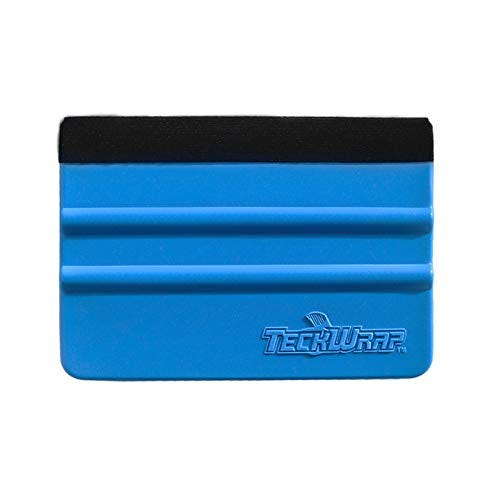
For those choosing to install peel and stick tiles, several expert tips can ensure better results and increased longevity. Thoroughly cleaning the surface before application is crucial, as dust or grease can impair the adhesive's bond. For non-renting situations where a more permanent solution is desired, applying a silicone sealant around the edges can help prevent moisture and debris from reaching the adhesive. During installation, using a hairdryer to slightly heat the tiles can create a stronger bond. Regular, gentle cleaning with a mild, non-abrasive cleaner is recommended to maintain appearance and prevent dirt buildup, while avoiding excessive water or mopping is essential.
#PeelAndStickTiles #HomeRenovation #DIYHomeProjects #HomeDecor #InteriorDesign #TemporaryDecor #BudgetFriendly #TilingTips #PeelAndStickTiles #HomeRenovation #DIYHomeProjects #HomeDecor #InteriorDesign #TemporaryDecor #BudgetFriendly #TilingTips
0 comment in total
 No comments yet
You may also like
6 Pros And 6 Cons Of Using Peel-And-Stick Tile Backsplash


Yes, Peel-and-Stick Floor Tiles Really Work—And These Are the Best

We've spoken to the experts – this is everything you need to know before trying peel and stick tiles

7 Floor Materials Contractors Never Use (and You Shouldn't Either)

I Tried Installing Peel-and-Stick Floor Tiling in Two Different Rooms—Here Are My Thoughts

5 new ways to use tiles as decor rather than flooring

I Almost Swore Off Peel and Stick Tiles, But These Options Redeemed Their Status as an Easy DIY

4 surprising areas in your home that experts say you really shouldn't paint white – and what to do with them instead
'They're not for every room' – designers say they'll never use a round rug in these 5 spaces, and neither should you

5 Flooring Choices Designers Completely Regret Using in Their Homes
6 Outdated Tile Choices That Interior Designers Aren't Using Anymore — And What They Say to Try Instead

Surprising ways interior designers are using tiles
Should You Install Peel and Stick Floor Tile? An Interior Designer Shares Some Pros and Cons

Can you plaster over tiles? The experts issue a surprising warning...
5 outdated tile trends that are letting your kitchens and bathrooms down
5 "Impractical" Choices to Avoid in a Bathroom — These Make Your Spaces More Difficult to Use
5 Places You Should Never Hang Art in Your Home
5 Costly Mistakes People Always Make When Buying Tiles — And How to Avoid Them
10 common tiling mistakes that can be costly – and how to avoid them
4 Reasons Zellige Tiles Are Taking Over Interiors Right Now (and How to Use Them in Your Space!)