1/10
How to Avoid the 'Boyfriend Corner' and Make Your Styles Mesh as a Couple, According to Married Interior Designers
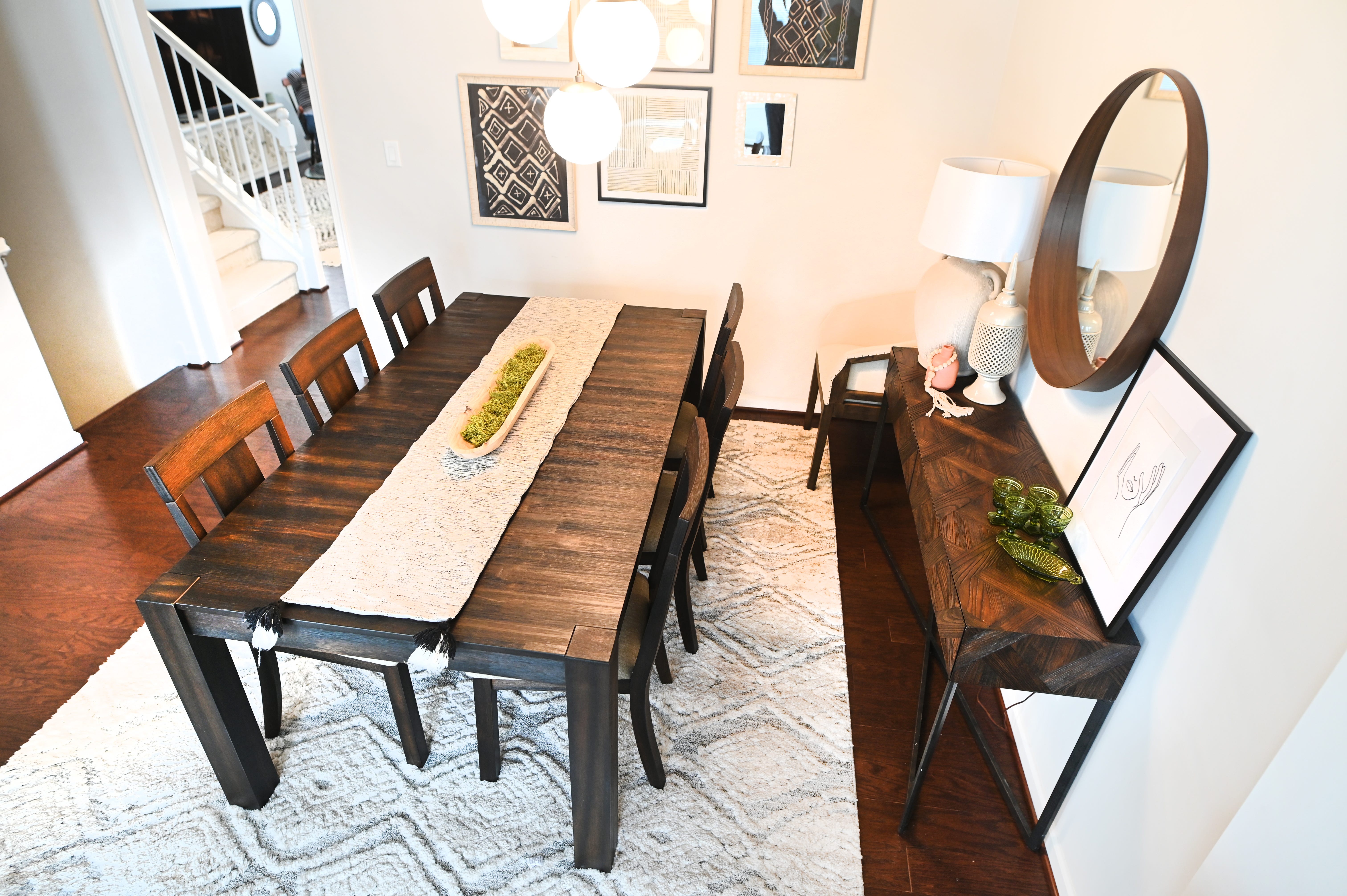
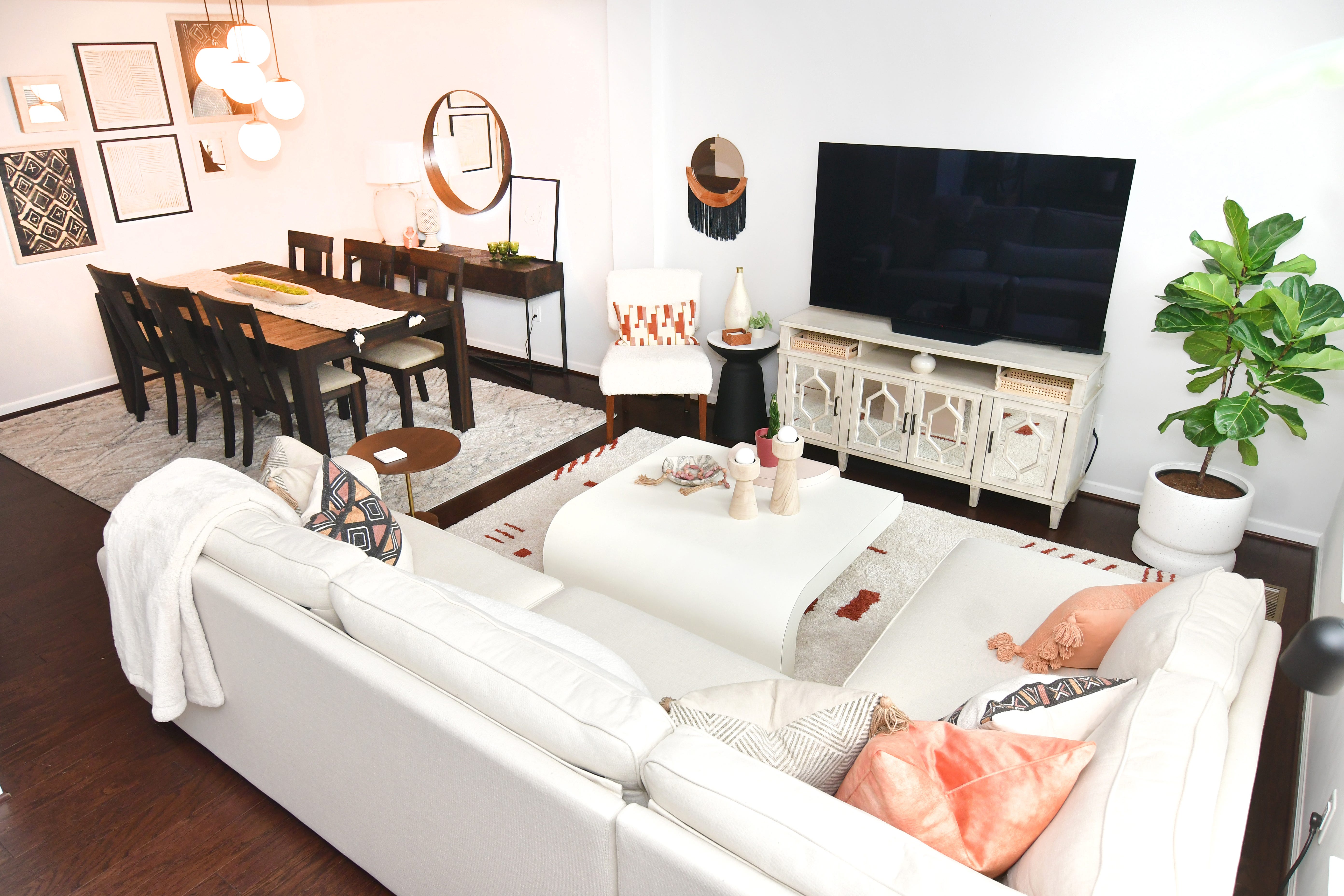
The article addresses the common challenge faced by couples with differing interior design tastes, often leading to a phenomenon dubbed the 'boyfriend corner'—a space within a shared home dedicated solely to one partner's distinct, sometimes clashing, style. It emphasizes that accommodating a 'man cave' is not the optimal solution for a harmoniously designed home and seeks expert advice from married interior designers on how to blend competing styles cohesively.
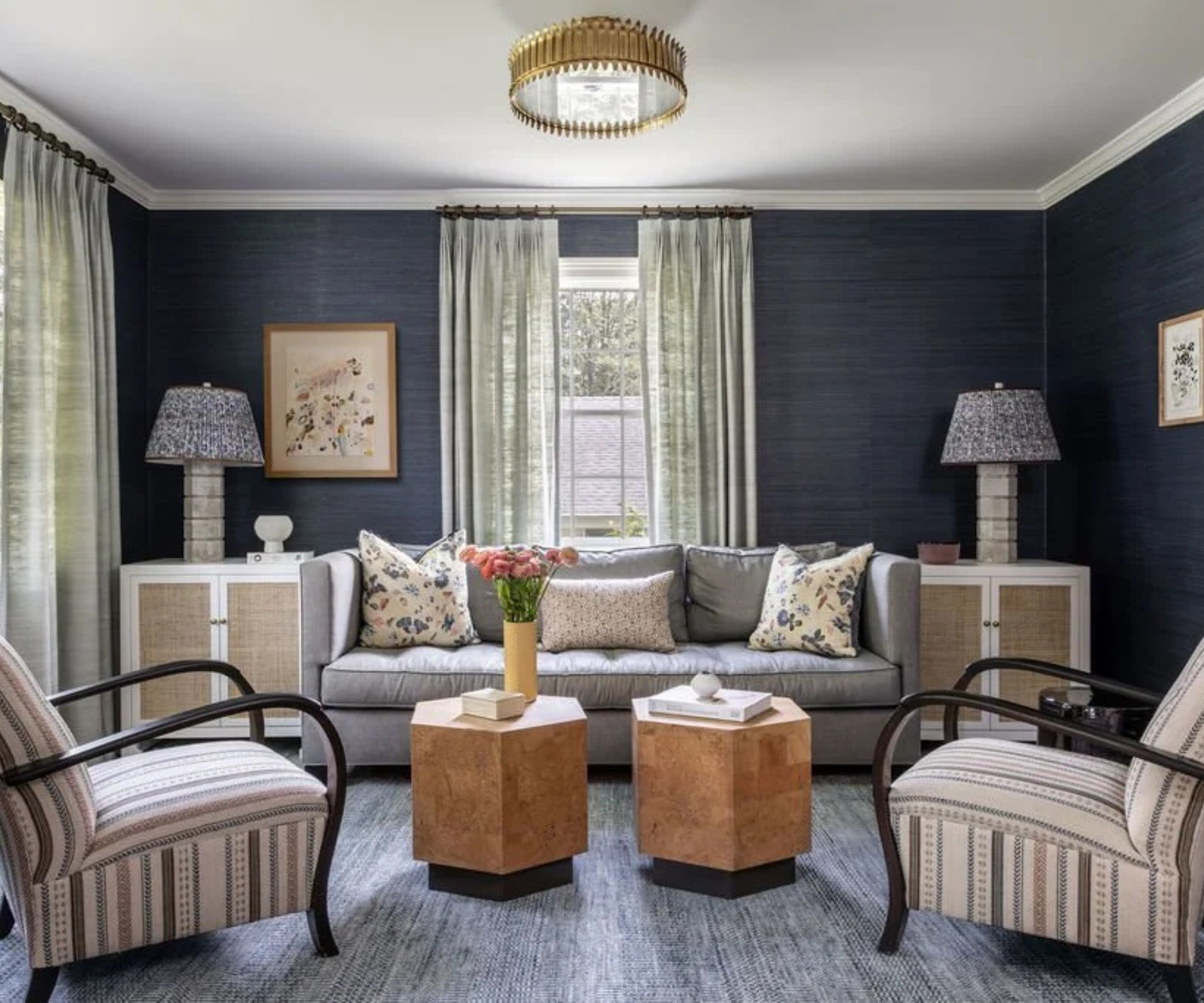
Brittney Hart and Justin Capuco of Husband Wife Studio, along with Bob and Cortney Novogratz, provide three key tips for couples navigating this design dilemma. The first tip focuses on finding common ground. Hart and Capuco suggest that couples individually gather images reflecting their personal styles and then identify aesthetic overlaps to form a foundational framework for their design choices. The Novogratz duo advises couples to draw inspiration from shared positive experiences, such as design hotels or restaurants they both enjoyed, and integrate colors, furnishings, and design elements from those memories into their home.
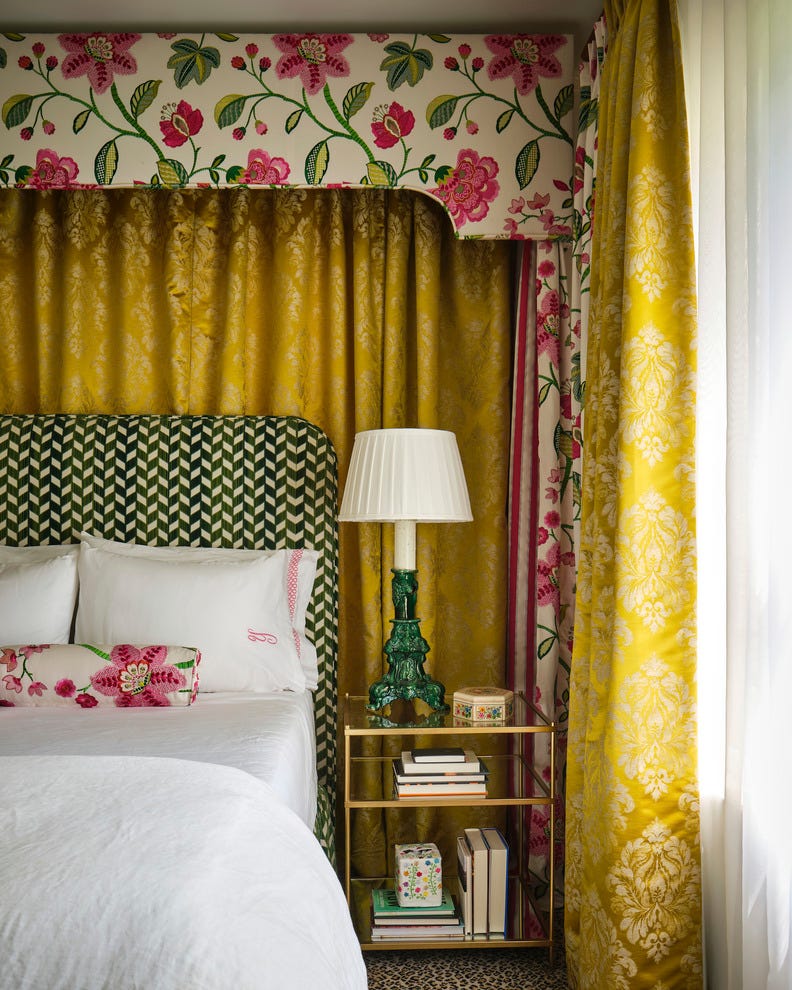
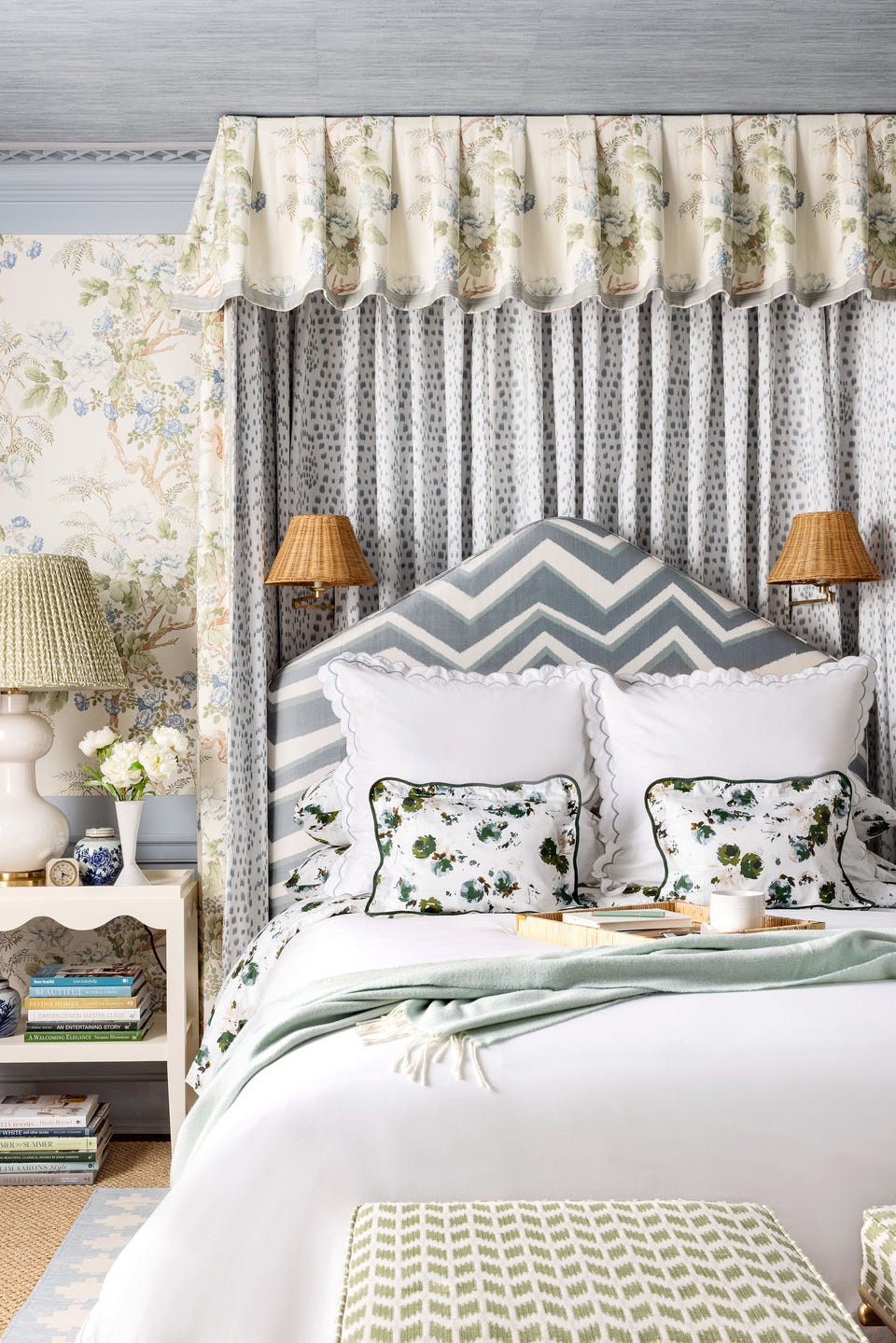
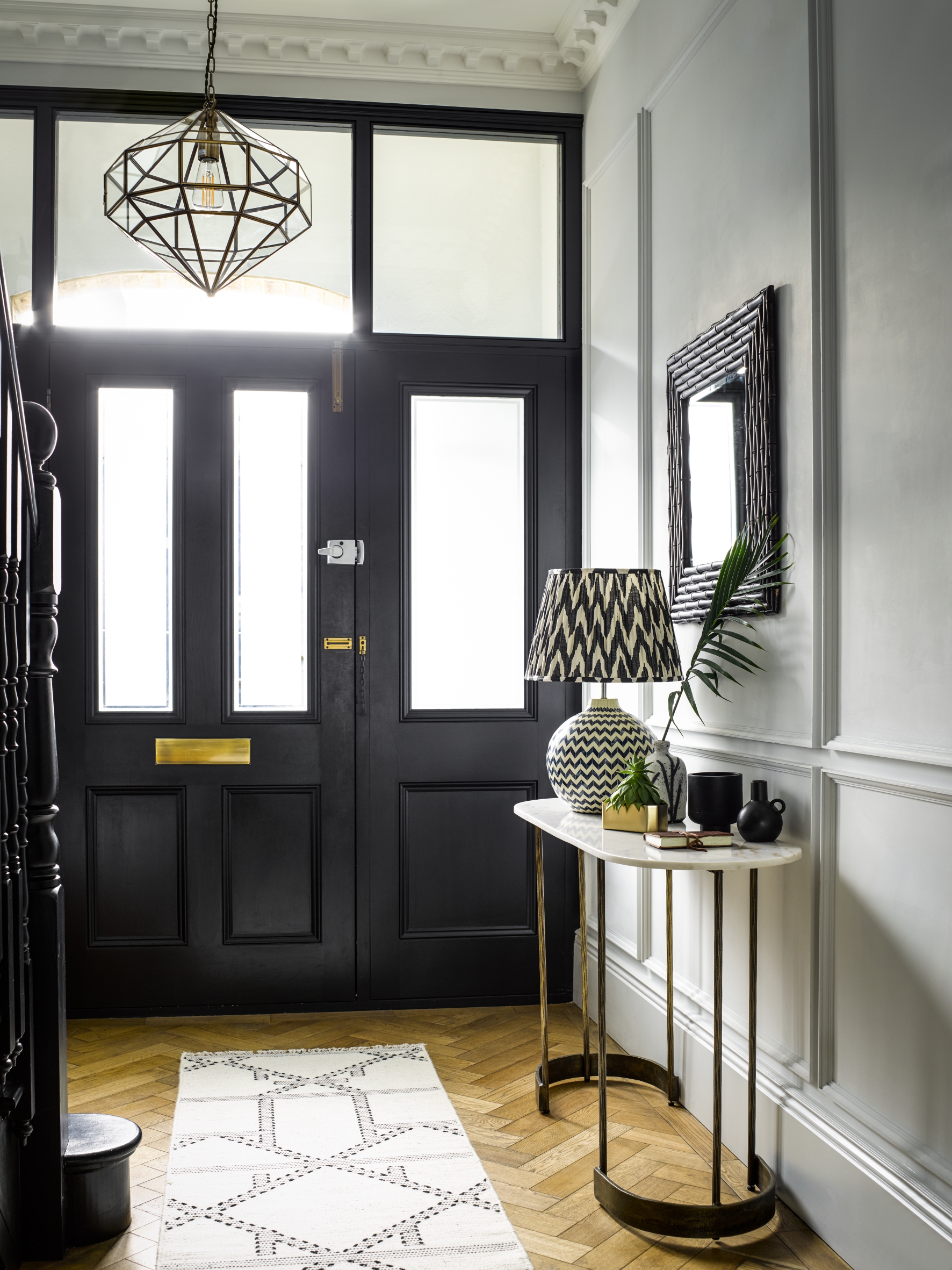
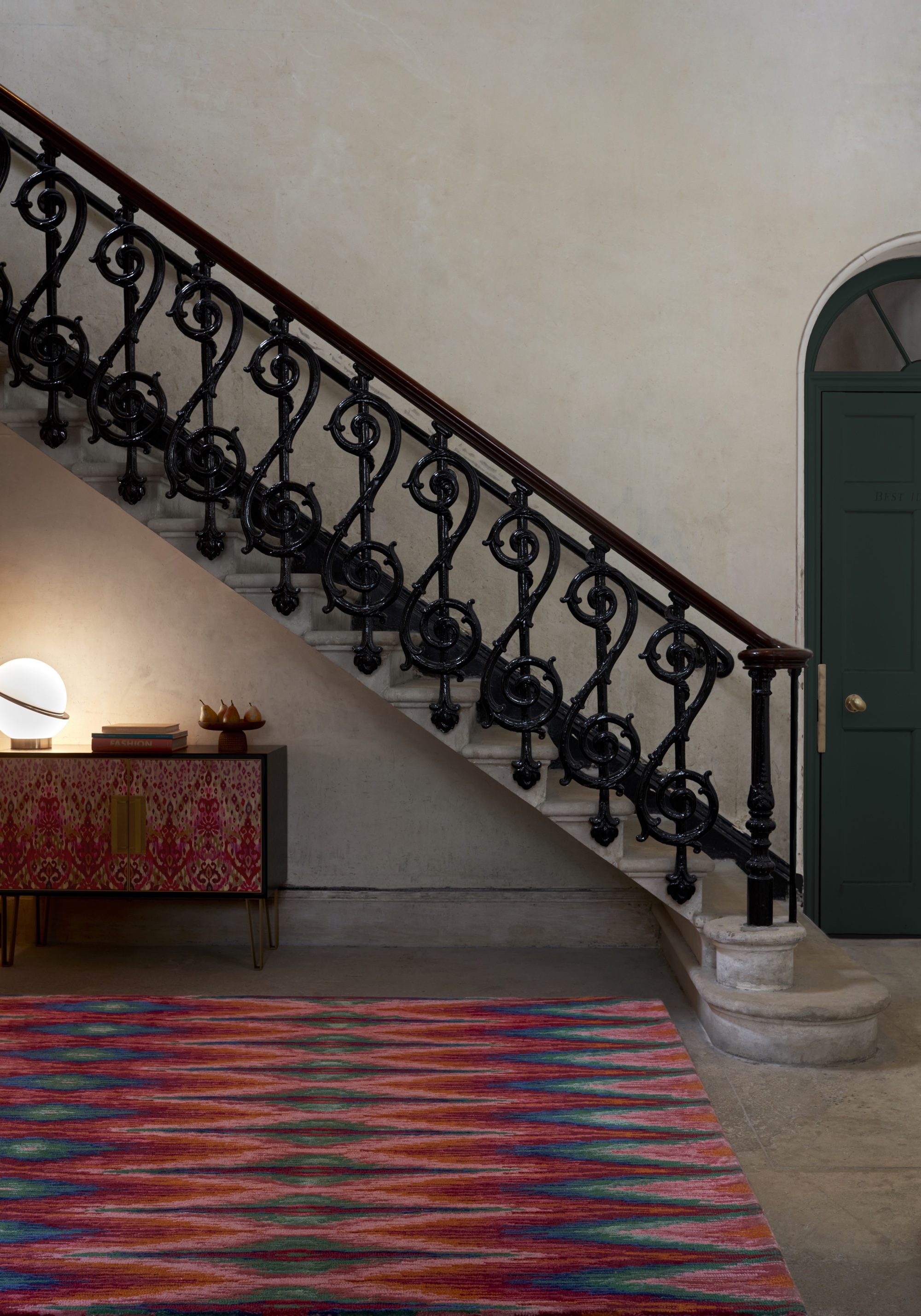
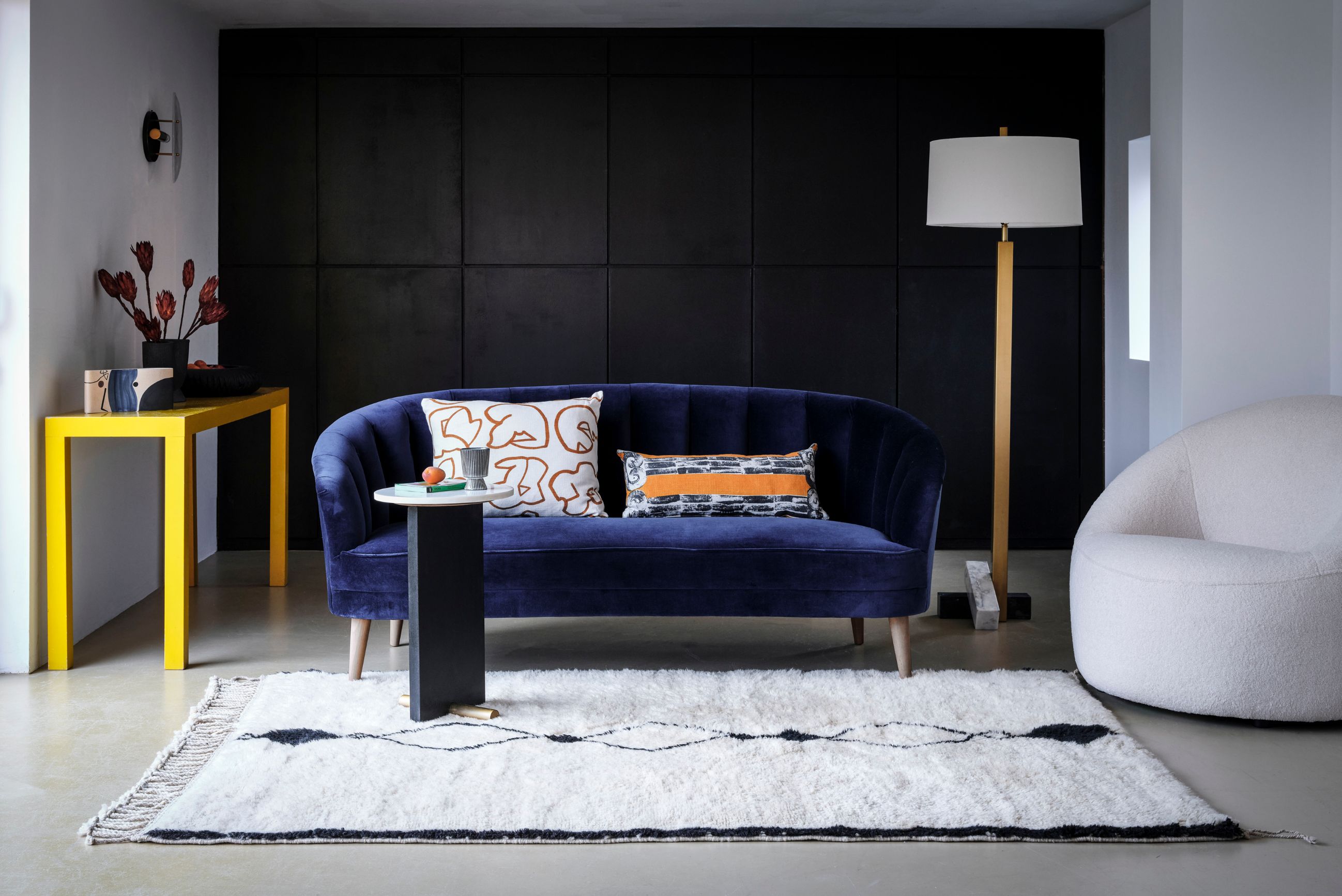
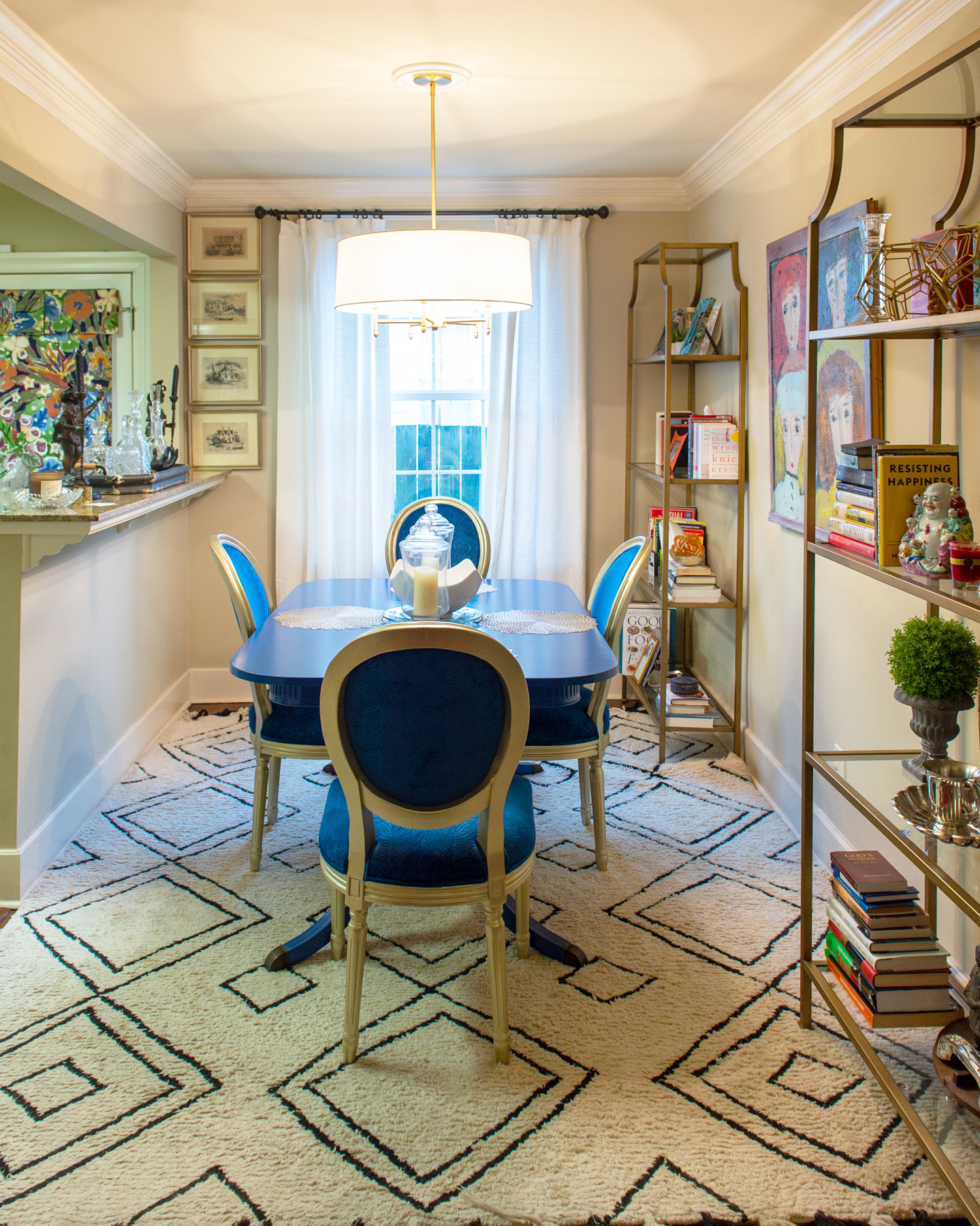
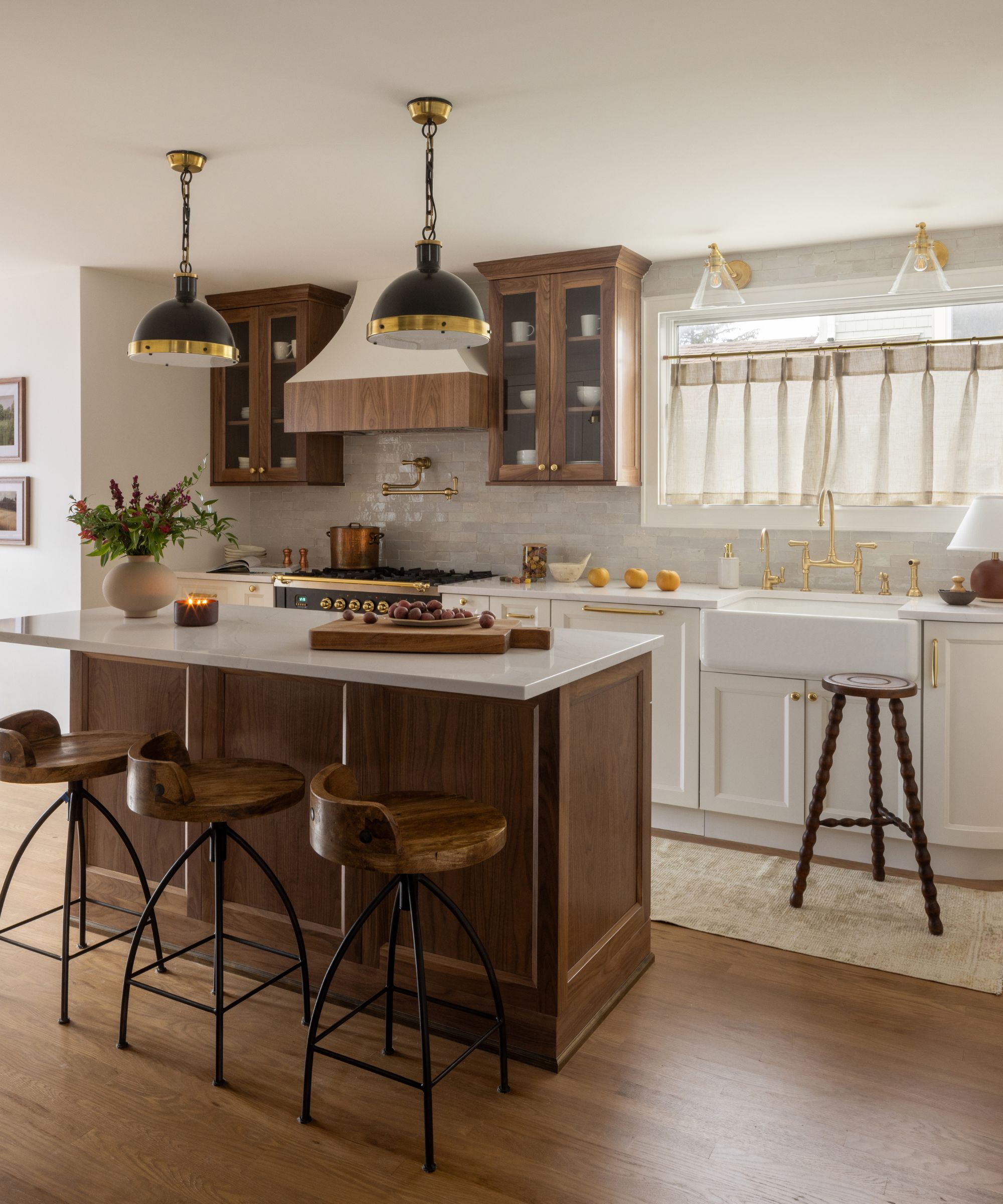
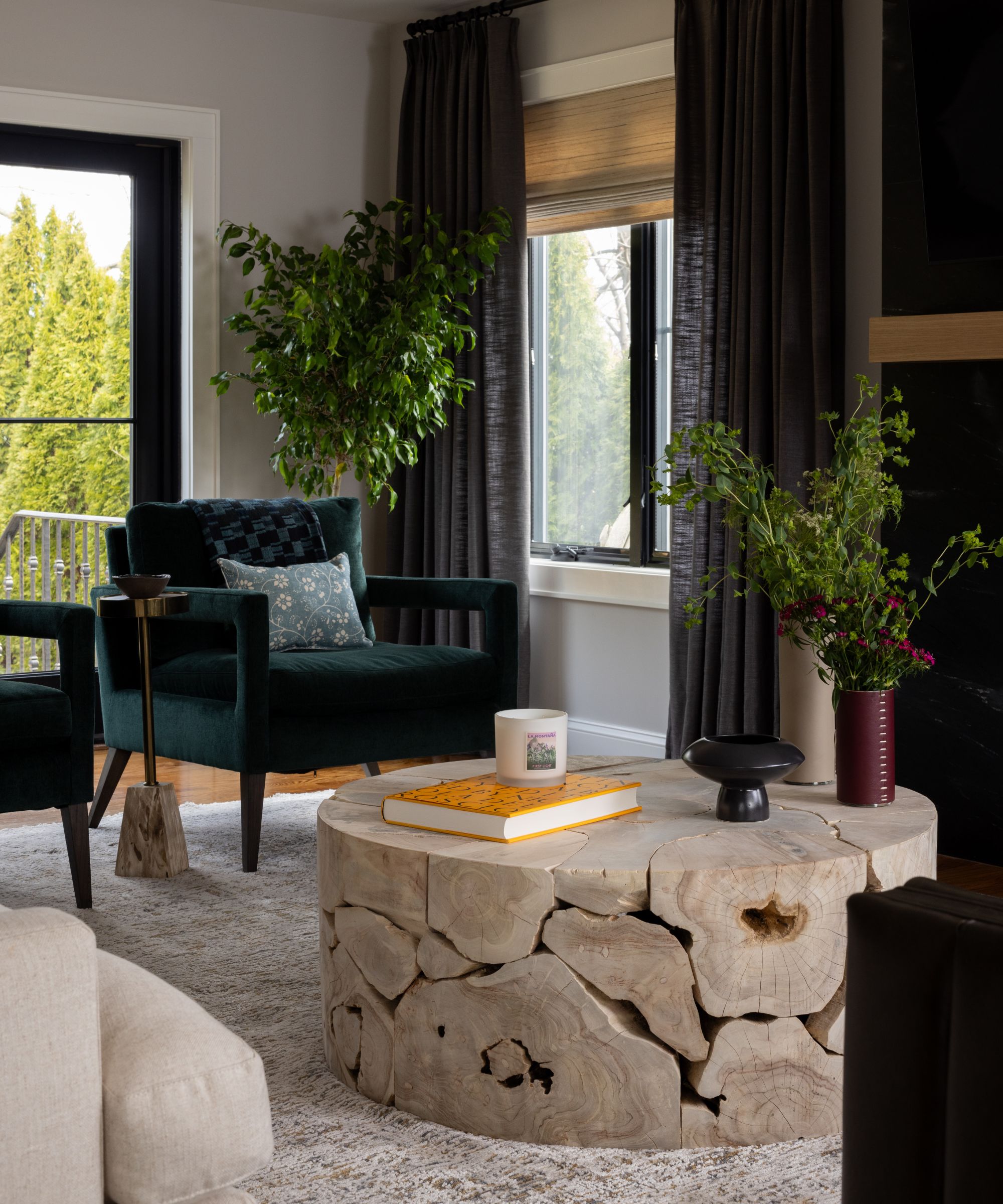
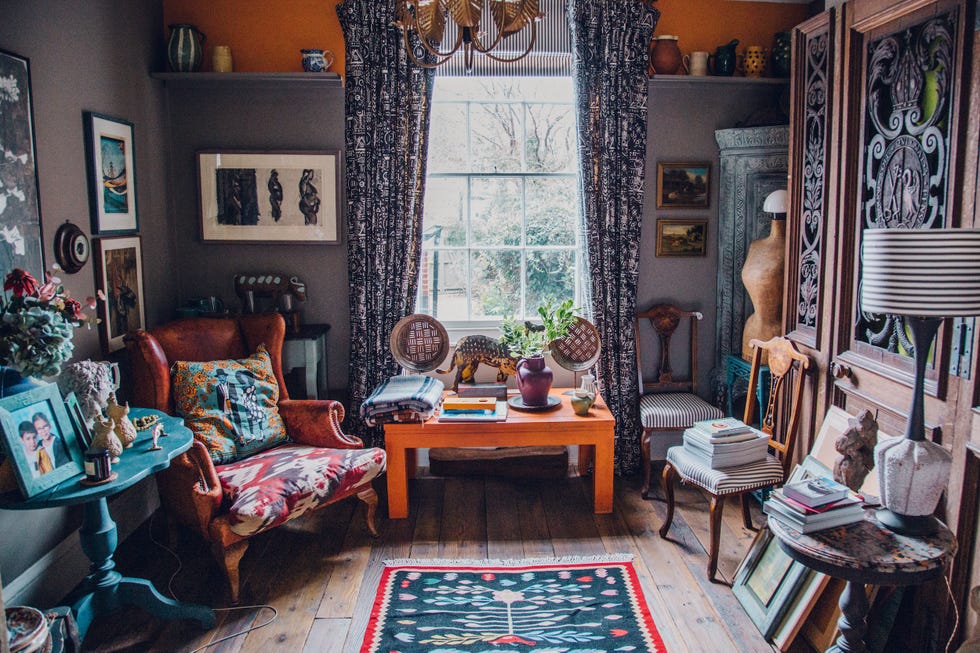
The second tip highlights the importance of embracing contrast. Once initial furnishings and decorations are selected, the designers recommend leaning into the differences between partners' design styles rather than trying to hide them. Bob and Cortney Novogratz assert that 'contrast in design is where the magic happens,' while Hart and Capuco agree that a 'sense of duality throughout a home is a beautiful thing.' This approach suggests that the unique aspects of each partner's taste, much like their individual personalities, can make the shared space more interesting. The goal is to achieve a balanced mix of both styles, ensuring that neither partner's aesthetic is confined to a small, isolated area. They suggest incorporating bold colors, vintage pieces, and personal art to represent both individuals evenly.
Finally, the article stresses the necessity of compromise. While often perceived as a sacrifice, compromise is reframed as a strength that can enhance the final design outcome. Hart and Capuco note that in the subjective and emotional realm of design, exact opinions will rarely mirror each other, making compromise an advantageous process. Another practical approach involves assigning design leadership for specific areas based on who uses the space more, such as a home office. However, for significant shared spaces like living rooms or kitchens, compromise is crucial, unless one partner has a particularly strong and clear vision. The article concludes by reinforcing that blending diverse tastes and mixing interior design styles is essential for a house to truly feel like a shared home, honoring the life a couple is building together, while also cautioning against certain DIY home renovation projects that might strain relationships.
#InteriorDesign #CoupleDecorating #HomeDesign #DesignCompromise #HusbandWifeStudio #TheNovogratz #SharedSpaces #DecoratingTips #InteriorDesign #CoupleDecorating #HomeDesign #DesignCompromise #HusbandWifeStudio #TheNovogratz #SharedSpaces #DecoratingTips
0 comment in total
 No comments yet
You may also like
4 Cutting-Edge Home Design Couples (And Their Advice)

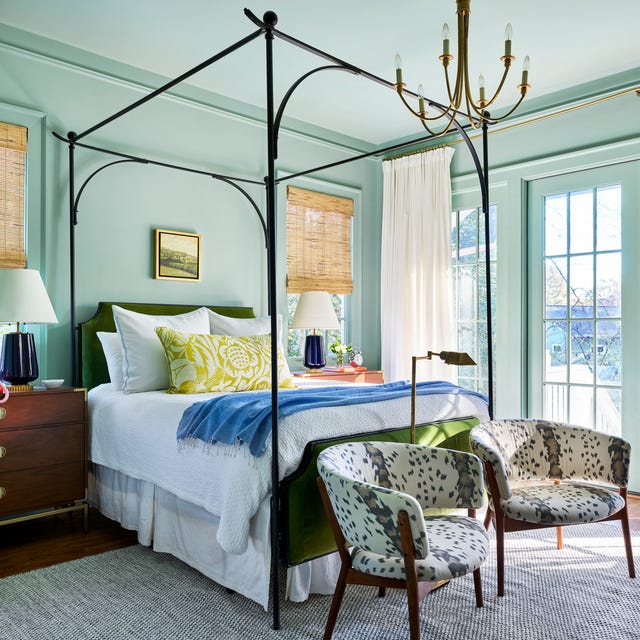
24 Dreamy Bedroom Ideas That You and Your Partner Will Love

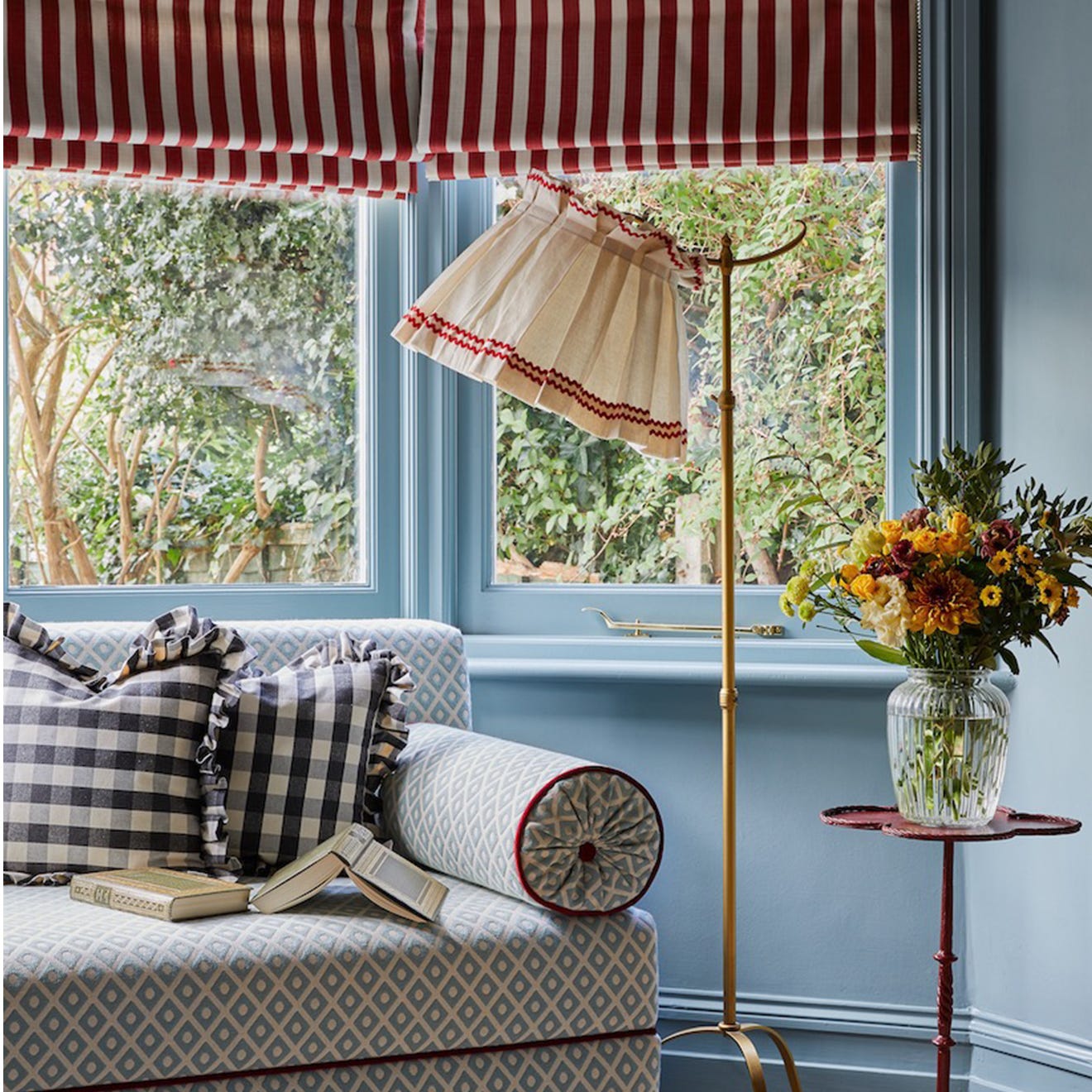
How to use clashing patterns in your home, according to design experts
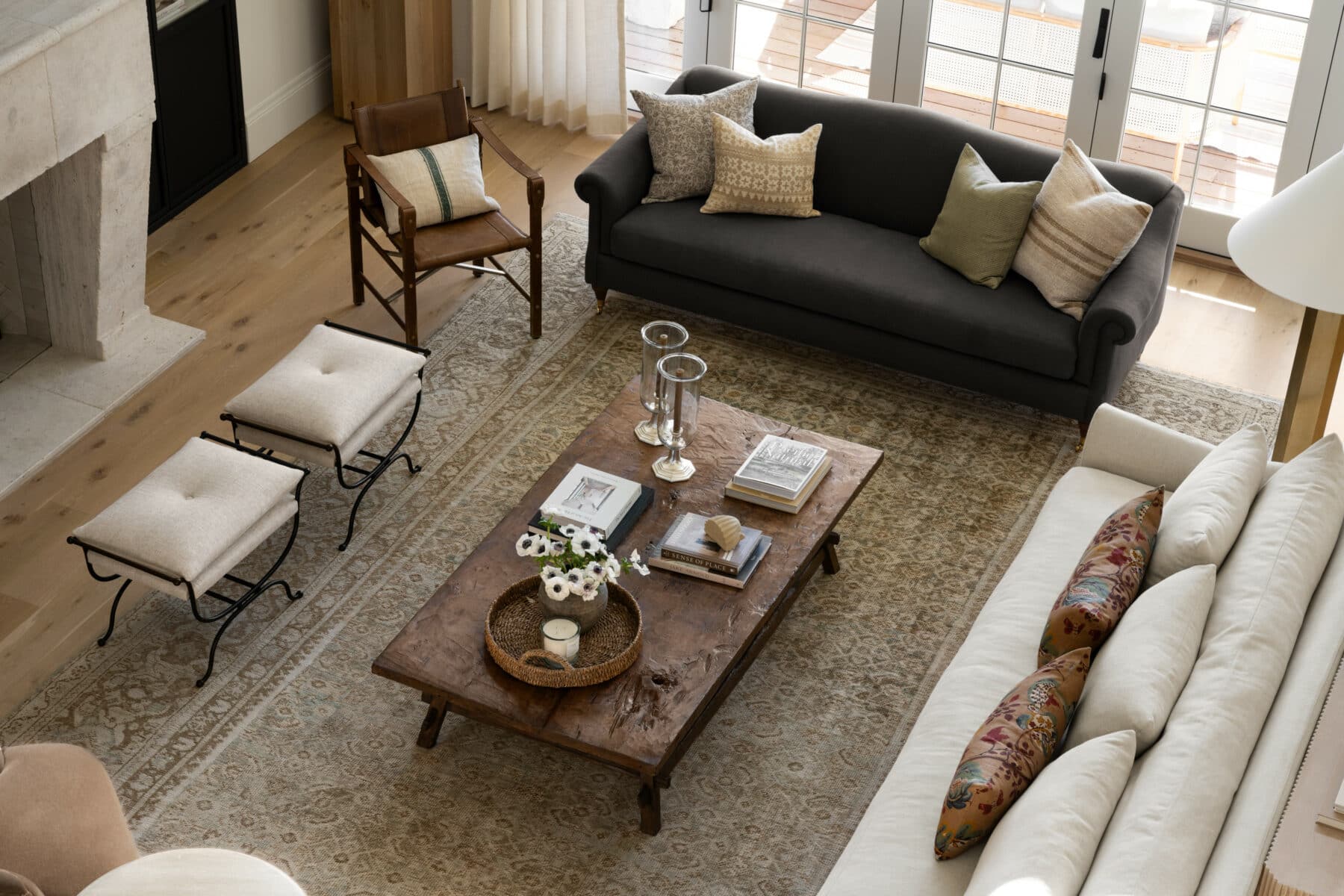
How To Pair Two Sofas In One Space

The "Beige Flags" to Watch Out For in Your Date's Home Are NOT What You Think
Romancing a rental: Nine Design + Homes designer shares tips

The Married Hosts of 'Divided by Design' Talk Their Show & Give Interior Decorating Tips - INTERVIEW

How to Blend Your Style With Your S.O.’s—And Actually Make It Work

She’s Into Cozy, He’s More Modern—Here’s How Their Designer Found a Colorful Middle Ground


Talking About Interior Design on Hinge Leads to Better Matches—Here’s Why
The 25 Most Influential Power Duos In the Design World

Here's How to Develop Your Own Style, According to an Interior Designer


Influencer explains why she and husband sleep in separate bedrooms: 'We have a really healthy marriage'

5 ways to work the new zigzag trend, according to interior designers

5 simple tips to create eclectic interiors that still feel luxurious – from an interior designer who's perfected the balance
Here's How to Use Symmetry in Interior Design
A Design Editor's Guide to a Couple's Bedroom You'll Both Love
Go-to tips for finding harmony in eclectic home design
5 Things Interior Designers Wish You Would Do

Feng Shui practices for a love-filled living space