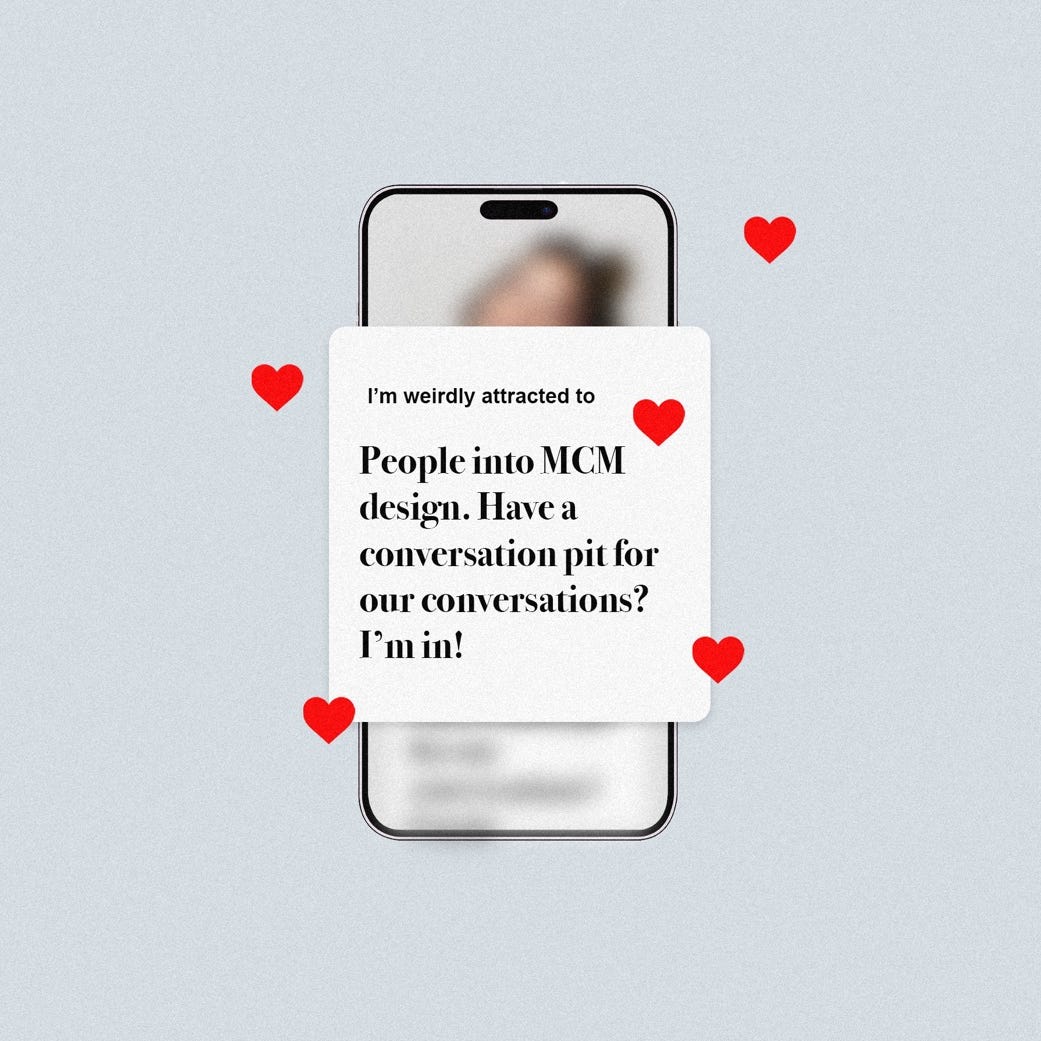
1/2
Talking About Interior Design on Hinge Leads to Better Matches—Here’s Why
This article explores how discussing interior design preferences on dating apps like Hinge can lead to more compatible matches. The author, a design editor, shares personal experiences highlighting how Hinge's 'A dream home must include' prompt serves as an effective icebreaker and a revealing insight into potential partners' personalities. This feature allows users to list three design elements for their ideal home, providing a unique conversation starter beyond typical dating app interactions.
Jarryd Boyd, Hinge's senior director of communications, confirms that this prompt is integral to the app's mission of helping people connect more genuinely. In-app surveys indicate that users who utilize such prompt polls are 39% more likely to secure a date. Boyd notes that daters use this feature in various ways, from showcasing their specific design tastes to revealing what makes a house feel like a home to them, thereby fostering deeper connections based on shared aesthetic and lifestyle values.
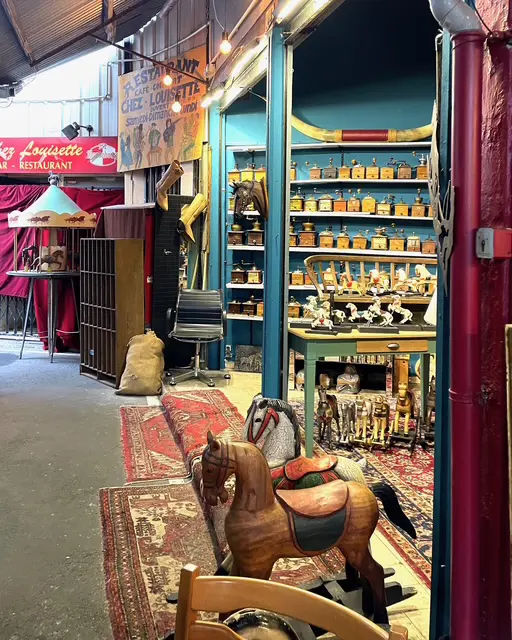
Jason Saft, founder of Staged to Sell Home, emphasizes that design preferences can be highly indicative of a person's personality and interests. He suggests that these preferences can make initial conversations and meetups more personal and engaging. For instance, a shared appreciation for a niche architectural style like Brutalism or a specific vintage furniture piece can create an immediate bond. He also points out that aligning on such interests could lead to more fulfilling date activities, like flea market sourcing, rather than conventional bar outings.
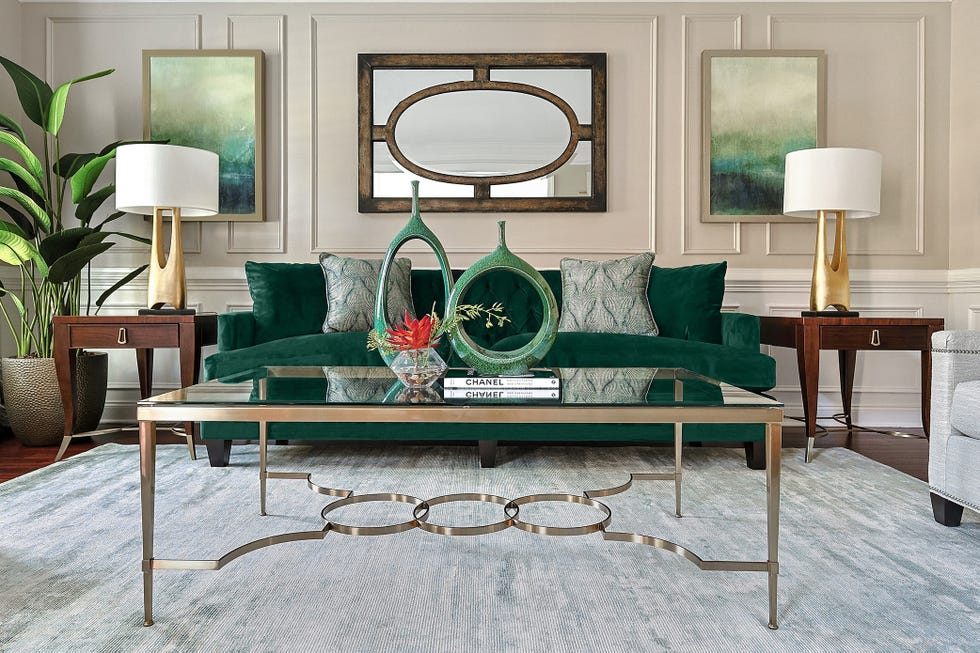
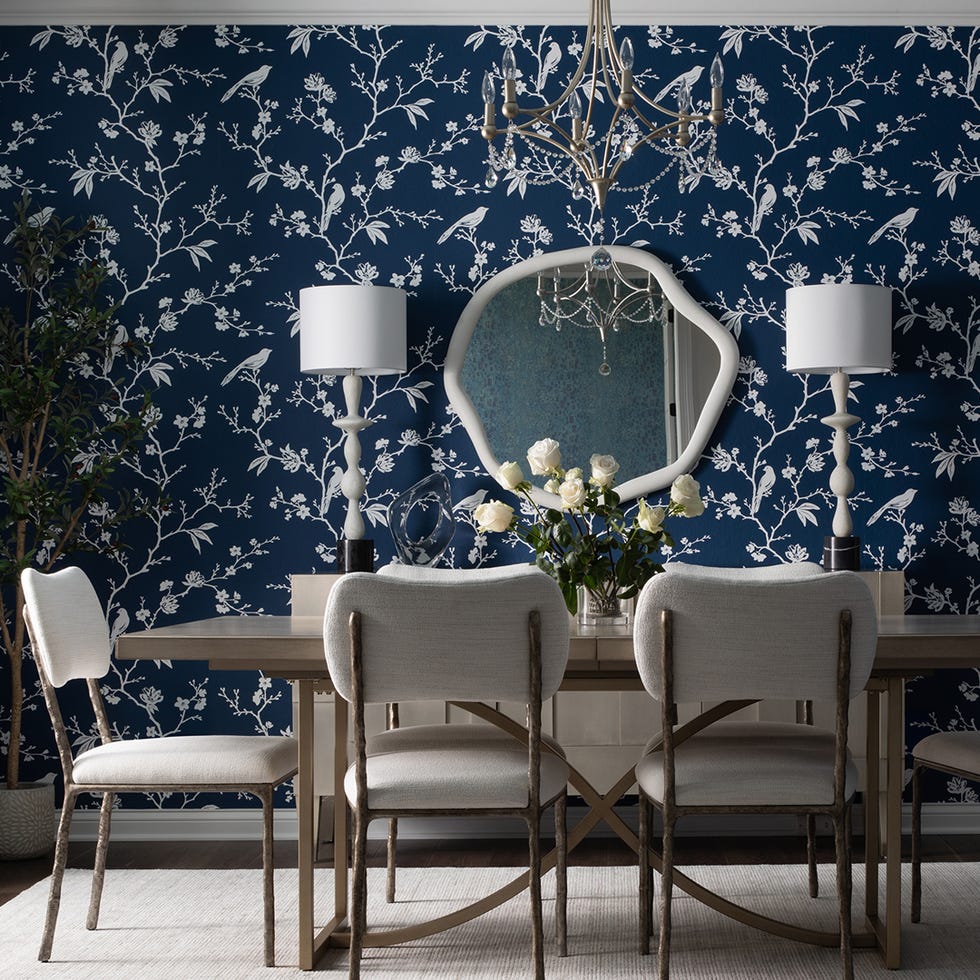
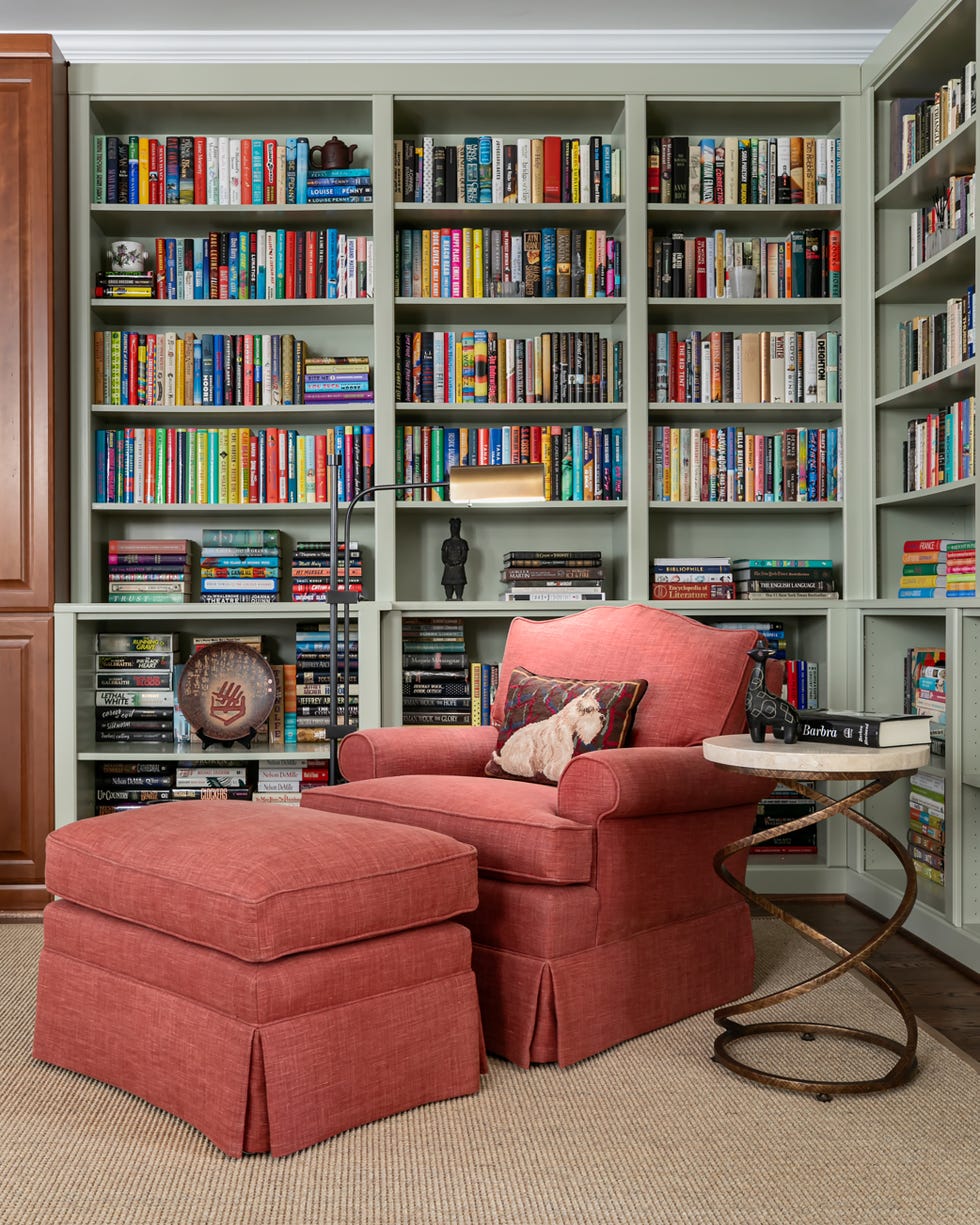
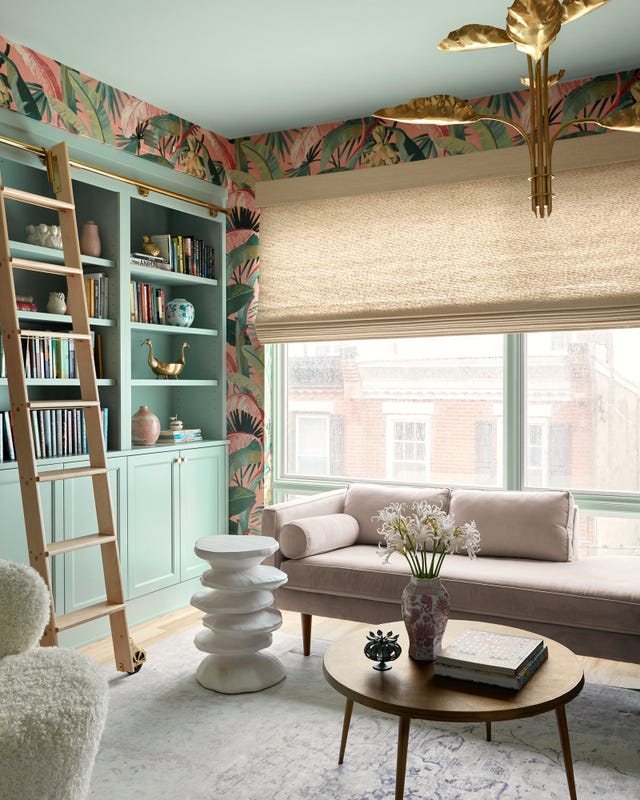
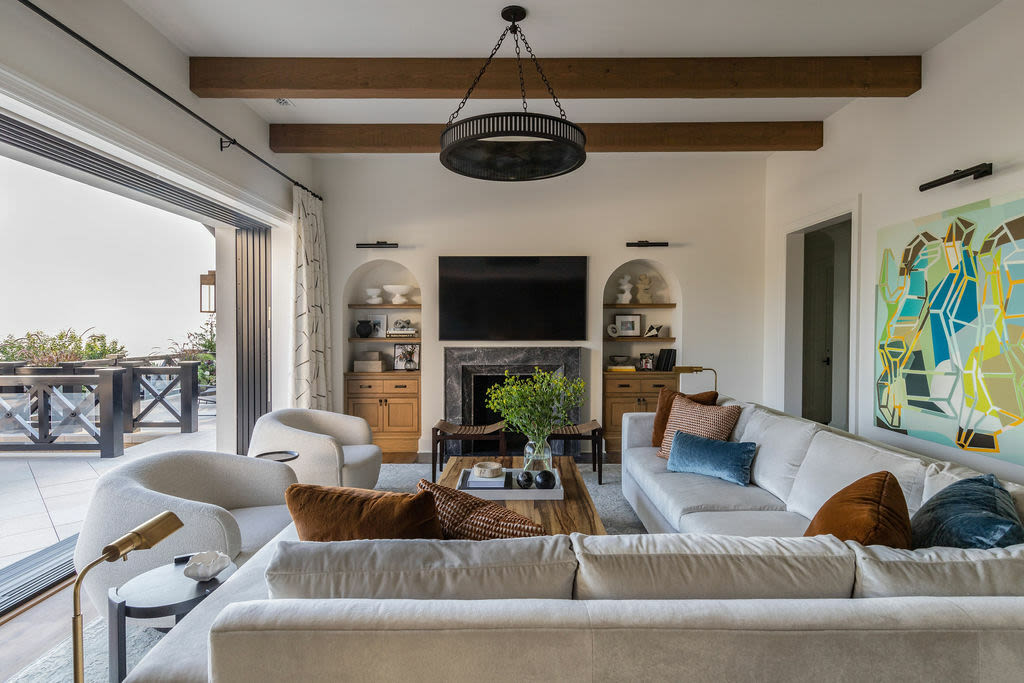
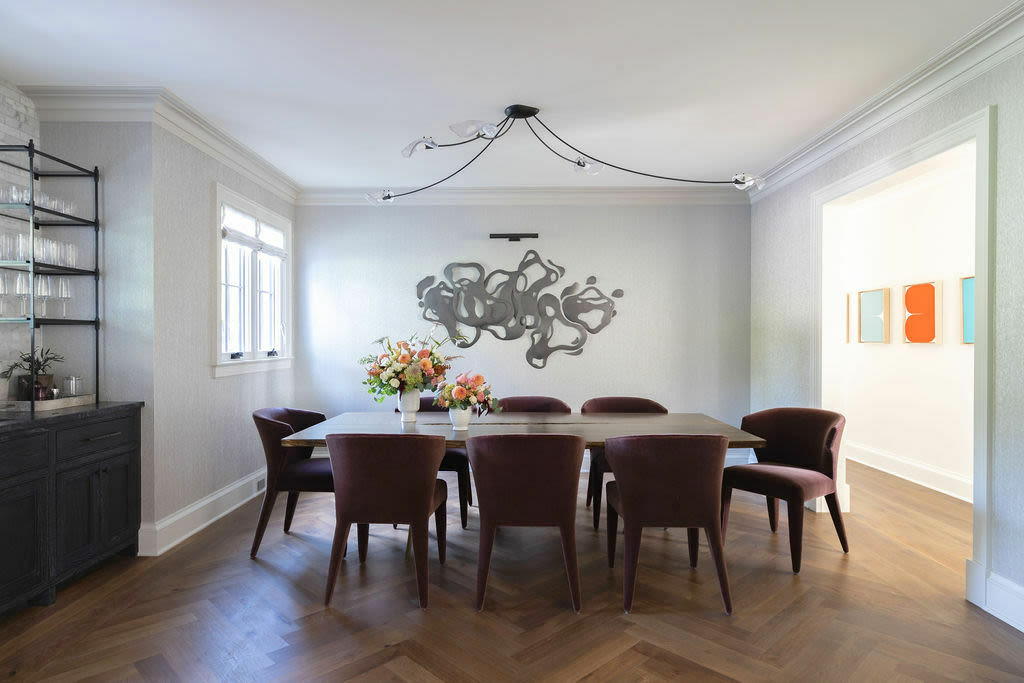
Nicole Ficano, principal at Workshop/APD, further explains that design choices offer valuable insights into someone's character, often revealing more than standard first-date questions. She observes that designers are skilled at discerning personality traits from home aesthetics. For example, individuals with an eclectic design style might be drawn to art, music, or history, while those preferring modern and minimalist aesthetics might possess a more business-oriented mindset. Ficano provides examples such as a preference for a library over a spa, indicating a person's priorities, whether it be reading and intellectual pursuits or health and wellness.
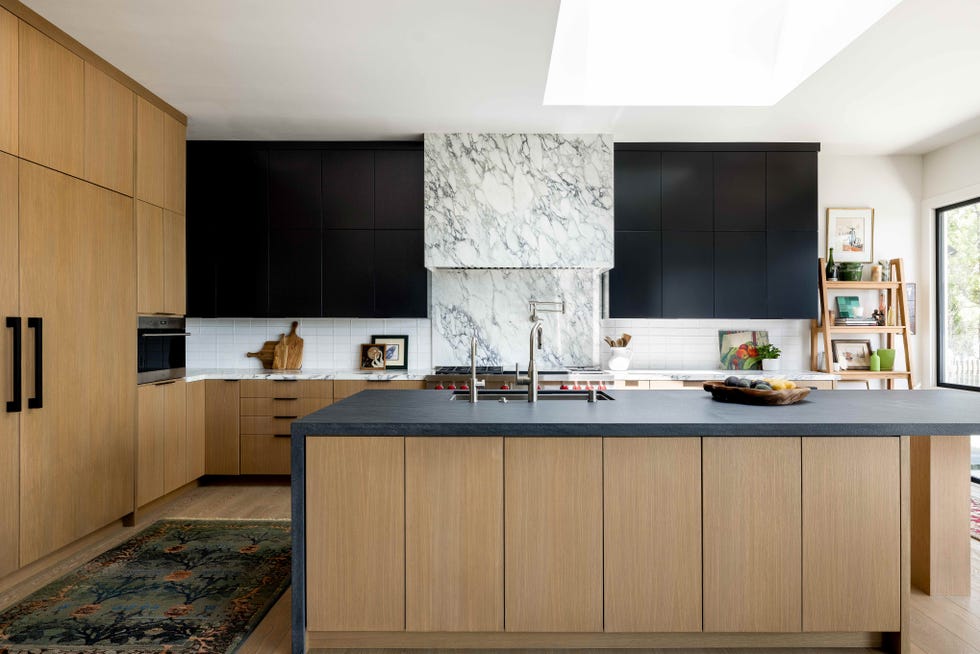
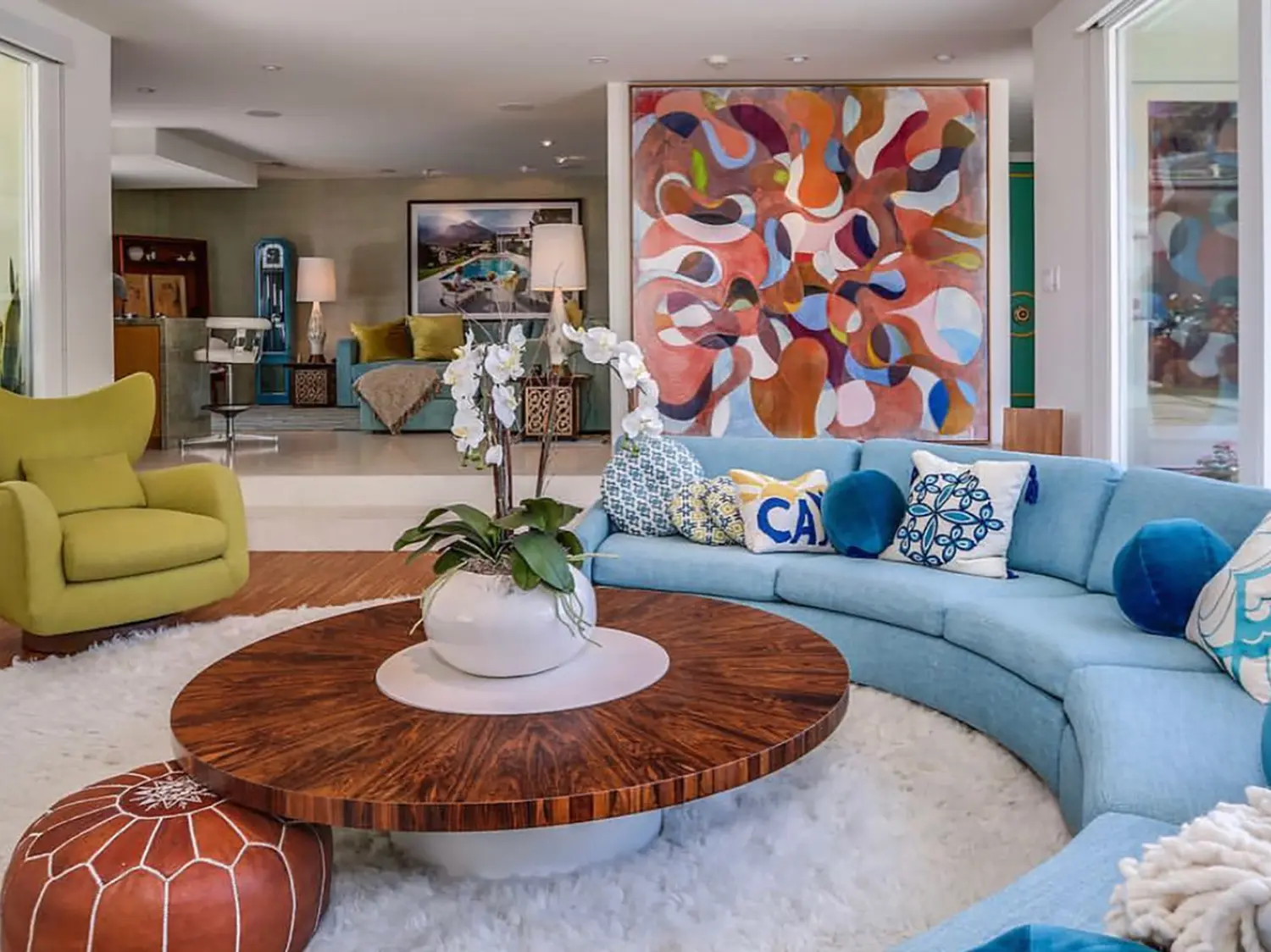
Beyond aesthetics, design preferences can reflect deeper goals, dreams, and values. The way an individual envisions their sanctuary reveals what brings them relaxation and fulfillment. A fondness for a 'conversation pit,' for example, might signify a value for communal spaces and gathering with loved ones. Discussions about an ideal home, unconstrained by financial limitations, can uncover a person's core desires. Saft adds that shared preferences, such as an open-concept kitchen, can suggest openness and availability to form relationships rooted in common interests and hobbies, thereby building a stronger foundation.
Additionally, design preferences can act as 'green or red flags' in compatibility. Saft asserts that a home, as a representation of one's true self, offers clues about a potential partner's character. Paying attention to these design cues can help individuals identify compatibility or potential incompatibilities early on. However, not all differing design opinions are deal-breakers. Saft highlights the importance of compromise, suggesting that even individuals with contrasting styles (e.g., minimalist and maximalist) can find harmony by respecting each other's preferences, leading to a deeper connection that transcends mere aesthetic agreement.
#InteriorDesign #OnlineDating #HingeApp #RelationshipCompatibility #HomeDecor #PersonalValues #DatingAdvice #LifestyleChoices #InteriorDesign #OnlineDating #HingeApp #RelationshipCompatibility #HomeDecor #PersonalValues #DatingAdvice #LifestyleChoices
0 comment in total
 No comments yet
You may also like
5 Things Interior Designers Wish You Would Do

This Designer Renovated His Own House 3 Times—These Are the Lessons That Stuck | domino

Habitat Design Consulting Expert Interior Design Advice


How Conversation Pits Became the Hottest Trend in Interior Design
Designers Talk Client Relationships At Arizona re:Source

Local interior designers seek inspiration at industry events, shows, and markets away from St. Louis


How Sara Story found the perfect length for a client meeting

Copy-And-Paste Interiors: Repeating A Look Isn’t Lazy — It’s Clever
If You Have These 10 Traits, You'd Probably Be a Great Interior Designer

Rachel Halvorson on why community beats competition
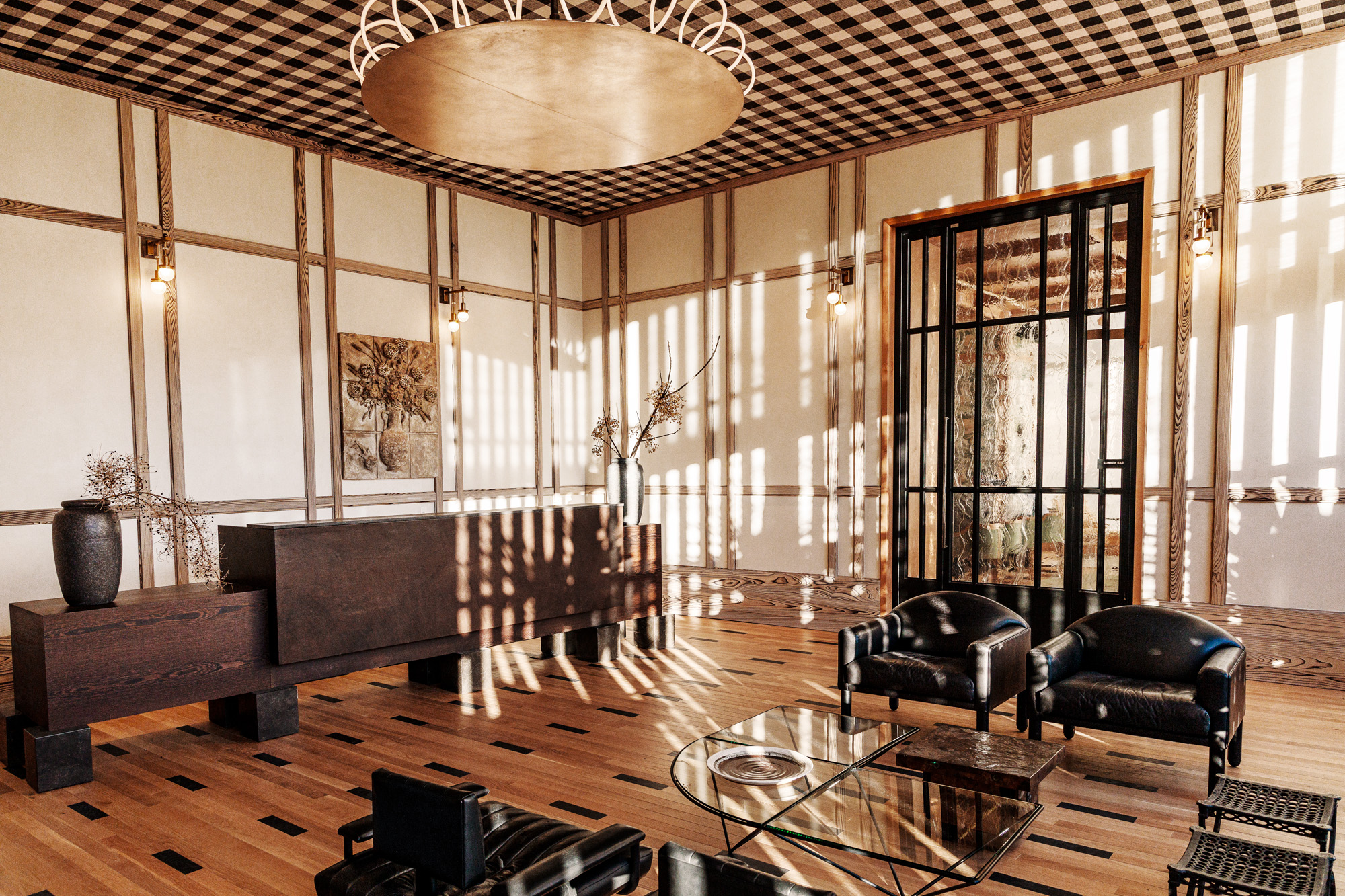
Year in review: top 10 design stories of 2022, selected by Wallpaper* design editor Rosa Bertoli

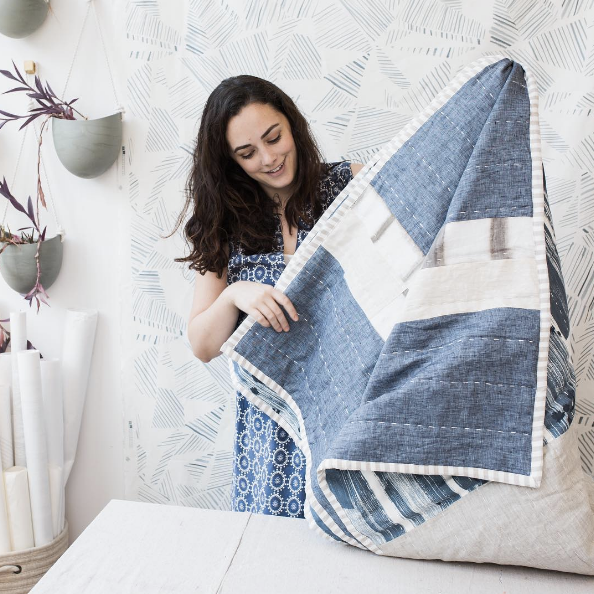
Read This If You Want To Be an Interior Designer
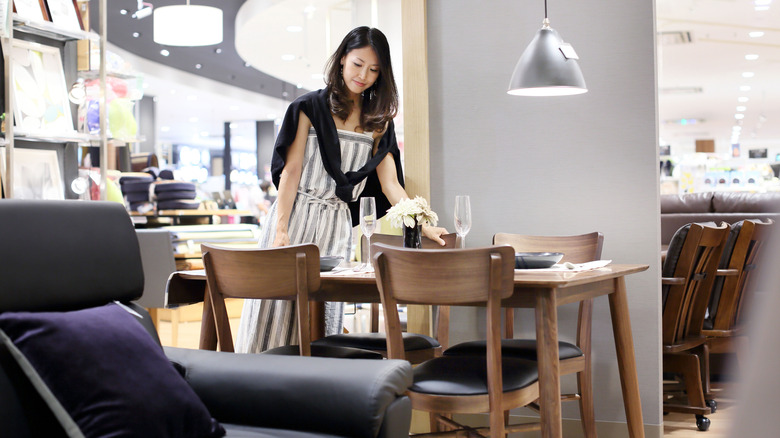
The Interior Home Trend Designers Are Happy To Put Down, And Why It's For The Best
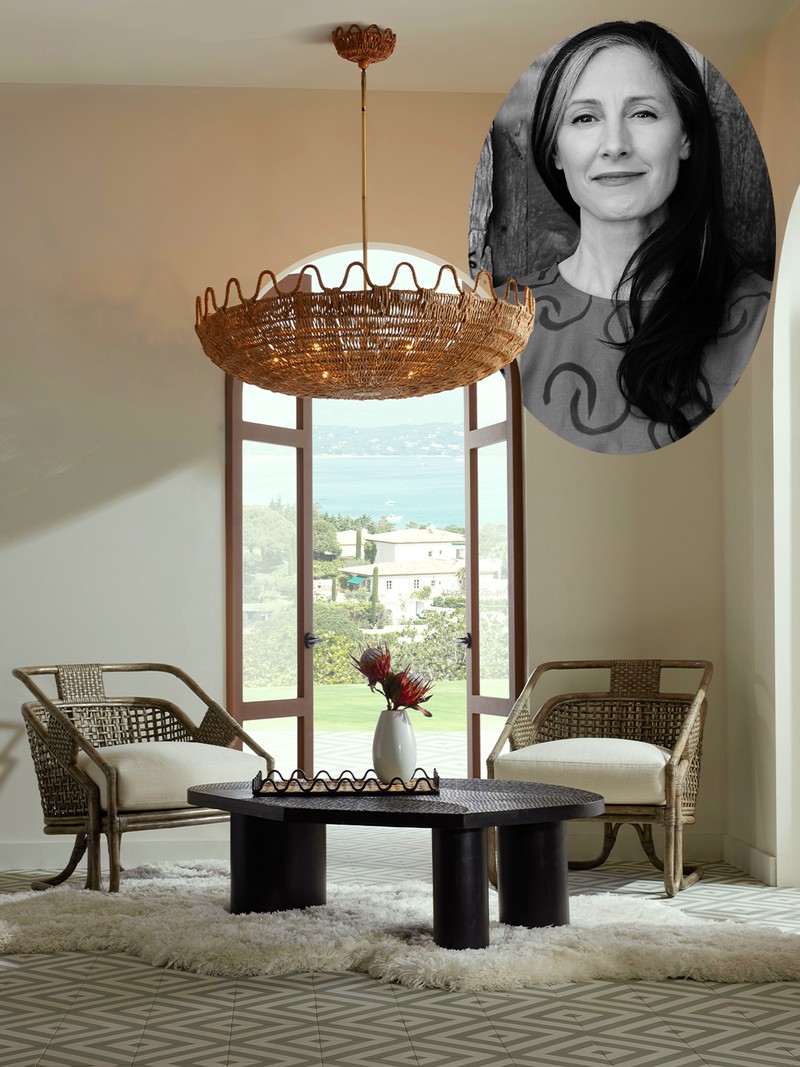
A Cool Interior Designer Talks Style, Inspiration & More
Interior Designer Jennifer Hunter Talks About Traditional Design And Her Career


Meet Brittny Button | Interior Designer & Real Estate Investor

The "Beige Flags" to Watch Out For in Your Date's Home Are NOT What You Think
MATCHESFASHION launches designer homewares studio

10 Interior Design Mistakes Experts Avoid In Their Own Homes


Home Remodeling Can Strain Relationships, New Study Finds