A Concrete Oasis
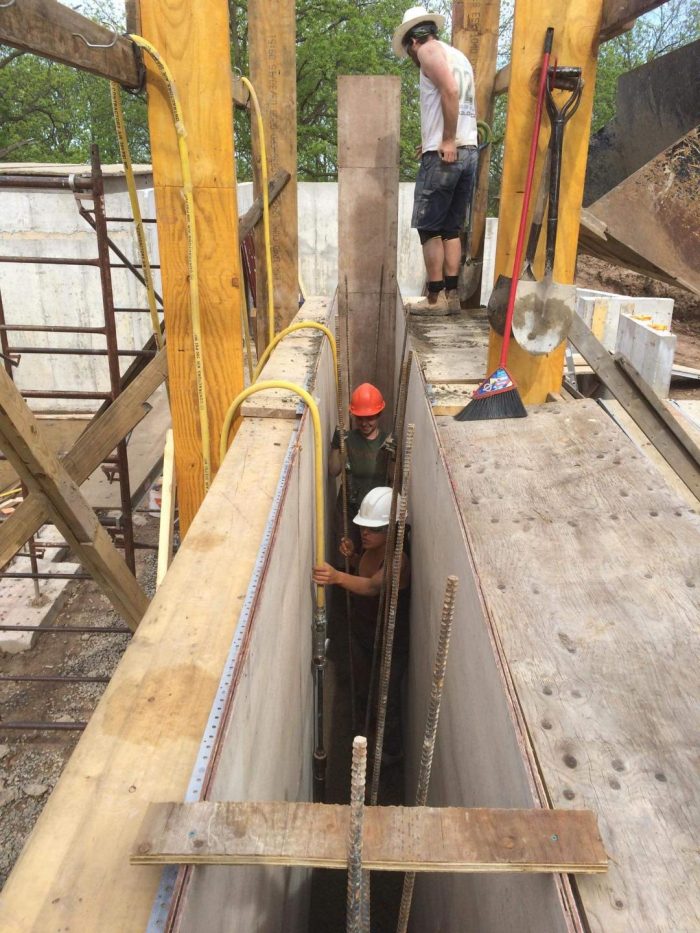
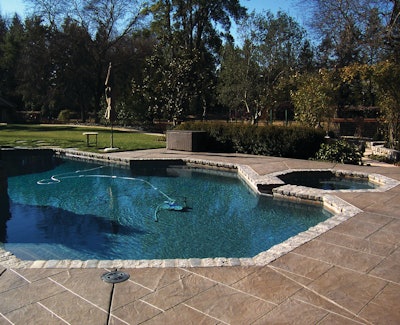
This blog post details the process of updating existing concrete pool decks with decorative concrete overlays, as practiced by Richardson's Concrete Effects in Sacramento, California. Mark and Gina Richardson, who have 15 years of experience in the concrete overlay business, highlight the benefits of this service, including home renovation and cost-effectiveness. Approximately half of their business comes from pool deck overlays, often combined with patios or walkways, especially for older concrete surfaces.
The typical residential pool deck overlay project, spanning 600 to 2,000 square feet or more, usually takes about five days to complete, though this can vary based on size, necessary prep work, and weather conditions. The process begins with thorough cleaning using a 3,500 psi pressure washer to remove any old coatings. Following this, any damaged concrete is removed and repoured, and cracks are addressed by opening them with a concrete saw and filling them with epoxy.
For the overlay mix, Richardson utilizes SGM stampcrete combined with a modified polymer resin, which is crucial for ensuring a strong bond to the existing concrete. This mixture is then applied in two layers: an initial thin, 1/16-inch base coat, followed by a thicker 1/4 to 3/8-inch decorative coat. The decorative coat can be stamped to create various textures using Proline stamps, or finished with a smooth trowel or broom, depending on client preference. The article notes that Richardson carries about six to eight popular stamp textures.
After the overlay has dried, it is stained using Semco stains, applied with techniques such as spraying, brushing, or sponging. To ensure client satisfaction, a sample board is created from the actual overlay material and stained with chosen colors, allowing homeowners to visualize and approve the final look before the entire deck is colored. Gina Richardson, a chemical engineer, assists in this color selection and antiquing process.
Sealing is the final critical step, designed to protect the overlay and maintain its appearance. Richardson recommends solvent-based Elitecrete sealers for pool decks due to their UV stability and resistance to pool chemicals, including those used in saltwater pools. To prevent slipperiness, anti-slip beads are incorporated into the sealer. It is important to mix the beads evenly into the sealer to avoid inconsistent application. Maintenance involves annual pressure washing and resealing every three to four years for residential decks, or every two years for commercial applications.
The article concludes by addressing a common concern regarding pool contamination during the process. If a pool is not being updated, the water level is reduced by half, and a pool float is used to catch any drips, avoiding the need to cover the entire pool. This approach ensures a clean and effective application process. Decorative concrete overlays offer contractors extensive creative opportunities through various stamping, staining, and patterning techniques.
#DecorativeConcrete #PoolDeckOverlays #ConcreteResurfacing #ConcreteMaintenance #ConcreteStaining #ConcreteSealing #ConstructionTechniques #HomeImprovement #ConcreteRepair #DecorativeConcrete #PoolDeckOverlays #ConcreteResurfacing #ConcreteMaintenance #ConcreteStaining #ConcreteSealing #ConstructionTechniques #HomeImprovement #ConcreteRepair
0 comment in total
 No comments yet
You may also like

Rammed Earth Walls Tie This Eco-Friendly Home to the Desert


Cement

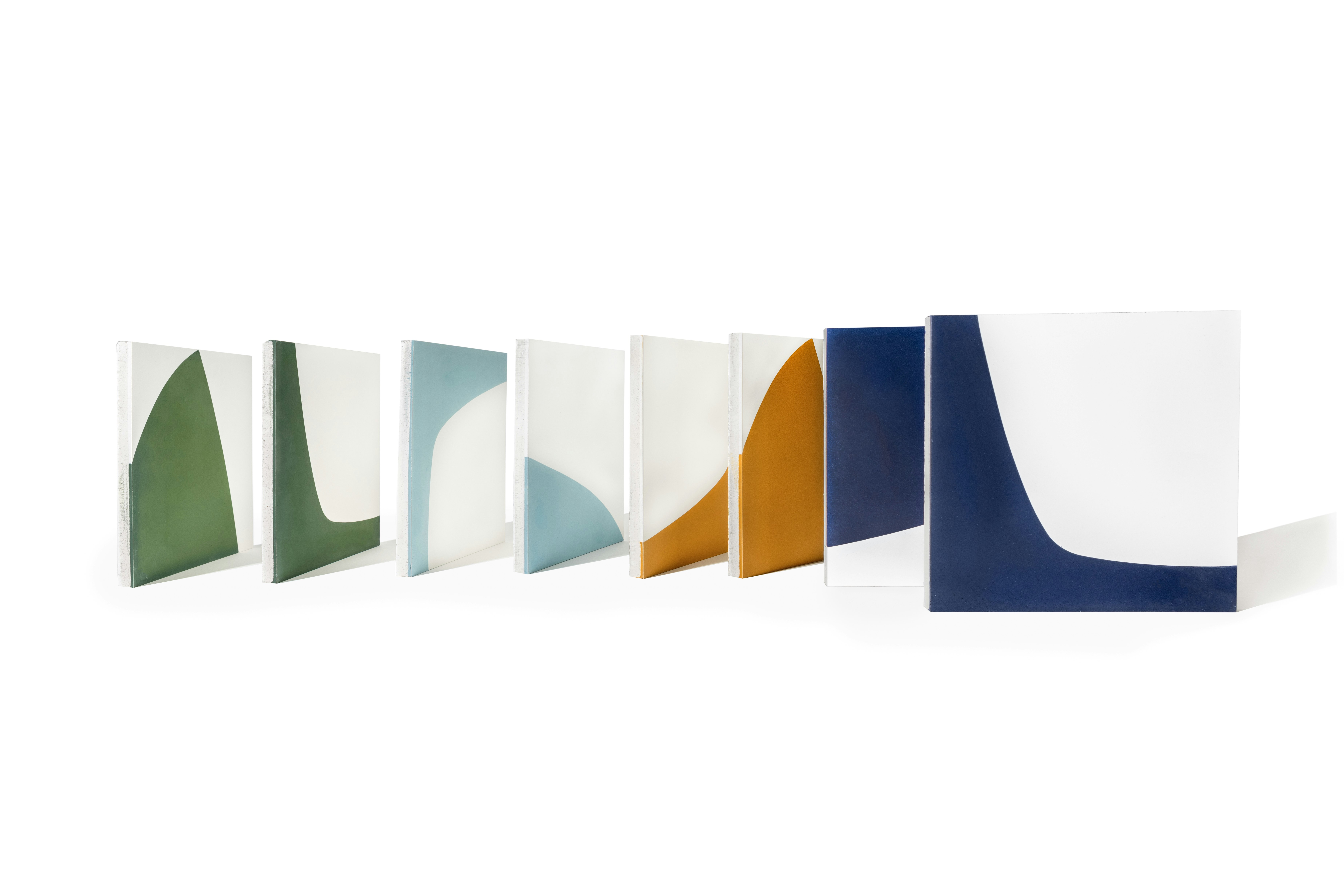
Dwell and Concrete Collaborative Announce a New Line of Tiles Inspired by Surfboard Design
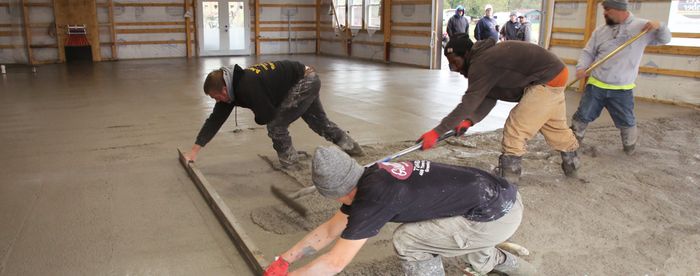
Bucket-Mixed Concrete

Rammed earth walls tie modern home to the desert landscape

A Concrete Home in Brazil Lets the Owners Practically Live in the Jungle
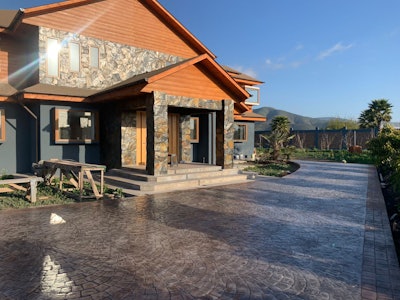
Building Into Luxury Concrete
Gorgeous tiny house oasis built for paradise
This concrete house offers indoor-outdoor living among fruit trees
11 Stunning Concrete Patio Ideas That Will Take Your Backyard to the Next Level
Rammed Earth Construction

Best base for a gazebo – landscaping experts reveal their top tips for your garden structures
Decorative Concrete Patio Paradise

K-Studio pairs stone with concrete for Greek holiday home
Patterned Concrete and Geometric Tiles Turn This California Renovation Into a Cheerful Oasis
A modern rammed earth beach house retreat

11 homes that embrace concrete

Concrete Behemoths in the Morning Light

Step inside this Milanese urban oasis

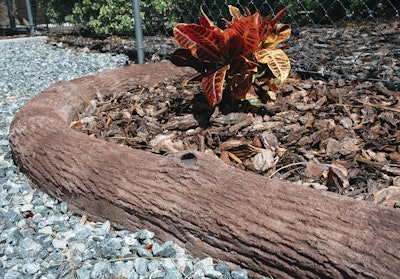
Concrete Landscape Logs From: The Concrete Edge Company