1/2
How To Spray Paint Safely
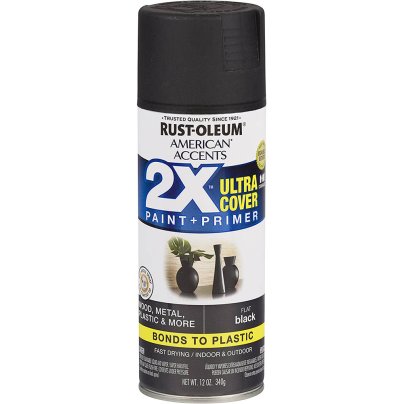
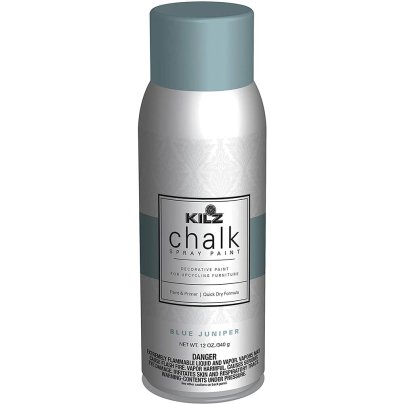
Spray painting, while effective and enjoyable for various projects, poses significant health and safety risks due to the toxic and flammable fumes it releases. It is crucial to prioritize protection, even when using aerosol cans. The primary danger stems not from the paints themselves, but from the solvents and chemicals, particularly volatile organic compounds (VOCs), which enable the paint to be sprayed. The Ohio Department of Health warns that high levels of VOC exposure can lead to damage in the liver, kidneys, central nervous system, and even cause vision and memory problems. Manufacturers of spray paint cans typically include warnings about permanent brain and lung damage from prolonged exposure without proper respiratory protection.
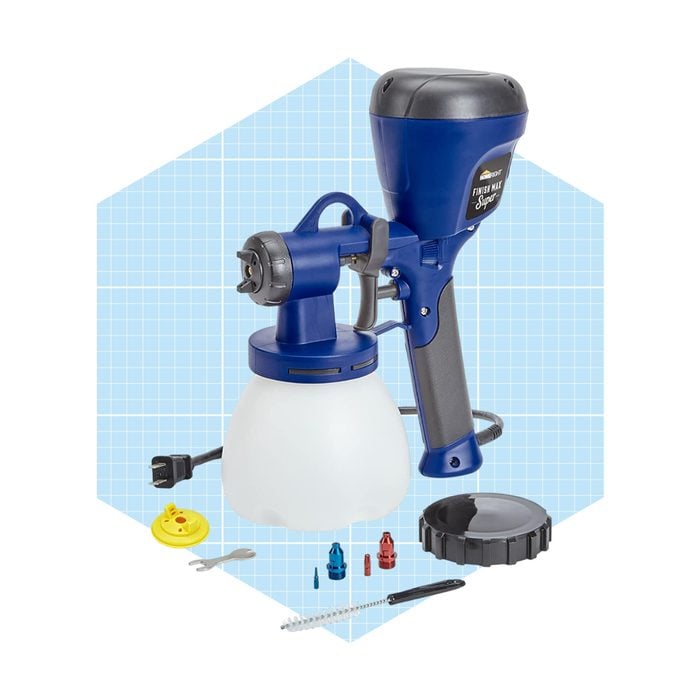
Wearing a mask is essential when spray painting. While an N95 mask might suffice outdoors when using water-based paint with an airless sprayer, due to fewer VOCs and air currents dispersing fumes, a respirator is always recommended indoors. Water-based paints, despite having fewer VOCs, can still contain harmful additives for mold control, flow improvement, or faster drying. Even with additive-free latex paint indoors, covering the mouth and nose is a prudent safety measure. A proper respirator functions like a gas mask, fitting tightly around the nose and mouth and equipped with removable cartridges, such as the 3M 6001 organic vapor cartridge, designed to absorb VOCs. Dust masks, including N95s, are ineffective against VOCs.
Spray painting indoors is permissible with two key considerations: protecting other occupants from toxic fumes and managing the flammability of paint mixtures. To safeguard others, confine painting activities to one room, keep doors closed, and use an exhaust fan in a window to direct air outside. HVAC registers should be closed to prevent fume circulation. For flammable paint products, which typically carry a warning label, active ventilation is even more critical to prevent gas buildup. Open heat sources, such as electric or gas heaters, should never be present near flammable spray paint. Commercial or DIY spray booths, which are enclosed rooms with exhaust fans, bright lighting, and sealed doors, offer controlled environments for painting. Smaller, portable, or benchtop spray booths are available for hobbyists.
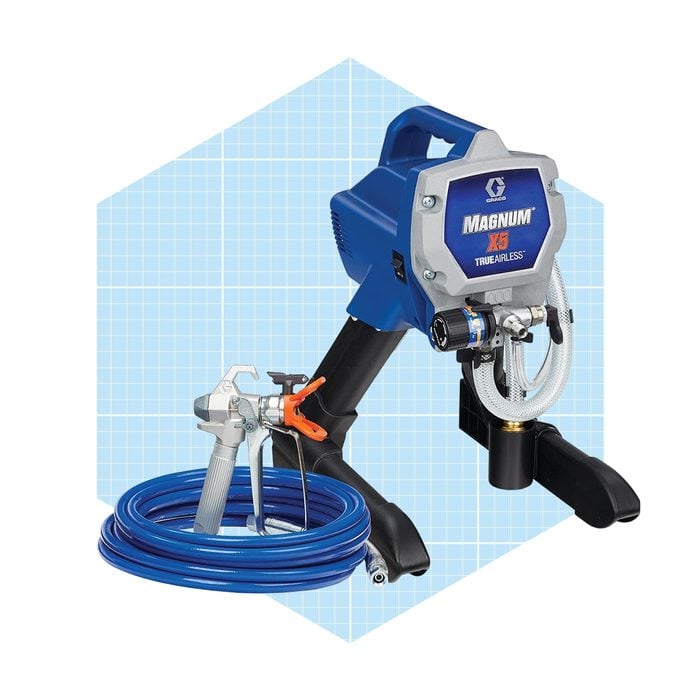
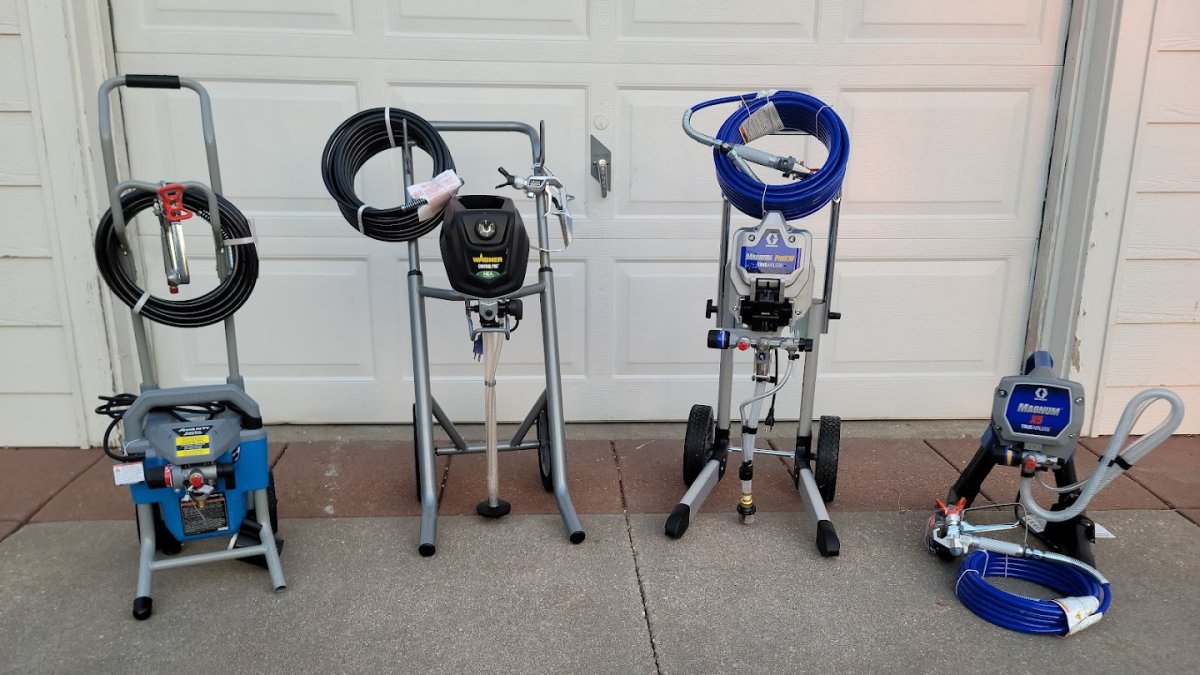
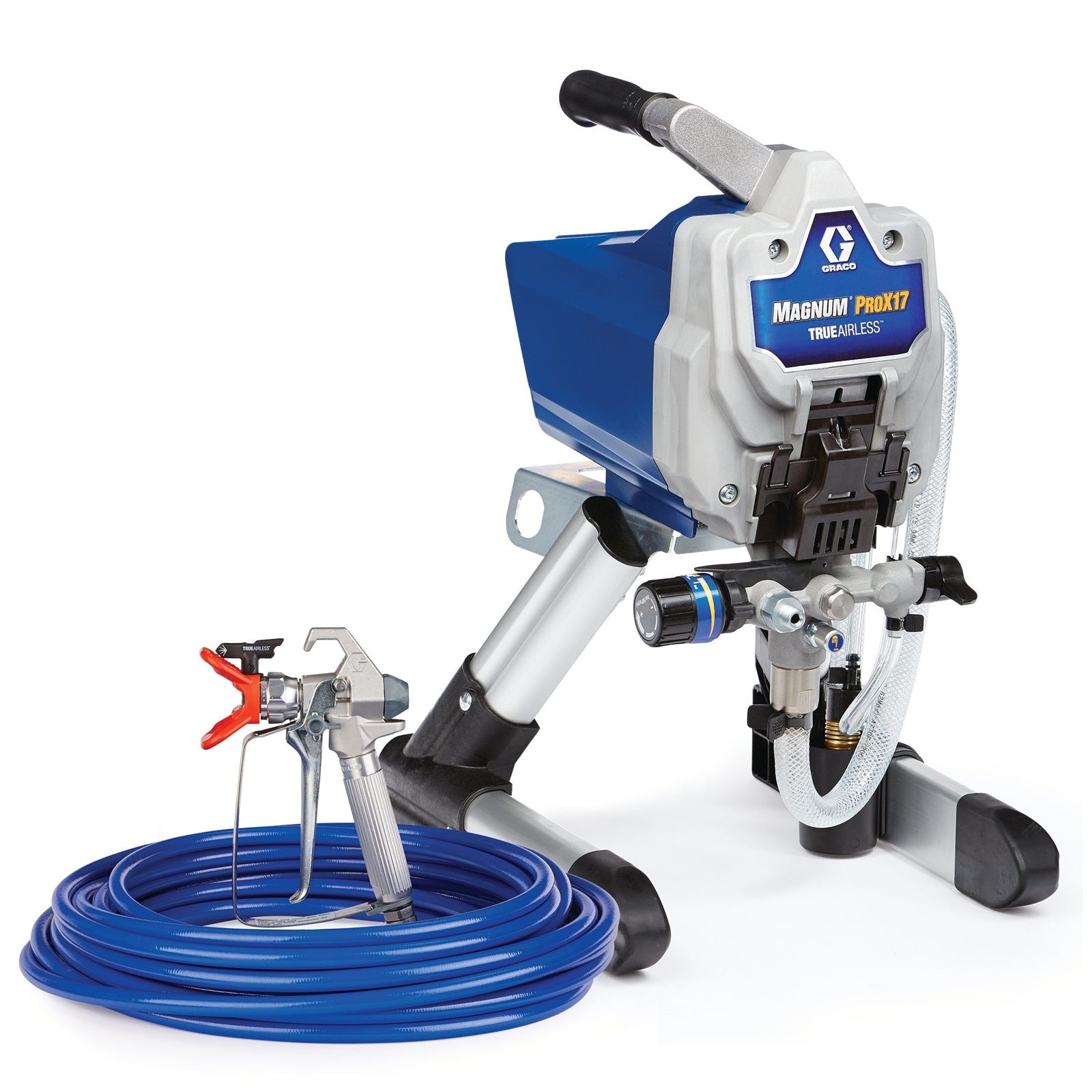
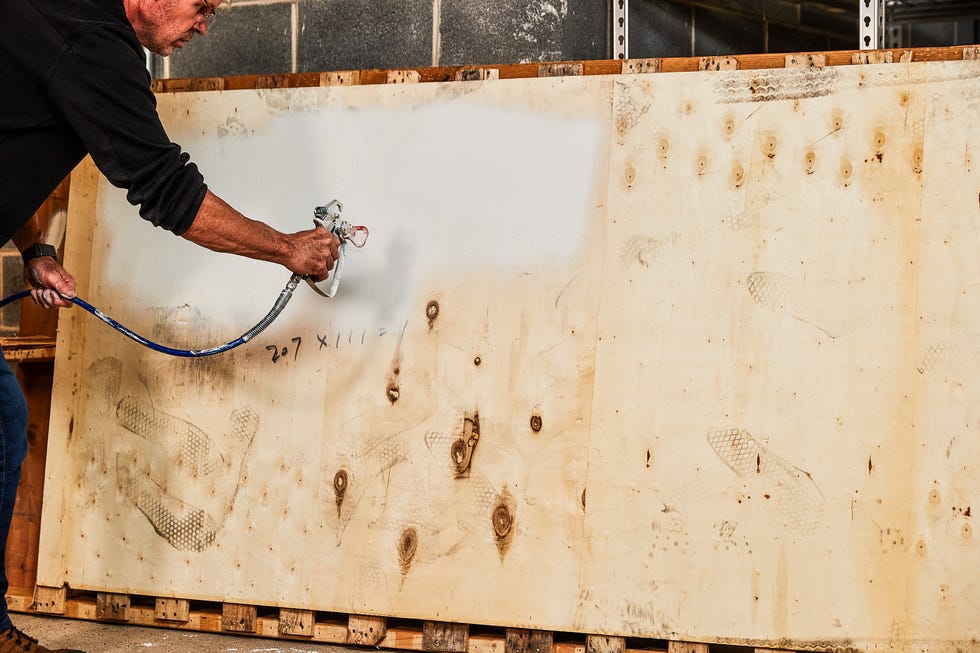
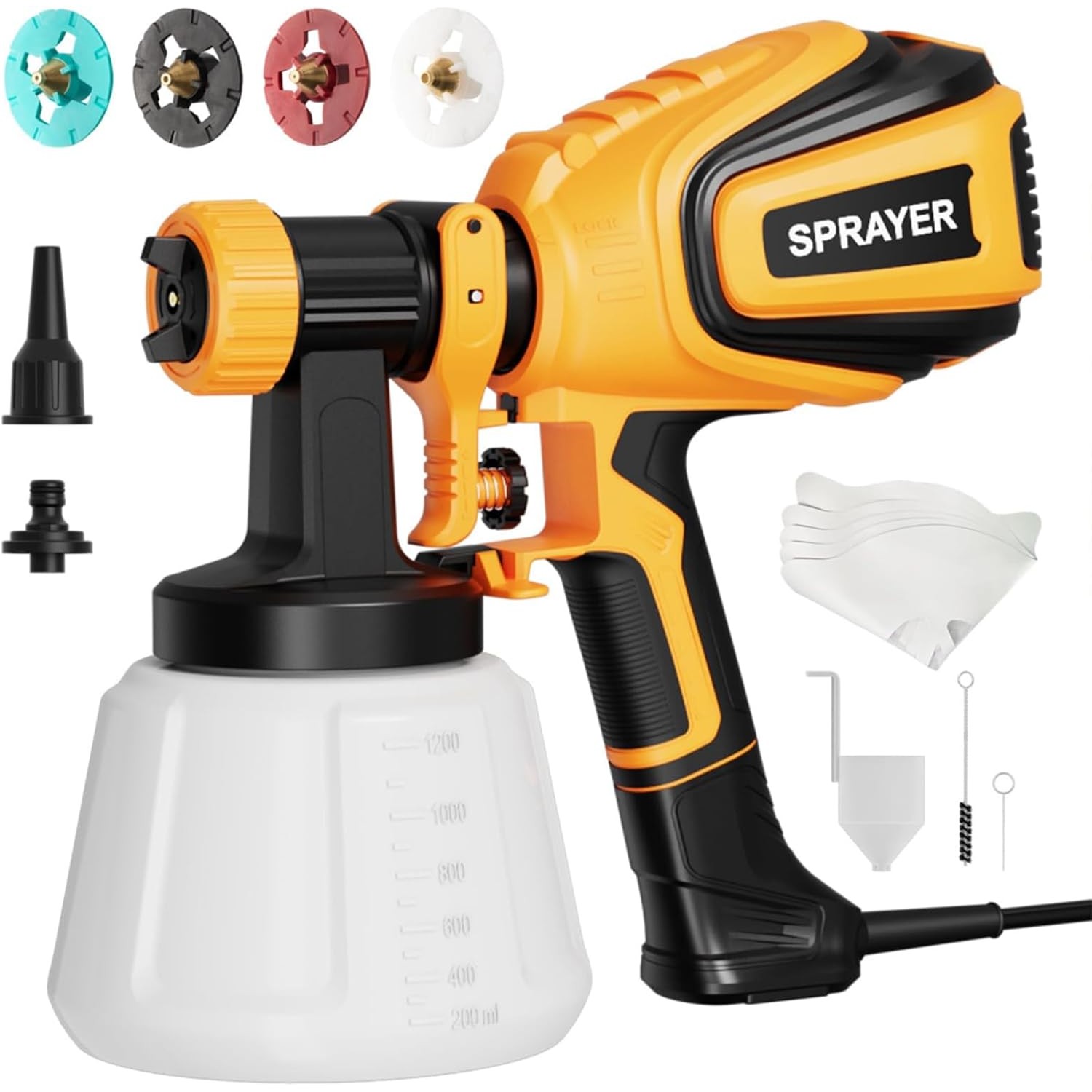
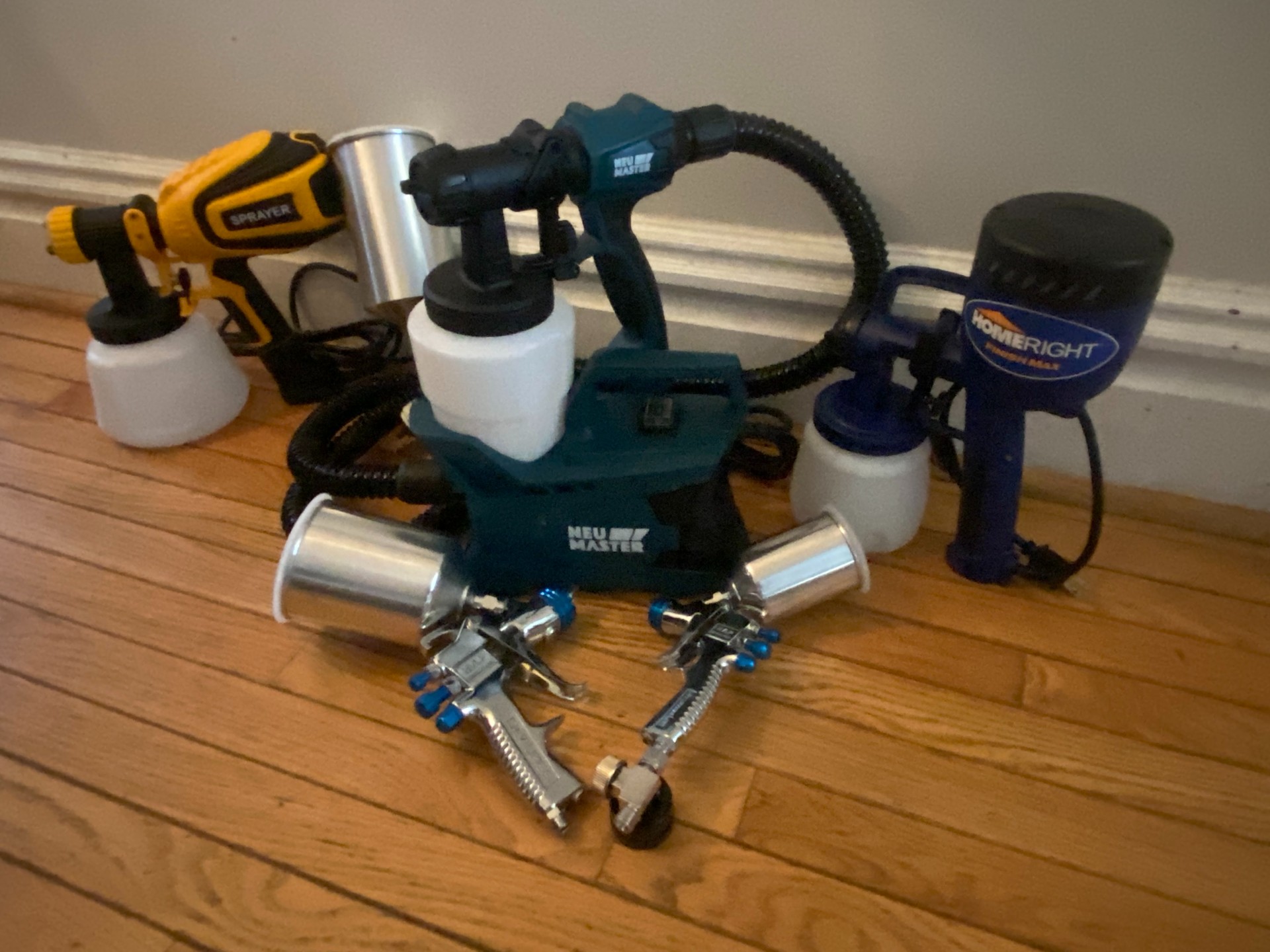
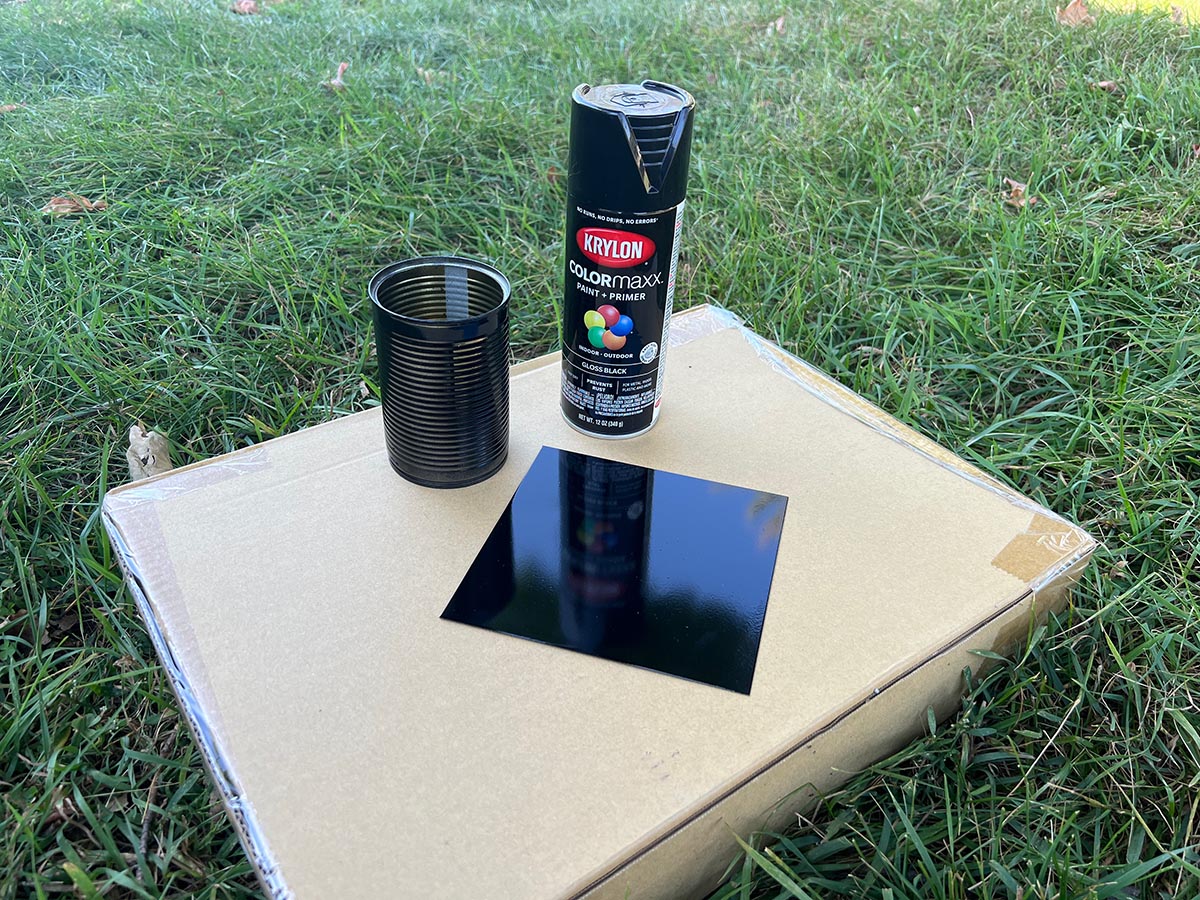
Key safety practices for spray painting include always wearing a respirator indoors and a dust mask outdoors, ensuring adequate ventilation by opening windows or working outside if a fan is unavailable, and avoiding all open heat sources. Aerosol cans should be stored away from heat, and damaged cans, which can leak toxic fumes, should not be used. Finally, airless sprayers, which generate high pressure capable of injecting paint into the skin, should never be pointed at oneself or others. Adhering to these guidelines helps ensure a safe spray painting experience.
#SprayPaintingSafety #VOCs #RespiratoryProtection #Ventilation #FlammableMaterials #DIYSafety #PaintFumes #HomeImprovement #SprayPaintingSafety #VOCs #RespiratoryProtection #Ventilation #FlammableMaterials #DIYSafety #PaintFumes #HomeImprovement
0 comment in total
 No comments yet
You may also like
The Best Spray Paints for Your DIY Projects

The Best Paint Sprayers For Cabinets
Undercoat & Primer Paints

Should You Spray or Brush-Paint Cabinets? Here's What the Pros Recommend

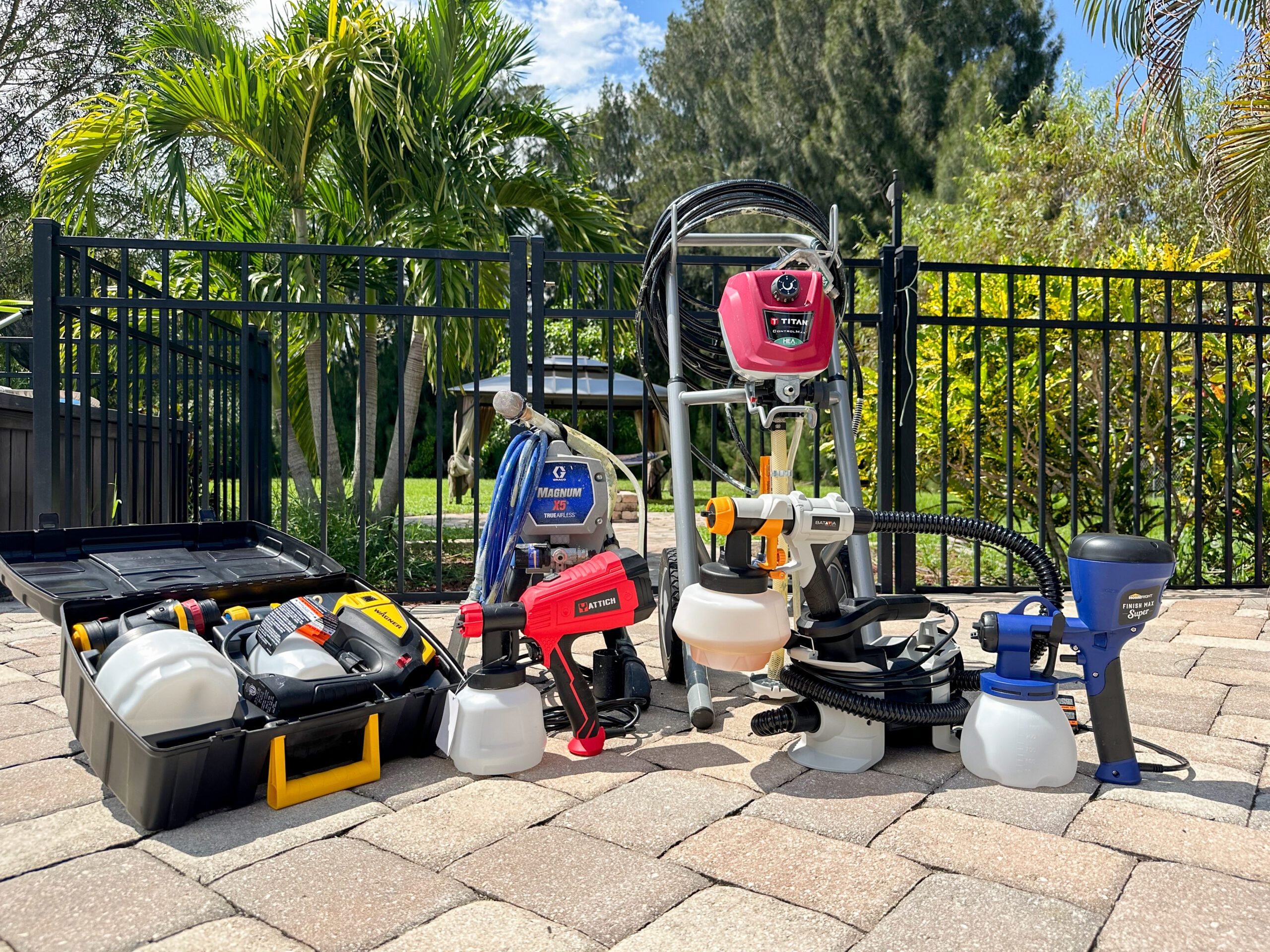
Best Paint Sprayers for DIY Projects, Tested and Reviewed by a Painting Pro
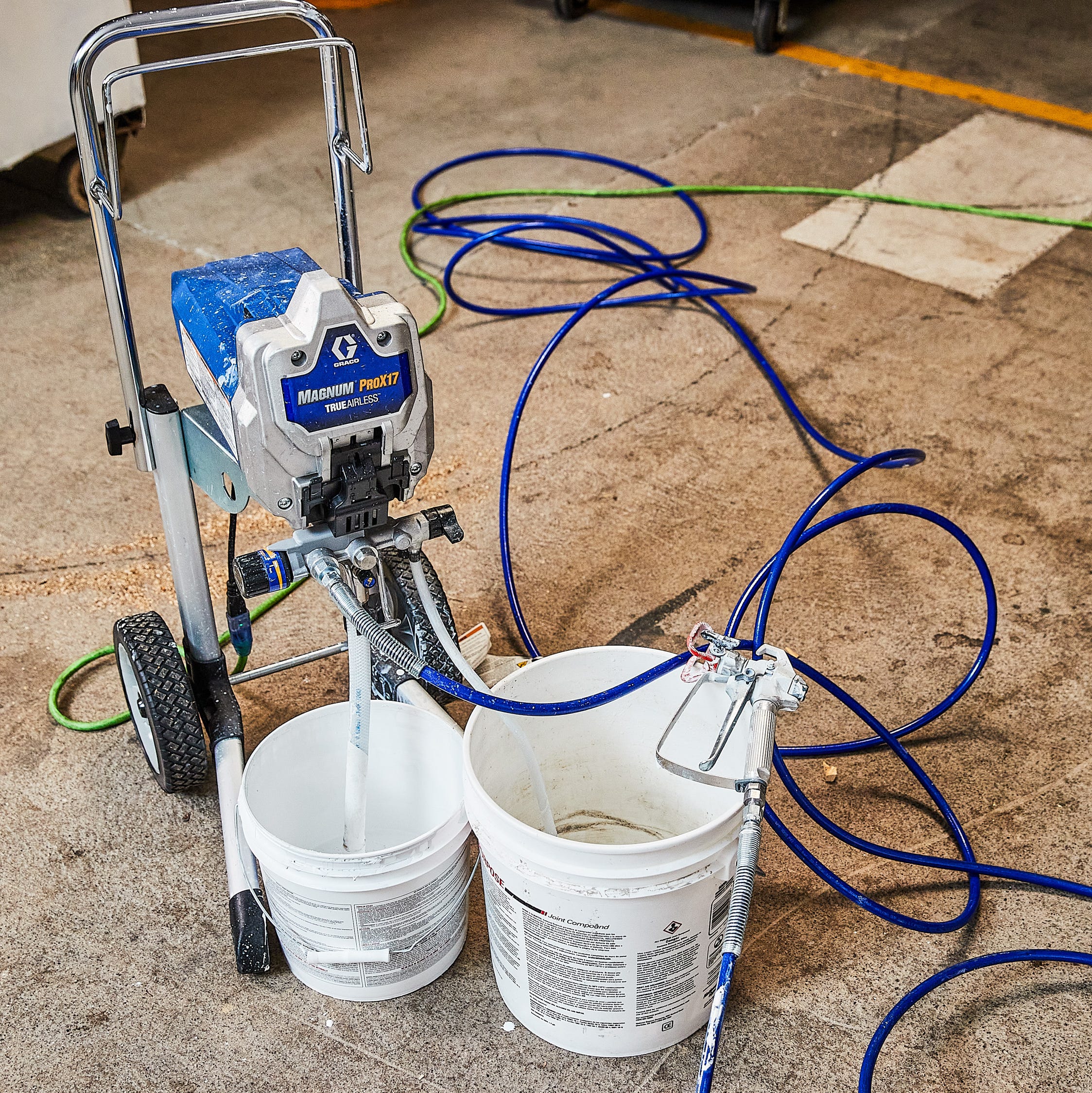
I Used to Dread Painting Projects. Then I Tried Graco’s Magnum ProX17 Paint Sprayer.
Paint tips from a pro!


Wall & Ceiling Emulsion Paint
I’m a paint expert - the £1.25 buy pros swear by for a flawless finish on walls

These Paint Sprayers Make Any DIY Painting Project a Breeze

How to prolong the life of your paint job, according to painters and decorators

Understanding paint finishes
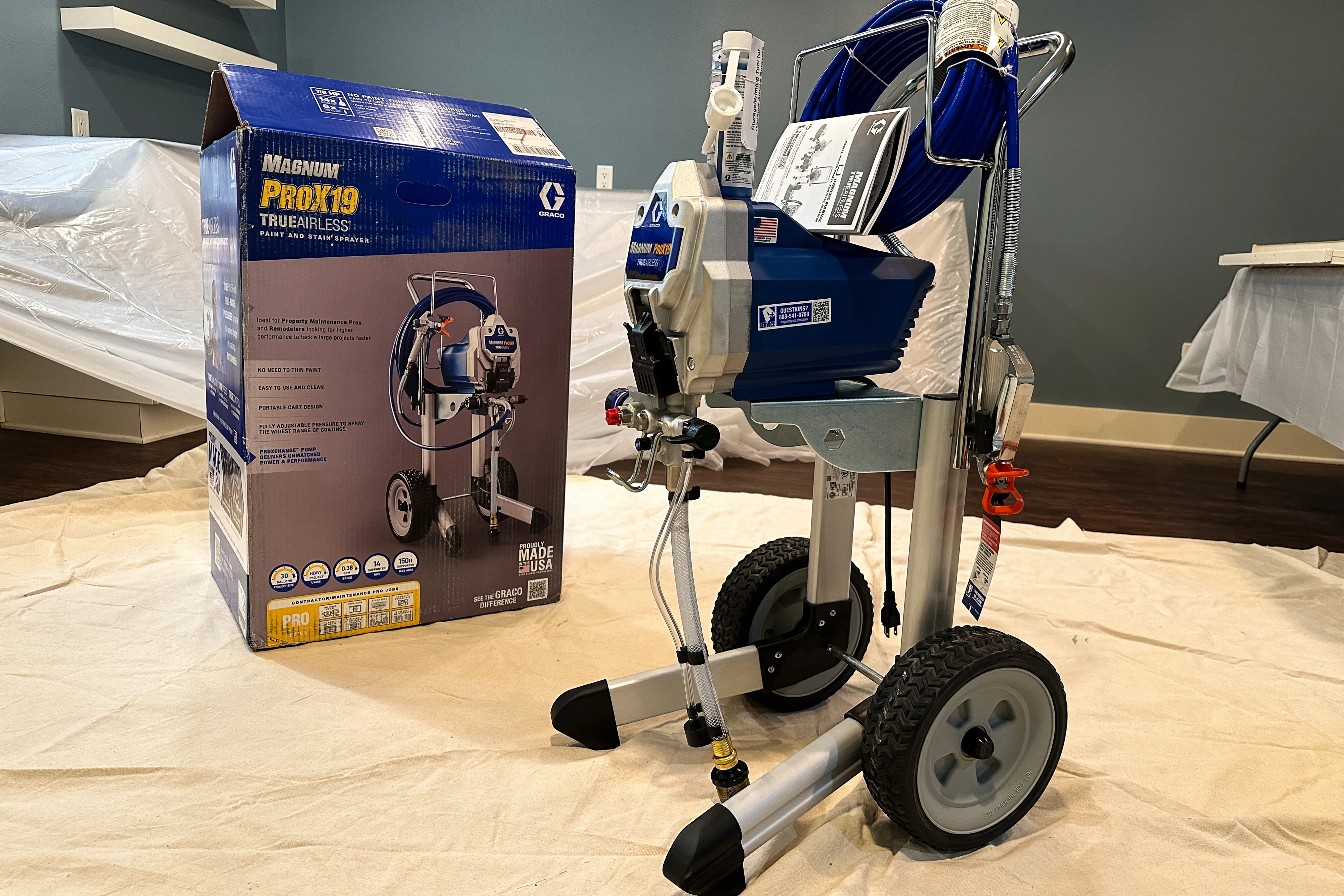
These Paint Sprayers Make Any DIY Painting Project a Total Breeze
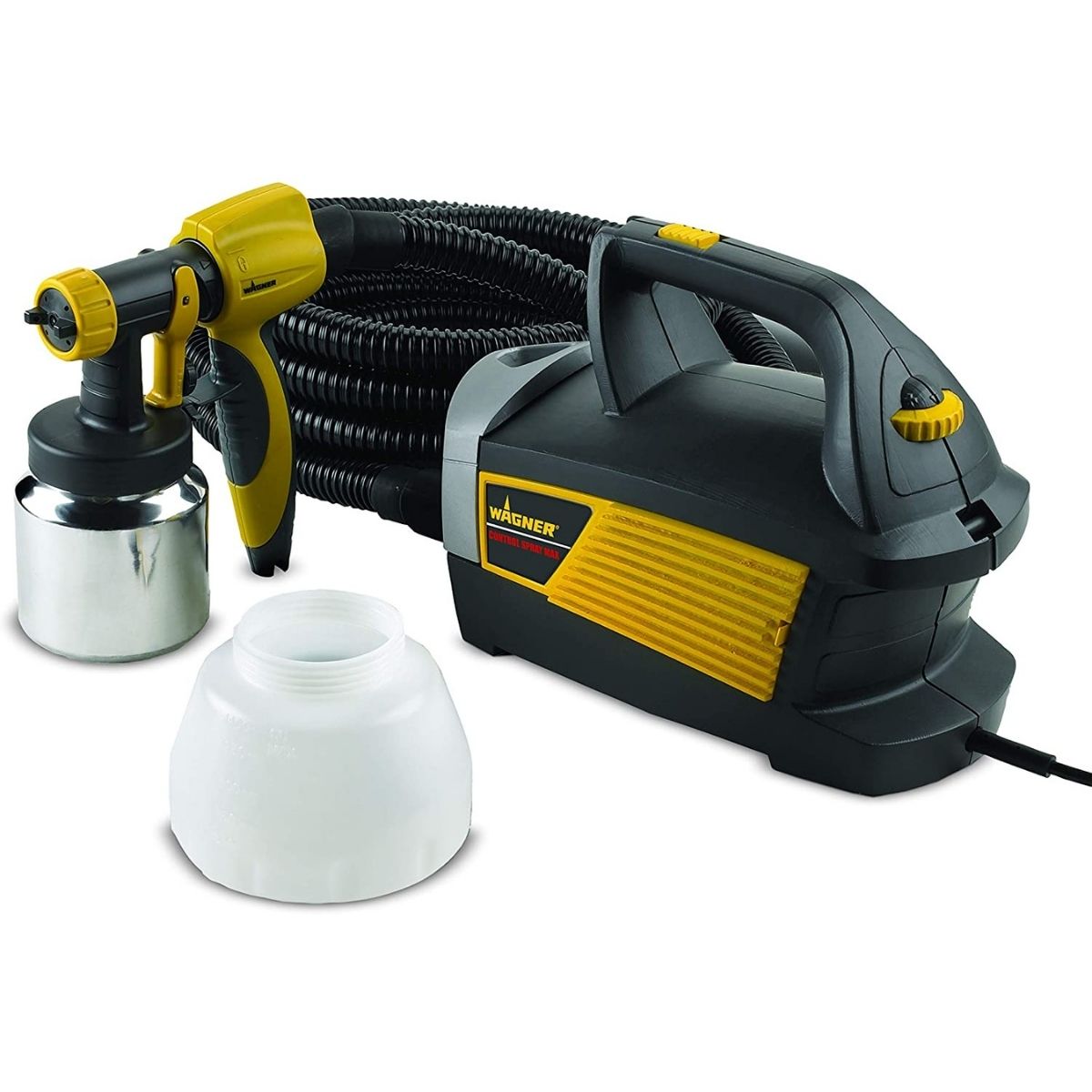
We Tested the Best HVLP Guns on the Market—Here’s What We Found
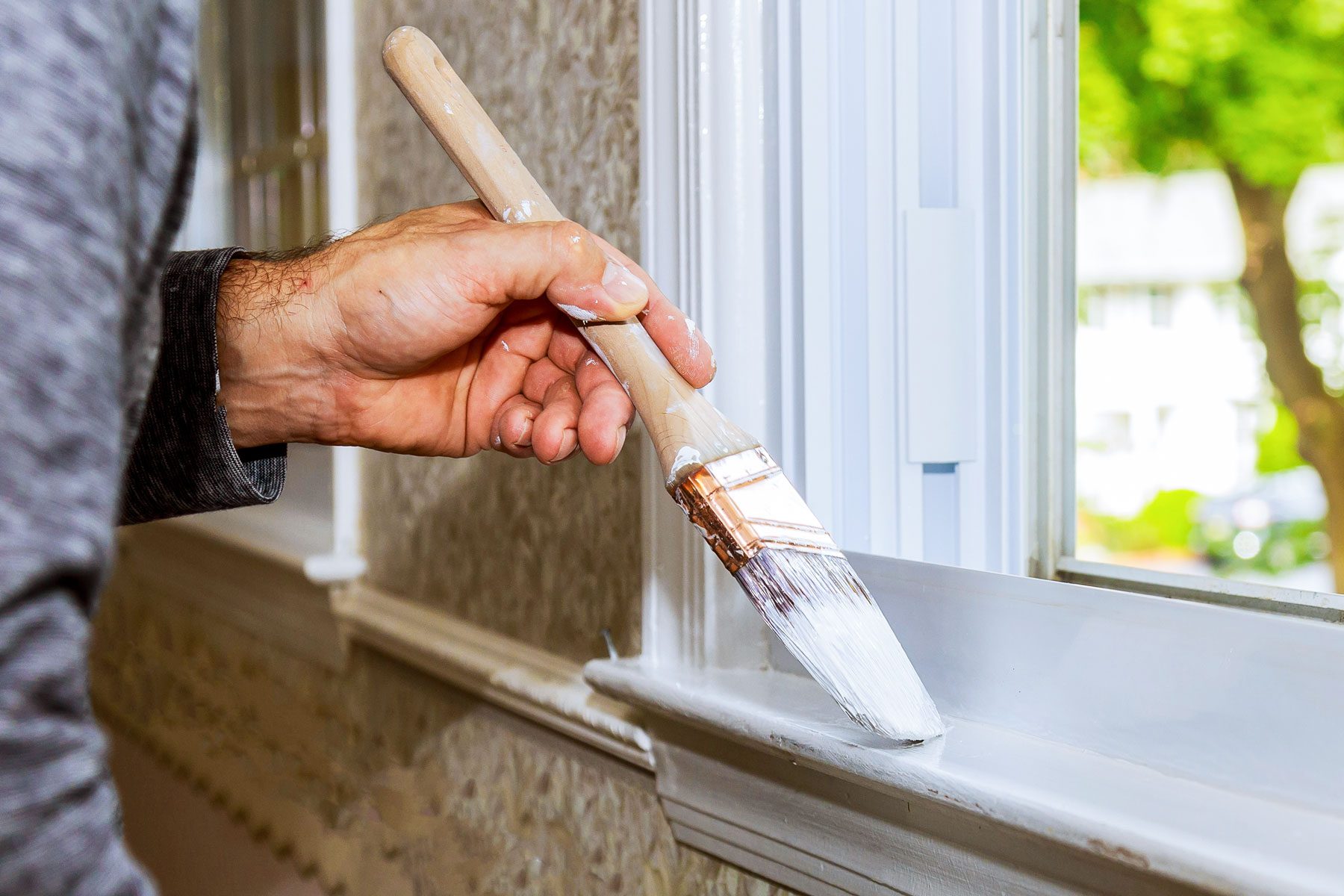
11 Pro Tips for How To Paint Trim
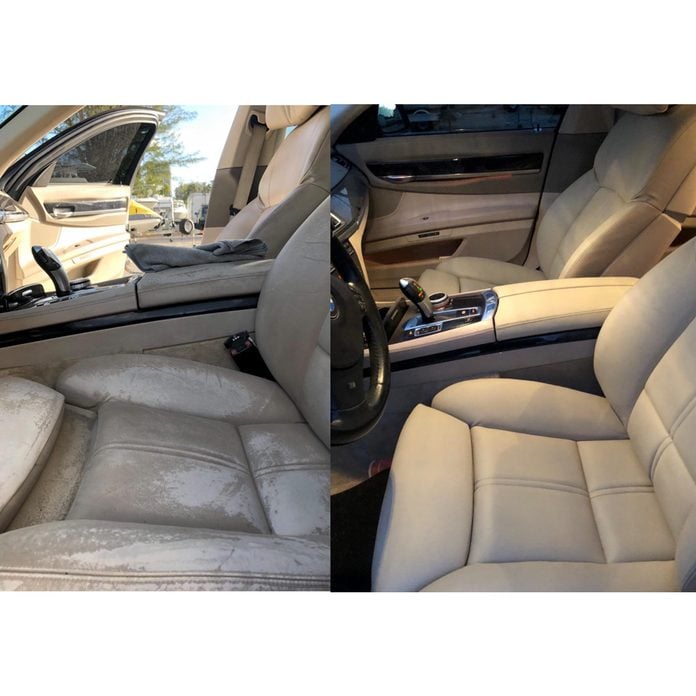
Before and After Spray Paint Photos That Will Blow You Away
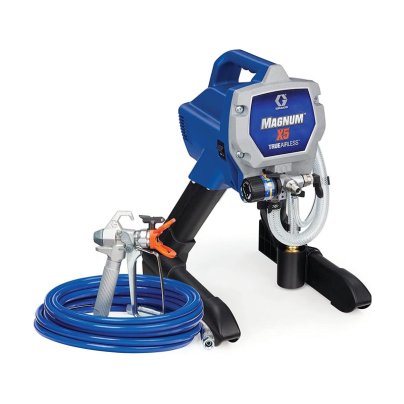
We Tested the Best Airless Paint Sprayers and Our Favorite Provided Professional Looking Results with Ease
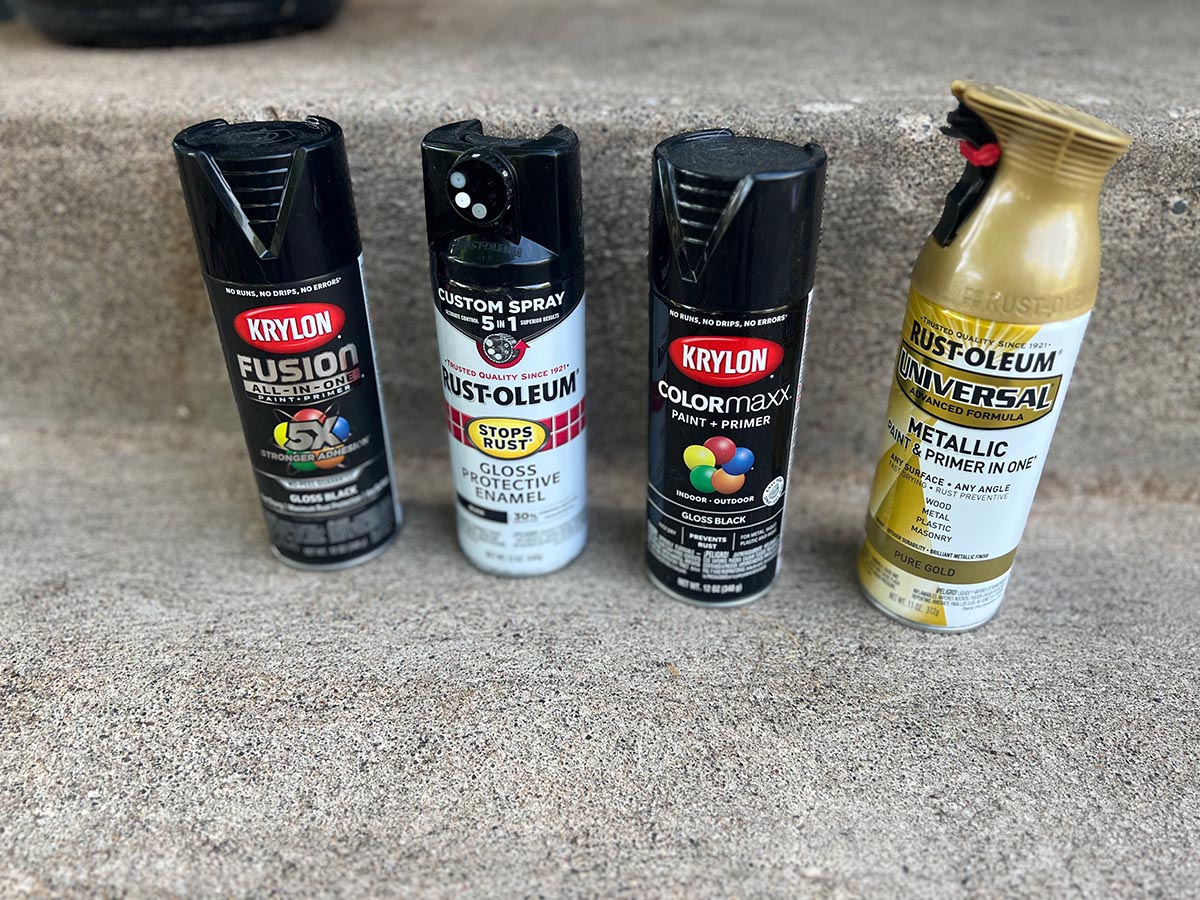
We Tested the Best Spray Paints for Metal and This Was The Winner

Paint tricks – 10 painting tips and techniques loved by the experts
Solved! The Rules for Painting Over Oil-Based Paint