1/12
The Best Paint Sprayers For Cabinets
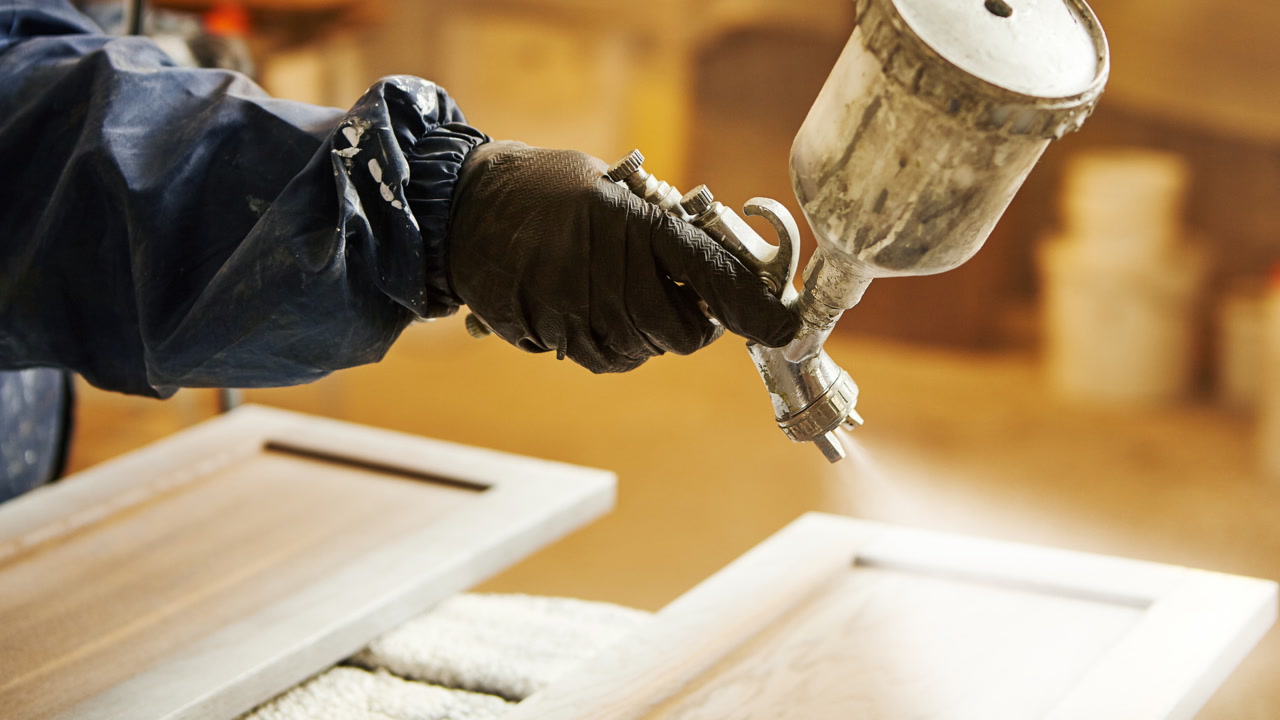
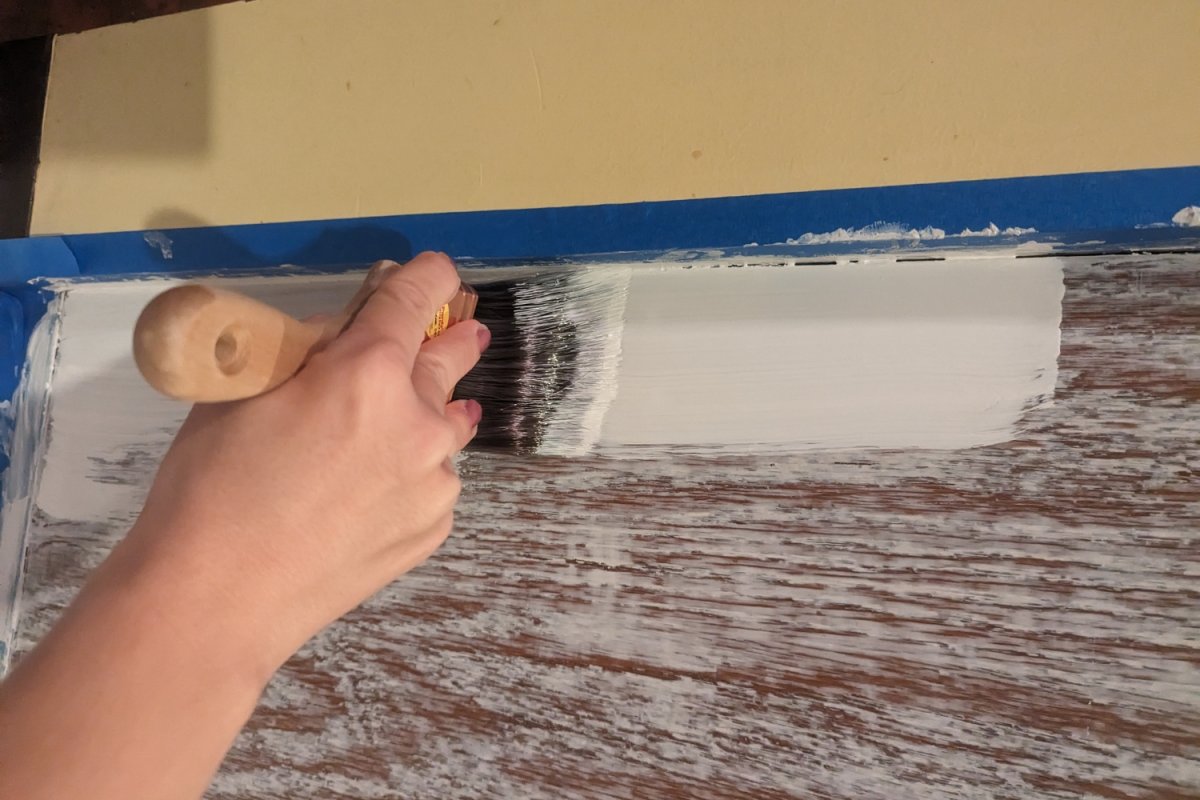
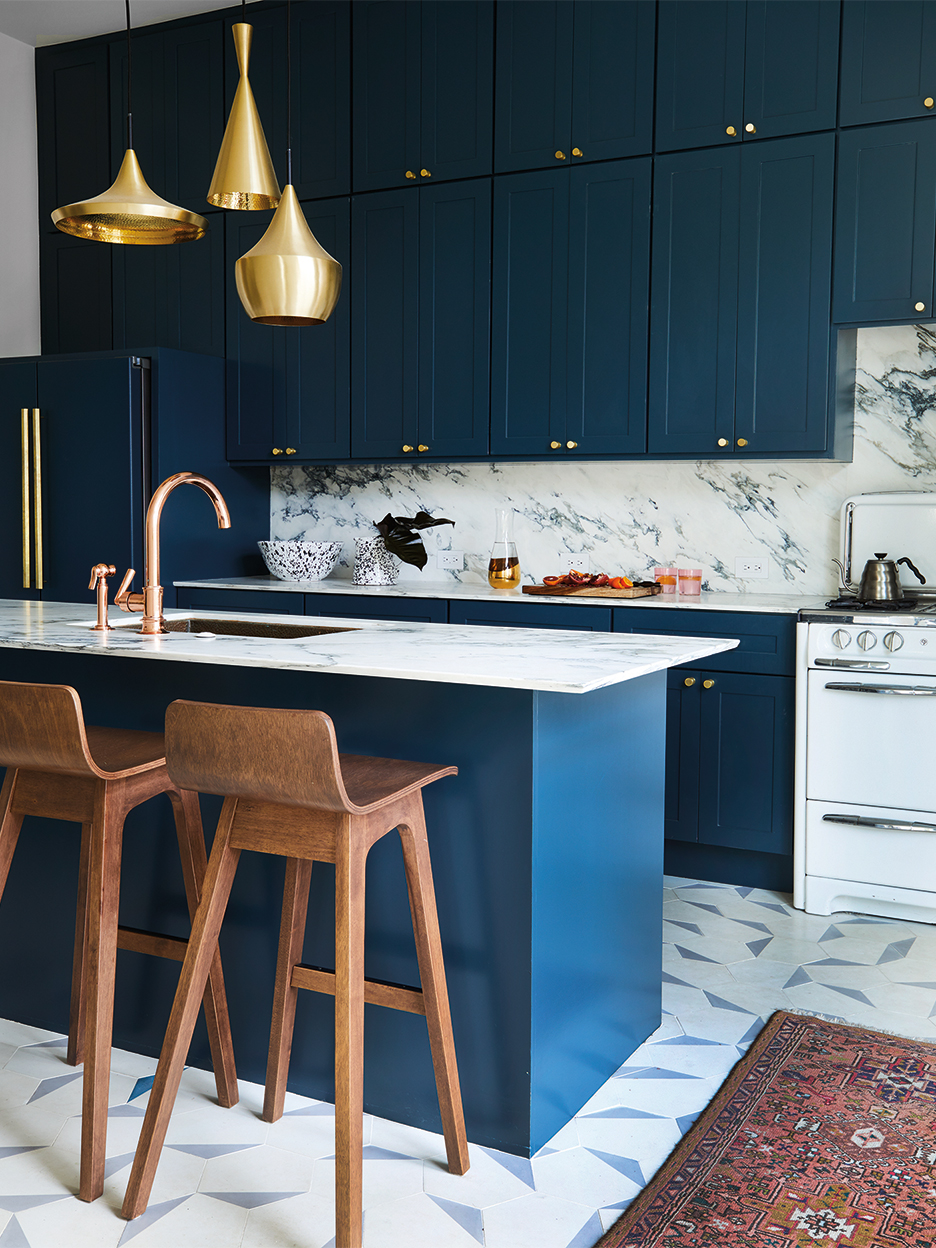
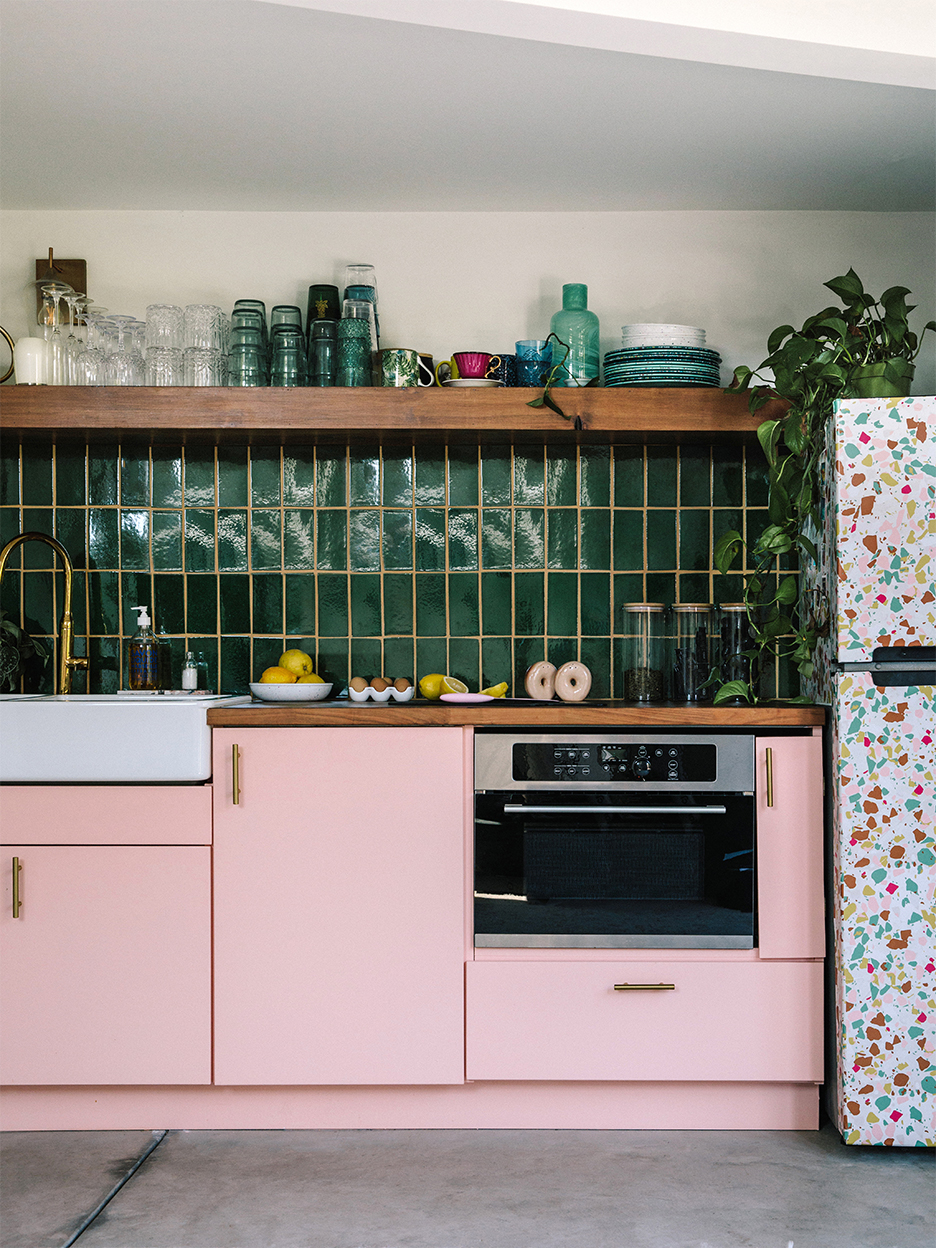
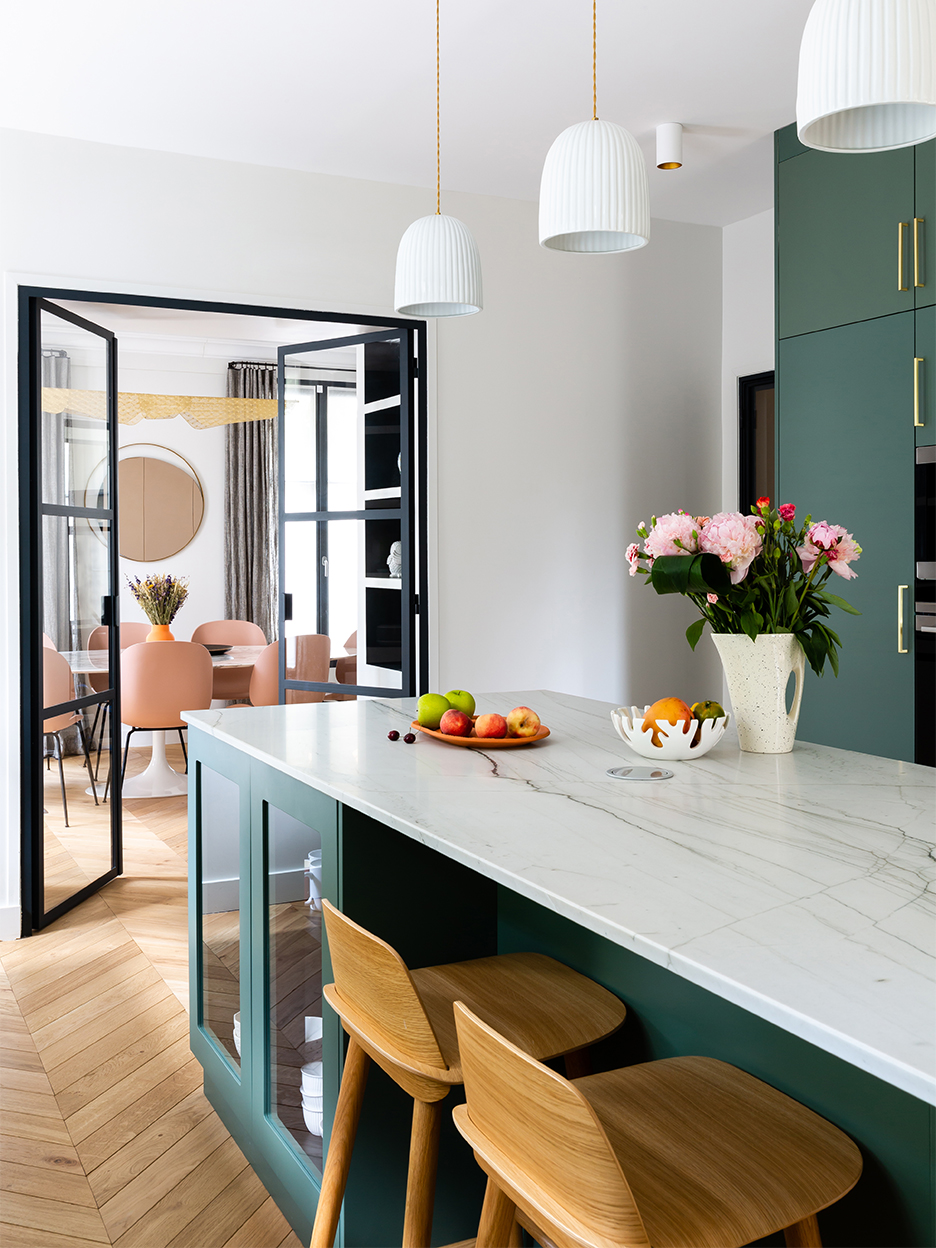
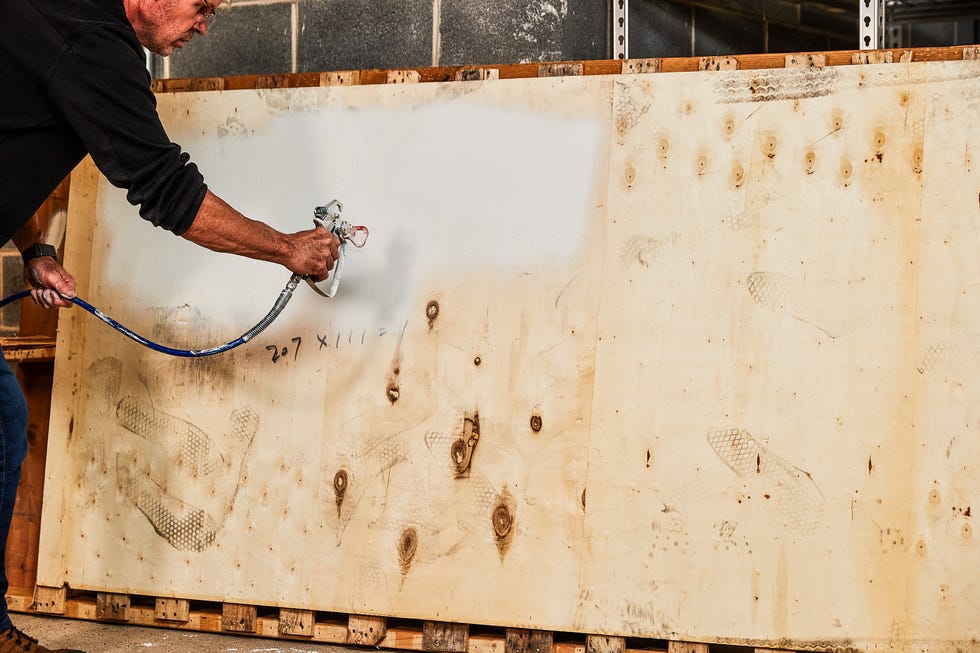
Achieving a professional-looking finish when painting kitchen cabinets can significantly refresh their appearance, and using a quality paint sprayer offers an efficient alternative to traditional brushes and rollers, potentially saving labor costs. This guide delves into various paint sprayer types, essential shopping considerations, and top product recommendations specifically for cabinet refinishing. The selection of recommended sprayers is based on extensive market review and product testing.
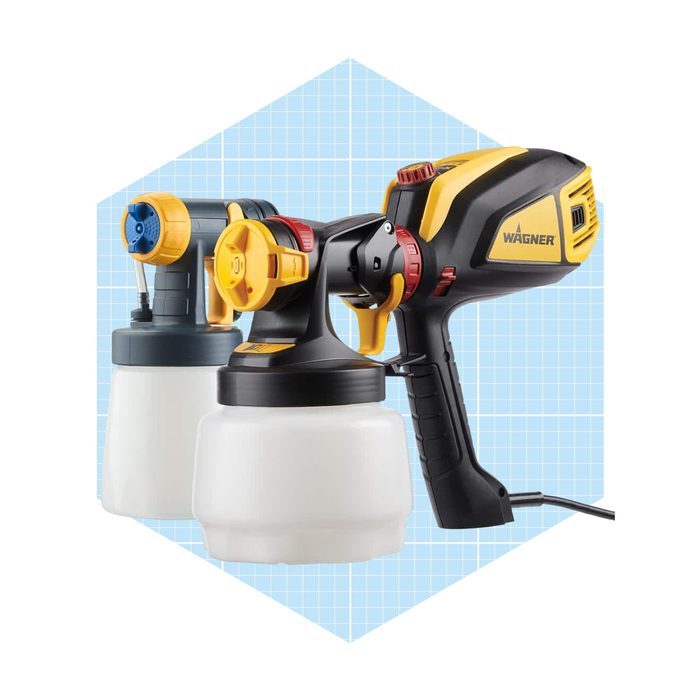
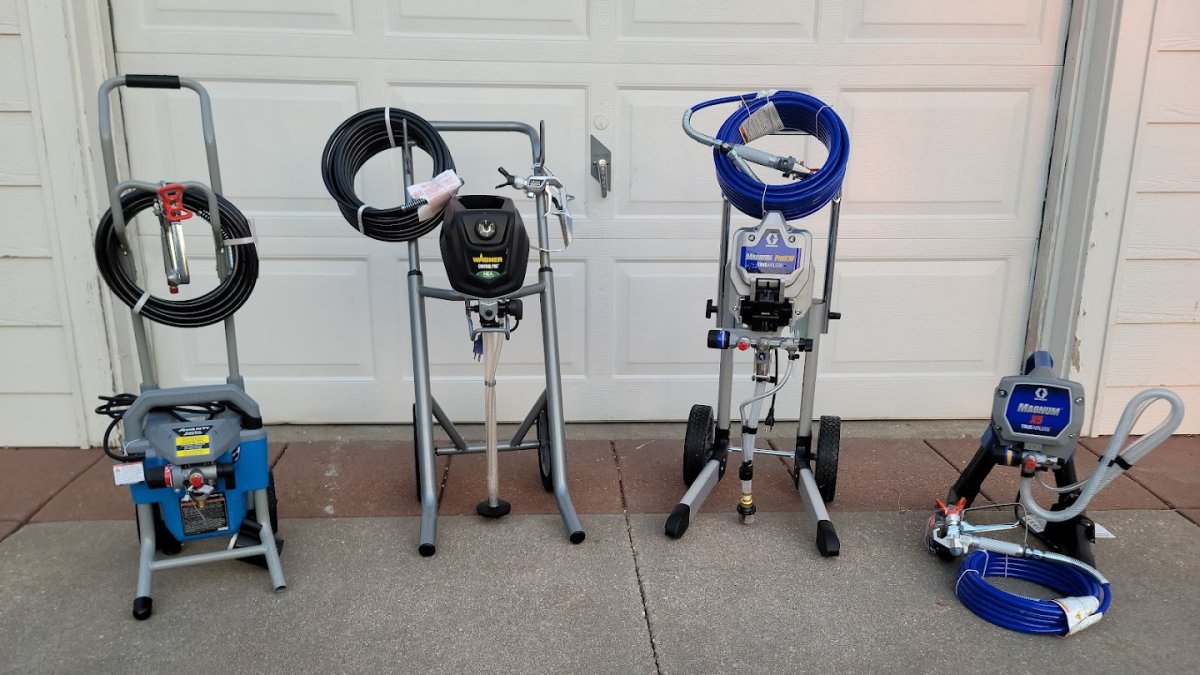
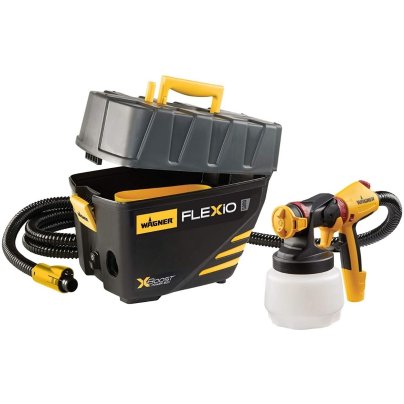
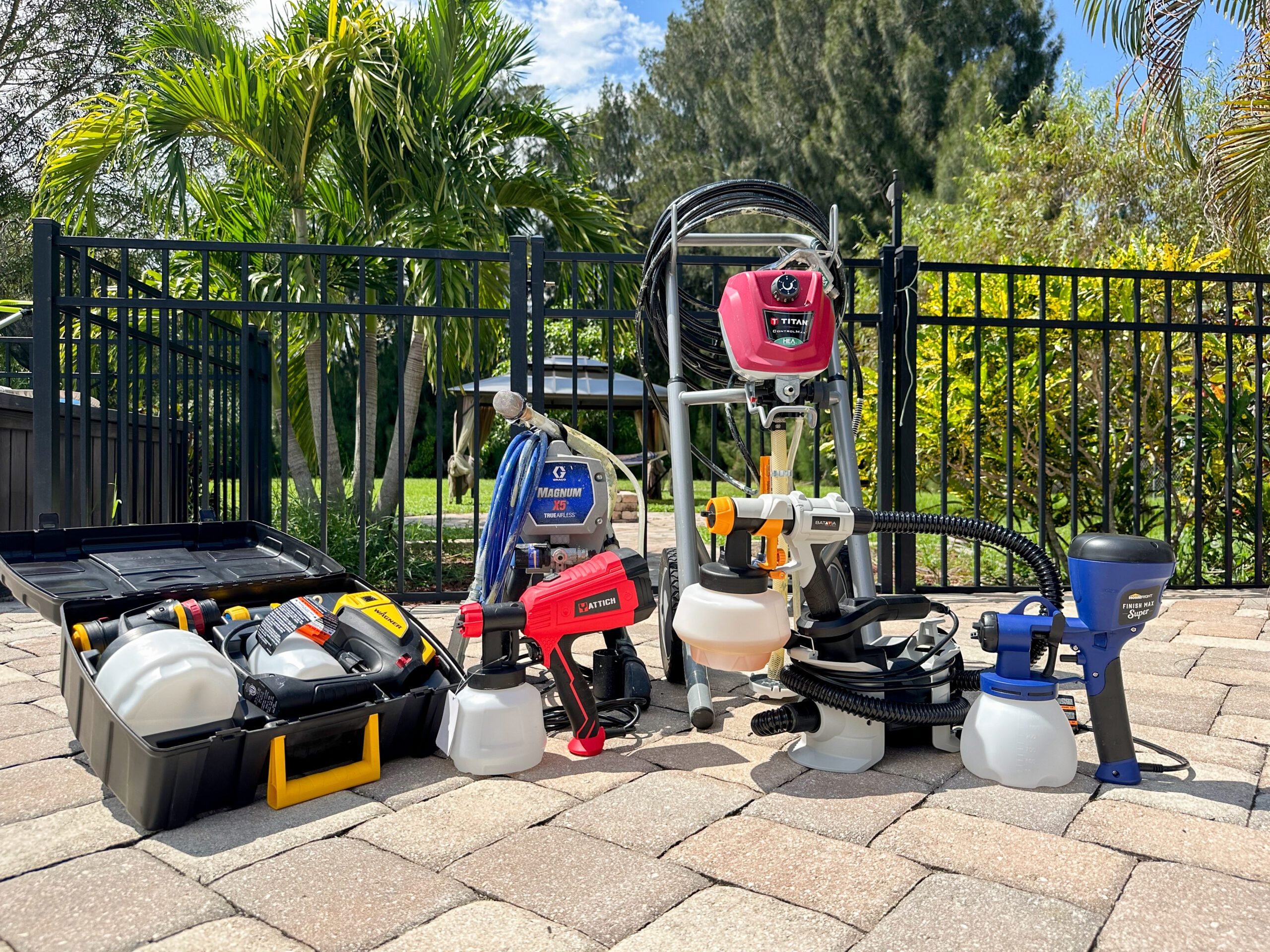
The article highlights seven top paint sprayer models, including the Wagner Spraytech Flexio 5000 as the best overall for its control, accuracy, and minimal overspray, featuring a separate turbine for reduced arm fatigue. The Graco TrueCoat 360 DS is recognized as the runner-up for its convenience features like a reversible nozzle for clog clearing and disposable bag liners for easy color changes, along with its ability to spray unthinned paint. For budget-conscious DIYers, the Yattich HVLP Paint Sprayer offers a powerful motor and versatility with multiple nozzle sizes and spray patterns.
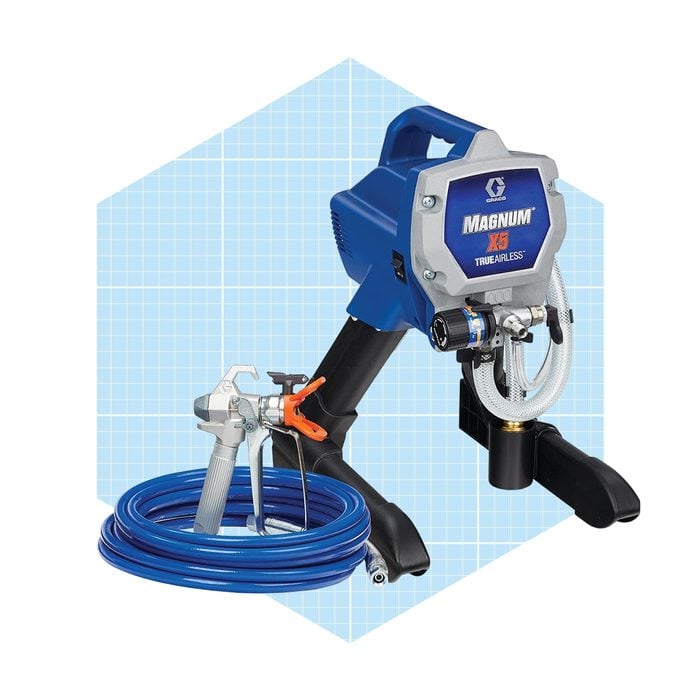
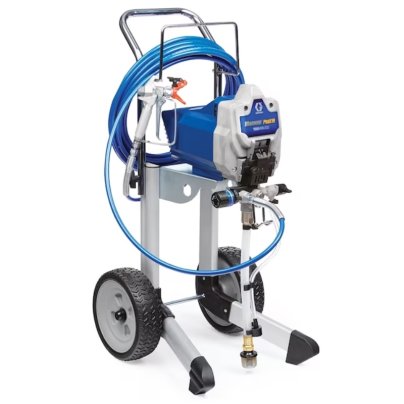
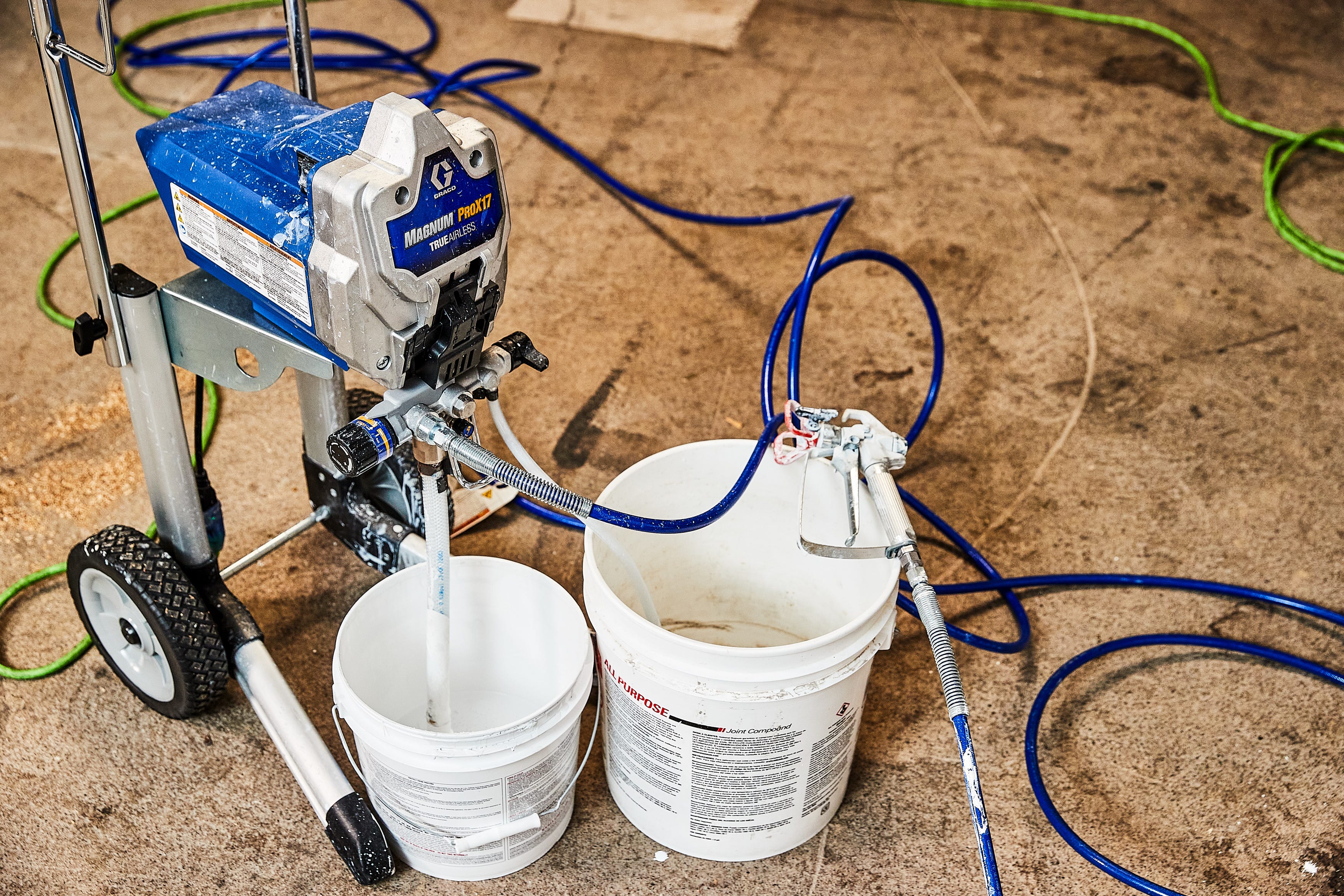
The Fuji Spray Systems T75G Spray Gun is presented as the best spray gun for professional-level performance, notable for its stainless steel construction, pattern control knob, and adjustable air cap for fine finishes, though it requires a separate compressor. For larger projects, the Graco Magnum X5 Electric TrueAirless Sprayer is recommended as the best airless option, capable of drawing paint directly from 1- to 5-gallon cans and handling unthinned paint, making it suitable for extensive painting tasks despite its heavier weight. The Wagner Control Spray Max Sprayer is identified as the best HVLP choice for its precise control over spray width, pressure, and flow, making it ideal for intricate cabinet work. Lastly, the SprayIt LVLP Gravity Feed Spray Gun Kit is suggested for those who already own an air compressor, offering low-pressure operation with minimal overspray and adjustable fan patterns for smaller projects.
When choosing a paint sprayer, several factors are crucial. Understanding the types of sprayers—conventional/compressed air, HVLP (High Volume Low Pressure), LVLP (Low Volume Low Pressure), and airless—is fundamental. Each type has distinct advantages and disadvantages concerning finish quality, overspray, cost, and suitability for different project sizes. HVLP and LVLP sprayers are generally better for cabinets due to less overspray and more control, while conventional and airless sprayers are powerful but might be overkill or require more skill for smaller, detailed work like cabinets.
Project size dictates the appropriate sprayer. Smaller, handheld, low-volume sprayers are ideal for cabinets, minimizing mess and paint waste. Tip size is another critical consideration, particularly for airless sprayers, as it affects paint delivery and spray pattern. Tips are categorized by a three-digit code indicating spray width and orifice size, and matching the tip to the coating's viscosity is essential to prevent clogs or excessive overspray. Manual (compressed air) versus electric power methods also differ in adjustability, cleaning ease, and transfer rate, with airless sprayers generally offering smoother finishes by preventing air-induced bubbles. The power rating and adjustable pressure features allow for fine-tuning the sprayer to achieve an even and smooth finish without issues like 'tails' or excessive misting. Capacity varies significantly among sprayer types, impacting refill frequency, with airless sprayers offering the highest capacity by drawing from large paint buckets. Finally, ease of use largely favors HVLP sprayers for small projects like cabinets due to their control and minimal overspray, whereas airless sprayers, despite their power, can be challenging for detailed indoor tasks.
Effective use of a paint sprayer involves choosing a small tip, such as a 311 for a 6-inch fan, and practicing on scrap material to calibrate settings and technique. Spraying should involve slow, even passes, maintaining a consistent distance and perpendicular angle to the surface to ensure uniform coverage and avoid uneven coats. Immediate and thorough cleaning of the sprayer after use is paramount to prevent paint from drying and clogging the components. Preparing kitchen cabinets for spray painting involves thorough degreasing with TSP, priming, and light sanding to achieve a smooth surface for optimal paint adhesion and finish. The cost of painting kitchen cabinets typically ranges from $394 to $1,254, with supplies costing $200 to $600.
#PaintSprayers #KitchenCabinets #HomeImprovement #DIYProjects #PaintingTools #HVLP Sprayers #AirlessSprayers #HomeDecor #CabinetRefinishing #PaintSprayers #KitchenCabinets #HomeImprovement #DIYProjects #PaintingTools #HVLP Sprayers #AirlessSprayers #HomeDecor #CabinetRefinishing
0 comment in total
 No comments yet
You may also like
Best Paint Sprayers for DIY Projects, Tested and Reviewed by a Painting Pro

The Best Spray Paints for Your DIY Projects
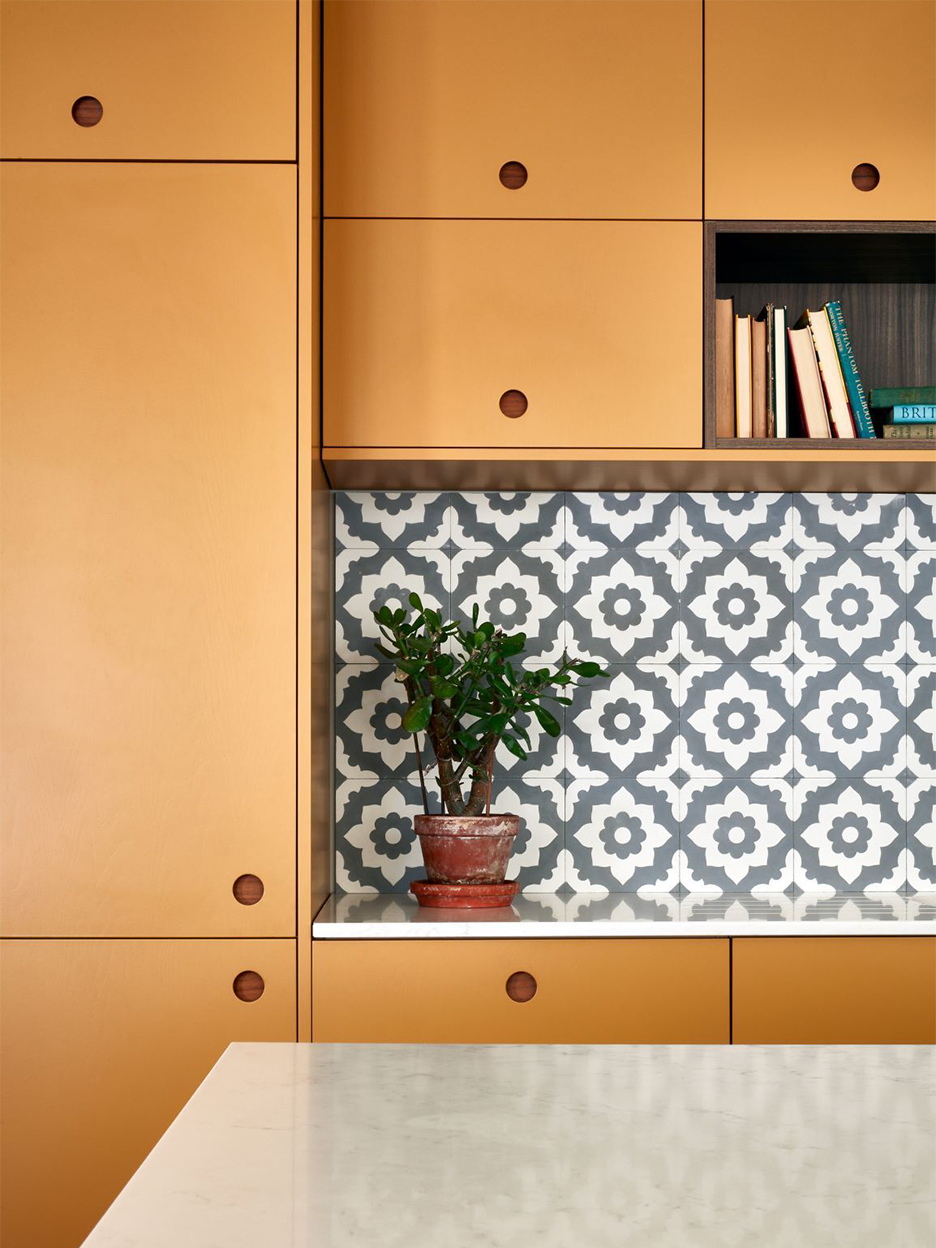
5 Designers Weigh In on the Best Brands of Paint for Kitchen Cabinets

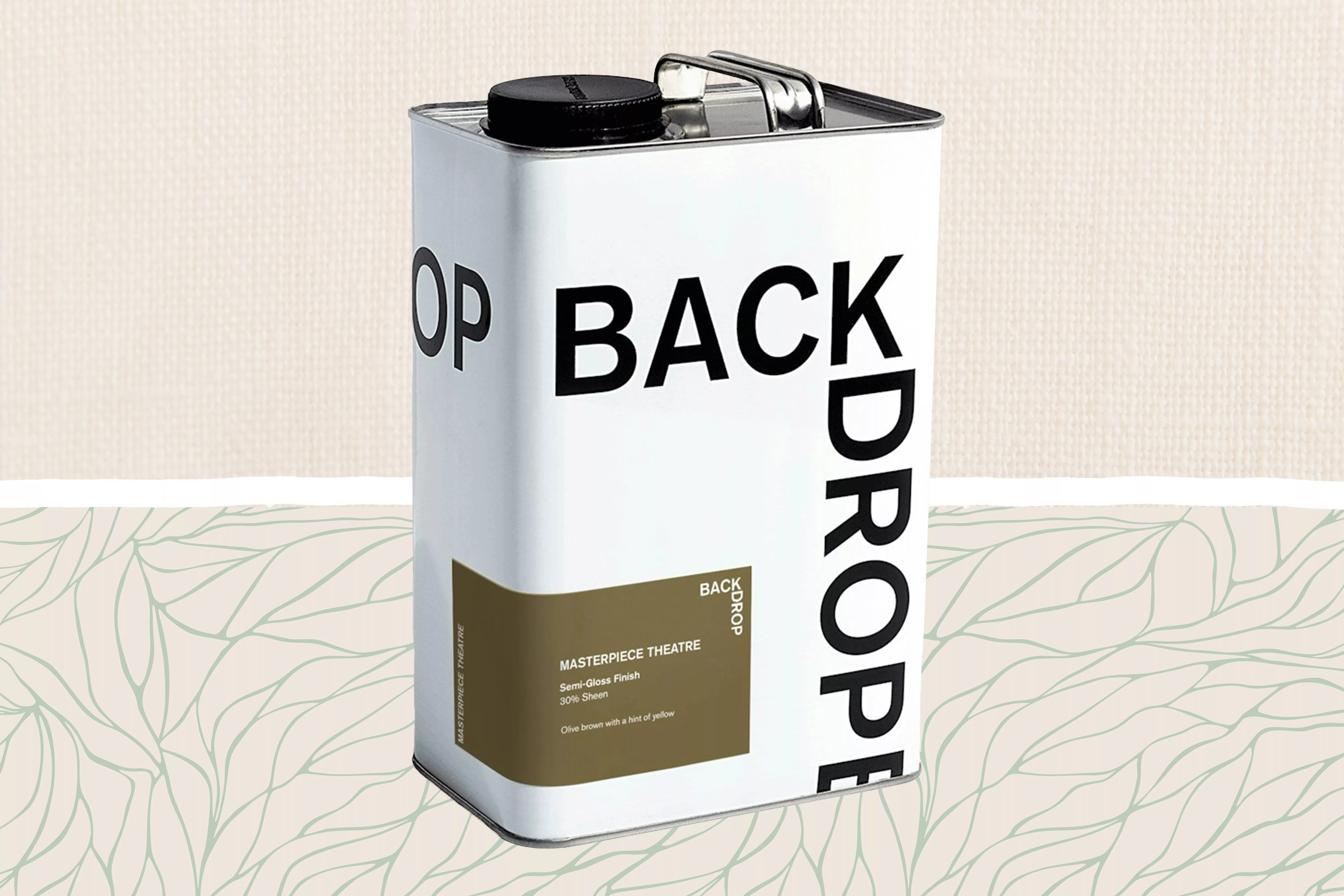
Update Your Home with These 12 Paints for Cabinets

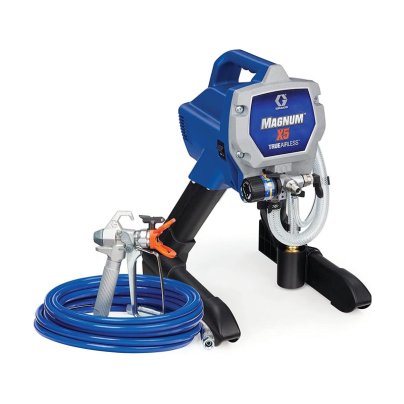
We Tested the Best Airless Paint Sprayers and Our Favorite Provided Professional Looking Results with Ease
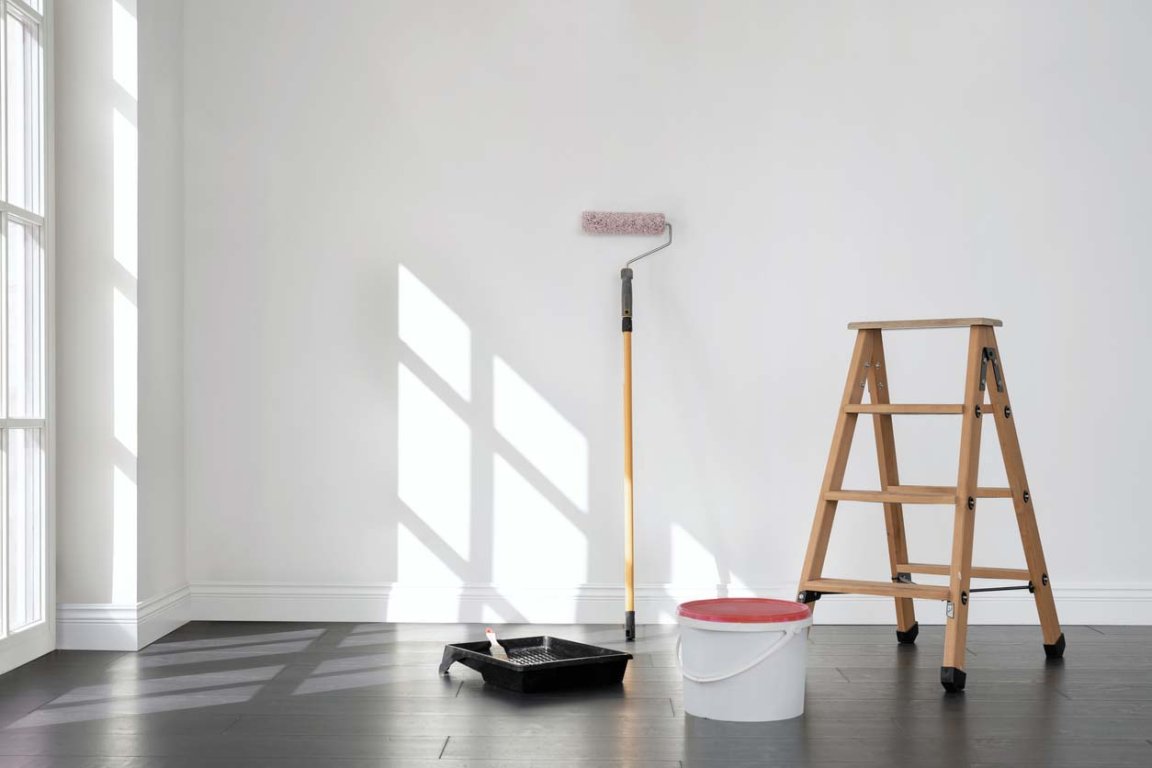
The Best Painting Tools
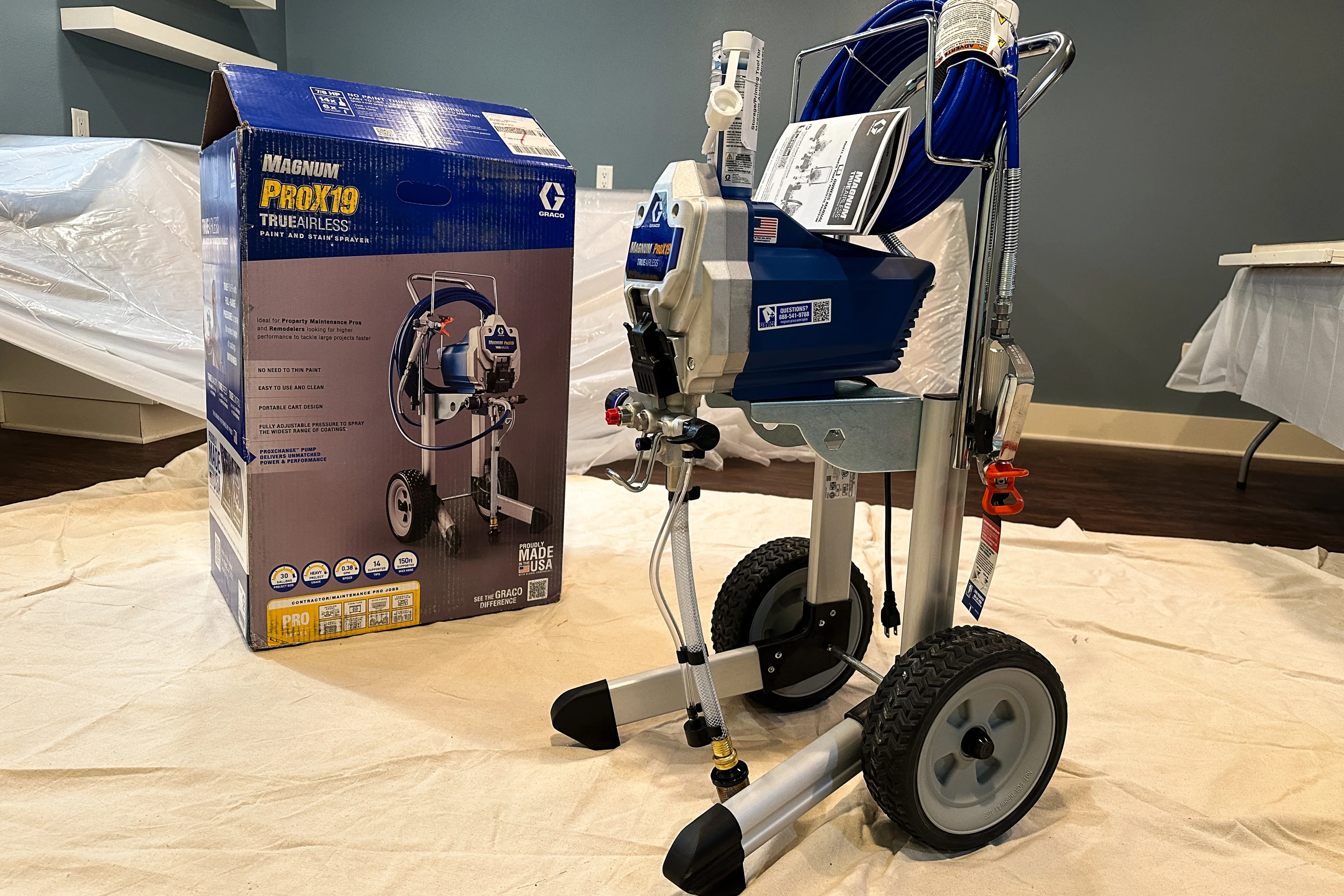
These Paint Sprayers Make Any DIY Painting Project a Breeze
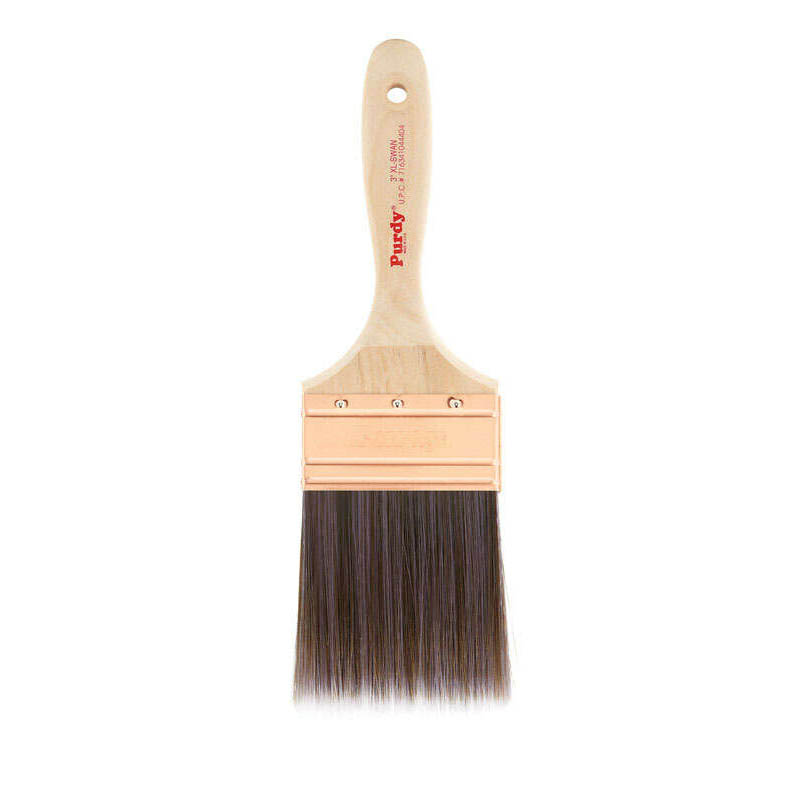
The Best Paint Brushes, Tested and Reviewed
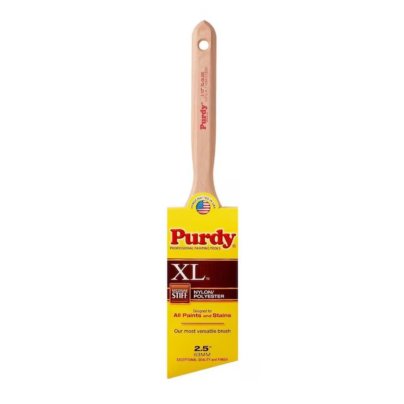
These Are 2025's Best Paint Brushes for Cabinets to Give Your Kitchen or Bathroom an Updated Vibe
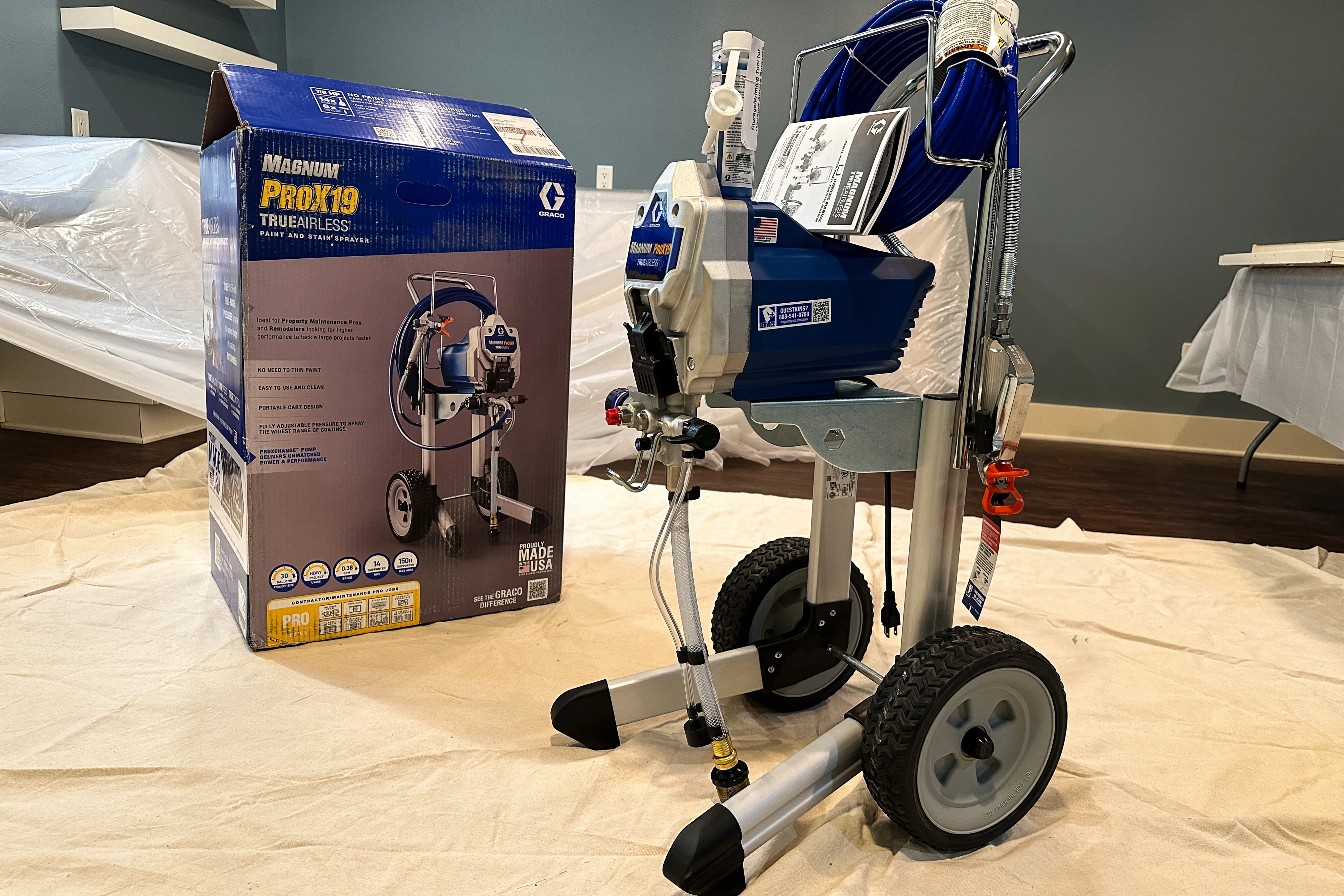
These Paint Sprayers Make Any DIY Painting Project a Total Breeze
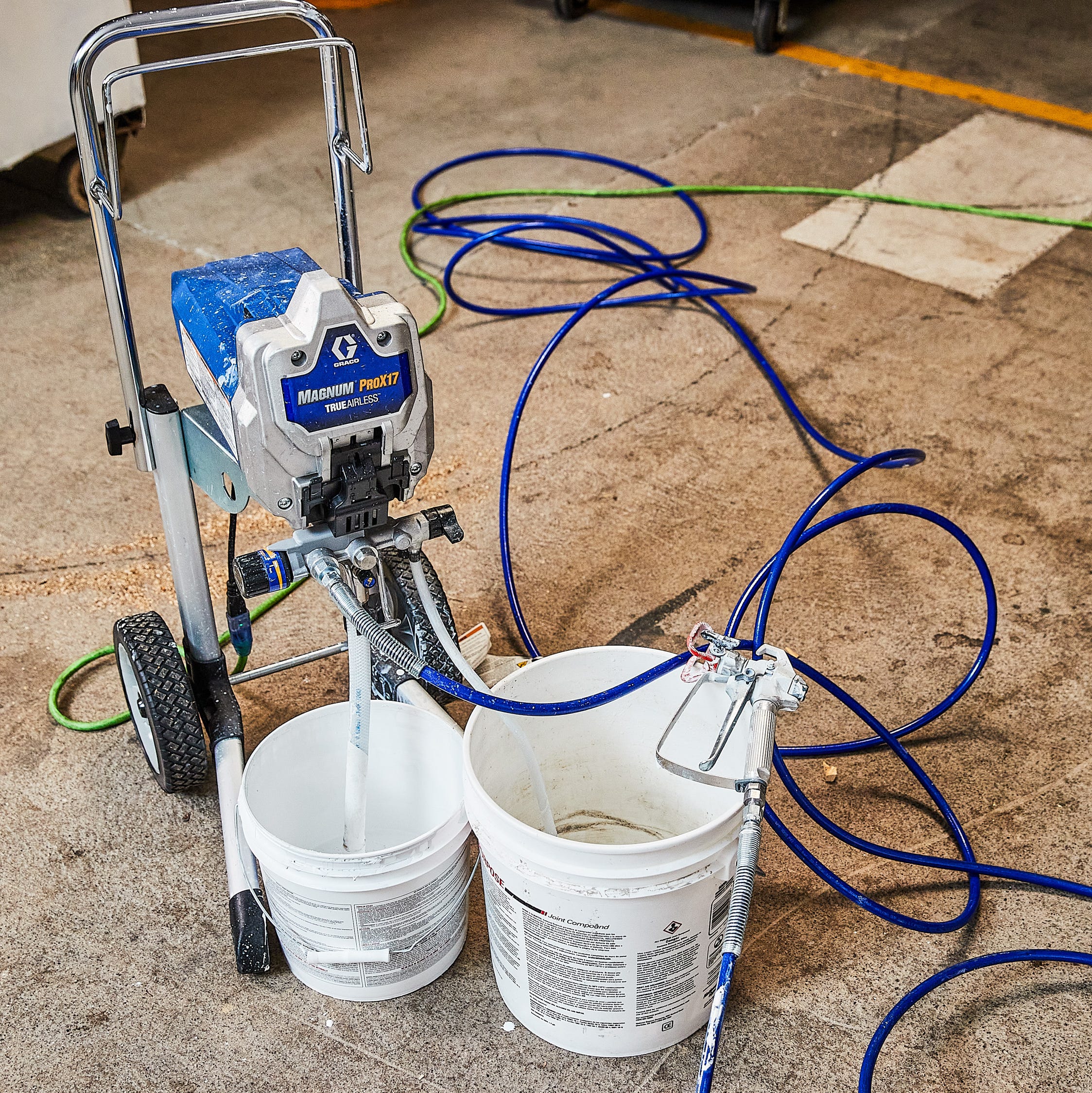
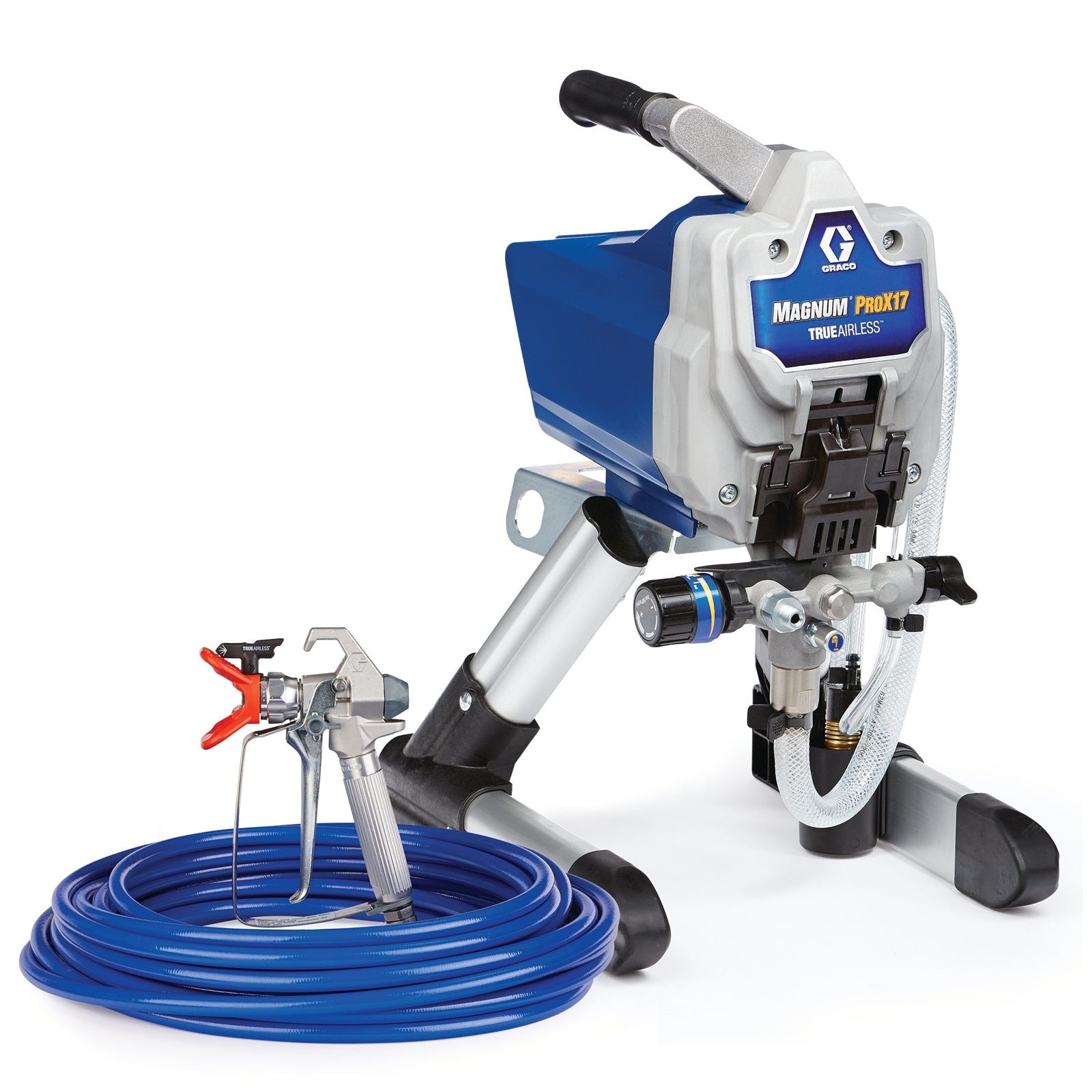
I Used to Dread Painting Projects. Then I Tried Graco’s Magnum ProX17 Paint Sprayer.
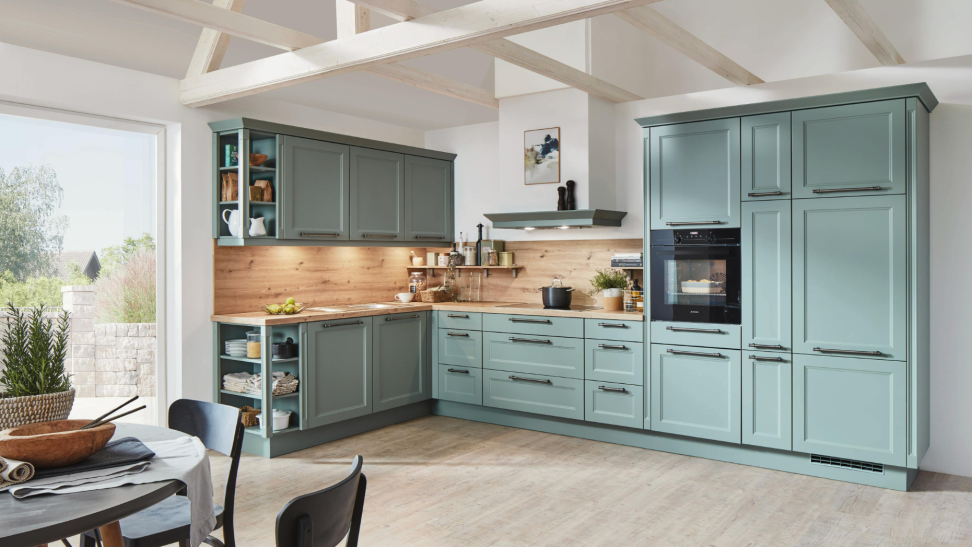
The Best Cabinet Paint of 2025

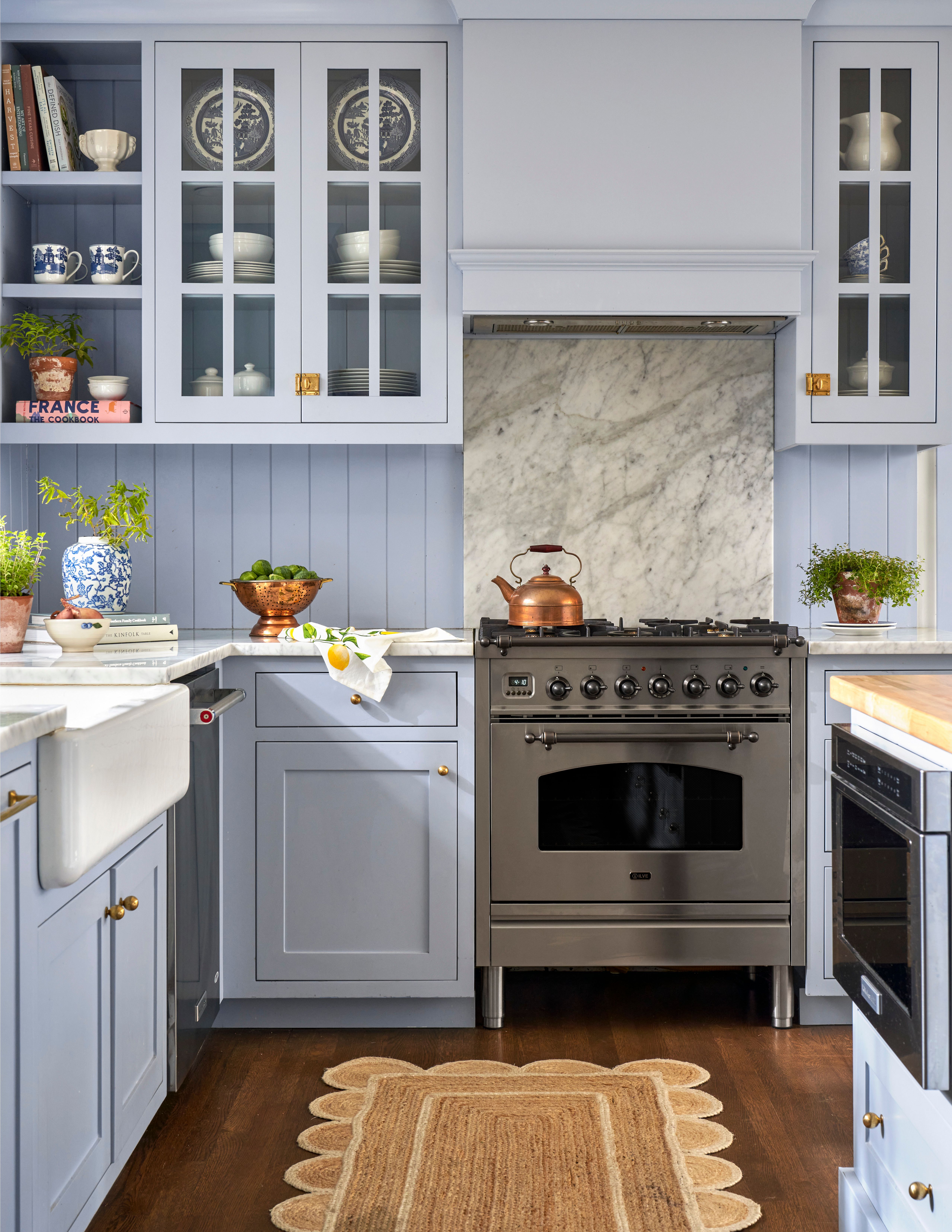
Should You Spray or Brush-Paint Cabinets? Here's What the Pros Recommend
8 Best Paint Brushes for Painting Trim, Cabinets, Walls and Furniture in 2025
These are the best paint rollers

Best Paints for Kitchen Cabinets and Types to Revamp Your Space
These Are the Best Paint Brushes for Cabinets to Give Your Kitchen or Bathroom an Updated Look
5 Designers Weigh In on the Best Brands of Paint for Kitchen Cabinets

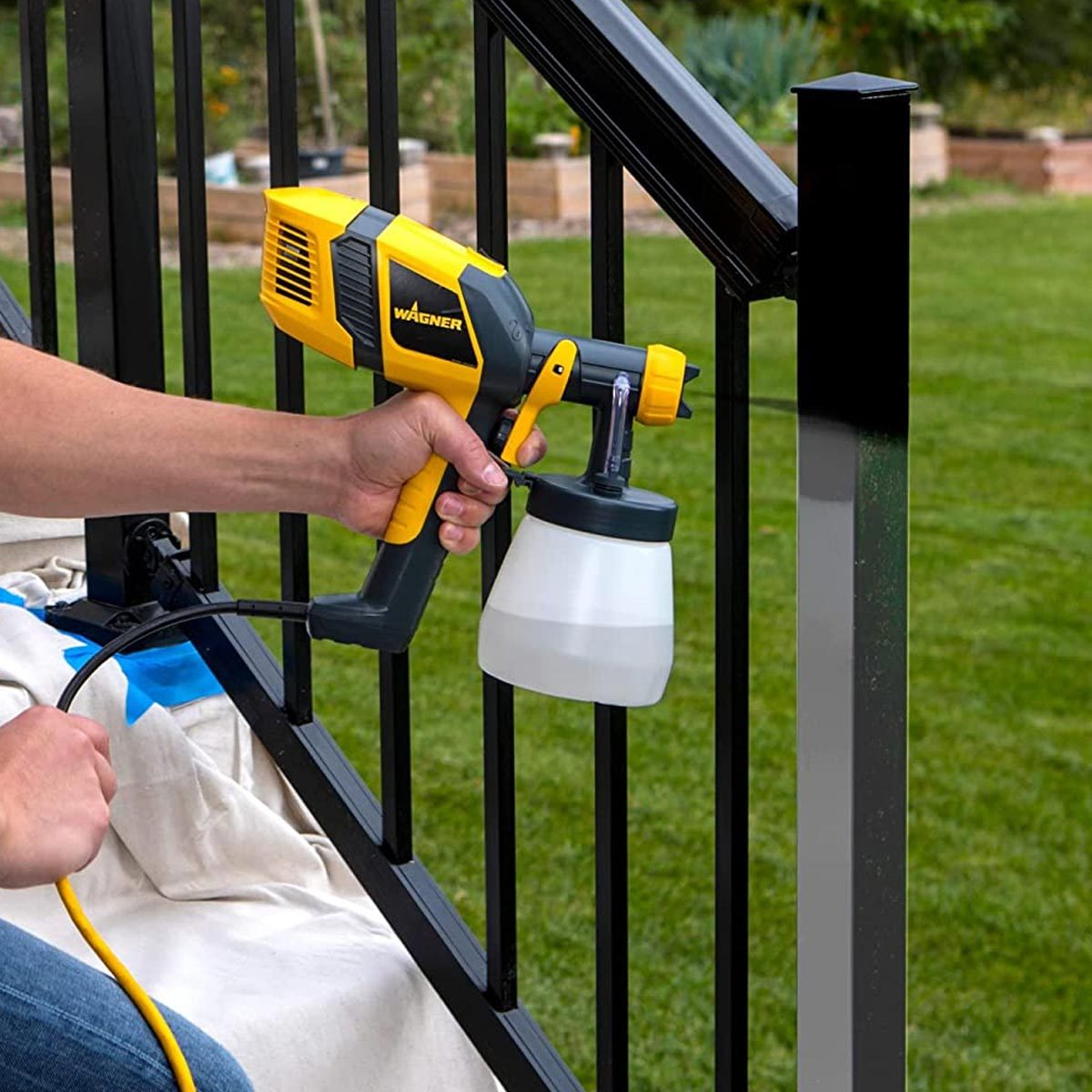
Best Painting Tools on Amazon for House Painting Projects & More
The 6 Best Paint Brands For Kitchen Cabinets