1/16
We Tested the Best HVLP Guns on the Market—Here’s What We Found
This comprehensive guide explores the world of High Volume, Low Pressure (HVLP) spray guns, detailing their functionality, types, and best applications for achieving professional finishes in painting, staining, and varnishing projects. Modern HVLP spray guns are designed to be user-friendly, catering to DIY enthusiasts and hobbyists by significantly reducing project time and eliminating brush or roller marks, resulting in a smooth, even finish.
The article categorizes HVLP spray guns into three main types: compact models, turbine models, and compressor-driven models. Compact models, which are generally handheld and plug into standard power outlets, are ideal for small projects due to their limited output. Cordless versions exist but are often expensive and have short battery lives. Turbine models are more powerful, featuring a separate turbine unit that supplies air, making them suitable for furniture, small decks, and siding. While the turbine itself might be light, the overall system can be bulky. Compressor-driven models are professional-grade tools, commonly found in automotive body shops, offering high adjustability and long-term durability. These require a separate air compressor, which, though not highly portable, provides quick and flawless finishes for large areas.
Key considerations when selecting an HVLP spray gun include the fluid nozzle, adjustable controls, ease of use, and maintenance. The fluid nozzle, measured in millimeters, dictates the type of material that can be sprayed. Smaller nozzles (around 1mm) are best for low-viscosity materials like wood stain, while larger nozzles (2mm to 3mm) are needed for high-viscosity materials such as latex paint or car body primers. Some spray guns come with a single nozzle, while others offer interchangeable options, providing greater versatility. Adjustable controls for air pressure and fluid flow are crucial for achieving desired spray patterns and coat thickness. Higher pressure atomizes more material, covering a larger area, and flow control helps maintain coat consistency.
Maintenance is a vital aspect of owning an HVLP spray gun. While cleaning is not difficult, it requires disassembly and thoroughness immediately after use to prevent material from drying inside the gun, which can lead to spitting or clogging. Compact models are generally the easiest to clean, while professional models are more complex. Safety practices, such as wearing safety glasses, respiratory protection, and ear protection, are strongly recommended during operation. The article also addresses common questions, including the difference between HVLP, conventional, and airless sprayers, suitability for spraying polyurethane, compressor requirements, and paint thinning needs.
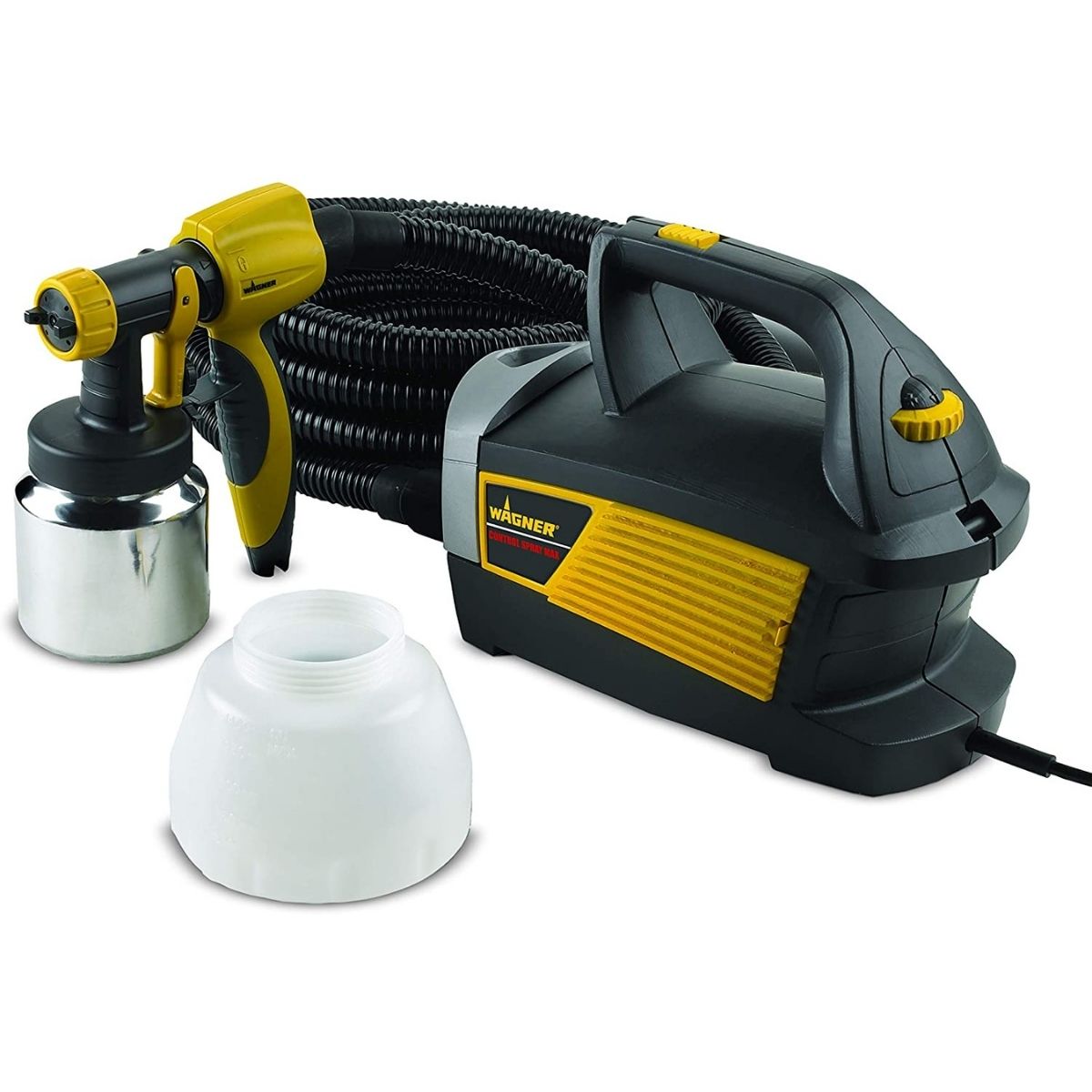
The article features detailed reviews and comparisons of seven top HVLP spray guns, including the Wagner Spraytech Control Spray Max HVLP Sprayer (Best Overall), NeuMaster N3140 HVLP Paint Sprayer (Runner-Up), Vonforn VF803 Paint Sprayer (Best Bang For The Buck), DeVilbiss HVLP Gravity Spray Gun Kit (Best for Automotive Work), HomeRight Finish Max HVLP Paint Sprayer (Best Compact), Master Elite PRO-44 High-Performance HVLP Spray Gun (Best with Compressor), and Fuji Spray Semi-Pro 2 Gravity HVLP Spray System (Best System). Each review highlights the product's type, tank capacity, nozzle size, pros, cons, and performance ratings in categories such as ease of use, coverage, noise, and value, based on hands-on testing by DIY experts. The testing process involved evaluating setup time, viscosity handling, operational ease, coverage consistency, and cleaning difficulty.
#HVLP #SprayGun #PaintSprayer #DIYProjects #HomeImprovement #PaintingTools #ProductReview #ToolTesting #FinishApplication #HVLP #SprayGun #PaintSprayer #DIYProjects #HomeImprovement #PaintingTools #ProductReview #ToolTesting #FinishApplication
 No comments yet
After Testing Hundreds of Vacuums, These Are Our Top Recommendations

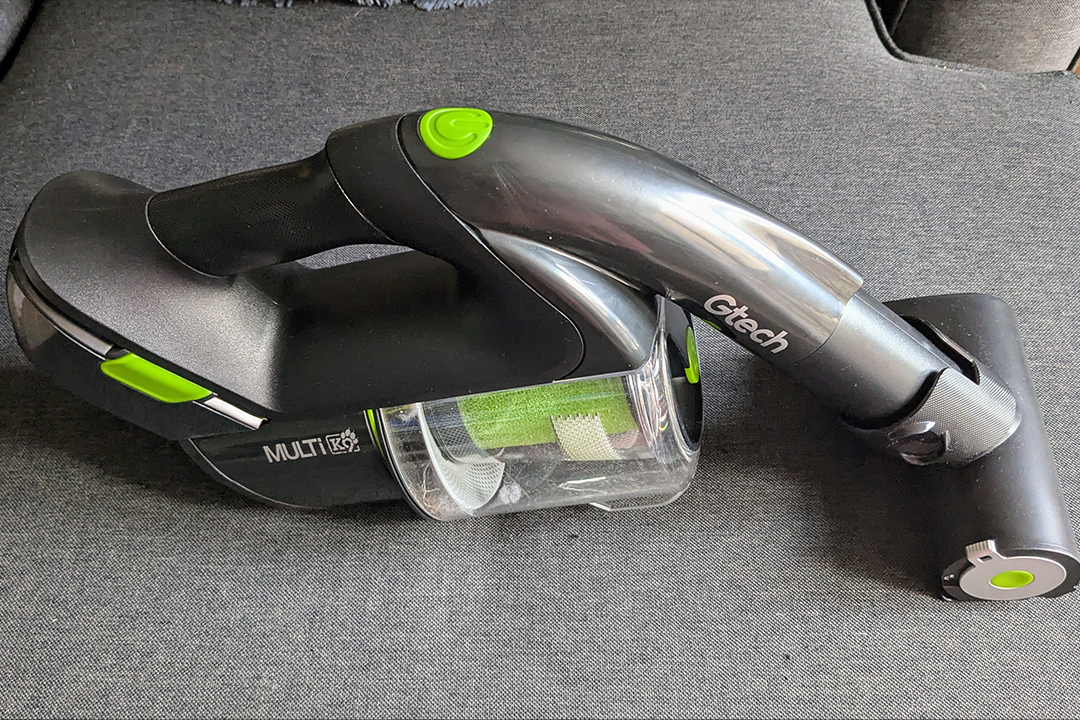
Best handheld vacuum cleaners 2025, tried and tested by an expert
The 5 Best Hammers of 2025 | Reviews by Wirecutter

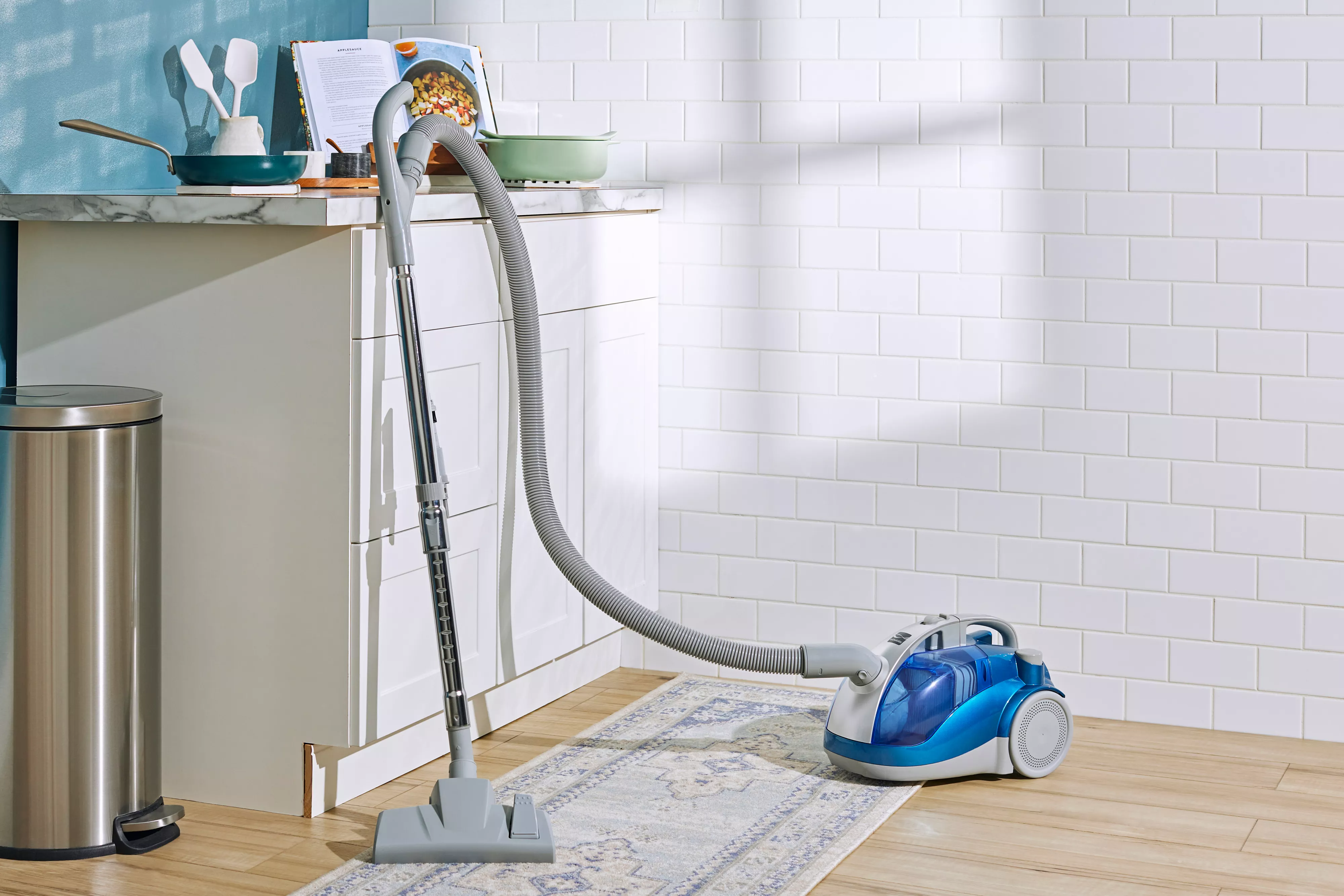
The 5 Best HEPA Vacuums of 2025, Tested by BHG

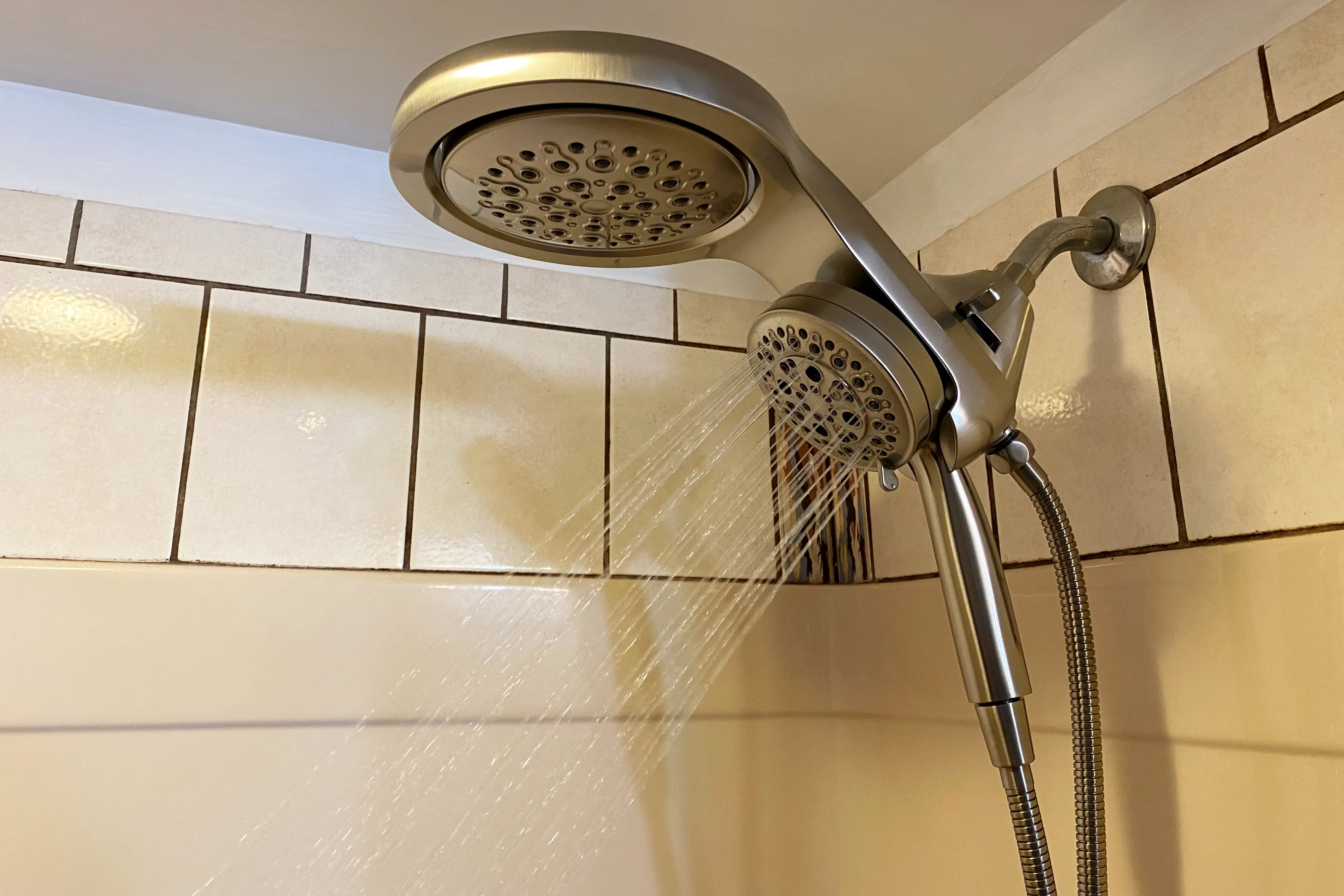
Our Editors Tested Handheld Showerheads—These Are the 5 Worth Buying