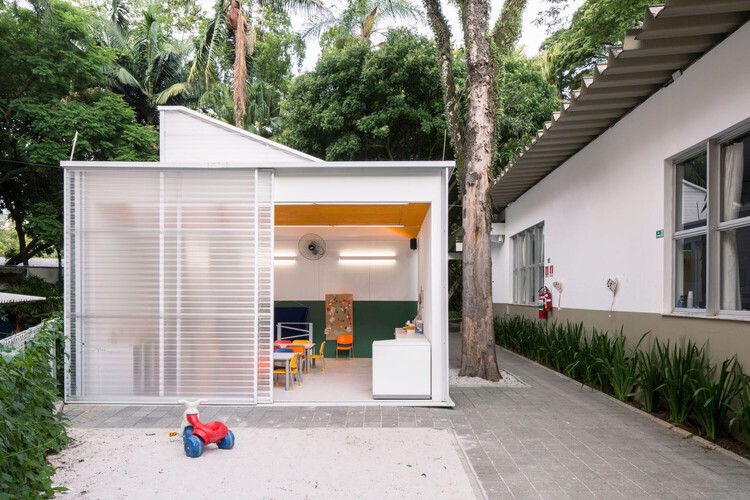
1/15
The Versatility of Drywall in Architecture: Pros and Cons
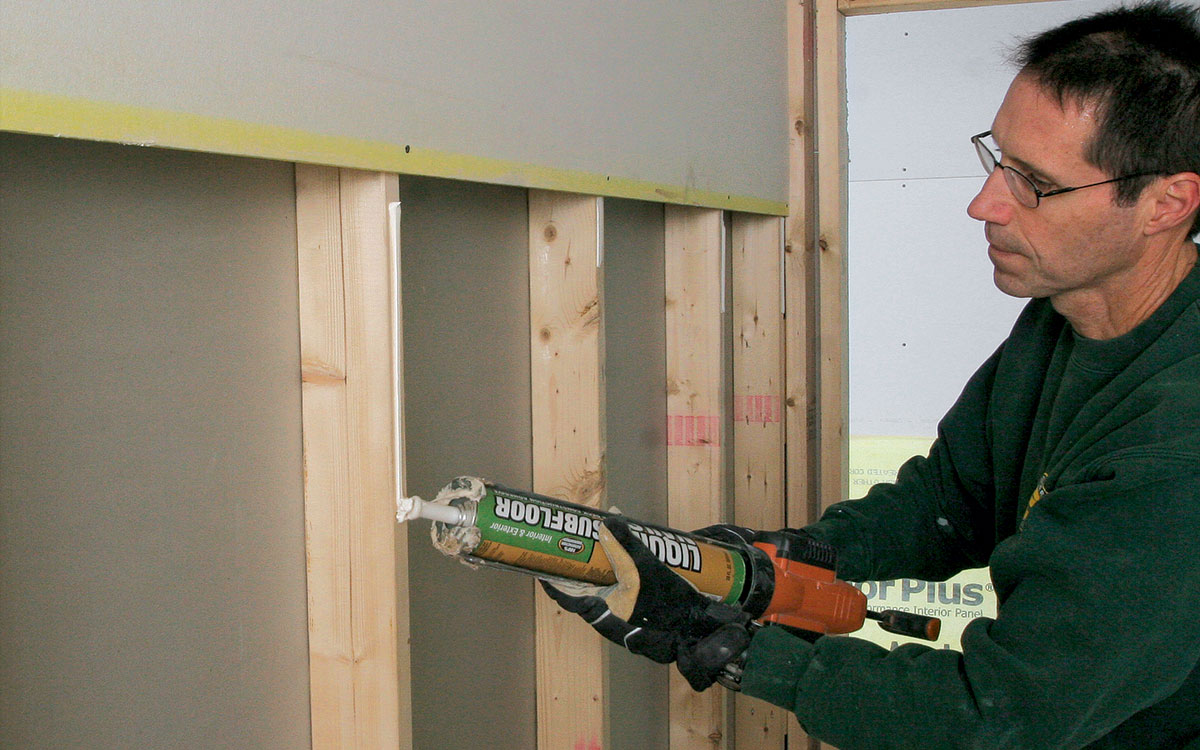
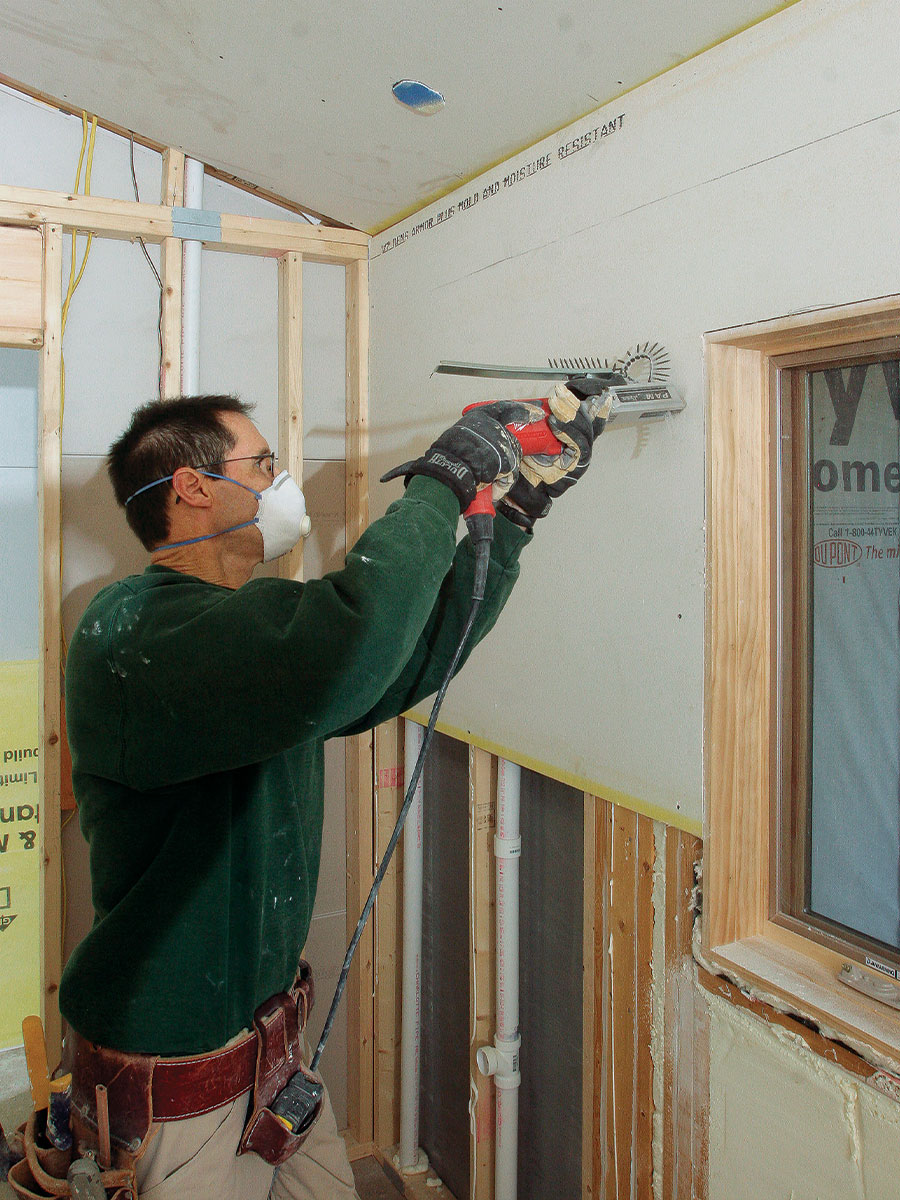
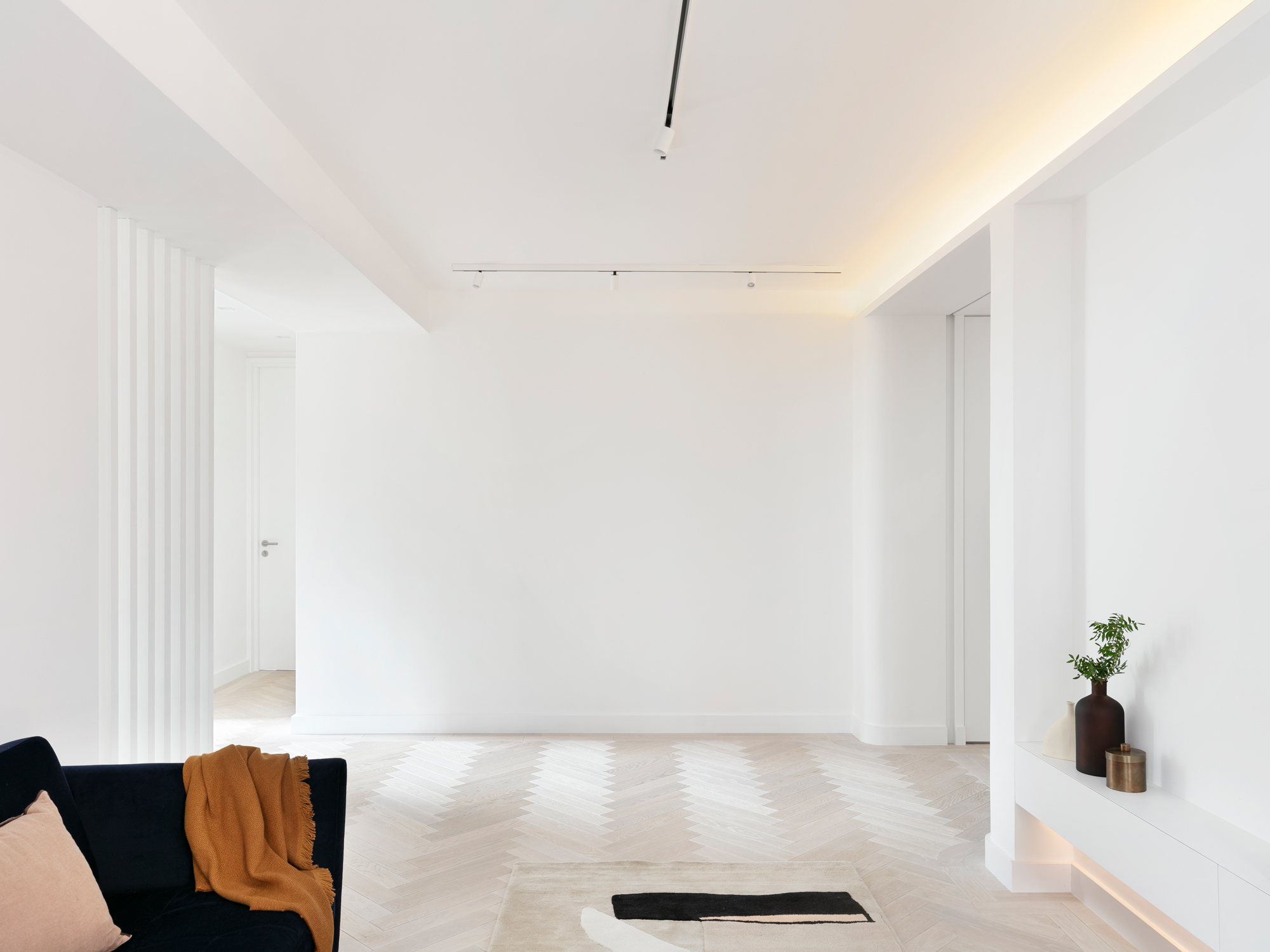
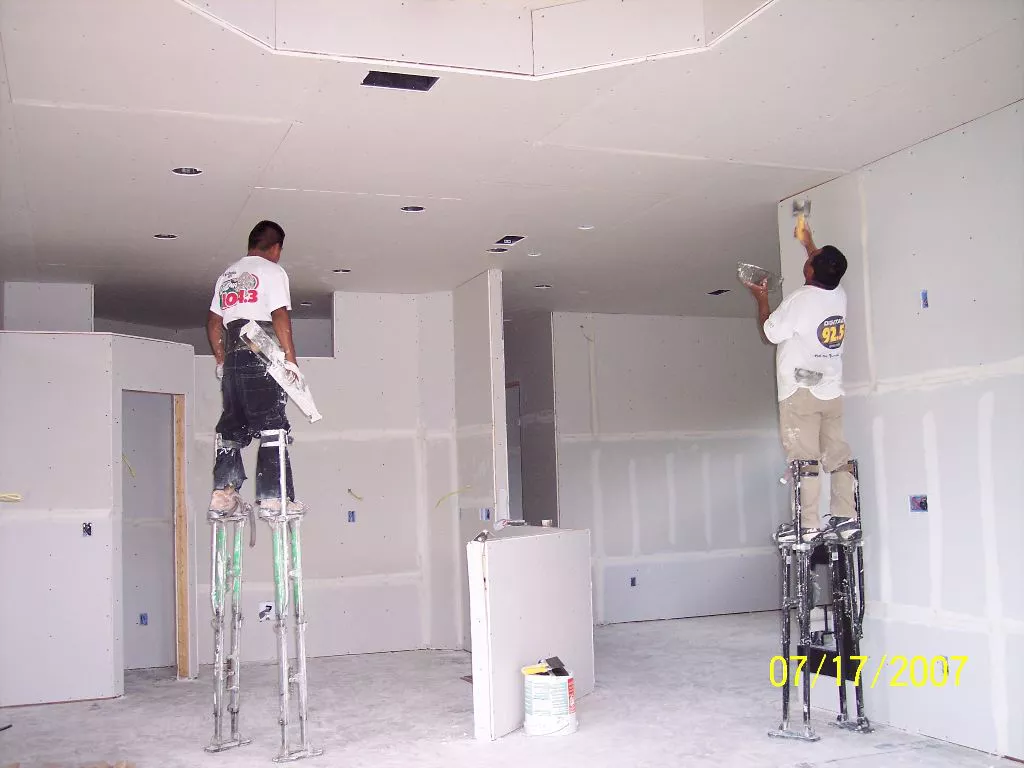
Drywall, also known as plasterboard or gypsum board, is a widely used construction material for interior walls and ceilings, offering a range of advantages and disadvantages. One of its primary benefits is the elimination of water from the construction process, setting it apart from traditional materials like concrete that require a curing period. This 'dry' assembly method contributes to cleaner construction sites and faster project completion, which can be crucial for meeting tight deadlines. The use of metal studs as a framework for attaching gypsum boards further enhances the speed and efficiency of installation.
However, drywall's environmental impact is a significant concern. Gypsum, a mineral-based material, undergoes extraction and calcination processes that can cause environmental damage. The scale of drywall production often means these environmental impacts are not fully mitigated, raising questions about its sustainability. Despite these environmental drawbacks, drywall offers numerous practical advantages in construction. Its lightweight nature simplifies transportation and handling, reducing labor costs and making it easier to install in various settings. It is also relatively inexpensive compared to other walling materials, contributing to overall cost-effectiveness in building projects.
Drywall's versatility extends to its adaptability for various architectural designs. It can be easily cut, shaped, and finished, allowing for custom designs and aesthetic preferences. This material also provides good thermal insulation, helping to regulate indoor temperatures and reduce energy consumption for heating and cooling. Different types of drywall are available, such as moisture-resistant, fire-resistant, and soundproof boards, each designed to meet specific performance requirements. For instance, moisture-resistant drywall is ideal for bathrooms and kitchens, while fire-resistant boards enhance safety in residential and commercial buildings.
Conversely, drywall has several limitations. It is highly susceptible to water damage, which can lead to mold growth and structural weakening if exposed to moisture over time. Its relatively low durability makes it vulnerable to physical impact, leading to dents or holes that require repairs. While some drywall types offer enhanced fire and sound resistance, standard drywall does not provide the same level of protection as more robust materials. The installation process, though quick, demands precision to ensure smooth finishes and proper joint treatment. Imperfections can be noticeable, affecting the aesthetic quality of the finished surface.
The widespread adoption of drywall underscores its importance in modern construction, particularly for interior applications. Its ease of installation, cost-effectiveness, and adaptability make it a favored choice for residential, commercial, and institutional projects. Despite environmental concerns and vulnerabilities to moisture and impact, ongoing advancements in manufacturing aim to develop more sustainable and durable drywall products, addressing some of its current limitations. Understanding both the benefits and drawbacks of drywall allows architects and builders to make informed decisions, ensuring the selection of appropriate materials for each project's unique demands.
#Drywall #Architecture #ConstructionMaterials #InteriorDesign #BuildingTechnology #SustainableMaterials #ThermalInsulation #Drywall #Architecture #ConstructionMaterials #InteriorDesign #BuildingTechnology #SustainableMaterials #ThermalInsulation
0 comment in total
 No comments yet
You may also like
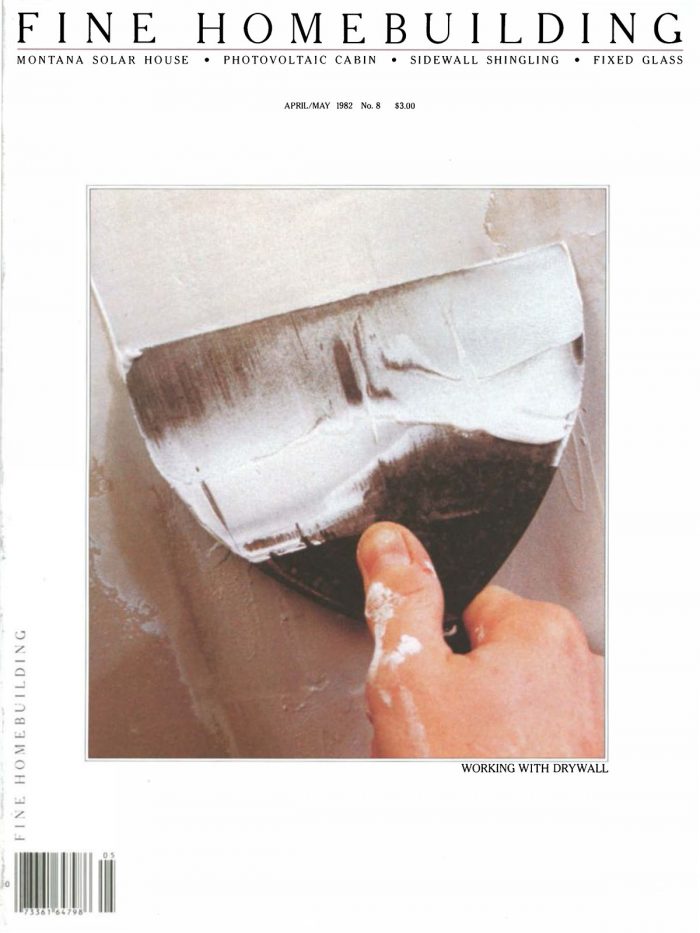
Fine Homebuilding Flashback: 1982, Drywall-mania, All About Roof Framing, and Old-School Curved Walls


Curtain Wall Market | Global Market Analysis Report - 2035
20 Modern Parapet Wall Designs For Homes In India 2024

Add Privacy and Expand Your Home's Use With This DIY Interior Wall Project

Achieving Precision in Flexible Design: The Path to 10,000 Vertically Folding Skyfold Walls

Plaster Walls—a Signature of Warm Modernist Interiors—Are Having a Moment


The Joanna Gaines-Approved DIY That Now Just Seems Tacky

Another brick in the wall
Fight Mold With Paperless Drywall
Mar 2014: ASK THE INSPECTOR: More is better with drywall screws

12 Contemporary Wood Walls You’ll Actually Love
Build a "Perfect Wall" on a Budget for Affordable High-Performance
Is It Time to Hang Up on Hanging Drywall?
Wall paneling ideas – 18 ways to add decorative cladding and moulding

Metal Panels - Shadow Series from Dri-Design
Home help: Are feature walls still a thing or do they make a home look dated?

The pros and cons of permanent formwork systems for single dwelling wall construction
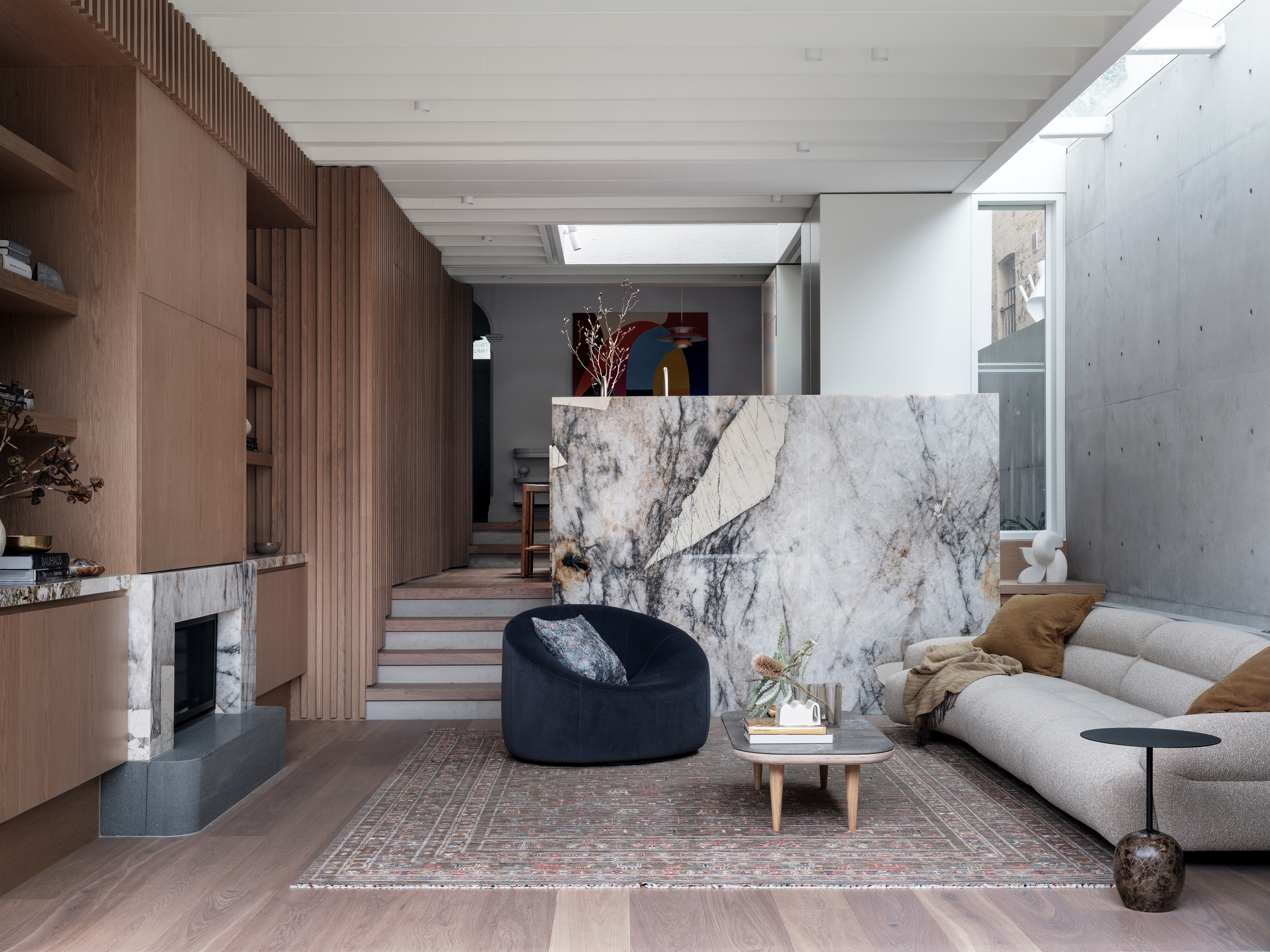
Slat wall ideas – 8 spaces that show how interior designers are elevating this wall paneling trend

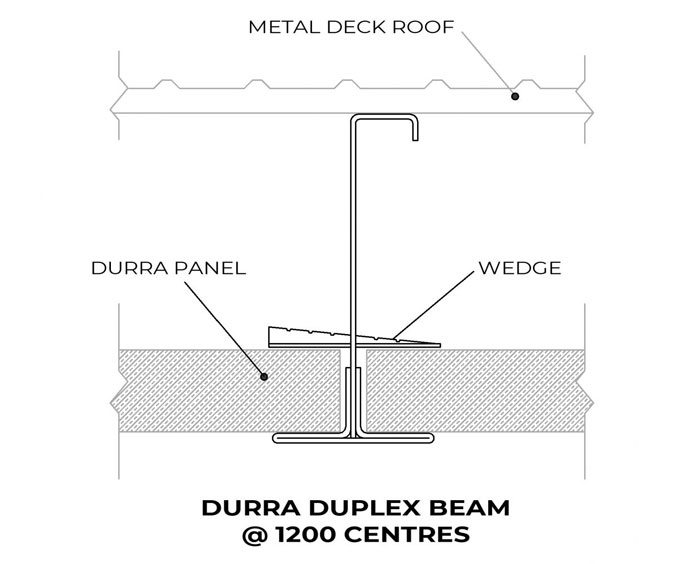
Roof and ceiling systems with versatile application

Specifying doors for multi-res projects hinges on many factors