1/12
Plaster Walls—a Signature of Warm Modernist Interiors—Are Having a Moment
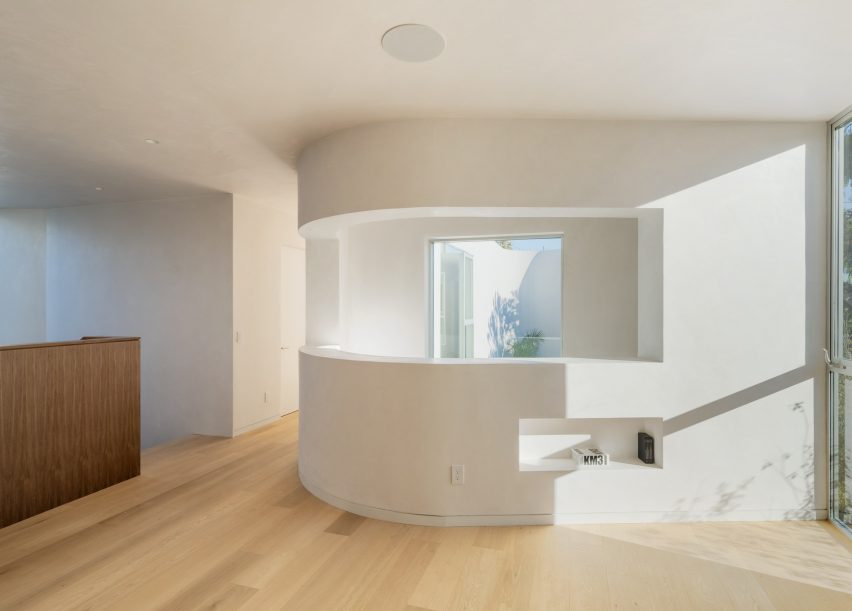
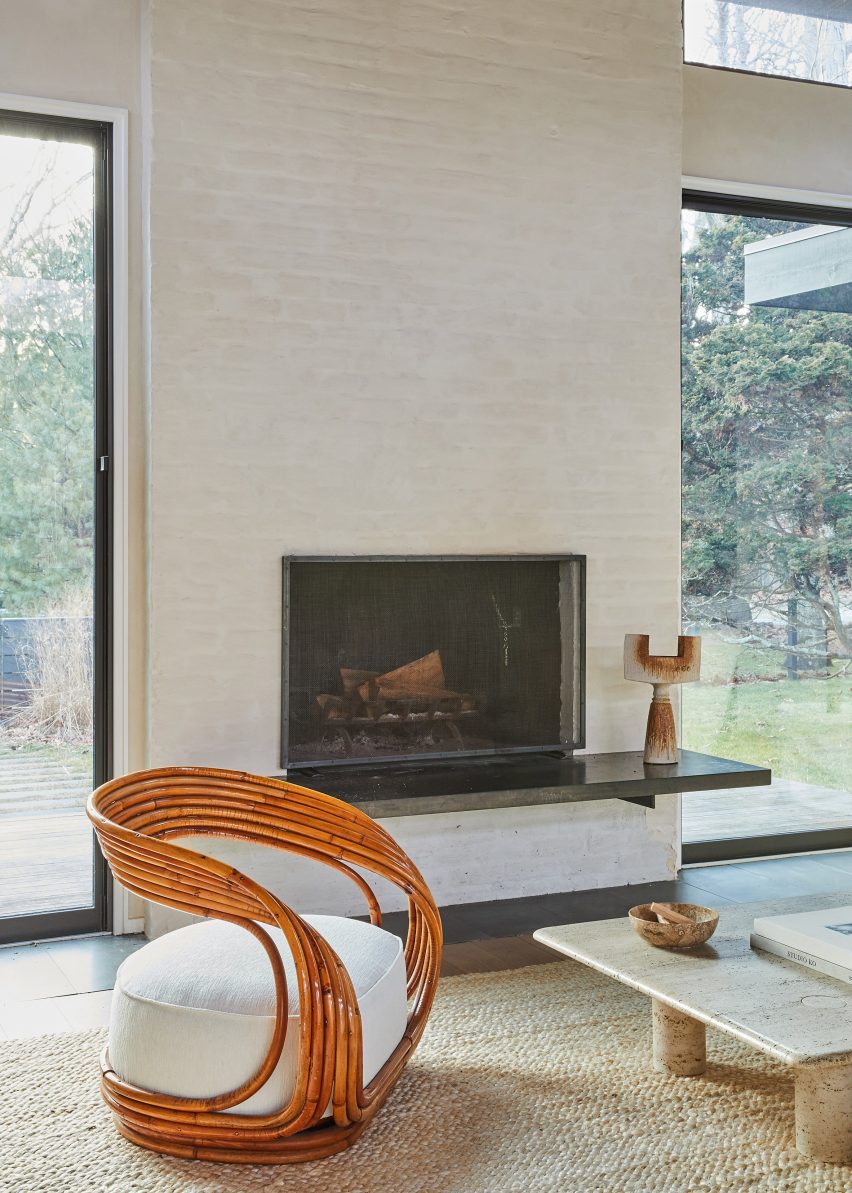
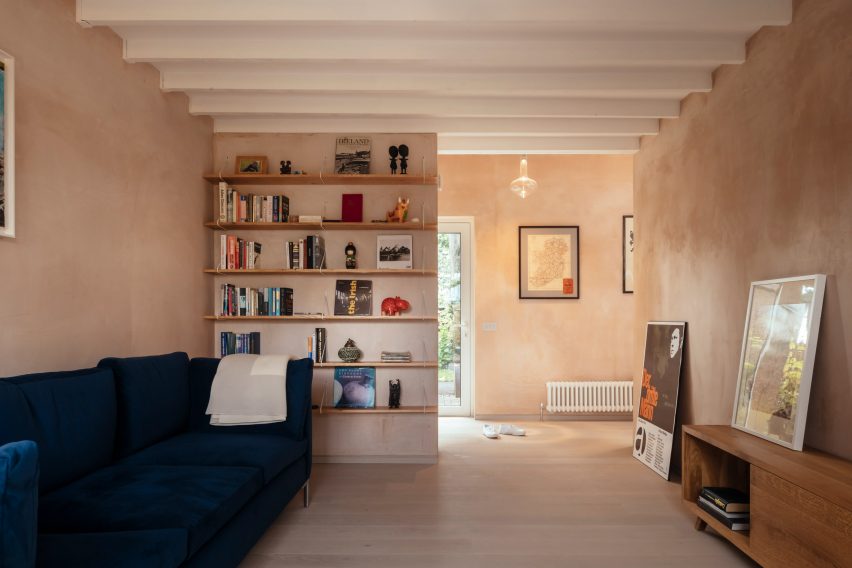
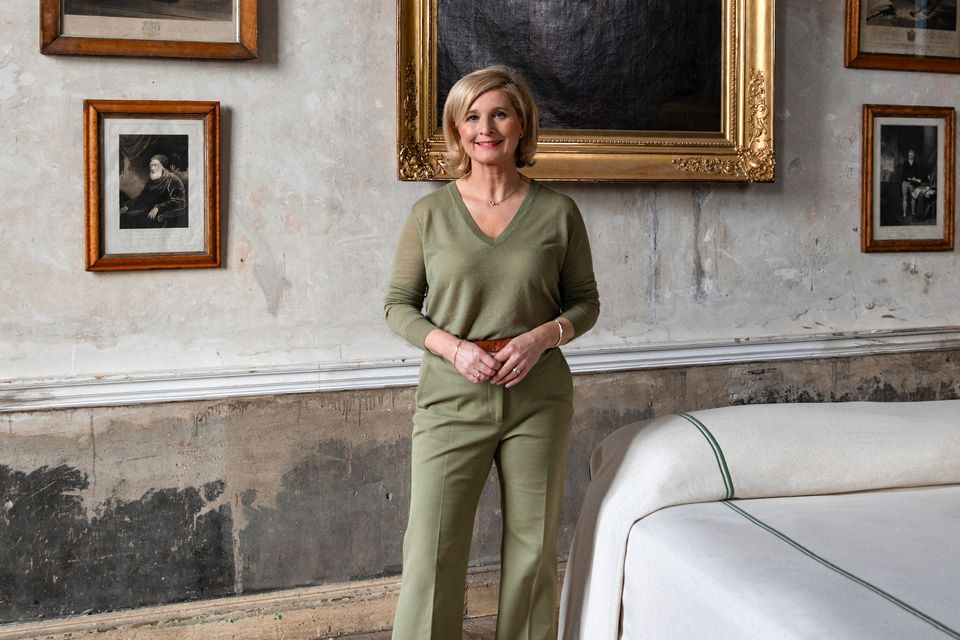
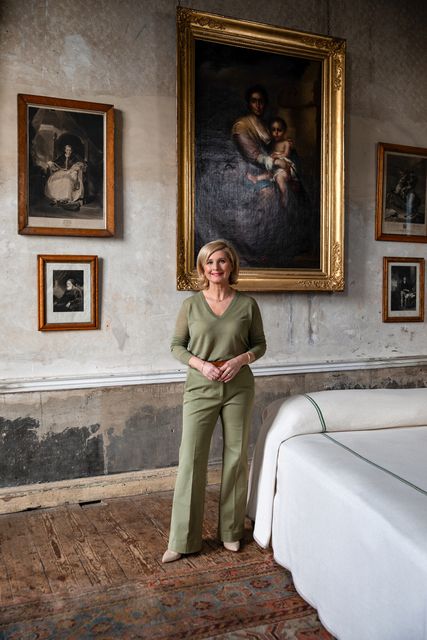
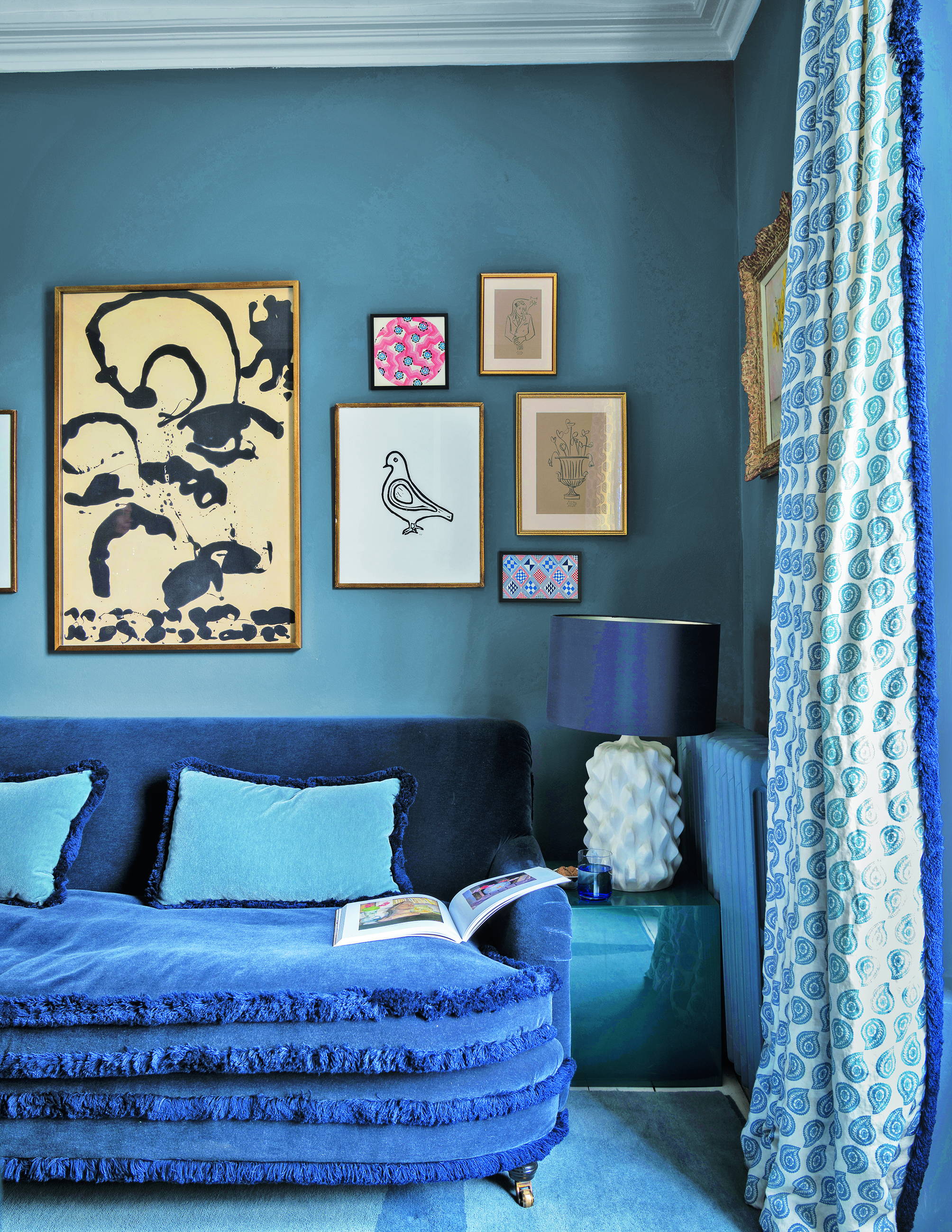
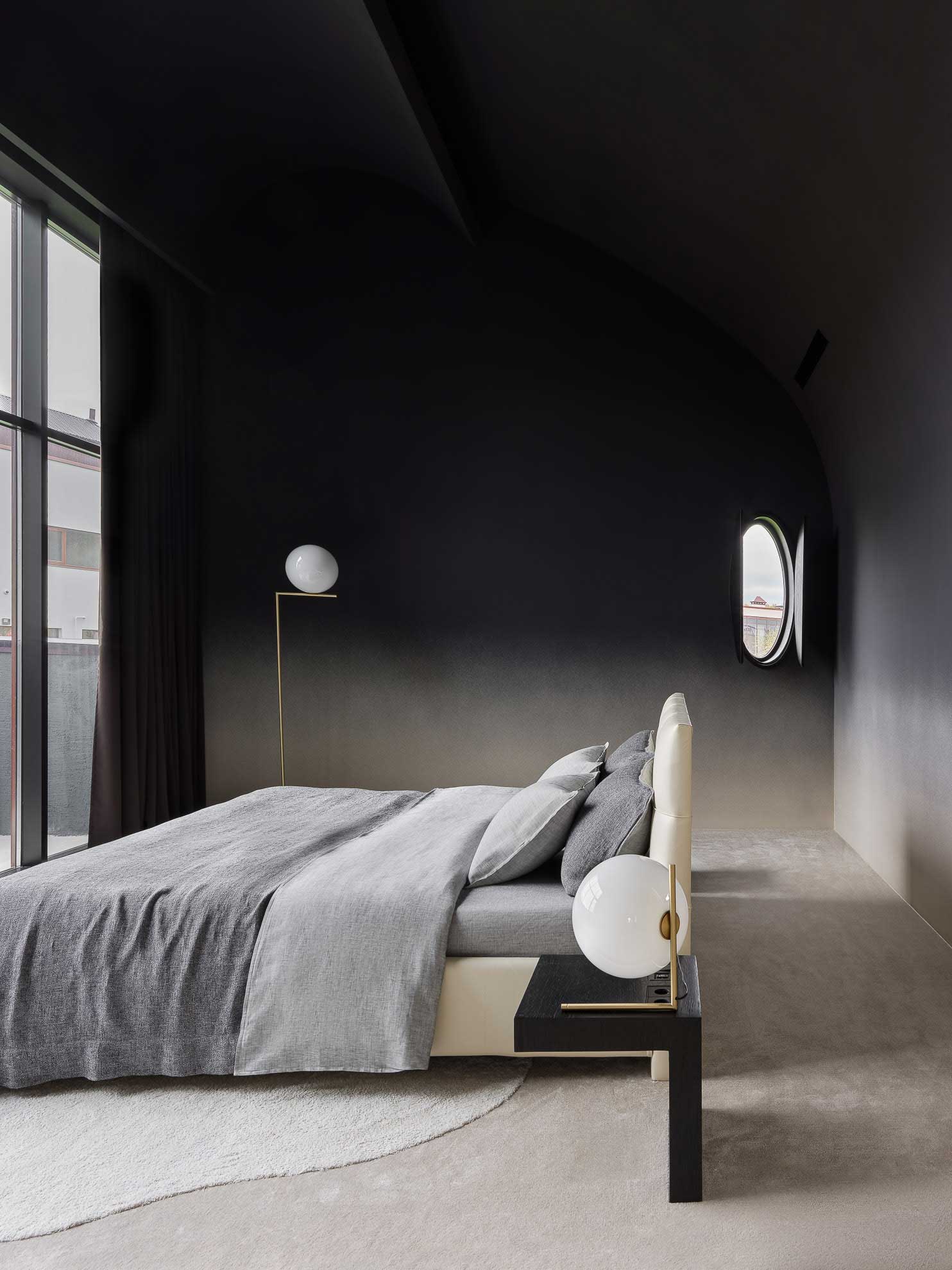
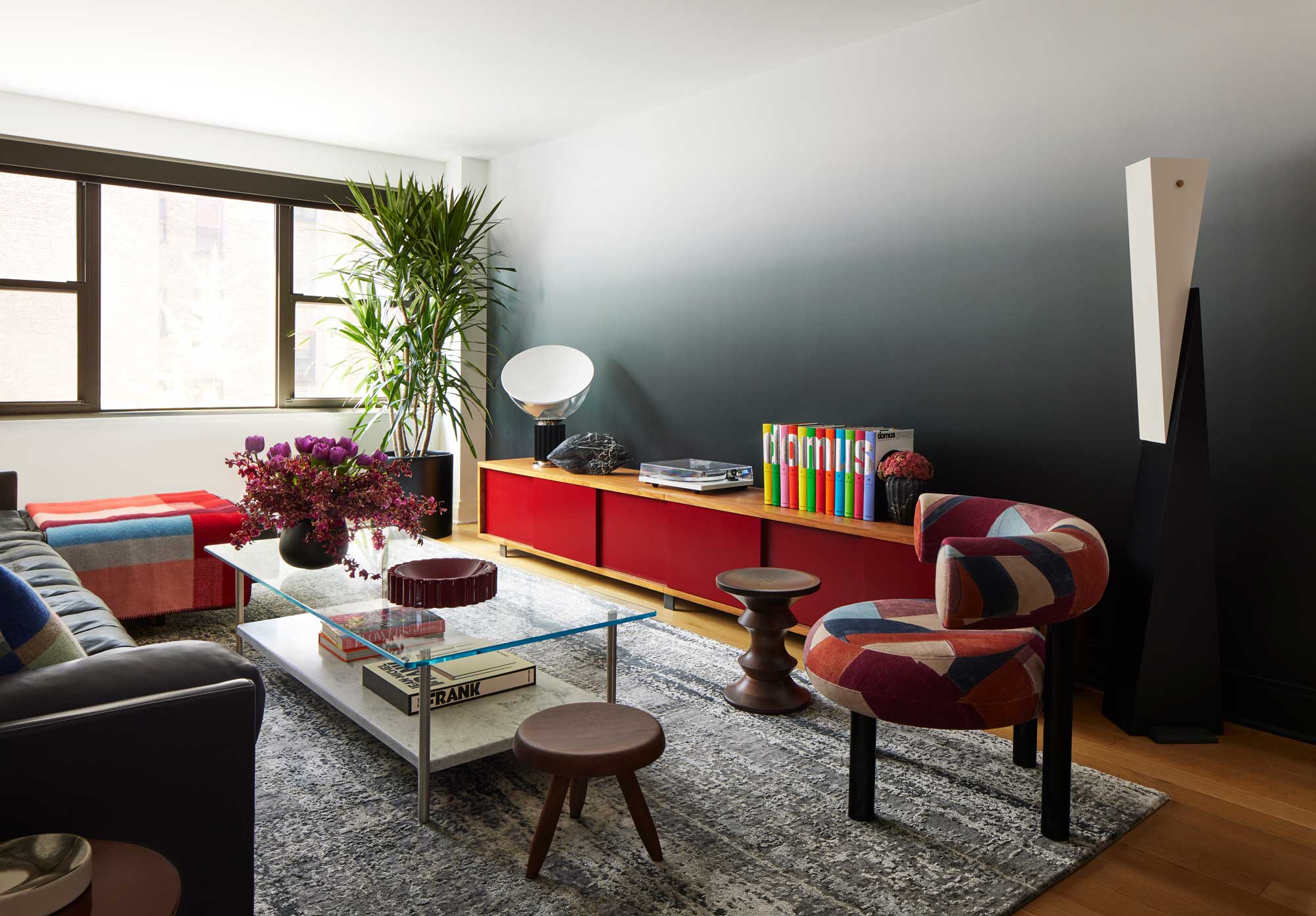
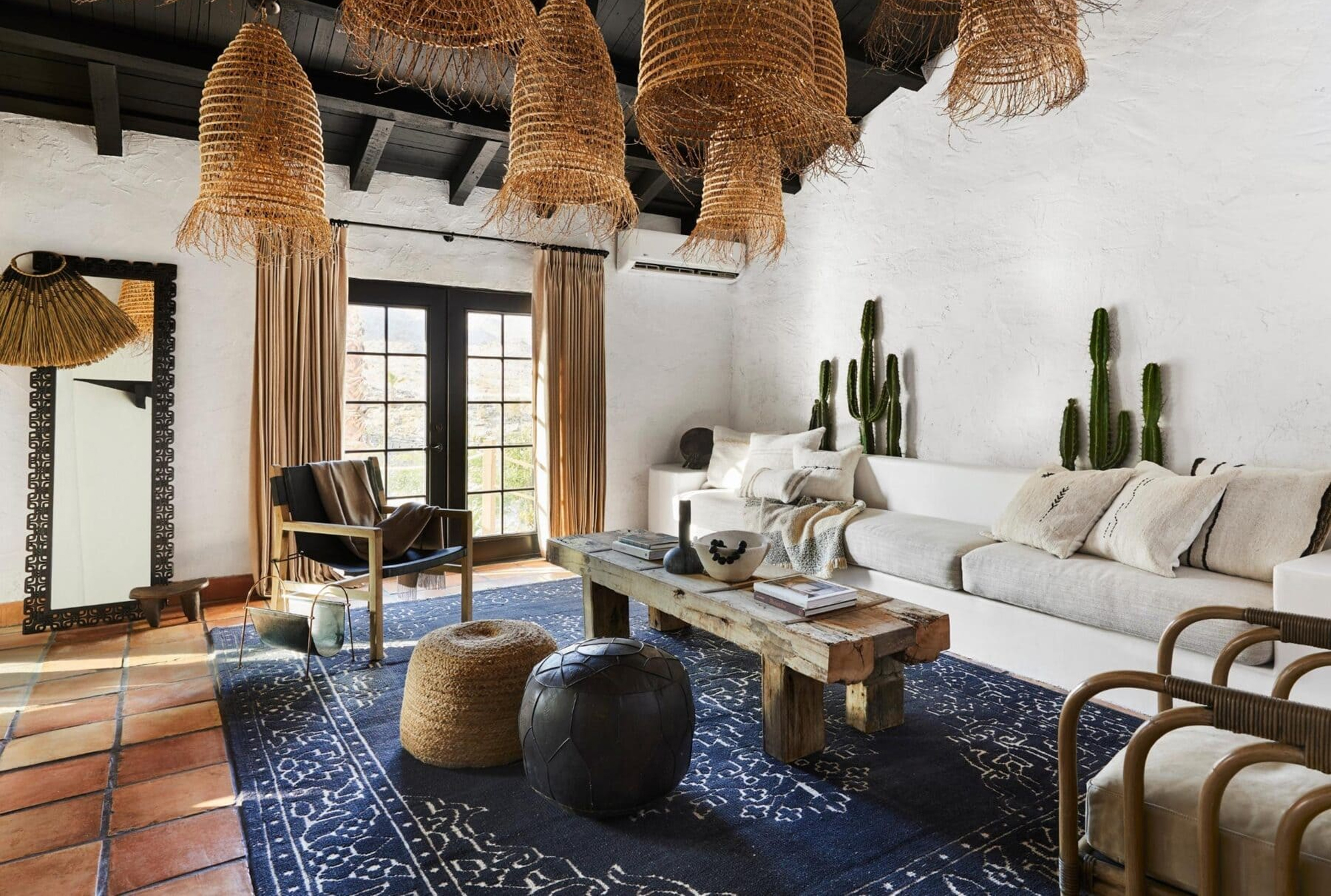
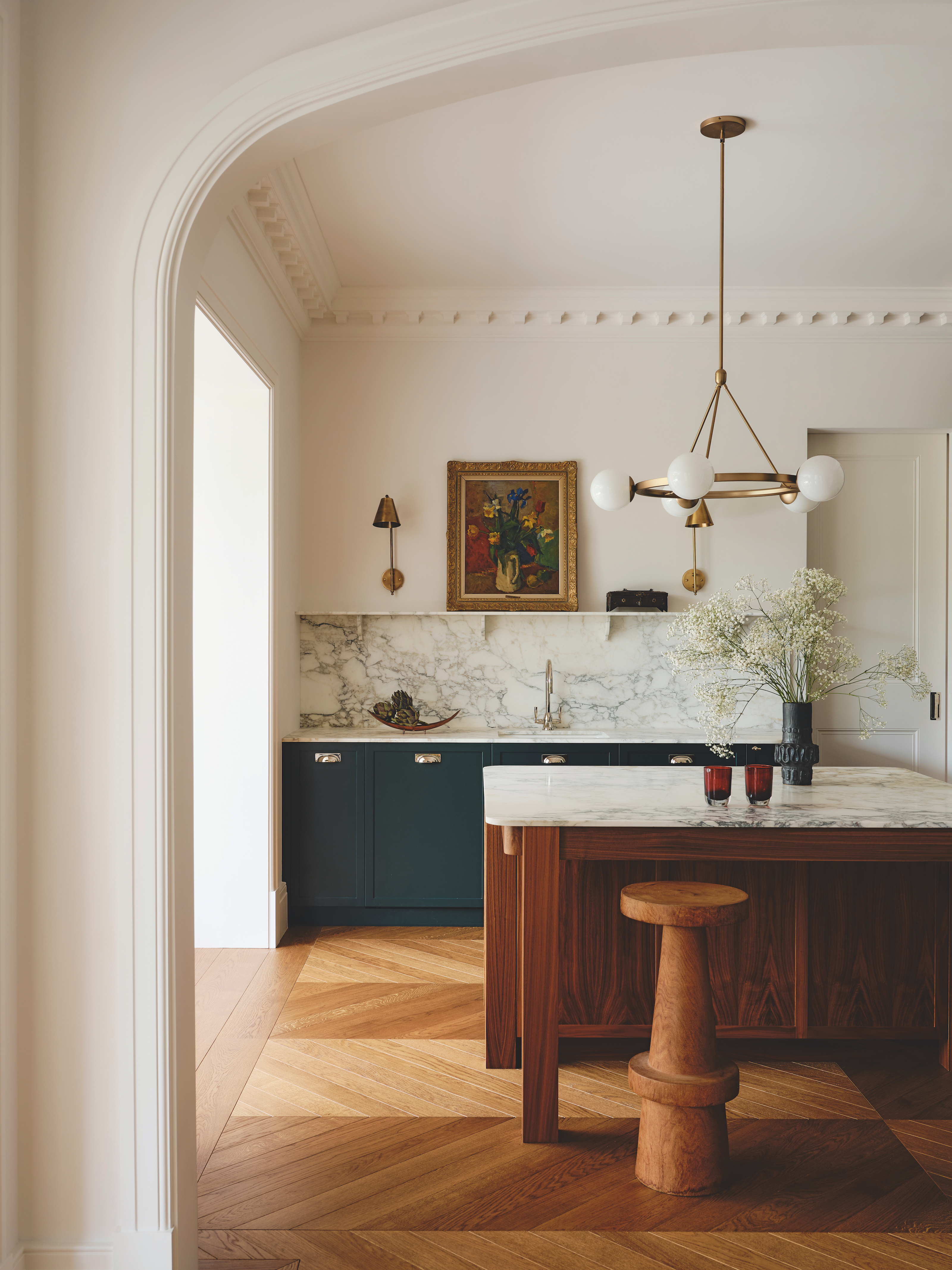
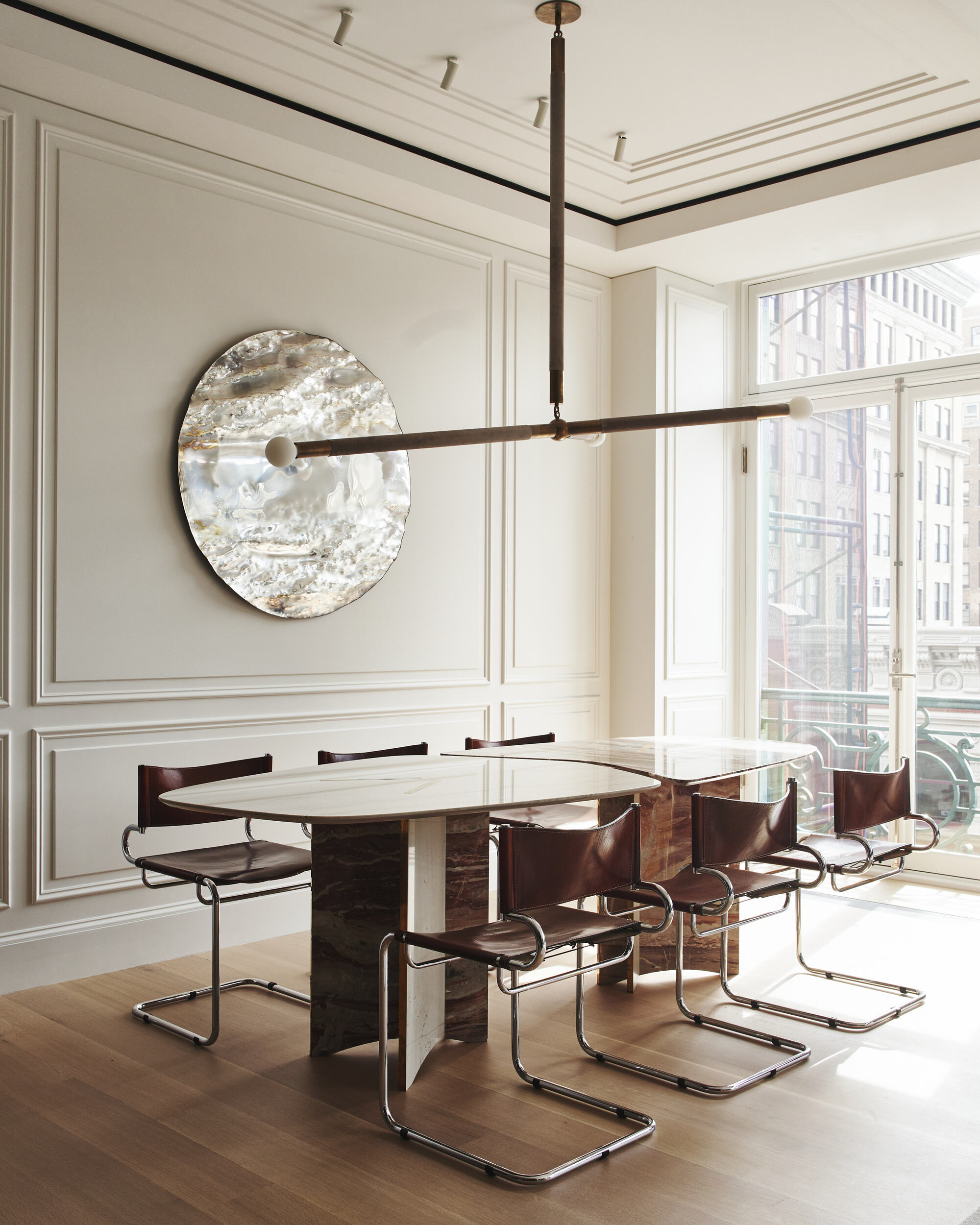
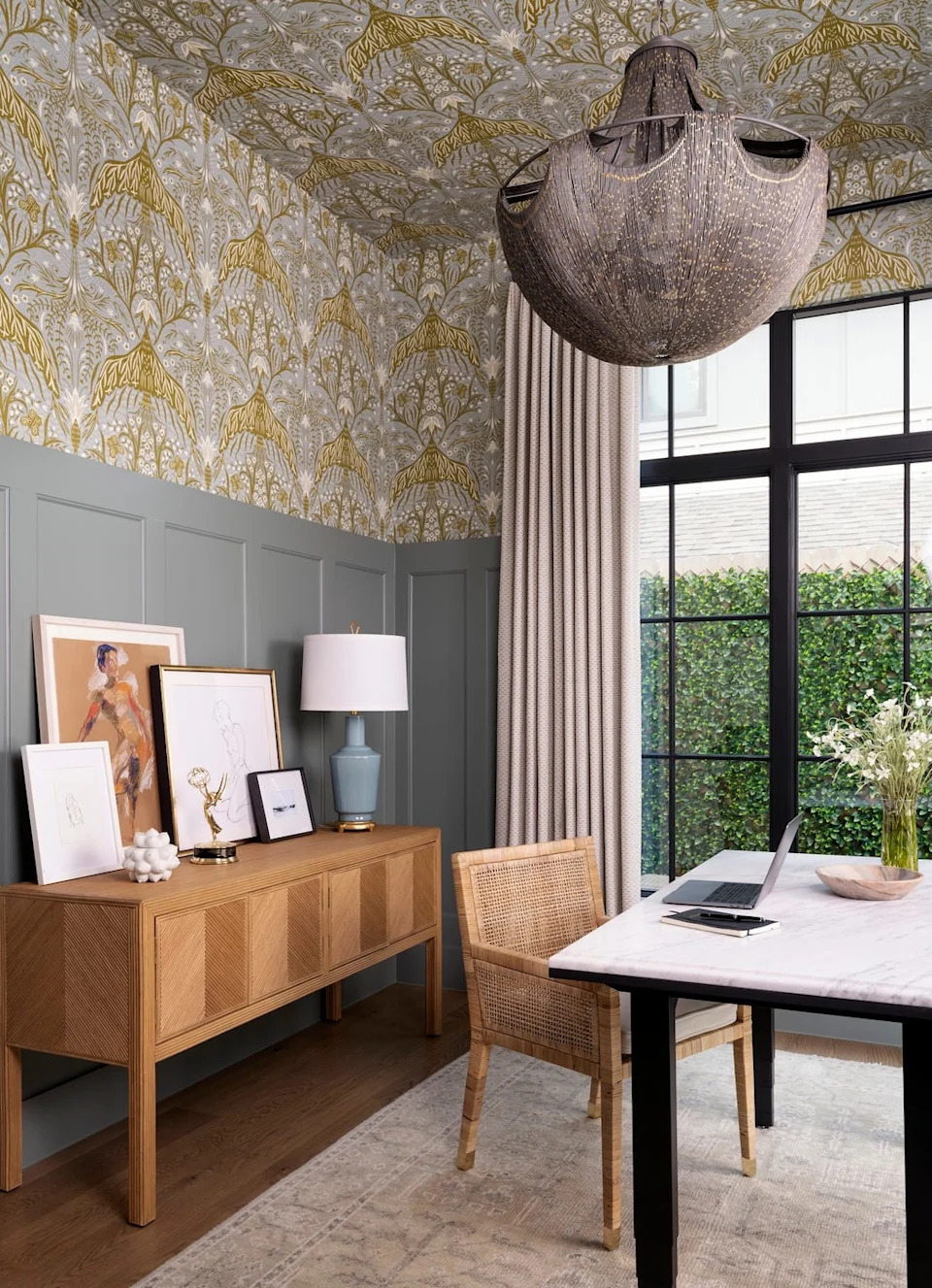
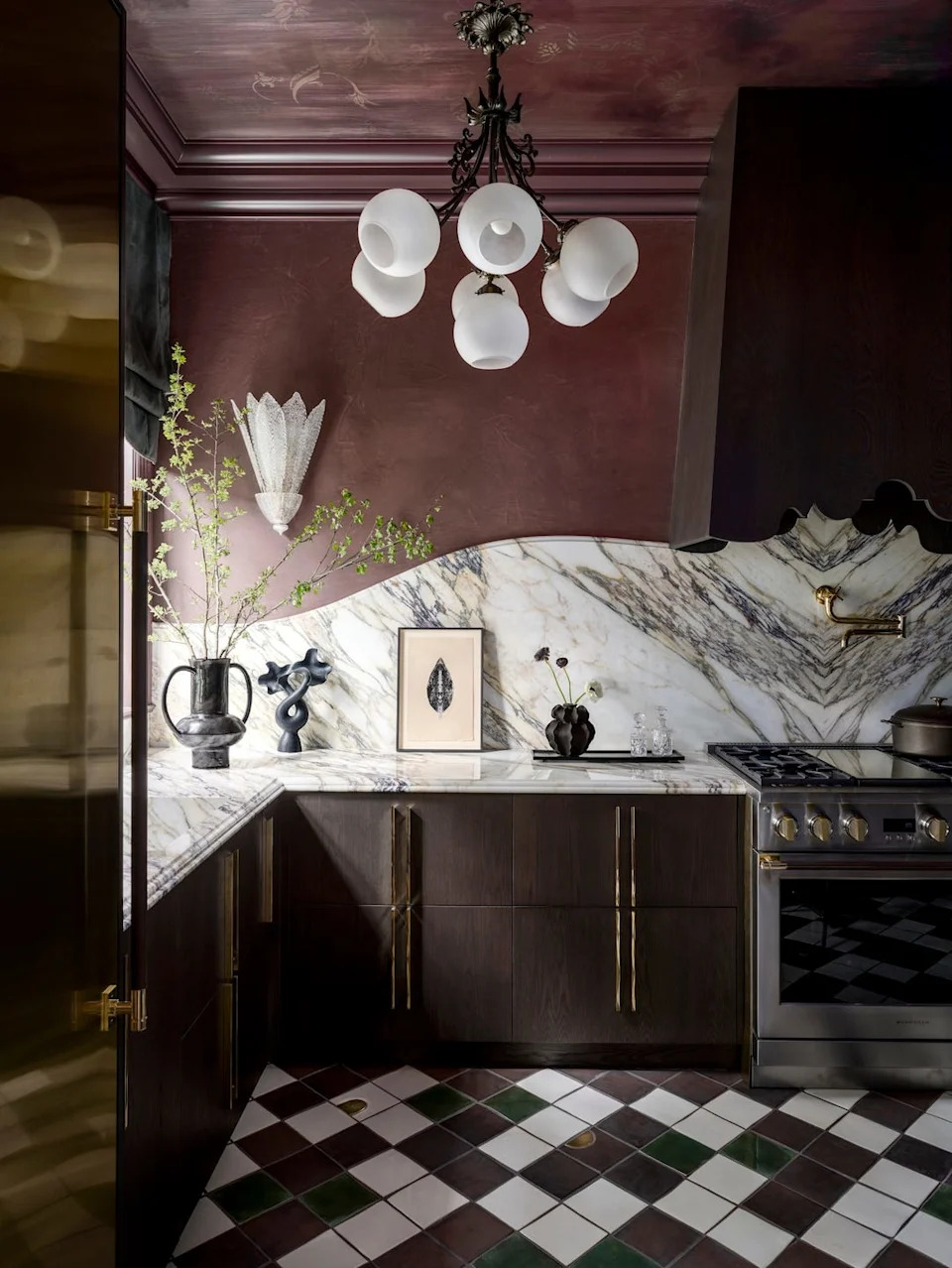
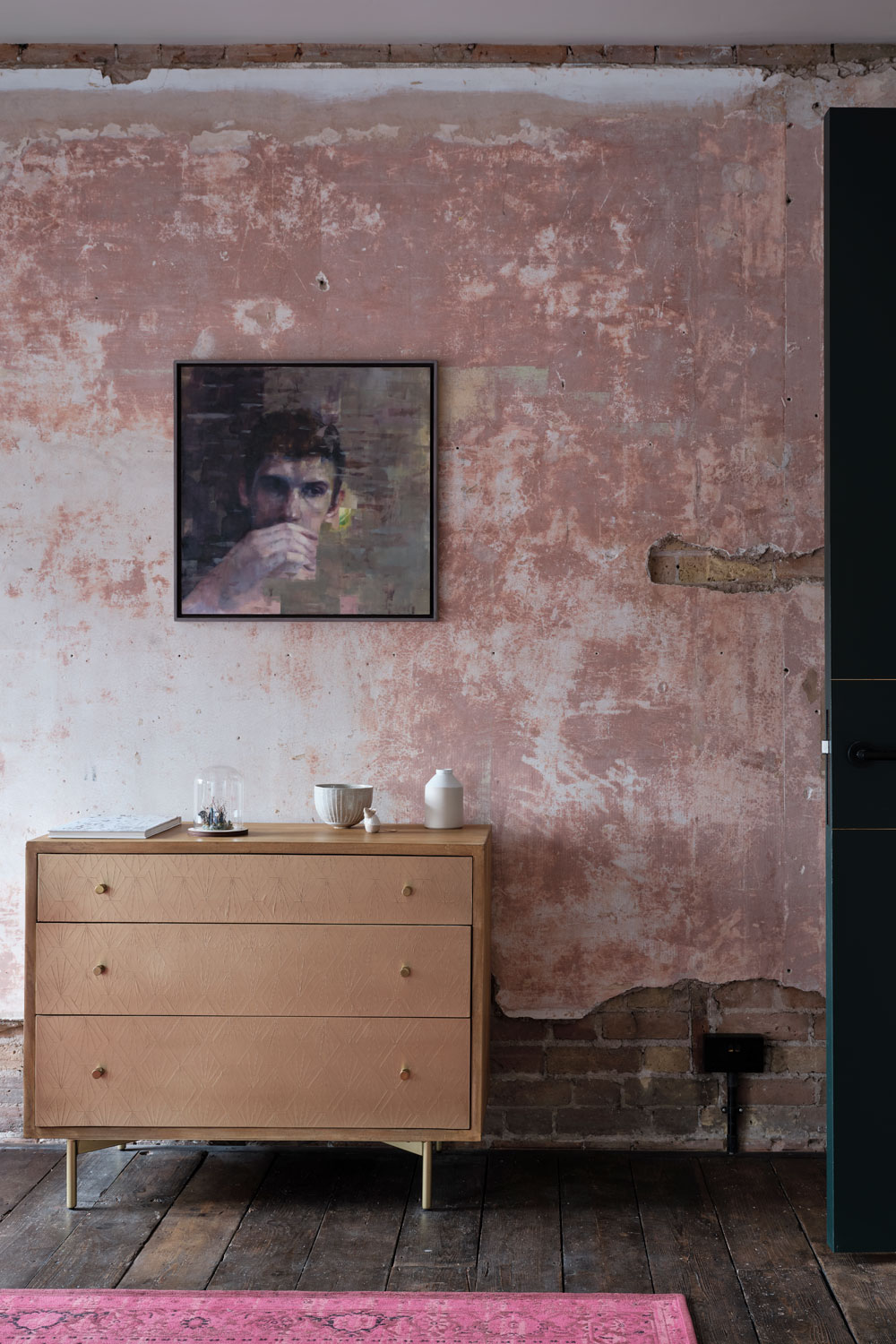
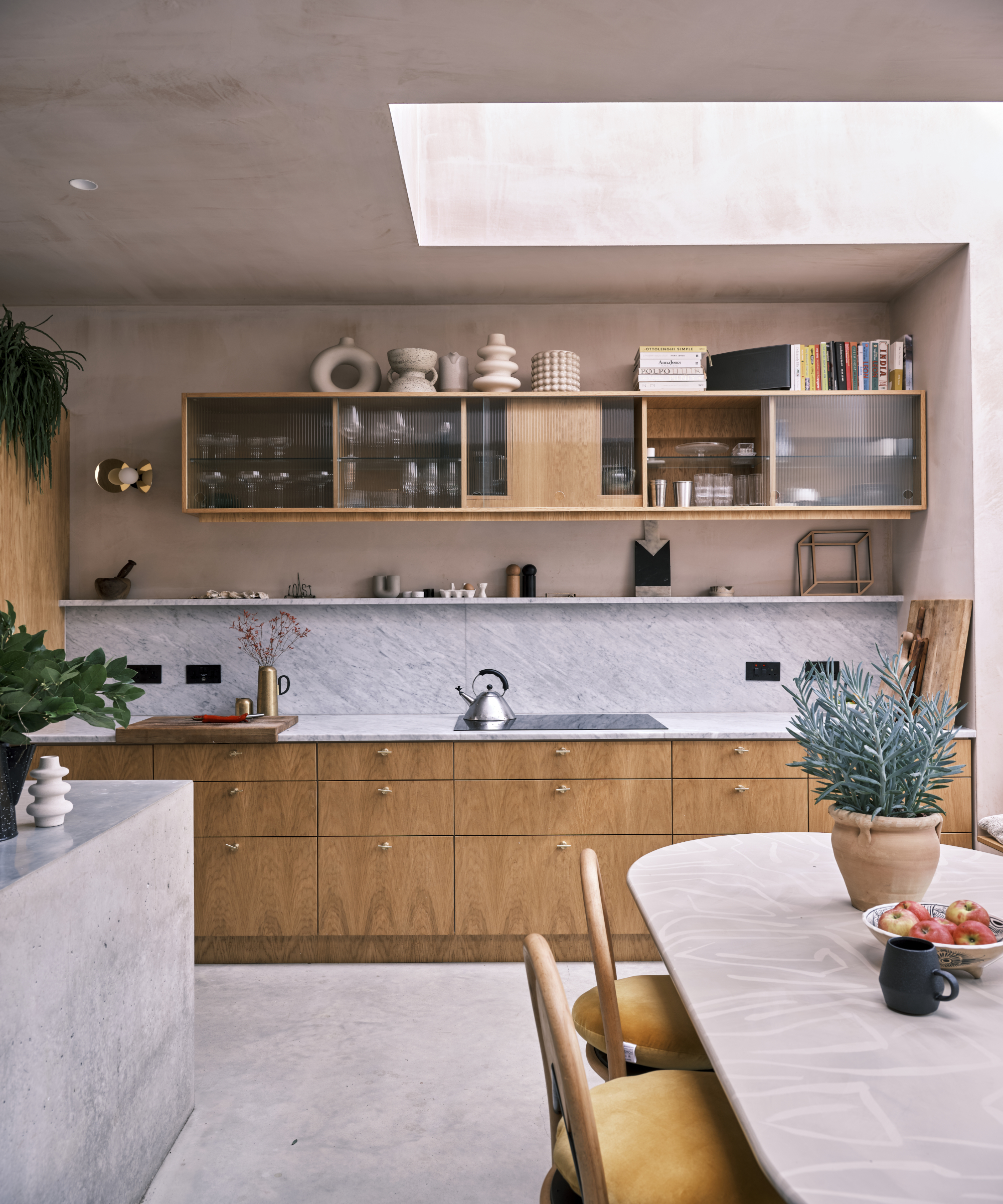
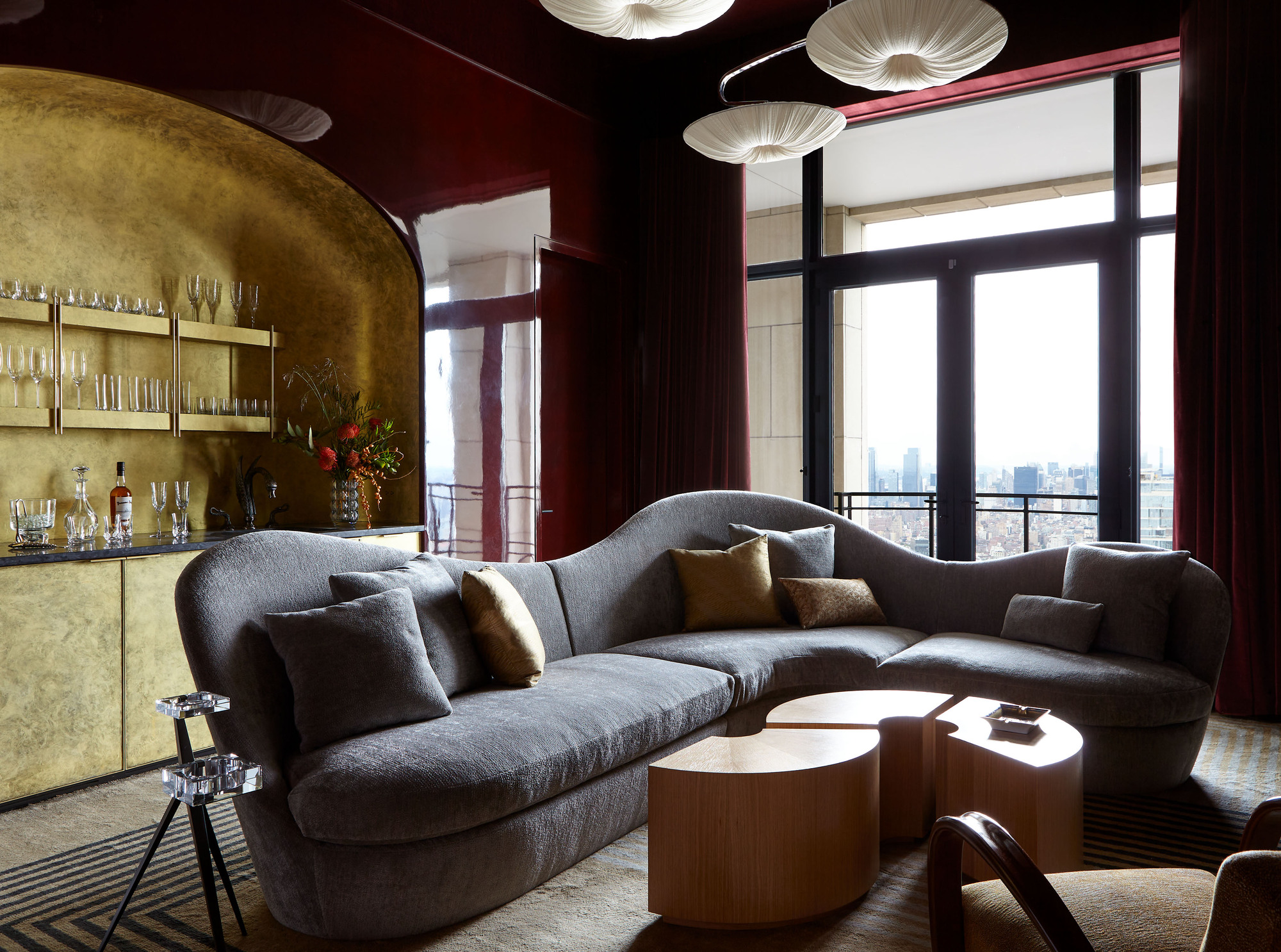
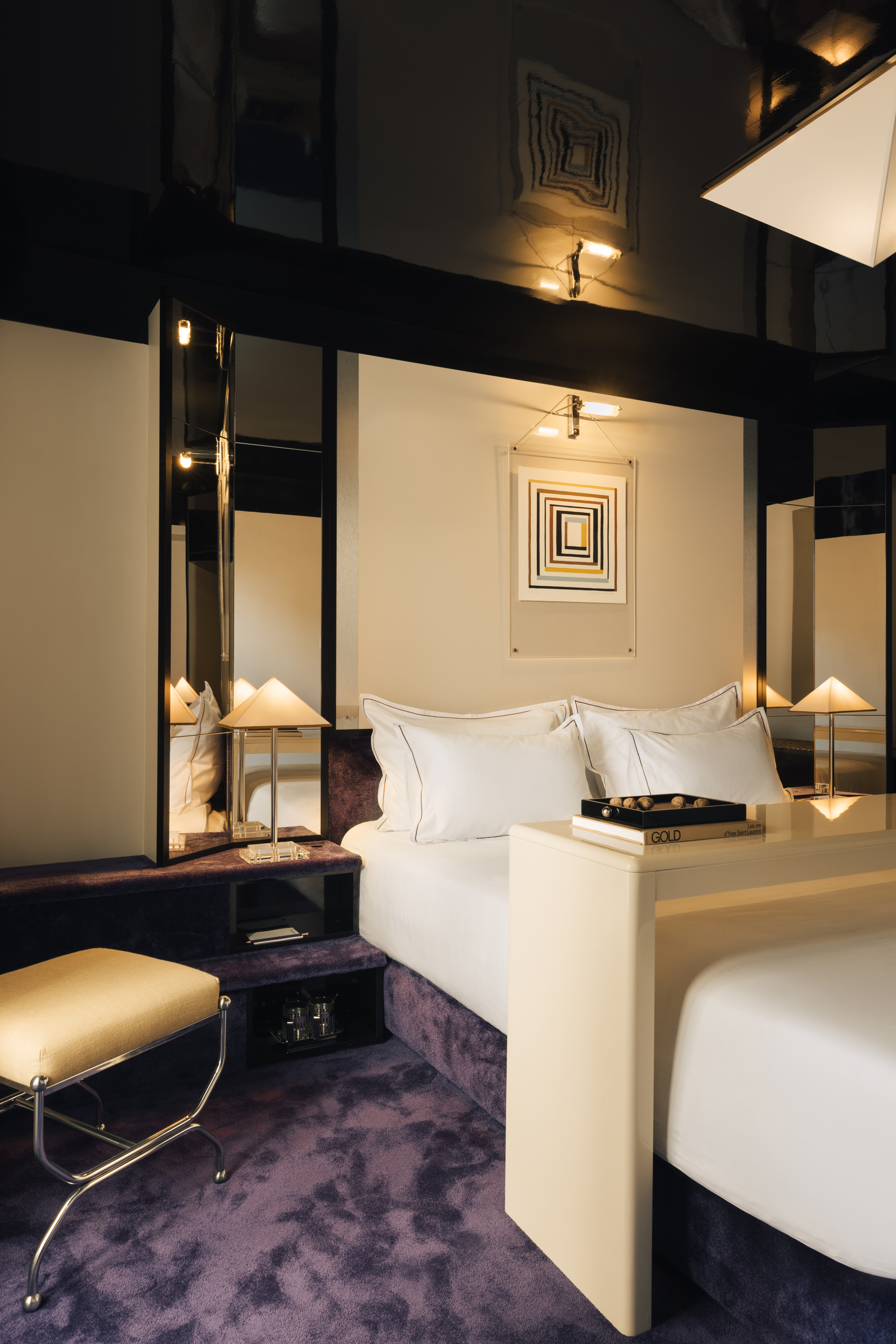
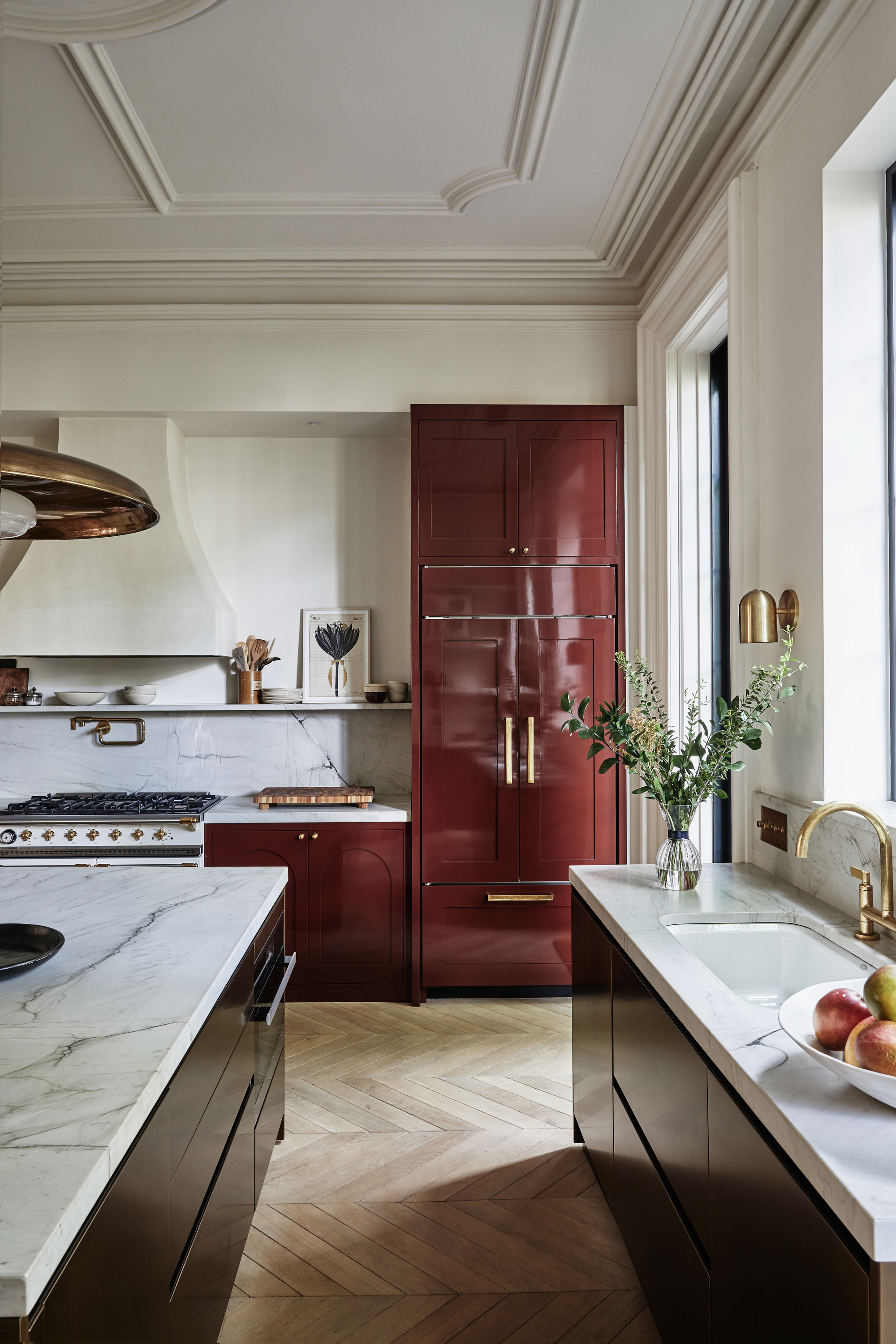
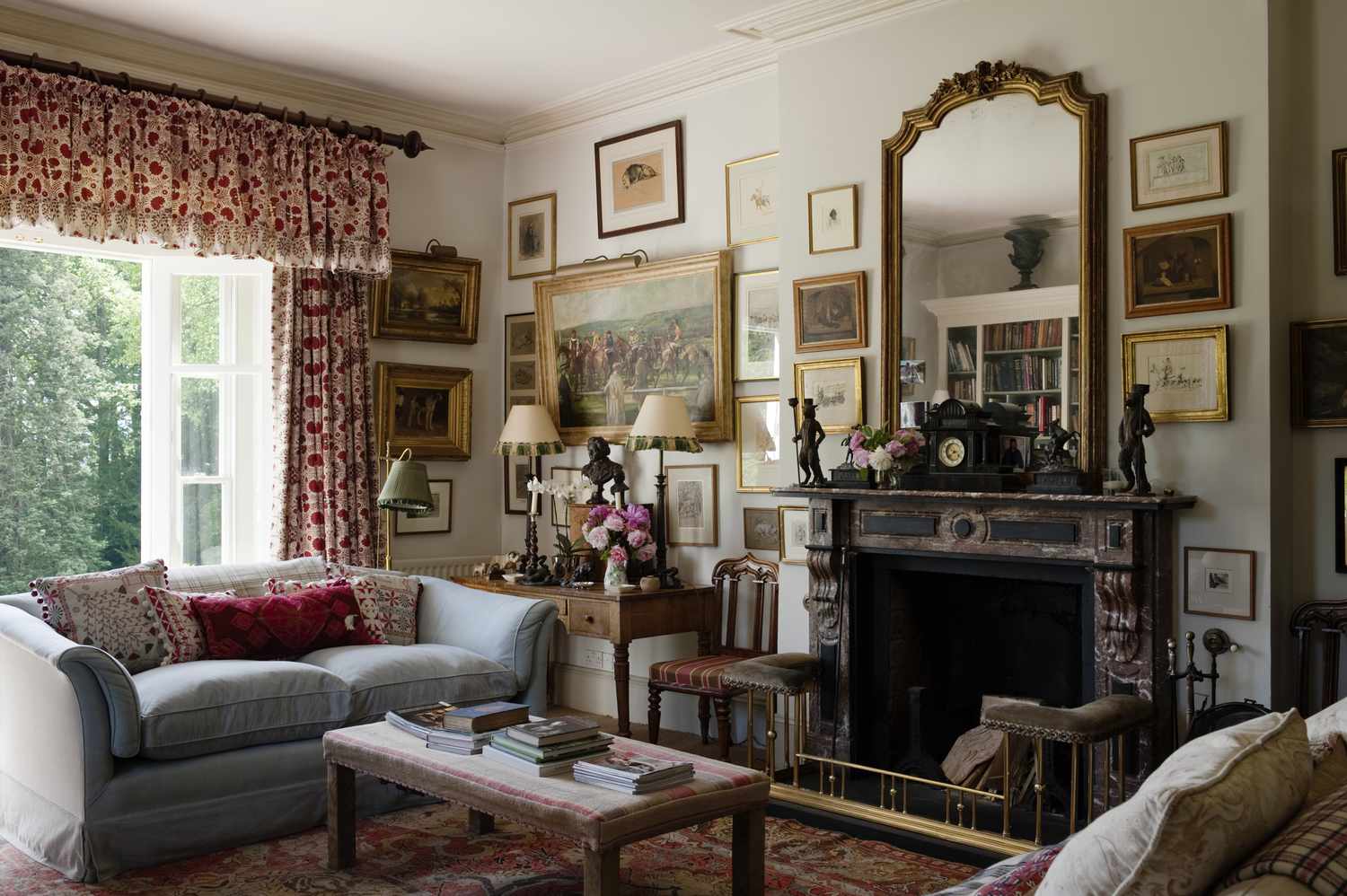
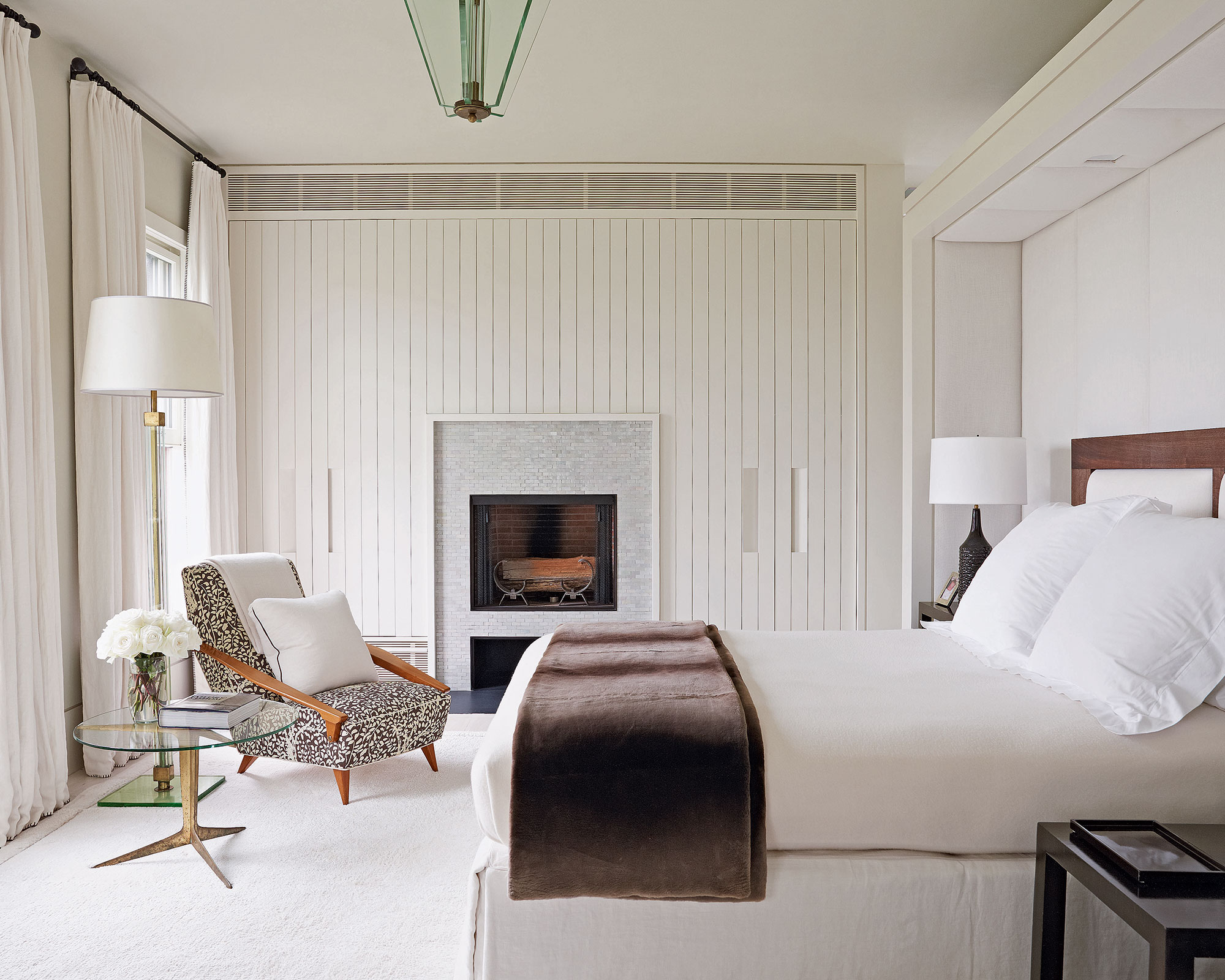
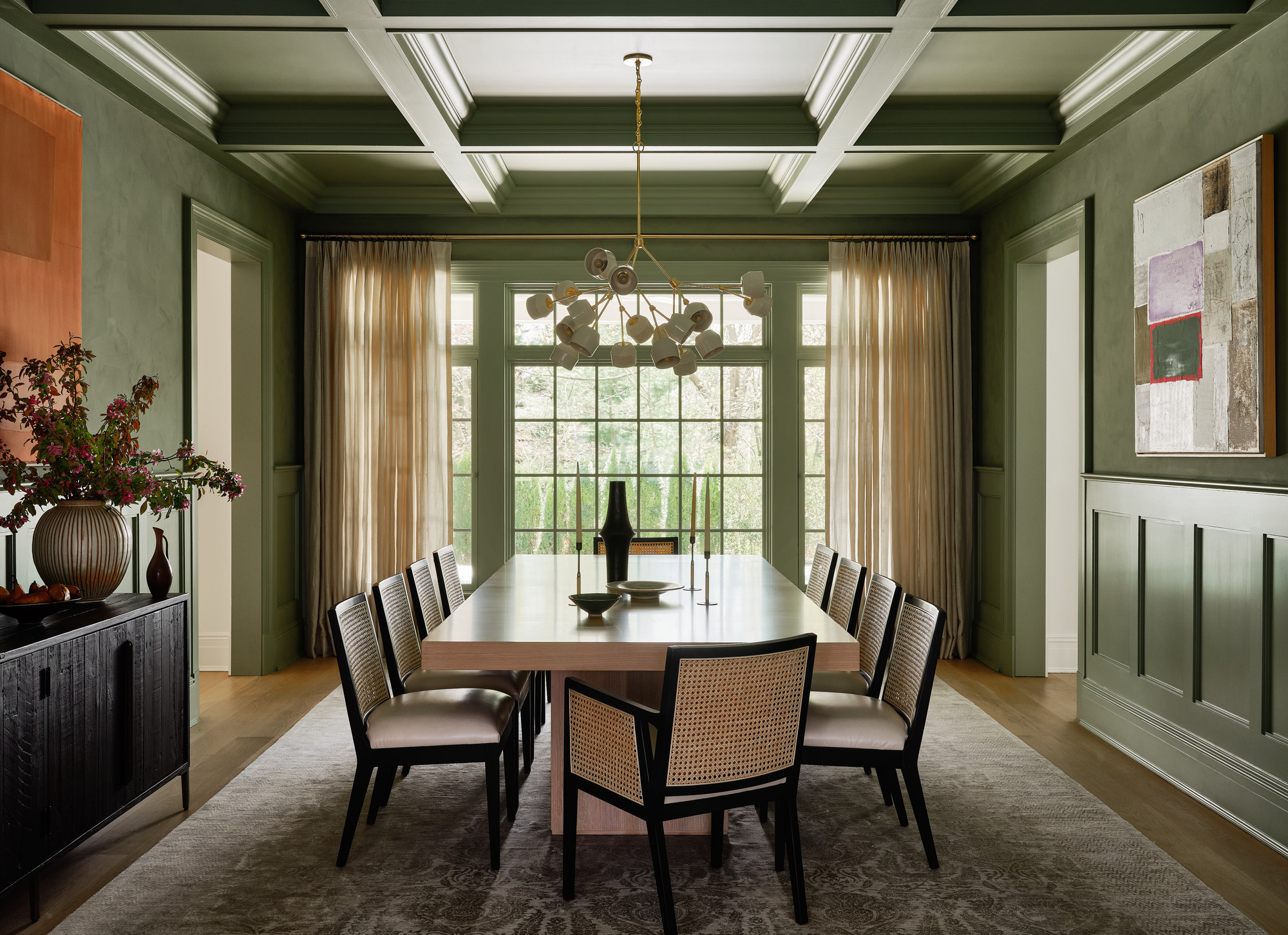
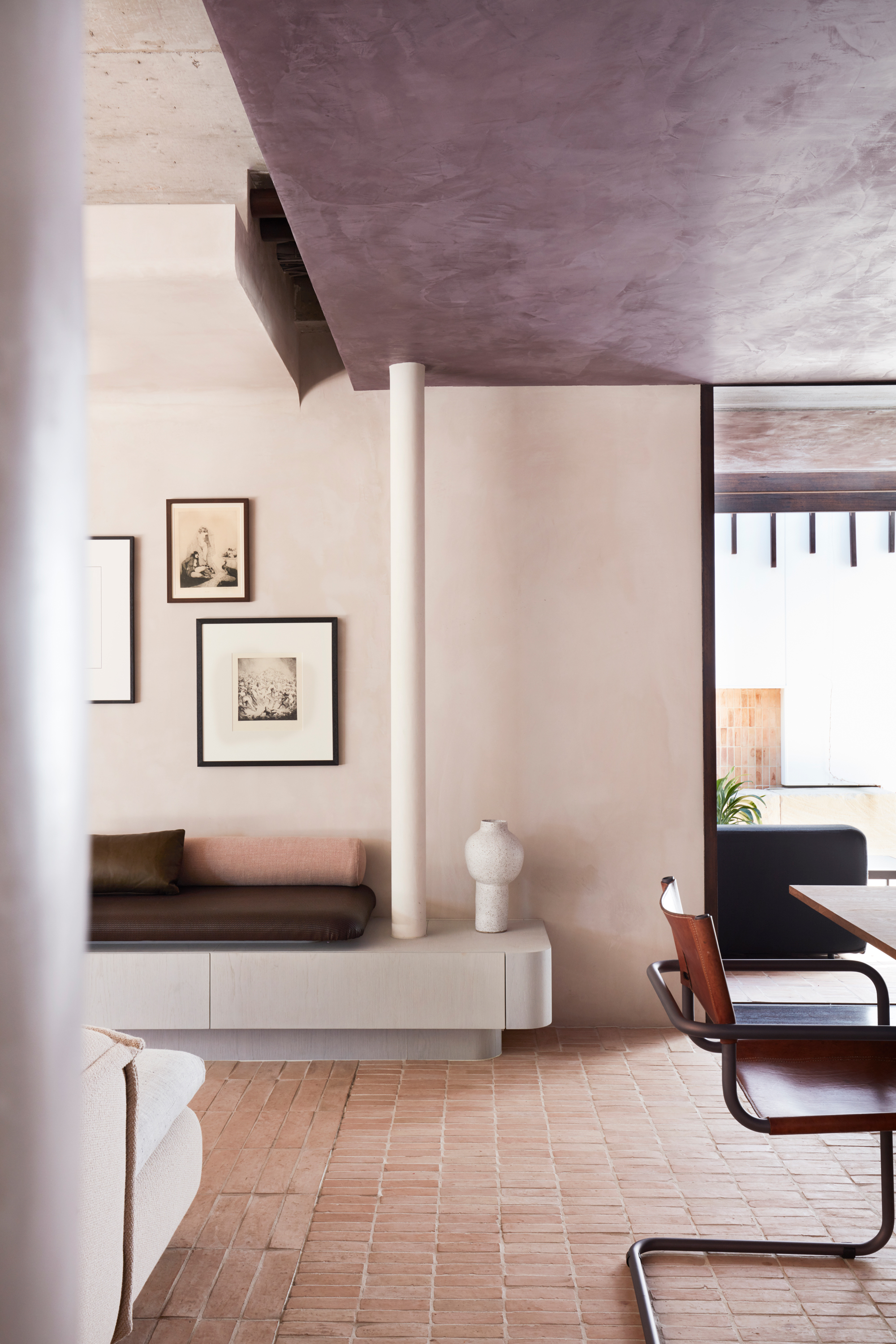
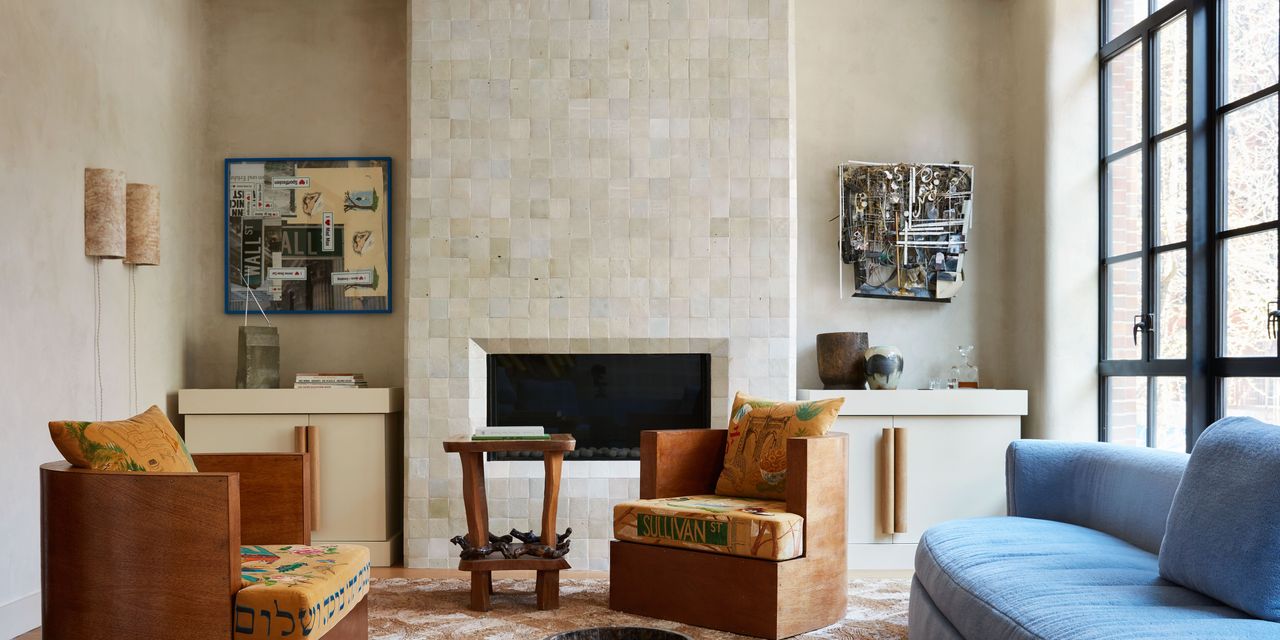
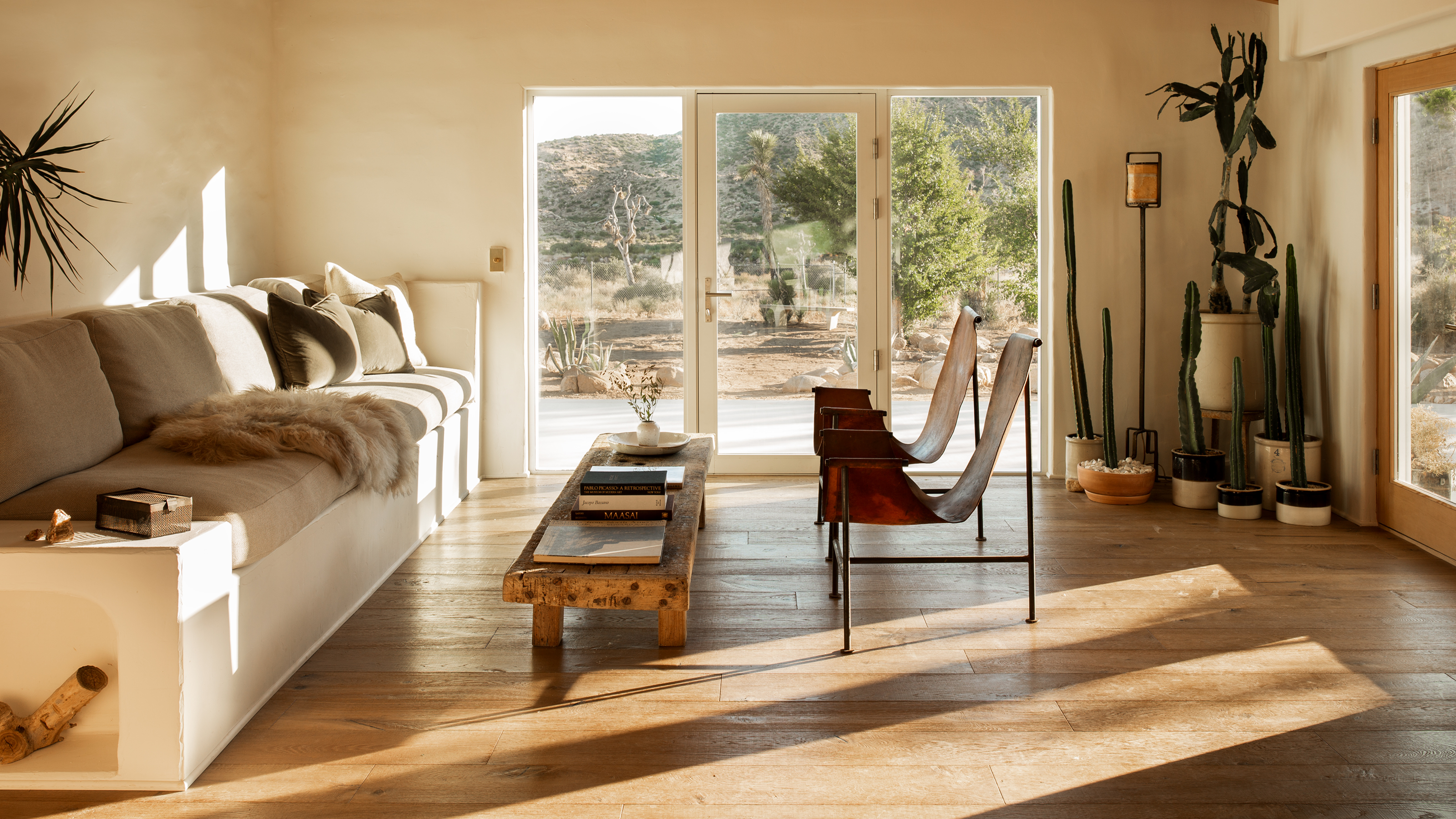
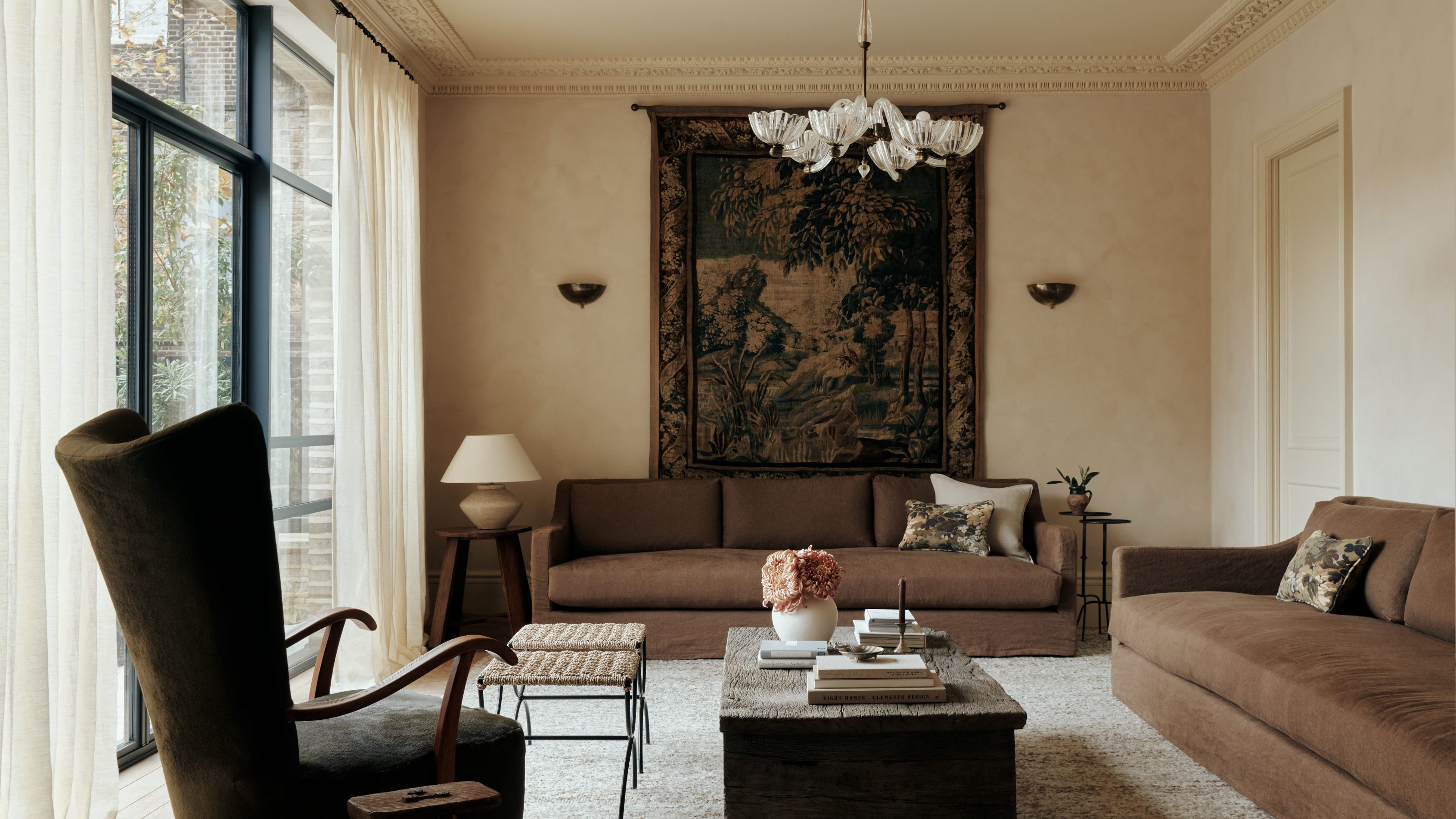
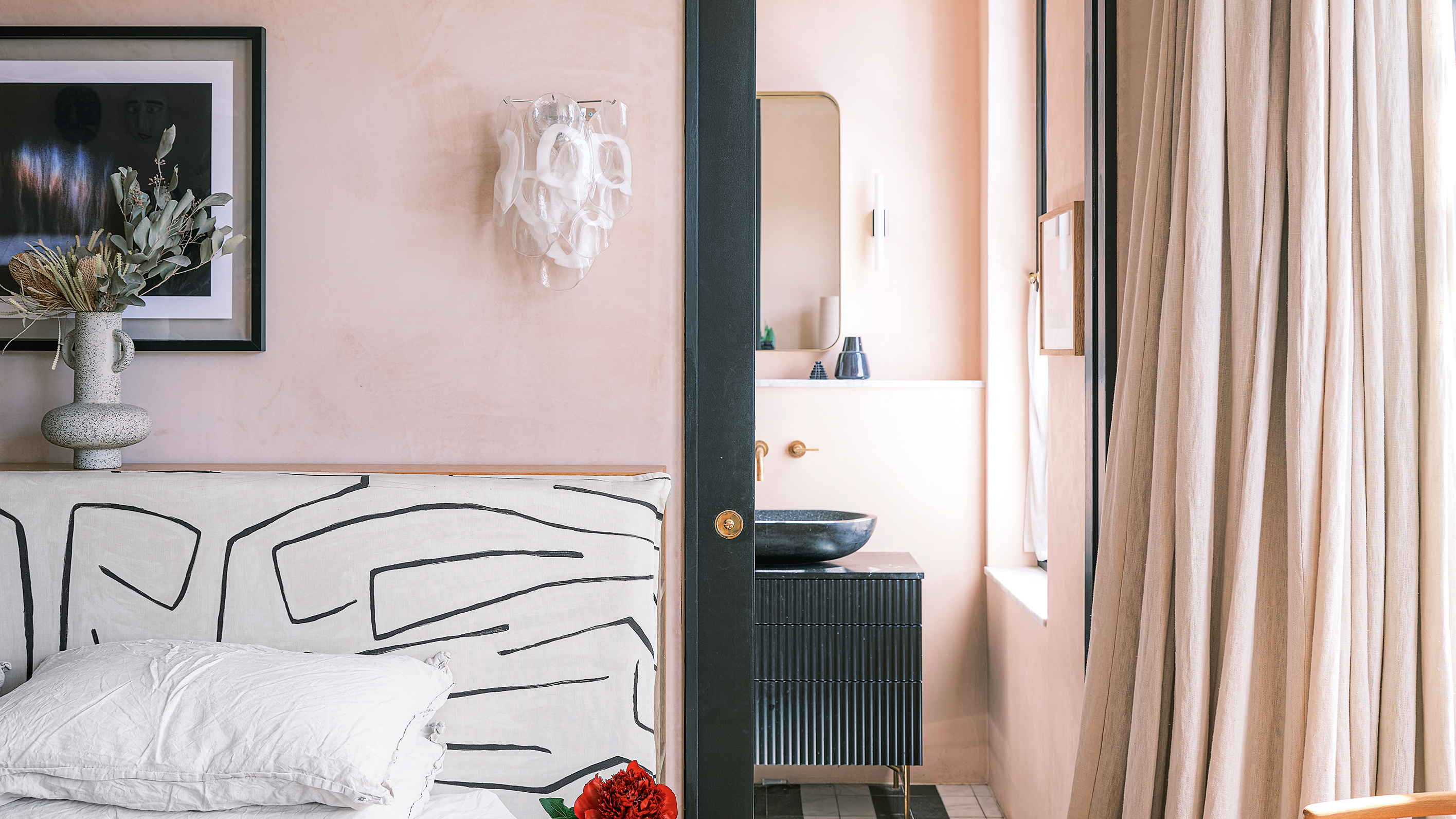
The resurgence of plaster walls in contemporary interior design signals a shift towards warmer, more textural aesthetics, moving away from the starker minimalist trends of the past. This subtle, yet impactful, wall treatment has become a hallmark of what is now often referred to as 'warm modernism,' a style that emphasizes comfort and natural textures. The article highlights that this trend has gained significant traction, appearing in high-profile residences from New York City to Los Angeles, including the homes of celebrities and designs by renowned architects and interior designers.
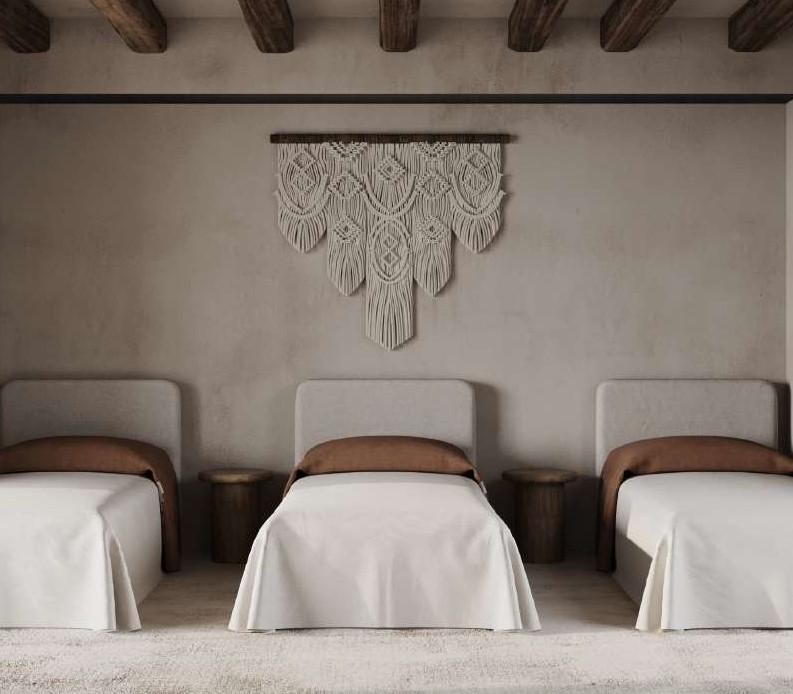
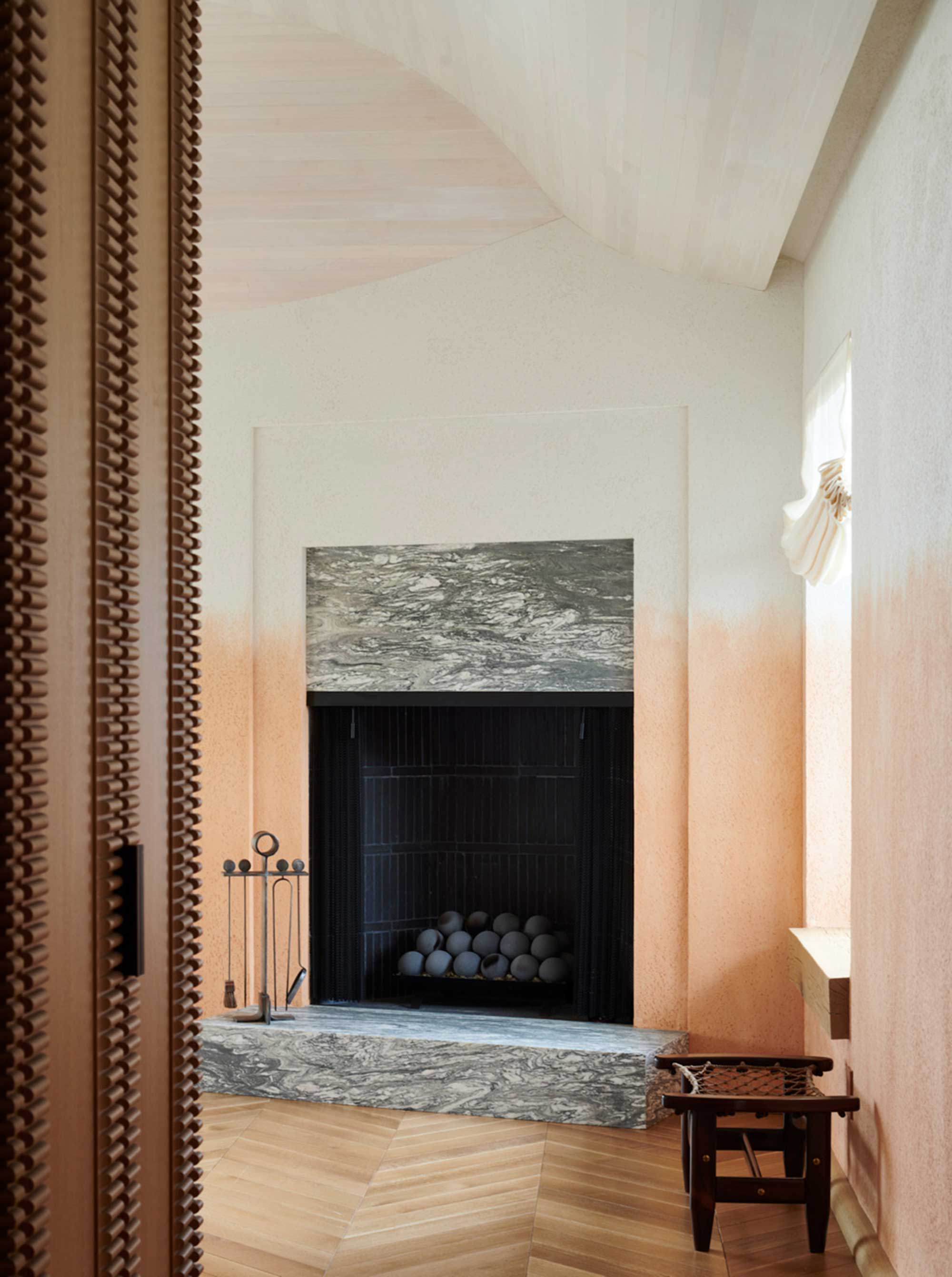
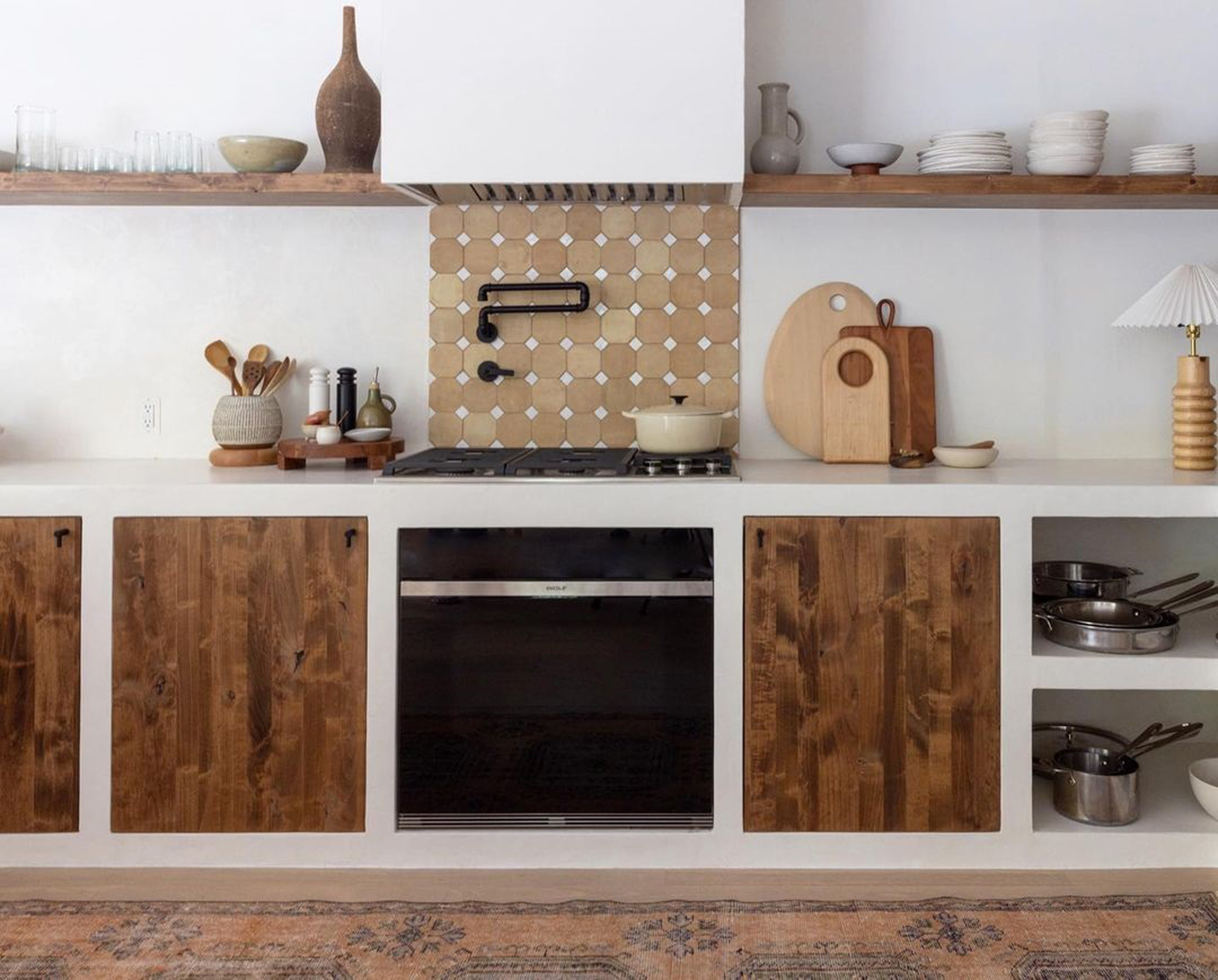
The appeal of plaster walls lies in their inherent warmth, depth, and unique textural quality, which creates a dynamic interplay of light and shadow within a space. Unlike perfectly smooth, painted surfaces, plaster offers an organic, hand-crafted feel that introduces character and a sense of history. This distinct visual and tactile experience is described by some designers as the 'umami of architecture,' capable of transforming an ordinary space into something extraordinary. The natural variations and imperfections in plaster applications ensure that no two moments are exactly alike, providing a living, breathing quality to the walls.
The historical context of plaster is also explored, demonstrating its long-standing presence in architectural and design traditions across various cultures and eras. From ancient Egyptian tombs and Roman stucco to 15th-century Italian marmorino and 20th-century movements like 'Mizner Mediterranean' and Tuscan styles, plaster has consistently played a significant role in interior finishes. Its current popularity is attributed, in part, to leading artisans like Kamp Studios, whose work has been featured in numerous high-profile projects and has helped re-establish plaster as a prominent wall treatment in contemporary design.
Designers, such as Vanessa Alexandra and Gregory Rockwell, frequently incorporate plaster into their projects, noting its ability to soften modern interiors and create an inviting atmosphere. Rockwell advises applying plaster to all walls and ceilings in a room for a cohesive look and suggests that passageways and areas with abundant natural light are ideal for showcasing its unique qualities. He also emphasizes the importance of creating samples to ensure the desired effect. For those seeking a more accessible approach, brands like Portola Paints offer lime wash and Roman clay paints that replicate the raw, textural appearance of traditional plaster, allowing for DIY applications.
The broader implication of this trend suggests a desire among homeowners and designers for interiors that are more tactile, authentic, and connected to craftsmanship. In an increasingly digital world, there is a growing impulse to engage with physical materials and handmade elements. Plaster walls, with their inviting texture and rich history, fulfill this desire, offering a sensory experience that contrasts with mass-produced finishes. This movement towards 'warm modernism' and the embrace of natural, textural materials like plaster reflect a broader appreciation for bespoke details and a more organic, lived-in aesthetic in contemporary home design.
#PlasterWalls #InteriorDesign #WarmModernism #HomeDecoration #TexturalFinishes #DesignTrends #Craftsmanship #ArchitecturalFinishes #WallTreatments #PlasterWalls #InteriorDesign #WarmModernism #HomeDecoration #TexturalFinishes #DesignTrends #Craftsmanship #ArchitecturalFinishes #WallTreatments
0 comment in total
 No comments yet
You may also like
Ten residential interiors showcasing exposed plaster walls
Designers say this 'plastered-in' decor trend will bring a serene feel to every room in the house

This Outdated Paint Trend is now Predicted to Return — Designers Love its "Fun, Eye-Catching Glamor"
Bye-Bye, Accent Walls! Designers Say THIS Is Now the Hottest Decorating Feature

Home help: Are feature walls still a thing or do they make a home look dated?
5 Questions on Decorative Plasterwork You Need to Ask Before Specifying It in 2025 — Answered by Interior Designers
7 Wall Art Styles That Designers Are Leaving Behind This Year For Good

5 outdated paint trends that interior designers are glad to see the back of – and what they're doing instead
4 outdated wall decor trends designers are leaving behind – and the one that they're choosing instead
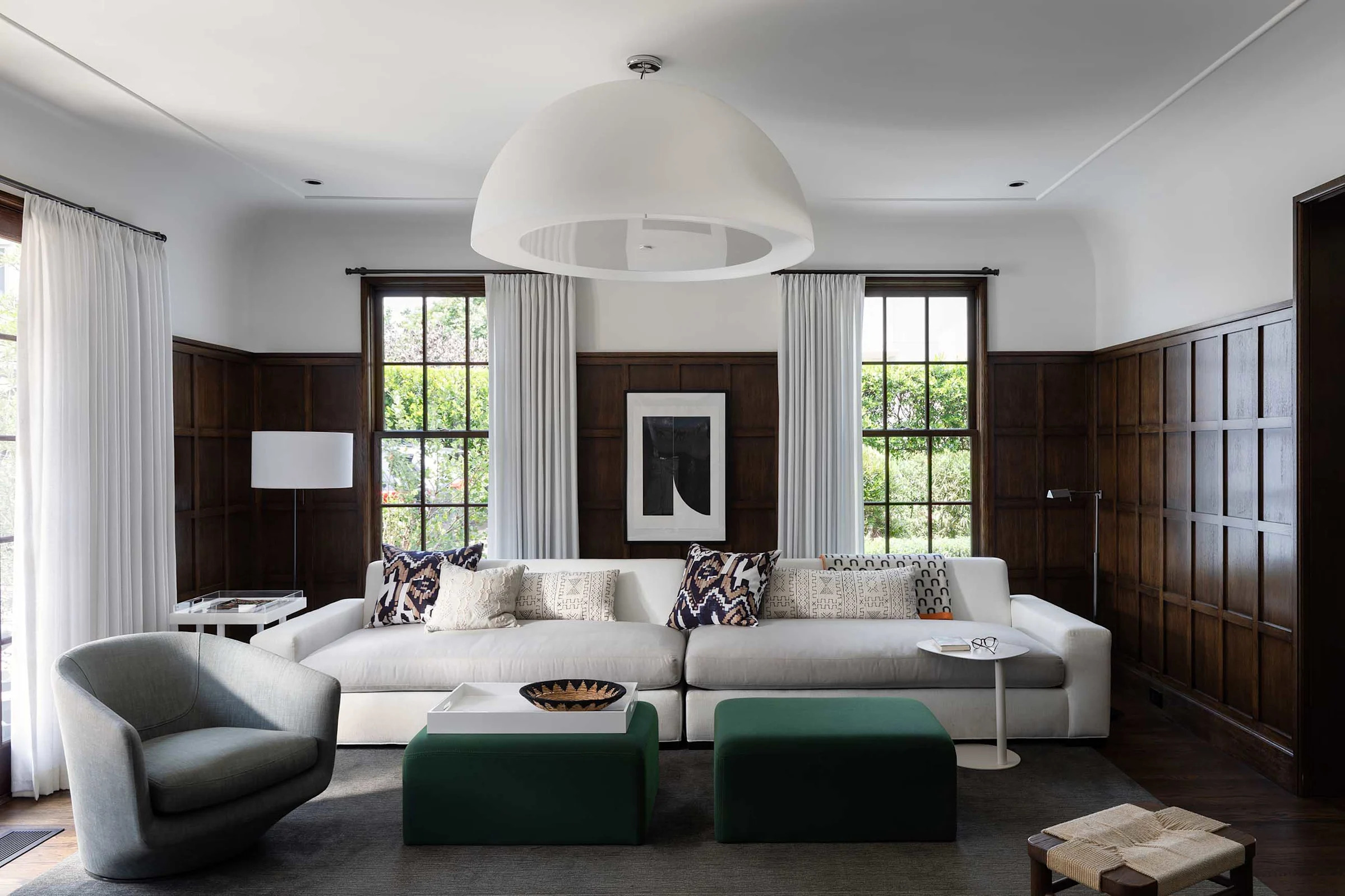
This Once-Dated Wall Paneling is Now Making Homes Look so Elegant and Sophisticated

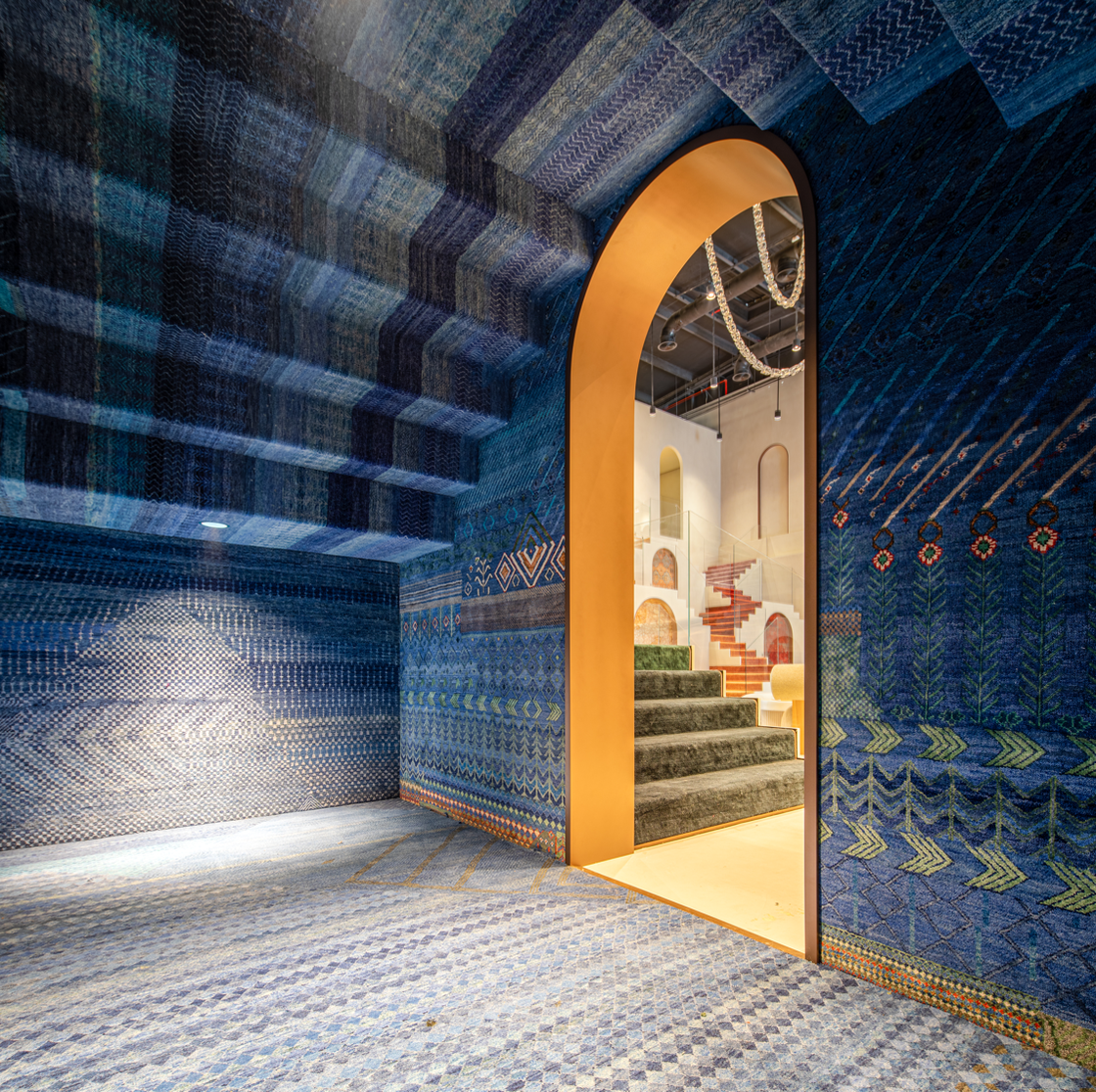
This Surprising NEW Trend Is Replacing Accent Walls

16 Accent Wall Ideas That You'll Start Seeing Everywhere In 2025
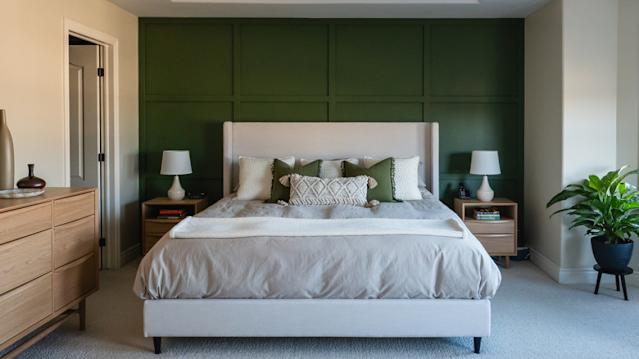
Forget Single Painted Accent Walls: This Stunning Trend Is Taking Over
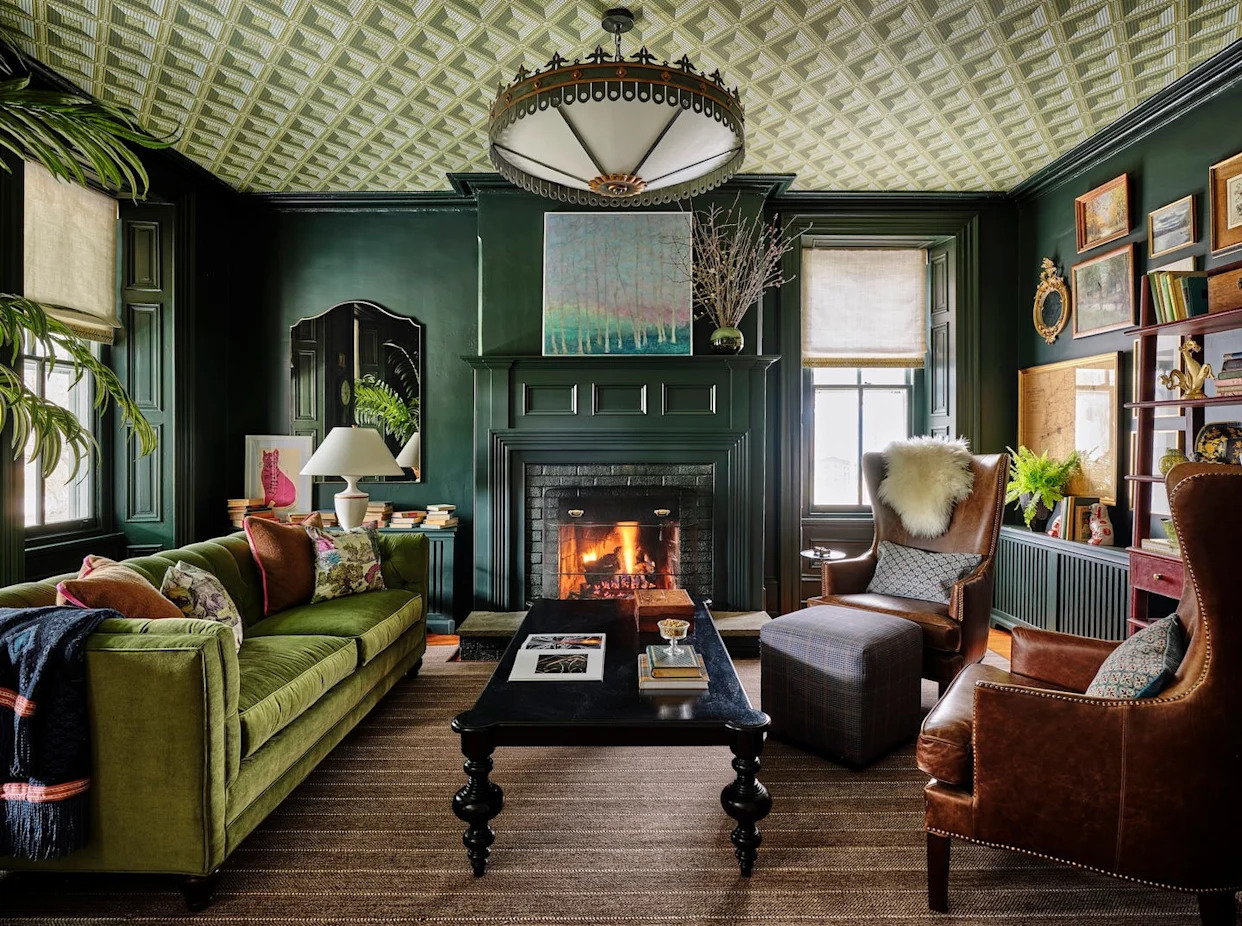
Bye-Bye, Accent Walls! Designers Say THIS Is Now the Hottest Decorating Feature
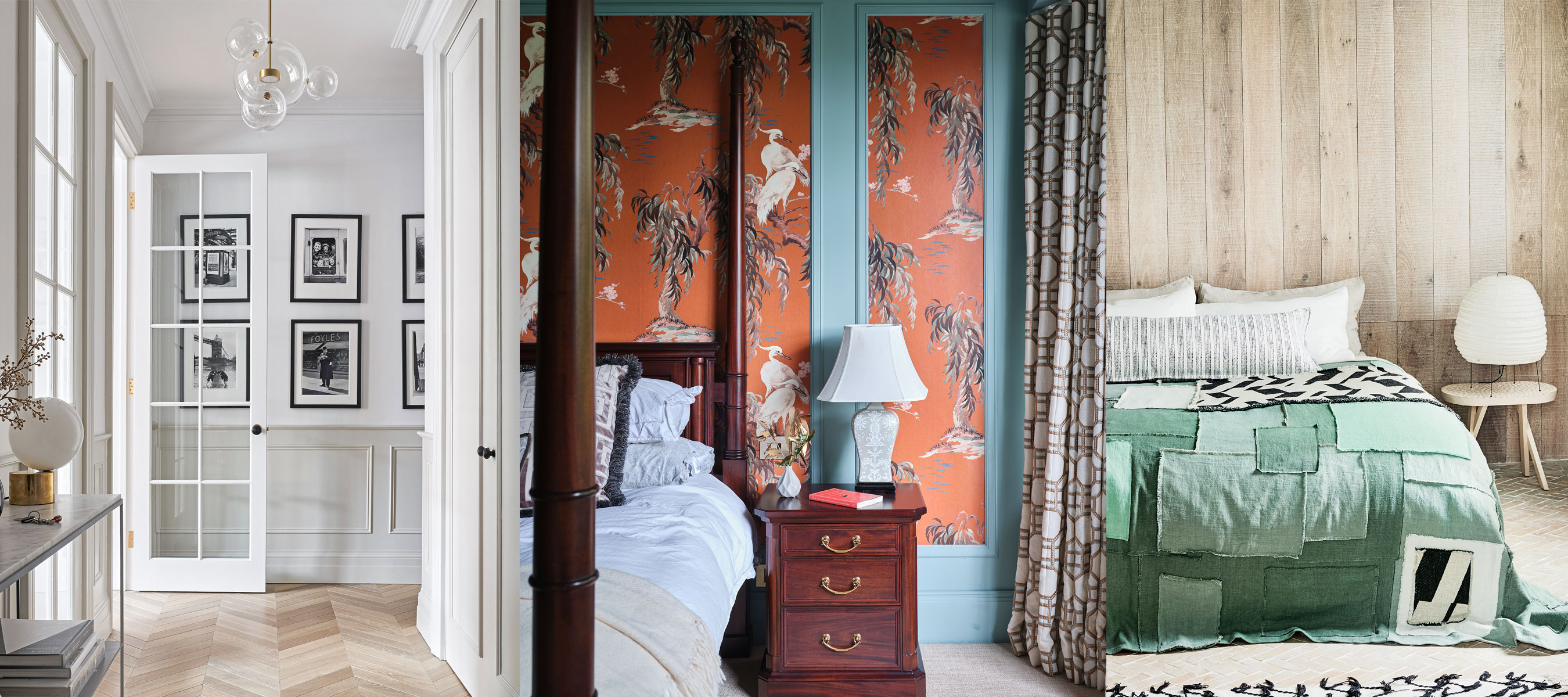
Wall paneling ideas – 18 ways to add decorative cladding and moulding

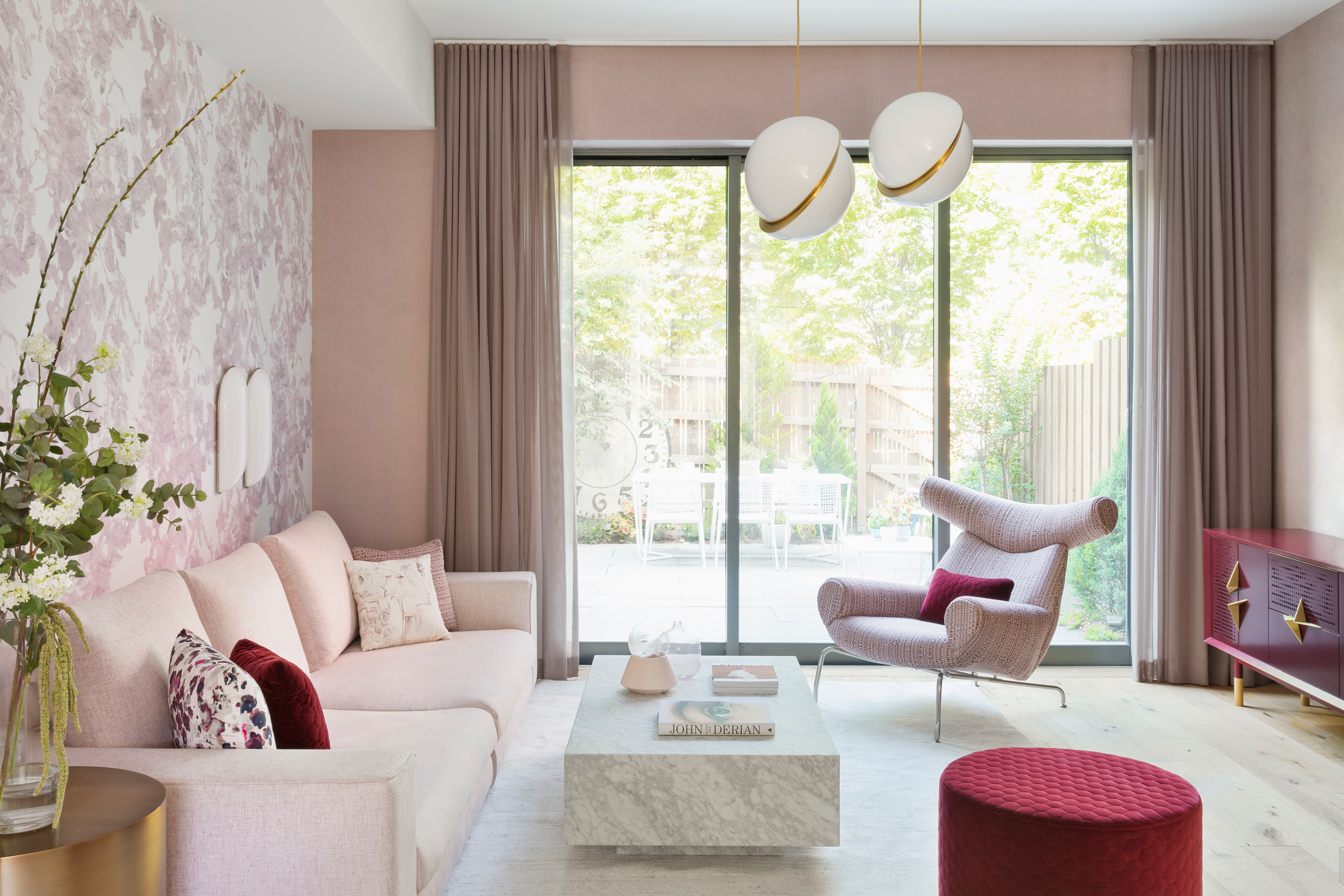
Are accent walls out of style? This is how designers are using them now and beyond
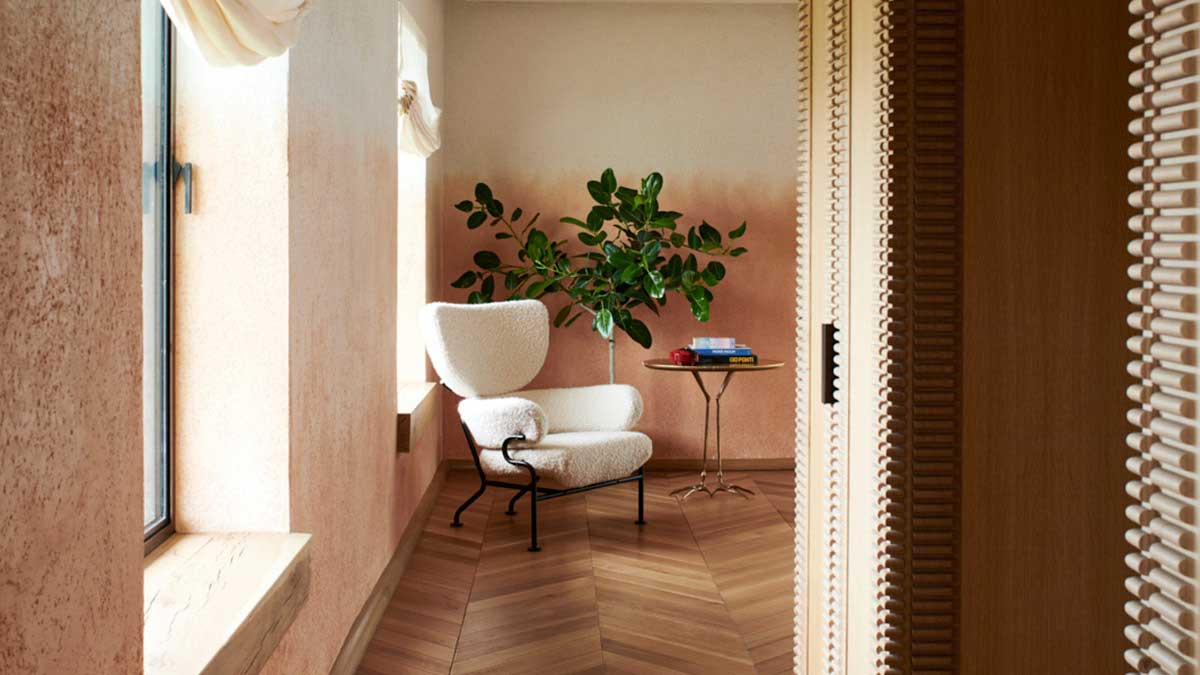
Ombre walls are having a moment – these 5 rooms have the best, most elevated versions of them
How to create plaster effect walls – the modern rustic trend everyone's trying
Feature walls are back, here’s 21 to try now
Say Goodbye to Shiplap—Here Are 4 Wall Treatments Designers Are Choosing Instead