1/11
Ten residential interiors showcasing exposed plaster walls
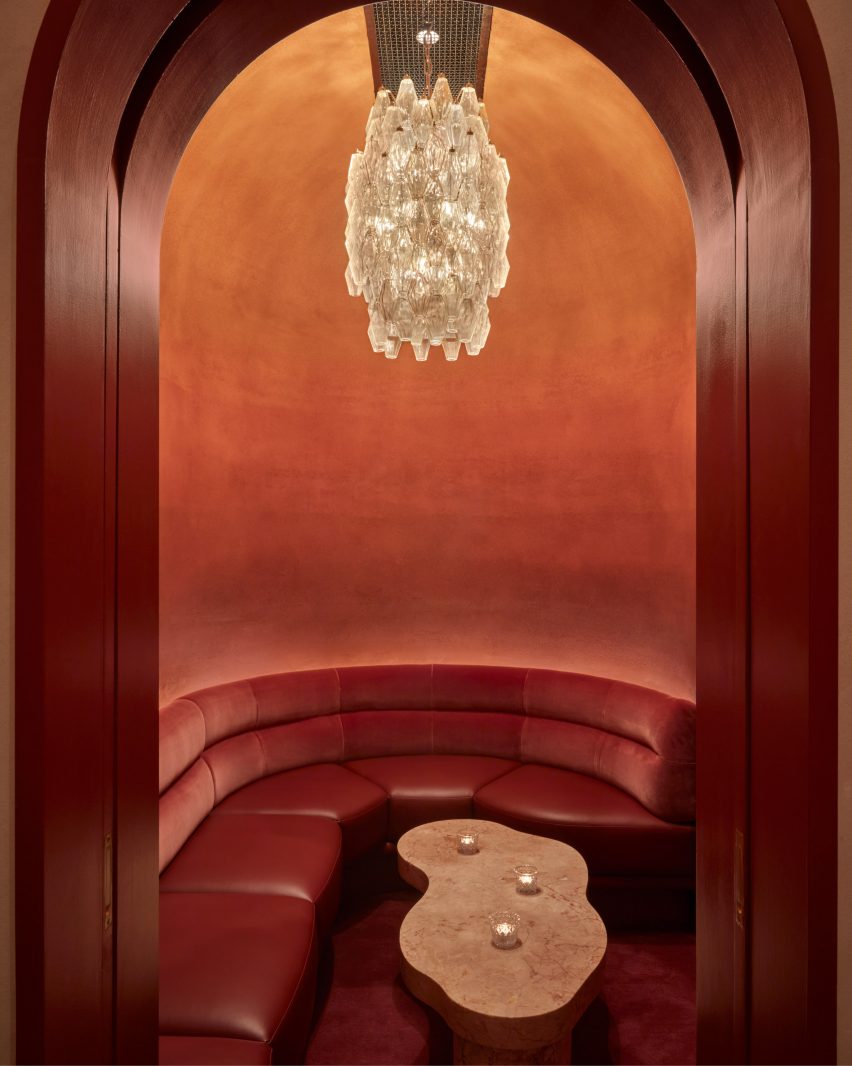
This lookbook presents ten residential interior designs that highlight the versatile aesthetic and practical benefits of exposed plaster walls. Plaster, traditionally a protective coating for walls and ceilings often hidden beneath paint or wallpaper, is showcased here as a prominent design element. The article explores how architects and designers are deliberately leaving plaster exposed to achieve various effects, from cost reduction to creating a rugged or sculptural visual appeal.
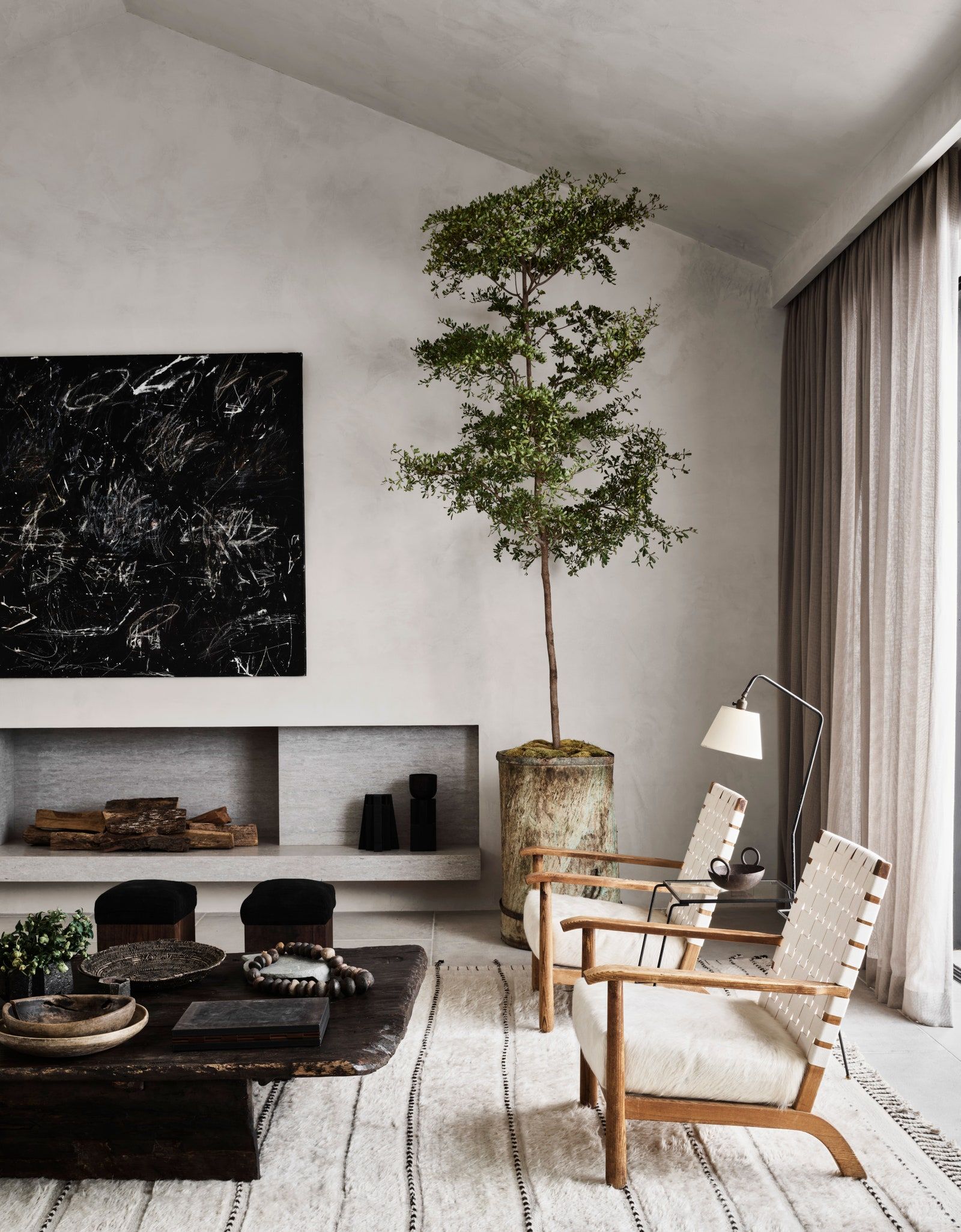
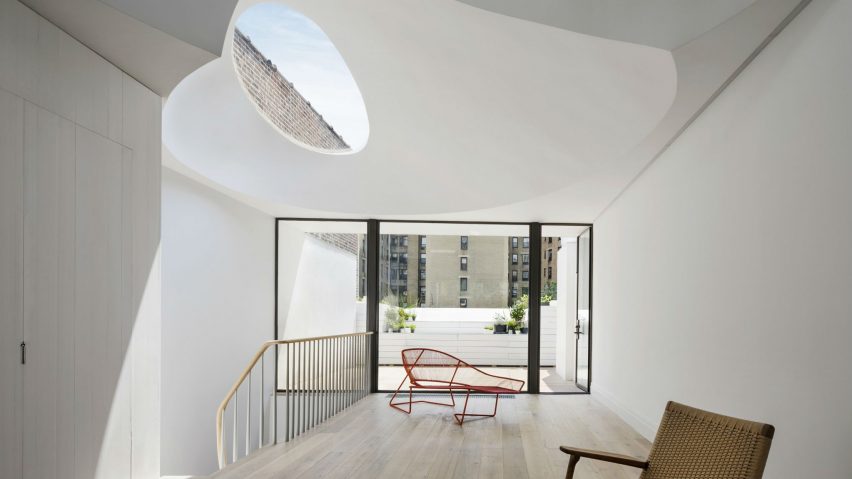
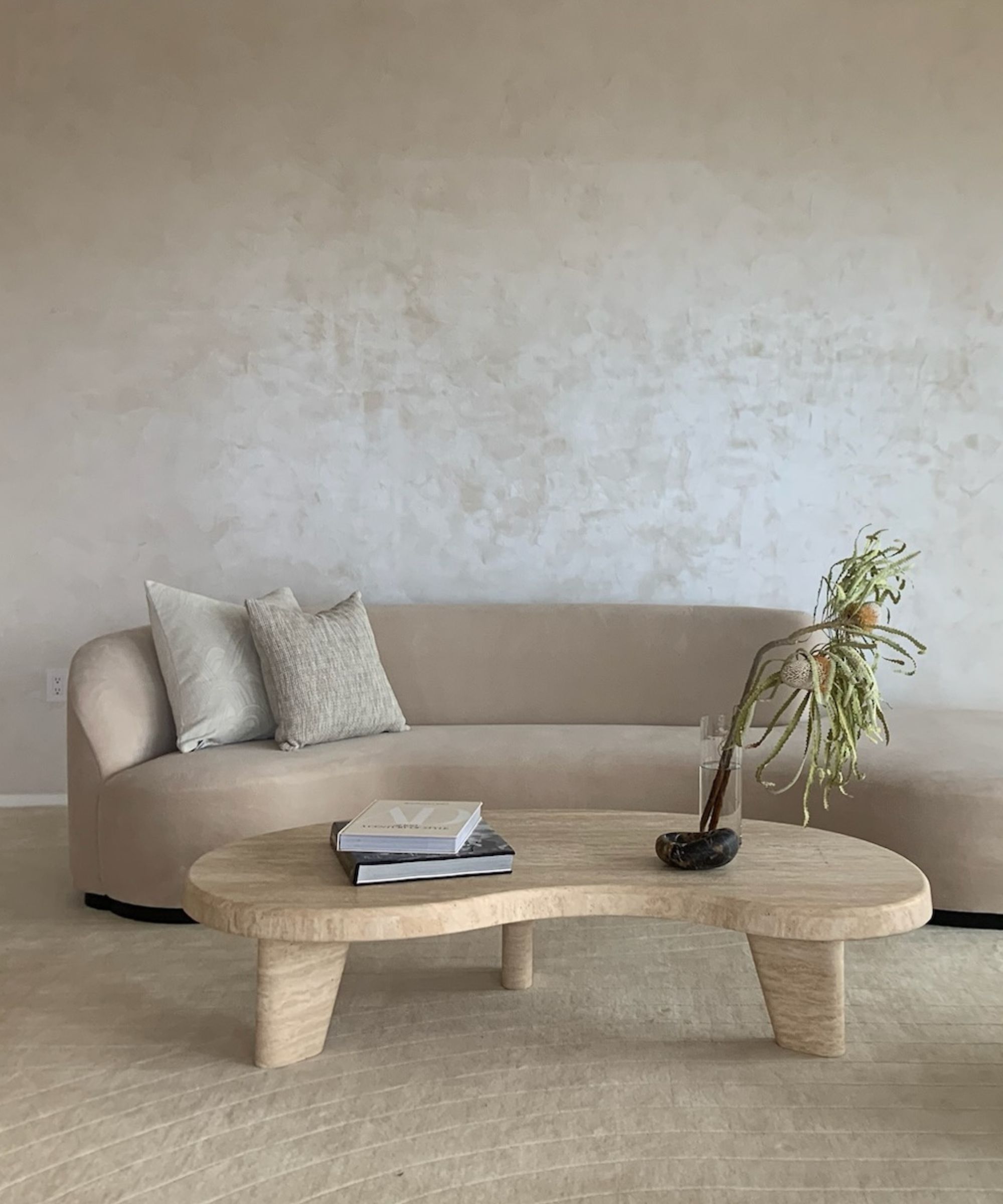
The featured projects demonstrate a wide range of approaches to utilizing plaster. Radius House in the USA, by Pentagon, features curved plaster walls that form a sculptural backdrop, emphasizing continuity and a handcrafted quality, especially when contrasted with elements like a walnut staircase. Athena Calderone's Long Island home also in the USA, showcases pale plaster by Kamp Studios, which, combined with linen and marble, contributes to a warm, creamy interior, transforming previously crisp white walls. In the UK, VATRAA's Council House Renovation utilizes dusty-pink plaster walls made from British Gypsum Multifinish, a cost-effective choice that provides a warm, textured canvas for art and design objects, earning it a Don't Move, Improve! award.
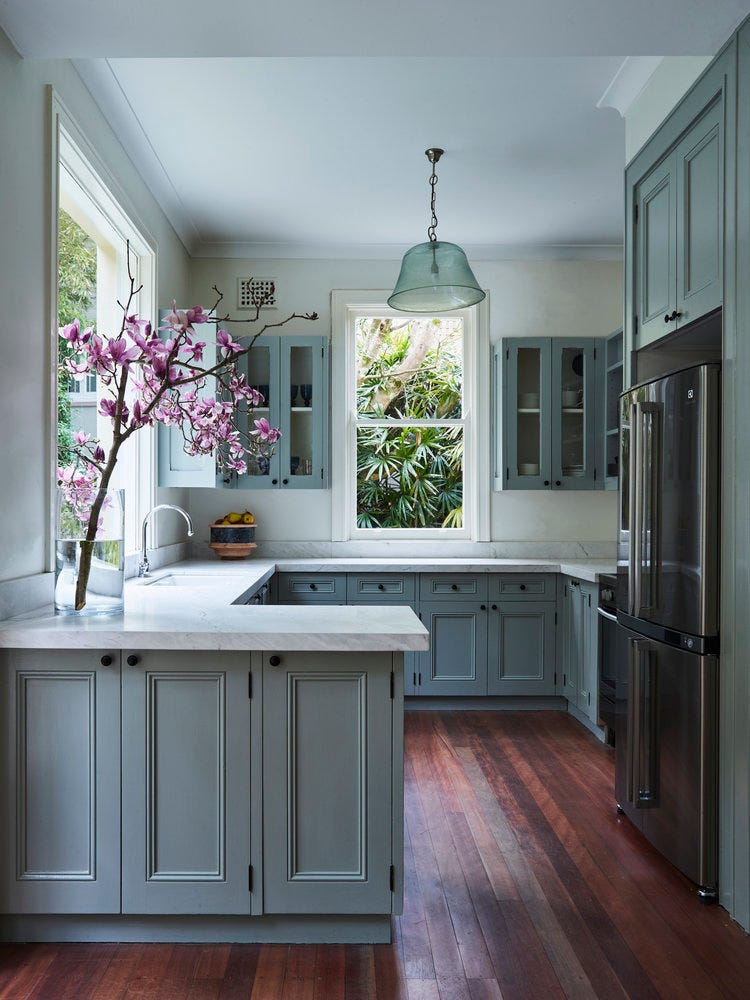
Sans-Arc Studio's Plaster Fun House in Australia extends a cottage with an emphasis on white plaster, playfully arched windows, and terrazzo, drawing inspiration from 1930s cruise liners to create a distinctive aesthetic. Karin Matz's HB6B apartment in Sweden intentionally preserves peeling plaster and crumbling bricks, maintaining the historical layers of the 36-square-meter space. Maricel's House in Argentina, designed by Edgardo Maraveggio, uses thick, textured plaster as a vibrant interior canvas, complemented by bright artworks and furnishings, and features an exposed yellow waffle-slab roof.
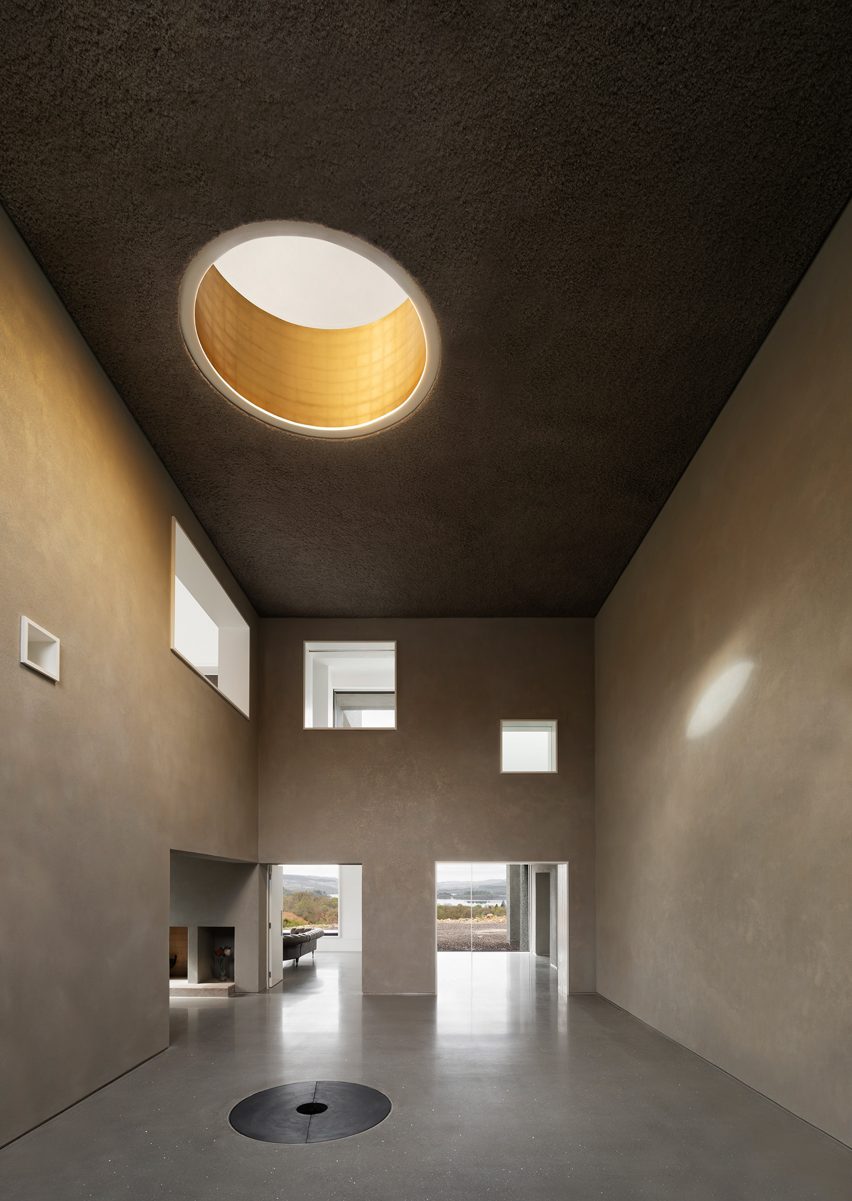
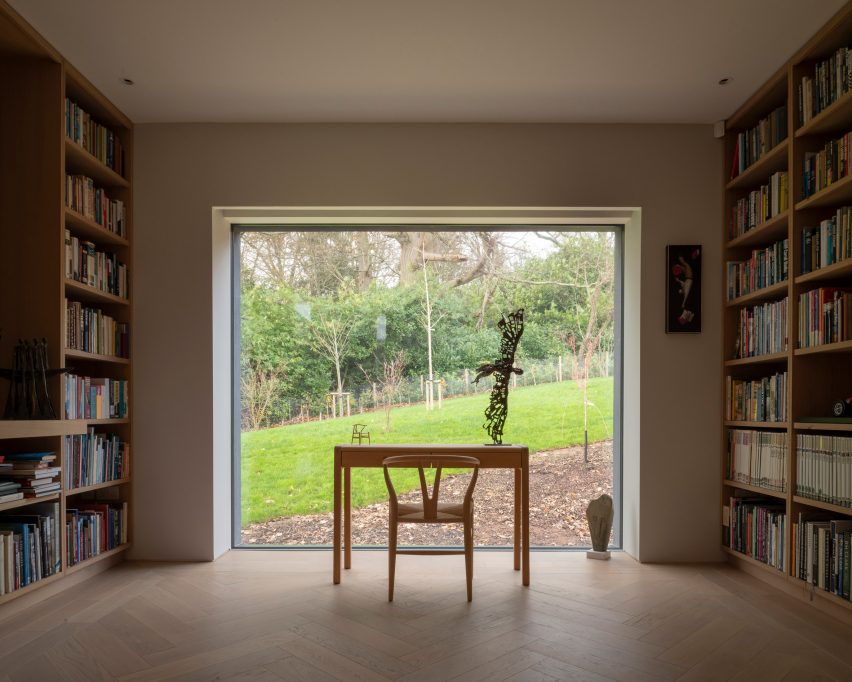
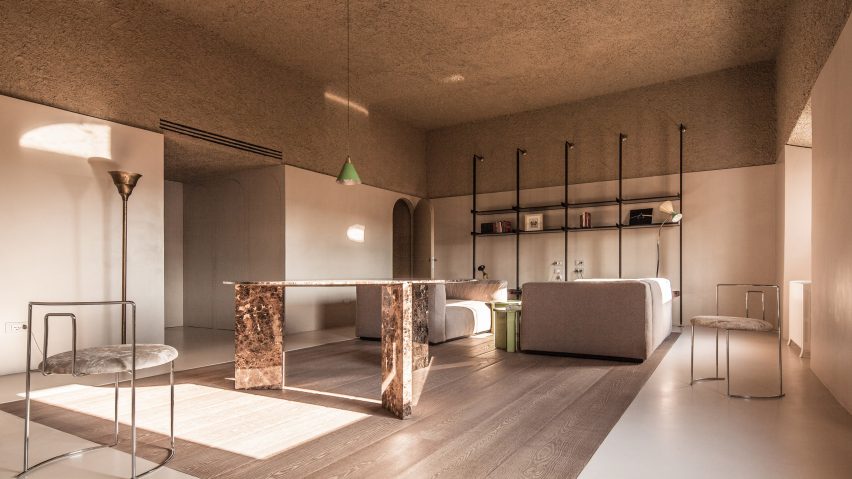
Jaffa Roofhouse in Israel, by Gitai Architects, incorporates three curved plaster walls that reflect the ancient limestone buildings of the city. These walls soften the apartment's existing structure and change in hue with the shifting daylight. Think Architecture's House in a Park in Switzerland integrates lime-plaster walls to create a minimalist interior, directing attention to the surrounding forest views through rectilinear glass windows. Antonino Cardillo's House of Dust in Italy features a band of craggy, textured plaster on upper walls and ceilings, creating an unusual visual effect in a Rome apartment, with the design informed by geometric ratios and historical architectural elements.
Finally, Design Haus Liberty's Skip Stop House in London showcases a low-budget renovation where layers of paint and wallpaper were removed to reveal existing patinated plaster. This approach, combined with off-the-shelf materials, resulted in industrial yet affordable interiors, demonstrating how existing elements can be uncovered and paired with appropriate materials to achieve a desired aesthetic. These examples collectively illustrate the versatility of exposed plaster as a design choice in contemporary residential architecture, offering visual inspiration from Dezeen's archive.
#ExposedPlasterWalls #ResidentialInteriors #InteriorDesign #TexturedWalls #ArchitecturalRenovation #ModernHomes #HomeDecor #Lookbook #ExposedPlasterWalls #ResidentialInteriors #InteriorDesign #TexturedWalls #ArchitecturalRenovation #ModernHomes #HomeDecor #Lookbook
0 comment in total
 No comments yet
You may also like
Ten interiors with textured cork-covered walls
Ten homes where exposed brickwork creates textured interiors
Ten residential interiors illuminated by statement skylights
The One Design Feature You're Overlooking That Will Instantly Elevate Any Room
Ten homes that feature decorative ceilings and ornate plasterwork
Plaster Walls—a Signature of Warm Modernist Interiors—Are Having a Moment

Forget Single Painted Accent Walls: This Stunning Trend Is Taking Over

Ten living spaces where glossy surfaces create depth and dimension
Ten interiors with textured wall finishes by Clayworks that create visual interest
6 homes with walls that have the exposed brick look
Eight living areas that make a feature of exposed rammed-earth walls
Ten interiors that use glass-block walls to play with light and shadow
Feature walls frame out spaces, add interest to rooms

Ten homes with interiors designed to showcase art
Ten residential interiors with spacious open-plan studies
10 Rooms That Made Great Use of Teal Paint

Ten residential interiors bolstered by exposed wooden beams
10 Spaces Designed With Colorful Tiles

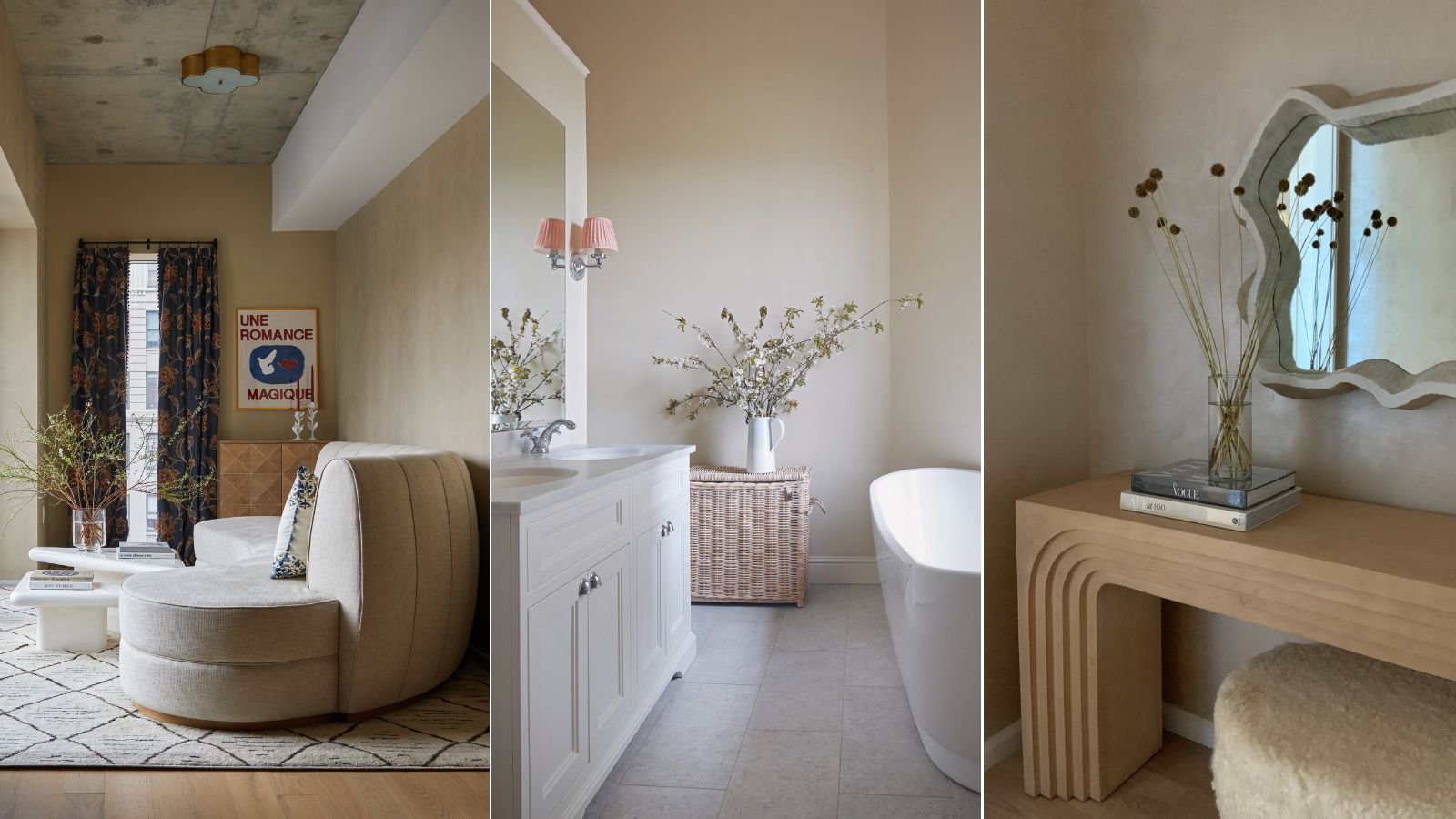
How to use plaster to add character to any style of home – 7 designers share their favorite looks

Interior Designers NEVER Overlook This Surprising Space