1/8
How to create plaster effect walls – the modern rustic trend everyone's trying
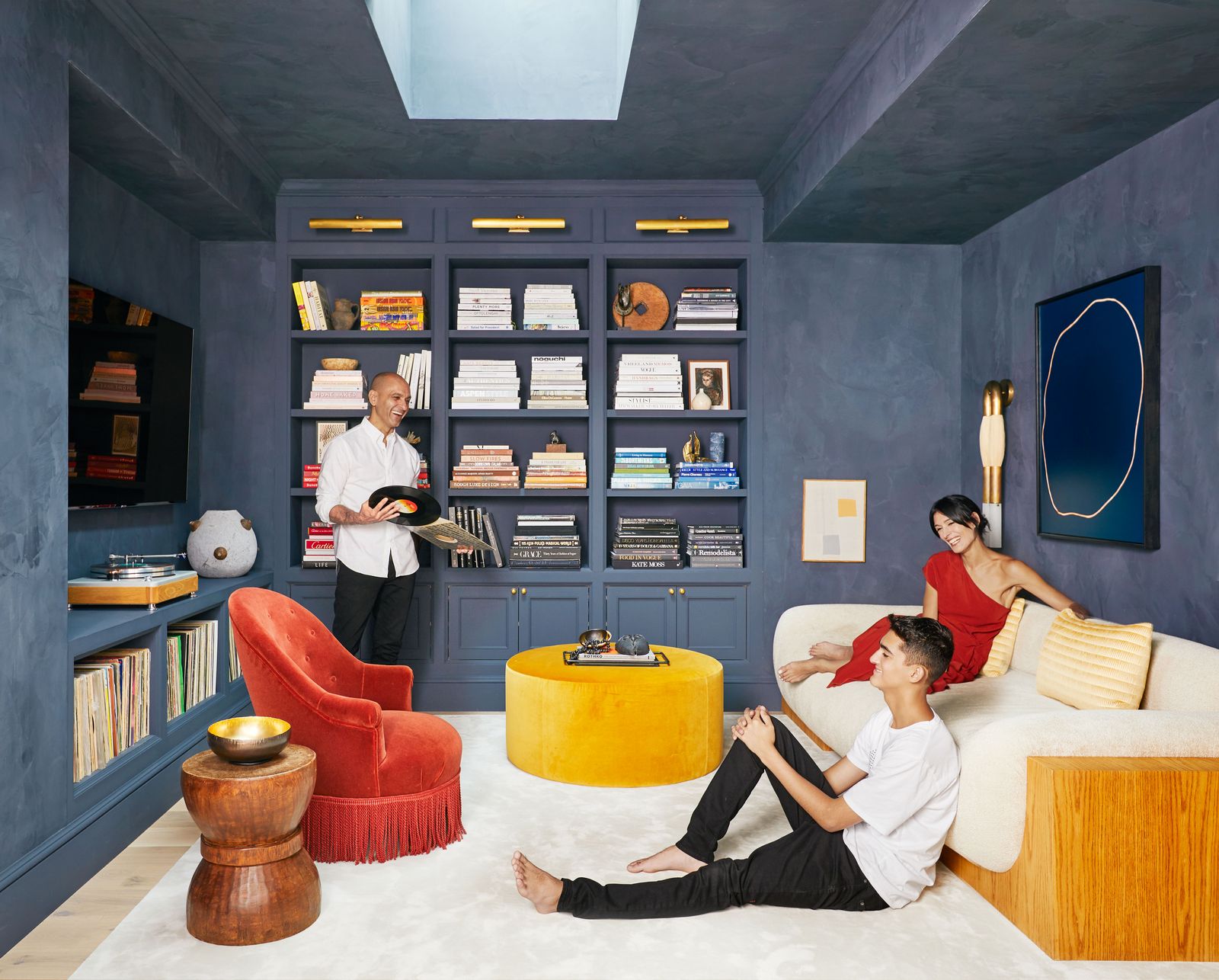
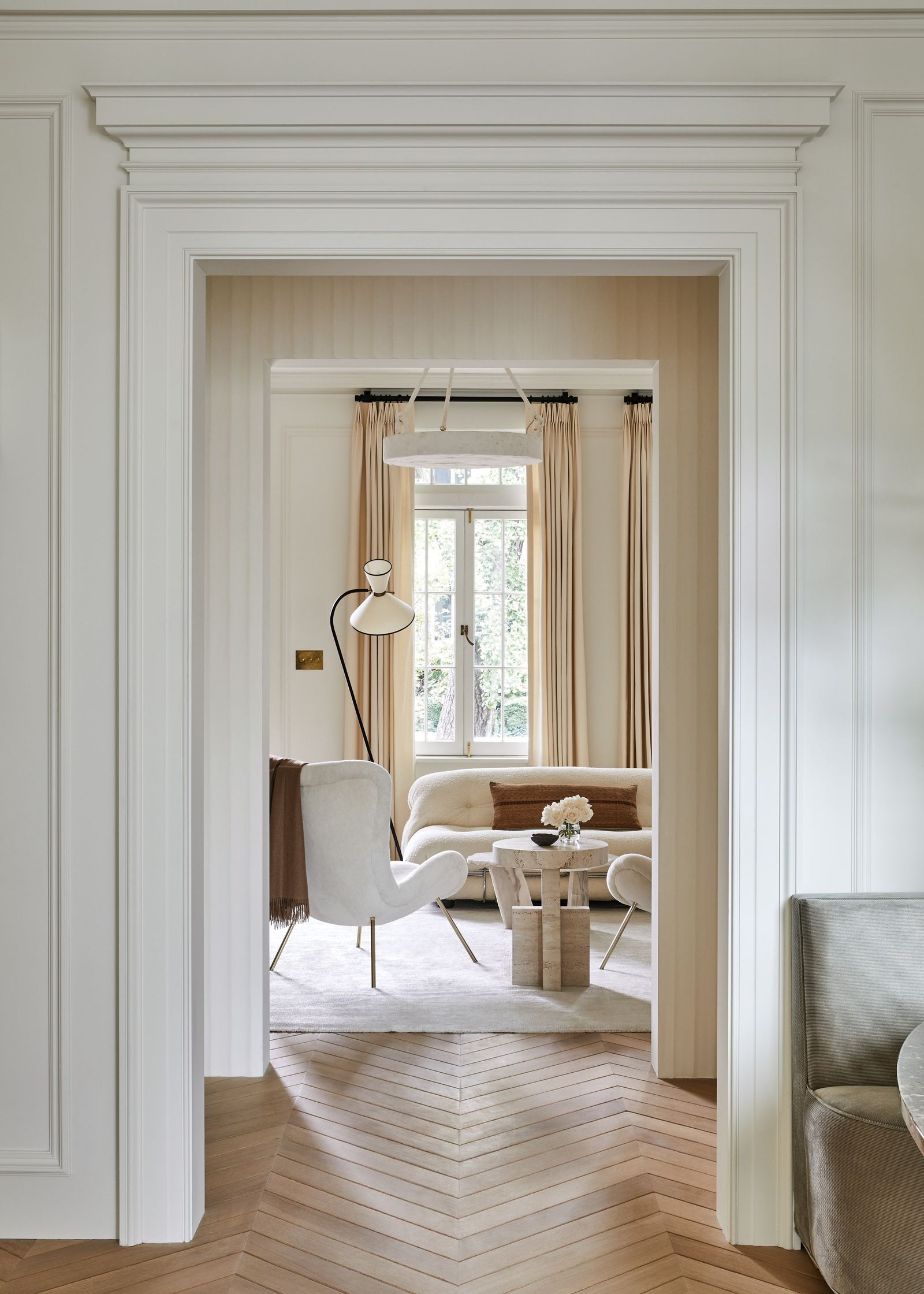
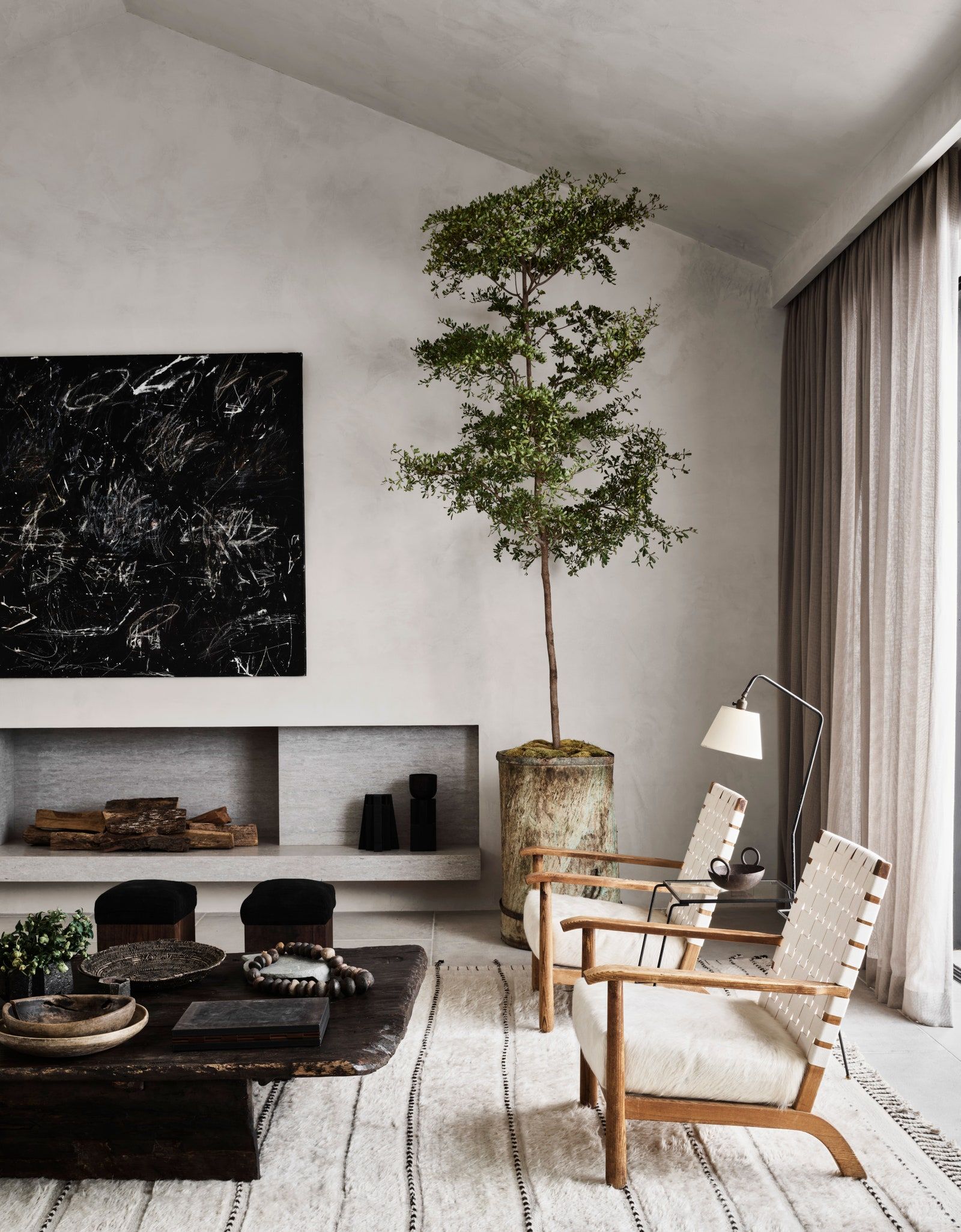
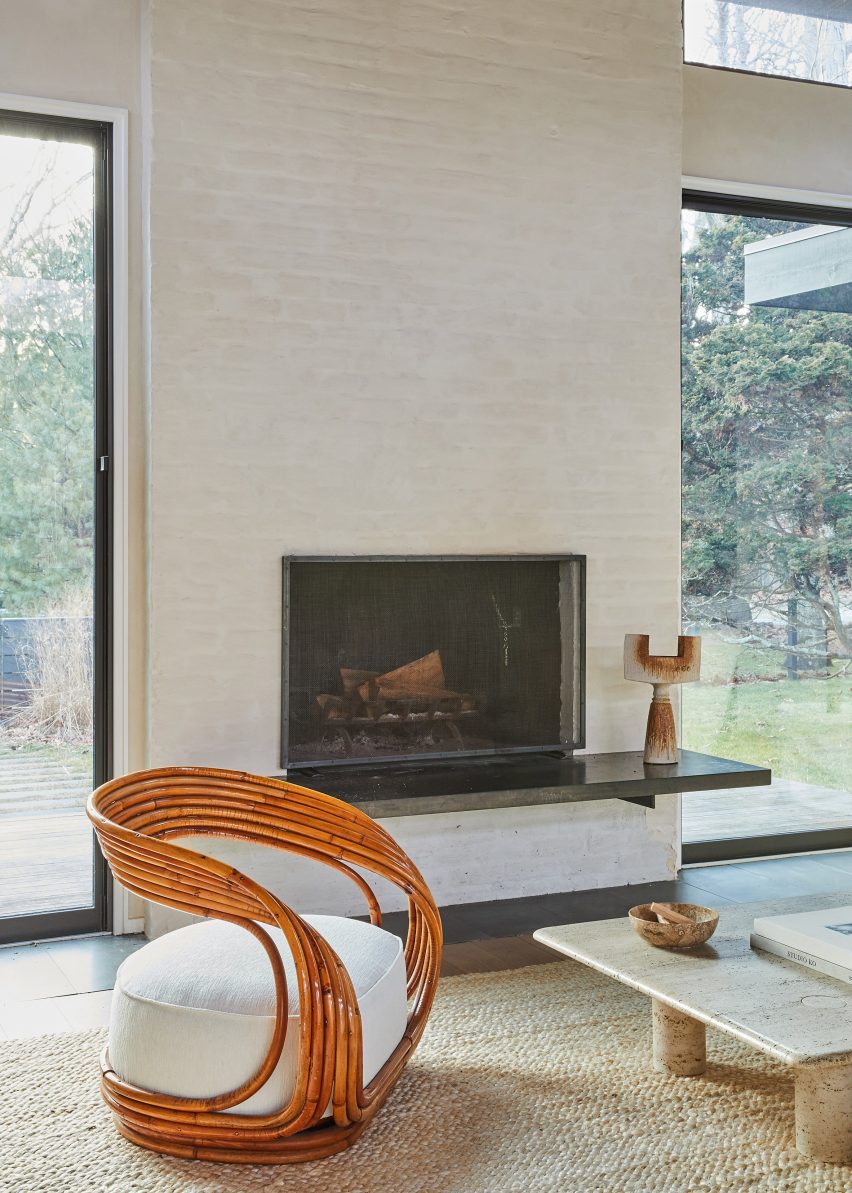
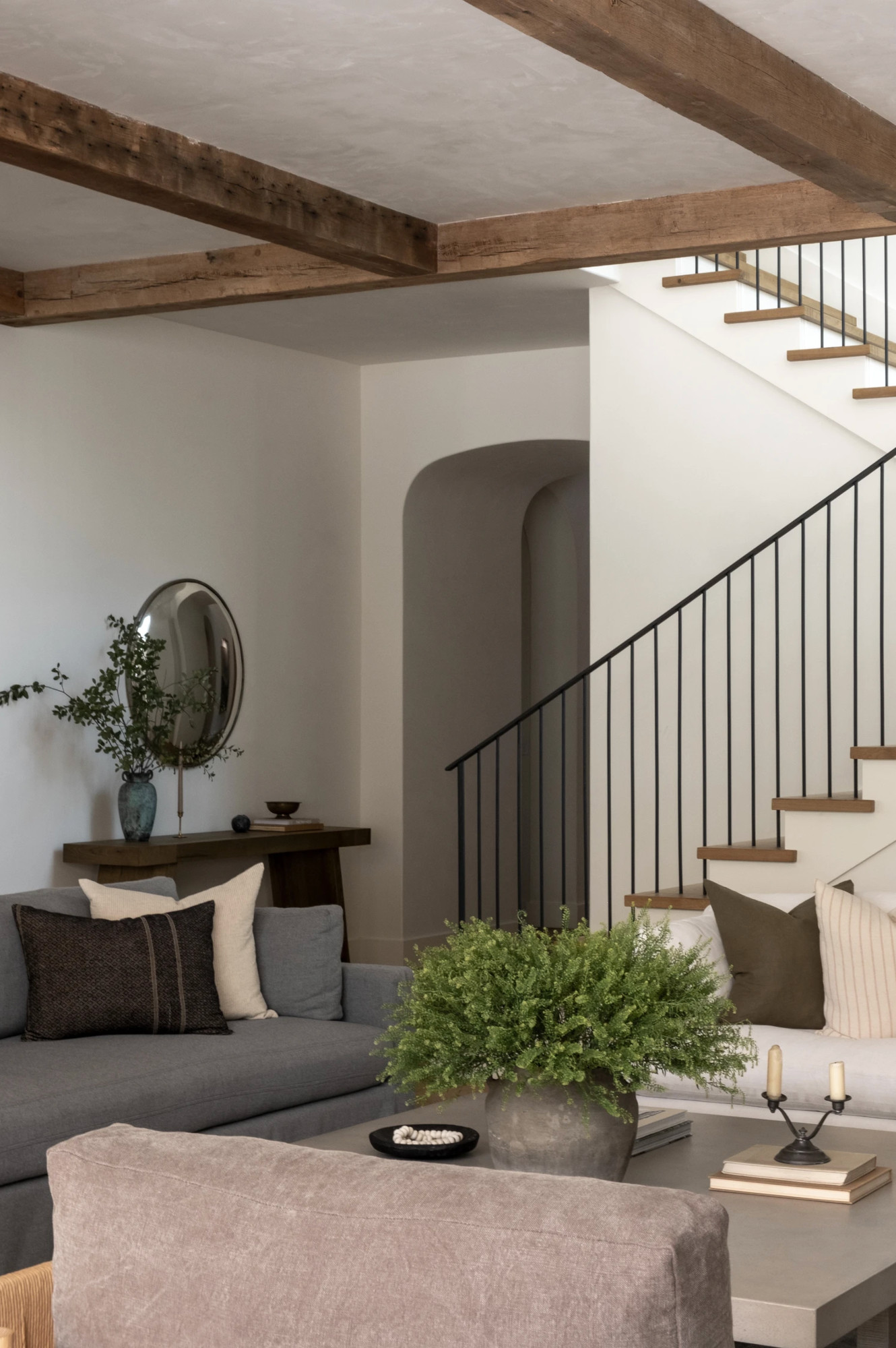
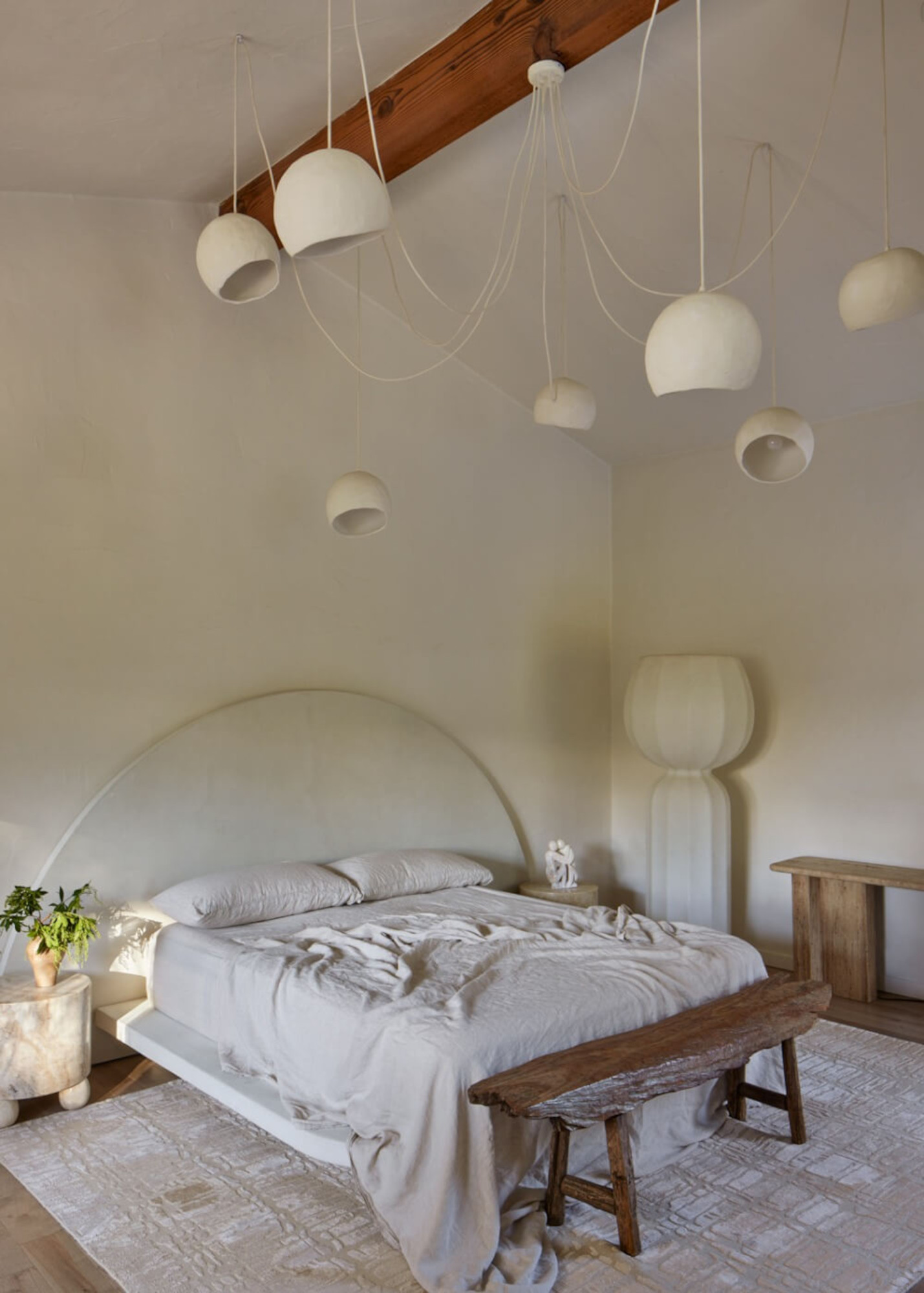
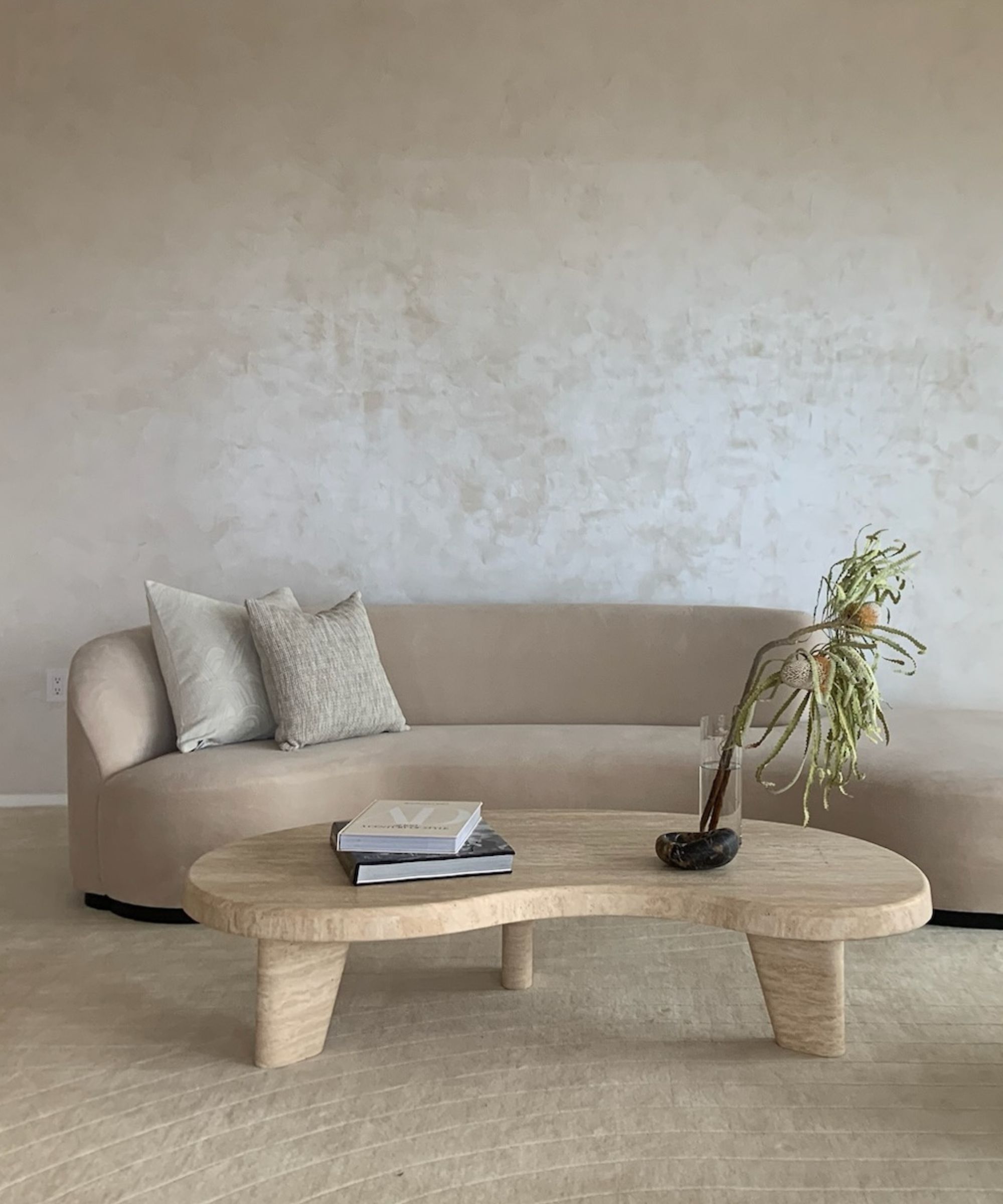
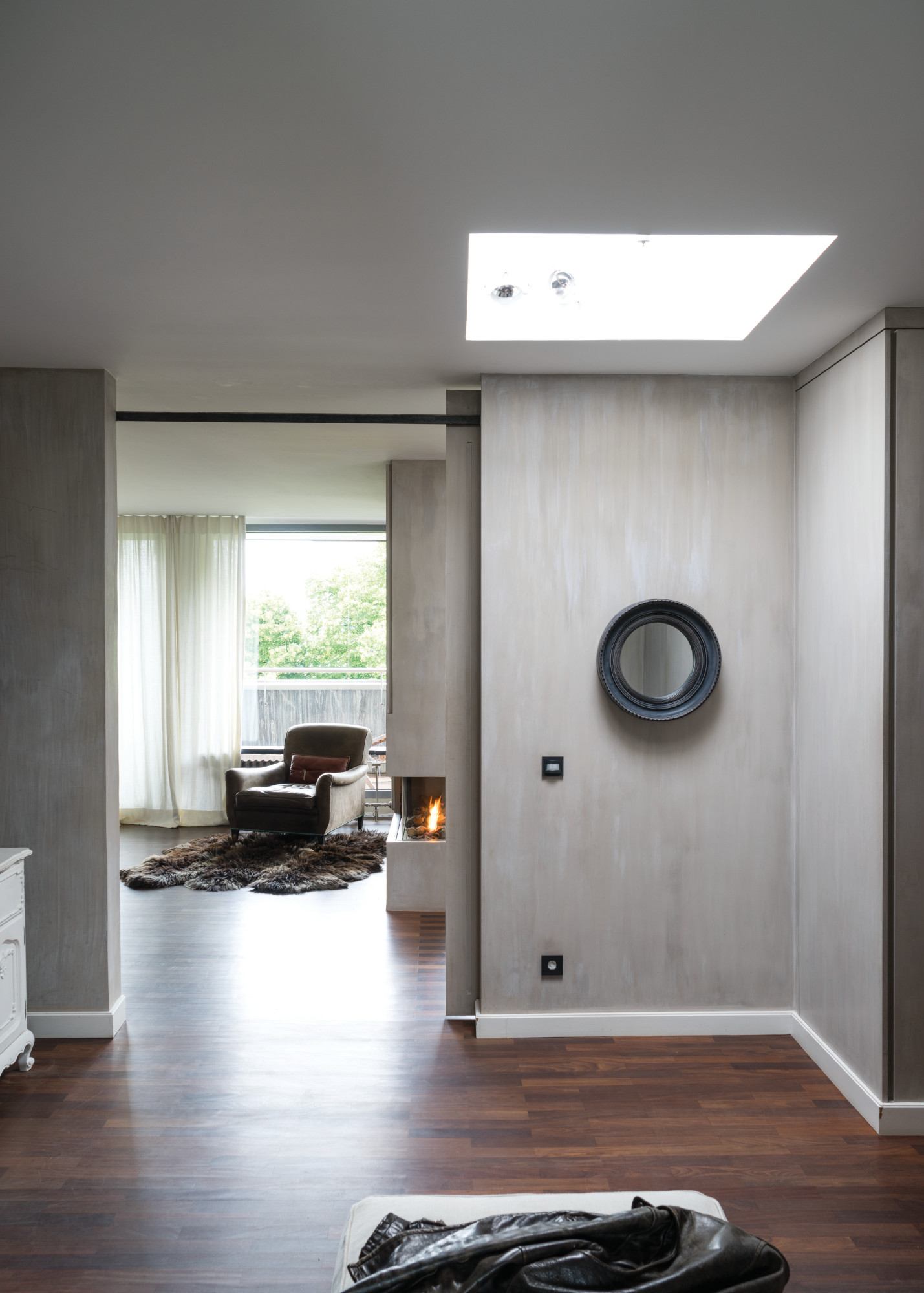
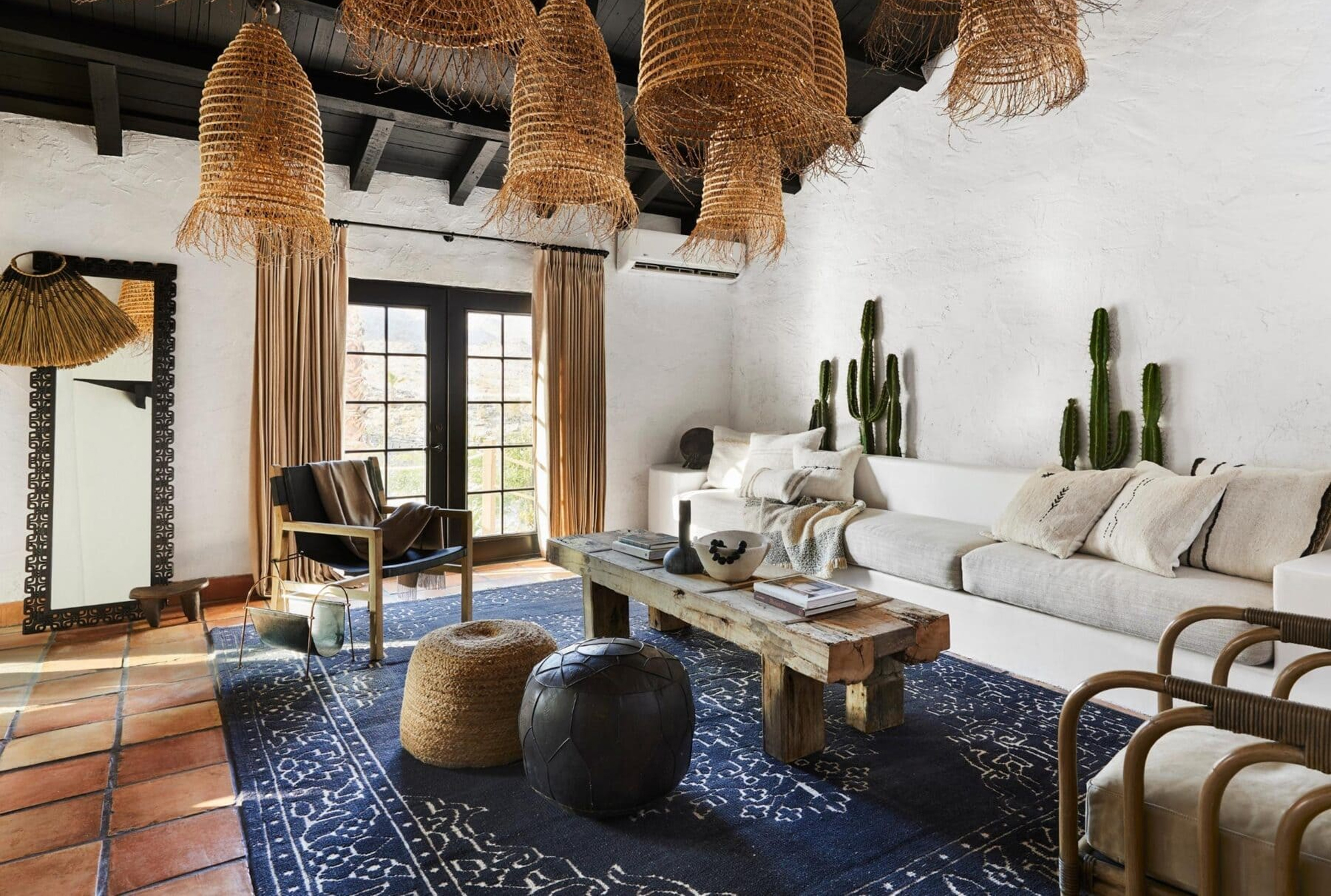
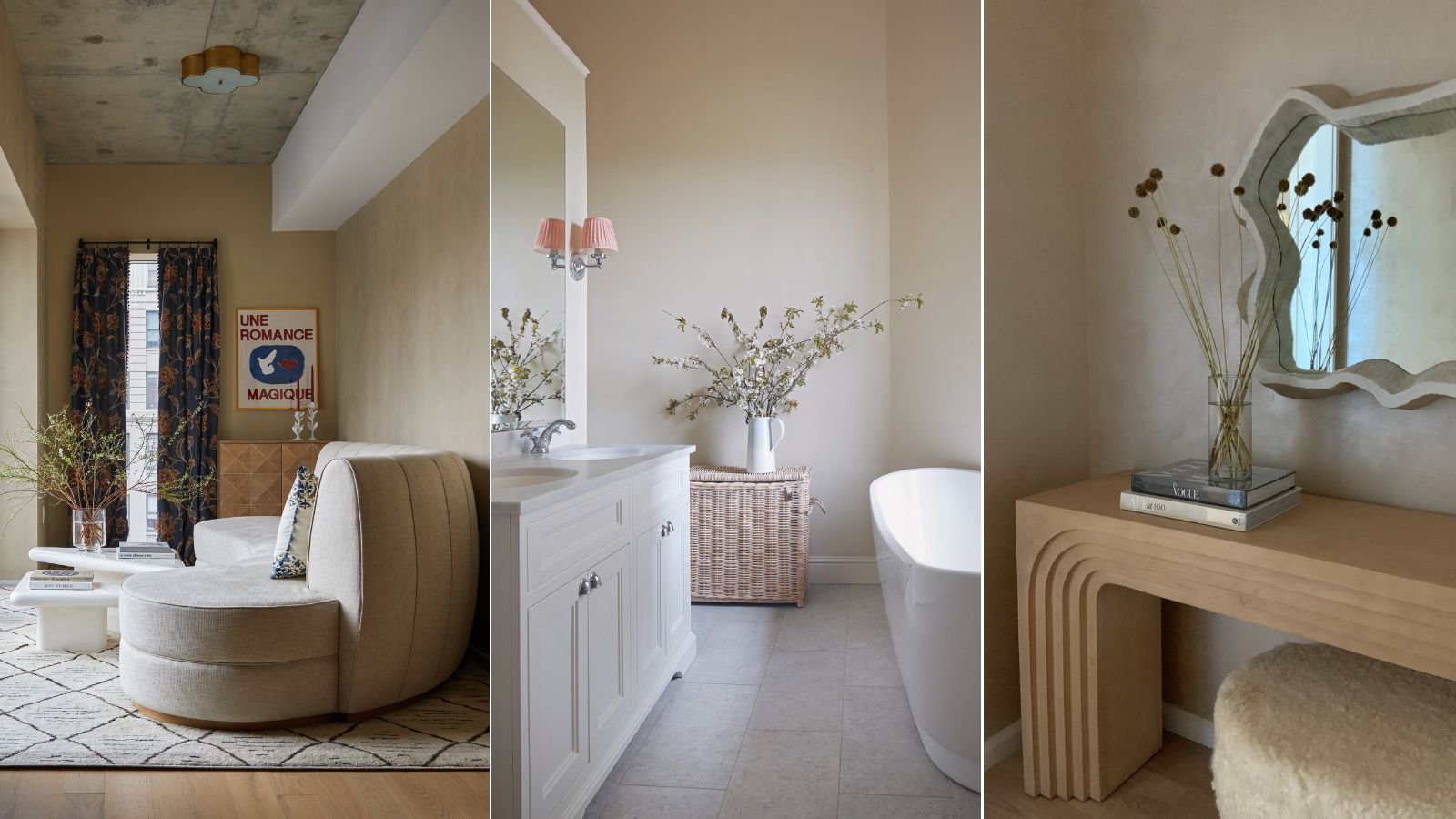
Plaster walls are gaining significant popularity in interior design due to their aesthetic appeal, tactile quality, versatility across various rooms, and diverse range of styles, colors, and textures. This trend aligns with the broader embrace of raw materials like marble, terrazzo, concrete, and terracotta, providing a raw, industrial edge to spaces. Plaster walls are suitable for multiple interior schemes, offering texture and warmth to modern and minimalist designs, while also introducing a contemporary touch to traditional settings. Beyond their visual and tactile benefits, plaster walls, particularly those made from clay or lime, are recognized for their eco-friendly properties, being free of chemicals and beneficial for both the environment and indoor air quality.
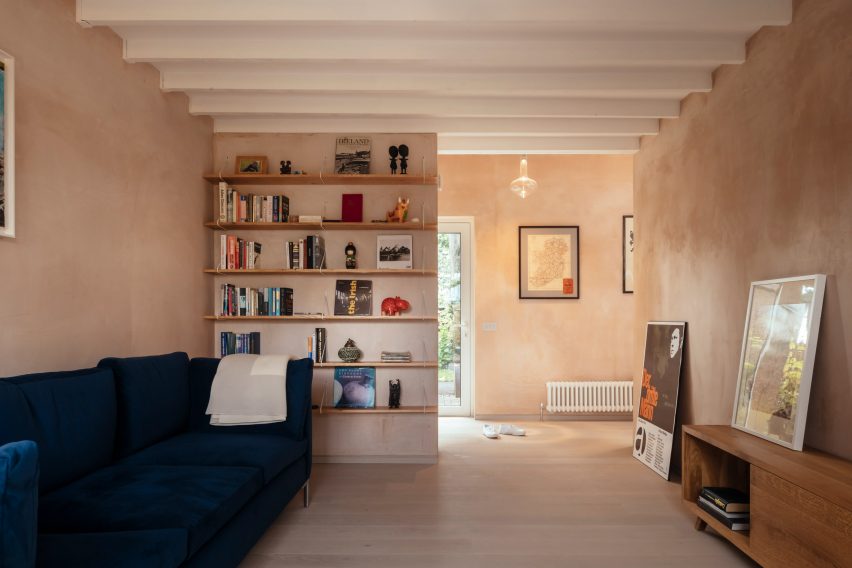
Adam Weismann, Founder and Director of Clayworks, highlights the advantages of clay plasters. These naturally pigmented materials do not require painting and are available in various textures, from polished and fine to coarse and rustic. Their color palette encompasses neutrals, earth tones, and vibrant hues like blues, greens, blacks, and whites. The inherent rawness of clay plaster imparts a unique, cloudy, and soft aesthetic with subtle tonal and textural variations. Clay plasters are also VOC, formaldehyde, and synthetic-free, and are compostable. Weismann explains that clay absorbs sound and light, contributing to a calm ambiance. Despite being an ancient building material, its use declined during the industrial revolution, only to be rediscovered for its beauty and versatility.
Clay plasters are notably more breathable than lime, effectively absorbing and releasing atmospheric moisture, which helps maintain optimal indoor humidity. This breathability is crucial for controlling dampness, dust mites, viruses, and bacteria. Additionally, clay can absorb formaldehydes emitted by other materials, and its carbon footprint is significantly lower than most other plasters and wall finishes, excluding wood. While ideal for interior walls and ceilings, clay plasters are not recommended for areas with running water, such as showers or splashbacks, as they are breathable but not fully sealed.
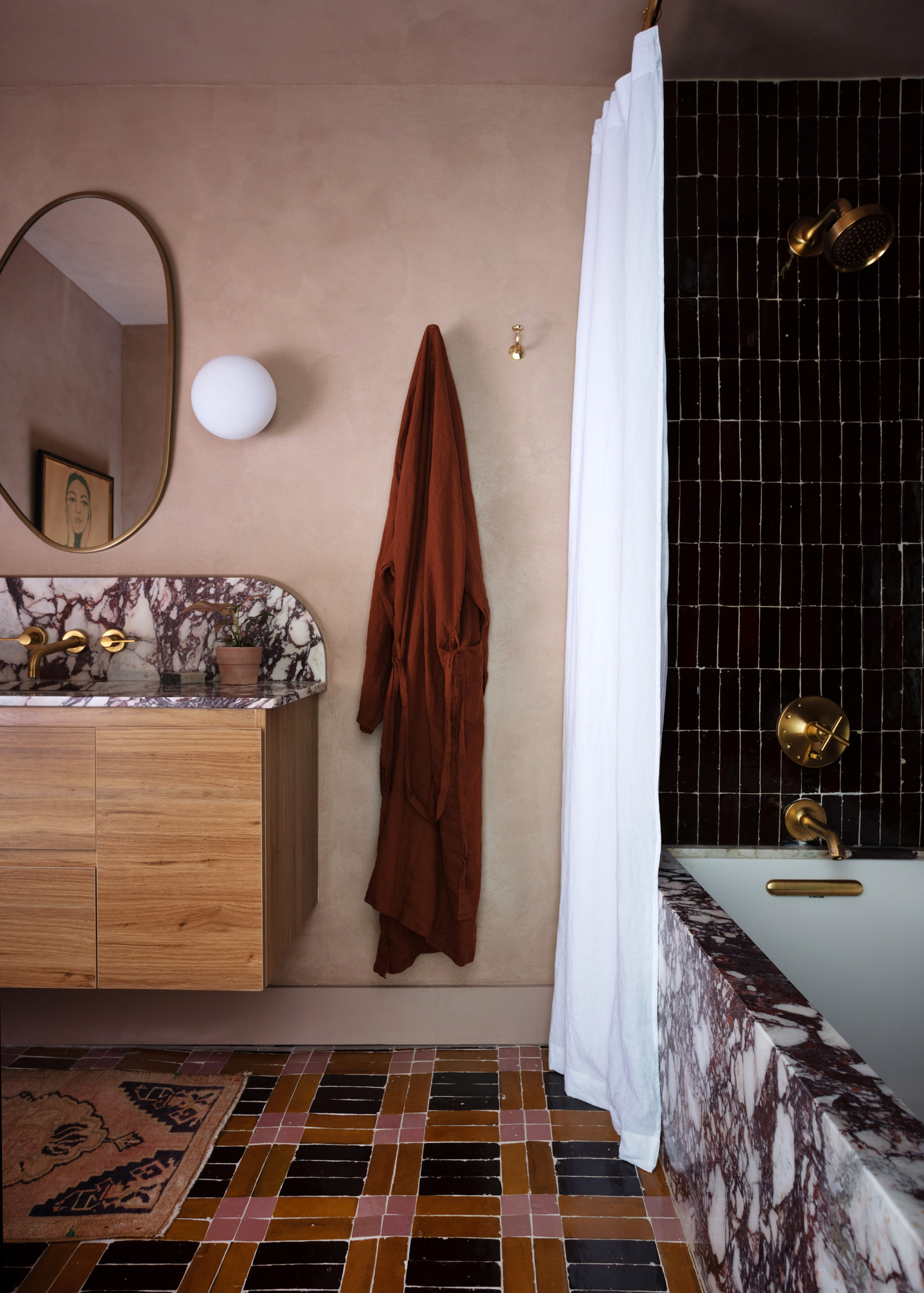
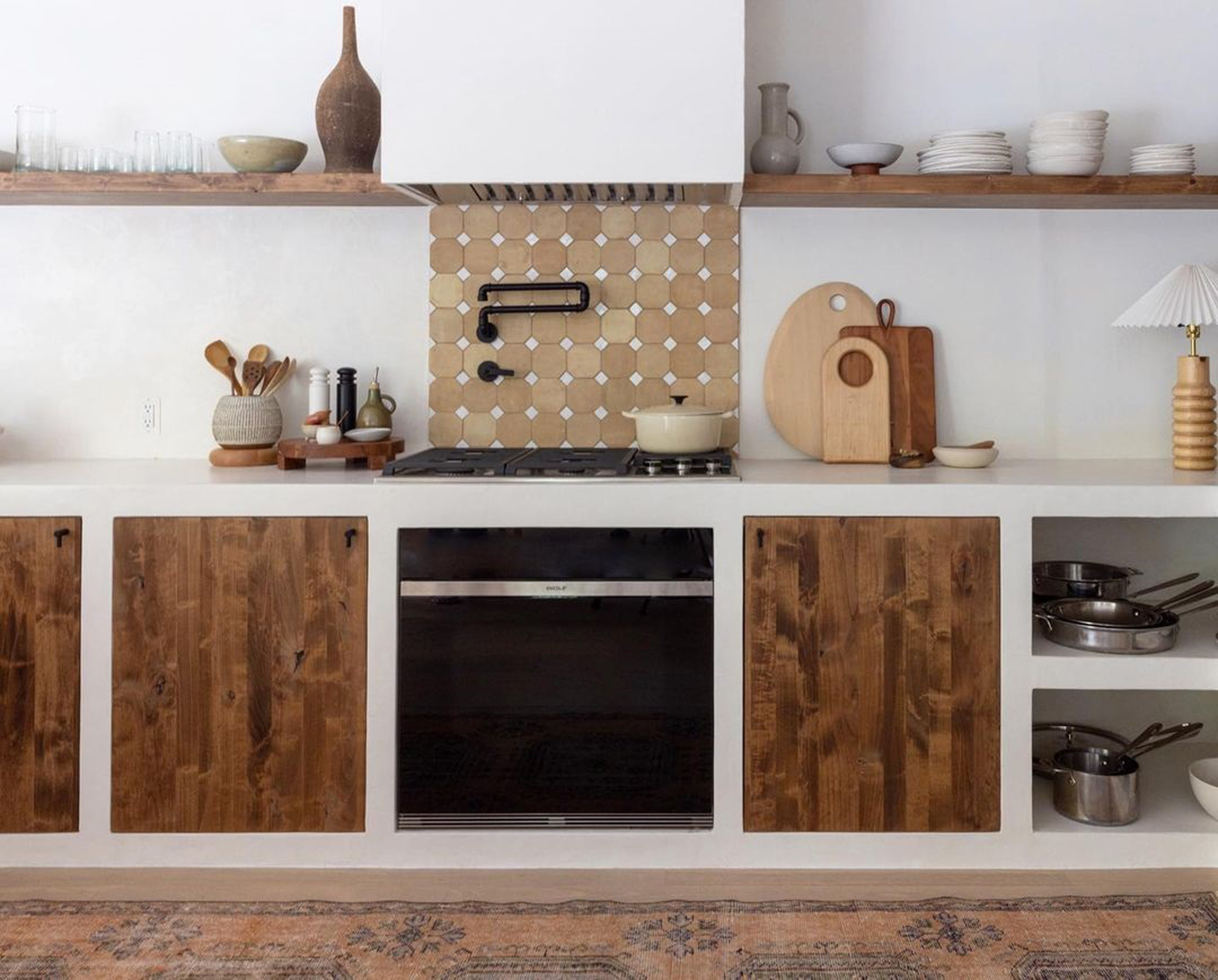
Another type is Tadelakt, a natural lime-based plaster originating from the Marrakech Plateau in Morocco. Known for its earthy tones and waterproof characteristics, Tadelakt is popular among architects and designers. It is a hydraulic lime plaster sealed with olive soap, valued for its low environmental impact and absence of harsh chemicals in its application. Its smooth, water- and mold-resistant finish makes it suitable for bathrooms, wet rooms, kitchens, and splashbacks, although it can be prone to stains. Unlike clay, Tadelakt is naturally waterproof, making it a viable option for areas where clay plasters cannot be used.
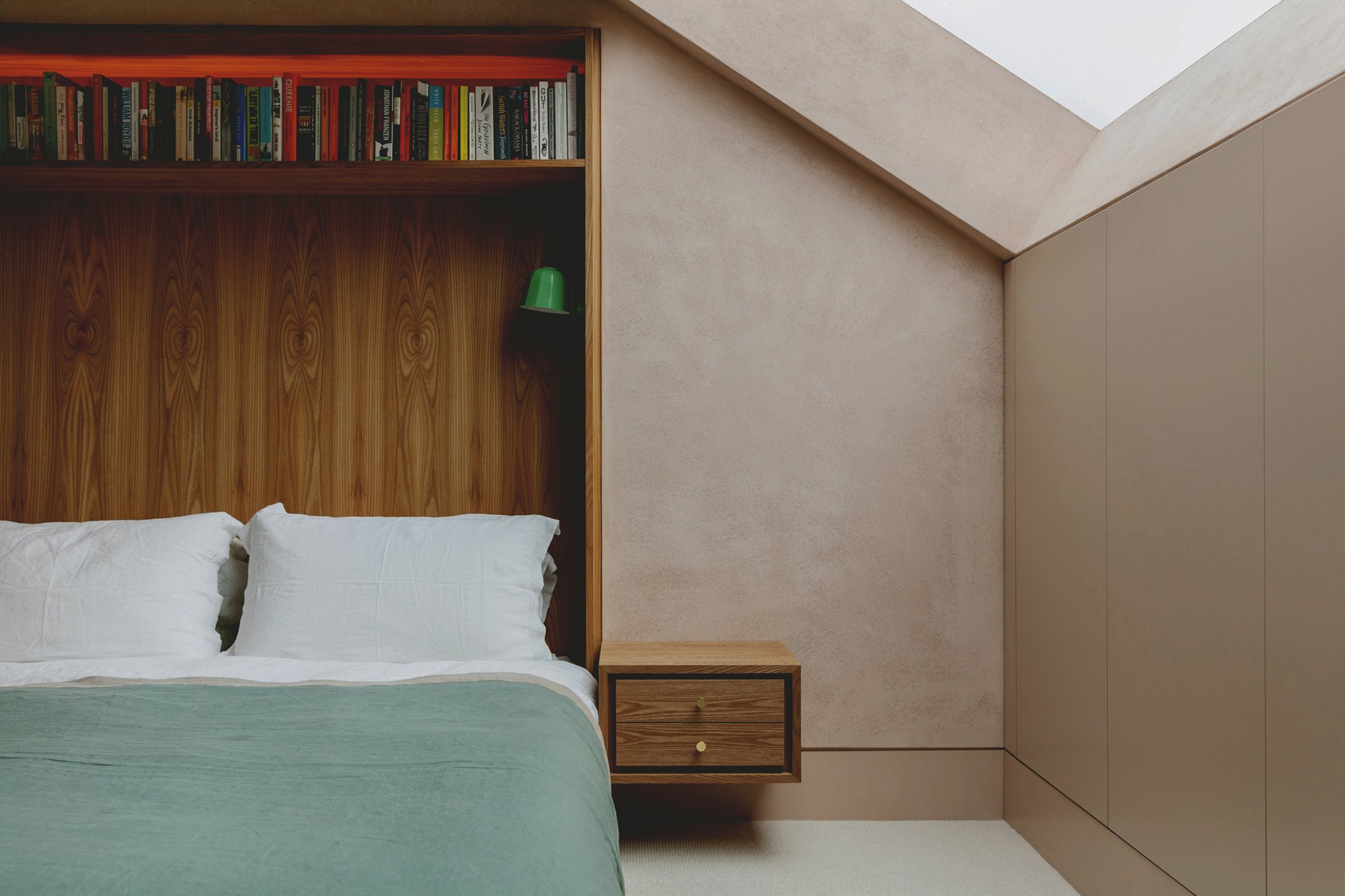
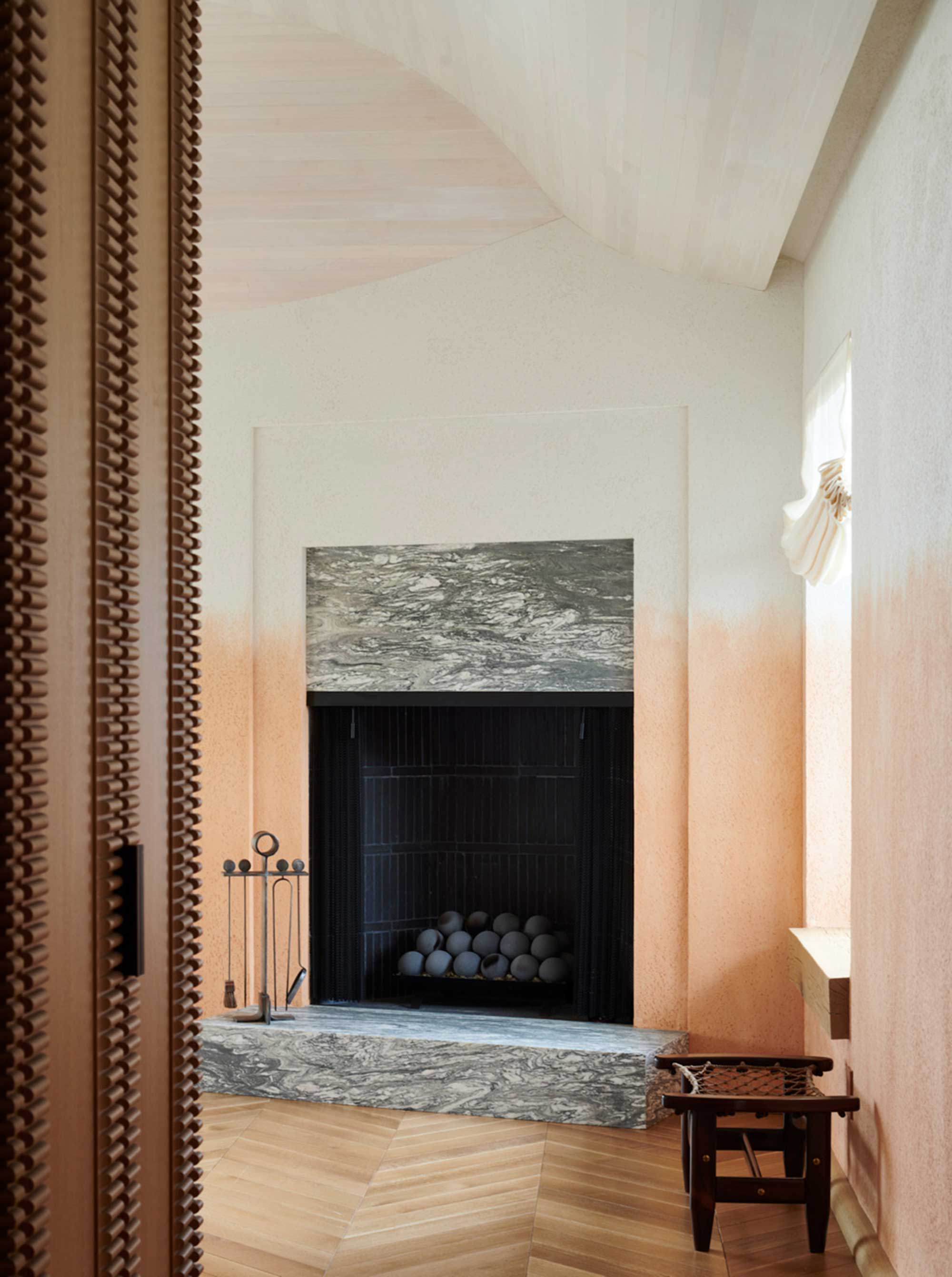
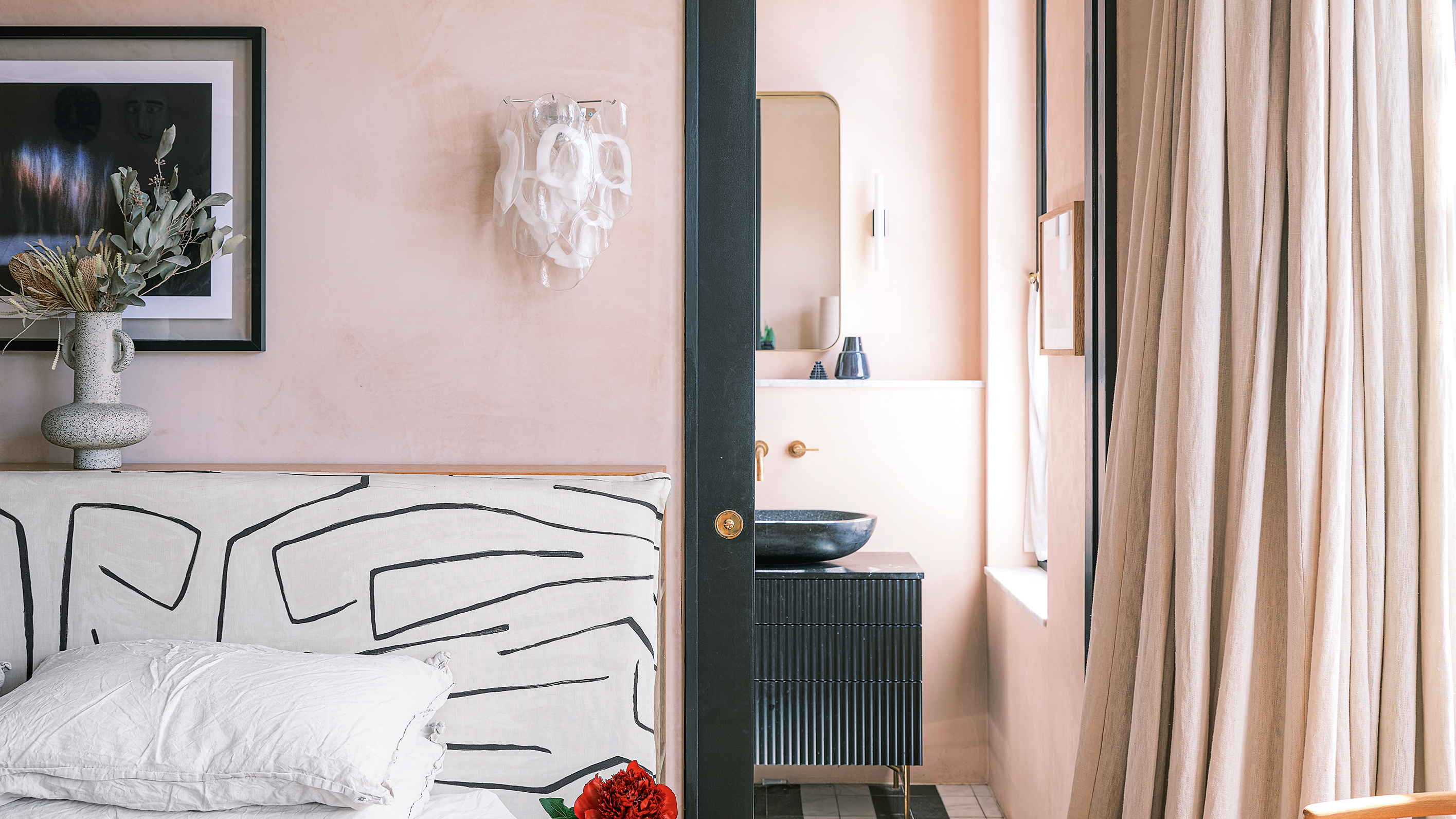
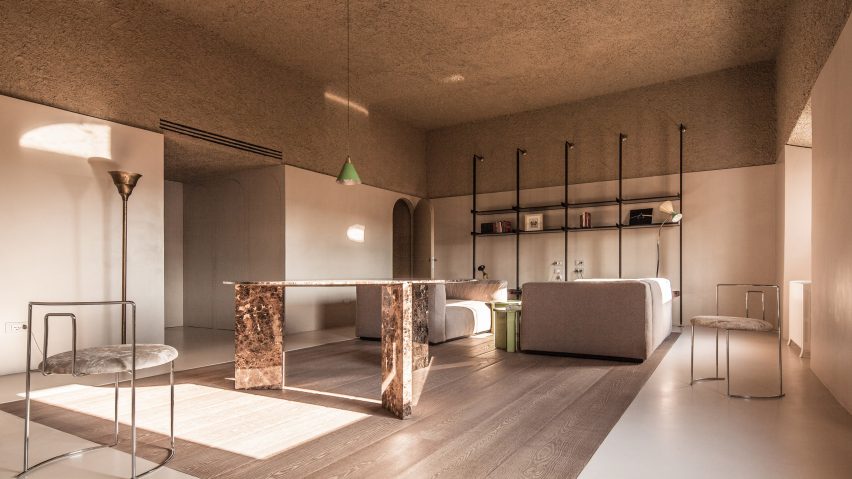
Lime plaster, a traditional building material made from burned and slaked limestone, has been used for millennia and becomes extremely durable with age. However, it requires a significant curing period; a general rule is four weeks for every 5mm of thickness. New lime plaster is highly caustic and often requires specialized application. Despite this, it is highly breathable, flexible, and durable, offering an attractive finish, as demonstrated in homes featuring pink plaster walls. Other non-clay plasters include metallic Marmorino, rough-luxe gypsum, and Travertino, a natural lime plaster from the Renaissance tradition. Travertino, with its rough appearance but smooth touch and natural shadows, is ideal for living rooms and bedrooms to introduce an industrial texture. Marmorino Venetian plaster, made with natural lime and ground marble, provides a refined, polished look and is applied in multiple layers for strength and durability, suitable for both interiors and exteriors, and can create faux marble finishes.
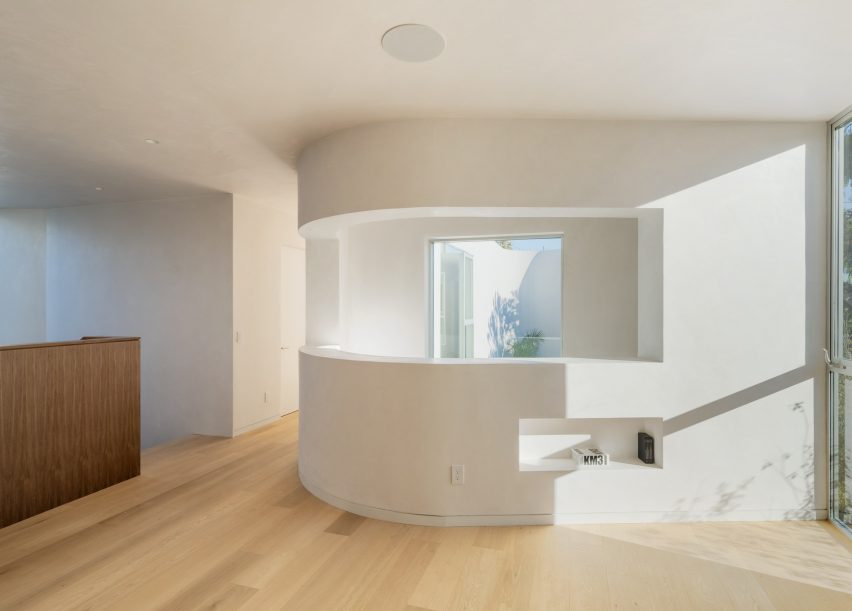
Gypsum plaster, a common decorator's plaster, is a budget-friendly alternative for achieving a raw finish, though it lacks the eco-credentials and breathability of clay. It can be sealed with decorator's varnish and is often contrasted with clean-lined furniture to create warm, balanced spaces. When comparing plaster walls to drywall, drywall, made of gypsum, is softer, easier to install, and less prone to cracking initially. However, it is susceptible to water damage and mold in moist environments. Plaster, being harder and thicker, offers better sound insulation and is more durable in the long term, often outlasting painted drywall. Its non-solid application also makes it suitable for curved or irregular surfaces. While plastering is more labor-intensive and expensive, properly applied plaster walls can last significantly longer. Potential issues with plaster walls include crumbling of old plaster, necessitating proper application for a smooth finish. While challenging, self-application of clay plasters is possible, though professional application is often recommended for optimal results.
#PlasterWalls #InteriorDesignTrends #EcoFriendlyMaterials #ClayPlaster #Tadelakt #LimePlaster #GypsumPlaster #ModernRustic #HomeDecoration #PlasterWalls #InteriorDesignTrends #EcoFriendlyMaterials #ClayPlaster #Tadelakt #LimePlaster #GypsumPlaster #ModernRustic #HomeDecoration
0 comment in total
 No comments yet
You may also like
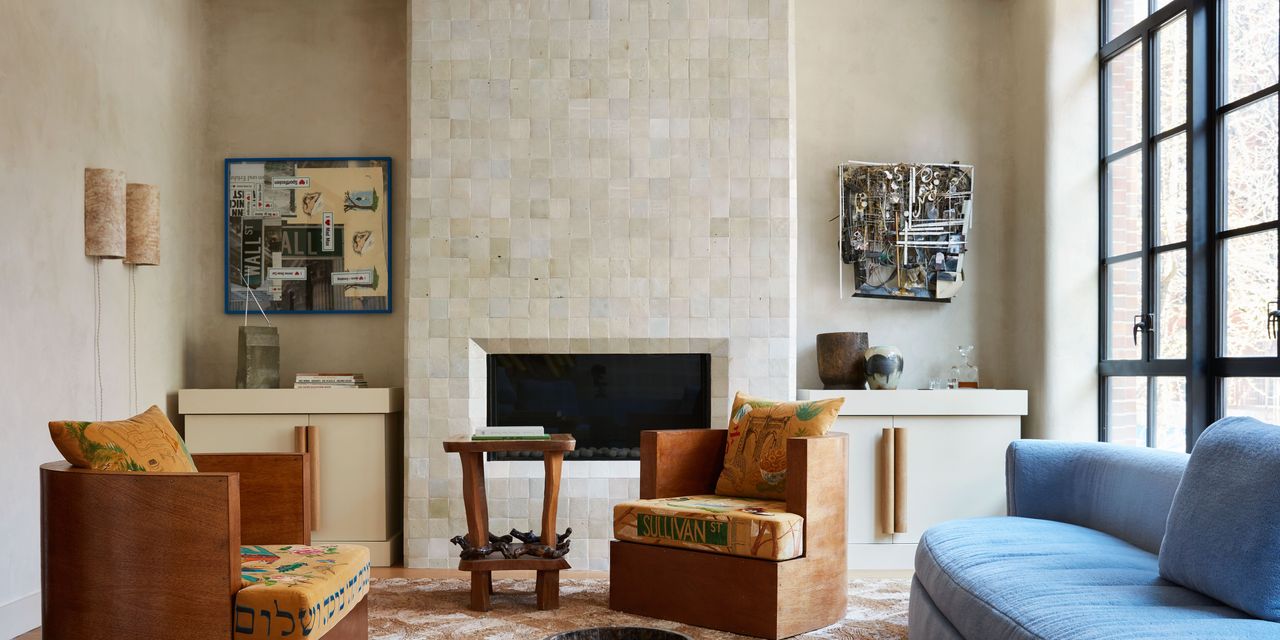
Plaster Walls—a Signature of Warm Modernist Interiors—Are Having a Moment

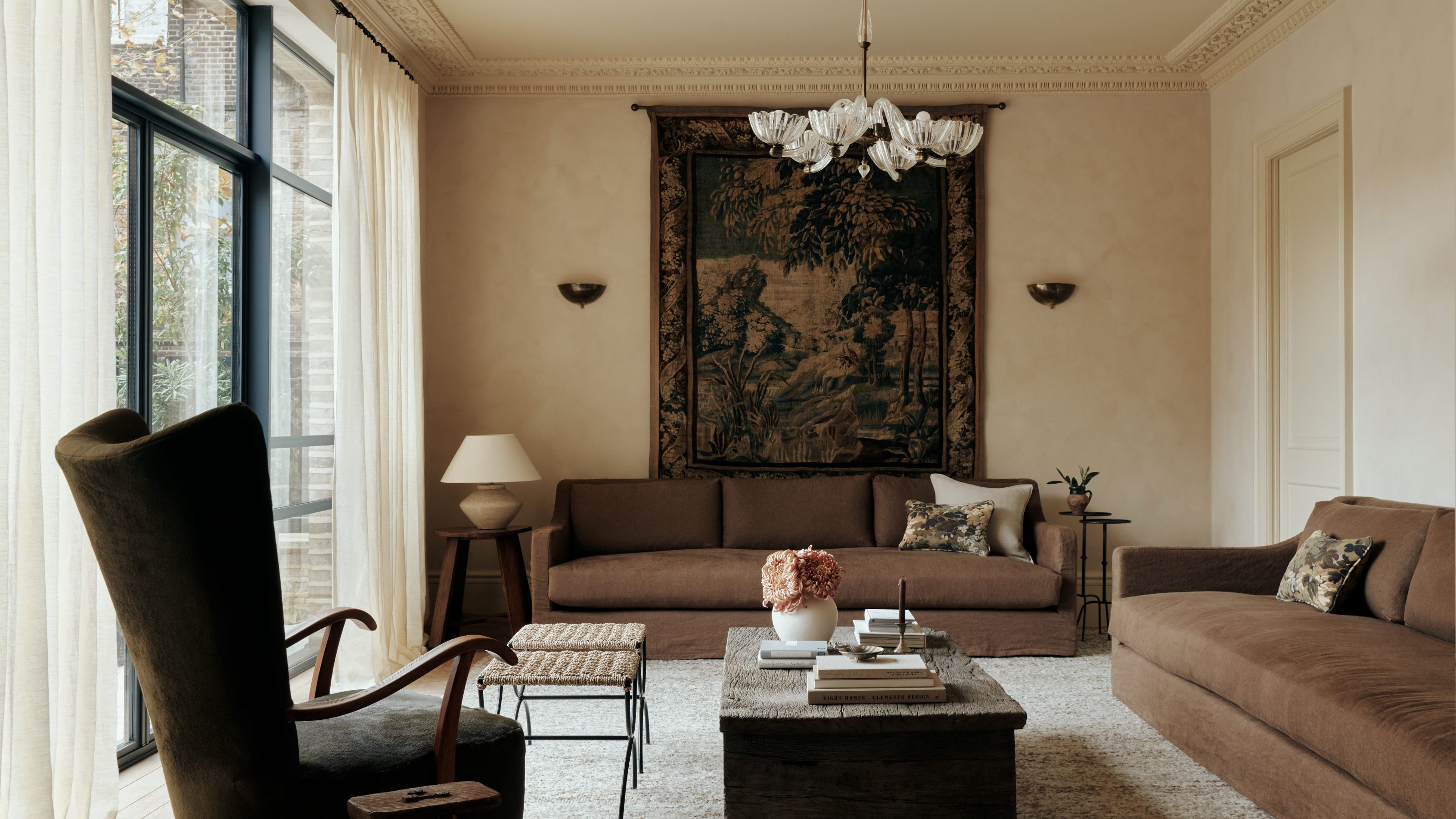
5 Questions on Decorative Plasterwork You Need to Ask Before Specifying It in 2025 — Answered by Interior Designers
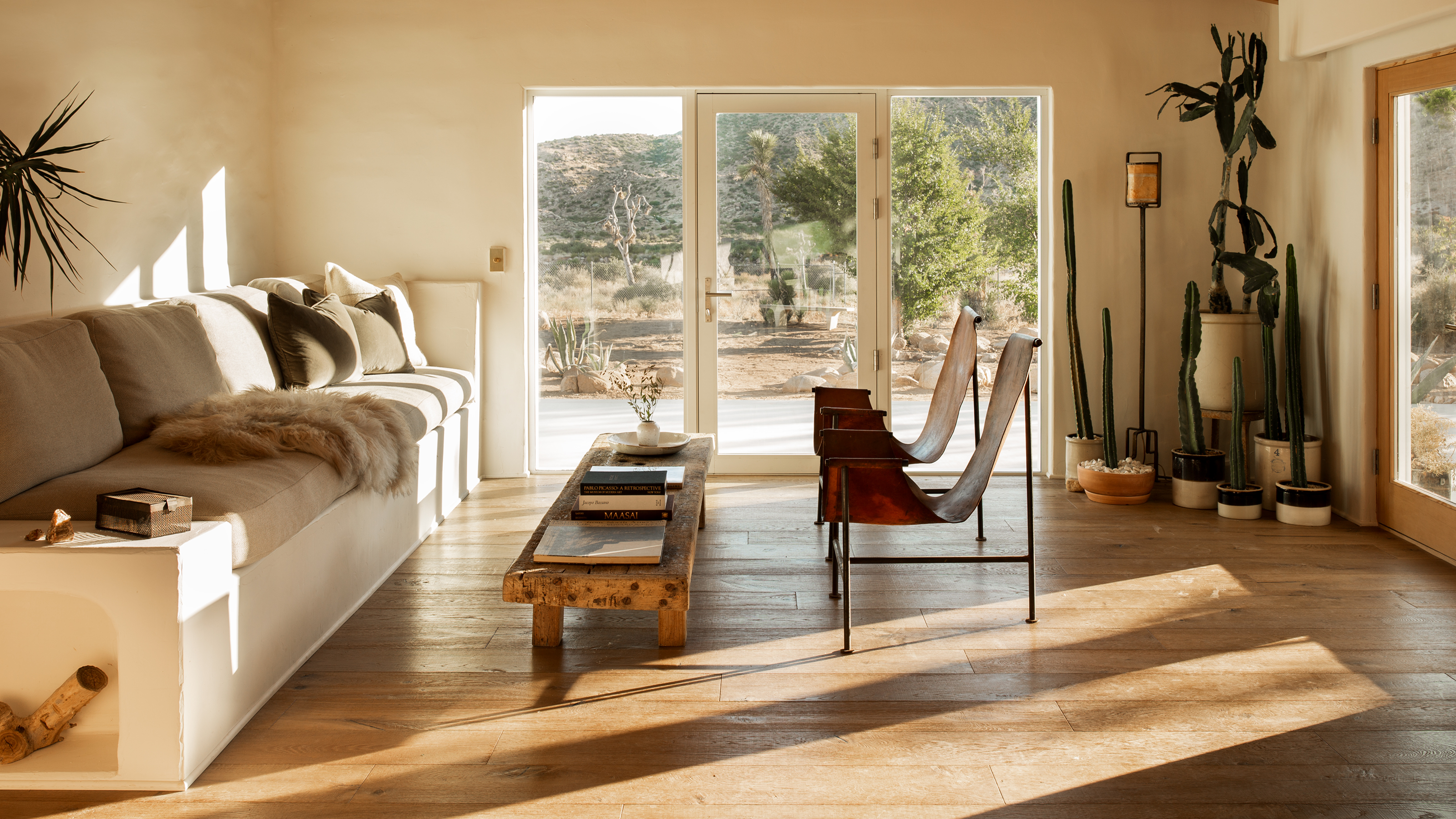
Designers say this 'plastered-in' decor trend will bring a serene feel to every room in the house
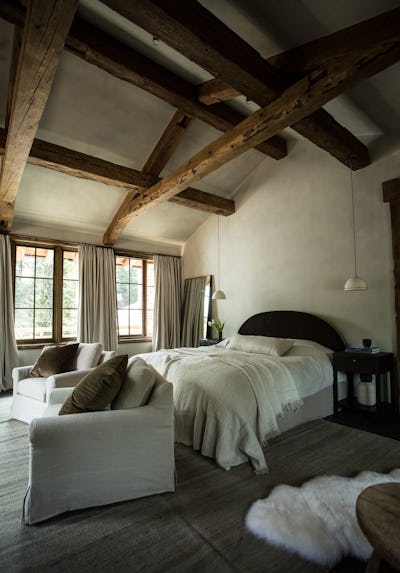
Textured Walls Are The Latest Interiors Trend For Adding Warmth To Your Space
Ten residential interiors showcasing exposed plaster walls
How to use plaster to add character to any style of home – 7 designers share their favorite looks

Say Goodbye to Shiplap—Here Are 4 Wall Treatments Designers Are Choosing Instead

Homeowner wows with DIY version of latest feature wall trend – and the results are stunning!

How to plaster a wall

Forget Single Painted Accent Walls: This Stunning Trend Is Taking Over

Ombre walls are having a moment – these 5 rooms have the best, most elevated versions of them
Designers Are Ditching "Flat Painted Walls" for THIS Unexpected Trend

Why Plaster Walls Are So Popular, Plus 3 Ways to Get the Look

Step Aside, Paint: These Are the 10 Most Creative Wall Treatments We Saw This Year
An easy guide to the charming scalloped walls trend

28 wall panelling ideas to add depth and character to any room in your home
What Paint Finish is Replacing Limewash? This is the Richly Textured Alternative Designers Are Using on Walls Now
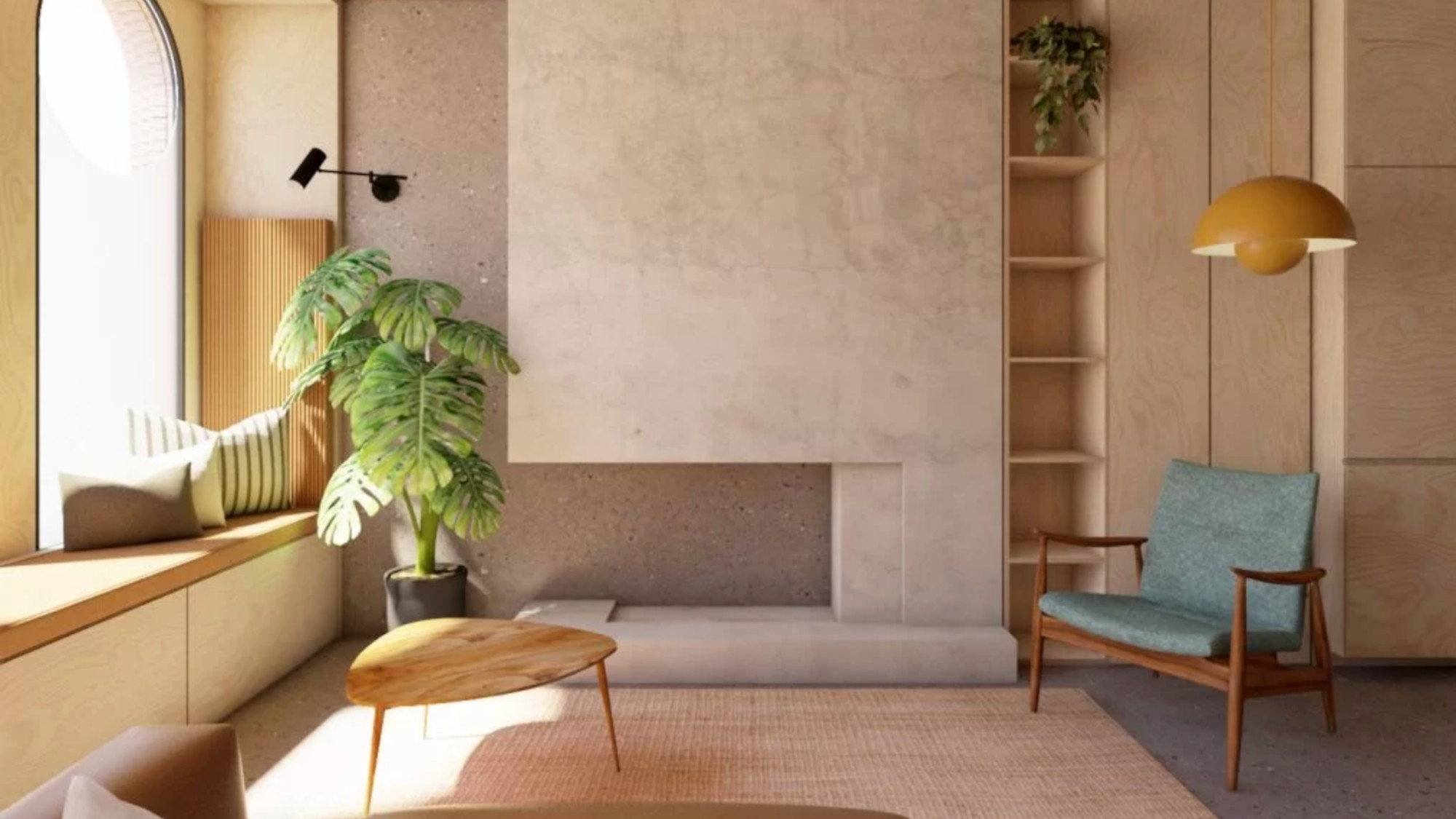
How to add texture to your walls - a beginner's guide to the many beautiful plaster finishes
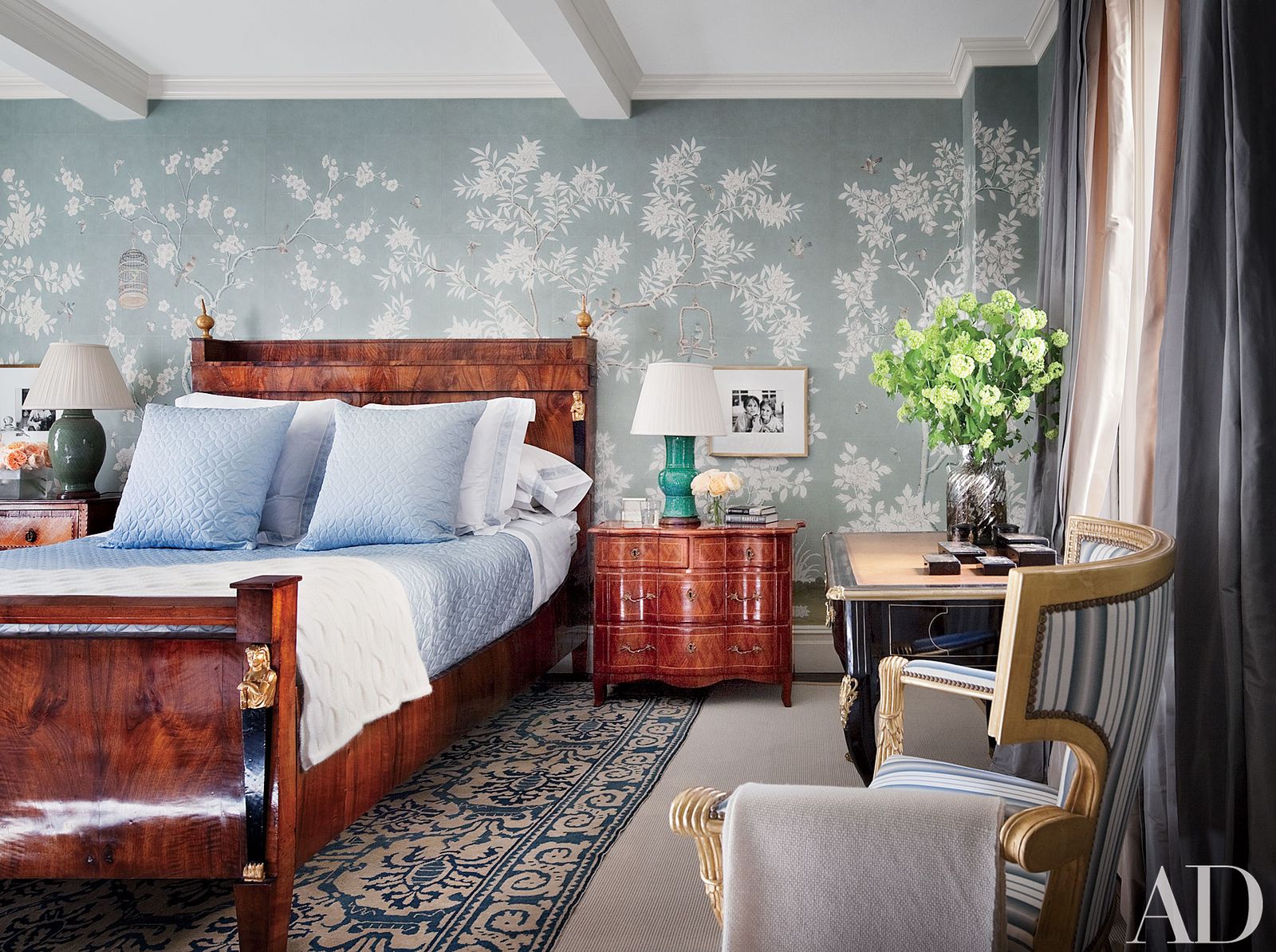
9 Designer Wall Treatments That Will Reinvent Your Interiors
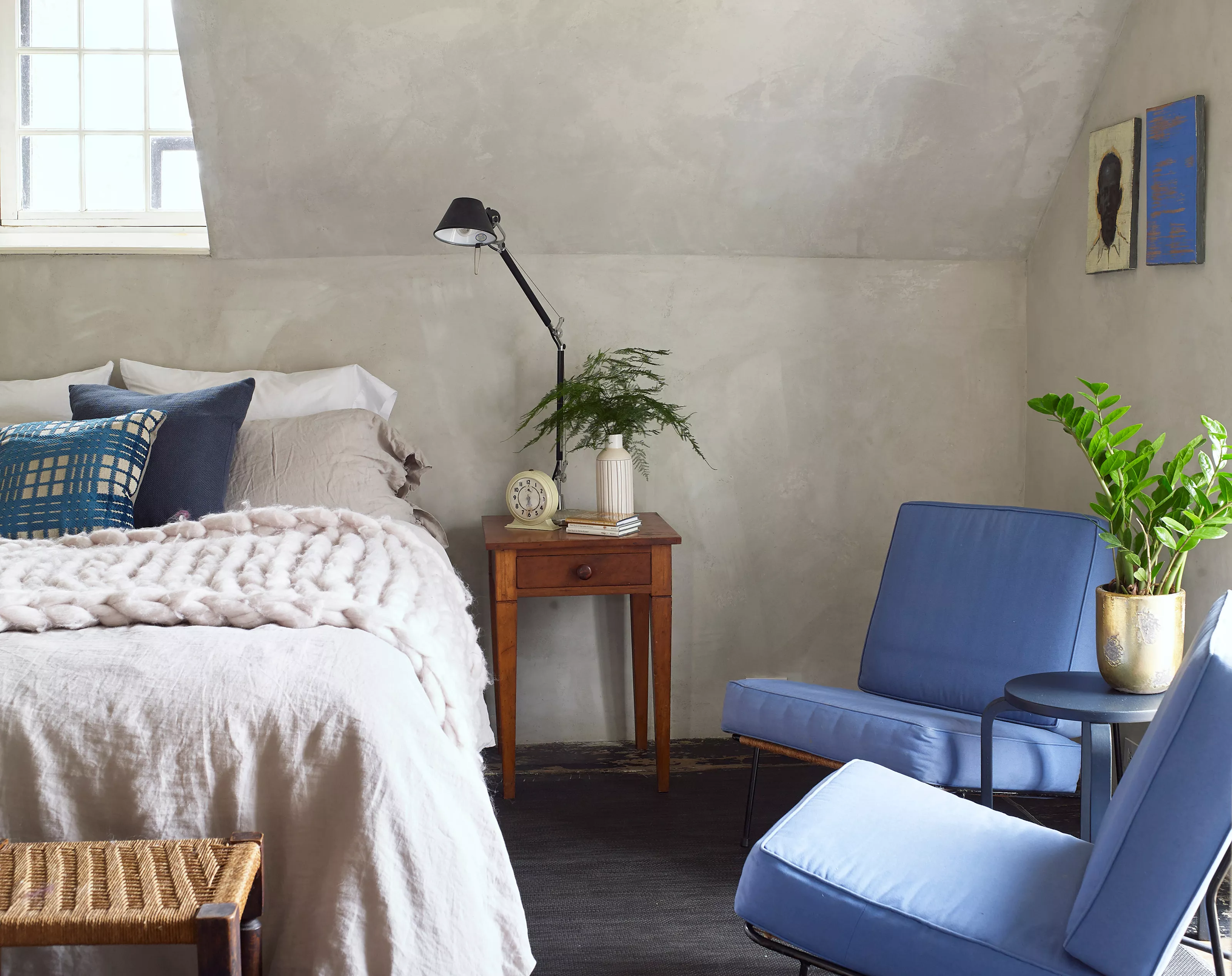
Why Plaster Finishes Are Trending Right Now (Plus 5 Types to Know)