1/2
common integrates microbakery and pizzeria within flexible hybrid interior in berlin
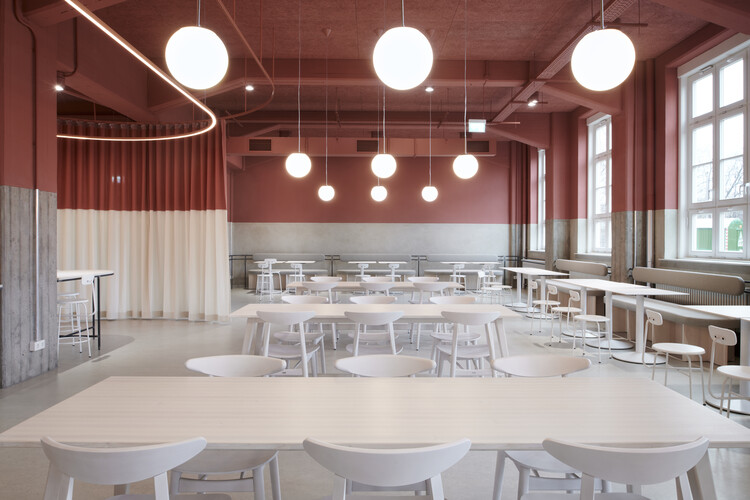
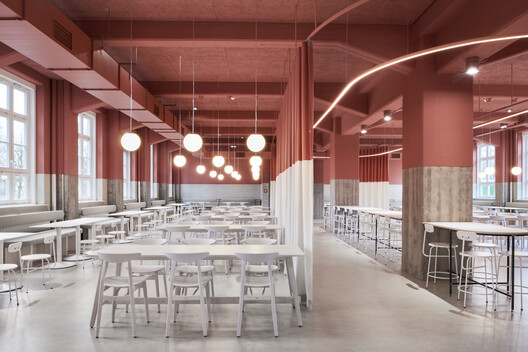
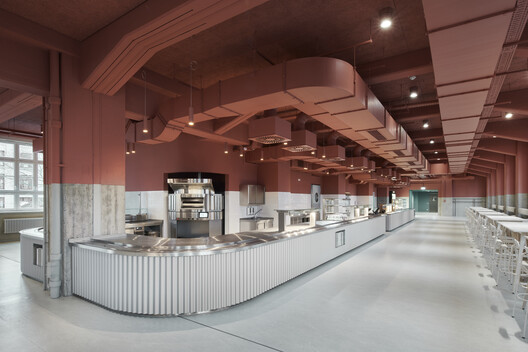
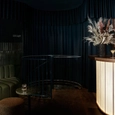
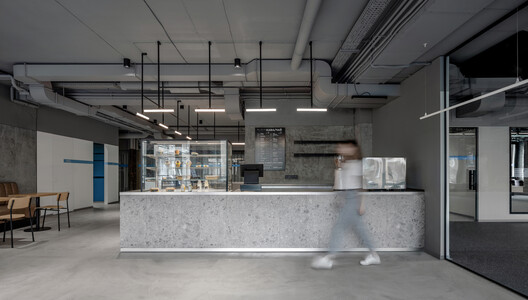
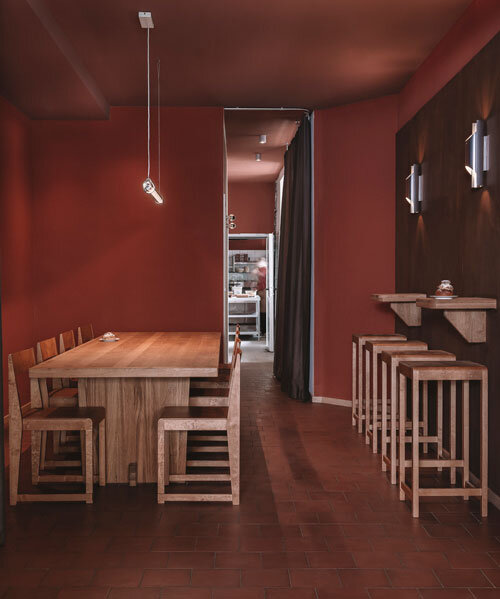
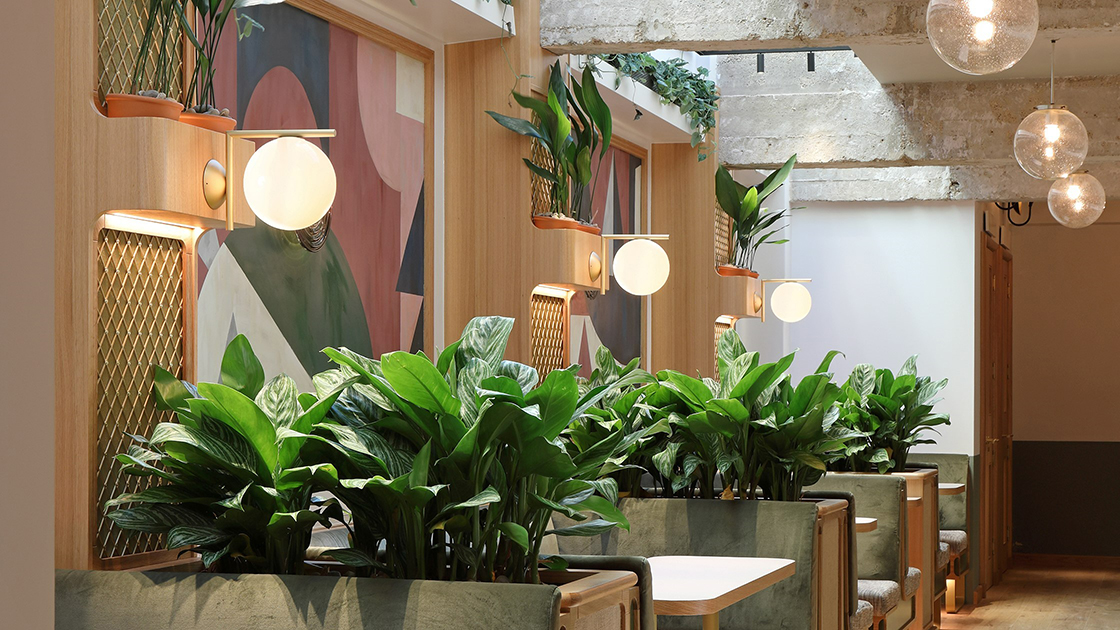
Common, a hybrid hospitality space situated in Berlin's Neukölln district, operates as a microbakery during the day and transforms into a pizzeria at night. This adaptable interior design, conceived by Thalea Schmalenberg, supports the dual functionality of the establishment through thoughtful spatial organization, the use of natural materials, and a carefully selected subdued tonal palette. The venture, founded by Maximilian Korrenz Lemke, aims to blend craft, community, and design, drawing inspiration from culinary experiences in Naples, Copenhagen, and Berlin. Its approach emphasizes traditional baking methods, slow processes, and sourcing ingredients locally.
During daylight hours, Common functions as a microbakery, specializing in long-fermented rye bread made from a combination of two rye flours and seven seeds. The bakery also offers Scandi-inspired cardamom buns and coffee roasted in Berlin, creating an open and sensory environment that highlights the freshness of its baked goods. As evening approaches, the space undergoes a transformation, transitioning into a pizzeria that serves slow-fermented sourdough pizzas. The evening menu features seasonal ingredients and unique combinations, such as blood sausage, Käsekrainer with Brussels sprouts, and fermented potatoes with wild garlic capers, further connecting the culinary offerings to the regional context through locally sourced flours and produce.
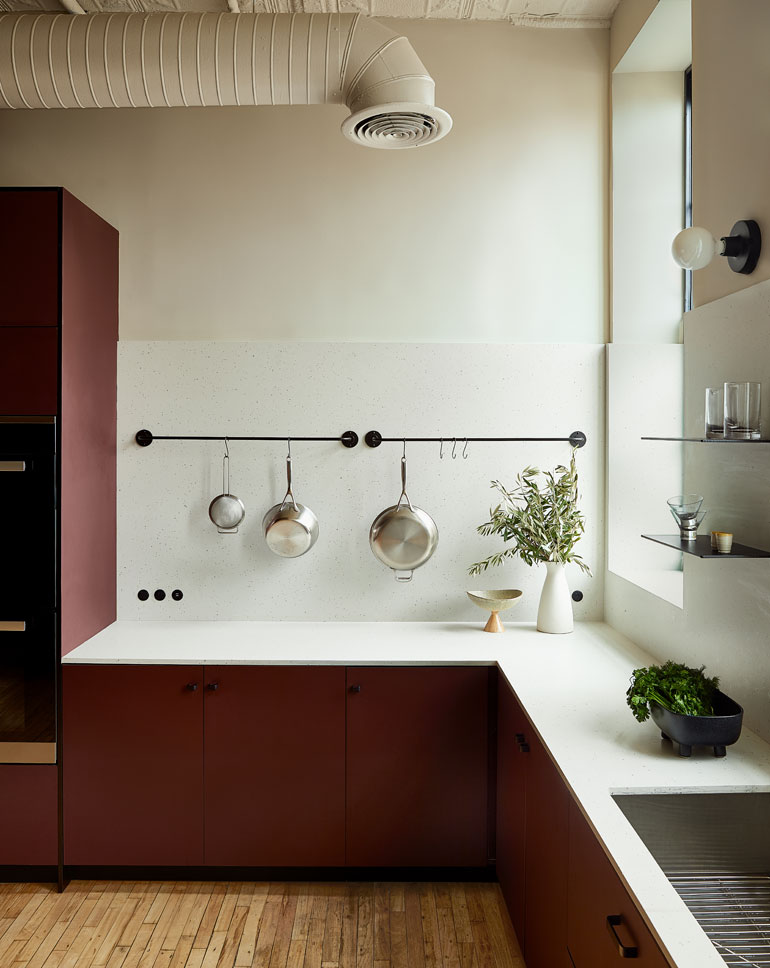
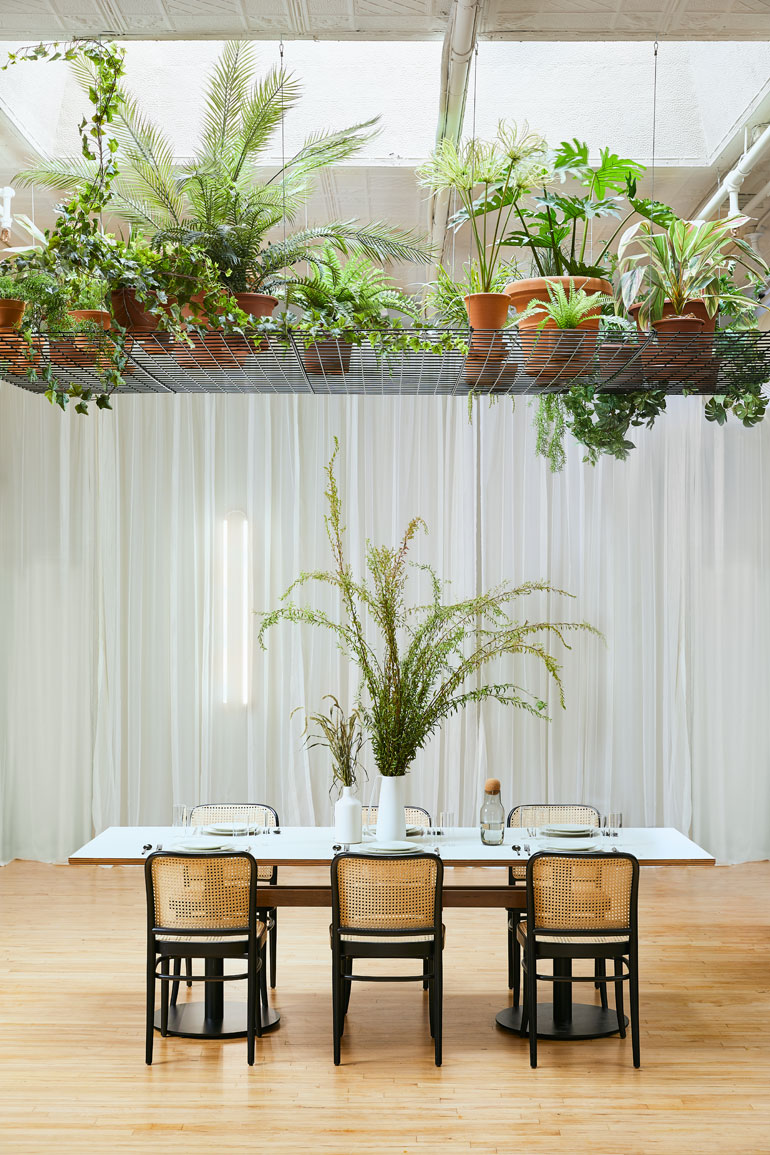
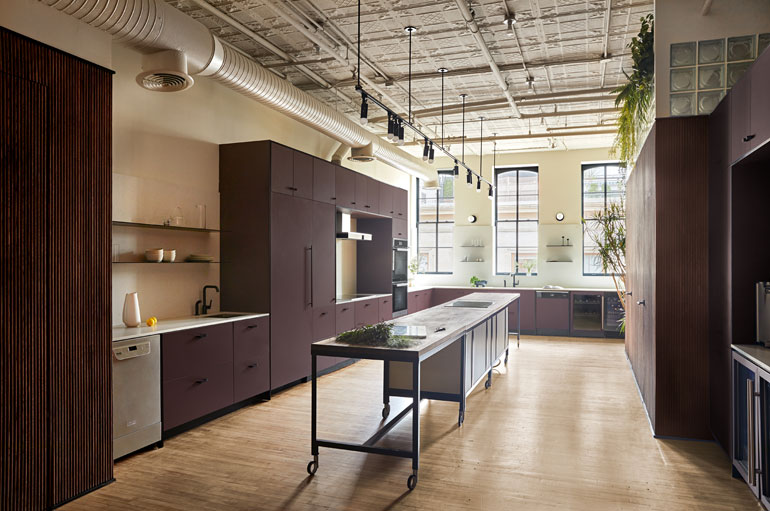
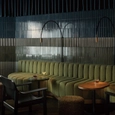
The interior design by Thalea Schmalenberg is central to enabling this daily metamorphosis. The aesthetic is characterized by warm monochrome shades, handcrafted woodwork, and strategically placed lighting fixtures from Danish and German manufacturers. These elements contribute to a cohesive atmosphere that effectively balances the functional requirements of both a bakery and a pizzeria. In the daytime, the design promotes a bright and inviting ambiance, while in the evening, the lighting and material choices create a warmer, more intimate setting conducive to dining. This careful consideration of design elements allows for a seamless transition between the different operational modes of the establishment, ensuring comfort and appeal throughout the day.
The project underscores the significance of adapting physical spaces to multiple uses, reflecting a growing trend in urban hospitality. Common's success lies in its ability to maintain a strong identity and consistent quality across its varied offerings, from artisanal bread and coffee to gourmet pizzas. The establishment's commitment to craft, community engagement, and design integration makes it a notable example of contemporary hybrid spaces that cater to diverse customer needs while promoting local traditions and sustainable practices. The detailed design and operational strategy highlight how architecture and interior planning can play a pivotal role in shaping customer experience and supporting a dynamic business model in a vibrant urban setting like Berlin's Neukölln district.
#HybridSpace #Microbakery #Pizzeria #InteriorDesign #BerlinArchitecture #ThaleaSchmalenberg #HospitalityDesign #FlexibleInterior #Craftsmanship #HybridSpace #Microbakery #Pizzeria #InteriorDesign #BerlinArchitecture #ThaleaSchmalenberg #HospitalityDesign #FlexibleInterior #Craftsmanship
0 comment in total
 No comments yet
You may also like
hybrid renovation by SET architects combines flexible living and working in milan
Raising the ‘Bau’ in kitchen design
Before and After — This Small Kitchen Diner Reno Went Open Concept With a Clever "Connecting" Feature

Pia Mendaro designs an elevated living space in a former warehouse in Madrid

Hans & Werner / van Baal interior design + Tomasz Budnicki

Japan meets Italy at Milan’s new zen co-working café

party / space / design shapes its co-working hub as a light-filled open box
Design-conscious co-working spaces around the world

This ultra-compact micro kitchen unfolds like a Swiss Army knife when it’s time to cook (VIDEO)
green courtyard anchors hybrid home and office within concrete structure in bangkok
Explore a transitional kitchen that expertly blends industrial style with the softness of organic modernism


FEBAL CASA INTRODUCES ORIGINA VOL. III


Modular Kitchen Market Size, Share, Demand | CAGR of 5.3%
The Cradle Office Building / HPP Architects
Rotpunkt's Matt Phillips – Modern kitchen design requires a versatile skill set
The Gym-Bar Hybrid: Interiors That Integrate Sports and Healthy Habits Through Architecture
Float Studio Focuses on Versatility for The Commons, a SoHo Test Kitchen and Event Space

How Et Lorem worked with Rotpunkt on a sleek and chic family kitchen makeover
Ceramic Tiles - Bardem Cocktail Bar from AGROB BUCHTAL

See how an outdated MetroWest kitchen became a whimsical, modern hub