1/2
7 Bedroom Features That Immediately Ruin Your Space, According to Designers
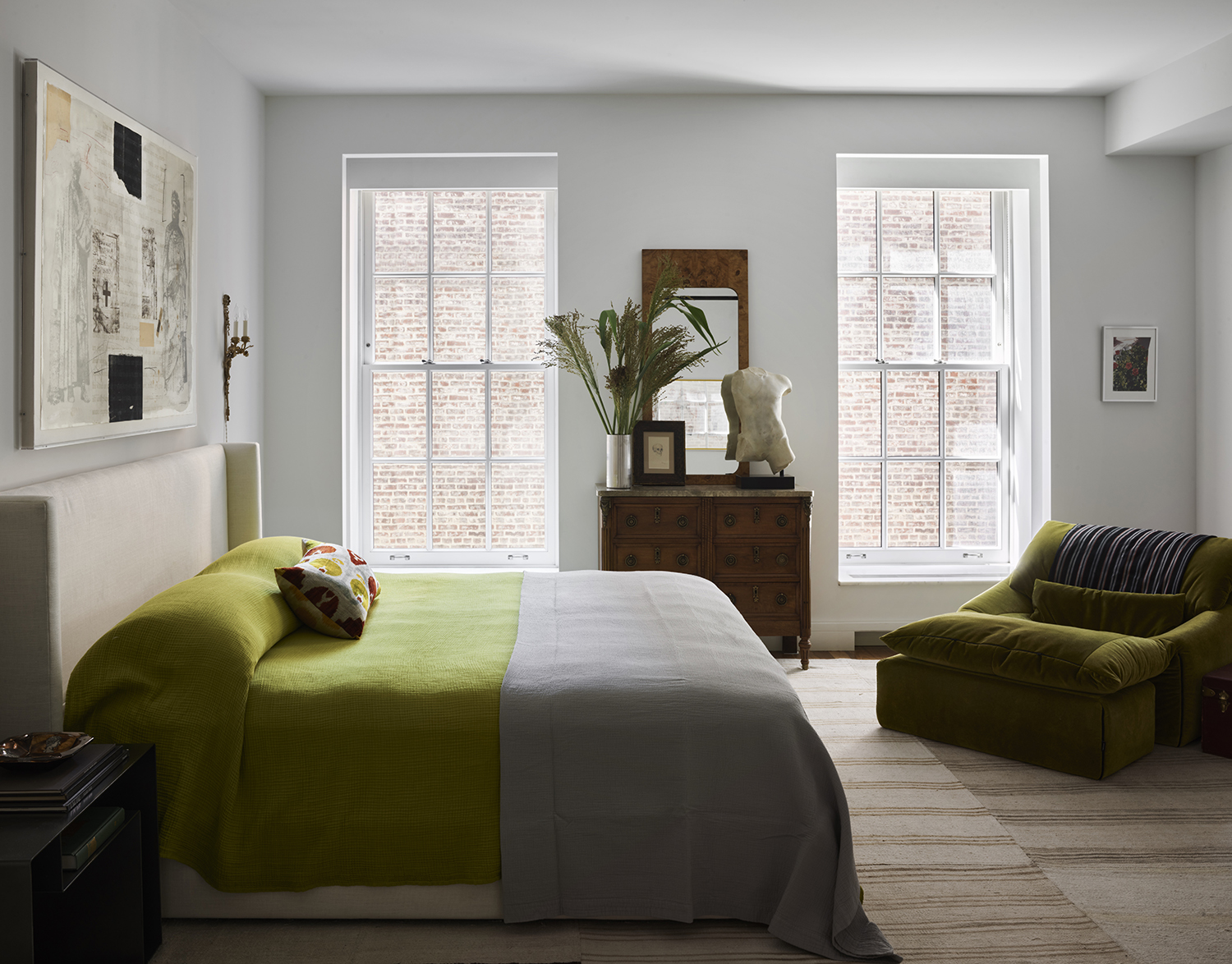
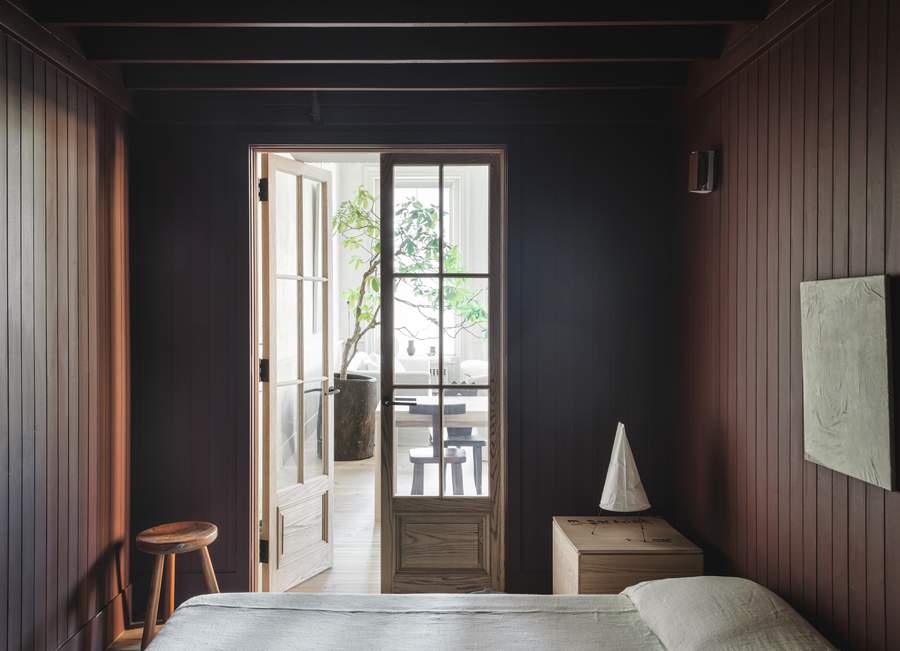
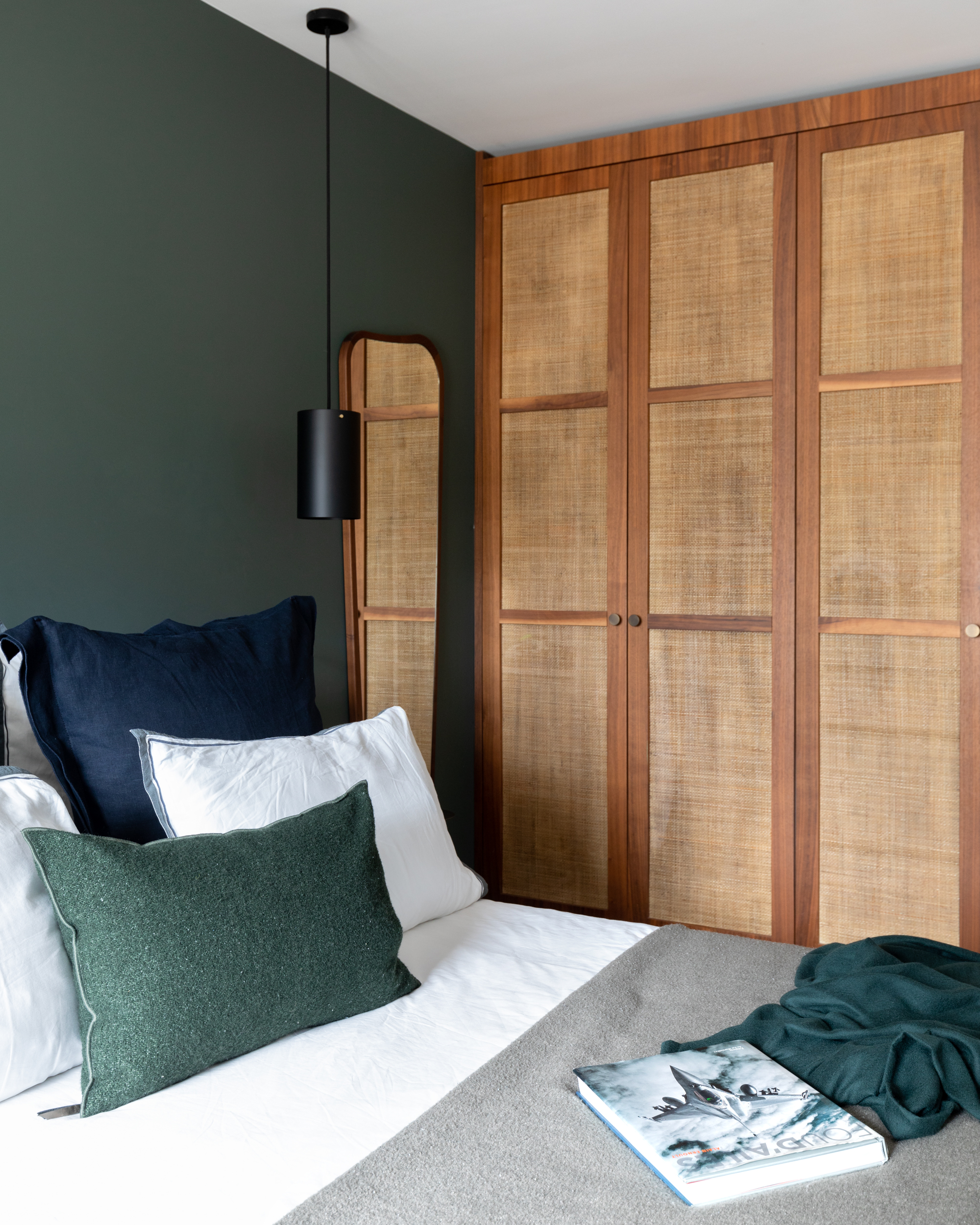
This article discusses seven common bedroom features that can negatively impact the peace and relaxation intended for a sleeping space, as identified by interior designers Catherine Shuman and Andrea Schumacher. The primary goal of a bedroom is to serve as a sanctuary for rest and recovery, and certain design choices can transform it into a chaotic or uncomfortable environment.
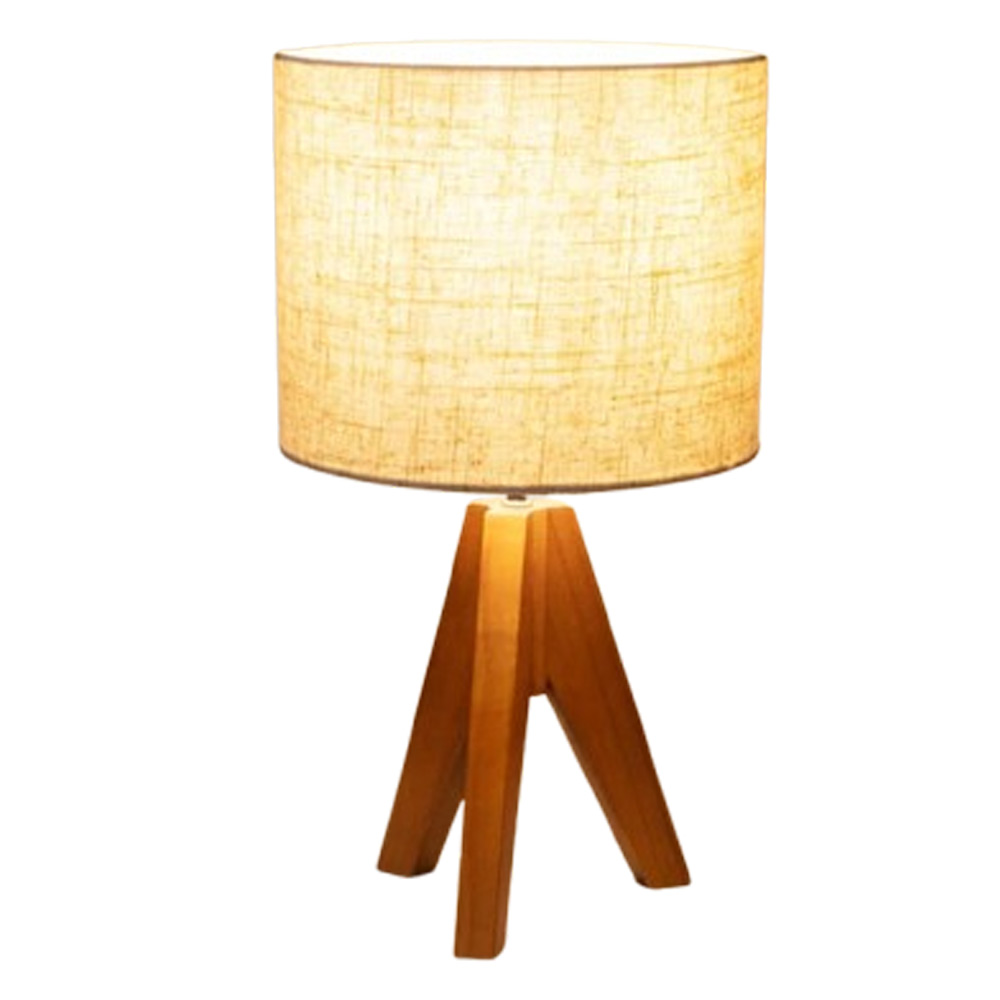
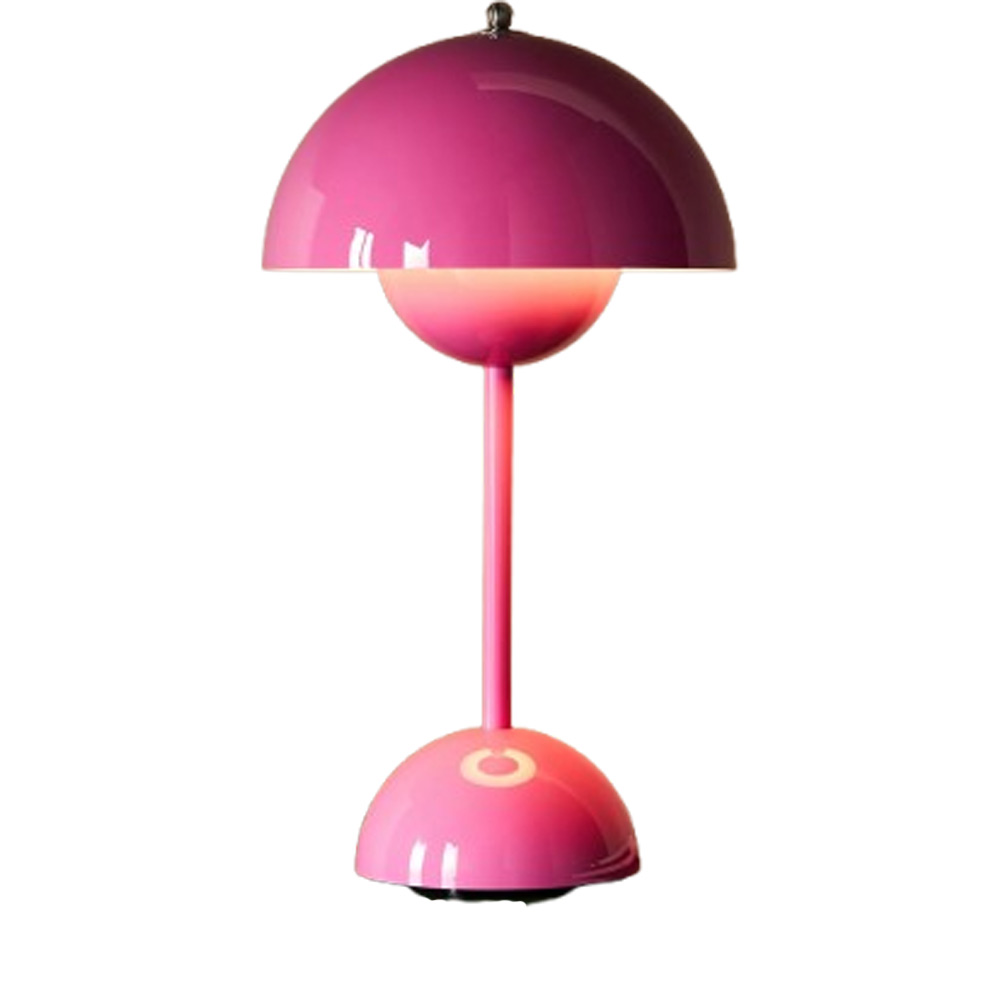
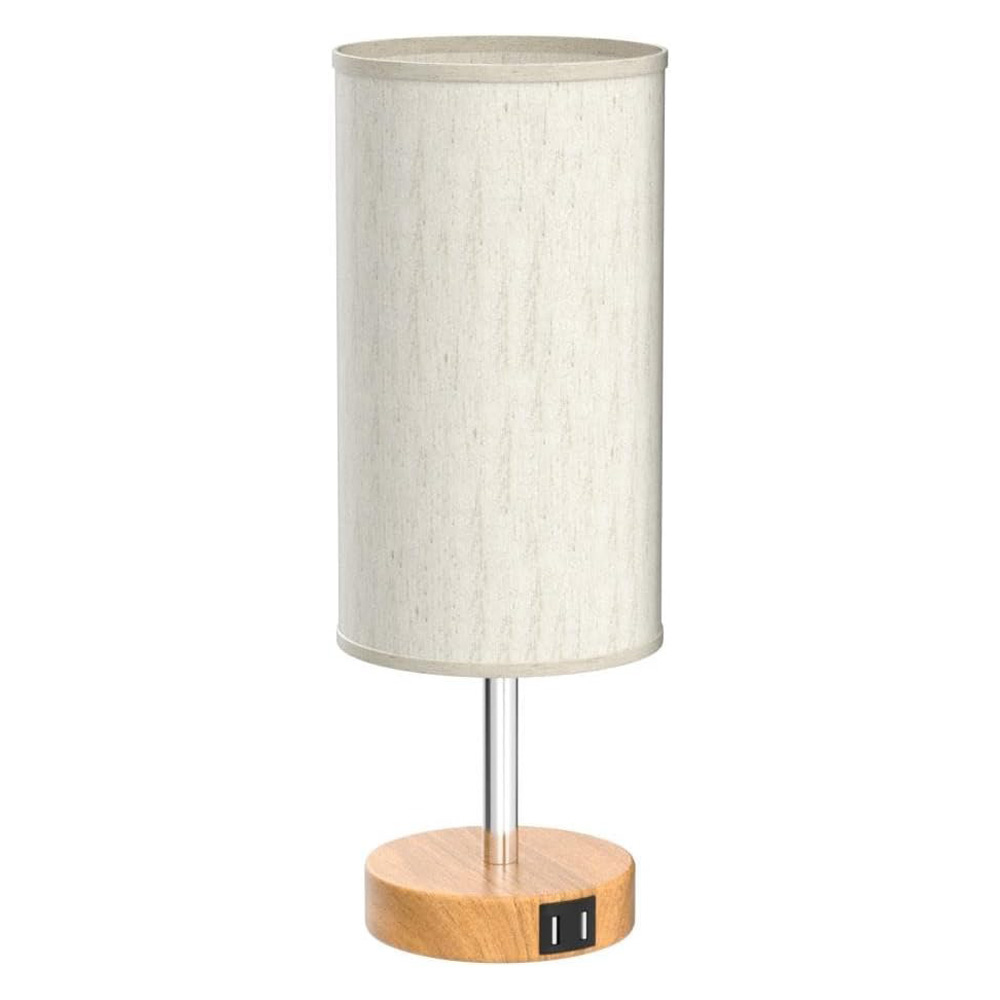
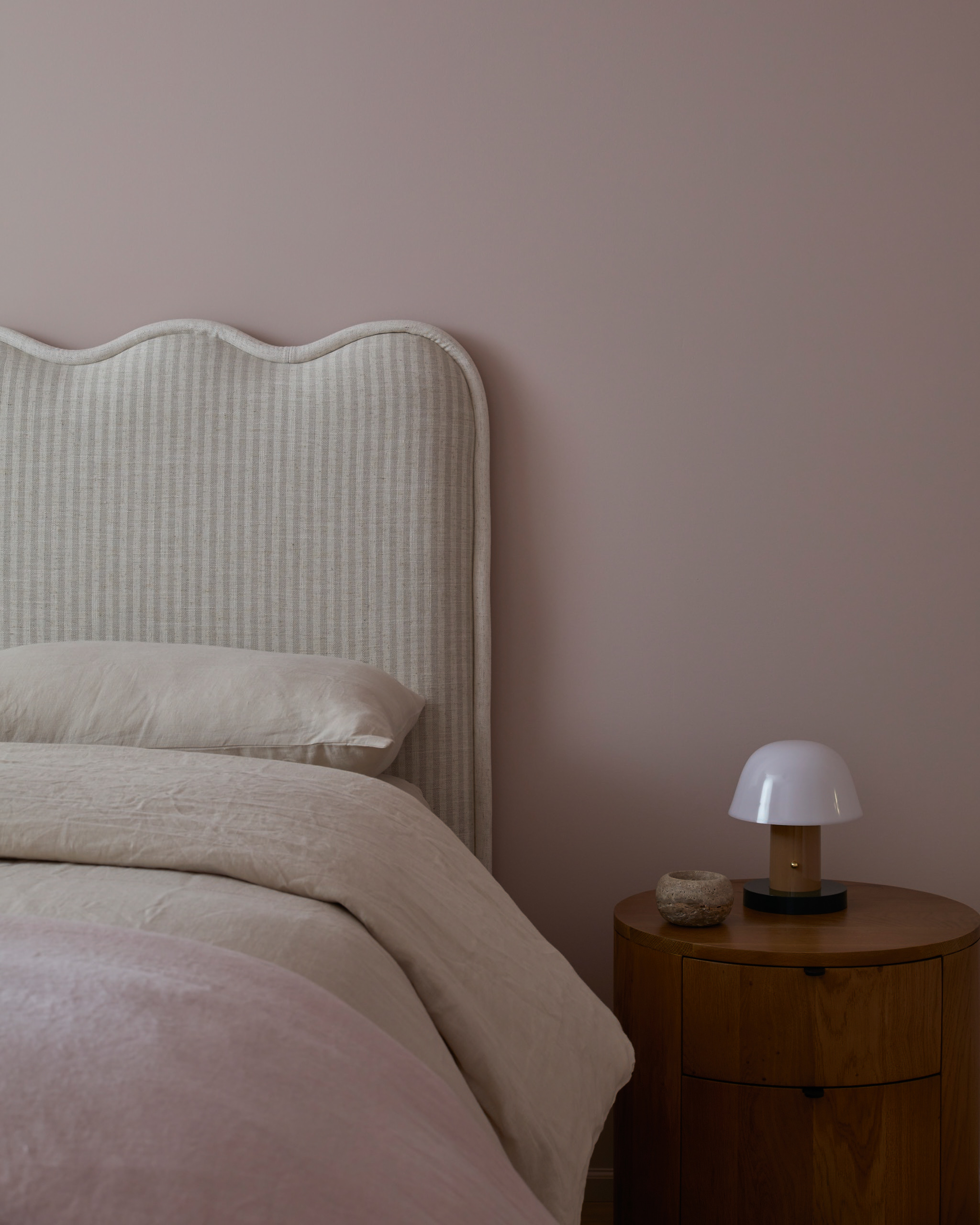
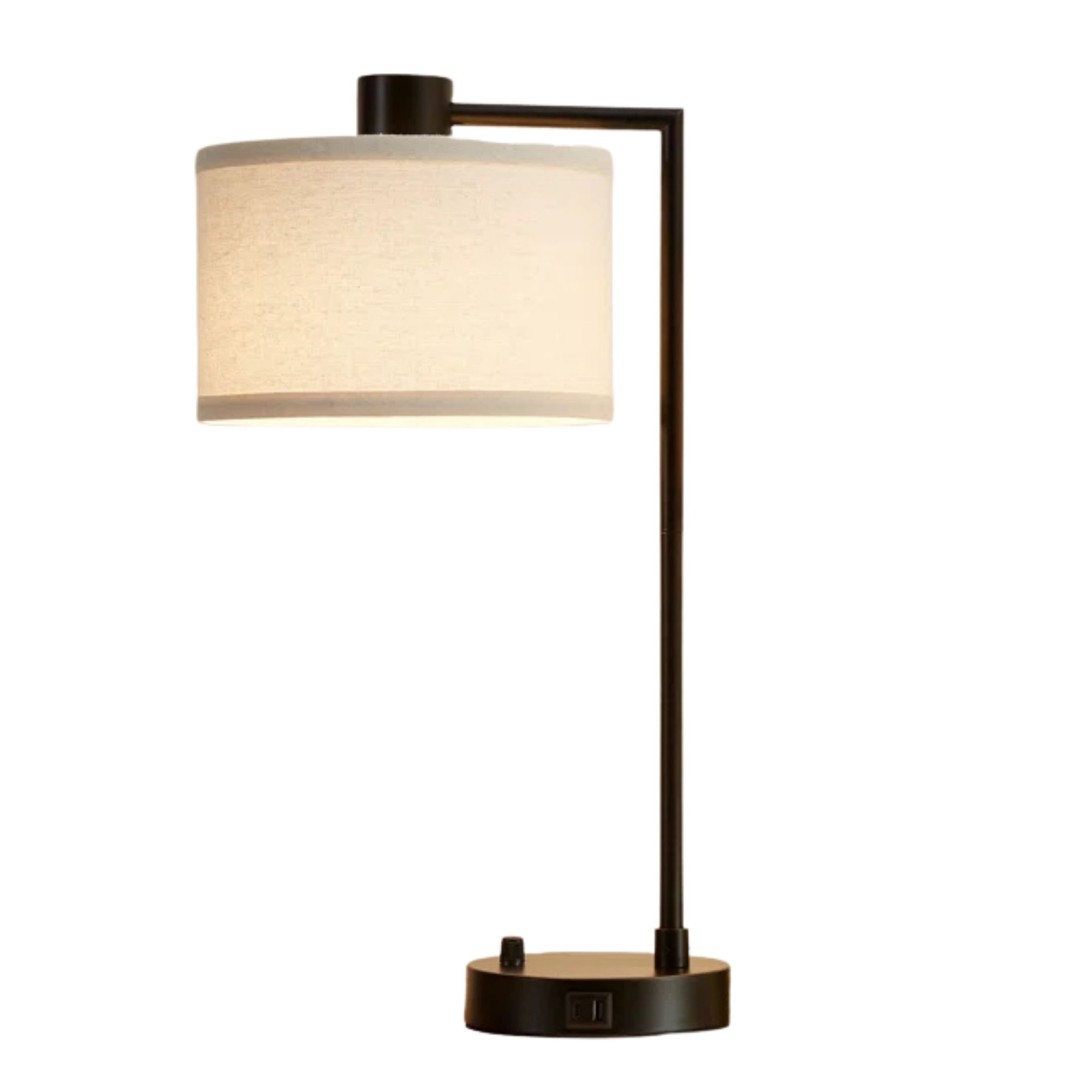
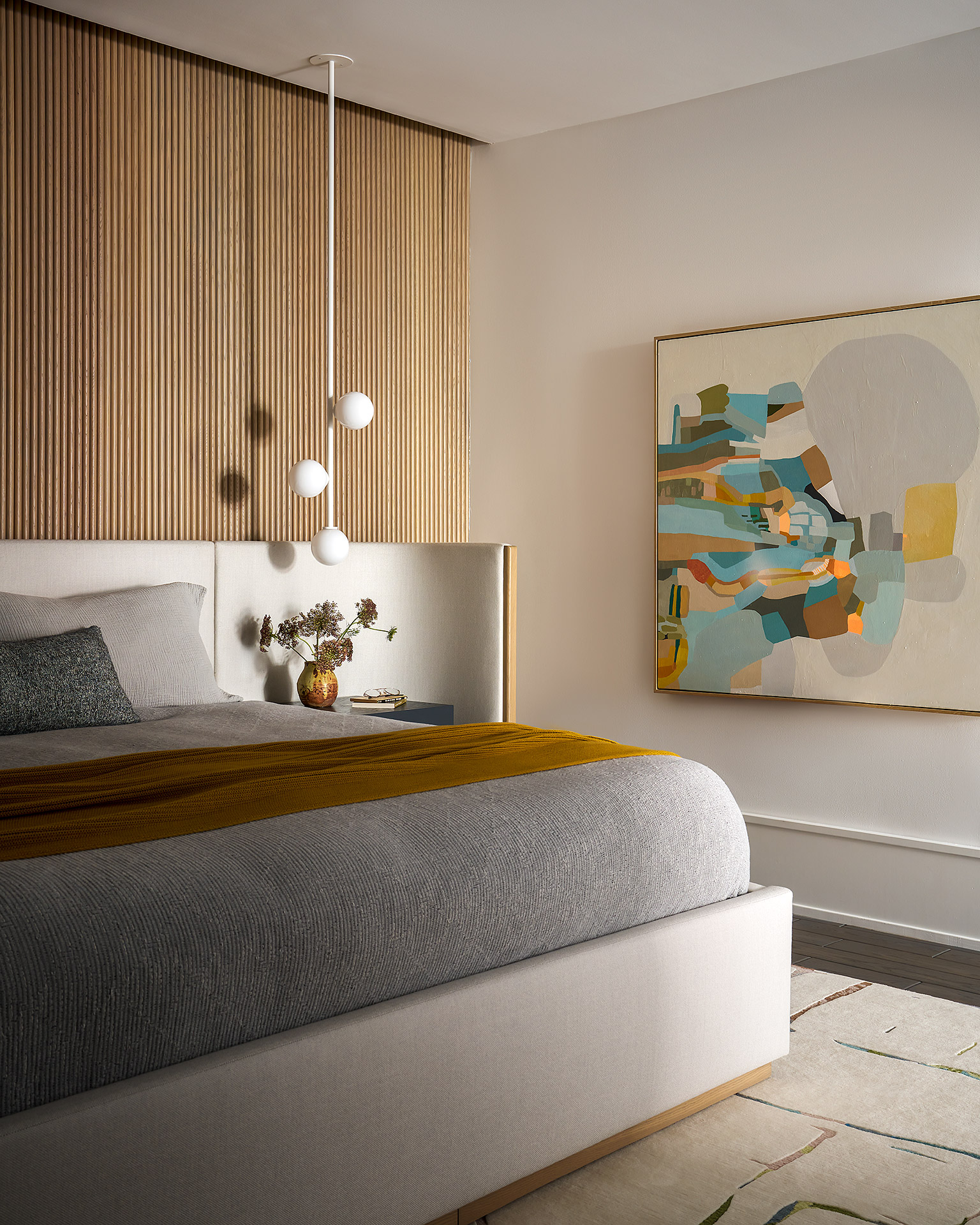
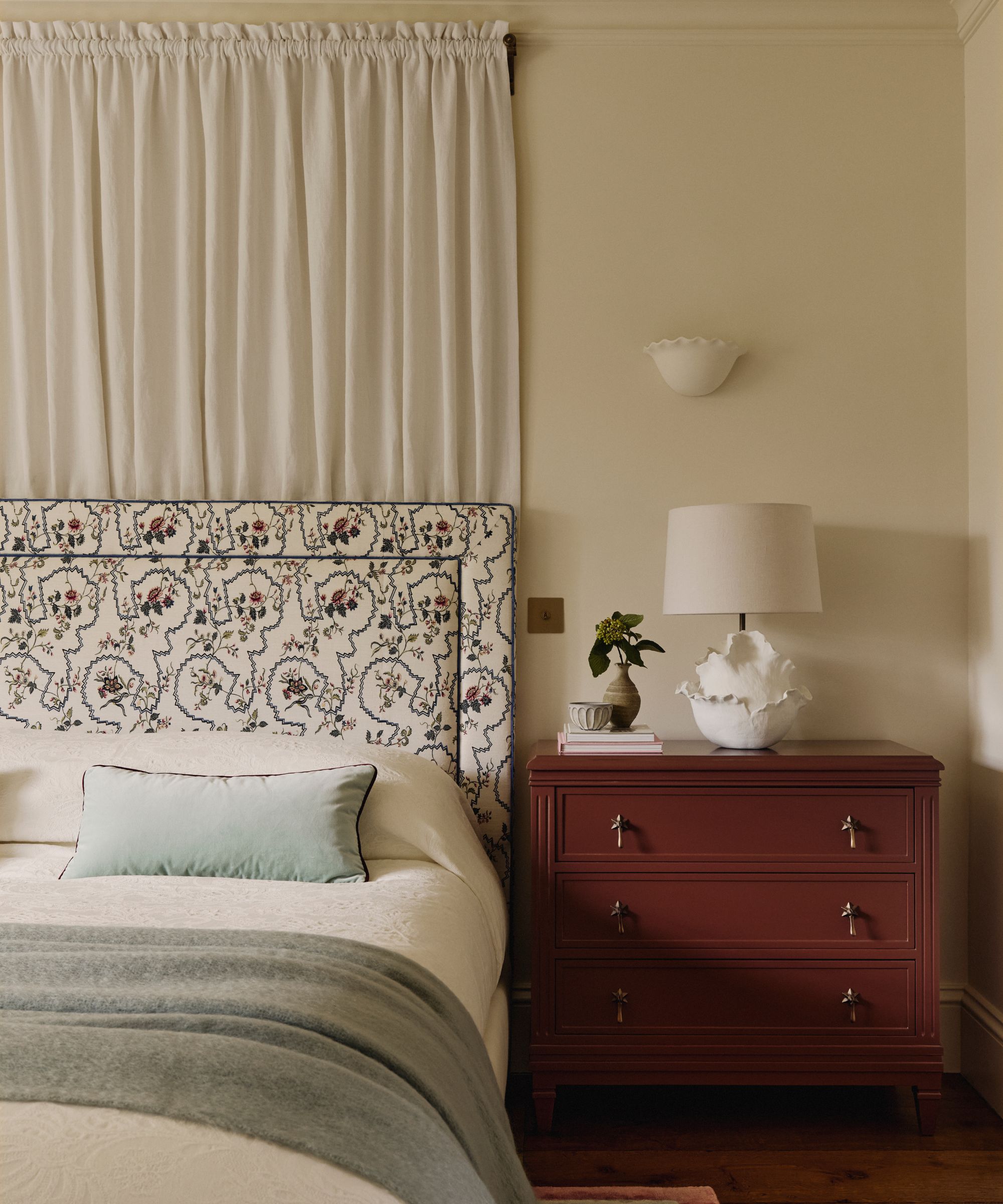
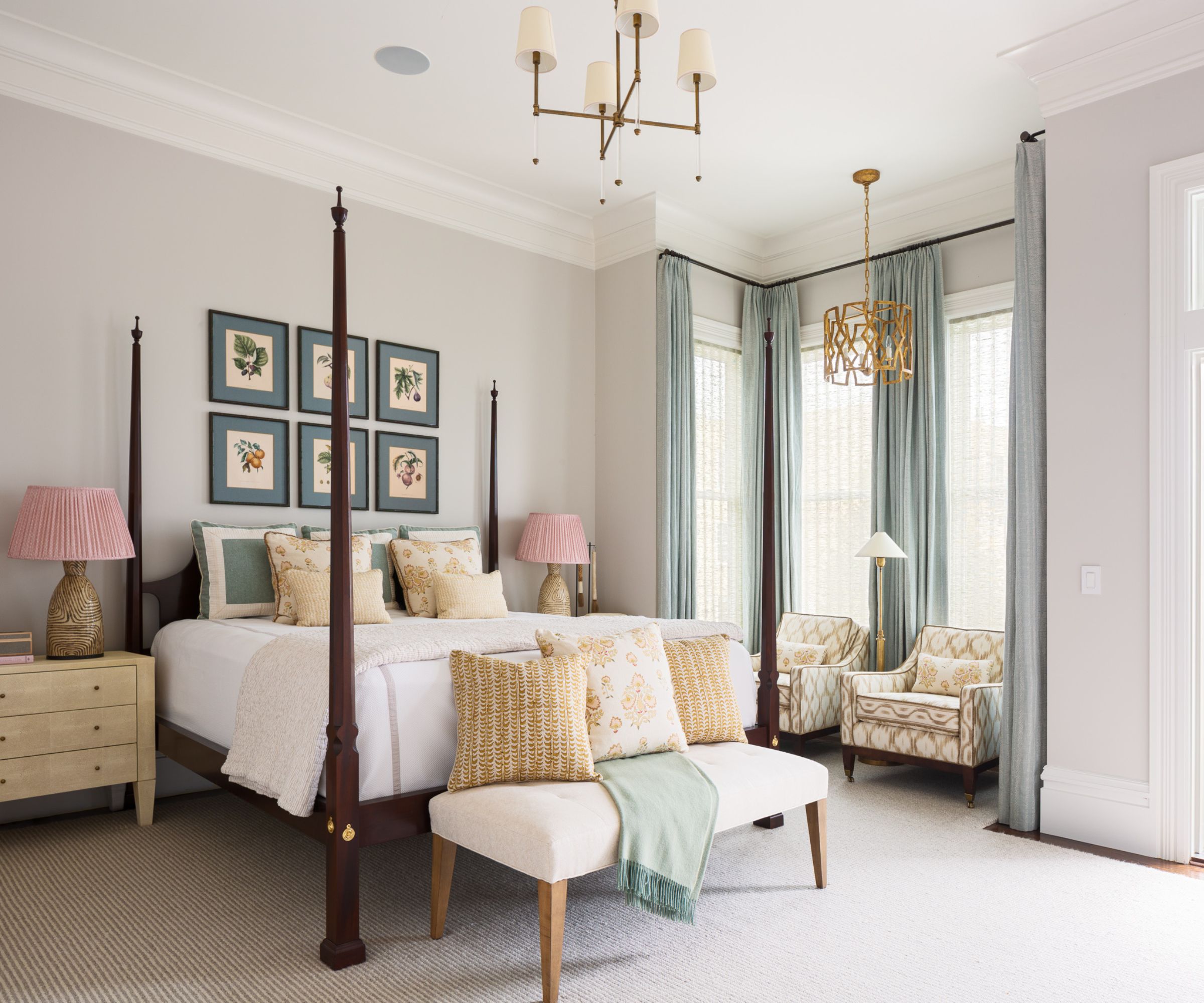
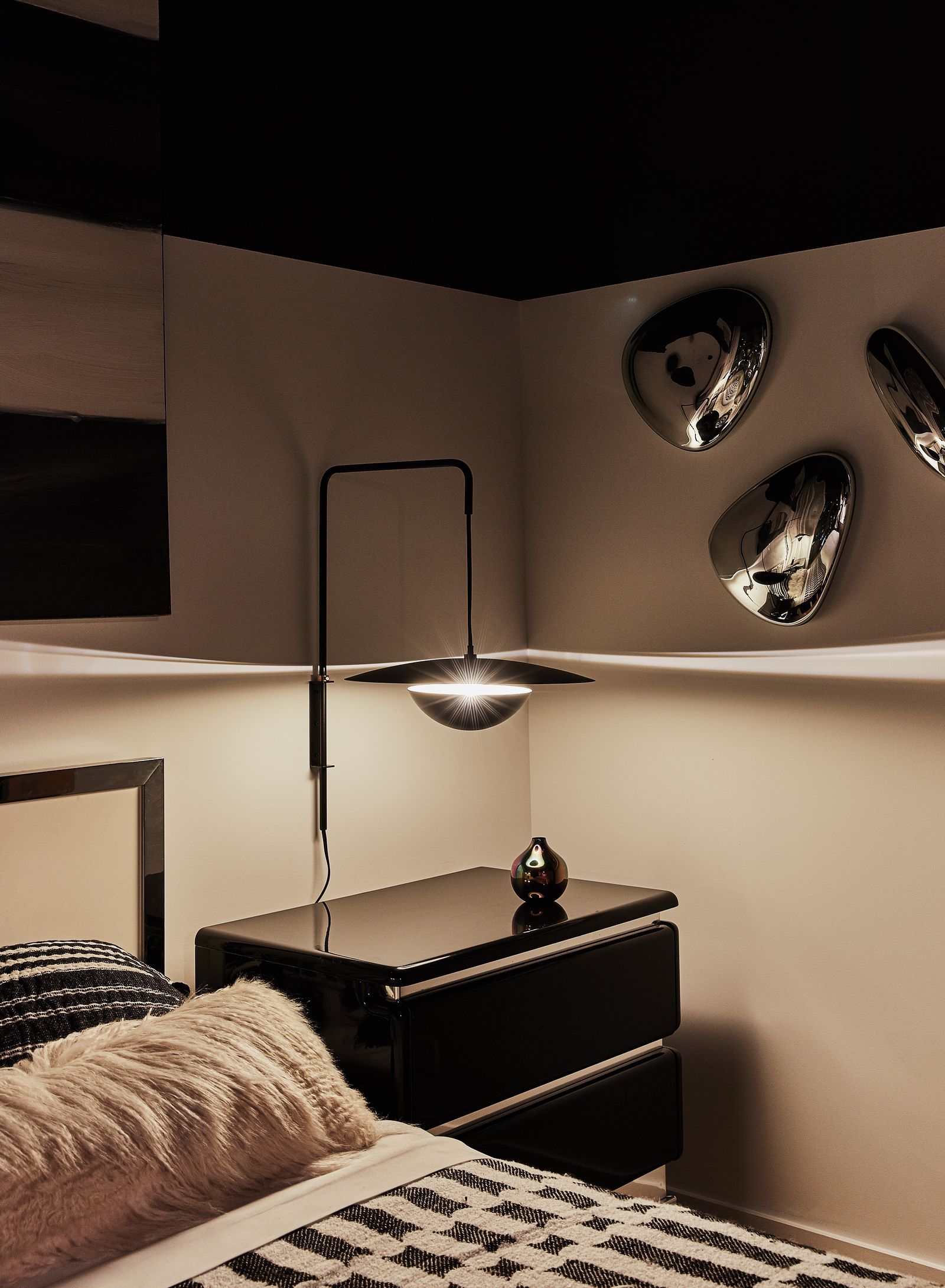
One significant issue is poor lighting. Relying solely on bright, overhead LED lighting can make a bedroom feel cold and clinical, creating harsh shadows that are unsuitable for a relaxing atmosphere. Interior designer Andrea Schumacher suggests that to counteract this, individuals should layer their bedroom lighting. This involves incorporating dimmable sconces, table lamps, and pendants, and switching to warm-toned bulbs. Additionally, adding bedside lighting with fabric shades can create a more inviting and soothing ambiance, transforming the room's mood.
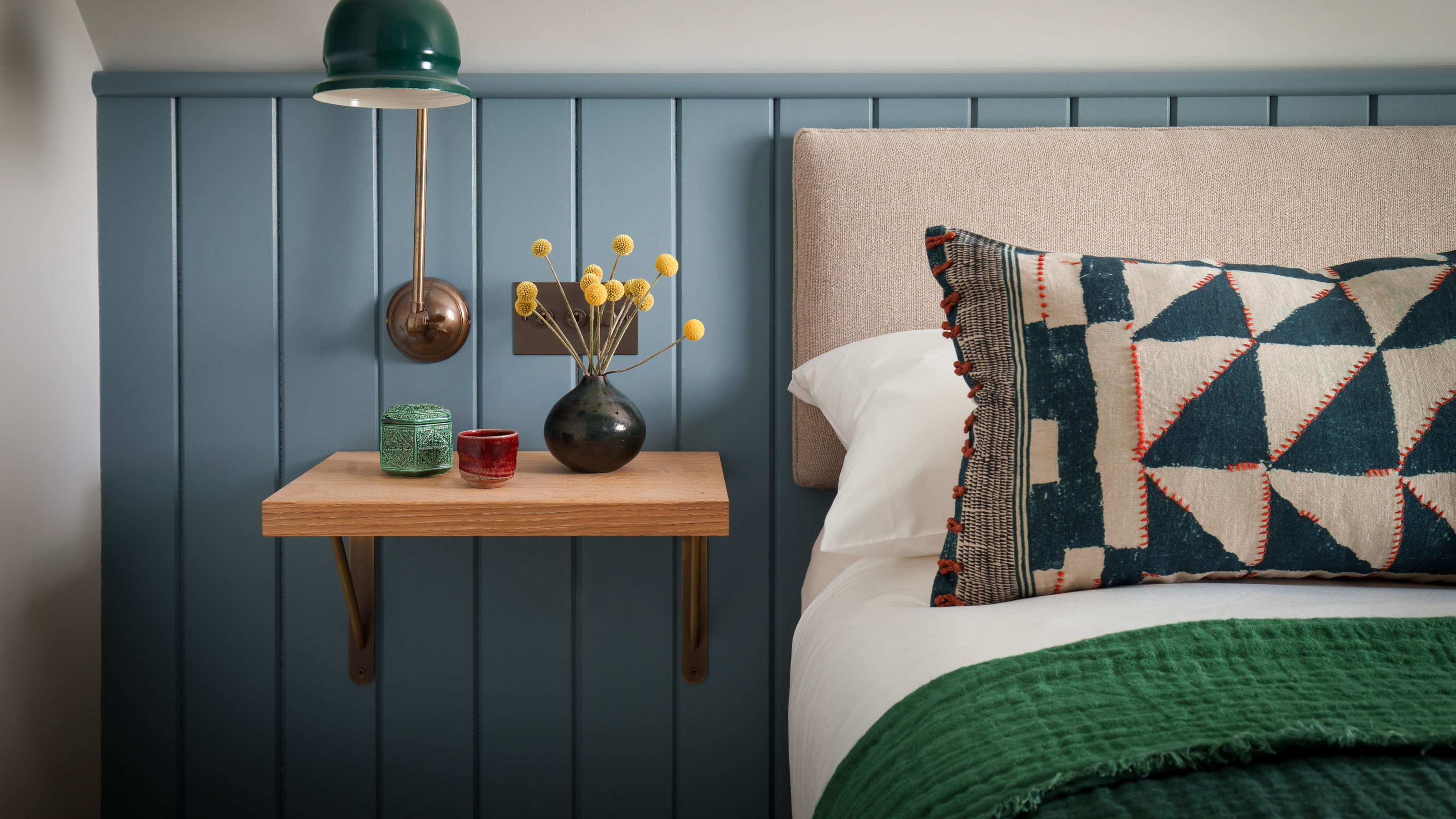
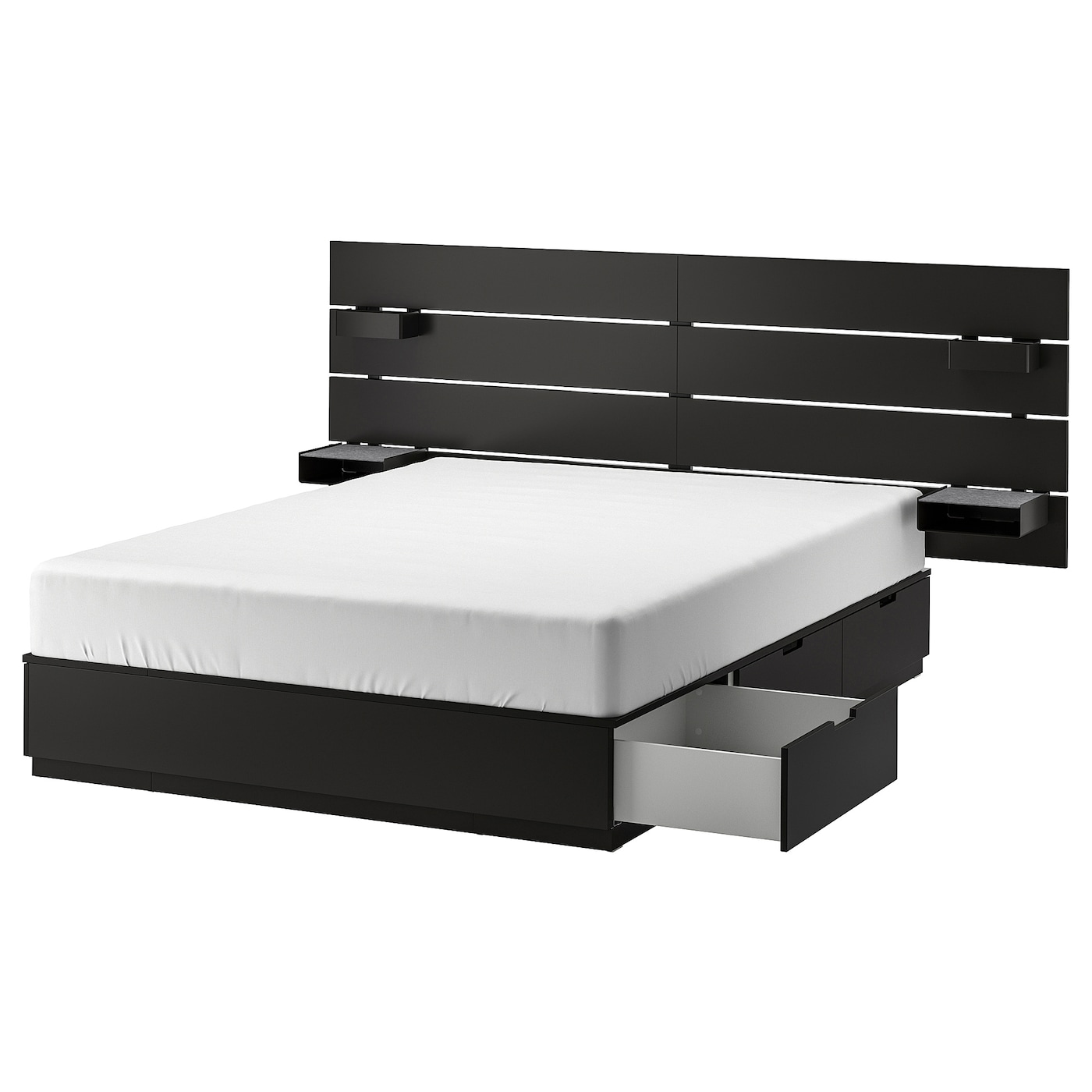
Another common problem is oddly proportioned furniture. Catherine Shuman highlights that oversized furniture, particularly pieces that are not scaled appropriately for the room's size, can disrupt the overall aesthetic and functionality. Examples include tiny bedside tables next to a large bed, oddly sized dressers, or king-size beds that consume too much space, making movement difficult. To address this, it is recommended to select a bed size that meets personal needs while leaving ample space around the perimeter. Opting for visually lighter pieces, such as open-base nightstands or floating shelves, can help maintain an airy and functional feel in the room.
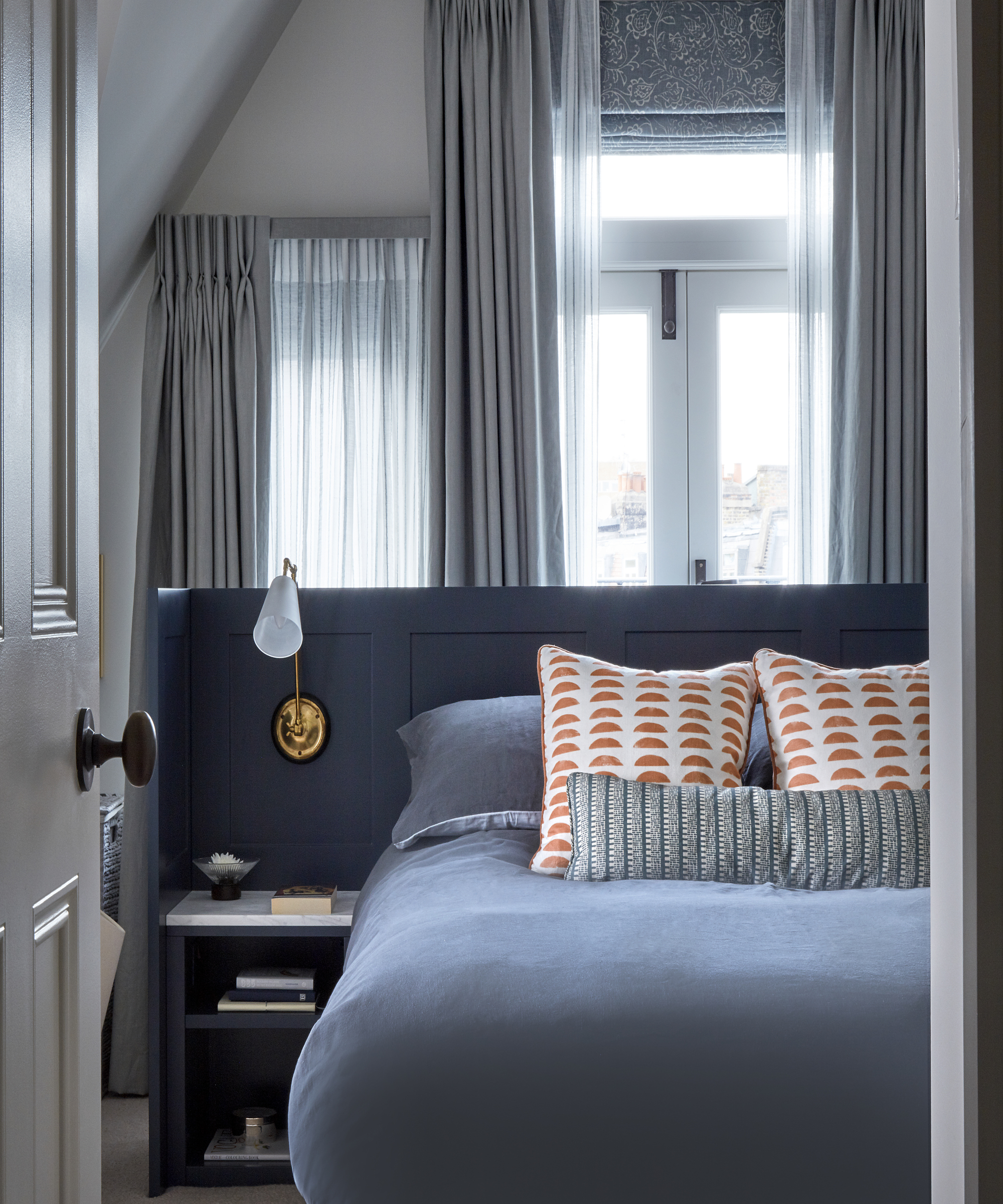
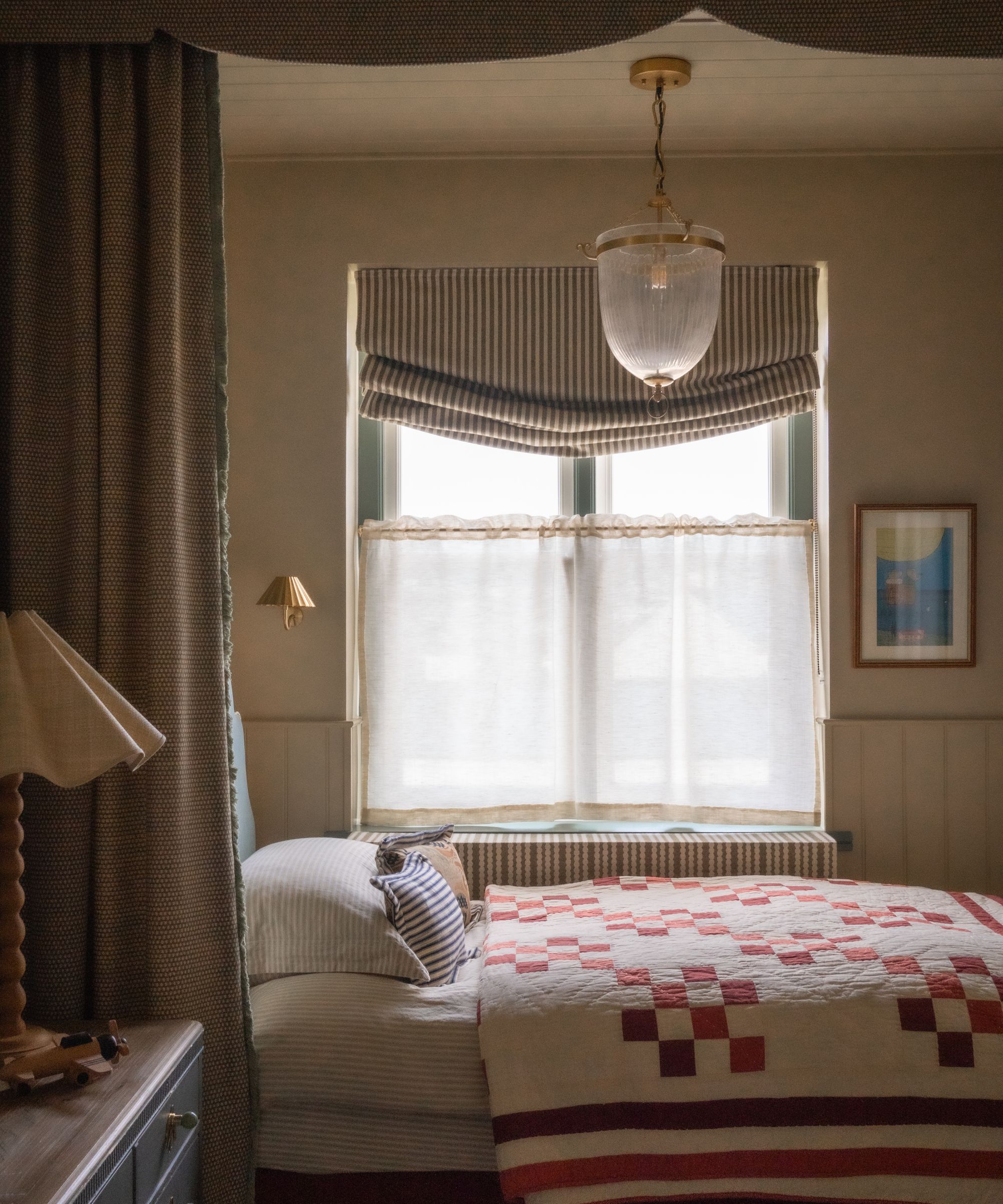
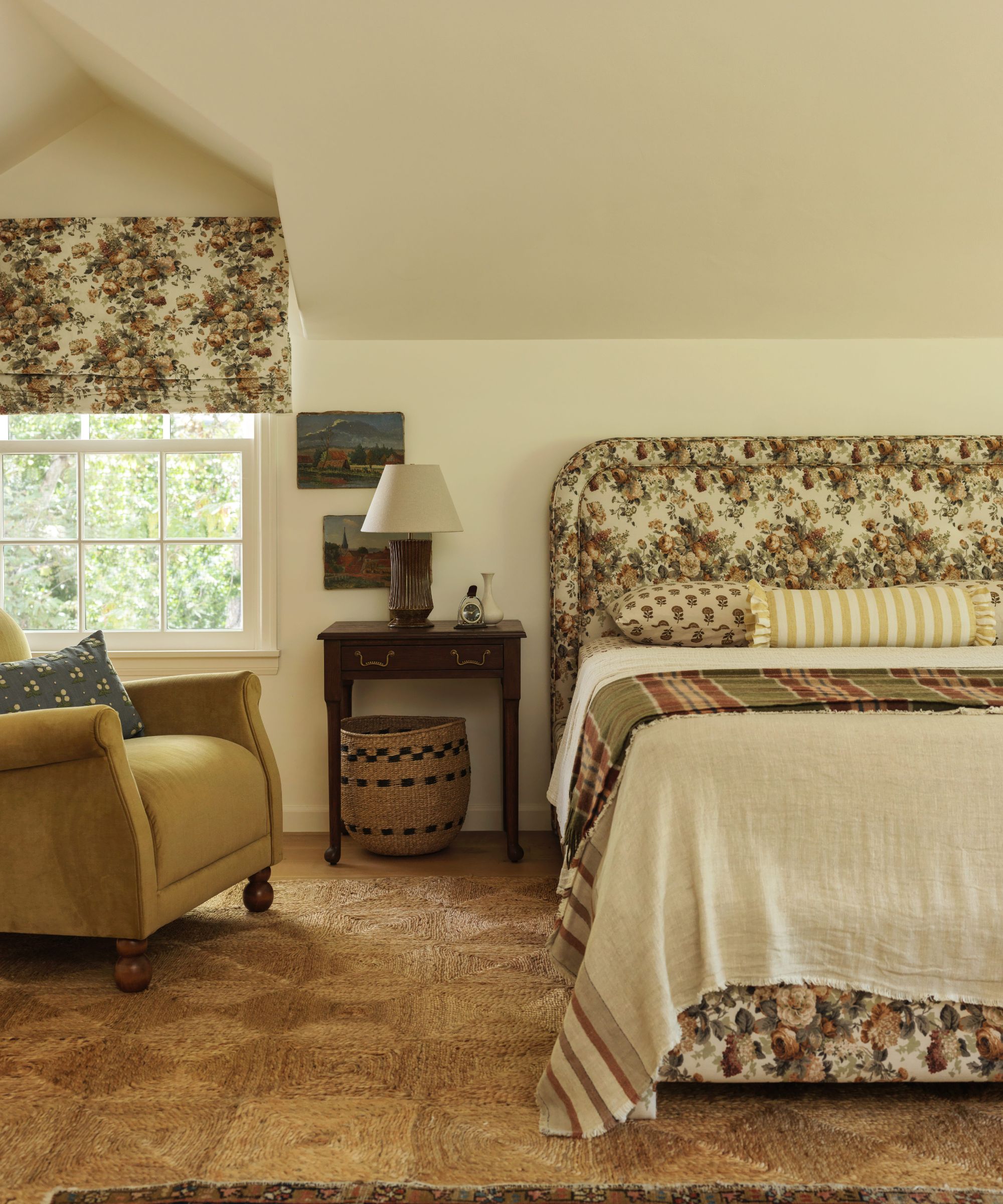
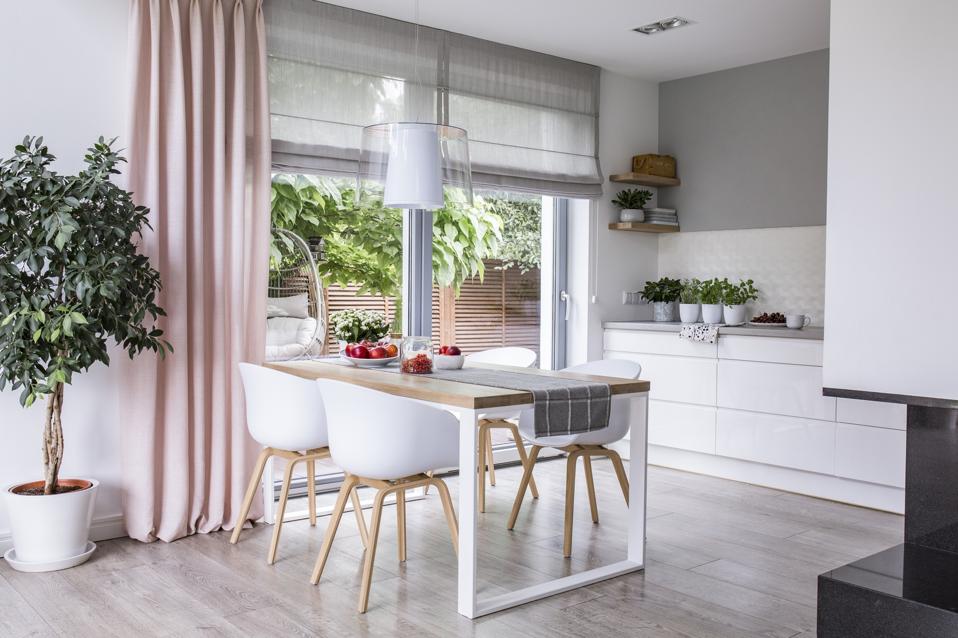
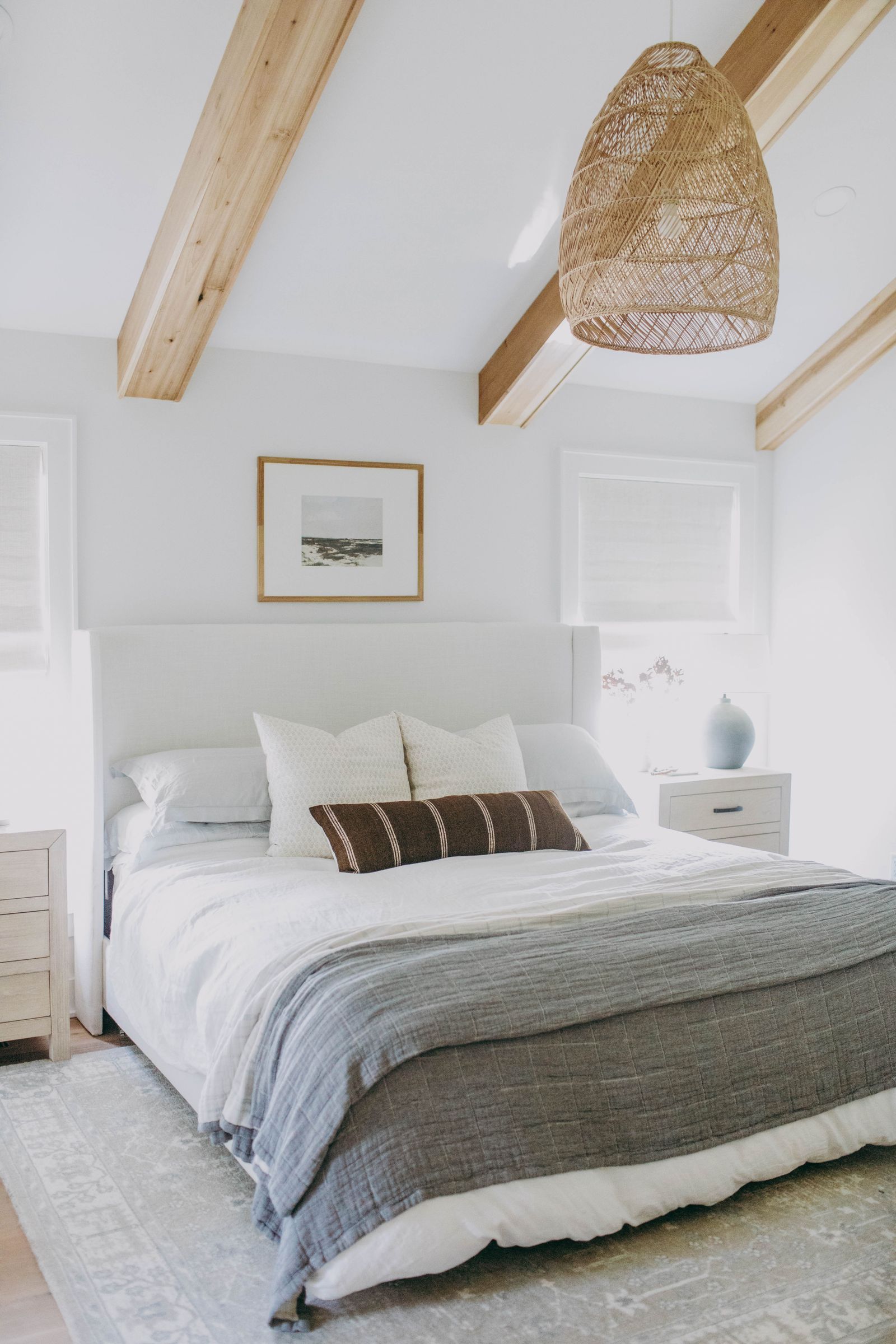
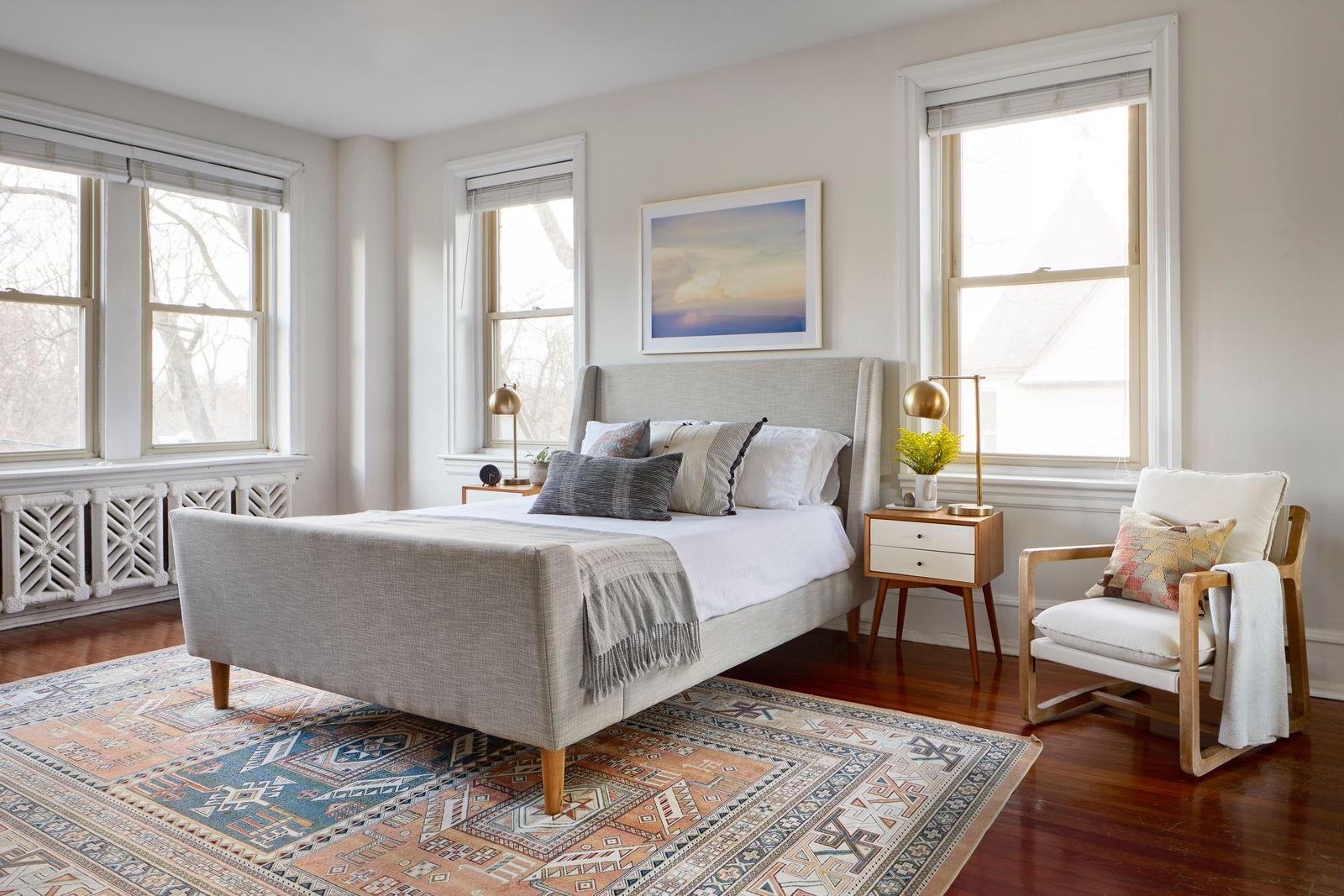
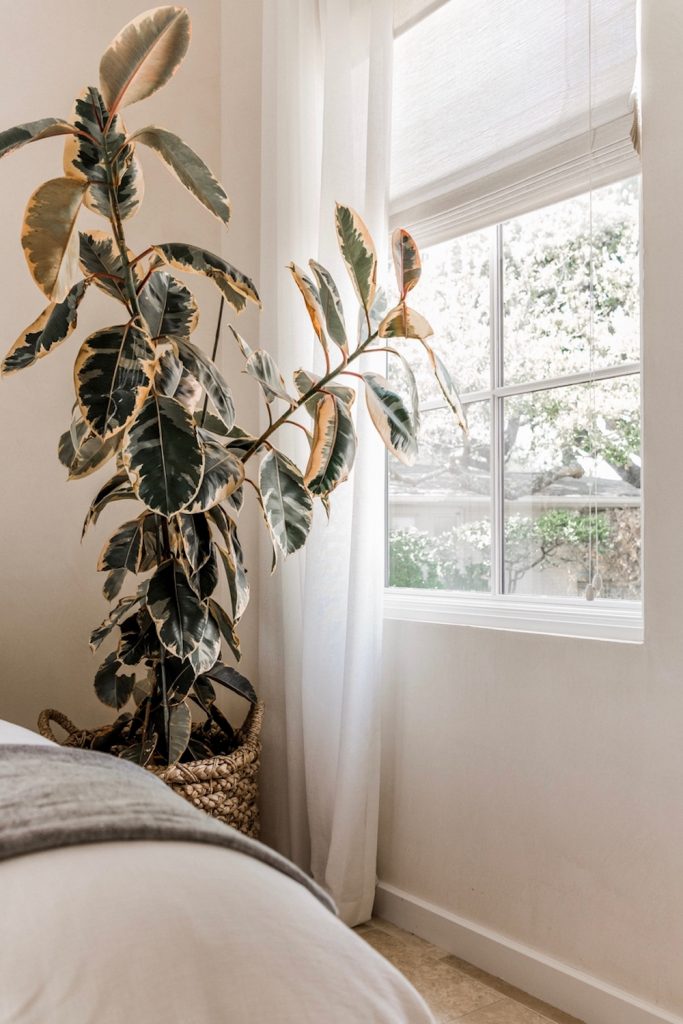
The absence of window treatments is also identified as a feature that can ruin a bedroom. Bare windows can make a space appear stark and unfinished, lacking privacy and proper light control. Andrea Schumacher advises using soft drapery or Roman shades made from natural materials to add warmth and texture. For those who cannot or prefer not to drill into walls, tension rods and adhesive curtain hardware offer simple, non-permanent solutions that achieve a similar effect, significantly transforming the room's tone.
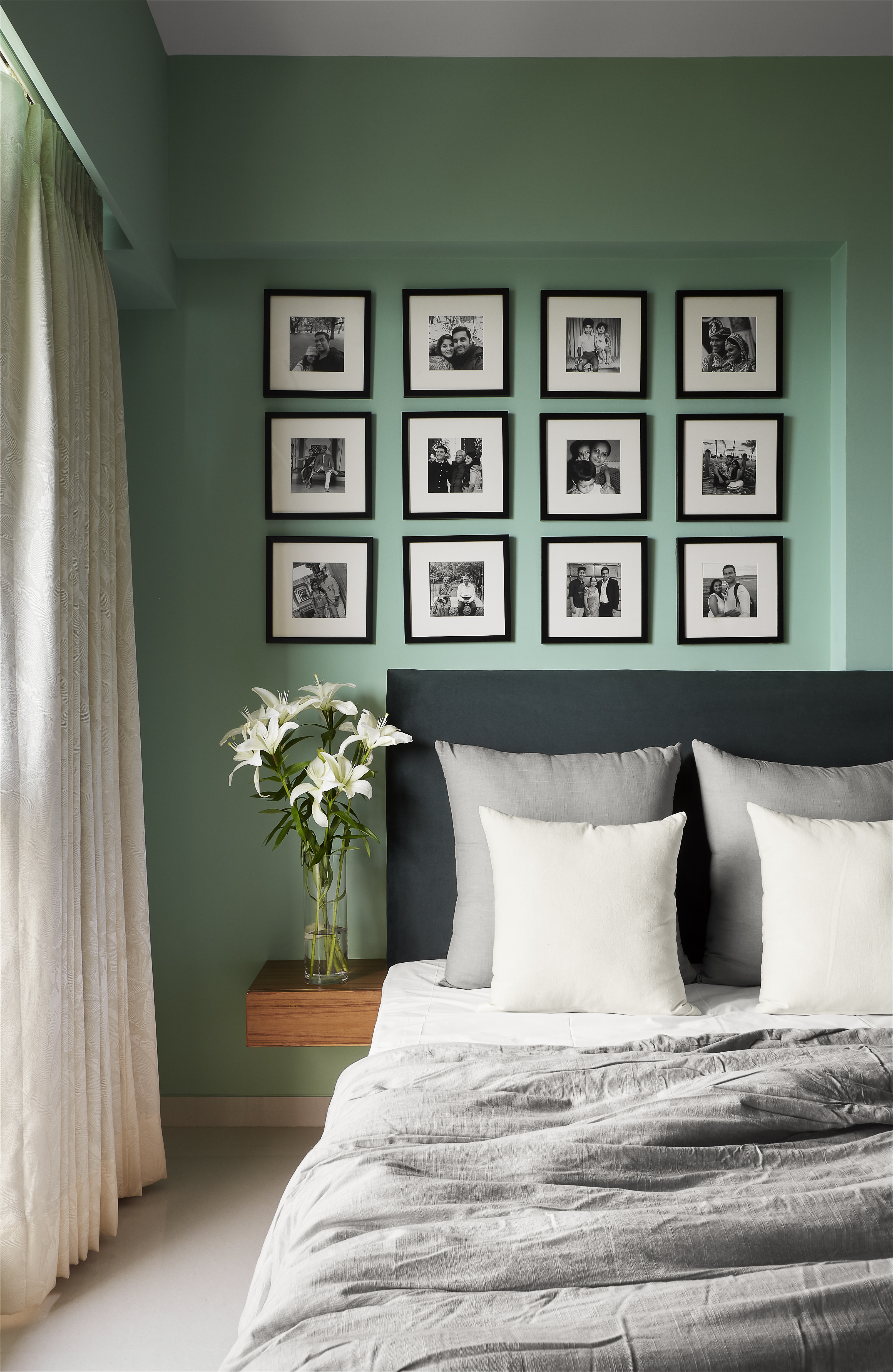
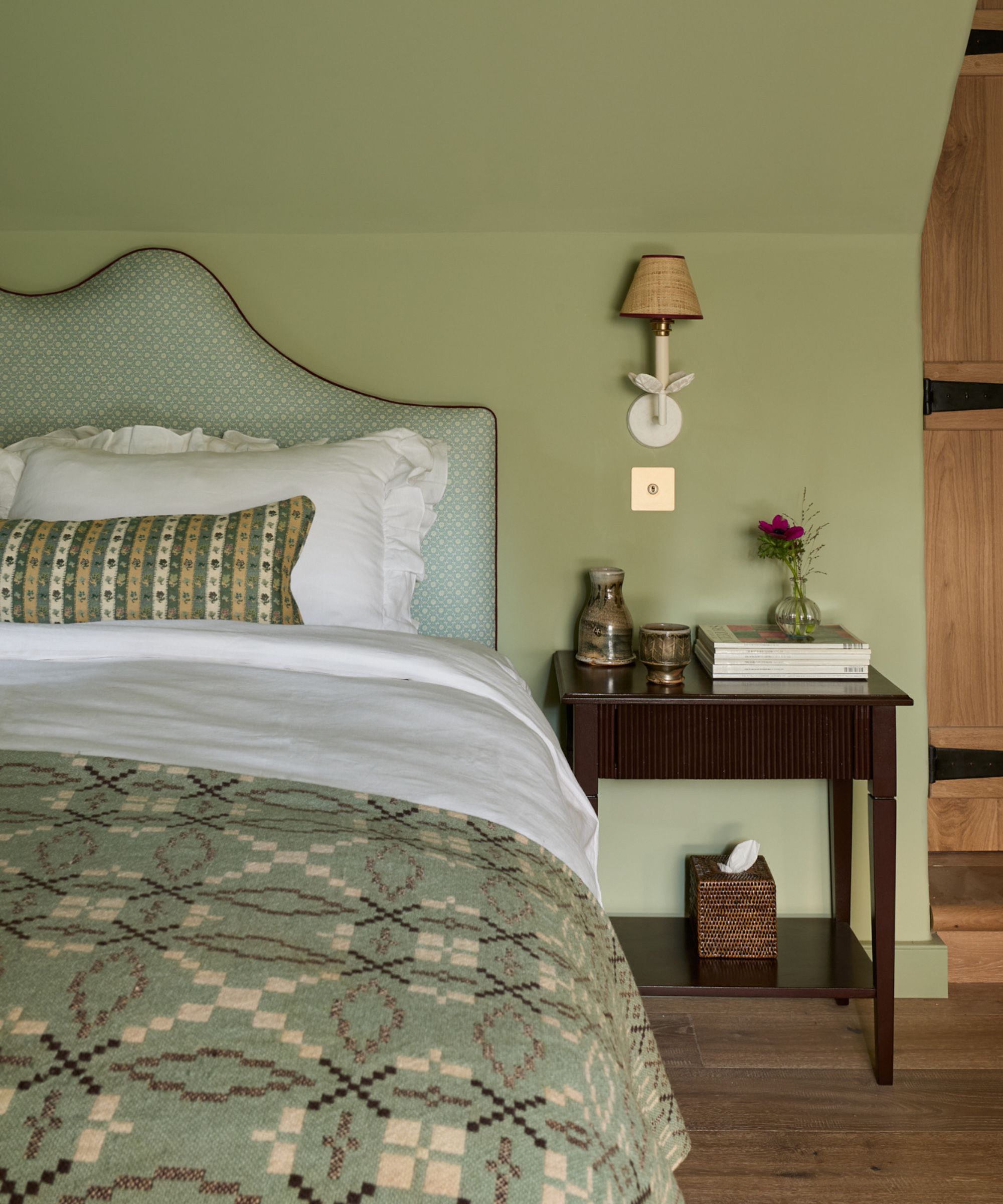
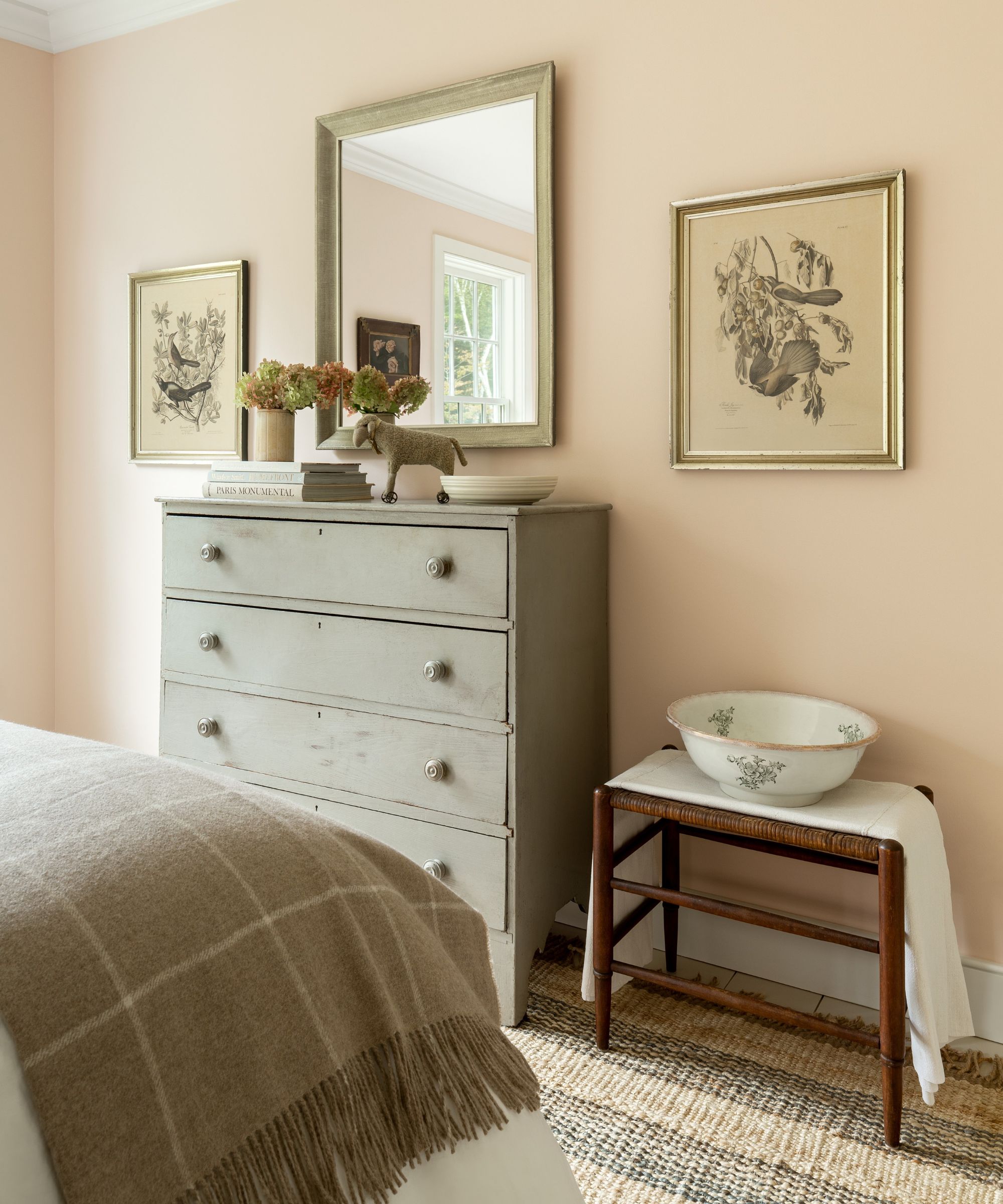
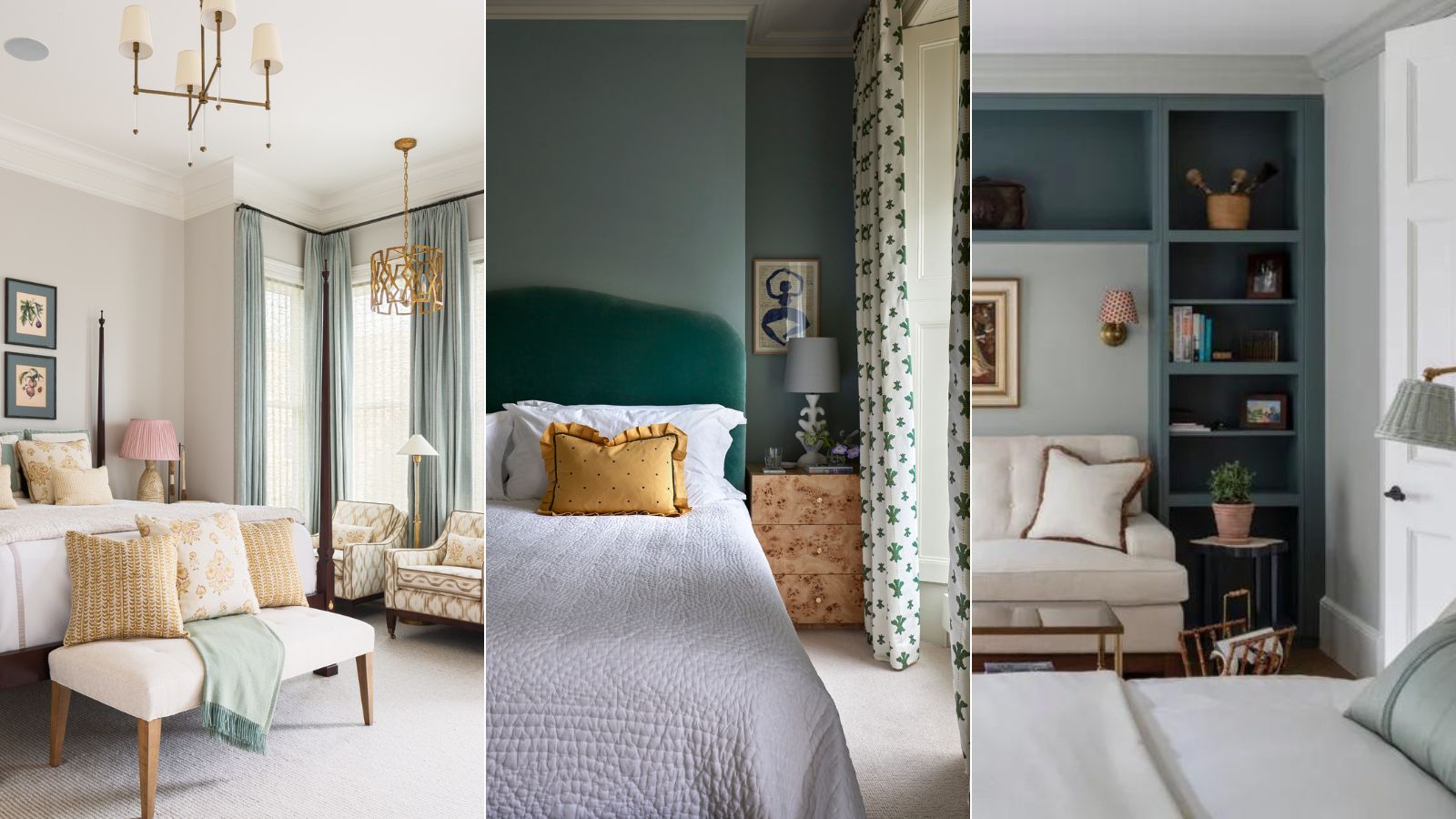
Overstimulating colors are another element that can detract from a bedroom's tranquility. Schumacher emphasizes that a bedroom should evoke balance, comfort, and intention. Highly stimulating wall colors can negatively affect sleep quality. Shuman recommends using nature-inspired neutrals, soft sage greens, and muted blues, as these shades signal to the brain that it is time to relax and wind down. For renters or those hesitant to paint, updating bedding, curtains, or artwork with these calming tones can also make a substantial difference.
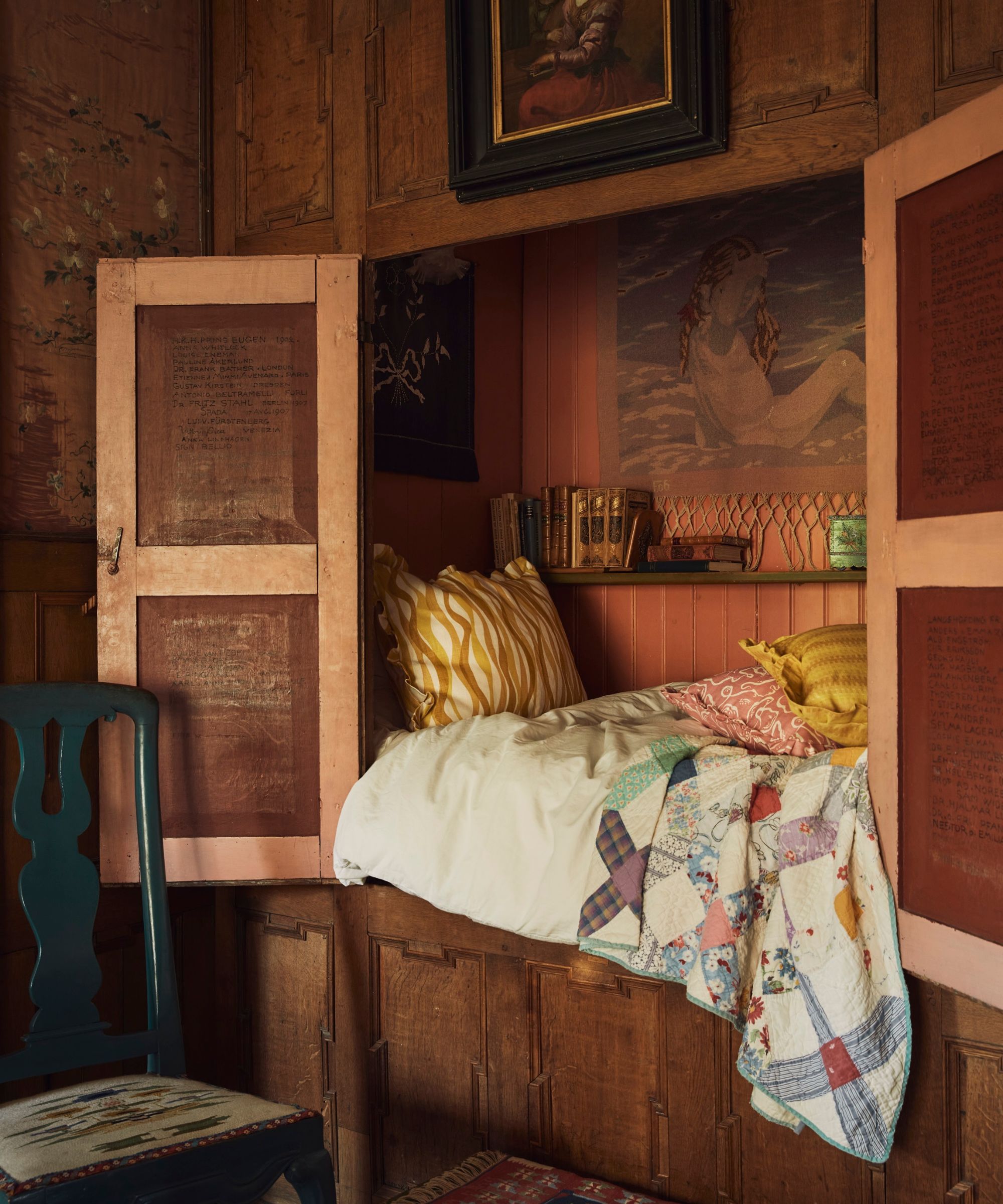
Relying too heavily on a single theme can also be problematic. While a specific style can provide decorating guidelines, an excessive adherence to a theme, such as coastal, glam, or bohemian, can make the room feel artificial rather than homely. Schumacher suggests building a neutral foundation and introducing themed elements through thoughtful accents like pillows, art, or textiles, preventing the space from becoming overly themed or theatrical.
Technology overload is a contemporary issue affecting bedroom serenity. The presence of numerous chargers, TVs, and laptops can create a busy and stimulating environment, making it harder to relax. Shuman advises managing technology by setting up charging stations in other rooms or at least away from the bed. Stashing cords and devices in drawers or decorative boxes and powering down screens well before bedtime allows the body to prepare for rest.
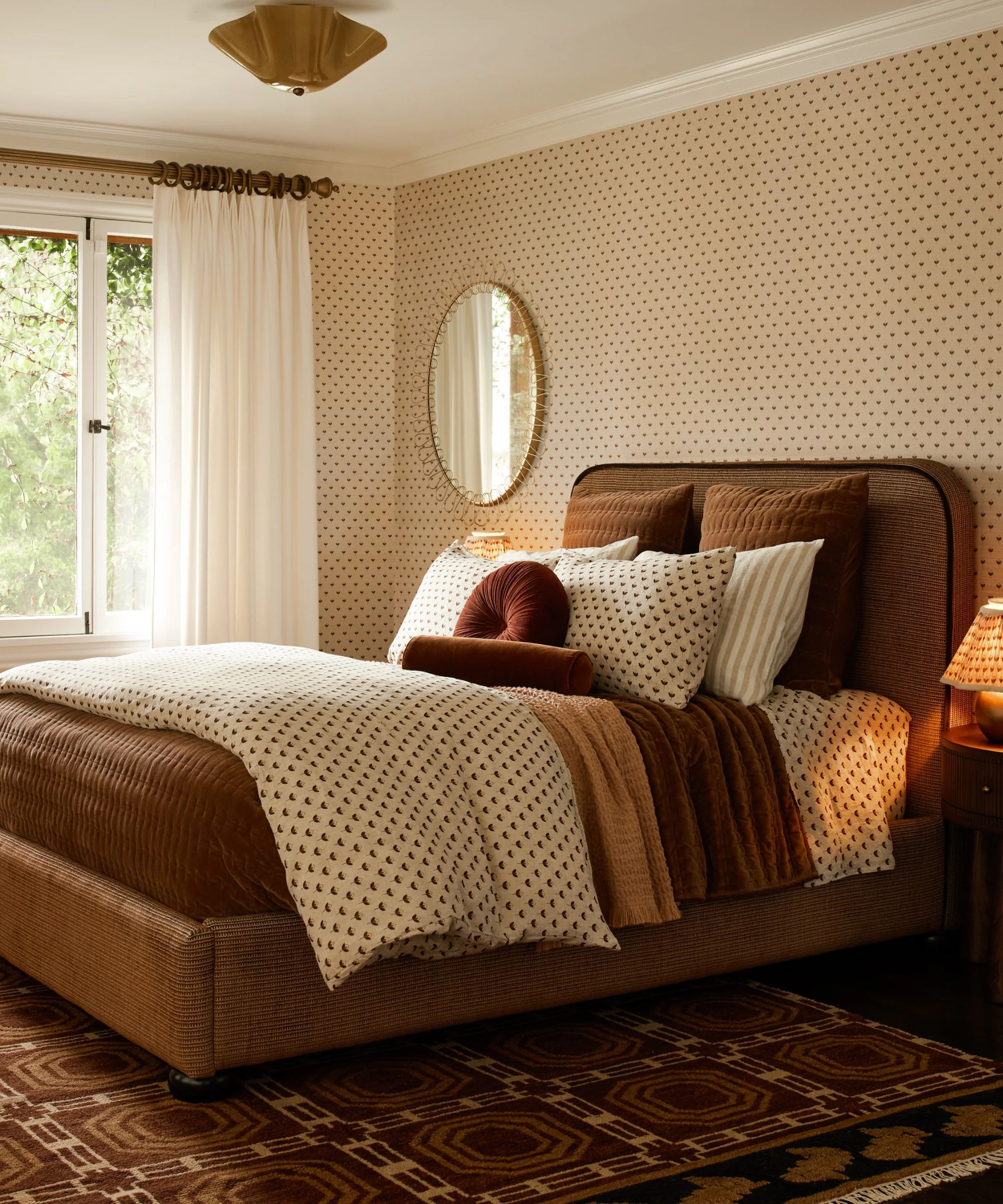
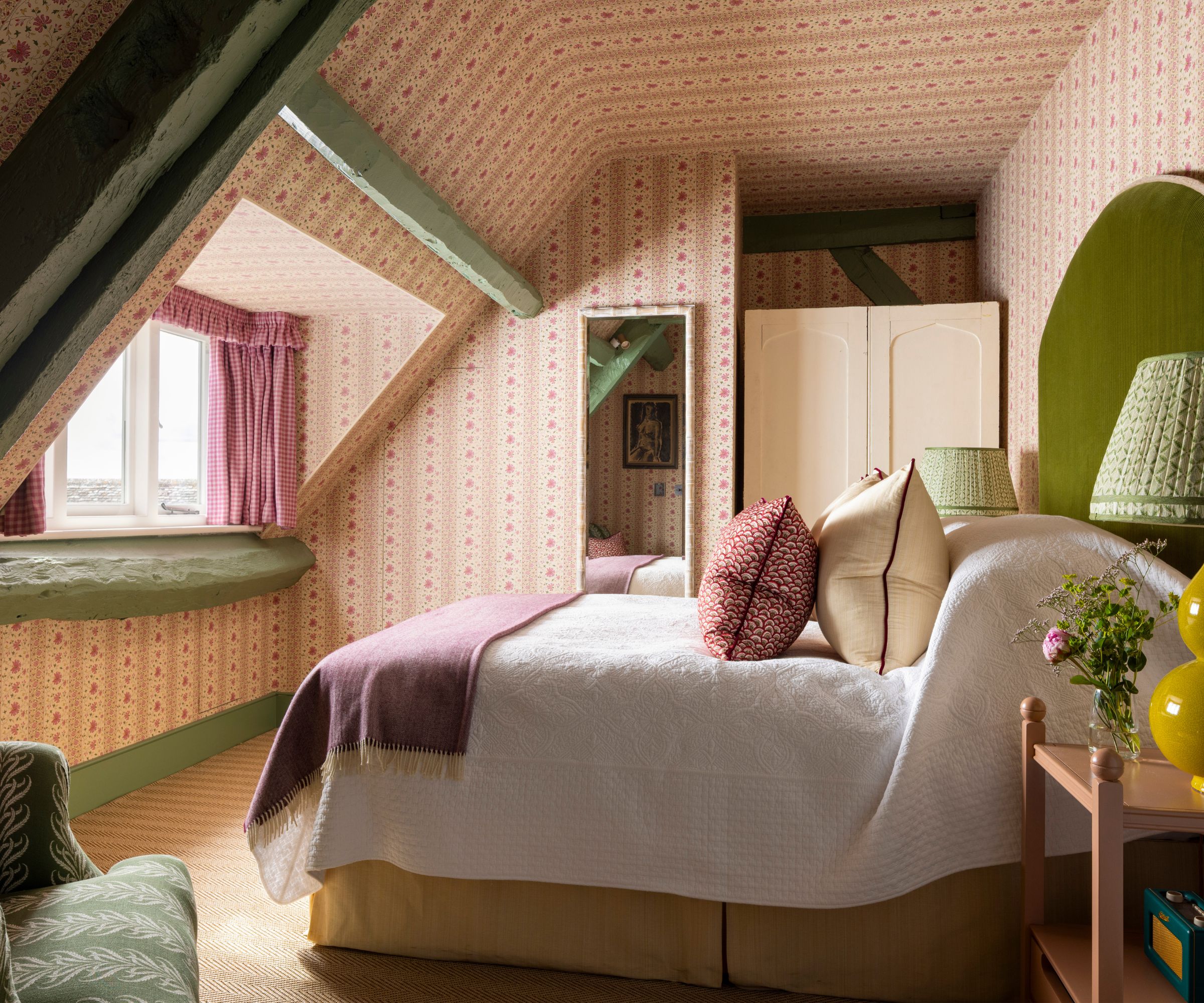
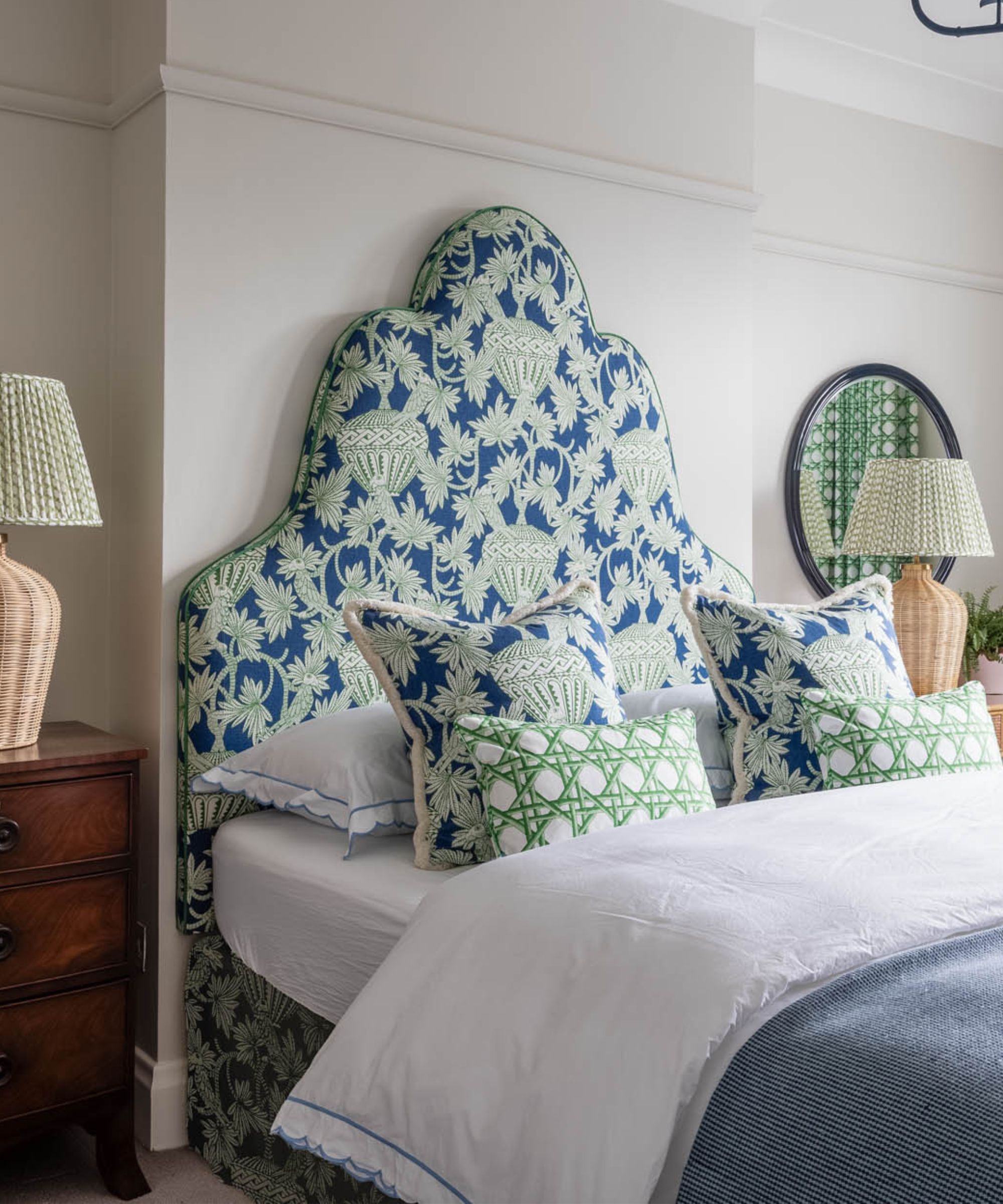
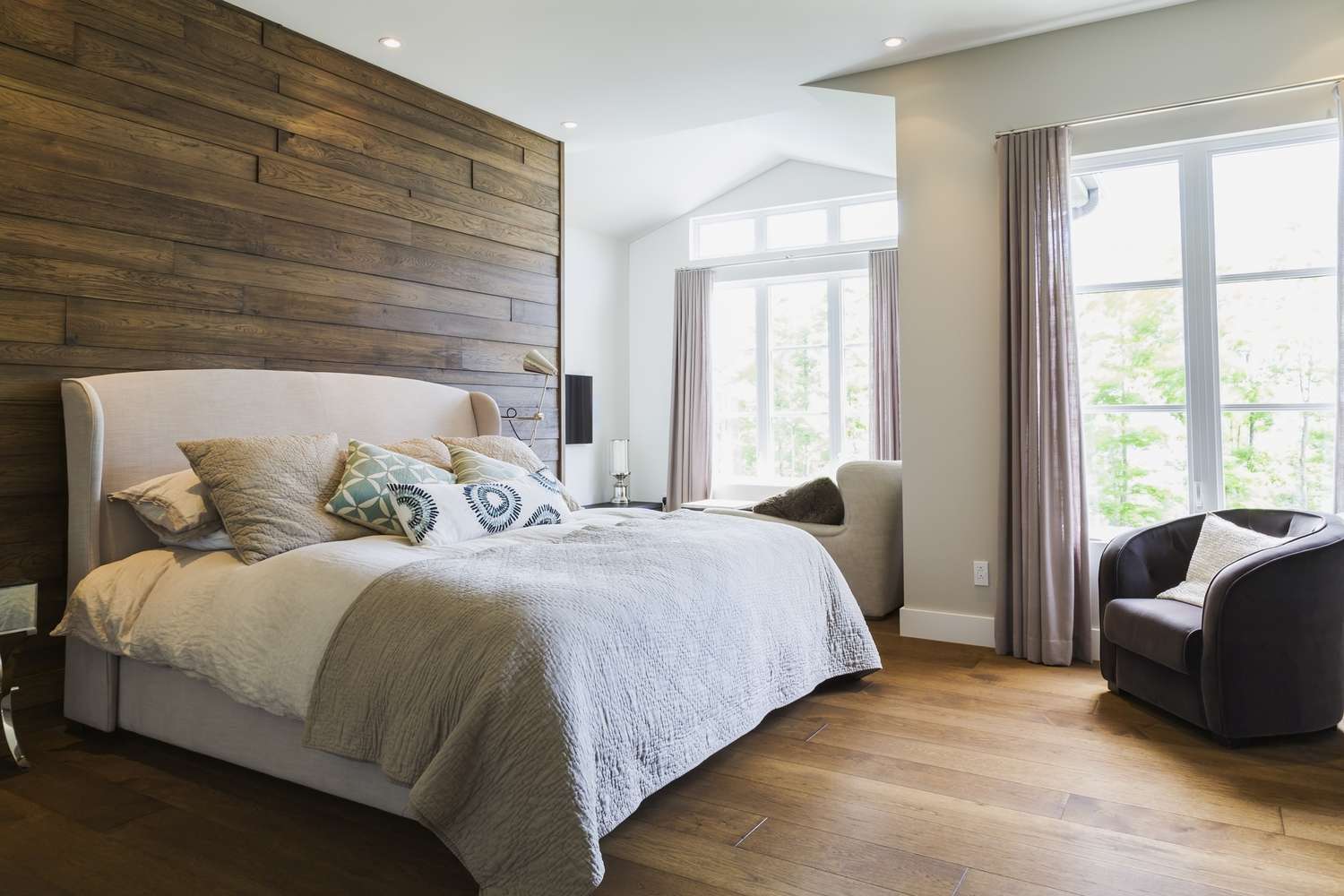
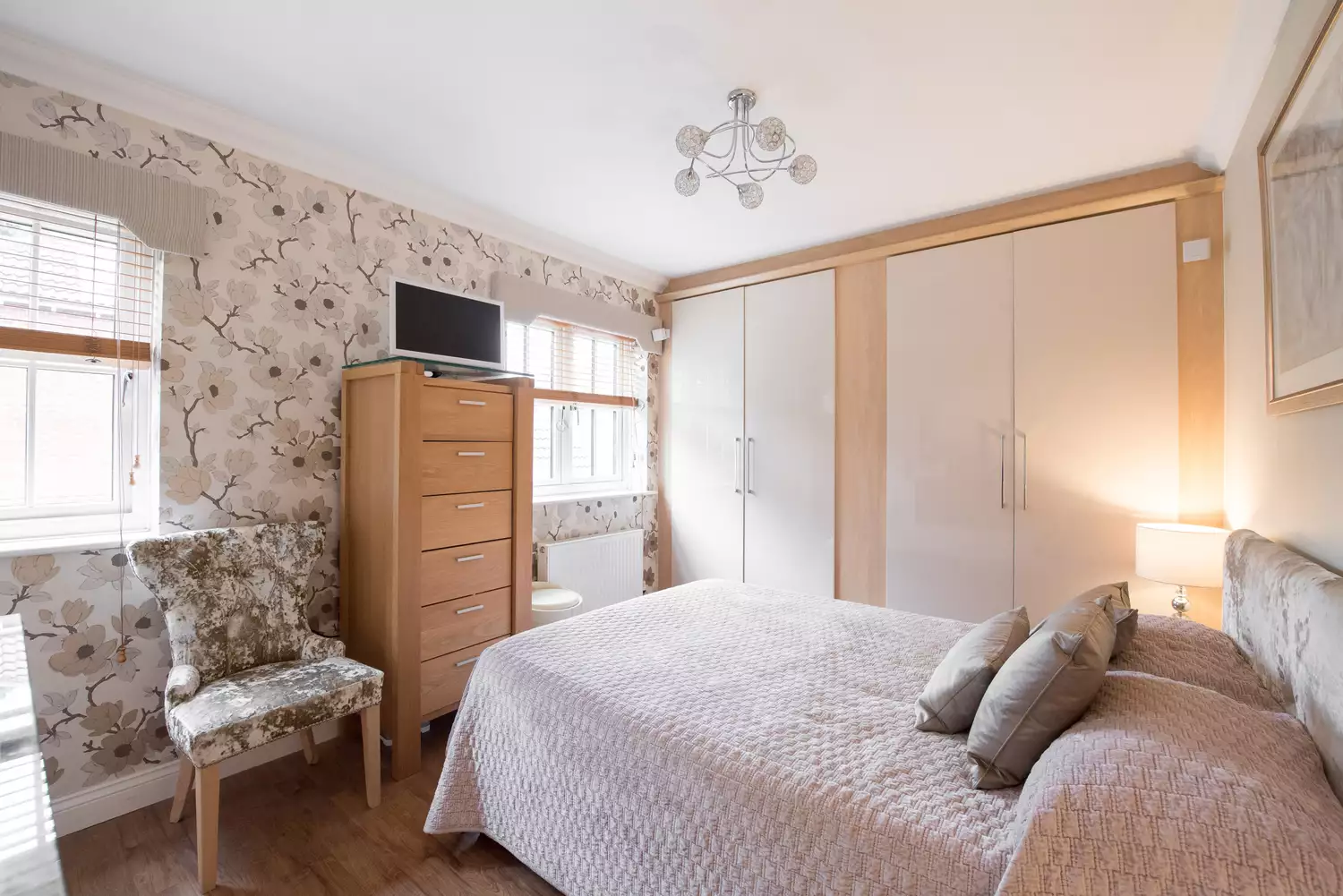
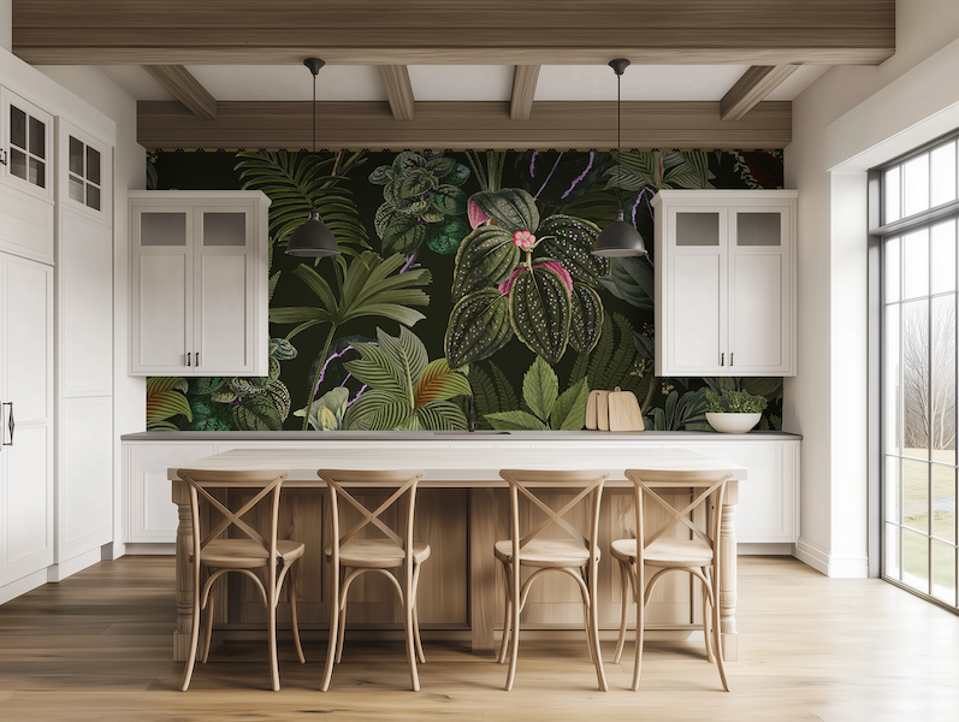
Finally, over-the-top wallpaper can also be detrimental. While wallpaper can enhance design, a bold pattern applied without consideration for scale or placement can overwhelm the room or detract from its architecture. Schumacher recommends using wallpaper as a statement feature, perhaps behind a bed like a headboard, or framing it between moldings. Choosing gentler, more subtle colors or patterns ensures that the wallpaper stands out without overwhelming the senses. Peel-and-stick options are a practical solution for renters or those seeking a less permanent commitment.
#BedroomDesign #InteriorDecorating #HomeImprovement #LightingDesign #FurnitureArrangement #WindowTreatments #ColorPsychology #TechnologyManagement #BedroomDesign #InteriorDecorating #HomeImprovement #LightingDesign #FurnitureArrangement #WindowTreatments #ColorPsychology #TechnologyManagement
0 comment in total
 No comments yet
You may also like
7 of the worst bedroom layout mistakes and how to avoid them

6 interior design mistakes that could be affecting your sleep
9 CONTROVERSIAL Decor Choices Designers Secretly Wish You’d Stop Making

5 Bedroom Design Errors That Are Making Your Space Less Relaxing
7 Bedroom Lighting Mistakes — Experts Say They "Scream 'Wrong Vibe'" and Ruin Your Aesthetic
12 bedroom trends interior designers wish would disappear
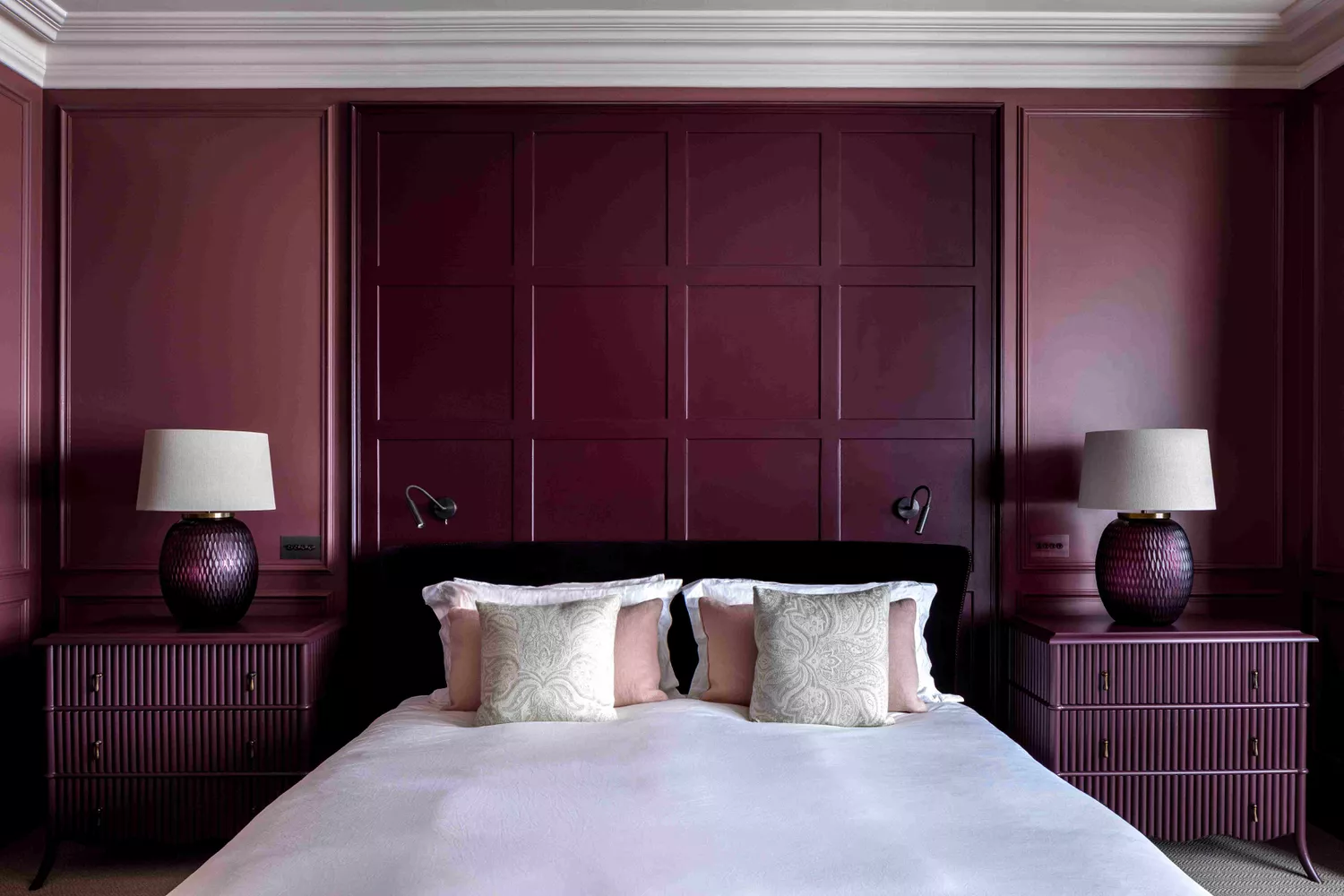
7 Things That Always Make Your Bedroom Feel Empty, According to Designers

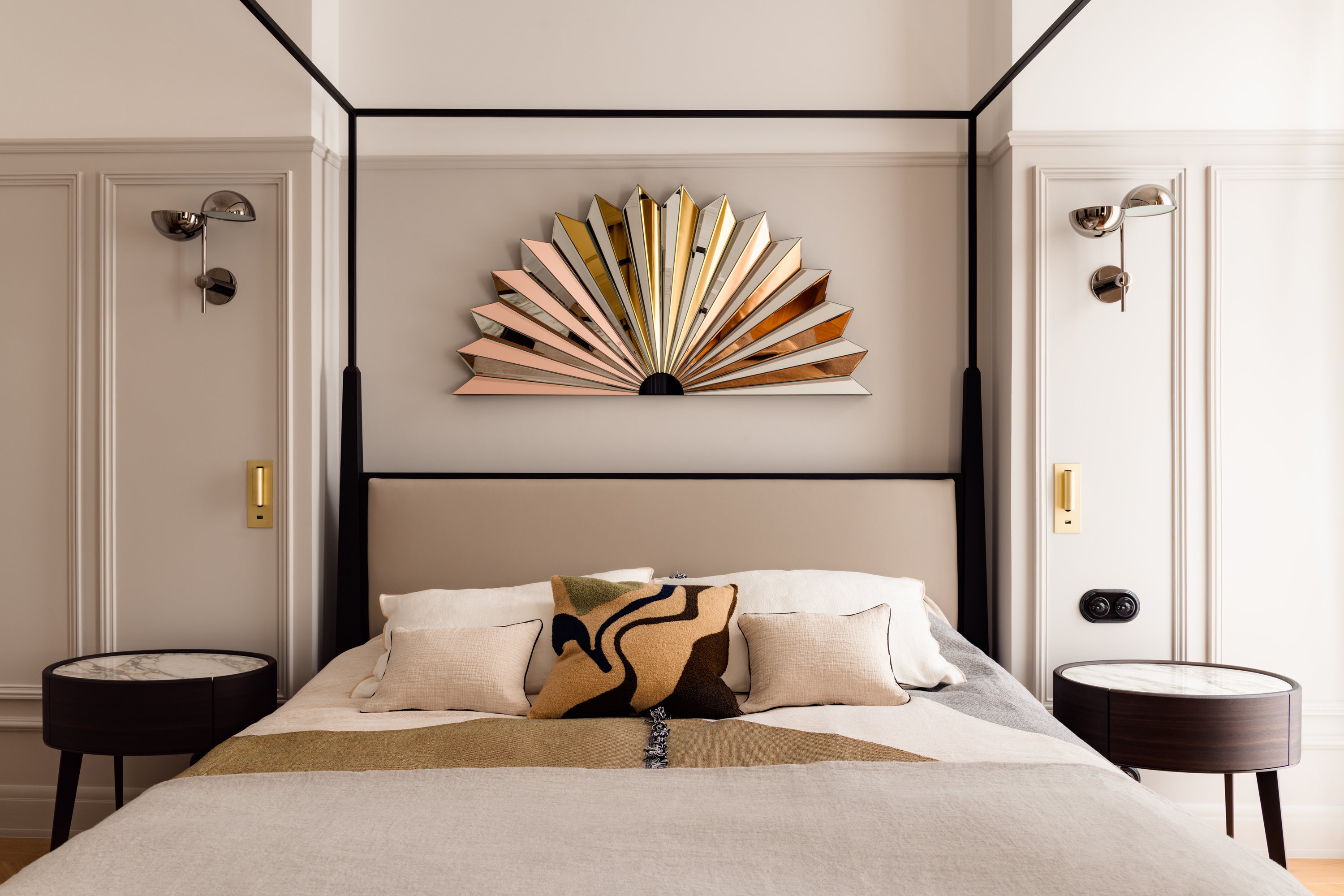
The 10 biggest bedroom furniture mistakes that interior designers always notice – and how to fix them

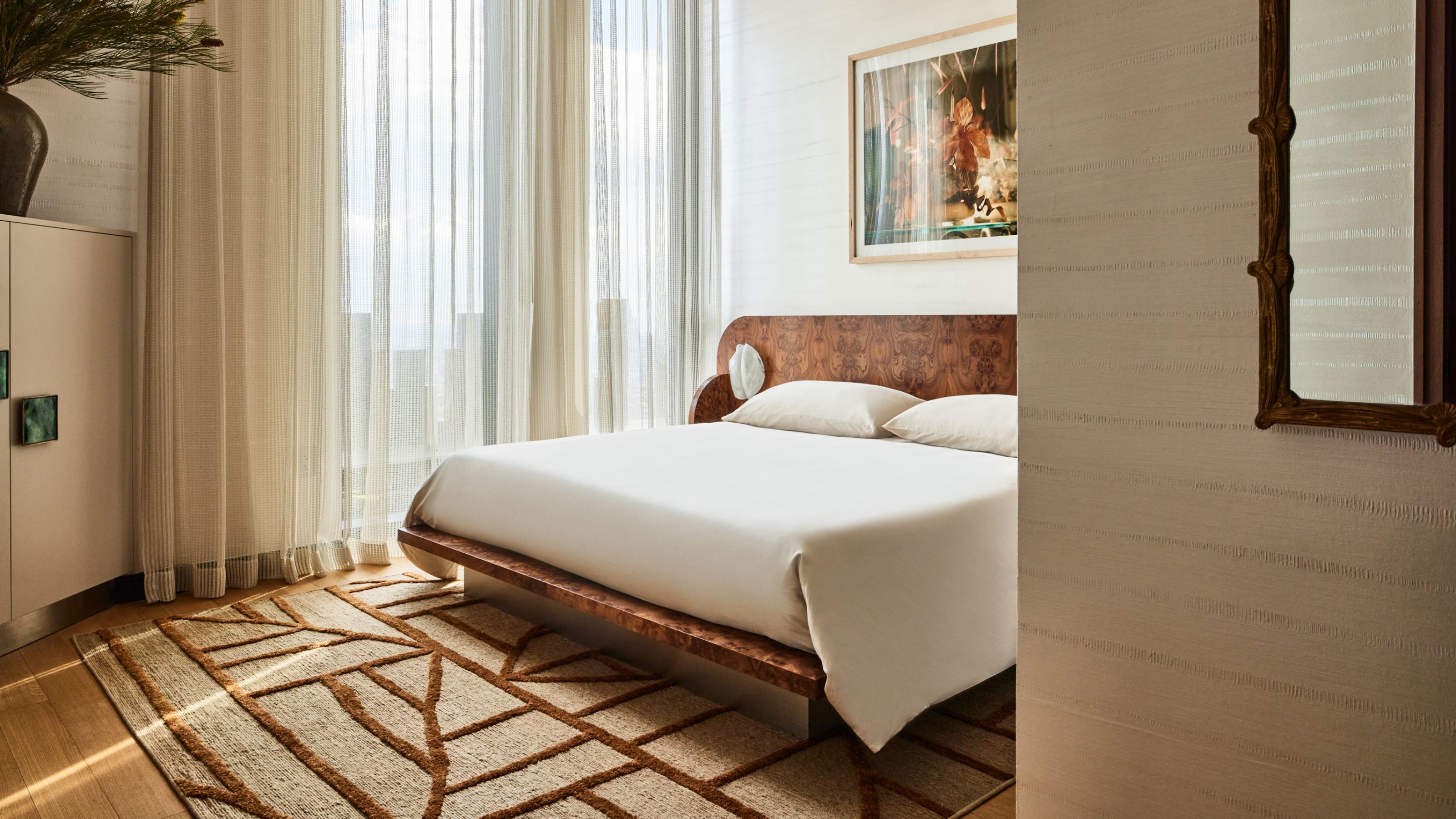
7 Guest Bedroom Design Mistakes That Will Make Them Wish They'd Booked a Hotel Instead
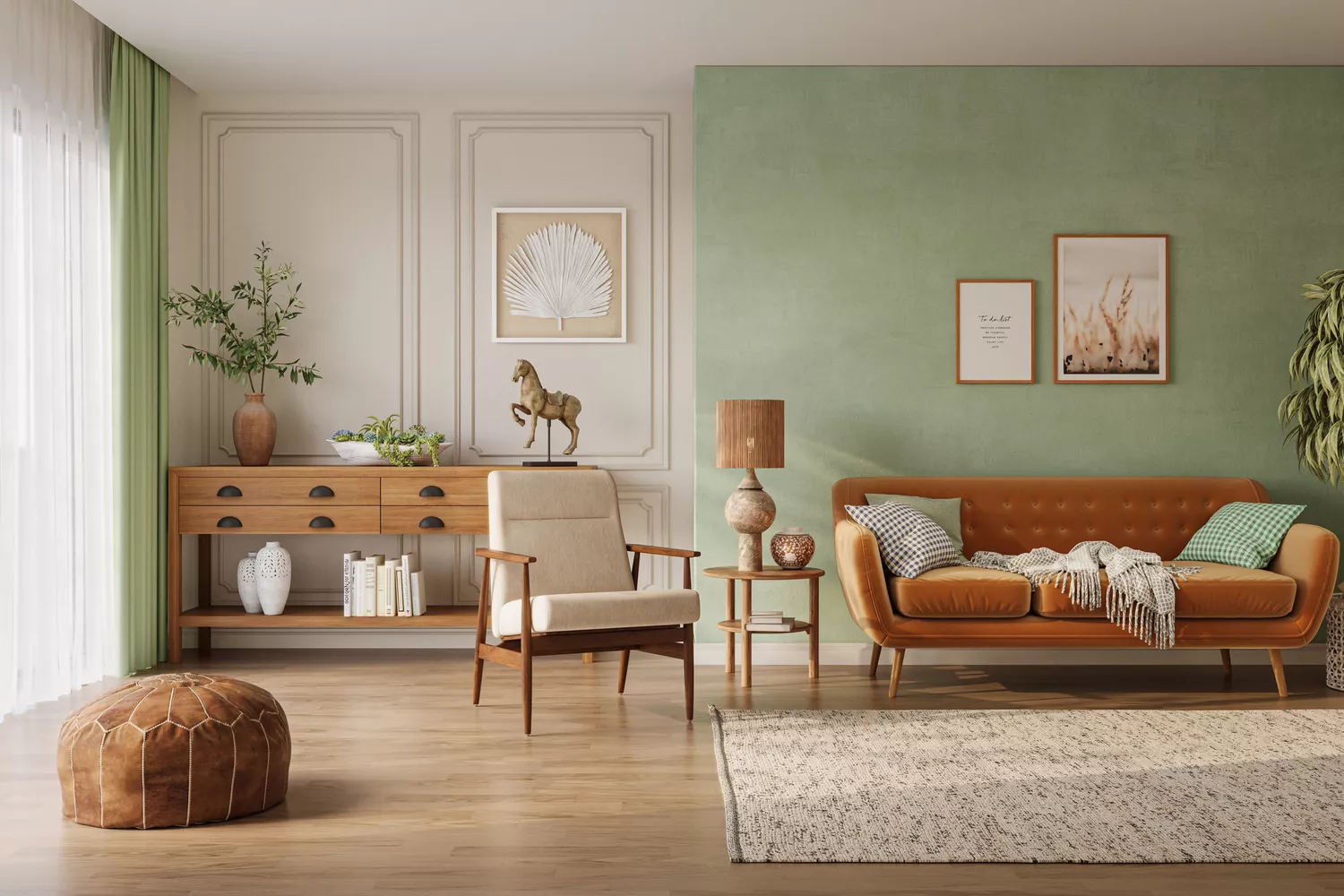
7 Things That Immediately Make Your Living Room Look Bad, According to Designers
8 of the biggest small bedroom layout mistakes designers see time and time again

6 Things That Make Your Entryway Look TACKY, According to Designers
9 Things That Immediately Make Your Bedroom Look Bad, According to a Designer
These 5 Dated Bedroom Trends Are Giving Interior Designers Nightmares in 2026 – Here's Why You Should Avoid Them in Your Sleep Space
Bedroom layout mistakes – 9 errors experts warn against, and how to fix them

The 10 Biggest Interior Design No Nos According to Decorators


10 Bedroom Decor Mistakes Keeping You From Your Best Sleep Ever

7 Design Mistakes Interior Designers Always Notice

9 bedroom design ideas designers swear by

8 Bedroom Décor Mistakes That Make it Hard to Relax