These winter flowers can take the cold in Central Florida | Sally Scalera
Many annual flowering plants that thrive in cooler weather can be successfully grown in Central Florida during the winter months, offering vibrant colors to landscapes. Unlike heat-loving plants that may perish as temperatures drop, these selections flourish, making them ideal replacements for seasonal gardening. For optimal blooming, most of these plants require full sun, meaning at least eight hours of direct sunlight daily. These winter-hardy flowers are versatile, suitable for adding color to various parts of a landscape, enhancing vegetable gardens, or brightening porches in containers.
Petunias are a popular choice, known for their low-growing, trailing habit and large, colorful flowers. To encourage continuous blooming and maintain a tidy appearance, deadheading (removing spent flowers) is recommended. Gardeners should consider wearing gloves when deadheading petunias to avoid potential staining from the flowers. Petunias are also well-suited for hanging baskets or cascading over the edges of containers, providing an attractive visual display.
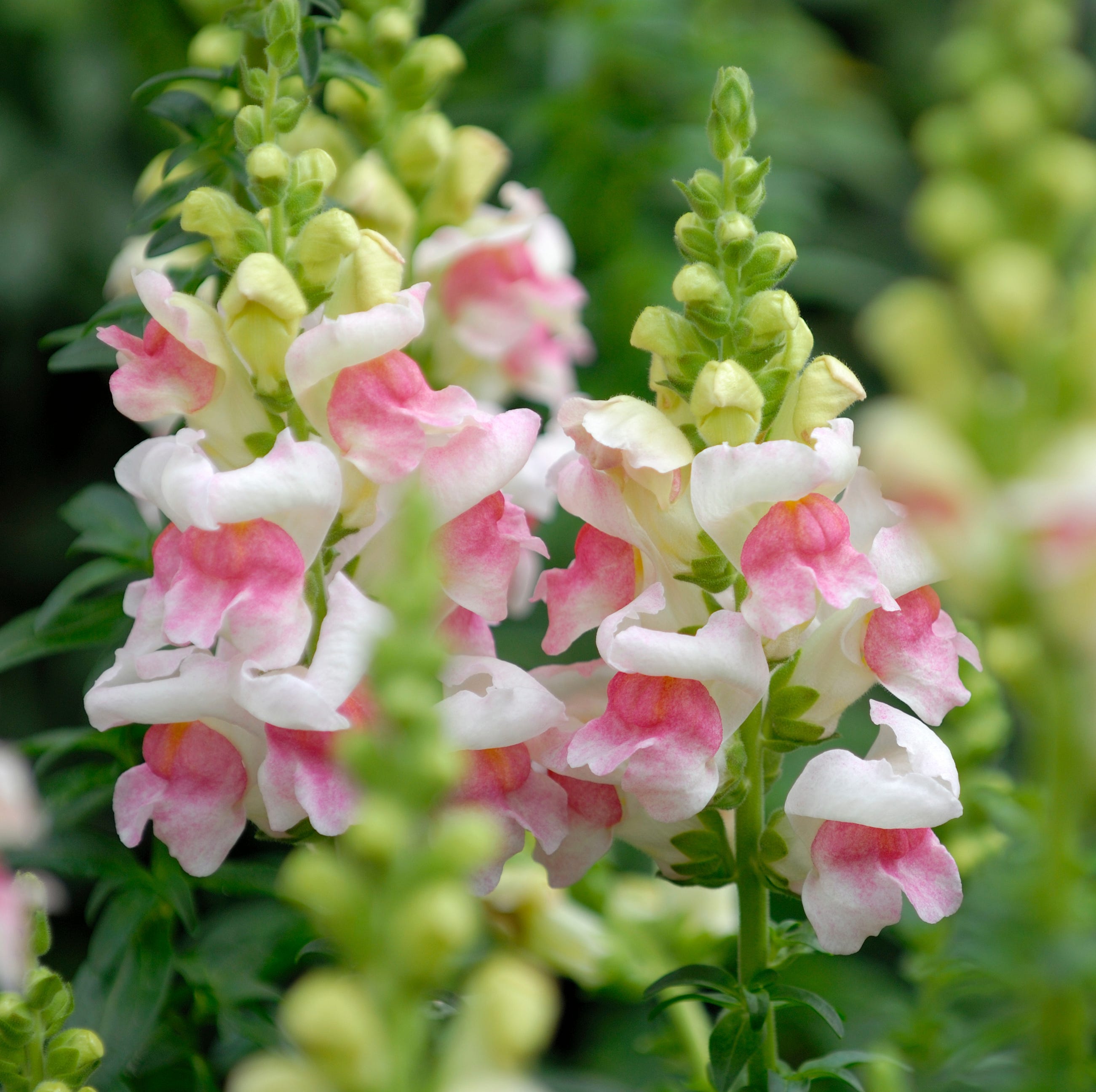
Snapdragons offer another bright and colorful option for winter gardens. Available in various hues, including yellow, they come in both dwarf and tall-growing forms. Taller varieties often require staking to prevent them from flopping over. Similar to petunias, deadheading faded snapdragon flowers promotes further blooming, extending their season of interest.
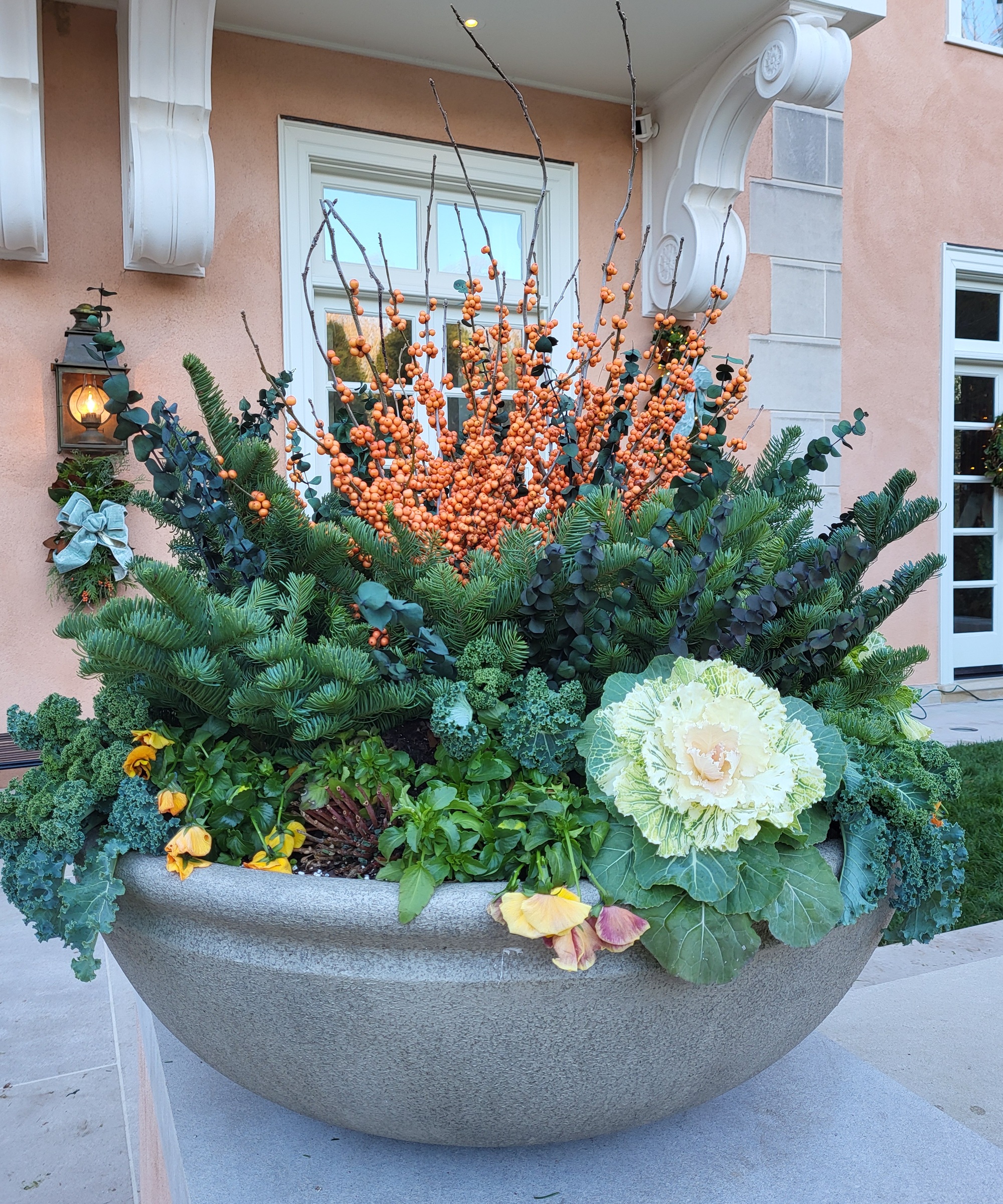
Pansies are cheerful, low-growing annuals that come in two main types: those with a distinct “face” featuring two different colors within a single bloom, and solid-colored varieties. Their compact size makes them excellent for planting in front of shrubs, where they can add a splash of color at ground level. While not strictly necessary for plant health, deadheading pansies can help prolong their blooming period.
Alyssum is a favorite winter annual for its delightful fragrance and its habit of forming attractive mounds. This makes it another great option for planting in front of other, taller plants. Alyssum primarily produces white or purple flowers and has the added benefit of not requiring deadheading, simplifying its care.
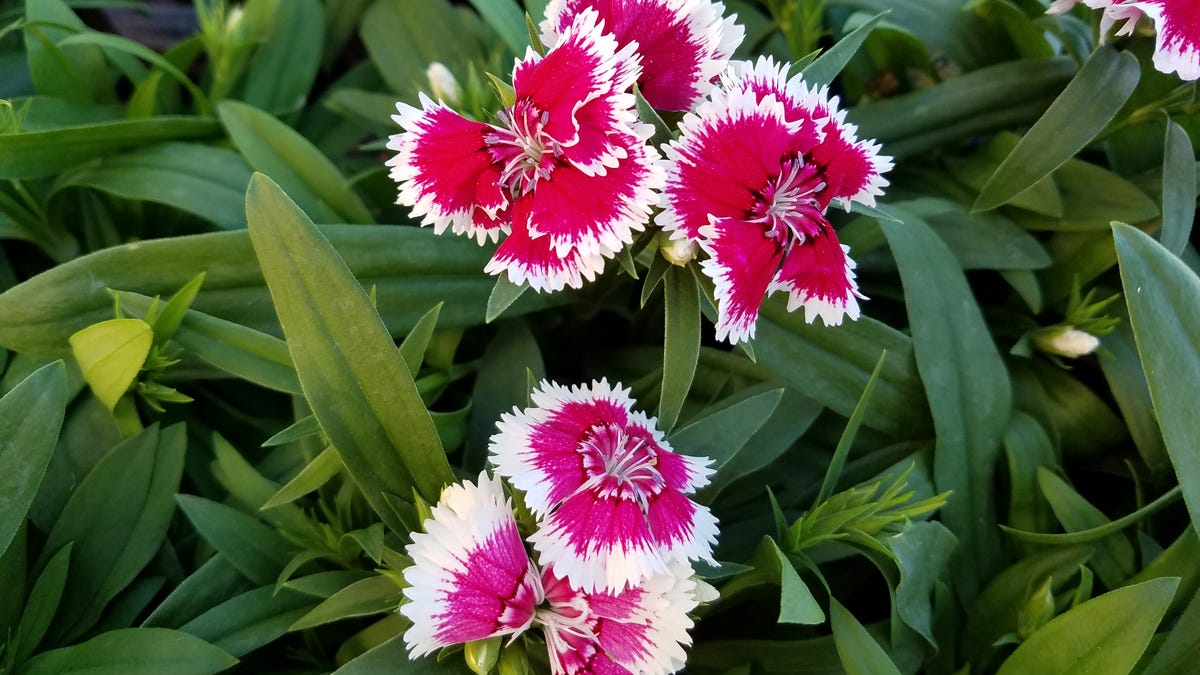
Dianthus (Dianthus chinensis), also known as Pinks, present a range of colors including pink, purple, lavender, red, salmon, and white. Their short stature makes them perfect for mass plantings, edging hedges, and container gardening. It is advisable to plant Dianthus after temperatures have begun to cool, typically not before October, to ensure they bloom throughout the winter and spring. They thrive in full sun to partial shade and require well-draining soil.
Calendula is a taller annual featuring large, daisy-like flowers in vibrant colors. These can also be used as cut flowers. Regular removal of spent blooms encourages more flowering and extends the plant’s life. Stock, another fragrant annual, produces white, pink, red, or purple flowers. Although not as low-growing as pansies or alyssum, they can still be planted in front of shrubs. Planting them in masses amplifies their pleasant fragrance.
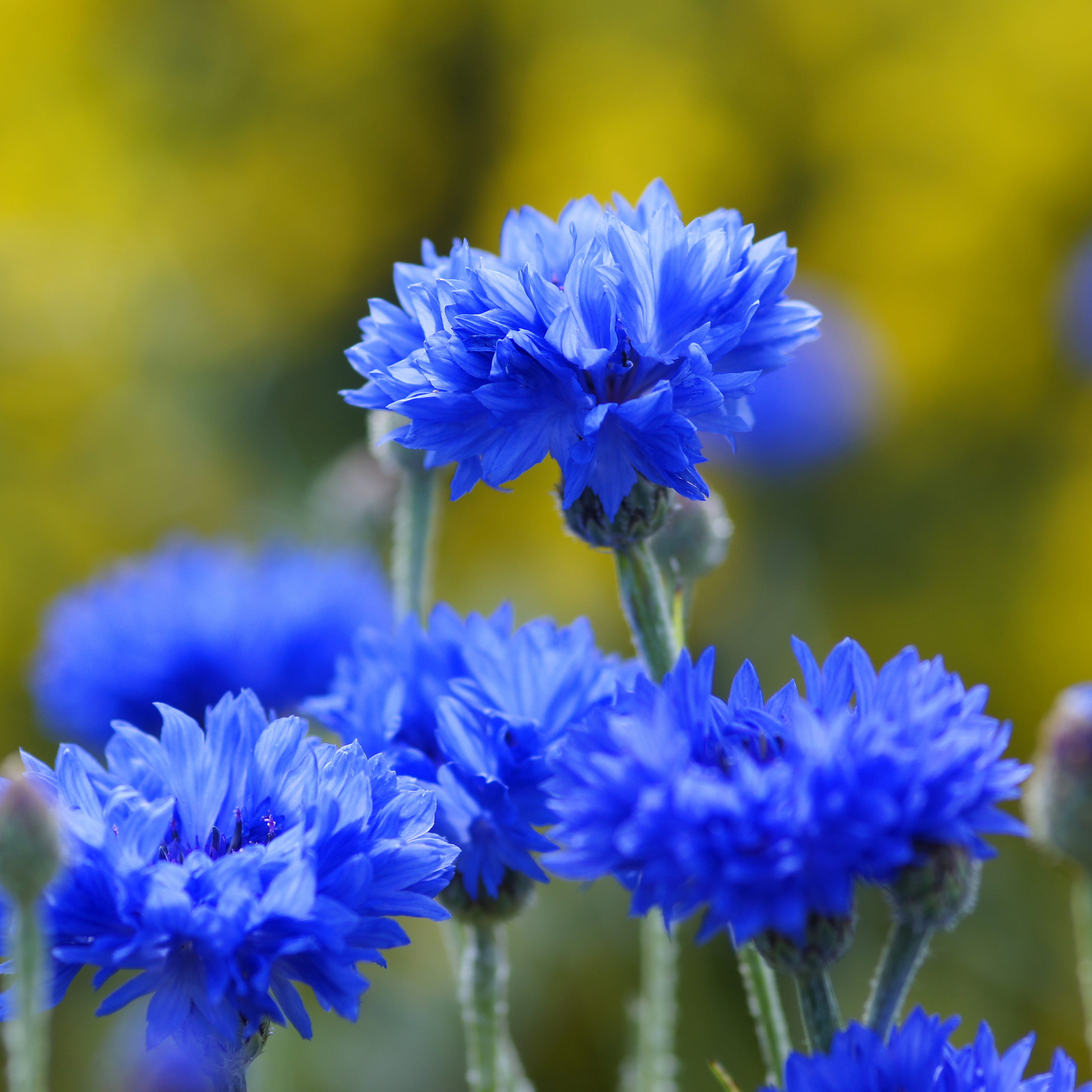
Delphiniums, though technically perennials, are cultivated as winter annuals in Florida. Their height can range from 2 to 6 feet, depending on the variety, and they are notable for their delicate, lacy foliage even before flowering. The true spectacle of delphiniums emerges in March when they begin to bloom, with some varieties offering a rare true-blue color, alongside purple, pink, or white blooms. If transplants are unavailable, seeds can be started. Pacific Giants Blend varieties grow tall (3-6 feet), while Butterfly Blend types are dwarf (12-16 inches) and more heat-tolerant. Delphiniums prefer full sun to partial shade, and will fade as temperatures rise. A crucial warning: delphiniums are poisonous if ingested by humans or some animals, so careful placement away from children and pets is essential.
Geraniums are perennials that can last for years in the right conditions. The ideal location is under deciduous trees, where they receive shade during warm months and full sun in cooler months. Removing faded flowers promotes continuous blooming and keeps the plants looking neat. Geraniums can be spaced 12 to 24 inches apart to form ground cover or planted in containers. In anticipation of a freeze, covering them with a blanket or quilt and securing the edges against wind is recommended. These winter annuals can fill empty garden spots with color and generally do not require protection from cold fronts, bringing brightness to both the garden and the gardener’s day.
#WinterGardening #FloridaPlants #AnnualFlowers #ColdHardyPlants #Petunias #Snapdragons #Pansies #Alyssum #Dianthus #Calendula #Stock #Delphinium #Geraniums #LandscapeDesign #WinterGardening #FloridaPlants #AnnualFlowers #ColdHardyPlants #Petunias #Snapdragons #Pansies #Alyssum #Dianthus #Calendula #Stock #Delphinium #Geraniums #LandscapeDesign
0 comment in total
 No comments yet
You may also like
These Flowers Will Thrive in the Coldest Months of the Year

Brighten Your Home This Winter With These 30 Stunning Floral Arrangements

It’s Not Too Late to Grow Your Own Festive Floral Centerpiece – 7 Blooms You Can Grow Indoors in just Six Weeks

7 Unusual Winter Flower Arrangements—And Vases—That Are Perfect for the Holidays
25 Colorful Winter Flowers That Actually Thrive in the Cold


The 11 Best Purple Flowering Trees in Florida
Tips for selecting an indoor plant
Grow These Stunning Spring Flowers to Welcome in the Season
12 early-blooming plants and flowers that will chase the winter blues away

7 Flowers You Should Plant Right Now for Blooms That Will Last Until December (or Longer)

5 Houseplants That Just Don't Like Winter — And How to Keep Them as Happy as Possible During the Colder Months

These Are the Exact Flowers London's Coolest Florist Is Dressing Her Christmas Table With This Year
20 Flowers You Can Plant During The Winter
The best new annual flowers of 2025
Expert tips for creating Christmas floral arrangements

Best holiday houseplants – 7 plants ideal for festive decor that aren't all Christmas cacti
21 Winter Flower Arrangements That Might Rival Your Tree This Year
I Spoke to Pro Designers for Secrets to Styling a Porch in Freezing Winters
4 Floral Arrangements To Hold You Over Until Spring
How To Grow And Care For Columbine Flowers