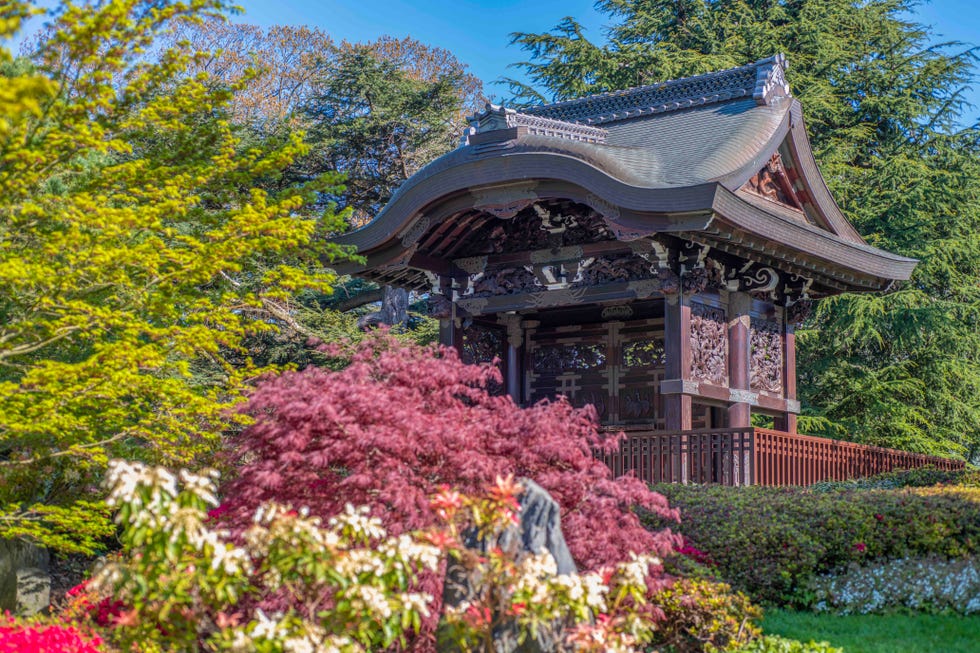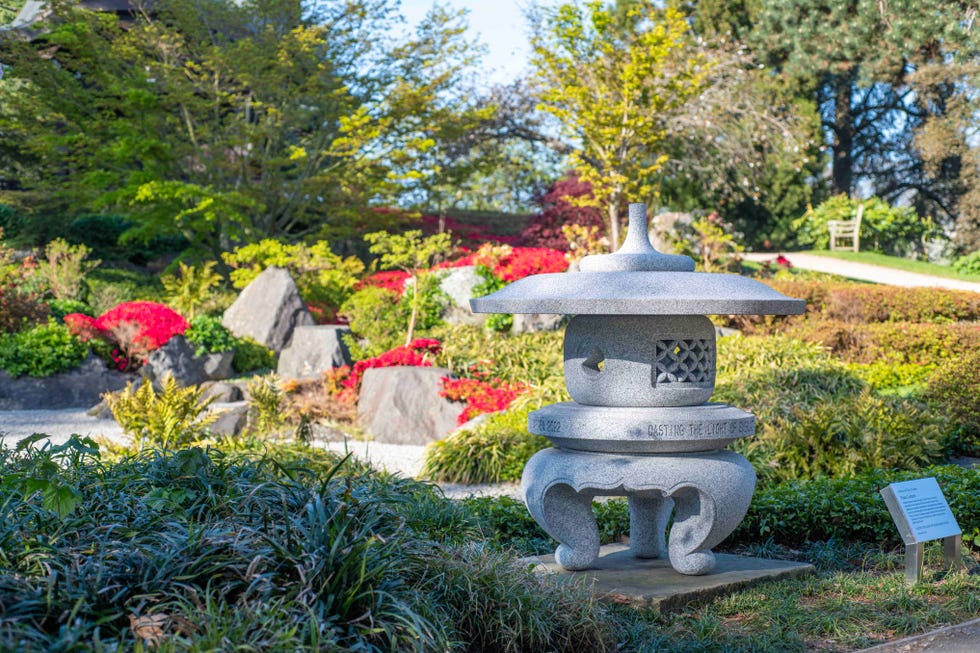
Japanese garden requires specialized shrubs, touch
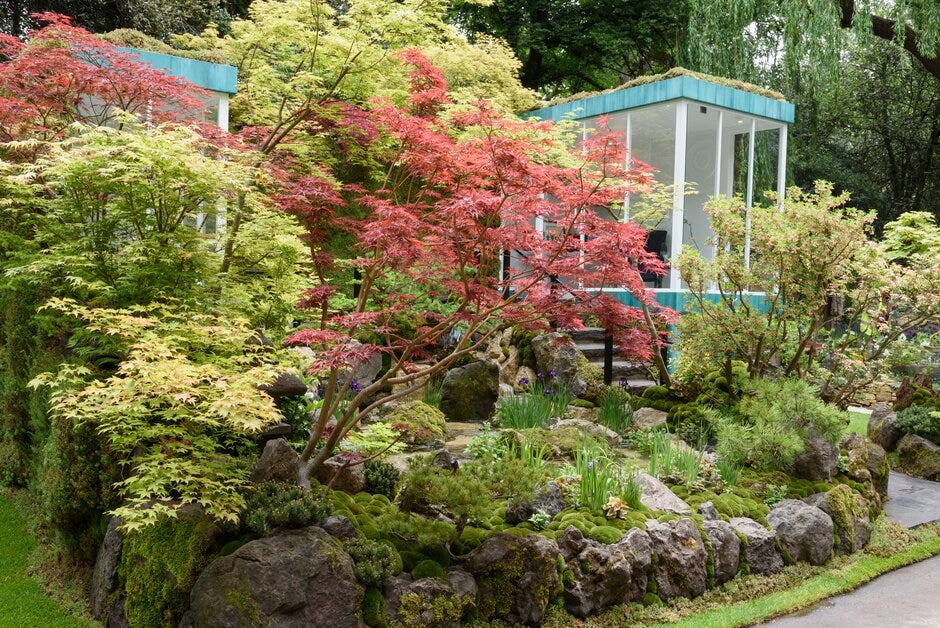
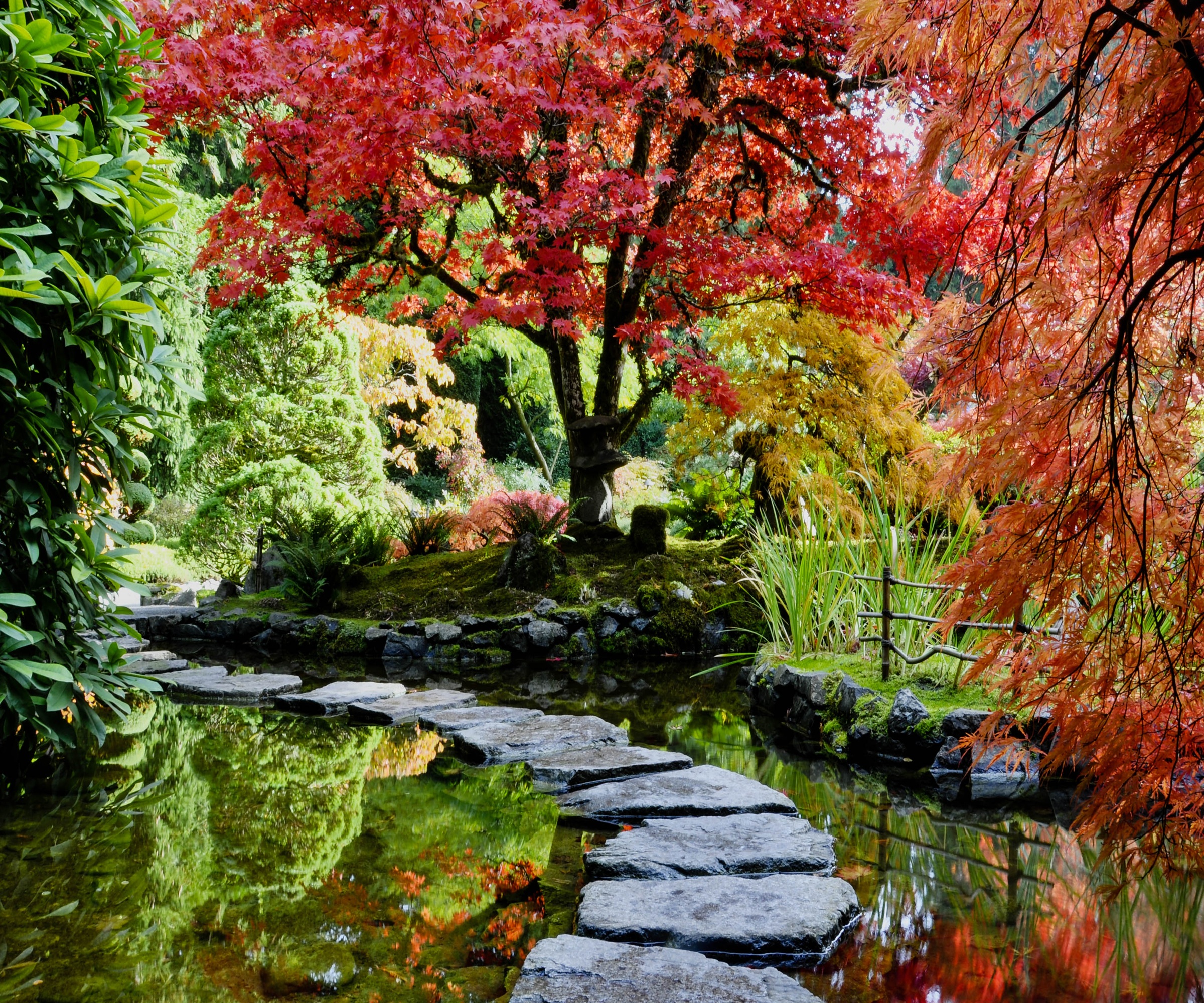
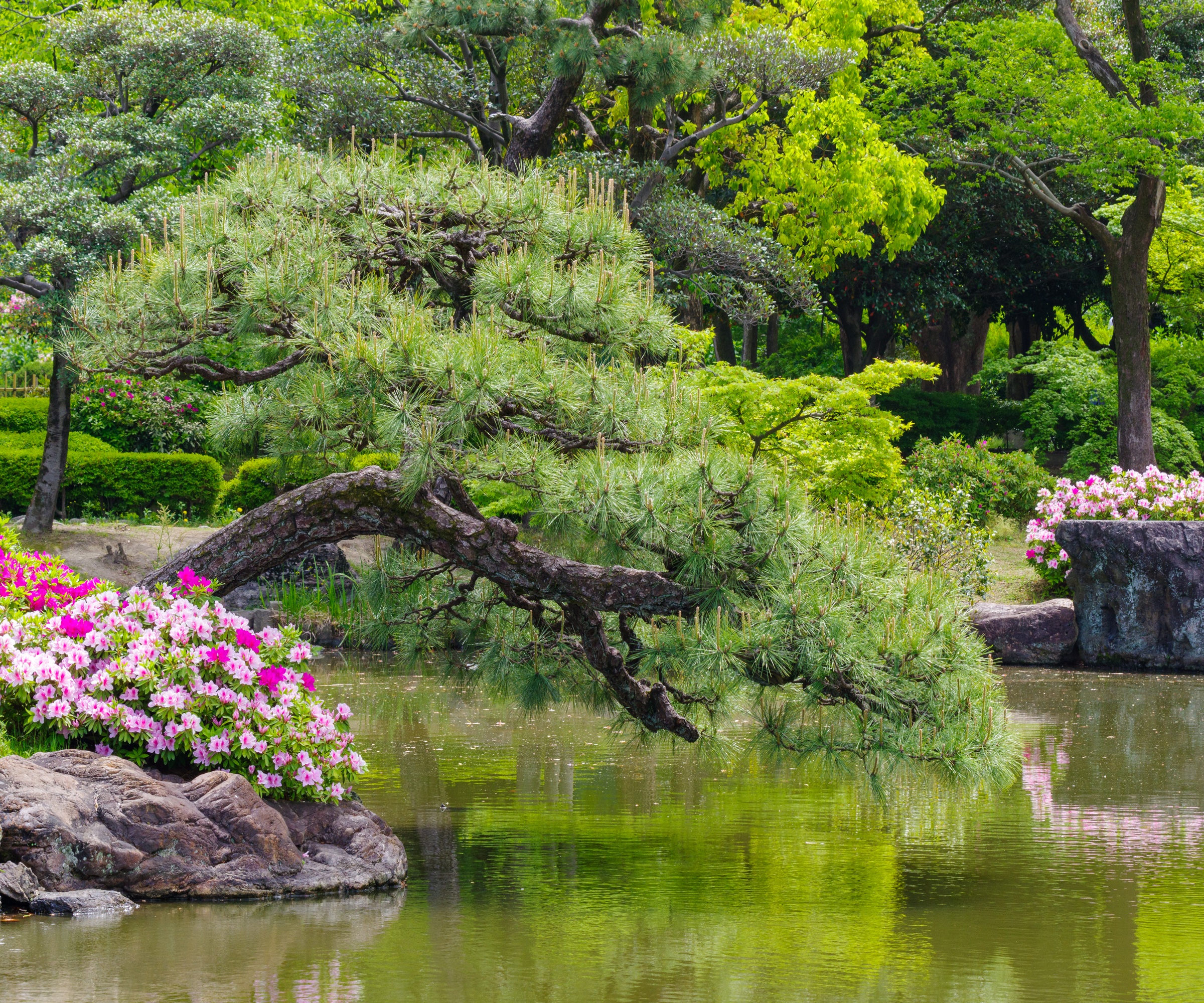
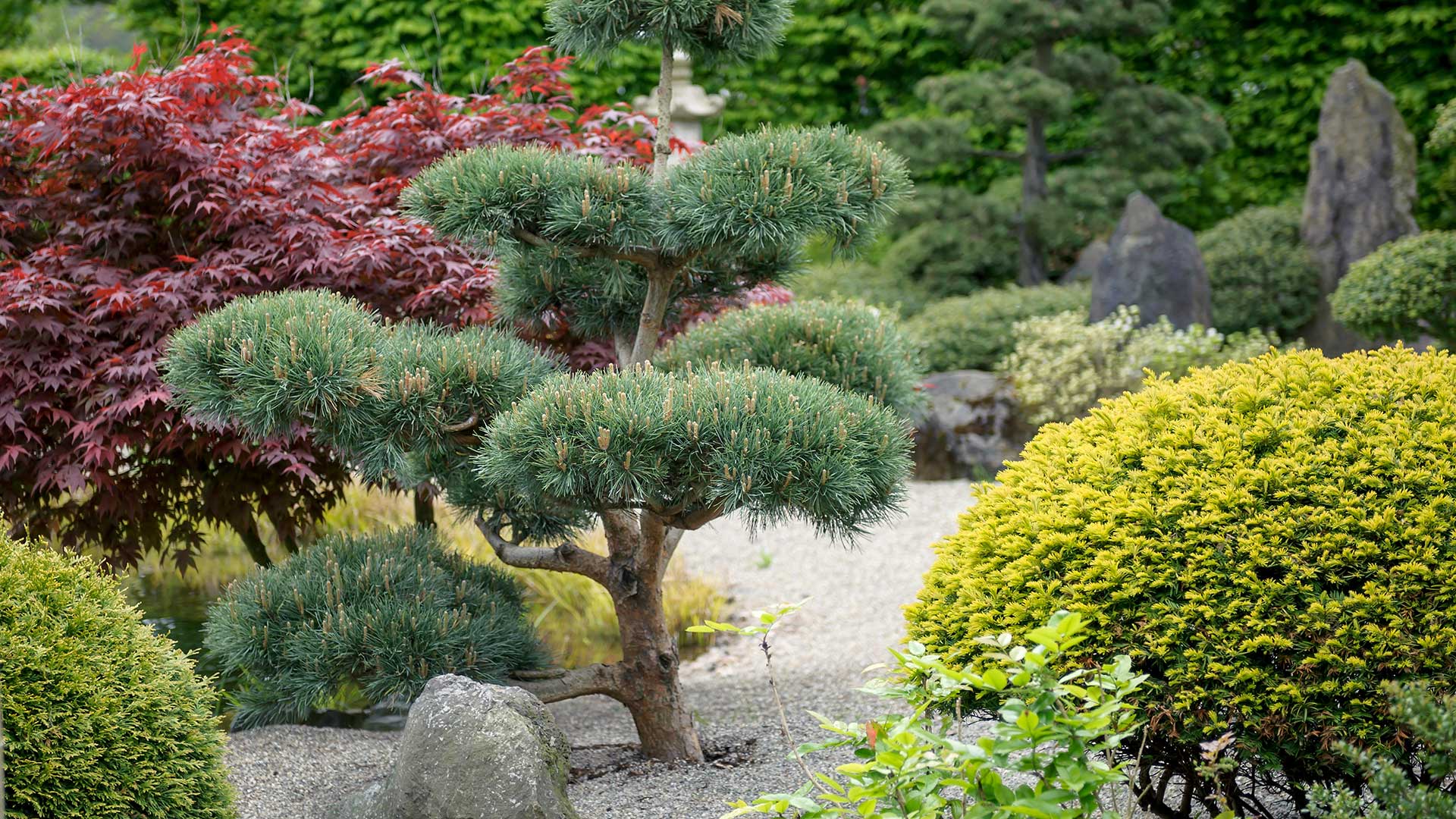
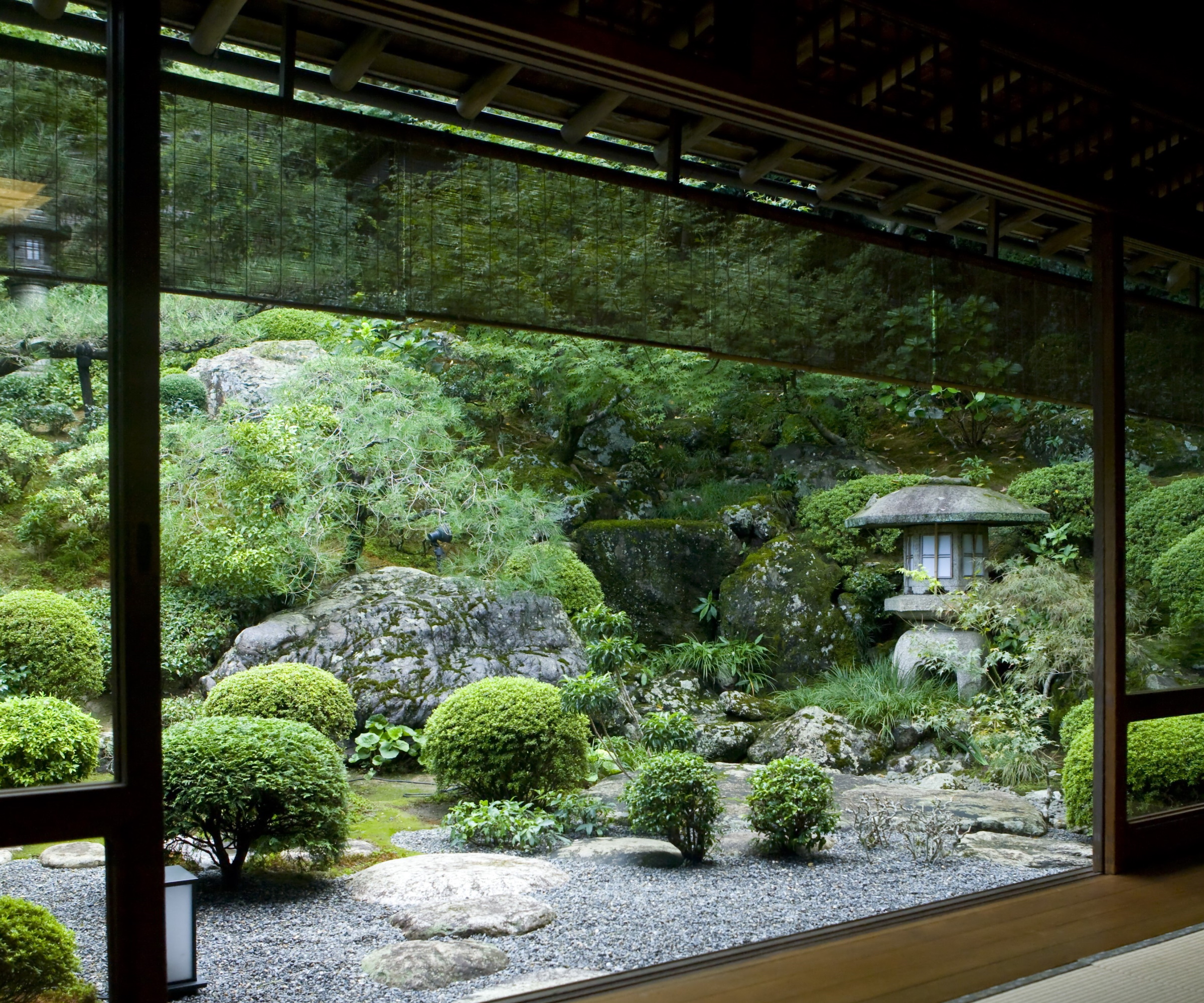
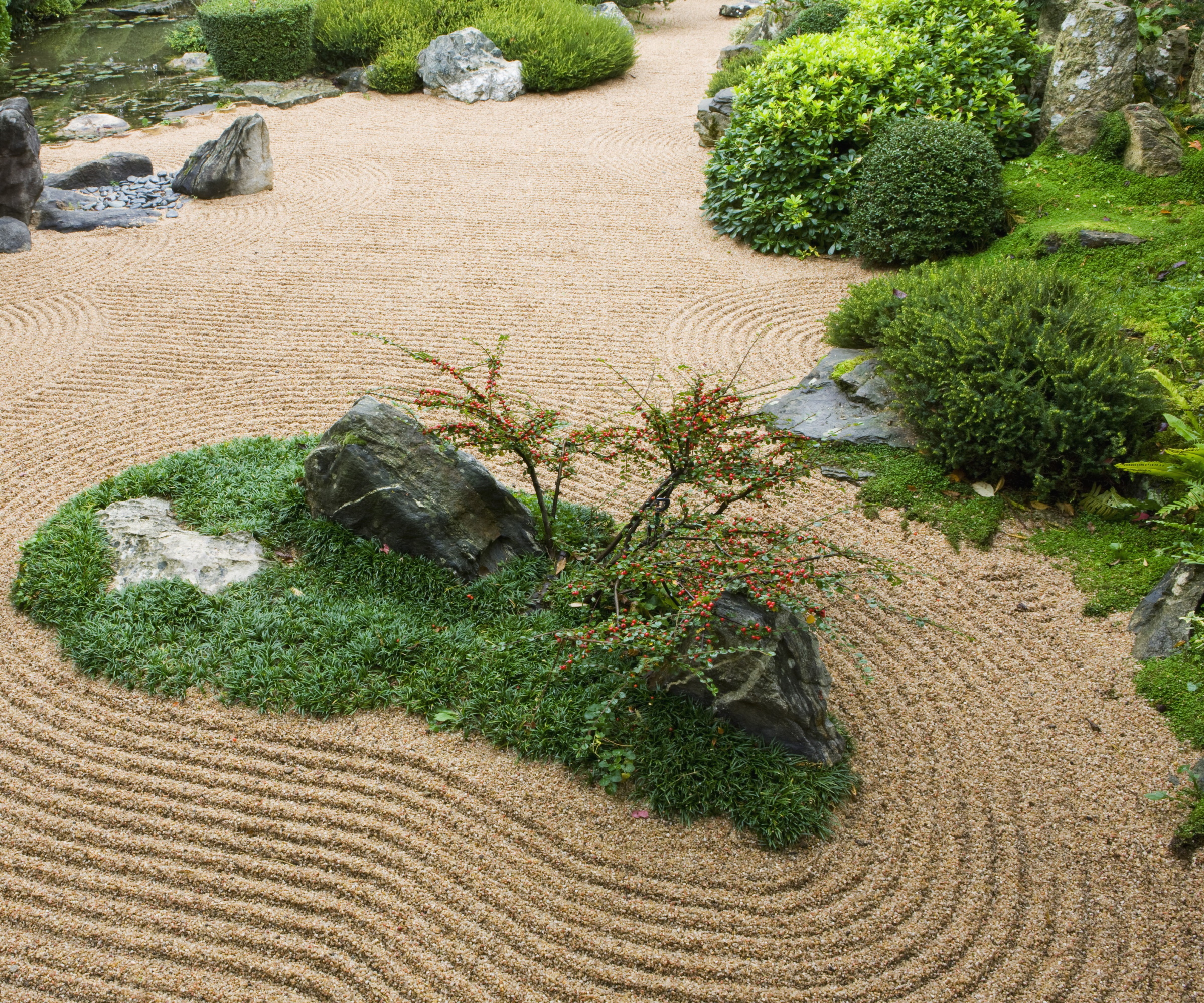
This article explores the specialized nature of Japanese gardens, focusing on the careful selection and shaping of shrubs to achieve their distinctive aesthetic. It delves into the historical and cultural origins of this gardening style, tracing its roots to religious reverence for nature and the inspiration drawn from Japan's wind-swept coastlines. Early garden masters sought to replicate the naturally wind-sculpted cypress and redwoods, leading to the tradition of intentional shaping.
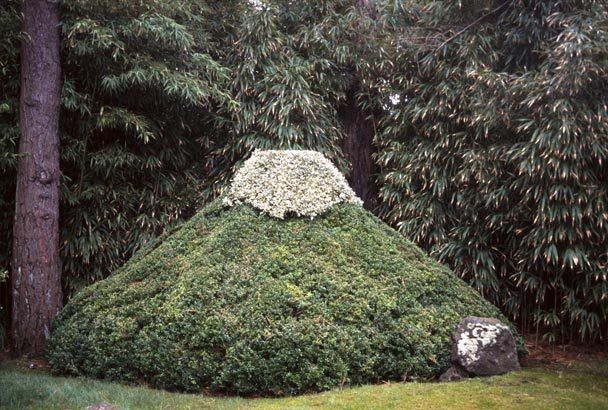
The author explains that the unique forms in Japanese gardens are often achieved through a method of pruning that mimics the effects of strong winds. Plants on the exposed side of wind grow less due to moisture loss from leaves, while the protected lee side thrives, contributing to the graceful, sculpted shapes. This technique requires specific types of shrubs, particularly slow-growing conifers with small leaves, such as arborvitaes, junipers, and cypress. These plants respond well to shearing by developing a dense network of stems and foliage, allowing for precise shaping without exposing unsightly twigs.
The article contrasts this specialized approach with the general practice of shearing large-leafed, fast-growing shrubs into small spaces, which often results in visible wounds, dieback, and discoloration. Such outcomes would be unacceptable in traditional Japanese gardening. The author emphasizes the importance of selecting the right plant for the right location, especially when aiming for a traditional Japanese garden aesthetic. Japanese breeders have developed numerous dwarf varieties of conifers, which naturally possess forms suitable for smaller urban gardens, minimizing the need for extensive manual shaping.
A specific example highlighted is the Japanese garden juniper, *Juniperus procumbens* “Nana,” a creeping juniper favored for its ability to naturally flow around objects and take on a windblown appearance. This juniper's dense, silvery blue-green foliage makes it an excellent choice for creating a quasi-bonsai effect in pots or as a specimen plant in limited spaces. The article concludes by reiterating the critical importance of plant selection in Japanese gardening, stressing that understanding the hundreds of available juniper varieties, including trees, large shrubs, small shrubs, dwarfs, and creepers, is essential to minimize the need for corrective shearing and subsequent cleanup, thereby ensuring the health and aesthetic integrity of the garden.
#JapaneseGardens #Horticulture #ShrubCare #LandscapeDesign #Conifers #PlantSelection #Juniper #GardenAesthetics #PruningTechniques #JapaneseGardens #Horticulture #ShrubCare #LandscapeDesign #Conifers #PlantSelection #Juniper #GardenAesthetics #PruningTechniques
0 comment in total
 No comments yet
You may also like
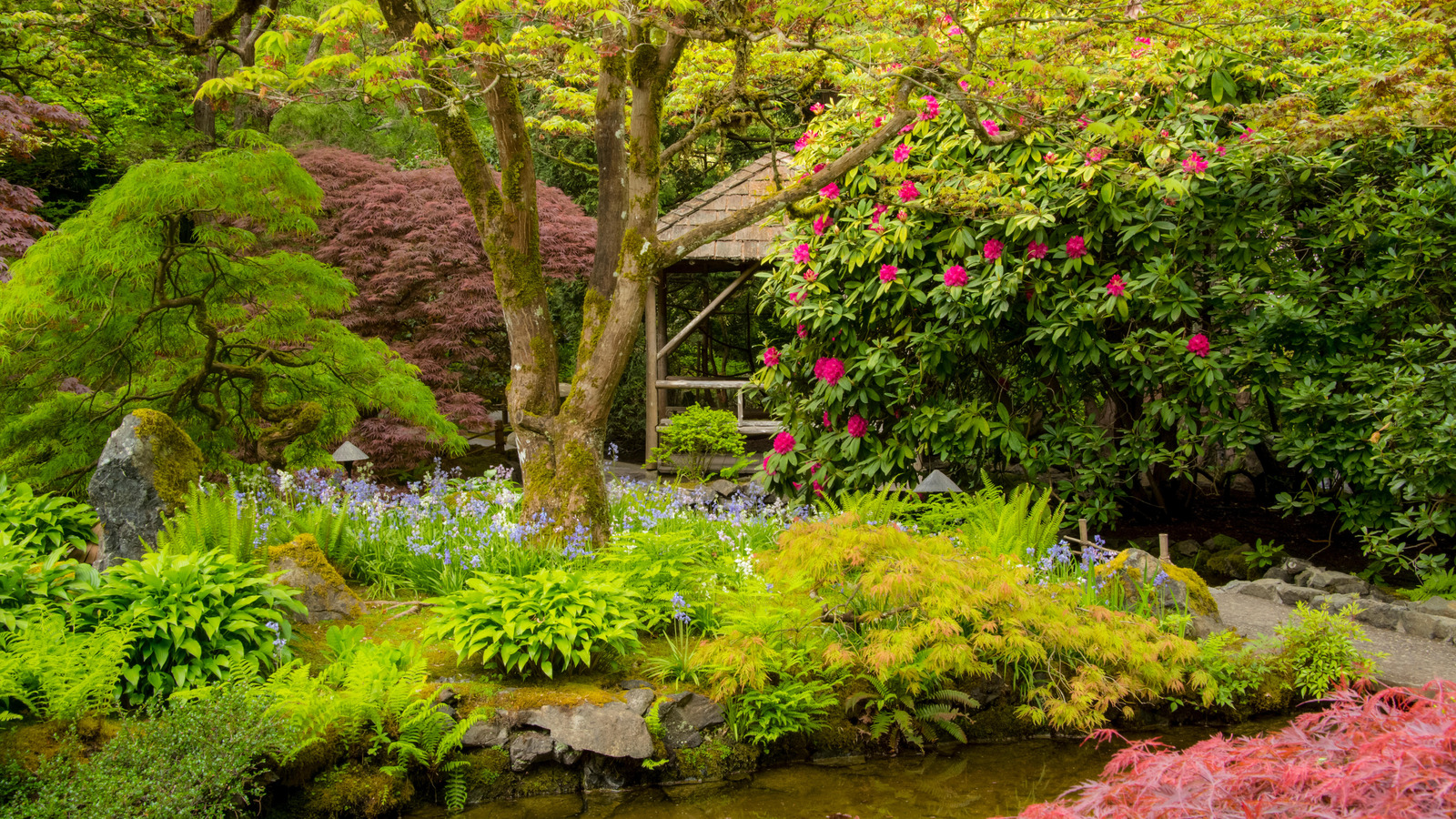
The best plants for a Japanese garden: 7 serene species

Japanese garden ideas – 11 design tips for a zen backyard
Seven of the loveliest Japanese gardens in the UK

In a Japanese garden, you’re never under the weather
Experts reveal how to plant a Japanese-inspired garden

Japanese garden ideas – 10 ways to create a soothing space, with advice from the experts

Looking to add some Zen to your landscape? Visit these Japanese gardens for inspiration
What is a zen garden? This Japanese approach to design can turn backyards into calming sanctuaries
Horticultural Experts Reveal 5 Defining Features of a Japanese Garden
7 Japanese-style gardens to inspire and delight

2026 Garden Trends: What to Do, Grow, and Design in the New Year

An Expert Guide to Japanese Zen Gardens
9 Japanese Plants for a Zen Garden
The 8 best plants for an indoor zen garden – what to grow to add calm and tranquility to your home

4 Japanese garden ideas for a calm and tranquil outdoor space
A Japanese-inspired garden on Sydney’s north shore
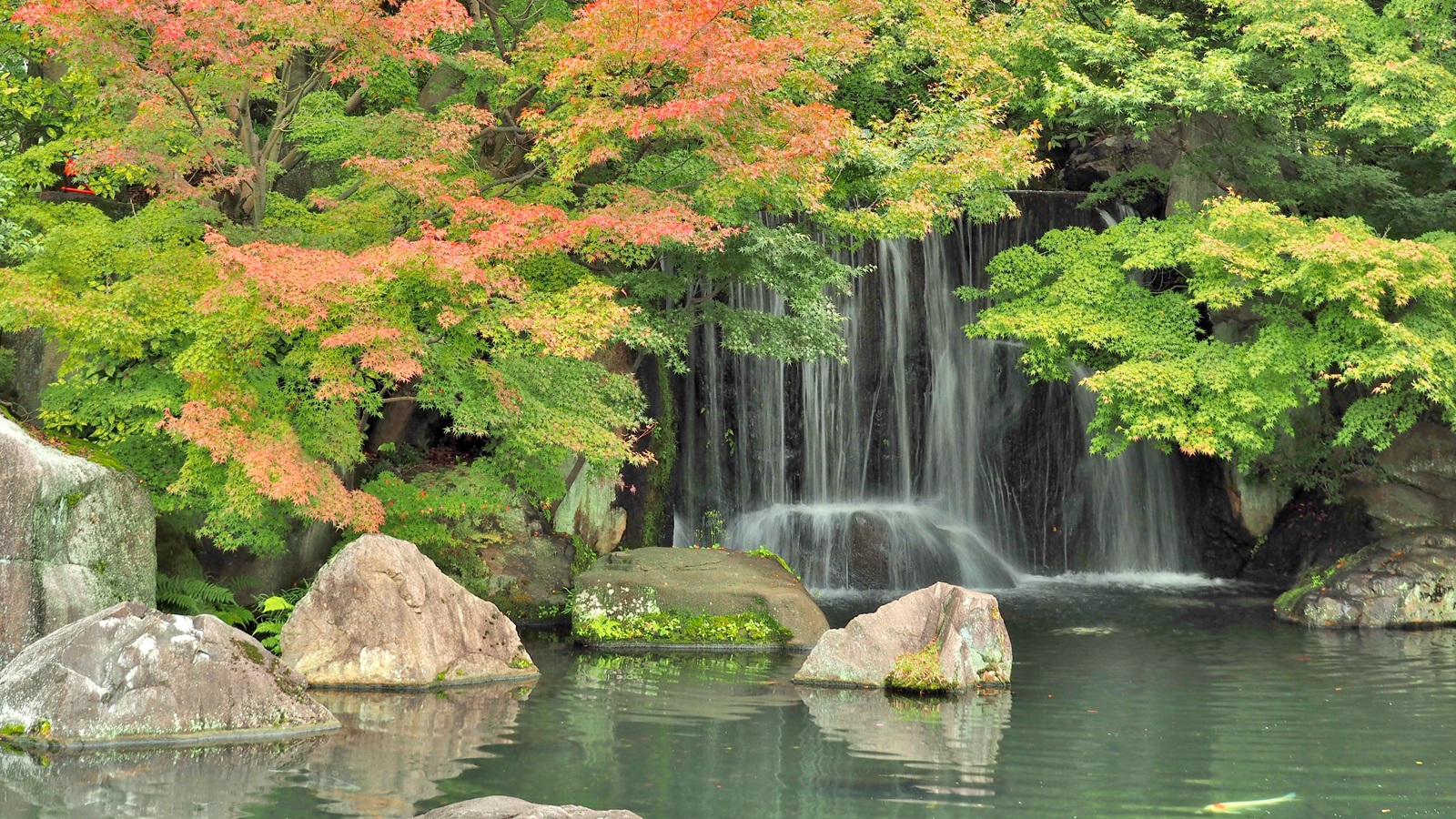
Garden Pros Say This Japanese Design Idea Is the Secret to an Easy Yard

Michigan’s Slice of Japan: Where Design Connects Humanity with Nature
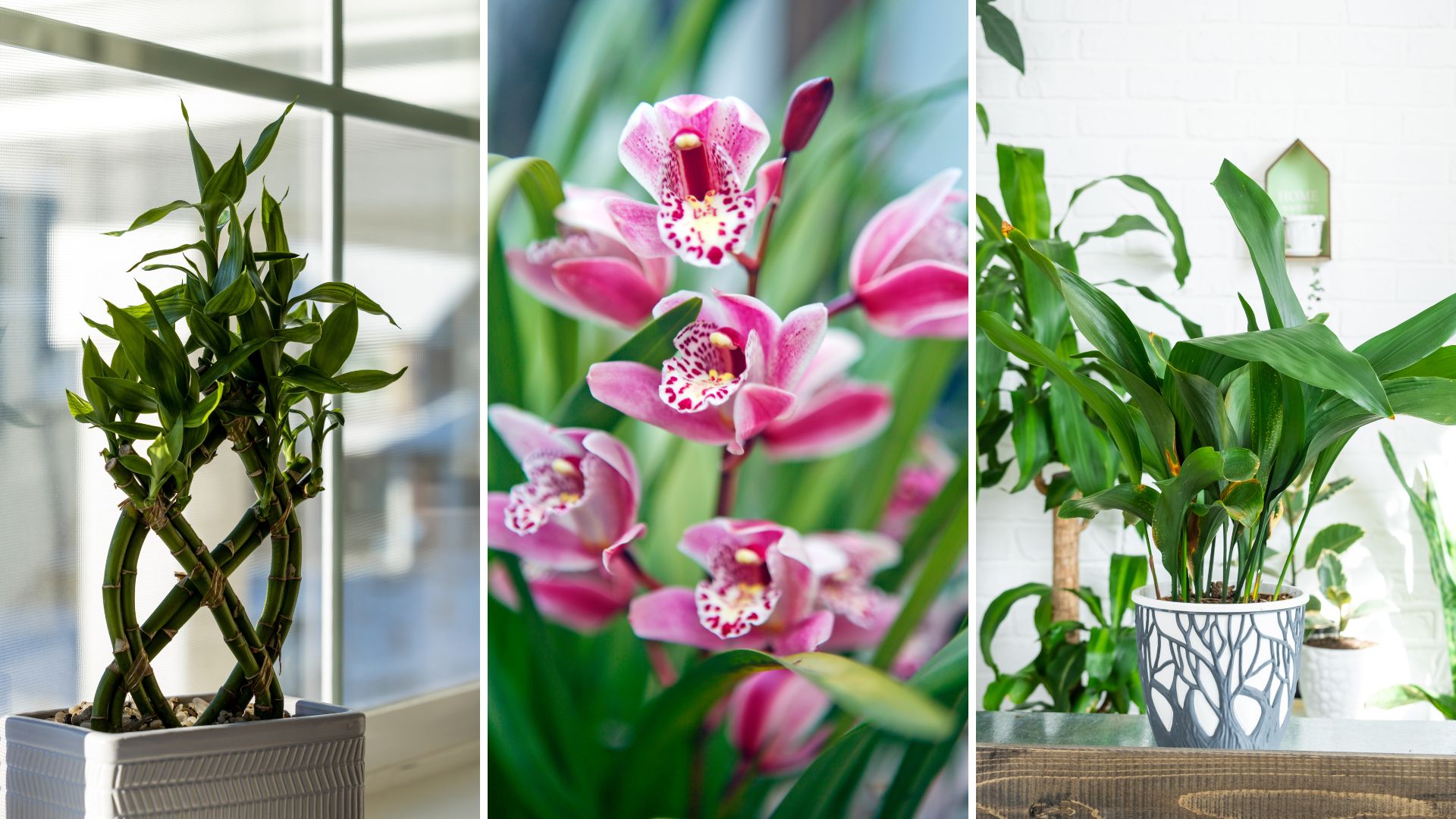
The best Japanese houseplants to create a zen, serene space in any room

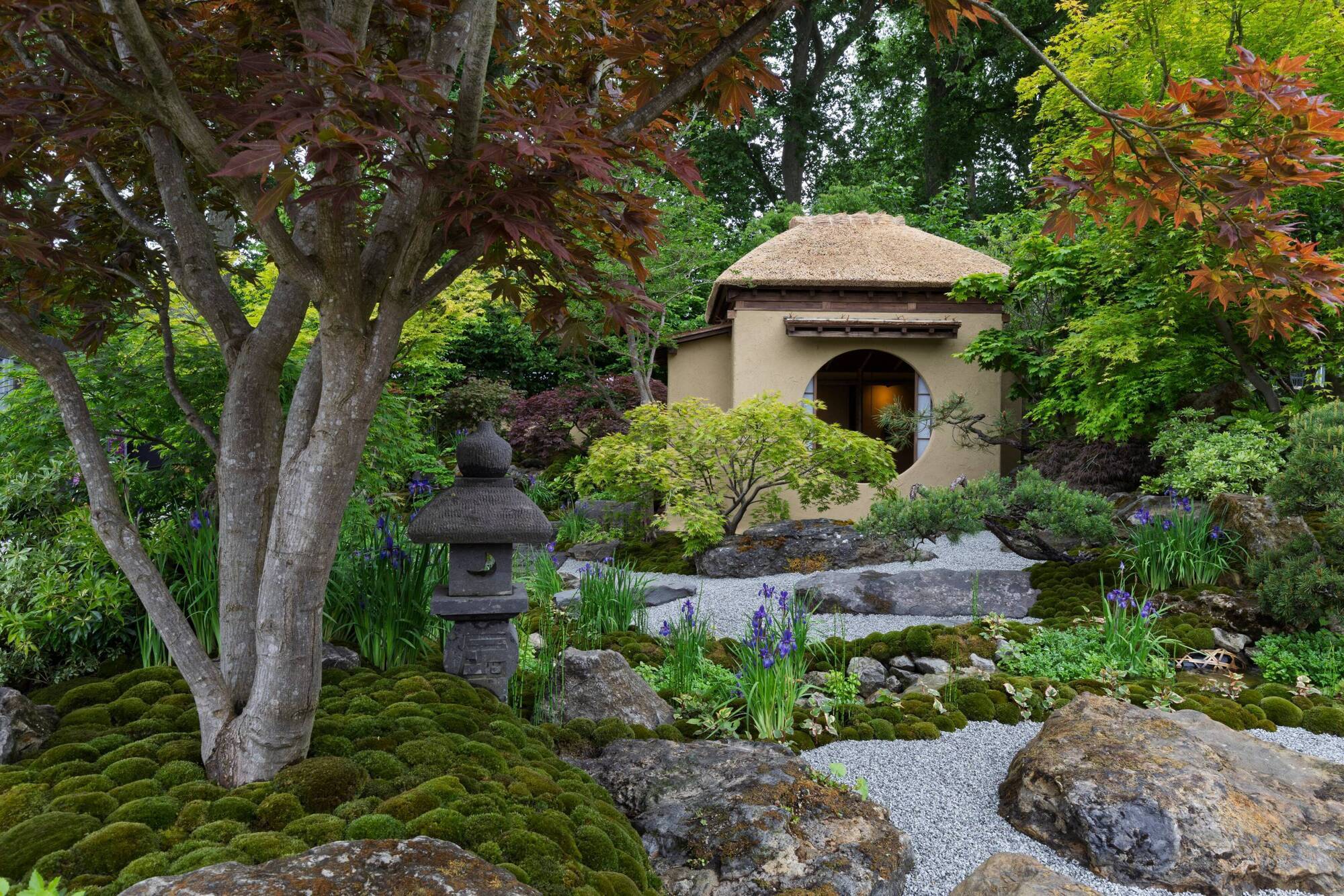
Peter Dowdall: So many reasons to love Japanese gardens