Peter Dowdall: So many reasons to love Japanese gardens
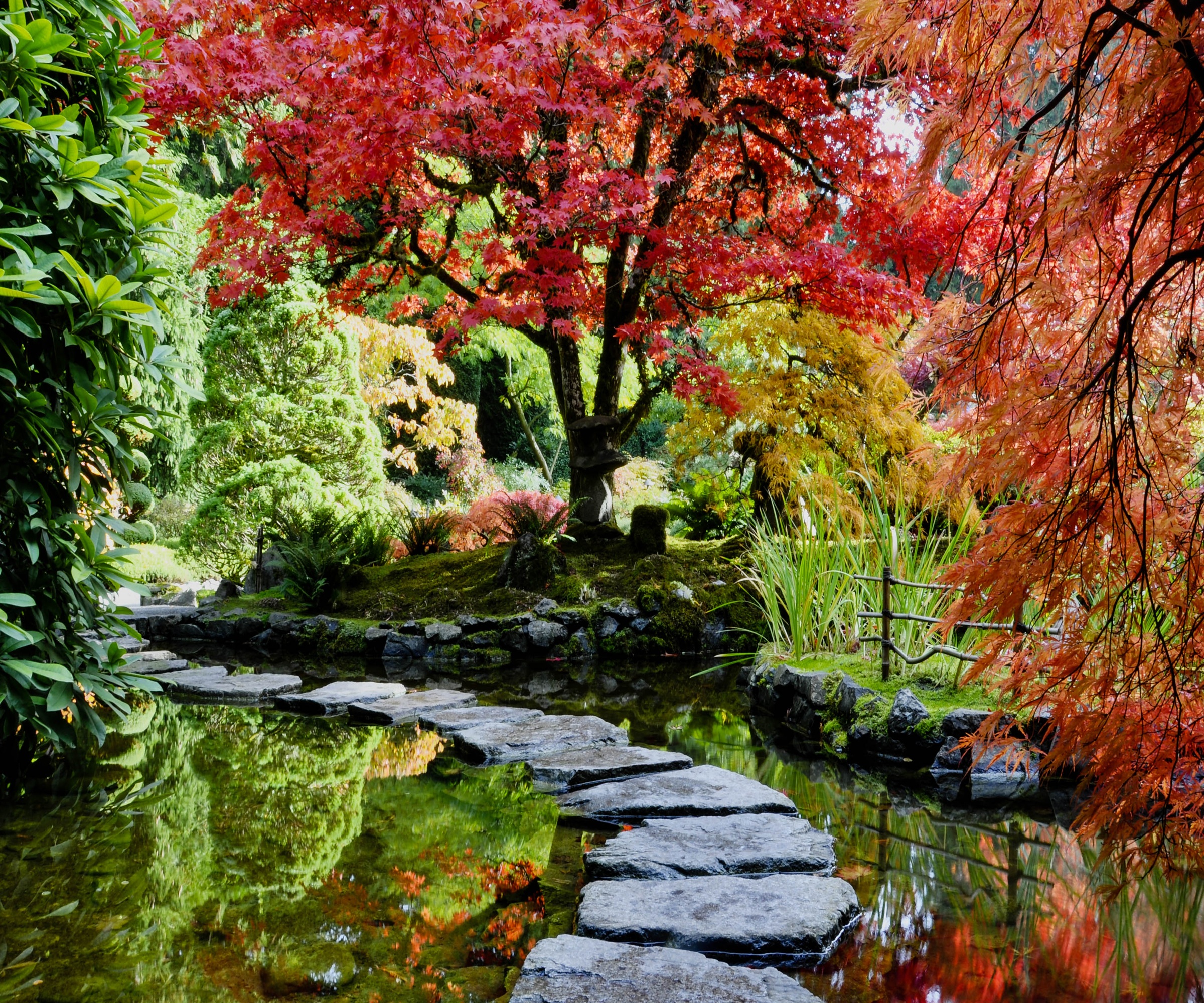
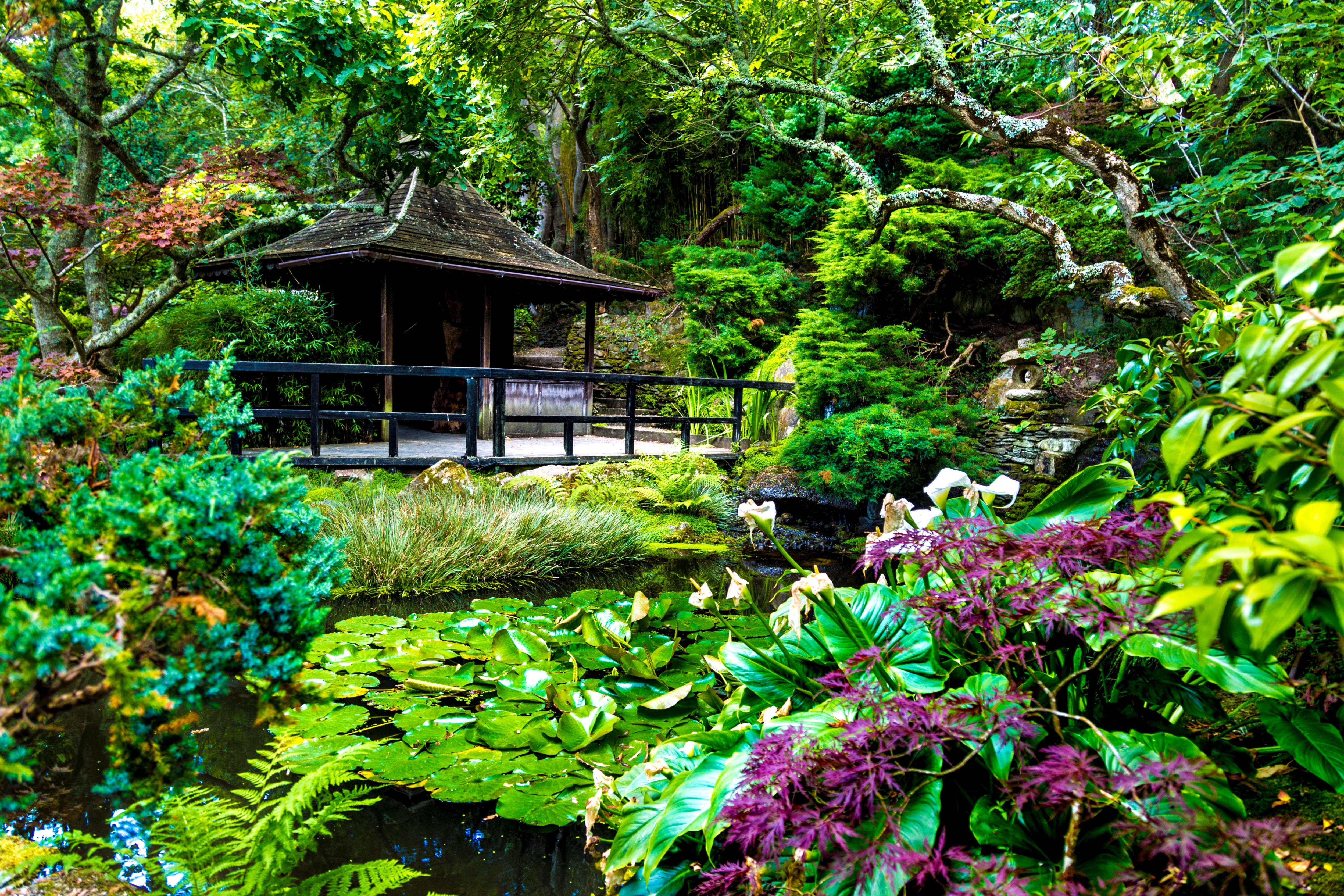
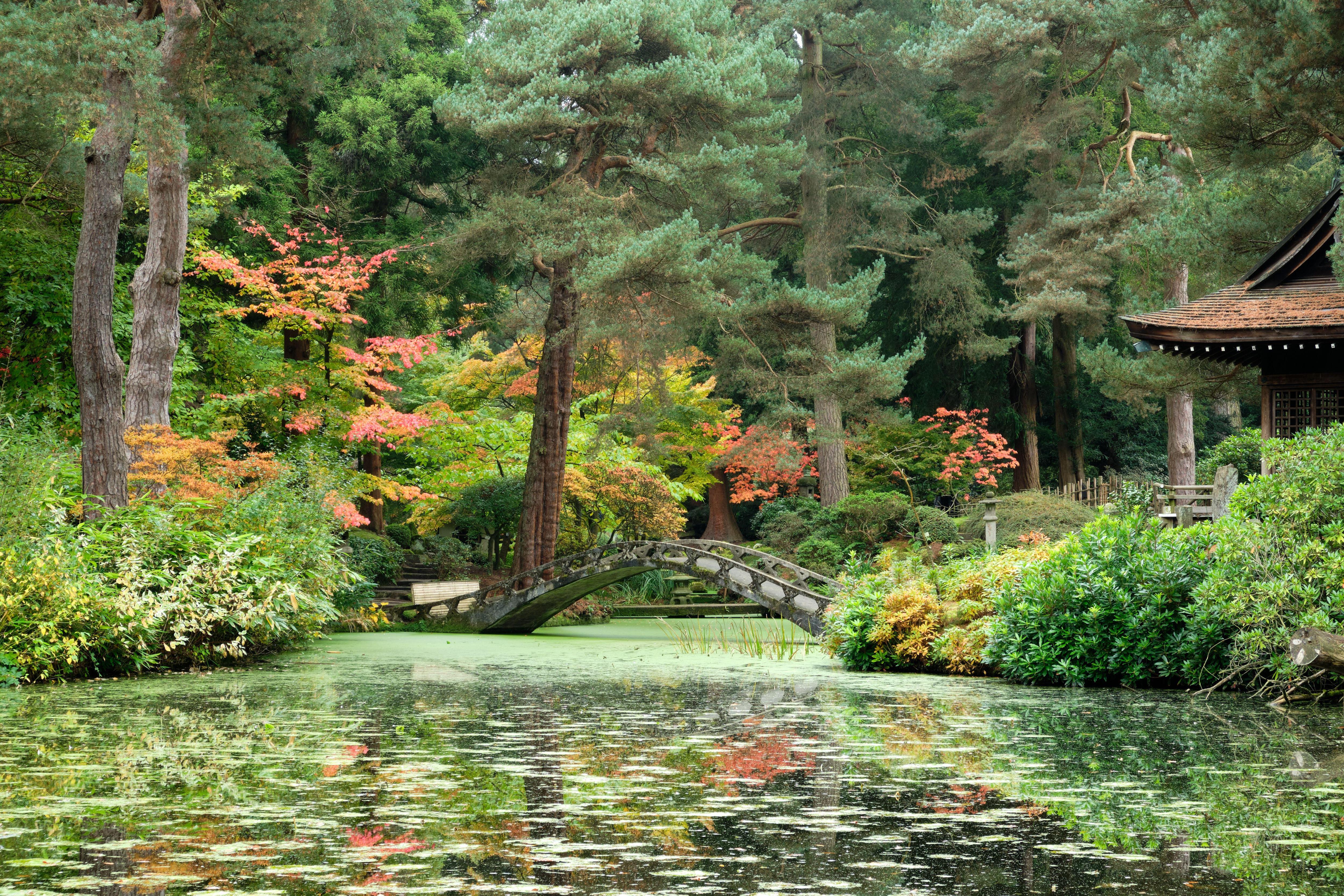
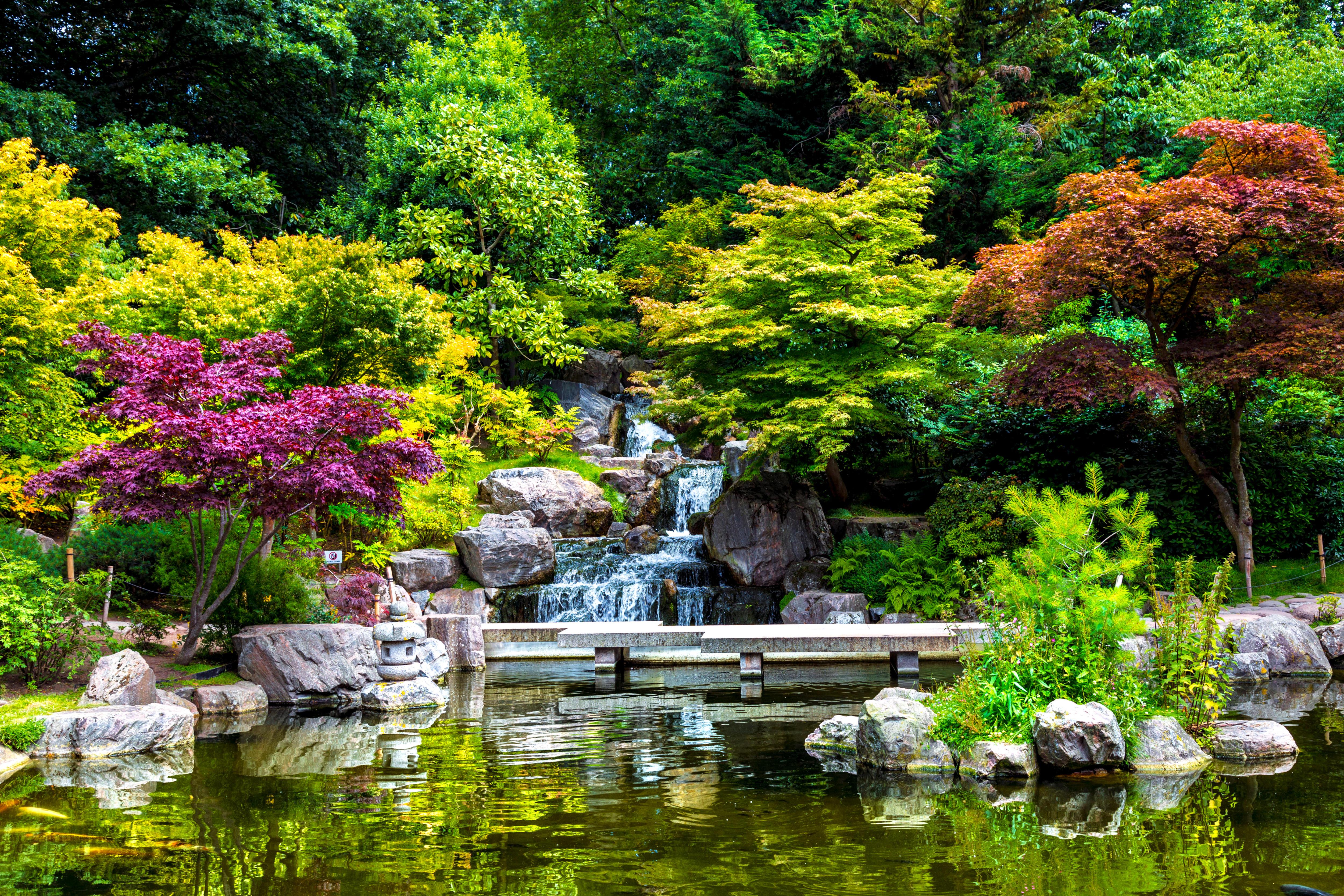
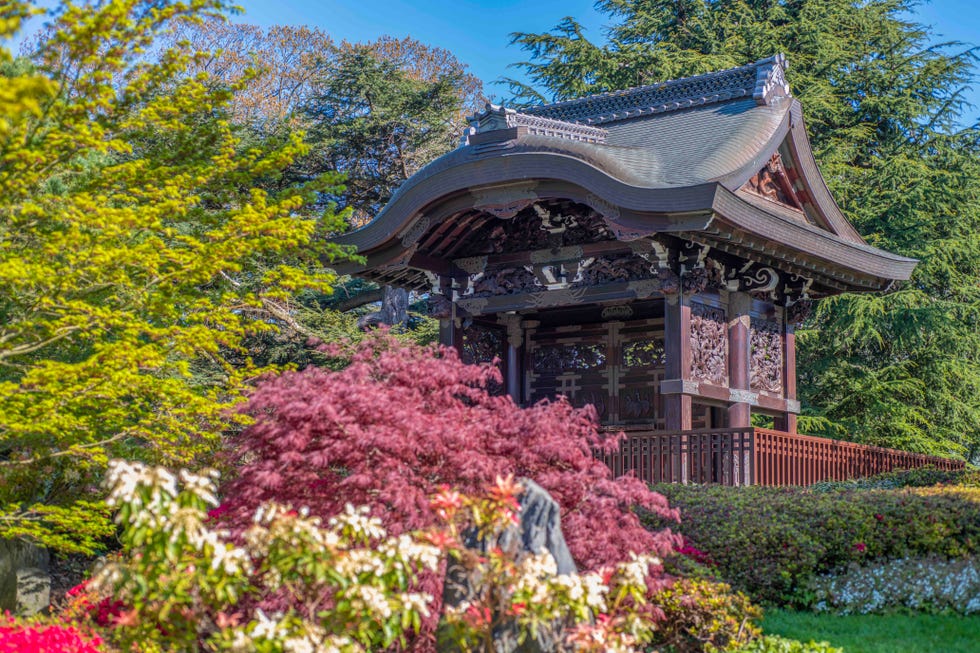
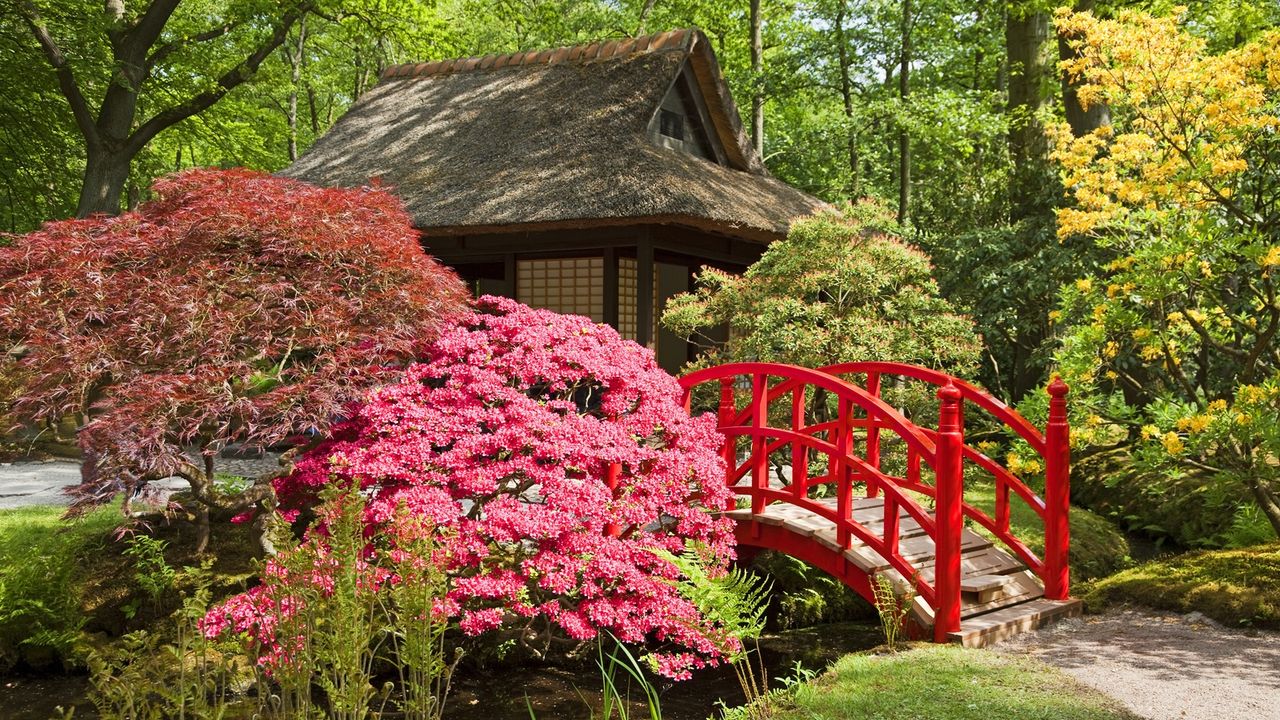
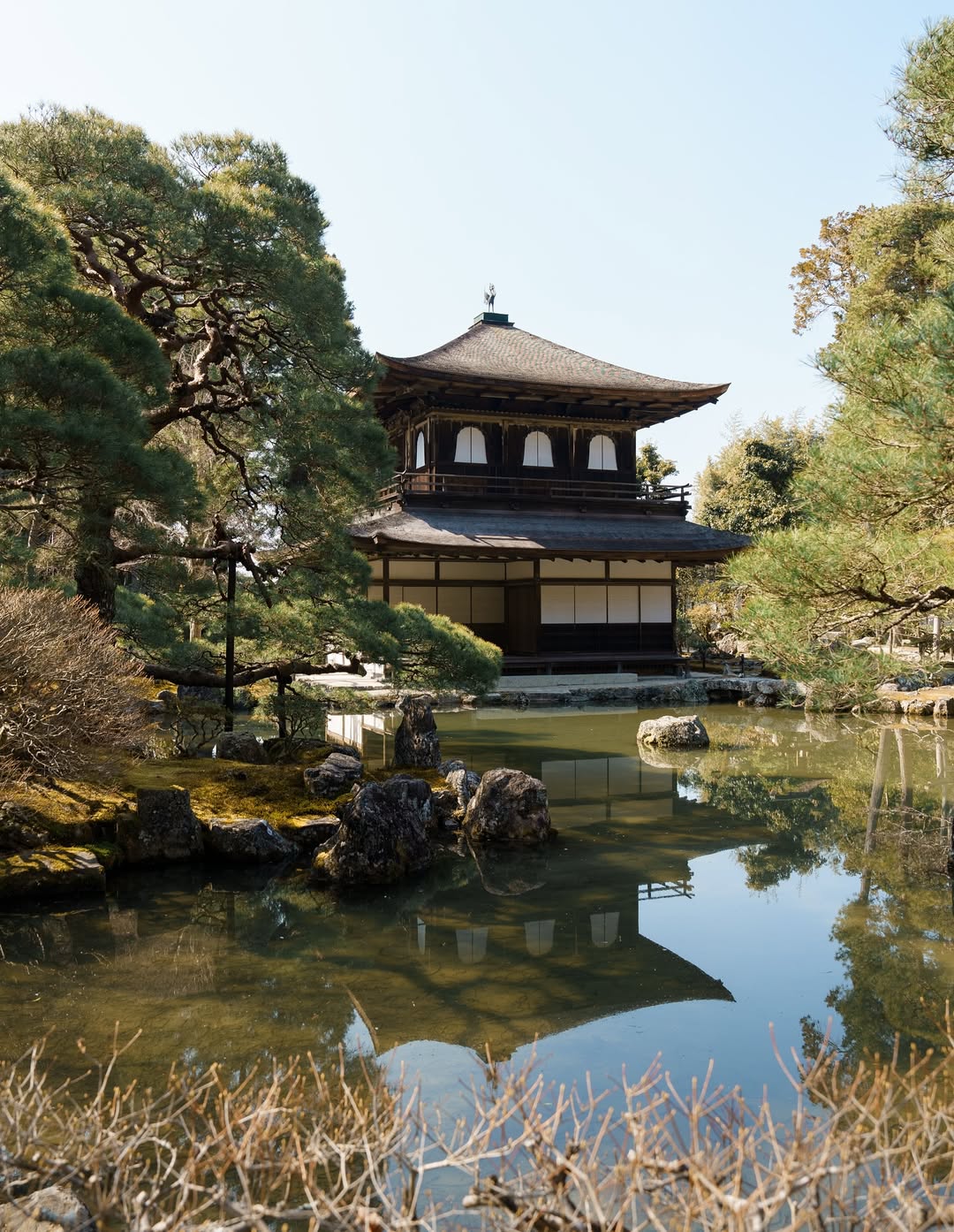
The author expresses a deep and long-standing fascination with Japanese gardens, noting their peacefulness, meticulous attention to detail, and seamless integration of hard and soft landscaping elements. The initial encounter with a traditional Japanese garden was described as a meditative experience, characterized by the sound of water, precise stone placement, and the use of plants for form, texture, and seasonal significance rather than mere flamboyance, leading to a philosophical appreciation for gardening. This experience solidified the author's interest in this garden style.
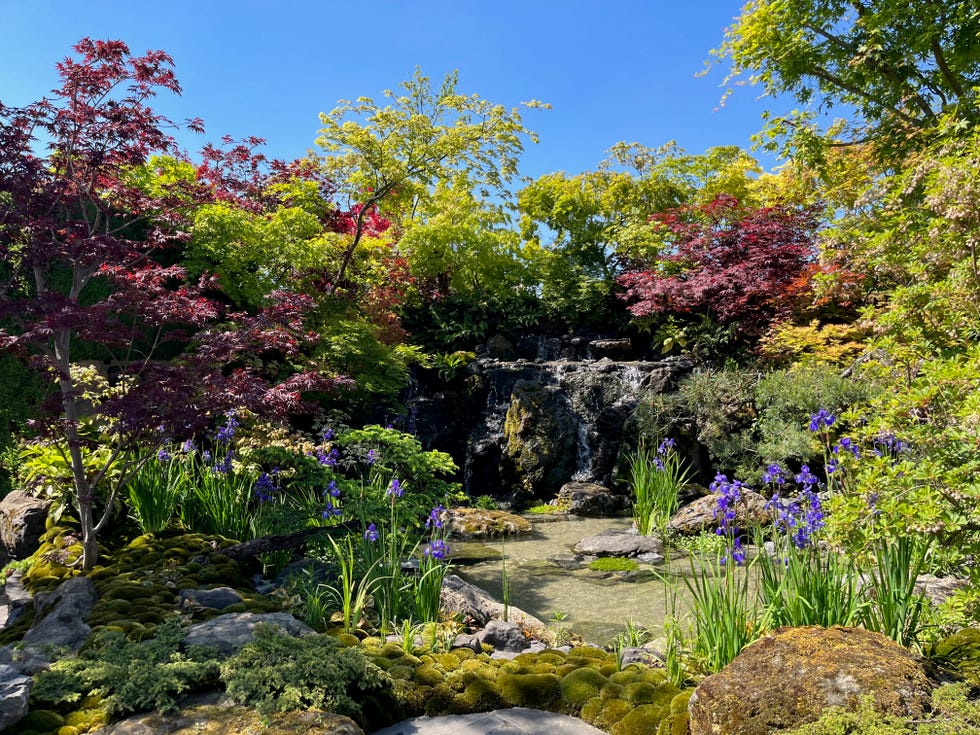
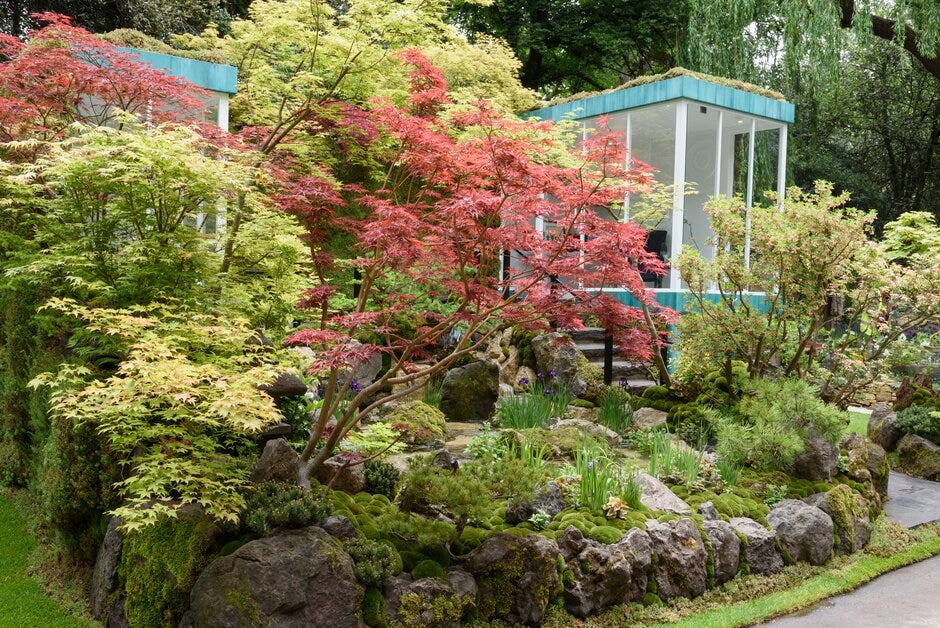
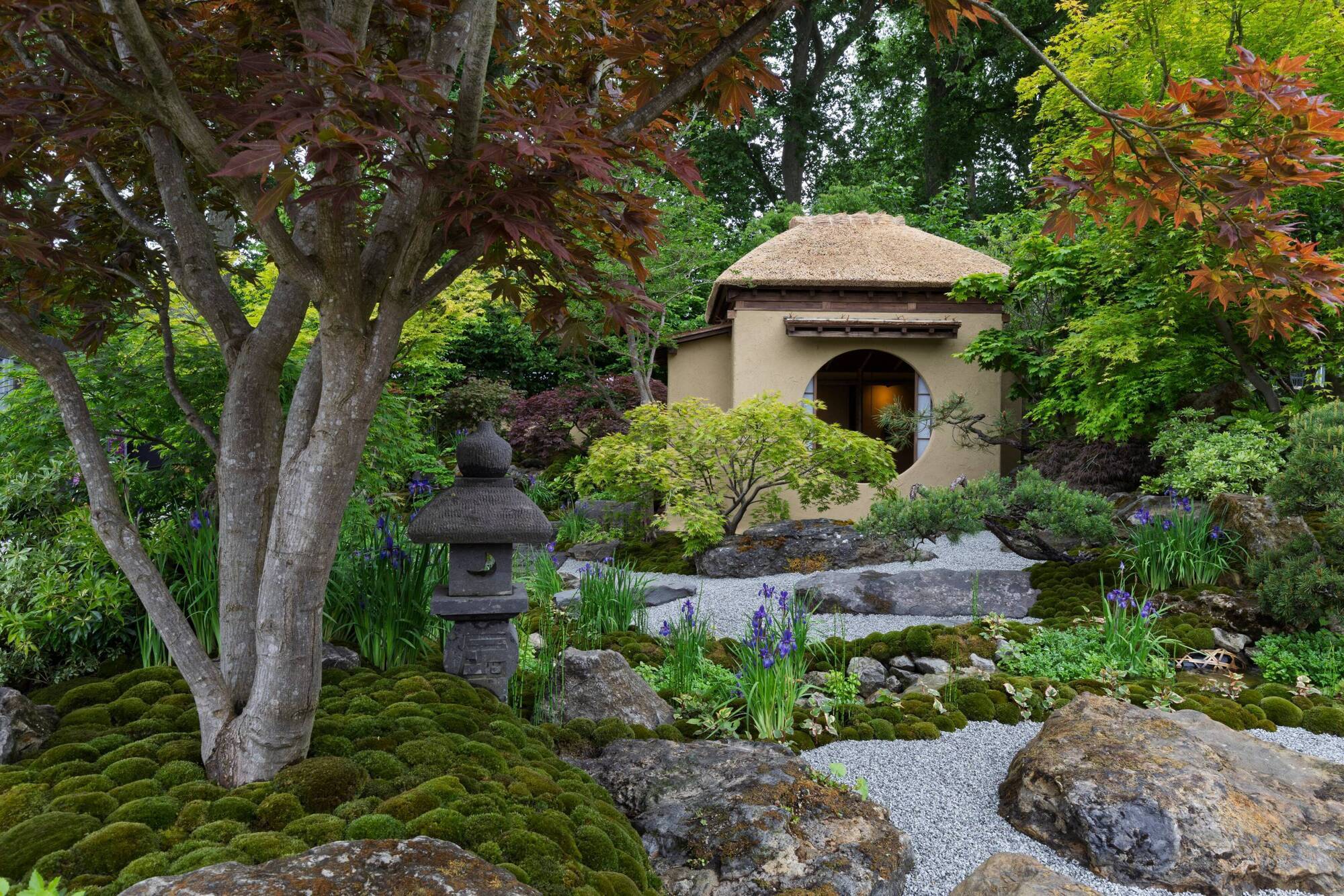
Recently, Kazuyuki Ishihara's Japanese tea garden, 'Cha No Niwa,' received both the prestigious Garden of the Year and the People’s Choice Best Show Garden awards at the RHS Chelsea Flower Show. This dual recognition highlights the garden's significant impact on both judges and the general public, including the author. The increasing interest in Japanese gardens is attributed to a societal yearning for calm and contemplation amidst a chaotic modern world, with their minimalism and quiet symbolism resonating with this desire for peace, stillness, and simplicity. It is emphasized that Japanese garden design is not merely about minimalism but is imbued with profound meaning, where every element serves a deliberate purpose.
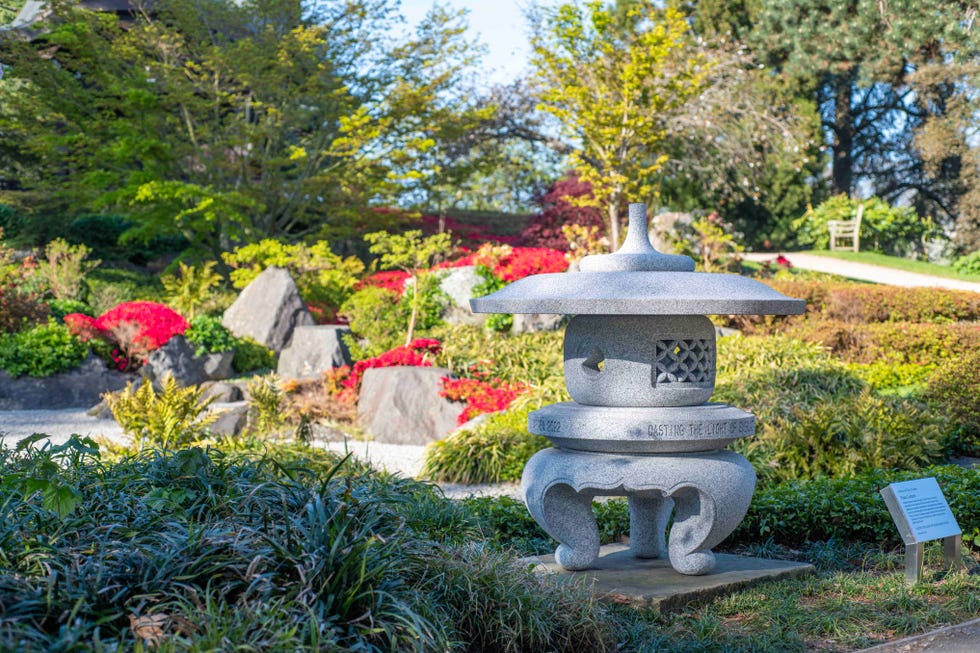
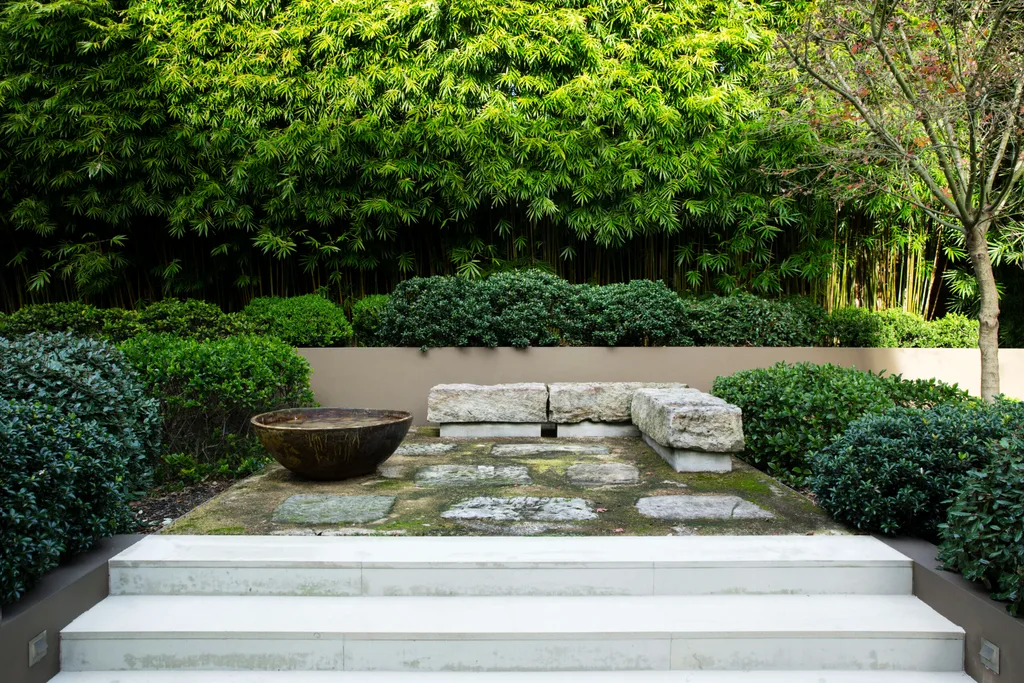
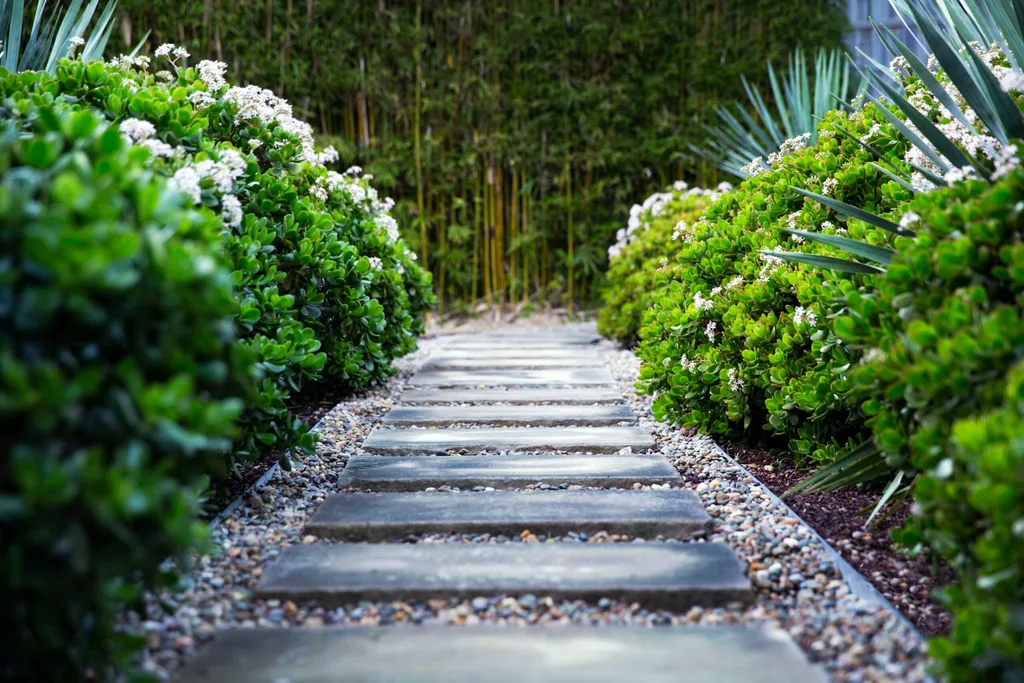
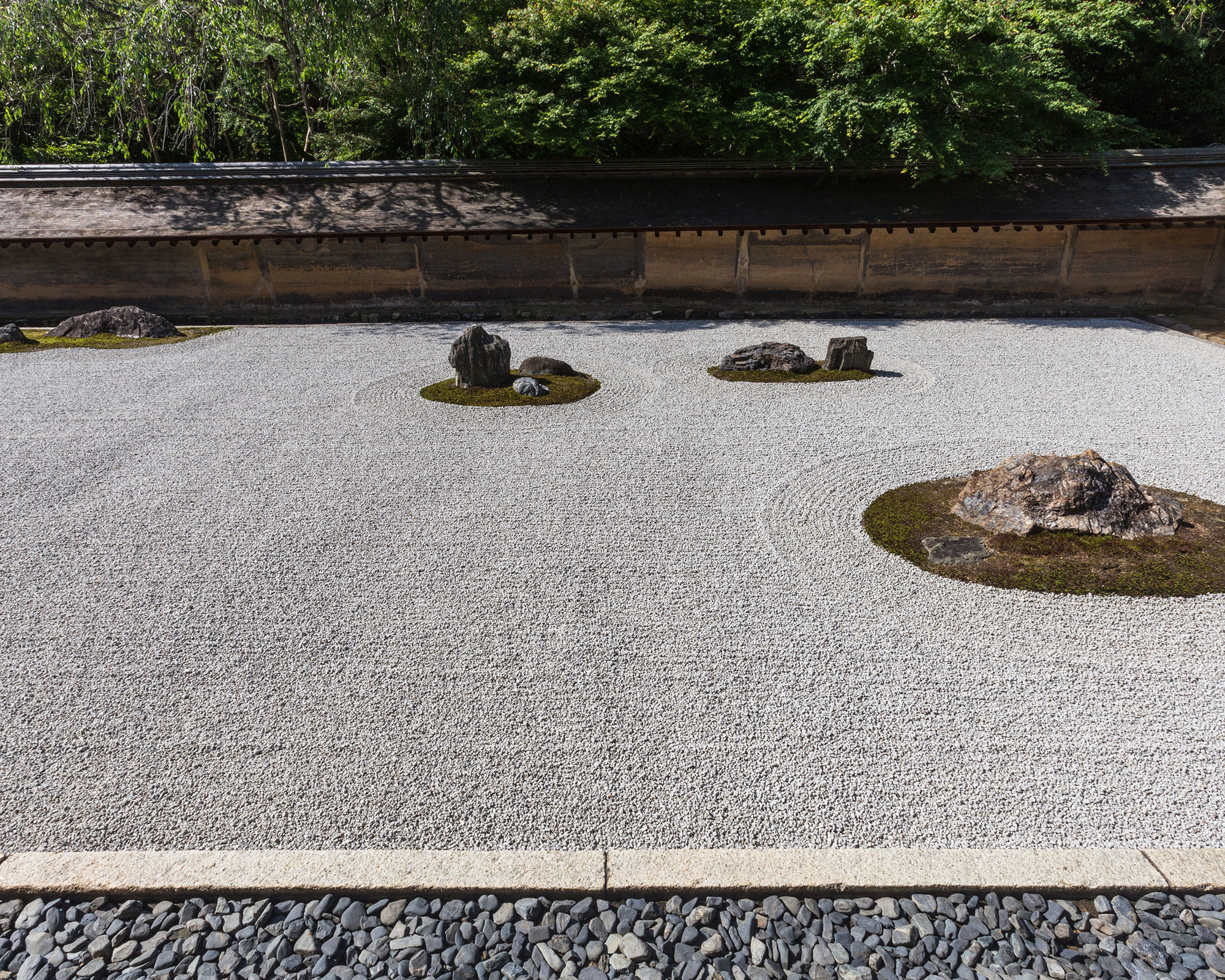
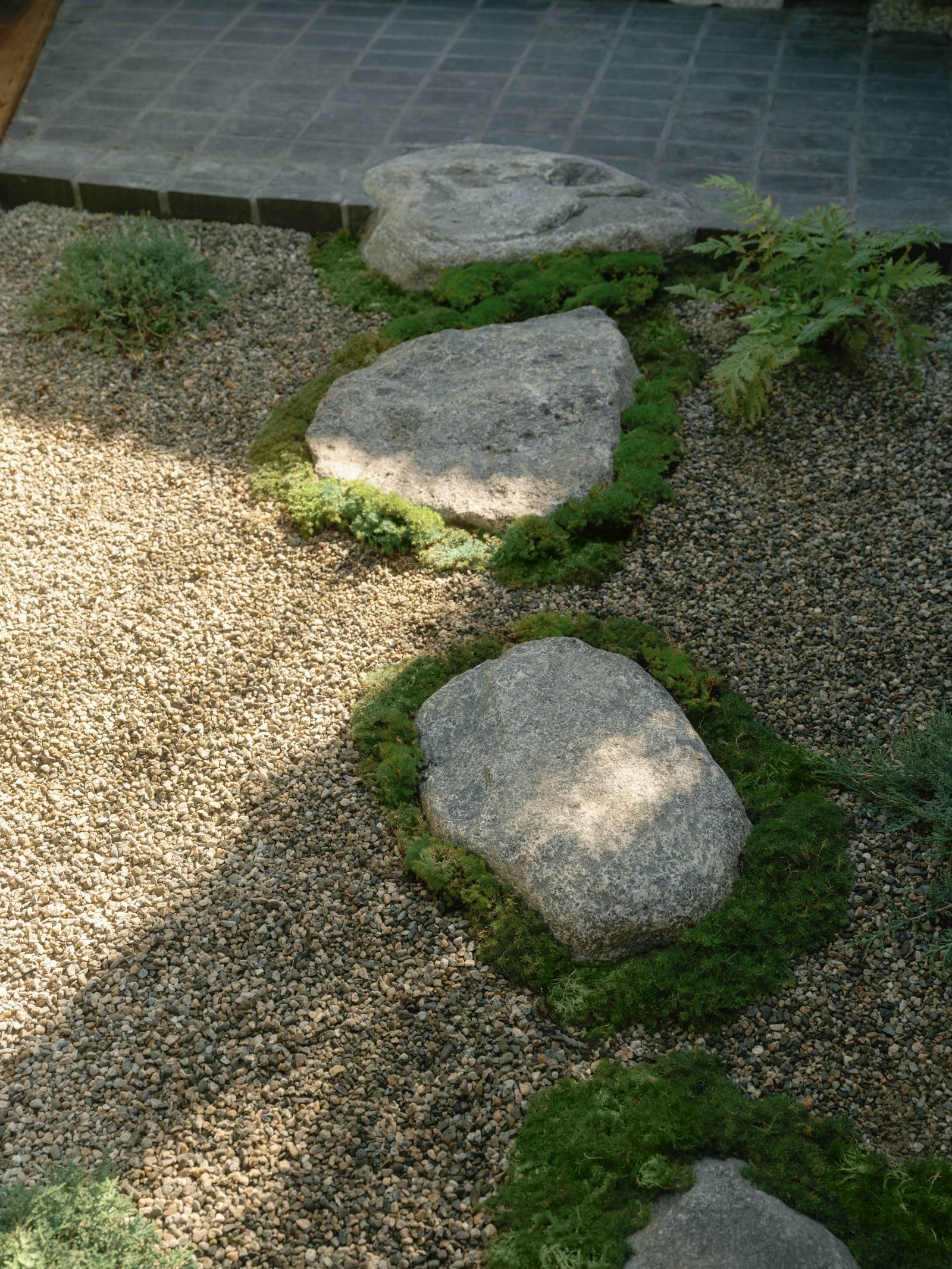
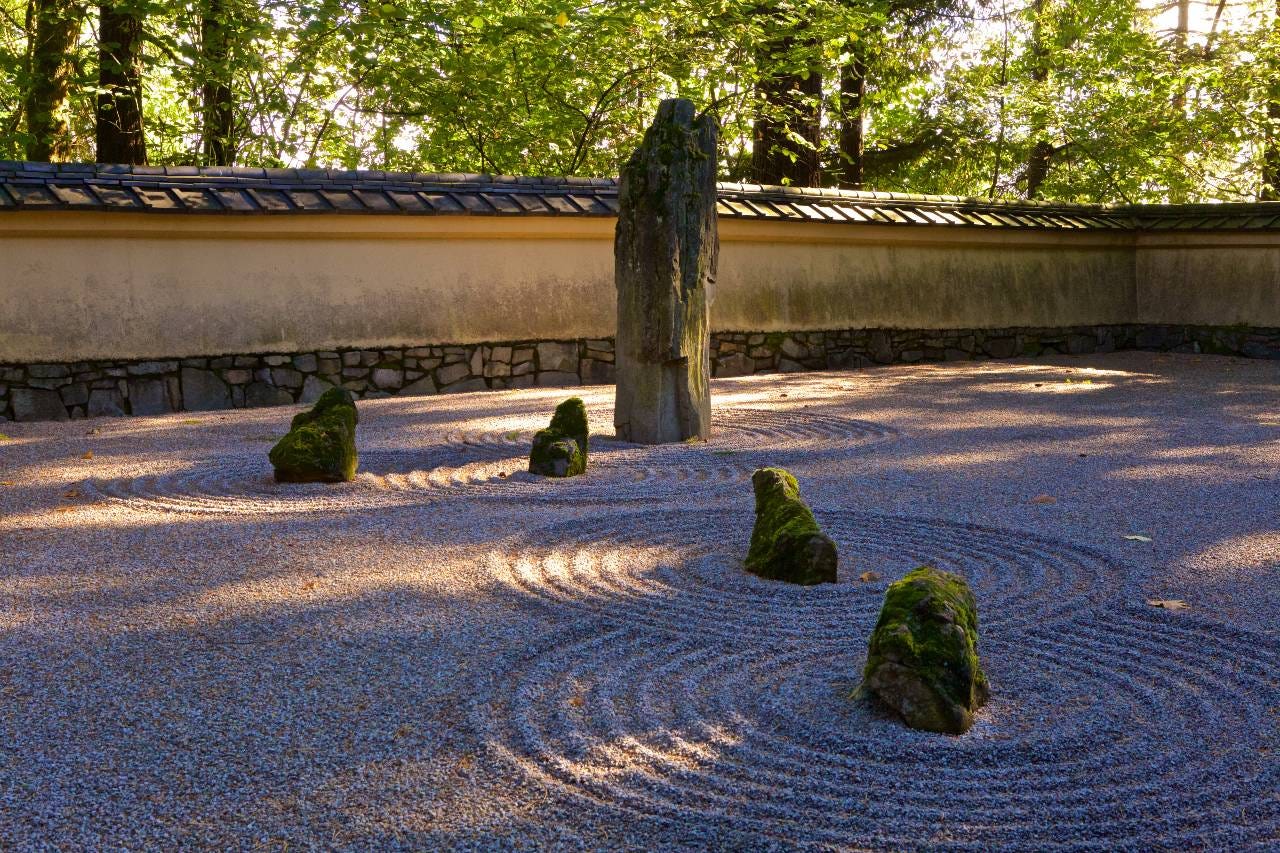
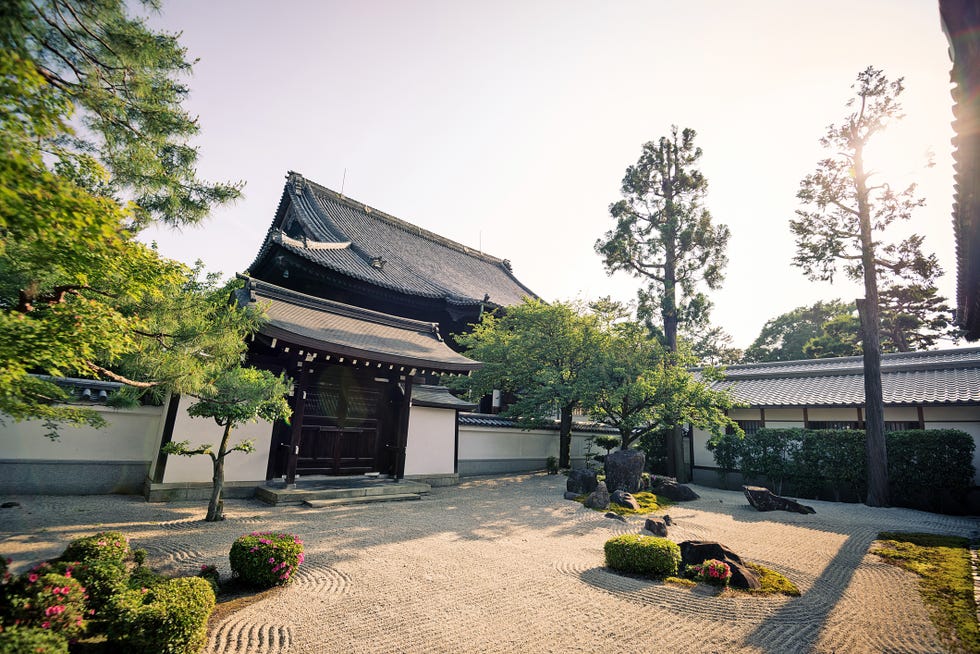
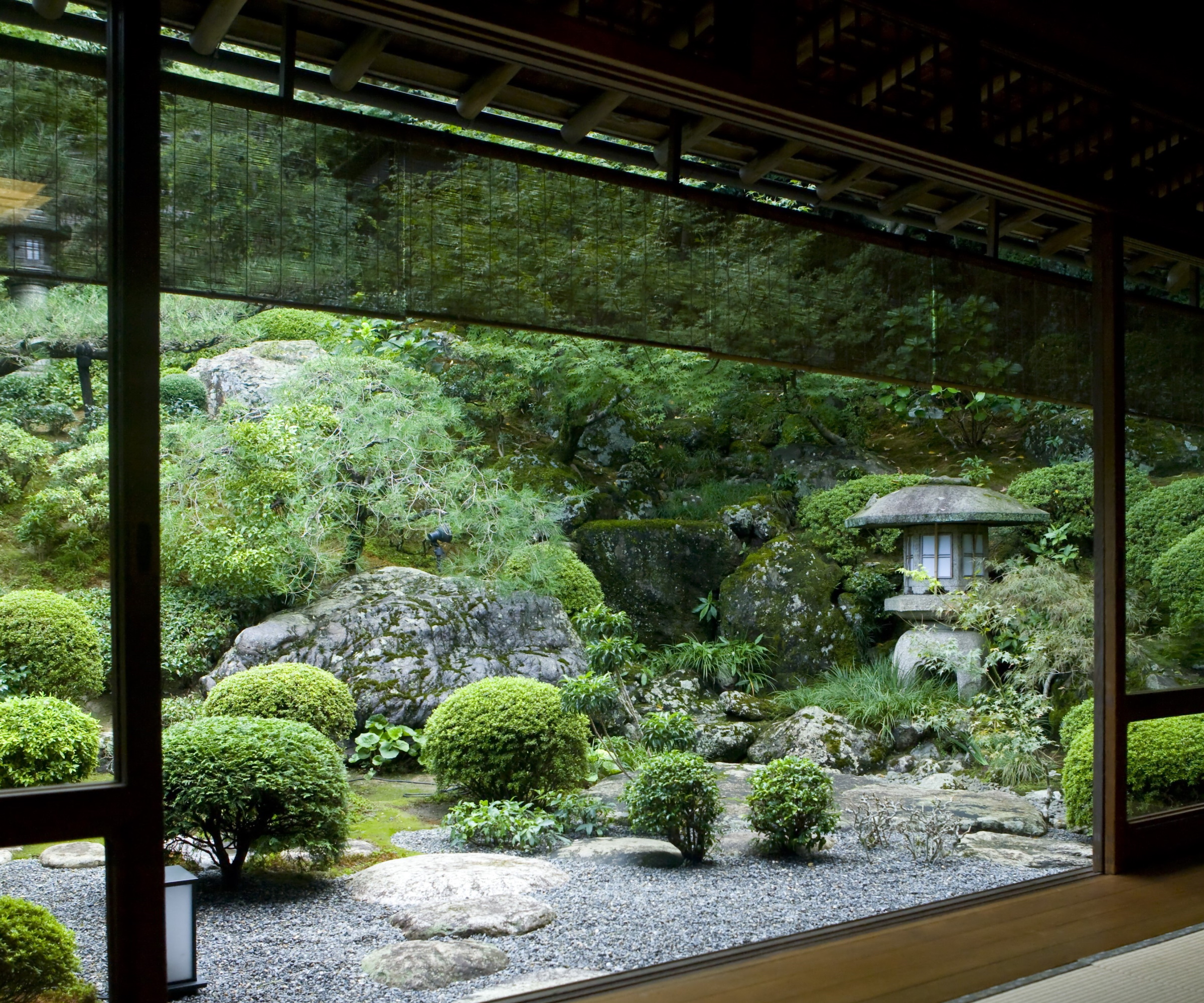
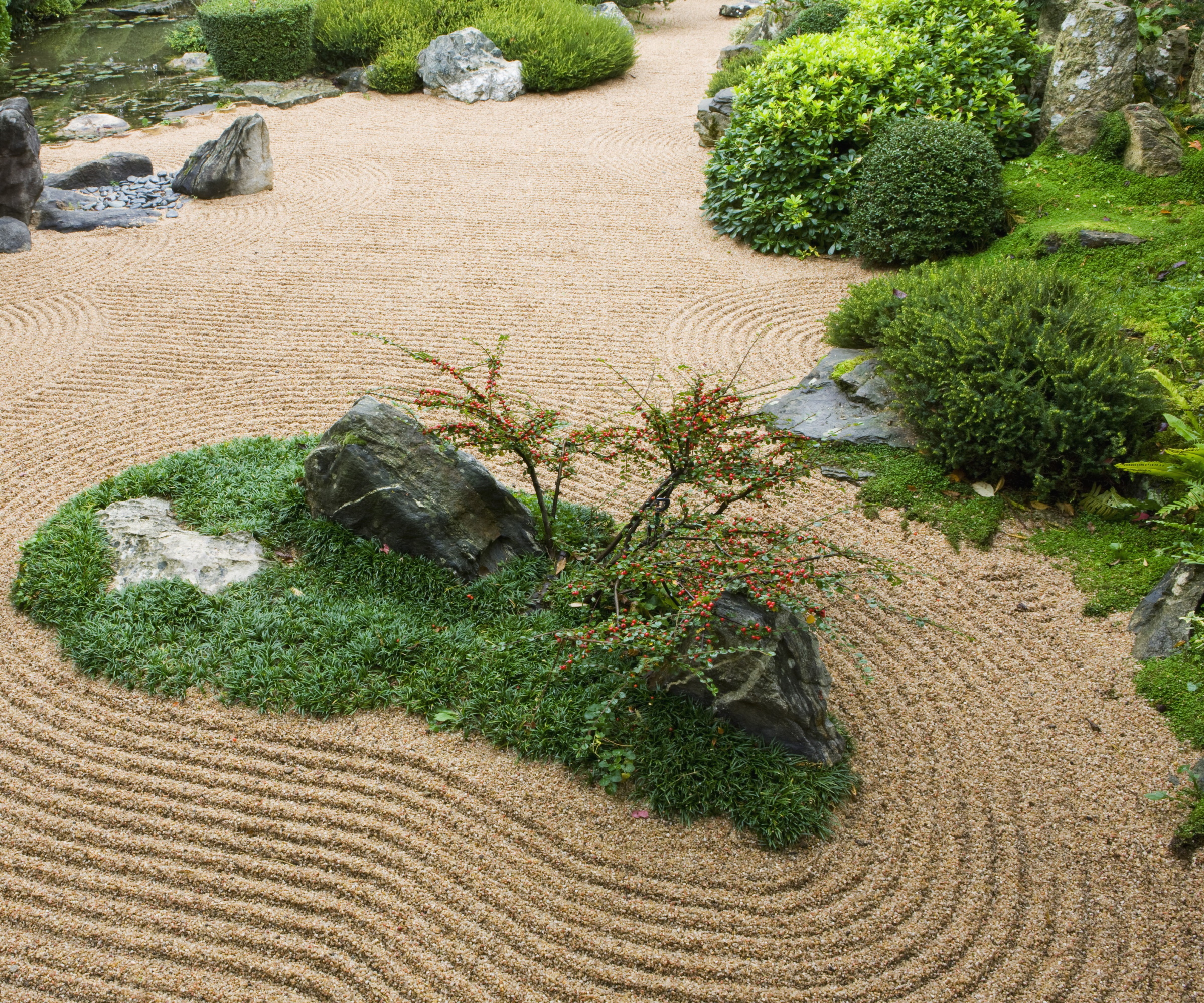
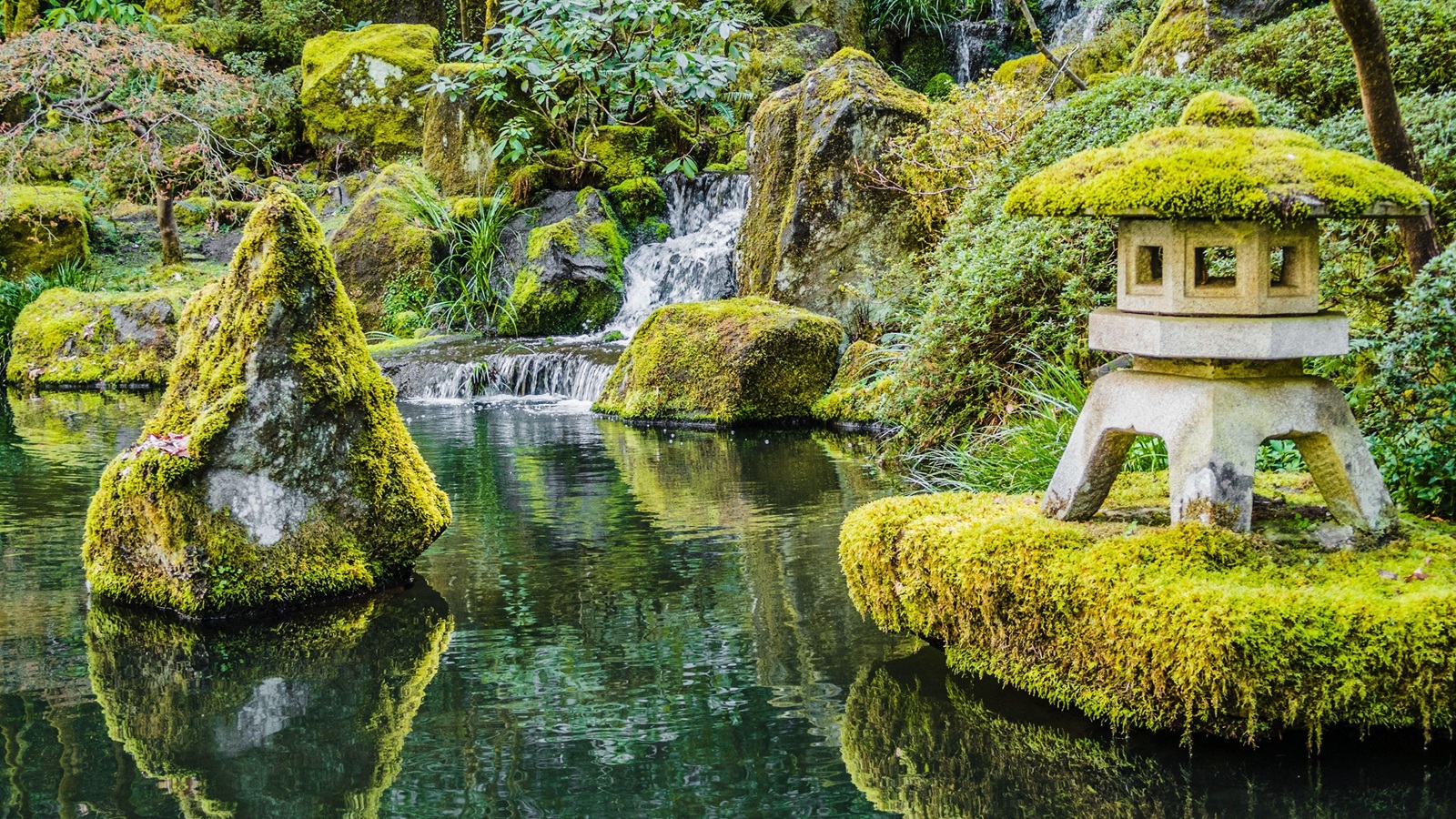
Key principles of Japanese garden design are outlined, starting with 'shakkei,' or borrowed scenery, which involves incorporating the surrounding landscape—such as distant mountains or treelines—to expand the garden's perceived space and create visual harmony. Another fundamental principle is asymmetry, which manifests in organic and fluid designs like meandering paths, off-center ponds, and seemingly spontaneous stone arrangements, contributing to a natural and effortless beauty that is both intentional and harmonious. Symbolism is pervasive, with rocks often representing mountains or islands, raked gravel symbolizing water, and stone lanterns signifying spiritual presence. This symbolic layering transforms the garden into more than just a visual display, inviting deeper emotional engagement and encouraging introspection and a heightened awareness of one's surroundings.
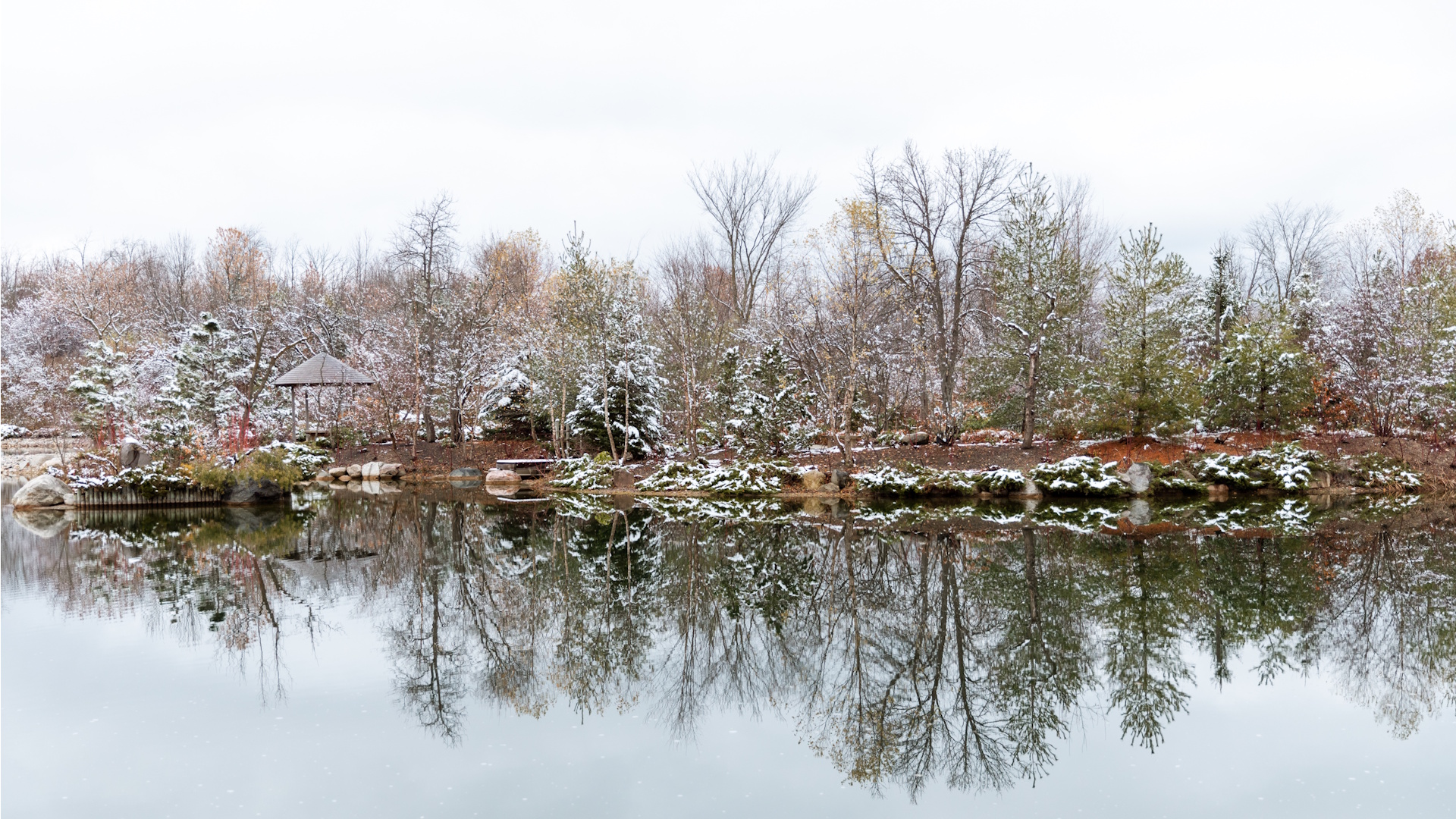
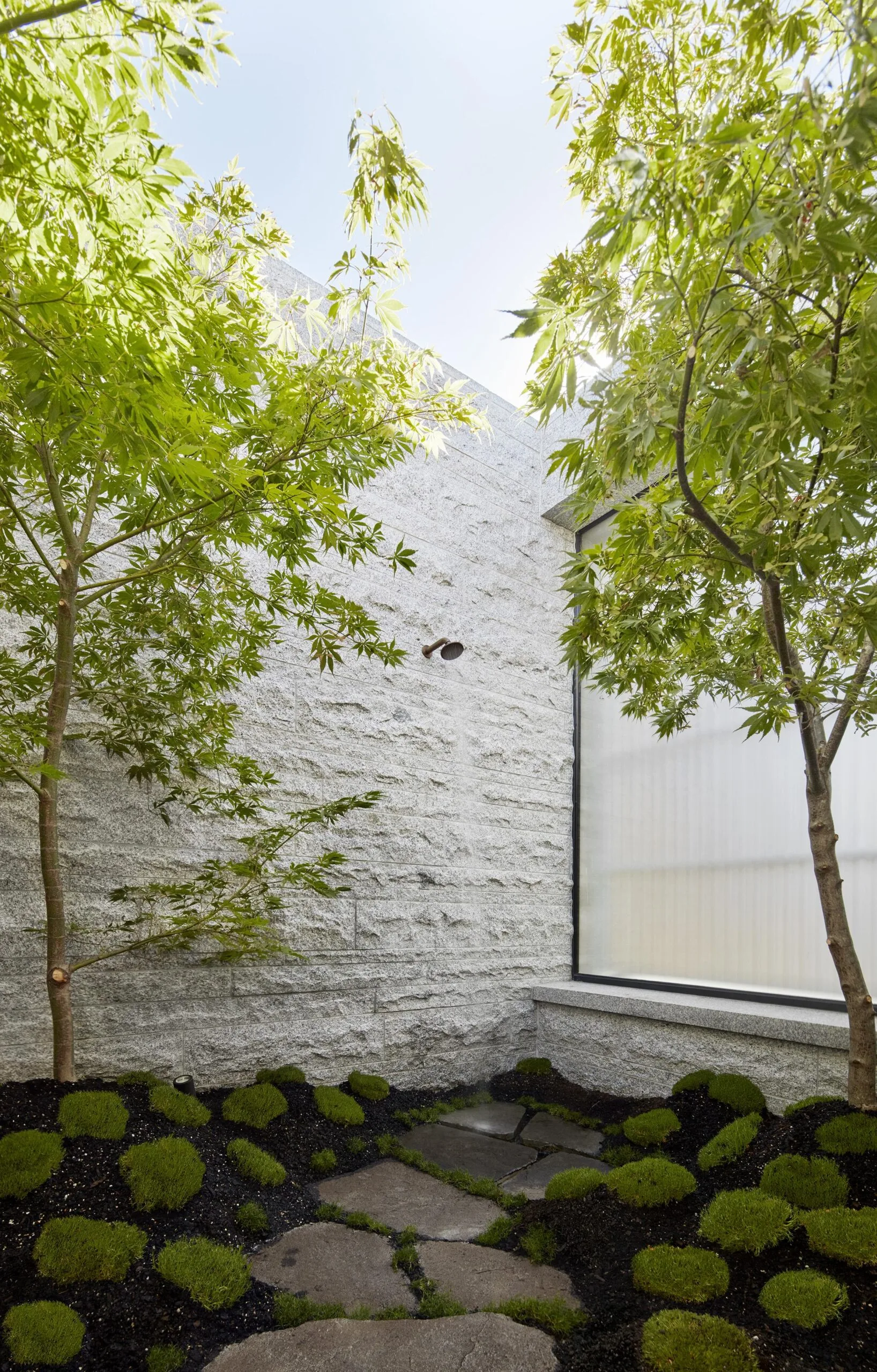
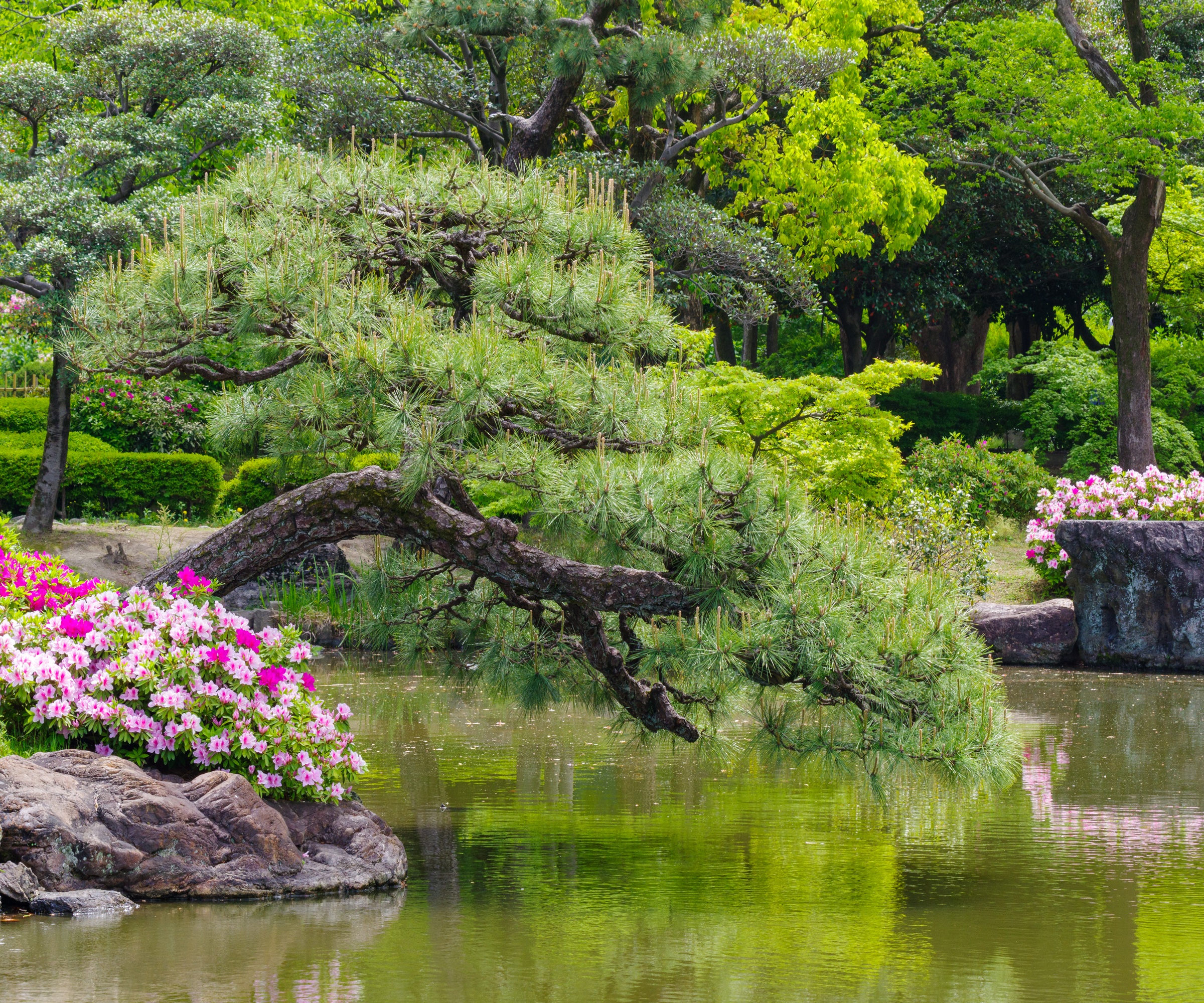
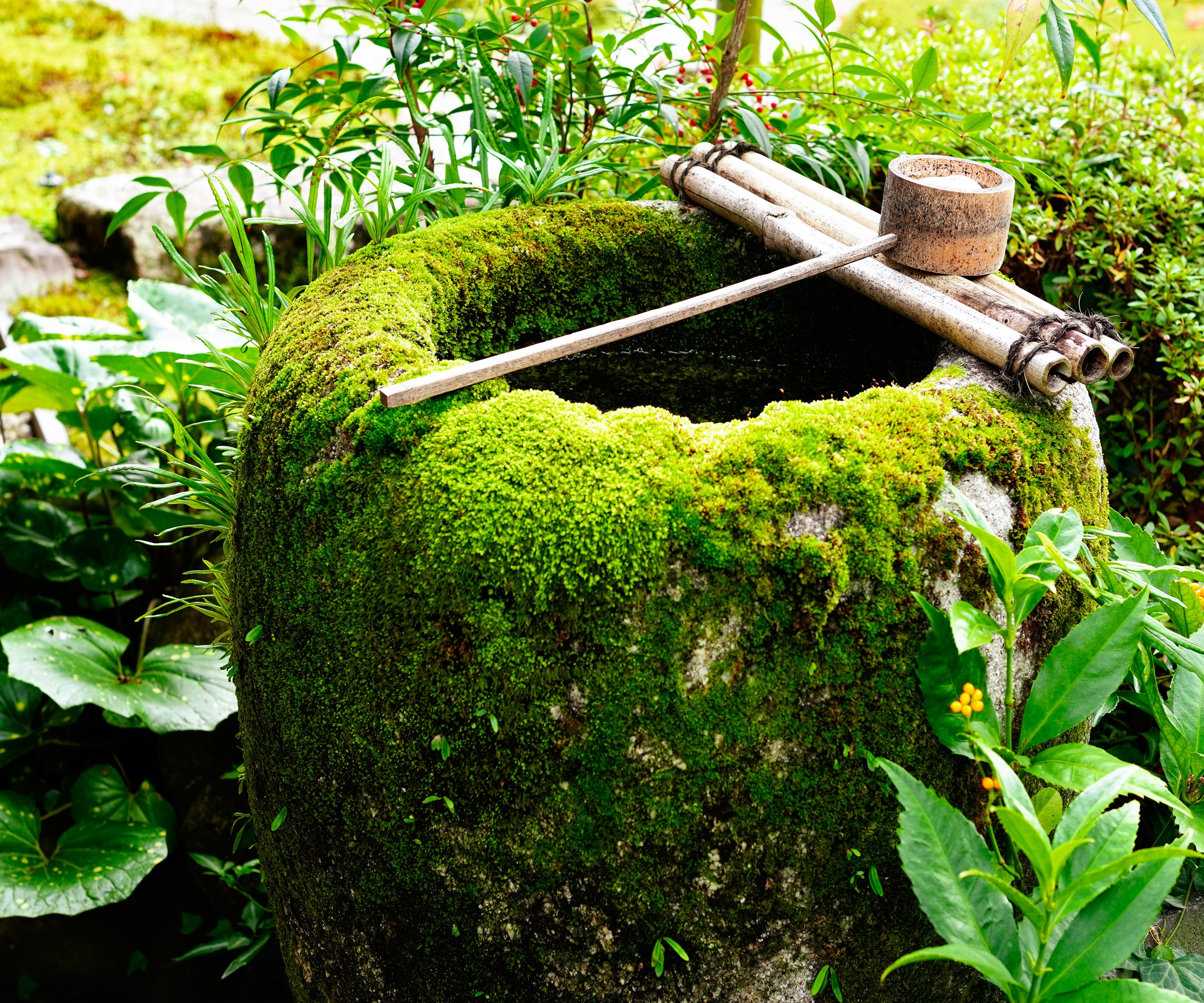
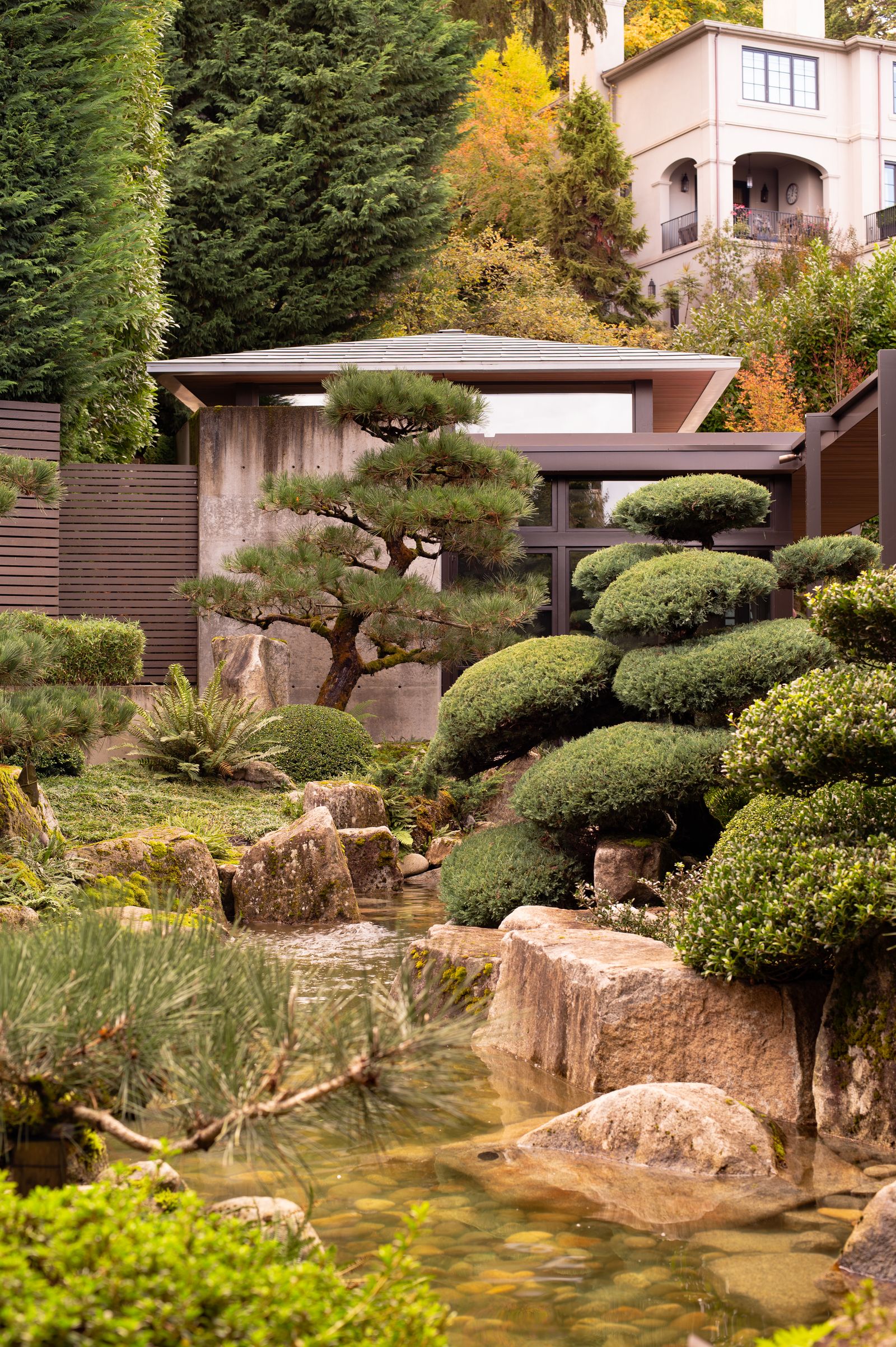
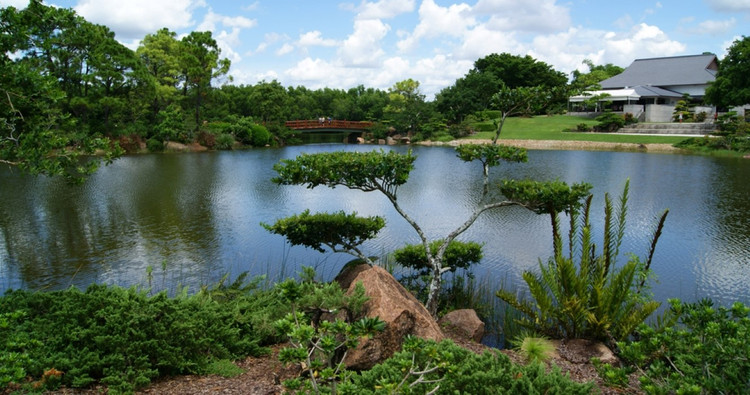
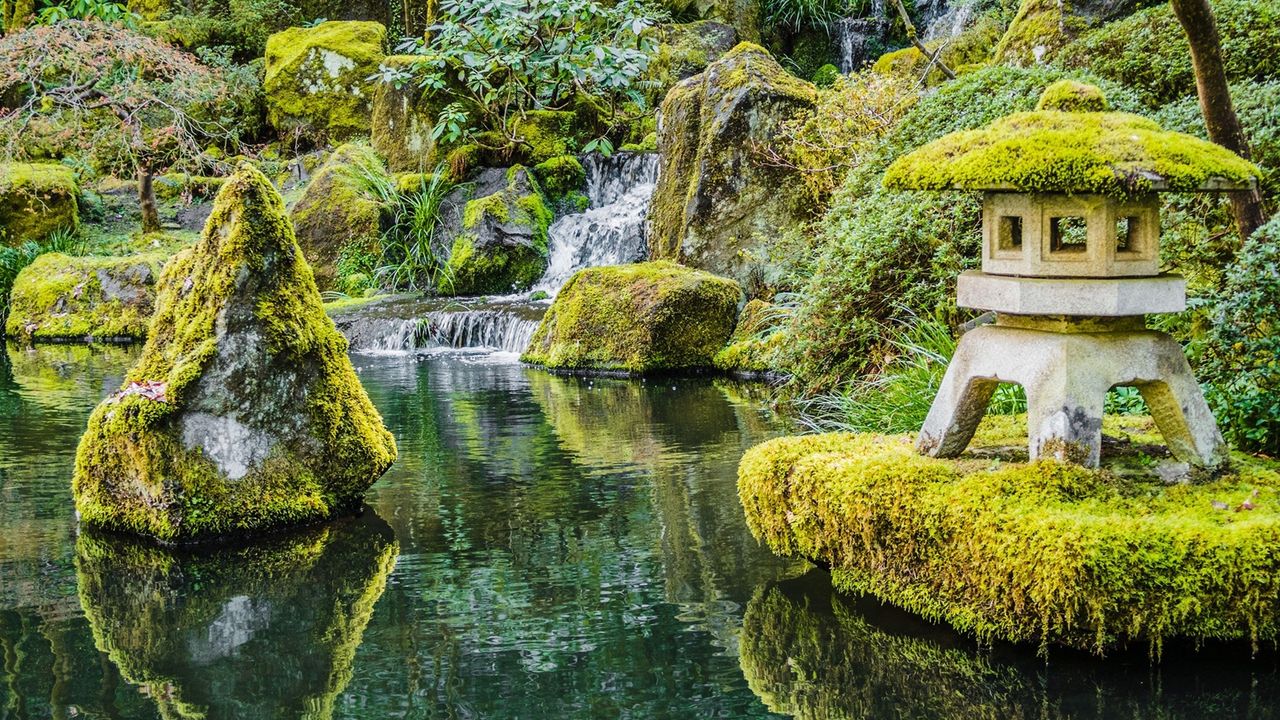
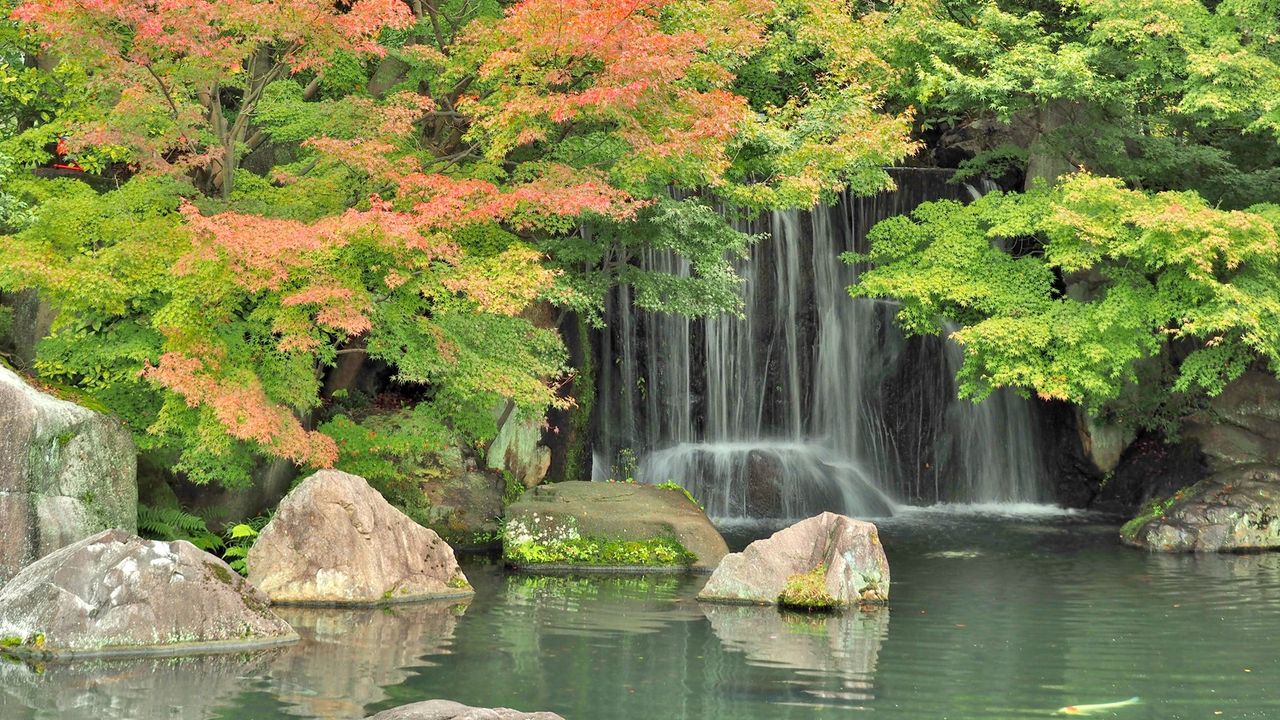
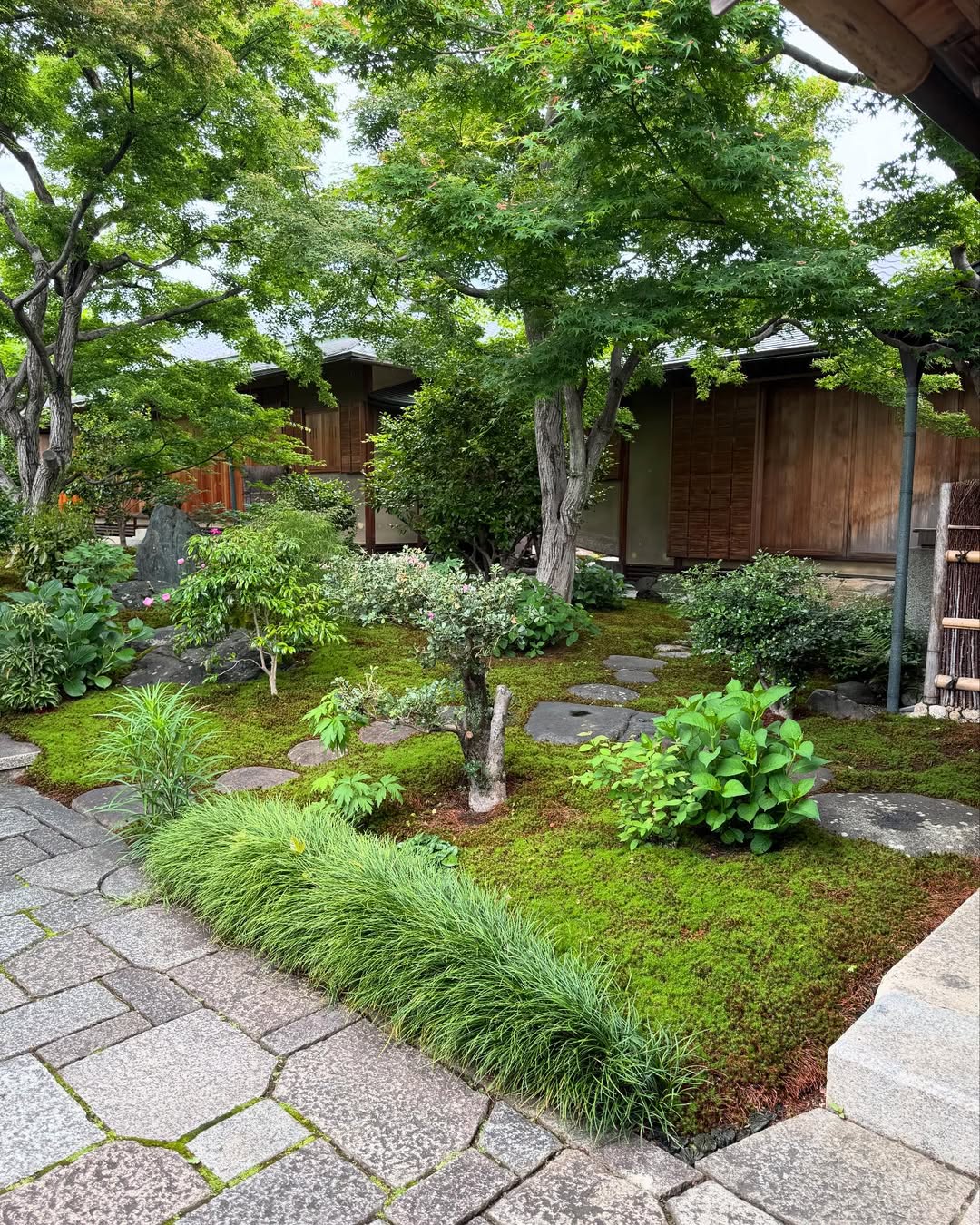
Water is an almost universal element in Japanese gardens, appearing as reflective ponds, flowing streams, or implied through raked gravel. It introduces movement and sound while symbolically representing purity and the inexorable passage of time. Moss is also a cherished feature, contributing to a sense of age, tranquility, and permanence, in contrast to Western gardening practices where it is often removed. This approach suggests a broader lesson in embracing and working with nature rather than resisting its natural inclinations. The author highlights that the restraint, respect for nature, and thoughtful placement inherent in Japanese gardening can yield results far more beautiful than elaborate displays of color or symmetry.
The author has begun incorporating elements of Japanese garden design into personal projects, valuing the concept of a garden as a reflective and personal sanctuary. This approach emphasizes humility, focusing on creating spaces where nature can thrive and individuals can find peace. A notable Japanese garden that the author intends to visit is the Lafcadio Hearn Japanese Gardens in Tramore, Co Waterford, which is celebrated for its aesthetic beauty and its narrative connection to Hearn's life and cultural ties. The article concludes by encouraging readers to explore Japanese garden design for inspiration, whether through visiting such gardens, reading about them, or implementing thoughtful changes in their own outdoor spaces, suggesting it can lead to a fresh perspective and a sense of calm and clarity.
#JapaneseGardens #GardenDesign #RHSChelseaFlowerShow #GardeningPhilosophy #Minimalism #Symmetry #WaterfordGardens #KazuyukiIshihara #JapaneseGardens #GardenDesign #RHSChelseaFlowerShow #GardeningPhilosophy #Minimalism #Symmetry #WaterfordGardens #KazuyukiIshihara
0 comment in total
 No comments yet
You may also like
Horticultural Experts Reveal 5 Defining Features of a Japanese Garden

Experts reveal how to plant a Japanese-inspired garden

Japanese garden ideas – 11 design tips for a zen backyard
In a Japanese garden, you’re never under the weather
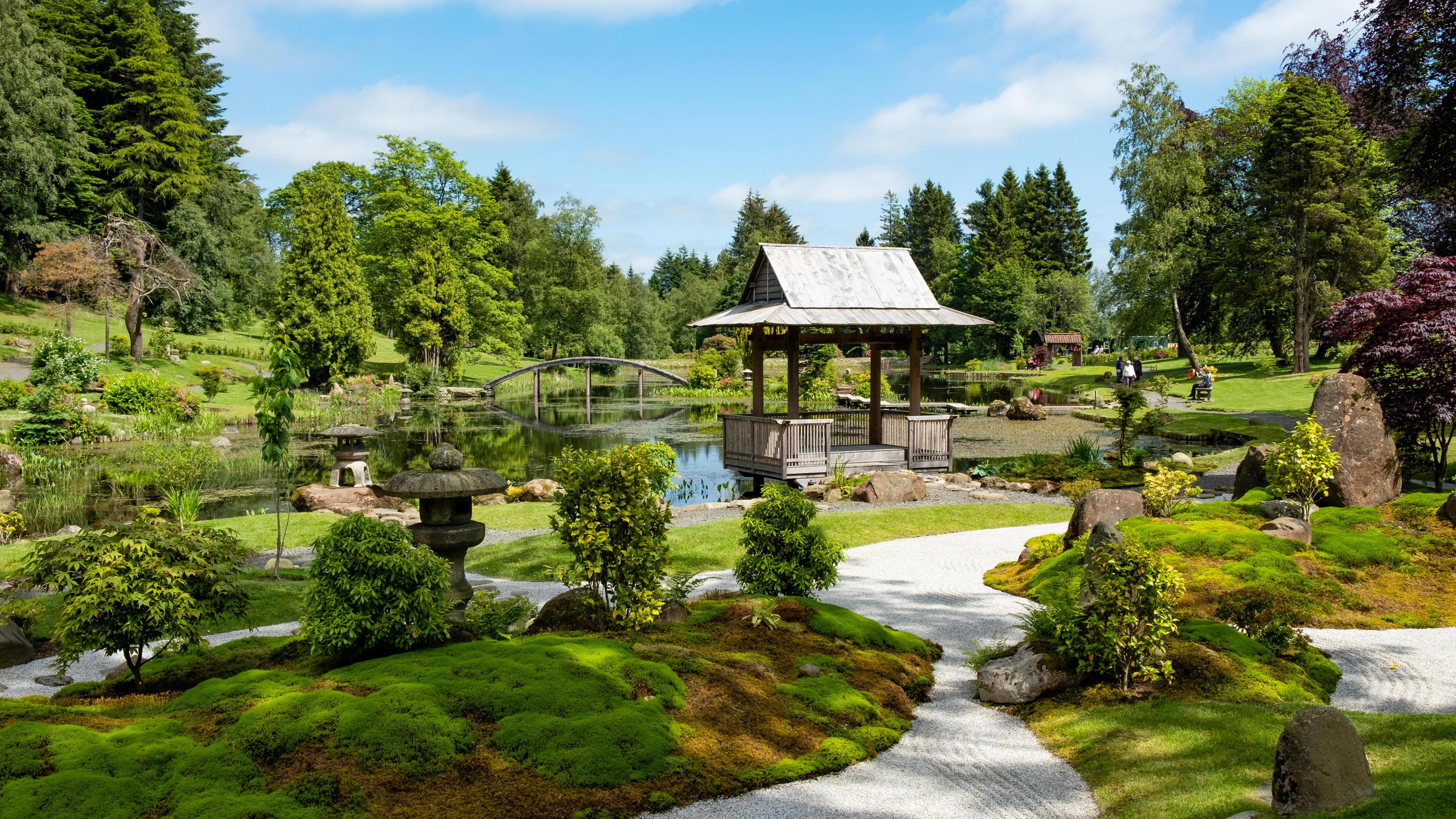
Seven of the loveliest Japanese gardens in the UK

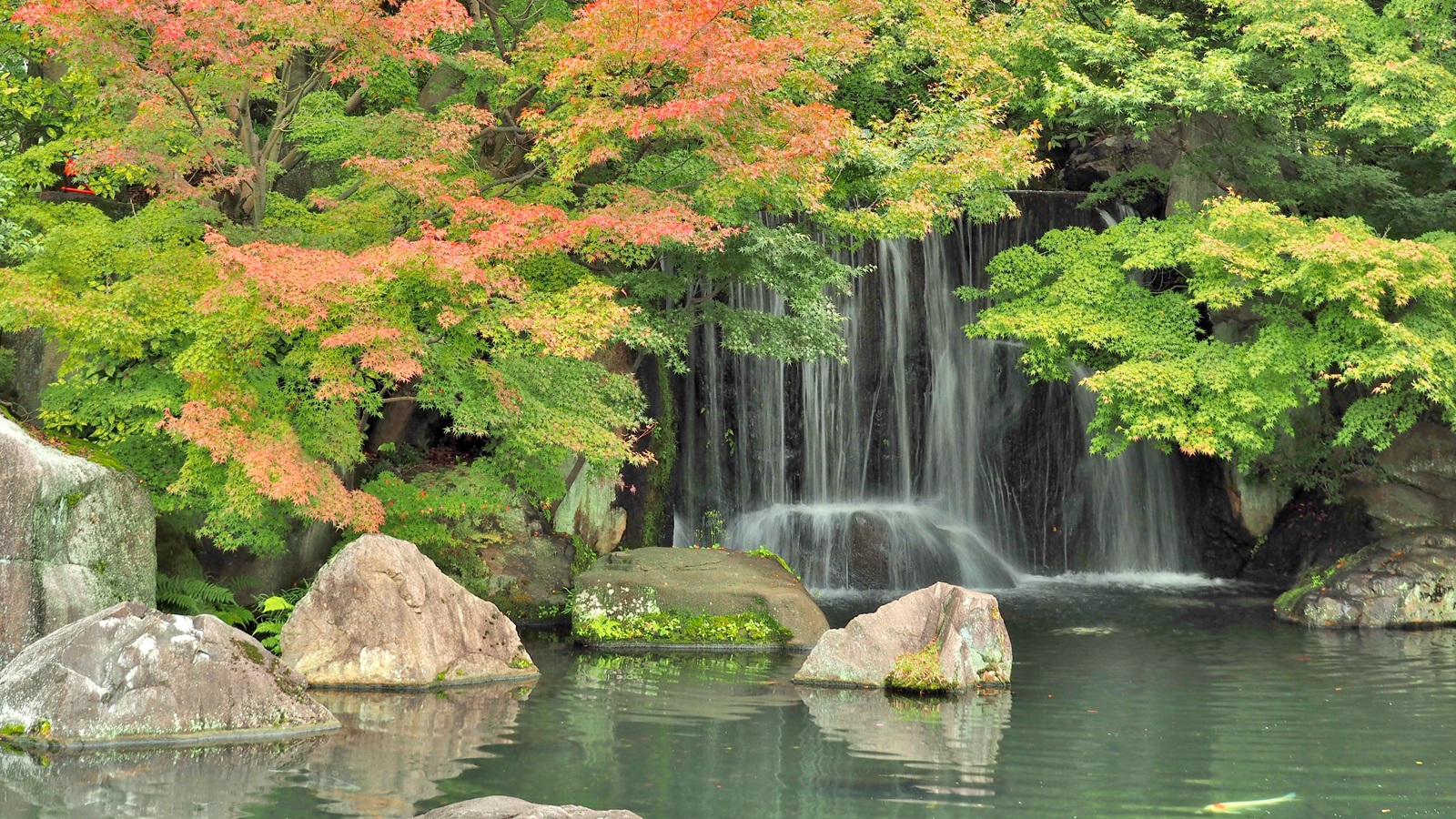
Garden Pros Say This Japanese Design Idea Is the Secret to an Easy Yard
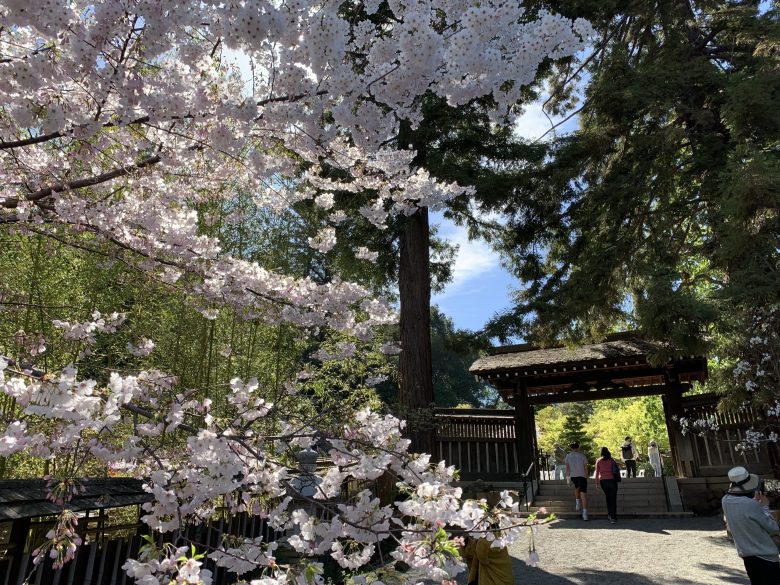
Looking to add some Zen to your landscape? Visit these Japanese gardens for inspiration

Jennifer Aniston's Japanese-inspired garden is a work of art – experts say it will dominate trends in 2025
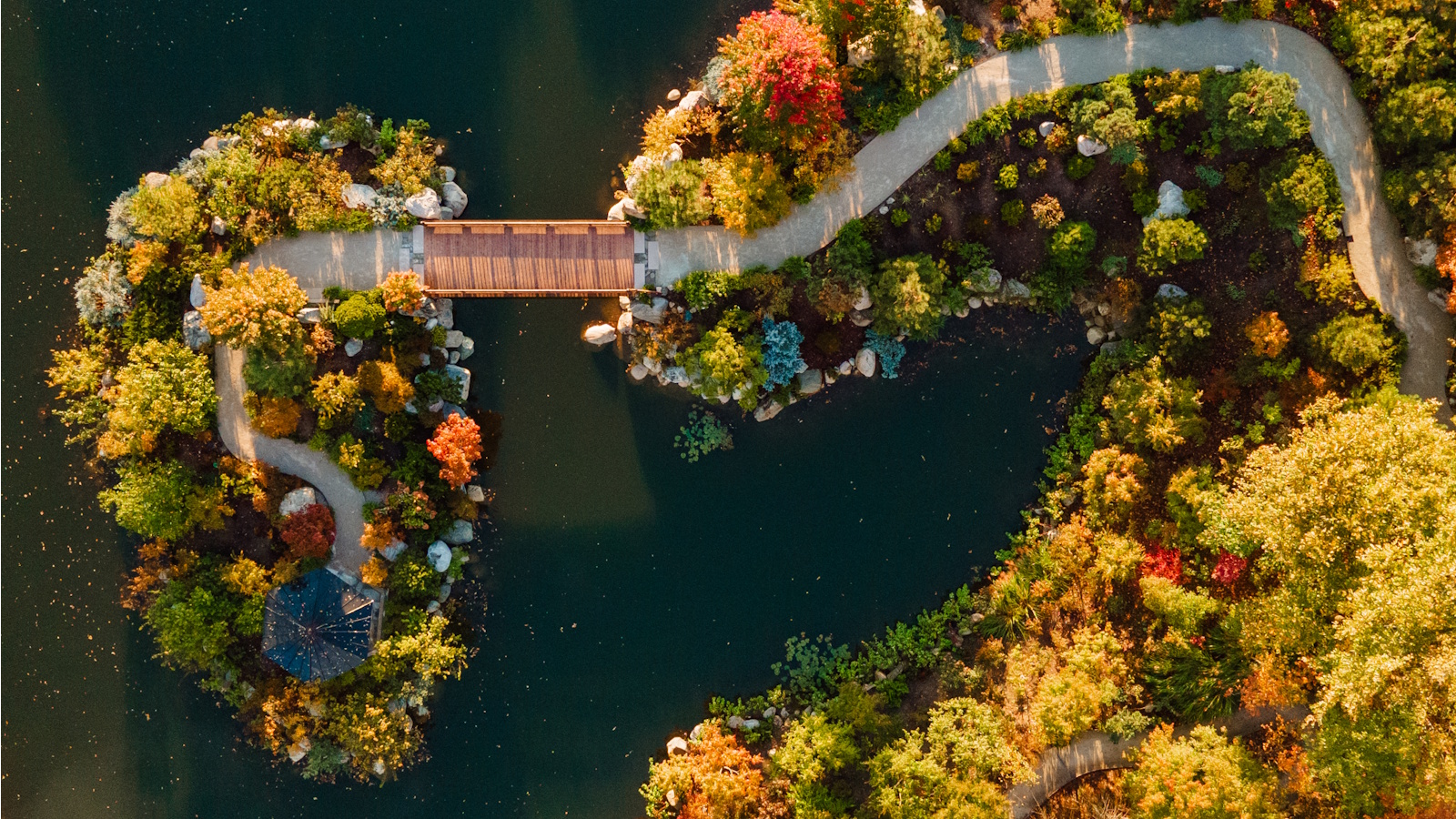
Michigan’s Slice of Japan: Where Design Connects Humanity with Nature
These 7 Japanese Zen Gardens In The US Are The Perfect Spots To Ease Your Worried Mind

How to Design a Japanese Garden in Any Climate, According to Landscape Experts

24 Japanese Garden Ideas That Encourage Slow Walks and a More Relaxed Outdoor Rhythm

7 Japanese-style gardens to inspire and delight

A Japanese-inspired garden on Sydney’s north shore
This Tranquil Garden Is A Slice Of Japan In An Unexpected Place

What is a zen garden? This Japanese approach to design can turn backyards into calming sanctuaries
4 Japanese garden ideas for a calm and tranquil outdoor space
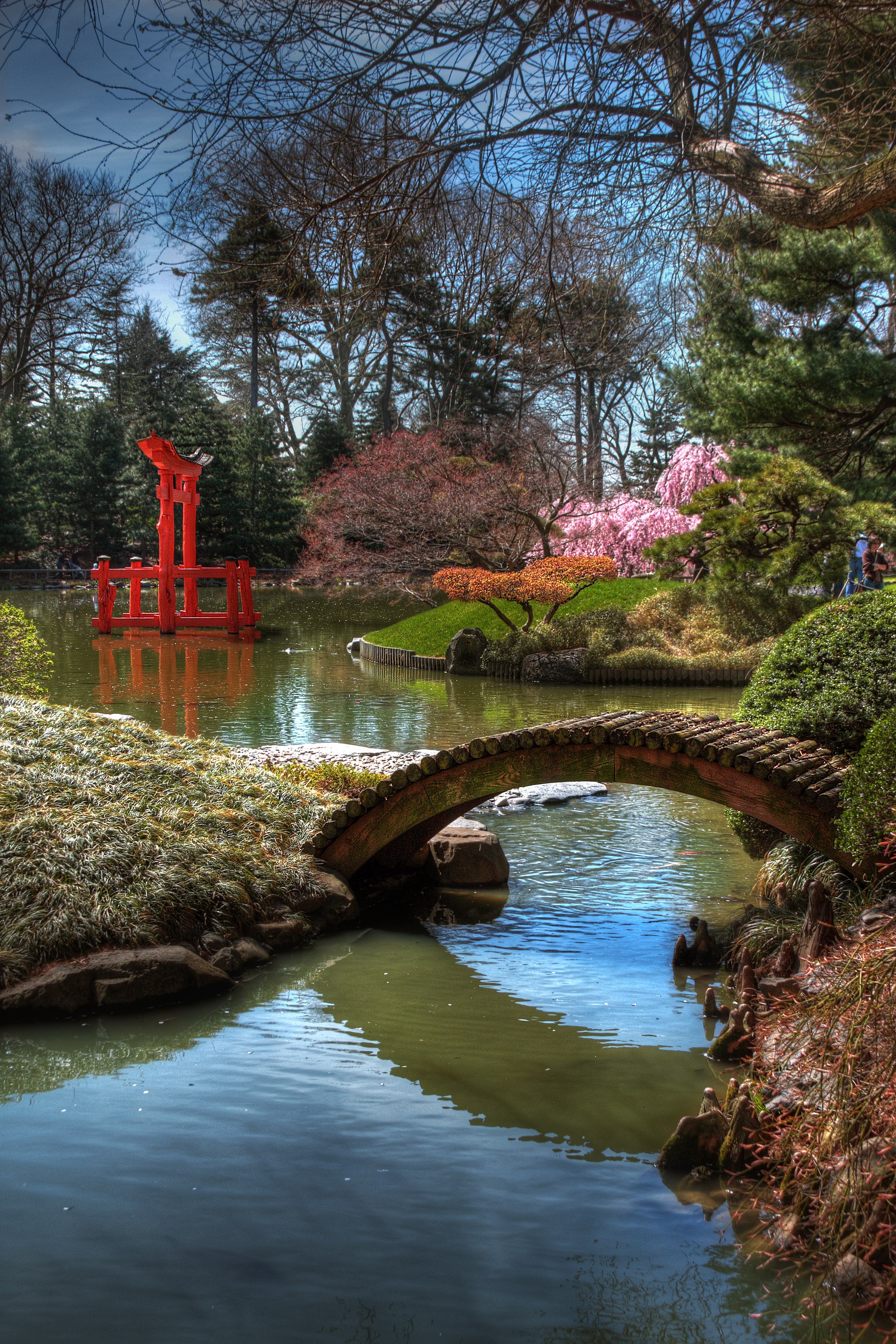
Brooklyn’s 100-Year-Old Japanese Garden Is Like a Living Painting

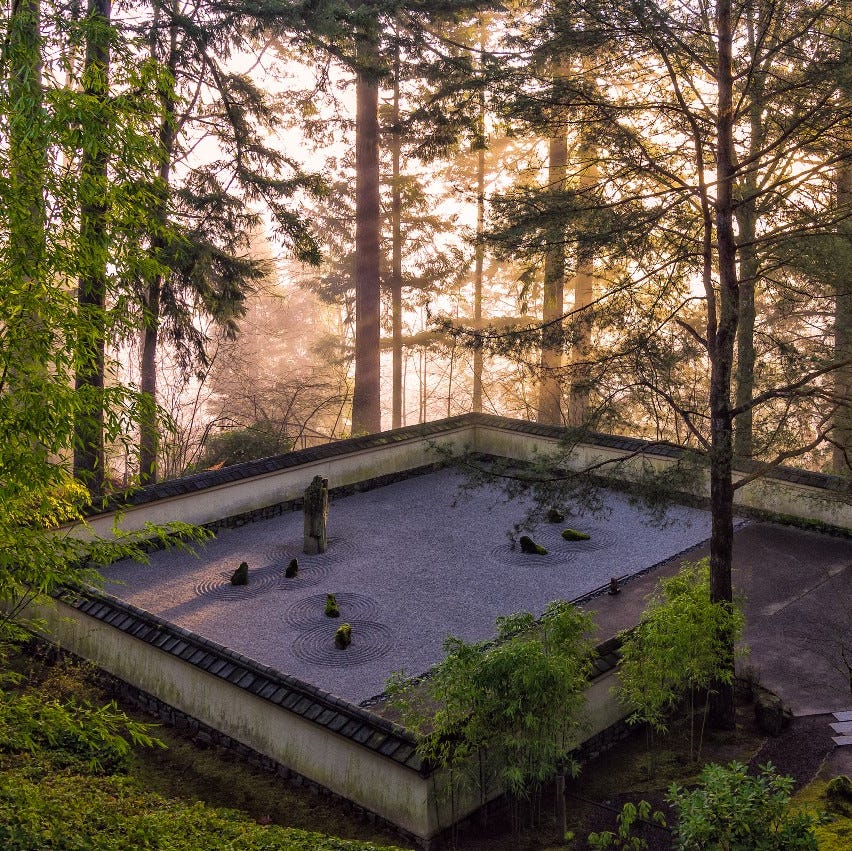
An Expert Guide to Japanese Zen Gardens
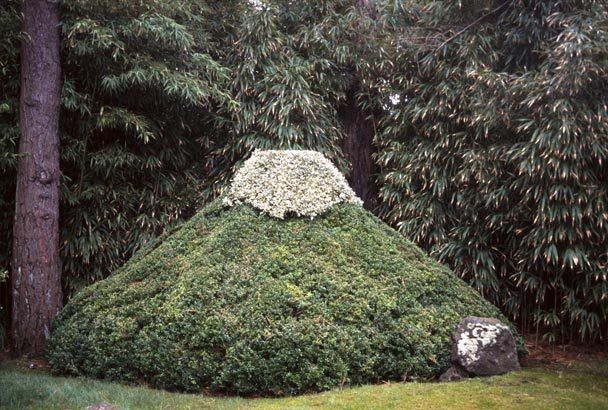
Japanese garden requires specialized shrubs, touch