Are You Raising a ‘Living Room Child’? How This Trend Shapes Family Life
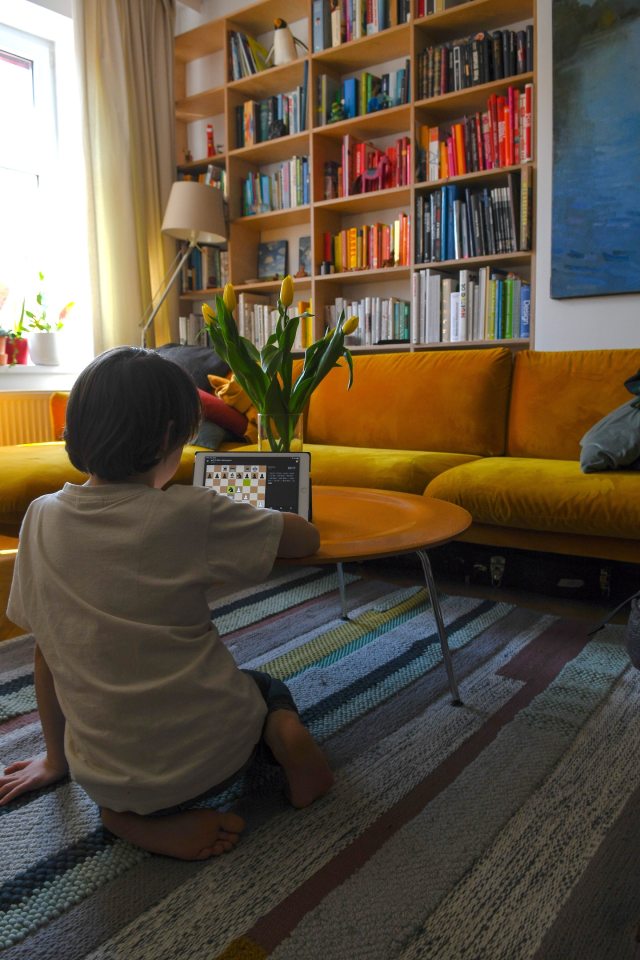
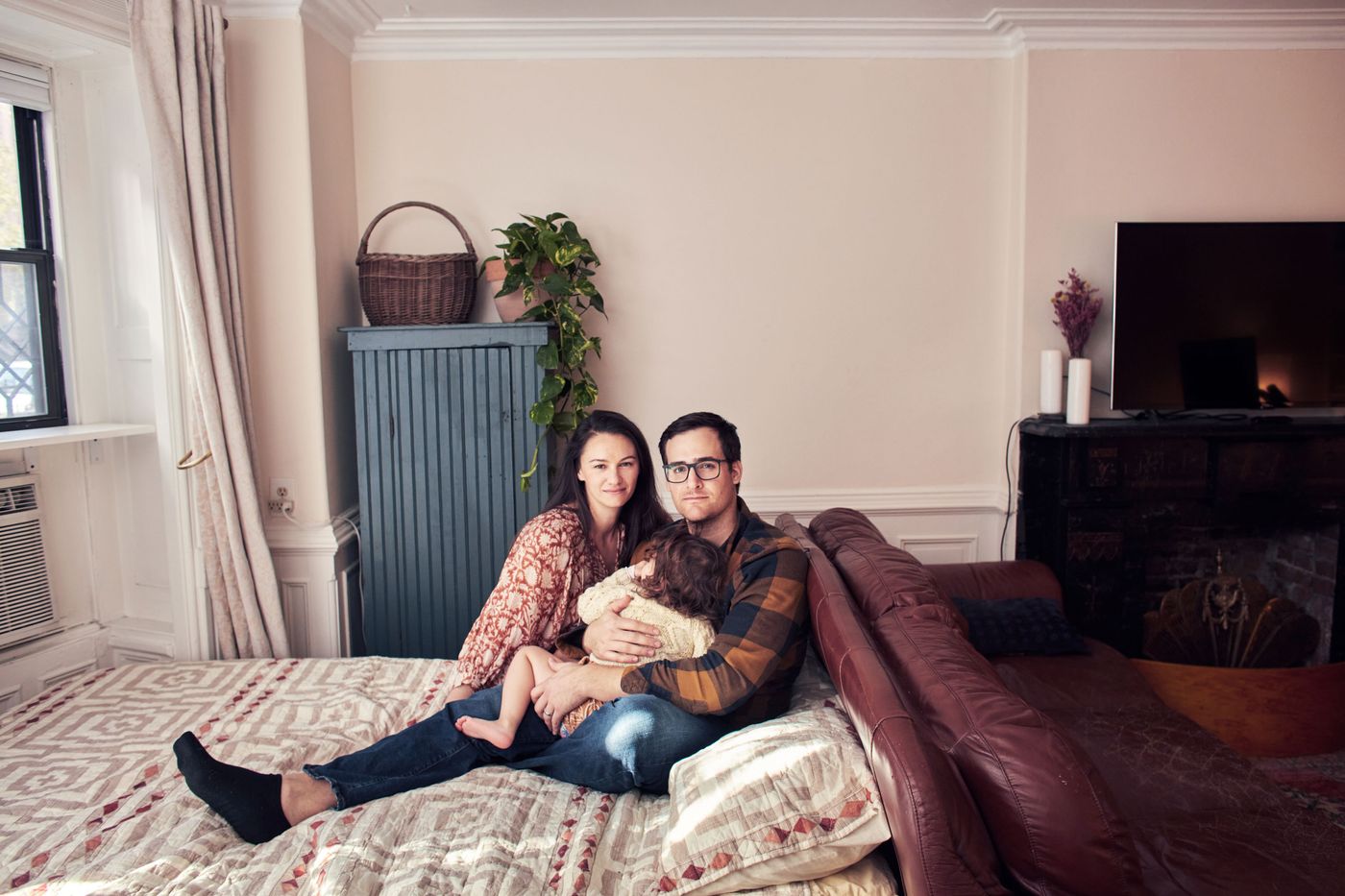
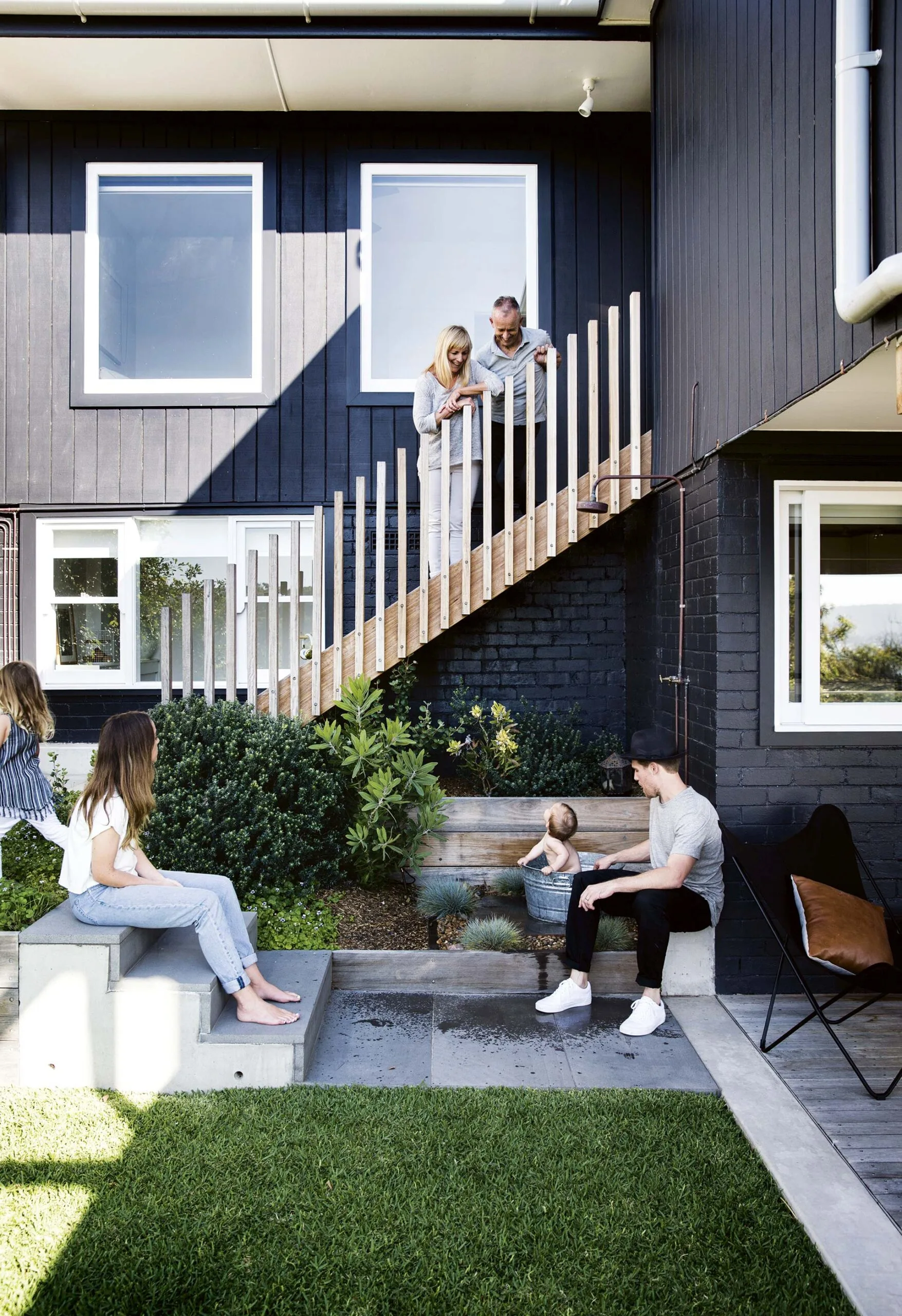
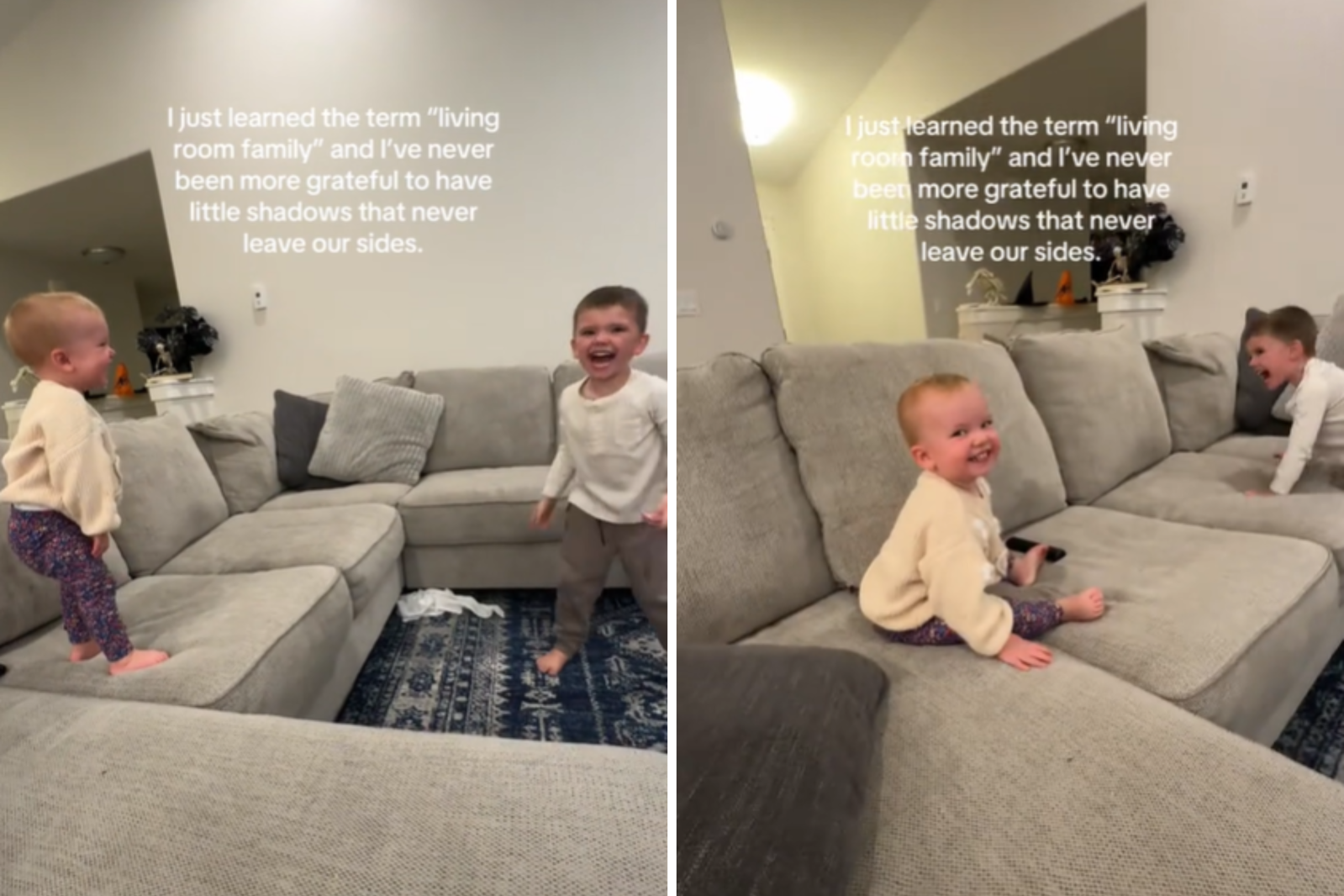
A new parenting trend, termed “living room children,” is gaining traction on TikTok, describing children who prefer to spend their time in communal household spaces rather than in their own rooms. This concept, as explained by clinical psychologist Dr. Martha Deiros Collado, extends beyond physical presence to encompass how families integrate children’s activities and belongings into shared living areas. It signifies a departure from traditional expectations where children were often confined to their rooms or expected to remain out of sight in adult spaces.
Jess Darrington, a mother from Idaho, discovered the term on TikTok after she and her husband found themselves constantly with their children in shared areas. Initially, they viewed this as a challenge to their personal time, but after learning about the “living room child” concept, Darrington realized she was looking at the situation from the wrong perspective. She now embraces her children's presence throughout the home, even if it leads to more clutter, emphasizing that “it's worth the mess.” Her video sharing this realization resonated with many other mothers on TikTok, contributing to the popularity of the hashtag “livingroomfamily,” which promotes the idea of making children feel comfortable, valued, and included in all parts of the home.
Dr. Deiros Collado highlights the profound psychological benefits for children raised in this environment. She suggests that “living room children” are likely to feel more accepted and welcome in all areas of their home, blurring the lines between adult and child spaces. This approach sends a powerful message that children are not merely “mini-adults” but full members of the household whose presence and needs are acknowledged and accommodated. This is seen as a progressive shift in parenting, particularly among parents who may have experienced a more restrictive upbringing themselves, where their personal space was limited or their presence in communal areas was discouraged. These parents often seek to provide a different experience for their own children, one that fosters a sense of belonging and agency within the family unit.
While the concept is relatively new and lacks extensive developmental research, the psychological implications are significant. Allowing children to occupy communal spaces freely communicates that their thoughts, feelings, and interests are valued. This inclusive parenting style is particularly beneficial for younger children, fostering a strong sense of acceptance and security. However, Dr. Deiros Collado also notes that as children mature, their need for private spaces will naturally increase, and parenting styles should adapt accordingly. Ultimately, this trend reflects a broader movement towards more inclusive and child-centric family dynamics, where the home is seen as a shared environment for all its inhabitants.
#Family #Parenting #ChildPsychology #Trending #Children #TikTok #FamilyLife #ChildDevelopment #Family #Parenting #ChildPsychology #Trending #Children #TikTok #FamilyLife #ChildDevelopment
0 comment in total
 No comments yet
You may also like
A Stylist’s Guide to Creating a Kid-Friendly Living Room
Living in a One-Bedroom With Kids — by Choice
Should You Have a Kid-Free Space at Home? Designers Weigh In

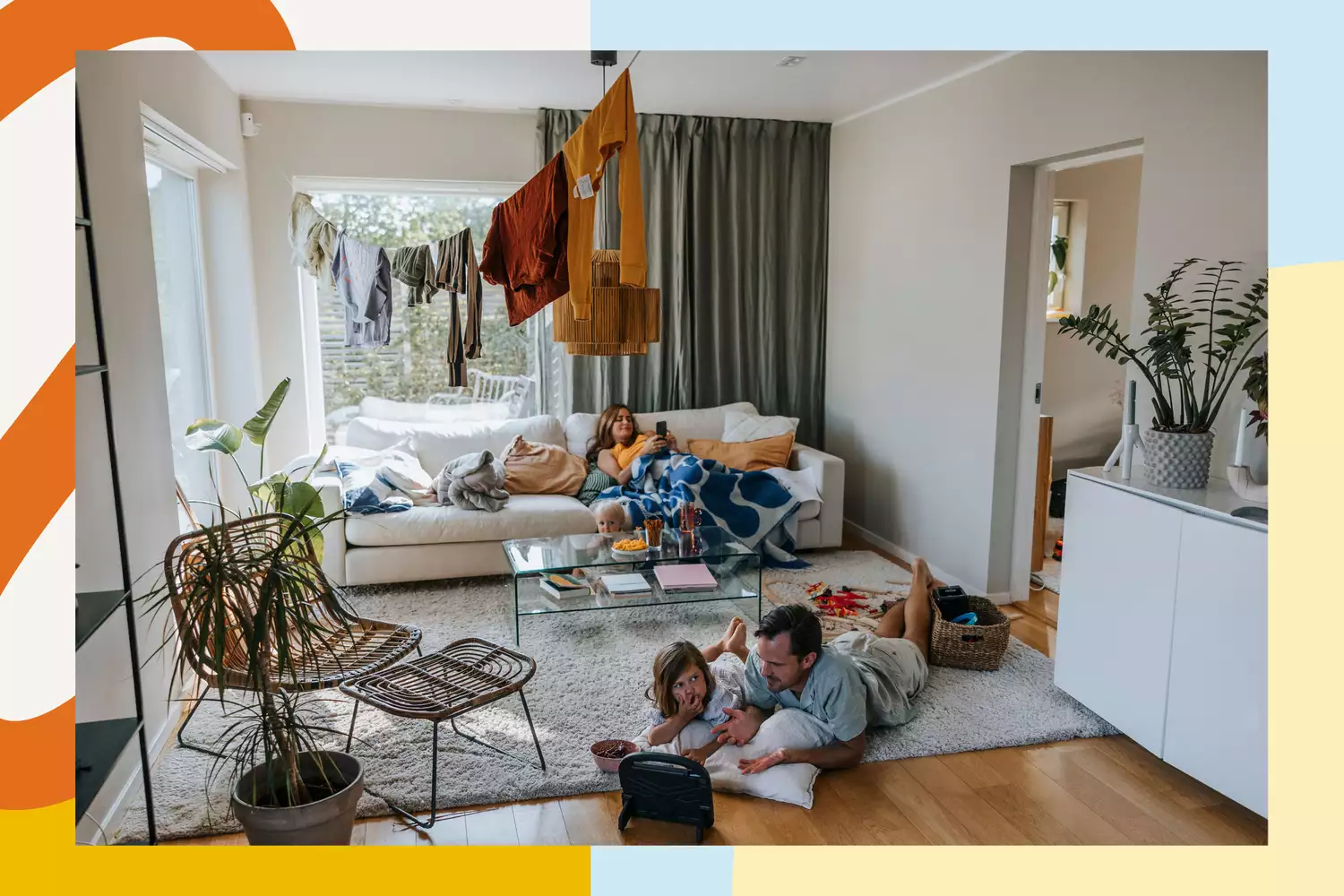
Do You Have a 'Living Room Family' or a 'Bedroom Family'?

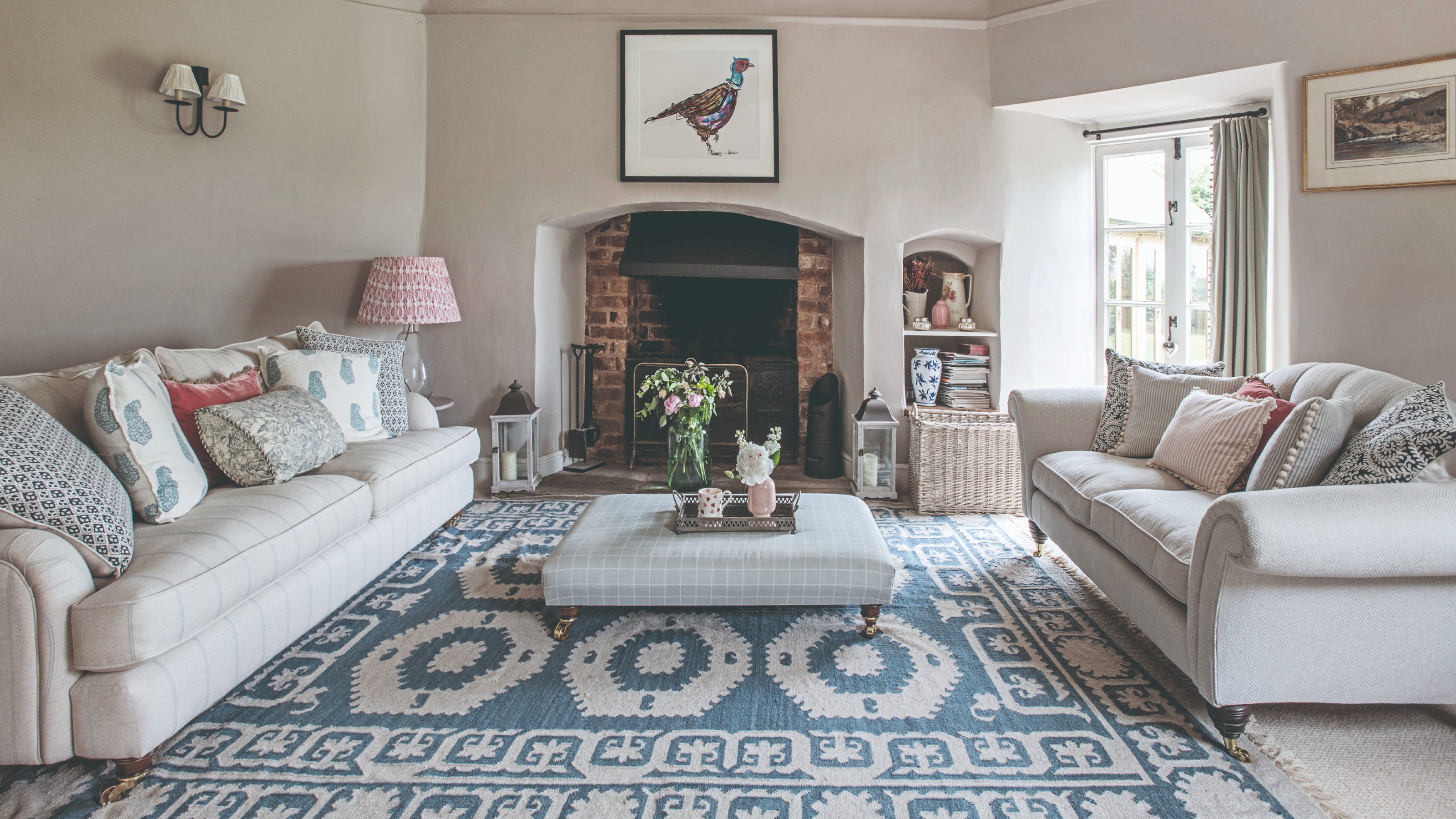
26 family living room ideas to turn your lounge into an inviting and functional space for adults and children alike
The evolution of the modern living room
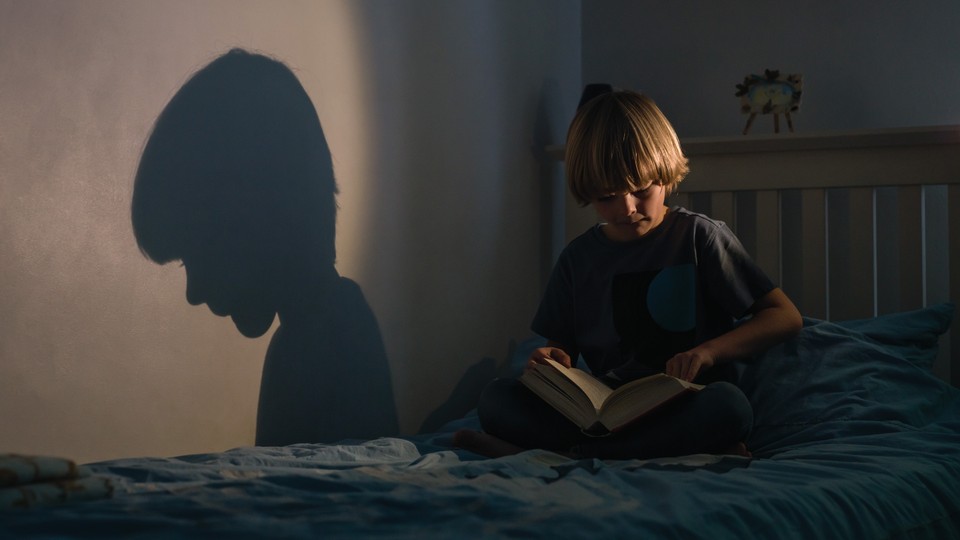
Why Do So Many Parents Think Kids Need Their Own Bedroom?

Is open-plan living dead? Here's what the design experts say

How to Let Your 4-Year-Old Design Her Own Bedroom (and Like the Results)

"Living Room Families" Is The Newest Influencer Coinage & No Thank You
Savvy tips to give kids own space when they share room WITHOUT breaking the bank

Living-dining room stylish, but surprisingly kid-friendly
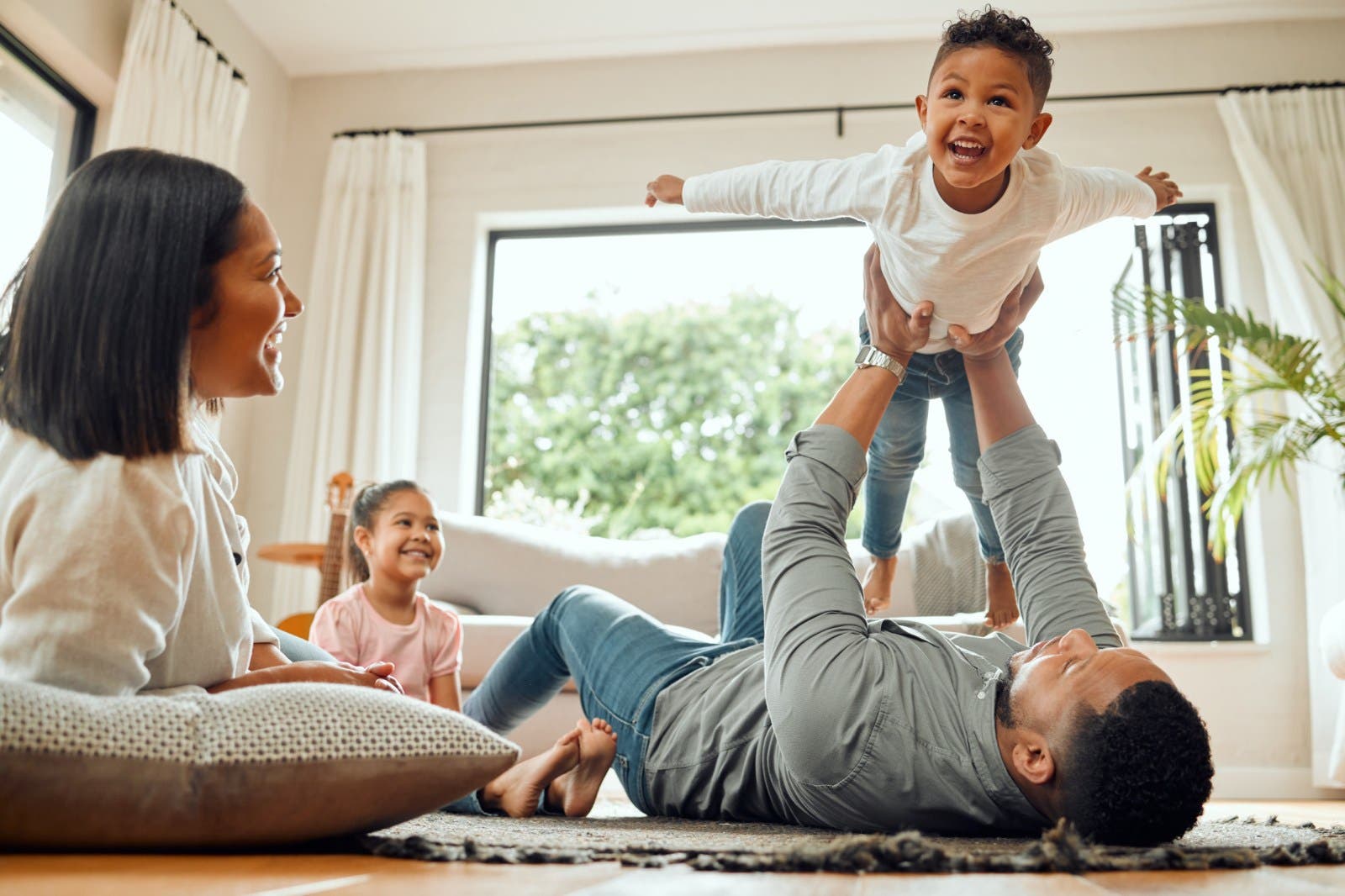
Millennial Discovers ‘Living Room Kids’ Theory—Has Eye-Opening Realization
Family living room ideas – 10 ways to create a living space fit for the whole household

5 Secrets To A Stylish, Kid-Friendly Living Room

The best kid’s bedroom trends for 2024
Parents whose kids share box room show clever ways they give them their own area

10 Best Couches for Kids, According to Real-Life Parents

Must-have kids bedroom ideas for little ones, ‘tweens, and teens


Are you a ‘living room family’? Explaining what the TikTok trend debate actually means