Millennial Discovers ‘Living Room Kids’ Theory—Has Eye-Opening Realization
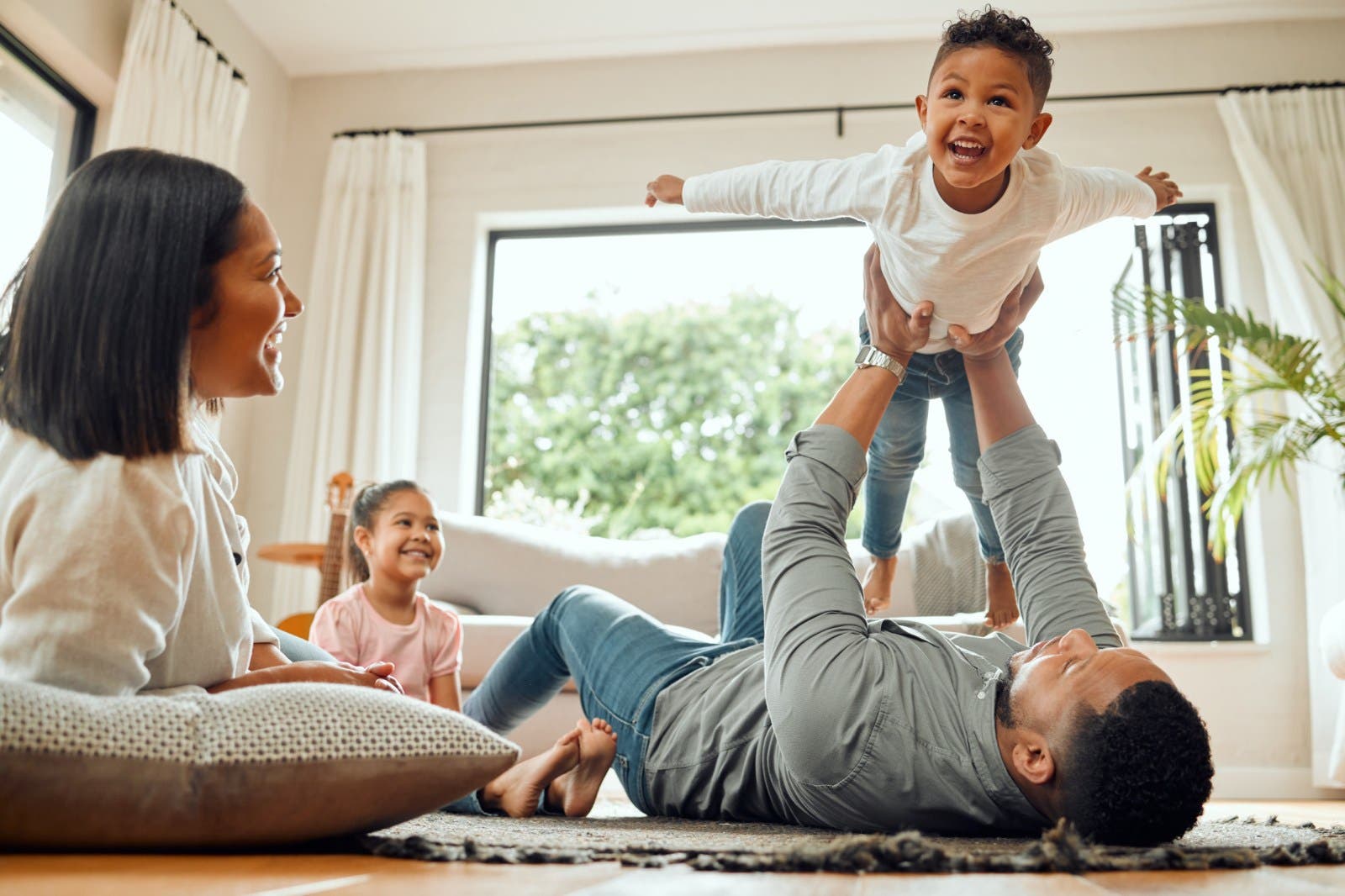
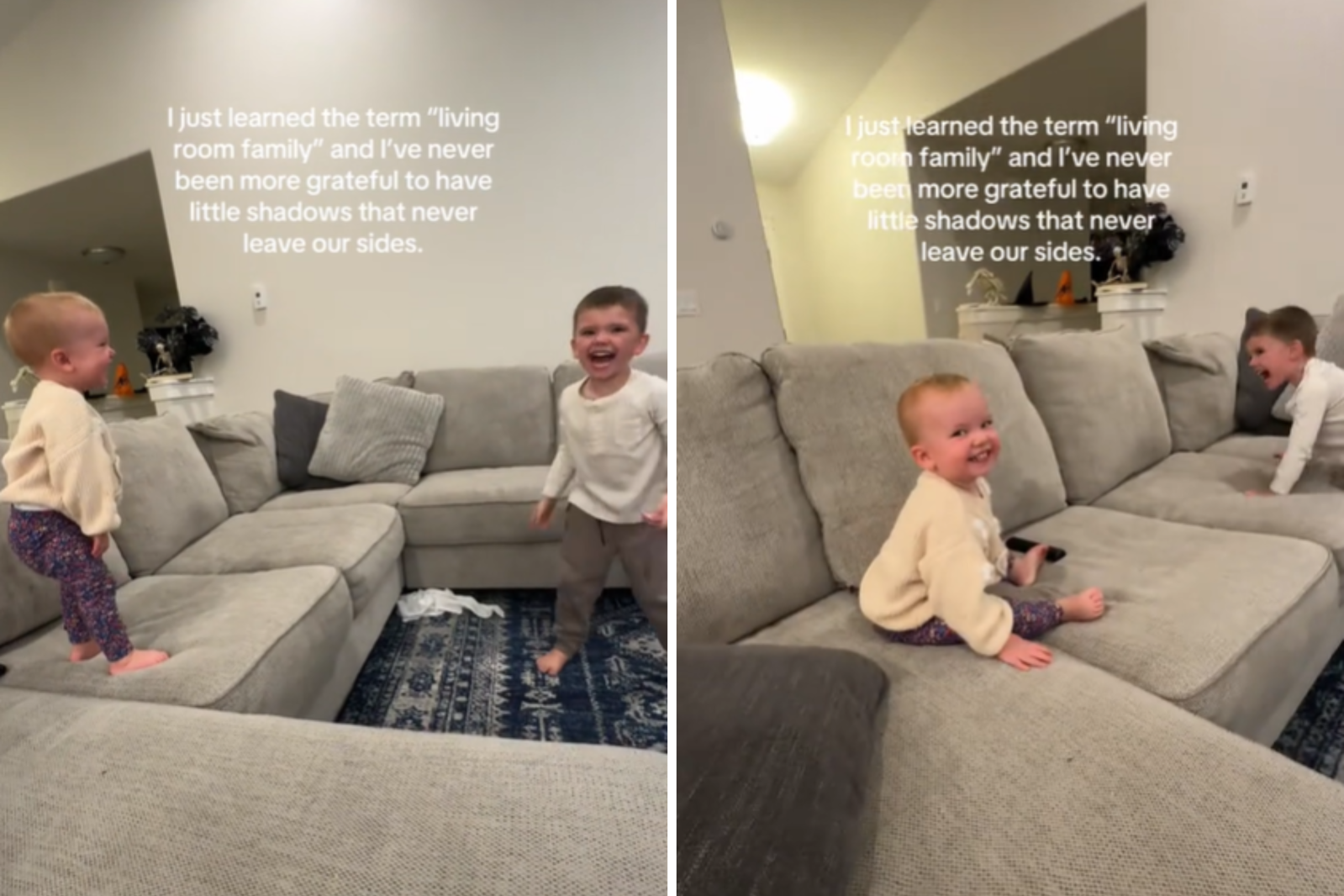
The article discusses the recent viral trend of "living room kids," a term that originated on TikTok to describe children who prefer to spend their time in communal family spaces, such as the living room or kitchen, rather than isolating themselves in their bedrooms. A millennial, identified as @bookishandbrewsy on Threads, shared their realization about this concept, expressing that despite common perceptions about millennials, their children "are doing alright." This sentiment resonated with many, as the post garnered over 8,500 likes and nearly 400 comments.
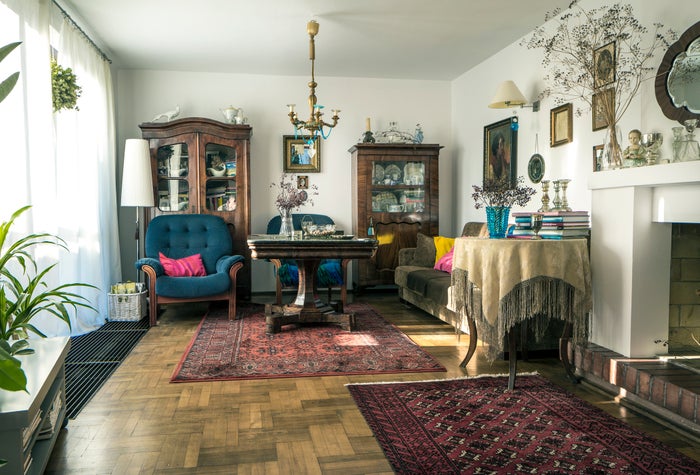
Clinical psychologist Dr. Martha Deiros Collado provided insights into the phenomenon, explaining that being a "living room child" extends beyond mere physical presence in shared areas. It also encompasses the family's acceptance and integration of children's play, toys, and personal items into these common spaces. Collado suggests that this approach sends a powerful message to children: that their presence is valued and that they are allowed to occupy as much space as adults do within the home. This inclusive environment is seen as beneficial for children's development, fostering a sense of being seen, heard, and valued.
For many parents, particularly millennials, this concept has led to a shift in perspective. Jess Darrington, a mother of two from Idaho, shared her experience, initially finding her children's constant presence in shared spaces exhausting. However, after encountering the "living room families" trend on TikTok, she realized she had been viewing her situation negatively. Darrington subsequently posted a video of her children playing in the living room, captioning it, "It's worth the mess," highlighting her changed outlook.
This trend also signifies a departure from the upbringing of many millennials, who often experienced childhoods where they were expected to be quiet in communal areas and keep their belongings confined to their bedrooms. Collado notes that parents today may be consciously choosing to offer their children a different message, one that emphasizes their right to take up space and feel a sense of belonging in their home, rather than feeling excluded or pressured to act like miniature adults.
Comments on @bookishandbrewsy's Threads post further supported this idea. One user remarked on their own children's constant presence in the living room, responding to a visitor's observation with "Well, it's their home." Another commenter reflected on their childhood, where the living room was a "mom's pretty room" where they were restricted from playing. They contrasted this with their own child's freedom to play in the living room, realizing the positive implications of such an environment. A third user succinctly stated that "Millennials raising living room kids is healing the world a little at a time," underscoring the perceived emotional benefits of this parenting style.
Although formal research on the long-term effects of this parenting approach is still limited, psychologists believe that being included in all areas of the home can profoundly impact a child's sense of self-worth. Children raised in such environments are likely to develop a stronger sense of being seen, heard, and valued. However, the article also acknowledges that children's needs evolve as they grow, and older children may naturally seek more privacy and personal space. Ultimately, Collado emphasizes that the core principle is about parents allowing their children to feel understood and that their thoughts, feelings, and interests are important, fostering a sense of acceptance and understanding.
#Millennials #Parenting #Children #FamilyLife #ChildDevelopment #Psychology #SocialMediaTrends #TikTok #Millennials #Parenting #Children #FamilyLife #ChildDevelopment #Psychology #SocialMediaTrends #TikTok
0 comment in total
 No comments yet
You may also like

Gorgeous Gorgeous Girls Love Nursery Chic

20 Millennial Home Trends That We'll All Be Cringing At In 20 Years

16 Delightful Kids’ Room Ideas You’ll Definitely Want to Steal
10 'essential' home items boomers obsess over that millennials and Gen Z will never buy


From Gen Z To Boomers, Here Are The 16 Home Decor Choices That Perfectly Summarize Each Generation
3 Perfectly Designed Playrooms for Kids and Teens

Millennials Are Obsessed With Gray Homes, And The Psychology Behind It Is Fascinating
How to Let Your 4-Year-Old Design Her Own Bedroom (and Like the Results)

Designers Say This Is the "Perfect" Floor Plan for Young Families

How Parents Hijacked the College Dorm

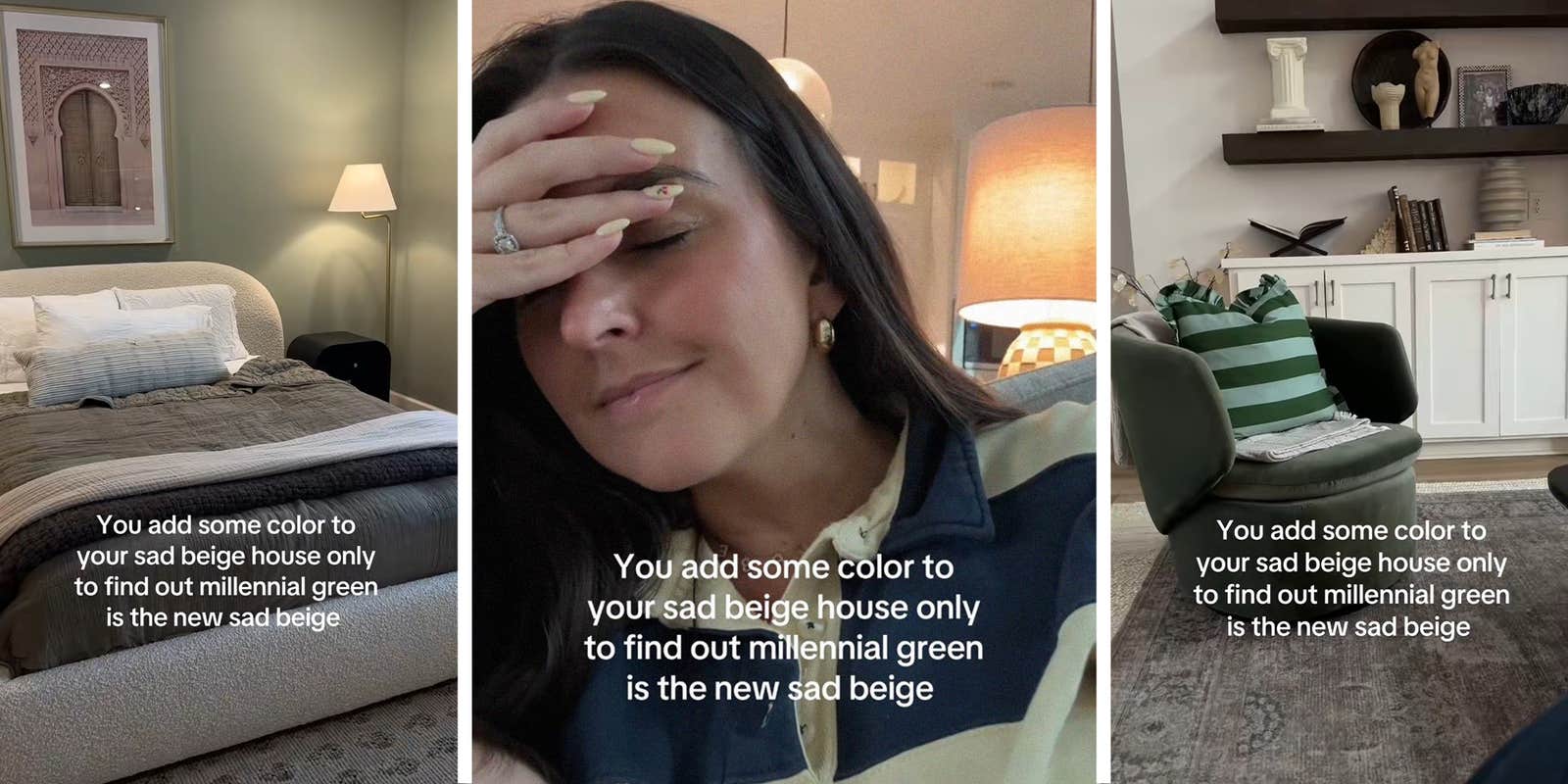
Is millennial green the new ‘sad beige’?
This Super-Swanky Teen Hideout Is the Ultimate Sleepover Space
Are You Raising a ‘Living Room Child’? How This Trend Shapes Family Life
The best kid’s bedroom trends for 2024
Must-have kids bedroom ideas for little ones, ‘tweens, and teens

Designers are loving a new living room trend which makes even small spaces seem smart


This Expert Is Breaking Down The "Gen Z Versions" Of Millennial Design Trends, And People's Heads Are Spinning
Older Adults Are Sharing The Design Trends They Despise For Very Specific Reasons
In a Full Circle Moment, This Artsy Teen’s New Room Was Inspired By Her Nursery
Do You Decorate Like a Boomer or Gen Z? Designers Define All the Generational Styles