1/2
Everything You Need to Know About Adding a Kitchen Island to Your Home
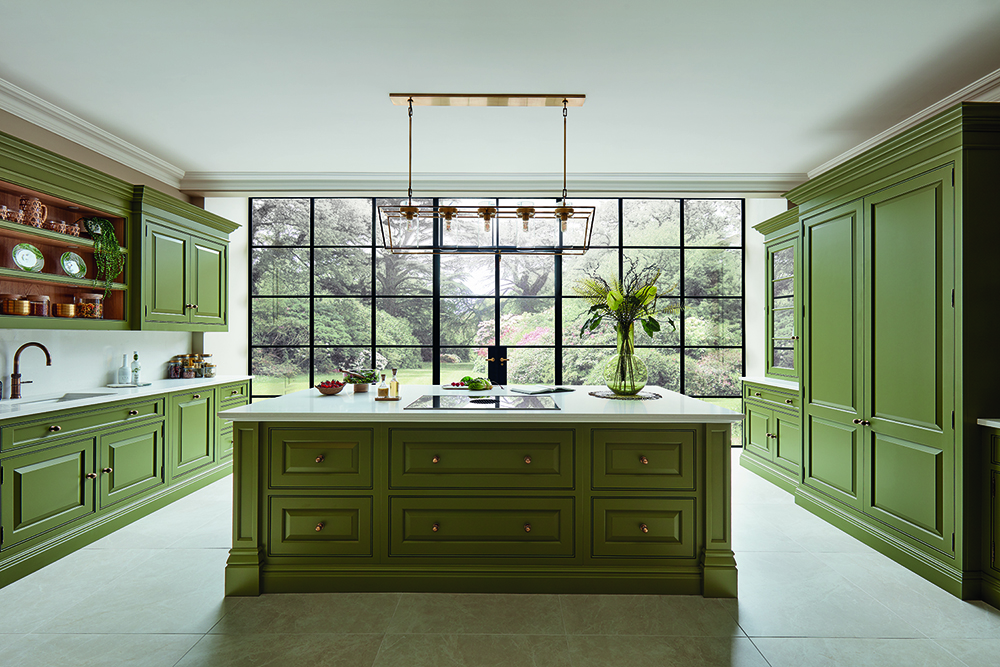
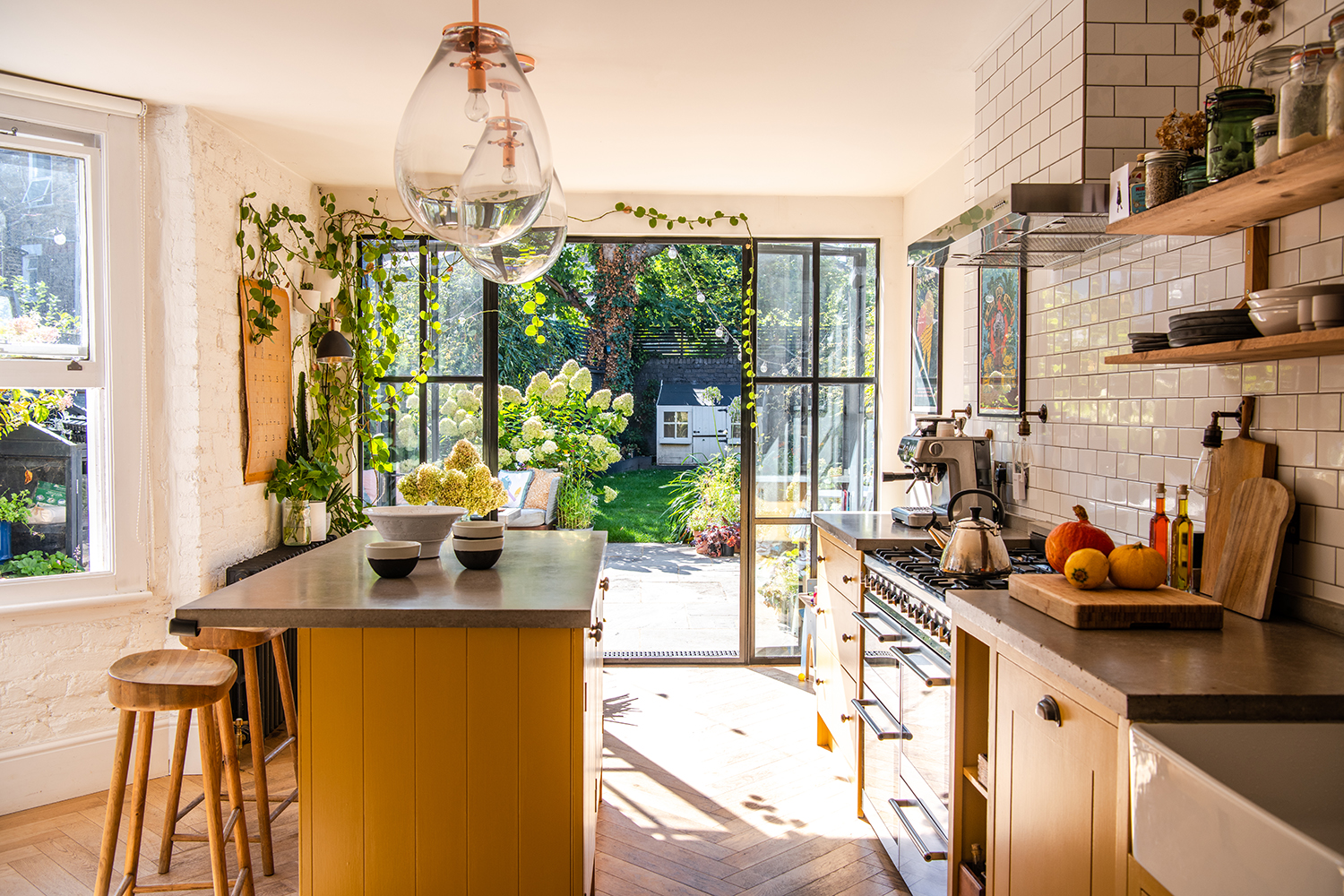
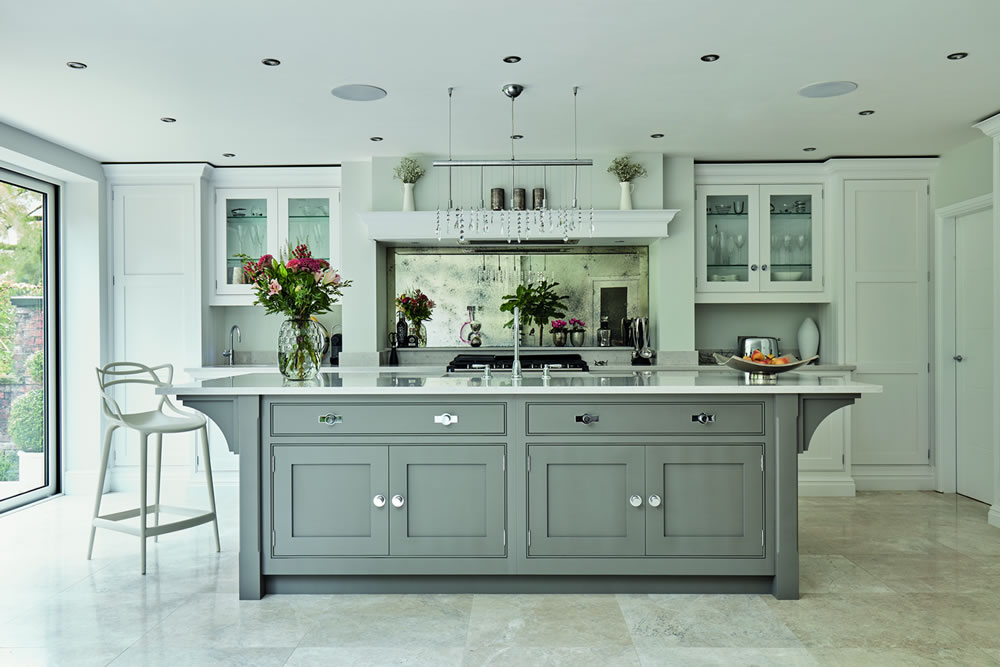
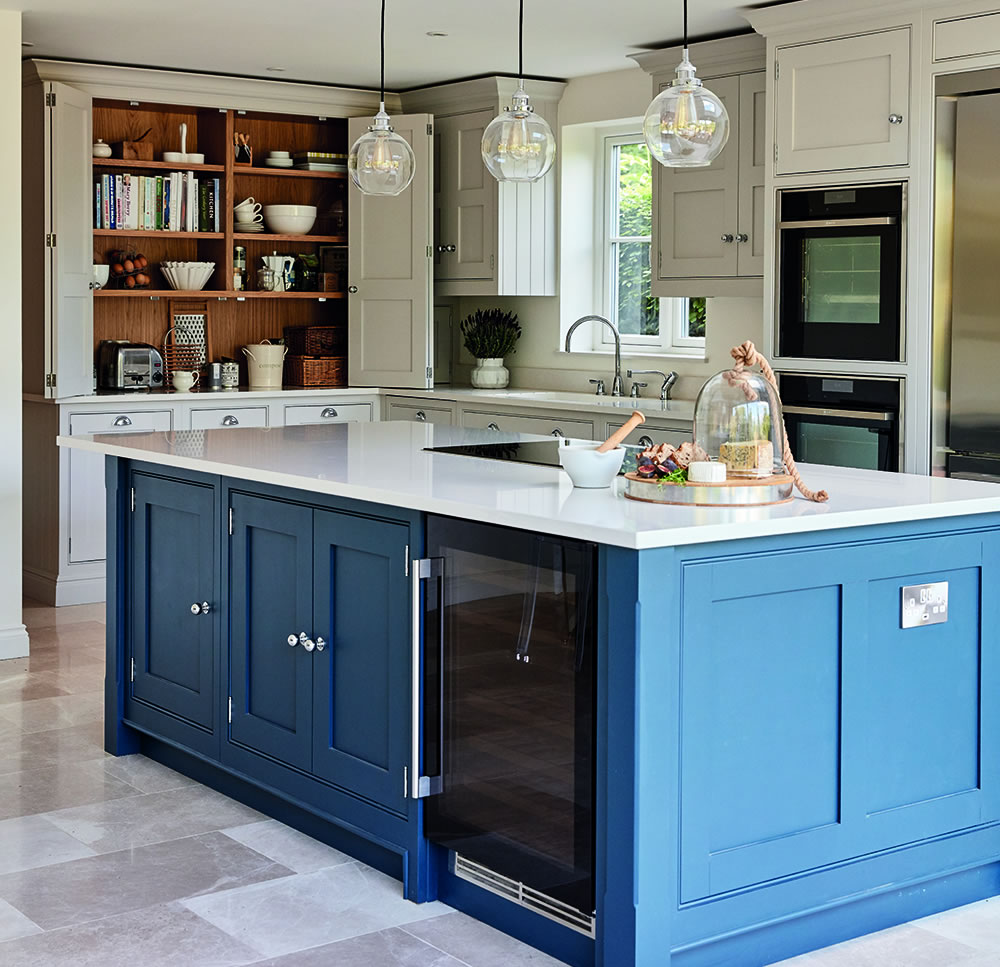
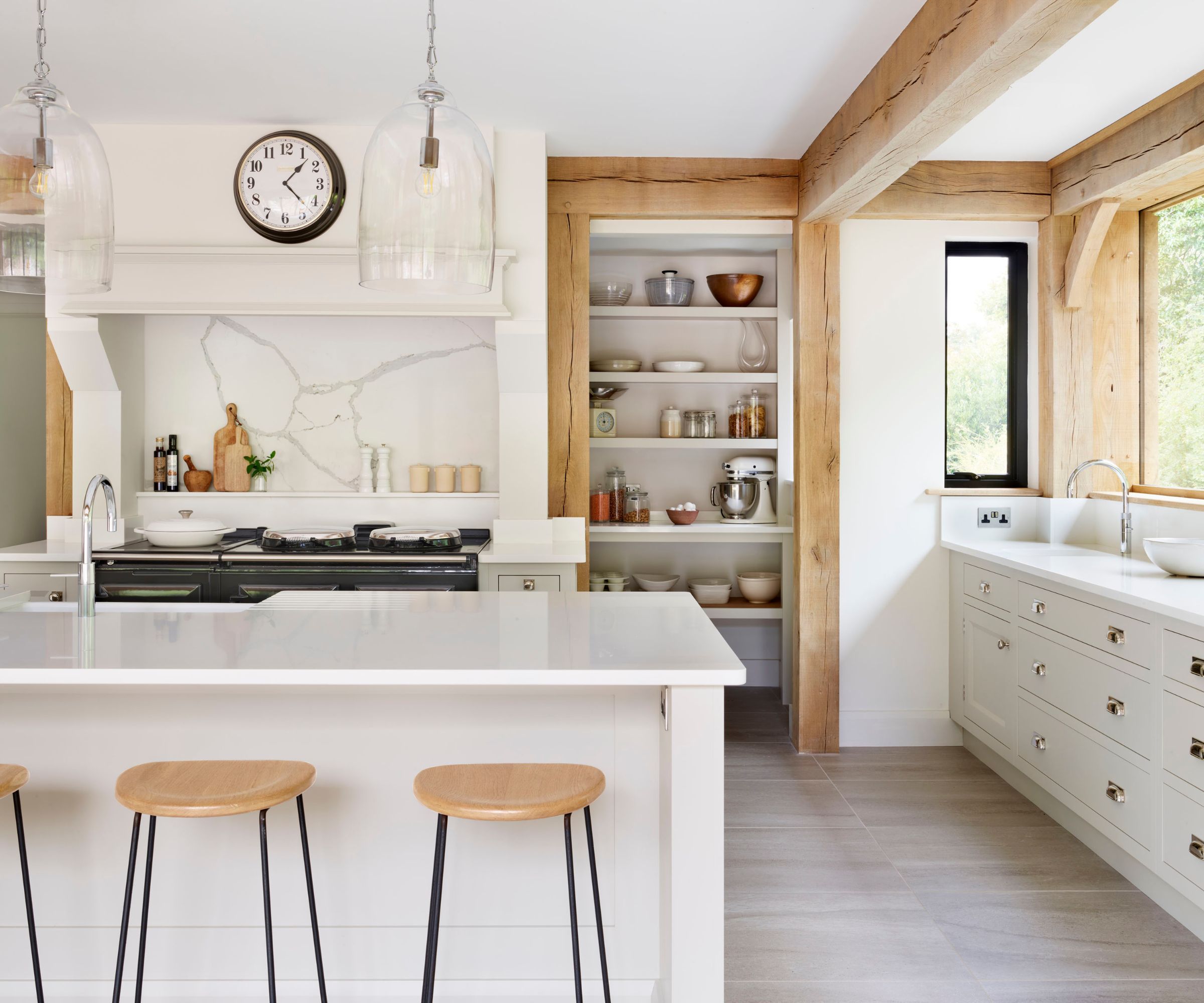
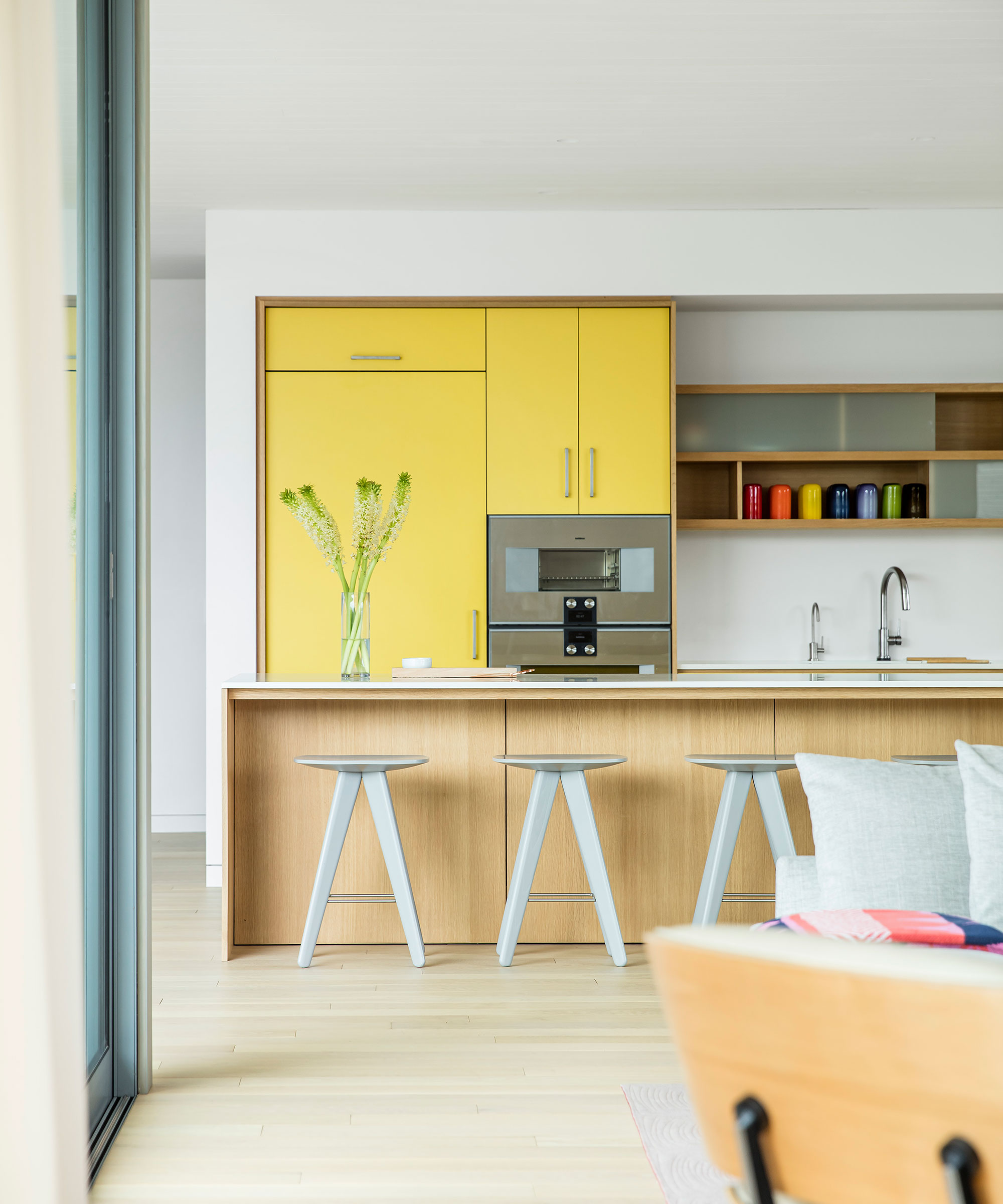
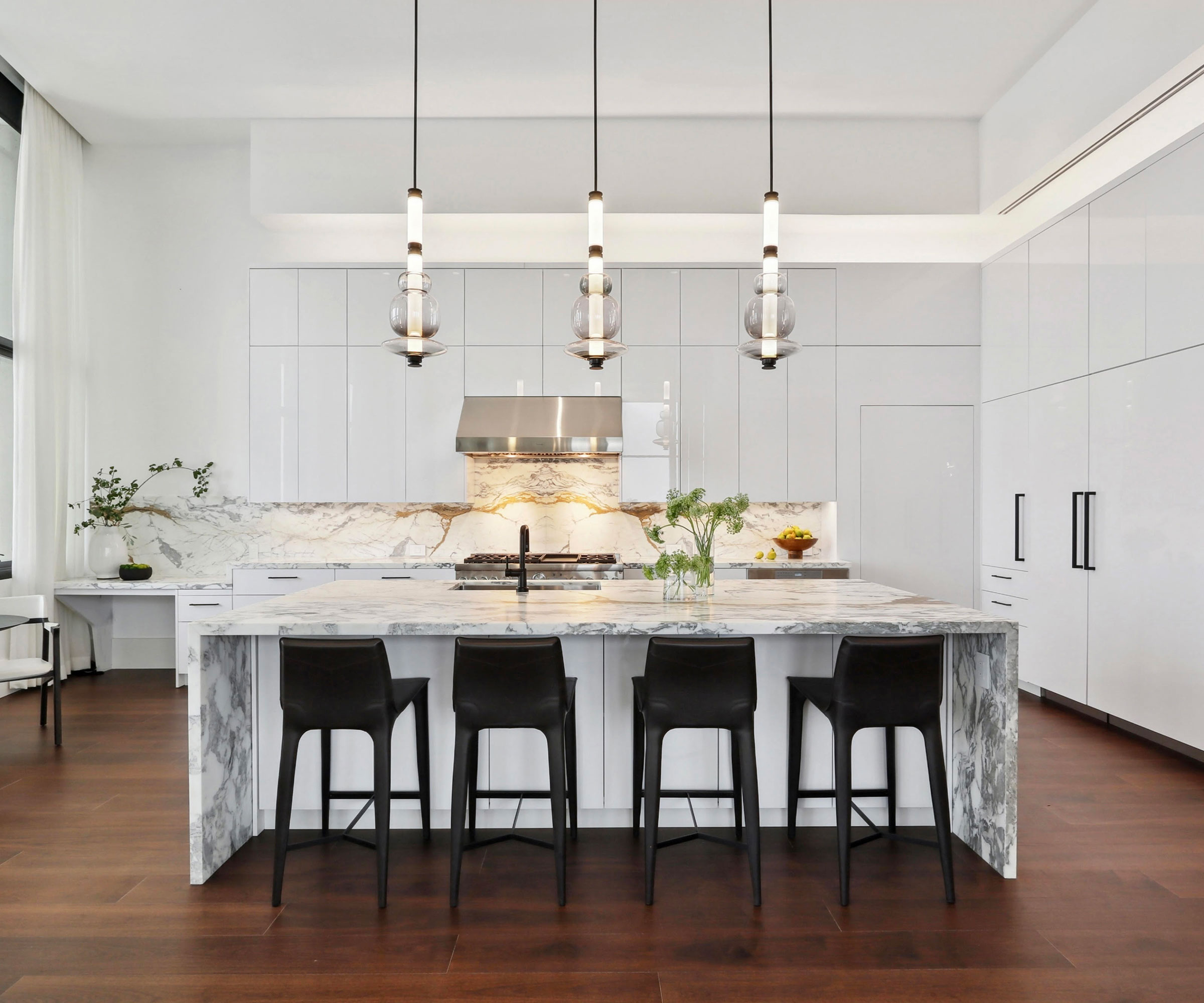
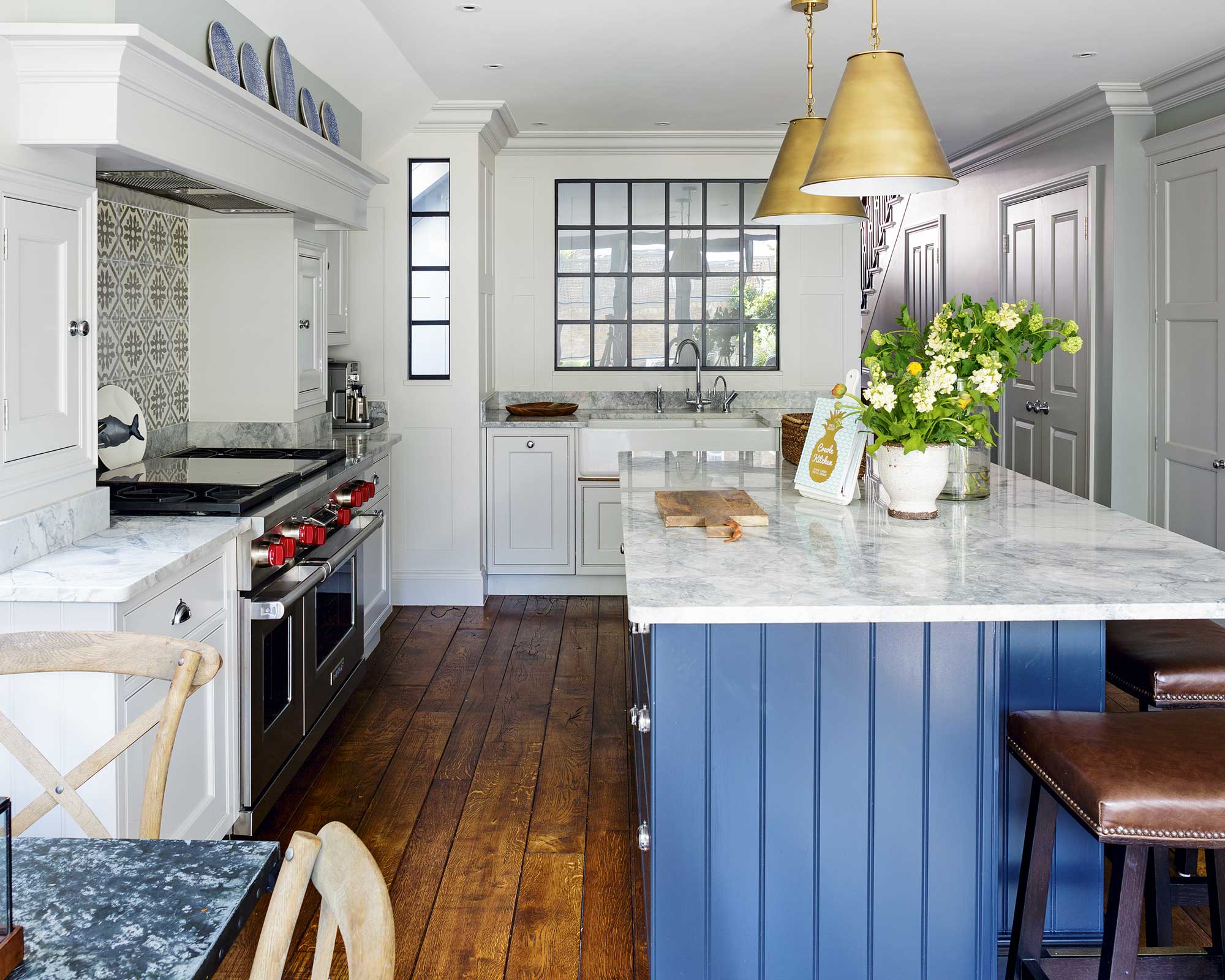
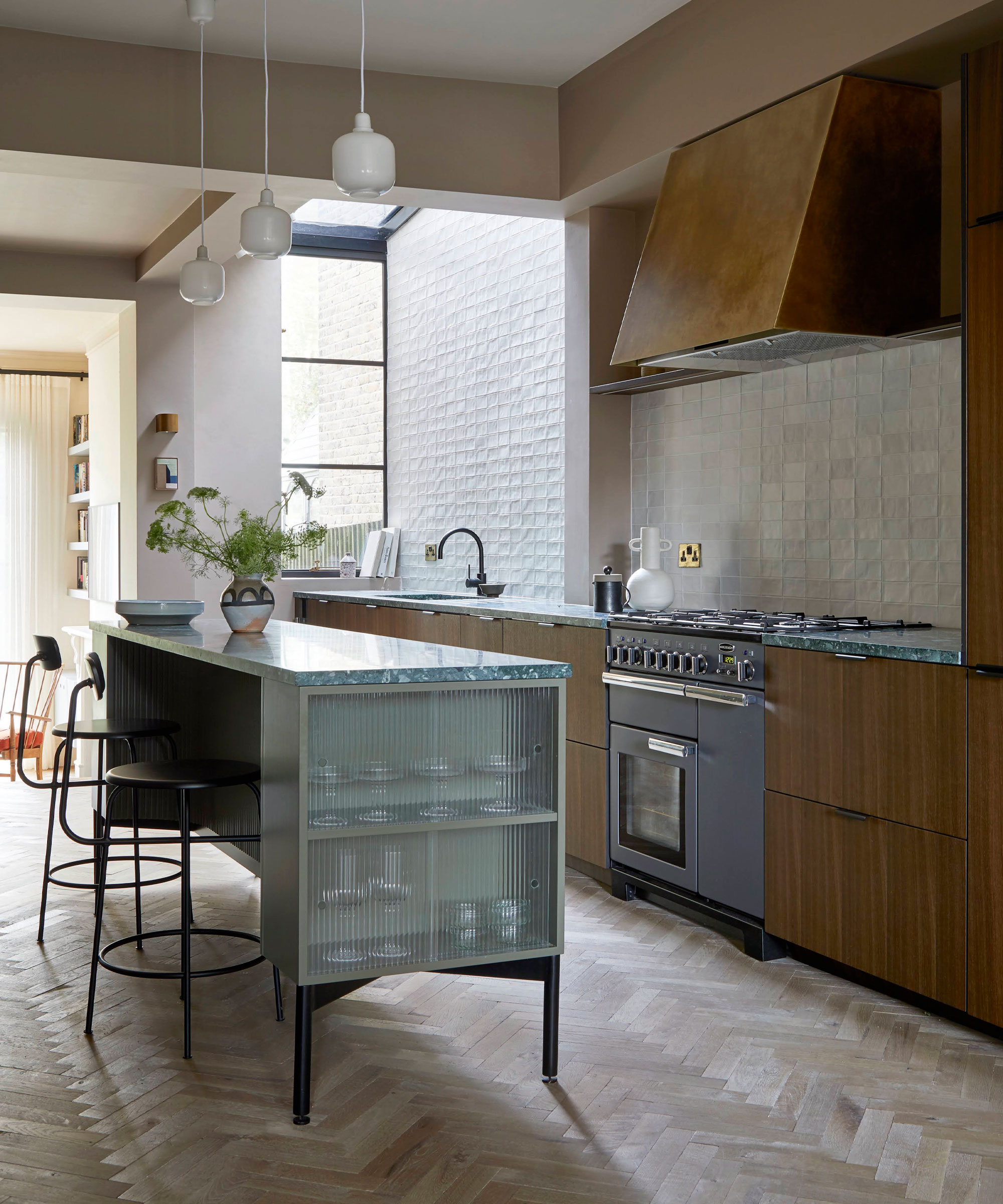
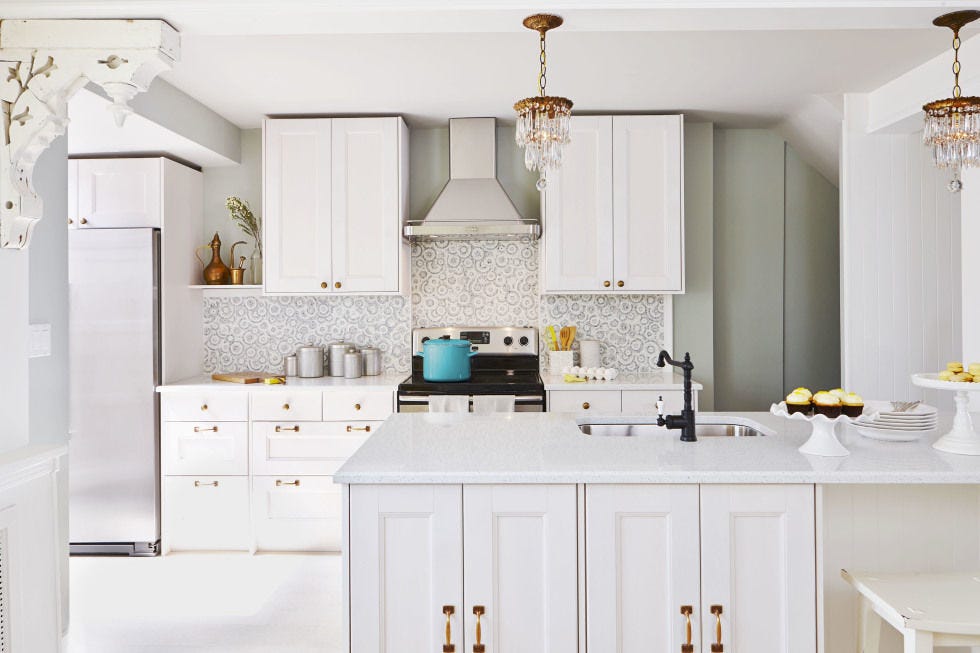
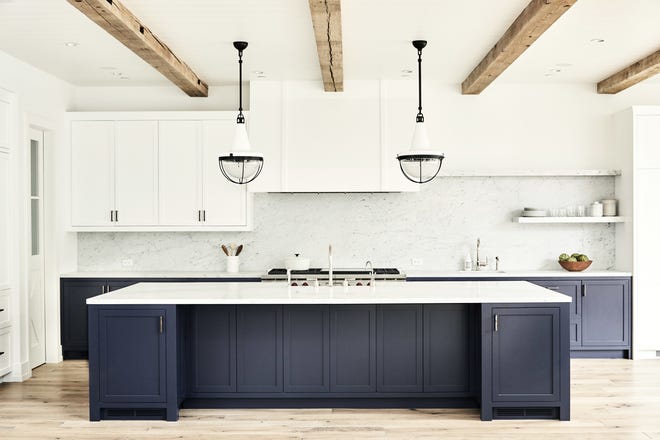
A kitchen island serves multiple purposes, such as increasing storage, countertop space, and seating, while also enhancing the kitchen's aesthetic and social appeal. Designing an effective kitchen island requires careful consideration of various factors, from material selection to incorporating appliances. This guide, drawing on insights from experts Mindy O'Connor and Scott Dresner, offers practical advice for homeowners contemplating this addition.
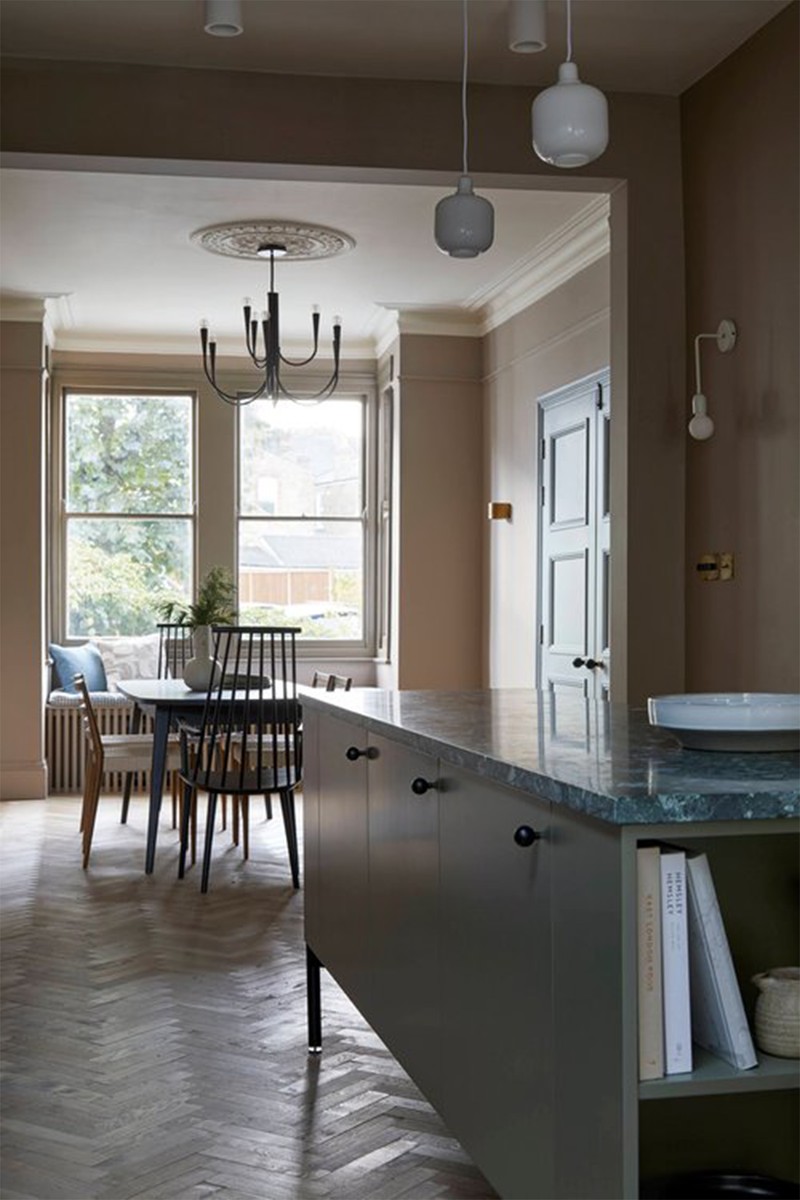
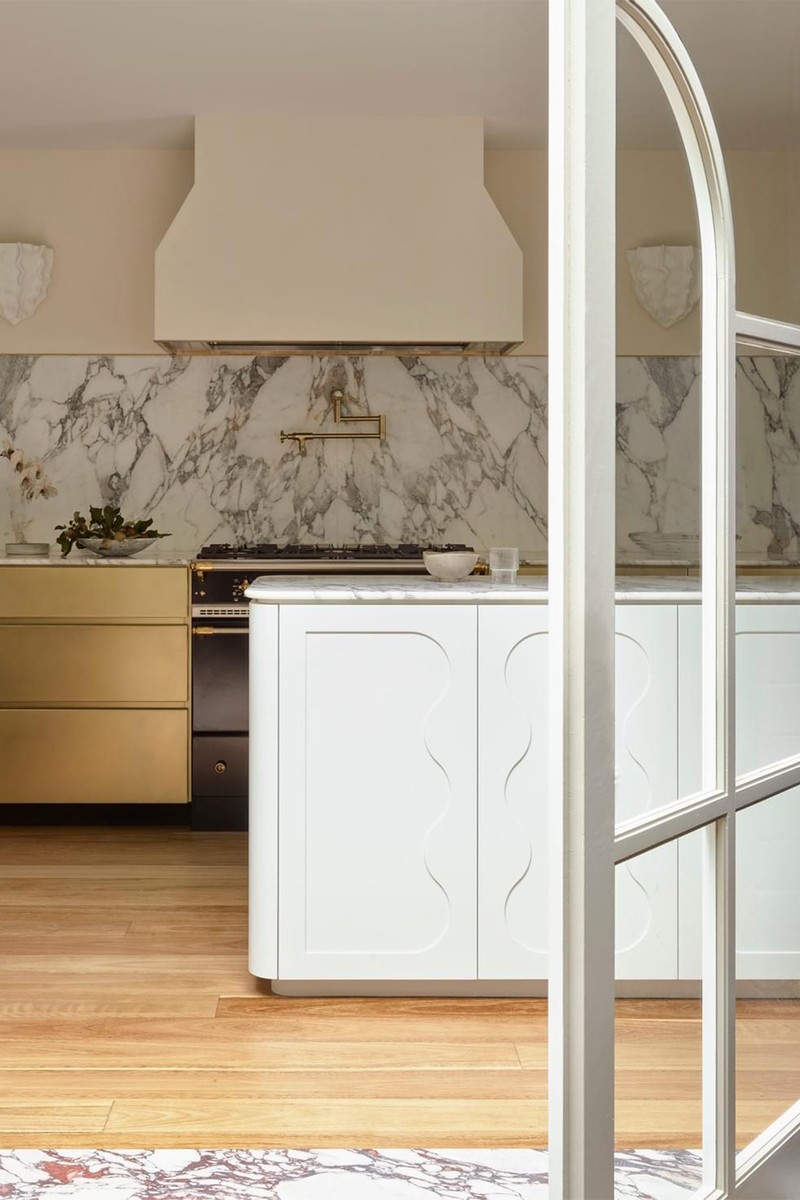
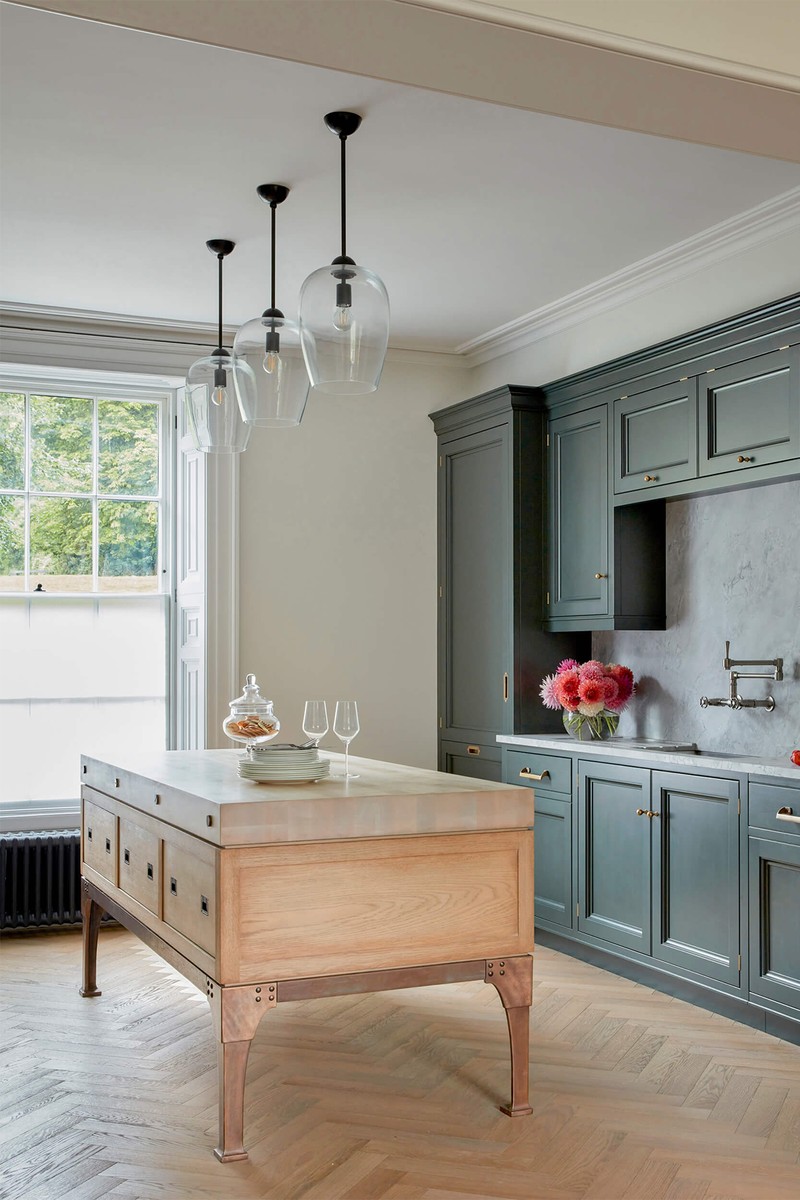
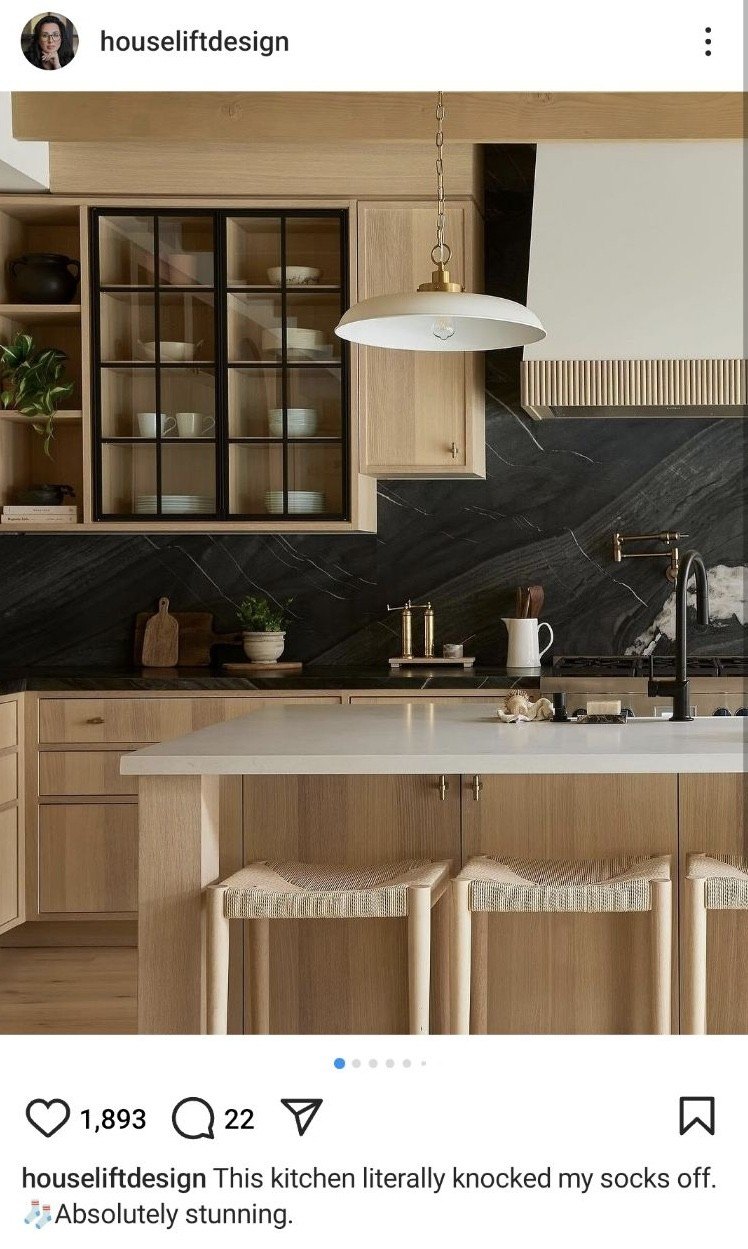
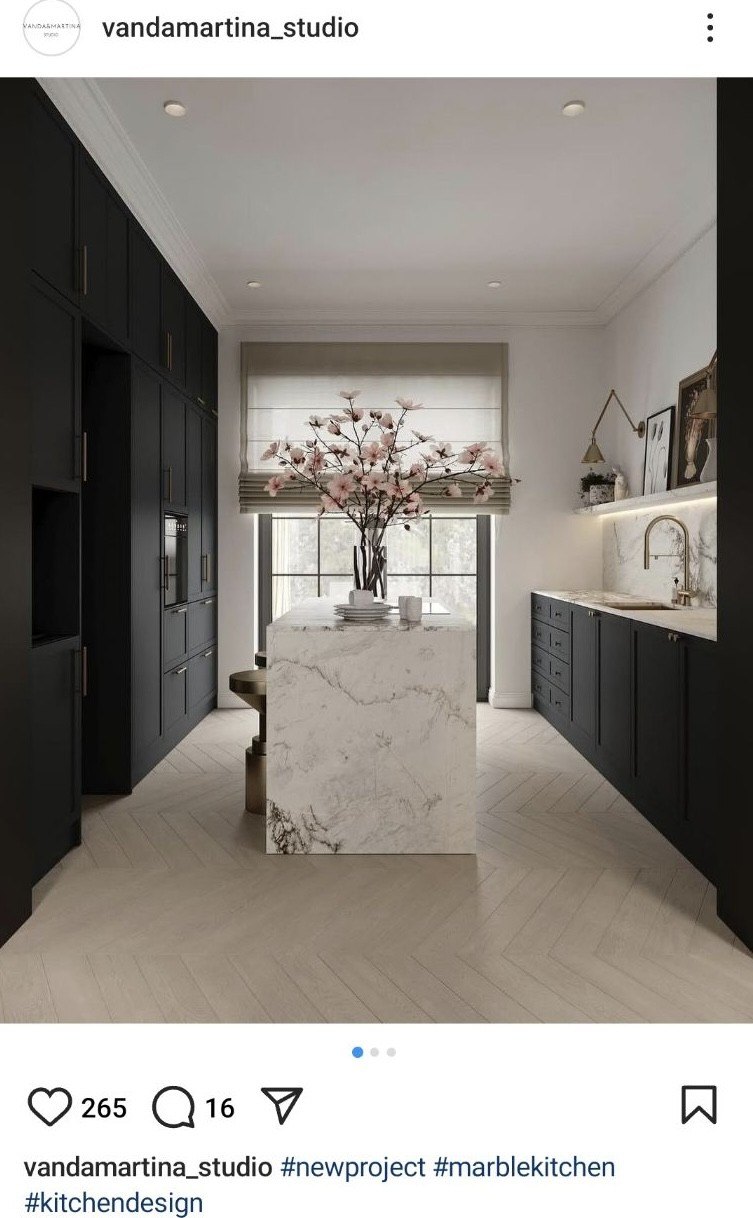
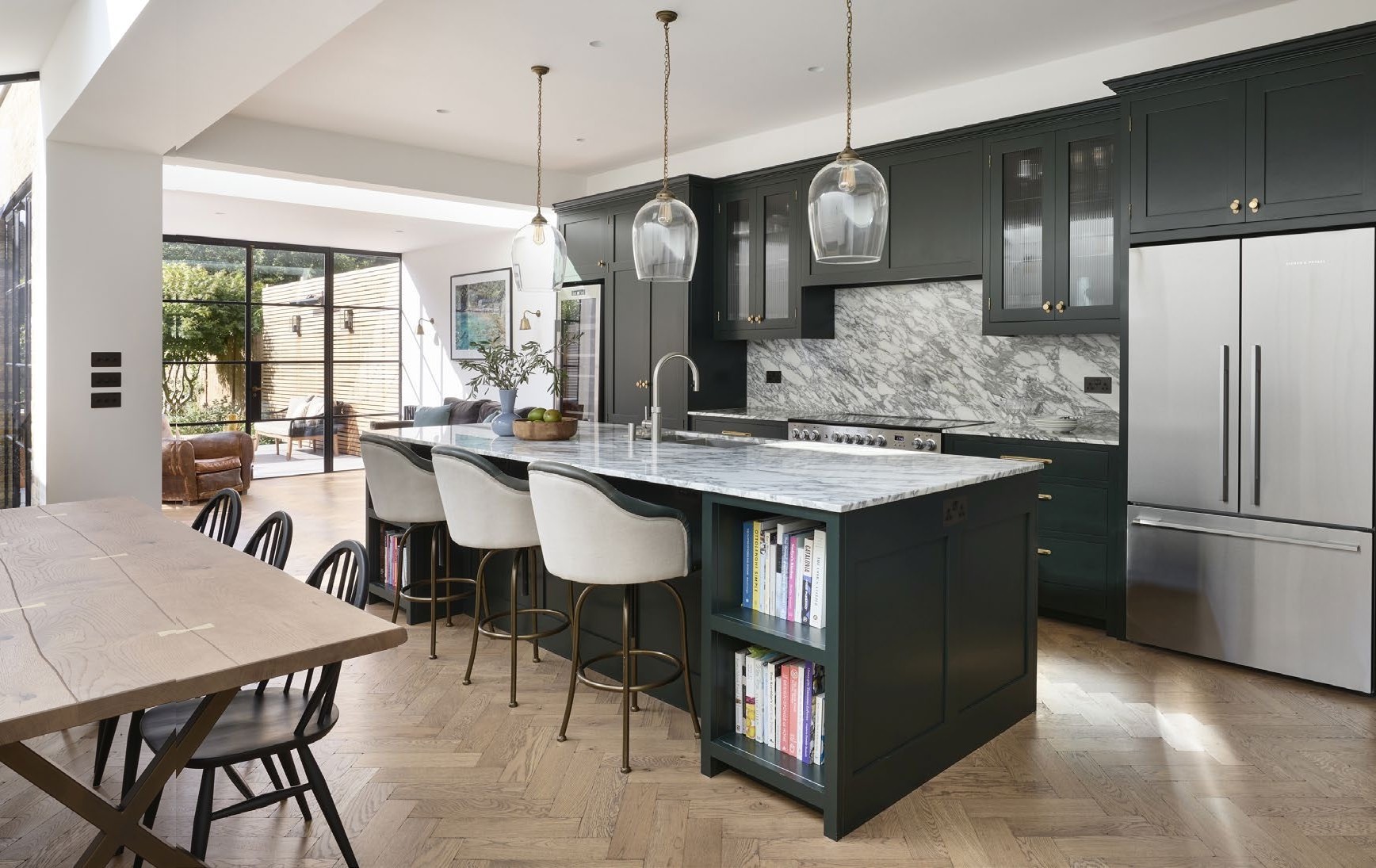
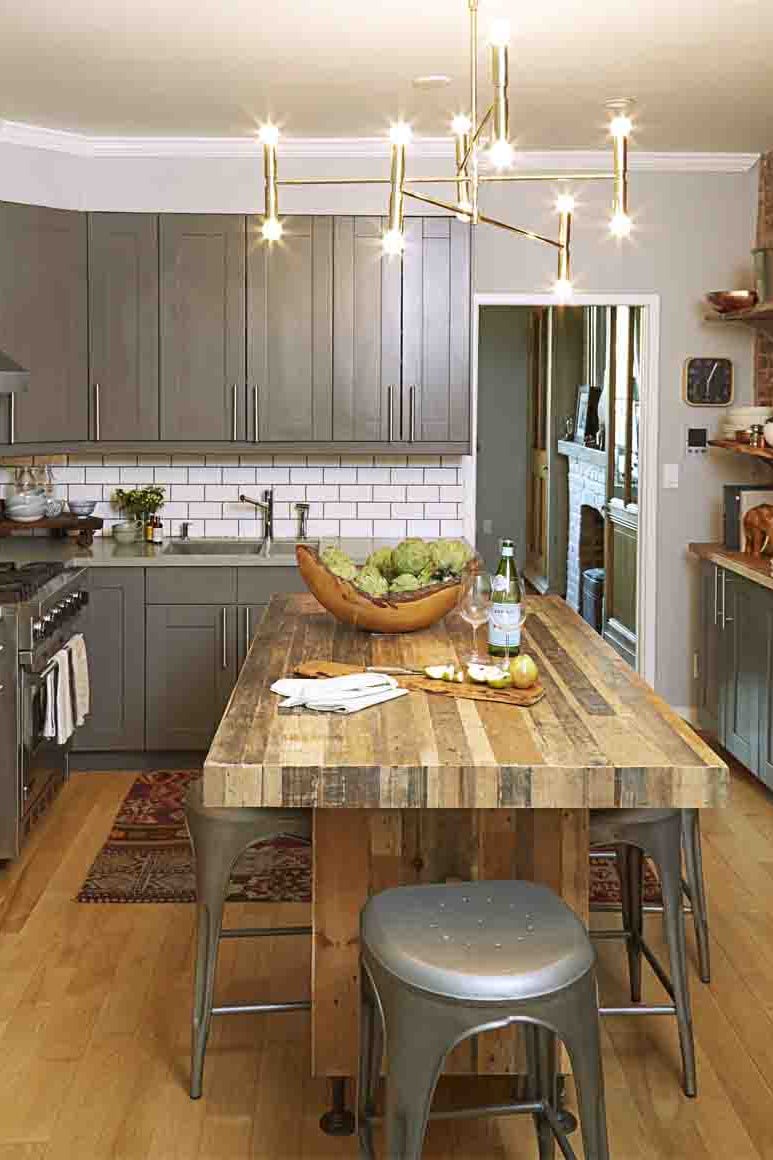
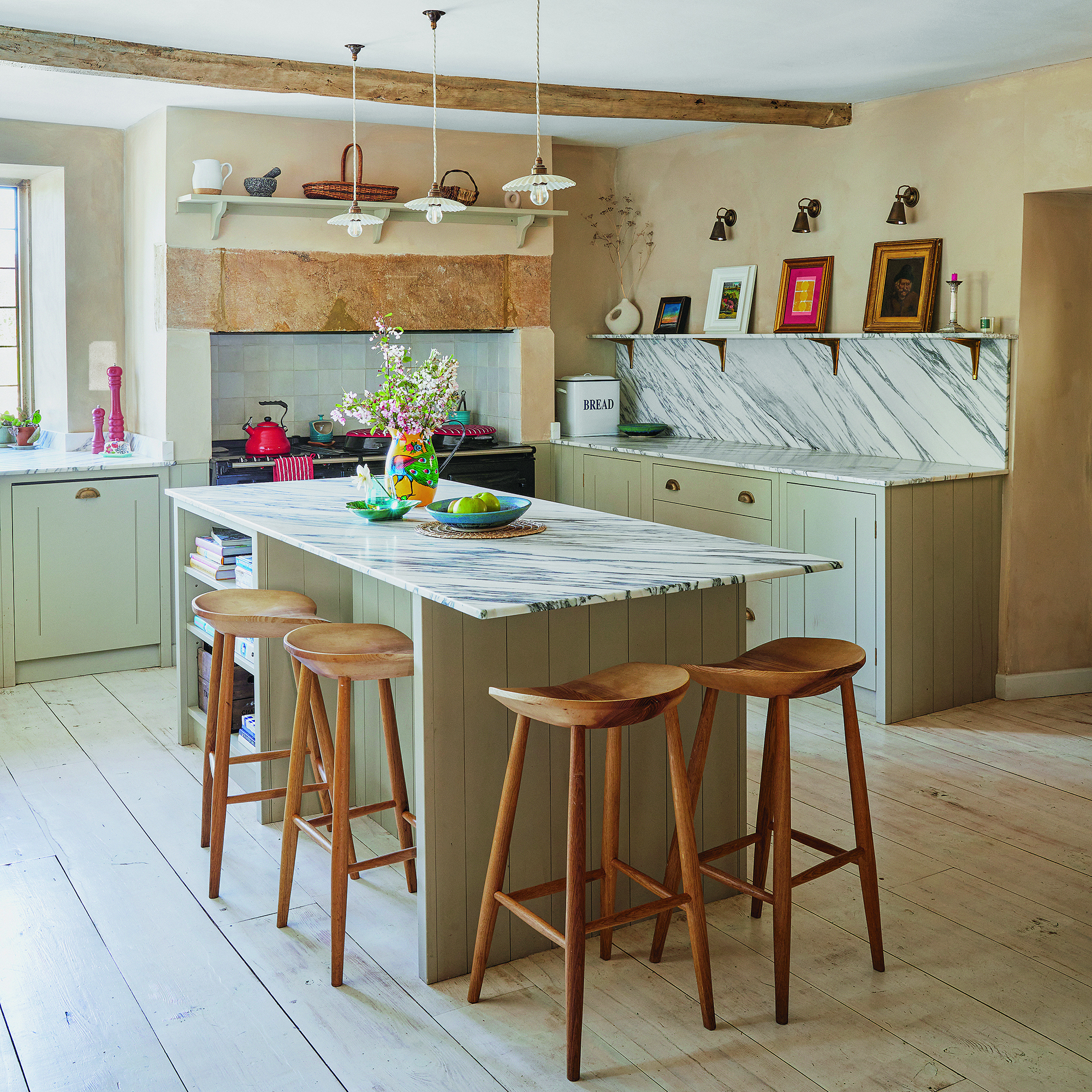
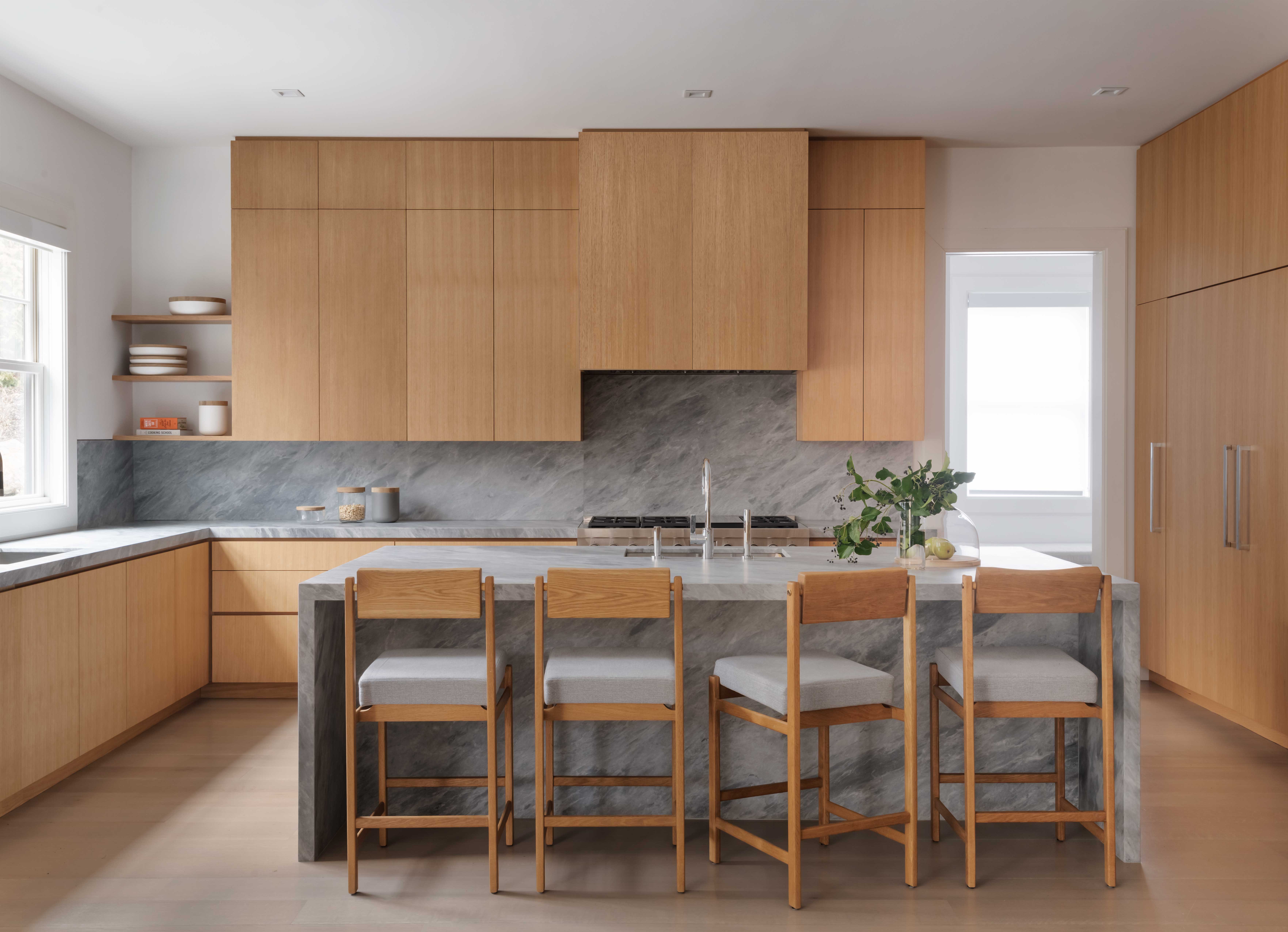
Material selection for kitchen island countertops is crucial, impacting both durability and appearance. Marble, a classic and durable natural stone, offers a wide range of unique colors and variations, but is susceptible to etching from acidic substances. Soapstone, another natural stone, is non-porous, heat-resistant, and easy to clean, often developing a dark gray hue when oiled, though it can scratch easily and is available in limited colors. Engineered quartz, a man-made material, provides ease of maintenance as it is non-porous and stain-resistant, requiring no sealing, but often features repetitive patterns and is slightly less heat-resistant than natural stones. Wood countertops, while less common, add warmth and can be refinished to extend their longevity, but require sealing to prevent water damage.
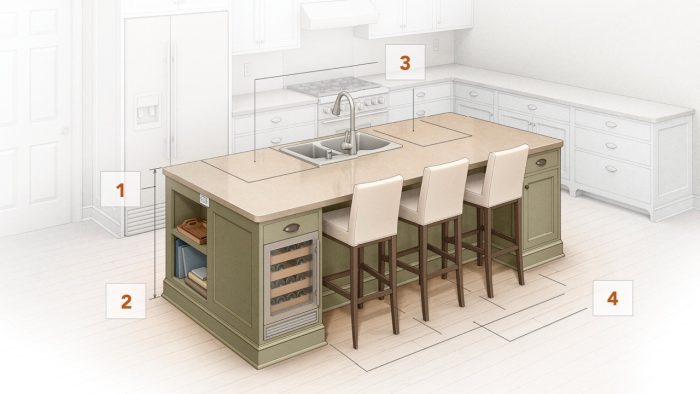
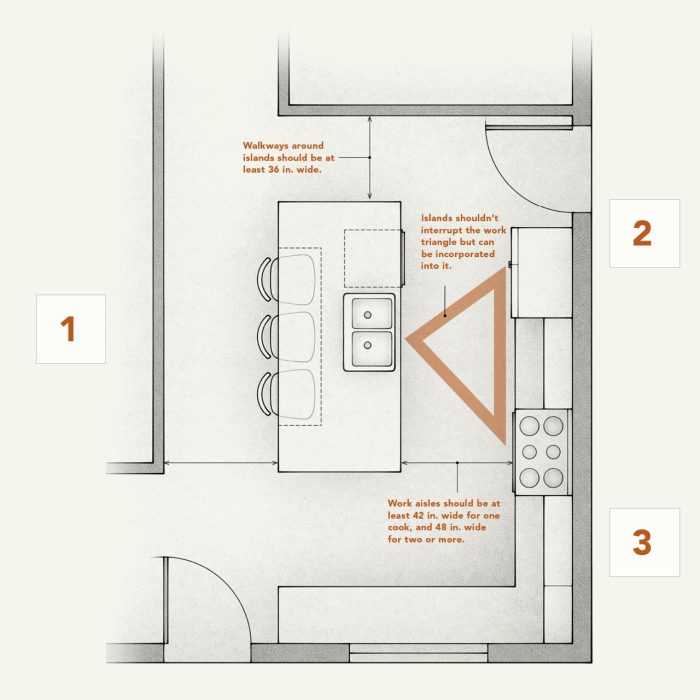
Proper clearances around the island are essential for functionality and safety. A minimum aisle width of 36 inches is recommended for wheelchair accessibility, with 42 to 54 inches providing more comfortable circulation, especially in kitchens with multiple cooks or opening appliances. For eating areas, 48 inches or more is desirable to allow easy movement around chairs. The traditional kitchen work triangle, connecting the cooking appliance, refrigerator, and sink, should also be considered to ensure the island does not obstruct efficient movement, particularly in smaller kitchens.
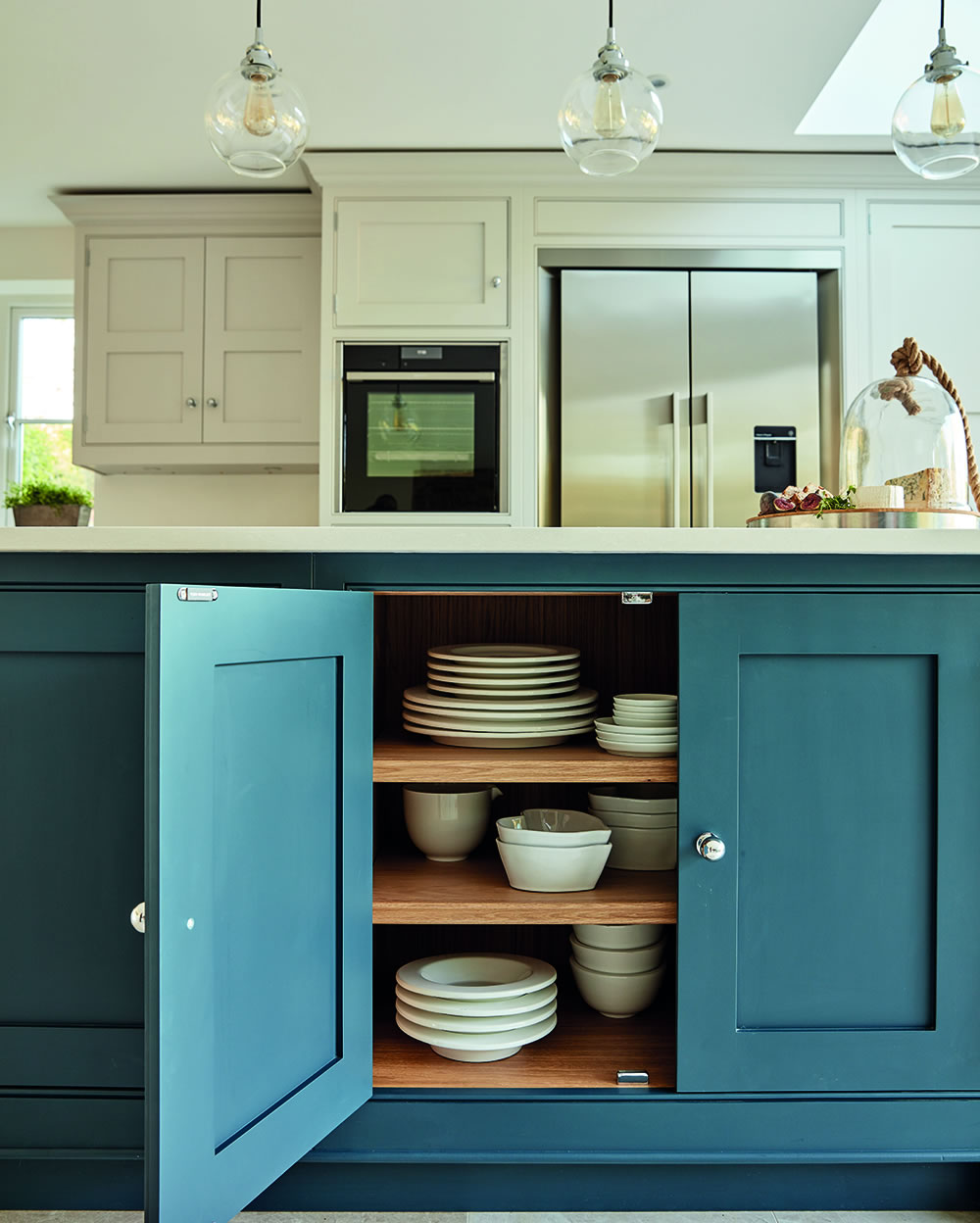
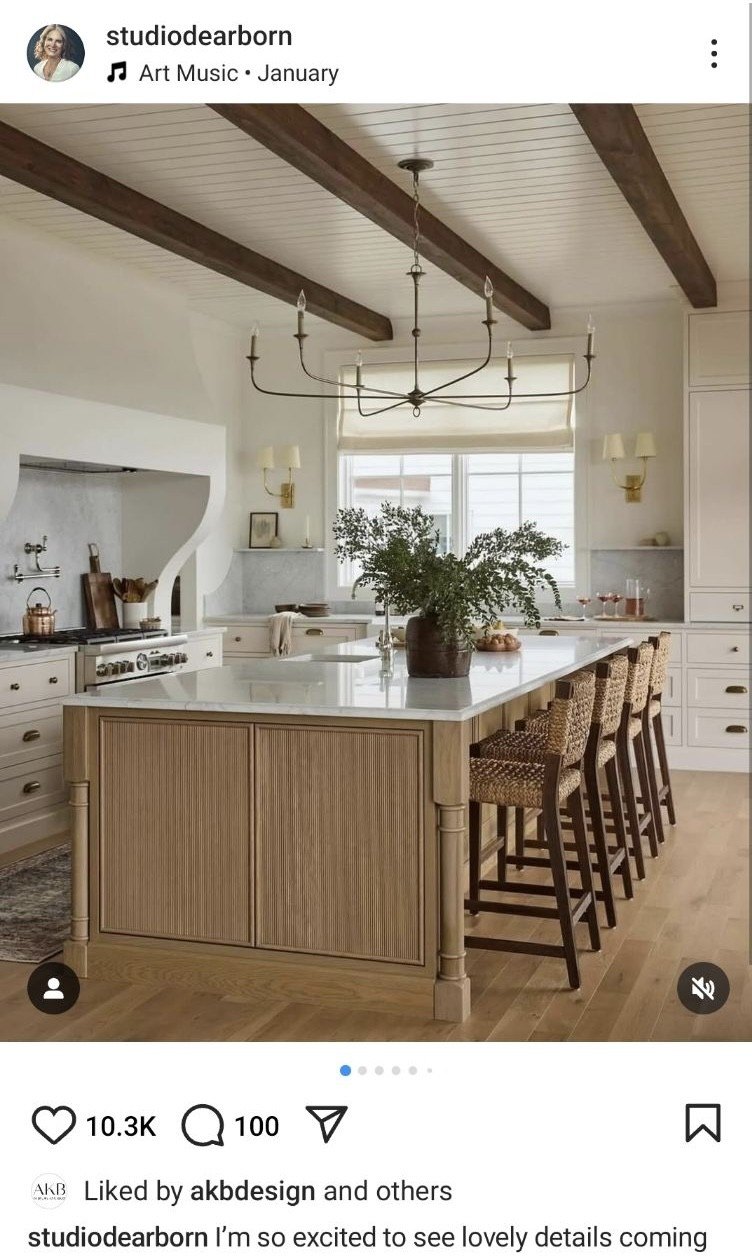
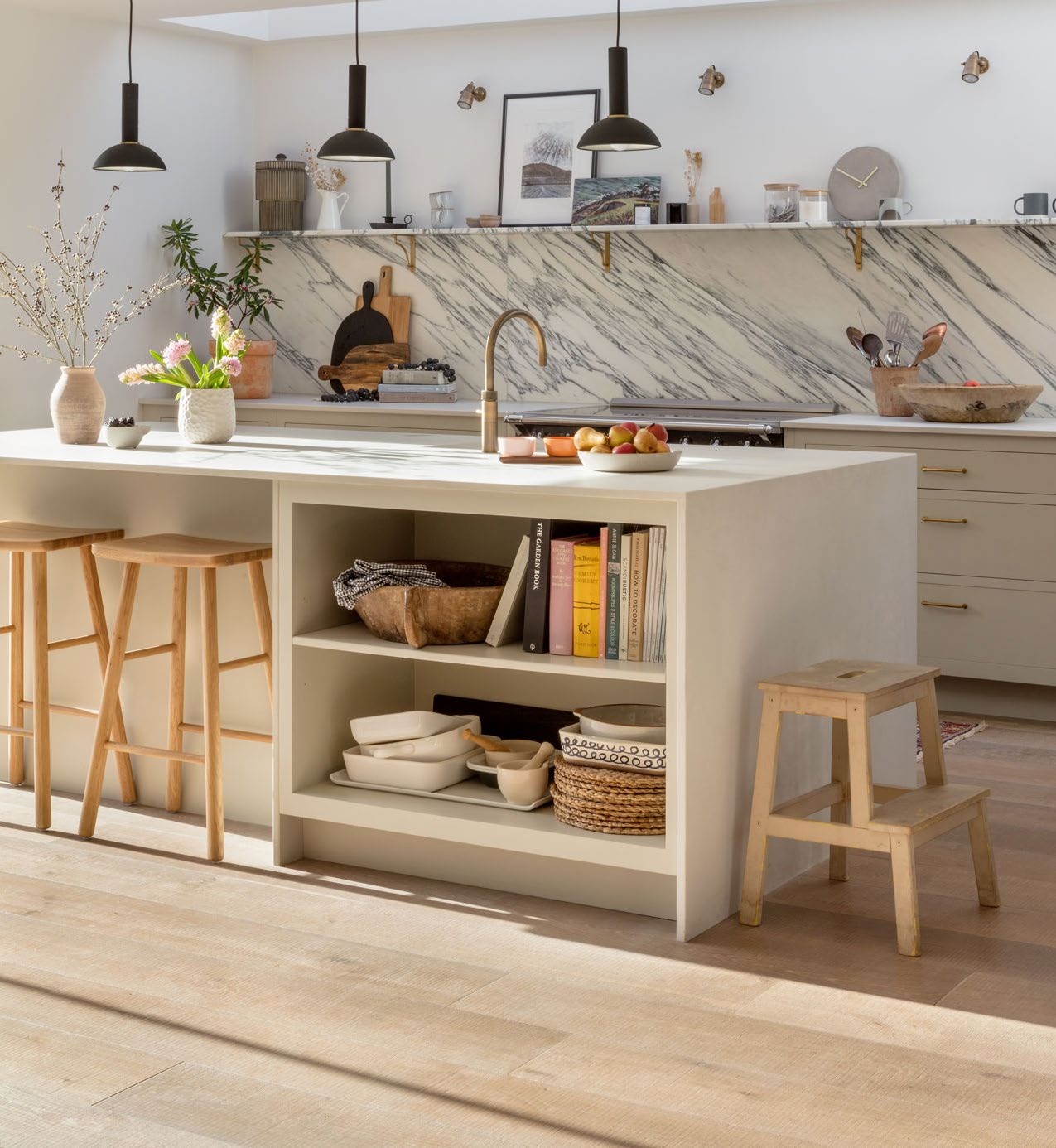
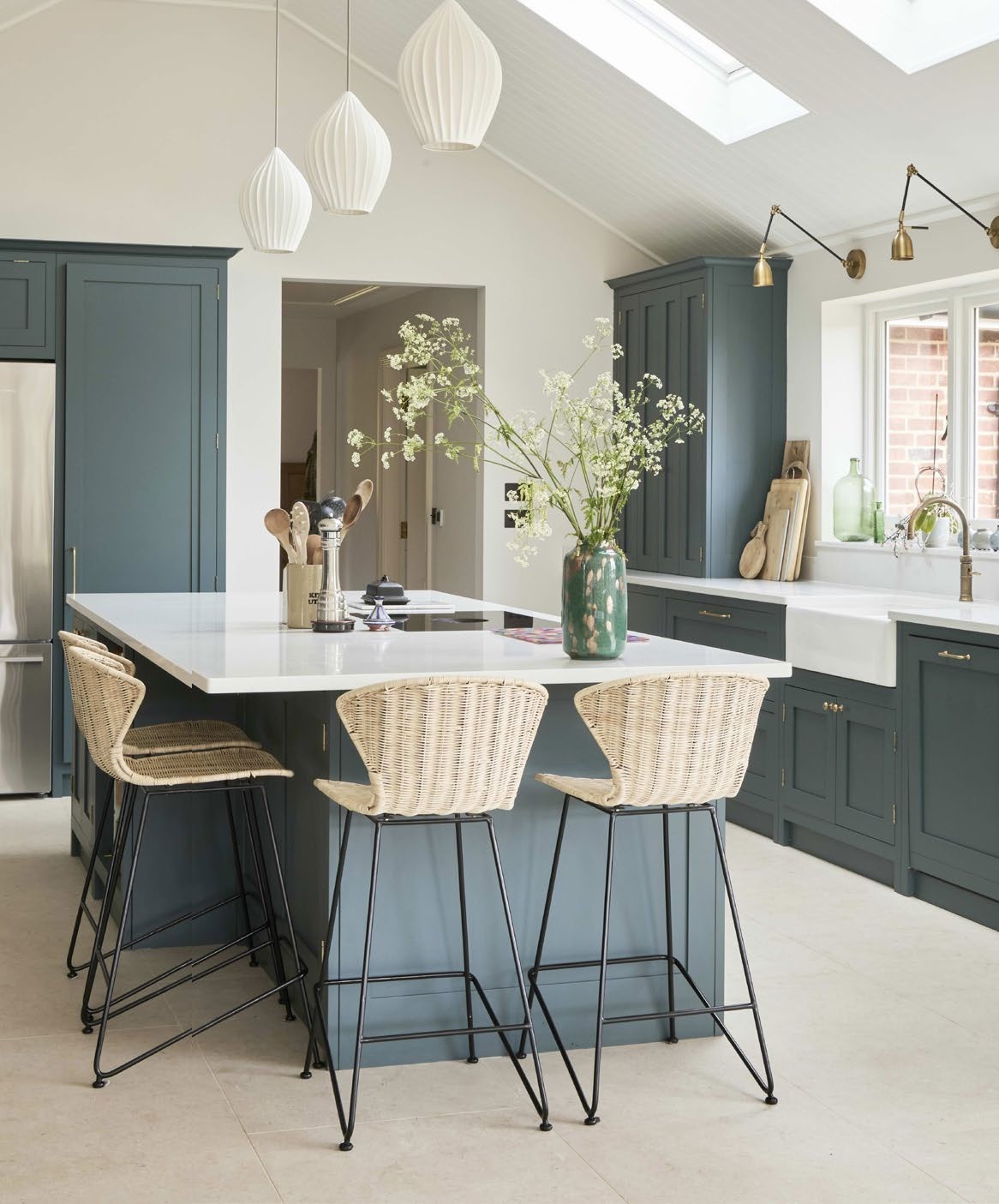
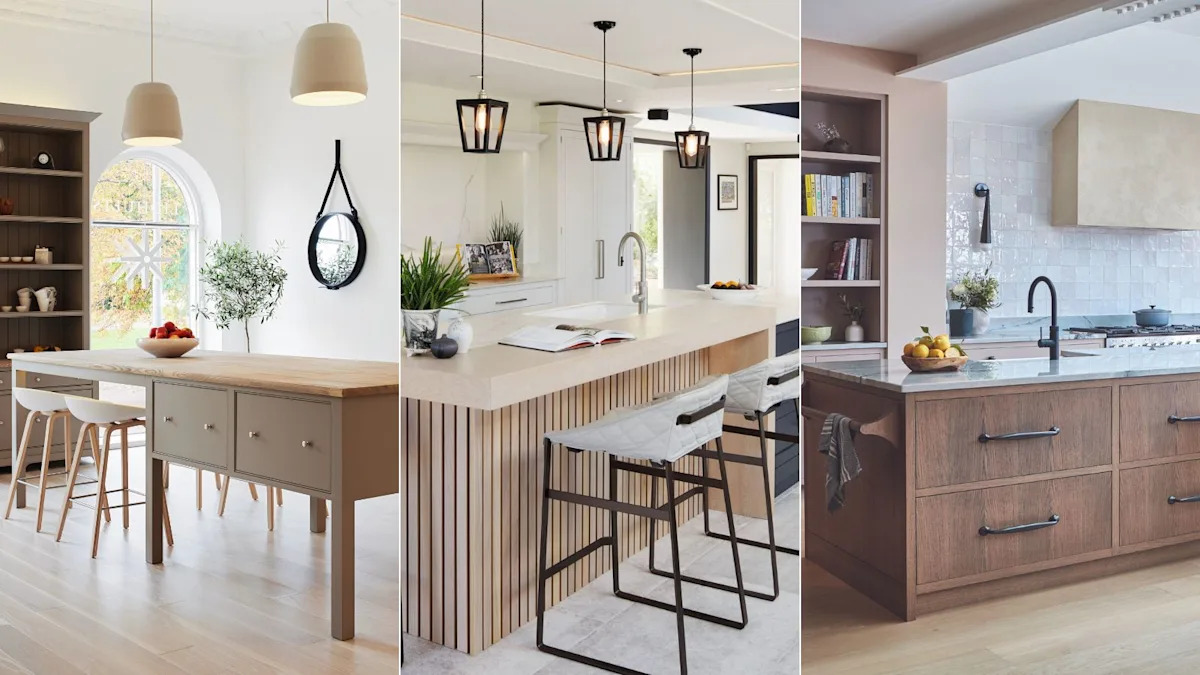
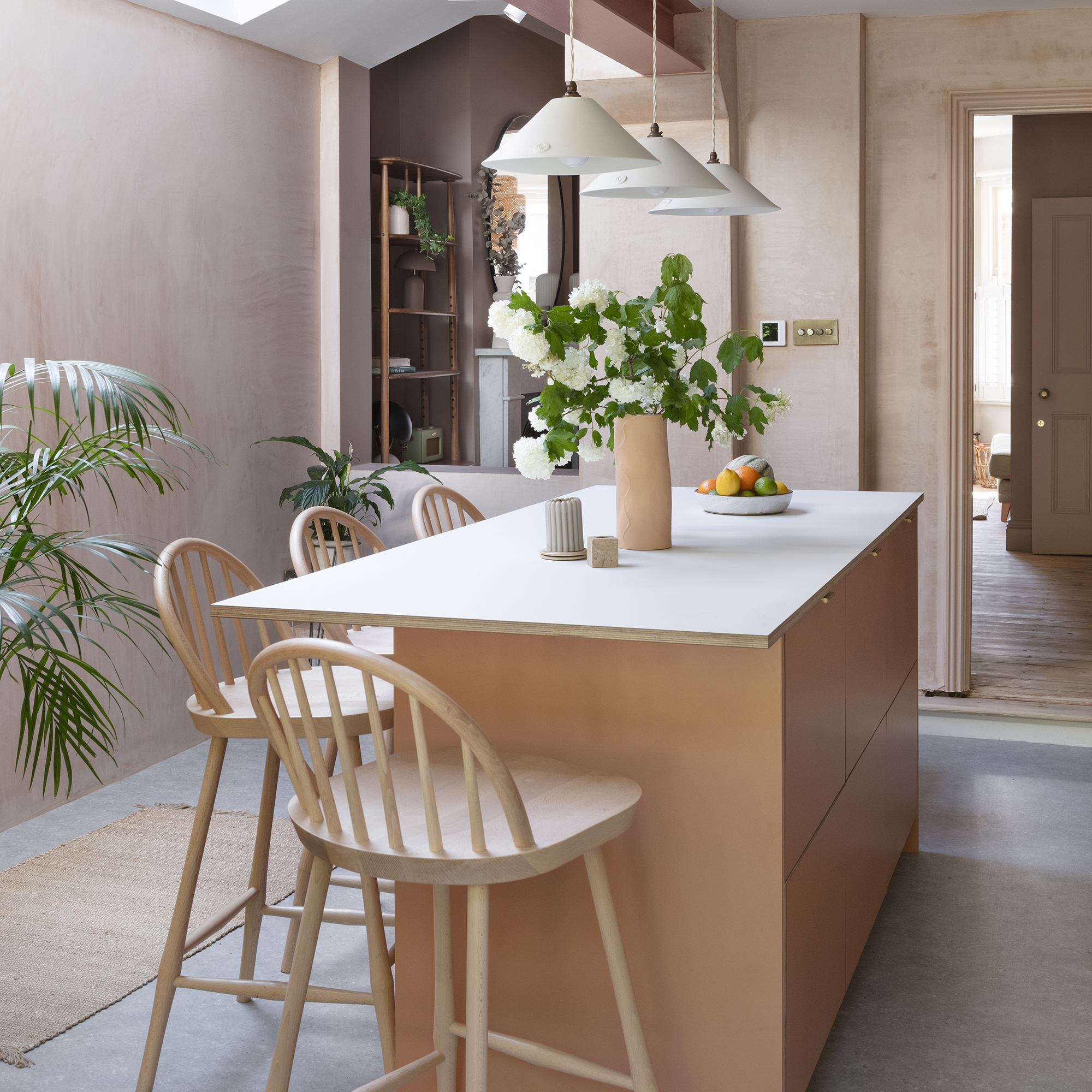
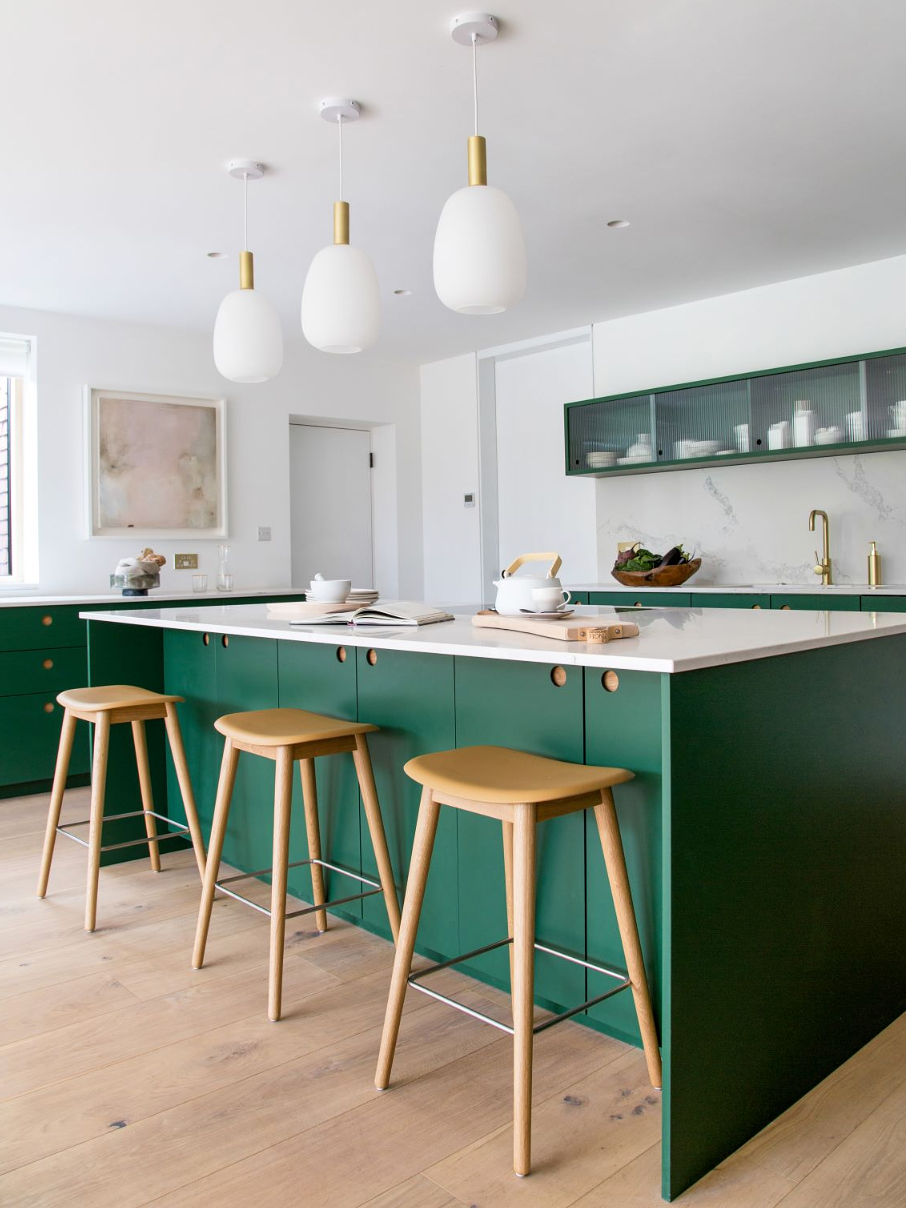
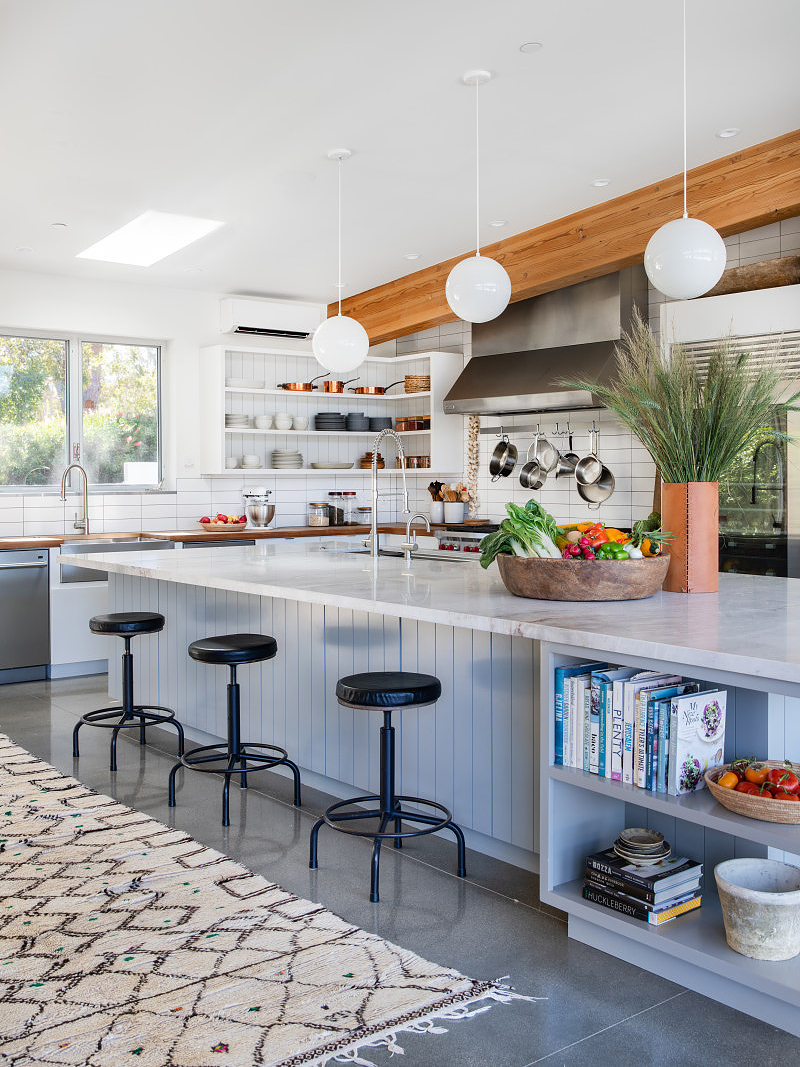
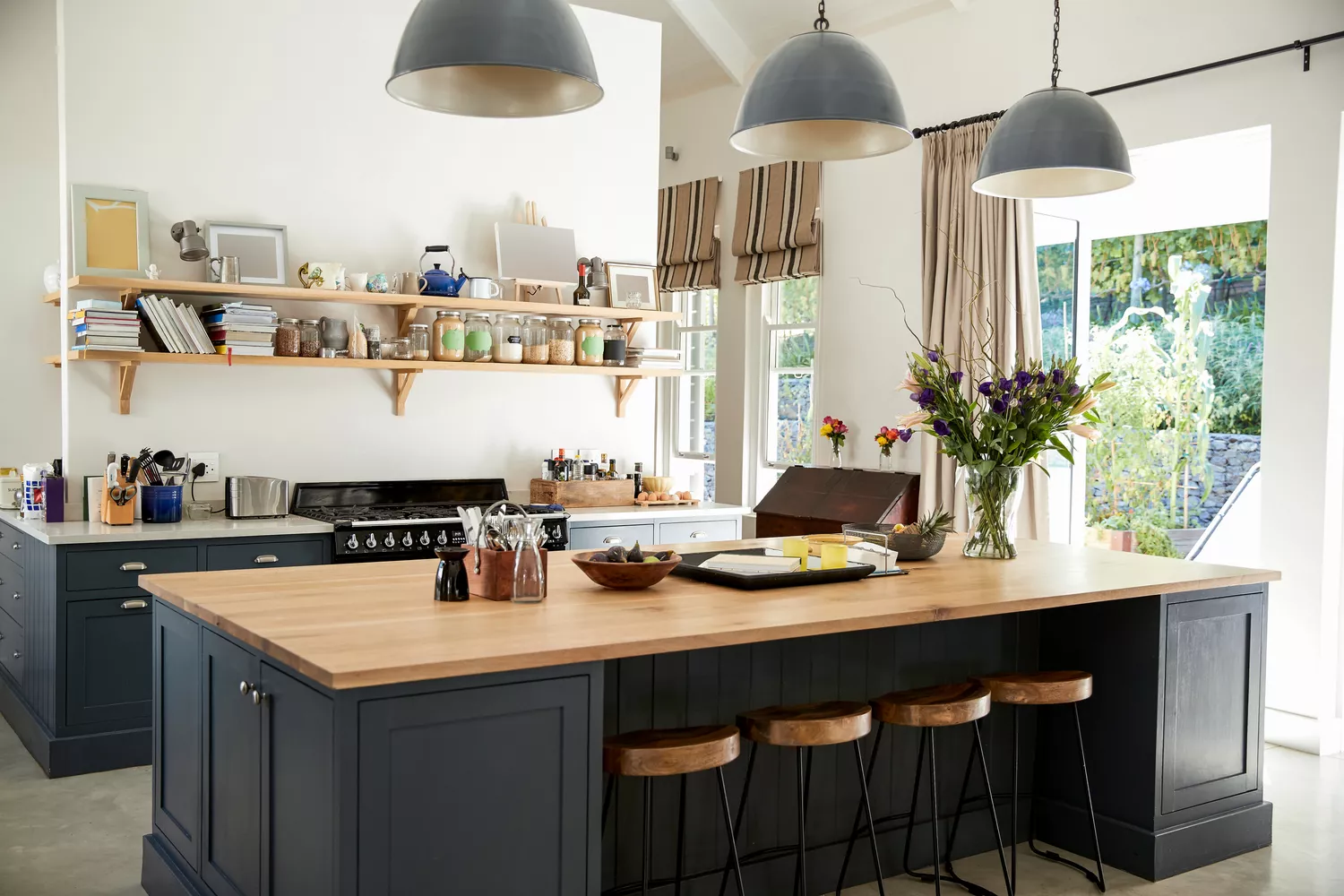
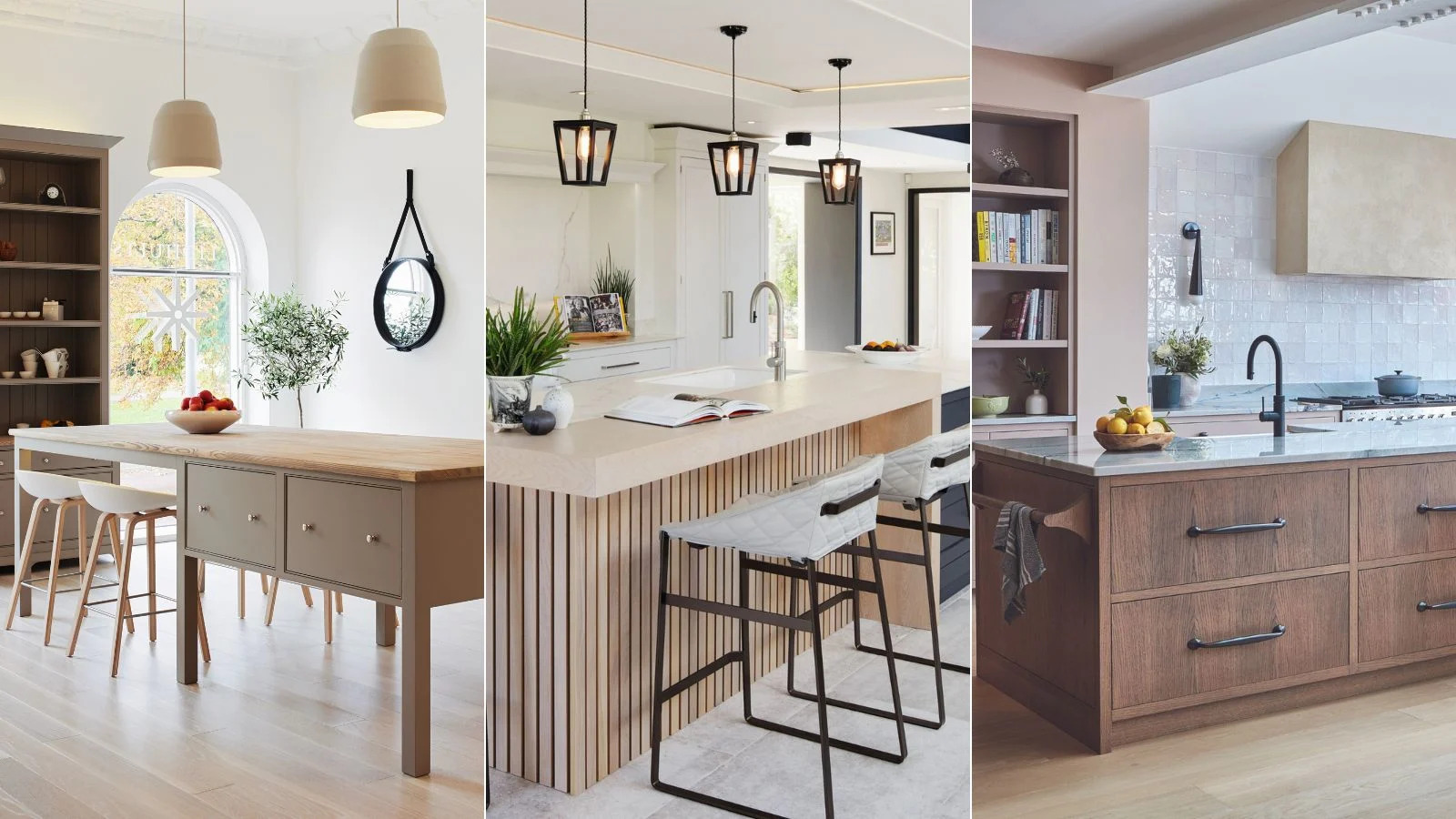
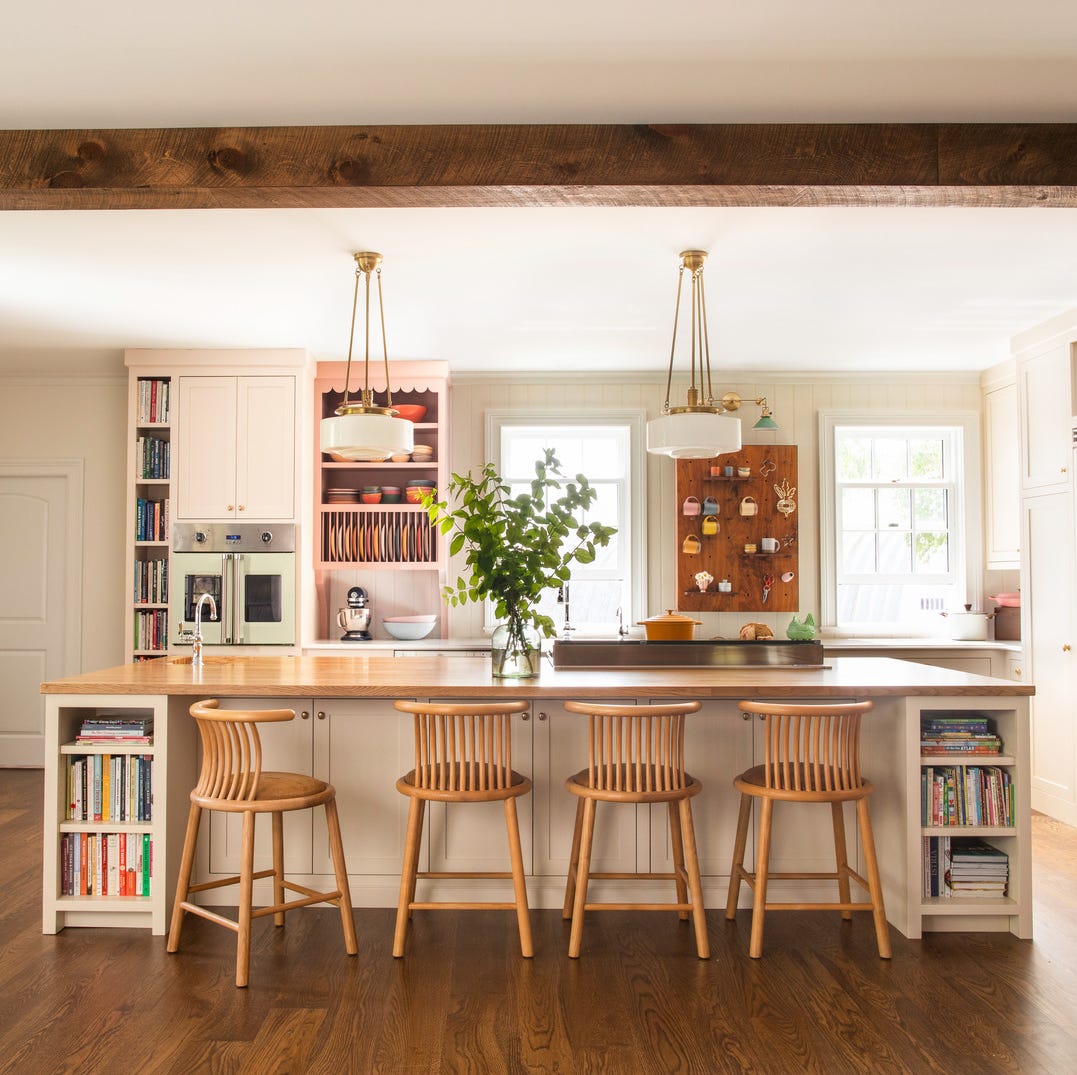
The shape of the island should be determined by the kitchen's layout and functional requirements, prioritizing workflow, air circulation, and space for appliances and cabinetry. Integrating seating into the island design creates a versatile space for dining, entertaining, and socializing, with each person typically requiring 24 inches of space for comfort. Storage is another key benefit of an island, allowing for extra drawers or cubbies for kitchen essentials. Experts recommend using drawers over cabinets for better accessibility and reserving space under the seating area for less frequently used items, while decorative cubbies can display linens or cookbooks.
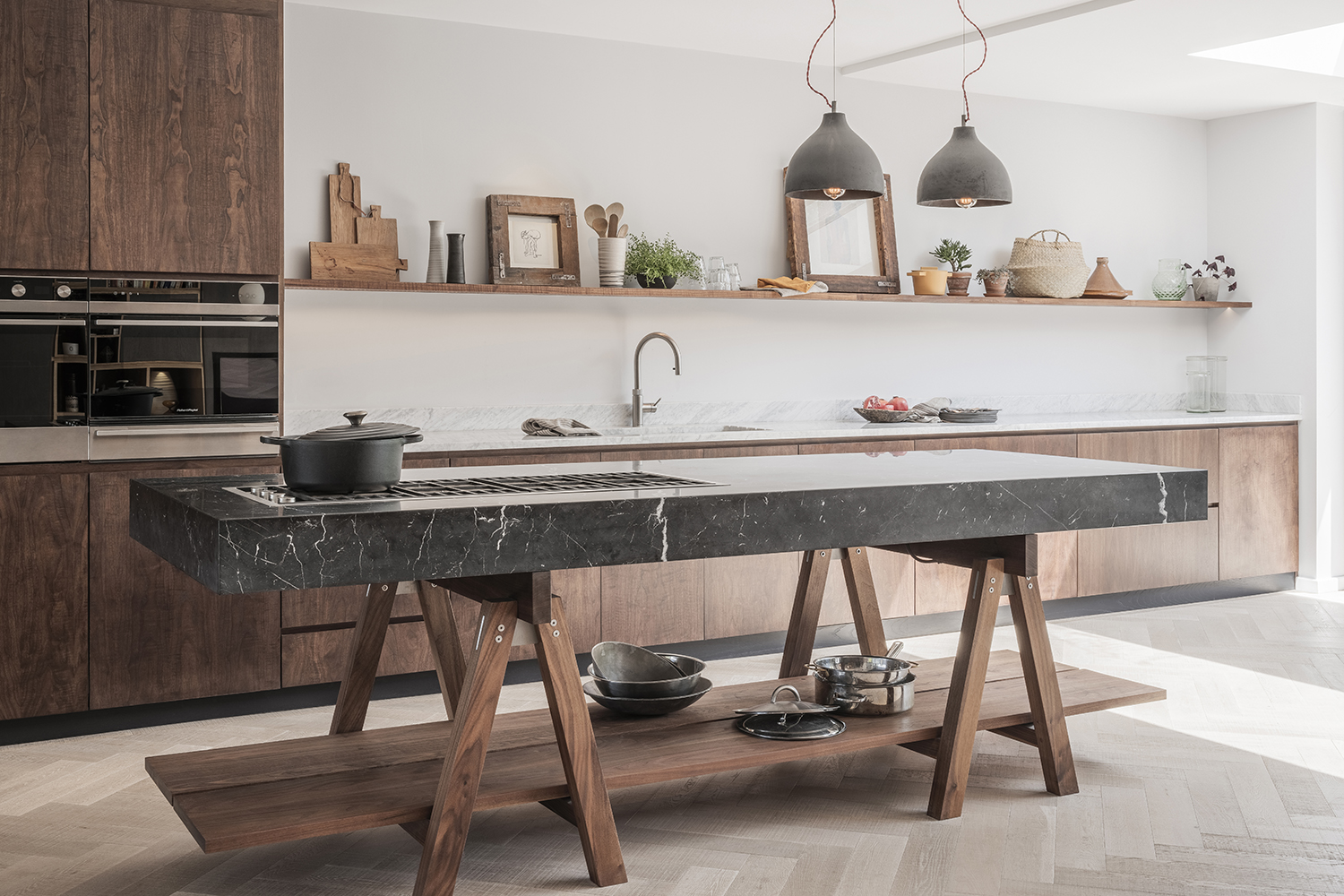
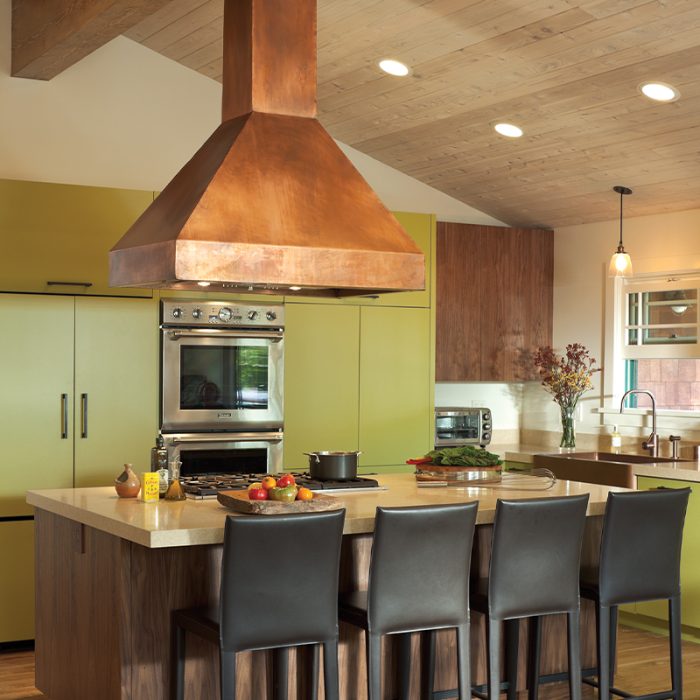
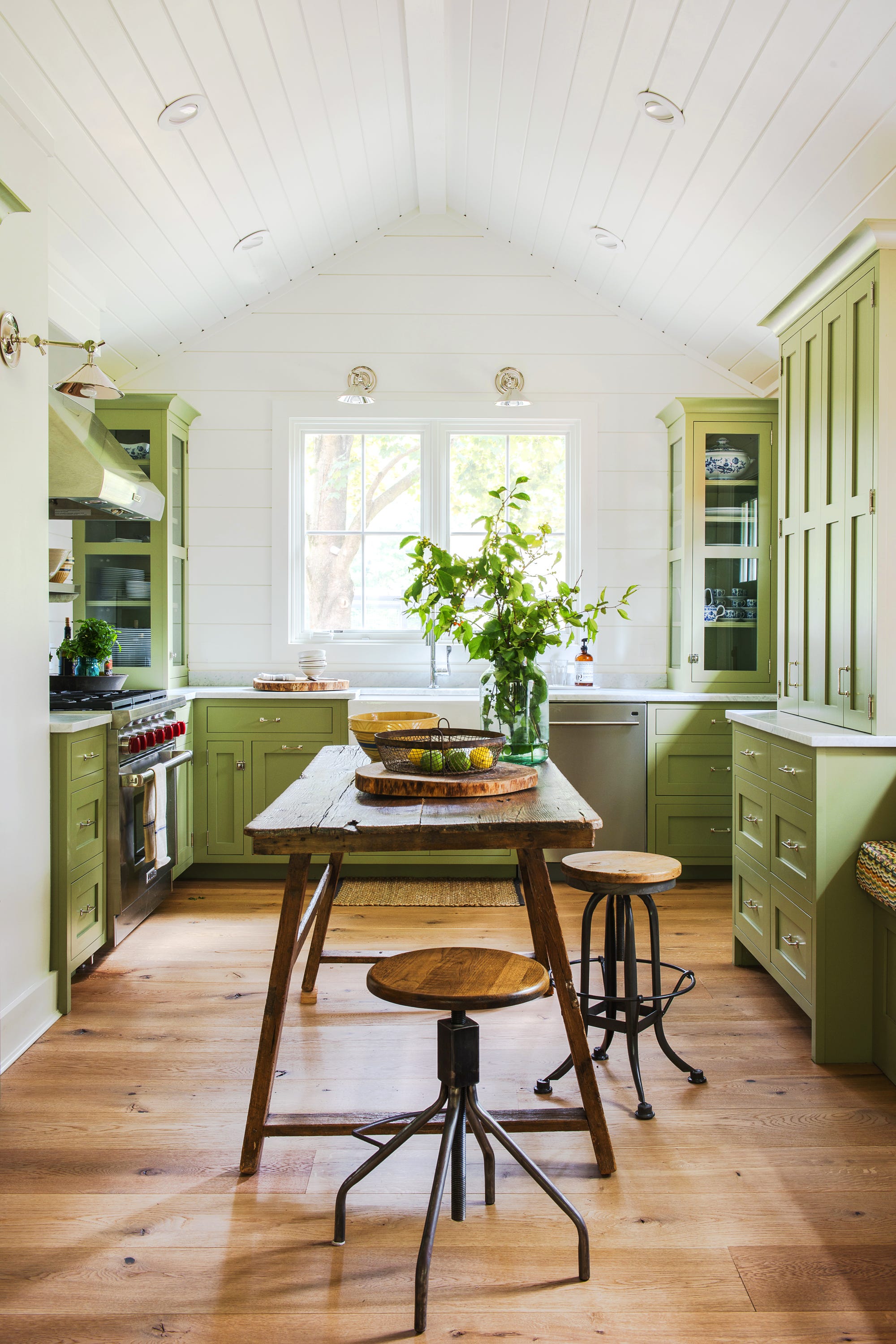
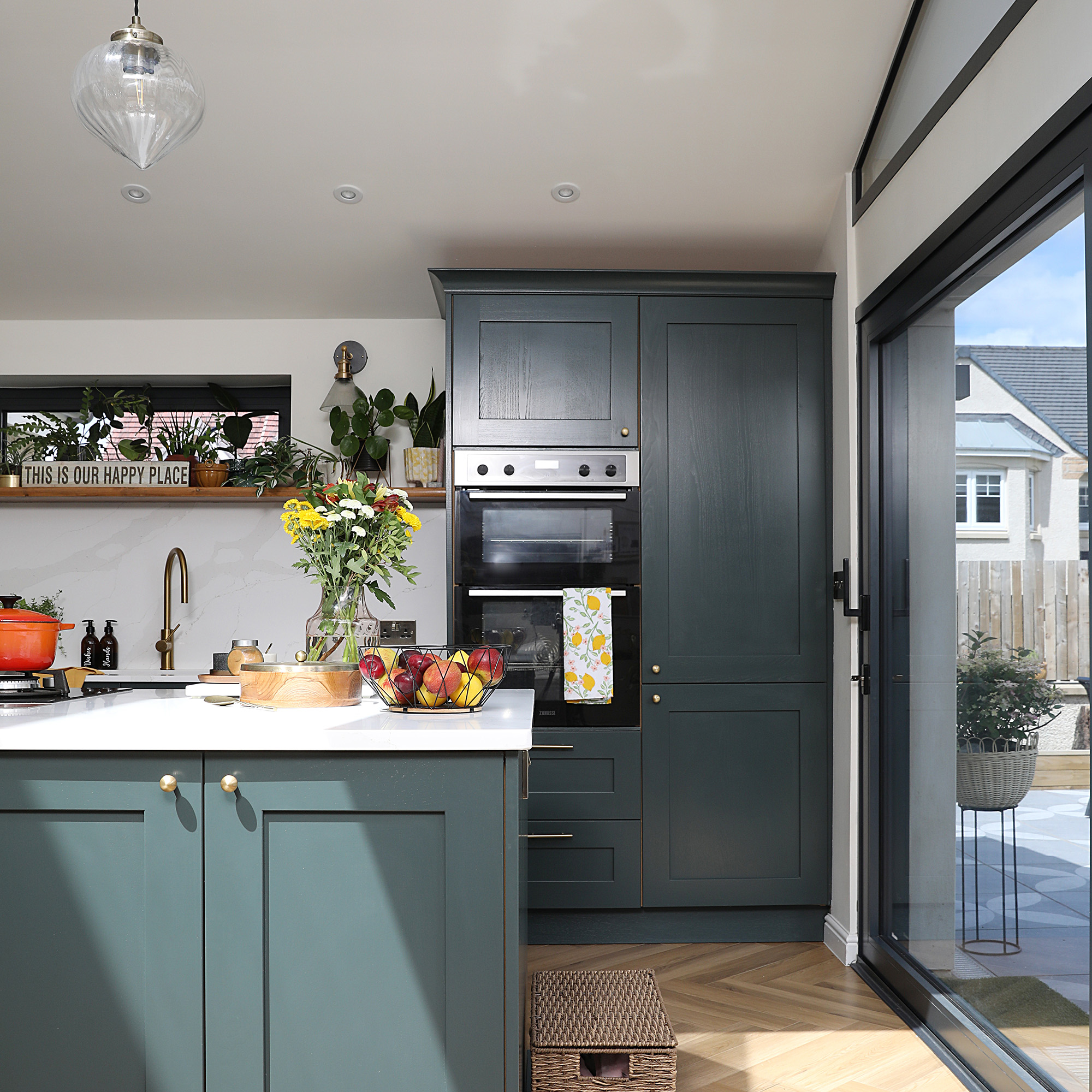
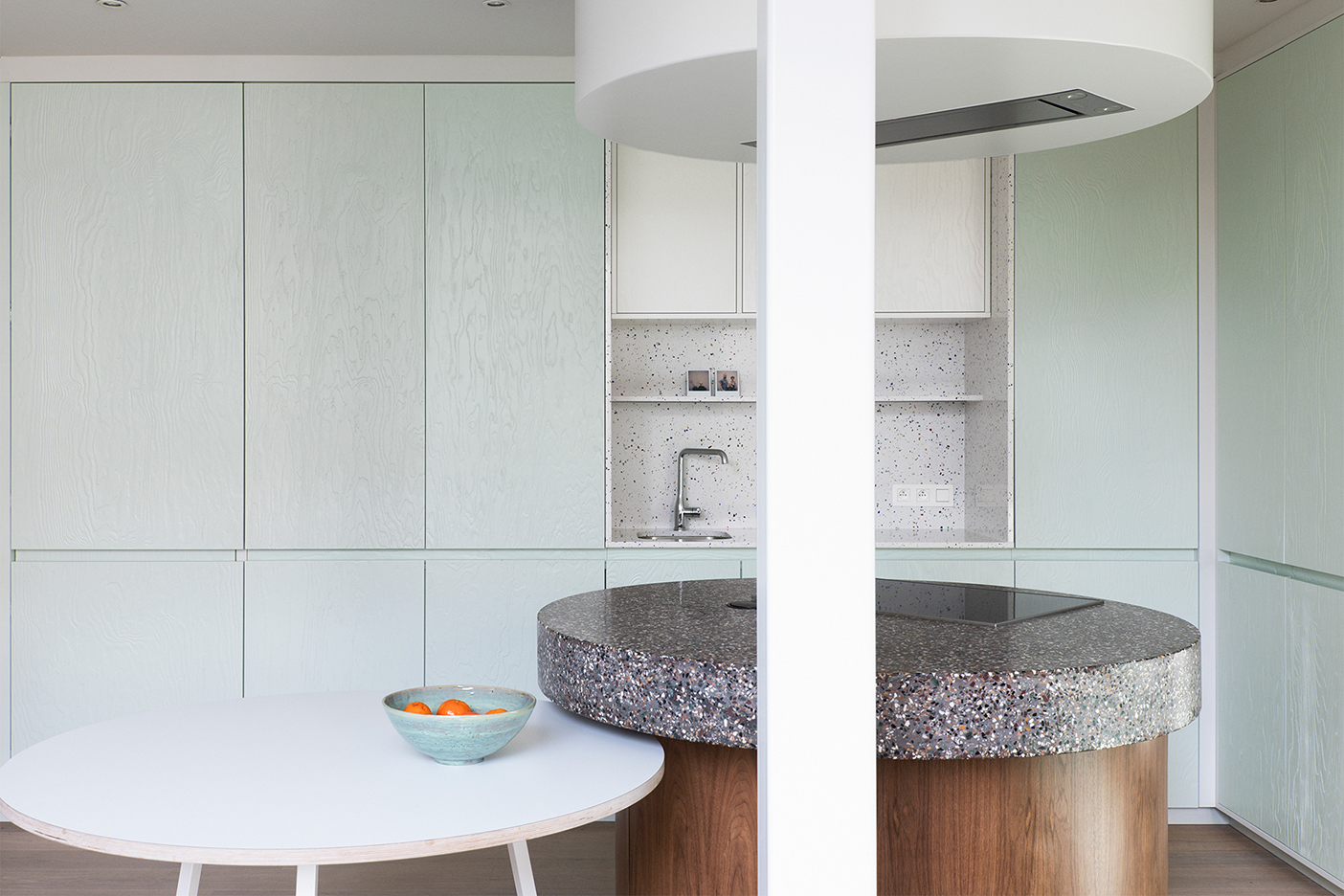
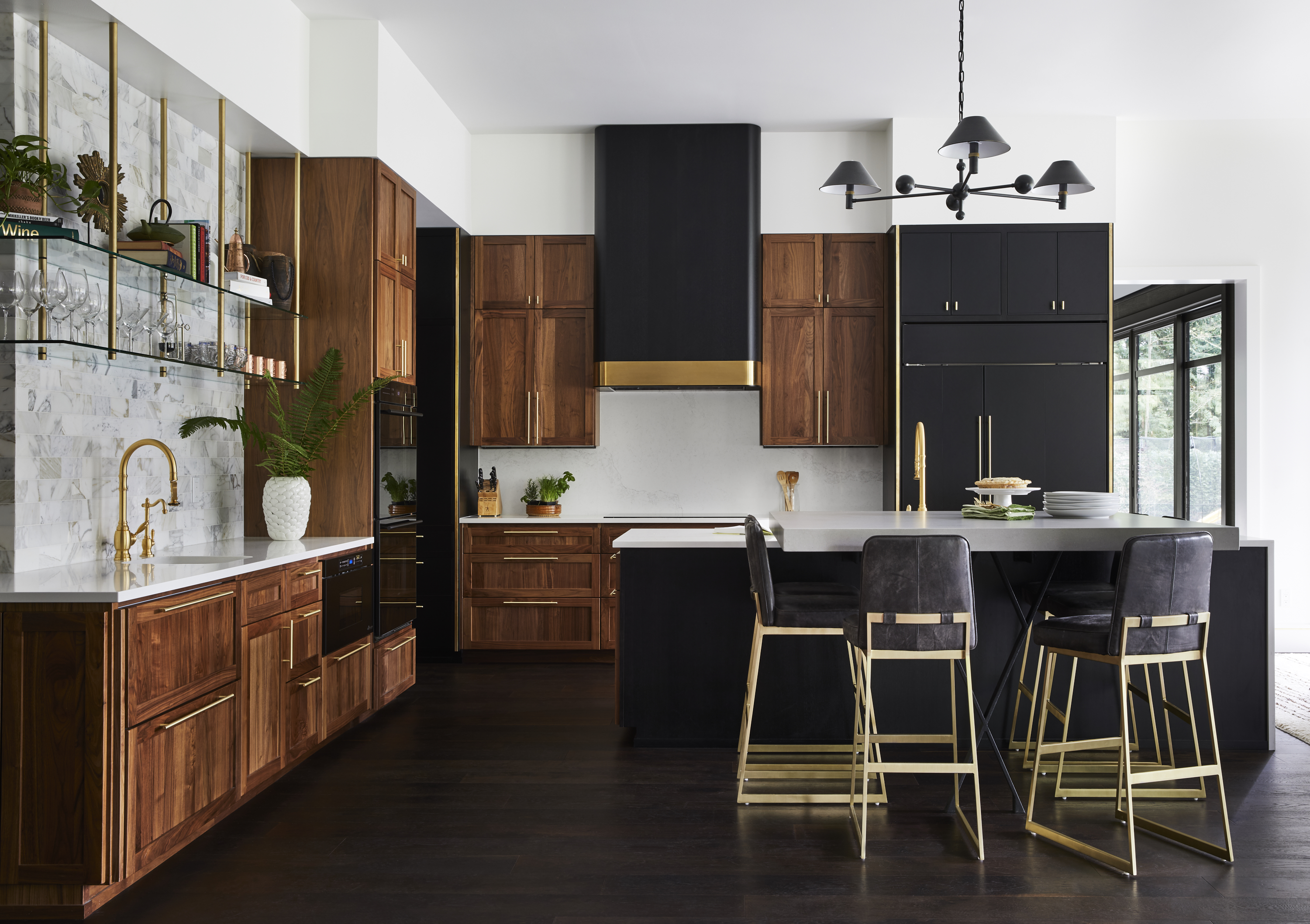
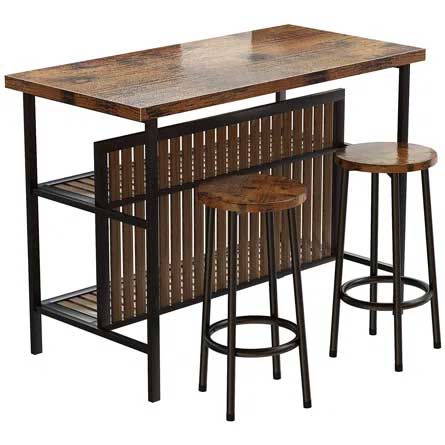
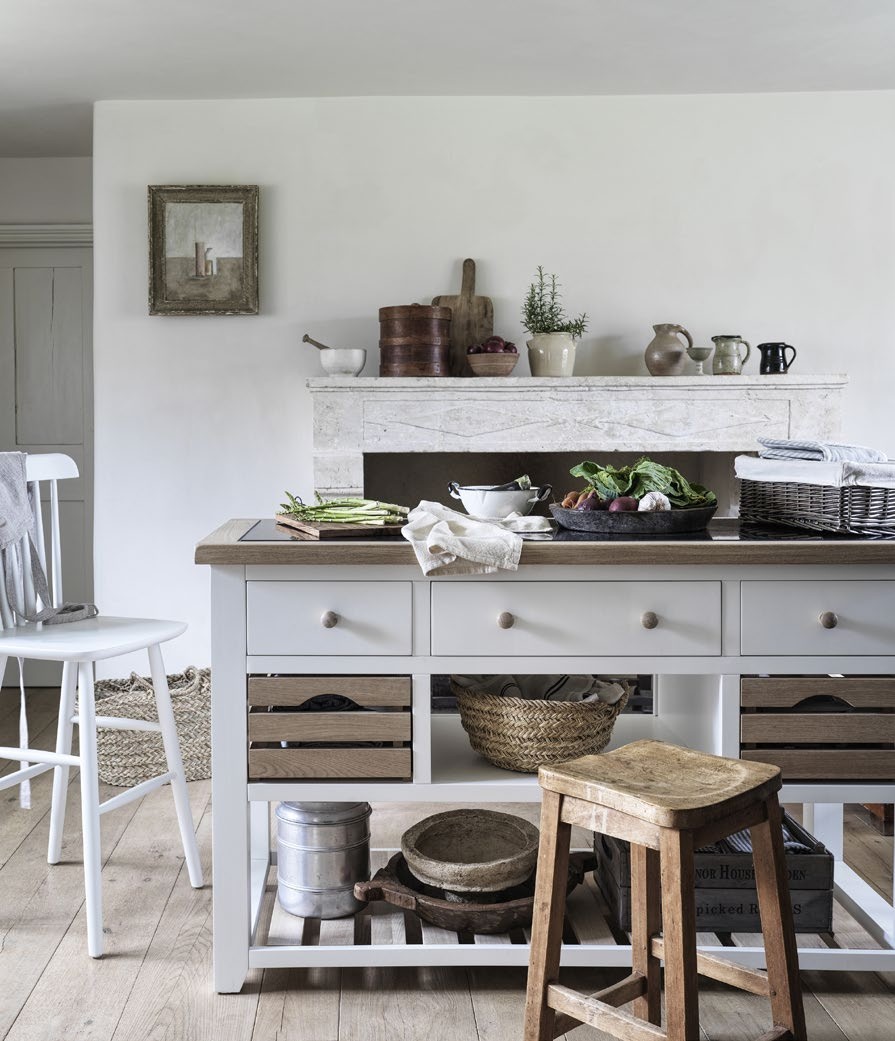

Modern kitchen islands often incorporate electrical outlets, mandated by code (at least one per 9 square feet of countertop), to support countertop appliances, device charging, and computer use. The integration of major appliances, such as a stovetop or sink, transforms the island into a central workspace. An island stovetop allows cooks to face outward, but requires a ventilation hood that might impact ceiling aesthetics. Alternatively, a sink can facilitate social interaction while performing dishwashing tasks. For those on a budget or with smaller kitchens, prefabricated islands, antique tables, chopping blocks, or compact kitchen tables can serve as functional alternatives, proving that kitchen islands, in their various forms, remain a highly functional and desirable kitchen feature.
#KitchenIsland #HomeDesign #KitchenRemodel #InteriorDesign #CountertopMaterials #KitchenStorage #KitchenLayout #HomeImprovement #KitchenIsland #HomeDesign #KitchenRemodel #InteriorDesign #CountertopMaterials #KitchenStorage #KitchenLayout #HomeImprovement
0 comment in total
 No comments yet
You may also like
Kitchen Island 101: Everything You Need To Know

A 'rule of thumb' when working out kitchen island sizes and mistakes to avoid

How to Design a Kitchen Island: Code Requirements, Flow, & More

How to design a kitchen island with seating – 6 expert steps to the perfect, social space

Kitchen island layout ideas – what to consider when incorporating your dream island


5 things to consider when adding a kitchen island, according to interior designer Emily Henderson
Kitchen island ideas – 24 ways to create a fabulous and functional feature
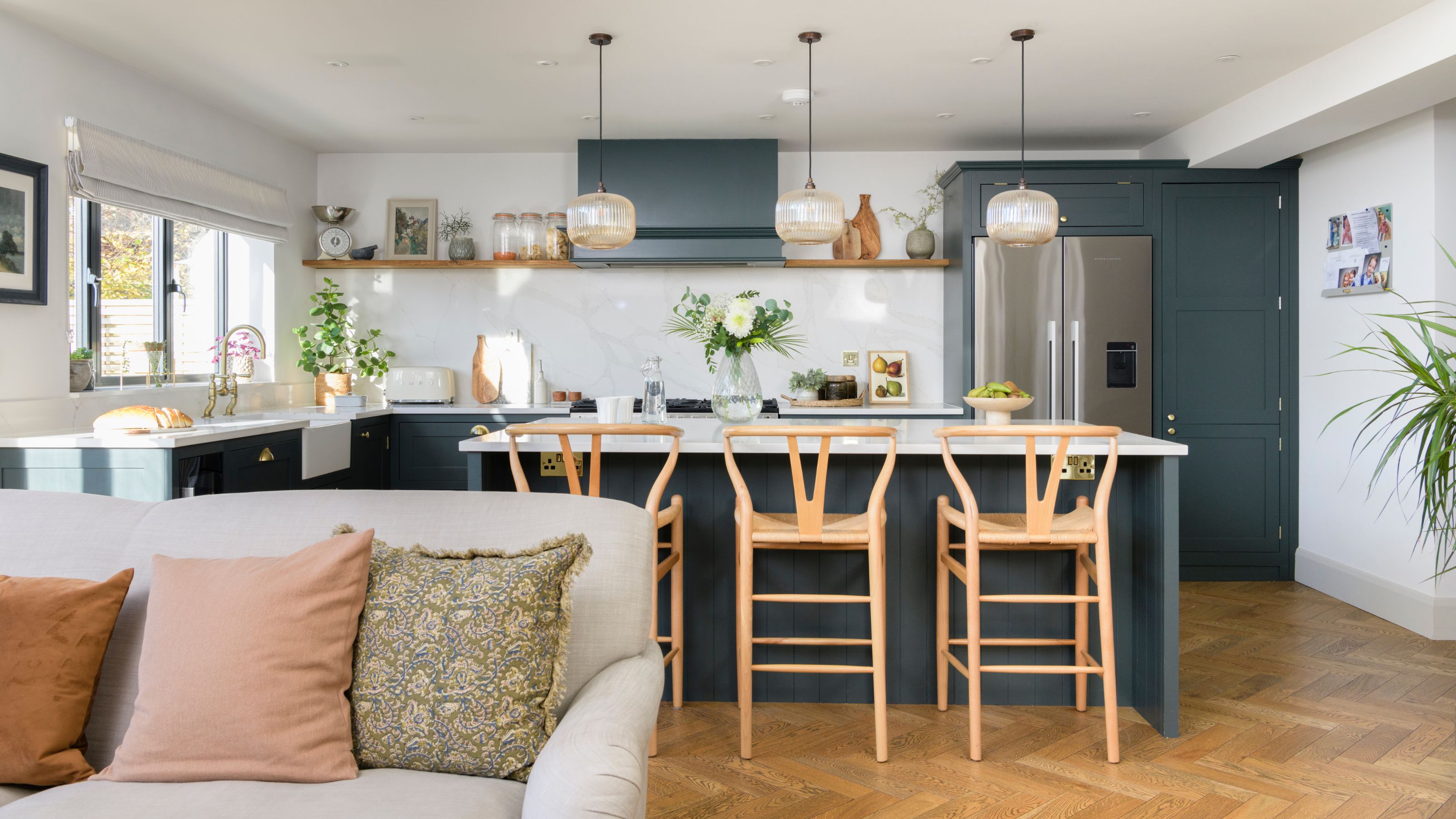
Can you add an island to an existing kitchen? Yes, but these are the 3 considerations to be aware of
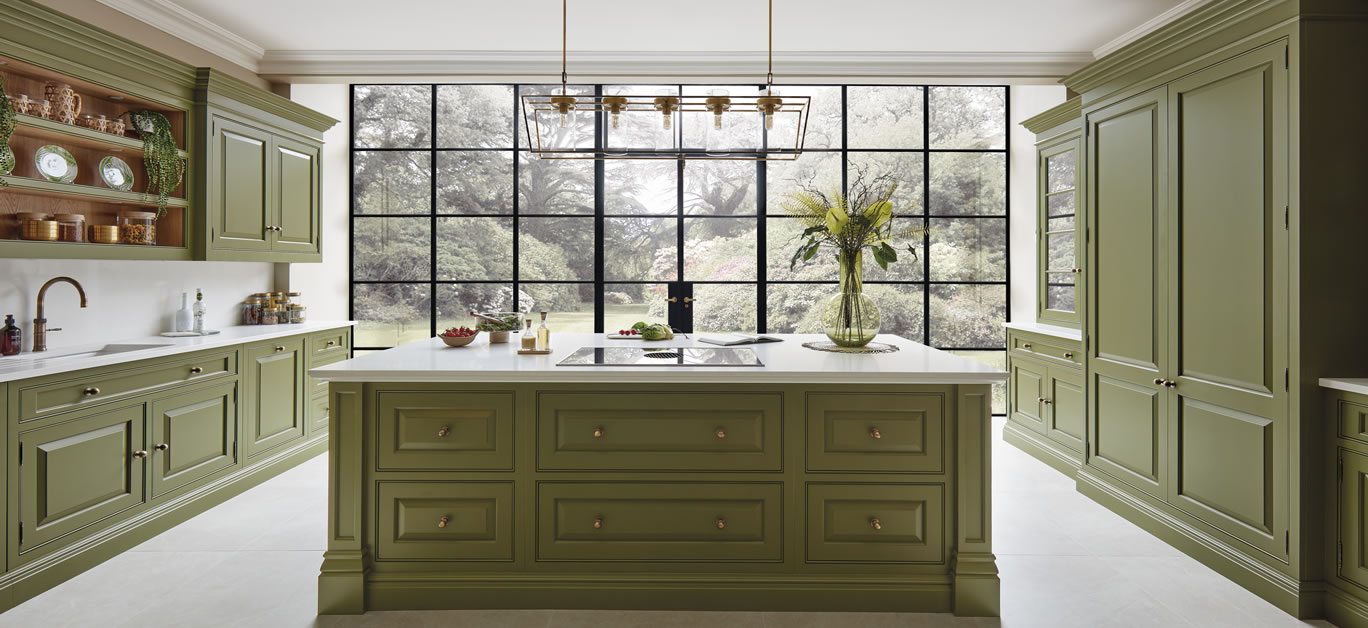
Kitchen island design: The design tips you should know

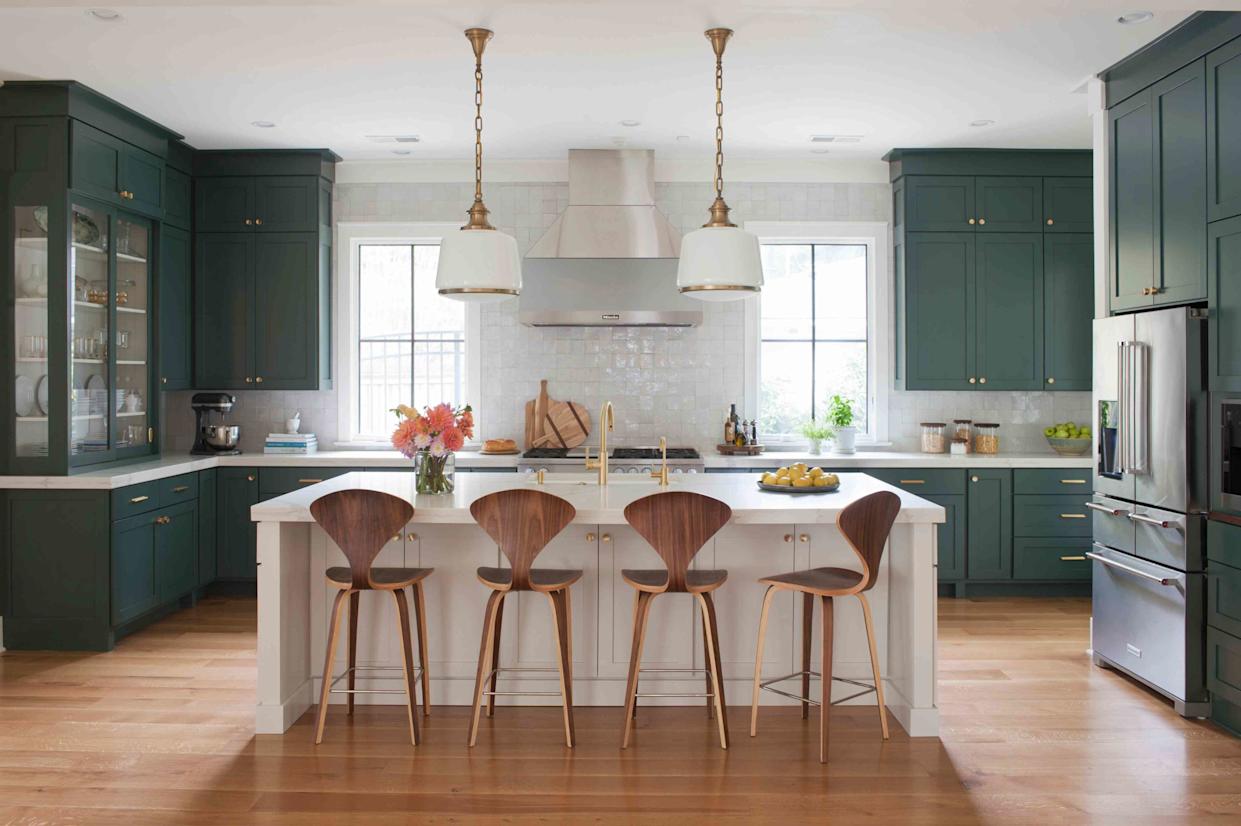
The Most Inviting Spot in Your House Might Not Be in the Living Room


Futuristic Kitchen Islands
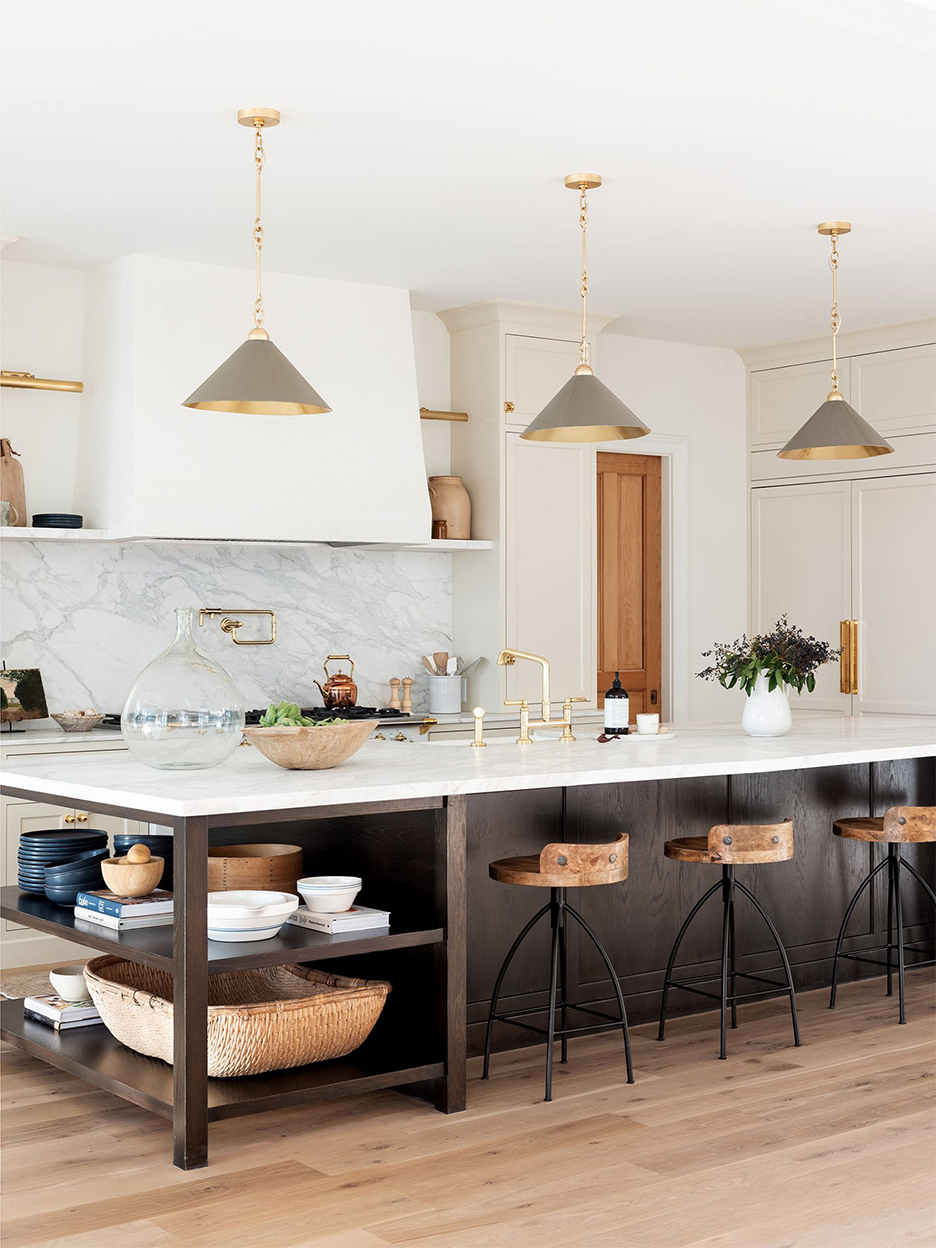
Cleverly Designed Kitchen Islands That Check Off Storage and Seating
Creating the perfect kitchen island

Kitchen island design - 7 Nov 2024 - Homebuilding & Renovating Magazine

How to Add More Seating to Your Kitchen Island

Kitchen island vs no kitchen island – two reasons designers choose this layout, and two reasons they don't
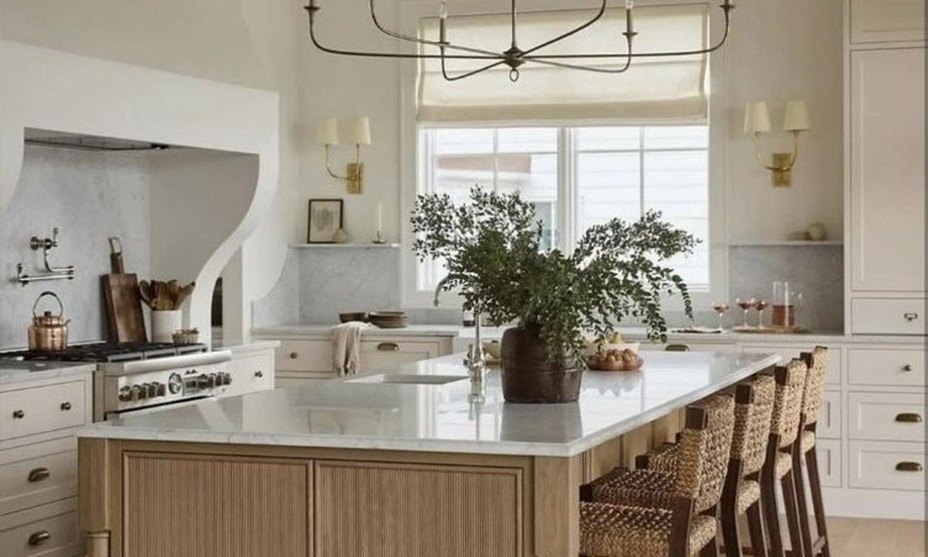
5 Showstopping Kitchen Island Looks That Will Redefine Your Cook Space
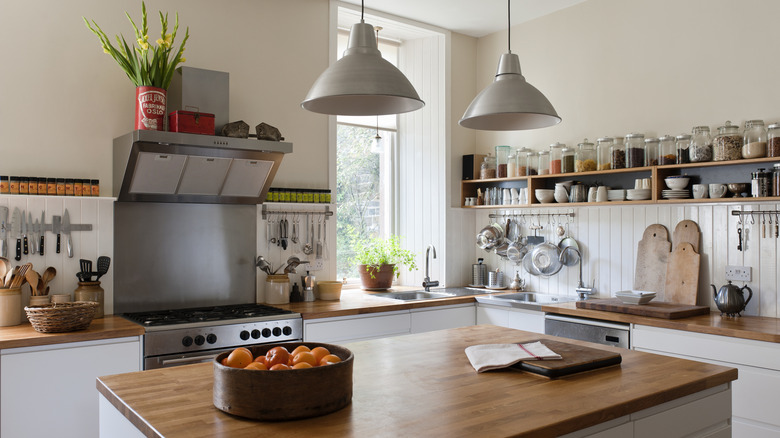
13 Ways To Functionally Decorate Your Kitchen Island

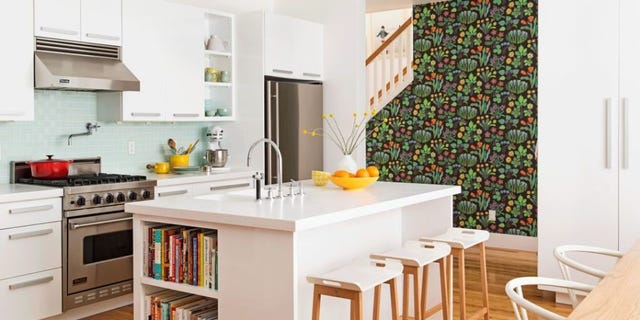
15 Dreamy Kitchen Island Ideas

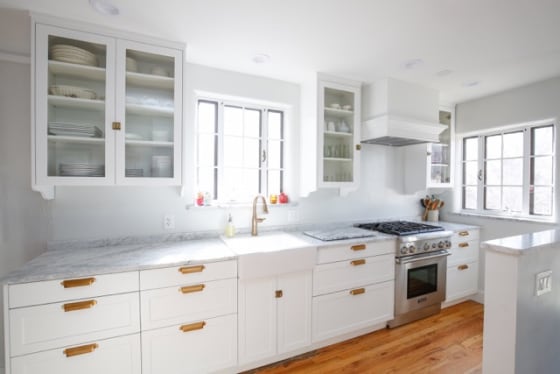
Thinking of installing an IKEA kitchen? Here's what you need to know first