1/7
5 things to consider when adding a kitchen island, according to interior designer Emily Henderson
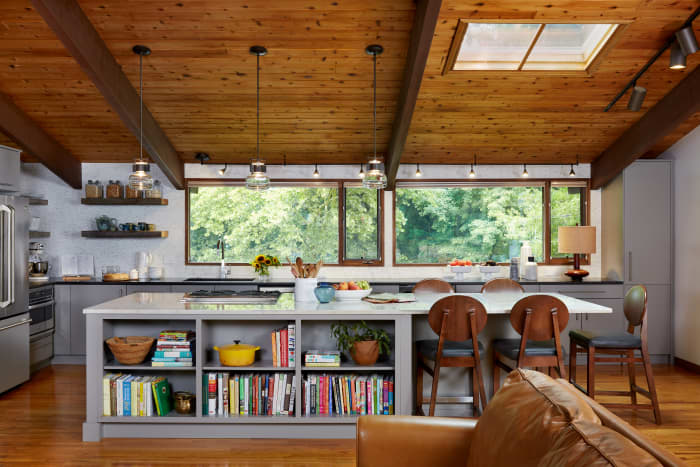
This article outlines five key considerations for homeowners looking to incorporate a kitchen island into their space, drawing insights from expert interior designer Emily Henderson. The advice emphasizes durability, smart storage, sustainable materials, soft-close drawers, and adequate space for users. These elements are crucial for ensuring a kitchen island is both functional and aesthetically pleasing.
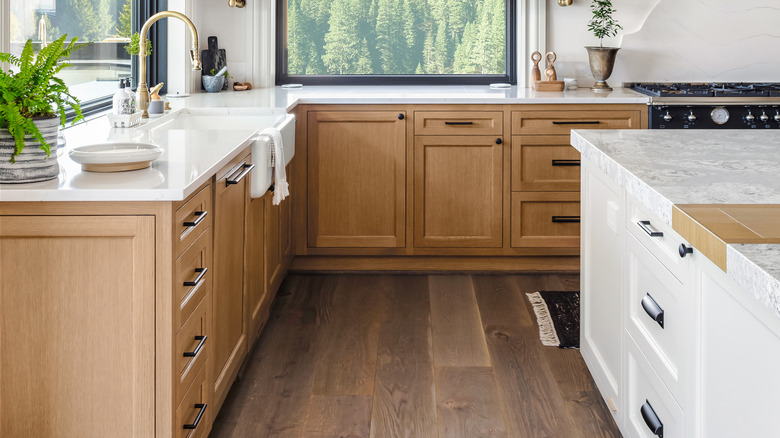
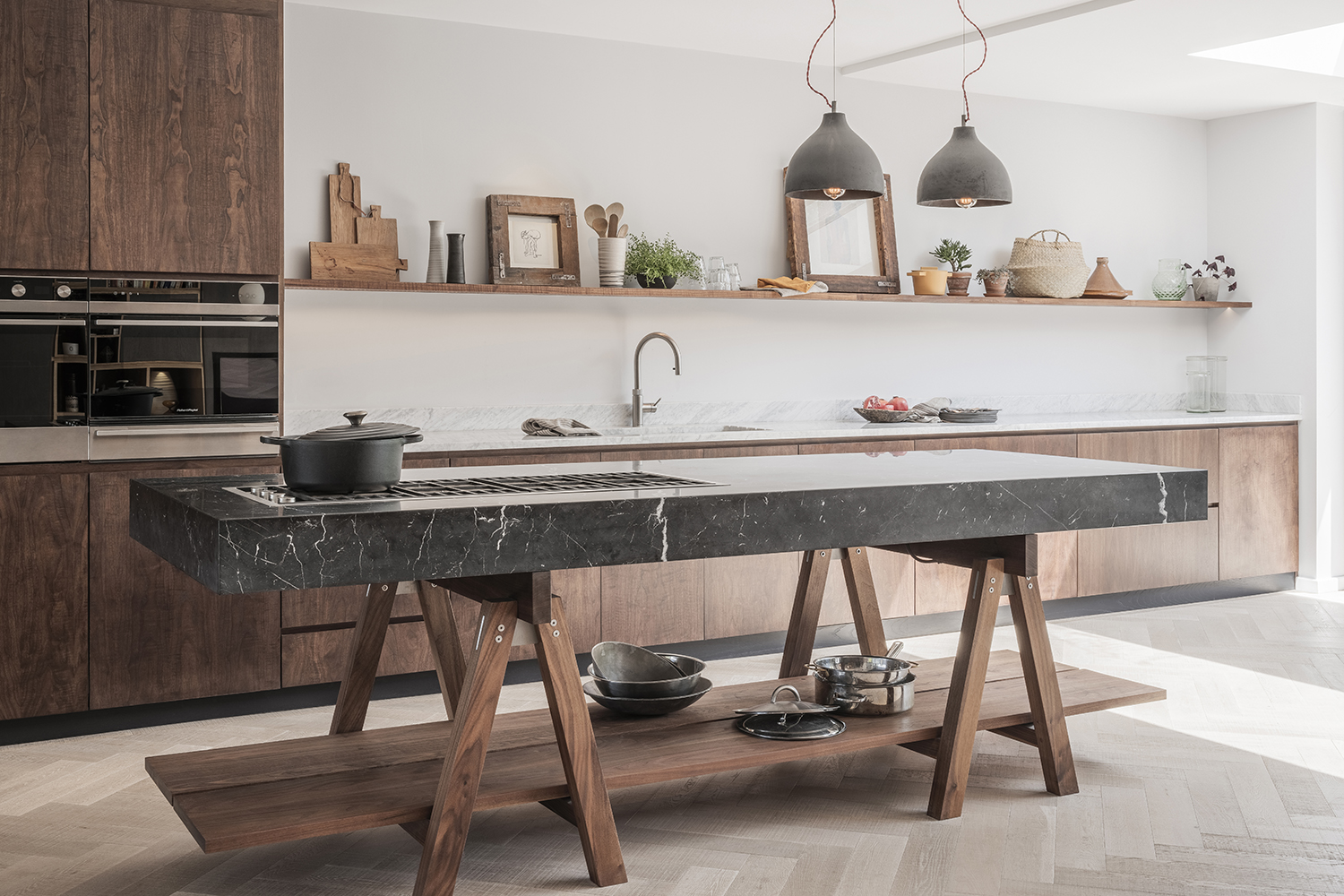
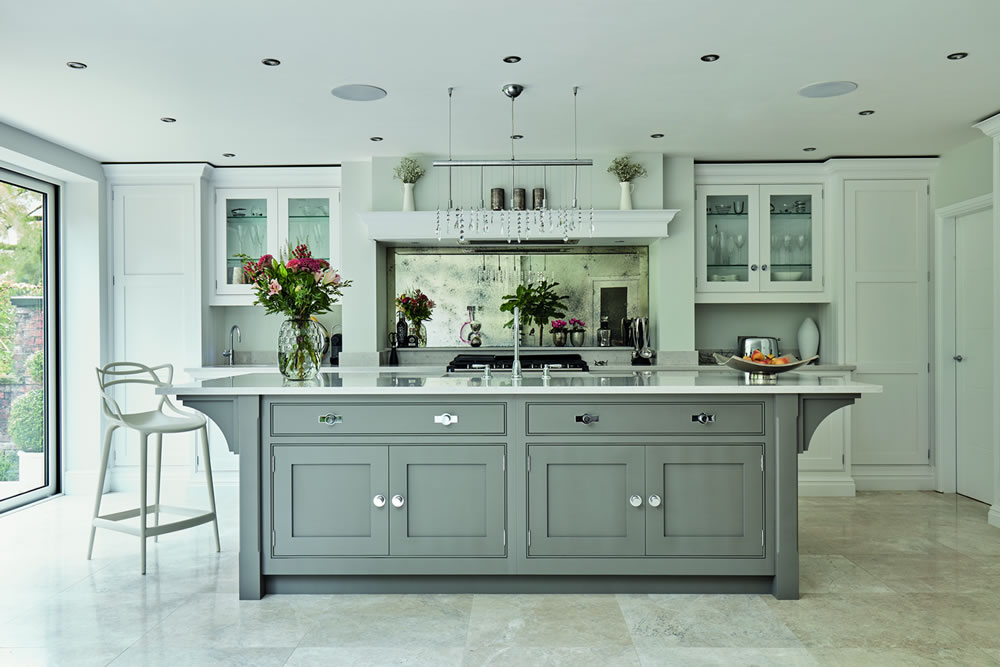
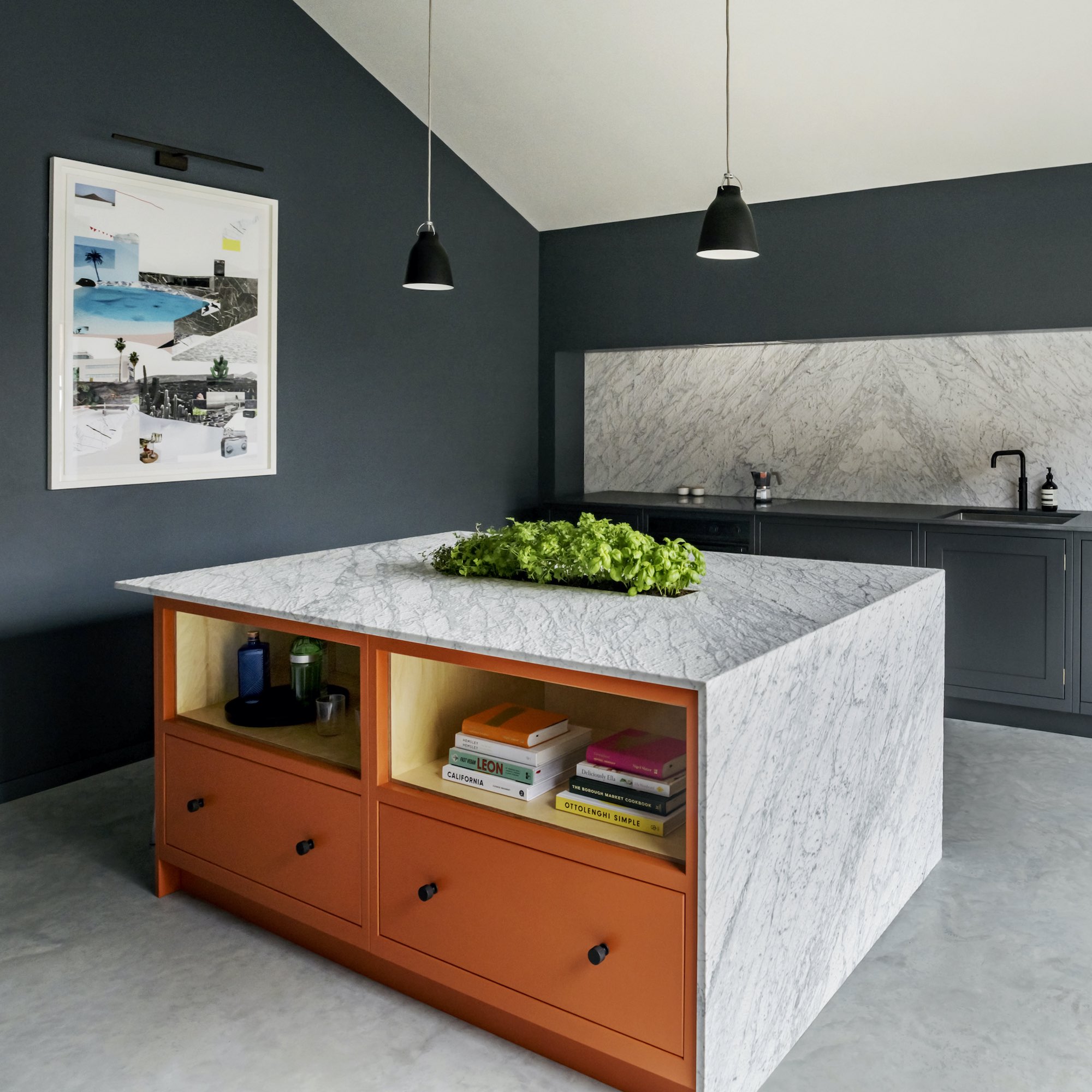
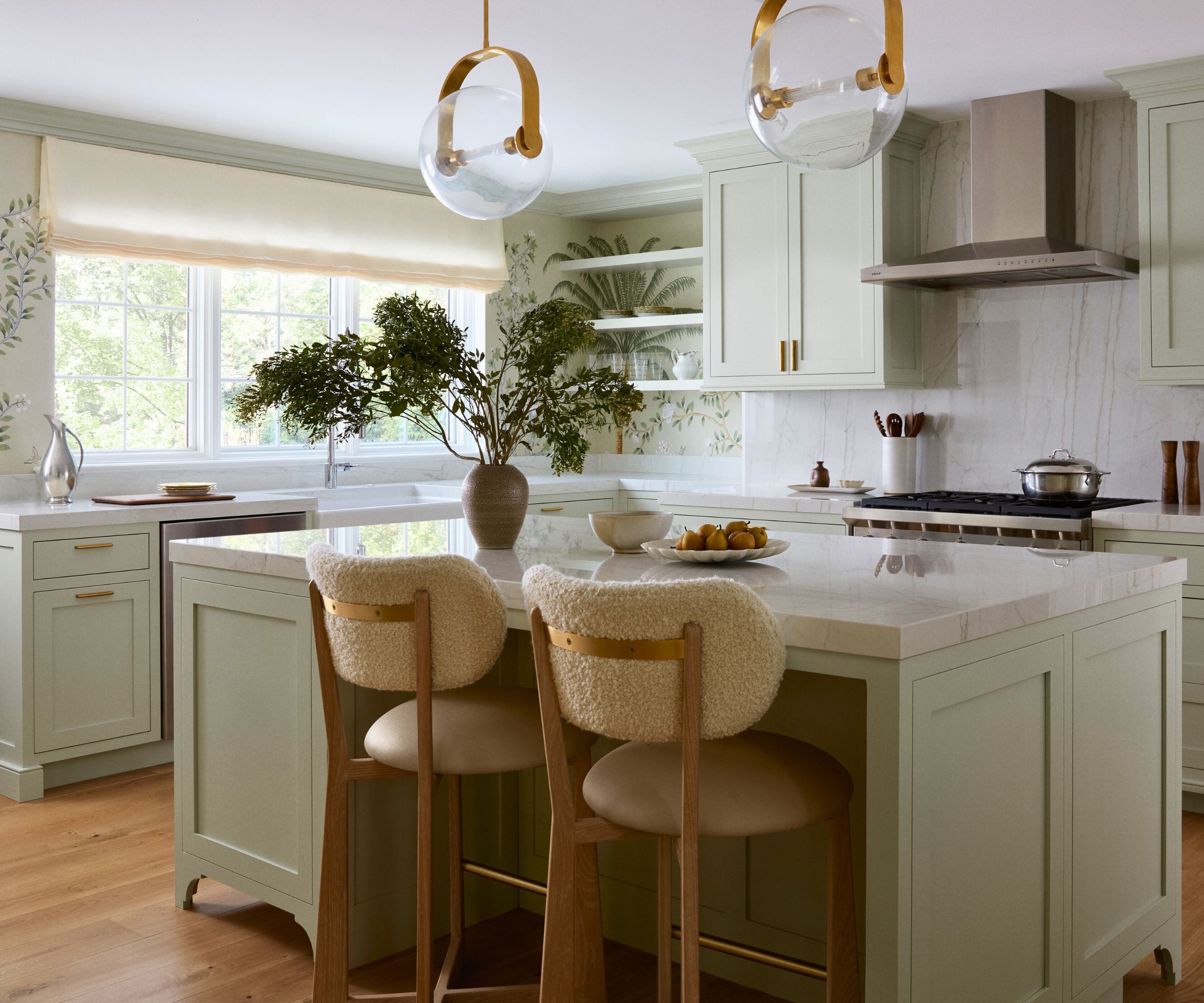
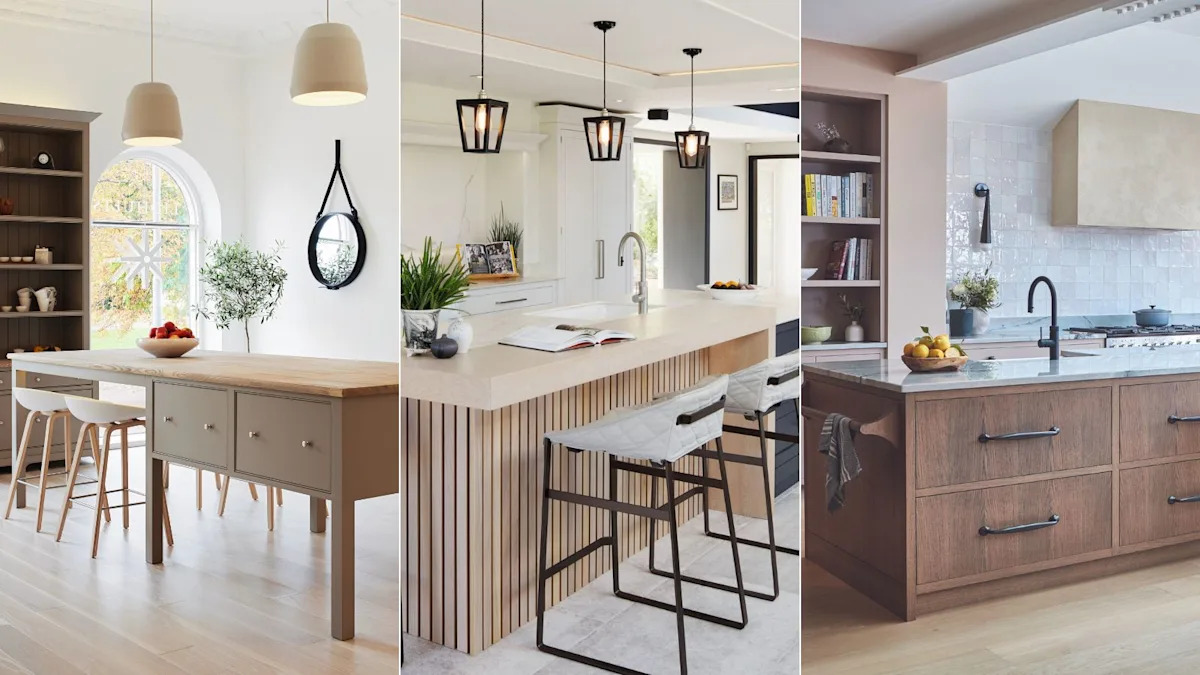
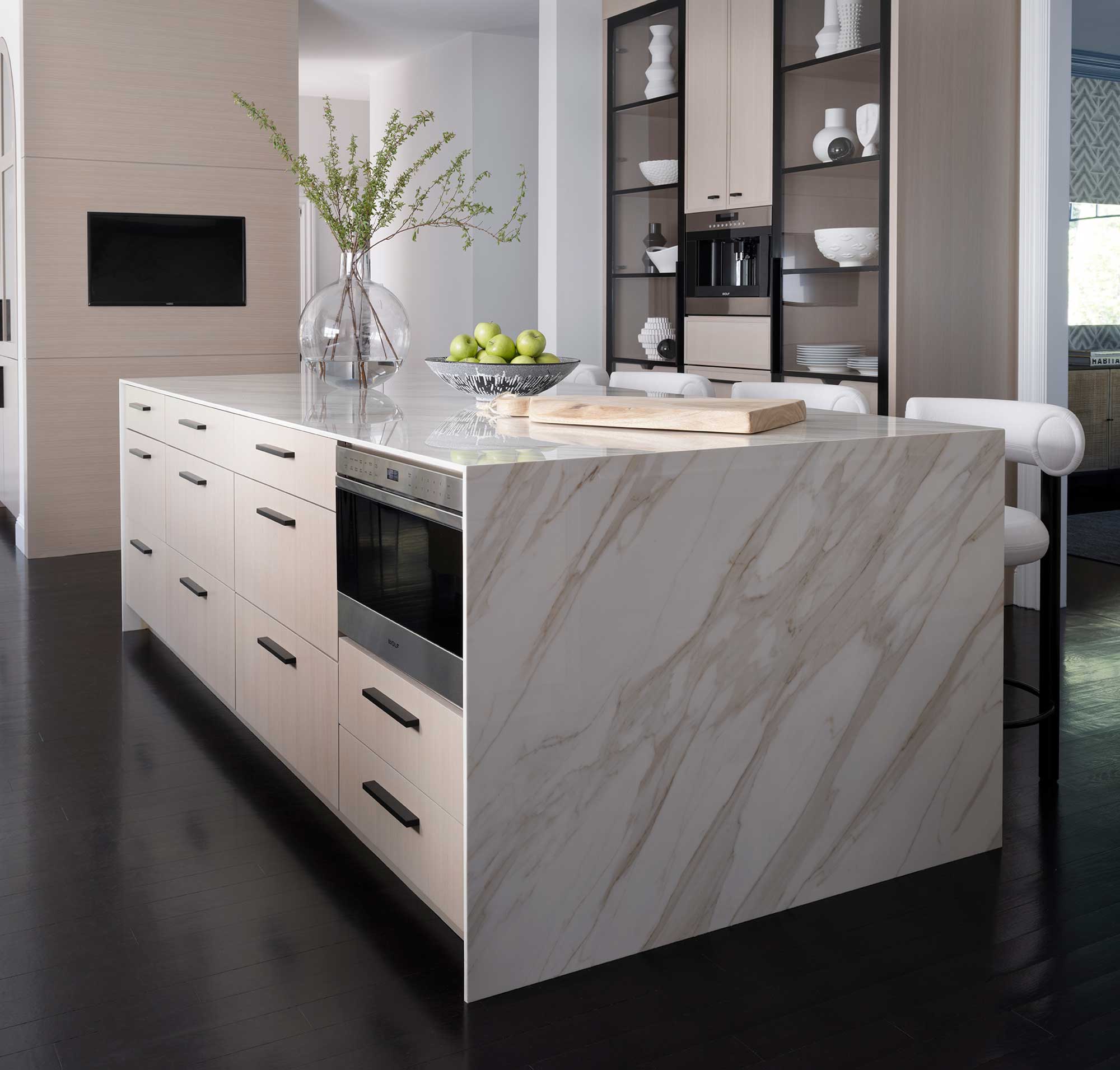
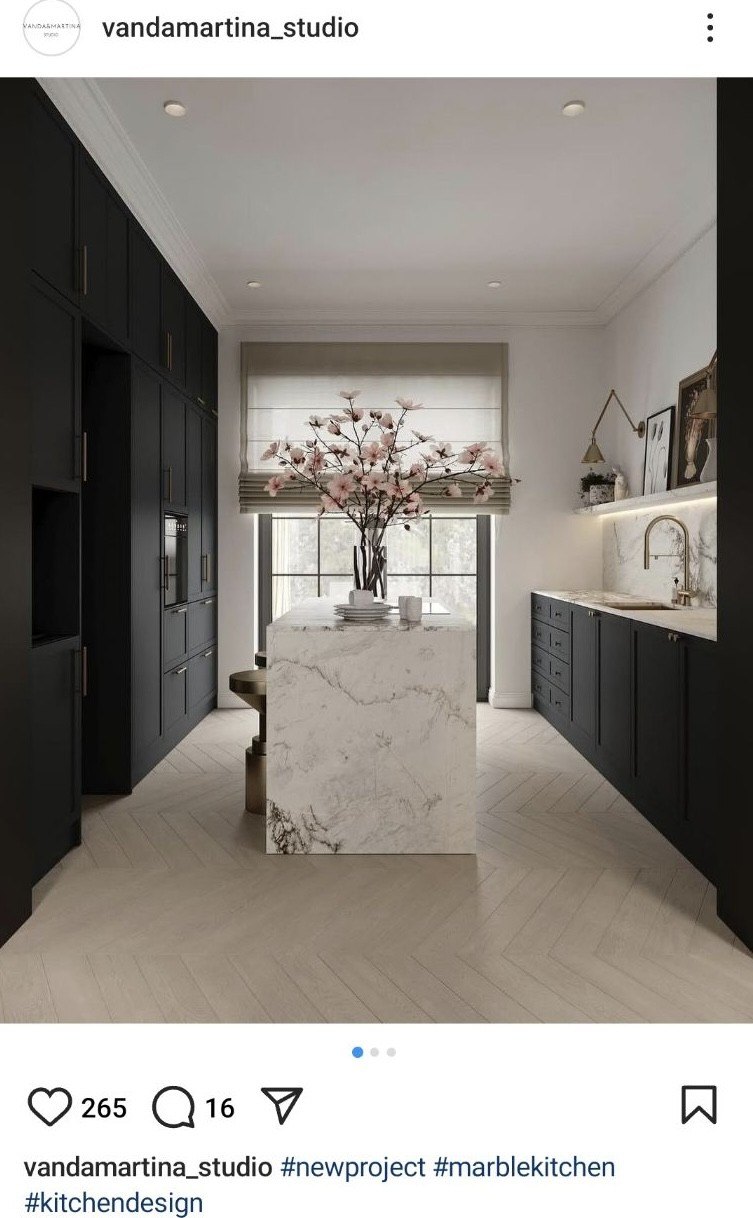
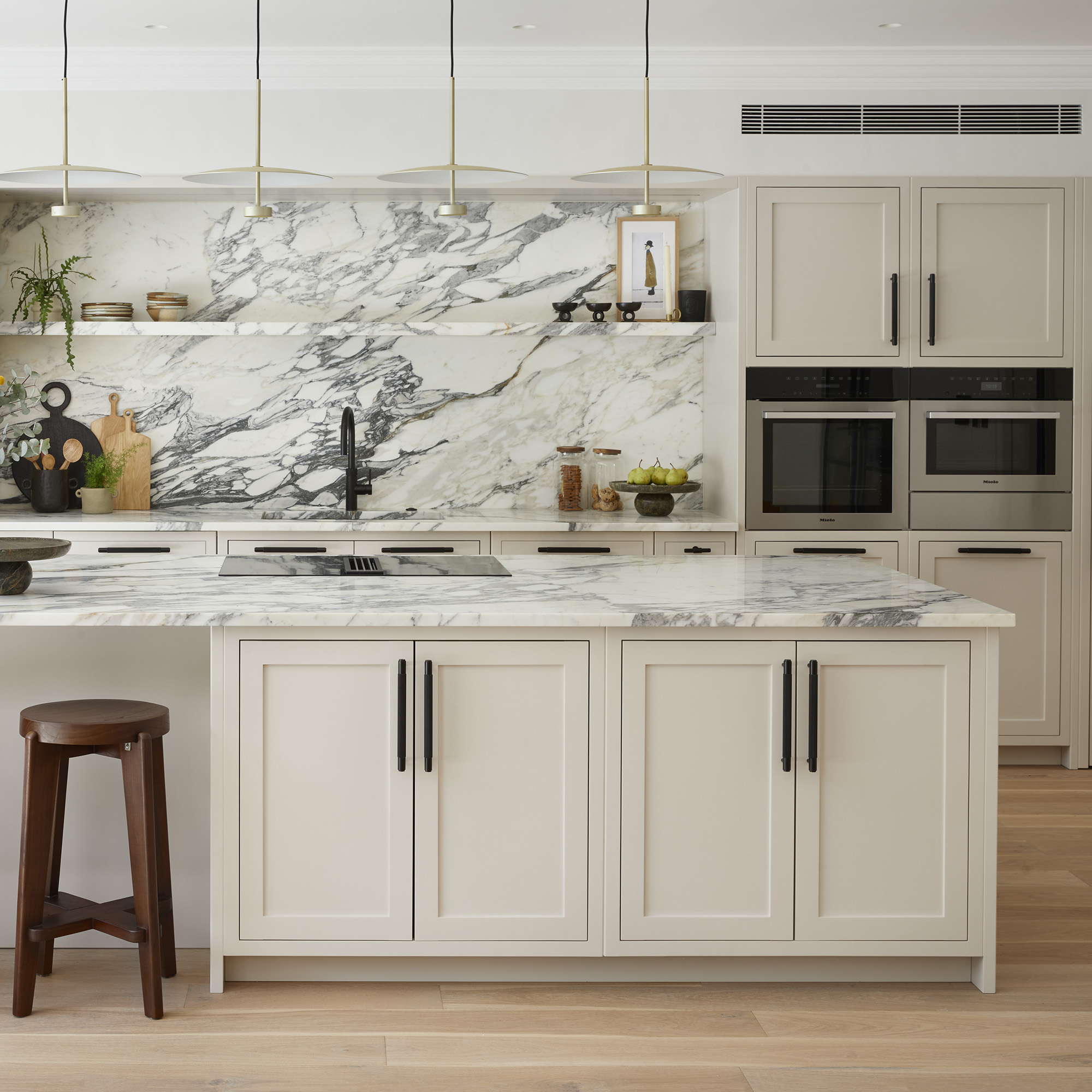
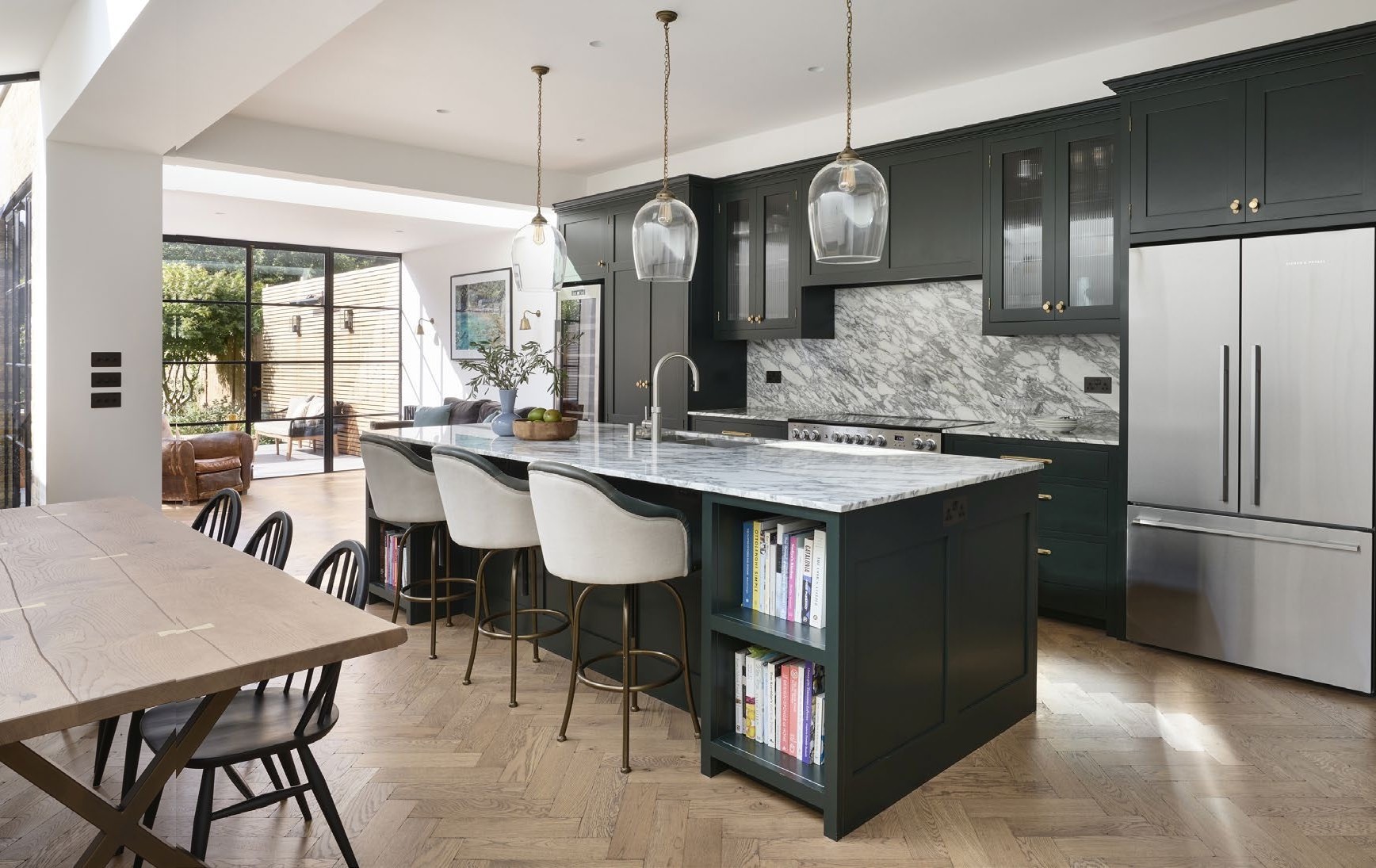
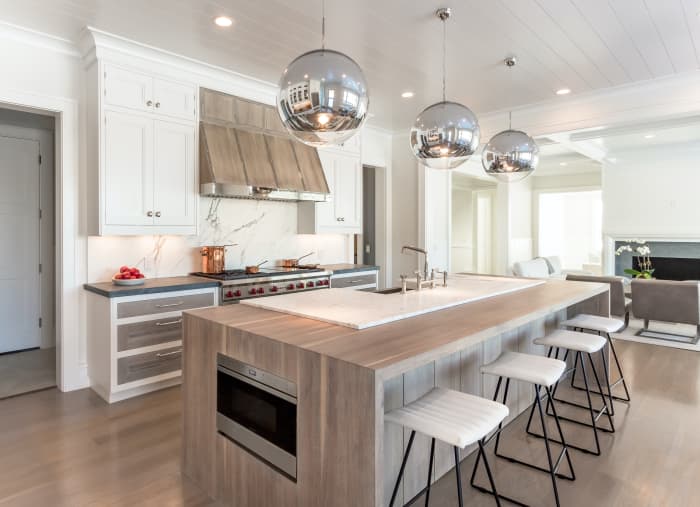
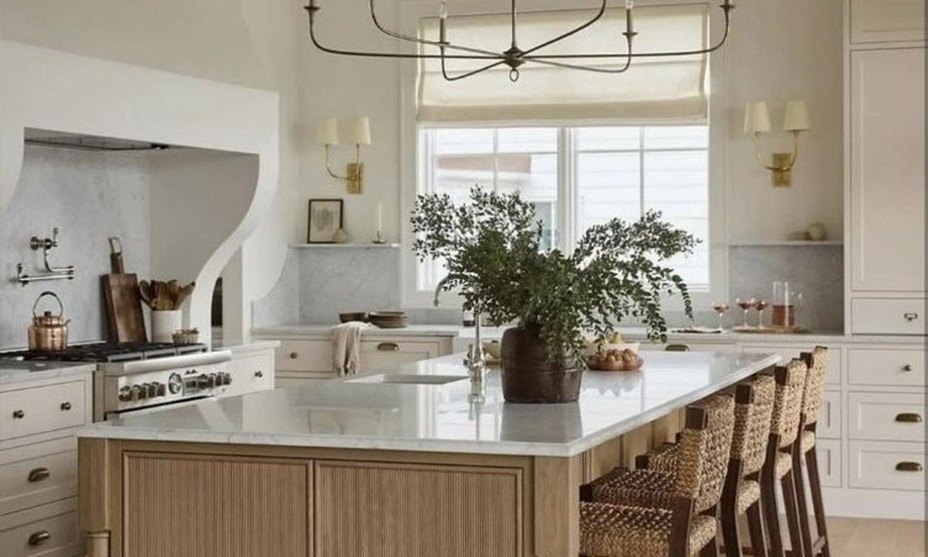
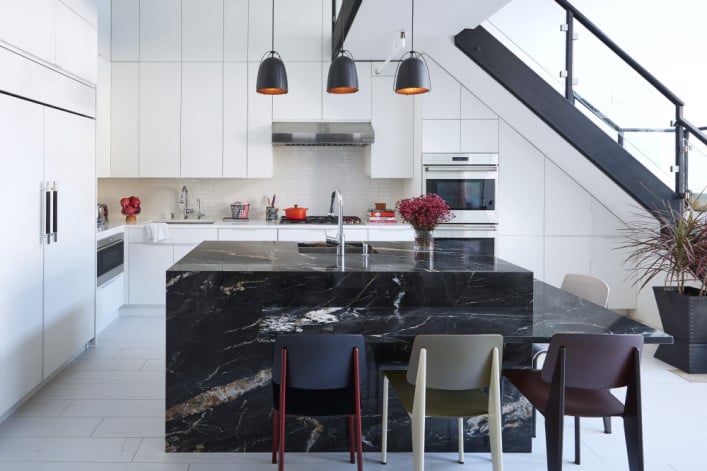
The first consideration focuses on the durability of kitchen island countertops. Emily Henderson highlights that durable surfaces encourage more frequent and practical use of the island. Experts Jesse Vickers of JLV Creative and Nicholas Kaiko of Kaiko Design Interiors suggest materials like granite and quartzite for their natural patterns and remarkable durability. Porcelain slabs are also recommended as a robust, modern, and low-maintenance alternative, being resistant to scratches, stains, and heat. However, it's noted that specific design considerations, particularly for edge details, are necessary when using porcelain.
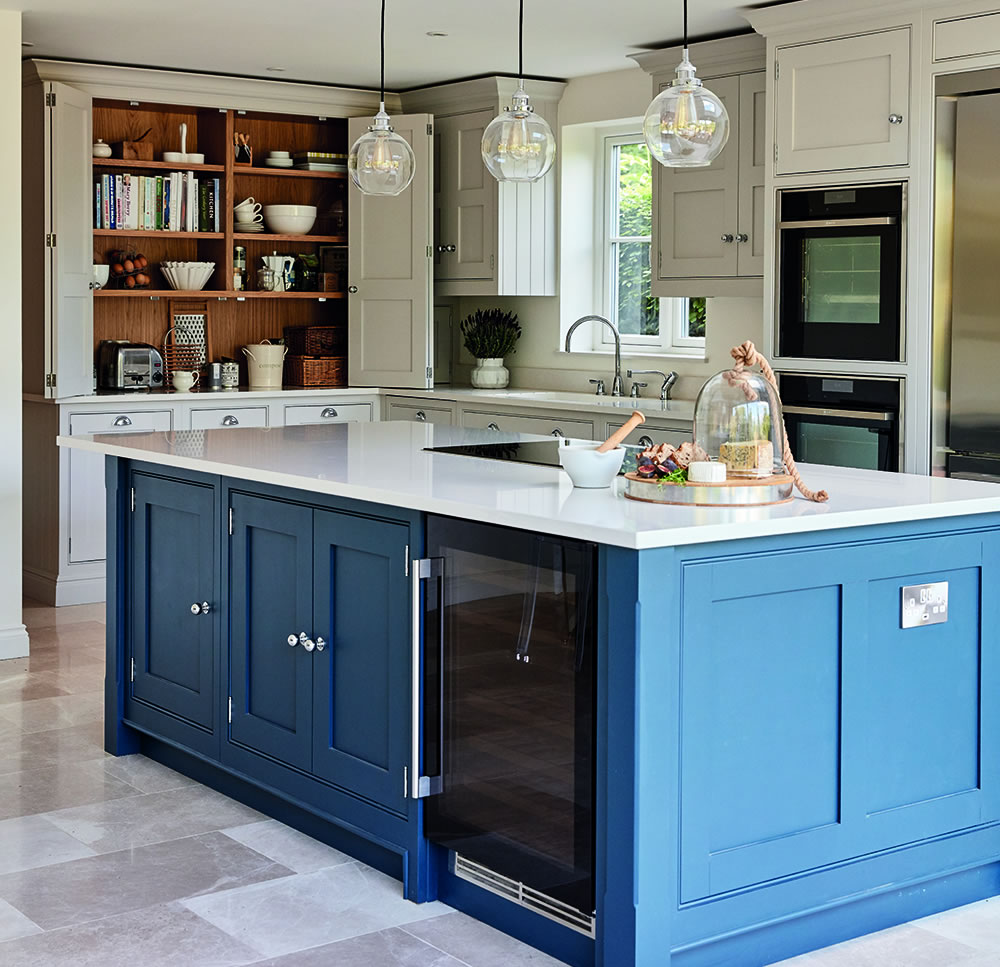
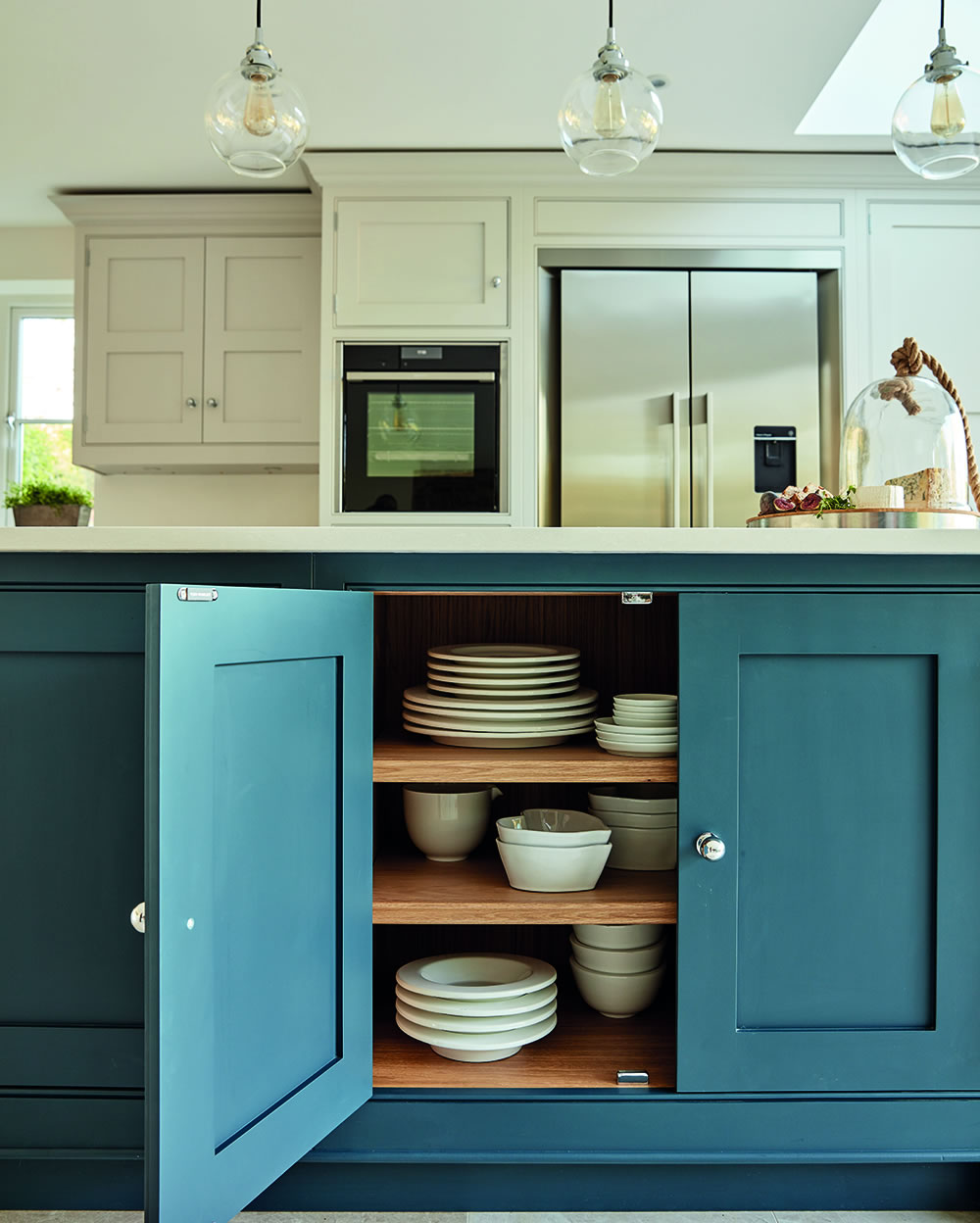
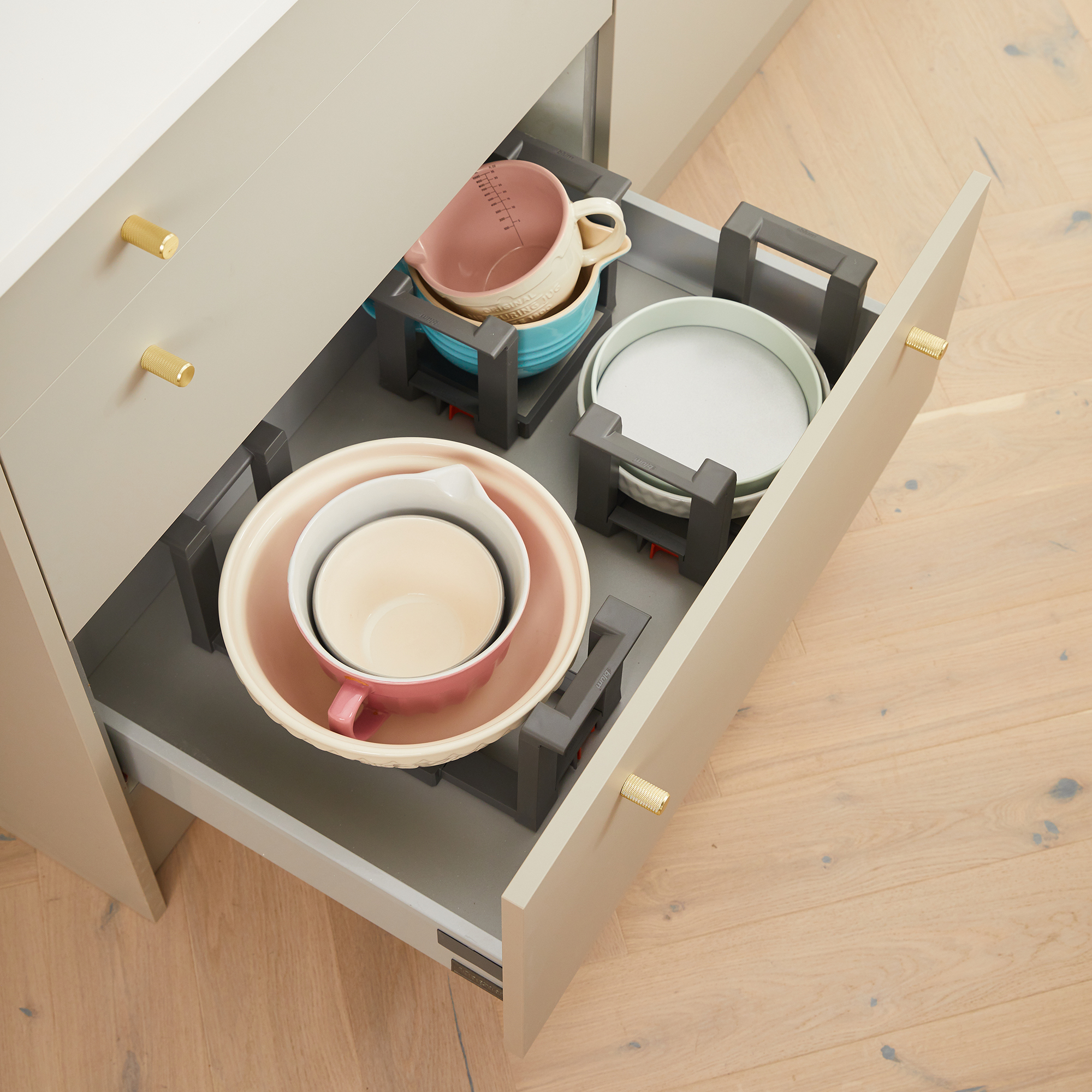
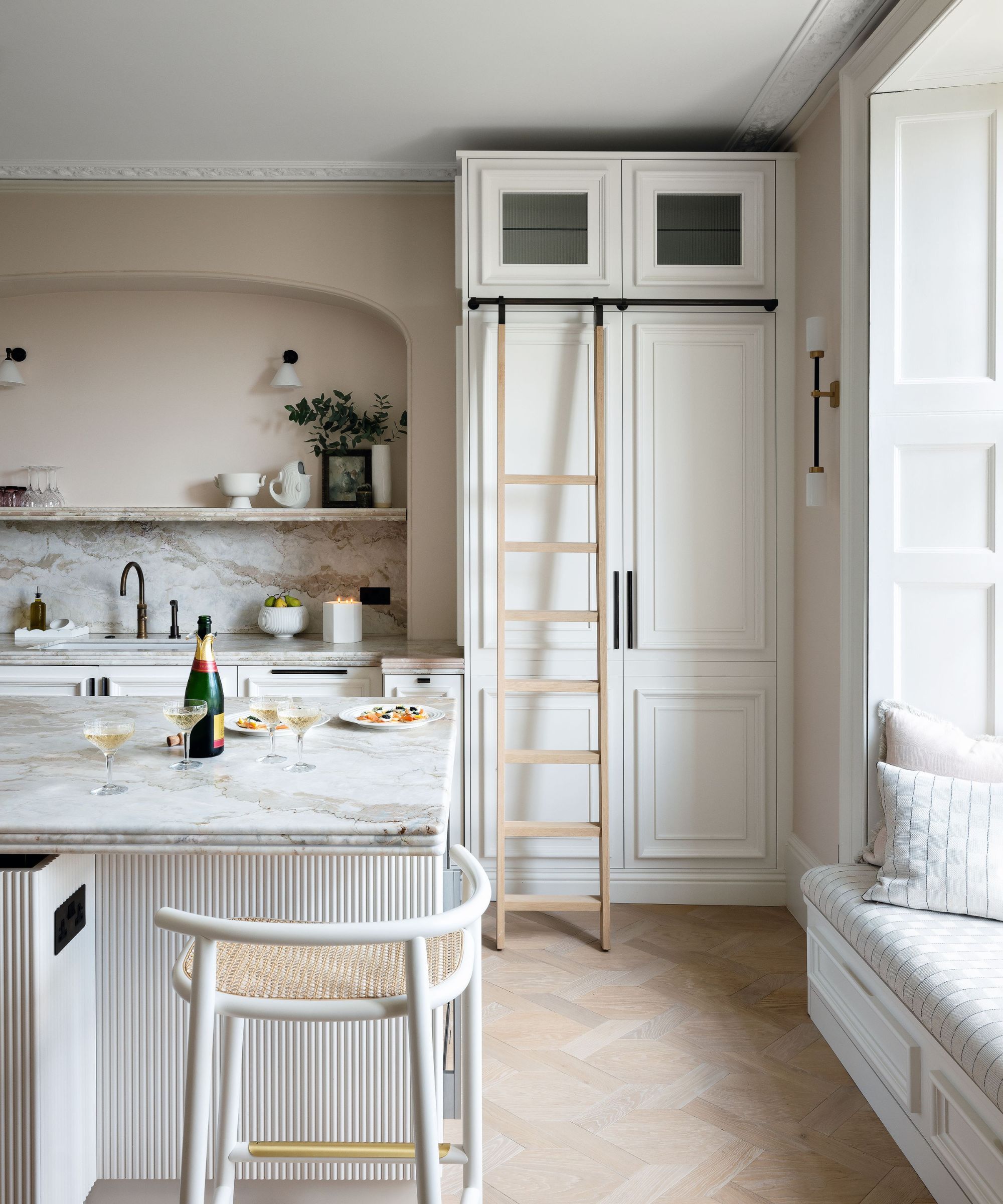
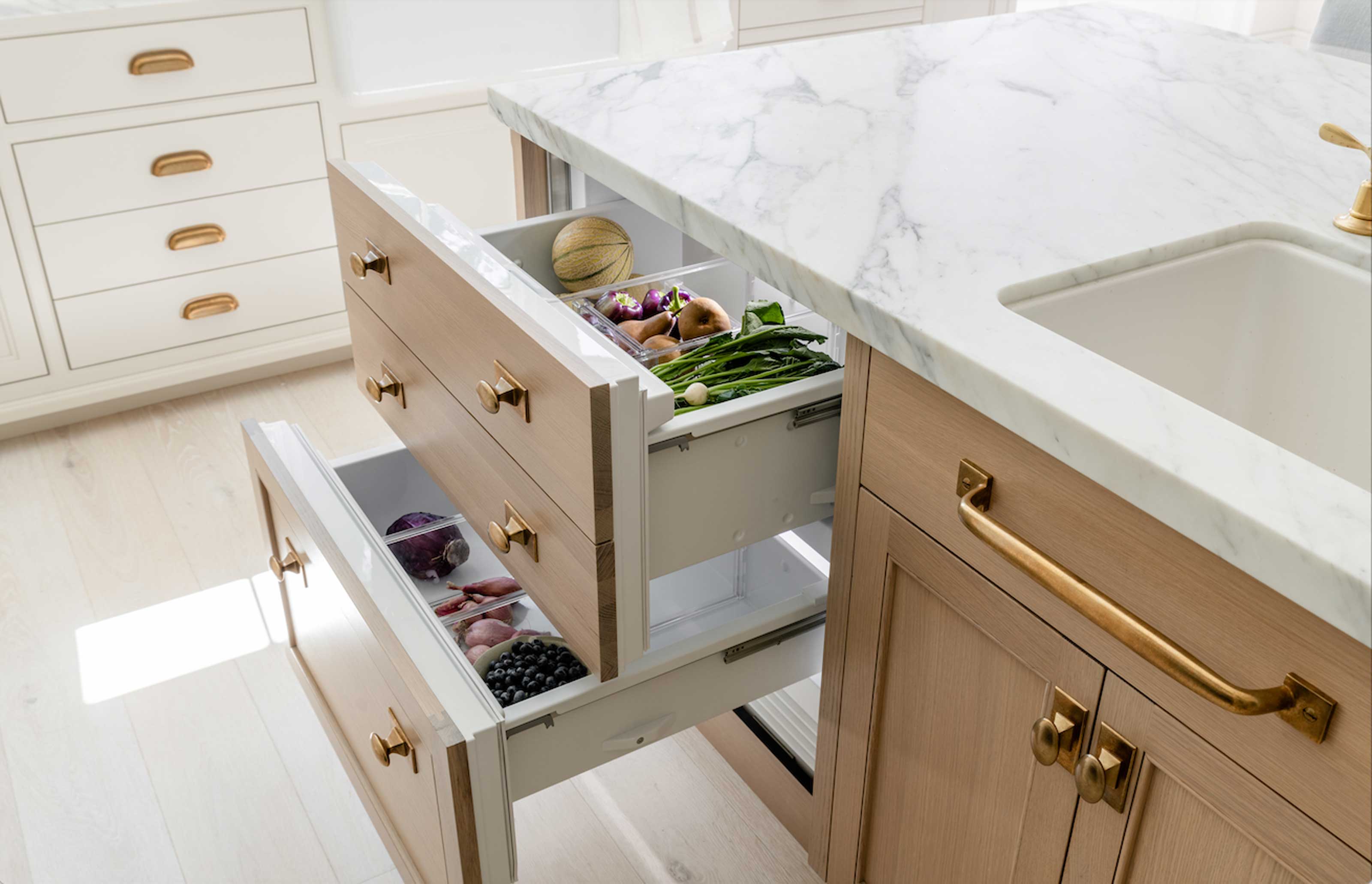
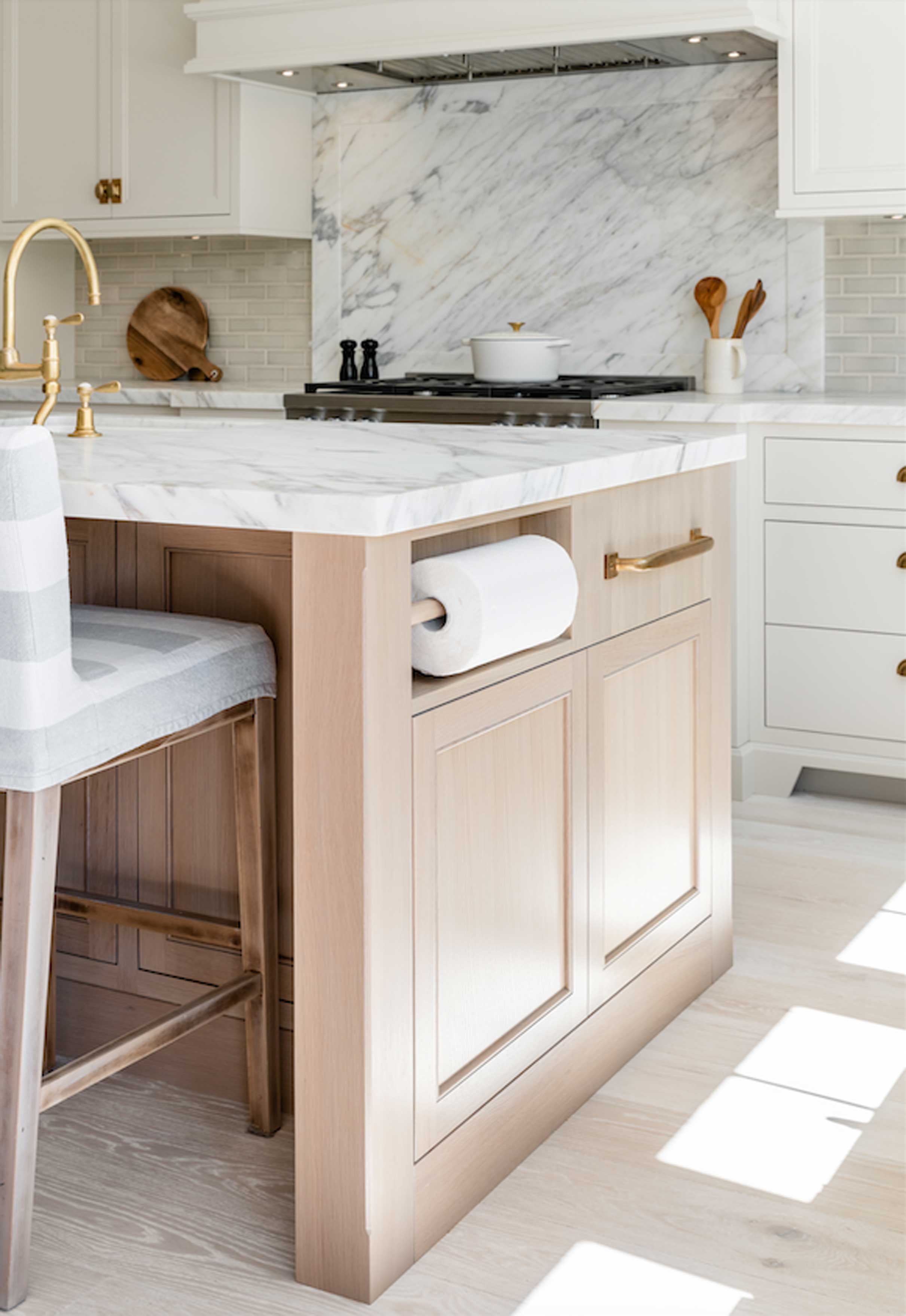
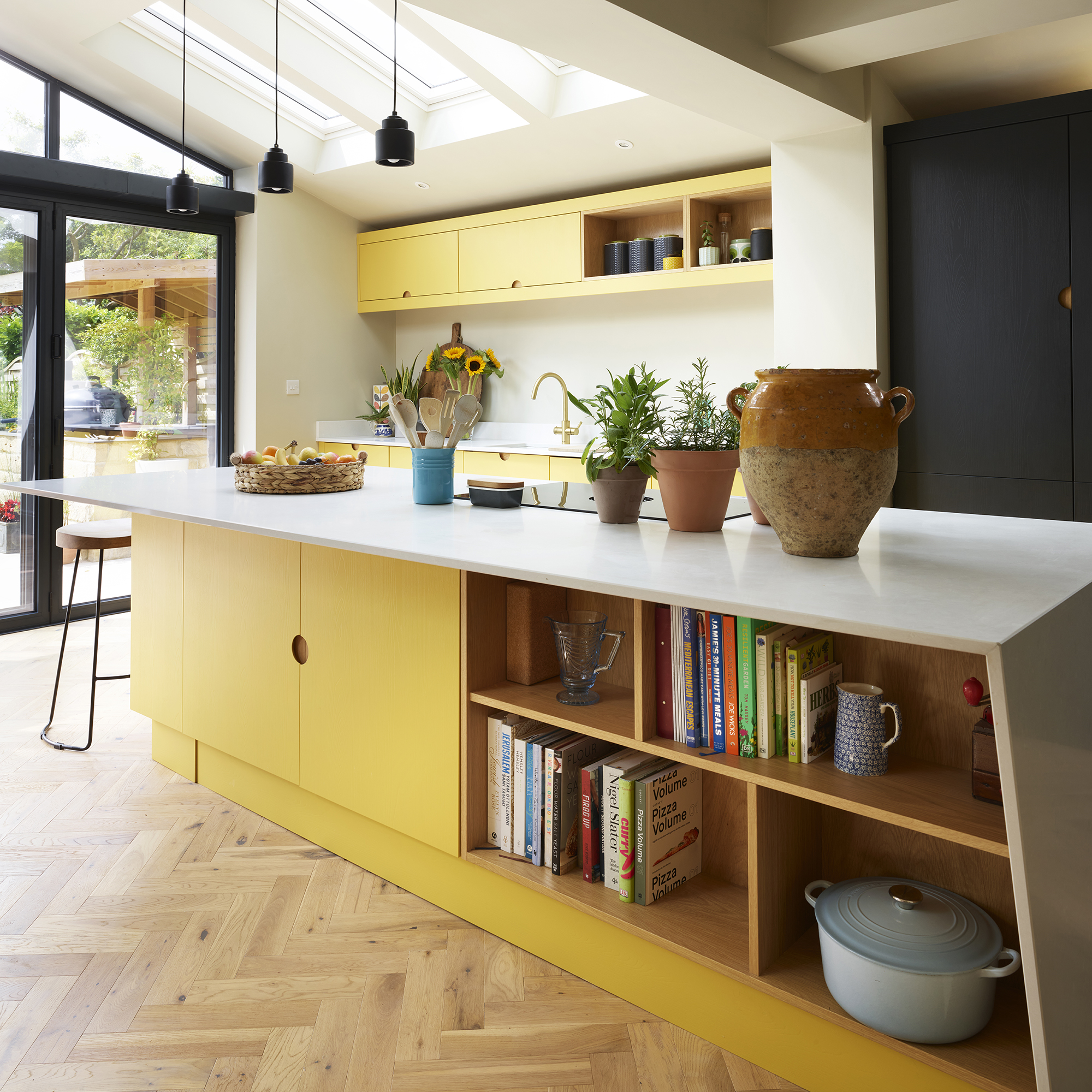
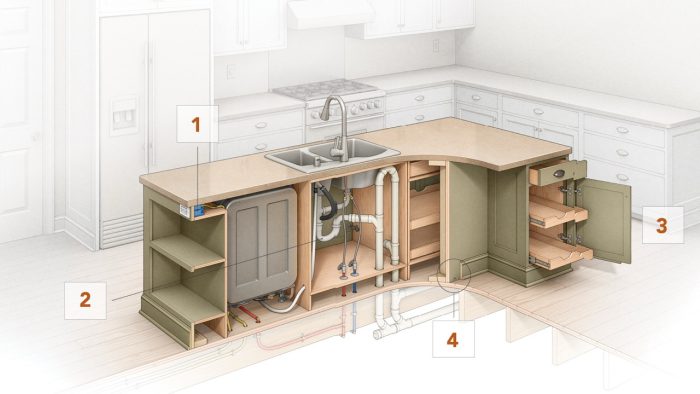
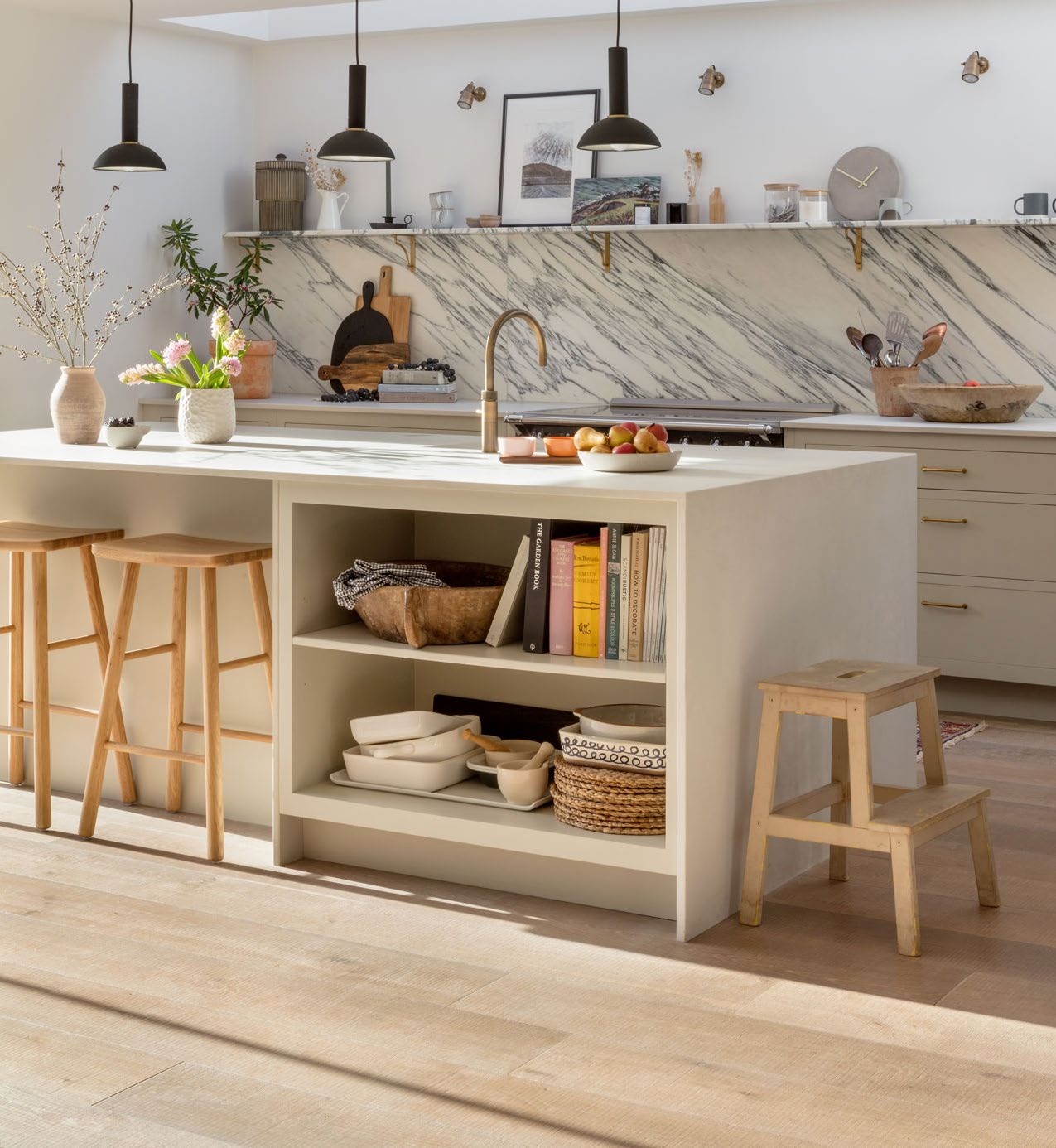
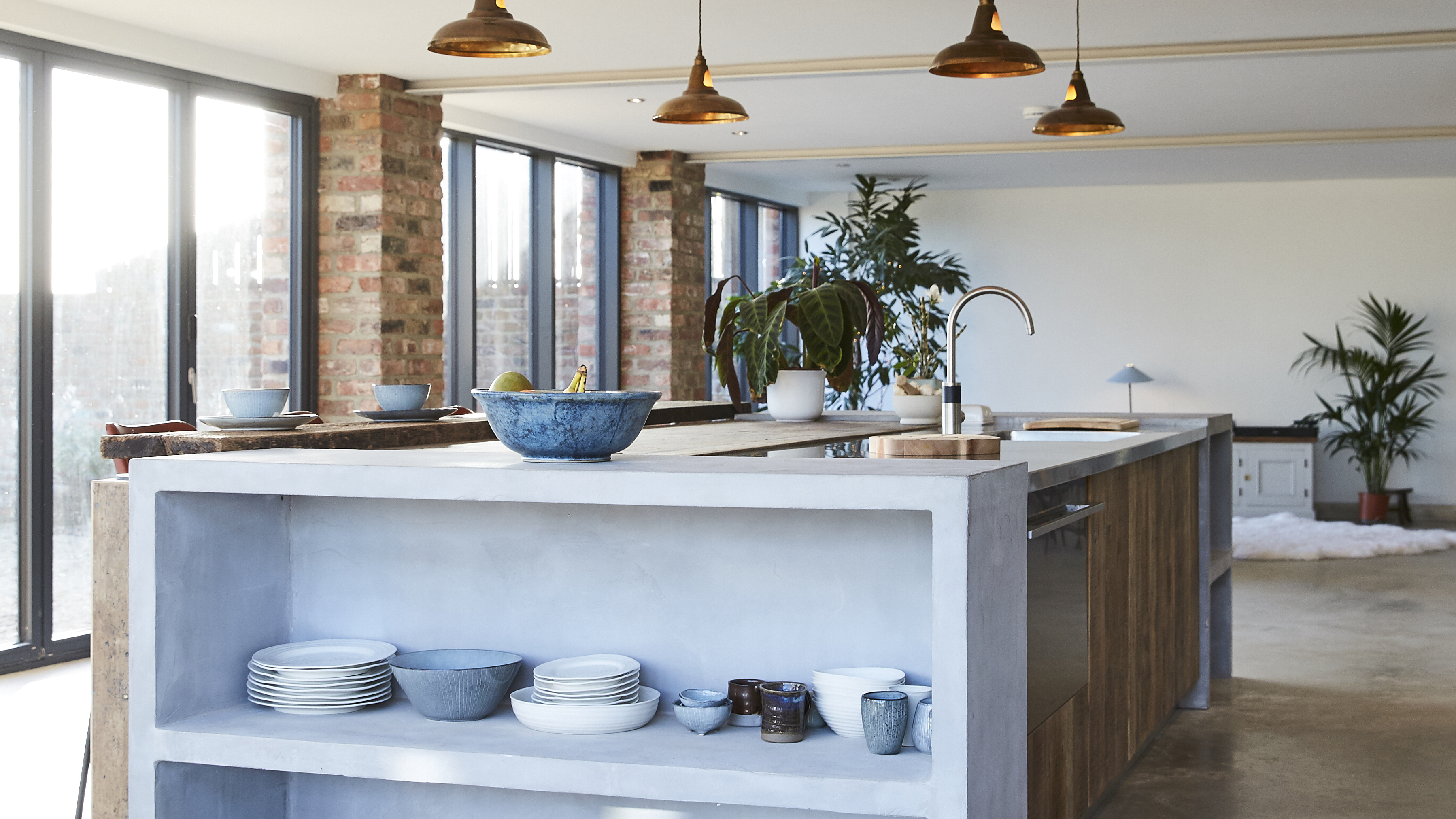
Secondly, the article stresses the importance of smart storage solutions within the kitchen island. Luis Carmona of VERDE Interior Design advises incorporating pull-out shelving, dedicated drawers for spices and utensils, organizational dividers for baking sheets and pans, soft-close drawers, and built-in trash receptacles. He suggests consulting with a kitchen organizer or custom cabinet maker to achieve optimal results. Nicholas Kaiko further emphasizes the value of utilizing corner spaces and vertical storage, recommending collaboration with an interior designer for meticulous, tailored storage planning.
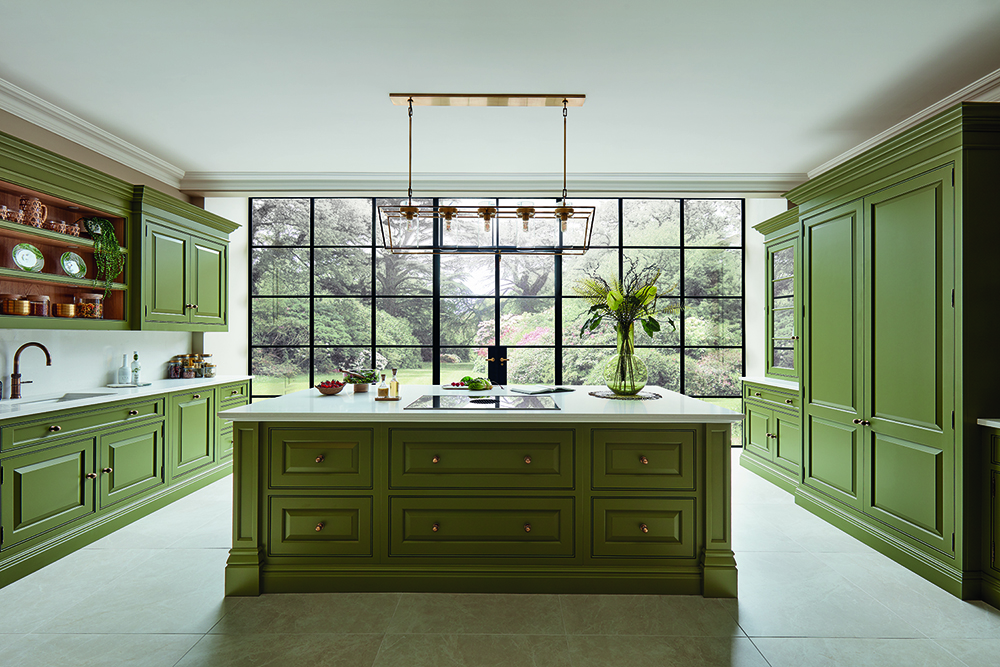
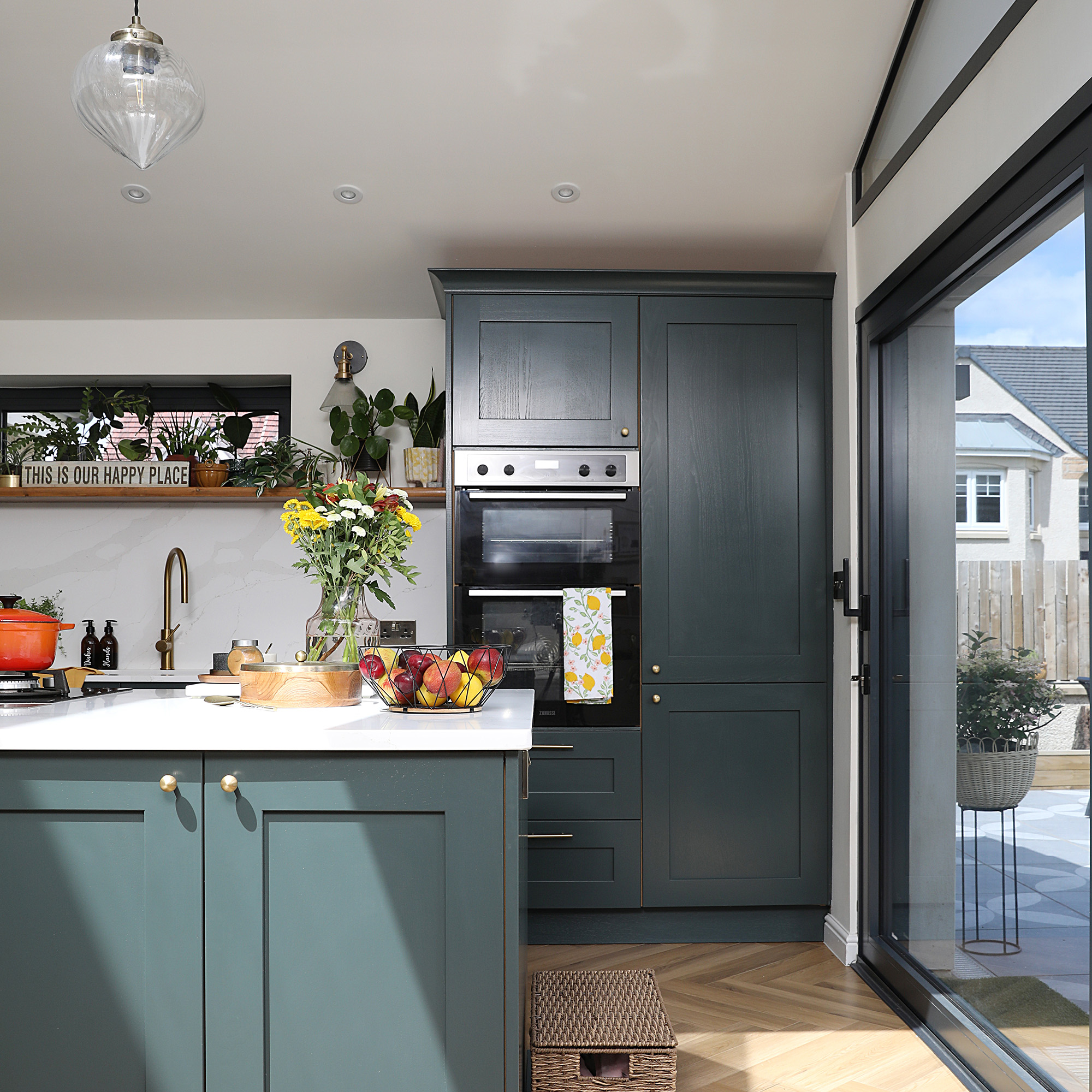
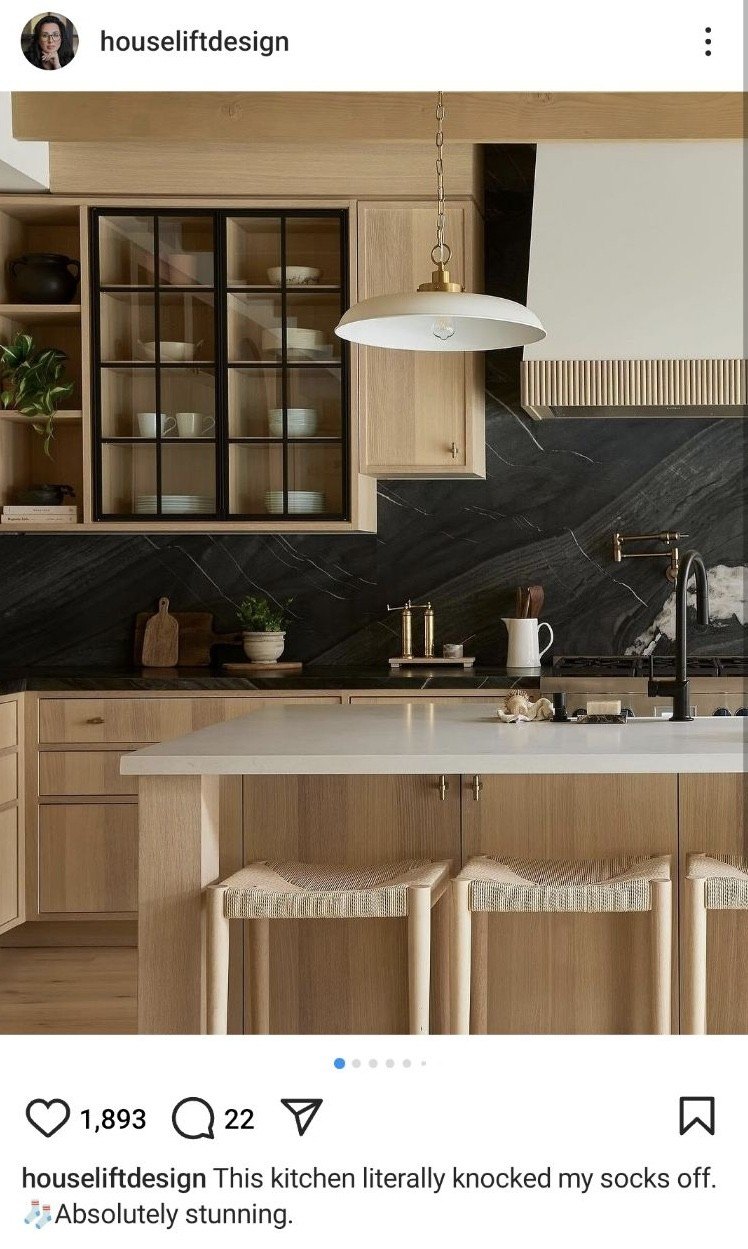
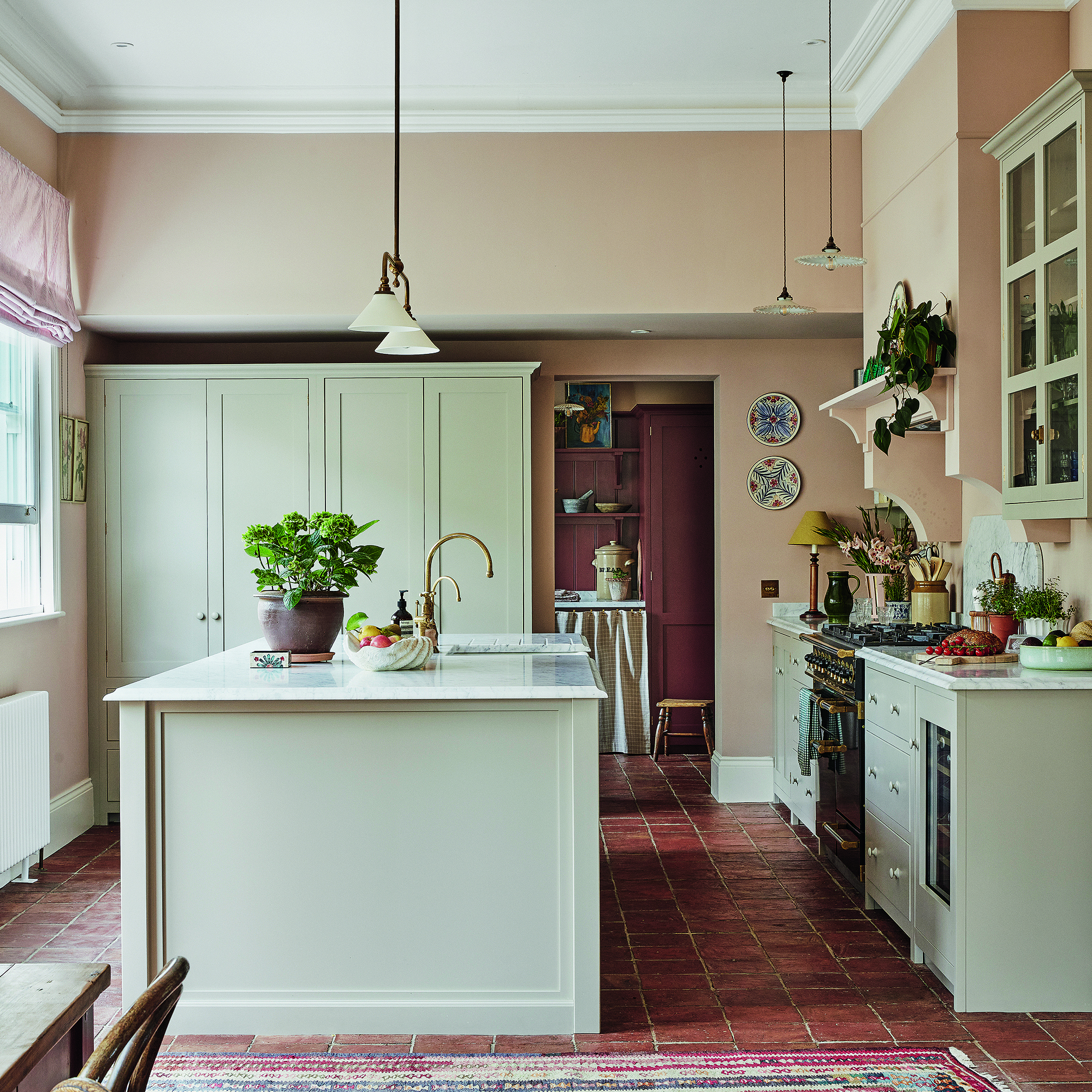
The third point addresses the sustainability of materials chosen for kitchen islands. Emily Henderson advocates for considering the environmental impact of materials. Jesse Vickers points out that sustainable materials, such as real wood cabinets, offer longevity and flexibility for future renovations like repainting. Luis Carmona expands on this by suggesting bamboo, stainless steel, recycled glass, and clay tile to add character while promoting sustainability. He recommends homeowners work with interior designers specializing in sustainable design or conduct thorough research for DIY projects to source these materials effectively.
Fourthly, the article discusses the benefits of integrating soft-close mechanisms in kitchen island drawers and cabinetry. Nicholas Kaiko states that soft-close features are a standard in modern kitchen design, improving user experience by eliminating noise and extending the lifespan of cabinetry. Jesse Vickers adds that soft-close mechanisms protect cabinets from damage caused by slamming. For budget-conscious individuals, he suggests selectively applying soft-close features to frequently used drawers and doors, rather than the entire kitchen.
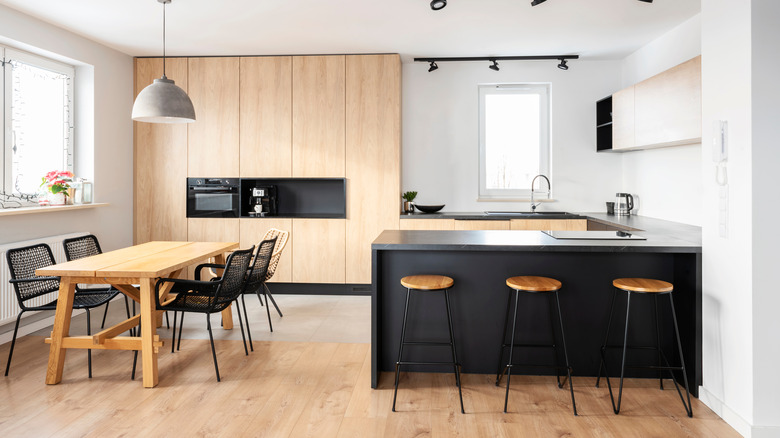
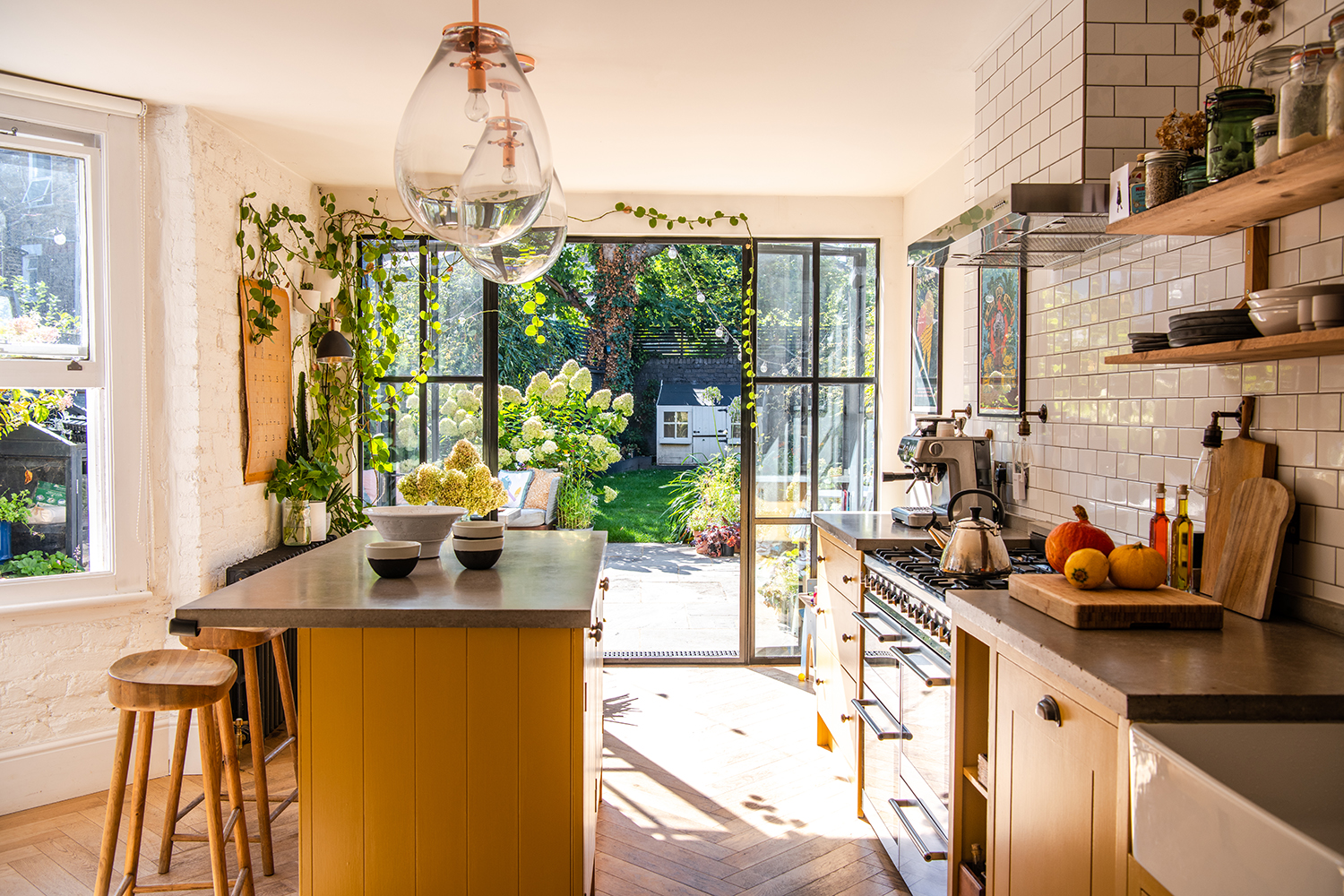
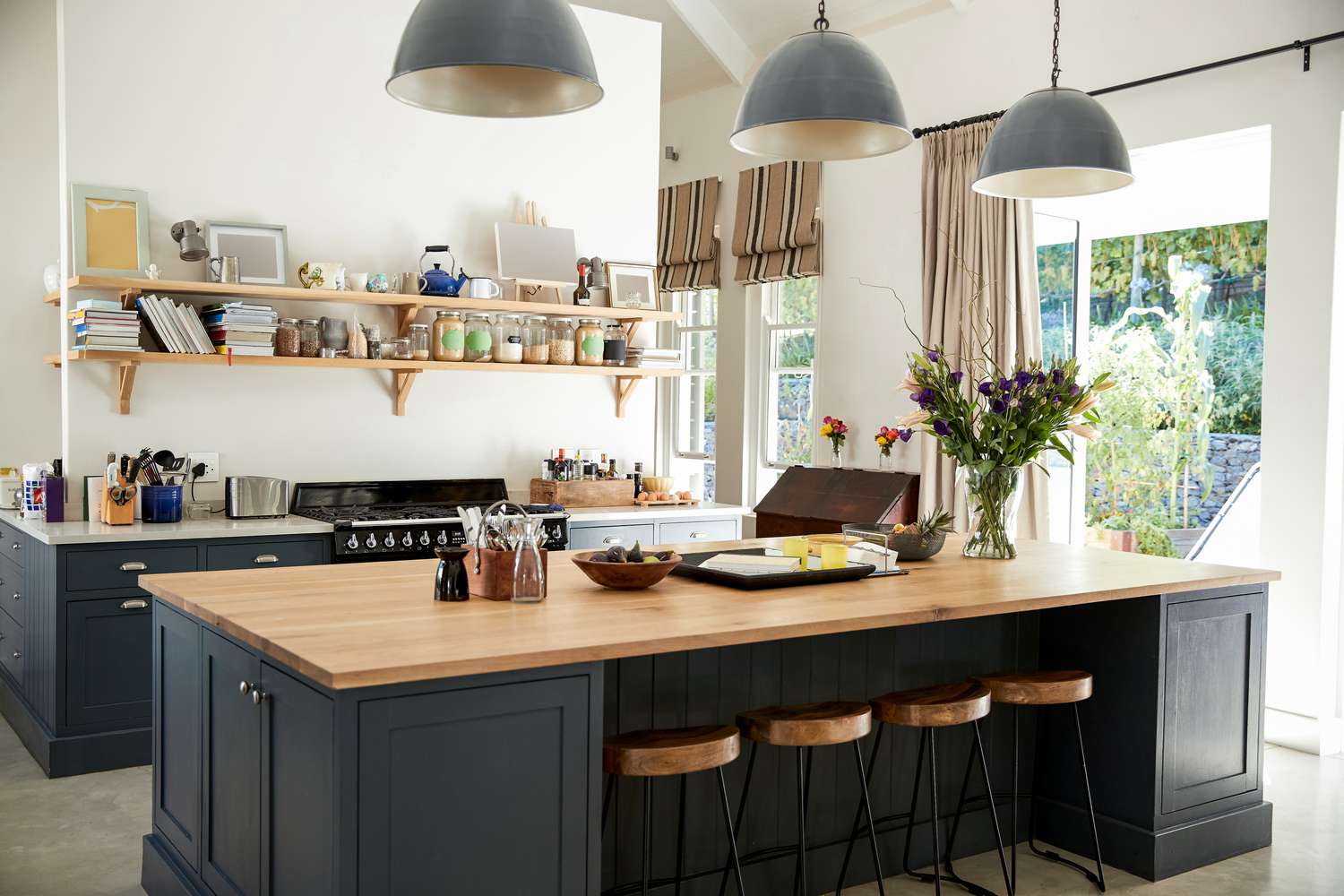
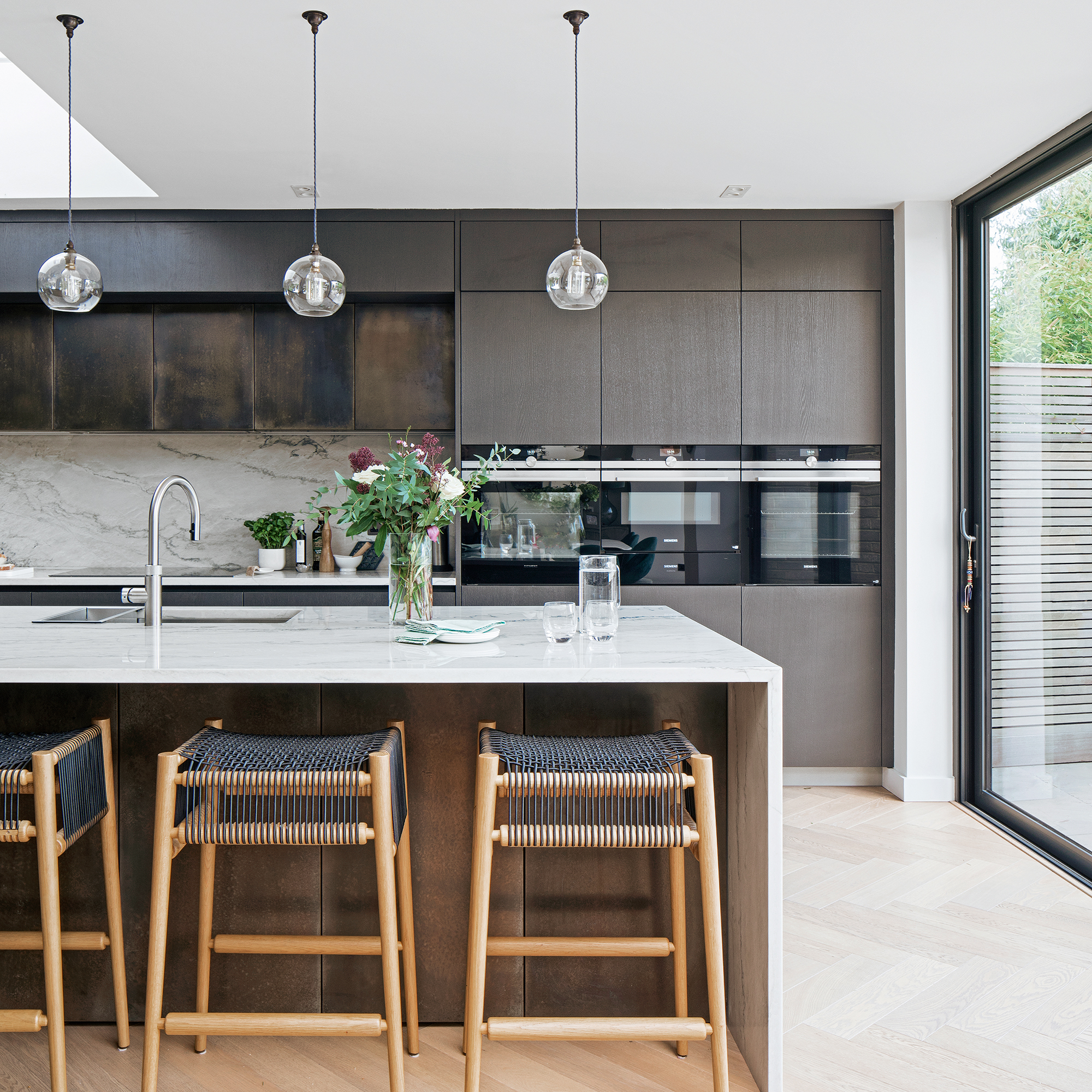
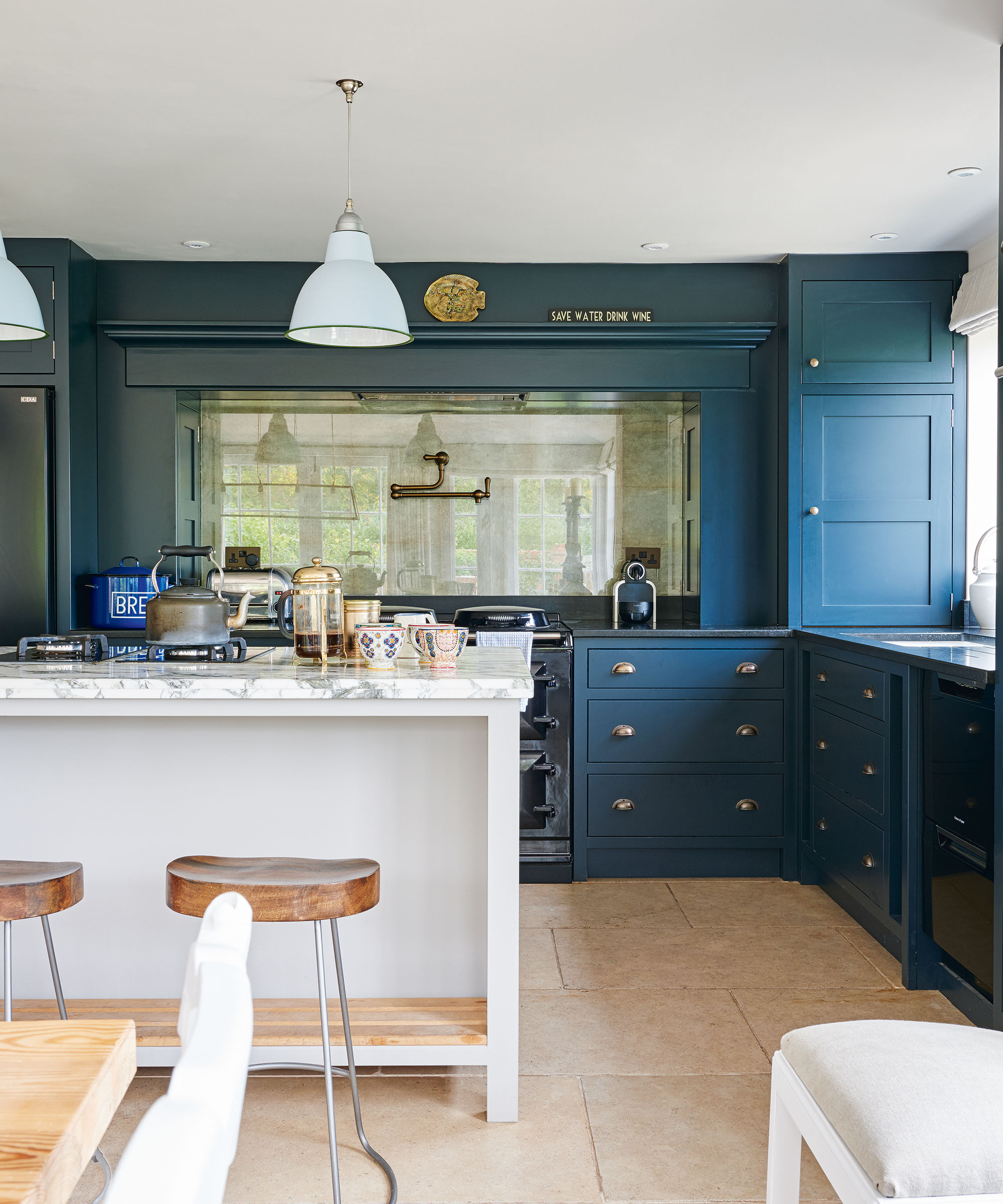
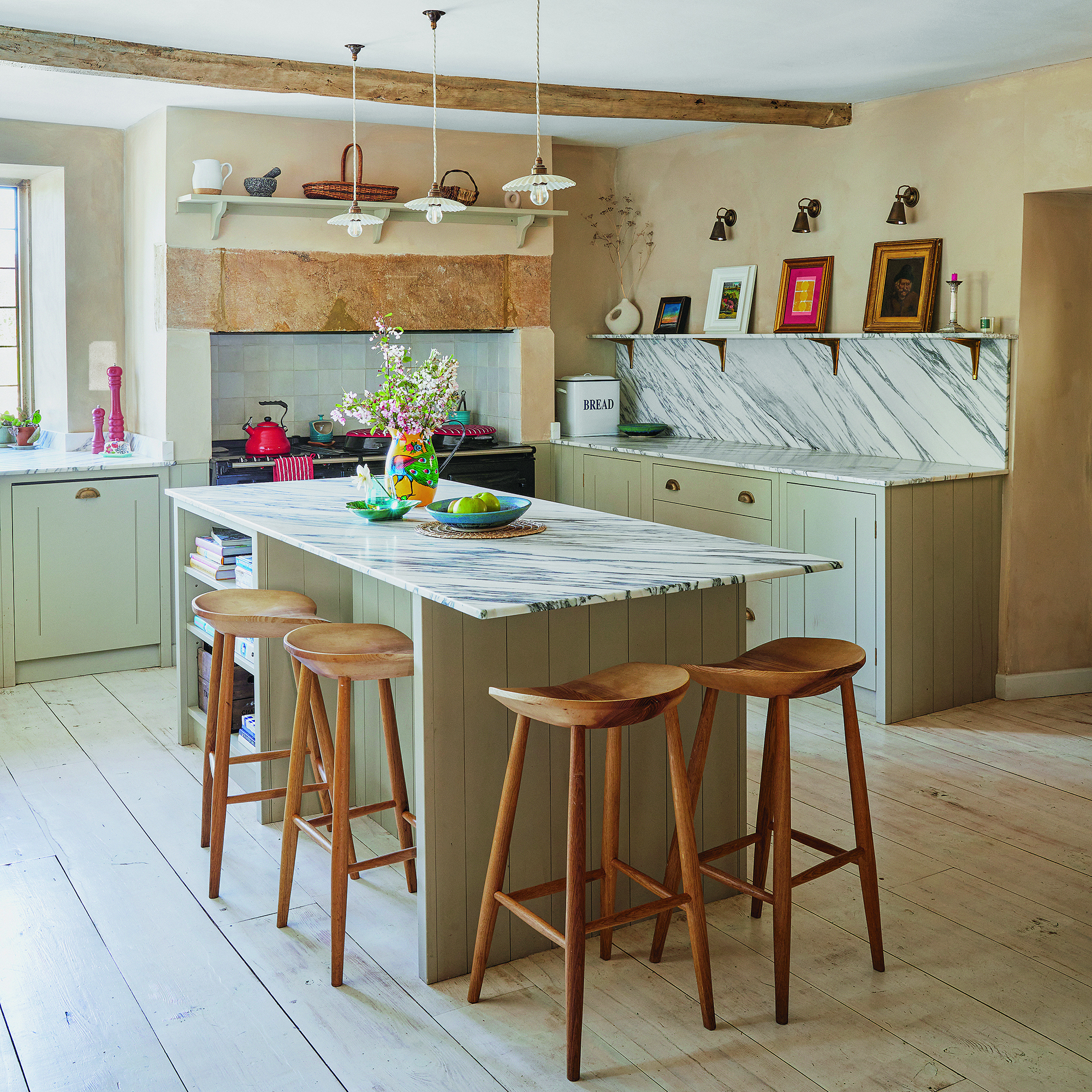
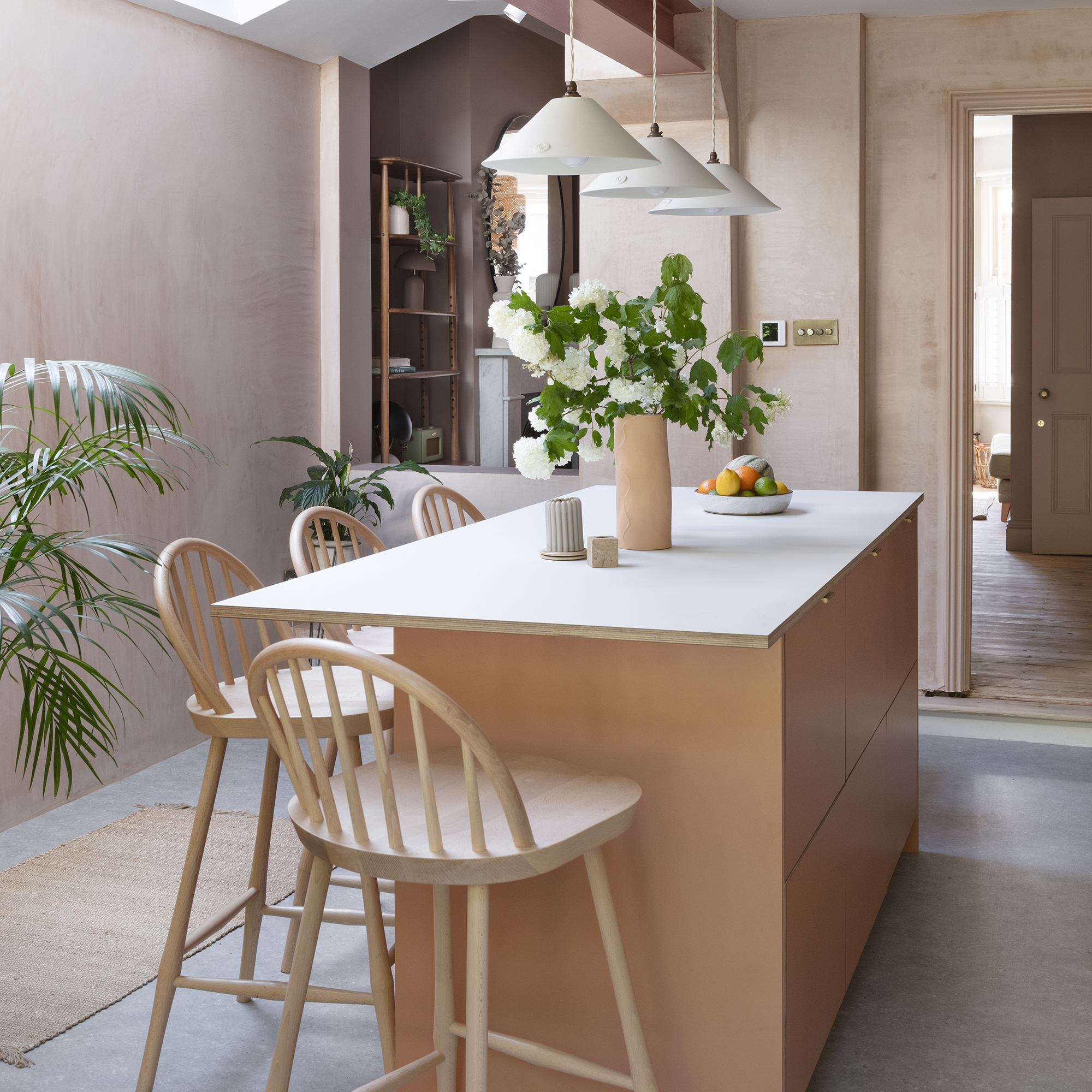
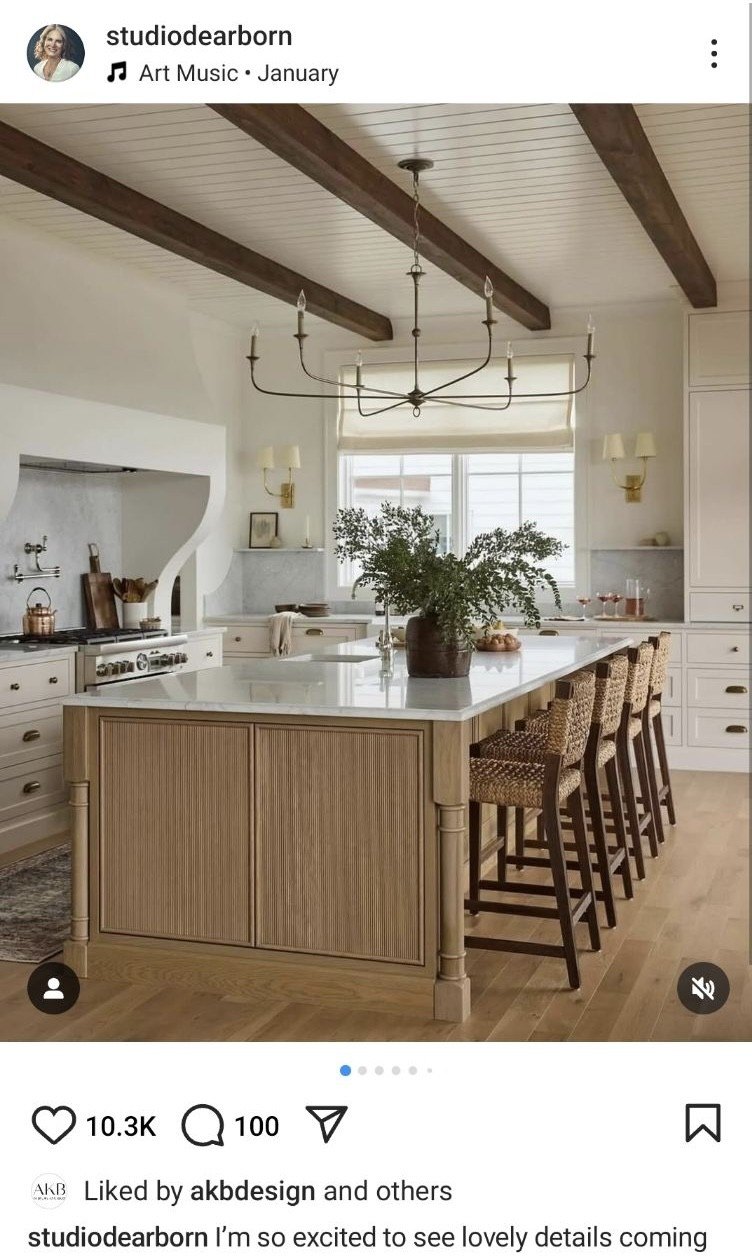
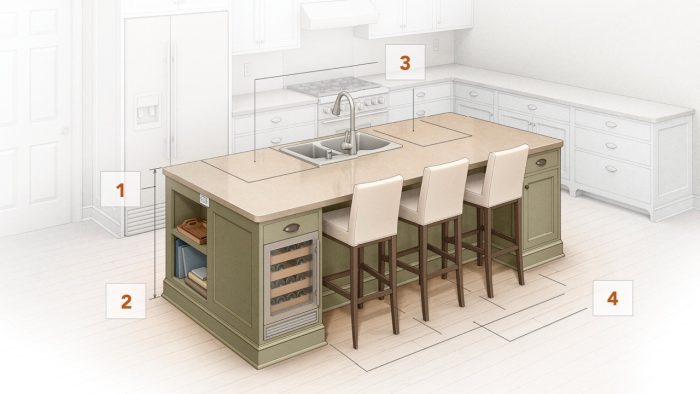
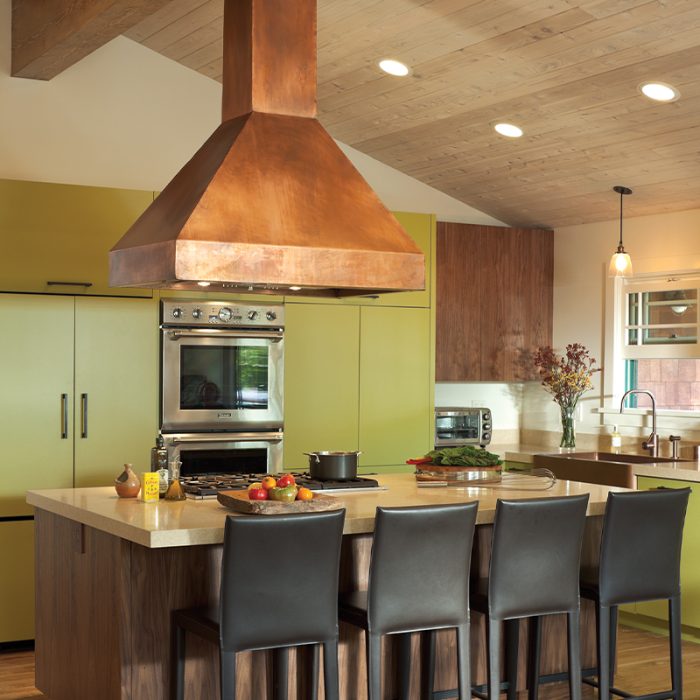
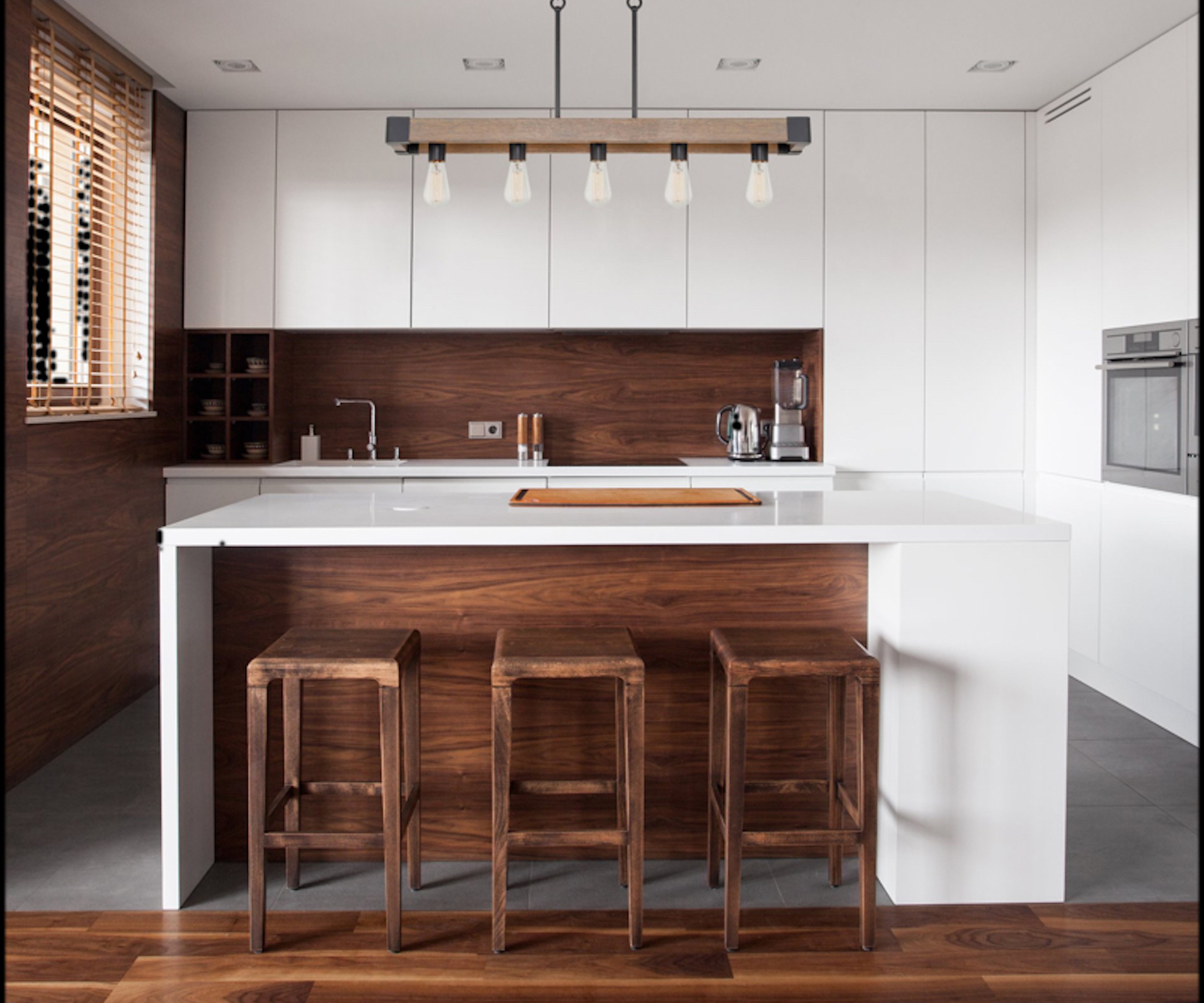
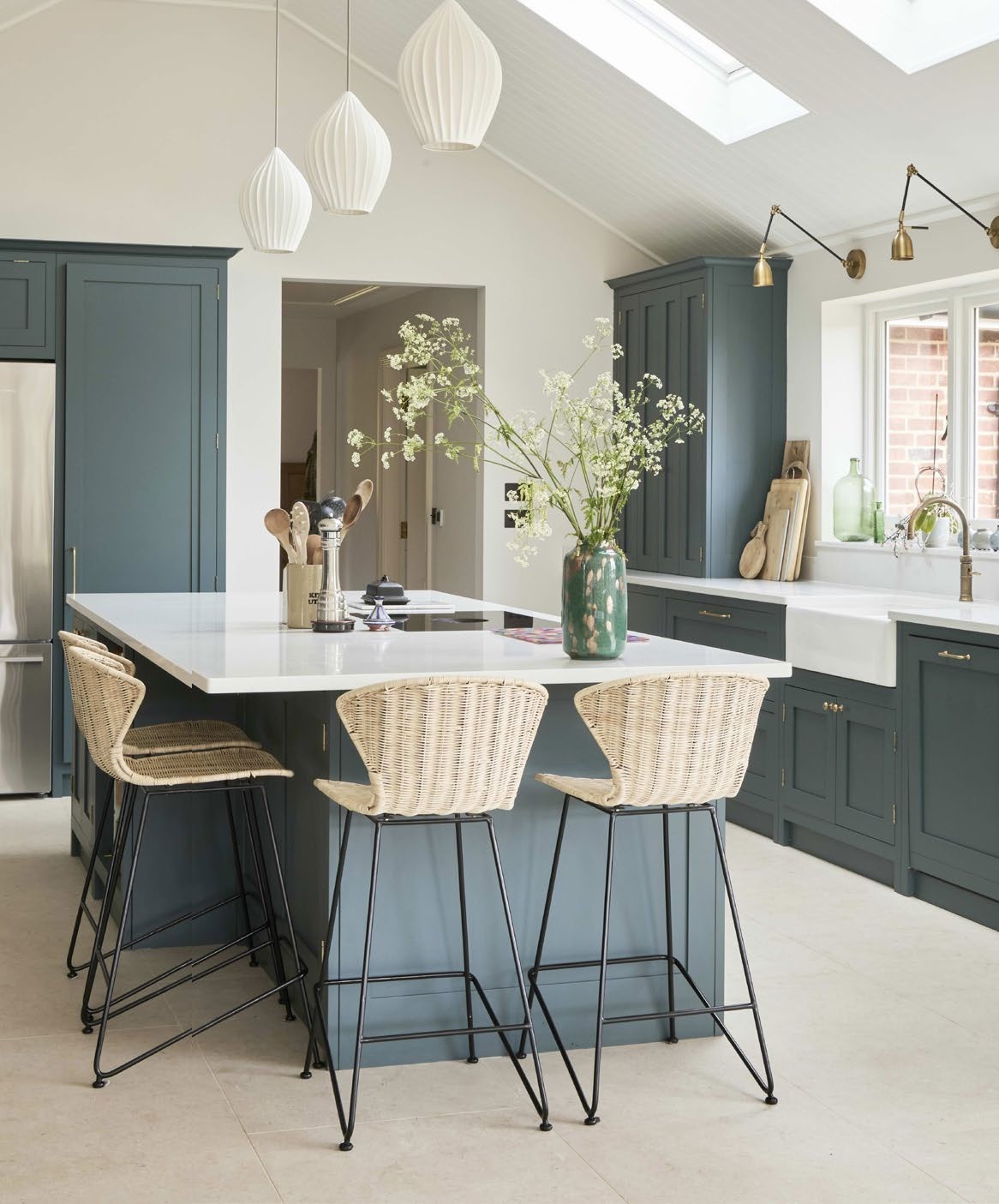
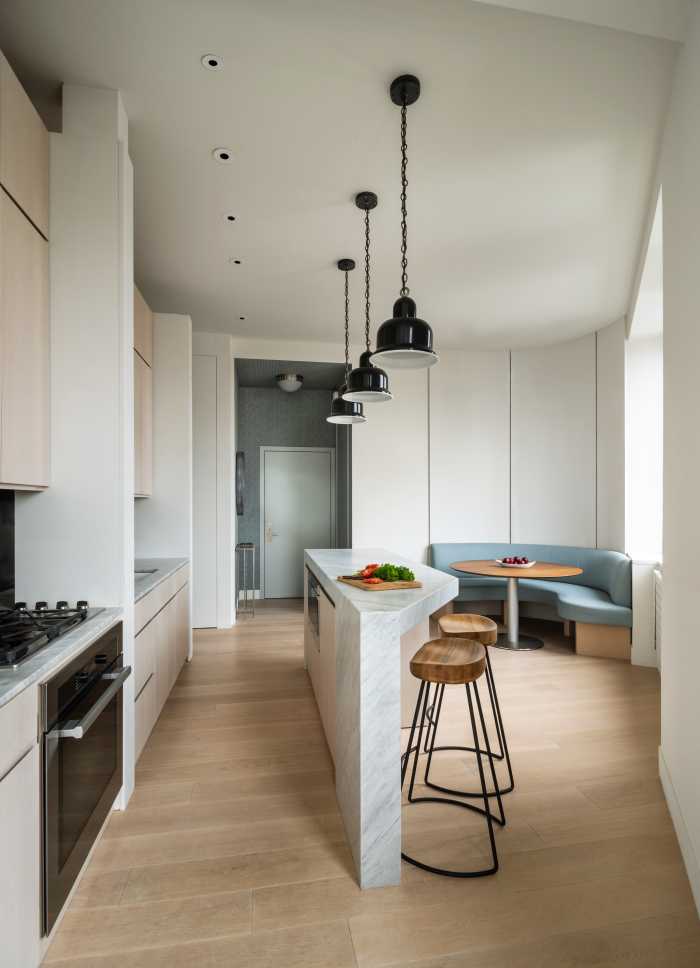
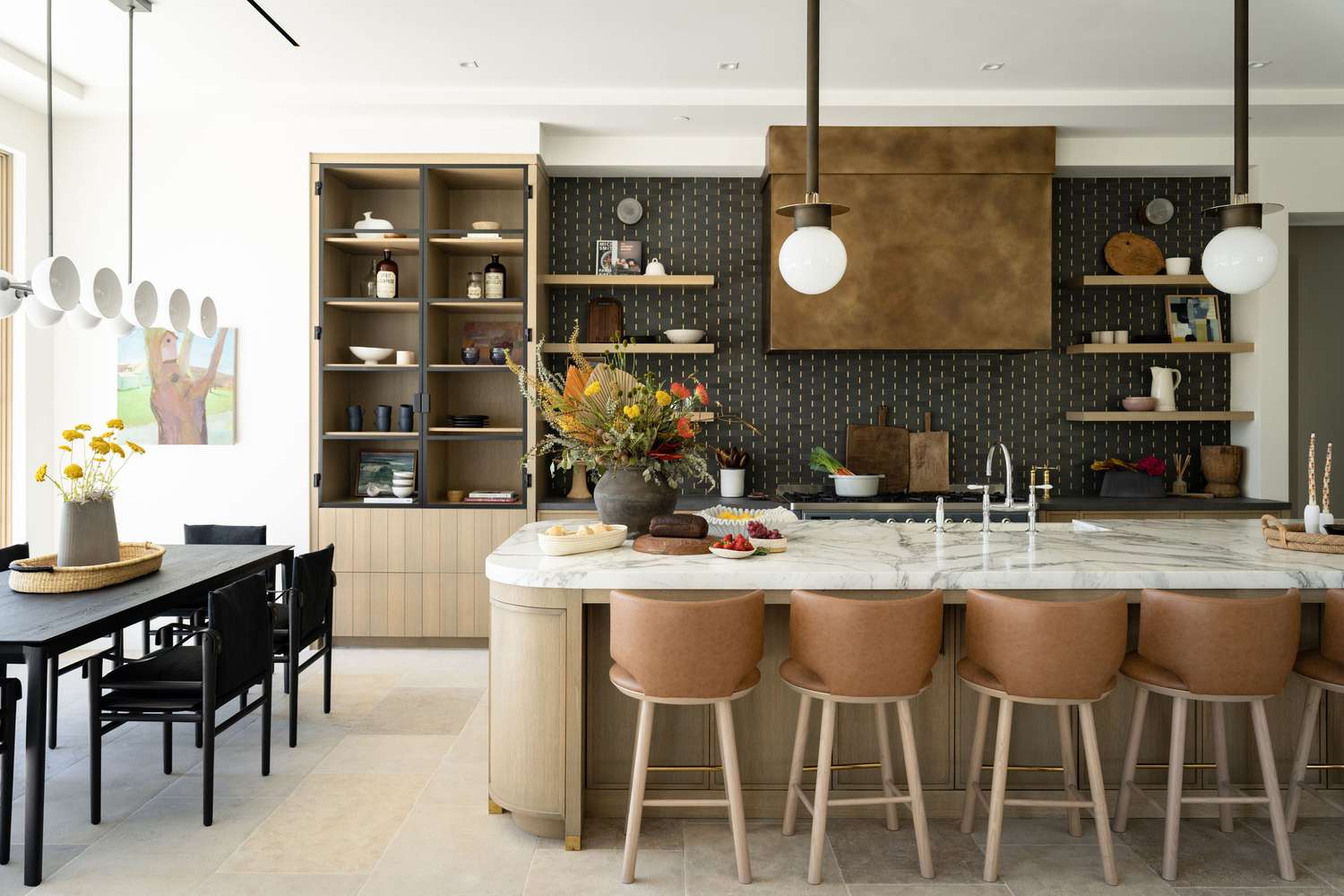
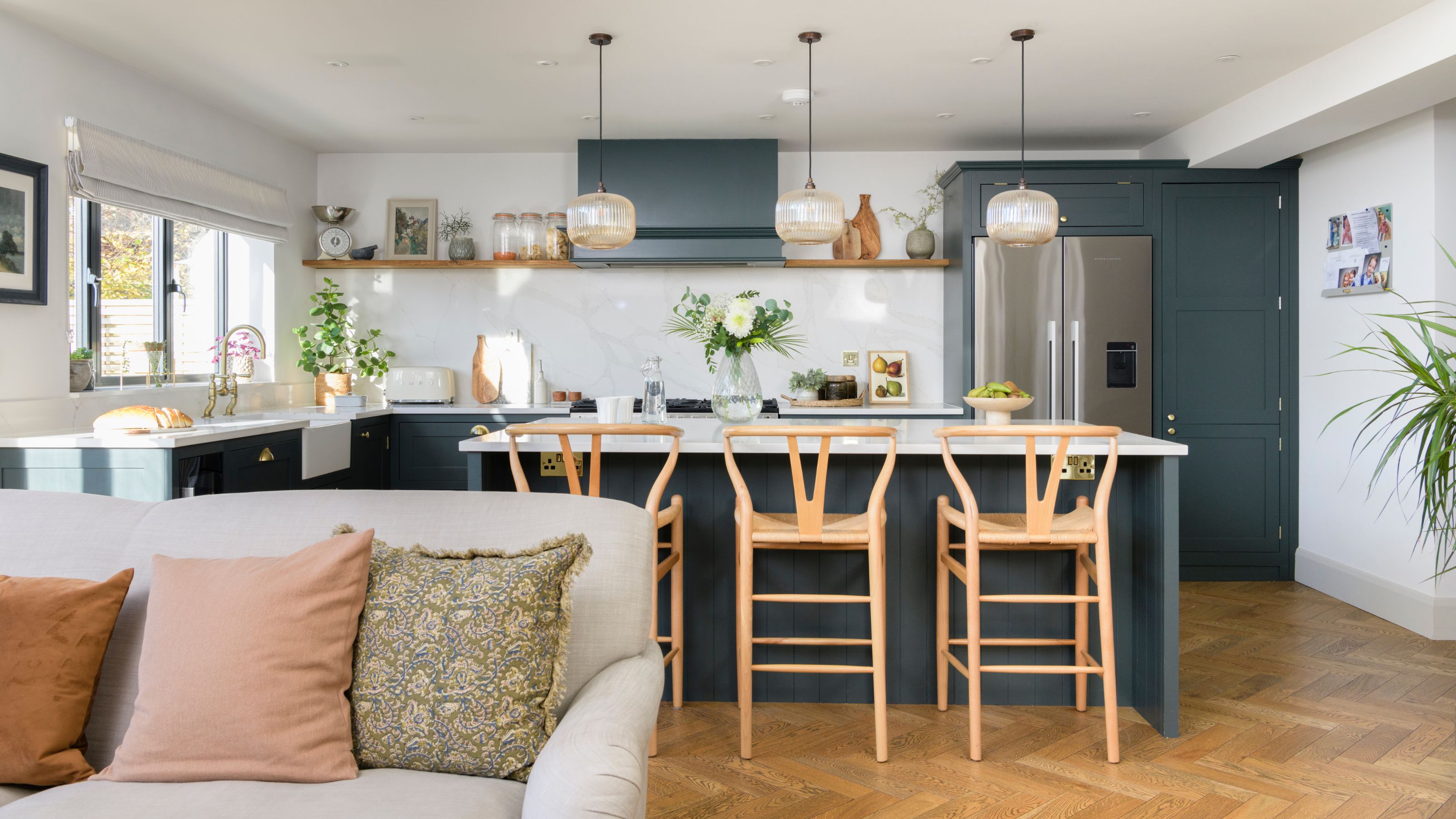
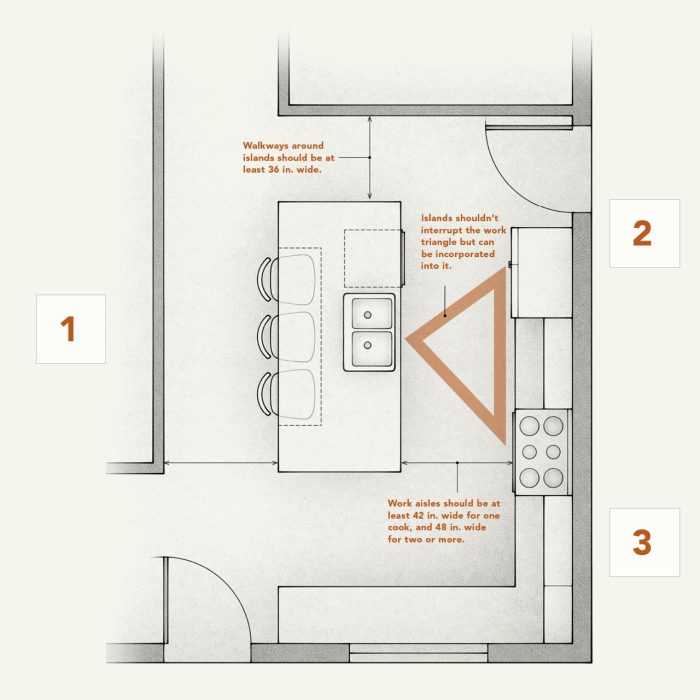
Finally, the article highlights the need to design the kitchen island with sufficient space to comfortably accommodate all household members, particularly when considering seating arrangements. Jesse Vickers advises thinking about how family members typically interact in the kitchen. He suggests ensuring that the kitchen's zones allow for multiple activities—such as cooking, prepping, and socializing—to occur simultaneously without overcrowding. This involves avoiding the common pitfall of concentrating the range, dishwasher, sink, and prep areas into a single small space, which limits comfortable multi-person use.
#KitchenIsland #InteriorDesign #HomeRenovation #CountertopMaterials #SmartStorage #SustainableDesign #SoftCloseDrawers #KitchenSeating #EmilyHendersonTips #KitchenIsland #InteriorDesign #HomeRenovation #CountertopMaterials #SmartStorage #SustainableDesign #SoftCloseDrawers #KitchenSeating #EmilyHendersonTips
0 comment in total
 No comments yet
You may also like
5 Mistakes You Should Avoid When Adding An Island To Your Kitchen
What's making your kitchen island look cheap? 5 things to look out for, according to designers
5 Showstopping Kitchen Island Looks That Will Redefine Your Cook Space
We Asked Designers If Kitchen Islands Are Still Worth It, and Their Answer Surprised Us

Kitchen island layout ideas – what to consider when incorporating your dream island

Can you add an island to an existing kitchen? Yes, but these are the 3 considerations to be aware of
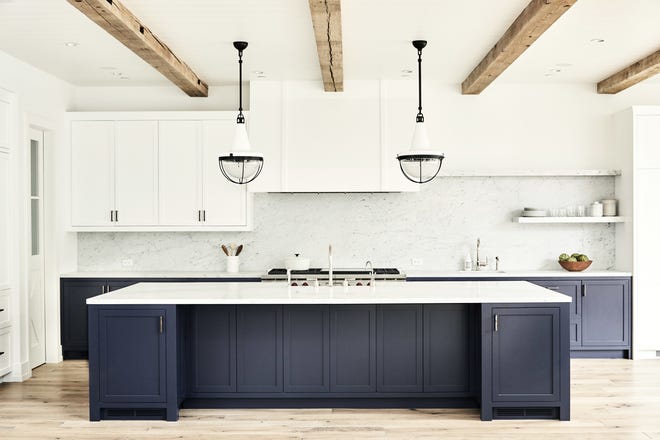
Creating the perfect kitchen island

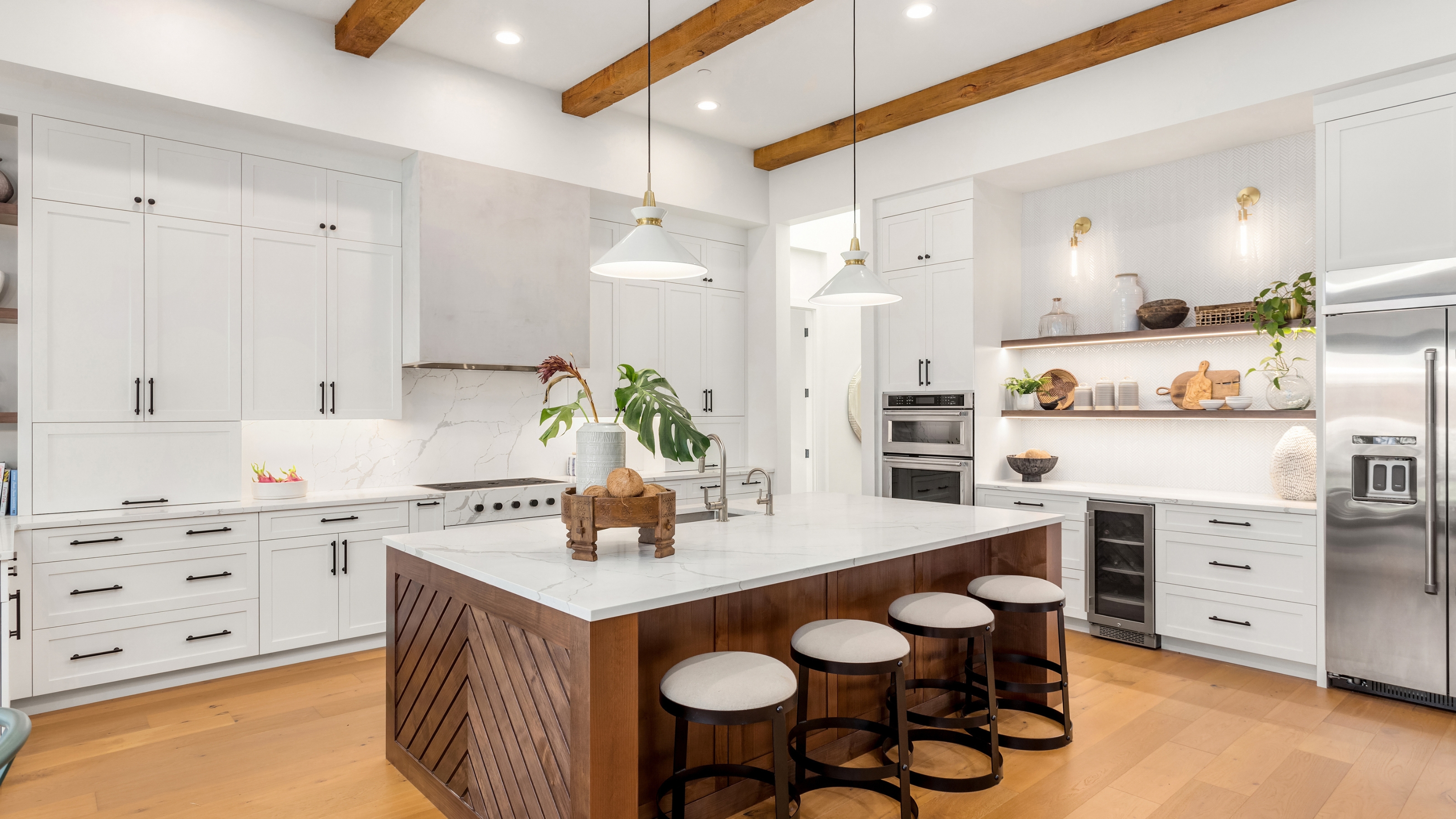
How to organize a kitchen island — 7 expert tips from pros

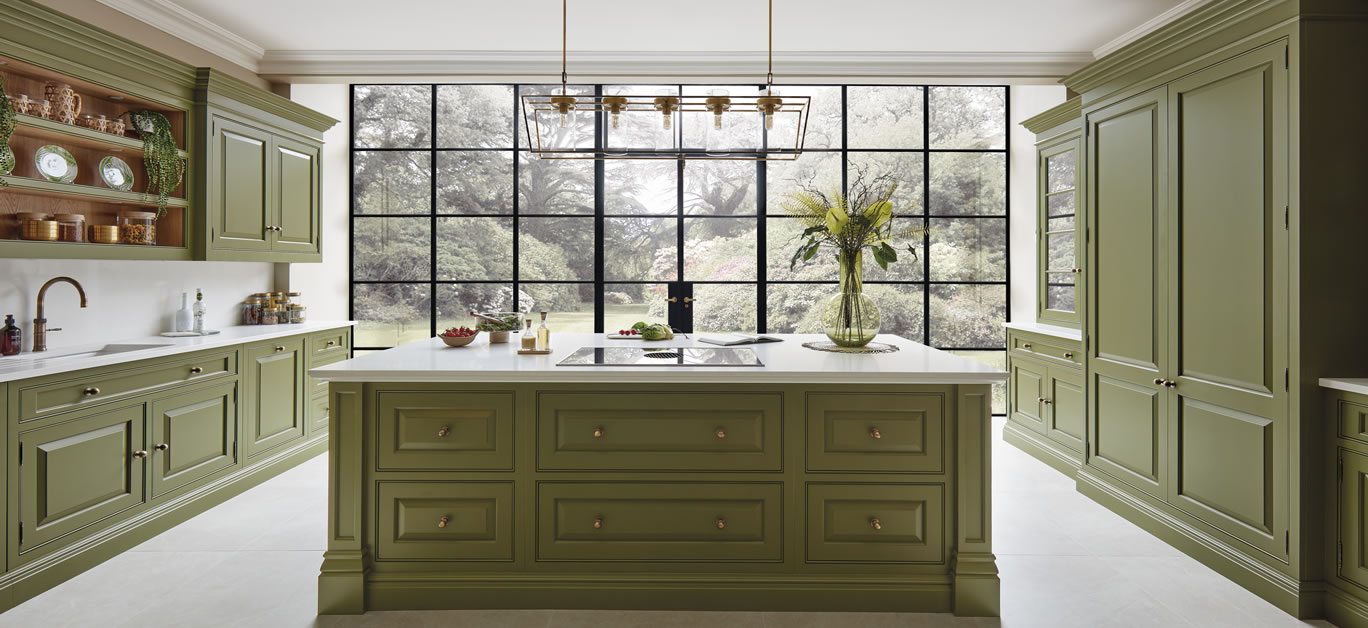
Kitchen island design: The design tips you should know

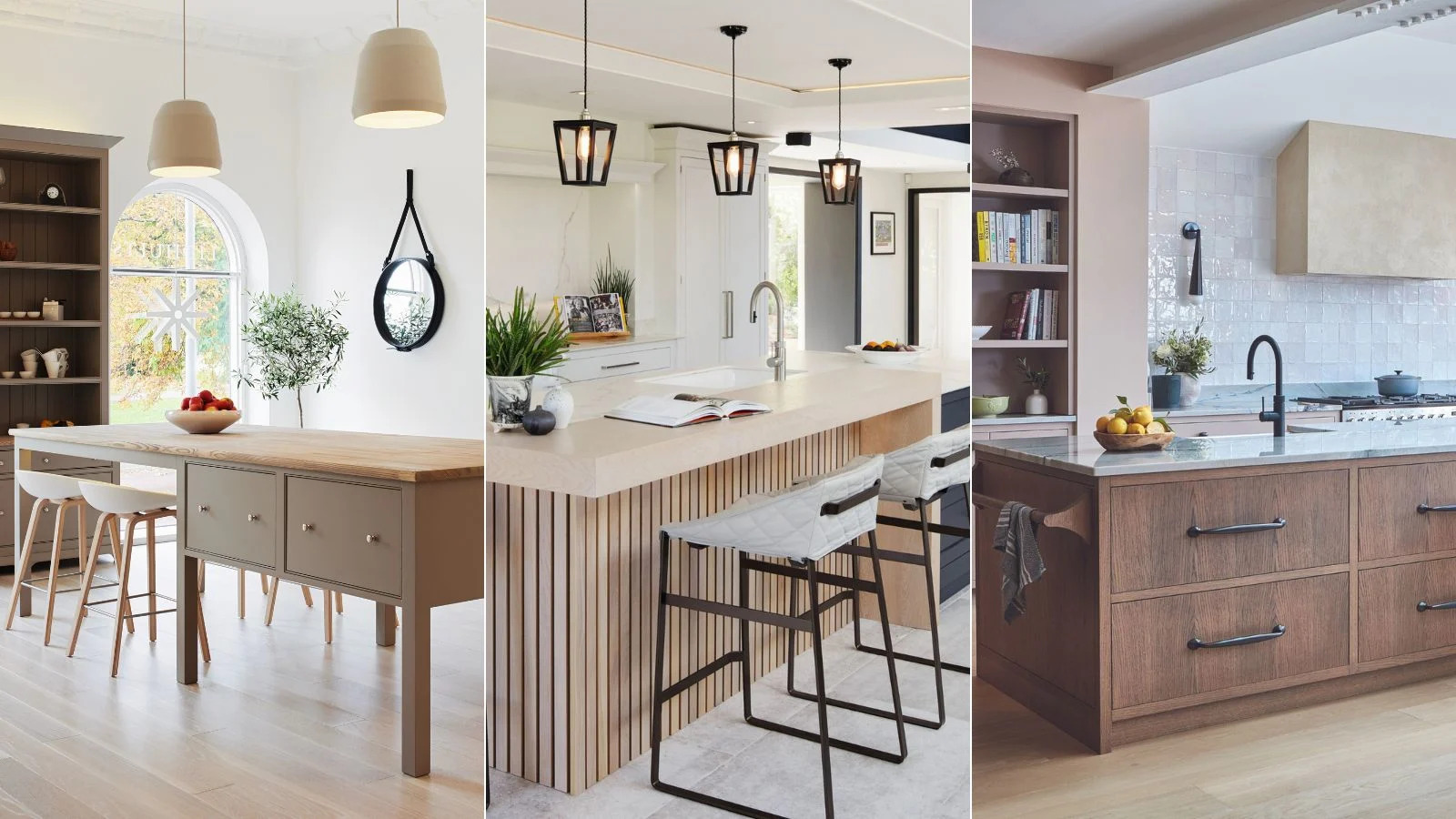
How to design a kitchen island with seating – 6 expert steps to the perfect, social space

The best kitchen island ideas for a sophisticated and functional feature
Kitchen island design - 7 Nov 2024 - Homebuilding & Renovating Magazine

Everything You Need to Know About Adding a Kitchen Island to Your Home
5 genius 'extras' to include on your kitchen island – the new game-changers for how you use your kitchen everyday
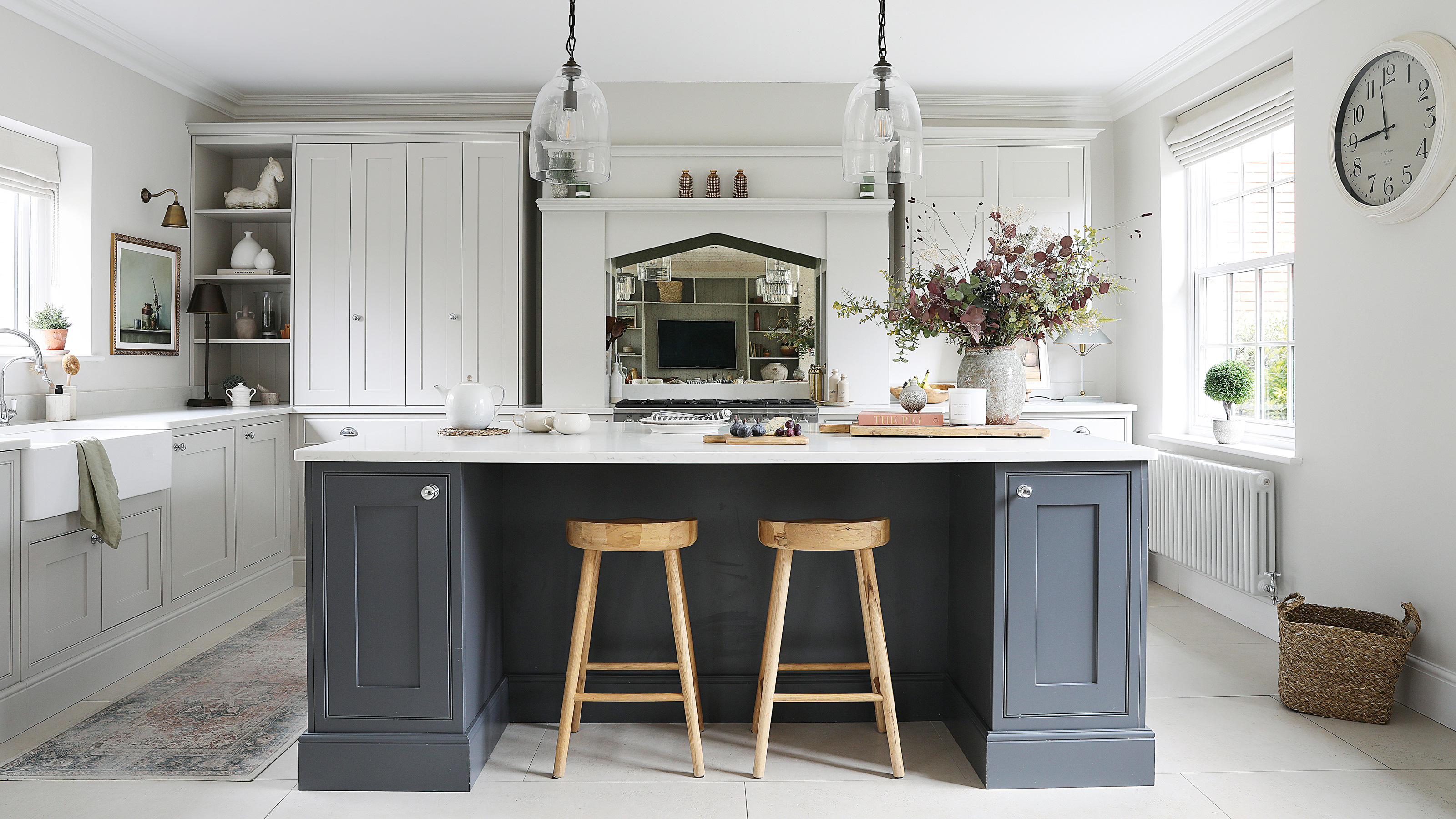
5 ways to organise a kitchen island for a clutter-free, functional cooking and seating space in 2025
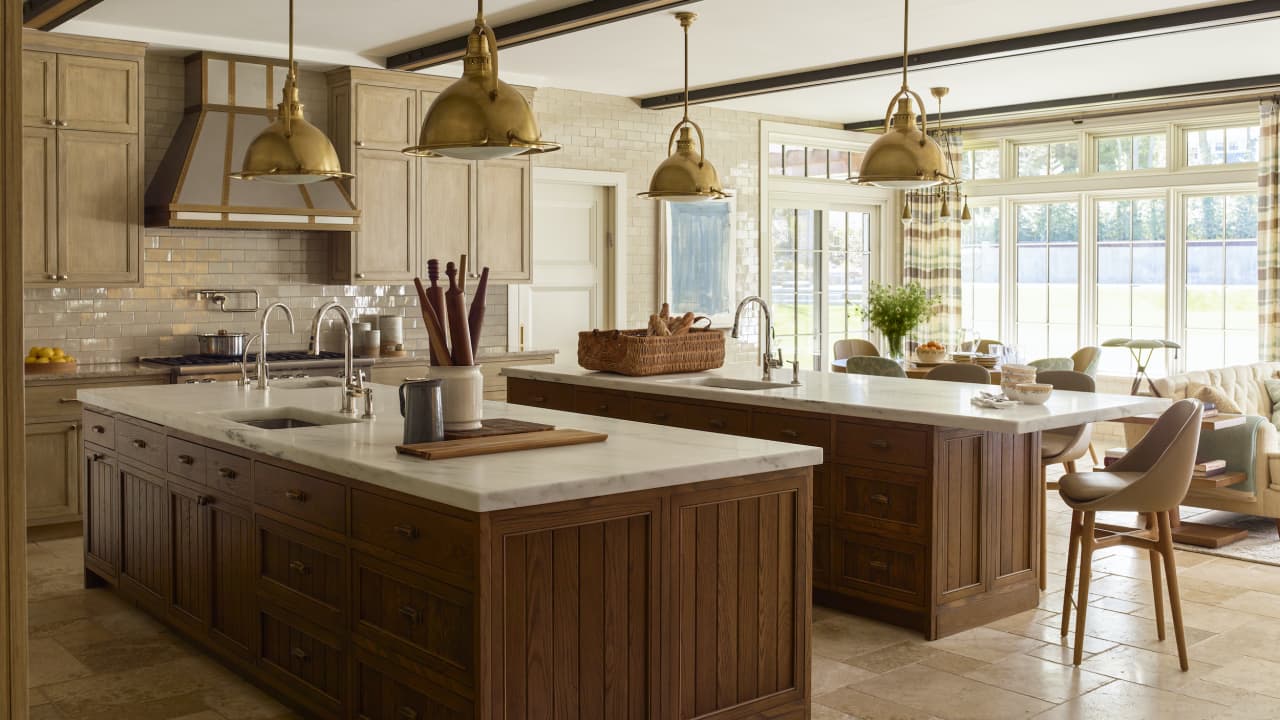
Four Ways to Reimagine the Kitchen Island
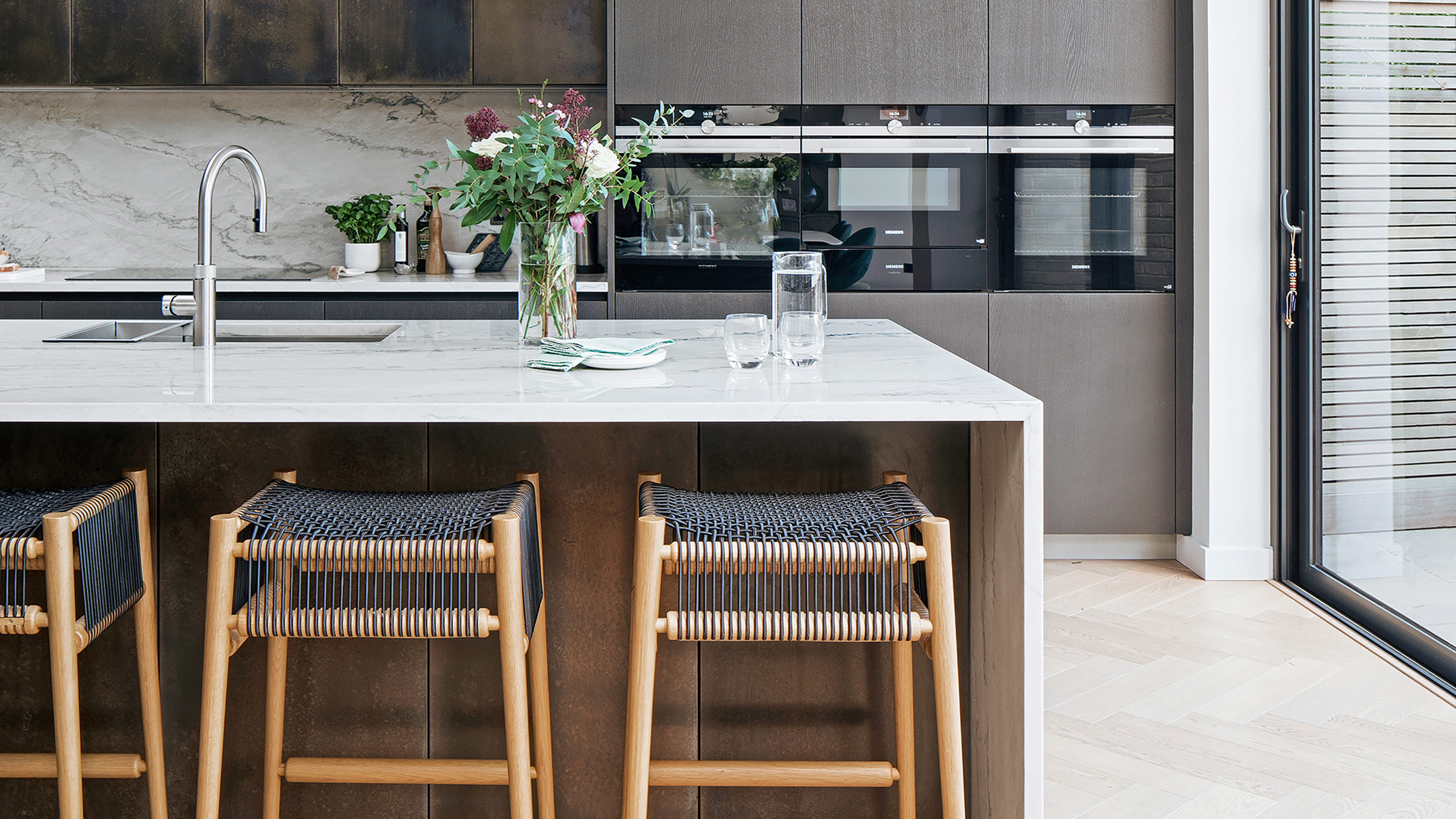
5 modern features to add to your kitchen island for a sleek and sophisticated scheme
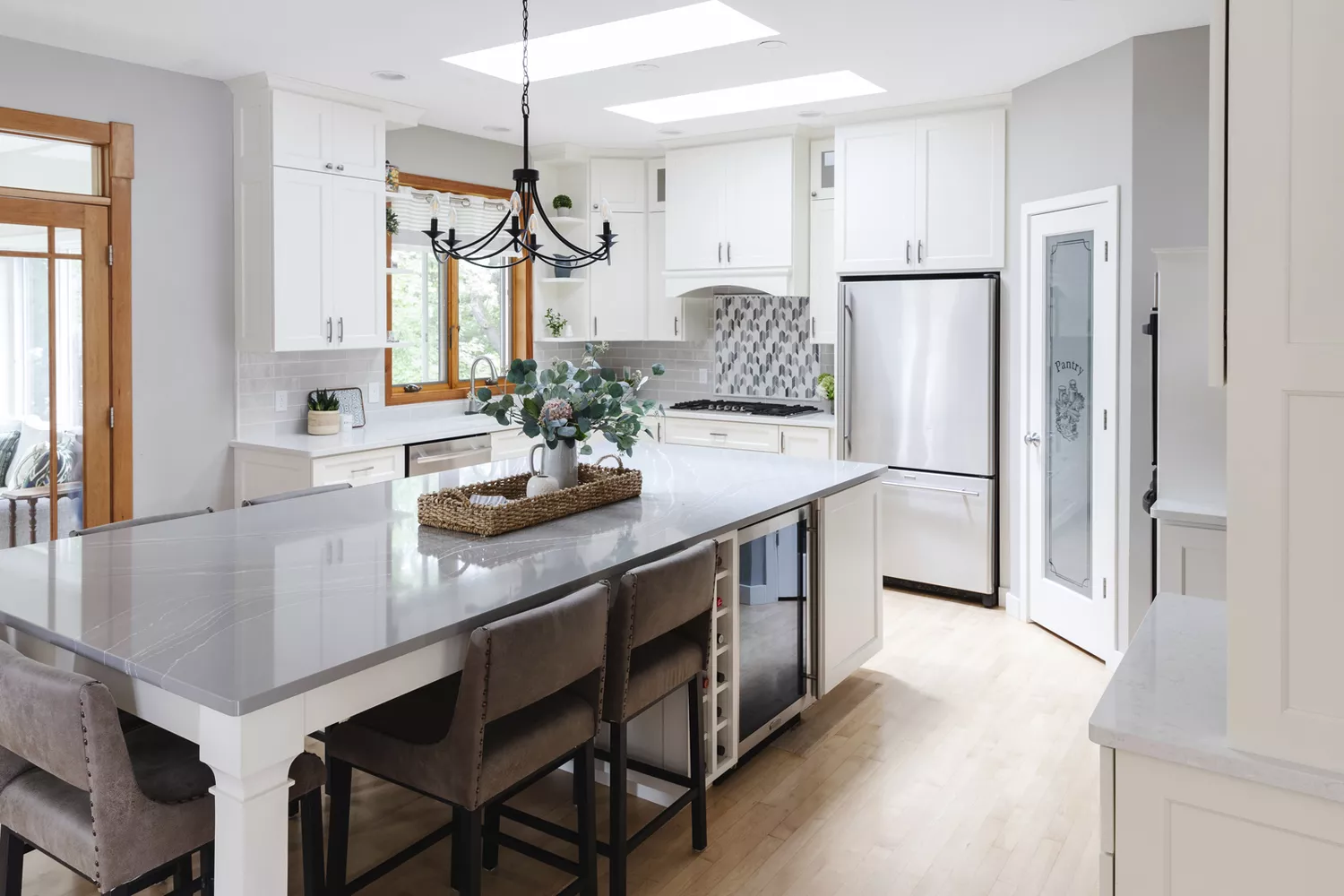
Your Guide to Kitchen Island Centerpiece Ideas and Styling
How to Design a Kitchen Island: Code Requirements, Flow, & More

Renovating or adding a kitchen island to your NYC apartment? Here's a checklist