The Bold And Unexpected Color Combo You'll Be Seeing In Kitchens Everywhere In 2026
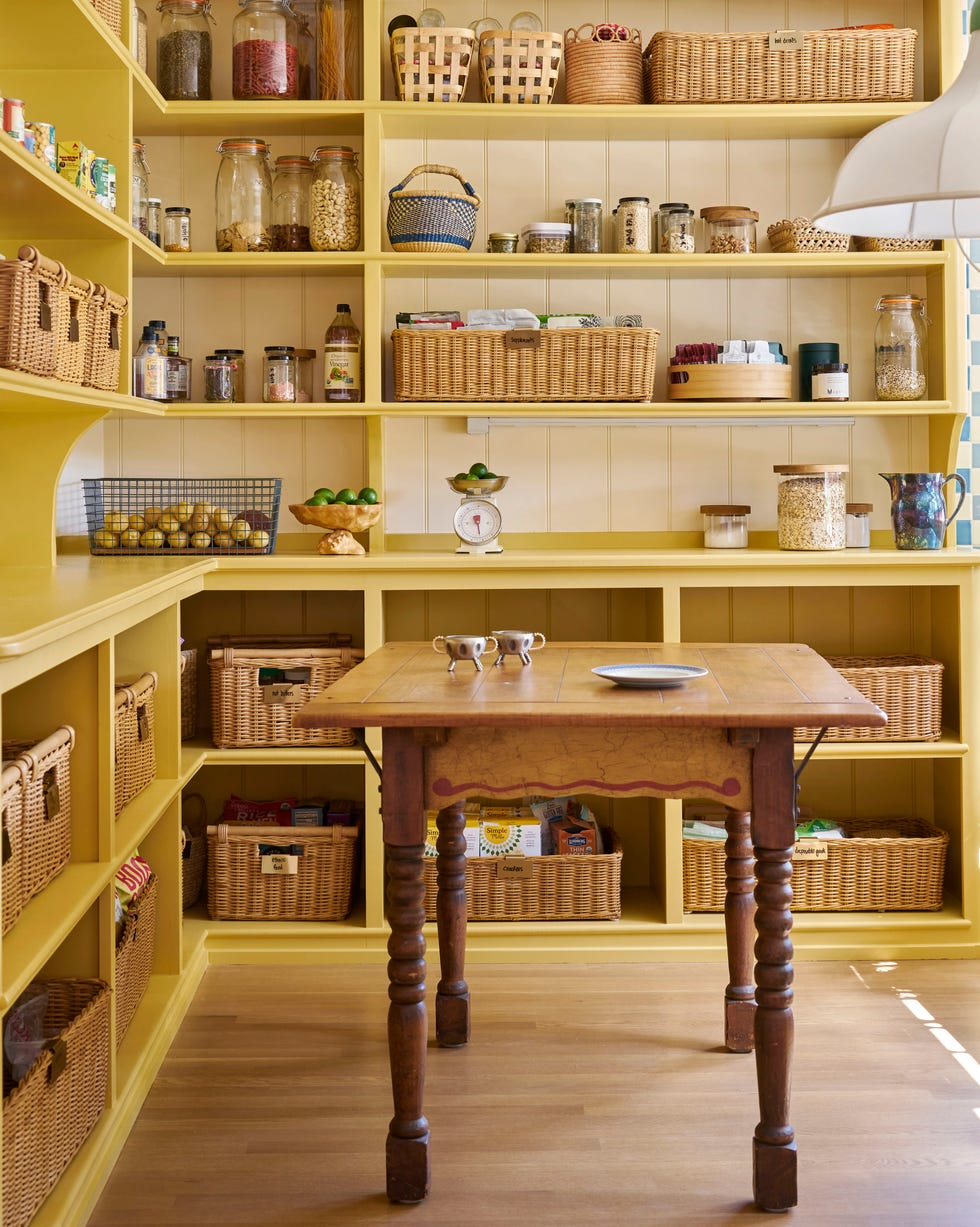
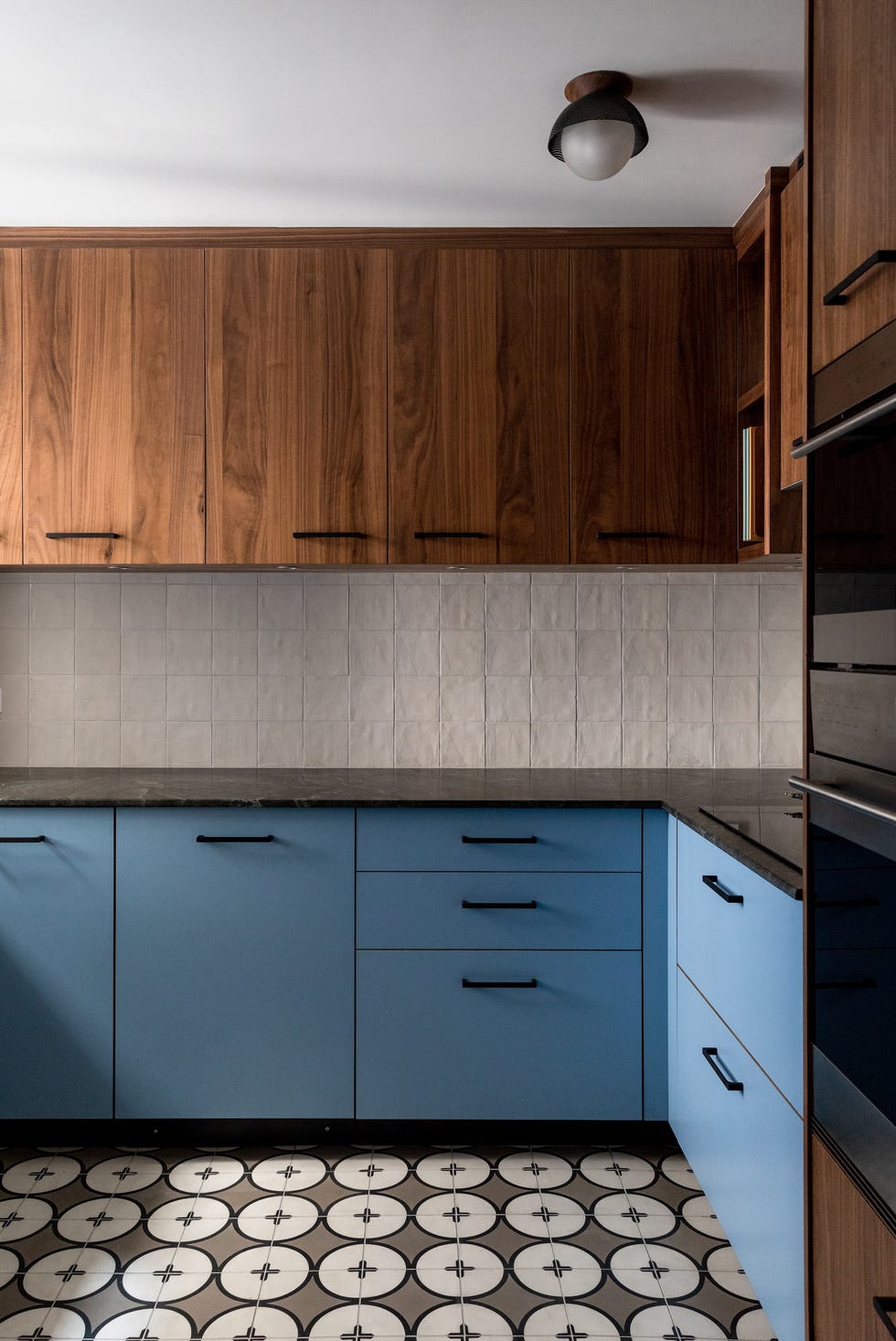
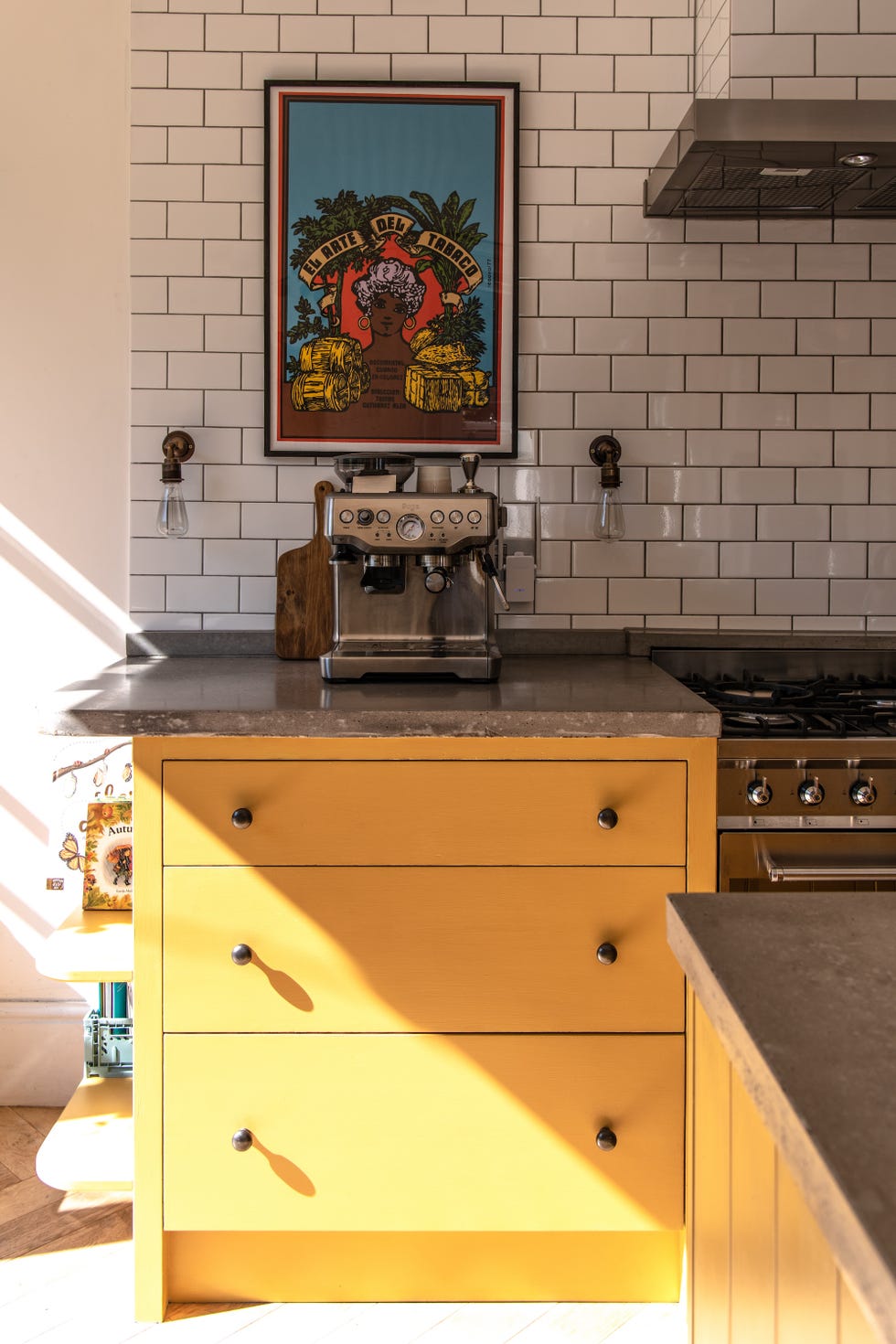
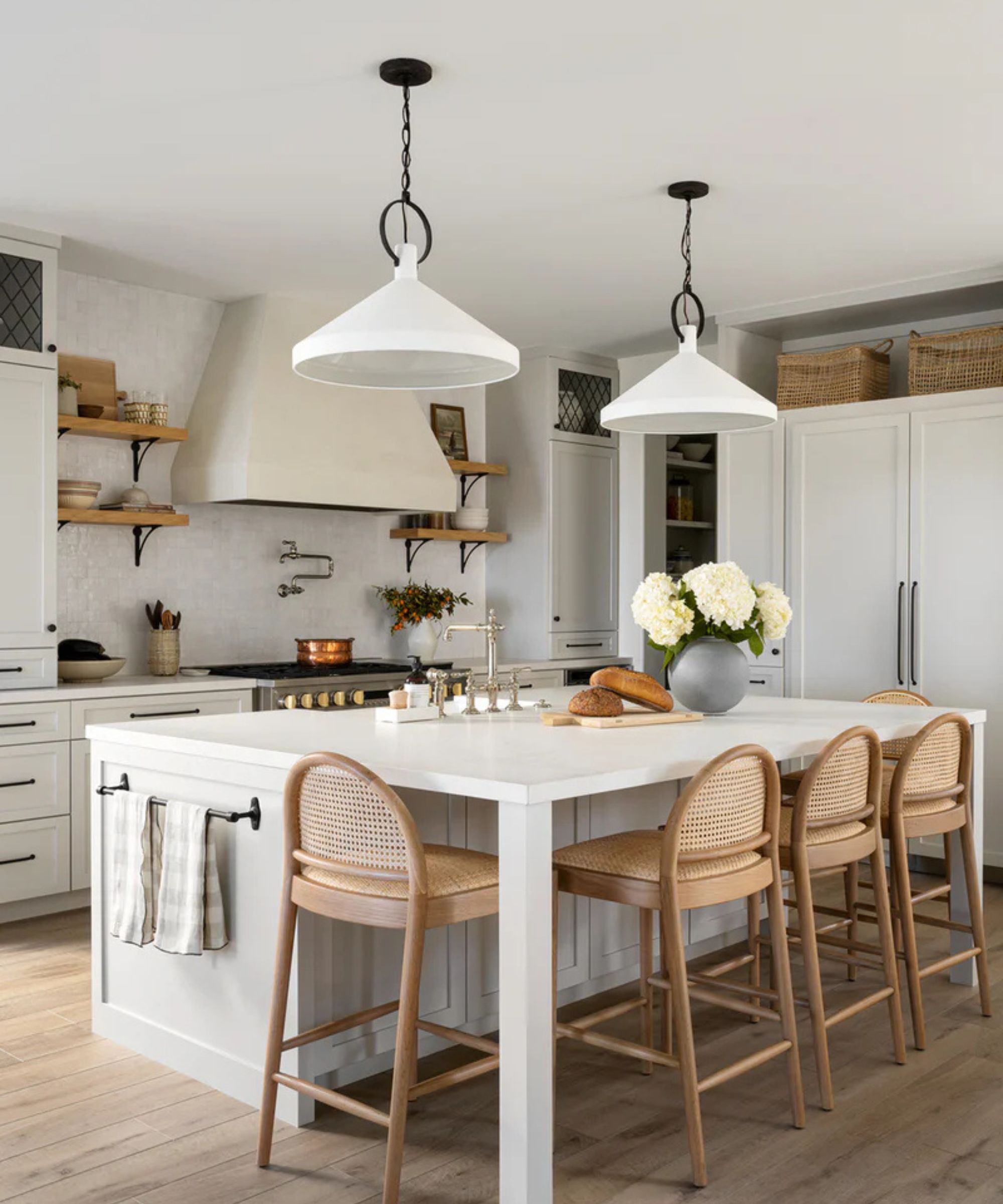
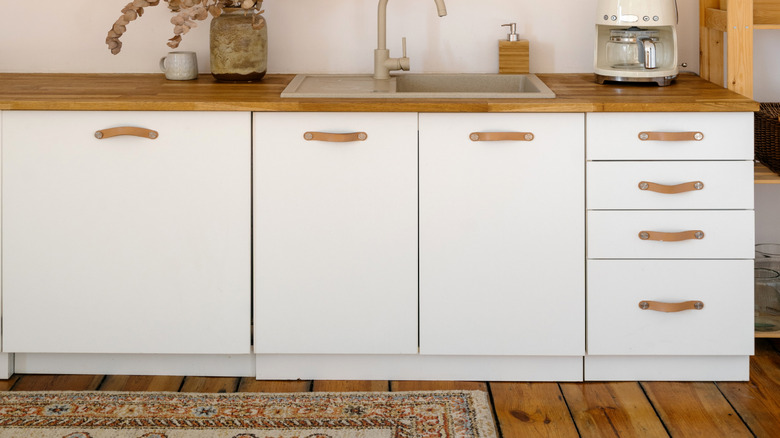
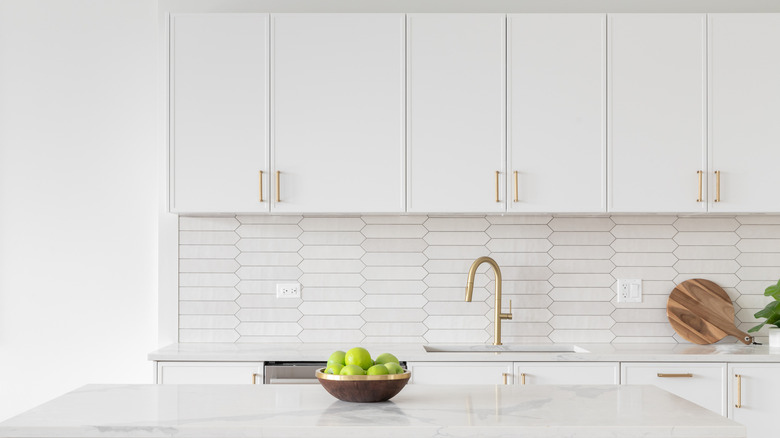
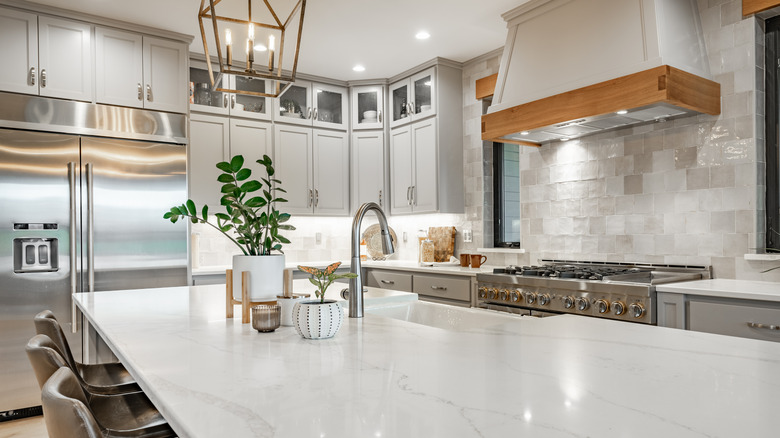
Home design color trends are moving away from traditional neutral palettes towards more adventurous combinations, particularly in kitchens. The once popular all-white kitchen trend is projected to be outdated by 2026, making way for bolder tones and more intricate decor. This shift reflects a desire to inject more personality and liveliness into the kitchen, often considered the heart of the home. While subtle splashes of color have been gaining traction, the latest predictions highlight a surprising and increasingly popular pairing: green and red.
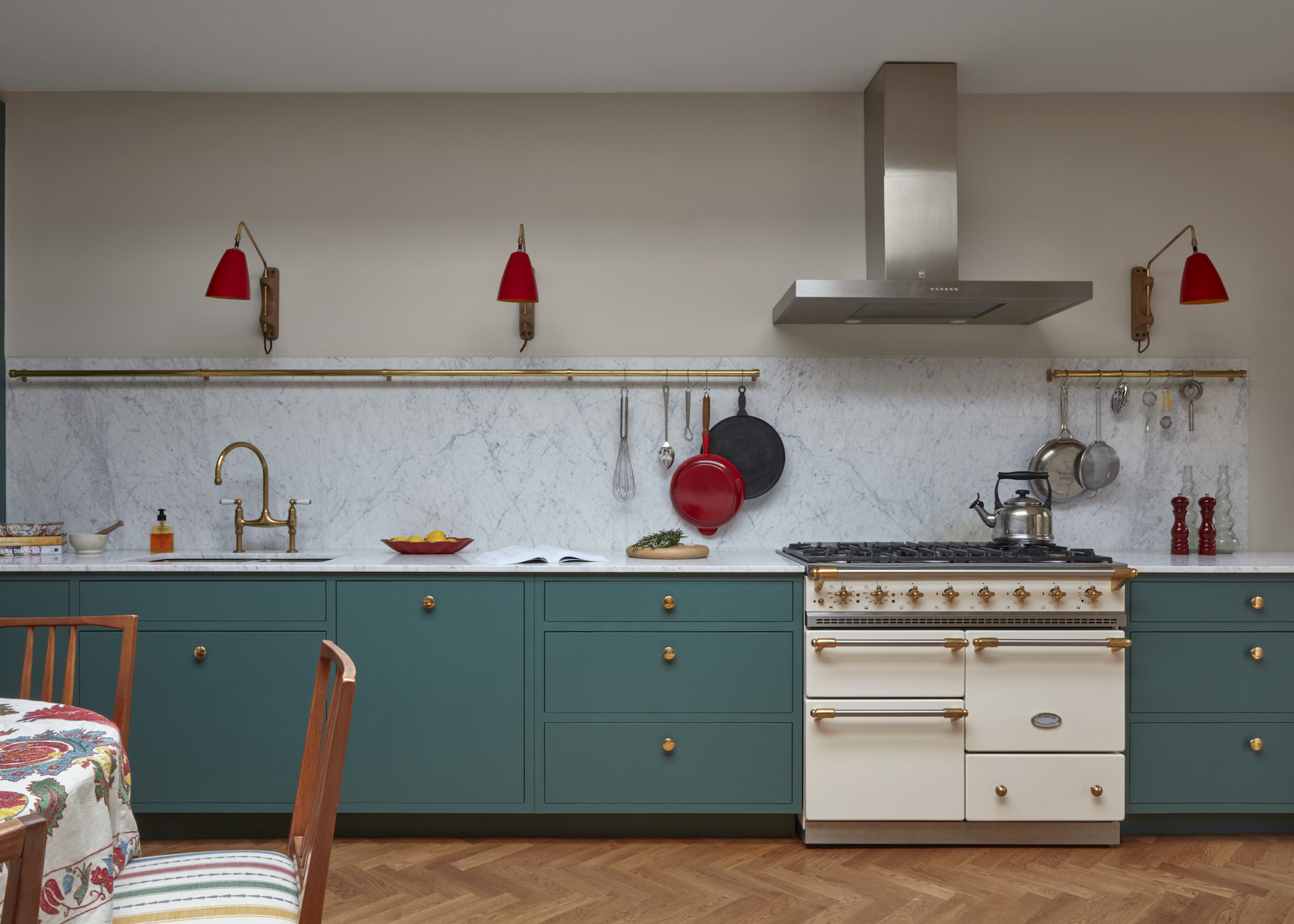
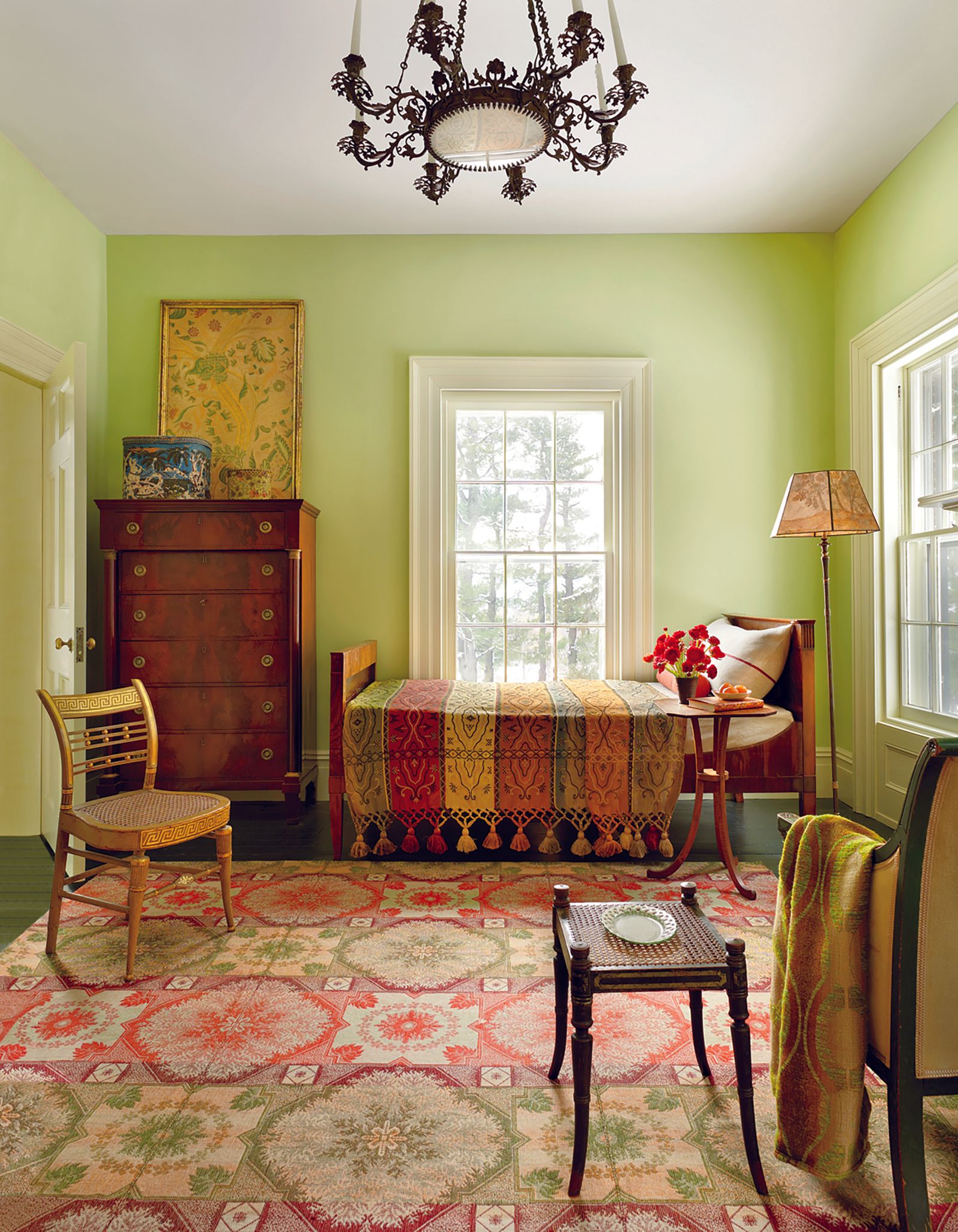
This color combination, traditionally associated with the holiday season, is being reinterpreted by designers for year-round appeal. The unexpected nature of red and green in kitchen aesthetics stems from a broader trend in home design that embraces warm palettes, earthy elements, and maximalist styles. Red brings a classic warmth, ideal for a kitchen environment, while various shades of green introduce an organic and cozy feel. The key to successfully implementing this pairing lies in a thoughtful approach that prevents the space from appearing overly festive or tacky, instead aiming for a timeless and sophisticated look.
The effectiveness of red and green together can be understood through the principles of the color wheel, where they are identified as complementary colors. This complementary relationship creates a balanced visual appeal, blending warmth and energy from red with the cool, calming qualities of green. When combined judiciously, this duo can make a kitchen feel vibrant and full of character without overwhelming the senses. The harmony between these colors ensures that the design remains cohesive and aesthetically pleasing. The trend emphasizes exploring different variations within these color families, moving beyond classic primary red and green to achieve greater contrast and dimension.
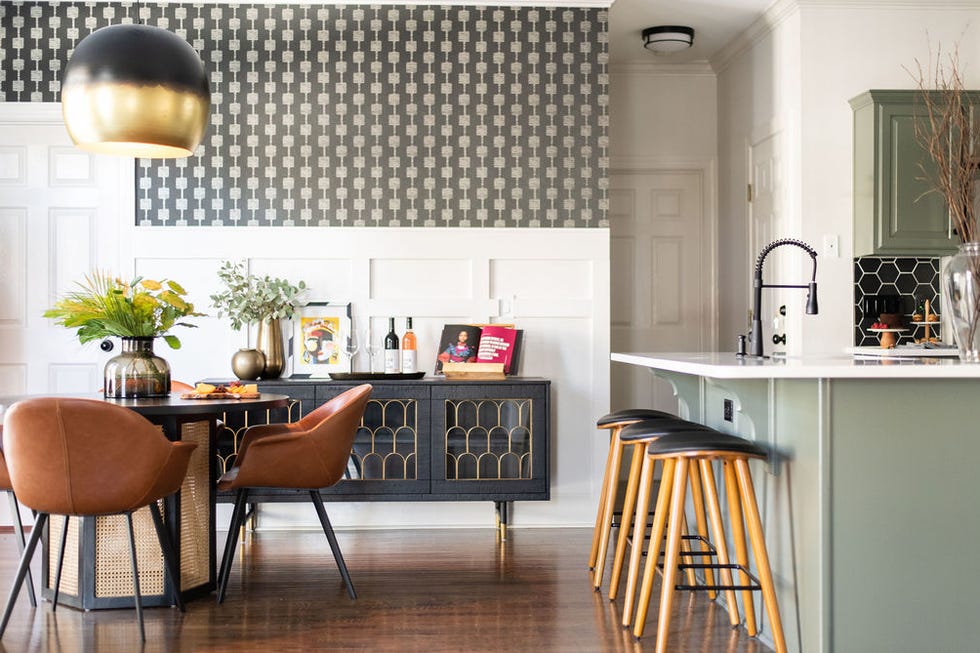
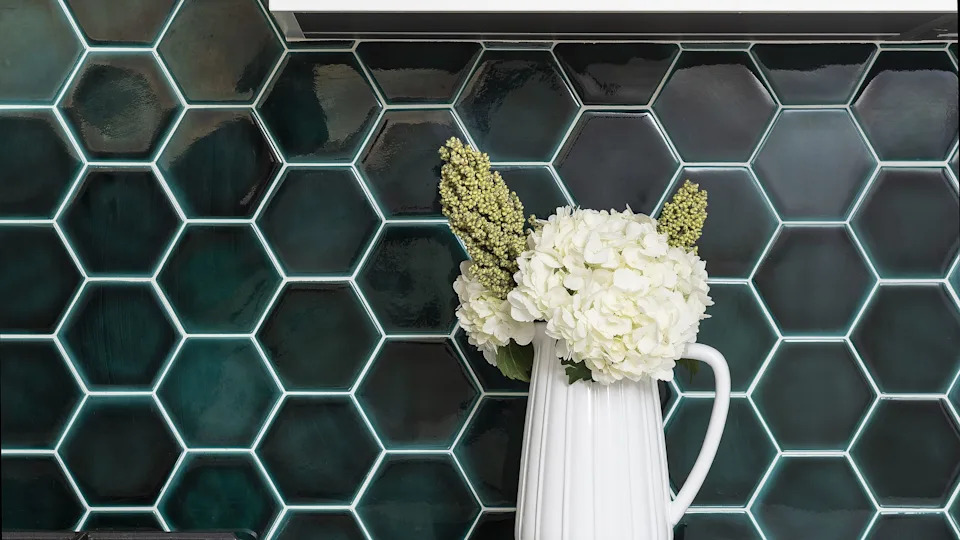
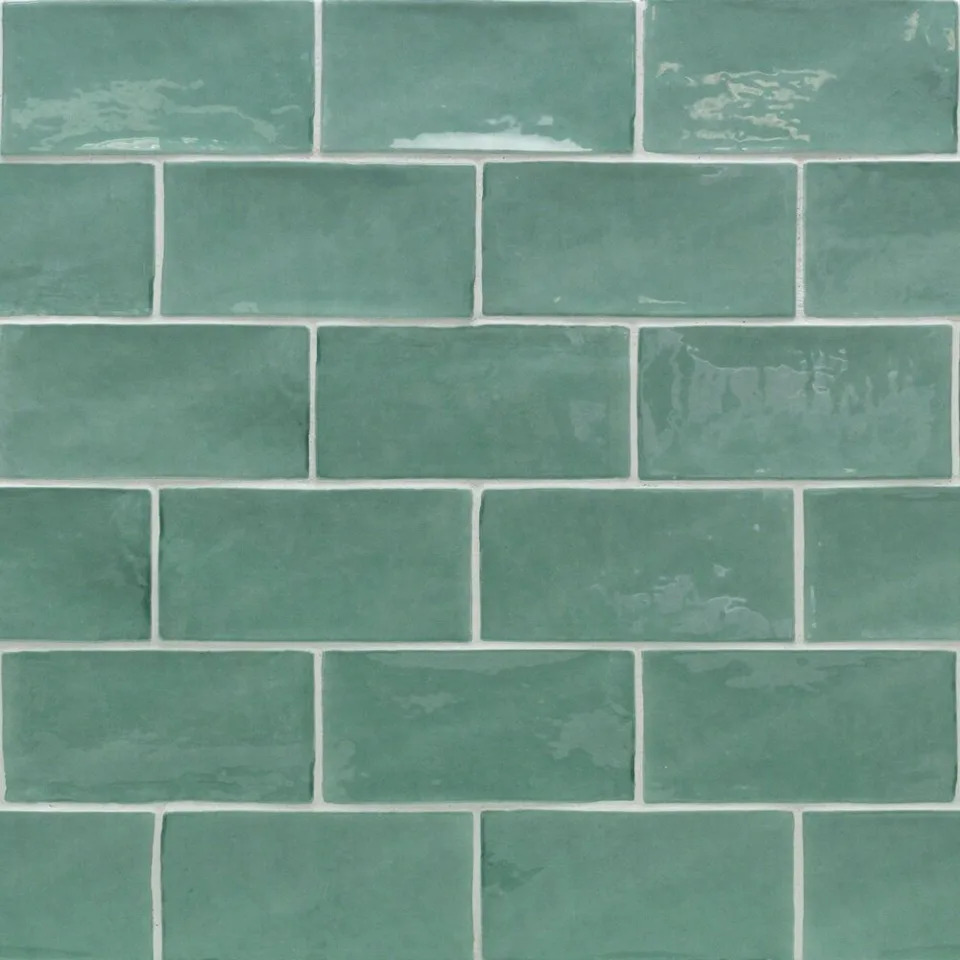
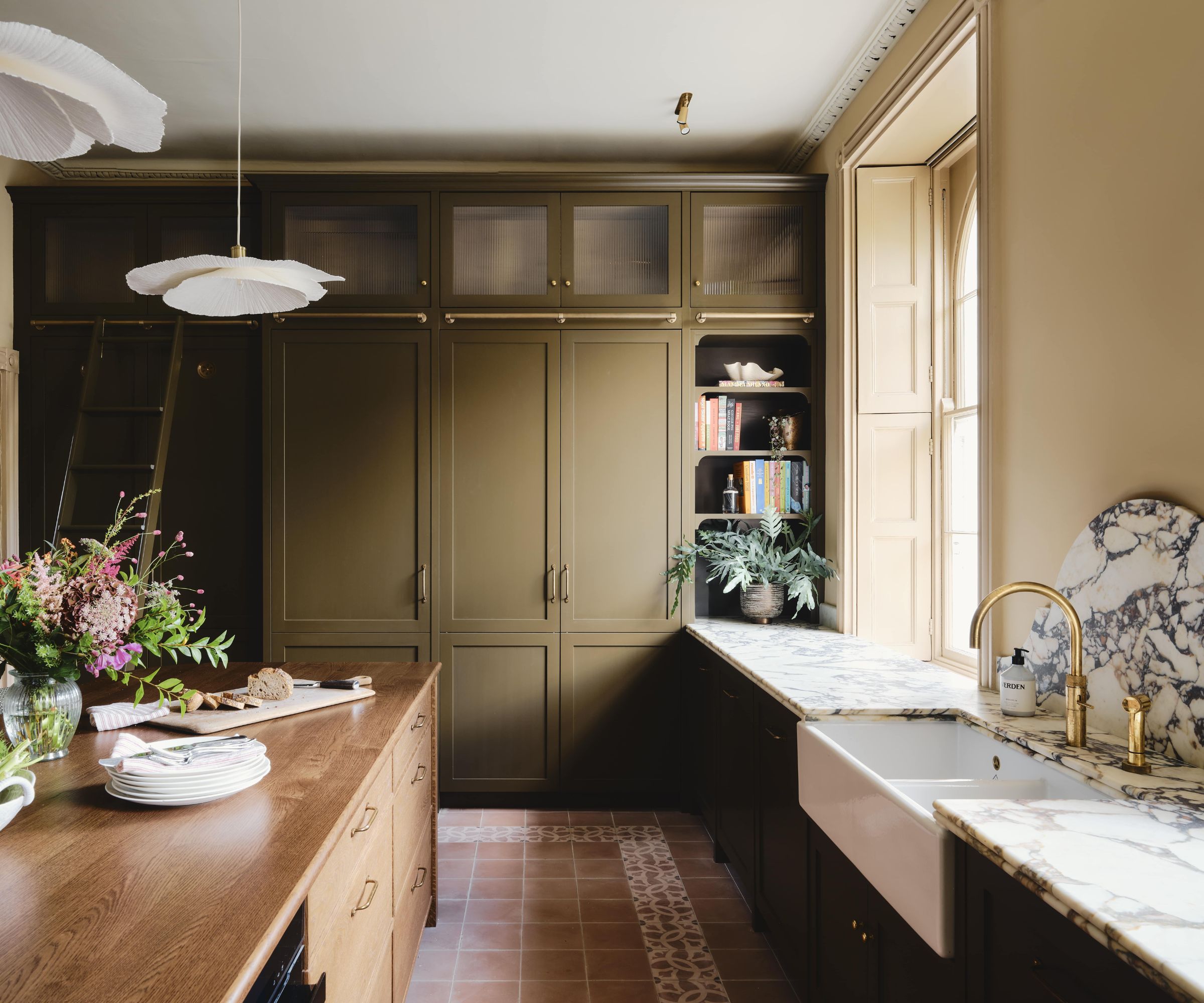
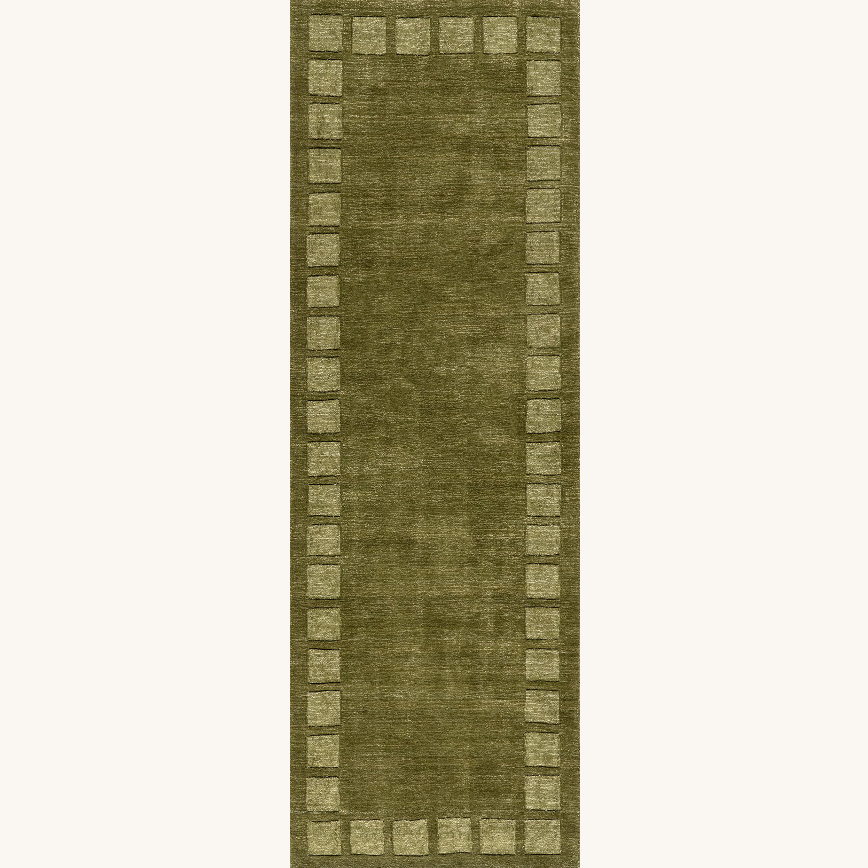
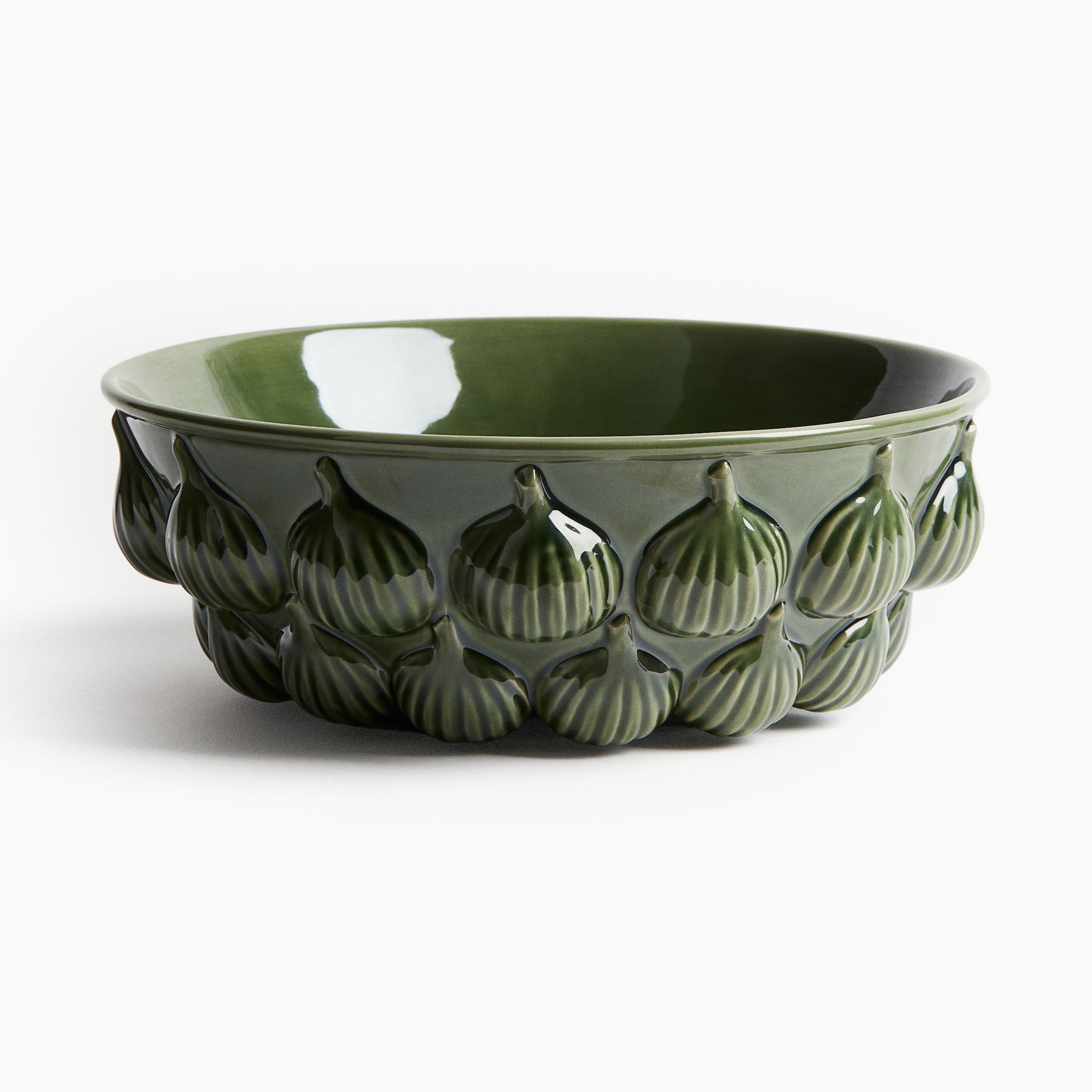
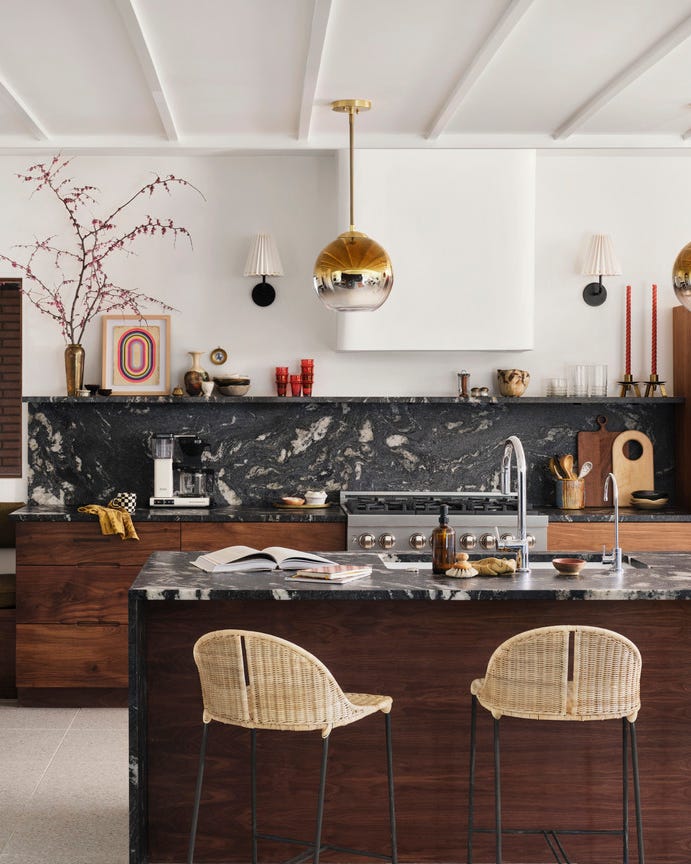
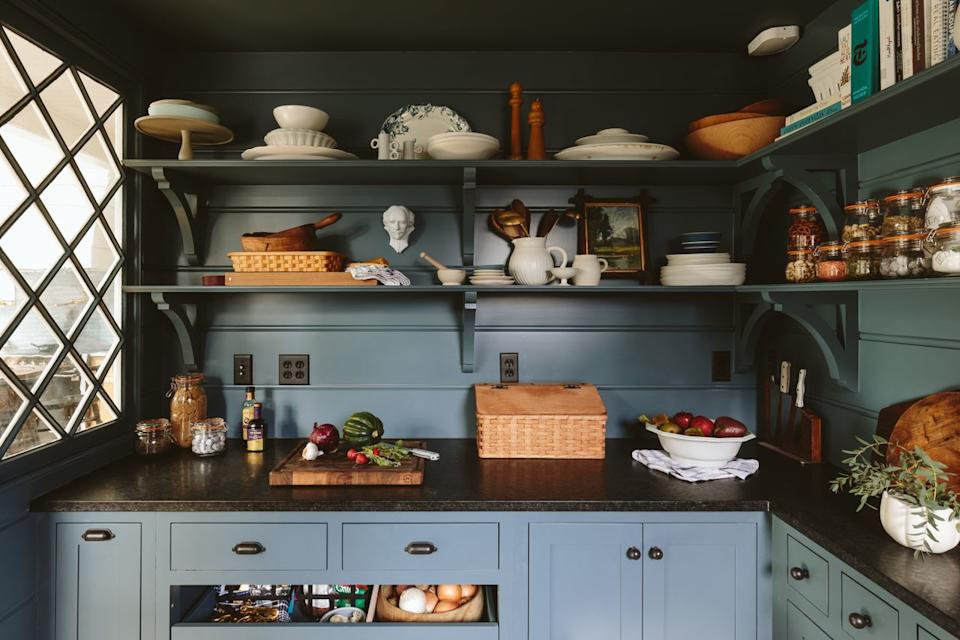
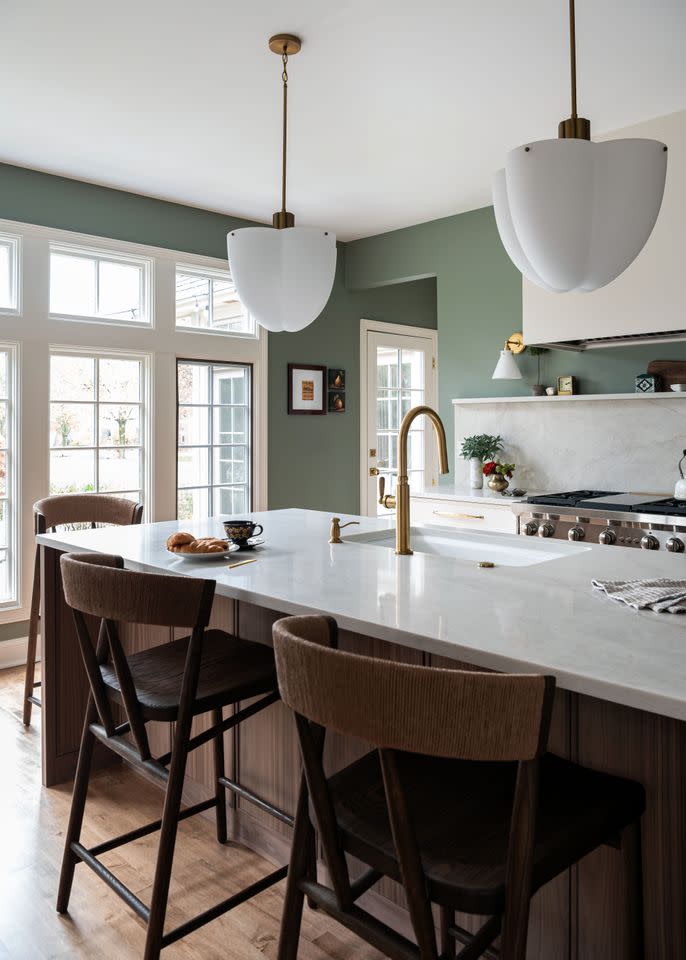
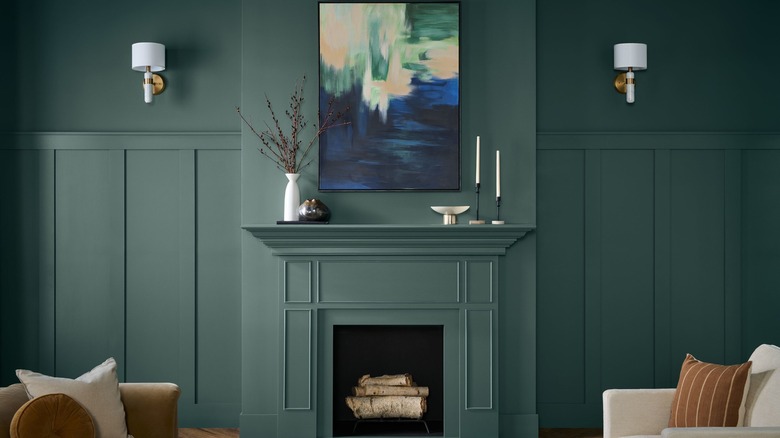
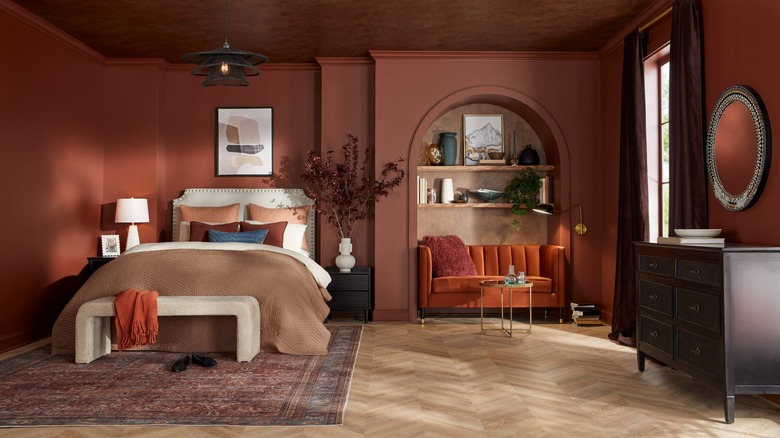
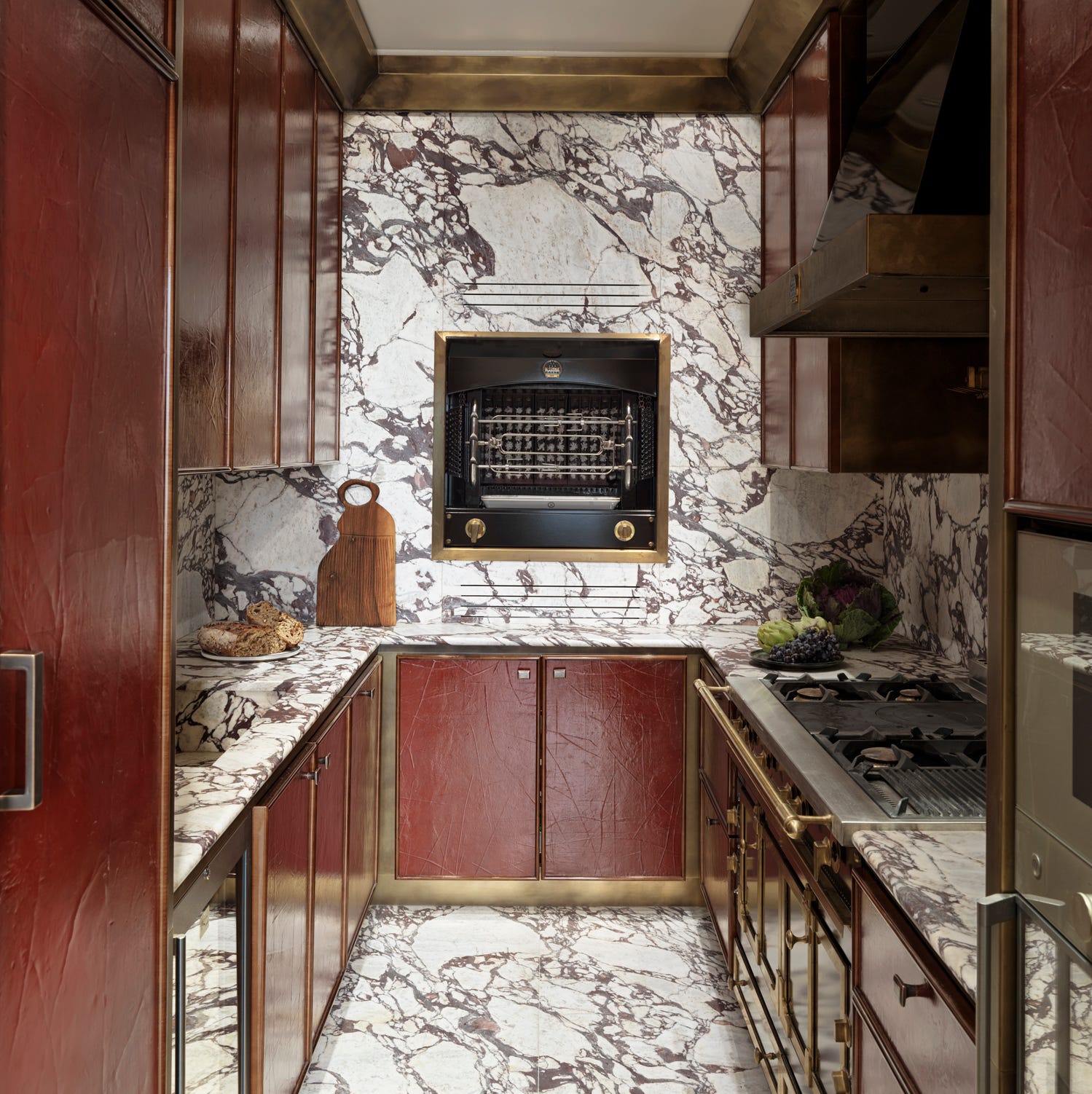
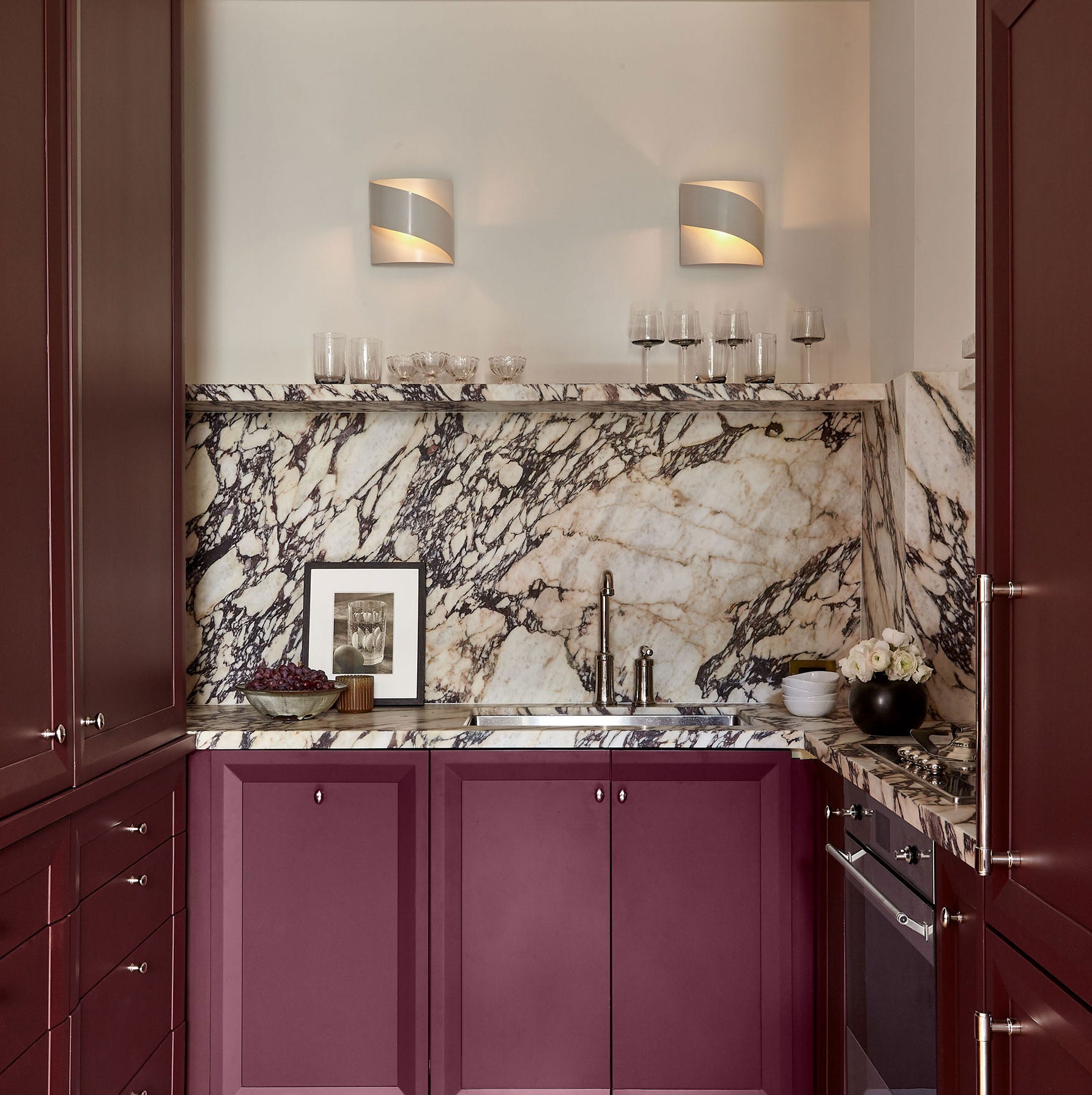
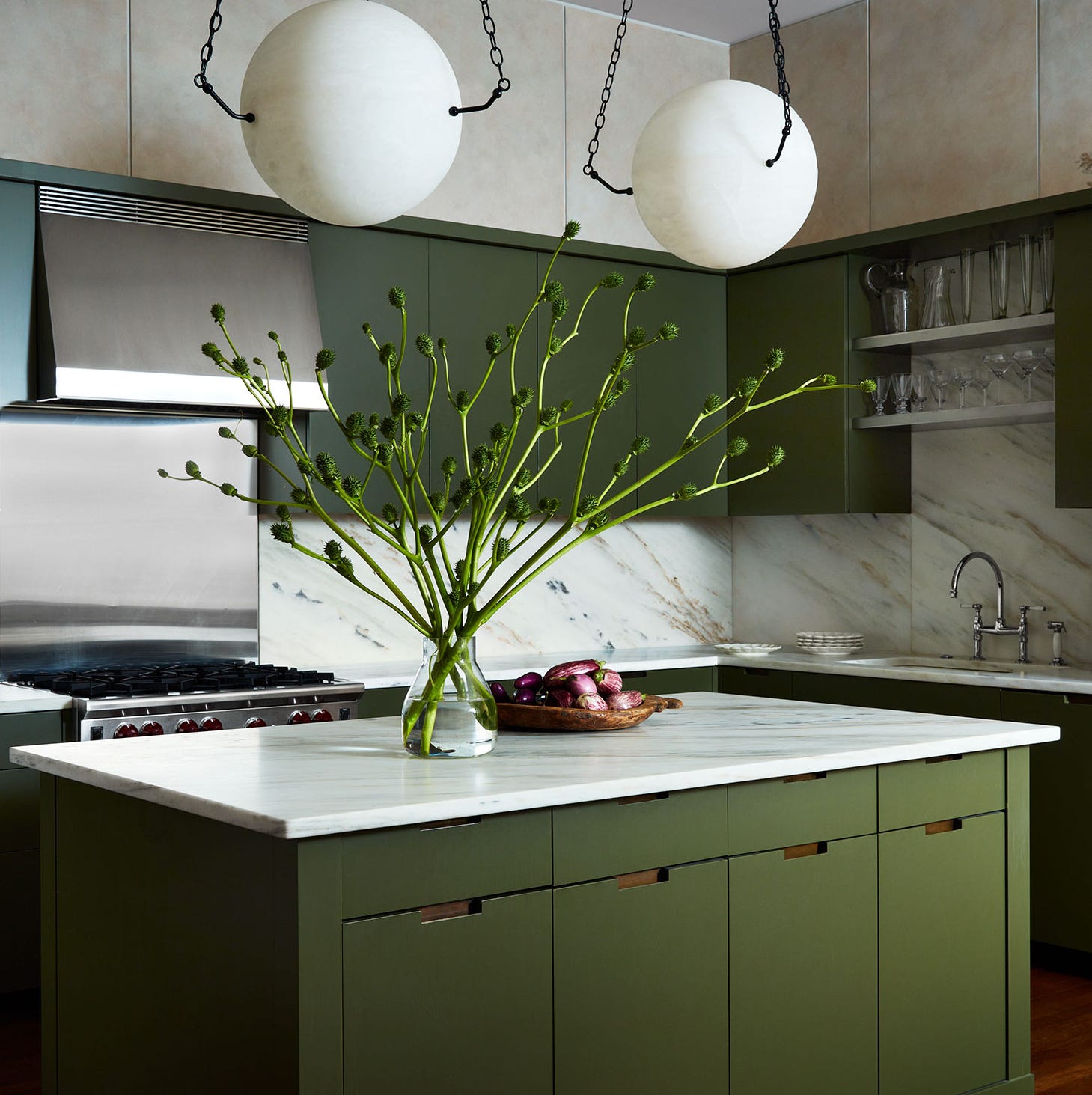
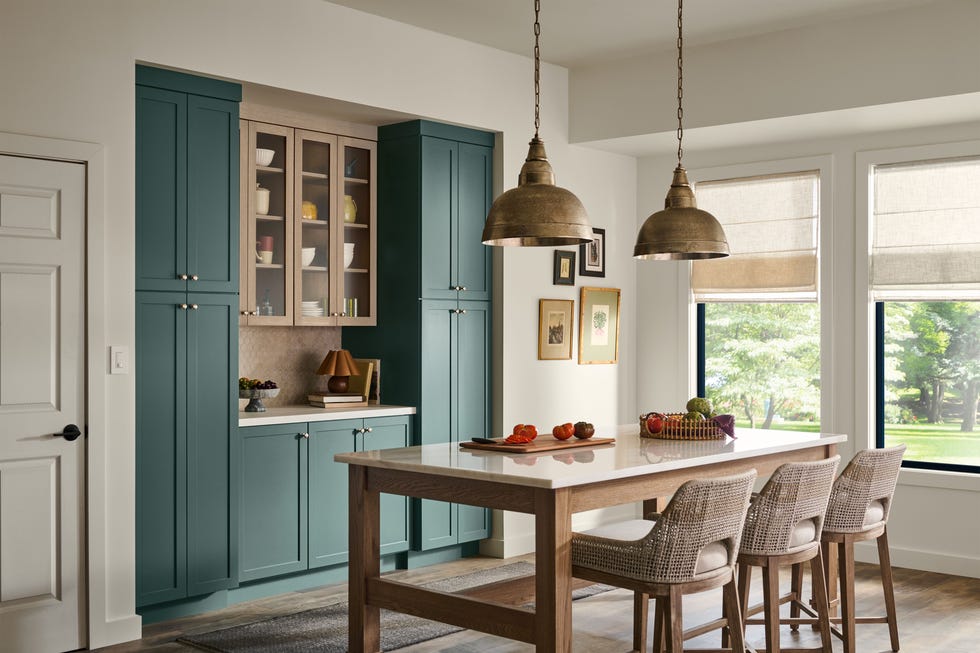
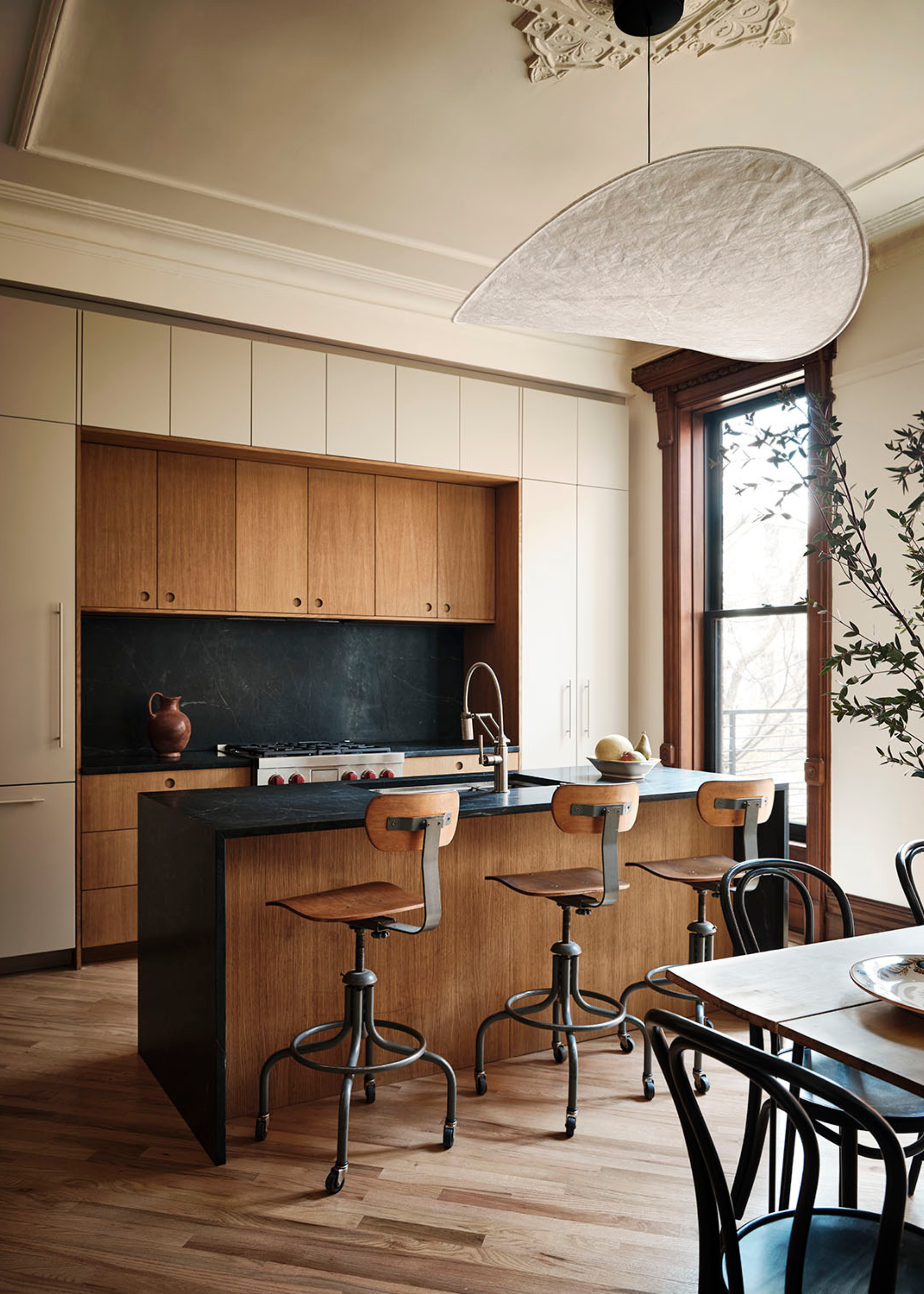
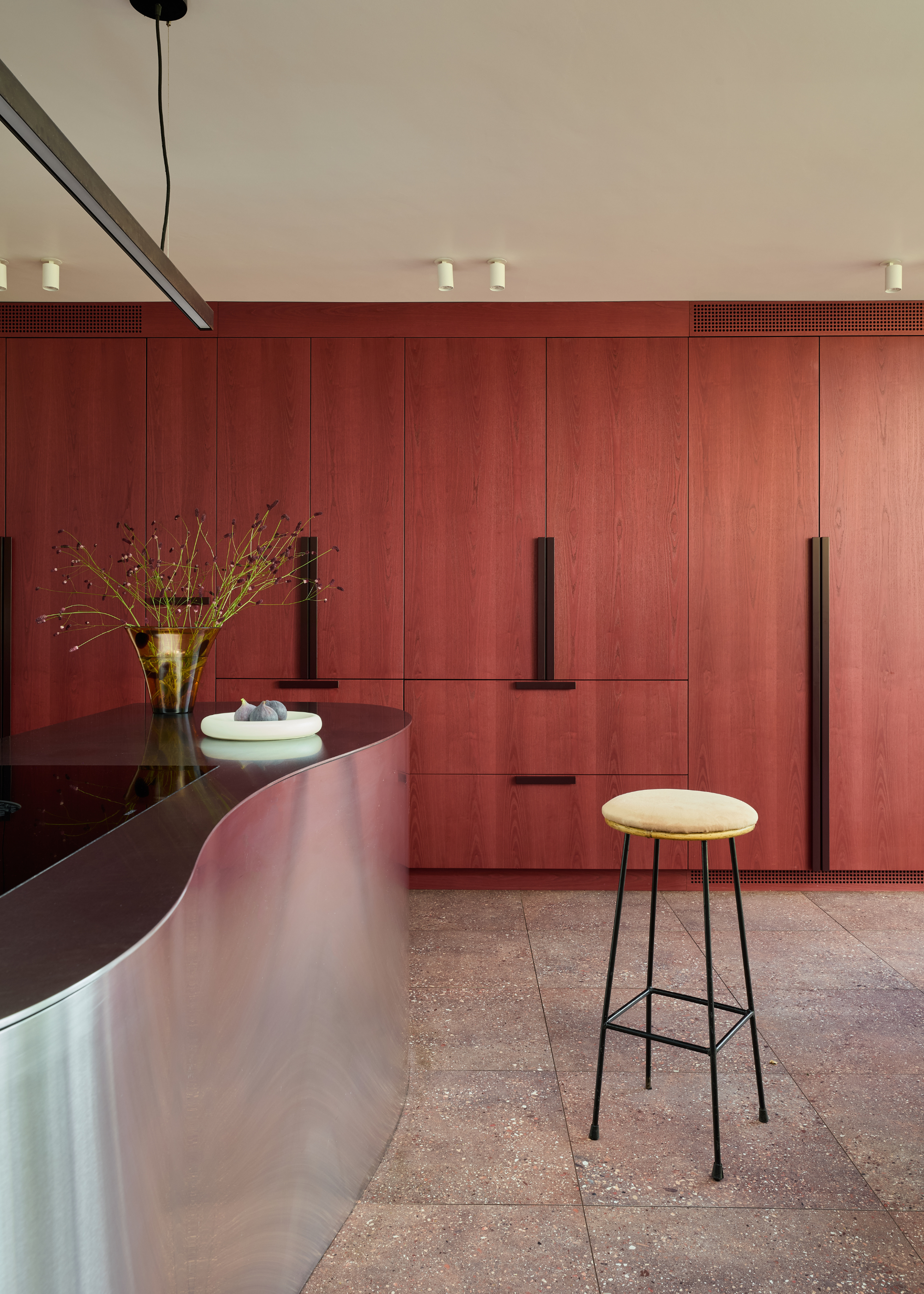
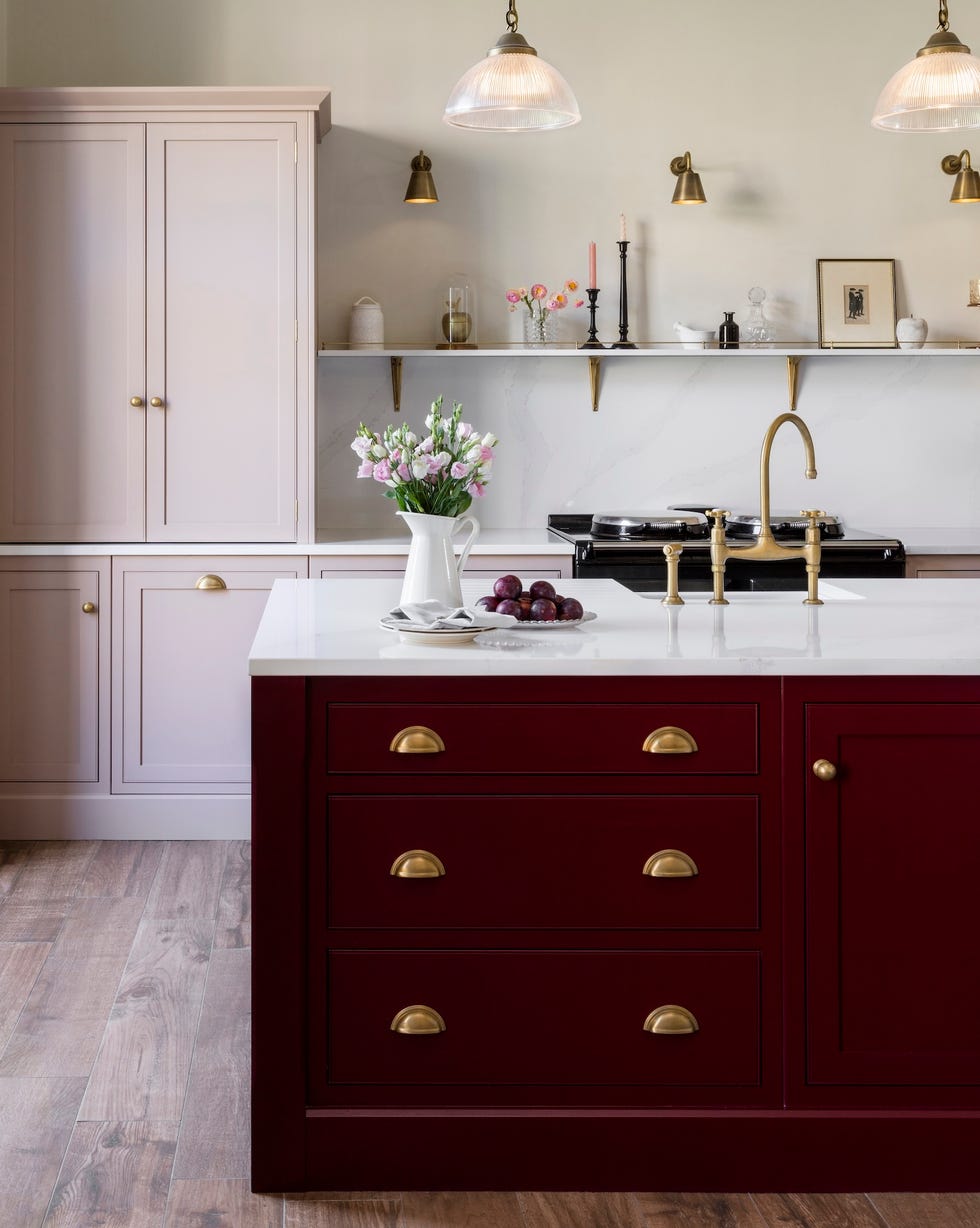
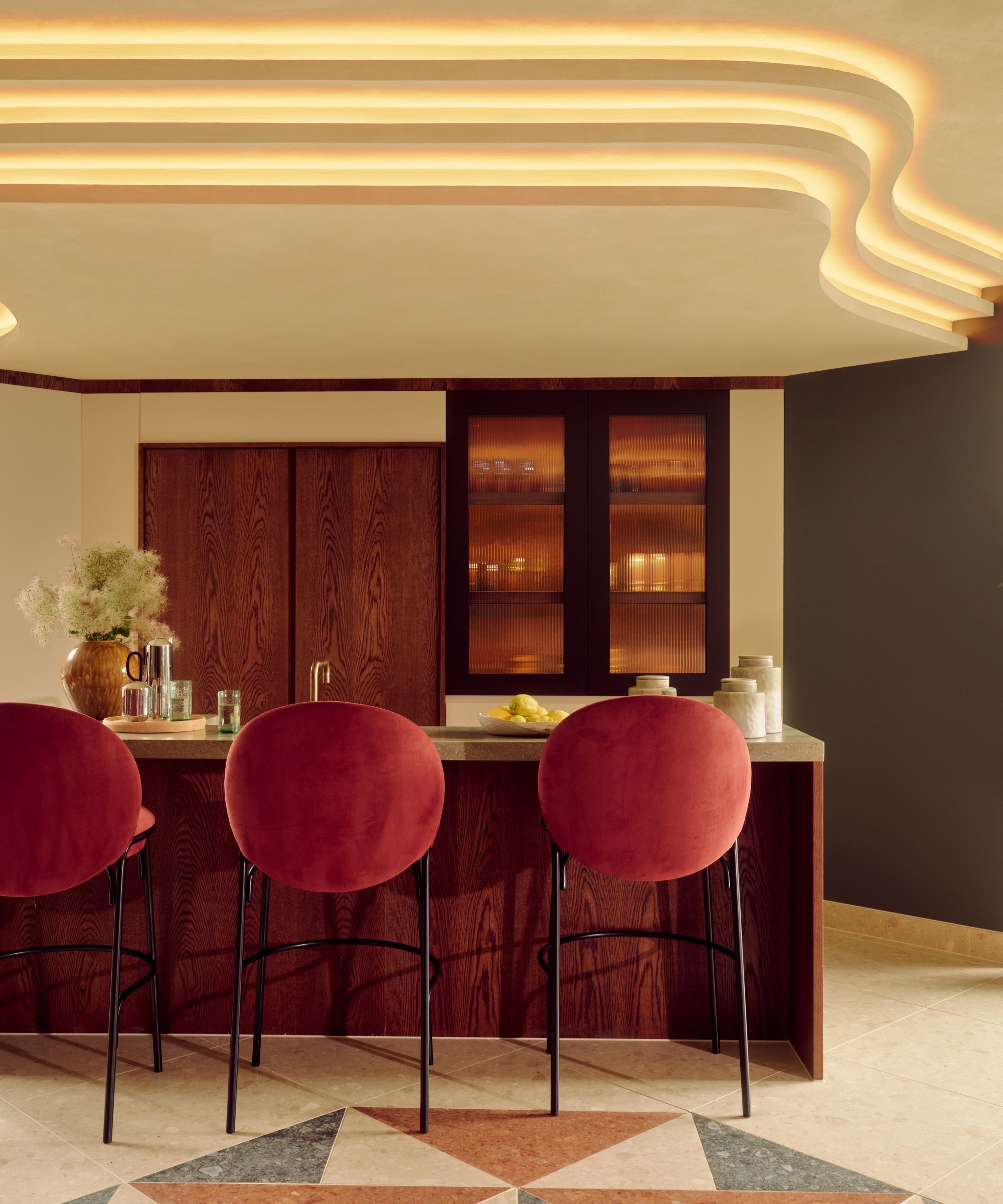
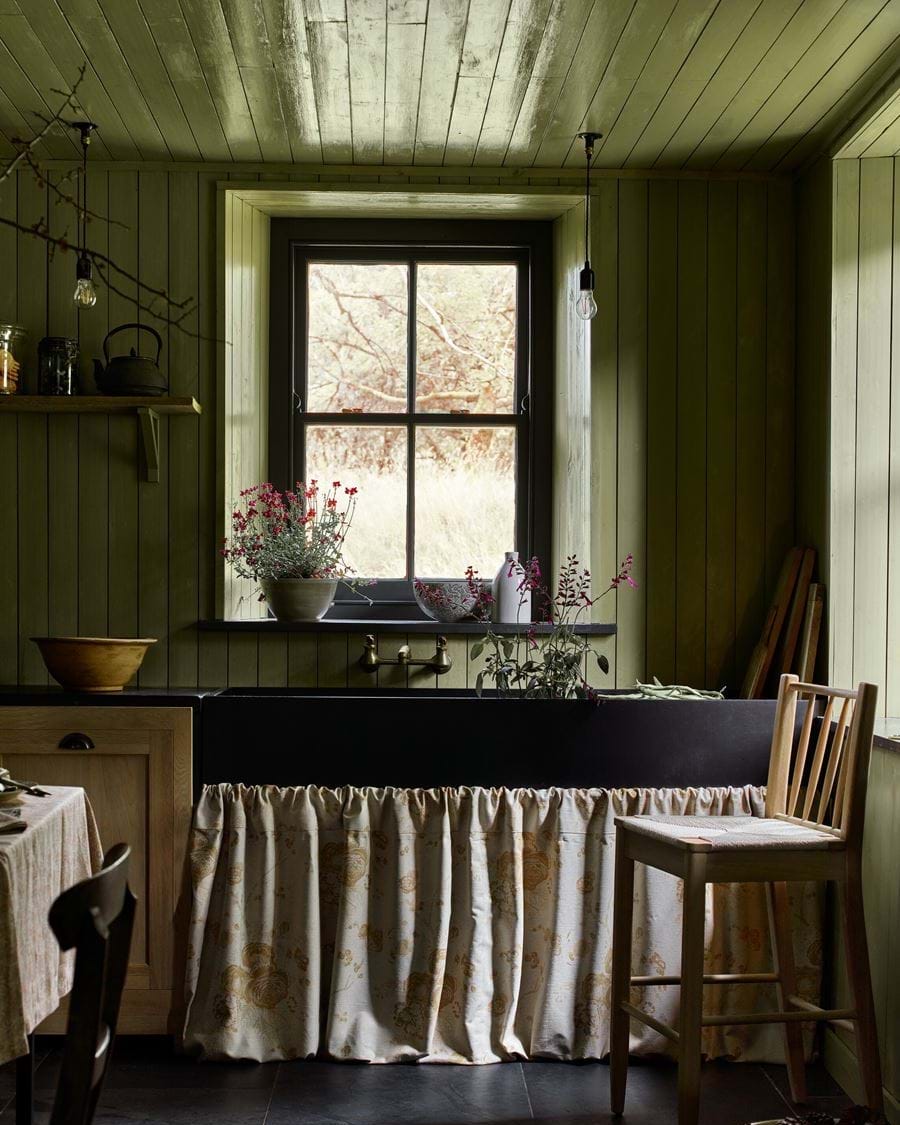
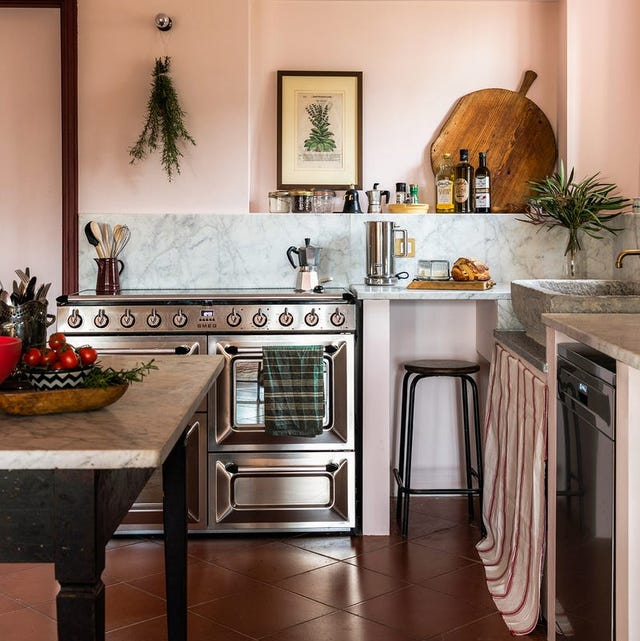
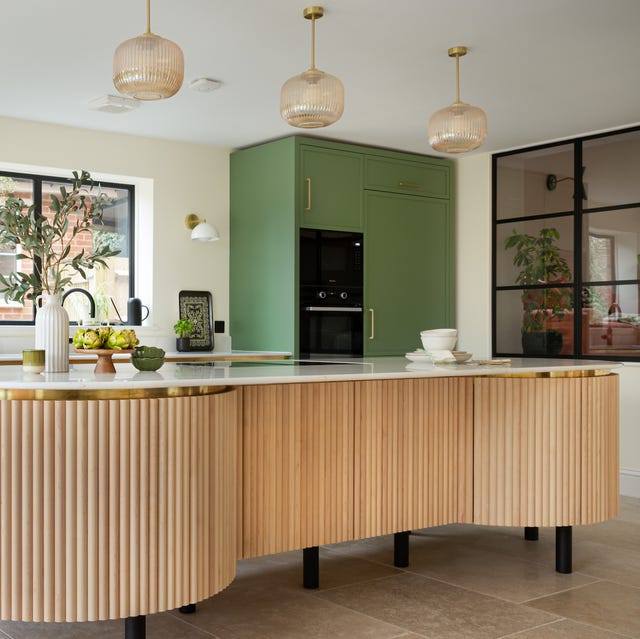
To master this bold combination, designers advise against using stark, primary red and green hues. Instead, the focus should be on organic, natural variations. Earthier, deeper tones such as olive green and oxblood red are recommended to create a sophisticated and modern style. Incorporating soft textures can further enhance this elevated aesthetic. This approach allows for the integration of other contemporary design trends, such as moody palettes. For example, a dramatic deep red can be used as a focal point on a kitchen island, framed by deep forest green woodwork, and accessorized with chic metallic accents to create a luxurious and striking effect.
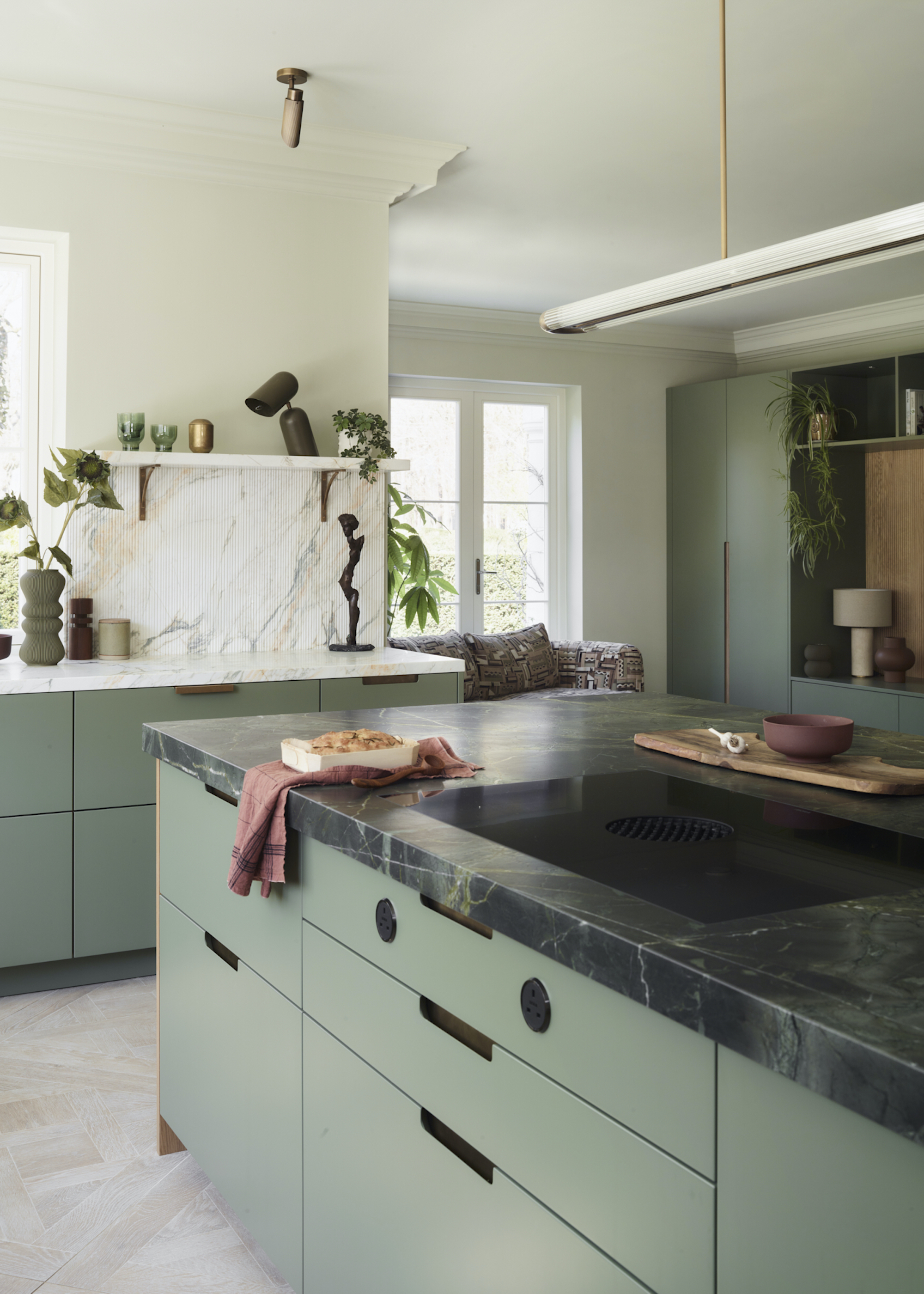
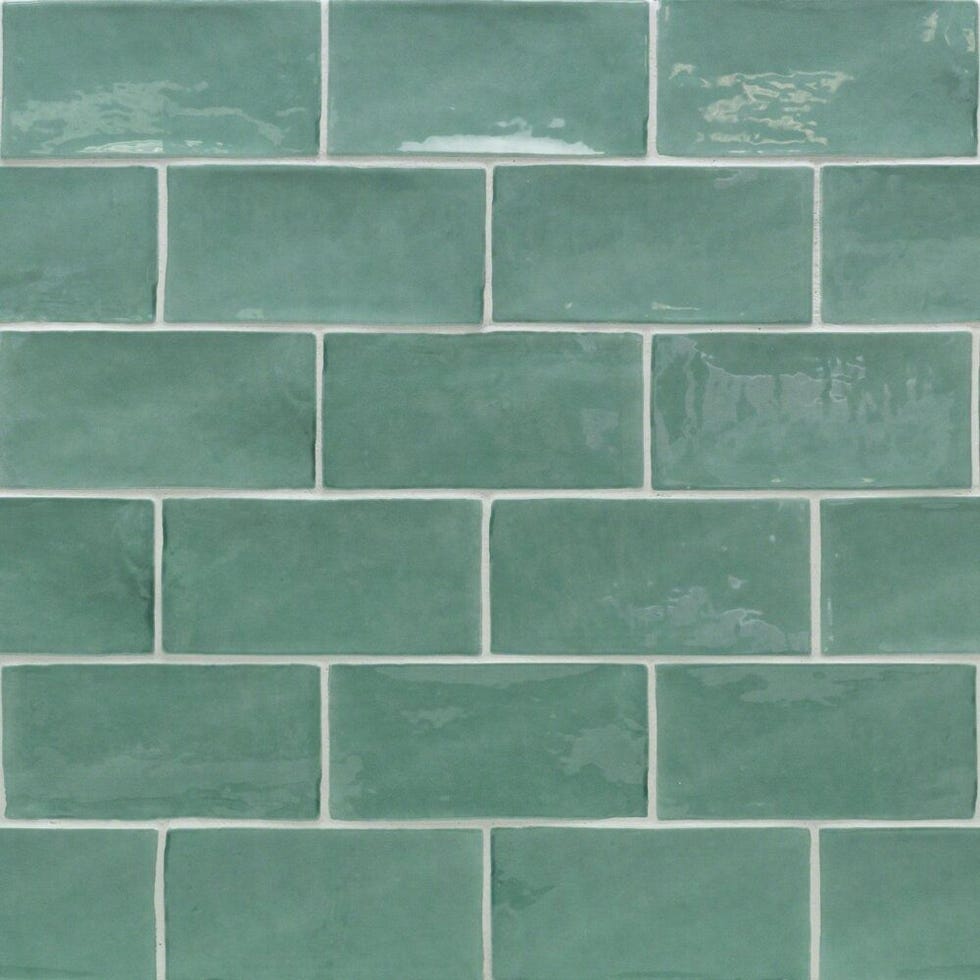
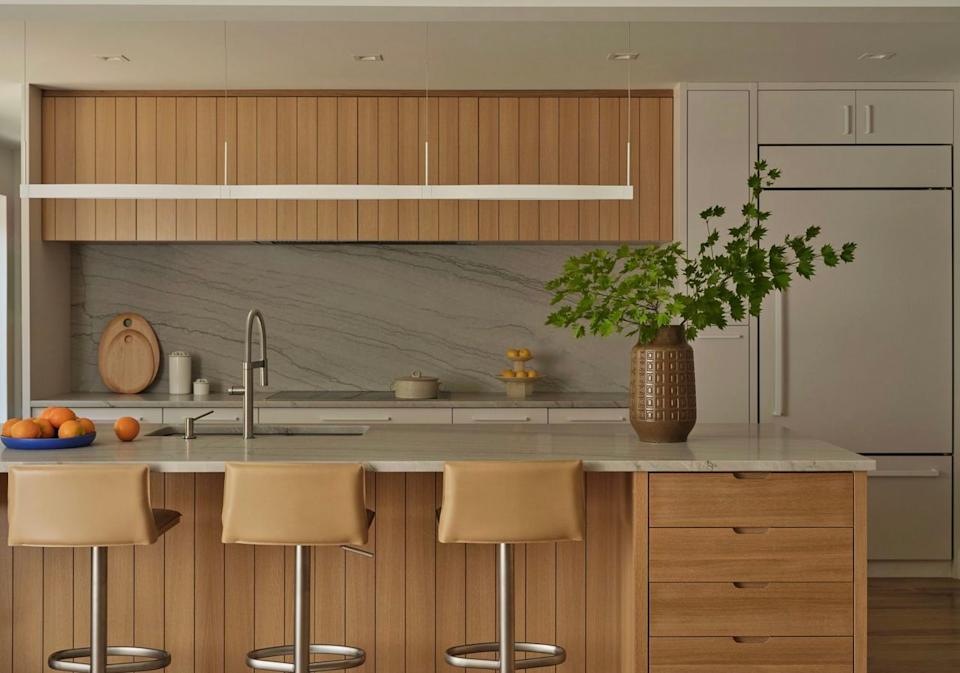
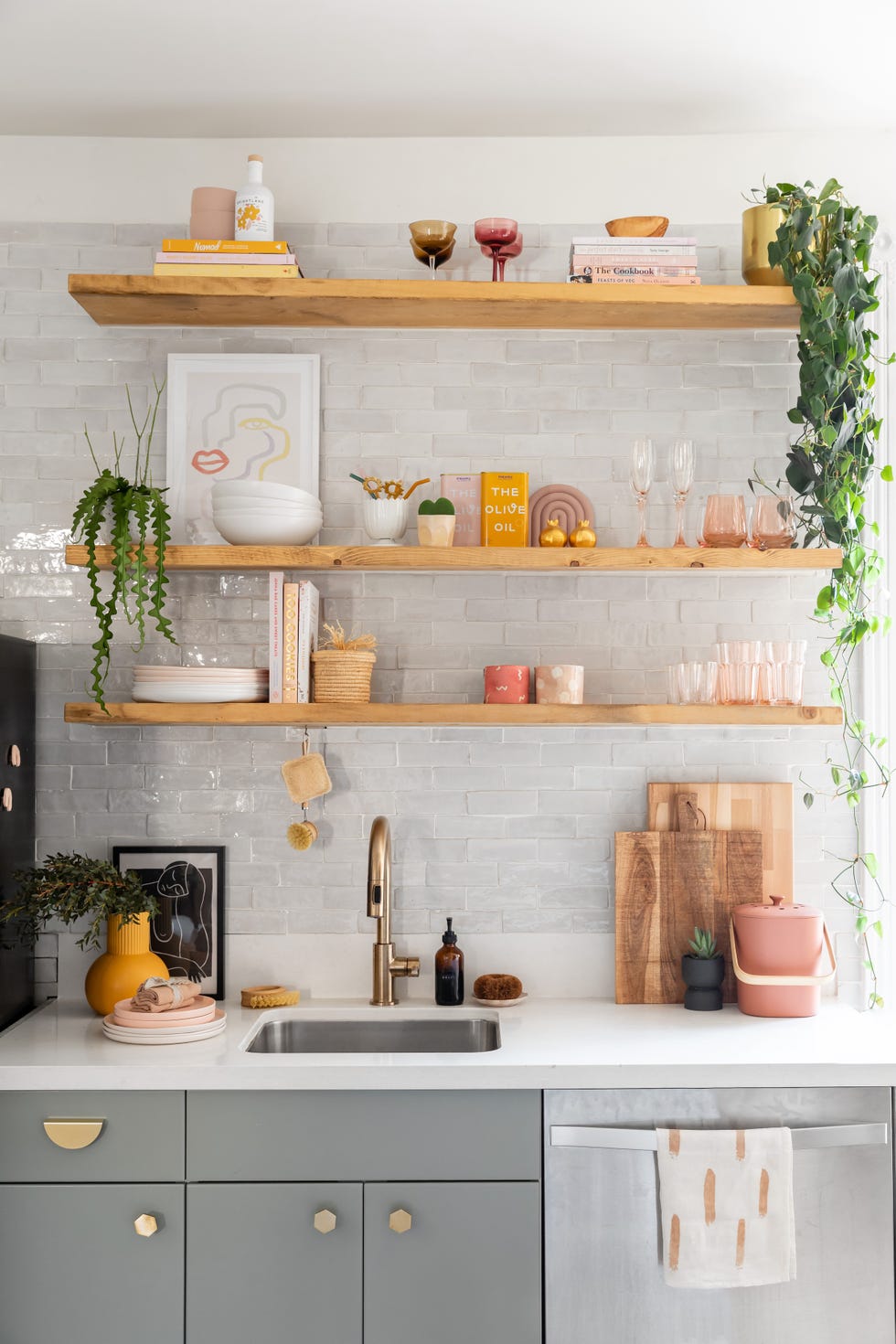
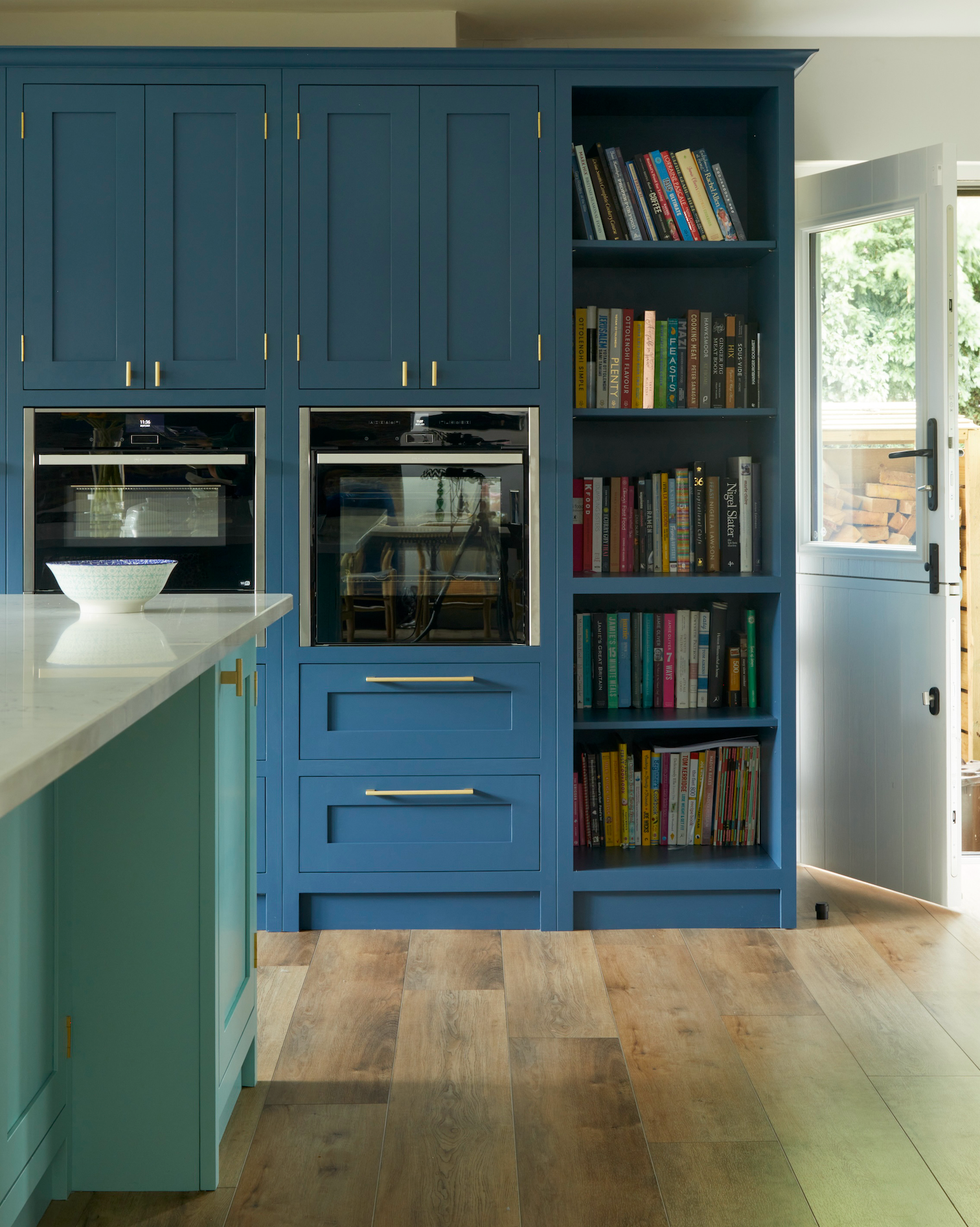
Highlighting the complementary contrast of red and green is crucial, and this can be achieved by carefully selecting different tones. For those with a neutral design seeking a more colorful update, sage green offers a soft, earthy base. This can then be accented with vibrant reds through elements like seating or decorative items, allowing the pairing to truly stand out. This strategic use of varying shades and applications ensures that the red and green combination is both tasteful and impactful, transforming the kitchen into a dynamic and inviting space.
#KitchenDesign #ColorTrends #InteriorDesign #HomeDecor #GreenAndRed #KitchenRemodel #DesignTrends #KitchenDesign #ColorTrends #InteriorDesign #HomeDecor #GreenAndRed #KitchenRemodel #DesignTrends
0 comment in total
 No comments yet
You may also like
7 Kitchen Color Trends That Are Set to Take Over 2026

13 Unique Kitchen Color Combinations To Try Out In 2025
These 2025 Kitchen Color Trends Are Unexpectedly Chic


Top 10 Trendy Kitchen Colour Combinations in 2025

The Kitchen Color You're Going to Be Seeing Everywhere in 2024

These Kitchen Paint Colors Will Be Everywhere in 2025

We're Calling It: 6 Kitchen Cabinet Paint Colors That Will Be Huge in 2026

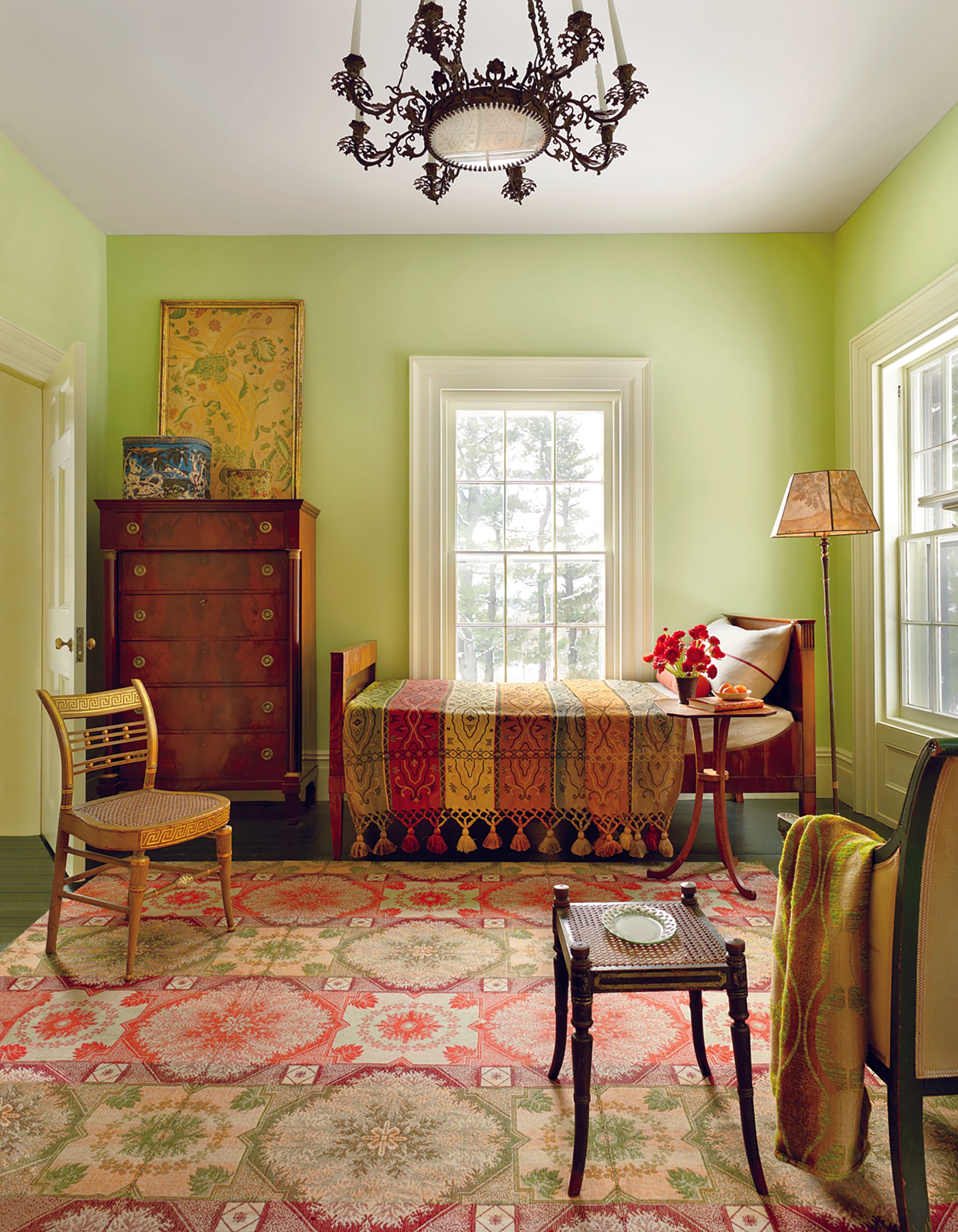
These Colors Will Be Everywhere in Interior Design in 2026
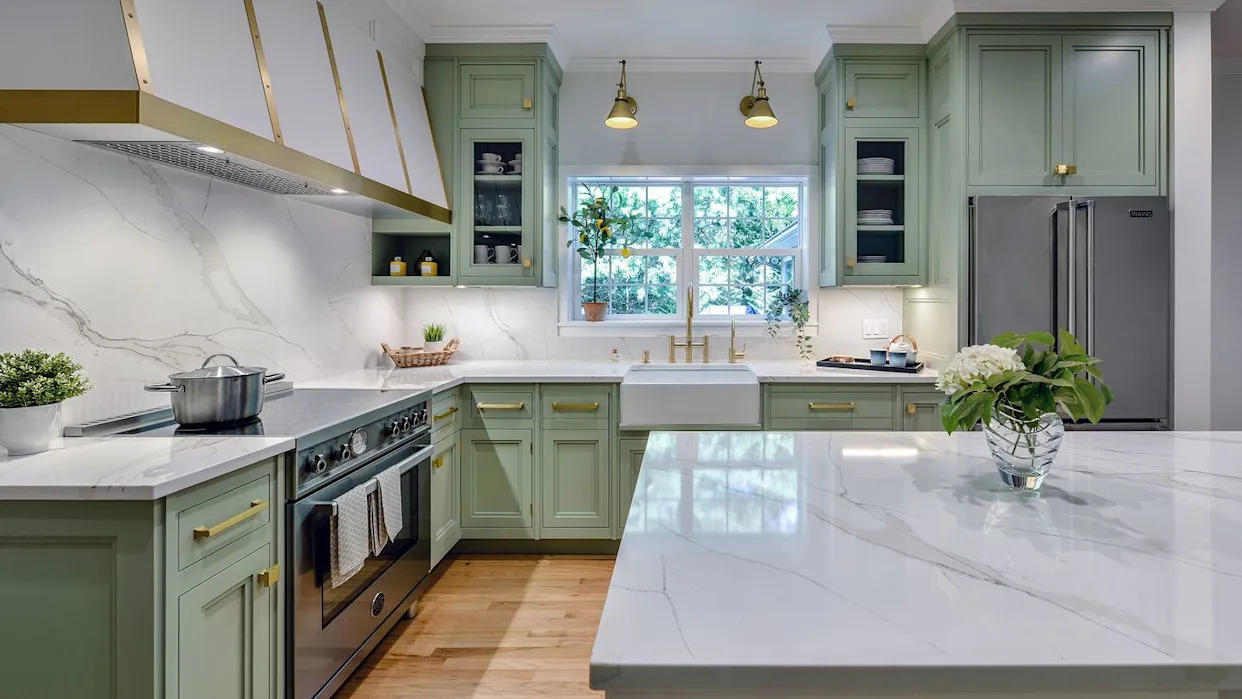
The Kitchen Color You're Going to Be Seeing Everywhere in 2024
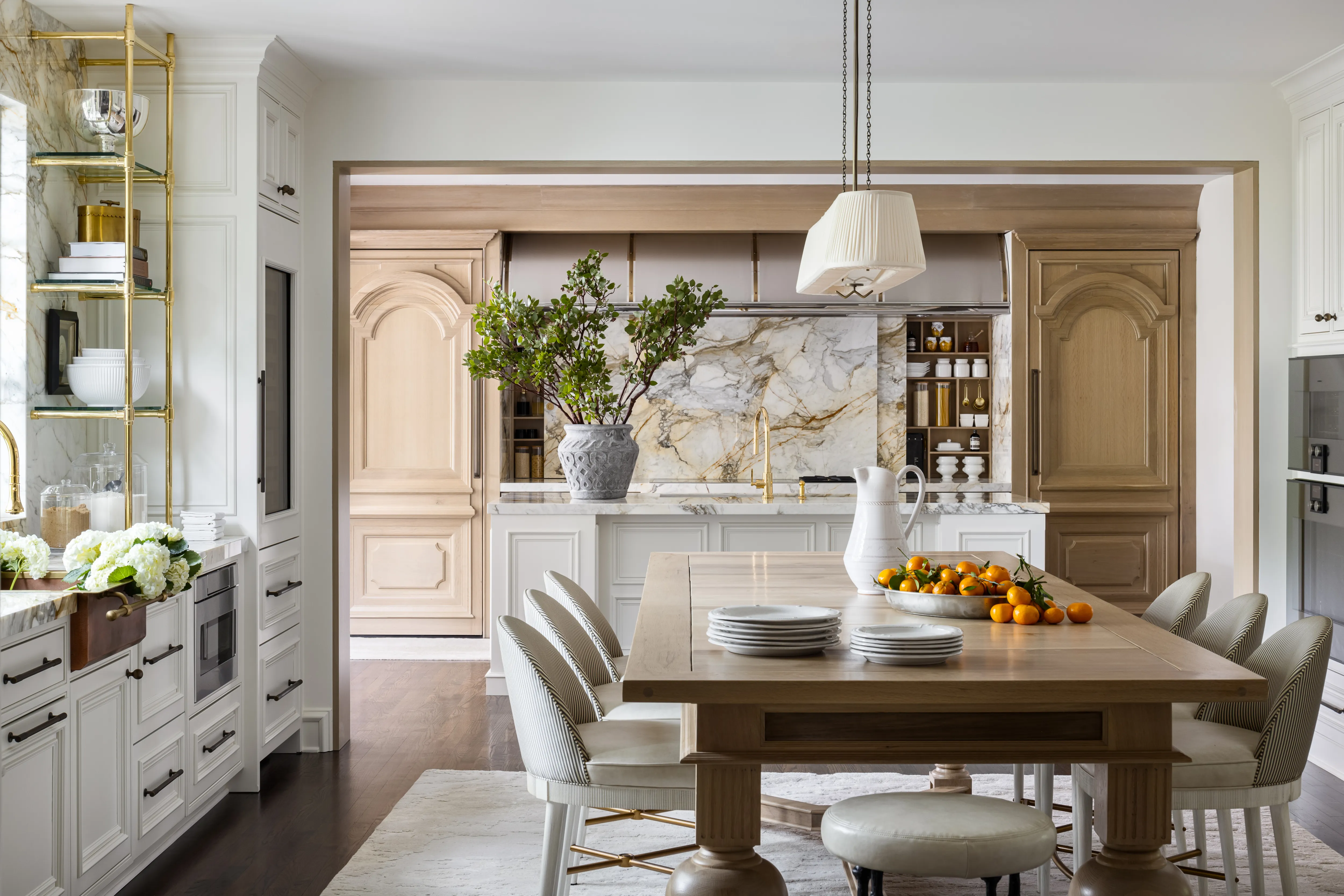
Designers Say These Nature-Inspired Colors Will Define Kitchens in 2026

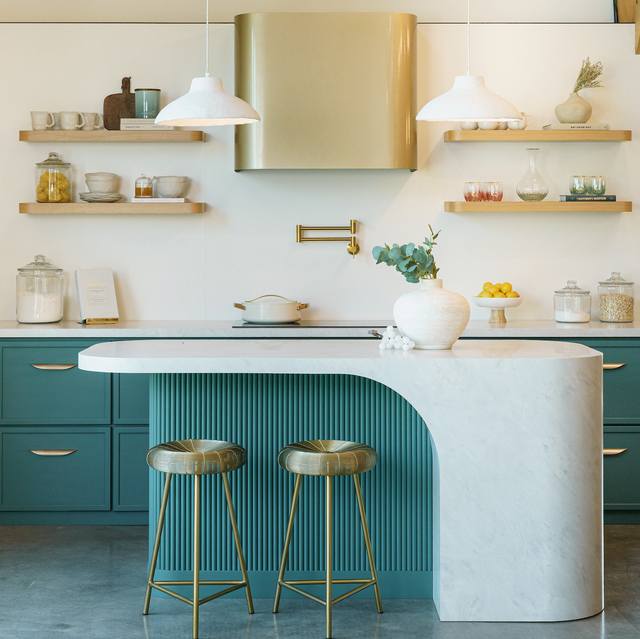
6 Kitchen Cabinet Colors Design Pros Say Will Be Huge in 2026
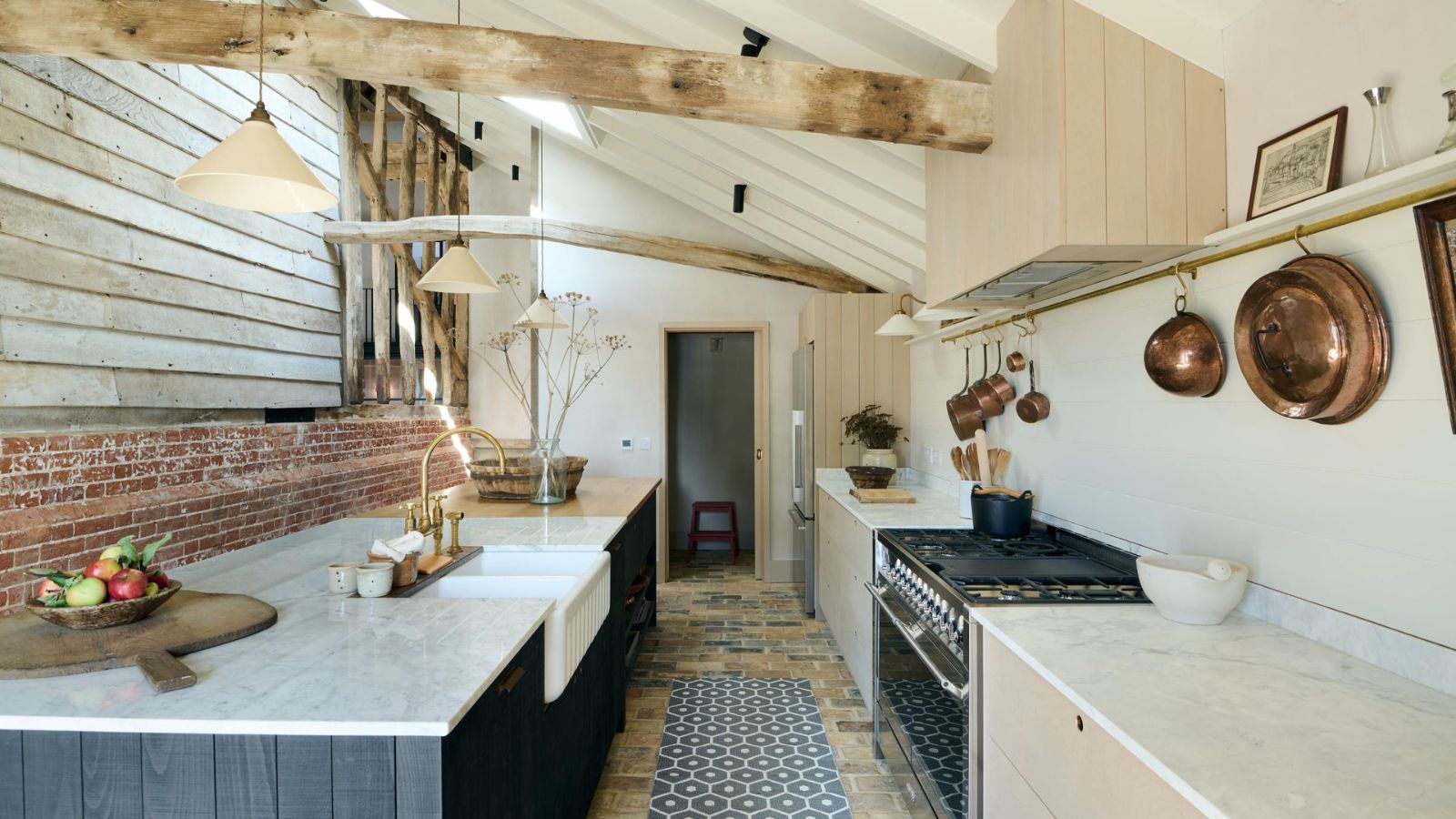
6 unexpected kitchen materials you'll see everywhere in 2026

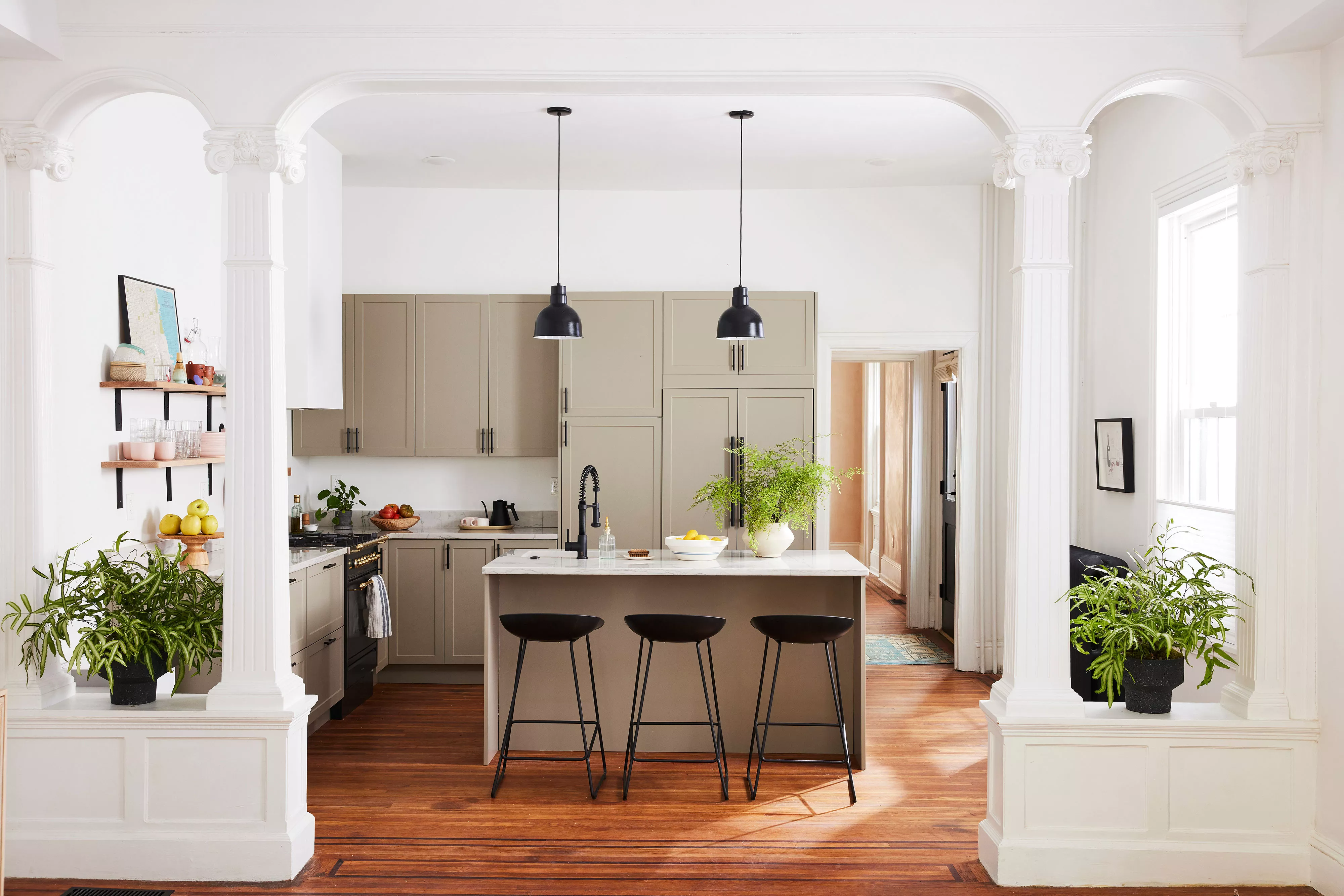
Designers Say These 6 Cabinet Colors Will Be Taking Over Kitchens in 2026
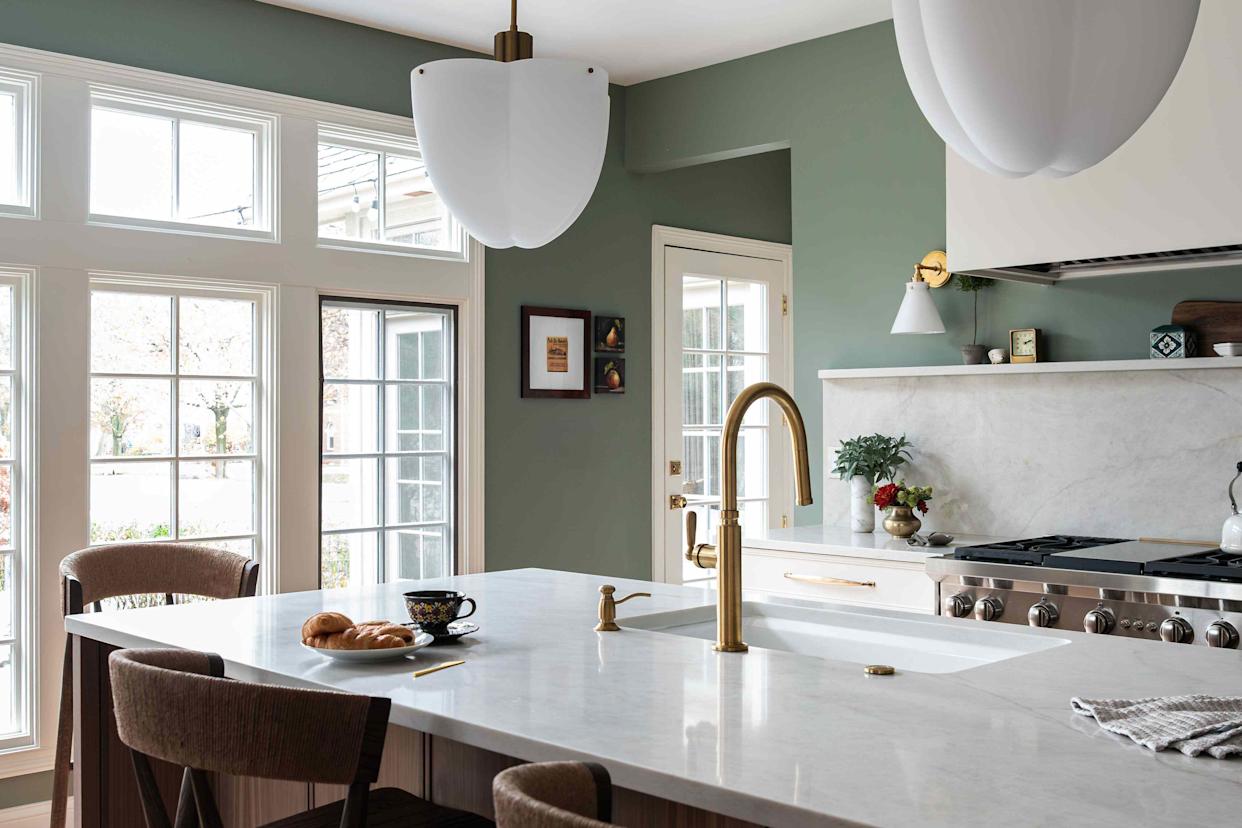
6 Kitchen Paint Color Trends That Are Already Taking Over Walls in 2026
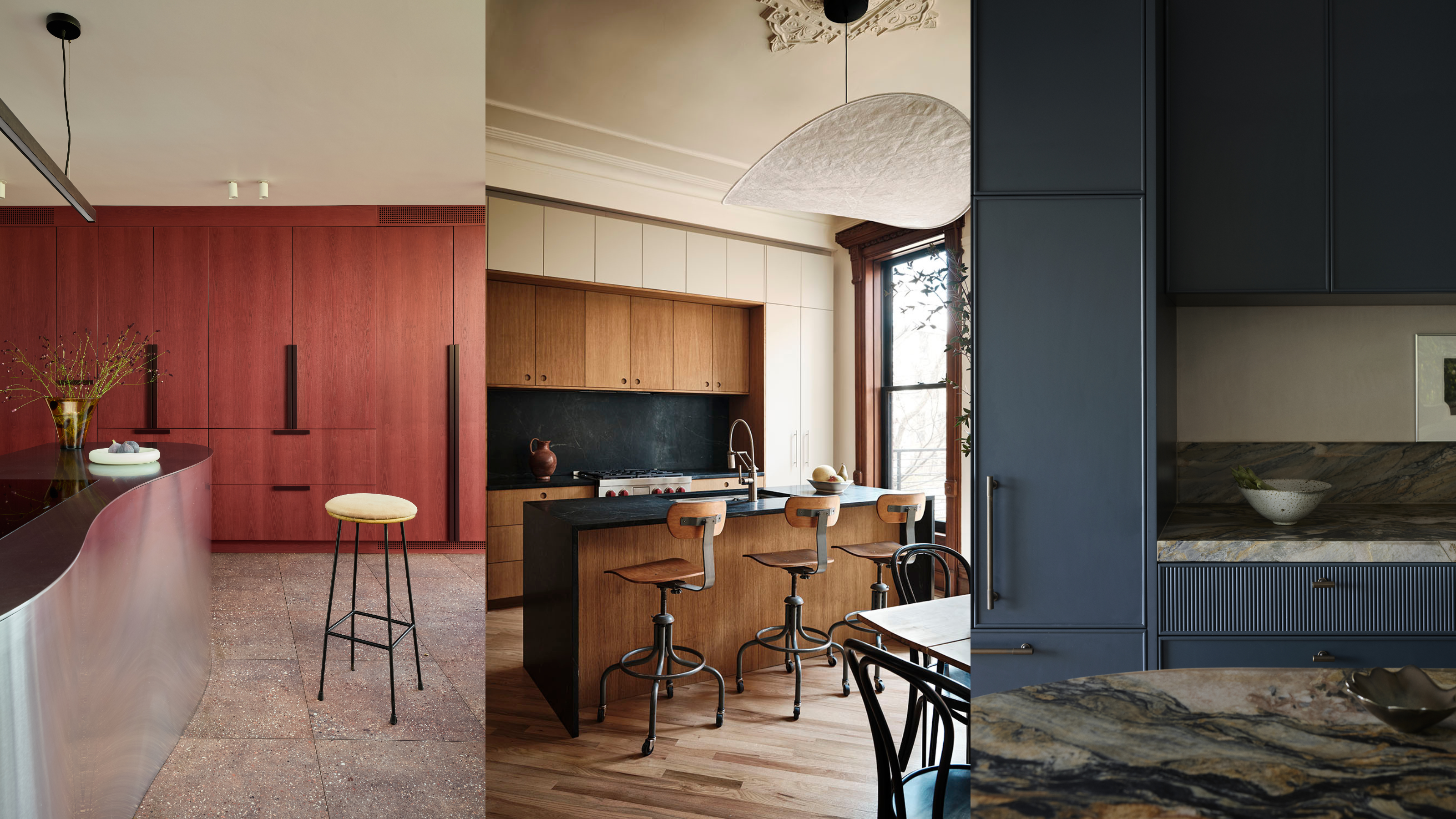
The Kitchen Cabinet Colors Experts Predict Will Dominate 2026

Top 13 kitchen colours for 2025
Just In: These 11 Kitchen Color Trends Are Going to be Everywhere in 2026
11 Trendy Kitchen Paint Colors To Try In 2026

These kitchen paint colours will be everywhere in 2025 – and there's even one for neutral lovers
The Room-Brightening Trend That's Taking Over Kitchens In 2026