4 Clever Ways Designers Keep Kitchen Appliances Out Of Sight
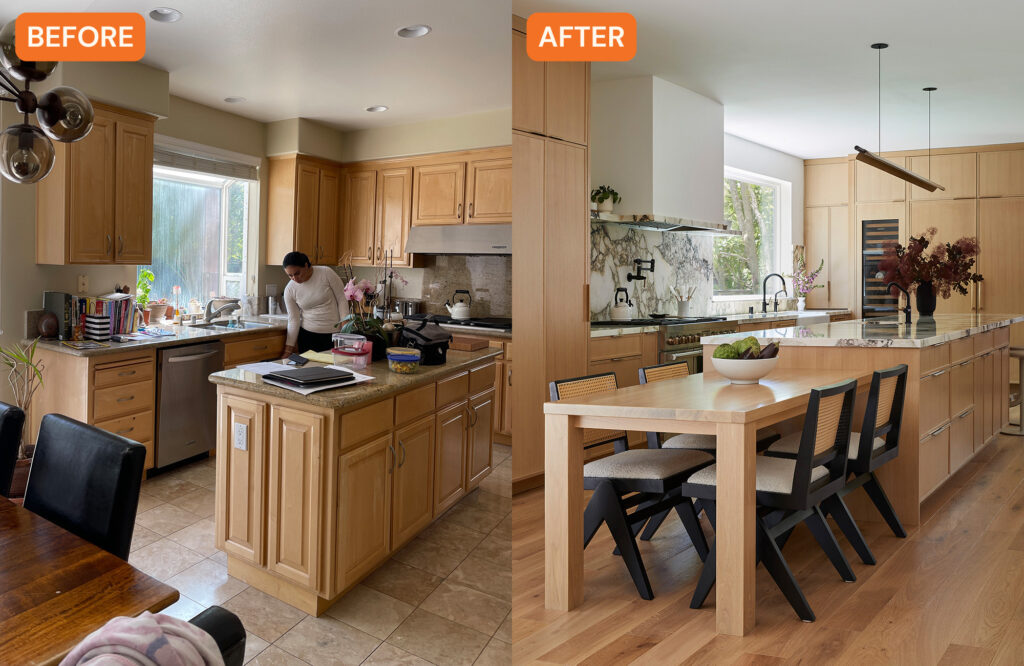
The article discusses creative methods interior designers use to conceal kitchen appliances, enhancing the aesthetic appeal of a kitchen while maintaining functionality. It emphasizes that while kitchens are inherently utilitarian, they can also be attractive spaces. Designers consider various factors, including how frequently appliances are used, the kitchen's layout, the homeowner's lifestyle, and budget constraints, when determining the best concealment strategies.
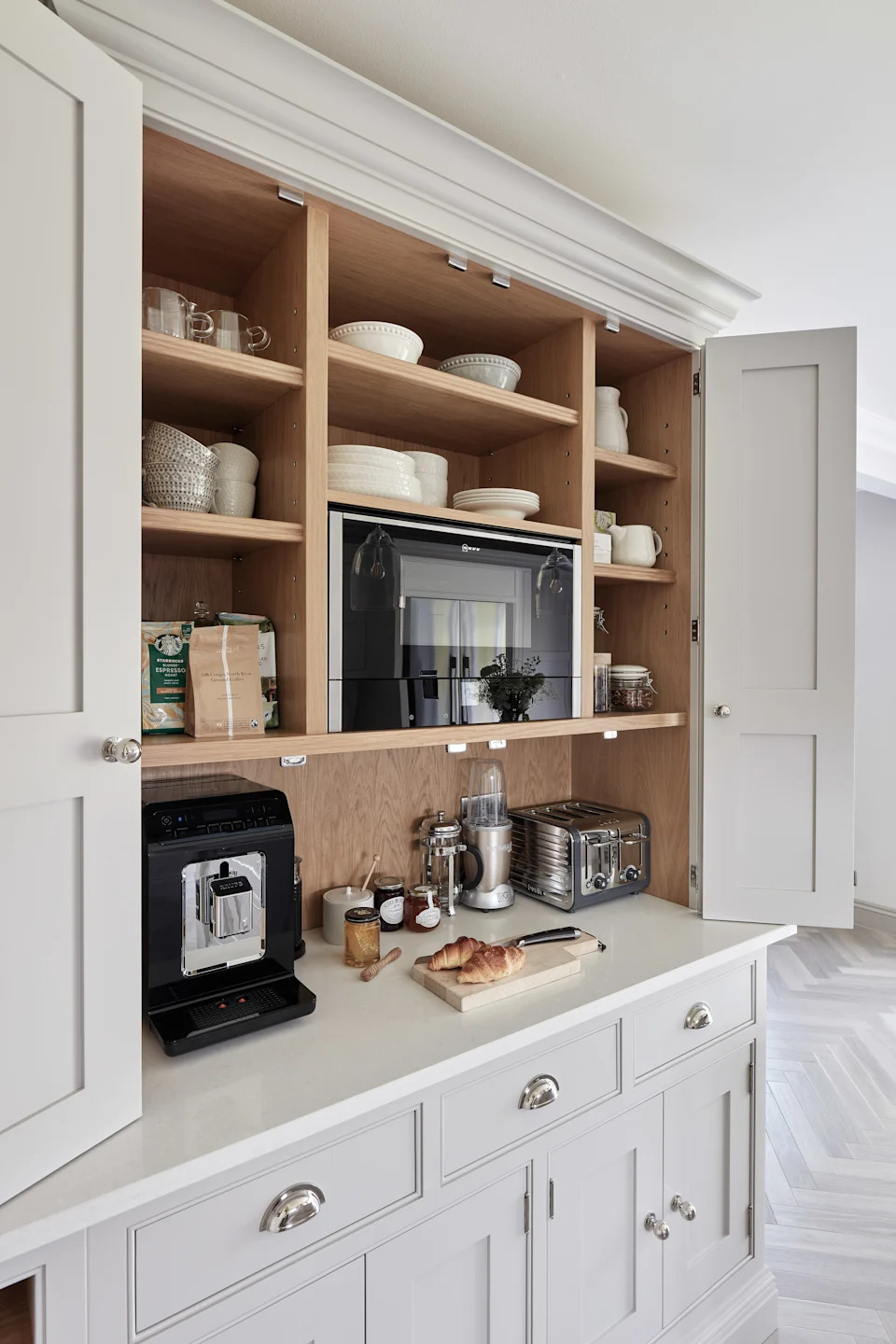
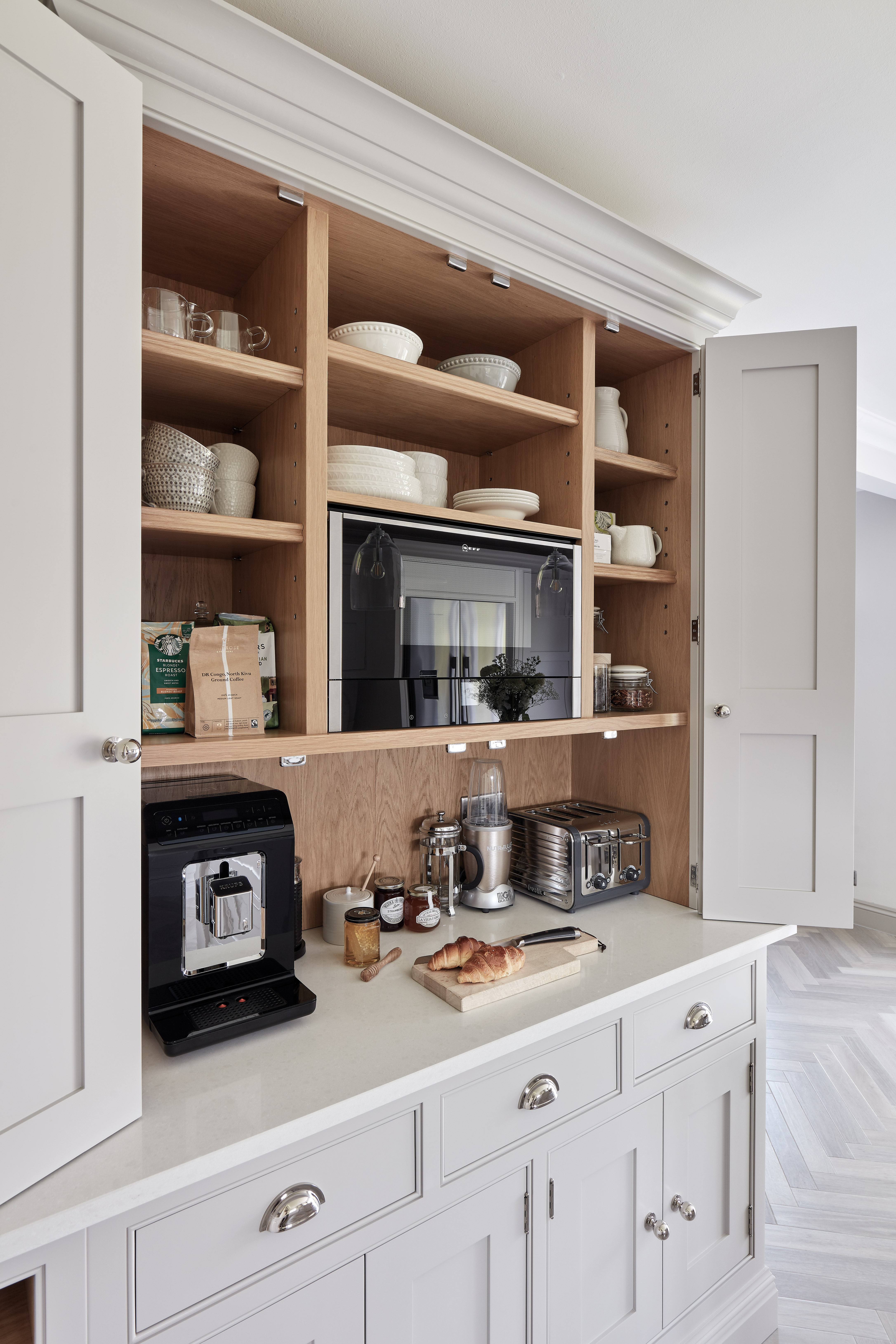
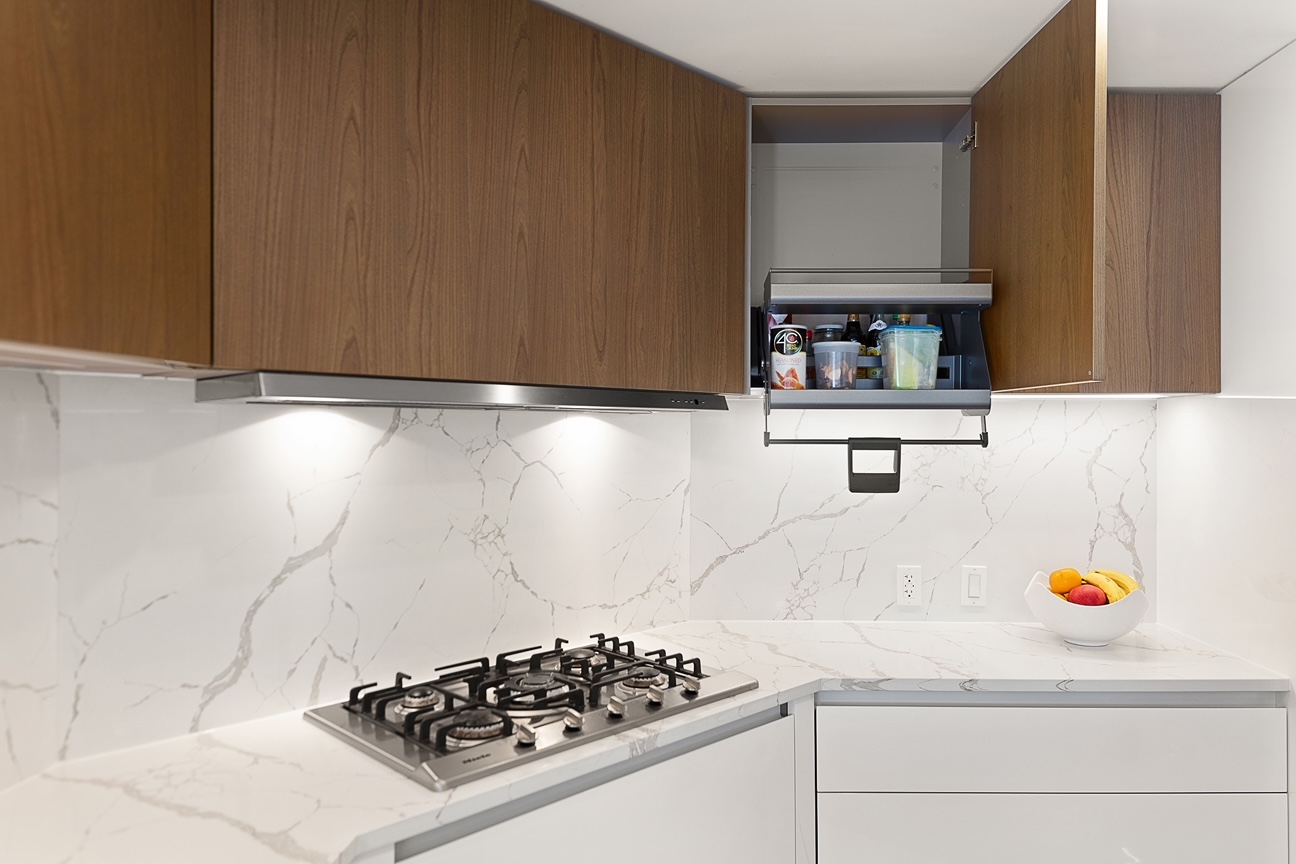
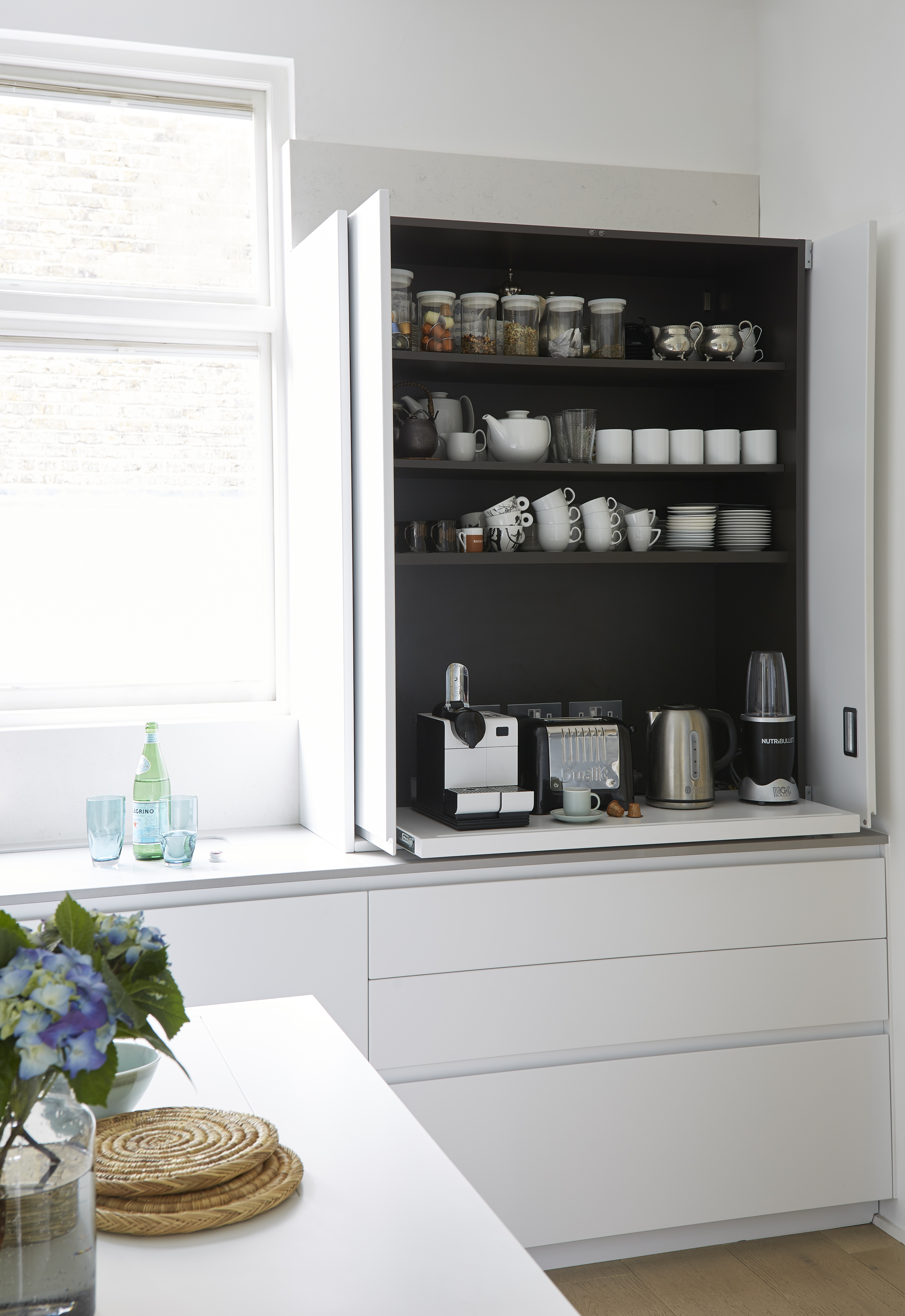
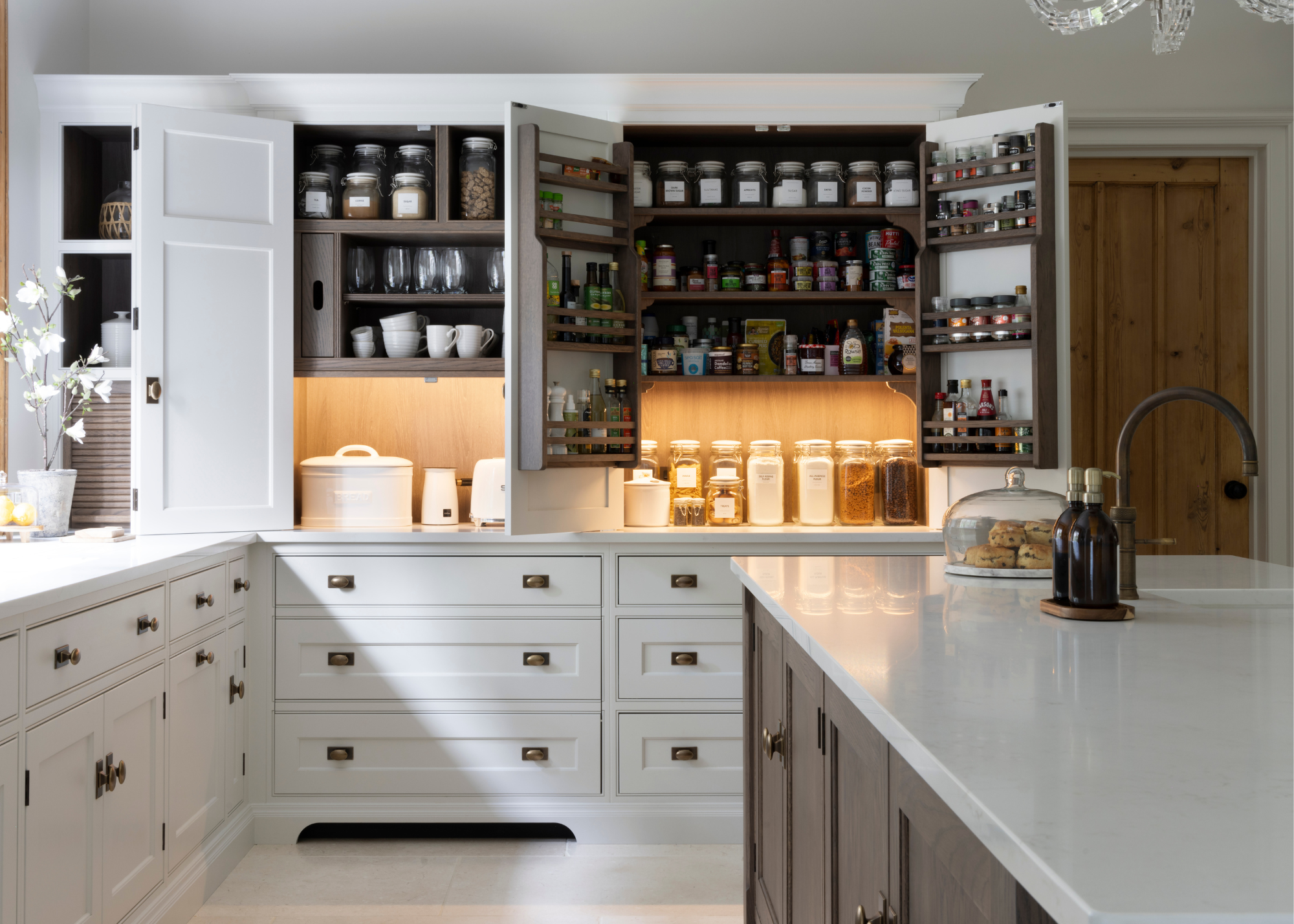
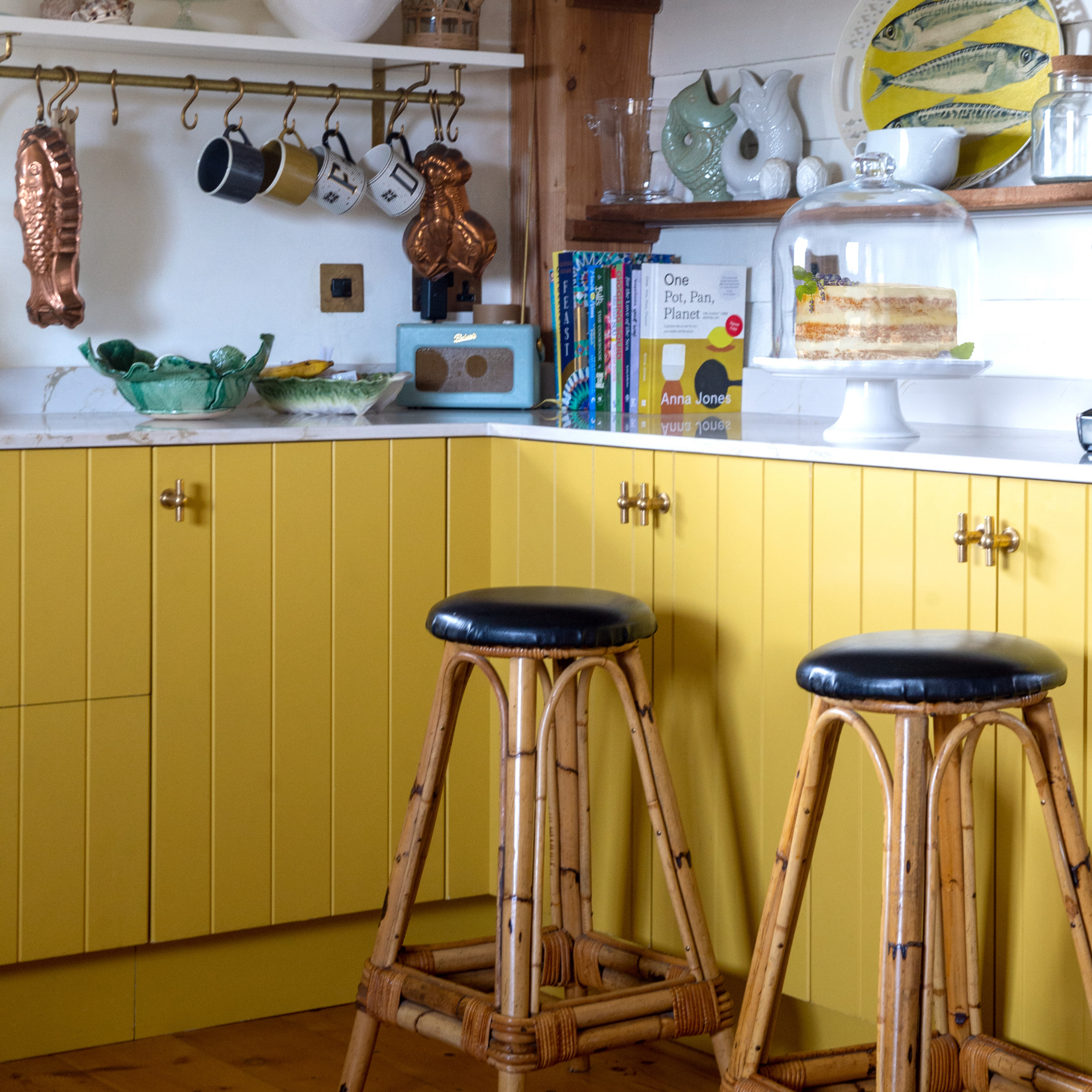
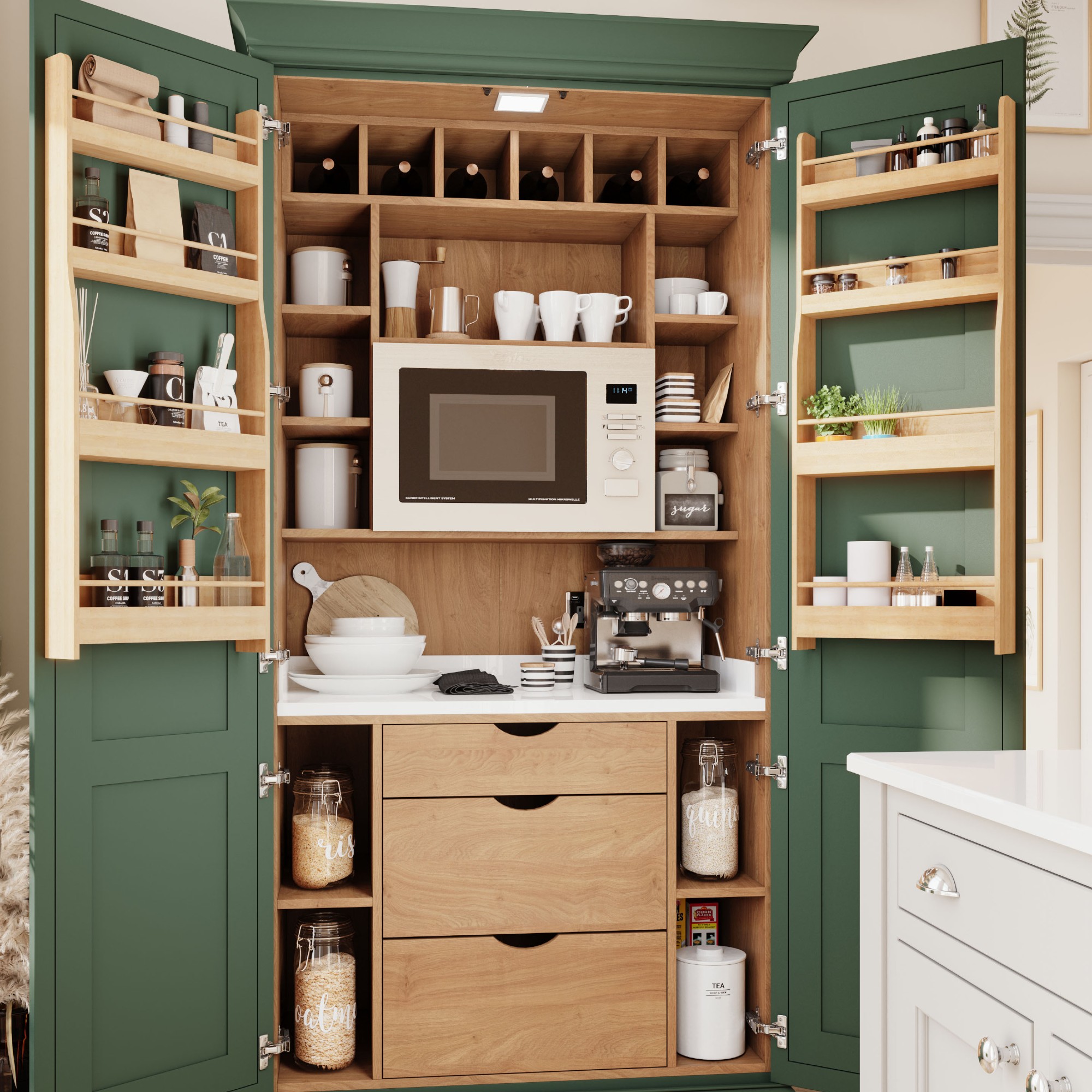
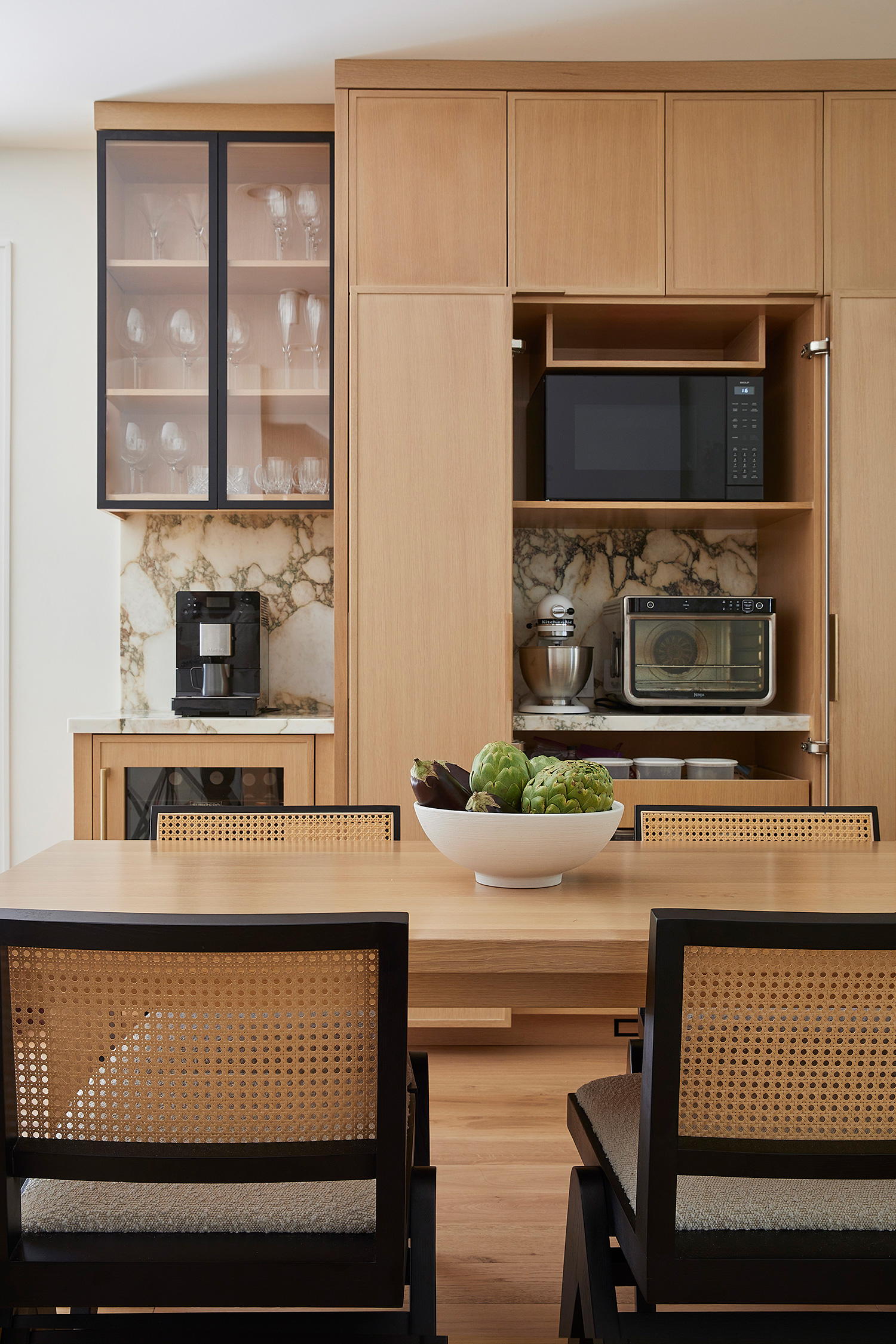
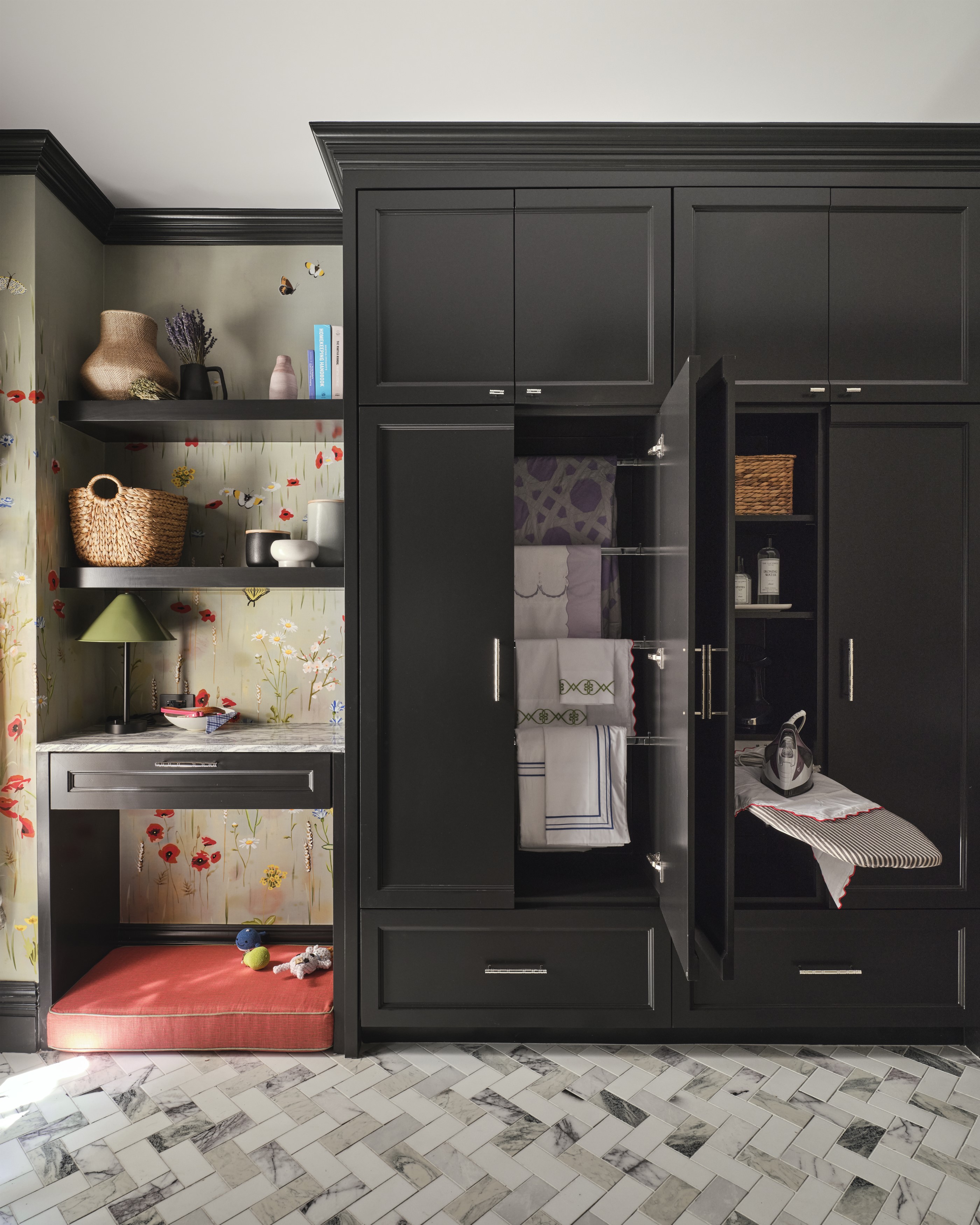
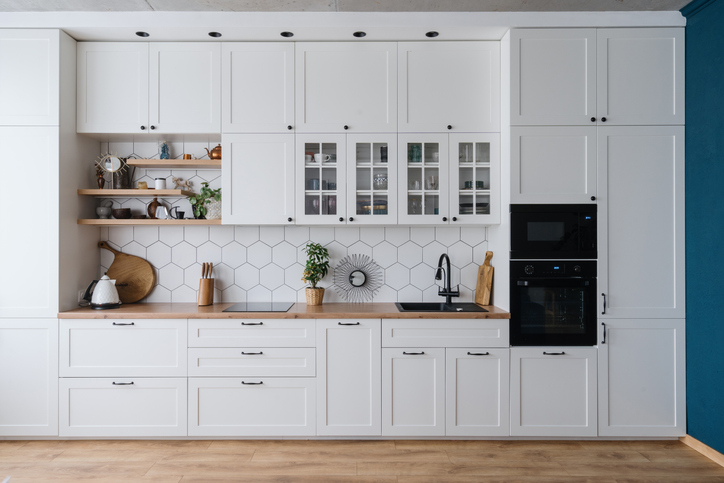
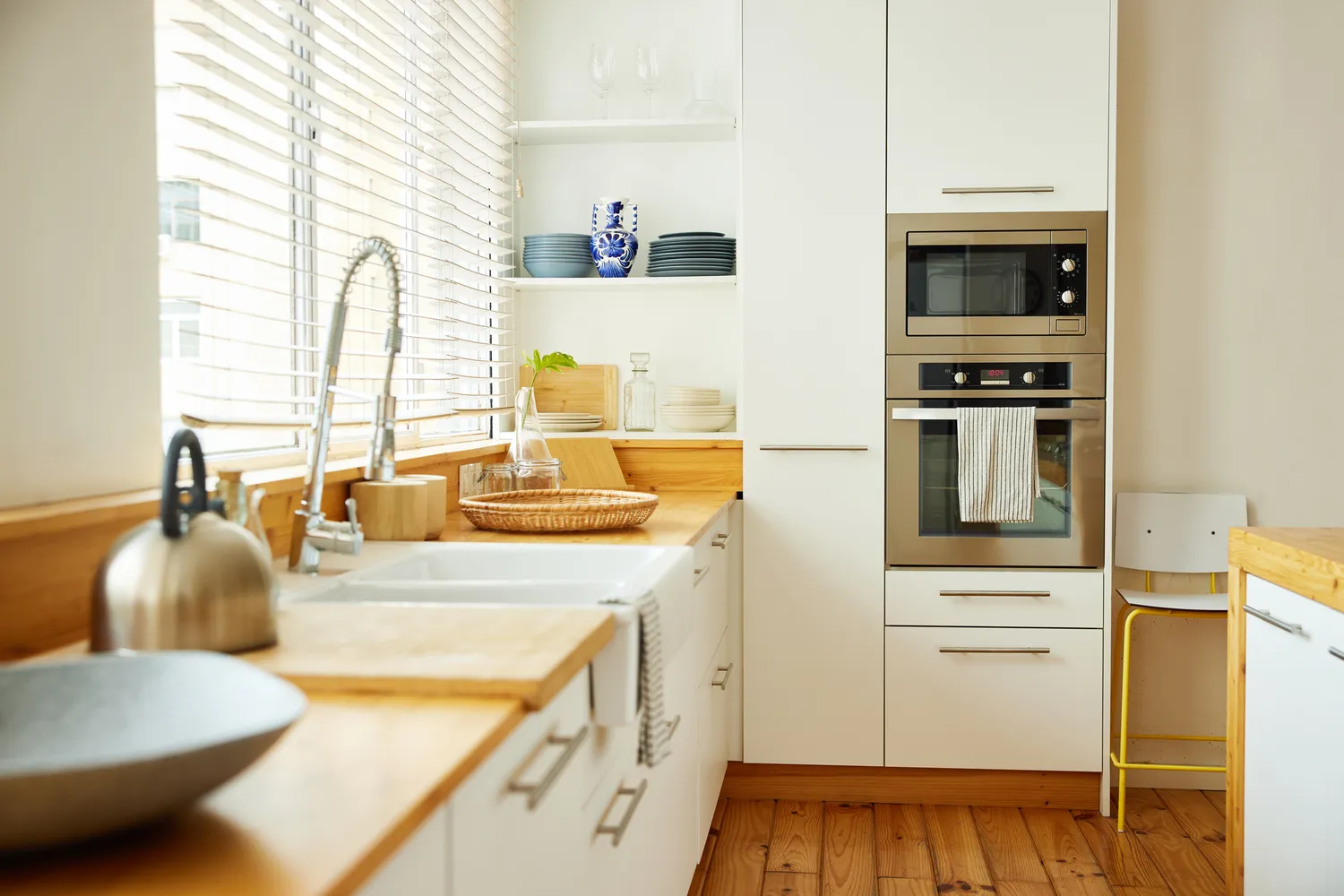
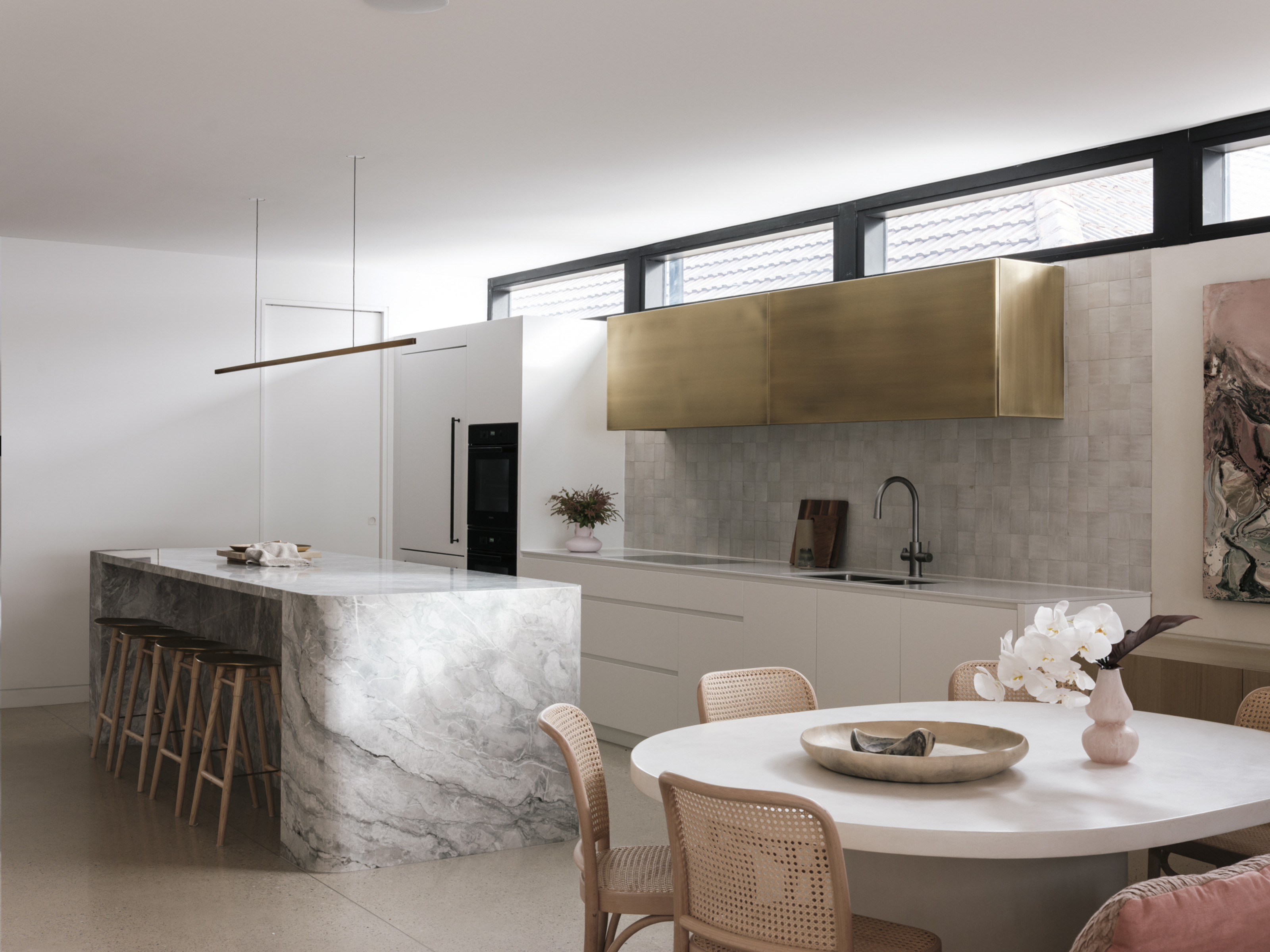
One prominent method highlighted is the use of appliance garages. These integrated storage solutions are described as offering the best of both worlds, effectively hiding bulky tabletop appliances while keeping them easily accessible. Designers Chelsey Cox and Rachel Rector of Chinotto House explain that by incorporating these garages into cabinetry, appliances become part of the kitchen's architecture rather than looking like add-ons. Heidi Feliz-Grimm, a senior designer at O’Hara Interiors, particularly favors retractable doors for appliance garages. She notes that these doors allow appliances to remain within easy reach and, unlike traditional cabinet doors, do not obstruct the kitchen's design or take up valuable space when open.
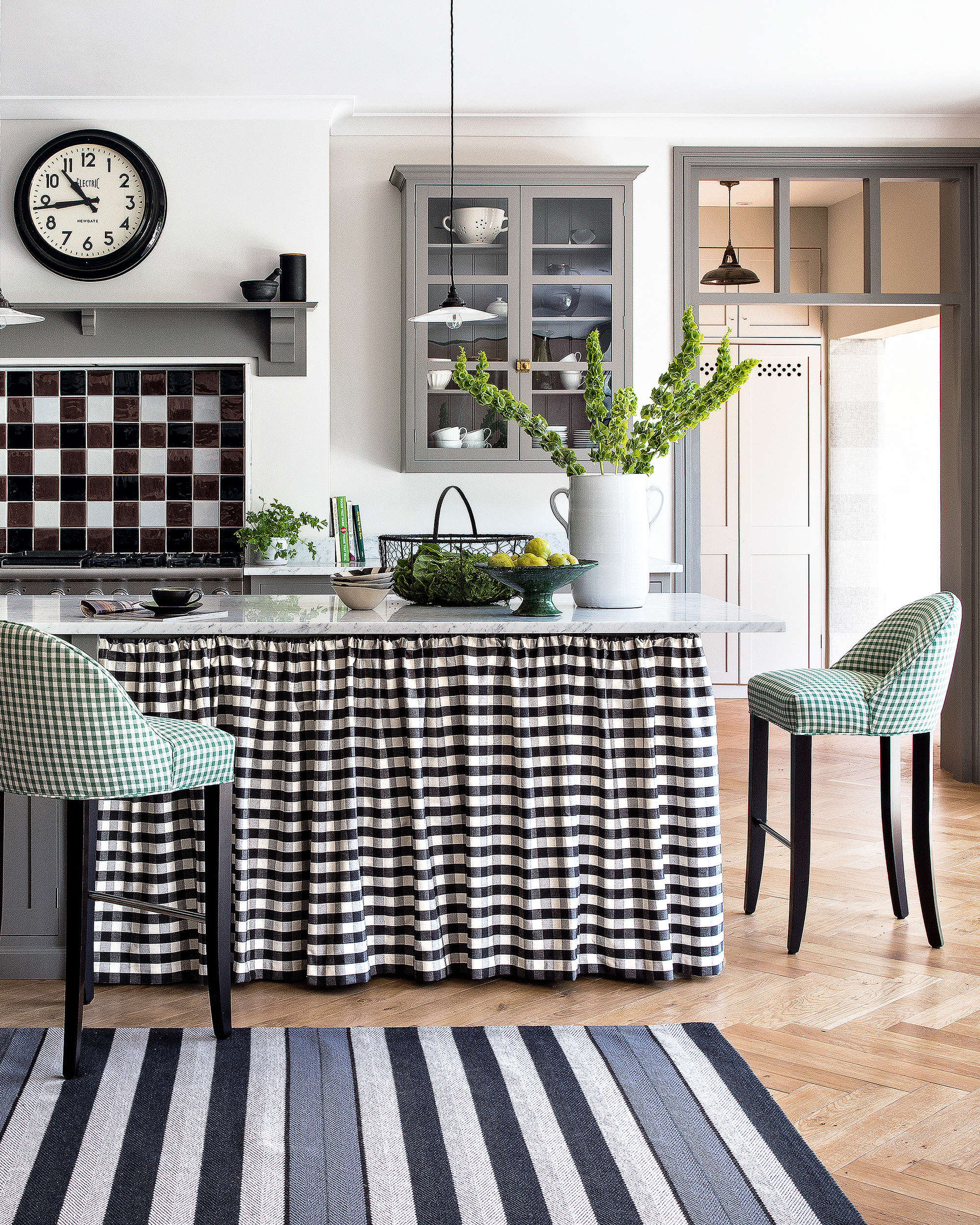
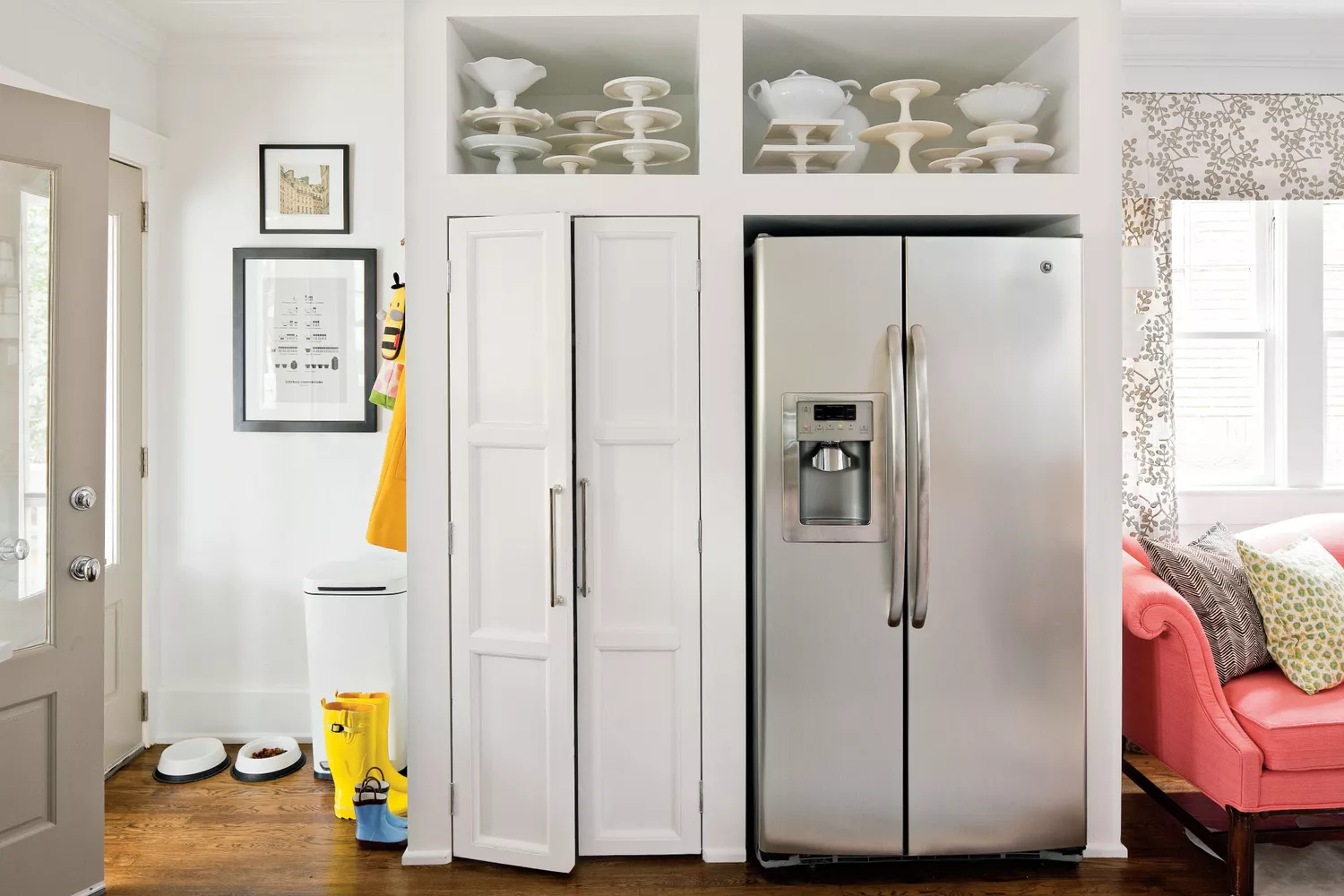
Another strategy involves utilizing standalone furniture pieces to hide less frequently used appliances. Liz Fraser Wooten of Ashdown Studio suggests using a hutch or similar furniture to fill an unused wall or an awkward corner in the kitchen or dining room. This approach not only adds to the design but also increases functionality without requiring extensive renovation, making it a budget-friendly option accessible to anyone looking to conceal their appliances.
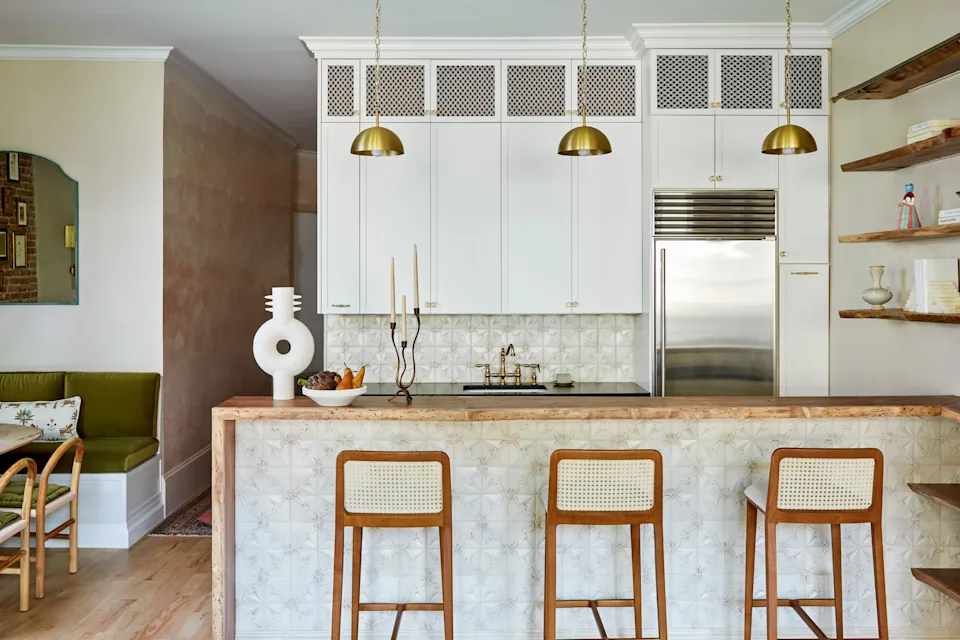
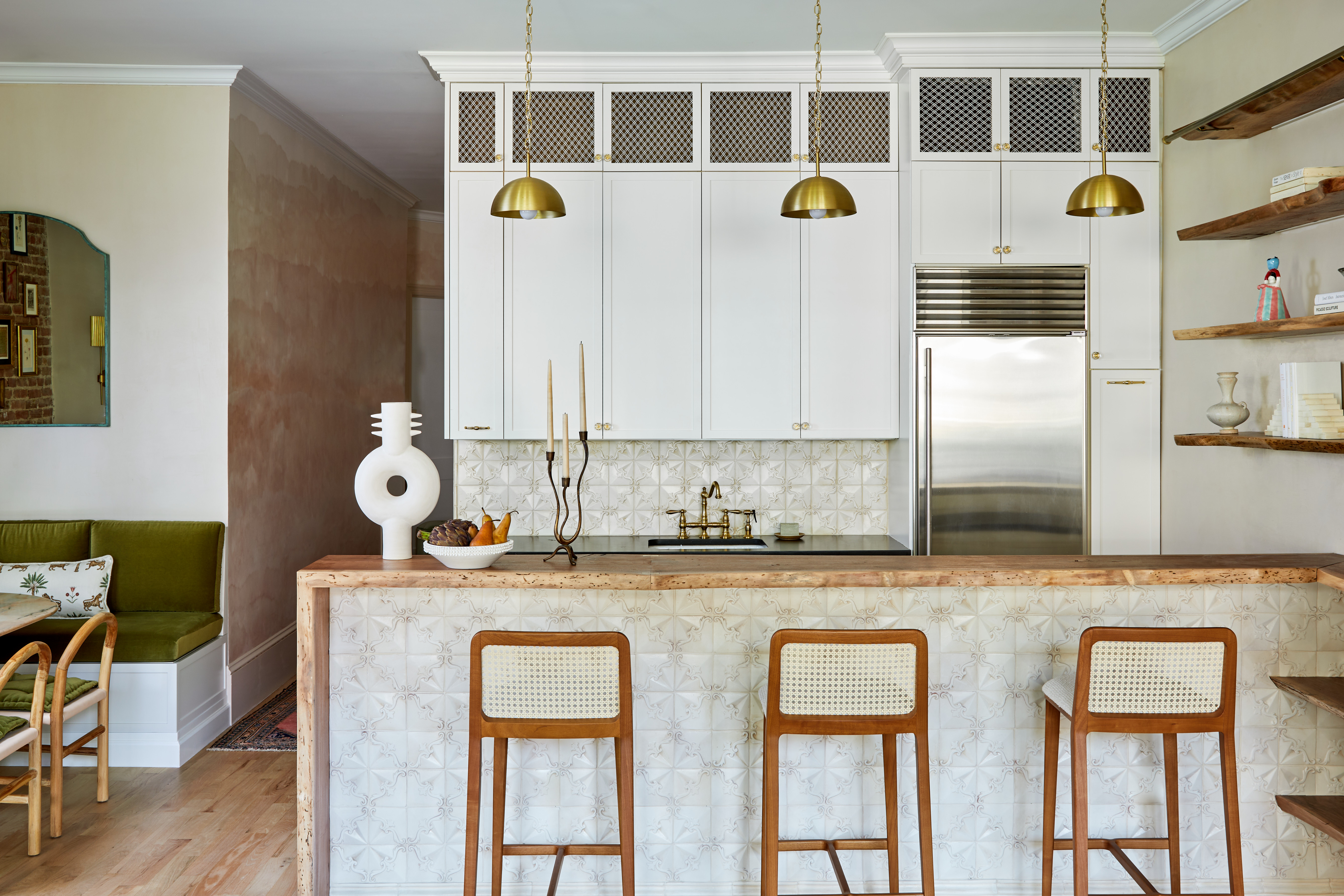
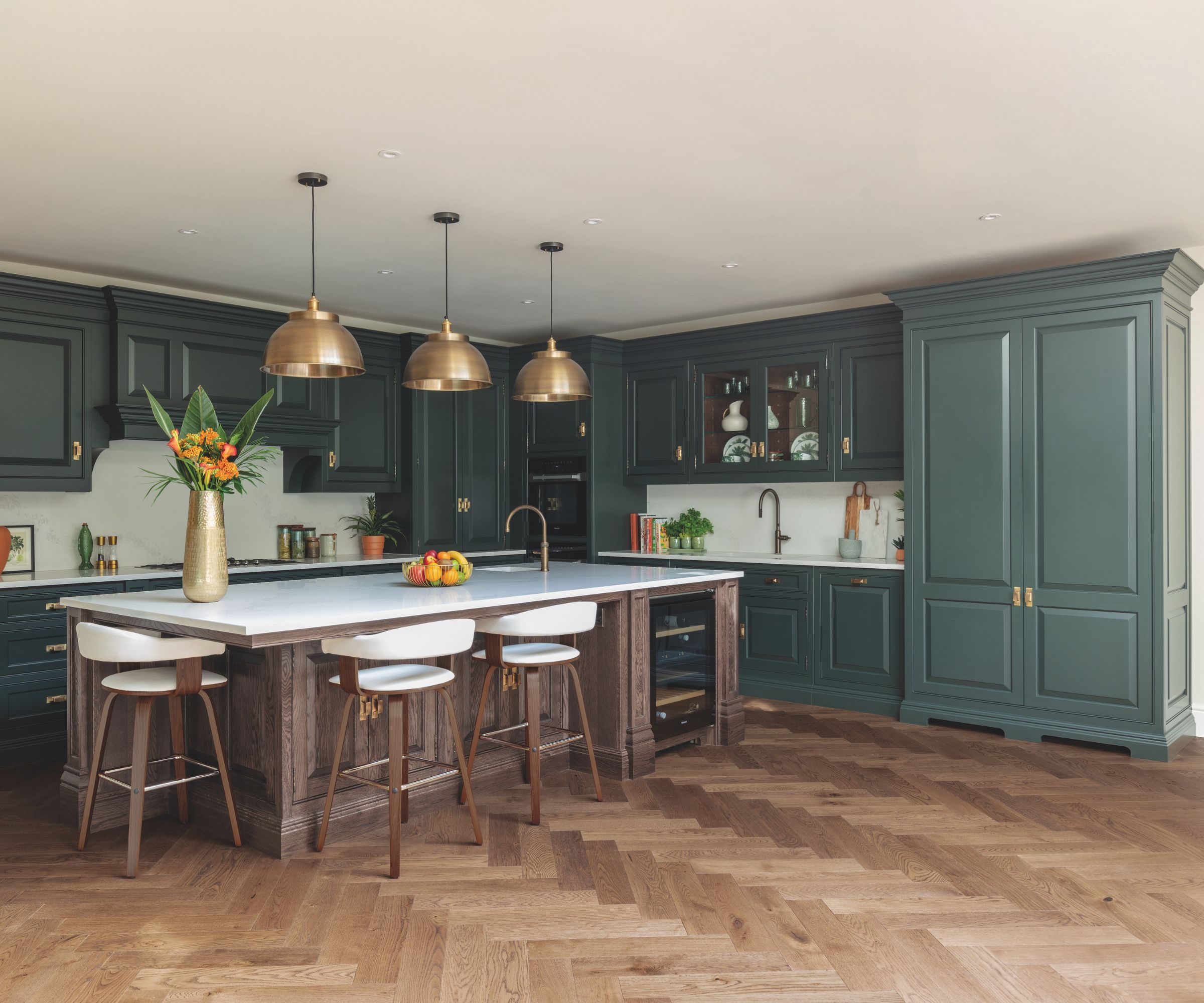
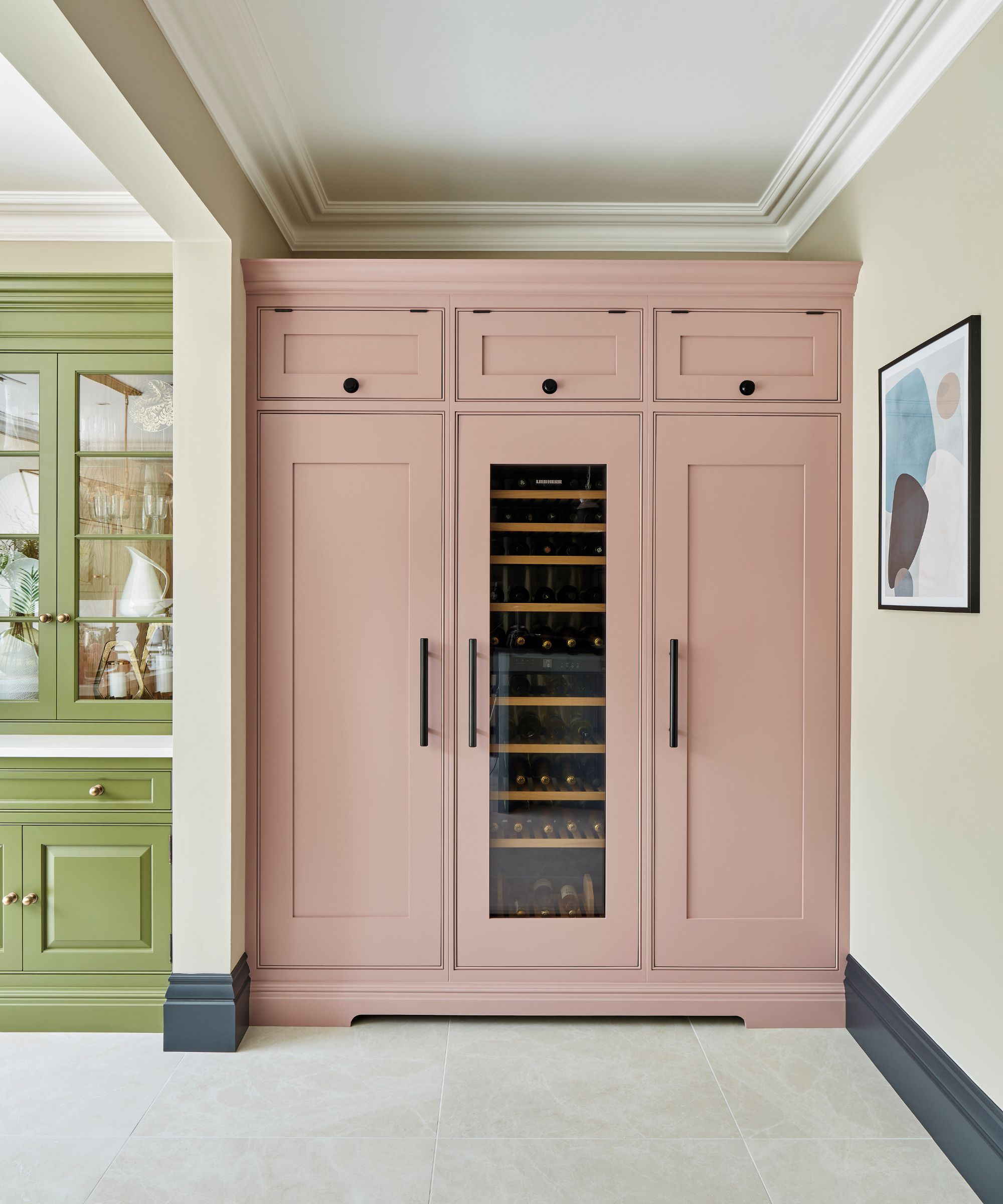
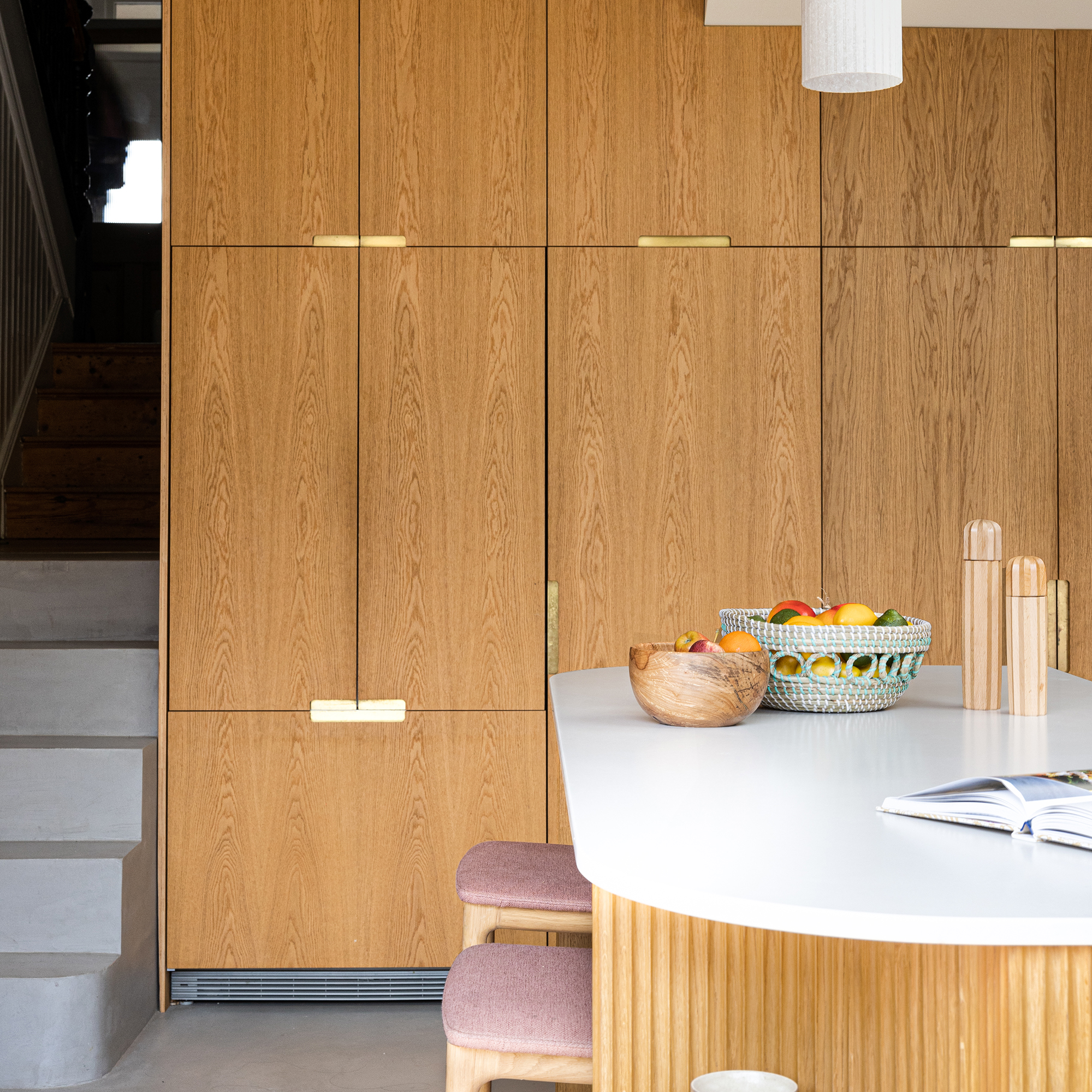
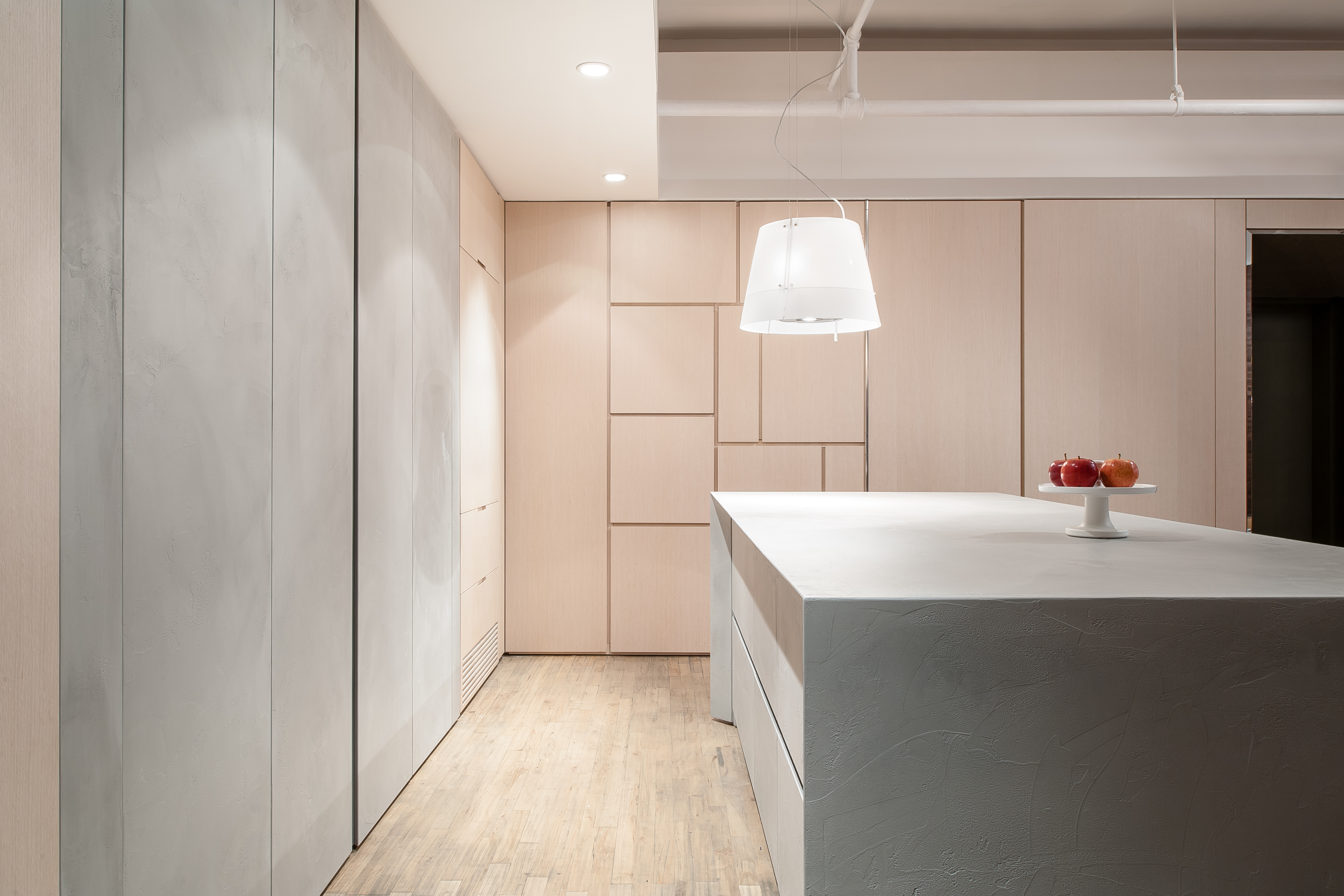
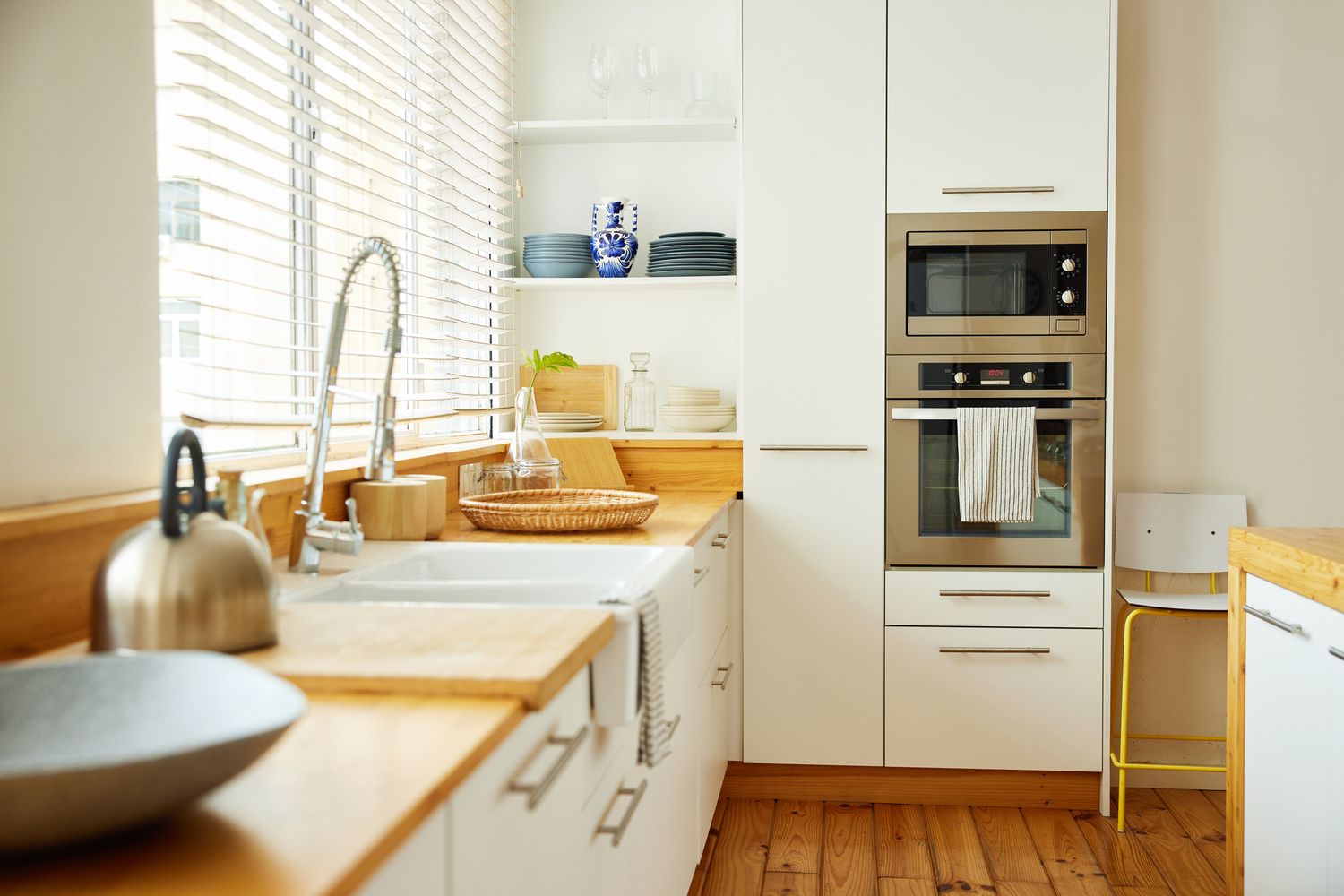
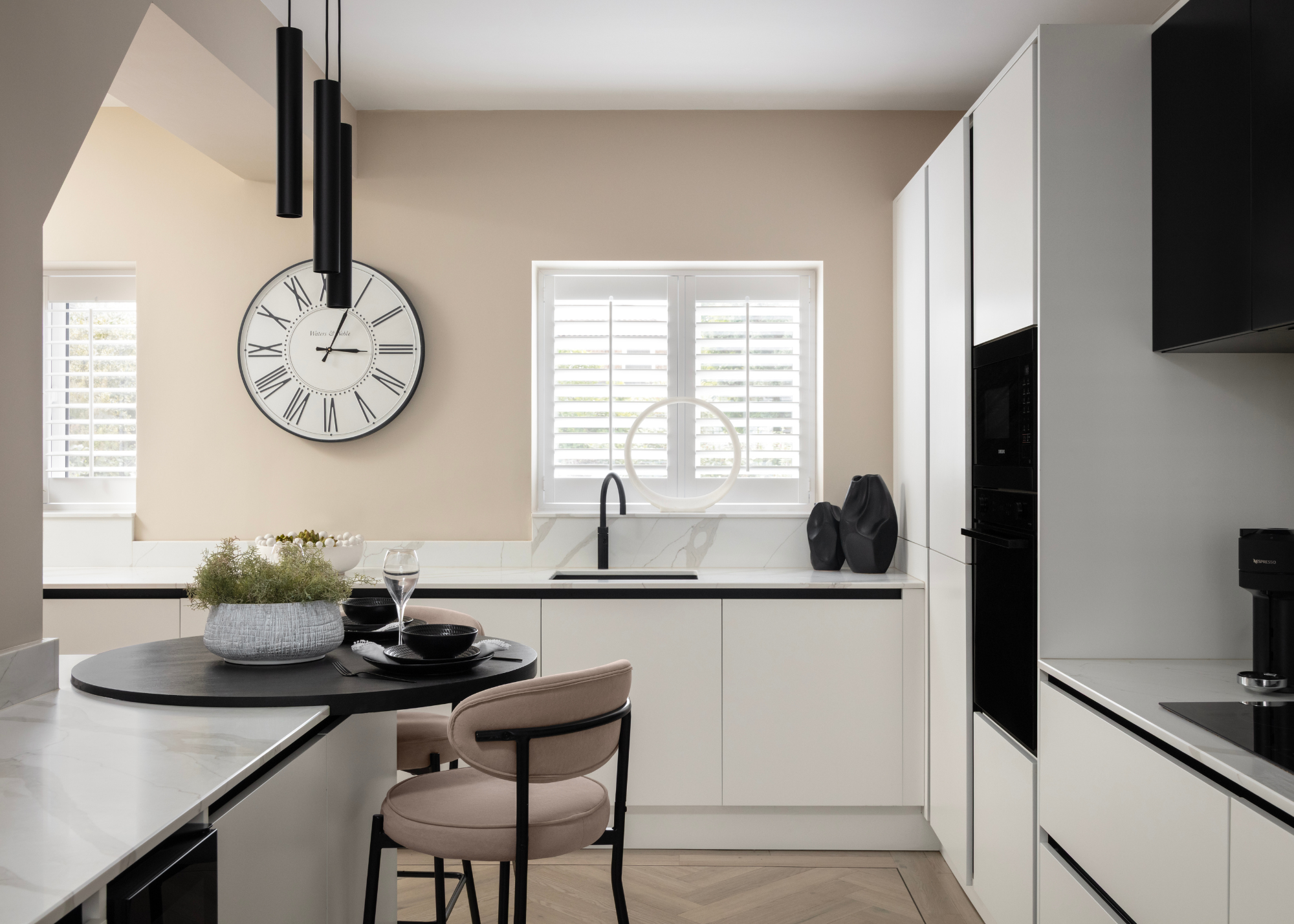
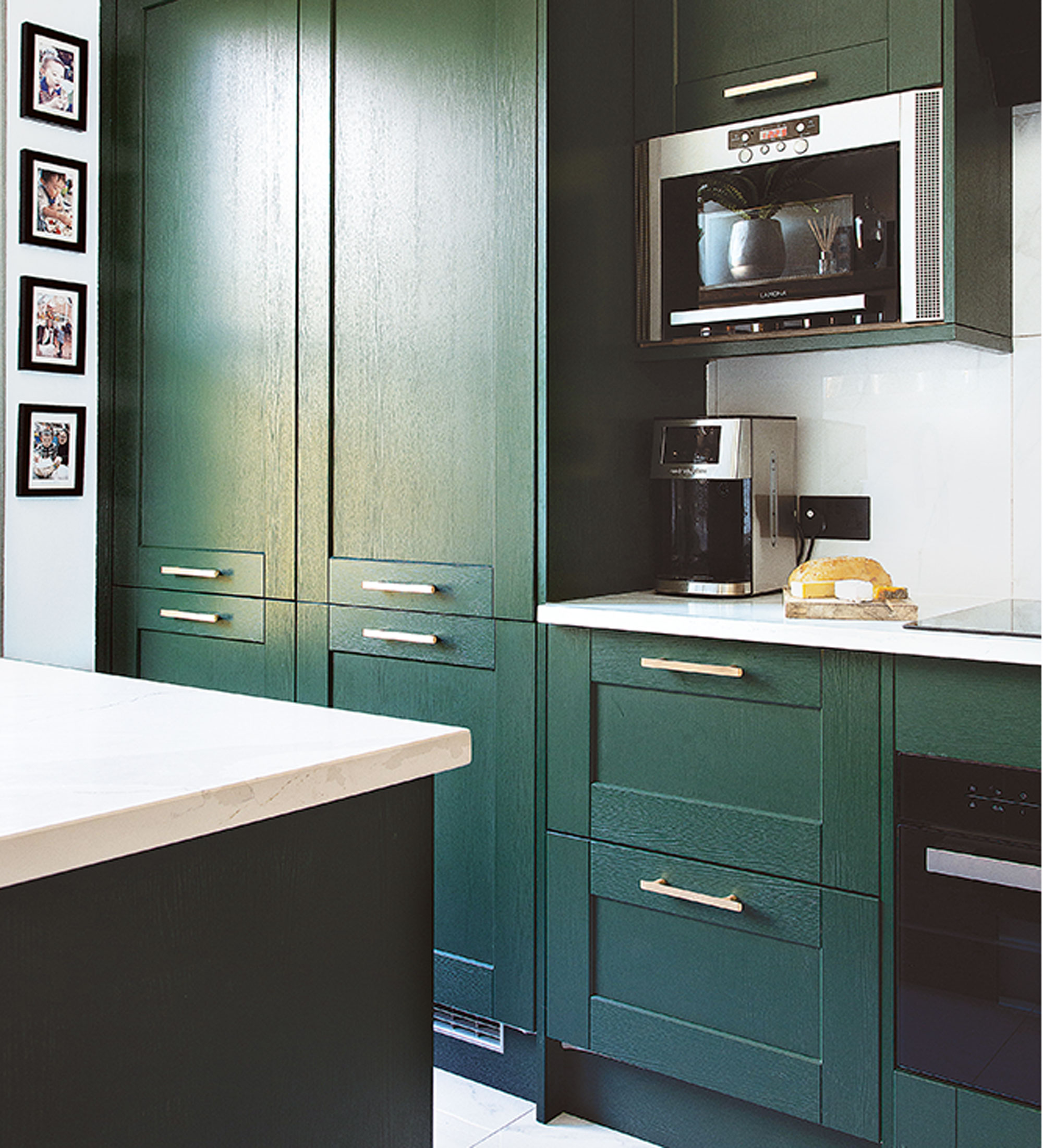
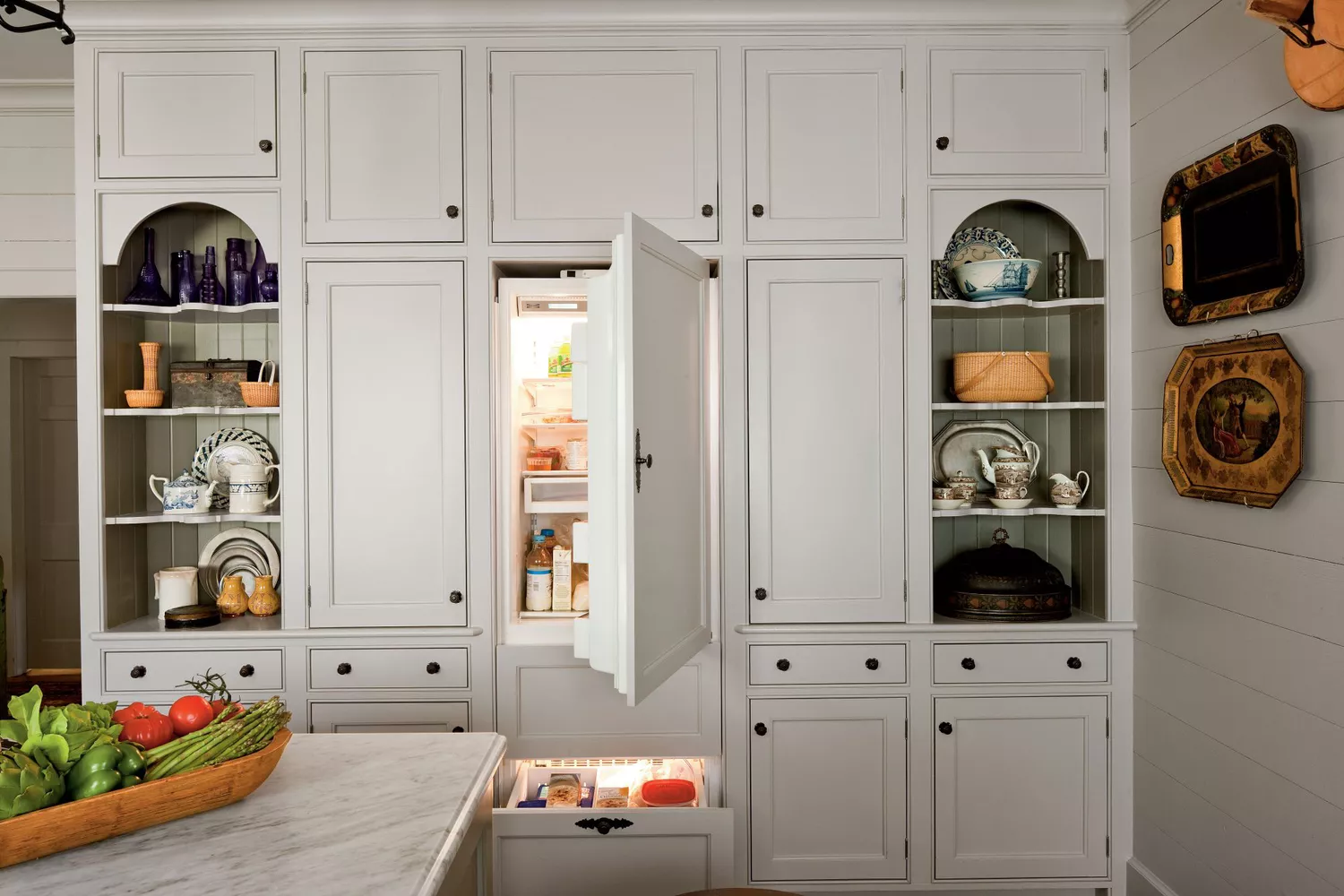
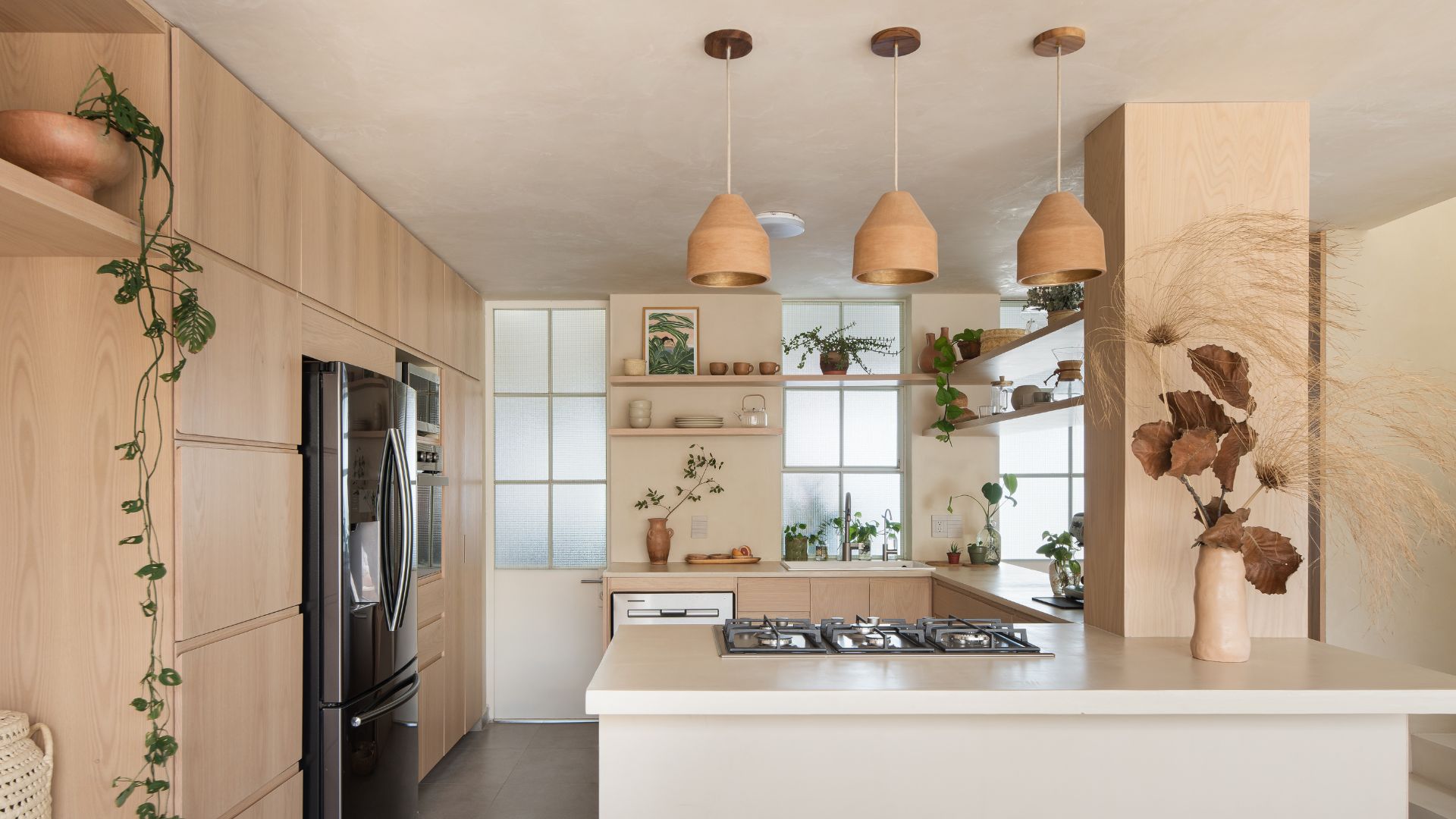
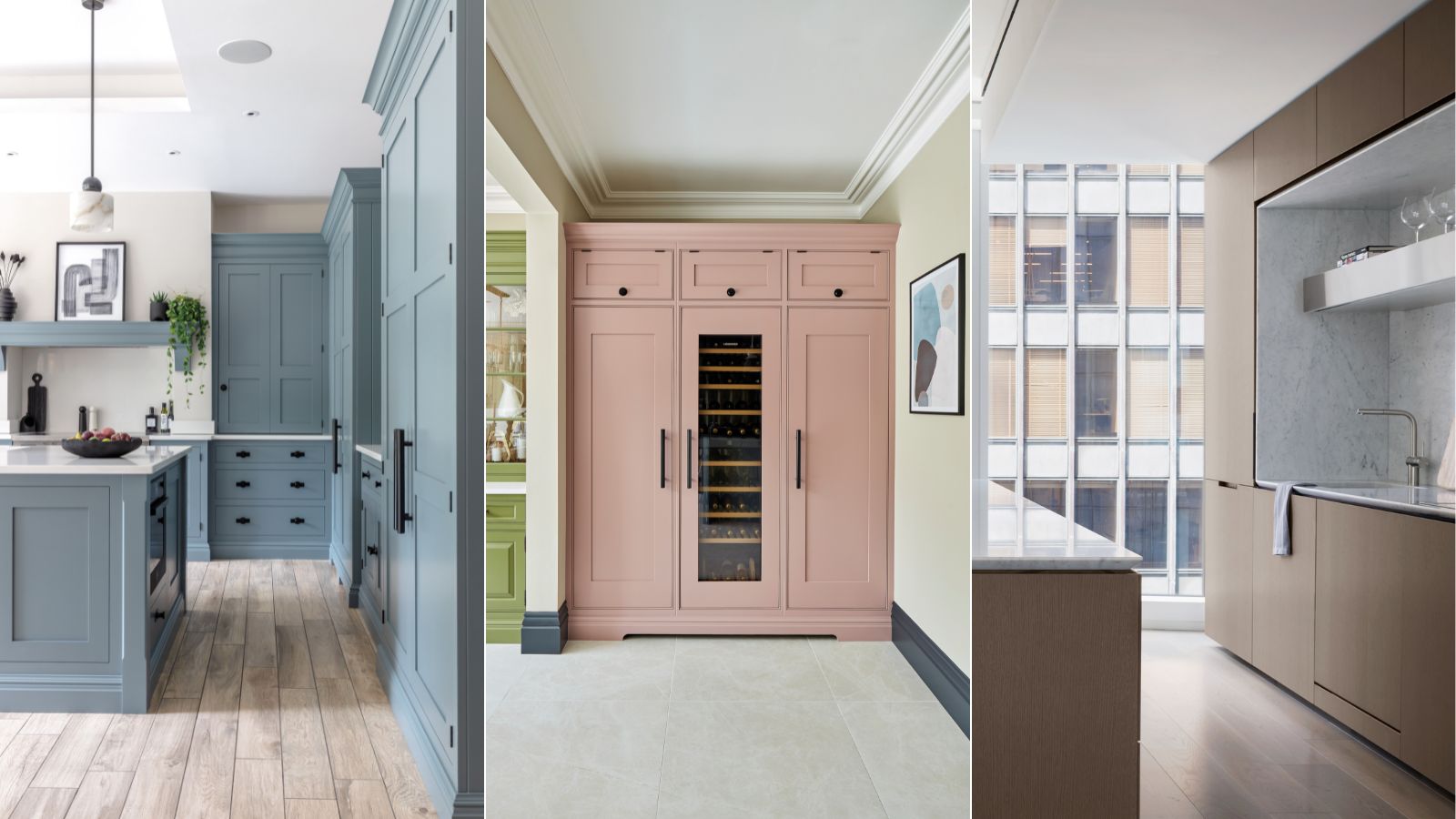
The article also details the use of paneling for larger appliances like refrigerators and freezers. Sarah Scott, owner and principal designer at Sarah Scott Designs, advocates for paneling these appliances to make them blend seamlessly with the surrounding cabinetry. This technique eliminates the visual impact of stainless steel, creating a more cohesive and calming atmosphere in the kitchen. For wine refrigerators, Feliz-Grimm recommends panel-ready models with glass inserts, allowing for display when desired while still concealing the stainless steel. Paneling is particularly effective in smaller kitchens, as it creates an uninterrupted visual line, making the space appear larger. Some designers, however, prefer to avoid paneling in larger kitchens to introduce visual breaks.
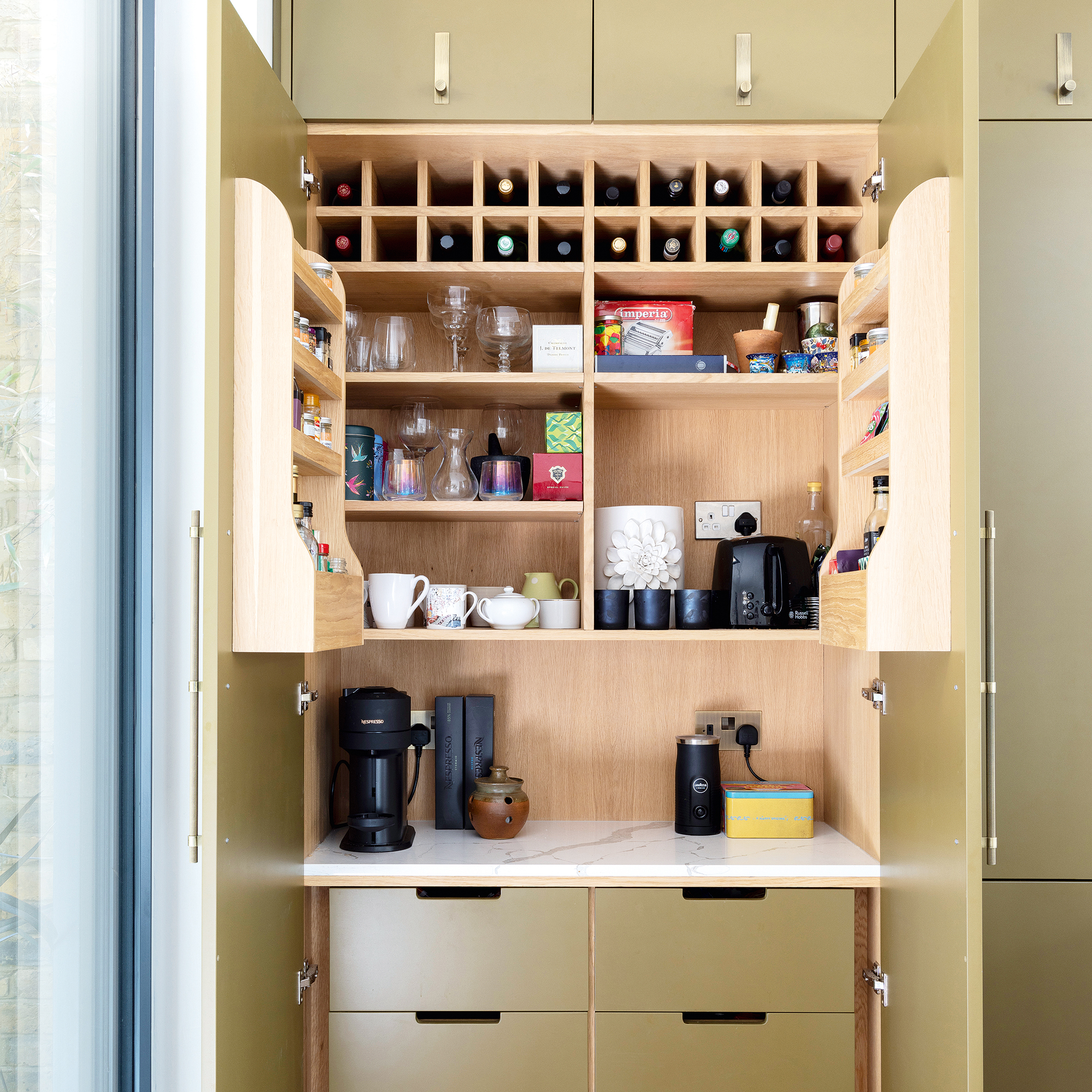
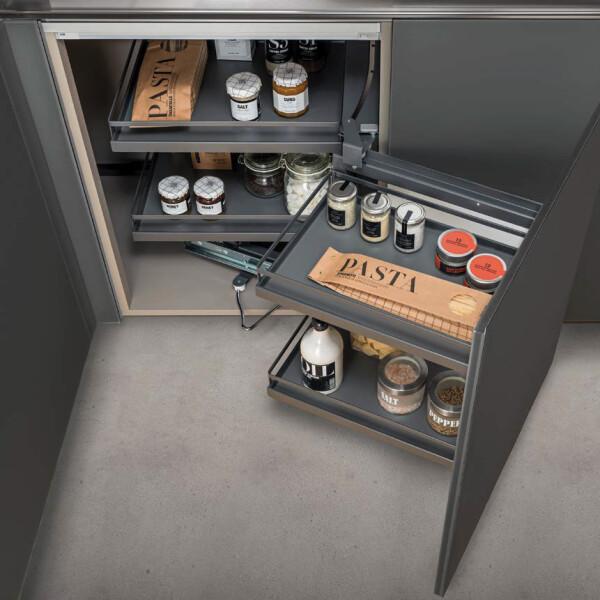
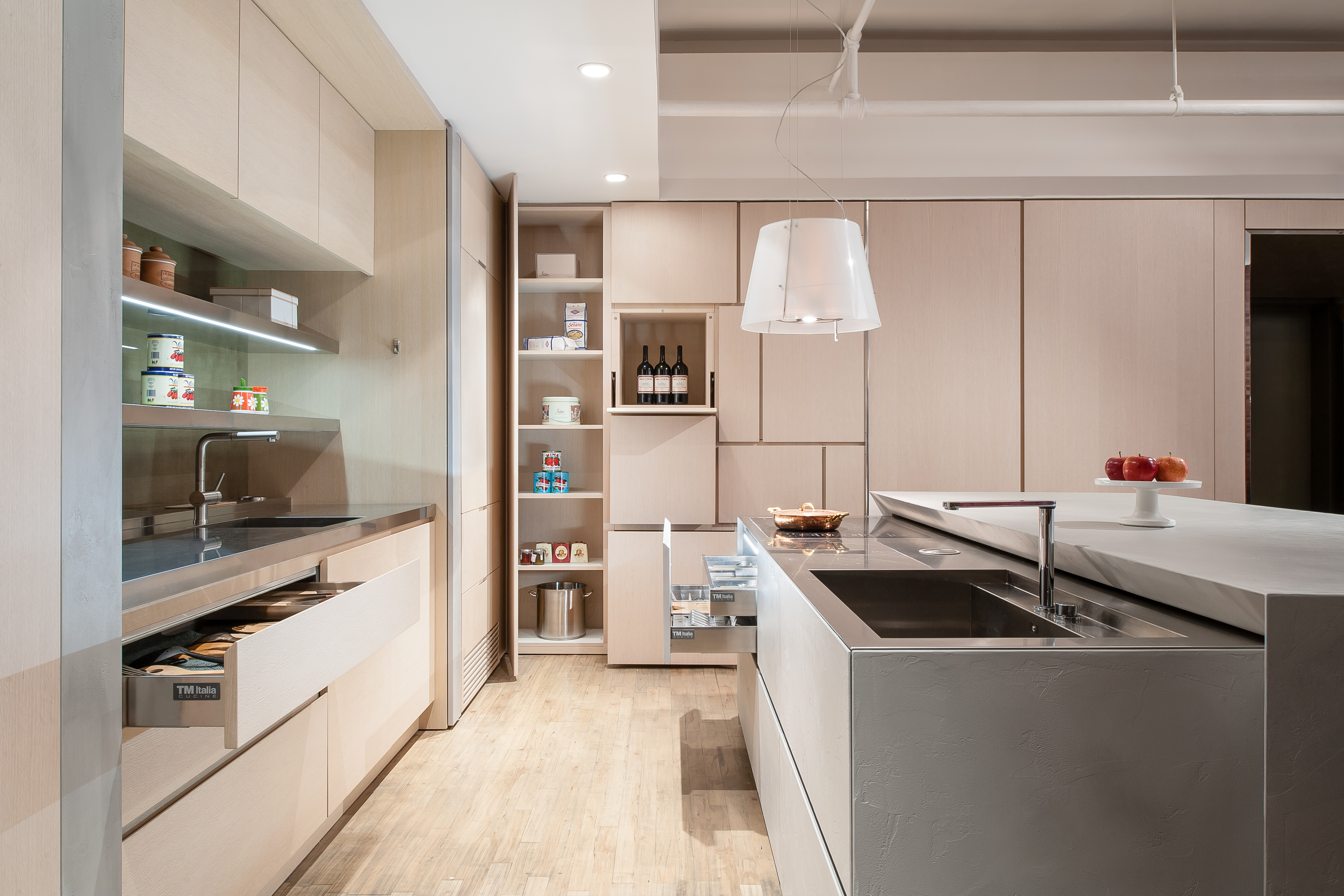
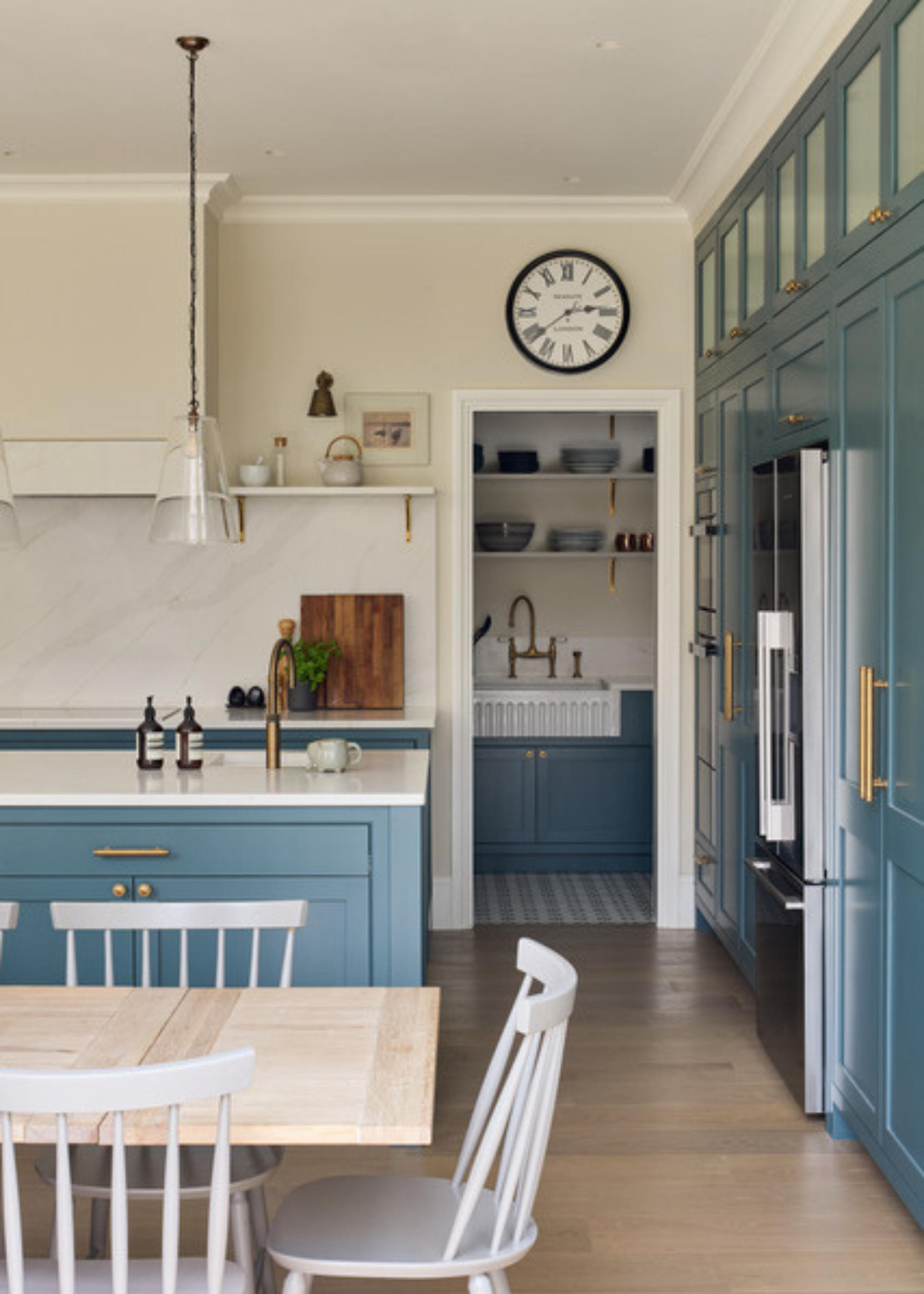
Finally, the article explores the benefits of walk-in pantries for appliance storage. Feliz-Grimm encourages clients to place appliances in walk-in pantries, reasoning that all necessary ingredients are already stored there. Betsey Mosby, founder of Betsey Mosby Interior Design, takes this concept further by incorporating 'secret' pantries into her designs. These pantries appear as regular cabinet doors but open to reveal versatile working spaces. Such pantries can house extra ovens, microwaves, warming drawers, water bottle fillers, and other specialty appliances, effectively moving them out of the main kitchen area. Mosby's personal experience with a secret pantry in her own home demonstrates its practicality, as it remains her family's most used room.
#KitchenDesign #ApplianceStorage #InteriorDesign #HomeRenovation #KitchenOrganization #SpaceSaving #Cabinetry #DesignTips #KitchenDesign #ApplianceStorage #InteriorDesign #HomeRenovation #KitchenOrganization #SpaceSaving #Cabinetry #DesignTips
0 comment in total
 No comments yet
You may also like
How to Hide an Air Fryer in a Kitchen — 6 Practical Solutions to Conceal Bulky Appliances From Sight
5 ways to hide plug sockets in your kitchen for a seamless and uncluttered look
How to hide an ugly extractor fan for a sleek and stylish kitchen
6 Sneaky Things That Are Making Your Kitchen Look Cluttered
How to Hide an Air Fryer in a Kitchen — 6 Practical Solutions to Conceal Bulky Appliances From Sight

Forget Open Shelving: It’s Now Trendy to Hide Kitchenware
Designers Have Spoken: This Kitchen Feature Is Always an Eyesore—But There's an Easy Fix

7 clever tricks designers use to conceal unsightly kitchen trash cans - 'they'll be an eyesore no more'
How do you hide a kitchen fridge so it looks chic but is still functional? This is the tried-and-tested method designers swear by

21 Kitchen Shelving Ideas for When You Don't Want to Keep Everything Hidden Away
5 Things Interior Designers Always Include in Eat-in Kitchens to Help Hide the Mess When Hosting
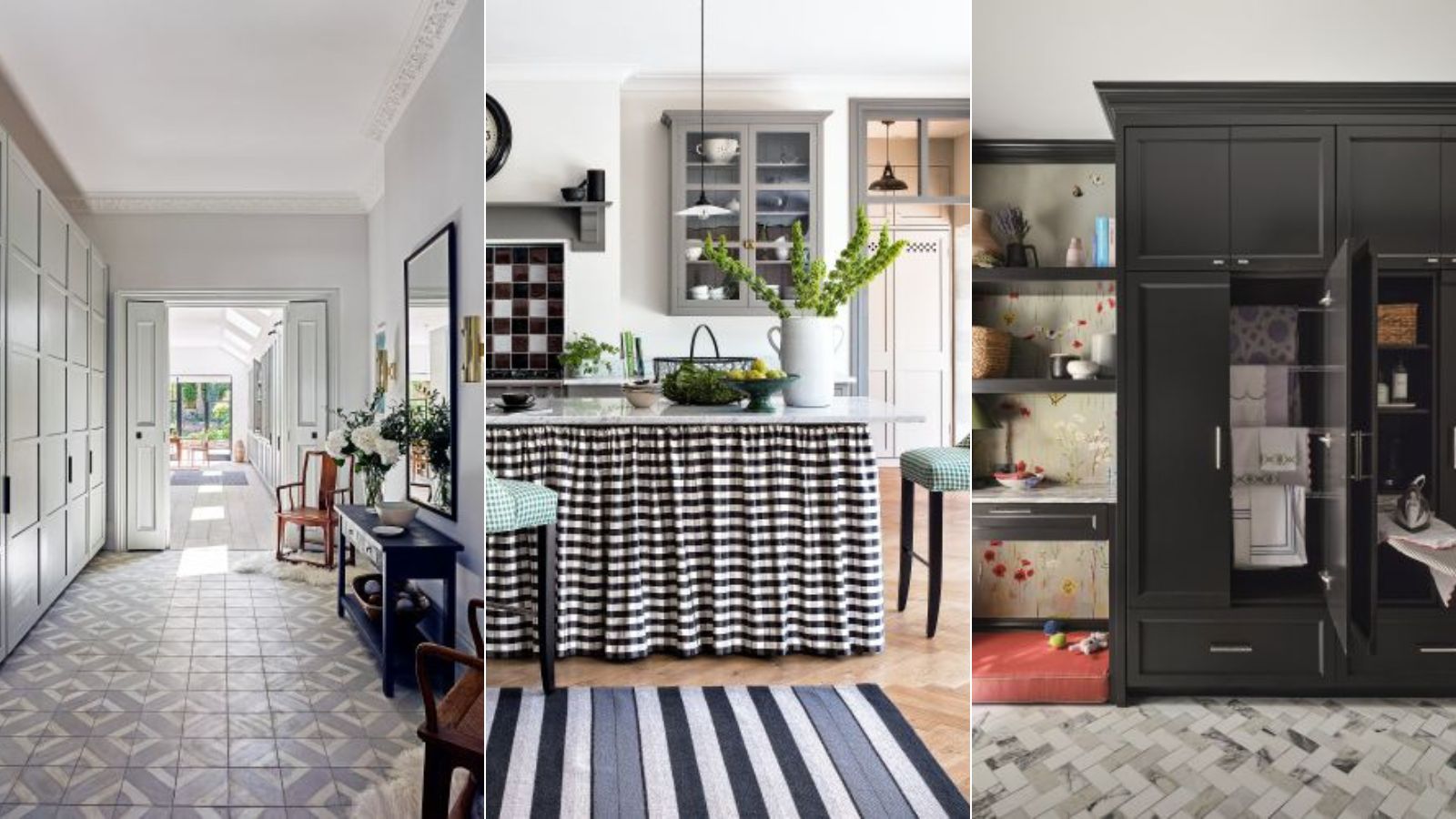
How to hide a washer and dryer – interiors experts on keeping laundry appliances out of sight
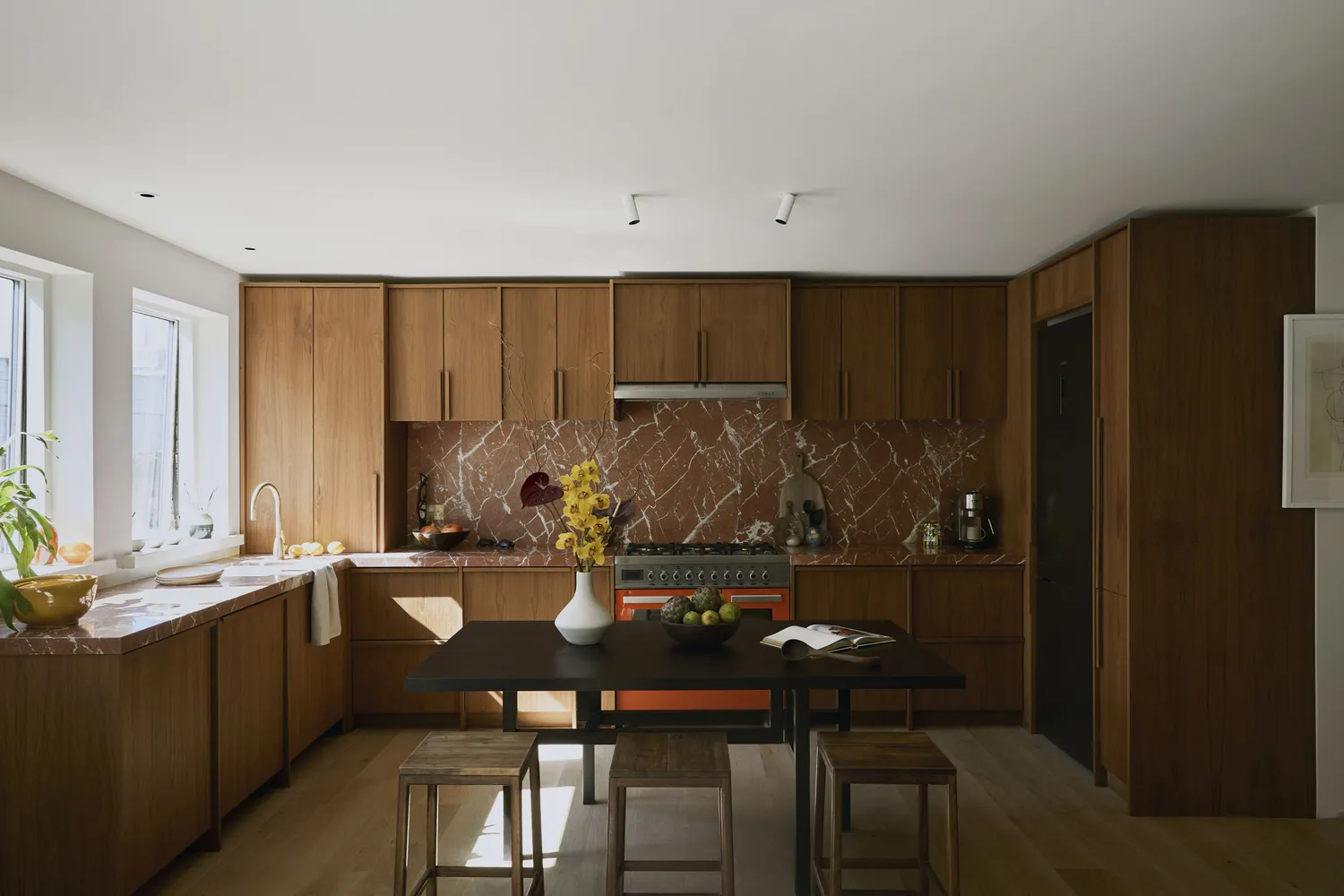
Why “Invisible Kitchens” Are the Sleekest New Trend Designers Can’t Stop Using

To Avoid a Kitchen Reno, This Designer Cleverly Covered Up Her Boring Cabinets

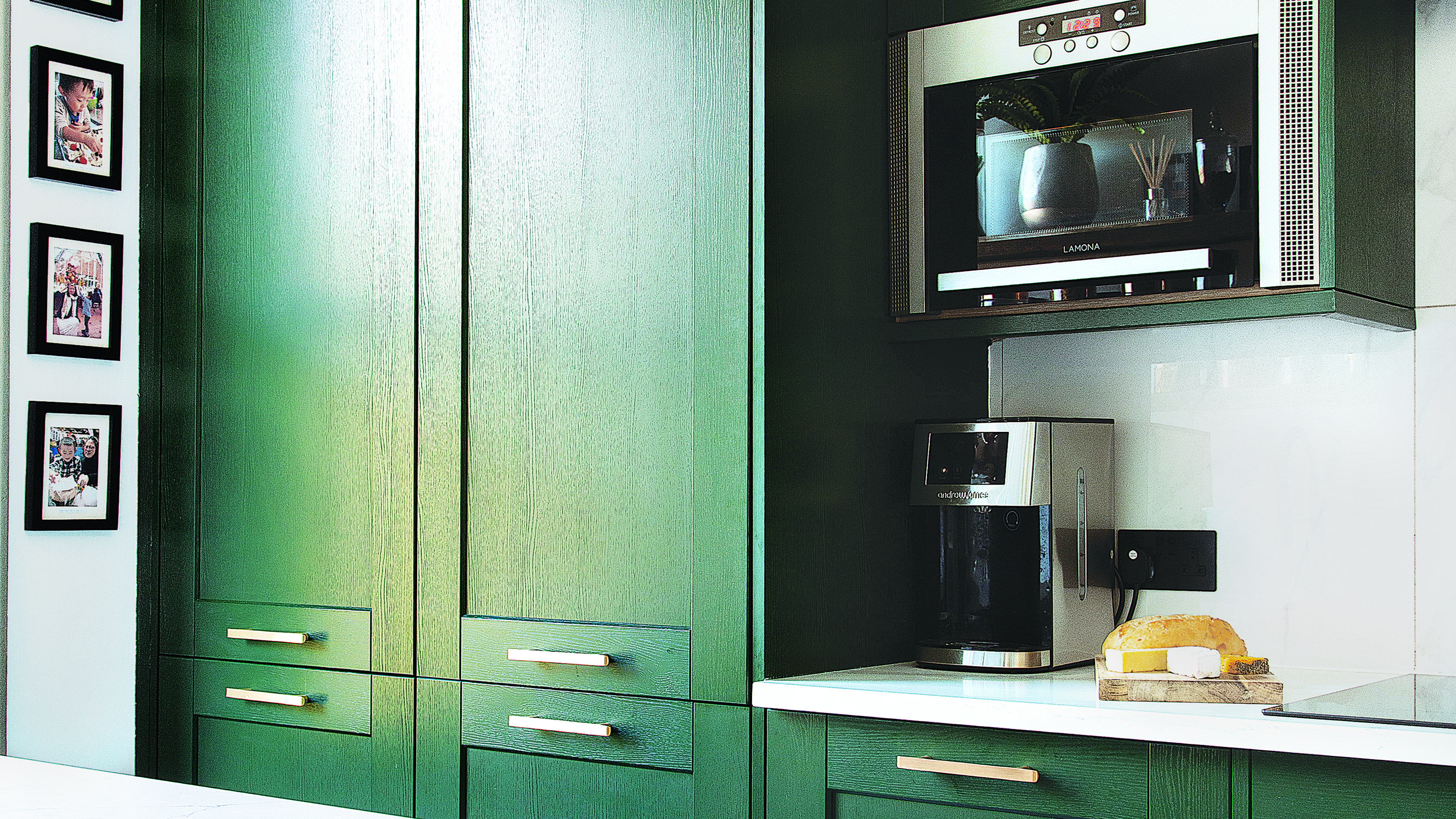
Banish worktop clutter for good – 5 expert tips for where to stash small appliances in a compact kitchen
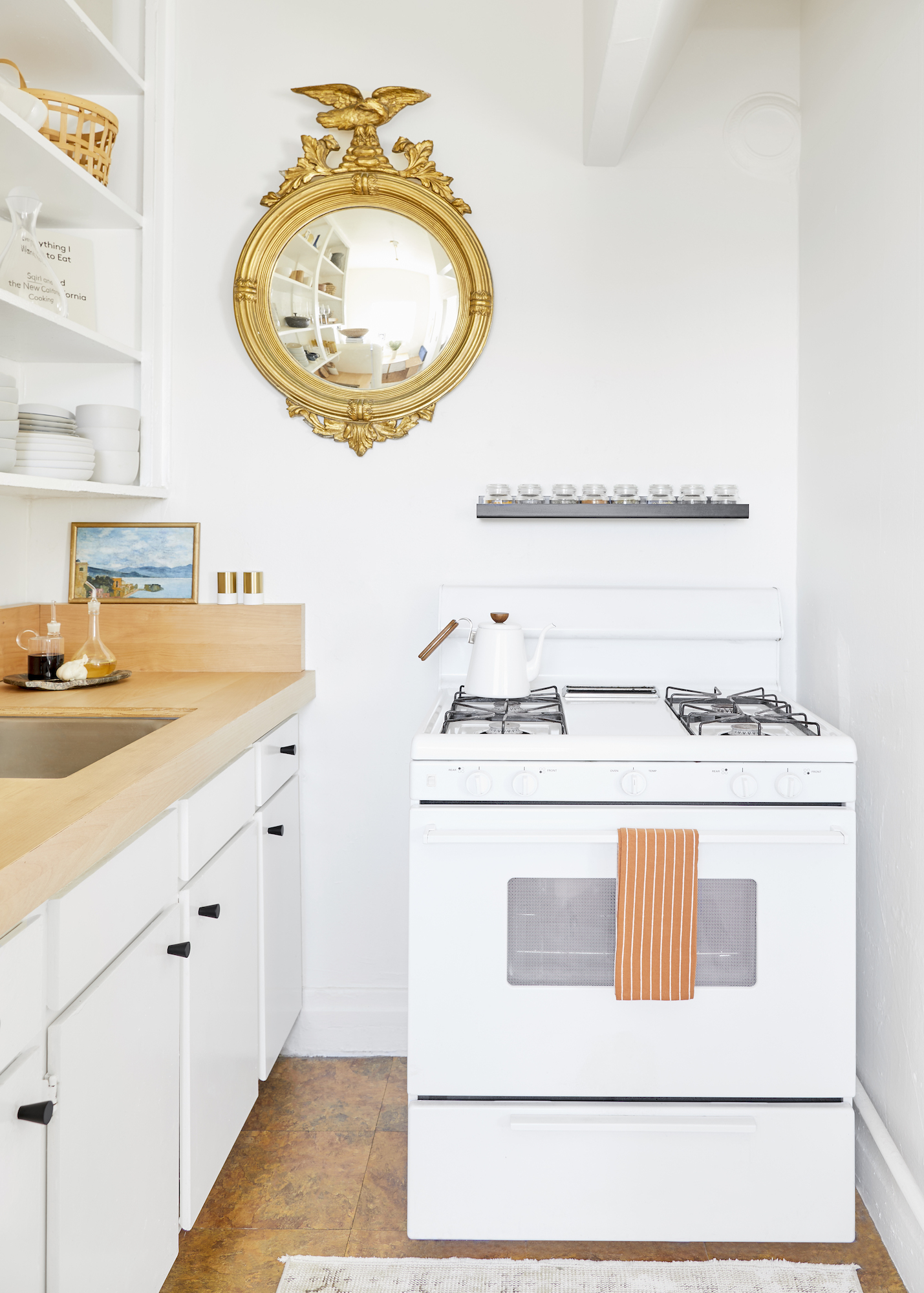
You Don’t Need a Sprawling Kitchen When You Have These Designer Tricks

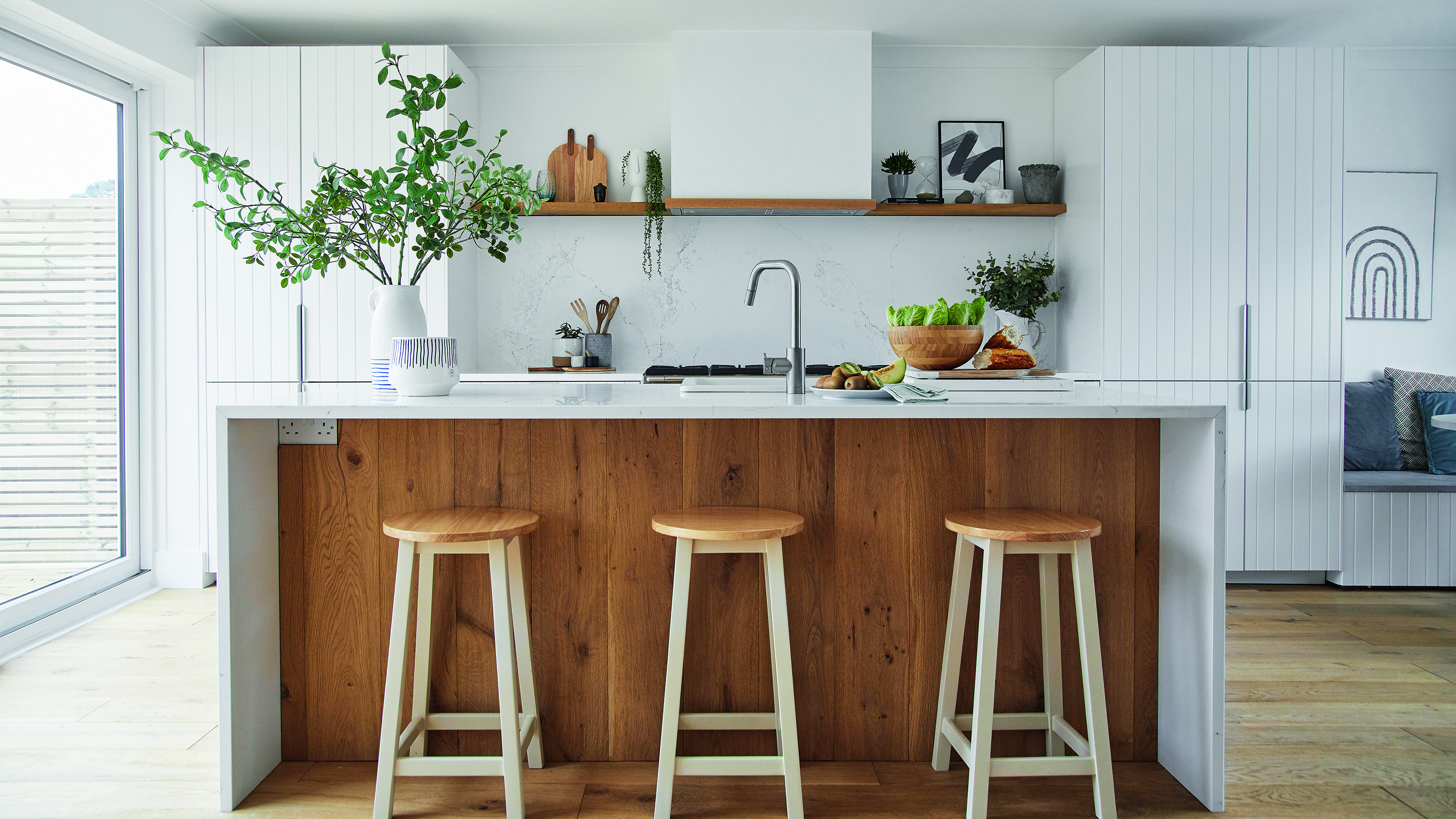
Invisible kitchen ideas - 7 ways to create a sleek and subtle cooking space
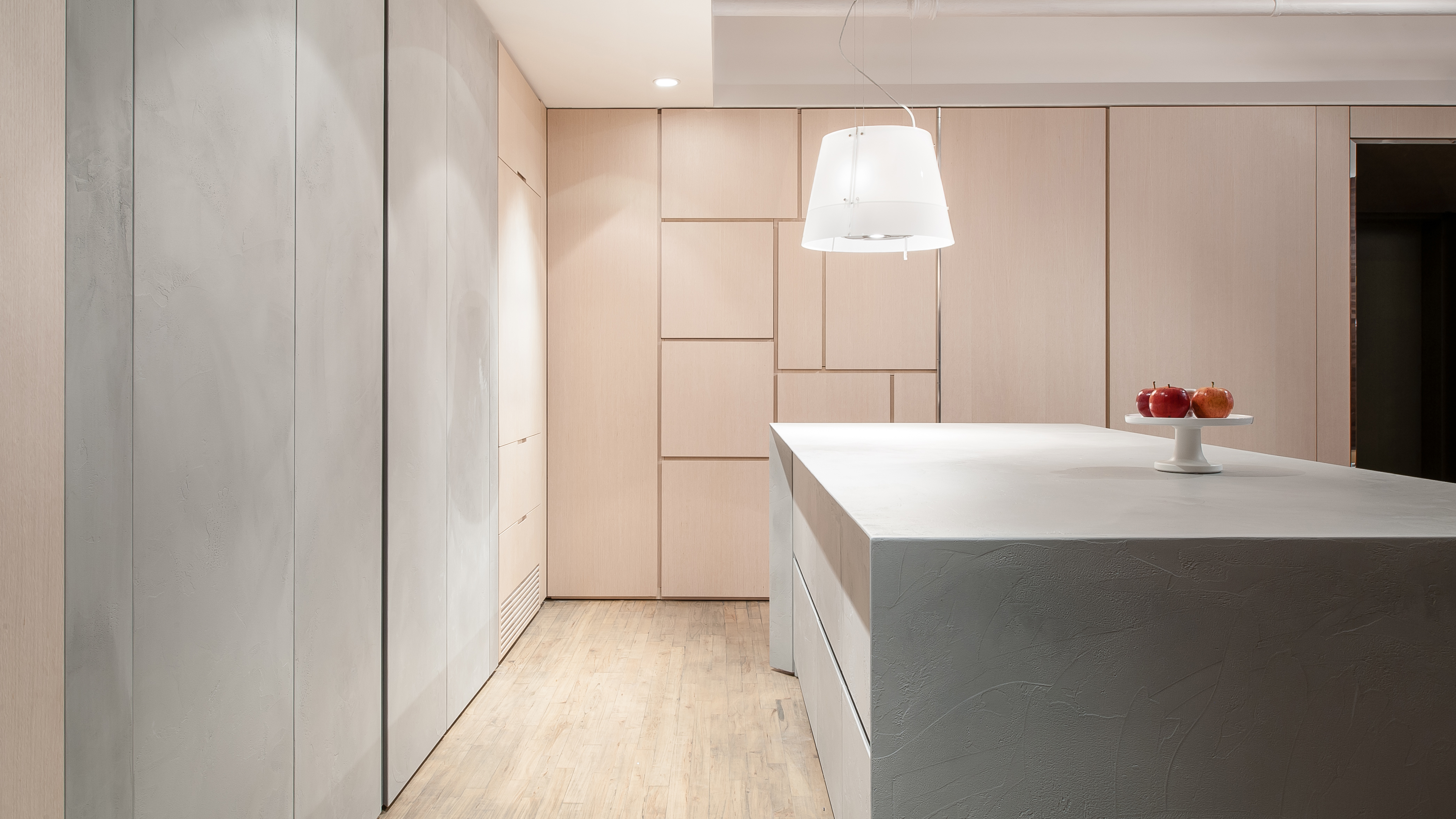
Small space living makes invisible kitchens the most practical (and stylish) of new design trends

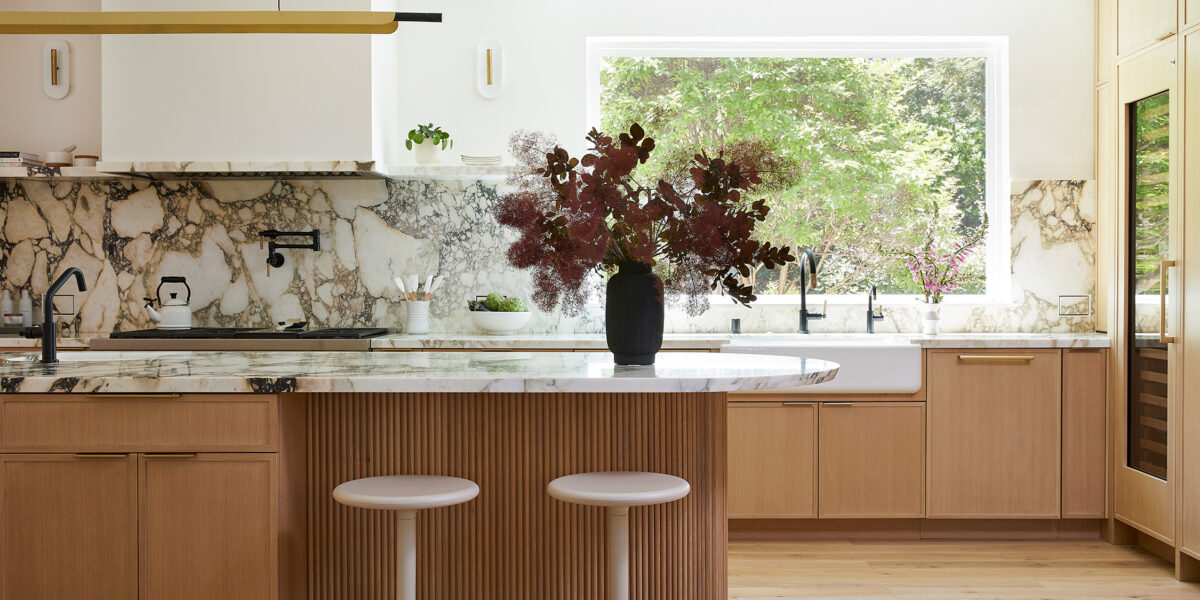
This Bright and Open Kitchen Cleverly Conceals Its Appliances
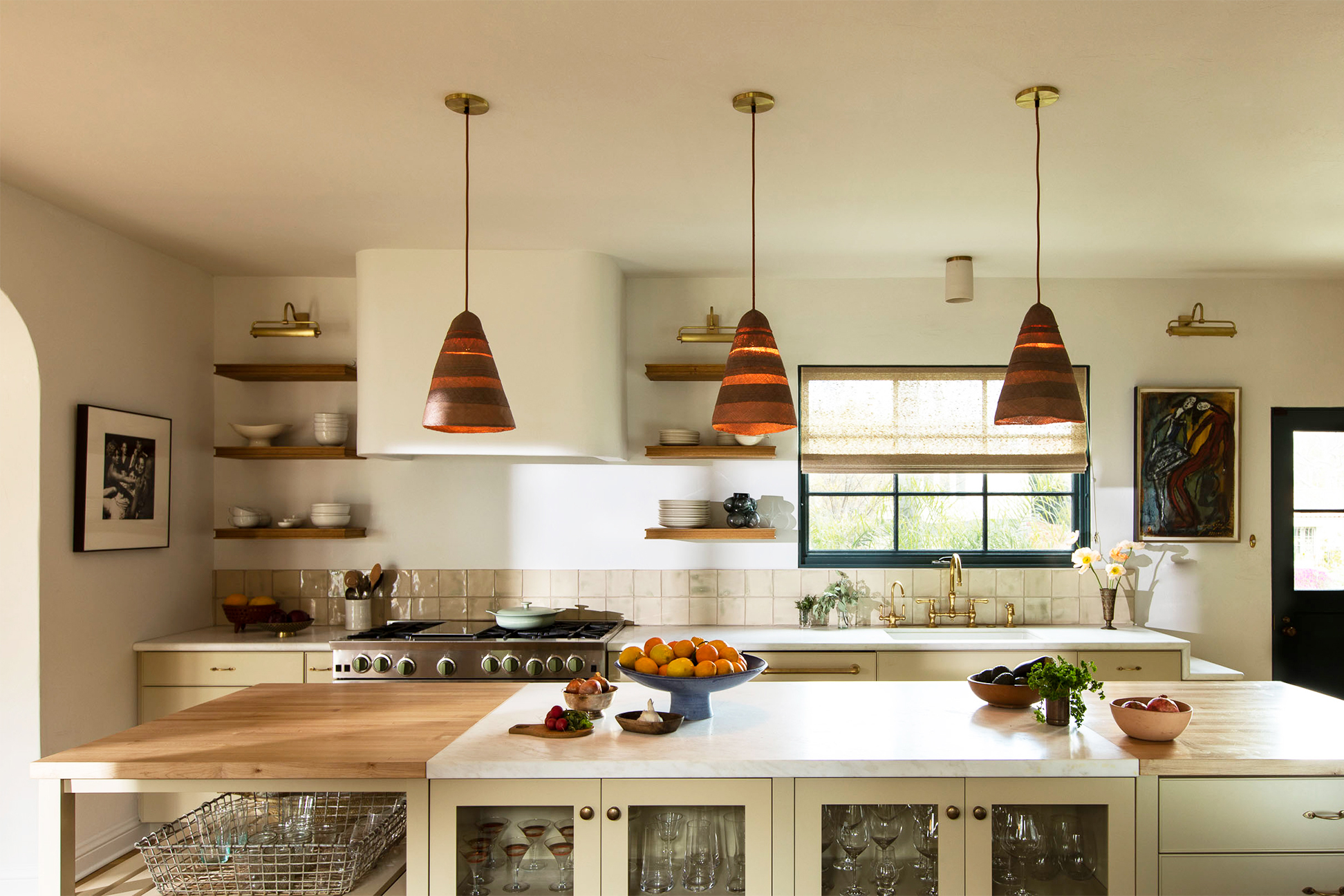
Cluttered Kitchen Counters Are a Non-Issue With This Clever Feature