1/6
How to hide a washer and dryer – interiors experts on keeping laundry appliances out of sight
The increasing prevalence of laundry appliances in living spaces, particularly in homes without dedicated laundry rooms, presents a challenge for maintaining an aesthetically pleasing interior. Even high-end washers and dryers can detract from a carefully designed room. Interior designers offer several strategies to seamlessly integrate these necessary appliances into their surroundings, ensuring they don't dominate the decor.
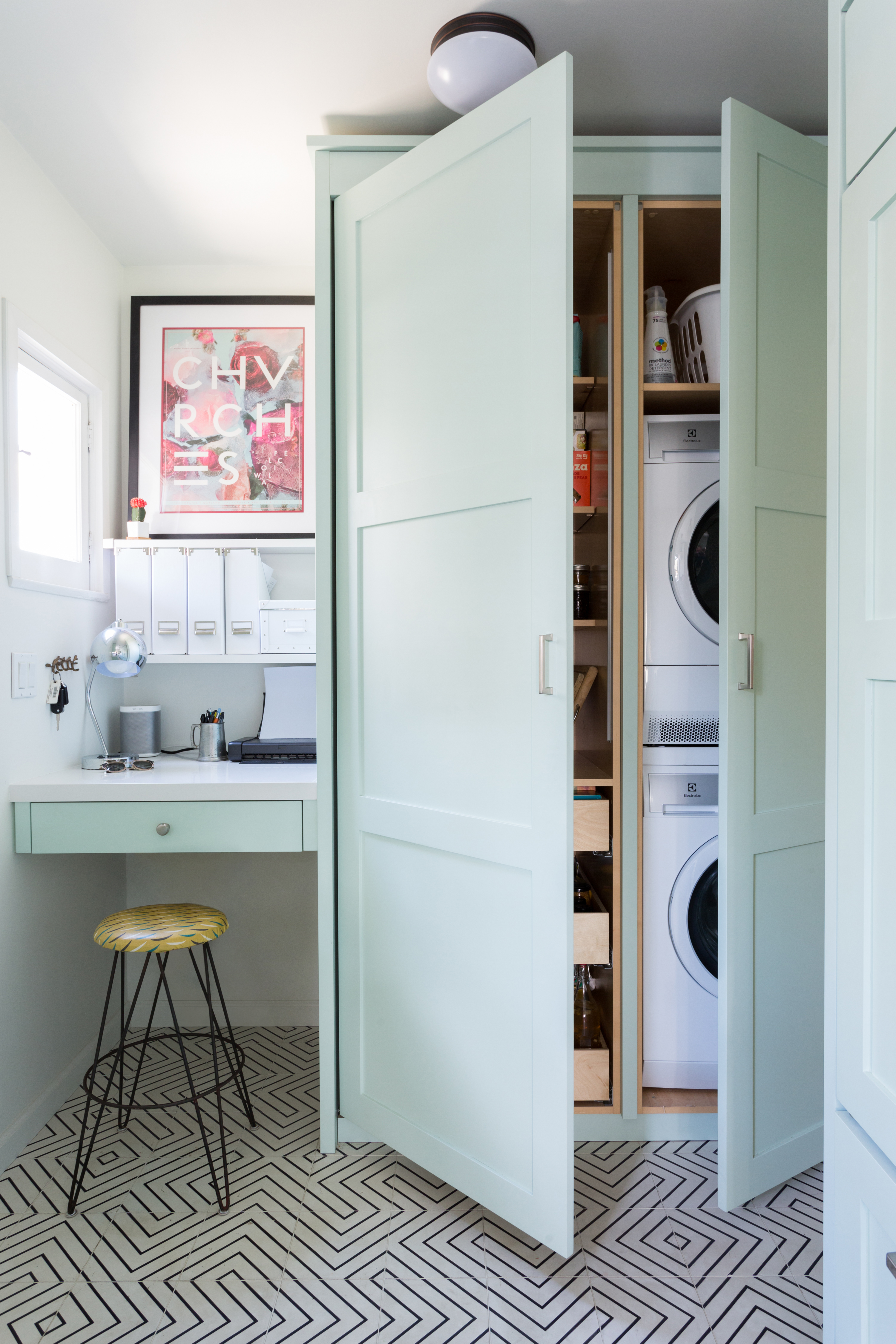
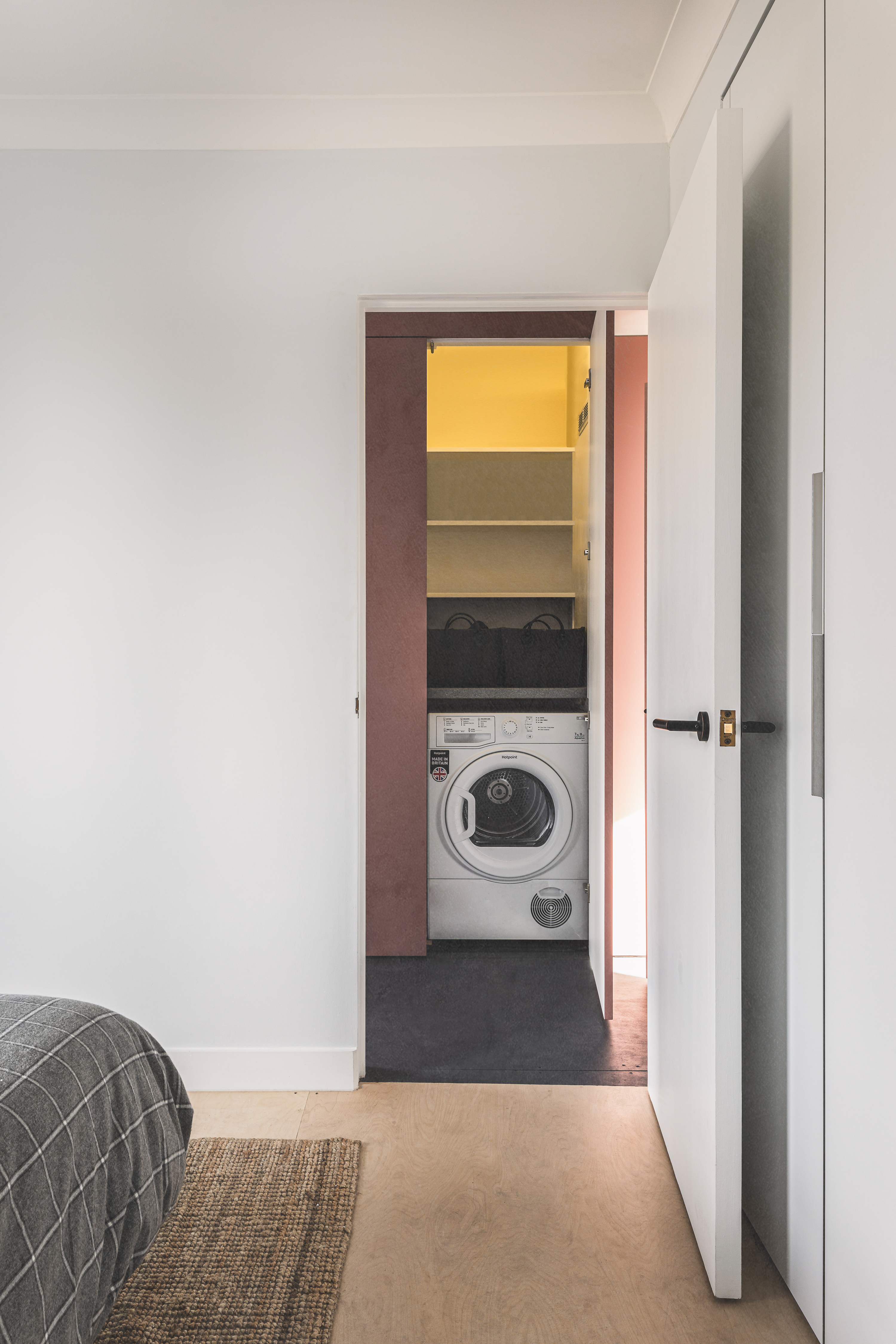
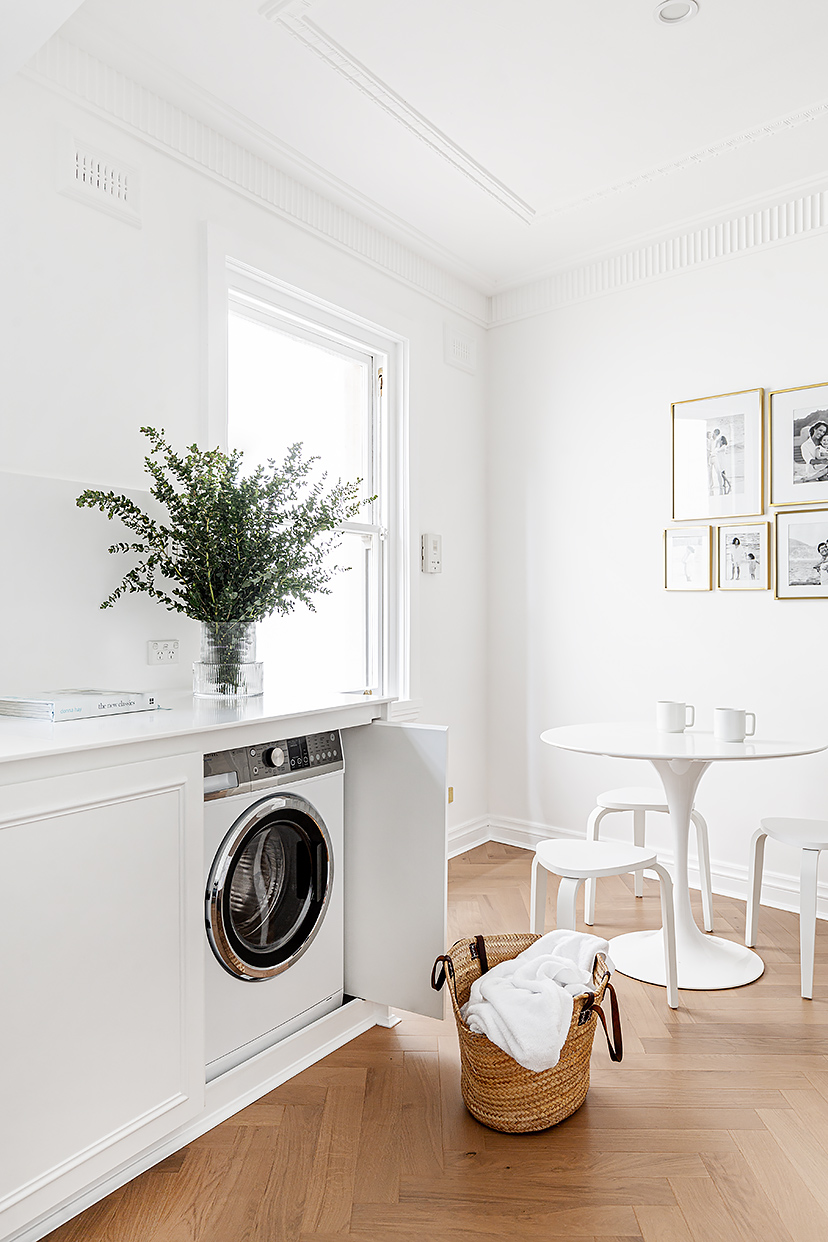
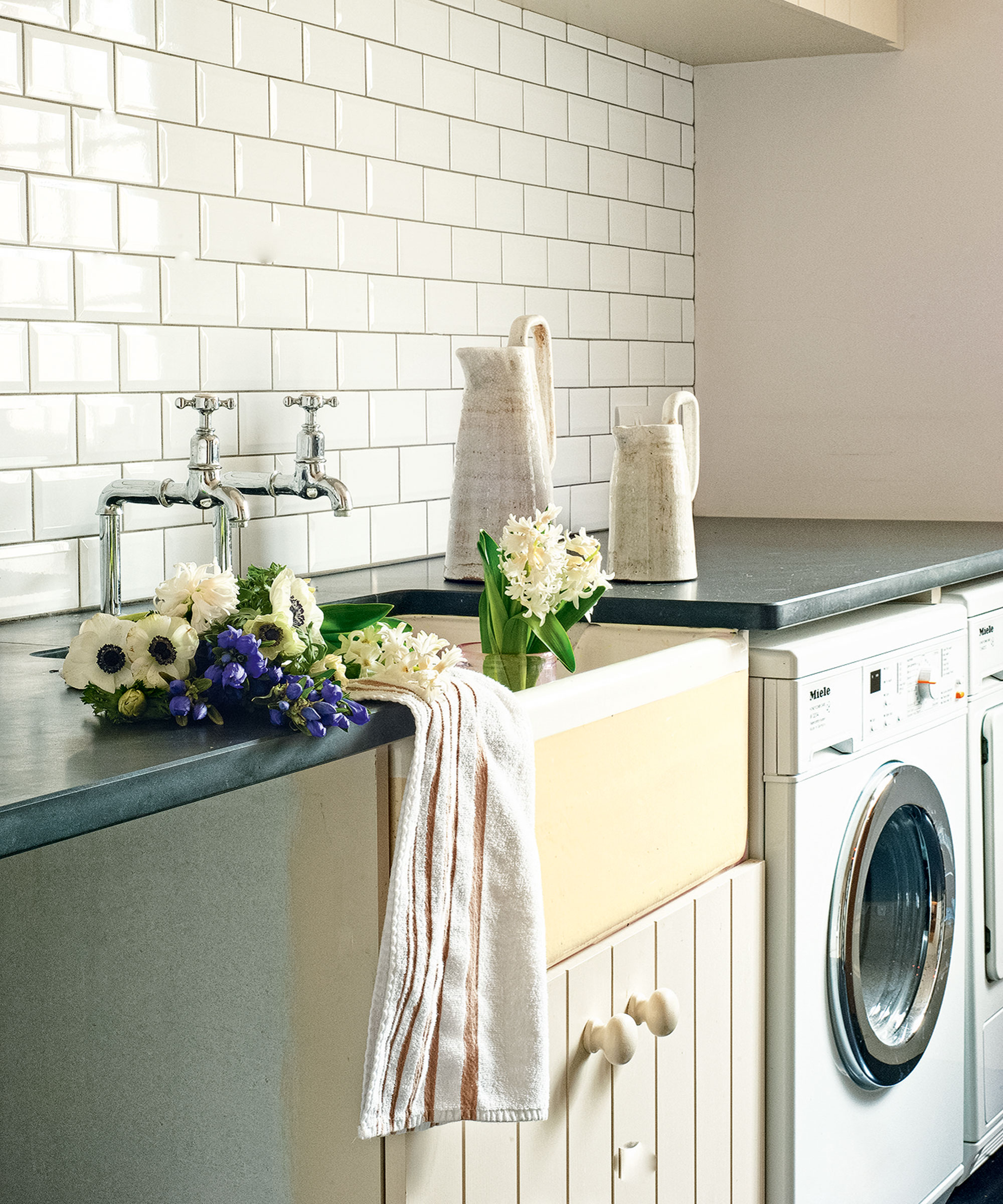
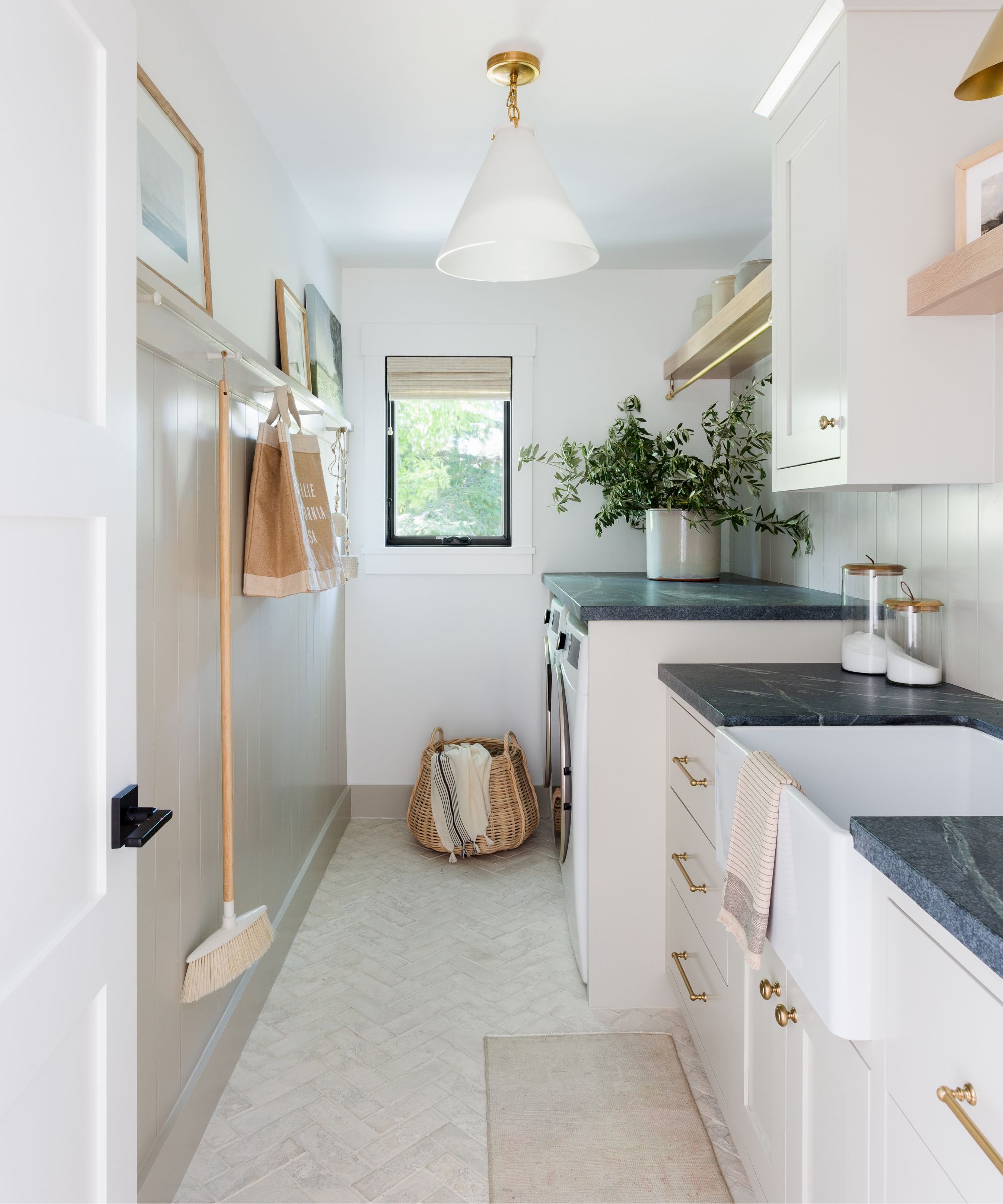
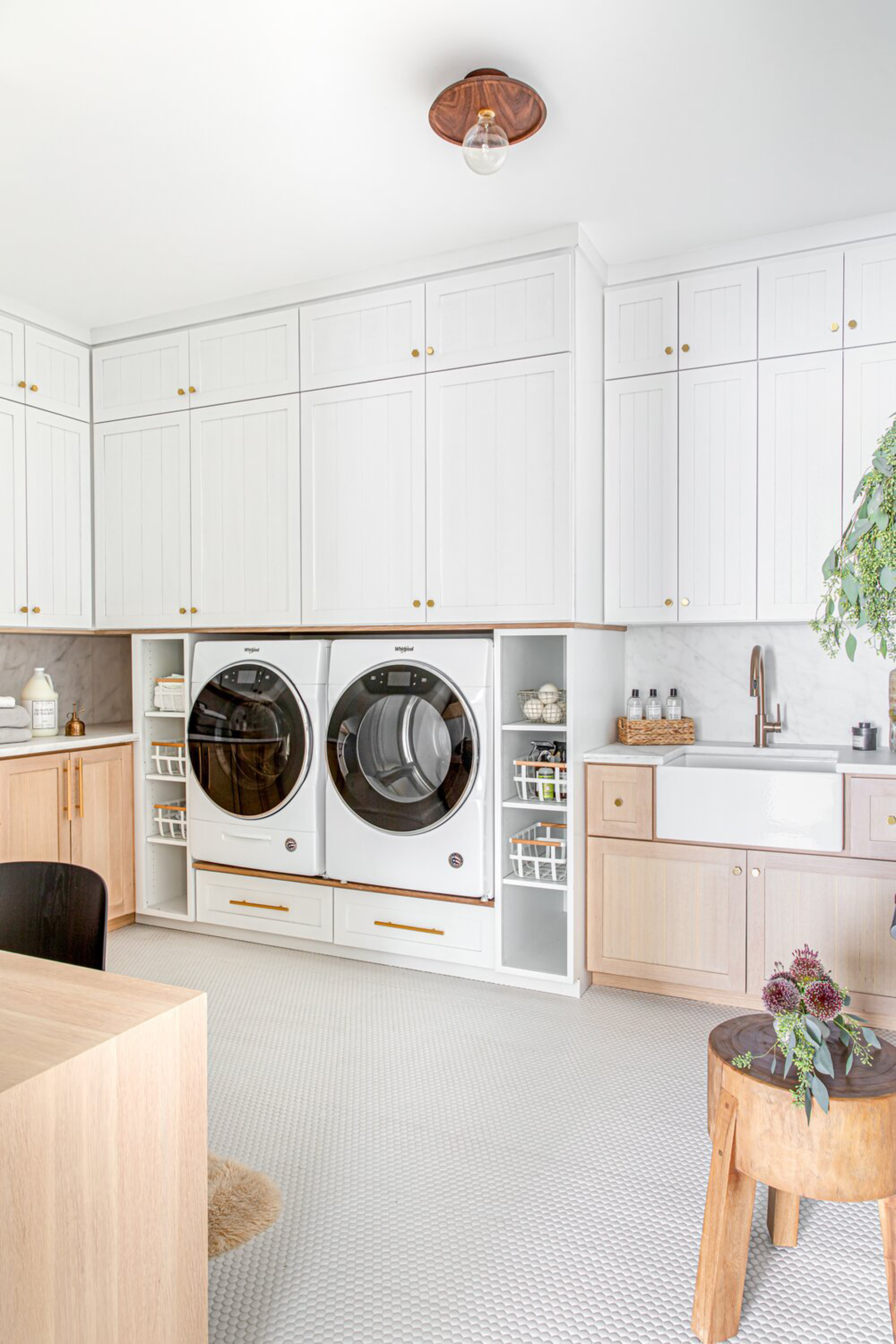
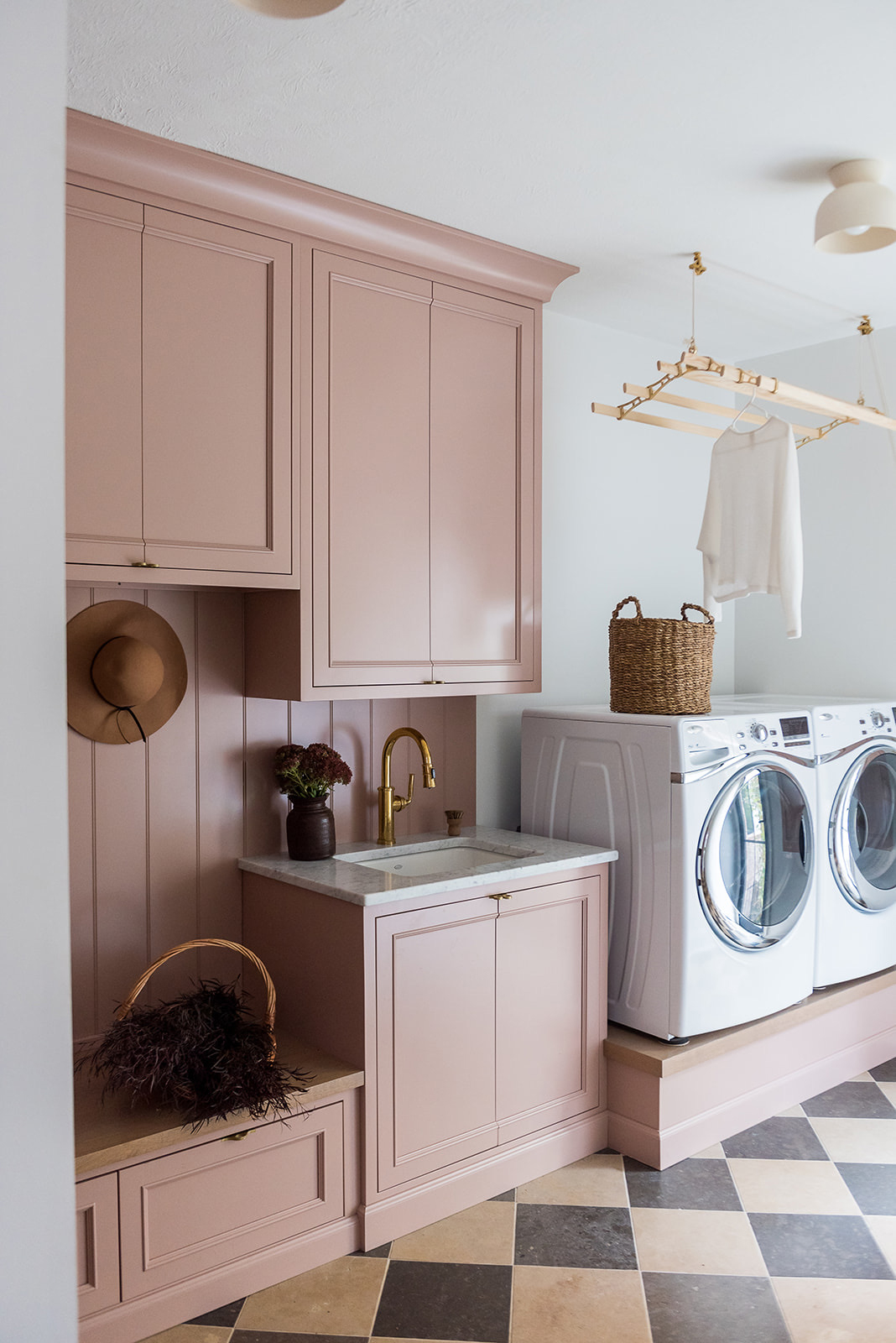
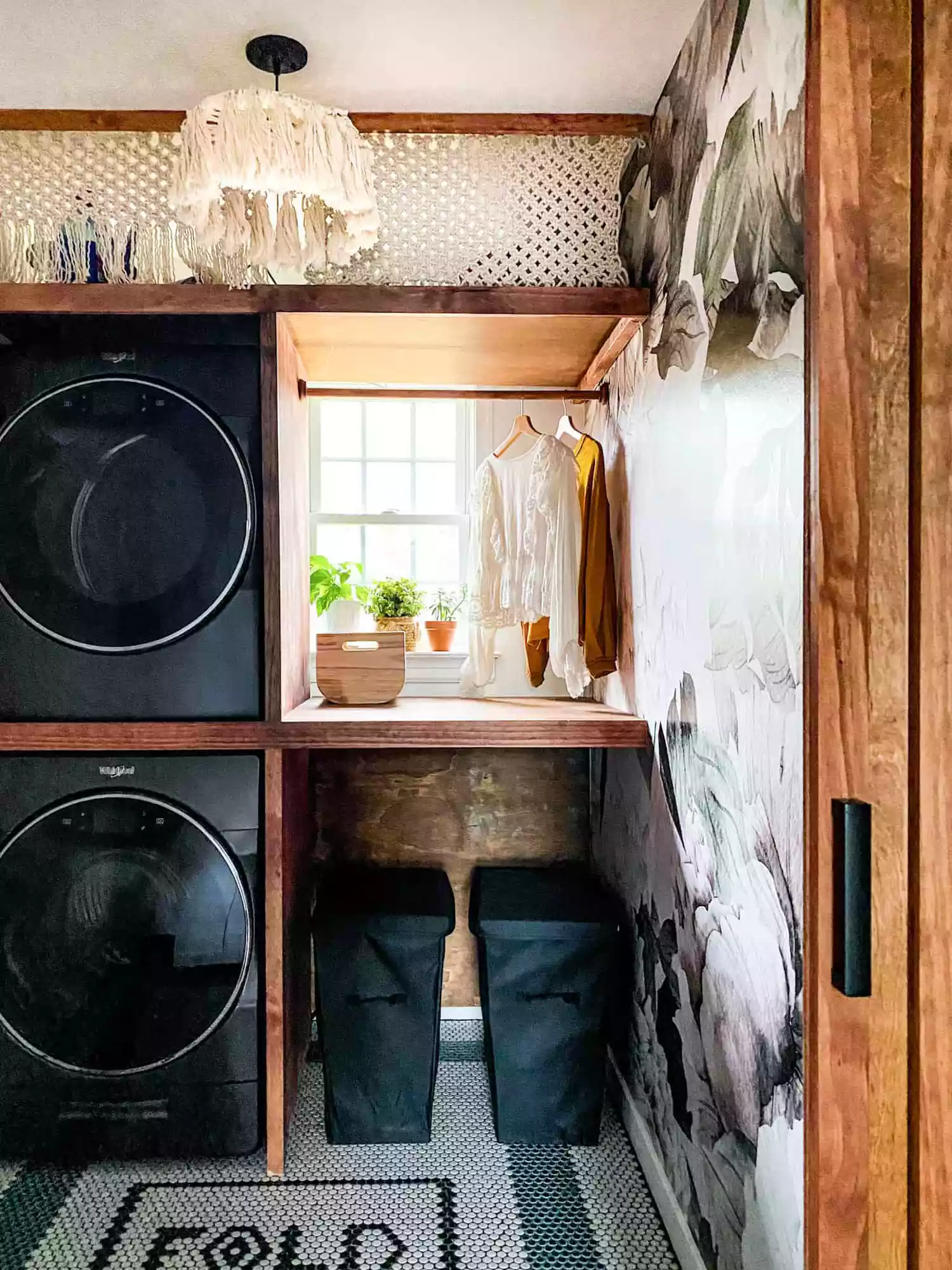
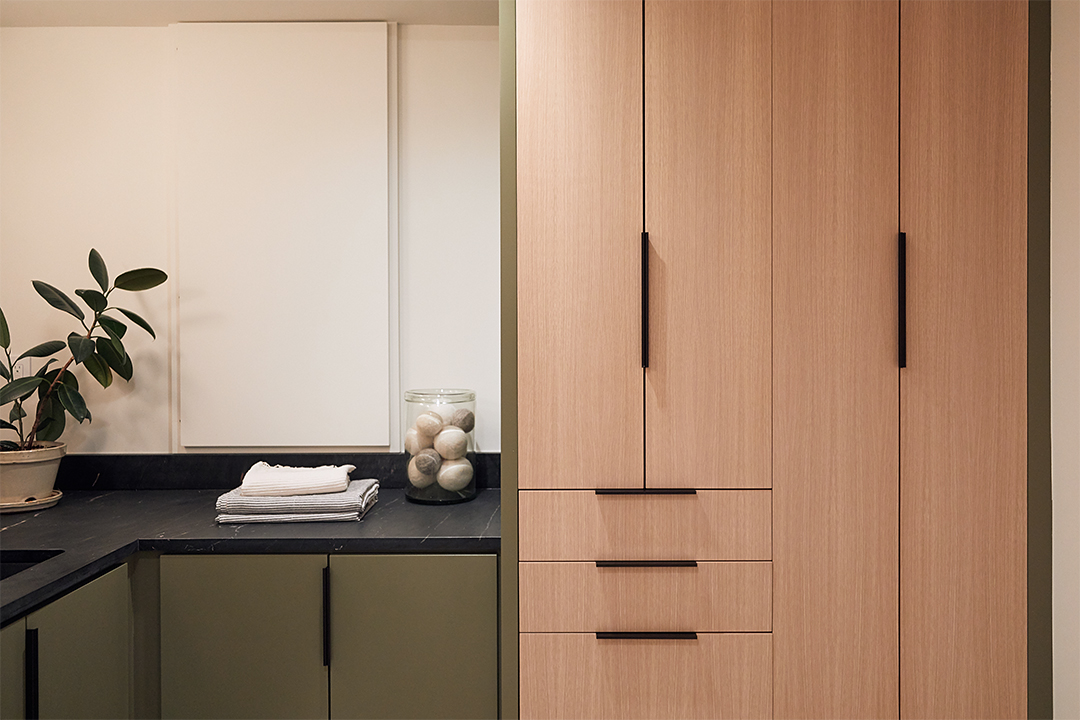
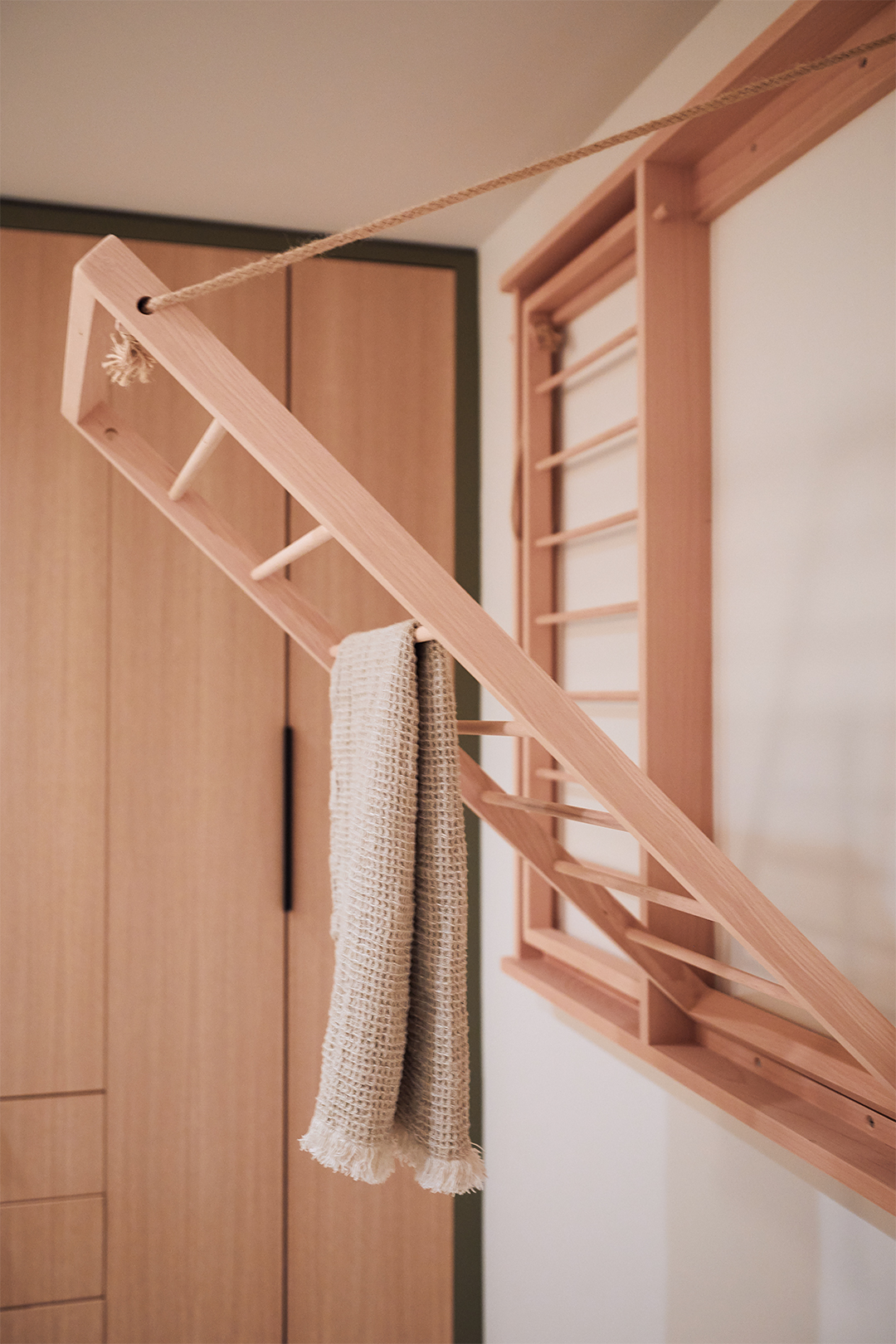
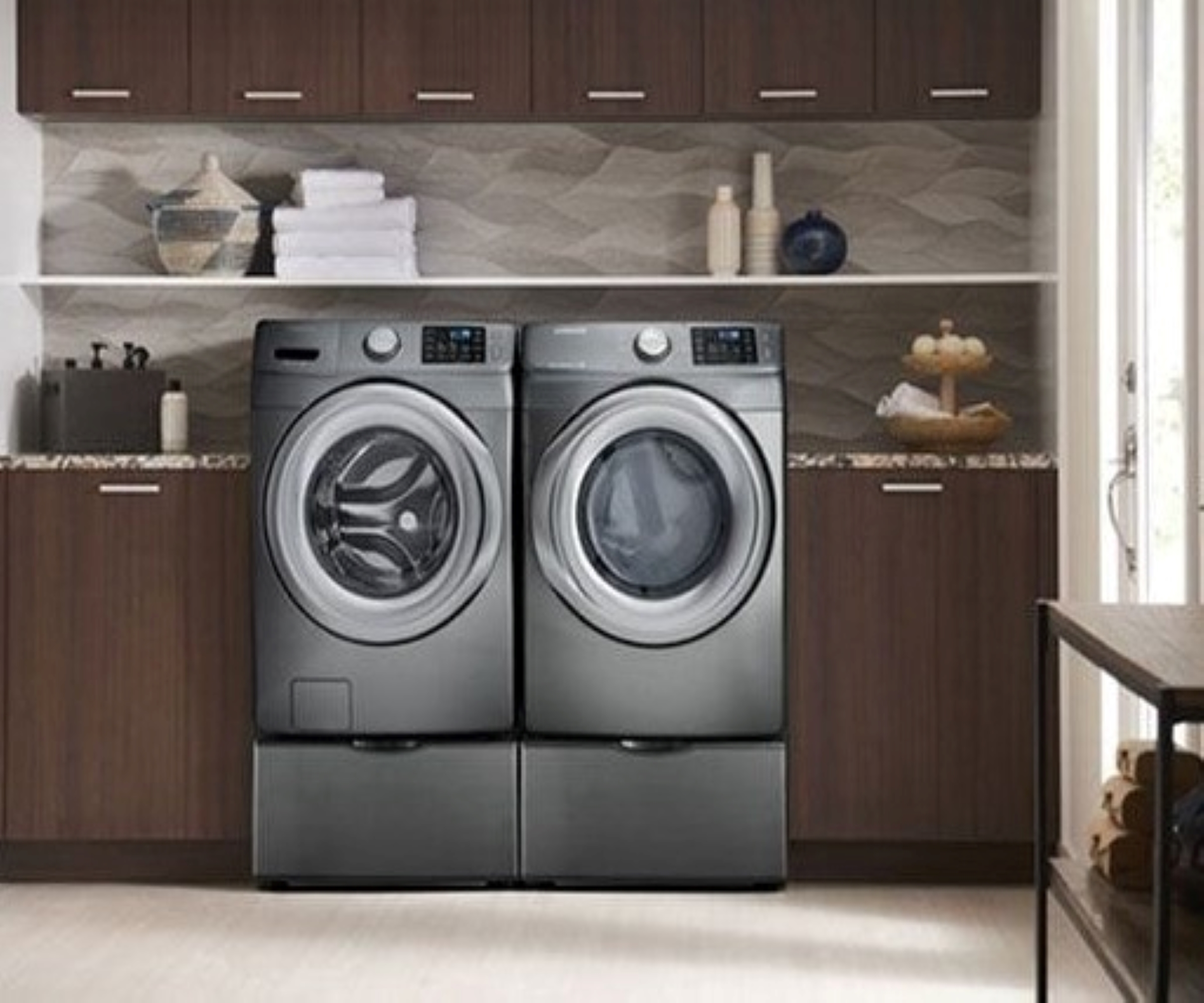
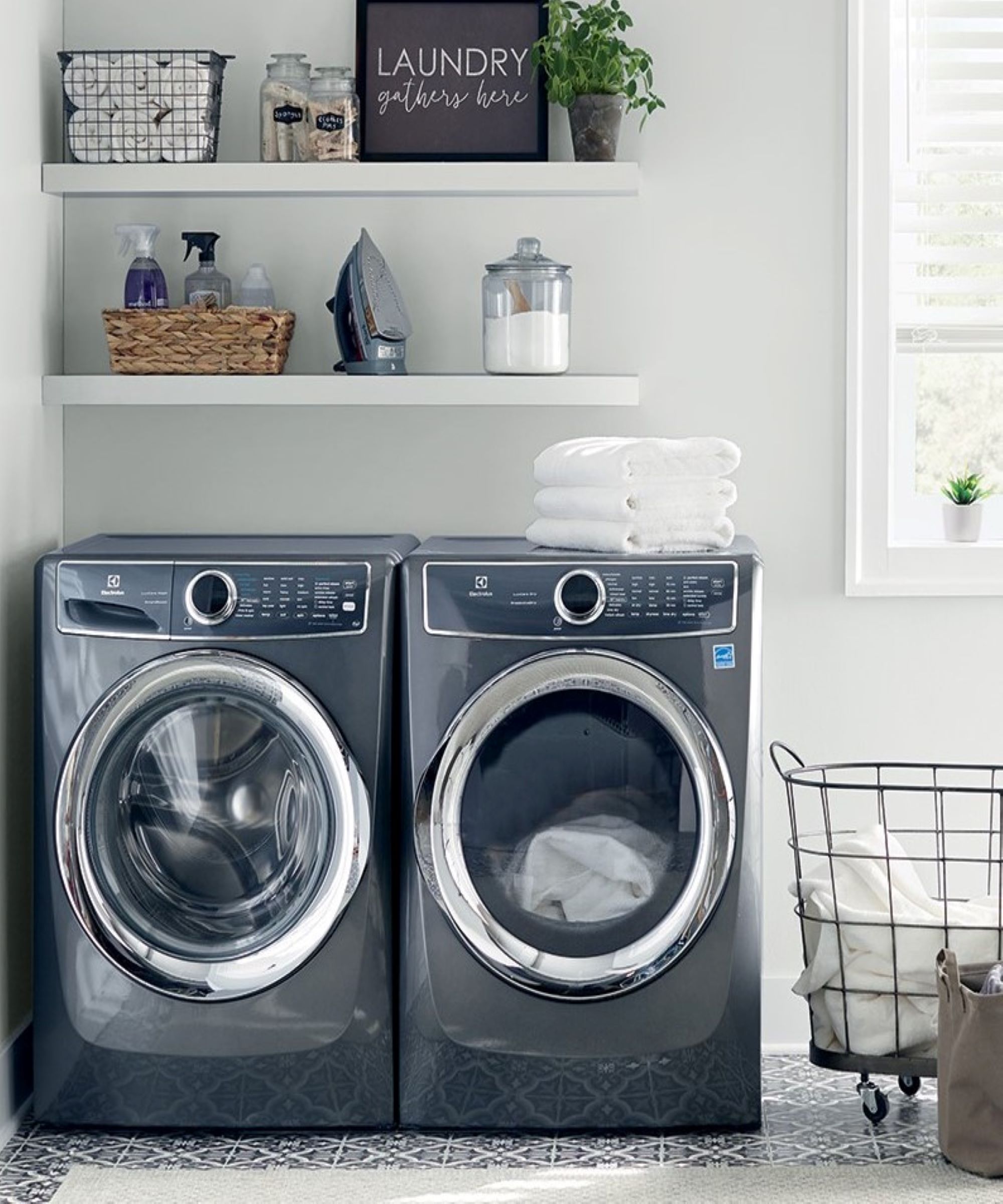
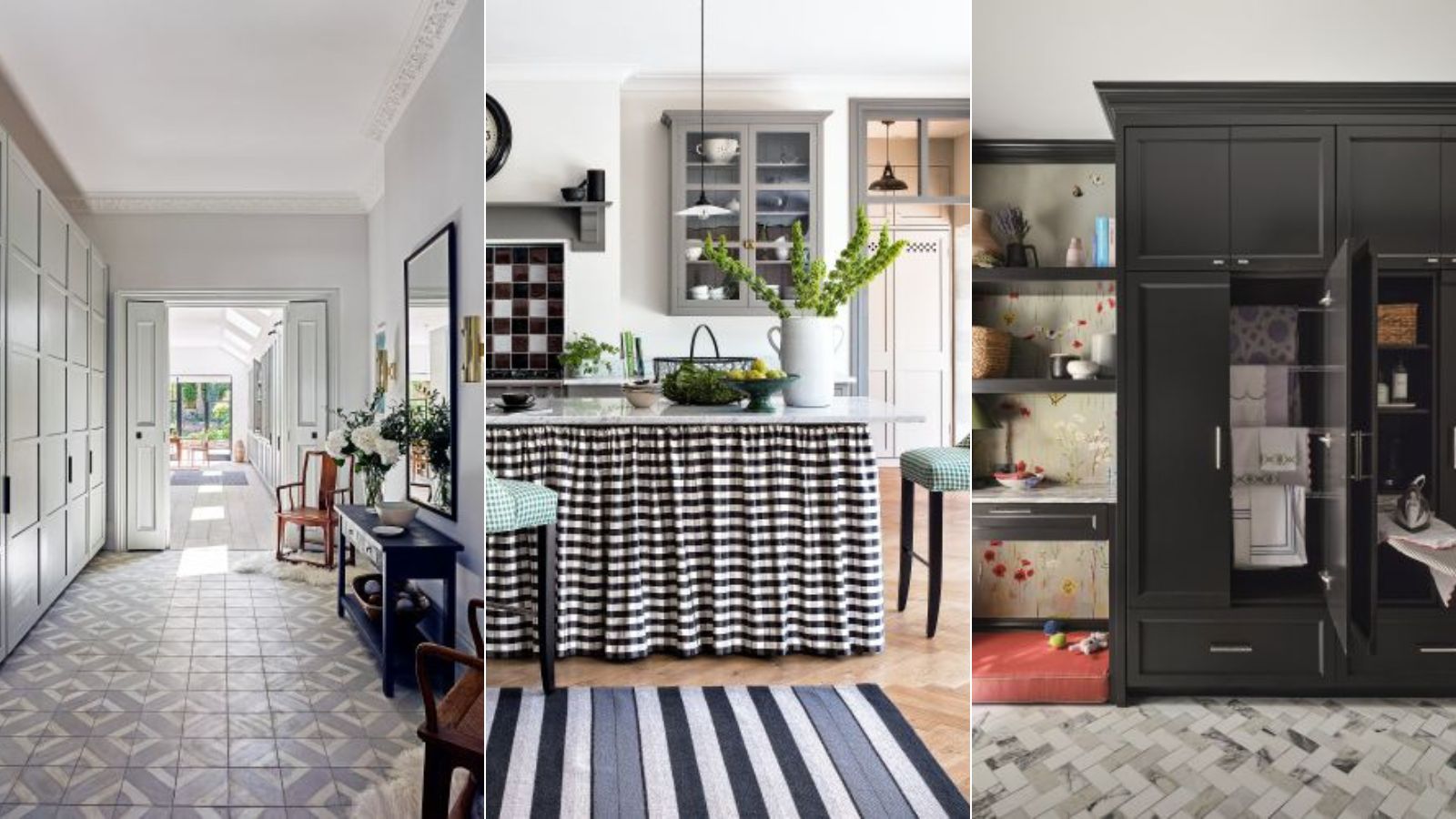
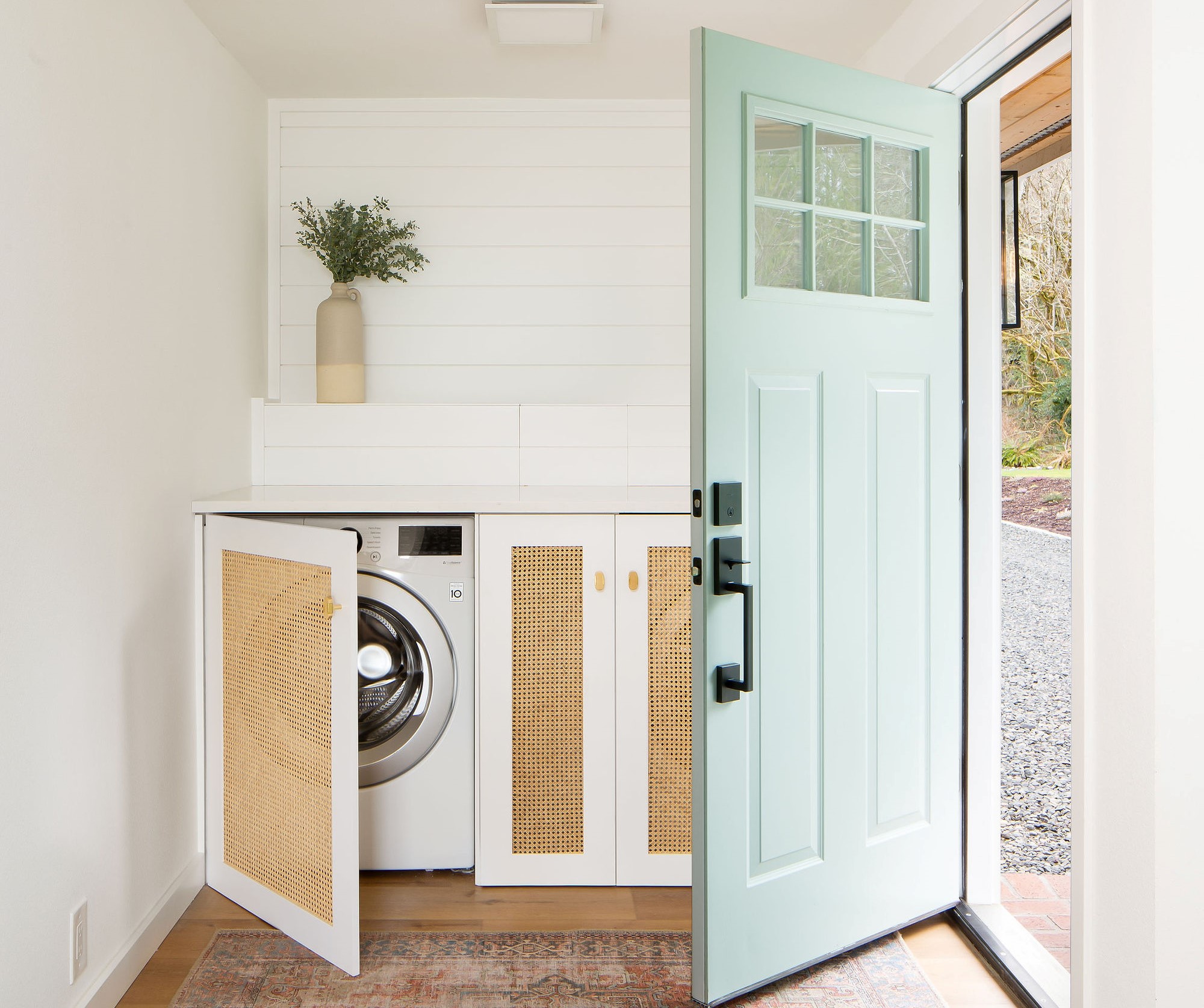
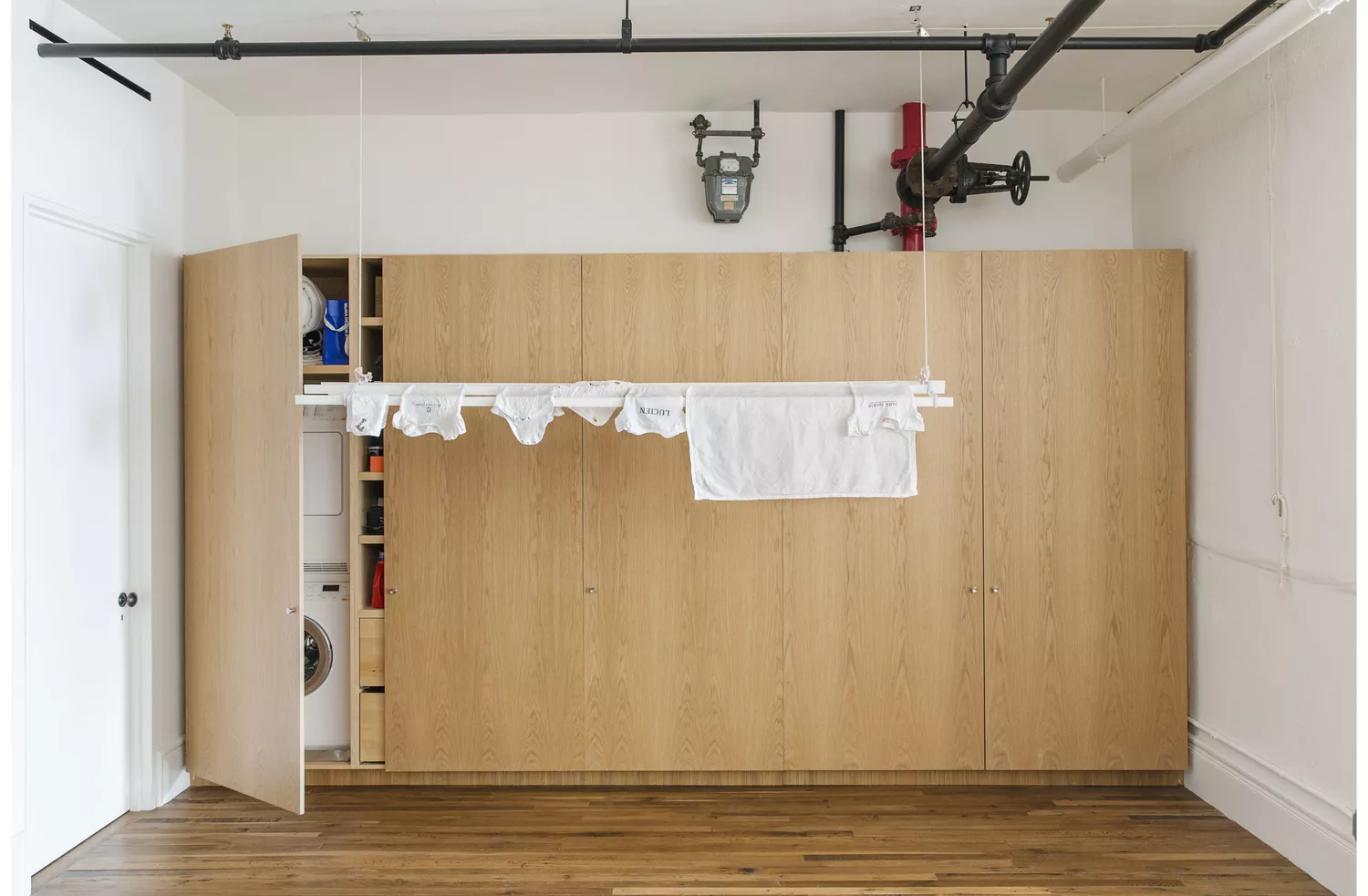
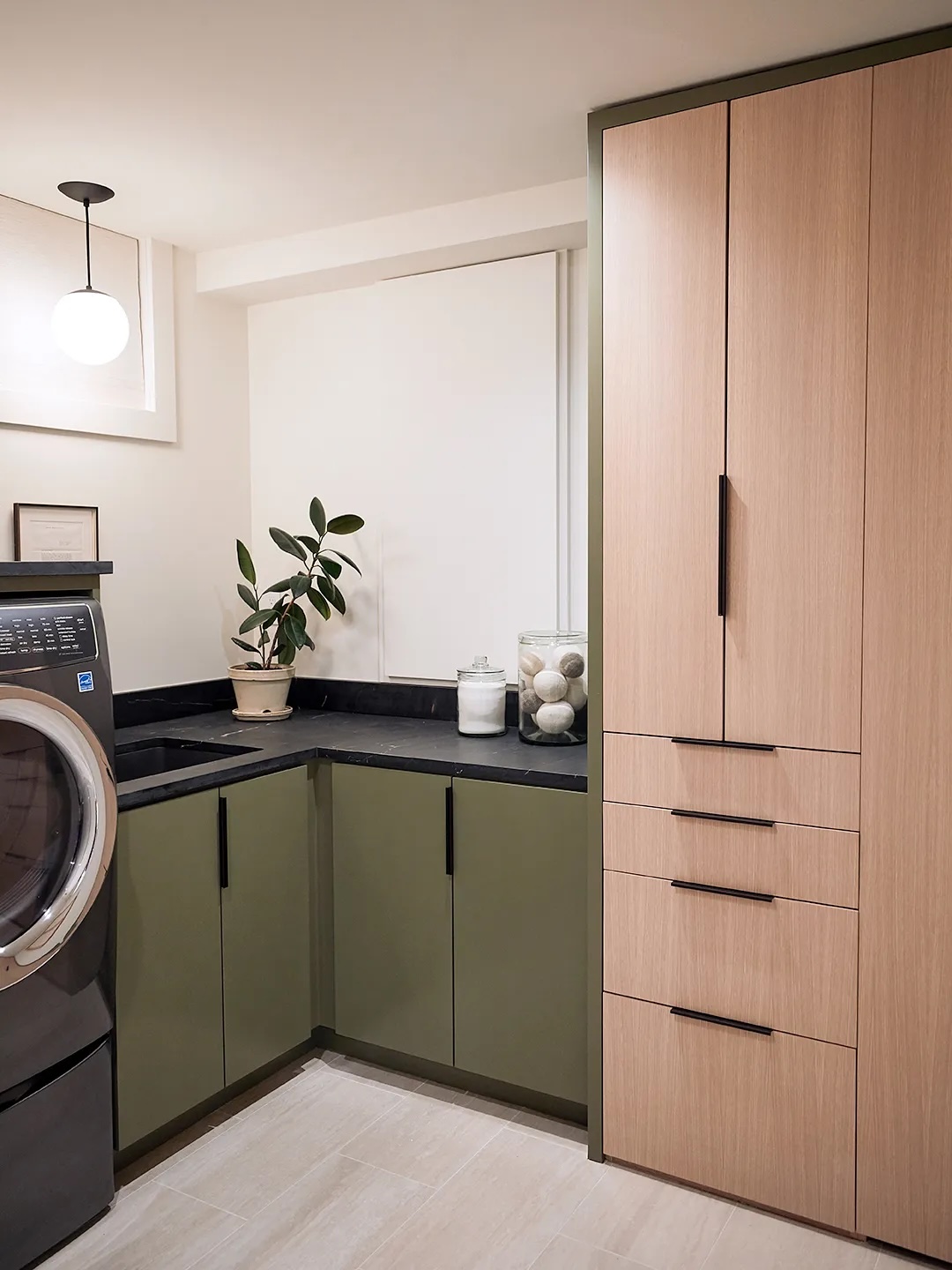
One of the most straightforward methods involves concealing the washer and dryer behind doors. This can be achieved through clever cabinetry designs that offer not only hidden appliance compartments but also integrated solutions for ironing, airing clothes, and ample storage for laundry essentials. When visible hardware is unavoidable, the emphasis shifts to creating an attractive space around the machines. This involves incorporating elements such as patterned floor tiles, stylish shelves, stone countertops, charming light fixtures, and appealing cabinet colors to elevate the laundry area from a utilitarian zone to a visually pleasing part of the home.
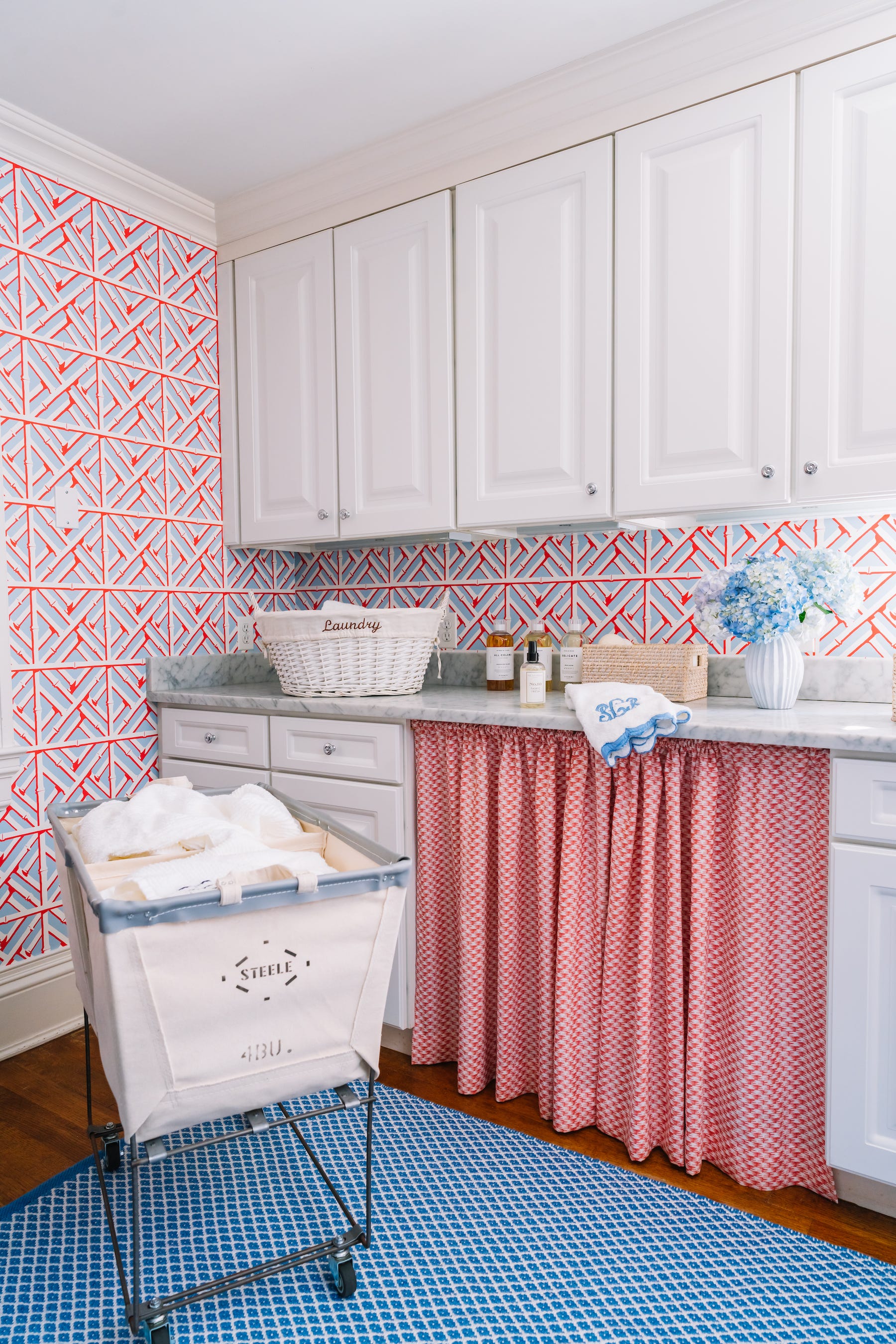
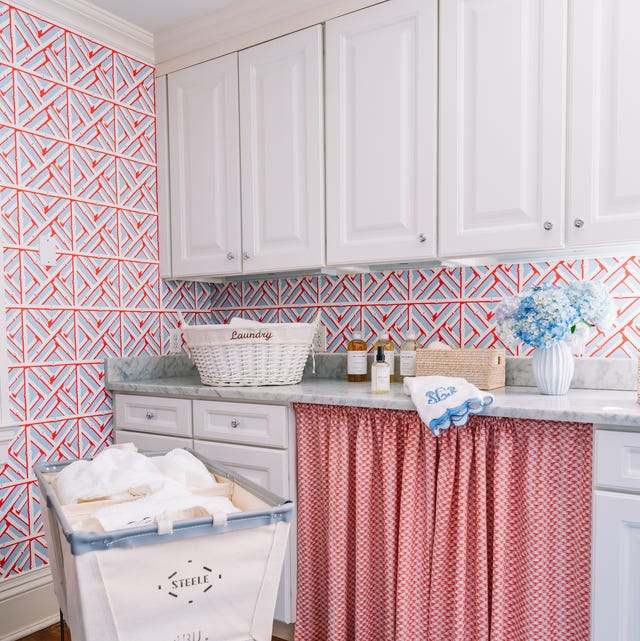
Another effective technique for disguising these appliances is to utilize fabric, often referred to as a ‘skirt.’ While simple curtains can work, a more refined approach involves placing a countertop, such as a white oak one, over the machines. A brass cafe curtain rod can then be mounted underneath the counter, from which a curtain extending to the floor can be hung. This method creates a sophisticated concealment that can even make a laundry setup almost imperceptible, even in a living room environment.
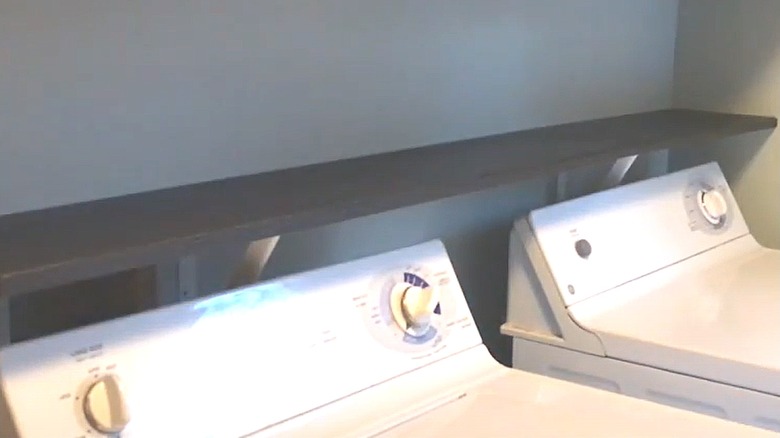
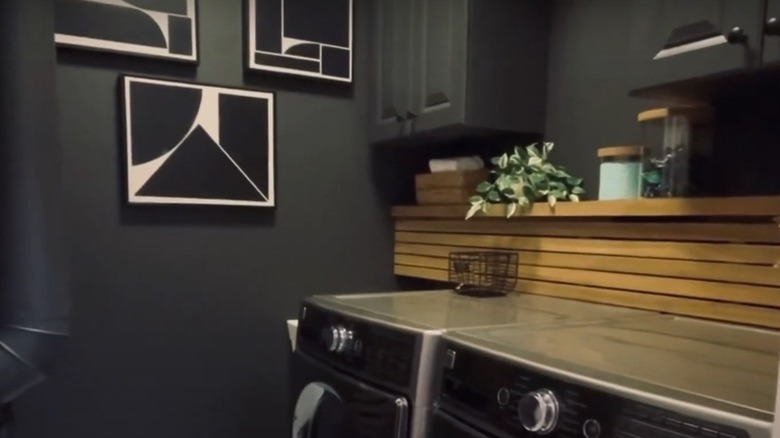
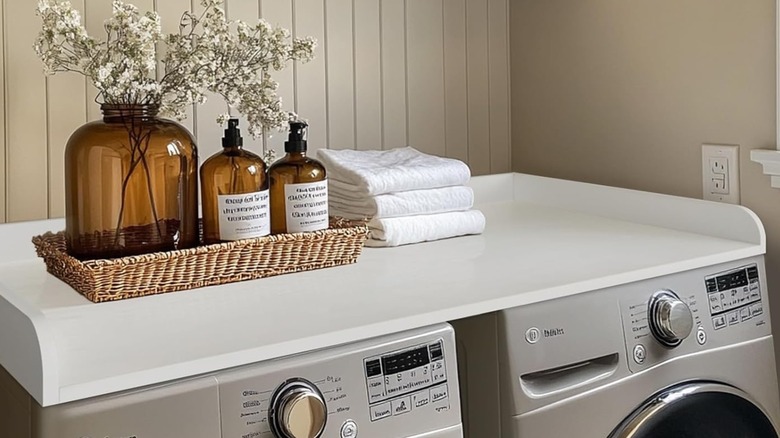
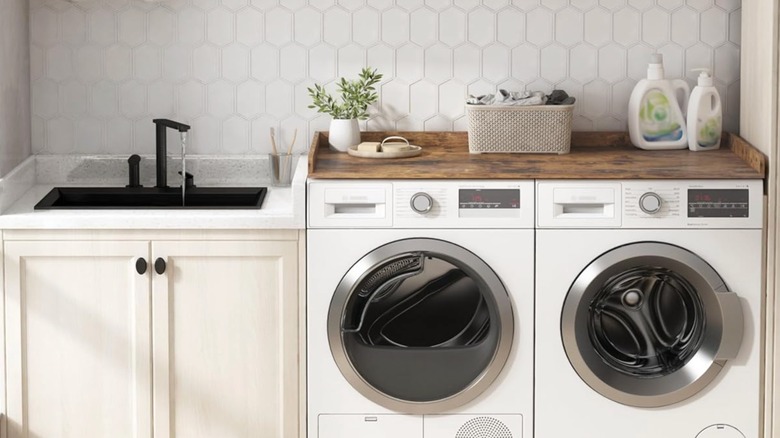
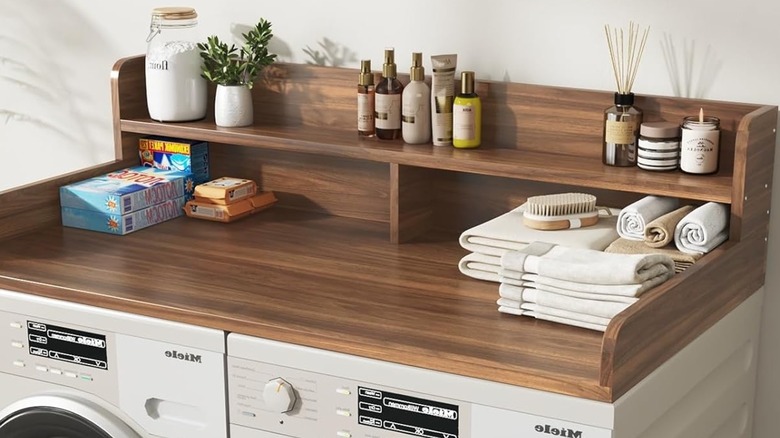
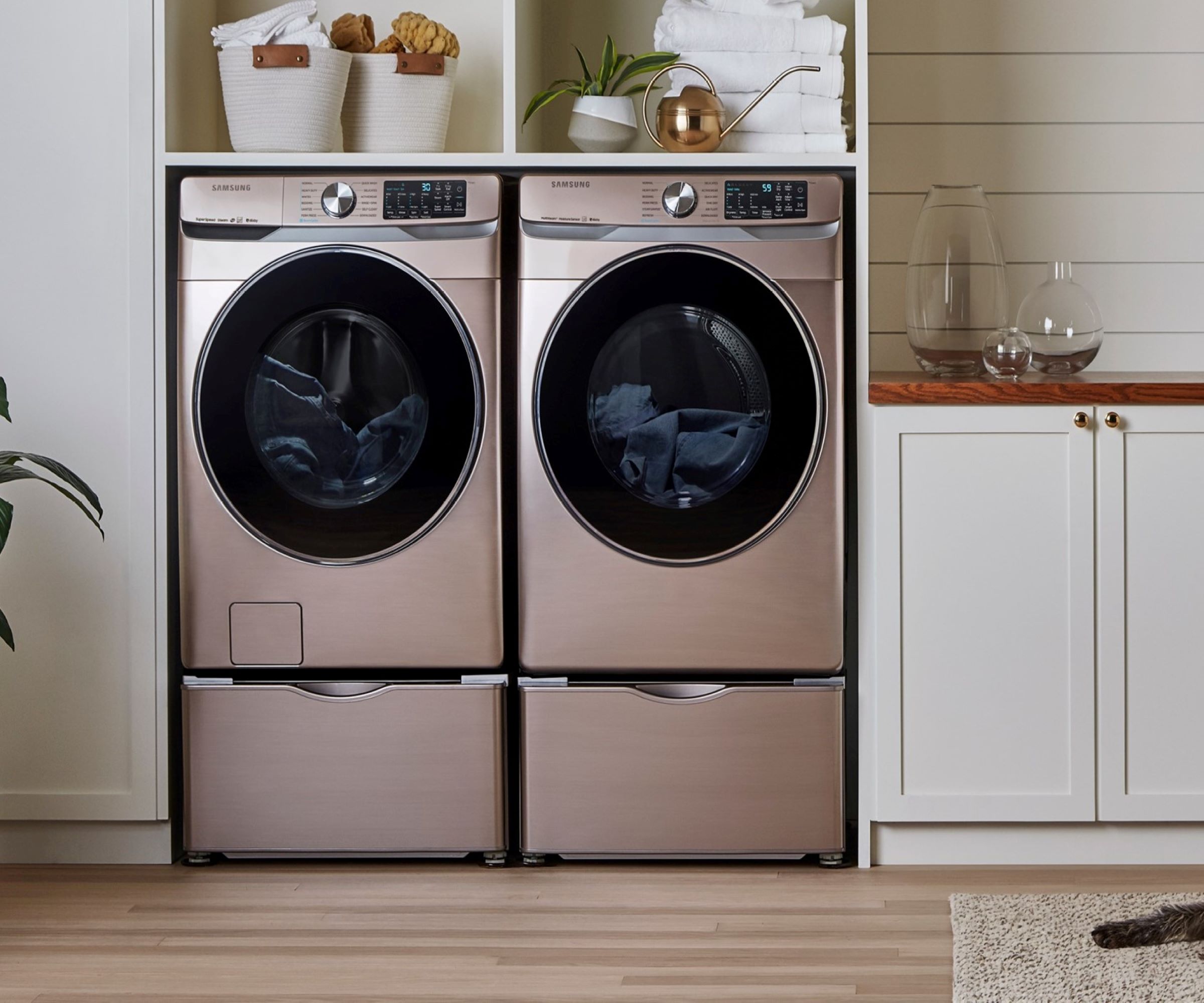
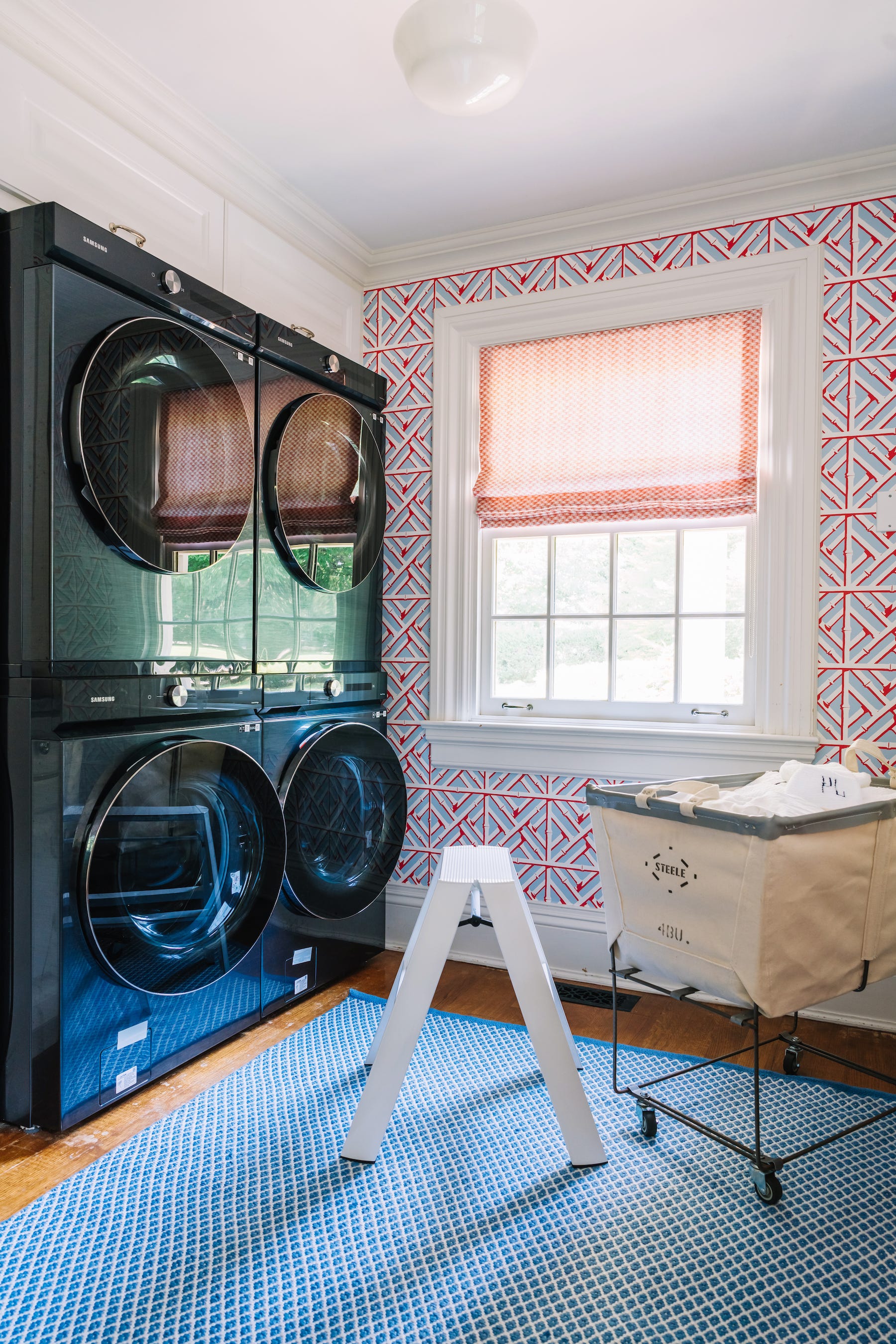
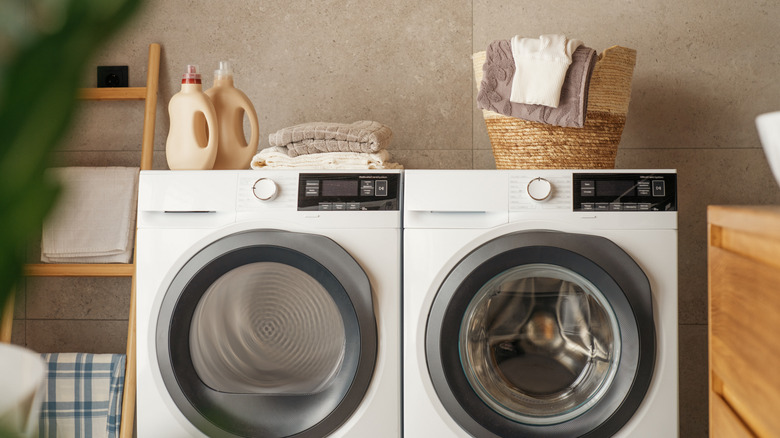
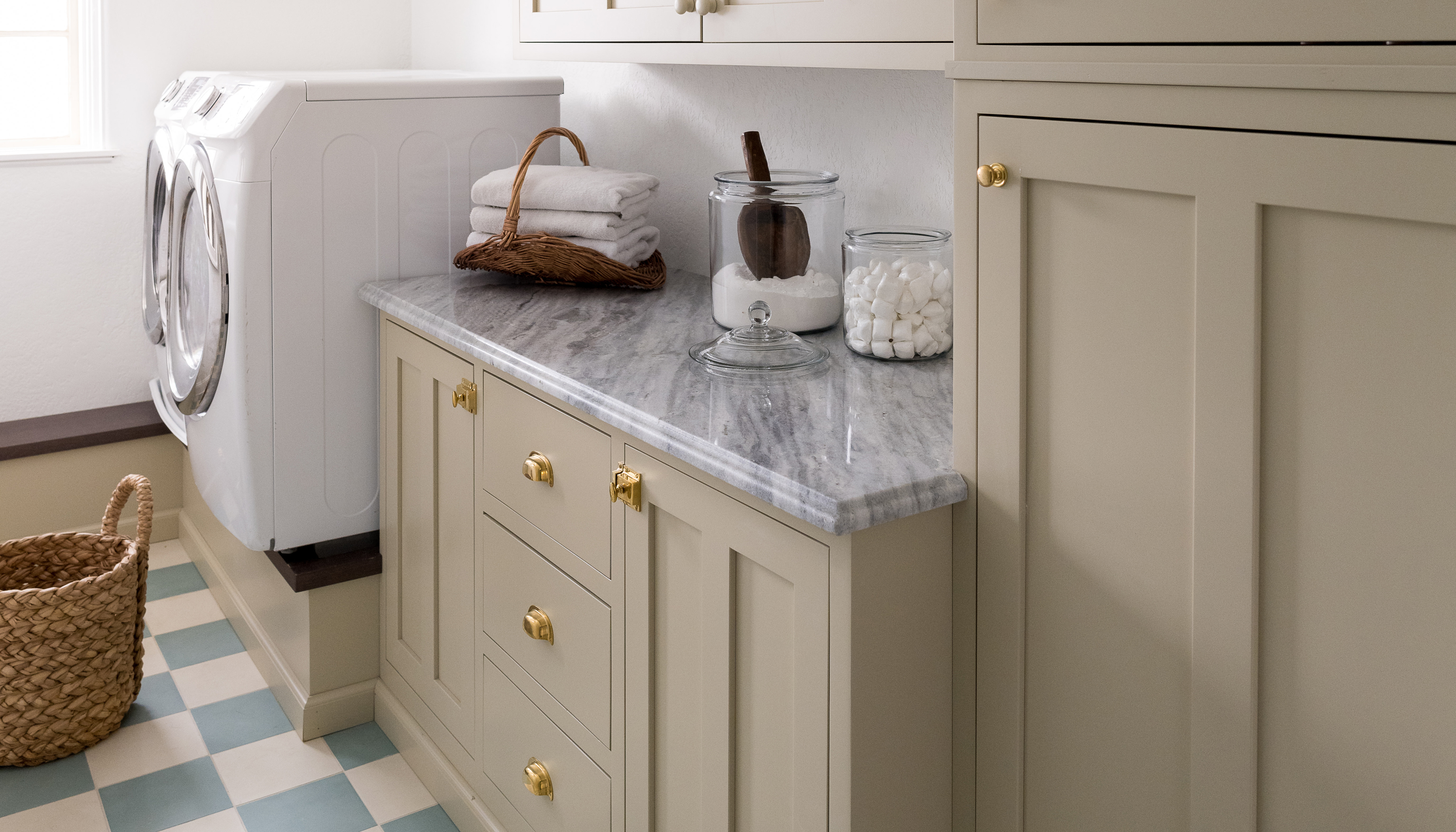
For those who desire the feel of a dedicated laundry room but lack the space, building a countertop over side-by-side front-load washers and dryers is recommended. This provides valuable surface area. The key to distraction lies in decorating this countertop and any accompanying shelving with items beyond just practical laundry supplies. Introducing decorative elements helps draw the eye away from the appliances, contributing to a more cohesive design.
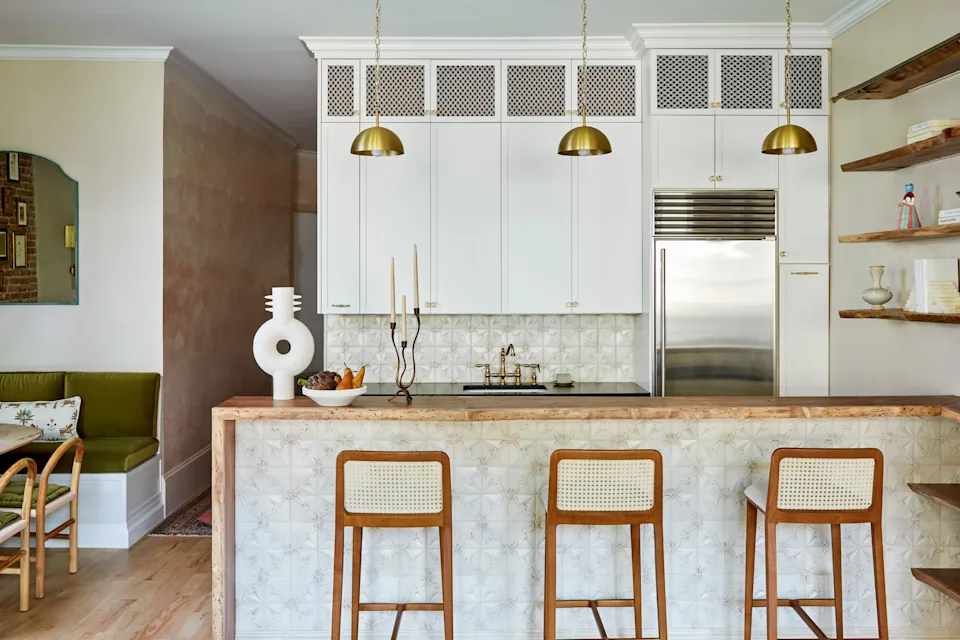
Innovative solutions for laundry setups in open-plan living areas include incorporating appliances into dividing units. An industrial packing table placed over machines, with upholstered panels on three sides, can serve as both a concealed laundry area and a room divider, creating a workspace on one side and a cozy alcove on the other. Similarly, integrating a washer and dryer within a kitchen island is another practical approach for open-plan homes.
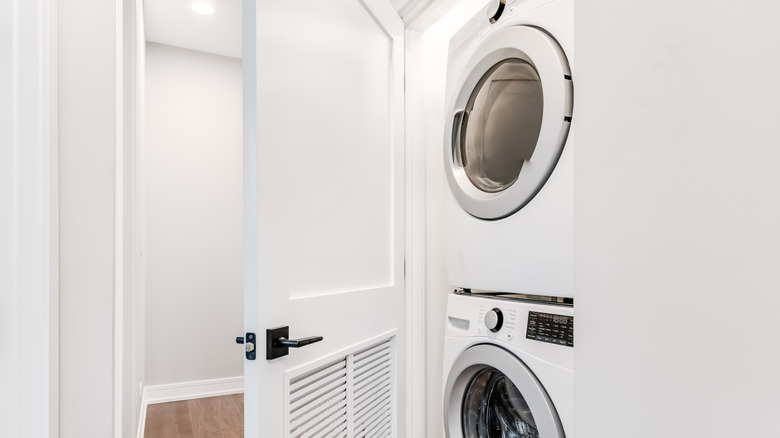
Finally, making use of often-overlooked spaces like alcoves and wider hallways can provide ideal hidden laundry areas. Deep passages, which create thickness between rooms, can be cleverly utilized for custom-built laundry rooms complete with sinks and folding tables. These hidden utility spaces can be strategically located for convenience, offering full functionality without compromising the overall interior design. When enclosing appliances, it is crucial to ensure adequate space (approximately 4 inches) behind for drainage pipework and 1 inch around the appliance for ventilation and movement, applicable to both front-load and stackable machines. For top-load appliances, tall cabinets can be used, with space above for hanging clothes or shelving, and considerations for ventilation if clothes are to be aired inside.
#LaundryRoomDesign #WasherDryerStorage #HomeOrganization #InteriorDesignTips #SmallSpaceSolutions #FunctionalDecor #ApplianceConcealment #LaundryAppliances #CabinetrySolutions #LaundryRoomDesign #WasherDryerStorage #HomeOrganization #InteriorDesignTips #SmallSpaceSolutions #FunctionalDecor #ApplianceConcealment #LaundryAppliances #CabinetrySolutions
0 comment in total
 No comments yet
You may also like
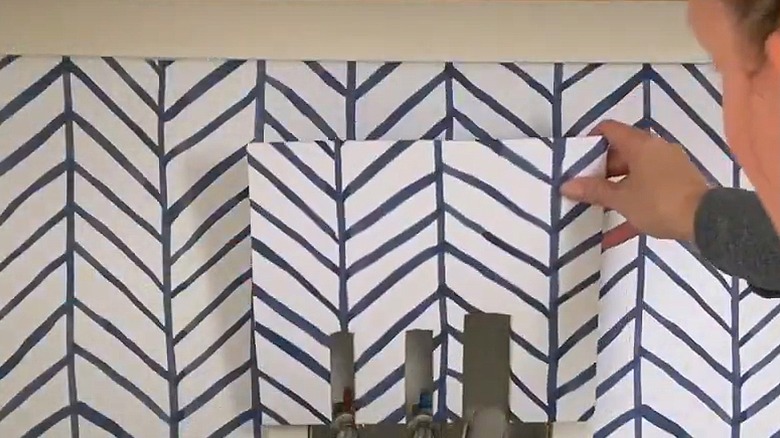
12 Best Ways To Hide Your Washing Machine Hookups

This washing machine placement mistake could be damaging your appliance – here's where to put it instead
How to hide a kitchen fridge – experts share their top tips
Conveniently Hide Your Laundry Basket With A Practical Storage Solution
6 genius ways to sneak a washer dryer into a small home – even if you don't have space for a laundry room

12 Washer And Dryer Countertop Ideas That Are So Simple And Stylish
38 Stylish Laundry Rooms with Stacked Washer Dryers

The Best Stackable Washers and Dryers That Cleaning Experts Trust

How to Hide an Air Fryer in a Kitchen — 6 Practical Solutions to Conceal Bulky Appliances From Sight

The Home Appliance Design Hilary Farr Relies On For Its Space-Saving Benefits
Clever Built-Ins Hide All the Clutter in This Basement Laundry Room
How to Make Your Laundry Room Cute As Hell, According to an ELLE DECOR Editor

4 Clever Ways Designers Keep Kitchen Appliances Out Of Sight
Should I raise my washer and dryer? This is why I wish I'd invested in a laundry pedestal
The Best Washer and Dryer Pedestals for Your Laundry Room

The 13 Best Things You Can Buy for Your Laundry Room (for Under $50)

How to Hide an Air Fryer in a Kitchen — 6 Practical Solutions to Conceal Bulky Appliances From Sight
The 7 best best clothes horses, drying racks and airers that will suit all spaces

Best places to buy washer dryers
Wondering Where to Store Your Laundry Basket? Try These 6 Clever Ideas