1/4
How do you hide a kitchen fridge so it looks chic but is still functional? This is the tried-and-tested method designers swear by
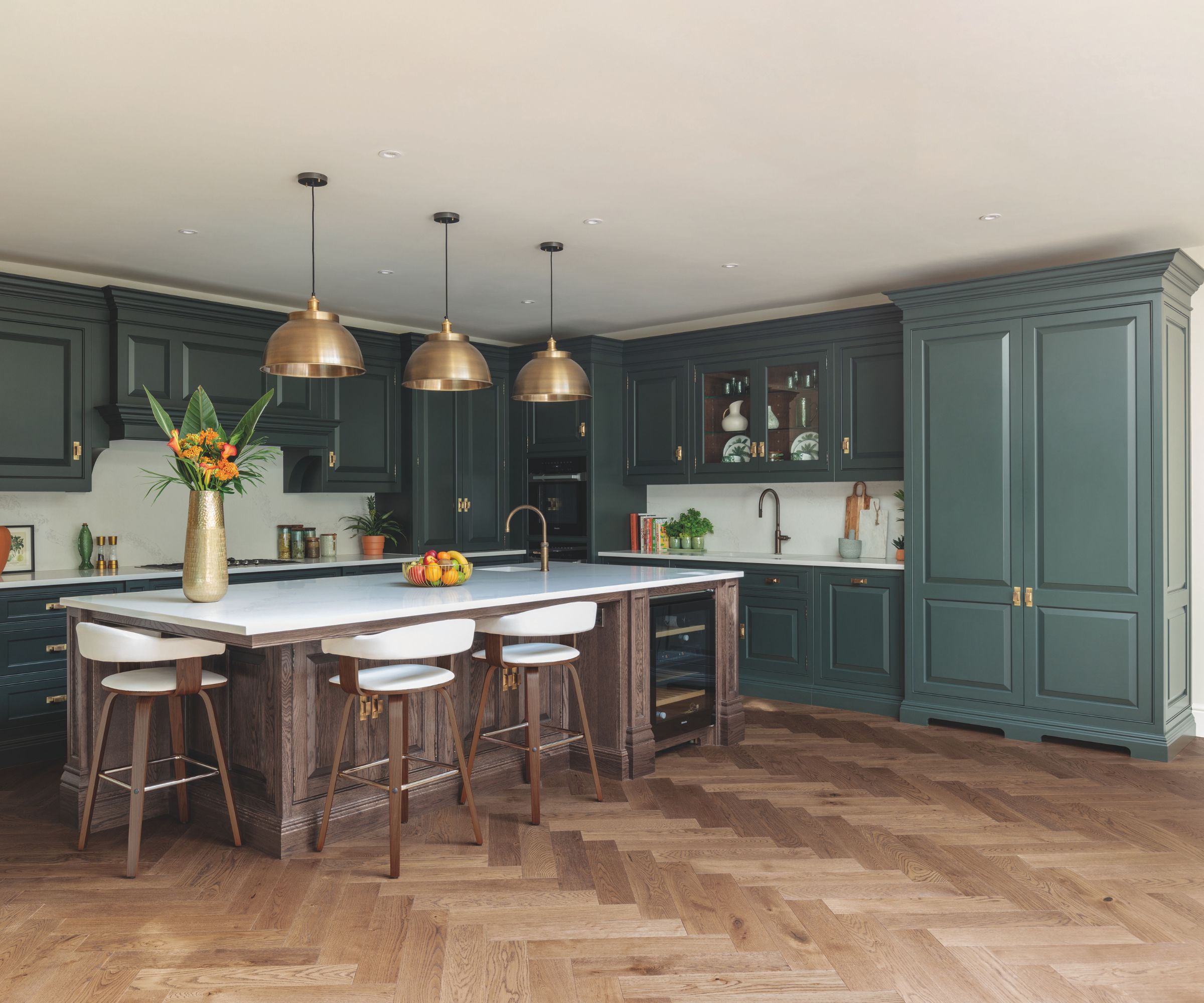
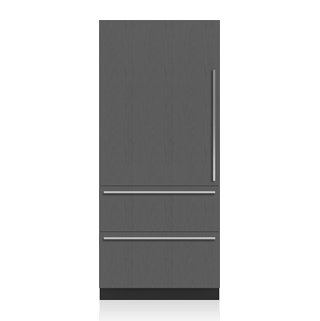
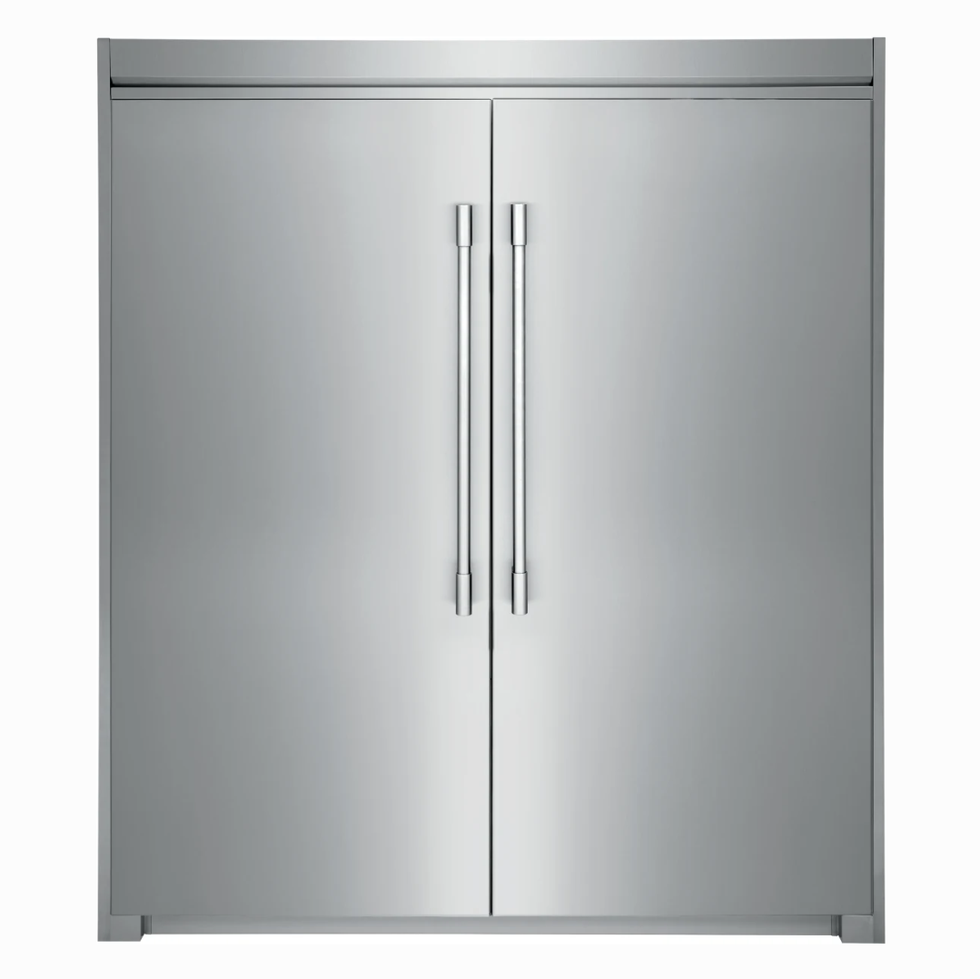
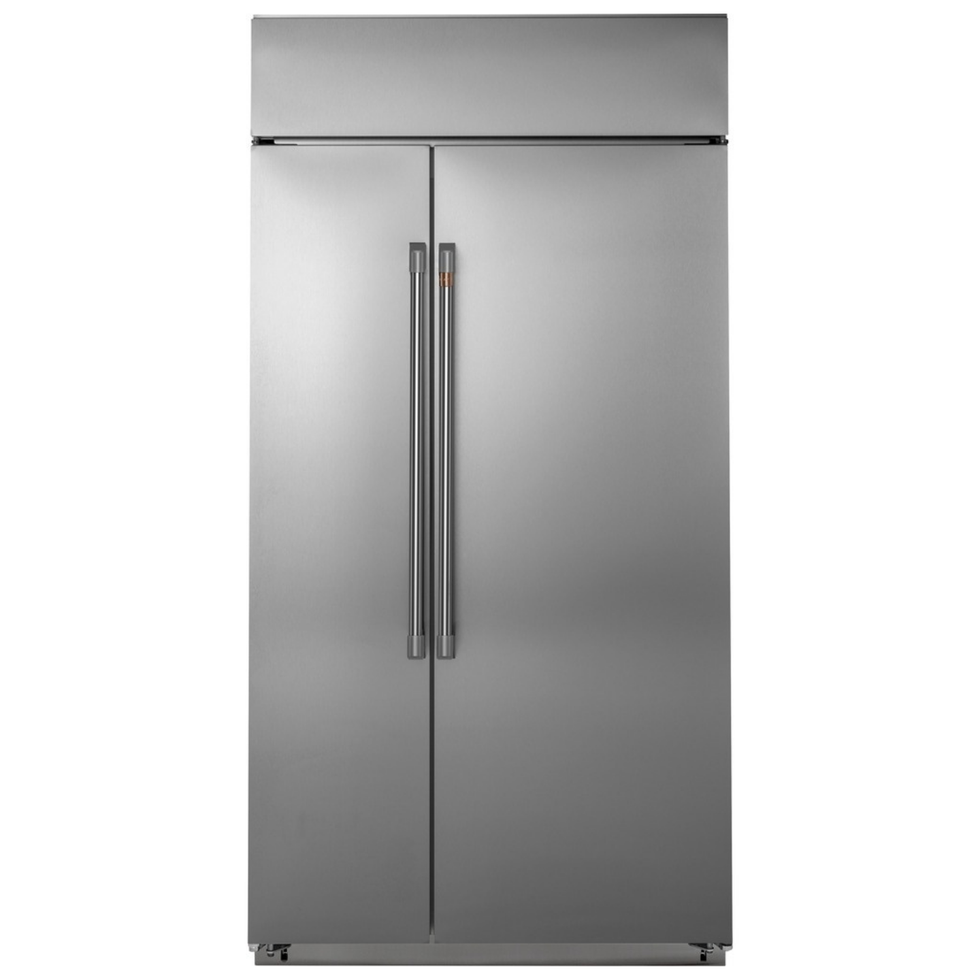
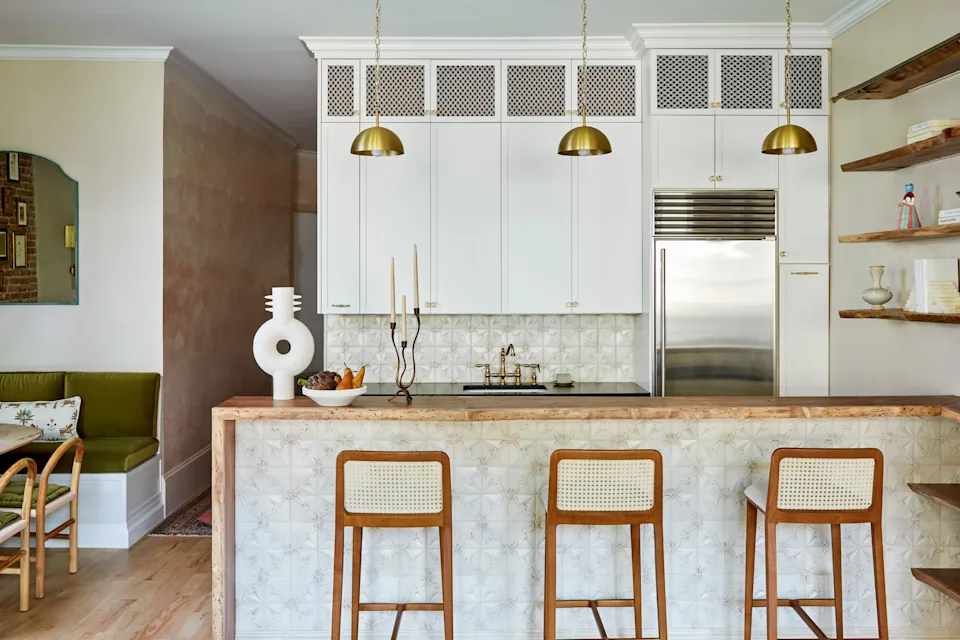
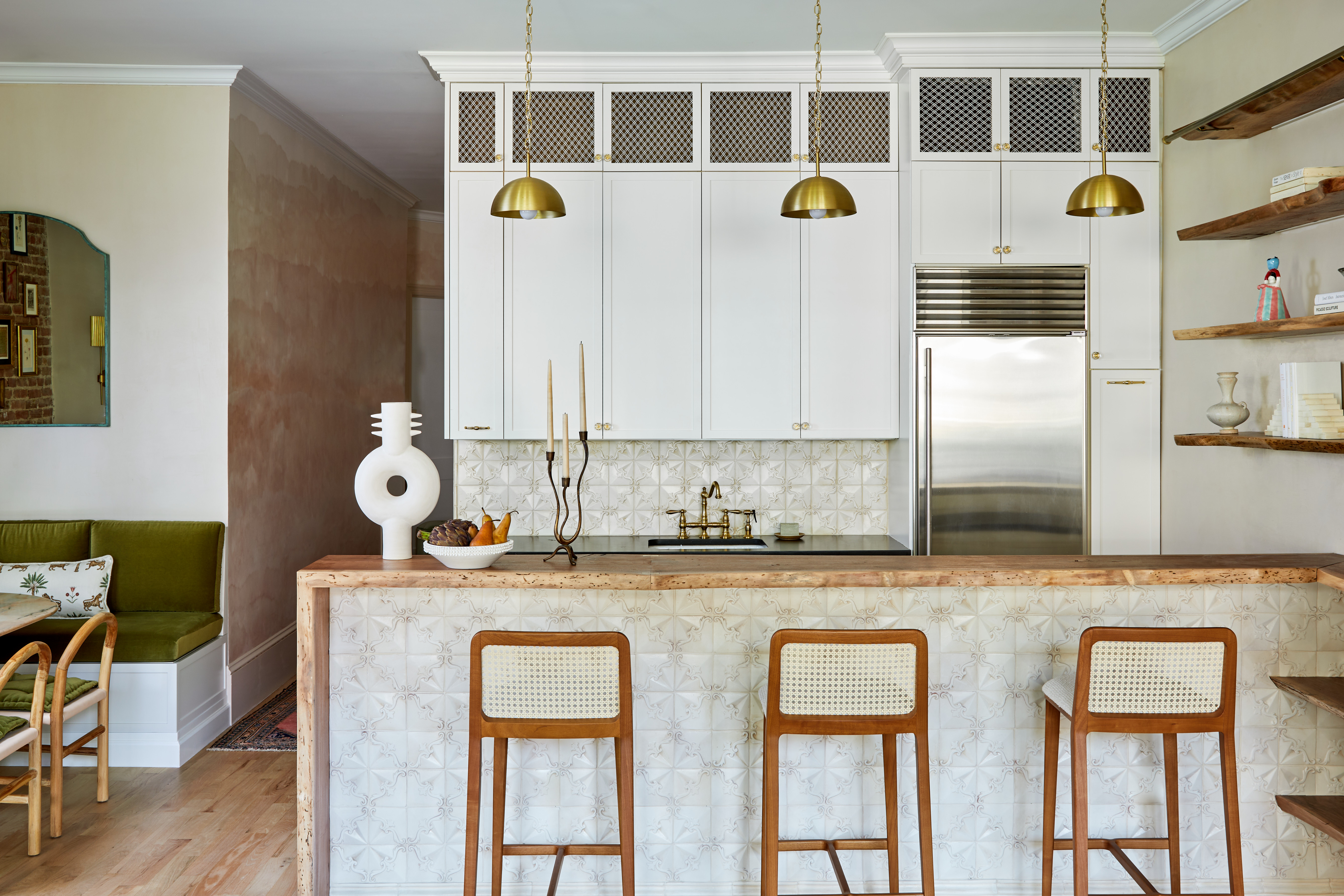
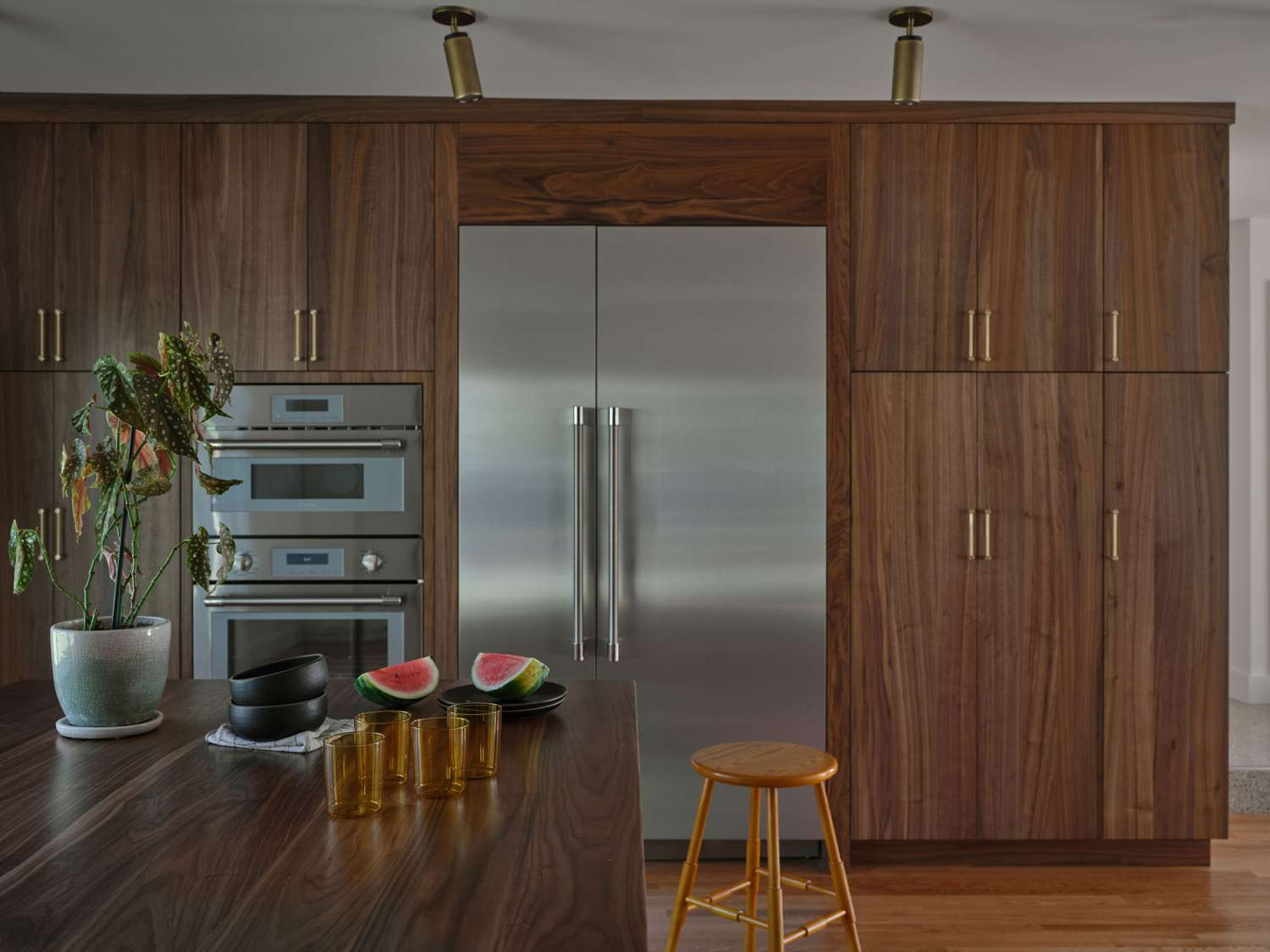
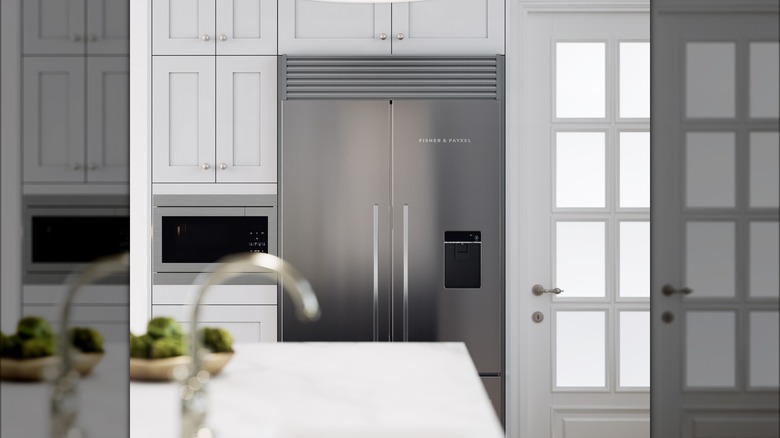
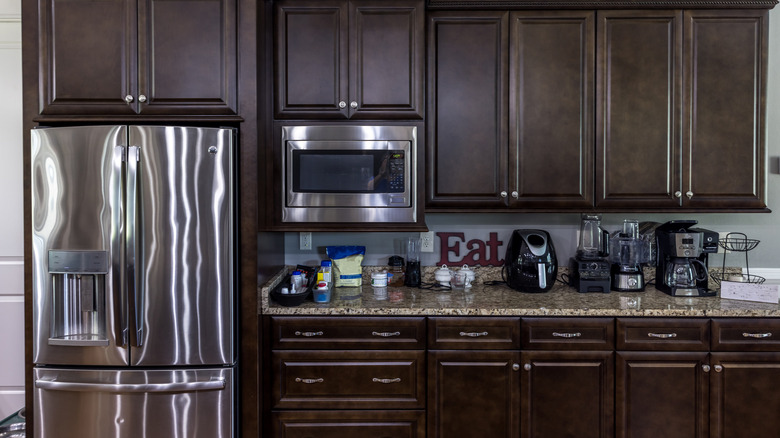
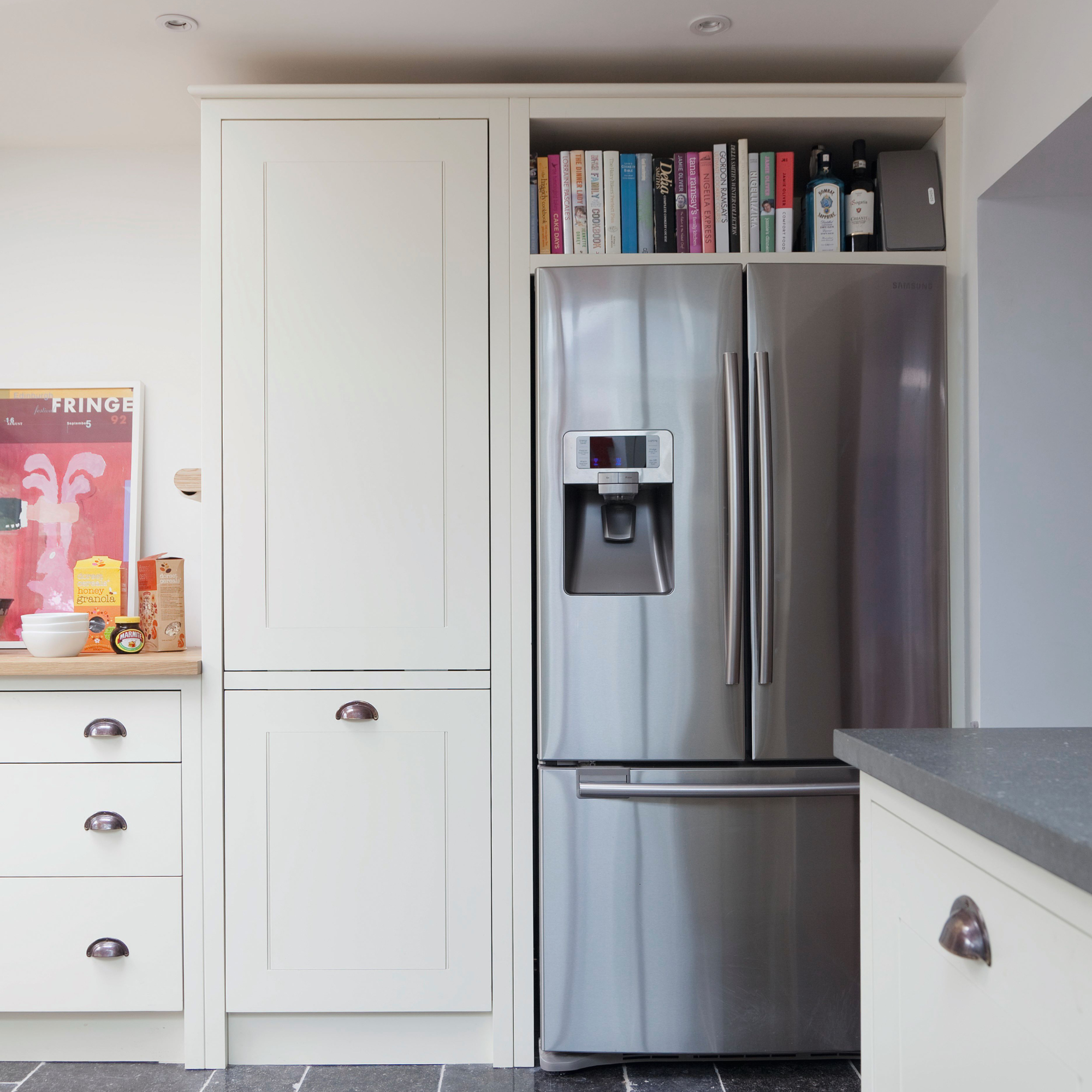
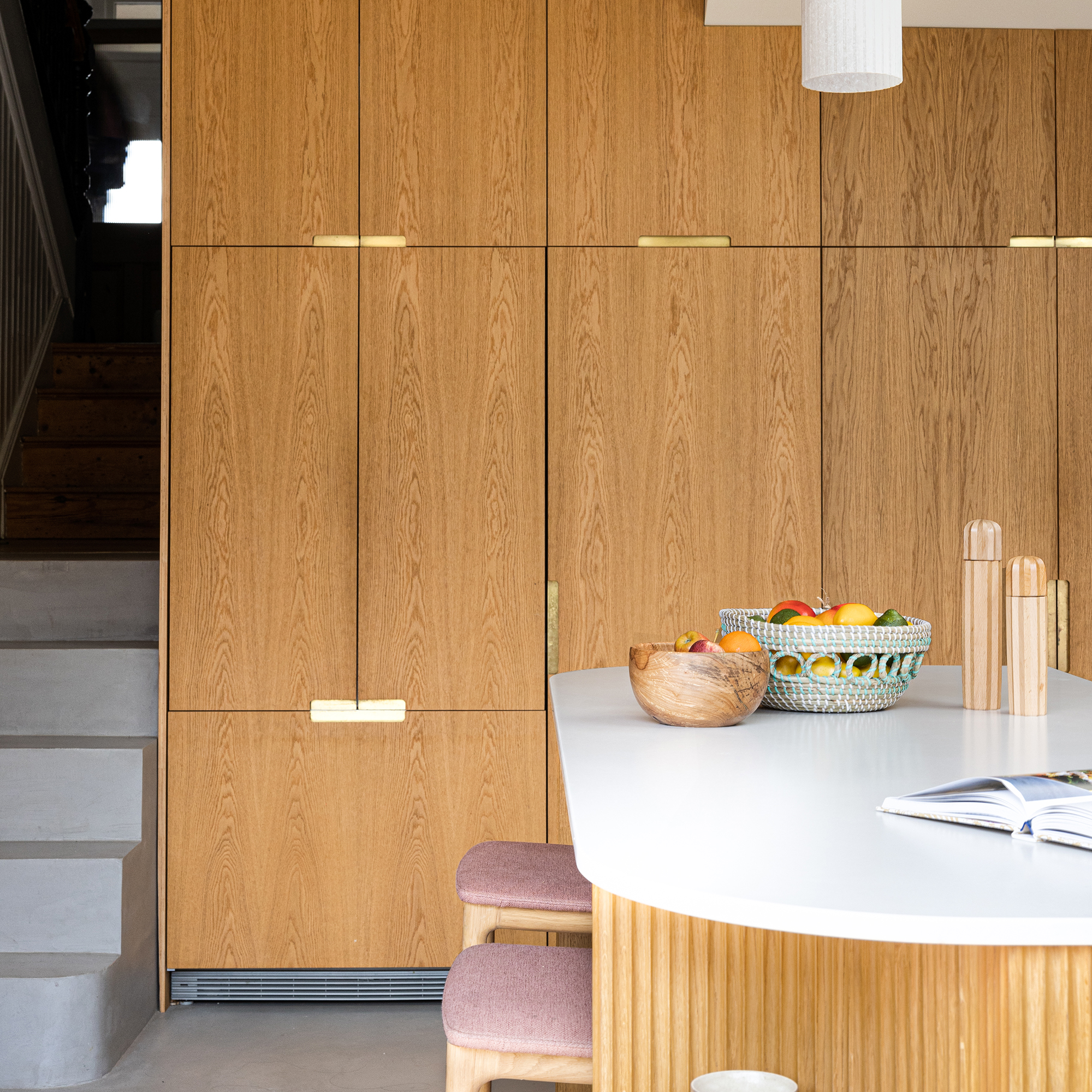
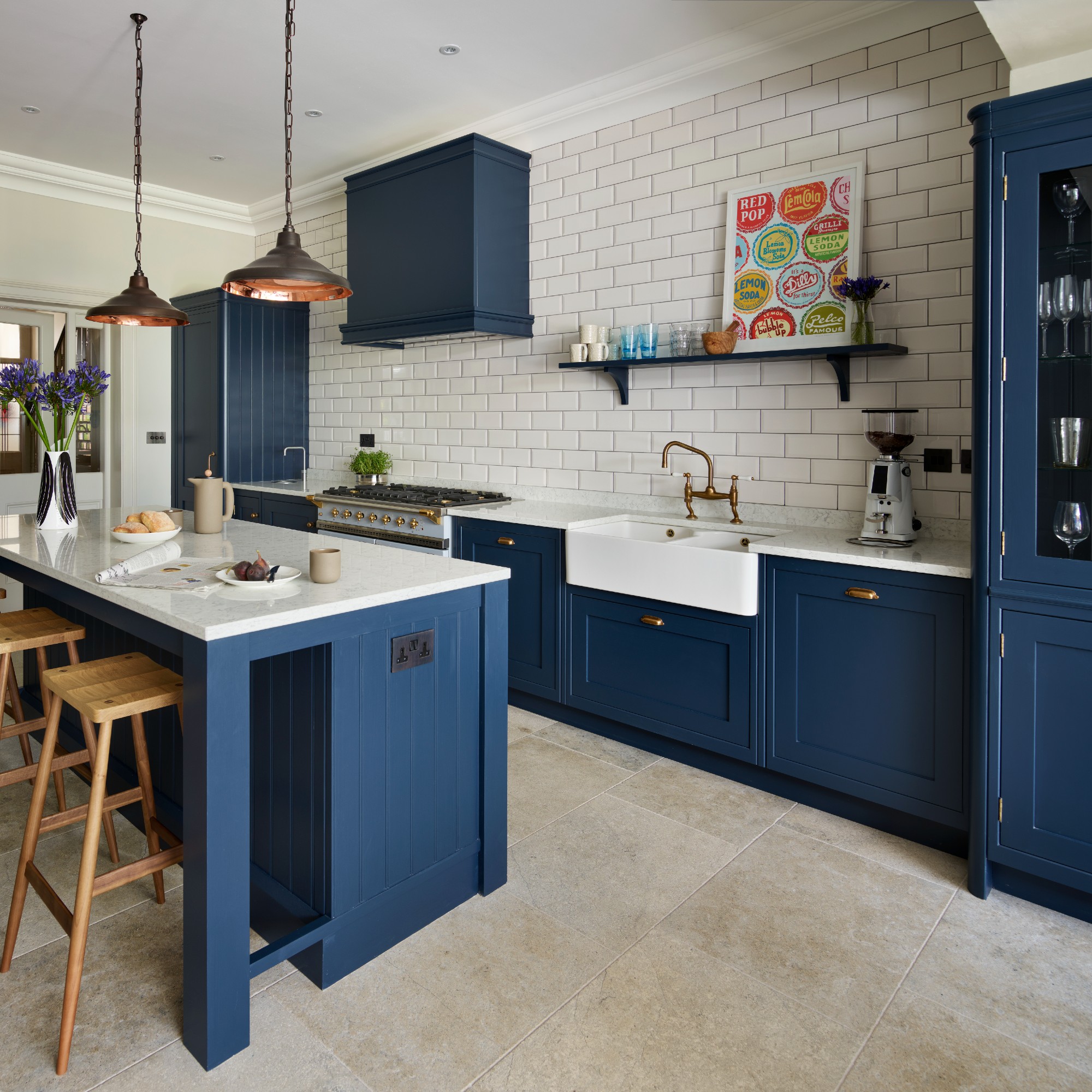
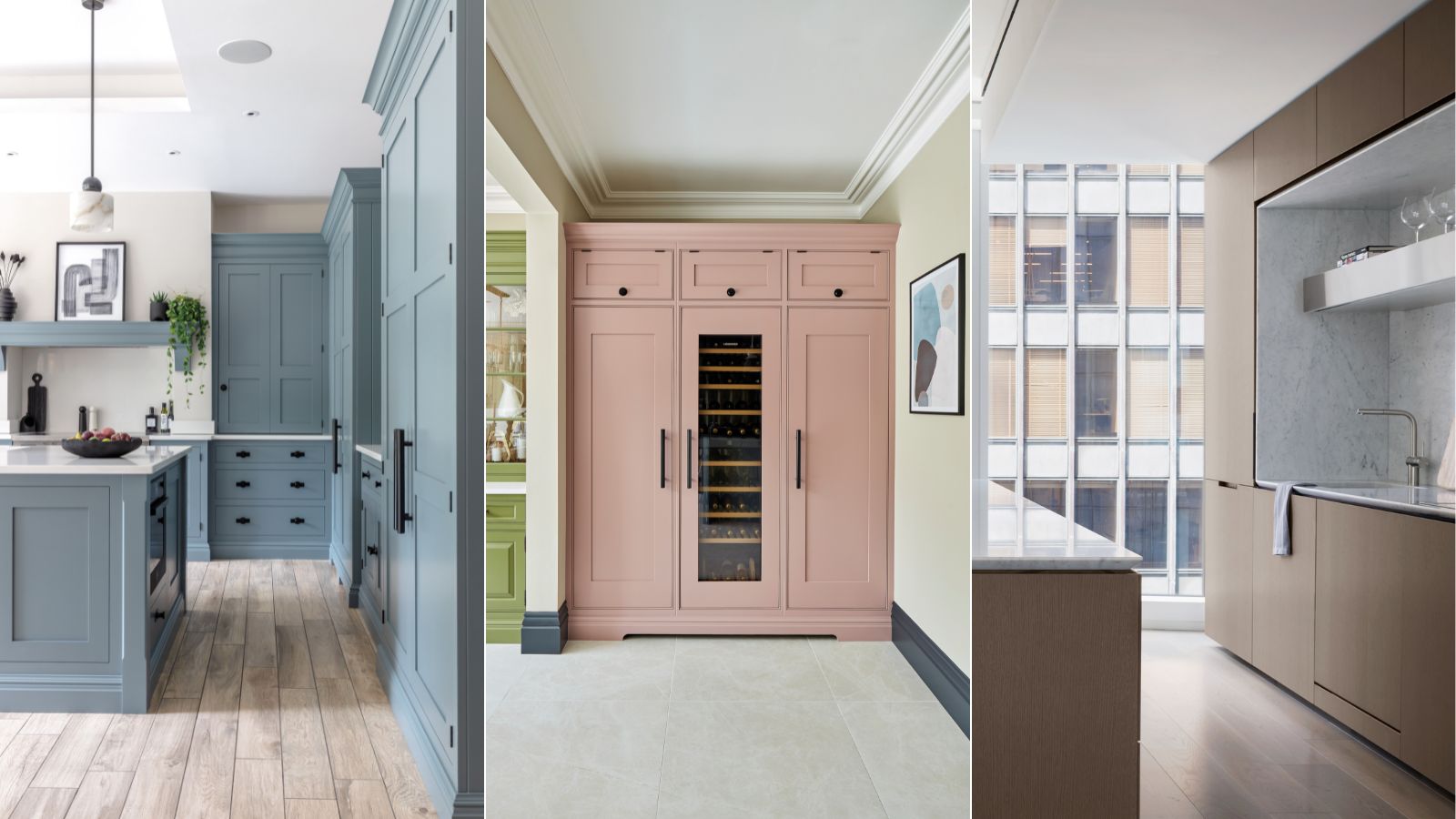
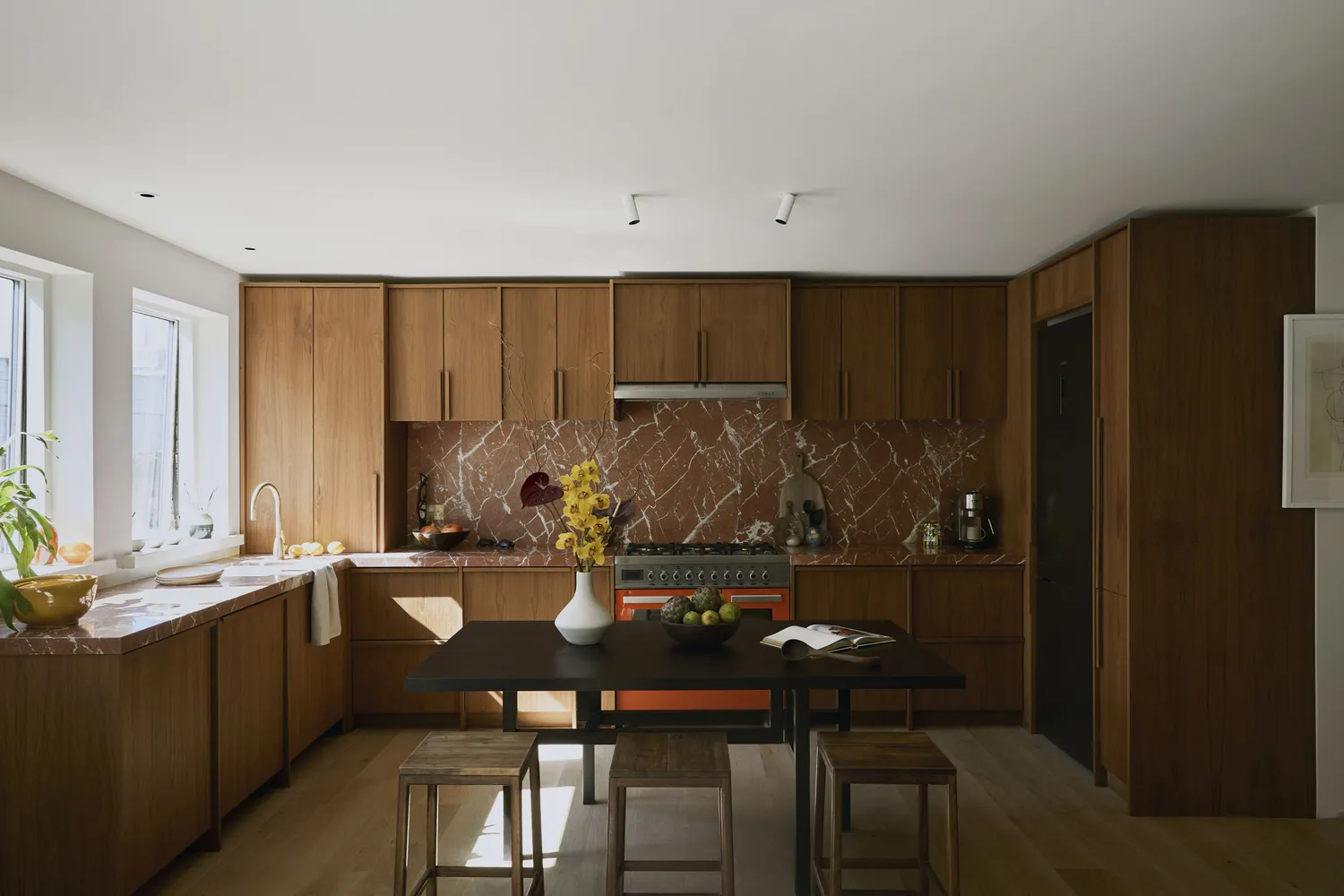
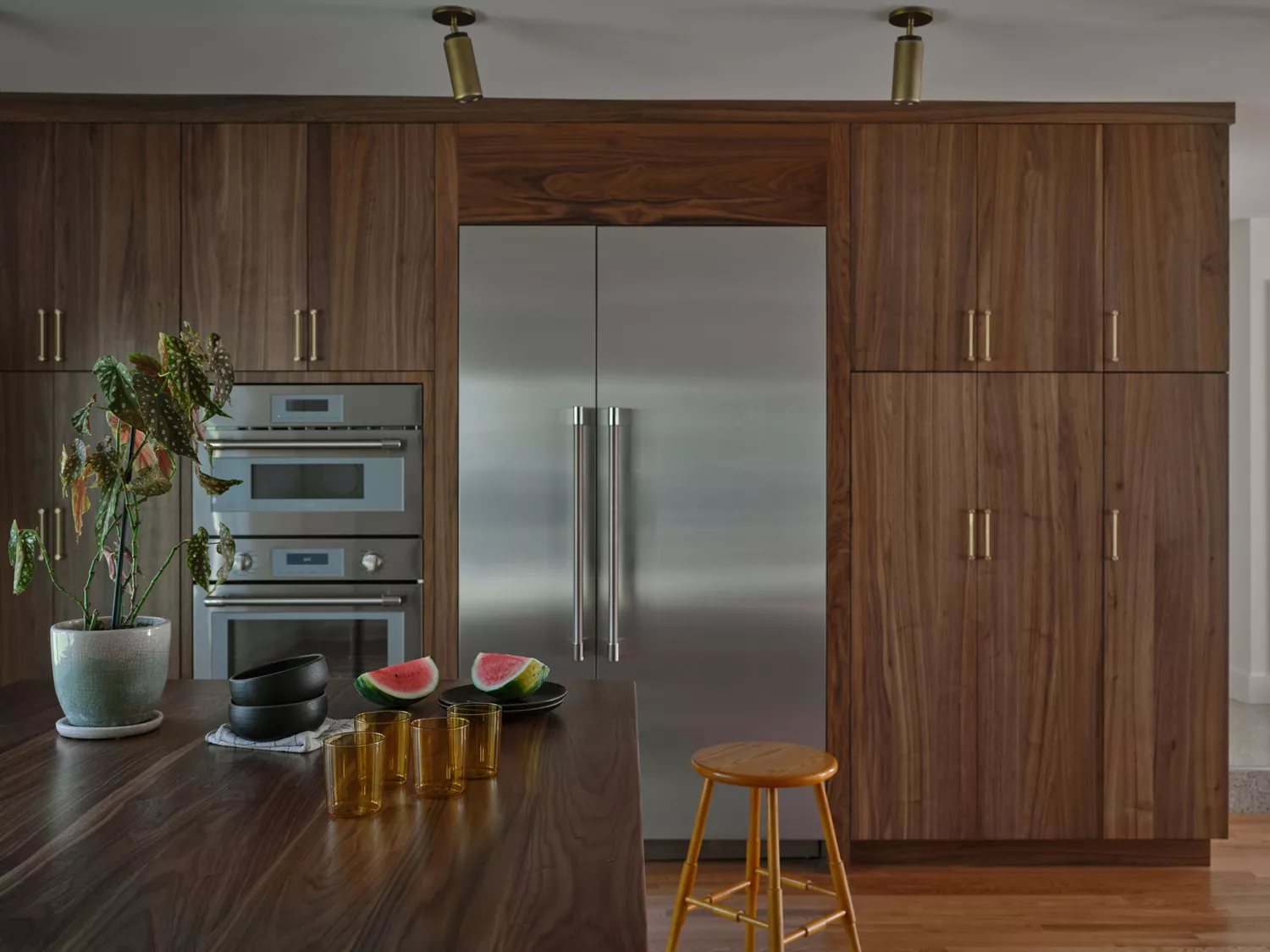
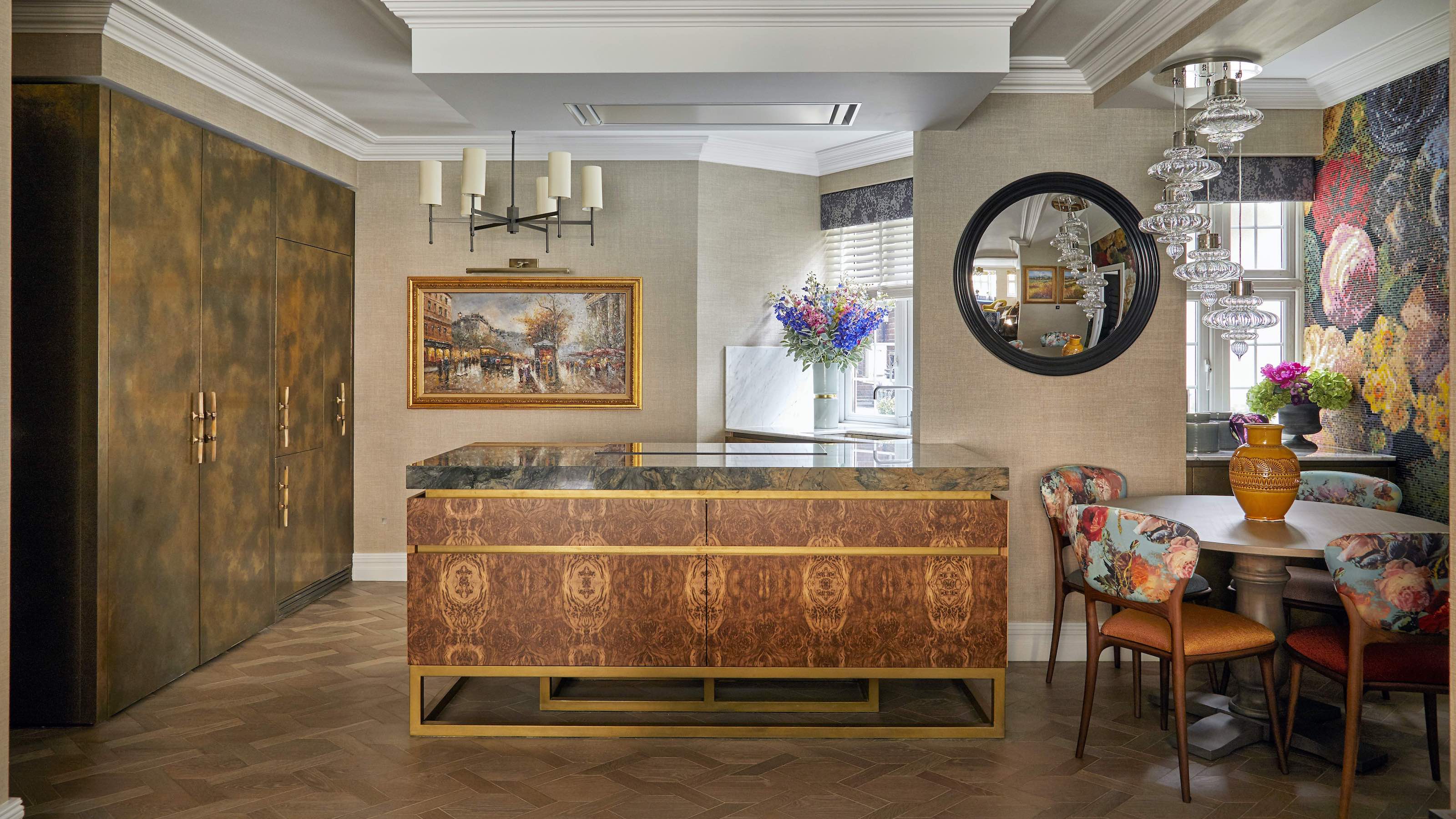
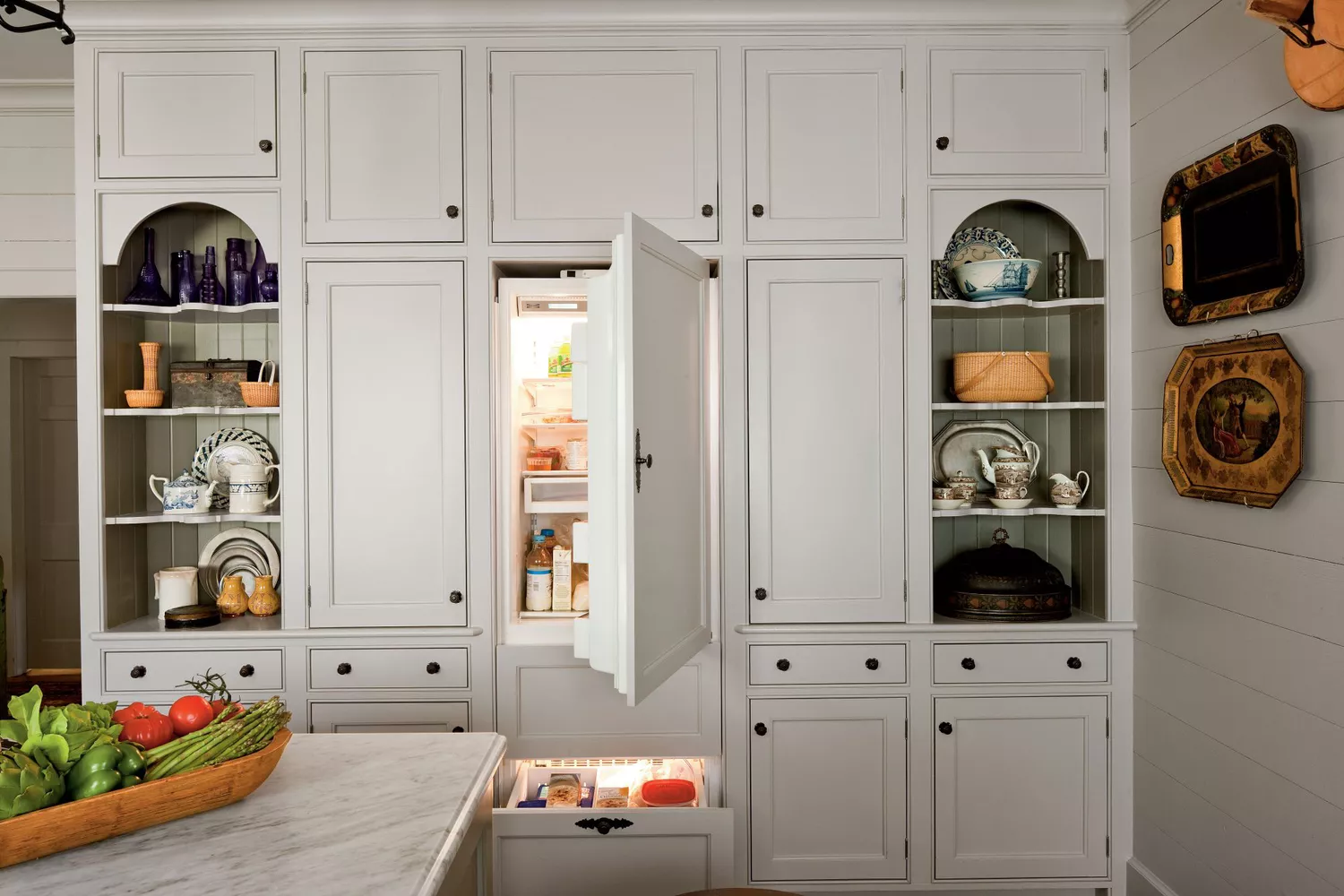
Concealing a kitchen fridge effectively integrates it into the overall kitchen aesthetic, transforming it from a prominent appliance into a seamless design element. This approach is particularly favored by designers to enhance the visual cohesion of a kitchen space. The primary method involves using panel-ready refrigerator models, which allow custom cabinetry panels to be attached directly to the appliance doors. This technique ensures that the fridge's exterior matches the surrounding kitchen cabinets, rendering it virtually invisible and eliminating the visual disruption often caused by a large, metallic refrigerator.
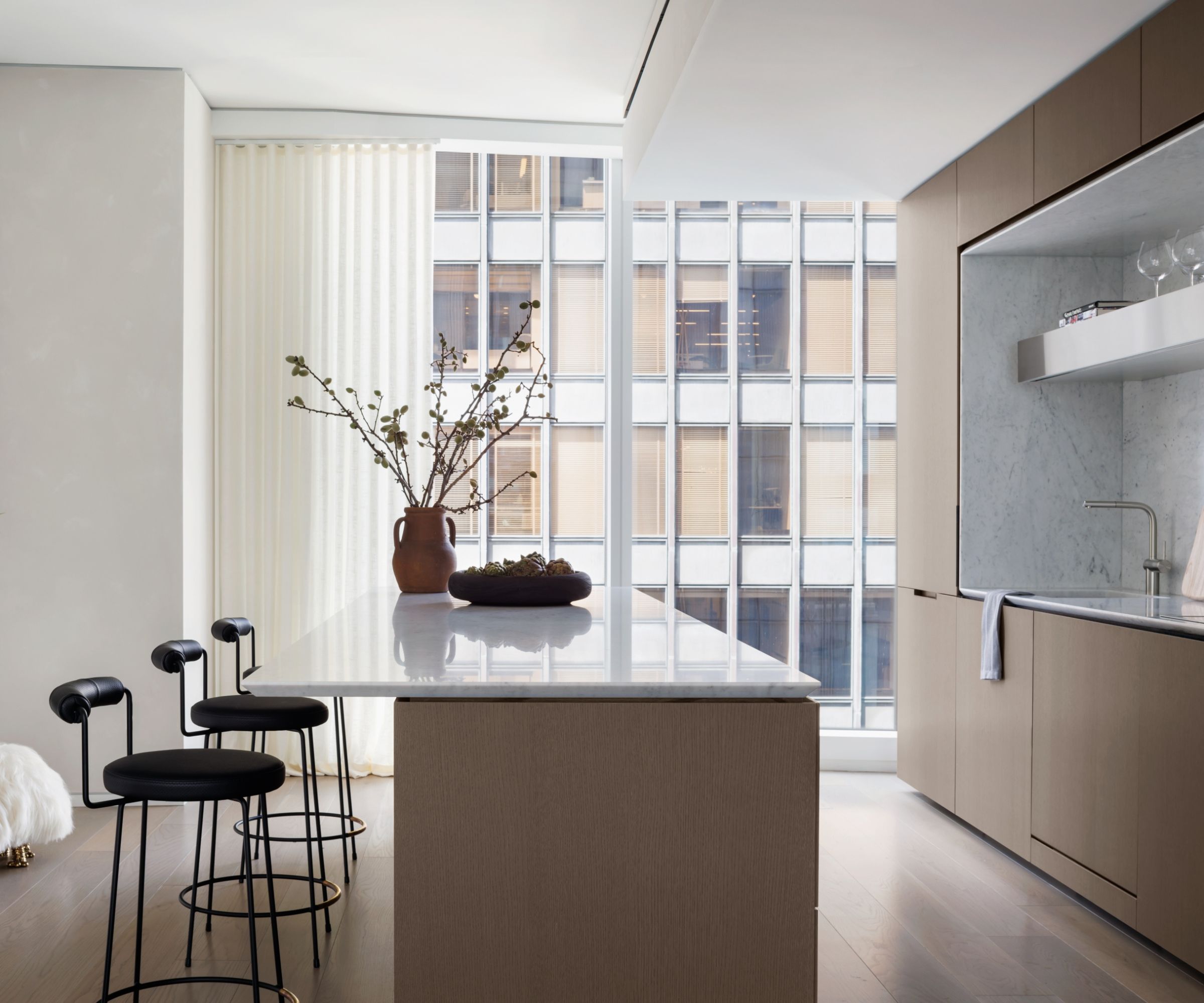
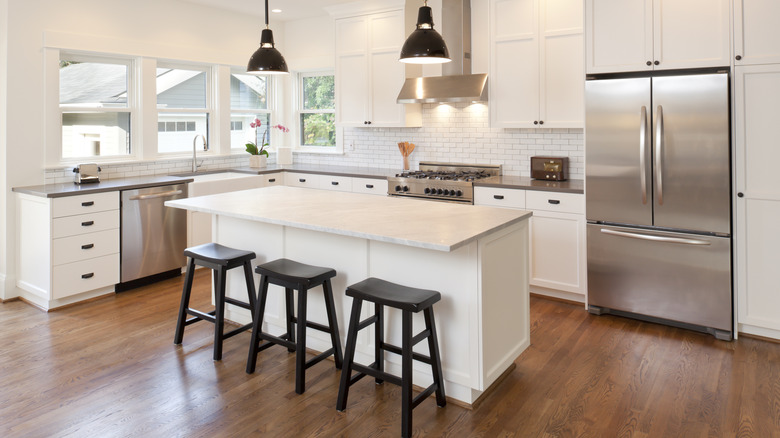
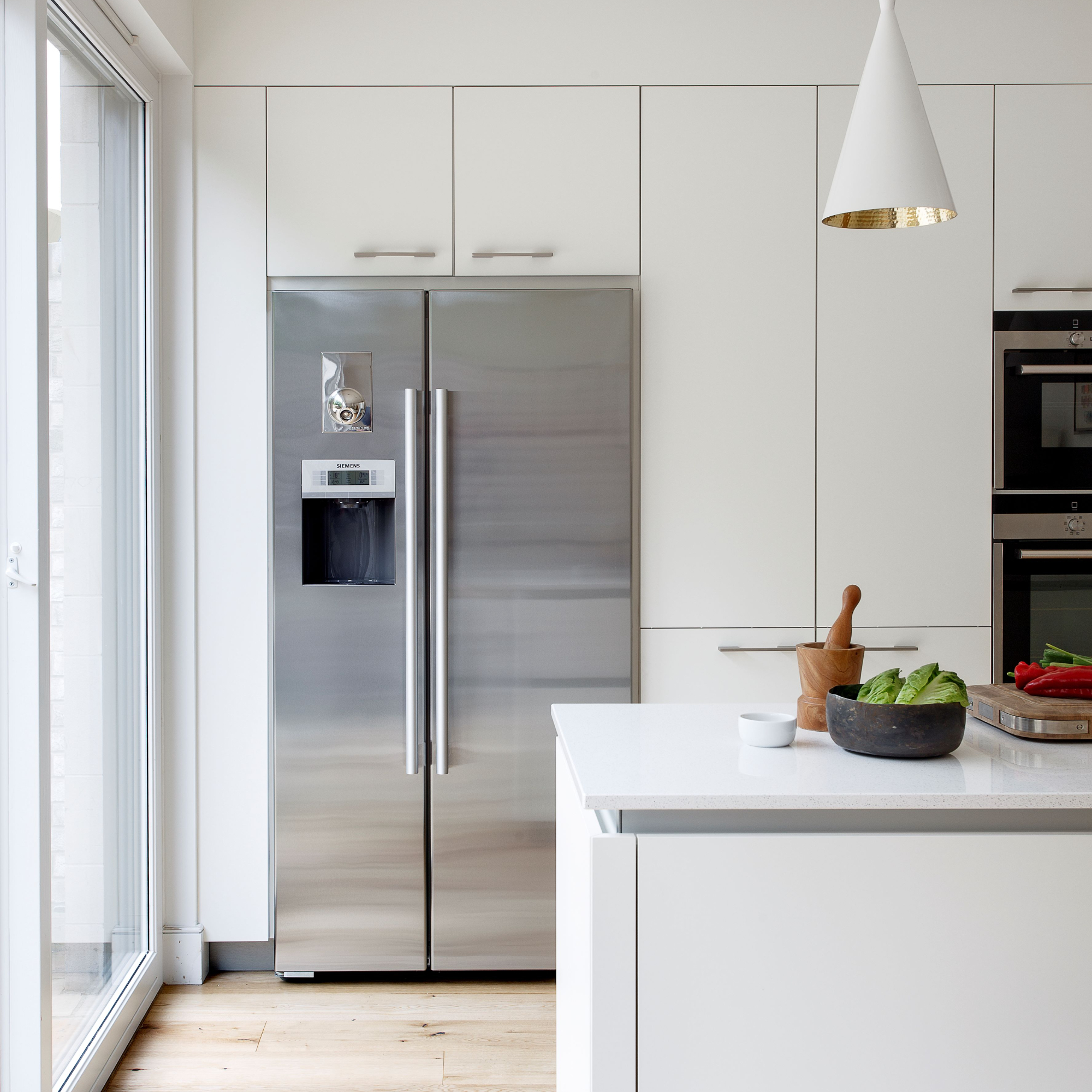
Interior designers emphasize that this method creates a sophisticated and unified look, preventing the fridge from becoming an 'eyesore' that can detract from the kitchen's design. Tama Bell highlights that the lack of visual contrast, such as a large stainless steel box, allows the eye to flow smoothly across the kitchen, contributing to a more harmonious environment. This seamless integration is achievable with both contemporary and traditional kitchen styles, provided that the chosen paneling aligns with the existing decor. For traditional spaces, this method is especially beneficial as it avoids the stark contrast a modern, sleek appliance might present.
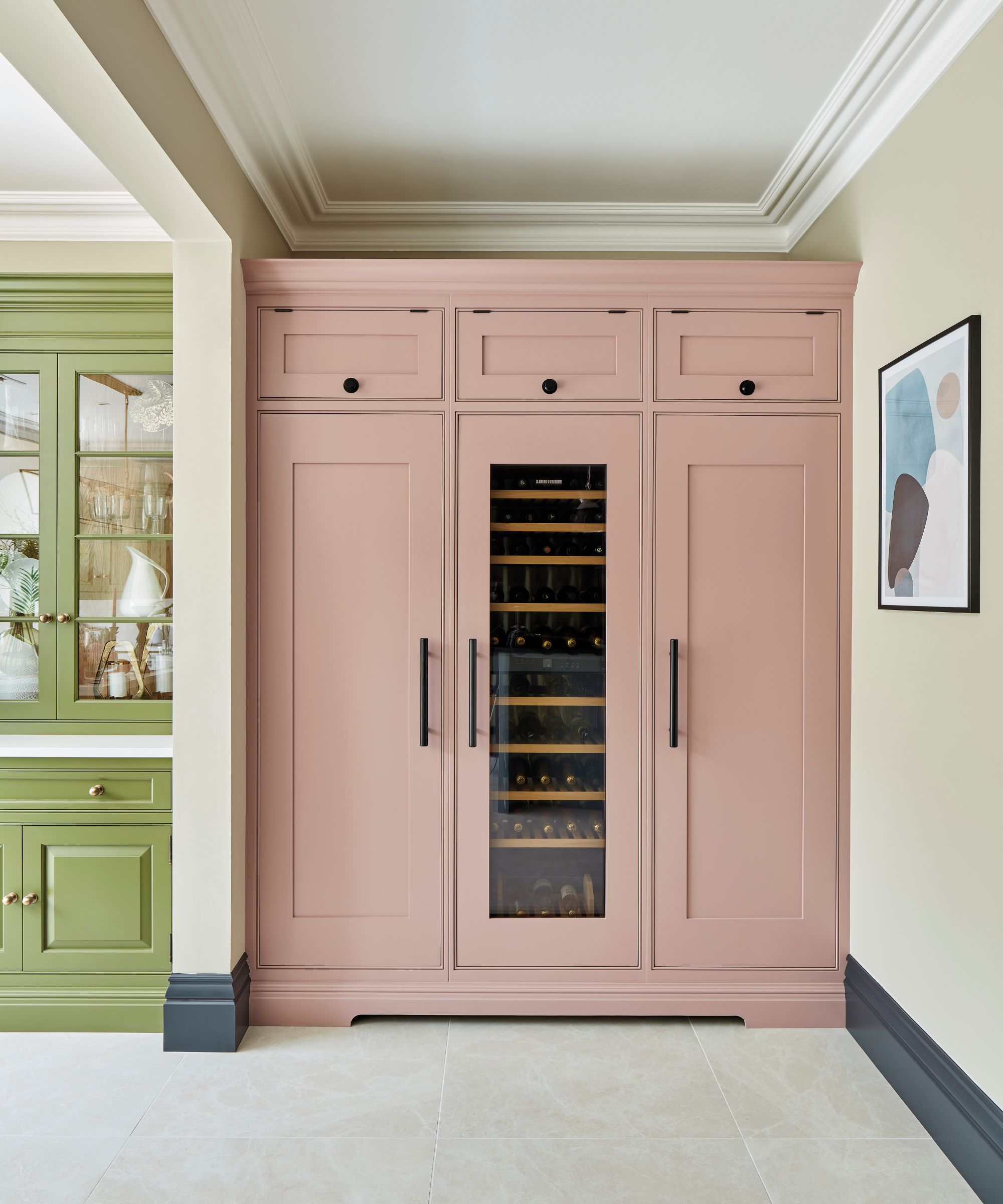
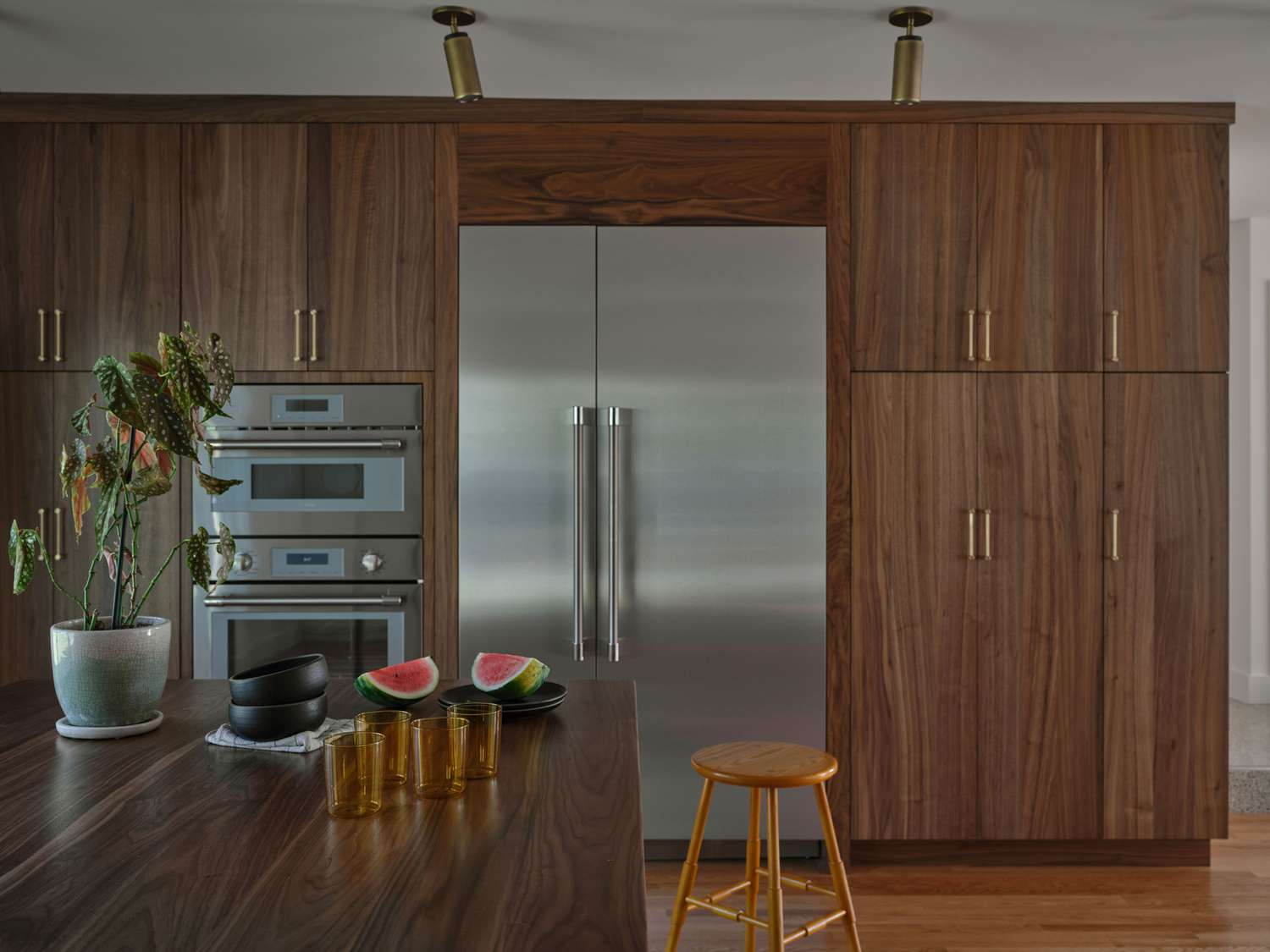
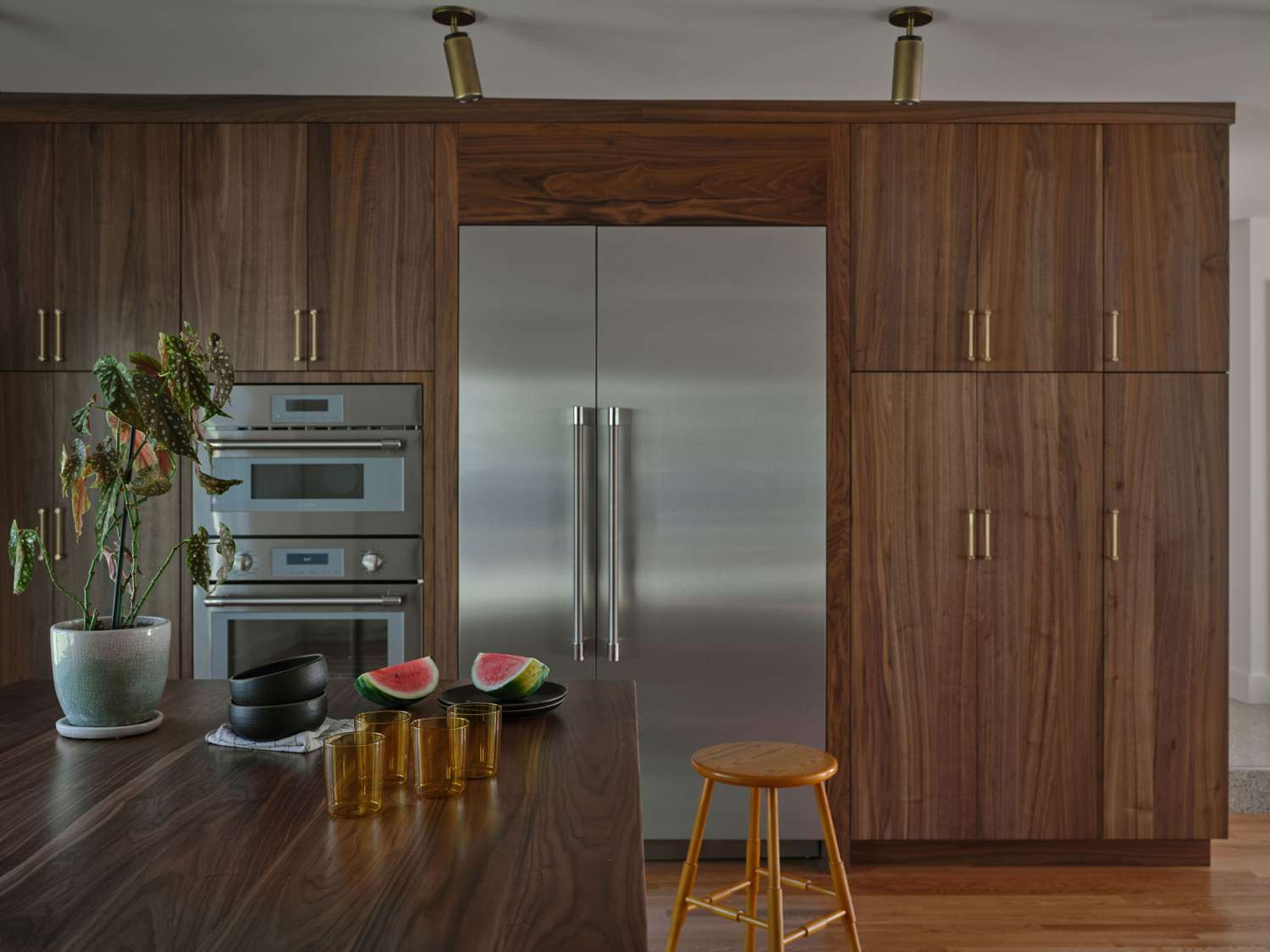
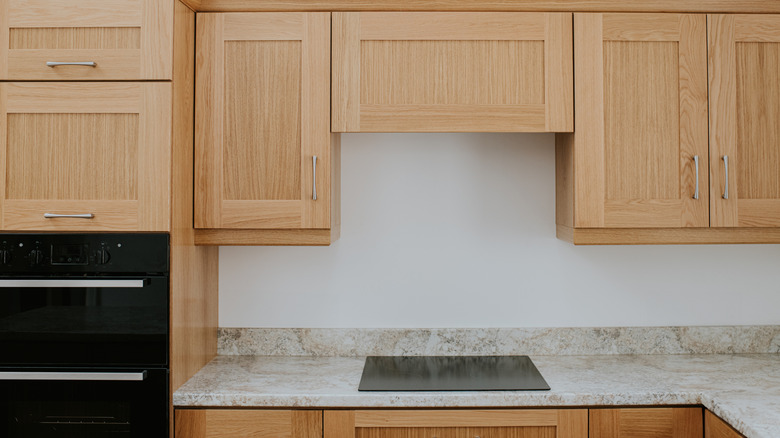
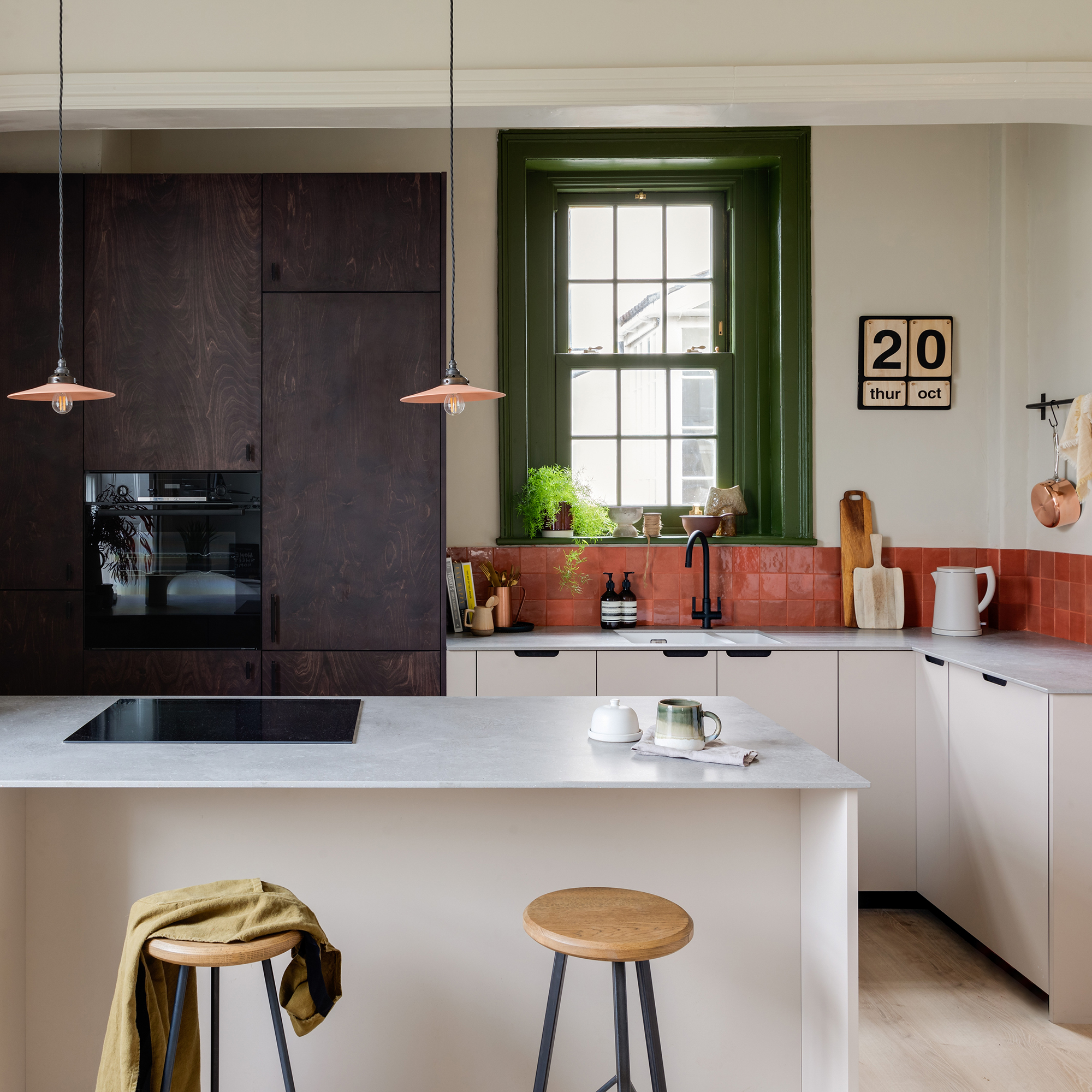
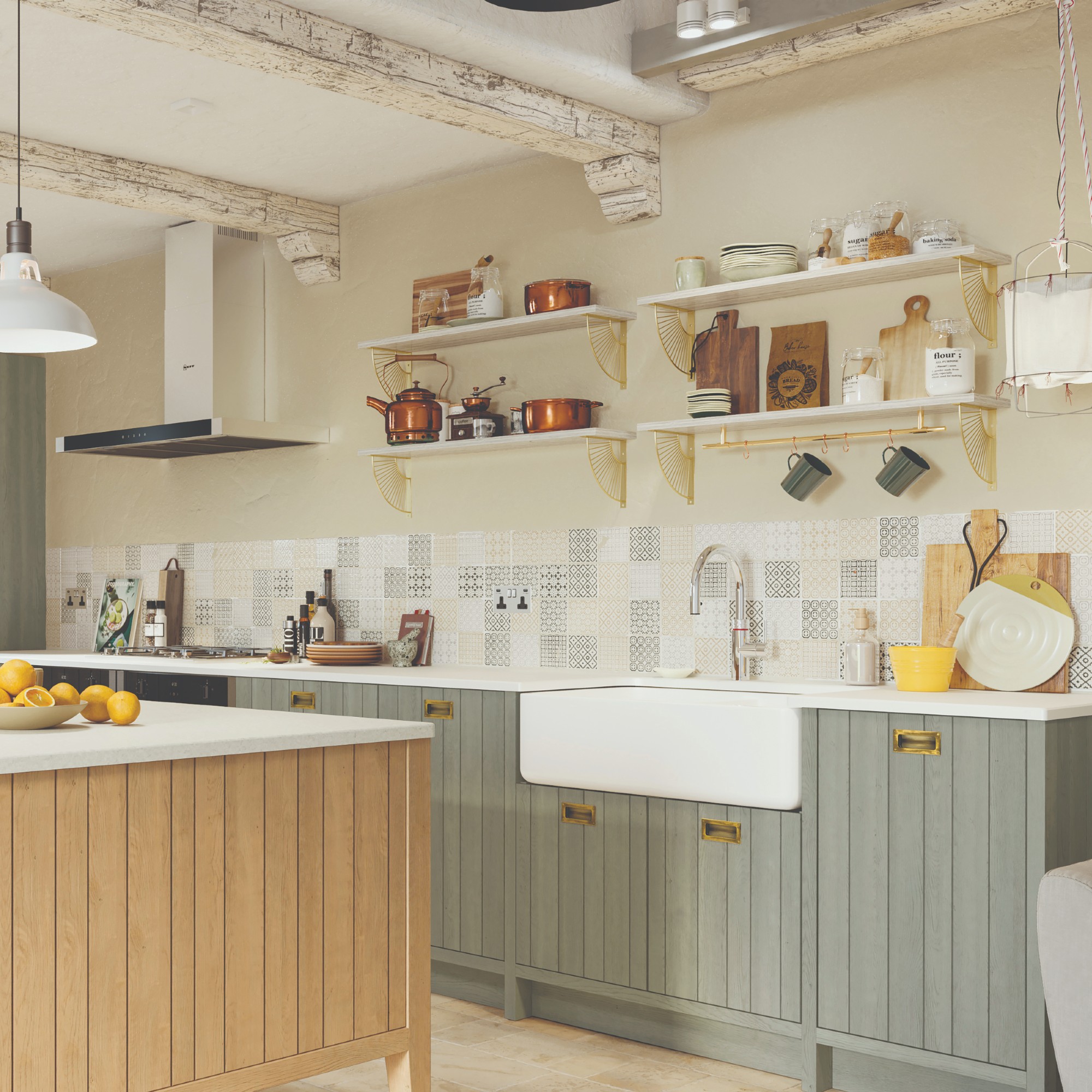
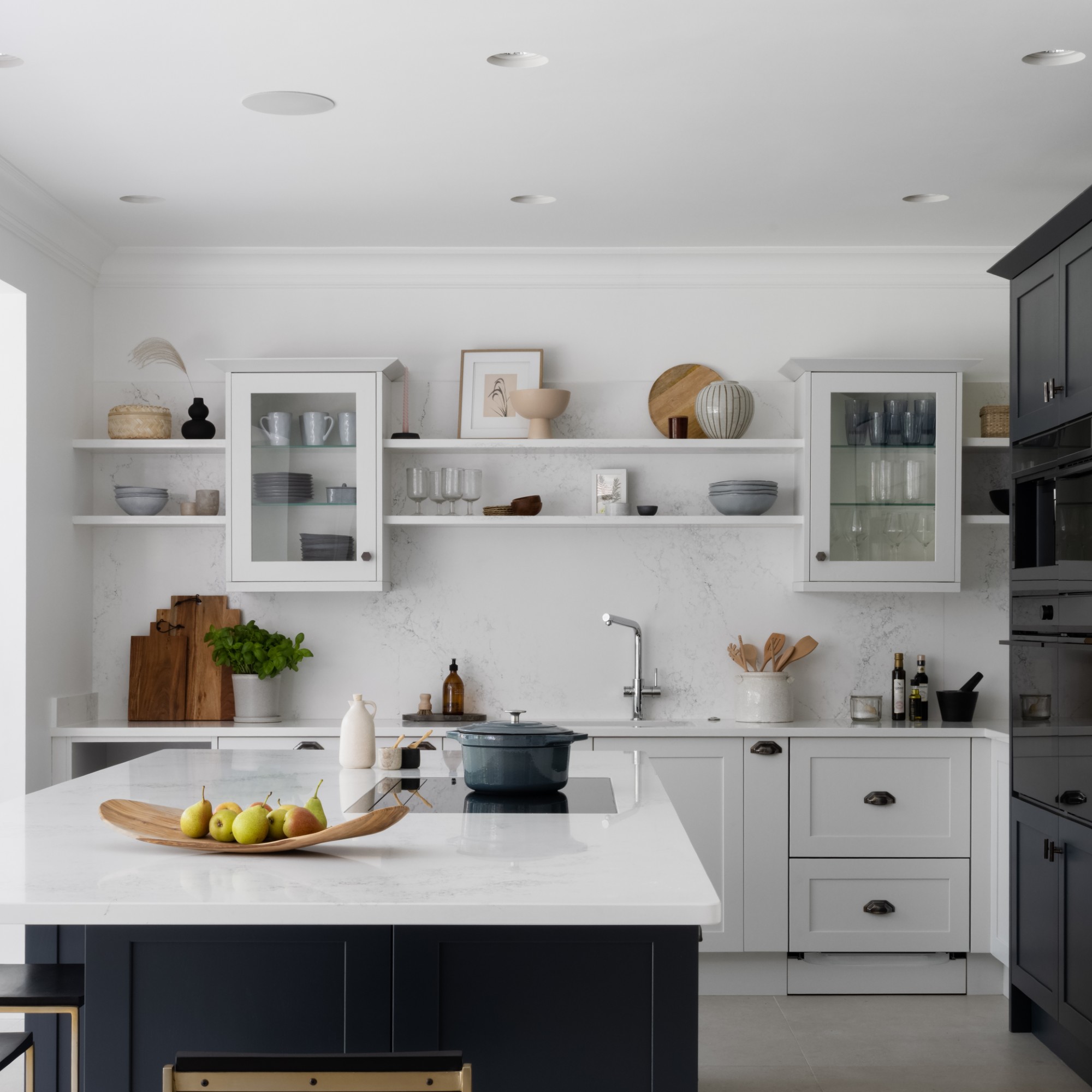
Beyond panel-ready models, custom cabinetry offers even greater design flexibility. Guillaume Coutheillas of frenchCALIFORNIA suggests creating bespoke paneling that perfectly matches the kitchen's existing cabinetry. He also notes the use of reflective or matte-finish panels to blend the fridge into the kitchen's color palette, ensuring it doesn't draw unnecessary attention. Tom Howley, creative design director at Tom Howley Kitchens, echoes this sentiment, stating that a refrigerator enclosed by bespoke cabinetry blends beautifully, resulting in a cohesive look.
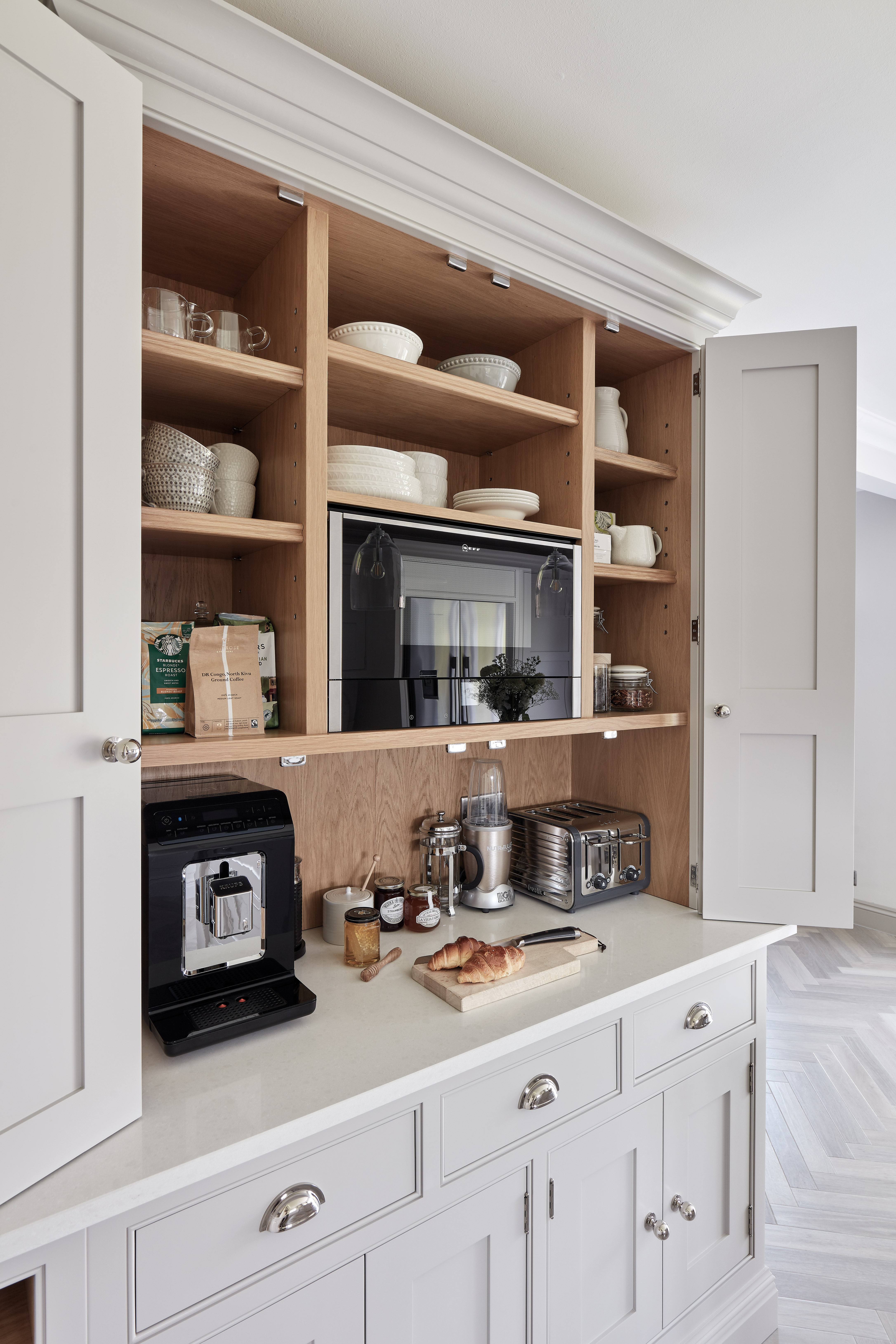
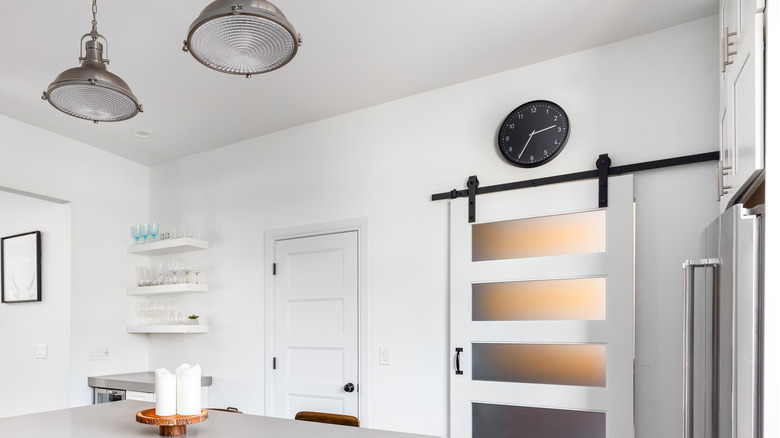
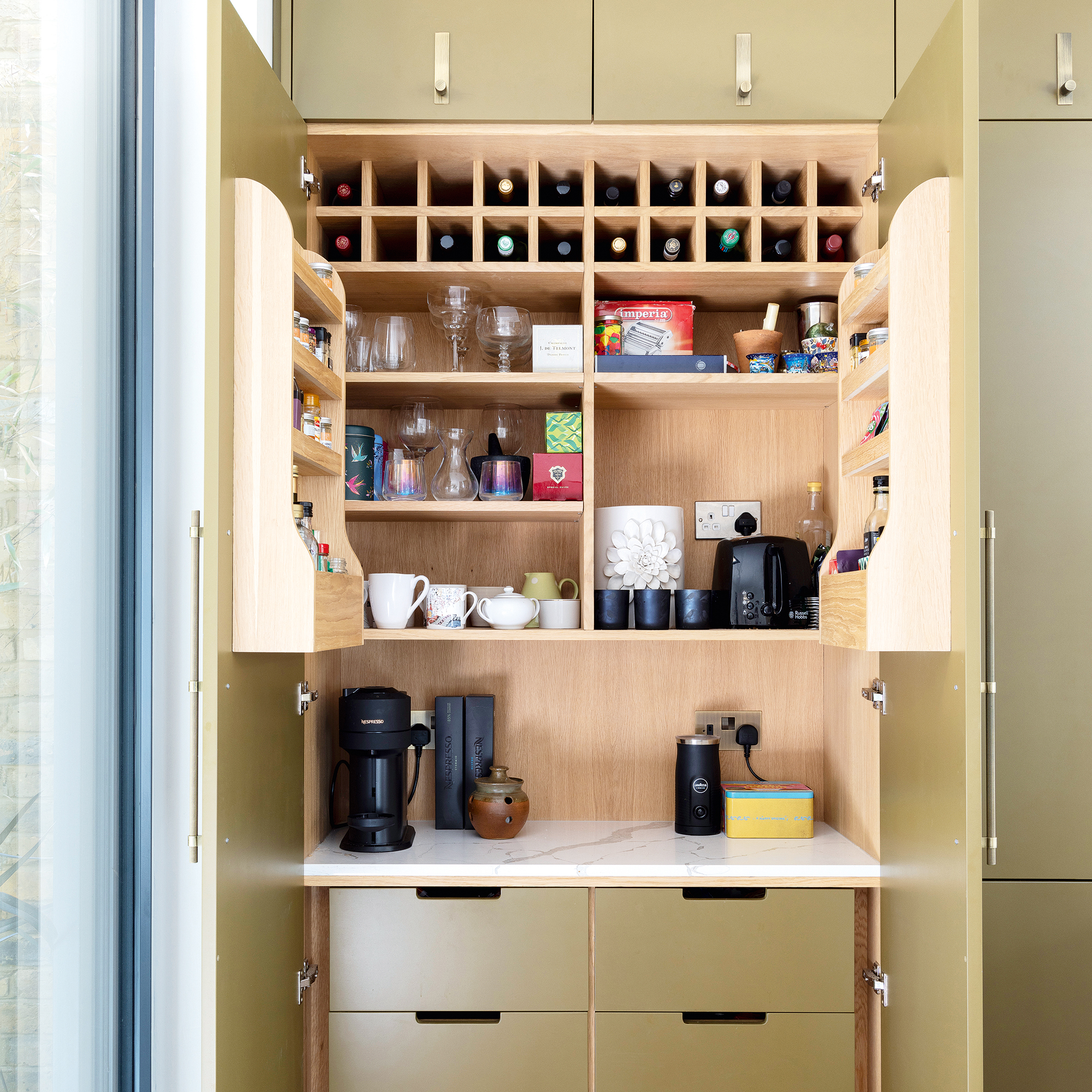
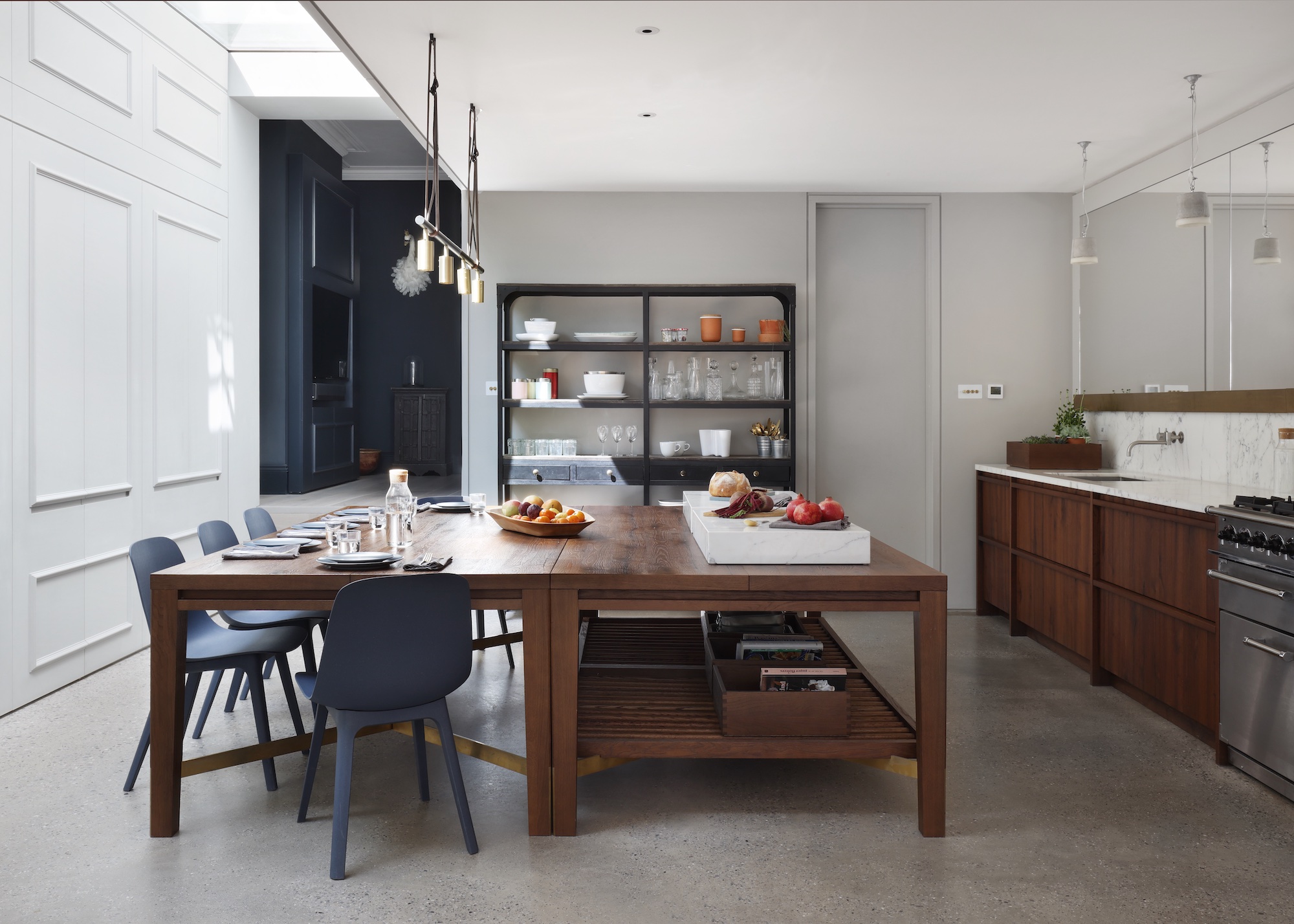
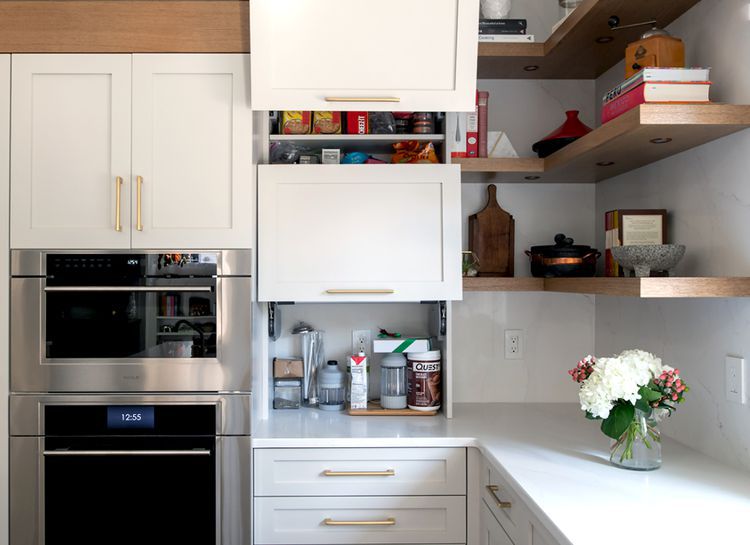
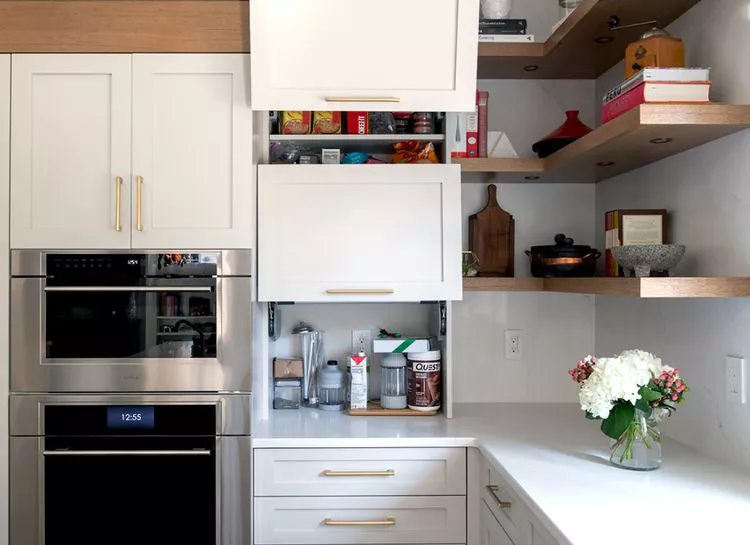
However, for kitchens where integrated cabinetry isn't feasible or desired, alternative solutions exist. Guillaume suggests incorporating the fridge behind bi-fold or sliding doors, effectively making it appear as part of a pantry or a larger storage wall. This can be an excellent option for maintaining a sleek appearance while still allowing easy access. Another practical solution involves placing the fridge within a larger pantry or a dedicated back kitchen (also known as a dirty kitchen). A back kitchen, designed for food preparation, storage, and accommodating additional appliances, provides an ideal space to discreetly house a refrigerator, keeping it out of the main kitchen's visual line while maintaining functionality.
Ultimately, hiding a kitchen fridge is about enhancing the overall aesthetic and flow of the space. While integrated cabinetry is the most recommended approach by design experts for its ability to create a truly cohesive and refined look, other creative solutions like bi-fold doors or placement in a back kitchen can also achieve similar aesthetic benefits. The choice of method depends on the specific kitchen layout, design style, and personal preferences, all aiming to ensure the fridge remains functional while contributing positively to the kitchen's visual appeal.
#KitchenDesign #HiddenAppliances #KitchenCabinetry #SeamlessDesign #HomeDecor #InteriorDesignTips #KitchenLayout #ApplianceIntegration #DesignSolutions #KitchenDesign #HiddenAppliances #KitchenCabinetry #SeamlessDesign #HomeDecor #InteriorDesignTips #KitchenLayout #ApplianceIntegration #DesignSolutions
0 comment in total
 No comments yet
You may also like
How to hide a kitchen fridge – experts share their top tips
How to Hide an Air Fryer in a Kitchen — 6 Practical Solutions to Conceal Bulky Appliances From Sight

13 Tasteful Ways To Hide Your Microwave In Your Kitchen

Why “Invisible Kitchens” Are the Sleekest New Trend Designers Can’t Stop Using

The Top Built-in Refrigerators for a Seamless, Hidden Look

How to Fake a Built-in Fridge Like a Designer for a Luxurious Kitchen Upgrade on a Budget
24 Genius Fridge Organization Ideas That Simplify Your Kitchen and Maximize Space

Invisible kitchen ideas - 7 ways to create a sleek and subtle cooking space
How to hide an ugly extractor fan for a sleek and stylish kitchen
How to Fake a Built-in Fridge for Huge Kitchen Upgrade on a Small Budget
Shopping for a new fridge? Pay attention to these 5 things

15 'Hidden Kitchens' That Conceal the Action (and Mess), Making for More Streamlined Schemes
4 Clever Ways Designers Keep Kitchen Appliances Out Of Sight
8 Creative DIYs That Will Give Your Fridge A Stunning Built-In Look

How to conceal an air fryer in a kitchen – 7 practical solutions
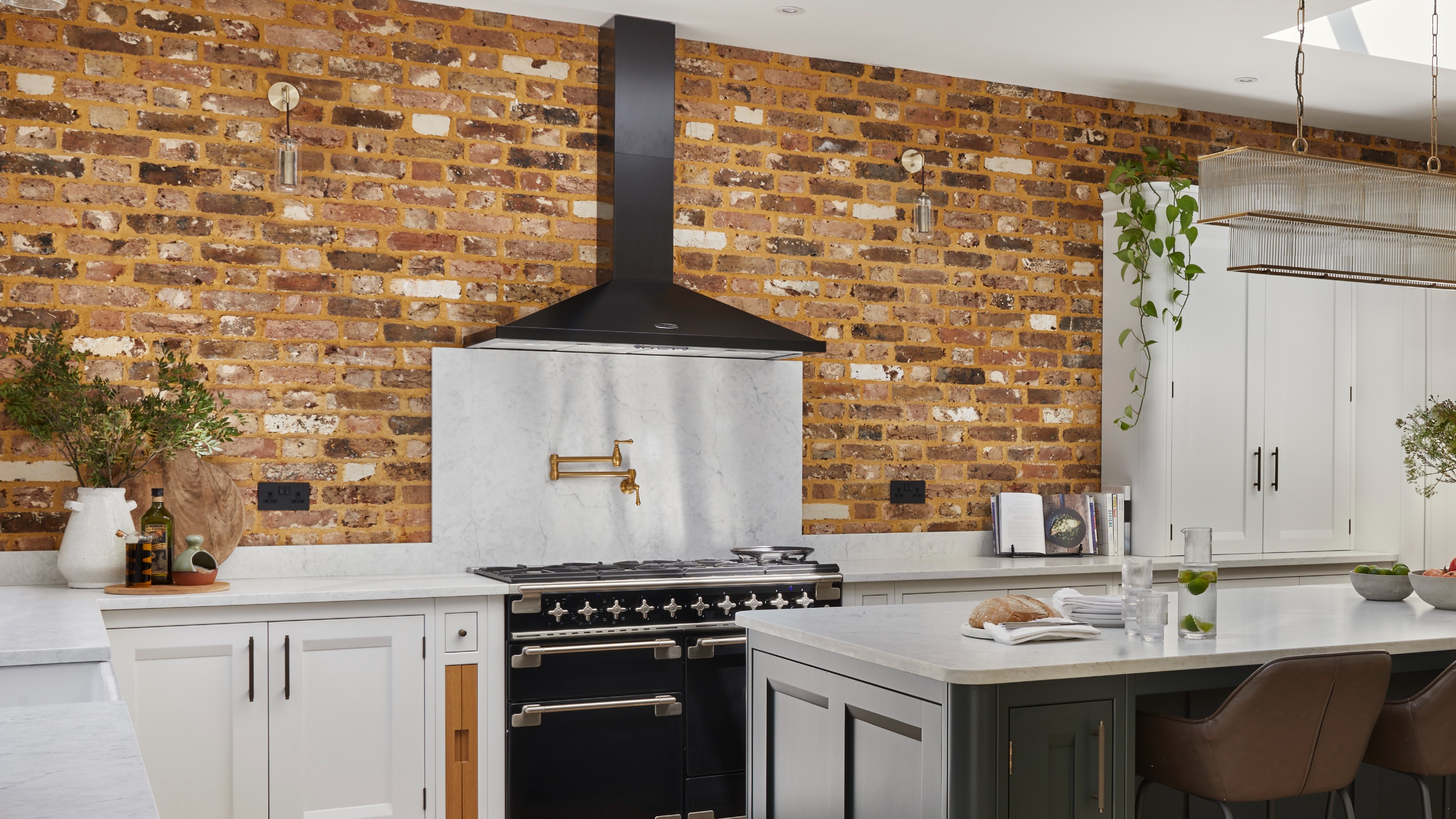
5 ways to hide plug sockets in your kitchen for a seamless and uncluttered look
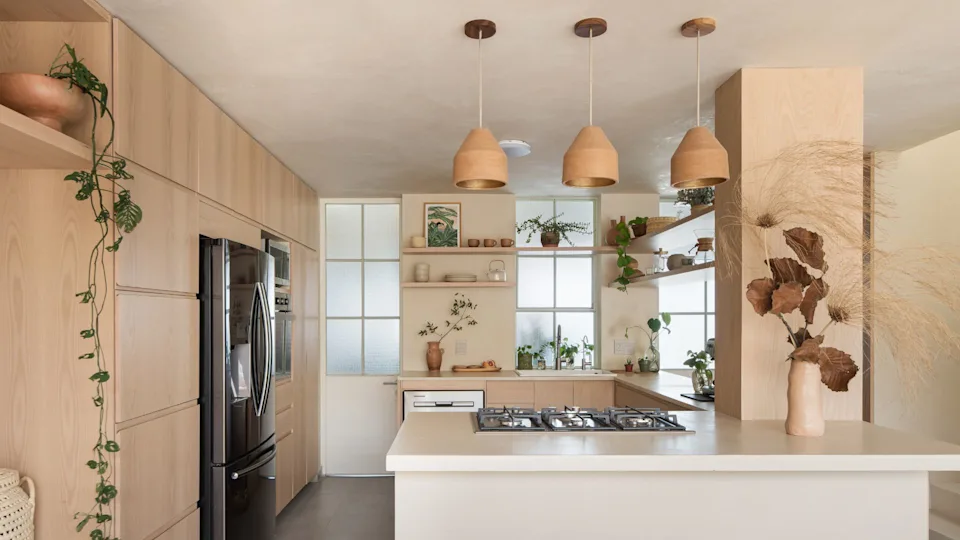
How to Hide an Air Fryer in a Kitchen — 6 Practical Solutions to Conceal Bulky Appliances From Sight
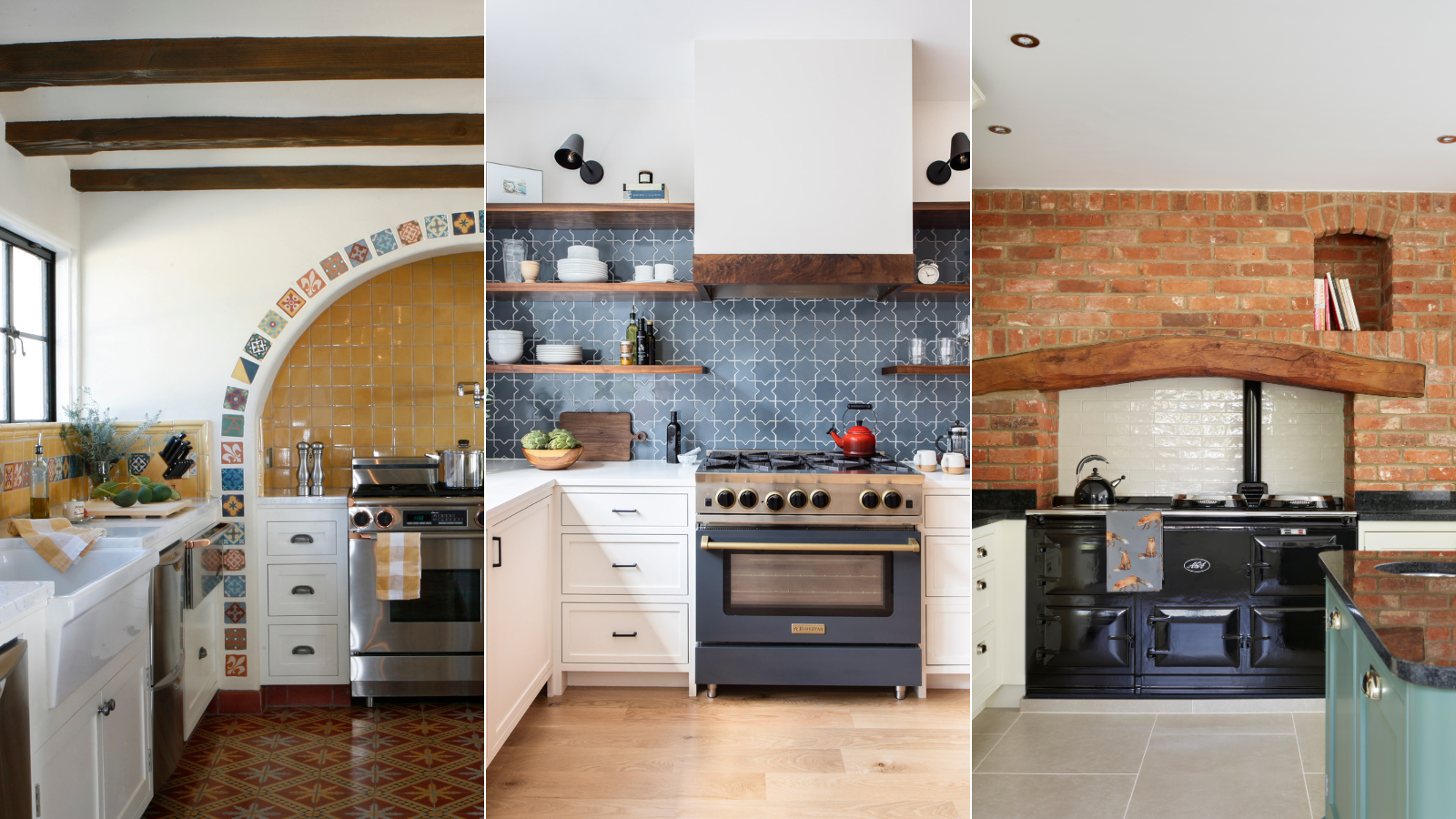
How can you hide a range hood? 6 innovative and chic ideas from kitchen design experts
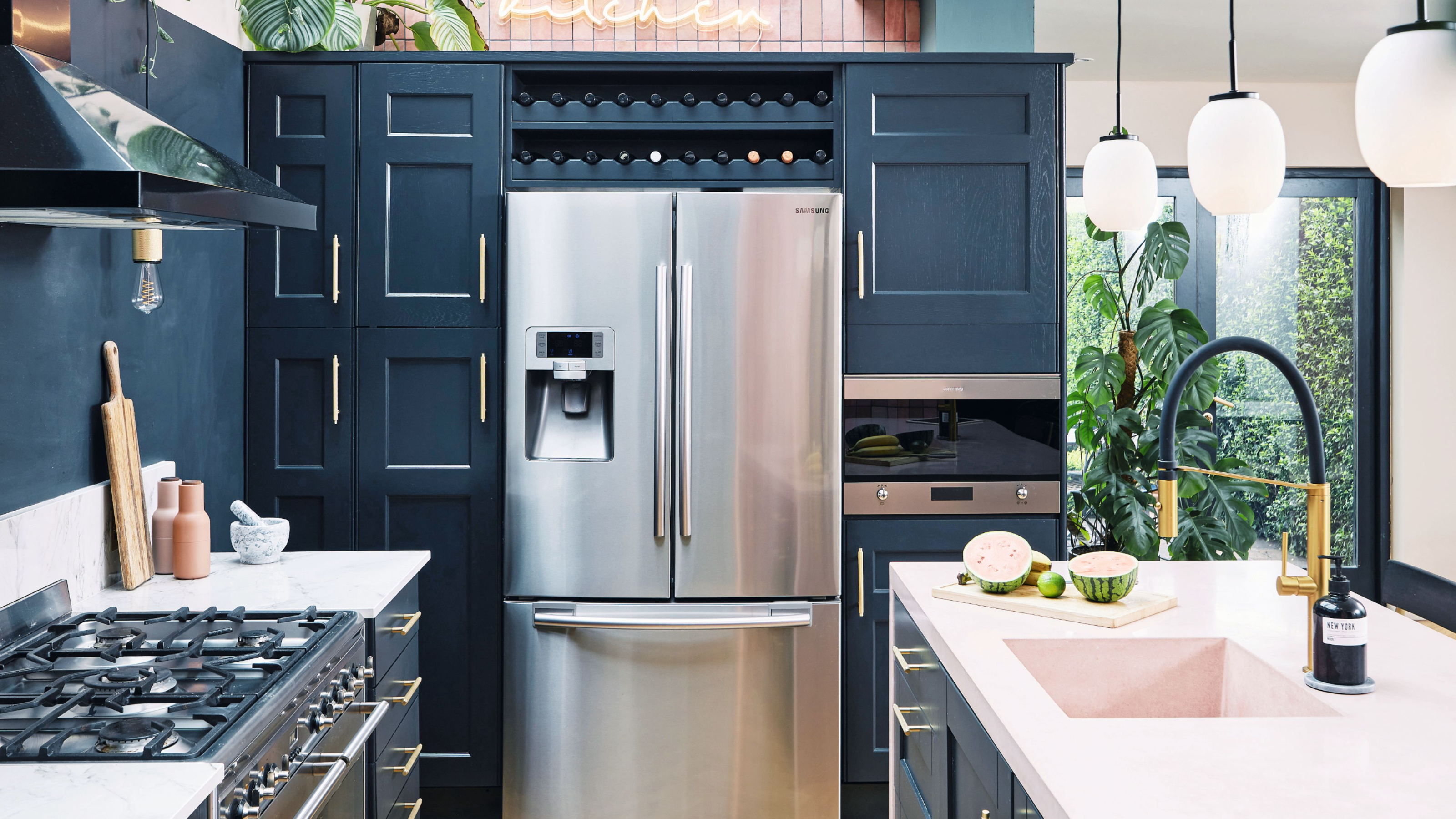
This clever hack turns the ordinary fridge into a mini gallery wall – and it's super affordable to recreate
10 Hidden Pantry Ideas That Beautifully Conceal Snacks, Seasonings, and More