1/5
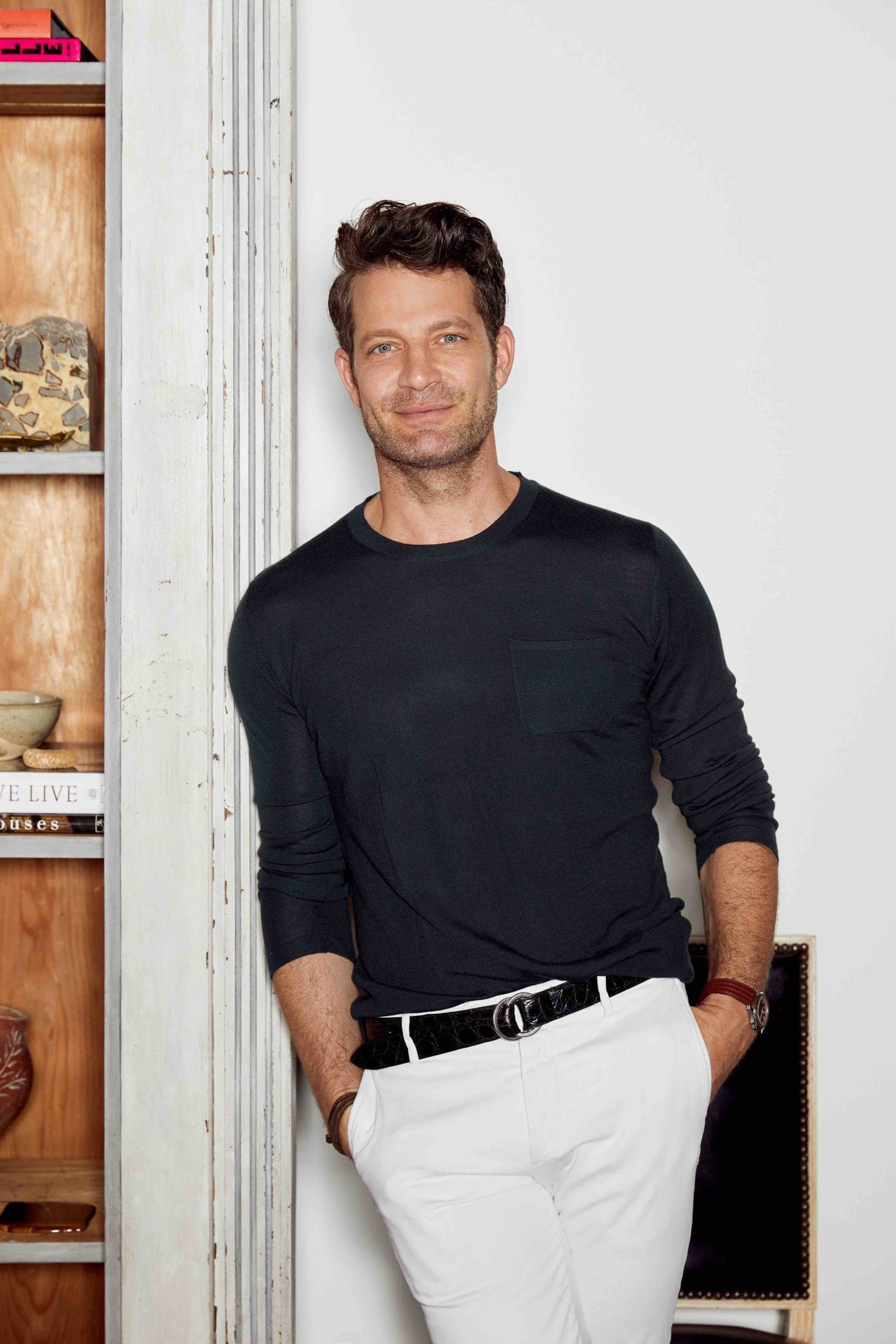
Nate Berkus on the New Age of Interior Design
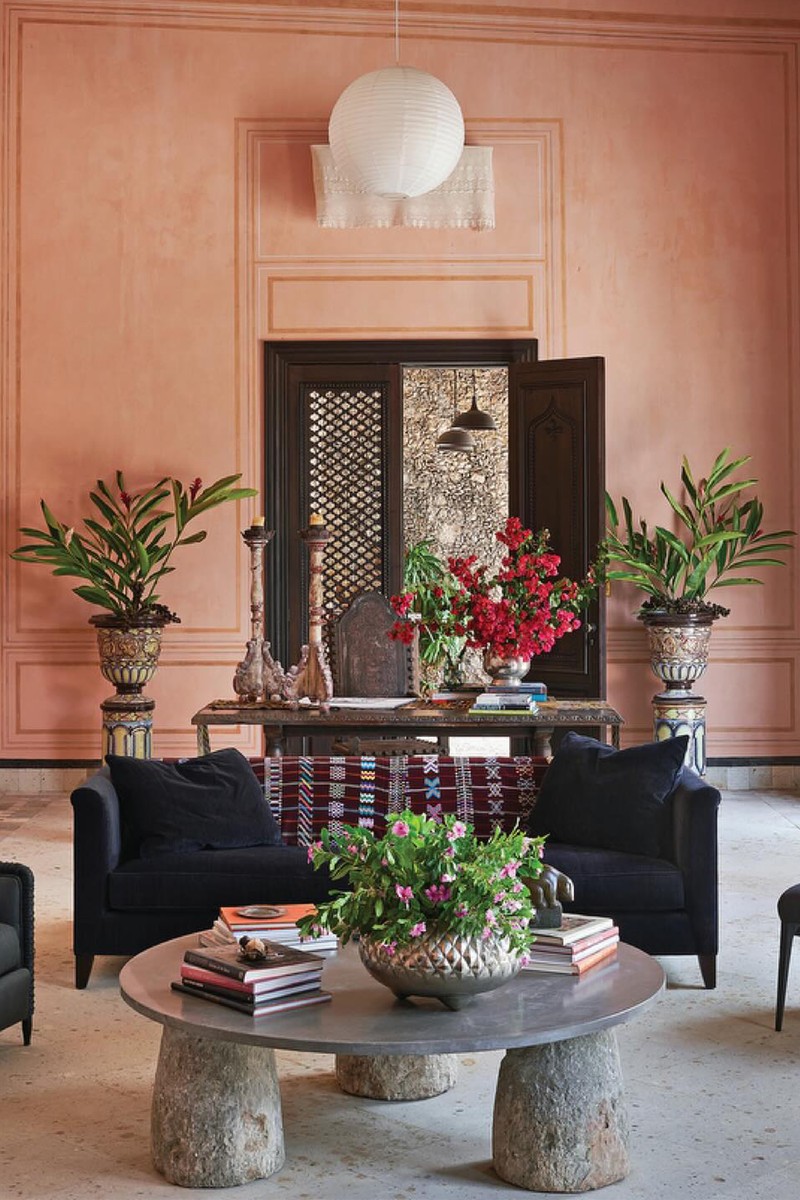
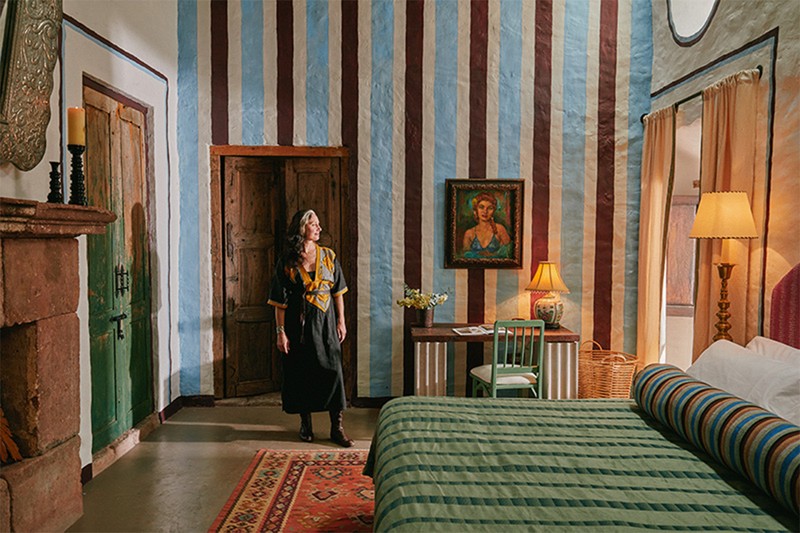
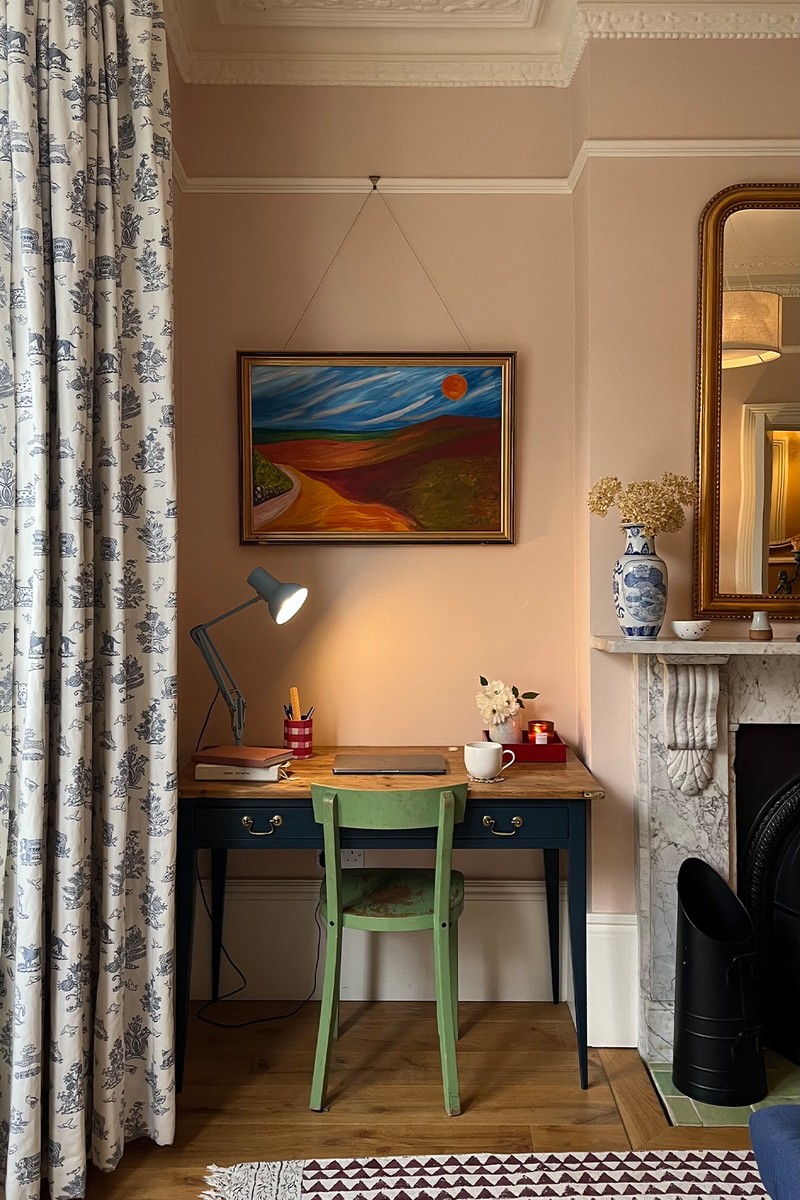
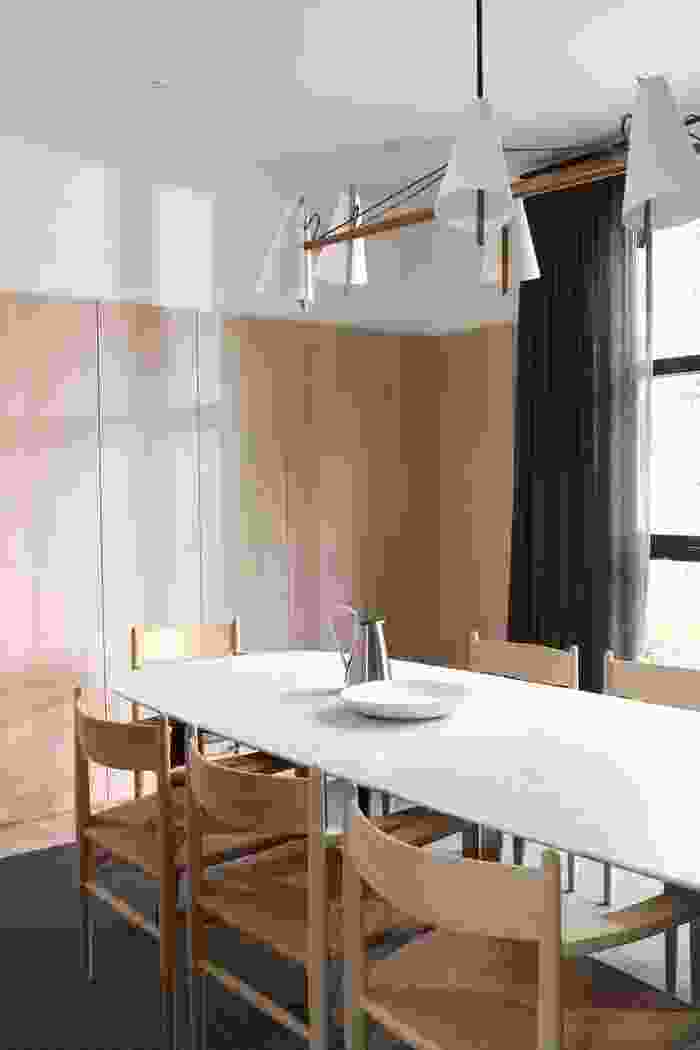
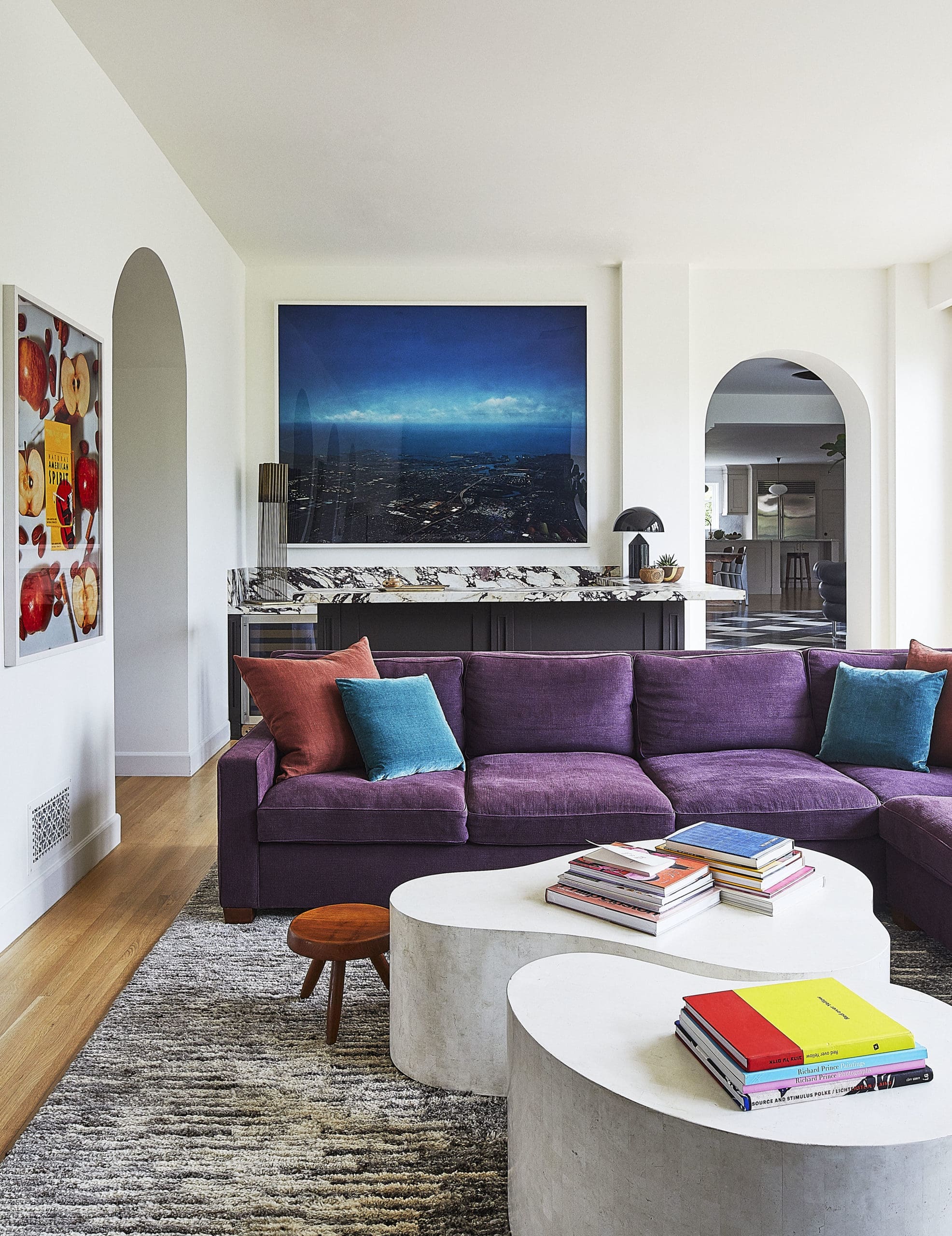
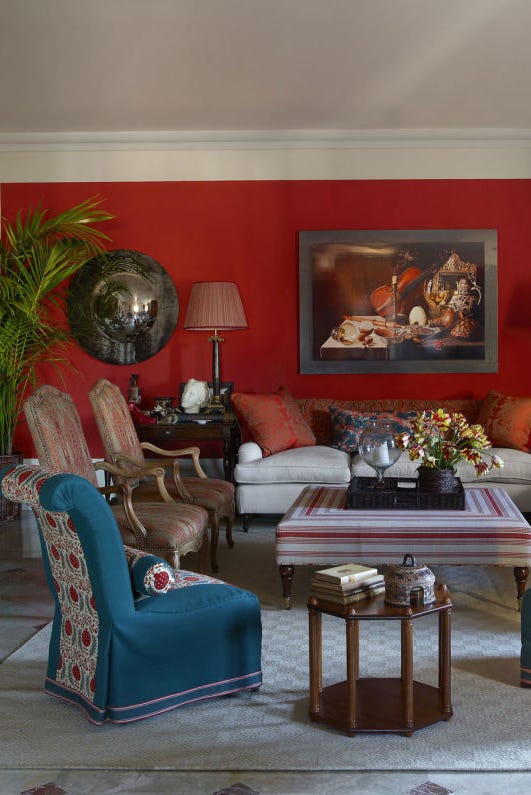
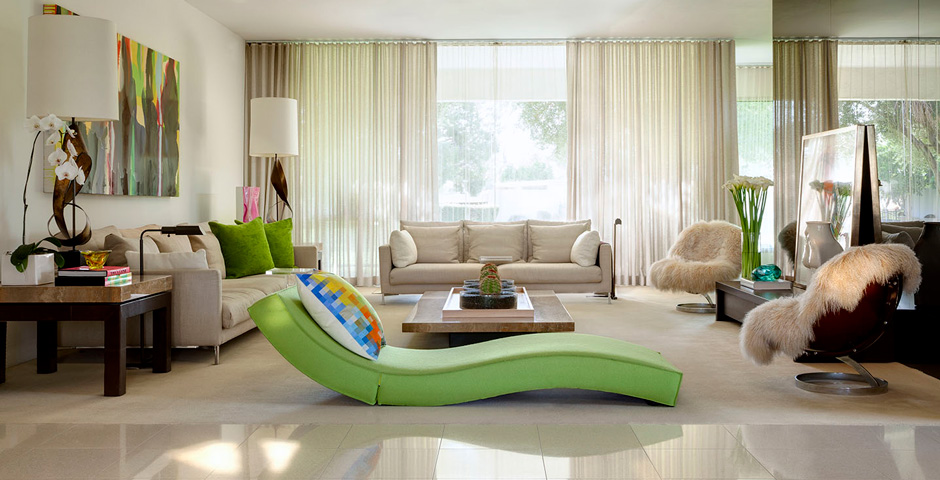
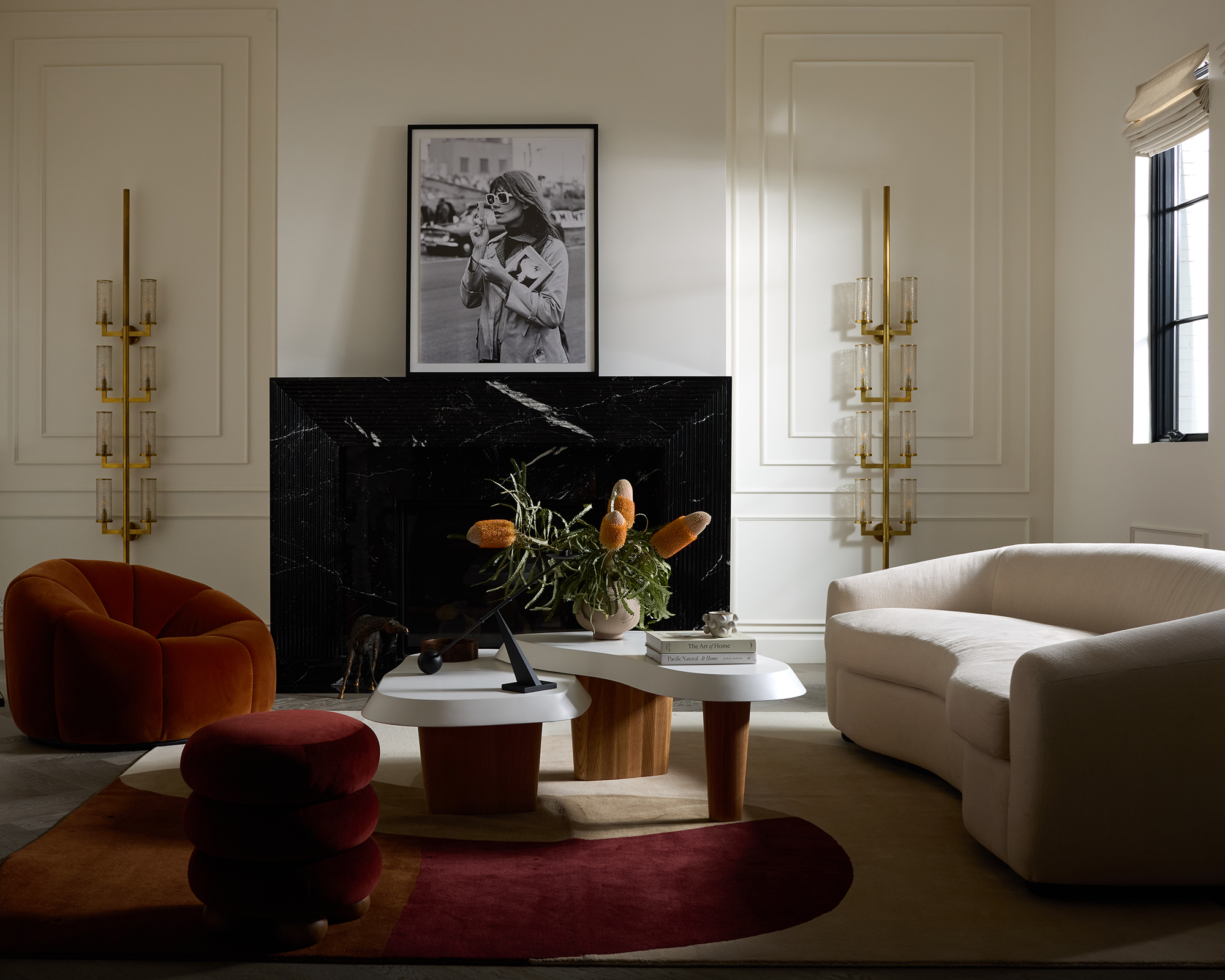
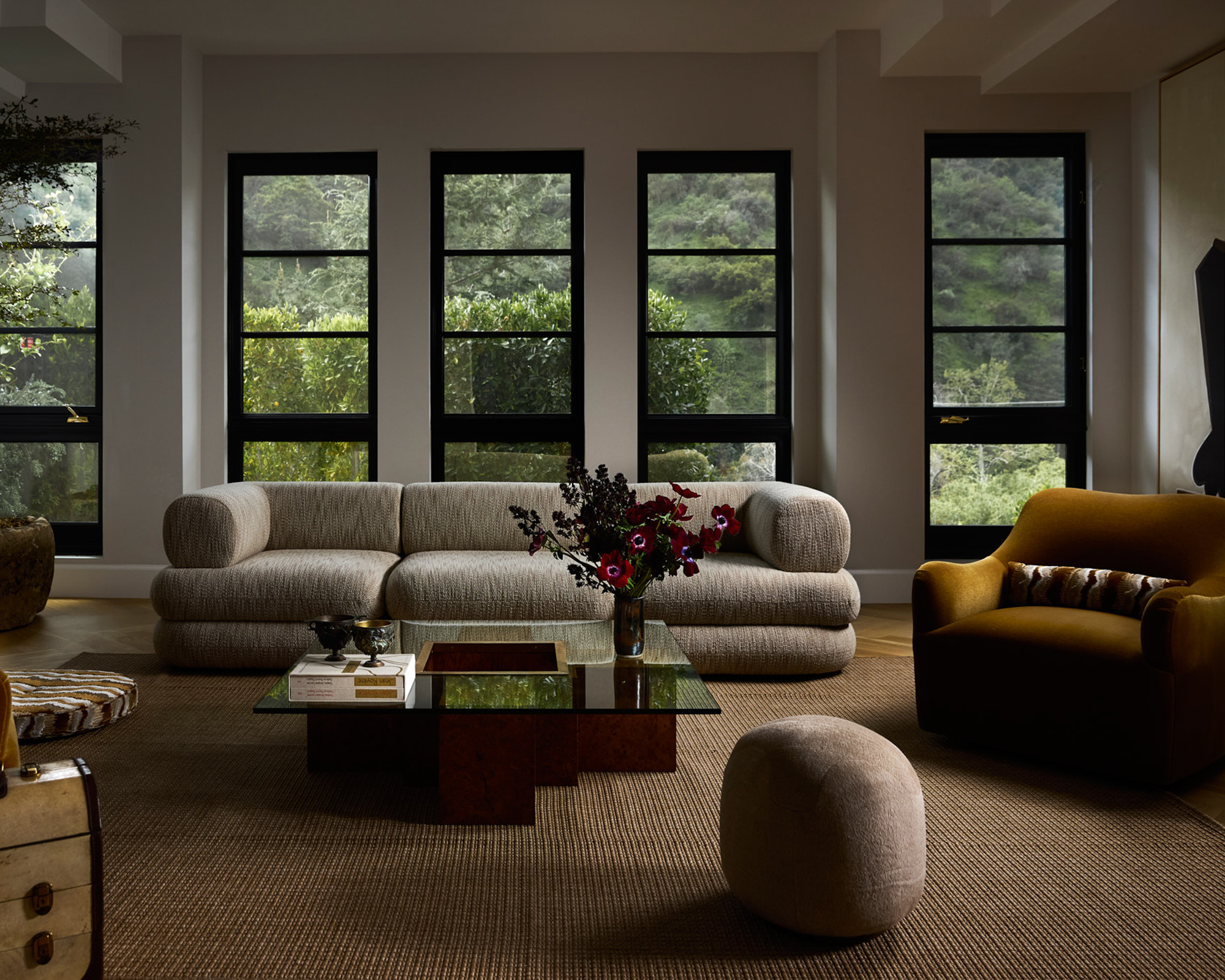
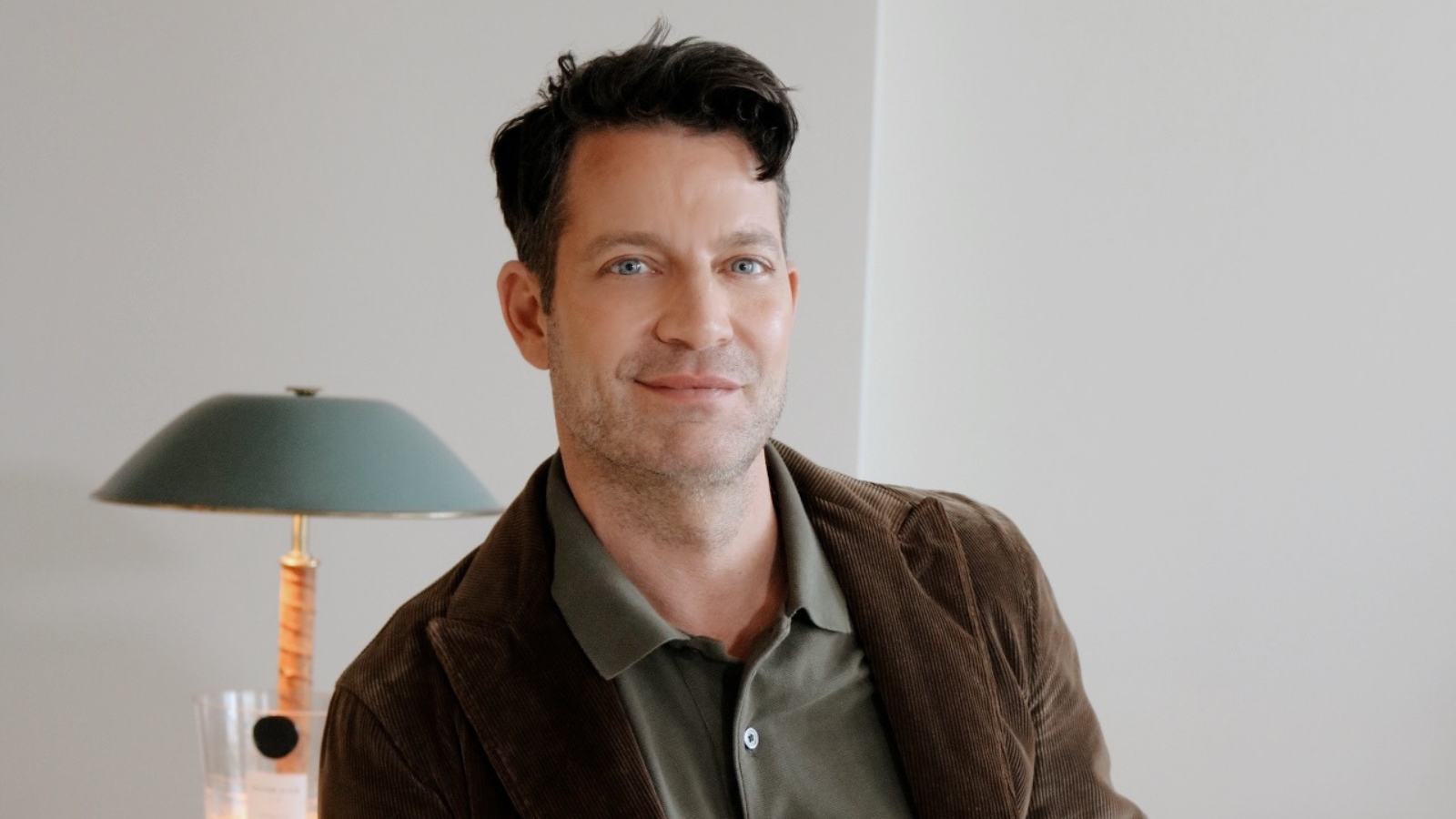
Nate Berkus, a prominent figure in interior design for 26 years, shares his insights on the evolving landscape of home aesthetics, especially in the context of recent global events. Berkus, who gained widespread recognition after his 2002 debut on 'Oprah,' emphasizes the shift towards authenticity and personalization in design. He notes that the pandemic played a significant role in this change, moving clients away from Instagram- and Pinterest-driven trends to a desire for spaces that reflect their individual stories and needs. This shift has fostered a period of deep creativity, where clients are increasingly seeking unique, layered interiors.
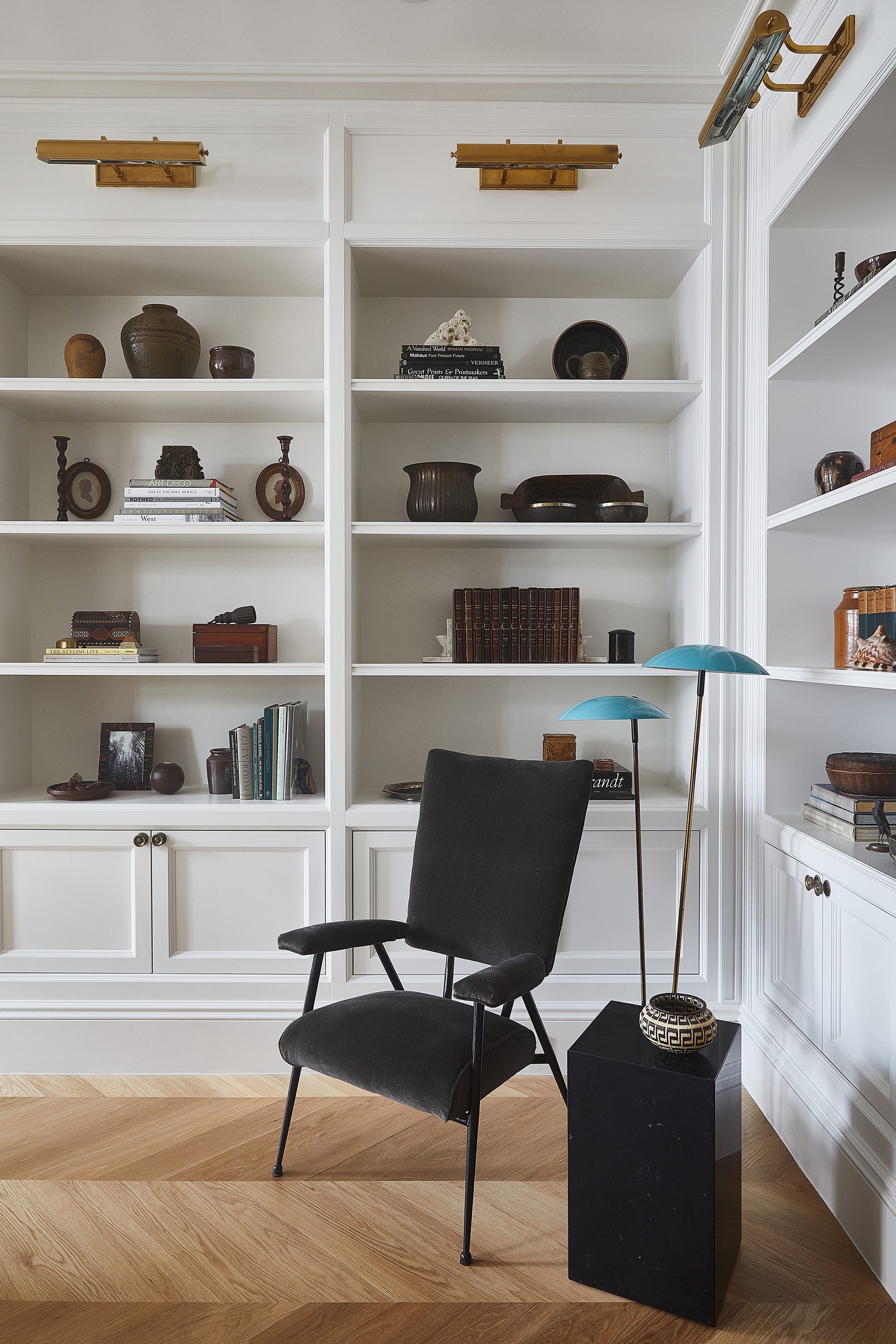
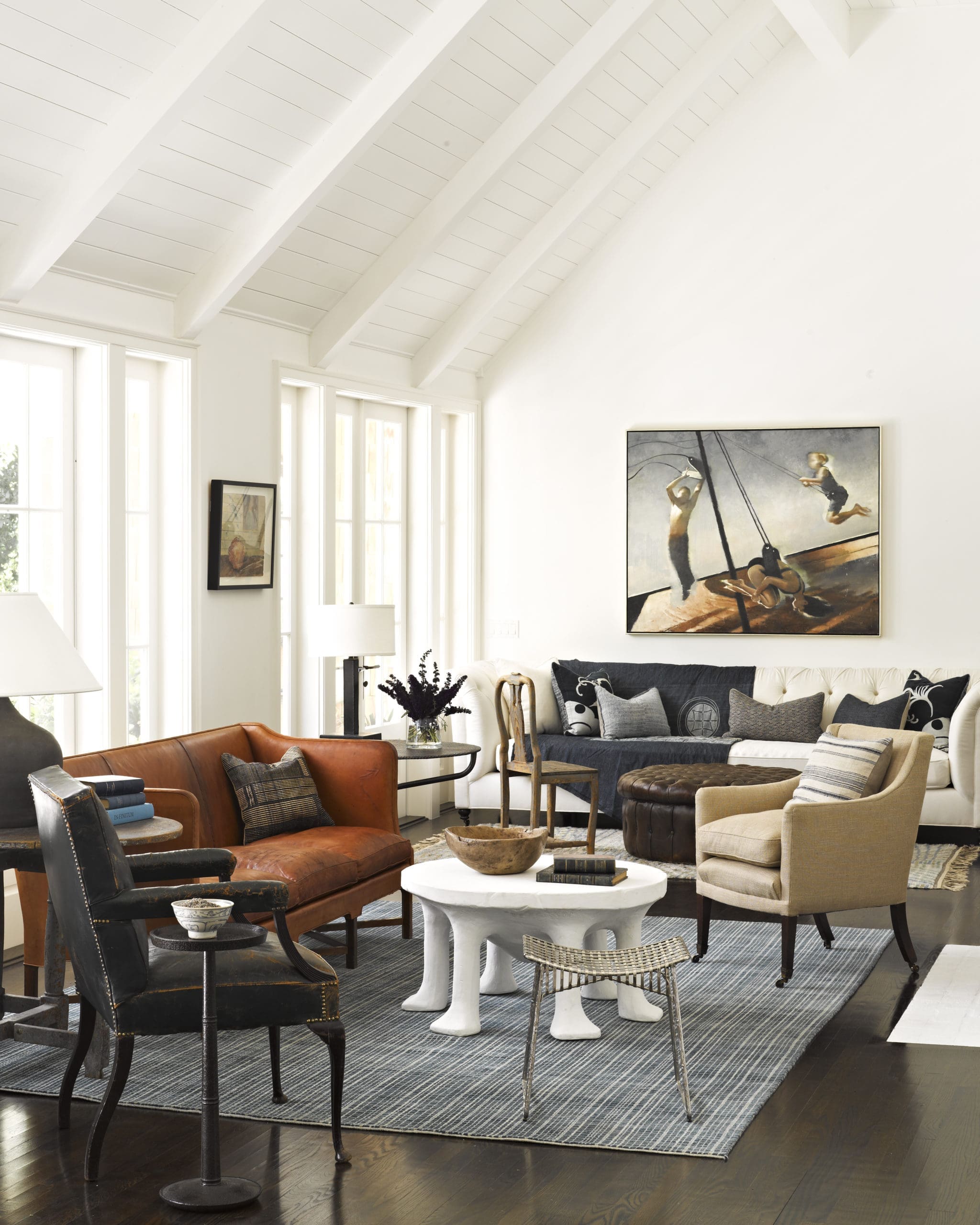
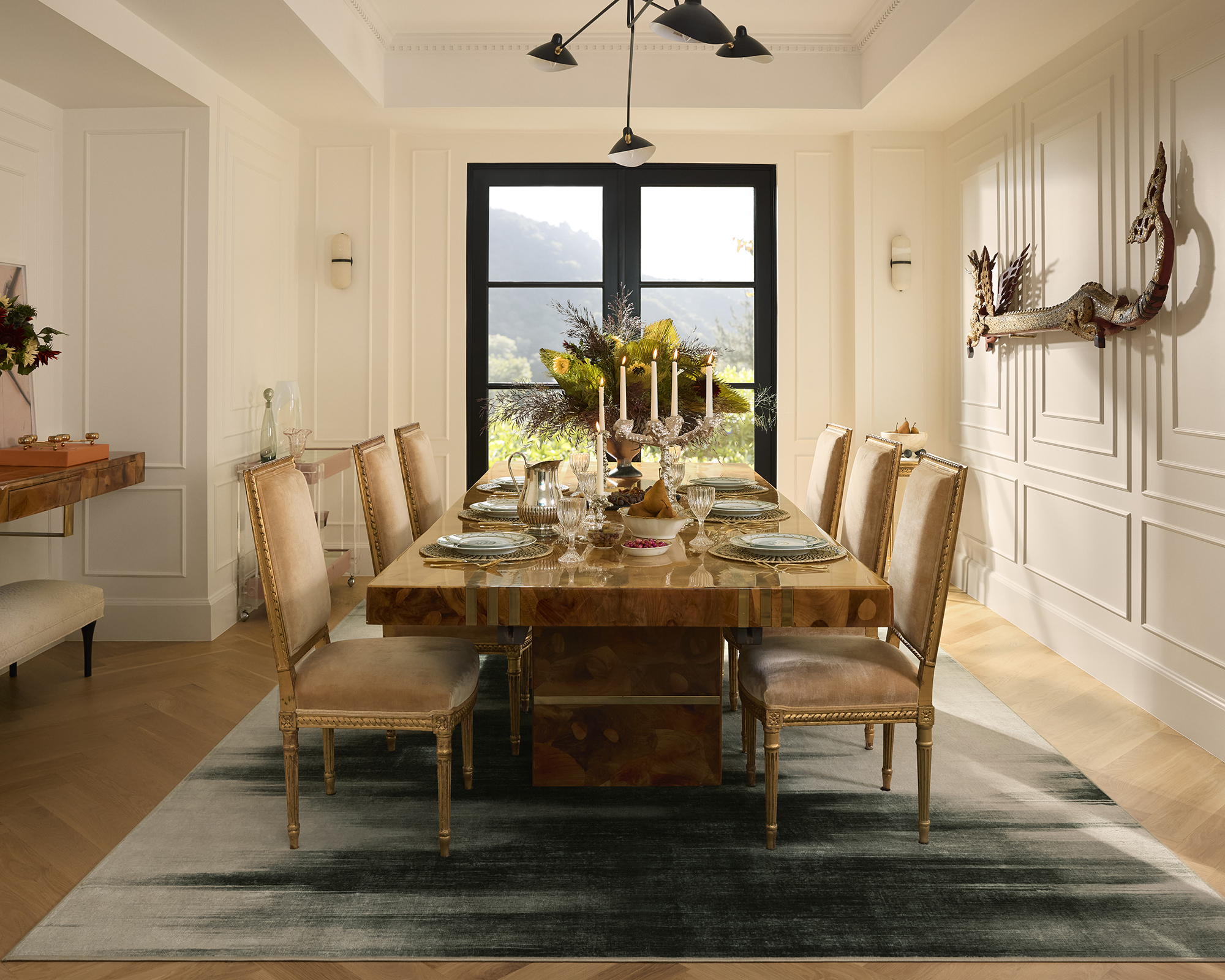
A growing appreciation for handmade and one-of-a-kind items marks another key trend. Berkus recalls attending art fairs as a child, where handmade goods were often overlooked, contrasting it with the current demand for such pieces in auction houses and among clients. This renewed interest extends to antiques, where online marketplaces like eBay, Etsy, and Chairish have democratized access. Clients are now more informed and actively involved in sourcing unique items from around the world, mixing them with handcrafted elements to create distinctive, personalized spaces. The ease of online shopping and shipping has made it simpler to assemble collections of vintage and antique objects, which Berkus believes are essential for a finished room.
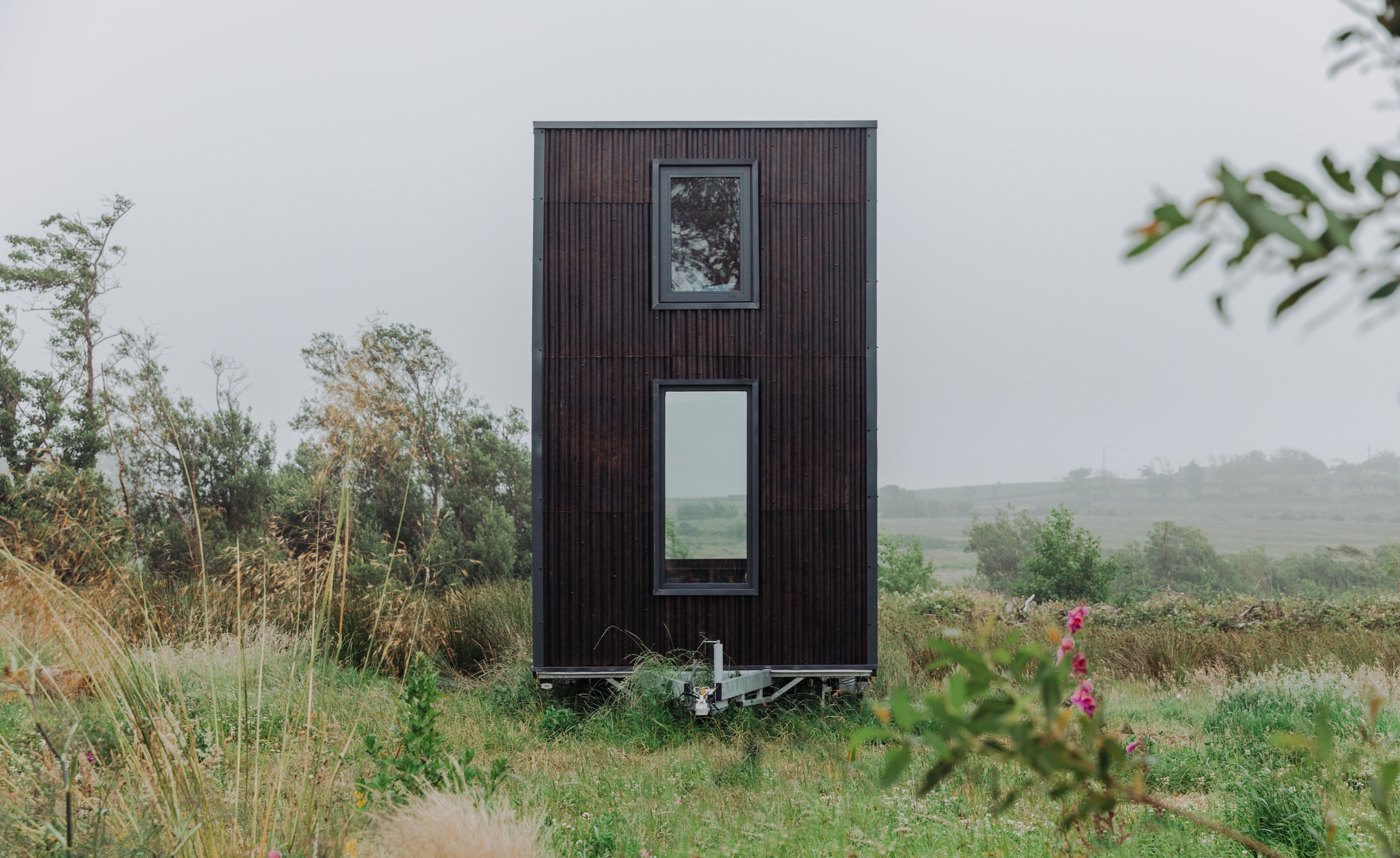
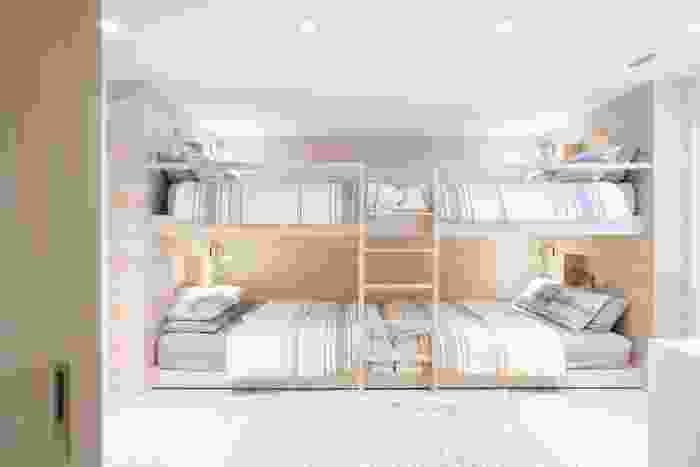
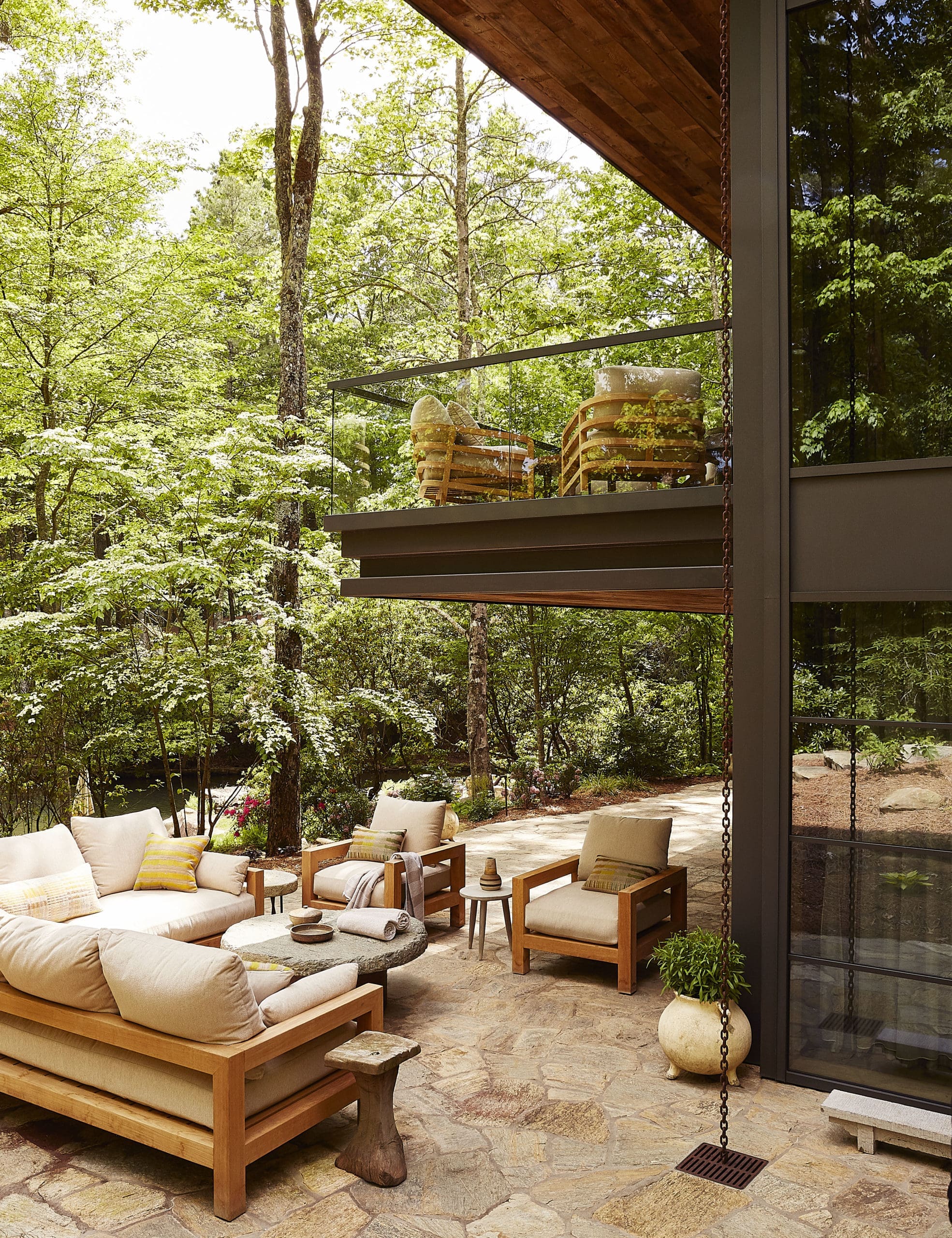
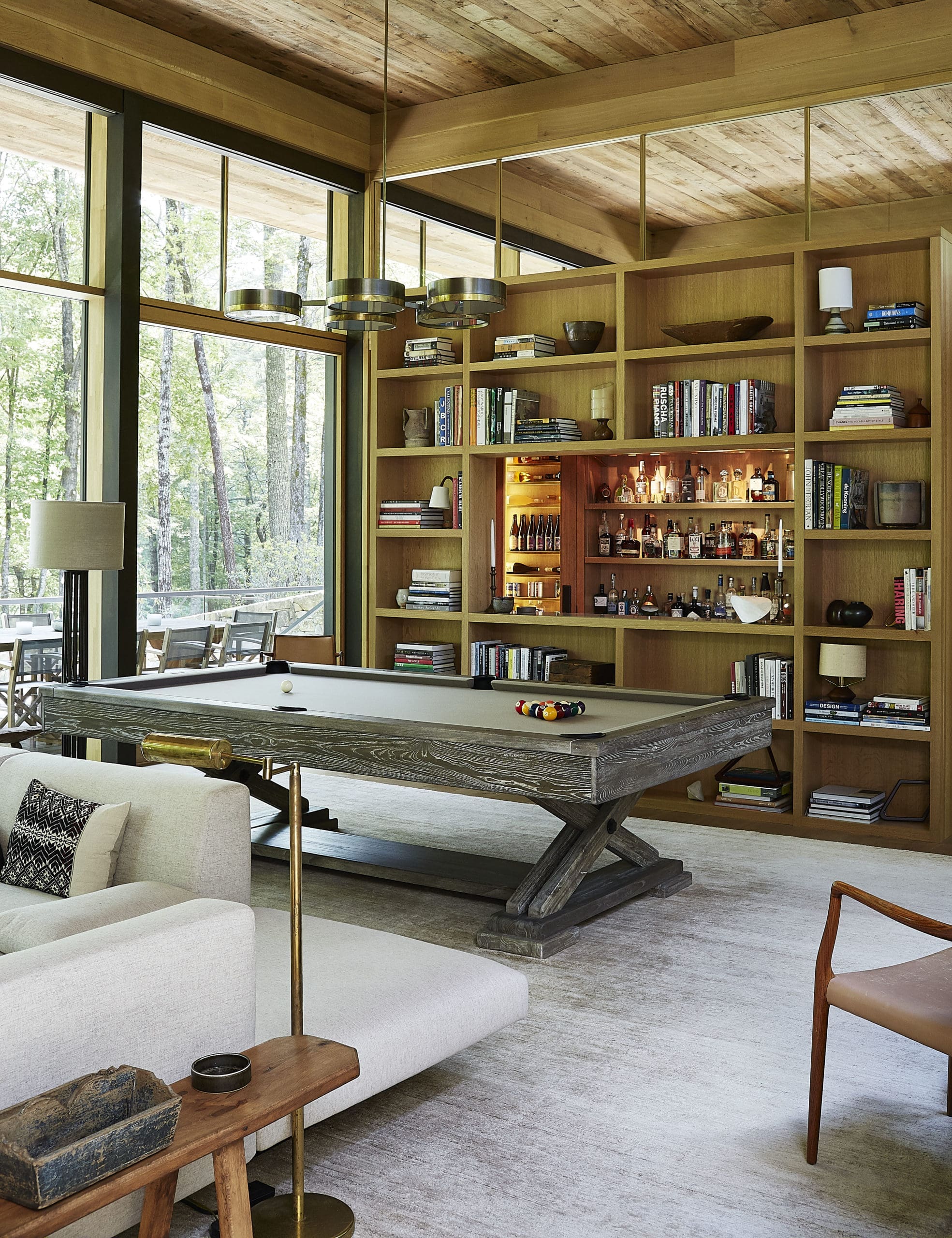
The concept of home functionality has also been redefined, with increased interest in separate structures for offices, studios, or guesthouses. This desire stems from a need for adaptable living spaces that can accommodate various activities and provide privacy, especially in a world where remote work and learning have become more common. Berkus highlights the appeal of guest rooms that offer comfort and independence, reducing concerns about proximity and hygiene. Furthermore, he discusses the emergence of 'sanitation rooms' or transitional entries equipped with advanced mechanics, like infrared lighting, designed to keep homes cleaner and safer. This trend resonates with Berkus's long-standing germaphobia, indicating a broader societal concern for health and well-being within the home environment.
Social media, initially viewed with skepticism by Berkus, has become an integral part of the design world, mirroring the move towards authenticity. He explains that social platforms now serve as valuable tools for understanding clients' aesthetic preferences and for fostering genuine dialogue within his community of followers. Berkus differentiates his approach from simply reposting beautiful imagery, emphasizing his commitment to sharing his extensive experience, including successes, challenges, and mistakes, through initiatives like 'History Lessons.' This segment delves into the historical context and origins of design movements and objects, connecting personal aesthetic choices to broader cultural narratives.
Finally, Berkus observes a shift towards a 'more is more' philosophy, redefined not by excessive spending or material accumulation, but by sentiment, practicality, and thoughtfulness. This means maximizing the utility and emotional connection within a space, designing for a new lifestyle that might include hybrid work arrangements or evolving family needs. The emphasis is on creating homes that are responsive and adaptable, greeting their inhabitants with comfort and functionality, regardless of immediate circumstances. This holistic approach underscores a deeper engagement with the home as a dynamic and evolving sanctuary tailored to individual well-being and evolving needs.
#InteriorDesign #NateBerkus #HomeDecor #DesignTrends #AuthenticityInDesign #HandmadeGoods #VintageFinds #FunctionalLiving #SocialMediaAndDesign #InteriorDesign #NateBerkus #HomeDecor #DesignTrends #AuthenticityInDesign #HandmadeGoods #VintageFinds #FunctionalLiving #SocialMediaAndDesign
0 comment in total
 No comments yet
You may also like
Nate Berkus' most recent bedroom project nails the emerging trend for mixing the contemporary with the vintage eclectic

Jeffrey Alan Marks on the New Age of Interior Design
Cliff Fong on the New Age of Interior Design

How Sara Story found the perfect length for a client meeting

A Cool Interior Designer Talks Style, Inspiration & More
An Interior Designer Talks Style Inspiration, Wish List Items & Her Clever New Launch
Editor’s Letter: The Tyranny of Taupe

Vance Burke

Nate Berkus's Bathroom Proves That He's Braver Than the Rest of Us


The real stories behind those TV home makeover shows: New design podcast dishes on why they're harmful

A Cool Furniture Designer Talks Style, Inspiration & More
"A home should intrigue you from the moment you walk in." Designer Nina Takesh knows how to layer homes so they feel rich, enticing, yet can include one key piece from IKEA

Are Gallery Walls Outdated? Here's What Nate Berkus Has To Say


The Home Front: Talking interior design trends with Sophie Burke


Meet Krysti Lyn | Whole Home Designer

Nate Berkus champions a surprising choice of furniture in the kitchen – but we're on board

Year in review: top 10 design stories of 2022, selected by Wallpaper* design editor Rosa Bertoli

I thought this kitchen cabinet detail was totally outdated and too rustic for 2025 – but Nate Berkus has proved it can actually work in a modern organic kitchen

The 2020 A-List: 125 of the Best Interior Designers in the World

Nate Berkus’s Living Room Layout Could Be a Fresh Take on the Conversation Pit