1/4
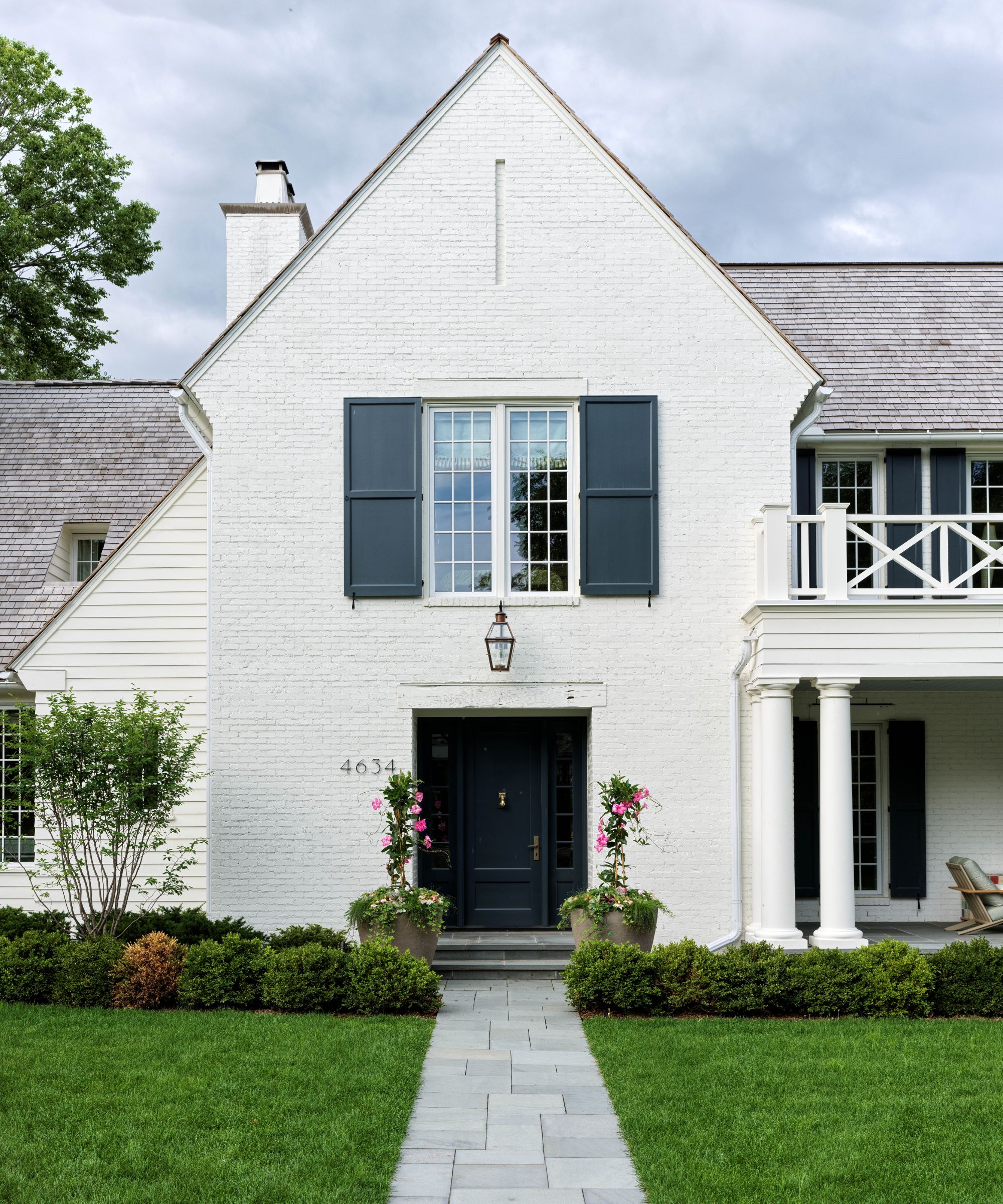
"A home should intrigue you from the moment you walk in." Designer Nina Takesh knows how to layer homes so they feel rich, enticing, yet can include one key piece from IKEA
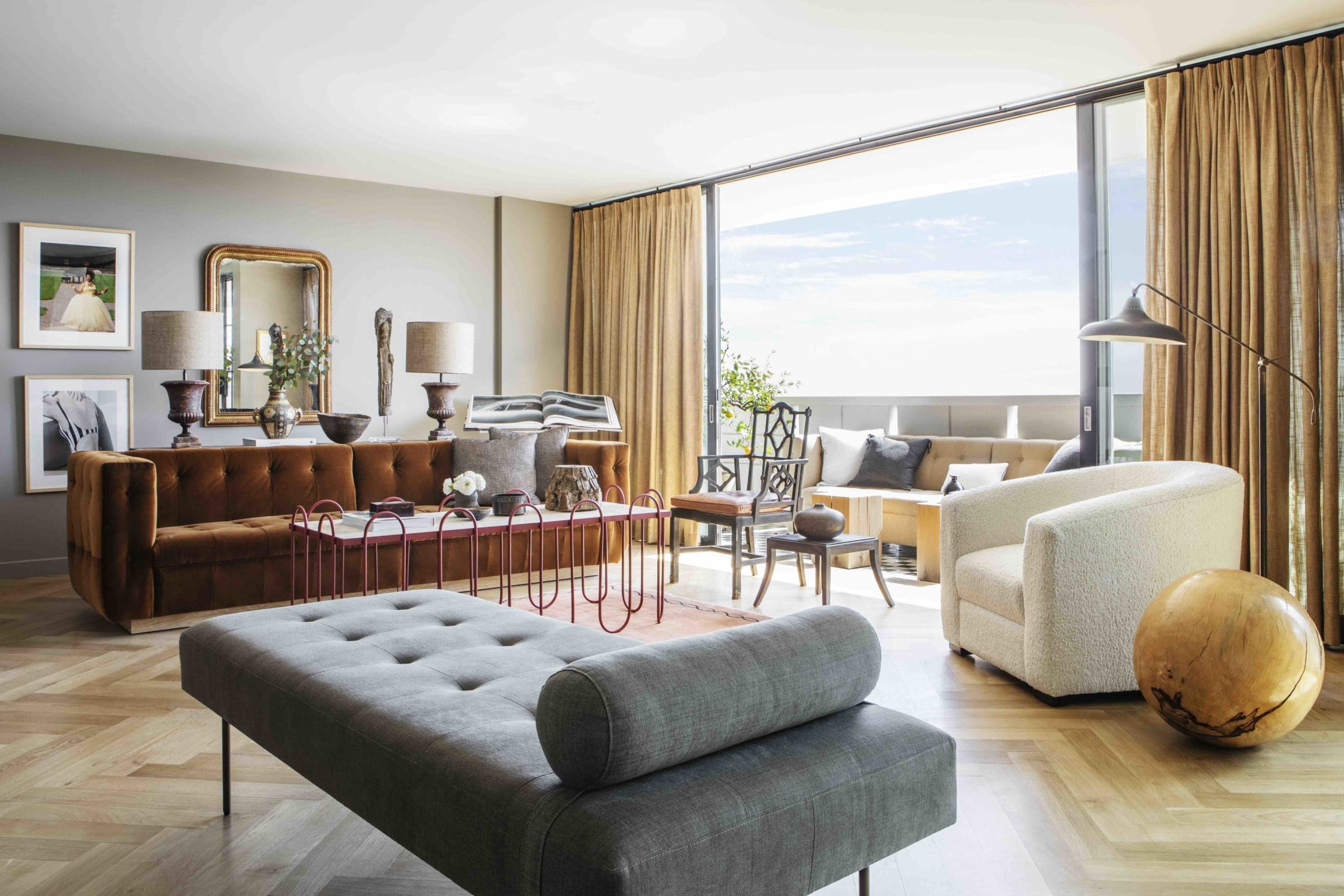
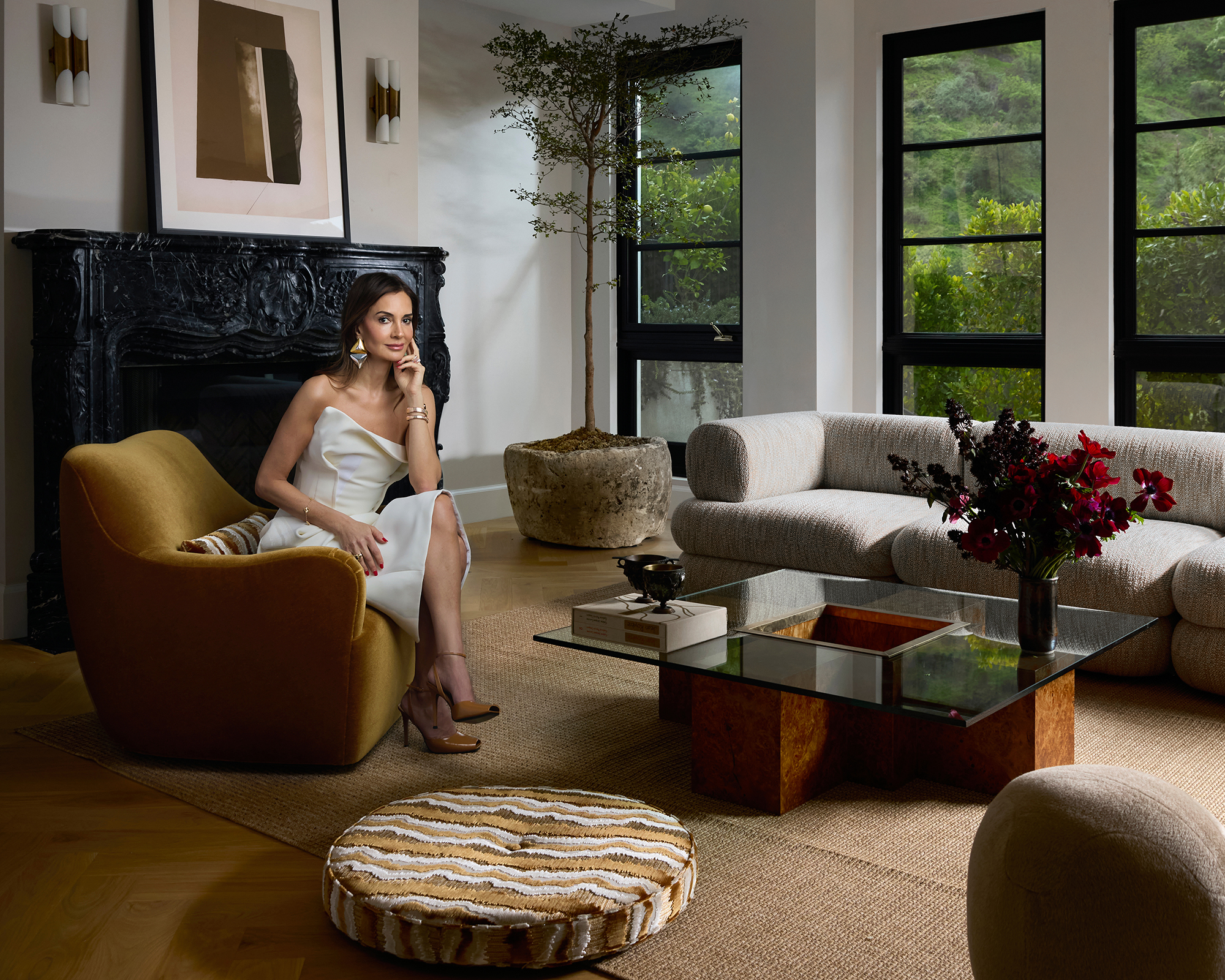
Nina Takesh, a Los Angeles-based interior designer and founder of Nina Takesh Design, is celebrated for her ability to craft interiors that combine contemporary elegance with a global perspective. Her design approach is deeply influenced by her background as co-founder and former CEO of the luxury baby brand Petit Tresor, as well as her extensive experience designing homes both in the U.S. and internationally. This diverse experience has honed her instincts for balance, proportion, and meticulous detailing, which are evident in her visually striking and highly livable spaces.
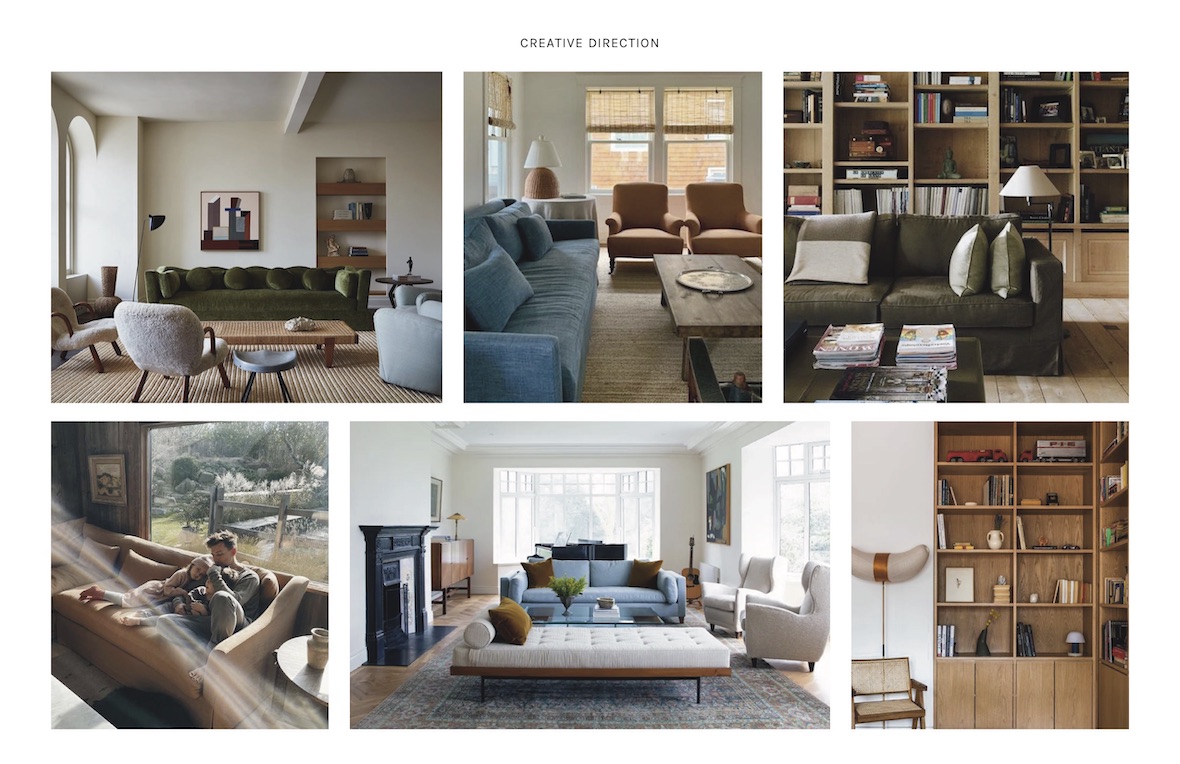
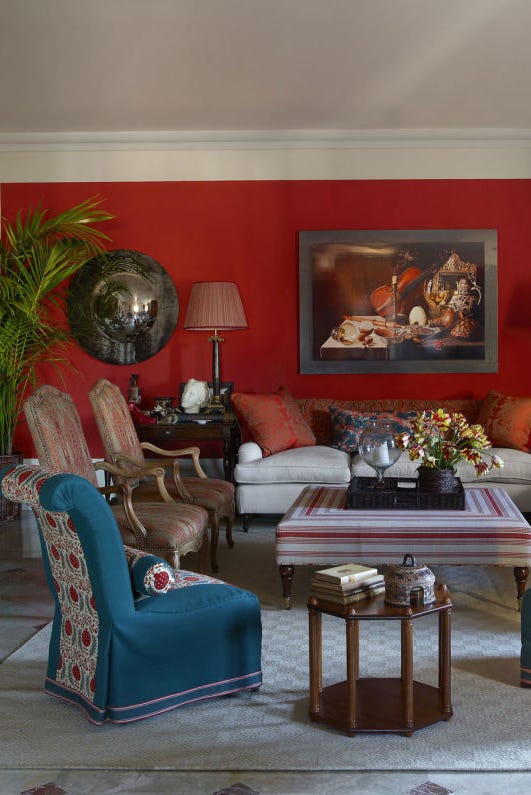
Takesh describes her signature style as a blend of refinement and warmth, aiming to create environments that envelop inhabitants in a sense of comfort, love, and a touch of mystery. She deliberately avoids cool colors and starkness, favoring warm tones that interact harmoniously to produce an inviting atmosphere. This pursuit of 'mystery' in design leads her to question fully open-concept layouts, which she believes reveal too much of a home’s aesthetic too quickly. Instead, she advocates for designs that incorporate pathways and distinct rooms, guiding visitors through a journey of discovery and maintaining an element of surprise.
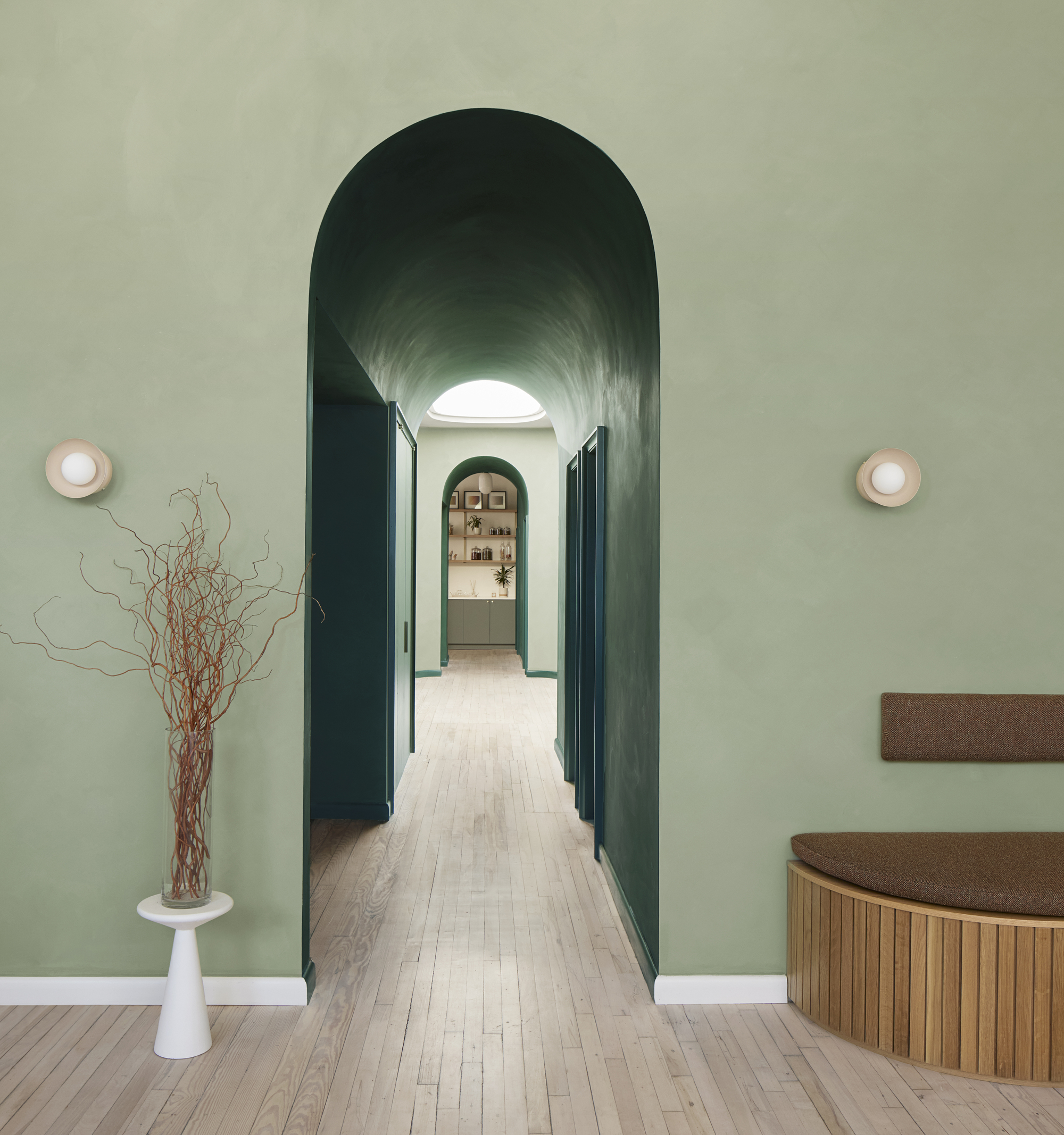
To achieve this sense of a journey, Takesh often modifies architectural elements like door openings, particularly in ranch-style homes where she might introduce arches to enhance visual interest. She emphasizes the importance of sightlines, ensuring that undesirable views—such as a toilet from a bathroom door—are concealed. A notable example of this technique is her use of a 'disappearing door,' flush with the wall and covered in wallpaper, to seamlessly integrate a powder room into a bar area, preserving the flow and intrigue of the space.
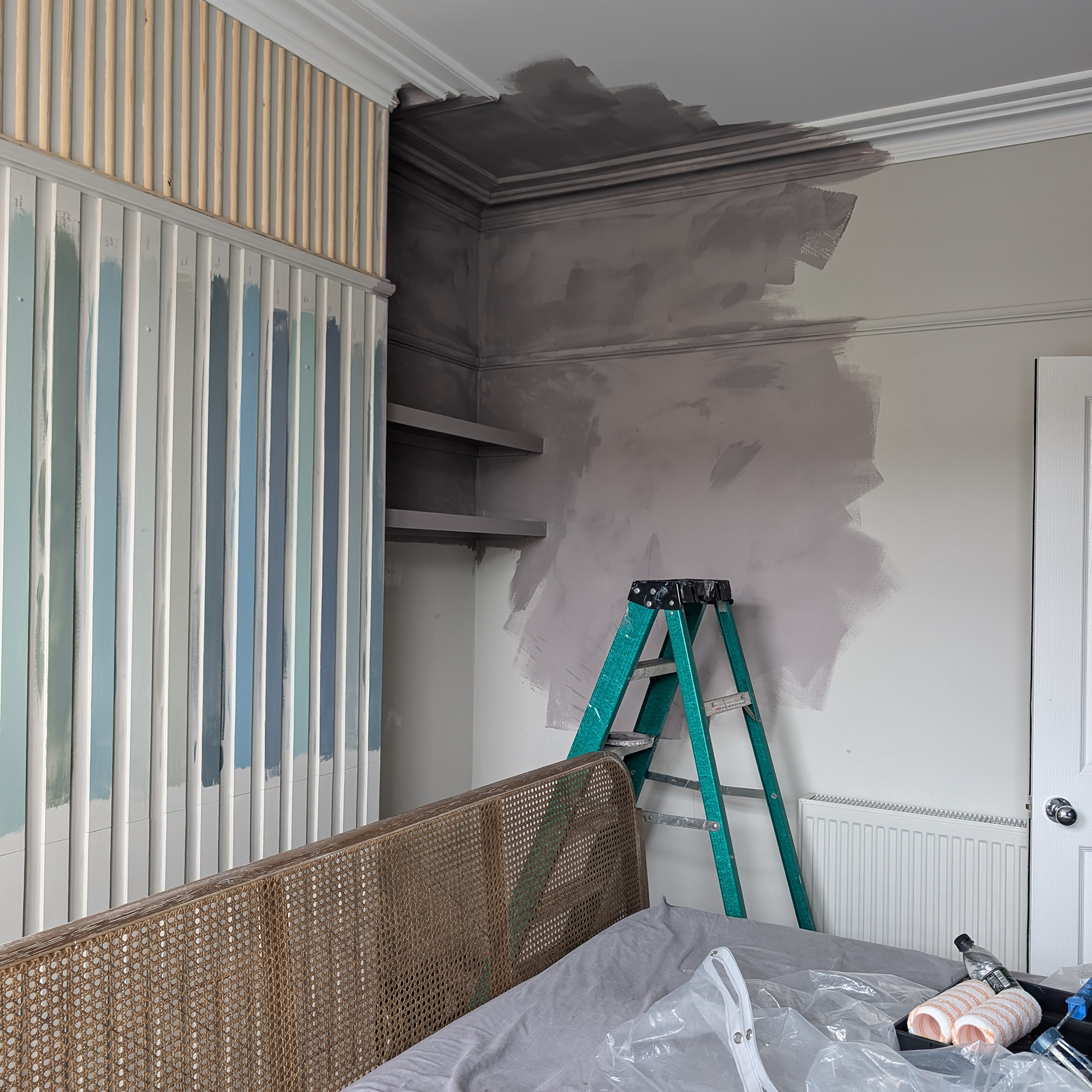
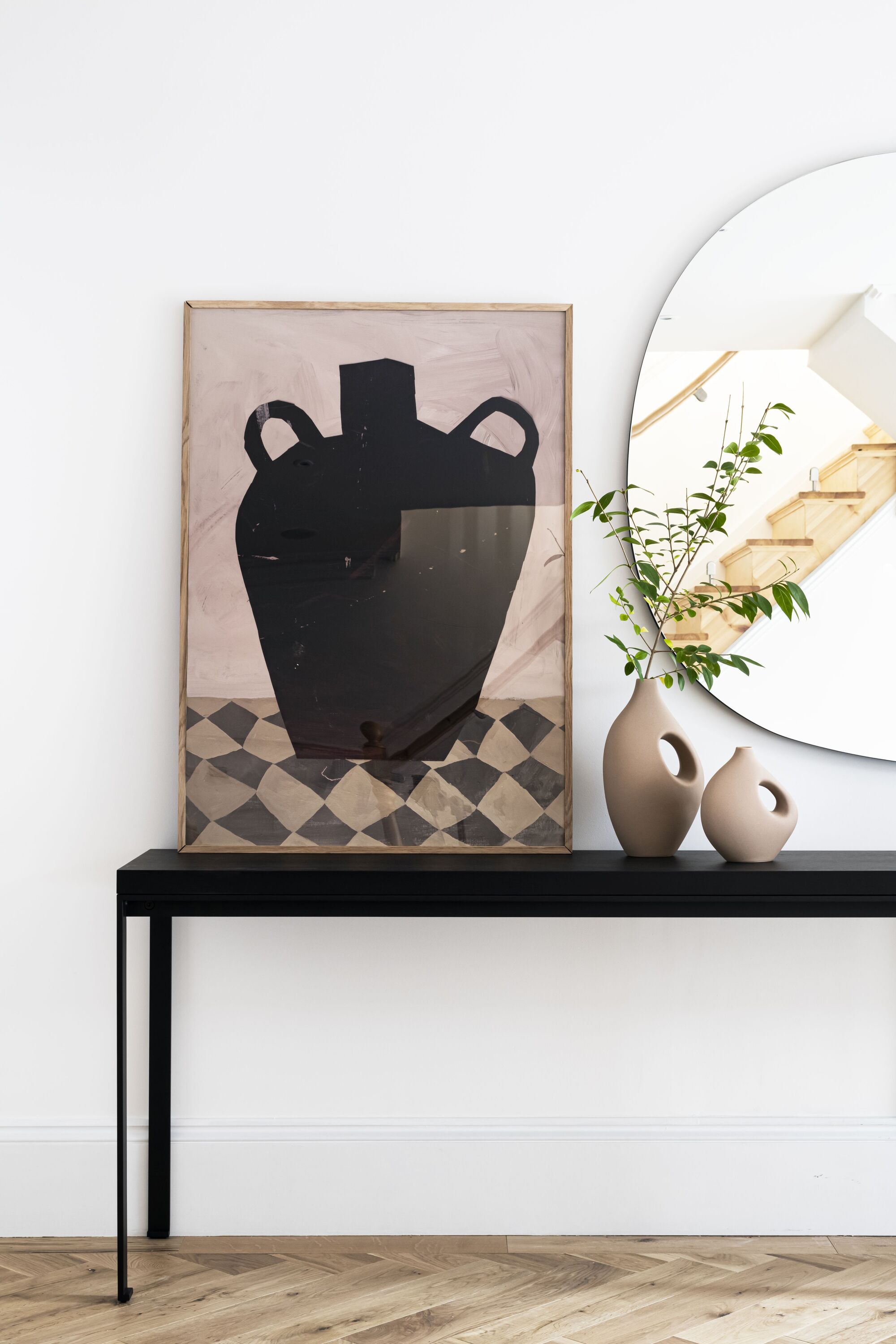
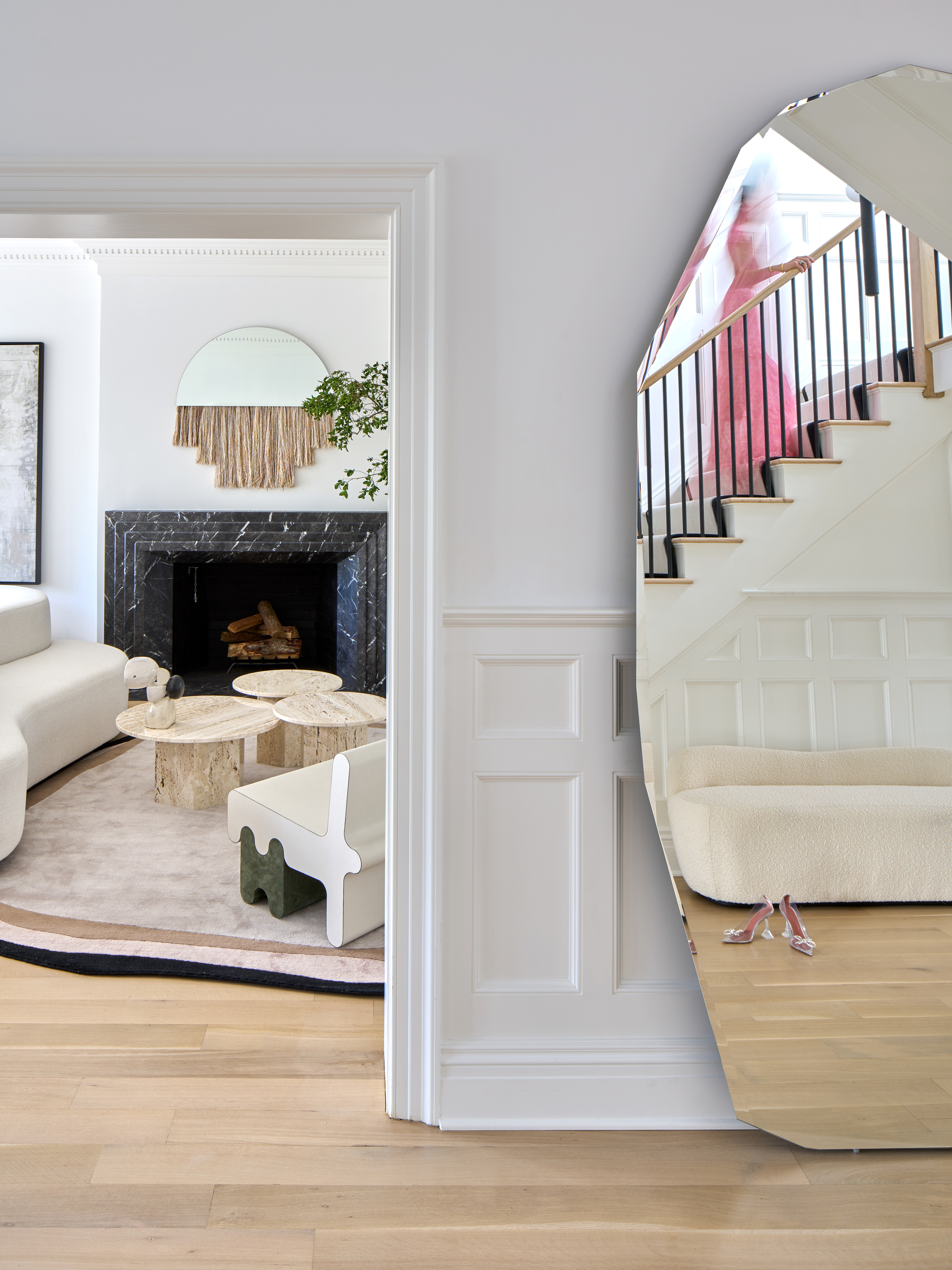
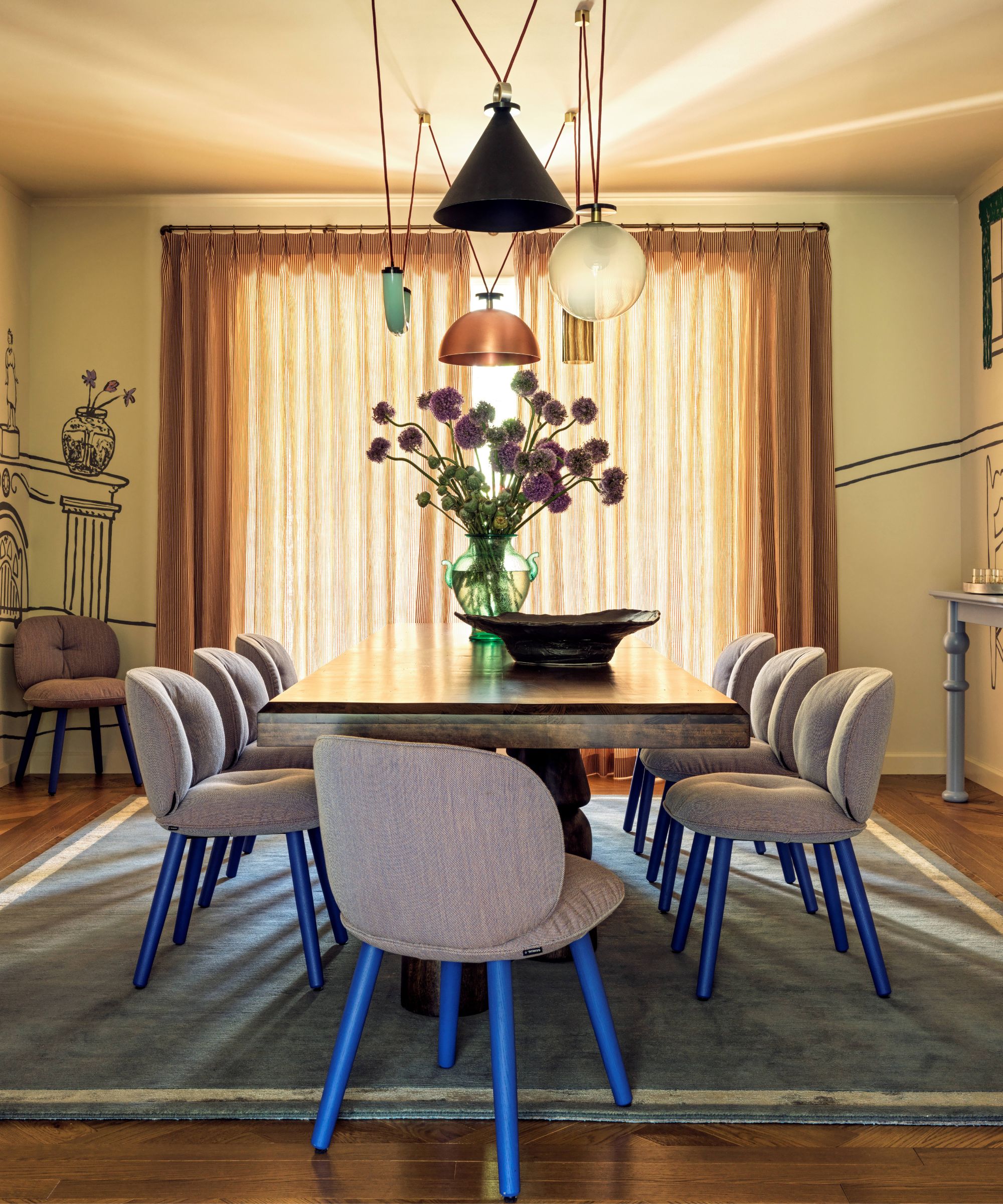
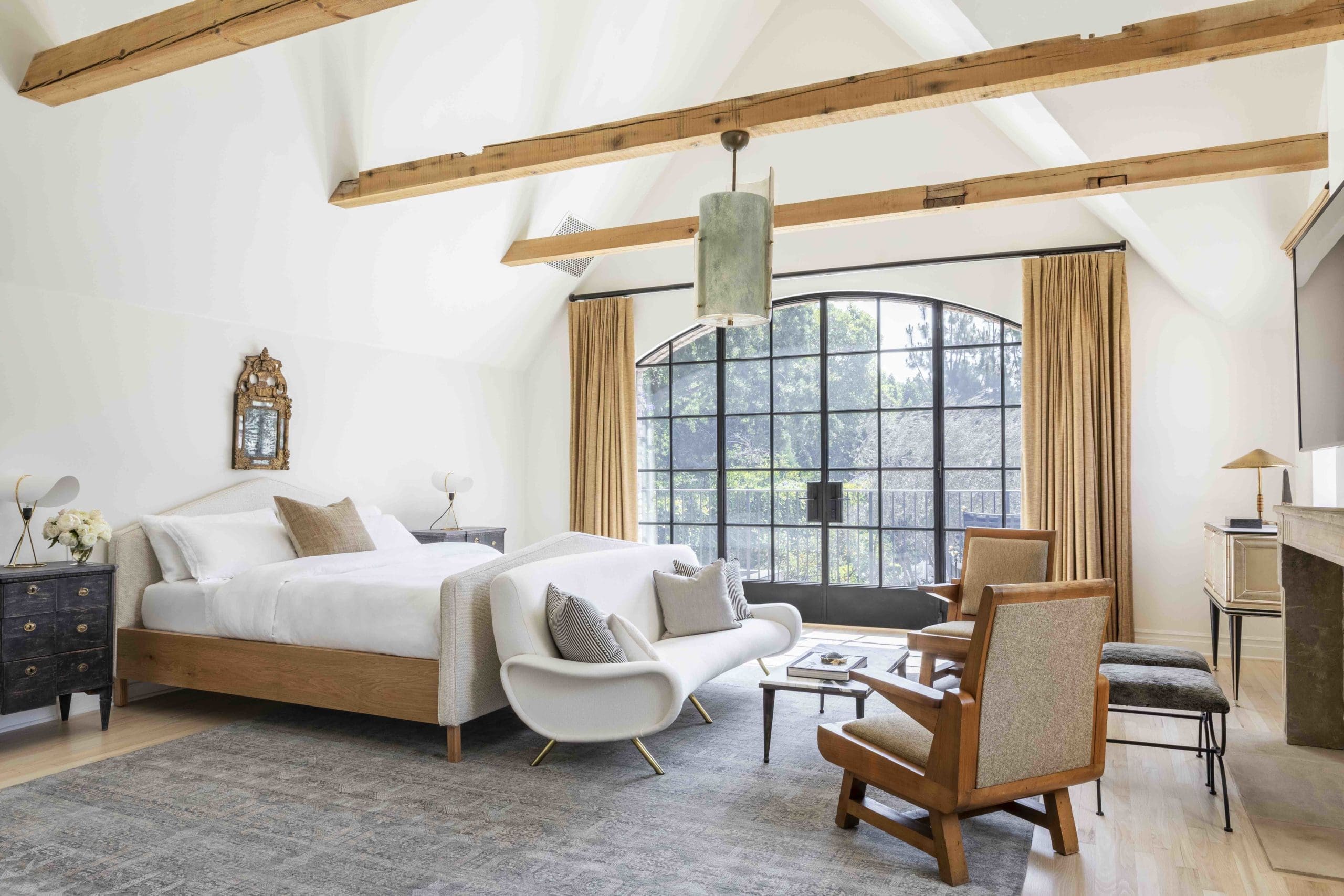
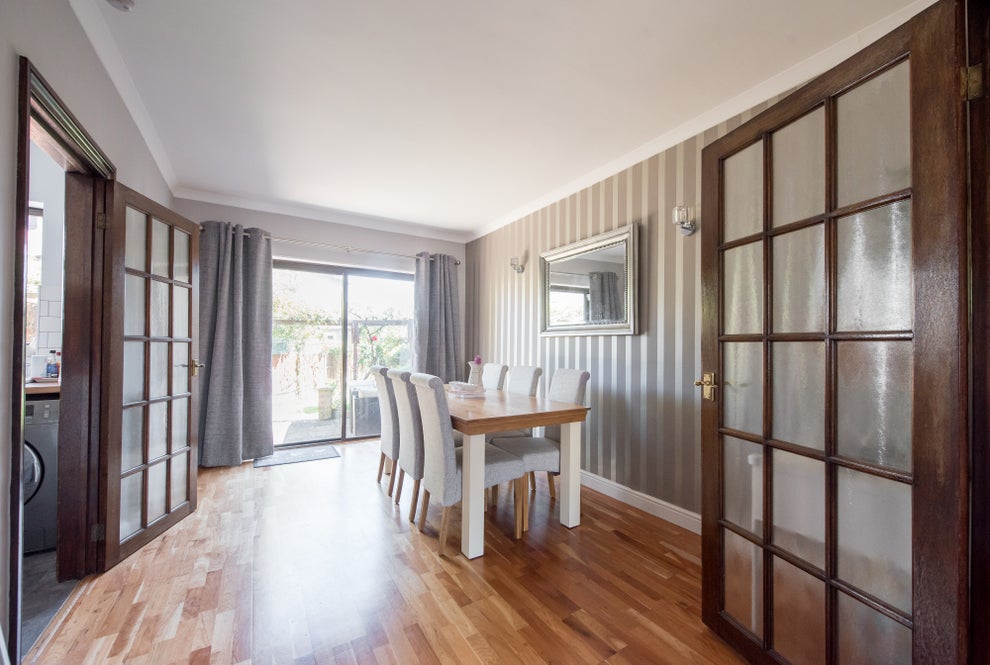
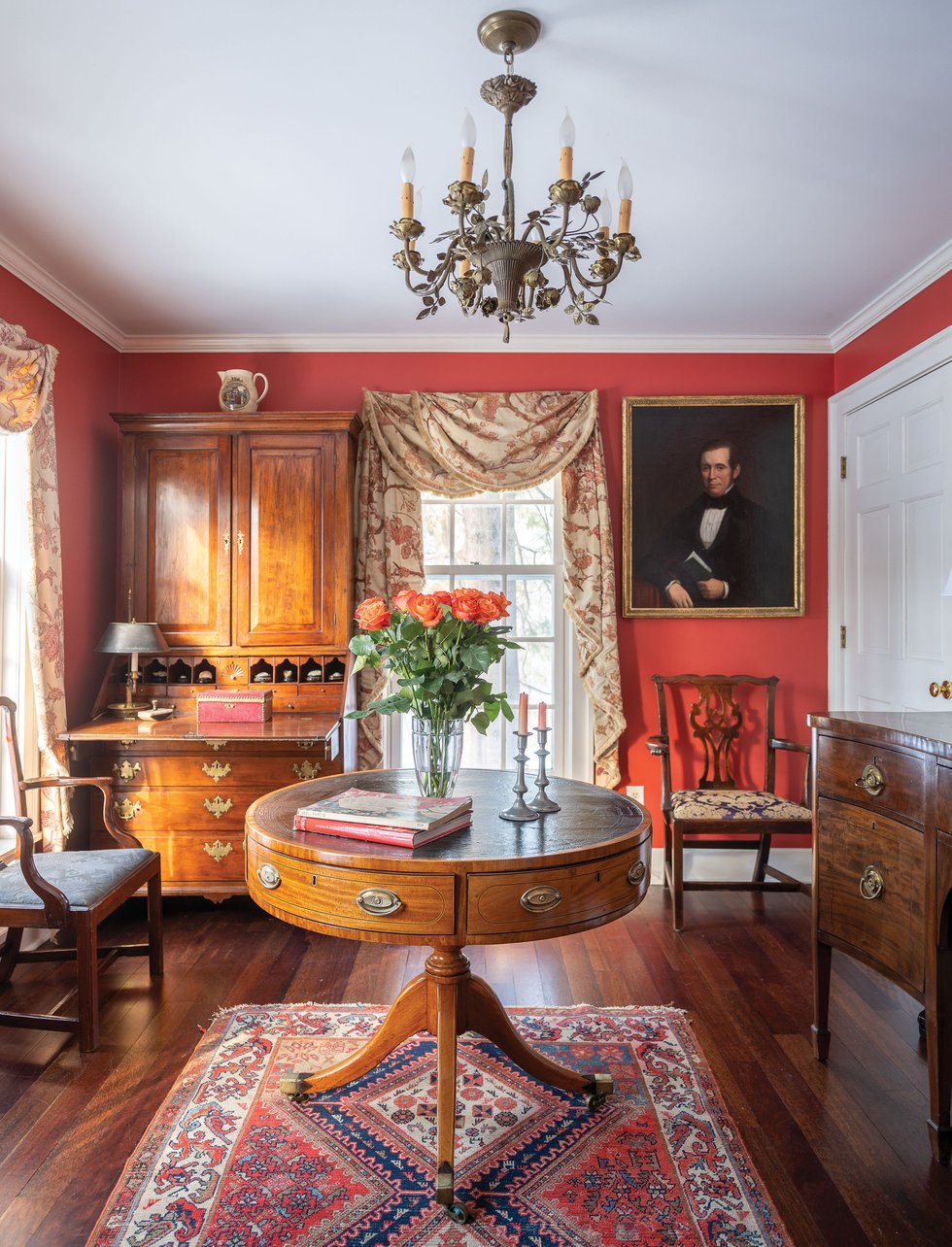
Bold silhouettes and sculptural shapes are prominent features in Takesh’s work, inspired by her global travels and observations of intricate details in diverse settings, from Italian ornamental gates to patterns on clothing. She enjoys sourcing unique items from flea markets, which she finds to be rich hunting grounds for inspiration. A consistent design decision across her projects is the use of specific molding profiles, applied in a distinctly European manner, sometimes extending up and over ceilings to elevate a room. She also favors lower paneling in dining rooms to create an enveloping and warm ambiance.
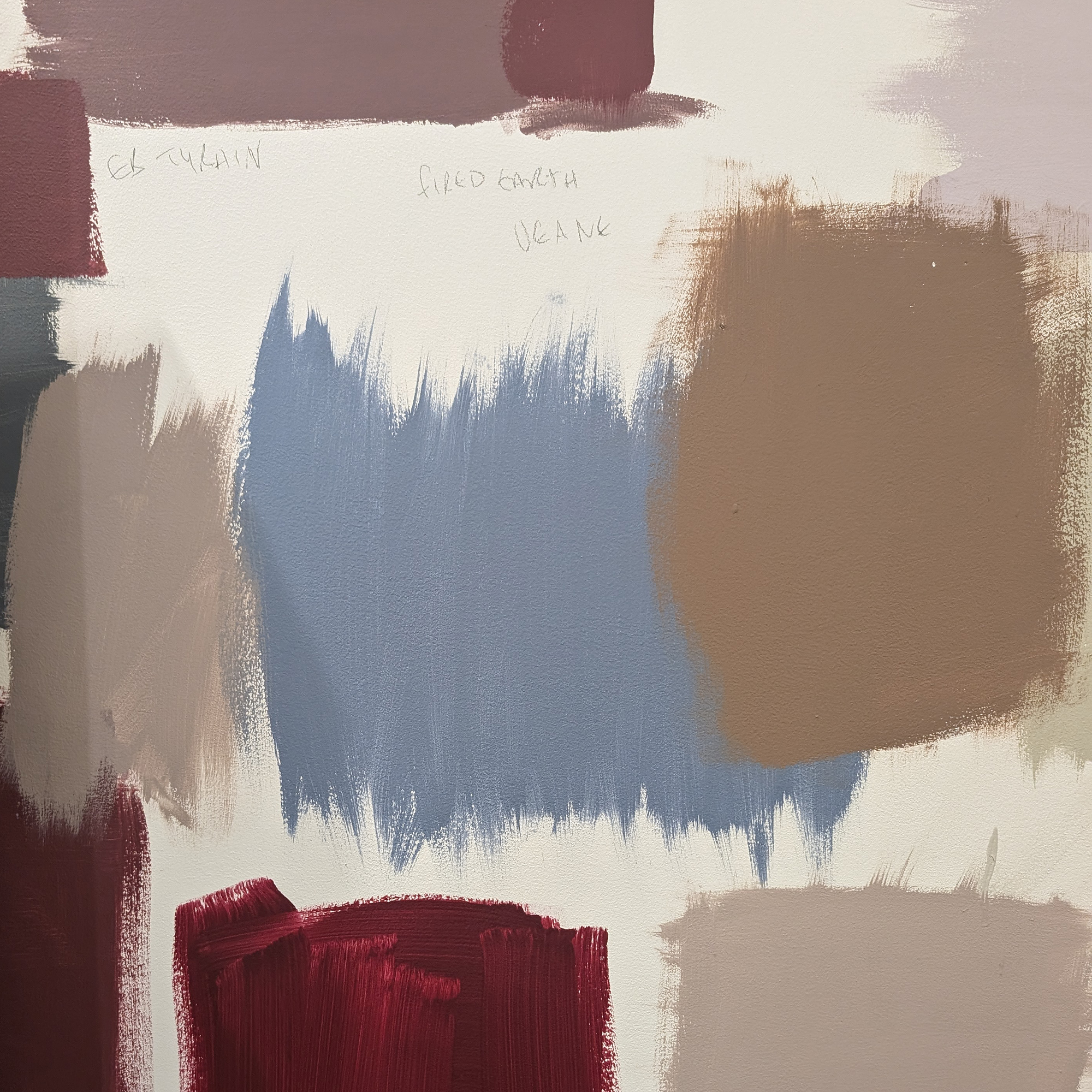
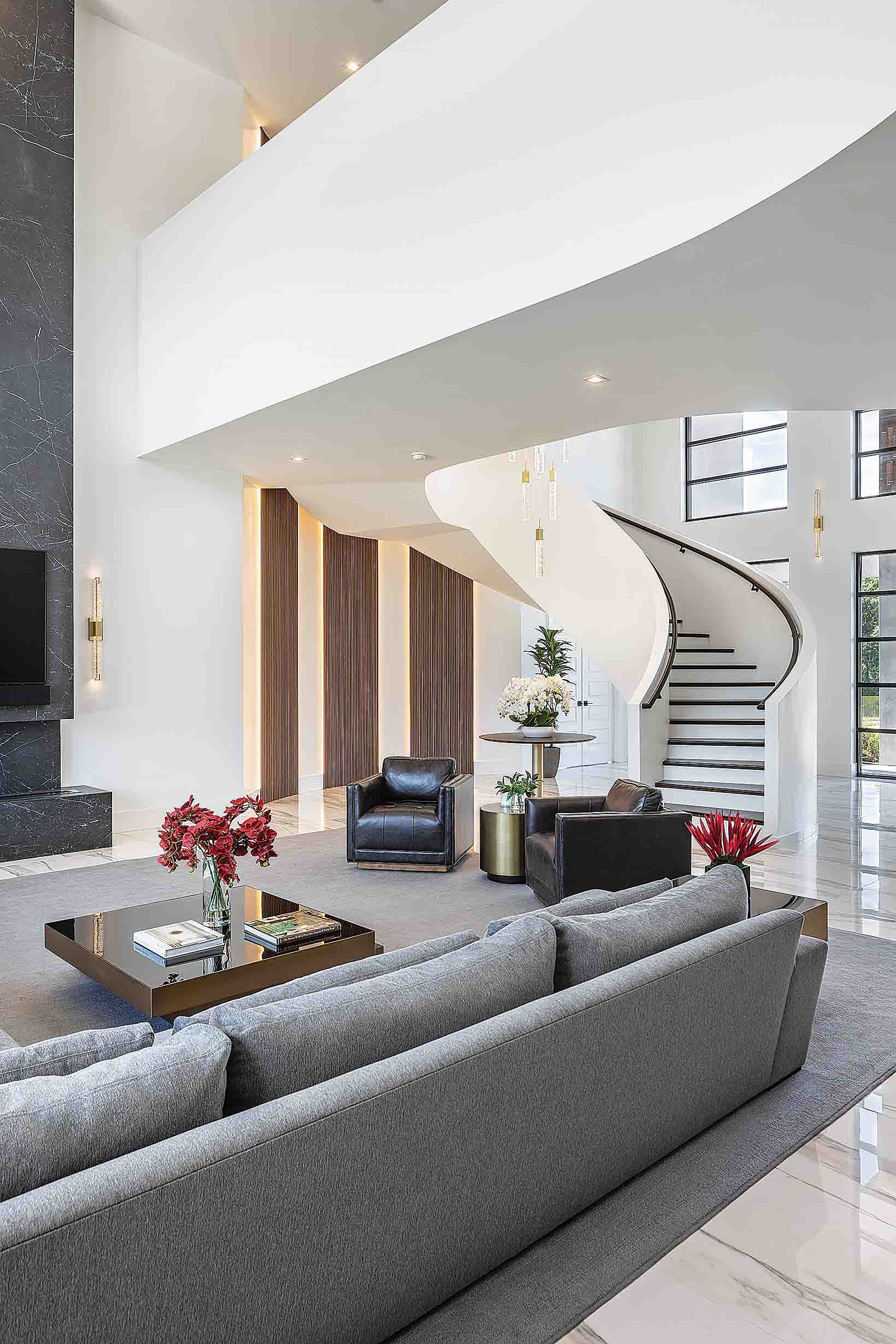
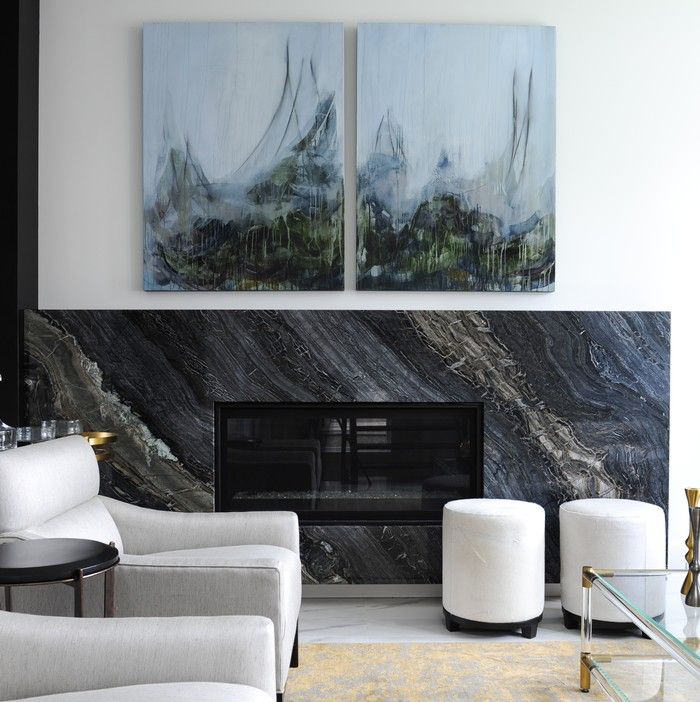
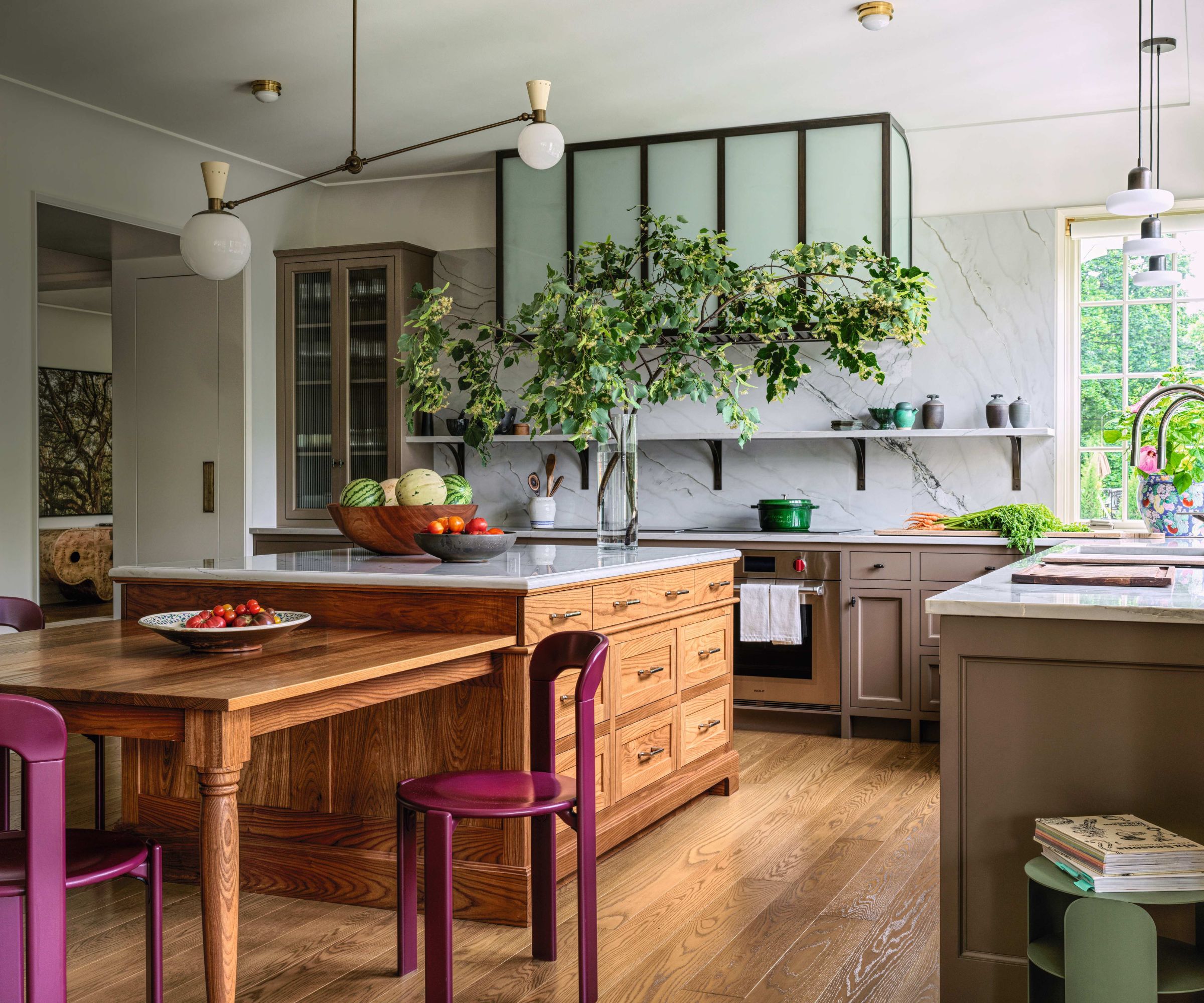
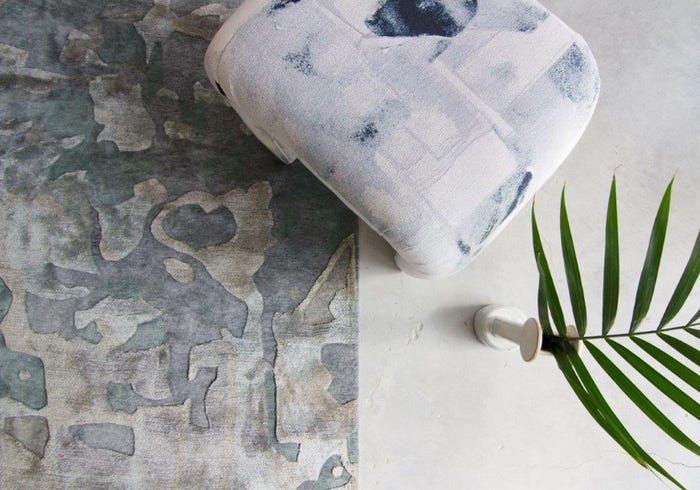
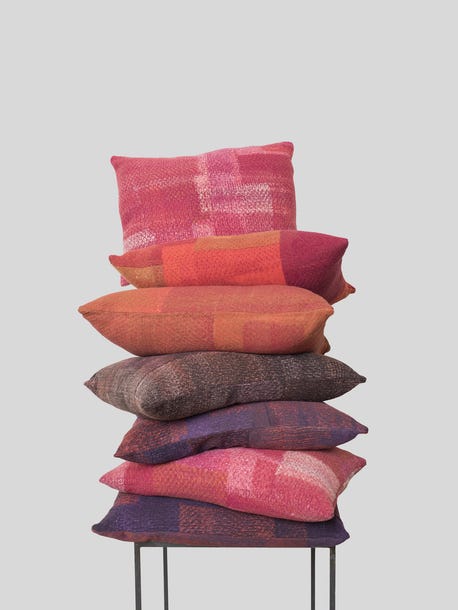
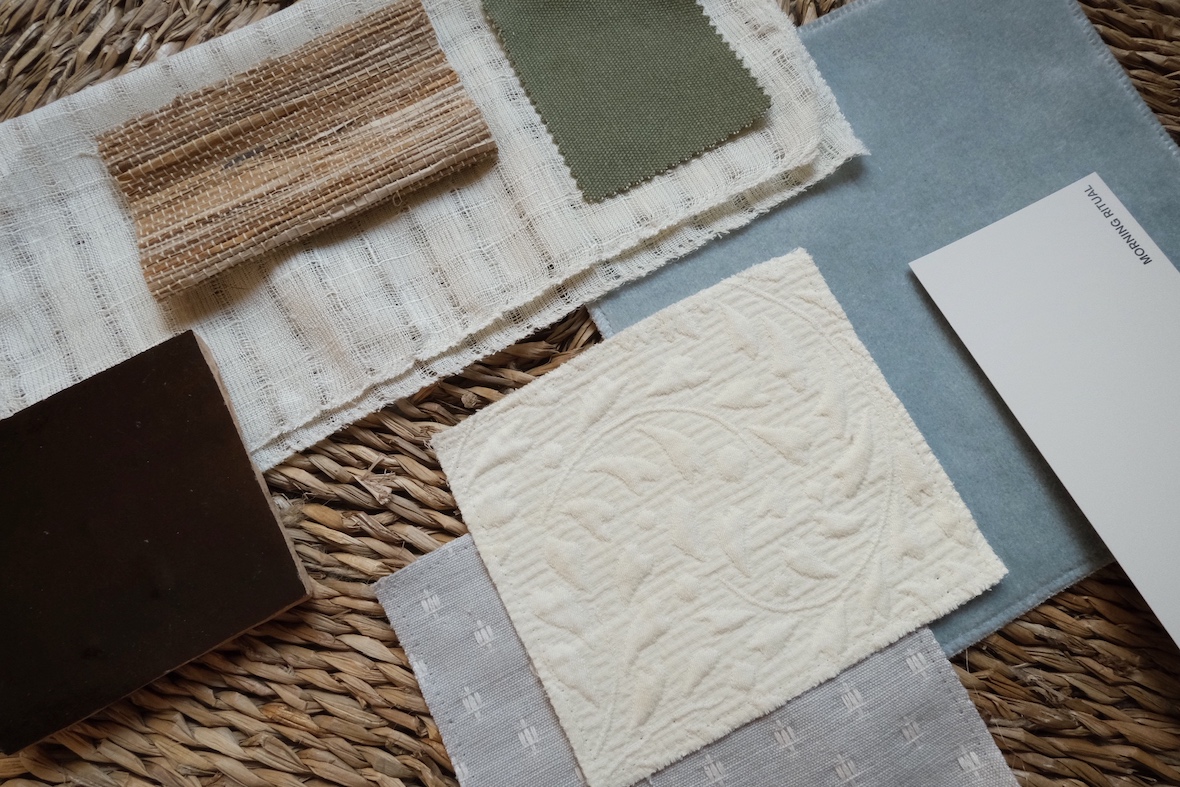

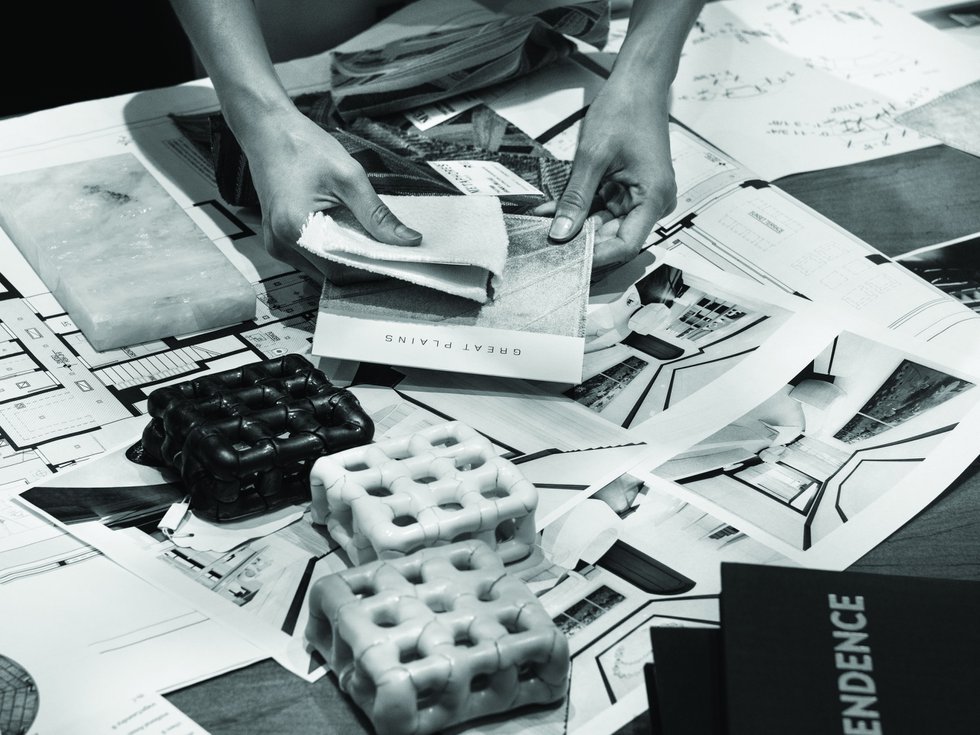
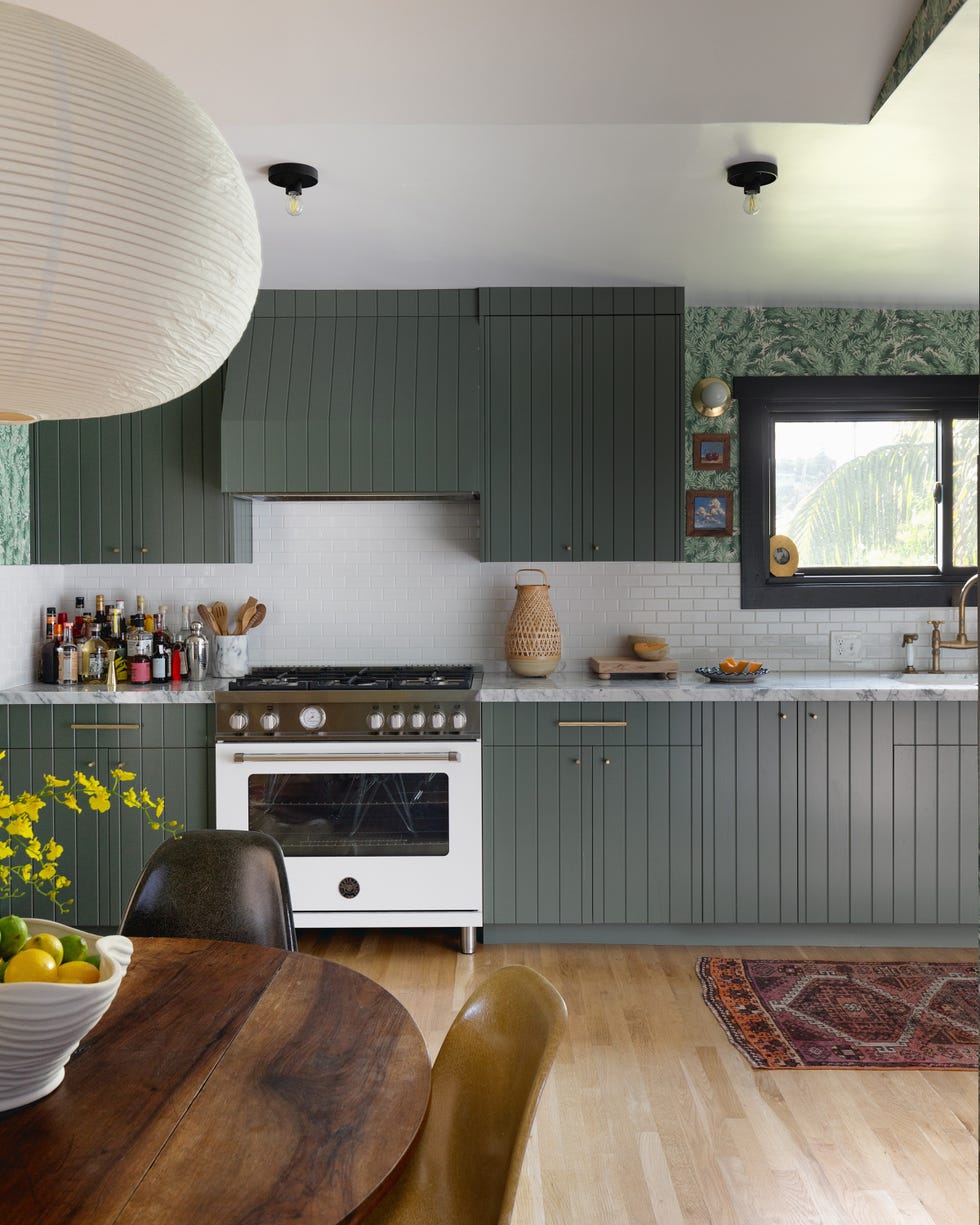
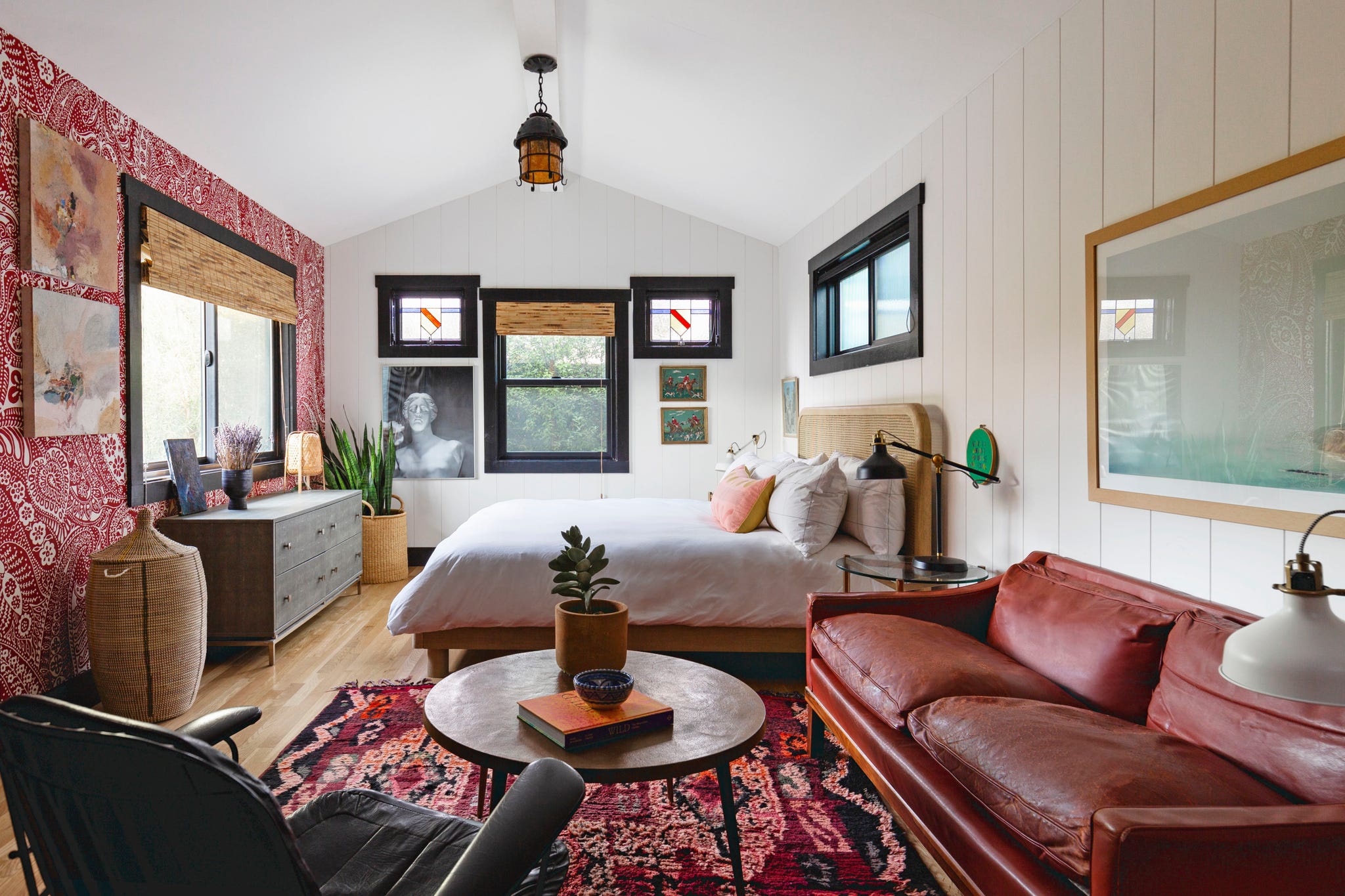
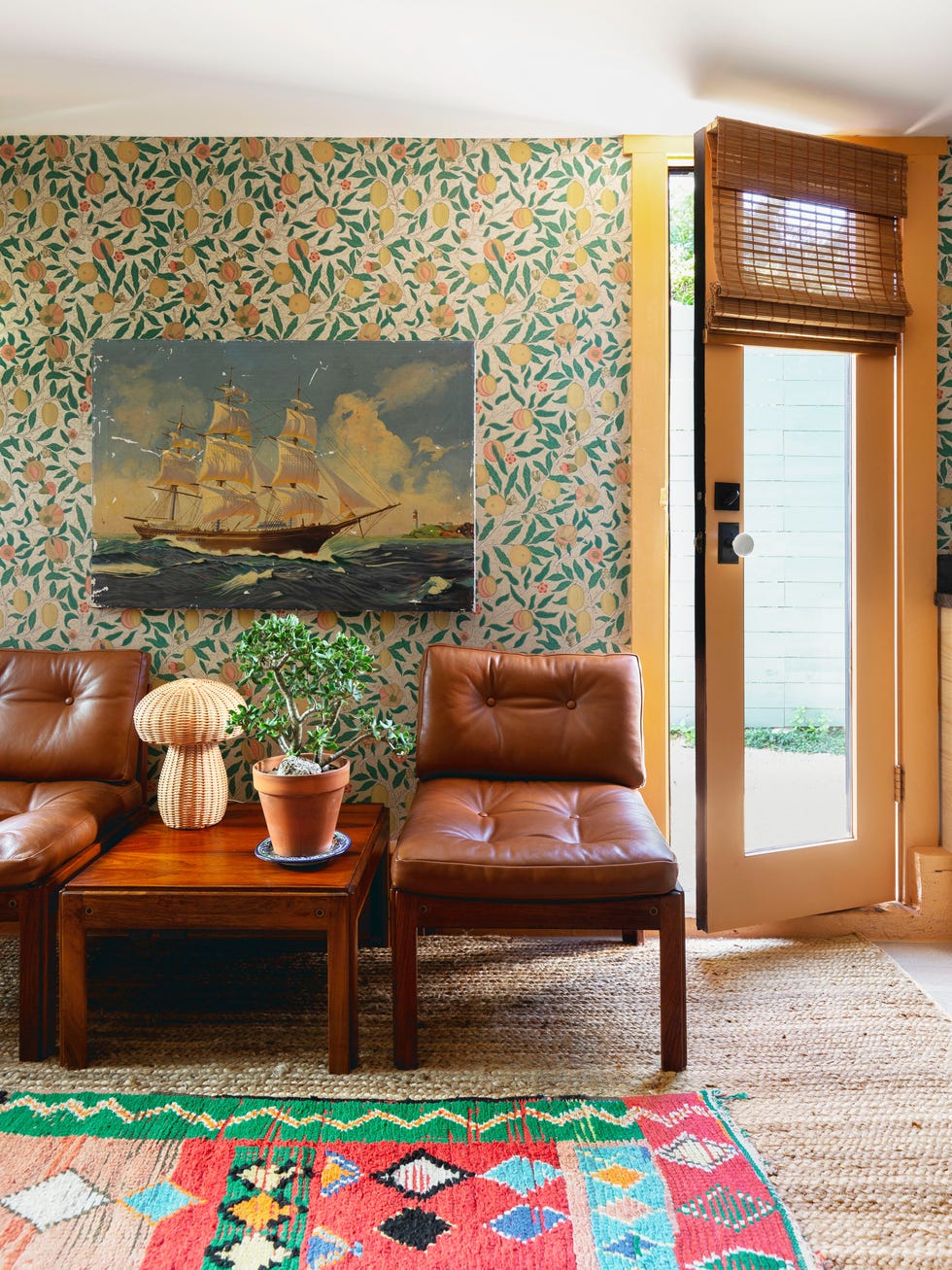
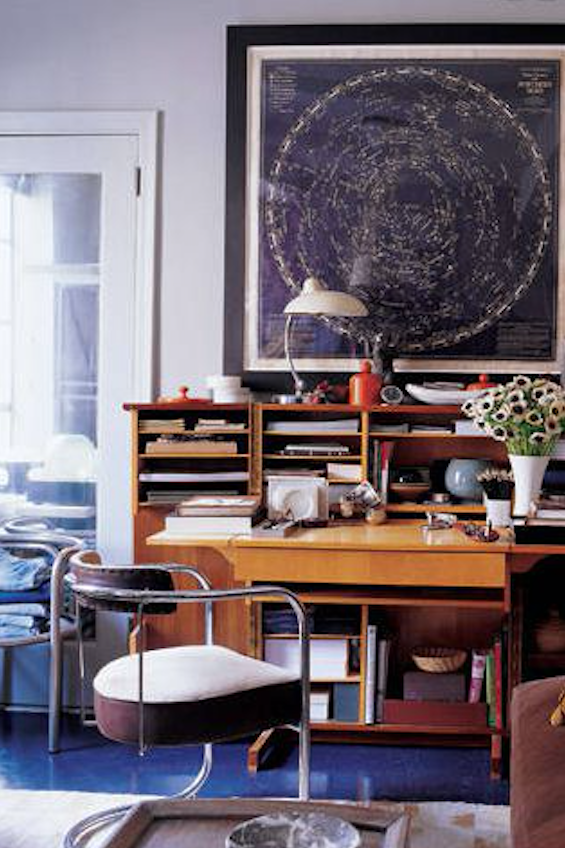
Her color palette frequently includes rust tones, often incorporated through mohair and silk fabrics, and natural materials like raffia and sisal for their warm, oatmeal hues. These natural textures are versatile and help to 'ground' high-end rooms, allowing for a juxtaposition of ornate and everyday elements, such as pairing an 18th-century armoire with an IKEA sisal rug. Greens and browns are also staples, chosen for their timeless, calming qualities that evoke nature. Takesh stresses that texture is paramount in her designs, aiming for at least six distinct textures—such as glass, marble, mohair, cashmere, wood, and metal—in a room to prevent flatness and provide variation in sheen. She has increasingly embraced the depth offered by contrasting polished with matte finishes.
Takesh observes a growing willingness among clients to experiment with bolder design choices, moving away from past inhibitions. However, she points out a common design mistake: incorrect art placement. She insists that art in living spaces should be hung at eye level when seated on a sofa, rather than too high, to be properly appreciated. For her, true craftsmanship, visible in details like good paint and precise caulking, is what ultimately unifies and perfects a room’s aesthetic.
#InteriorDesign #NinaTakesh #DesignPhilosophy #HomeDecor #LuxuryInteriors #TexturalDesign #ColorPalette #ArchitecturalDetails #VintageFurniture #InteriorDesign #NinaTakesh #DesignPhilosophy #HomeDecor #LuxuryInteriors #TexturalDesign #ColorPalette #ArchitecturalDetails #VintageFurniture
0 comment in total
 No comments yet
You may also like
Unpopular Opinion: My house will never be finished, and neither will yours
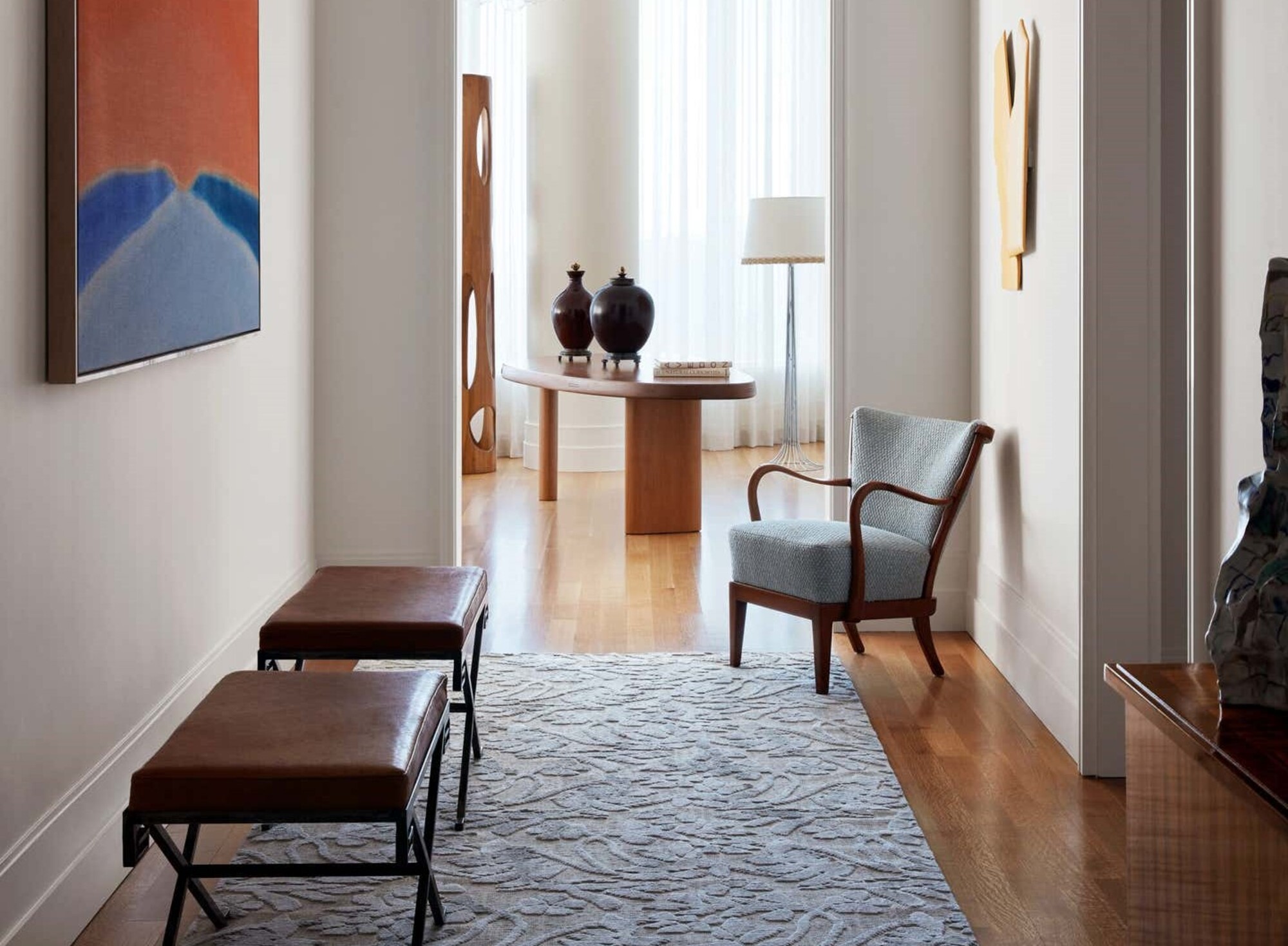
First impressions count! 8 guaranteed ways to make your entryway feel more welcoming and wonderful

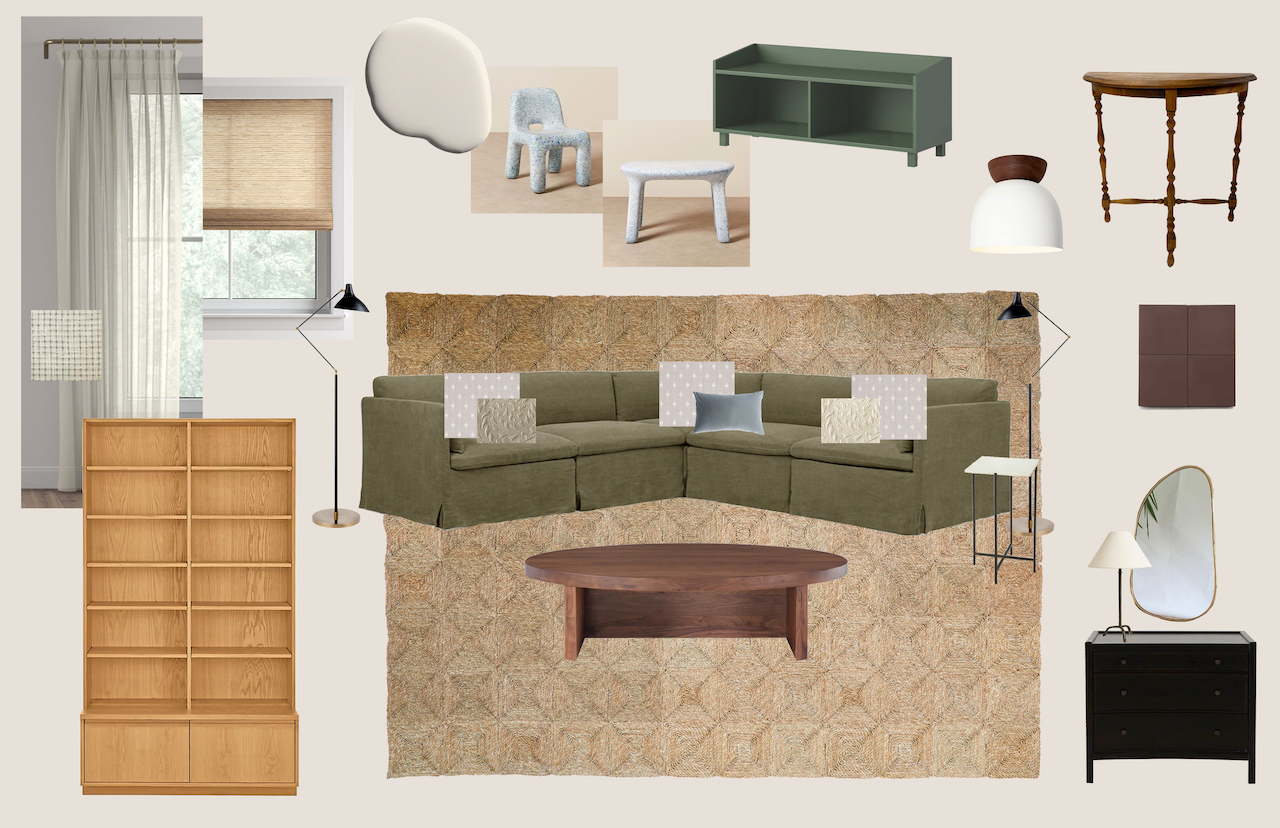
Before: I Asked an Influencer to Design My Living Room and She Didn’t Disappoint


Yoselin Alonso Open Concept
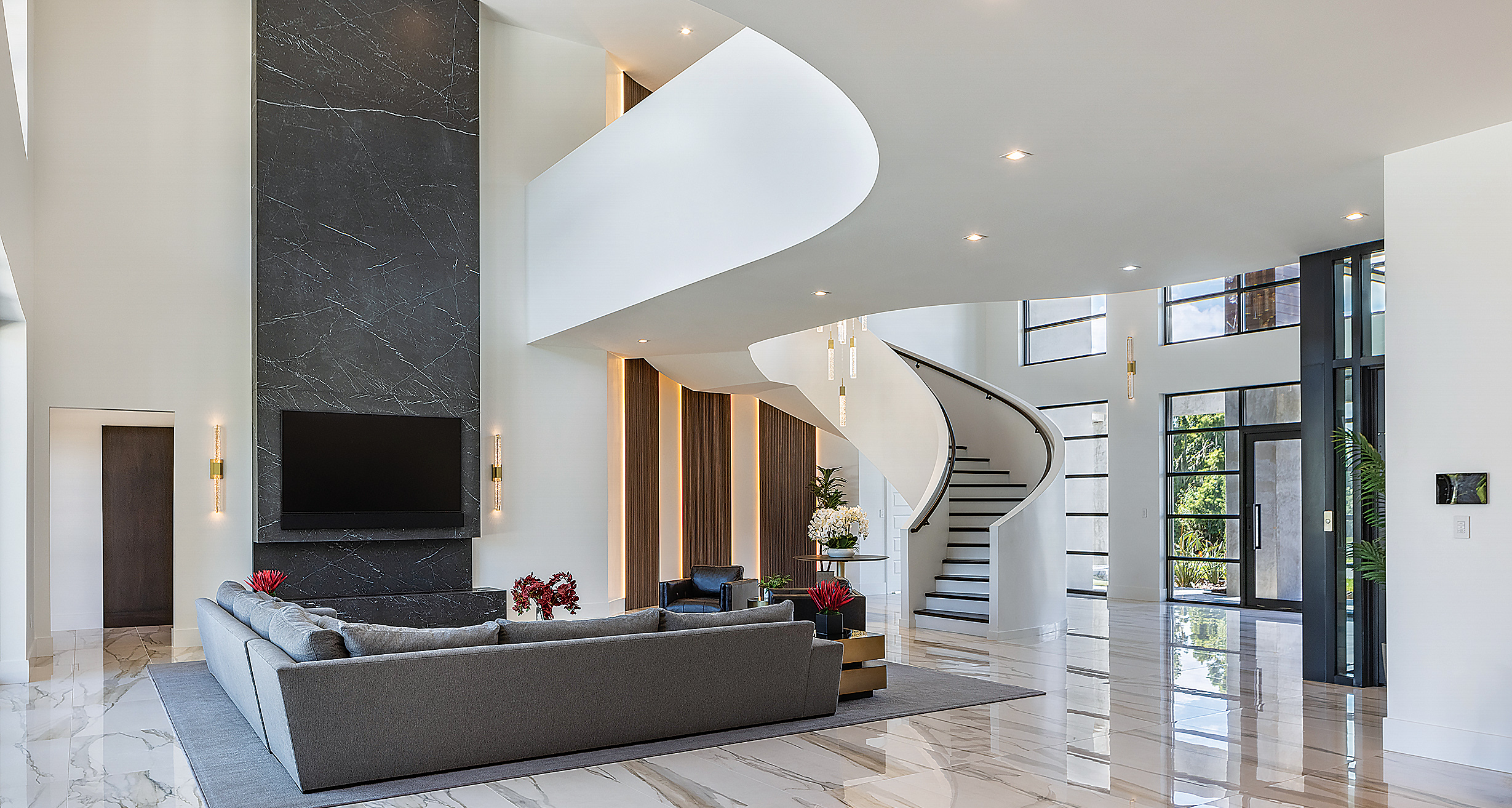
Home Design: Dramatic & Immersive


Twelve creatives on the home essentials they can't do without

Craft, Culture, and Character: Telling Stories Through Interior Design
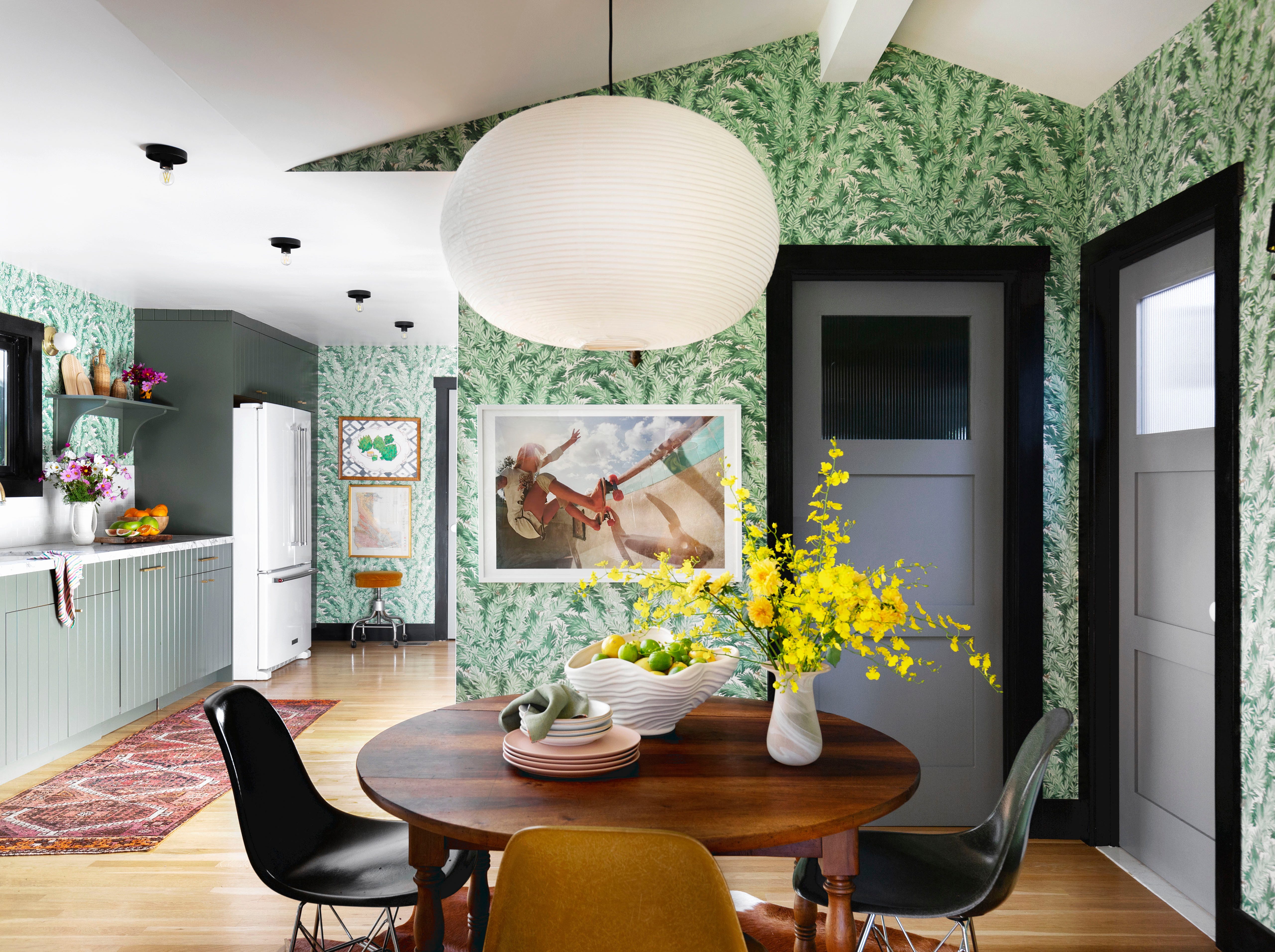
Nick Olsen Transformed This L.A. Bungalow Into a Maximalist Haven

6 Tips For Creating The Perfect Home For Any Life Stage
I tried using Ikea's $99 interior-designer service. It was an incredible value with just one downside.
Meet The Interior Designer: Alice Grace

The 2020 A-List: 125 of the Best Interior Designers in the World

Interior designer says that having family photo 'shrines' in the house is poor taste

‘It’s much harder than it looks' – explore a Minneapolis new build home that feels like it's stood in place for centuries


Nate Berkus on the New Age of Interior Design


Home & Design | A World of Interiors
Why every room needs a statement piece — and how to choose yours

Homestyle: Attention to detail
"It's Like I'm On An HGTV Acid Trip": People Are Denouncing The Worst Home Design Features

10 Things You'll Always Find in an Interior Designer's Home