1/5
Cliff Fong on the New Age of Interior Design
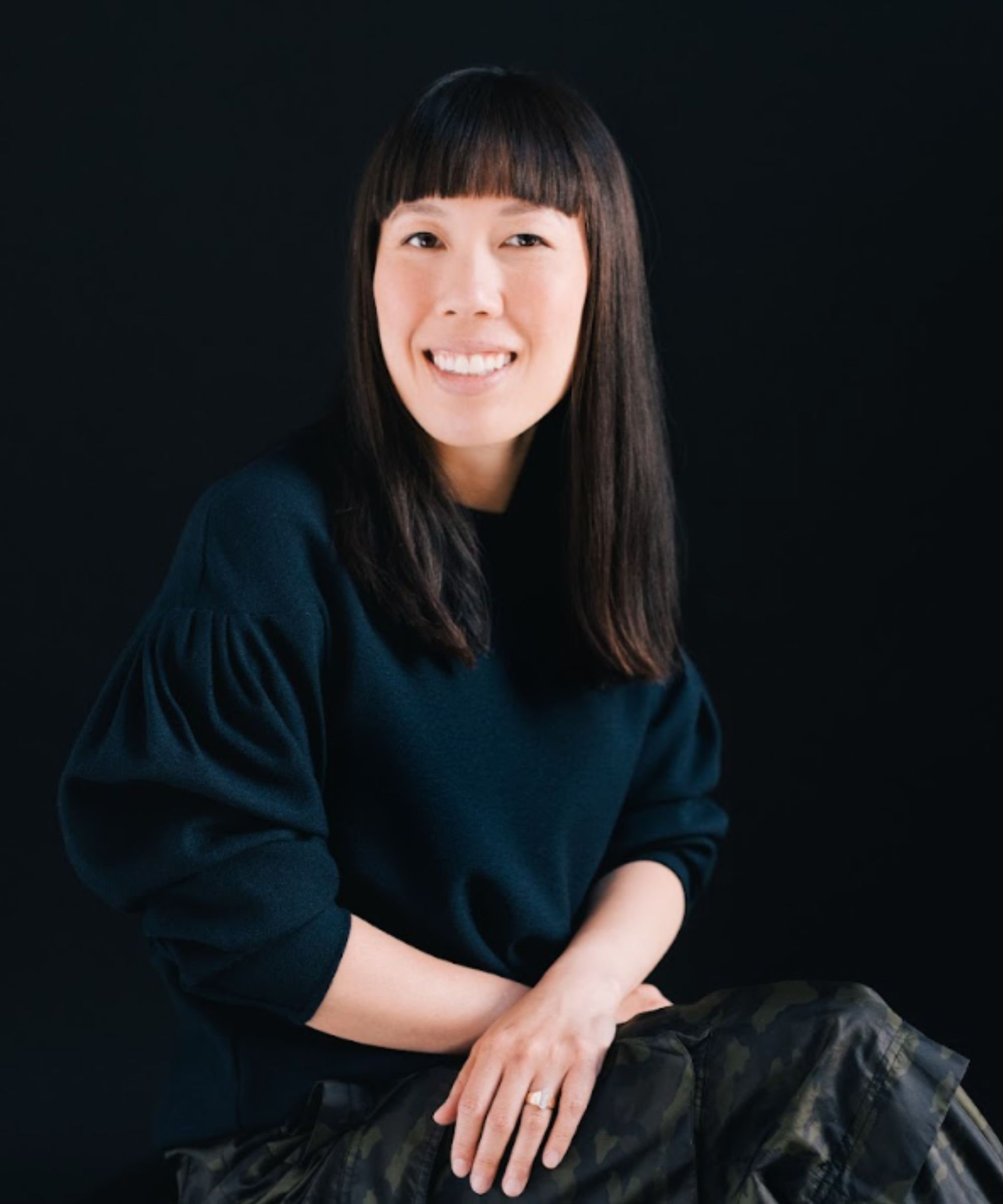
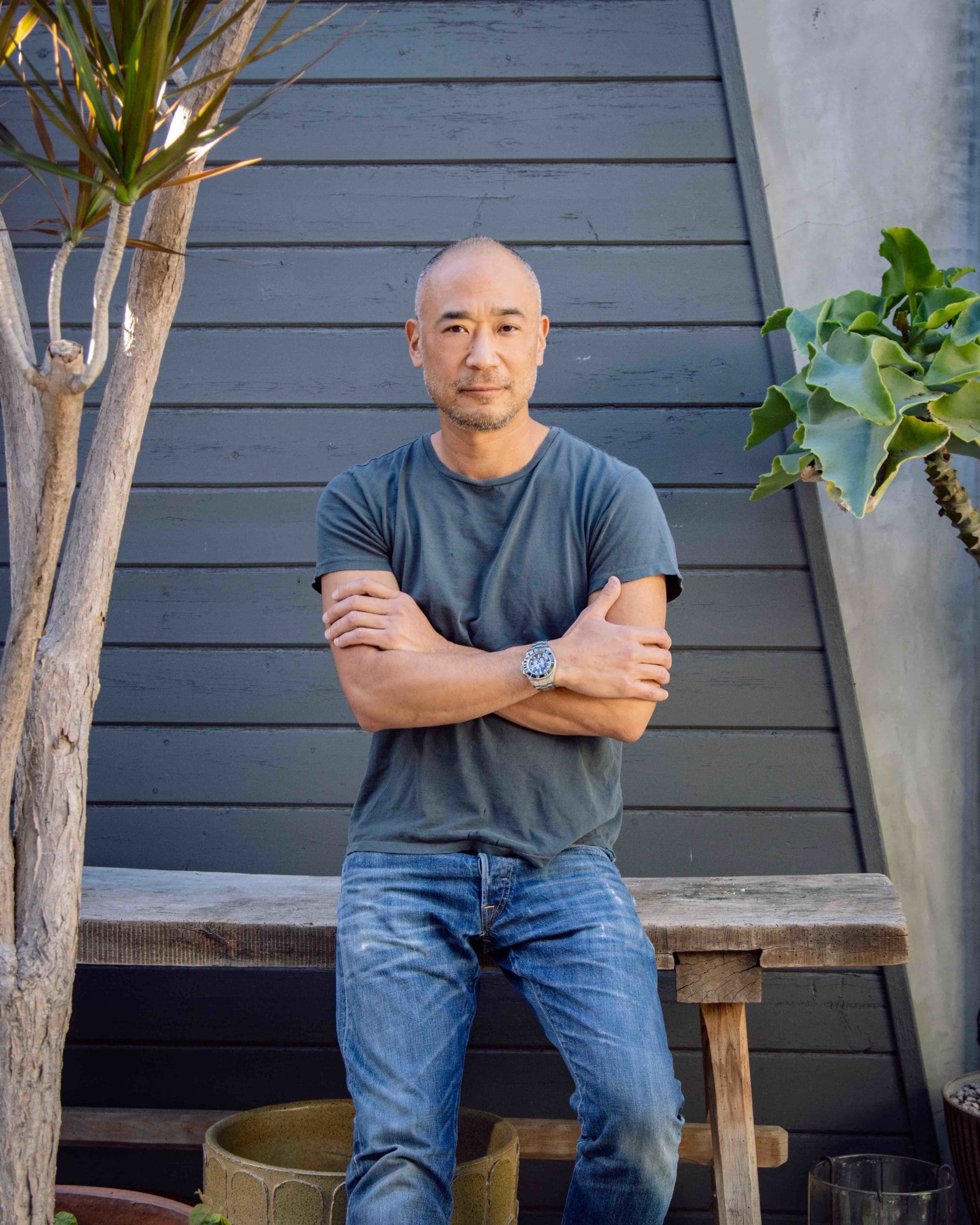
The article presents an interview with Cliff Fong, founder of Matt Blacke Inc., who discusses the evolving landscape of interior design, client behaviors, and his personal philosophy on style and living. Fong, known for his ability to blend high-end pieces with more accessible items, began his career in fashion before transitioning to interiors. His notable clients include Ryan Murphy and Ellen DeGeneres.
Fong observes a significant shift in client behavior, particularly amplified by the pandemic. Many urban dwellers are acquiring properties in more remote locations, such as Wyoming, Maine, and North Carolina, often without prior physical visits. This trend reflects a desire to escape conventional urban life and pursue experiential environments or reconnect with their roots in smaller towns. Clients are increasingly using their second or third homes to create meaningful experiences for their families, demonstrating a growing sense of goodwill and generosity in how they approach their living spaces.
Another key theme Fong highlights is the increasing appreciation for nature as a luxury. With growing awareness of climate change, access to and enjoyment of nature are becoming more exclusive. Fong, who draws inspiration from the architectural and sculptural qualities of nature, notes that clients are now seeking his expertise not only for interior spaces but also for designing and defining their outdoor living areas, recognizing that life extends beyond the indoors.
The interview delves into Fong's long-standing professional relationship and friendship with Ellen DeGeneres. He describes her approach to moving and redesigning homes as a hobby, driven by a deep love for design rather than financial investment. Fong emphasizes that DeGeneres focuses on creating beauty and reimagining properties, treating each project as an opportunity to transform a space. This perspective underscores a client mindset that prioritizes aesthetic fulfillment and personal enjoyment over purely monetary gains.
Fong also addresses the challenges of financial freedom in a consumerist society. He notes that clients with significant wealth often accumulate possessions without critical consideration, leading to a feeling of being overwhelmed by their belongings. This behavior, facilitated by the ease of online shopping, can bypass the essential questions of necessity, desire, and meaningfulness. Fong suggests that the ability to acquire things instantly can sometimes detract from a thoughtful connection to one's possessions.
The discussion then shifts to Fong's passion for discovery, particularly through flea markets, which he missed during the pandemic. He describes himself as a "scavenger at heart," valuing the process of finding unique items. He differentiates this sense of discovery from the experience of more established clients, for whom design might be a routine aspect of their multi-property lifestyles. This highlights the varying levels of engagement and personal connection clients have with the design process.
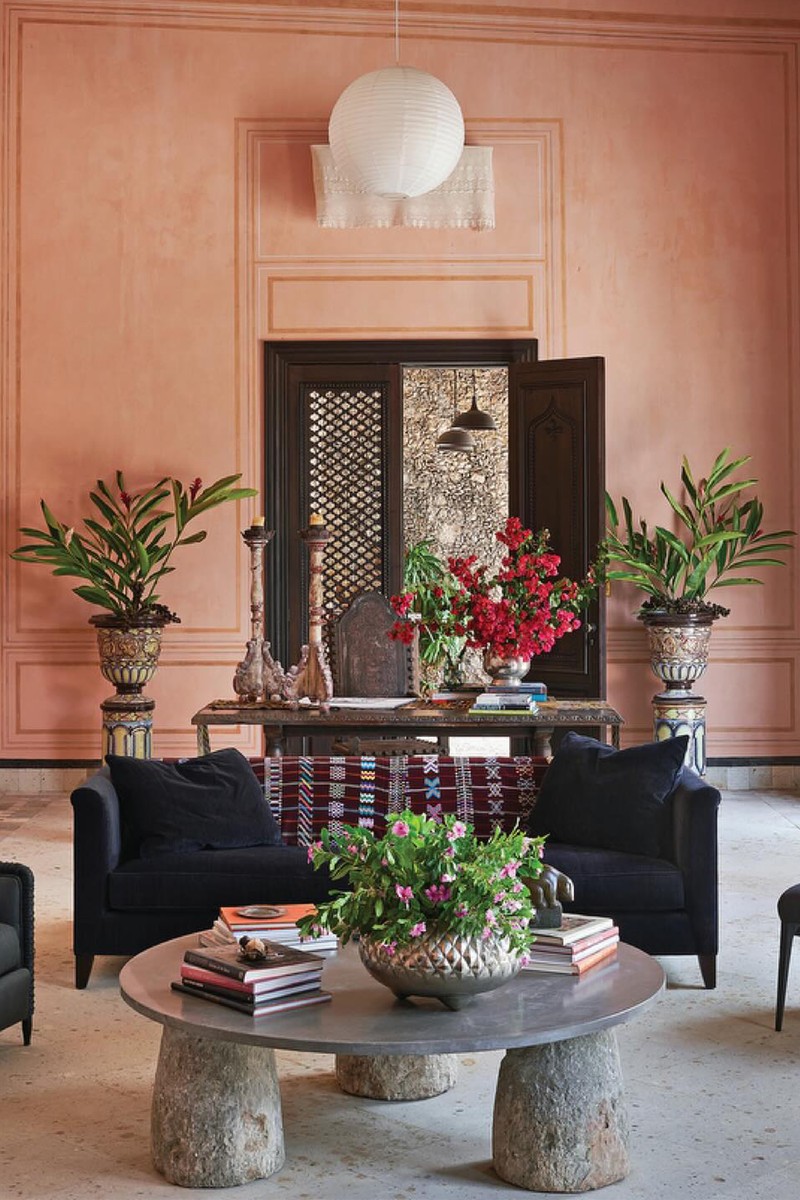
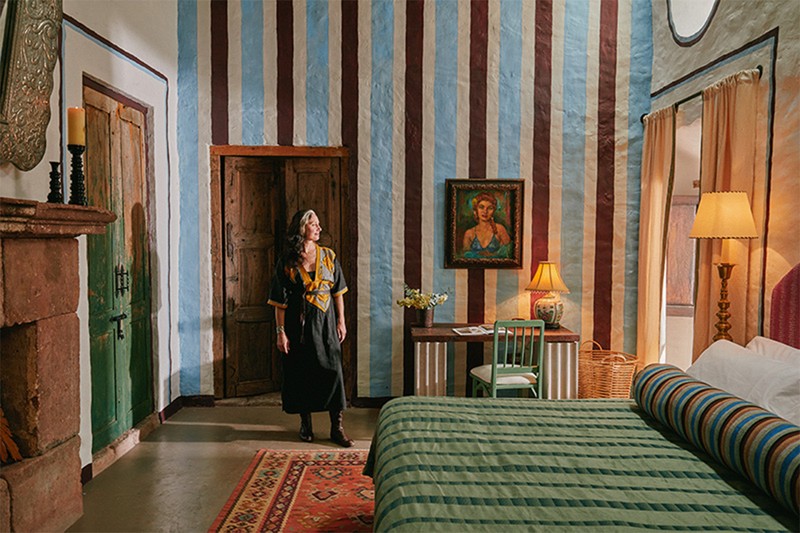
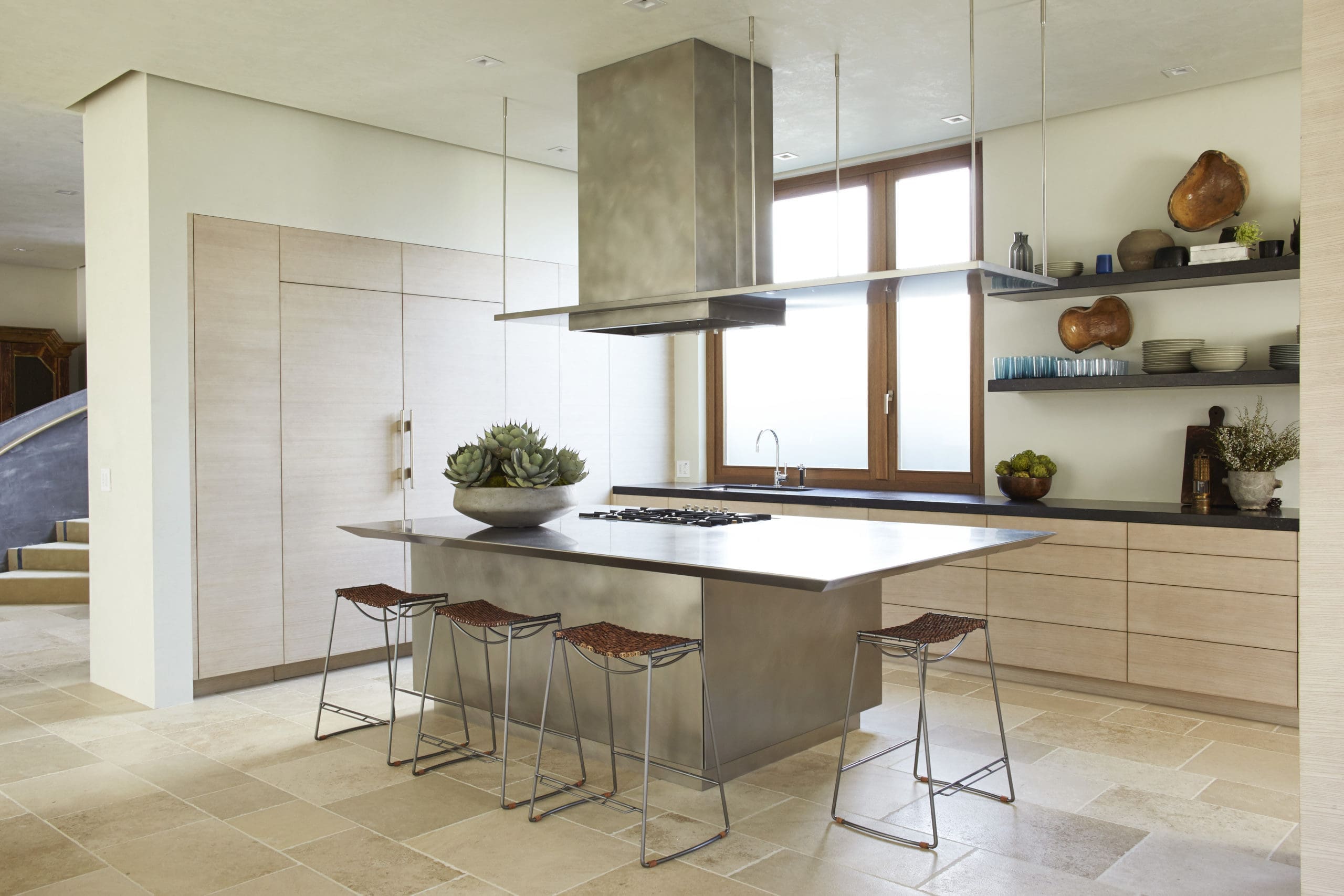
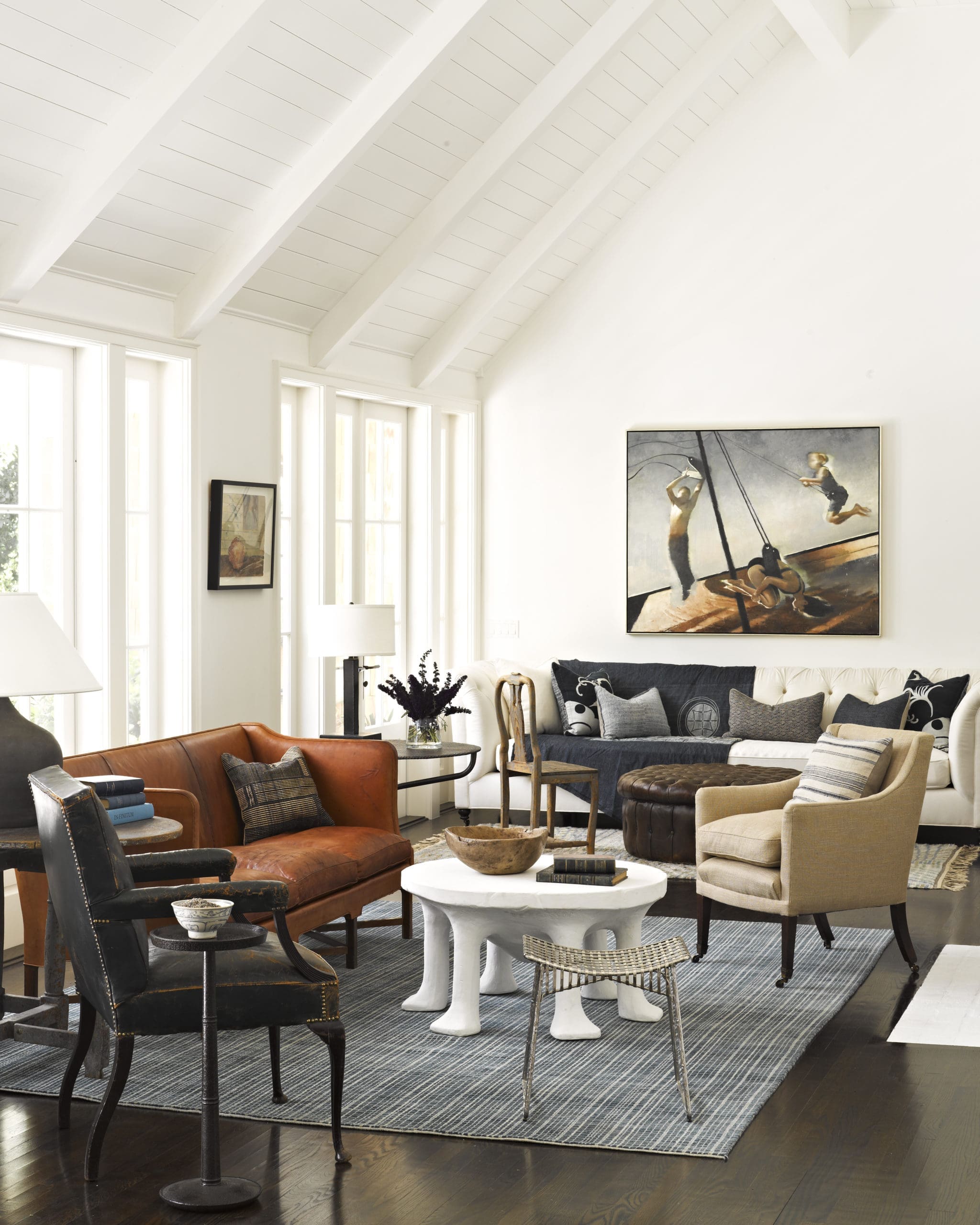
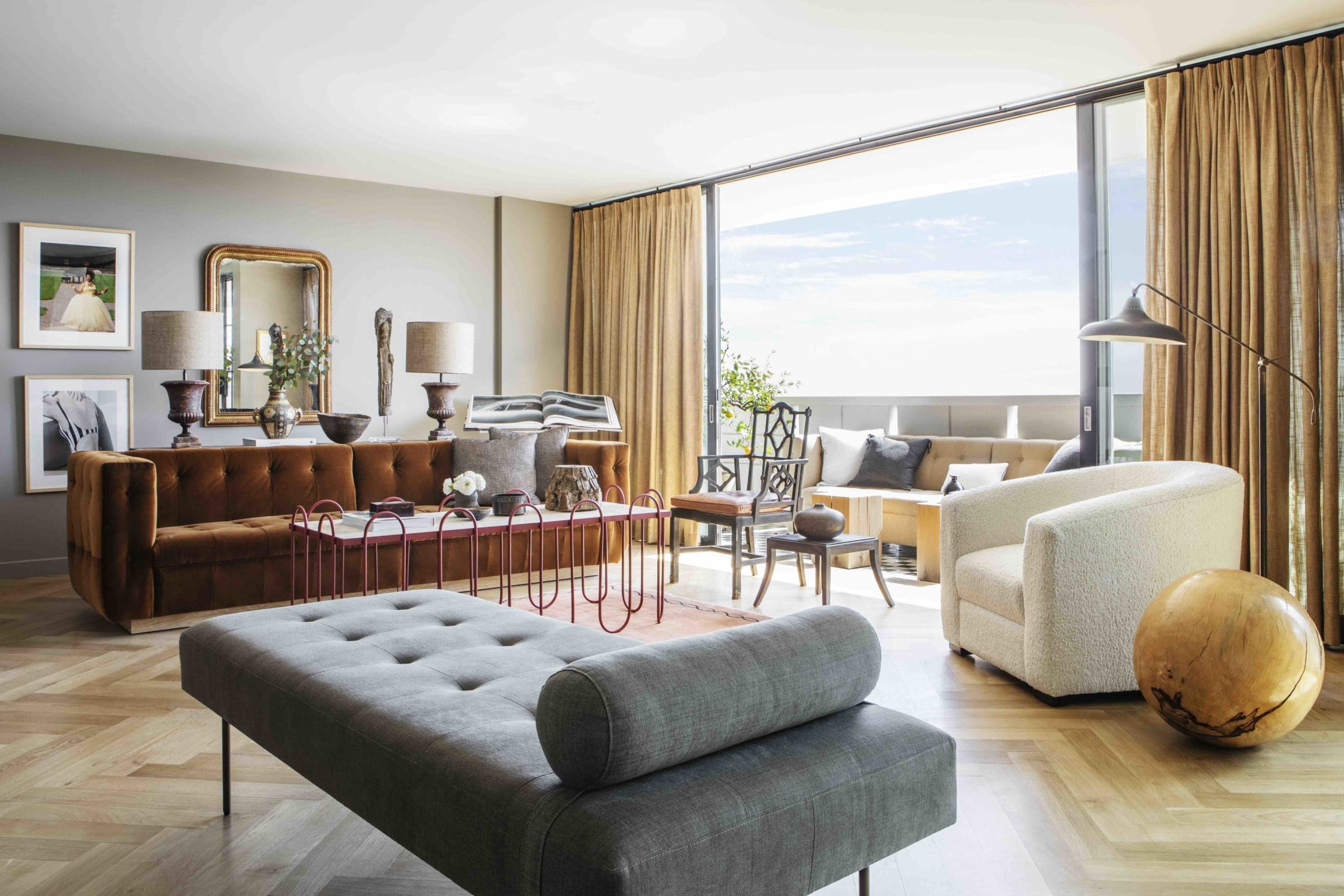

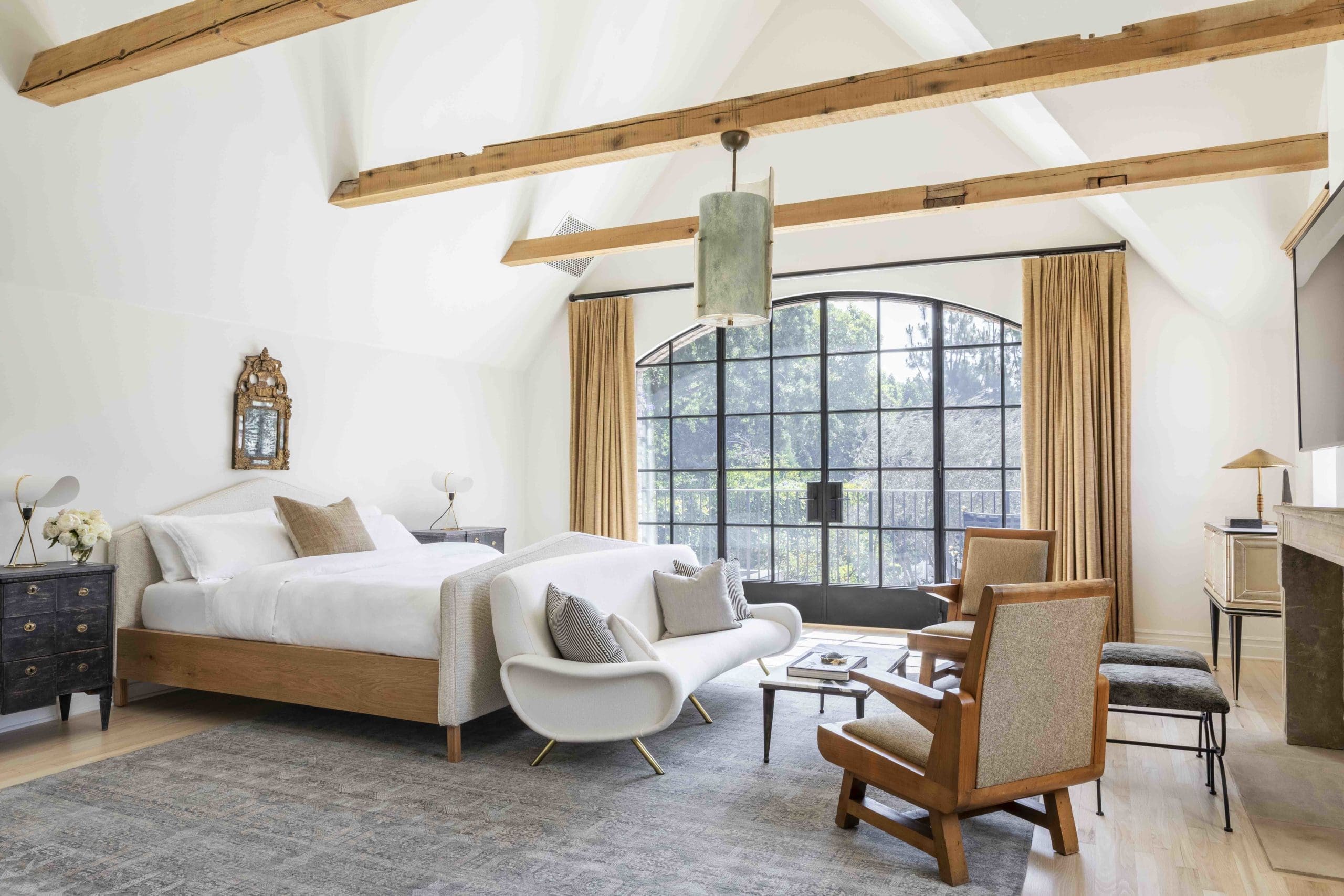
Fong elaborates on his "high/low" approach to style, which he applies to both fashion and interior design. He views fashion at its highest level as an art form and a means of communication, where self-knowledge dictates personal expression. He advocates for mixing high-end pieces with vintage finds and everyday items, such as a Prada garment with Gap chinos, to create a fresh and unique look. This philosophy extends to his interior design work, where his objective is to craft unique and personal spaces that communicate the essence of the family living there.
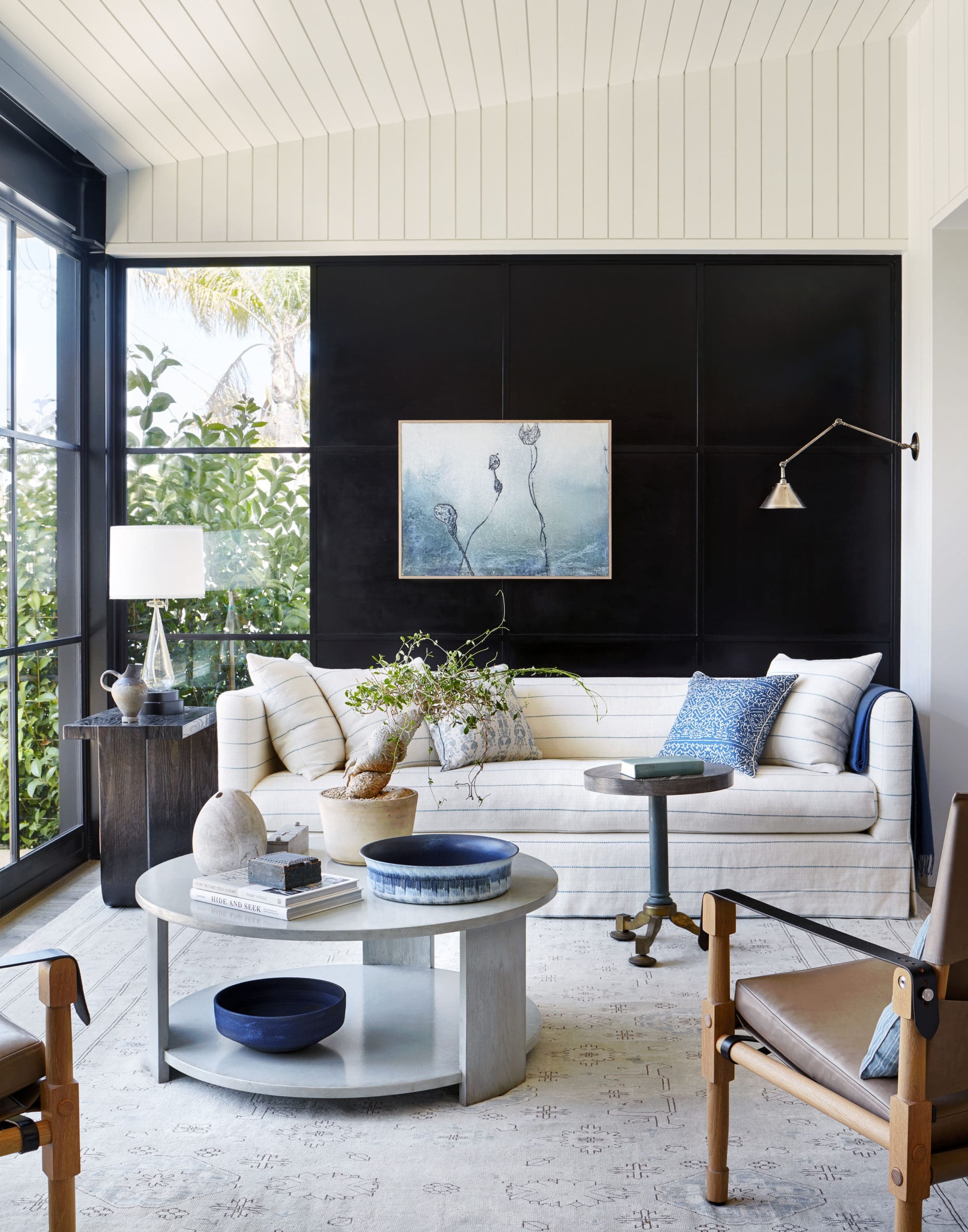
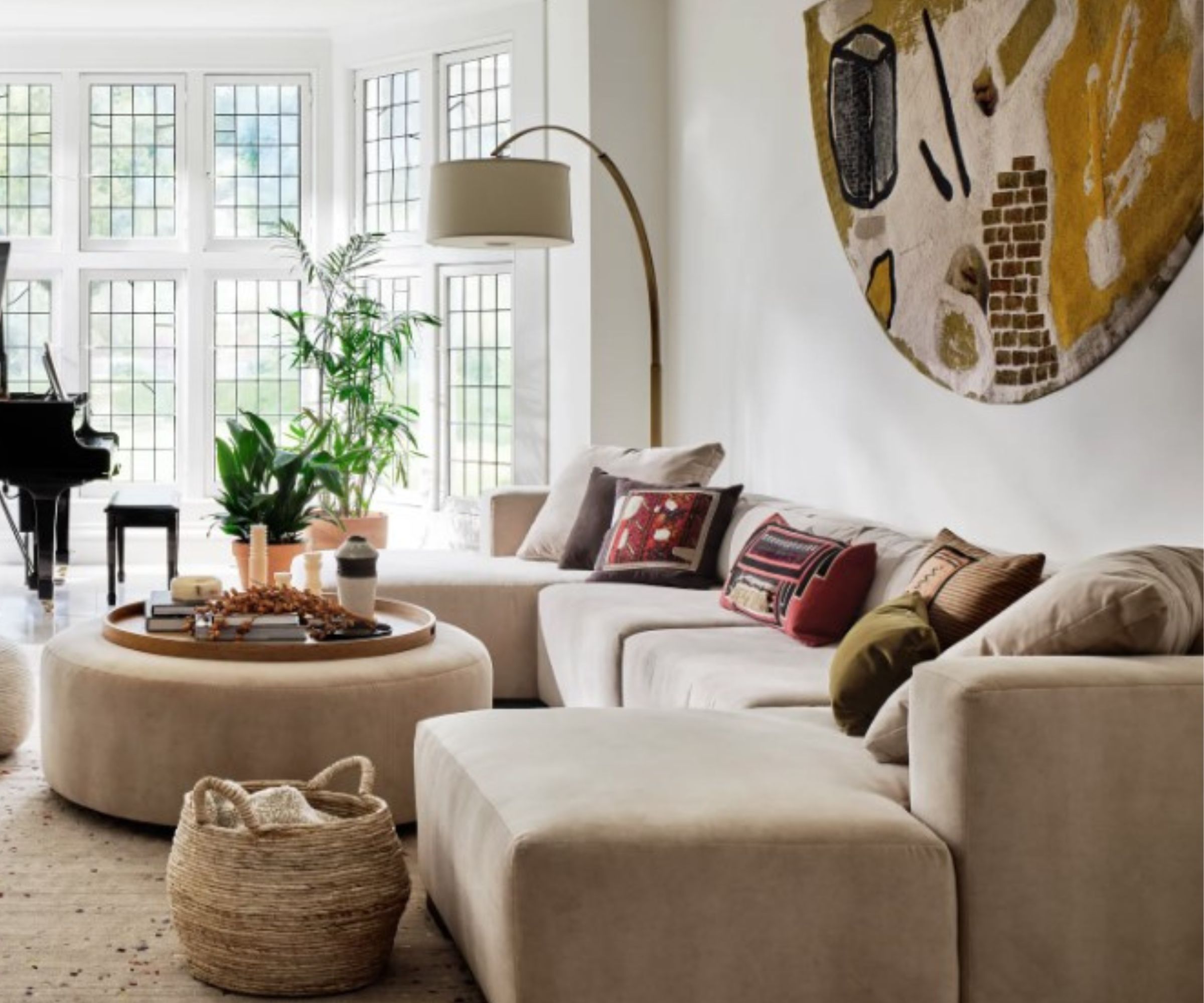
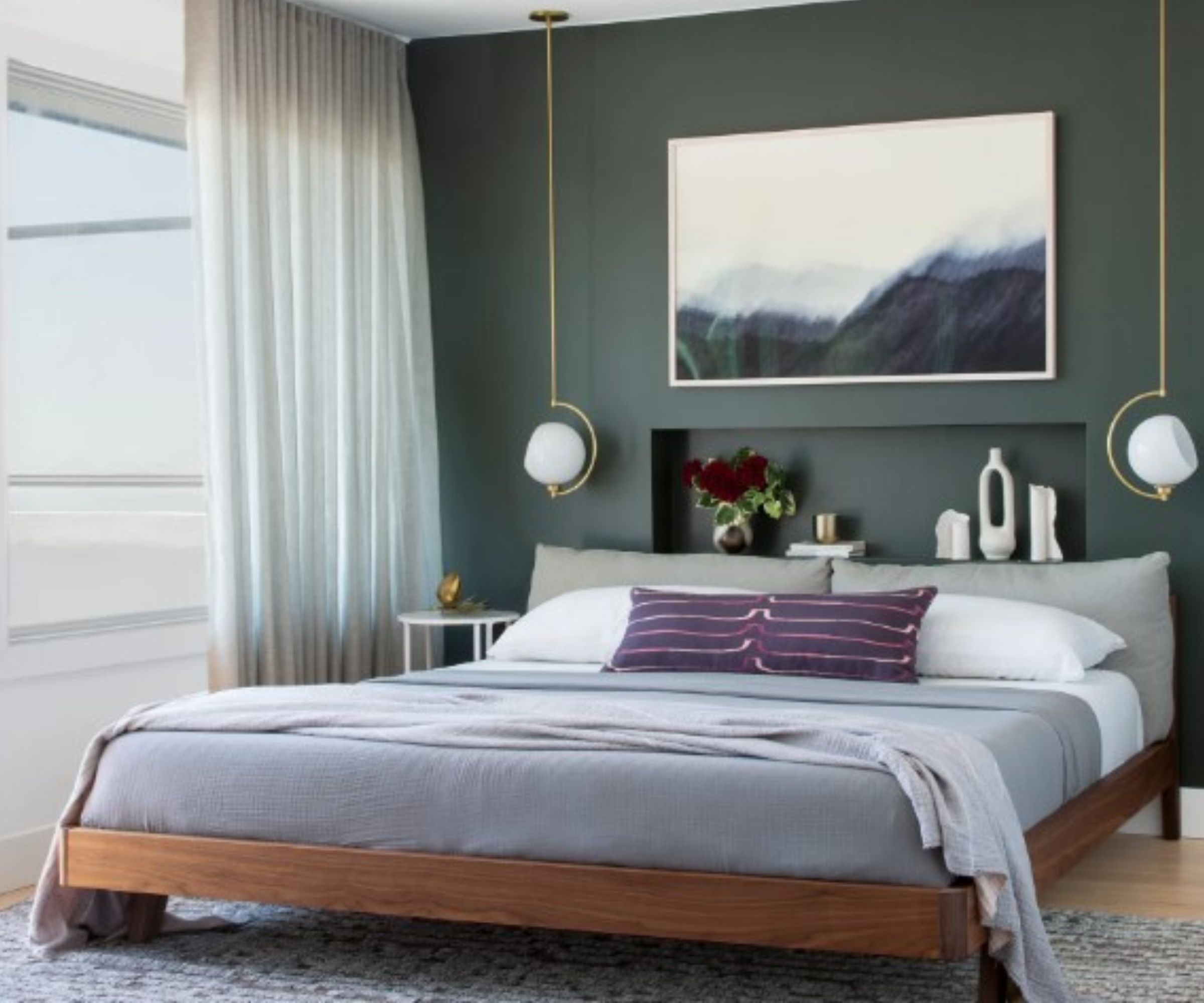
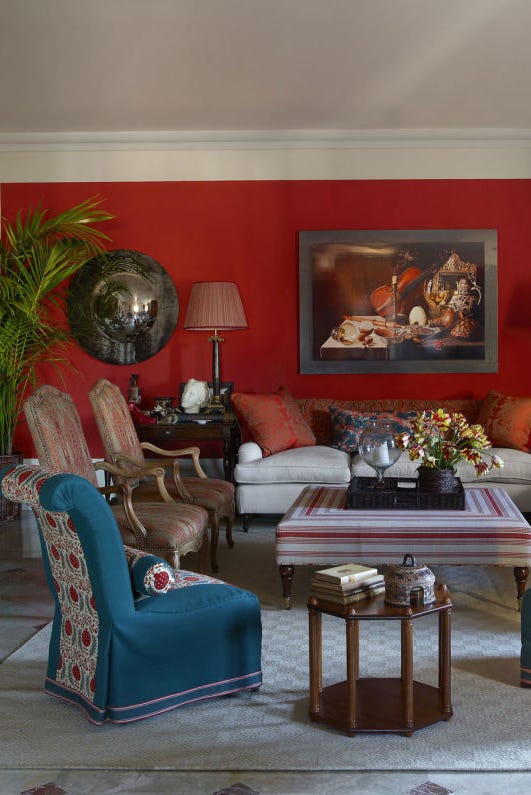
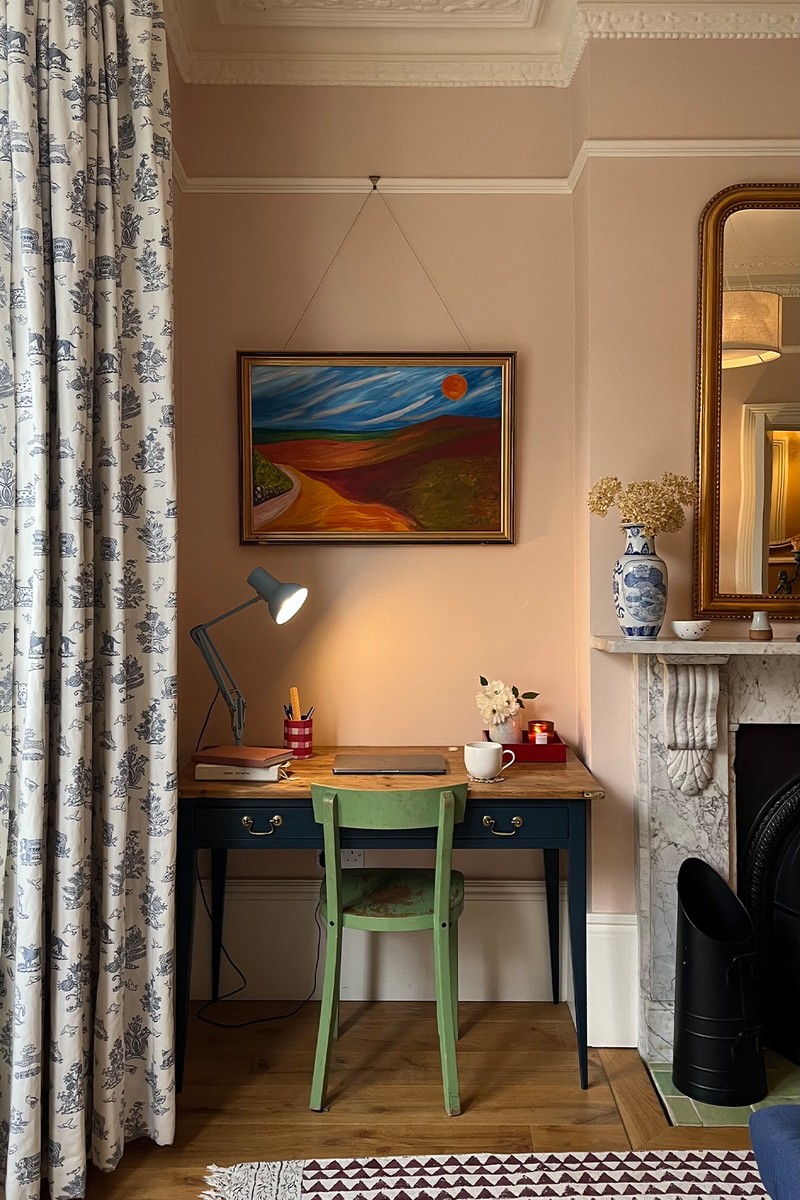
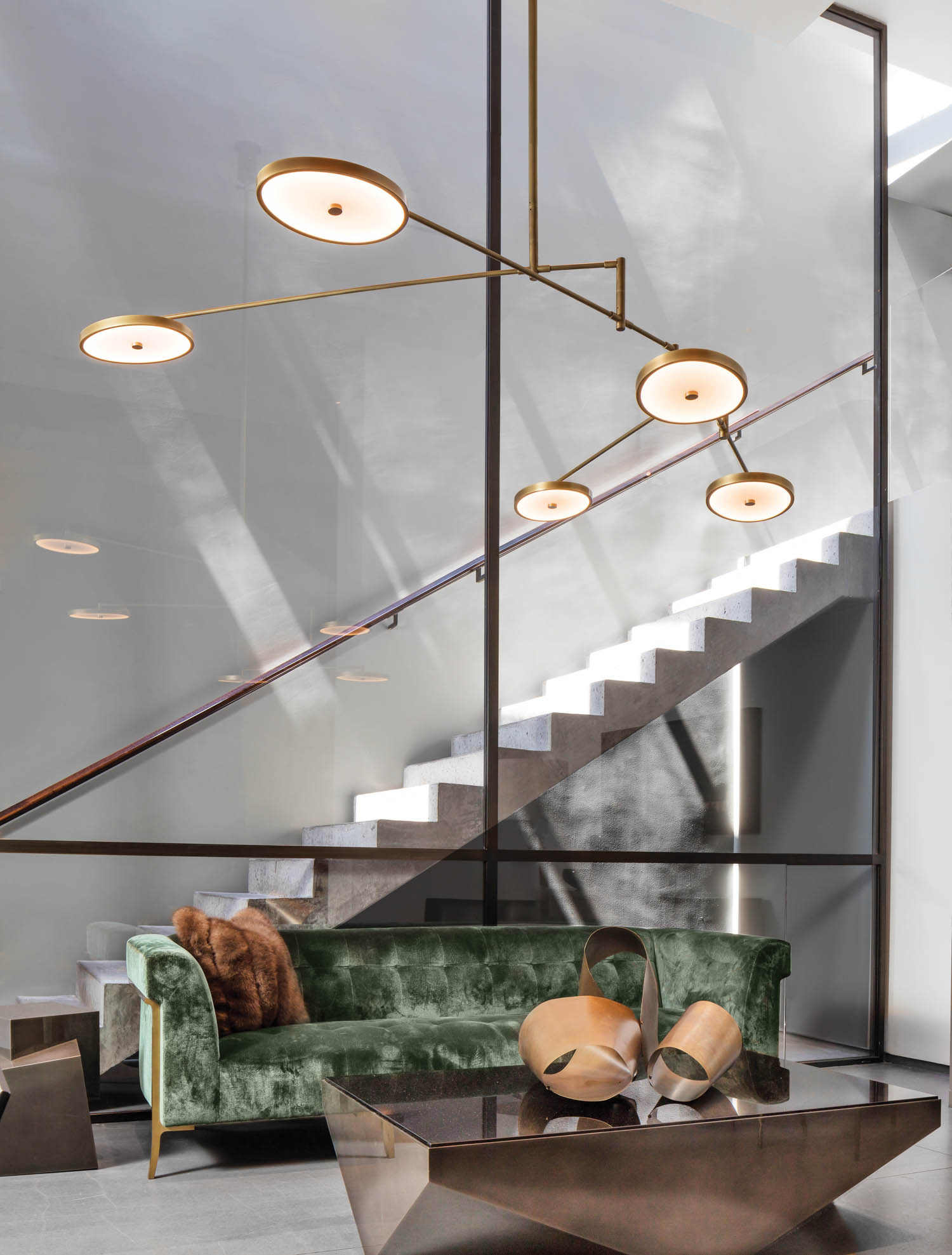
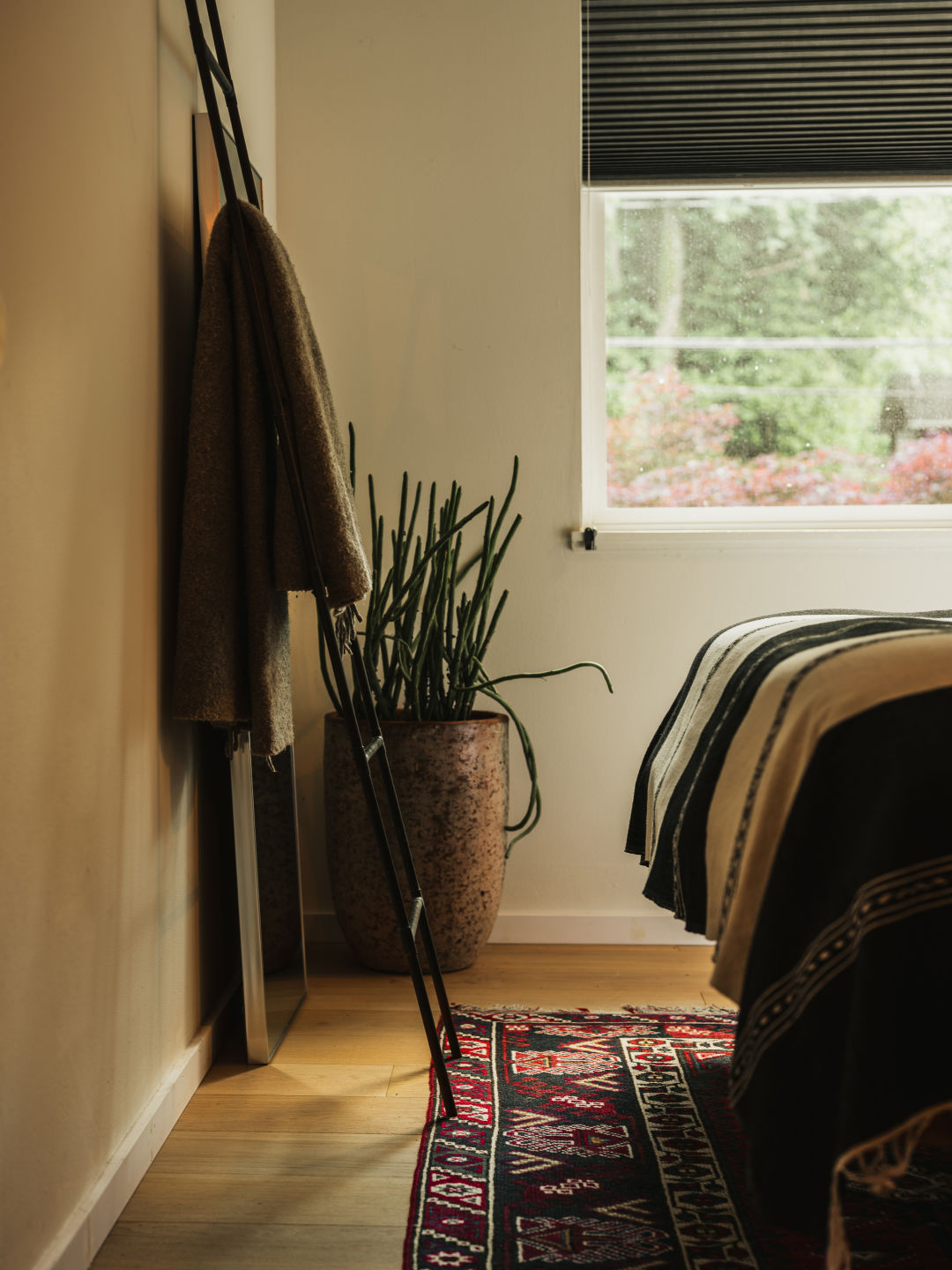
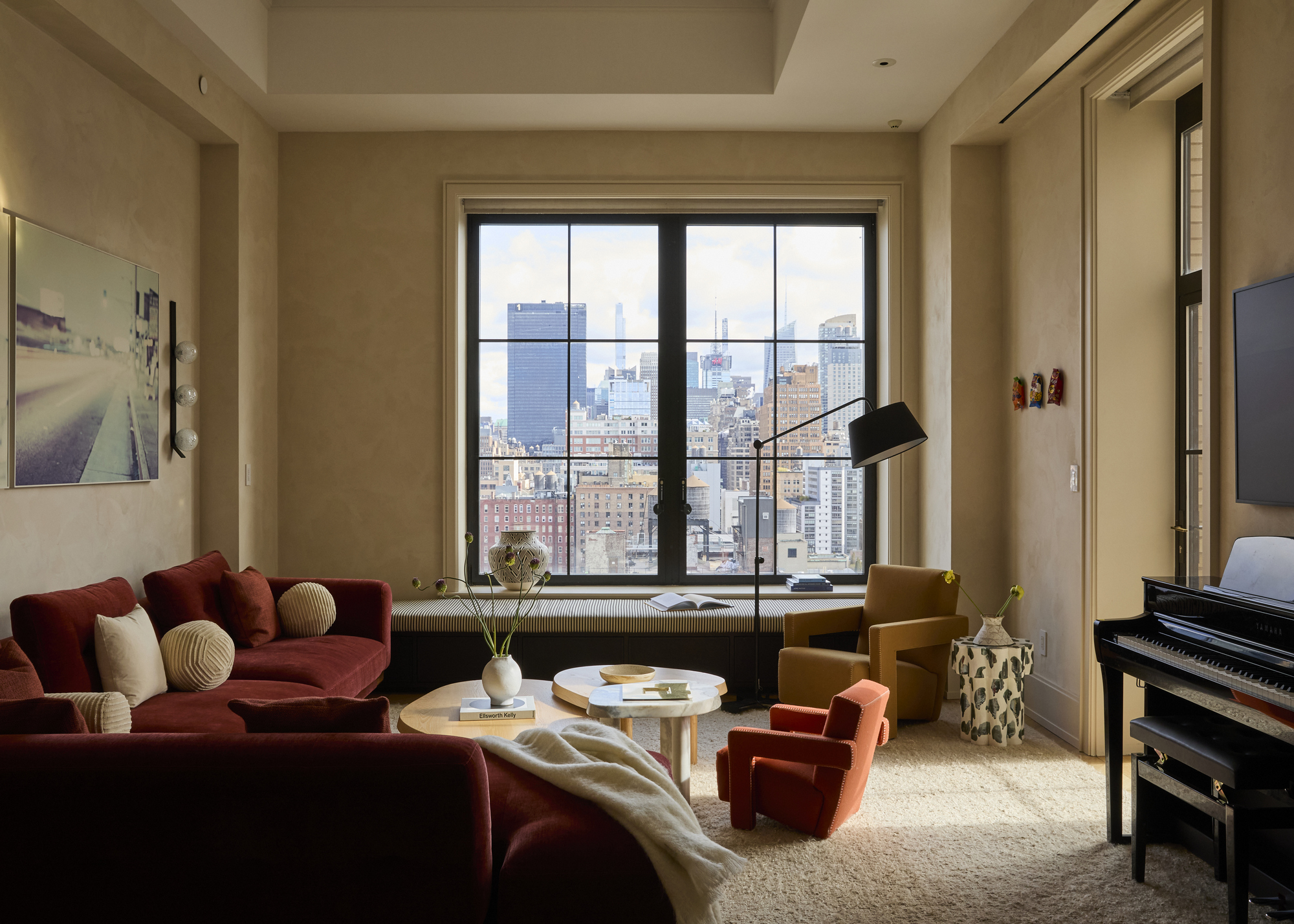
Using an analogy of getting dressed, Fong explains his method for "dressing a room." He compares a rug to a pair of jeans, a foundational element upon which other pieces can be built. A refined sofa is akin to a tailored sport coat, while an overstuffed sofa is like a comfy sweater, all interchangeable on the same base. Accessories like pillows, throws, and lamps serve as seasonal accents, allowing a room to be adapted based on mood or time of year. This analogy underscores design as a dynamic, layered, and personal process.
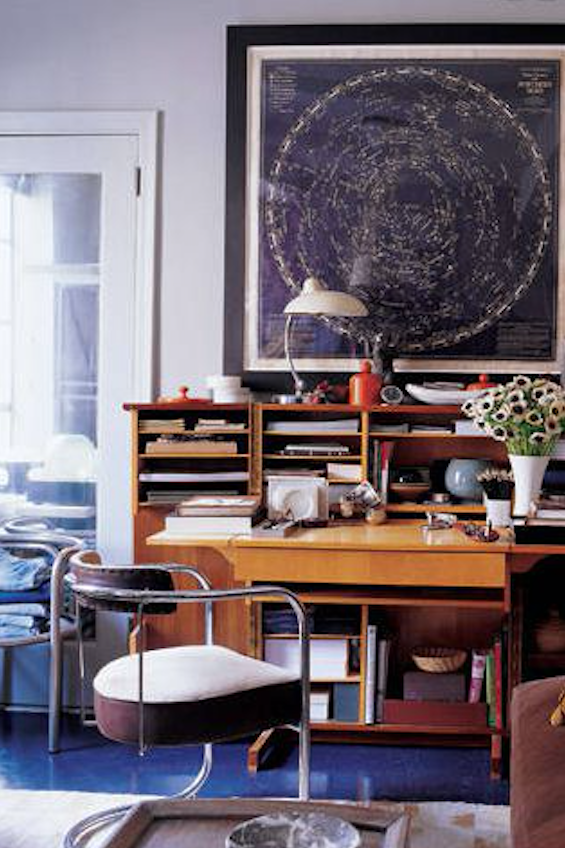
Finally, Fong distinguishes between collecting and hoarding, humorously noting that the difference often lies in the zeros in a bank account. He shares his experience working with clients who possess extensive art collections rivaling the value of their real estate. His role involves an editing process to find commonalities between art and furniture, arranging diverse possessions to create a cohesive collection rather than a chaotic accumulation. He appreciates visual stimulation but emphasizes the importance of thoughtful curation to avoid an overwhelming environment. #CliffFong #InteriorDesign #DesignTrends #LuxuryLiving #ClientBehavior #FashionAndInteriors #HighLowStyle #NatureInDesign #HomeDecor
0 comment in total
 No comments yet
You may also like
A Cool Interior Designer Talks Style, Inspiration & More
Nate Berkus on the New Age of Interior Design
Oft Interiors "bring a new zest to the Hong Kong design industry"
These Micro Trends Look Good Online—But Designers Say You'll Regret Them

Year in review: top 10 design stories of 2022, selected by Wallpaper* design editor Rosa Bertoli

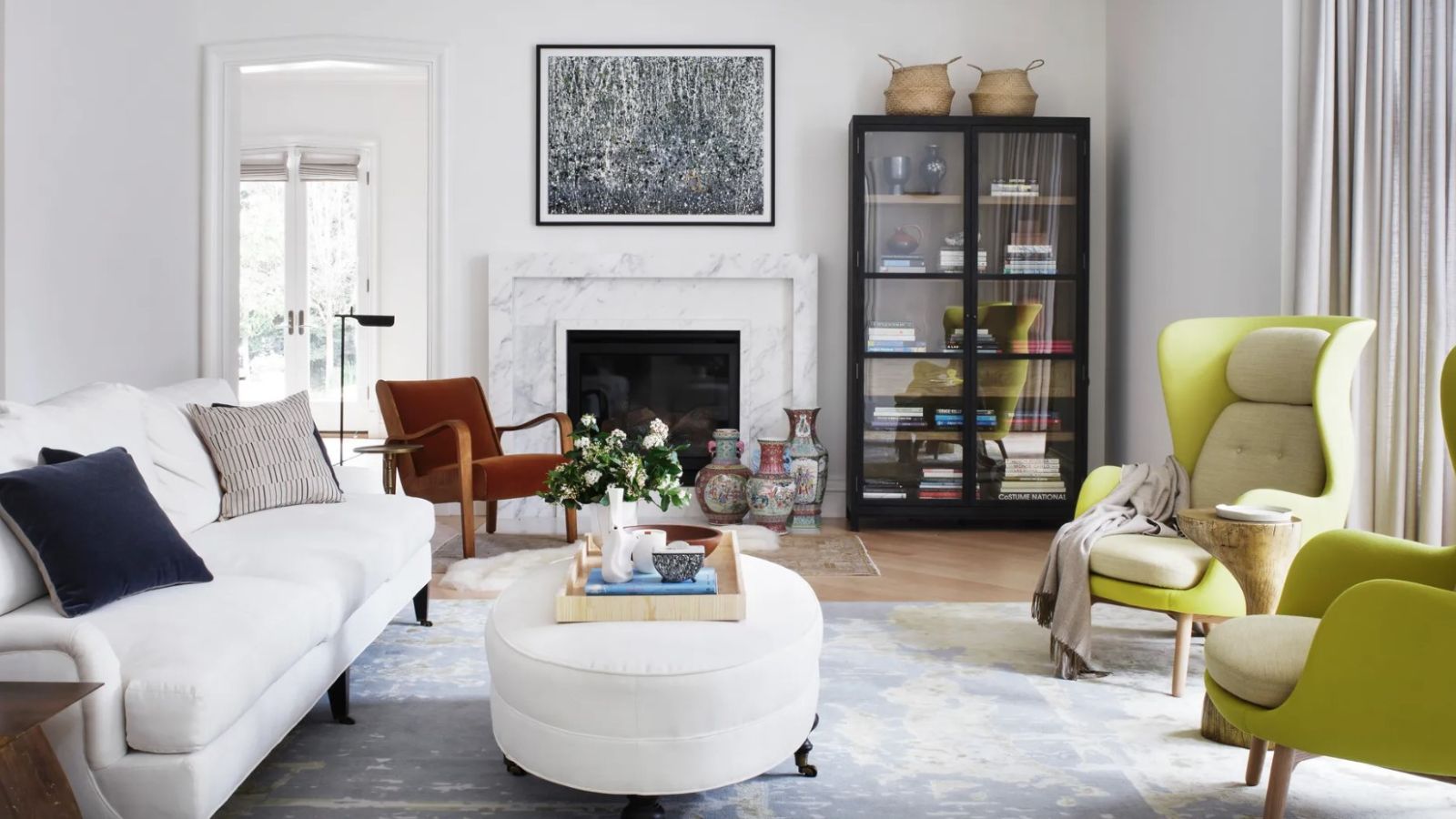
Designer Profile: Christine Lin

Bring a bit of feng shui into your home
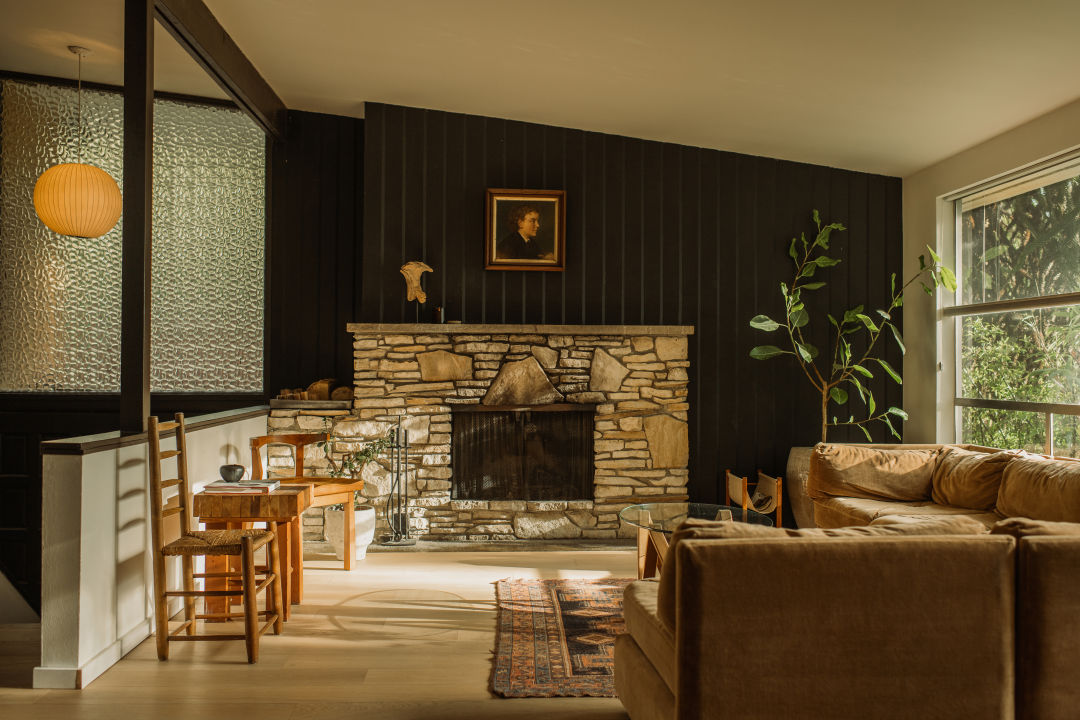
Cuniform Stylist Expands Into Vintage and Sustainable Interior Design


Jeffrey Alan Marks on the New Age of Interior Design
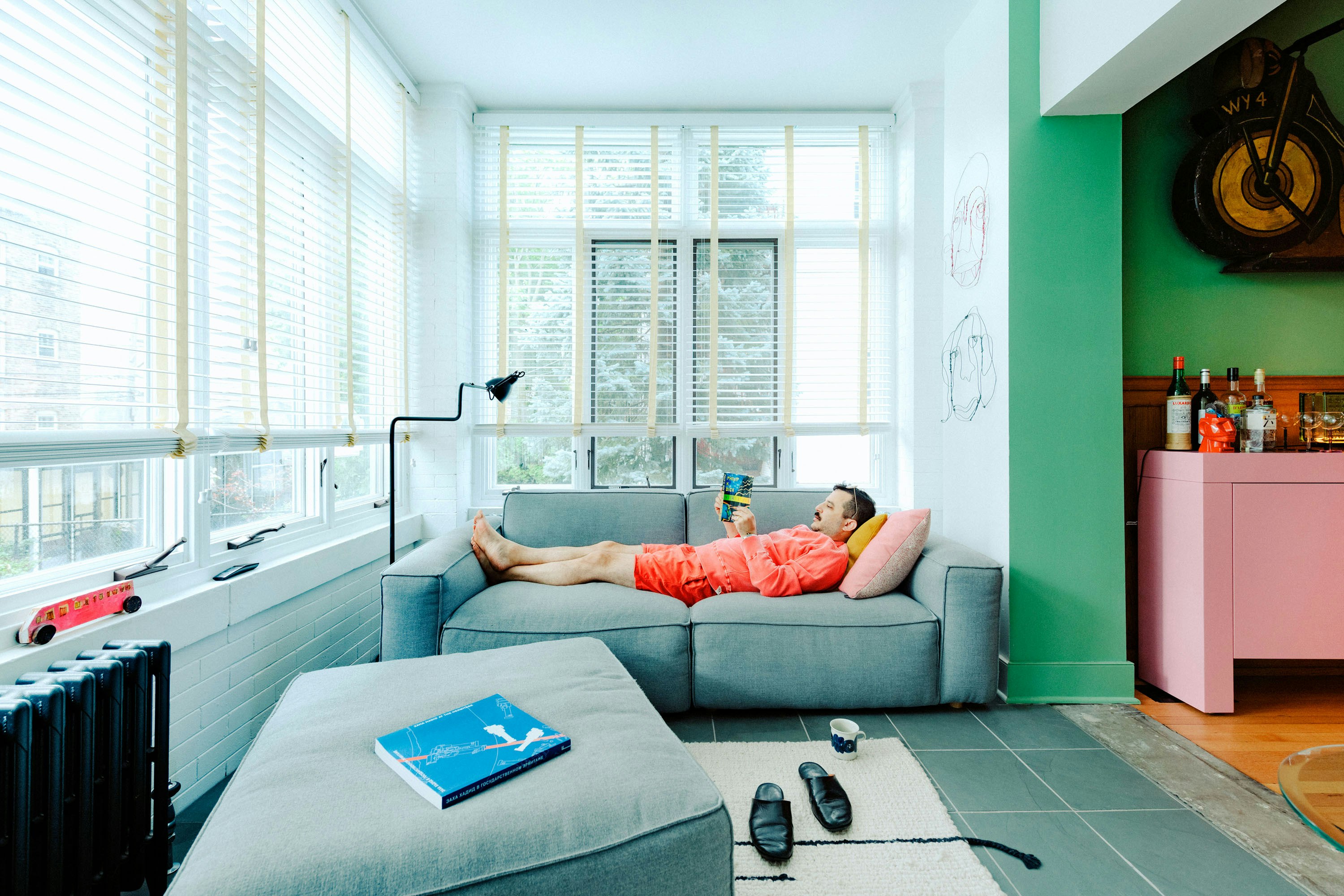
Editor’s Letter: The Tyranny of Taupe


Wall-to-Wall Carpeting Is Back, and Other Surprises from ICFF
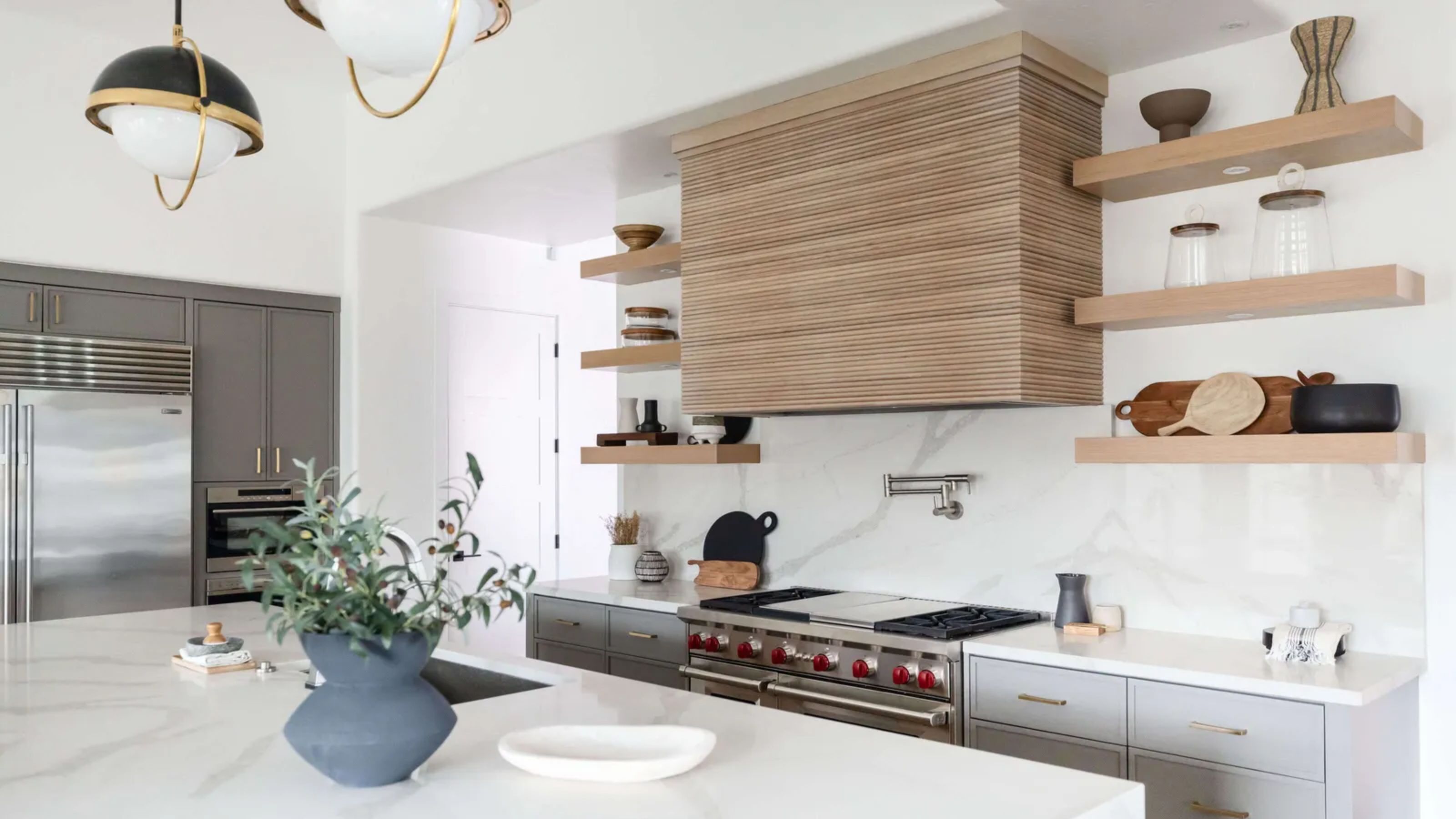
7 Interior Trends That Experts Say Are Bad Feng Shui — Stay Clear of These If You Want Good Vibes at Home

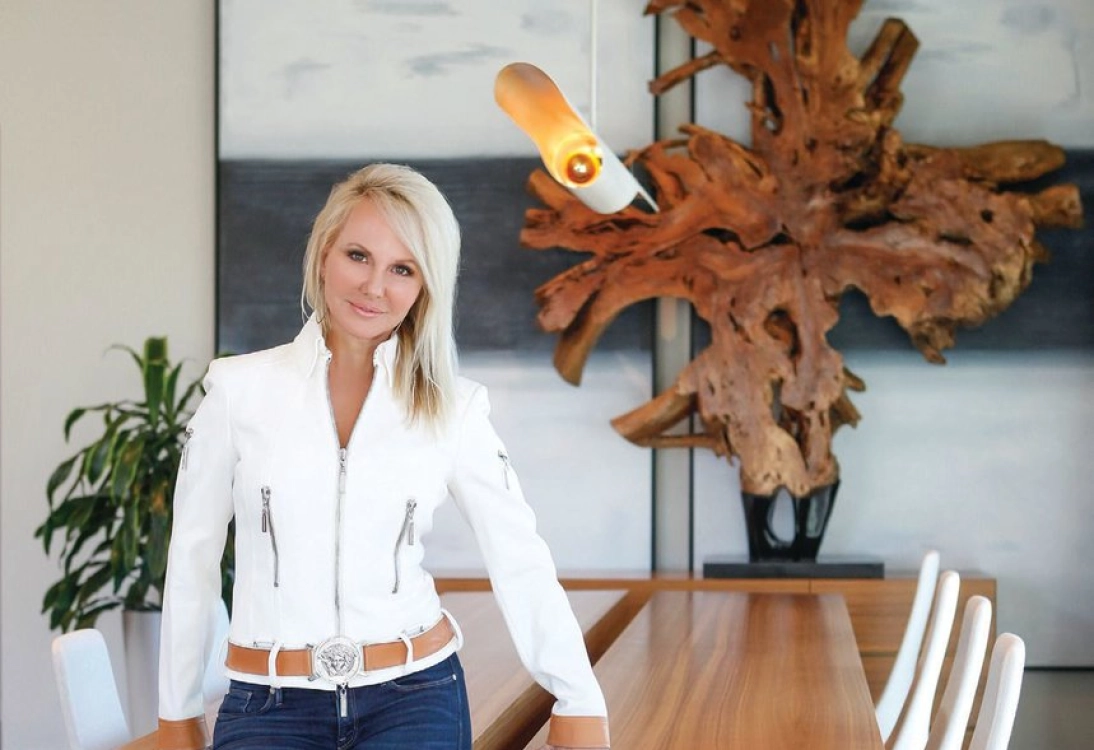
Interior Design Inspirations: Trends & Personal Aesthetics

The 2020 A-List: 125 of the Best Interior Designers in the World
Interior Designer
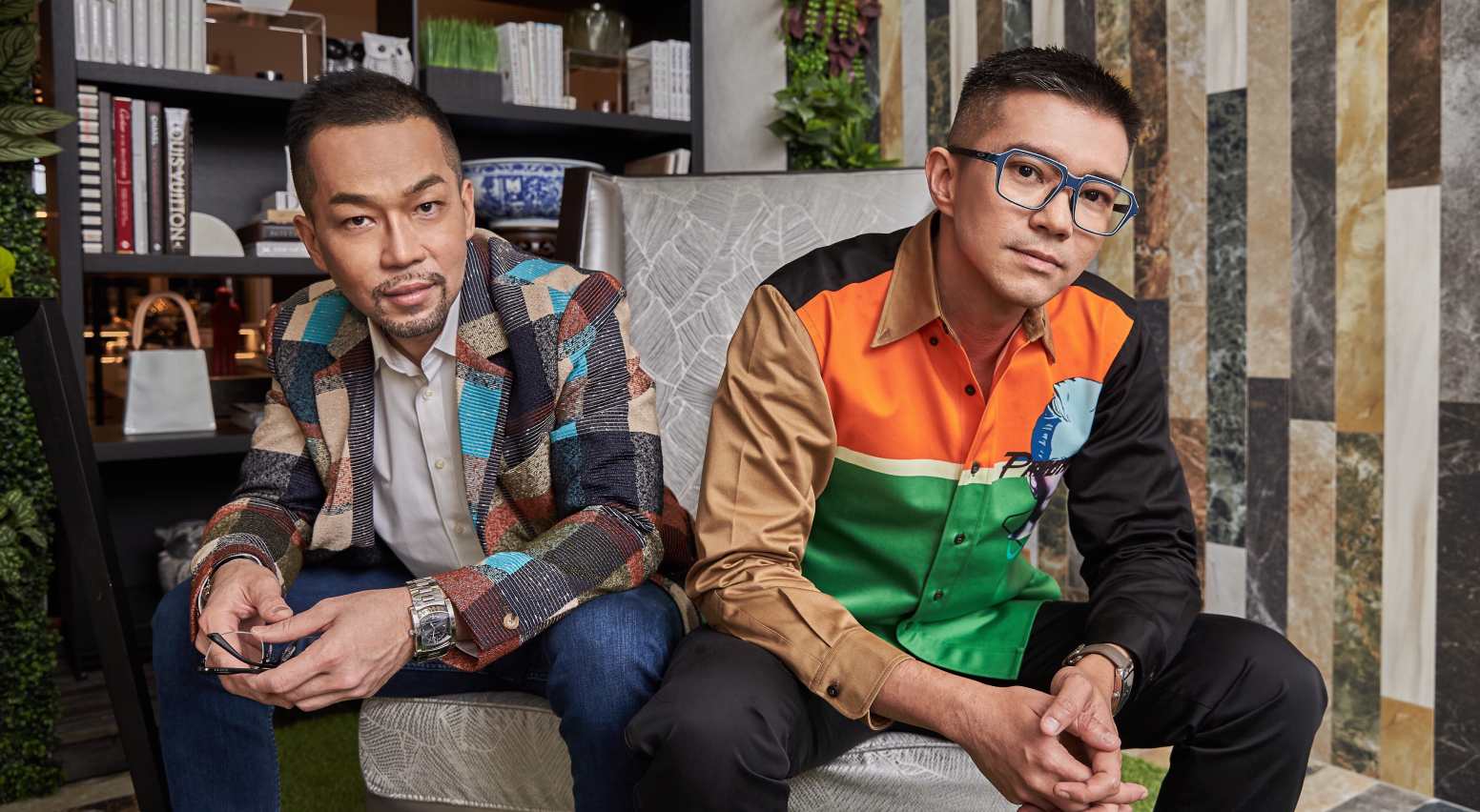
We talk shop with Prestige Global Designs, an international award-winning interior design practice with an appetite for breaking conventions

A Cool Furniture Designer Talks Style, Inspiration & More
An Interior Designer Talks Style Inspiration, Wish List Items & Her Clever New Launch
Holly Hunt: 2024 Interior Design Hall of Fame Inductee

Opinion: Home Is the New Fashion