We Asked Designers How to Make a Small Living Room Look Larger Instantly—And We're Trying This ASAP
Small living rooms, while cozy, can often feel cluttered or claustrophobic if not designed thoughtfully. However, with strategic design choices, it's possible to create the illusion of a more expansive space. Interior designers Tara McCauley, Michal Rubin, and home decor influencer Sydney Nicole Gifford offer several effective tips to achieve this.
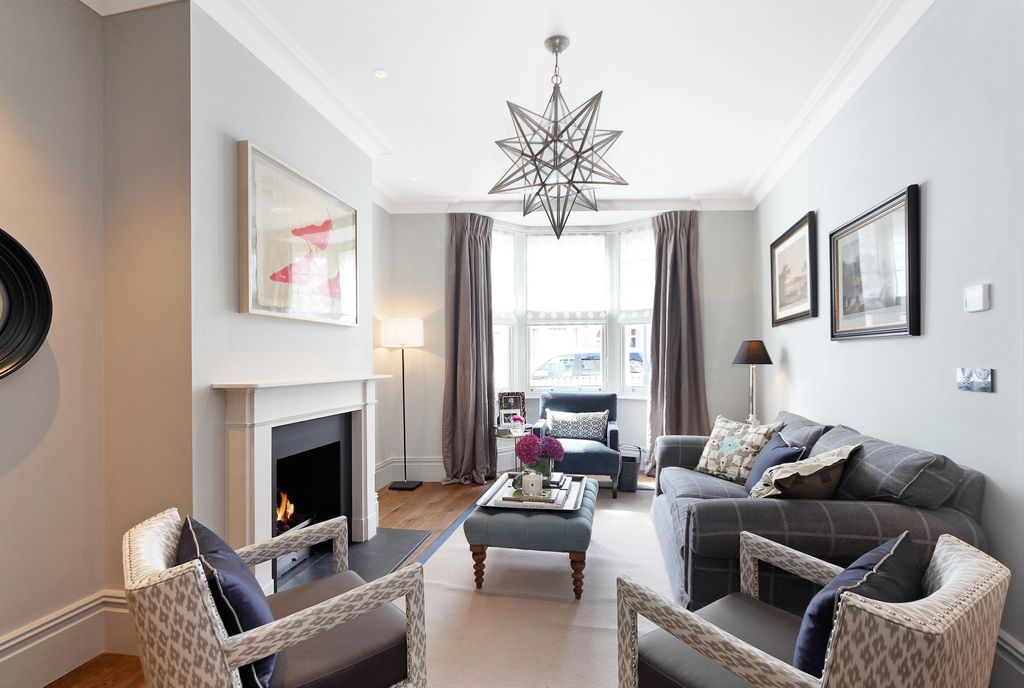
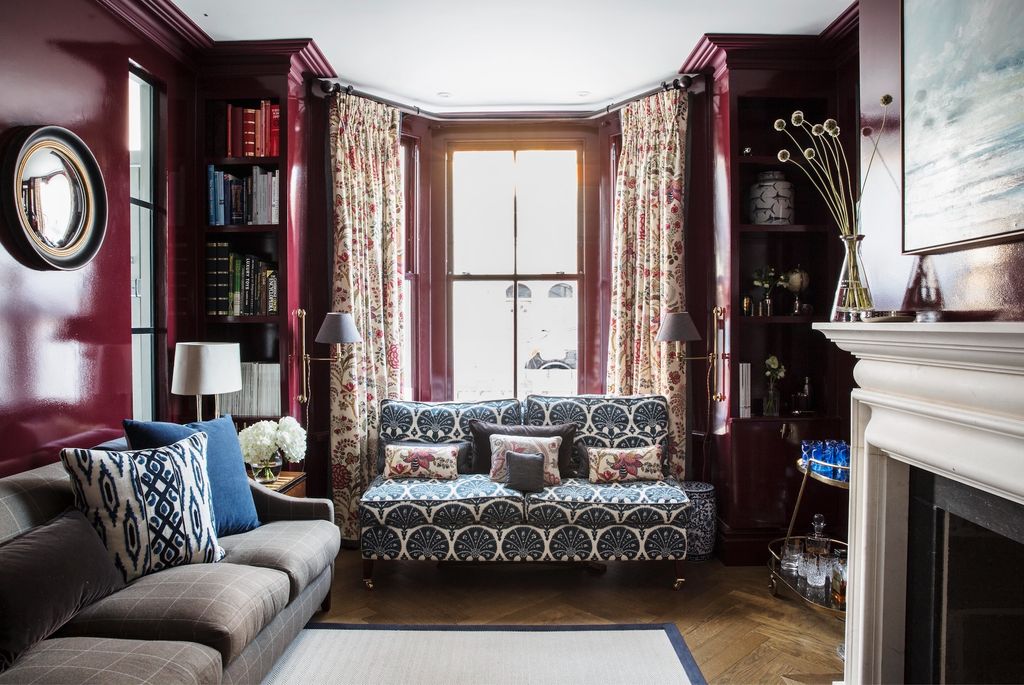
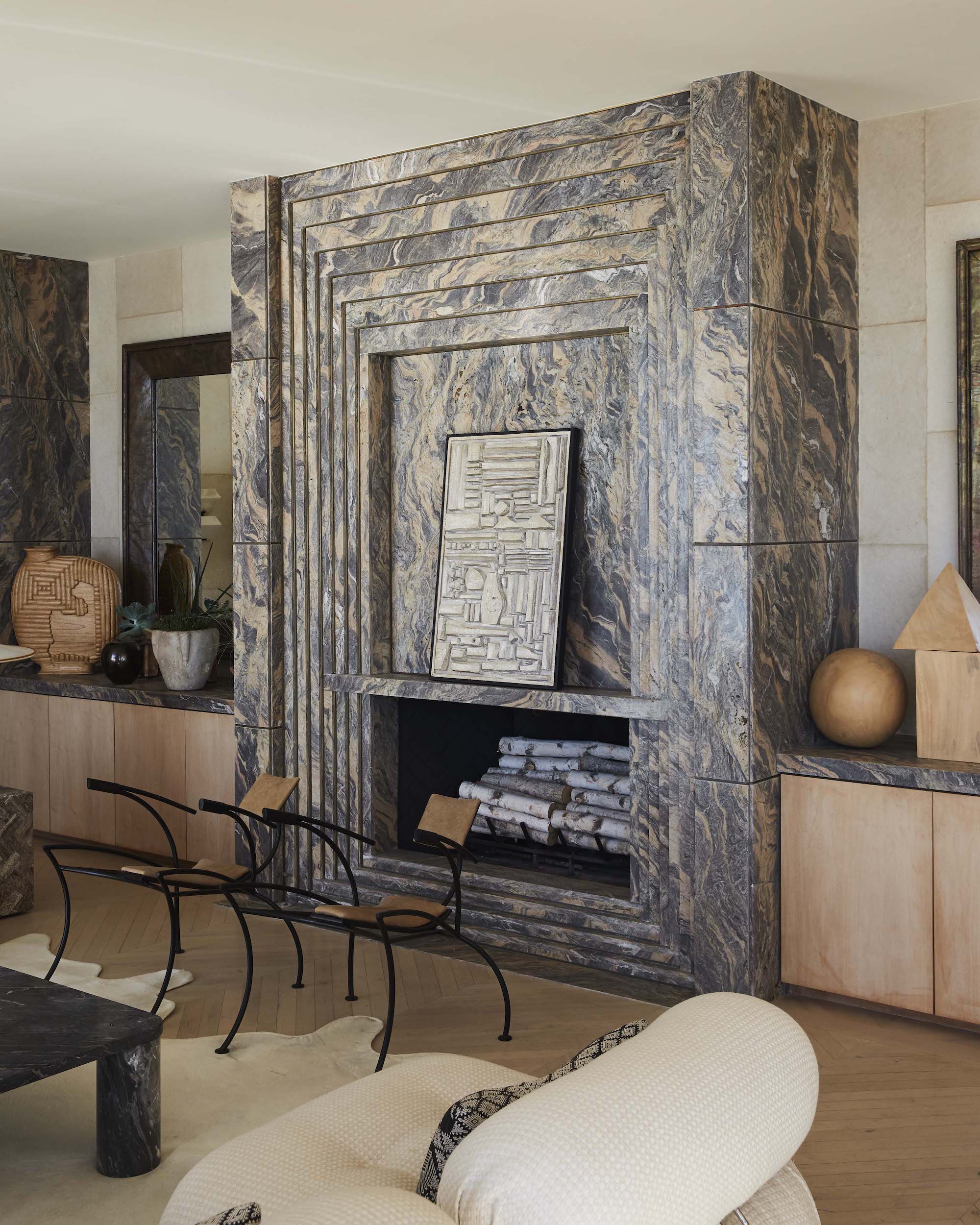
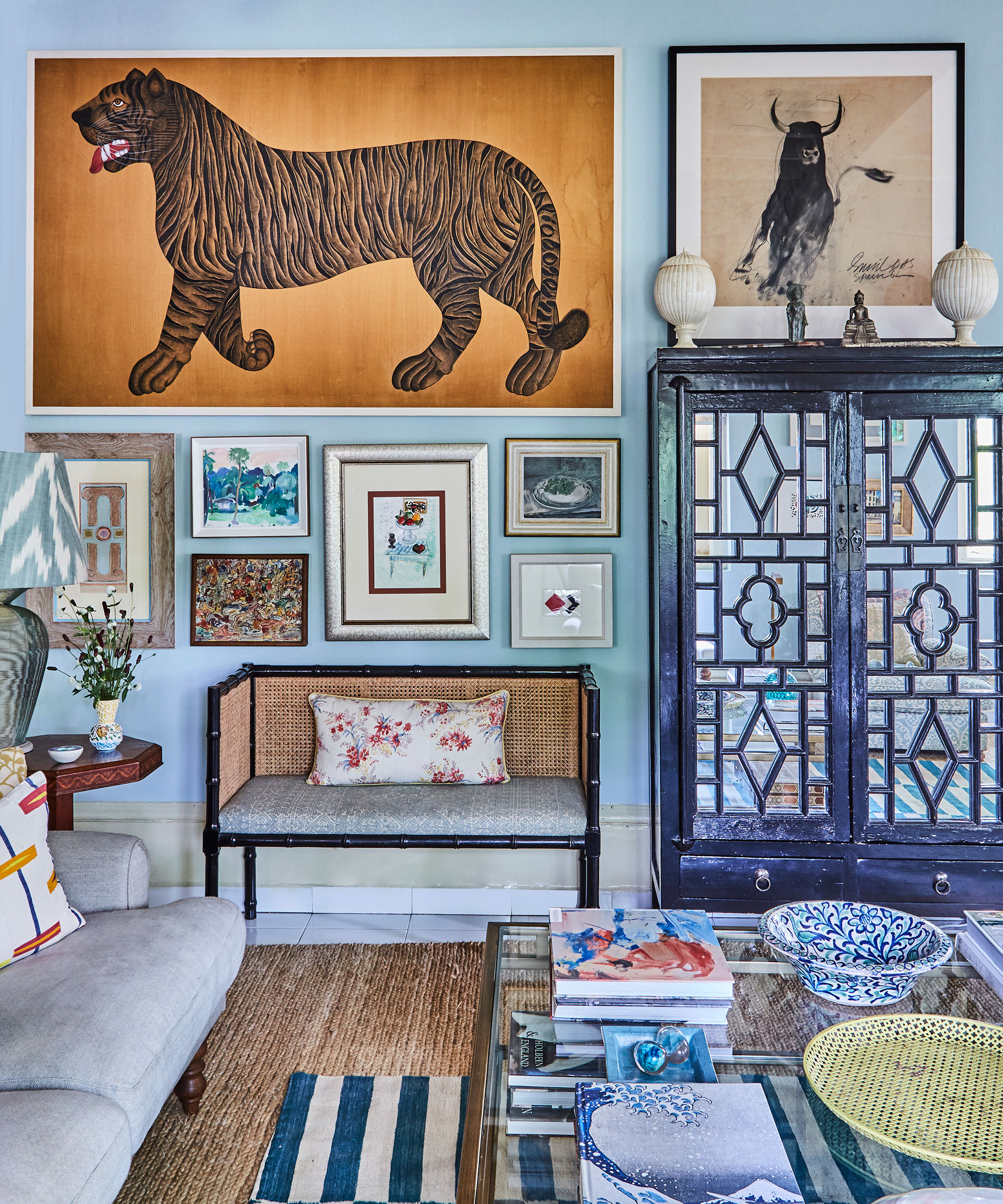
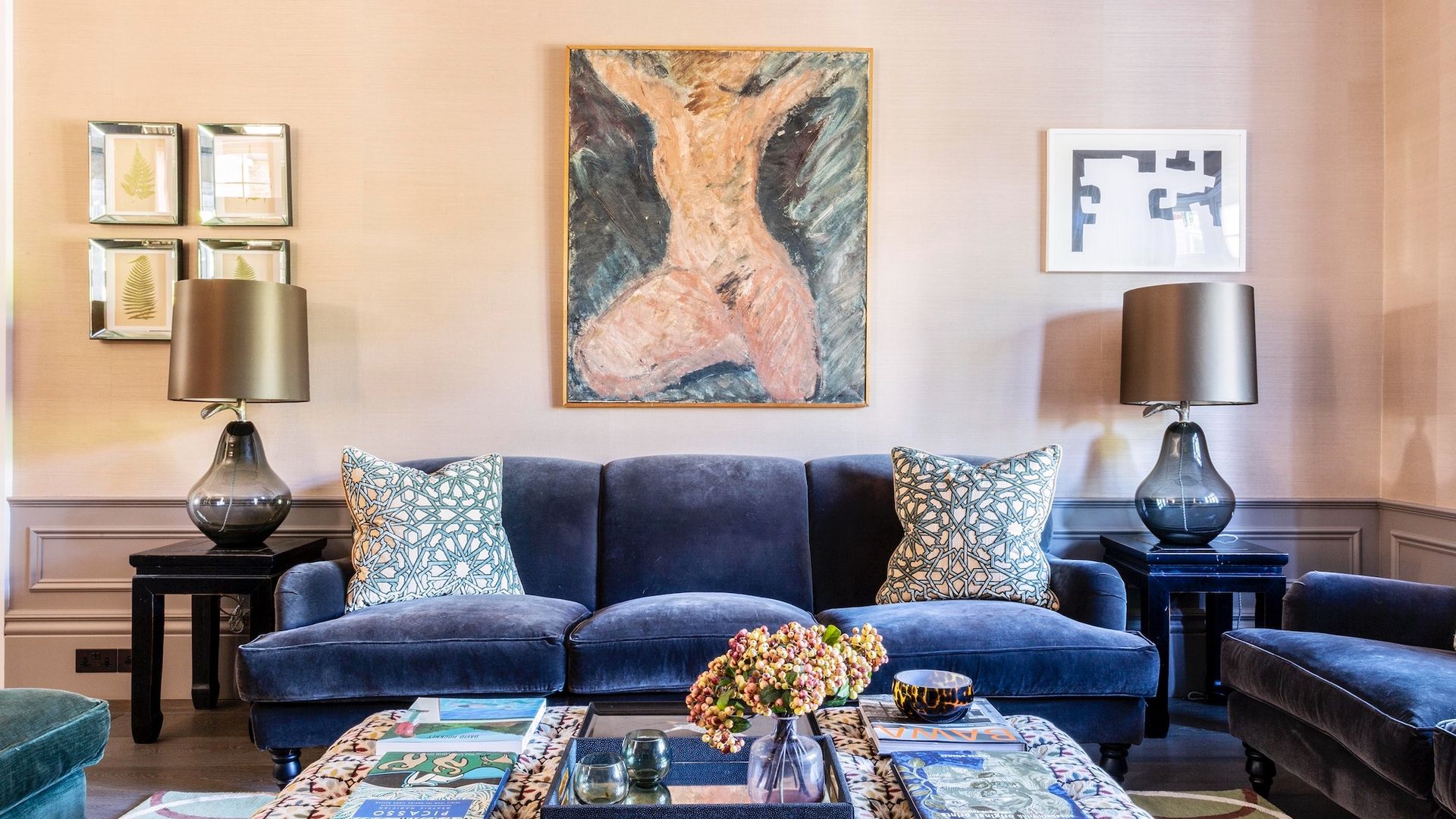
One key recommendation is to hang large artwork or mirrors. Contrary to what might seem intuitive, a tall piece of art or a grand mirror above the sofa can emphasize ceiling height, tricking the eye into perceiving the room as larger. This method helps to visually connect the floor and ceiling, extending the perceived dimensions of the room.
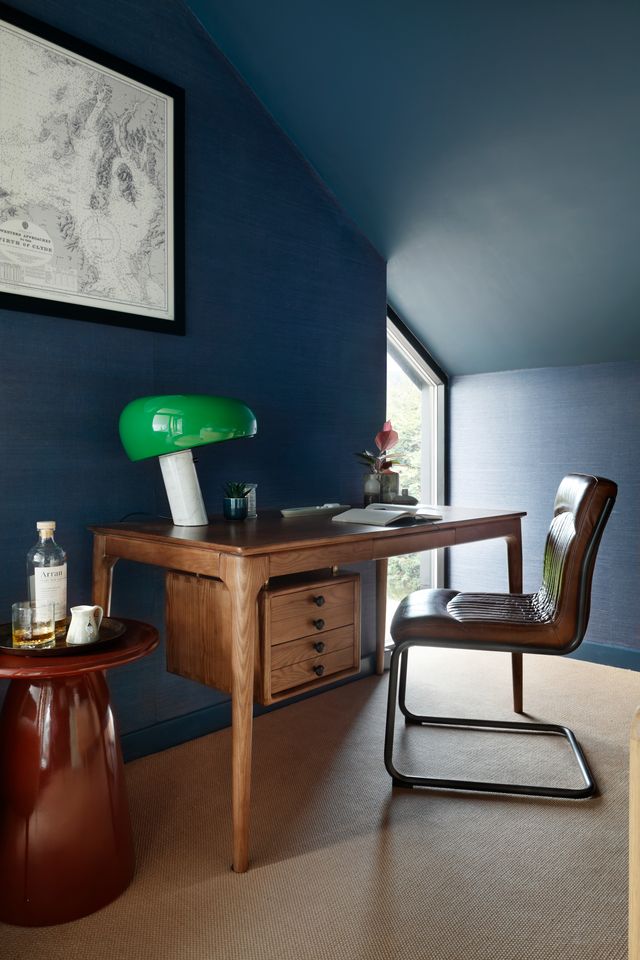
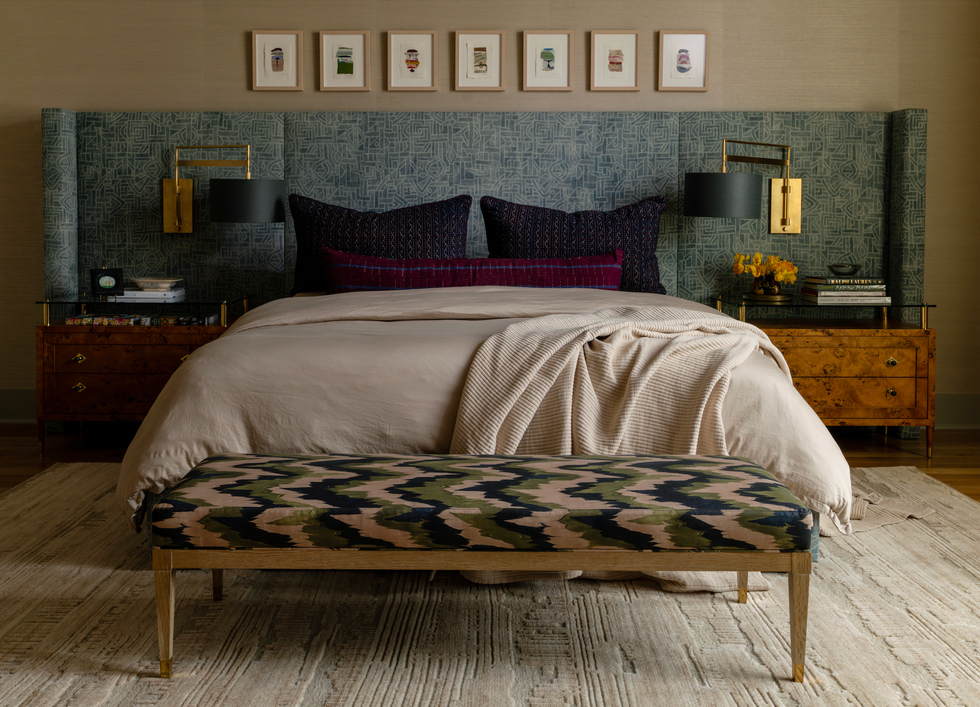
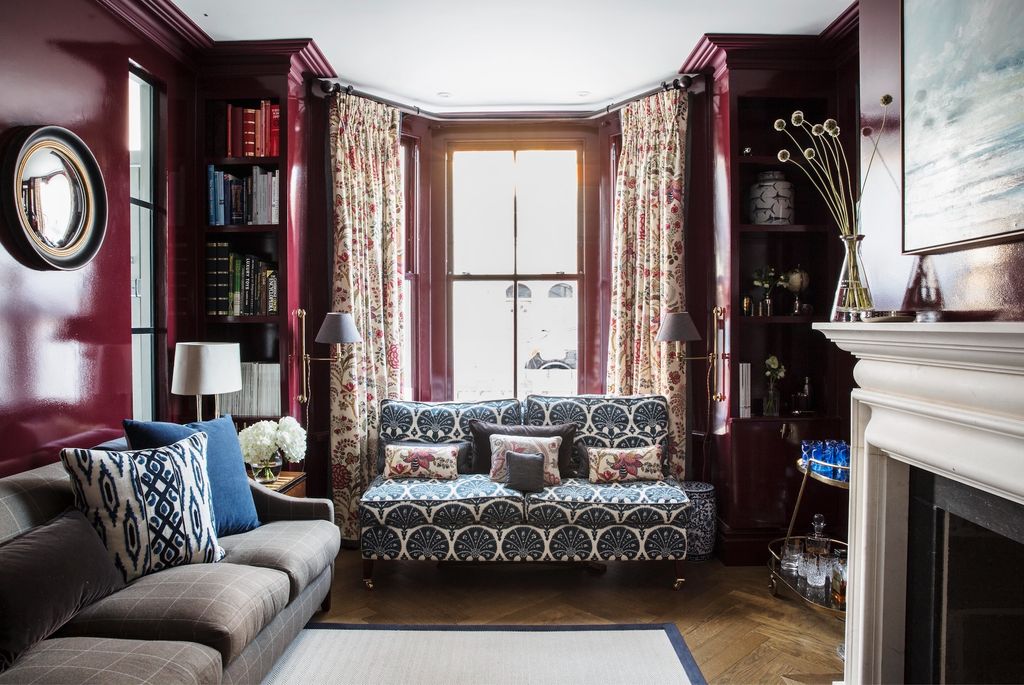
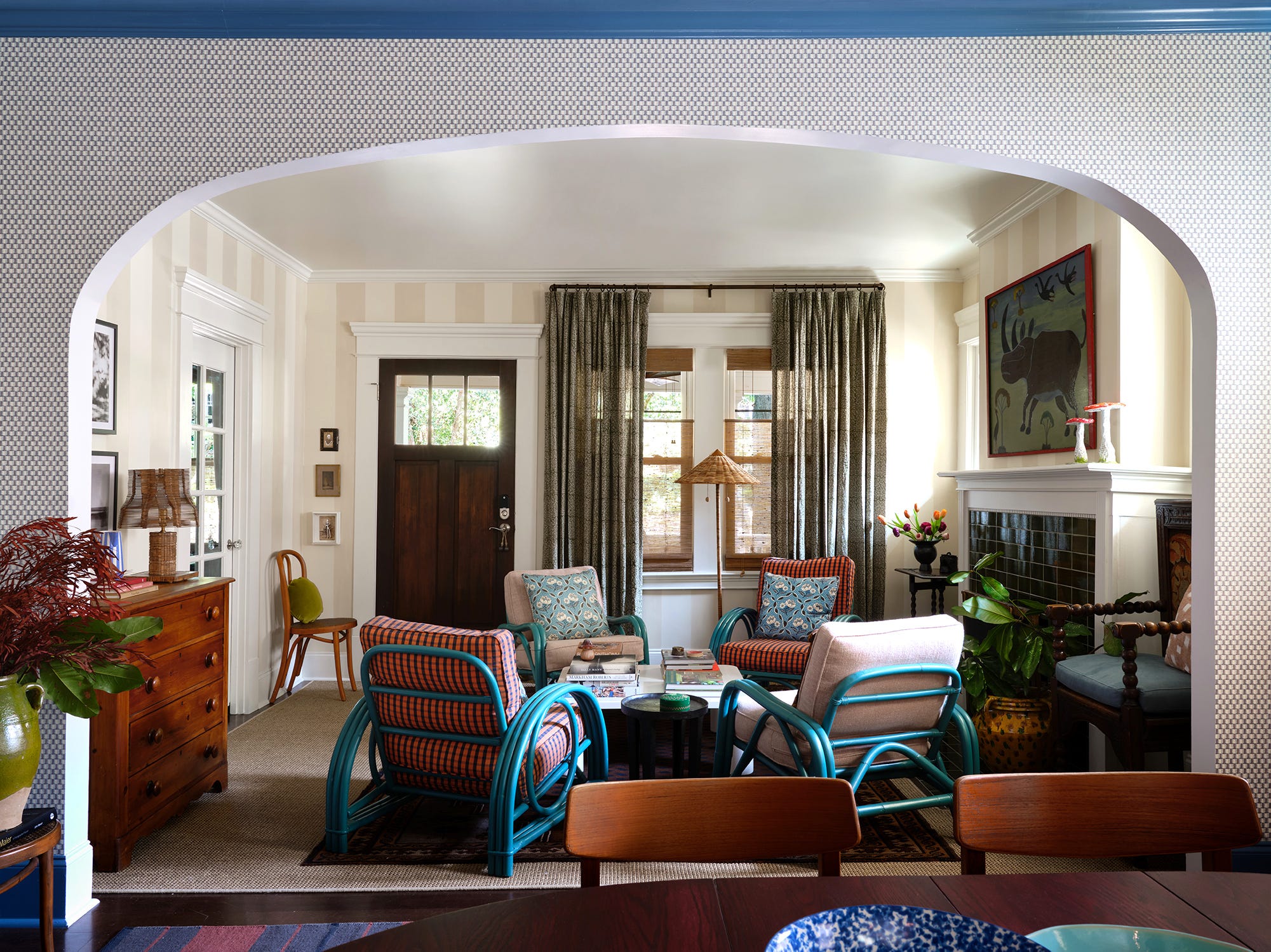
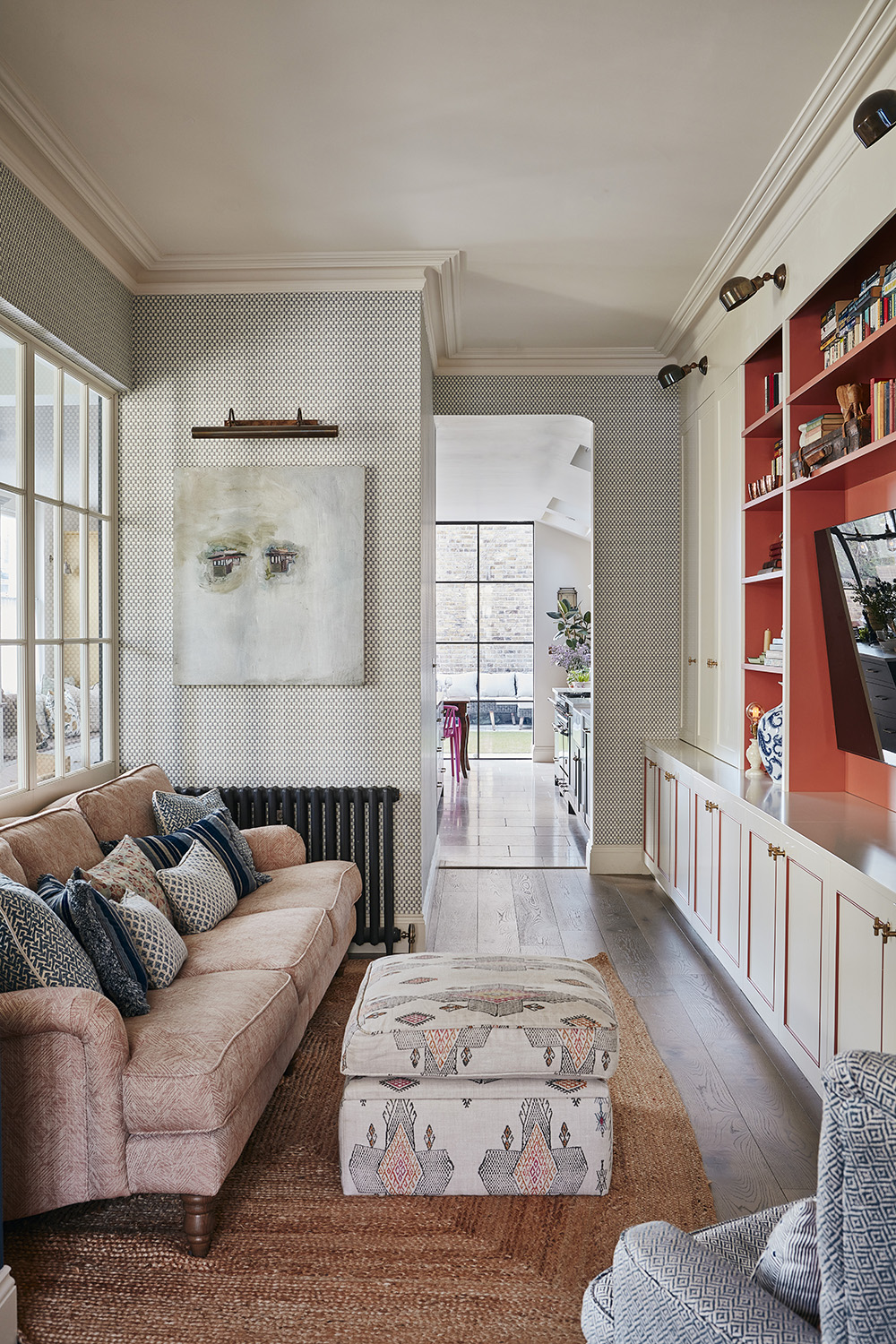
Another powerful design trick involves investing in wallpaper. While white walls might brighten a room, they don't necessarily make it feel bigger. Wallpaper, whether a textured solid or a bold repeated pattern, acts as an 'eye-opening tool' for small spaces. It adds visual interest and depth, drawing attention across the room and preventing it from feeling enclosed.
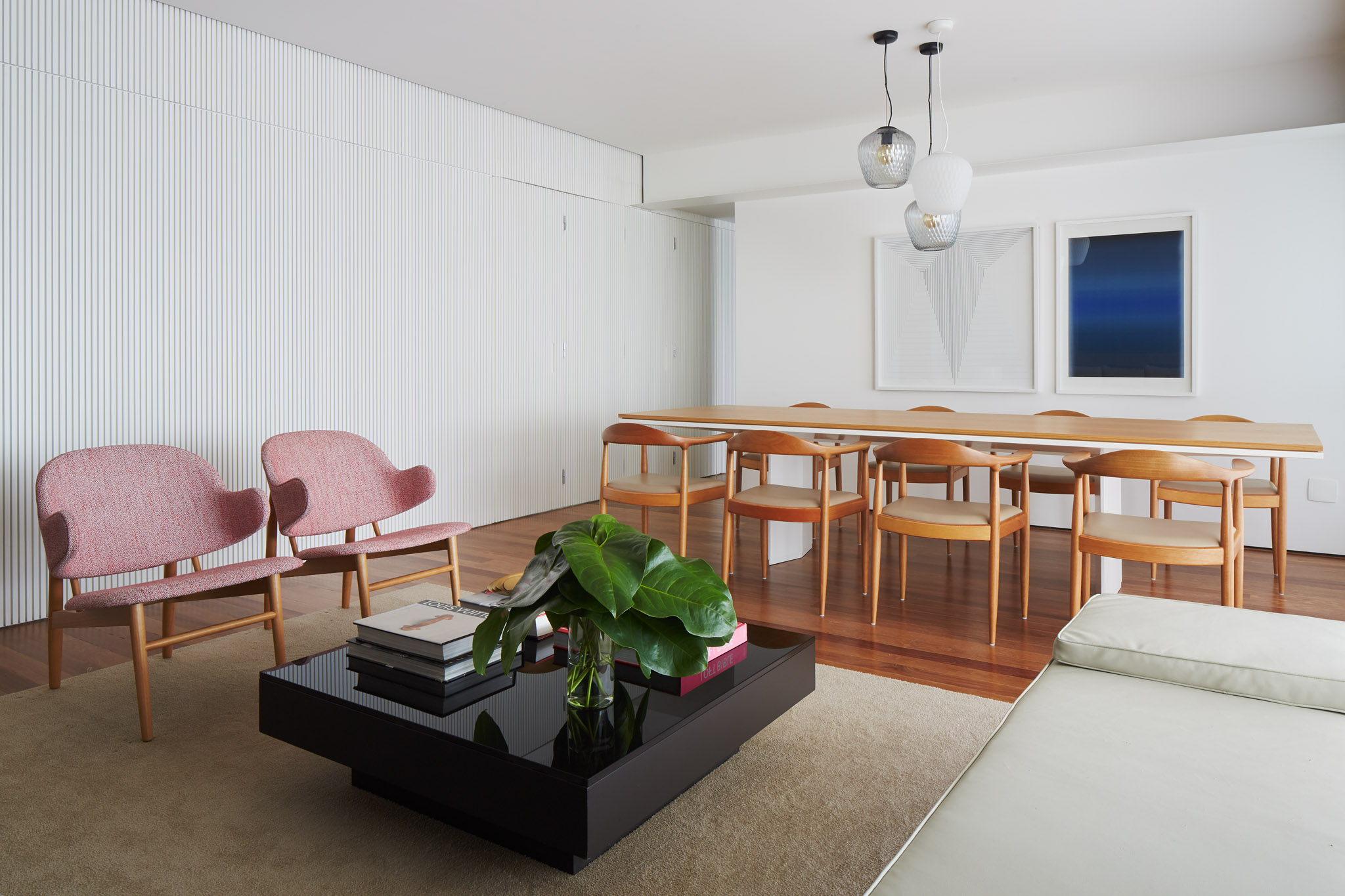
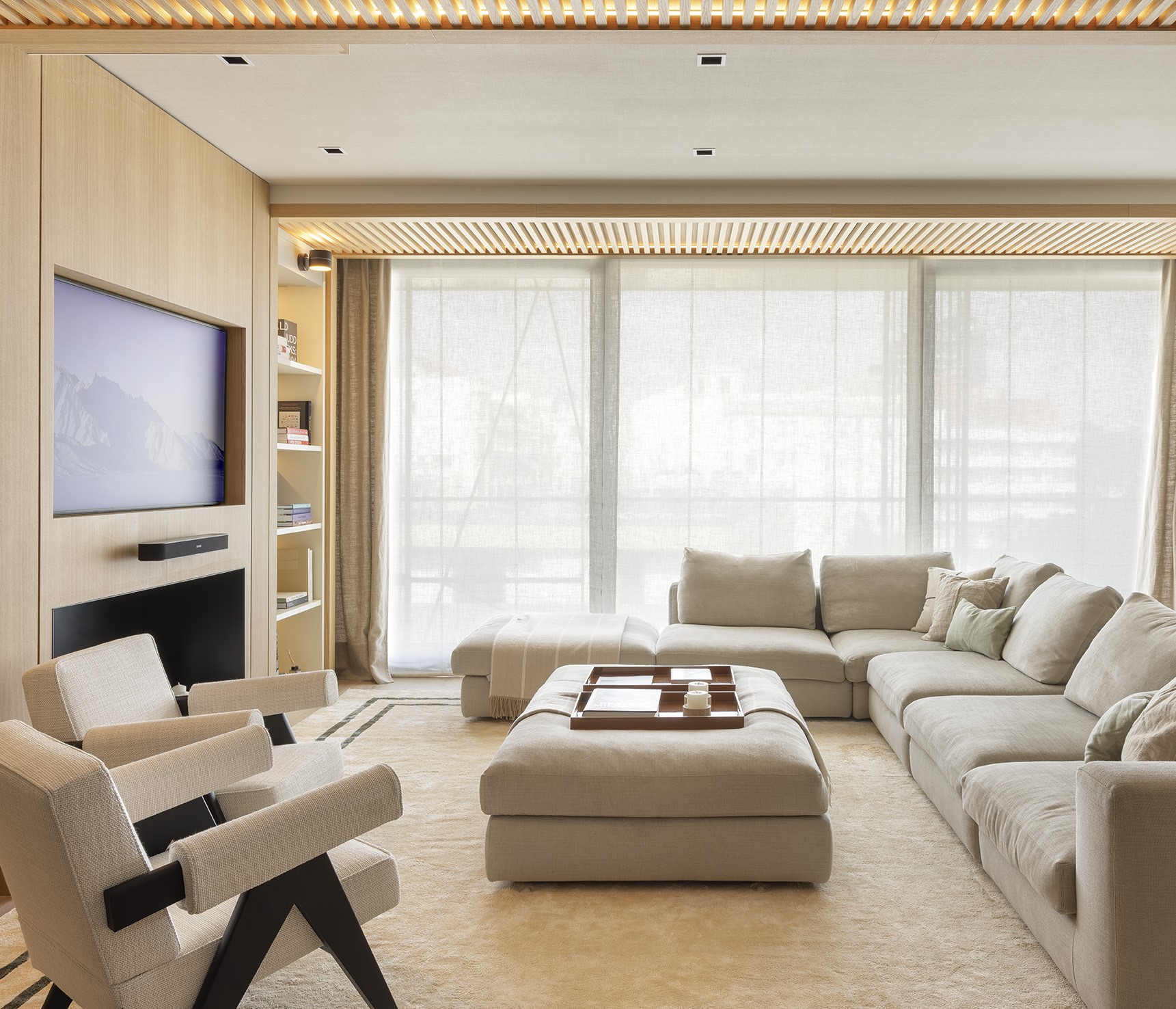
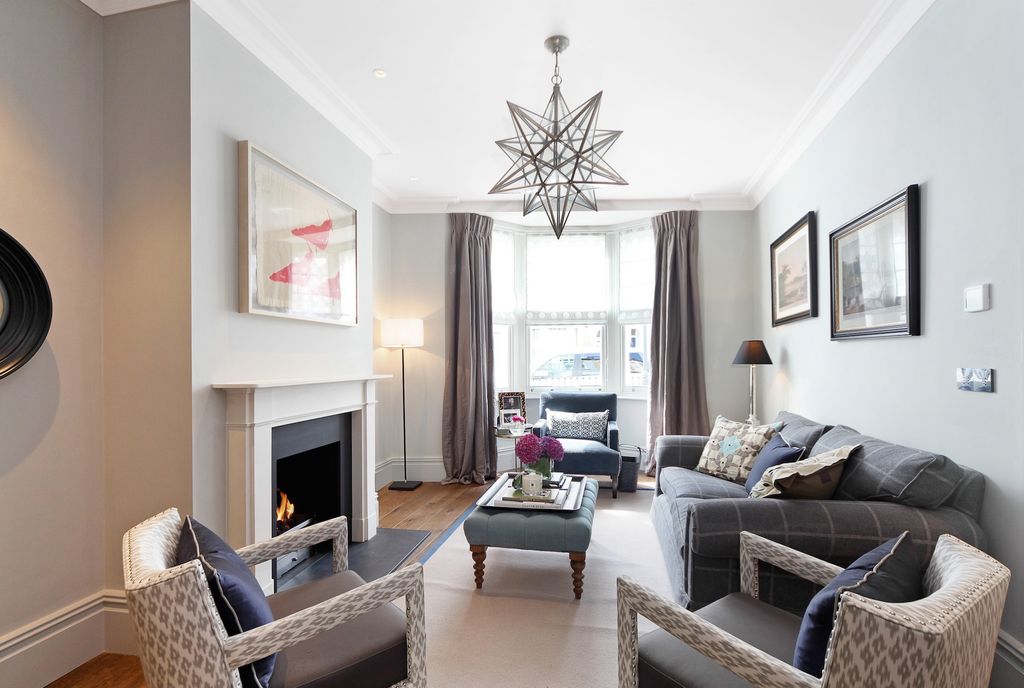
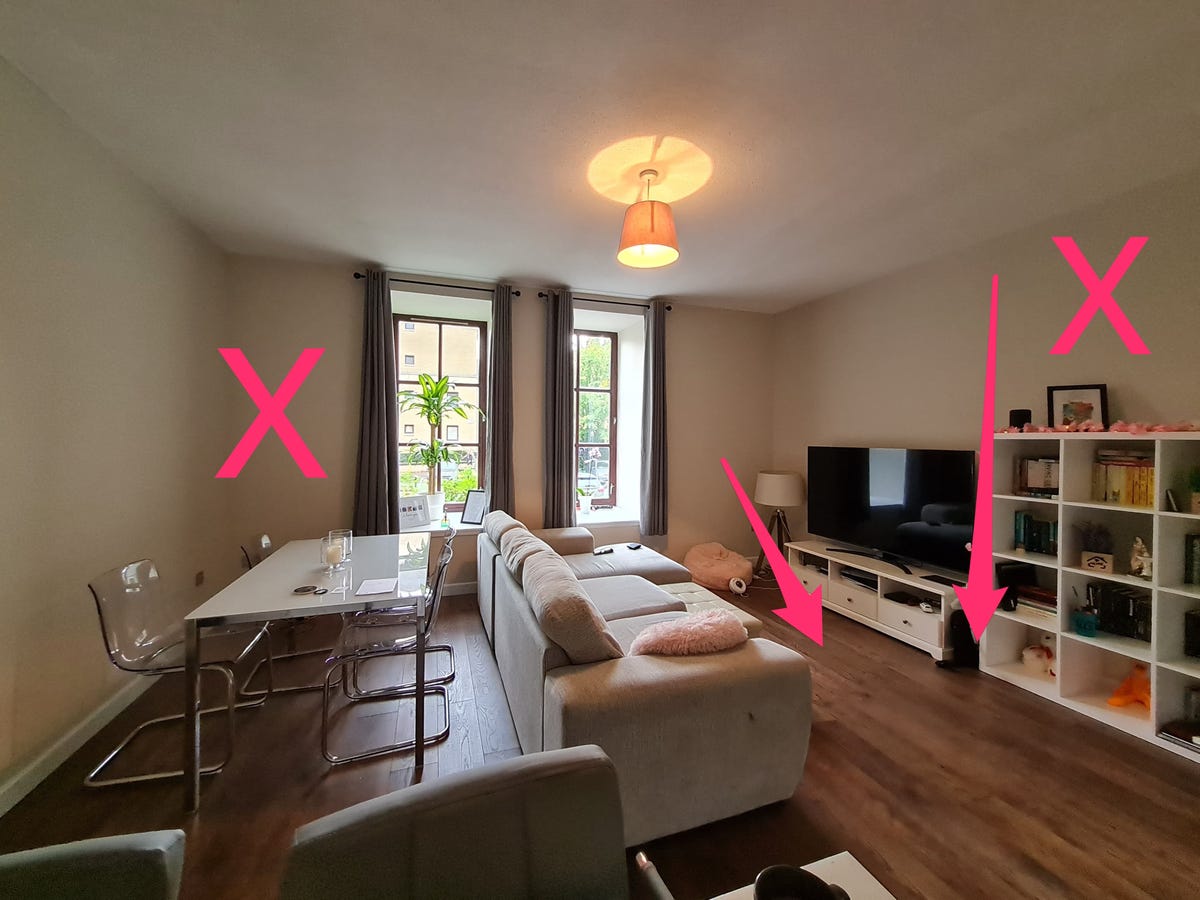
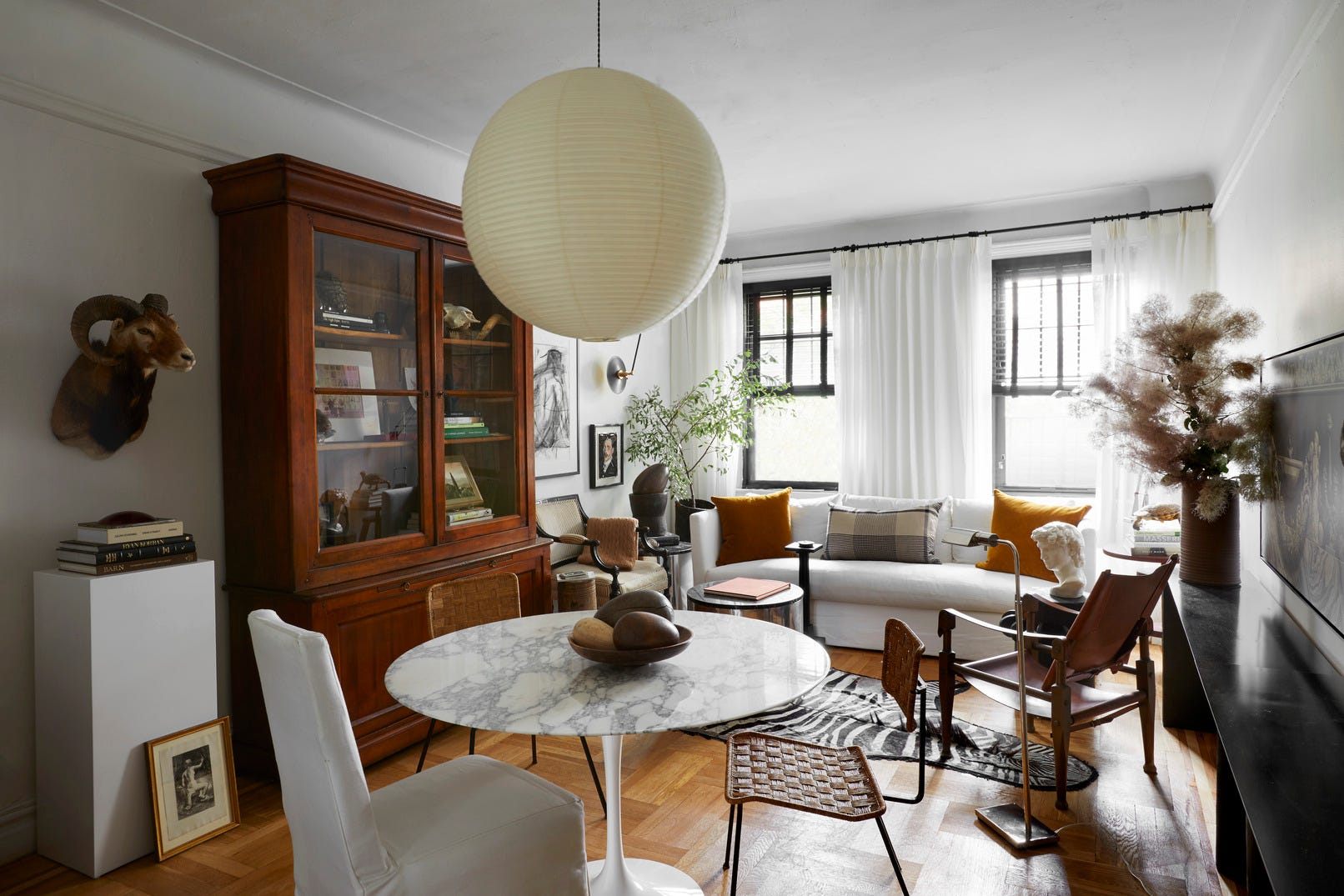
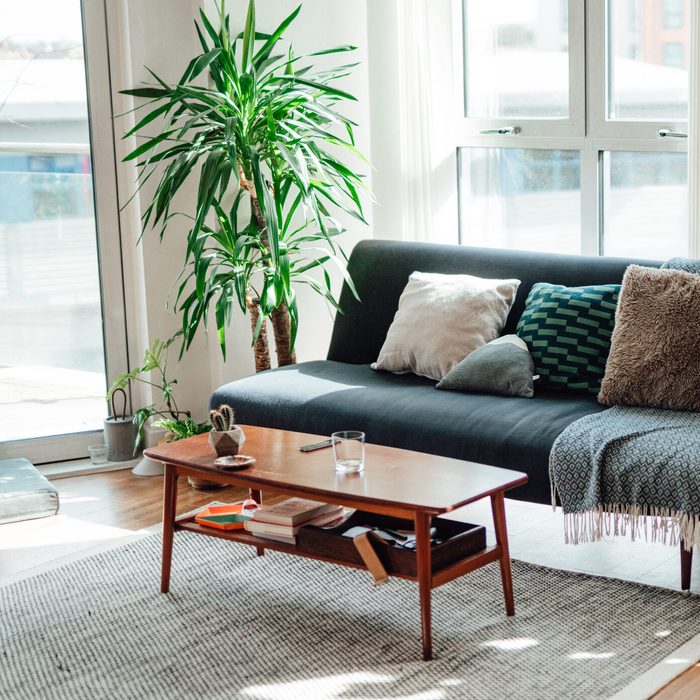
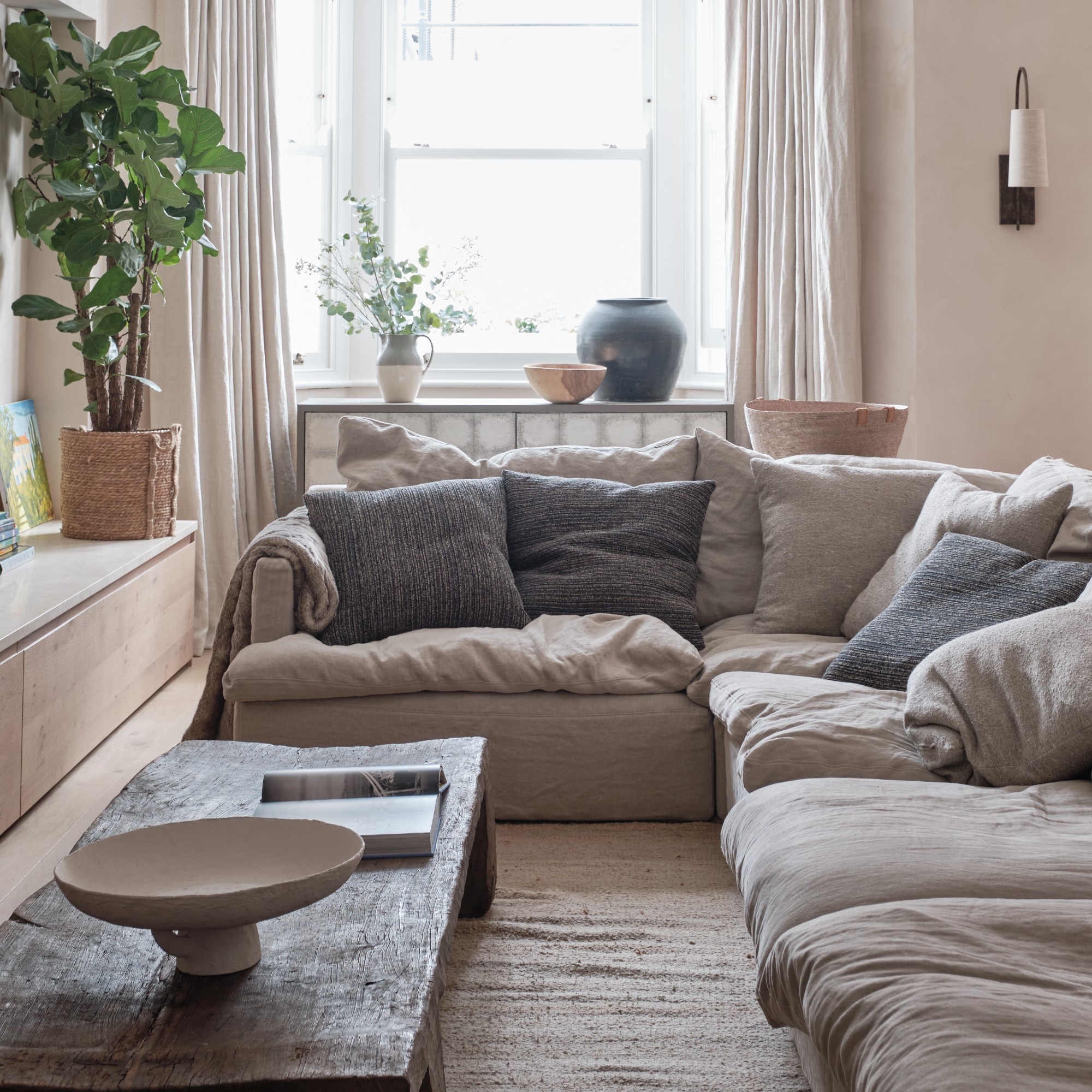
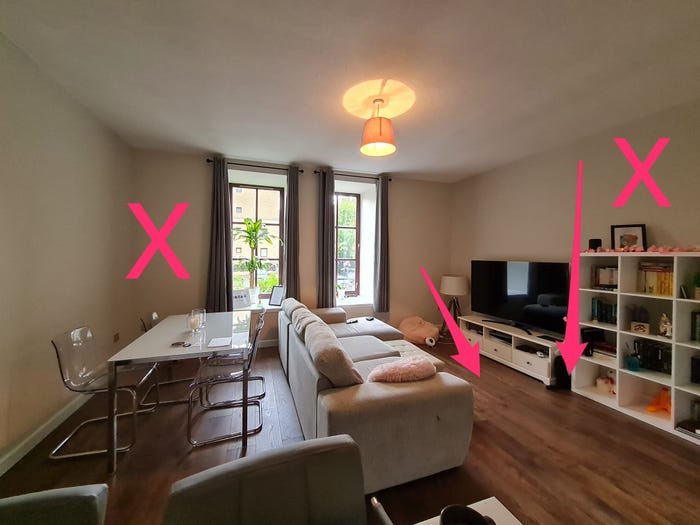
When it comes to furniture, the principle of 'less is more' is crucial. Instead of filling a small room with numerous small pieces, designers suggest opting for fewer, but larger, furniture items. For instance, a larger sectional with a simple coffee table can make a room feel more open and less busy than a small loveseat combined with multiple accent chairs and an abundance of decor. The idea is to select pieces that adequately fill the space without overcrowding it.
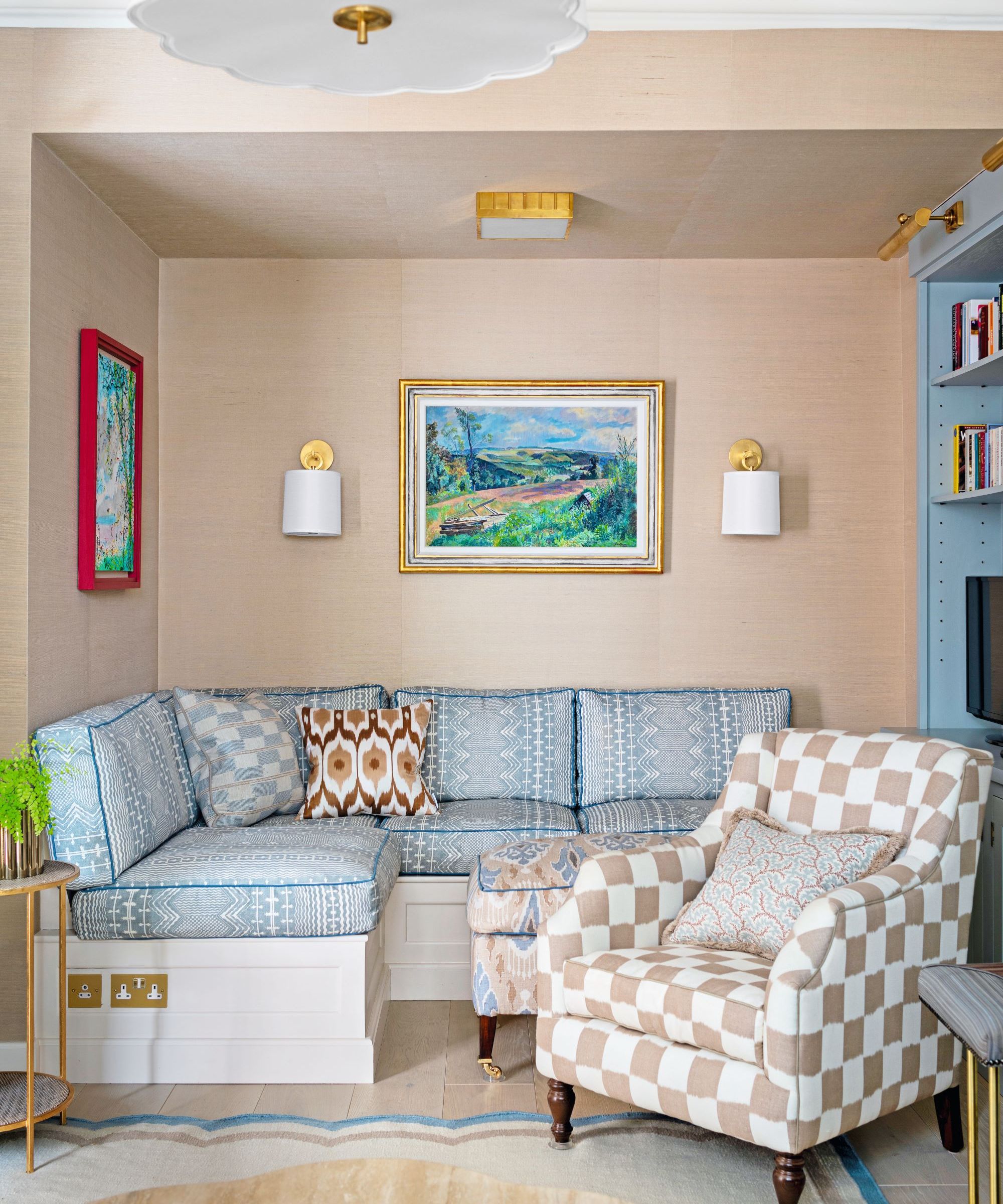
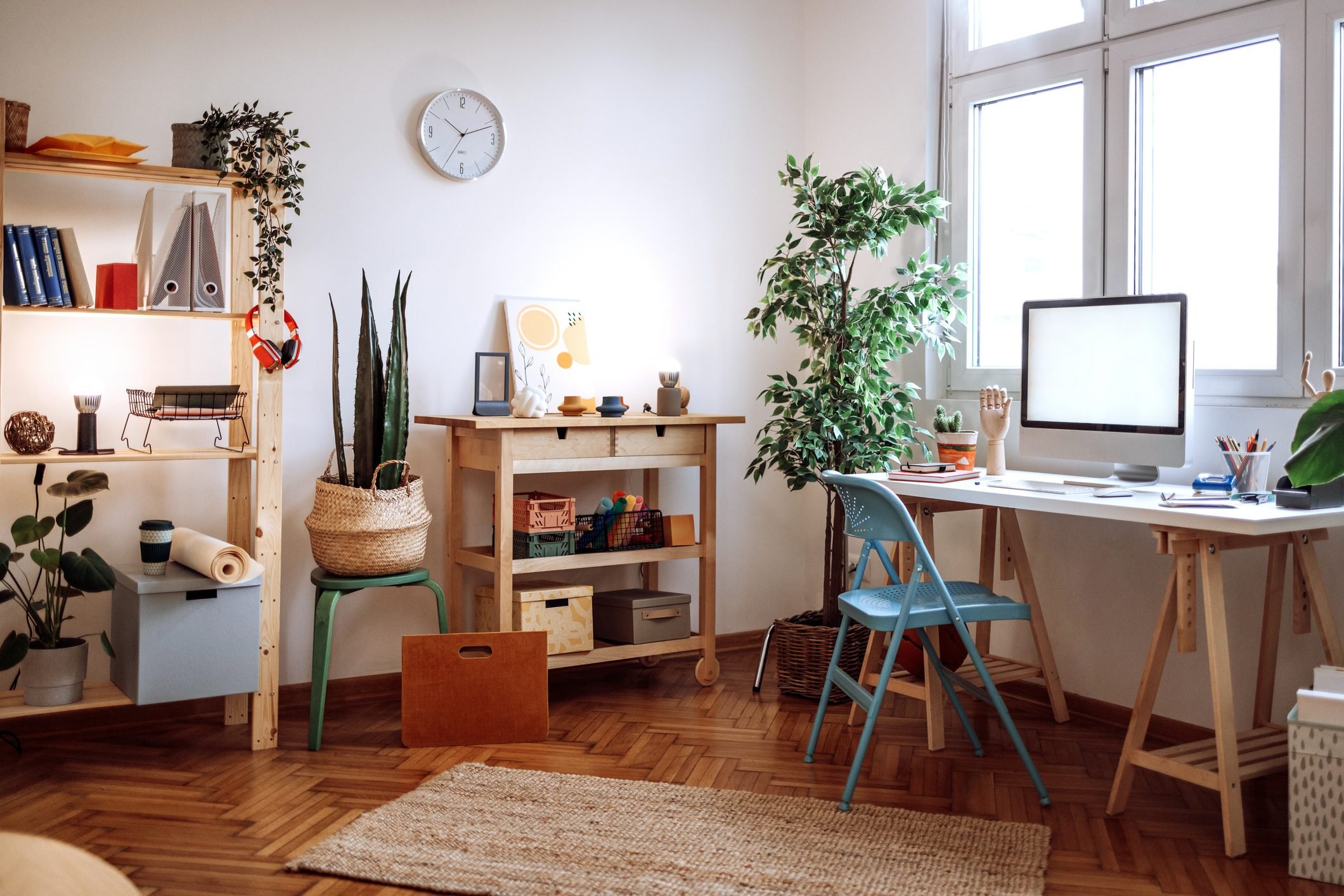
Creative solutions for multi-functional spaces, especially those that double as home offices, are also important. If a living room serves as both a lounging area and a workspace, it can feel smaller due to its dual purpose. Designers recommend converting closets, alcoves, or nooks into dedicated, hidden workspaces. This allows for storage and functionality without encroaching on the living area, thus preserving the open feel of the main room.
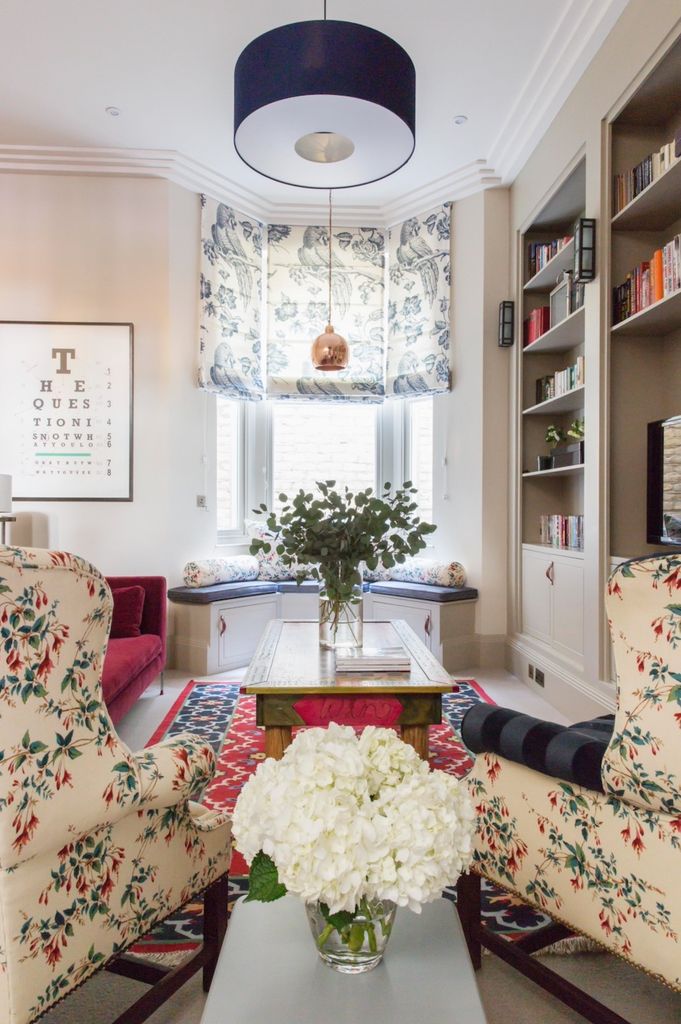
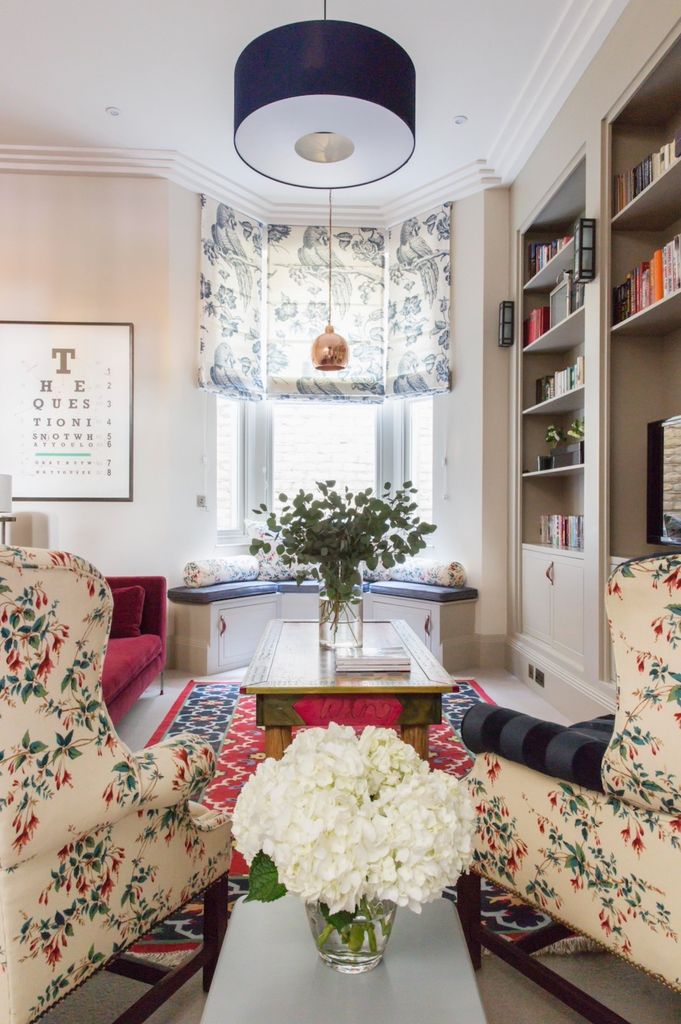
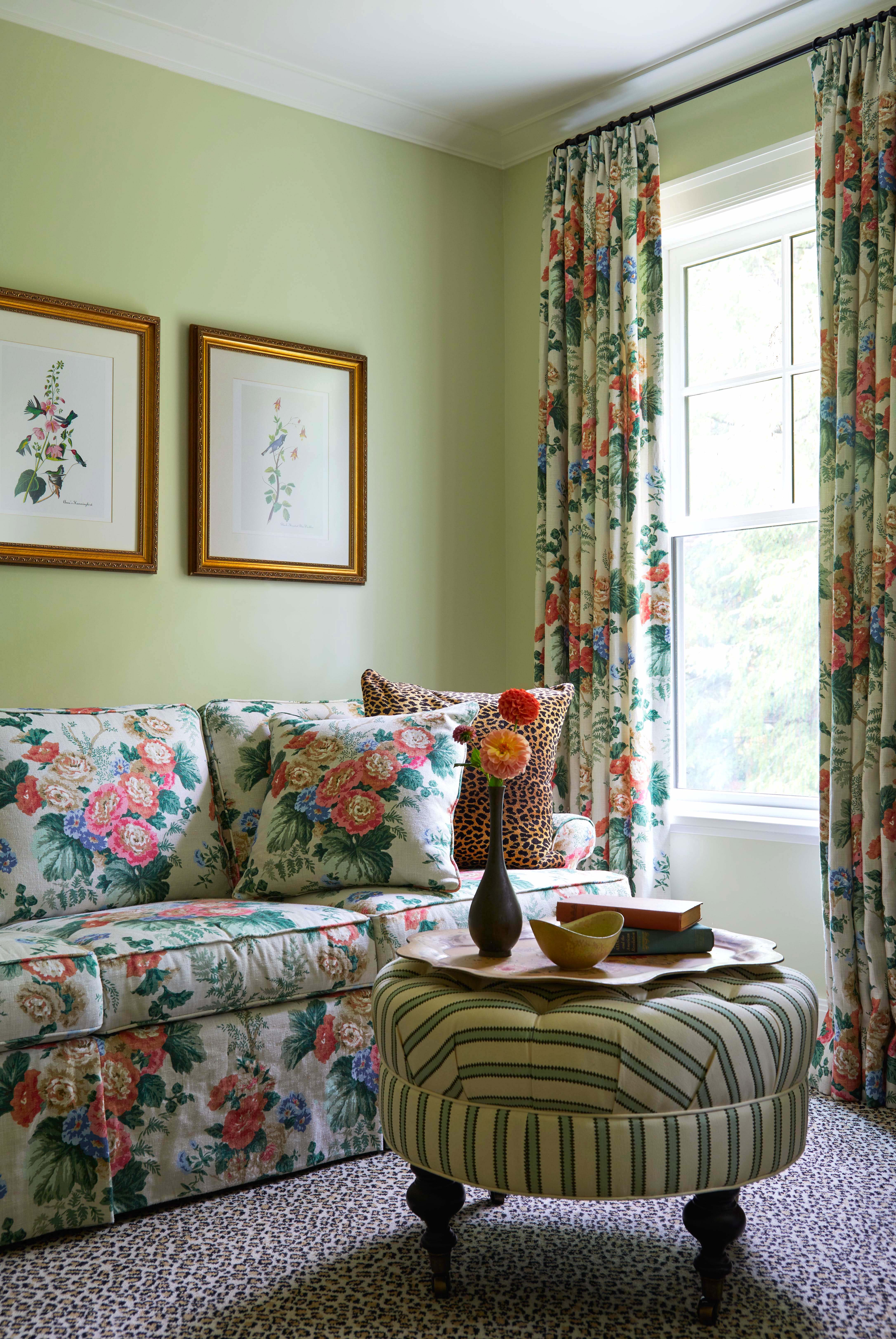
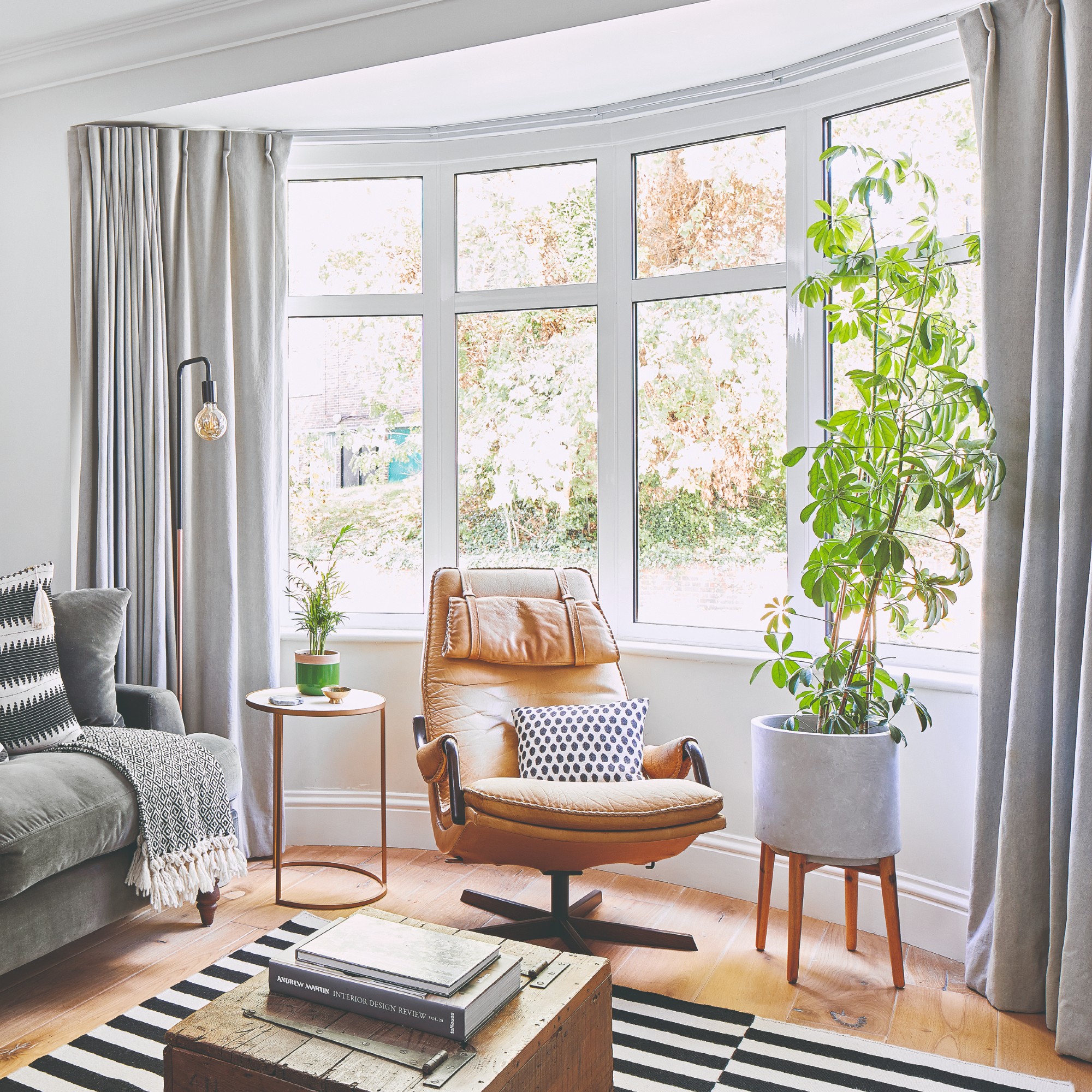
Area rugs can also contribute to making a small living room feel larger, even in spaces with wall-to-wall carpeting or limited floor space. Choosing rugs with subtle patterns or textures helps to define and accentuate specific areas, which in turn can make the rest of the room appear more spacious.
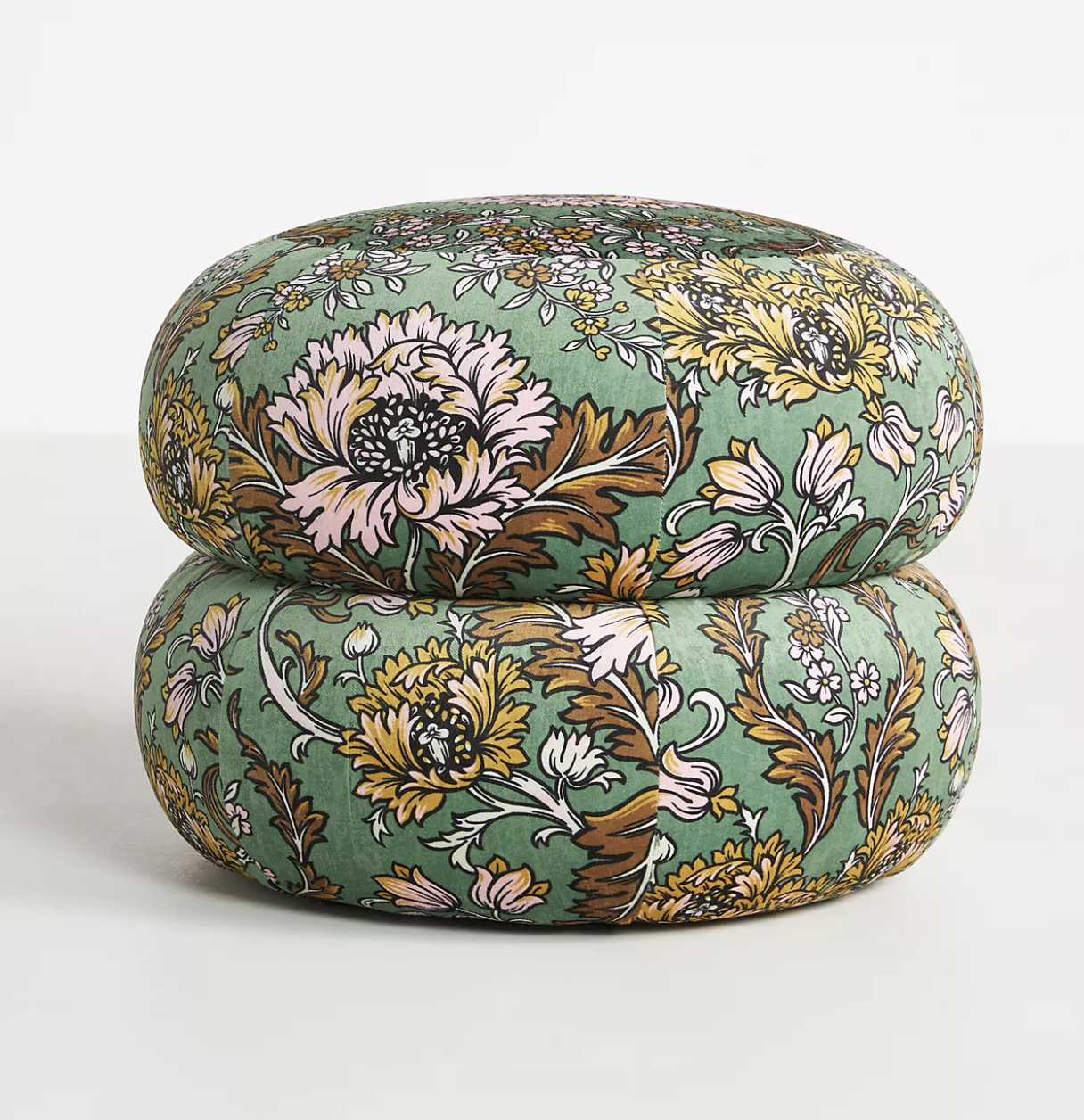
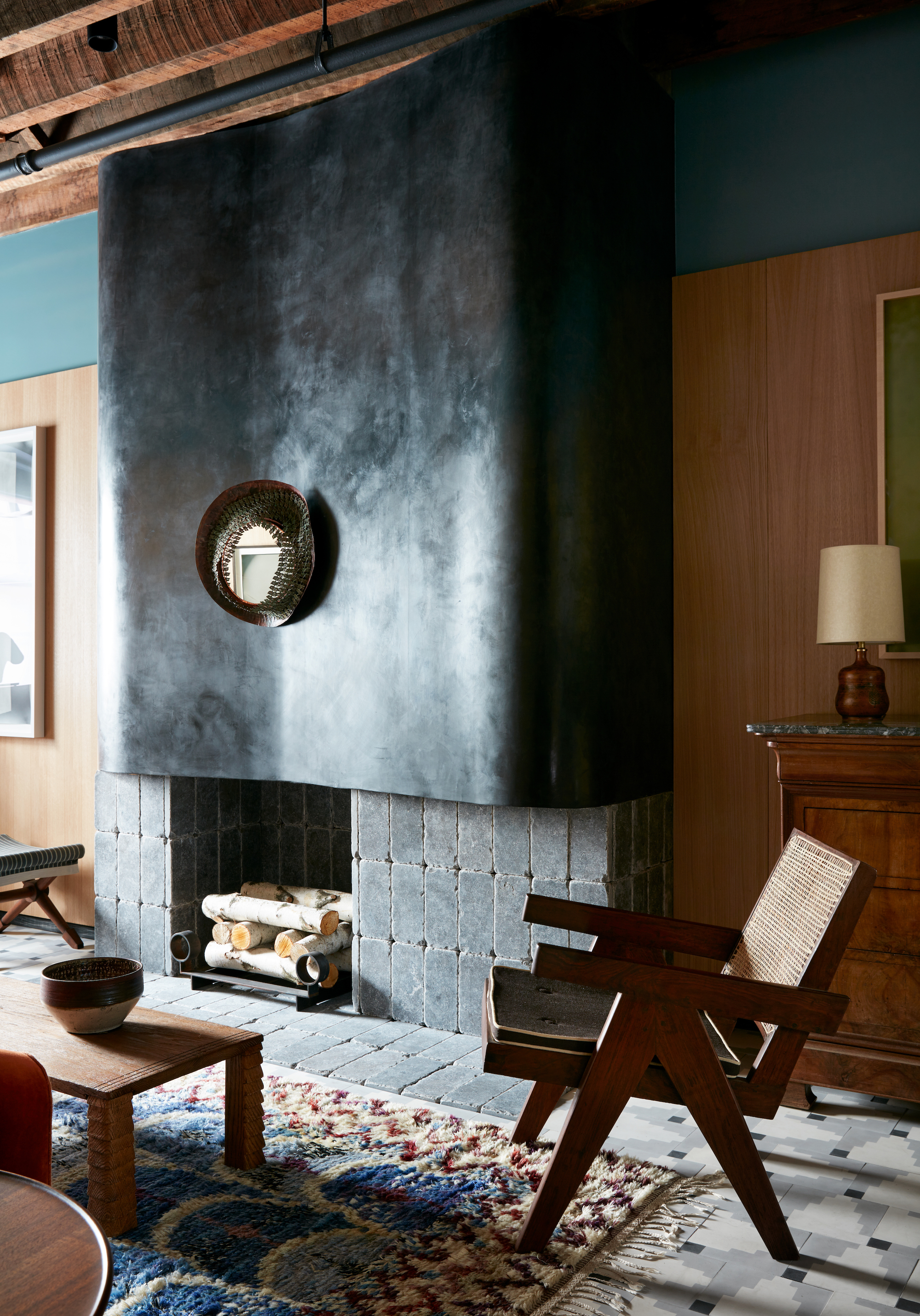
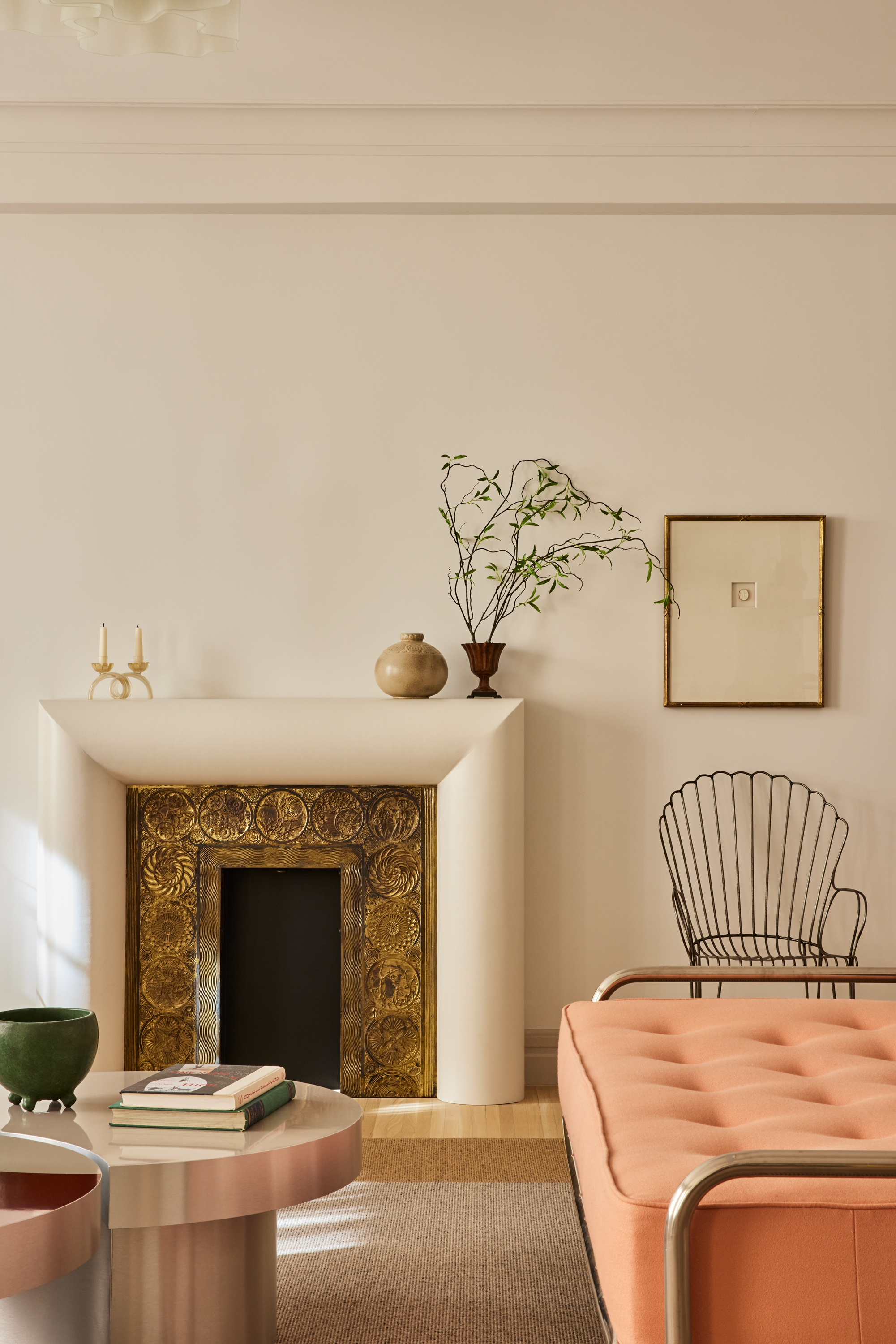
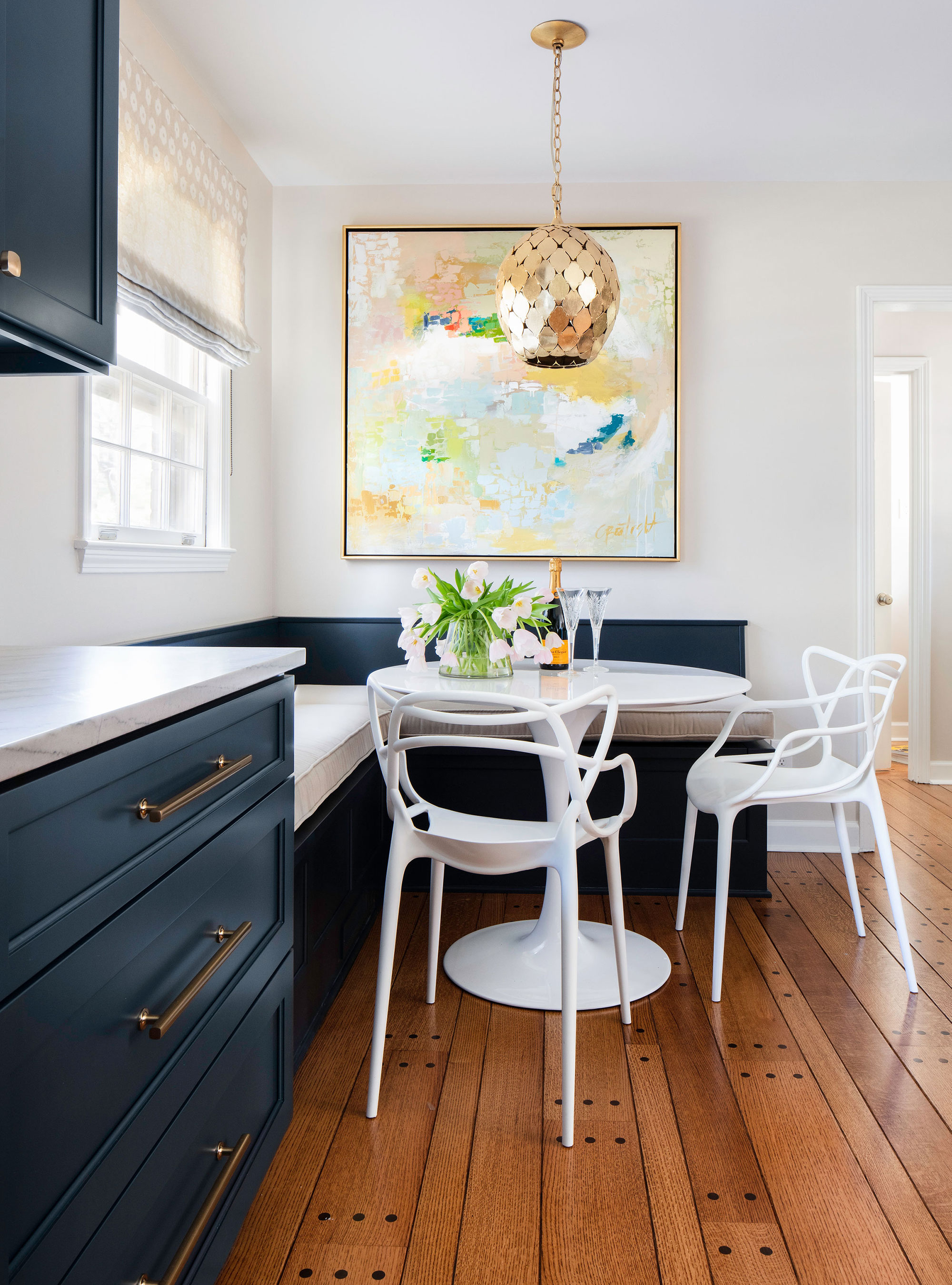
Incorporating furniture with interesting shapes is another technique to add dynamism and prevent a small room from looking boring. Arched console tables, rounded-back sofas, or tables with pedestal legs keep the eye moving, creating new angles and visual pathways that expand the perceived boundaries of the space.
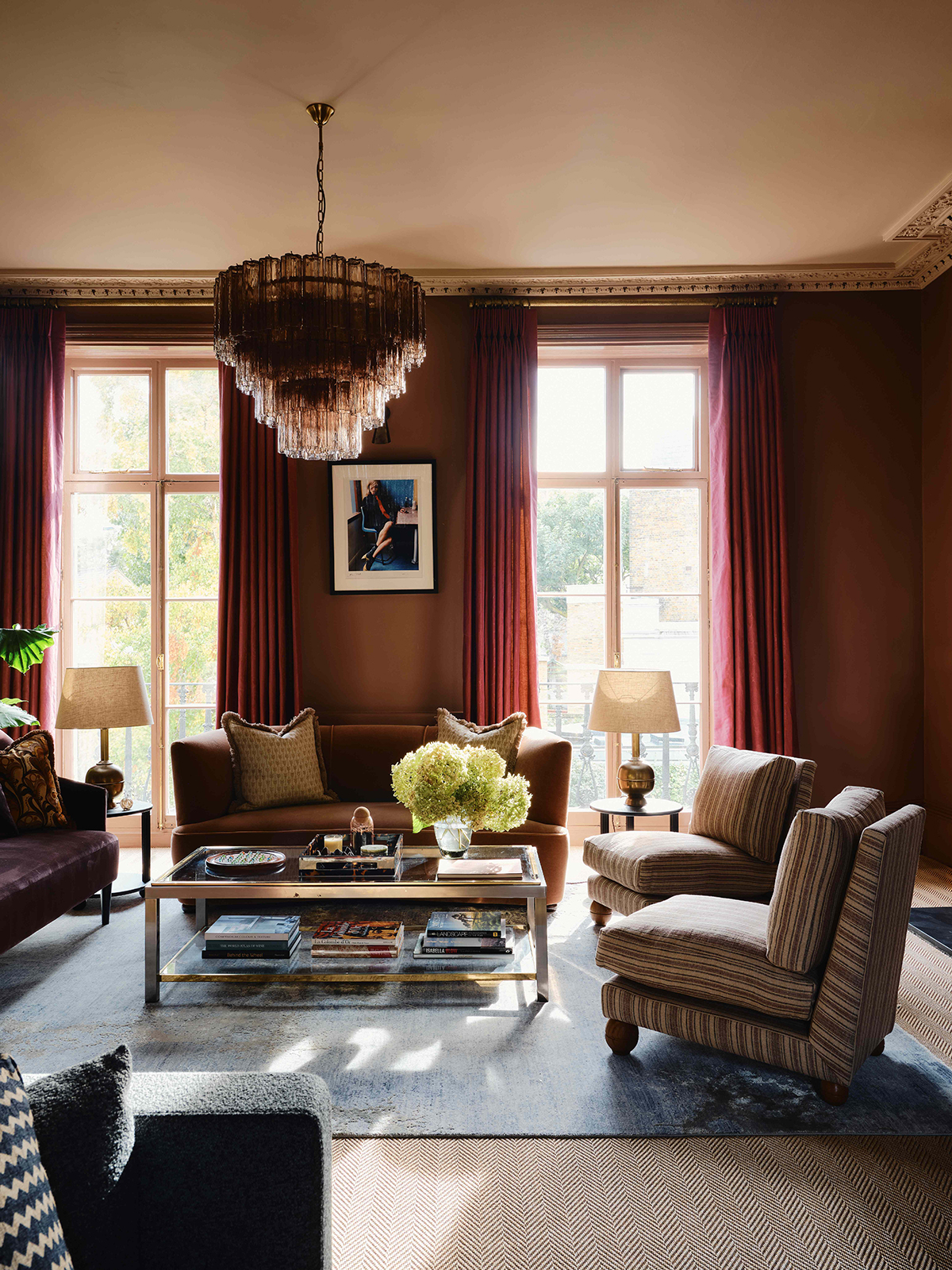
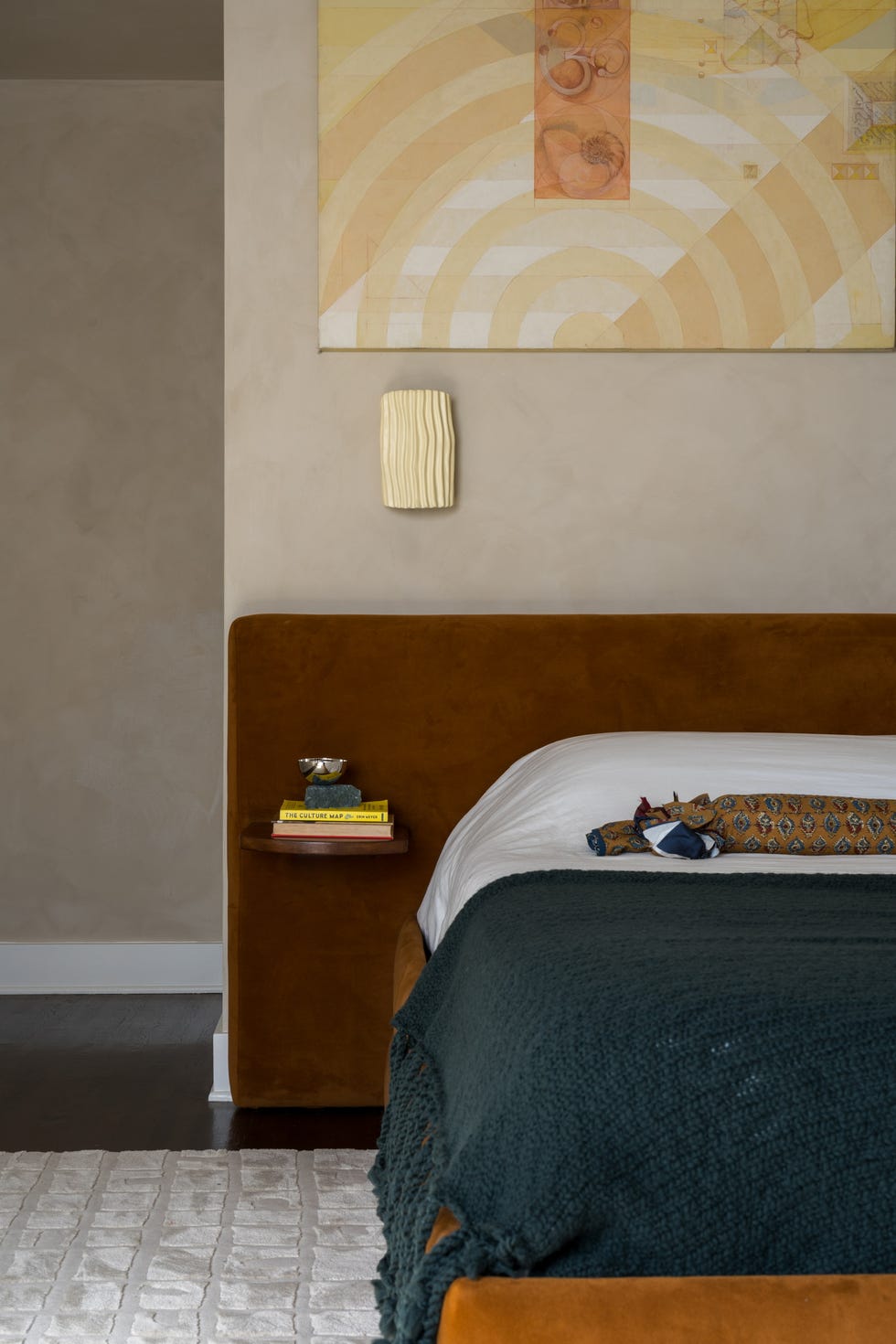
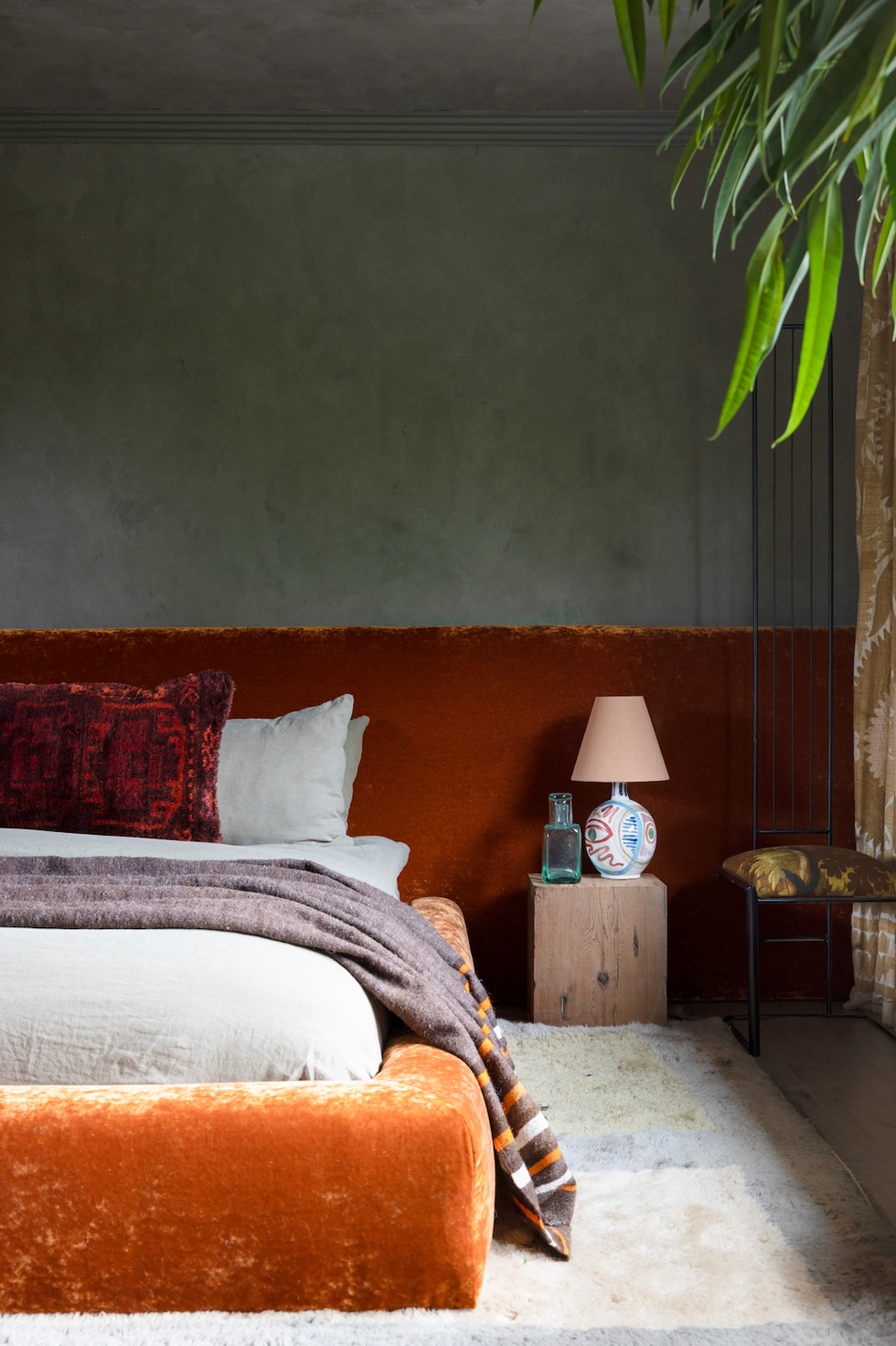
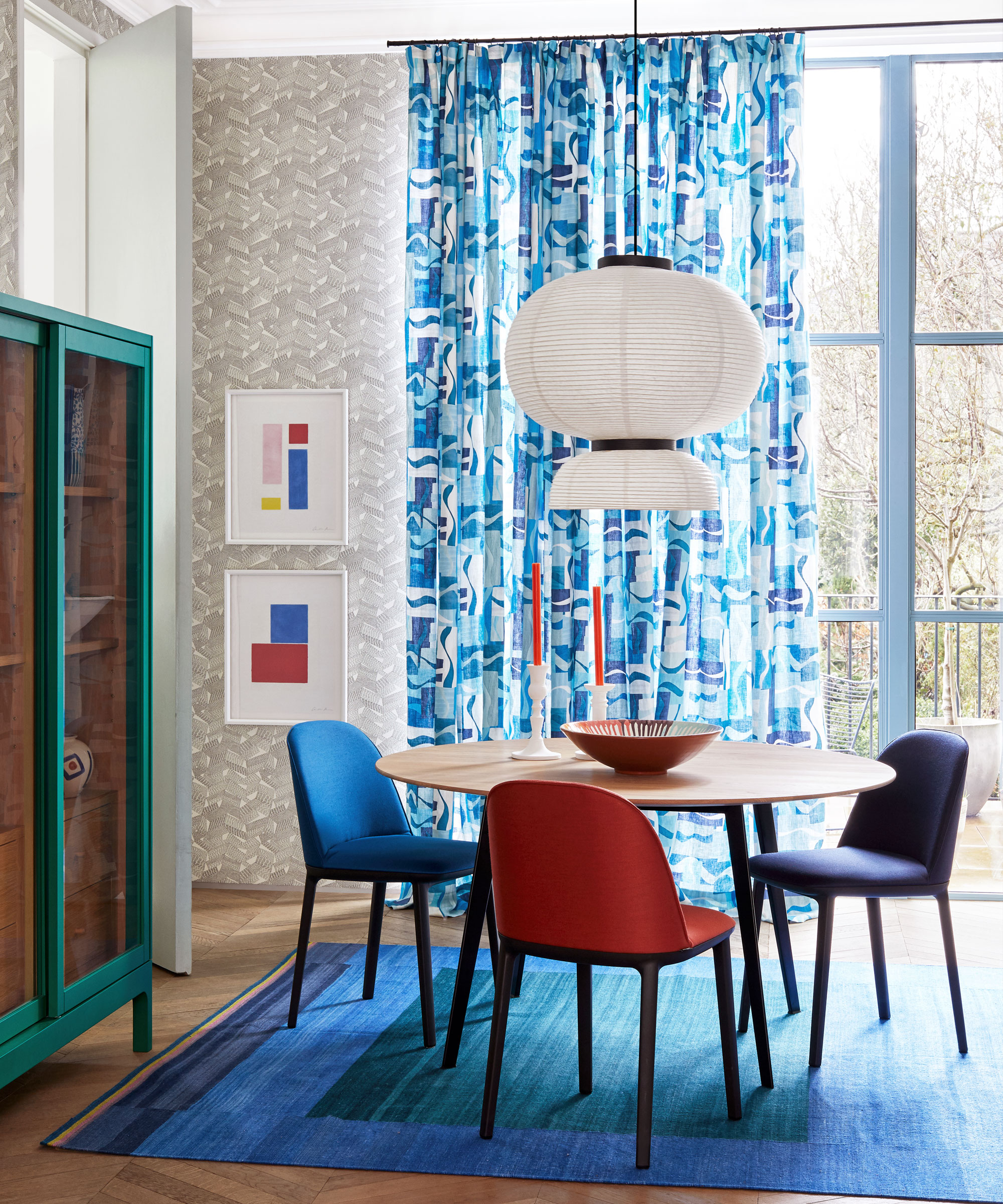
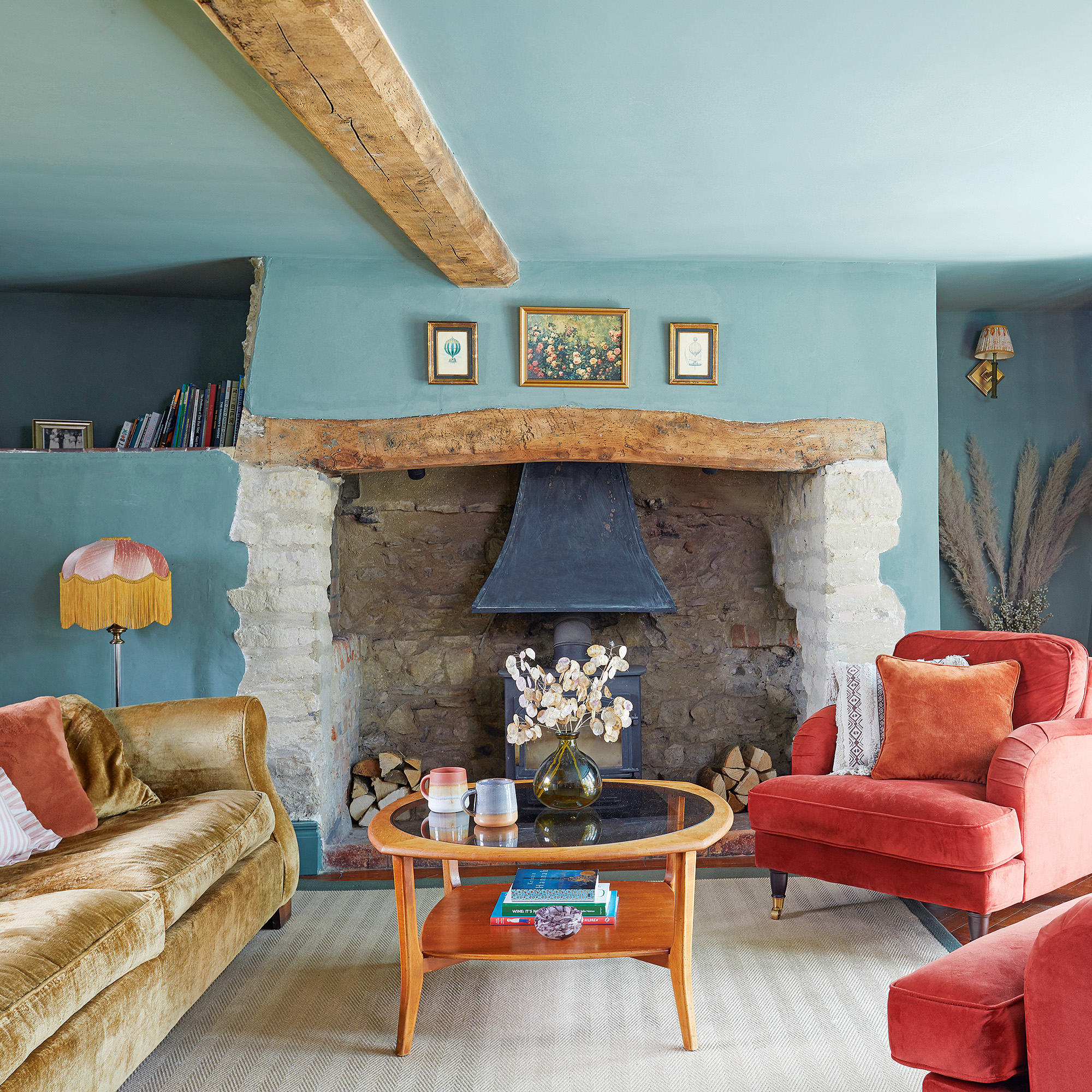
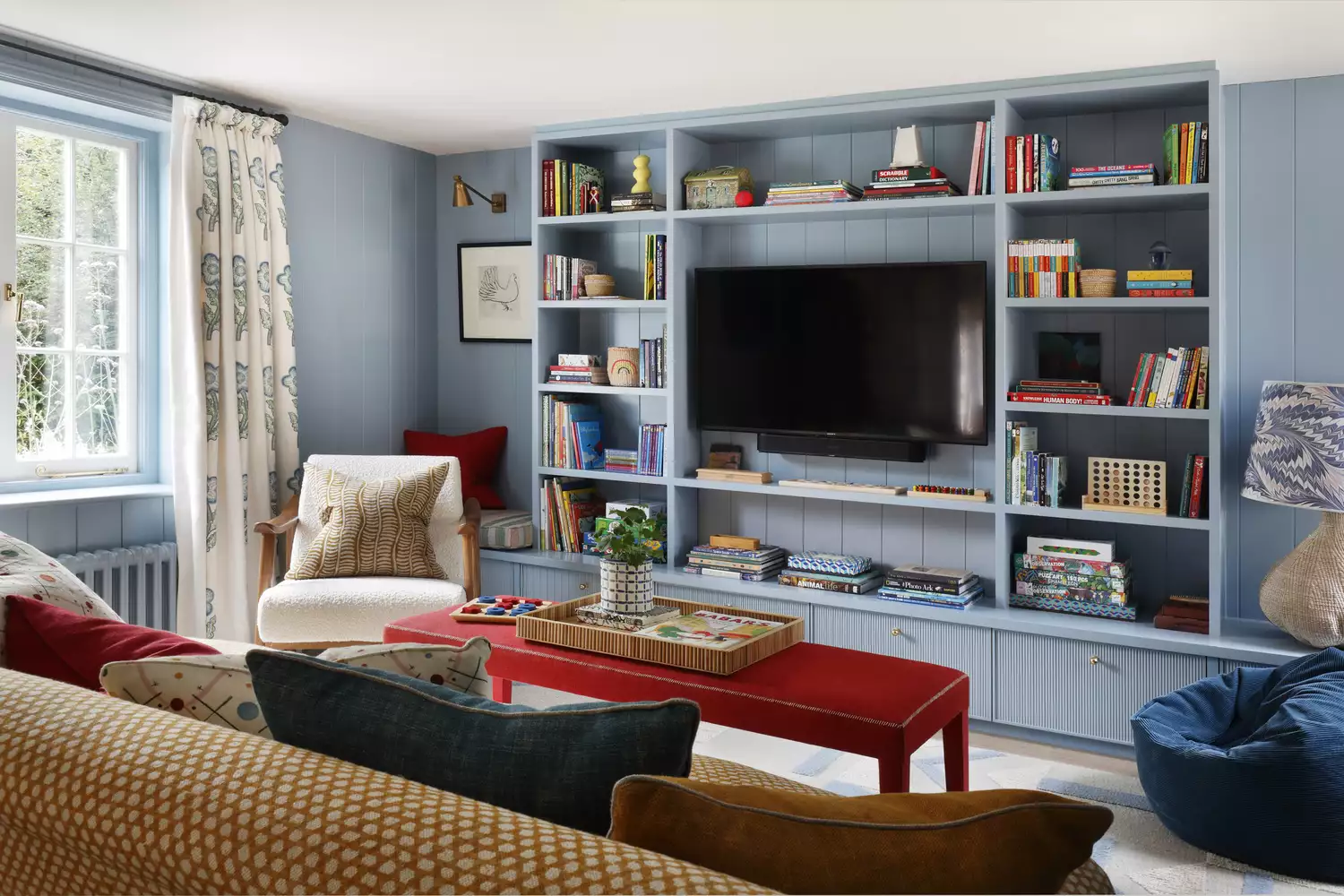
Finally, designers encourage not shying away from color. Color blocking and using different colors with styling accessories, such as on a bookshelf, introduce visual interest and help the eye travel around the room. This movement creates the impression of a larger, more engaging environment, counteracting any potential confinement that a small space might otherwise present. By applying these strategic design elements, even the smallest living rooms can be transformed into more spacious and inviting areas.
#SmallLivingRoom #InteriorDesign #HomeDecor #SpaceSaving #DecoratingTips #DesignTricks #FurniturePlacement #HomeImprovement #SmallLivingRoom #InteriorDesign #HomeDecor #SpaceSaving #DecoratingTips #DesignTricks #FurniturePlacement #HomeImprovement
0 comment in total
 No comments yet
You may also like
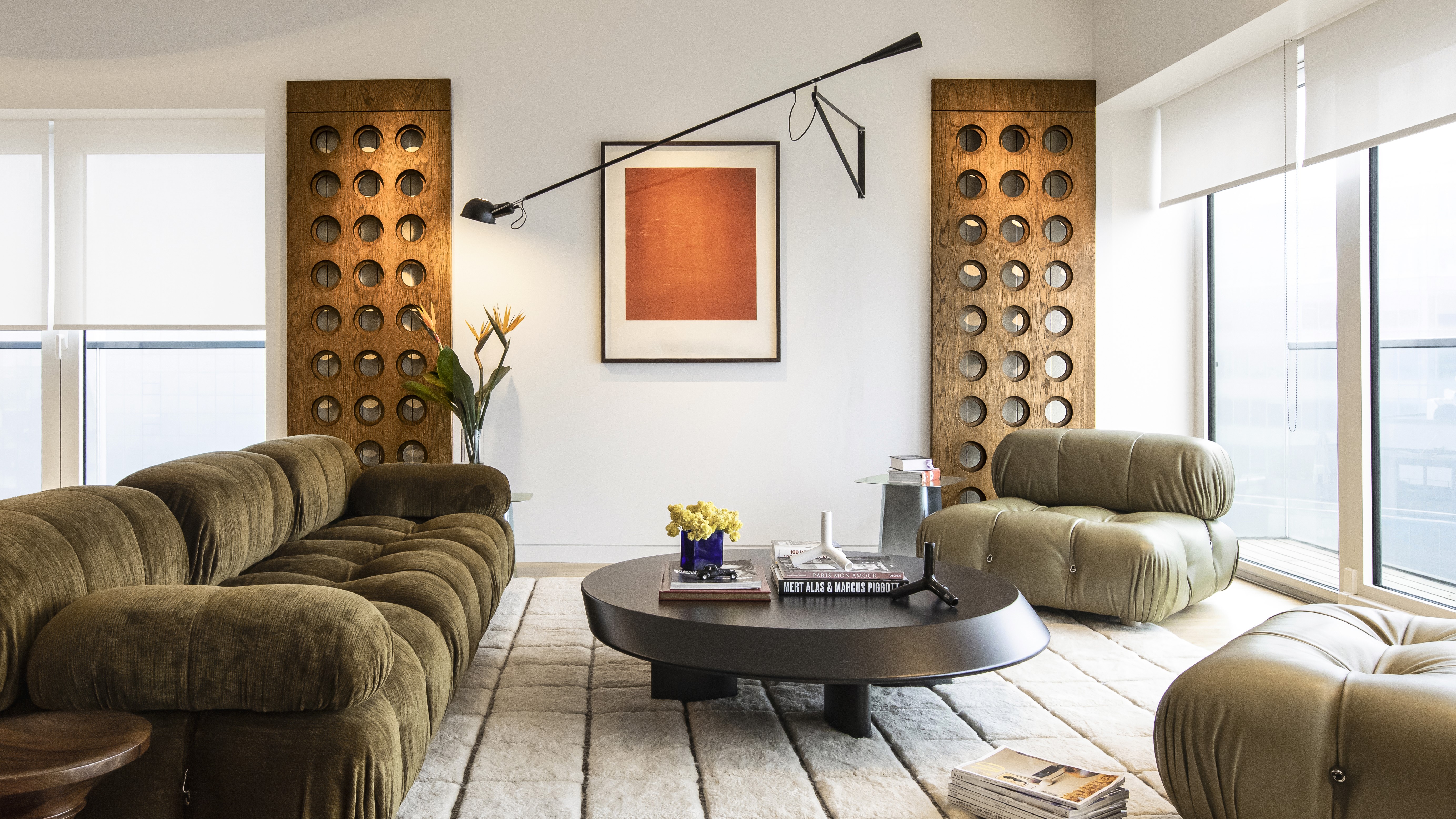
Designers swear by this small living room layout - 'it makes the space feel bigger'

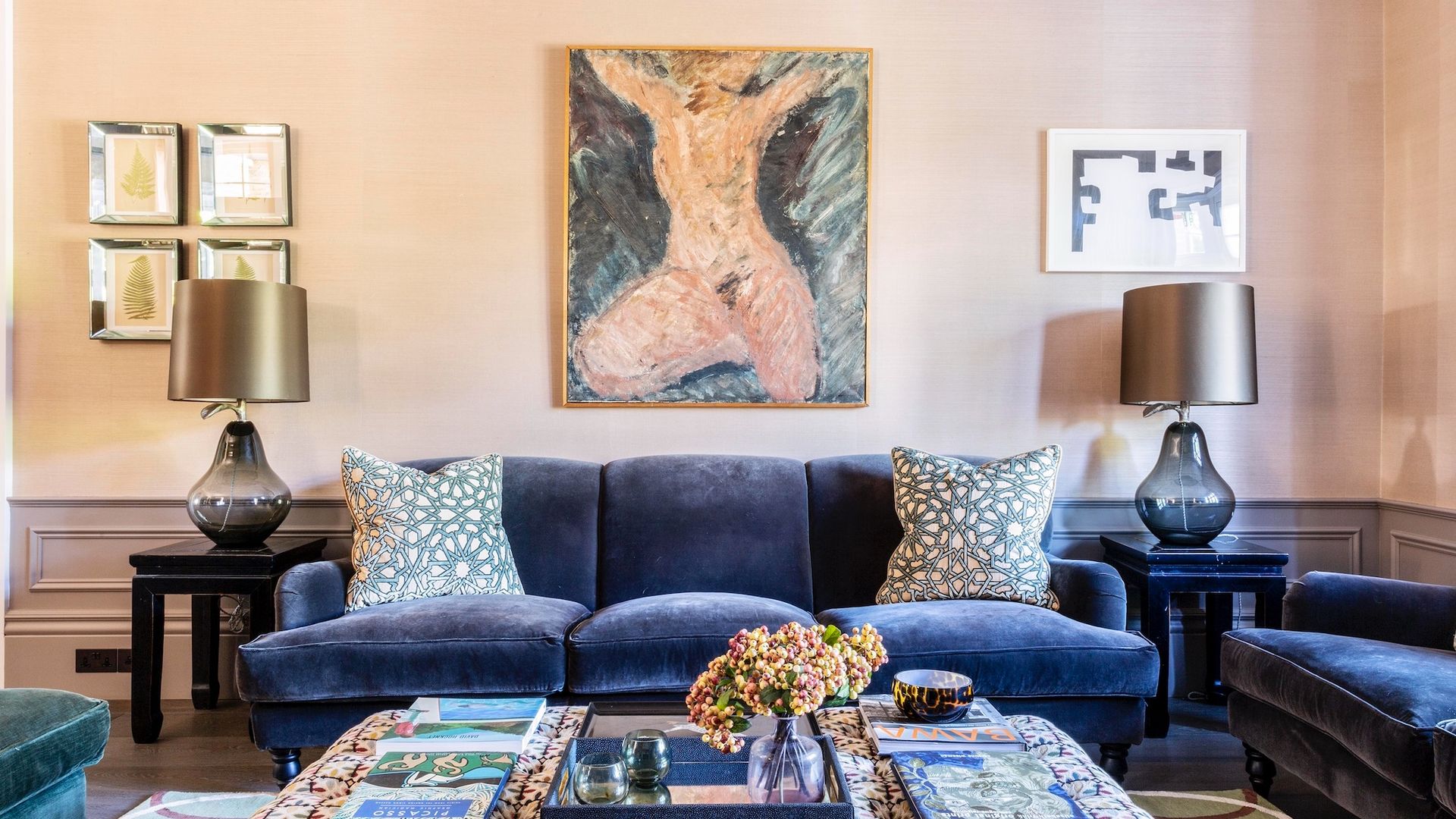
9 simple tricks to elevate your small living room according to an interior designer

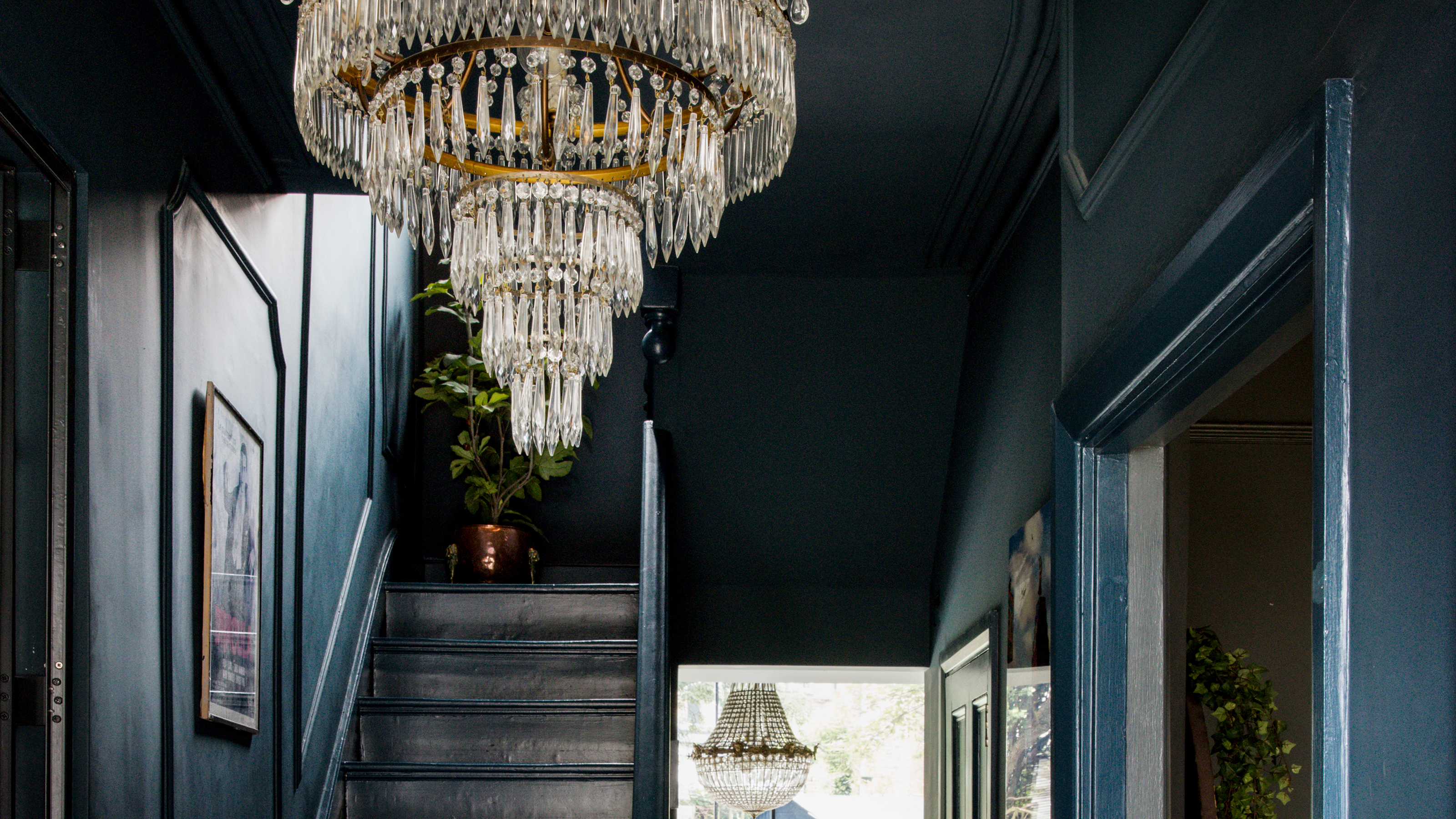
Experts reveal the one furnishing that will instantly make a small hallway feel bigger
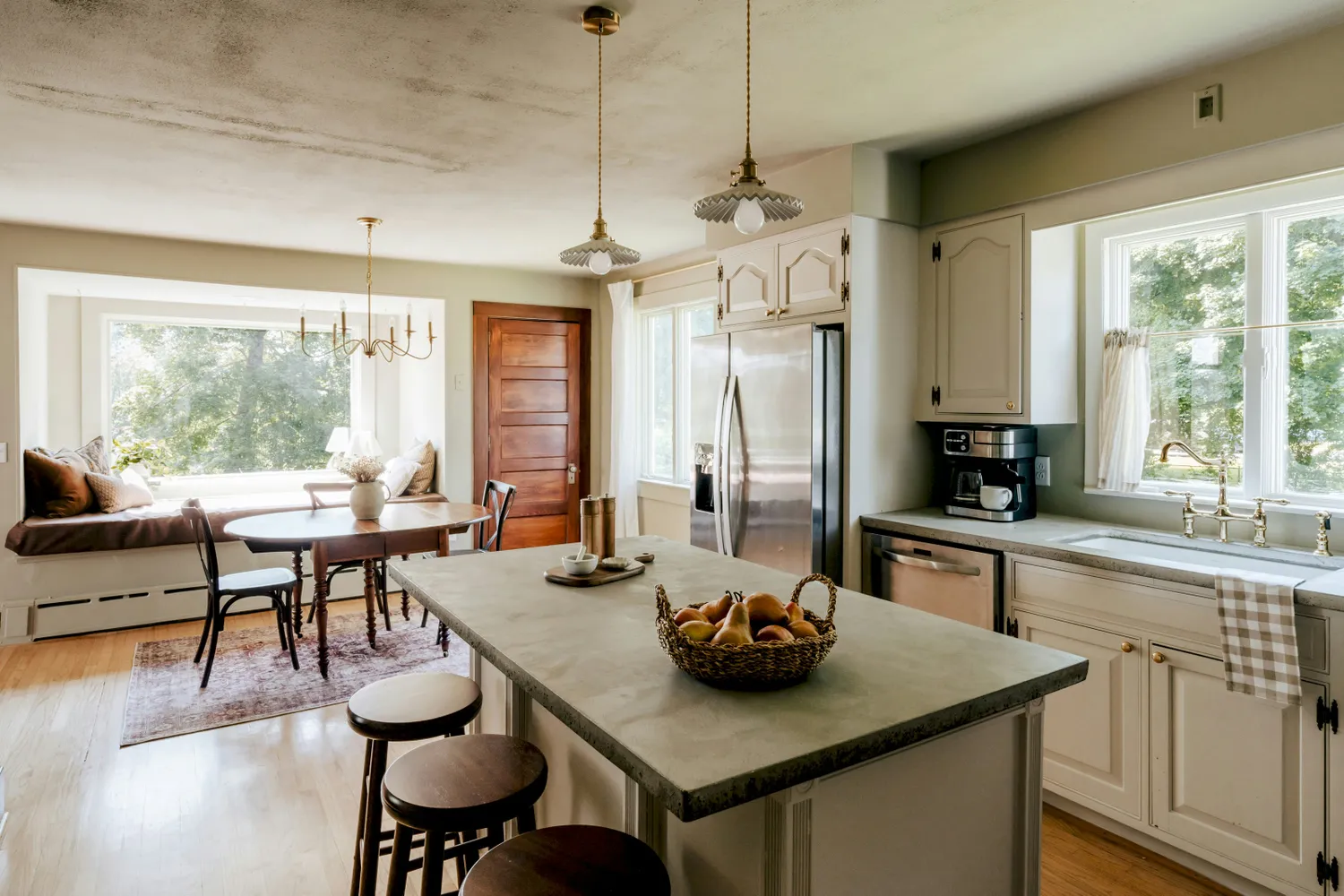
We Asked Designers for a Small Kitchen Upgrade That Makes a Huge Impact —And They Said the Same Thing
How to make small spaces look bigger
9 simple tricks to elevate your small living room according to an interior designer

Interior Designer Shares How to Make 1-Bedroom Apartment Look Bigger
Maximize Your Space: 19 Tips to Make a Small Room Feel Bigger

14 clever ways to make small rooms look bigger

We Asked a Designer How to Make a Small Bedroom Feel Bigger and It's Actually So Easy
'We considered splitting it in two to create an extra room, but we now relish being in this enormous, luxurious space'
10 things designers do to make rooms look bigger – strategies for success from the experts

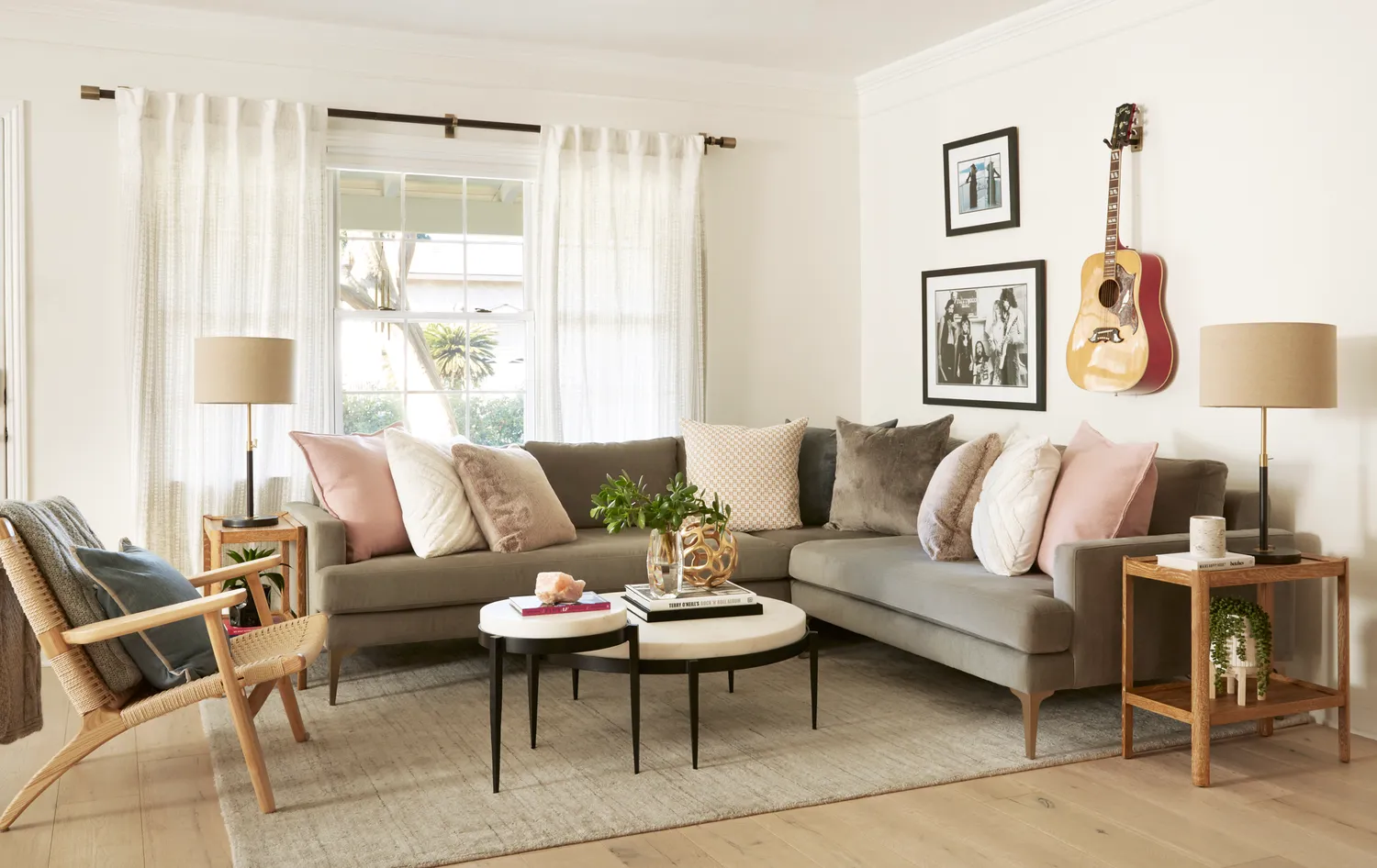
We Asked a Designer How to Make a Small Living Room Feel Bigger and It's Actually So Easy
Aesthetics that work in a small bedroom — experts sound off, and we're officially obsessed

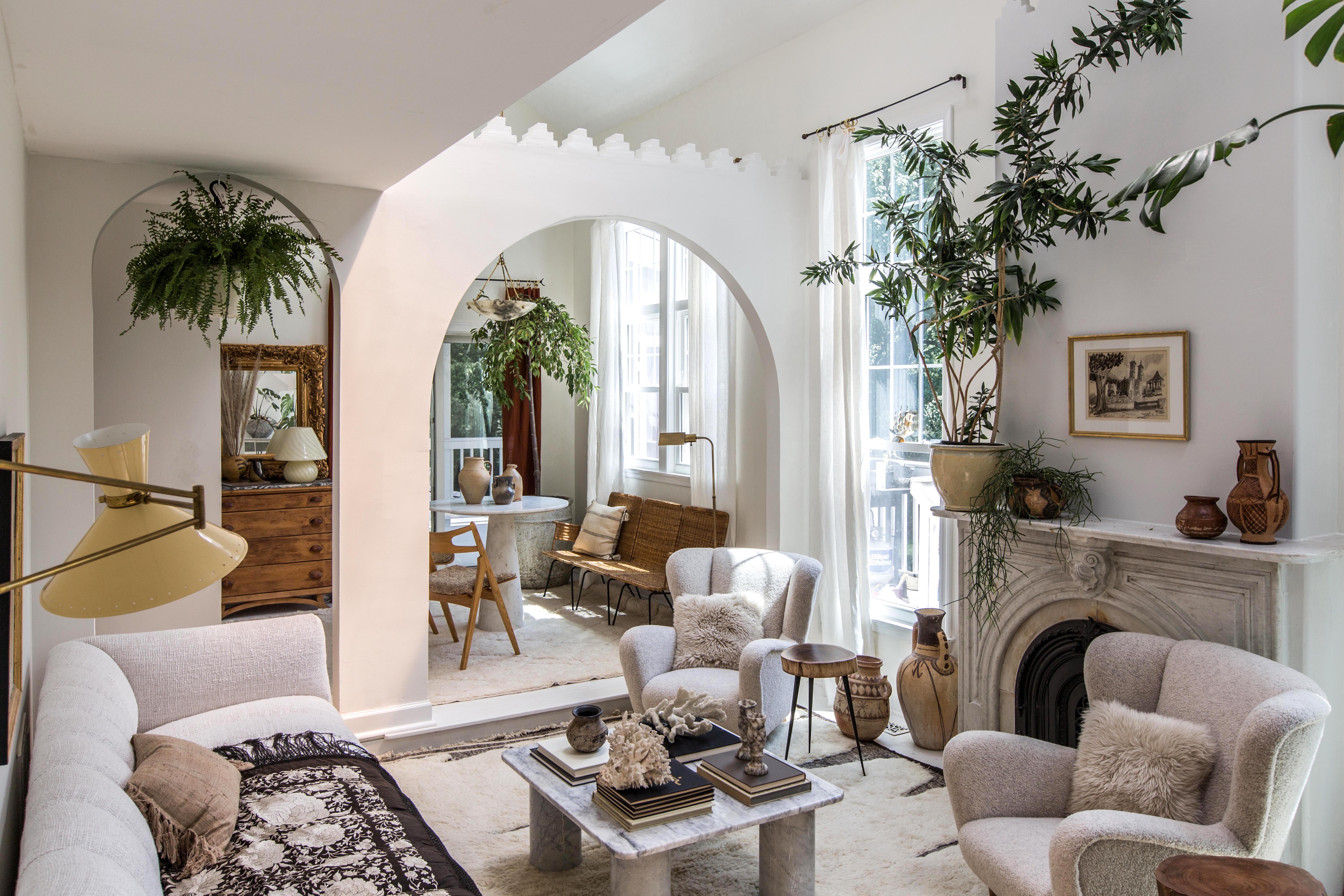
32 Styling Tricks That Will Make Your Small Living Room Feel Bigger and Better

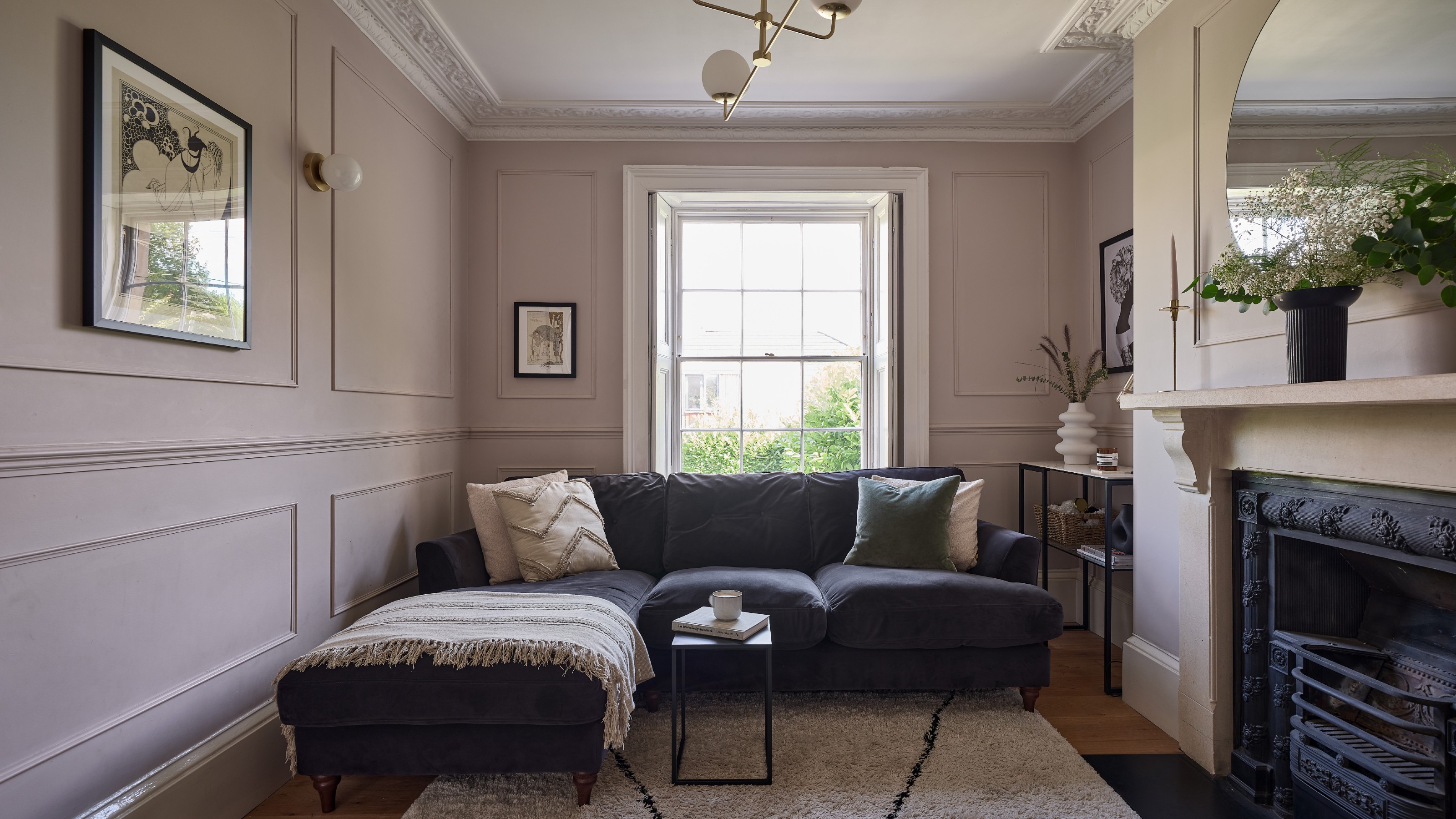
How to make a small living room look bigger with mirrors - clever design tips to open up your space
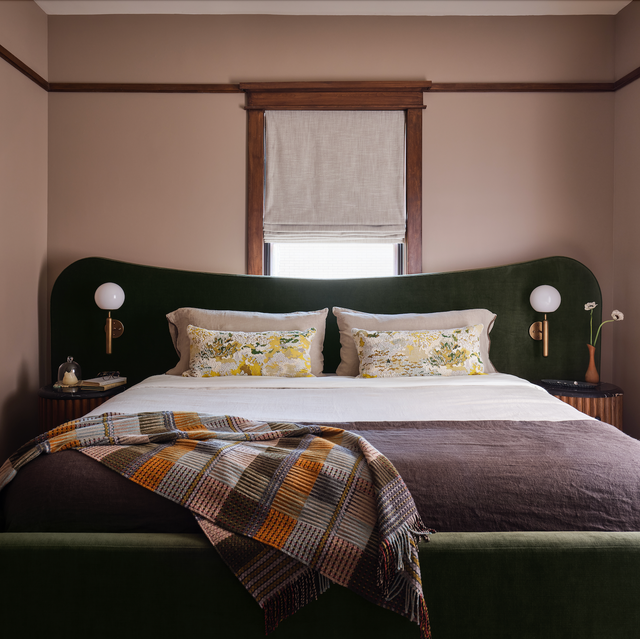
This Everyday Item INSTANTLY Makes Small Bedrooms Feel Bigger, According to Designers

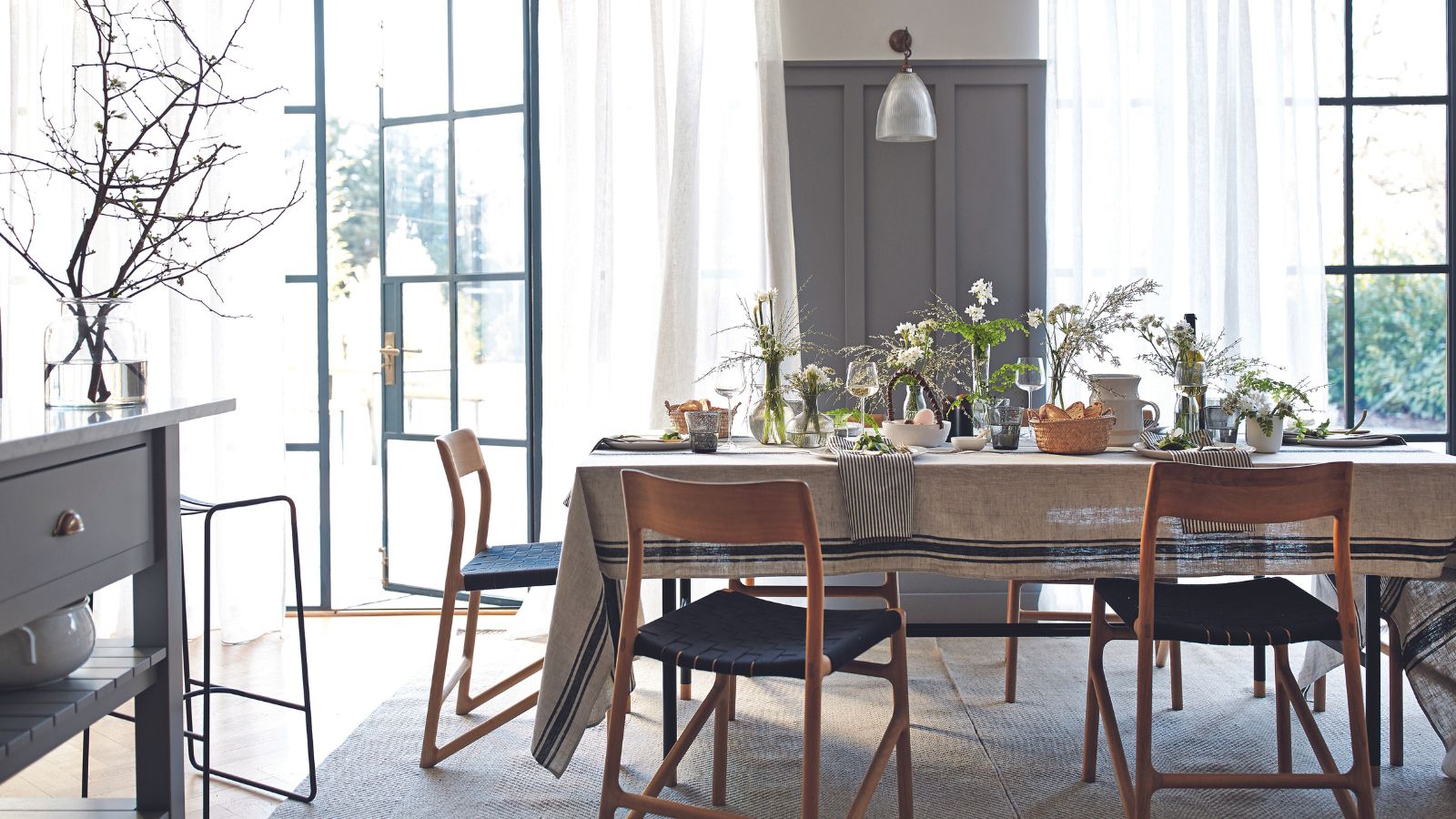
6 tricks designers use to instantly elevate a dining room
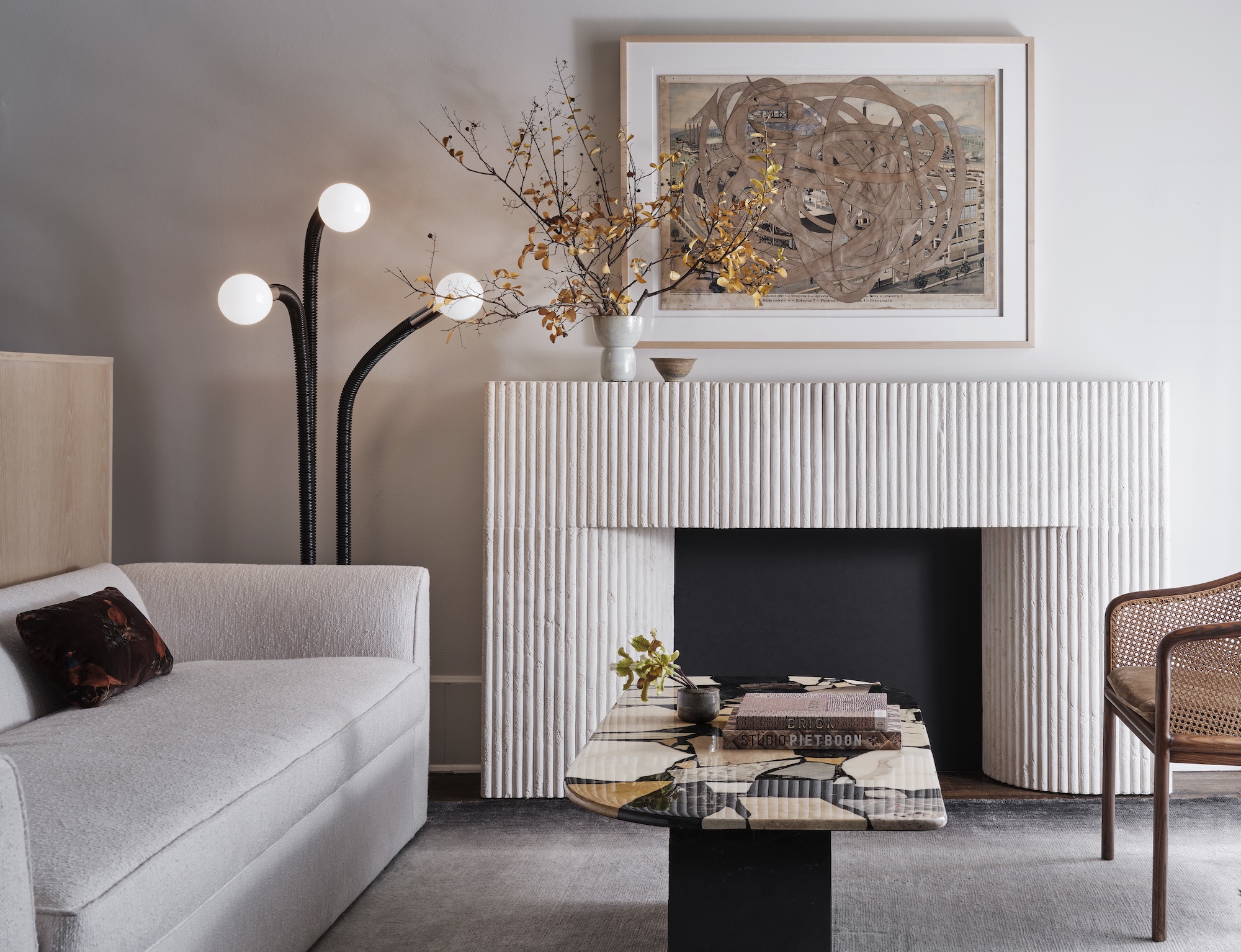
Designers are loving a new living room trend which makes even small spaces seem smart
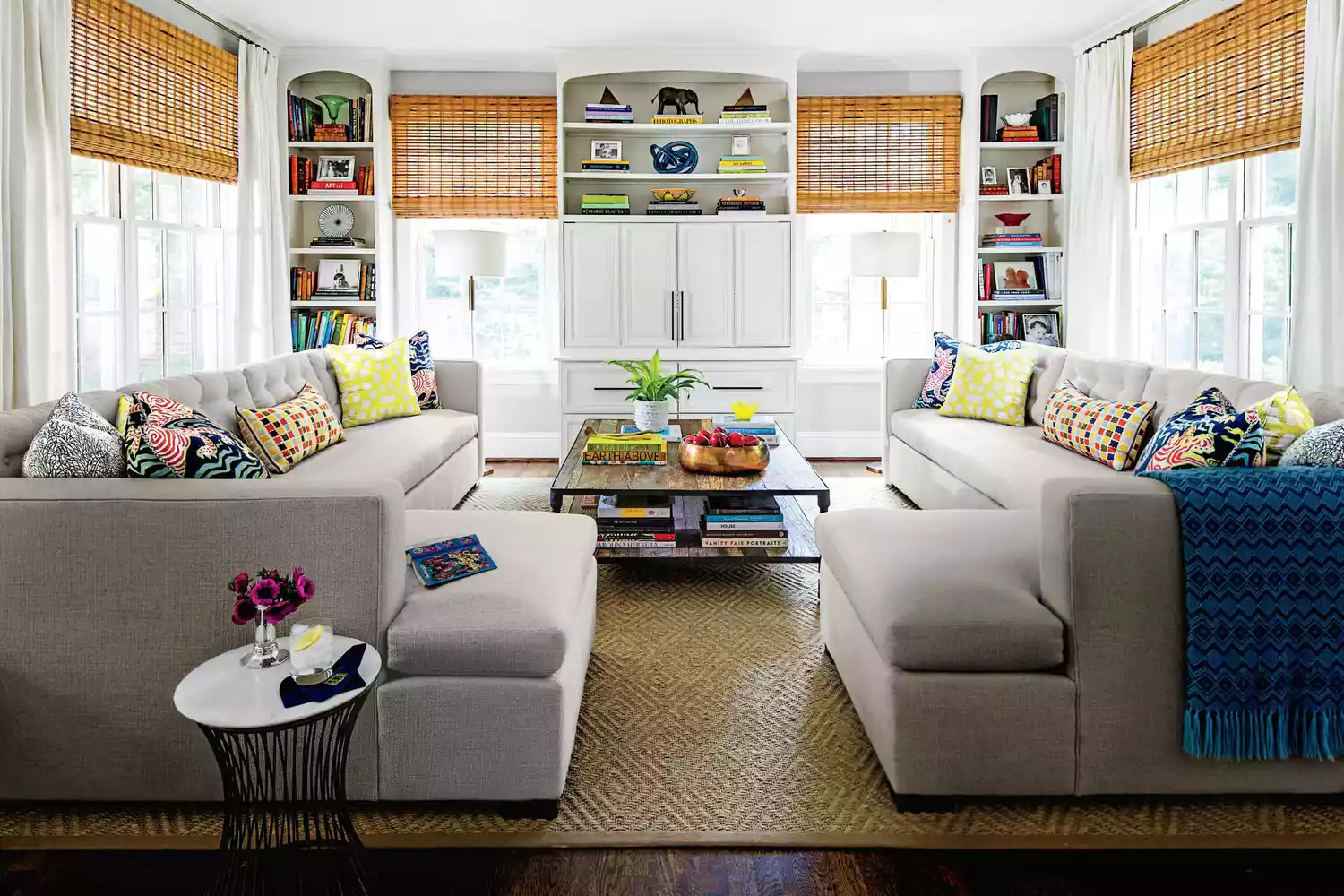
8 Ways To Make A Small Living Room Appear Larger