We Asked a Designer How to Make a Small Living Room Feel Bigger and It's Actually So Easy
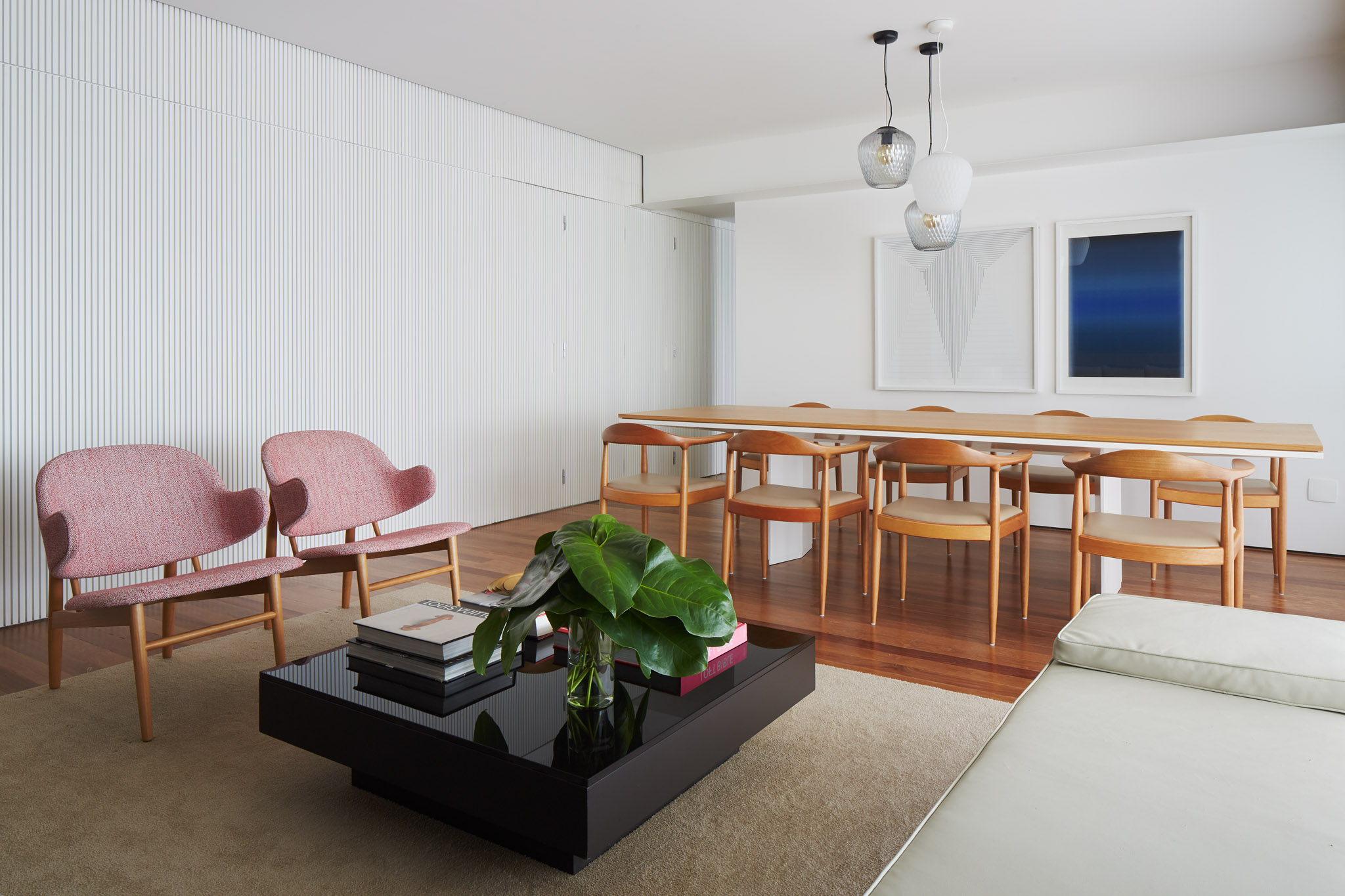
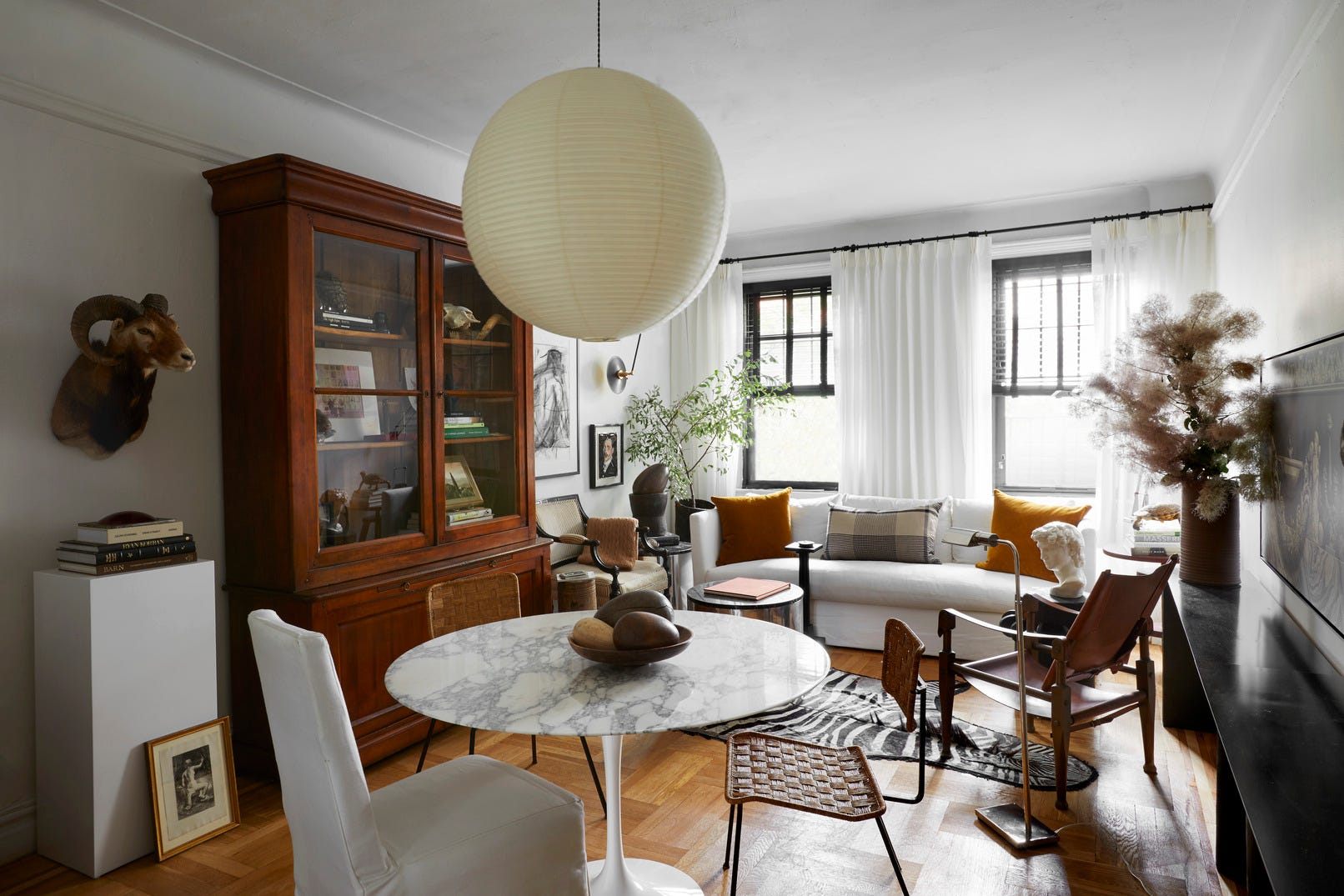
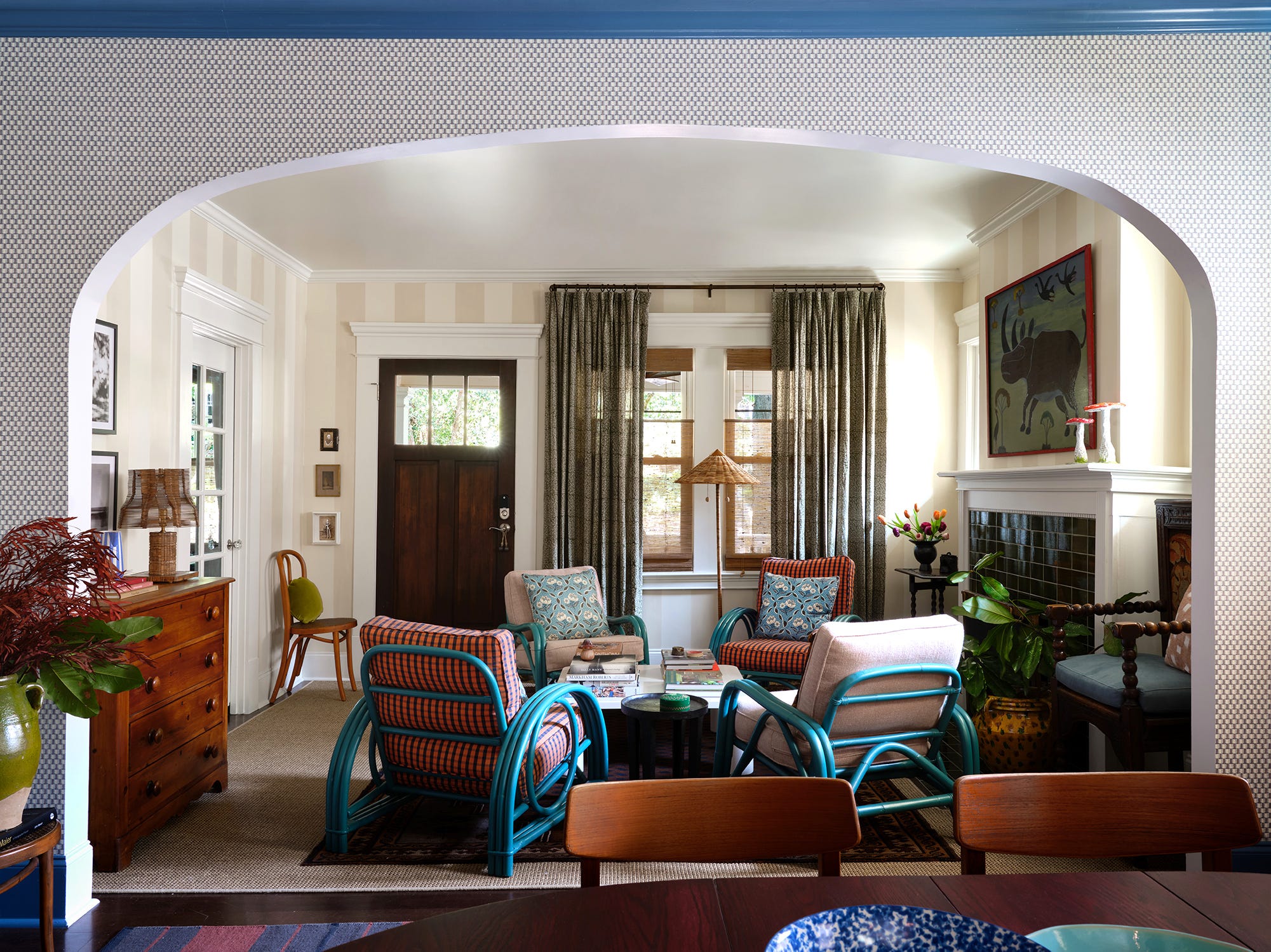
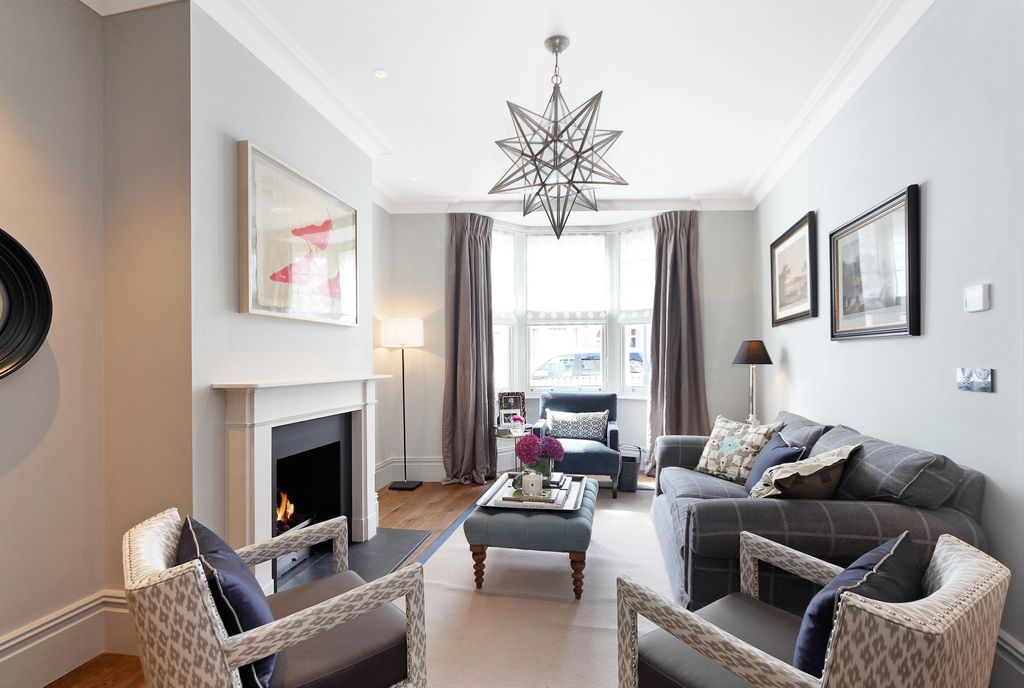
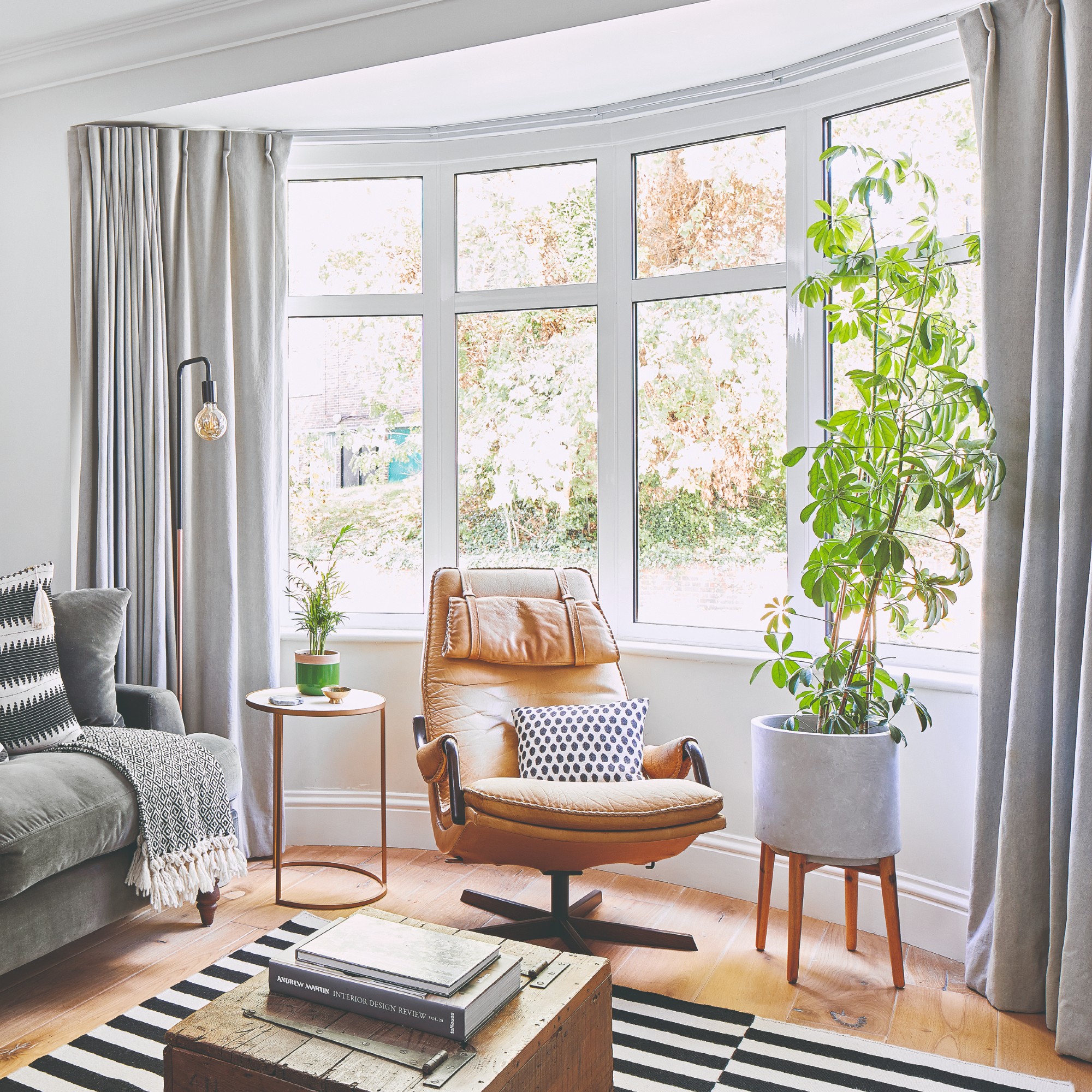
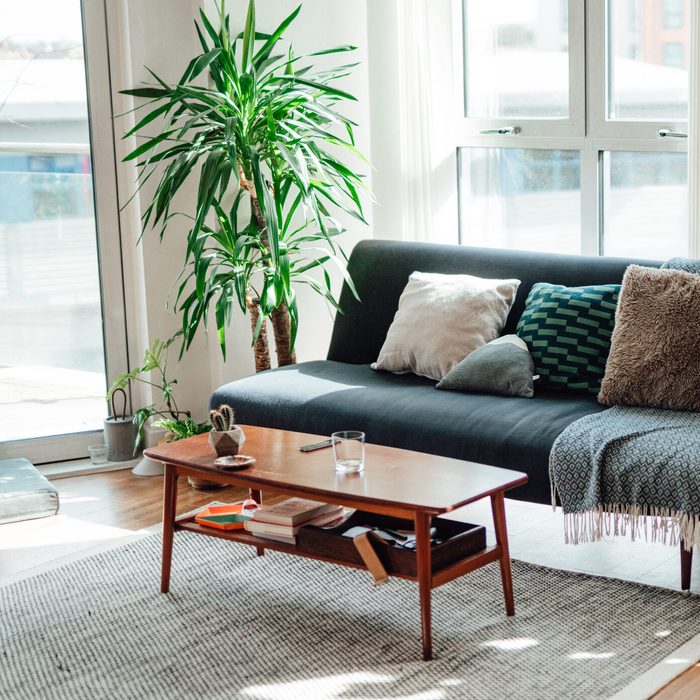
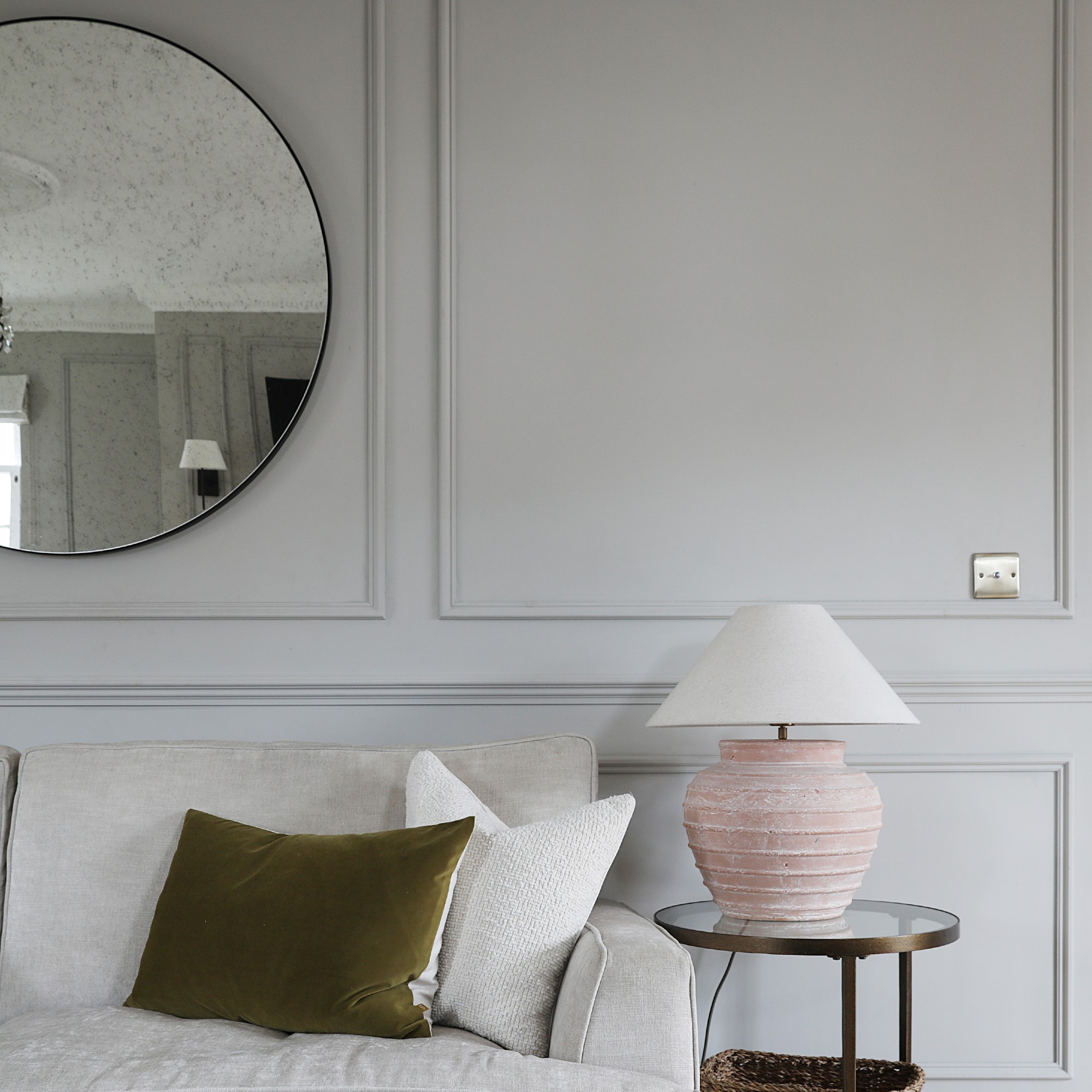
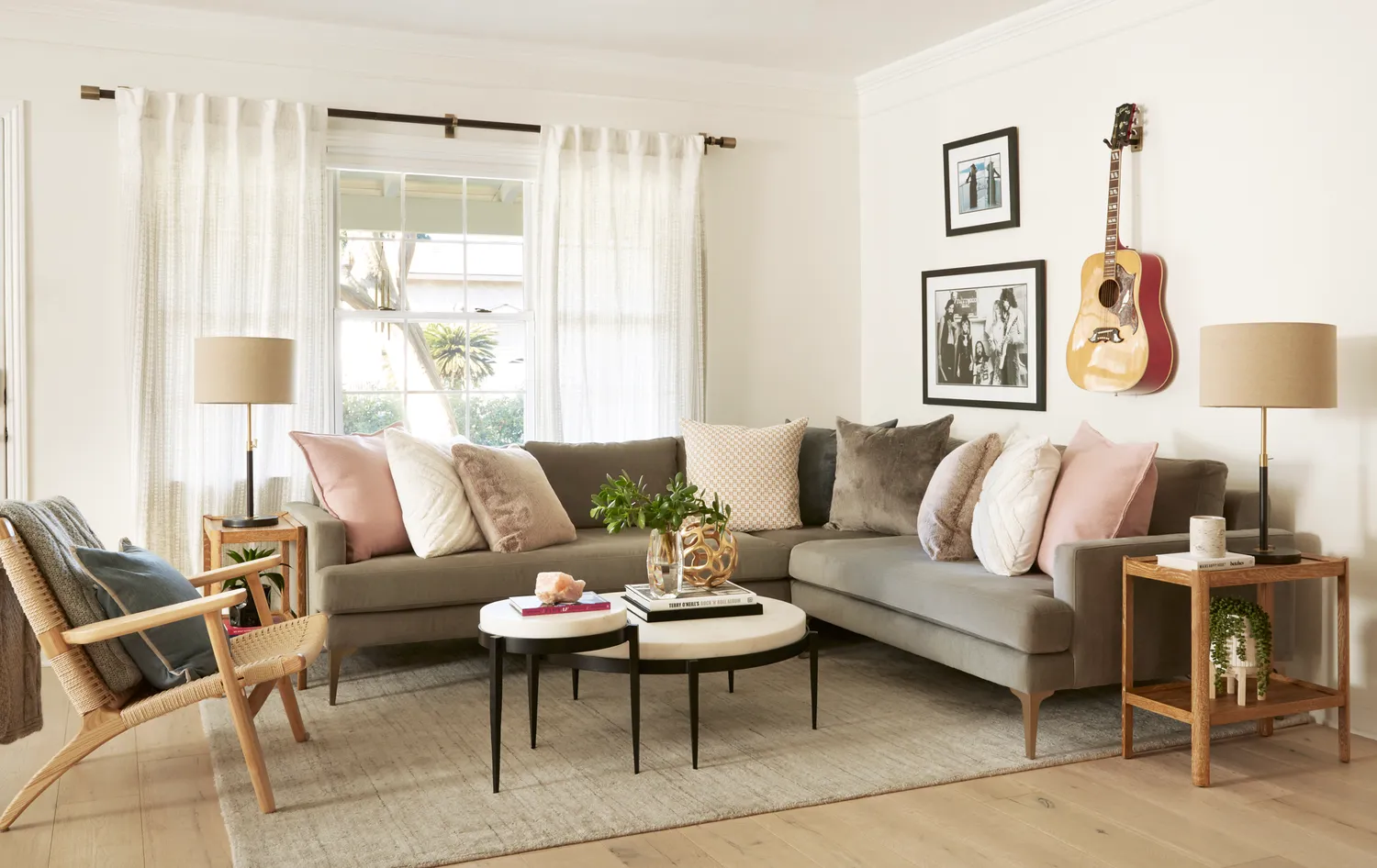
The article explores effective design strategies to make small living rooms appear larger and more functional, based on insights from interior designer John McClain. McClain emphasizes that a small living room does not necessitate compromising on style or functionality, advocating for intentional choices in furniture and decor. A key trick highlighted is the selection of furniture with visible, raised legs, such as sofas and chairs. This approach creates an illusion of more floor space by allowing visibility underneath and around the furniture, contributing to an open and airy feel. McClain advises against furniture that sits directly on the floor or has skirts, as these can visually segment the floor line and make the room appear heavy and cramped.
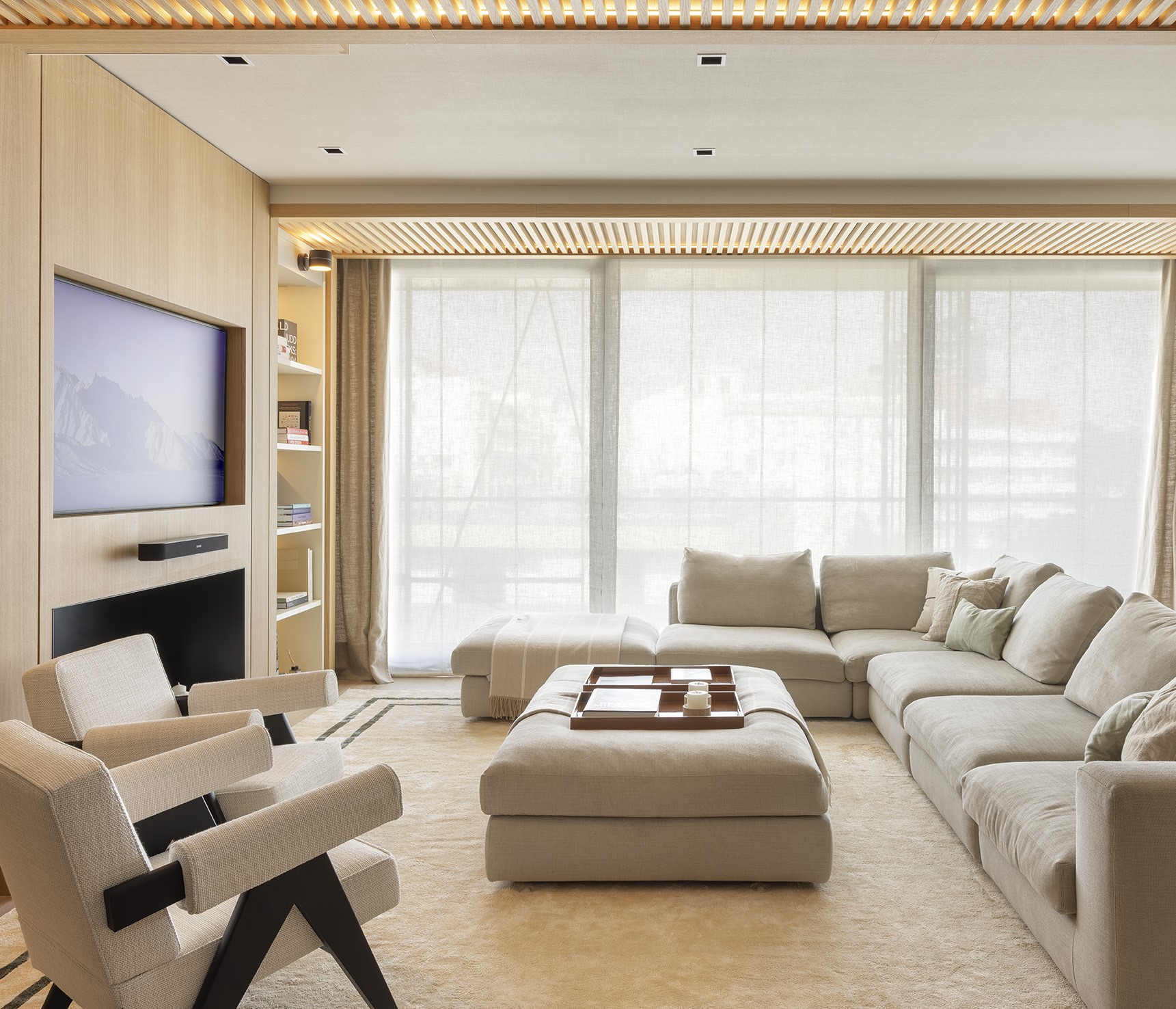
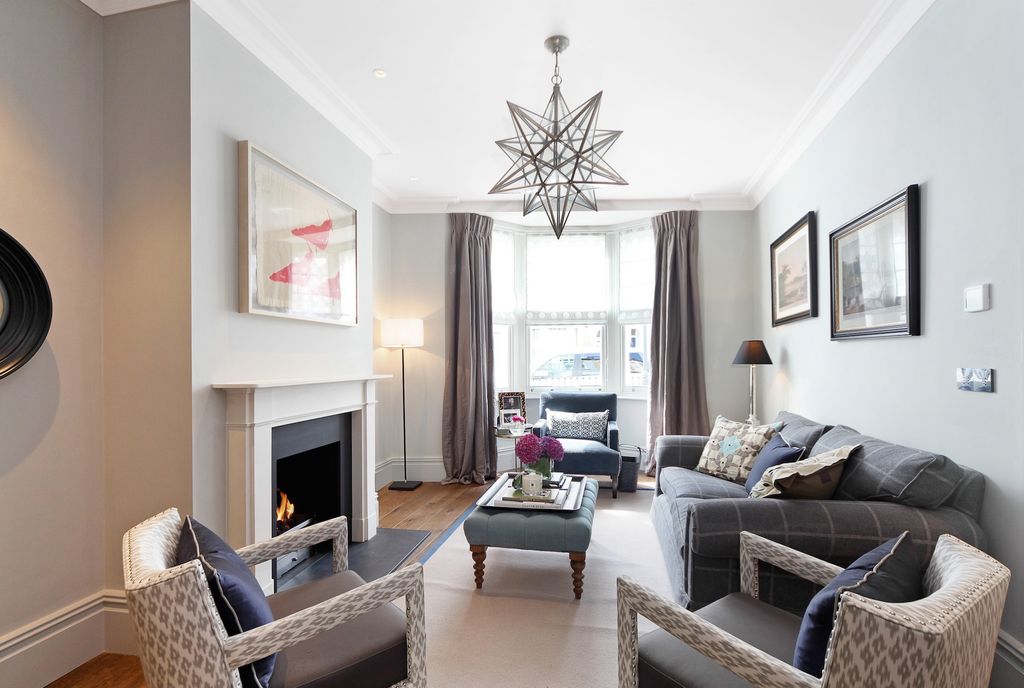
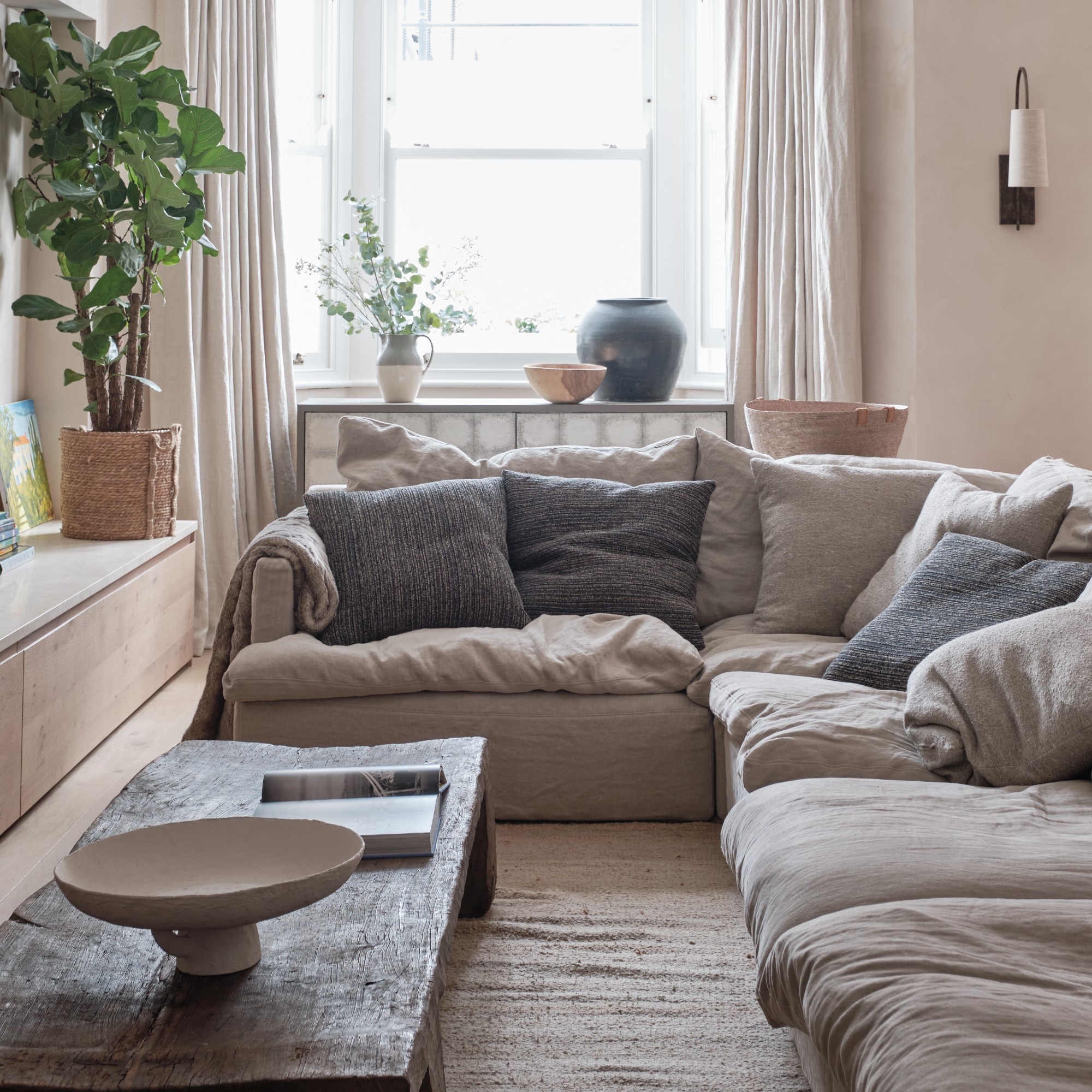
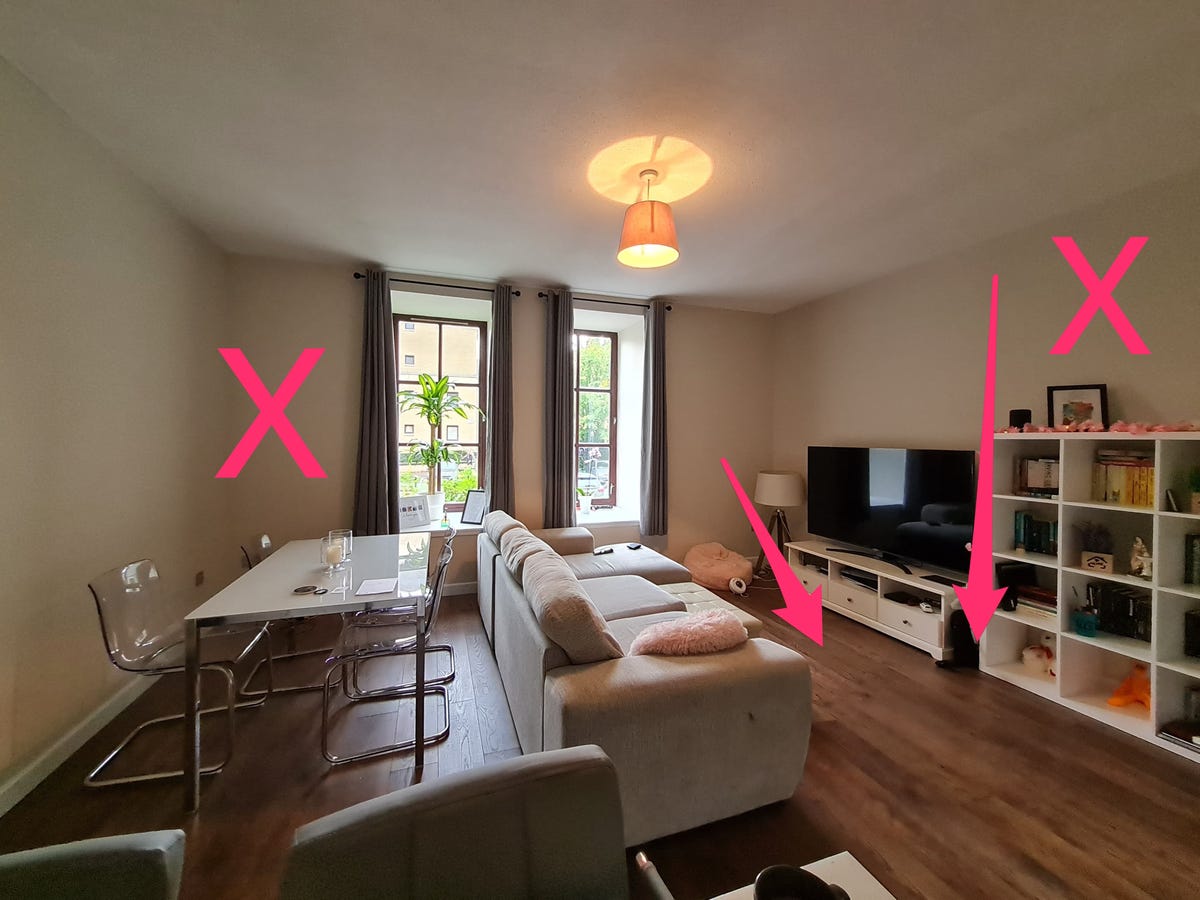
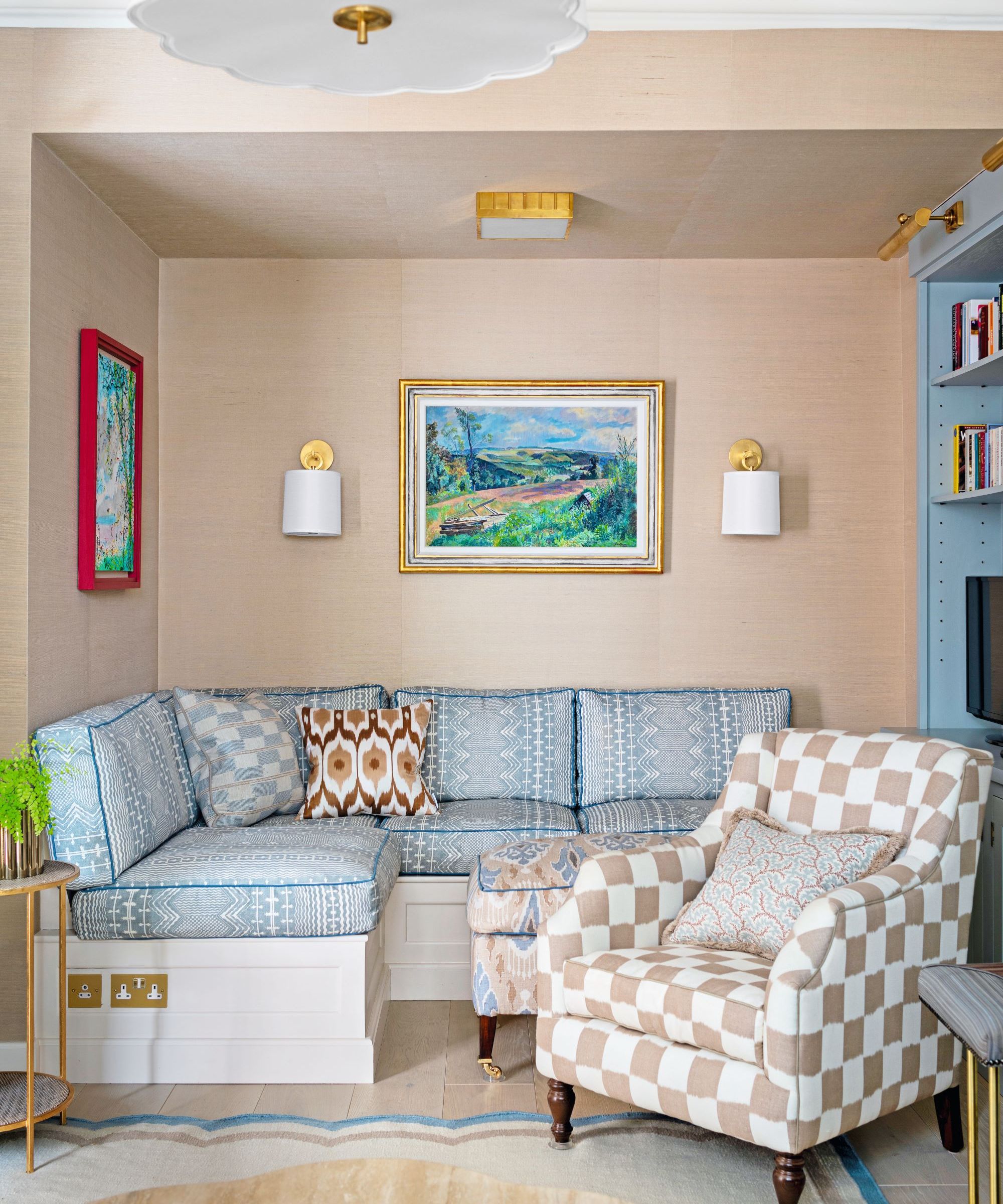
The importance of scale is another critical aspect. McClain stresses the need to carefully edit furniture pieces and prioritize those that are appropriately sized for the room. For instance, he recommends opting for an L-shaped sofa with raised legs over a bulky sectional, as it provides ample seating without overwhelming the space and maintains an unobstructed sightline. This choice helps to consolidate seating arrangements and prevent the room from feeling overcrowded.
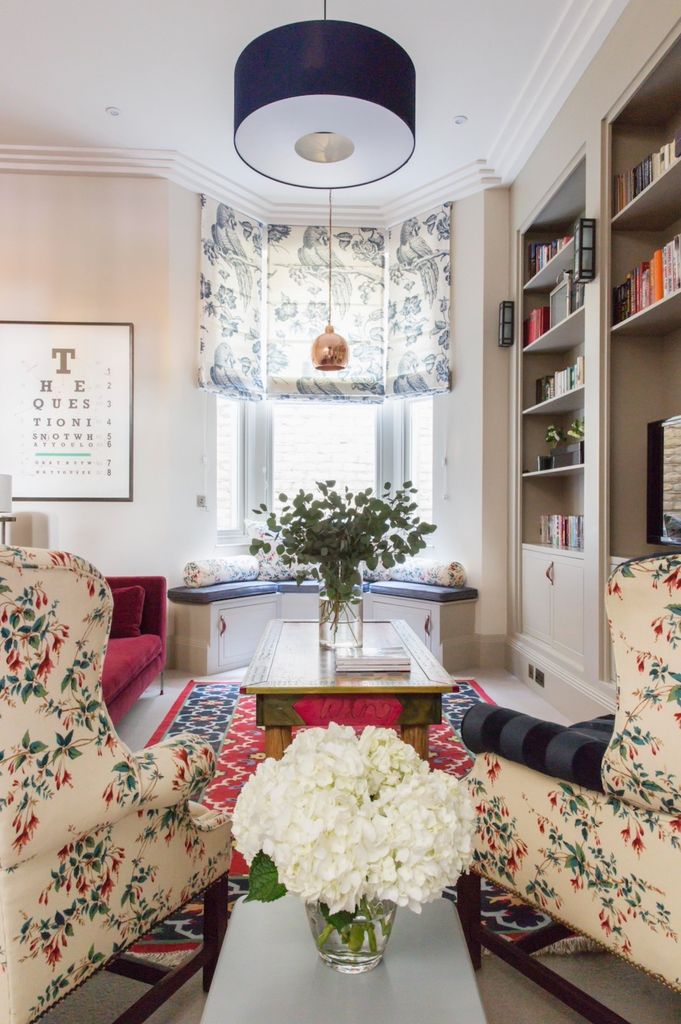
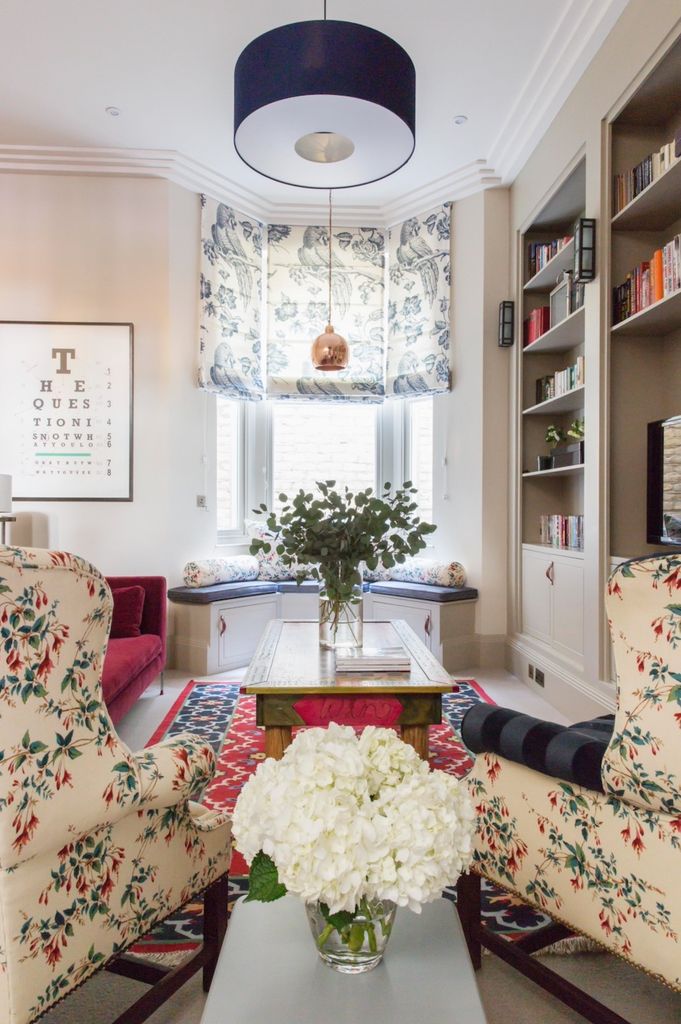
Several common mistakes that can make a small living room feel smaller are also identified and addressed. Over-furnishing a small space with too many pieces is a frequent error, leading to clutter and a chaotic layout. McClain suggests focusing on fewer, multi-functional items to achieve a purposeful and organized environment. The size of area rugs is another consideration; a rug that is too small can make other furniture appear disproportionately large, disrupting the visual balance. Instead, a larger rug that extends at least under the front legs of all seating helps to unify the space and make it feel more expansive.
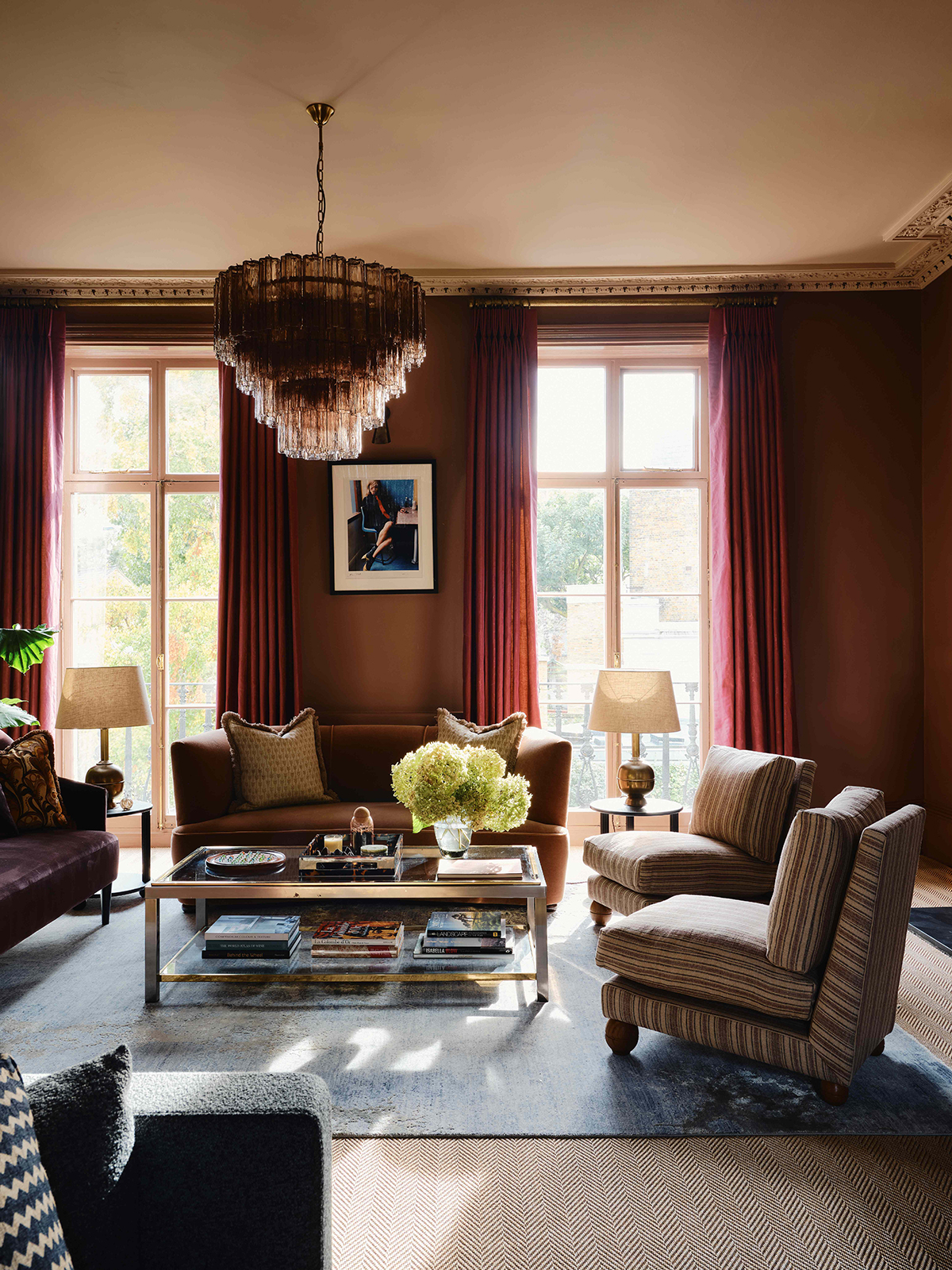
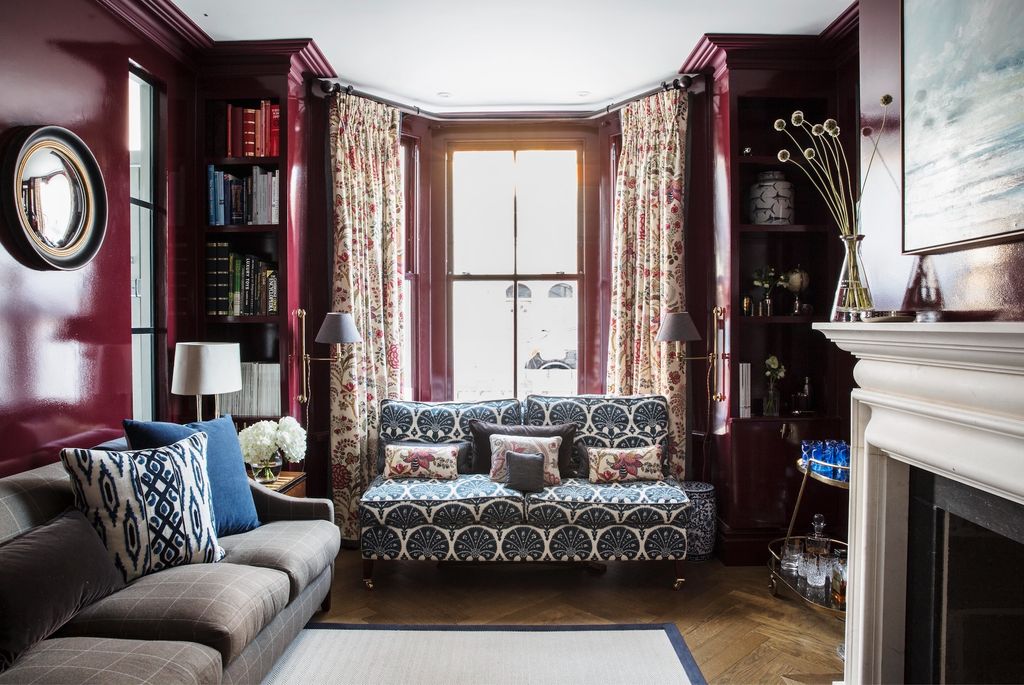
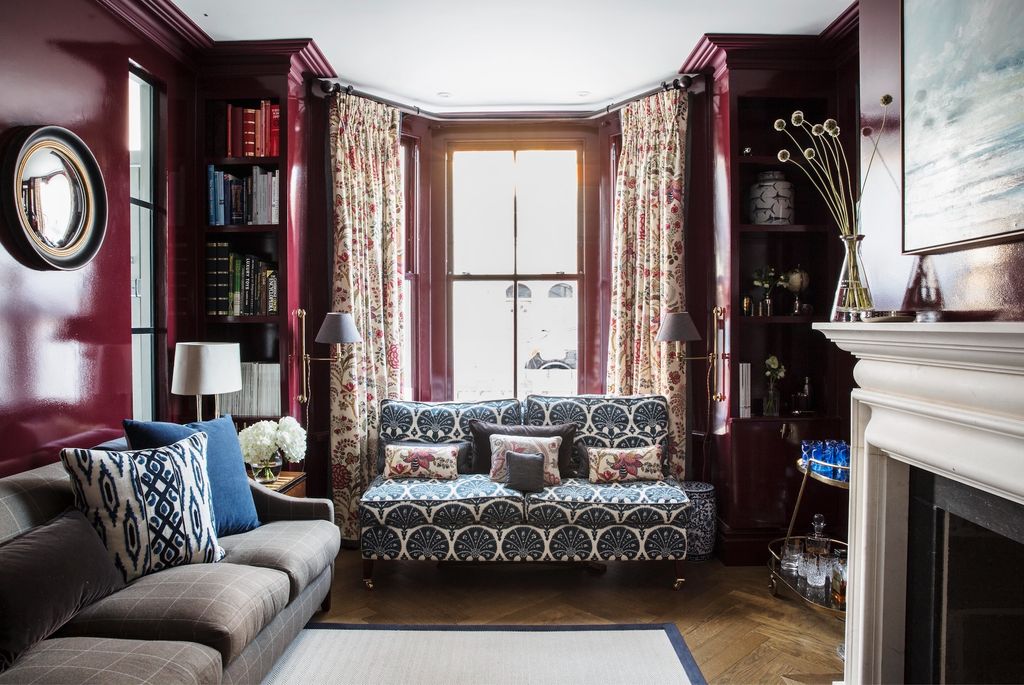
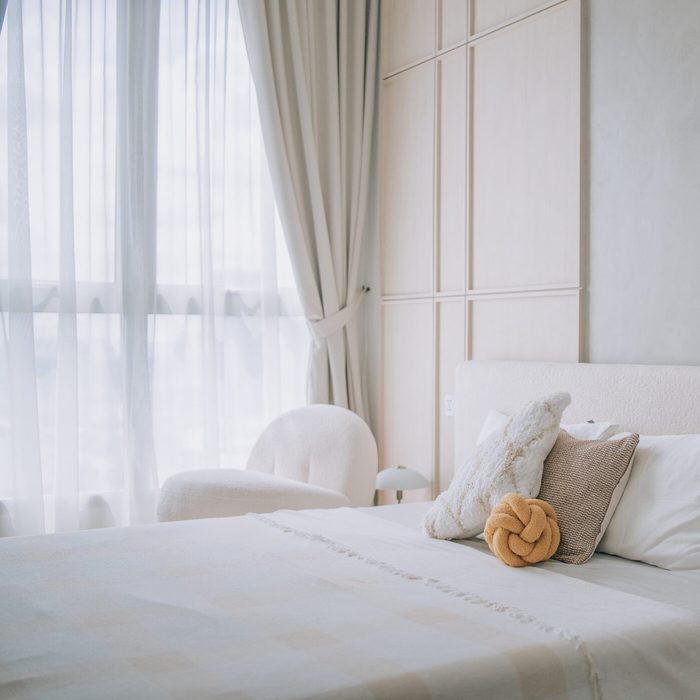
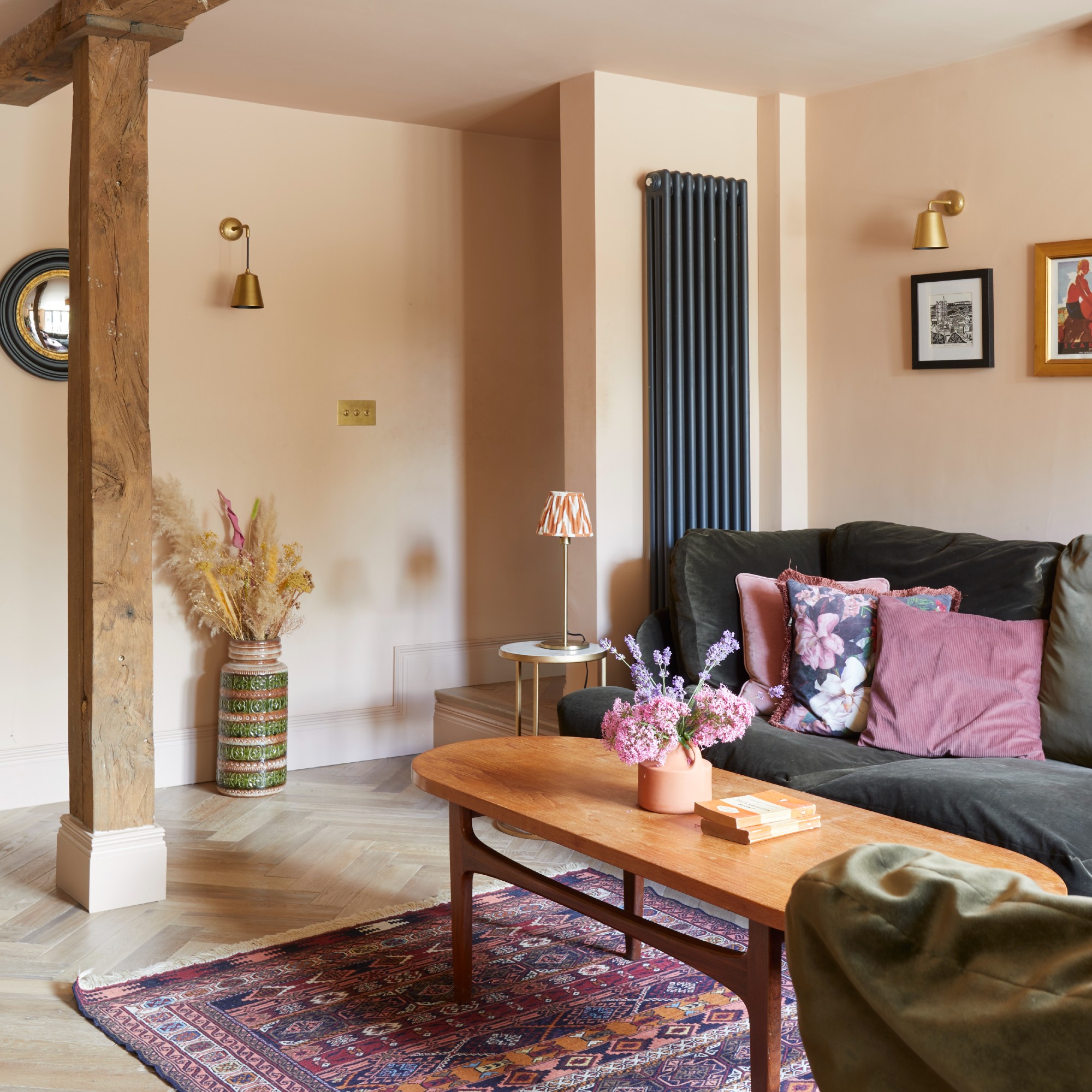
Furthermore, the article advises against the extensive use of dark, heavy finishes and materials, which can add unnecessary visual weight to a room. Lighter tones, reflective surfaces, and sheer textiles are recommended to visually expand the space. Utilizing vertical space is also highlighted as an effective strategy. Elements like floor-to-ceiling curtains, tall lamps, and vertically oriented wall art draw the eye upwards, creating the perception of higher ceilings and a more open atmosphere. By implementing these strategic design choices, homeowners can transform a small living room into a stylish, functional, and visually larger area.
#SmallLivingRoom #InteriorDesign #SpaceSaving #FurnitureSelection #HomeDecor #RoomLayout #DesignTips #VisualPerception #SmallLivingRoom #InteriorDesign #SpaceSaving #FurnitureSelection #HomeDecor #RoomLayout #DesignTips #VisualPerception
0 comment in total
 No comments yet
You may also like
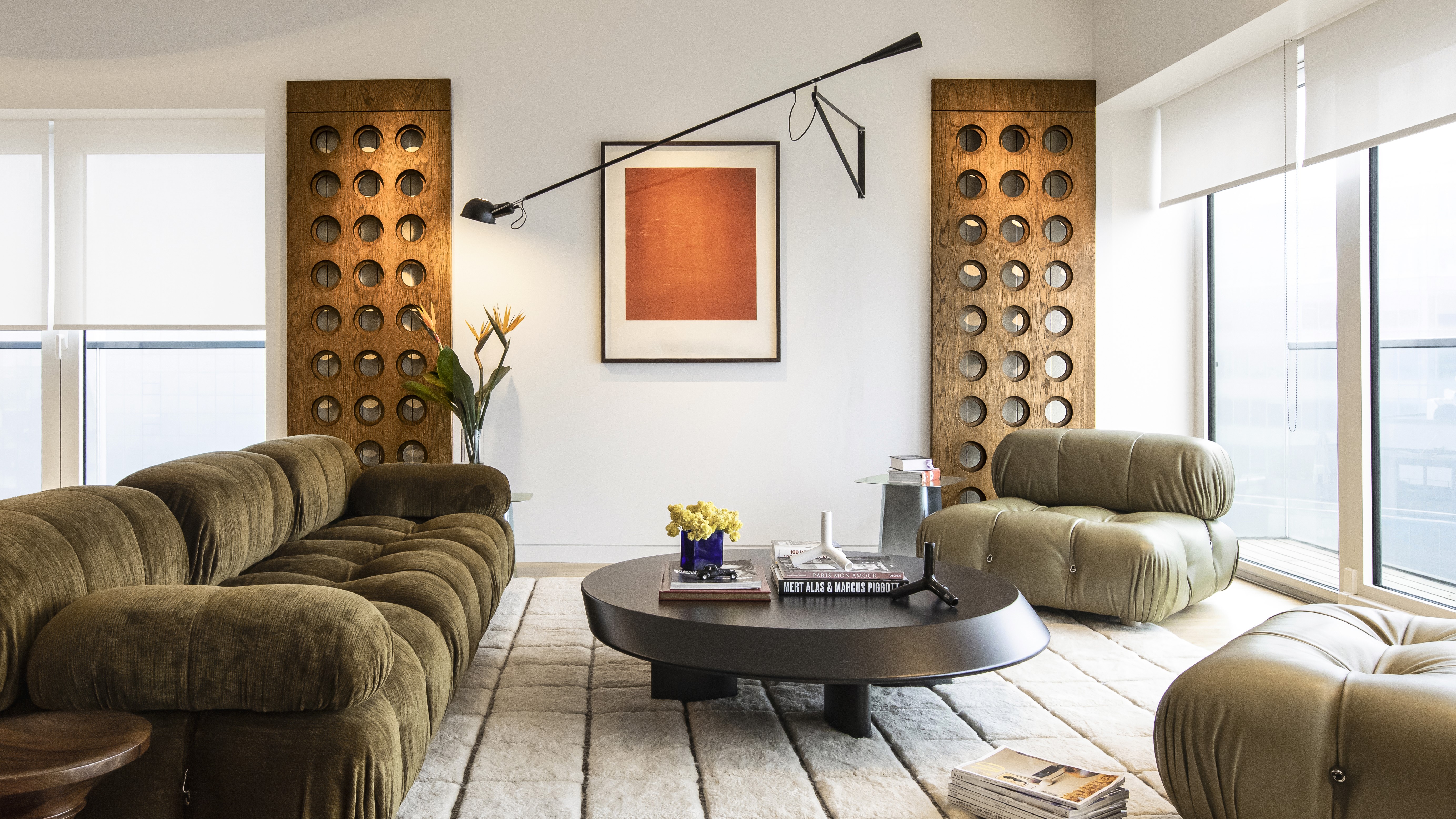
Designers swear by this small living room layout - 'it makes the space feel bigger'

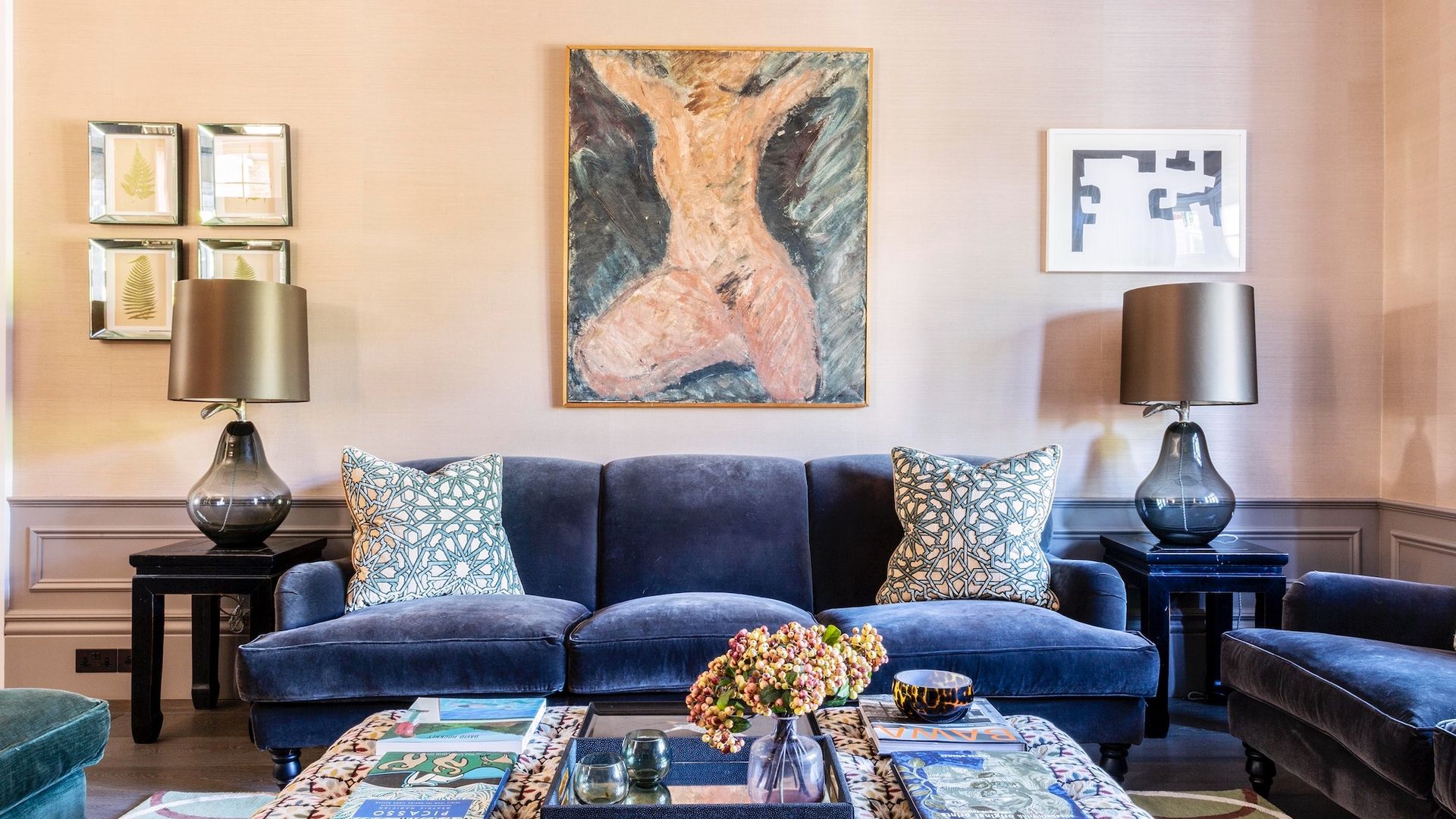
9 simple tricks to elevate your small living room according to an interior designer

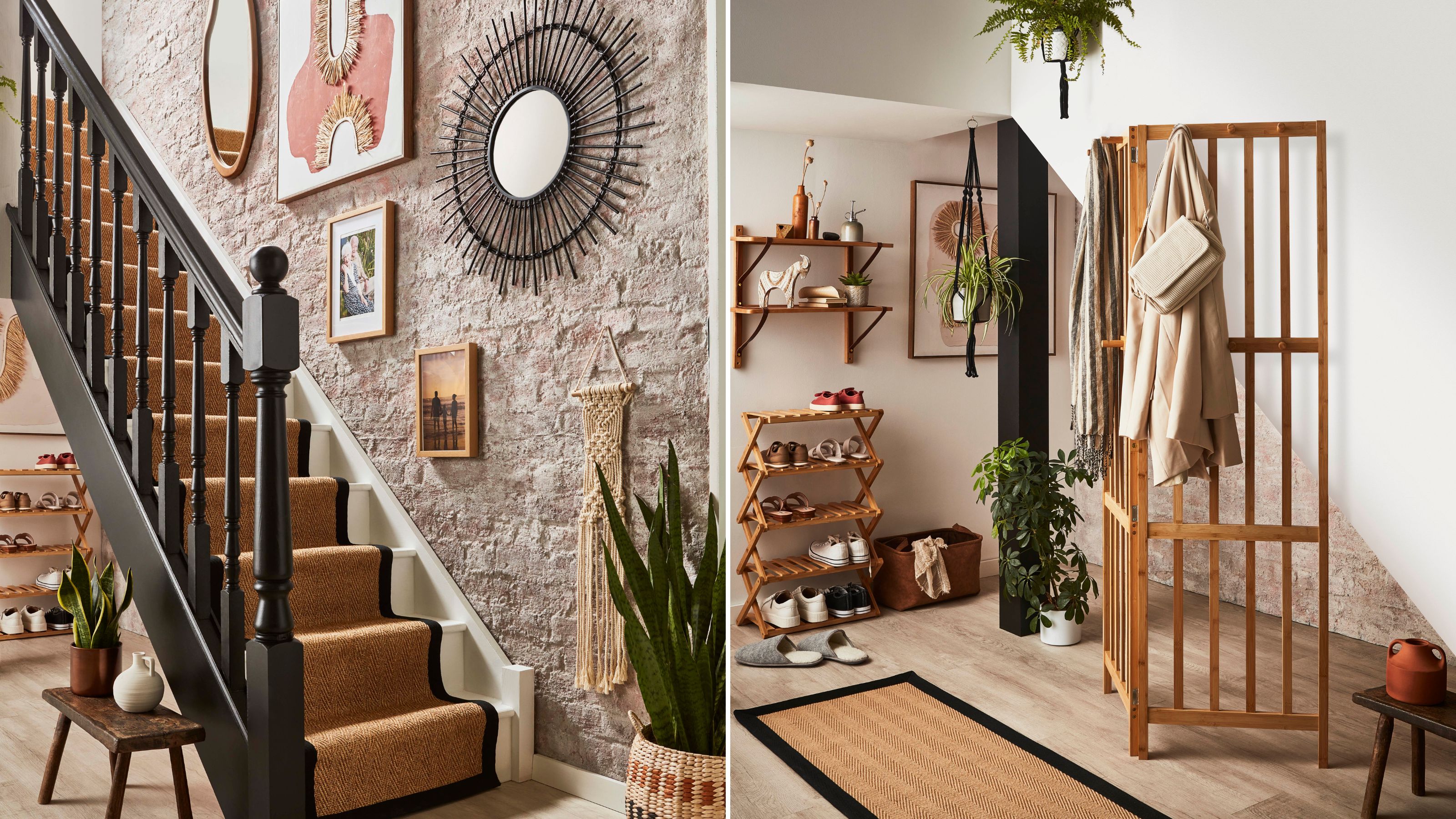
How to make a small entryway look bigger, according to interior designers

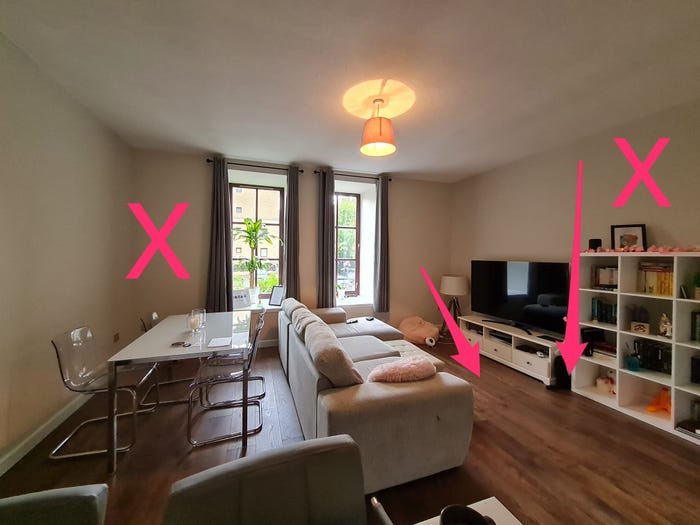
Interior Designer Shares How to Make 1-Bedroom Apartment Look Bigger
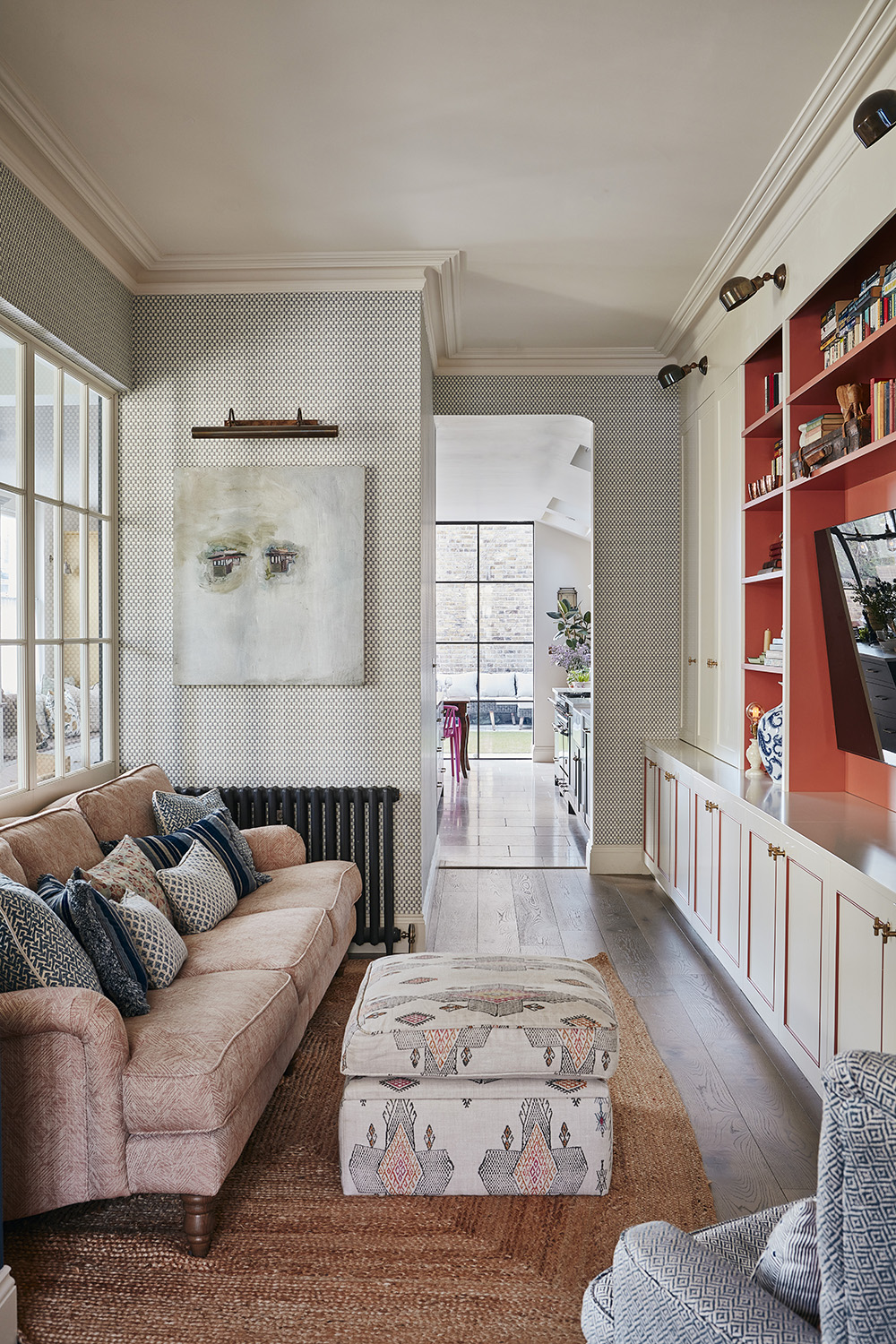
How to make small spaces look bigger
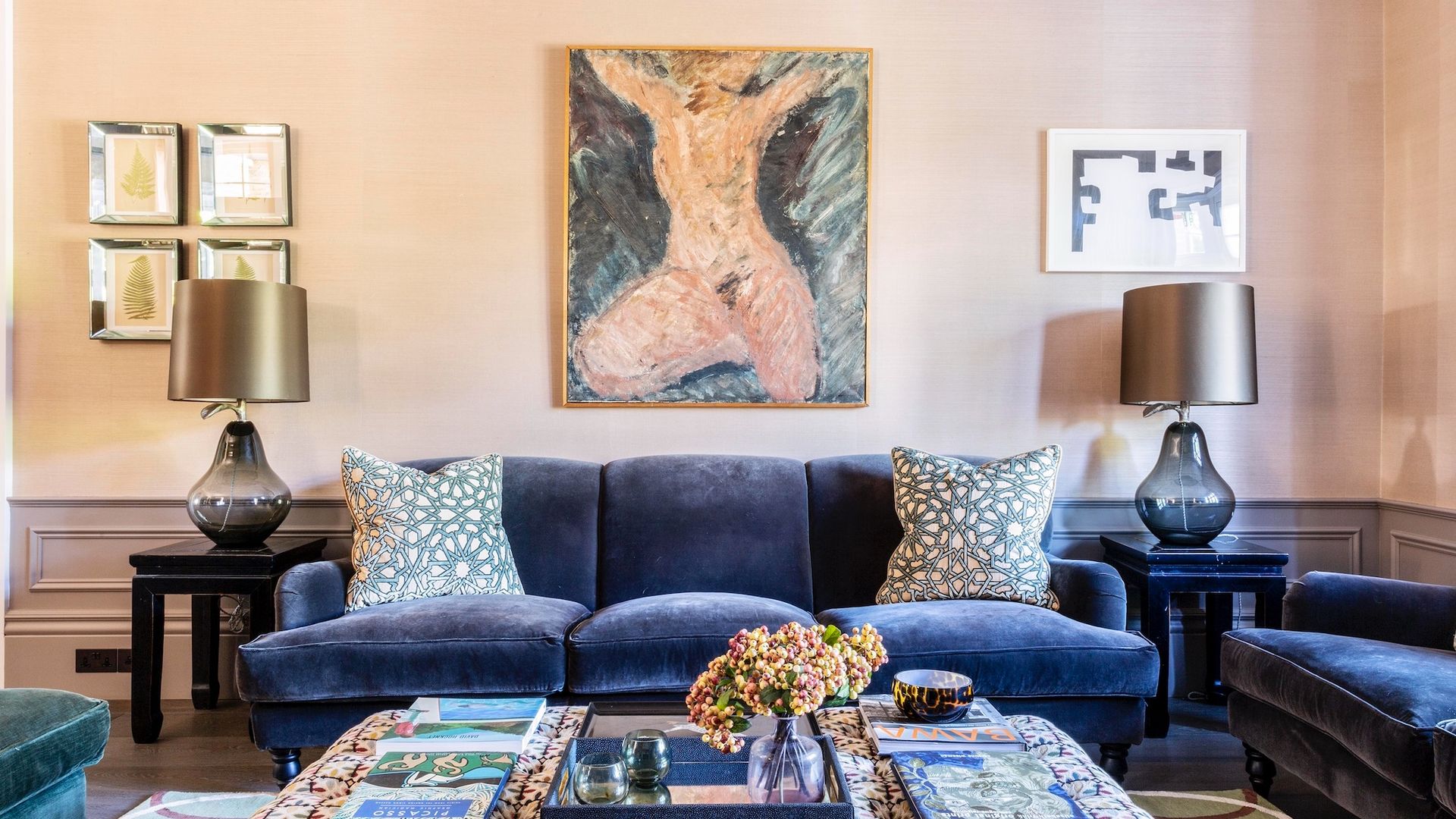
9 simple tricks to elevate your small living room according to an interior designer

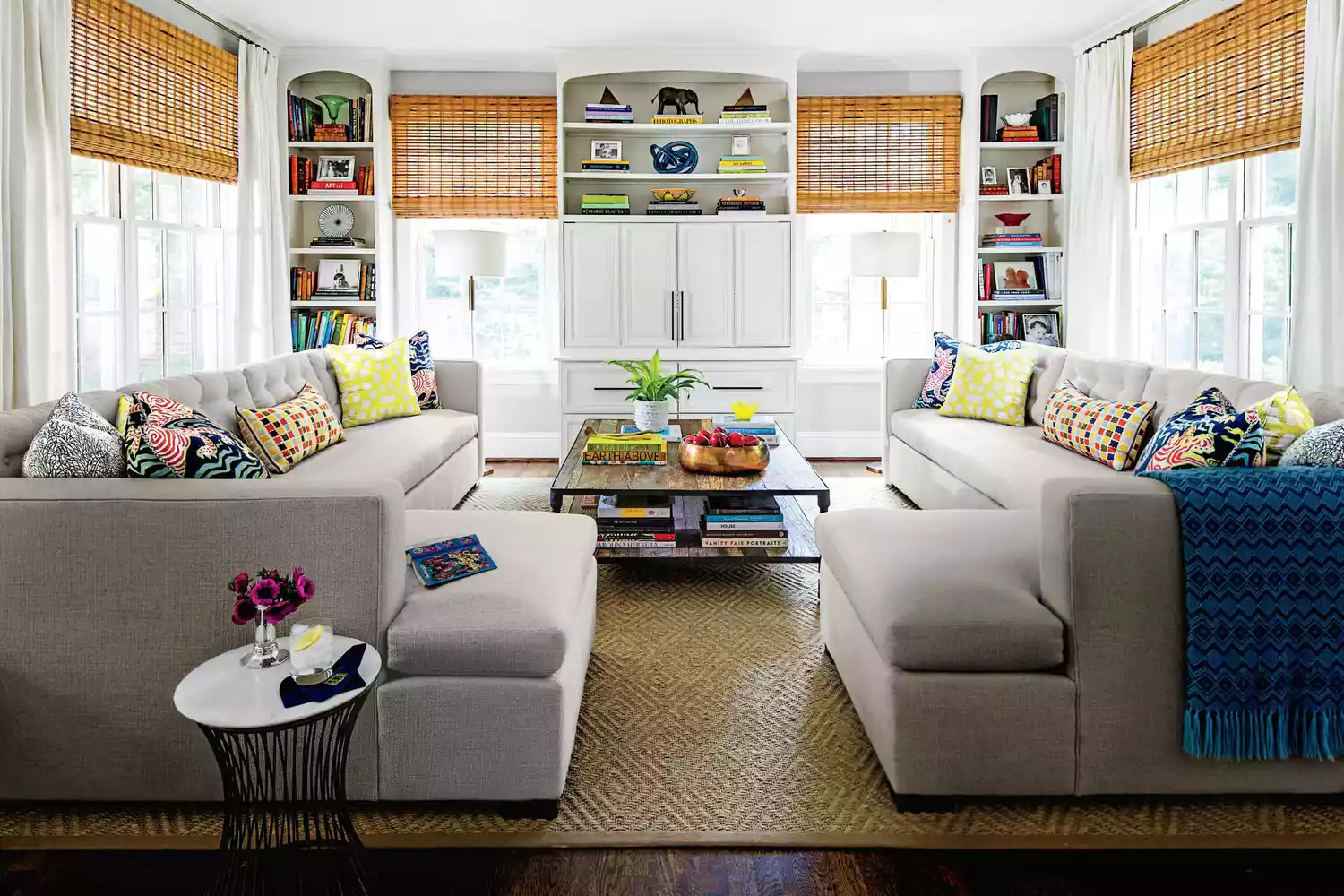
8 Ways To Make A Small Living Room Appear Larger
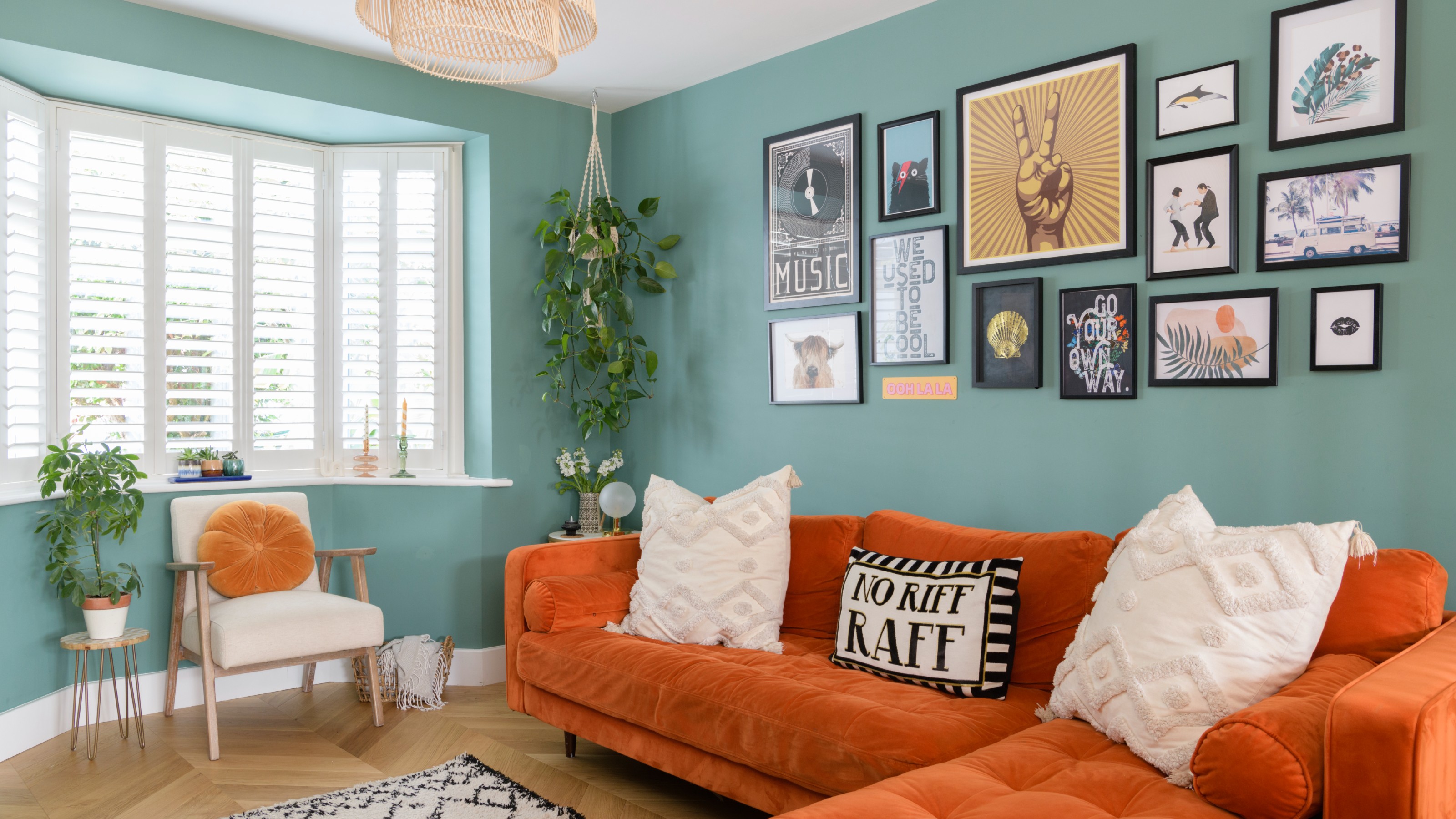
6 expert tricks for decorating small living room walls that will make your tiny lounge appear bigger
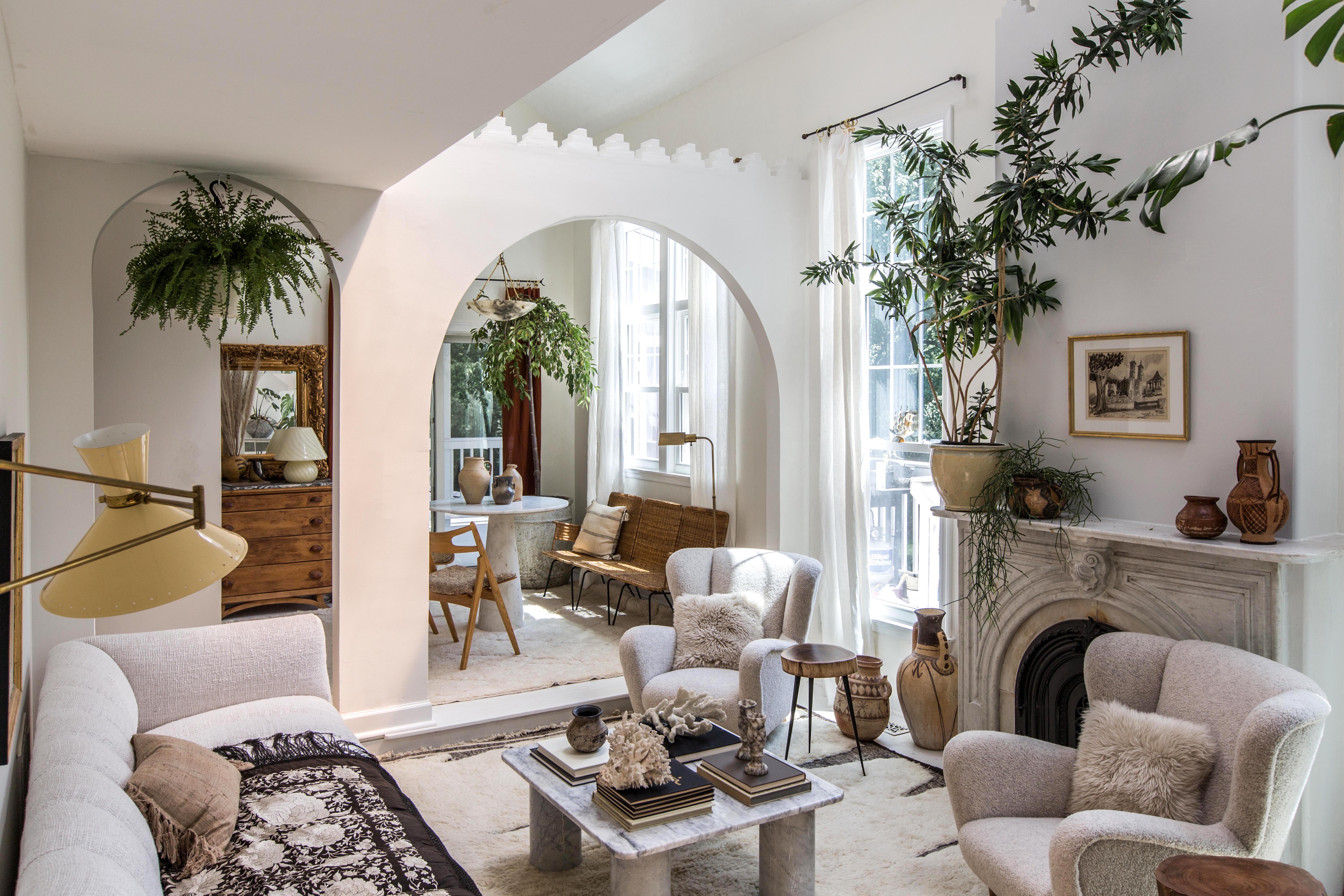
32 Styling Tricks That Will Make Your Small Living Room Feel Bigger and Better

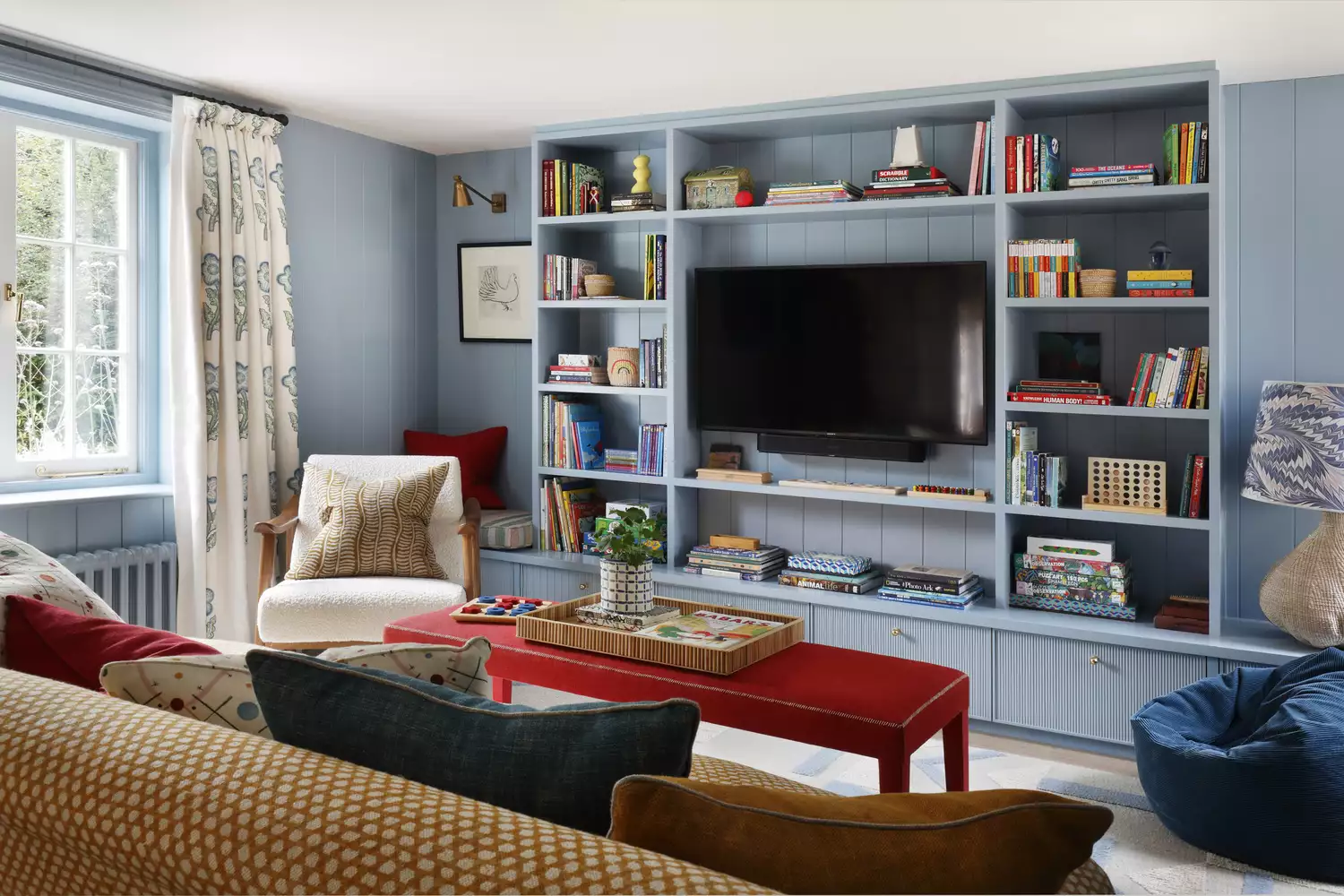
We Asked Designers How to Make a Small Living Room Look Larger Instantly—And We're Trying This ASAP
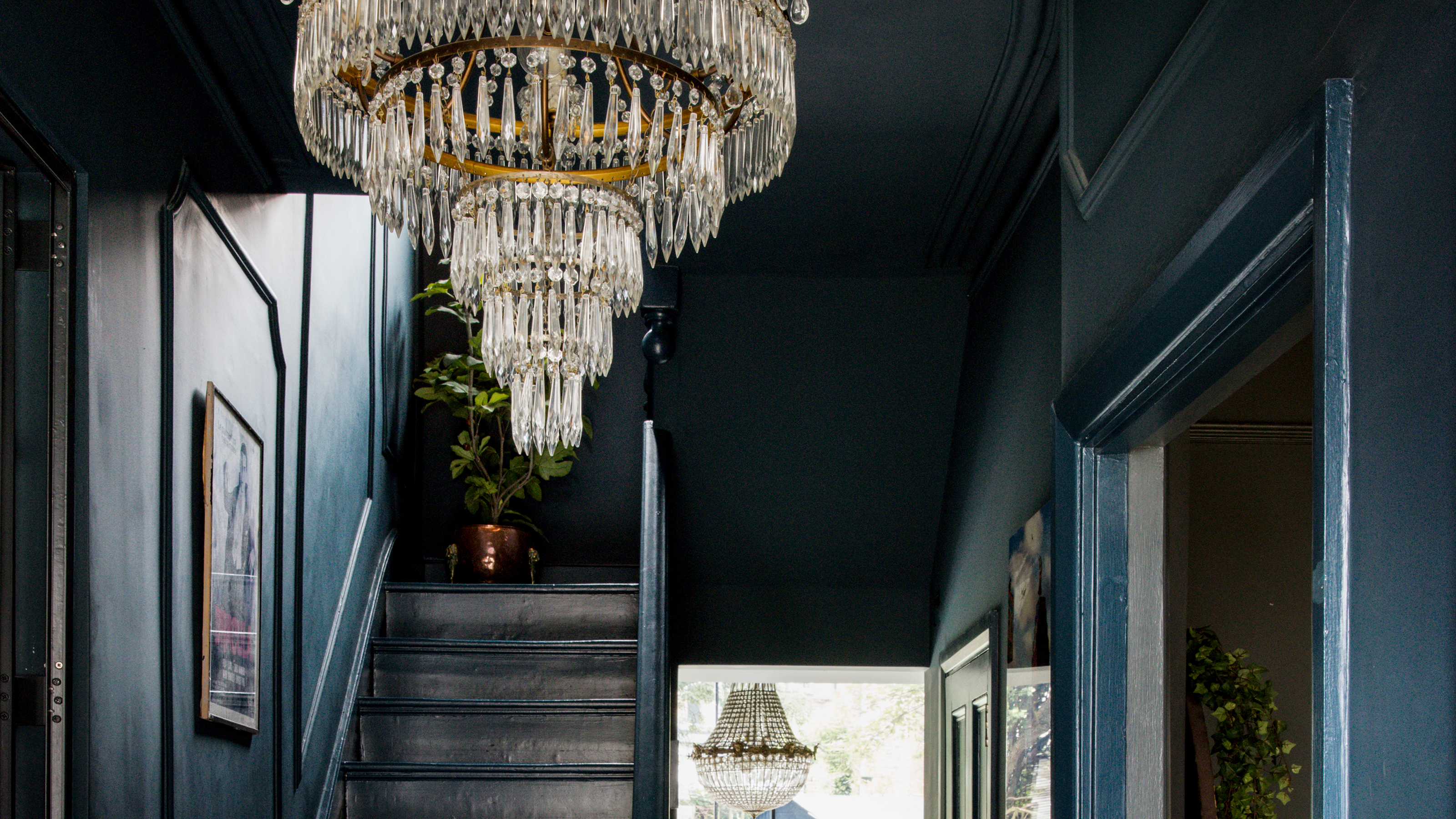
Experts reveal the one furnishing that will instantly make a small hallway feel bigger
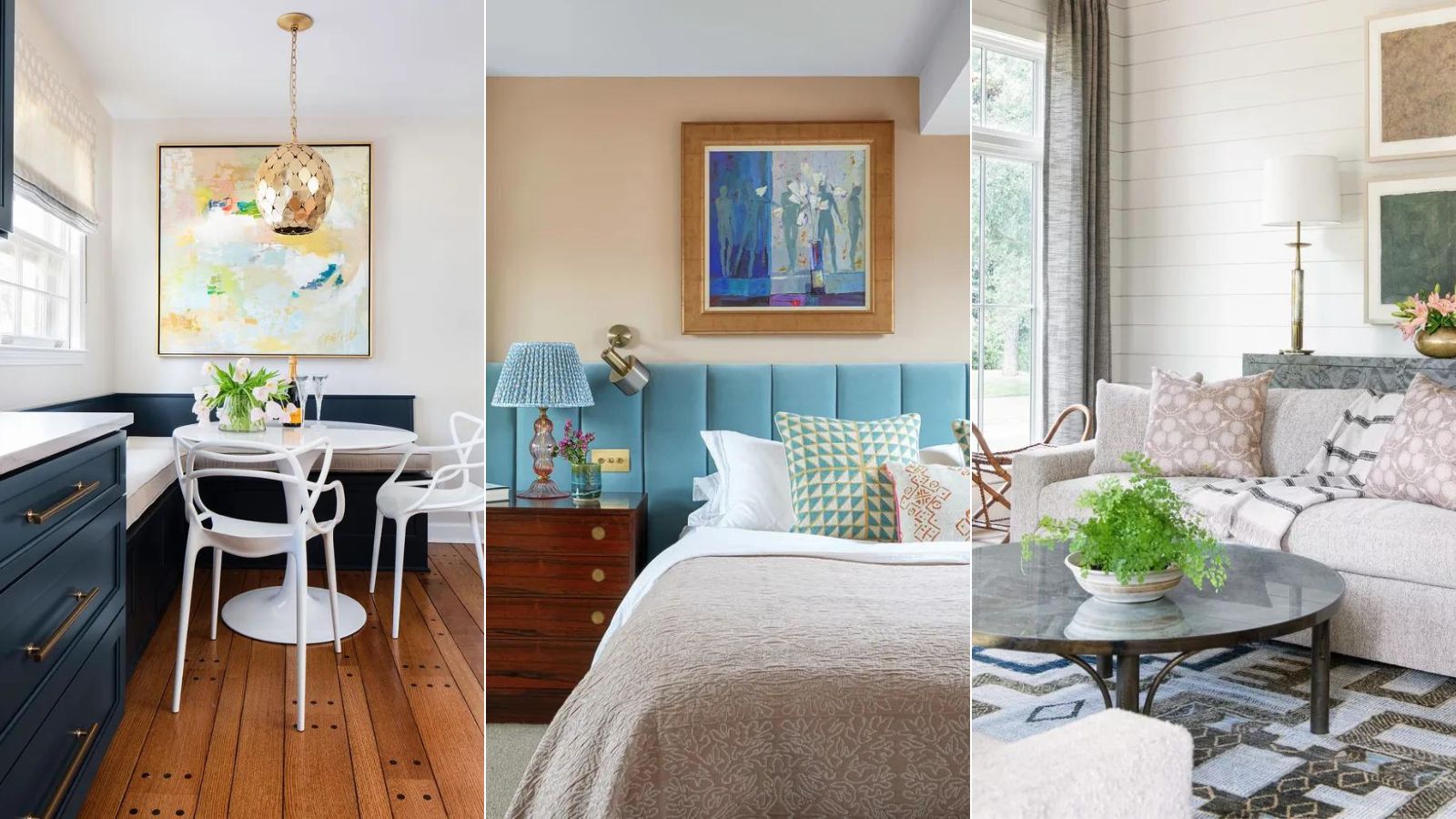
10 things designers do to make rooms look bigger – strategies for success from the experts

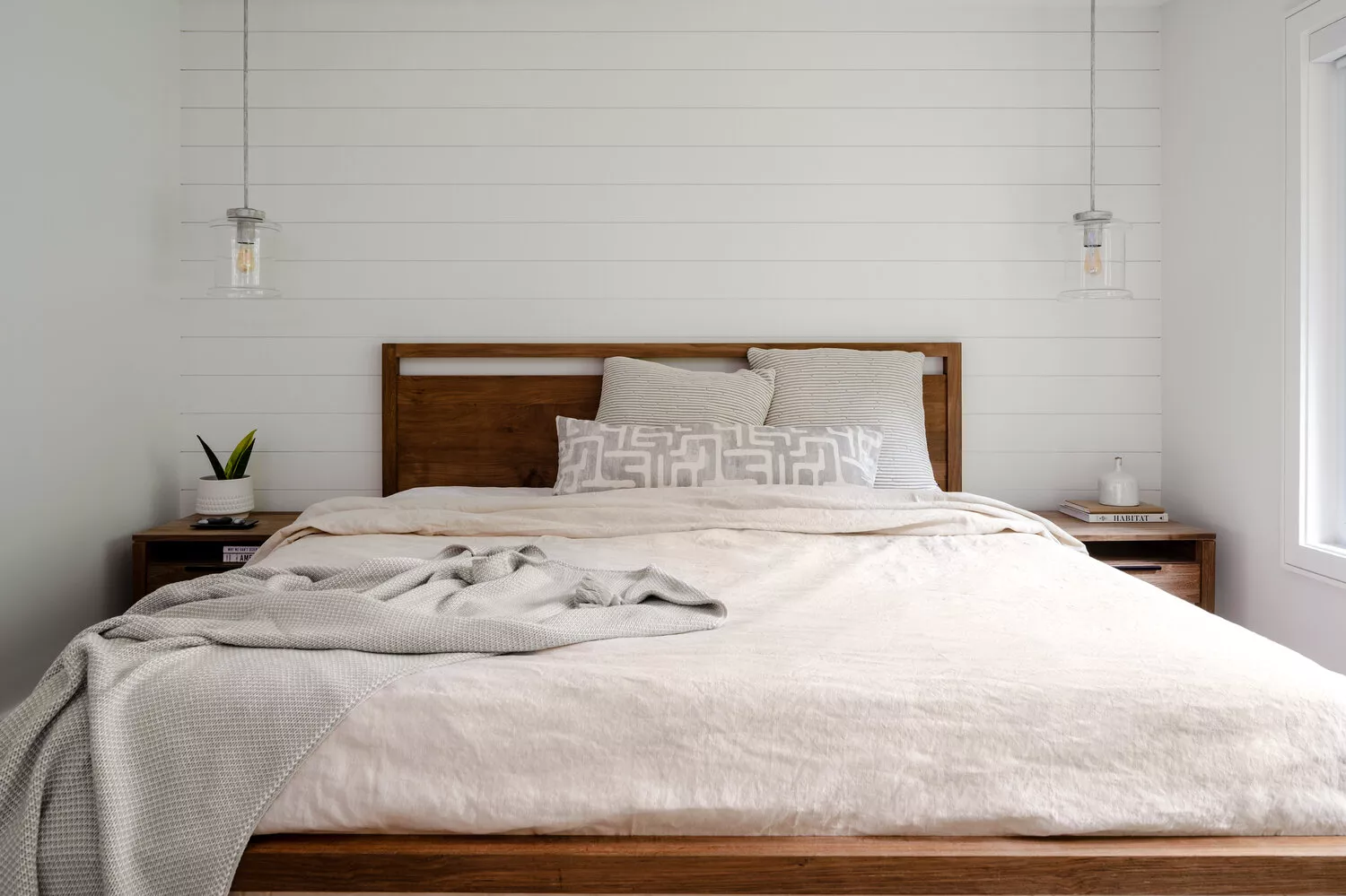
We Asked a Designer How to Make a Small Bedroom Feel Bigger and It's Actually So Easy
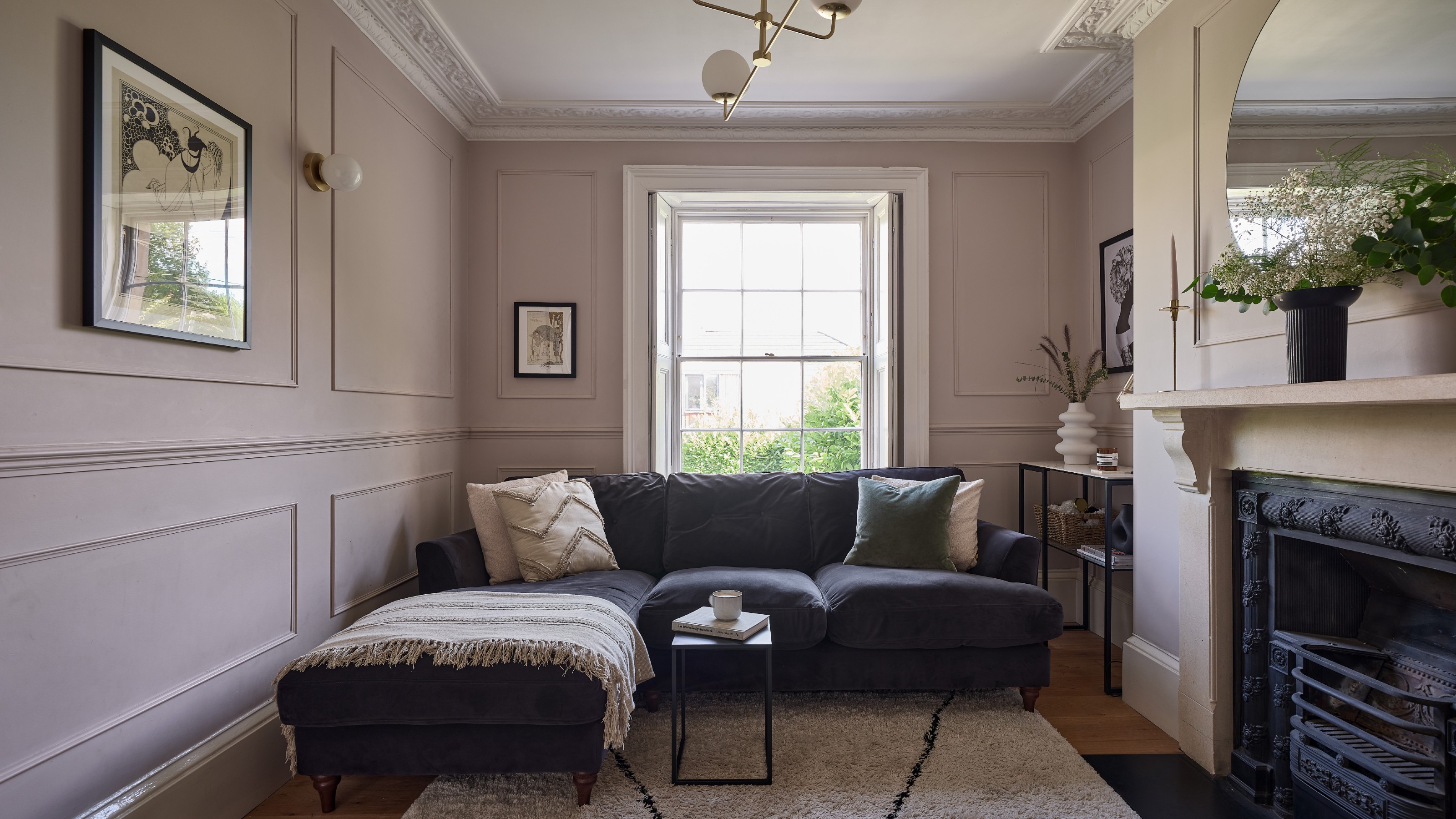
How to make a small living room look bigger with mirrors - clever design tips to open up your space
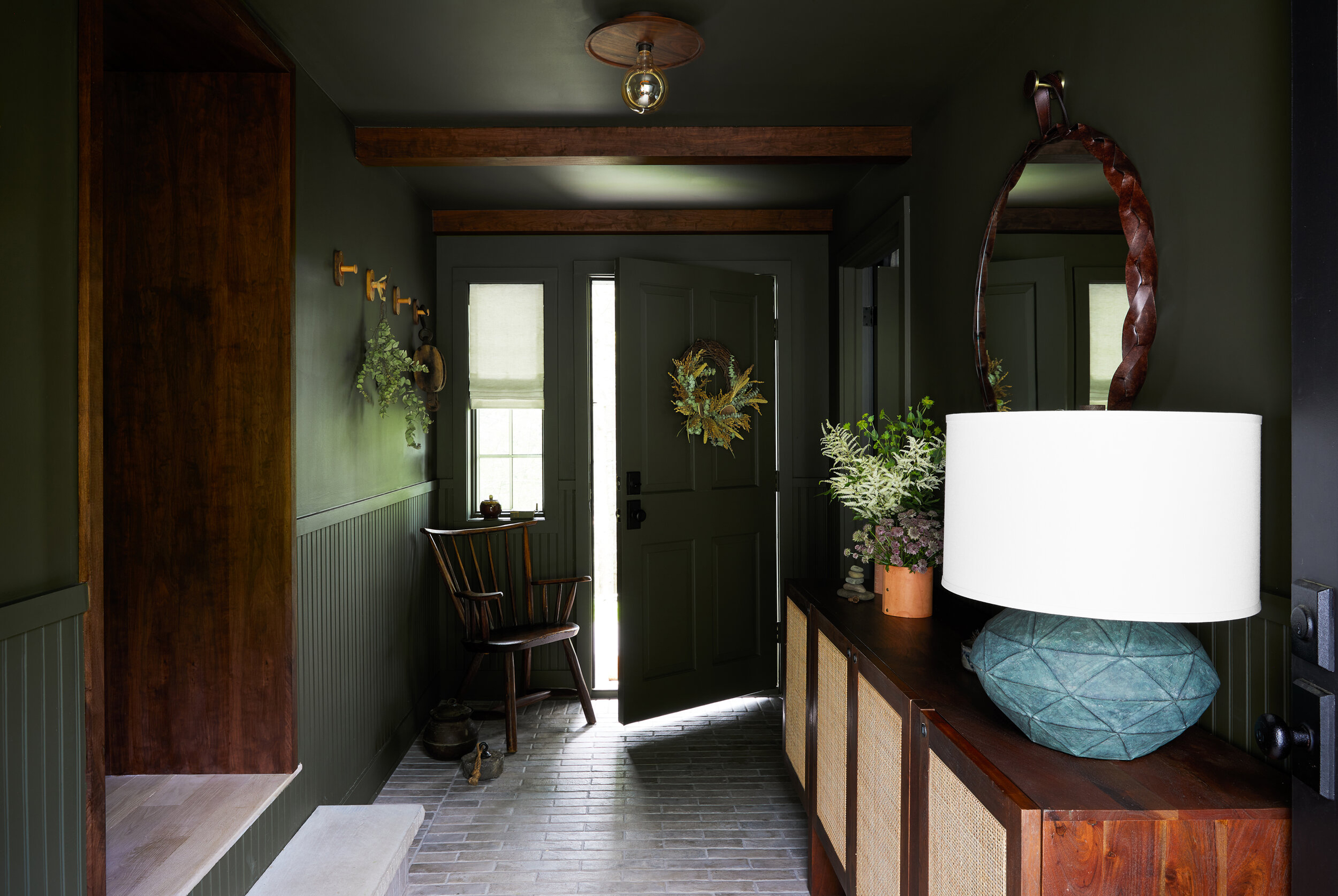
How do you make a small entryway look bigger? This is how designers tackle tiny, dark spaces
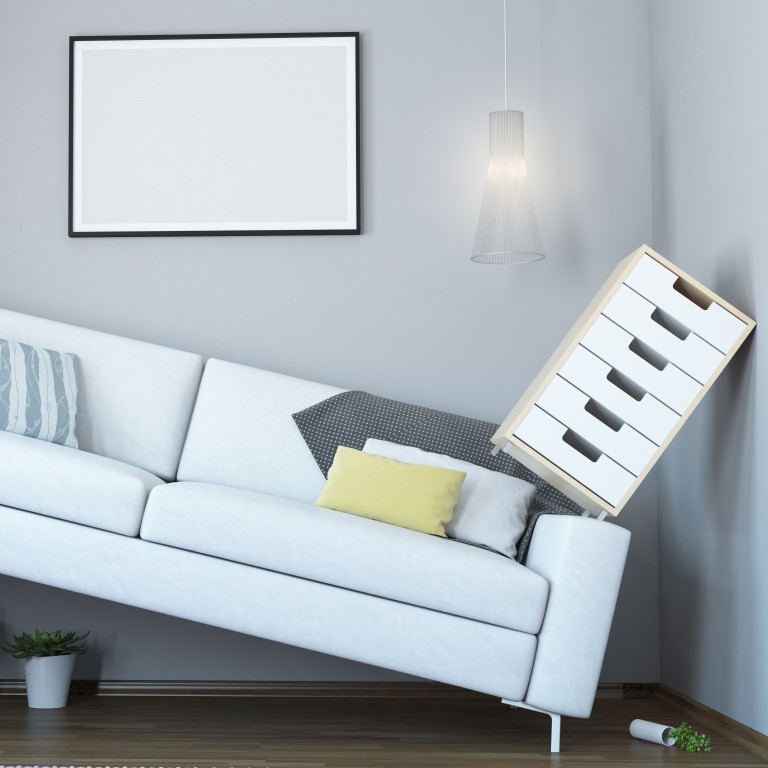
Top design tips to make your home look bigger

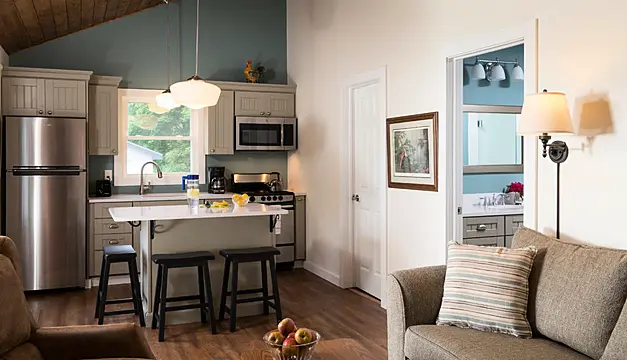
14 clever ways to make small rooms look bigger

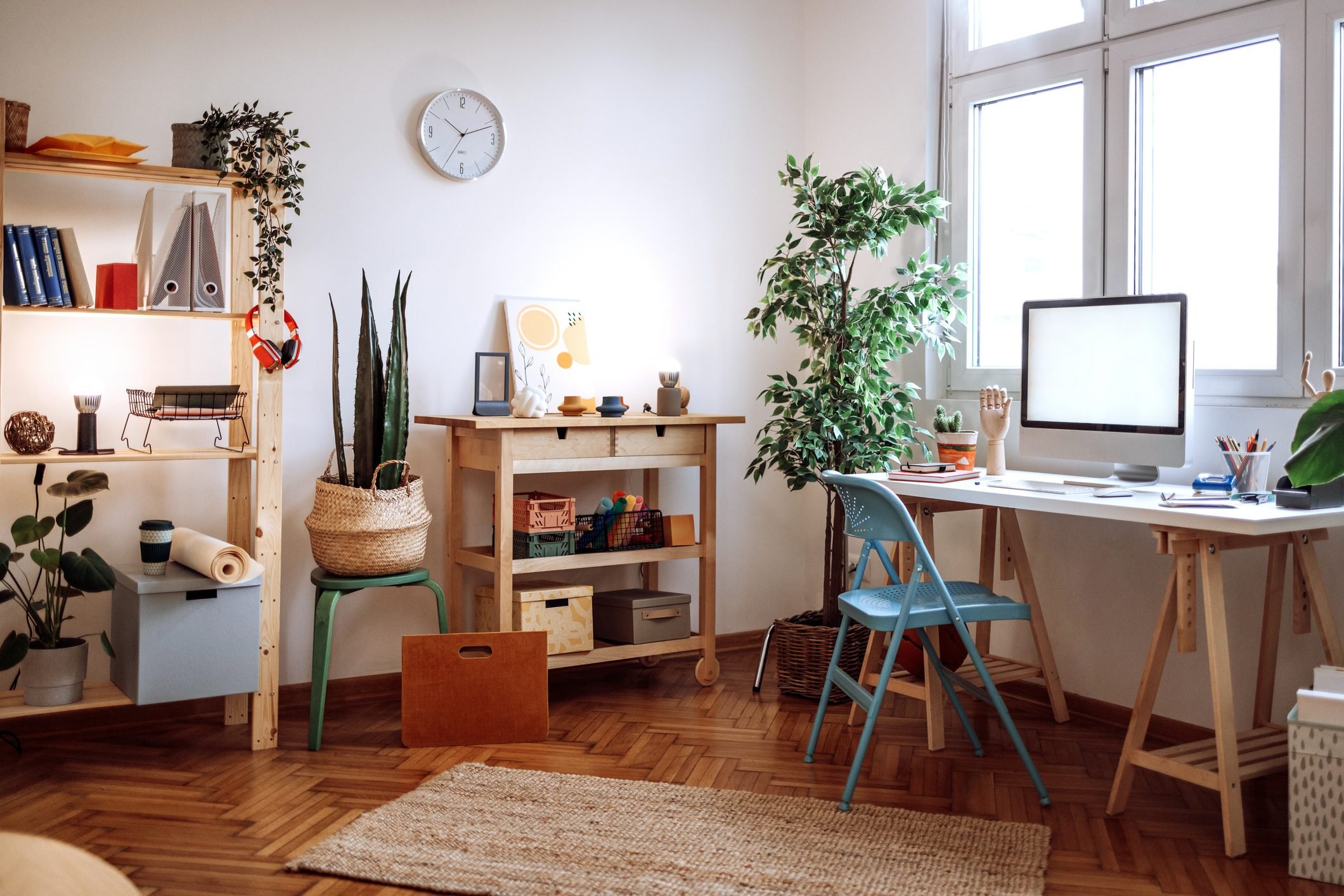
Maximize Your Space: 19 Tips to Make a Small Room Feel Bigger

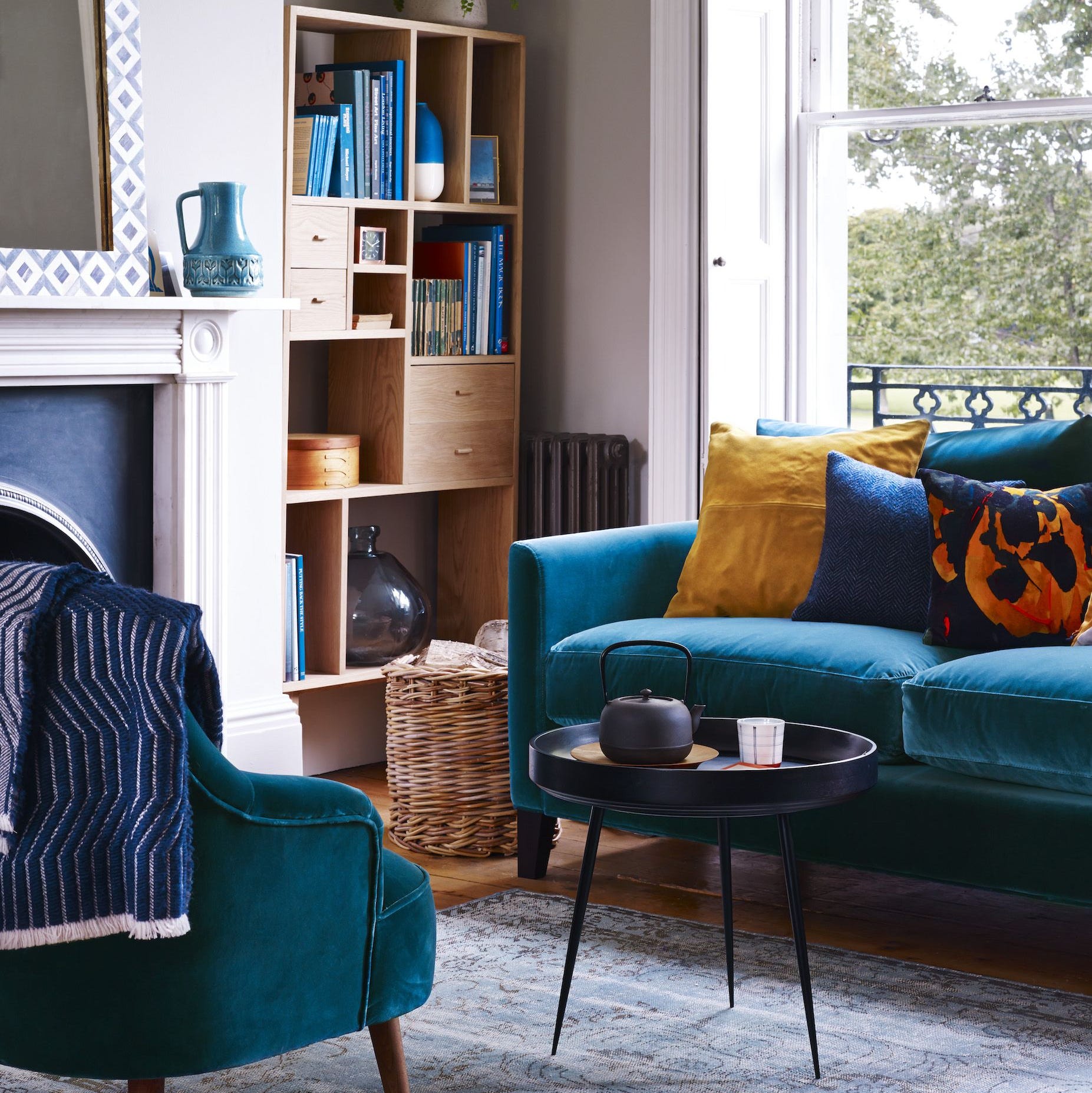
How to make your living room look bigger: 7 tips to fool the eye

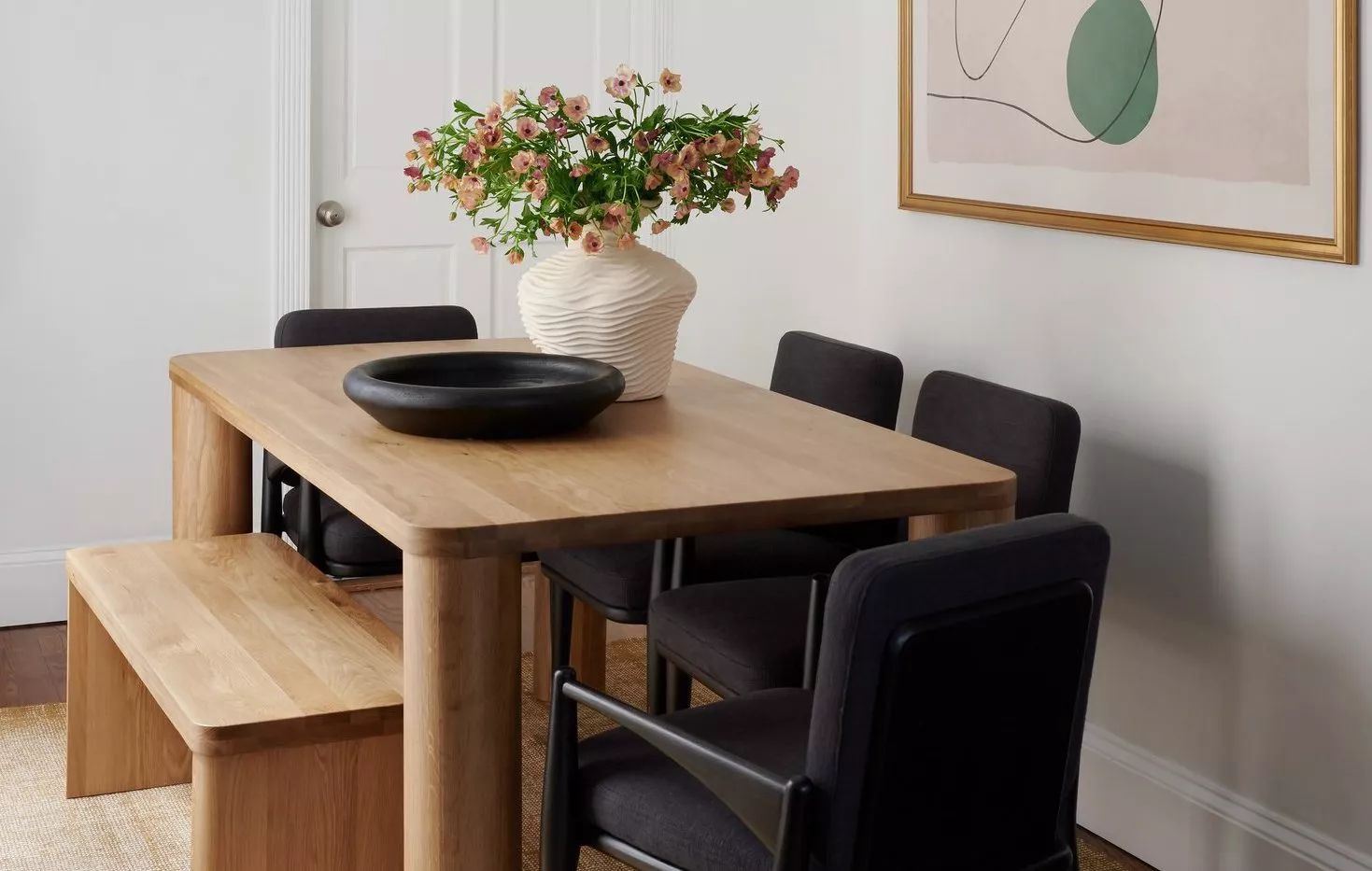
6 Easy Ways to Make Any Small Dining Room Look Larger—Instantly