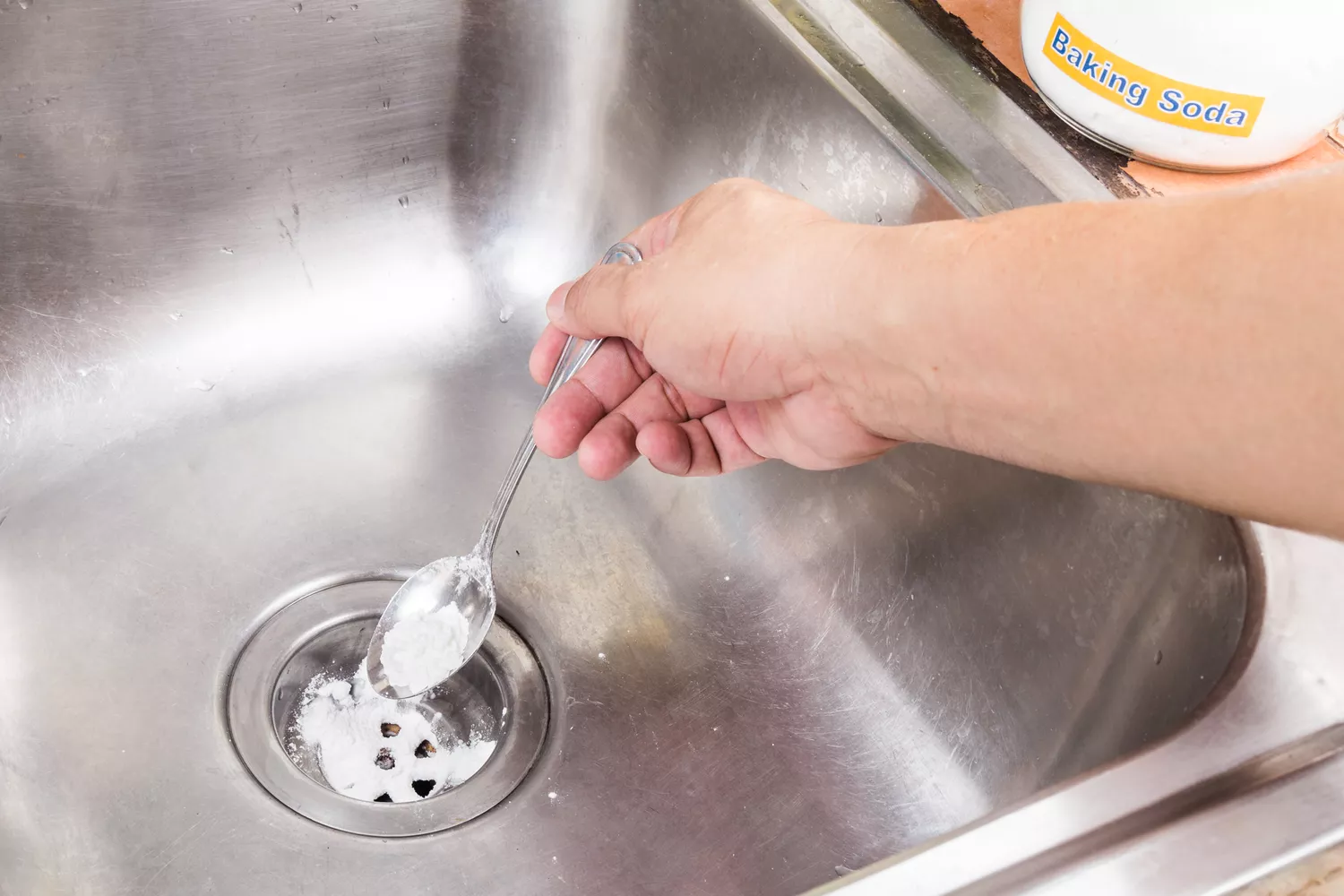
How To Clean Your Kitchen Sink Drain: 3 Steps
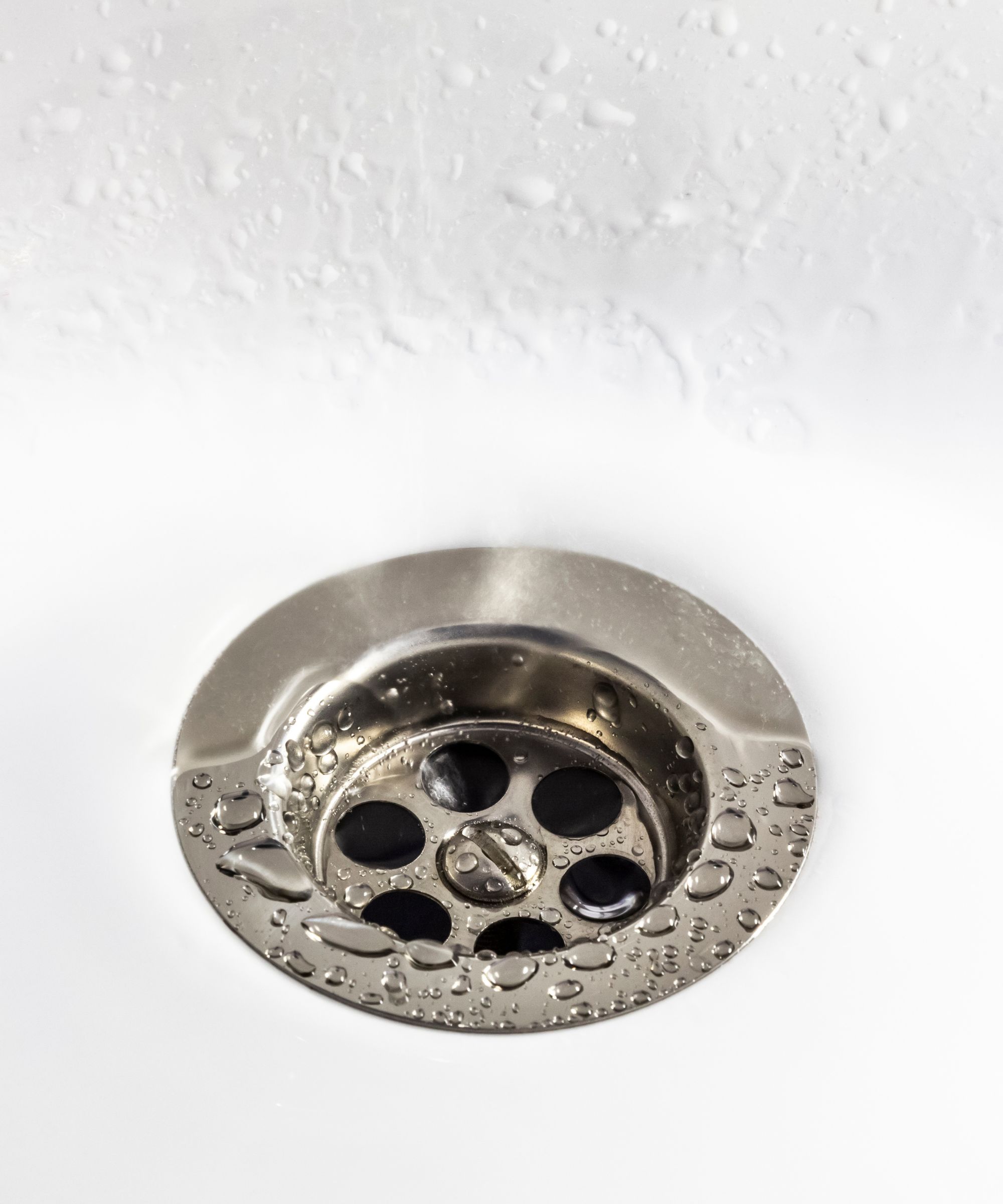
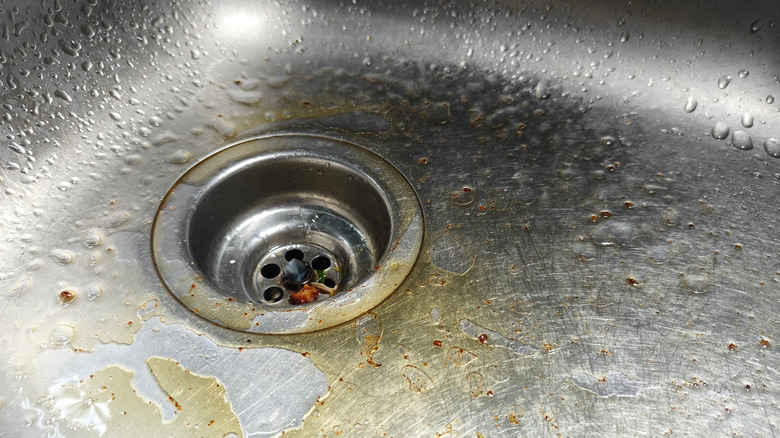
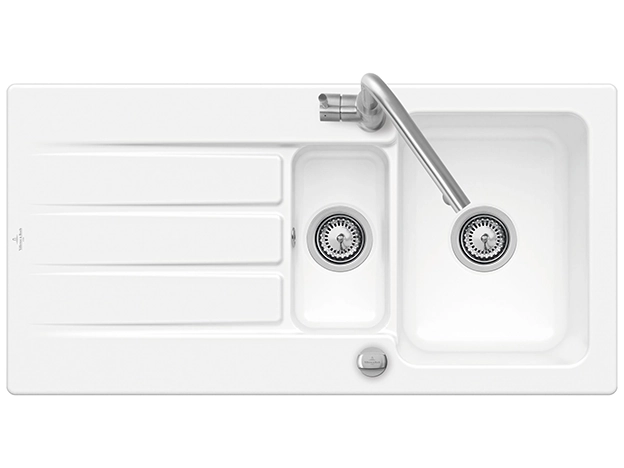
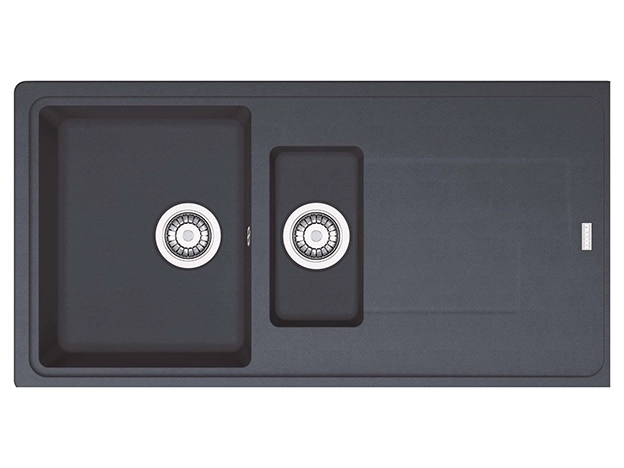
The kitchen sink drain, often overlooked during routine cleaning, is a significant breeding ground for bacteria such as E. Coli and Salmonella due to its constant exposure to food particles. Cleaning expert Jill Koch emphasizes the importance of regularly sanitizing this area to ensure dishes are washed in a clean environment. This article outlines a straightforward, natural method for cleaning kitchen sink drains using common pantry items: baking soda and vinegar.
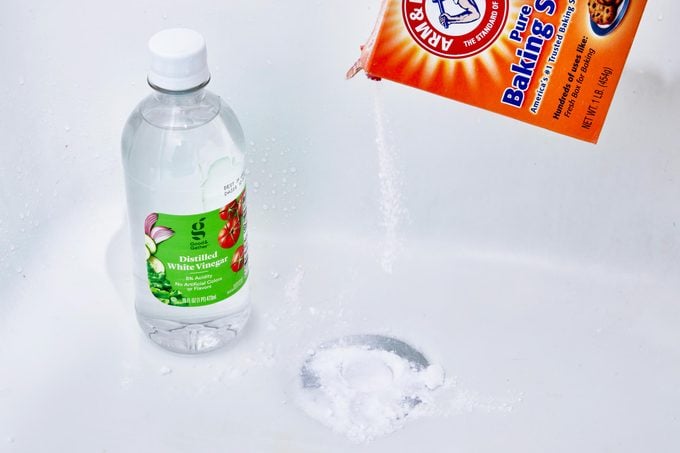
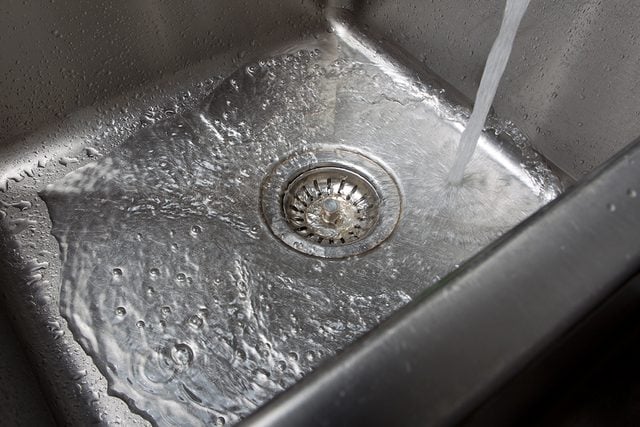
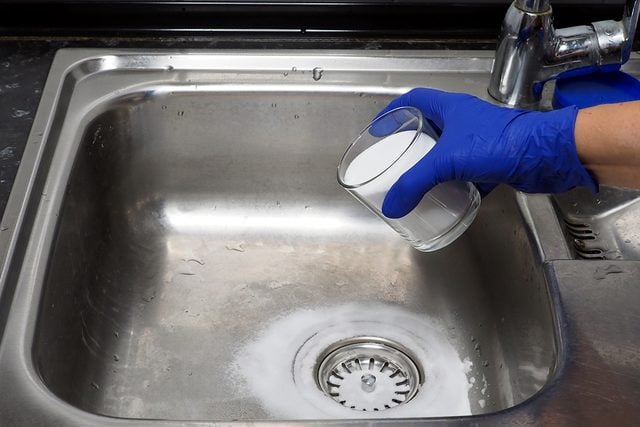
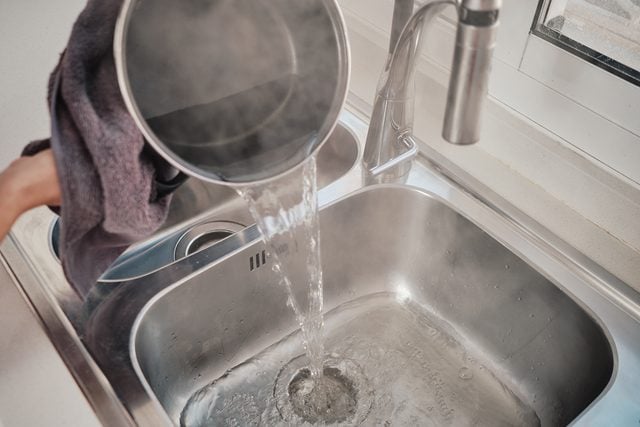
The recommended cleaning process involves two main steps, executed sequentially rather than simultaneously. First, approximately half a cup to one cup of baking soda, optionally topped with a drizzle of dish soap, is sprinkled down the drain. This mixture is allowed to sit for about five minutes to begin breaking down grime and odors. Following this, the drain is rinsed with hot water. The second step involves pouring a cup of vinegar down the drain, which further aids in cleaning and deodorizing. Koch clarifies a common misconception that combining baking soda and vinegar directly creates a more powerful reaction; in reality, they neutralize each other, making separate application more effective.
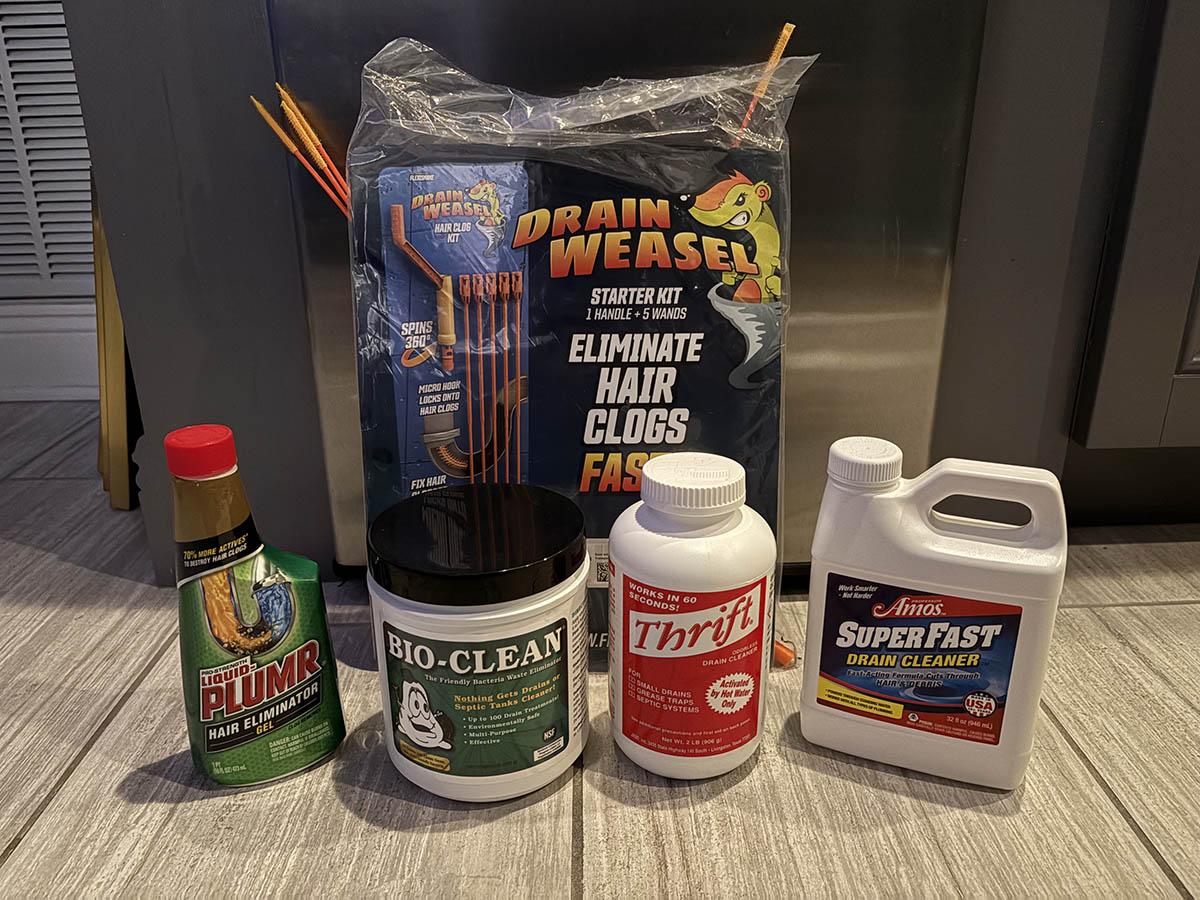
Should the baking soda and vinegar method prove insufficient for minor buildup or small clogs, the article suggests using an enzyme cleaner. These cleaners contain living bacteria that produce enzymes specifically designed to break down food particles. Users are advised to follow the product's instructions carefully, allowing the enzyme cleaner to sit for an extended period to maximize its effectiveness before rinsing with hot water. This can be followed by an additional application of baking soda and dish soap to combat lingering odors and enhance cleanliness. The article cautions against rushing the rinsing process, as the enzymes require time to work.
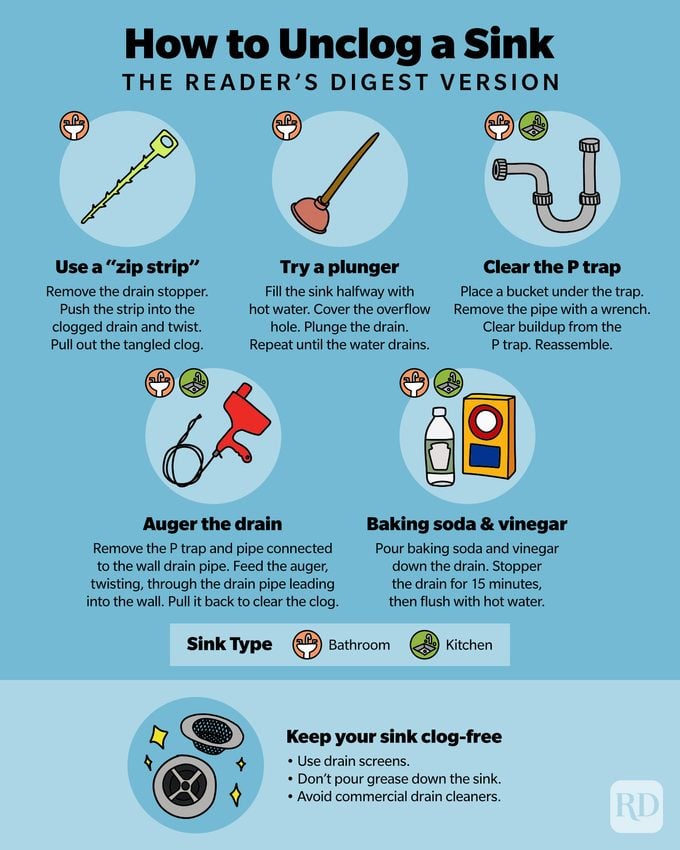
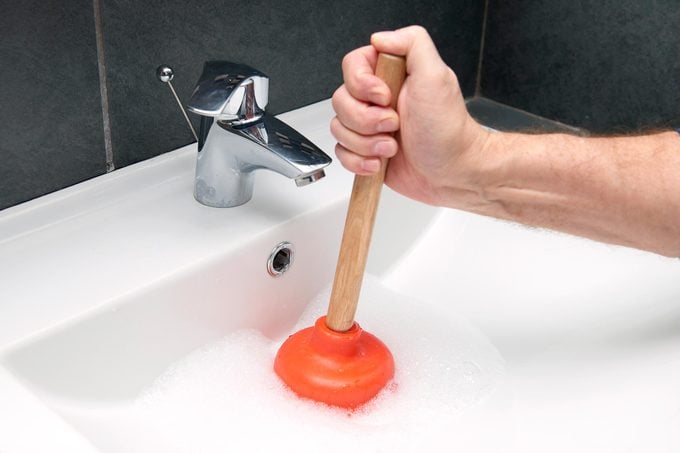
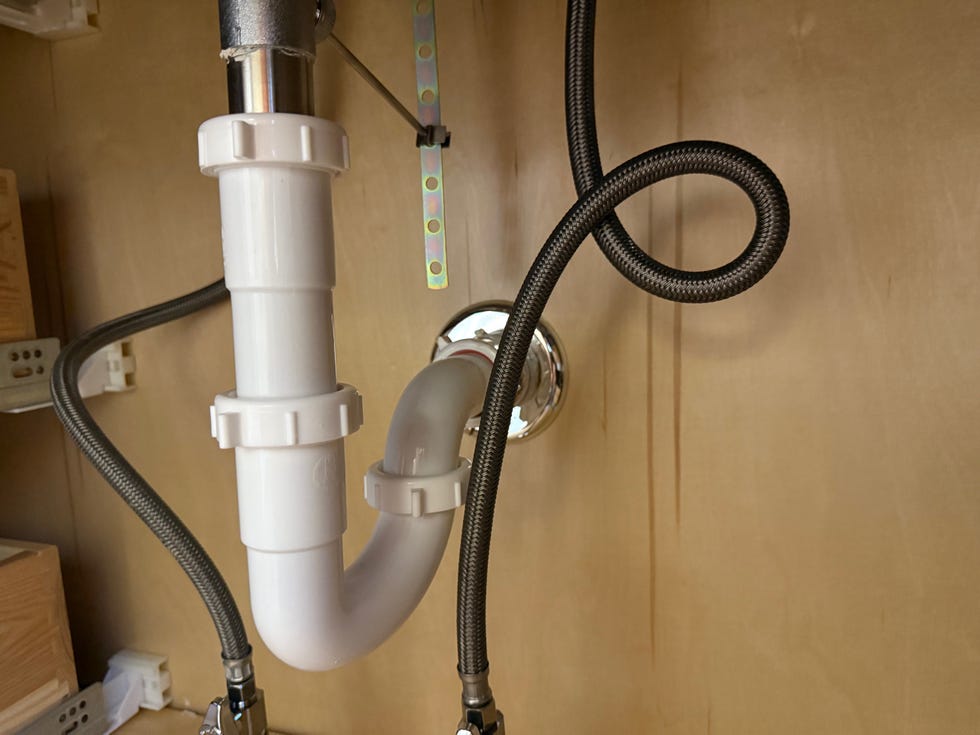
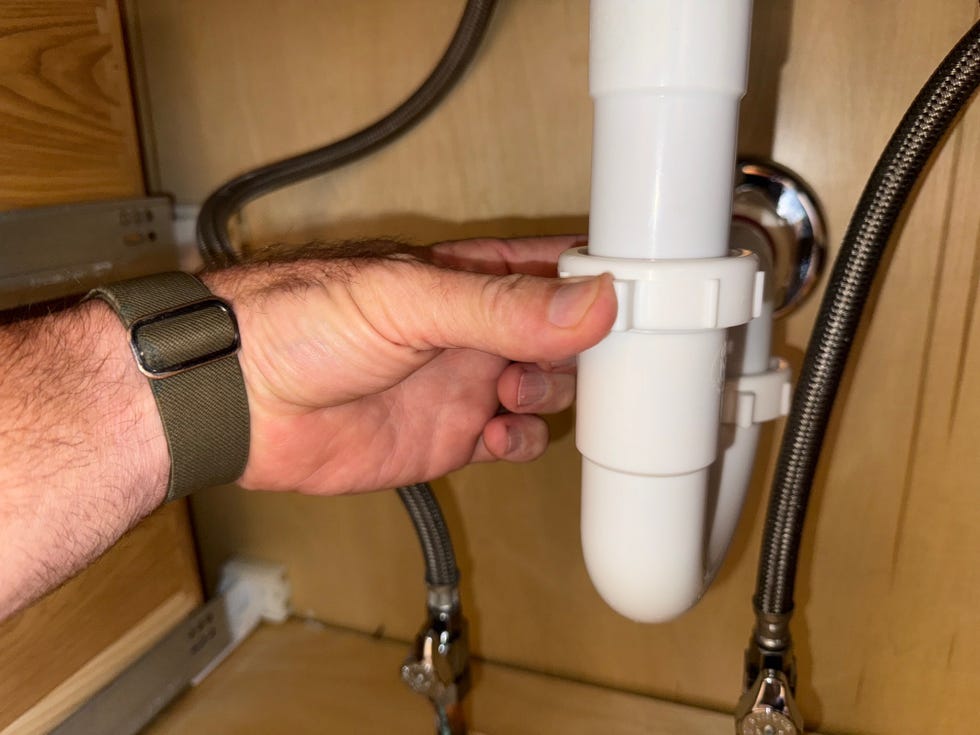
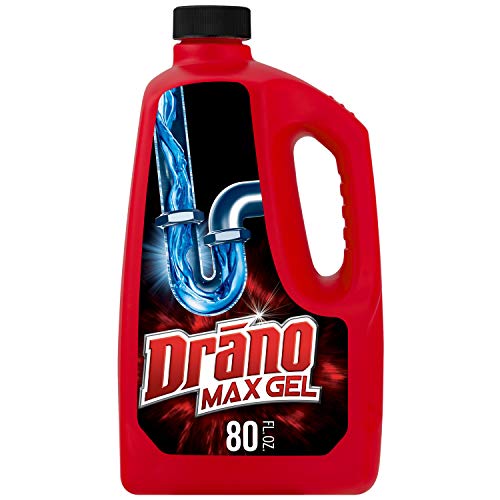
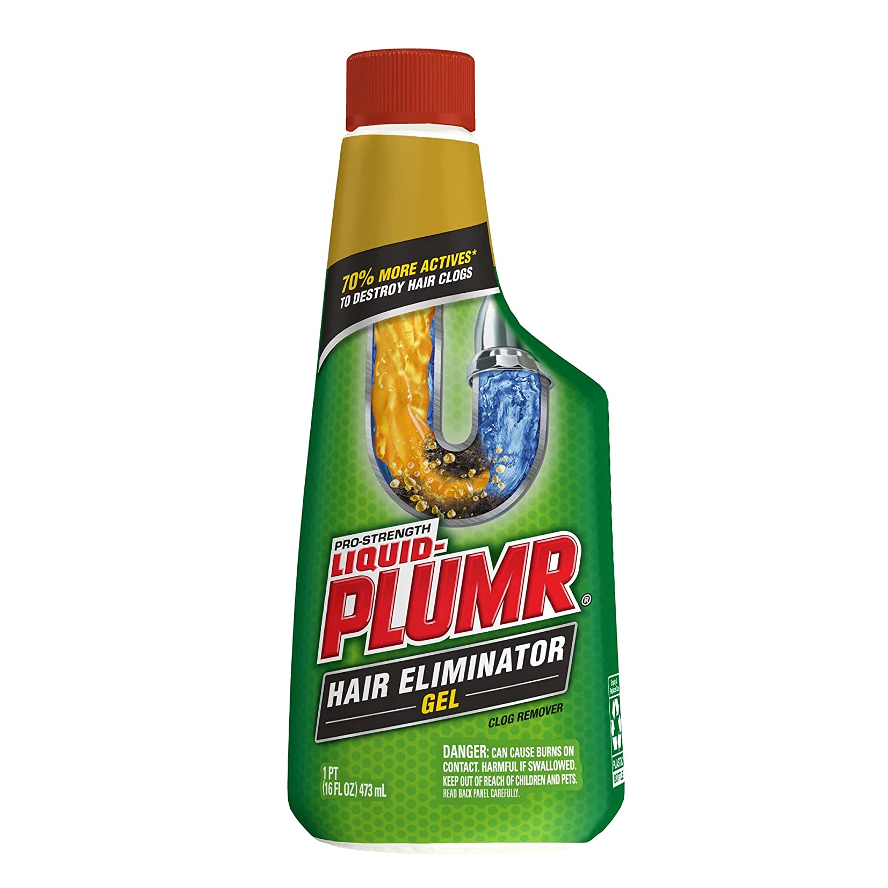
Regarding the safety of using baking soda and vinegar, Koch notes that the acidity of vinegar could potentially affect copper or brass pipes over time. However, she assures that using these natural methods about once a month for drain cleaning should be generally safe and effective. For any specific concerns or persistent issues, consulting a plumber is always recommended. The frequency of cleaning the kitchen sink drain is advised to be monthly, distinguishing it from the kitchen sink itself, which benefits from weekly or even daily cleaning. This monthly routine helps prevent the accumulation of buildup, mitigates unpleasant odors, and wards off clogs. For more stubborn clogs, enzyme cleaners or boiling water are suggested as initial steps before resorting to harsher commercial drain cleaners, which can be detrimental to plumbing.
#KitchenCleaning #SinkMaintenance #DIYCleaning #BakingSoda #Vinegar #HomeCare #EcoFriendlyCleaning #PlumbingTips #KitchenCleaning #SinkMaintenance #DIYCleaning #BakingSoda #Vinegar #HomeCare #EcoFriendlyCleaning #PlumbingTips
0 تعليق إجمالاً
 لا توجد تعليقات بعد
قد تعجبك أيضًا

7 reasons your sink won't drain – plus expert tips to unclog a sink like a pro


I Cleared My Blocked Bathroom Drain in Minutes With This 'Spot On' Fix
When Your Sink Won’t Drain, Try This Easy Fix Before Calling a Plumber


Commonly-Stained Kitchen Surfaces—And How to Make Them Look Brand New Again


How to clean a bathroom sink – expert tips for a well-scrubbed sink
The Ultimate Guide To Choosing A Sink For Your Kitchen

Homeowner shares plumber-approved hack to easily fix clogged drains: 'Interesting idea'

"I'm Not Sure I'd Choose Them Again" — Should I Get Sink Draining Grooves Cut Into My Countertop? The Pros and Cons, Explored


Say goodbye to clogged drains with these simple household cleaning hacks


5 DIY Drain Cleaner Recipes That Use Natural Ingredients to Prevent Clogs

This $7 Product Can Clear Even the Most Stubborn Drain Clog

Kitchen Sinks

Yes, You Need to Clean and Sanitize Your Kitchen Sink and Drain More Often

8 Things You Should Never Wash Down The Sink

11 Common Kitchen Sink Problems And How To Fix Them


16 Things In Your Kitchen You NEED To Clean More Often, According To Experts
How to Clear a Clogged Sink Drain—Without Needing to Call a Plumber

How To Clean a Drain With Baking Soda and Vinegar

This Drain Cleaner Is the Best At Tackling Stubborn Clogs, Say Our Experts

Can You Clean Your Drains with Mouthwash? Experts Say Yes