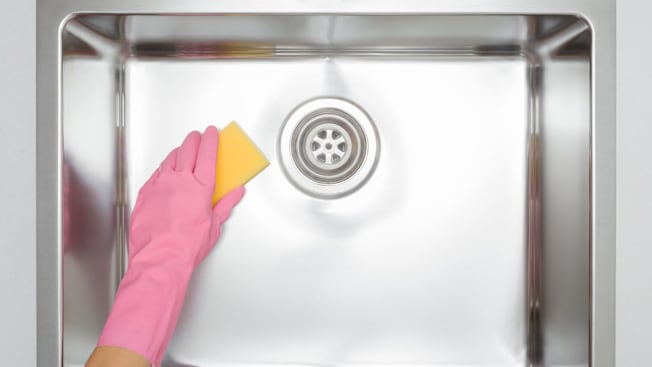
Yes, You Need to Clean and Sanitize Your Kitchen Sink and Drain More Often
The kitchen sink, despite its apparent cleanliness from daily dishwashing, harbors a significant amount of germs, often more than commonly perceived germ hotspots like bathroom faucet handles. This assertion is supported by a 2011 study conducted by NSF International, which found coliform bacteria, including Salmonella and E. coli, in 45 percent of kitchen sink swabs from 22 participating families. In contrast, bathroom toothbrush holders and faucet handles showed coliform presence in only 27 percent and 9 percent of swabs, respectively, highlighting the surprising bacterial load of kitchen sinks. Another NSF study focusing on college students' homes identified the kitchen sink drain as the third germiest item, after dish sponges and shower/tub drains, revealing the presence of yeast, mold, and E. coli.
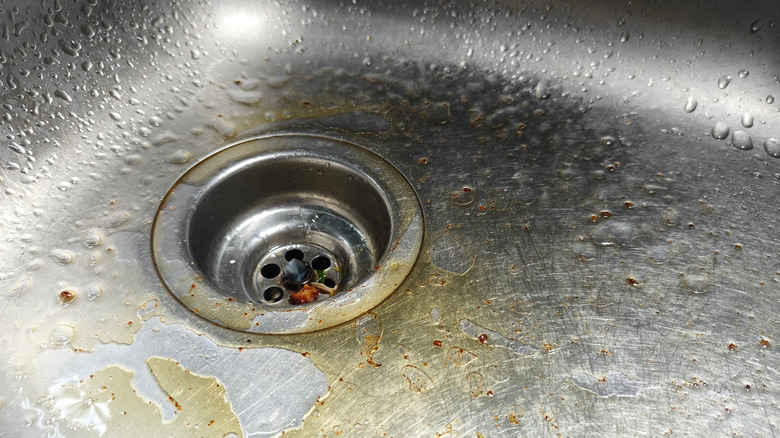
Microbiologist Charles Gerba from the University of Arizona further explains that bacteria like Salmonella, Listeria, and Pseudomonas can also thrive in kitchen sinks, particularly on food debris left behind from raw meats. A 2023 USDA study corroborated these findings, demonstrating that the kitchen sink was the most contaminated surface after participants prepared raw sausages containing a traceable E. coli strain. The USDA emphasizes that foodborne illness-causing bacteria can persist on surfaces for extended periods, with Salmonella surviving up to 32 hours. Beyond microscopic threats, visible grime and food residue also contribute to an unsanitary appearance, underscoring the necessity of regular cleaning and sanitization.
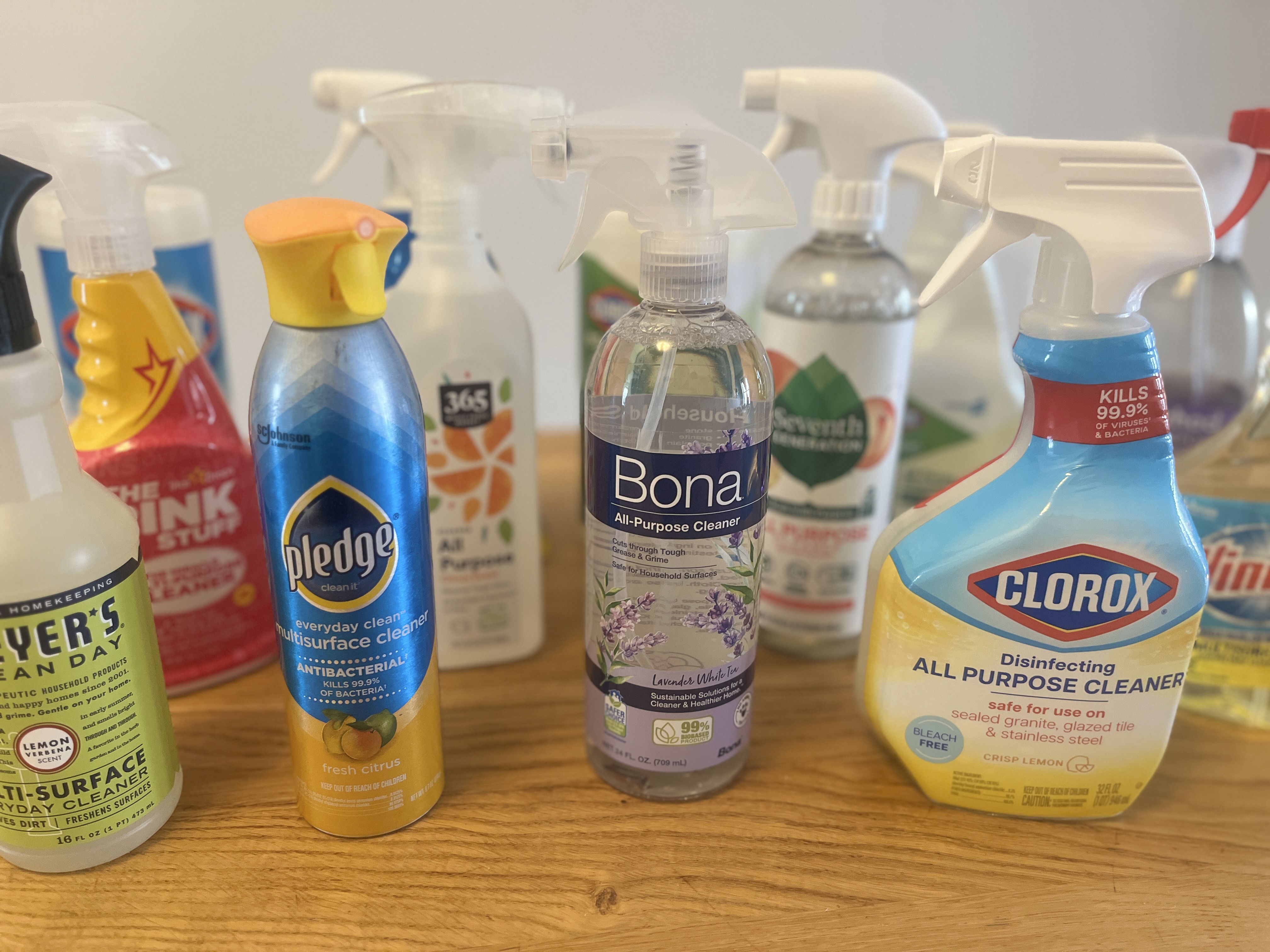
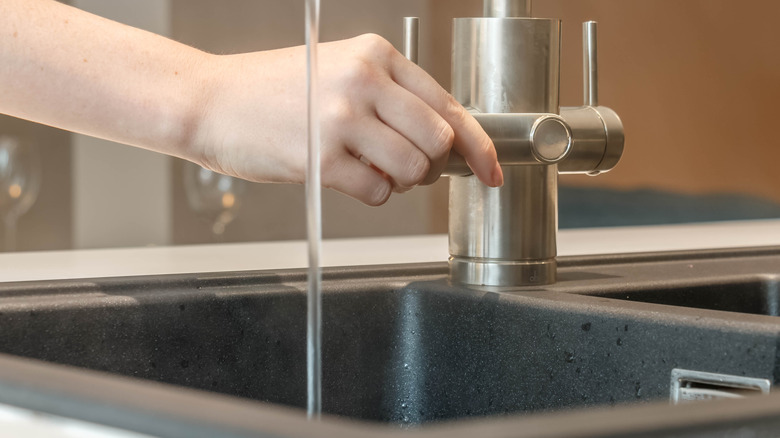
Experts from NSF and USDA provide guidelines for effective kitchen sink maintenance. NSF recommends using a disinfecting cleanser on the sink's sides and bottom once or twice weekly. The USDA advises a more frequent approach, suggesting cleaning and sanitizing the sink after each use involving food preparation, especially after handling meat. This process includes washing with warm, soapy water, wiping with disposable paper towels, and then applying a sanitizer such as commercial wipes, liquid sanitizers, or a homemade bleach solution (1 tablespoon of bleach per gallon of water), followed by air-drying.
Dr. Gerba advocates for daily removal of food debris and at least weekly disinfection to prevent bacterial growth and associated odors. James Rogers, CR's director of food safety research, integrates cleaning into his cooking routine, washing dishes and wiping down surfaces, including the sink, stove, and countertops, as he cooks. Mause Ramirez, owner of MCS Cleaning Services Inc., highlights that moist sinks are breeding grounds for bacteria and cautions about garbage disposals potentially spreading germs. He recommends daily cleaning and a weekly deep clean focusing on corners, using hot water, dish soap, and a disinfectant that sits for at least 30 minutes.
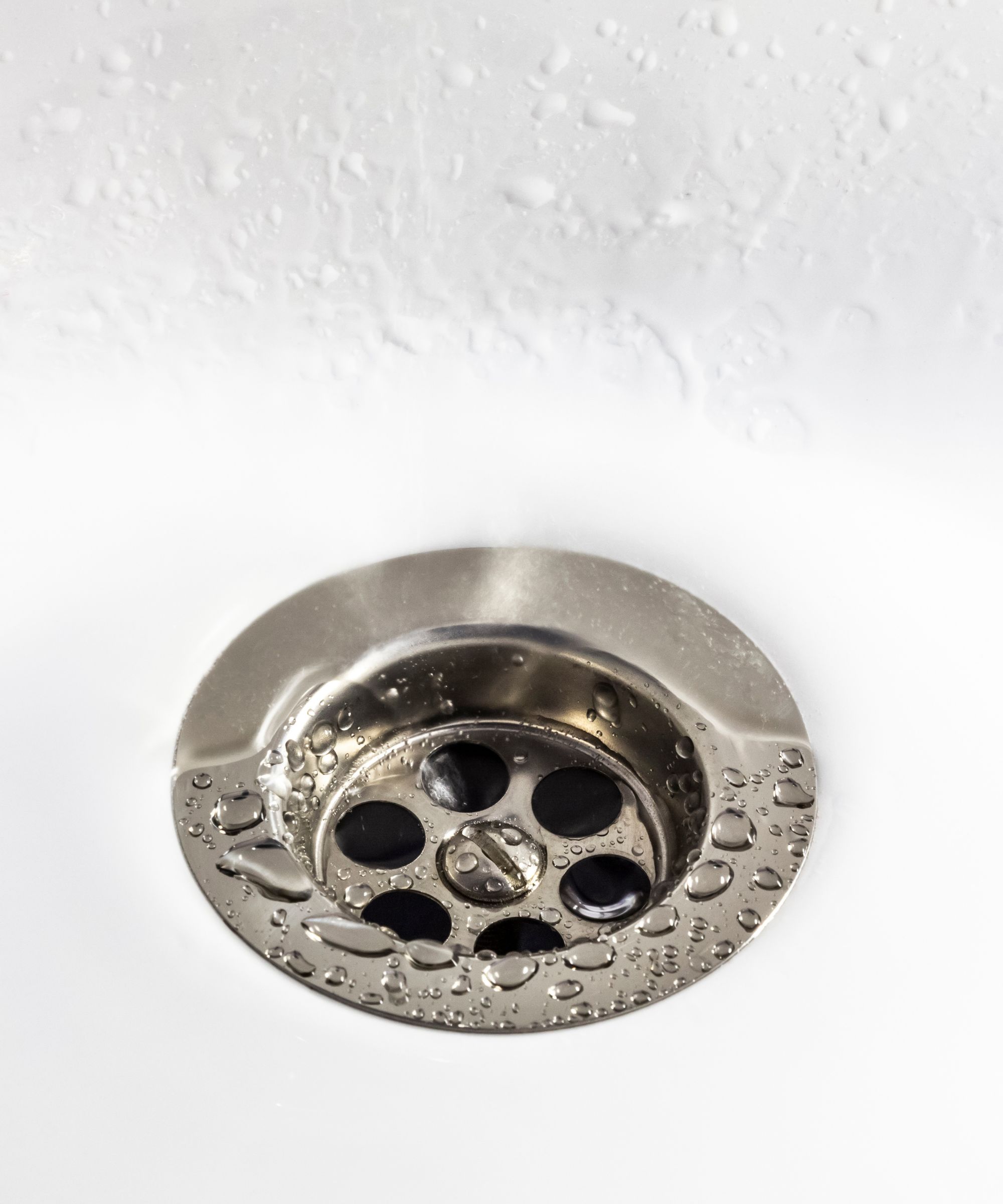
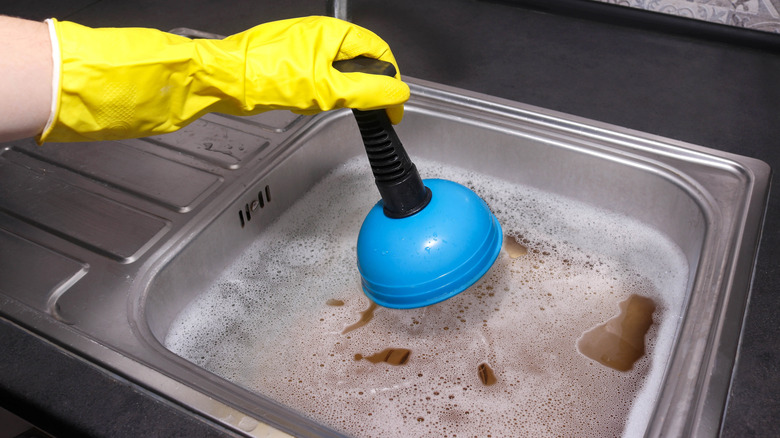
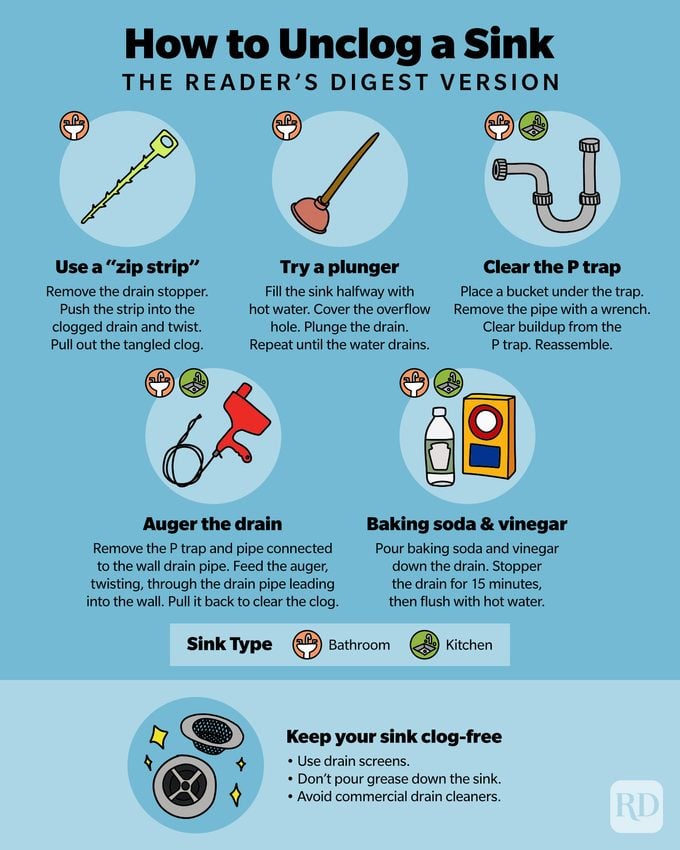
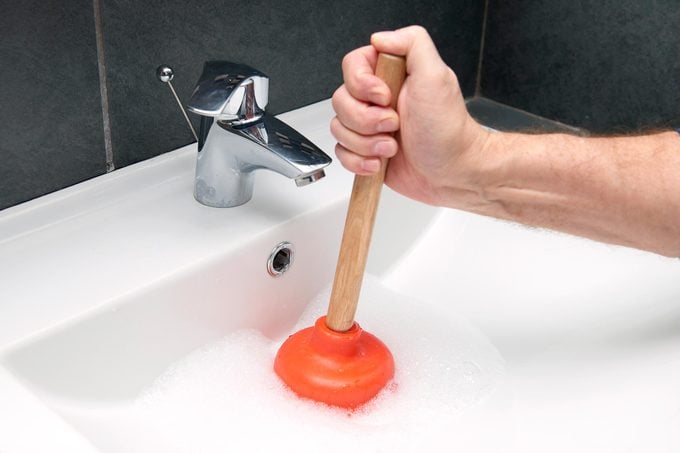
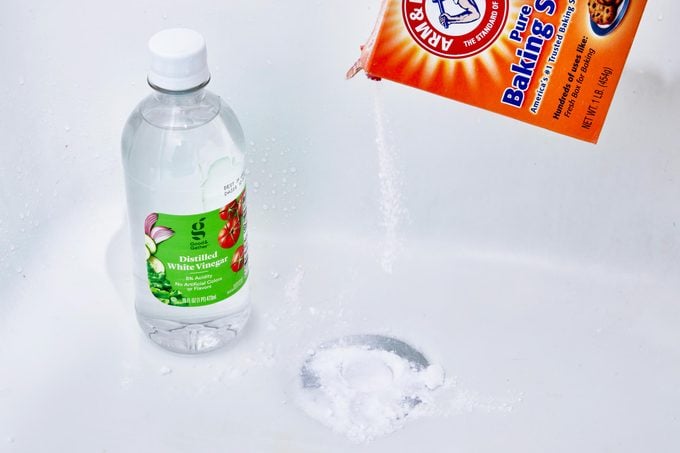
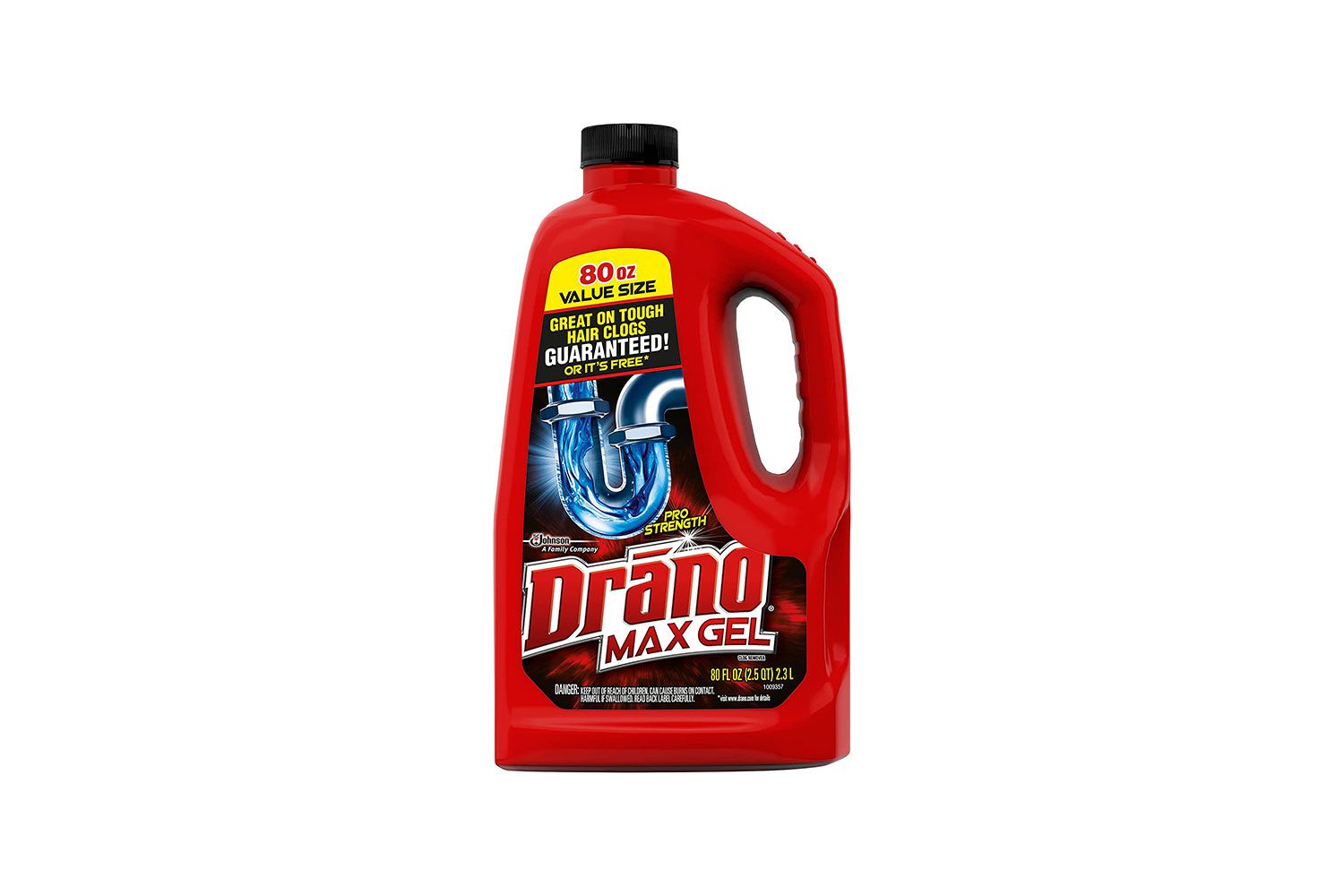
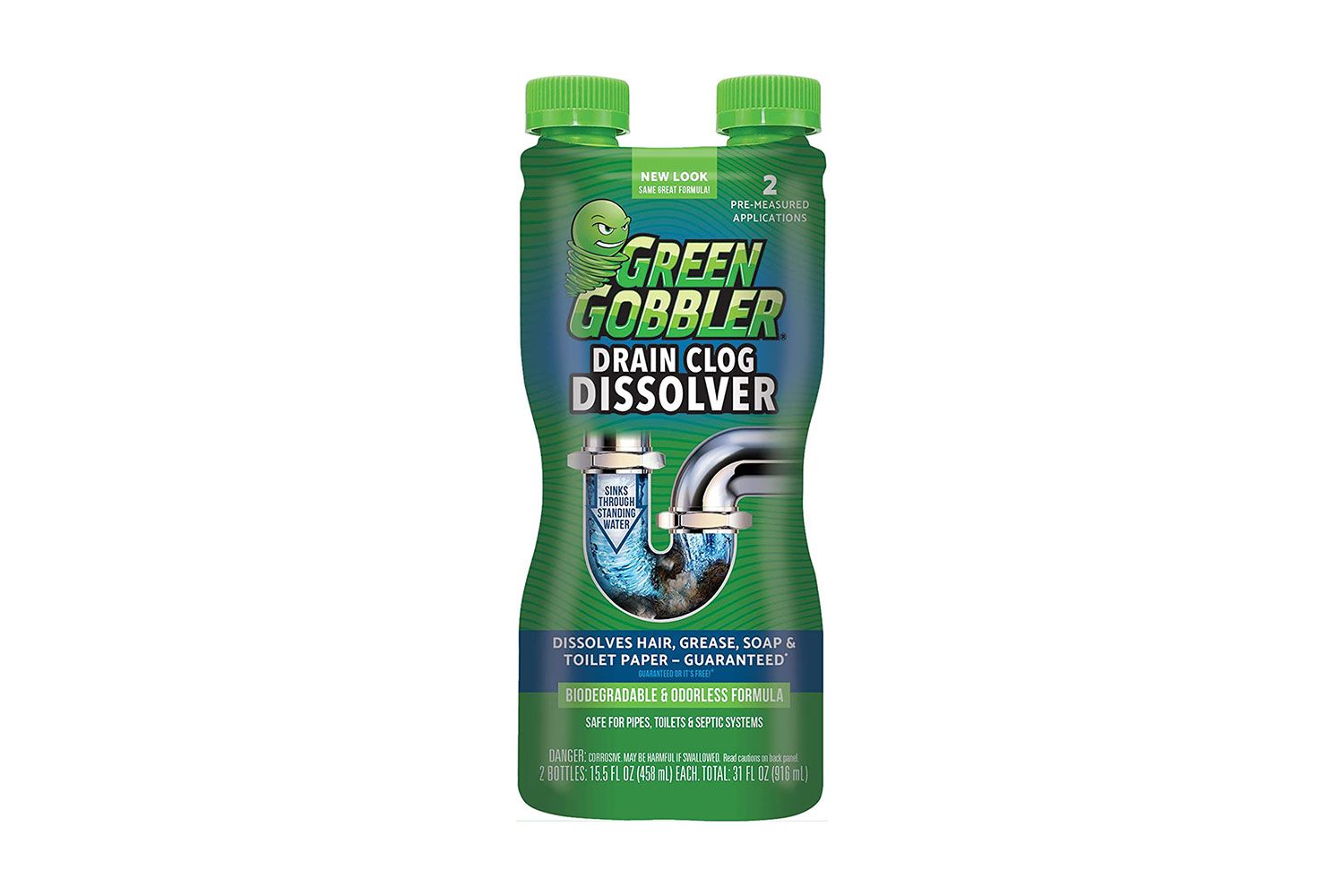
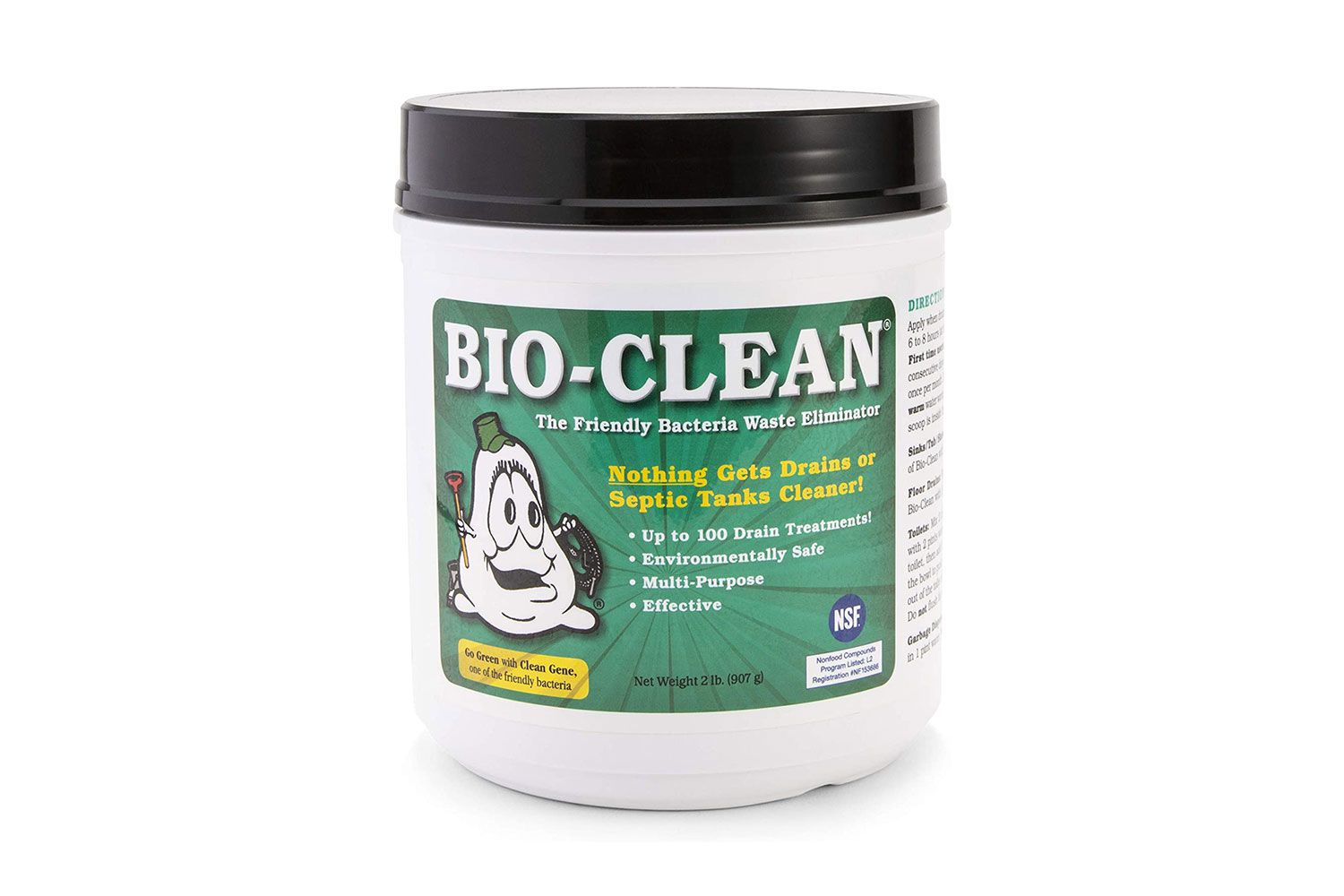
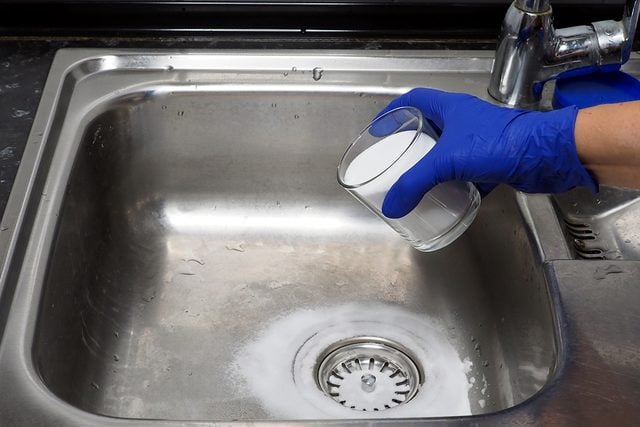
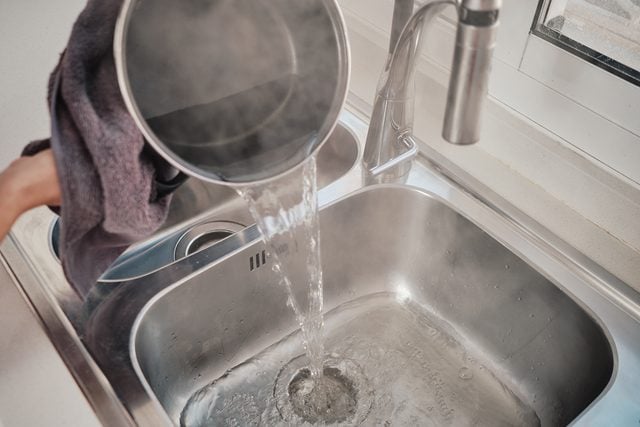
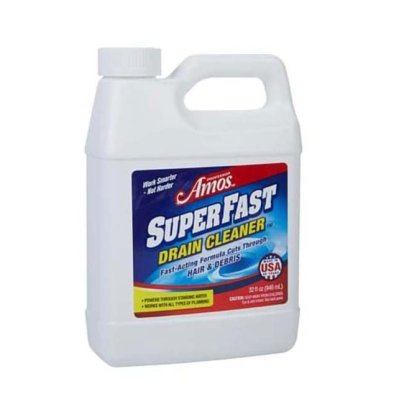
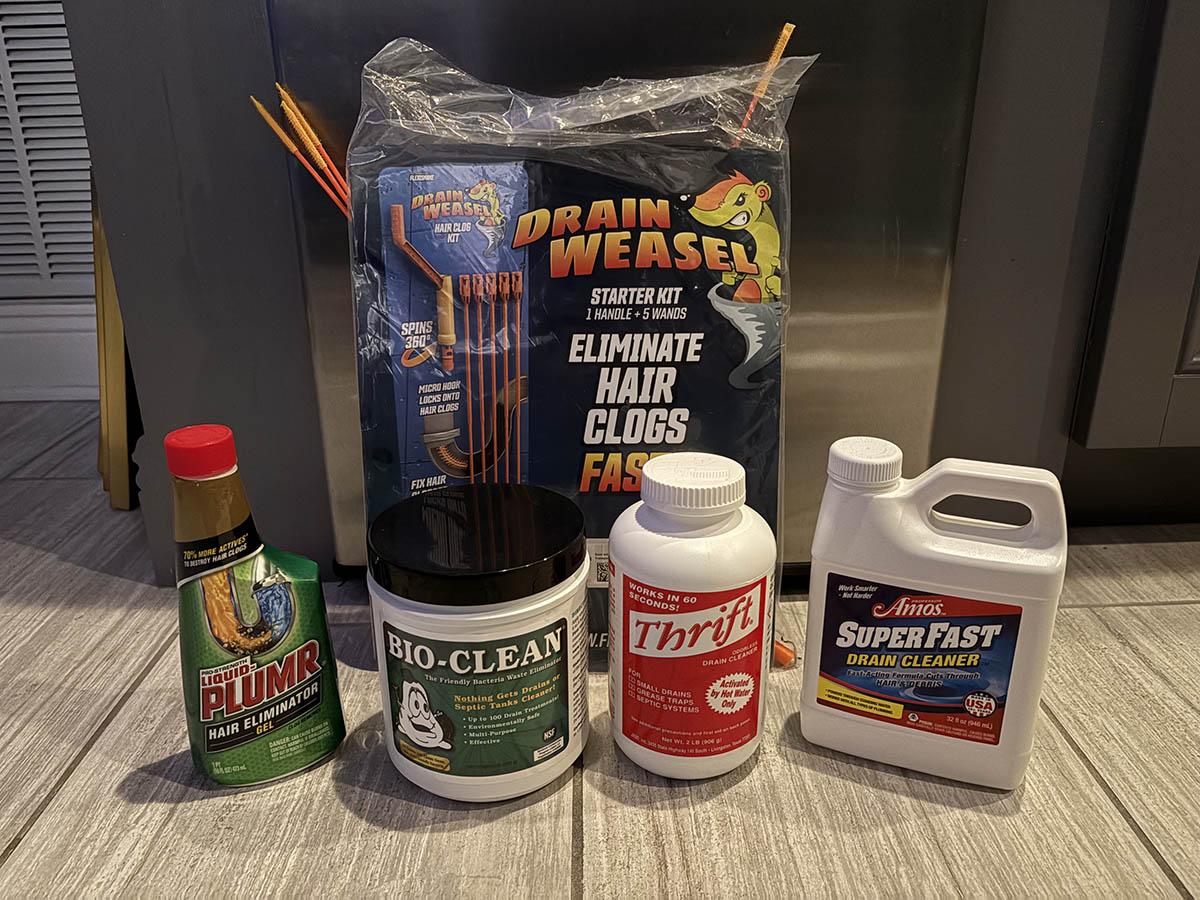
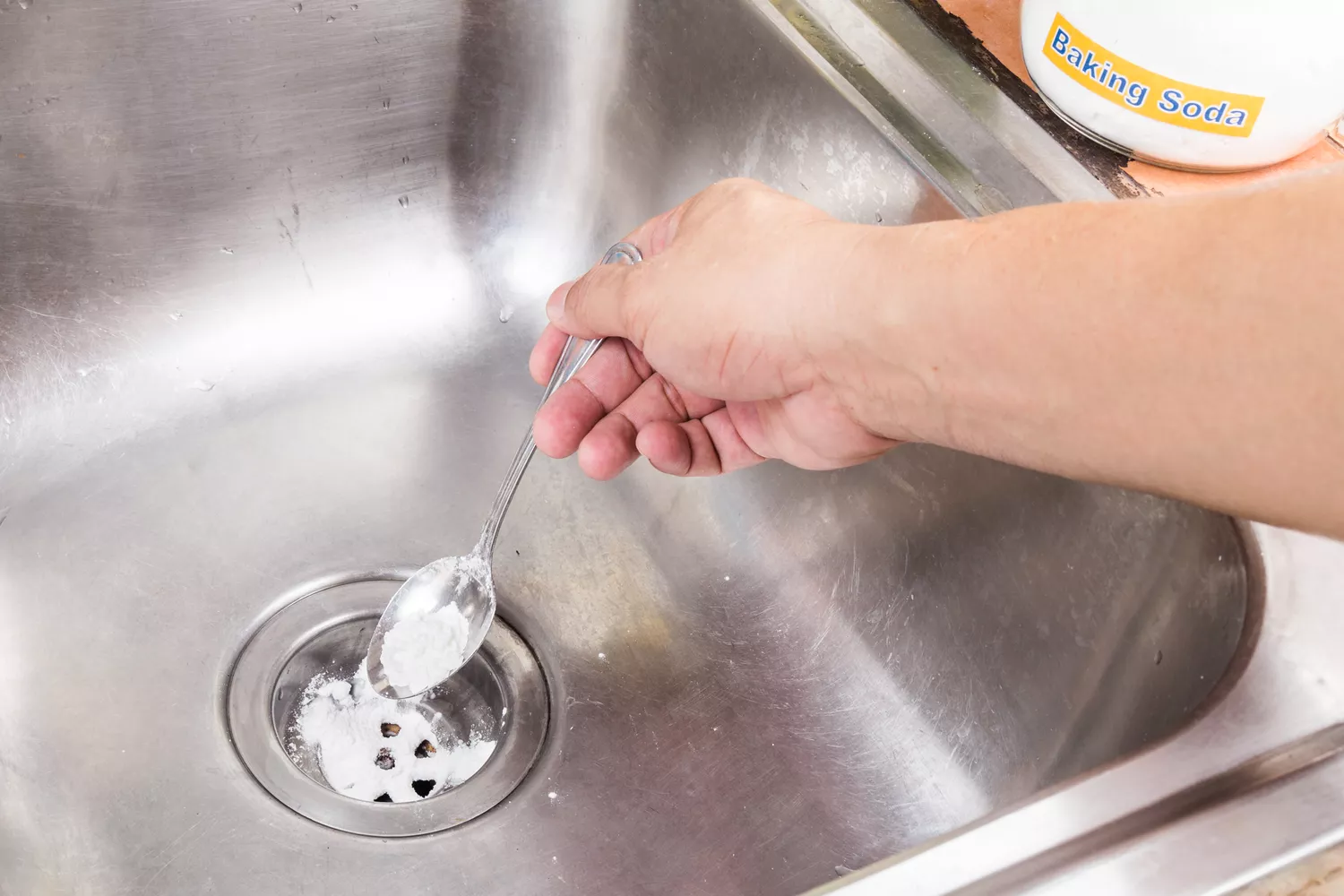
Cleaning the drain is also crucial, especially with garbage disposals, which can be cleaned using ice cubes, lemons, baking soda, and bleach. For sinks without disposals, Ross Pascale of Neeet House Cleaning suggests a DIY method for drain cleaning: pouring a quarter-cup of baking soda followed by a quarter-cup of white vinegar, letting it sit for 30 minutes to an hour, and then rinsing with hot water. This should be done monthly to prevent odors and clogs. For severe clogs, commercial drain cleaners or professional plumbing services may be necessary. In conclusion, the kitchen sink demands consistent and thorough cleaning, with daily attention for routine use and sanitization, particularly after handling raw meat, to ensure a hygienic kitchen environment.
#KitchenSink #SinkDrain #CleaningTips #Sanitization #Germs #Bacteria #FoodSafety #HomeHygiene #DIYCleaning #KitchenSink #SinkDrain #CleaningTips #Sanitization #Germs #Bacteria #FoodSafety #HomeHygiene #DIYCleaning
0 comment in total
 No comments yet
You may also like

7 reasons your sink won't drain – plus expert tips to unclog a sink like a pro


8 Things You Should Never Wash Down The Sink

Dealing With a Slow Drain? Here are 7 Drain Cleaners to Safely Unclog Pipes


Here's How Often You Should Sweep If You Want a Truly Clean Home


How to clean a bathroom sink – expert tips for a well-scrubbed sink
Why Your Bathroom Desperately Needs Cleaning Now

If You Have a Farmhouse Sink, You Need to Read This

All Kitchen Sinks


16 Things In Your Kitchen You NEED To Clean More Often, According To Experts
Can You Clean Your Drains with Mouthwash? Experts Say Yes
How to use a drain snake, according to experts

The Ultimate Guide To Choosing A Sink For Your Kitchen

How To Clean Your Kitchen Sink Drain: 3 Steps
11 Common Kitchen Sink Problems And How To Fix Them

How To Clean a Drain With Baking Soda and Vinegar


7 unexpected things you can clean in the dishwasher to easily refresh the hardest-working micro-elements of your home

Say goodbye to clogged drains with these simple household cleaning hacks

How to Clear a Clogged Sink Drain—Without Needing to Call a Plumber

This $7 Product Can Clear Even the Most Stubborn Drain Clog

Why your kitchen sponge could be dirtier than your toilet seat