1/13
The Ultimate Guide To Choosing A Sink For Your Kitchen
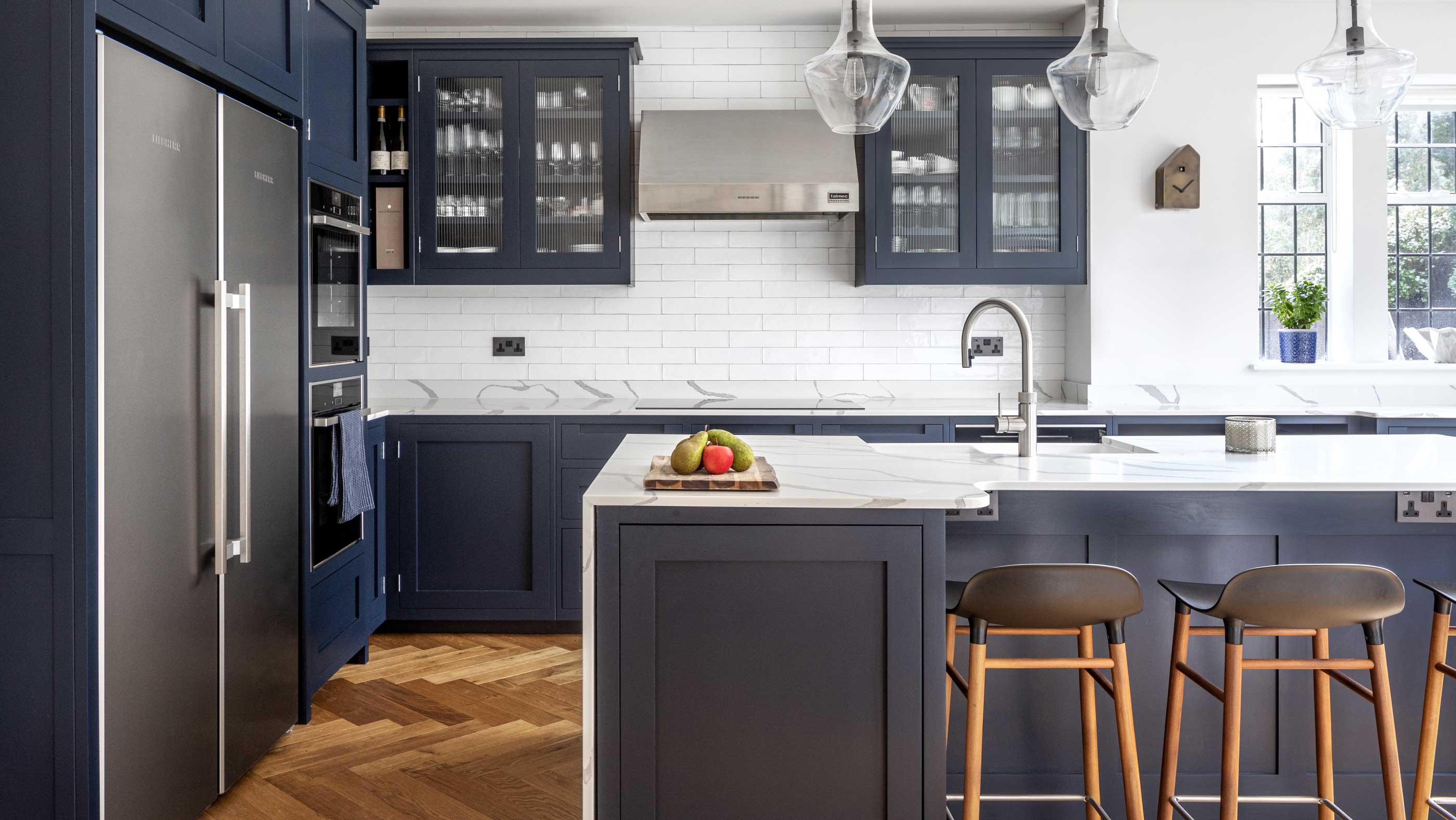
The kitchen sink, often overlooked in kitchen remodels, is a crucial element that demands careful consideration. Homeowners frequently prioritize countertops, cabinets, and appliances, but the sink plays a central role in daily kitchen tasks such as washing hands, doing dishes, defrosting ingredients, and straining food. The selection process involves more than just size and material, extending to basin quantity, configurations, drain locations, and depth. This guide compiles insights from four home improvement and design experts—Ron Shimek, president of Mr. Handyman; Susan Serra, president and designer at Susan Serra Associates; Julianna Cementina, product specialist at Native Trails; and Natalie Beech, marketing manager at Greg's Plumbing and Heating—to help homeowners make an optimal choice.
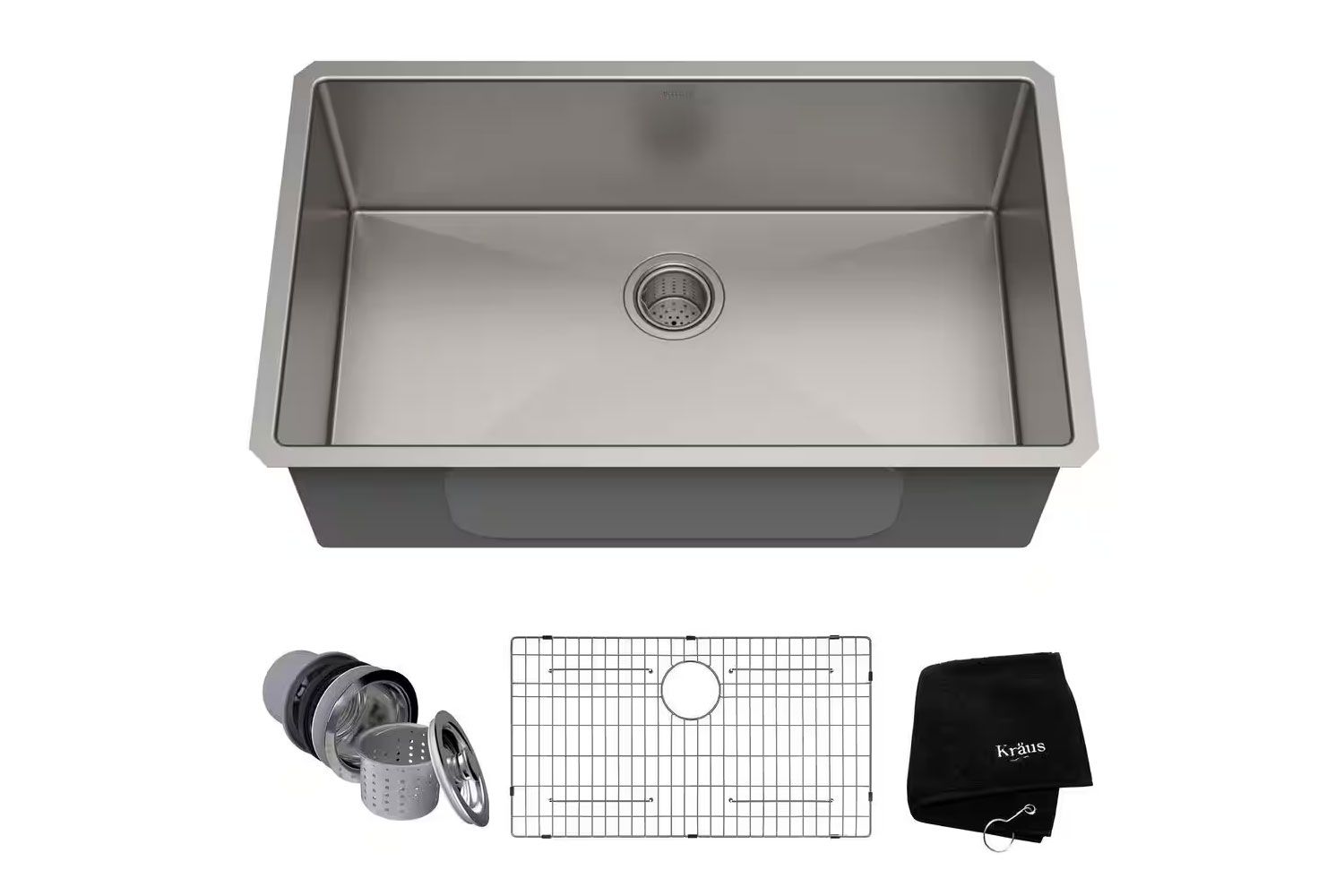
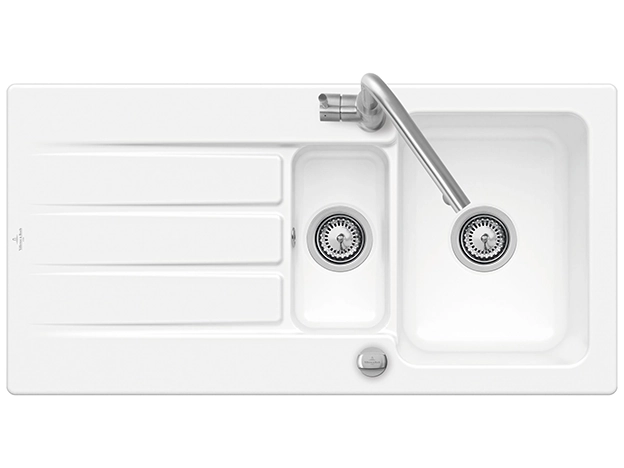
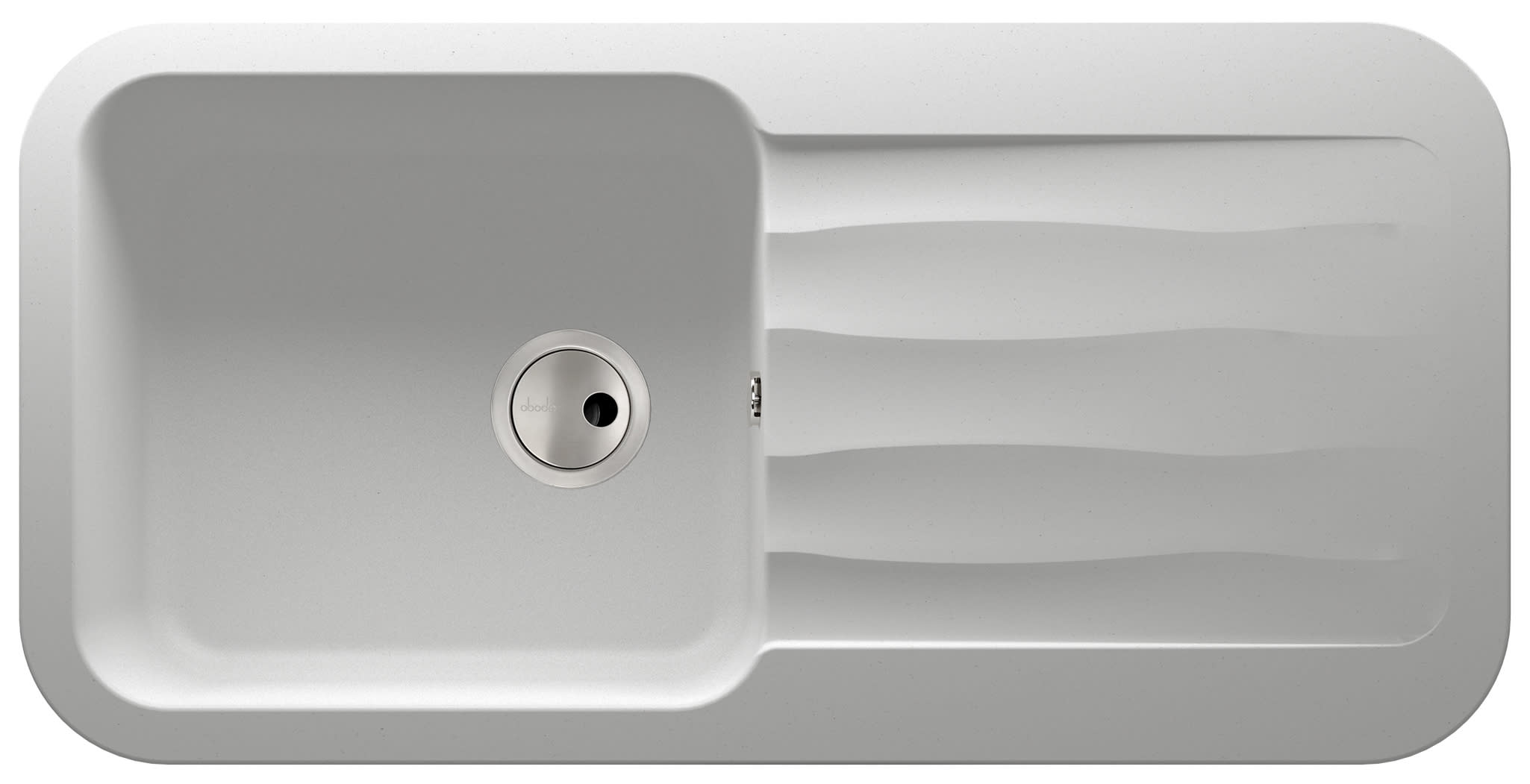
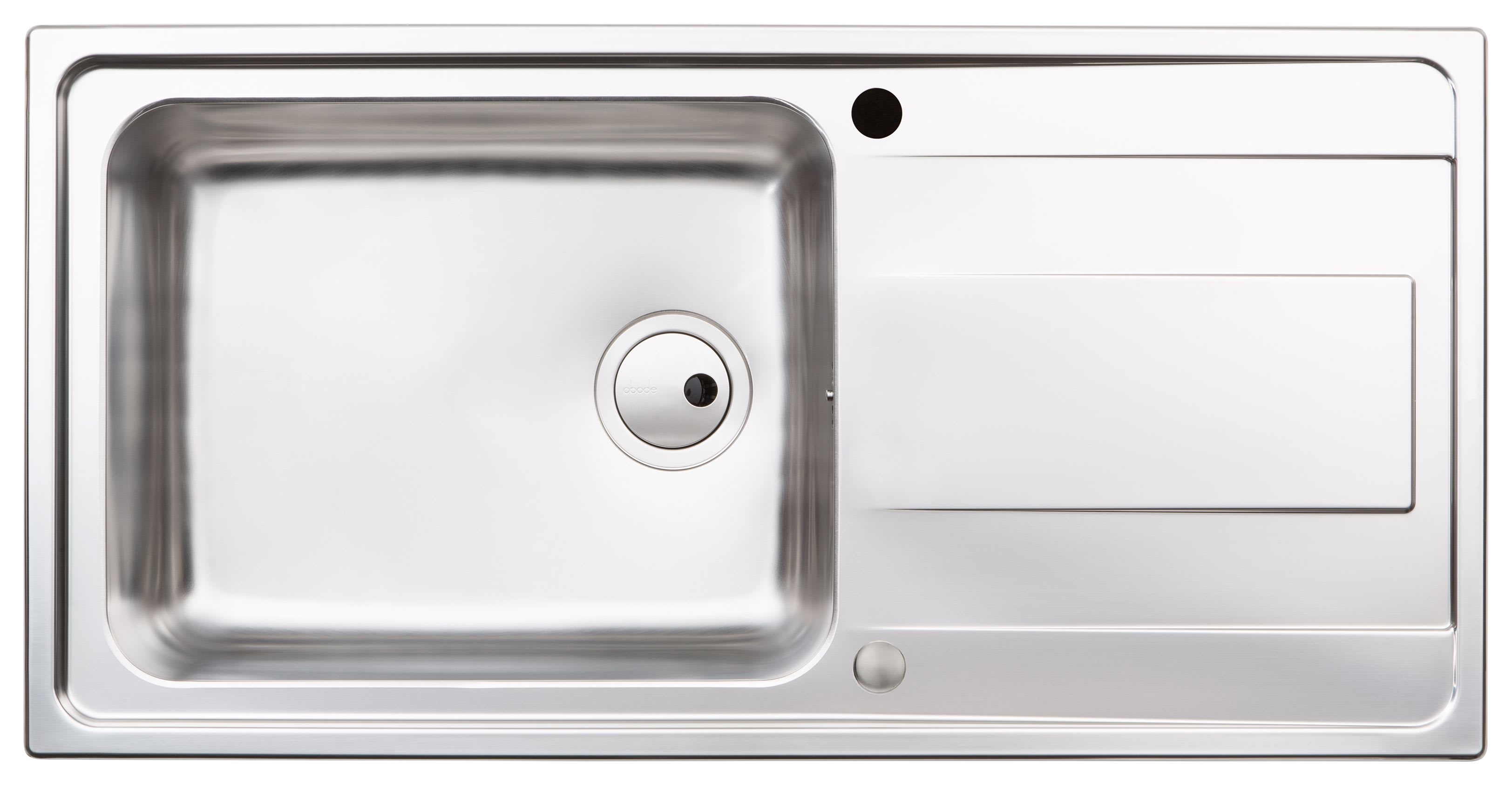
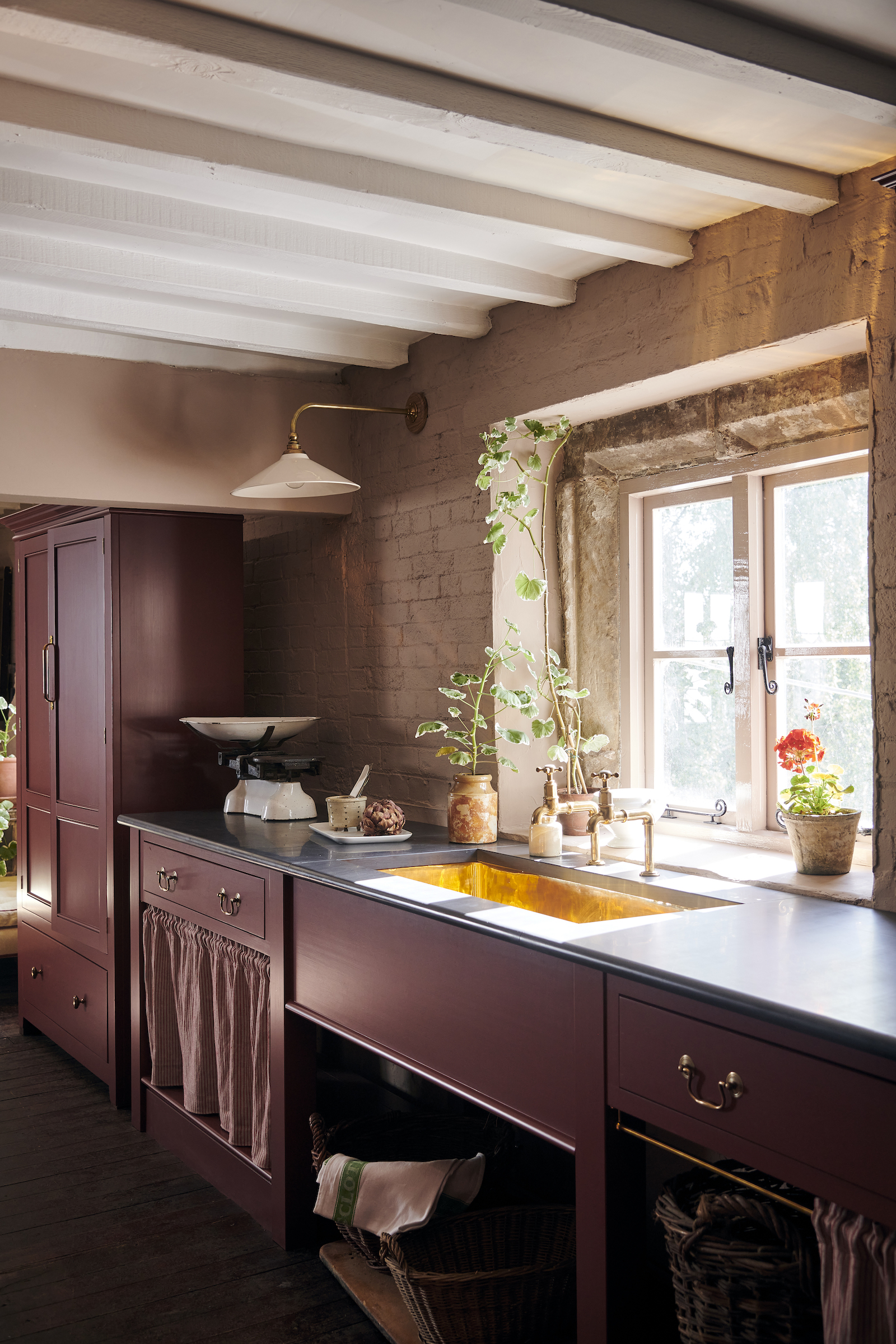
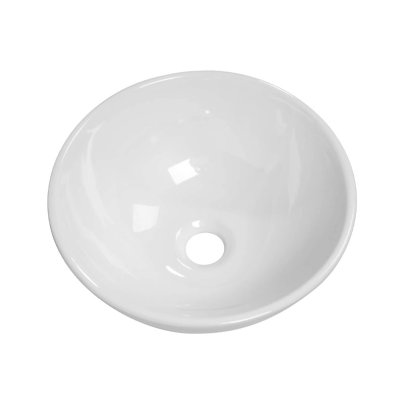
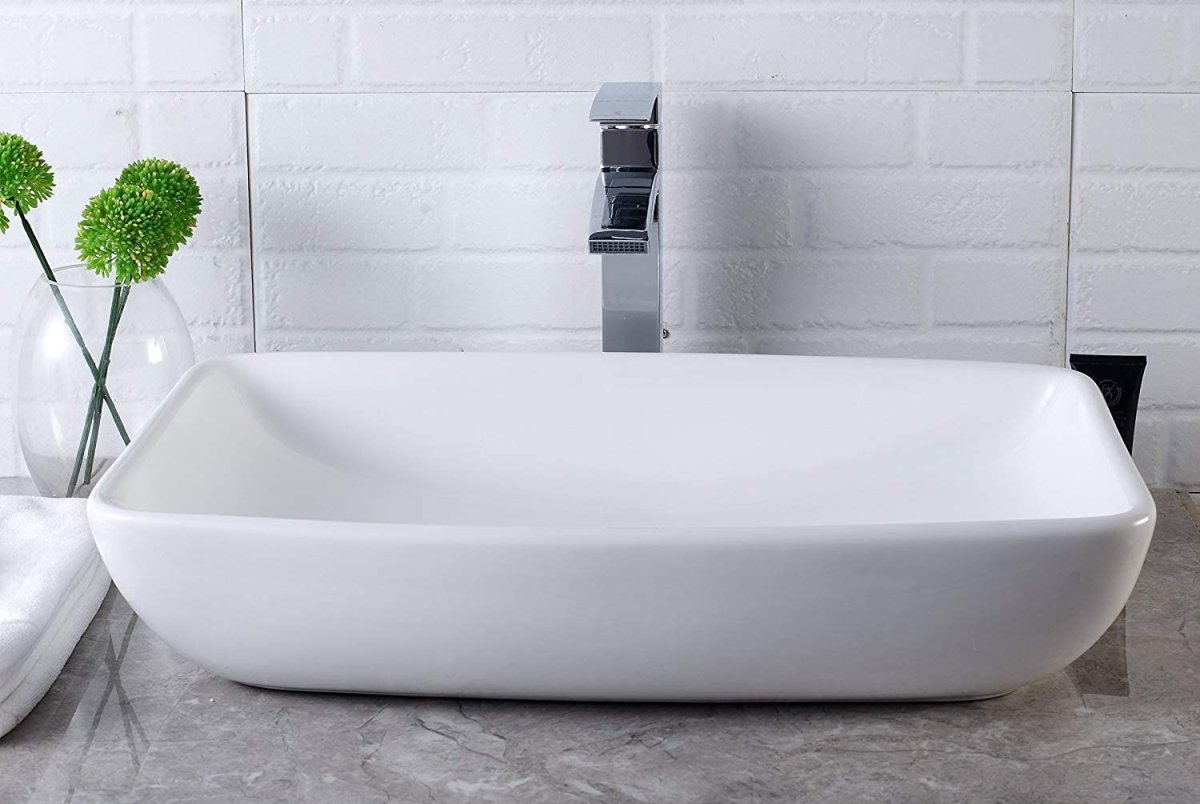
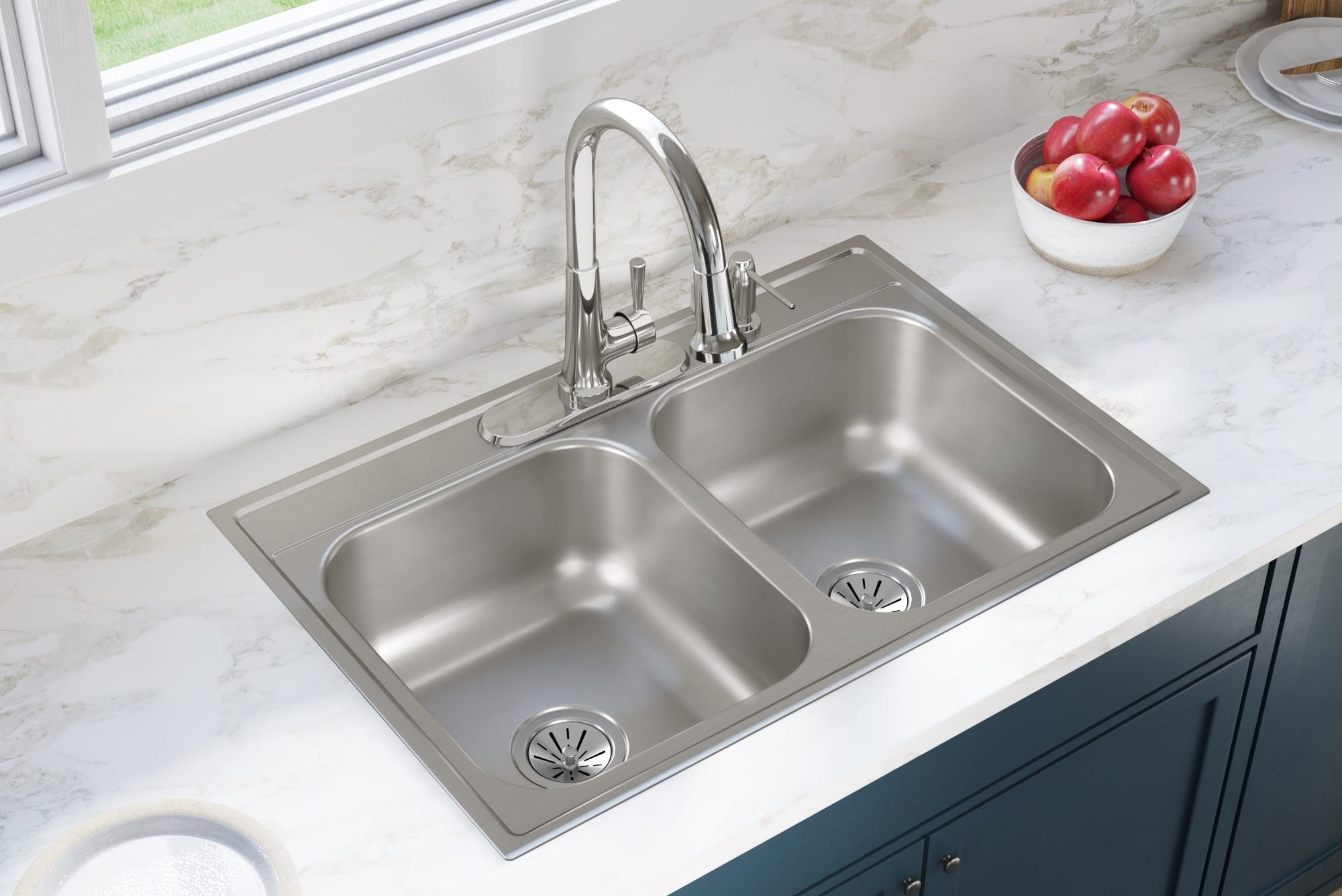
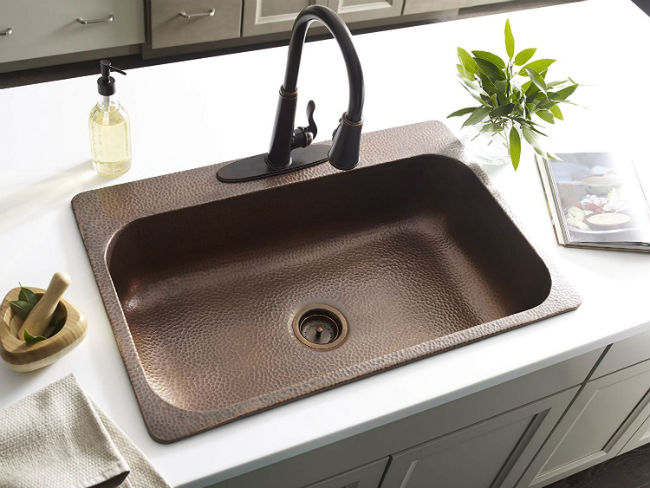
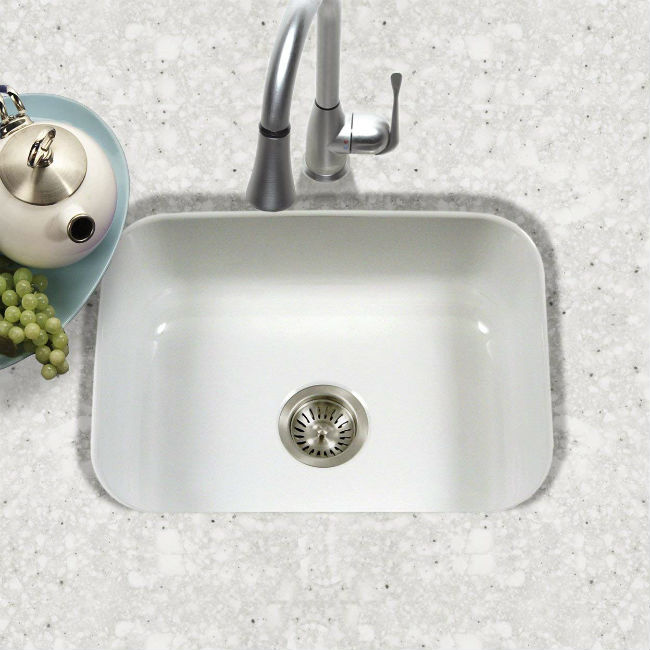
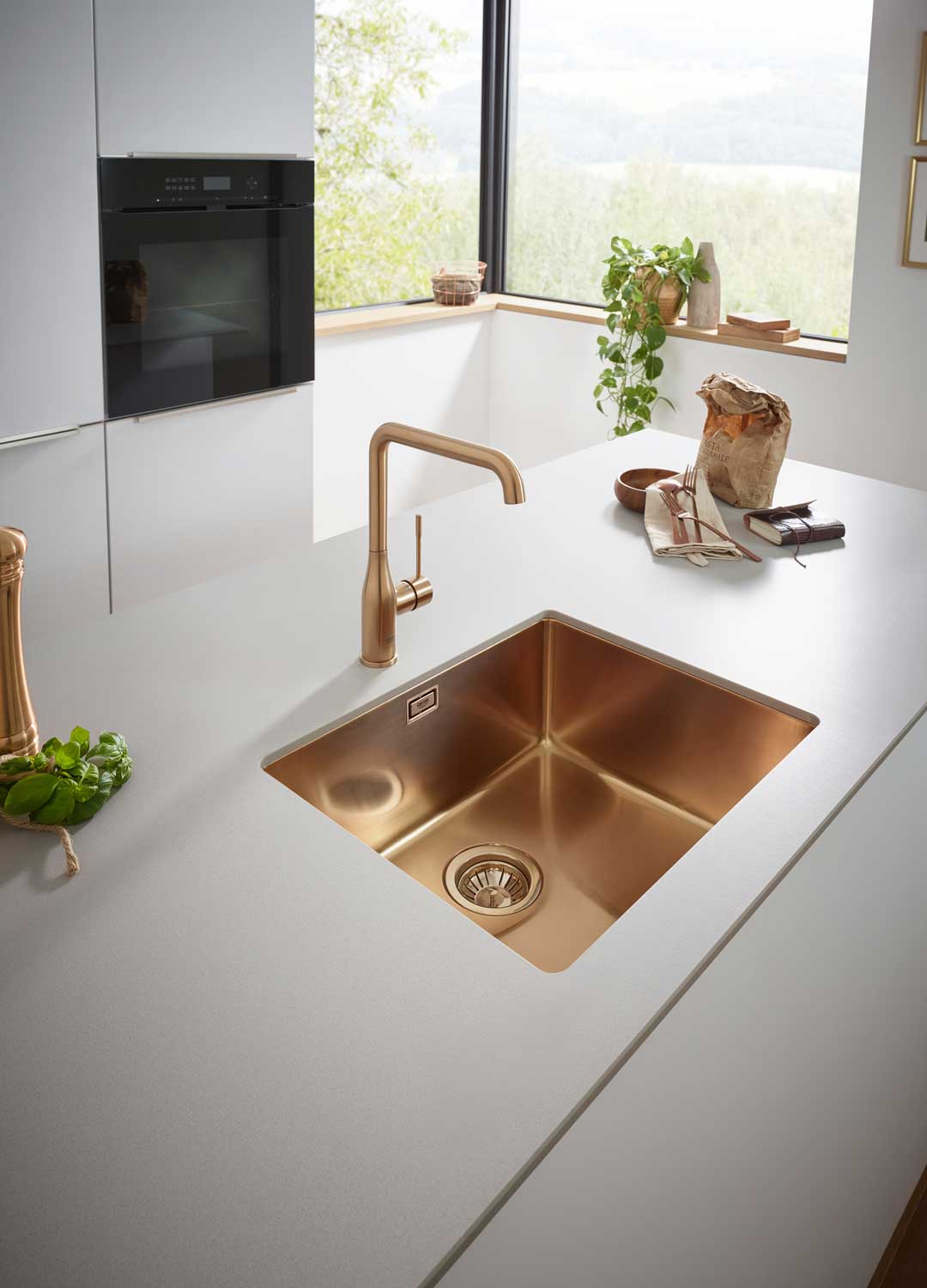
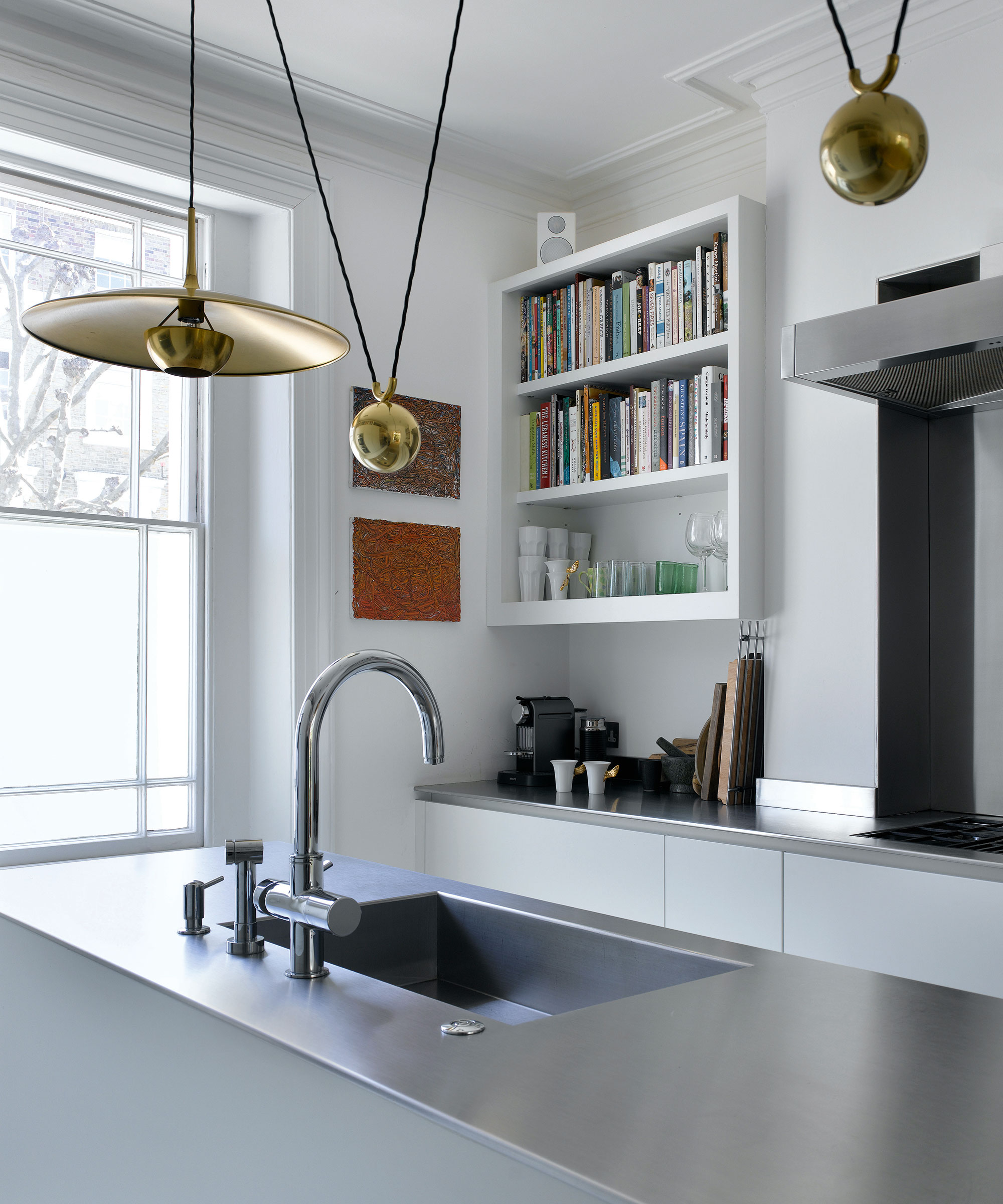
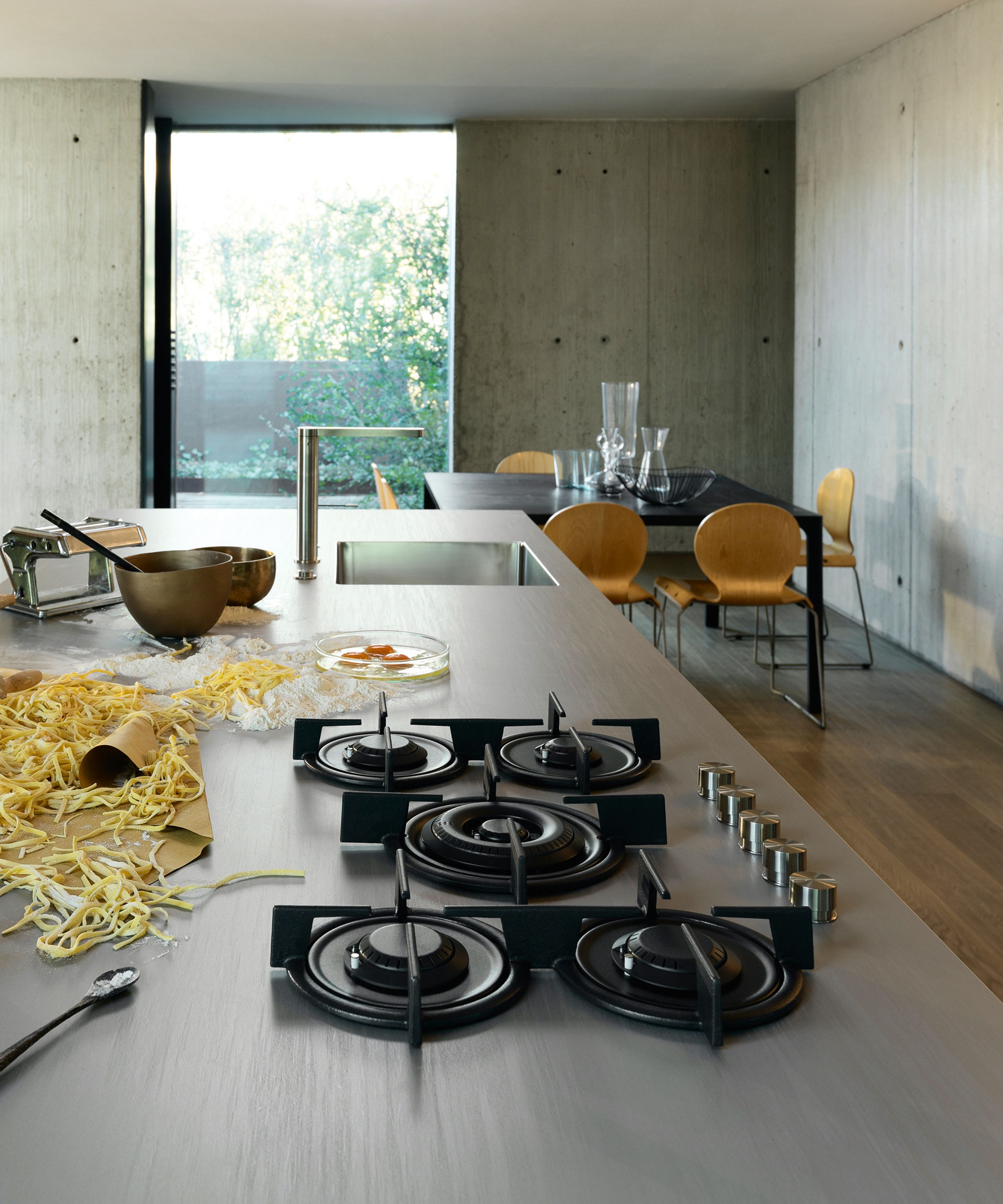
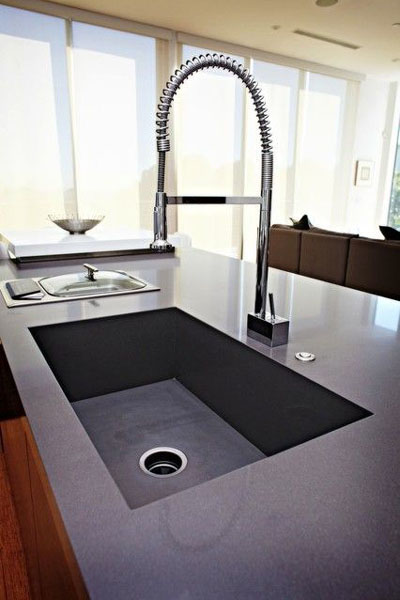
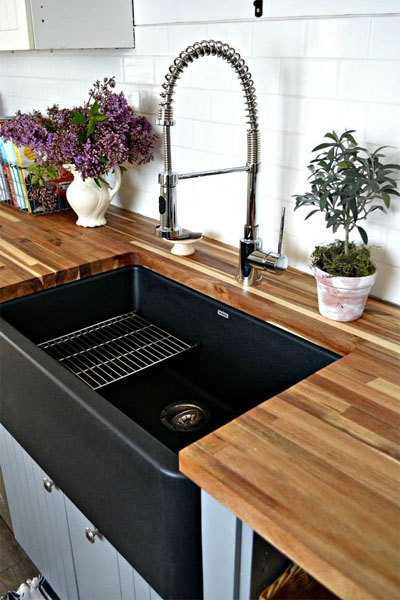
The initial step involves deciding on the sink material. Options range from ceramic and stainless steel to concrete and copper, each with distinct pros and cons regarding aesthetics, durability, and ease of cleaning. For functionality, stainless steel is a popular and affordable choice, noted for its durability and ease of maintenance. For a more upscale or custom look, granite composite or fireclay are recommended, though they come with a higher price and require more care. Concrete sinks offer durability and resistance to scratches, chips, and stains, while copper provides natural antimicrobial properties and develops a unique patina over time. The ultimate decision depends on individual priorities and kitchen usage patterns.
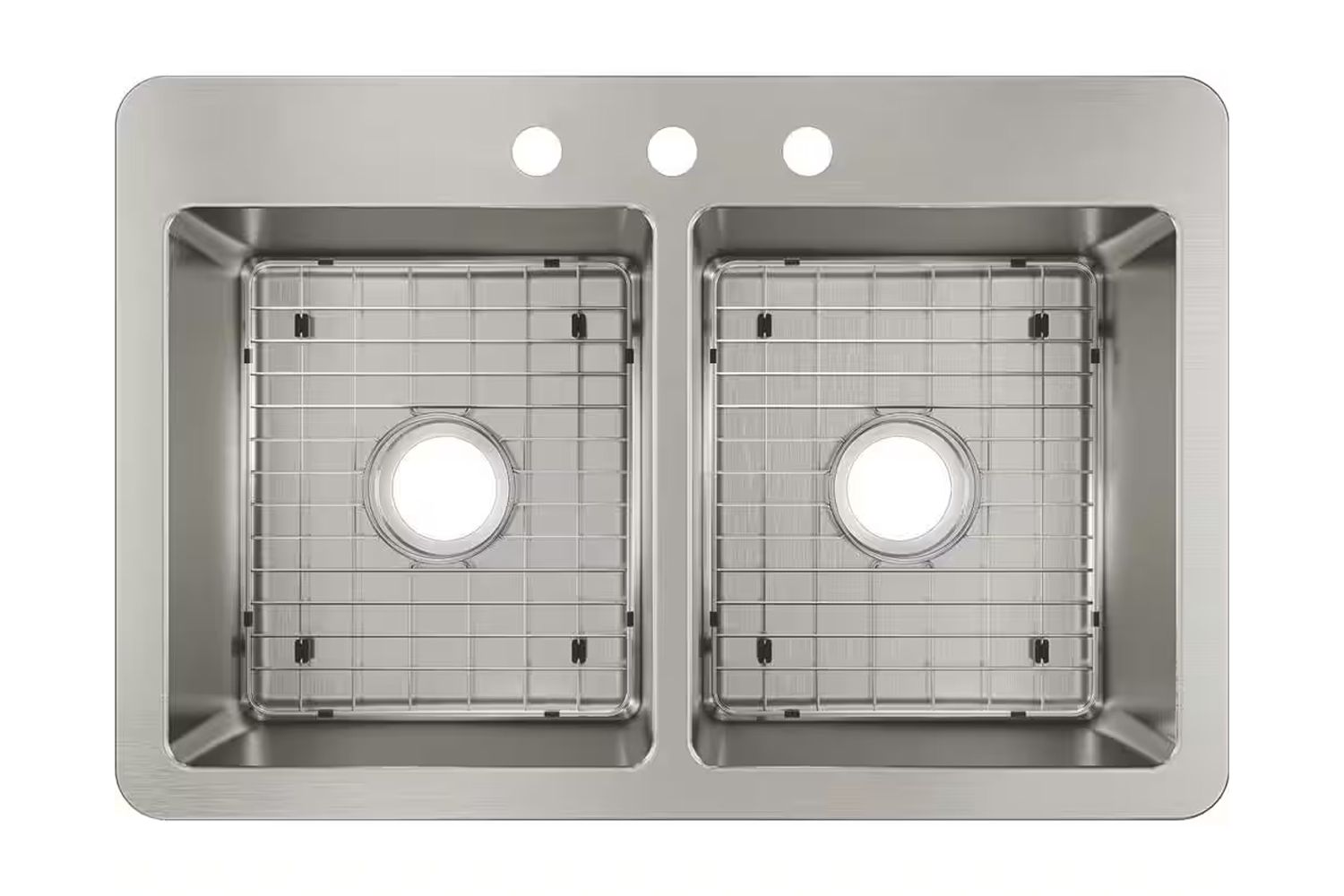
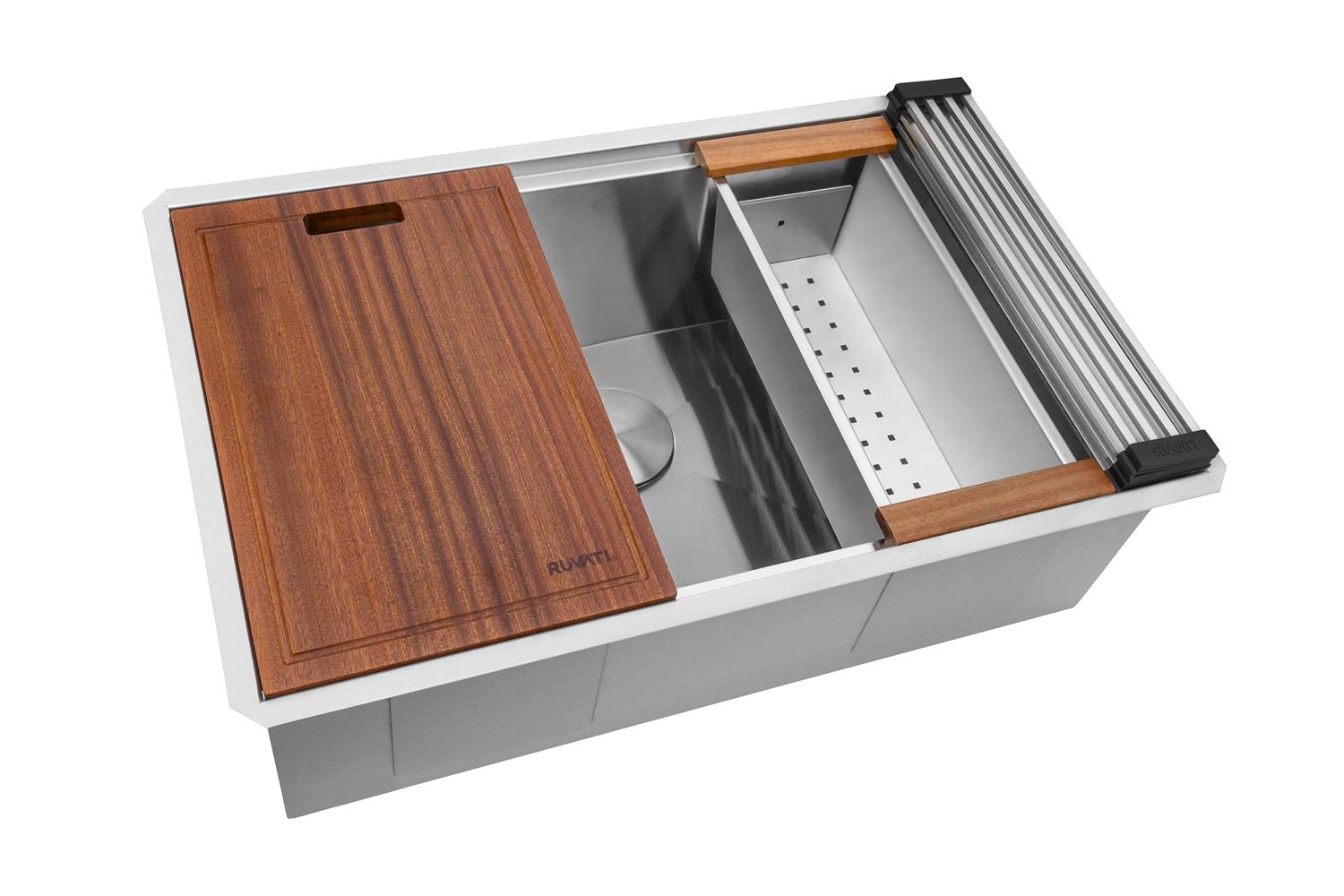
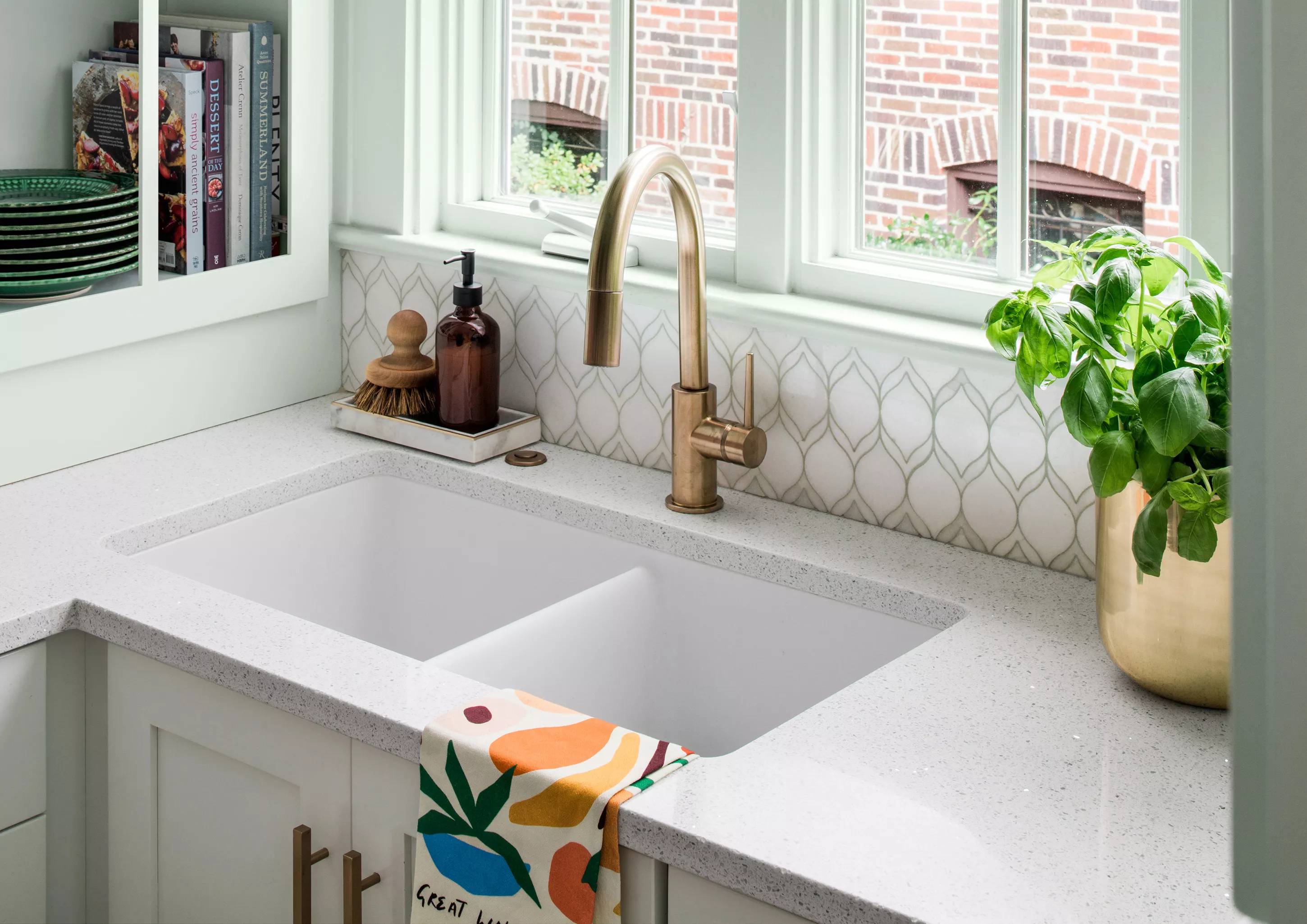
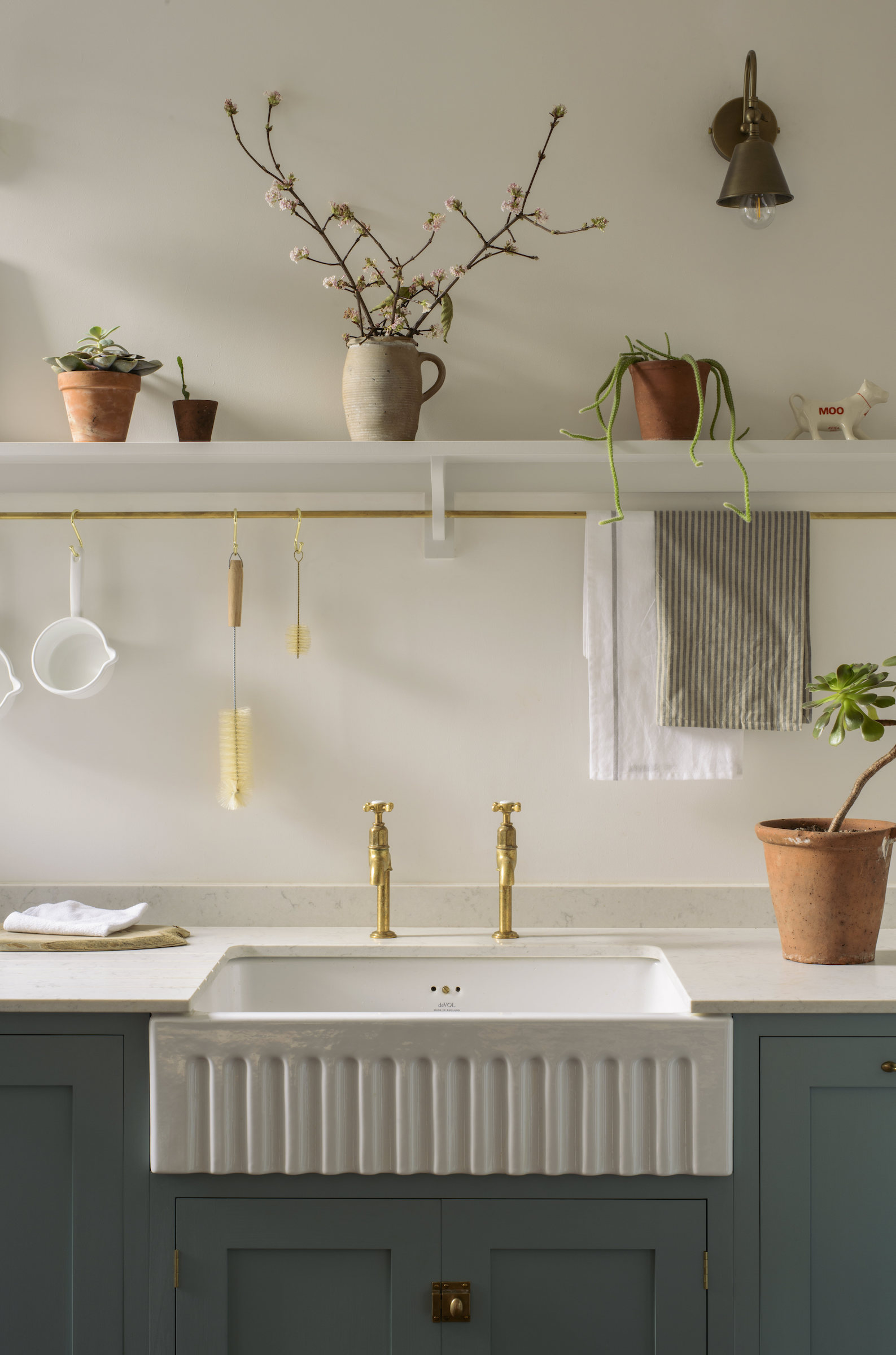
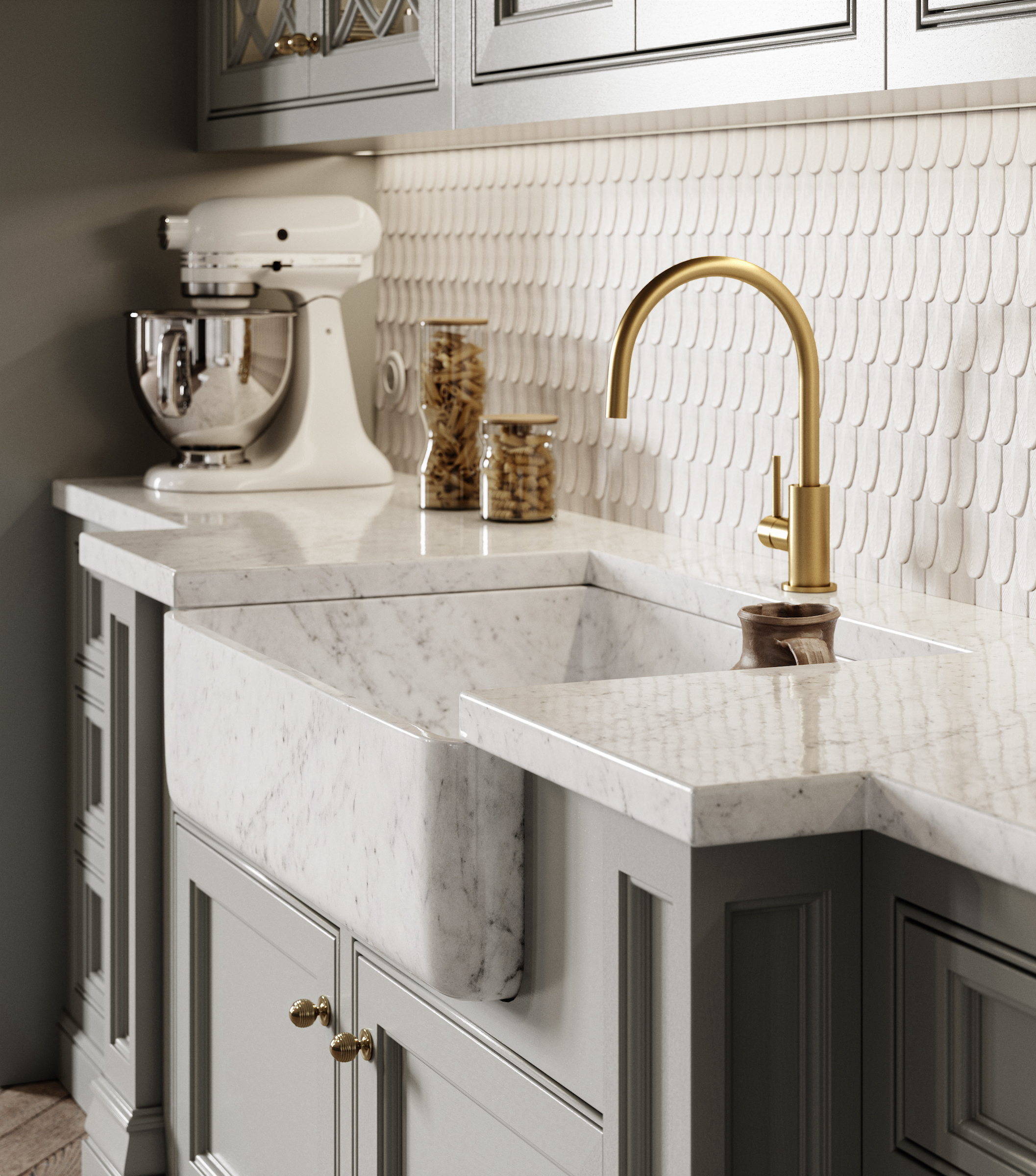
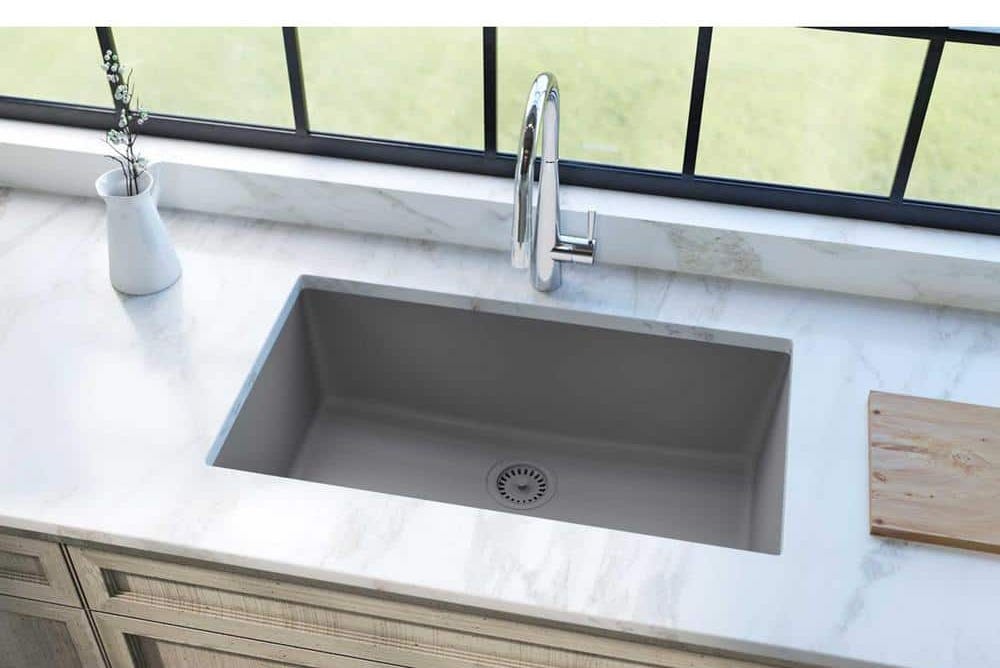
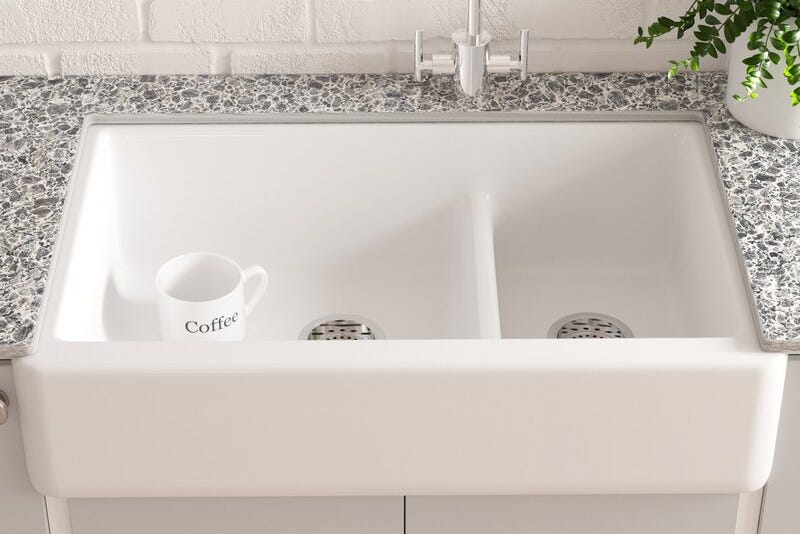
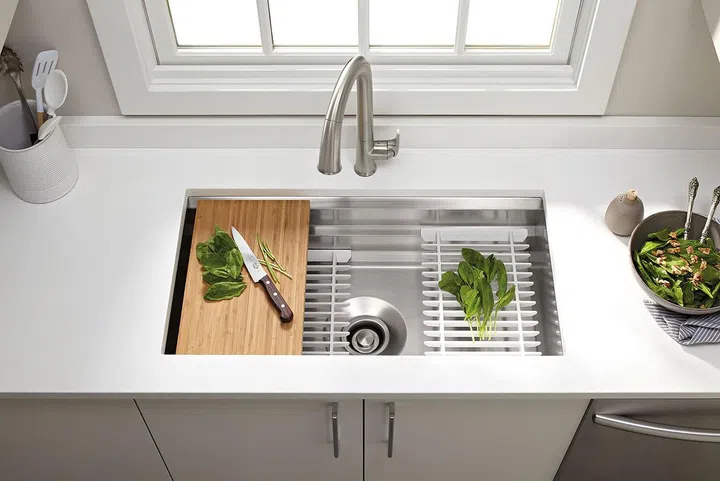
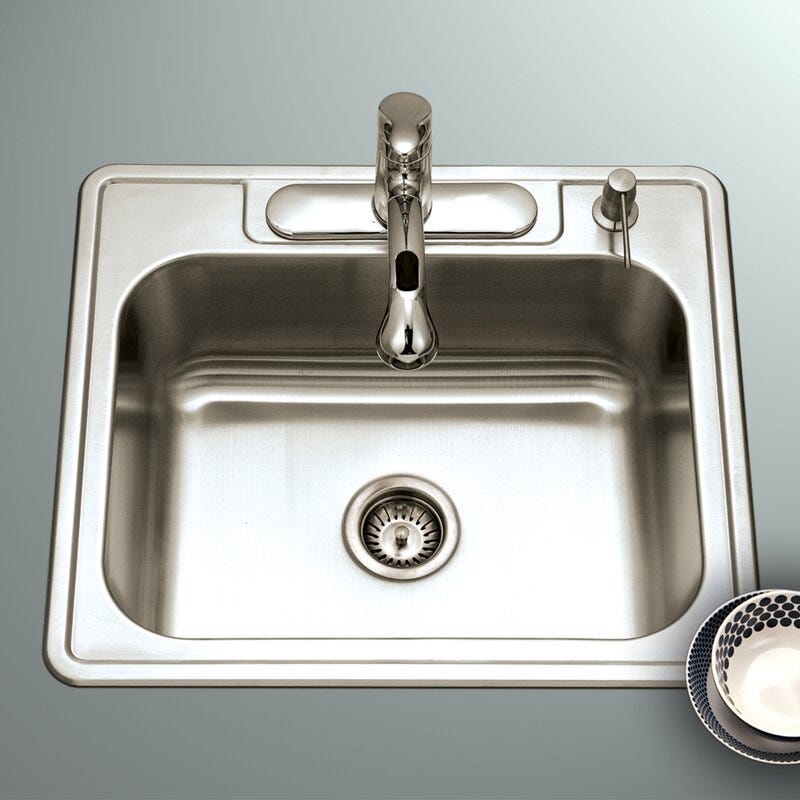
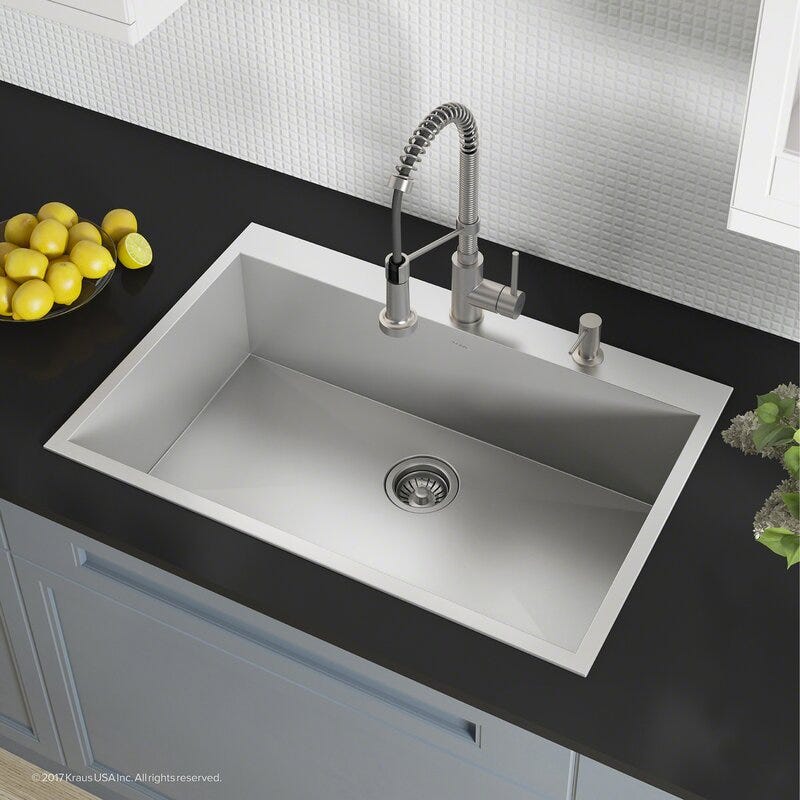
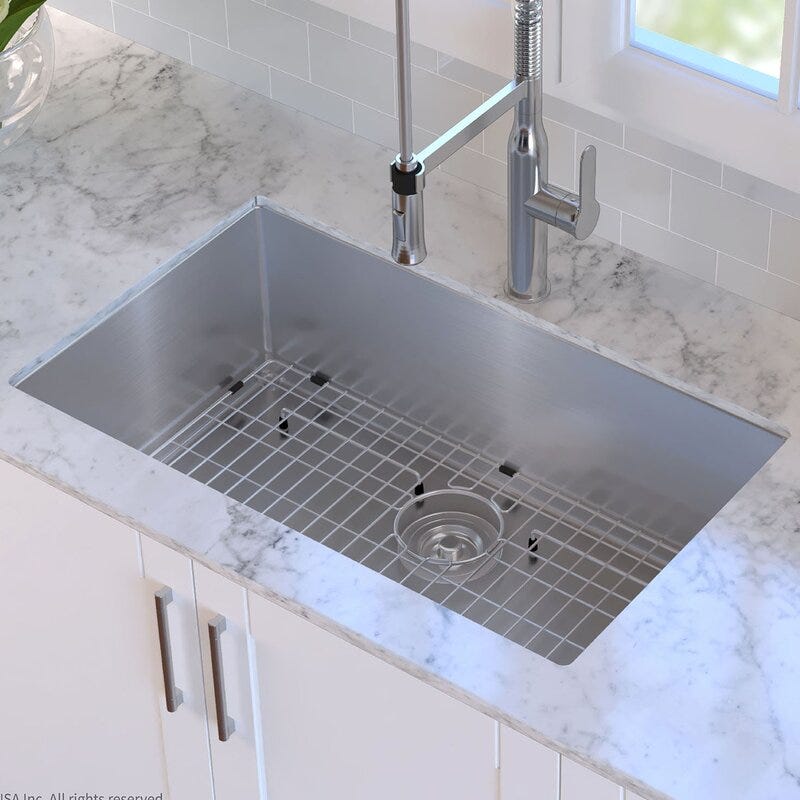
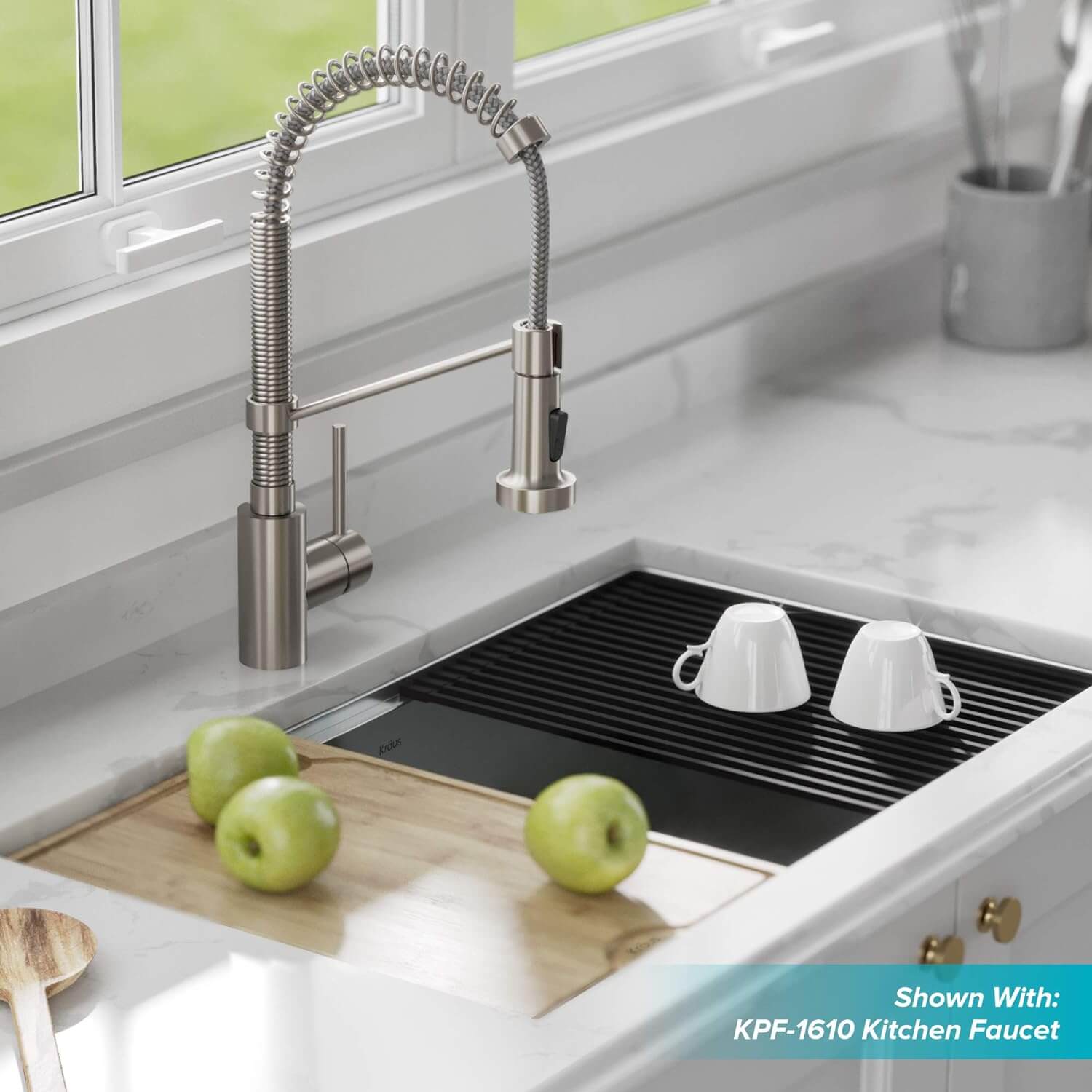
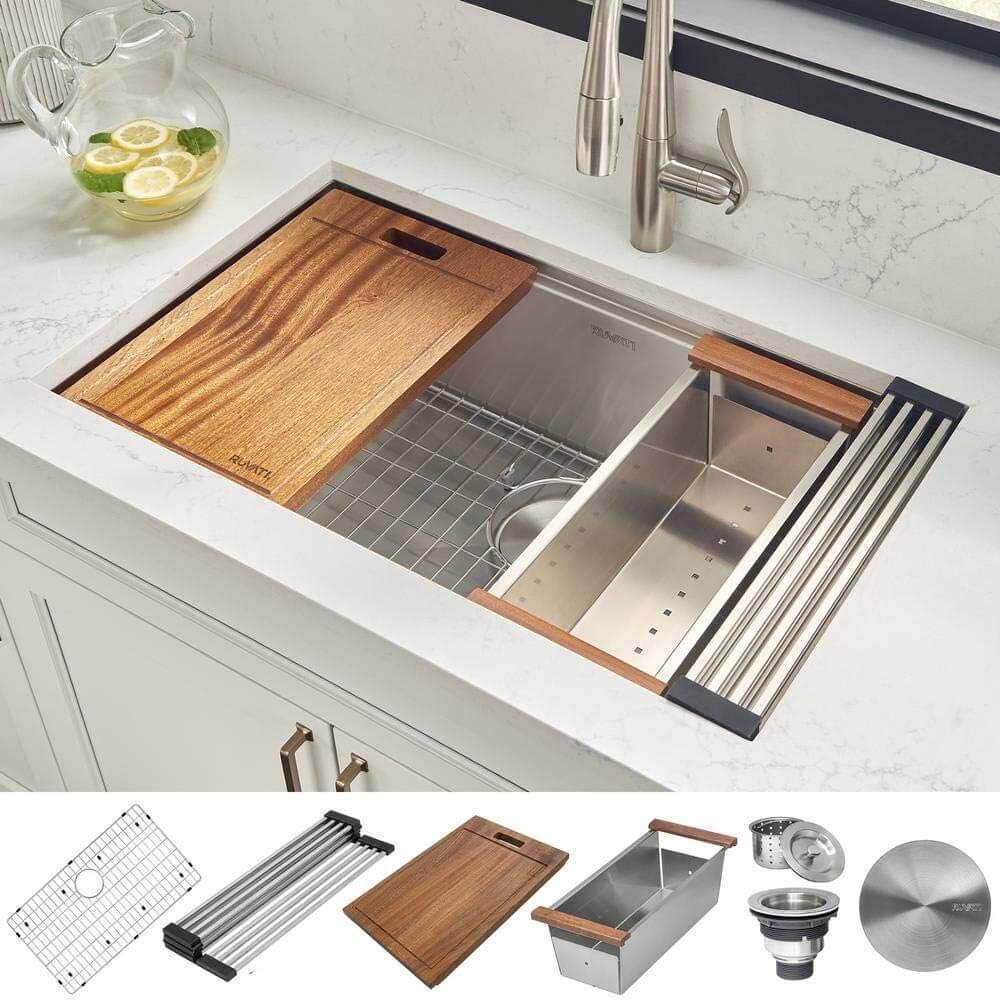
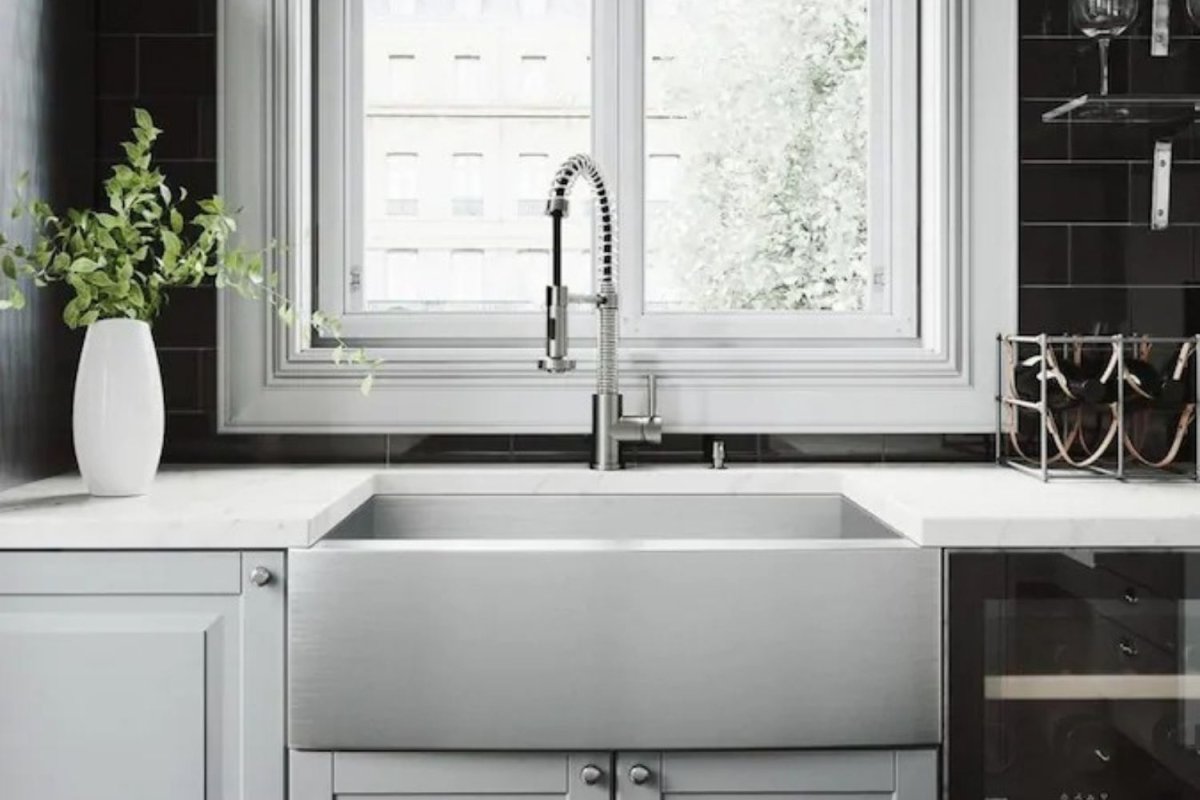
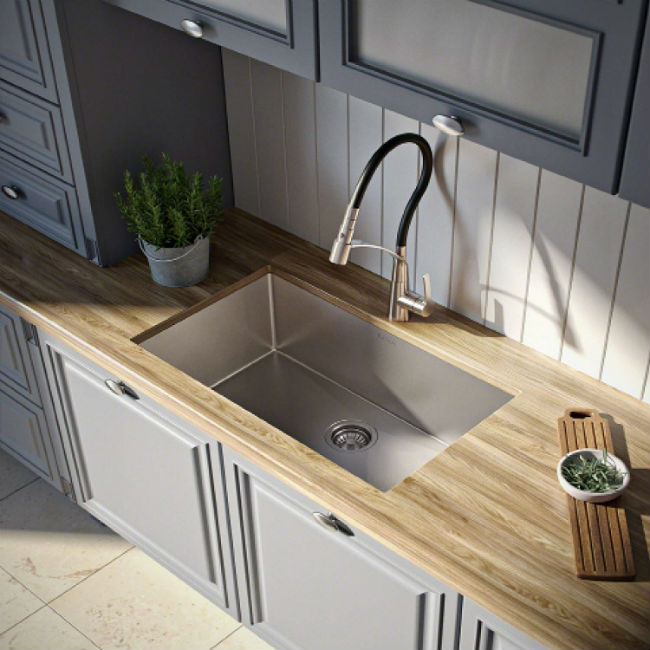
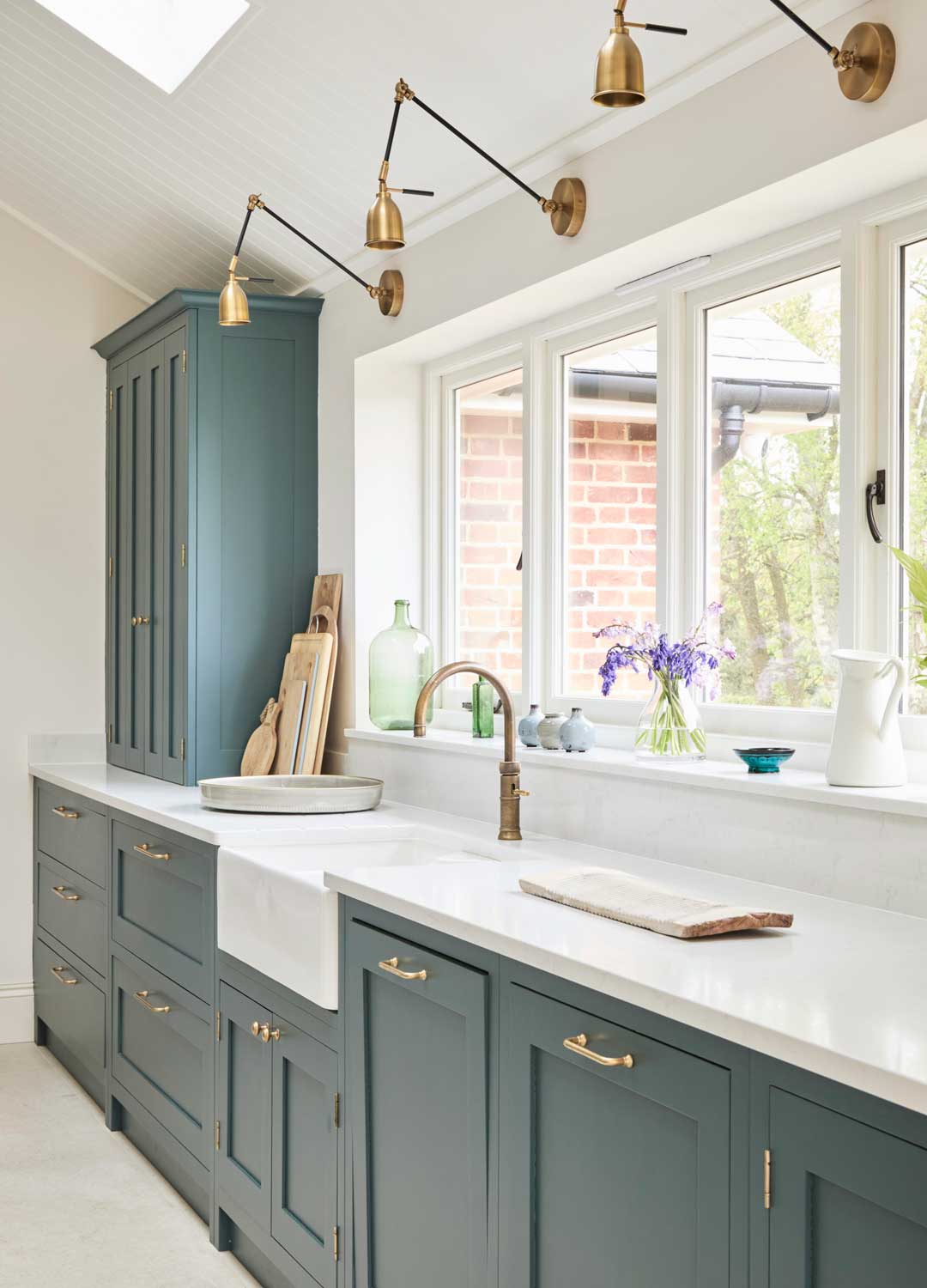
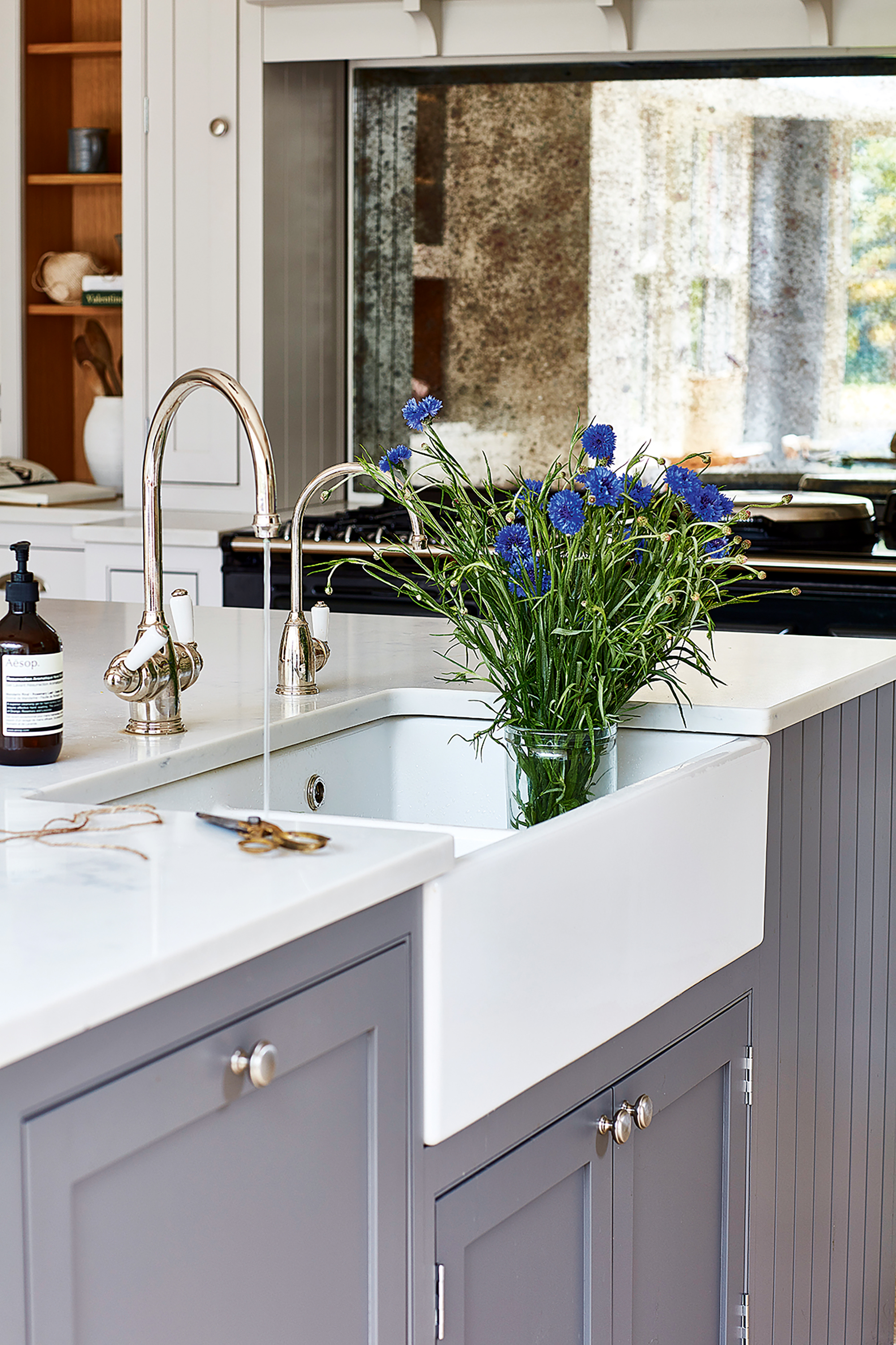
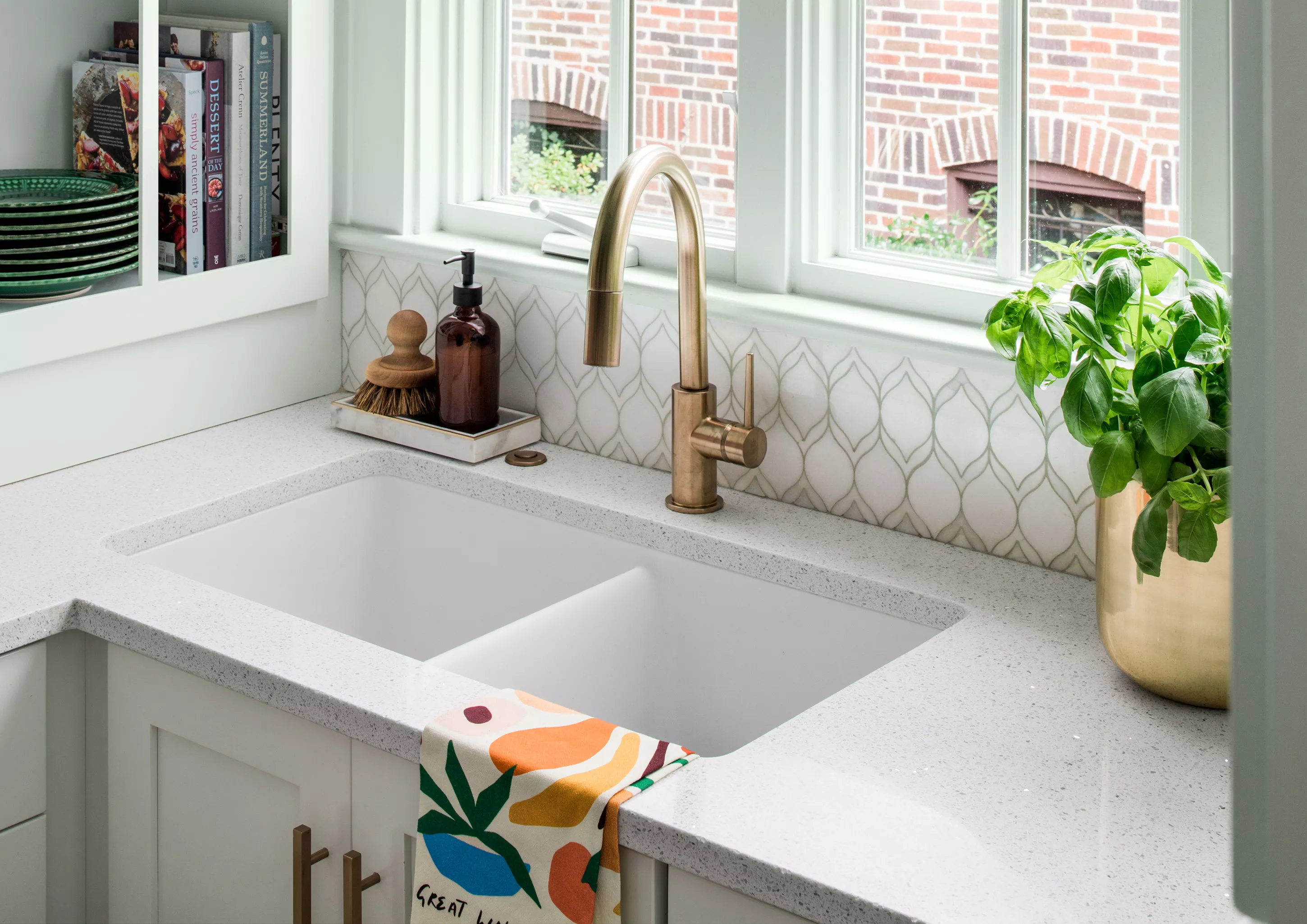
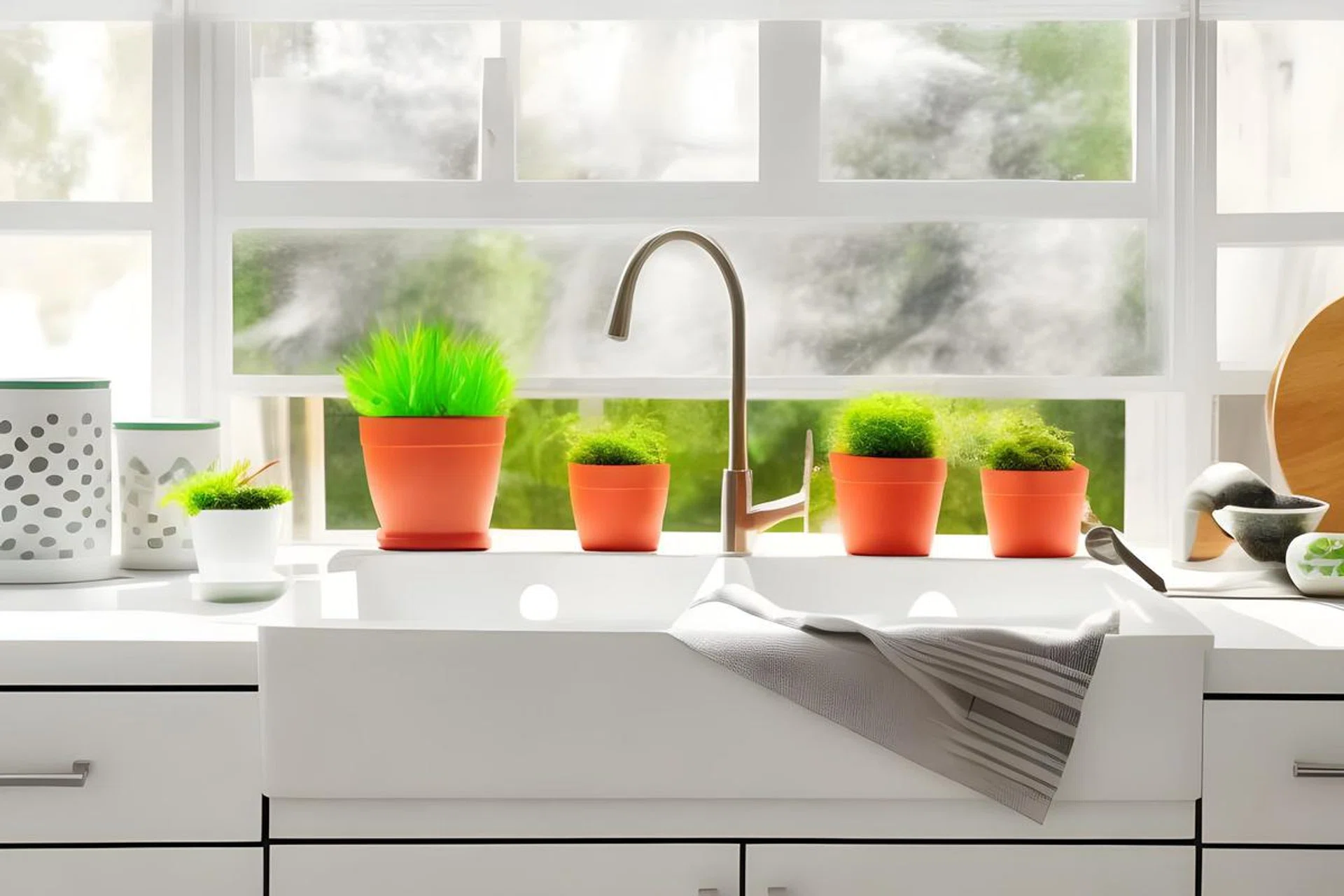
Next, selecting a sink style is essential, with common options being drop-in, undermount, and apron. Each style affects the kitchen's aesthetic, flow, and functionality, and compatibility with countertop materials is a key factor. Drop-in sinks, with a finished rim, are generally easier to install, especially with existing laminate countertops. Undermount sinks create a seamless countertop appearance and facilitate easy cleanup, best suited for solid surfaces like quartz or granite. Apron-front sinks, a type of undermount, are ideal for rustic or farmhouse designs, exposing the sink's front. When installing undermount or apron sinks, it is crucial to measure available lower cabinet space to accommodate mounting hardware and maintain storage.
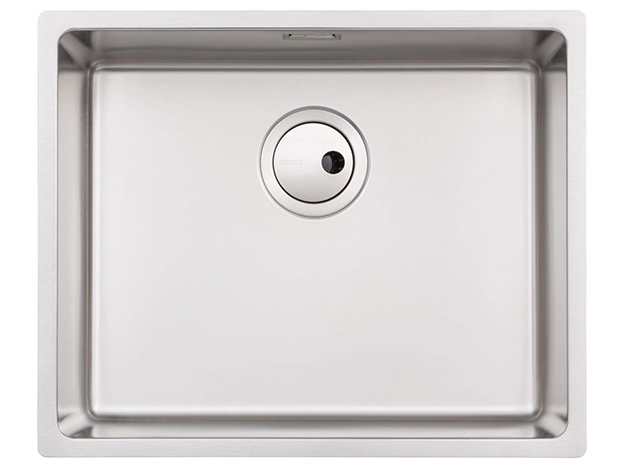
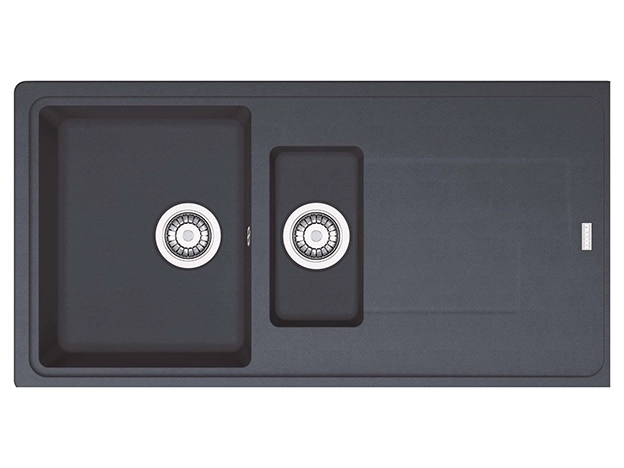
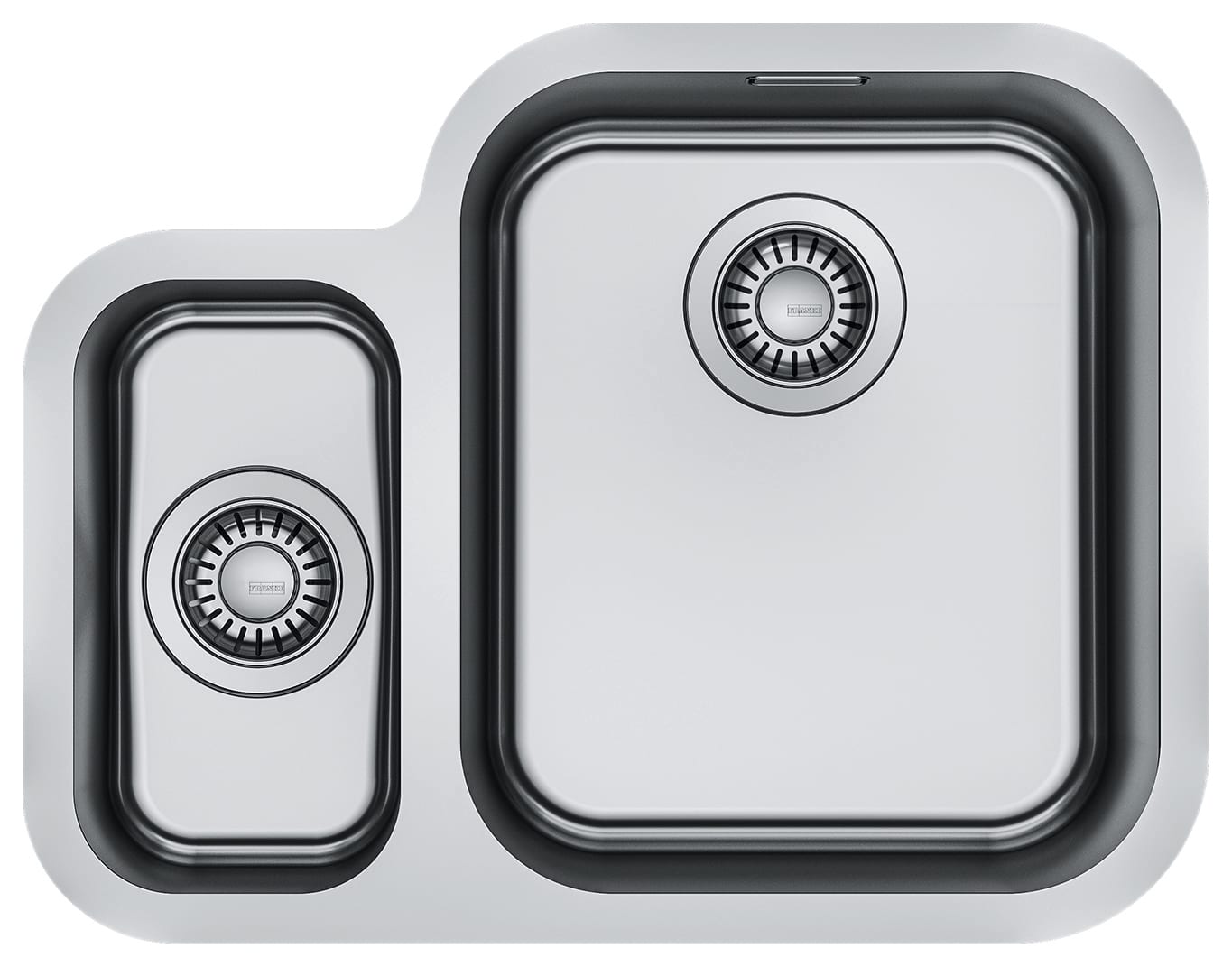
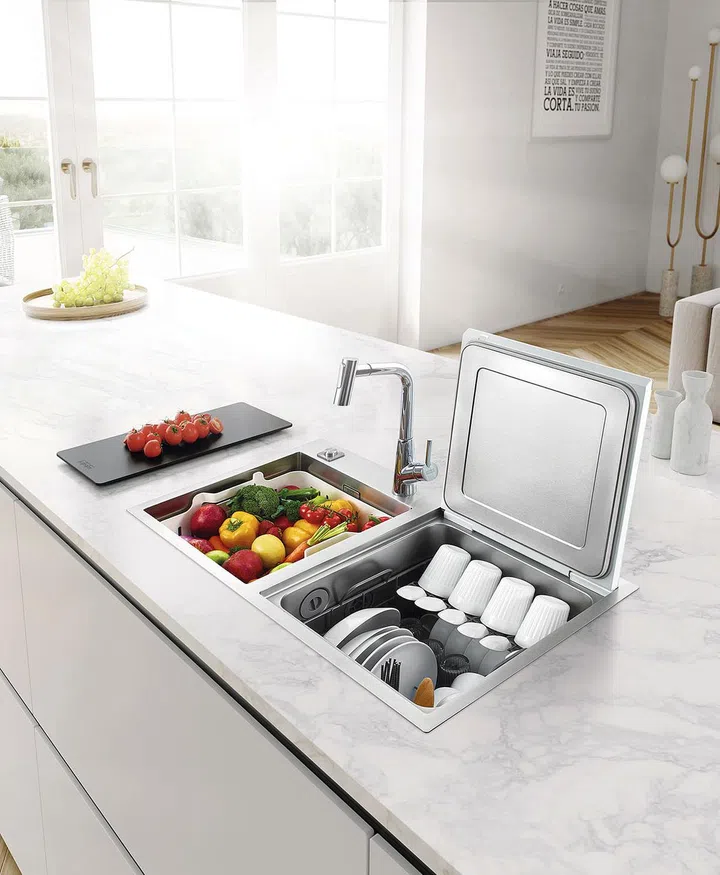
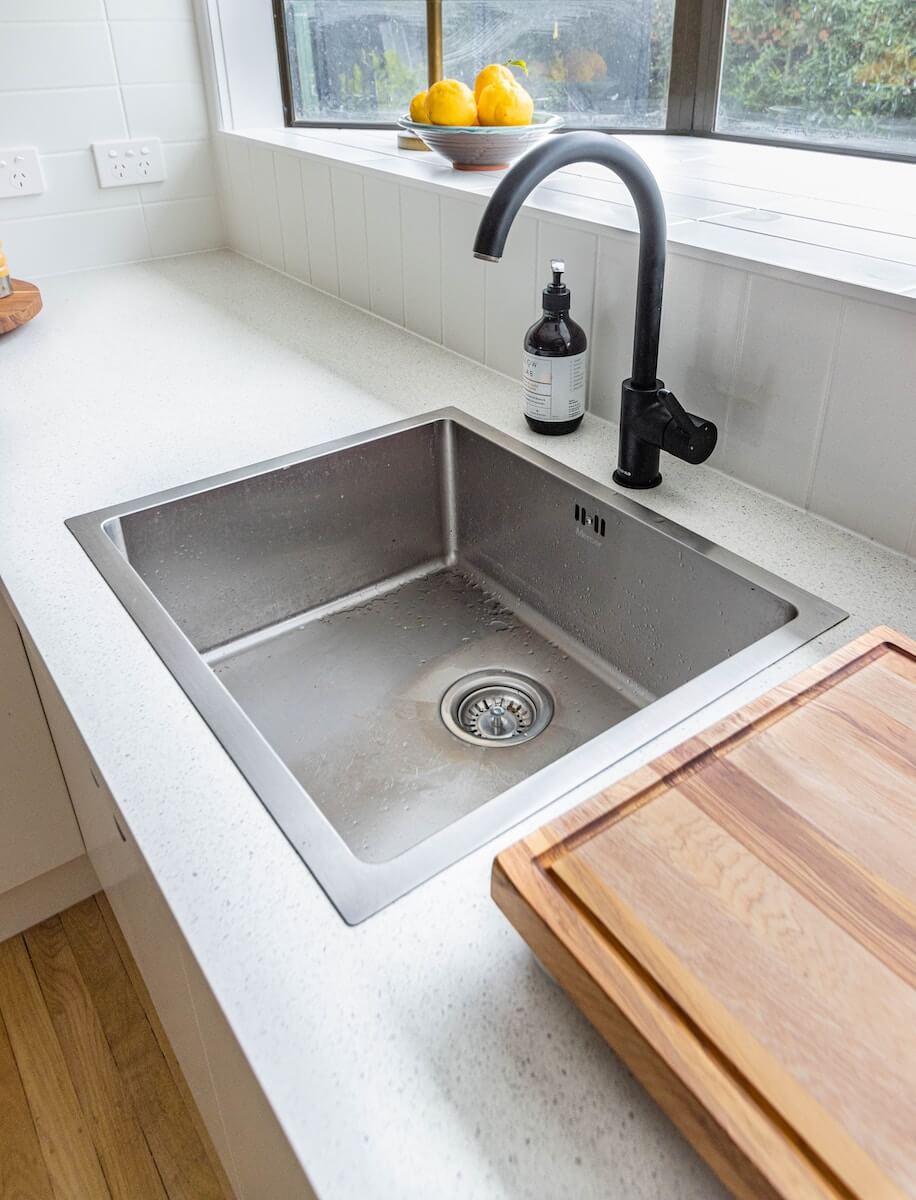
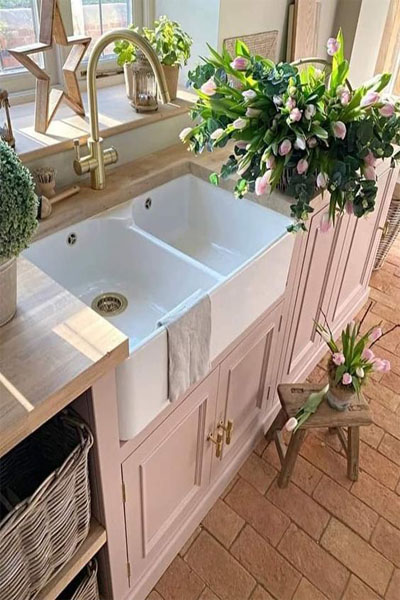
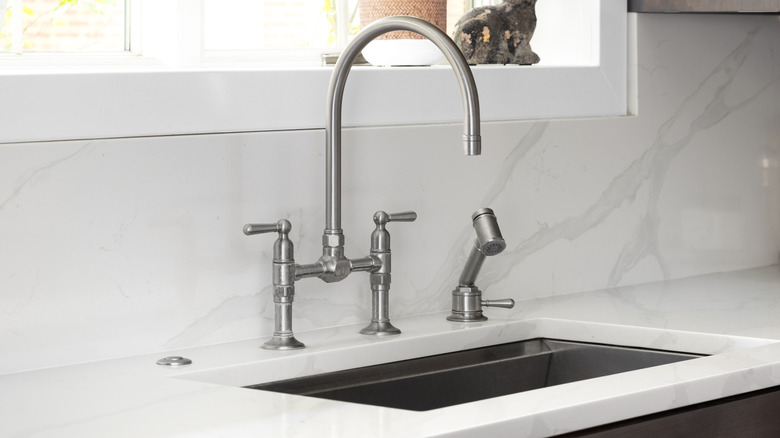
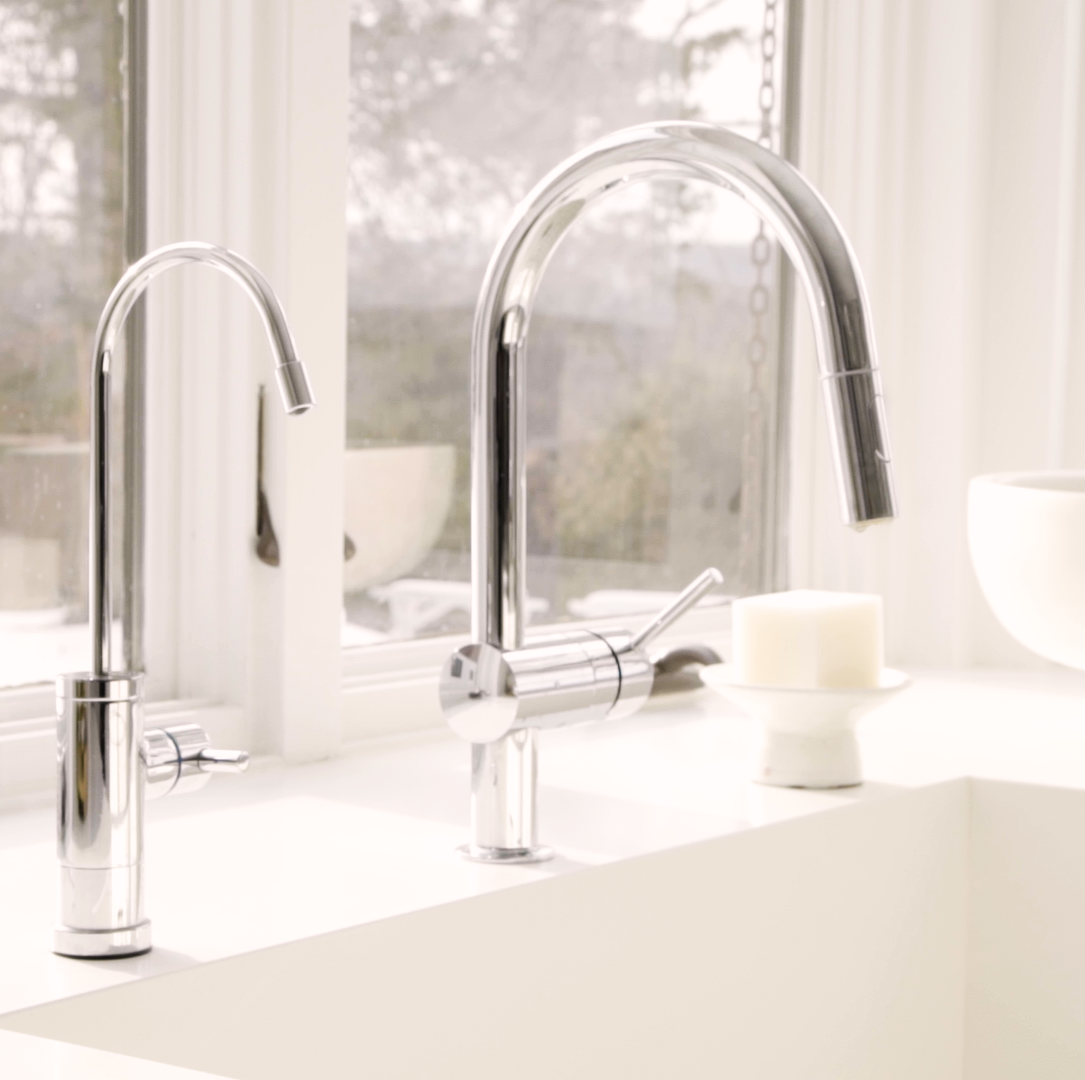
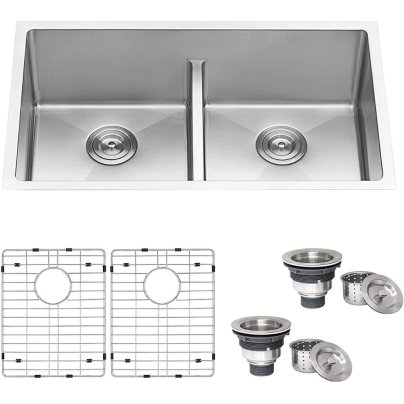
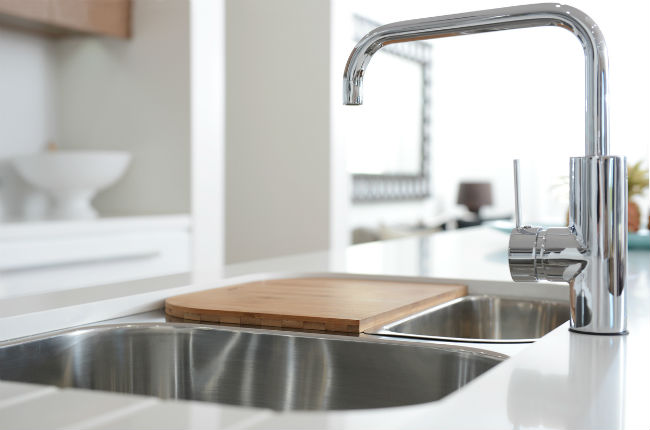
The number of holes in a sink, unrelated to drain holes, indicates the provisions for fixtures like faucets, sprayers, and soap dispensers. A single-hole sink is typically for an integrated faucet, while two or three holes allow for additional accessories such as side sprayers, soap dispensers, or filtered water taps. The choice between single- or double-basin sinks depends on kitchen size and user habits. Single-basin sinks offer a large, open space for oversized items and are easier to clean, making them suitable for smaller kitchens or those relying on dishwashers. Double-basin sinks are beneficial for those who entertain or handwash dishes, allowing one side for disposal and clearing, and the other for washing. For double-basin sinks, an uneven split, such as a 60/40 ratio, is often recommended to provide a larger basin for washing big pots while keeping the other side free.
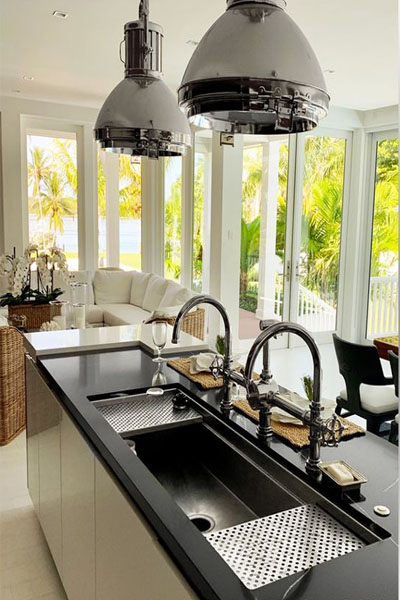
Sink depth is another critical consideration. While some sinks are shallow (around 6 inches), others can be nearly a foot deep. Deeper sinks can hide cookware and accommodate larger items, beneficial for serious cooks or open-concept spaces. However, very deep sinks can cause back strain, especially for shorter individuals, making shallower options (7-8 inches) more ergonomically friendly. The overall kitchen design should guide the sink choice, ensuring it complements the desired aesthetic without sacrificing functionality. An additional prep sink might be considered for large kitchens or those who entertain frequently. Drain location also impacts cabinet space and plumbing efficiency; an offset or rear drain provides more usable under-sink storage compared to a central drain. Finally, accurate measurements are paramount to ensure a perfect fit, with a general rule of leaving 3 inches of space on either side of the sink for mounting hardware. It is advised to select the faucet before purchasing the sink to ensure compatibility in terms of height and handle configuration. For larger kitchens, a 45-inch or wider sink can accommodate two faucets, significantly enhancing functionality for multiple users. Accessories like garbage disposals, hot water taps, and high-quality drain strainers can further improve the sink's utility, with strainers being particularly important for preventing plumbing issues. It is crucial to avoid rushed decisions, prioritizing practicality and durability over fleeting trends, and considering professional installation for proper connection and function for years to come.
#KitchenSink #HomeRenovation #KitchenDesign #SinkMaterials #SinkStyles #KitchenFixtures #DrainLocation #KitchenRemodel #InteriorDesign #HomeImprovement #KitchenSink #HomeRenovation #KitchenDesign #SinkMaterials #SinkStyles #KitchenFixtures #DrainLocation #KitchenRemodel #InteriorDesign #HomeImprovement
0 comment in total
 No comments yet
You may also like
Don't buy a bathroom sink without reading this first - the expert guide to picking the perfect one

The best 5 kitchen sink materials – and how to choose the best type and design for your home


The Most Popular Kitchen Sink Styles to Transform Your Space


Our Favorite Kitchen Sinks Keep Your Workspace Efficient Without Sacrificing Style

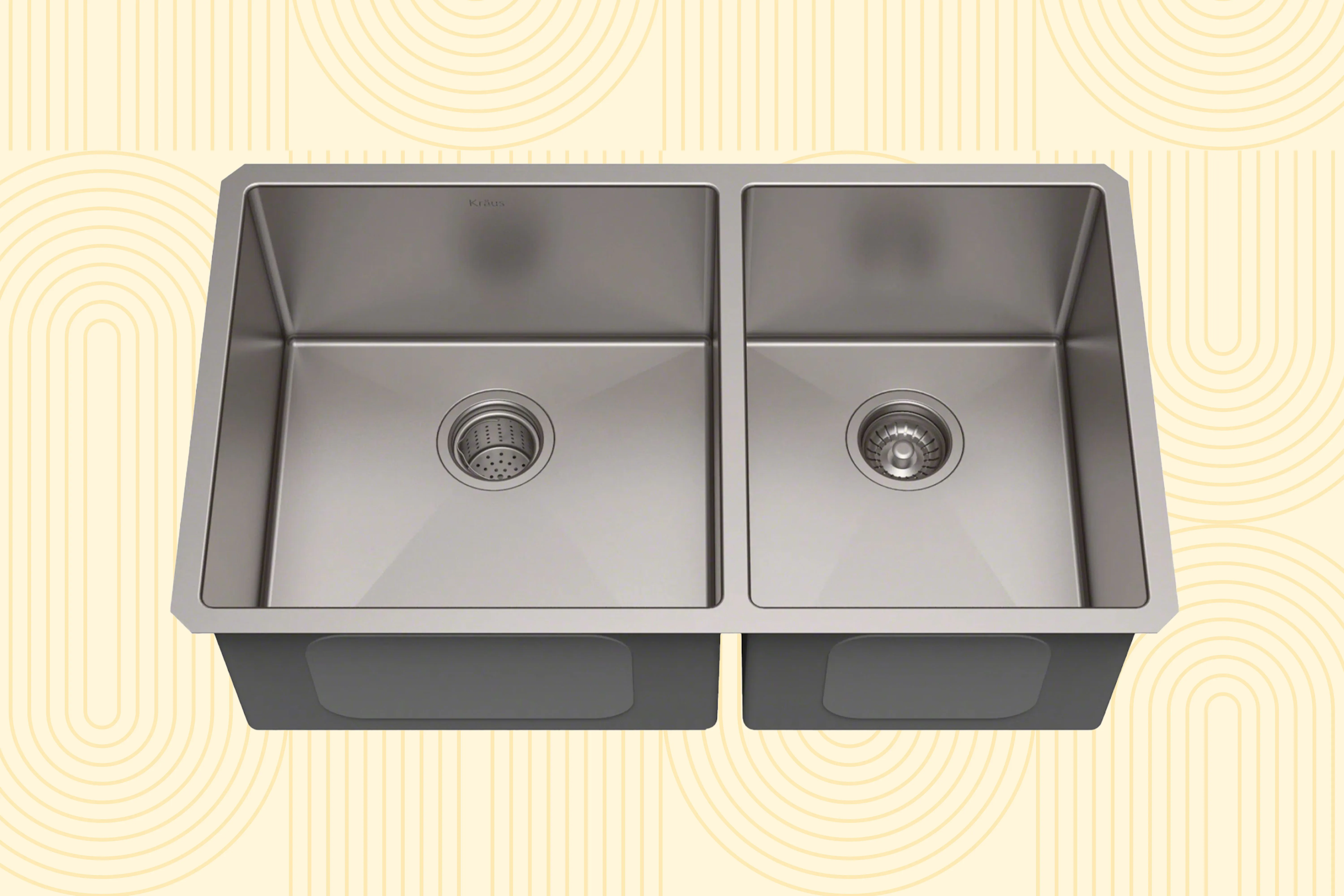
The Best Kitchen Sinks for Your Home, Based on Sink Style

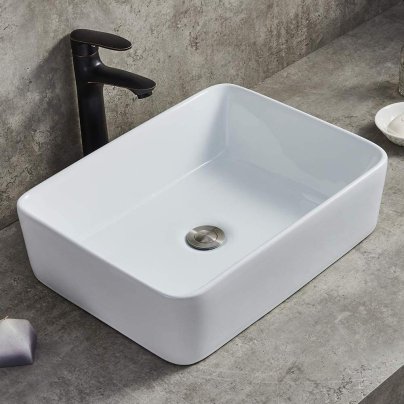
The Best Bathroom Sinks

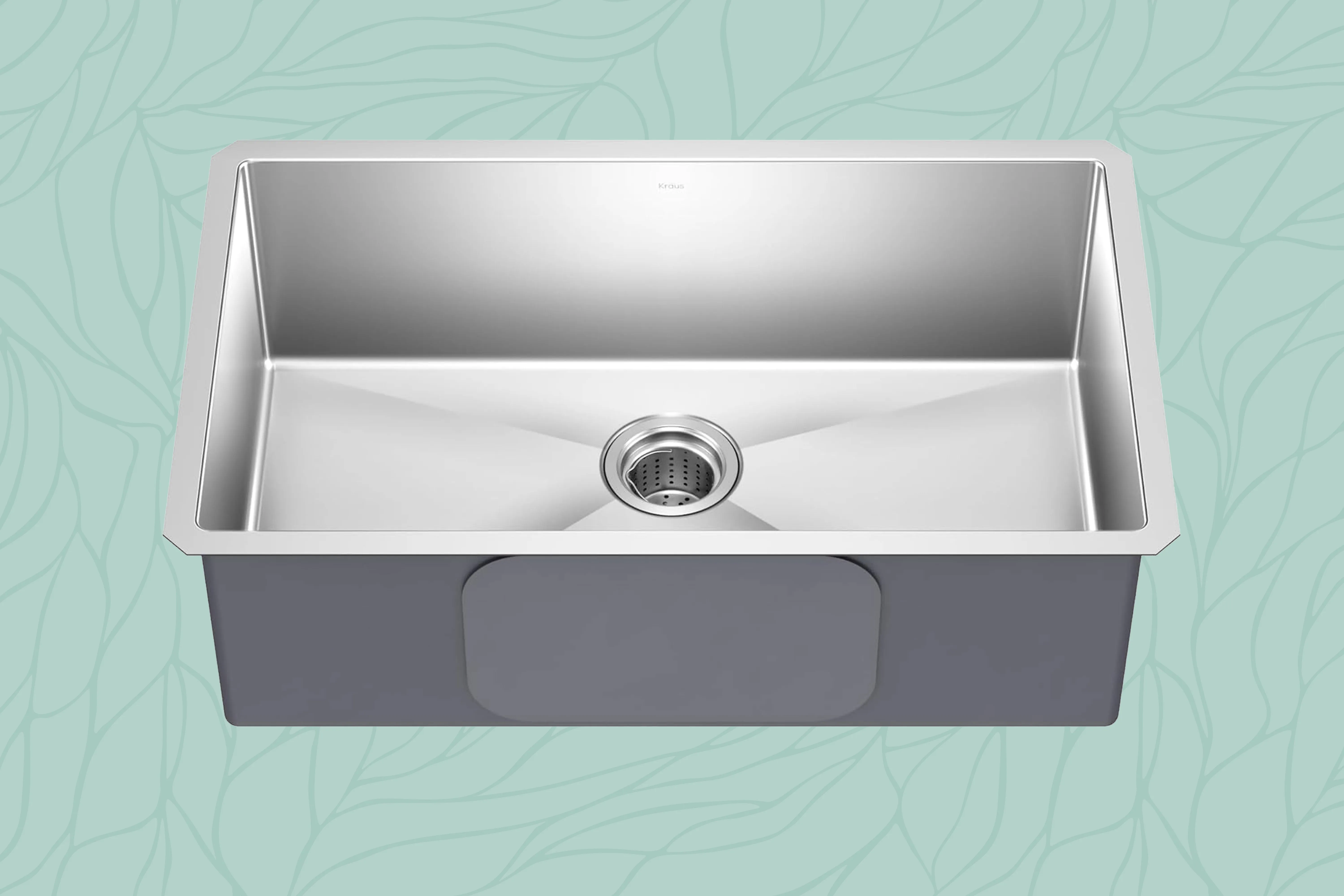
6 Kitchen Sinks Worth Upgrading to in 2026
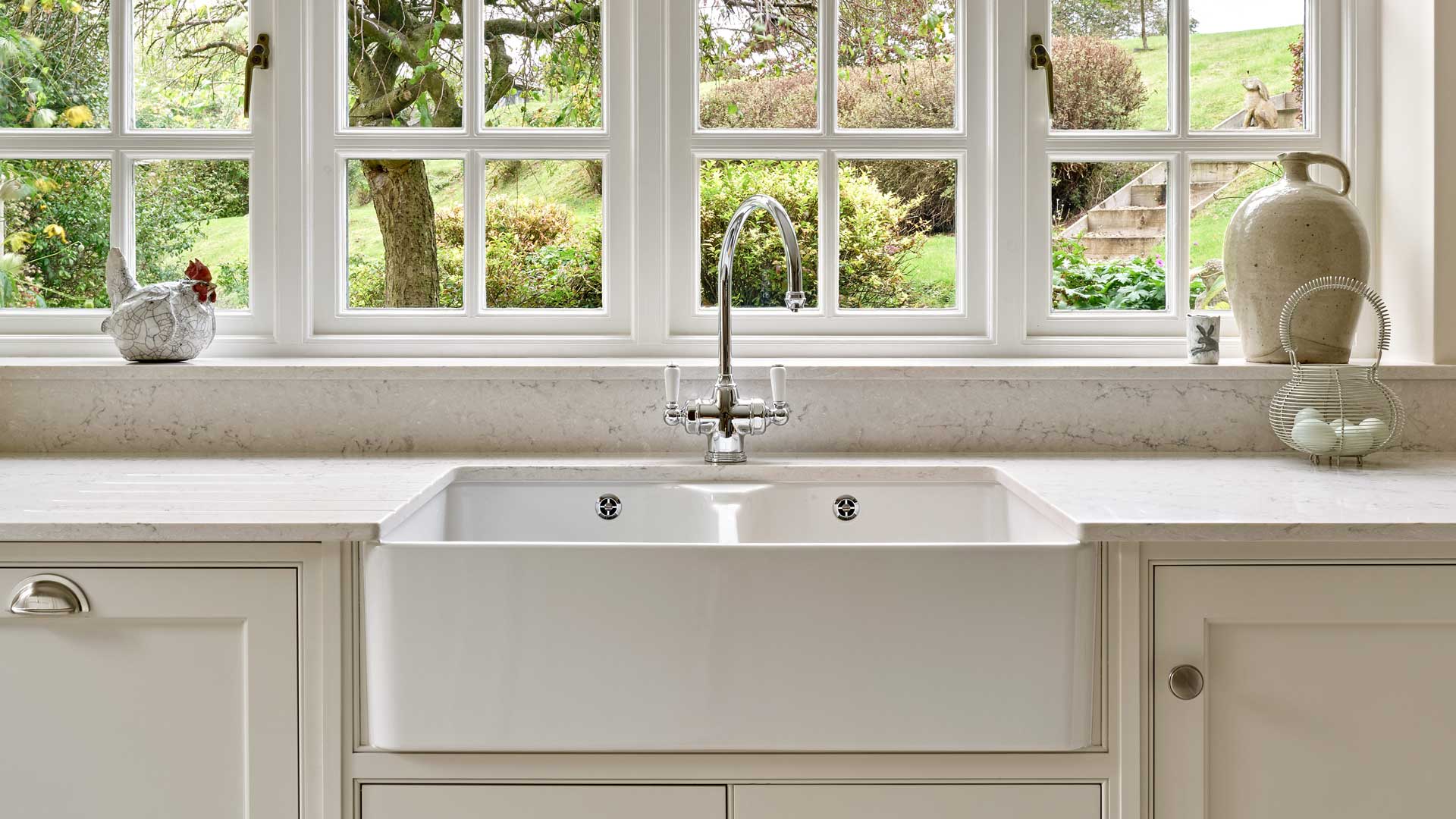
Where should a sink be in a kitchen? Designers share advice on placement for maximum efficiency

Kitchen Sinks

The 5 Best Kitchen Sinks
Best Kitchen Sinks: Top 5 Models Most Recommended By Design Experts

Should kitchen islands have a sink? Experts agree on this definitive answer
Our Complete Guide to Types of Sinks (And When to Choose Each One)
These Top-Rated Sinks Will Instantly Upgrade Your Kitchen

Our Favorite Kitchen Sinks Are As Functional As They Are Beautiful

20 Simple and Latest Kitchen Sink Designs for 2024

All Kitchen Sinks
10 Best Kitchen Sinks in Singapore: Hansgrohe, IKEA, Franke, Zuhne
Stylish, Stain-Resistant, or Both: Which Type of Kitchen Sink Is Right for You?
At Home Living: Find the kitchen sink you will never throw out