1/2
Our Complete Guide to Types of Sinks (And When to Choose Each One)
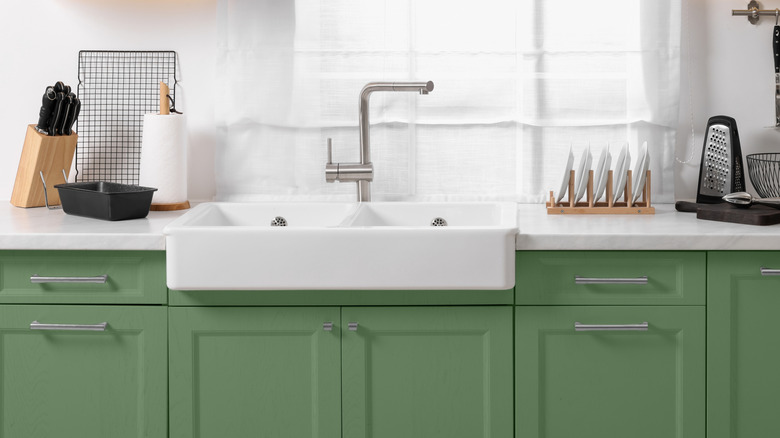
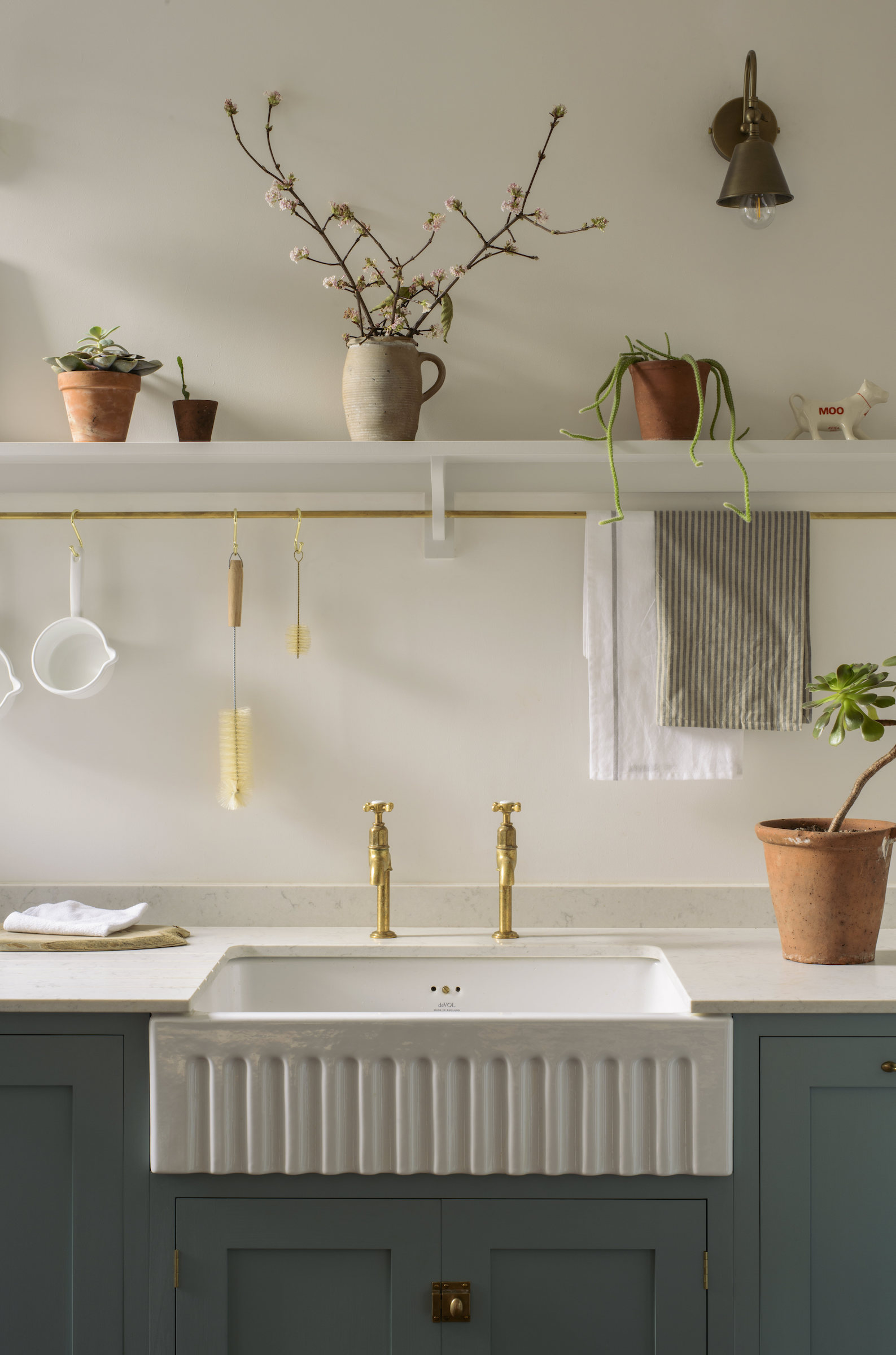
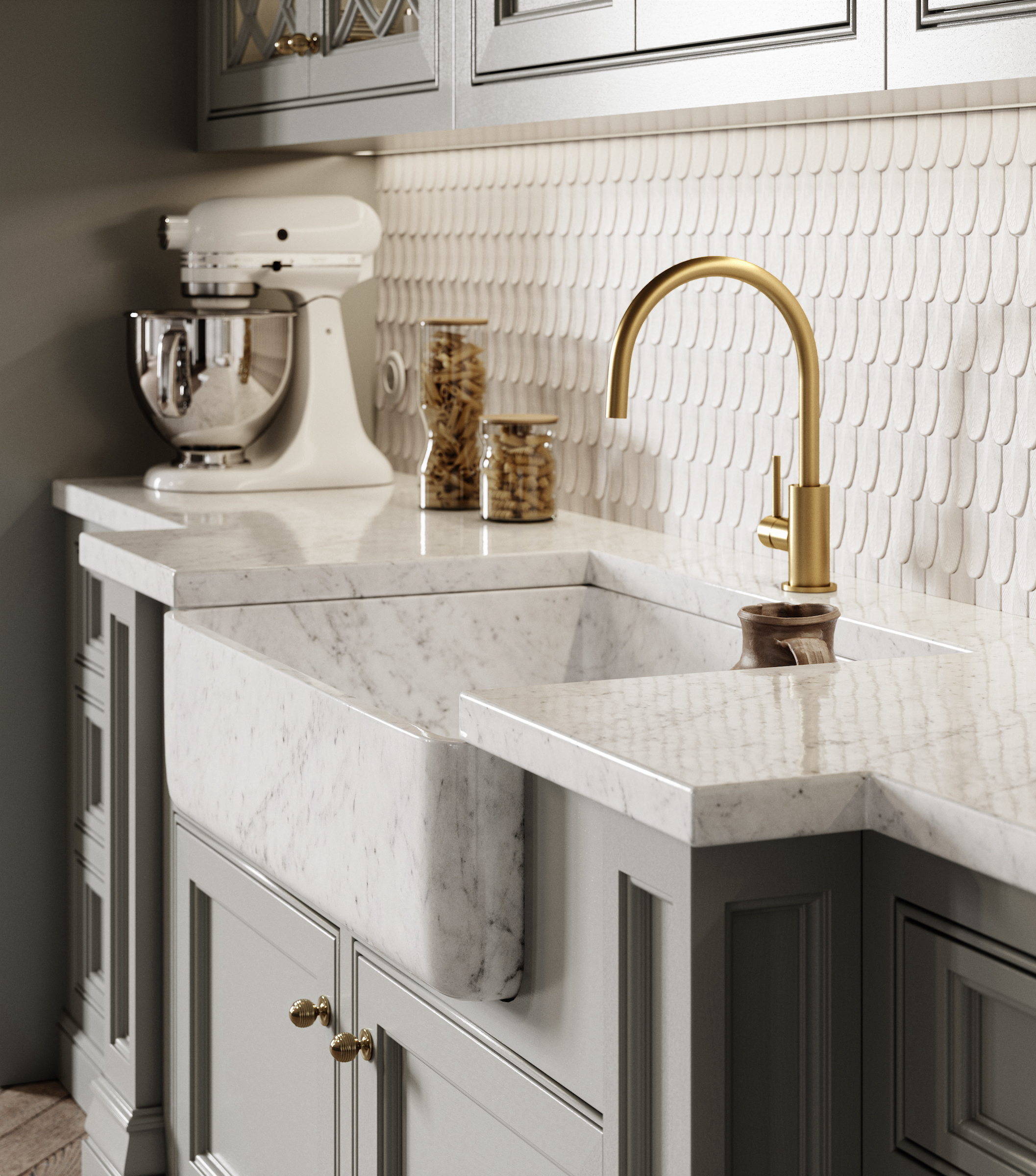
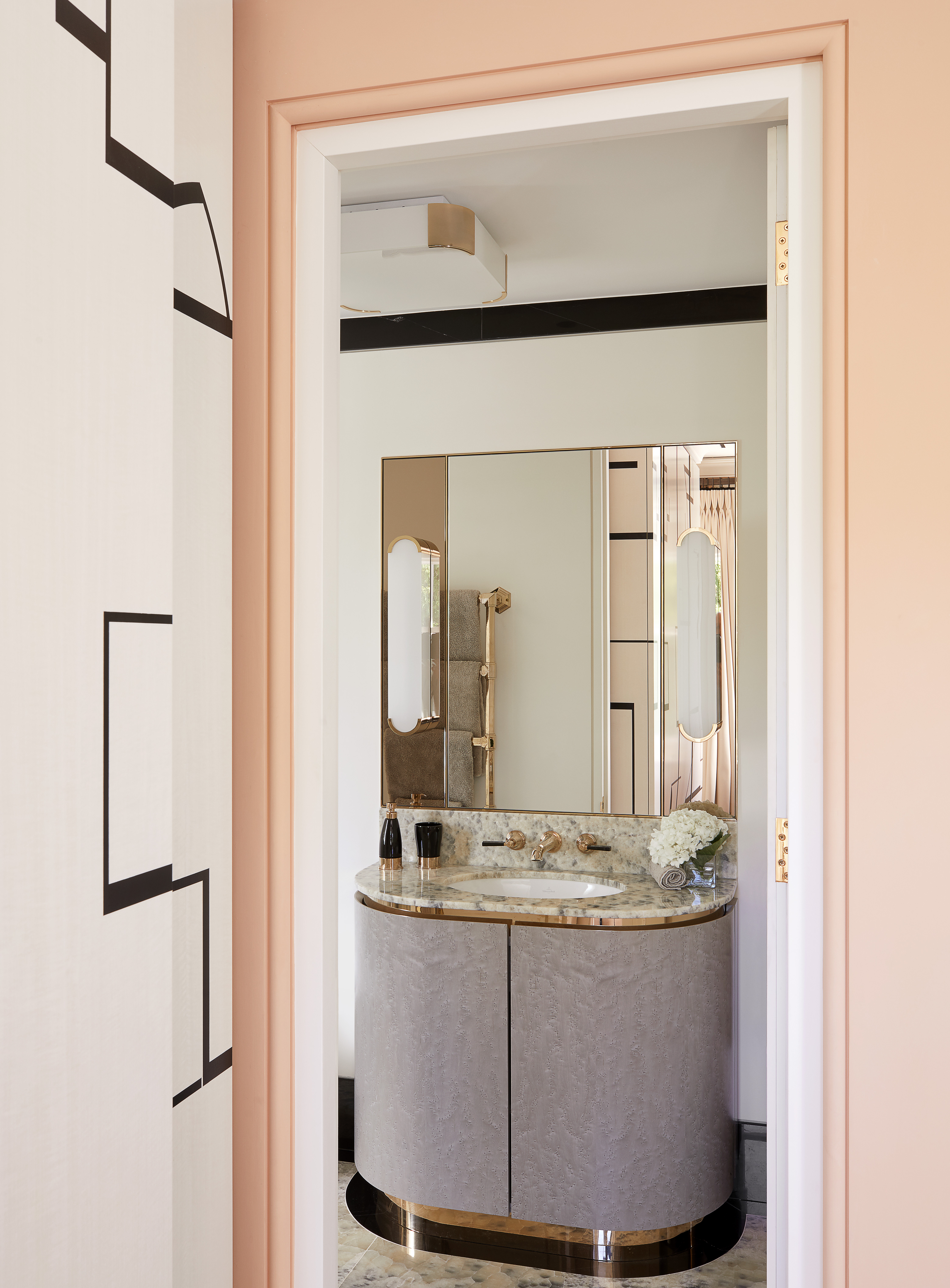
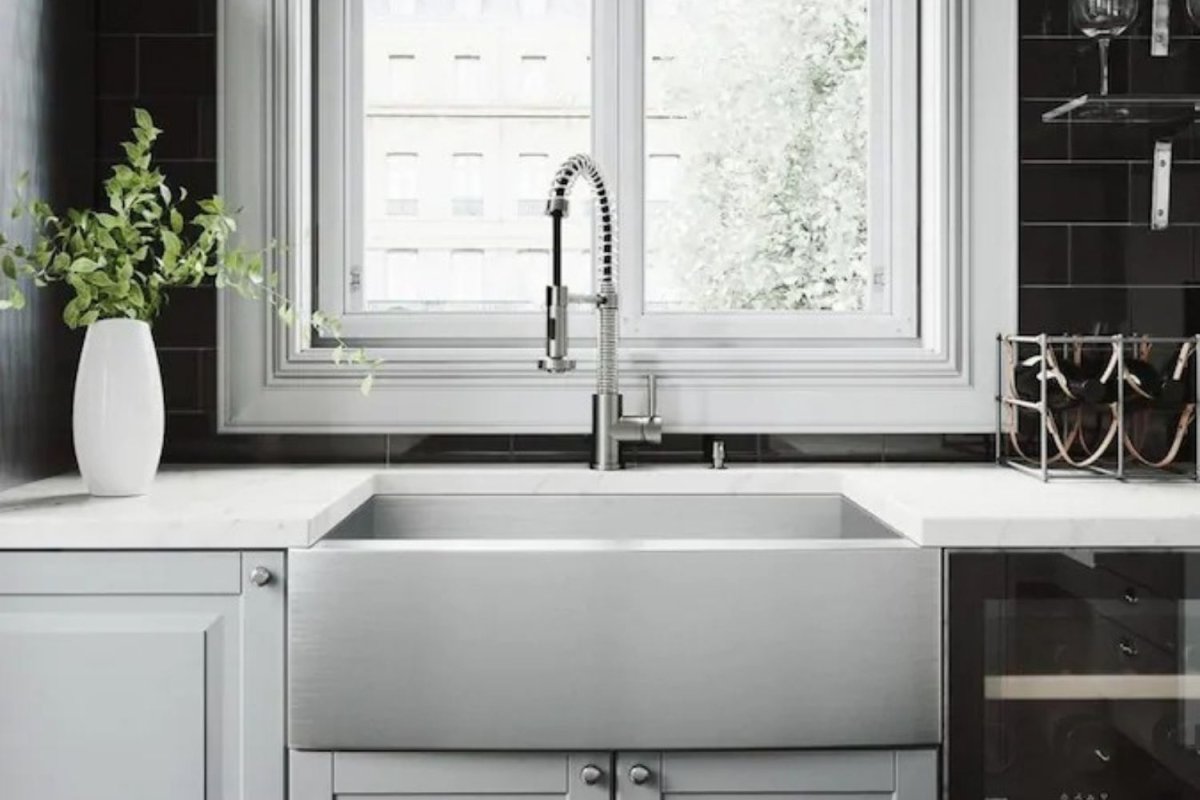
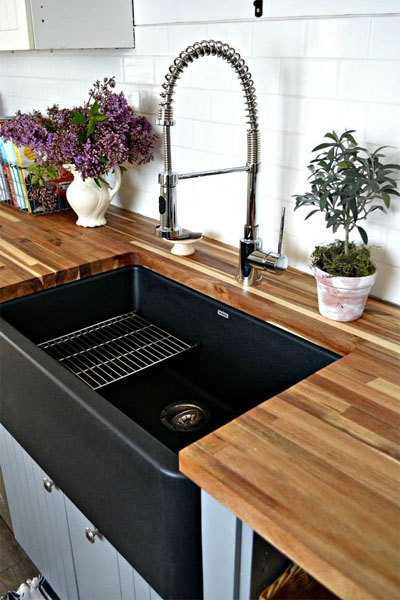
This comprehensive guide explores various types of sinks, outlining their features, advantages, and disadvantages to assist homeowners in selecting the most suitable option for their spaces. It begins by emphasizing that modern sinks blend both aesthetic appeal and practical utility, functioning as significant design elements in kitchens, laundry rooms, and other utility areas. The article then delves into specific sink types, starting with farmhouse or apron-front sinks. These sinks are characterized by their deep, wide basin, offering ample space for large items and pets. While they traditionally suit rustic or cottage-style homes, contemporary designs allow them to fit more modern or industrial aesthetics. Their customizability often entails specialized cabinetry and increased installation costs.
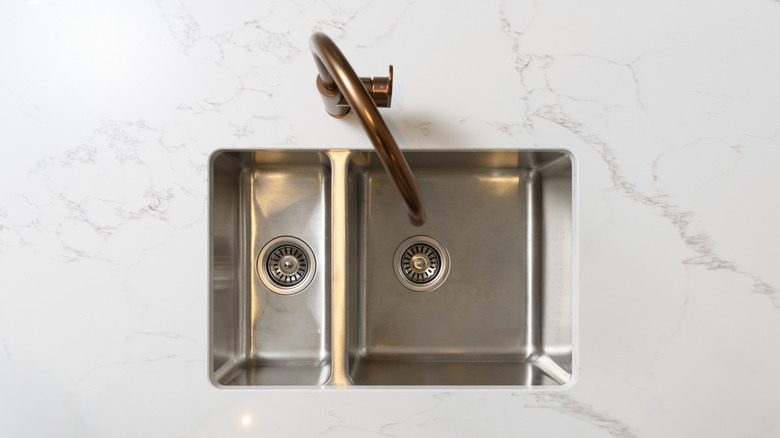
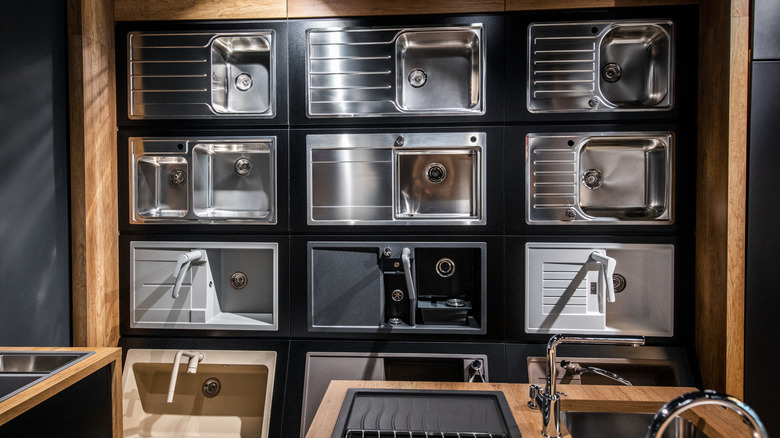
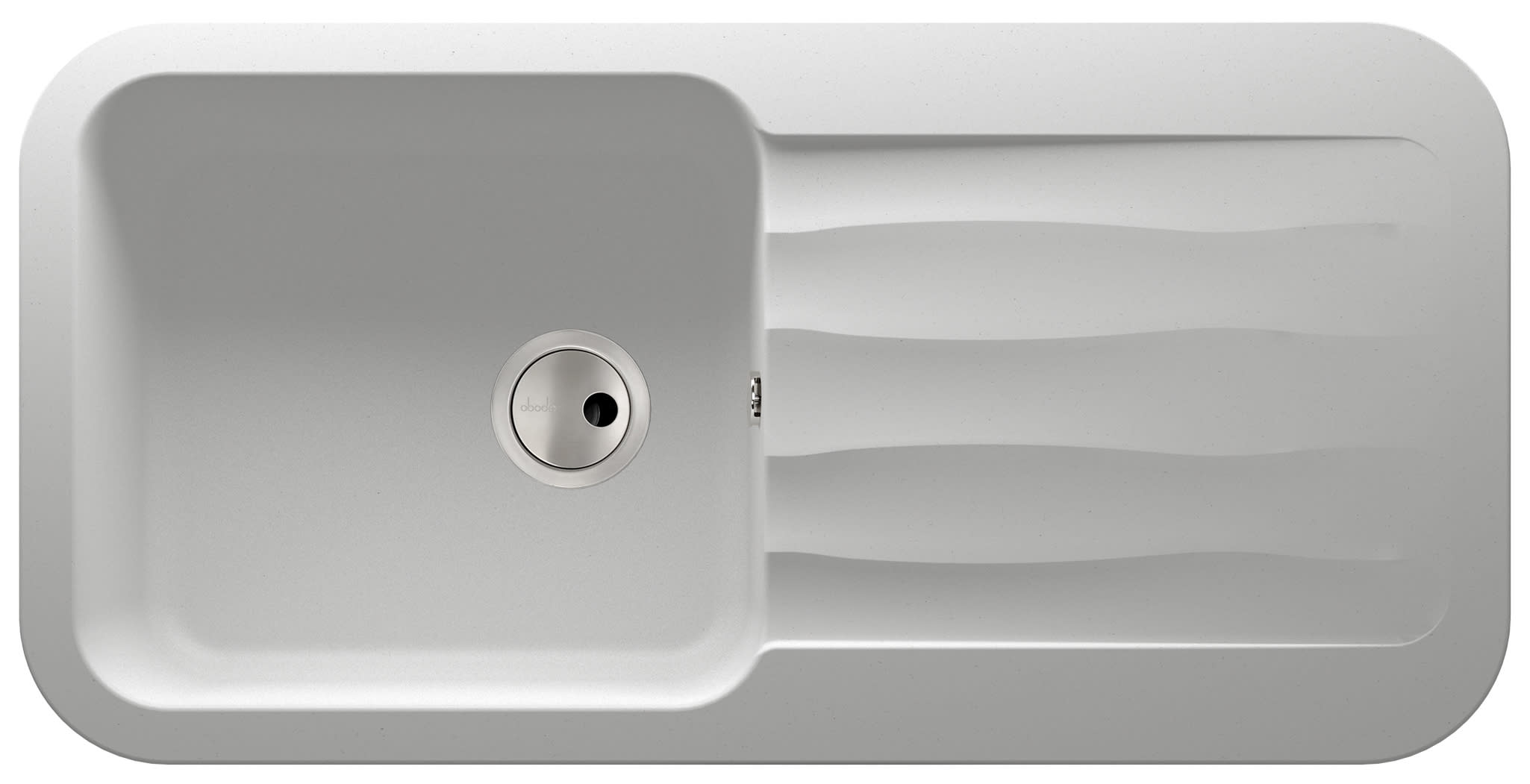
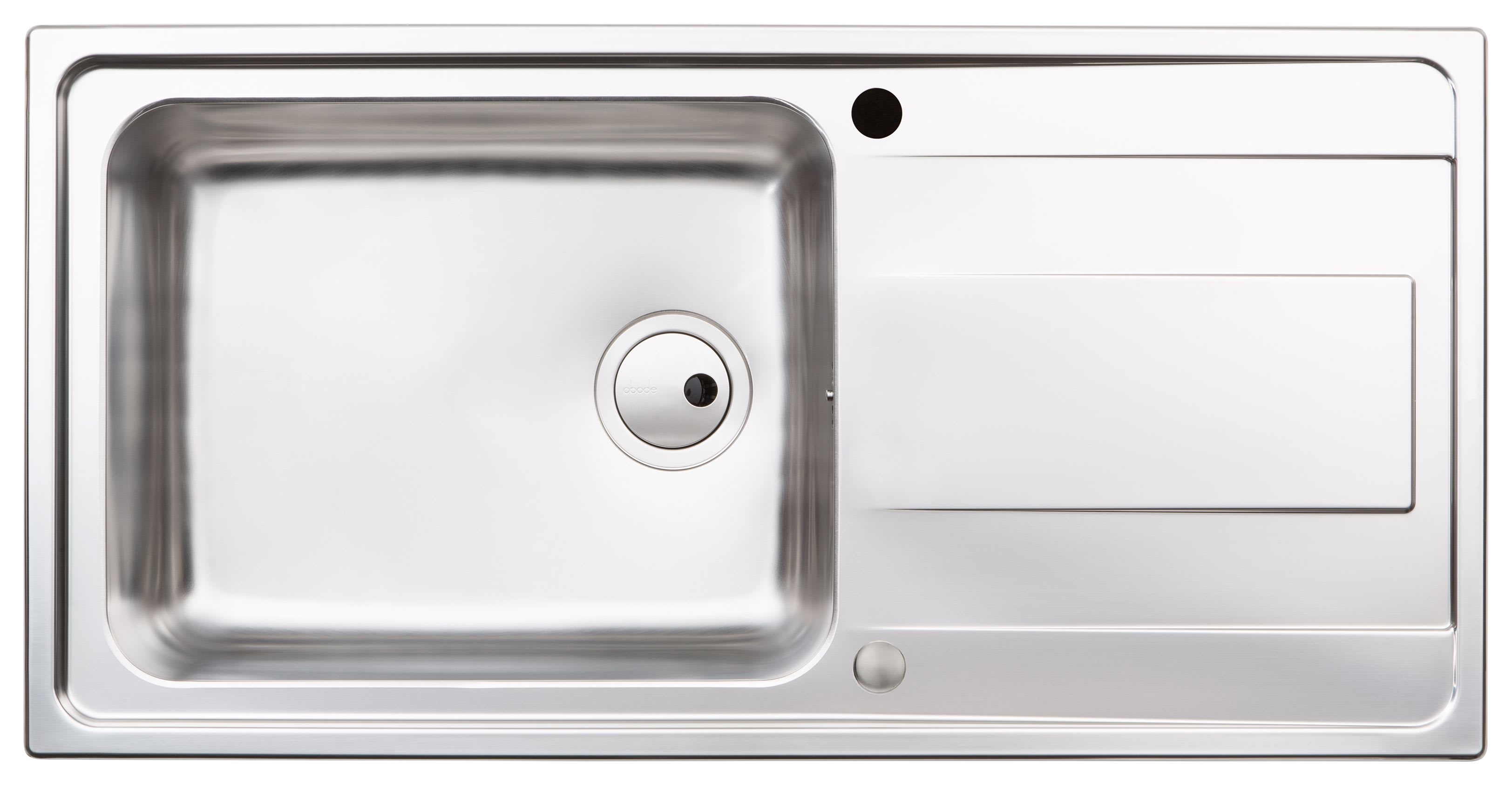
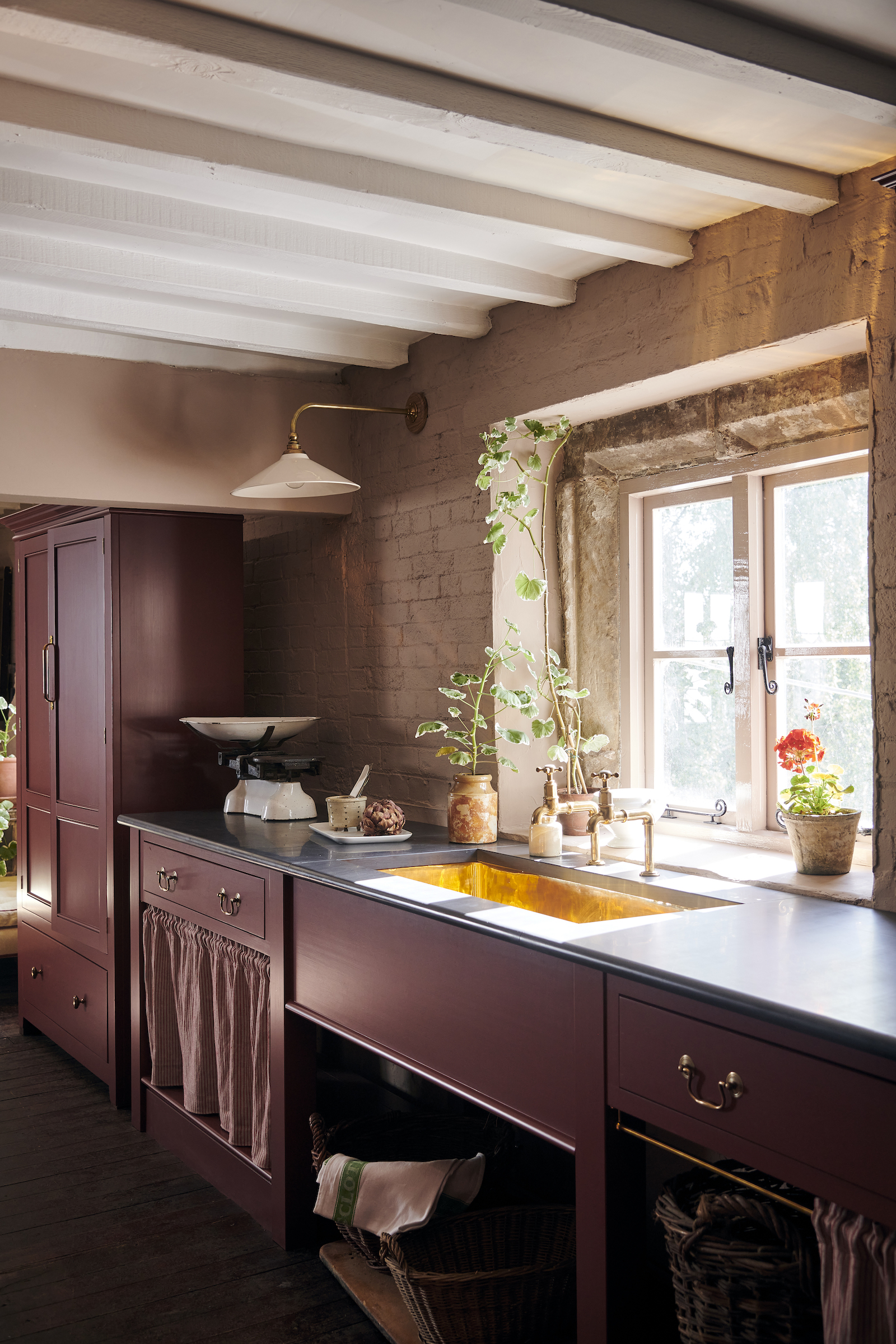
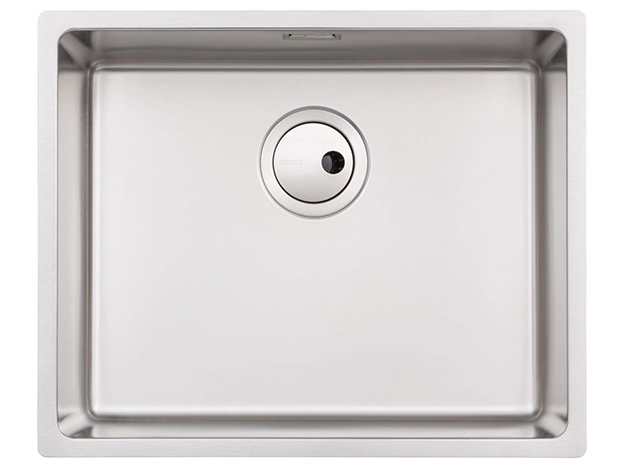
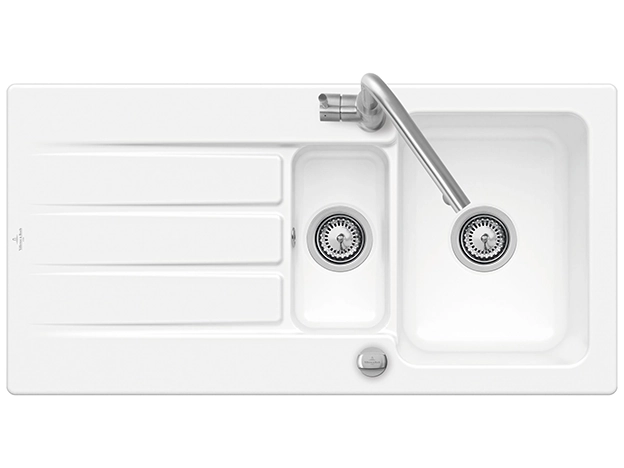
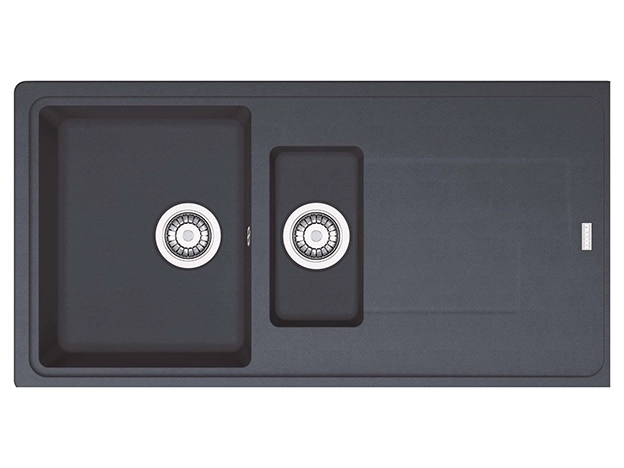
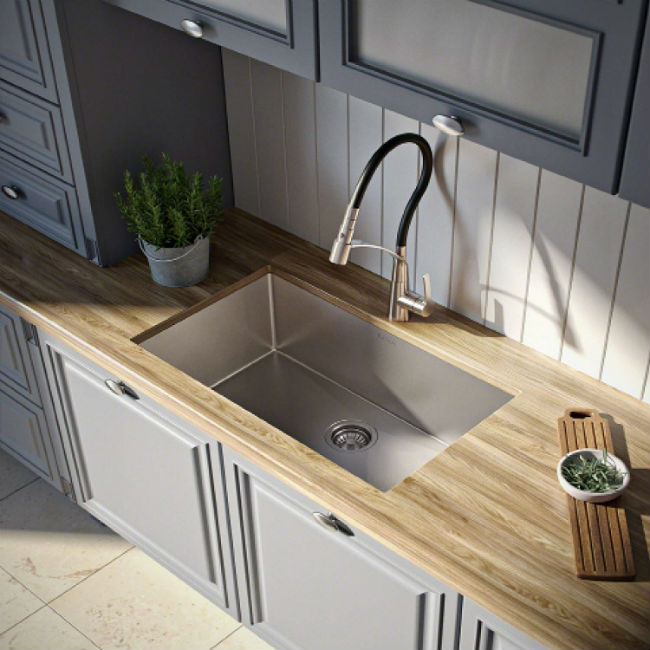
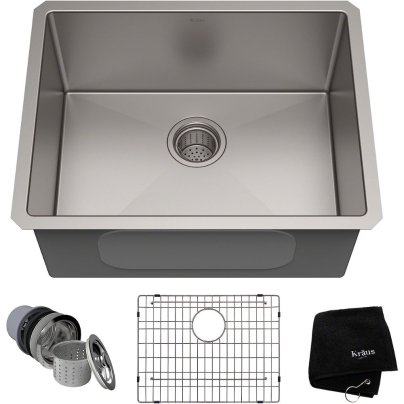
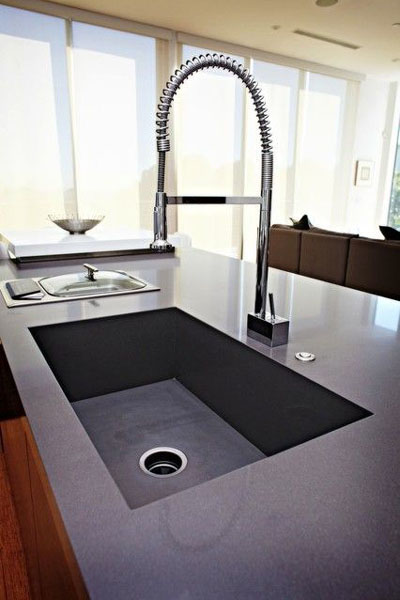
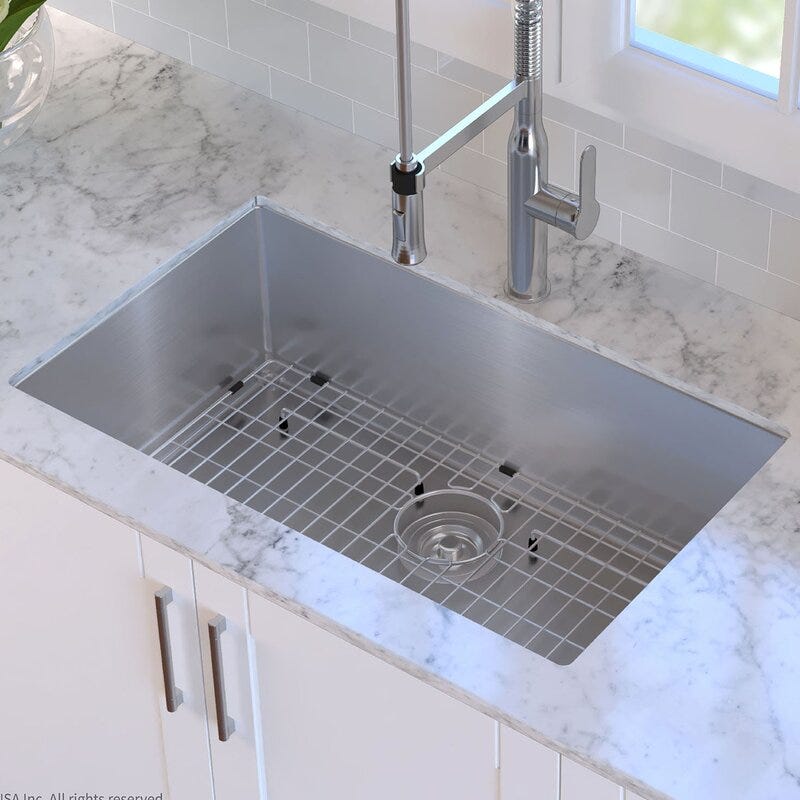
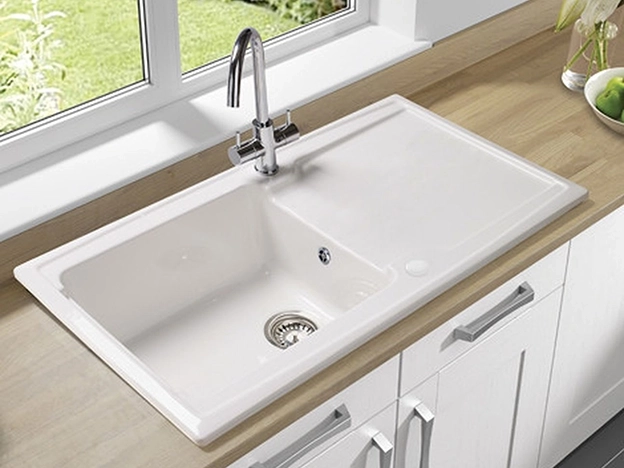
Drainboard sinks, another type discussed, integrate a built-in drainboard to facilitate water drainage from drying dishes directly into the sink. This feature is particularly beneficial for handwashing delicate items or for food preparation, providing a convenient area that minimizes mess. However, these sinks occupy significant counter space, potentially cluttering smaller areas or obscuring high-end countertop materials. Undermount sinks are presented as a compact and sleek alternative to farmhouse sinks, fitting beneath the countertop to free up surface area. This design allows for easy cleaning, as debris can be wiped directly into the sink. The main drawback is the potential for dirt and moisture accumulation in the seam if not properly sealed, which can lead to mold, and they typically require professional installation for a flawless finish.
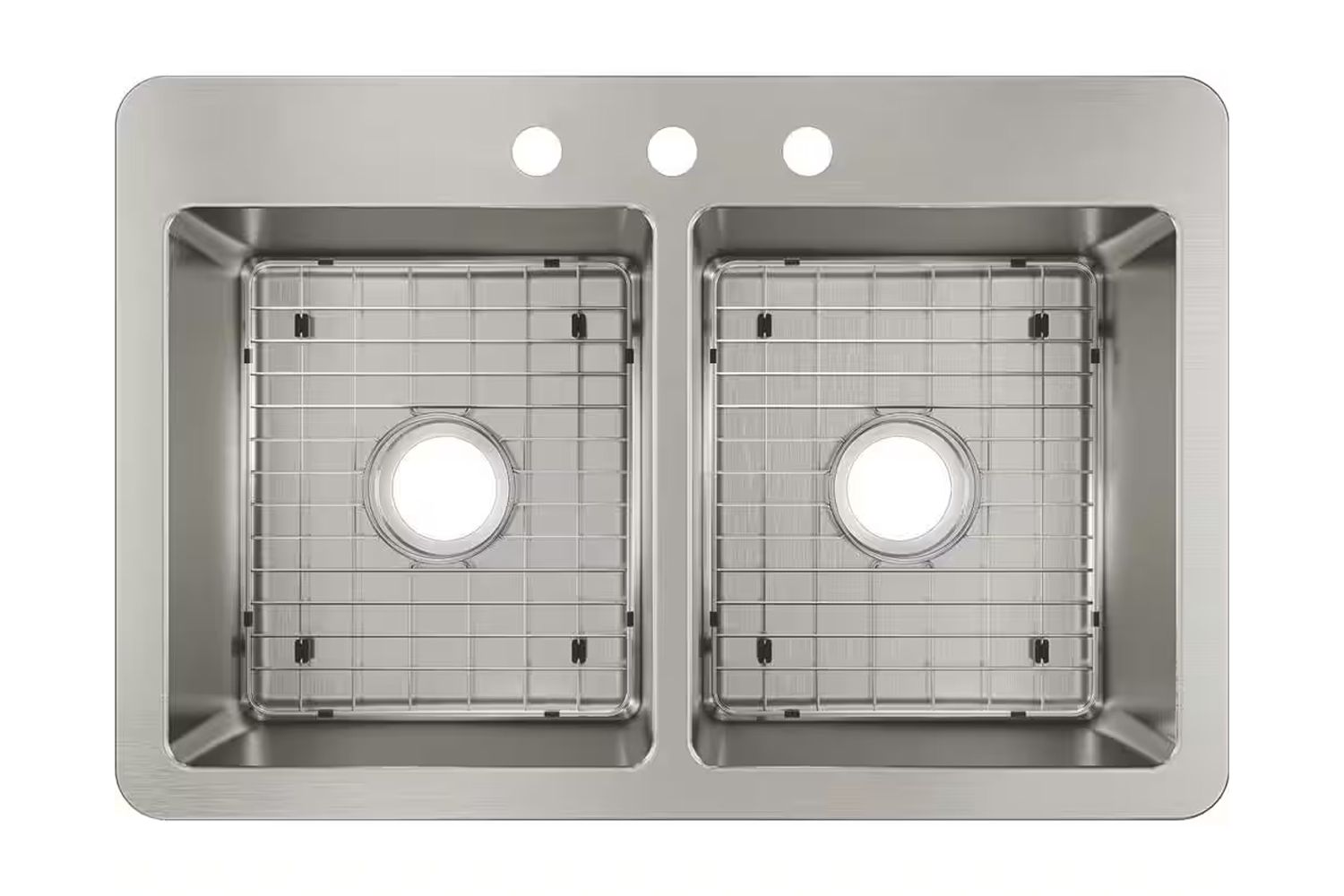
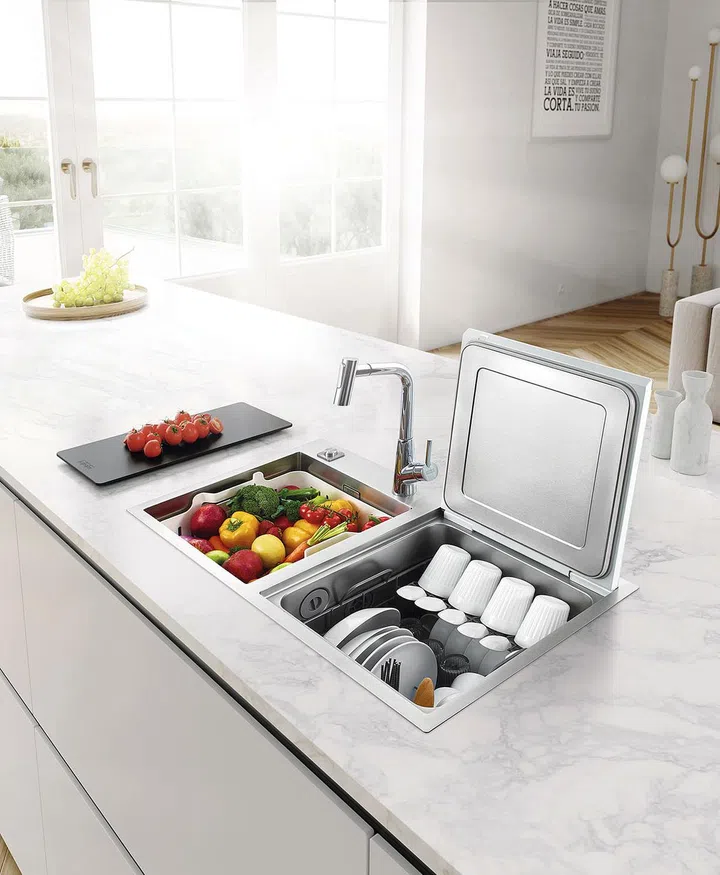
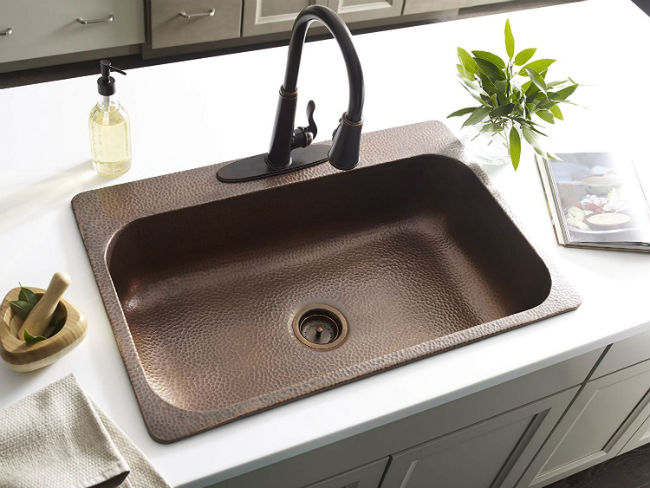
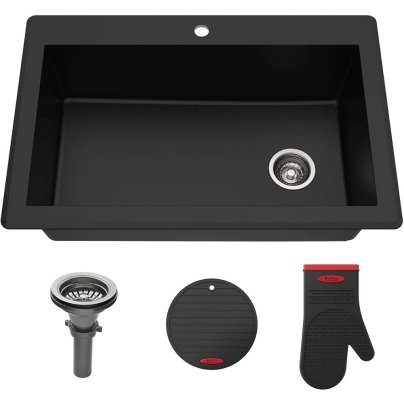
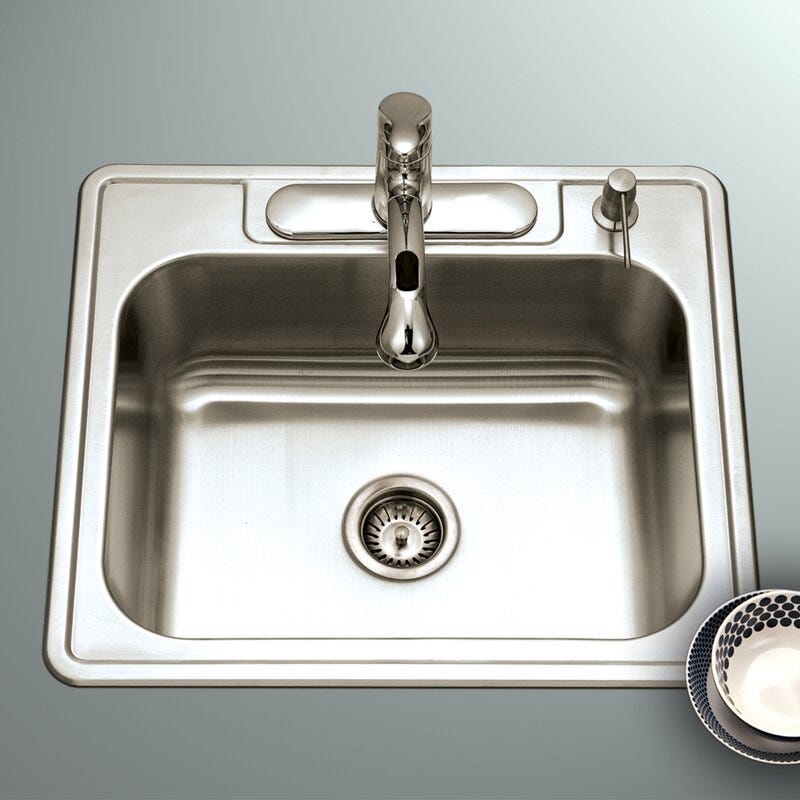
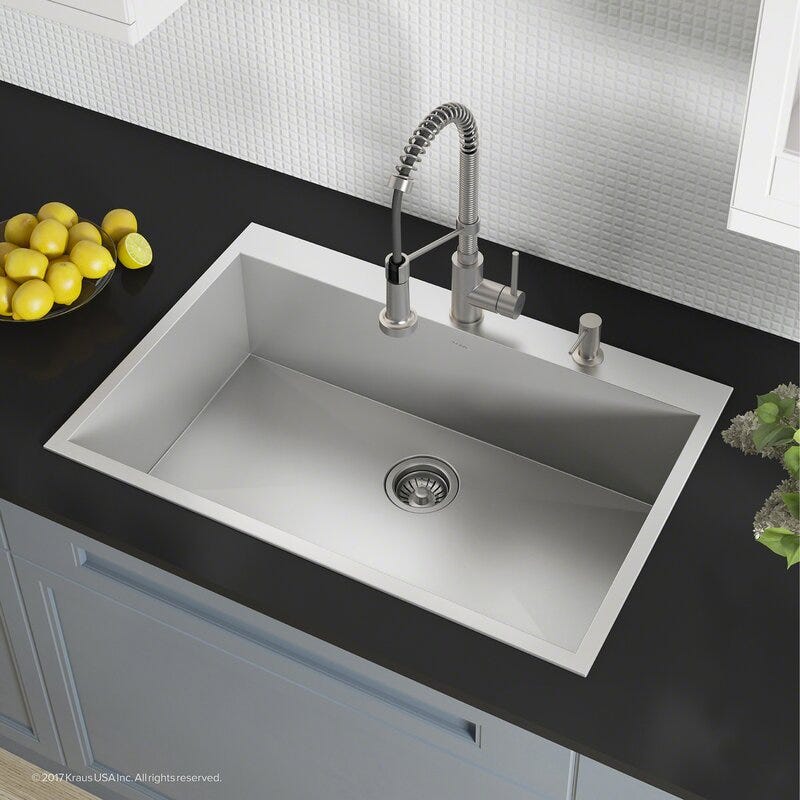
Bar or prep sinks, designed as secondary, smaller sinks, are ideal for home bars or butler's pantries due to their compact size and limited functionality. Available in various shapes and materials like stainless steel or granite composite, they are usually installed as drop-in or under-mount units. Drop-in sinks, also known as overmount or top-mount sinks, are distinguished by their exposed rims. While they consume more counter space and require diligent cleaning around the rim, their easy and affordable installation makes them a popular choice for DIY renovations, compatible with almost all countertop materials. Disappearing sinks offer a minimalist aesthetic, camouflaging into the countertop when not in use, thus maximizing prep and serving space. These sinks are generally more expensive and require more maintenance and complex installation due to their mechanical components.
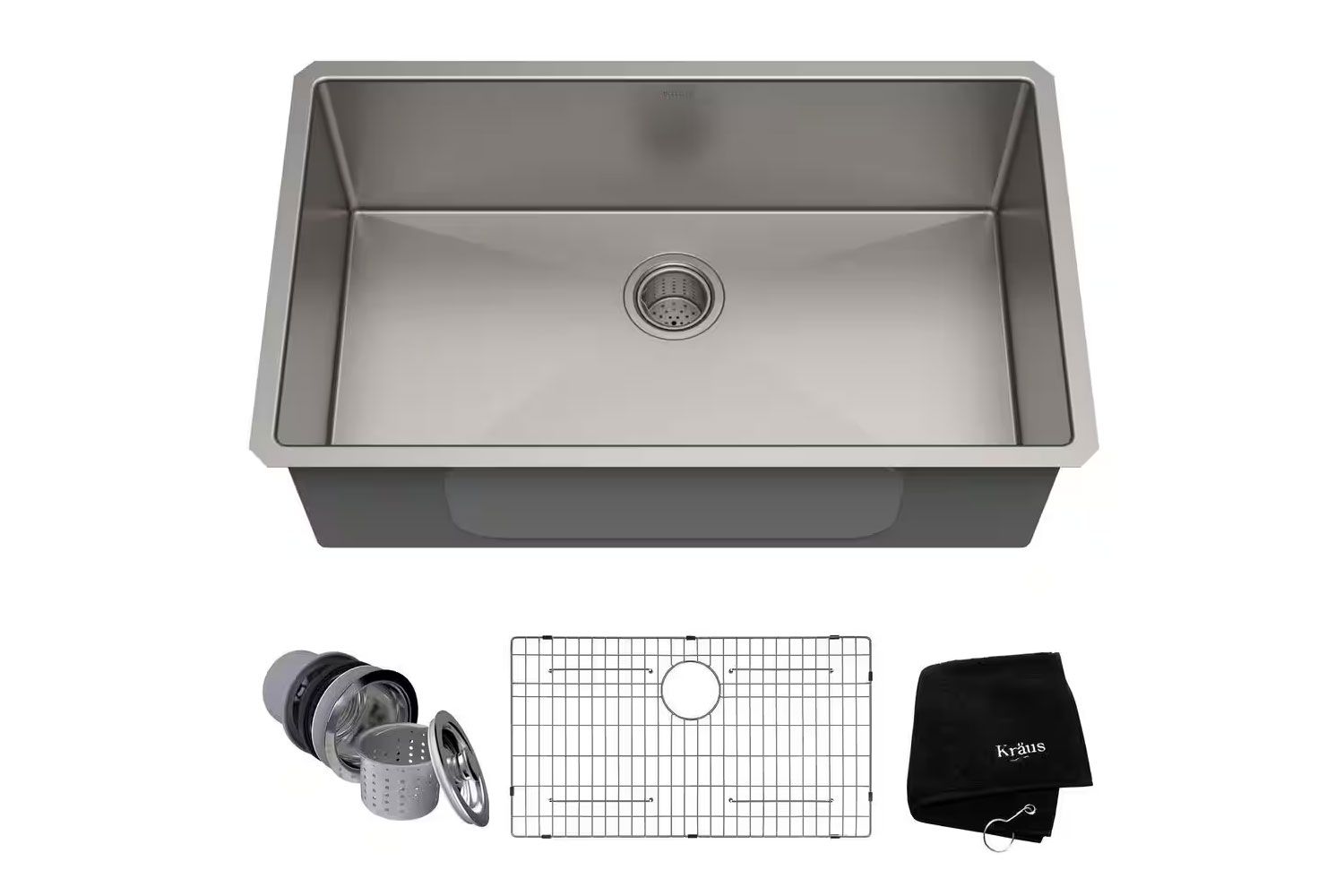
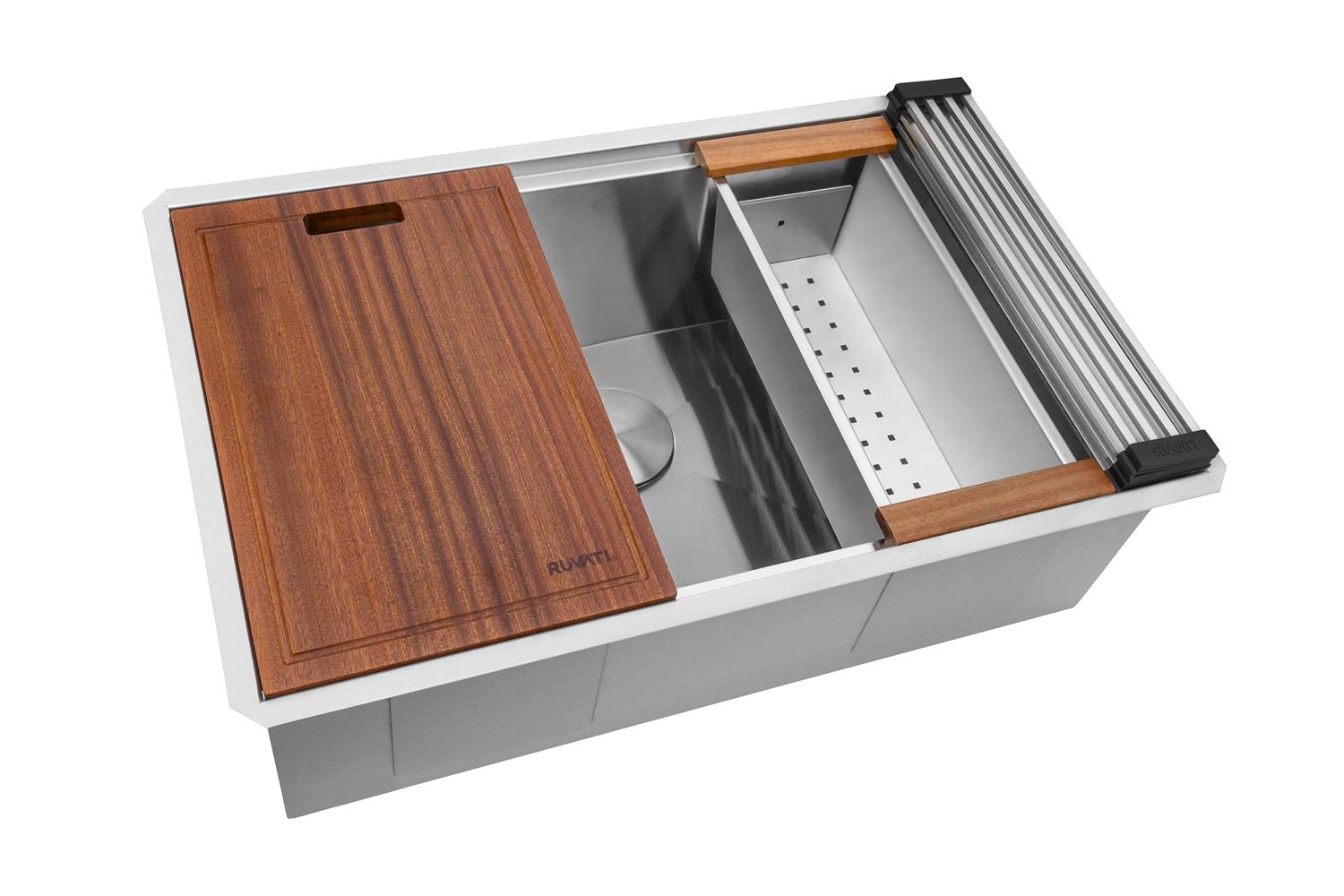
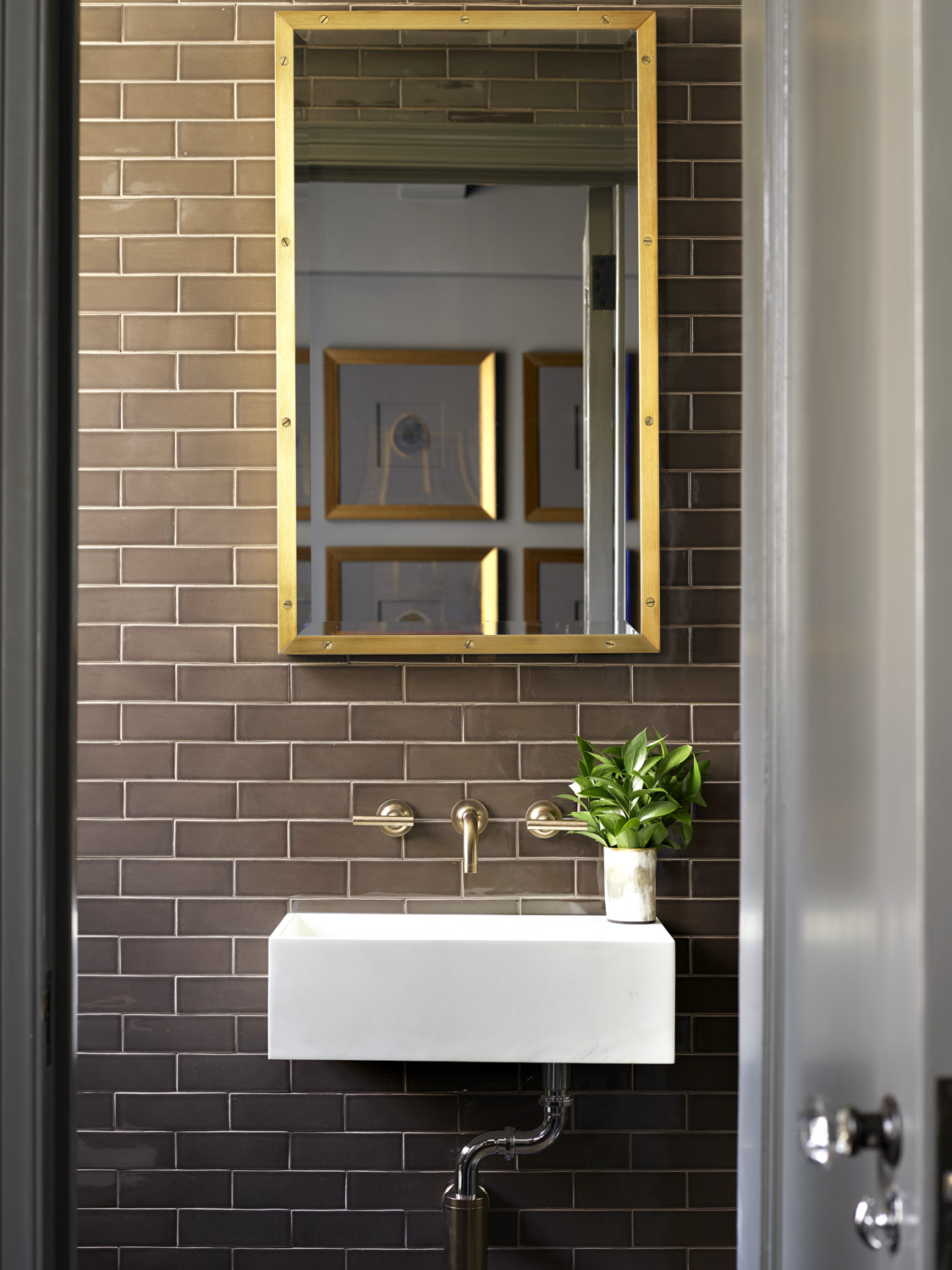
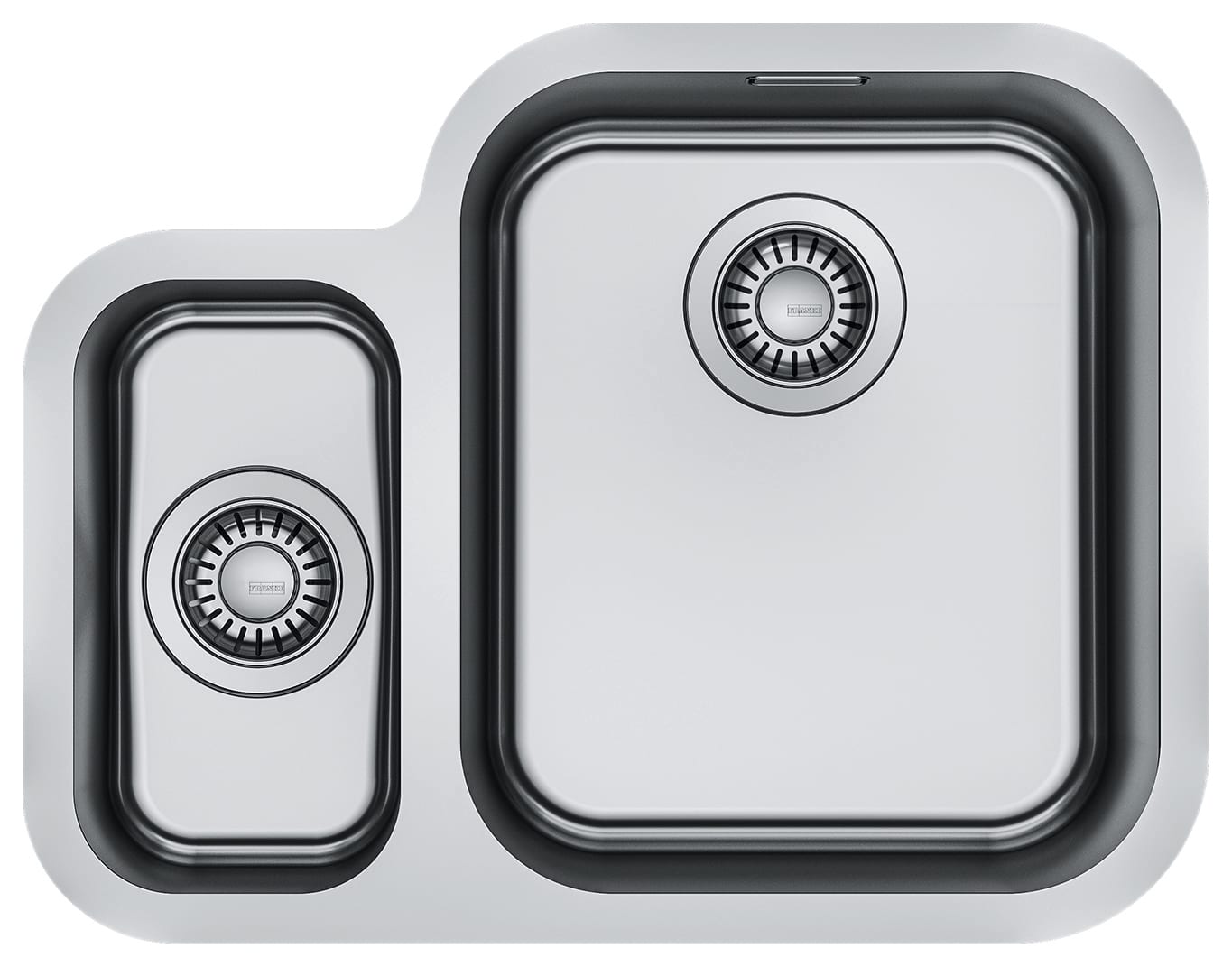
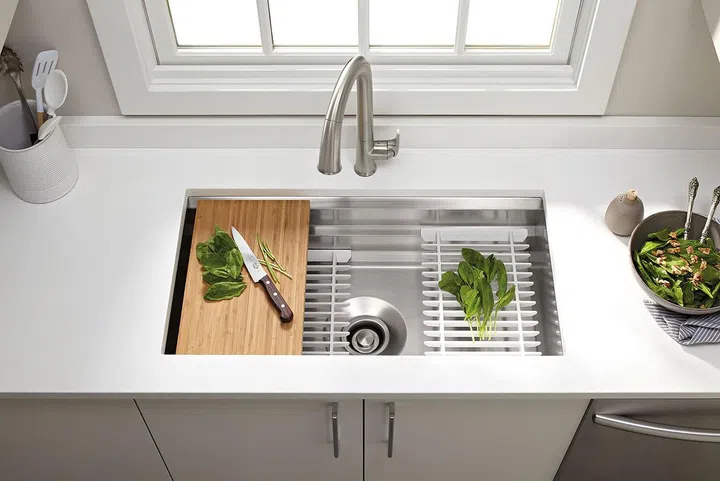
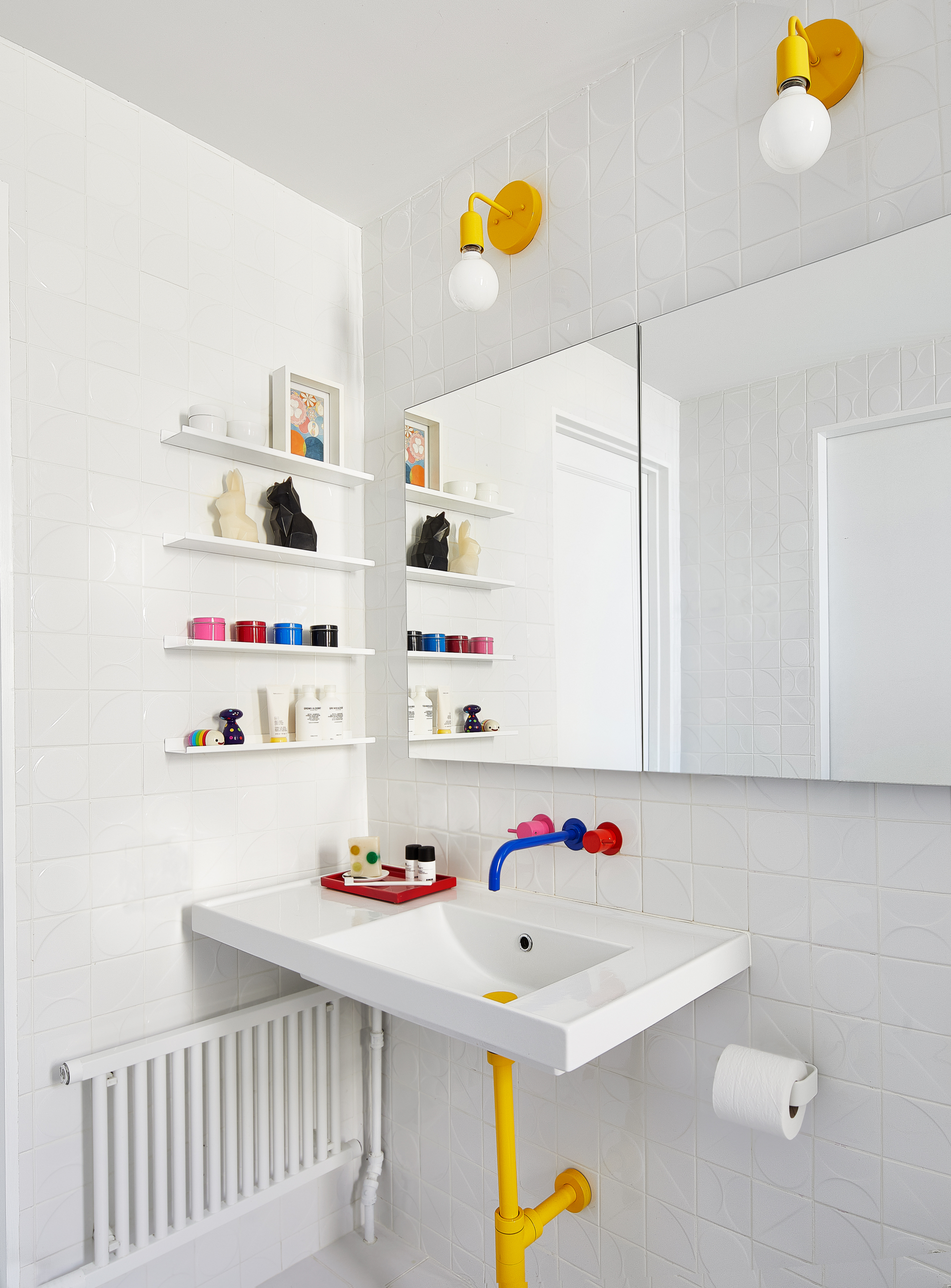
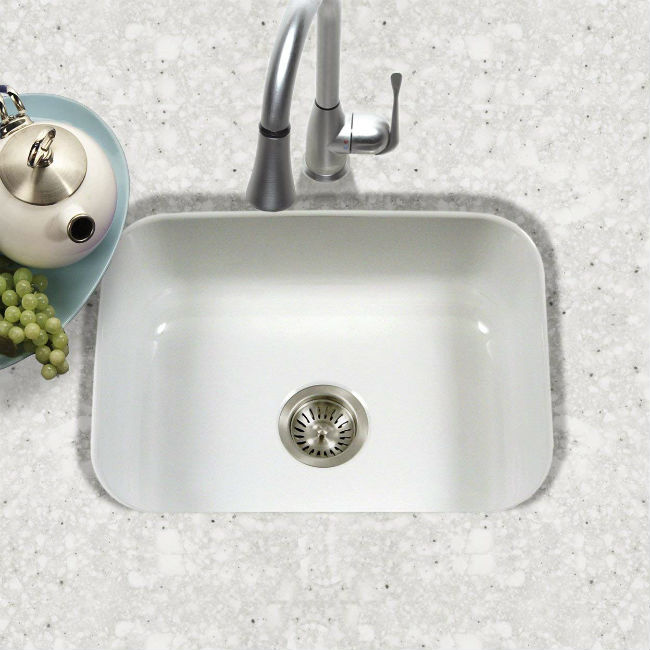
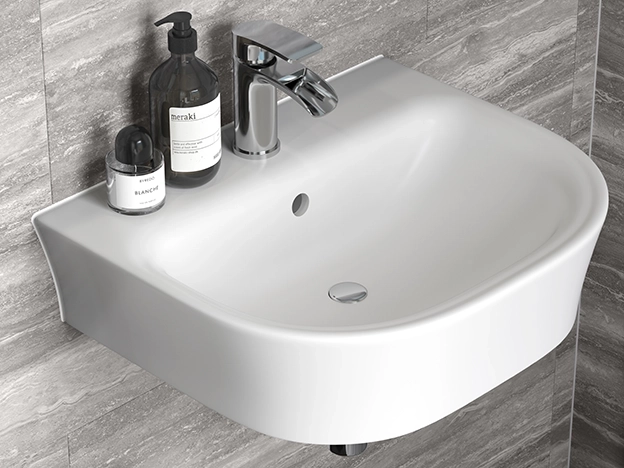
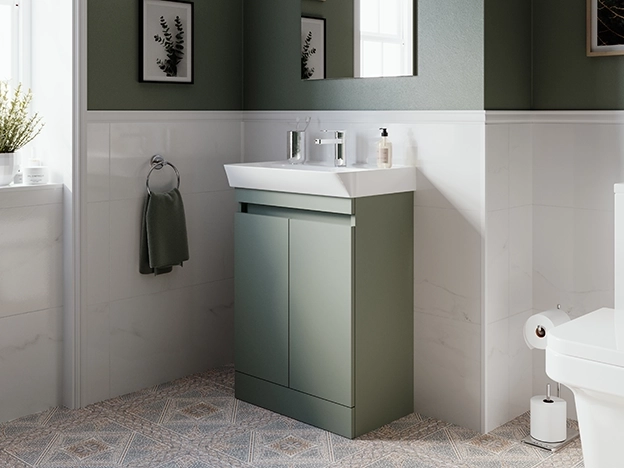
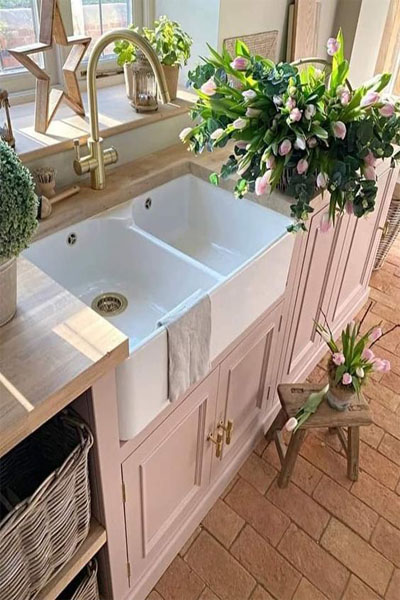
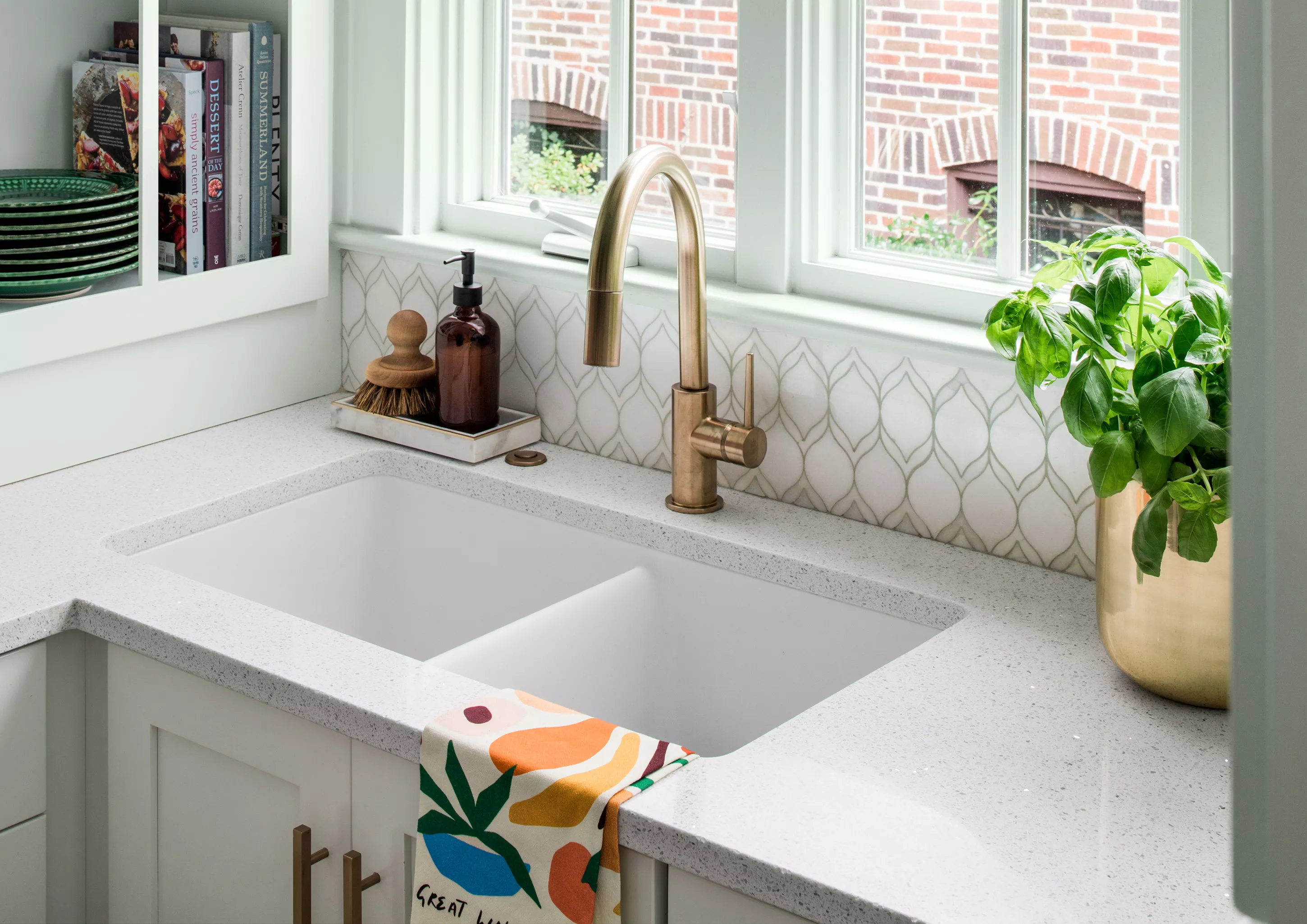
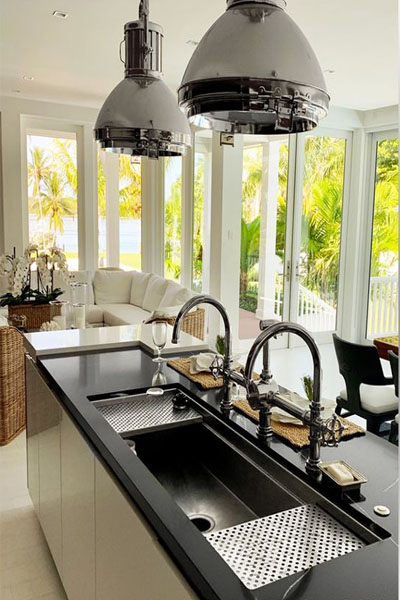
The article also compares single and double basin sinks, advising homeowners to choose based on their daily activities and lifestyle. Single basins provide a larger, uninterrupted cleaning area suitable for big pots, while double basins allow for multitasking, such as sorting dirty and clean dishes or soaking. Wall-mounted or wall-hung sinks offer a space-saving solution by not occupying floor space and allowing customizable installation heights. However, the absence of under-sink cabinetry limits storage, and exposed plumbing may require careful aesthetic consideration or covers. Workstation sinks convert the washing area into a versatile workspace with integrated accessories like cutting boards and colanders, although they come with higher costs and maintenance needs.
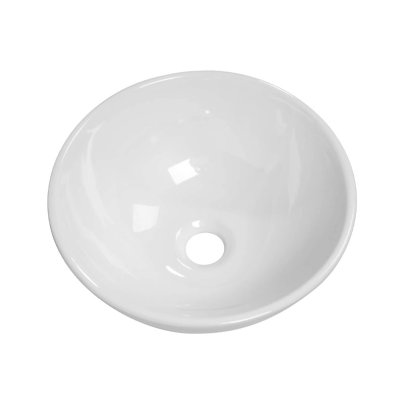
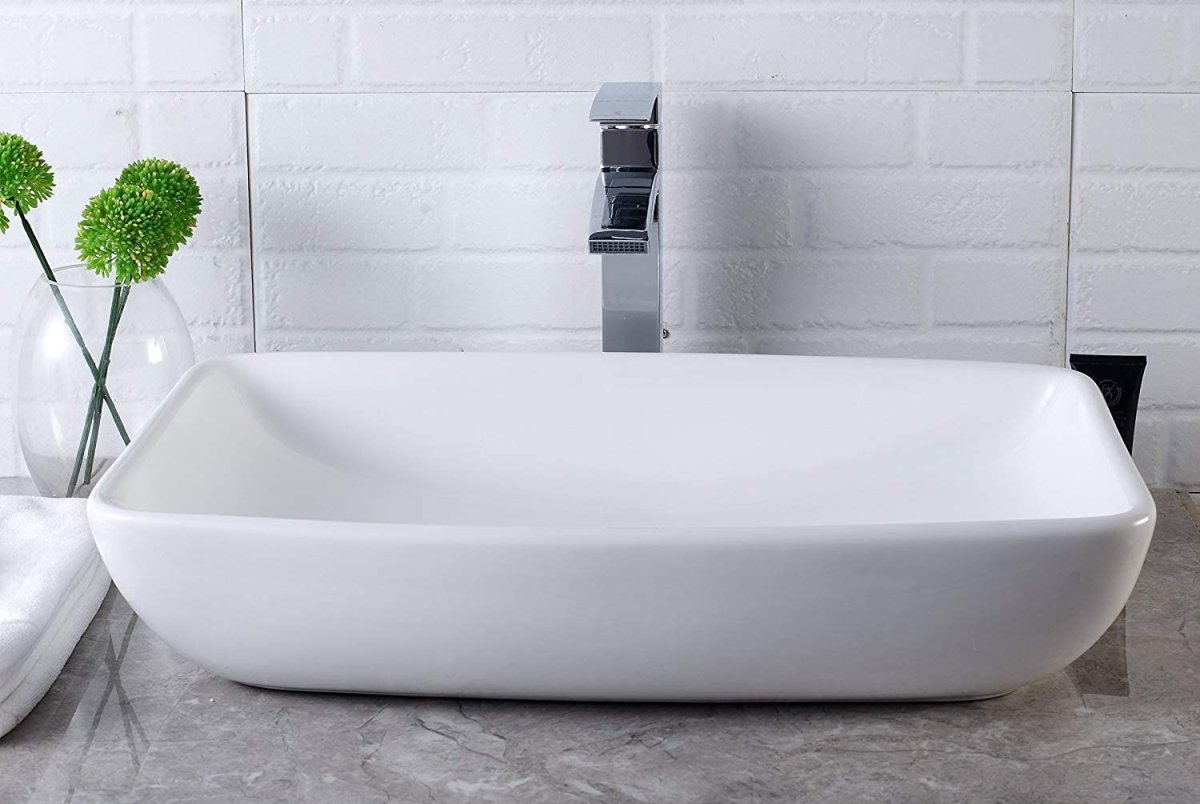
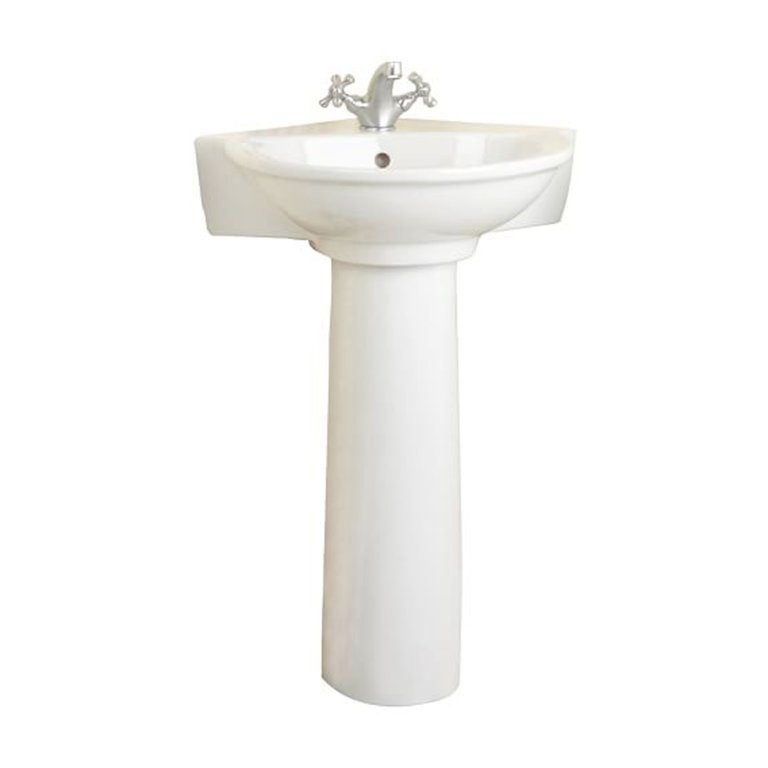
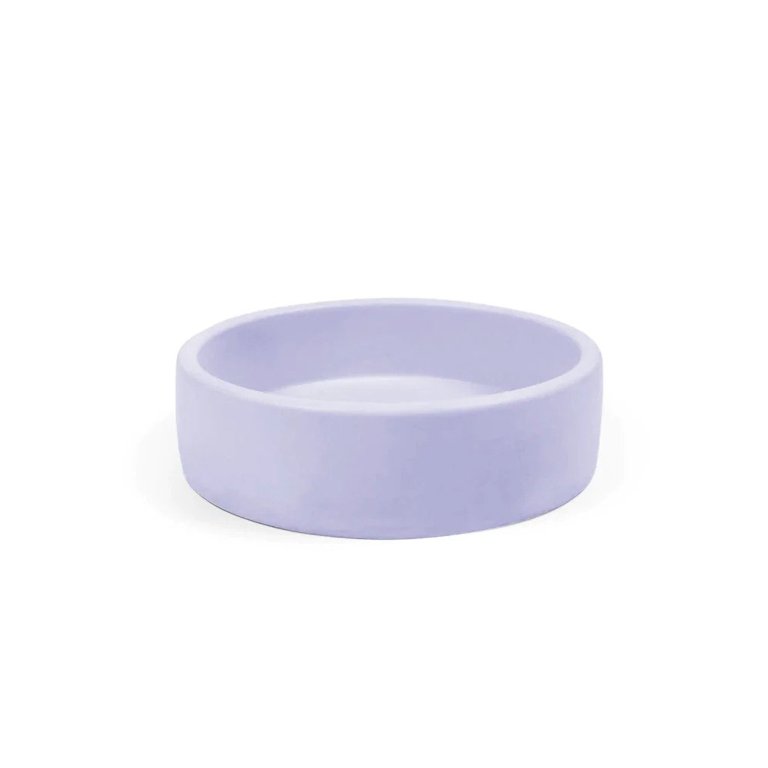
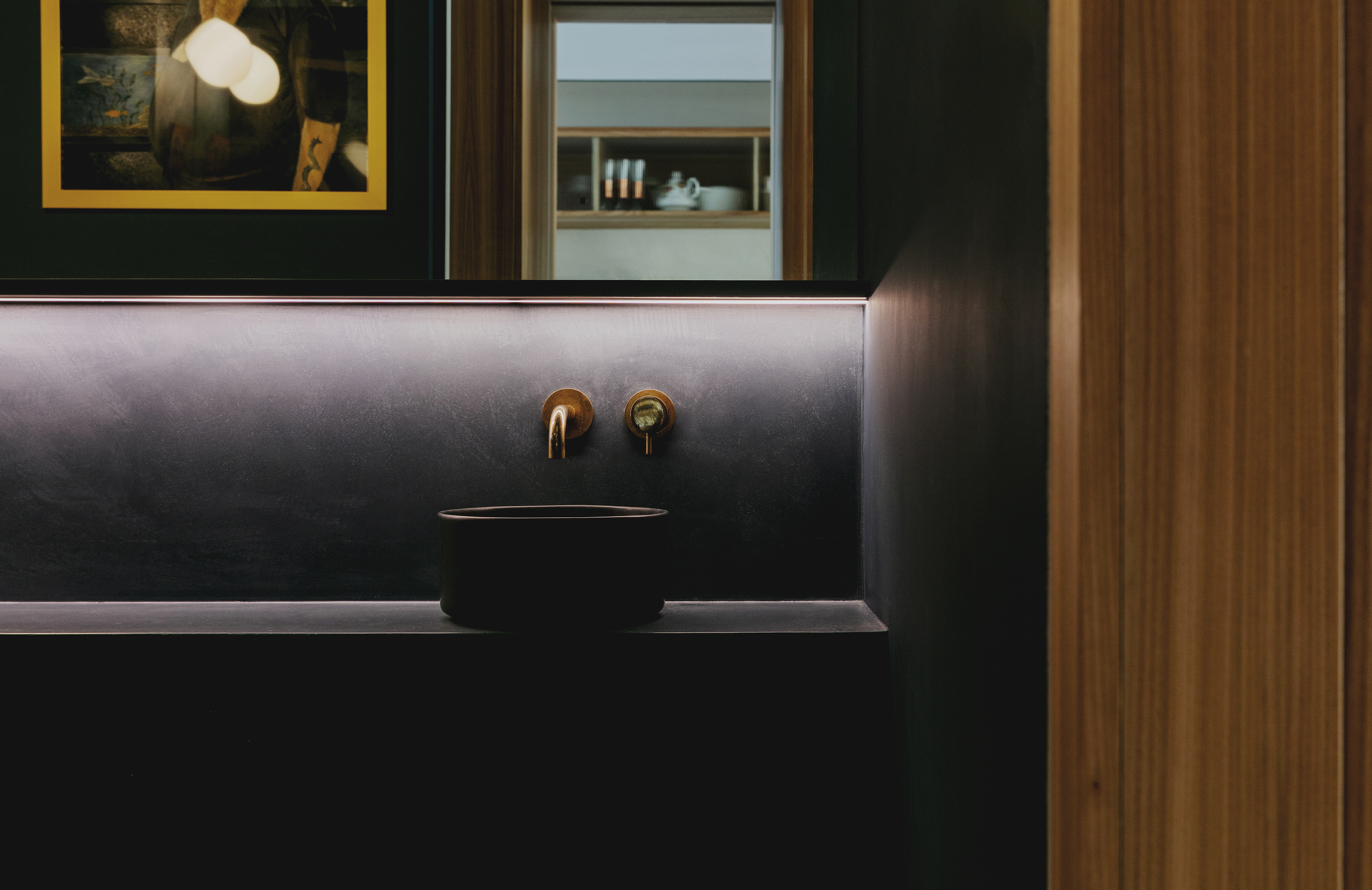

Bowl or vessel sinks are identified as decorative, sitting atop the counter, which can enhance ergonomics but also increases their vulnerability to damage and makes them less stable. Their installation demands precision for proper drainage, but they offer significant artistic variety in materials and styles. Integrated sinks, where the sink and countertop form a single, seamless unit, provide a modern, easy-to-maintain, and highly customizable option. Their permanent nature means limited flexibility for future updates, and damage to any part necessitates replacing the entire unit. Corner sinks are highlighted for their ability to maximize space in smaller areas, particularly in powder rooms, with custom options for size, shape, and material. Ramp sinks are lauded for their easy cleaning and minimalist design, preventing water pooling due to their sloped shape. Finally, zero-depth or basinless sinks represent the epitome of minimalism, featuring a shallow slope and linear drain, creating a sleek, contemporary look that requires specialized fabrication for optimal functionality and style.
#SinkTypes #KitchenDesign #BathroomDesign #HomeImprovement #PlumbingFixtures #InteriorDesign #UtilitySpaces #CountertopIntegration #RenovationIdeas #SinkTypes #KitchenDesign #BathroomDesign #HomeImprovement #PlumbingFixtures #InteriorDesign #UtilitySpaces #CountertopIntegration #RenovationIdeas
0 comment in total
 No comments yet
You may also like
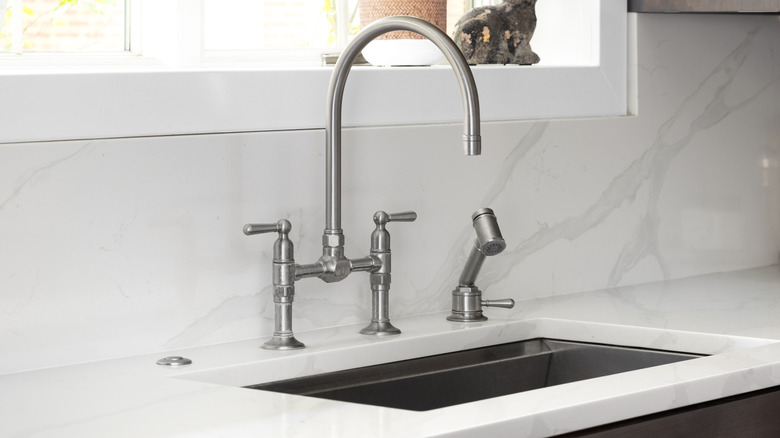
The Ultimate Guide To Choosing A Sink For Your Kitchen


All Kitchen Sinks

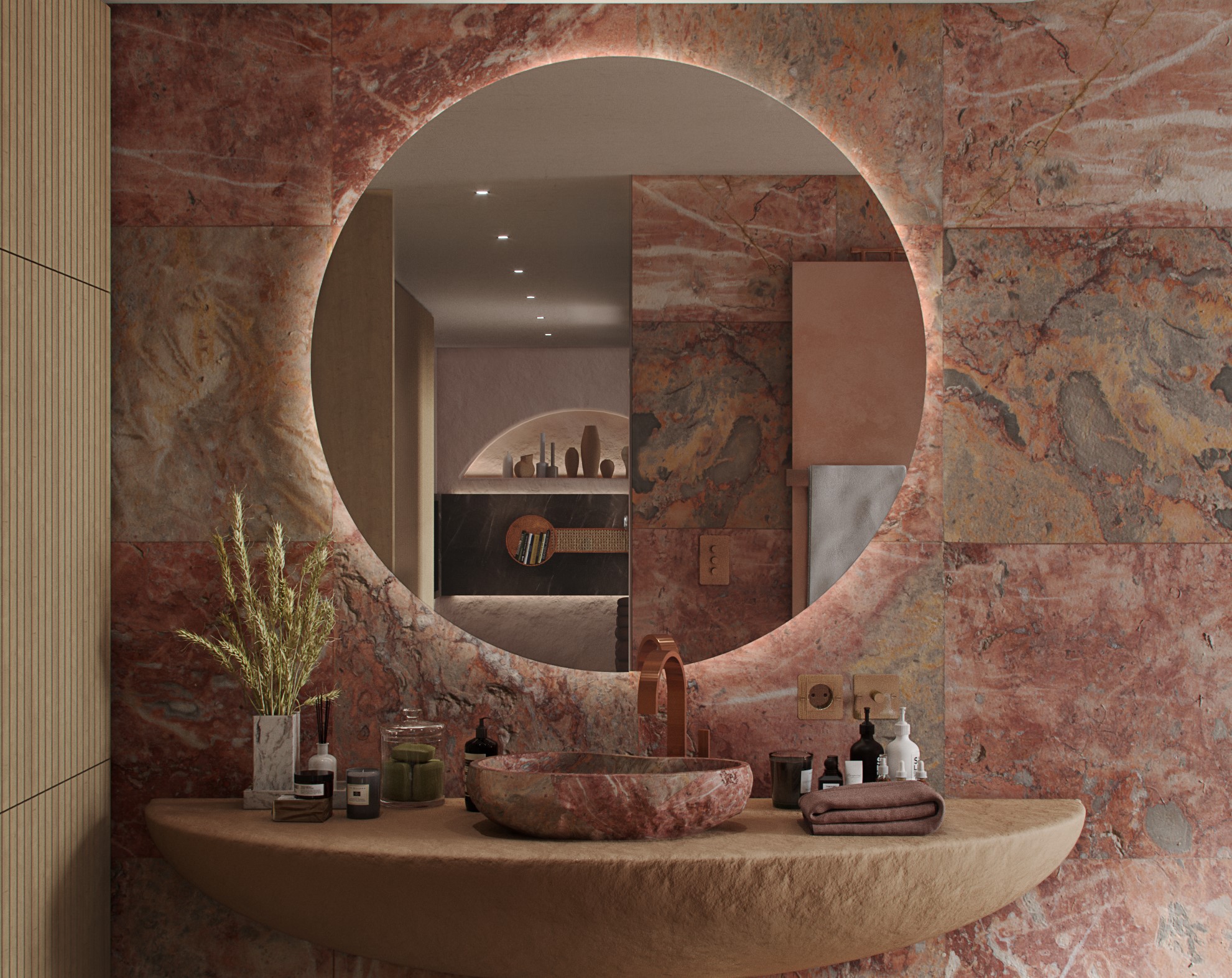
Bathroom sink trends – the 10 shapes, colors and styles to look for during your bathroom remodel


Our Favorite Kitchen Sinks Keep Your Workspace Efficient Without Sacrificing Style

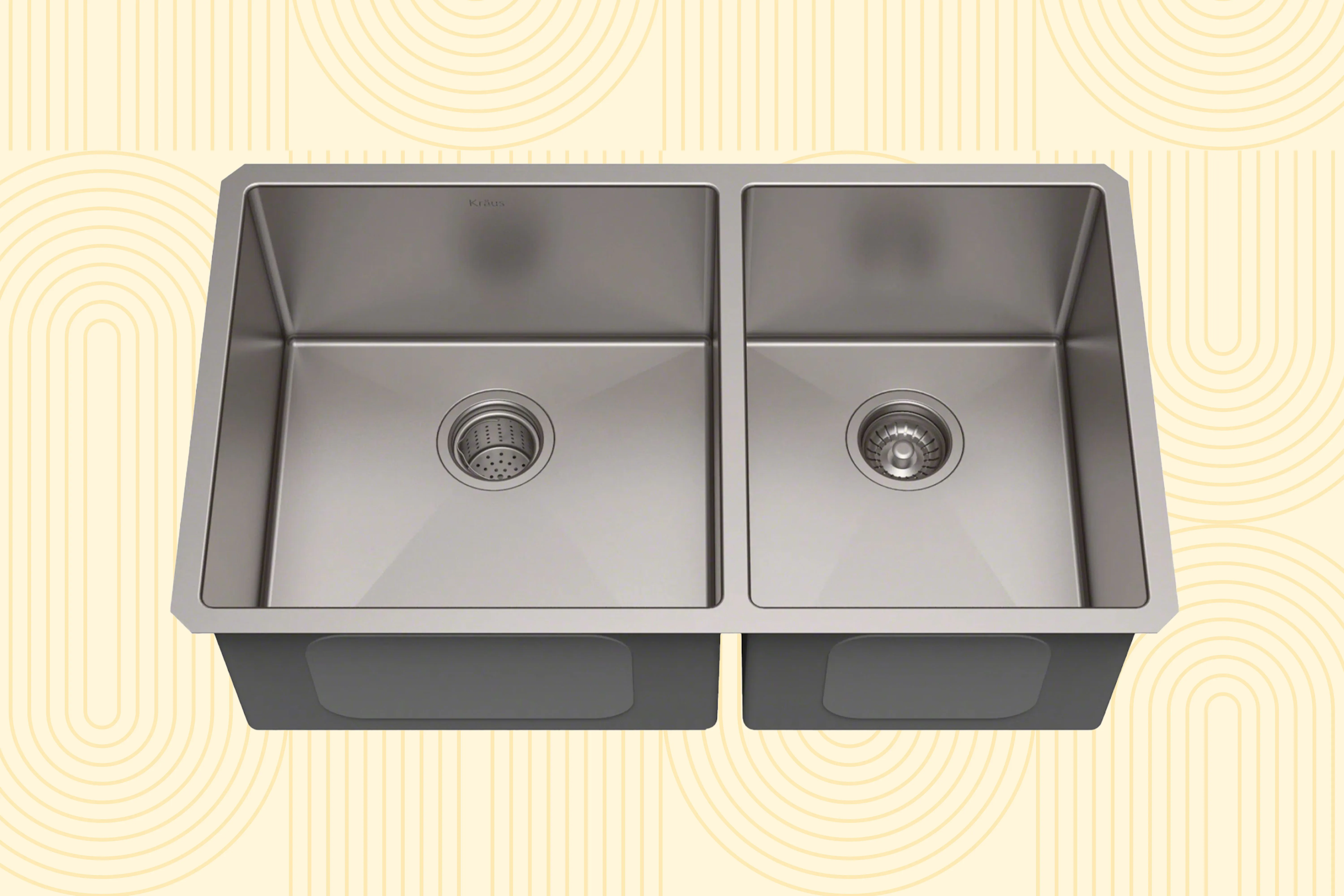
The Best Kitchen Sinks for Your Home, Based on Sink Style
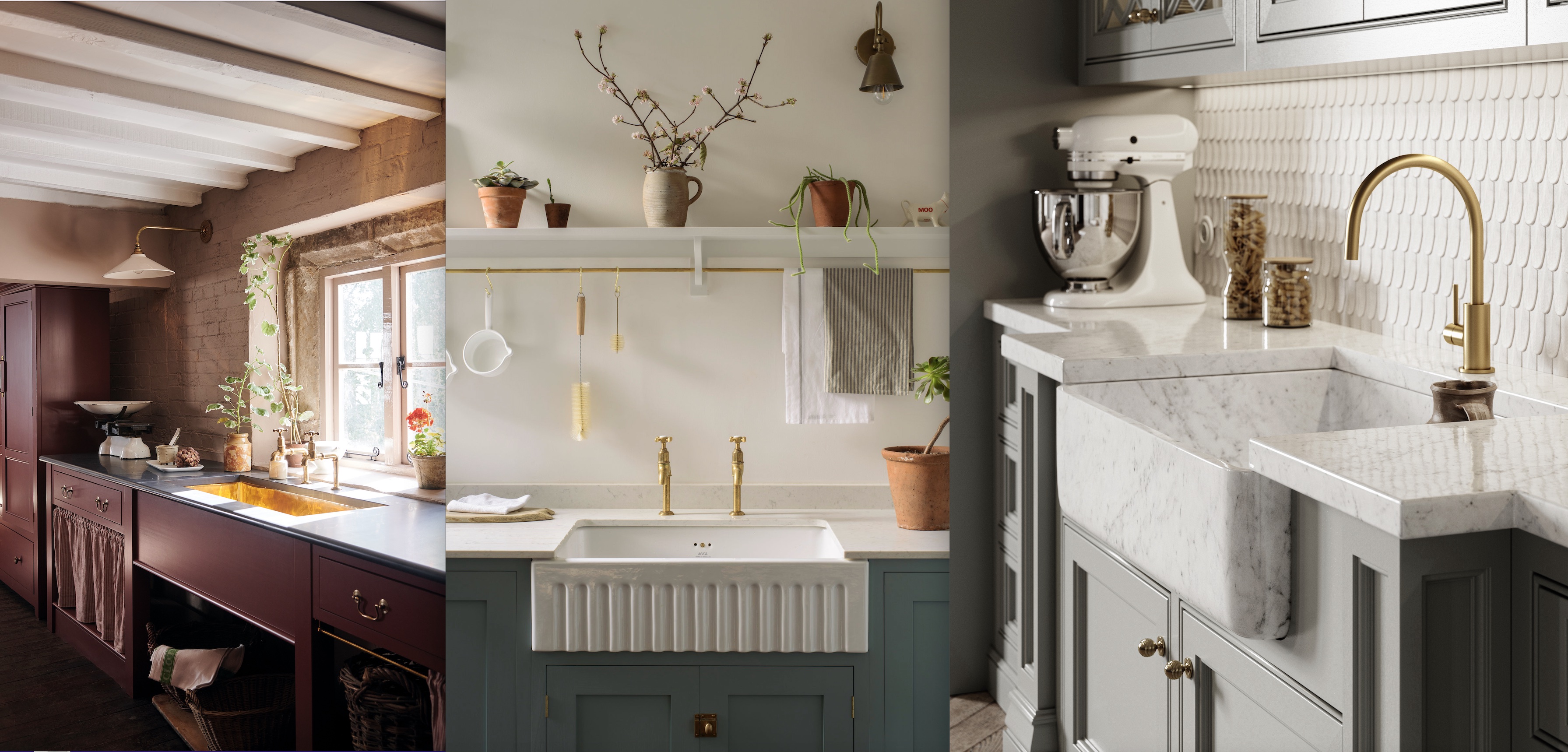
The best 5 kitchen sink materials – and how to choose the best type and design for your home

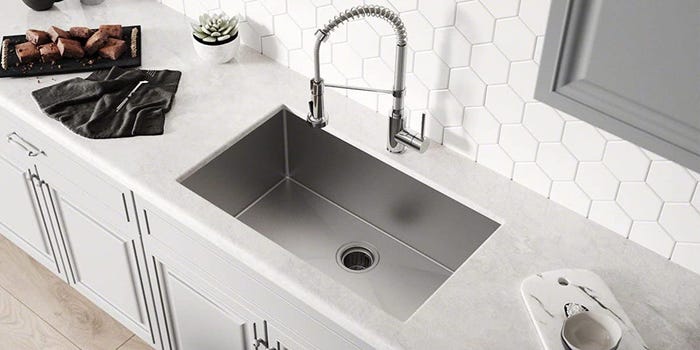
The 5 Best Kitchen Sinks
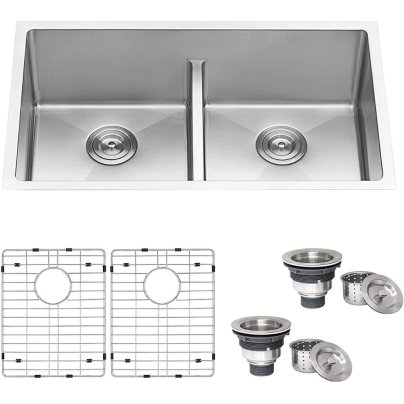
Our Favorite Kitchen Sinks Are As Functional As They Are Beautiful

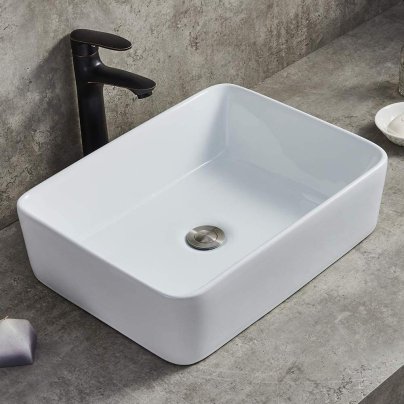
The Best Bathroom Sinks

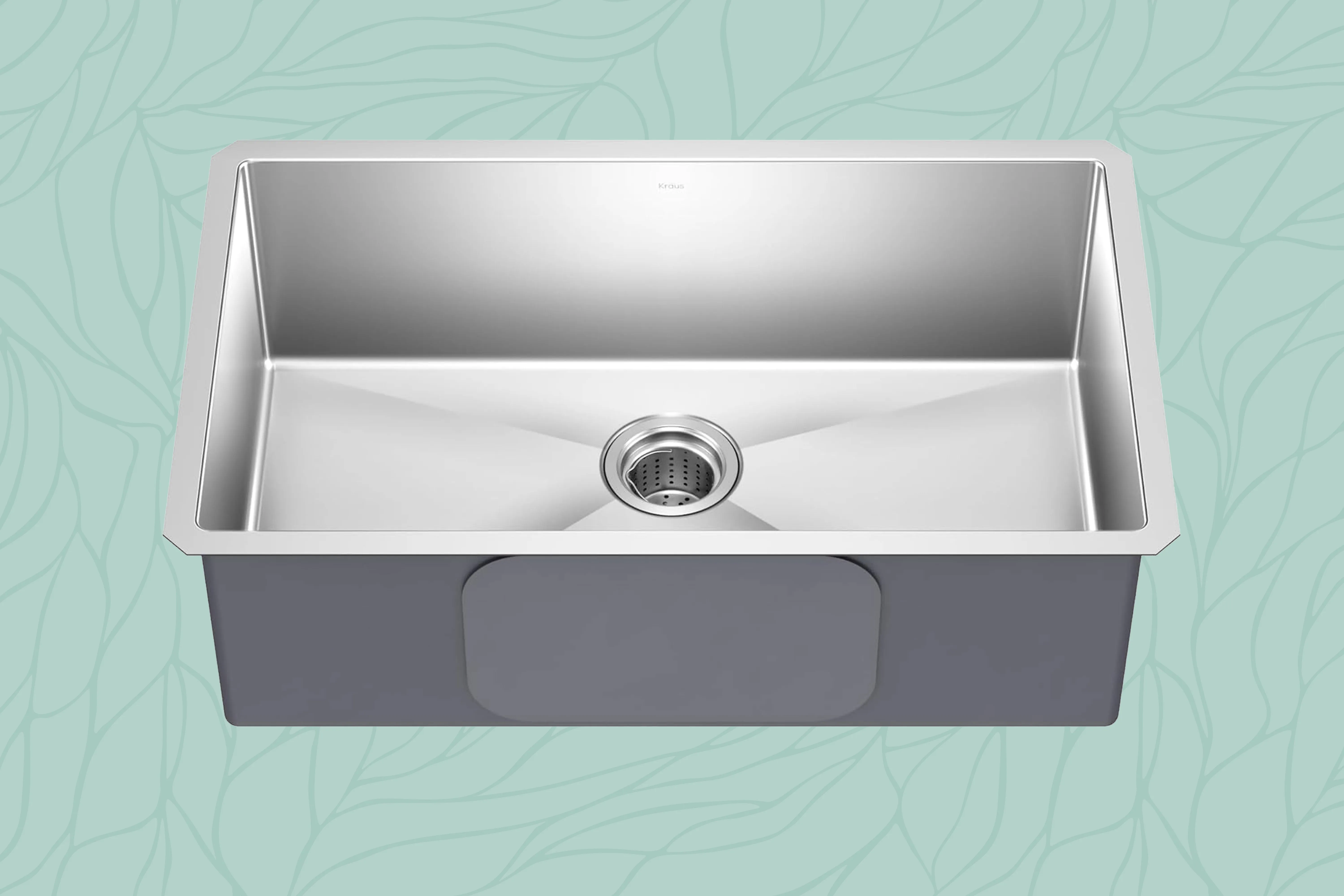
6 Kitchen Sinks Worth Upgrading to in 2026
Kitchen Sinks
20 Simple and Latest Kitchen Sink Designs for 2024
At Home Living: Find the kitchen sink you will never throw out
10 Best Kitchen Sinks in Singapore: Hansgrohe, IKEA, Franke, Zuhne
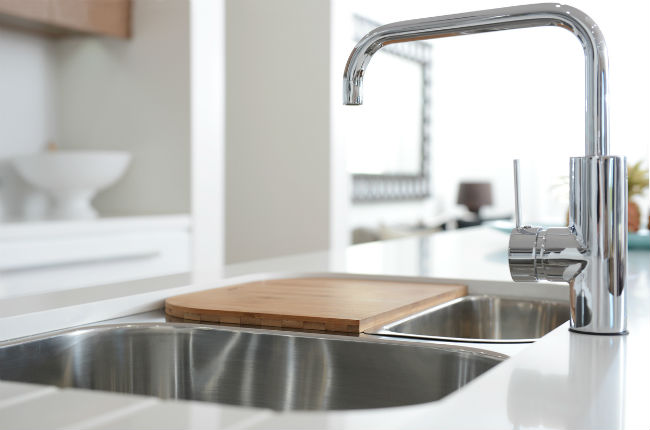
Stylish, Stain-Resistant, or Both: Which Type of Kitchen Sink Is Right for You?

The Most Popular Kitchen Sink Styles to Transform Your Space

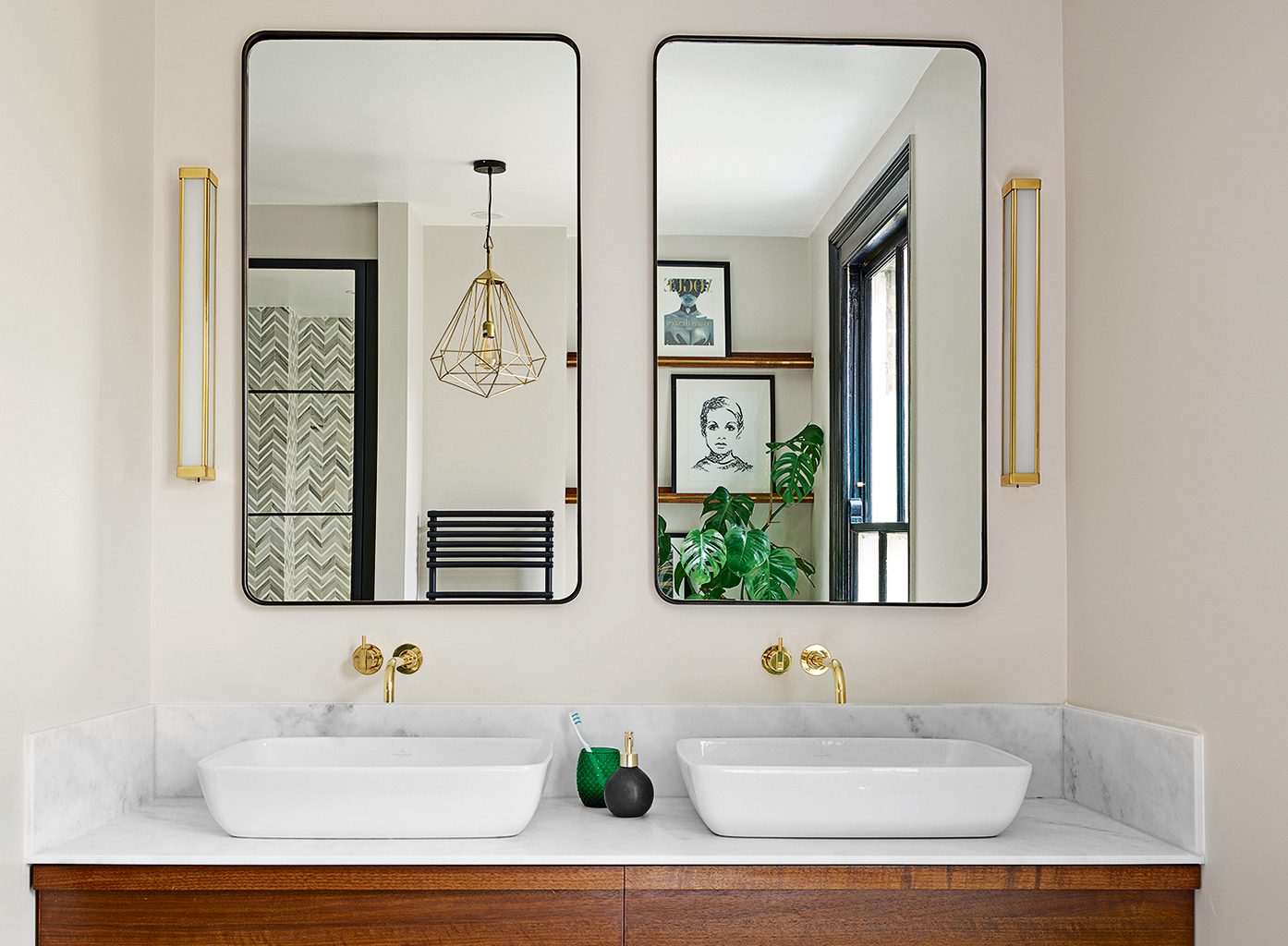
Don't buy a bathroom sink without reading this first - the expert guide to picking the perfect one

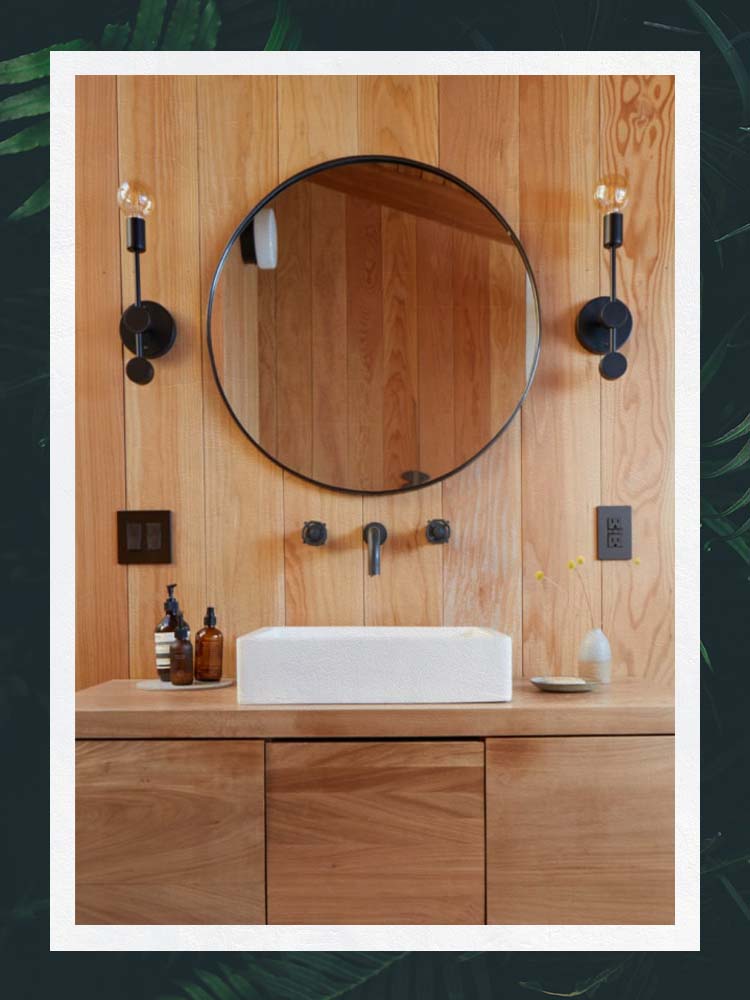
The Best Bathroom Sinks Go Beyond Porcelain to Concrete and Even Quartz

Bathroom Sinks, Basins and Accessories
Vessel Sinks Are Back in Bathrooms But with a Fresh New Look