How to Choose Interior Window Trim
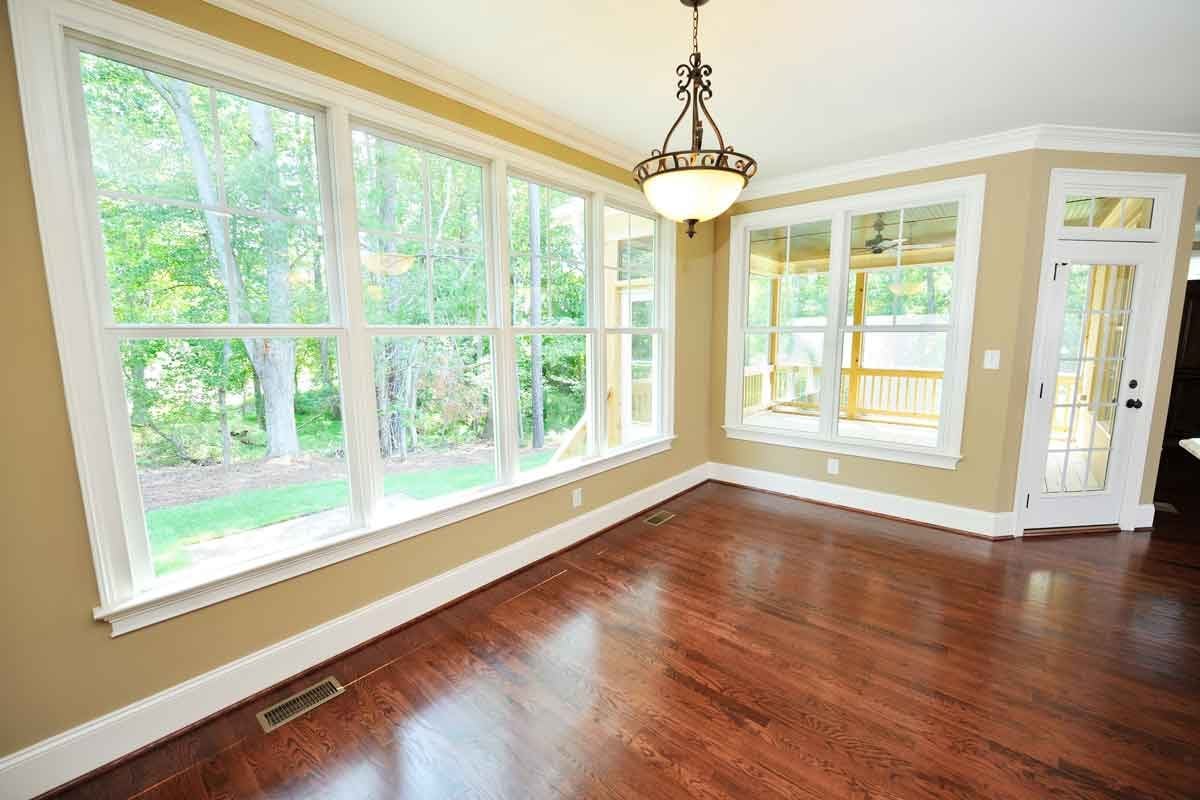
Interior window trim, a crucial element in home aesthetics and functionality, serves to cover the seam where a window meets a wall, much like baseboards or crown molding. While it shares a similar purpose with exterior window trim, interior trim is often more decorative and typically made of wood, whereas exterior trim requires more weather-resistant materials like vinyl or synthetic options. The primary functions of interior window trim are insulation and decoration. It acts as a barrier against outside air, helping to maintain indoor temperatures and providing an additional layer of protection for the window's insulation. Decoratively, window trim conceals imperfections left from installation and enhances the home's style. Well-chosen trim can significantly boost a home's value, making it a timeless design feature.
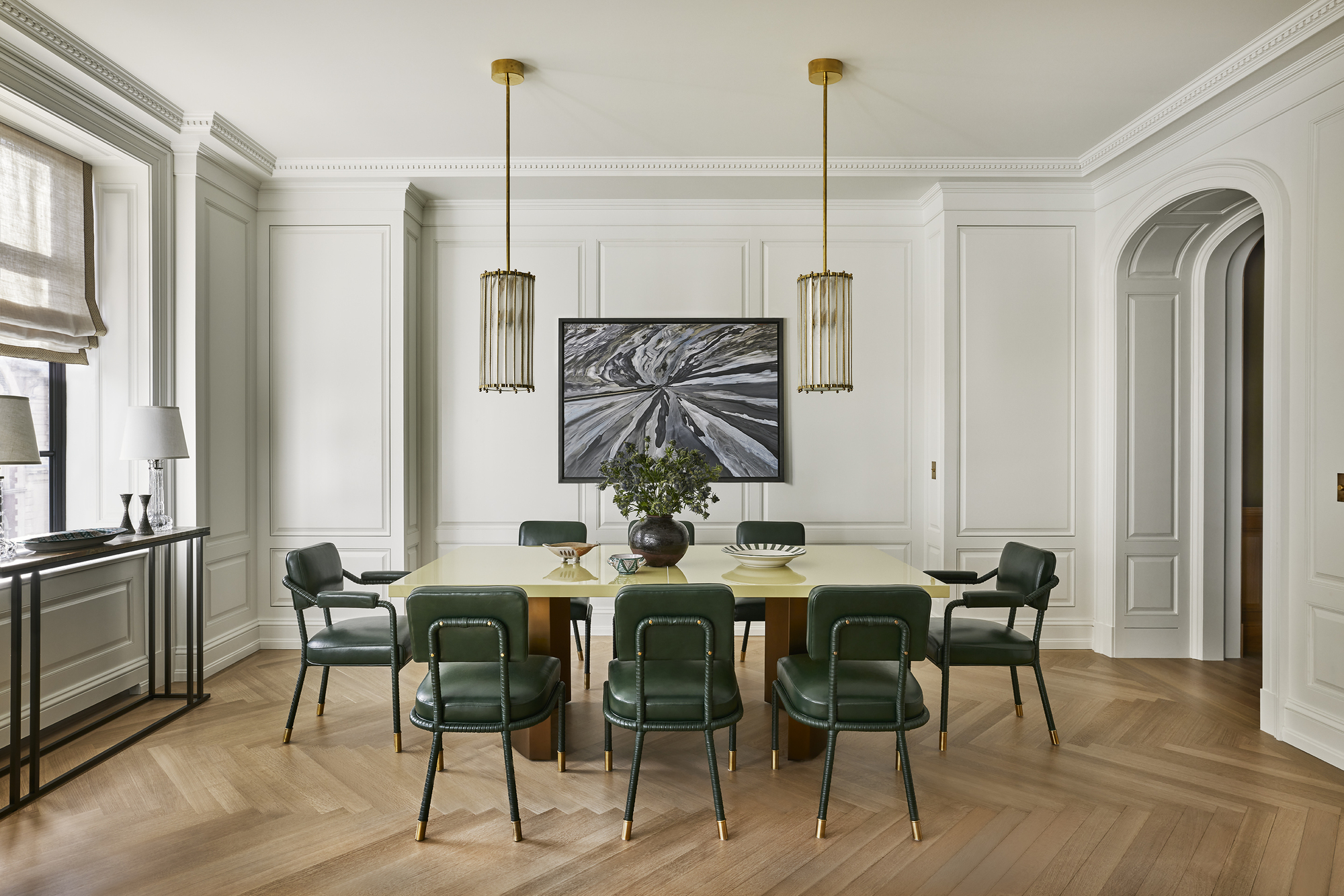
Material choices for interior window trim predominantly feature wood due to its versatility and aesthetic appeal. Poplar is recommended for painted trim because of its smooth finish, while strong-grained oak is ideal for stained applications. Other common materials include wood composites and vinyl, offering various styles and budget-friendly options. Vinyl is frequently used in commercial settings due to its durability and cost-effectiveness for large-scale projects. When considering design styles, the options are extensive, catering to diverse architectural periods such as colonial, Victorian, modern, and Craftsman. Four common styles include flat trim, which is simple and cost-effective; colonial trim, featuring subtle curves and indents for a refined look; fluted trim, characterized by straight, uniform lines that add visual interest and can make a room appear larger; and ranch trim, similar to flat trim but with a curved or angled face.
Choosing the right interior window trim involves balancing budget and aesthetic preferences. Homeowners should consider the cost of materials, installation, and ongoing maintenance. For those with carpentry skills, a DIY approach can significantly reduce installation expenses, potentially allowing for investment in more expensive wood trim. Professional installation typically costs between $6.21 and $9.63 per linear foot, while DIY costs range from $0.90 to $1.35 per linear foot. To select the appropriate style, it is advisable to visit stores or browse interior design photos for inspiration. Matching the new window trim to existing trim and molding throughout the house is often a smart design choice, unless a complete overhaul of the woodwork is planned. DIY installation of interior window trim is feasible with the right tools, such as a miter saw and a brad nailer. Alternatively, for a contemporary and minimalist aesthetic, trimless windows can be achieved through DIY methods. However, for those unsure of their skills, consulting a professional is always recommended.
#InteriorDesign #WindowTrim #HomeImprovement #DIYProjects #Woodworking #HomeValue #MaterialSelection #ArchitecturalStyle #HomeRenovation #InteriorDesign #WindowTrim #HomeImprovement #DIYProjects #Woodworking #HomeValue #MaterialSelection #ArchitecturalStyle #HomeRenovation
0 تعليق إجمالاً
 لا توجد تعليقات بعد
قد تعجبك أيضًا
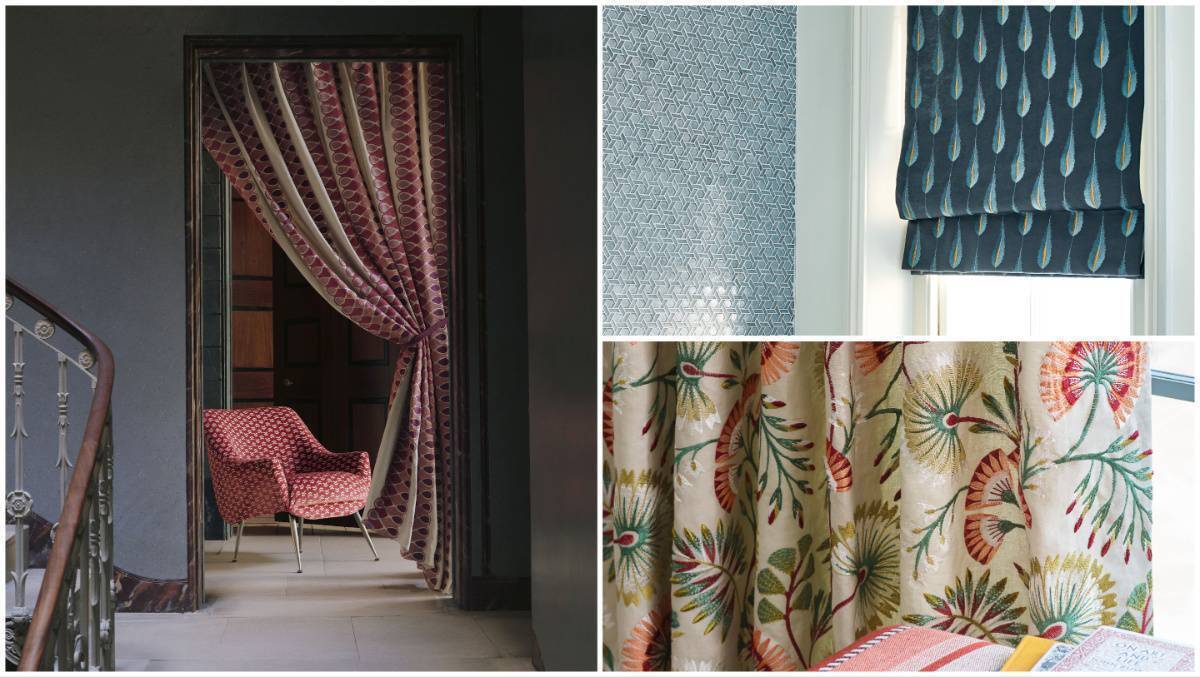
Curtain call: How to choose window treatments

Why You Should Be Extending Your Drapes Beyond the Window Frame
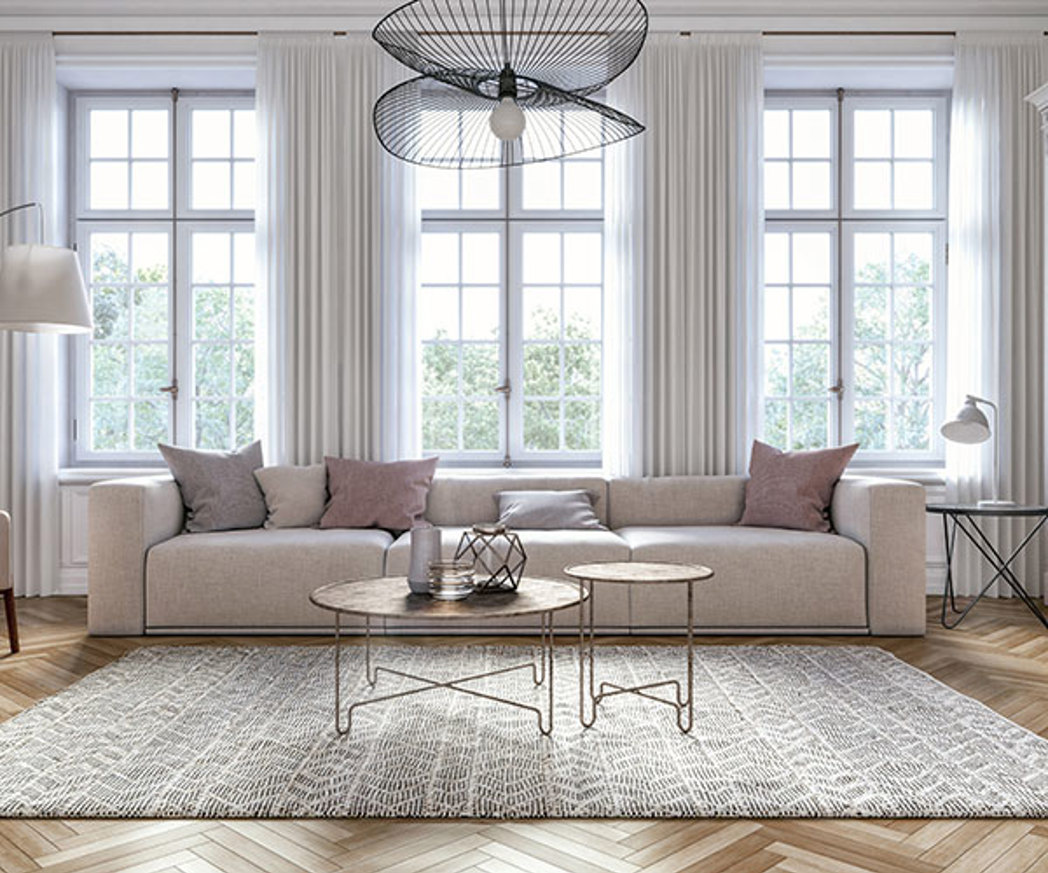
Window Pros Break Down Six Styles


We Asked Designers Which Window Treatments Are Out in 2026—These Made the List


An Interior Design Expert Explains How To Style Your Windows To Make Them Look Bigger


George Clarke's top tips on choosing the perfect window treatments for your space


Curtain Call: Choosing Window Treatments
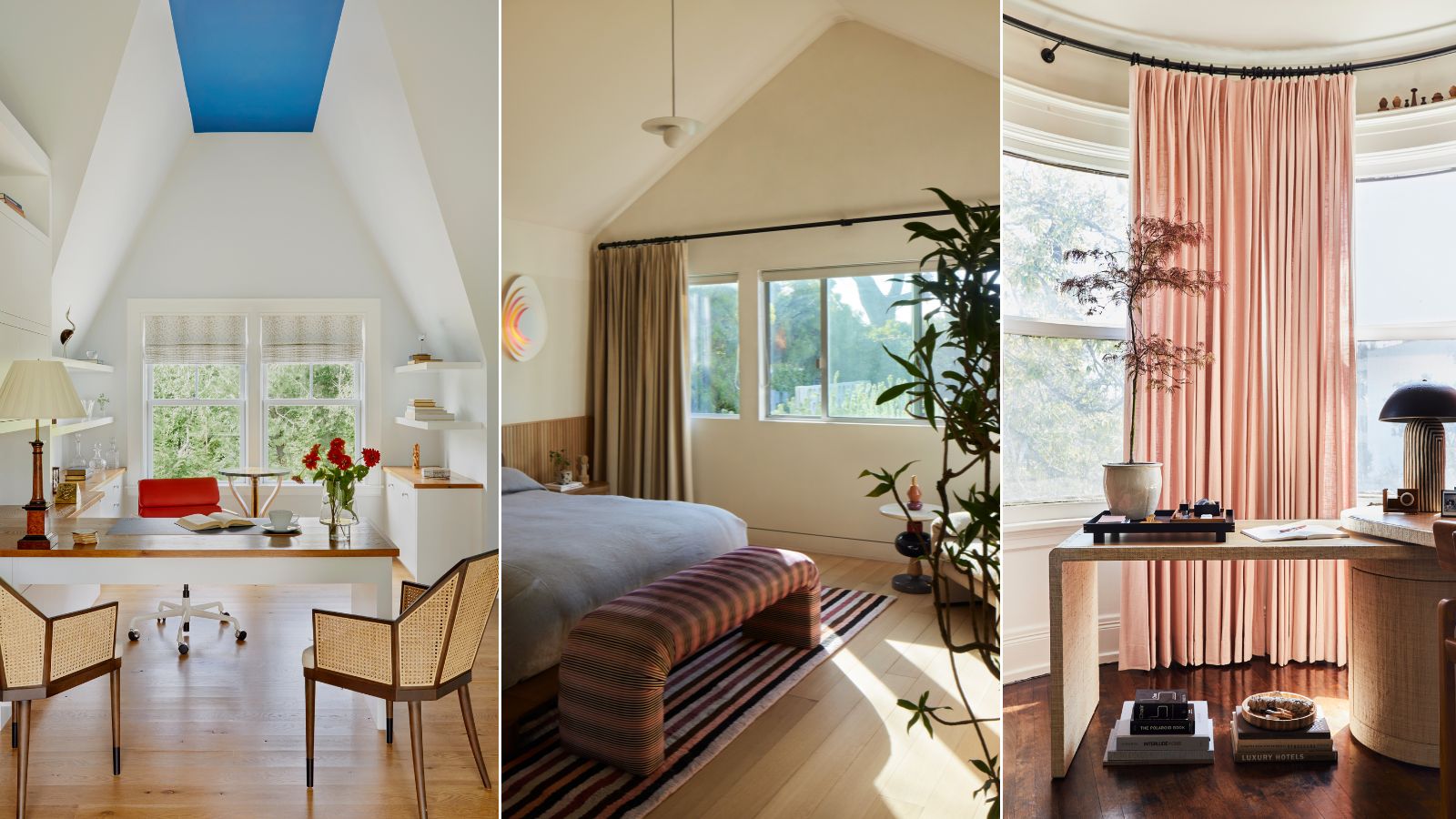
Where do interior designers buy window treatments? The tried and tested stores to add to your list

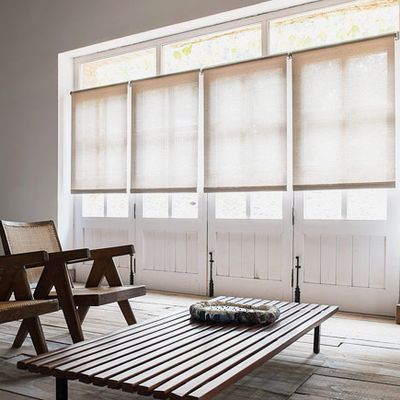
The Best Window Curtains and Shades, According to Interior Designers

6 Ways to Choose the Right Window Designs for Your Home

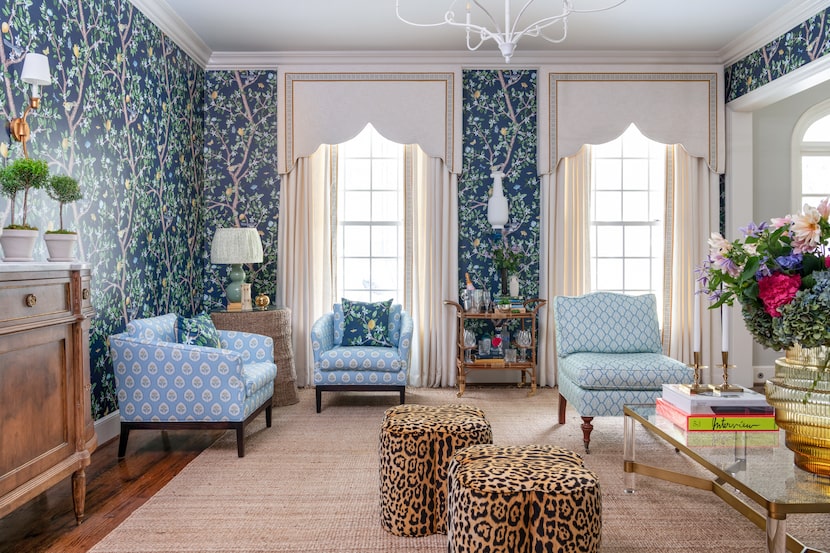
D-FW designers reveal the do’s and don’ts of window treatments

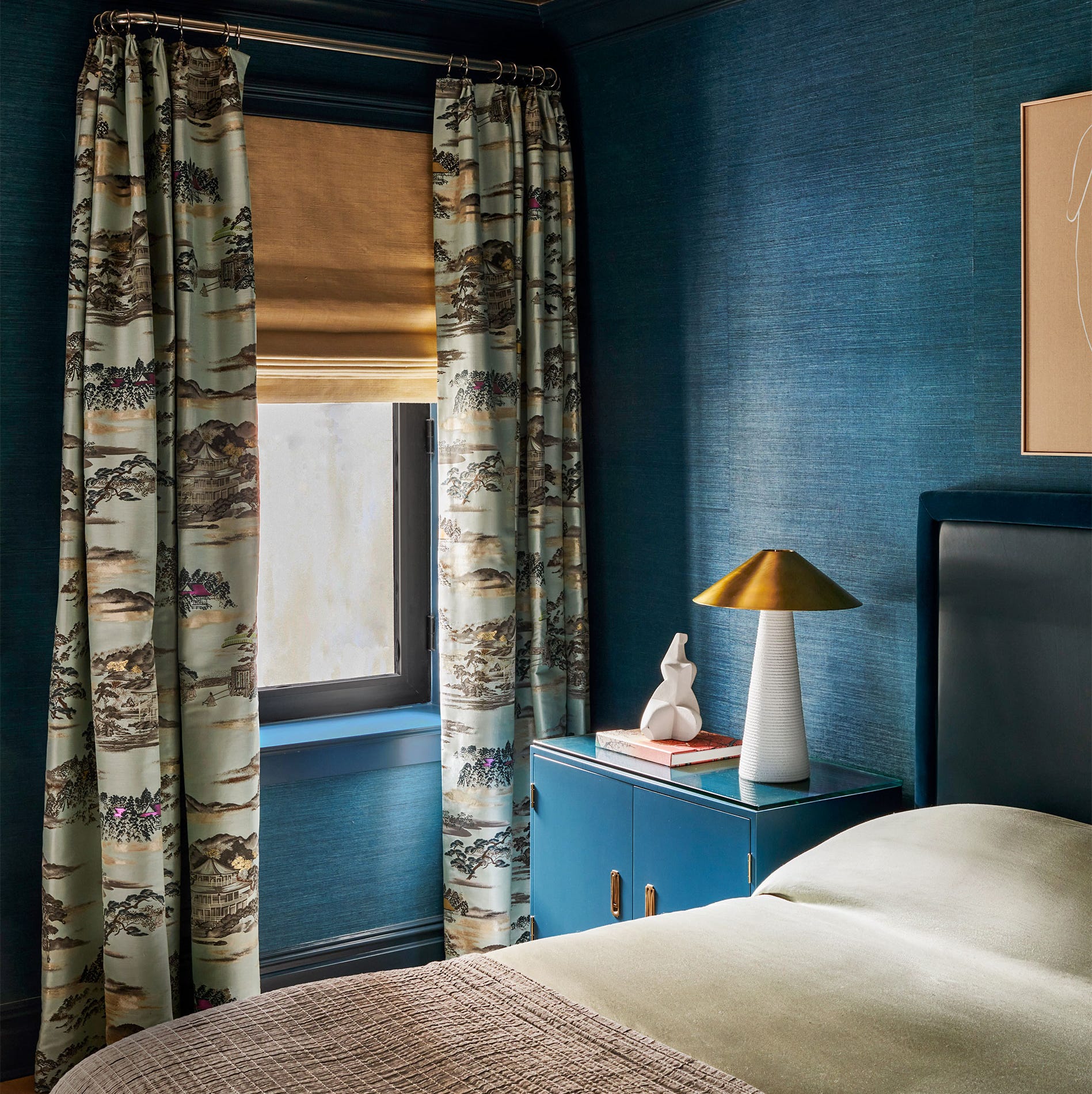
Why You Should Never Skip Curtains, According to Top Designers

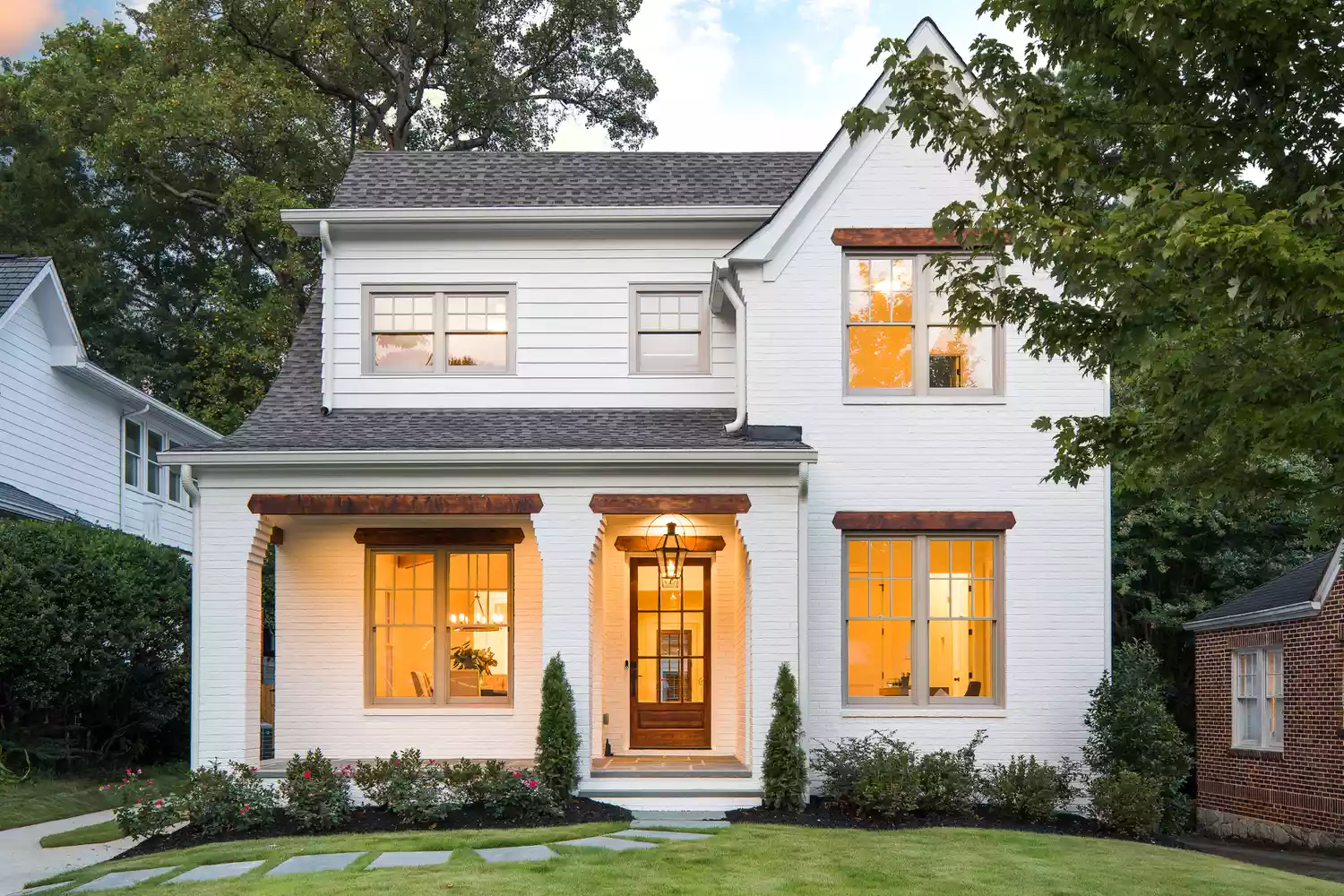
Window Trim Doesn't Have to Be Boring—These 20 Ideas Will Help Your Home Stand Out
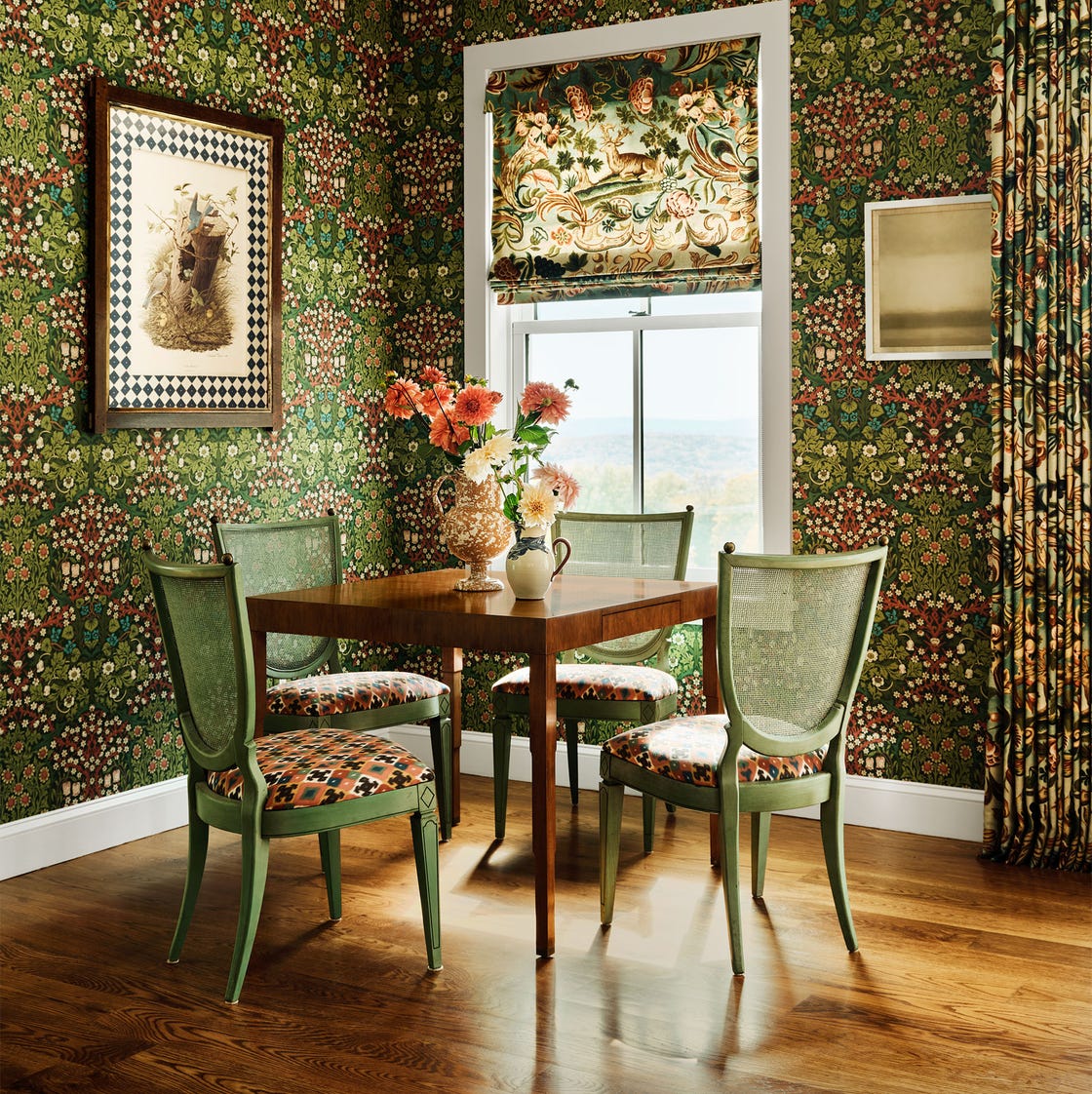
54 Stylish Window Treatment Ideas to Completely Transform Your Space
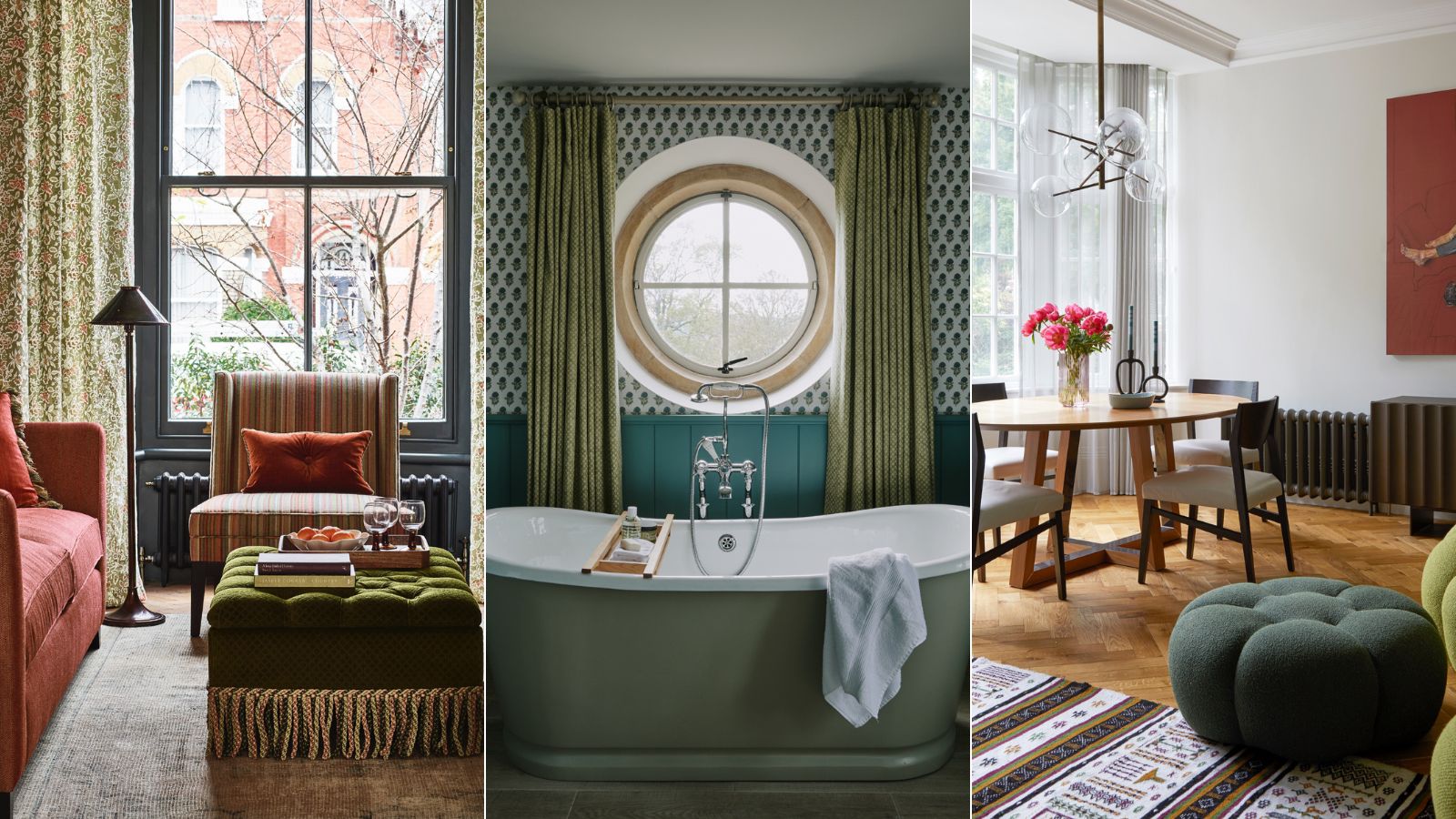
Should you choose drapes or blinds? We asked interior designers which window treatment is best
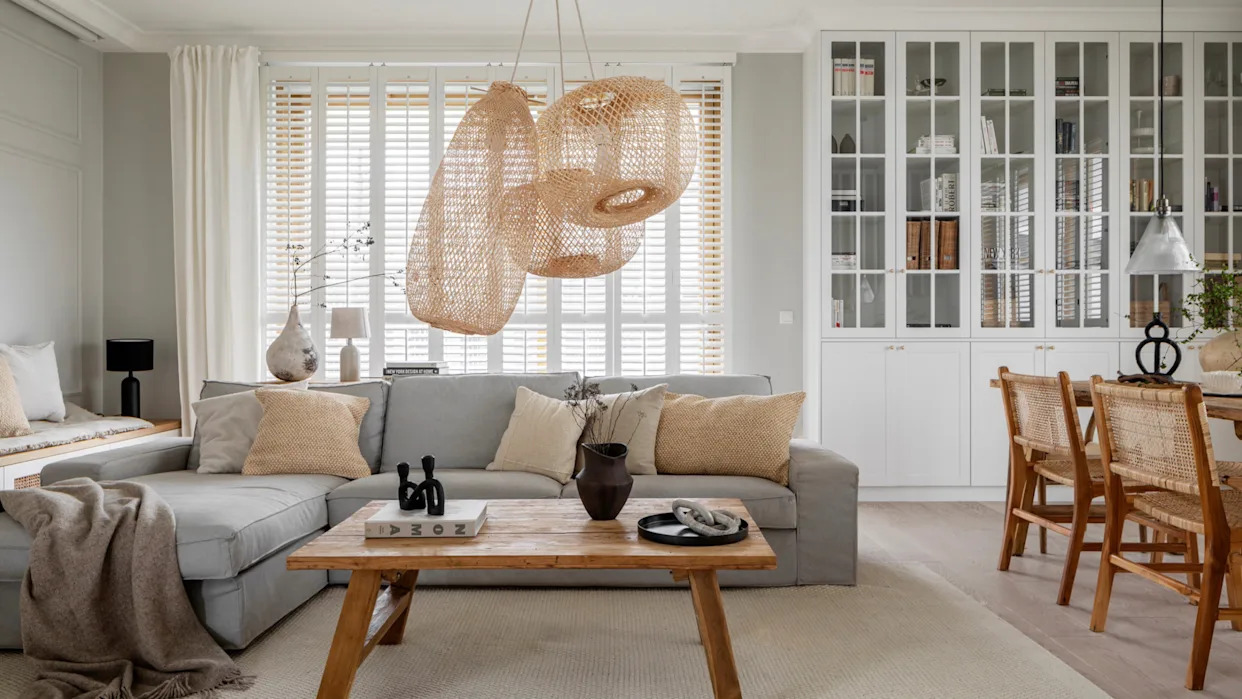
Are shutters outdated? Here’s what interior designers say, and how they're decorating for 2023 and beyond
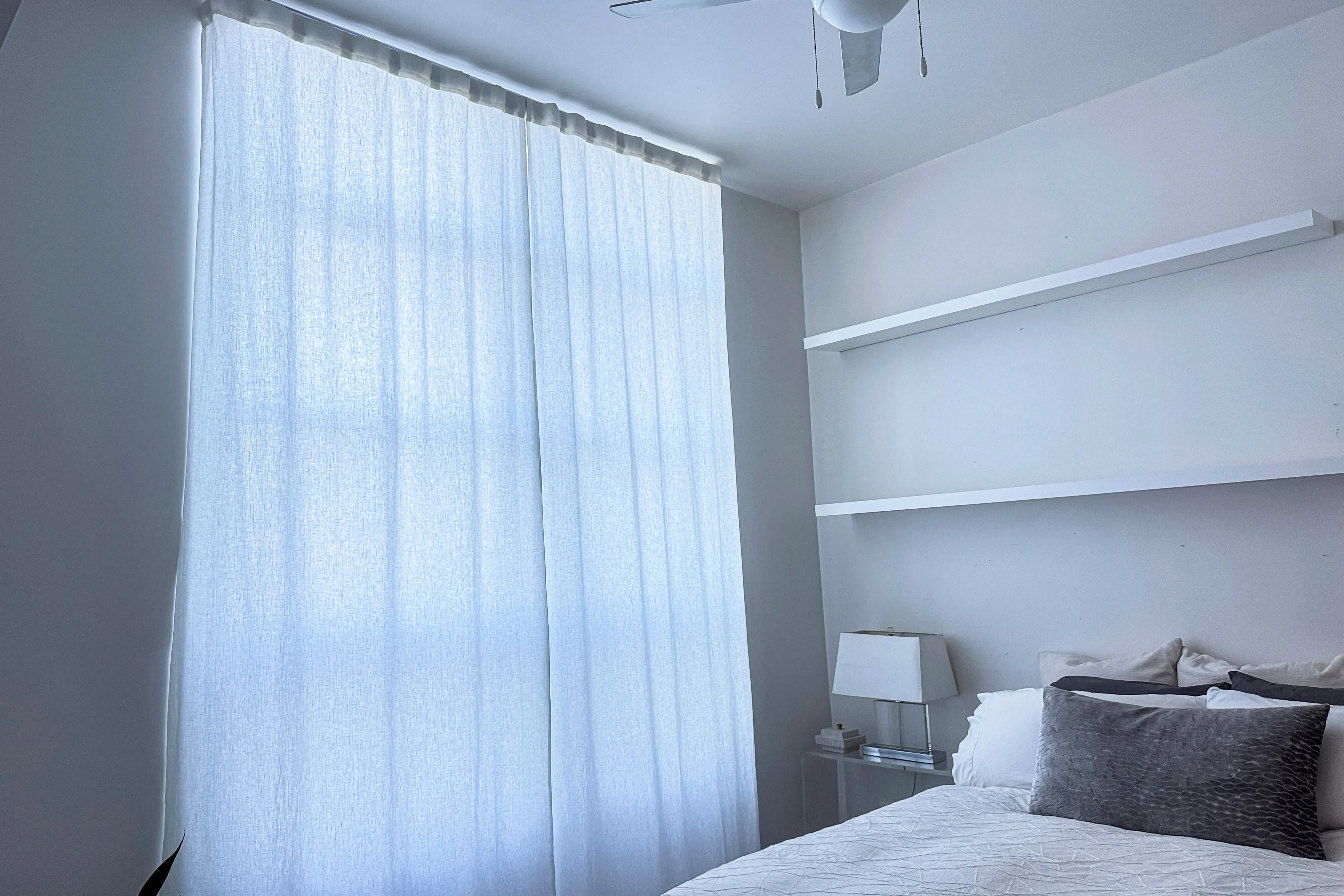
The Best Curtains for Every Style and Light Level, Tested by BHG

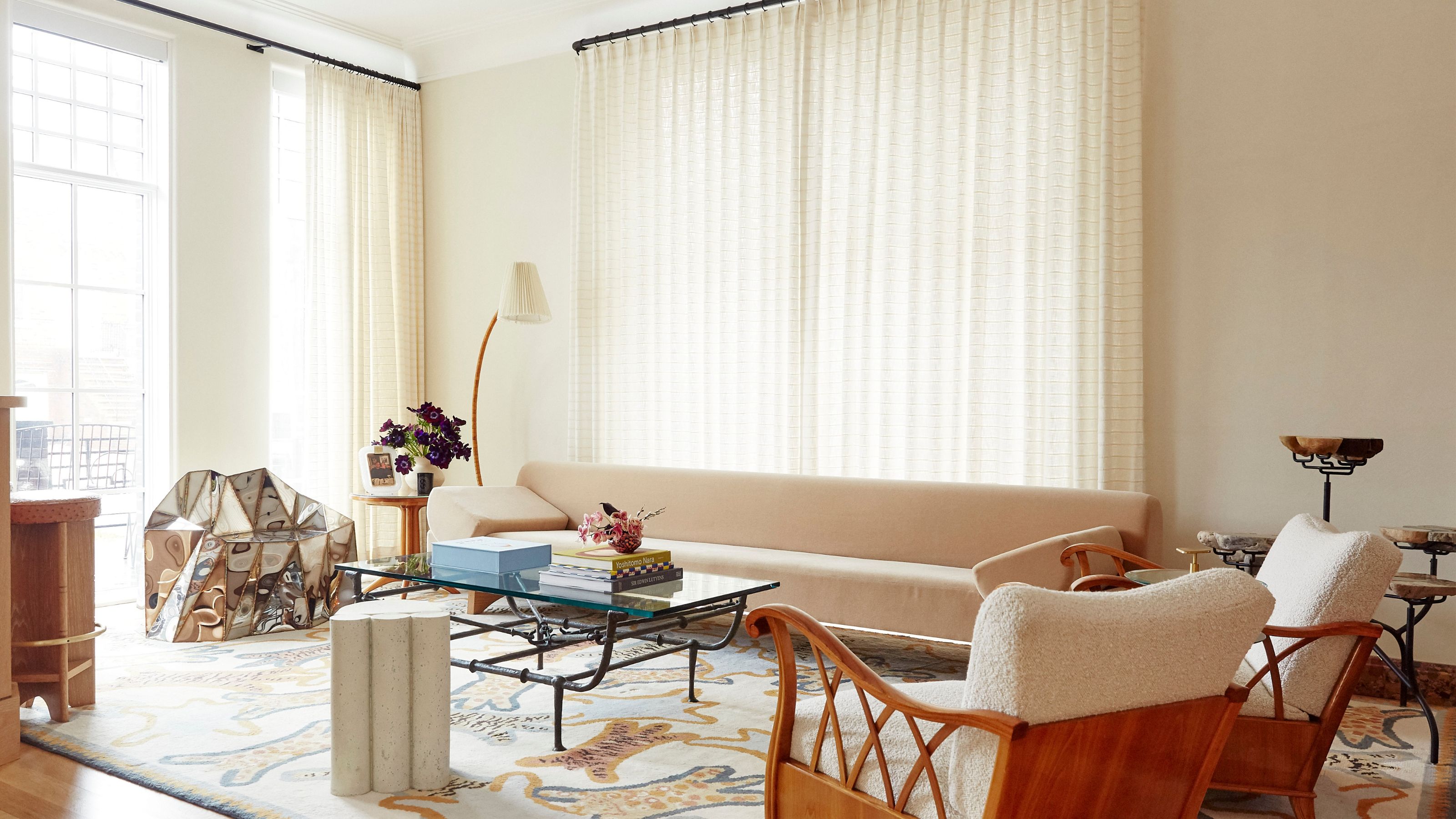
"Should All My Window Treatments Match?" Here's How Designers Decide, and Make It Work Either Way

How to dress a window - three design experts explain how to plan the perfect window dressing


Arjay's Window Fashions blends science and style for better window treatments