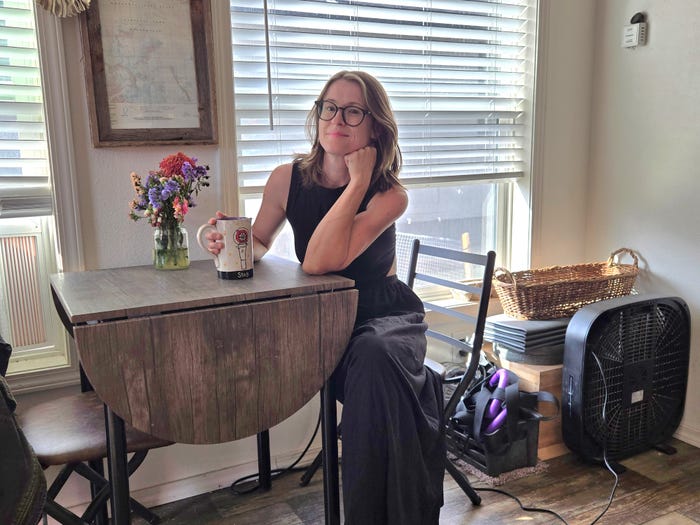
Five years of living in a tiny home taught me that the biggest sacrifices had nothing to do with space or stuff
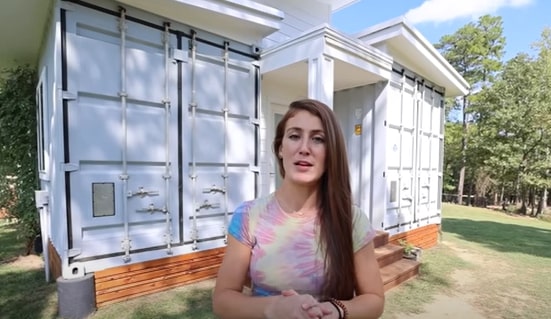
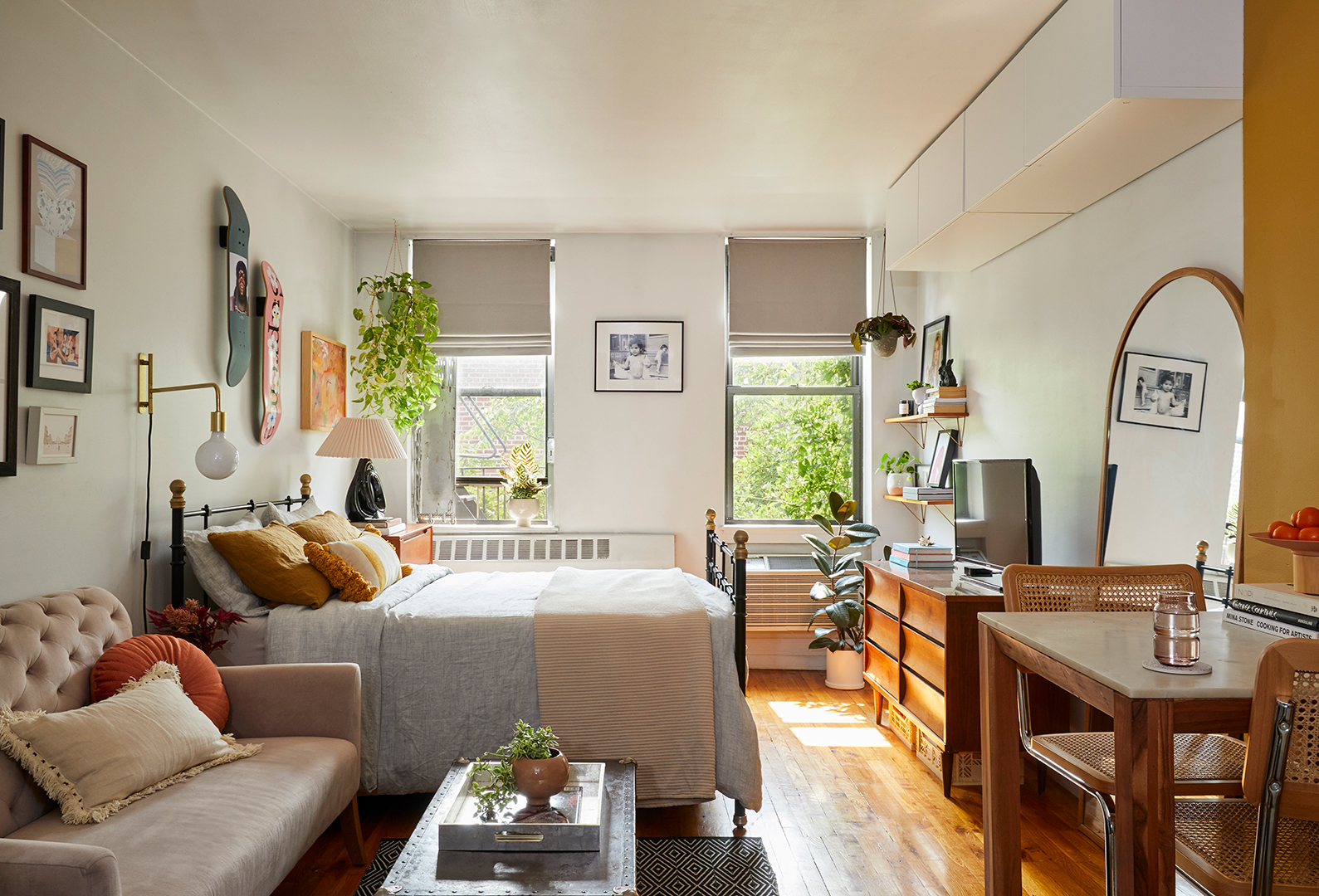
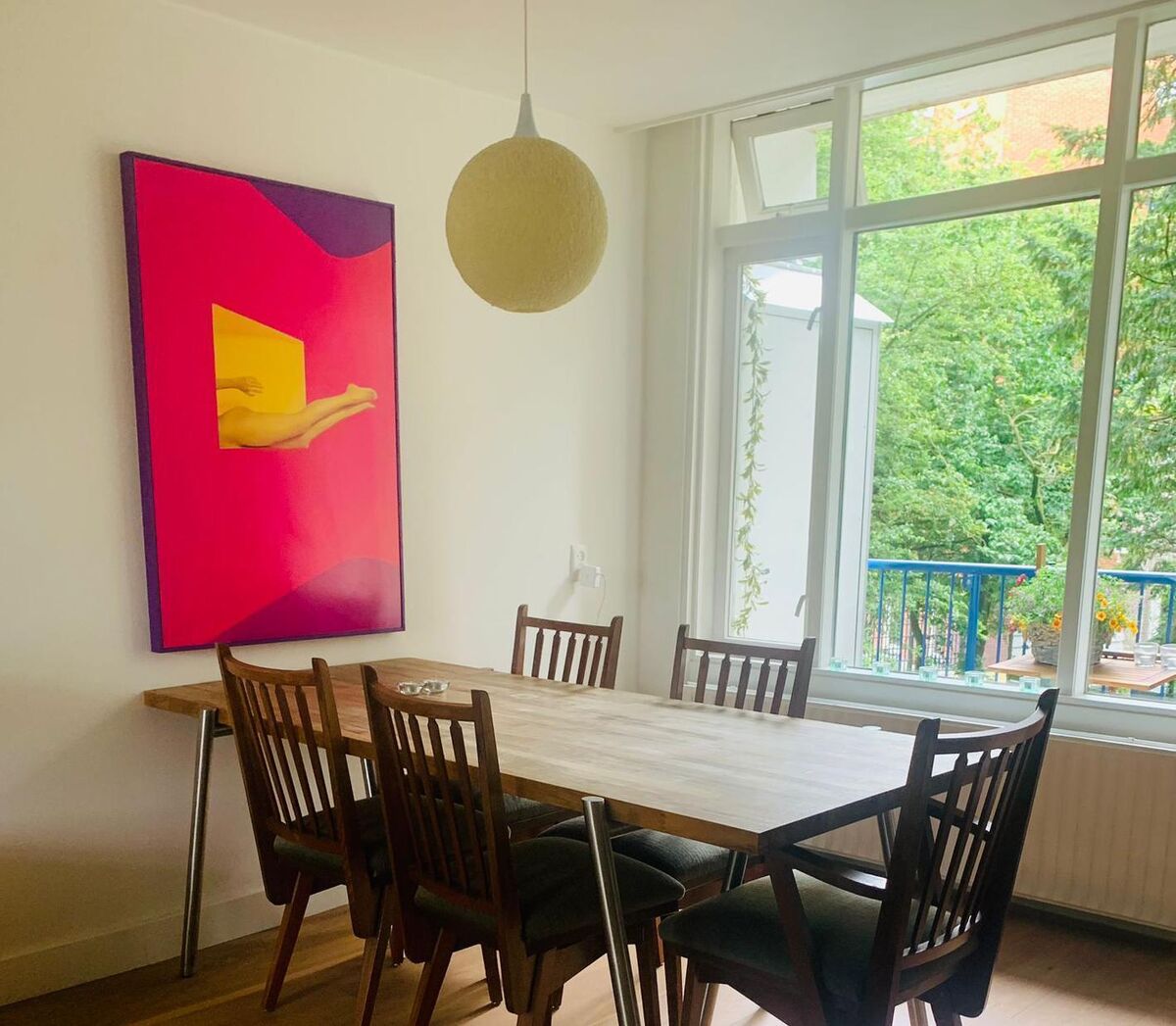
The author reflects on five years of living in a tiny home, specifically a 400-square-foot space, and details the unexpected social costs associated with this lifestyle choice. While tiny living offers benefits like reduced utility bills and less cleaning, the most significant challenges have emerged in the realm of personal relationships and social connections, rather than the anticipated sacrifices of comfort or limited storage. The core issue is the difficulty of hosting, which is described as akin to trying to hold a dinner party in a walk-in closet. The author and their partner own foldable chairs and a dining table that seats four, but even this setup leads to a cramped experience, making entertaining uncomfortable for everyone involved.
This inability to host significantly impacts family relationships. As the couple lives a considerable distance from their families, they frequently undertake seven-hour drives to visit relatives. In contrast, family visits to their tiny home are rare due to the logistical difficulties. The only guest accommodation they can offer is a camper van, which, despite being embraced by the author's adventurous mother, presents challenges like a lack of temperature control and an inconvenient bed, acting as a deterrent for most potential visitors. This situation leads the author to feel that traveling to see them might not be perceived as worth the extra effort, subtly straining connections.
Initially, the lack of hosting pressure felt liberating, removing the stress of maintaining a company-ready home. However, it soon became apparent that this also resulted in a loss of control over how and when social interactions occurred. The act of sharing one's home, whether for a movie night or an overnight stay, is viewed as a form of communication that conveys generosity and connection. Without this capacity, the author finds themselves perpetually in the role of a guest, dependent on others to provide space for gatherings, and often feeling like a "mooch" within their social circles.
Romantic relationships are also affected by the constraints of tiny living. The limited space in a tiny home does not naturally accommodate the need for "alone time," leading to frequent overlap in the couple's need for personal space. Arguments have nowhere to diffuse, and the constant proximity means that every sound and action is audible to the other person. This challenge is further exacerbated by the fact that they operate a business together from their home, eliminating the possibility of seeking refuge in an external office environment. The author emphasizes the importance of honest communication to navigate these situations, such as directly expressing a need for space. They have developed strategies for claiming personal space, including taking walks or coexisting quietly while mutually respecting each other's need for solitude, and the author sometimes travels solo to create distance.
Ultimately, the author concludes that a home serves as more than just a physical structure; it is a social tool. When this tool is compromised, the ability to fulfill social roles and maintain connections is diminished. Tiny living, despite its economic advantages in saving on utility bills and furniture, incurs a significant "social tax" through missed family gatherings and the reduction of shared experiences. This lifestyle has imposed a cost on the author's sense of belonging and has highlighted the profound importance of community. The experience has prompted a reevaluation of the meaning of "home," underscoring that its true value lies in its capacity to facilitate the sharing of one's life with others.
#TinyHomeLiving #SocialImpact #RelationshipChallenges #MinimalismDrawbacks #HousingLifestyle #FamilyConnections #PrivacyIssues #CommunityValue #TinyHomeLiving #SocialImpact #RelationshipChallenges #MinimalismDrawbacks #HousingLifestyle #FamilyConnections #PrivacyIssues #CommunityValue
0 تعليق إجمالاً
 لا توجد تعليقات بعد
قد تعجبك أيضًا

My New Home Office Proves That Sometimes, Less Really Is More
You Don’t Have to Sacrifice Style When Your Space Is Small

5 things minimalists never have in a small entryway

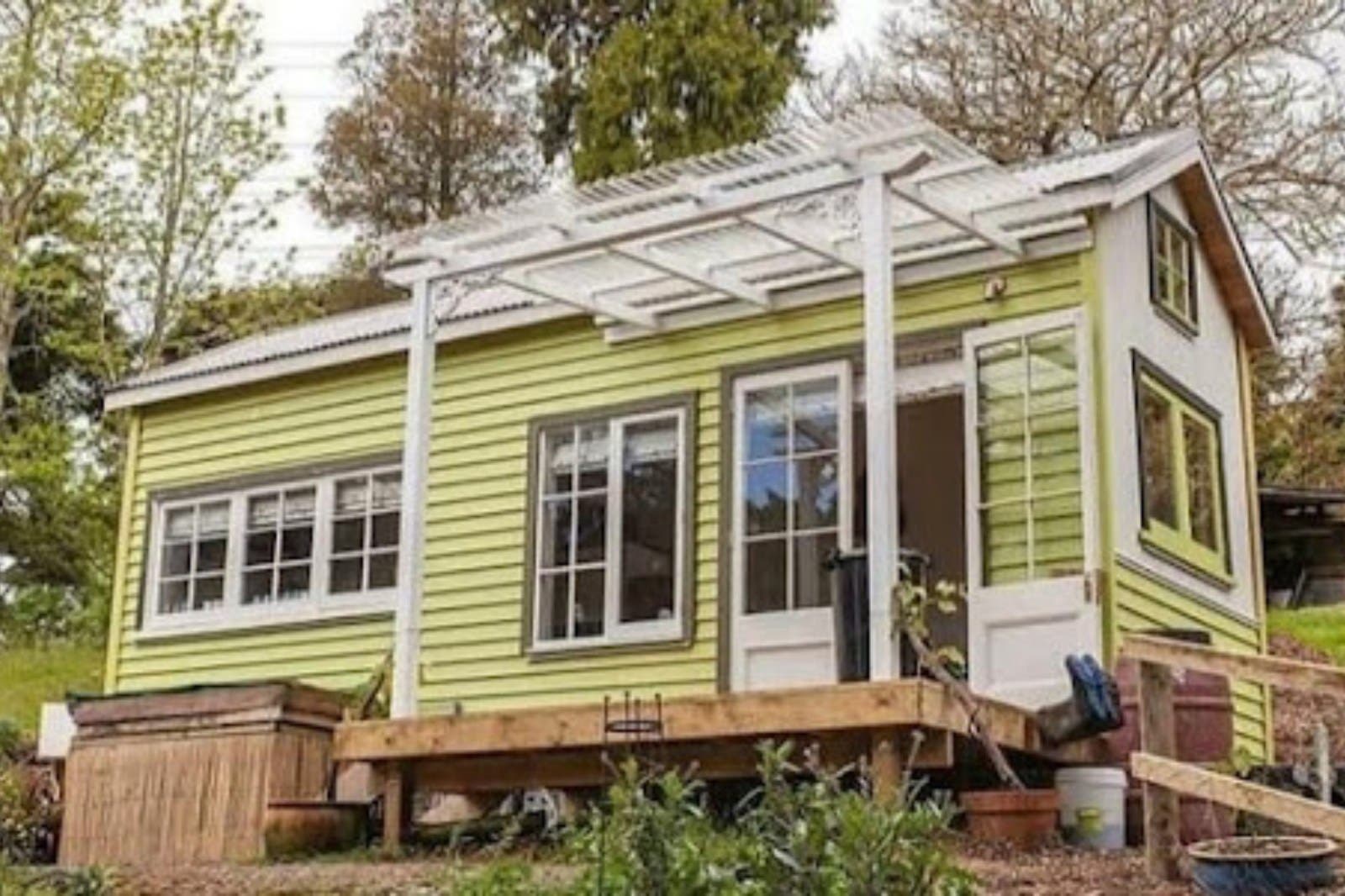
'We're Swapping Our Four-Bedroom Home For a Tiny House'

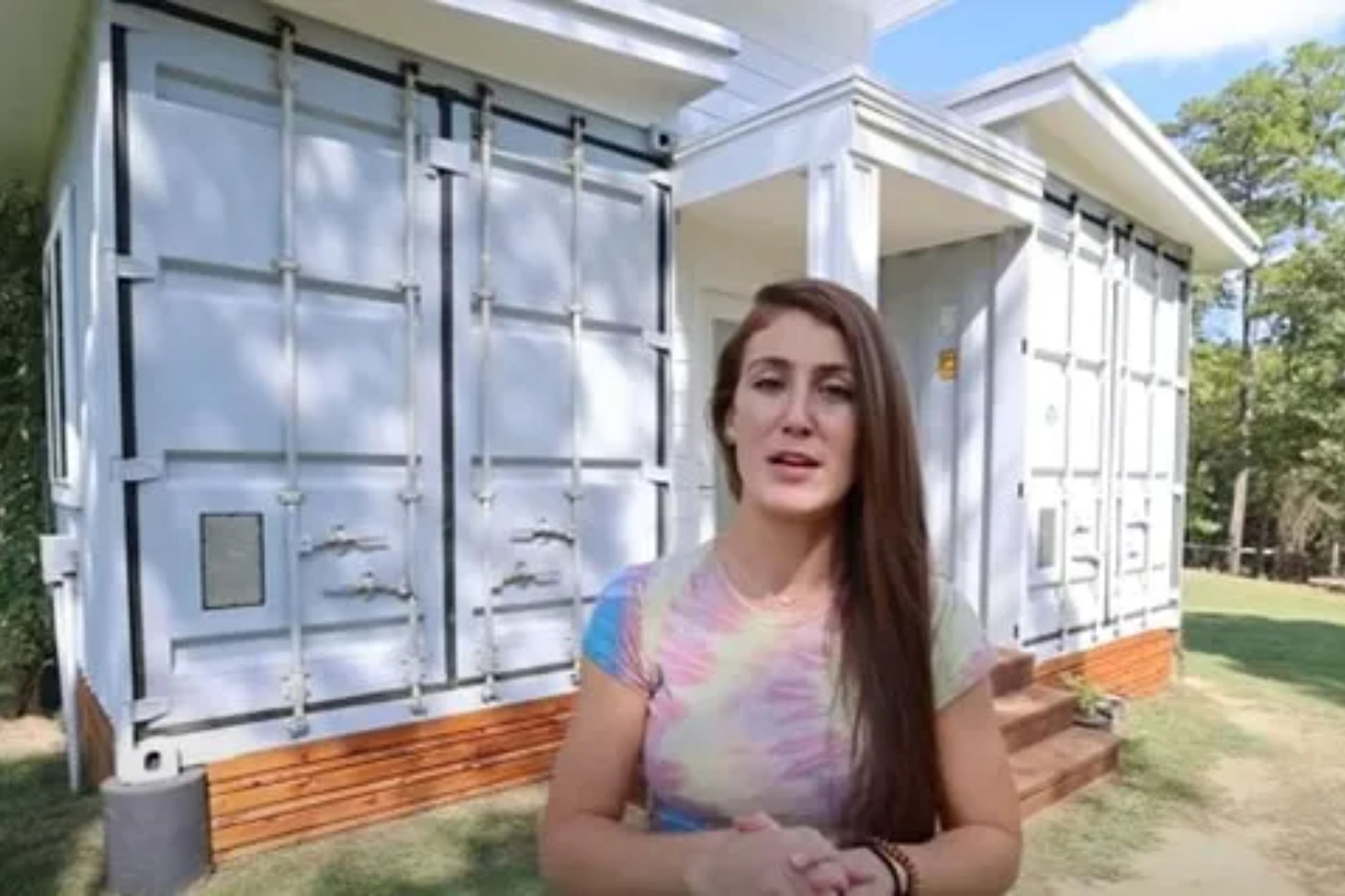
We turned shipping containers into a tiny home - it's 875sq ft but feels huge

5 Design Lessons I Learned While Decorating My Short-Term Rental
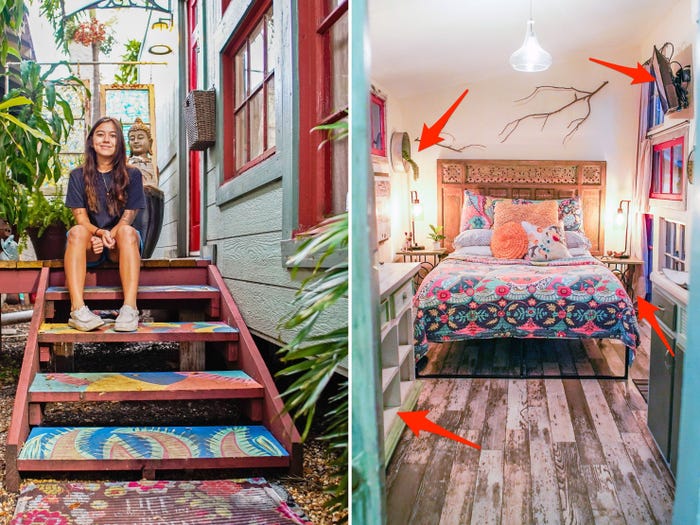
12 space-saving hacks I picked up from staying in a 250-square-foot tiny home
7 Organizing Secrets I Learned From Writing a Book About—And Living in—Small Apartments

My parents turned a 500-square-foot shed on their property into a tiny home. I live there so I can afford to stay in my hometown.
Secrets to tiny-home success I learned living in Amsterdam

I stayed in a tiny cabin full of space-saving hacks. I'm so impressed, I'll use them in my new apartment.
Inside 8 tiny apartments that prove downsizing is an upgrade | loveproperty.com
I Live in a Small NYC Apartment and These Storage Beds Are Game-Changers
Don't let a small space stop you – 3 Parisian design lessons I'm stealing for my tiny apartment

15 Things That Make Their Tiny Apartments Feel Bigger
Building a Zen, minimalist family home ‘the best risk we’ve ever taken’