1/9
My New Home Office Proves That Sometimes, Less Really Is More
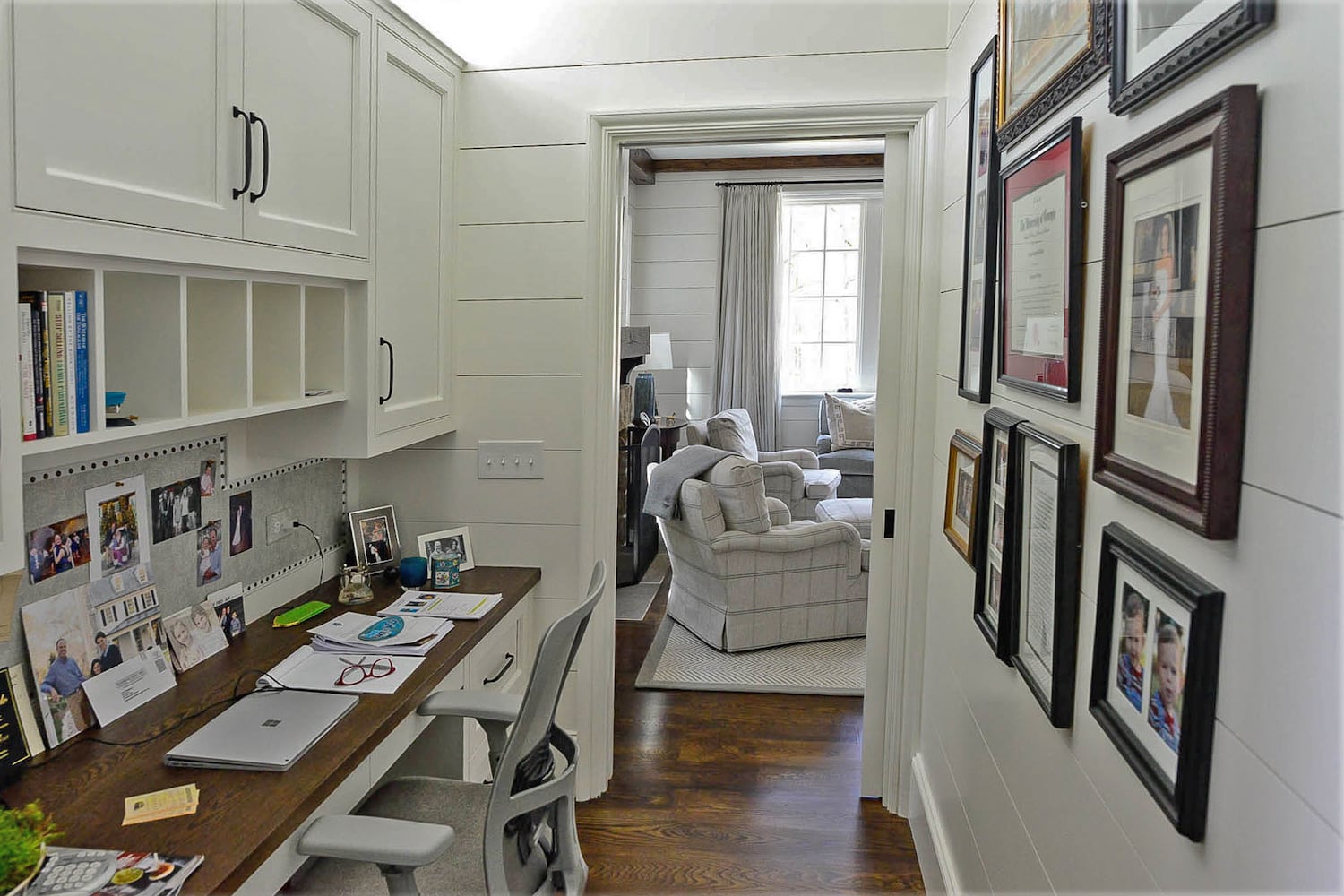
The author recounts the evolution of their workspace over twelve years as a blogger, starting from IKEA desks in a basement to multiple dedicated office spaces. The recent shift to remote work prompted a home renovation, with a specific focus on creating a functional and inspiring home office within an existing alcove off the kitchen. This particular space had historically lacked a clear purpose, serving as a part-time office, kids' art area, and storage closet, leading to a feeling of inefficiency and neglect in its design.
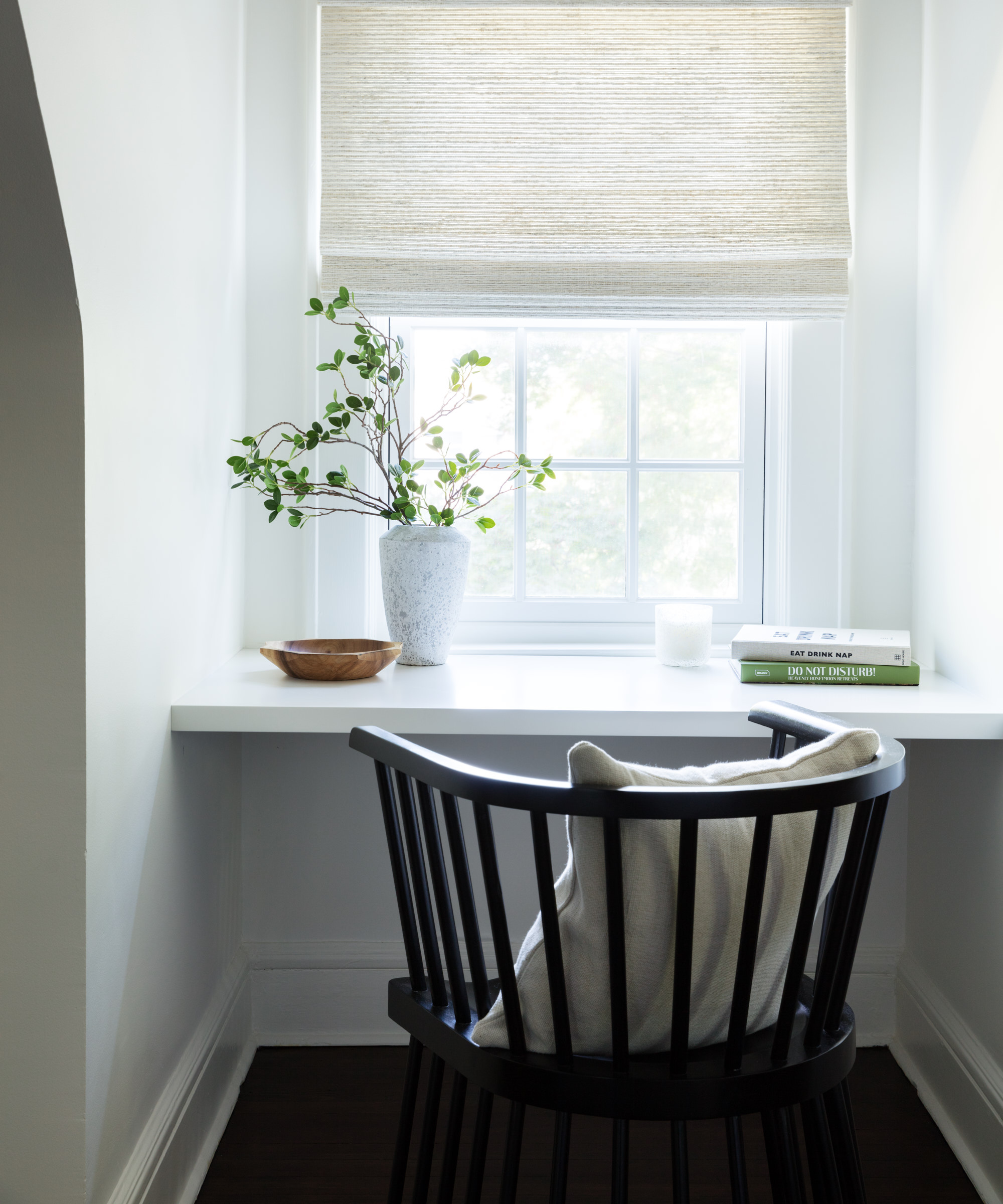
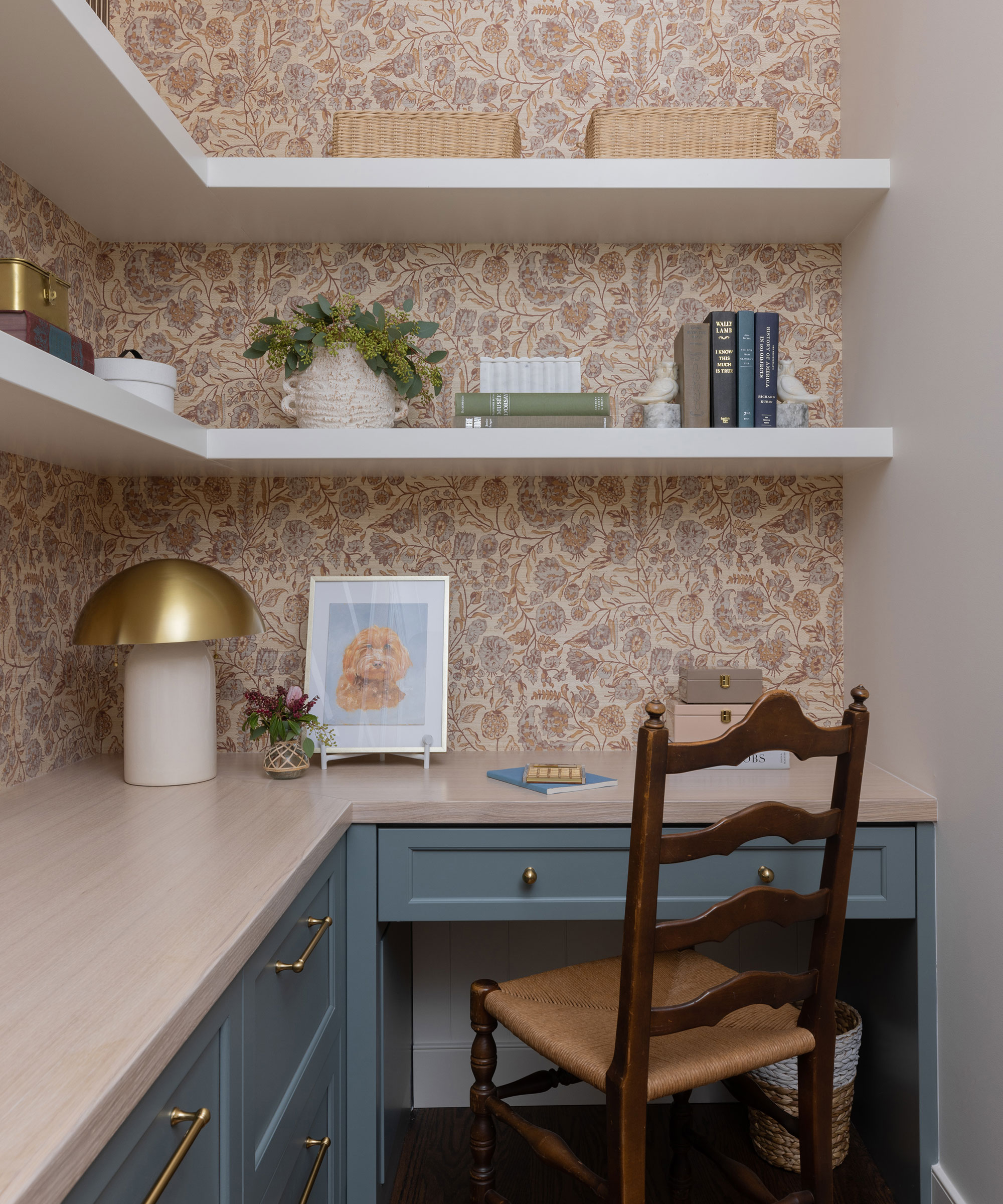
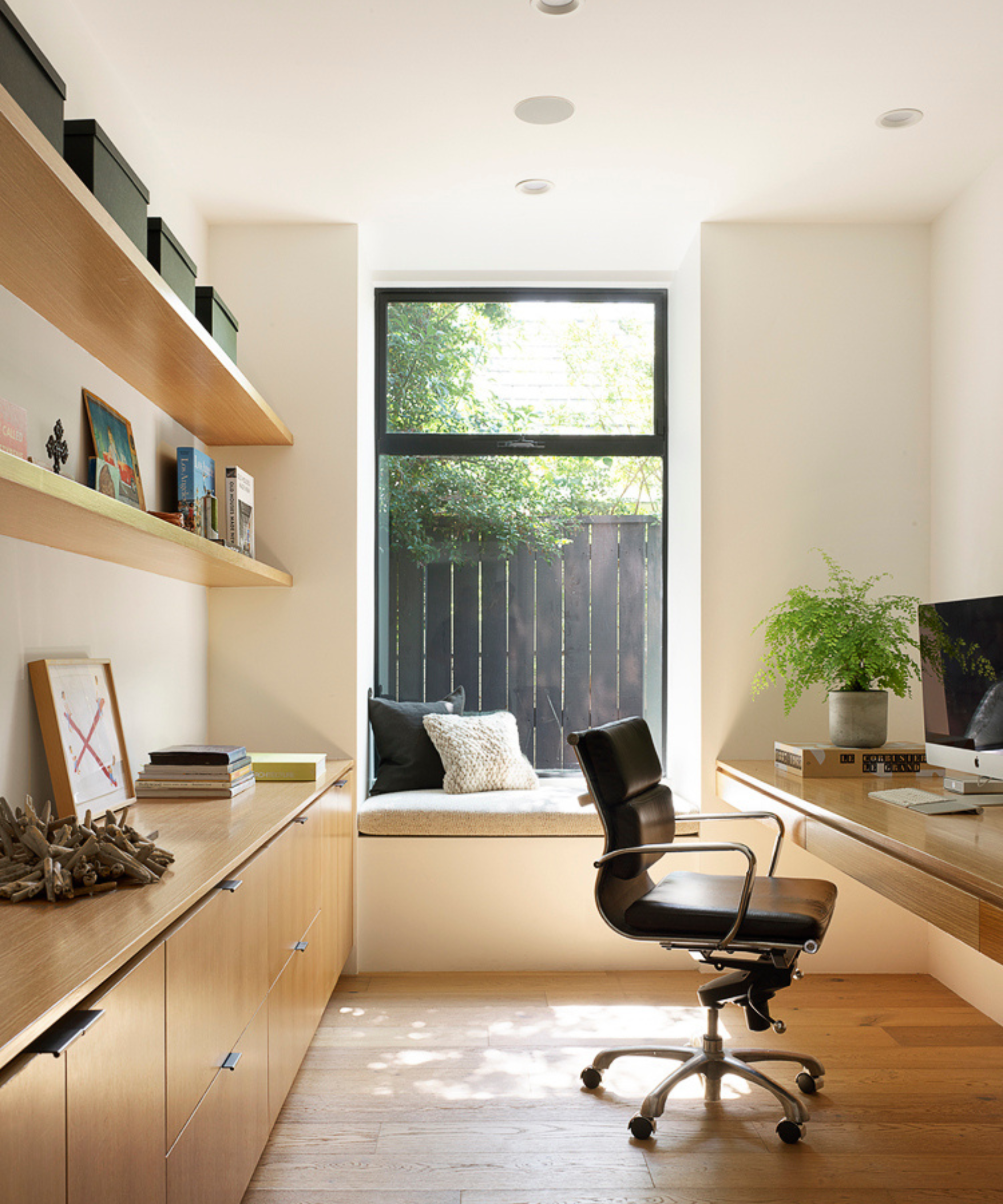
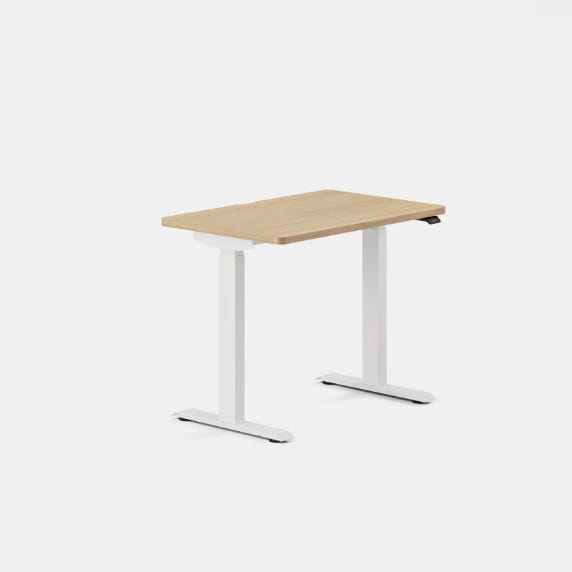
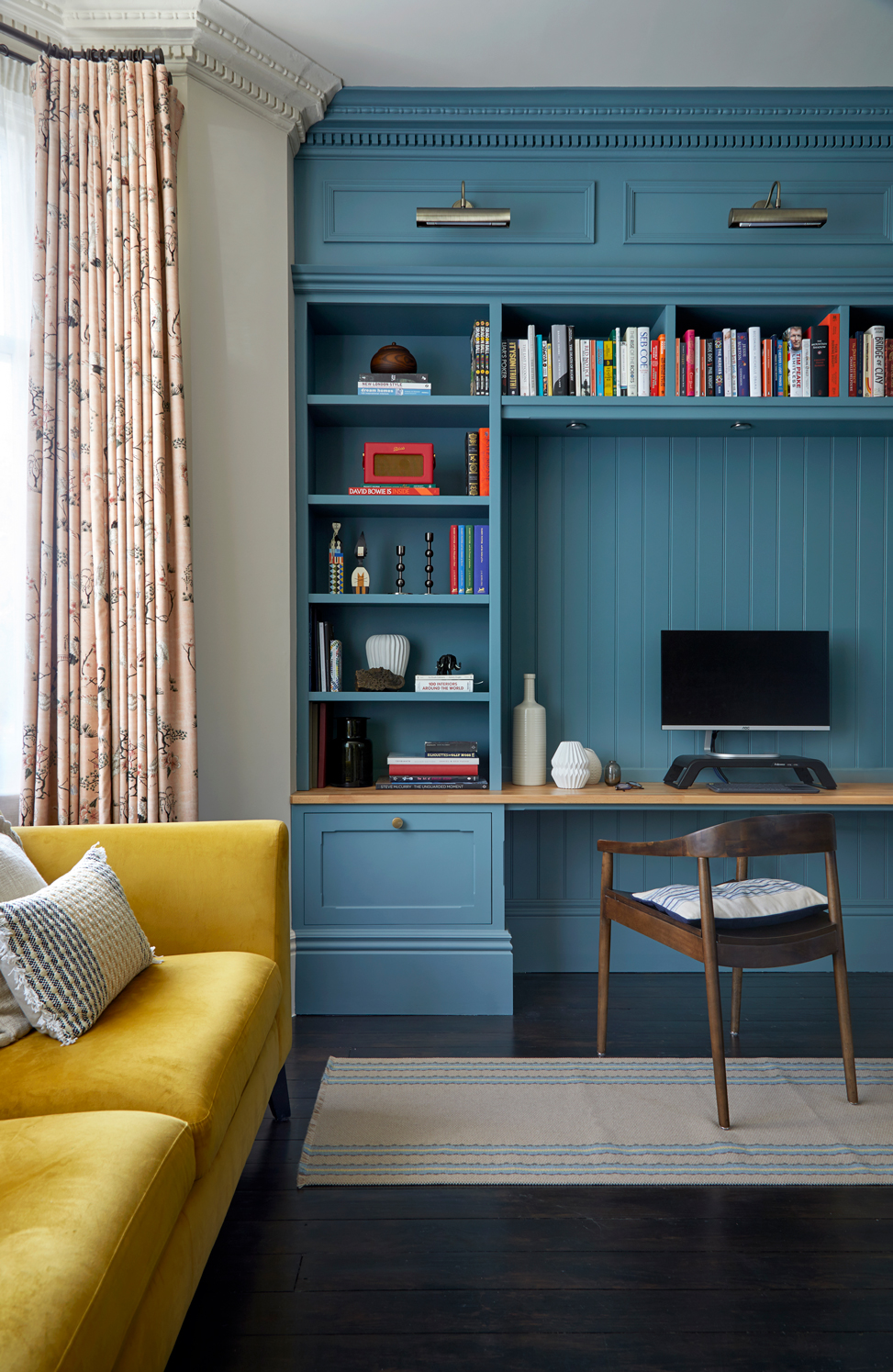
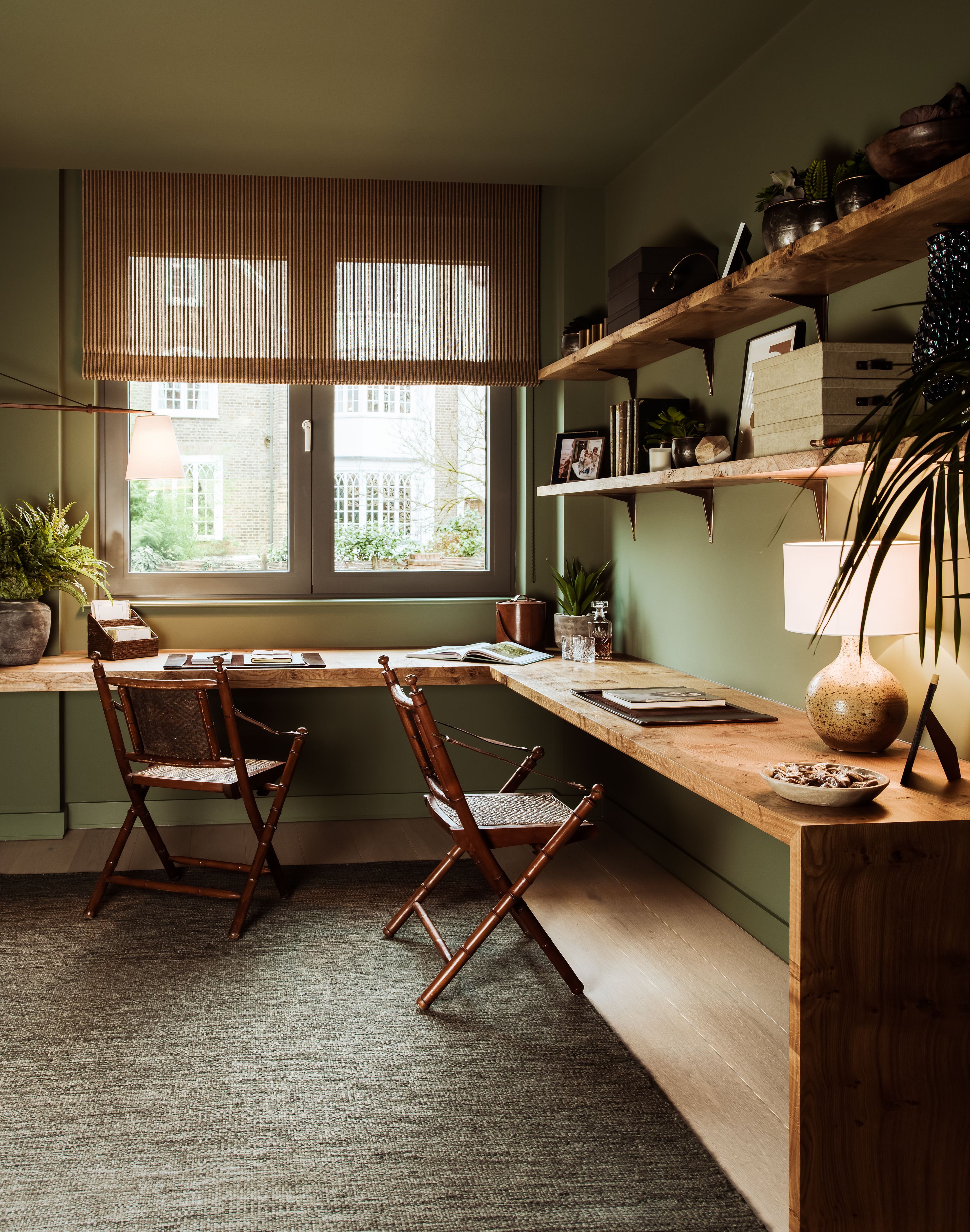
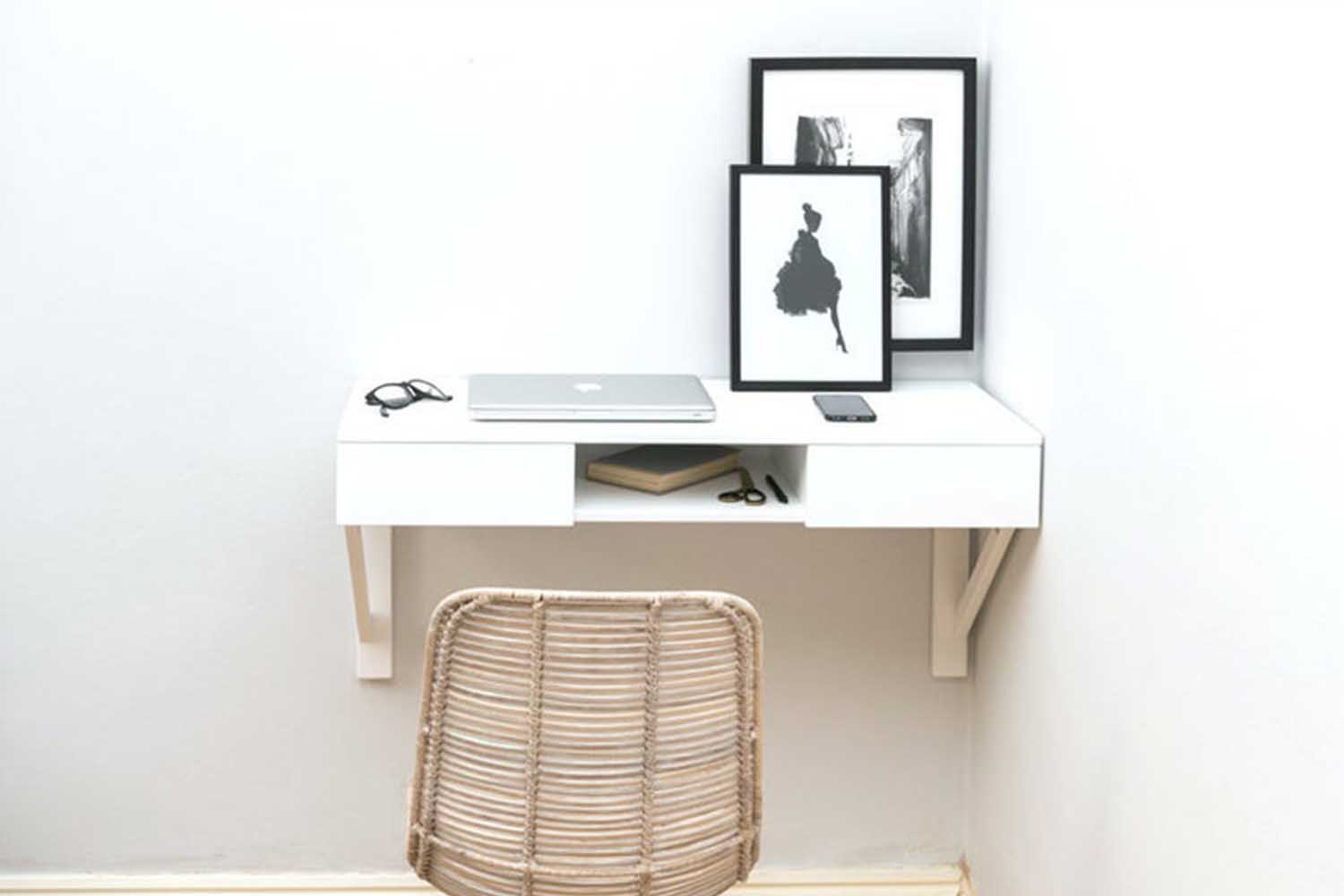
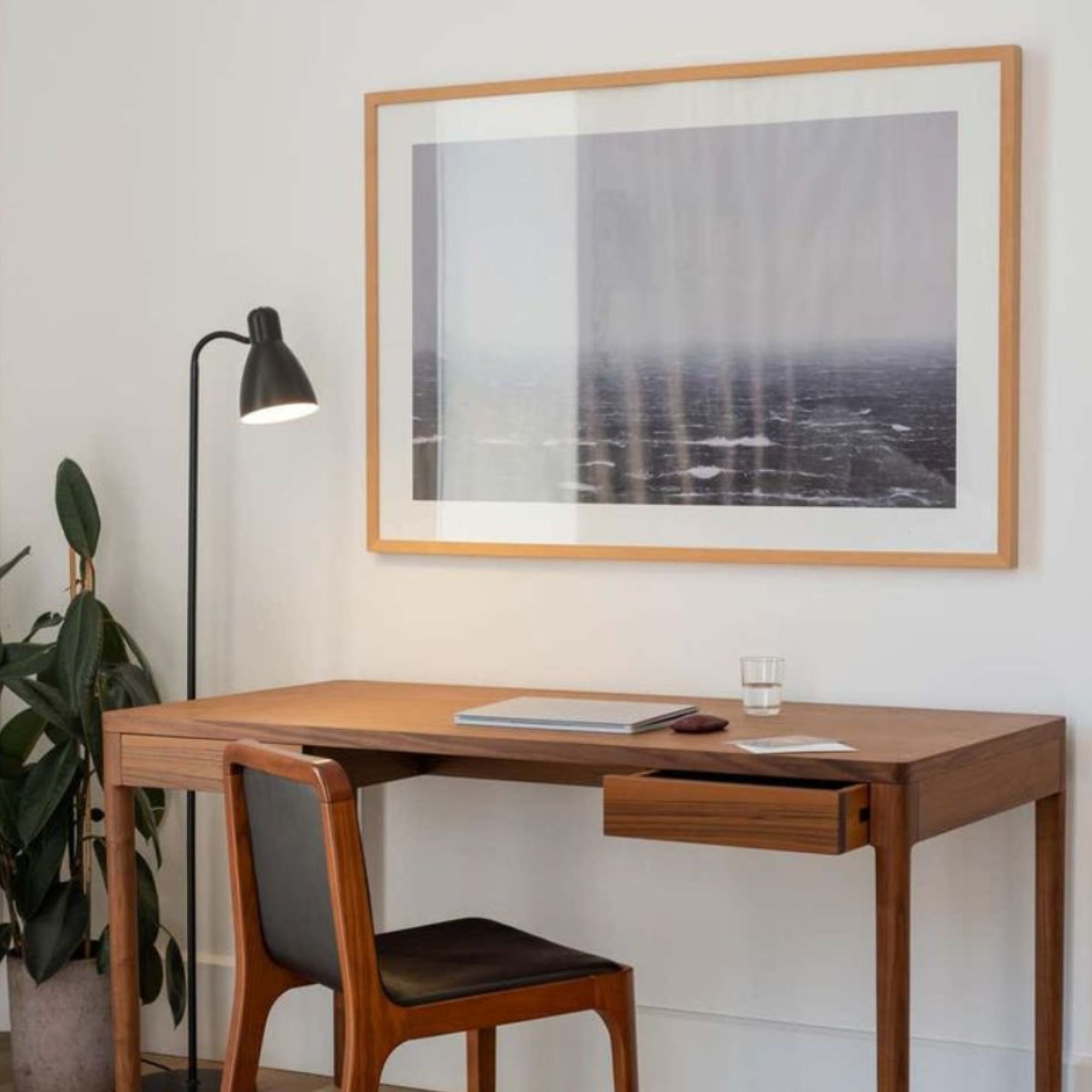
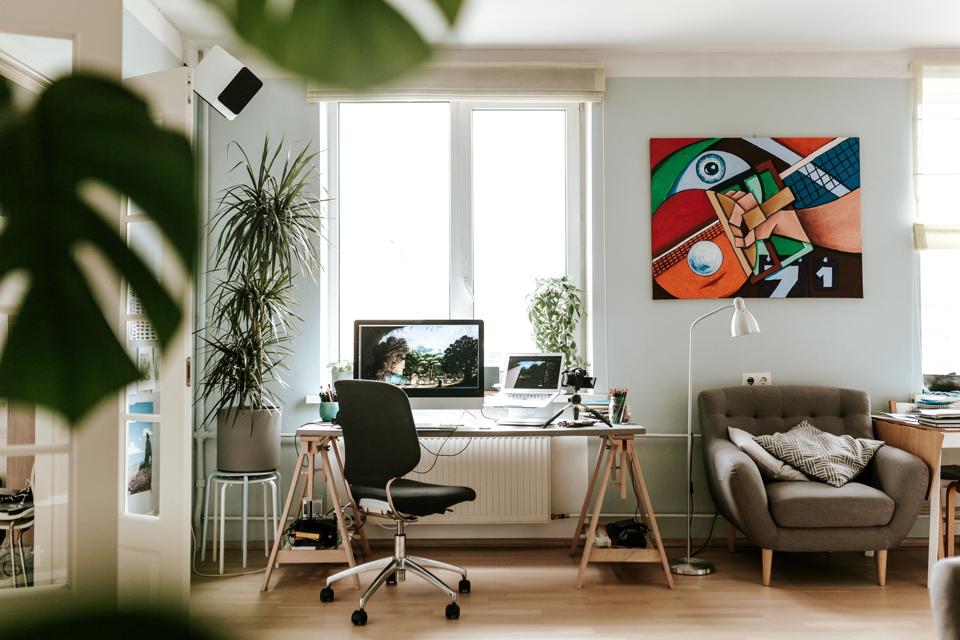
The redesign involved a complete overhaul of the previously awkward and claustrophobic alcove. The decision was made to remove all existing built-in cabinetry, opting for a simpler, more open aesthetic given the small size of the space. A custom-built, floating wood plank-style desk, constructed from oak and sealed with a matte shellac, became the central feature. The design emphasized clean lines and a minimalist approach, aligning with the idea that "less is more."
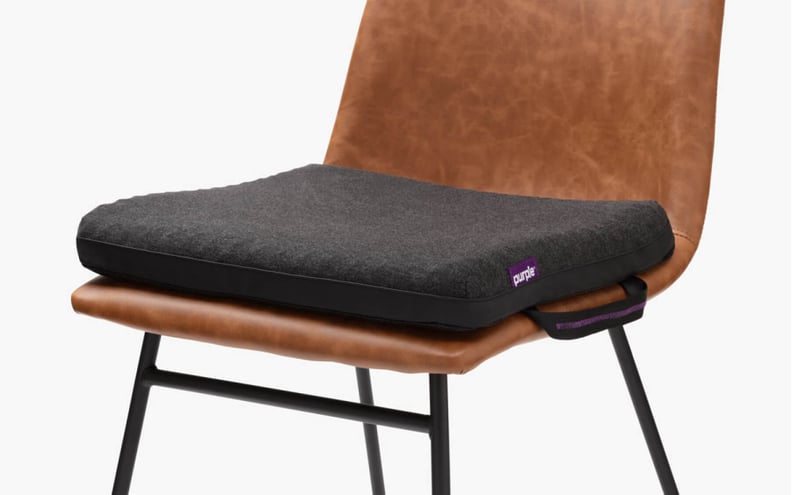
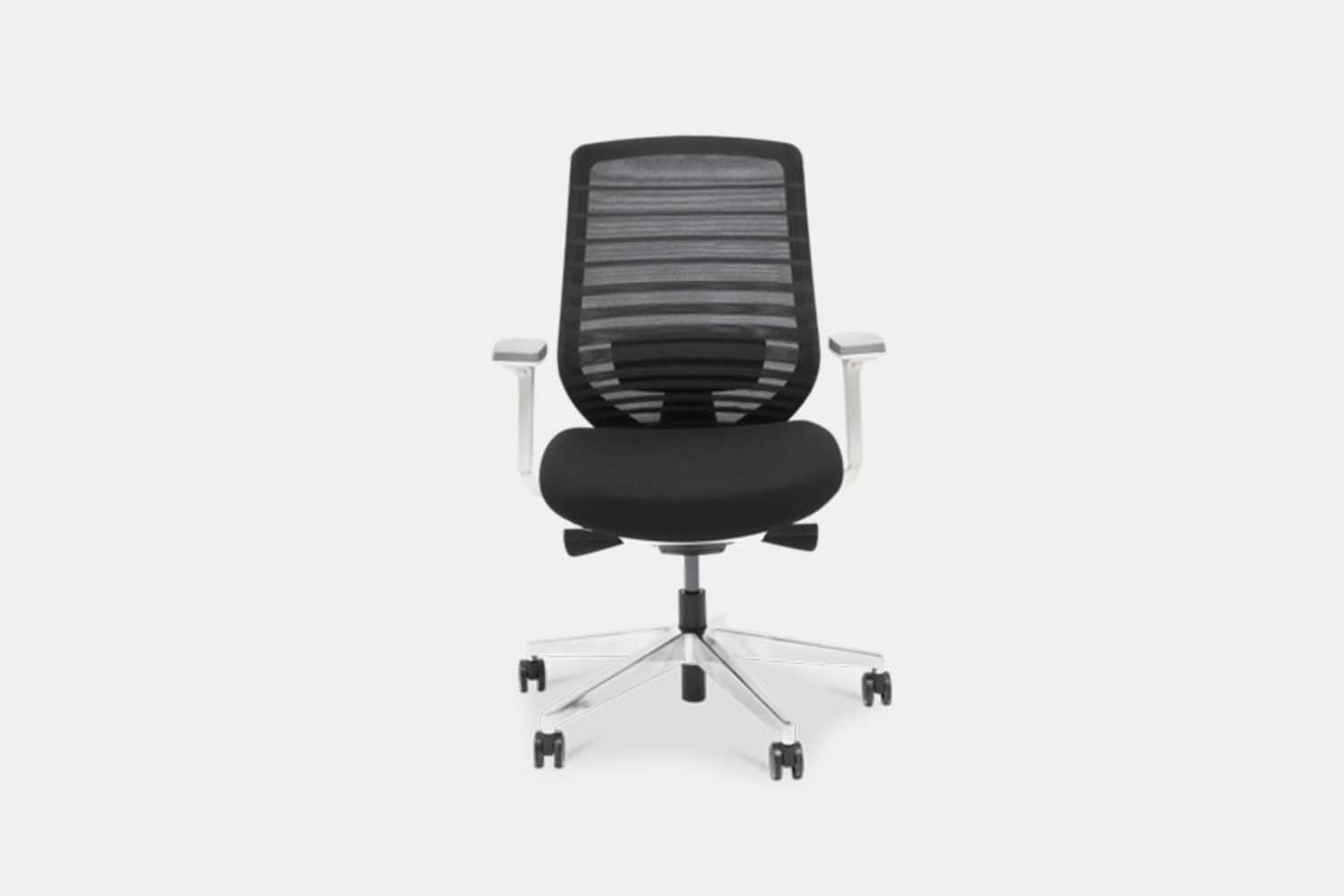
Comfort and ergonomics were key considerations in setting up the new home office. Instead of a traditional ergonomic office chair, the author selected a wood chair with Scandinavian lines that encourages an upright posture, supplemented with a padded cushion for comfort and to achieve an ergonomically correct arm position for typing. A large monitor was integrated into the under-desk area to promote better posture during extended computer work, hidden from view when not in use. An external webcam was also installed on the monitor to improve posture during video calls, preventing the common issue of looking down at a laptop.
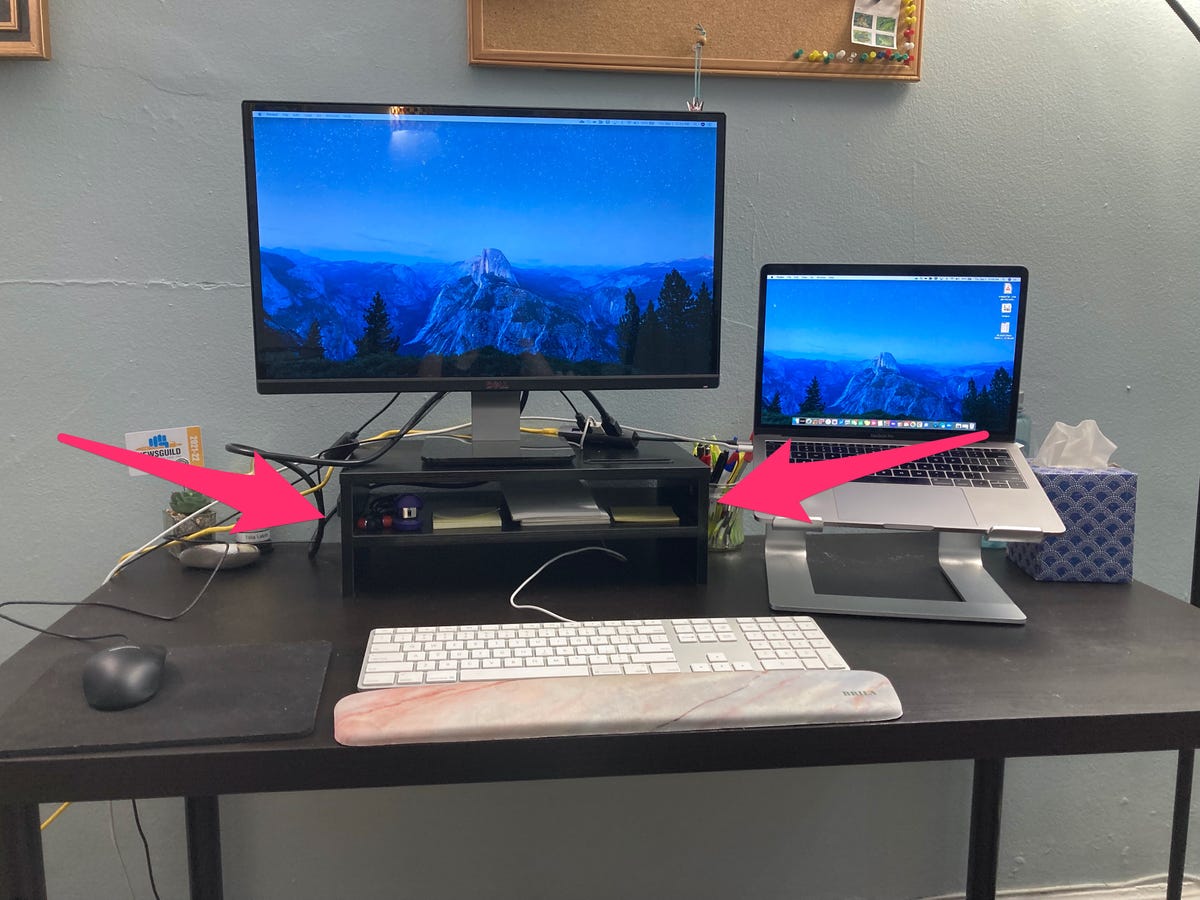
A significant detail addressed during construction was the management of electrical cords. To maintain the minimalist and serene aesthetic, 2-inch diameter holes were drilled into the desk planks, equipped with cord-keeper caps and positioned above electrical outlets. This thoughtful integration ensures that technology remains streamlined and hidden, avoiding visual clutter.
For wall decor, the author sought a piece that would bring the outdoors in and blend with the natural surroundings. A large Eucalyptus print was chosen, acquired affordably through a digital download from Etsy and then custom-framed. This method is highlighted as a cost-effective way to obtain personalized art. A faux sheepskin stool was also incorporated, serving both as a functional item for placing a purse and as extra seating for children, while adding a touch of luxurious texture to the room.
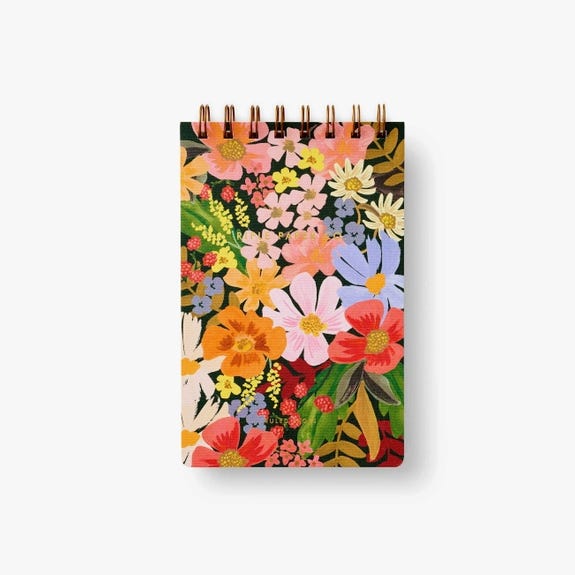
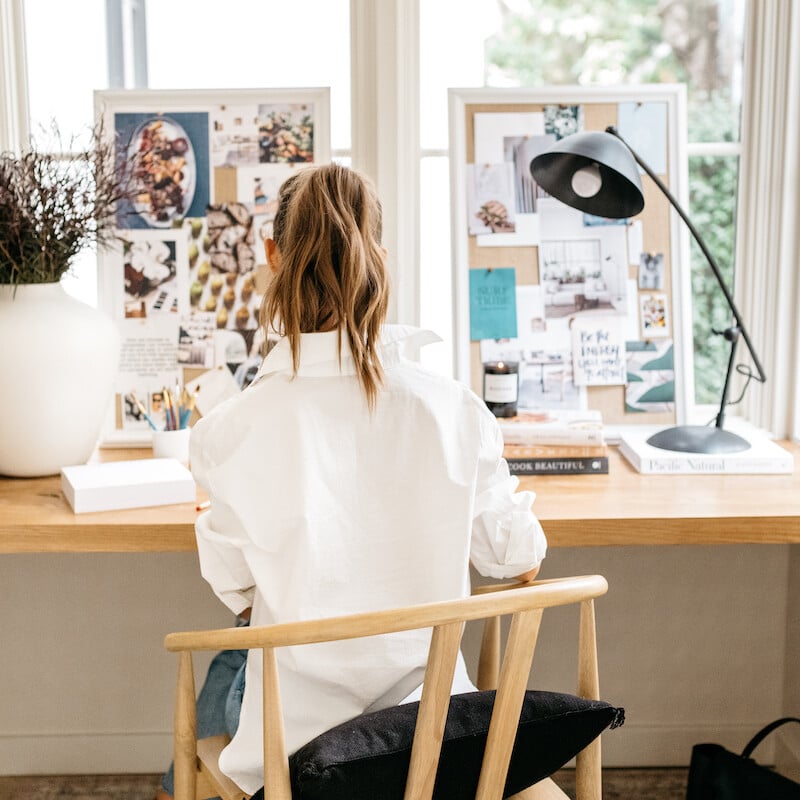
Tips for decorating a desk in a non-home office environment emphasize simplicity, intentionality, and personalization. The author advocates for minimal clutter, with chosen items being special and purposeful. Examples include a sculptural bronze task lamp, an oversized white ceramic vase for branches, and a pinboard for inspiration that can be easily updated with family photos, recipes, and quotes. Even practical items like a notepad and pens were selected for their aesthetic appeal and satisfying functionality, alongside a favorite scented candle to enhance the workspace ambiance. The overall transformation aims to create an environment that inspires creativity and calm.
#HomeOffice #SmallSpaceDesign #InteriorDesign #WorkFromHome #CustomDesk #Ergonomics #DecorIdeas #MinimalistDesign #HomeOffice #SmallSpaceDesign #InteriorDesign #WorkFromHome #CustomDesk #Ergonomics #DecorIdeas #MinimalistDesign
0 comment in total
 No comments yet
You may also like
Meet the 1 Product That Took My Home Office's Comfort Level to 100
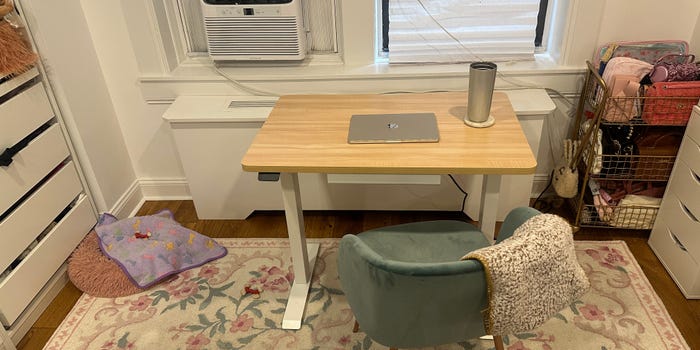
I work from home in my tiny NYC apartment, and the Branch Duo Standing Desk fits my space perfectly
5 things I bought that made my working-from-home life better — and 2 items that are in my cart
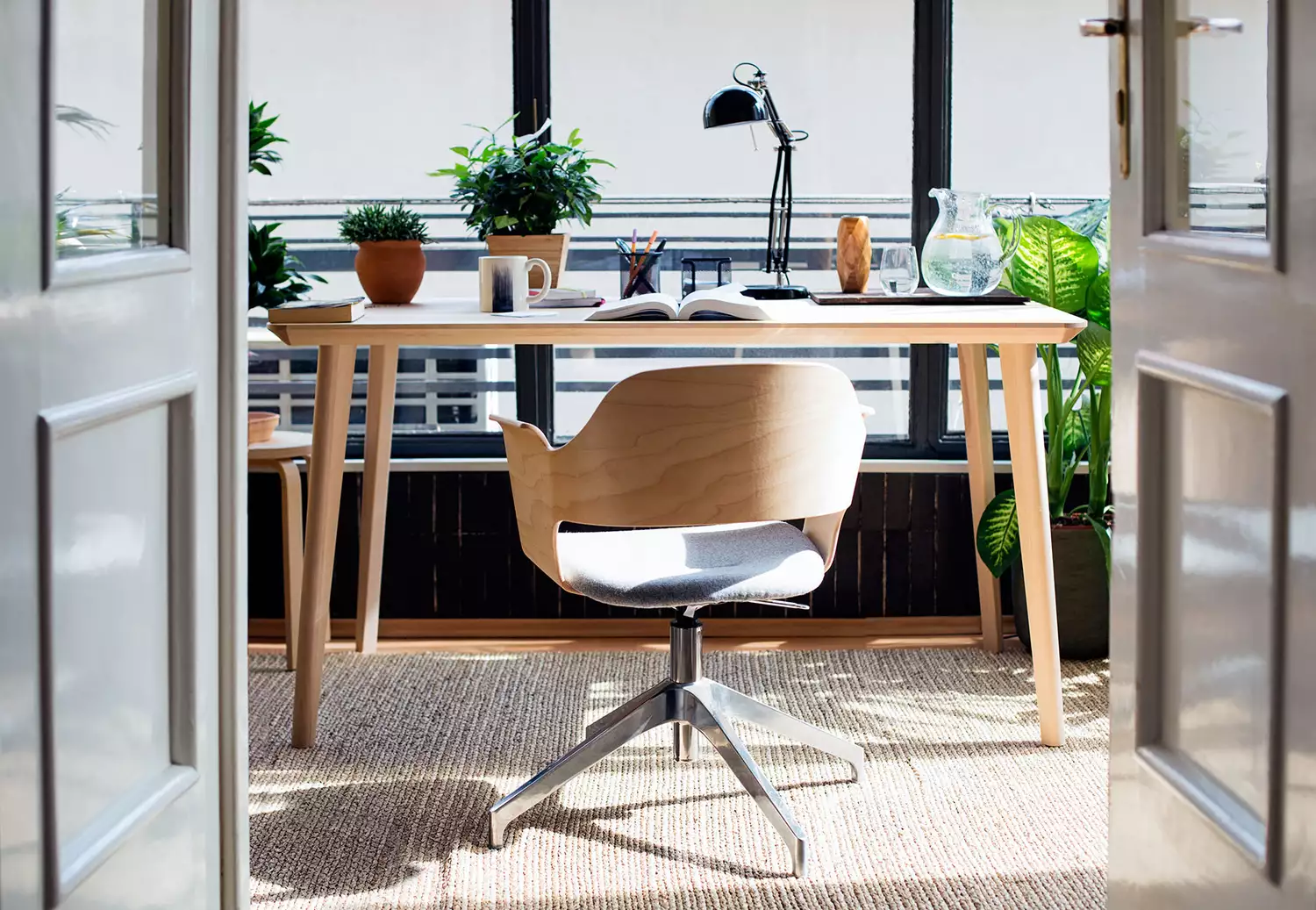
20 Home Office Ideas That Will Make You Want to Work All Day

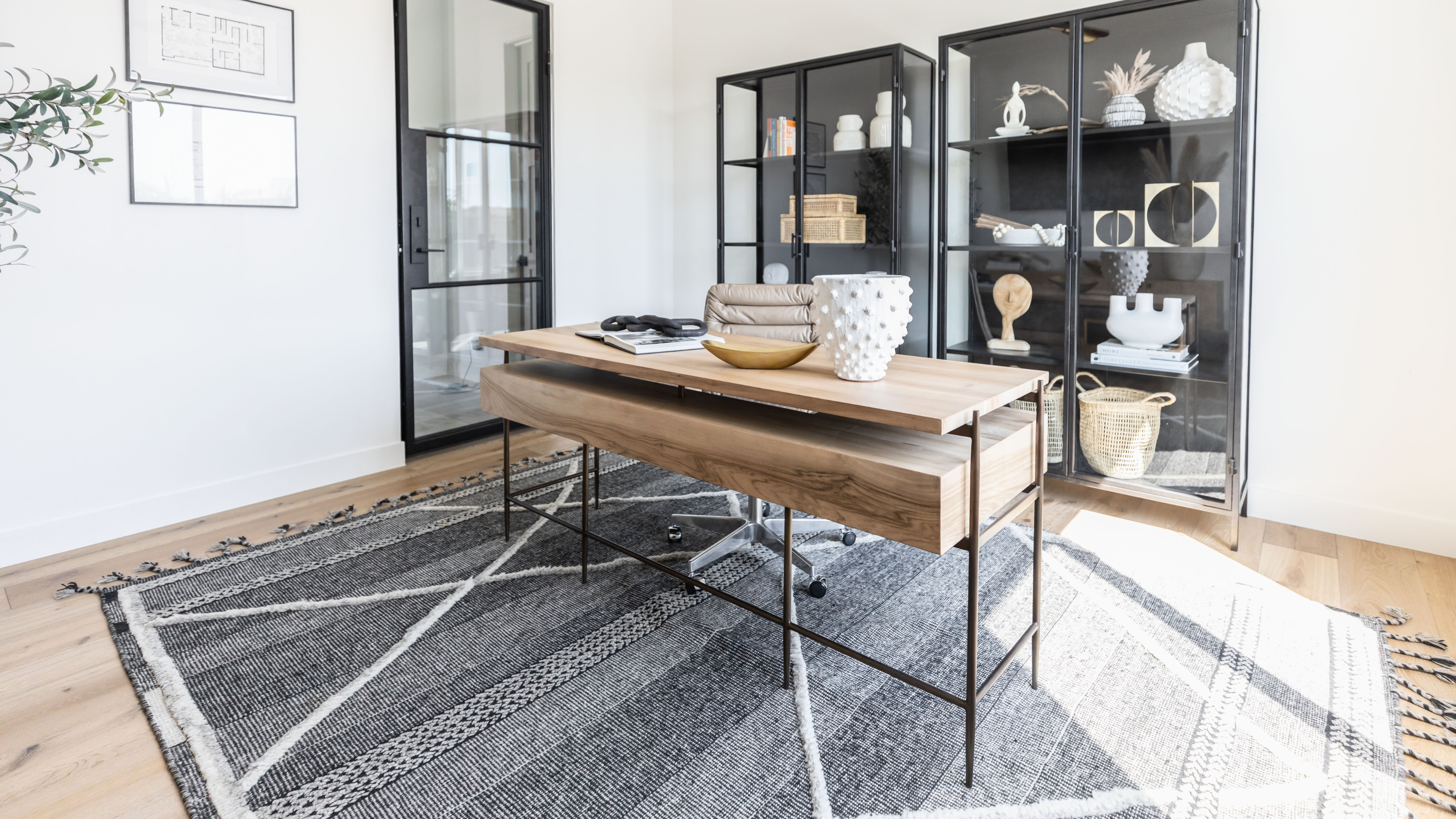
'Minimalism Really Helps Improve Your Concentration' — 5 Tricks to Pare Back Your Home Office Set-Up


Desk ideas for the home office - how to make sure your space works hard in the style stakes
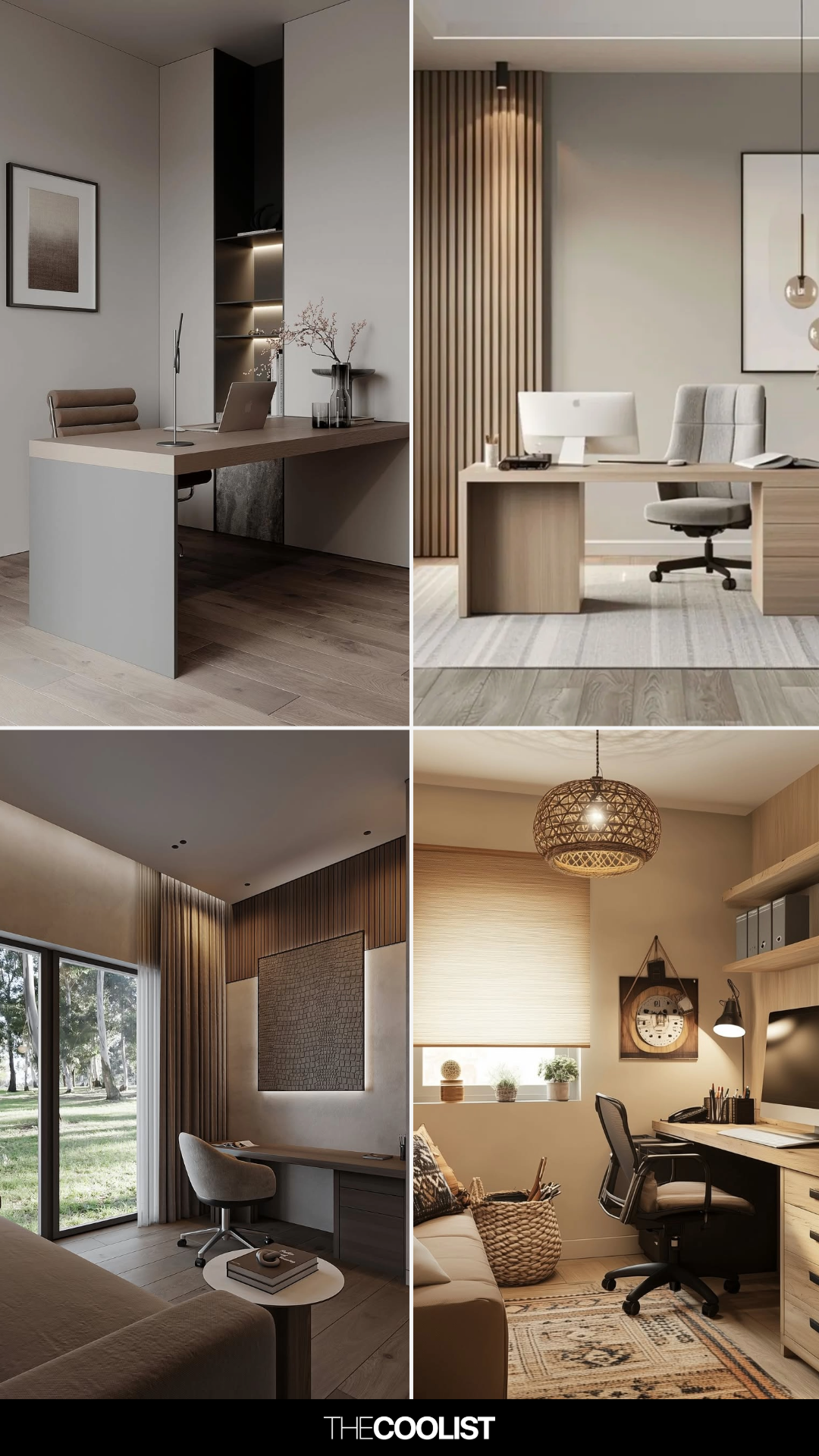
30 Minimalist Office Design Ideas That Instantly Upgrade Your Work-from-Home Setup


Initial Impressions: NewAge Product's Pro Series Garage Storage Revolutionized My Workshop

Level Up Your WFH Setup With These 13 Products On Sale Right Now
Emily Henderson Shares 3 Ways to Style Your Home Office—For Around $500, $1,000, or $1,500
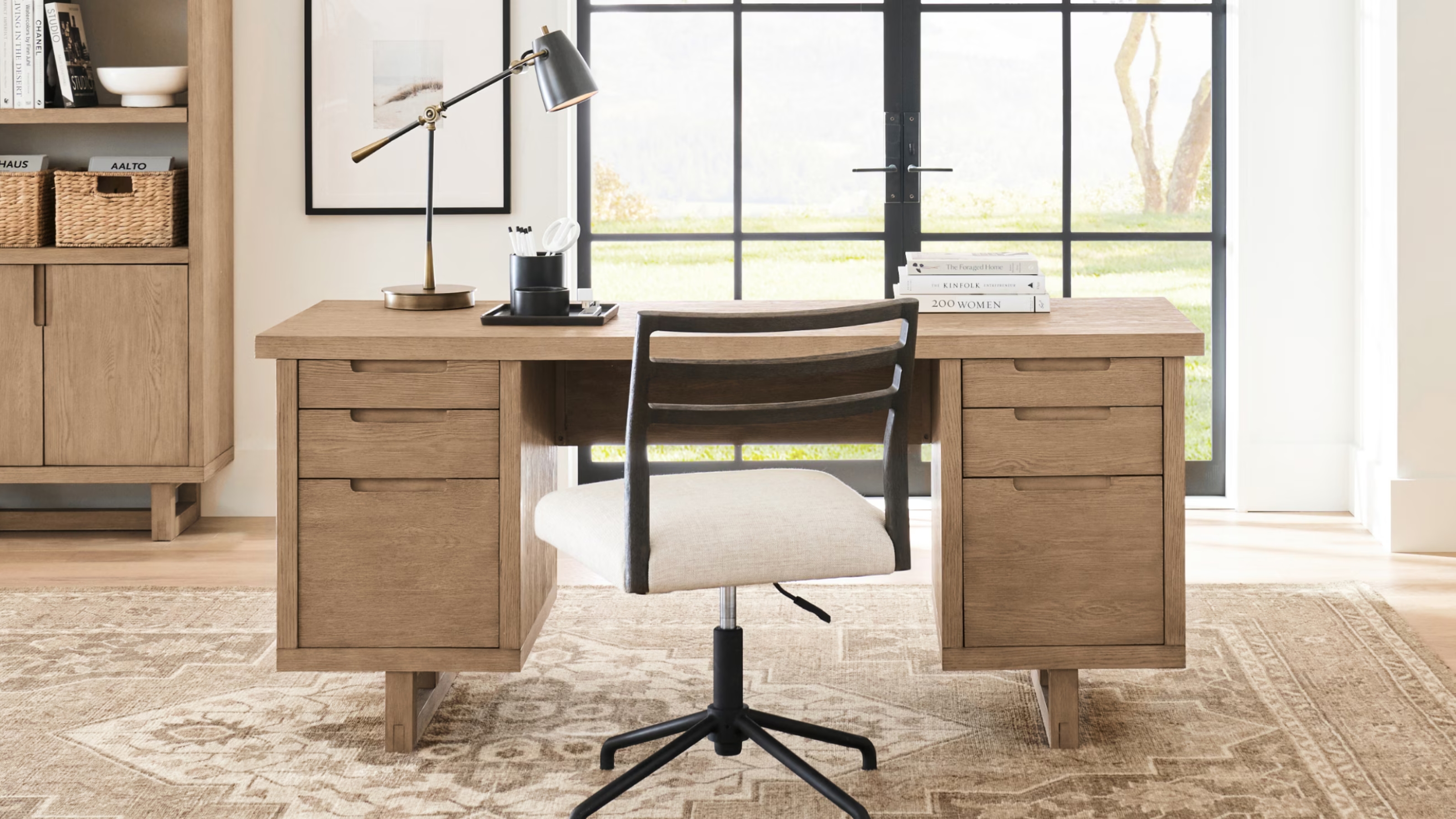
8 modern small office ideas to WFH in style

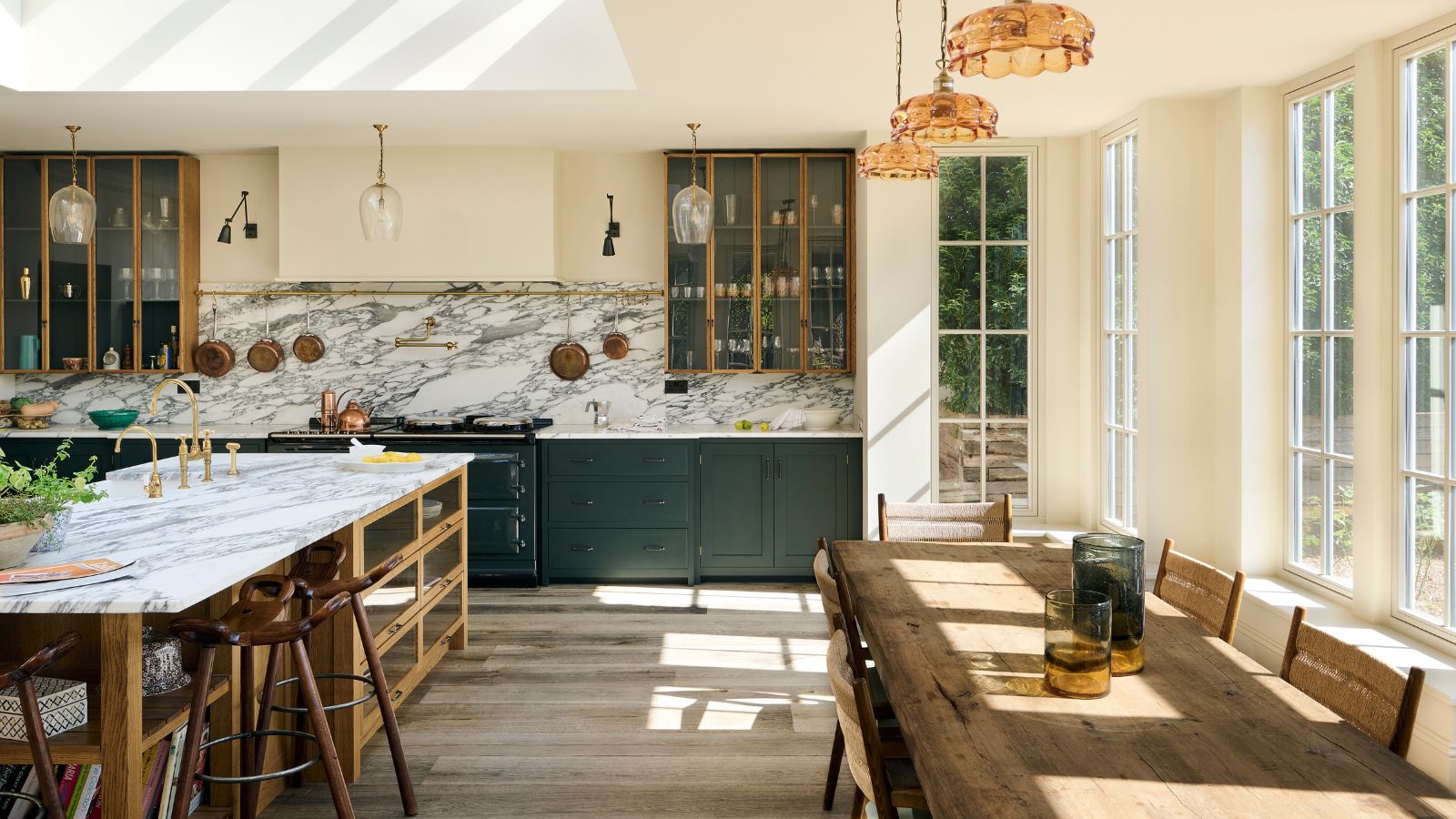
The family kitchen in this old home proves sometimes less is more – and it's made us rethink this under-utilized layout
This Insta-Famous Office Will Inspire Your Next Design Project
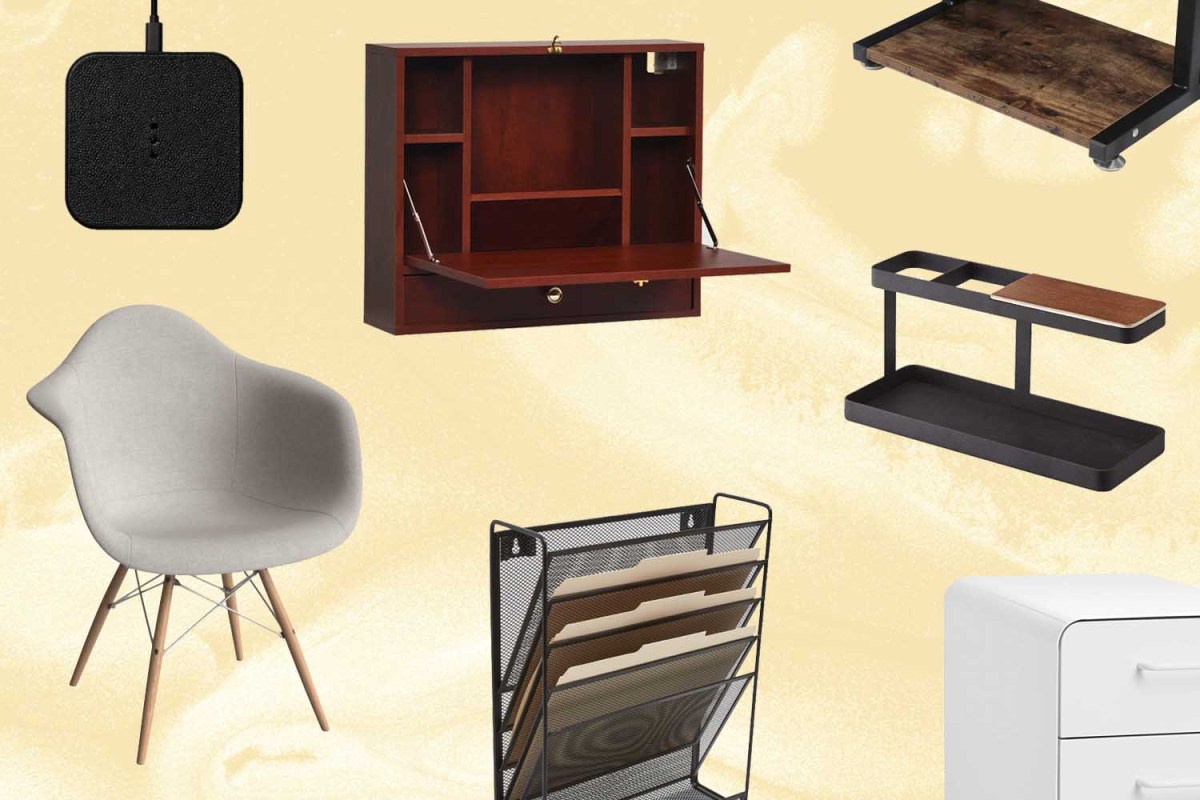
14 Space-Saving Items to Optimize Your WFH Corner
A simple trash can swap eliminated odors and saved vital floor space in my tiny kitchen – and it's now on sale

Open floor plans and home offices: How to make it work
I'm a reporter who's going to be working from my Brooklyn apartment for at least the next 6 months. Here's exactly how I rearranged my bedroom to make it work as an office.
This one-of-a-kind product makes work from home refreshingly easy

6 Work From Home Office Essentials You Need In 2024

I Thought My Apartment Would Always Feel Bland—But These Renter-Friendly Tricks Changed Everything