1/3
Forget Lavender, I Planted This One Flower and Now My Garden Is Full of Bees and Butterflies
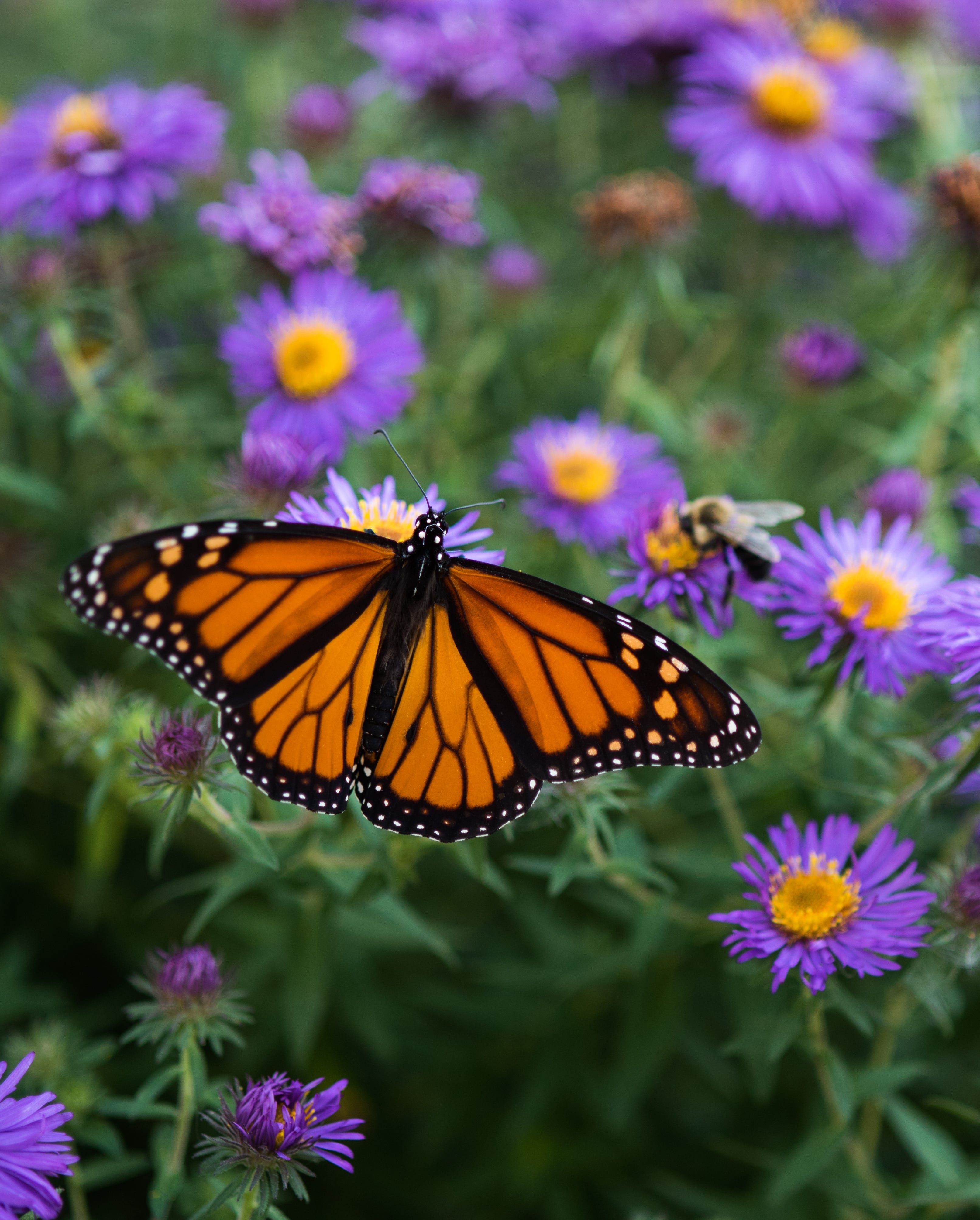
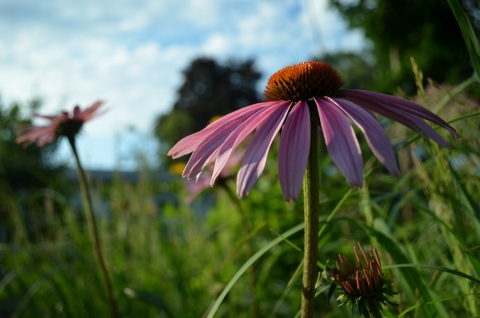
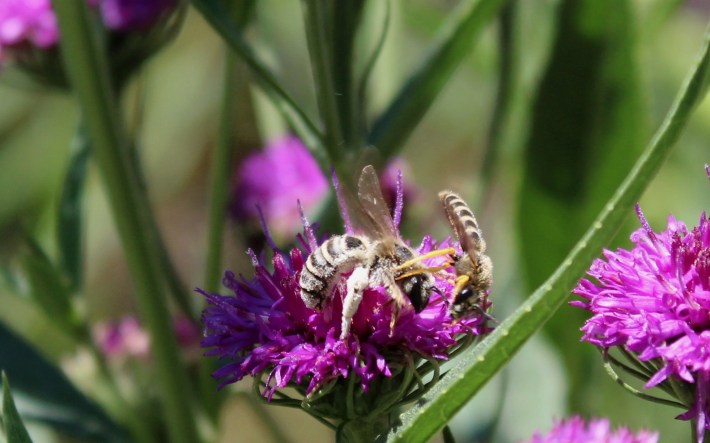
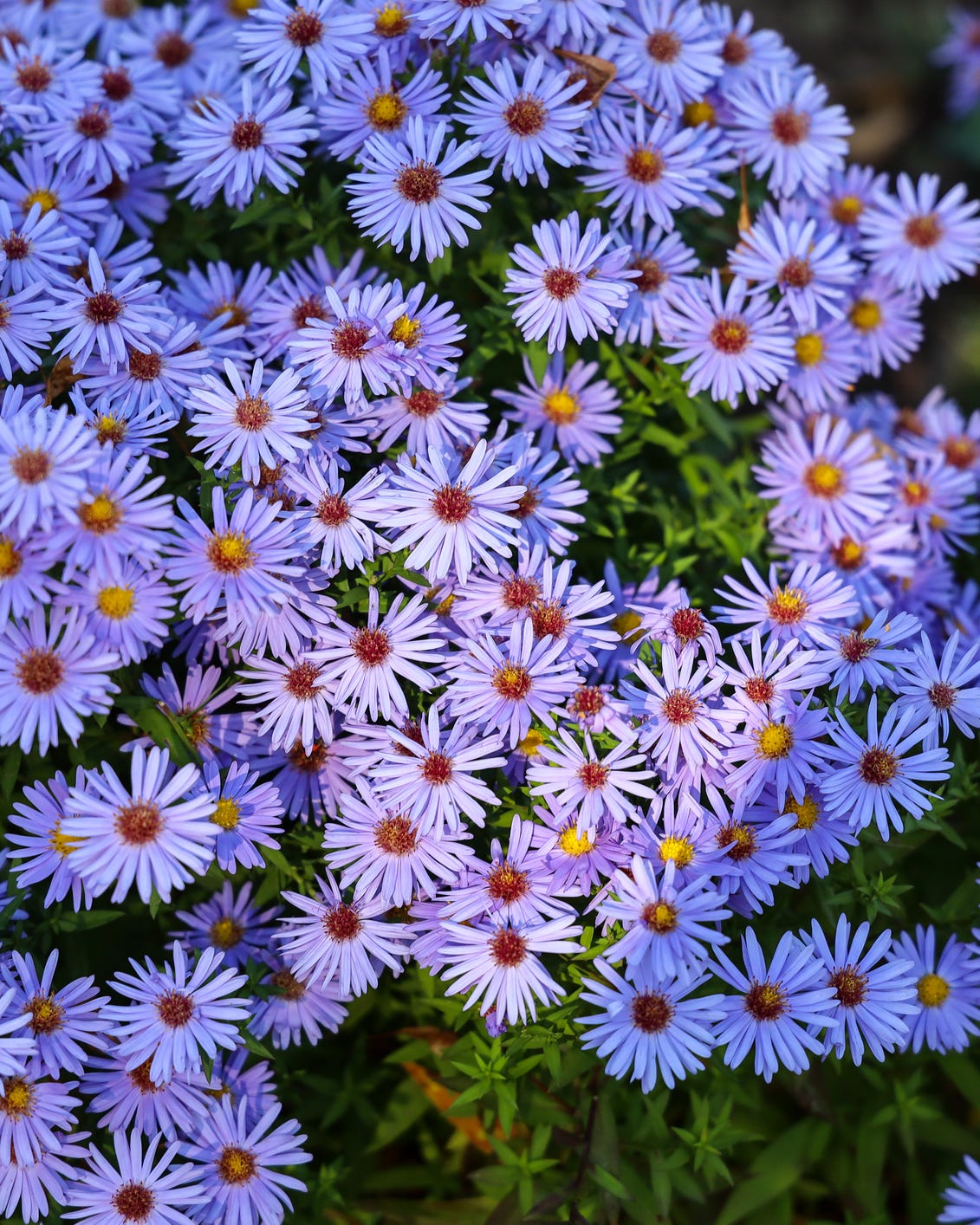
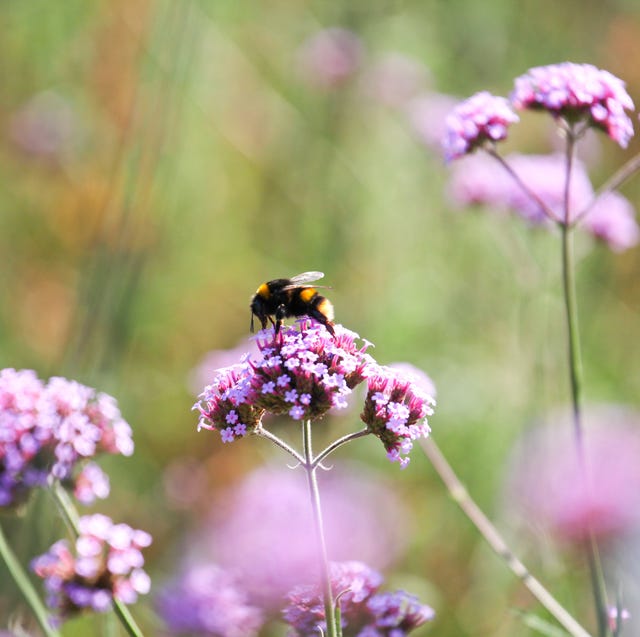
The article discusses the unexpected effectiveness of verbena as a pollinator magnet in a home garden, contrasting its appeal with traditionally favored lavender and coneflowers. The author, Lisa Joyner, shares her personal experience of verbena attracting a significant number of bees and butterflies, leading them to prefer verbena over other blooms. This low-maintenance perennial, characterized by its tall, architectural form and clusters of lilac-purple flowers, produces ample nectar, making it a valuable food source for pollinators from summer through autumn, even when other flowers have faded.
The article highlights that verbena thrives in various conditions, including drought, and is easy to grow. The author recounts how she successfully grew verbena from seeds of an existing plant, filling an empty garden border. The unexpected abundance and attractiveness of these plants to wildlife, particularly bees and butterflies, became a notable observation in her garden.
Julian Palphramand, Head of Plants at British Garden Centres, further supports the author's findings, specifically recommending *Verbena bonariensis*. He describes this particular type of verbena as a tall, structural plant with small, purple flowers that are highly cherished by bees for their nectar and pollen. Palphramand emphasizes its ease of cultivation in warm, sunny spots with well-drained soil, noting its long blooming period from summer until the first frost. He also suggests pairing verbena with Cosmos and Echinaceas to create a more diverse and attractive 'pollinator buffet'.
Additionally, the article mentions that *Verbena bonariensis* is also suitable for drying, a point shared by Natasha McCrary, founder of 1818 Farms in Mooresville, Alabama. The latter part of the article provides practical guidance on how to propagate verbena, explaining that the ideal time for propagation is before winter to allow for rooting and growth. The propagation method involves taking three-inch (8cm) cuttings, removing lower leaves, placing them in well-draining compost soil, covering them with a plastic bag, and keeping them in a warm, indirect sunlight location. Roots are expected to develop within approximately six weeks, after which the cuttings can be transferred to larger pots or directly into the garden.
#Gardening #PollinatorPlants #VerbenaFlowers #BeeAttraction #ButterflyGarden #LowMaintenancePlants #PlantPropagation #DroughtTolerant #Gardening #PollinatorPlants #VerbenaFlowers #BeeAttraction #ButterflyGarden #LowMaintenancePlants #PlantPropagation #DroughtTolerant
0 تعليق إجمالاً
 لا توجد تعليقات بعد
قد تعجبك أيضًا
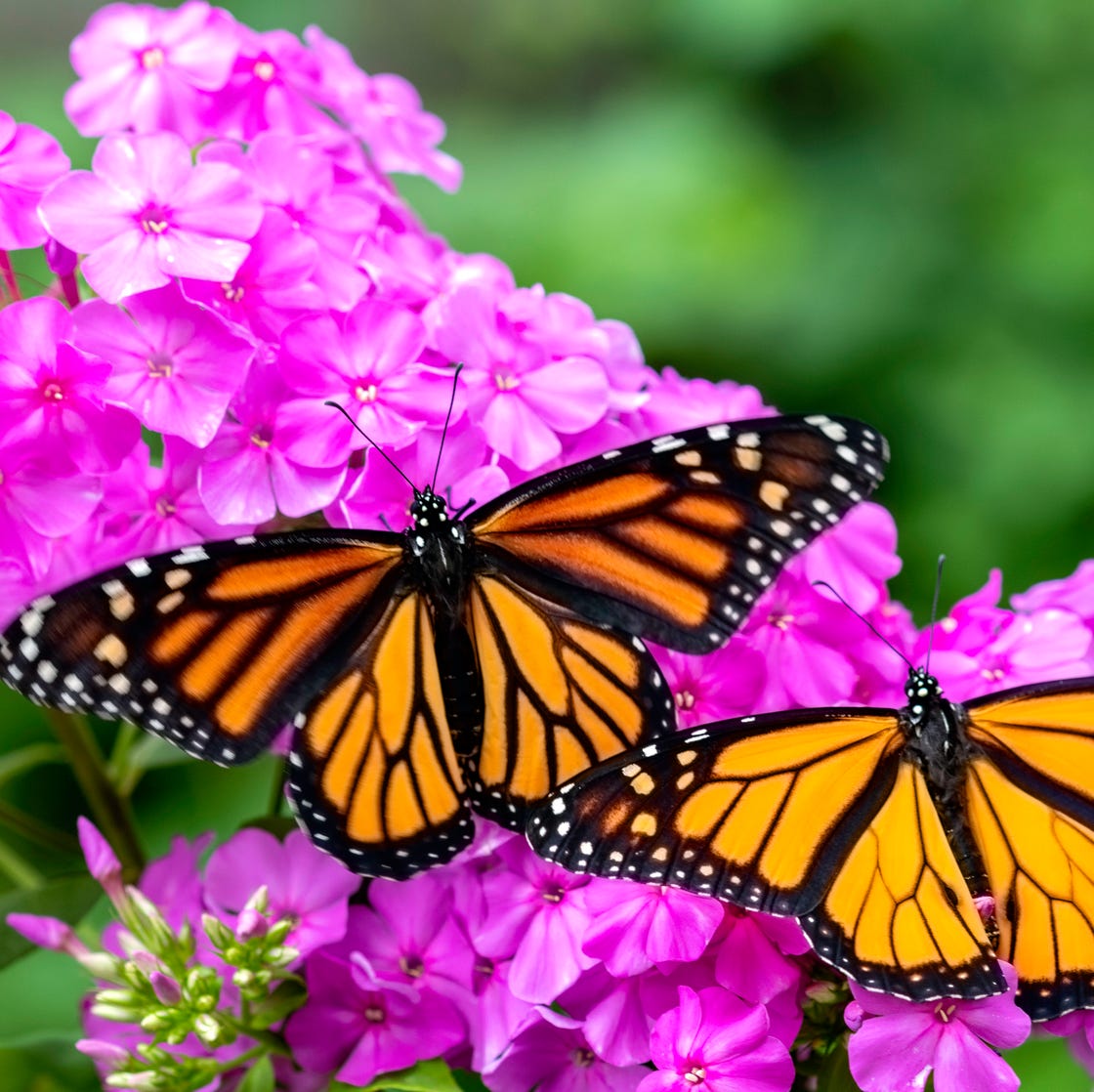
Turn Your Garden Into a Butterfly Oasis with These Plants
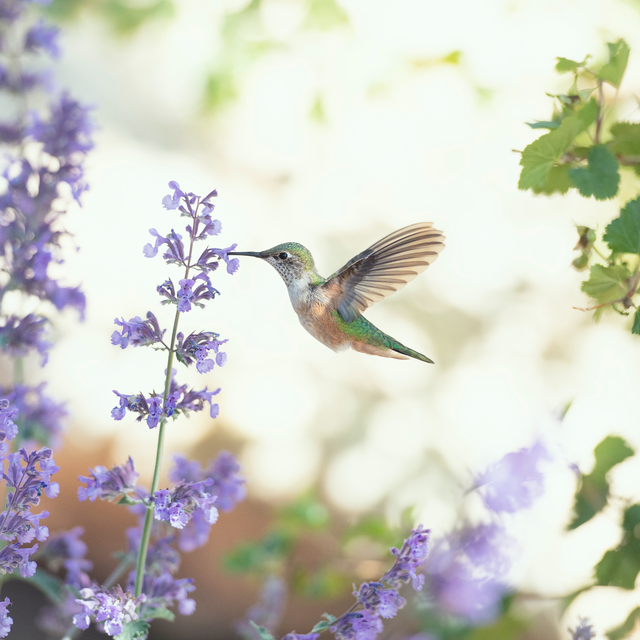
These Colorful Flowers Will Attract Hummingbirds to Your Yard

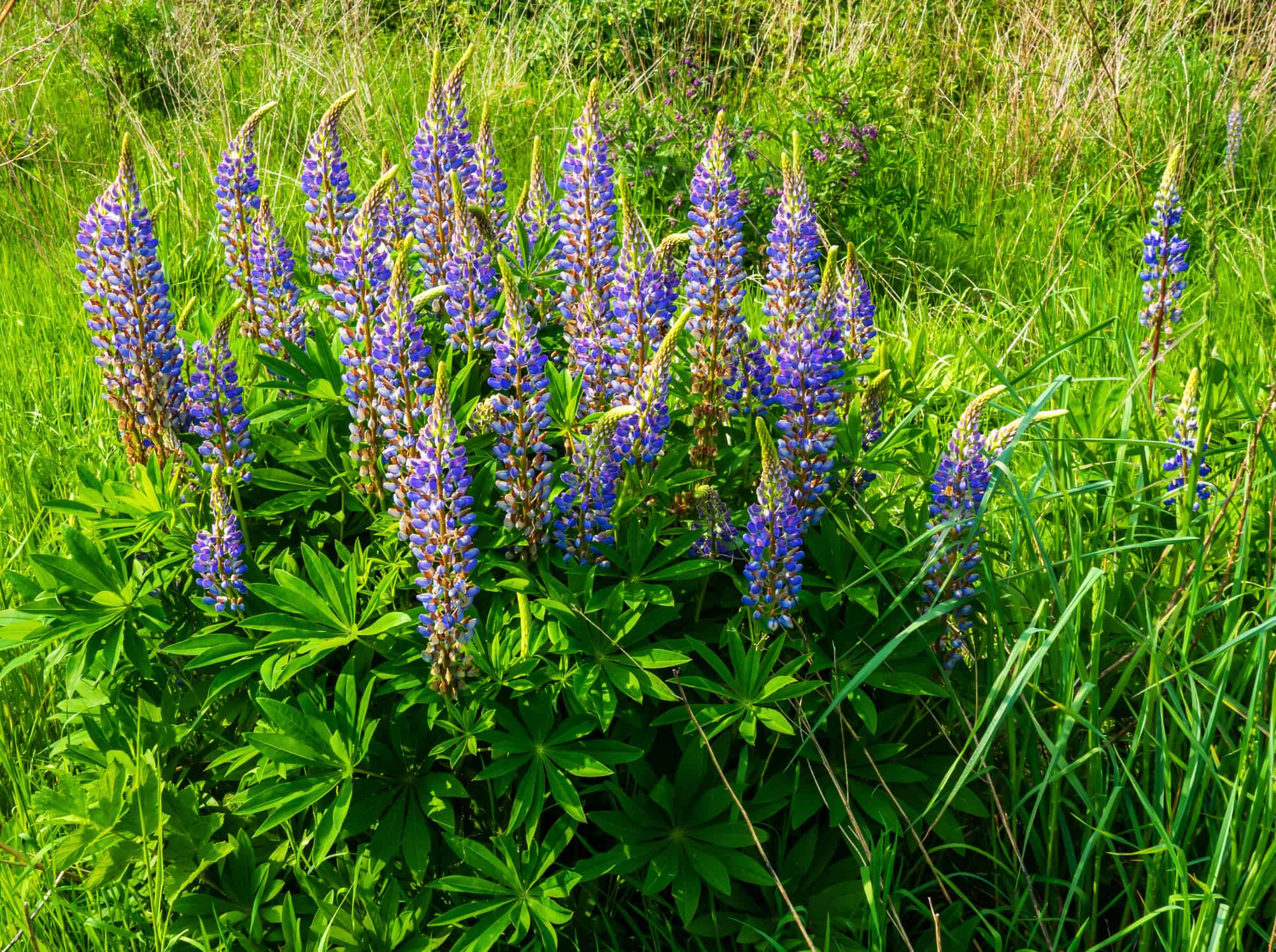
Purple Flowers That Hummingbirds Find Irresistible
Purple Flowers That Hummingbirds Can't Resist
22 Beautiful, Bee-Friendly Flowers That'll Turn Your Garden Into a Pollinator Paradise

It’s A Bee Brawl In The Flower Patch!
Purple presents perks for pollinators like bees

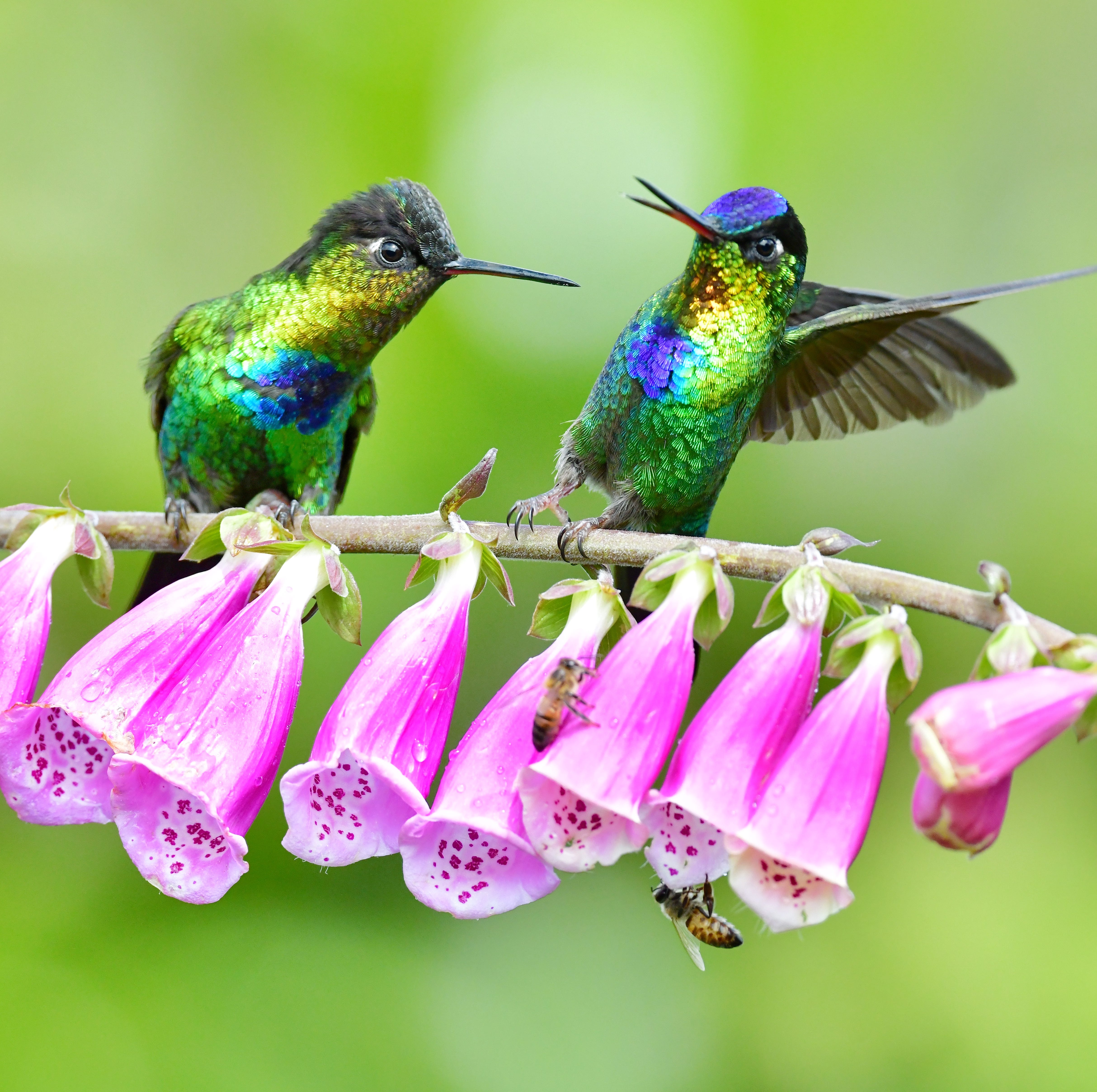
Want to See Hummingbirds? Plant These Flowers in Your Yard or Garden
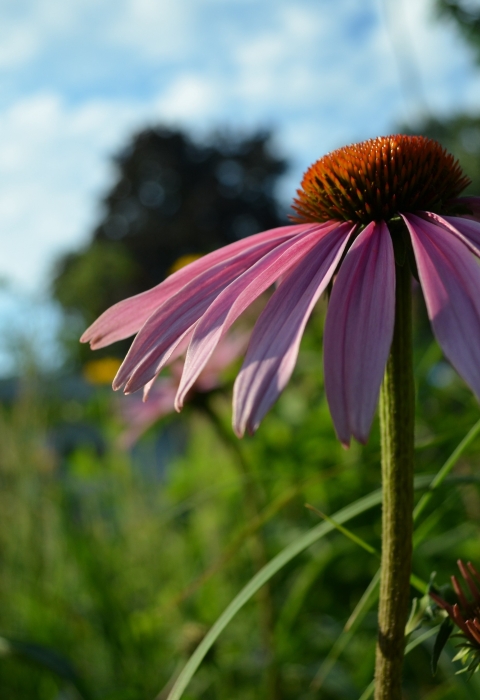
Flowers they both will love: Pollinator-friendly perennials for Mom and Mother Nature
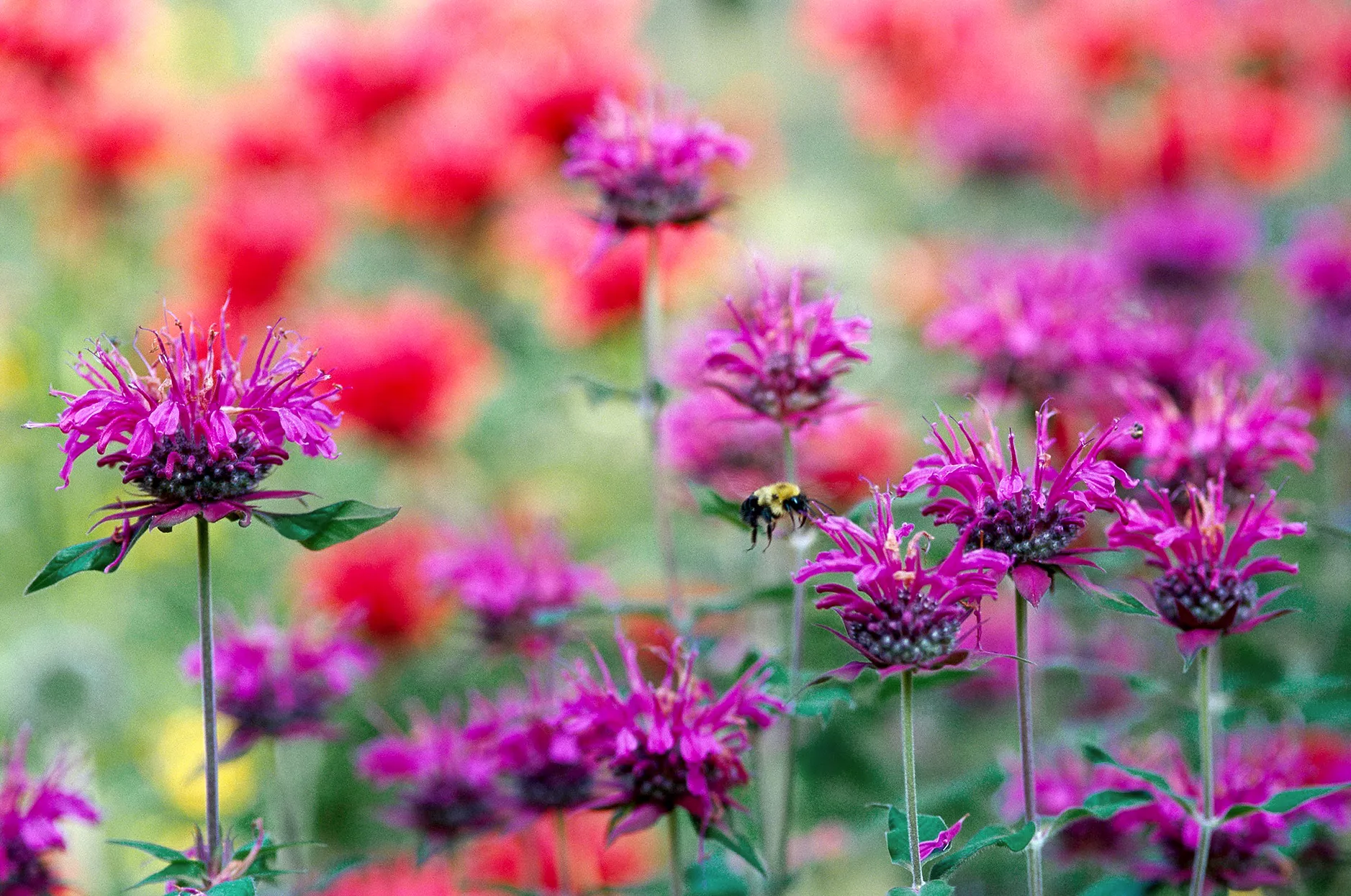
13 Colorful Nectar Plants for Pollinators

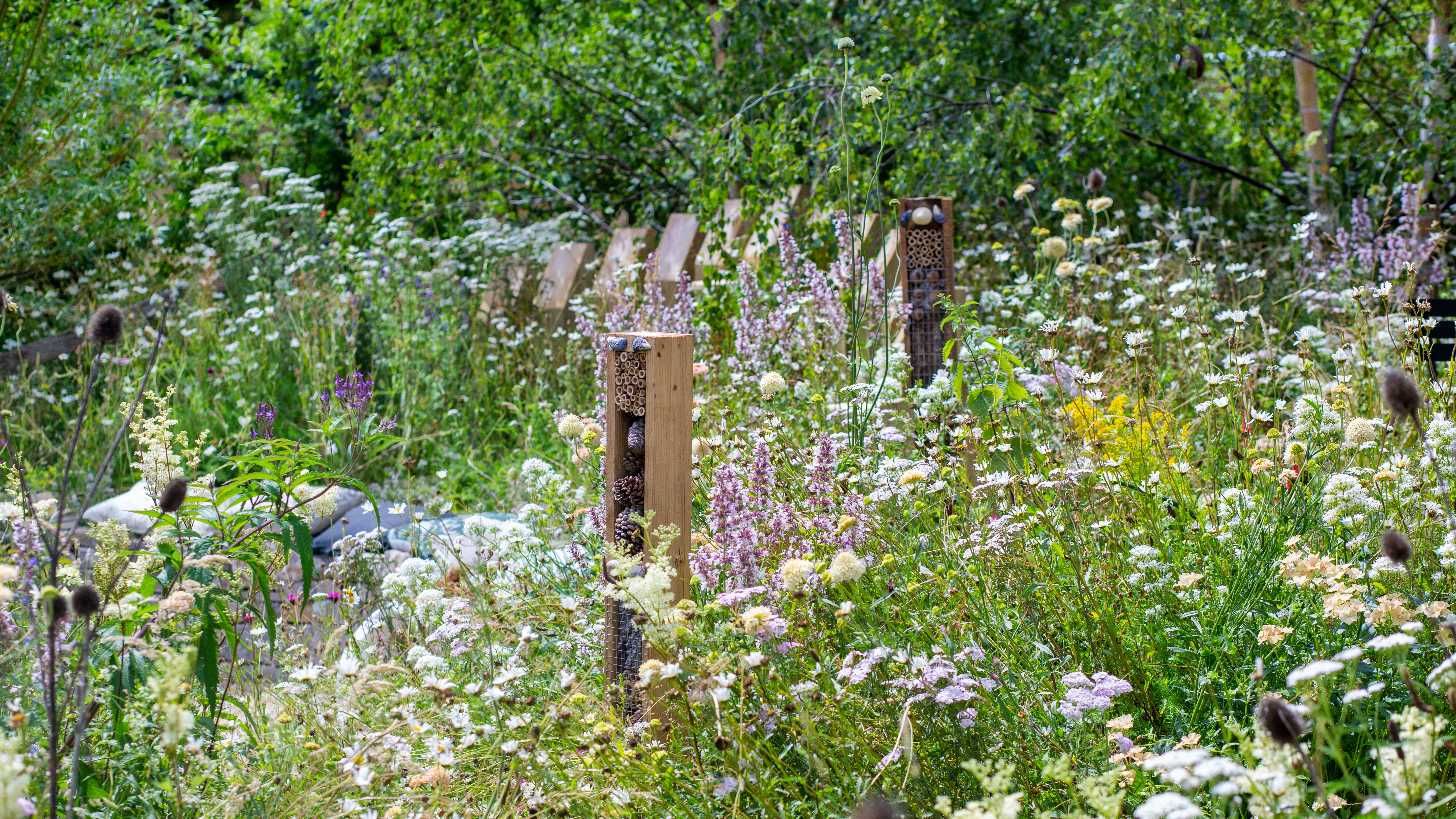
Wildlife garden ideas – 16 ways to transform your backyard into a nature-friendly plot

Best fly repellent plants – 10 plants to keep pests away
Attract Bees To Your Garden With These Vibrant Flowers
Hey, Gardeners! Plant These Summer Flowers for a Bright and Beautiful Yard
I'm a landscaping expert advice - here's the five plants you NEED to keep pesky insects away this summer

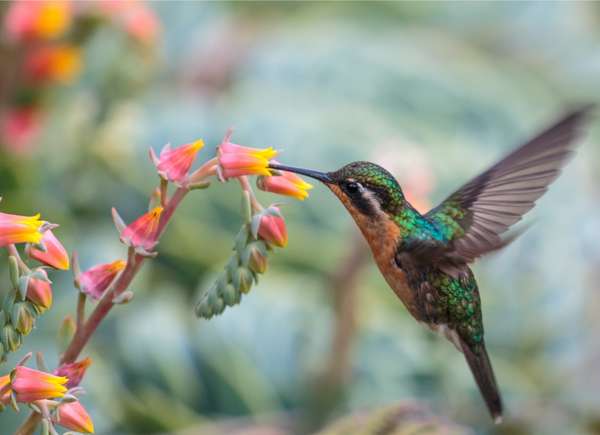
30 Gorgeous Plants That Attract Hummingbirds to Your Garden
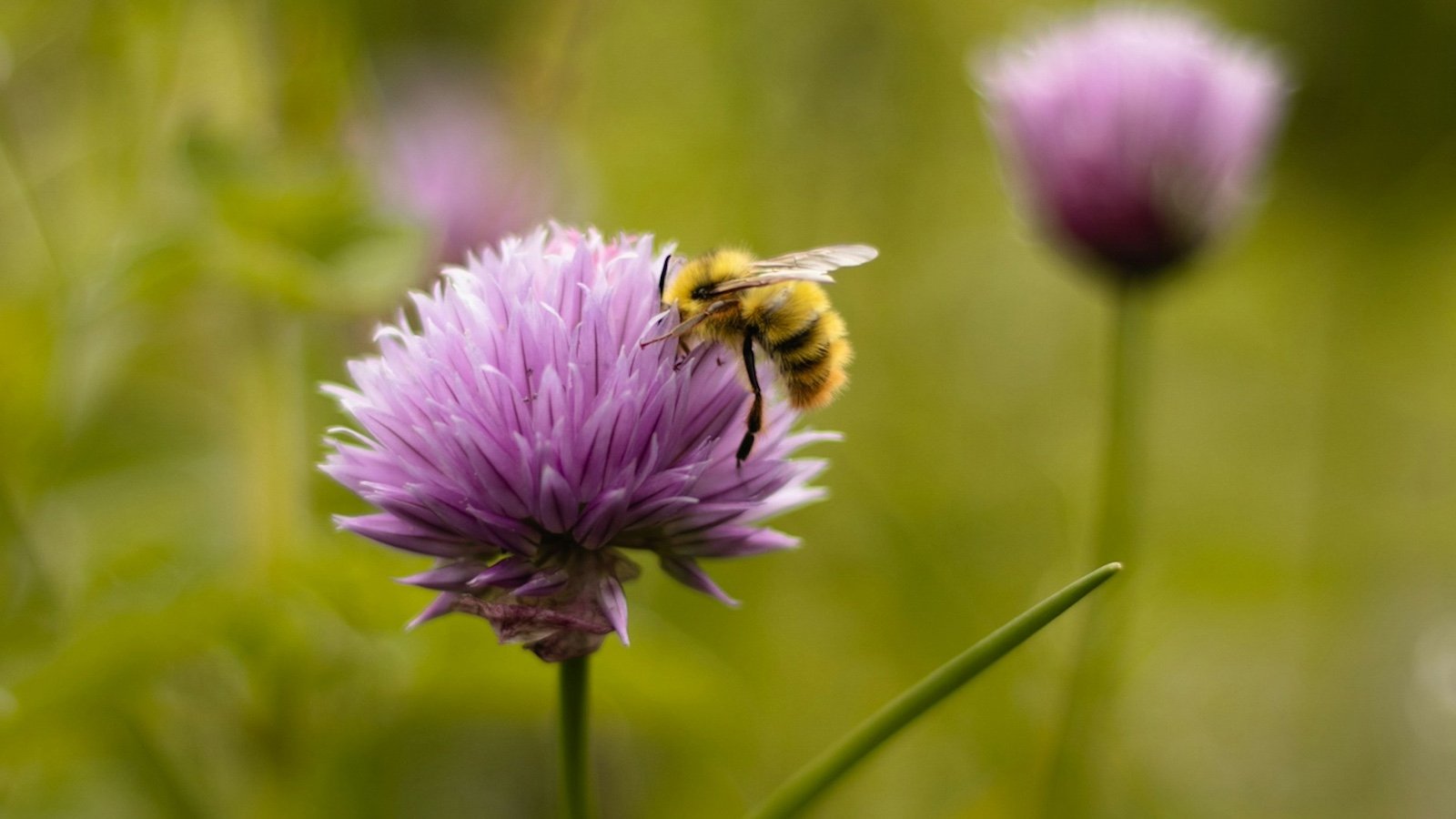
What bee-friendly flowers should I plant in my garden in Colorado?
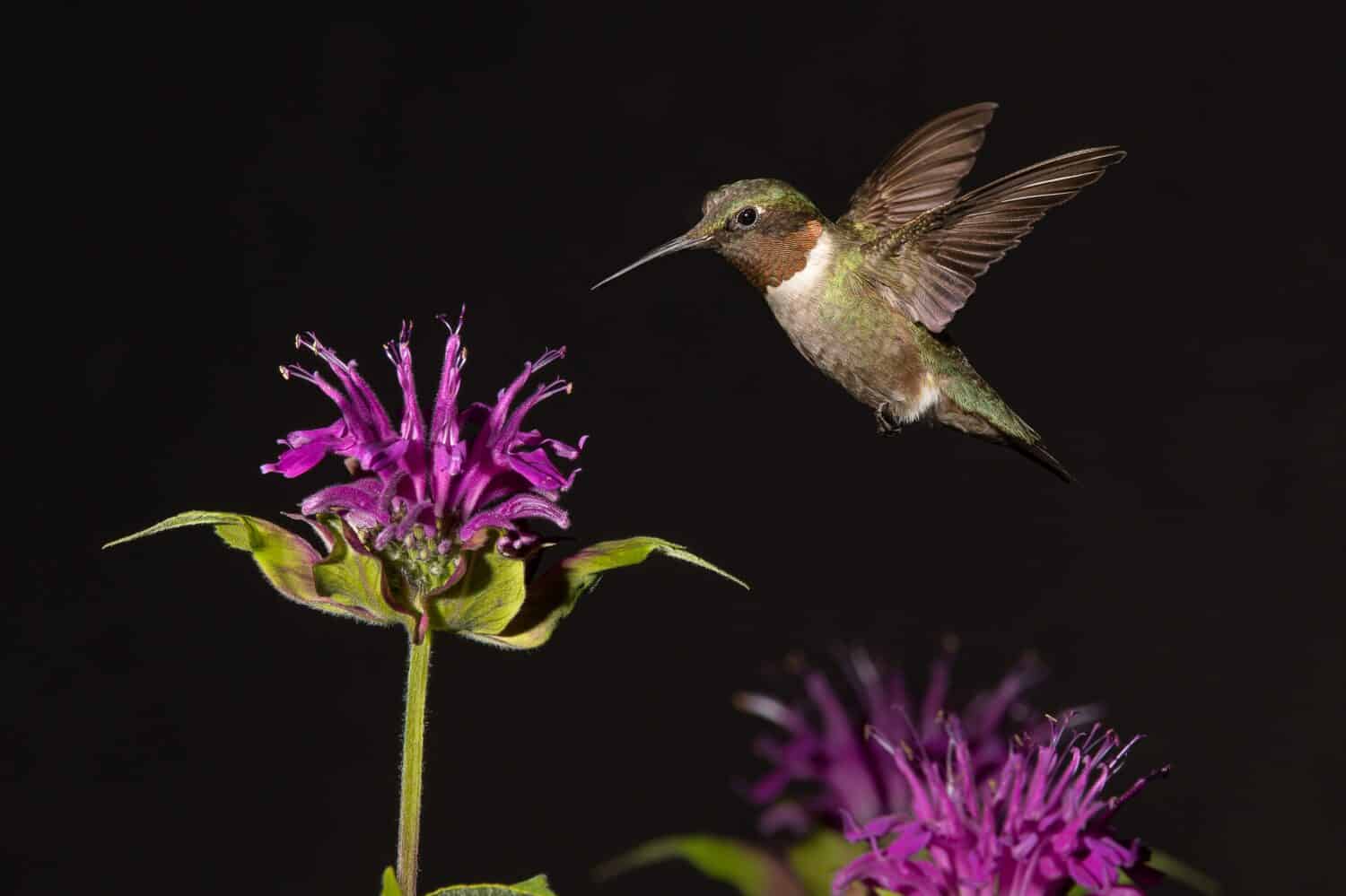
11 Beautiful Purple Flowers and Plants That Attract Hummingbirds
Smudge Your Greenery, and More Indoor Plant Advice We Shouldn’t Be Giving Away for Free

Enhancing the power of a flower