1/33
Spaces for Wellness: Integrating Fitness into Everyday Environments
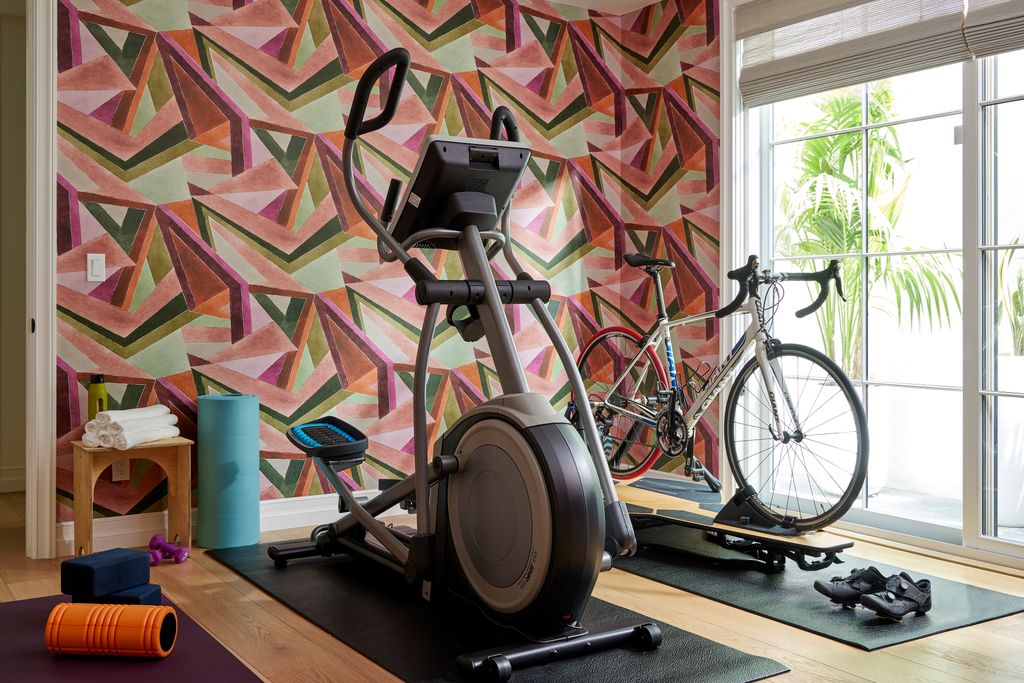
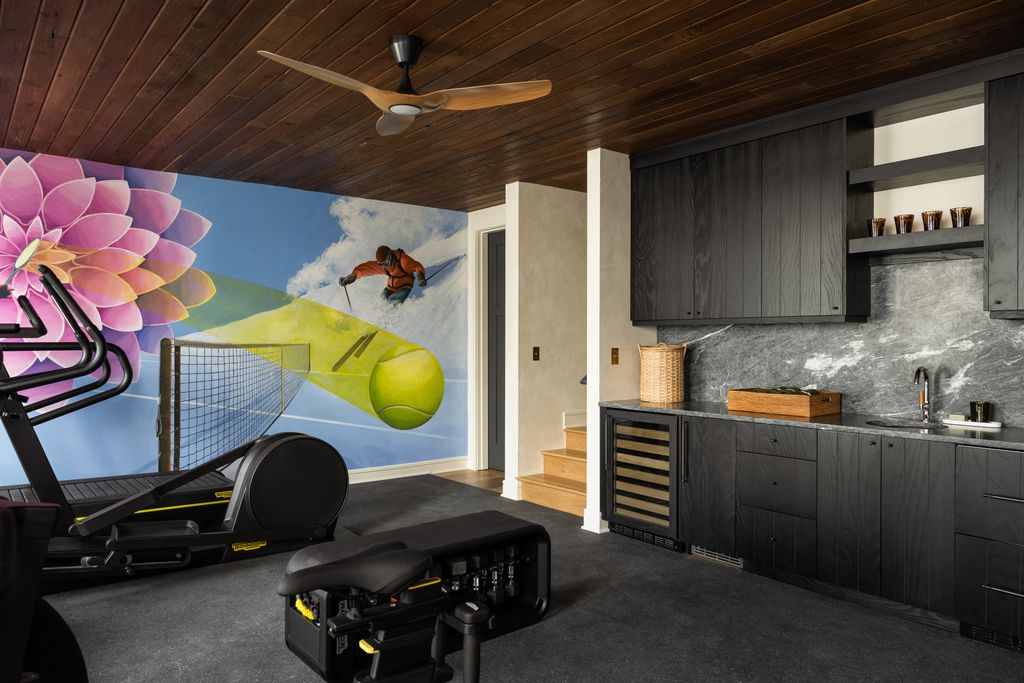
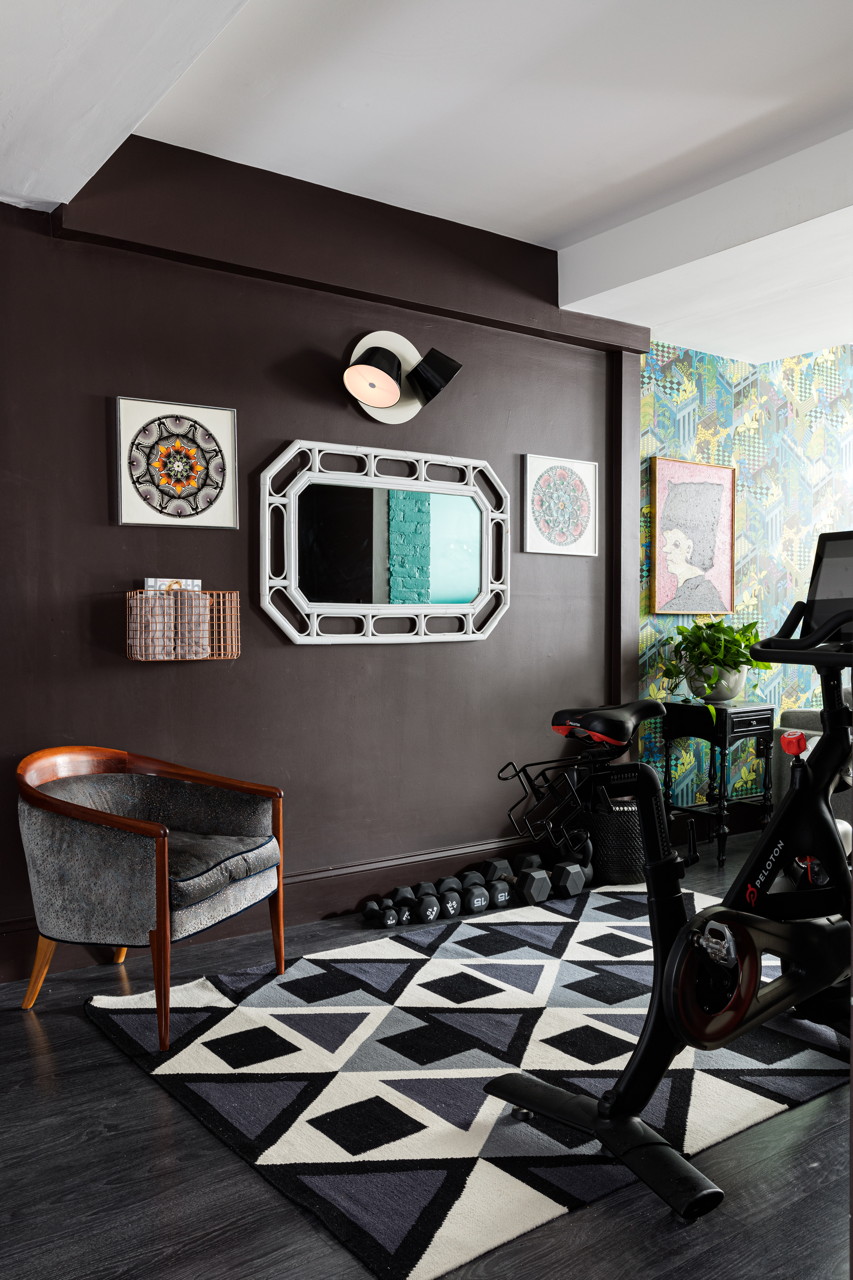
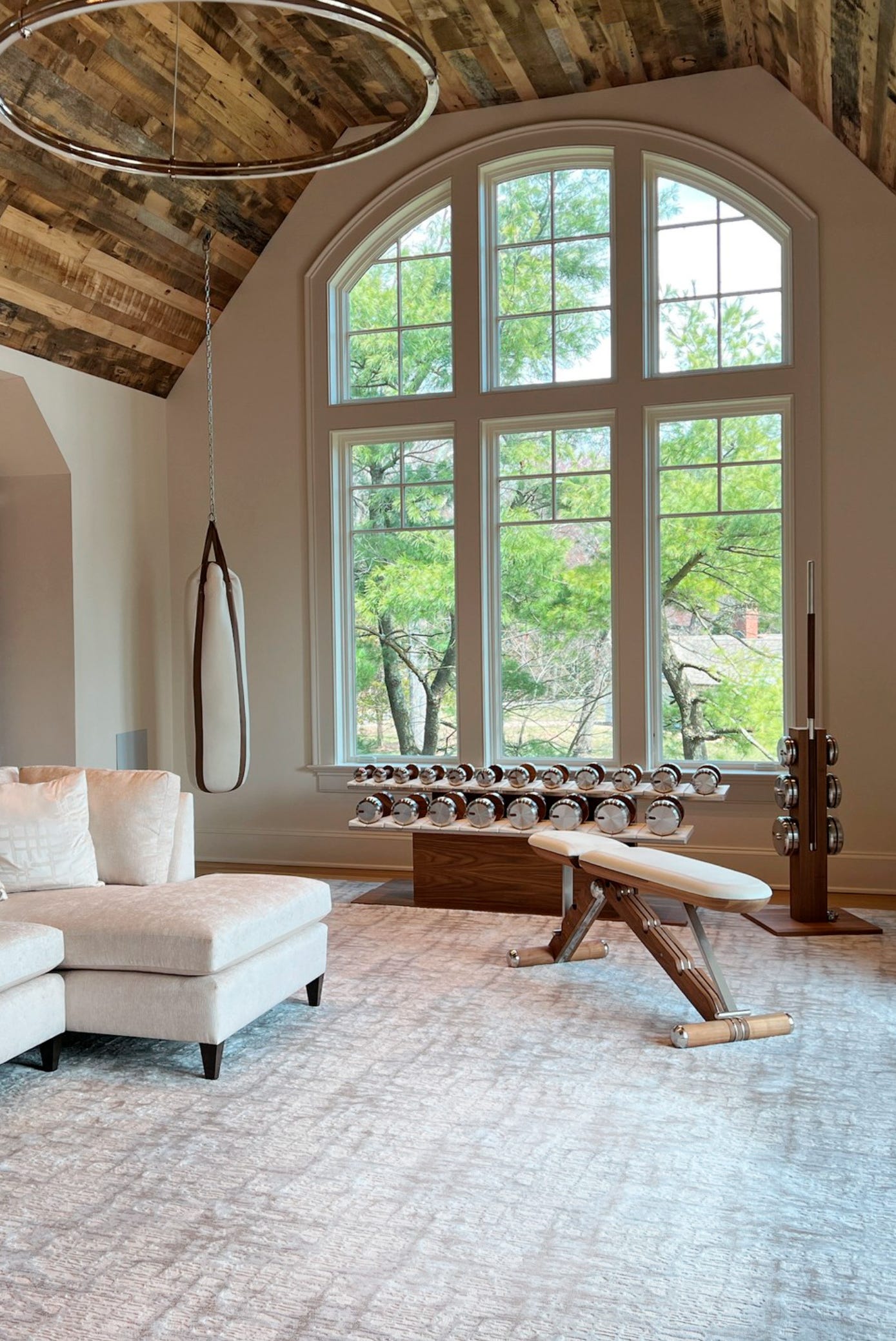
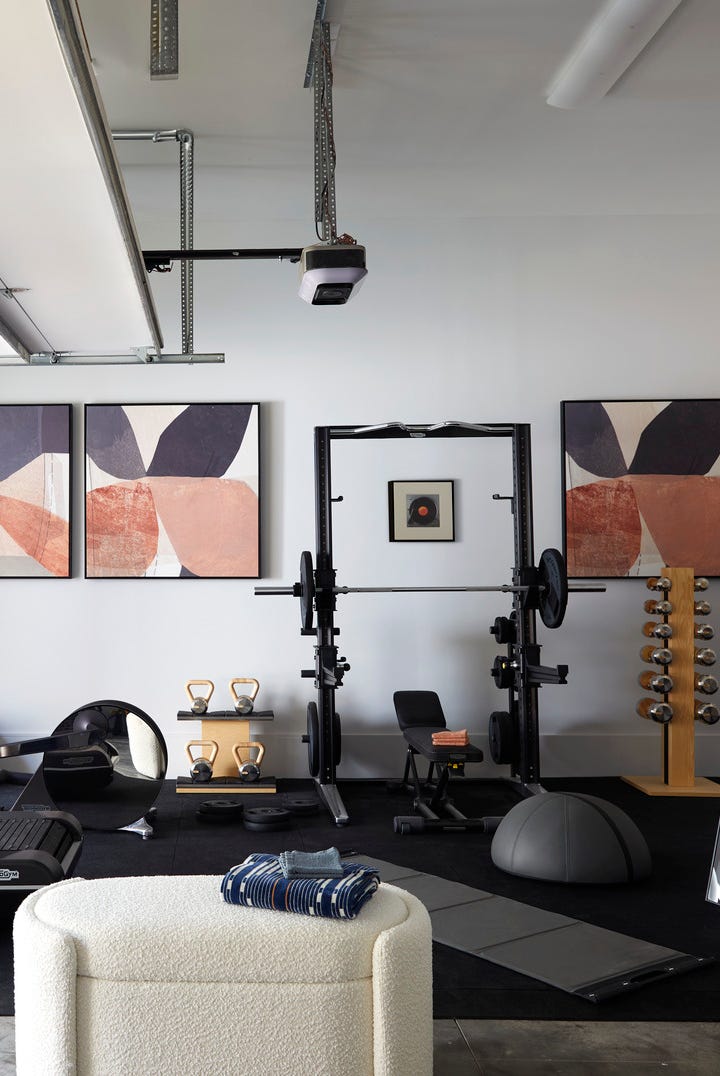
As urban environments continue to expand and daily routines undergo rapid transformations, individuals are increasingly seeking innovative methods to uphold their well-being. Historically, urban planners and architects have emphasized active lifestyles through initiatives like pedestrian- and bike-friendly cities, public parks, and dedicated fitness centers. However, recent events, particularly the global pandemic of 2020, highlighted limitations in the accessibility of these public facilities. This shift has prompted a growing trend where both residential and professional spaces are being adapted to incorporate designated areas and equipment for physical activity, enabling individuals to engage in movement throughout their day.
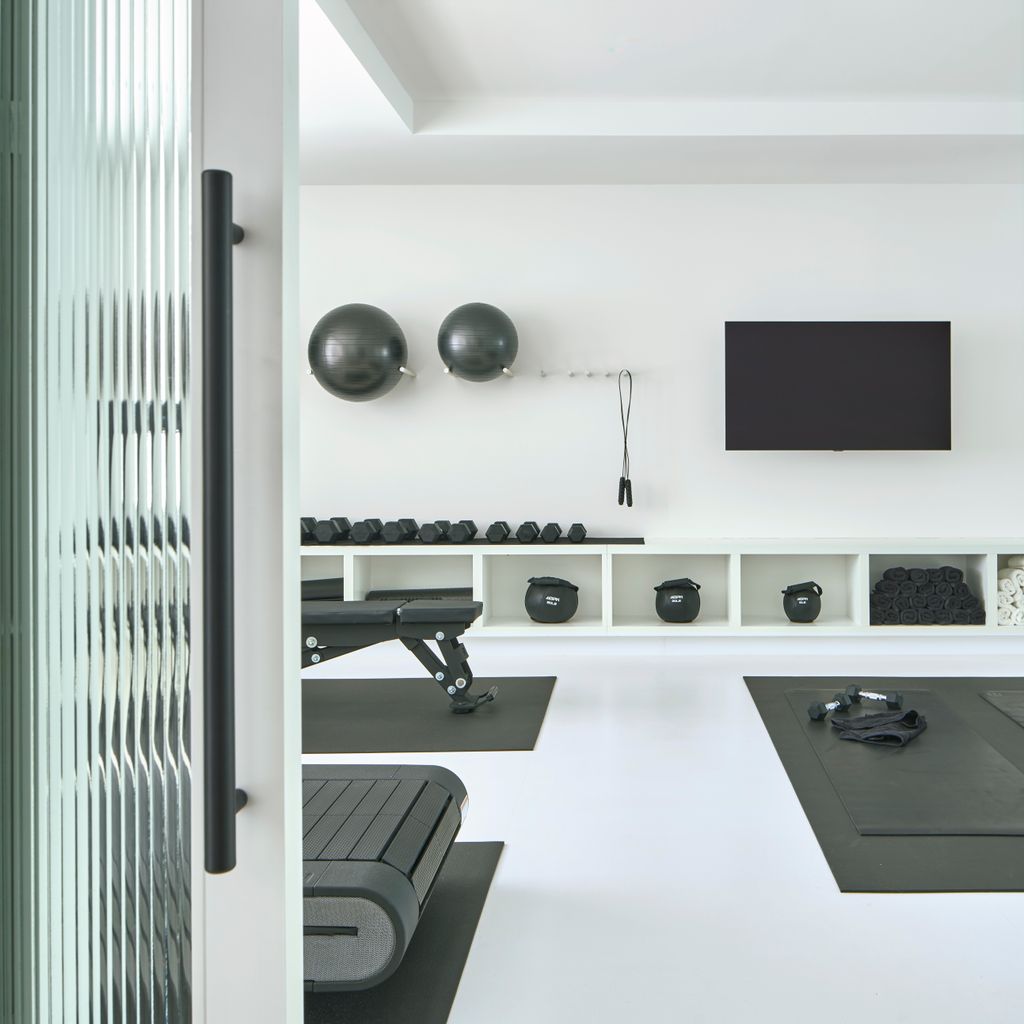
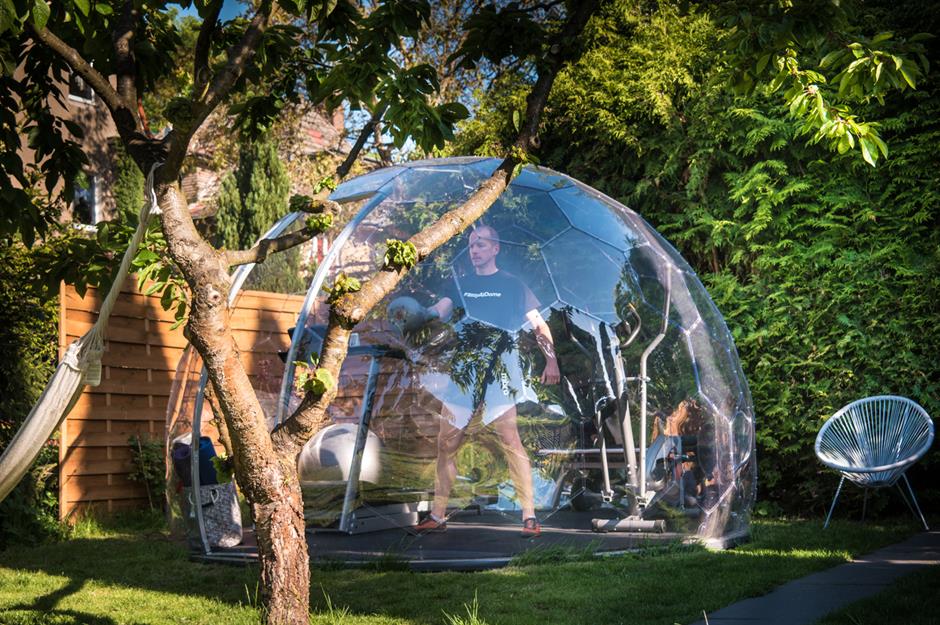
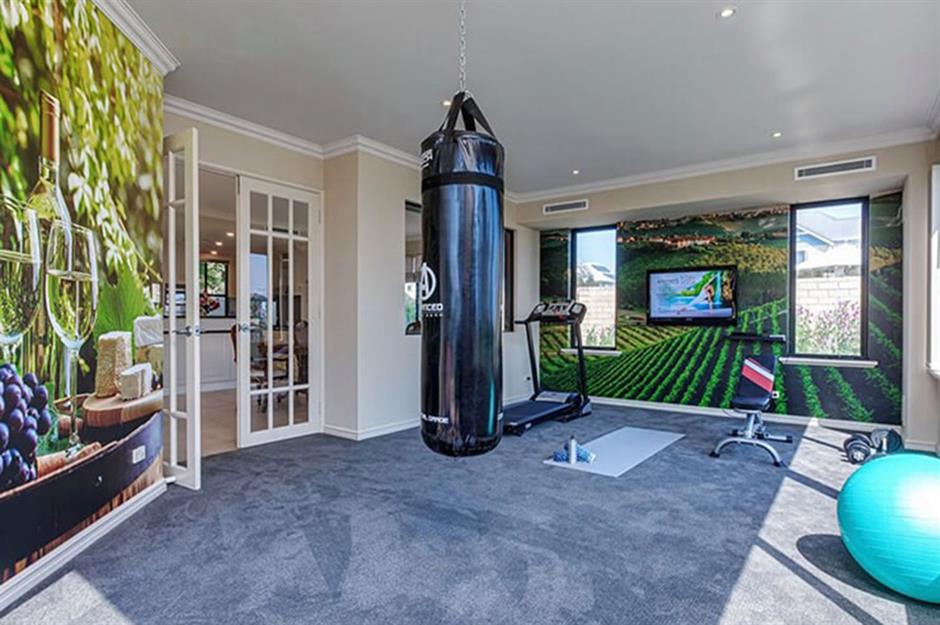
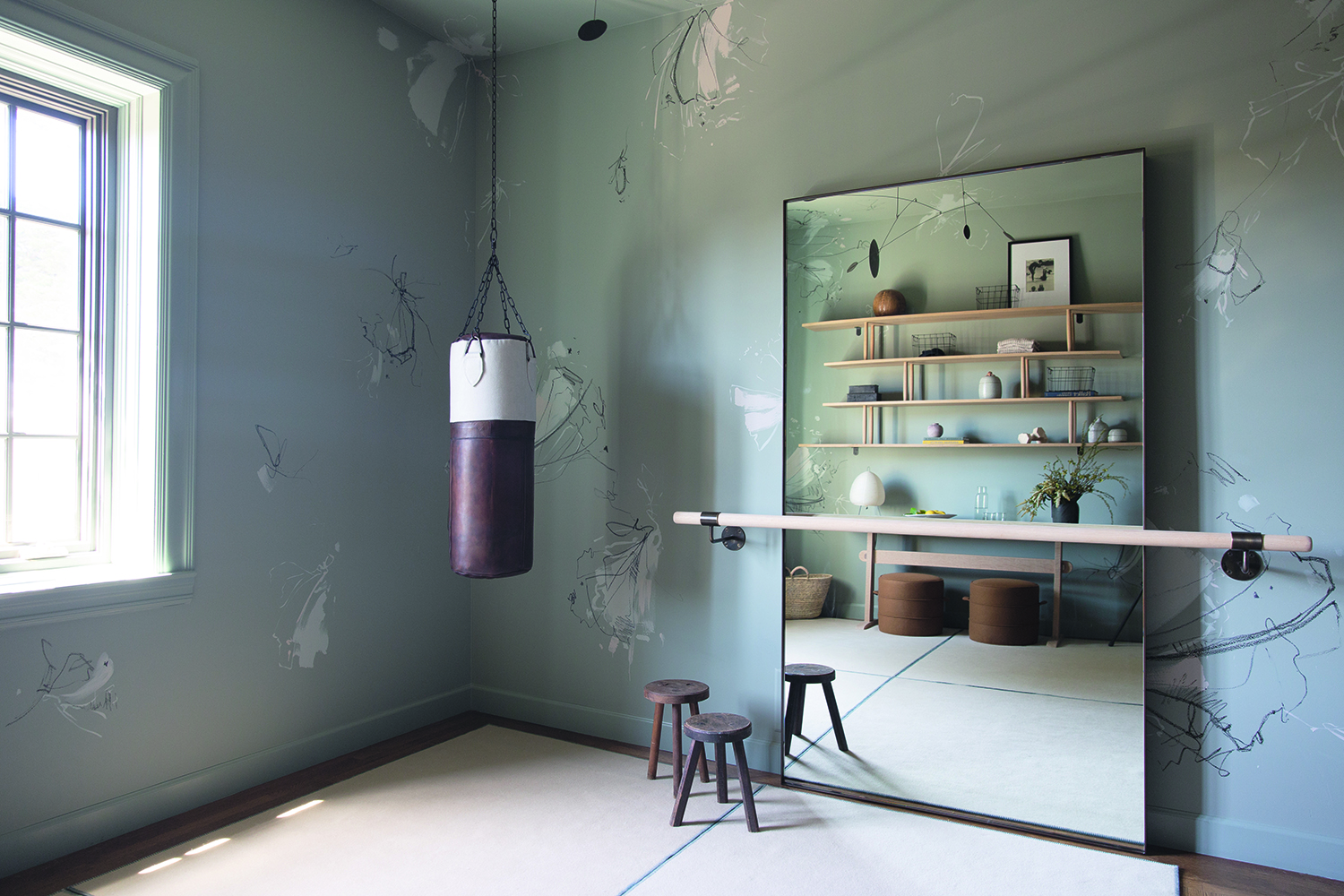
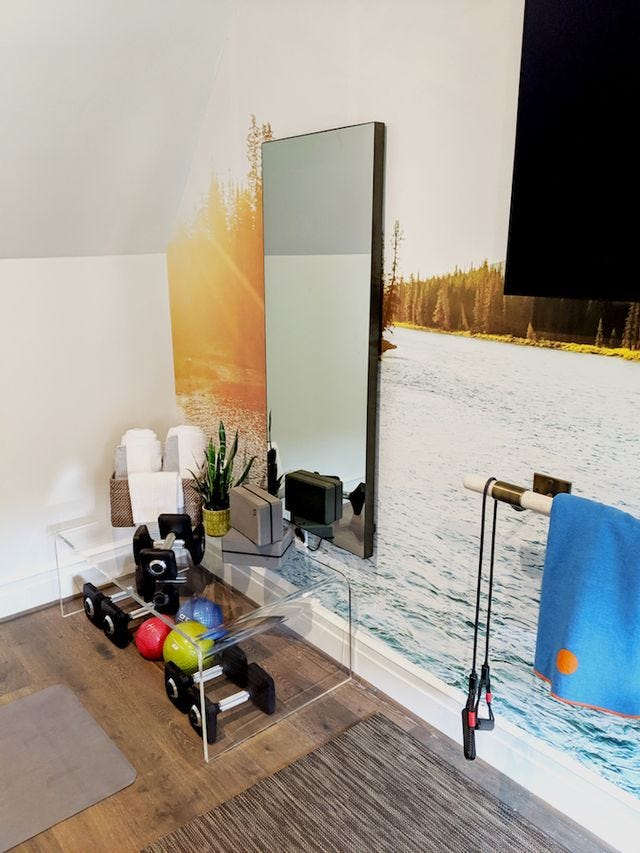
Maintaining physical activity does not inherently require extensive resources but can be achieved through creative and resource-efficient design solutions. This includes traditional home gyms, smaller-scale equipment installations, or simply the strategic clearing of an existing space. Any pre-planned open area can be repurposed into an effective exercise zone. A minimum of 30 square feet (approximately 2.7 square meters) is generally sufficient for comfortable movement without equipment, while a slightly larger area of 100 square feet (approximately 9.2 square meters) is recommended for setups involving exercise machinery.
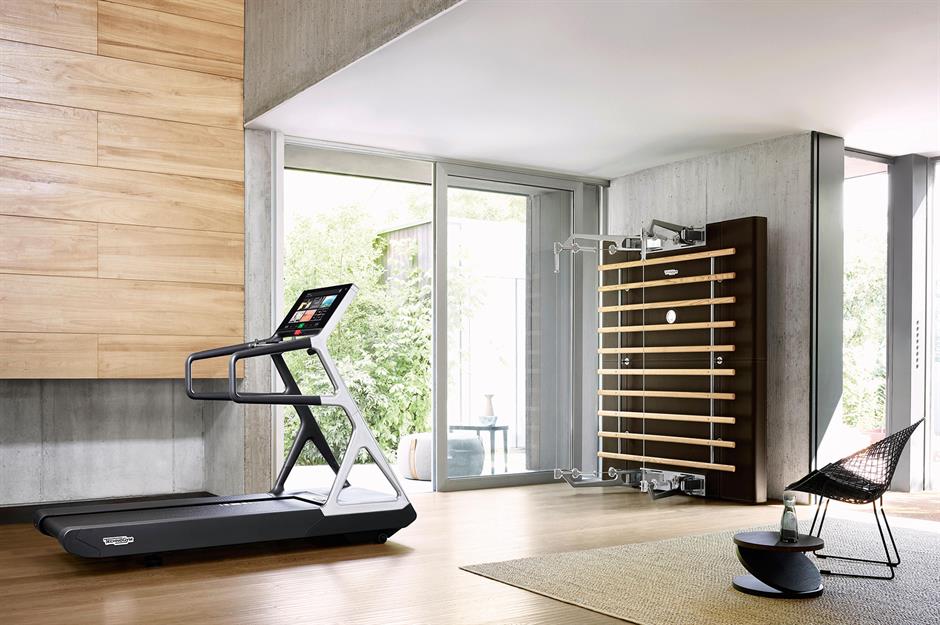
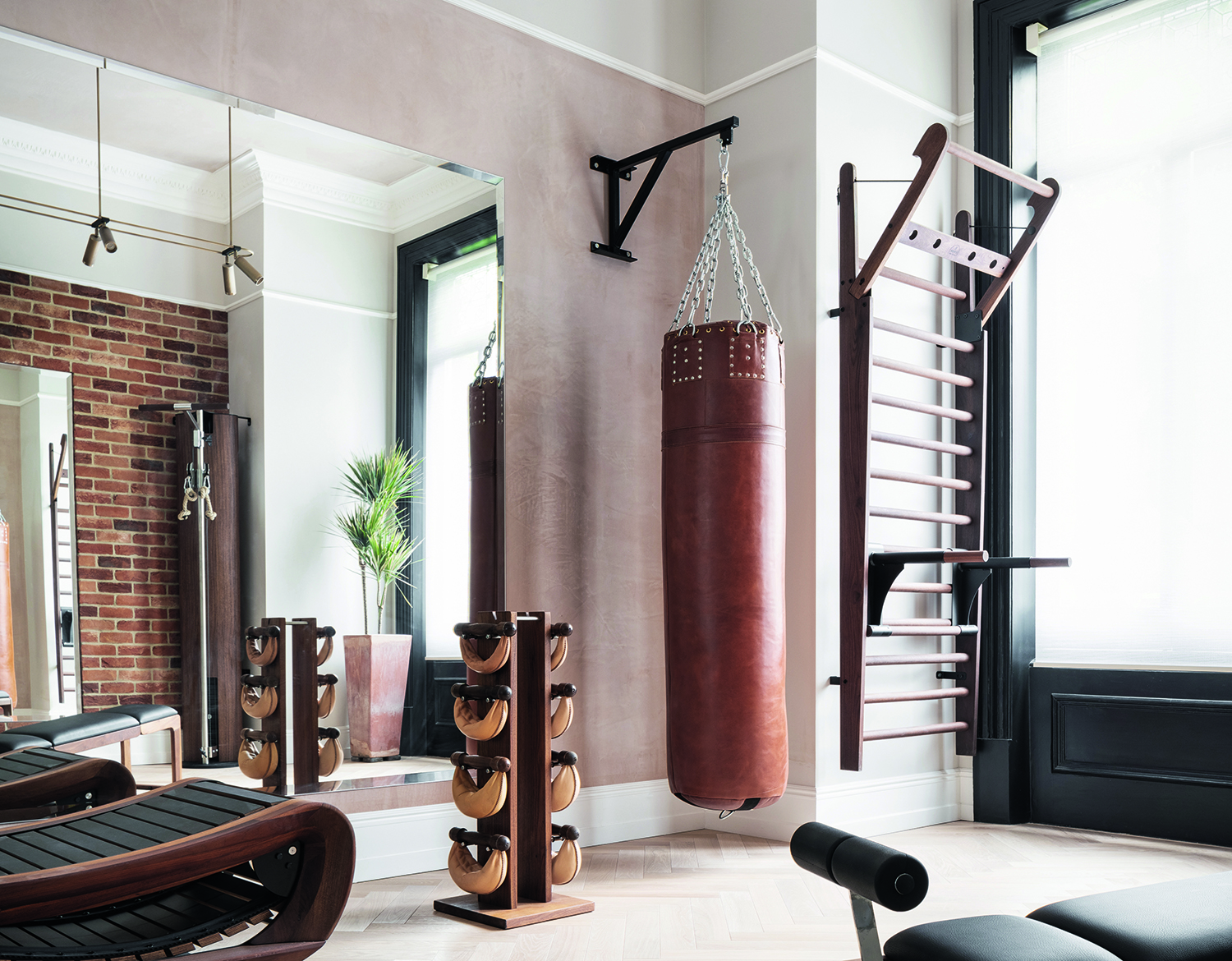
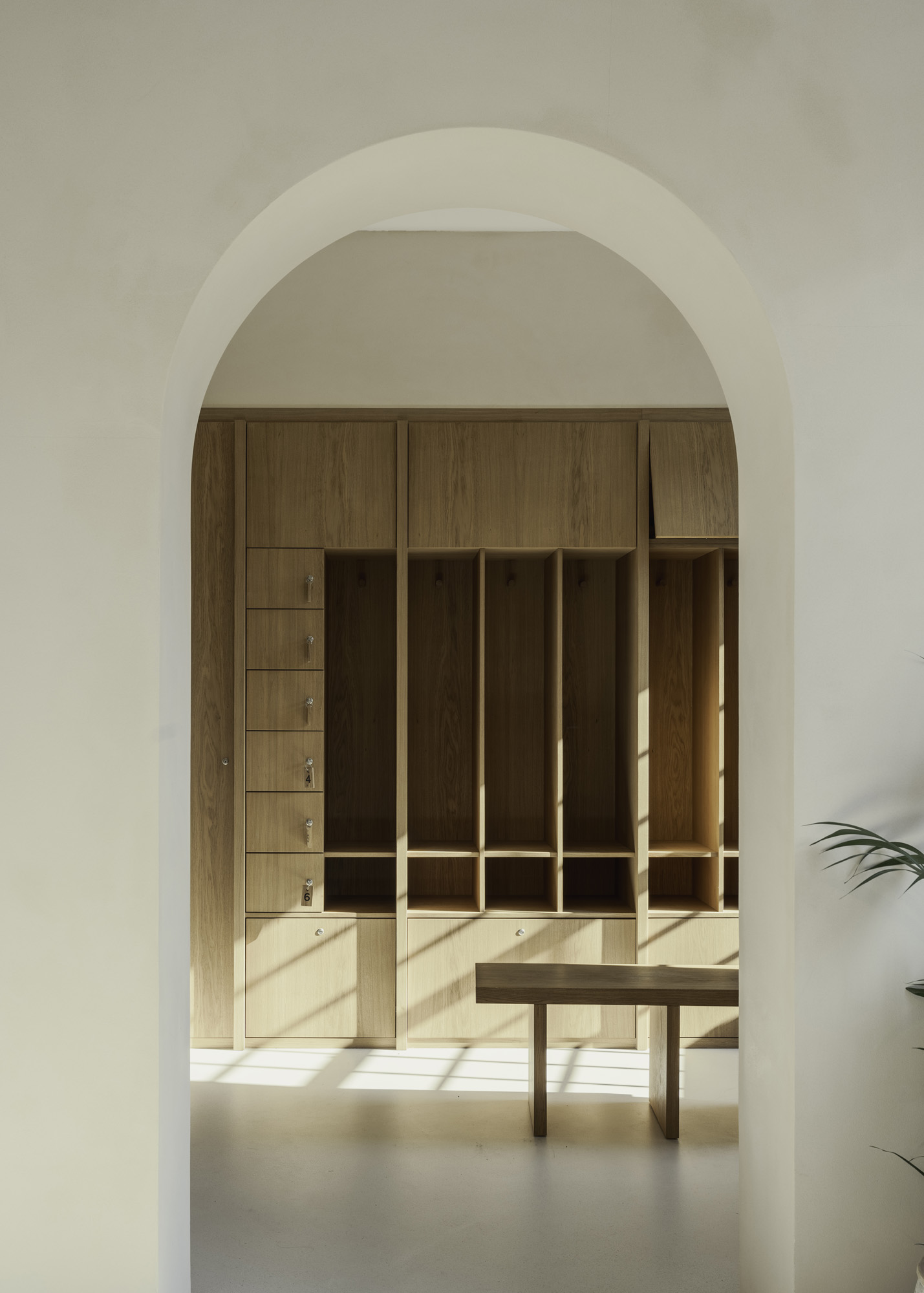
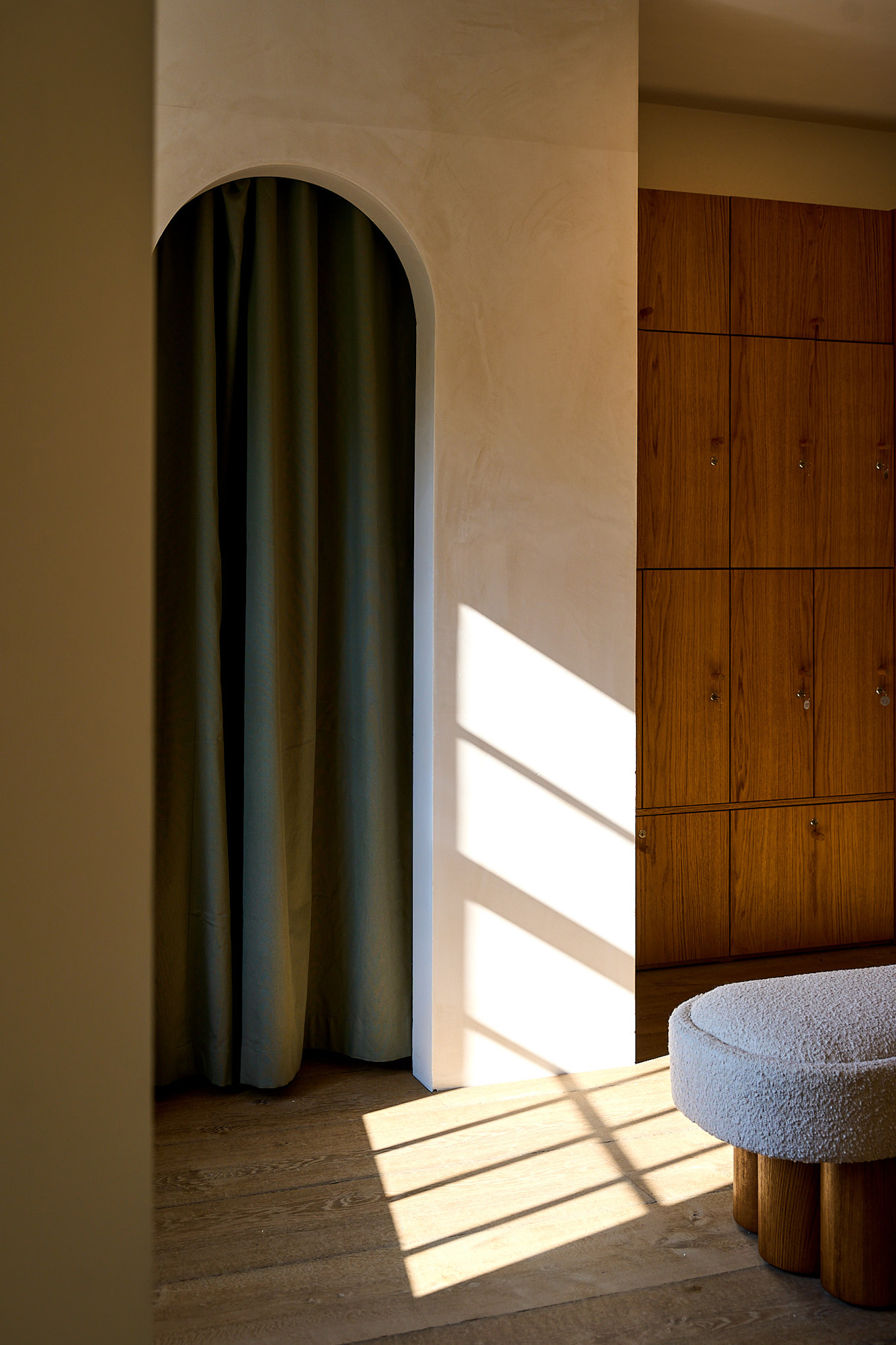
The article categorizes examples of integrating fitness into living and working environments into three primary types. The first, "Traditional Home Gym," describes a dedicated space within a home that mirrors the features of a conventional commercial gym. Examples include the Lee House by Eduardo Glycerio + Studio MK27 - Marcio Kogan, which features a spa with a gym room, sauna, and outdoor pool. The Barn by Carney Logan Burke Architects includes a dedicated workout area with views, and Villa G by GAAP studio associati integrates a pedestrian ringway for exercise within its garden, alongside a playground and relaxation area. The Sports Pavilion by Horomystudio exemplifies a complete sports facility within a limited suburban space, featuring locker rooms, weight benches, cardio machines, and a yoga gym across multiple floors.
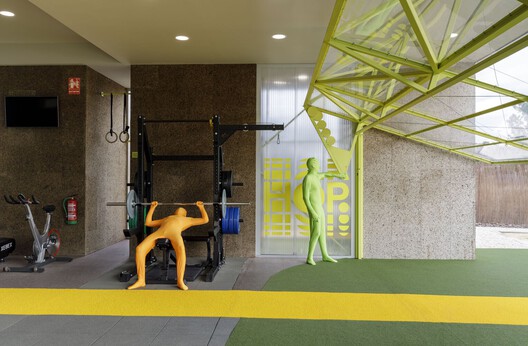
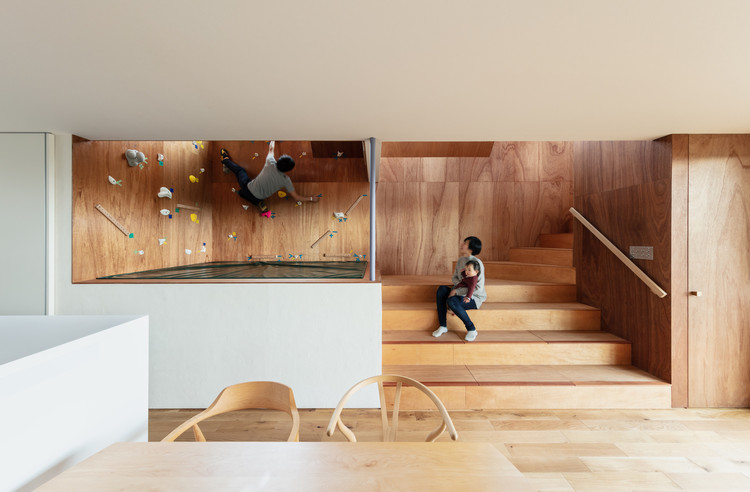
The second category, "Installation," involves more inventive approaches to embedding physical activity into architectural designs, often customized to the occupants' specific interests. Projects like "In Suspension" by NatureHumaine transformed a two-level space by removing a floor to create a high-ceilinged area with gymnastic rings for exercise. The Skate Park House by LEVEL Architects incorporates a skateboard bowl directly into the floor, allowing the studio space to expand outwards for varied interactions. The Court House by KOIZUMISEKKEI integrates an indoor basketball court as a central core, with rooms arranged around it. The Urban Man Cave by Inhouse Brand Architects reconfigures a lounge area into a multifunctional space for a teenager, accommodating interests like skating and surfing. The House in Tsukawaki by Horibe Associates features a professional-level bouldering wall adjacent to the living room, allowing family interaction during training. The Inteltion Office by Onion addresses office syndrome by incorporating stretching tools and exercise equipment like monkey bars into the workspace, promoting employee well-being.
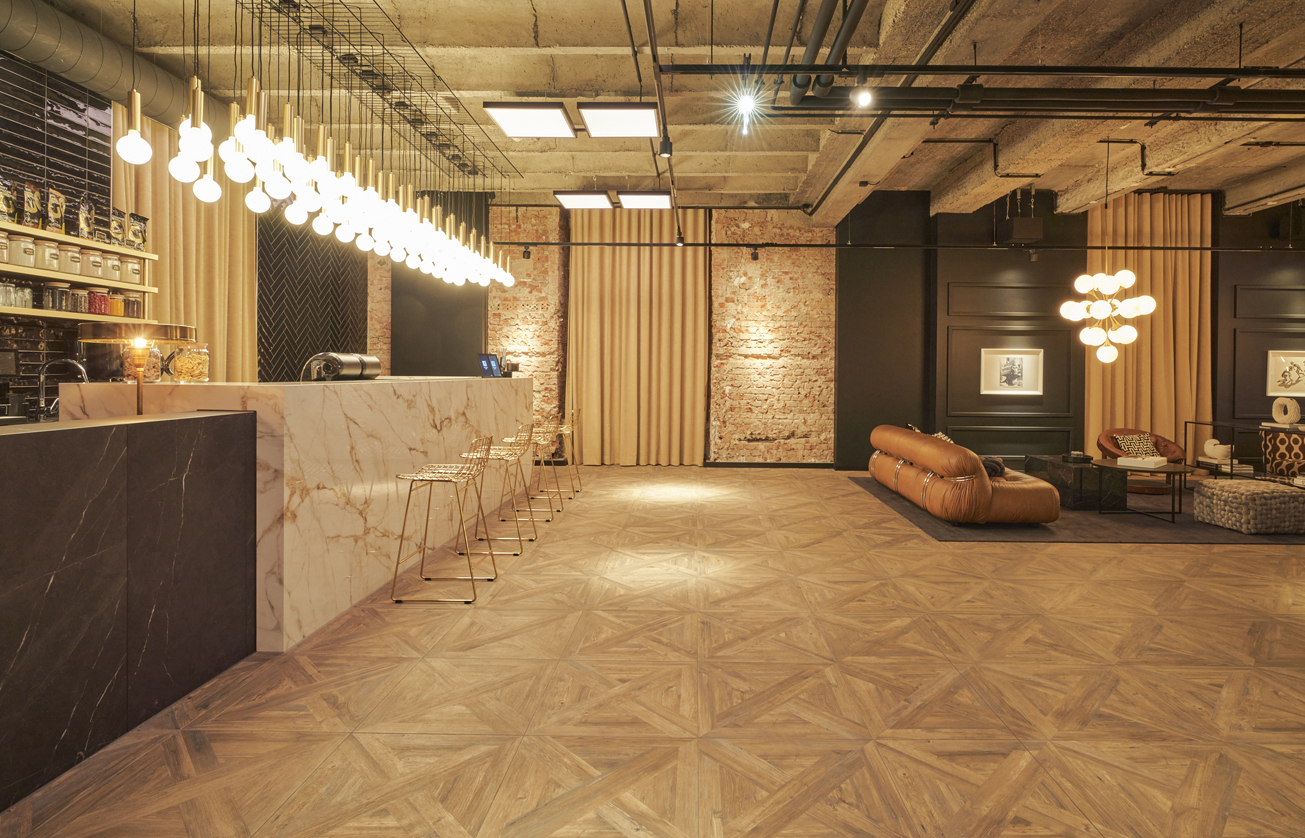
Finally, "Flexible Open Space" refers to adaptable areas within homes or offices that can serve multiple functions, including exercise. The Garden Studio Gym in North London by EASTWEST ARCHITECTURE created a workout studio in a rear garden by lowering the ground floor to achieve sufficient height for activities like skipping and jumping, adhering to permitted development regulations. Biombombastic by elii optimizes a small apartment by configuring an L-shaped band that groups all utilitarian functions, freeing up central space for everyday activities including exercise. The TKSTYLE Office by JACKY.W DESIGN transformed a fashion brand's office into a multifunctional living experience space, incorporating areas for working, reception, fitness, and conferences without rigid partitions, leveraging the original space's height and natural light. These diverse examples demonstrate the growing importance and innovative integration of fitness areas within private and professional architectural designs, reflecting a broader societal emphasis on well-being.
#WellnessDesign #HomeFitness #OfficeWellness #ArchitecturalInnovation #InteriorDesign #HealthyLiving #UrbanPlanning #WorkoutSpaces #AdaptiveReuse #WellnessDesign #HomeFitness #OfficeWellness #ArchitecturalInnovation #InteriorDesign #HealthyLiving #UrbanPlanning #WorkoutSpaces #AdaptiveReuse
0 تعليق إجمالاً
 لا توجد تعليقات بعد
قد تعجبك أيضًا
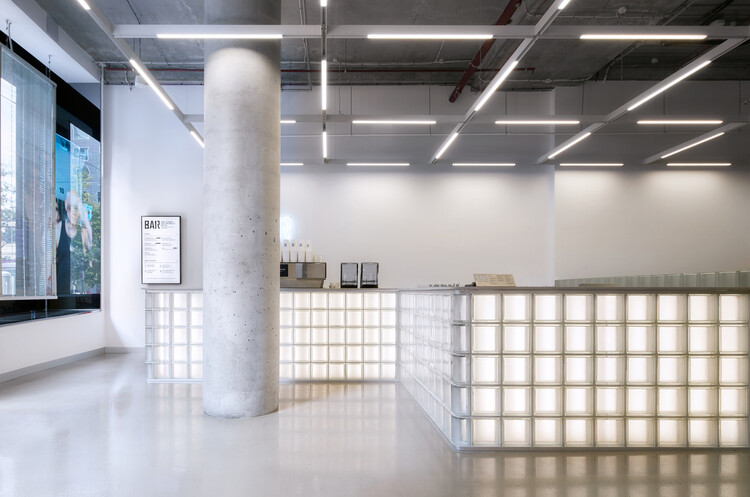
The Gym-Bar Hybrid: Interiors That Integrate Sports and Healthy Habits Through Architecture
These yoga studios set a new standard for calming design

10 Ways to Create a Wellness Yard

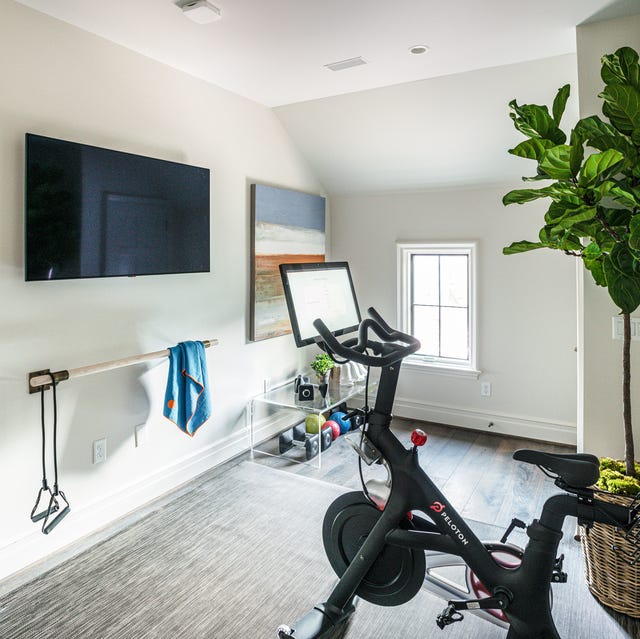
How to Create a Yoga Studio in Your House
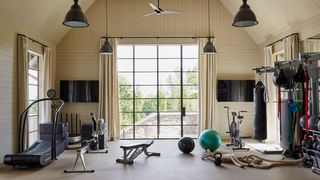
33 Fabulous Home Gym Ideas That Make Working Out a Joy

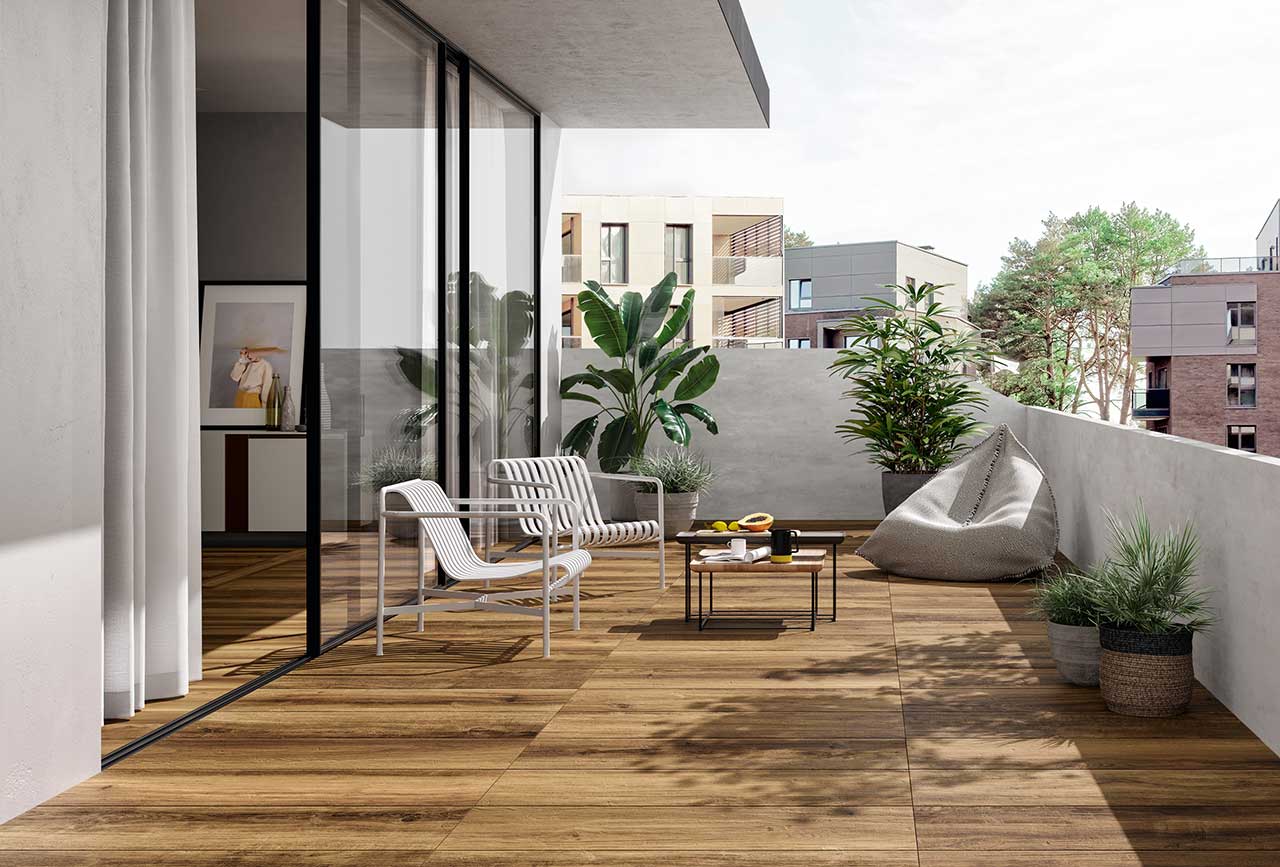
Wellness Benefits of Outdoor Living Spaces
40 ways to find your Zen
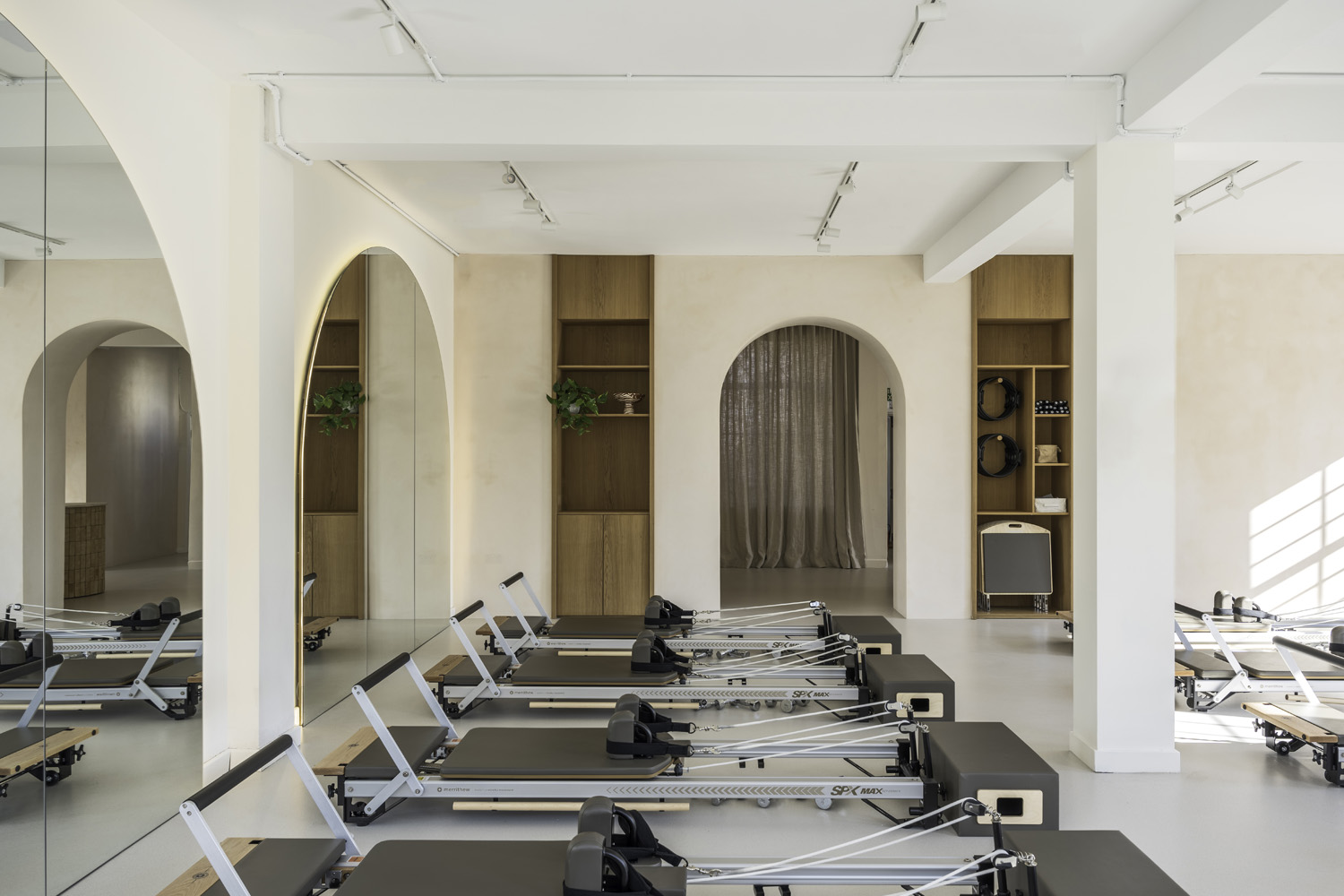
At this Pilates studio in East London, discover an infrared sauna and a mother-of-pearl resin floor

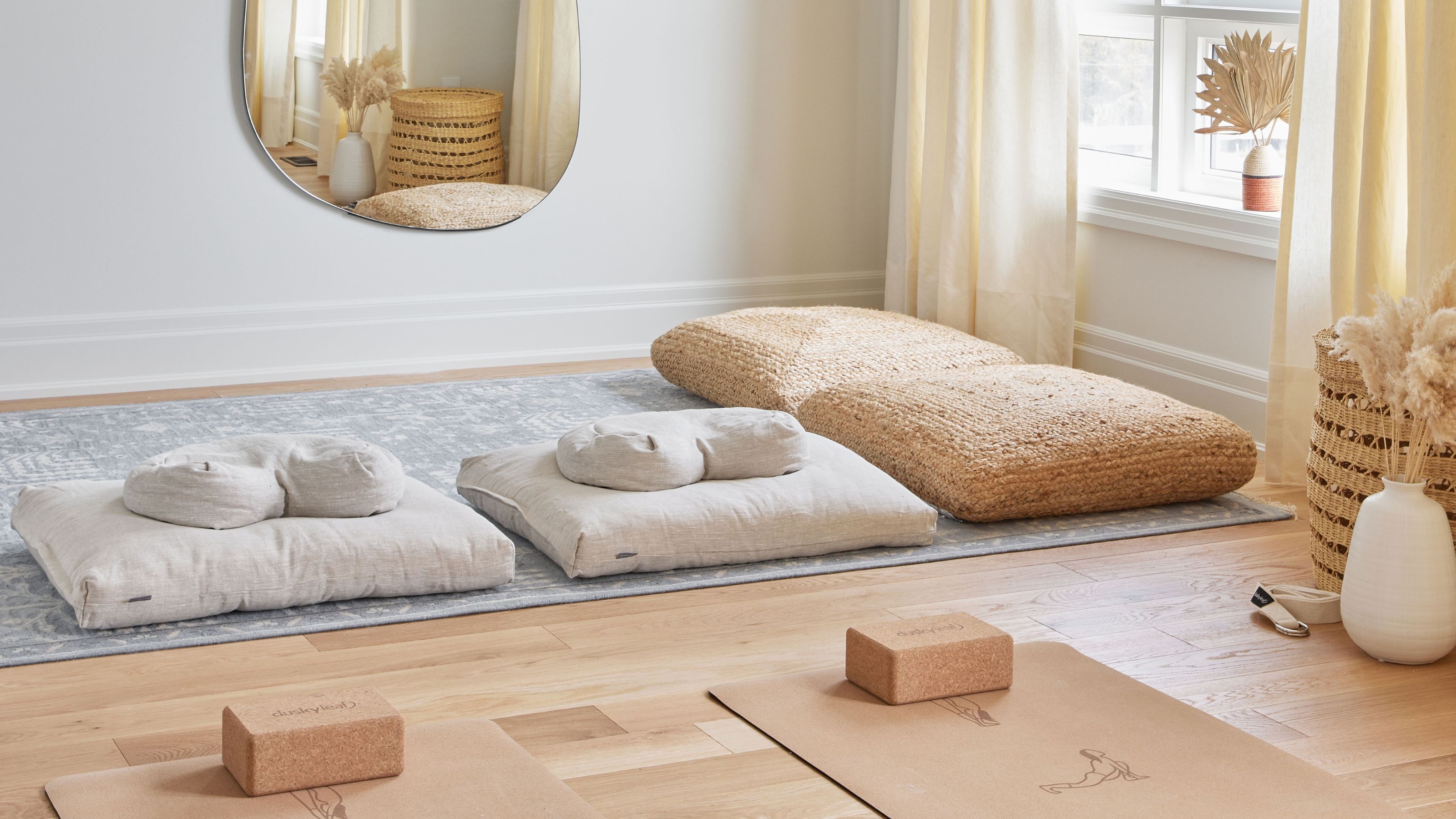
Forget a Home Gym, What You Need Is a "Wellness Room" — The Trend for Carving Out Space for Daily Rituals


Well-Being Through Biophilic Interiors

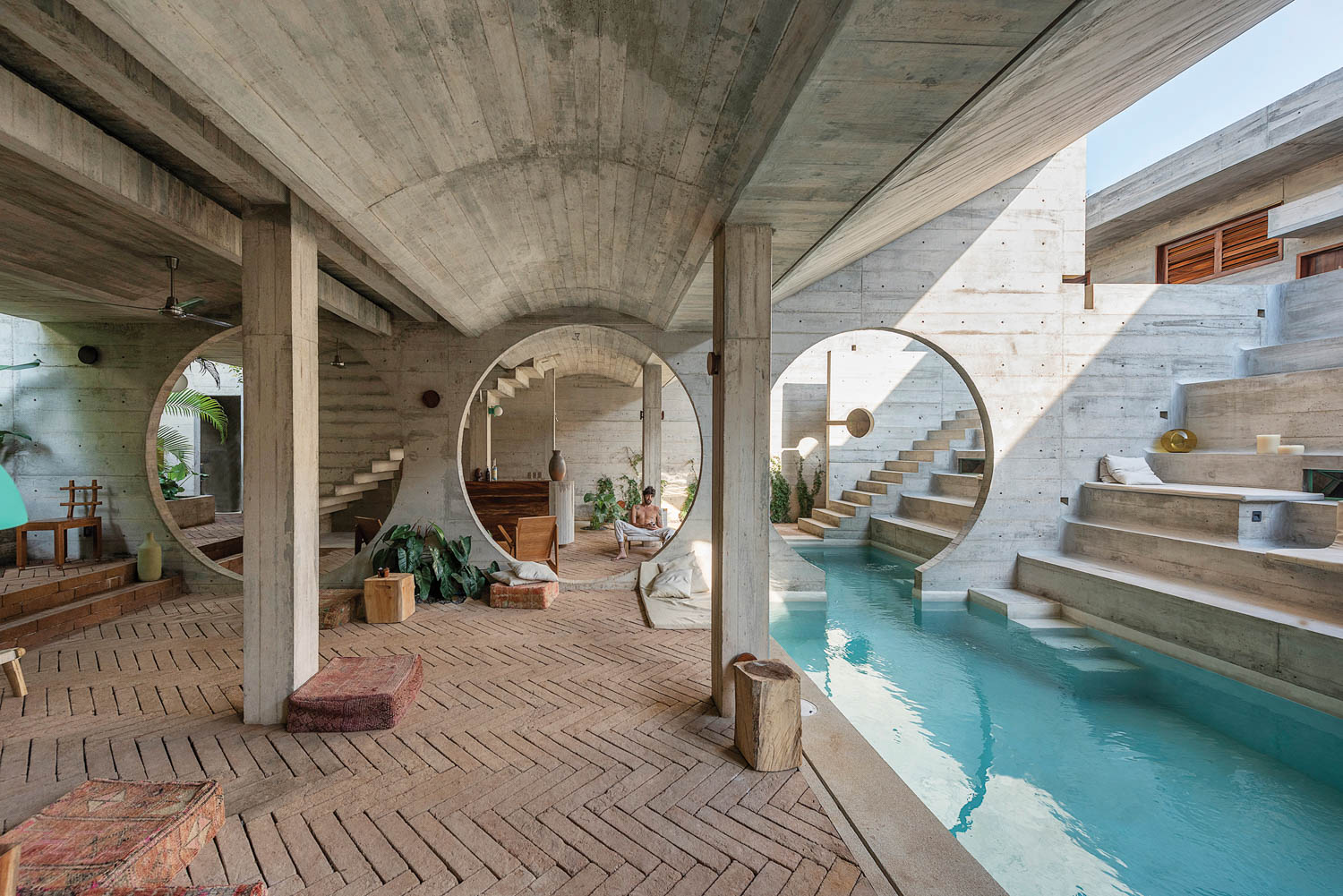
15 Relaxation Rooms Designed to Create Calm

DIFFERENT BY DESIGN
9 yoga studios that achieve design nirvana

30 real workout rooms to inspire your home gym décor | loveproperty.com

Ottagono Packs a Full Workout into a Luminous Octagonal Column

Luxurious state-of-the-art gym takes fitness and relaxation to new levels

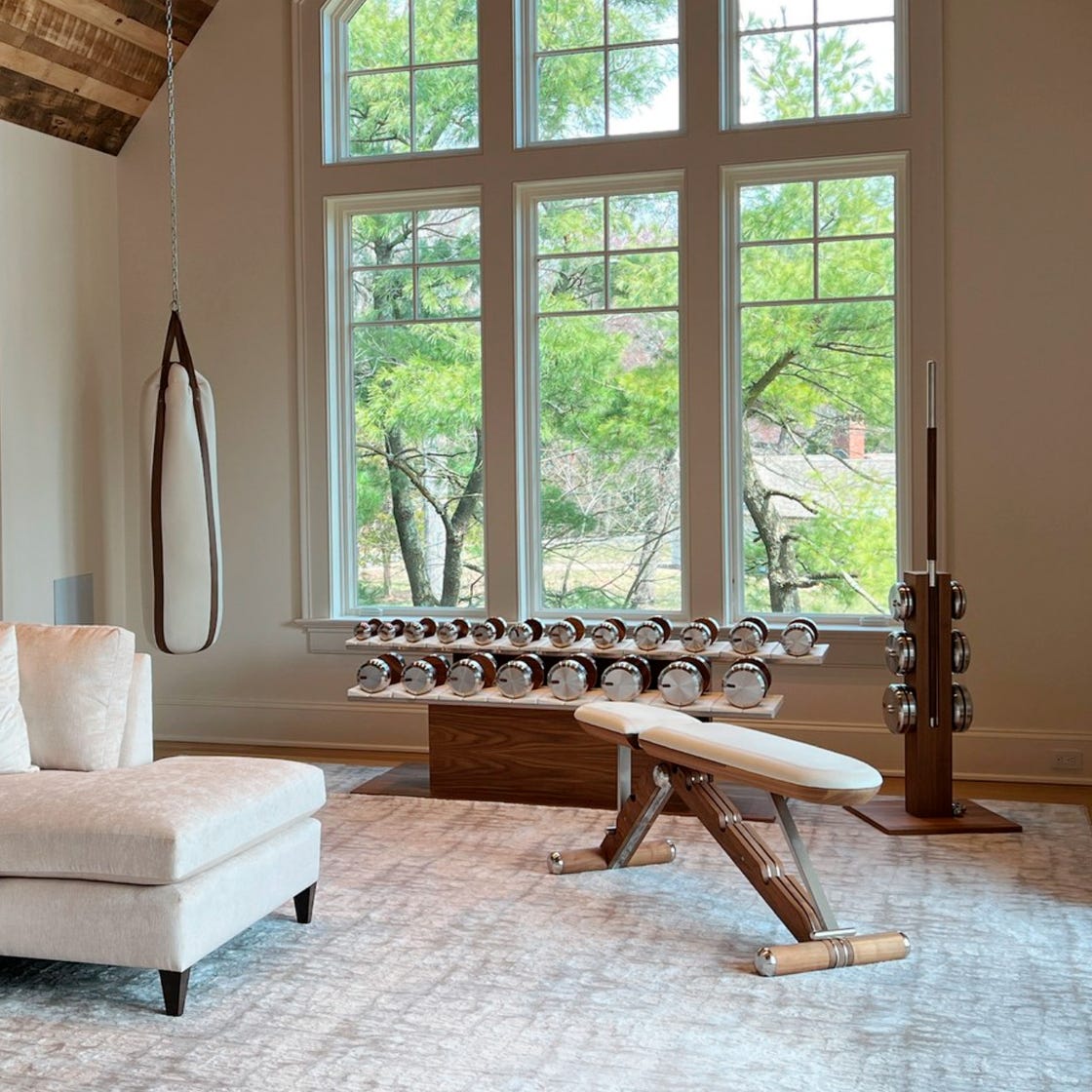
These Designer-Approved Home Gyms Prove How Stylish Wellness Spaces Can Be
Step Inside Werklab: A Wellness-Focused Coworking Space

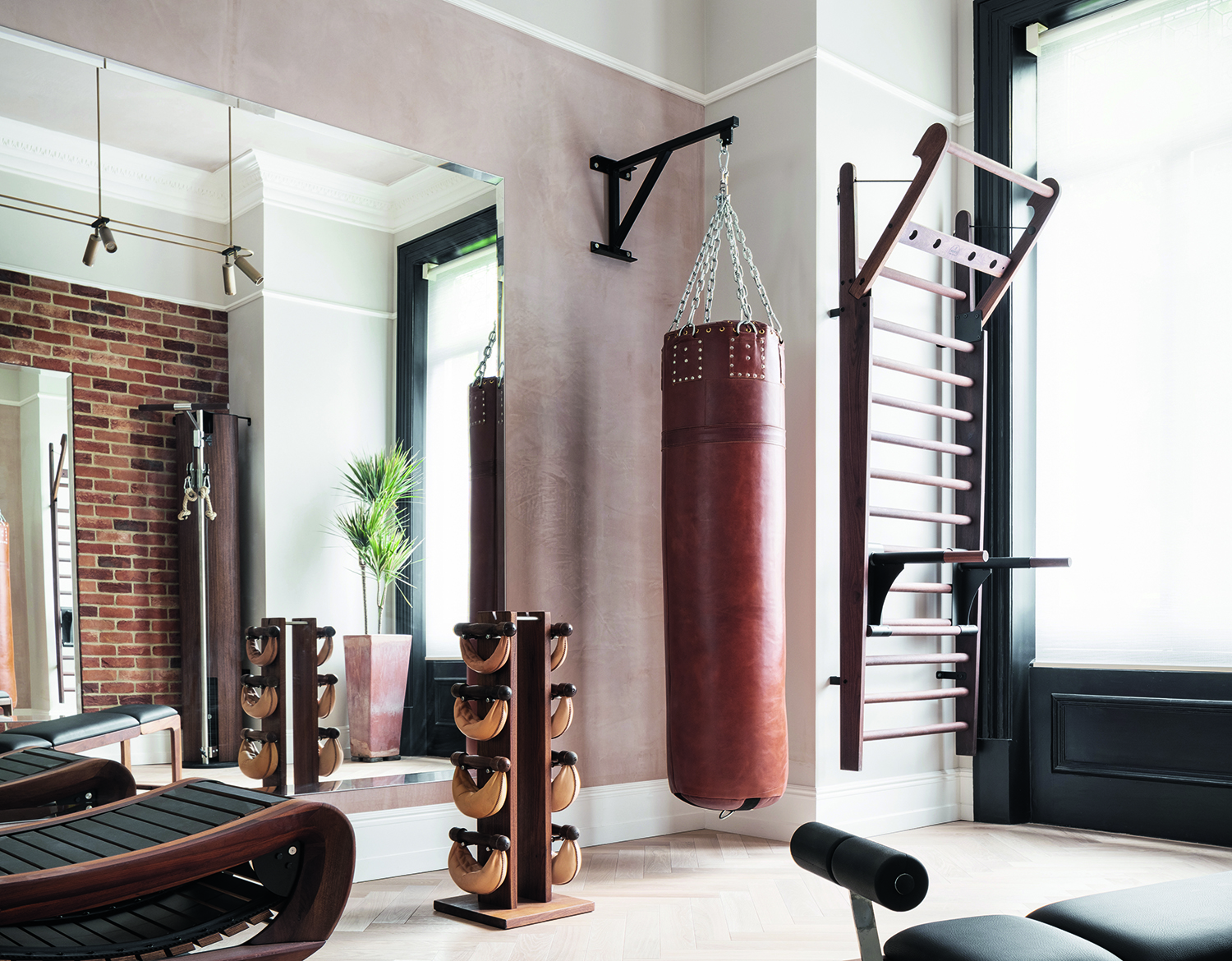
Home gym ideas that will make you look forward to your workout

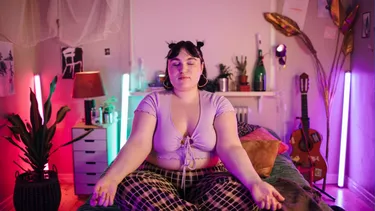
Zen Decor and Meditation Spaces Are Taking Over Home Offices: a Look at Wellness Room Designs